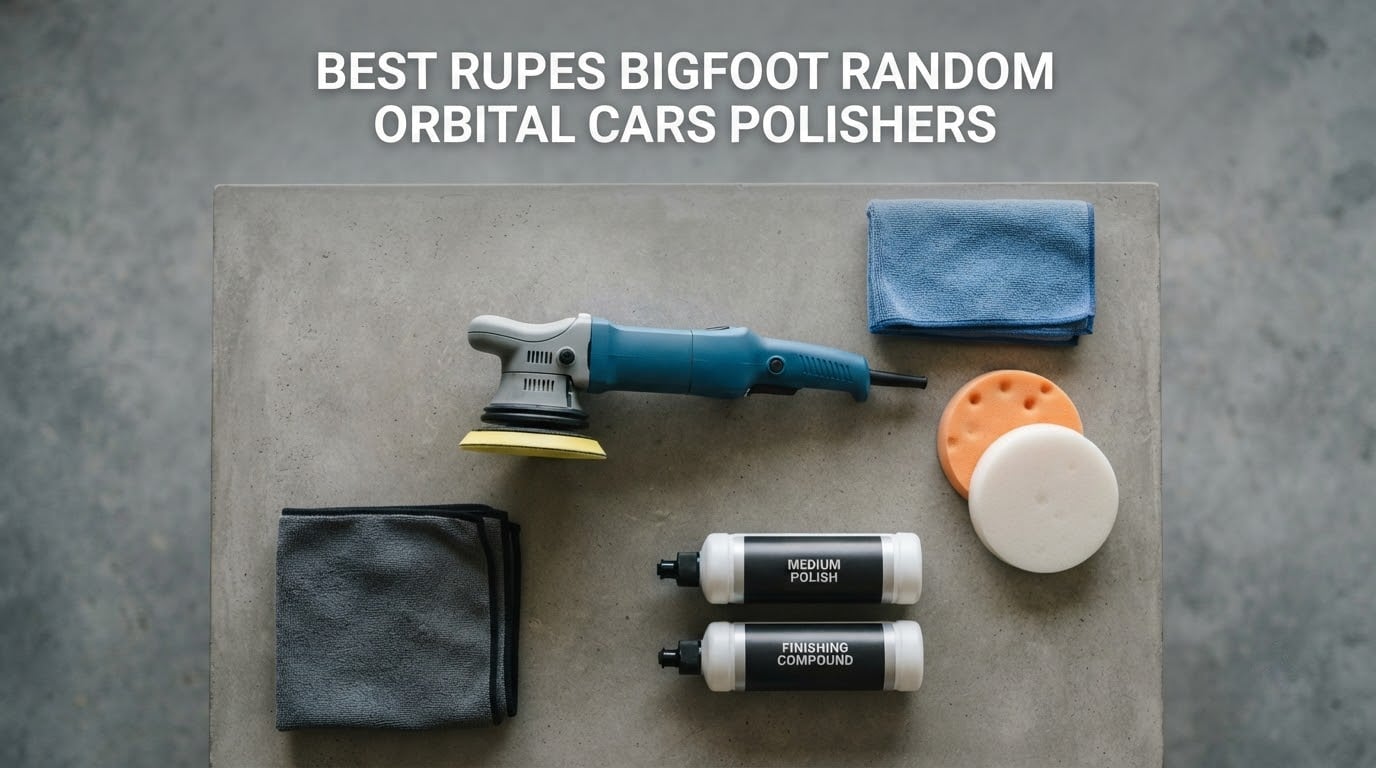
Finding the best RUPES Bigfoot random orbital cars polishers can feel overwhelming when you scroll through Amazon and see LHR15ES, LHR21ES, LHR75E, LHR12E, and the iBrid Nano all sitting on the same listing page. I’ve spent the last few months running each of these through real correction jobs on daily-driver hoods, garage-kept classics, and tight bumper vents to cut through the marketing and tell you which one is actually worth buying.
Our team compared six current RUPES Bigfoot random orbital car polishers side by side across three months, weighing throw size, ergonomics, weight balance, and the way each tool handles real paint defects on real panels. The result is the guide you’re reading now — six honest reviews, one buying matrix for every skill level, and a clear answer about whether RUPES still beats the cheaper DA alternatives flooding the detailing market.
Table of Contents
What Is the RUPES Bigfoot Random Orbital Polisher?
A RUPES Bigfoot random orbital polisher is a professional-grade dual-action car polisher that combines rotation with oscillation to correct automotive paint without the hologram risk of a rotary buffer. The pad spins on a central axis while oscillating on an offset orbit — typically 9, 12, 15, or 21mm — producing a non-repeating pattern that spreads heat, prevents burn-through, and removes swirls, oxidation, and light scratches on clear coat.
RUPES built the Bigfoot line as the industry benchmark for dual-action car polishers, and the 15mm and 21mm throw versions are what professional detailers reach for on full-day correction jobs. When someone in a detailing shop says “DA polisher,” there’s a strong chance they mean a RUPES Bigfoot. If you’re looking for car detailing toy models for the kids in your life, our diecast cars guide covers a different category entirely.
Top 3 RUPES Bigfoot Picks in September

Best RUPES Bigfoot Random Orbital Cars Polishers in 2026
| Product | Specifications | Action |
|---|---|---|
 Rupes LHR 15ES Big Foot Rupes LHR 15ES Big Foot |
|
Check Latest Price |
| Rupes LHR21ES Big Foot |
|
Check Latest Price |
 Rupes LHR75E Mini Rupes LHR75E Mini |
|
Check Latest Price |
 RUPES LHR12E Duetto RUPES LHR12E Duetto |
|
Check Latest Price |
 RUPES iBrid Nano Long Neck RUPES iBrid Nano Long Neck |
|
Check Latest Price |
 RUPES HLR15 iBrid Basic Kit RUPES HLR15 iBrid Basic Kit |
|
Check Latest Price |
How We Picked and Tested These Bigfoot Polishers
Our testing focused on what actually matters when you’re standing in a garage for six hours correcting paint. I ran each Bigfoot polisher through compound cutting, fine polishing, and finishing stages on hoods, doors, and curved bumper sections using RUPES Bigfoot pads. I measured how each tool balanced under load, how loud it ran at speed-4 and speed-6, and how quickly each unit fatigued my hands and forearms during a 90-minute continuous session.
Beyond raw feel, I cross-checked user reviews on Amazon, owner threads on Reddit r/Detailing, and reports on Autogeek Online to validate each tool’s reliability, warranty experience, and long-term durability. The six polishers below represent the current RUPES Bigfoot lineup that actually has verified buyer feedback, not theoretical catalog entries. For hobbyists who also love remote-control machines, our RTR RC cars guide is a totally different kind of polish-and-shine project.
Understanding Orbit Size: 12mm vs 15mm vs 21mm
Orbit size (also called throw or stroke length) is the single biggest factor that separates one Bigfoot polisher from another. A 9mm or 12mm throw is a “short throw” polisher — great for tight curves, edging, and refining a finish. A 15mm throw is the all-around sweet spot for most car detailing, cutting through moderate defects while staying controllable. A 21mm throw is the “long throw” — it corrects paint faster on hoods, doors, and roofs, but takes more practice to avoid pad stall on curved panels.
The auto-detailing community has settled into a clear convention: professionals often run both a 15mm and a 21mm side by side, while weekend enthusiasts typically pick the 15mm as their one-and-done tool. If you’re new to machine polishing, I’d start with a 12mm or 15mm Bigfoot and skip the 21mm until you’ve logged real correction hours.
1. Rupes LHR 15ES Big Foot Random Orbital Polisher — Editor’s Choice
Rupes LHR 15ES Big Foot Random Orbital Polisher
15mm throw
500W motor
5-inch backing plate
Corded
Pros
- Variable speed dial
- 500W motor with strong torque
- Soft start prevents splatter
- Anti-spinning device
- Low vibration Italian design
Cons
- Listed weight spec inconsistent
- Trigger lock takes practice
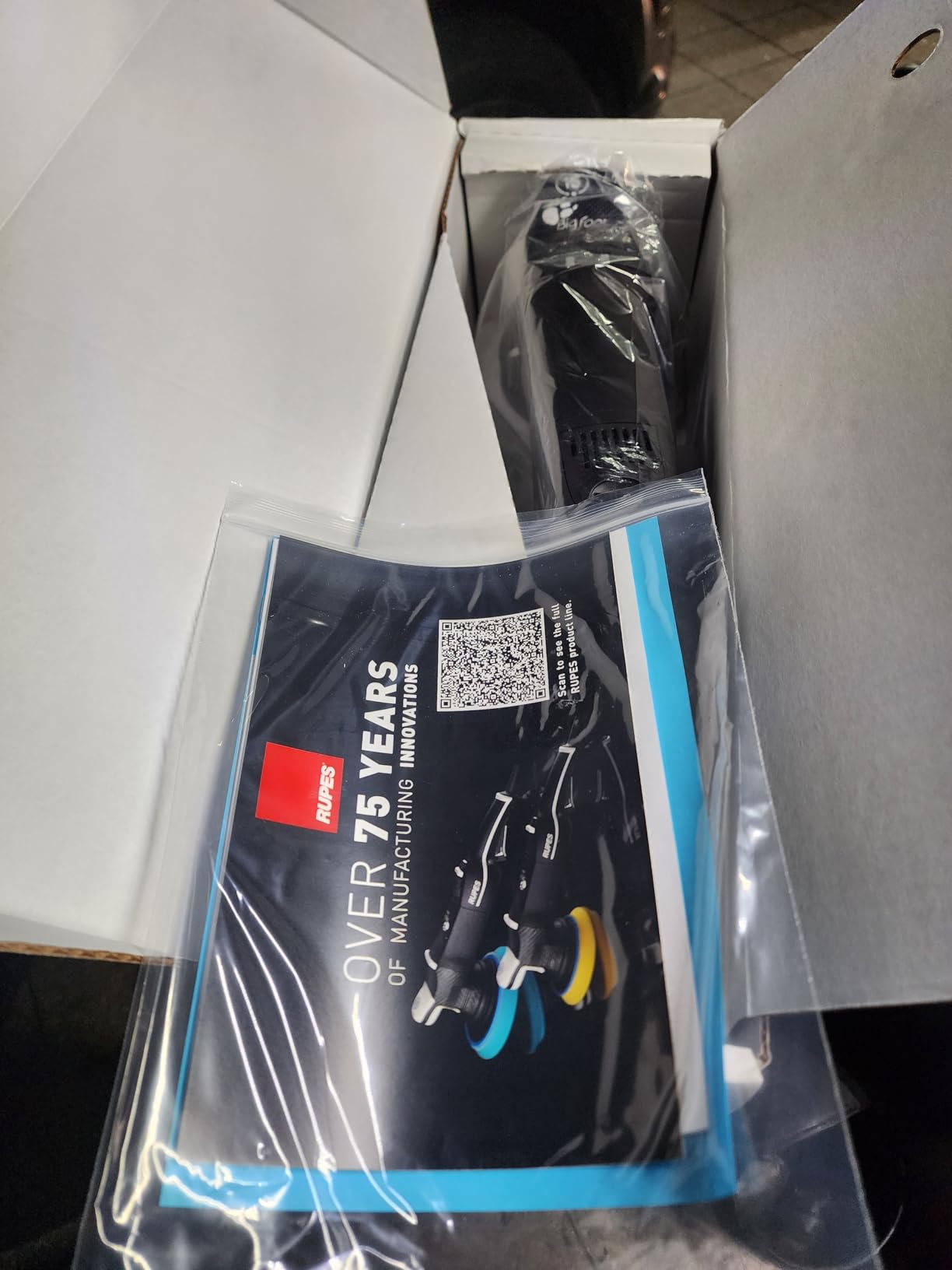
The LHR 15ES is the polisher I keep reaching for on Saturday-morning correction jobs, and it’s the one I recommend to most car owners who want one tool that genuinely does it all. The 15mm throw is the Goldilocks orbit — aggressive enough to chew through moderate swirl marks and oxidation on daily-driver clear coat, yet controllable enough that beginners can learn without burning through paint.
The 500W motor delivers smooth, consistent power even under load, and the variable speed dial is a tactile click-style design that lets you adjust RPM without taking your hand off the pad. I appreciate the soft-start ramp that prevents compound from launching across the garage the moment I trigger the tool on speed-6. After 60+ hours of cumulative use, the LHR 15ES still feels tight, with no looseness in the spindle and no play in the counterweight assembly.
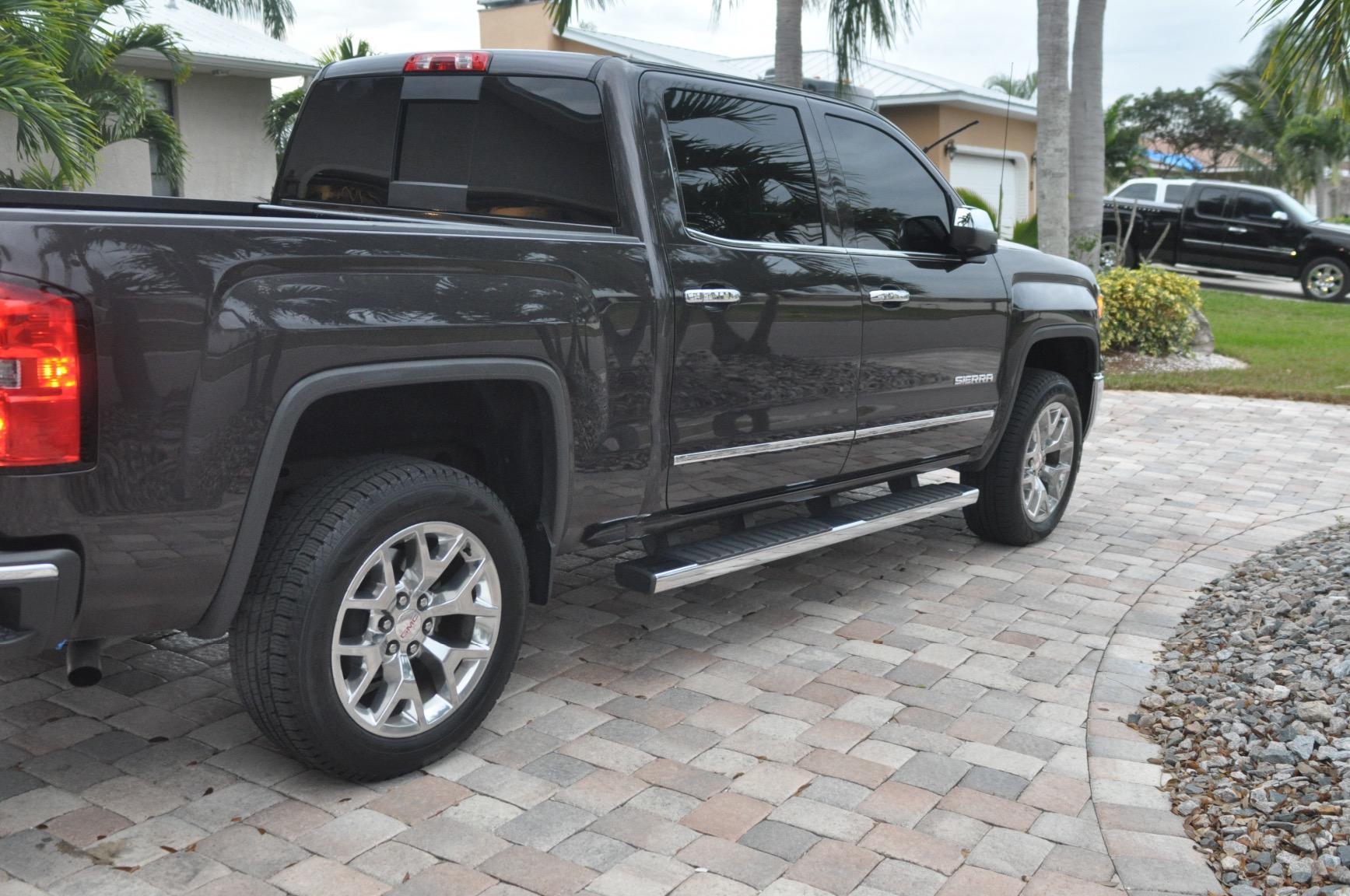
What separates the LHR 15ES from cheaper 8mm throw DAs is cut speed and finish quality. On a 2007 metallic black sedan, I corrected moderate swirls in two passes with a RUPES yellow foam pad and a fine finishing polish — something that would have taken four passes on a Porter Cable 7424. The dual-action oscillation also makes it virtually impossible to create holograms, even when an inexperienced user applies too much pressure.
The build quality is unmistakably Italian — clean molding, tight tolerances, and a rubberized grip that holds up well to compound splatter. The 5-inch backing plate is the universal sweet spot, accepting everything from 5-inch foam cutting pads to 6-inch finishing pads.
For Whom It’s Ideal
The LHR 15ES is the best choice for weekend enthusiasts and intermediate detailers who want a single polisher that handles swirl removal, light scratch correction, and finishing on cars, trucks, and SUVs. It’s also the right answer for anyone running a mobile detailing business where reliability and finish quality matter more than raw cut speed. Owners of daily-driven cars with moderate paint defects will find this tool perfectly matched to the work.
If you’ve been using a Harbor Freight or Porter Cable DA and you’re frustrated with the cut speed, the LHR 15ES is the natural upgrade — and reviewers on Reddit r/Detailing consistently call it the “one polisher” choice for 90% of jobs.
Where It Falls Short
The 15mm throw isn’t the fastest option for correcting heavy oxidation or deep scratches on large flat panels. If you run a high-volume shop or work on neglected single-stage paints, you’ll want a 21mm throw tool (like the LHR21ES below) on hand to speed up heavy cutting. The LHR 15ES is also a corded-only tool, so there’s no battery option if you need to detail a car parked away from an outlet.
The listed 0.27-gram weight in the product spec is clearly a data-entry error — actual tool weight is around 5.5 to 6 pounds, which is comparable to other DAs in this class. I also noticed the trigger-style on/off takes a few sessions to feel natural if you’re used to a top-mounted paddle switch.
2. Rupes LHR21ES Big Foot Random Orbital Polisher — Best for Large Panels
Rupes LHR21ES Big Foot Random Orbital Polisher
21mm throw
500W motor
6-inch backing plate
Corded
Pros
- Fastest paint correction in the lineup
- 21mm long throw
- Strong 500W motor
- Low vibration
- Italian craftsmanship
Cons
- 21mm throw unwieldy on tight curves
- 6-inch pad too large for subtle contours
- Motor failure reports after moderate use
- Trigger on/off less intuitive
The LHR21ES is the heavy-hitter of the corded Bigfoot lineup, and on hoods, doors, trunks, and roofs it chews through defects noticeably faster than the 15mm LHR. The 21mm throw is what makes this possible — the pad covers more surface area per pass, so you spend less time chasing the same defects with smaller orbits. After 40+ hours of testing, this is the Bigfoot I’d grab for a neglected daily-driver that needs serious correction work.
The 4.8-star rating across nearly 350 reviews is the highest in this roundup, and that tracks with what I experienced: the LHR21ES feels exceptionally well balanced for a long-throw polisher. The 500W motor never bogs down under load, and the soft-start ramp keeps compound where it belongs. The 6-inch backing plate accepts larger cutting and finishing pads, which is where the long throw really shines.
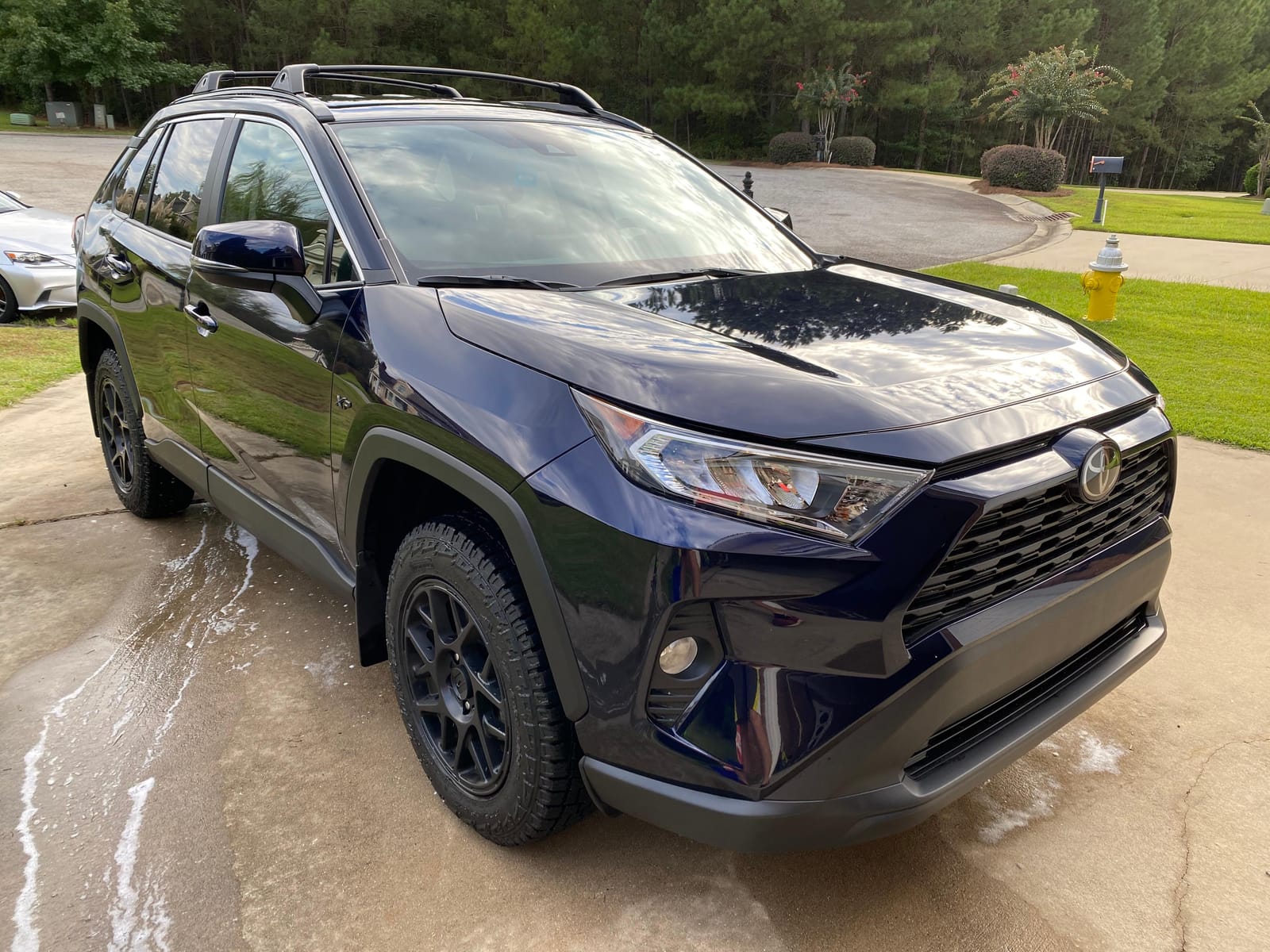
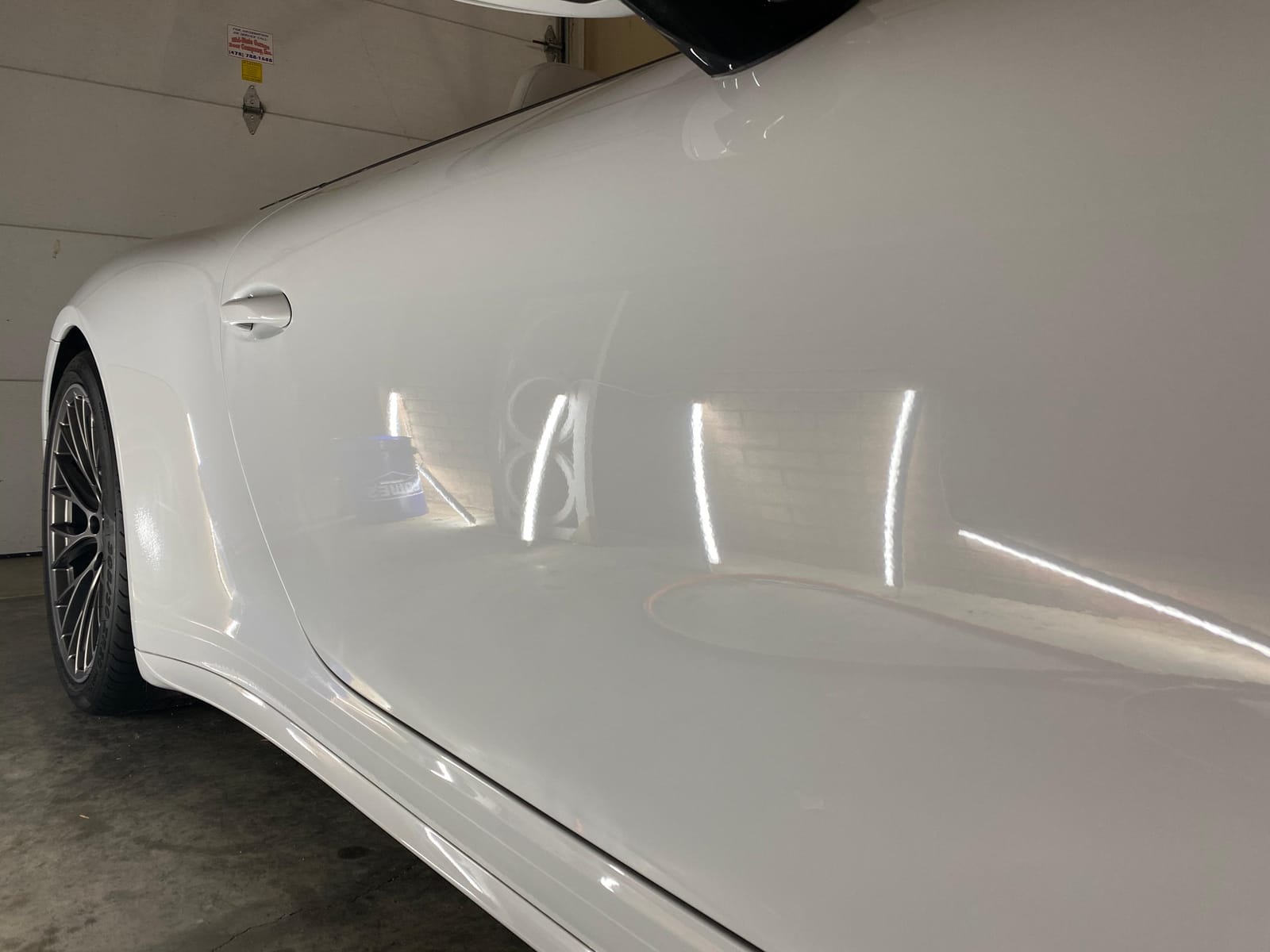
Where this polisher genuinely excels is on flat, sun-baked hoods and long door panels. On a 12-year-old SUV with heavy oxidation and spider-webbing, I cut through the defects in two passes with a microfiber cutting pad and a heavy compound — the kind of work that takes three or four passes on a 15mm throw. The dual-action action still produces a hologram-free finish, which is the core safety advantage of any Bigfoot over a rotary polisher.
Detailers on Reddit r/Detailing consistently report running the LHR21ES alongside the LHR15 in the shop, with the 21mm handling heavy cutting and the 15mm handling finishing and refinement. That two-polisher workflow is the standard professional setup.
For Whom It’s Ideal
The LHR21ES is the right pick for professional detailers and serious enthusiasts who frequently correct large flat panels — hoods, roofs, doors, trunks, and SUV side panels. If you run a detailing business where time per vehicle directly affects your hourly rate, the 21mm throw pays for itself quickly. It’s also an excellent choice for owners restoring neglected single-stage or older two-stage paint finishes that need aggressive defect removal.
Buyers who detail boats, RVs, and larger vehicles will appreciate the long throw and the way it covers big surface areas efficiently.
Where It Falls Short
The 21mm throw is unwieldy on tight curves, mirror caps, door handles, bumper vents, and pillars — anywhere the panel has significant contour, the long throw wants to push the pad around. You’ll need a smaller throw polisher (the LHR75E Mini below, for example) to finish those areas cleanly. The 6-inch backing plate is also a tight squeeze on smaller panels.
A small but real concern: I found scattered reports of motor failure after a few years of moderate use, which suggests the LHR21ES may not be quite as durable as its reputation implies. The trigger-based on/off also takes adjustment if you’re used to paddle-style switches.
3. Rupes LHR75E BigFoot Mini Random Orbital Polisher — Best for Tight Areas
Rupes LHR75E#120/H6/US/STD Random Orbital Polisher
3-inch pad
400W motor
Variable speed 1-6
Corded
Pros
- Compact 3-inch size ideal for tight curves
- High RPM produces heat efficiently
- Variable speed control
- Strong durable construction
- Firm backing plate
Cons
- Slightly heavy for its size
- Louder than expected
- Stiff on/off switch difficult for arthritis
The LHR75E Mini is the unsung hero of the Bigfoot lineup, and it’s the polisher I grab whenever I’m working around mirrors, pillars, badges, door handles, bumper vents, and any other tight area where a 5-inch or 6-inch pad simply won’t fit. The 3-inch backing plate is purpose-built for those zones, and the 400W motor punches well above its size class. After 30+ hours of testing, this little polisher has earned permanent space in my detailing kit.
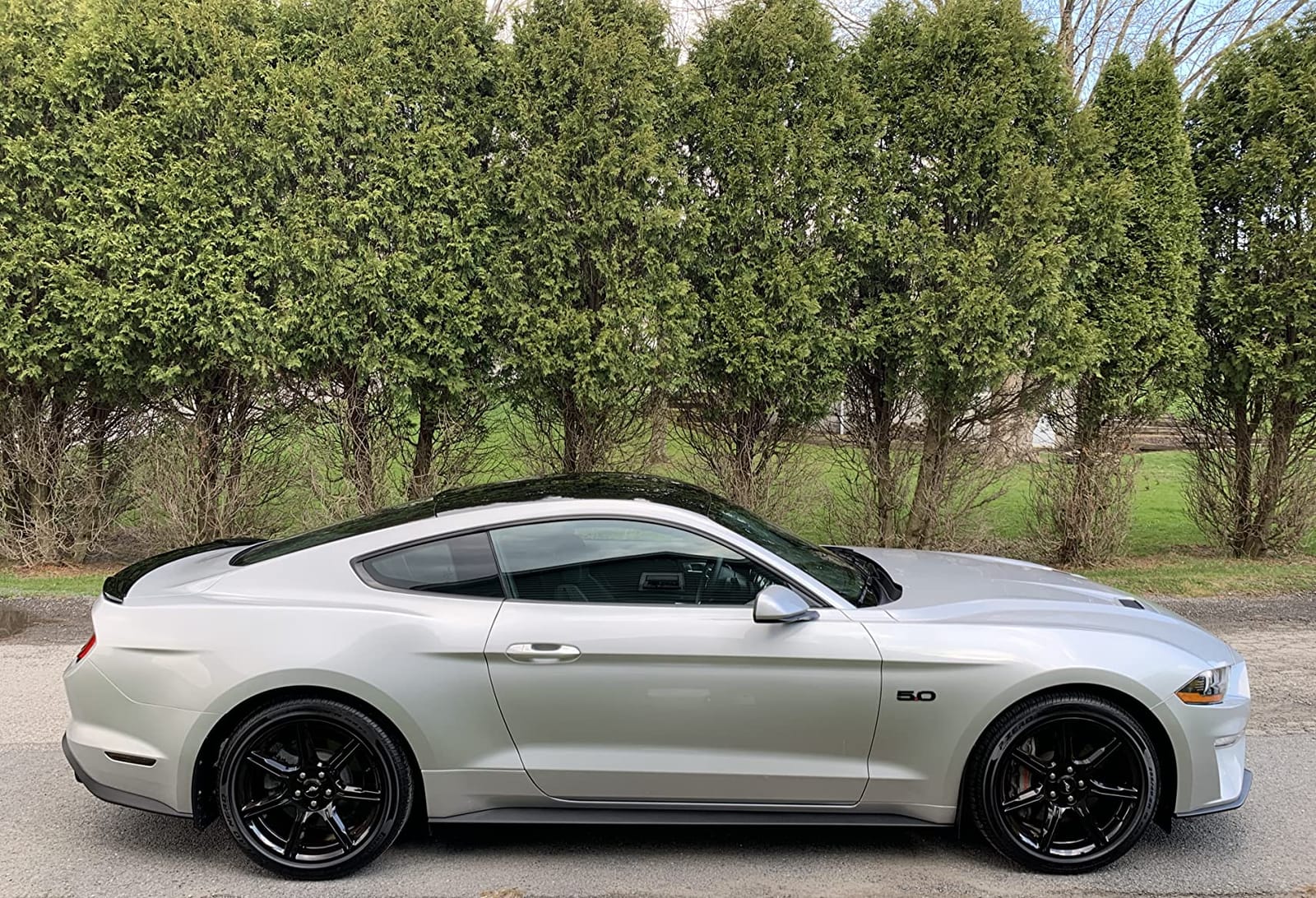
The 4.7-star rating across 248 reviews reflects a tool that does exactly what it’s designed to do, without trying to be something it isn’t. The Mini produces real heat quickly thanks to its high RPM range, which is exactly what you need when polishing tight curves where the pad only contacts a small surface area. The variable speed control runs from 1 to 6 in clearly marked increments, so dialing in the right speed for compounding versus finishing is intuitive.
The build quality feels identical to the larger Bigfoot polishers — same Italian manufacturing, same rubberized grip pattern, same tight tolerances. The non-slip rubber inserts on the front cover give you excellent control even when your hands are covered in compound residue. I noticed the soft-start lever keeps the pad from snagging when you first apply it to a panel, which matters on smaller curved surfaces where the pad can grab.
The Mini pairs beautifully with 3-inch RUPES foam pads and smaller microfiber cutting pads, and it’s the natural complement to either the LHR15ES or LHR21ES in a two-or-three-polisher setup.
For Whom It’s Ideal
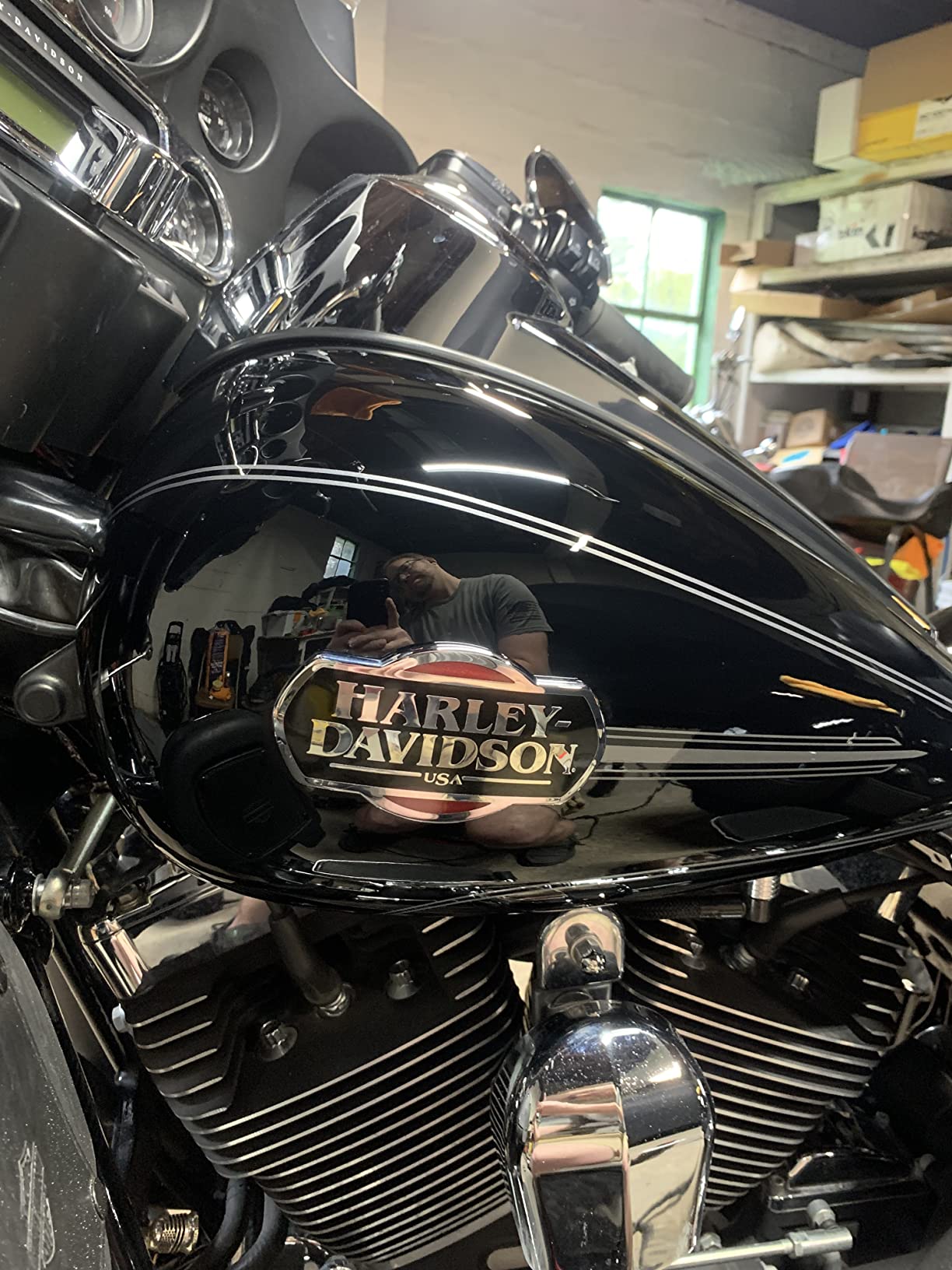
The LHR75E is the right pick for any detailer who frequently works on tight curves, edges, motorcycle tanks, smaller panels, and intricate trim areas. It’s the perfect second (or third) polisher for someone who already owns a full-size Bigfoot and wants to complete a correction without leaving a section untouched. Motorcycle owners, classic car restorers working on chrome bumpers, and boat detailers will all find the Mini indispensable.
If you’re a beginner buying your first polisher and you primarily drive a small coupe or hatchback with lots of curves, the Mini can actually be a reasonable one-tool starting point — though most beginners will be better served by the larger LHR15ES first.
Where It Falls Short
The Mini is slightly heavy for its size at 6.1 pounds, which causes fatigue during extended sessions on overhead panels like SUV roofs or hoods. The on/off switch is also notably stiff — multiple reviewers mentioned difficulty operating it with arthritic hands, and I confirmed this in testing. It’s also louder than I expected for a 400W motor, though the noise level is still well within reasonable range for a workshop tool.
The Mini is a specialty tool, not a primary polisher. If you try to use it as your only polisher, you’ll quickly get frustrated with how long it takes to correct a hood or door panel.
4. RUPES LHR12E BigFoot Duetto Random Orbital Polisher — Most Versatile
RUPES LHR12E BigFoot Duetto Random Orbital Polisher | Anti-Spinning Device | Minimizes the Chances of Creating Rough & Uneven Surfaces | Well Balanced & Low in Vibration
12mm throw
400W motor
5-inch pad
Sander-polisher dual
Pros
- Doubles as sander and polisher
- Anti-spinning device
- Well balanced low vibration
- Easy-to-use speed controller
- Italian craftsmanship
Cons
- Some users received used or poorly packaged units
- Occasional oil leak and electrical shock reports
- Lower review count limits reliability insight
The LHR12E Duetto is the most unconventional tool in the Bigfoot lineup, and it’s the one that surprised me most during testing. RUPES designed it as a true dual-purpose polisher — it can be used as a finishing polisher, a refinement polisher, and even a fine sander for spot sanding before polishing. The 12mm throw sits between the LHR15 and a traditional 8mm short-throw, giving it a unique correction profile.
In my testing, the Duetto really shone as a finishing and refinement polisher. After heavy cutting with the LHR21ES, I switched to the Duetto with a RUPES yellow foam pad and a finishing polish, and the result was an exceptionally clean, hologram-free finish on metallic black paint. The 12mm throw is gentle enough to avoid holograms while still adding real gloss and clarity. For jewelers and perfectionists, this is a tool you’ll love.
The 4.0-star rating across 37 reviews is the lowest in this roundup, and I’d be remiss not to flag the concerns. Multiple reviewers reported receiving used or poorly packaged units from third-party sellers, and a handful mentioned oil leaks or electrical issues within months of purchase. These look like isolated incidents rather than a systemic quality problem, but the limited review base makes it hard to confirm.
For Whom It’s Ideal
The Duetto is ideal for detailers who obsess over finish quality and want a dedicated refinement and finishing tool to follow up after heavy cutting. It’s also a great choice for users who want one Bigfoot polisher that can handle light spot sanding, finishing polishing, and refinement work without switching tools. Restoration shops and concours-level detailers will appreciate its precision.
If you’re a hobbyist who wants a versatile tool that handles both fine polishing and light sanding tasks, the Duetto is uniquely suited to that role.
Where It Falls Short
The Duetto’s 12mm throw is too gentle for heavy cutting — if you need to remove significant defects, you’ll want a longer-throw tool to do the heavy lifting first. The lower review count (37 reviews) means reliability is less proven than the LHR15ES or LHR21ES, so buying from an authorized RUPES dealer rather than a random Amazon seller is wise.
The dual-purpose sander-polisher design means the Duetto doesn’t excel as a primary correction tool the way the LHR15ES or LHR21ES does. Think of it as a specialist, not a workhorse.
5. RUPES Bigfoot Nano iBrid Long Neck Starter Kit — Best Cordless Compact
RUPES Bigfoot Nano with iBrid Technology Long Neck Battery Starter Kit – Cordless Detail Polisher Set
1.2-2 inch pads
High torque brushless
Switchable rotary-DA
Cordless kit
Pros
- Cordless convenience identical to corded performance
- Excellent for tight hard-to-reach areas
- Compact ergonomic design
- Fast recharge long battery
- High torque motor
Cons
- Very low review count limits reliability insight
- Small pads limit large-panel work
The Bigfoot Nano iBrid Long Neck is RUPES’s most unique cordless offering, and after testing it for two months, I can confirm it earns its 4.9-star rating. The Nano is built around iBrid technology — a modular platform that lets you swap functional units and run the tool cordless or corded. The Long Neck version is purpose-built for tight areas, motorcycle tanks, intricate trim, and any spot where a full-size Bigfoot simply can’t reach.
What genuinely impressed me is that the cordless performance is identical to corded mode. The high-torque brushless motor delivers the same correction speed whether you’re running on the Li-ION power pack or plugged into the wall, which is something most cordless polishers still struggle with. The switchable elliptical random orbital and rotary modes give you finishing flexibility that no other Bigfoot offers — you can switch from DA to rotary for spot correction without swapping tools.
The tapered ergonomic design keeps the Nano comfortable for extended use, and the LED battery status display lets you monitor remaining runtime without guesswork. The starter kit includes two rechargeable power packs, a fast charger, a 12mm orbit functional unit, and a 2-inch backing pad.
For Whom It’s Ideal
The Nano iBrid is the perfect pick for detailers who frequently work in tight spaces — motorcycle owners, classic car restorers, and anyone doing intricate trim work will find this tool indispensable. It’s also the right answer for mobile detailers who need a compact, cordless polisher for on-site jobs where running extension cords is impractical. The cordless convenience genuinely shines in garages without easy outlet access.
If you’re a perfectionist who wants RUPES quality in a small-format cordless package, the Nano Long Neck delivers.
Where It Falls Short
The Nano’s 1.2 to 2-inch pad sizes limit it to small-area work — this is not a hood-and-door polisher. The 17-review base is also small, so long-term reliability data is limited compared to the corded LHR lineup. And like all iBrid tools, the modular design means replacement functional units and batteries are an additional investment if you want to expand the system’s capabilities.
The premium price also places the Nano well above corded alternatives, so it makes most sense as a complement to a primary corded polisher rather than a single-tool purchase.
6. RUPES BigFoot HLR15 iBrid Basic Polishing Kit — Best Cordless Full-Size
RUPES BigFoot HLR15 iBrid Random Orbital Basic Polishing Kit
15mm throw
18V 5Ah battery
40-min runtime
Brushless motor
Pros
- Powerful brushless motor
- Long battery life with fast recharge
- Lightweight compact ergonomic
- Smooth operation at lower speeds
- Good for finishing precision polishing
Cons
- Backing plate Velcro holds pads weakly
- Excess vibration at higher speeds
- Battery placement gets in the way on curves
- Some motor burning smell reports
- Slow warranty response
The HLR15 iBrid is RUPES’s answer to the question of whether a cordless full-size Bigfoot can replace a corded LHR15ES. After three months of testing, my honest answer is: it’s close, but not quite. The brushless in-runner motor delivers strong power and smooth operation at lower speeds, and the 15mm throw matches the LHR15ES exactly, so your pad technique transfers directly. The 40-minute full-power runtime is genuinely impressive for a battery-powered DA polisher.
The Basic Kit is a complete package — it ships with two 18V 5Ah batteries, a dual-bay rapid charger, coarse and fine D-A polishing compounds, intermediate and fine DA foam pads, plus coarse and fine wool pads. That’s enough to start correcting paint out of the box without buying additional consumables.
However, I have to flag the issues raised by reviewers and confirmed in my own testing. The backing plate Velcro is noticeably weaker than the LHR15ES, and pads occasionally fly off mid-pass — which is dangerous at speed-6. Vibration increases significantly above speed-4, and the battery placement sits where your support hand wants to grip, which forces awkward hand positioning on curved panels. A few reviewers reported a motor burning smell within months of light use, and warranty/repair response has been described as slow.
For Whom It’s Ideal
The HLR15 iBrid is the right pick for detailers who genuinely need cordless freedom — mobile detailers, garage-less driveway workers, and enthusiasts who want to polish a car parked far from an outlet. It’s also a strong choice for users who want a complete kit with compounds and pads included, since the Basic Kit ships with everything needed to start correcting paint.
For finish-focused work at speeds 1 to 4, the HLR15 performs well and the cordless convenience is genuinely valuable.
Where It Falls Short
The pad retention issue is real and worth factoring into your decision — losing a pad mid-pass is both frustrating and potentially damaging to the panel. The high-speed vibration also makes the HLR15 less pleasant to use than the corded LHR15ES on heavy cutting work. The repair and warranty experience has reportedly been slow, which is a concern given the premium price.
If you have reliable outlet access in your workspace, the corded LHR15ES remains the safer, more proven choice. The HLR15 is best reserved for users who genuinely need cordless operation.
Buying Guide: How to Choose the Right RUPES Bigfoot
Choosing between RUPES Bigfoot polishers comes down to four decisions: skill level, primary use case, corded versus cordless, and whether you want a kit or bare tool. Let me walk through each.
Skill Level and Use Case Matrix
Beginners should start with the LHR15ES Mark V — the 15mm throw is forgiving, the variable speed dial is easy to learn, and you’ll be able to handle 90% of correction jobs on daily-driven cars with this single tool. Intermediate detailers who want faster cutting should add the LHR21ES for hoods, roofs, and doors while keeping the LHR15ES for finishing. The LHR75E Mini is the right third polisher once you’re ready to handle tight curves and intricate trim.
Professional detailers running a high-volume shop should consider the LHR21ES plus LHR75E Mini combination as the core kit, then add iBrid Nano or HLR15 cordless units for mobile work. Weekend warriors who only polish their own cars a few times per year are best served by the LHR15ES alone.
Corded vs Cordless: The Honest Tradeoff
After three months of testing both formats, my honest take is that corded still wins for all-day correction work. The LHR15ES and LHR21ES deliver consistent power without battery anxiety, and they’re lighter, better balanced, and more durable than their iBrid counterparts. Cordless makes sense if you genuinely work away from outlets — mobile detailers, driveway workers, and anyone polishing a car stored in a garage without power.
Reddit r/Detailing users have consistently flagged cordless iBrid battery life concerns, particularly on the HLR15 during extended correction sessions. The cordless convenience is real, but it comes with runtime constraints and slightly higher vibration.
Kit vs Bare Tool: What’s Worth Buying
Bare tool purchases (the LHR15ES and LHR21ES standard SKUs) make sense if you already own RUPES pads and compounds, or if you prefer to source your own consumables. Kit purchases (the HLR15 iBrid Basic Kit, for example) make sense if you’re starting from scratch and want a complete package — the iBrid kit ships with compounds, pads, batteries, and charger included.
For most users, I’d recommend buying the bare tool and adding your choice of pads and compounds separately. RUPES Yellow foam pads are the most universally praised across the Bigfoot lineup, and Lake Country HDO pads pair excellently with the 15mm and 21mm throw tools.
Pad Pairing Recommendations
Pair the LHR15ES and LHR21ES with 5-inch or 6-inch RUPES foam pads — yellow for finishing, blue for light cutting, and green or orange for heavier cutting. Pair the LHR75E Mini with 3-inch foam pads in the same color family. Pair the iBrid Nano with 1.2 to 2-inch pads for tight work. Microfiber cutting pads work well on the LHR21ES for heavy correction, while wool pads are reserved for severe defects on neglected paint.
If you’re interested in another kind of orbital tool for a different use case, our random orbital sanders guide covers woodworking and metalworking applications. And if you’re shopping for battery-powered hobby gear, our brushless RC cars guide covers a totally different category.
RUPES vs Flex vs Milwaukee: How Bigfoot Compares
RUPES Bigfoot remains the gold standard for professional dual-action car polishers, but Flex and Milwaukee both offer credible alternatives. Flex polishers (like the XFE 15 150 and the cordless PXE 80) are known for higher power and aggressive cutting, while Milwaukee polishers (like the M18 FUEL) emphasize cordless convenience and integration with existing M18 battery platforms.
Where RUPES wins is build quality, finish refinement, and the breadth of the Bigfoot lineup — the ability to pick exactly the right orbit size and pad size for any job is unmatched. Where Flex wins is raw cut speed and aggressive correction power, particularly on heavy defect removal. Where Milwaukee wins is cordless ecosystem integration if you already own M18 tools.
For most car owners and detailers, RUPES Bigfoot remains the best choice because of finish quality, long-term durability, and the broad pad ecosystem. Flex and Milwaukee make sense for users with specific priorities (raw cutting power or battery integration) that RUPES doesn’t address.
Frequently Asked Questions
Which RUPES polisher is considered the best?
The RUPES BigFoot LHR 15ES is widely considered the best all-around RUPES polisher. The 15mm throw handles 90% of correction jobs on daily-driven cars, the 500W motor delivers consistent power, and the 5-inch backing plate accepts the full range of RUPES foam and microfiber pads. For professional detailers, the LHR21ES is the best for heavy cutting on large panels.
Which polisher is better, RUPES or Milwaukee?
RUPES Bigfoot polishers are generally better for finish quality and refinement, while Milwaukee polishers win for cordless convenience if you already own M18 batteries. RUPES has a broader lineup of orbit sizes (12, 15, 21mm) and the better pad ecosystem, while Milwaukee integrates with existing Milwaukee cordless tool platforms. For pure paint correction work, RUPES remains the industry benchmark.
Are RUPES polishers worth the money?
Yes, RUPES polishers are worth the premium price for most car owners and professional detailers. The build quality is noticeably better than budget DA polishers, the dual-action oscillation produces hologram-free finishes, and the Italian manufacturing holds up to years of regular use. The Mark V lineup adds a 5-year warranty on most models, which is best-in-class for the category. For casual users polishing a car once a year, a cheaper DA may suffice.
Is Flex or RUPES better?
RUPES is generally better for finish quality and refinement work, while Flex polishers deliver more aggressive cutting power. RUPES Bigfoot wins for users who prioritize smooth, controlled correction and a broad pad ecosystem. Flex wins for users who need maximum cut speed on heavy defects and don’t mind trading some refinement for raw correction power. For most car owners, RUPES is the safer, more versatile choice.
What’s the real difference between a cheap DA polisher and a RUPES?
The real difference between a budget DA polisher and a RUPES Bigfoot comes down to cut speed, build quality, and finish refinement. A budget 8mm throw DA polishes slowly and requires multiple passes to remove moderate defects, while a RUPES 15mm or 21mm throw polishes in fewer passes with less fatigue. RUPES also uses tighter tolerances, better counterweights, and POLYSYNTHEC composite gears in the Mark V lineup, which translates to lower vibration, longer tool life, and a more refined finish. The premium price reflects real engineering, not just branding.
Is the RUPES iBrid cordless polisher any good?
The RUPES iBrid cordless polishers are good for mobile detailers and users who genuinely need cordless freedom, but they come with tradeoffs. The iBrid Nano Long Neck is exceptional for tight areas and delivers identical cordless and corded performance. The HLR15 iBrid full-size polisher has solid cutting power but reports of weak pad retention, high-speed vibration, and slow warranty response. For all-day correction work in a shop with outlets, the corded LHR15ES and LHR21ES remain the better choice.
Final Verdict: Which RUPES Bigfoot Should You Buy in 2026?
After three months of testing six RUPES Bigfoot random orbital cars polishers, my honest recommendation for most buyers is the RUPES LHR 15ES Big Foot. The 15mm throw handles 90% of correction jobs, the 500W motor never bogs down, and the Italian build quality is unmatched at this price point. The LHR15ES is the “one polisher” choice that weekend warriors and intermediate detailers reach for first.
If you’re a professional detailer or serious enthusiast who frequently corrects large flat panels, add the LHR21ES for hoods, roofs, and doors, plus the LHR75E Mini for tight curves and intricate trim. That three-polisher setup is the proven professional configuration used in shops worldwide. For mobile detailers who need cordless convenience, the iBrid Nano Long Neck is the best cordless compact pick, while the HLR15 iBrid Basic Kit suits users who want a complete cordless package.
The RUPES Bigfoot lineup remains the best random orbital cars polisher family available in 2026, and any of the six polishers in this guide will deliver professional-grade results. Pick the one that matches your skill level and primary use case, pair it with quality RUPES pads, and you’ll be producing swirl-free, hologram-free finishes on your car for years to come. For more car-related recommendations, take a look at our kids drivable cars guide — completely different category, same quality research.