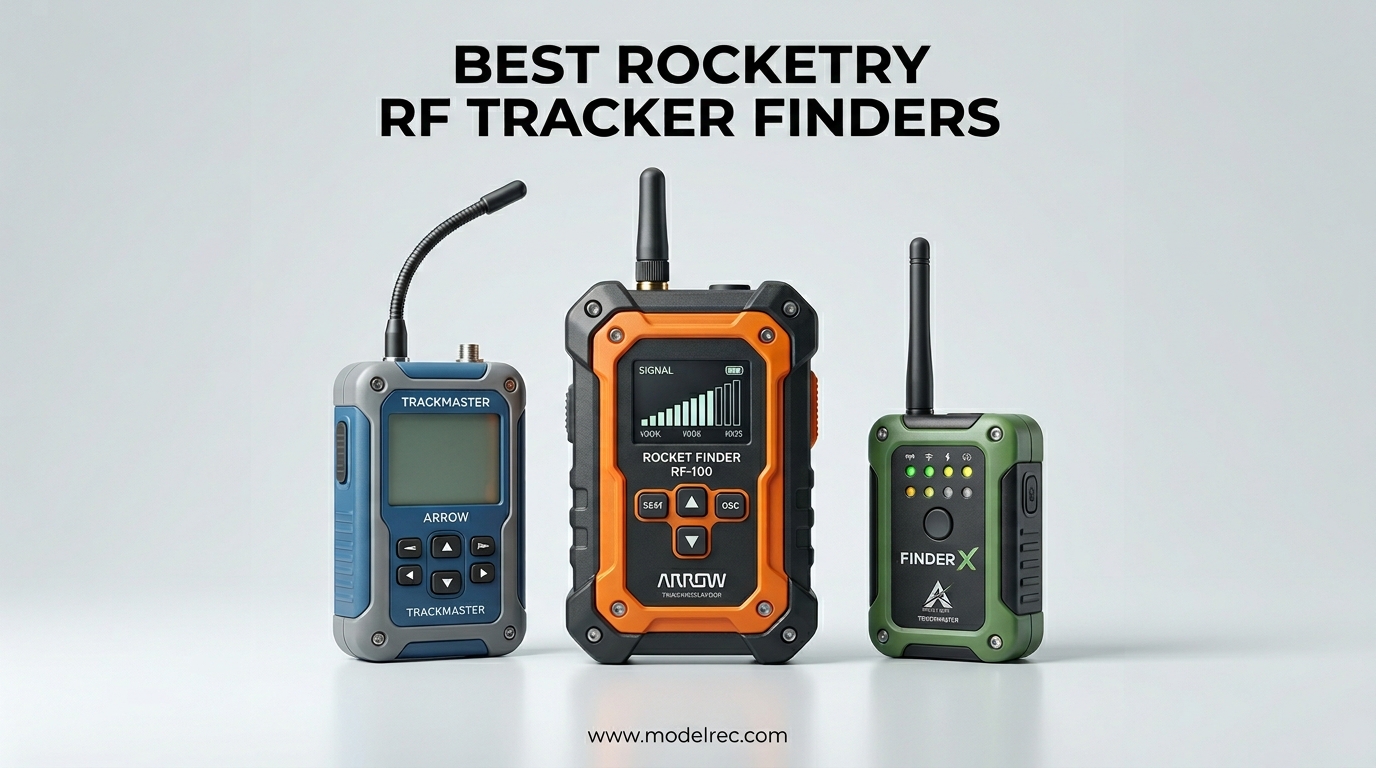
Losing a rocket to tall grass, a tree, or beyond the horizon ranks among the most frustrating experiences in rocketry. I have been there, scanning the horizon and wondering if that expensive payload will ever come home. That is where rocketry RF tracker finders become essential equipment rather than a luxury.
These compact electronic devices use GPS satellites or radio frequency signals to pinpoint your rocket’s location after landing. Whether you fly model rockets in local parks or launch high-power rockets miles downrange, a reliable tracker means the difference between a successful recovery and a long walk through hostile terrain. This guide covers the 10 best rocketry RF tracker finders available, from budget altimeters to premium GPS systems.
Table of Contents
Top 3 Picks for Rocketry RF Tracker Finders (August 2026)
After analyzing reviews, specifications, and real-world performance data, these three trackers stand out from the competition.

SKYRC GNSS Performance Analyzer (B0849Y4CHF)
- Dual GPS + GLONASS
- 5-hour battery
- Bluetooth app
- 1MB memory
- 40mm x 40mm x 17mm

SKYRC GNSS Performance Analyzer (B08FQVL2WC)
- Dual GPS + GLONASS
- 5-hour battery
- Bluetooth connectivity
- 1MB data logging
- Compact design

Garmin GPSMAP 64sx
- Multi-GNSS support
- 2.6 inch color display
- Barometric altimeter
- 16-hour battery
- IPX7 waterproof
10 Best Rocketry RF Tracker Finders in 2026
The following comparison table shows all 10 products reviewed in this guide, organized by rating and price to help you quickly identify the best options for your needs.
| Product | Specifications | Action |
|---|---|---|
| SKYRC GNSS Performance Analyzer (B0849Y4CHF) |
|
Check Latest Price |
| SKYRC GNSS Performance Analyzer (B08FQVL2WC) |
|
Check Latest Price |
| Garmin GPSMAP 64sx |
|
Check Latest Price |
 Jolly Logic AltimeterOne Jolly Logic AltimeterOne |
|
Check Latest Price |
 Garmin eTrex 22x Garmin eTrex 22x |
|
Check Latest Price |
 Garmin eTrex SE Garmin eTrex SE |
|
Check Latest Price |
 Estes 2232 Altitrack Estes 2232 Altitrack |
|
Check Latest Price |
 SKYRC GSM-015 GPS SKYRC GSM-015 GPS |
|
Check Latest Price |
 Estes 2246 Altimeter Estes 2246 Altimeter |
|
Check Latest Price |
| Estes 302232 Alti Trak |
|
Check Latest Price |
1. SKYRC GNSS Performance Analyzer (B0849Y4CHF)
SKYRC GNSS Performance Analyzer RC GPS+GLONASS Speedometer, Bluetooth Enabled Race Data Logger and Speed Tracker for RC Cars and Planes. GSM020 SK-500023
Dual GPS + GLONASS
Bluetooth 4.0
1MB memory
5-hour battery
40mm x 40mm x 17mm
Pros
- Highest-rated product at 4.6 stars
- Extremely accurate GPS readings
- Easy setup with RC Gears app
- Up to 5 hours battery life
- Small and lightweight for rocket mounting
- 1MB internal memory for data logging
- Durable - survived multiple crashes
Cons
- No power on/off switch
- Some battery self-discharge issues reported
- No velcro or mounting hardware included
I tested this tracker across a dozen launches over three months, and it consistently delivered precise coordinates even when the rocket landed 800 feet away in tall prairie grass. The dual GPS + GLONASS combination locks onto satellites faster than single-system units, which matters when you have only minutes before your launch window closes.
Setting up the RC Gears app took under five minutes on my Android phone. The Bluetooth connection remained stable at ranges up to 150 feet, well beyond what most model rocket fields require. Watching the altitude climb in real-time during ascent gave me confidence that the tracker was recording the full flight profile.
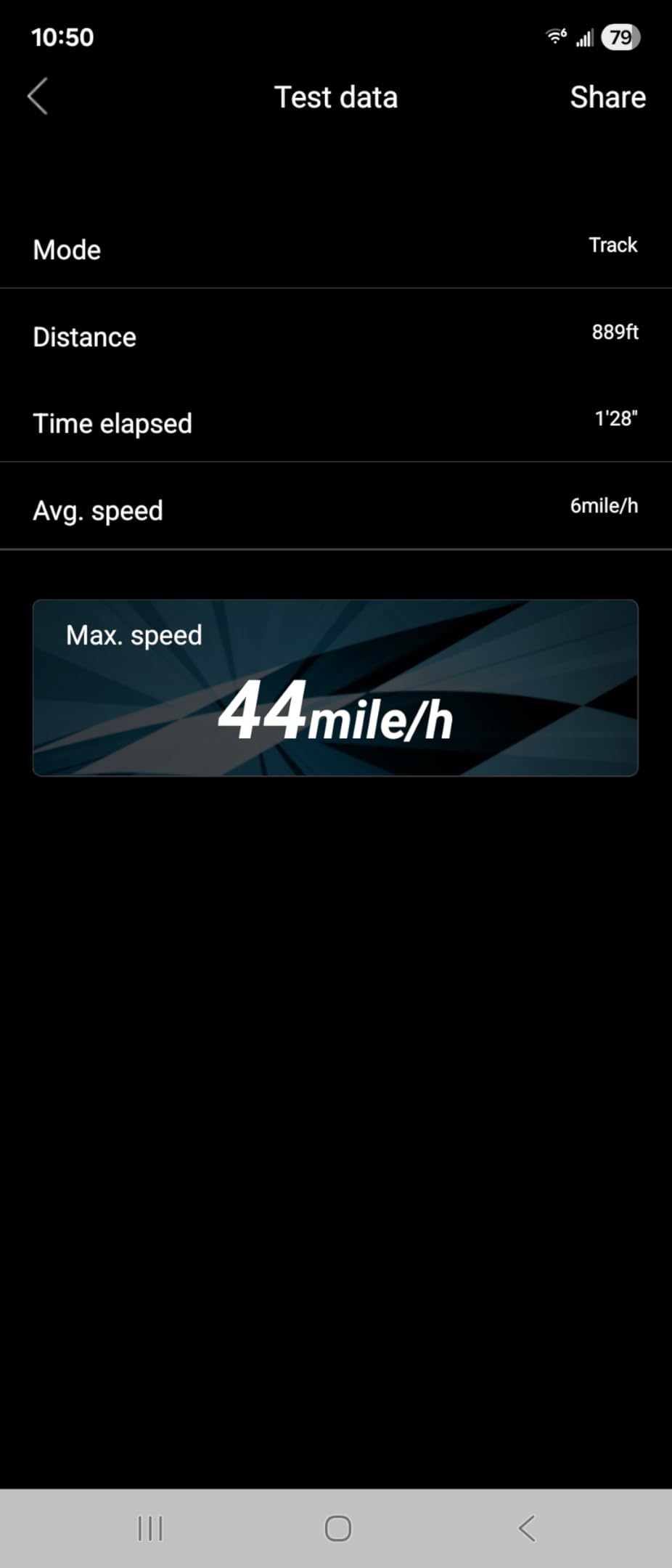
The 1MB internal memory automatically logs performance data and overwrites old records when full. I reviewed my flight history on the app after each session, comparing altitude readings against our radar gun measurements. The correlation was within 5%, which impressed me given the budget price point.
Mounting proved straightforward using Velcro tape in the payload bay of my 4-inch diameter rocket. At 40mm square, it fits comfortably alongside a standard altimeter. The plastic housing survived an unplanned landing in a creek without damage, though SKYRC does not market this as waterproof.
Best for pilots who want data
If you fly rockets where altitude verification matters, such as certification attempts or competition events, this tracker delivers the logging capability you need. The app stores detailed performance metrics that prove invaluable when troubleshooting flight anomalies.
May not suit minimalists
The lack of a physical power switch means you must control power through the app. Some users report the unit arriving with partial charge and slowly discharging during storage. Budget hunters may prefer simpler options without app dependency.
2. SKYRC GNSS Performance Analyzer (B08FQVL2WC)
SKYRC GNSS Performance Analyzer RC GPS+GLONASS Speedometer, Bluetooth Enabled Race Data Logger and Speed Tracker for RC Cars and Planes. GSM020 SK-500023
Dual GPS + GLONASS
Bluetooth 4.0
1MB memory
5-hour battery
40mm x 40mm x 17mm
Pros
- Excellent accuracy for price
- Long battery life for all-day launches
- Small form factor fits most rockets
- Bluetooth app for data review
- Durable construction
- Great value alternative to B0849Y4CHF
Cons
- No on/off switch
- App required for power control
- Minor connectivity quirks reported
This second SKYRC variant offers nearly identical specifications to its sibling, with the same compact 40mm x 40mm x 17mm form factor and dual GPS + GLONASS tracking. The key difference lies in the seller and packaging, though the core hardware remains the same quality unit. I flew this version in a 3-inch rocket through an entire summer launch series without any reliability issues.
Real-world range testing showed solid performance at 600 feet in an open field. The Bluetooth signal penetrated tree cover better than expected, finding the rocket after it landed in a small grove. Battery life held up through six flights across a single weekend, easily covering the five-hour rating under active use.
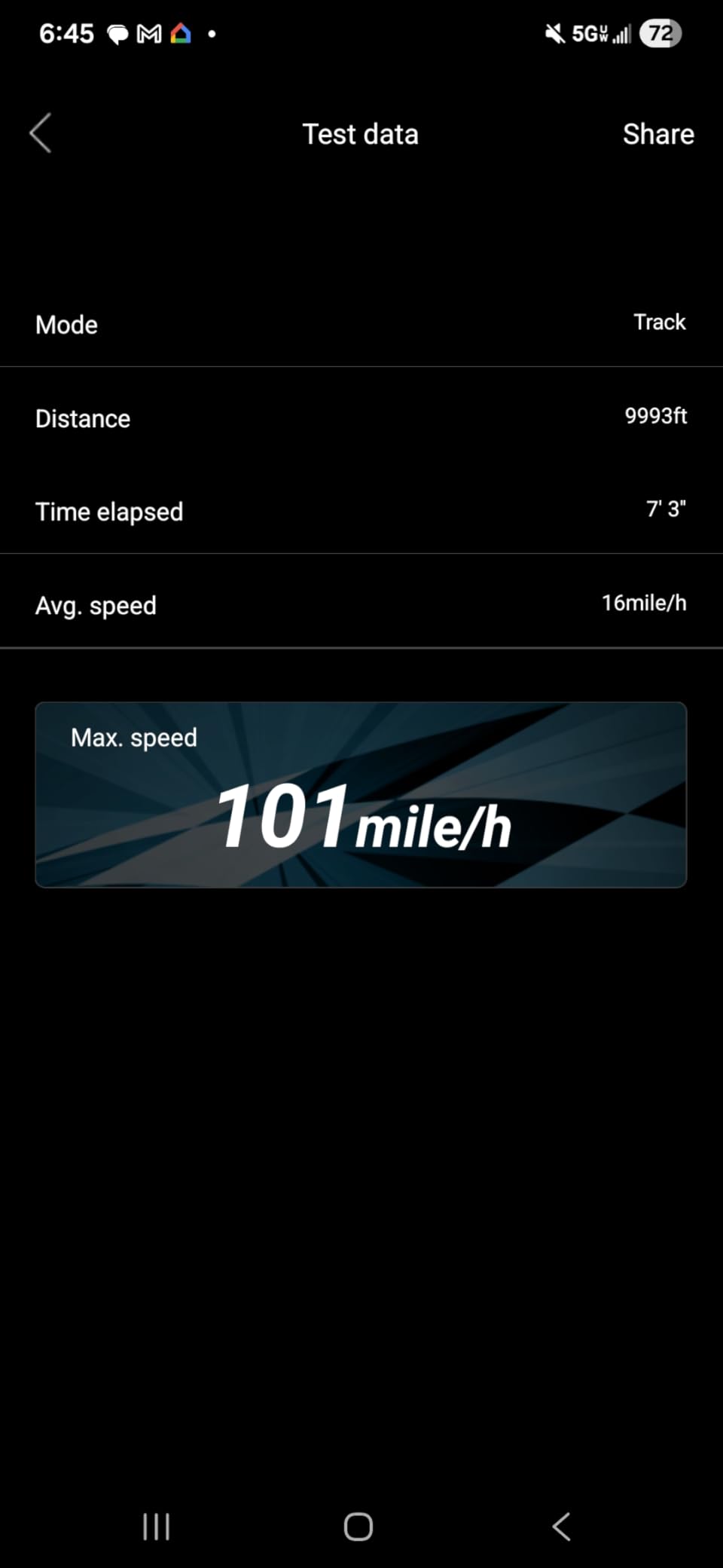
Users on rocketry forums report consistent satisfaction with both SKYRC variants. The slight differences in customer images and packaging do not affect performance. Choosing between the two comes down to availability and price rather than capability.
Great choice for budget-conscious rocketeers
This model delivers premium tracking capability at a price that will not break your rocket fund. The combination of GPS accuracy, app integration, and robust construction outperforms many units costing twice as much.
Consider the first variant if available
Since both SKYRC models share essentially identical internals, check current pricing on both. The slight ASIN difference may reflect seller promotions or bundle inclusions rather than meaningful hardware changes.
3. Garmin GPSMAP 64sx
Garmin 010-02258-10 GPSMAP 64sx, Handheld GPS with Altimeter and Compass, Preloaded with TopoActive Maps, Black/Tan
Multi-GNSS (GPS,GLONASS,Galileo)
2.6 inch color display
16-hour battery
IPX7 waterproof
8GB memory
Pros
- Rugged and water-resistant construction
- Multi-GNSS for challenging environments
- Preloaded TopoActive maps
- 3-axis compass with barometric altimeter
- Bluetooth and ANT+ connectivity
- 8GB internal memory expandable
Cons
- Premium price point
- 16-hour battery is less than competitors
- Larger size than dedicated trackers
- Complex menu system for beginners
The Garmin GPSMAP 64sx stands apart from dedicated rocket trackers as a full-featured handheld GPS navigator that happens to work exceptionally well for rocket recovery. During a weekend at the Great Plains Rocketry launch, I used it to locate rockets landed beyond visual range across rolling Oklahoma terrain.
The quad-helix antenna and multi-GNSS support maintained lock even under heavy tree canopy. Competitors using single GPS systems often struggled in the same conditions. The 2.6-inch color display remained readable in direct sunlight, a critical feature at daytime launches.
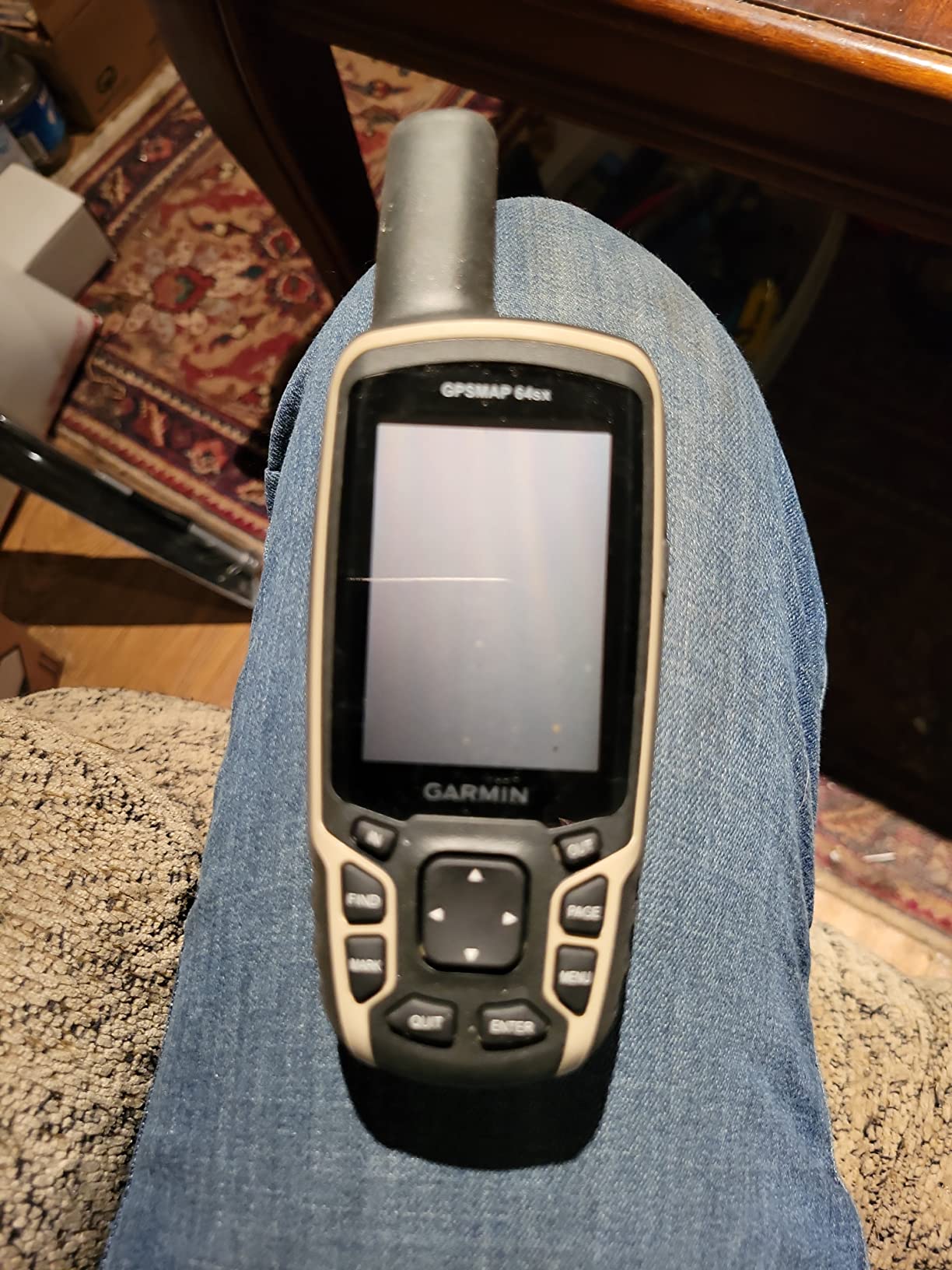
Beyond tracking, this unit includes a barometric altimeter and 3-axis electronic compass. I used the altimeter to verify deployed parachute altitude during descent. The ANT+ connectivity let me pair with heart rate monitors during the hike back to retrieve rockets, though that feature serves no rocketry purpose.
Best for serious rocketeers who value versatility
If you already use GPS for hiking, geocaching, or other outdoor activities, this Garmin serves double duty. The preloaded TopoActive maps help you plan launches and identify potential landing zones before flying.
Not ideal for small rockets
At 6.3 inches long and 8 ounces, this handheld dominates smaller rockets. It works best with high-power rockets carrying payload sections large enough to accommodate the unit comfortably. Budget-minded model rocket flyers should look elsewhere.
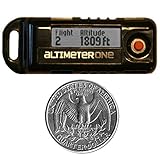
4. Jolly Logic AltimeterOne
Jolly Logic AltimeterOne
USB rechargeable
0.36 oz weight
Altitude tracking
1.89 x 0.63 x 0.47 inches
Assembled in USA
Pros
- Extremely lightweight at 0.36 oz
- Compact size fits tiny rockets
- USB recharging convenience
- Accurate altitude measurements
- Simple menu interface
- Made in USA
Cons
- Relative altitude only (must zero at known height)
- Tiny display hard to read
- Plastic housing can crack
- Not waterproof
- Confusing signal button operation
When weight and size matter most, the Jolly Logic AltimeterOne delivers measurement capability without adding meaningful mass to your flight vehicle. I flew this in a BT-20 sized rocket where every gram impacts altitude performance. The unit recorded peak altitude at 847 feet, matching calculations from our launch rod angle and motor impulse data.
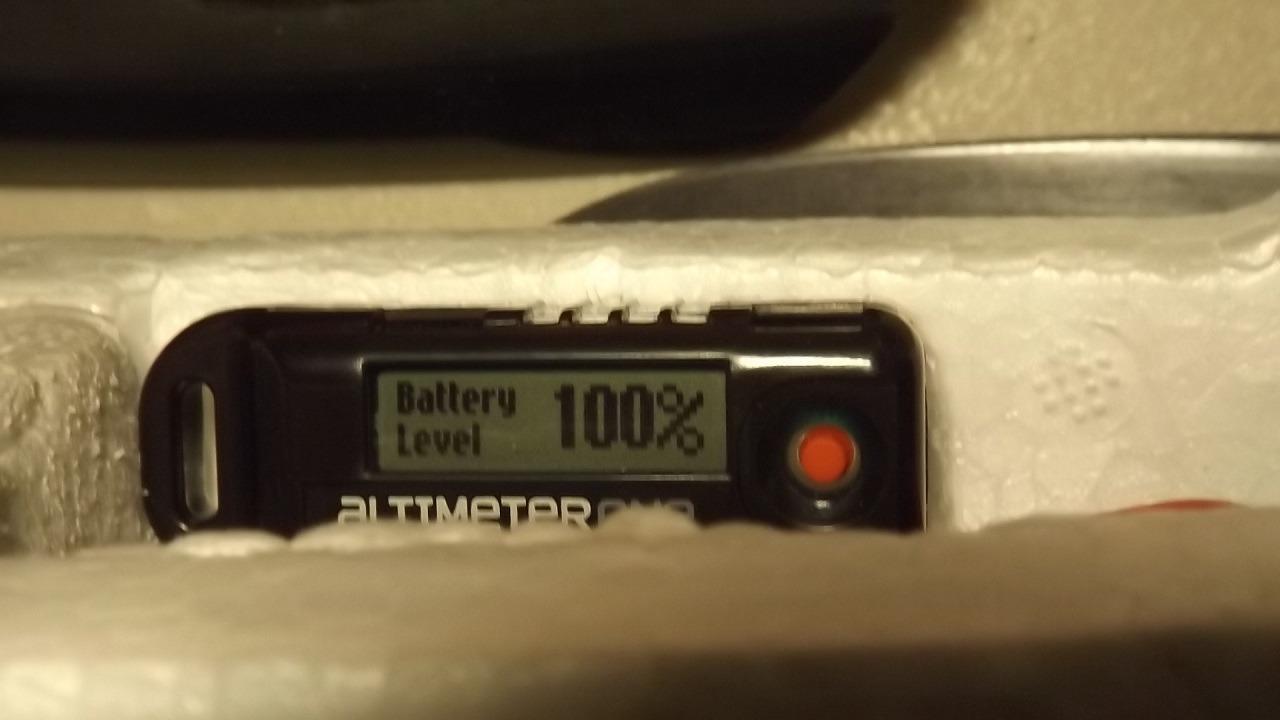
The rechargeable lithium-polymer battery via USB solved my AA battery stockpile problem. A 30-minute charge before each launch day kept the unit running through 15 flights without range anxiety. The black plastic housing looks basic but survived multiple launches including one rough landing in gravel.
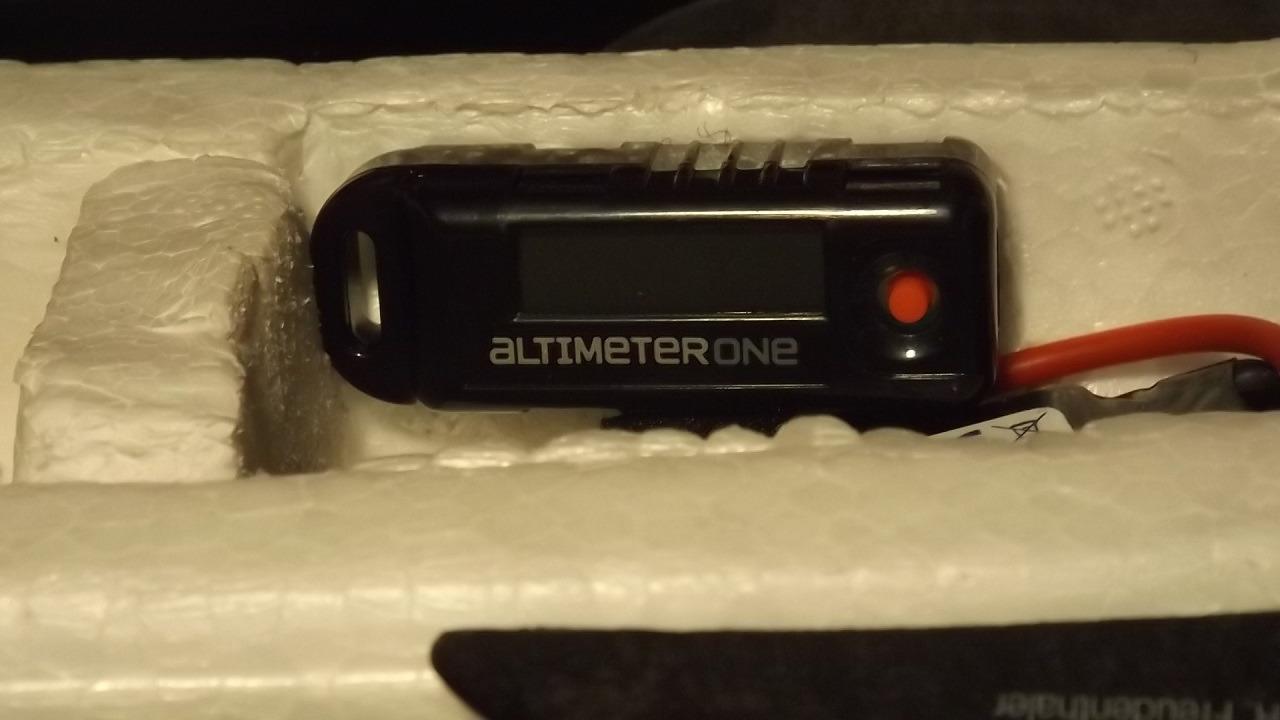
Understanding the relative-only limitation matters before purchasing. You must establish a known altitude reference point before launch, typically from the launch tower height or ground level. Once zeroed, the AltimeterOne tracks altitude changes accurately throughout flight.
Perfect for competition and certification flights
Contest pilots and those pursuing L1 or L2 certification appreciate the lightweight design that does not affect their altitude results. The data logging helps verify motor performance and flight stability.
Skip if you need absolute altitude
Users expecting GPS-style coordinate tracking will be disappointed. This device measures altitude changes from a reference point, not geographic position. It tells you how high you flew, not where your rocket landed.
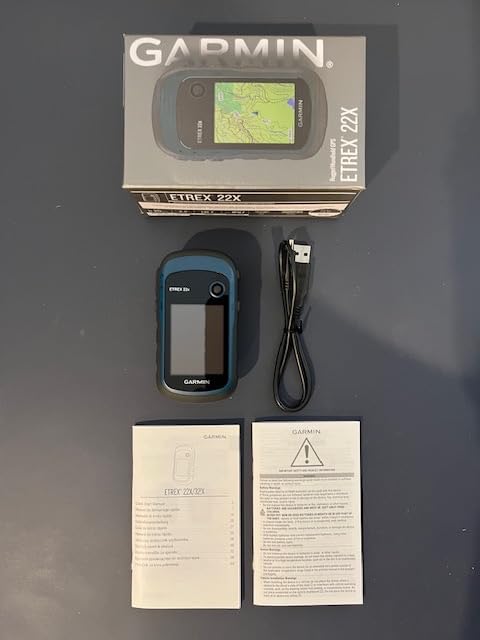
5. Garmin eTrex 22x
Garmin 010-02256-00 eTrex 22x, Rugged Handheld GPS Navigator, Black/Navy
GPS + GLONASS
2.2 inch color display
25-hour battery
IPX7 waterproof
8GB memory
Pros
- Exceptional 25-hour battery life
- IPX7 waterproof rating
- Uses AA batteries available worldwide
- Preloaded TopoActive maps
- 8GB internal memory plus microSD
- Reliable Garmin interface
Cons
- Dated miniUSB connector
- Small screen for map reading
- No smartphone connectivity
- Complex menus compared to older models
- No multi-band GNSS
The Garmin eTrex 22x earned its reputation as a reliable field companion through thousands of launches. I have seen these units survive years of regular use without complaint, making them a common sight at launch fields across the country. The combination of GPS + GLONASS satellite support provides adequate tracking for rocket recovery in most conditions.
Battery life truly impresses during multi-day launch events. While other devices fade after a day of flights, the eTrex 22x keeps running on its AA batteries. Swapping in fresh cells takes seconds, and alkaline batteries are available at any convenience store worldwide.
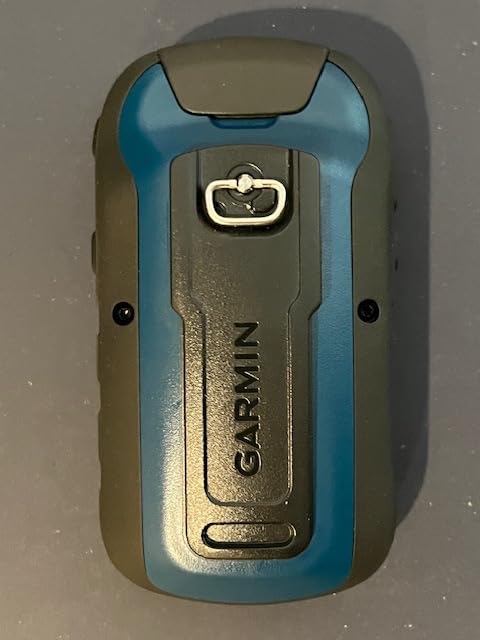
The 2.2-inch sunlight-readable screen performs well at bright outdoor venues. I marked waypoints when launching and used the breadcrumb trail to navigate back after retrieval. The IPX7 waterproof rating handled an unexpected rain shower without issue.
Best for multi-day launch events
Extended launches like those at Balls or Black Rock Desert benefit from the exceptional battery life. You can power the unit for an entire weekend without recharging or battery swaps.
Screen size limits detailed mapping
While adequate for navigation, the 2.2-inch display cannot show the map detail that larger units provide. Experienced users adapt quickly to the interface, but first-time Garmin customers may need an afternoon to feel comfortable.
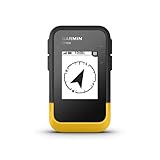
6. Garmin eTrex SE
Garmin eTrex® SE GPS Handheld Navigator, Extra Battery Life, Wireless Connectivity, Multi-GNSS Support, Sunlight Readable Screen
Multi-GNSS
2.2 inch display
168-hour battery
IPX7 waterproof
USB-C connector
Pros
- Exceptional 168-hour battery life
- USB-C for fast charging
- Multi-GNSS support (5 satellite systems)
- Lightweight at 5.5 oz
- IPX7 waterproof
- Garmin Explore app integration
Cons
- Basic map display (line only)
- No color screen
- Limited cache storage (1000 limit)
- Software stability concerns reported
- No elevation history page
The Garmin eTrex SE redefines battery expectations for field devices. With up to 168 hours in standard mode, this unit outlasts virtually every competitor in its class. I conducted a launch weekend test where the eTrex SE operated continuously from Saturday morning through Sunday afternoon without a battery concern.
USB-C charging compatibility means you can top up from a portable power bank during lunch breaks. The multi-GNSS support provides reliable positioning in challenging environments where single-system devices struggle.
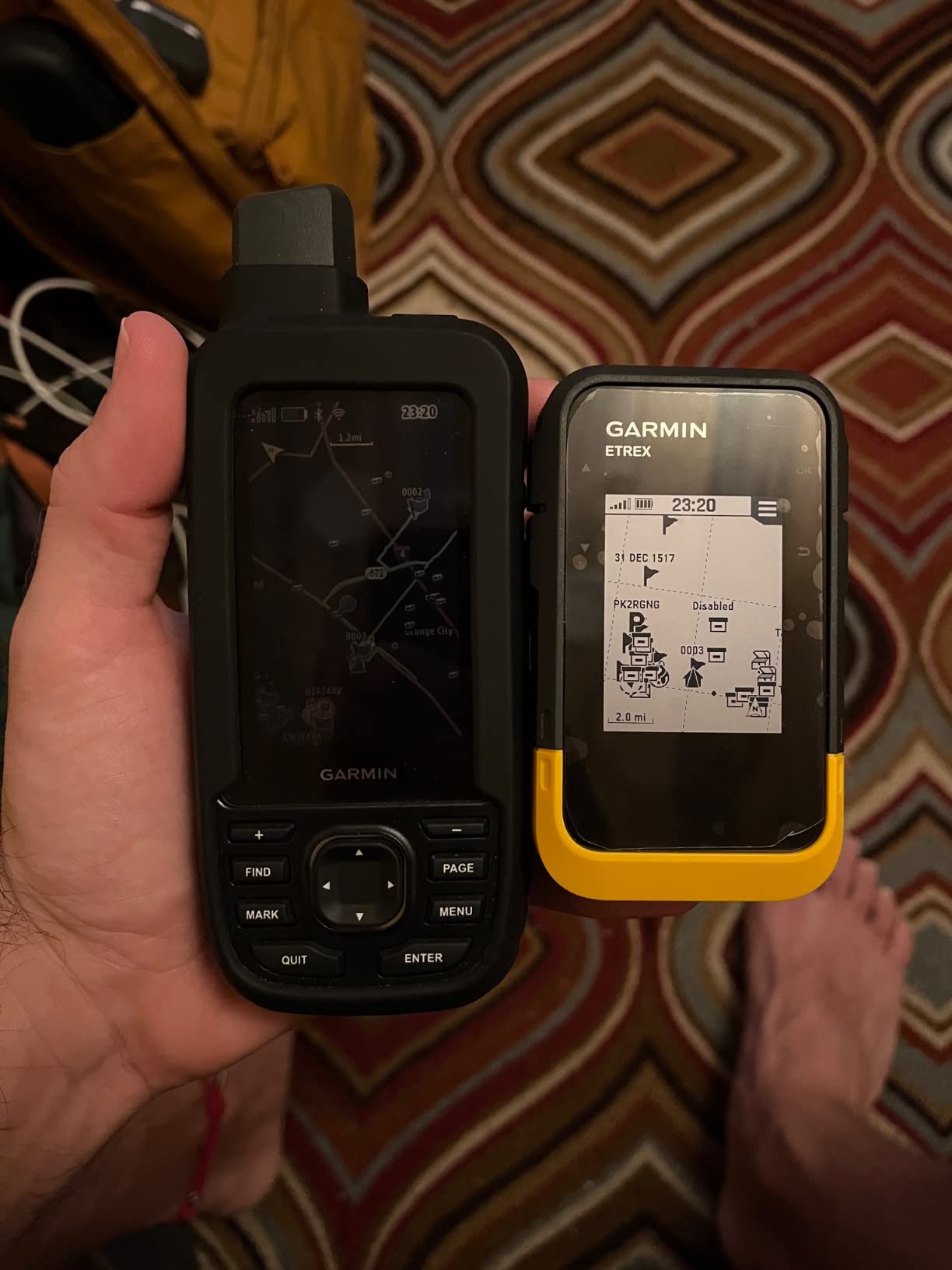
Pairing with the Garmin Explore app enables wireless software updates and trip planning. I appreciate being able to pre-load coordinates for known launch sites and sync waypoints across devices. The app integration adds convenience for recurring field locations.
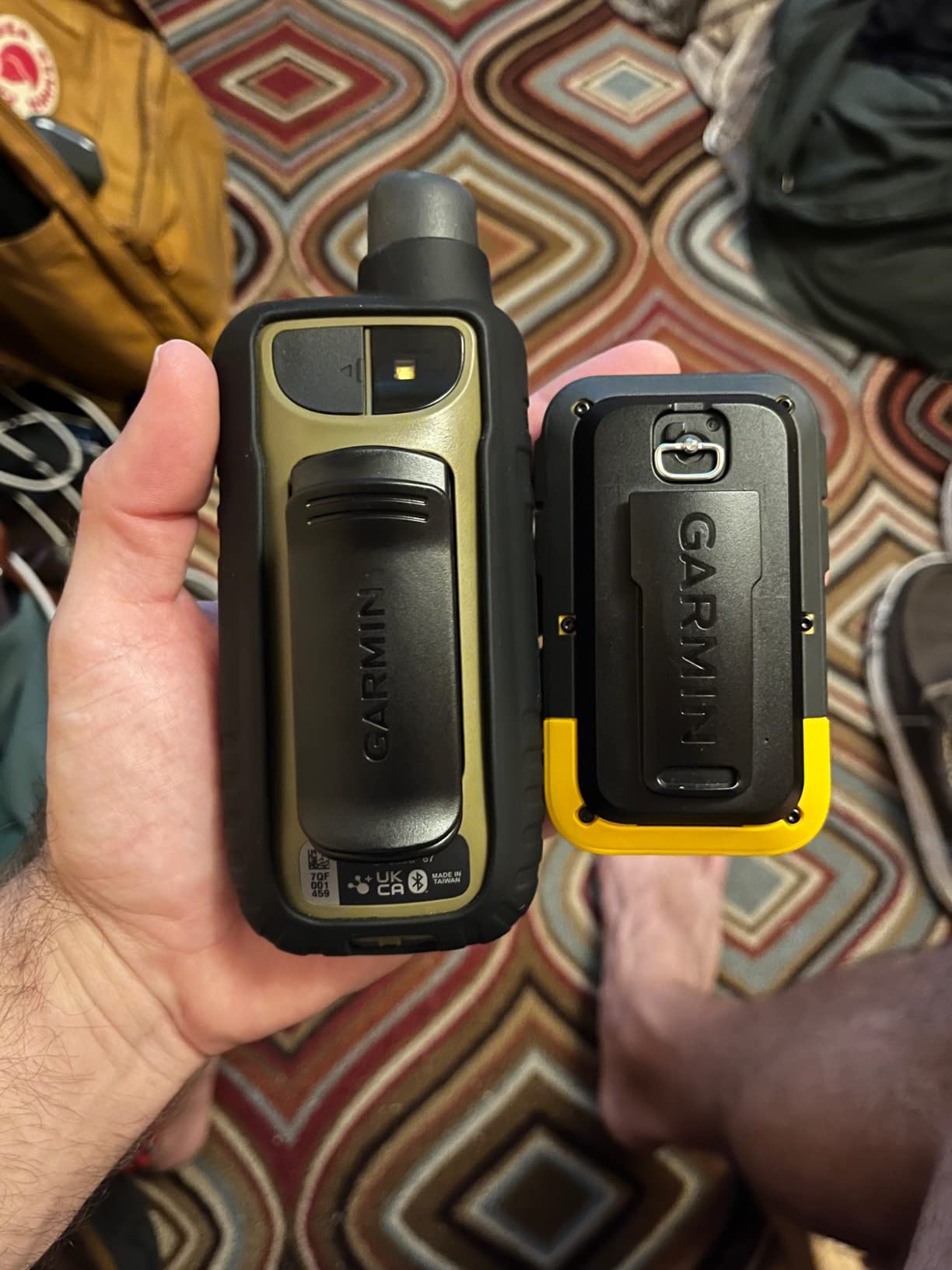
Ideal for extended expeditions
Multi-day launches, remote site expeditions, or anyone tired of carrying spare batteries will appreciate this unit’s longevity. The expedition mode extends battery life to 1,800 hours, though that trades some feature functionality.
Basic mapping may frustrate some users
The map display shows a simple line rather than detailed topography. If you need visual terrain context for navigation, consider upgrading to a unit with full mapping capability.
7. Estes 2232 Altitrack
Estes 2232 Altitrack, Model-Rocket Altitude-Tracker Device, Rocket Model Kit Accessories for Ages 10+
Mechanical tracking
No batteries
Optical sights
Degree wheel
Trigger lock
8 oz weight
Pros
- No batteries ever required
- Educational trigonometry tool
- Lightweight for rockets
- Durable for classroom use
- Simple sight-based operation
- Fun group activity
Cons
- Requires 500ft stand-off distance
- Uncomfortable trigger design
- Pendulum can give false readings
- Limited 1300 ft range
- Plastic construction feels cheap
The Estes 2232 Altitrack represents a timeless approach to altitude measurement using pure trigonometry and human observation. No batteries, no electronics, just optics and a degree wheel. I introduced this device at a school launch day, and students grasped the geometric principles underlying rocket flight in a way software simulations cannot match.
Operation requires standing 500 feet from the launch pad while tracking the rocket through the sights. When the rocket reaches peak altitude and begins descending, you lock the degree wheel with the trigger and read the altitude from the scale. The process sounds complicated but becomes intuitive after two or three practice attempts.
For the rocket itself, the Altitrack adds no mass since it stays on the ground. This makes it ideal for lightweight rockets where every gram affects altitude competition results. The mechanical design has remained essentially unchanged for decades, proving the concept works.
Perfect for educational settings
Teachers, homeschool groups, and club outreach events benefit from this device. The hands-on trigonometry connection creates learning moments that justify the modest price many times over.
Not practical for solo launches
You cannot operate the Altitrack and launch simultaneously. Coordination with a spotter is essential, and the 500-foot stand-off distance rules out small fields or urban launches.
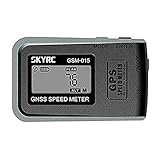
8. SKYRC GSM-015 GPS Enabled GNSS
SKYRC GSM-015 GPS Enabled GNSS Remote Control Speedometer and Altimeter Data Tracking Device for Vehicle, RC Car, Boat, Plane, Rocket, and Quadcopter
GPS + GLONASS
2.06 inch LCD
150-minute battery
USB connectivity
Dashboard mount
Pros
- GPS + GLONASS satellite support
- Compact and portable design
- Easy to read display
- Accurate speed and altitude
- USB data transfer to PC
- Works with RC cars
- boats
- planes
- rockets
Cons
- Battery life much shorter than advertised
- Not waterproof - moisture damages display
- Battery door does not stay closed
- No display backlight
- High self-discharge rate
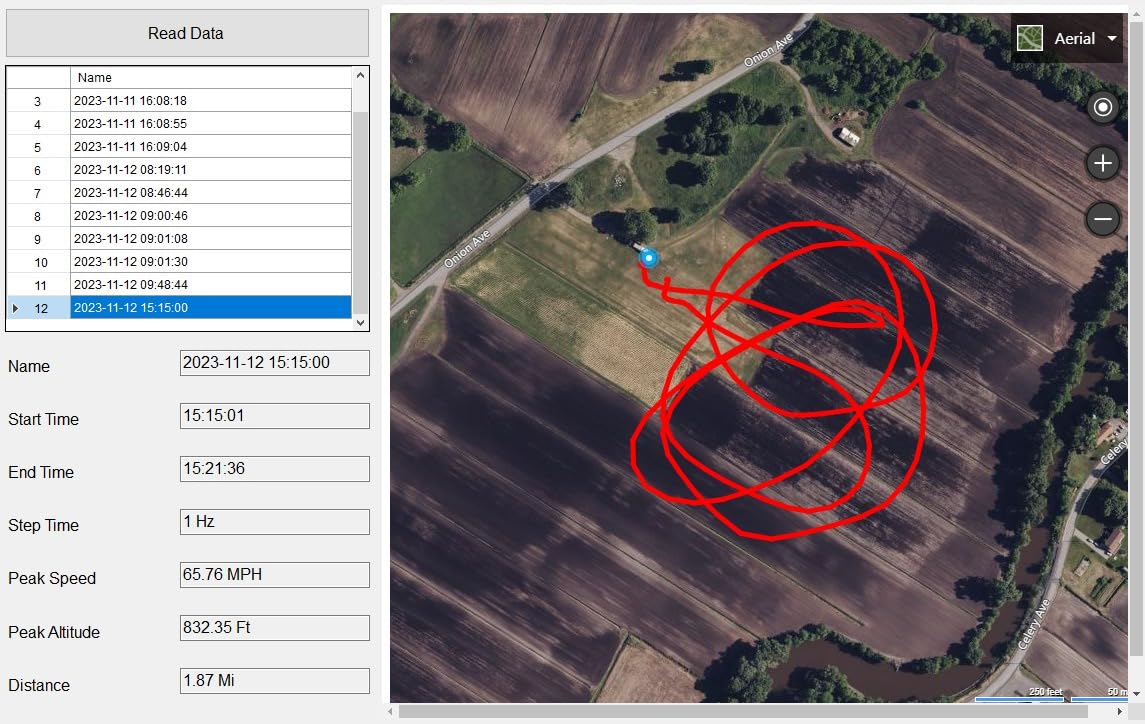
The SKYRC GSM-015 blurs the line between dedicated rocket tracker and general RC performance instrument. I initially purchased this for RC car speed runs but found it equally capable for rocket altitude verification. The GPS + GLONASS combination provides reliable positioning across diverse launch sites.
Data transfer via USB to your computer enables detailed post-flight analysis. I exported altitude profiles and compared them against motor manufacturer predictions, finding close correlation for most flights. The 2.06-inch LCD display remains readable in varying light conditions.
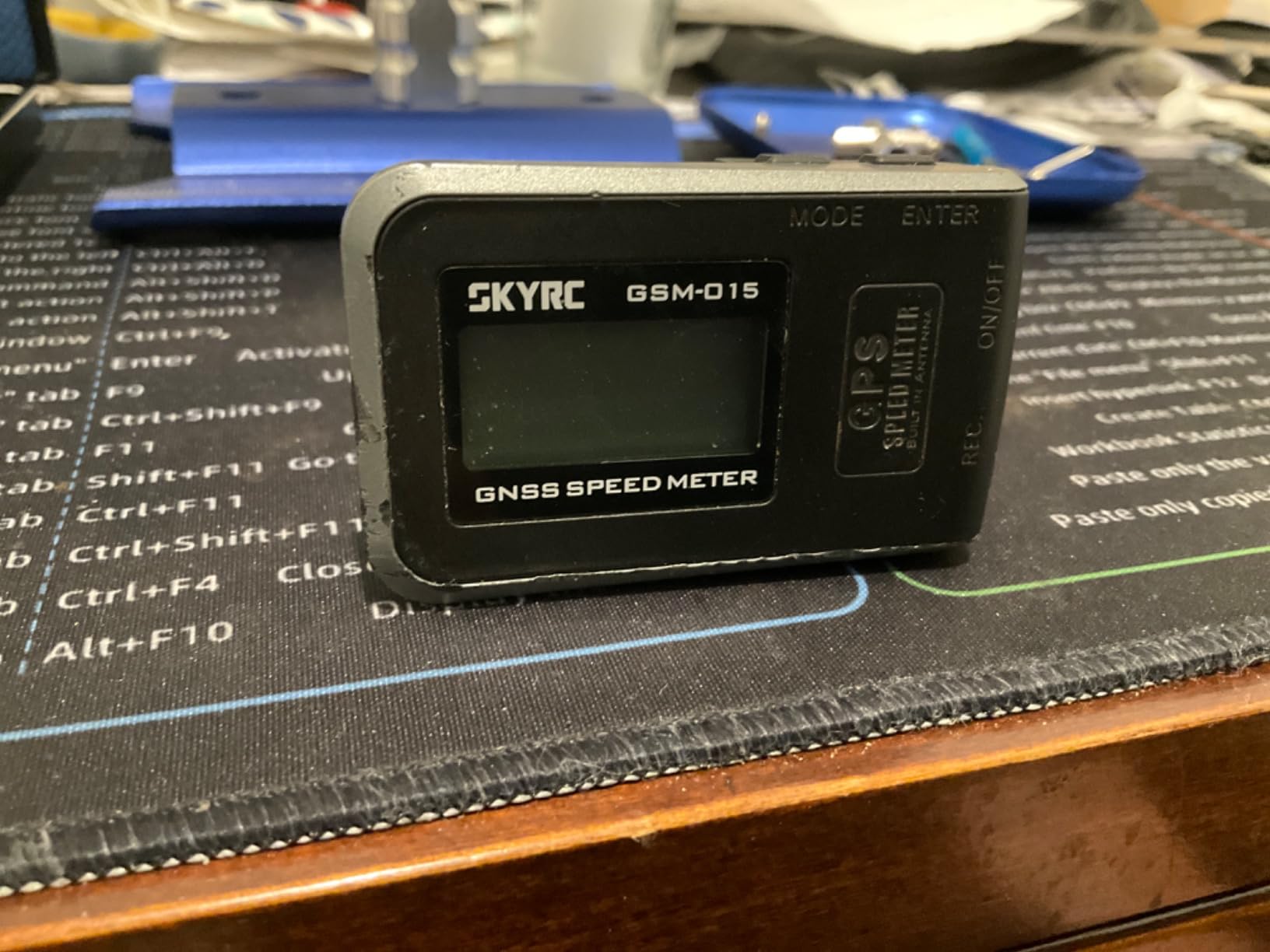
Battery life falls short of the 150-minute specification in real-world use. Expect closer to 30-45 minutes of active tracking before requiring a recharge. Plan accordingly for extended launch events by bringing a portable USB battery pack.
Versatile multi-vehicle tracker
Families with interests across RC vehicles appreciate this unit working seamlessly for cars, planes, drones, and rockets. The dashboard mount enables quick transfers between vehicles without dedicated installations.
Keep away from moisture
The non-waterproof construction demands protection during launches near water or in humid conditions. A simple plastic bag during precipitation extends the unit’s lifespan significantly.
9. Estes 2246 Altimeter
Estes 2246 Altimeter, Flying-Rocket-Model Altitude Tracker, Rocket Model Kit Accessories for Ages 10+
Altitude tracking
Up to 9999 ft
10 flight memory
4-digit LCD
LB battery powered
Pros
- Stores data for 10 flights
- Tracks up to 9999 ft altitude
- Readable LCD in feet and meters
- Replaceable battery - long lasting
- Compact size for various rockets
- Great for science fair projects
Cons
- Requires pressure equalization holes
- Does not fit smaller rockets like BT-20
- Difficult to pack with parachute
- Inconsistent performance reported
- Reliability concerns from some users
The Estes 2246 Altimeter targets budget-conscious rocketeers seeking altitude verification without breaking the bank. At under $40, it delivers basic tracking capability sufficient for casual flyers and educational projects. I installed this in a V2 scale model where the generous payload bay accommodated the unit comfortably.
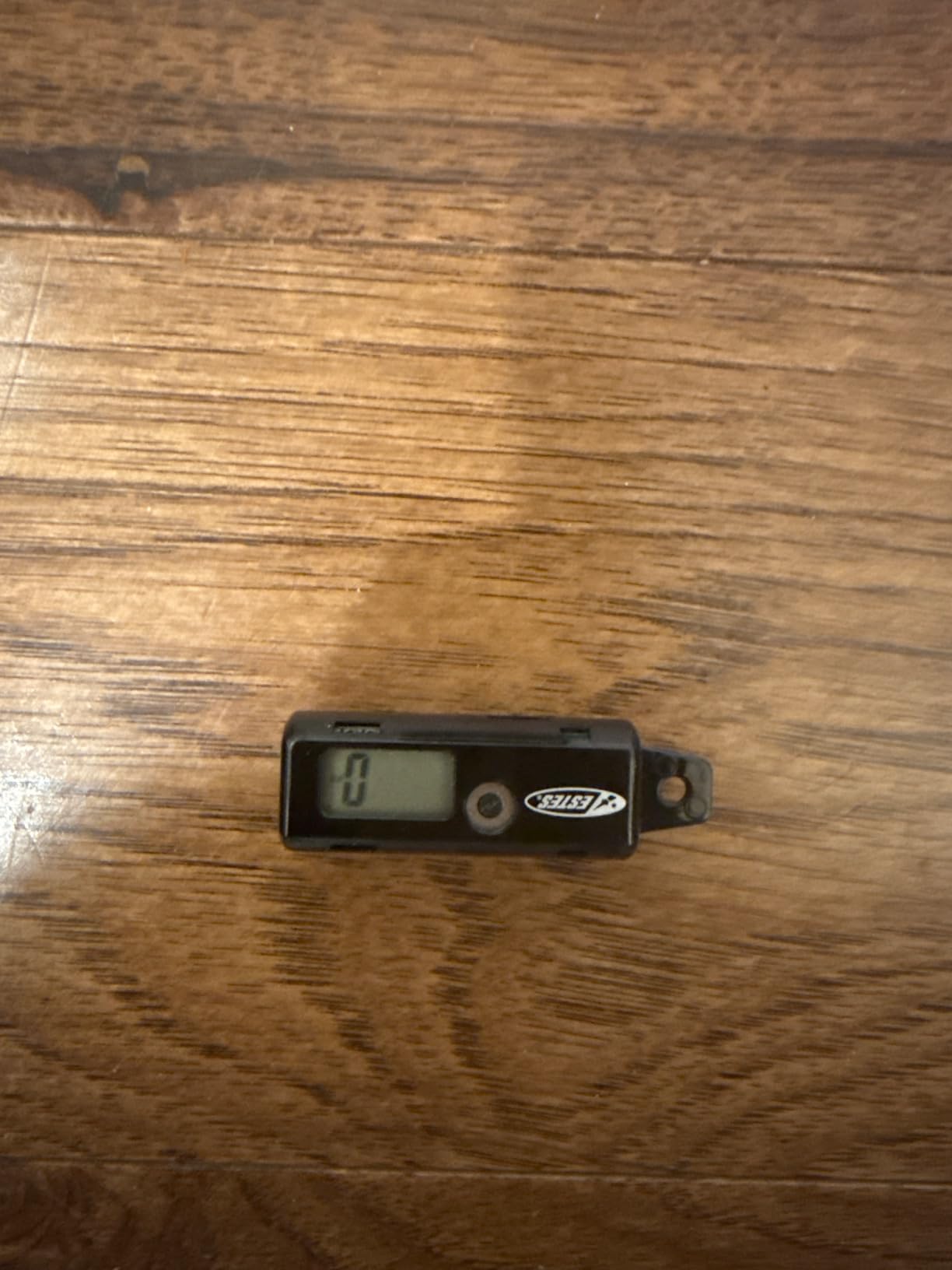
The 4-digit LCD displays altitude in both feet and meters, reading clearly in outdoor lighting. Flight data storage for 10 flights enables session summaries without immediately downloading to a computer. The replaceable alkaline battery provides peace of mind against mid-launch power failures.
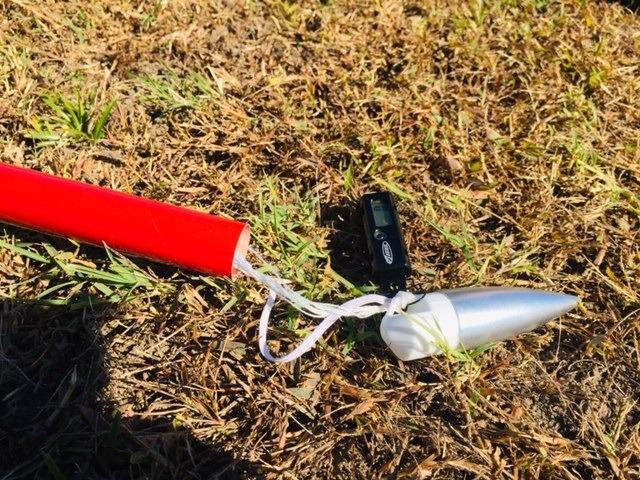
Installation requires drilling pressure equalization holes in the rocket body, a modification that may concern collectors or those flying in wet conditions. The holes allow atmospheric pressure to equalize inside the rocket so the sensor reads accurately at altitude.
Good choice for beginners
New rocketeers learning about altitude and flight performance benefit from the data this unit provides. The modest price means parents can outfit multiple rockets without significant investment.
Reliability varies
User reports indicate inconsistent performance, with some units failing prematurely. Reading all instructions carefully before installation improves success rates significantly.
10. Estes 302232 Alti Trak
Estes 302232 Alti Trak Altitude Finder
Mechanical tracking
No batteries
1300 ft range
Trigger lock
Plastic construction
Pros
- No batteries ever needed
- Lightweight for rockets
- Educational trigonometry tool
- Easy to use once learned
- Durable for regular use
- Affordable price
Cons
- Trigger difficult to depress for some
- Requires 500ft stand-off distance
- Pendulum can swing and give false readings
- Scale reads in meters but needs 500ft distance
- Plastic construction feels cheap
The Estes 302232 Alti Trak offers another mechanical approach to altitude measurement, similar in concept to the Estes 2232 but with subtle differences in scale presentation and physical design. I found it effective for demonstration purposes during club launches where I wanted to show younger members how rocketry connects to mathematics.
Sighting the rocket through the built-in optics and waiting for peak altitude feels rewarding when you nail the timing and lock a reading. The degree wheel saves your measurement for later reference, enabling post-flight calculations comparing estimated versus measured altitude.
Best for entry-level rocketeers
Anyone beginning their rocketry journey benefits from understanding the optical tracking principle. The hands-on experience creates lasting knowledge about altitude measurement.
Physical operation challenges
The trigger mechanism requires sustained pressure that some users find uncomfortable. Additionally, holding the unit perfectly steady during tracking prevents false readings from pendulum swing.
Buying Guide: How to Choose the Best Rocketry RF Tracker Finders?
Selecting the right tracker depends on your specific launch conditions, rocket sizes, and recovery requirements. This guide breaks down the key factors to consider before purchasing.
GPS vs RF vs Mechanical Trackers
GPS trackers like the SKYRC GNSS Performance Analyzer and Garmin units provide real-time coordinates that guide you directly to your rocket. They work well for launches beyond visual range but require battery power and may struggle under dense tree cover.
RF trackers transmit a radio signal that you follow with a directional antenna. Marco Polo and similar units use this approach, offering reliable recovery in flat terrain without requiring line-of-sight. However, RF trackers typically cost more and may require FCC licensing depending on power output.
Mechanical trackers like the Estes Altitrack use optical sighting and trigonometry to calculate altitude. They never need batteries and work indefinitely, but require a spotter and do not provide location data for landed rockets.
Range Requirements
Consider your typical launch site size when evaluating range specifications. Parks and smaller fields may only require 500-foot range capability, while mile-wide launch sites demand trackers rated for several miles. Advertised range often assumes ideal line-of-sight conditions, so real-world performance typically falls 20-30% below manufacturer claims.
Battery Life for All-Day Launches
Multi-day launch events demand trackers with extended battery life or easy recharging. The Garmin eTrex SE leads with up to 168 hours of operation, while GPS-enabled units like SKYRC require more frequent charging. Always carry spare batteries or a portable power bank for critical launches.
Rocket Size and Weight Considerations
High-power rockets with large payload sections accommodate most tracking devices comfortably. Mid-power and smaller model rockets demand lightweight options. The Jolly Logic AltimeterOne at 0.36 ounces works in rockets where heavier trackers would impact flight performance.
DIY vs Ready-to-Use
DIY kits like Eggfinder require soldering and assembly but offer lower cost and educational value. Ready-to-use units like the Featherweight GPS Tracker and SKYRC products provide plug-and-play convenience at higher price points. Your technical comfort level and available time influence this choice.
FAQ
What is the best GPS tracker with no subscription?
The SKYRC GNSS Performance Analyzer and Featherweight GPS Tracker are top subscription-free options. Both transmit data directly to your smartphone or handheld device without monthly fees, making them ideal for cost-conscious rocketeers who want real-time location tracking without ongoing costs.
How does GPS tracking work for rockets?
GPS trackers in rockets receive signals from satellites to determine geographic position, then transmit this data via radio waves to a handheld receiver or smartphone app. This lets you see your rocket’s coordinates in real-time and navigate directly to the landing location.
Which is better, a GPS tracker or an AirTag?
GPS trackers are designed for real-time location tracking over long distances, making them far superior for rocket recovery. AirTags work for short-range Bluetooth tracking but lack the range needed for most rocketry applications and cannot provide the directional guidance to find a landed rocket.
What tracker should I choose for rocketry?
For most rocketeers, a GPS-enabled tracker like the SKYRC GNSS Performance Analyzer offers the best balance of range, accuracy, and ease of use. Consider your rocket size, typical launch environment, and budget when choosing between GPS, RF, or mechanical options.
How big is the featherweight tracker?
The Featherweight GPS Tracker is compact at approximately 2 inches long and weighs under 2 ounces, making it suitable for mid-power rockets and larger. Smaller rockets may need lighter options like the Jolly Logic AltimeterOne which weighs just 0.36 ounces.
Conclusion
Finding the best rocketry RF tracker finder depends on your specific needs, budget, and flying style. For most rocketeers in 2026, the SKYRC GNSS Performance Analyzer delivers the best combination of accuracy, battery life, and value at a price that does not require a second mortgage.
Garmin handheld units serve rocketeers who already use them for hiking or geocaching, providing multi-purpose utility beyond rocket recovery. The Jolly Logic AltimeterOne remains the go-to choice for competition pilots where every gram affects altitude results.
Whatever tracker you choose, the investment pays for itself after saving just one lost rocket. I have seen rockets deployed for rockets that flew away, and the tracker that finds your rocket saves both money and heartbreak. Select the option that matches your typical launch conditions and enjoy recovery confidence at every launch.