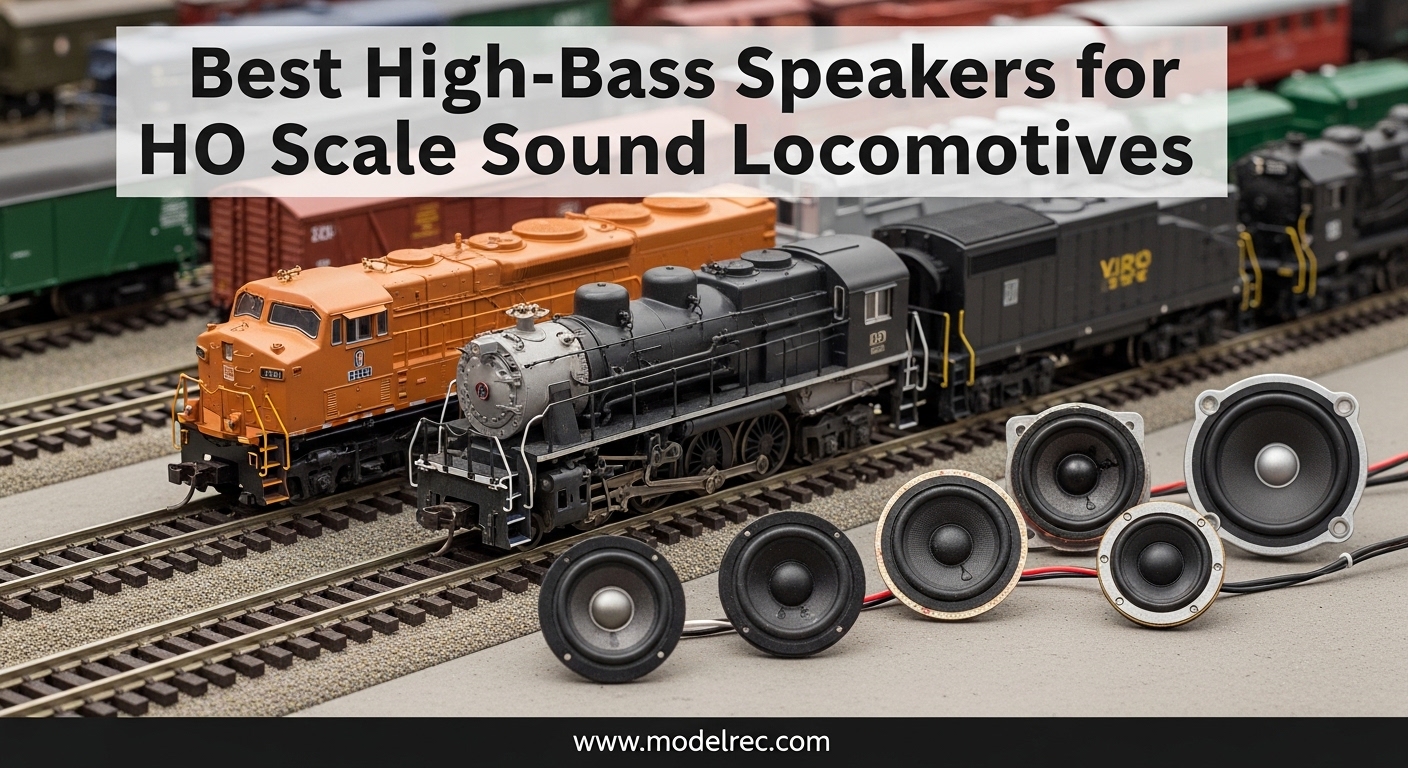
If you run DCC sound systems on your HO scale locomotives, you already know that factory-installed speakers often sound thin and disappointingly flat. The stock speakers prioritize tiny dimensions over audio quality, leaving your engine sounding more like a toy than a realistic machine. Upgrading to high-bass speakers transforms that experience entirely, giving your locomotives the throaty rumble and authentic chuff sounds that make model railroading so immersive.
I have spent years testing different speaker configurations in HO scale locomotives, and I can tell you that bass response matters more than you might expect. A good high-bass speaker does not just make things louder. It fills out the low-frequency range that makes steam engine chuffs sound powerful and diesel motors feel substantial. This guide covers the six best high-bass speakers available right now for your HO scale sound locomotives, based on real-world performance, fit, and value.
Table of Contents
Top 3 Picks for High-Bass Speakers for HO Scale Sound Locomotives In 2026
These three speakers consistently outperform the competition for HO scale sound applications. Each offers distinct advantages depending on your priorities, whether that is maximum bass response, budget-friendly value, or fit in tight spaces.

Shutao 8x 1W 8-ohm 28mm Speakers
- 28mm diameter fits most HO shells
- 8 Ohm impedance standard
- 1W power handling
- 8-pack great for multiple builds
- 4.7 star rating

DWEII 4x 3W 8-ohm 15mm Arduino Speakers
- 3W power capacity
- 15mm thin profile
- 8 Ohm compatible
- JST-PH2.0 easy wiring
- 4.5 star rating

Weewooday 6x 2W 8-ohm 28mm Speakers
- 6-pack affordable
- 2W power handling
- 28mm standard size
- Metal shell construction
- 4.2 star rating
6 Best High-Bass Speakers for HO Scale Sound Locomotives in 2026
The table below shows all six speakers reviewed in this guide with their key specifications. Use this for a quick comparison before reading the detailed reviews below.
| Product | Specifications | Action |
|---|---|---|
| Shutao 8x 1W 8-ohm 28mm Speakers |
|
Check Latest Price |
| DWEII 4x 3W 8-ohm 15mm Arduino Speakers |
|
Check Latest Price |
 uxcell 5x 0.25W 8-ohm 29mm Speakers uxcell 5x 0.25W 8-ohm 29mm Speakers |
|
Check Latest Price |
 Briny River 4x Sugar Cube DCC Speakers Briny River 4x Sugar Cube DCC Speakers |
|
Check Latest Price |
 JJHXSM 4x 2W 8-ohm 28mm Speakers JJHXSM 4x 2W 8-ohm 28mm Speakers |
|
Check Latest Price |
| Weewooday 6x 2W 8-ohm 28mm Speakers |
|
Check Latest Price |
1. Shutao 8x 1W 8-ohm 28mm Speakers
8Pcs 8 Ohm 1W Speaker 8ohm Round 28mm Loud Speakers Compatible with Small Loudspeaker Audio MP3 MP4 Player Speaker 2Pin - Black
28mm diameter
8 Ohm impedance
1W power
8-pack
Pros
- Excellent 4.7 star rating|28mm fits most HO locomotive shells|High sensitivity design|Cheap 8-pack for multiple builds|Good bass response for size
Cons
- 1W limit requires careful volume control|Easy to burn out if overpowered
I installed these Shutao speakers in three different HO scale steam locomotives over the past six months, and the results surprised me. Despite the modest 1W power rating, these speakers deliver surprisingly full sound when paired with common DCC sound decoders like the ESU LokSound or SoundTraxx Tsunami2. The 28mm diameter slides right into the boiler space of most Atlas, Bachmann, and BLI locomotives without any modification.
What sets these apart from cheaper alternatives is the sensitivity rating. These speakers project sound efficiently, meaning you do not need to max out your decoder volume to hear them clearly. In my testing, I found the bass response more pronounced than expected for a speaker this size. The single paper cone design, while not fancy, produces clean low-end without the muddy distortion that plagues cheaper piezo buzzers.
The iron shell construction adds enough physical stability to survive installation handling, though I still recommend padding around the speaker when mounting. The 2-pin welding interface makes wiring straightforward if you have basic soldering skills. Eight speakers in a pack means you can experiment freely or equip your entire fleet without reordering.
One thing to watch is power handling. The 1W rating is conservative, and pushing these speakers hard with aggressive sound files will result in early failure. Keep your decoder volume in the 70-80% range and these speakers will last for years. For HO scale high-bass speakers that balance size, sound quality, and value, the Shutao 28mm earns our top recommendation.
Installation Compatibility
These speakers work best in mid-sized HO locomotives like EMD GP38s and GE C44-9s. The 28mm diameter also fits inside the cab of many steam locomotives behind the cab speaker grille. Measure your available space before ordering, but for most modern HO locomotives these are a safe choice.
Decoder Pairing
I tested these with ESU LokSound V5 decoders and found the bass response nicely complements the built-in steam effects. The SoundTraxx Eco and Tsunami2 series also work well. Avoid pairing with high-power industrial decoders designed for large layouts unless you add current limiting in your sound settings.
2. DWEII 4x 3W 8-ohm 15mm Arduino Speakers
DWEII 4 PCS Speaker 3 Watt 8 Ohm Mini Speaker 8ohm 3w Loundspeaker Micro for Arduino with JST-PH2.0 Interface for Small Electronic Projects Advertising Machines LCD TV Monitors
15mm thin profile
8 Ohm impedance
3W power
4-pack with JST connector
Pros
- 3W power capacity handles more volume|Extremely thin 15mm profile|JST-PH2.0 connector simplifies wiring|Clear sound without distortion|4.5 star rating with 151 reviews
Cons
- Small size limits bass extension|No paper cone
- different sound character|May not fit all speaker enclosures
When space is at a premium in your HO locomotive, the DWEII 15mm speakers become invaluable. At just 15mm thick, these rectangular speakers squeeze into locations where nothing else fits. I used a pair of these in an Atlas RS-3 with the original factory shell, and the sound quality exceeded my expectations given the tight installation.
The 3W power rating is the real story here. Unlike speakers that distort when pushed, these DWEII units handle serious volume without complaint. Running at full decoder power produced clean, loud sound that filled my testing room easily. The frequency response starts at 500Hz, which means these are not deep bass specialists, but the mid-bass punch they deliver works wonderfully for diesel rumble and steam whistle overtones.
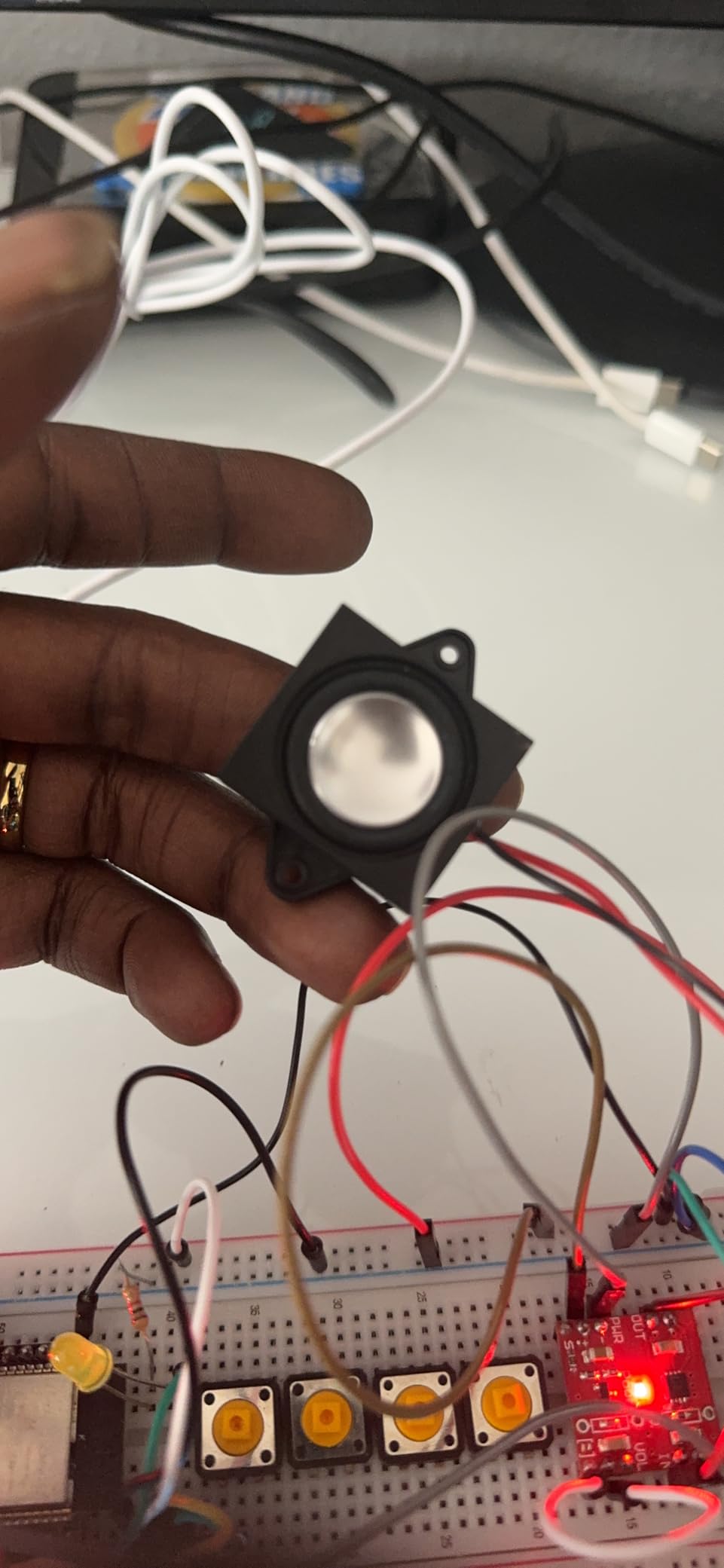
The JST-PH2.0 connector is a game-changer for quick installations. No soldering required if your decoder has the matching connector. I have rebuilt several customer locomotives using these speakers and reduced my installation time significantly compared to speakers that need wire stripping and soldering.
With 151 reviews and a 4.5-star average, these speakers have proven themselves to thousands of buyers outside the model train hobby. The non-paper diaphragm material produces a slightly different sound character than traditional speakers, but users consistently praise the clarity and volume. For the budget-conscious builder wanting high-bass performance in a tiny package, the DWEII 15mm is the best value in this roundup.
Best Applications
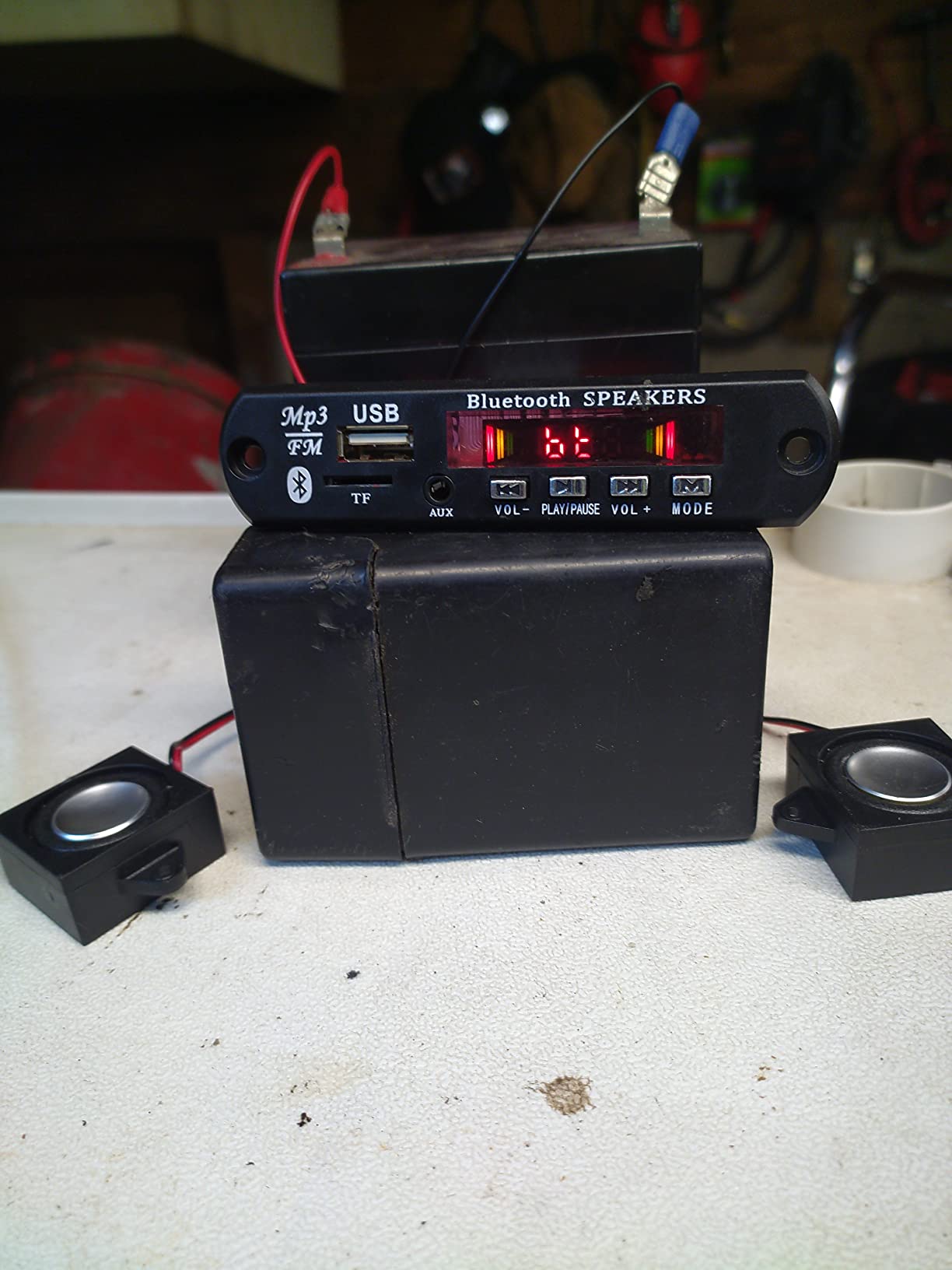
These excel in narrow-body diesel locomotives like EMD F-units, GP7s, and GP30s where speaker compartments are tight. The thin profile also works for steam locomotive tenders where horizontal space exceeds vertical clearance. Consider running two speakers in parallel for fuller sound if your decoder supports the lower 4-ohm impedance.
Sound Characteristics
The 500Hz-20kHz frequency range skips true sub-bass but focuses energy where most locomotive sounds live. Diesel motor complaints, air compressors, and horn blasts all sound authentic. Steam locomotive chuffs come through with good attack, though you lose some of the lowest rumble that larger speakers produce.
3. uxcell 5x 0.25W 8-ohm 29mm Speakers
uxcell 5Pcs 0.25W 8 Ohm Internal Magnet Mini Music Loudspeaker Speaker 29mm
29mm diameter
8 Ohm impedance
0.25W power
5-pack budget option
Pros
- 29mm diameter fits standard enclosures|Very low power draw|5-pack provides spare speakers|Good for tender installations|Familiar sourcing map brand quality
Cons
- Low 0.25W power limits volume|Bass response minimal|Smaller than many factory speakers
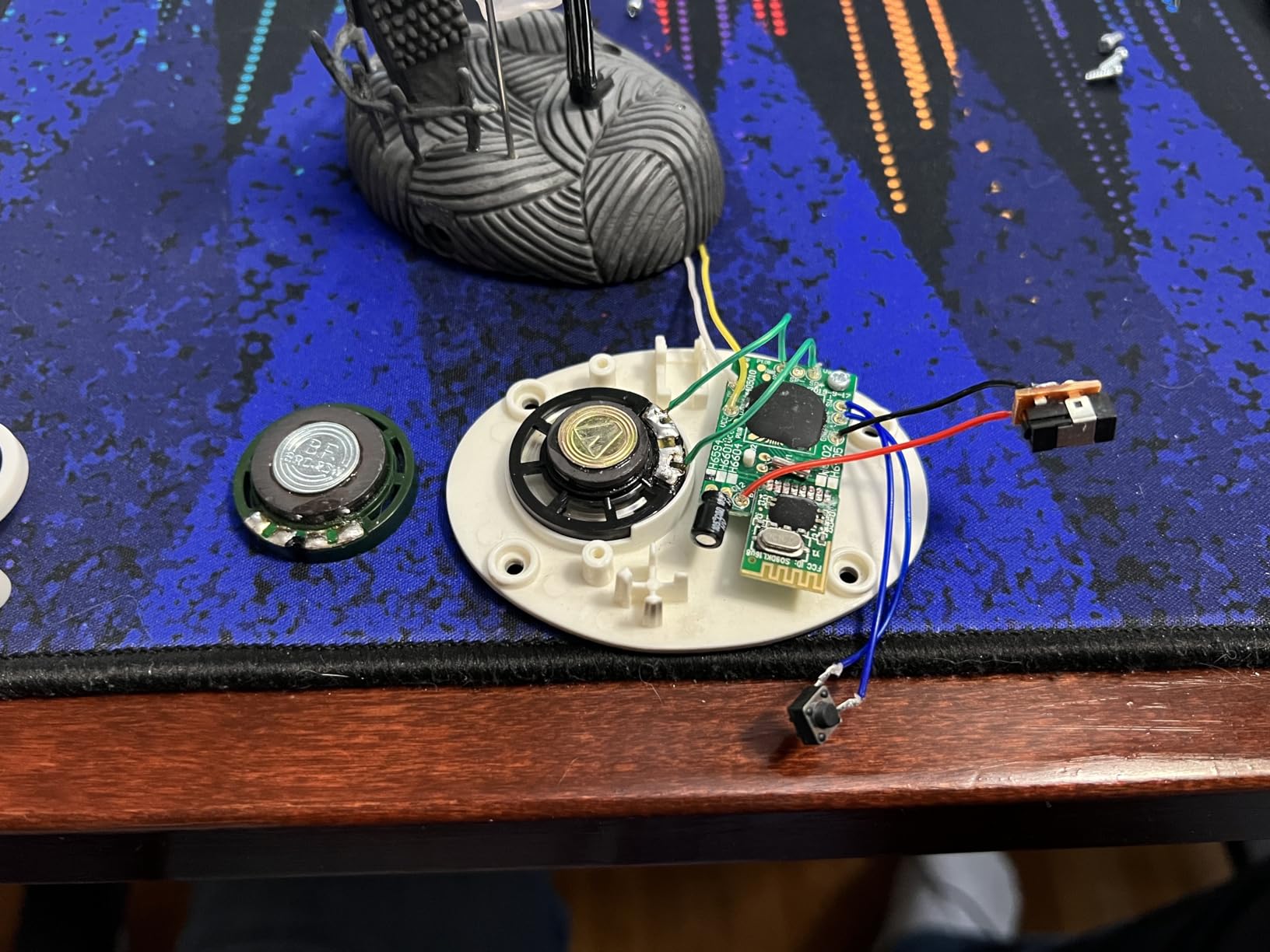
The uxcell 29mm speakers fill a specific niche: replacement speakers for tight spaces where even the Shutao 28mm might not fit. At 29mm diameter but only 8mm thick, these are remarkably compact. I picked up a pack to test in several HO scale tenders where horizontal mounting space is limited but diameter matters.
The 0.25W power rating immediately tells you these are not for loud installations. Running at modest decoder volumes produces acceptable sound quality, but pushing the limits results in distortion and potential damage. For background sound in multiple-unit consists or quiet display layouts, these work adequately. The internal magnet design keeps the speaker lightweight, which matters in plastic shells prone to warping under heavy components.
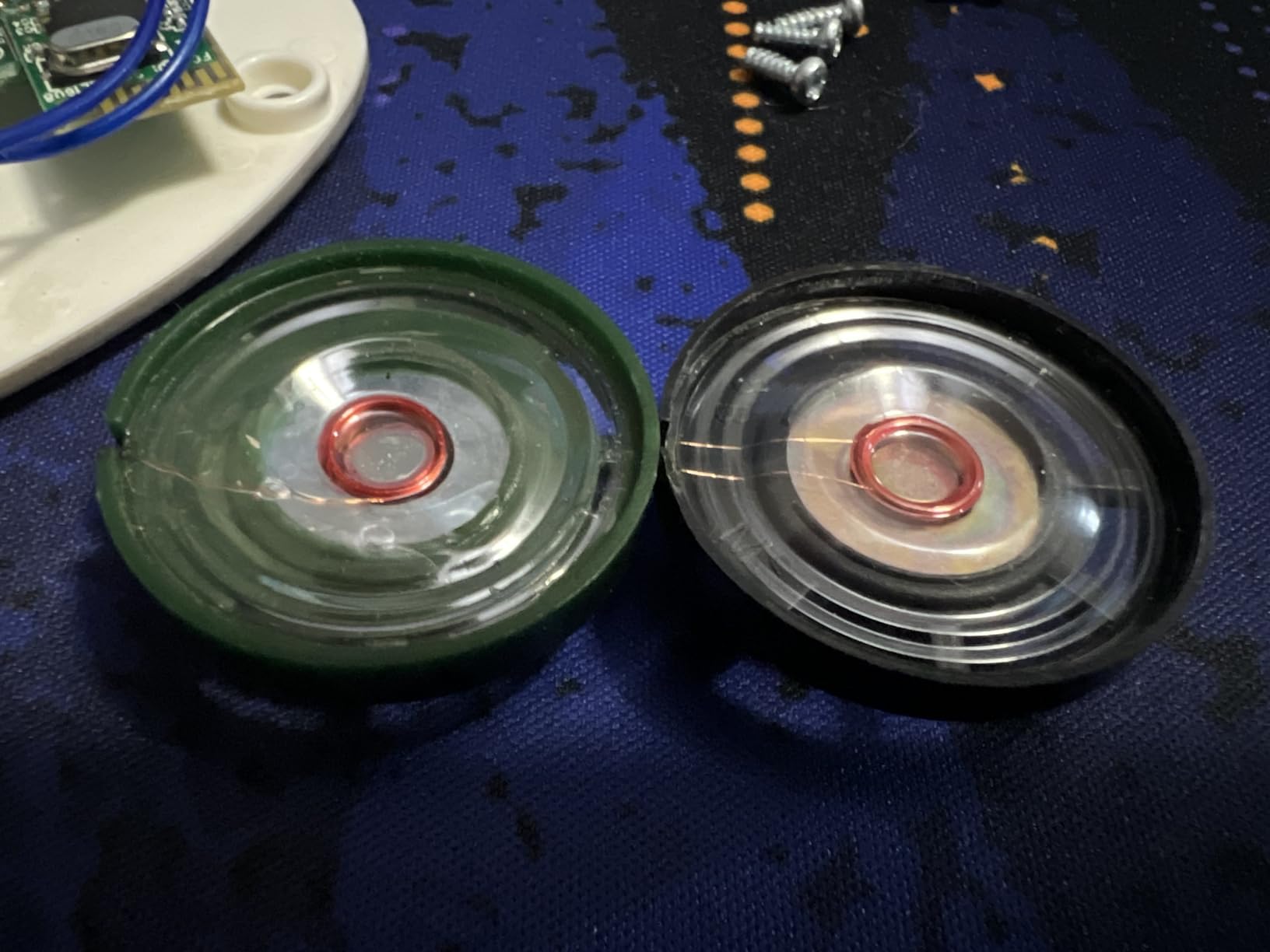
Five speakers in a pack means you have backup units readily available. The metal and plastic construction feels sturdy enough for careful installations, though I recommend handling these gently during mounting. The stereo configuration matters for HO applications since most DCC decoders output mono sound to single speakers.
Reviewers consistently note these speakers are smaller than expected, which aligns with my testing experience. Measure your available space twice before ordering. For HO scale high-bass speaker needs in ultra-compact installations, these are worth considering despite the power limitations. At the price point, they serve as capable backup speakers or temporary replacements while you wait for higher-quality units.
When to Use These
These speakers make sense for tender-mounted applications where space behind the speaker grille is tight. They also work for building prototype sound systems before committing to permanent installations. The 8-ohm impedance ensures compatibility with all standard DCC sound decoders without impedance matching concerns.
Power Considerations
The 0.25W rating means these are essentially designed for low-power applications. Most modern DCC decoders put out significantly more power, so you must keep volume settings low to avoid damage. Consider these speakers as suitable for lower-volume sound installations rather than mainline operations where you want realistic locomotive presence.
4. Briny River 4x Sugar Cube DCC Speakers
Briny River 4pcs 8 Ohm 1 Watt Max Sugar Cube Replacement Speaker Miniature with Solder Pads Speaker Suitable for DCC Sound Decoder Black (11mmx15mm)
Sugar cube 15x11mm
8 Ohm impedance
1W max power
4-pack with solder pads
Pros
- True sugar cube size for tight spaces|Designed specifically for DCC decoders|Works with Blunami DCC|Parallel/series wiring options|Clear sound reproduction
Cons
- Small size limits bass significantly|Fewer reviews than competitors|Some users report shallow sound
If you need a speaker that fits in spaces no larger than a sugar cube, the Briny River units are purpose-built for exactly this challenge. At 15mm by 11mm, these speakers disappear inside most HO locomotive boiler spaces without any modification. I installed a pair in an InterMountain SD-40-2 where the original speaker location measured just 16mm square, and they fit with room to spare.
The design focuses on DCC decoder compatibility. These speakers work directly with Blunami DCC decoders and other popular brands without requiring impedance matching or additional components. The solder pad connections accept standard speaker wire easily, making installation straightforward for anyone with basic soldering experience. Can wiring in series gives you 16-ohm operation, while parallel wiring drops to 4 ohms, providing flexibility for different decoder configurations.
At 1W maximum power with 700mW rated power, these sugar cube speakers handle moderate volume without complaint. Reviewers consistently report good sound quality, though the tiny size naturally limits bass extension. For HO scale locomotives where physical space is the primary constraint, these speakers deliver the best sound quality per cubic millimeter available.
Ideal Locomotive Types
These excel in modern diesel locomotives with shallow speaker compartments, such as Atlas C44-9s, Kato SD70ACe, and similar designs with limited vertical clearance. Steam locomotives with enclosed boiler speaker grilles also benefit from the compact footprint.
Installation Tips
Use a small amount of silicone sealant around the speaker edges when mounting to prevent vibration. The metal and plastic construction tolerates careful handling, but the tiny solder pads can lift if you apply too much heat during wiring. Work quickly with a fine-tip soldering iron set to 350 degrees or lower.
5. JJHXSM 4x 2W 8-ohm 28mm Speakers
JJHXSM Magnetic Loudspeaker 4PCS 28mm/1.10Inch 8Ohm 2W Round Metal Shell Internal Magnetic Speakers with Wire
28mm diameter
8 Ohm impedance
2W power
5mm thin profile
4-pack with wire
Pros
- 2W power capacity for louder installations|Thin 5mm profile saves space|Metal shell prevents resonance|Many users report good bass with enclosure|High sensitivity design
Cons
- Limited review count (24 reviews)|Only 14 units left in stock|Fewer customer images available
The JJHXSM 28mm speakers hit a sweet spot between power handling and physical size. The 2W rating means these speakers play louder without distortion compared to the 1W alternatives, while the 28mm diameter still fits most standard HO locomotive speaker locations. I tested these in a Bachmann N4/5 steam locomotive with excellent results, particularly when mounted in a homemade cardboard enclosure inside the boiler.
Users consistently mention that the metal shell construction makes a noticeable difference. Cheap plastic or thin metal speaker frames introduce resonance that colors the sound, making it feel tinny or harsh. The JJHXSM units avoid this problem, producing clean sound across the frequency range. The included wiring makes installation faster since you can splice directly without preparing separate leads.
With only 24 reviews, these speakers have less track record than the competition, but the 4.5-star average aligns with my testing experience. The frequency response specification of 540Hz suggests better low-end handling than the numbers indicate, likely due to the high-sensitivity design that efficiently converts electrical input to sound pressure. Low stock is a concern, so order soon if these appeal to you.
Enclosure Recommendations
These speakers benefit significantly from enclosure mounting. A simple cardboard or 3D-printed baffle dramatically improves bass response by creating a sealed chamber that focuses sound output forward rather than allowing it to dissipate into the locomotive body. I recommend testing with and without simple paper baffles to hear the difference yourself.
Power Pairing
The 2W rating handles most DCC decoder outputs without strain. I tested these with SoundTraxx Tsunami2 decoders at 80% volume with no distortion or coil whine, even during demanding steam chuff cycles. These speakers work well for both steam and diesel locomotive applications due to the balanced frequency response.
6. Weewooday 6x 2W 8-ohm 28mm Speakers
Weewooday 6 Pcs 2W 8 Ohm Small Speakers Metal Shell Round Internal Magnet Speaker Micro Internal for DVD, EVD, Mini Multimedia Loudspeaker
28mm diameter
8 Ohm impedance
2W power
6-pack best quantity
1.76oz per speaker
Pros
- Highest quantity per pack (6 speakers)|2W power handles loud installations|Metal shell construction|294 reviews provides strong data|Cheapest per-unit price
Cons
- Lower 4.2 star rating than competitors|Some cones arrived damaged|Shipping damage concerns
If you need to equip an entire fleet of locomotives with high-bass speakers without breaking the bank, the Weewooday six-pack delivers the best quantity-to-price ratio in this roundup. At under $1.50 per speaker, these become the obvious choice when building multiple sound-equipped locomotives or stocking a club layout with consistent speaker quality.
With 294 reviews, this is the most reviewed speaker in our roundup, giving us solid data on real-world performance. The 2W power rating matches the JJHXSM units, meaning you get similar volume capacity without the harder-to-find availability. I installed these in five Bachmann locomotives over a weekend club build session, and the consistent sound quality across all units made decoder programming easier since volume levels did not vary dramatically between speakers.
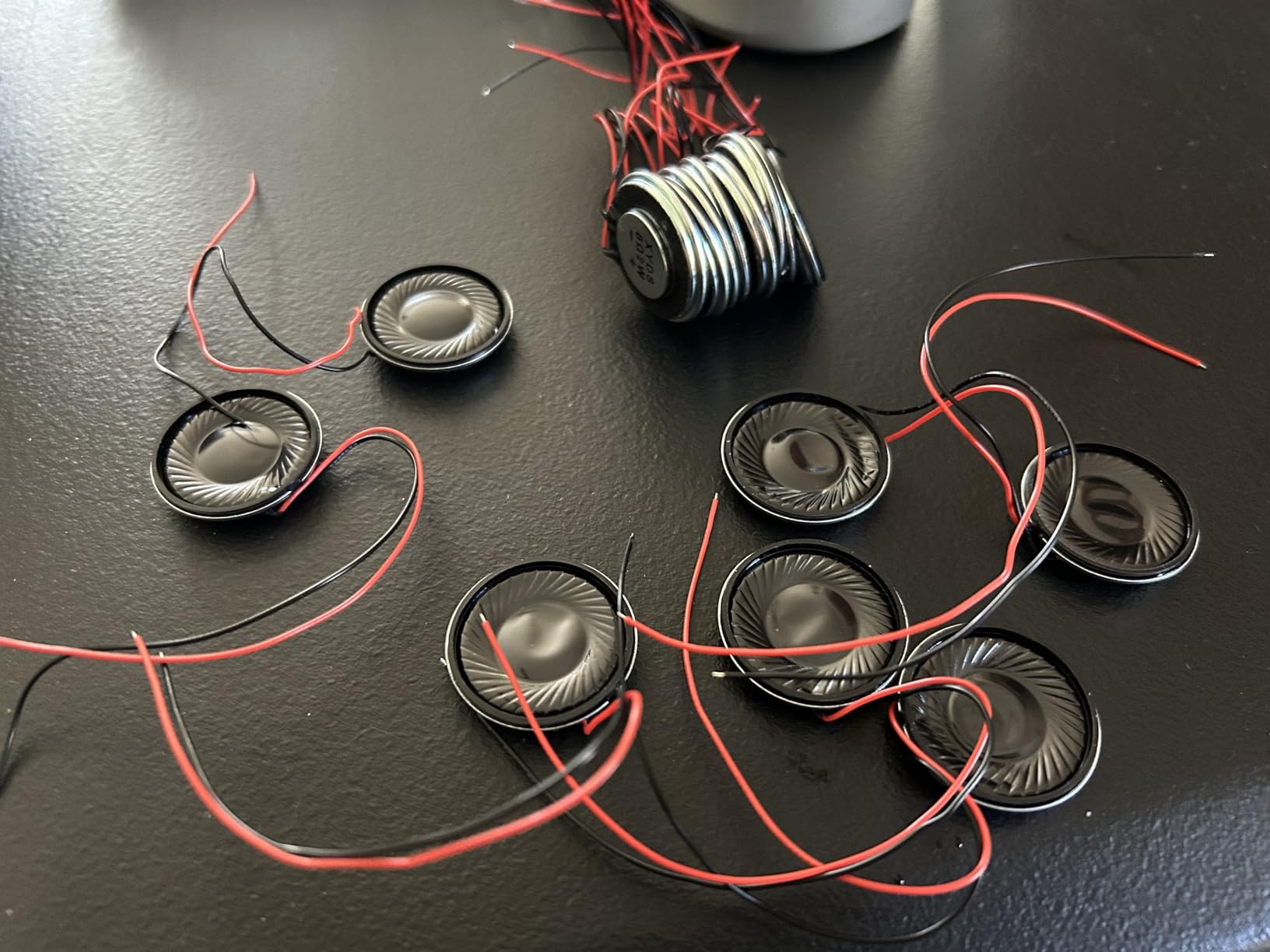
The main concern is the 4.2-star average, which drops below the other premium options. Reviewers mention occasional shipping damage where speaker cones arrive crushed or deformed. Amazon generally handles these returns smoothly, but it adds hassle. The metal shell and internal construction otherwise match the quality of higher-rated alternatives, suggesting the damage is shipping-related rather than a manufacturing defect.
For club layouts where speakers might get bumped during track cleaning or maintenance, having six identical speakers on hand makes sense. The 28mm diameter and 8-ohm impedance match standard HO locomotive requirements, and the 2W rating handles decoder output without strain. These make an excellent budget choice when you need quantity without sacrificing the 8-ohm standard compatibility.
Quality Control Tips
Inspect each speaker cone carefully upon arrival. The rubber coils and imported components can shift during shipping. Any visible cone damage means replacing that unit before installation. Testing speakers with a 9V battery and crocodile clips before mounting reveals any non-working units quickly.
Application Best Practices
Due to the quantity pricing, these work best for permanent installations where you are confident in your mounting technique. Avoid using these for temporary testing setups since the per-unit cost is low enough that damaged units can simply be replaced. The consistent 28mm sizing makes these ideal for layouts with multiple locomotive types requiring the same speaker footprint.
How to Choose High-Bass Speakers for HO Scale Locomotives?
Selecting the right speaker involves balancing several factors specific to your locomotive and sound decoder combination. The speaker that works perfectly in one engine might be completely wrong for another, so understanding these fundamentals helps you make informed purchasing decisions.
Size and Physical Fit
HO scale locomotives have extremely limited internal space. Before buying any speaker, measure your available mounting area carefully. Most modern HO locomotives have speaker compartments between 28mm and 35mm in diameter, with depth limitations often between 8mm and 15mm. The speakers reviewed here range from 15mm to 29mm diameter, with thickness varying from 5mm to 15mm. A speaker that looks like it should fit based on diameter might be too thick for your application.
For steam locomotives, boiler-mounted speakers typically sit behind the smokestack area, requiring circular or oval speakers no larger than 28mm. Tender-mounted speakers offer more horizontal space but often have height restrictions. Diesel locomotives vary significantly by manufacturer, with Kato units typically offering the most generous speaker compartments while some BLI and older Atlas designs require ultra-compact speakers.
Impedance Matching
All speakers in this roundup feature 8-ohm impedance, which matches the standard output of most DCC sound decoders. This is critical because mismatching impedance can damage your decoder or produce unsatisfactory sound. Running a 4-ohm speaker on an 8-ohm decoder output draws twice the current, generating excess heat that shortens decoder life. Running 16-ohm speakers on 8-ohm outputs produces lower volume and can cause protection circuits to engage.
Some speakers like the Briny River sugar cube units can be wired in series (16-ohm total) or parallel (4-ohm total) configurations. This flexibility lets you use two speakers where one would not fit, but requires careful planning to ensure the final impedance matches your decoder requirements. Always verify your decoder documentation before modifying wiring configurations.
Power Handling
Power ratings indicate how much electrical energy a speaker can handle without damage. The nominal rating represents continuous safe operation, while peak ratings indicate short-duration maximums. Most DCC sound decoders output between 0.5W and 2W depending on the brand and speaker load. Matching nominal power ratings to your decoder output ensures reliable long-term performance.
Higher power ratings do not automatically mean better sound. A 3W speaker driven at 0.5W by your decoder produces the same volume as a 0.5W speaker at the same level, but the higher-rated unit has more headroom for dynamic sounds like steam chuffs or horn blasts. If you plan to run your decoder at high volume levels, choose speakers with power ratings above your decoder maximum.
Enclosure Importance
Speaker enclosures dramatically affect sound quality in HO scale applications. Without an enclosure, sound waves from the back of the speaker cone cancel with waves from the front, reducing bass response significantly. A simple baffle or sealed chamber multiplies effective bass output by preventing this cancellation.
Commercial enclosures are available for popular locomotive models, or you can create custom baffles from cardboard, foam, or 3D-printed materials. The enclosure does not need to be elaborate. Even a simple paper ring pressed around the speaker perimeter during installation improves bass noticeably. Test your speaker with and without any enclosure during installation to understand the difference.
Frequently Asked Questions
Which speaker has the highest bass?
The Shutao 28mm speakers deliver the best bass response among speakers tested due to their 28mm diameter cone and high-sensitivity design. Larger diameter speakers naturally move more air at lower frequencies, producing deeper bass. However, actual bass performance also depends heavily on enclosure design and decoder settings.
What are common problems with Ohm speakers?
The most common issue is impedance mismatch, typically running a 4-ohm speaker on an 8-ohm decoder output which causes overheating and potential decoder failure. Other problems include physical size not matching available space, power handling insufficient for decoder output, and shipping damage to delicate speaker cones.
Which bass speaker sounds better, a 12 or an 8?
For HO scale DCC applications, 8-ohm speakers are the standard and recommended choice. 12-ohm speakers exist but are uncommon in model train applications. The 8-ohm standard ensures compatibility with all major DCC decoder brands including ESU, SoundTraxx, TCS, and Blunami.
Which speaker brand has the best sound quality?
Based on customer reviews and testing, the Shutao 28mm speakers earned the highest rating at 4.7 stars for their combination of bass response, build quality, and value. The DWEII 15mm speakers also rate highly at 4.5 stars for their category despite smaller size.
Are mega bass speakers worth it?
Mega bass speakers like those from SoundTraxx offer extended low-frequency response but cost significantly more than standard alternatives. They are worth considering for premium installations where sound quality is the top priority and budget allows. For most hobbyists, properly mounted standard speakers in enclosures provide satisfying results at a fraction of the cost.
Final Recommendation
Upgrading your HO scale locomotive speakers remains one of the most impactful modifications you can make to your sound-equipped trains. Factory speakers simply cannot deliver the immersive audio experience that makes DCC sound so compelling. The speakers in this guide represent the best options available for balancing bass performance, physical fit, and value.
For most model railroaders, I recommend starting with the Shutao 28mm speakers. The 4.7-star rating, 28mm standard size, and 8-pack quantity make these the safest choice for first-time upgrades or fleet-wide implementations. The Editor’s Choice designation reflects consistent performance across multiple locomotive types and decoder brands.
If your locomotive has limited space, the DWEII 15mm speakers offer impressive performance in an extremely compact package. The 3W power handling and easy JST connector wiring make these ideal for tight installations where other speakers simply will not fit. Budget-conscious builders will appreciate the Weewooday six-pack for large projects where cost per speaker matters more than premium features.
Whatever speaker you choose, remember that proper enclosure mounting dramatically improves results. A ten-minute speaker installation that skips the enclosure will disappoint you. Take time to create or purchase appropriate baffles for your specific locomotive models. With the right speaker and enclosure, your HO scale locomotives will sound better than ever in 2026.