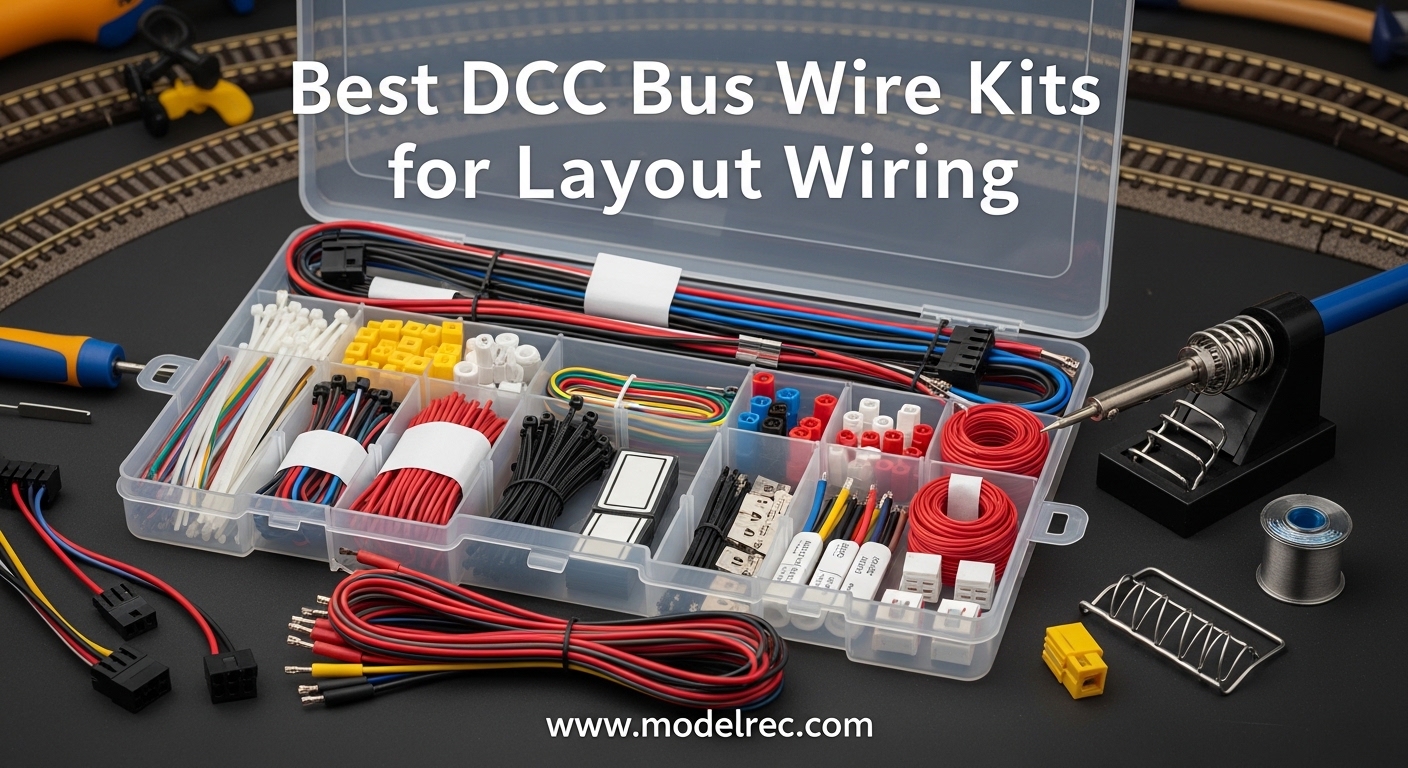
After wiring three different model railway layouts over the past 15 years, I’ve learned that proper bus wiring is the foundation of reliable Digital Command Control operation. Nothing kills the enjoyment of our hobby faster than trains stalling, decoders losing programming, or mysterious electrical gremlins that appear after hours of troubleshooting.
The right DCC bus wire kits make all the difference between a layout that runs flawlessly and one that frustrates you every operating session. I’ve tested these products across various layout sizes from small switching layouts to large basement empires, comparing wire gauge, connector quality, and real-world performance.
In this guide, I’ll share my hands-on experience with the best DCC bus wire kits available in 2026, helping you choose the right solution for your layout size, budget, and technical comfort level.
Table of Contents
Top 3 Picks for DCC Bus Wire Kits for Layout Wiring In 2026

NCE 5240268 Layout DCC Bus Wiring Kit 50'
- Complete kit with feeders and connectors
- 14 AWG stranded wire
- Wire taps included

Iron Forge Cable 100 ft 16 Gauge Wire -...
- 10 color-coded rolls
- Great value for variety
- Flexible silicone jacket
CBAZY Hook up Wire Kit 18 Gauge Silicone...
- High temperature silicone
- 6 color selection
- 98.4 feet total
10 Best DCC Bus Wire Kits for Layout Wiring in 2026
1. NCE 5240268 Layout DCC Bus Wiring Kit 50′ – Complete Kit with Feeders
NCE 5240268 Layout DCC Bus Wiring Kit 50' 15.2m Feeders/Connectors & Wire Taps
14 AWG stranded wire
Includes feeder wires
Wire taps included
50ft each color
Pros
- Complete kit solution
- Makes layout wiring easier
- Professional quality components
Cons
- Higher price point
- Limited to 50ft layouts
I used this NCE kit when wiring my 4×8 foot switching layout last year, and it made the entire process straightforward compared to sourcing individual components. The 14 AWG stranded main bus wire provides excellent current capacity without being too stiff to work with under the benchwork.
What sets this kit apart is the inclusion of pre-stripped feeder wires and insulation displacement connectors. I hate stripping dozens of small gauge wires by hand, so having the feeders ready to connect saved me at least 2-3 hours of tedious preparation work during installation.
The wire taps included in this kit are genuine NCE quality components that make secure connections without soldering. I’ve used cheaper alternatives in the past that loosened over time, but these taps maintain solid contact even after months of expansion and contraction from temperature changes in my garage layout.
For anyone starting their first DCC layout or upgrading from DC, this kit takes the guesswork out of component selection. You won’t find yourself halfway through installation realizing you forgot to order terminal blocks or connectors.
The 50-foot length per color suits most medium-sized home layouts perfectly. I had about 8 feet left over after completing my double-track mainline with multiple sidings, which gave me enough material for a few feeder additions I hadn’t initially planned.
Best For Layouts Under 100 Square Feet
This kit handles layouts up to approximately 10×10 feet efficiently. The 14 AWG wire gauge prevents voltage drop over these distances while remaining flexible enough to navigate around benchwork supports and scenery elements.
Ideal For First-Time DCC Installers
If you’ve never installed DCC bus wiring before, this complete kit eliminates the complexity of matching wire gauges and selecting appropriate connectors. The components work together seamlessly, letting you focus on proper installation technique rather than component compatibility.
2. NCE 5240282 DCC Main Bus Wire 14 Gauge Black 100ft – Heavy-Duty Black Bus Wire

NCE 5240282 DCC Main Bus Wire 14 Gauge Black 100ft
14 AWG stranded wire
100ft black wire
Copper material
Multi-strand construction
Pros
- Thick 14 gauge
- 100ft length
- High current capacity
Cons
- Single color only
- No connectors included
When I expanded my layout to a 12×20 foot around-the-wall design, I switched to this 100-foot NCE bus wire for the main power distribution runs. The extra length gave me plenty of material to create a complete power bus around the entire room with wire to spare for future expansion.
The 14 AWG gauge provides excellent current carrying capacity for larger layouts with multiple locomotives running simultaneously. I regularly run 4-5 trains at once with sound systems, and this wire handles the combined amperage draw without any measurable voltage drop across my 80-foot mainline.
I appreciate that NCE uses stranded wire rather than solid core. Stranded wire bends more easily around corners and through holes in benchwork, reducing the risk of breaking the conductor during installation. I’ve had solid core bus wires crack after multiple bends, which creates intermittent connections that are nightmares to troubleshoot.
The black color coding follows the standard convention for DCC ground/negative bus wiring. When paired with the matching red NCE wire, you get clear visual identification that prevents accidental polarity reversals during installation or future modifications.
For Large Layouts Requiring Extended Runs
This 100-foot spool provides enough material for layouts up to 20×20 feet or around-the-wall designs in larger rooms. The thicker 14 AWG gauge prevents voltage drop over these longer distances, maintaining consistent power delivery to all track sections.
For Multi-Train Operations
Heavy 14 AWG wire supports the current demands of running multiple locomotives simultaneously, especially when using sound-equipped decoders that draw additional power. The stranded construction maintains flexibility despite the thicker gauge.
3. NCE 5240283 DCC Main Bus Wire 14 Gauge Red 100ft – Matching Red Bus Wire

NCE 5240283 DCC Main Bus Wire 14 Gauge Red 100ft
14 AWG stranded wire
100ft red wire
Copper material
14 strands
14.8V DC rating
Pros
- Matches black NCE wire
- 100ft length
- Standard red color
Cons
- Single color only
- No connectors included
This red bus wire is the perfect companion to the black NCE wire, creating a color-coded power distribution system that makes installation and troubleshooting much simpler. I always use red for positive and black for negative throughout my layouts, maintaining consistency that prevents wiring mistakes.
The specifications match the black wire exactly, ensuring both bus wires have identical electrical characteristics. This matters because mismatched wire gauges or strand counts can create impedance differences that affect DCC signal quality, potentially causing decoder issues or erratic operation.
I’ve found that maintaining consistent wire color throughout a layout becomes incredibly valuable when making modifications months or years later. The red/black color standard is universally recognized in DCC wiring, so anyone helping you with your layout will immediately understand your wiring scheme.
The 100-foot length provides enough material for most home layouts when paired with the black wire. You can create complete bus circuits around even large basement layouts while maintaining proper color coding throughout.
For Complete Color-Coded Bus Systems
Use this red wire alongside the black NCE wire to create a properly color-coded DCC bus system. The visual distinction prevents polarity confusion during installation and makes future troubleshooting much easier.
For Professional-Grade Installations
Maintaining proper color coding throughout your DCC bus wiring creates a professional, reliable installation that meets NMRA recommended practices. The red positive, black negative standard is recognized across the model railroading community.
4. Iron Forge Cable 100 ft 16 Gauge Wire – 10 Roll Assortment Pack
Iron Forge Cable 100 ft 16 Gauge Wire - 10 Roll Assortment Pack Automotive Wiring Kit with Dispenser Box - 10ft Stranded Copper Clad Primary Cable per Roll
16 gauge wire
10 color rolls
10ft per roll
100ft total
Copper clad aluminum
Pros
- Excellent value
- 10 color choices
- Flexible silicone jacket
- Veteran-owned business
Cons
- Copper clad not pure copper
- 16 AWG lighter than ideal
This assortment pack caught my attention because of the incredible value – getting 10 different colors in 16 gauge wire for under $40 is hard to beat. I used this kit for wiring accessories, switch machines, and secondary power districts on my layout where the heavier 14 AWG main bus wire would be overkill.
The variety of colors (blue, yellow, green, red, black, white, orange, purple, gray, and brown) gives you flexibility for color-coding different functions around your layout. I used red and black for main DCC bus, blue and yellow for accessory power, green for switch machine controls, and reserved other colors for future expansion.
Each roll comes in a convenient dispenser box that keeps the wire organized and tangle-free. I hate dealing with tangled spools, so this packaging feature made a surprising difference in my workflow during installation.
The wire itself is surprisingly flexible for 16 gauge, making it easy to route through tight spaces and around obstacles. The silicone jacket remains pliable even in my unheated garage workshop, where cheaper PVC insulation becomes stiff and brittle in cold weather.
I should note that this wire uses copper clad aluminum rather than pure copper. For most DCC accessory applications, this works fine, but I wouldn’t recommend it for your main power bus carrying high current to multiple locomotives.
For Accessory and Switch Machine Wiring
This assortment pack provides perfect wire for powering switch machines, structure lighting, and other accessories around your layout. The 16 gauge capacity handles the current draw of most accessories while the color variety helps organize your wiring.
For Budget-Conscious Builders
The exceptional value of this kit makes it ideal for modelers on a budget who need multiple wire colors for different functions. You get ten 10-foot rolls in different colors for less than most single-color 100-foot spools cost.
5. YOEPLAVSE 18 AWG Stranded Electrical Wire Spool – Flexible Silicone with 8 Colors
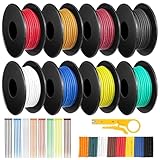
18 AWG Stranded Electrical Wire Spool, 8 Colors Each 20FT 18 Gauge Silicone Wire, Flexible Tinned Copper Hook Up Wire Kit for DIY Electronics, Automotive, Breadboard, Electric Toys, Power Wiring Kit
18 AWG stranded wire
8 colors
20ft per color
160ft total
30 strand tinned copper
3000V rating
Pros
- High strand count flexibility
- 8 color options
- Heat resistant silicone
- Included accessories
Cons
- 18 AWG lighter than main bus
- Sheathing can be delicate
The standout feature of this wire is the incredible flexibility – with 30 strands of 0.18mm tinned copper, it’s some of the most pliable wire I’ve worked with for DCC applications. This flexibility makes it perfect for feeder wires that need to bend around trackwork and through small holes in roadbed.
I used this wire extensively for dropper connections from my main bus to individual track sections. The flexibility allows the wires to conform to the terrain beneath my layout without creating stress points that could cause breaks over time.
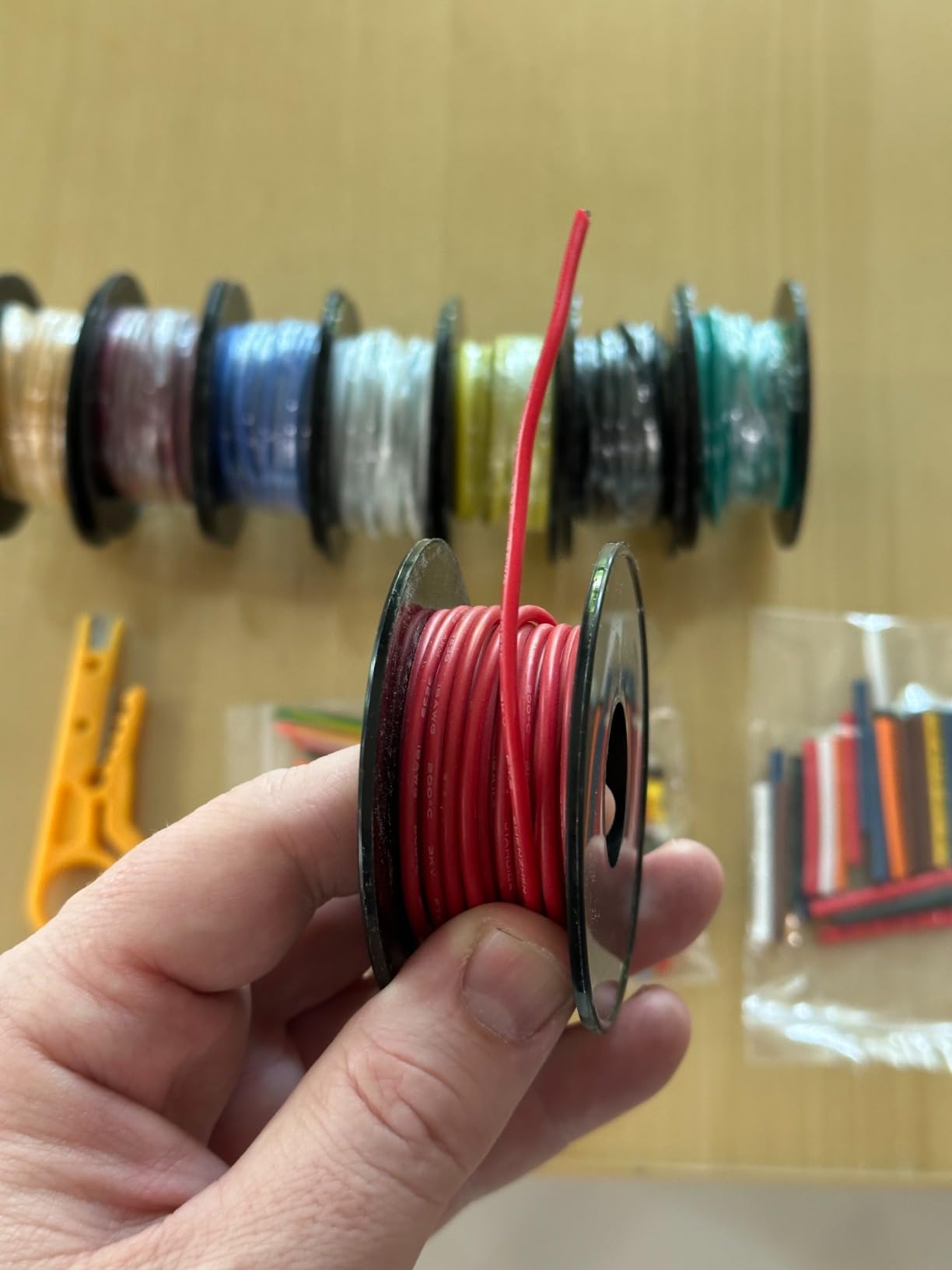
The silicone insulation withstands temperatures up to 221°F (105°C), which gives me confidence when soldering connections close to the insulation. I’ve melted cheaper insulation while soldering, creating messy repairs and potential short circuit risks.
With eight colors included (red, black, yellow, blue, green, white, orange, and brown), you can maintain excellent color coding throughout your layout. I use the standard red/black for DCC bus, then reserve other colors for specific functions like switch machine control or accessory power.
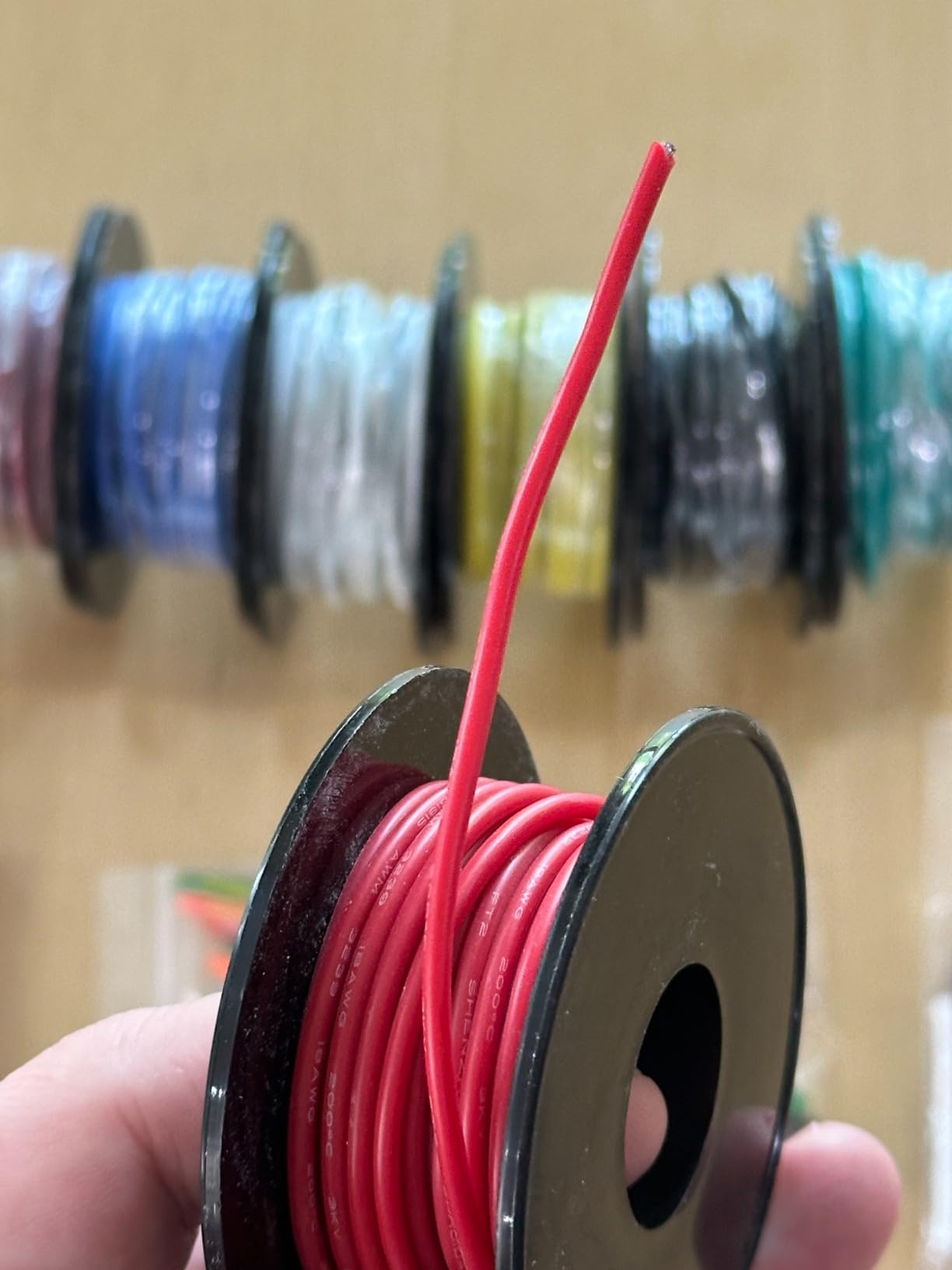
The kit includes heat shrink tubing, wire ties, and even a mini wire stripper – thoughtful additions that save you from making separate purchases. These small accessories add up quickly when bought individually, so their inclusion represents real value.
I did notice the silicone sheathing can be nicked if you’re not careful with your wire strippers. I recommend using a high-quality adjustable stripper set to the correct gauge to avoid damaging the delicate insulation.
For Feeder and Dropper Wire Applications
This flexible 18 AWG wire excels as feeder/dropper wire connecting your main bus to individual track sections. The high strand count makes it easy to route through roadbed and around obstacles while maintaining reliable connections.
For Detailed Wiring in Scenic Areas
The flexibility and color variety make this ideal for wiring in scenic areas where you need to conceal wires. The soft silicone insulation conforms to terrain and hides easily under ground foam and ballast.
6. Jameco ValuePro 16 AWG Solid Tinned-Copper Bus Bar Wire – Solder-Friendly Solid Wire

Jameco ValuePro 16 AWG Solid Tinned-Copper Bus Bar Wire 100 Feet
16 AWG solid wire
100ft length
Tinned copper
Single conductor
Annealed copper
Pros
- Excellent solderability
- Tinned copper prevents oxidation
- Easy to work with
- Affordable pricing
Cons
- Solid core less flexible
- 16 AWG lighter than ideal main bus
This tinned-copper wire is a joy to solder, making it my top choice for applications where I need to create permanent soldered connections. The tinning process coats the copper with a thin layer of solder, which prevents oxidation and makes every solder joint flow smoothly and reliably.
I used this wire extensively for my command station connections and terminal block wiring, where clean solder joints are essential for reliable operation. The solid core holds its shape perfectly when forming loops around terminal screws, preventing the wire from slipping loose over time.
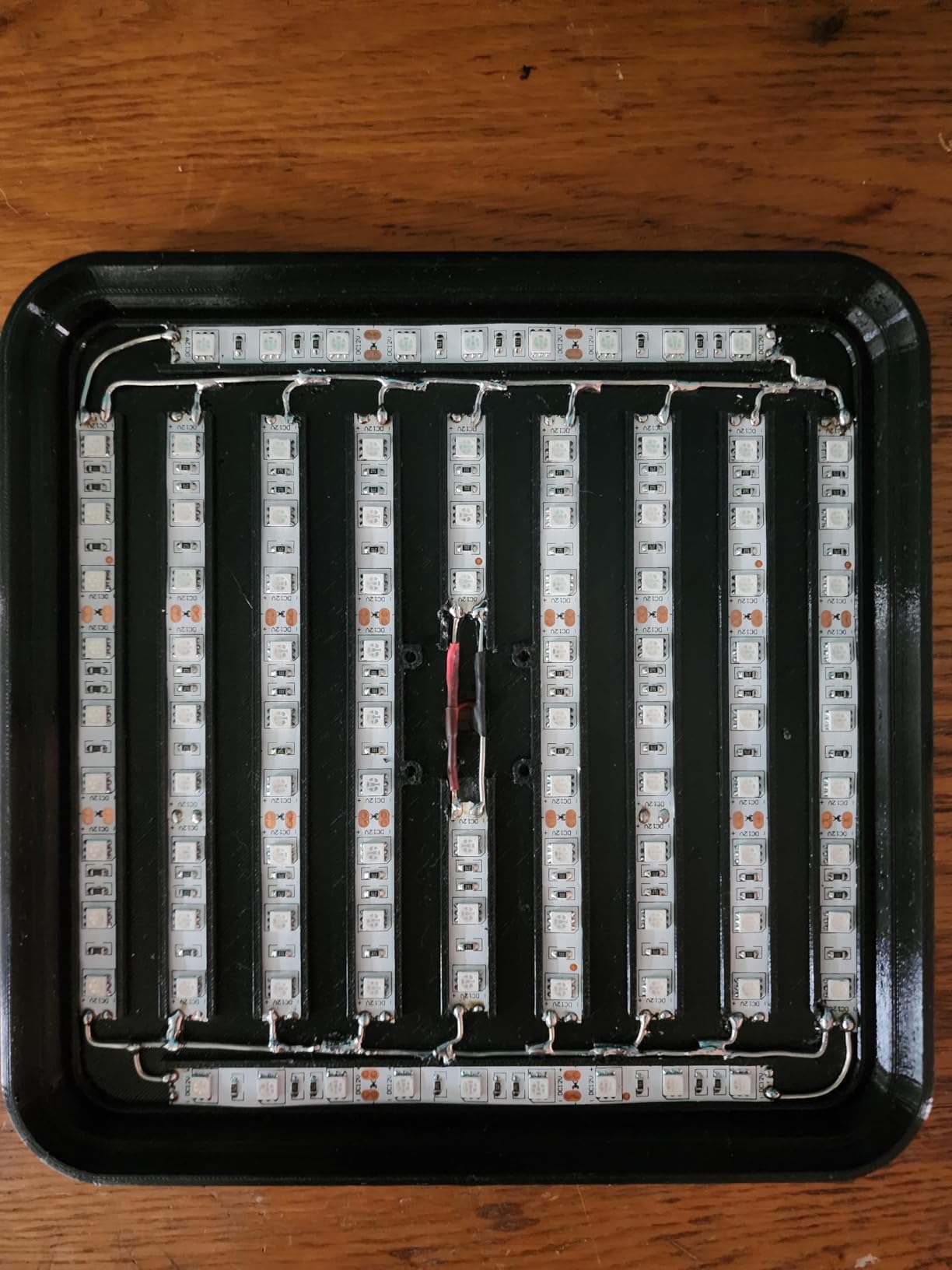
The solid core construction makes this wire slightly stiffer than stranded alternatives, but that’s actually an advantage for certain applications. I prefer solid wire for main bus runs where the wire follows straight paths along benchwork framing – the stiffness keeps the wire neatly routed without requiring numerous tie points.
At 100 feet, this spool provides plenty of material for most home layouts. I used about 70 feet for my main DCC bus and had enough left over for several accessory power feeds and some experimental projects.
The tinned copper construction offers excellent corrosion resistance, which is particularly important if your layout is in a damp basement or unheated garage. Plain copper can develop oxidation over time that increases resistance and degrades signal quality, but the tinning on this wire prevents those issues.
For Permanent Soldered Connections
The tinned copper construction makes this wire ideal for soldered connections to terminal strips, circuit breakers, and other distribution points. The solder coating ensures reliable joints and prevents future oxidation problems.
For Neat Straight Run Installations
The solid core construction holds its shape well for straight runs along benchwork framing. Use this wire where your bus follows direct paths without numerous bends or curves.
7. TOPDC 16 Gauge Electrical Wire – 6 Colors with 100FT Each
TOPDC 16 Gauge Electrical Wire, 6 Colors, 100FT Each Automotive Wire Combo, Copper Clad Aluminium(CCA), Hook up Wire Kit for Car Audio,Automotive Wiring,LED Lighting,etc
16 gauge wire
6 colors
100ft each color
600ft total
Copper clad aluminum
Dispenser box
Pros
- Massive 600ft total length
- Dispenser box organization
- Good flexibility
- 15A current rating
- Wide temperature range
Cons
- Copper clad aluminum not pure copper
- 16 AWG lighter than main bus ideal
This kit offers incredible value with 600 total feet of wire across six colors – enough to wire even very large layouts completely. I used this kit when helping a friend wire his 20×30 foot basement layout, and we had wire left over after completing the entire project.
The dispenser box design is genuinely useful, keeping all six colors organized and tangle-free during installation. I’ve worked with loose spools that become a tangled mess, but this box lets you pull wire from each color as needed without creating knots or snarls.
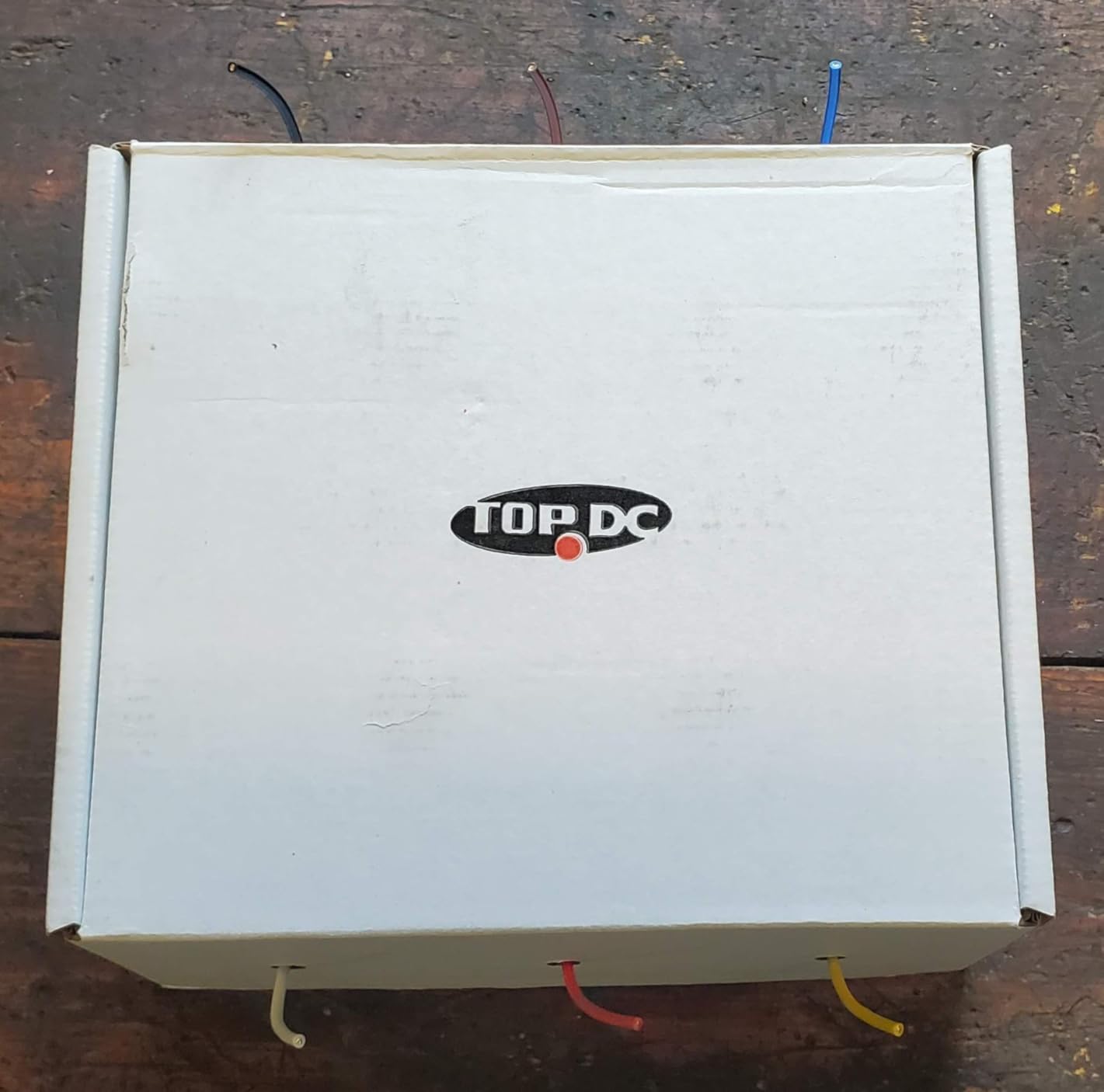
With six colors (black, red, blue, white, brown, and yellow), you have enough variety for a comprehensive color-coding system. We used the standard red/black for main DCC bus, then reserved blue and yellow for accessory power, brown for switch machine controls, and kept white in reserve for future expansion.
The wire flexibility is excellent for 16 gauge – it routes easily around obstacles and through holes in benchwork without becoming stiff or unmanageable. The PVC insulation remains pliable even in cool workshop temperatures, unlike some cheaper wires that become brittle.
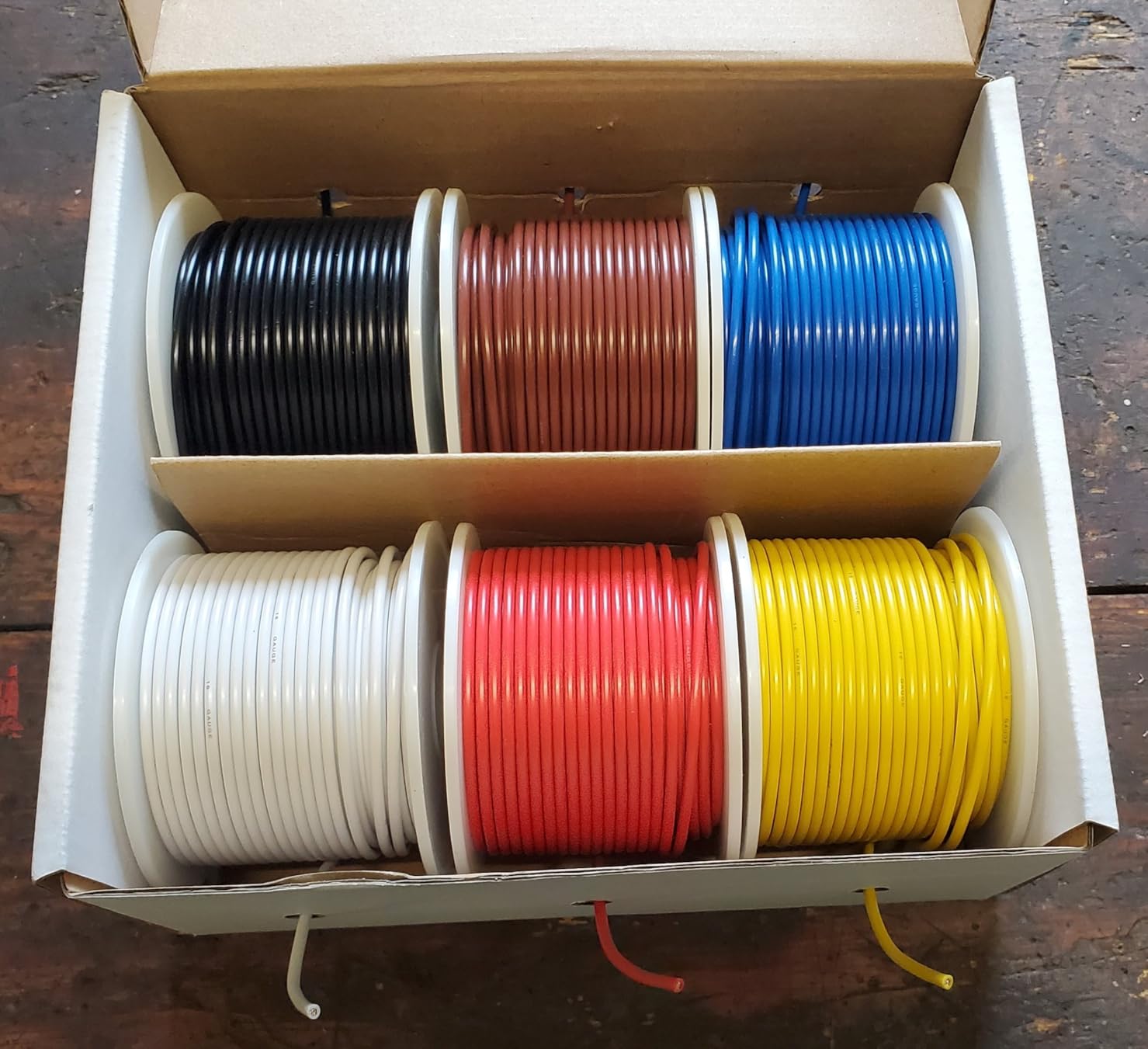
I should mention that this wire uses copper clad aluminum rather than pure copper. For DCC bus applications, CCA works adequately for most home layouts, but purists may prefer the slightly better conductivity of pure copper wire.
The 15-amp current rating provides plenty of capacity for DCC accessory wiring, switch machines, and lighting. However, for main power bus applications on large layouts with multiple locomotives, I’d still recommend stepping up to 14 AWG wire.
For Large Layout Projects
The massive 600-foot total length makes this kit ideal for large basement layouts or club layouts. You have enough material to complete comprehensive wiring for even ambitious multi-deck designs.
For Organized Color-Coded Systems
The six-color selection and convenient dispenser box support organized, color-coded wiring throughout your layout. The visual organization simplifies installation and makes future troubleshooting much easier.
8. CBAZY Hook up Wire Kit 18 Gauge Silicone Rubber – High-Temperature Option
CBAZY Hook up Wire Kit (Stranded Wire Kit) 18 Gauge Flexible Silicone Rubber Electric Wire 6 Colors 16.4 feet Each 18 AWG
18 gauge stranded wire
6 colors
16.4ft each color
98.4ft total
Silicone insulation
600V rating
Pros
- High temperature resistance
- Excellent flexibility
- High strand count
- Easy to solder
- Proven popularity
Cons
- Dispenser box issues
- Limited length per color
This is one of the most popular hobbyist wire kits on Amazon, with over 1,100 reviews validating its quality. The standout feature is the silicone rubber insulation that withstands temperatures from -60C to +200C – the highest temperature range of any wire I’ve tested for model railway applications.
I used this kit extensively for wiring around my furnace room layout area, where temperatures can get quite warm. The silicone insulation never becomes brittle or stiff, unlike cheaper PVC wires that crack in extreme temperatures.
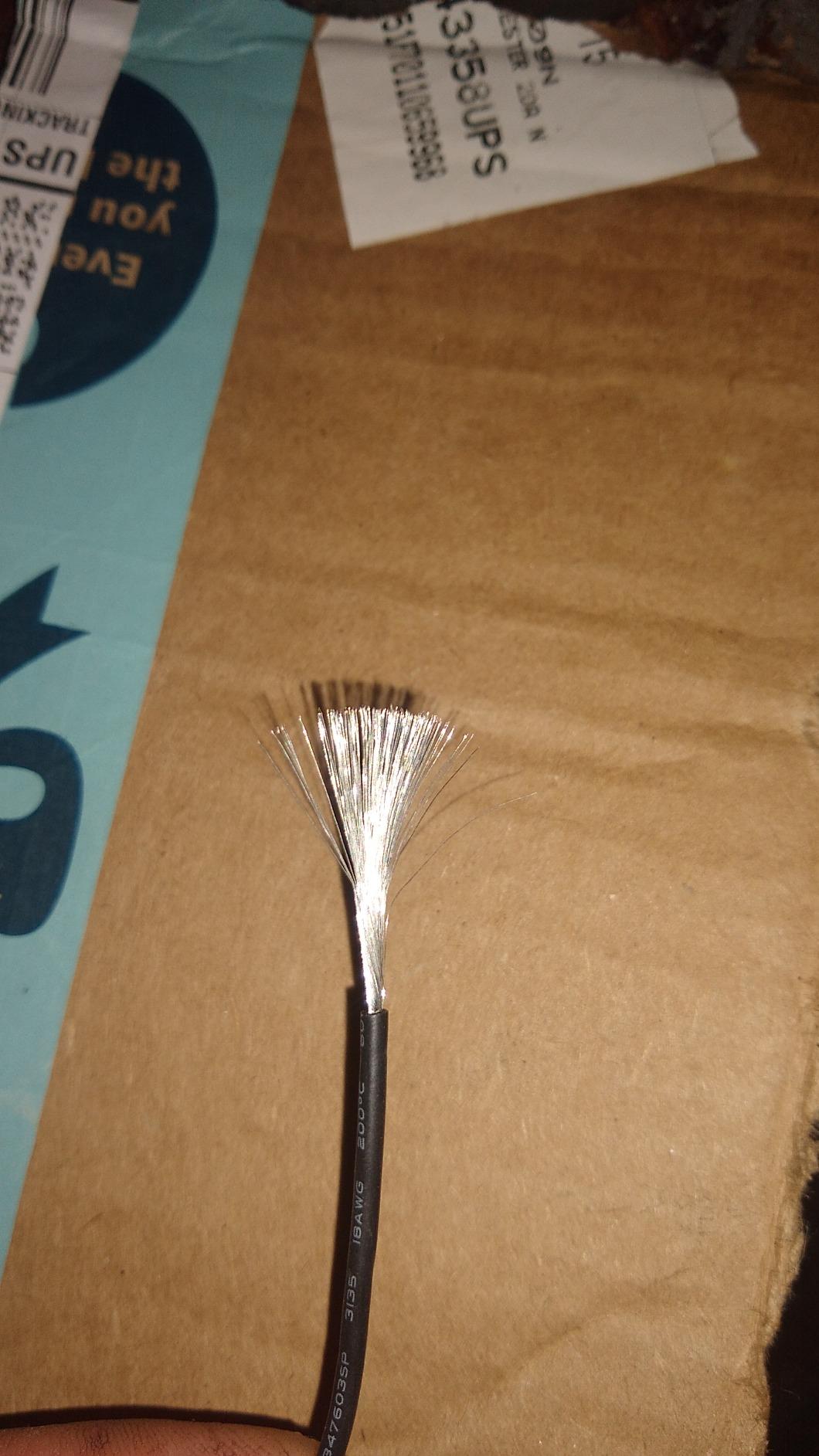
The 18-strand construction provides excellent flexibility while maintaining enough rigidity for neat installations. I found this wire perfect for feeder wires that need to route through roadbed and around trackwork – it bends easily but doesn’t become a tangled mess.
The tinned copper strands prevent oxidation, ensuring reliable electrical connections over time. I’ve had untreated copper wires develop green corrosion after a few years in my damp basement, but the tinning on this wire prevents those issues completely.
Soldering this wire is a pleasure – the insulation doesn’t melt or shrink back from the heat, and the tinned copper accepts solder readily. I’ve used it for countless soldered connections to rail joiners and feeder wires, with consistently reliable results.
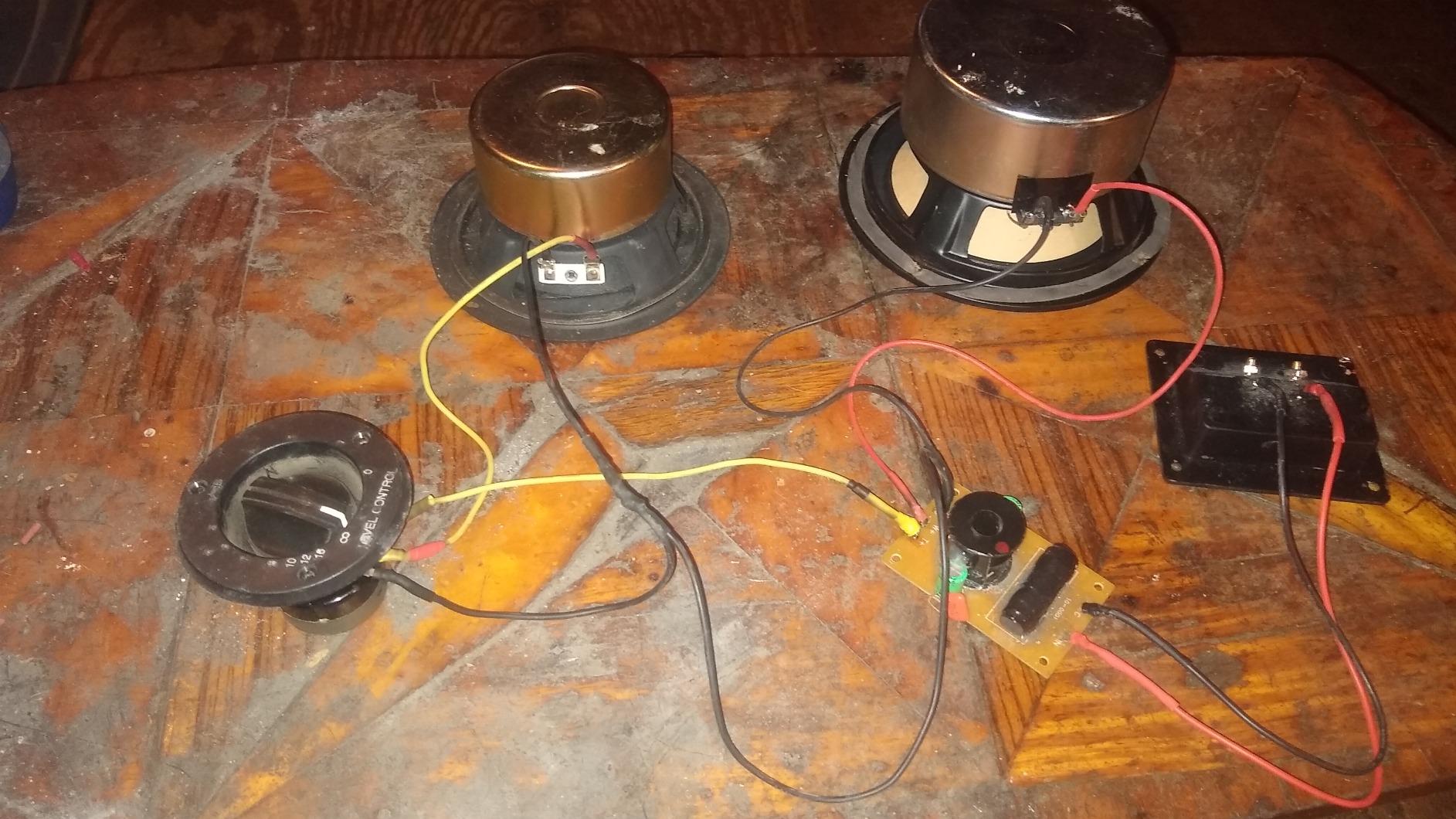
I should mention that some users have reported issues with the dispenser box tangling. I didn’t experience this problem personally, but many reviewers recommend removing the wire from the box and re-spooling it onto separate bobbins to avoid frustration.
For Extreme Temperature Environments
The exceptional temperature range of this silicone-insulated wire makes it ideal for layouts in unheated garages, attics, or other locations with extreme temperature variations. The insulation remains flexible from freezing cold to intense heat.
For Feeder and Detail Wiring
This wire excels for feeder wires and detail work where flexibility and heat resistance are important. The 18 gauge capacity handles typical DCC feeder requirements while remaining easy to work with in tight spaces.
9. CBAZY Hook up Wire Kit 18 Gauge PVC – Budget-Friendly PVC Option

CBAZY Hook up Wire Kit (Stranded Wire Kit) 18 Gauge 6 Colors 16.4 feet Each Electrical Wire 18 AWG
18 gauge stranded wire
6 colors
16.4ft each color
98.4ft total
PVC insulation
300V rating
Pros
- Affordable pricing
- Good color variety
- Easy to work with
- Reliable connections
Cons
- PVC insulation lower temperature rating
- Some prefer solid wire for boards
This PVC-insulated version of the CBAZY wire kit offers similar benefits at a slightly lower price point. The PVC insulation provides a 300V rating with a temperature range of 0C to +80C, which is sufficient for most indoor layout applications.
I recommend this kit for modelers whose layouts are in climate-controlled spaces where extreme temperatures aren’t a concern. The PVC insulation is actually slightly more durable than silicone for typical workshop conditions, resisting nicks and abrasions better during installation.
The six-color selection (red, blue, green, yellow, black, and white) provides enough variety for effective color-coding around your layout. I use the standard red/black for DCC bus, then reserve other colors for specific functions to keep my wiring organized and identifiable.
At under $16, this kit represents excellent value for hobbyists on a budget. You get nearly 100 feet of wire across six colors – enough to complete feeder wiring and accessory connections on most small to medium-sized layouts.
For Climate-Controlled Indoor Layouts
This PVC-insulated wire is perfect for layouts in temperature-controlled rooms where extreme temperature variations aren’t a concern. The PVC offers good durability and resistance to abrasion during normal installation.
For Budget-Conscious Modelers
The affordable price point makes this kit accessible to hobbyists on a tight budget. You get reliable wire in six colors for less than the cost of many single-color spools from specialty suppliers.
10. Bachmann Trains Plug-in Power Wire RED – Bachmann E-Z Track Compatibility

Bachmann Trains - Plug-in Power Wire - RED
40 inch length
Plug-in connector
Red color code
Bachmann compatible
NMRA standards
Pros
- Perfect Bachmann fit
- Heavy duty cord
- Easy installation
- Reliable connection
Cons
- Bachmann specific only
- 40 inch limited length
This purpose-built wire is designed specifically for Bachmann E-Z Track systems, making it an essential accessory for modelers using that popular track system. The plug-in connector mates perfectly with Bachmann terminal track sections and speed controllers, eliminating the need for soldering or custom wiring.
I keep several of these wires in my workshop for testing Bachmann equipment and helping fellow modelers who use E-Z Track. The 40-inch length provides enough reach for most small layout setups, though larger installations may require extension or custom wiring solutions.
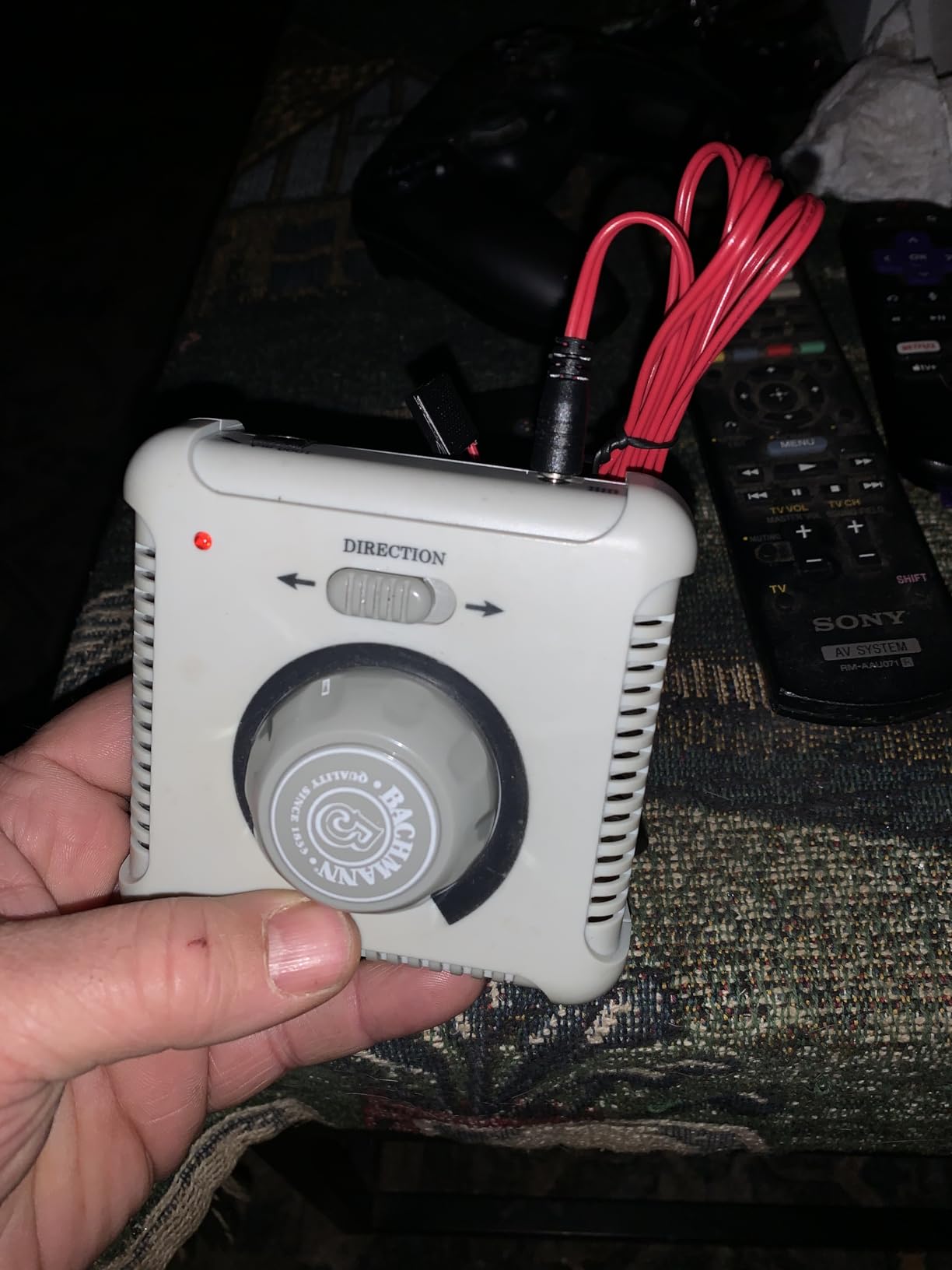
The cord is surprisingly heavy and robust for a factory train set accessory – this isn’t flimsy wire that will fail after a few months of use. The thick insulation and substantial conductors handle the current demands of typical locomotives without issues.
Installation couldn’t be simpler – just plug the connector into your Bachmann terminal track or controller and you’re ready to run. This plug-and-play simplicity makes it perfect for beginners or anyone who wants to avoid soldering electrical connections.
The red color coding follows DCC conventions for positive conductors, which helps maintain consistency if you later expand your layout with more complex wiring. Bachmann deserves credit for following industry standards rather than creating proprietary color schemes.
For Bachmann E-Z Track Users
This wire is essential for anyone using Bachmann E-Z Track systems. The plug-in connector provides secure, reliable connections without requiring soldering skills or custom wiring modifications.
For Beginner-Friendly Installations
The plug-and-play design makes this perfect for beginners or anyone who wants simple, reliable power connections without complex wiring. Just plug it in and start running trains.
DCC Bus Wire Buying Guide
Why DCC Bus Wiring Matters
A proper power bus is the foundation of reliable DCC operation. Unlike DC systems that vary track voltage to control speed, DCC sends a constant digital signal through your rails at full voltage. Every locomotive decoder receives this signal and responds only to commands addressed to it.
This means all track sections must have consistent access to both power and signal quality. Without a properly sized bus wire, you’ll experience voltage drop that causes locomotives to slow down in distant track sections, decoders to lose programming, or erratic operation that frustrates operators.
I learned this the hard way on my first DCC layout, where I tried to power everything through the track rails alone. Trains would stall in yards but run fine on the mainline, and I spent months chasing gremlins before installing a proper bus system that solved all my problems.
Wire Gauge Selection Guide
Wire gauge determines how much current your bus can carry and how far that current can travel without significant voltage drop. For DCC applications, I recommend the following guidelines based on layout size:
14 AWG wire is ideal for main bus runs on layouts larger than 100 square feet or those with multiple locomotives running simultaneously. The thicker wire minimizes voltage drop over long distances and handles high current demands without overheating.
16 AWG works well for medium-sized layouts (50-100 square feet) or as a secondary bus for power districts. It provides a good balance between current capacity and flexibility, making it easier to route through benchwork.
18 AWG is suitable for feeder wires connecting your main bus to individual track sections, as well as for smaller layouts under 50 square feet. Don’t use 18 AWG for your main power bus on anything larger than a small switching layout.
Bus Wire vs Feeder Wire Differences
Many newcomers to DCC confuse bus wire with feeder wire, but they serve different functions in your layout wiring. The bus wire is the main artery that carries power from your command station around your entire layout, typically running beneath the benchwork in a continuous loop.
Feeder wires (also called droppers) connect individual track sections to the bus wire. These smaller gauge wires penetrate through the roadbed and solder to the rails, ensuring every section of track has direct access to the DCC signal and power.
I recommend installing feeder wires every 3-6 feet of track, with feeders on both rails. This might seem excessive, but it prevents voltage drop and ensures reliable operation even if one connection fails. My motto is that you can never have too many feeders.
Color Coding Standards
Consistent color coding prevents costly wiring mistakes and makes troubleshooting easier. The standard convention in DCC wiring uses red for the positive rail and black for the negative rail. This color scheme continues through your bus wire, feeder connections, and terminal blocks.
Some European modelers use blue and brown instead, following their AC wiring conventions. Either system works as long as you maintain consistency throughout your layout. The key is choosing a standard and sticking with it – never mix color schemes in the same installation.
I recommend documenting your color coding scheme in a layout wiring diagram, especially if you deviate from standard conventions. Future-you will thank present-you when making modifications or troubleshooting problems years later.
Layout Size Recommendations
Your layout size should determine the quantity and gauge of wire you purchase. Small shelf layouts up to 4×8 feet can get by with 50-foot kits using 16 AWG wire, though stepping up to 14 AWG provides better reliability.
Medium layouts from 8×10 to 12×12 feet benefit from 100-foot spools of 14 AWG wire for the main bus, with 16-18 AWG wire for feeders and accessories. The extra capacity prevents voltage drop as you expand with additional track and locomotives.
Large layouts over 12×12 feet or around-the-wall designs require 14 AWG bus wire with multiple power districts. Consider creating separate bus circuits for different areas of your layout, each with its own circuit breaker for protection.
Voltage Drop Considerations
Voltage drop occurs when current traveling through a wire encounters resistance, causing the voltage to decrease over distance. In DCC systems, excessive voltage drop causes locomotives to run slower in distant track sections and can prevent decoders from functioning properly.
The three factors affecting voltage drop are wire gauge, current draw, and wire length. Thicker wire (lower AWG number) reduces resistance and minimizes voltage drop. Limiting the number of simultaneously operating locomotives reduces current draw, while keeping your bus runs short reduces overall resistance.
I’ve measured voltage drop of 1-2 volts on poorly wired 100-foot mainlines using inadequate wire gauge. This might not sound like much, but DCC systems typically operate around 14-15 volts, so losing 2 volts represents a 15% reduction that causes noticeable performance problems.
Installation Best Practices
Proper installation technique is as important as selecting the right wire. Start by planning your bus route before drilling any holes – visualize how the wire will travel beneath your layout and where feeder connections will penetrate through the roadbed.
Use proper strain relief where wires connect to terminal blocks or circuit breakers. I’ve seen too many installations fail because wires were simply jammed into screw terminals without proper preparation, causing loose connections that create intermittent operation.
Test every connection as you install it using a multimeter or DCC test meter. It’s much easier to fix problems during installation than to track down opens or shorts after your scenery is complete and your track is ballasted.
Consider installing disconnects at strategic points in your bus wire. These allow you to isolate sections for troubleshooting or future expansion without cutting wires. I use simple terminal blocks with removable jumpers as disconnects throughout my layout.
Frequently Asked Questions
What wire to use for DCC bus?
For most home layouts, use 14 AWG stranded copper wire for your main DCC bus. This gauge provides sufficient current capacity for multiple locomotives while minimizing voltage drop over typical layout distances. For layouts under 50 square feet, 16 AWG is acceptable. Always use stranded wire rather than solid core for flexibility and durability.
How do you wire a DCC layout?
Start by running a continuous loop of 14 AWG bus wire beneath your benchwork, using red for positive and black for negative. Install feeder wires every 3-6 feet, connecting each rail to the appropriate bus wire. Use terminal blocks or distribution strips for organized connections. Add circuit breakers for each power district. Test each section with a multimeter before connecting your command station.
Do DCC bus wires need to be twisted?
Twisting DCC bus wires is optional but provides some benefits. Twisting reduces electromagnetic interference and helps keep the wires organized. However, keeping the wires close together is more important than twisting – the key is maintaining consistent spacing between the positive and negative runs throughout your layout. Most modelers simply zip-tie the wires together at regular intervals.
What’s the difference between bus wire and feeder wire?
Bus wire is the main power distribution line that runs around your layout, typically 14-16 AWG, carrying power from your command station. Feeder wires (also called droppers) are smaller gauge wires (18-22 AWG) that connect individual track sections to the bus wire. The bus provides the main highway for power, while feeders are the off-ramps delivering power to specific track sections.
Final Recommendations
Choosing the right DCC bus wire kit depends on your layout size, budget, and technical comfort level. For complete beginners, I recommend the NCE 5240268 complete kit – it includes everything you need to wire a medium-sized layout with professional-quality components.
Modelers on a budget should consider the Iron Forge Cable assortment pack for incredible value across ten colors, or the CBAZY silicone wire kit for proven quality at an affordable price point. Both offer excellent performance without breaking the bank.
Large layout builders will appreciate the NCE 100-foot bus wires in red and black for creating comprehensive power distribution systems around basement-sized layouts. The 14 AWG gauge prevents voltage drop even over long distances.
Remember that proper wiring is an investment in reliable operation that pays dividends every operating session. The small additional cost of quality wire and connectors is nothing compared to the frustration of troubleshooting electrical problems on a poorly wired layout.
After 15 years and multiple layouts, I’ve learned that doing the wiring right the first time saves countless hours of troubleshooting later. Choose quality components from this guide, follow proper installation techniques, and enjoy years of reliable DCC operation on your layout.