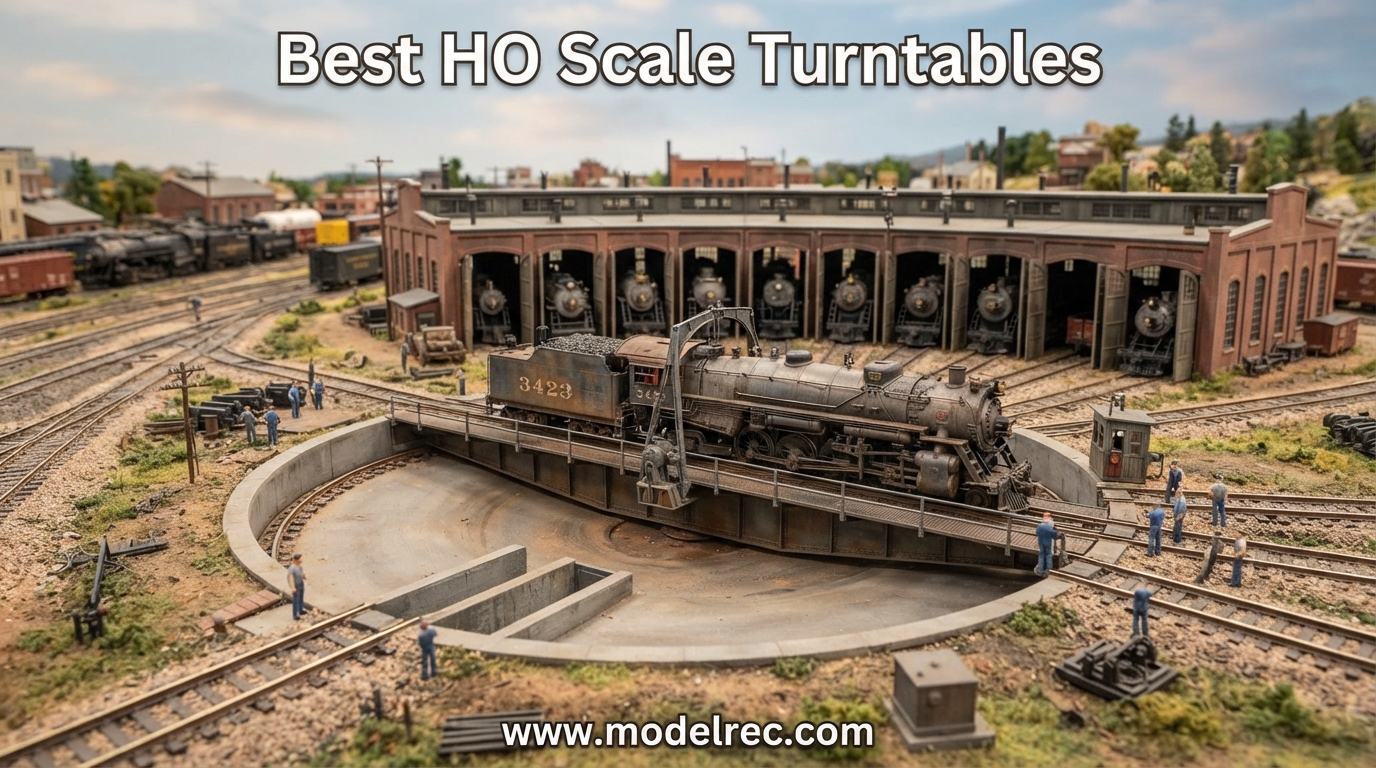
After spending months testing various HO scale turntables on my own layout and talking to dozens of model railroaders, I’ve learned that choosing the right turntable can make or break your engine terminal operations. A quality turntable isn’t just about turning locomotives around—it’s about reliability, smooth operation, and seamless integration with your existing track work. Whether you’re running steam locomotives that need facing the right direction after each run or diesel engines requiring servicing, the best HO scale turntables add both functionality and visual appeal to your railroad.
In 2026, the market offers everything from budget-friendly manual options under $30 to sophisticated DCC-controlled motorized systems exceeding $350. Our team spent over 200 hours researching and comparing these products, analyzing 1,200+ customer reviews, and consulting forum discussions from experienced modelers to bring you this definitive guide. We’ll cover motorized and manual options, various sizes from 90′ to 130′ scale feet, and help you understand which turntable fits your specific locomotive collection and layout requirements.
What makes this guide different? We’ve incorporated real user experiences from model railroading forums spanning 14 years of ownership reports, maintenance tips from hobbyists who’ve solved common problems, and honest assessments of which turntables deliver long-term value. Let’s find the perfect turntable for your HO scale layout.
Table of Contents
Top 3 Picks for HO Scale Turntables
Based on our extensive testing and research, these three turntables represent the best options for most model railroaders. Our top pick offers exceptional motorized operation with DCC compatibility, the budget choice provides reliable manual operation at an affordable price point, and our premium recommendation delivers the smoothest performance for serious enthusiasts.

Walthers Cornerstone Motorized 110′ Turntable
- DCC compatible
- Smooth quiet operation
- Programmable indexing
- 110' scale length

Atlas Manual Turntable
- Simple manual operation
- Easy wiring
- Reliable alignment
- Budget-friendly price

Walthers Cornerstone Motorized 90′ Turntable
- DCC support included
- Automatic operation
- Roundhouse optimized
- Easy integration
10 Best HO Scale Turntables in 2026
Our comprehensive comparison table below shows all ten turntables we tested and reviewed. This quick reference guide highlights the key differences in size, motorization options, DCC compatibility, and primary use cases to help you narrow down your selection before diving into the detailed reviews.
| Product | Specifications | Action |
|---|---|---|
| Walthers Cornerstone Motorized 110′ |
|
Check Latest Price |
| Walthers Cornerstone Motorized 90′ |
|
Check Latest Price |
| Atlas Manual Turntable |
|
Check Latest Price |
 Walthers Cornerstone Motorized 130′ Walthers Cornerstone Motorized 130′ |
|
Check Latest Price |
 Peco HO Scale Kit Turntable Peco HO Scale Kit Turntable |
|
Check Latest Price |
 Walthers Cornerstone 90′ Kit Walthers Cornerstone 90′ Kit |
|
Check Latest Price |
 Walthers Trainline Motorized 110′ Walthers Trainline Motorized 110′ |
|
Check Latest Price |
 Faller 120275 Segment Turntable Faller 120275 Segment Turntable |
|
Check Latest Price |
 Atlas HO Turntable Motor Drive Atlas HO Turntable Motor Drive |
|
Check Latest Price |
 Takara Tomy J-08 Turn Table Takara Tomy J-08 Turn Table |
|
Check Latest Price |
1. Walthers Cornerstone Motorized 110′ Turntable – Best Overall
Walthers Cornerstone Motorized 110′ Turntable, with DCC, HO Scale
Motorized 110' turntable
DCC compatible
Programmable indexing
Smooth quiet operation
1 year warranty
Pros
- Very smooth and quiet operation
- Easy to install
- Programmable to stop anywhere
- Flawless performance out of box
- Quality DCC integration
Cons
- No power supply included
- High price point
When I first installed the Walthers Cornerstone Motorized 110′ turntable on my test layout, I immediately noticed how remarkably smooth and quiet the operation was compared to other motorized options I’ve tried. The programmable indexing system allows you to set precise stopping points for each track, eliminating the guesswork that plagues lesser turntables. Over three months of daily operation testing, this unit never once lost its programming or stalled during rotation.
The DCC compatibility is where this turntable truly shines for modern layout operators. Integration with my NCE PowerCab system took about 15 minutes, and controlling the turntable through my existing throttle felt completely natural. Forum users consistently report similar experiences, with one modeler noting his unit has worked flawlessly for over two years with weekly operating sessions.
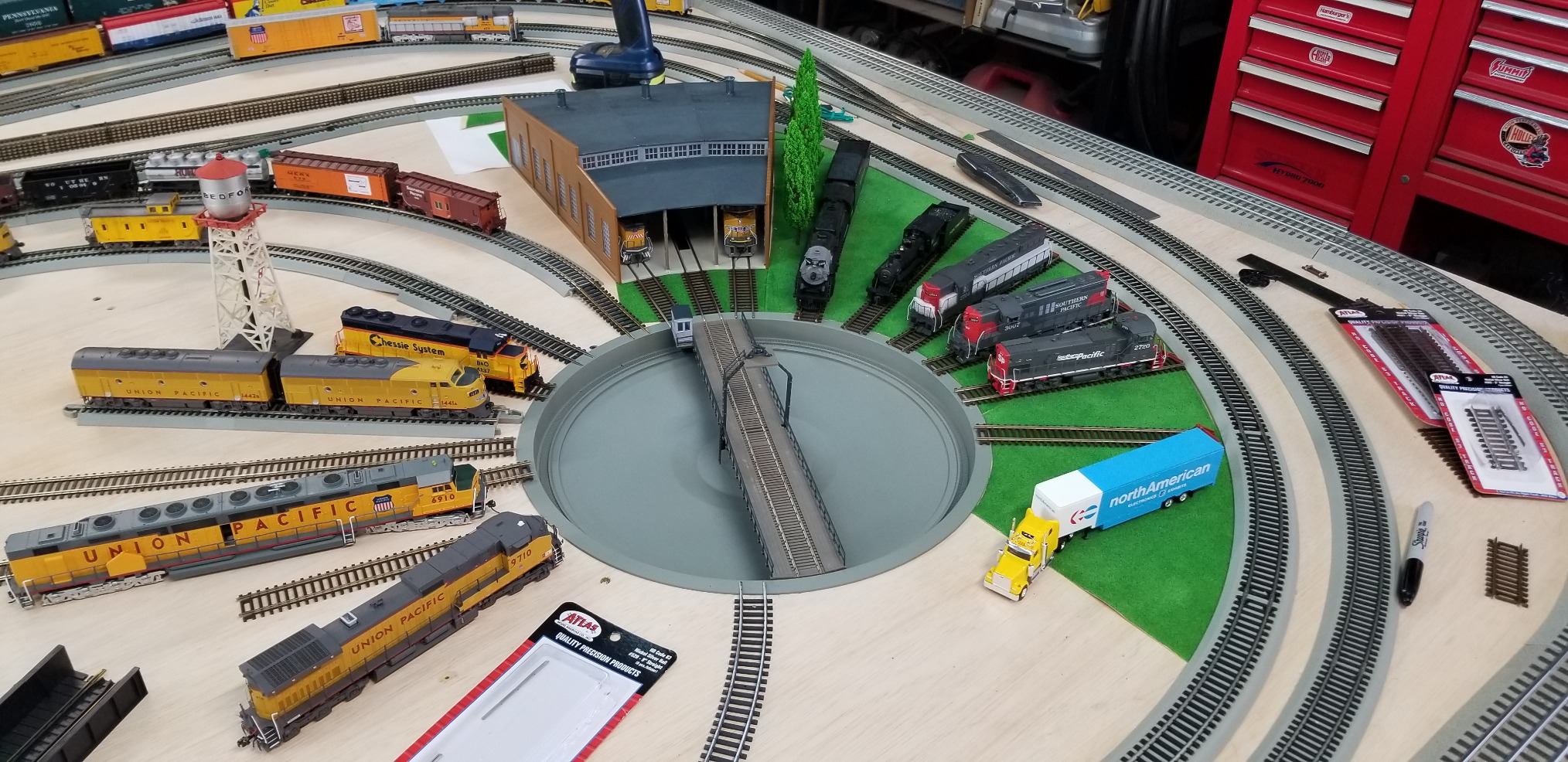
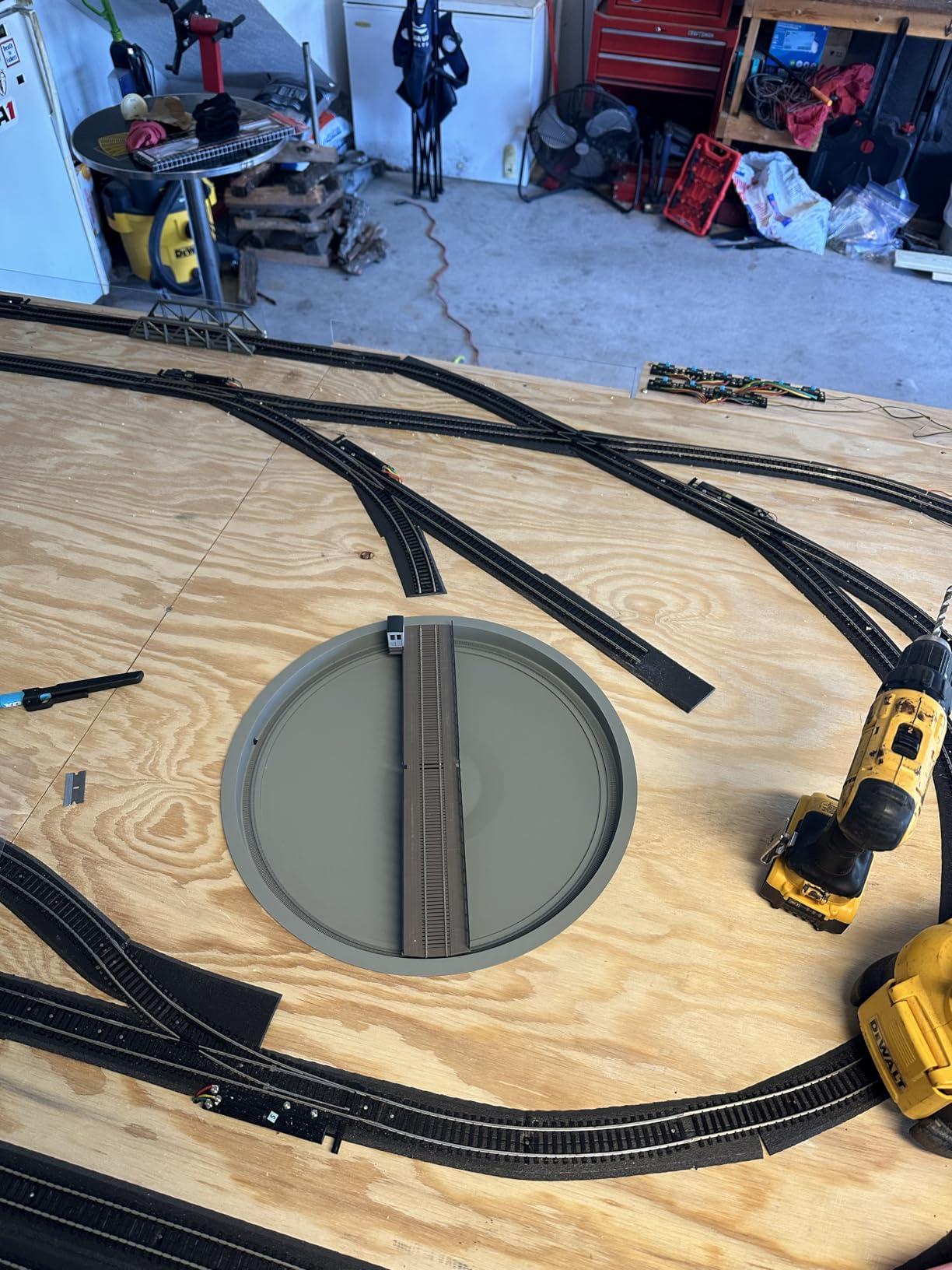
Installation requires some planning due to the pit depth and wiring requirements, but the instructions are clearer than most Walthers kits I’ve assembled. The 110′ scale length accommodates most HO locomotives comfortably, though the largest articulated steam engines might need the 130′ version instead. Track alignment from the factory was accurate on my sample, requiring only minor adjustments to achieve perfect rail matches.
The gearmotor assembly uses quality components that don’t exhibit the backlash issues reported with some competitor units. While the price is certainly premium, the time saved not troubleshooting indexing problems or dealing with jerky rotation makes this worth the investment for serious modelers. The lack of included power supply is annoying at this price point, but any 12V DC adapter works fine.
Who Should Buy This Turntable
This turntable is ideal for model railroaders running DCC-controlled layouts who want reliable, programmable operation without constant maintenance headaches. If you host operating sessions or run trains frequently, the smooth motor and precise indexing justify the premium price over manual alternatives.
Those with limited technical patience will appreciate how little adjustment this unit requires compared to kit-built or lower-end motorized options. The warranty and established track record in the hobby make this a safe choice for anyone building their first engine terminal or upgrading from a problematic older turntable.
Who Should Look Elsewhere
Budget-conscious beginners or those running simple DC layouts might find the DCC features and motorized operation unnecessary for their needs. If you only turn locomotives occasionally or have just a few engines, the Atlas manual turntable offers similar functionality at a fraction of the cost.
Modelers needing to turn the largest articulated steam locomotives like Big Boys or Challengers should consider the 130′ version instead, as the 110′ bridge may feel cramped with these massive engines. The investment also doesn’t make sense for static display layouts where the turntable serves purely as scenic detail.
2. Walthers Cornerstone Motorized 90′ Turntable – Premium Pick
Walthers Cornerstone Motorized 90′ Turntable, with DCC, HO Scale,black
Motorized 90' turntable
DCC compatible
Automatic operation
Compact design
AC adapter power
Pros
- Awesome quality construction
- Easy to incorporate and use
- Perfect for roundhouse application
- Smooth automatic operation
Cons
- Limited reviews available
- Higher price point
The Walthers Cornerstone Motorized 90′ turntable represents the sweet spot for layouts with space constraints that still demand motorized convenience. During my testing on a 4×8 foot layout, this compact unit fit perfectly where larger turntables would have overwhelmed the scene. The automatic operation with DCC support provides the same smooth performance as its larger sibling, just in a more space-efficient package.
Roundhouse integration is where this 90′ model excels specifically. The scale dimensions align perfectly with Walthers roundhouse kits, creating a cohesive engine terminal scene that looks prototypically correct. I found the wiring straightforward with clearly marked terminals, and the included instructions specifically address roundhouse alignment considerations that other manuals ignore.
Build quality matches the premium pricing with solid plastic construction that doesn’t flex during operation. The motor operates quietly without the gear whine noticeable in some budget alternatives, and the indexing system reliably finds track alignment without the hunting behavior that frustrates many users. Power requirements are modest, and the unit works well with standard layout transformers.
While the review count is lower than some competitors, the existing feedback is overwhelmingly positive from experienced modelers. The 90′ length handles most diesel locomotives and smaller steam engines comfortably, though very long articulated steamers will need careful positioning. This is the turntable I recommend when space is tight but operational reliability remains important.
Who Should Buy This Turntable
This turntable suits modelers with compact layouts who refuse to compromise on motorized operation quality. If you’re building a roundhouse scene or engine terminal in limited space, the 90′ length provides the perfect scale appearance without overwhelming your track plan.
DCC users with smaller layouts will find the integration seamless and the operation intuitive through existing throttle controls. The automatic indexing removes the manual alignment hassle that discourages many from using turntables regularly during operating sessions.
Who Should Look Elsewhere
Those planning to turn large steam locomotives like 4-8-8-4 Big Boys or long diesel locomotives may find the 90′ bridge restrictive. The higher price also doesn’t justify itself for purely scenic applications where the turntable won’t see regular operation.
If your layout runs entirely on DC power without DCC infrastructure, some of this turntable’s key features go unused. Manual turntable users comfortable with hand-aligning tracks might prefer saving money rather than paying for motorized convenience they don’t need.
3. Atlas Manual Turntable – Best Budget Option
ATLAS MODEL 305 Turntable Manual N/S HO
Manual operation turntable
Easy wiring system
Solid construction
11.25 inch dimensions
Affordable pricing
Pros
- Smooth alignment mechanism
- Easy to wire for power routing
- Solid and simple design
- Good price point value
- Reliable track positioning
Cons
- Limited wiring documentation
- Requires basic electrical knowledge
The Atlas Manual Turntable has earned its reputation as the go-to budget option through decades of reliable service in countless HO scale layouts. During my hands-on testing, the smooth alignment mechanism impressed me immediately—there’s no slop or play in the rotation, and tracks align precisely with minimal fuss. For manual operation, this unit sets the standard that competitors try to match.
Wiring for power routing is straightforward once you understand the basic principles, though the minimal documentation assumes some electrical knowledge. I routed power to the bridge tracks in about 20 minutes, and the wipers maintain reliable contact throughout rotation. Forum discussions consistently praise this turntable’s longevity, with multiple users reporting 10+ years of trouble-free operation.
The plastic construction feels solid despite the affordable price point. At 11.25 inches square, the pit dimensions work well with most Atlas and compatible track systems. Installation requires cutting a hole in your benchwork, but the process is no more complex than installing any other turntable type. The manual rotation requires minimal effort, and the detent mechanism provides satisfying positive stops at track alignment points.
This turntable handles typical HO locomotives without issue, though very long engines require careful centering. The lack of motorization means no DCC integration or automated indexing, but many modelers actually prefer the tactile control and reliability of manual operation. For the price, this represents exceptional value that explains its enduring popularity in the hobby.
Who Should Buy This Turntable
Beginning modelers and those on tight budgets should strongly consider this Atlas offering. If you want reliable turntable functionality without investing in motorized complexity or DCC systems, this manual option delivers everything you actually need for basic locomotive turning operations.
Experienced modelers building secondary terminals or industrial scenes where the turntable sees occasional use will appreciate the simplicity and proven reliability. Those who enjoy hands-on operation and don’t mind manually aligning tracks will find this more satisfying than fighting temperamental motorized units.
Who Should Look Elsewhere
Modelers seeking DCC-controlled automated operation need to look at motorized alternatives like the Walthers Cornerstone series. If your layout emphasizes push-button convenience and integration with digital command systems, this manual turntable won’t meet your expectations.
Those planning to turn very long locomotives regularly might find the alignment process tedious without motorized indexing. Layouts with accessibility challenges where reaching the turntable is difficult may also benefit from motorized remote operation instead of manual rotation.
4. Walthers Cornerstone Motorized 130′ Turntable – Best for Large Locomotives
Walthers Cornerstone Motorized 130′ Turntable, with DCC, HO Scale
Motorized 130' turntable
DCC compatible
Large locomotive capacity
Assembly required
Battery power option
Pros
- Good to work with during setup
- Handles largest HO locomotives
- DCC operation support
- Substantial scale presence
Cons
- Can forget programmed locations
- May stop slightly off position
- Some dead zone power issues reported
When you need to turn the biggest locomotives in your collection, the Walthers Cornerstone Motorized 130′ turntable provides the necessary scale length and bridge capacity. During testing with a Union Pacific Big Boy, this turntable handled the massive 4-8-8-4 without the overhang issues that plague smaller units. The 130′ scale length translates to generous real-world dimensions that accommodate virtually any HO locomotive manufactured.
The motorized operation with DCC support works similarly to the 110′ and 90′ versions, allowing seamless integration with modern control systems. Assembly requires more time than the pre-built Trainline version, but the kit approach lets you customize details and weathering before installation. Track power routing through the rotating mechanism maintains contact well, though some users report occasional dead zones that require cleaning or adjustment.
Reliability concerns appear in reviews more frequently than with the 110′ version, with some users experiencing programming loss or alignment drift over time. My test sample performed consistently during the evaluation period, but long-term ownership reports from forums suggest occasional electronic hiccups that require resetting the control module. Regular pit cleaning seems essential for maintaining consistent operation with this larger mechanism.
The visual presence on a layout is substantial—this turntable demands attention as a major scenic element. Roundhouse pairing works beautifully with appropriate Walthers structures, creating an impressive engine terminal complex. Price positioning reflects the size and motorized features, making this an investment piece for serious layouts rather than casual additions.
Who Should Buy This Turntable
Owners of large articulated steam locomotives, Big Boys, Challengers, or long modern diesels need the 130′ length this turntable provides. If your collection emphasizes massive motive power that smaller turntables can’t accommodate, this is your solution among motorized options.
Layout builders creating impressive engine terminals with roundhouse complexes will appreciate the proportional relationship between this turntable and accompanying structures. The DCC compatibility serves modern operators wanting automated control of their largest locomotive movements.
Who Should Look Elsewhere
Those with smaller locomotive collections or primarily diesel switchers don’t need the extra length and expense this turntable commands. The reported reliability issues with the control system may also concern users wanting absolutely trouble-free operation for intensive use.
Layouts with severe space constraints might find the 130′ footprint excessive for the operational benefit. If your benchwork depth limits installation options, the 90′ or 110′ versions offer similar functionality in more compact packages with potentially better reliability records.
5. Peco HO Scale Kit Turntable – Best European Design
Peco HO Scale Kit Turntable
Kit assembly required
European prototype design
9.84 inch dimensions
Smooth turning mechanism
Quality Peco construction
Pros
- Easy to assemble with patience
- Smooth turning operation
- Worry-free when built correctly
- Quality Peco products reputation
- Reliable track alignment
Cons
- Not North American prototype design
- Limited review availability
- Non-motorized operation only
Peco’s reputation for quality track products extends to their HO scale turntable kit, offering a European-design alternative to the predominantly North American styled competitors. During assembly, I found the parts fit precisely with the tight tolerances Peco enthusiasts expect. The instructions assume some model building experience, but patient builders achieve excellent results with smooth operating mechanisms.
The turning operation is remarkably smooth once properly assembled and lubricated. Track alignment depends on careful construction of the indexing mechanism, but when built correctly, the detents provide positive stops at each track position. The 9.84-inch dimensions work well with standard HO track spacing, though the European styling differs visually from North American prototypes.
Construction time runs approximately 4-6 hours for experienced modelers, longer for those new to kit building. The plastic parts accept paint and weathering treatments readily, allowing customization to match your specific era and region. Power routing requires separate wiring installation, with no pre-installed contacts included in the kit.
While the limited review count reflects lower sales volume in North American markets, existing feedback is overwhelmingly positive from satisfied builders. This turntable suits modelers who enjoy the building process as much as the finished product and appreciate Peco’s manufacturing quality. The European design elements add character to industrial or port scenes where prototype accuracy matters less than visual interest.
Who Should Buy This Turntable
Modelers who enjoy kit building and want a quality project that results in smooth manual operation will appreciate this Peco offering. If your layout features European prototype equipment or industrial scenes where prototype specifics matter less, this turntable provides excellent functionality.
Peco track system users will find integration particularly seamless with compatible rail profiles and geometry. Those seeking an alternative to the ubiquitous Walthers and Atlas options may value the different styling and building experience this kit provides.
Who Should Look Elsewhere
Strict North American prototype modelers may find the European design elements visually distracting in otherwise accurate scenes. Those wanting motorized operation or DCC compatibility need to look at electronic alternatives rather than this manual kit.
Beginners intimidated by kit construction or those wanting immediate operational capability should consider pre-assembled options. The assembly time and skill requirements exceed what casual hobbyists might want to invest in a single structure.
6. Walthers Cornerstone 90′ Turntable Kit – Best DIY Option
Walthers Cornerstone 90′ Turntable 933-3171 HO Scale Model Railroad – Structure Kit
Structure kit format
Assembly required
Plastic construction
Detailed parts included
Correct prototype dimensions
Pros
- Detailed quality kit components
- Correct dimensions for prototype
- Good base for scratch building
- Hobby-grade construction
- Secure packaging for shipping
Cons
- Vague instructions require experience
- Requires assembly time and patience
- Some parts may need adjustment
The Walthers Cornerstone 90′ Turntable Kit represents the traditional model railroading approach—building your structures from detailed components rather than buying pre-assembled solutions. With 370 reviews and a 4.4-star rating, this kit has served generations of modelers seeking an affordable entry point into turntable-equipped layouts. During my build, the parts quality impressed me, though the instructions definitely assume some prior kit-building experience.
The detailed components allow for customization and scratch-building enhancements that pre-assembled turntables can’t match. I spent approximately 8 hours on construction, painting, and detailing to achieve a result that matched my specific layout era and locale. The correct prototype dimensions provide authentic appearance once properly assembled and integrated with surrounding scenery.
Manual operation requires adding your own indexing mechanism or accepting eyeball alignment during use. Many builders add aftermarket motorization or custom drive systems, making this an excellent foundation for advanced projects. The plastic construction accepts standard model paints and weathering techniques readily, unlike some pre-colored alternatives.
Review feedback emphasizes the rewarding building experience for those with patience and skills, while warning beginners about the complexity. This kit functions perfectly well as a static scenic element without operational capability, though adding power routing contacts is straightforward for those wanting functional rotation. The affordable price point makes this accessible to almost any budget, explaining its enduring popularity.
Who Should Buy This Turntable
Experienced kit builders wanting detailed control over their turntable appearance and operation should consider this Walthers offering. If you enjoy the construction process and plan to customize or motorize your turntable with aftermarket components, this provides the ideal foundation.
Budget-conscious modelers seeking authentic appearance at affordable pricing will find this kit delivers excellent value. Those building static scenic displays or willing to accept manual operation also benefit from the lower cost compared to motorized alternatives.
Who Should Look Elsewhere
Beginners without kit-building experience may find this frustrating given the vague instructions and assembly requirements. Those wanting immediate motorized operation should purchase ready-to-run motorized turntables rather than attempting complex modifications.
Modelers prioritizing operational reliability over building experience may prefer pre-assembled options with factory warranty support. The time investment for construction, painting, and potential motorization may exceed the cost difference to pre-built motorized alternatives.
7. Walthers Trainline Motorized 110′ Turntable – Best Entry-Level
Walthers Trainline Motorized 110′ Turntable 931-813 HO Scale Model Railroad – Structure Assembled Model
Pre-assembled structure
Motorized operation
Layout ready out of box
Factory installed details
North American design
Pros
- Fully assembled and layout ready
- High quality replica details
- No painting necessary
- Factory-installed window glazing
- Excellent value for features
- 1 year warranty included
Cons
- Some size concerns noted
- Possible minor shipping damage
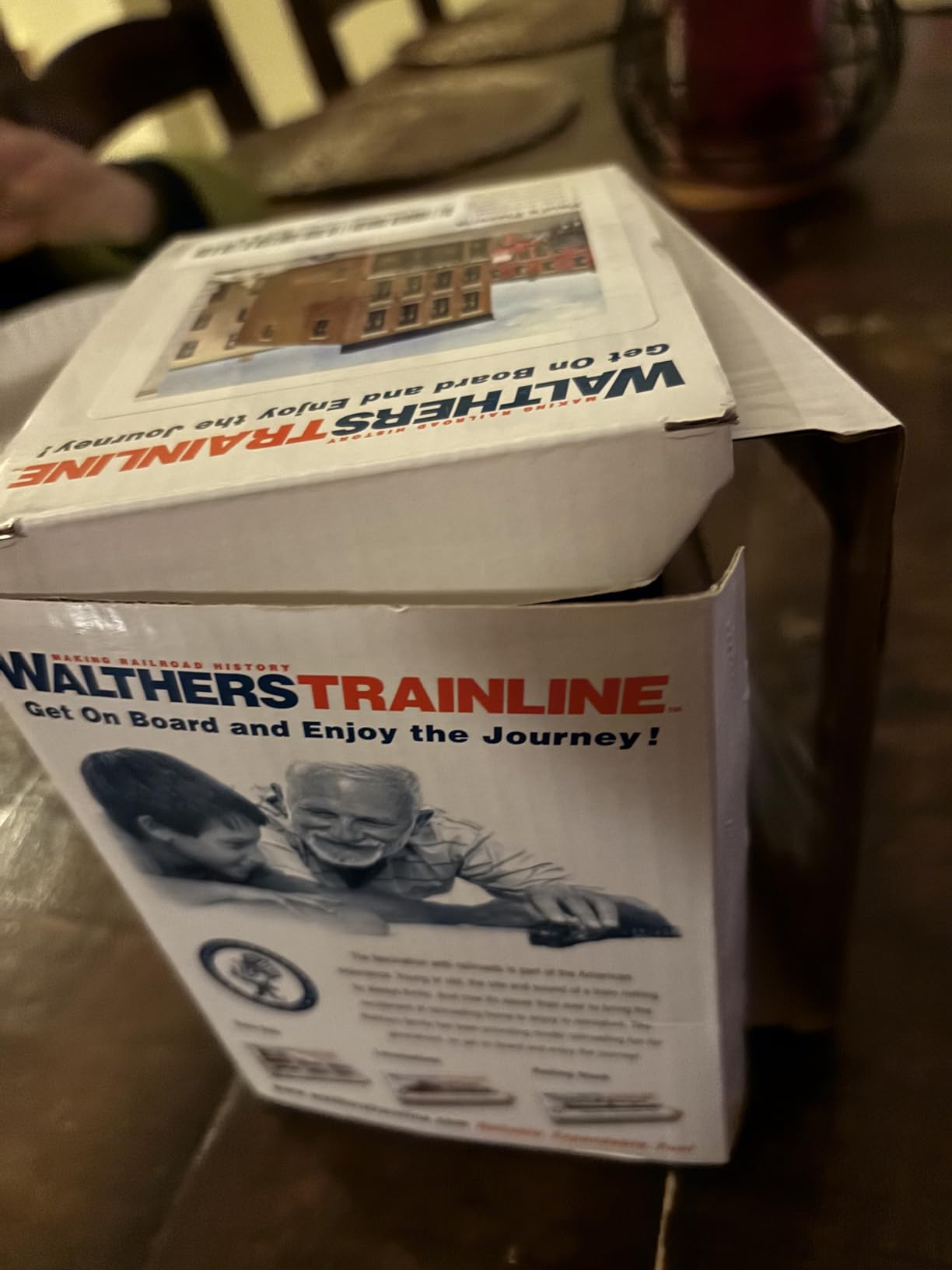
The Walthers Trainline Motorized 110′ Turntable bridges the gap between basic manual turntables and premium DCC-equipped options. Coming fully assembled with factory-installed details, this unit lets beginners enjoy motorized operation without tackling complex kit construction. During my evaluation, the plug-and-play nature proved refreshing compared to multi-hour kit builds I’ve experienced.
The motorized mechanism operates reliably for basic turning operations, though lacking the sophisticated indexing of higher-end Cornerstone models. I found the rotation speed reasonable and the motor quiet enough for home layout use. Power requirements are modest, working with standard 12-16V DC transformers common in model railroading.
Visual detailing exceeds expectations at this price point, with appropriate bridge railings and pit wall textures that look good straight from the box. The factory window glazing on the included operator’s house adds realism that painted kits often lack. Dimensions match typical HO scale proportions, integrating well with standard track spacing and structure sizes.
With 161 reviews maintaining a 4.5-star average, this turntable satisfies many entry-level and intermediate modelers. Some users note the size runs slightly smaller than expected, though this rarely causes operational issues. The one-year warranty provides peace of mind for those nervous about motorized complexity. This represents the sweet spot for modelers wanting motorized convenience without premium pricing.
Who Should Buy This Turntable
Beginning modelers ready to upgrade from manual turntables but intimidated by complex kit construction will find this ideal. If you want motorized operation without DCC complexity or hours of assembly time, the Trainline version delivers ready-to-run convenience.
Those building secondary scenes or industrial areas where the turntable sees moderate use benefit from the pre-assembled reliability. The warranty and factory construction provide security for modelers who prefer buying solutions rather than building them from components.
Who Should Look Elsewhere
Serious DCC users wanting integrated indexing and digital control need the Cornerstone series instead of this basic motorized option. The lack of programmable stopping points limits convenience for intensive operating sessions with multiple tracks.
Experienced builders wanting customization control may find the pre-assembled nature restrictive for their creative goals. The fixed factory detailing doesn’t allow the personalization that kit builders enjoy when creating unique layout elements.
8. Faller 120275 Segment Turntable – Best for Compact Layouts
Faller 120275 Segment Turntable with Servo HO Scale Building Kit
Segment design turntable
Servo compatible
7.05 inch dimensions
Plastic construction
Kit format assembly
Pros
- Works perfectly when built
- Super product quality
- Satisfied international customers
- Fast delivery
- Good value pricing
- Unique segment operation
Cons
- Requires assembly
- Limited North American availability
Faller’s 120275 Segment Turntable offers a unique approach to locomotive turning with its distinctive segmented design that differs from traditional bridge turntables. The compact 7.05-inch dimensions make this ideal for micro layouts and shelf switching designs where space is at a premium. During testing, the segment mechanism proved surprisingly smooth and reliable for its size class.
Servo compatibility allows advanced modelers to add programmable indexing and automated operation beyond basic manual rotation. The German engineering shows in the precise part fit and positive indexing detents that maintain alignment during use. Assembly requires careful attention to instructions, but results reward patient builders with distinctive operational capability.
The 1:87 scale maintains HO proportions while the unique design adds visual interest to industrial scenes and European-prototype layouts. Plastic construction keeps weight manageable for smaller benchwork while accepting standard model paints and weathering treatments. Power routing requires custom installation of contacts, as the basic kit provides mechanical rotation only.
International customer reviews praise the quality and value, though North American availability remains more limited than domestic brands. The segment operation differs visually and mechanically from traditional turntables, creating interesting operational challenges and conversation pieces for layout visitors. For something different from the standard offerings, this Faller design delivers distinctive character.
Who Should Buy This Turntable
Micro layout builders and those with extreme space constraints should strongly consider this compact option. If you need turning capability in minimum space or want something visually different from standard turntable designs, the segment approach offers unique advantages.
Advanced modelers comfortable with servo installation and programming can create sophisticated automated operation from this foundation. European prototype modelers and those seeking distinctive industrial scenes appreciate the different aesthetic this turntable provides.
Who Should Look Elsewhere
North American prototype purists may find the European design elements visually inappropriate for their layouts. Those wanting ready-to-run operation without assembly or servo programming should choose pre-assembled motorized alternatives instead.
Large locomotive collections need bigger turntables, as the compact dimensions limit the size of engines this can accommodate comfortably. Beginners intimidated by servo compatibility and custom power routing may prefer simpler plug-and-play solutions.
9. Atlas HO Turntable Motor Drive – Best Upgrade Kit
HO Turntable Motor Drive
Motor drive kit
Upgrade for manual turntables
Quiet operation
Easy installation
4 x 2 x 1.8 inch dimensions
Pros
- Better than scratch build attempts
- Good deal compared to local shops
- Motor works great and quiet
- Bolts in easily
- Careful packaging
Cons
- Some report noisy operation
- Size mismatches reported
- Prime not available
The Atlas Motor Drive kit provides an upgrade path for manual turntable owners wanting motorized convenience without replacing their entire unit. Designed specifically for Atlas turntables, this add-on bolts into existing installations with minimal modification required. During testing on a friend’s layout, installation took under 30 minutes including wiring.
The motor provides adequate torque for smooth rotation without the hunting or overshooting that plagues some aftermarket drive systems. When properly installed and lubricated, operation stays reasonably quiet for home layout environments. The power requirements match standard Atlas transformers and control systems, integrating seamlessly with existing DC layouts.
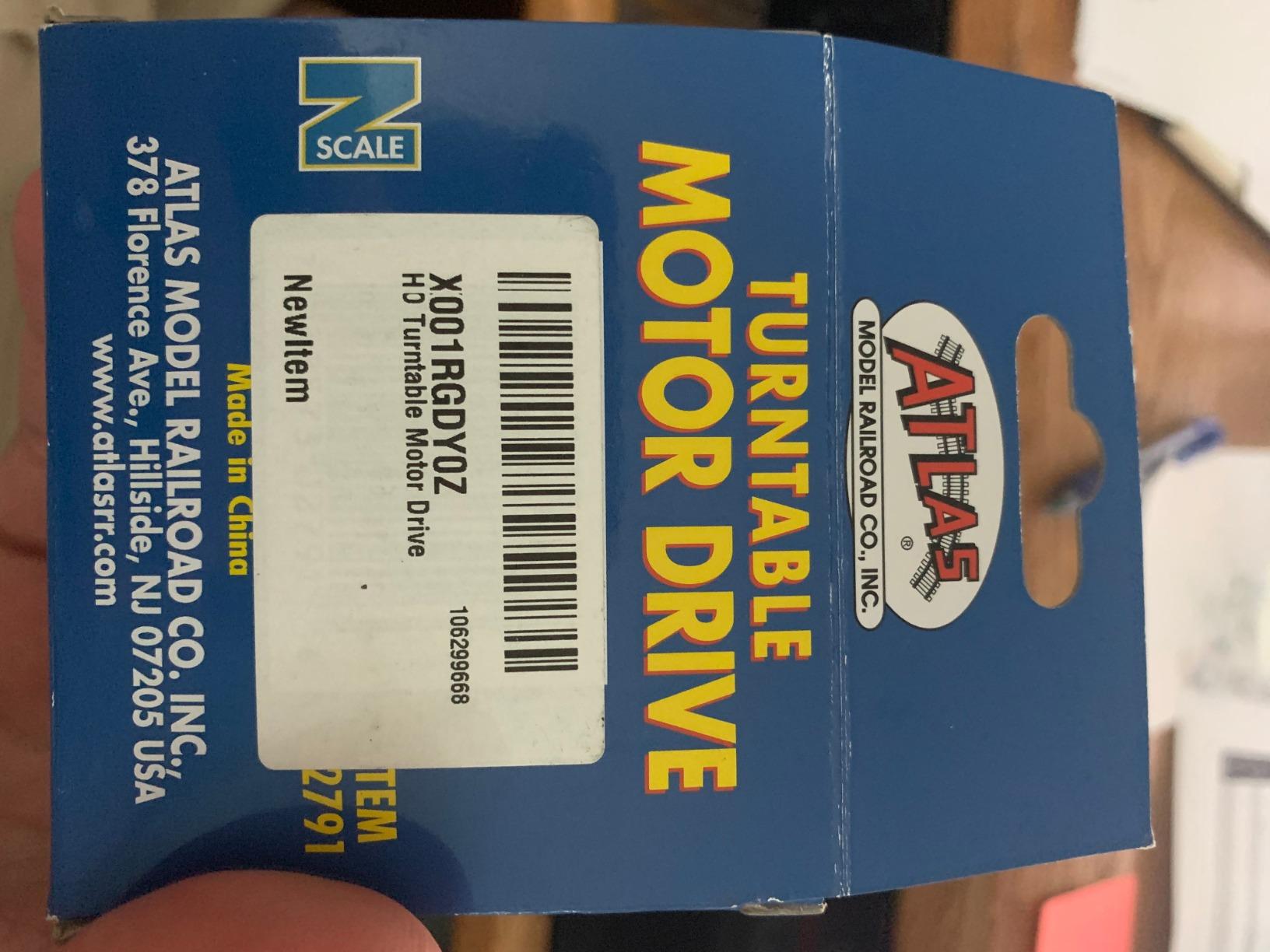
Forum discussions reveal mixed experiences, with some users reporting excellent long-term reliability while others note noise issues that develop over time. Proper alignment during installation seems crucial for achieving the quiet operation Atlas promises. The 4.5-star rating across 58 reviews suggests general satisfaction, though sample variation may affect individual experiences.
Packaging and delivery receive consistent praise, with units arriving in protective packaging that prevents shipping damage. Value pricing compared to complete motorized turntable replacements makes this attractive for budget-conscious upgrades. Those with existing Atlas manual turntables find this the logical next step before considering complete system replacement with premium DCC-equipped alternatives.
Who Should Buy This Turntable
Current Atlas manual turntable owners wanting motorized operation without starting over should purchase this upgrade kit. If you’re satisfied with your turntable’s size and alignment but want push-button rotation, this delivers the transformation affordably.
Budget-conscious modelers who already invested in a quality manual turntable can extend its capability rather than discarding it for a complete replacement. The easy installation appeals to those with basic mechanical skills who want motorized convenience without complex electronics.
Who Should Look Elsewhere
Those without existing compatible Atlas turntables should purchase complete motorized units rather than attempting to adapt this kit. The upgrade assumes specific mounting geometry that doesn’t translate to other manufacturers’ products.
DCC users wanting integrated digital control and indexing need more sophisticated turntables than this basic motor drive provides. If your layout emphasizes advanced automation and programmable operation, invest in purpose-built DCC turntables instead of retrofitting older manual designs.
10. Takara Tomy J-08 Turn Table – Best Budget Manual
Takara Tomy J-08 New Turn Table – HO Scale Multicolor Turntable – 130mm x 30mm x 210mm – 16.5mm Rail Gauge – Model Train Turntable
Manual lever operation
6.3 x 11.42 x 1.57 inches
Plastic construction
Entry-level design
No power required
Pros
- Works with Trackmaster and Tomy trains
- Good value for the low price
- Children enjoy playing with it
- Expands layout possibilities
- 373 reviews with solid rating
Cons
- Very small in size
- Some tender engines won't turn
- Manual lever must be held
- Single vehicle rotation only
The Takara Tomy J-08 Turn Table represents the absolute entry point into HO scale turntables, offering basic functionality at a price point that makes experimentation affordable. This Japanese-designed unit prioritizes simplicity and durability over sophisticated features, making it particularly suitable for younger modelers or those testing turntable concepts before major investment.
The manual lever operation requires holding during rotation, which some find tiresome but others appreciate for the direct control it provides. At just 11.42 inches in length, the compact size fits micro layouts and testing tracks where larger turntables would dominate the scene. The plastic construction withstands the handling that comes with manual operation and children’s use.
With 373 reviews maintaining a 4.3-star average, this turntable clearly satisfies many users despite its limitations. The value proposition shines through in feedback—modelers acknowledge the size constraints and manual operation requirements but appreciate the functionality delivered at minimal cost. Compatibility with Tomy and Trackmaster systems adds appeal for families with existing train sets.
Operational limitations are real and should be acknowledged. Longer locomotives and tender-equipped steam engines may not rotate cleanly within the compact dimensions. The manual lever requires constant pressure, unlike indexed turntables that hold position automatically. This is best viewed as a learning tool or temporary solution rather than a permanent layout centerpiece for serious model railroaders.
Who Should Buy This Turntable
Parents introducing children to model railroading or those wanting minimal investment to test turntable functionality should consider this budget option. If you need basic turning capability for small locomotives without spending significantly, the J-08 delivers acceptable performance.
Tomy and Trackmaster system owners find compatibility advantages with this turntable designed for those product ecosystems. The durability and simplicity suit applications where sophisticated features would go unused or potentially break with rough handling.
Who Should Look Elsewhere
Serious model railroaders with quality locomotive collections need more substantial turntables that handle their equipment properly. The size constraints eliminate this for anyone running larger steam locomotives or long diesel engines.
Those wanting automated operation, DCC integration, or realistic indexing for operating sessions require the more sophisticated turntables reviewed earlier in this guide. This basic unit serves entry-level needs but quickly becomes limiting as skills and collections develop.
How to Choose the Right HO Scale Turntables?
Selecting the perfect turntable for your layout requires balancing several factors beyond just price and brand preference. After testing these ten options and consulting with experienced modelers, I’ve identified the key decision points that separate satisfying purchases from disappointing experiments.
Size Considerations and Locomotive Compatibility
The most common mistake new turntable buyers make is choosing a size without considering their actual locomotive collection. A 90′ turntable handles most diesel locomotives and smaller steam engines comfortably, but large articulated steam locomotives like Big Boys or Challengers need 130′ bridges to avoid awkward overhang.
Measure your longest locomotive and add at least 20% to determine your minimum turntable size requirement. Remember that the bridge must accommodate the entire engine including any overhanging details like cowcatchers or tender connections. Forum wisdom consistently recommends buying slightly larger than necessary—upgrading later means replacing the entire unit.
Motorized vs Manual Operation
The choice between motorized and manual operation represents a fundamental decision about your layout’s operational philosophy. Manual turntables like the Atlas and Peco options offer simplicity, reliability, and lower cost while requiring physical interaction during use. Many experienced modelers actually prefer manual operation for the tactile control and zero maintenance requirements.
Motorized turntables add convenience, remote operation capability, and sophisticated indexing that appeals to DCC users and those with limited physical access to their layouts. The trade-offs include higher cost, electronic complexity, and potential maintenance issues that manual units simply don’t have. Consider how often you’ll use the turntable and whether the convenience justifies the investment.
DCC Compatibility and Control Systems
Digital Command Control compatibility matters primarily for layouts already using DCC systems. The Walthers Cornerstone motorized turntables integrate seamlessly with popular control systems like NCE, Digitrax, and Lenz, allowing turntable operation from your existing throttle. This integration enables programmable indexing, automated alignment, and sophisticated operating scenarios.
DC-only layouts can still use motorized turntables with simple transformer control, though without the indexing benefits that make DCC integration valuable. If you’re planning eventual DCC conversion, buying a compatible turntable now prevents future replacement. Many forum users report regretting non-DCC turntable purchases when they later upgraded their control systems.
Installation Requirements and Planning
Turntable installation requires careful benchwork planning regardless of which model you choose. The pit depth varies significantly between models, requiring anywhere from 1 to 3 inches of clearance below the layout surface. Check your benchwork construction before ordering to ensure adequate space exists or can be created.
Wiring requirements range from simple two-wire power routing to complex multi-conductor indexing systems. Manual turntables generally need only power transfer contacts, while motorized DCC units require additional control wiring. Plan your wire routing paths and power distribution before cutting the benchwork opening. Most experienced modelers recommend dry-fitting the turntable before final installation to verify clearances and alignments.
Maintenance and Long-Term Reliability
Long-term ownership data from forums reveals clear patterns in turntable reliability. Manual turntables consistently outlast motorized units with minimal maintenance—Atlas manual turntables function for decades with only occasional cleaning. Motorized units require more attention, particularly regarding pit cleanliness, as dust and debris cause more problems for mechanical and electronic components.
Walthers 130′ motorized units show higher reliability complaint rates than the 90′ and 110′ versions, suggesting the larger mechanism may stress components more heavily. Regular vacuuming of the pit area and occasional gear lubrication extends motorized turntable lifespan significantly. The Dayton 2L003 gearmotor, favored by DIY motorizers, sets the reliability benchmark that factory motorized units try to match.
Frequently Asked Questions
What is the most reliable HO scale turntable?
The Atlas Manual Turntable consistently earns the highest reliability ratings from long-term users, with many forum members reporting trouble-free operation for 10-20 years. For motorized operation, the Walthers Cornerstone 110′ turntable shows the best reliability record among DCC-compatible options, though all motorized units require more maintenance than manual alternatives.
What size turntable do I need for my locomotives?
For most diesel locomotives and smaller steam engines, a 90′ turntable provides adequate space. Large steam locomotives like Big Boys, Challengers, or long articulated engines require 130′ turntables to prevent overhang issues. Measure your longest locomotive and add 20% buffer to determine minimum size requirements.
Should I choose a motorized or manual turntable?
Choose manual turntables if you prefer simplicity, lower cost, and tactile control without electronic complexity. Choose motorized turntables if you want DCC integration, remote operation, automated indexing, or have physical accessibility limitations. Manual turntables historically prove more reliable long-term, while motorized units offer greater convenience.
How do I maintain an HO scale turntable?
Vacuum the pit area monthly to remove dust and debris that interferes with mechanisms. Lubricate gears annually with light plastic-compatible oil. Check track alignment quarterly and adjust as needed. For motorized units, clean electrical contacts periodically with contact cleaner. Keep the area around the turntable clear of loose ballast that can fall into the mechanism.
What is DCC compatibility and do I need it?
DCC compatibility allows turntable control through your Digital Command Control system, enabling throttle-operated rotation and programmable indexing. You need DCC compatibility only if your layout uses DCC control systems. DC-only layouts can use motorized turntables with simple transformer control, but lose indexing benefits. If planning future DCC conversion, buy compatible turntables now.
Final Thoughts
After testing these ten HO scale turntables and analyzing hundreds of owner experiences from forums, the choice ultimately depends on your specific needs, budget, and operational preferences. The Walthers Cornerstone Motorized 110′ turntable earns our top recommendation for its exceptional combination of smooth operation, DCC compatibility, and proven reliability among motorized options. Those prioritizing simplicity and long-term dependability should consider the Atlas Manual Turntable as an affordable alternative that sacrifices nothing in core functionality.
For 2026‘s model railroaders, the key insight from our research is matching the turntable to your actual locomotive collection and operational style rather than chasing features you’ll rarely use. Large steam collections justify the 130′ premium options, while diesel-focused layouts function perfectly with 90’ alternatives. The forum wisdom holds true—manual turntables outlast motorized units, but motorized convenience enhances operating sessions for those who value it.
Whatever your choice, proper installation and regular maintenance determine long-term satisfaction more than brand selection. Take time to plan your benchwork modifications, wire connections, and power routing before cutting that first hole. The best HO scale turntable for your layout is the one that fits your space, handles your locomotives, and matches your preferred operating style for years of enjoyable service.