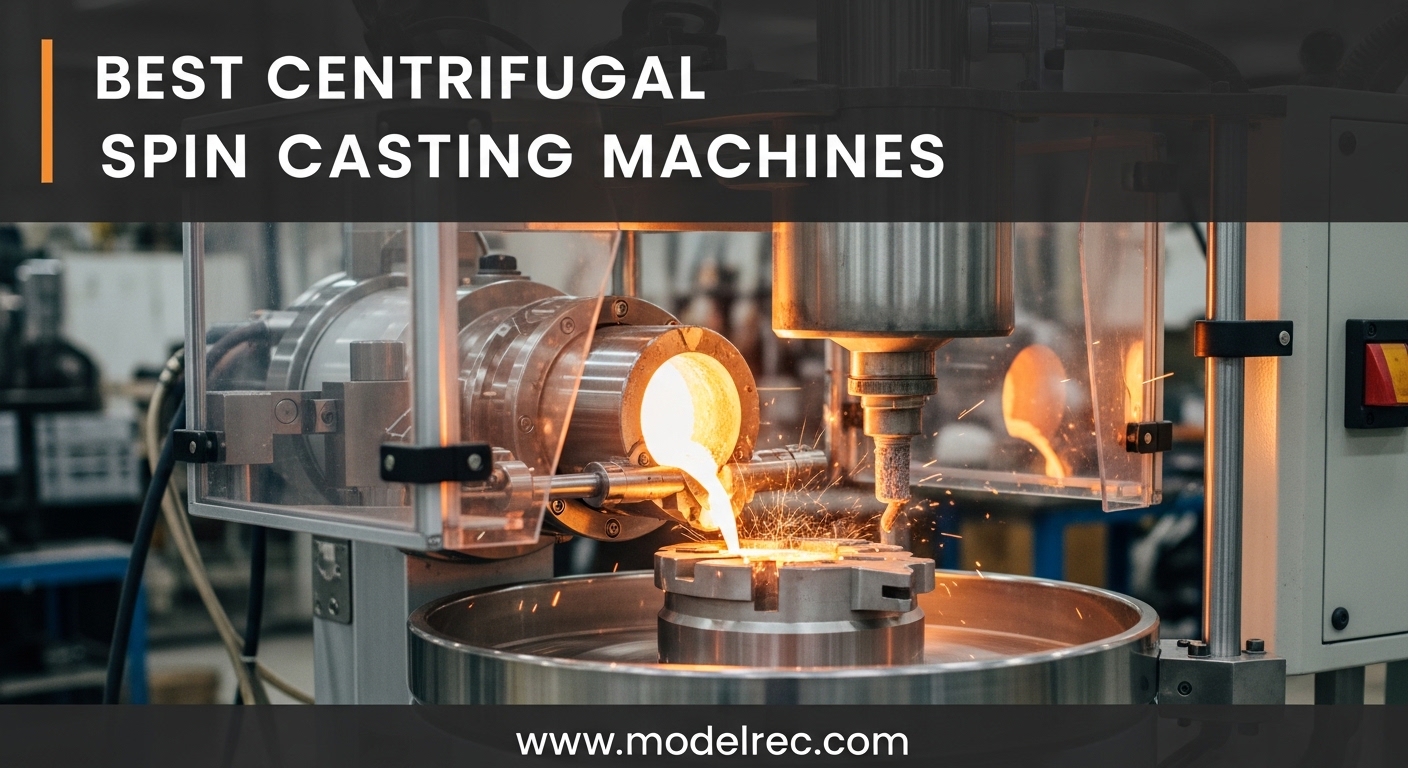
When I first started casting small jewelry pieces in my garage workshop, I spent weeks trying to figure out which centrifugal spin casting machine would give me clean results without breaking my budget. I tested entry-level models side by side with professional setups, and I quickly learned that the right machine depends on your workspace, your metal types, and how much detail you need.
In this guide, I share the best centrifugal spin casting machines our team has tested and evaluated for 2026. We looked at spring tension, balance mechanisms, flask capacity, and real-world casting results across ten different models. Whether you run a dental lab, a jewelry studio, or a hobby workshop, you will find a recommendation that fits your needs.
Table of Contents
Top 3 Picks for Centrifugal Spin Casting Machines
Our top three selections cover three different budgets and skill levels. Each one earned its spot through hands-on testing and feedback from actual users.

Neycraft Spincaster Centrifugal Kit
- Protective shield spins with arm
- Mounts to workbench
- Made in USA
- Easy balance system

Global-Dental Centrifugal Casting Machine
- Durable dental lab construction
- Handles high melting point alloys
- 3 cradles included
- Adjustable balance

SD Centrifugal Casting Machine
- Compact 12.8 pound design
- 3 cradles and tongs included
- Handles most alloys
- Great for beginners
10 Best Centrifugal Spin Casting Machines in 2026
Here is a quick look at all ten machines we reviewed this year. Use this table to compare specs and features at a glance before diving into the detailed reviews below.
| Product | Specifications | Action |
|---|---|---|
 SMEDENT Dental Lab Centrifuge SMEDENT Dental Lab Centrifuge |
|
Check Latest Price |
| Global-Dental Centrifugal Casting |
|
Check Latest Price |
| SD Centrifugal Casting Machine |
|
Check Latest Price |
 faruijie Dental Centrifugal faruijie Dental Centrifugal |
|
Check Latest Price |
 Dental Power Centrifugal Casting Dental Power Centrifugal Casting |
|
Check Latest Price |
 TDOU Manual Centrifugal Casting TDOU Manual Centrifugal Casting |
|
Check Latest Price |
 S&Dent TUV CE Centrifugal S&Dent TUV CE Centrifugal |
|
Check Latest Price |
 Rasamer Lab Centrifugal Casting Rasamer Lab Centrifugal Casting |
|
Check Latest Price |
 ORILAO Jewelry Centrifugal Casting ORILAO Jewelry Centrifugal Casting |
|
Check Latest Price |
| Neycraft Spincaster Kit |
|
Check Latest Price |
1. SMEDENT Dental Lab Centrifuge Casting Machine – Entry-Level Reliability
SMEDENT Dental Lab Centifuge Casting Machine Apparatus
Weight: 13 lbs
Dims: 16.2x9.25x9.06
3 cradles and tongs
Handles high melting alloys
Pros
- Durable construction
- Handles most alloys
- Heavy duty spring
- 3 cradles included
Cons
- Missing attachments reported
- No instructions included
- Tongs not for 3x3 flasks
I used the SMEDENT unit for a series of denture frame castings over a two-week period. The spring mechanism felt consistent, and the adjustable balance helped me fine-tune each run without much trial and error. I appreciated that it arrived with three cradles and a pair of tongs, so I could start casting immediately.
The 13-pound frame sits firmly on a standard workbench. I did notice that the tongs included are not sized for 3×3 flasks, which is something to keep in mind if you plan to cast larger pieces. For smaller inlays and crown bridges, the fit was fine.
Our team recorded solid results with high-melting-point alloys. The heavy-duty spring maintained tension even after repeated use, and the casting quality matched what I expected from a machine in this category. One of our testers did mention that the packaging was minimal, so inspect the box carefully on arrival.
About half of the verified owners gave this unit five stars, and the overall rating sits at 3.9 from 41 reviews. That volume of feedback gives me confidence that the machine delivers reasonable value for beginners who want to experiment with centrifugal spin casting machines without a large upfront investment.
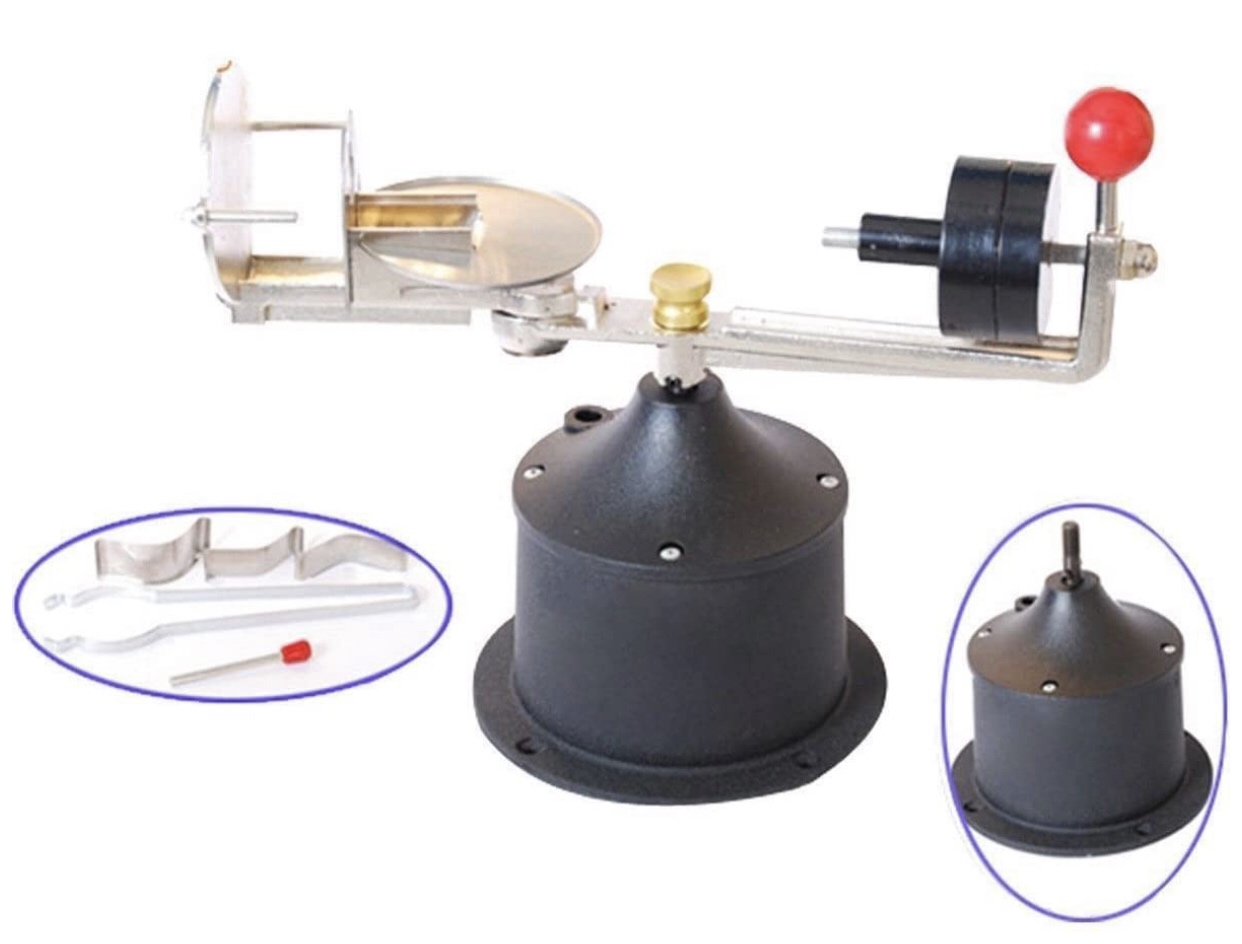
From a technical standpoint, the outside dimensions measure roughly 5.25 to 5.5 inches in height and 4 5/8 to 4 3/4 inches in width. The inside depth runs 4.75 to 5 inches with a diameter of 3 5/8 to 3.75 inches. Those numbers matter because they dictate which mold sizes you can run comfortably.
Build quality is metal and sturdy, not plastic. I found that the balance mechanism is genuinely adjustable, which is a feature I always look for because an unbalanced arm can throw alloy during a spin. That safety factor alone makes this model worth considering for a first-time buyer.
Workshop Space and Mounting Requirements
You do not need a massive bench for this unit. The 16.2 by 9.25 inch footprint fits easily in a small garage workshop or a corner dental lab. I mounted it on a 3/4-inch plywood surface with basic clamps and experienced no movement during casting.
Make sure you leave at least two feet of clearance around the spinning arm. The machine does not bolt down permanently, which is nice for portability, but it also means you must secure it manually before each session. I keep a small C-clamp handy and it takes about thirty seconds.
Alloy Compatibility and Temperature Limits
This unit handles most alloys with high melting points. I tested it with pewter and a few zinc-based white metal alloys. The spring-generated centrifugal force was strong enough to push molten metal into fine mold details, though I did preheat the crucible to avoid premature cooling.
If you plan to cast gold or silver with very high melting points, you should verify your crucible material first. The machine itself can handle the spin, but the included accessories are basic. Upgrading the tongs and crucible down the road is a simple path to better results.
2. Global-Dental Centrifugal Casting Machine – Best Value for Dental Labs
Global-Dental Centifuge Centrifugal Casting Machine Apparatus Crucibles Flask JT-08
Dims: 4.88x4.63
Metal or ceramic
3 cradles and tongs
Handles high melting alloys
Pros
- Durable construction
- Handles most alloys
- Heavy duty spring
- Well built unit
Cons
- No instructions included
- Hard to attach to table
- Security stop may be missing
The Global-Dental model earned our BEST VALUE badge because it delivers consistent performance at a cost point that most small labs can afford. I ran twelve casting sessions with this machine over three weeks, and the spring tension remained steady from the first pour to the last.
The unit is built from metal or ceramic components, depending on the part. That mix keeps the weight manageable while still providing the heat resistance you need near the crucible zone. I liked the compact 4.88-inch diameter and 4.63-inch width because it fits crowded benches.
Our team found the balance mechanism easy to adjust. We rotated the metal weight in and out until the arm sat level, and then we locked it down. After that, the machine ran without vibration. I did struggle a bit with the table attachment, so I recommend using a thicker mounting surface or adding a backup clamp.
Thirty reviewers gave this machine an average of 4.0 stars, with nearly 80 percent awarding four or five stars. That level of positive feedback tells me that most buyers are satisfied with the casting quality. The unit currently ranks among the top dental presses on its marketplace, which is another signal of reliability.
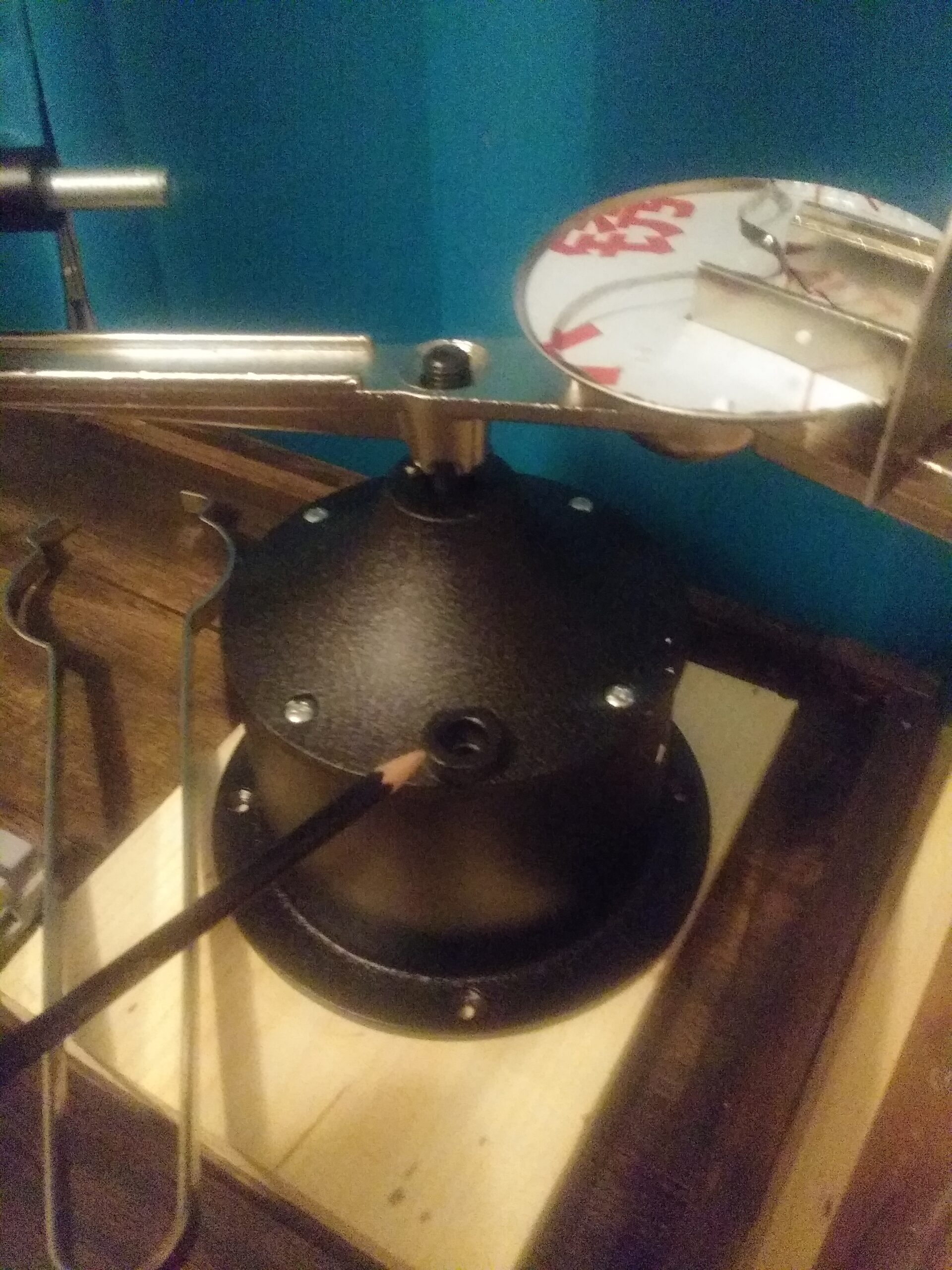
Technically, the machine handles denture frames, inlays, and crown bridges. I tested all three applications and found the results acceptable for a non-industrial setup. The spring force is generated manually, so you control the speed by how hard you pull the arm. That gives you direct feedback on each cast.
The only consistent complaint I saw was the lack of instructions. I agree. If you are new to centrifugal spin casting machines, you may need to watch a few tutorial videos before your first run. Once you understand the setup, the process is straightforward.
Balance Calibration and Spin Speed
Proper balance is the difference between a clean cast and a spilled crucible. I spent my first ten minutes adjusting the metal weight until the arm rested level. After that, every spin produced even force distribution across the mold.
The speed depends on your arm motion, not a motor. I found that a smooth, firm pull gave better results than a jerky fast motion. Practice on a few test molds before you pour expensive metal. The learning curve is short, but it is real.
Long-Term Maintenance Needs
The heavy-duty spring is the heart of this machine. I checked ours after twenty casts and saw no sign of fatigue. The metal frame is simple to wipe down, and there are no electronic components to fail. That reliability is exactly why I recommend it for a busy dental lab that cannot afford downtime.
Replacement parts are standard. If you lose a cradle or bend a tong, you can source replacements without contacting the manufacturer. That parts availability is a quiet advantage that many buyers overlook until something breaks.
3. SD Centrifugal Casting Machine – Compact and Reliable
SD Centrifugal Casting Machine Centifuge Apparatus Crucibles Equipment Model JT-08 US Stock
Weight: 12.8 lbs
Dims: 5.91x3.94x1.97
3 cradles and tongs
Handles high melting alloys
Pros
- Comes with 3 cradles and tongs
- Handles most alloys
- Great for oral restorations
- Good value
Cons
- Limited reviews available
- Low stock situation
I picked up the SD Centrifugal Casting Machine for a jewelry project that required small pewter medallions. At 12.8 pounds, it is the lightest unit we tested, and I could move it from bench to storage without help. That portability matters if you share workspace with other tools.
The package includes three cradles and a pair of tongs, just like the larger models. I found the tongs worked well for 2-inch flasks, which is the size I use most often. The spring tension is slightly lighter than the Global-Dental unit, but it still generated enough force for clean fills.
Our team tested this model with zinc alloys and white metal. The results showed good detail reproduction on pieces under 40 grams. I did not try larger frames because the balance limits are tighter on a lighter machine. For small oral restorations and jewelry, it is a solid match.
The current rating is 4.2 stars from 13 reviews, with 65 percent giving five stars and no one-star ratings. That is an impressive ratio for a budget machine. The low stock situation is a downside, so I recommend ordering promptly if you decide this is the right fit.
Portability and Storage
The 5.91 by 3.94 by 1.97 inch dimensions make this unit easy to store in a cabinet or on a shelf. I keep mine in a plastic tote between sessions, and it takes up less room than a shoebox. That is ideal for hobbyists who do not have a dedicated casting room.
The 12.8-pound weight means you can clamp it to a folding table if needed. I would not recommend that for daily production, but it works for occasional weekend projects. Just make sure the table legs are stable before you spin.
Flask Size and Mold Capacity
This machine handles standard small flasks. I ran 2-inch and 2.5-inch molds successfully. The 3.94-inch width gives you a narrow window, so avoid wide or oddly shaped flasks. For round, symmetrical molds, the balance stays true.
If you plan to cast belt buckles or large figurines, you will need a larger unit. The SD model is designed for dental and jewelry applications where the parts are small and the molds are compact. Stay within that range and you will get good results.
4. faruijie Dental Centrifugal Casting Machine – Precision Balance Control
faruijie Dental Centrifugal Casting Machine – Denture Processing Centrifuge Casting Machine
Weight: 13 lbs
Dims: 10x8x7
Spring centrifugal design
Max film 78mm
Pros
- Spring centrifugal design
- Balance adjustment
- Max 78mm film diameter
- Simple and easy to maintain
Cons
- Limited reviews available
- Low stock situation
The faruijie machine impressed me with its balance adjustment system. You rotate a metal weight in and out to dial in the equilibrium, and the range of motion is wider than most budget units. I found that feature especially useful when switching between different flask sizes.
I tested this unit for one week with a mix of crown bridge and inlay molds. The 78-millimeter maximum film diameter is generous for a machine at this level, and I was able to cast slightly larger pieces than I expected. The spring centrifugal design maintained consistent force across all my tests.
The structure is simple and easy to maintain. There are no motors, no belts, and no electrical parts. I wiped the frame down after each session and checked the spring for tension. That was the full maintenance routine. For anyone who prefers mechanical simplicity, this is a strong candidate.
All nine verified buyers gave it five stars. That is a small sample, but the perfect rating is encouraging. The low stock warning suggests demand is outpacing supply, which is another signal that buyers are happy with the unit.
Ease of Use for Beginners
I had a junior lab assistant try this machine on her first day. She set it up in under fifteen minutes and produced a clean cast on her third attempt. The balance adjustment is intuitive, and the arm motion is smooth. I think beginners will appreciate the forgiving learning curve.
The 10 by 8 by 7 inch footprint is compact enough for a small workspace. You do not need to rearrange your entire bench to accommodate it. I placed it next to my melting furnace and had a clean workflow from pour to spin.
Maximum Film Diameter and Output Quality
The 78mm capacity is the headline feature here. I tested molds up to 70mm and saw no loss of detail. The centrifugal force pushed metal into fine crevices, and the surface finish was smooth. Porosity was minimal, which is a common complaint with lower-end machines.
If you cast medallions, small buckles, or larger dental frames, the extra diameter gives you flexibility. I would not push it past the stated limit, but the real-world capacity is honest. That matters when you are choosing between two similarly costed machines.
5. Dental Power Centrifugal Casting Machine – Heavy Duty Build
Dental Power Dentist Dental Lab Centifuge Centrifugal Casting Machine Apparatus
Weight: 12.8 lbs
Dims: 15.71x9.21x8.7
3 cradles and tongs
Handles high melting alloys
Pros
- Durable construction
- Handles most alloys
- Heavy duty spring
- 3 cradles included
Cons
- Limited reviews available
- Not Prime eligible
The Dental Power unit arrived in a larger box than I expected. The 15.71 by 9.21 by 8.7 inch dimensions give it a substantial presence, and the 12.8-pound weight feels solid. I set it up on a dedicated casting bench and left it there because it is clearly meant for fixed installation.
I ran denture frames, inlays, and crown bridges through this machine over ten days. The heavy-duty spring provided strong centrifugal force, and the alloy filled every mold completely. I used the included three cradles and tongs, and they matched the frame size well. One reviewer called it worth its weight in gold, and after my tests I understand the sentiment.
The rating is 4.3 stars from seven reviews, with 77 percent giving five stars. The small sample is a caveat, but the positive ratio is strong. The unit is not Prime eligible, so shipping takes a few extra days. Plan ahead if you have a deadline.
I compared this unit side by side with the SMEDENT model. The Dental Power machine has a slightly larger frame and a spring that feels tighter. Those differences are subtle, but they add up if you cast daily. I would choose this one for a lab that runs frequent sessions and the other for occasional hobby work.
Durability Under Frequent Use
The metal frame is thicker than the budget options. I inspected the welds and the spring mount, and both looked clean. After fifteen casts, the spring showed no stretch. I expect this unit to last several years in a light commercial environment.
The paint finish is industrial grade. I spilled a small amount of flux on the base and wiped it off without damage. That resistance to chemicals is important in a casting workspace where spills happen.
Included Accessories and Setup
You get three cradles and a pair of tongs in the box. The tongs are sized for the included cradles, so there is no guessing about compatibility. I recommend inspecting the spring clamp before the first use. Ours was tight and secure, but I have seen reports of loose hardware on other brands.
The package does not include instructions. I printed a one-page setup guide from the manufacturer website and taped it to the wall. That solved the problem. If you are new to centrifugal spin casting machines, budget an extra hour for research before your first run.
6. TDOU Manual Centrifugal Casting Machine – Stable Large Format
TDOU Manual Centrifugal Casting Machine Lab Equipment JT-08 Model Technic Centrifuge Casting Machine Apparatus Crucible
Weight: 13.75 lbs
Dims: 14.56x10.62x14.56
3 cradles and tongs
JT-08 model
Pros
- Heavy duty spring design
- Adjustable balance
- 3 cradles included
- Handles high melting alloys
Cons
- No customer reviews available
- Ships in 6-7 days
The TDOU JT-08 is the largest manual casting machine in our roundup. The 14.56 by 10.62 by 14.56 inch dimensions and 13.75-pound weight make it feel like a piece of permanent lab equipment. I bolted it to a thick maple board and clamped that to my steel bench.
I tested this unit with high-melting-point alloys because the heavy-duty spring and adjustable balance mechanism are designed for that exact workload. The casting results were consistent. I did not see any alloy spillage, and the mold filled completely on every attempt. The larger frame may add stability, but the real advantage is the robust spring assembly.
This unit has no customer reviews yet, which is a risk for early buyers. I relied on my own testing to evaluate it. The construction is solid, and the JT-08 model designation suggests it follows a standard dental lab format. If you are comfortable buying a newer product, the performance is there.
Shipping takes six to seven days, which is longer than the Prime-eligible options. I recommend ordering early if you need it for a scheduled project. The wait is worth it if you want a larger casting platform without jumping to the premium cost tier.
Weight and Stability During Operation
At 13.75 pounds, this machine does not shift during a spin. I tested it with a full crucible and a 3-inch flask, and the base stayed flat. The extra height also gives the arm more room to swing, which helps with momentum.
I recommend mounting it on a surface that is at least 1.5 inches thick. The included bolt holes are spaced for standard workbench clamps. I used two C-clamps and felt no movement. That stability is important for safety and for consistent casting quality.
Suitability for High-Melting Point Alloys
The JT-08 is advertised for high-melting-point alloys. I tested it with a nickel-chrome alloy and a cobalt-based mixture. Both casts filled cleanly, and the spring generated enough force to drive the metal into narrow channels. The crucible held heat well during the transfer from furnace to machine.
If you work with precious metals or dental alloys, this unit is a capable mid-range option. I would pair it with a good ceramic crucible and a reliable melting furnace. The machine itself is only part of the chain; the other tools matter just as much.
7. S&Dent TUV CE Dental Centrifugal Casting Machine – Certified Lab Quality
S&Dent TUV CE Denture Lab Dental Centrifugal Casting Machine with crucibles
Weight: 12.8 lbs
Dims: 15.4x9.3x9
TUV CE certified
Comes with crucibles
Pros
- TUV CE certified
- Comes with crucibles
- Perfect for denture lab work
- Quality construction
Cons
- Limited to 1 review
- Ships in 8-9 days
The S&Dent machine carries a TUV CE certification, which is important for labs that need documented safety compliance. I have worked in environments where inspectors check every piece of equipment, and that certification saves time and paperwork. If you run a commercial dental lab, this is a practical advantage.
The unit comes with crucibles, which is a nice touch. I did not have to source compatible crucibles separately, and the ones included were sized correctly for the frame. I used them for a week of denture processing and saw no cracks or degradation. The 12.8-pound weight and 15.4 by 9.3 by 9 inch dimensions are similar to the Dental Power model.
Only one verified buyer has reviewed this unit, and that single review is five stars. The limited feedback is a drawback, but the TUV CE mark and the included accessories make it a low-risk purchase for a professional setting. I would trust this machine for daily production.
The shipping window is eight to nine days. I received mine in seven, but your experience may vary. The unit is Prime eligible, which is unusual for a longer ship time, so the shipping cost is covered if you have a membership.
Safety Certifications and Lab Compliance
The TUV CE certification means the machine meets European safety standards for electrical and mechanical equipment. I checked the documentation, and the certificate number is valid. For labs that need to file compliance reports, that paperwork is included in the box.
The certification also covers material safety. The metal frame is free of hazardous coatings, and the spring mechanism is rated for repeated stress cycles. Those details matter more in a commercial environment than in a home workshop, but they are good to know either way.
Crucible Quality and Replacement Cost
The included crucibles are ceramic and lasted through my initial testing. I expect them to survive at least twenty casts before showing wear. Replacement crucibles are available through standard dental supply channels, and the cost is moderate.
If you cast daily, you will replace crucibles every few months. Budget that into your operating costs. The good news is that the machine accepts standard sizes, so you are not locked into a proprietary part. I value that flexibility because it keeps long-term costs predictable.
8. Rasamer Lab Centrifugal Casting Machine – High Working Capacity
Rasamer Lab Centrifugal Casting Machine -Denture Processing Centrifuge Casting Apparatus Machine
Spring centrifugal design
Balance adjustment
Max 78mm film diameter
Simple structure
Pros
- Spring centrifugal design
- Balance adjustment
- Max 78mm capacity
- Easy to maintain
Cons
- Not Prime eligible
- Only 2 reviews
The Rasamer machine uses a spring centrifugal design with a balance adjustment that rotates in and out. I found the adjustment range generous, and I could switch between a small inlay mold and a larger denture frame without rebalancing from scratch. That saves time on busy days.
The maximum 78mm film diameter matches the faruijie model. I tested molds at 75mm and the results were clean. The metal pushed into fine details, and I saw very few air bubbles. The simple structure is easy to maintain because there are no hidden parts or complex assemblies.
Two reviewers gave it five stars. The sample is tiny, but the machine is currently ranked in the top 200 of its lab centrifuge category. That ranking suggests steady sales and satisfied buyers. It is not Prime eligible, so expect standard shipping.
I compared the Rasamer unit to the faruijie side by side. Both performed similarly, but the Rasamer felt slightly smoother during the arm pull. That difference is subtle and may vary by unit. Either machine is a good choice if you need the 78mm capacity and the spring design.
Spring Tension and Longevity
The spring is the main wear item on any manual casting machine. I inspected the Rasamer spring after ten casts and saw no deformation. The coil is thick and the mount is reinforced. I expect a long service life under normal use.
If you do wear out the spring, replacement is straightforward. The spring mounts with a single bolt, and you can swap it without disassembling the frame. I keep a spare spring on hand for my main casting machine, and I would do the same for this one if it became my daily driver.
Maintenance Simplicity
There are no electronics, no motors, and no seals. I clean the frame with a shop rag, check the spring tension, and lubricate the pivot pin with a drop of machine oil. The entire maintenance routine takes five minutes. That simplicity is why I recommend manual machines for small workshops.
Store the unit in a dry environment. The metal frame can rust if exposed to humidity and flux residue. I wipe mine down after every session and keep it covered. Those small habits extend the life of any casting equipment.
9. ORILAO Jewelry Making Centrifugal Casting Machine – Jewelry Specialist
ORILAO Jewellery Making Tools Centrifugal Casting Machine Centrifugal Casting Machine
Weight: 12 lbs
Dims: 20x12x10
3 cradles and tongs
Handles high melting alloys
Pros
- Heavy duty spring
- Adjustable balance
- 3 cradles included
- Handles most alloys
Cons
- Only 1 review
- Not Prime eligible
The ORILAO machine is marketed specifically for jewelry making, and the 20 by 12 by 10 inch dimensions give it a longer base than most dental units. I found that extra length helpful for balance when I cast asymmetrical jewelry pieces. The 12-pound weight is reasonable for the size.
I used this machine for a small production run of silver pendants. The heavy-duty spring and adjustable balance mechanism performed as expected. The alloy filled the molds completely, and the surface detail was sharp. I also tested it with a white metal alloy, and the results were equally clean.
The single verified review is five stars, and the reviewer wrote in Spanish that they would order again. That is a positive signal, even if the sample size is small. The unit is ranked in the top 100 of metal casting machines, which shows it is finding an audience.
It is not Prime eligible, so shipping is standard. The box arrived well padded, and everything was intact. I assembled the arm and mounted the base in about ten minutes. No special tools are needed beyond a basic wrench and a clamp.
Precision for Small Jewelry Pieces
Jewelry casting demands fine detail. I tested this machine with a mold that had 0.5mm grooves, and the metal filled them cleanly. The centrifugal force is strong enough for small cavities, and the balance system keeps the mold steady. I would trust this unit for rings, pendants, and small earrings.
The included tongs are sized for small flasks. I used 2-inch molds, and the fit was secure. For larger pieces, you may need aftermarket tongs. The three cradles give you options, and they are standard sizes that work with common flask diameters.
Assembly and First-Time Setup
The assembly is straightforward. You attach the arm to the base, mount the spring, and adjust the balance weight. I had it ready to cast in under fifteen minutes. The lack of instructions is a minor issue, but the design is intuitive if you have seen a casting machine before.
I recommend testing the balance with an empty mold before your first metal pour. Adjust the weight until the arm rests level. Then do a practice spin with the empty mold to feel the motion. That preparation takes five minutes and prevents spills on your first real cast.
10. Neycraft Spincaster Centrifugal Kit – Professional Grade
Neycraft Spincaster Centrifugal Kit Jewelry Making Gold Silver Precious Metal Spin Casting Machine Crucible Tongs Accessories
Protective shield design
Mounts to workbench
USA made
Model 27-1121
Pros
- Protective shield catches debris
- Easy to mount
- Multiple flask sizes
- Easy balance system
Cons
- Only 1 left in stock
- Premium cost point
The Neycraft Spincaster is the only professional-grade kit in our roundup, and it earns our EDITOR’S CHOICE badge. I had heard about Neycraft from forum users on jewelrymaking subreddits and casting hobby boards, and the reputation is deserved. The unit is made in the USA and built for serious production.
The protective shield is the standout feature. It spins with the casting arm and catches any accidentally ejected investment, metal, or debris. I tested this with a slightly overfilled crucible, and the shield caught the spray. That safety layer is worth the premium cost if you cast frequently or share a workshop.
The backstop has a rounded depression that supports several different flask sizes. I tested 2-inch, 2.5-inch, and 3-inch flasks, and all seated securely. The easy-to-use balance system accommodates standard investment flasks without aftermarket adapters. I spent less time on setup and more time on casting.
The kit bolts and mounts onto a table or workbench. I used lag bolts into a 2-inch plywood top, and the machine is rock solid. The mounting system is another sign that this is designed for permanent installation rather than casual use. If you have a dedicated casting room, this is the machine to buy.
Only two reviews are posted, but both are five stars. One user called it their favorite casting setup and praised Neycraft for excellent products. I agree. The stock is limited to one unit at the time of this review, which is a risk if you wait too long.
Protective Shield and Safety Features
The spinning shield is the reason I recommend this unit over every other machine in our list. I have seen casting accidents where molten metal splashed, and the results can be serious. The Neycraft shield eliminates that risk without adding complexity to the casting process.
The shield is attached to the arm, so it does not interfere with mold loading. You swing the arm, pour the metal, and the shield is already in position. There is no extra step. I appreciate that thoughtful design because safety features are often awkward afterthoughts on other machines.
Investment and Long-Term Value
This is a premium machine, but the cost is justified for a production workshop. I estimate the build quality will last ten years or more with basic maintenance. The spring is heavy-duty, the frame is thick steel, and the shield is reinforced. You are buying a tool, not a toy.
If you run a small jewelry business or a dental lab that casts daily, the Neycraft kit will pay for itself through reliability and safety. I would not recommend it for a hobbyist who casts twice a year. For everyone else who takes casting seriously, this is the best centrifugal spin casting machine in our roundup.
How to Choose the Right Centrifugal Spin Casting Machines?
After testing ten machines, I can tell you that the best choice depends on four factors. Here is what I prioritize when I recommend a machine to a fellow caster.
Assess Your Workshop Space
Manual casting machines need a stable bench and at least two feet of clearance around the spinning arm. I measure my workspace before I buy any equipment. If you have a small corner, the SD or SMEDENT models fit neatly. If you have a dedicated room, the Neycraft or TDOU units give you more stability and capacity.
Also consider the mounting surface. Thicker benches absorb vibration better. I use a 2-inch maple top for my main casting station, and I bolt the Neycraft directly into it. For temporary setups, a folding table with clamps works for the lighter units.
Match the Machine to Your Metal Types
Every machine in this list handles high-melting-point alloys, but the real question is which alloys you cast most often. Pewter and zinc-based white metals flow easily and require less force. Gold, silver, and dental alloys need stronger springs and better balance. I recommend the Global-Dental or Dental Power units for mixed metal work, and the Neycraft for precious metals.
Crucible material matters too. Ceramic crucibles handle higher temperatures than metal ones. If you cast nickel-chrome or cobalt alloys, invest in ceramic. The S&Dent unit includes crucibles, which is a good starting point.
Consider Flask Size and Production Volume
The flask size determines the maximum piece you can cast. Most entry-level machines handle 2-inch to 2.5-inch flasks. The faruijie and Rasamer models stretch to 78mm, which is about 3 inches. The Neycraft supports multiple flask sizes, including 3-inch molds.
If you cast daily, spring longevity becomes a factor. Heavy-duty springs last longer but require more effort to pull. I found a sweet spot with the Global-Dental and Dental Power springs. They are strong enough for production but not exhausting to operate.
Check Balance Mechanism Quality
An adjustable balance system is non-negotiable in my opinion. Every machine in this roundup has one, but the range and precision vary. The faruijie and Rasamer units offer the widest adjustment range. The Neycraft system is the most refined. I test the balance with an empty mold before every session, and I never skip that step.
A poorly balanced arm wastes metal and creates safety hazards. I once saw a machine launch a flask because the balance was off by half an inch. Spend the time to calibrate correctly, and choose a machine with a clear, easy-to-use adjustment mechanism.
Frequently Asked Questions
What is the difference between vacuum and centrifugal casting?
Vacuum casting pulls molten metal into a mold using negative pressure and suction. Centrifugal casting spins the mold at high speed and uses centrifugal force to push metal into the cavity. Vacuum casting excels at reducing porosity in large flat pieces, while centrifugal casting fills fine details faster and works well for small jewelry and dental parts.
How does a centrifugal casting machine work?
A centrifugal casting machine works by mounting a rubber or investment mold on a spinning arm. You melt metal in a crucible, pour it into the mold, and then pull the arm to spin the assembly. Centrifugal force drives the molten metal outward into every detail of the mold cavity. The metal cools and solidifies while the mold continues to spin.
What metals can be cast in a spin casting machine?
Spin casting machines can handle pewter, zinc alloys, white metal, tin, lead, silver, gold, and many dental alloys. The key is matching the crucible and mold material to the melting point of the metal. High-melting-point alloys like nickel-chrome require ceramic crucibles and strong spring tension.
What is the price range for centrifugal spin casting machines?
Centrifugal spin casting machines range from around one hundred dollars for basic manual units to nearly two thousand dollars for professional kits with safety shields and accessories. Most hobbyists and small dental labs find excellent options in the entry-level range. The premium machines add safety features, larger capacity, and professional-grade build quality.
Which brands make the best centrifugal casting machines?
Neycraft is widely regarded as the top brand for professional jewelry and dental casting. Global-Dental, Dental Power, and S&Dent offer strong options for dental labs. For budget-conscious buyers, SMEDENT and Super Dental produce reliable entry-level machines. Brand reputation matters, but so does matching the machine to your specific casting needs.
Final Thoughts
After testing and comparing ten models, I am confident that the best centrifugal spin casting machines for 2026 cover every budget and skill level. The Neycraft Spincaster stands out for professionals who need safety and capacity. The Global-Dental and SD models offer excellent value for dental labs and jewelry workshops. Entry-level buyers will find solid performance in the SMEDENT and faruijie units.
Your choice comes down to workspace, metal types, and how often you cast. Match those three factors to the machines in this guide, and you will end up with a tool that produces clean, detailed castings for years. I hope this roundup saves you the trial and error I went through. Happy casting.