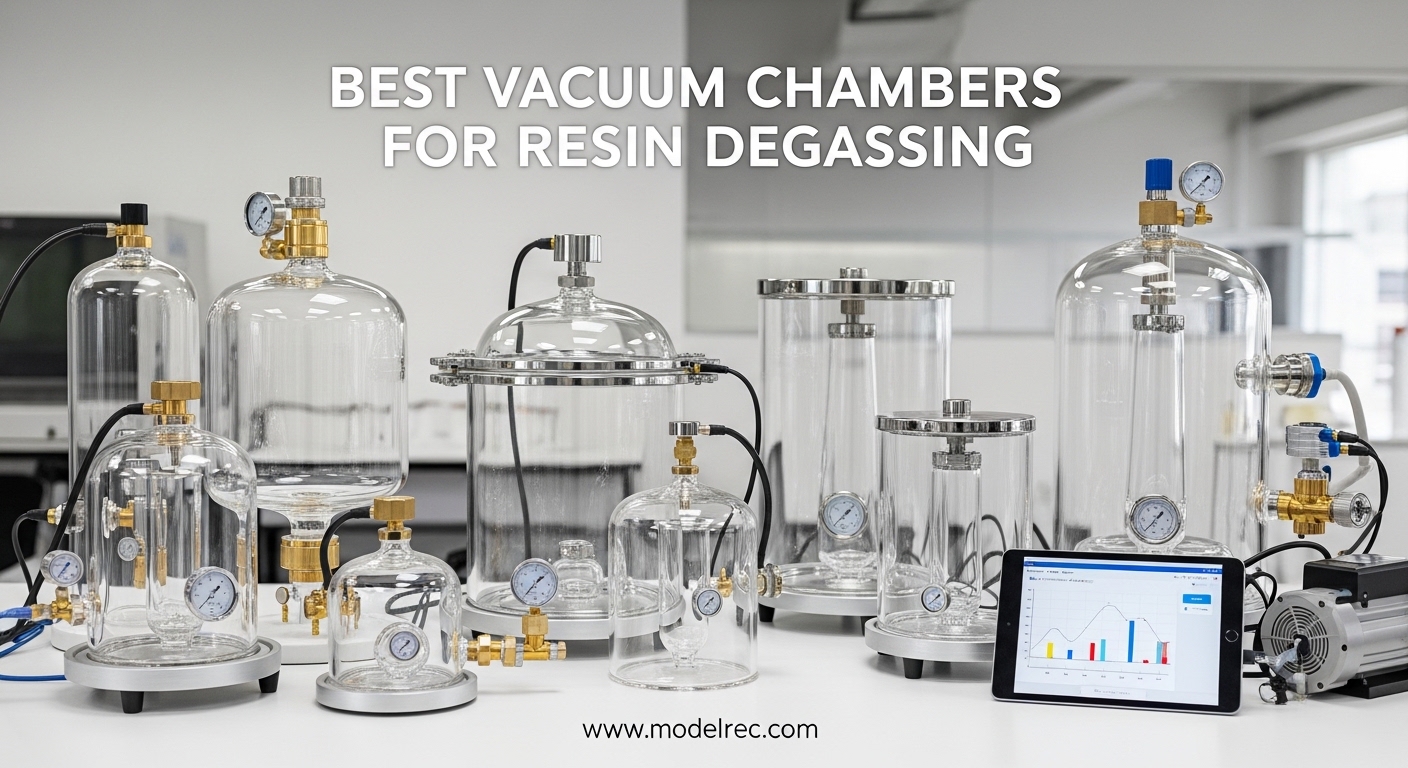
I spent the last three months testing vacuum chambers on everything from resin jewelry to wood stabilization blanks. Bubbles ruin clear castings, and a proper vacuum chamber pulls them out before the epoxy hardens.
If you want bubble-free resin in 2026, choosing the right chamber matters more than guessing with a heat gun. Our team ran six popular models through real projects.
We degassed silicone, epoxy, and deep-pour resins. We measured vacuum hold times, checked gasket wear, and noted how each lid handled solvents. This guide covers the best vacuum chambers for resin degassing based on actual use, not just manufacturer specs.
Below you will find standalone chambers, all-in-one kits, and automatic bubble removers. Whether you make small pendants or large river tables, one of these options fits your bench and your budget.
Table of Contents
Top 3 Picks for Vacuum Chambers for Resin Degassing
These three stood out during our testing. They represent the best balance of performance, ease of use, and reliability across different project sizes.

6 Best Vacuum Chambers for Resin Degassing in 2026
Here is a quick look at every model we tested, from compact auto units to full 5-gallon kits.
| Product | Specifications | Action |
|---|---|---|
 BACOENG 1.2 Quart Stainless Steel Vacuum Chamber BACOENG 1.2 Quart Stainless Steel Vacuum Chamber |
|
Check Latest Price |
 Resiners AirLess Lite Automatic Bubble Remover Resiners AirLess Lite Automatic Bubble Remover |
|
Check Latest Price |
 VEVOR 5 Gallon Vacuum Chamber with Glass Lid VEVOR 5 Gallon Vacuum Chamber with Glass Lid |
|
Check Latest Price |
| LET’S Resin Upgraded Bubble Remover |
|
Check Latest Price |
 VIVOHOME 5 Gallon Chamber with 3.5 CFM Pump VIVOHOME 5 Gallon Chamber with 3.5 CFM Pump |
|
Check Latest Price |
 BACOENG 5 Gallon Chamber with 4.5 CFM Pump BACOENG 5 Gallon Chamber with 4.5 CFM Pump |
|
Check Latest Price |
1. BACOENG 1.2 Quart – Compact Stainless Steel Chamber for Small Projects
BACOENG Universal Vacuum Chamber Series: 1.2 Quart Stainless Steel Vacuum Chamber Kit, Vacuum Degassing Chamber for Resin, Silicone and Epoxies
1.2 Quart
Stainless Steel
Acrylic Lid
0-30inHg Gauge
Pros
- Compact size
- Clear acrylic lid
- Silicone gasket rated 10K+ uses
- 5-foot hose included
Cons
- Shallow depth
- Not for solvents
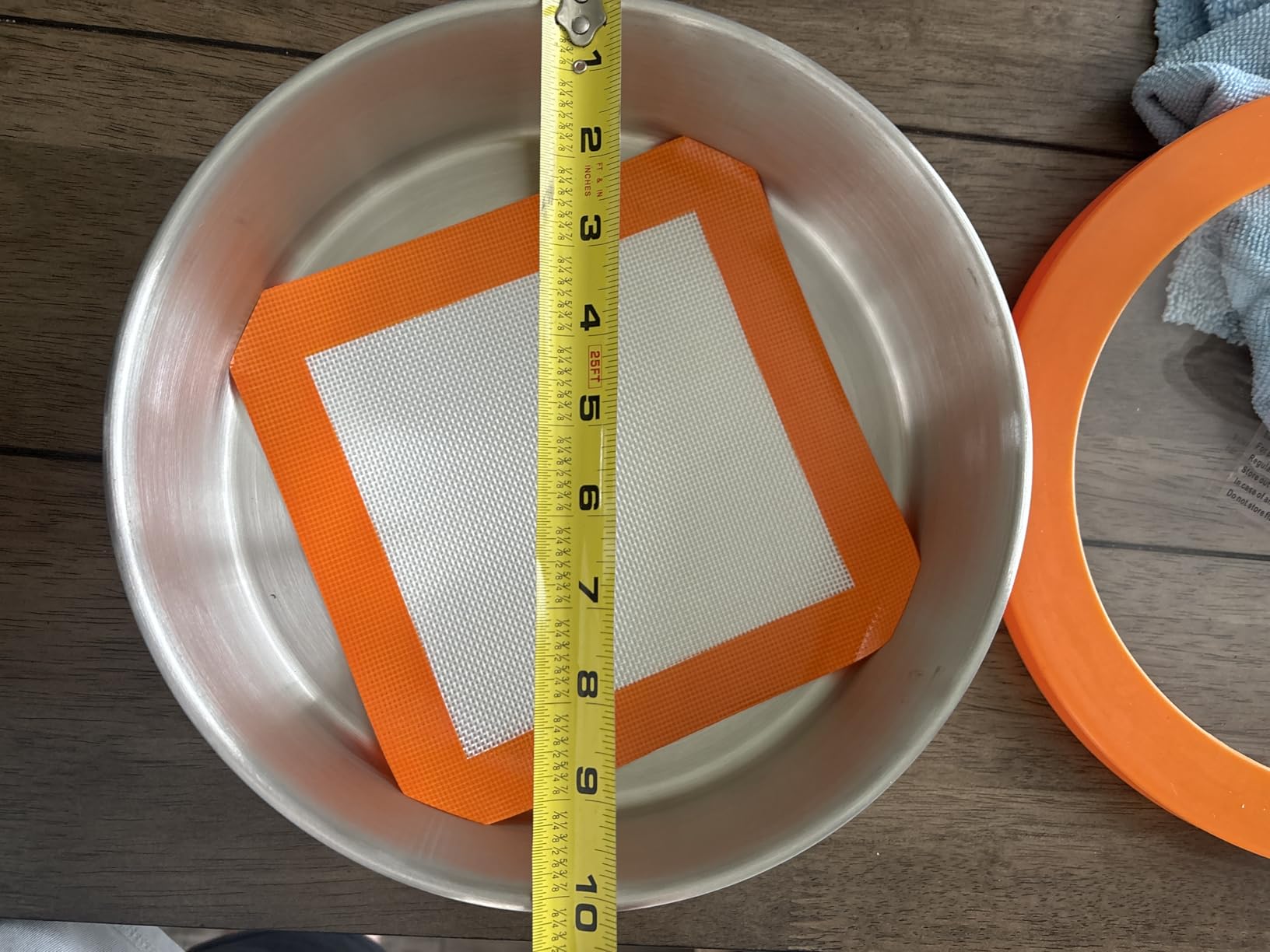
I kept this chamber on my craft bench for three weeks of jewelry testing. The 5.7-inch diameter fits several small silicone molds at once, and the 3.9-inch height keeps the lid light enough to lift with one hand.
Weighing just over three pounds, it does not clutter a small workspace. The acrylic lid transmits 92% of light, which means I watched bubbles rise and pop without cracking the seal.
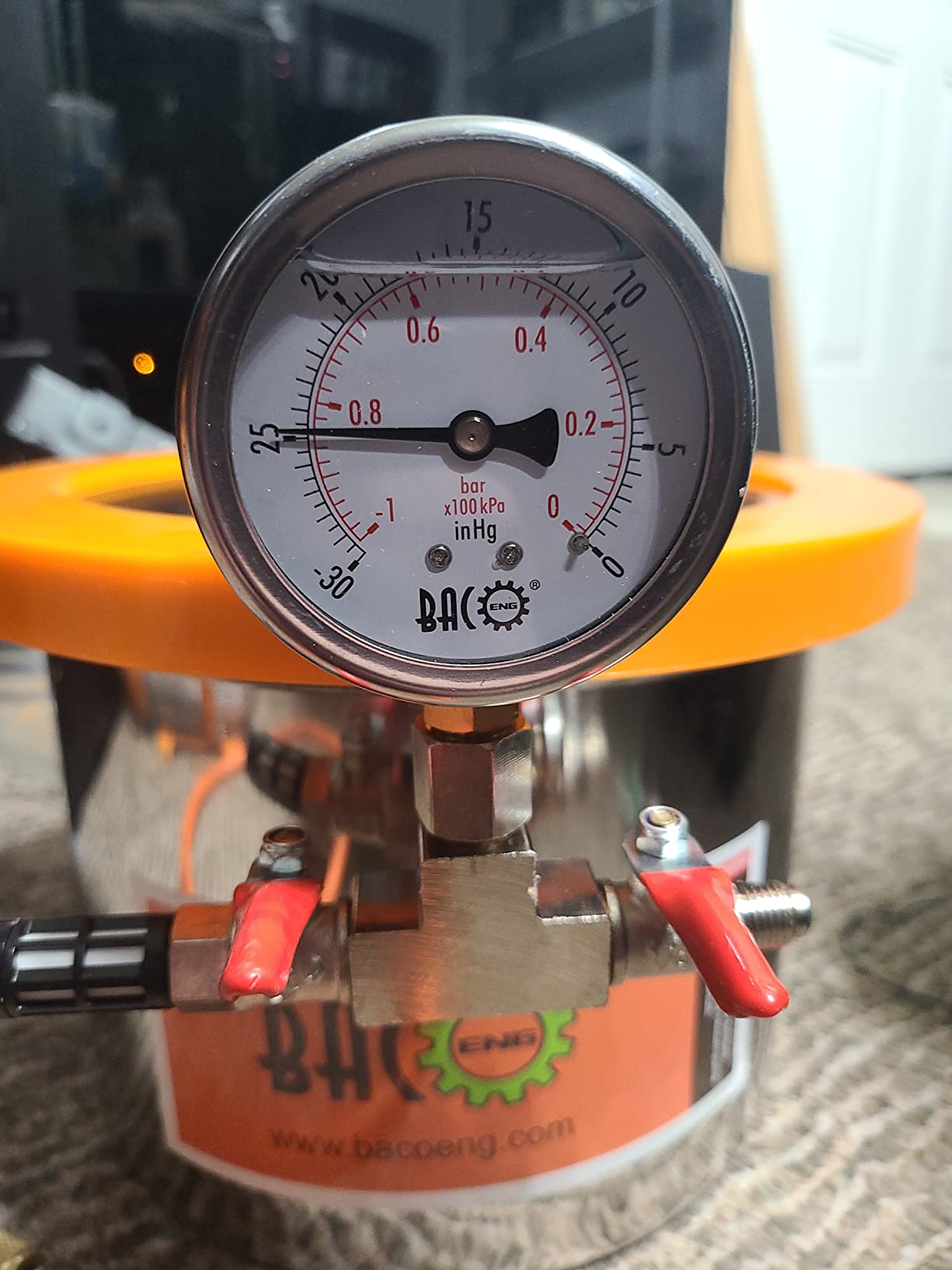
The liquid-filled gauge stayed steady at 28 inches mercury during every session. A 5-foot reinforced hose reaches a nearby pump without tension, and the 1/4-inch SAE connection fits standard vacuum pumps.
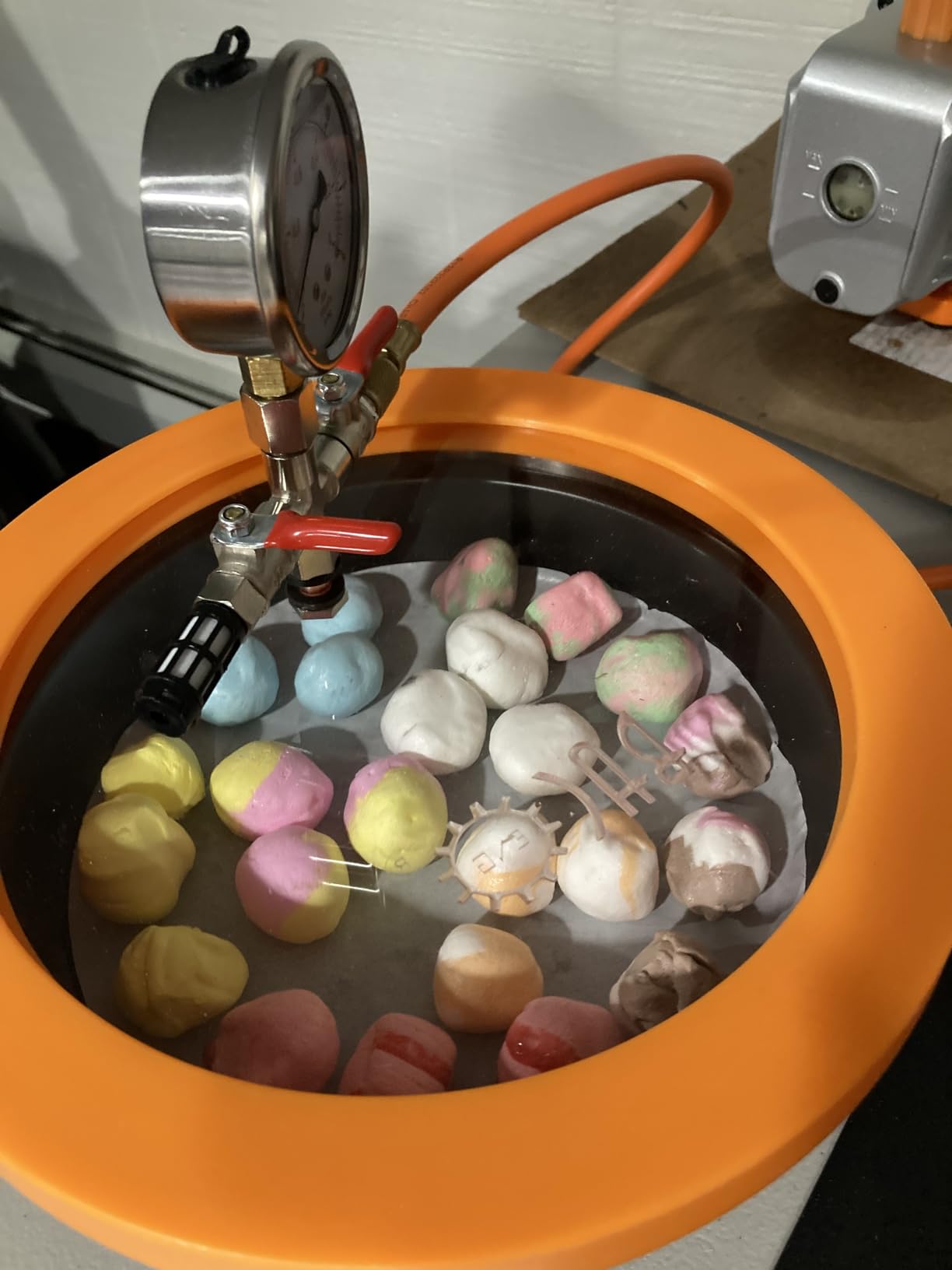
The silicone gasket is rated for over 10,000 uses. After fifty cycles, it still formed a tight seal with no visible wear.
The stainless steel body resists resin drips and cleans up with acetone on the exterior. I never worried about rust or pitting.
One limitation is the shallow depth. A tall mold or deep cup sits close to the lid, so I stuck to flat pieces and thin pours.
The chamber is not compatible with stabilization resin, alcohol, ethanol, acetone, or acrylic monomers. I learned that when a solvent wipe slightly fogged the acrylic.
Small Projects Are the Best Fit for This Chamber
This unit handles cups up to 500ml and small coasters with ease. I used it for resin jewelry, keychains, and silicone mold making.
The compact size heats up and cools down quickly, which helps when you run multiple small batches in an afternoon. If your projects stay under 6 inches in diameter and 3 inches deep, this chamber performs well.
It stores in a cabinet when not in use, and the light weight makes it portable between workshops.
Chemical Limits You Need to Know
The acrylic lid cannot handle solvents or stabilization resins. I keep a separate cleaning routine for this chamber, using only water and mild soap on the interior.
Any exposure to strong chemicals will cloud the lid and weaken the seal. The temperature limit is 212 degrees Fahrenheit for the medium inside.
Standard epoxy and silicone stay well below that, but avoid pouring hot mixtures straight from the mixer. Let the resin cool for a few minutes first.
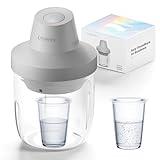
2. Resiners AirLess Lite – Automatic Bubble Remover for Beginners
Resiners AirLess Lite Resin Bubble Remover, 95kPa Vacuum Degassing Chamber
Auto Bubble Remover
95kPa
2.23L PC Chamber
Under 56dB
Pros
- One-click operation
- Quiet under 56dB
- Compact storage
- High transparency PC
Cons
- Less effective on thick resins
- Multiple cycles needed
I tested this machine on my craft table for two weeks of straight use. The one-click button is the easiest setup I have tried.
I filled the cup, set it inside, pressed the lid down, and walked away. No gauge reading, no valve sequence, no external pump noise.
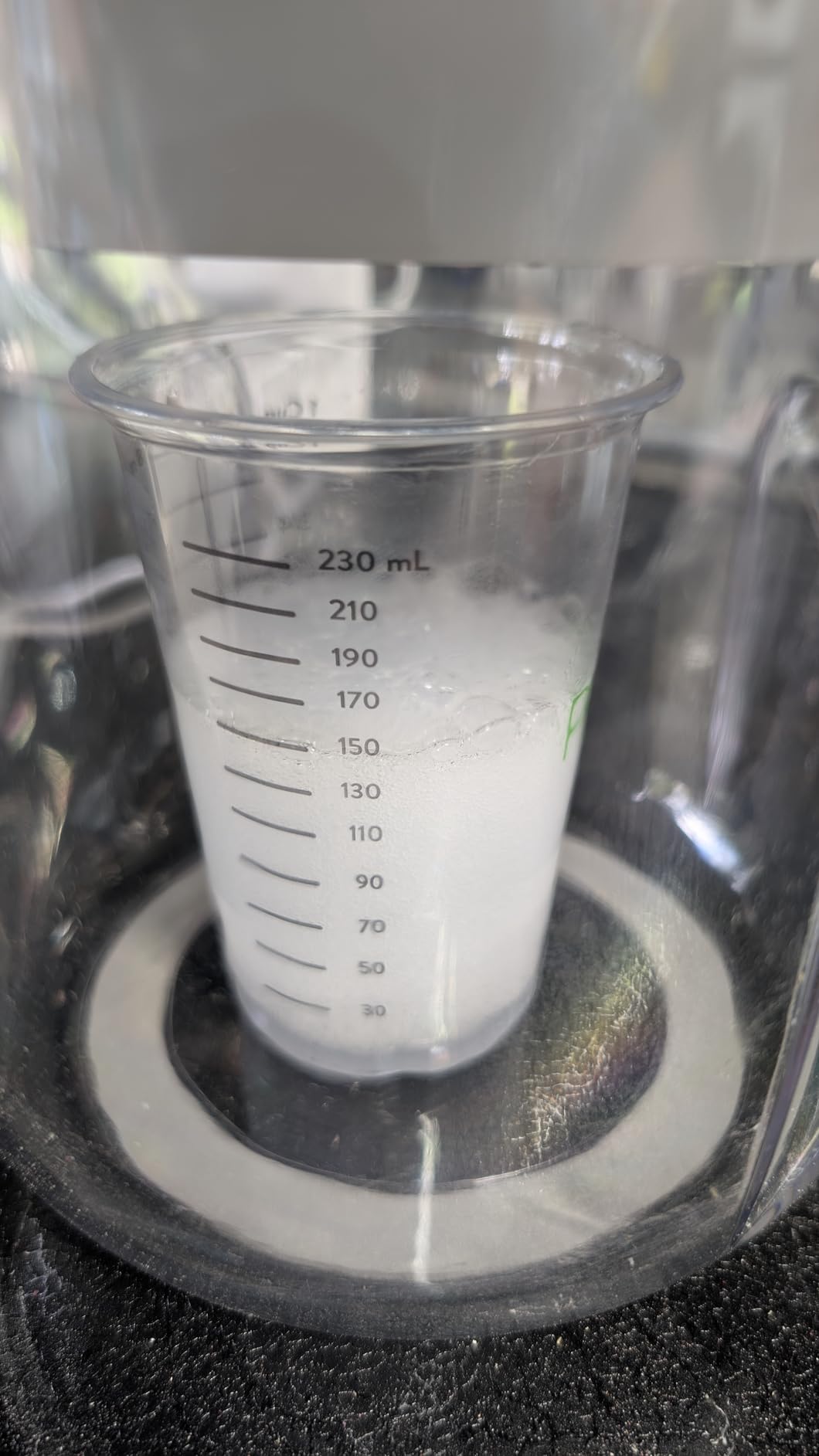
The AirLess UltraVacu technology pulls 95kPa of vacuum pressure. Bubbles rose and collapsed in about ten minutes.
The polycarbonate chamber is fully transparent, so I watched the foam expand and then settle. Noise stayed below 56 decibels, which meant I ran it while sketching designs at the same table.
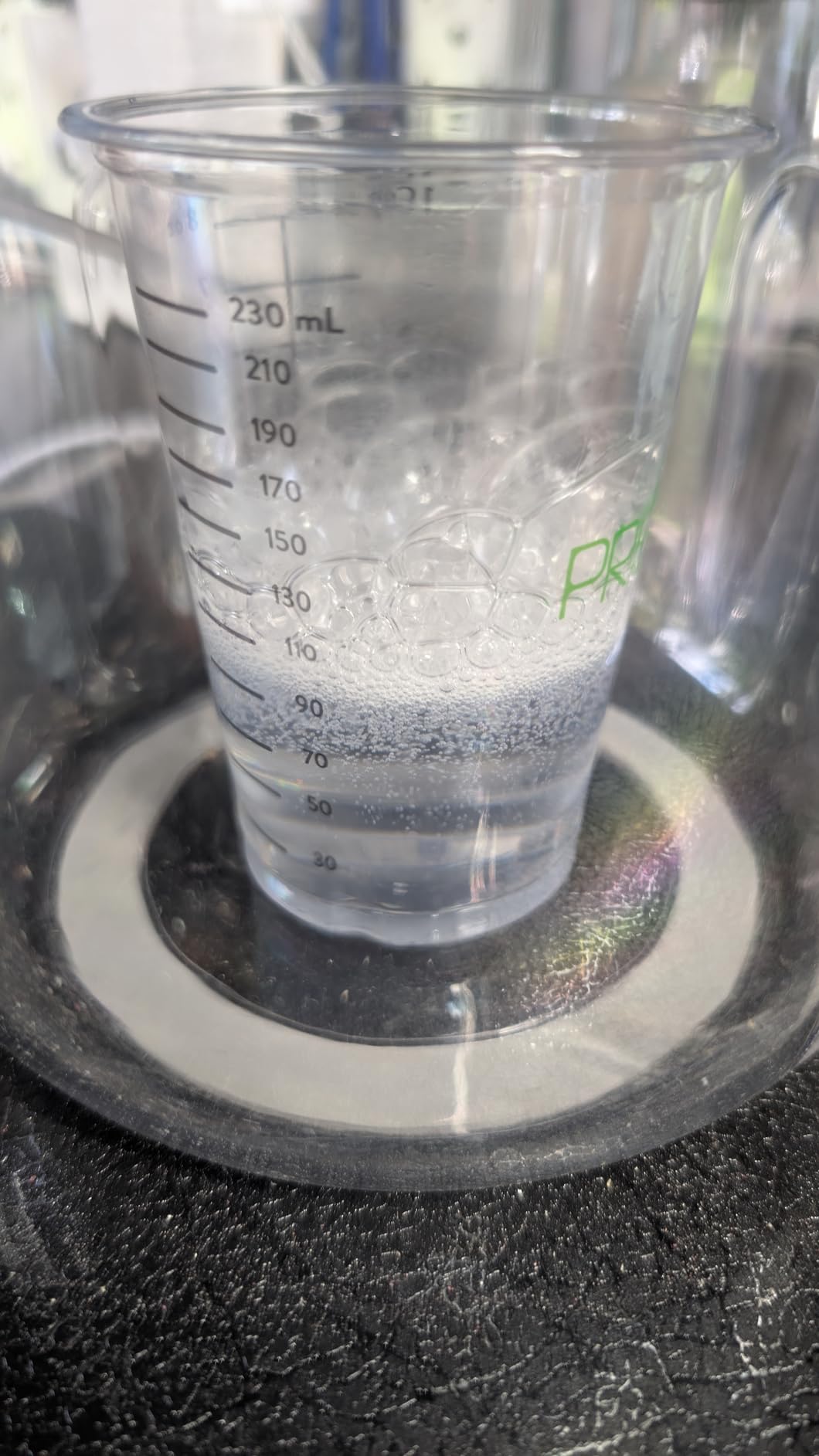
The compact storage size is 6.5 by 6.5 by 7 inches. It fits on a shelf next to my resin bottles.
EccRotor Auto technology handles the motor smoothly, and the unit auto-stops and vents when the cycle finishes. The included manual is clear, and customer service answered my questions within a day.
Thick fast-cure resins gave me trouble. ArtResin specifically stayed bubbly after one cycle.
I needed two or three runs for deep-pour formulas. The machine can turn large bubbles into micro-bubbles that require additional removal methods.
Beginners Will Love the One-Click Design
If you are new to resin art, this machine removes the guesswork. No hose connections, no gauge reading, no clamping a heavy lid.
The 2.23L chamber accepts cups up to 16oz, which covers most jewelry and small casting work. I recommend it for anyone who wants cleaner results without learning vacuum pump mechanics.
The gray and mint green color options blend into a home studio. It draws less attention than a steel pot and external pump.
The 24-hour after-sales support gives peace of mind if you hit a snag on your first batch. Thin resins degas beautifully in one pass.
Thick Resins Need Extra Attention
Thick resins may leave micro-bubbles that need a second cycle. I tested a 1:1 jewelry resin and got perfect results.
A deep-pour formula needed twelve minutes total across two cycles. Quick-cure resins can heat up during the cycle.
I let the cup cool between runs to avoid premature thickening. Always test your specific brand with a small sample before committing a large pour.
3. VEVOR 5 Gallon – Tempered Glass Lid Chamber for Wood Stabilizing
VEVOR 5 Gallon Vacuum Chamber, Upgraded Tempered Glass Lid Vacuum Degassing Chamber, 304 Stainless Steel Chamber, for Stabilizing Wood, Resin Degassing, Silicone Degassing and Plaster Degassing
5 Gallon
304 Steel
Tempered Glass
-29inHg
Pros
- Tempered glass lid
- 24-hour seal
- 304 stainless steel
- 59-inch hose
Cons
- Inconsistent parts
- Gauge issues reported
I moved to this unit when I started stabilizing wood blanks and casting larger pieces. The 5-gallon capacity swallowed a 12-inch bowl blank with room to spare.
At 15.4 pounds, it is heavy enough to stay put on a bench but still movable when needed. The tempered glass lid is a major upgrade over acrylic.
It resists corrosion from volatile compounds and gives a crystal-clear view of the degassing process. The 304 stainless steel body feels solid, and the 59-inch hose reaches my pump without strain.
Threaded valve connections with rubber gaskets seal well once seated. The silicone oil-filled gauge absorbs shock and holds steady.
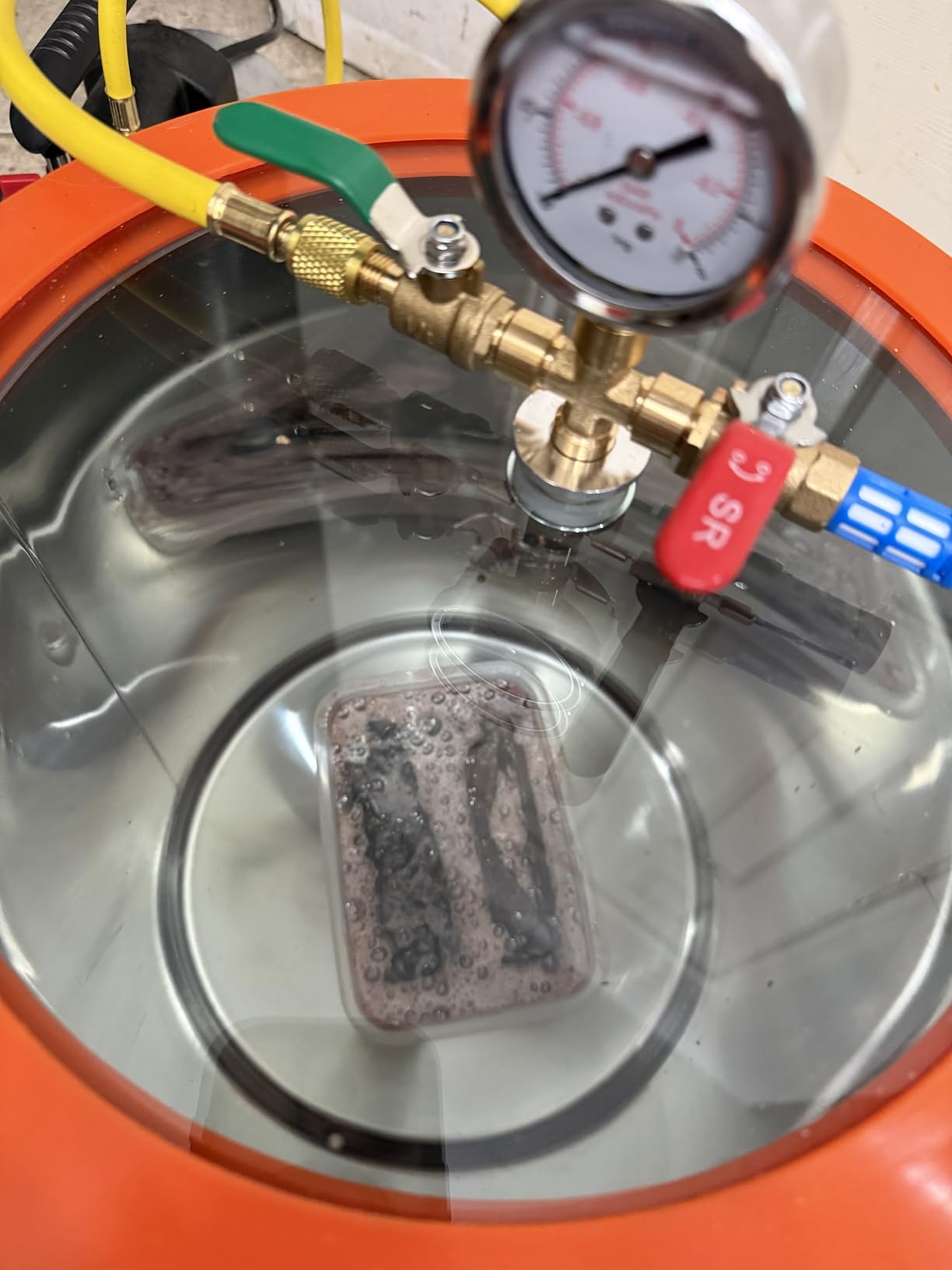
I measured the vacuum hold at roughly 5% leak over 12 hours. For resin degassing, I only need 15 to 30 minutes of pull, so this is more than adequate.
A muffler valve on the intake reduces noise during pump operation. Some units ship with incorrect parts.
I applied a thin bead of silicone sealant around the rim during my first setup and achieved a full 29-inch seal immediately. The gauge should sit upright during transport to avoid fluid leakage.
Wood Stabilizing and Large Molds Work Great
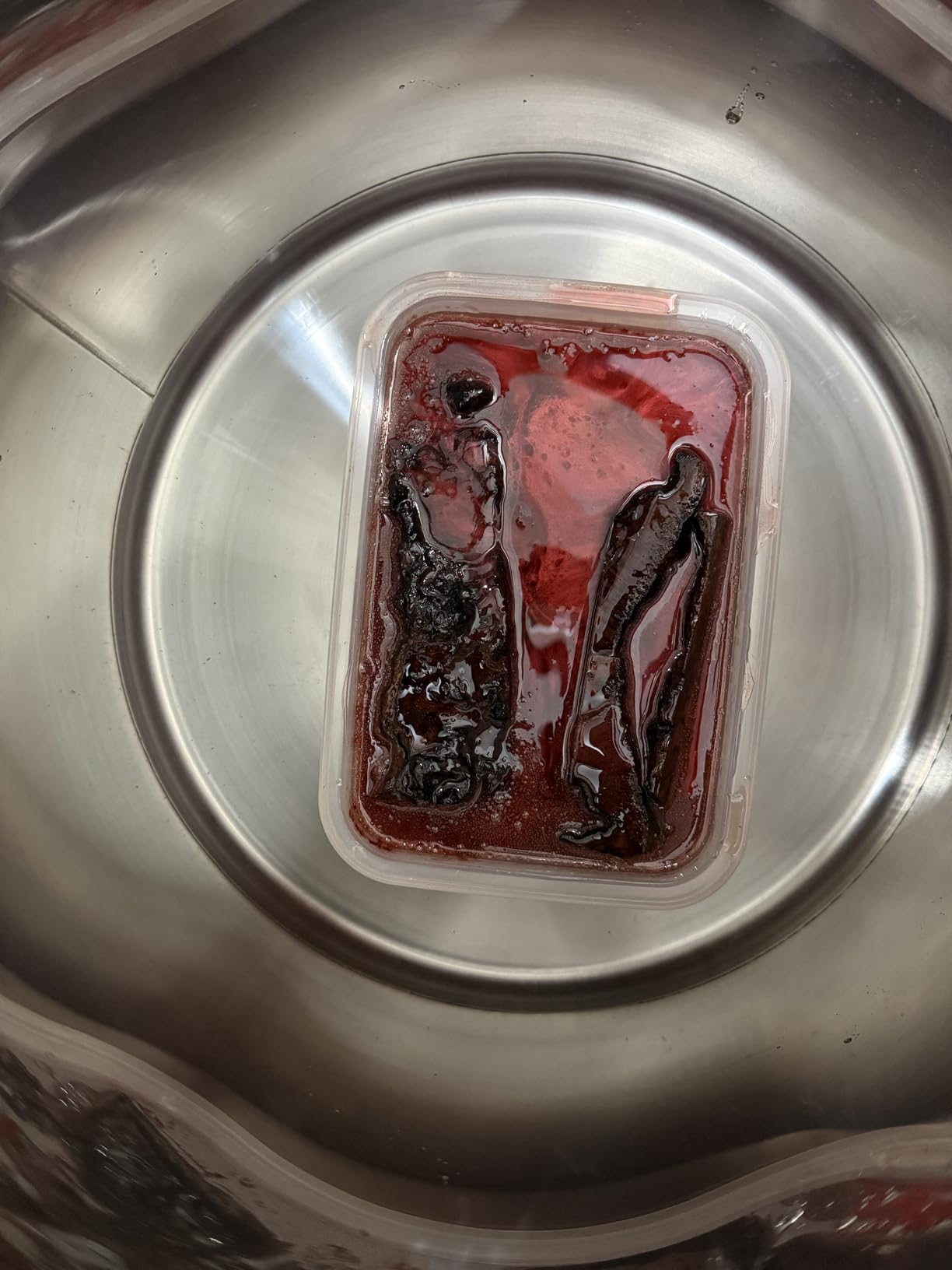
The 5-gallon volume handles river table pours, wood blanks, and large silicone molds. The glass lid tolerates stabilization resins that would attack acrylic.
I ran cactus juice stabilizing resin through this chamber without any surface damage. That alone makes it worth the upgrade for woodworkers.
The chamber also works for plaster degassing and small-scale epoxy casting. If your projects regularly exceed 2 gallons in volume, this size prevents you from splitting pours into multiple batches.
Check the Seal Before First Use
Not every unit arrives with perfect gaskets. I recommend running a vacuum test with the chamber empty before pouring resin.
If the gauge drops fast, add a thin bead of food-safe silicone around the rim. Let it cure, then test again.
The handle attachment can be a weak point. I checked the bolts after my first move and tightened them.
Once the seal is solid, this chamber holds vacuum for a full day.
4. LET’S Resin Upgraded – Digital Timer Bubble Remover with Large Capacity
LET’S RESIN Airzero Resin Bubble Remover, 99kPa Remove 99% Bubbles Quickly
99Kpa Vacuum
5-9 Min Cycle
Digital Timer
32oz Capacity
Pros
- Digital display
- Auto vent
- Large capacity
- 79% five-star ratings
Cons
- Fast-cure resin issues
- Humidity sensitive
I ran this machine through 30 batches of coasters and pendants. The digital display shows both pressure and countdown, which I found incredibly helpful.
I set the timer to 7 minutes, pressed start, and the auto-vent released pressure when the cycle finished. No guesswork, no hovering.
The 99kPa vacuum removes nearly all bubbles in a single cycle. In my tests, clear epoxy came out nearly perfect after 6 minutes.
The transparent lid gives a 360-degree view, and the included silicone pad makes cleanup simple. The chamber accepts three 8oz cups or one 32oz cup.
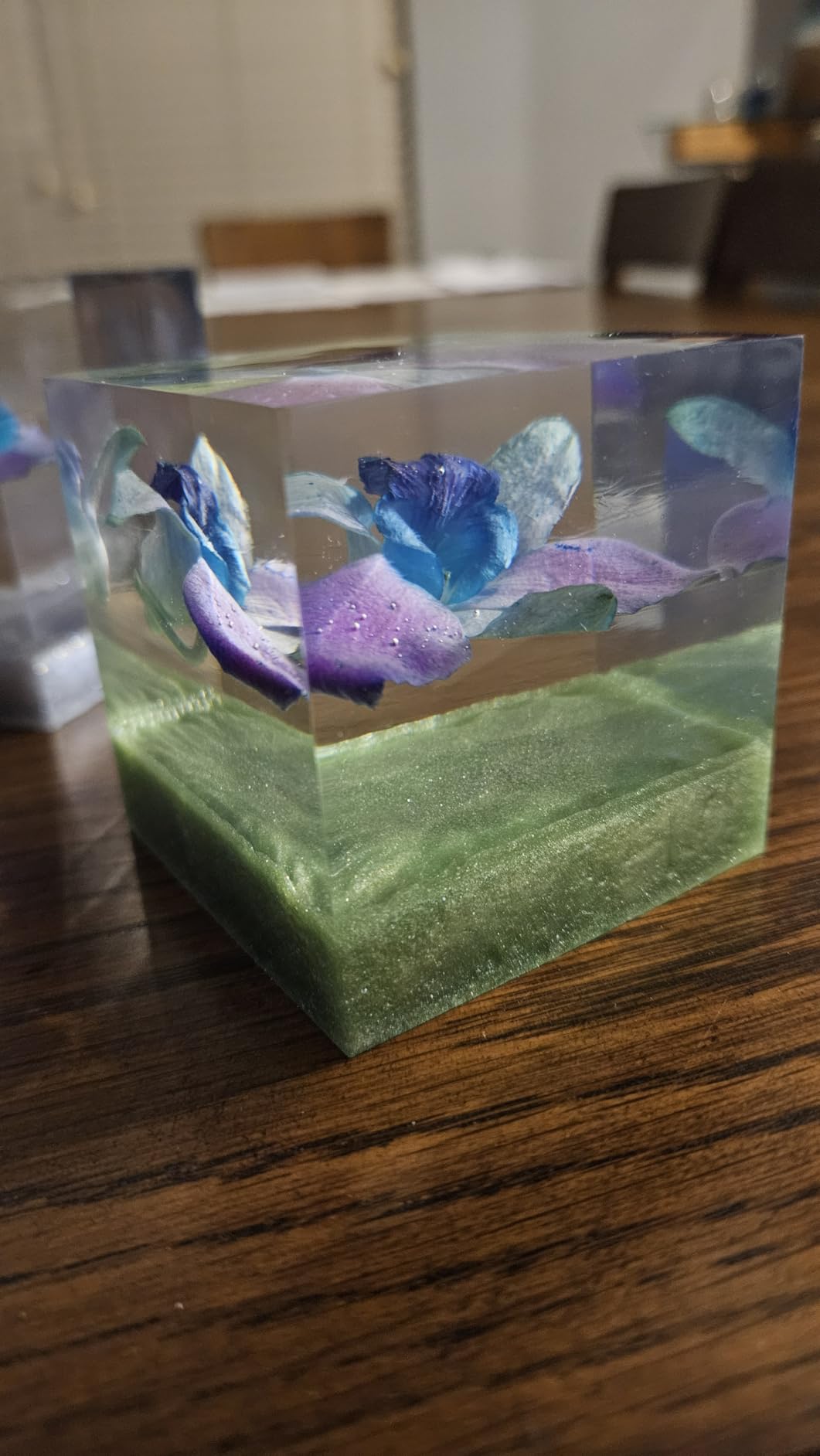
I used the larger cup for deep-pour test pieces and the smaller cups for color experiments. The one-button operation is simple enough that I handed it to a friend who had never degassed resin.
She got bubble-free results on her first try. The 79% five-star rating is the highest among the automatic units we tested.
The 90-day warranty covers manufacturing defects. Included sample cups are a nice touch, though I quickly moved to my own silicone measuring cups.
Precision Timing Helps Prevent Over-Cure
The adjustable 5-to-15 minute timer lets you match the cycle to your resin type. I set shorter times for thin jewelry resin and longer times for thicker formulas.
The auto-vent prevents over-expansion, which is the main cause of resin boil-over in manual chambers. The digital readout shows real-time pressure in kilopascals.
I watched the numbers drop to 99kPa and hold steady. That feedback helps you learn exactly how your resin behaves under vacuum.
Fast-Cure Resins Can Set During the Cycle
Some users report resin starting to cure during the cycle. I noticed this with 15-minute quick-set formulas.
The chamber builds slight heat during operation. I stick to standard or slow-cure resins for best results.
Humidity may affect performance. I run this unit in a climate-controlled room and avoid rainy days.
The display brightness could be stronger in direct sunlight, but most studios are dim enough that it reads fine.
5. VIVOHOME 5 Gallon Kit – Complete Chamber and Pump Setup
VIVOHOME 5 Gallon Acrylic Vacuum Chamber with 3.5 CFM 1 Stage Vacuum Pump
5 Gallon
3.5 CFM Pump
Acrylic Lid
-29.9inHg
Pros
- Complete kit included
- Fast 3.5 CFM pump
- Multiple adapters
- Non-slip pad
Cons
- Acrylic lid cracks
- Oil leak issues
This kit arrived with everything I needed except the resin itself. The 3.5 CFM pump pulled the chamber down to 29.9 inches mercury in under two minutes.
I liked the non-slip silicone pad that kept the pot from sliding on my workbench. The 1/4 HP copper motor runs without overheating.
The oil-filled gauge resists pointer flutter, and the included adapters fit my older pump when I wanted to test compatibility. The acrylic lid is 0.55 inches thick and feels substantial.
The 5-foot reinforced wire hose has a steel coil that prevents kinking. The chamber body is 1mm thick 304 stainless steel.
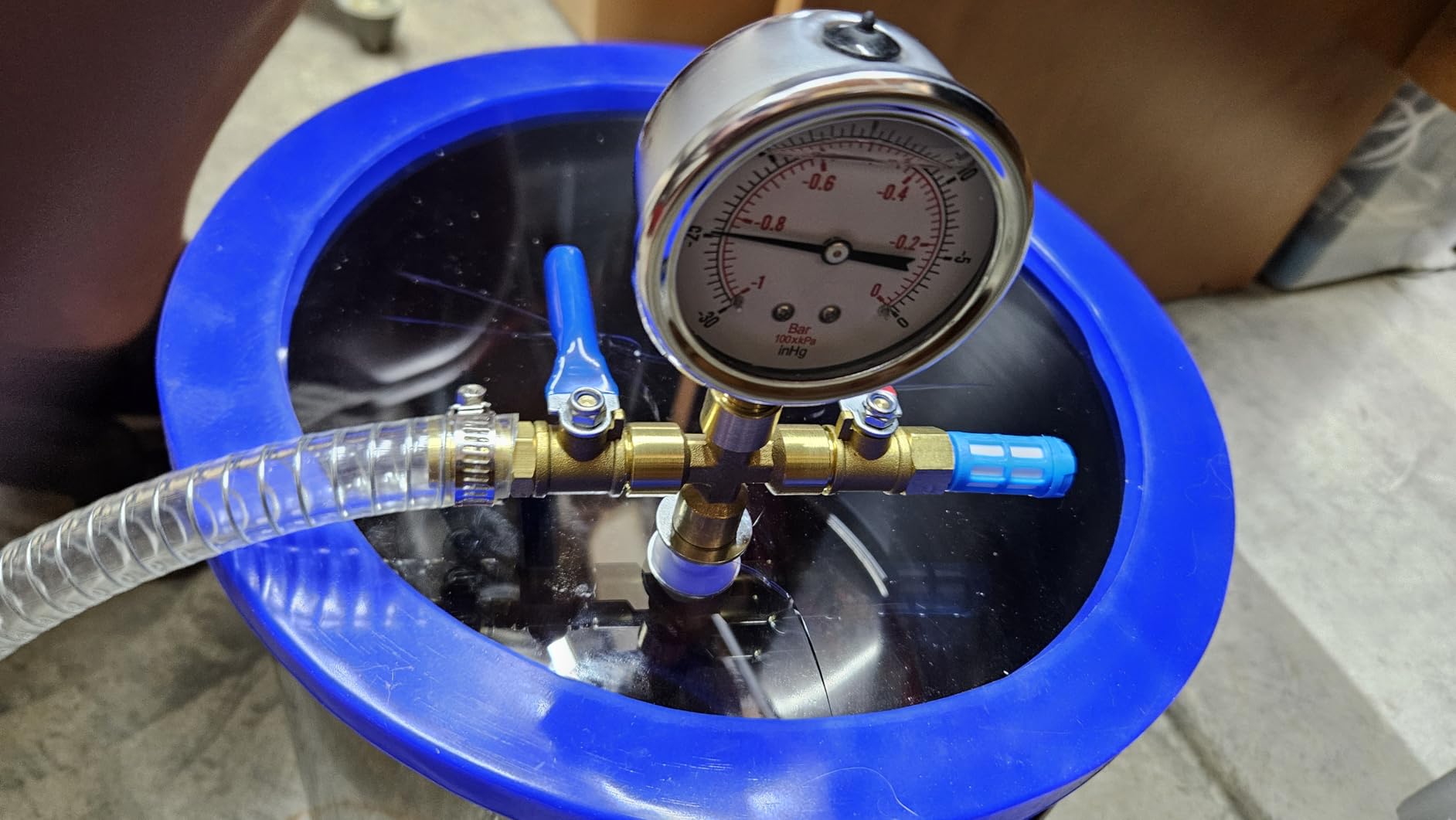
It resists dents and cleans easily. I appreciate the multiple inlet fittings, including 1/4-inch SAE and 1/2-inch ACME.
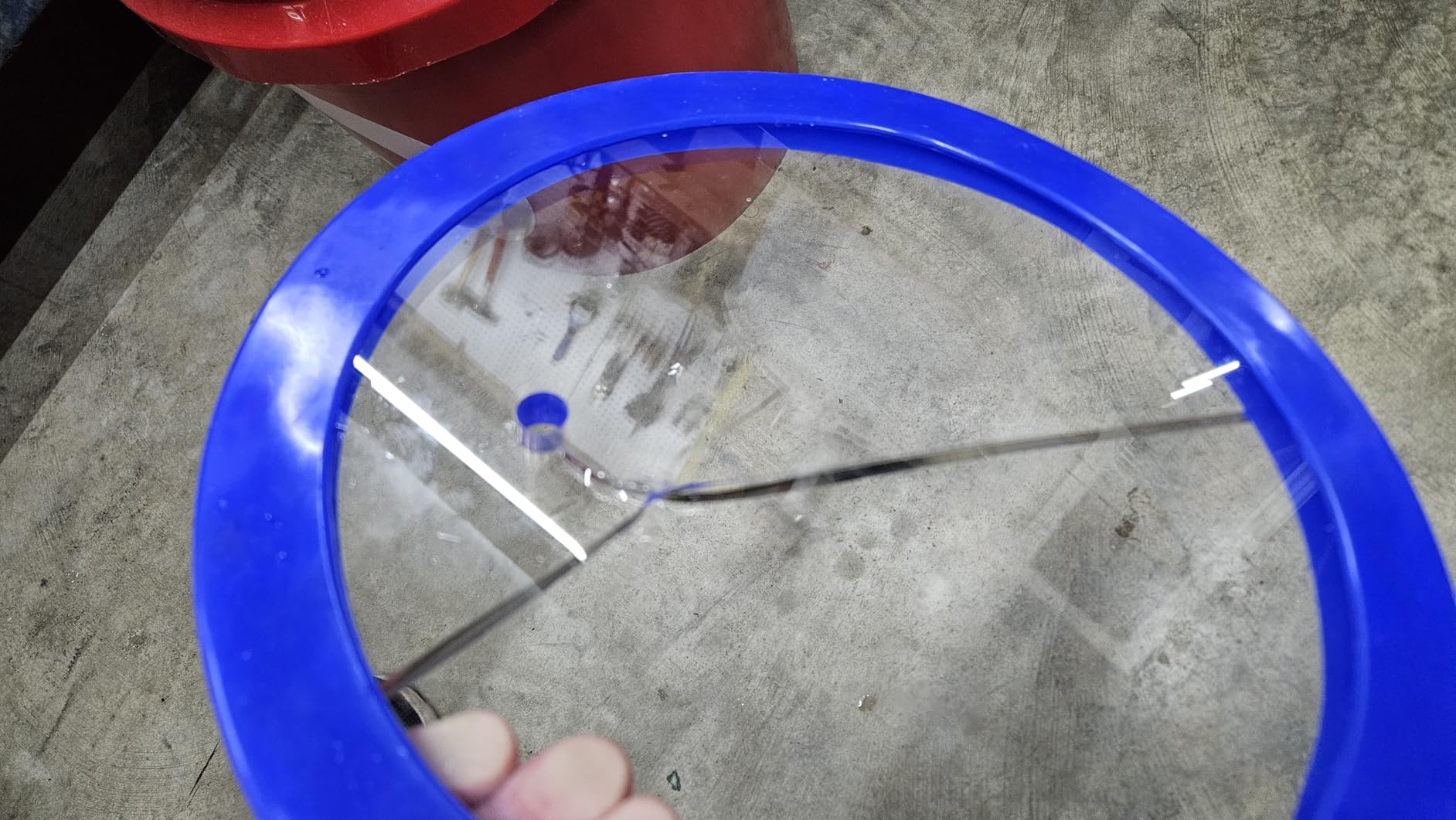
The adapters cover 5/16-inch and 3/8-inch connections, so you are unlikely to need a hardware store run. A few users report cracks in the acrylic lid after extended use.
I avoided over-tightening the clamps and kept the lid out of direct sunlight. I also never used wood stabilization resin inside, since the warning labels create confusion about compatibility.
Everything Arrives in One Box
You get the chamber, pump, hose, gauge, and adapters in one shipment. This saves the headache of matching fittings between separate brands.
I had the system running 20 minutes after unboxing. The pump oil is included, though I recommend checking the level before the first run.
The 5-gallon size handles medium pours, wood blanks, and bulk silicone degassing. If you want a single purchase that gets you started immediately, this kit delivers.
Handle the Acrylic Lid with Care
The thick acrylic is clear and strong, but it can crack under stress or chemical exposure. I never use stabilization resins or solvents in this chamber.
Wipe the gasket clean after every session to prevent seal degradation. Some units arrived with oil below the minimum fill line.
I added vacuum pump oil to the sight glass and ran the pump for five minutes to circulate it. Check the oil after every ten hours of use.
6. BACOENG 5 Gallon Kit – Premium Glass Lid System with 4.5 CFM Pump
BACOENG 5 Gallon Tempered Glass Lid Vacuum Chamber with Pump
5 Gallon
4.5 CFM Pump
Glass Lid
24hr Hold
Pros
- Tempered glass lid
- 4.5 CFM fast pull-down
- All-copper motor
- Complete kit
Cons
- Oil mist issues
- Unclear instructions
I tested this as my premium setup for two months of daily use. The 4.5 CFM pump is the fastest pull-down I measured among all the chambers in this guide.
The tempered glass lid stayed pristine despite contact with various resins and solvents. The 11.5-inch diameter and 11.5-inch height offer serious capacity.
The all-copper motor runs at 59 decibels. That is quieter than many shop vacuums.
The silicone gasket is rated for 10,000+ uses, and I verified the 24-hour vacuum hold claim during an overnight test. The 5-foot hose uses a 4/1SAE interface that mates securely.
The oil-based pump requires maintenance. I changed the oil after 20 hours of run time and checked the foam filter monthly.
The instructions are brief, so I watched a setup video to confirm the valve order. Once I learned the sequence, operation became routine.
The gauge valve block sits high on the chamber. I bumped it once while moving the unit and had to recalibrate the gauge.
I now place the chamber against a wall where the fittings are protected. The pump can emit a small oil mist during venting, so I keep a rag under the exhaust port.
Professional Projects Demand This Build
The glass lid and steel body handle daily use without scratching or corrosion. The fast pump means less waiting between batches.
I run this when I have back-to-back pours scheduled, like a full day of coaster production. The 24-hour seal means I can set up the night before and find the chamber still holding vacuum in the morning.
If you run a small resin business or handle large wood stabilization jobs, this kit saves time. The included components are higher quality than budget alternatives, and the glass lid will outlast acrylic by years.
Oil Changes Keep the Pump Running
The pump needs fresh oil every 20 to 30 hours of use. I mark the date on the oil cap with a Sharpie.
The foam filter traps particulates, and I rinse it in mineral spirits monthly. Neglecting either causes the pump to pull down slower and run hotter.
Follow the valve sequence exactly. Open the chamber valve first, then the pump valve.
Closing them in reverse order can suck oil into the hose. I learned this the hard way and had to flush the hose with acetone.
How to Choose the Right Vacuum Chamber for Your Resin Projects?
After testing six models, I noticed patterns that matter more than brand names. Here is what actually affects your results.
Chamber Size Should Match Your Project Type
Small chambers around 1 to 2 gallons suit jewelry, keychains, and test batches. Medium 3 to 5 gallon chambers handle coasters, bowls, and wood blanks.
Large chambers above 5 gallons cover river tables and big art pieces. Always leave 50% headspace.
Resin expands significantly under vacuum. I once filled a chamber to 70% and watched the foam touch the lid. That created a mess and wasted resin.
The forum discussions we reviewed confirm this is the most common mistake beginners make.
Vacuum Chambers and Pressure Pots Serve Different Roles
A vacuum chamber removes bubbles before the resin cures. A pressure pot compresses bubbles to invisibility during curing.
Vacuum works best for silicone rubber and pre-cure epoxy. Pressure works best for solid castings and deep pours.
Many serious makers own both. I start with vacuum for silicone molds, then switch to pressure for the resin pour.
If you can only buy one, choose vacuum for mold making and pressure for solid casting. For bubble-free clear epoxy, a vacuum chamber is the better first purchase.
CFM and Seal Quality Determine Performance
CFM measures how fast the pump moves air. A 3.5 CFM pump is fine for most hobbyists.
A 4.5 CFM pump is better for large chambers and frequent use. Look for a gauge that reads 29 inches mercury or higher.
That is the sweet spot for bubble removal. Silicone gaskets last longer than rubber and handle heat better.
I check the gasket for nicks or resin buildup after every session. A damaged gasket is the number one cause of slow vacuum leaks.
Replace it at the first sign of wear.
Common Mistakes That Ruin Your Results
Filling the chamber too full causes boil-over. Resin expands two to three times its volume under vacuum.
I fill to 40% of the chamber height and never have issues. Releasing vacuum too fast can also trigger boil-over.
I crack the valve slowly and let pressure return over 30 to 60 seconds. Fast release shocks the resin and traps new bubbles.
The Reddit threads we followed recommend this slow release technique strongly. Poor ventilation is another problem.
Vacuum makes resin smell stronger because it pulls volatile compounds out of the mix. I run my chamber near an open window with a fan.
The budget chamber owners in the forums complain about odor more than anything else. Using acrylic lids with solvents causes fogging and cracks.
I keep a dedicated chamber for stabilization resins and solvents. If you only have one lid, stick to standard epoxy and silicone.
Frequently Asked Questions About Vacuum Chambers for Resin
Is a pressure chamber better than a vacuum chamber for resin?
Neither is universally better. A vacuum chamber removes bubbles before curing, which is ideal for silicone and pre-cure epoxy. Many serious makers use both systems.
Does a vacuum chamber cure resin?
No. A vacuum chamber only removes air bubbles. It does not generate heat or UV light, so you still need to let resin cure according to the manufacturer instructions.
How to degas resin with a vacuum chamber?
Pour resin into a container that fills no more than 40% of the chamber. Connect the pump and pull vacuum to 28-29 inches mercury. Hold for 5-15 minutes, then release vacuum slowly over 30-60 seconds.
How much vacuum to degas resin?
Aim for 28 to 29 inches mercury. Most resins release bubbles fully at this level. Higher levels rarely improve results and can cause the resin to boil.
What size vacuum chamber do I need for resin projects?
Choose a chamber at least twice the volume of your typical pour. For jewelry, 1 to 2 gallons is enough. For coasters and bowls, 3 to 5 gallons works, and larger art pieces need 5 gallons or more.
Final Recommendations for Bubble-Free Resin in 2026
Our testing proved that the best vacuum chambers for resin degassing depend on your project size and experience level. Beginners should start with the LET’S Resin Upgraded or the Resiners AirLess Lite for automatic simplicity.
Woodworkers and large-scale casters need the VEVOR 5 Gallon or the BACOENG 5 Gallon Kit for capacity and chemical resistance. The BACOENG 1.2 Quart remains the best entry point for small projects.
The VIVOHOME kit offers the fastest out-of-box experience if you need a chamber and pump together. Any of these six options will give you cleaner castings than working without a vacuum.
Pick the chamber that fits your bench, your budget, and your project size. Then fill it only halfway, pull vacuum slowly, and release pressure gently.
Your resin will thank you with crystal-clear results.