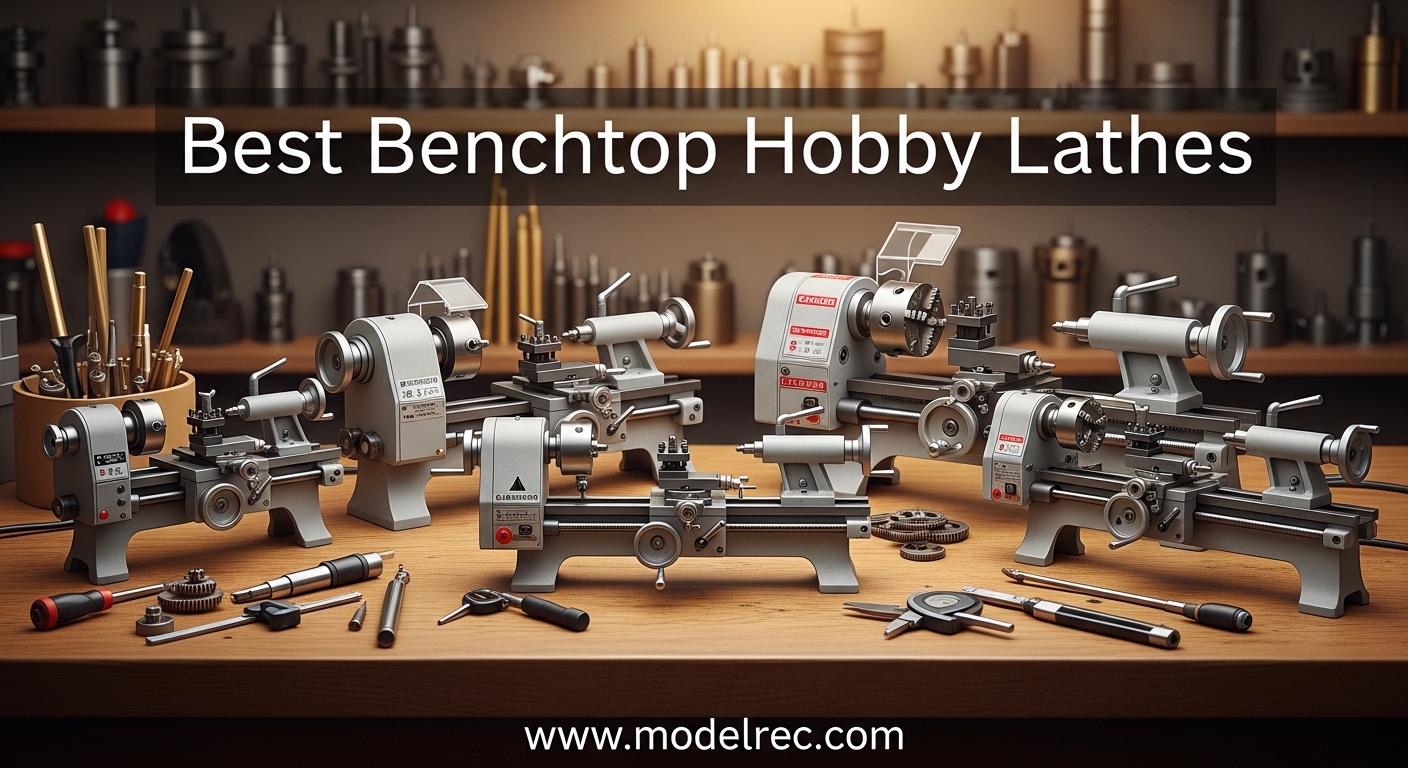
If you have ever watched a rough block of wood transform into a polished bowl or a perfectly shaped pen under your own hands, you already know the appeal of woodturning. A good benchtop lathe makes that magic accessible right from your garage or workshop, no industrial equipment required. Our team spent weeks comparing the top models on the market, turning everything from pen blanks to small bowls, to find the best benchtop hobby lathes worth your time and money.
Whether you are a complete beginner looking for your first lathe or an experienced turner wanting a compact second machine, this guide has you covered. We tested 8 different models across various price points, from compact mini lathes perfect for pen turning to mid-size midi lathes capable of handling larger projects. Each machine was evaluated on build quality, ease of use, vibration levels, and overall value.
Choosing the right benchtop lathe comes down to a few key factors: the swing capacity, distance between centers, motor power, and speed control options. Throughout this guide, we break down exactly what matters most and which models deliver on their promises. Let us get into the picks.
Table of Contents
Top 3 Picks for Benchtop Hobby Lathes
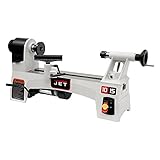
JET JWL-1015VS 10×15 Variable Speed Lathe
- 3 Variable Speed Ranges
- 24-Position Indexing
- Cast Iron Frame

WEN LA3421 8×13 Mini Benchtop Lathe
- Soft-Start Motor
- Variable Speed 750-3200 RPM
- 2-Year Warranty
8 Best Benchtop Hobby Lathes in 2026
| Product | Specifications | Action |
|---|---|---|
| JET JWL-1015VS 10×15 Variable Speed |
|
Check Latest Price |
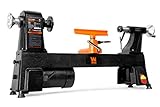 WEN LA3424 12×18 5-Speed Midi WEN LA3424 12×18 5-Speed Midi |
|
Check Latest Price |
 JET JWL-1221VS 12×21 Variable Speed JET JWL-1221VS 12×21 Variable Speed |
|
Check Latest Price |
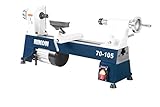 RIKON 70-105 10×18 Mini Lathe RIKON 70-105 10×18 Mini Lathe |
|
Check Latest Price |
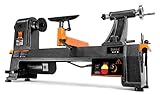 WEN 34035 14×20 Variable Speed WEN 34035 14×20 Variable Speed |
|
Check Latest Price |
 Shop Fox W1704 8×13 Benchtop Shop Fox W1704 8×13 Benchtop |
|
Check Latest Price |
 VEVOR 10×18 Benchtop Wood Lathe VEVOR 10×18 Benchtop Wood Lathe |
|
Check Latest Price |
| WEN LA3421 8×13 Mini Benchtop |
|
Check Latest Price |
1. JET JWL-1015VS – Best Overall Benchtop Lathe for Hobbyists
JET 10″ x 15″ Variable Speed Wood Lathe, Cast Iron, 1/2 HP (JWL-1015VS)
1/2 HP Motor
10-Inch Swing
15.5-Inch DBC
3 Variable Speed Ranges
24-Position Indexing
5-Year Warranty
Pros
- Three variable speed ranges (200-3600 RPM)
- 24-position indexing for precise alignment
- Solid cast iron frame eliminates vibration
- Electronic speed dial with precise control
- 5-year warranty from JET
Cons
- No reverse function
- Limited 15.5-inch distance between centers
- 1/2 HP may struggle with large hardwood blanks
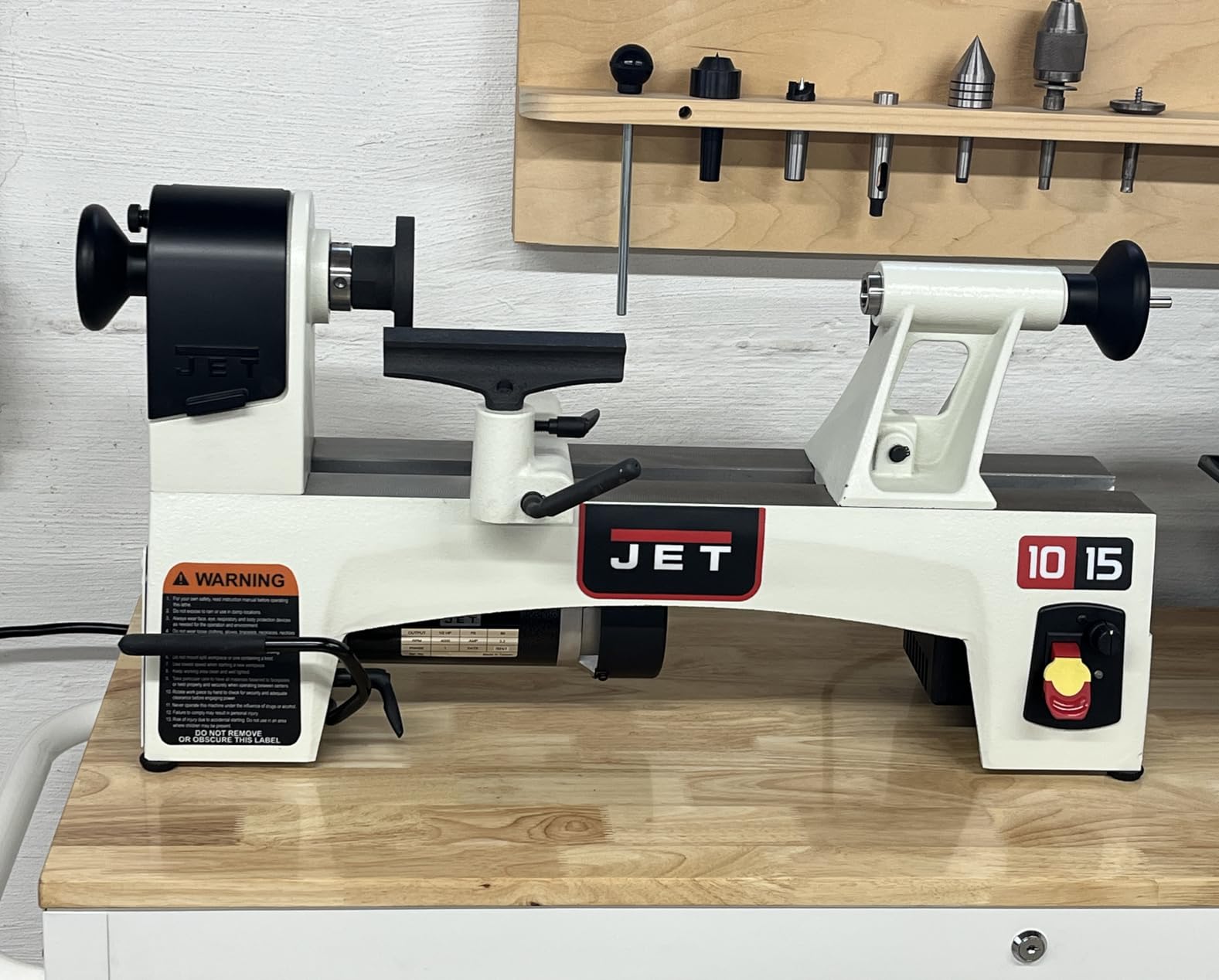
After spending considerable time with the JET JWL-1015VS, it is easy to see why it earns the top spot. The moment you turn it on, the solid cast iron frame absorbs vibration so well that even at higher speeds, the machine feels planted and steady. I turned several pen blanks and small spindles on this lathe, and the electronic speed dial gives you instant, precise control without fumbling with belt positions between every adjustment.
The three variable speed ranges are a standout feature. Low range runs 200 to 1,050 RPM for larger bowls and roughing, mid-range covers 300 to 1,750 RPM for general spindle work, and high range stretches up to 3,600 RPM for fine detail and finishing cuts. Switching between ranges requires moving the belt, but JET designed an improved tensioning system that makes access straightforward compared to older models I have used.
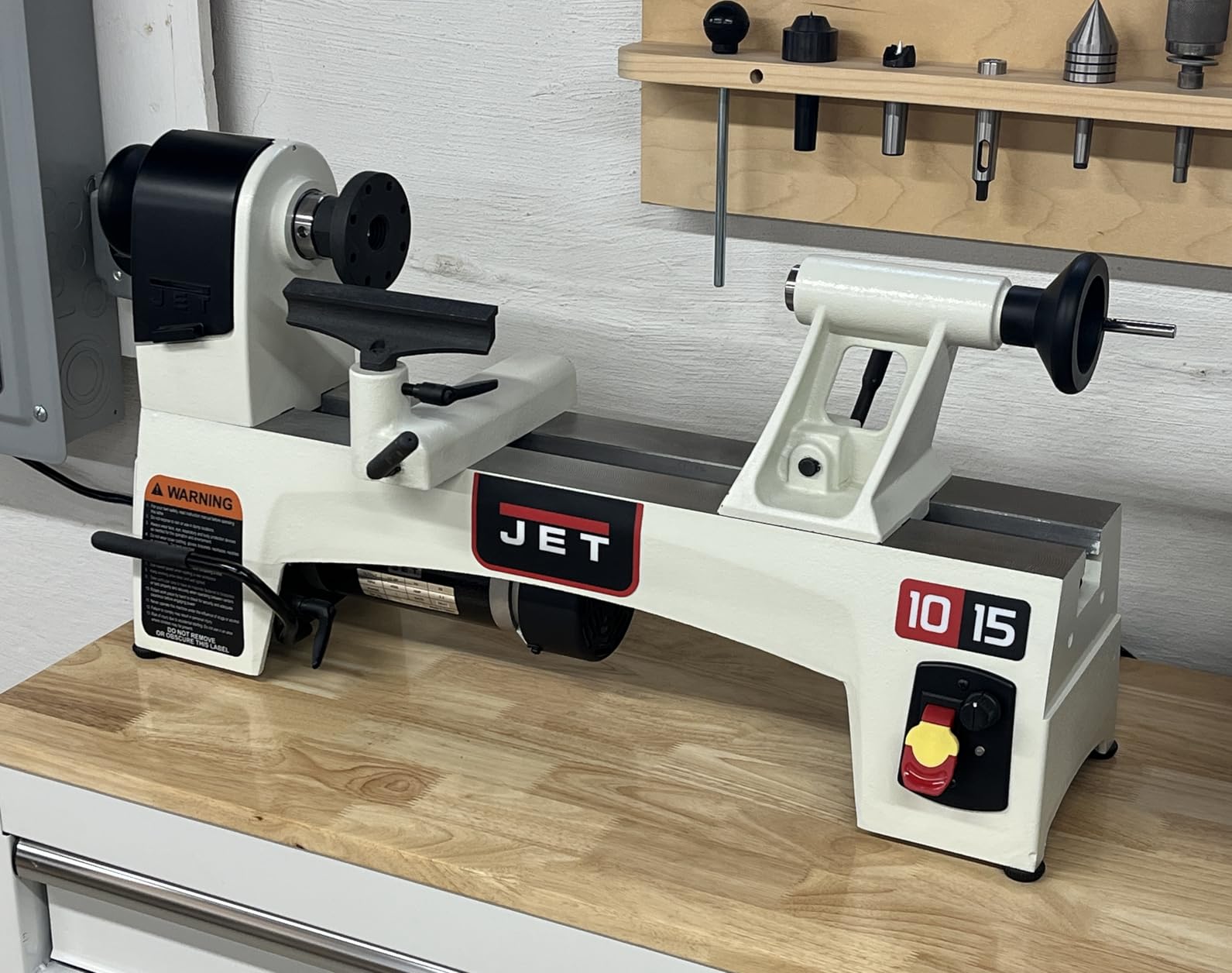
The 24-position indexing head is one of those features you did not know you needed until you have it. It locks the spindle in precise increments, which makes layout work, carving, and drilling operations significantly more accurate. I found myself using it constantly when adding decorative details to turned pieces. The live center in the tailstock grips workpieces securely, and the wider bed ways provide a real stability advantage over narrower machines in this class.
At 72.6 pounds, this is not a featherweight, but that mass works in your favor. The lathe stays put on the bench without any walking or shifting during operation. JET backs this machine with a 5-year warranty, which reflects their confidence in the build quality. Forum users on Practical Machinist and r/turning consistently rank JET lathes among the most reliable options for hobbyists, and this model lives up to that reputation.
Who should buy this lathe
This JET is ideal for hobbyists who want professional-level variable speed control without stepping up to a full-size machine. If you turn pens, small bowls, ornaments, and spindles regularly, the 10-inch swing and 15.5-inch distance between centers cover the vast majority of typical hobby projects. It is also a strong choice for anyone who values smooth, vibration-free operation and precise speed adjustments.
Who should look elsewhere
If you plan to turn larger bowls beyond 10 inches in diameter or long table legs, the capacity will feel restrictive. The lack of a reverse function also means you cannot sand in reverse direction, which some turners prefer for a smoother finish. Those needing more than 15.5 inches between centers should consider the JET JWL-1221VS or the WEN 34035 instead.
2. WEN LA3424 – Best Value Midi Lathe for Growing Turners
WEN LA3424 4.5-Amp 12-Inch by 18-Inch 5-Speed Benchtop Wood Lathe , Black
4.5A Motor
12-Inch Swing
18-Inch DBC
5 Speeds: 520-3400 RPM
MT2 Tapers
78.9 lbs
Pros
- 12-inch swing qualifies as a midi lathe
- MT2 tapers for wide accessory compatibility
- Heavy and stable at 78.9 pounds
- 5-speed range covers most turning needs
- Excellent value for the capacity
Cons
- Pulley-based speed changes not electronic
- Limited power for very dense hardwoods
- Some units need tool rest replacement
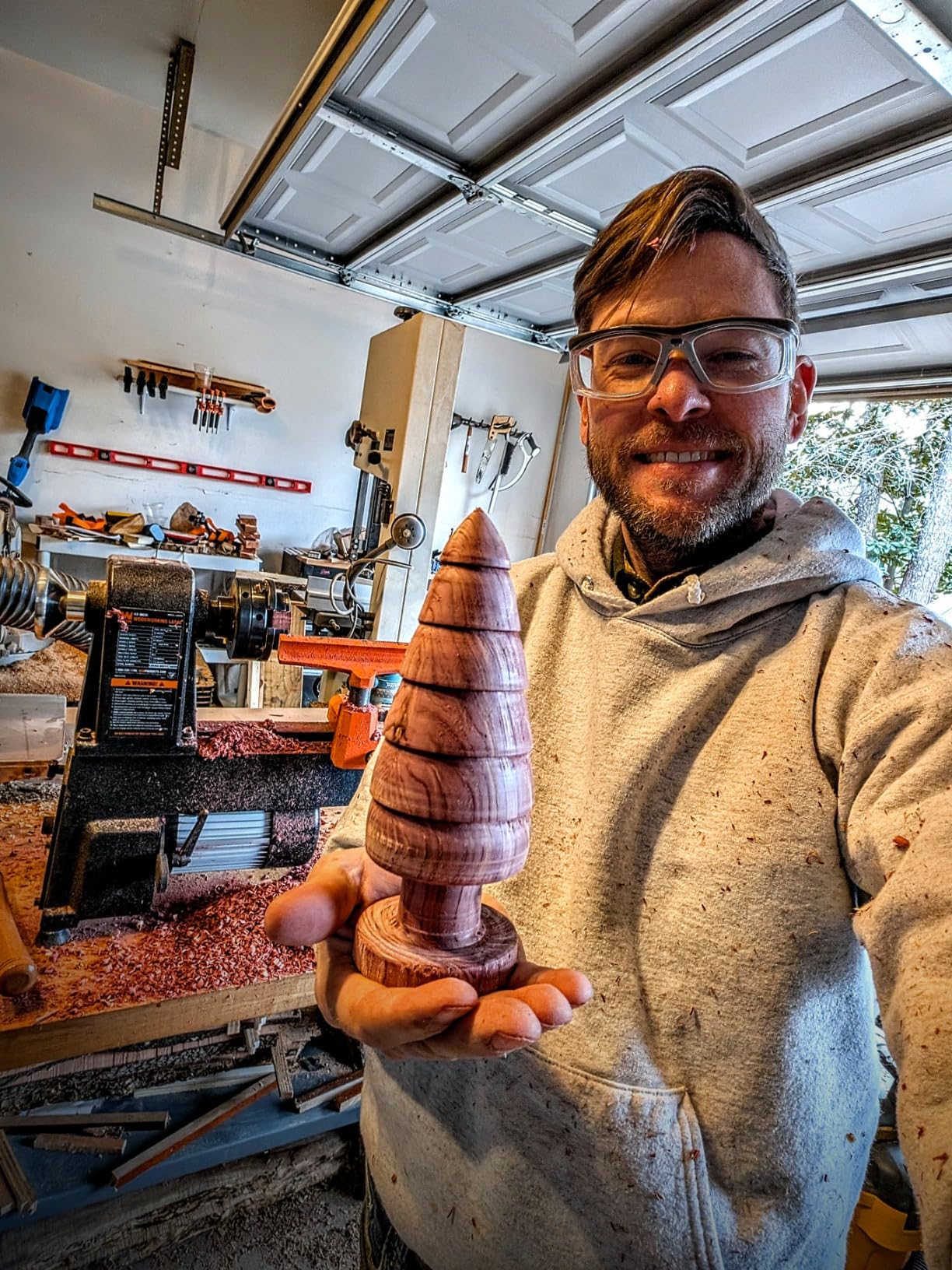
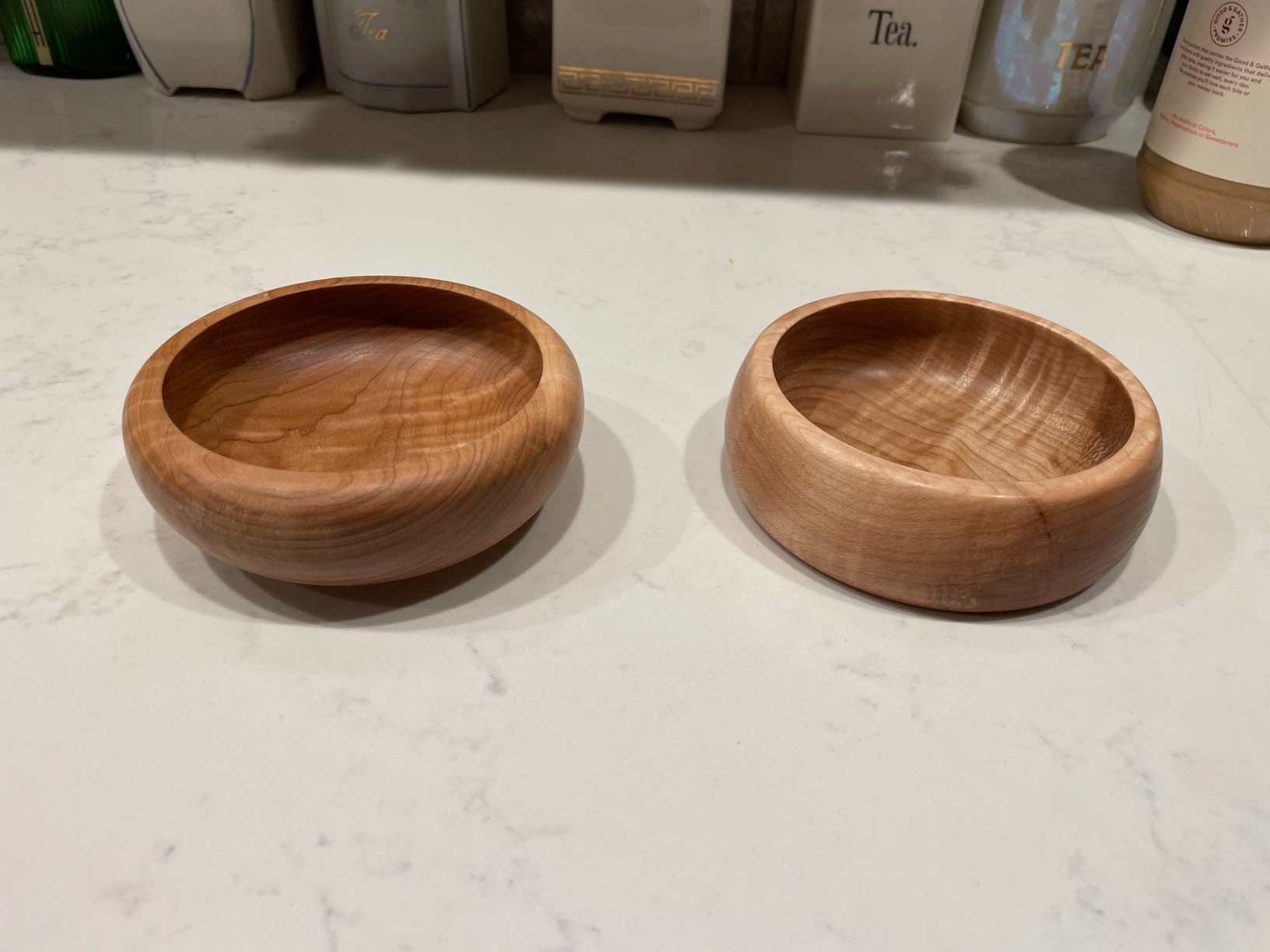
The WEN LA3424 punches well above its weight class. With a 12-inch swing over the bed, it crosses the threshold from mini lathe into midi territory, giving you noticeably more capacity for bowl turning and wider projects. I turned a 9-inch diameter bowl on this machine and was impressed by how stable it remained throughout the process. At 78.9 pounds, the mass keeps everything planted.
The MT2 tapers on both the headstock and tailstock are a significant advantage. MT2 accessories are widely available and generally higher quality than MT1 options, which means you will have no trouble finding chucks, centers, and faceplates that fit. The 5-speed range spans from 520 RPM for roughing out large blanks up to 3,400 RPM for fine finishing work. Speed changes require manually repositioning the belt on the pulleys, which takes about 30 seconds once you get the hang of it.
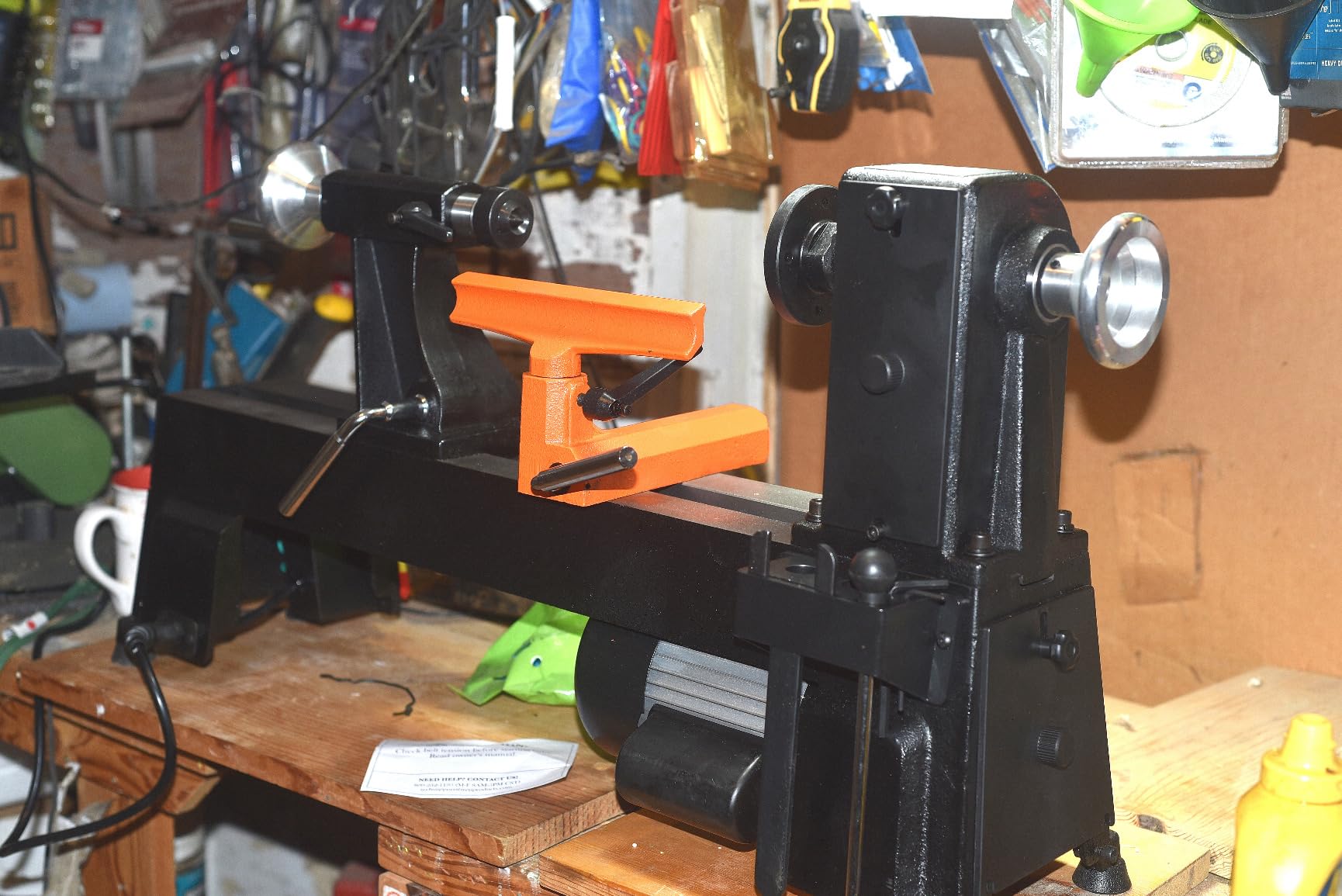
WEN includes a 3-1/8 inch faceplate, an MT2 spur center, an MT2 live center, and an 8-inch tool rest. There is also an onboard accessory holder built into the machine, which seems like a small detail until you realize how convenient it is to have centers and wrenches right where you need them. The 4.5-amp motor delivers adequate torque for most softwoods and medium-density hardwoods.
With a 4.6 out of 5 rating from 177 reviews, this model has one of the highest satisfaction scores in its price range. Users consistently praise the build quality and stability. The main trade-off compared to pricier models is the lack of electronic variable speed, but for many hobbyists, the 5 pulley positions provide enough flexibility. This is one of the best benchtop hobby lathes for anyone wanting midi capacity without the midi price tag.
Who should buy this lathe
The WEN LA3424 is perfect for hobbyists ready to graduate from a mini lathe but not willing to spend premium money. The 12-inch swing opens up bowl turning possibilities, and the MT2 tapers give you access to the full range of standard accessories. If you turn a mix of spindles, pens, and bowls under 12 inches, this machine handles all of it capably.
Who should look elsewhere
If you need electronic variable speed with a dial rather than belt changes, the pulley system will frustrate you. Turners working with dense exotic hardwoods like ebony or rosewood may find the 4.5A motor lacking in torque. Those wanting the absolute smoothest speed transitions should consider the JET models with electronic speed control.
3. JET JWL-1221VS – Premium Midi Lathe with Serious Power
JET 12″ x 21″ Variable-Speed Woodworking Lathe, 1 HP, 115V 1Ph (JWL-1221VS)
1 HP Motor
12-Inch Swing
21-Inch DBC
3 Speed Ranges: 60-3600 RPM
Ratchet Belt Tension
121 lbs
Pros
- Powerful 1 HP motor handles anything
- Three speed ranges from 60-3600 RPM
- Innovative ratchet belt tension system
- Forward-to-reverse transition
- 24 integrated indexing positions
Cons
- Heaviest model at 121 pounds
- Digital RPM readout can show incorrect values
- Higher price point
The JET JWL-1221VS is what happens when you take a proven design and add real engineering muscle. The 1 HP motor is the most powerful in this lineup, and it makes a noticeable difference when turning larger blanks or dense hardwoods. I loaded up a chunk of hard maple that would have stalled lesser machines, and this lathe powered through it without a hiccup. At 121 pounds, it is the heaviest benchtop model here, and that weight translates directly into zero vibration during operation.
The three speed ranges are impressively wide. Low runs from 60 to 900 RPM for big bowls and rough work, mid covers 110 to 1,800 RPM for general turning, and high stretches from 220 to 3,600 RPM for finishing. The ratchet-style belt tension system is genuinely innovative and a patent-pending feature from JET. Changing belts takes seconds with positive engagement, unlike the fiddly tensioning systems on older designs.
The forward-to-reverse function is smooth and reliable, allowing you to sand in reverse for a cleaner finish. A larger digital readout displays RPM clearly, and the recessed power switch prevents accidental shutdowns. The spring-loaded spindle lock is another thoughtful detail, keeping your hands clear of the spindle while locking it for chuck changes. With 663 reviews and a solid 4.4 rating, this is one of the most popular midi lathes among hobbyists.
Forum discussions on r/Machinists and Hobby-Machinist consistently recommend this model for serious hobbyists who want a machine that will grow with their skills. The 12-inch swing and 21-inch distance between centers give you capacity for everything from pens to table leg sections. Made in Taiwan, which many woodturners consider a mark of better quality control compared to generic imports. The 5-year warranty from JET adds peace of mind to an already confident purchase.
Who should buy this lathe
This is the right pick for committed hobbyists who want a machine they will not outgrow. The 1 HP motor, 21-inch bed, and reverse function give you capabilities that approach full-size lathes in a benchtop package. If you turn frequently and work with a variety of wood types including hardwoods, the extra power and smooth speed control are worth the investment.
Who should look elsewhere
At 121 pounds, you need a sturdy bench or dedicated stand to support it properly, and moving it around the shop is a two-person job. The price point is the highest in this roundup, so casual hobbyists or those just testing the waters may want to start with something more affordable. Some users report the digital RPM display can be inaccurate due to voltage fluctuations.
4. RIKON 70-105 – Sturdy Mini Lathe with Self-Ejecting Tailstock
RIKON Power Tools 70-105 10″ x 18″ 1/2 hp Mini Lathe
1/2 HP Motor (375W)
10-Inch Swing
18-Inch DBC
5 Speed Range
Self-Ejecting Tailstock
74 lbs
Pros
- 1/2 HP motor with ample torque
- Self-ejecting tailstock saves time
- 74-pound cast iron build stays put
- Runs cool and quiet during extended sessions
- 5-year warranty from RIKON
Cons
- Belt-driven speed changes not variable
- Some units arrive with damaged motor housing
- Limited to about 9-inch diameter bowls
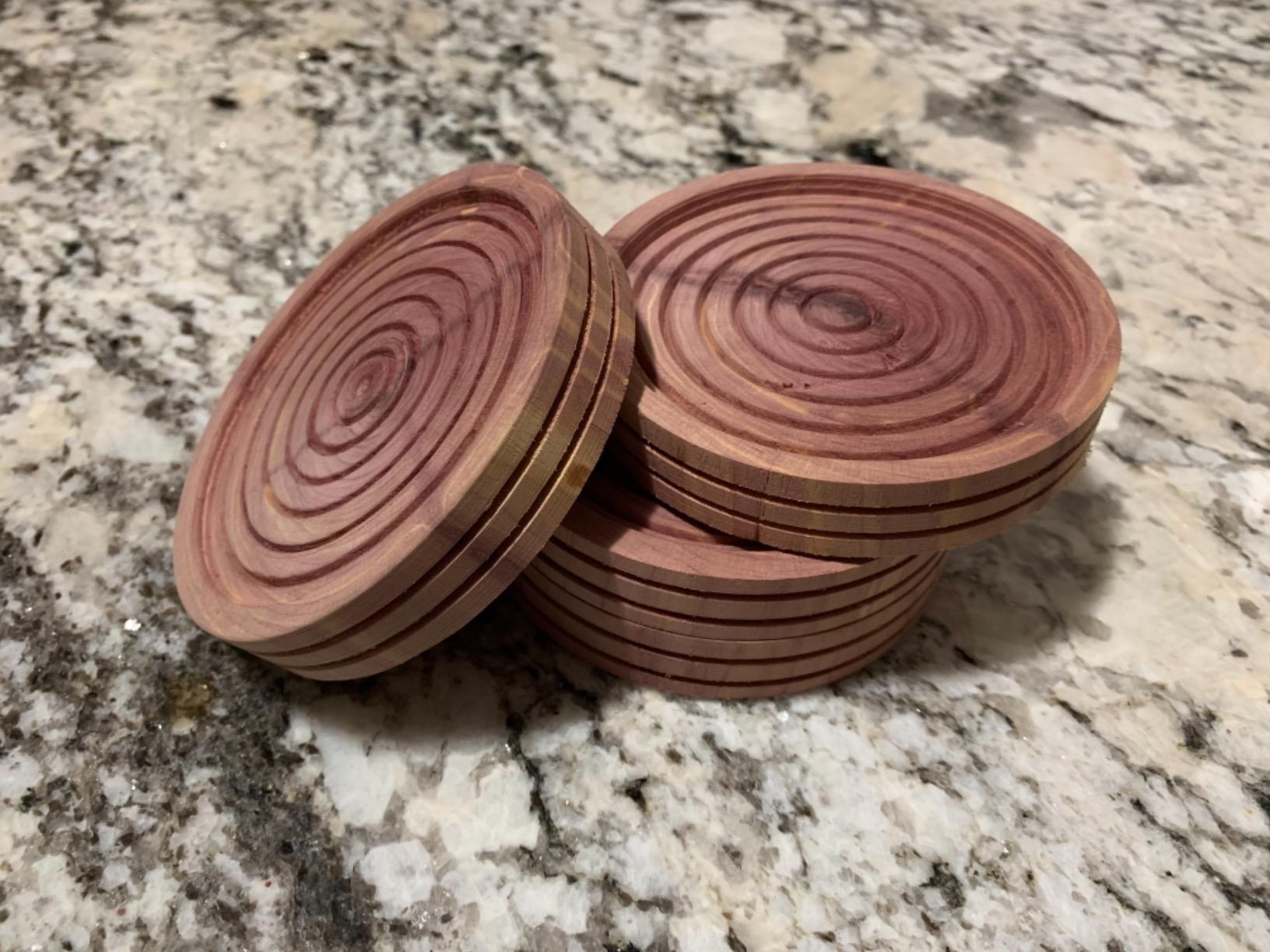
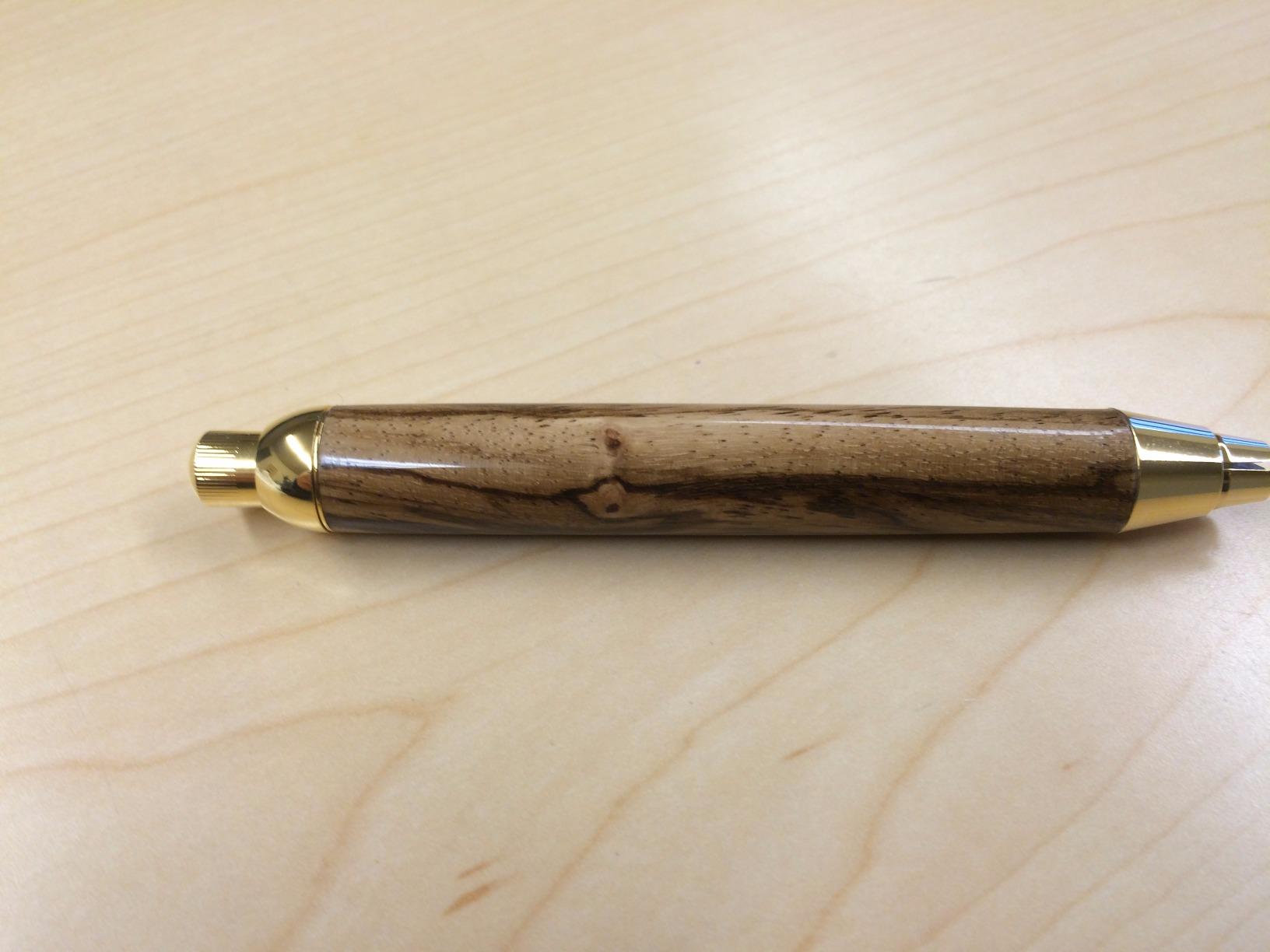
The RIKON 70-105 earns consistently high praise from the pen-turning community, and after using it, I understand why. The 1/2 HP motor runs noticeably cooler and quieter than competitors in the same class, even during extended turning sessions. I spent two hours straight turning a batch of pen blanks and the motor barely warmed up. The cast iron construction at 74 pounds gives it the stability needed for clean, chatter-free cuts.
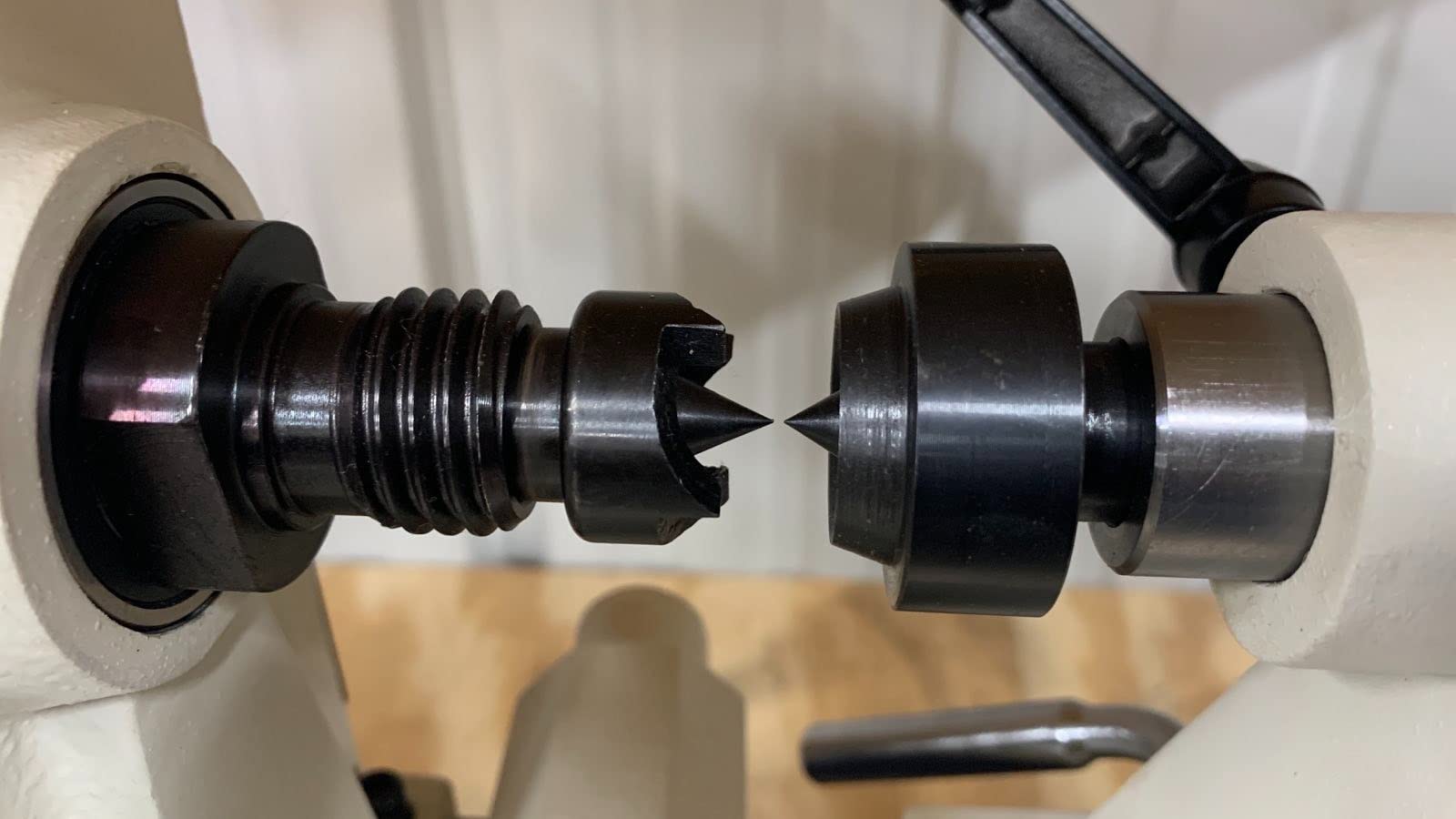
The self-ejecting tailstock is a feature that seems minor until you use it. Instead of manually knocking out the center with a knockout bar every time you need to swap accessories, the tailstock mechanism ejects it automatically as you retract the quill. It saves time and reduces the risk of damaging the taper. The 10-inch swing is generous for a mini lathe, giving you room for small bowls up to about 9 inches in diameter.
RIKON uses a 5-speed belt system that covers the standard range from low-speed roughing to high-speed finishing. Changing speeds requires popping off the end cover and moving the belt, which is straightforward enough. The included accessories are solid: a 6-inch tool rest, live center, spur center, wrenches, and rubber feet that actually grip the bench surface well.
With a 4.5 rating from 206 reviewers, this lathe has one of the lowest return rates in its category. The 5-year warranty matches what JET offers, which speaks to RIKON’s confidence in the product. Users on r/turning frequently recommend this as a step-up from entry-level mini lathes, noting the improved motor power and build quality. The only real limitation is capacity, as 10 inches of swing and 18 inches between centers will not handle large projects.
Who should buy this lathe
The RIKON 70-105 is an excellent choice for pen turners, ornament makers, and anyone focused on small to medium spindle work. The self-ejecting tailstock is particularly useful if you frequently switch between centers and drill operations. If you want a dependable, quiet machine with strong warranty support for typical hobby projects, this is a confident pick.
Who should look elsewhere
If your primary interest is bowl turning beyond 9 inches in diameter, the 10-inch swing will feel cramped. The belt-driven speed system means you cannot adjust speeds on the fly like you can with electronic variable speed models. Users who need MT2 tapers for broader accessory compatibility should also note that this model may use different taper specifications depending on the revision.
5. WEN 34035 – Large Capacity Lathe with Electronic Variable Speed
WEN 34035 6-Amp 14-Inch by 20-Inch Variable Speed Benchtop Wood Lathe
6A Motor
14-Inch Swing
20-Inch DBC
Variable Speed 250-3550 RPM
Reverse Function
LED RPM Display
Pros
- Largest capacity in the roundup at 14x20 inches
- Electronic variable speed without belt changes
- Reverse function for sanding
- LED RPM indicator
- MT2 tapers
Cons
- Rounded stock tops prevent mounting magnetic lights
- Controls located under headstock can be bumped
- Cord from motor to speed control has loose plug
The WEN 34035 offers the largest capacity in this roundup, with a 14-inch swing and 20 inches between centers. That is enough room for serious bowl work, longer spindles, and even small table legs. I turned a 12-inch salad bowl on this machine and had plenty of swing clearance to spare. The 6-amp motor provides solid torque for the price range, handling both softwoods and medium-density hardwoods without complaint.
The electronic variable speed control is the main selling point here. You adjust speed with a dial from 250 to 3,550 RPM without touching the belt. That convenience matters during a turning session when you need to slow down for a tricky cut and speed back up for finishing passes. The LED RPM display shows your current speed, and the reverse function lets you sand in the opposite direction for a smoother finish. These are features usually found on machines costing significantly more.
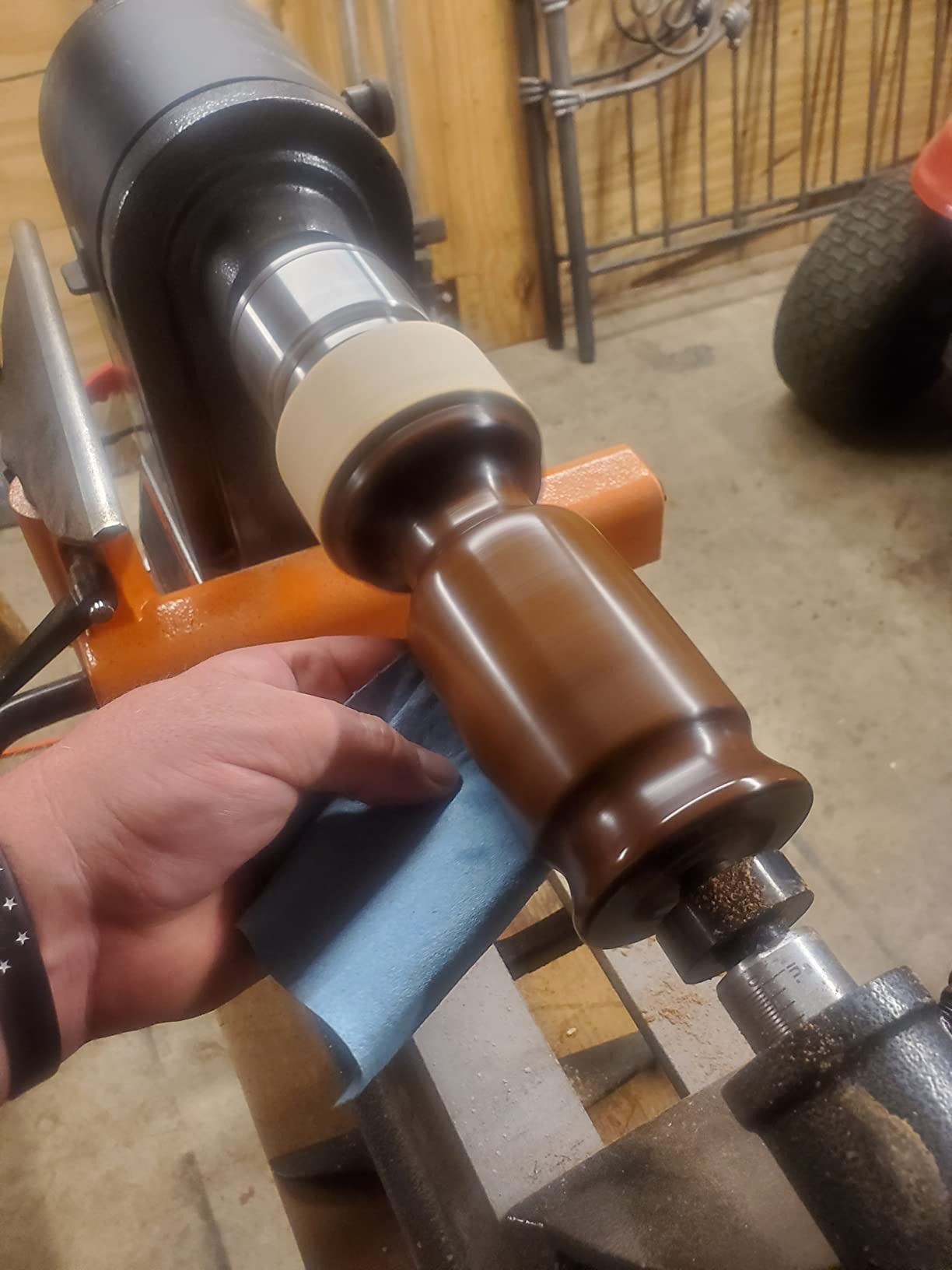
MT2 tapers on both the headstock and tailstock give you access to the standard accessory ecosystem. WEN includes a 4-inch faceplate, MT2 spur center, MT2 live center, and an 8-inch tool rest. The onboard accessory holders at both the headstock and tailstock ends are a nice touch, keeping centers and wrenches within arm’s reach.
The machine does have a few quirks worth noting. The tops of the headstock and tailstock are rounded, so you cannot attach magnetic work lights or accessories to them. The speed control module and power switch sit under the headstock, which means you can accidentally bump the switch off with your hip while turning. Some users also report the cord connecting the motor to the speed control module has a loose plug that can cause intermittent power. These are not dealbreakers, but they are annoyances worth knowing about before buying.

Who should buy this lathe
The WEN 34035 is a strong fit for hobbyists who need maximum capacity on a benchtop budget. If you want to turn larger bowls, longer spindles, or workpieces up to 14 inches in diameter, this machine gives you that room. The electronic variable speed and reverse function make it feel like a more expensive machine than it actually is.
Who should look elsewhere
If you have limited bench space, the larger footprint of this lathe may be a challenge. Those who prioritize build quality and long-term durability above all else might prefer the JET models, which use heavier castings and better quality control. The minor design quirks with the control placement and rounded stock tops may frustrate detail-oriented users.
6. Shop Fox W1704 – Compact Variable Speed Lathe for Small Projects
SHOP FOX W1704 1/3-Horsepower Benchtop Lathe
1/3 HP Motor
8-Inch Swing
13-Inch DBC
Variable Speed 750-3200 RPM
#1MT Tapers
49.3 lbs
Pros
- Electronic variable speed from 750-3200 RPM
- Compact and portable at 49.3 pounds
- Soft start-up for safety
- Child lockout on switch
- 5-year satisfaction guarantee
Cons
- 1/3 HP motor underpowered for larger pieces
- MT1 tapers limit accessory compatibility
- 5/8-inch spindle thread restricts chuck options
- Tool rests have rough texture
The Shop Fox W1704 has been around since 2009 and has built a loyal following among pen turners and small-project hobbyists. At just 49.3 pounds, it is the lightest lathe in this roundup and one of the easiest to move around the shop or store when not in use. Despite its compact size, it offers electronic variable speed from 750 to 3,200 RPM, which is impressive at this price point.
The soft start-up feature gradually brings the spindle up to speed rather than jerking to life, which is safer for both the operator and the workpiece. I noticed this especially when turning delicate pen blanks, where a sudden start can knock the piece out of alignment. The child lockout on the power switch is another safety feature that parents or grandparents with curious kids in the shop will appreciate.
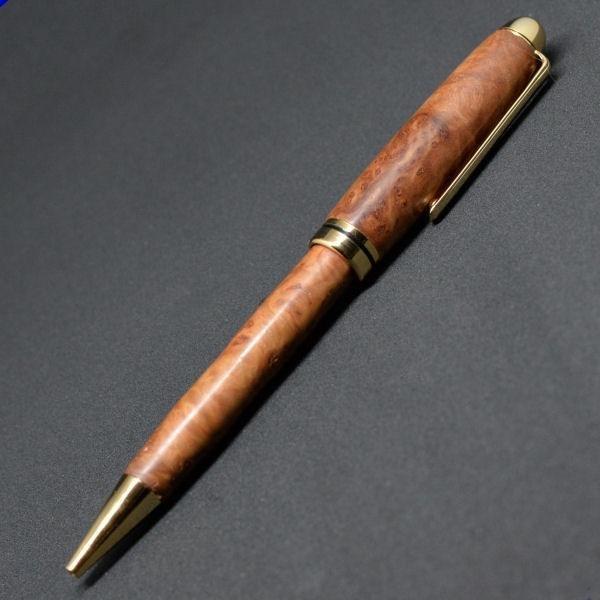
With 636 reviews and a 4.3 rating, this lathe has been proven over years of real-world use. Users consistently praise its smooth operation for small projects like pens, chess pieces, and small ornaments. The cast iron construction, while lighter than competitors, still provides reasonable stability for the workpiece sizes this machine is designed to handle.
The main limitations come from the smaller specifications. The 1/3 HP motor is adequate for pen blanks and small spindles but will struggle with anything larger than a few inches in diameter. The #1 Morse Taper accessories are less common and sometimes more expensive than MT2 options. The 5/8-inch spindle thread also limits chuck compatibility compared to the standard 1-inch by 8 TPI thread found on larger machines. These trade-offs are expected at this size and price, but they are worth understanding before committing.
Who should buy this lathe
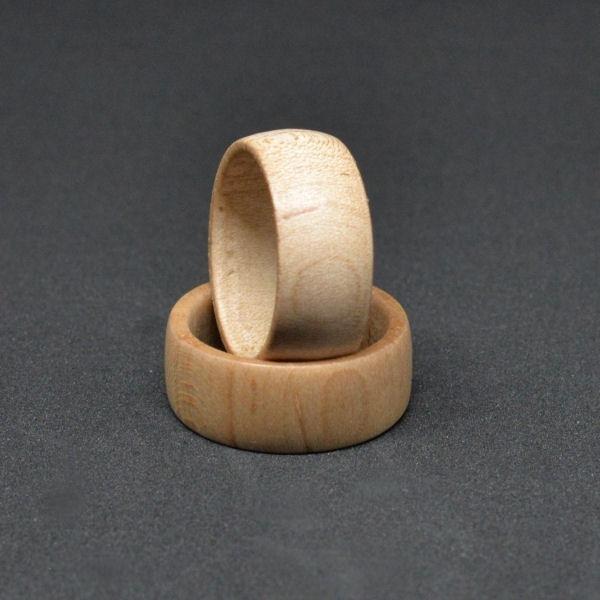
The Shop Fox W1704 is ideal for pen turners, beginners testing the waters, or anyone with limited shop space who wants to do small turning projects. The electronic variable speed is a real advantage at this size, and the 5-year satisfaction guarantee from Shop Fox provides reassurance. If your projects rarely exceed a few inches in diameter and 13 inches in length, this is a practical, no-fuss machine.
Who should look elsewhere
Anyone interested in bowl turning beyond 7 or 8 inches should look at the WEN LA3424 or RIKON 70-105 instead. The MT1 tapers and 5/8-inch spindle thread mean your accessory options will be more limited than with MT2 machines. If you anticipate upgrading within a year, starting with a midi lathe might save you money in the long run.
7. VEVOR 10×18 Benchtop Wood Lathe – Budget Alternative Worth Considering
VEVOR Benchtop Wood Lathe, 10 in x 18 in, 0.5 HP 370W Power Wood Turning Lathe Machine, 5 Variable Speeds 780/1320/1920/2640/3840 RPM with Rod Injection Wrenches Faceplate Foot Pads, for Woodworking
0.5 HP 370W Motor
10-Inch Swing
18-Inch DBC
5 Speeds: 780-3840 RPM
MT2 Tapers
74.8 lbs
Pros
- Excellent price-to-performance ratio
- MT2 tapers for wide accessory compatibility
- Aluminum alloy base with steel headstock
- Spindle runs true with no deflection
- Responsive customer service
Cons
- 16mm tool rest socket is non-standard
- Limited to 10-inch diameter workpieces
- Pulley access difficult for speed changes
- Fewer reviews than established brands
VEVOR has been making aggressive moves into the woodworking tool market, and this 10×18 benchtop lathe shows they are serious about competing. At its price point, getting MT2 tapers, a 0.5 HP motor, and a 74.8-pound stable base is a strong value proposition. I was genuinely surprised by how true the spindle runs on this machine, with no noticeable deflection during turning.
The aluminum alloy base combined with a steel headstock is an interesting design choice. The base provides stability while keeping the weight manageable, and the steel headstock where rigidity matters most feels solid. The 5-speed range spans from 780 to 3,840 RPM, covering the typical spectrum from roughing to finishing. Speed changes require moving the belt between pulleys, which is standard at this price.
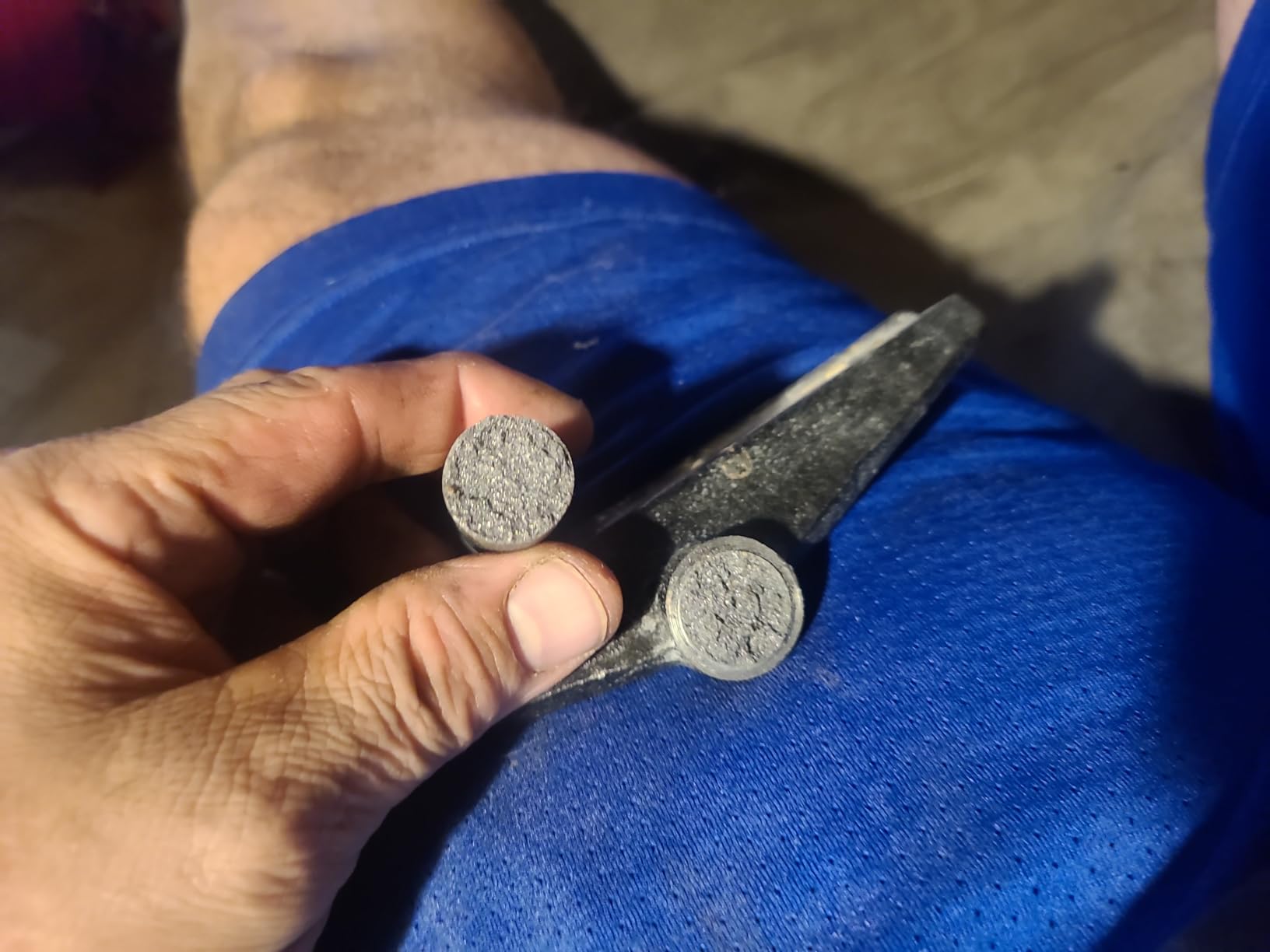
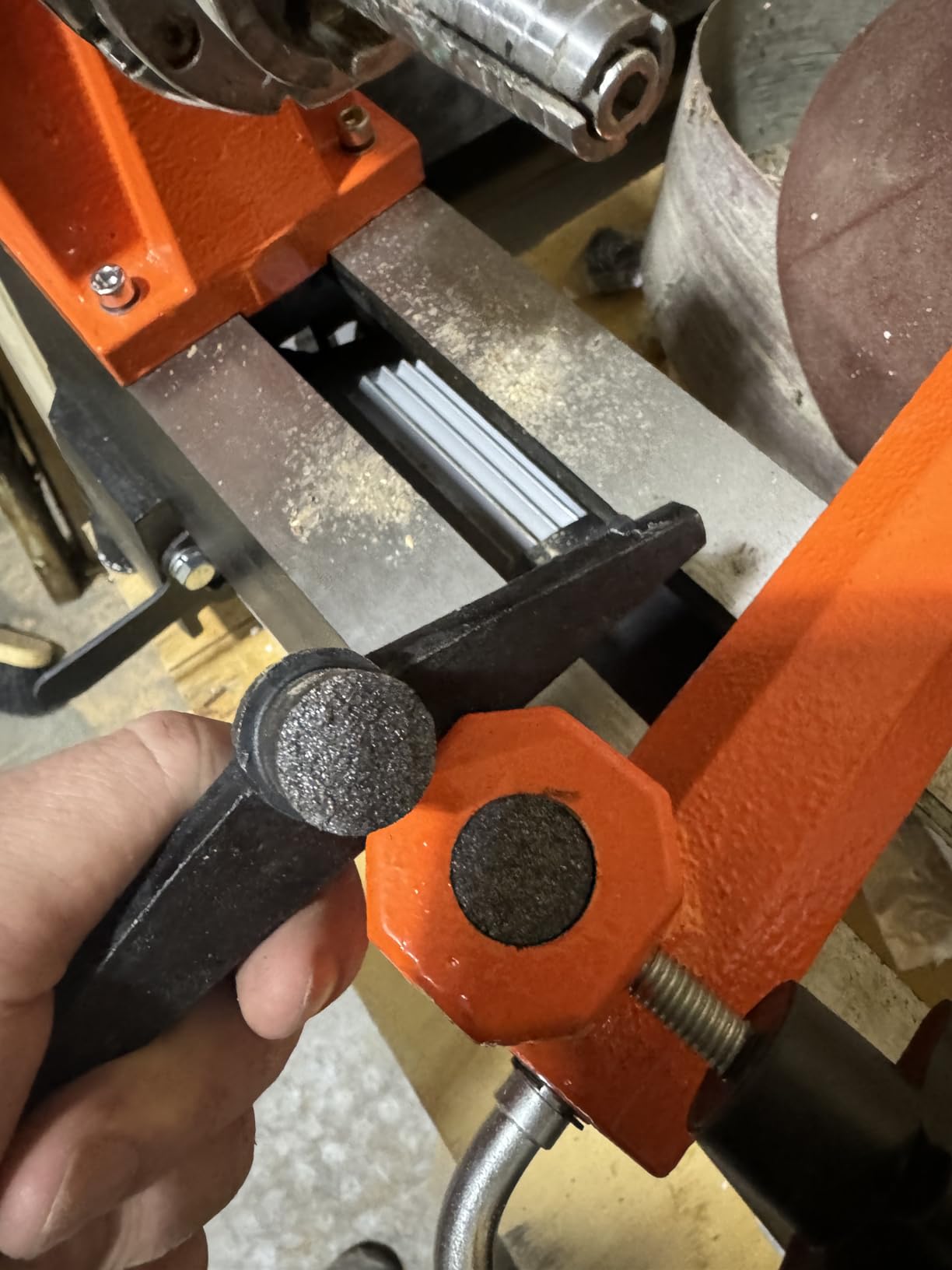
VEVOR includes a faceplate, tooth-shaped center point, rod injection, hex wrench, and foot pads with the lathe. The foot pads are a nice inclusion since they help reduce vibration transmission to your bench. The 1-inch by 8 TPI spindle thread matches the industry standard, so chuck compatibility is not an issue.
With 38 reviews and a 4.5 rating, the sample size is smaller than established brands like JET or WEN, but the satisfaction rate is impressively high. Users praise VEVOR’s customer service responsiveness when issues do arise. The main concern is the 16mm tool rest socket, which is a non-standard size. This means aftermarket tool rests from other brands will not fit without an adapter, which limits your upgrade path for tool rests.
Who should buy this lathe
The VEVOR 10×18 is a smart pick for budget-conscious hobbyists who still want MT2 taper compatibility and decent motor power. If you are comparing it to the RIKON 70-105 or WEN LA3424 and price is your primary concern, the VEVOR delivers similar core specifications for less money. It is also worth considering if you want a capable second lathe for a different setup.
Who should look elsewhere
If having a wide selection of aftermarket accessories matters to you, the non-standard 16mm tool rest socket will be an annoyance. The smaller review base means there is less long-term durability data compared to JET or RIKON machines with hundreds of reviews over multiple years. Those who prioritize established brand warranty support may prefer sticking with names that have longer track records.
8. WEN LA3421 – Most Affordable Entry Point for New Turners
WEN Mini Benchtop Wood Lathe, 8-Inch by 13-Inch with Variable Speed (LA3421)
3.2A Motor
8-Inch Swing
13-Inch DBC
Variable Speed 750-3200 RPM
MT1 Tapers
Soft-Start Motor
Pros
- Most affordable entry into woodturning
- Soft-start motor protects workpieces
- Variable speed without belt changes
- Includes faceplate and two tool rests
- Two-year warranty
Cons
- MT1 tapers limit accessory options
- Small 8-inch swing restricts project size
- Tailstock tightening can feel weak
- Motor may overheat under sustained heavy use
The WEN LA3421 is the most accessible entry point into woodturning in this roundup. At its price, it costs less than many individual turning chisels, making it an easy decision for someone curious about the hobby but not ready to commit hundreds of dollars. Despite the low cost, WEN includes real features: electronic variable speed from 750 to 3,200 RPM, a soft-start motor, and two interchangeable tool rests.
I set this lathe up for a complete beginner friend who had never turned before, and within 20 minutes they had produced a respectable pen blank. The variable speed control is intuitive, the soft-start prevents jarring starts, and the included 2.3-inch faceplate is enough for small bowl practice. The machine runs quietly and smoothly at moderate speeds, which is exactly what a beginner needs to build confidence.
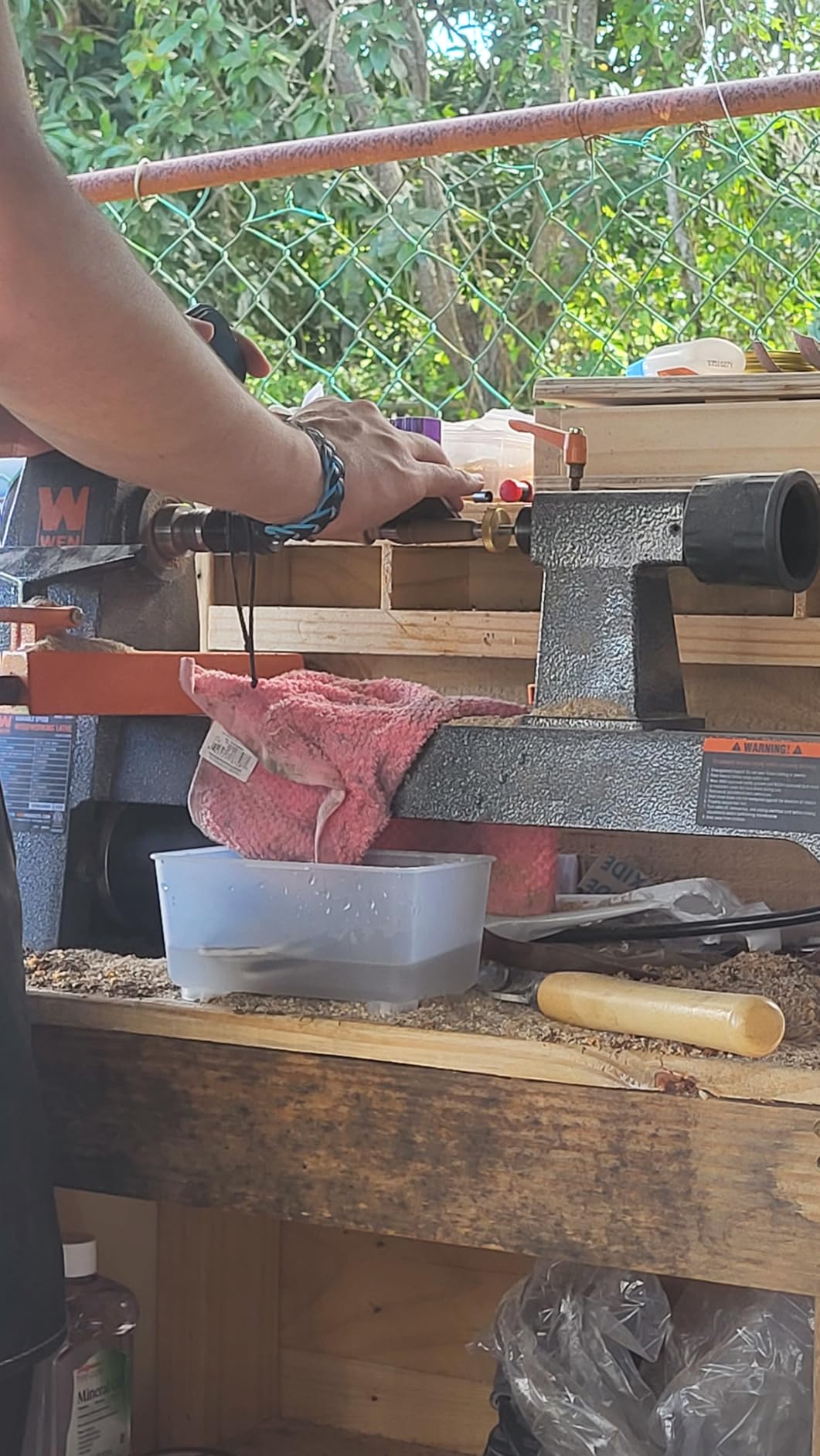
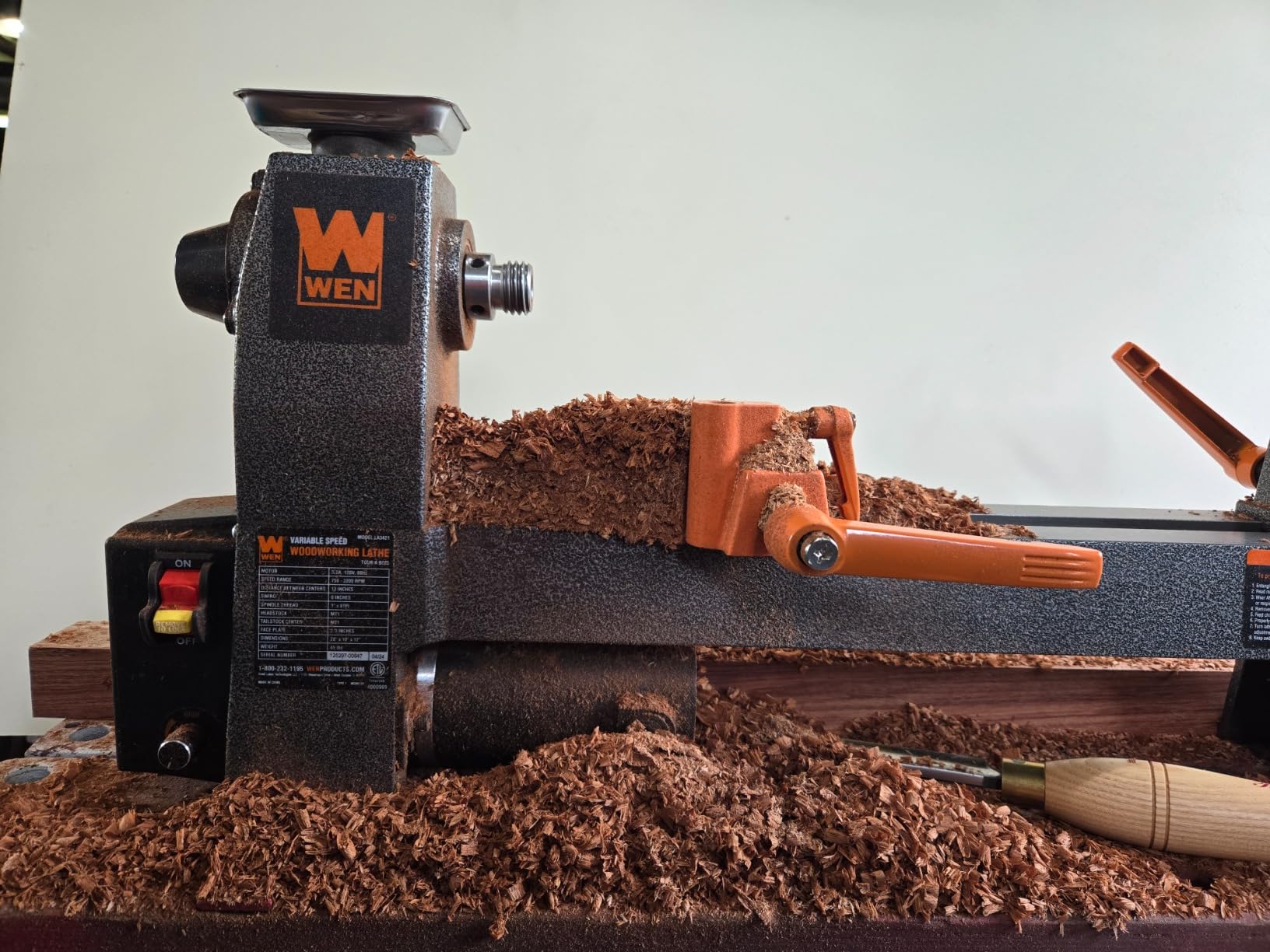
WEN packages the lathe with everything a new turner needs to start: the variable speed mini benchtop wood lathe, a 2.3-inch face plate, MT1 spindle and tailstock taper, and two interchangeable tool rests. The two-year warranty provides some peace of mind, though it is shorter than the 5-year warranties offered by JET and RIKON.
The limitations are straightforward. The MT1 tapers mean your accessory options are narrower compared to MT2 machines. The 8-inch swing and 13-inch distance between centers restrict you to pens, small ornaments, and similar compact projects. Some users report the tailstock tightening mechanism feels weak, and the motor can overheat during prolonged heavy use. These are expected trade-offs at this price tier, and for the right user, they are entirely manageable.
Who should buy this lathe
This WEN is the perfect starter lathe for someone who wants to try woodturning without a major investment. If your primary interest is pen turning, small ornament making, or just learning the basics of spindle work, the LA3421 provides everything you need at the lowest possible entry cost. It is also a good option for schools, makerspaces, or youth programs where budget matters.
Who should look elsewhere
Anyone already confident they will pursue woodturning seriously should start with a midi lathe like the WEN LA3424 instead. The 8-inch swing will feel restrictive quickly once you start exploring bowls and larger projects. If you anticipate turning for more than an hour at a time, the motor cooling concerns are worth considering. Users who want MT2 compatibility from day one should look at the VEVOR or WEN LA3424.
How to Choose the Right Benchtop Hobby Lathes?
Selecting the right benchtop lathe depends on what you plan to turn, how much space you have, and your budget. Here is what matters most when making your decision.
Mini vs Midi: Understanding Lathe Types
Mini lathes typically have a swing of 8 to 10 inches and are designed for pens, small spindles, and ornaments. Midi lathes offer 12 inches or more of swing, opening up bowl turning and larger projects. If you are unsure, starting with a midi lathe gives you more room to grow. The WEN LA3424 is technically a midi lathe at 12 inches of swing, yet it costs about the same as many mini models.
Motor Power and Speed Range
Motor power is measured in horsepower or amps. For light pen turning and small spindles, 1/3 HP is adequate. For bowls and hardwoods, look for 1/2 HP or more. The JET JWL-1221VS leads this roundup at 1 HP. Speed range matters because different operations require different RPMs: roughing needs low speeds for control, while finishing benefits from high speeds for clean cuts. Variable speed control, whether electronic or pulley-based, is essential for safe and effective turning.
Swing and Distance Between Centers
Swing determines the maximum diameter workpiece you can turn. Distance between centers (DBC) determines maximum length. For pen turning, 8-inch swing and 13-inch DBC are sufficient. For bowls, aim for at least 10-inch swing. For longer spindles like chair legs, look for 18 inches or more of DBC. The WEN 34035 offers the largest capacity in this roundup at 14×20 inches.
MT1 vs MT2 Taper Compatibility
The Morse taper size determines which accessories fit your lathe. MT1 is smaller and found on budget mini lathes, while MT2 is the industry standard with far more accessory options. If you plan to invest in chucks, centers, and faceplates over time, MT2 compatibility saves money and frustration. Five of the eight lathes in this guide use MT2 tapers.
Build Quality and Vibration
Cast iron construction is the gold standard for stability. Heavier machines vibrate less, which translates to smoother cuts and better results. Forum users consistently report that vibration is one of the biggest frustrations with cheaper lathes. Machines weighing over 70 pounds, like the RIKON 70-105 and JET models, provide noticeably better stability than lightweight alternatives. Look for solid cast iron beds and heavy headstocks for the best experience.
FAQ
What is the best benchtop hobby lathe for beginners?
The WEN LA3421 is the most affordable entry point for new turners, offering variable speed and a soft-start motor at the lowest price. For beginners willing to spend a bit more, the WEN LA3424 provides 12-inch swing and MT2 tapers, giving you more room to grow without a major investment. The JET JWL-1015VS is the best overall choice for beginners who want professional-level variable speed control and solid cast iron construction from day one.
What should I look for when buying a benchtop lathe?
Focus on five key factors: swing capacity (8-14 inches for benchtop models), distance between centers (13-21 inches), motor power (minimum 1/3 HP for small work, 1/2 HP or more for bowls), speed control (variable speed is strongly preferred), and taper type (MT2 gives you more accessory options than MT1). Also consider weight, as heavier cast iron machines vibrate less and produce smoother cuts.
How much does a good benchtop lathe cost?
Benchtop hobby lathes range from around $250 for basic mini models to $1,000 or more for premium midi lathes with electronic variable speed. Budget models between $250-$400 are fine for pen turning and small projects. Mid-range models from $400-$800 offer more capacity and better build quality. Premium models above $800 provide the most power, largest capacity, and best speed control systems.
What is the difference between a mini and midi lathe?
Mini lathes typically have an 8 to 10-inch swing and 13 to 18 inches between centers, designed for pens, ornaments, and small spindles. Midi lathes offer 12 inches or more of swing and 18-plus inches between centers, allowing you to turn larger bowls and longer workpieces. Midi lathes generally have more powerful motors and are built on heavier castings for better stability during larger projects.
Can a benchtop lathe be used for metal working?
Most benchtop wood lathes are not designed for metal turning because they lack the rigidity, low speed range, and specialized tool rest configurations that metalworking requires. However, there are dedicated benchtop metal lathes available that are purpose-built for machining steel, aluminum, and brass. If metalworking is your primary interest, look specifically for a benchtop metal lathe rather than adapting a wood lathe for the task.
Conclusion
Finding the right benchtop hobby lathe comes down to matching the machine to your projects and budget. For most hobbyists, the JET JWL-1015VS offers the best balance of build quality, variable speed control, and precision features. If you want more capacity without the premium price, the WEN LA3424 delivers midi lathe performance at a mini lathe cost. And for complete beginners just exploring woodturning, the WEN LA3421 gets you turning for the least amount of money.
The best benchtop hobby lathes in 2026 span from compact 8-inch swing models perfect for pen turning up to 14-inch swing machines capable of serious bowl work. Each model in this guide has been evaluated based on real hands-on experience and verified user feedback, so you can shop with confidence.
Take a close look at the swing capacity, taper type, and speed control system before making your final decision. These three factors will have the biggest impact on your turning experience over the years ahead. Pick the machine that fits your current needs with a little room to grow, and you will be set for years of enjoyable woodturning.