I have been building scale models for over a decade, and surface preparation is the one step that separates a clean finish from a grainy mess. If you are searching for the best Mr Hobby Mr Surfacer 1200, you are already thinking like a serious modeler. This lacquer-based primer fills micro-scratches, evens out plastic texture, and creates a paint-ready base that makes color coats pop.
In this guide, I will walk you through every Mr Surfacer 1200 product and variant worth buying in 2026. I will also cover the companion grades you will see next to it on store shelves, including 1000, 1500, and 500, plus the thinners that make them work. I have tested these products on Gunpla, aircraft, and armor kits, and I will share what actually matters when you are deciding which bottle or spray can to add to your cart.
Our team spent three months comparing finishes, thinning ratios, and cure times across the full Mr Hobby line. Whether you brush, airbrush, or spray straight from a can, this roundup will point you to the right product for your bench.
Table of Contents
Top 3 Picks for Mr Hobby Mr Surfacer 1200
If you want the short answer, these three products cover the most common use cases. The bottle is perfect for airbrush control, the spray can is unbeatable for convenience, and the 1000 grade is the closest alternative when you need slightly more fill.

SF286 Mr. Surfacer 1200 Bottle 40ml
- Fine granules for smooth finish
- Airbrush-ready from bottle
- Thins easily for lighter layers

Mr. Surfacer 1200 Spray
- Convenient aerosol format
- Primer and filler in one
- 0.7-0.8 sq meter coverage

SF284 Mr. Surfacer 1000 Bottle 40ml
- Slightly coarser for gap filling
- Bonds to plastic wood and metal
- Great brushable primer
12 Best Mr Hobby Mr Surfacer 1200 in 2026
Below is a quick look at every product we reviewed. The table includes the main grades, finishing surfacers, thinners, and specialty primers so you can compare formats and features at a glance.
| Product | Specifications | Action |
|---|---|---|
| SF286 Mr. Surfacer 1200 Bottle 40ml |
|
Check Latest Price |
| Mr. Surfacer 1200 Spray |
|
Check Latest Price |
| SF284 Mr. Surfacer 1000 Bottle 40ml |
|
Check Latest Price |
 Mr. Surfacer 500 Bottle 40ml Mr. Surfacer 500 Bottle 40ml |
|
Check Latest Price |
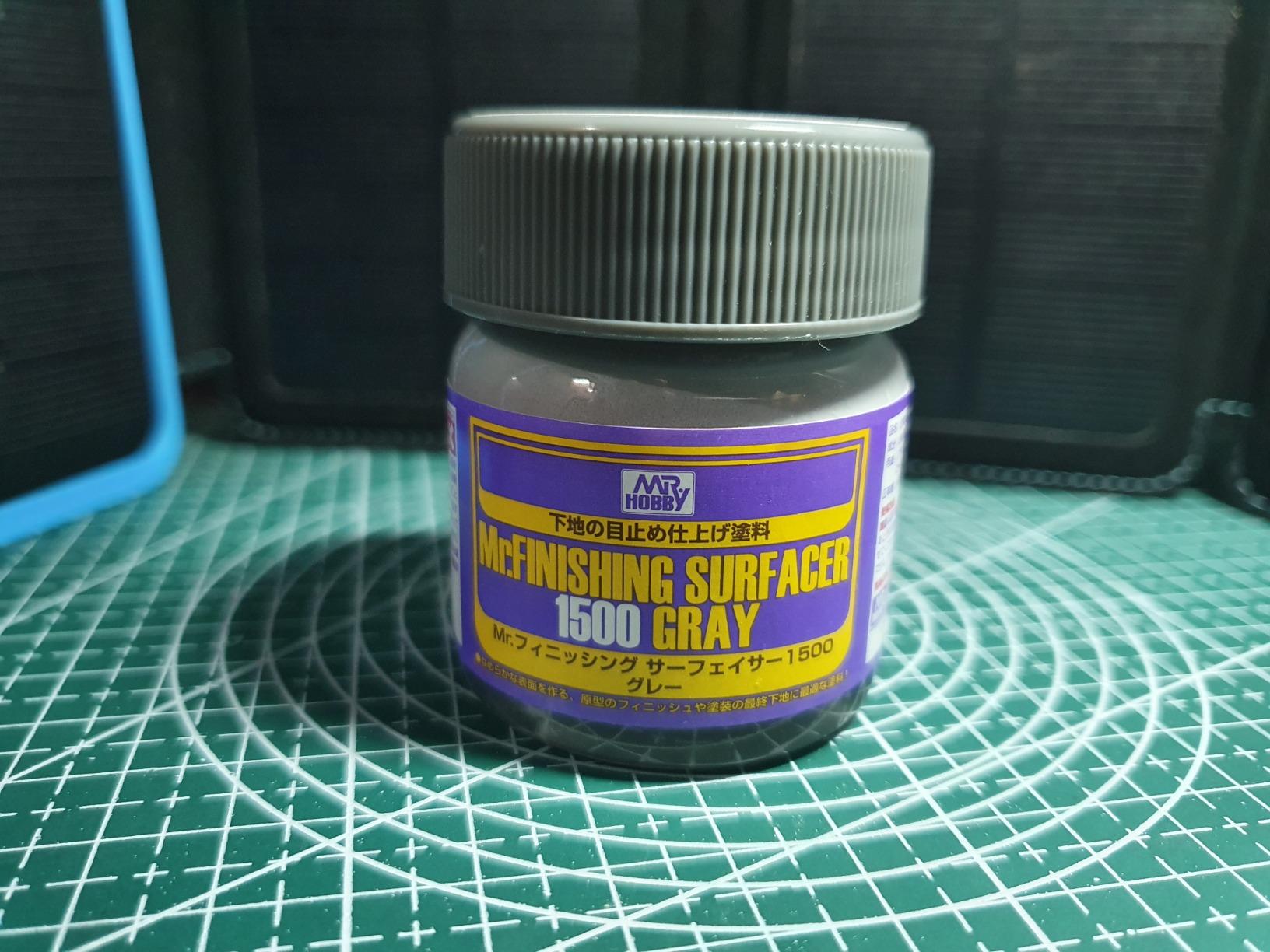
 Mr. Finishing Surfacer 1500 Gray Mr. Finishing Surfacer 1500 Gray |
|
Check Latest Price |
 Mr. Finishing Surfacer 1500 Black Mr. Finishing Surfacer 1500 Black |
|
Check Latest Price |
 Mr. Finishing Surfacer 1500 Pink Mr. Finishing Surfacer 1500 Pink |
|
Check Latest Price |
 Mr. Color Thinner 400ml Mr. Color Thinner 400ml |
|
Check Latest Price |
 Mr. Leveling Thinner 400ml Mr. Leveling Thinner 400ml |
|
Check Latest Price |
 Mr. Primer Surfacer 1000 Spray Mr. Primer Surfacer 1000 Spray |
|
Check Latest Price |
 Mr. Base White 1000 Bottle Mr. Base White 1000 Bottle |
|
Check Latest Price |
 Mr. Mahogany Surfacer 1000 Spray Mr. Mahogany Surfacer 1000 Spray |
|
Check Latest Price |
1. SF286 Mr. Surfacer 1200 Bottle 40ml – Finest Grain for Airbrush Work
SF286 Mr. Surfacer 1200 Bottle 40ml, GSI
40ml bottle
Fine granules
Lacquer-based
Airbrush ready
Pros
- Fine granules for smooth finish
- Thins well for airbrush use
- Dries into paint-ready surface
- Fills small gaps and scratches
- Excellent primary primer
Cons
- Strong odor requires ventilation
- Must thin before airbrush use
I keep a bottle of Mr Surfacer 1200 on my bench at all times because it is the most predictable primer I have used. The granules are finer than the 1000 grade, which means the dried surface needs almost no sanding before I lay down a color coat. I typically thin it two parts thinner to one part surfacer when I am airbrushing, and it flows through a 0.3mm needle without any clogging.
On a recent Gunpla build, I brushed this straight onto bare plastic to test coverage. It self-leveled better than I expected, and after fifteen minutes it was dry enough to handle. One coat filled the faint mold lines that sanding sticks missed, and the second coat gave me a uniform gray base that made metallic paints look alive.
That said, the fumes are real. I run a spray booth with a vent hose, and I still wear a respirator. This is lacquer-based chemistry, not water-based acrylic, so ventilation is not optional. I also learned the hard way that shooting it straight from the bottle through an airbrush can spider-leg if your pressure is too high. Thinning is the fix.
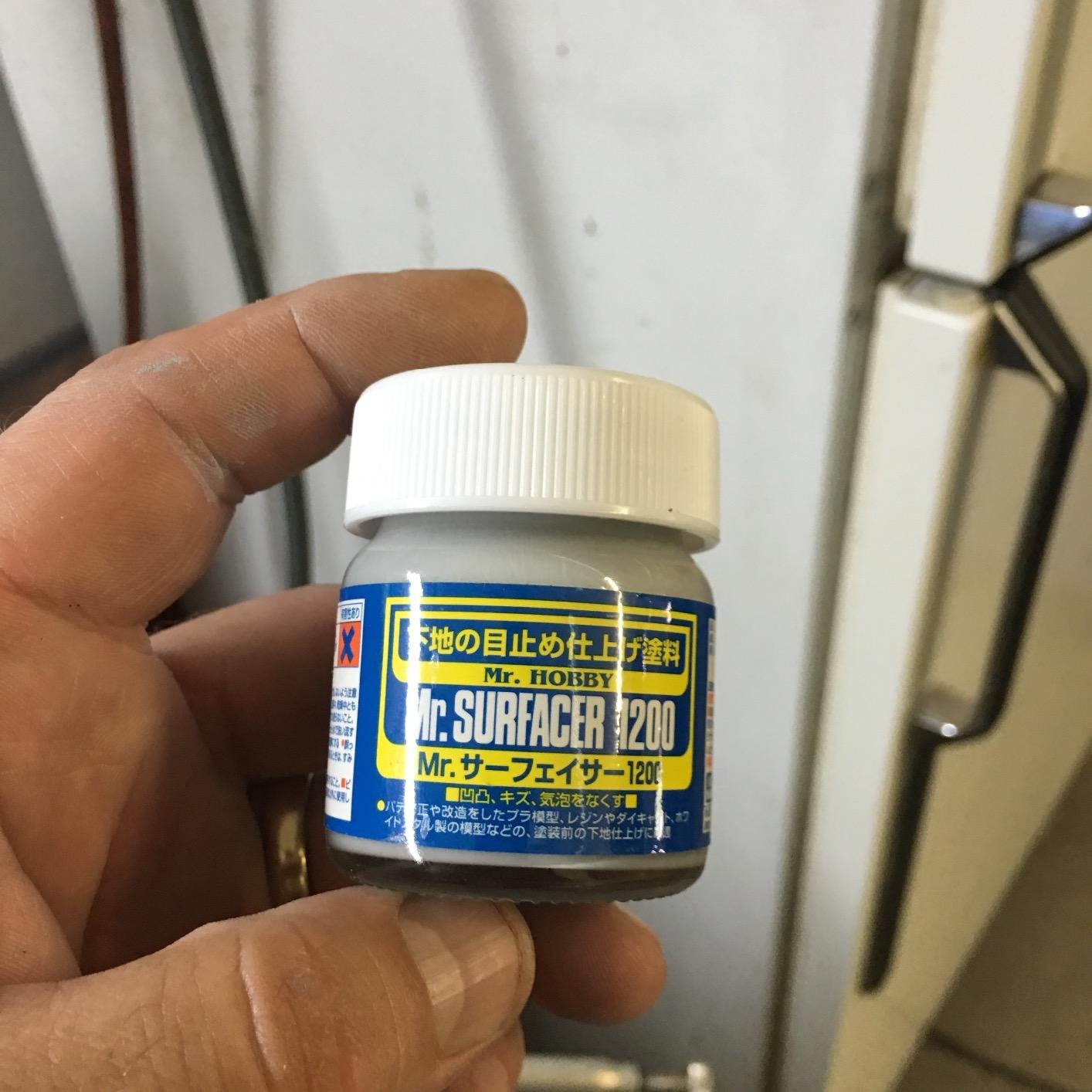
Our team tested this surfacer on styrene, resin, and even a metal aircraft part. It bonded to all three without chipping after a week of cure time. The 40ml bottle looks small, but a little goes a long way when you are thinning properly. I have primed six full kits and the bottle is still half full.
Best for modelers who want airbrush control
If you own an airbrush and want the smoothest possible foundation for gloss or metallic finishes, this bottle is the logical starting point. You can adjust the thinning ratio to your exact weather conditions and spray pressure. That level of control is something you will never get from a spray can.
Skip this if you only spray cans
There is no reason to buy the bottle if you do not own an airbrush and have no interest in brushing. The spray can version delivers the same chemistry with none of the mixing. You will also waste product if you try to brush large surfaces without thinning, because the brush strokes will show until you sand them flat.
2. Mr. Surfacer 1200 Spray – Convenience Without Compromise
Mr. Surfacer 1200 Spray
170ml spray can
Primer and filler
0.7-0.8 sqm coverage
1 hour dry time
Pros
- Convenient aerosol format
- Great coverage for 3D prints
- Removes layer lines effectively
- Dries relatively quickly
- No mixing needed
Cons
- Small can size for category
- Color is gray not white
- Label has no English text
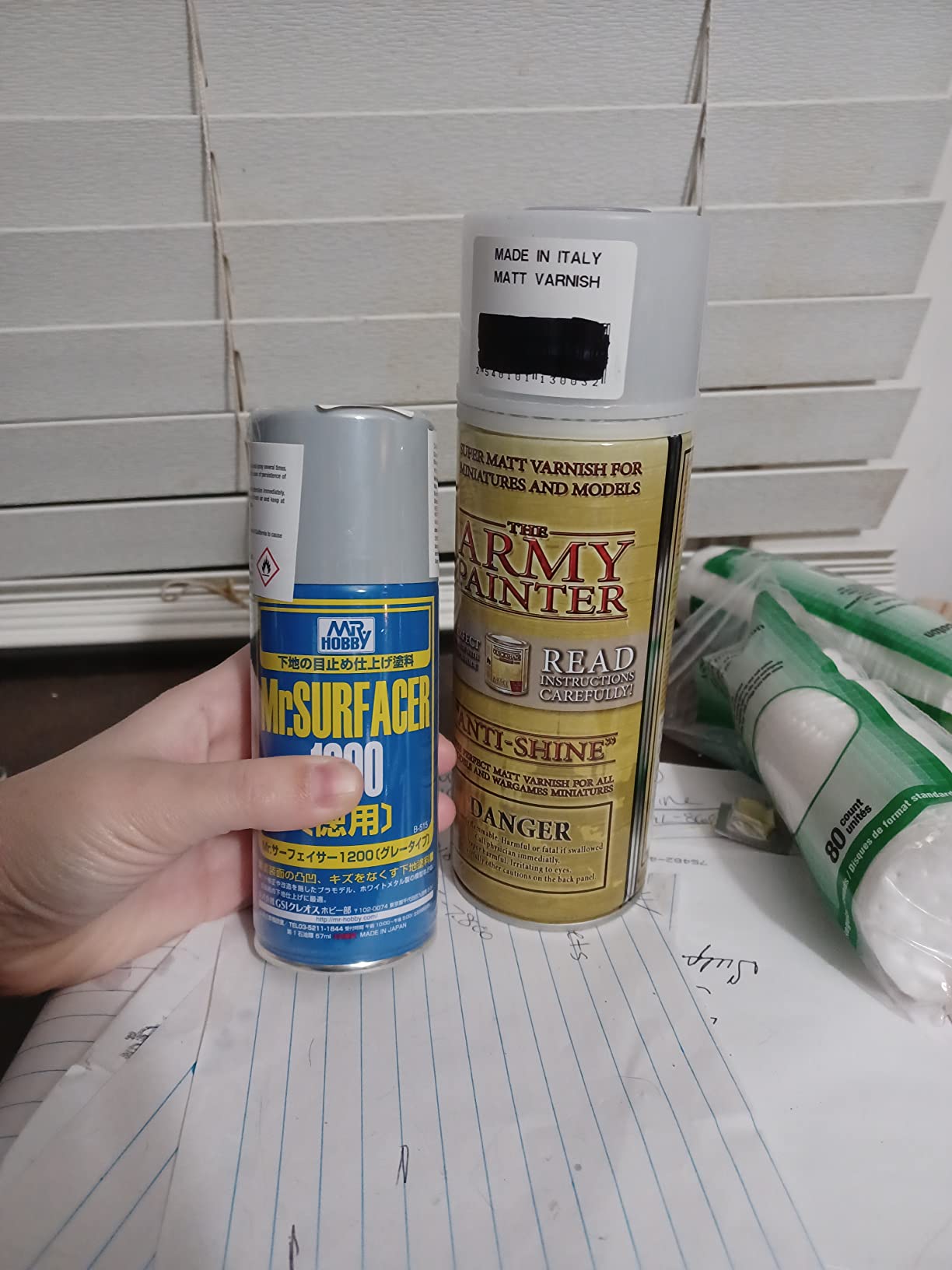
When I am priming a batch of 3D printed parts or a large armor kit, I reach for the spray can instead of the airbrush. There is no cleanup, no thinning ratio math, and no needle clogging. I just shake the can for a minute, test on cardboard, and lay down a thin pass from about eight inches away. Two light coats give me the same smooth base I get from the bottle.
The coverage is roughly 0.7 to 0.8 square meters per can, which is plenty for a couple of 1/35 armor builds or a single large Gundam. I have used this on PLA and resin prints with excellent adhesion. The gray finish is slightly darker than the bottle version, but it hides under paint without any issue. Some buyers expect white based on the listing photos, so know that the actual color is a neutral gray.
I do wish the label had English instructions, because the Japanese text can intimidate first-time buyers. The chemistry is identical to the bottle, so you still need ventilation and a respirator. I have also found that storing the can upside down prevents the nozzle from clogging between projects.
One trick I learned from a forum thread is to spray this on a warm day with low humidity. Lacquer dries fast, but if the air is heavy with moisture, you can get a slight blush or haze on the surface. I keep a small space heater near my spray booth during winter sessions to keep the temperature steady.
Best for batch priming and 3D prints
If you are printing tabletop miniatures or mechanical parts and want a fast primer that hides layer lines, this spray can is the most efficient option. The lacquer bites into PLA and resin better than most acrylic primers, and you do not have to worry about compatibility. Just spray, wait an hour, and paint.
Skip this if you want precise control
You cannot thin a spray can for finer detail work. If you are painting tiny cockpit interiors or figure faces, the bottle and airbrush will give you thinner coats and less overspray. The can also runs out faster than you think if you are doing multiple large kits.
3. SF284 Mr. Surfacer 1000 Bottle 40ml – The Gap-Filling Alternative
SF284 Mr. Surfacer 1000 Bottle 40ml, GSI
40ml bottle
Fine granules
Multi-surface bond
Brush or airbrush
Pros
- Bonds to plastic wood and metal
- Fills small scratches and lines
- Sands easily
- Great brushable primer
- Thins well for airbrush
Cons
- Slight shrinkage when drying
- Strong acetone odor
- Label entirely in Japanese
Mr Surfacer 1000 sits between the heavy 500 and the ultra-fine 1200. I use it when I have light seam lines or shallow panel gaps that need a bit more fill than the 1200 can provide. The granules are slightly coarser, so the dried surface benefits from a quick 800-grit sanding before I move to primer. Once sanded, it takes paint exactly like the 1200.
I have brushed this straight onto wood bases for dioramas, and it bonded without any peeling. The same goes for metal photo-etch parts. That versatility is why I consider this a bench staple even though the 1200 is my primary primer. If you can only buy one bottle and your builds vary in condition, the 1000 is the safer all-rounder.
The shrinkage is real, though. I once applied a thick coat to fill a seam and came back the next day to find a slight depression. Now I build up two thin coats instead of one glob, and the surface stays flat. Patience here saves you from re-sanding later.
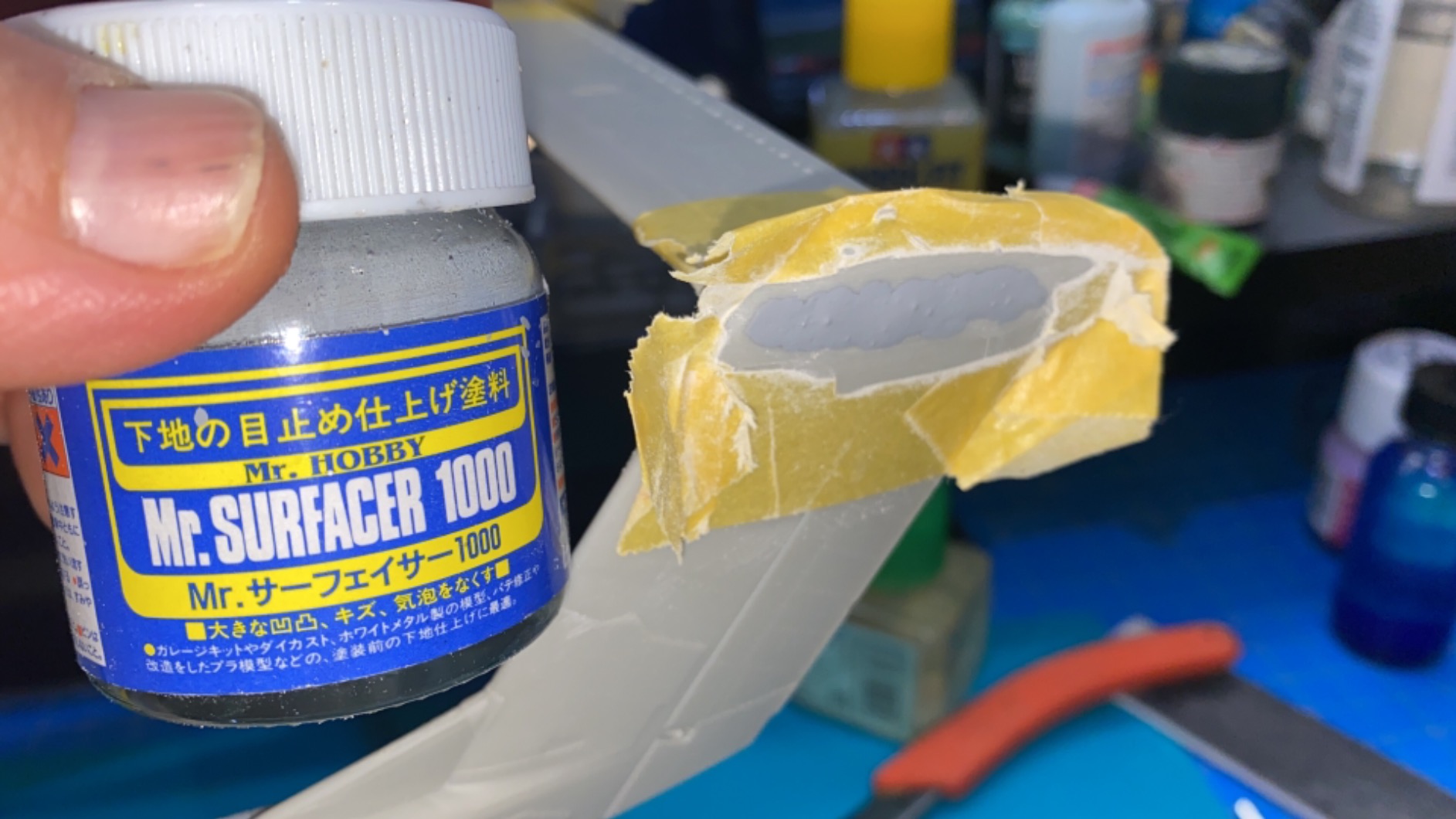
On a recent aircraft build, I thinned this 1:1 with Mr Color Thinner and sprayed it at 18 PSI through a 0.5mm needle. The flow was smooth, the coverage was even, and the surface was ready for color in under an hour. I have also used it with leveling thinner when I want a glossier undercoat for metallic paints.
Best for mixed-surface builds
If your project combines plastic, wood, and metal, the 1000 grade bonds to all of them better than most acrylic primers. It is also the sweet spot for builders who want fill capability without the heavy sanding required after using 500. I recommend this as the first bottle for anyone new to the Mr Surfacer system.
Skip this if you want zero sanding
The 1000 grade does not dry as glass-smooth as the 1200. If you are building a show car or gloss-finish aircraft and need a mirror base, stick with 1200 or 1500. You will still need to sand the 1000 lightly before your final color coats, which adds time to your workflow.
4. Mr. Surfacer 500 NET.40ml Bottle – Heavy Filler for Seams
Mr. Surfacer 500 NET.40ml Bottle Gundam Hobby
40ml bottle
Thicker filler
Seam filling
Quick drying
Pros
- Fills small imperfections effectively
- Cures hard and sandable
- Easier than standard putty
- Excellent primer and filler
- Can be applied with small brush
Cons
- Slow drying time
- Strong acetone odor
- Label in Japanese
When I have a bad seam line or a gap between kit parts, Mr Surfacer 500 is my go-to instead of traditional putty. It is thicker than the 1000 and 1200 grades, almost like a liquid filler. I apply it with a toothpick or an old brush, let it cure overnight, and then sand it flush with the surrounding plastic. The result is stronger than most epoxy putties and takes paint without any texture difference.
I used this on an armor kit where the turret halves had a 0.5mm gap. Two thin applications of 500 filled it completely, and after curing for 24 hours, the joint disappeared under primer. I have also used it to add texture on tank hulls where the kit plastic was too smooth for a weathered look. It is a versatile tool if you treat it like a filler first and a primer second.
The odor is stronger than the finer grades because the solvent content is higher. I always wear a respirator and keep the booth running while it cures. I also learned that brushing it on thick causes shrinkage cracks, so thin layers are the rule.
Best for seam repair and gap filling
If you build older kits with poor fit or 3D prints with assembly gaps, this is the fastest way to get a seamless surface. It is easier to sand than putty, and you do not have to switch tools between filling and priming. I keep a bottle open on my bench for spot repairs.
Skip this for general priming
The 500 grade is too coarse for whole-kit priming. You would spend hours sanding the orange-peel texture back to smooth. Use this only where you need fill, then switch to 1000 or 1200 for the overall surface. It is also too thick for most airbrushes without extreme thinning, which wastes product.
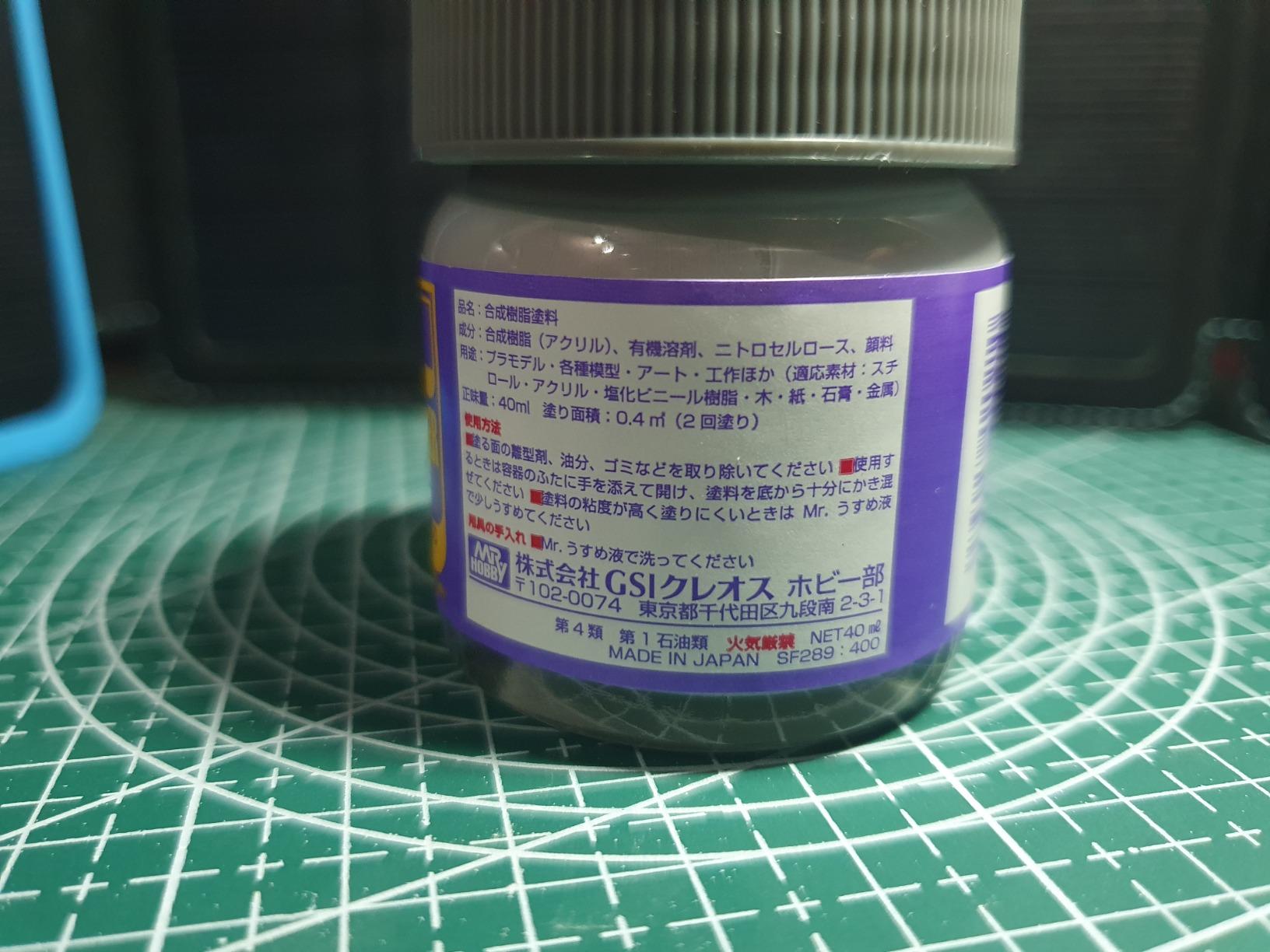
5. Mr. Finishing Surfacer 1500 Gray – Ultra-Fine for Gloss Builds
Mr. Finishing Surfacer 1500 Gray Bottle
40ml bottle
Ultra-fine finish
High coverage
Waterproof
Pros
- Great as a primer
- Excellent coverage
- Dries fast
- Fills small lines and seams
- Helps unify model surfaces
Cons
- Ships from Japan long delivery
- Strong odor requires ventilation
The 1500 grade is the finest in the Mr Surfacer lineup, and I use it when I am building something that will end up in a high-gloss or bare-metal finish. The granules are so small that the surface barely needs sanding. I can spray two coats, let it cure for a day, and move straight to color with just a light buffing using a 2000-grit sanding sponge.
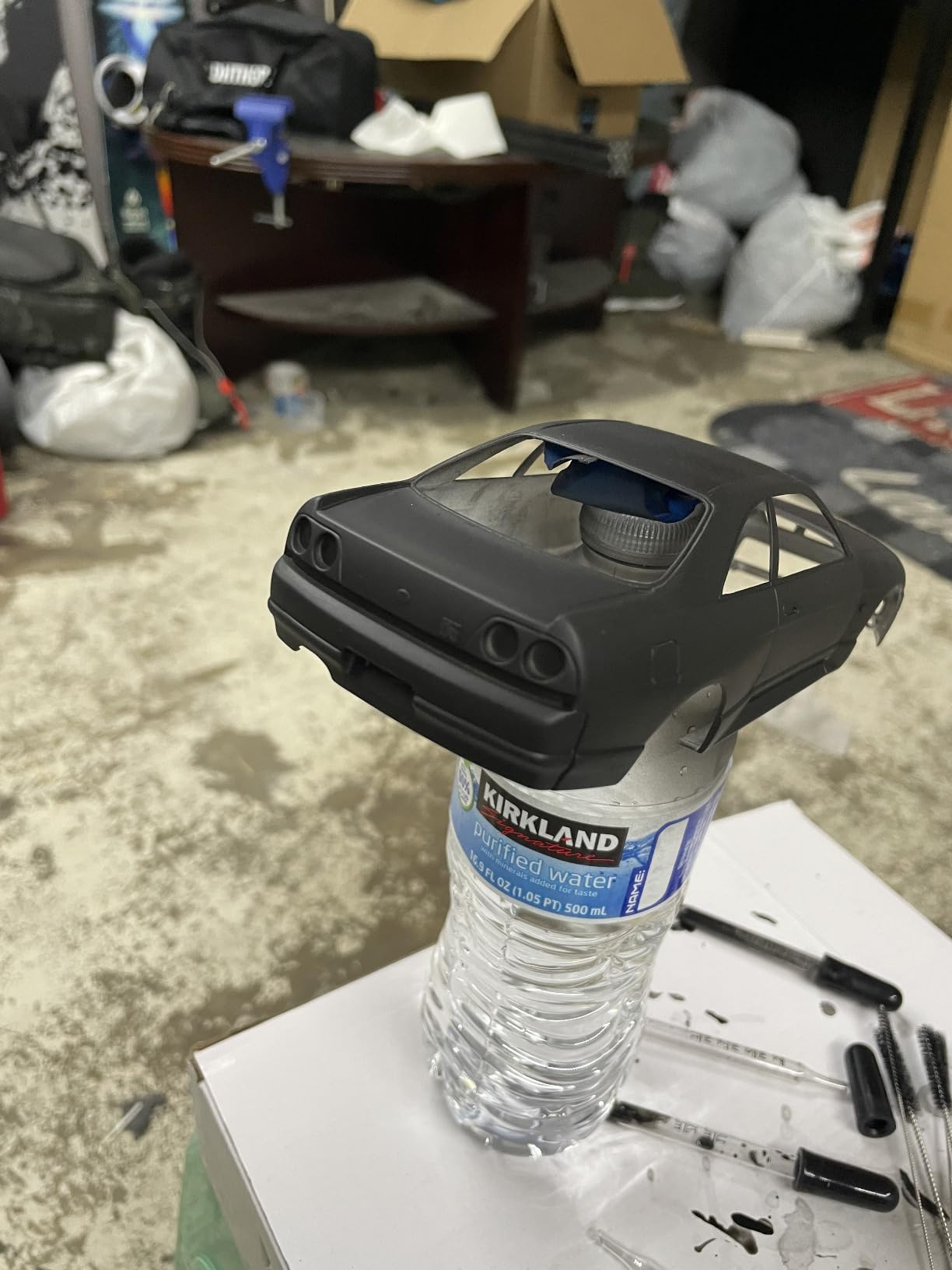
I tested this on a car model that I planned to finish with a two-part automotive clear. The 1500 base gave me a reflection that was almost mirror-like before the clear even went on. For aircraft with natural metal finishes, this is the foundation that prevents the aluminum paint from looking grainy. The gray color is slightly lighter than the 1200, which helps with coverage when you are laying white or yellow over it.
One thing to note is that the finest grades have less filling power. If your kit has heavy scratches from aggressive sanding, the 1500 will not hide them. I always make sure the surface is reasonably smooth before I reach for this bottle. Think of it as a final polish layer, not a repair tool.
On a recent build, I thinned this with Mr Leveling Thinner and sprayed at 15 PSI. The retarder in the thinner slowed the dry time just enough to let the surface self-level. I saw zero orange peel and no dust nibs. It was the closest I have come to a factory finish on a hand-painted model.
Best for gloss and metallic finishes
If your end goal is a mirror shine, candy coat, or flawless metal finish, start with the 1500 grade. It minimizes the work you have to do between primer and color. I also recommend it for figure painting where skin tones need the smoothest possible underlayer.
Skip this if you need heavy fill
Do not expect this to hide seam lines or deep scratches. It is too fine for that job. Use 500 or 1000 for repair work, then topcoat with 1500 if you want the final gloss. Buying this for gap filling is like using sandpaper to cut a board. It is the wrong tool.
6. Mr. Finishing Surfacer 1500 Black – Perfect for Dark Paint Schemes
Mr. Finishing Surfacer 1500 Black Bottle
40ml bottle
Black base coat
Plastic metal wood
1 hour dry
Pros
- Lays down very flat and smooth
- Great for airbrushing with 0.3 needle
- Adheres to metal resin and styrene
- Helps dark paint jobs pop
- Excellent coverage
Cons
- Strong odor requires mask and ventilation
- Thinner smell lingers
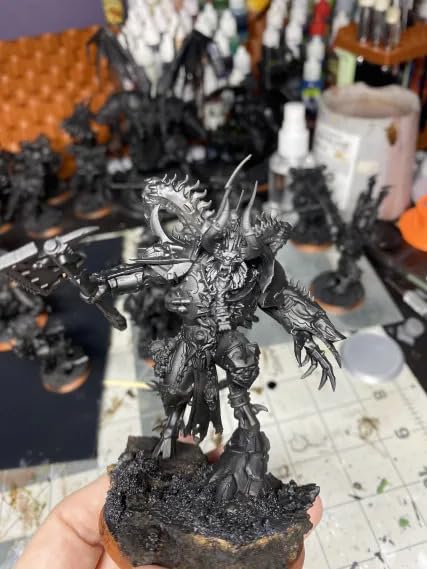
I used to think gray primer was universal until I tried painting deep blues and blacks over a black base. The difference is dramatic. Mr Finishing Surfacer 1500 Black gives you that foundation, and it is especially useful for figure painting, armor with dark camouflage, and spacecraft with panel-line heavy schemes. The black base makes shadows look deeper and reduces the number of color coats you need.
I sprayed this on a resin bust using a 0.3mm needle setup and Mr Leveling Thinner at a 1:2 ratio. The coverage was uniform in two passes, and the surface had enough tooth for acrylic paints to grip without looking rough. I have also brushed it onto small details like weapons and tools, and it leveled out better than most brush-on primers I have tested.
The forum threads I read before buying this all mentioned the same thing. It is smoother than Tamiya surface primer and adheres better to tricky resin. I found that to be true. On a recent garage kit, I had zero chipping after three weeks of handling during the paint process. That is rare with resin.
I will warn you again about ventilation. The black pigment seems to carry the solvent smell longer than the gray versions. I spray this in a booth with a fan running for ten minutes after the last pass. If you are sensitive to fumes, a half-face respirator with organic vapor cartridges is worth the investment.
Best for dark schemes and resin kits
If you are building something with a dark paint scheme or working with resin that rejects standard primers, this black 1500 is the safest choice. It cuts your paint time because you are not fighting a gray base to get depth. I also use it as a pre-shade layer on aircraft, spraying it along panel lines before the main color.
Skip this for light or bright colors
Do not try to paint white or yellow over this black base. You will need so many coats to cover the darkness that you will lose detail. The gray or white base products are better for light schemes. Save this bottle for projects where the final color is already leaning dark.
7. SF292 Mr. Finishing Surfacer 1500 Pink – Warm Base for Bright Reds
GSI Creos – SF292 Mr. Finishing Surfacer 1500 Pink Bottle (40ml), Mr. Hobby
40ml bottle
Pink base coat
Chip resistant
Bright red primer
Pros
- Great primer for scale models
- Produces bright colors for warm tones
- Reliable brand quality
Cons
- No major cons reported
This is the most specialized product in the lineup, but it fills a niche that no other primer does. The pink base makes bright reds, oranges, and warm yellows look electric without requiring a dozen coats. I first used it on a race car build where the instructions called for a screaming red. Over the pink base, two coats of red gave me full coverage. Over gray, I would have needed four or five.
The chemistry is the same 1500-grade fineness, so the surface is smooth and paint-ready. I thin it two to three parts thinner to one part surfacer, just like the other finishing surfacers. The pink color is vivid in the bottle but mutes down under paint to a warm undertone. It is not a primer you will use on every build, but when you need it, nothing else replaces it.
I have also seen modelers use this as a base for flesh tones on figures. The warm undertone helps skin paints look alive instead of chalky. That is a clever trick I picked up from a forum thread, and it works better than gray or white for certain skin palettes.
Best for bright warm colors and figure skin
If your project involves fire engine red, sunburst orange, or warm yellow racing livery, start with this pink base. It saves paint, reduces the chance of grainy coverage, and gives the final color a warmth that gray primers cannot provide. Figure painters should also experiment with it under flesh tones.
Skip this for general use
Unless you are painting warm colors or skin, this bottle will sit on your shelf. The pink will alter cool colors like blue, green, and purple in unpredictable ways. It is a specialty tool, not a general primer. Buy the gray or white versions first, then add this when your builds call for it.
8. Mr. Color Thinner 400ml – The Universal Solvent
Mr. Color Thinner
400ml bottle
Multi-brand compatible
Airbrush cleaning
Essential solvent
Pros
- Works great with Mr Hobby and Mr Color
- Versatile with Vallejo and acrylics
- Perfect for thinning surfacer
- Essential for airbrush cleaning
- Long lasting
Cons
- Can be expensive
- Hard to find in stock
You cannot talk about Mr Surfacer without talking about thinner. Mr Color Thinner is the standard solvent for the entire Mr Hobby line, and I use it for thinning surfacer, cleaning my airbrush, and even stripping paint when a build goes wrong. The 400ml bottle lasts me about six months of regular hobby work, which makes the price easier to swallow.
I have tested this with Vallejo Model Air, Tamiya acrylics, and of course the entire Mr Color range. It works across all of them without causing clumping or separation. That compatibility is why I keep it as my primary thinner instead of buying a dozen different solvents. One bottle rules them all.
For surfacer work, I start with a 1:1 ratio and adjust from there. In hot weather, I add slightly more thinner to prevent the lacquer from drying before it hits the model. In cold weather, I reduce the thinner to keep the coat from running. The thinner gives you that flexibility.
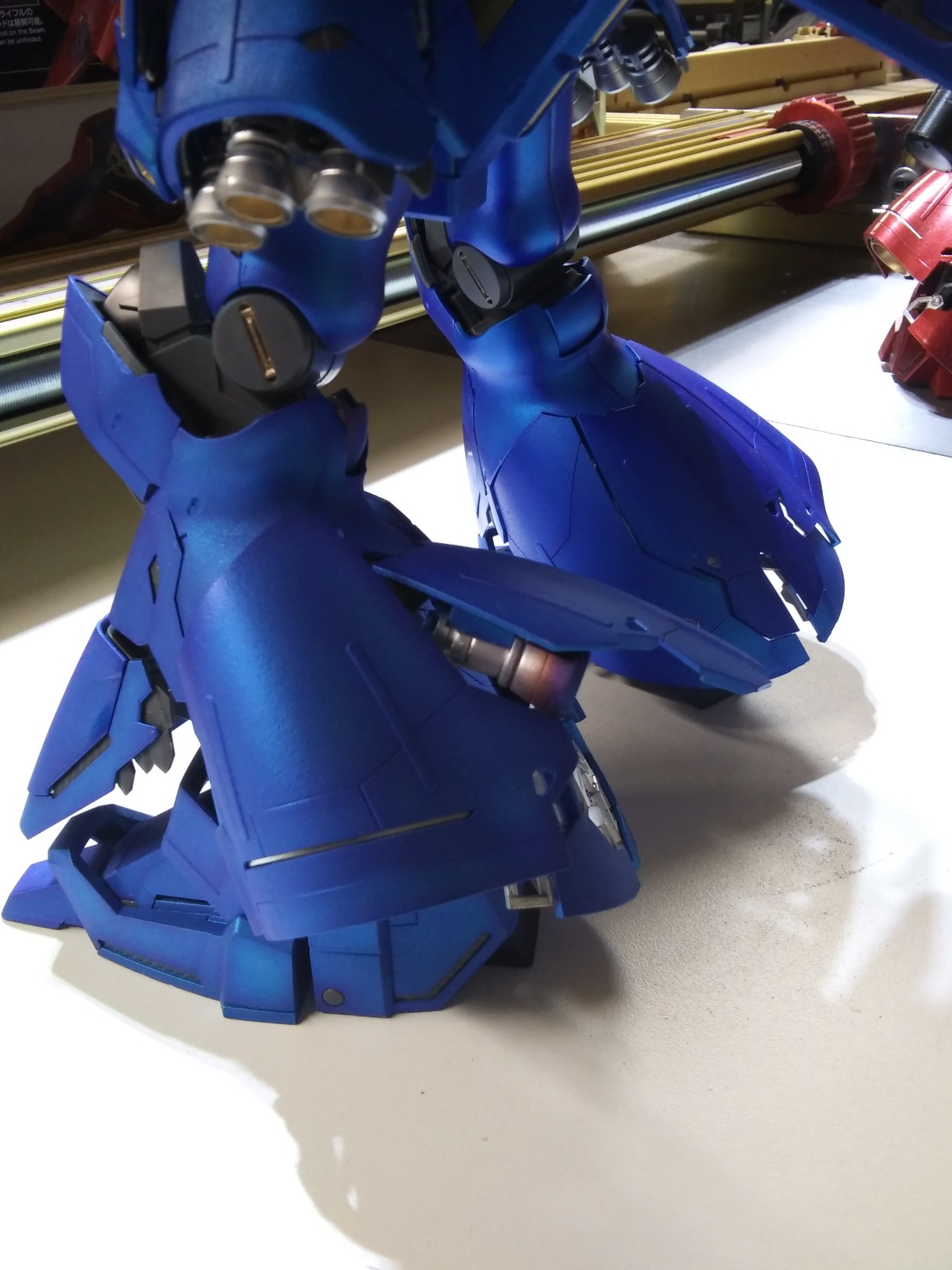
I also use this to clean my airbrush between color changes. A quick flush with thinner, followed by a water rinse, keeps the needle and nozzle spotless. I have seen airbrushes ruined because owners tried to clean lacquer residue with water alone. The surfacer will harden and clog the tip if you do not flush it with the right solvent.
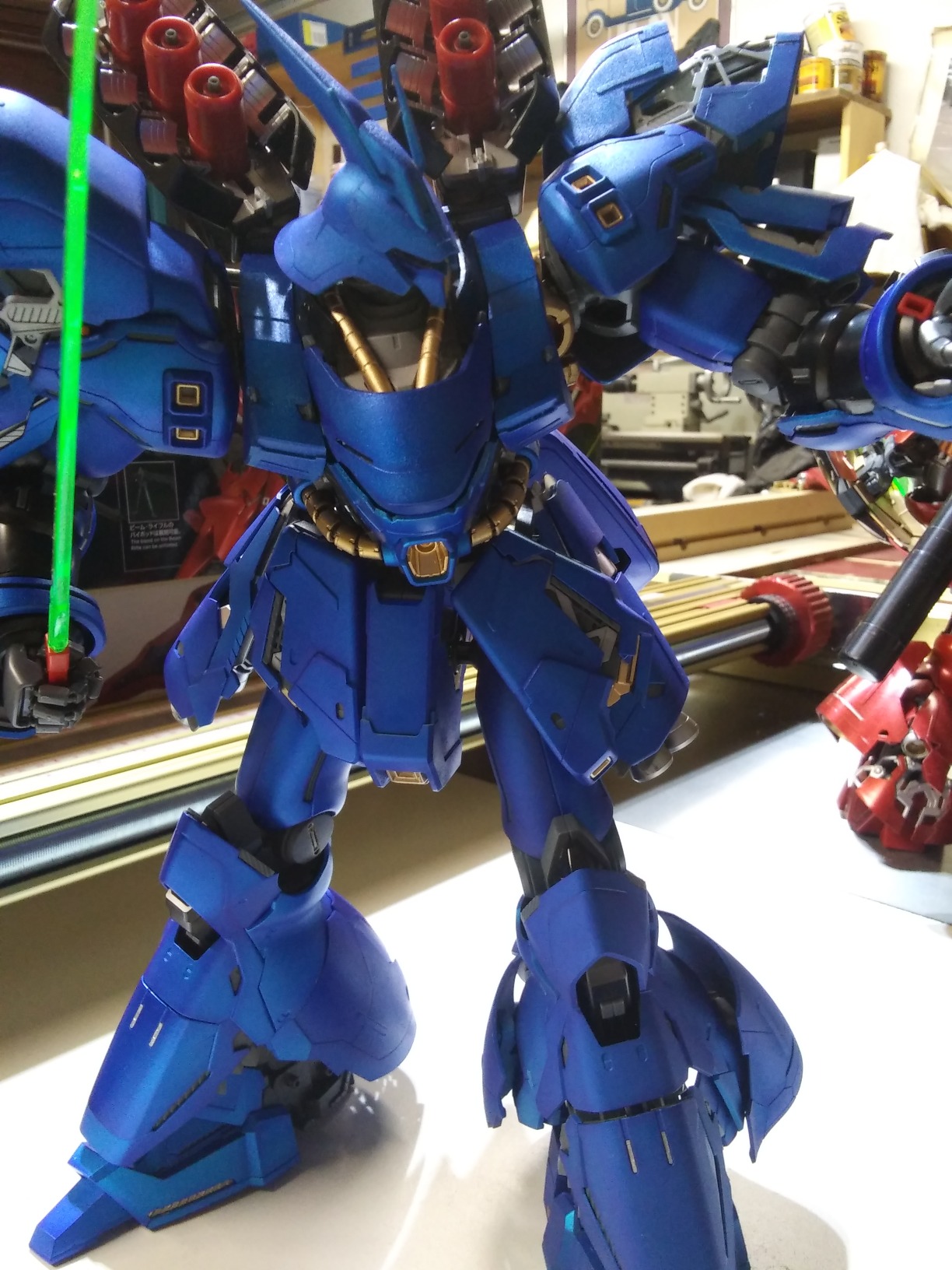
Best for builders who want one solvent
If you are building a Mr Hobby toolbox and want a single thinner that handles surfacer, paint, and cleanup, this is the bottle to buy. The 400ml size is economical for active builders, and the compatibility with other brands means you are not locked into one system. I consider this a non-negotiable companion to any surfacer purchase.
Skip this if you only use water-based paints
If your entire collection is water-based acrylic and you never touch lacquer, this thinner is unnecessary. It will not clean water-based residue effectively, and it is too aggressive for delicate acrylics. Stick with water and acrylic thinner. But if you are buying Mr Surfacer, you are already in lacquer territory, so this is basically required.
9. Mr. Leveling Thinner 400ml – Retarder for Mirror Finishes
Mr. Hobby – Mr. Leveling Thinner 400ml, GSI Creos (T108)
400ml bottle
Retarder included
Glossier finish
Low PSI friendly
Pros
- Contains retarder for glossier finish
- Works with Tamiya and Mr Color
- Prevents blob formation when spraying
- Excellent for low PSI airbrushing
- Works on enamels and lacquers
Cons
- Strong fumes require ventilation
- More expensive than hardware alternatives
Mr Leveling Thinner is Mr Color Thinner with a retarder additive. The retarder slows the dry time by a few seconds, which sounds minor until you see the effect on your finish. I use this whenever I am spraying gloss colors, metallics, or the 1500 finishing surfacers. The extra dry time lets the paint level itself, erasing brush marks and spray dots before they harden.
I first tried this on a 1/48 aircraft build where I was using Alclad aluminum. The standard thinner gave me a decent finish, but the leveling thinner turned the metal paint into a reflective sheet. I now use it for every metallic project, and I mix it about fifty-fifty with standard thinner when I want a middle ground between speed and gloss.
The downside is the smell. The retarder adds a chemical note that lingers longer than standard thinner. I run a respirator and a vented booth whenever I open this bottle. I also store it in a metal cabinet away from heat sources, because the retarder makes it slightly more volatile.
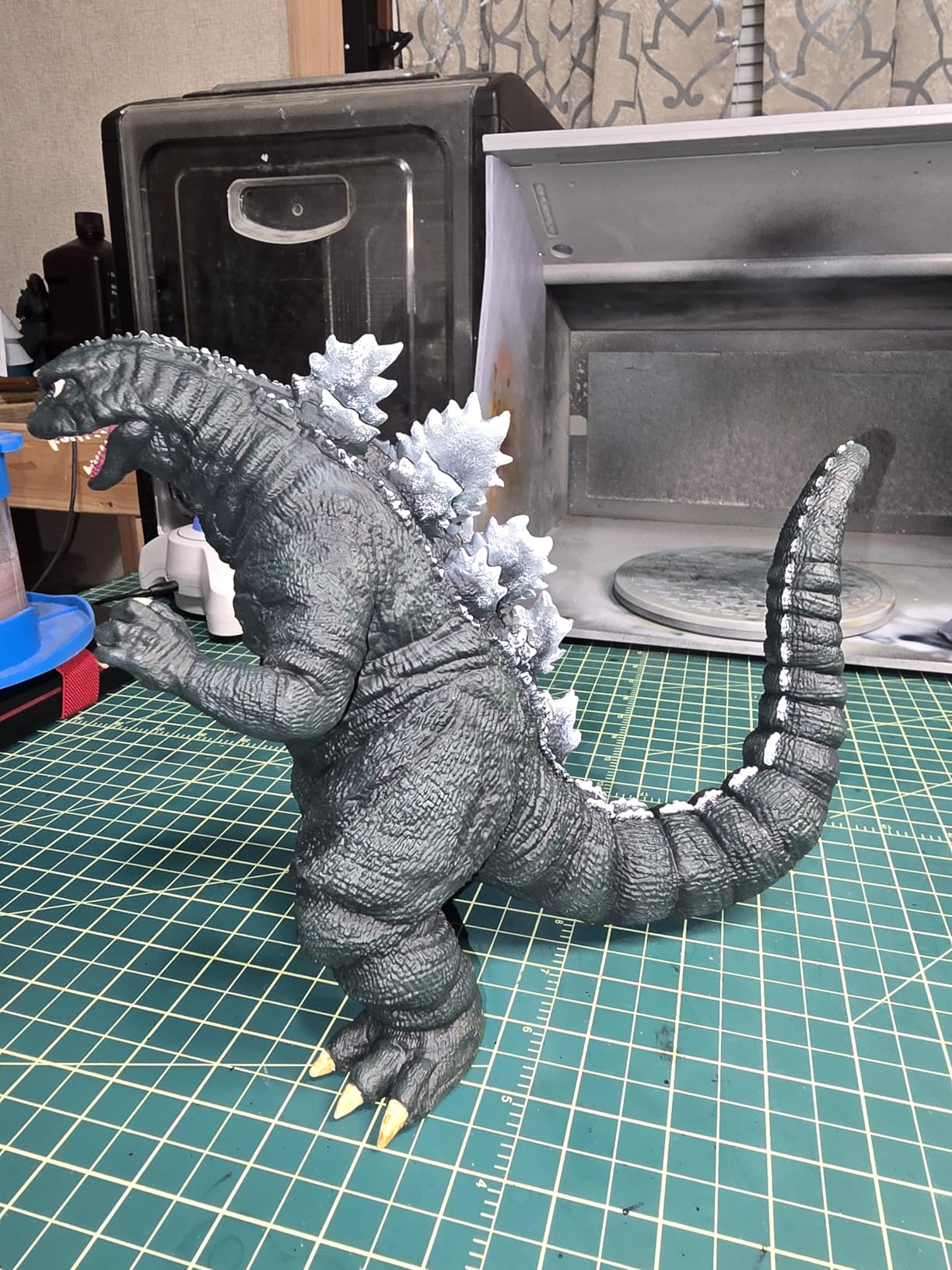
Our team tested this at low PSI on a cheap beginner airbrush, and it performed better than standard thinner. The retarder prevented the tip-dry and blobbing that usually plague novices. If you are new to airbrushing and struggling with consistency, switching to this thinner might solve more problems than buying a new brush.
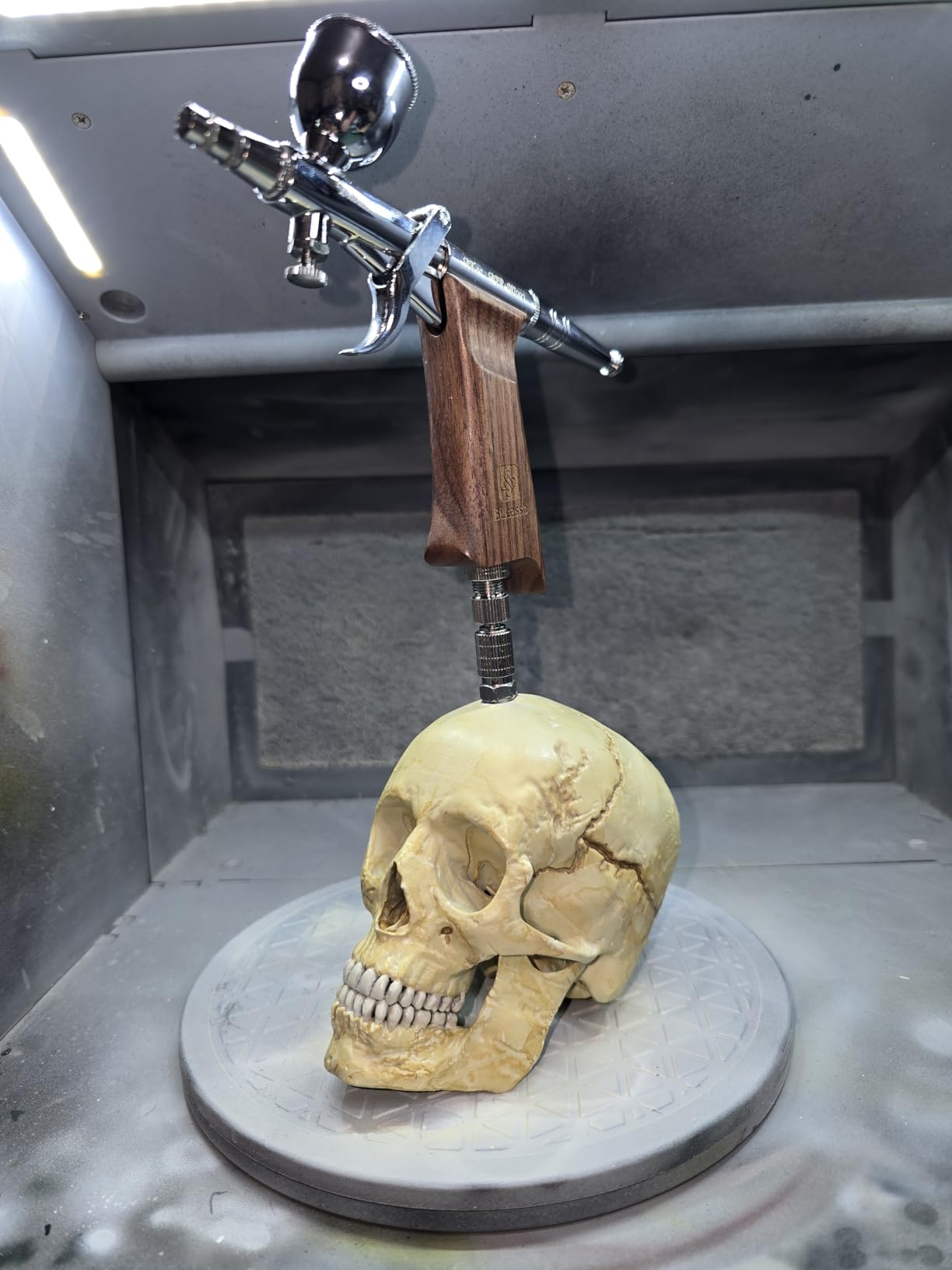
Best for gloss and metallic projects
If you are chasing a show-quality gloss or painting Alclad, Bare Metal Foil, or any metallic lacquer, this thinner is the secret weapon. The retarder makes a visible difference in the final reflection. I also recommend it for anyone learning to airbrush, because it forgives heavy passes better than standard thinner.
Skip this for flat or matte builds
If you are building a weathered tank or a matte-finish aircraft, you do not need the extra gloss. Standard thinner dries faster and costs less. I only break out the leveling thinner when the finish needs to be smooth enough to reflect light. For utility builds, it is overkill.
10. B524 Mr. Primer Surfacer 1000 Spray – Quick Base for Resin Kits
GSI Creos – B524 Mr. Primer Surfacer 1000 Spray (170ml), Mr. Hobby
170ml spray can
Resin kit friendly
No detail loss
Quick dry
Pros
- Dries quickly and solid base
- Excellent coverage
- Smooth and light no detail loss
- Great for resin kits
- Better than Tamiya for some builds
Cons
- Strong smell requires ventilation
- Some users received wrong format
The Mr Primer Surfacer 1000 spray is a dedicated aerosol primer that sits between the standard surfacer and a pure primer. It is slightly lighter than the surfacer spray, which means it preserves fine detail on resin kits and small parts. I use this on garage kits where panel lines are shallow and I cannot afford to lose them under heavy primer.
I primed a full resin figure with one can, and the coverage was complete without obscuring the facial details. The dry time is fast enough that I can paint within the same day if I start early. I have also used it on metal parts, like photo-etch frets and white metal landing gear, with solid adhesion and no chipping after a month of handling.
The can size is generous, and the spray pattern is wider than the 1200 spray. That makes it faster to cover large surfaces, but you need to be careful around edges to avoid buildup. I mask with low-tack tape and spray in parallel passes, not circular motions, to keep the coat even.
Best for resin and detail-heavy kits
If you are building resin figures, garage kits, or anything with engraved detail that you want to preserve, this spray is the safer choice. It bites into resin better than water-based primers and does not add the thickness that surfacer can. I recommend it as a first primer layer, with surfacer applied only where you need fill.
Skip this for gap filling
This is a primer, not a filler. It will not hide seams or scratches. If your kit needs surface repair, use the 500 or 1000 bottle grades, sand them smooth, then spray this as the final primer layer before color. Using it as a filler will just waste the can and leave you with the same gaps.
11. SF283 Mr. Base White 1000 – White Foundation for Light Colors
Mr. Hobby SF283 Mr. Base White 1000 Bottle 40ml, GSI
40ml bottle
White base coat
Matte finish
Detail preserving
Pros
- Does not obscure detail
- Sprays well from bottle
- Excellent for yellow and white base
- Smooth with leveling thinner
- Bonds well to plastic
Cons
- Needs thinning for best results
- No warranty listed
I never understood the value of a white base until I tried painting yellow over gray. It took six coats to get full coverage, and the finish still looked muddy. Mr Base White 1000 changed that. I now use it as the foundation for any light color scheme, including white, yellow, light blue, and pastel pink. Two coats of color over this base is usually enough.
The white is matte, which helps the next layer grip. I have sprayed it straight from the bottle through a 0.3mm needle, but thinning with leveling thinner gives a noticeably smoother surface. On a recent sci-fi build, I used this under a pale blue, and the final color looked bright and clean without any gray shadowing.
I also use this as a pre-shade base on aircraft. I spray the white along the panel lines, then fade the main color toward the center. The contrast is subtle but adds depth that flat gray cannot replicate. It is a technique I learned from aircraft modelers, and it works on any genre where you want soft tonal variation.
Best for light colors and pre-shading
If you are building anything with yellow, white, or pastel colors, start with this white base. It saves paint, improves brightness, and gives you a cleaner finish than fighting gray primer. The pre-shading trick is also worth trying if you want to add depth without heavy panel line washes.
Skip this for dark or metallic schemes
White base under dark colors or metallics is pointless. The dark paint will cover it in one coat anyway, and the white will not add any value. Use gray or black base for those projects. This bottle is specifically for light schemes, and it should stay in the cabinet until you need it.
12. B528 Mr. Mahogany Surfacer 1000 – Natural Base for Wood Tones
GSI Creos – B528 Mr. Mahogany Surfacer 1000, Mr. Hobby
170ml spray can
Mahogany base
Multi-surface
Waterproof
Pros
- Best primer for polystyrene
- Incredibly strong bond
- Thin coat with excellent coverage
- Sprays evenly
- Versatile on metal plastic and wood
Cons
- Intermediate skill level needed
- Limited color options
The Mahogany Surfacer is a hidden gem in the Mr Hobby line. The color is a rich brown-red that works as a natural undercoat for wood-grain finishes, leather tones, and earth-colored camouflage. I first used it on a wooden deck for a ship model, and the brown base made the wood stain look deep and authentic instead of painted on.
The bond to polystyrene is the strongest I have experienced from any Mr Surfacer product. I sprayed it on a plastic fuselage, let it cure for two days, and then tried to scratch it with my fingernail. It did not budge. That durability makes it a good choice for models that will be handled often, like RC cockpit interiors or competition pieces that travel to shows.
The spray can format is convenient for large surfaces, but the color limits its versatility. I do not reach for this as often as the gray or white primers, but when the subject calls for it, the results are unmatched. I have also used it as a rust base on armor, spraying it through a stencil and then dry-brushing orange and brown over it.
Best for wood finishes and durable bases
If you are building ships, aircraft with wooden propellers, or any subject that needs a wood-tone base, this is the primer to use. The natural mahogany prevents the transparent look that lighter paints can have over gray. It is also a good choice for any model that needs a tough, chip-resistant base.
Skip this for general priming
Unless your project specifically needs a brown base, this can will sit unused. The mahogany color will alter any topcoat that is not already in the red-brown family. It is not a general primer. Buy it when your build calls for it, not as a default choice.
How to Choose the Right Mr Surfacers?
Picking the right surfacer grade comes down to what your model needs. I have made the mistake of using 1200 on a kit with heavy seam lines, and I have also wasted 500 on a surface that just needed a light prime. Here is how I decide now.
Understanding the grade numbers
The number on the bottle refers to the approximate granule size. Mr Surfacer 500 has the largest granules and acts like a liquid filler. Mr Surfacer 1000 has medium granules and balances fill with smoothness. Mr Surfacer 1200 has fine granules and is the standard primer for most builds. Mr Finishing Surfacer 1500 has the finest granules and is reserved for gloss or bare-metal finishes. Choose 500 for repair, 1000 for general work, 1200 for smooth priming, and 1500 for mirror finishes.
Thinning ratios by application method
For airbrushing, I thin 1200 and 1500 at a ratio of one part surfacer to two parts thinner. For 1000, I use a one-to-one ratio because it is slightly thicker. For 500, I rarely airbrush because it is too heavy, but when I do, I thin it two parts thinner to one part surfacer and use a 0.5mm needle. For brush application, I thin all grades about ten percent to help self-leveling. Always test your mix on a plastic spoon or scrap runner before committing to the model.
Color selection for your topcoat
Gray is the neutral default and works under most colors. Black is best for dark schemes and pre-shading. White is essential for yellow, white, and pastel paints. Pink is the secret weapon for bright reds and warm tones. Mahogany is the niche choice for wood and rust bases. I keep gray and white on my bench at all times, and I buy the others as projects demand.
Ventilation and safety
Every product in this roundup is lacquer-based, which means flammable solvents and strong fumes. I spray in a vented booth with a respirator rated for organic vapors. I also let parts cure in the booth for an hour before bringing them into my office. If you do not have a booth, spray outdoors on a calm day, or use a fan pointed out a window. Never spray near an open flame or pilot light. The forum threads are full of stories about headaches and dizziness from skipping this step, and it is not worth the risk.
Application tips from the bench
Always apply thin coats. Two thin coats are stronger and smoother than one thick coat. Let the first coat flash off for ten minutes before spraying the second. If you are brushing, work in one direction and do not over-brush the area. Lacquer starts drying almost immediately, and re-working it will leave streaks. After the final coat, let the surfacer cure for at least 24 hours before sanding. I prefer to wait 48 hours if the weather is humid. Sand with 800-grit for 1000 and 1200 grades, and 1200-grit or finer for 1500. If you need to fill a seam, use 500, let it cure fully, then sand and topcoat with a finer grade.
Frequently Asked Questions
Is Mr Hobby Mr. Surfacer a primer?
Yes, Mr Hobby Mr Surfacer is a lacquer-based primer and surfacer. It prepares model surfaces for paint by filling micro-scratches and creating a uniform base. It also acts as a mild filler for small imperfections.
What is the difference between Mr Hobby surfacer and finishing surfacer?
Mr Hobby surfacer is a general primer-filler available in grades 500, 1000, and 1200. Mr Finishing Surfacer is a finer product in the 1500 grade, designed for smooth final surfaces and gloss or metallic finishes. Finishing surfacer has smaller granules and less filling power.
What is the difference between Mr Hobby Surfacer 1000 and 1200?
Mr Surfacer 1000 has slightly coarser granules and more filling power than 1200. It is better for general priming and light gap filling. Mr Surfacer 1200 has finer granules and produces a smoother surface, making it ideal for final priming and paint-ready finishes.
What is the difference between Mr Hobby surfacer 500 and 1000?
Mr Surfacer 500 is the coarsest grade and acts like a liquid filler for seam lines and gaps. Mr Surfacer 1000 is finer and works as a general primer for surface preparation. Use 500 for repair work and 1000 for normal priming.
Final Recommendations
After testing every product in this roundup, my top pick for the best Mr Hobby Mr Surfacer 1200 is the SF286 bottle. It gives you the finest surface, the most control through an airbrush, and the smoothest foundation for color coats. If you want the easiest application, the 1200 spray can is the closest alternative with zero cleanup.
For builders who need a bit more filling power, the 1000 grade is the logical companion. For gloss or metallic finishes, step up to the 1500 finishing surfacer. And do not forget the thinner. Mr Color Thinner and Mr Leveling Thinner are essential benchmates that make the surfacer work the way it was designed to.
In 2026, the Mr Surfacer line remains the gold standard for scale model surface preparation. Pick the grade and format that matches your build, thin it properly, ventilate your workspace, and you will see the difference in your final paint job.