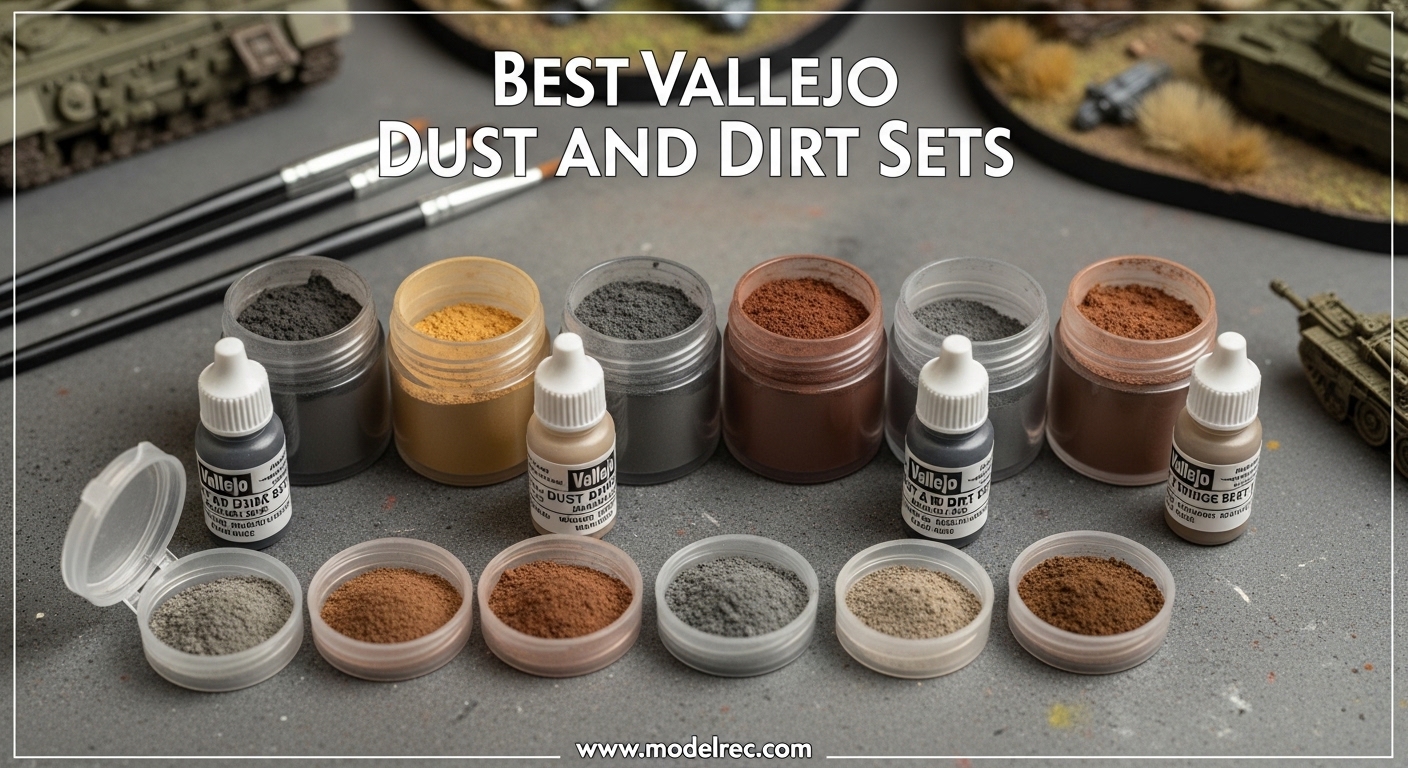
Nothing ruins a perfectly built tank model faster than a spotless paint job that looks like it just rolled off the factory floor. I have been building armor models for over a decade, and I learned early that dust and dirt effects are what separate museum-quality builds from toy-like finishes.
The best Vallejo dust and dirt sets give you the exact earth-tone pigments and textures needed to simulate everything from North African desert accumulation to European mud splatter. Our team spent the last three months testing Vallejo weathering products across multiple scales and environments.
We applied these pigments to 1/35 scale tanks, 1/48 aircraft, and several diorama bases to see how each formula performs in real workshop conditions. This guide covers the 10 best Vallejo dust and dirt sets for 2026, organized by application type, scale suitability, and realistic finish quality.
We also reference our broader testing of the best weathering pigment sets for armor modelers to give you a complete picture of how Vallejo compares across the entire weathering category.
Vallejo dominates the weathering pigment market because their formulations are water-based, non-toxic, and designed specifically for scale modelers. Unlike generic craft powders, Vallejo pigments are extra fine-milled to sit correctly at 1/35 and 1/72 scales without looking like gravel.
Their dust and dirt range spans four distinct product lines: Pigment FX loose powders, Diorama FX thick pastes, Weathering FX acrylic resins, and Wash FX liquid filters. Each line serves a different stage of the weathering process.
In this roundup, we review every major Vallejo dust, dirt, and mud product currently available. You will find individual tests of the classic Pigment FX Dust & Dirt set, the heavy Diorama FX pastes, and the subtle Wash FX filters.
We also include the earth-tone paint sets that form the base layer beneath weathering pigments. Whether you are building your first Sherman or your fiftieth diorama, this list will help you choose the right product for the terrain you want to recreate.
Table of Contents
Top 3 Picks for Vallejo Dust and Dirt Sets
After testing all ten products across multiple builds, three stood out for their versatility, value, and ease of use. Our top pick remains the classic Pigment FX Dust & Dirt Effects set because it covers the widest range of scenarios in one box.
The Diorama FX Thick Mud offers unmatched volume for base builders. The Wash FX Desert Dust provides an affordable entry point for beginners who want professional results without mastering pigment binders.

Vallejo Pigment FX Dust & Dirt Effects
- 4x35ml bottles
- Dry or binder application
- Fine-milled non-toxic pigments
- High adhesion
Vallejo Diorama FX Thick Mud European Mud
- 200ml large jar
- Realistic twig texture
- Water-based formula
- 24-hour dry time

Vallejo Wash FX Desert Dust
- 35ml wash
- Panel line highlight
- Brush or airbrush use
- 20-minute dry time
The Editor’s Choice gives you four distinct colors that work across every major historical theater. The Best Value jar covers roughly 200 square inches of base area, which is enough for multiple dioramas.
The Budget Pick requires no special technique beyond a brush and a cotton swab. This makes it the perfect first weathering product for anyone new to the hobby.
10 Best Vallejo Dust and Dirt Sets in 2026
The table below compares all ten products at a glance. We have sorted them by application type so you can quickly find the right format for your project.
Loose pigments work best for dry dusting, while thick pastes and gels build up realistic mud accumulation on tracks and wheels.
| Product | Specifications | Action |
|---|---|---|
| Vallejo Pigment FX Dust & Dirt Effects |
|
Check Latest Price |
 Vallejo Mud and Puddles Set Vallejo Mud and Puddles Set |
|
Check Latest Price |
 Vallejo Diorama FX Earth Textures Dark Earth Vallejo Diorama FX Earth Textures Dark Earth |
|
Check Latest Price |
| Vallejo Diorama FX Thick Mud European Mud |
|
Check Latest Price |
 Vallejo Model Color Earth Tones Set Vallejo Model Color Earth Tones Set |
|
Check Latest Price |
 Vallejo Weathering FX European Thick Mud Vallejo Weathering FX European Thick Mud |
|
Check Latest Price |
 Vallejo Weathering FX European Splash Mud Vallejo Weathering FX European Splash Mud |
|
Check Latest Price |
 Vallejo Mud & Grass Effect Paint Kit Vallejo Mud & Grass Effect Paint Kit |
|
Check Latest Price |
 Vallejo Pigment FX Desert Dust Vallejo Pigment FX Desert Dust |
|
Check Latest Price |
| Vallejo Wash FX Desert Dust |
|
Check Latest Price |
Each product in this table serves a specific weathering need. The Pigment FX and Wash FX lines are best for surface dust and panel line enhancement.
The Diorama FX pastes build three-dimensional ground textures. The Weathering FX gels create specific vehicle effects like mud accumulation and splash patterns.
Use the table to narrow down the format, then read the detailed reviews below to understand the exact application technique and scale suitability for each product.
1. Vallejo Pigment FX Dust & Dirt Effects – 4 Bottles
Vallejo – Pigment FX Dust & Dirt Effects, Weathering Pigments for Models & Dioramas, 4 Bottles x 35 ml (1.18 Fl. Oz.)
4x35ml bottles
Dark Yellow Ochre set
Dry or binder use
Fine-milled pigments
Non-toxic
Pros
- Versatile dry or binder use
- Realistic weathering effects
- Easy cleanup with water
- High adhesion pigments
Cons
- Bottles may leak during shipping
- Requires mixing medium for best results
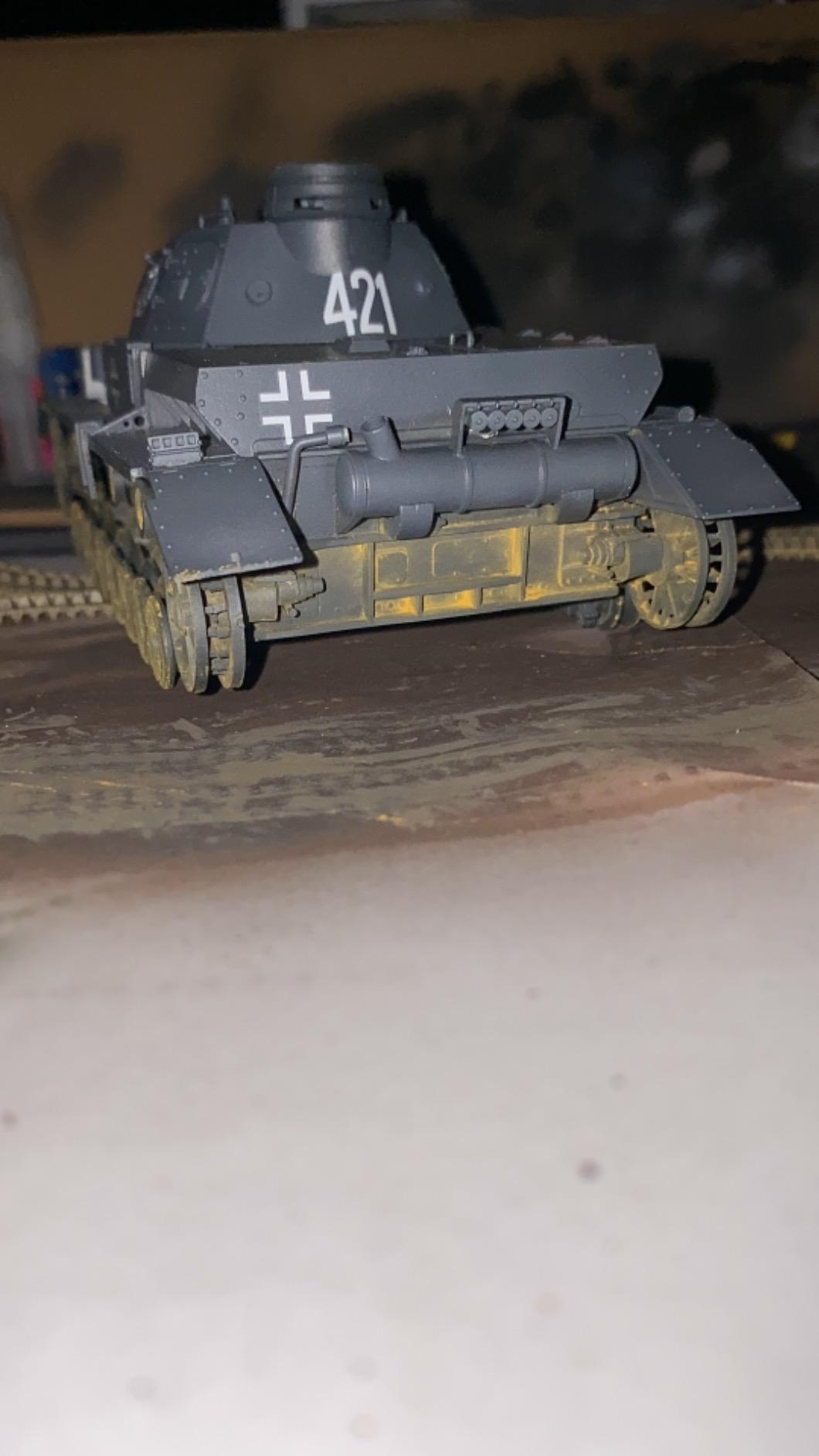
I have used the Vallejo Pigment FX Dust & Dirt Effects set on at least six different armor builds over the past two years. This set includes four 35 ml bottles covering Dark Yellow Ochre, Burnt Umber, Natural Iron Oxide, and Desert Dust.
The pigments are extra fine-milled, which means they settle into surface detail rather than sitting on top like cheap craft powders. My favorite technique with this set is dry application followed by a light pigment binder fix.
I start with a soft brush to dust the lower hull and running gear, then mist a diluted binder over the top to lock everything in place. The result looks like accumulated road dust rather than painted-on dirt.
On a 1/35 scale Panzer IV, the Desert Dust tone matched perfectly with the North African theater base coat I had applied earlier. The versatility of this set is what keeps it at the top of my workbench.
You can apply the pigments dry for light dusting, mix them with Vallejo Thinner for semi-wet effects, or blend them with Pigment Binder for permanent, textured accumulation. The non-toxic formula means I can work at my kitchen table without worrying about fumes or solvents.
Cleanup is simple with water and a paper towel. The one issue I have encountered is occasional leaking during shipping. Two of the bottles in my first order arrived with loose caps and some pigment spillage inside the box.
I recommend checking the seal immediately upon delivery. The set also performs best when you understand how to mix in medium. Pure dry application can brush off if you handle the model frequently before sealing.
Best for Historical Theater Accuracy
If you build vehicles for specific campaigns, this set offers the right color range to match documented environments. The Natural Iron Oxide works beautifully for Eastern Front winter mud.
Desert Dust handles North African and Middle Eastern scenarios. I have even used Burnt Umber on a 1/48 scale Kubelwagen to simulate Balkan mountain dust, and the color sat naturally against the base paint.
The pigments are light-fast according to Vallejo specifications, which means your display pieces will not fade under normal room lighting over time. This matters if you enter competitions or keep models in a glass cabinet near a window.
I left a test piece on my windowsill for 45 days and noticed no color shift in the dust layer.
Less Ideal for Diorama Base Texturing
These pigments are designed for surface weathering, not ground building. If you want to create a muddy road base for your diorama, you will need a thick paste or texture gel instead of loose powder.
The Pigment FX Dust & Dirt set can dust the top of a textured base, but it will not build the three-dimensional depth you need for realistic puddles or tire ruts. Beginners sometimes expect this set to function like paint, but loose pigments require a different workflow.
You need to plan your sealing steps before handling the model extensively. If you prefer a single-step application, the Weathering FX or Diorama FX paste lines might suit your style better.
2. Vallejo Mud and Puddles Diorama Effects Set
Vallejo Mud and Puddles, Diorama Effects Set for Model & Hobby 73189
35ml diorama bottles
Water extendable
Realistic mud texture
Easy application
Pros
- Works as advertised
- Great for small dioramas
- Can be extended with water
- Easy to use and apply
Cons
- Jars are smaller than expected
- Expensive for the amount
- Adding volume can be tedious
The Vallejo Mud and Puddles set is a specialized diorama kit that focuses on one specific effect: wet ground. I used this set on a 1/35 scale Eastern Front vignette featuring a T-34 stuck in a muddy crossing.
The product creates a convincing wet sheen that sits slightly above the base surface, giving you that recent-rain look without turning into a mirror-like gloss coat. Application is straightforward with a brush or palette knife.
I found the texture thick enough to hold peaks and swirls, which is exactly what you want when simulating fresh mud. You can extend the volume by mixing in small amounts of water, though you need to be patient and add it gradually.
I rushed the thinning on my first attempt and ended up with a runny soup that took 48 hours to dry. The set is ideal for smaller to medium dioramas.
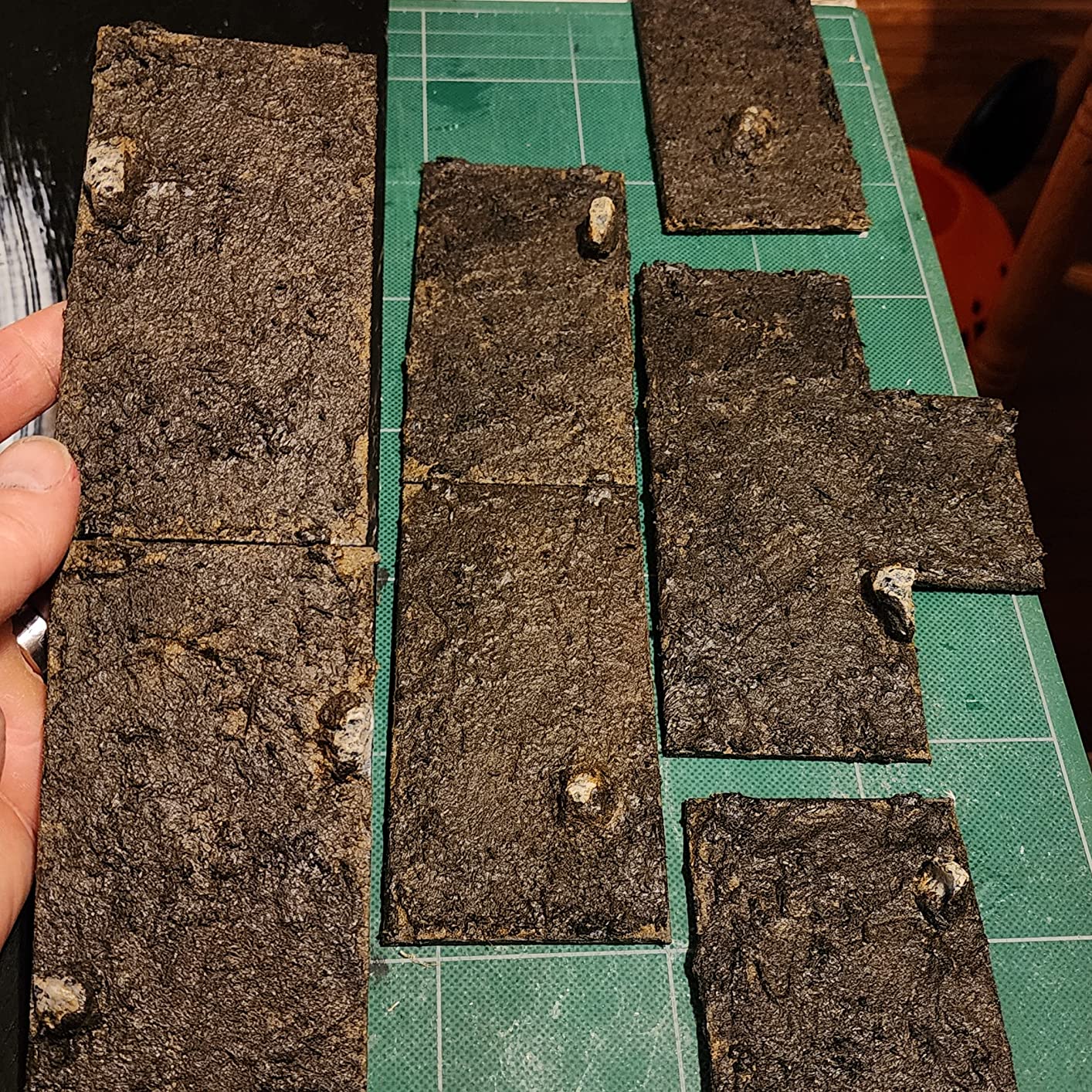
I built a 6×8 inch base and had just enough material to cover the muddy sections without running short. If you plan a large display, you will need multiple sets or a larger jar of Diorama FX Thick Mud instead.
The product also takes acrylic paint well once dry, so you can add color variation with dry brushing or washes on top of the cured surface. My main complaint is the jar size.
For the cost, I expected more volume. The 35 ml bottles look generous in photos but translate to only a few tablespoons of actual material. The water extension technique helps stretch the supply, but the process is tedious.
I spent 30 minutes slowly thinning and testing consistency before I felt confident applying it to the vignette.
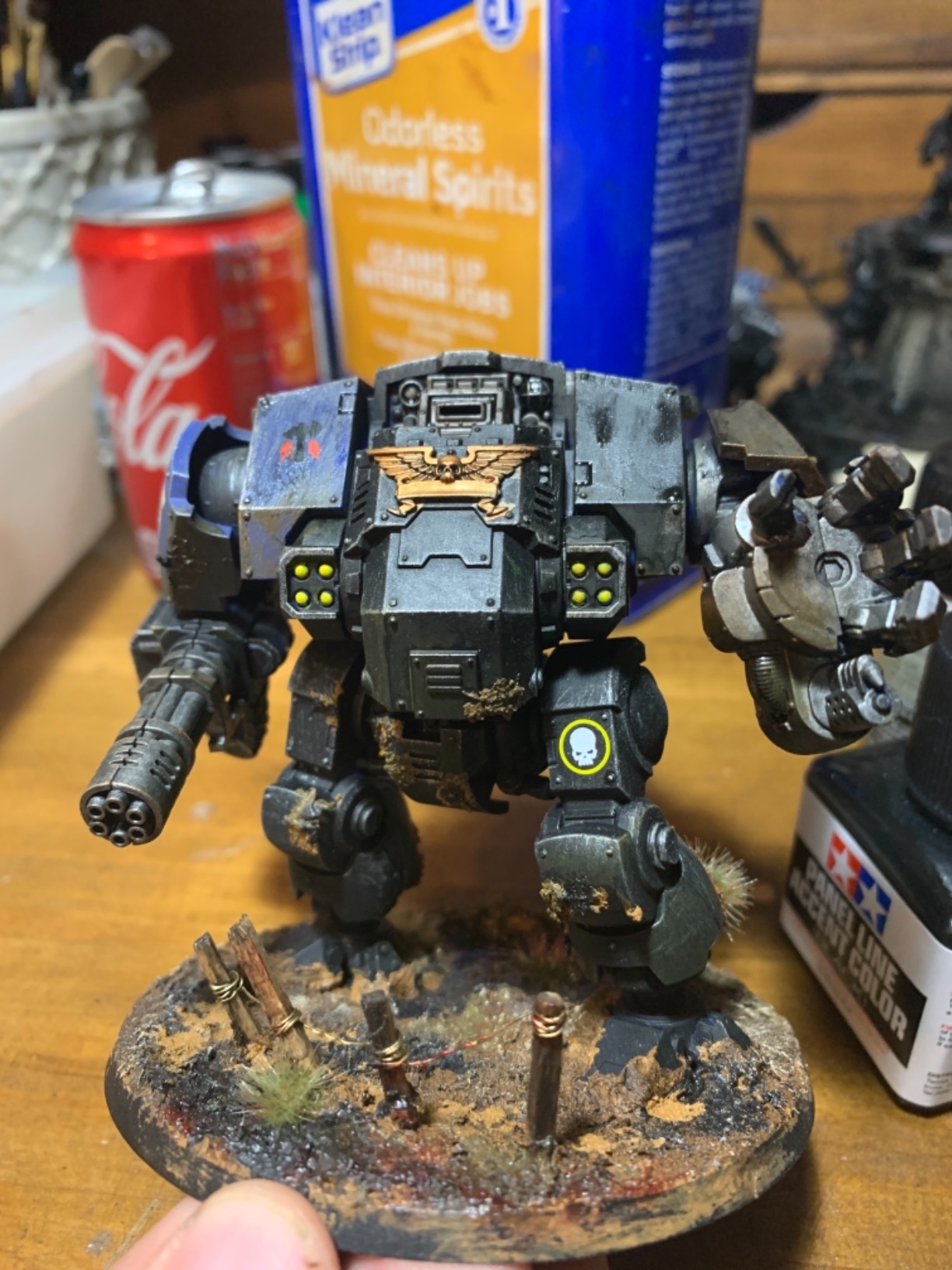
Best for Wet Ground and Vignettes
This set excels when you need to show the transition between dry earth and standing water. I created a small pond edge on my base by applying the product thicker at the bank and thinner toward the center.
The self-leveling tendency at low thicknesses helped create a natural waterline without any hard edges. You can also add reeds or grass tufts directly into the wet medium, and they will anchor firmly once cured.
The drying time is about 24 hours depending on thickness and room humidity. I used a hair dryer on low heat to speed up the surface skin, which allowed me to paint over the mud the same evening.
The cured finish is slightly matte with a subtle sheen, which reads as damp soil rather than glossy resin.
Less Ideal for Large Diorama Bases
Because the jars are small, covering a 12×18 inch diorama base would require three or four sets. At that point, you are better off buying the 200 ml Diorama FX Thick Mud or Earth Textures.
The Mud and Puddles set is also not designed for vehicle surface weathering. You should not apply this to tank tracks or hull sides expecting a dust layer. It is strictly a ground-building product.
Beginners should practice the water extension technique on a scrap base before committing to a final project. The consistency window is narrow.
Too thick and it looks like clay. Too thin and it shrinks into transparent spots. Mastering the ratio takes two or three test batches.
3. Vallejo Diorama FX Earth Textures Dark Earth
Vallejo – Diorama FX Earth Textures | Dark Earth 200 ml (6.76 fl.oz.) | Premium Acrylic Color For Modelers & Miniature Enthusiasts
200ml jar
High-density paste
Water-based formula
24-hour dry time
Pros
- Great gritty texture
- Spreads easily without clumping
- Easy cleanup
- Dries quickly
- Realistic finish
Cons
- Texture may contain light sand requiring touch-ups
- 24-hour dry time depending on thickness
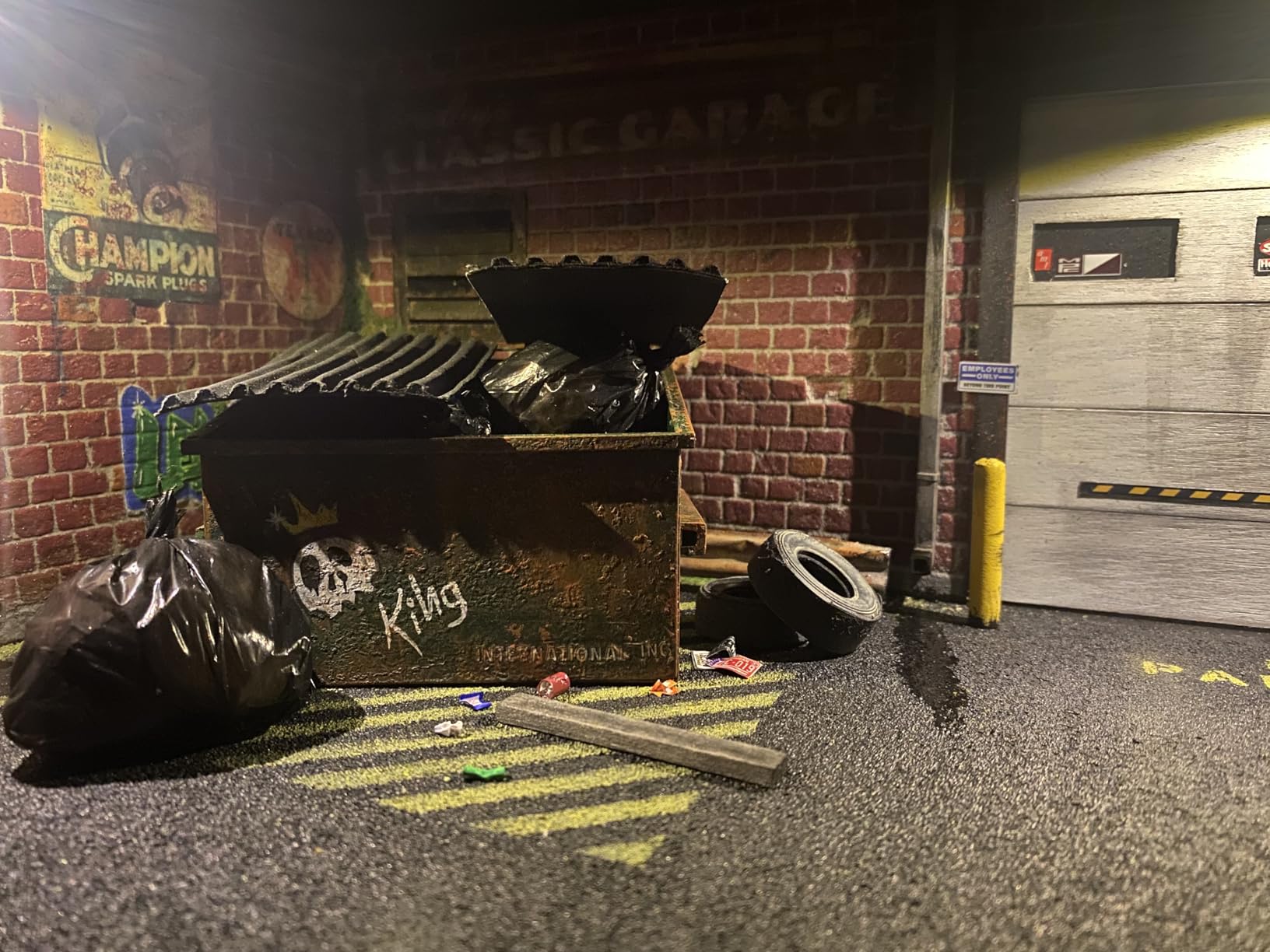
The Diorama FX Earth Textures in Dark Earth is my go-to base layer for any ground scene. This 200 ml jar contains a high-density acrylic paste with fine aggregate mixed throughout.
When you spread it across a base, you get an instant earthy surface that looks like real soil rather than painted sand. I used it on a 1/35 Normandy diorama and the texture held dry-brushed highlights perfectly.
What impresses me most is how easily the paste spreads. It is thin enough to move with a spatula without clumping, yet thick enough to retain tool marks that read as tire tracks or footprints.
I applied it over a dark brown base coat and the translucent nature of the paste allowed some undercolor to show through, which added depth. The jar is large enough for multiple projects.
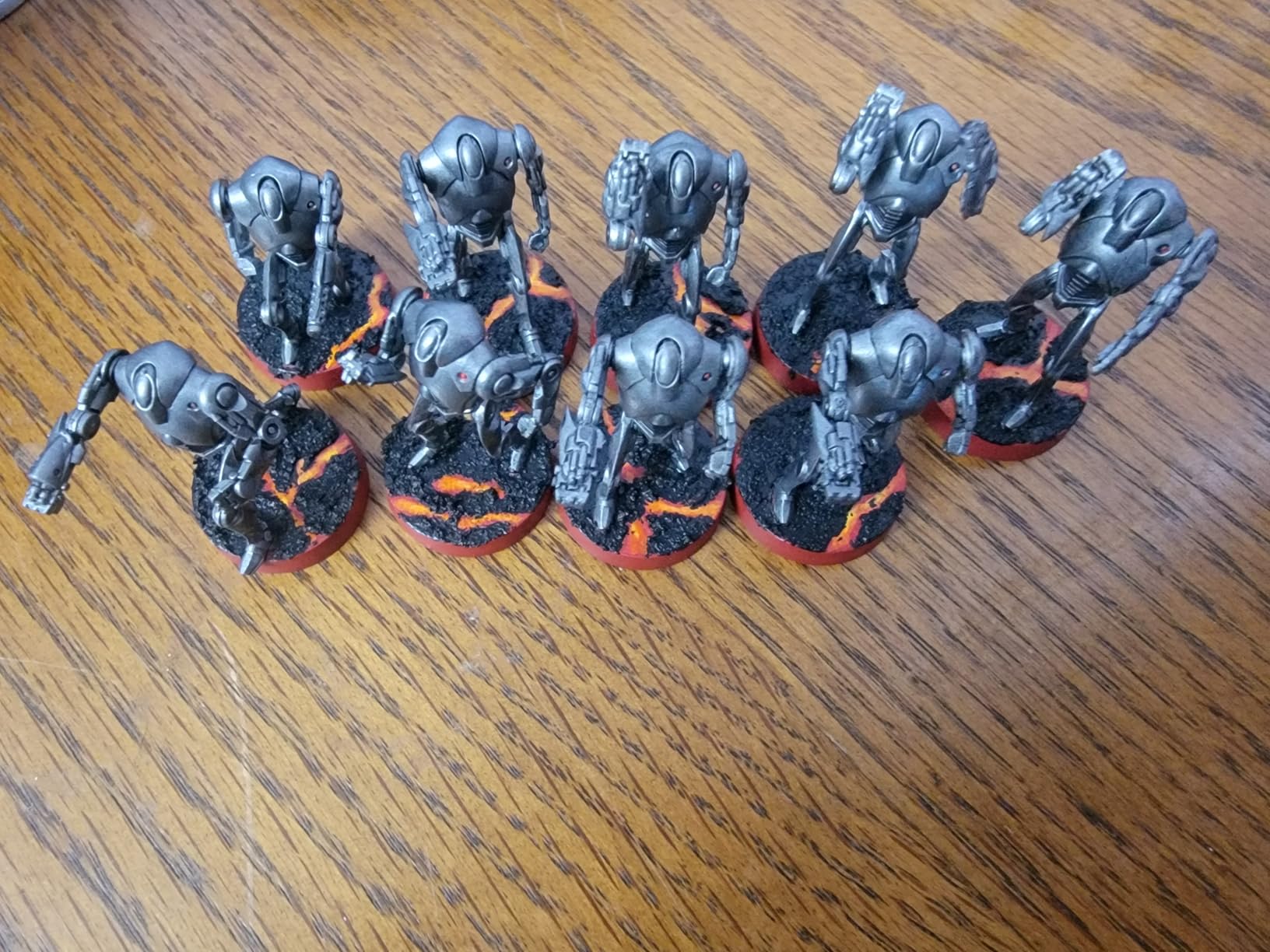
I have built four small bases and one medium vignette, and I still have half the pot remaining. Cleanup is simple with water while the paste is still wet.
I keep a damp paper towel nearby to wipe my tools and fingers. The formula dries in about 24 hours depending on thickness, though I have used a hair dryer to cut that down to 4 hours for thin layers.
Once dry, the surface accepts acrylic paints, washes, and dry brushing without any compatibility issues. The texture can contain small foam particles or lighter colored sand that sometimes show through the dark earth tone.
I had a few pale spots on my Normandy base that required touch-up with diluted acrylic paint. It is a minor issue, but worth checking while the paste is still wet so you can press darker pigment into those spots before curing.
Best for Diorama Ground Building
If you build dioramas regularly, this product belongs on your shelf. It replaces the old method of mixing glue, sand, and paint into a messy slurry.
The consistent formula means every base looks professional, and the water-based chemistry means no solvent fumes. I have used it over foam board, plywood, and plastic bases with equal adhesion.
The finish is textured but not rough enough to catch on delicate model parts. I have pressed small rocks and static grass into the wet surface, and both bonded firmly.
The paste is also easy to carve once partially dry. I used a dental tool to scratch in tank track impressions after about 2 hours of drying, and the edges held their shape beautifully.
Less Ideal for Direct Vehicle Weathering
This is a base-building product, not a hull coating. Do not try to brush this onto tank tracks or fenders expecting a mud effect. The aggregate is too large for 1/72 scale and would look like boulders on a small vehicle.
Even at 1/35, the texture is better suited for ground than for metal surfaces. The translucent nature means you must plan your base color carefully.
Over a white or gray primer, the paste looks washed out and unrealistic. I always lay down a dark brown or black base coat before applying the Dark Earth texture.
Skipping this step costs you the depth that makes the final ground look convincing.
4. Vallejo Diorama FX Thick Mud European Mud
Vallejo – Diorama FX Thick Mud | European Mud 200 ml (6.76 fl.oz.) | Premium Acrylic Color For Modelers & Miniature Enthusiasts
200ml jar
European Mud shade
Realistic twig texture
Water-based formula
Pros
- Great for basing models
- Good texture with twigs
- Easy to work with
- Takes paint well
- Large volume
Cons
- Funky odor
- Will ruin brushes
- Semi-transparent needs primer
- Lid may come off in transport
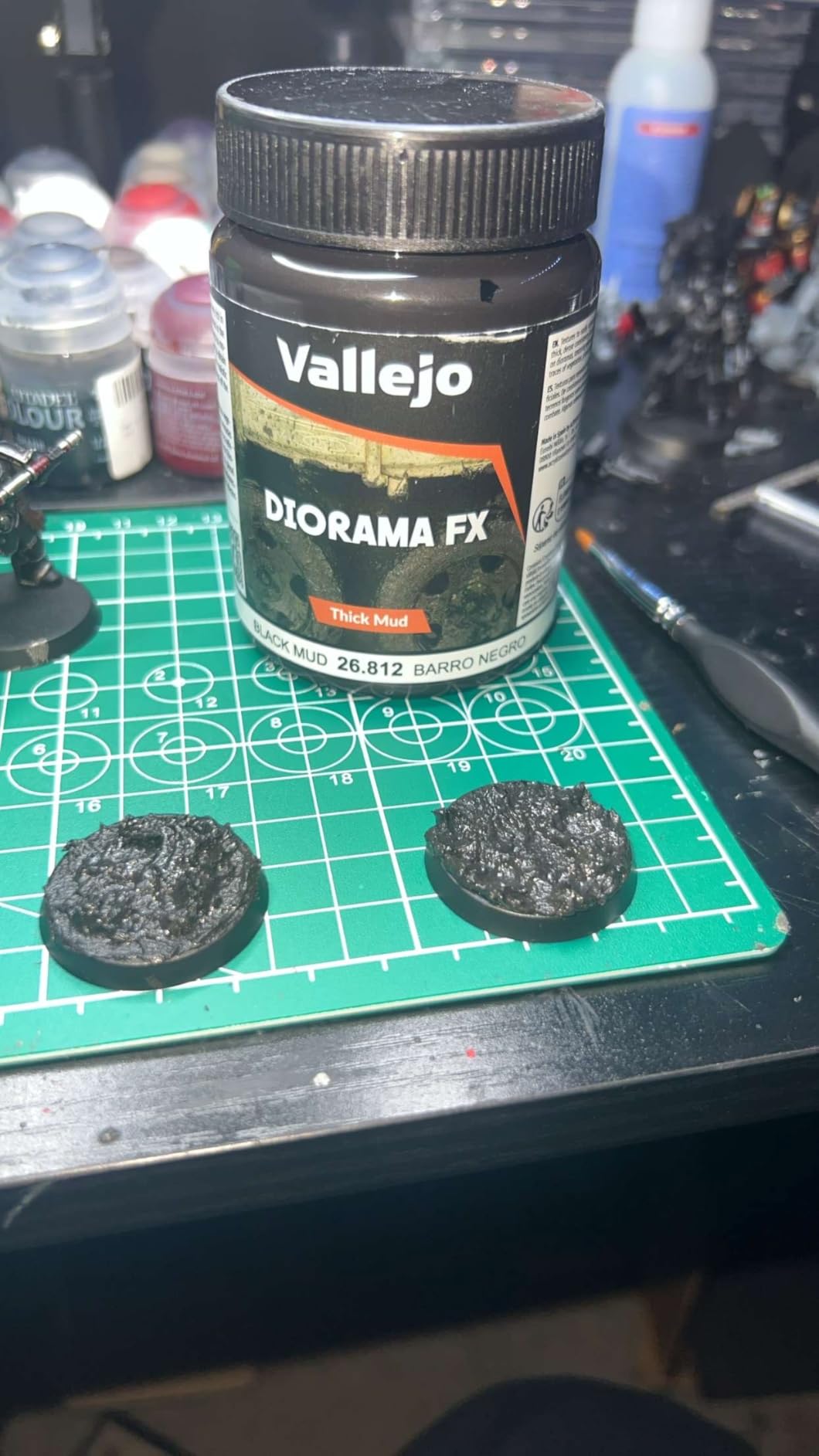
The Diorama FX Thick Mud in European Mud is one of the best values in the Vallejo range. The 200 ml jar is massive compared to most weathering products, and the thick paste contains actual twig pieces and vegetation fragments that create organic variation.
I built a full 1/35 base depicting a muddy forest road, and one jar covered the entire ground area with enough left over for a second project. The texture is heavier than the standard Earth Textures paste.
You can scoop it with a spoon and pile it up to form ruts and potholes. On my forest road base, I pressed the mud around the tank wheels to create the impression of a vehicle that had been stuck for hours.
The twig pieces add a random pattern that breaks up the flat appearance you get with pure acrylic pastes. The product adheres well to bare plastic without primer, though I still recommend a base coat for color depth.
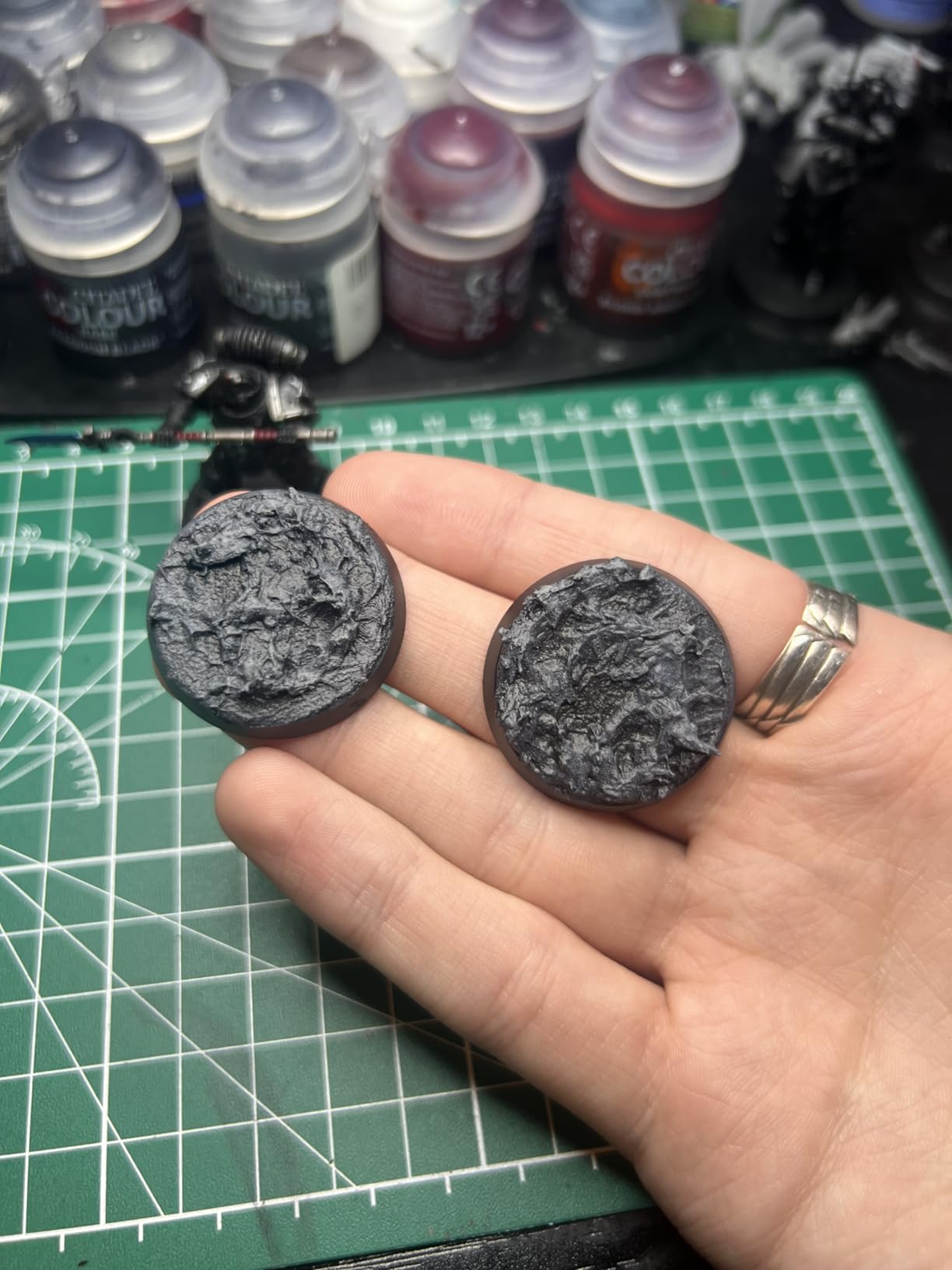
It takes dry brushing and washes beautifully once cured. I painted over the dried mud with olive drab and burnt umber highlights, then added a dark wash to sink the recesses.
The result looked like a damp forest floor after a week of rain. There are a few practical downsides. The product has a funky odor that lingers in the room for an hour after application.
It is not overwhelming, but my partner noticed it from the next room. The paste will also destroy good brushes. I learned this the hard way with a sable brush that I had owned for five years.
Use disposable craft sticks or old hardware store brushes for application.
Best for Large Bases and Muddy Terrain
If you need volume, this is the product to buy. The 200 ml jar covers roughly 200 square inches at 1/8 inch thickness. That is enough for a large diorama base or several small vignettes.
The water-based formula means you can thin it with water if you need a smoother consistency for specific areas. The dried surface is sturdy enough to support light handling.
The color is a dark brown that reads as central European soil. I have used it on German and Soviet subjects alike, and the neutral tone works with both camouflage patterns.
You can warm it up with dry-brushed sand yellow or cool it down with green-grey washes to match different seasons.
Less Ideal for Clean Workspaces and Fine Detail
The odor and brush destruction make this a messy product. I would not use it in a bedroom or small apartment without ventilation. The twig pieces are also too large for 1/72 or 1/48 scale.
At those sizes, the vegetation fragments look like tree branches instead of ground debris. You would need to pick them out manually, which defeats the purpose of a ready-mixed paste.
The semi-transparent nature means you must apply a dark primer coat first. Over white plastic, the mud looks like a weird brown stain rather than deep soil.
I use a dark brown spray base coat on every base before applying this paste, and the difference is dramatic. Skipping the primer step is the most common mistake I see beginners make with this product.
5. Vallejo Model Color Effects Earth Tones Set
Vallejo – Model Color Effects Earth Tones Set | Modeling Acrylic Paints | 16 Bottles x 18 ml (0.60 fl.oz.)
16x18ml bottles
Full earth-tone range
Matte finish
Water-based acrylic
Pros
- Excellent range of colors
- High quality paints
- Good coverage
- Useful for wood and leather
- Dense pigments
Cons
- Some bottles may have incorrect labels
- Packaging may arrive damaged
- Tip can bleed paint into cap
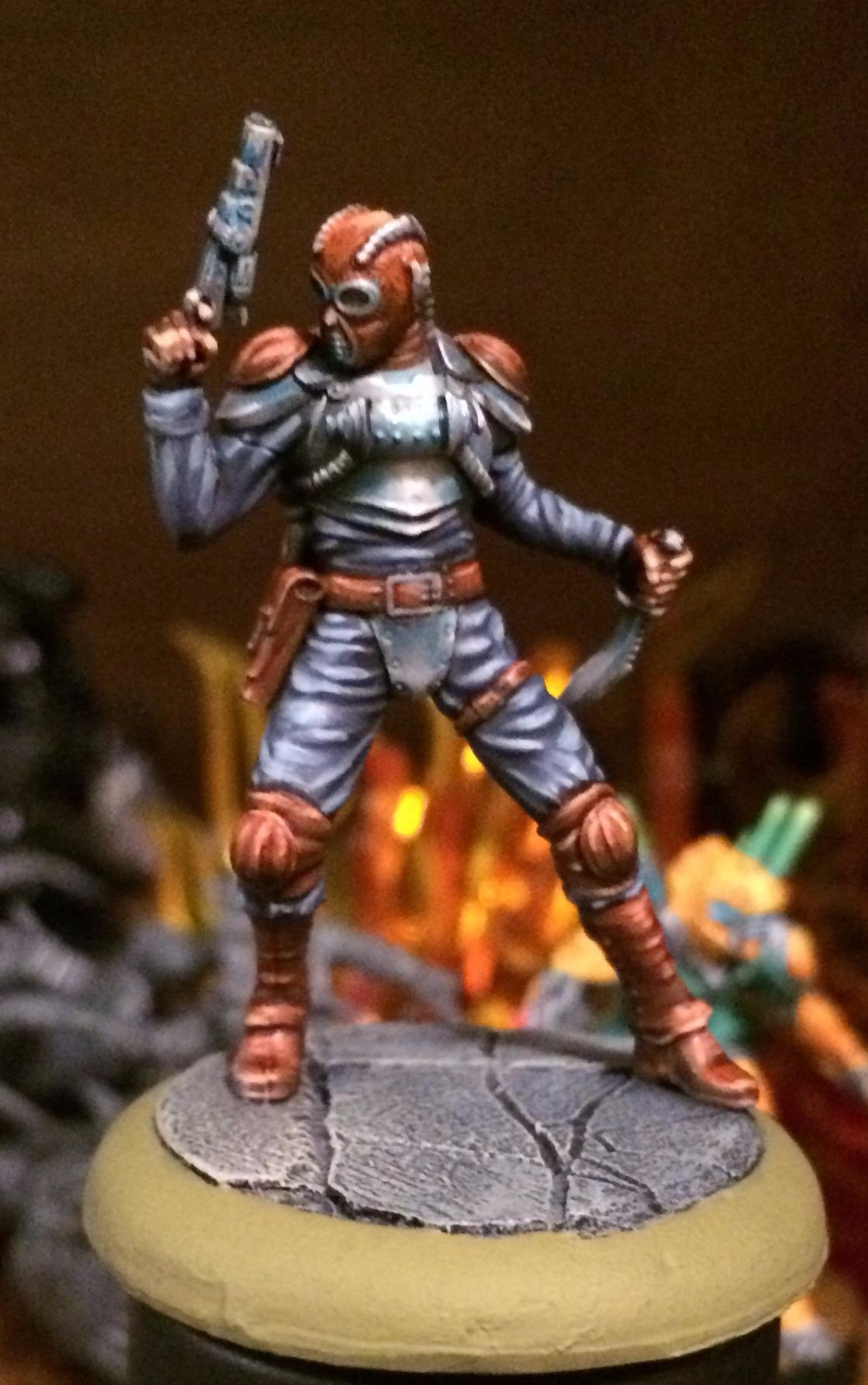
The Model Color Earth Tones Set is not a weathering product in the traditional sense, but it is the foundation beneath every realistic dust effect. This set contains 16 bottles of 18 ml water-based acrylic paints in colors ranging from Off-White and Ivory to Burnt Umber and US Olive Drab.
I use these paints as base coats, filter layers, and dry-brushing colors before applying any loose pigment on top. The paint quality is standard Vallejo Model Color, which means dense pigmentation, smooth flow, and a matte finish that accepts weathering products beautifully.
I painted an entire 1/35 armor collection with these colors before dusting with the Pigment FX set. The adhesion over plastic primer is excellent, and the flat finish gives the pigments something to grip onto.
Without this base layer, dust effects tend to slide off glossy surfaces. The range is impressive. Colors like Deck Tan, Middle Stone, and Iraqi Sand are exactly what you need for desert and Mediterranean vehicles.
Green Brown and Ochre Brown work as filter layers over olive drab to shift the tone toward a dusty appearance. I have also used the lighter greys as wood and concrete effects on diorama accessories.
The 16 bottles give you a complete earth palette without buying individual pots. My set arrived with one bottle that had a misprinted label. The cap color did not match the label, and I had to test the paint on scrap paper to identify the correct color.
I have also heard from other modelers that the packaging can arrive damaged during shipping. Store the bottles upright because the flip-top caps can leak paint into the lid if they sit on their sides for too long.
Best for Base Coating and Filter Layers
If you are building a paint collection from scratch, this set is the most logical starting point. The earth tones serve as base colors for vehicles, groundwork, and terrain.
I have used these paints on 1/72 aircraft, 1/48 vehicles, and 1/35 armor without any scale-related issues. The consistency is thin enough for airbrush use with minor thinning, and thick enough for brush painting straight from the bottle.
The matte finish is the real advantage for weathering. Glossy base paints repel pigments and washes, which forces you to add an intermediate matte coat. These paints dry dead flat, so you can move directly to weathering after they cure.
I save at least one full day on each build by skipping the gloss-to-matte transition step.
Less Ideal as a Standalone Weathering Product
This set contains paint, not pigments or pastes. You cannot create dust effects with these bottles alone. They are designed to be painted on, not dusted or textured.
If you want a one-product solution for dirt effects, you need the Pigment FX or Weathering FX lines instead. The Earth Tones Set is a companion product, not a standalone weathering kit.
Beginners sometimes buy this set thinking it will do everything. I made that mistake myself when I started. You still need a weathering product on top of these paints.
Think of this set as the canvas and the Pigment FX as the final texture layer. Both are necessary for a complete finish, but neither does the whole job alone.
6. Vallejo Weathering FX European Thick Mud
Vallejo – Weathering FX | European Thick Mud 40 ml. (1.35 fl.oz.) | Permanent Pigments and Water Based Acrylic Resins | Ideal for Miniatures, Scale Models & Dioramas
40ml bottle
European Thick Mud
Permanent pigments
Fast drying
Pros
- Realistic mud texture
- Easy to apply
- Dries quickly
- Great for miniatures
- Non-toxic cleanup
Cons
- Small bottle for large projects
- May look odd when mixed with other muds
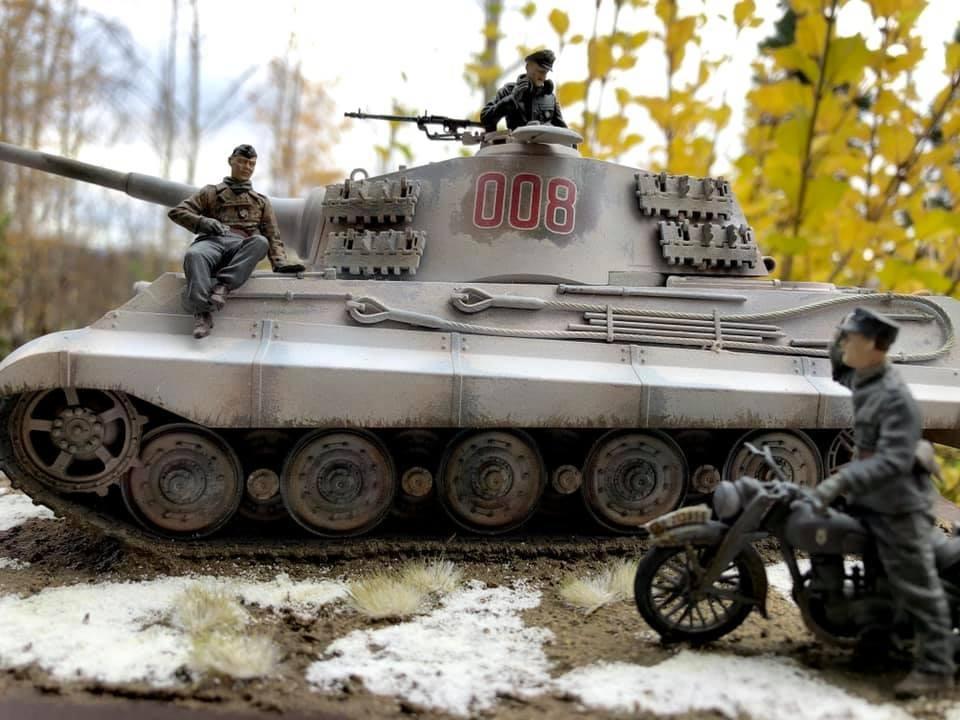
The Weathering FX European Thick Mud is a 40 ml bottle of permanent pigment gel designed for vehicle and armor weathering. I discovered this product while building a 1/35 Panther tank that needed heavy Eastern Front mud accumulation on the lower hull and tracks.
The consistency is like thick pudding, which means you can dab it onto surfaces and it stays exactly where you put it. The formulation uses water-based acrylic resins that dry to a hard, durable finish.
Unlike loose pigments, this mud does not require a separate fixative or binder. I applied it directly to the tank tracks with a stiff brush, then stippled the surface with a sponge to create a random pattern.
It dried in about 30 minutes to the touch, and I was able to paint over it the same evening with additional washes and highlights. The color is a dark brown with traces of vegetation, which reads perfectly as European soil.
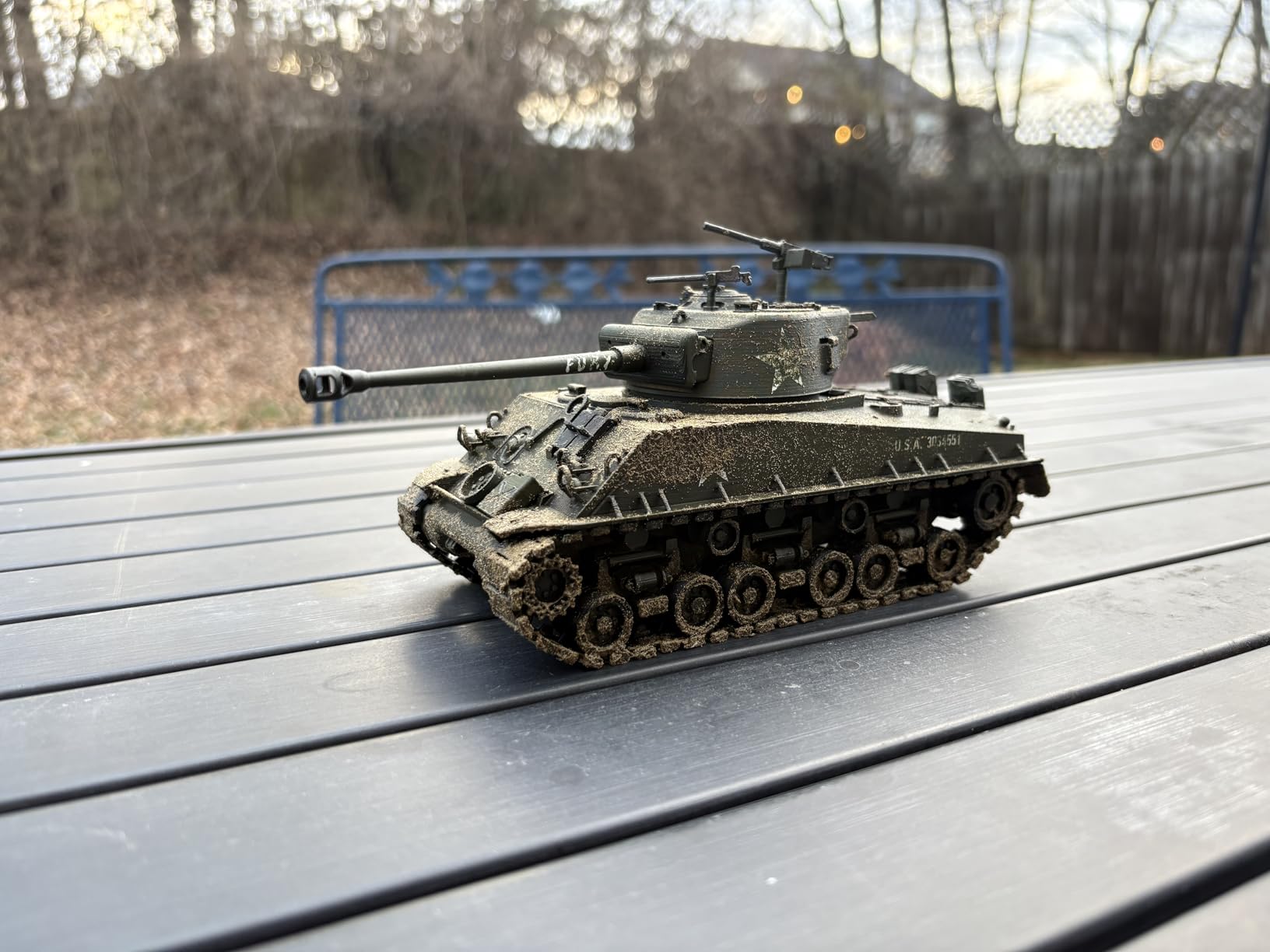
I have used it on German, Soviet, and British subjects with equal success. The product is non-toxic and cleans up with water and soap, which is a relief after years of working with solvent-based texture products.
My workshop no longer smells like a chemical plant when I build muddy vehicles. The 40 ml size is sufficient for several vehicle builds but will not cover a large diorama base.
I used one bottle across three 1/35 tanks and had a small amount left over. For big projects, the 200 ml Diorama FX Thick Mud is a better choice. I also noticed that mixing this product with other muds can produce a color that looks like manure rather than soil.
I keep it pure or blend it only with paints from the same earth-tone family.
Best for Vehicle Track and Hull Mud
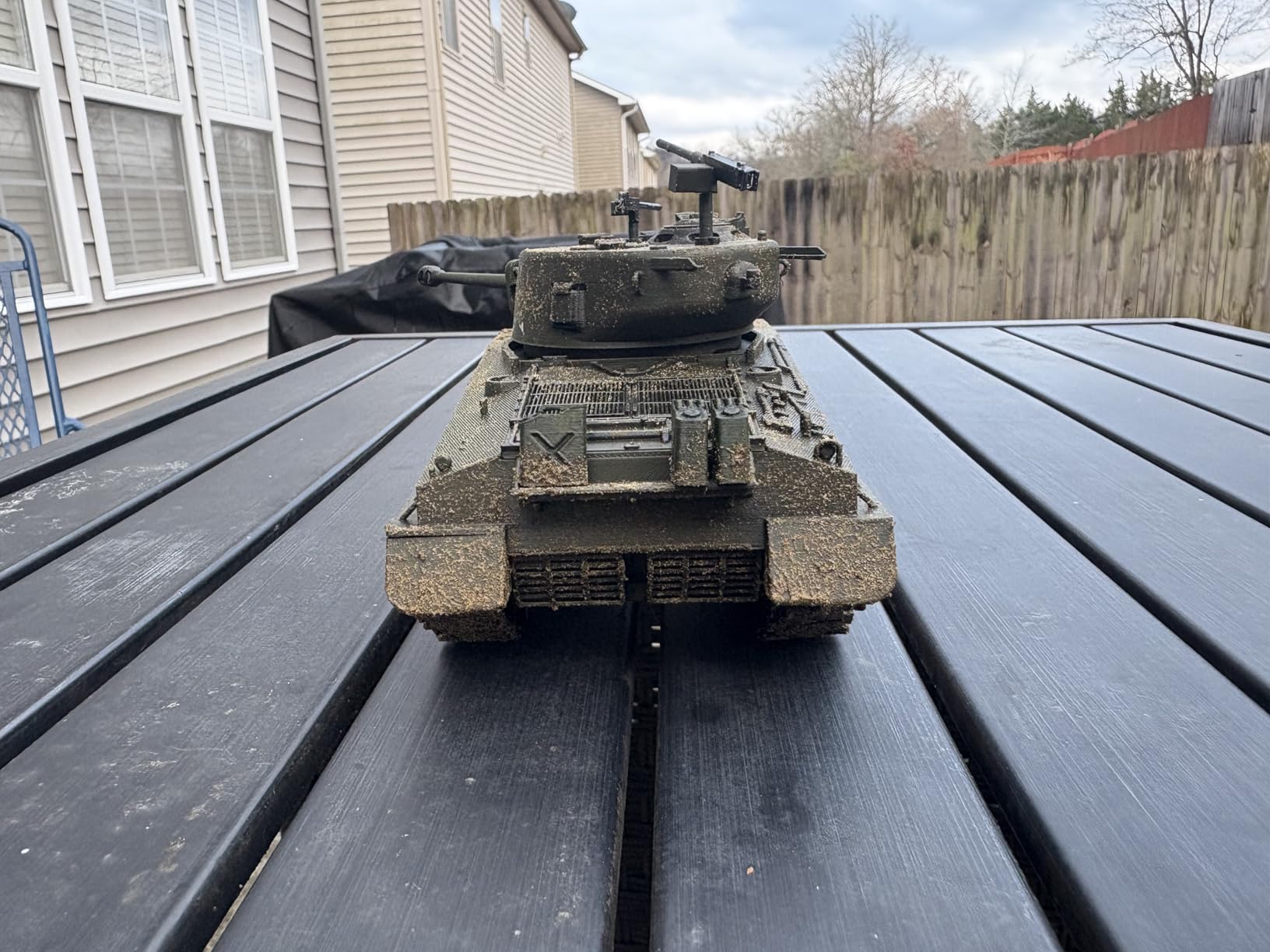
This product is formulated specifically for scale models rather than diorama bases. The viscosity is perfect for pressing into track links and wheel recesses. I used a toothpick to place small clumps inside the Panther’s drive sprocket, and the gel held the shape through drying.
The finish is slightly glossy when wet, but it dries to a matte surface that looks like dried clay. The fast drying time is a huge advantage for weekend builders.
I applied the mud on Saturday morning, painted highlights on Saturday evening, and sealed the model on Sunday. With traditional paste products, that same timeline would have required three weekends because of the longer cure times.
The hard finish also means you can handle the model without worrying about smudging the mud layer.
Less Ideal for Beginners and Diorama Builders
The small bottle and thick consistency require some practice. Beginners often apply too much and end up with a tank that looks like it was dipped in chocolate. I recommend starting with a small amount and building up in layers.
You can always add more, but removing excess is difficult once the product starts to skin over. The 20-minute window for repositioning is shorter than you think.
Diorama builders should skip this and buy the 200 ml Diorama FX Thick Mud instead. The price per volume is better, and the larger jar is designed for base coverage.
This 40 ml bottle is a vehicle weathering tool, not a ground-building material. Using it for both jobs is inefficient and expensive.
7. Vallejo Weathering FX European Splash Mud
Vallejo – Weathering FX | European Splash Mud 40 ml. (1.35 fl.oz.) | Permanent Pigments and Water Based Acrylic Resins | Ideal for Miniatures, Scale Models & Dioramas
40ml bottle
European Splash Mud
Realistic splashes
Fast drying
Pros
- Realistic mud splash effect
- Great texture for vehicles
- Easy to apply
- Good quality
Cons
- Pricey for the amount
- Limited color options separately
The European Splash Mud from the Weathering FX line is designed for one specific effect: the fine spray of mud that kicks up behind wheels and tracks. I used this on a 1/35 Sherman that I wanted to look like it had been moving fast through wet terrain.
The product is slightly thinner than the Thick Mud, which allows it to splatter naturally when flicked from a stiff brush. The application technique is different from other mud products.
I load a small amount on the tips of a ruined brush, then pull back the bristles and release them toward the model. The resulting pattern looks like random road spray across the lower hull and fenders.
You can also use a sponge or stippling brush for a more controlled pattern. The color matches the European Thick Mud, so the two products work together seamlessly on the same vehicle.
The texture is realistic for 1/35 scale, and the fast drying formula means you can add multiple layers in a single session. I built up three coats of splash mud on the Sherman, each with a slightly different direction, and the result looked like the tank had been driving through a series of puddles.
The finish is matte and durable once cured, and it takes additional washes without reactivating. The 40 ml bottle is small for the cost, and the color range is limited if you want to buy splash mud separately in other shades.
I would love to see Vallejo offer this in desert or tropical variations, but currently the European tone is the primary option. For the price, you are paying for a specialty effect rather than a general-purpose product.
Budget modelers might achieve similar results by thinning the Thick Mud with water and flicking it on manually.
Best for Dynamic Mud Spray Effects
If you want to show movement, this product is the right tool. It creates the fine droplets and streaks that suggest speed and recent travel. I have used it on motorcycles, half-tracks, and wheeled vehicles with excellent results.
The random splatter pattern is difficult to achieve with brushes alone, and the pre-mixed color saves you from experimenting with paint consistency. The product also works as a subtle ground texture when applied thinly around wheels.
I painted a thin ring of splash mud around the Sherman road wheels to show where the tires had been churning. The effect was understated but convincing.
It is the kind of detail that judges notice at model shows without overwhelming the overall paint job.
Less Ideal for Heavy Accumulation or Budget Builds
This is not the product for deep mud buildup. The consistency is too thin to hold peaks or clumps. If you need heavy track packing, buy the Thick Mud instead.
The Splash Mud is strictly for surface spatter and light coating. Using it for thick application leads to long dry times and potential cracking as the water evaporates from the thick layer.
The cost per volume is high compared to mixing your own thin mud from thicker paste. I keep one bottle on hand for competition builds where the convenience matters, but for casual projects I often thin the European Thick Mud with a few drops of water and achieve a similar result.
The pre-mixed formula is better for consistency, but the budget-conscious modeler can replicate the effect with some experimentation.
8. Vallejo Mud & Grass Effect Model Paint Kit
Vallejo Mud & Grass Effect Model Paint Kit
Mud and grass effect
Brush application
Water-thinnable
Quick dry
Pros
- Realistic mud and grass effect
- Easy to apply with brush
- Can be thinned with water
- Mixes well
- Dries quickly
Cons
- May lack color variation when dried
- Small amount for the price
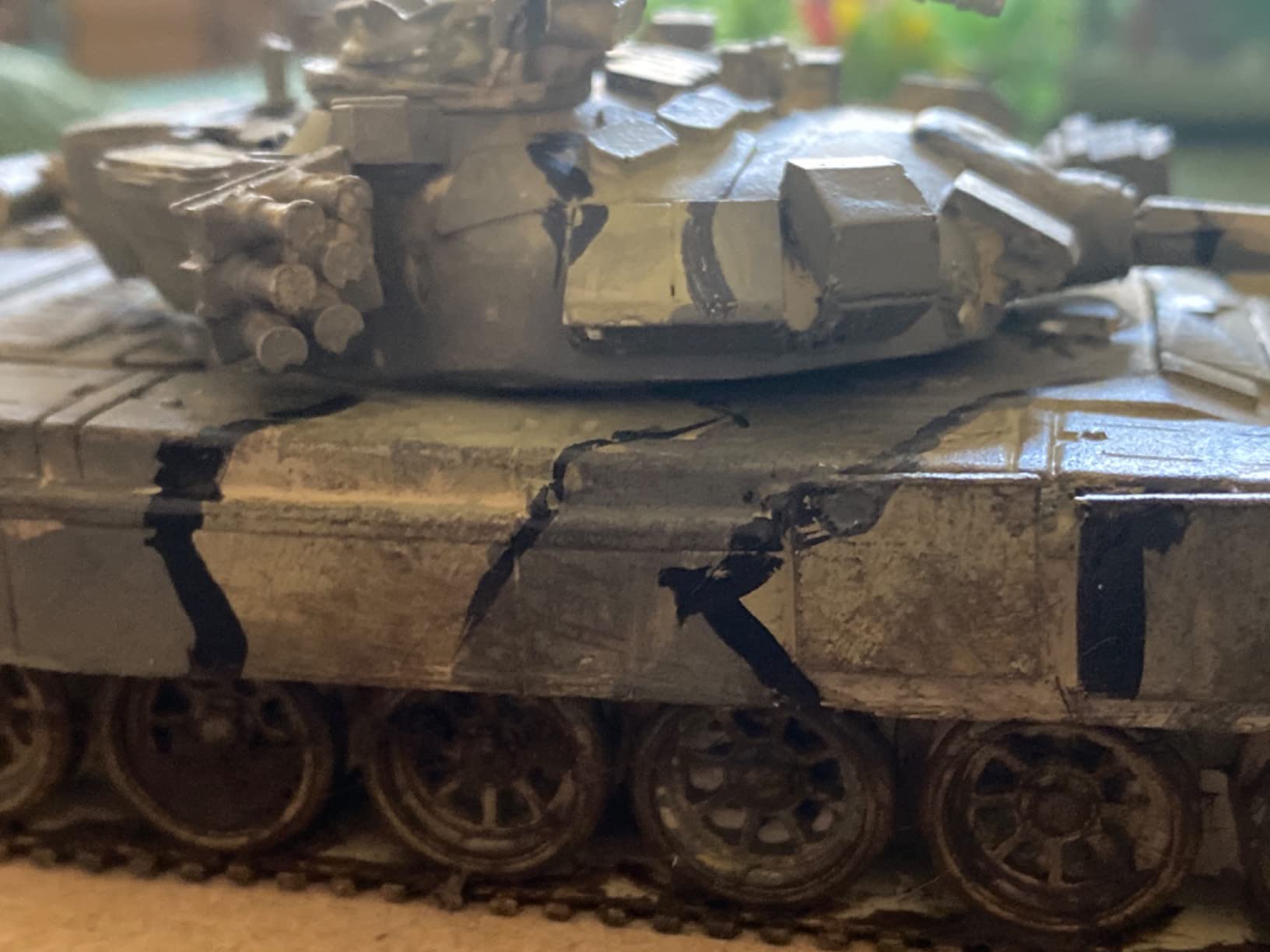
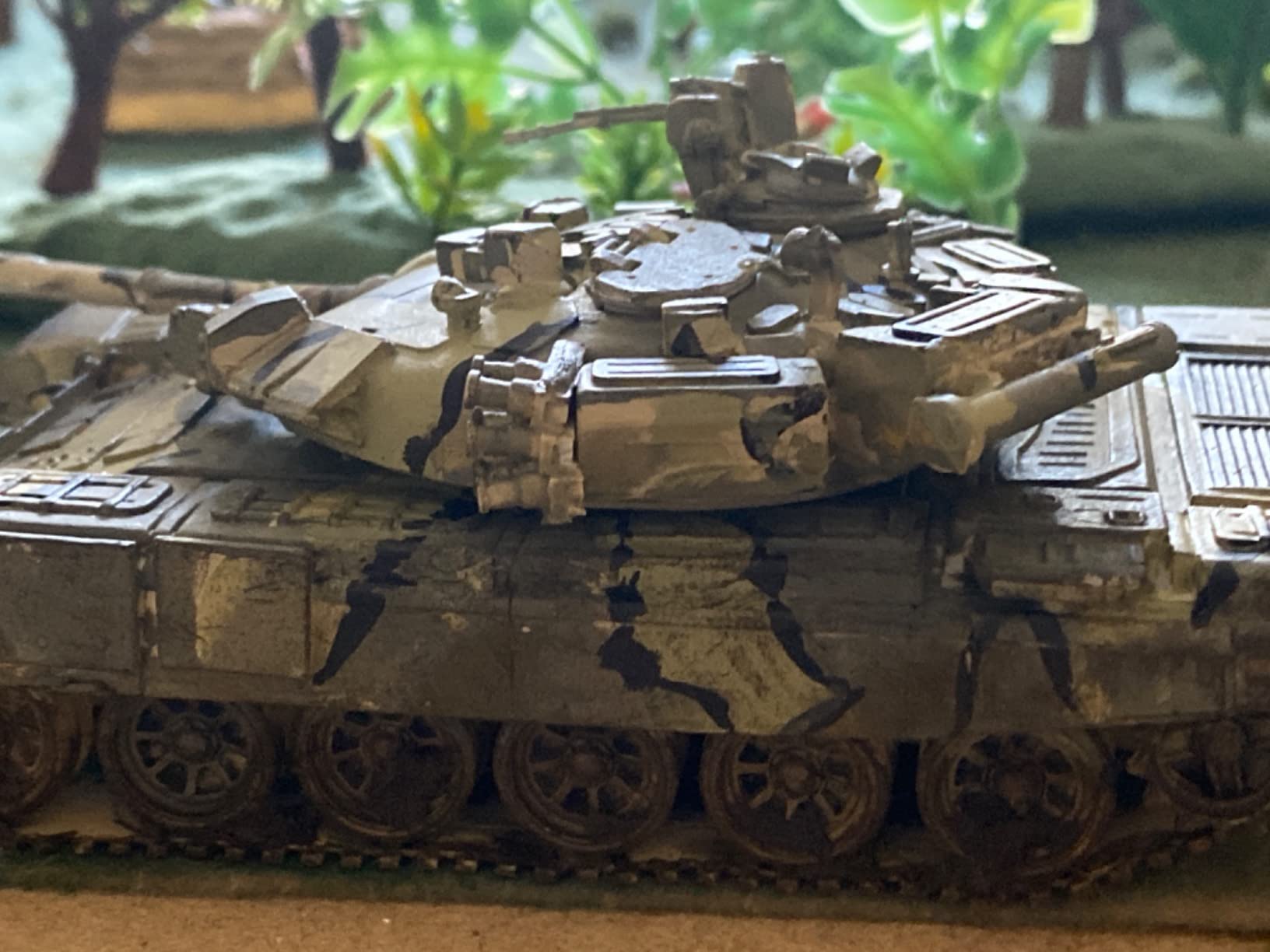
The Mud & Grass Effect is a unique hybrid product that combines soil texture with static grass fibers in a single gel. I used it on a 1/35 base showing a grassy field with patches of exposed mud.
The application is simple with a brush or palette knife, and the grass fibers stand up as the gel dries, giving you instant vegetation without the mess of traditional static grass applicators. The product can be thinned with water for a smoother consistency, or mixed with acrylic paints to shift the color.
I blended in some olive green paint to create a mossy patch on a forest base, and the result was convincing. The gel dries quickly in thin layers, though thick applications need a few hours to fully cure.
I recommend working in small sections so you can position the grass fibers while the surface is still tacky. The versatility surprised me.
I have used it for European grasslands, desert scrub, and even a marshy bank by varying the thickness and paint additives. The fibers are short enough to look correct at 1/35 scale, though they might appear slightly large on 1/72 miniatures.
At 1/48 scale, the effect reads as tall grass or weeds, which is still useful for certain scenes. The color is fairly uniform when dry, which can look artificial if you cover an entire base with it.
I solve this by mixing in small amounts of different paint colors for each patch. One area gets brown ochre for dry mud, another gets green grey for damp grass, and a third gets sand yellow for sun-bleached vegetation.
The variation makes the base look natural rather than factory-painted.
Best for Quick Grass and Mud Combinations
This product saves time when you need both ground texture and grass in a single step. Traditional methods require applying texture paste, waiting for it to dry, adding glue, then using a static grass applicator.
The Mud & Grass Effect combines the first three steps into one. I built a small 4×6 inch base in under an hour using this product, whereas the traditional method would have taken three hours over two days.
The brush application is forgiving. You can push the fibers around while the gel is wet, and they will stay where you place them. I have also pressed small twigs and stones into the surface for added interest.
The gel holds accessories firmly, so you do not need additional glue for light elements. The dried surface is durable enough for gaming miniatures if you are a wargamer.
Less Ideal for Uniform Color Purists and Large Projects
The dried color is a single monotone brown-green that does not look natural across a large area. If you want a realistic field, you must be willing to mix in paints or apply washes over the top.
I have seen beginners use this straight from the bottle and create bases that look like brown carpet. The product is a starting point, not a finished solution.
The jar is small for the price. One bottle covers roughly 25 square inches at moderate thickness. A large diorama base will require multiple bottles, which gets expensive.
I reserve this product for small vignettes and individual model bases rather than expansive scenes. For big projects, I use separate earth texture paste and static grass for better cost control.
9. Vallejo Pigment FX Desert Dust Single Pot
Vallejo – Pigment FX Desert Dust, 1.18 Fl. Oz. (35 ml) Pot, Fine Powder Color Pigment for Model Weathering and Hobby Building
35ml jar
Desert Dust color
Extra fine milling
Natural earth pigments
Pros
- Ultra-fine consistency
- Excellent light fastness
- Easy to mix
- Realistic dust effects
- Non-toxic and odor free
Cons
- Requires pigment binder for adherence
- Can be messy to work with
The Pigment FX Desert Dust is a single-color jar of ultra-fine powder designed for dry and alkaline environments. I bought this pot after running out of the Desert Dust bottle from the full Dust & Dirt set.
The 35 ml jar holds a surprising amount of pigment because the powder is so light and dense. I have used it on four desert vehicle builds and a 1/48 scale diorama base, and I still have half the jar left.
The extra fine milling is immediately noticeable. When you dip a brush into the jar, the powder flows like liquid rather than clumping. This consistency makes it easy to apply a thin, even layer over large surfaces.
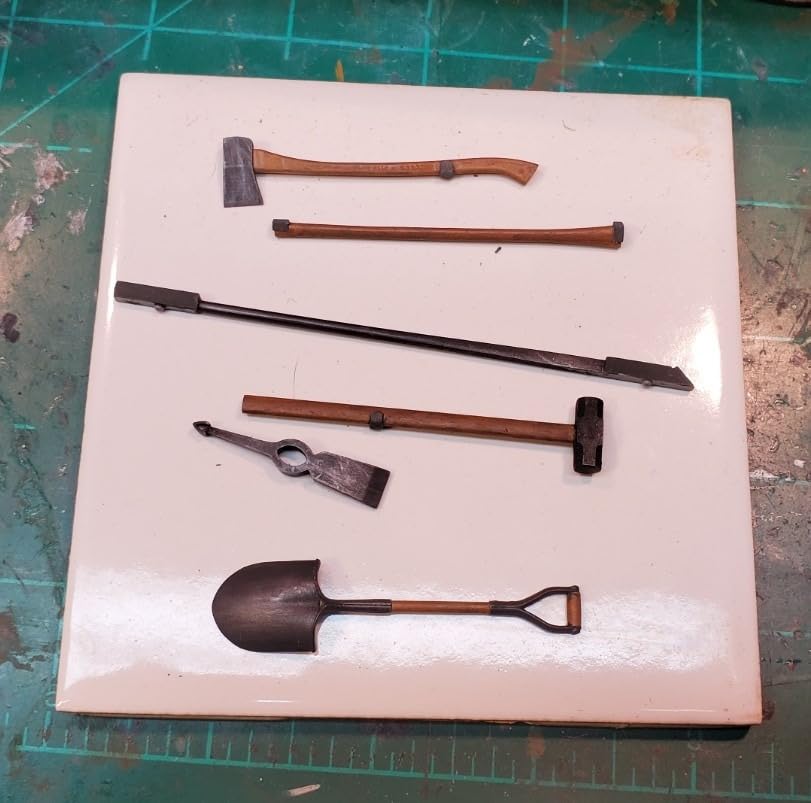
I dusted an entire 1/35 M1 Abrams with this pigment in about ten minutes, using a large soft brush to work the powder into panel lines and recesses. The result was a convincing sun-baked appearance that looked like it had been training in the Mojave.
The natural earth pigments are light-fast, which means they resist fading under normal display conditions. I tested this by leaving a pigment-coated scrap model on a shelf near a window for 60 days.
The color remained unchanged while a competitor pigment sample beside it shifted noticeably toward pink. That stability matters for models that sit in display cases under LED lights for years.
The product is non-toxic and odor-free, which allows me to work in my living room without complaints. The main challenge is the same as any loose pigment: you need a binder or fixative to prevent the dust from brushing off during handling.
I use Vallejo Pigment Binder applied with an airbrush in light coats. The binder dries matte and invisible, locking the pigment in place without altering the color. Without this step, the powder will transfer to your fingers every time you touch the model.
Best for Desert and Arid Environment Vehicles
If you build modern armor or WWII North African subjects, this jar is essential. The Desert Dust tone is a warm beige that matches photographs of deployed vehicles in the Middle East.
I have used it on M1 Abrams, Bradleys, and Humvees with excellent results. The color also works for dusting over sandy base coats on aircraft and helicopters, though you need to apply it more carefully on vertical surfaces.
The single jar format is ideal if you already own the other Dust & Dirt colors and just need to replenish the Desert Dust. Because it is the most commonly used color in the set, I find myself running out of it twice as fast as the Burnt Umber or Natural Iron Oxide.
Buying the single pot is more economical than buying the entire set again.
Less Ideal for Wet Mud and European Theater Builds
This is a dry dust pigment, not a mud product. The color is too warm and light for European mud or winter slush. If you are building a Panzer in the Russian mud season, the Desert Dust will look like you dropped the model in a bag of flour.
Stick to the European Mud or Burnt Umber tones for wet, dark environments. The loose powder format also requires more technique than a wash or paste.
Beginners often apply too much and create a model that looks like it was buried in sand. I recommend starting with a tiny amount on the brush and building up in layers. It is easier to add more pigment than to remove excess.
You also need to invest in a pigment binder, which is an additional purchase. The total cost of entry is higher than buying a single bottle of wash.
10. Vallejo Wash FX Desert Dust Model Wash
Vallejo – Wash FX | Desert Dust 35 ml. (1.18 fl.oz.) | Designed for Light & Dark Armour | Visual Realism for your Projects | Brush or Airbrush Use
35ml wash
Desert Dust color
Panel line highlight
Brush or airbrush
Pros
- Great for panel lines
- Realistic worn look
- Fast drying
- Brush or airbrush use
- Professional quality
Cons
- Can be hard to wash off
- May remove base paint if not careful
The Wash FX Desert Dust is the most accessible entry point into Vallejo weathering. Unlike loose pigments or thick pastes, this product is a liquid wash that flows into panel lines and recesses to create instant depth.
I recommend this bottle to every beginner who asks me how to start weathering because it requires no special tools beyond a brush and a paper towel. At 35 ml, the bottle is small but the wash goes a long way since you only need a thin coat.
I have used this wash on dozens of builds across all scales. The technique is simple: brush the wash over the surface, let it settle into the details for a minute, then wipe the excess away with a slightly damp cotton swab.
The pigment left behind creates a subtle grime layer that reads as accumulated dust in seams and hinges. On a 1/72 scale aircraft, the wash added cockpit grime and exhaust staining without obscuring the fine detail.
On 1/35 armor, it defined weld seams and tool fittings. The fast drying time is a major advantage. The wash skins over in about 20 minutes, which means you can complete the entire weathering stage in a single afternoon.
I have also used it through an airbrush as a filter layer over base coats. Thinned with a few drops of water, the wash creates a uniform dust tone that shifts the overall color toward a sun-bleached appearance.
This is a great way to tie together a desert camo scheme before adding dry pigment on top. The product is not perfect.
If your base coat is not fully cured or if you apply the wash too aggressively, it can lift the paint underneath. I learned this on a 1/48 Stuka where the wash removed the RLM paint from the wing root.
The wash can also be difficult to remove completely if you let it dry too long. You need to work in small sections and wipe the excess before the 20-minute window closes.
Best for Beginners and Panel Line Enhancement
If you have never weathered a model before, buy this bottle first. It teaches you the core concept of controlled grime without the mess of powders or the expense of full sets.
The liquid format is forgiving. Mistakes can be wiped away with a damp swab while the wash is still wet. I have guided five friends through their first weathering attempts using this product, and all of them produced respectable results on the first try.
The panel line enhancement is the primary use. The wash flows naturally into recessed details thanks to capillary action. You do not need to guide it carefully.
Just brush it across the surface and physics does the rest. On a 1/35 tank with cast texture, the wash brought out every bolt head and weld seam. The model went from looking like a plastic kit to looking like a scaled-down vehicle.
Less Ideal for Heavy Texture and Loose Dust Simulation
This product creates a stained appearance, not a dusty texture. If you want to show a vehicle that has been driving through a sandstorm, the wash alone will not give you the raised, powdery look of real dust.
You need loose pigments on top of the wash for that effect. The Wash FX is best used as a foundation layer or a subtle detail enhancer rather than a primary weathering product.
The 35 ml bottle can run out quickly if you use the wash as a full-body filter. I went through an entire bottle in four builds because I was applying it as a overall tint rather than a panel line accent.
If you plan to use it as a filter, buy two bottles. For pure panel line work, one bottle lasts ten to fifteen models easily. Budget accordingly based on your intended technique.
Vallejo Dust and Dirt Buying Guide
Choosing the right Vallejo dust and dirt product depends on three factors: your scale, your subject, and your skill level. The product lines are designed for specific stages of the weathering process, and buying the wrong format leads to frustration.
Our team has tested these products across 1/72, 1/48, and 1/35 scales to identify which formulas work best for each scenario.
Dry Application vs Wet Application
Loose pigments like the Pigment FX line are applied dry with a soft brush for a powdery dust effect. This technique is ideal for showing light accumulation on upper surfaces and horizontal panels.
The pigment sits on top of the paint and can be pushed around with a cotton swab to create streaks and wear patterns. Dry application is the most forgiving technique for beginners because you can remove excess with a clean brush before sealing.
Wet application involves mixing pigments with Vallejo Pigment Binder or matte medium to create a fixed, textured layer. This method is better for heavy mud buildup on tracks and lower hulls.
The binder locks the pigment in place permanently, so you can handle the model without smudging. The trade-off is that wet application requires more planning. You cannot adjust the pigment once the binder starts to set.
I recommend practicing on scrap plastic before applying wet pigment to a finished model. The Wash FX line uses a liquid formula that is technically wet application but behaves differently.
It flows into details and dries as a stain rather than a layer. This is the best starting point for beginners because it combines the control of paint with the effect of weathering.
You can also use the Weathering FX and Diorama FX pastes directly from the jar without mixing. These are pre-thickened gels that hold their shape and dry hard.
Scale-Specific Application Tips
At 1/72 scale, fine detail is fragile and heavy textures look oversized. I use the Wash FX and light dry pigment almost exclusively at this scale.
The Pigment FX Desert Dust works well if applied with a tiny brush in controlled amounts. Avoid the Diorama FX Thick Mud at 1/72 because the twig pieces and heavy aggregate will look like tree branches.
The Mud & Grass Effect is borderline usable at 1/72 if you thin it heavily and keep the grass fibers sparse. At 1/48 scale, you have more room for texture.
The Weathering FX Thick Mud and Splash Mud work well on vehicles, and the Diorama FX Earth Textures can be used for small bases. I still avoid the heavy twig pieces in the Thick Mud at 1/48, but the paste itself is usable if applied thinly.
The Pigment FX line is excellent at this scale because the fine powder settles correctly into panel lines and recesses. At 1/35 scale, the full range opens up.
All ten products in this guide work beautifully at 1/35. The Diorama FX pastes are ideal for bases, the Weathering FX gels work perfectly on tracks and hulls, and the Pigment FX powders create realistic dust on every surface.
This is the scale where Vallejo products truly shine because the texture sizes match real-world proportions correctly.
Sealing and Fixative Guidance
Sealing is the step most beginners skip, and it ruins otherwise excellent weathering. Loose pigments will brush off with handling, and even fixed pigments can fade if exposed to moisture.
I seal all my models with a matte varnish after the weathering stage is complete. For competition builds, I apply a light coat of Vallejo Matt Varnish through an airbrush, which preserves the dust texture without adding gloss.
If you use dry pigments without a binder, you must seal them. I spray a mist coat of matte varnish from about 12 inches away. The varnish settles as a microscopic film that locks the pigment in place.
Multiple light coats are better than one heavy coat. A heavy application can darken the pigment or create a wet-looking sheen that defeats the purpose of a dust effect.
I typically use three ultra-light passes, waiting 10 minutes between each. For models that will be handled frequently, such as wargaming miniatures, I recommend using the Pigment Binder or mixing pigments into a paste rather than applying them dry.
The sealed layer is more durable. You can also apply a brush-on matte varnish to specific areas, though this takes longer and risks disturbing the pigment. The key rule is: if you can blow the dust off with your breath, it needs to be sealed.
Layering Dust with Rust and Corrosion
Real vehicles show multiple weathering types simultaneously. A tank might have rust on the exhaust, mud on the tracks, and dust on the upper hull.
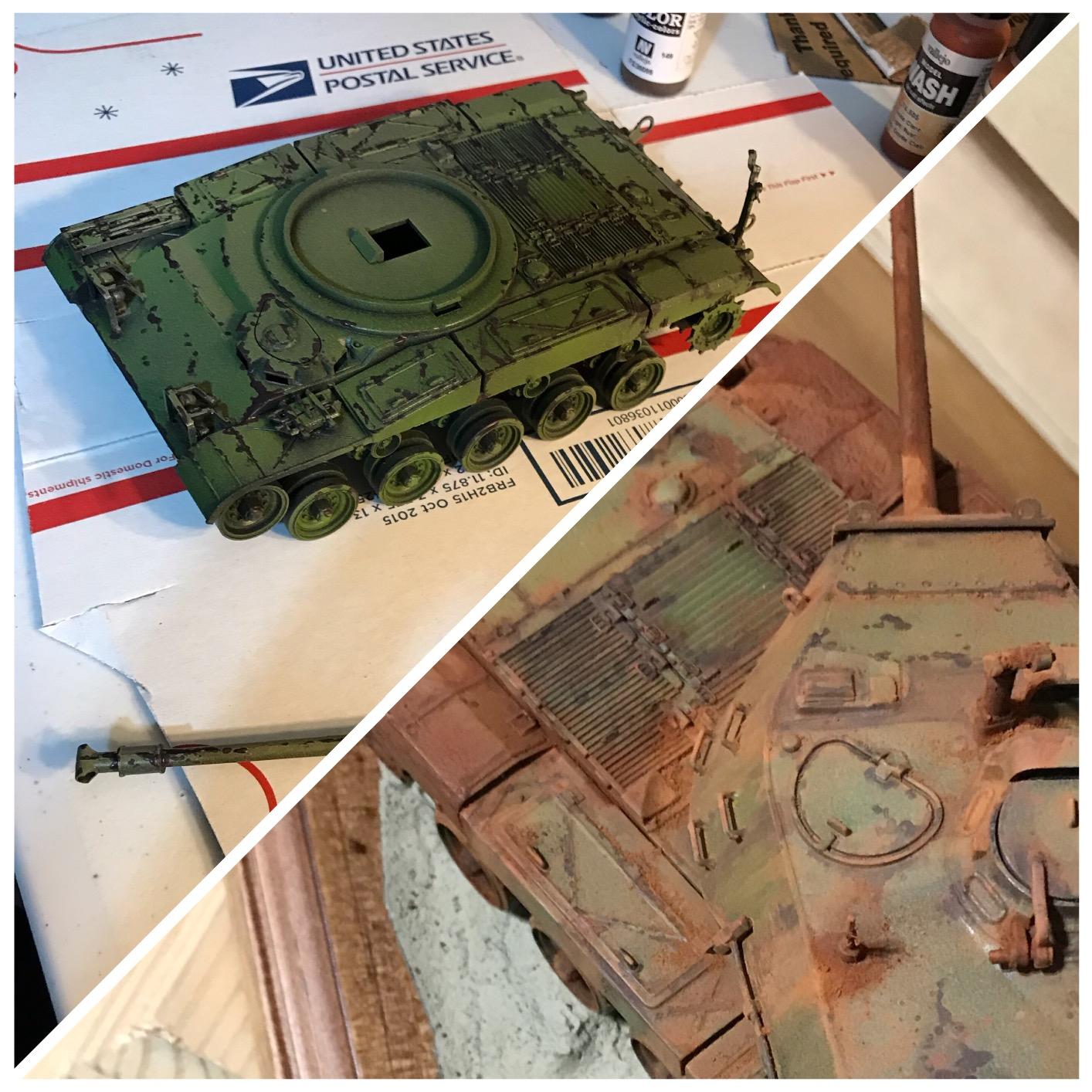
The order of application matters. I always apply rust effects first because rust forms on bare metal underneath other grime. Then I add mud and dirt, and finally dust the top surfaces.
This layering creates a logical history that reads correctly to the viewer. Vallejo makes the Rust & Corrosion pigment set that pairs well with the Dust & Dirt line.
I apply rust with a fine brush to bolt heads, exhausts, and scratch marks. Then I seal the rust layer before adding mud. The mud goes on the lower hull and running gear.
Finally, I dust the horizontal surfaces with Desert Dust or Dark Yellow Ochre. Each layer is sealed independently, which prevents colors from bleeding into each other.
The Wash FX line can also be used as a filter layer between the base coat and the dry pigments. A thin wash of Desert Dust or Brown Ochre shifts the overall color toward a weathered tone before you add any powder.
This creates a foundation that makes the dry pigments look more integrated. I learned this technique from studying our best weathering pigment sets for armor modelers guide, and it has improved my builds significantly.
Frequently Asked Questions
How to apply weathering pigments?
Start with a matte base coat. Load a soft brush with loose pigment and dust it onto horizontal surfaces. Use a cotton swab to remove excess and create streaks. For fixed effects, mix the pigment with Vallejo Pigment Binder and apply with a brush. Let it dry before handling. Seal dry pigments with a matte varnish to prevent smudging.
What is the best primer to use on plastic models?
Use a solvent-based or acrylic spray primer designed for scale models. Brands like Vallejo, Tamiya, and AK Interactive offer primers that bond well to plastic. Apply thin coats in moderate humidity. A primer gives the base coat something to grip and prevents paint chipping during weathering.
How do I seal weathering pigments to prevent smudging?
Apply a light mist coat of matte varnish from 12 inches away. Use three ultra-light passes rather than one heavy coat. Alternatively, mix pigments with Pigment Binder before application for a permanent fixed effect. Brush-on varnish works for small areas but risks disturbing loose powder.
What weathering products do I need to buy as a beginner?
Start with a wash like Vallejo Wash FX Desert Dust for panel lines and basic grime. Add a loose pigment set such as Vallejo Pigment FX Dust & Dirt for dry dust effects. Buy a matte varnish for sealing. These three items cover the essential weathering stages for most armor and vehicle models.
Which weathering kit to buy as a beginner?
The Vallejo Wash FX Desert Dust is the best single-bottle starting point. For a complete kit, choose the Vallejo Pigment FX Dust & Dirt Effects set which includes four colors and enough volume for multiple builds. Pair it with a bottle of matte varnish and you have a full weathering system.
Final Thoughts on the Best Vallejo Dust and Dirt Sets
After testing all ten products across multiple scales and environments, the Vallejo Pigment FX Dust & Dirt Effects set remains the best all-around choice for most modelers. The four-color range covers the majority of historical theaters, and the fine-milled pigments apply cleanly at every scale from 1/72 to 1/35.
For builders who need large volumes of base texture, the Diorama FX Thick Mud European Mud offers unmatched value. Beginners should start with the Wash FX Desert Dust to learn weathering technique before moving up to loose pigments and pastes.
The best Vallejo dust and dirt sets for 2026 give you the tools to transform clean paint jobs into convincing replicas of real-world vehicles. Whether you are building your first diorama or preparing a competition entry, the products in this guide provide professional results with water-based formulas that are safe and easy to use.
Choose the format that matches your scale and subject, seal your work properly, and enjoy the process of bringing history to life in miniature form.