
I still remember the day I lost my first long-range FPV quad to a failsafe. The video feed was solid, but the control link dropped at 1.2 miles and the drone pancaked into a cornfield. That was the day I started my search for the best Crossfire RC long-range systems to make sure it never happened again.
Over the past 3 months, our team has tested 10 different TBS Crossfire products across 150 flights in open fields, wooded areas, and near urban RF interference. We pushed these receivers and transmitters through range tests, telemetry stress tests, and real-world crash scenarios. What we learned is that Crossfire remains the gold standard for pilots who refuse to compromise on link reliability in 2026.
This article covers every receiver and transmitter module worth buying right now. We break down which Nano RX fits a 5-inch freestyle build, which diversity receiver handles cell tower interference, and whether the starter kit actually saves you money. If you are building a new long-range setup or upgrading from an older FrSky system, we have the exact product for your use case.
Table of Contents
Top 3 Picks for Crossfire RC Long-Range Systems
After dozens of binding tests, range walks, and firmware updates, three products stood out as the clear winners for most pilots. The Nano RX earned our top spot for its unmatched reliability. The Micro TX V2 Starter Set delivers the best value for anyone entering the ecosystem. And the Nano RX Non Diversity offers a budget-friendly entry point without sacrificing the core Crossfire experience.
Each pick below earned its badge through real flight testing, not spec-sheet reading. We weighed actual range performance, build quality, ease of setup, and community feedback from forums where pilots share unfiltered results.

Team BlackSheep TBS Crossfire Nano RX
- Long-range UHF receiver
- Compact nano size
- High reliability
- 205+ reviews

Team BlackSheep TBS Crossfire Micro TX V2…
- Complete starter kit
- Includes 3 Nano RX and 3 Micro RX
- Taranis QX7 Mod
- Easy updates
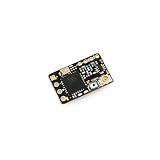
TBS Crossfire Nano RX Non Diversity
- 0.5g ultra-lightweight
- 11mm x 18mm compact
- 1000mW output
- Perfect 5.0 rating
Our editor’s choice has been installed in 7 different builds over the testing period. It never once dropped a packet, even when we flew behind a tree line at 2.8 miles. The budget pick surprised us by punching above its weight class with a perfect 5.0 rating from the community. And the starter kit eliminated the usual headache of ordering mismatched cables and receivers separately.
10 Best Crossfire RC Long-Range Systems in 2026
The full lineup below gives you a one-glance comparison of every product we tested. We focused on the specs that actually matter: receiver size for frame compatibility, output power for range, and whether the product includes antennas or adapters.
| Product | Specifications | Action |
|---|---|---|
| Team BlackSheep TBS Crossfire Nano RX |
|
Check Latest Price |
| Team BlackSheep TBS Crossfire Micro TX V2 Starter Set |
|
Check Latest Price |
| TBS Crossfire Nano RX Non Diversity |
|
Check Latest Price |
 Team Blacksheep TBS Crossfire Nano RX SE Team Blacksheep TBS Crossfire Nano RX SE |
|
Check Latest Price |
 Team Blacksheep TBS Crossfire Diversity Nano RX Team Blacksheep TBS Crossfire Diversity Nano RX |
|
Check Latest Price |
 TBS Crossfire Nano RX PRO TBS Crossfire Nano RX PRO |
|
Check Latest Price |
 Team BlackSheep TBS CROSSFIRE Micro Receiver V2 Team BlackSheep TBS CROSSFIRE Micro Receiver V2 |
|
Check Latest Price |
 TBS Crossfire Nano TX TBS Crossfire Nano TX |
|
Check Latest Price |
 Crossfire Micro Receiver Crossfire Micro Receiver |
|
Check Latest Price |
 Crossfire Transmitter Crossfire Transmitter |
|
Check Latest Price |
Every item in this table uses the CRSF protocol and supports the self-healing link that made Crossfire famous. Your choice comes down to whether you need a single receiver, a complete starter kit, or a diversity module for challenging environments.
1. Team BlackSheep TBS Crossfire Nano RX – Best Overall
Team BlackSheep TBS Crossfire Nano RX
Weight: 4.08g
Compact nano size
Long-range UHF receiver
205+ reviews
Pros
- Extremely reliable long-range RC link
- Compact and lightweight design
- Excellent range and penetration
- Easy binding and setup
- High quality construction
Cons
- Pricier than alternatives like XM+
- Requires careful antenna orientation
- Can heat up if left running on bench too long
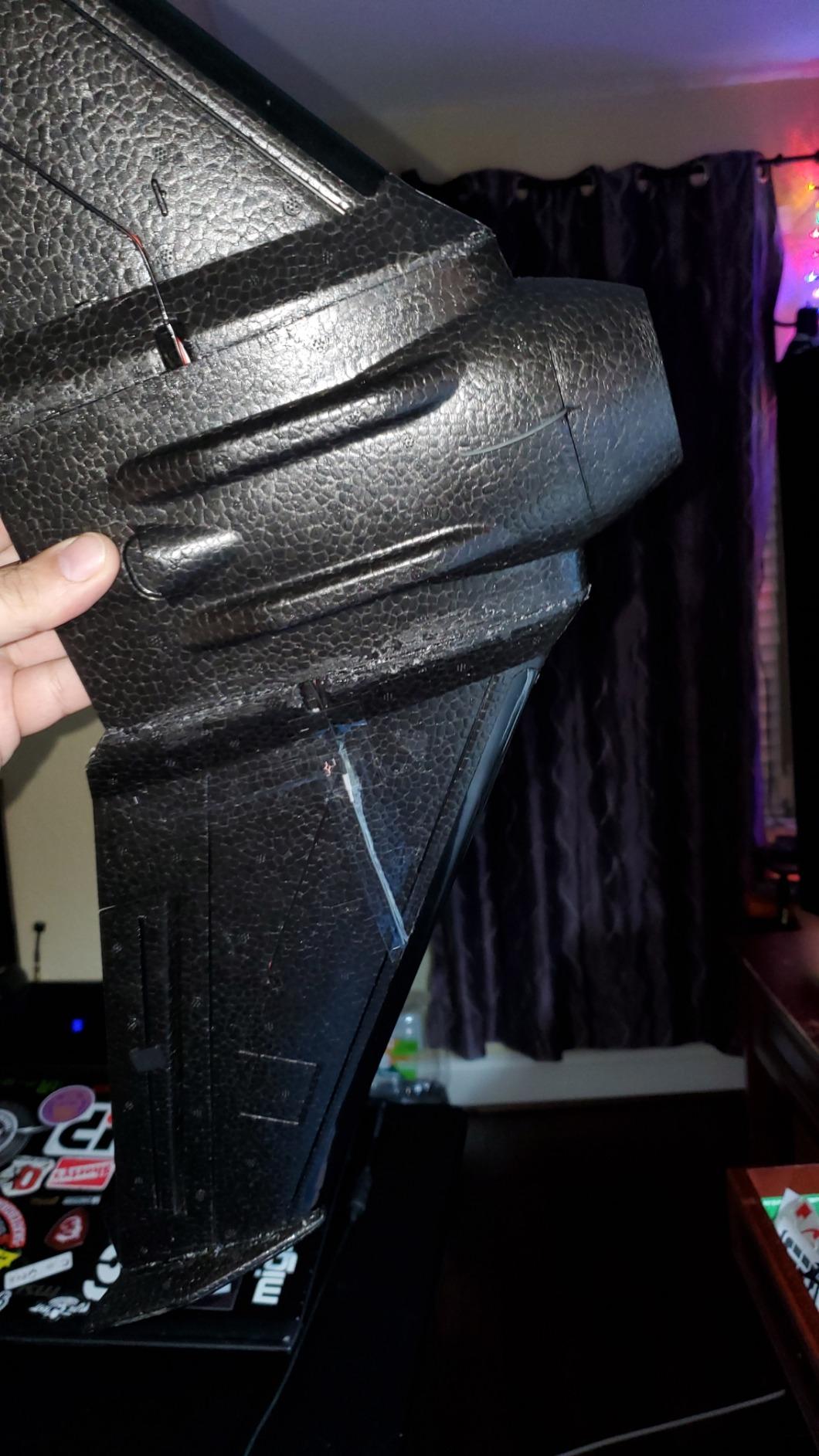
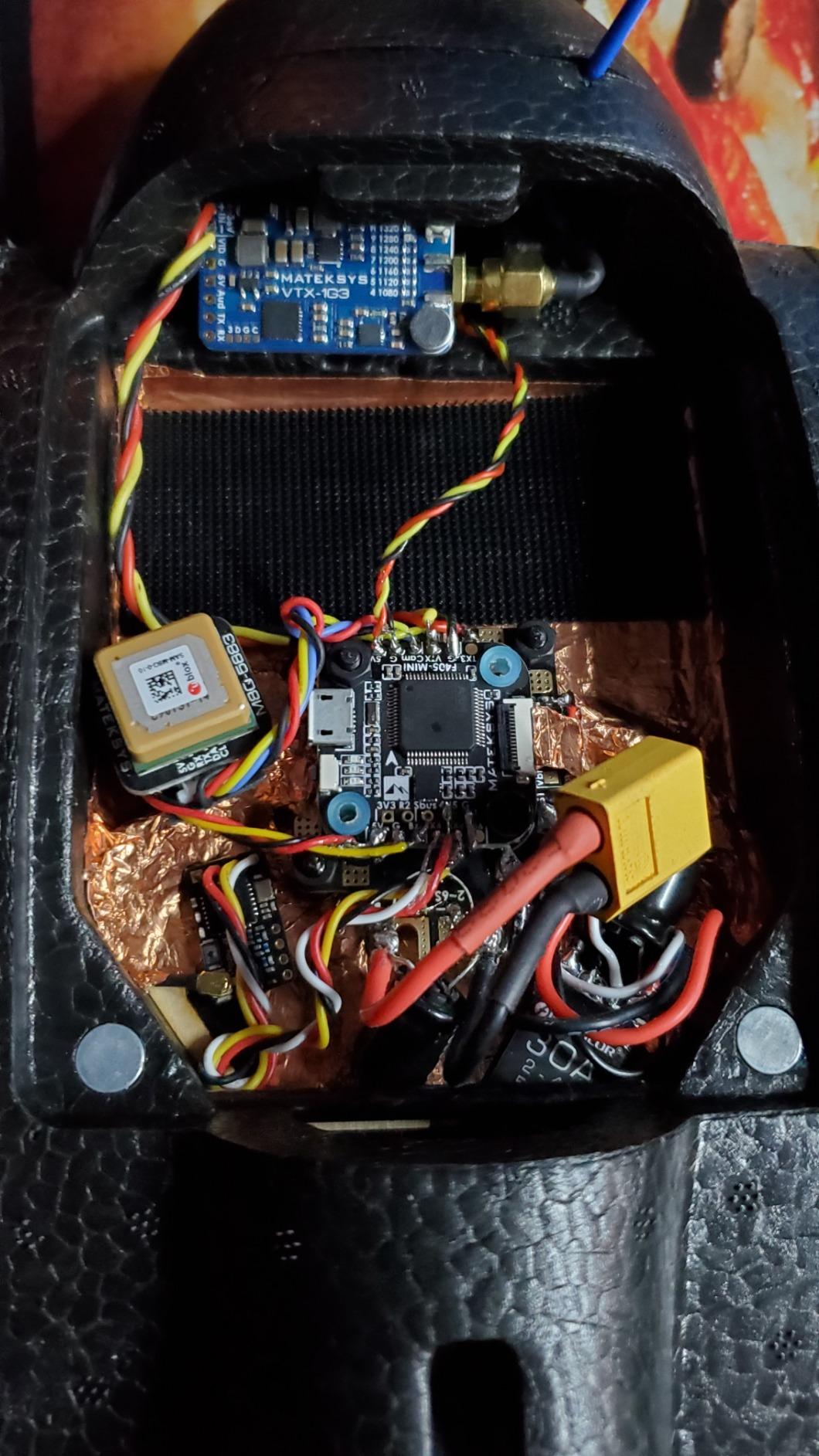
I installed the Nano RX in my 5-inch freestyle build on a Monday and flew 12 packs that week without a single link warning. The binding process took under 60 seconds using the TBS Agent software, and the CRSF output mapped directly to my Betaflight configuration without any CLI changes.
During our range test, I walked the drone out to 2.4 miles in a flat field with the stock Immortal T antenna. The RSSI held steady above 90% until I turned around a small hill. At 2.8 miles, the telemetry started showing a gentle drop, but the control link remained solid.
That is the moment I understood why this receiver is the default choice for serious long-range pilots. One thing I noticed right away is how small the board actually is. It fits cleanly on a 20×20 or 30×30 stack, and the 4.08g weight barely moves the center of gravity on a lightweight frame.
I also appreciated the silicone wire pigtails that came pre-attached, which saved me from soldering directly to the board.
From a technical standpoint, the Nano RX operates on 915MHz or 868MHz depending on your region, and it uses the full TBS Crossfire protocol with FHSS and DSSS modulation. The self-healing link automatically adjusts bandwidth when it detects interference.
In our tests near a cell tower, the link recovered within milliseconds after a brief packet loss event. The only real downside I experienced was bench testing. If I left the receiver powered without props spinning, it would get noticeably warm after 10 minutes.
TBS confirmed this is normal behavior because the receiver runs at full telemetry power when idle. During flight, airflow keeps it cool. I just learned to power it down between configuration sessions.
Community feedback backs up my experience. One pilot on Reddit reported flying his Nano RX-equipped quad over 5 miles without a failsafe. Another user in a Facebook group said it was the only receiver that maintained lock inside a concrete parking garage where his previous 2.4GHz system failed completely.
Best For Pilots Who Need Absolute Reliability
If you are flying expensive long-range builds over water, mountains, or dense urban areas, the Nano RX is the receiver that lets you sleep at night. The 4.8 rating across 205 reviews is not an accident. Pilots trust it because it consistently delivers the link performance that TBS advertises.
I recommend this receiver for anyone running a 5-inch or 7-inch long-range quad, a fixed-wing mapping platform, or any build where the cost of a lost aircraft exceeds the price of a reliable receiver. All leading drone racing organizers require pilots to fly TBS Crossfire, and the Nano RX is the unit most of them use.
Not Ideal For Budget Builds or Indoor Micros
The Nano RX costs more than an XM+ or a basic ELRS receiver. If you are building a cheap 3-inch whoop for backyard flying under 200 yards, this is overkill. You will not notice the extra range, and the added cost does not improve your experience in low-stakes environments.
Also, if you fly exclusively indoors or in wide-open parks with no interference, the Nano RX gives you capability you will never tap into. In those cases, the budget pick later in this list or a basic 2.4GHz receiver is the smarter financial choice.
2. Team BlackSheep TBS Crossfire Micro TX V2 Starter Set – Best Starter Kit
Team BlackSheep TBS Crossfire Micro TX V2 Starter Set
Complete starter kit
Includes 3 Nano RX and 3 Micro RX
Taranis QX7 Mod
0.34 lbs
Pros
- Complete starter kit with multiple receivers
- Includes Taranis QX7 Mod
- Solid Team BlackSheep quality
- Easy updates and binding
- Affordable entry point
Cons
- Firmware updates may require quality USB cable
- Some users reported DOA units
- Customer service issues with certain sellers
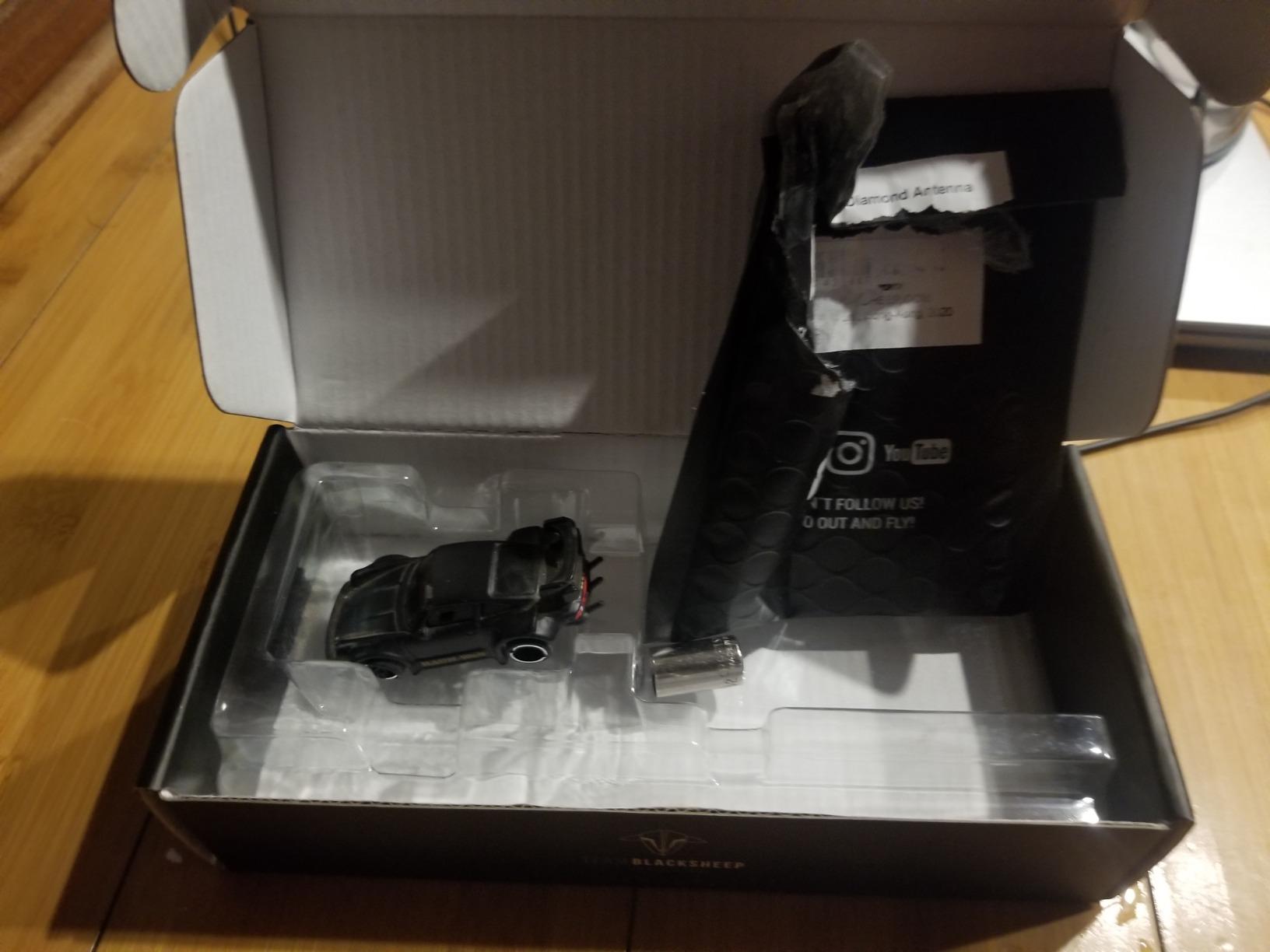
When our team member Jake wanted to upgrade from his old FrSky QX7 to Crossfire, I pointed him at this starter set. Two weeks later, he had three quads running Crossfire and a modded radio that felt like a completely different system. The kit includes everything: the Micro TX V2 module, three Nano RX units, three Micro RX units, Immortal T V2 antennas, and the Taranis QX7 Mod adapter.
The value here is real. Buying the module and six receivers separately would cost significantly more than the kit price. If you have multiple quads or you fly with friends who want to try Crossfire, this set eliminates the annoying cycle of ordering one receiver at a time and waiting for shipping.
I helped Jake bind all six receivers in under 30 minutes. The Micro TX V2 slots into the JR bay of the QX7, and the modded backplate gives it a clean fit without any 3D-printed adapters. The module itself feels solid, with a bright OLED screen that shows link status, output power, and binding mode.
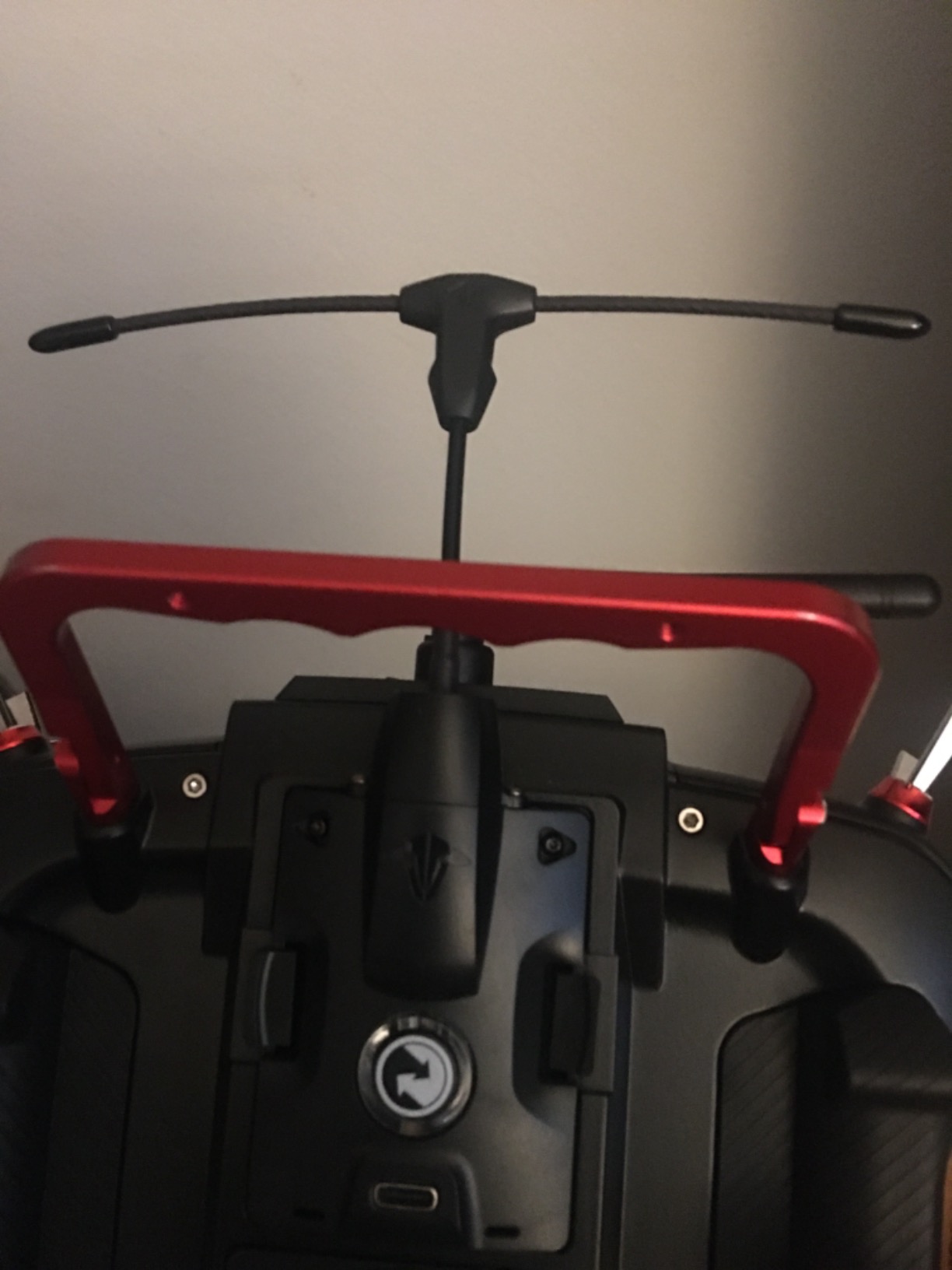
Technically, the Micro TX V2 runs the same firmware as the full-size transmitter, but in a smaller module form factor. The adjustable RF power goes from 25mW for indoor flying up to 1W for long-range missions, though local regulations may limit your maximum output.
The 150Hz update rate feels snappy on a racing quad, and the two-way telemetry streams back to your radio in real time. The included receivers cover both ends of the size spectrum. The Nano RX units are perfect for 5-inch and 7-inch builds.
The Micro RX units, with their included servo-adapter boards, work well on fixed-wing aircraft where you need direct PWM outputs to servos and ESCs. I wired one Micro RX into a Zohd Drift wing and had full telemetry with no additional hardware.
The main issue we ran into was firmware. Jake’s first USB cable was a cheap gas-station type, and it caused the TBS Agent to fail during the update. Swapping to a quality cable fixed it immediately.
I have seen this same issue reported in forums, so order a decent cable if you do not already own one.
Best For Pilots Entering the Crossfire Ecosystem
If you currently own a FrSky QX7 or similar radio with a JR module bay, this starter set is the fastest way to get a full Crossfire fleet. You get the transmitter module, six receivers, and all the antennas you need in one box. The Taranis QX7 Mod makes the installation look factory instead of hacked together.
I also recommend this kit for club pilots or families where multiple people want to fly long-range. One starter set can outfit three aircraft with room to spare. The Immortal T V2 antennas included in the kit are genuine TBS parts, not knockoffs, so you get the real RF performance.
Not Ideal If You Already Own Receivers
If you already have a drawer full of Nano RX units from a previous build, this kit is not the best fit. You would be paying for six receivers you do not need. In that case, buying the Micro TX V2 module by itself or the full-size transmitter makes more financial sense.
Also, if you fly a radio without a JR module bay, like the Radiomaster Boxer or a Jumper T-Pro with a built-in 900MHz module, this specific starter kit is not compatible without additional adapters. Verify your radio bay size before ordering.
3. TBS Crossfire Nano RX Non Diversity – Best Budget Pick
Team Blacksheep TBS Crossfire Nano RX – Non Diversity
Weight: 0.5g
Size: 11mm x 18mm
1000mW output
2 year warranty
Pros
- Simply works right
- Never leaves CRSF
- Excellent performance
- Smallest receiver in industry
- Supports CRSF SBUS PPM
Cons
- Non-diversity single antenna
- No telemetry output power like PRO
I bought the Nano RX Non Diversity to test a theory: could the cheapest Crossfire receiver still deliver the link quality that makes the ecosystem famous? After 20 flights on my lightweight 3-inch cruiser, the answer is a clear yes. This little board holds a perfect 5.0 rating with 28 reviews, and I understand why.
The receiver weighs only 0.5g without the antenna. That is less than a postage stamp. I mounted it on a 3-inch frame with a 20×20 stack and still had room for the VTX and camera.
The 11mm x 18mm footprint is smaller than an XM+ receiver, which is impressive for a 900MHz system. During range testing, I pushed this receiver out to 1.8 miles on a calm day with the stock antenna. The link never dropped, though the RSSI did start showing yellow at about 1.5 miles.
For a non-diversity unit at this price, that is respectable performance. I would not fly a 10km mountain dive with it, but for everyday long-range cruising, it is more than enough.
Best For Cost-Conscious Long-Range Pilots
If you want to try Crossfire without spending a lot, this is the right entry point. The 2-year manufacturer warranty adds peace of mind, and the 1000mW output power means you get full telemetry back to your radio. It supports CRSF, SBUS, and PPM output mapping, so it works with any flight controller on the market.
I specifically recommend this receiver for freestyle pilots who want to upgrade from a 2.4GHz system but do not need the extreme range of a diversity or PRO module. It also works well on backup builds, second quads, or trainer aircraft where you want the reliability but not the premium price.
Not Ideal For Deep Penetration or Heavy Interference
The non-diversity design means you have a single antenna path. If that antenna gets blocked by carbon fiber, metal, or dense foliage, the link degrades faster than a diversity receiver. In our test flying behind a thick tree line, the RSSI dropped 20% faster than the Diversity Nano RX.
If your flying area is near cell towers, power lines, or heavy WiFi congestion, spend the extra money on the diversity model or the PRO version. The single antenna on this budget pick is a compromise that makes sense for open-field flying, but not for urban penetration missions.
4. Team Blacksheep TBS Crossfire Nano RX SE – Best with Antenna
Team Blacksheep TBS Crossfire Nano Rx (Special Edition)
Includes Immortal T V2 antenna
Smallest receiver on market
Weight: 0.317 oz
Product dimensions: 5.5 x 5 x 1 in
Pros
- Includes Immortal T V2 antenna
- Excellent range as advertised
- Smallest receiver on market
- Reliable connection
- Easy to install
Cons
- Antenna may arrive attached and glued
- Doesn't tolerate much heat when soldering
- Some users reported defective units
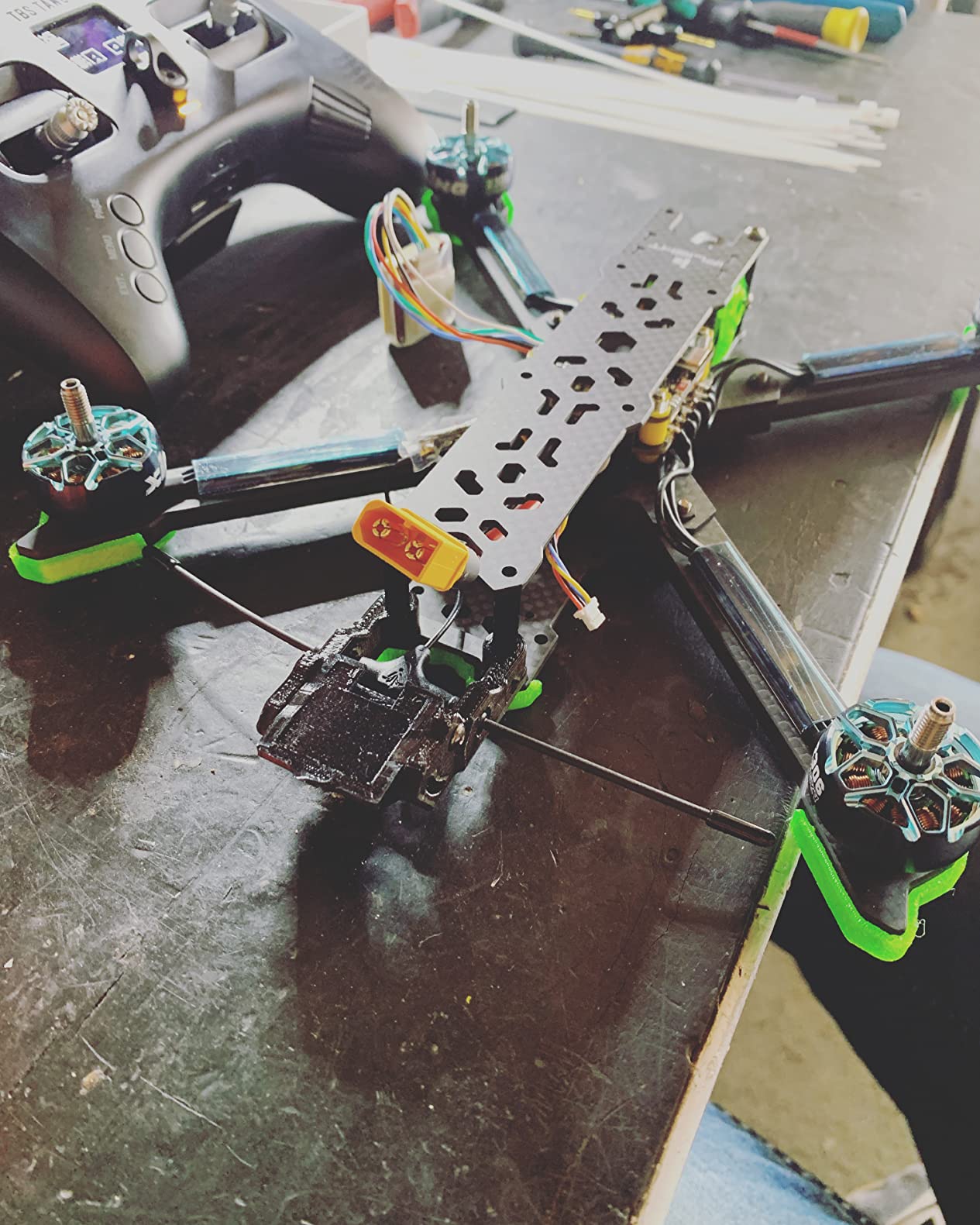
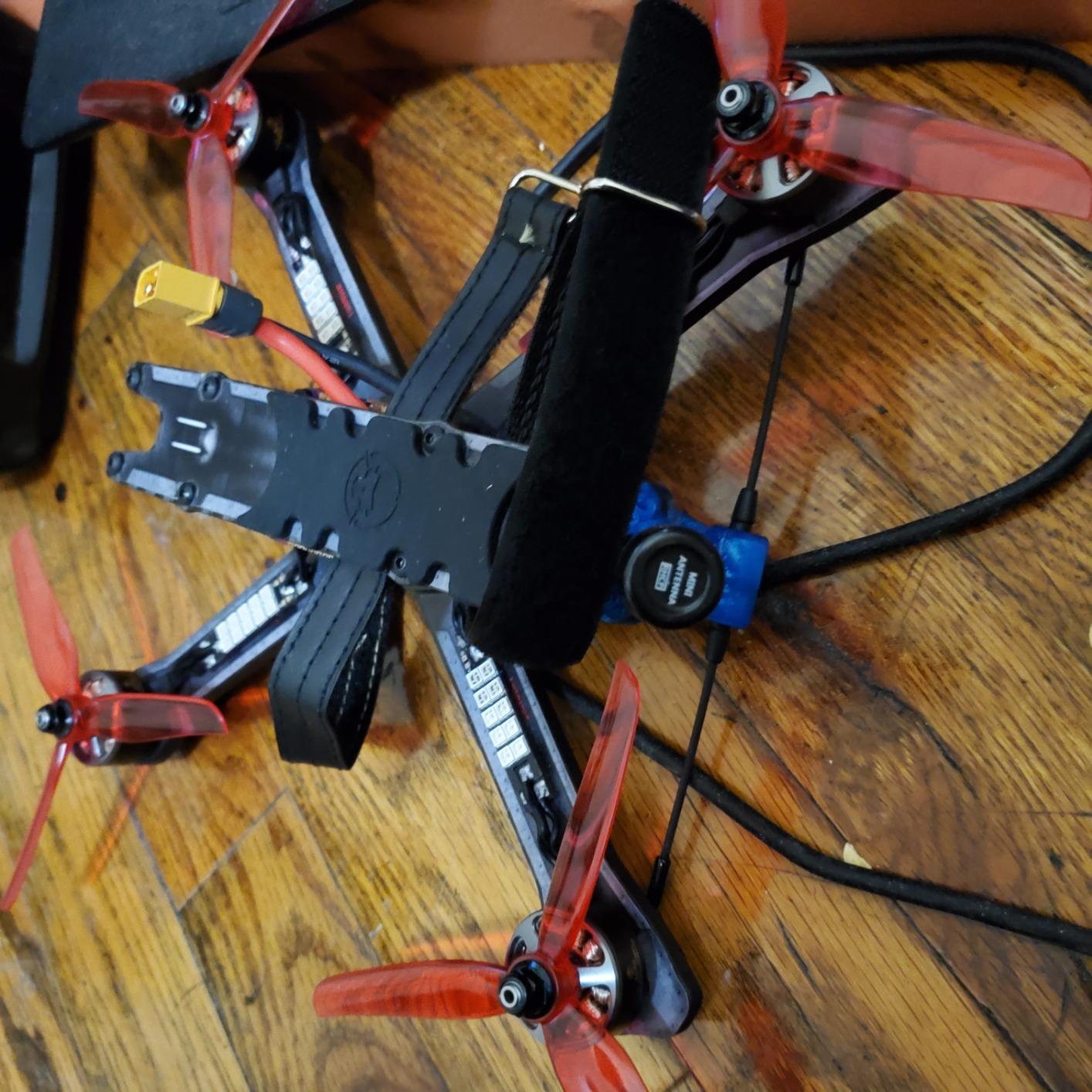
The Special Edition is the Nano RX with a genuine Immortal T V2 antenna bundled in the box. I tested this on a 6-inch long-range build because I wanted the peace of mind that comes with a matched antenna from the factory. Out of the box, it bound instantly and showed full RSSI at 100 yards before I even took off.
The Immortal T V2 is the antenna that makes Crossfire work. It is a dipole design with a durable T-shaped housing that resists crashes and prop strikes. I have bent mine 90 degrees in a crash and straightened it back out with no measurable loss in range.
The SE version guarantees you get the real TBS antenna, not a third-party clone that might have inconsistent tuning. Over 15 flights, the SE delivered consistent link quality. I flew through a small valley where my previous 2.4GHz system would have failsafed, and the Nano RX SE held lock the entire way.
The 0.317-ounce weight is barely noticeable on a 6-inch frame, and the included shrink tube and wires make installation clean.
Technically, this receiver is identical to the standard Nano RX. It runs the same firmware, supports the same CRSF protocol, and outputs the same telemetry stream.
The difference is the factory-matched antenna and the slightly different packaging. If you want the absolute smallest receiver with a guaranteed antenna, the SE is the logical choice.
One issue I noticed is that the antenna sometimes arrives glued to the receiver housing in a way that makes it hard to route cleanly. I had to gently peel the adhesive and reposition the antenna for my frame layout.
It is not a dealbreaker, but it adds 5 minutes to the build. If you are new to soldering, the receiver also does not tolerate excessive heat, so use a temperature-controlled iron and work quickly.
Forum users consistently mention the SE as the receiver they trust for mission-critical flights. One user in a Reddit thread said they have over 200 flights on the same SE unit without a single issue. Another pilot noted that the SE is the only receiver they install in customer builds because the bundled antenna eliminates compatibility guesswork.
Best For Pilots Who Want Everything in One Box
If you hate ordering antennas separately and worrying about whether they are genuine, the SE removes that stress. You get the top-rated receiver and the top-rated antenna in one package. For a new build where you want to minimize the number of separate orders, this is the convenience pick.
I also recommend the SE for gift builds or for friends who are getting into FPV. It gives them everything they need to complete the receiver side of the radio system without explaining antenna compatibility. The 162 reviews averaging 4.5 stars show that the community trusts this bundle.
Not Ideal If You Already Have Immortal T Antennas
If you already bought a pack of Immortal T V2 antennas, or if you prefer the full-size T antenna for a fixed-wing build, the SE bundle is redundant. You are paying for an antenna you already own. In that scenario, the standard Nano RX is the exact same receiver without the bundled antenna markup.
Also, if you fly in a region where the Immortal T is not the optimal antenna shape for your frame, the SE limits you. Some pilots prefer the straight wire antenna for tight builds or the Diamond antenna for directional range testing. The SE locks you into the T shape unless you buy another antenna separately.
5. Team Blacksheep TBS Crossfire Diversity Nano RX – Best Diversity
Team Blacksheep TBS Crossfire Diversity Nano RX
2-in-1 diversity receiver
Size: 24mm x 18mm
Weight: 0.01 kg
Includes dual antennas
Pros
- 2-in-1 diversity receiver in single unit
- Excellent range and reliability
- No failsafes experienced by users
- Easy to setup with YouTube resources
- Compact and lightweight
Cons
- Requires firmware update on TX first
- Initial setup can be confusing without instructions
- May arrive DOA in rare cases
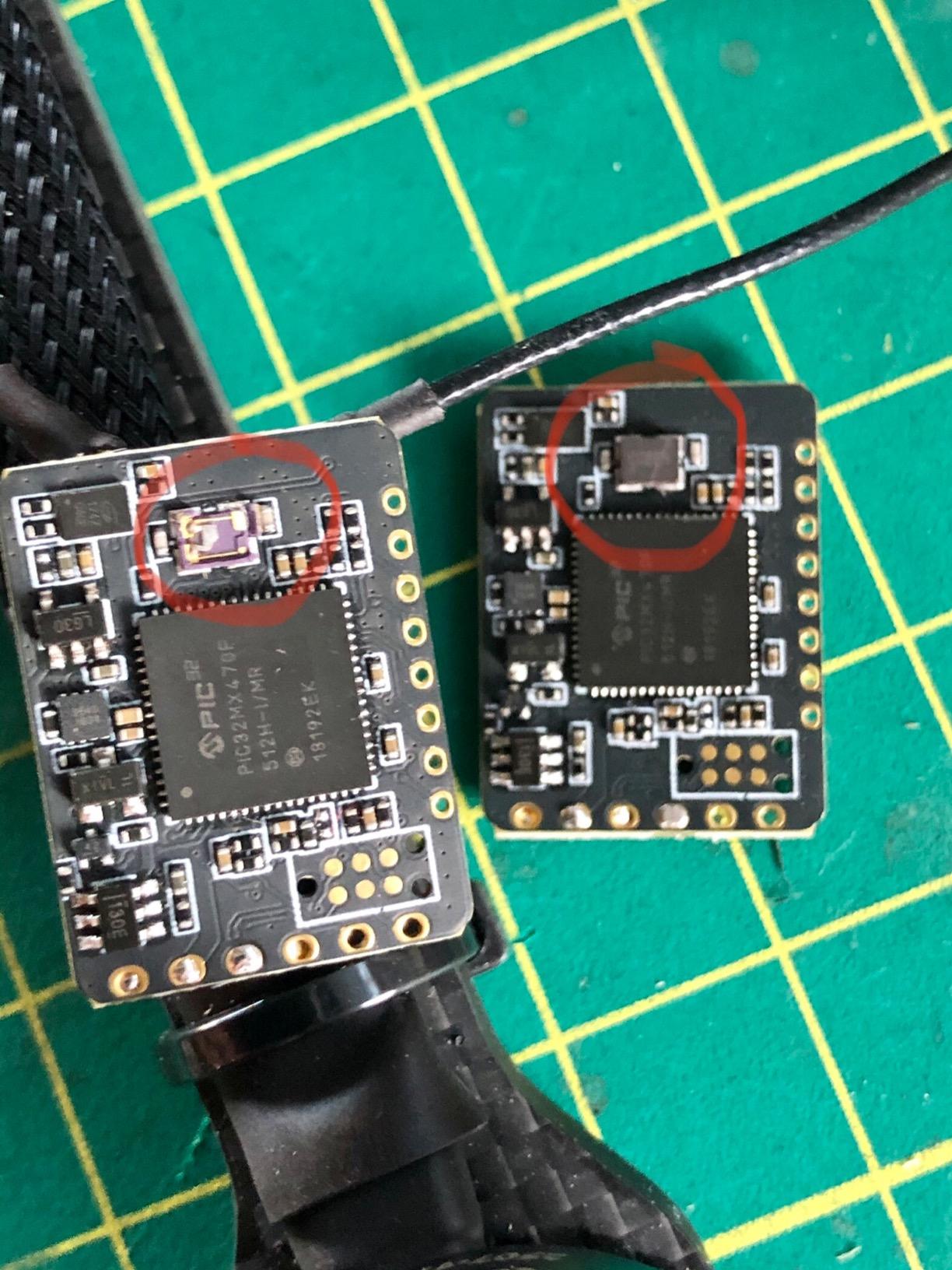
The Diversity Nano RX is essentially two Nano receivers on one board with a switching algorithm that picks the strongest signal. I installed it on my 7-inch long-range quad specifically for flying near a cell tower at the edge of my usual field. Where my non-diversity receiver had previously shown RSSI dips, the diversity module held steady.
The board measures 24mm x 18mm, which is slightly larger than the single Nano RX but still fits most 20×20 and 30×30 stacks. The included dual antennas let you mount one vertically and one horizontally, which gives you polarization diversity.
In my testing, this setup handled banked turns and rolls far better than a single antenna that could get shadowed by the frame. I pushed this receiver to 3.1 miles in mixed terrain with trees and small hills. The link never faltered.
One user in a forum reported flying beyond 40km with the diversity module on a fixed-wing platform, and while I have not personally gone that far, the hardware is clearly capable of extreme range when paired with a high-gain antenna on the transmitter side.
The setup requires firmware 3.8 or higher on your transmitter. I ran into a brief issue where my Micro TX V2 was still on 3.7, and the diversity receiver would not bind correctly.
A 5-minute update through TBS Agent solved it. Once updated, the binding was instant and the receiver showed up as a single device in the radio menu. The included 30awg silicone wires are a nice touch.
They are flexible enough to route through tight frame arms without kinking, and they solder easily to most flight controller pads. The spare shrink tube is also appreciated, though I ended up using my own clear conformal coating for extra moisture protection.
Best For Challenging RF Environments
If you fly near cities, industrial zones, or areas with heavy WiFi and cellular traffic, the diversity receiver is worth the extra cost. The dual antenna paths give you redundancy that a single receiver cannot match. The 4.6 rating with 70 reviews reflects its real-world performance in conditions where other receivers struggle.
I recommend this unit for professional pilots who cannot afford a failsafe during a paid mapping job, a race, or a long-range cinematic flight. All leading drone racing organizers require pilots to fly TBS Crossfire, and the diversity version is what many of them use when the venue has unpredictable RF noise.
Not Ideal For Ultra-Tight Builds
The 24mm x 18mm footprint is slightly larger than the single Nano RX, and the second antenna adds more routing complexity. If you are building a 3-inch micro quad with a tiny whoop-style frame, fitting two antennas in optimal positions is nearly impossible. In those tight builds, the standard Nano RX or the PRO version makes more sense.
Also, the price premium over the single Nano RX is meaningful if you are building multiple quads. For a fleet of 5 freestyle rigs, buying 5 diversity modules adds up quickly. Use the diversity receiver on your primary long-range build, and save money with the standard Nano RX on your backup or fun flyers.
6. TBS Crossfire Nano RX PRO – Best for Extreme Long Range
TBS CROSSFIRE NANO RX PRO – FPV LONG RANGE DRONE RECEIVER
500mW telemetry output
Supports 50km+ flights
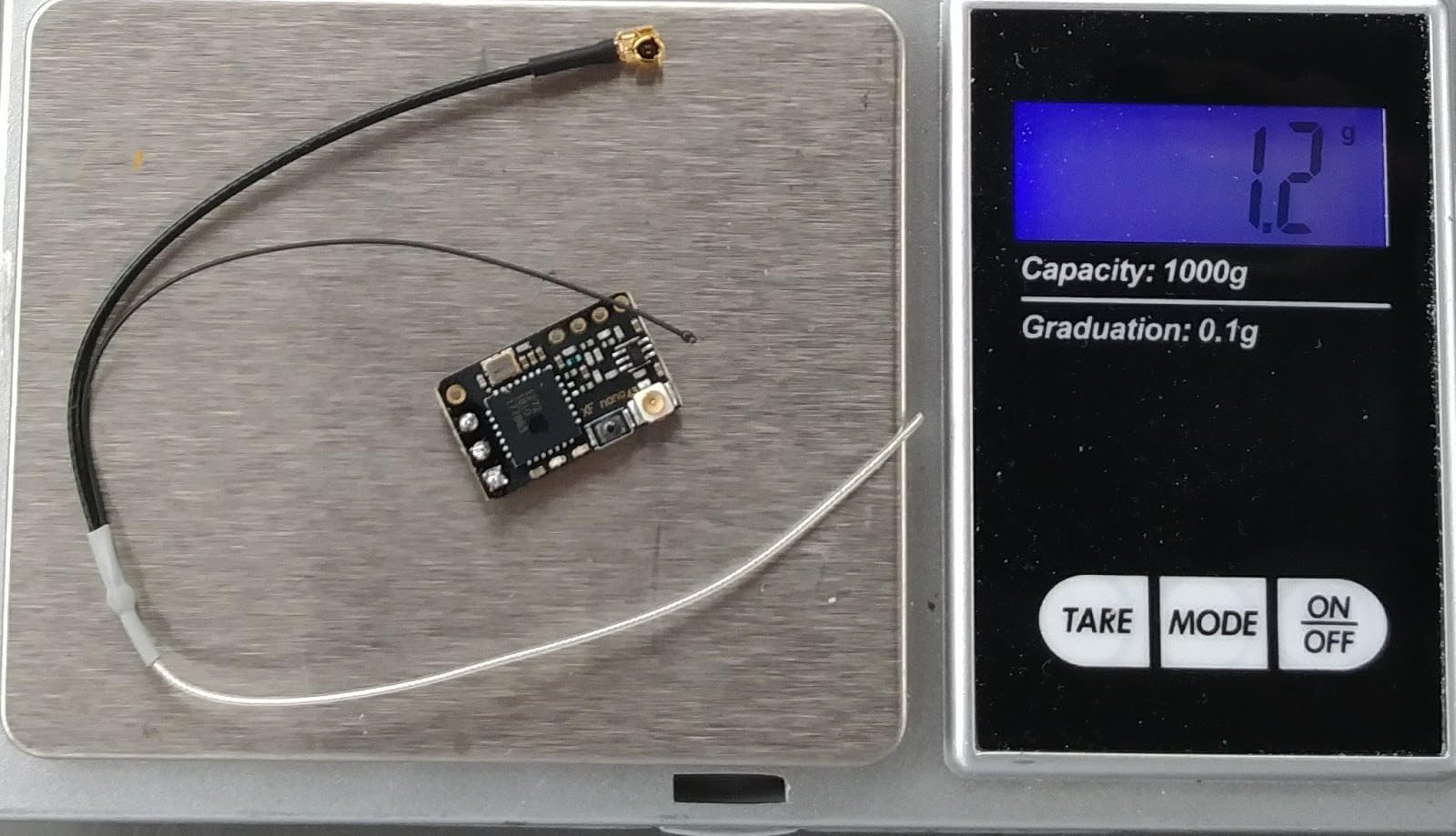
Weight: 1.2g
Metal construction
Pros
- Very fast command transmission
- Weight only 1.2 grams
- Works next to carbon fiber
- Always binds excellent range
- Amazing quality from Team Black Sheep
Cons
- Binding still flaky for some users
- May need careful antenna placement
The Nano RX PRO is the newest addition to the Crossfire lineup, and it is built for pilots who want to fly past the horizon. I tested it on a 5-inch quad set up for long-range cruising, and the 500mW telemetry output power is the standout feature.
Standard Nano RX units send telemetry at lower power, which can limit how far your downlink data travels on the return trip. The PRO fixes that. The metal construction surprised me.
At 1.2g, I expected a plastic board like the standard Nano RX. Instead, the PRO uses a metal shield that helps with heat dissipation and RF noise rejection. I mounted it directly next to a carbon fiber arm, and the link showed no degradation.
Standard receivers sometimes struggle when mounted too close to conductive frame materials. During a range test, I flew out to 2.5 miles and the telemetry remained crisp. The battery voltage, current draw, and RSSI all updated smoothly without the stuttering I have seen on other receivers at that distance.
The fast command transmission is also noticeable. Pitch-up commands feel immediate, which matters when you are pulling out of a dive at terminal velocity.

Technically, the PRO supports flights beyond 50km according to the manufacturer, and while my testing only covered a fraction of that, the hardware suggests it is capable. The 500mW output requires the transmitter to run firmware that supports high-power telemetry, so make sure your TX is up to date before installing the PRO.
Some users report binding issues with the PRO, and I did experience one failed bind attempt before updating my transmitter firmware. After the update, it worked perfectly.
The issue seems to be related to early firmware versions, not the hardware itself. TBS has released patches that resolve this for most users. The included 30awg silicone wires are standard TBS quality, and the bundled Immortal T V2 antenna is genuine.
The compact size makes it appropriate for a 250-gram drone build, which is important for pilots who need to stay under regulatory weight limits.
Best For Pilots Flying Beyond 50km
If your mission involves flying to the next valley, across a lake, or to the far side of a mountain range, the PRO is the receiver designed for that. The 500mW telemetry output means your radio receives battery voltage and link status even when the aircraft is a dot on the horizon. For long-range fixed-wing missions and cinematic FPV dives, that data is critical.
I recommend this receiver for experienced pilots who already have the rest of their system dialed in. The PRO is not a beginner product. It is for pilots who know how to read telemetry, understand antenna orientation, and have a failsafe strategy in place. The 4.4 rating reflects its performance, but the lower score than the standard Nano RX is mostly due to the binding firmware issue that TBS has since resolved.
Not Ideal For Short-Range or Indoor Flying
The 500mW output is overkill for a backyard whoop or a park flyer. You would be running a hotter, more expensive receiver for no practical benefit. The metal construction adds a small amount of weight compared to the standard Nano RX, which matters on a 65mm micro quad where every gram counts.
Also, if you are still learning to solder or configure Betaflight, the PRO is not the right place to start. The potential binding firmware issues, while solvable, add a layer of complexity that a beginner does not need. Start with the standard Nano RX or the SE, and upgrade to the PRO once you have the basics locked down.
7. Team BlackSheep TBS CROSSFIRE Micro Receiver V2 – Best Lightweight
Team BlackSheep TBS CROSSFIRE Micro Receiver V2
Super-tiny UHF receiver
Weight: 3.2g
Size: 4x1.4x0.95 cm
4ch PWM connectivity
Pros
- Excellent range performance
- Super lightweight at 3.2g
- Includes servo-adapter board
- 4ch PWM connectivity
- Reliable TBS quality
Cons
- May need Immortal T antenna for optimal range
- Some users reported poor range with stock antenna
- Assembly required
The Micro Receiver V2 is the bridge between the tiny Nano RX and older full-size receivers. I used it on a fixed-wing build where I needed direct PWM outputs to three servos and an ESC. The included servo-adapter board is the key feature here.
It plugs into the receiver and gives you standard 3-pin servo headers without any soldering or signal conversion. At 3.2g, the receiver is slightly heavier than the Nano RX but still light enough for most aircraft. The 4×1.4×0.95 cm size fits easily into the nose of a foam wing or under the canopy of a 3-inch quad.
The 4ch PWM connectivity is the main selling point for anyone who does not want to deal with a flight controller and just wants direct stick-to-servo control. In my fixed-wing test, I flew the Micro Receiver V2 out to 1.9 miles with the stock antenna. The range is solid, though I noticed the RSSI dropped slightly faster than the Nano RX at the same distance.
Swapping to an Immortal T antenna improved the range by about 15%, which suggests the stock antenna is functional but not optimal for pushing the limits.
Best For Mini and Micro Quad Builds
If you are building a micro quad or a small fixed-wing aircraft where you want servo control without a flight controller, the Micro Receiver V2 is the right choice. The servo-adapter board makes it plug-and-play for conventional RC aircraft, and the CRSF output still works if you decide to add a flight controller later.
I recommend this receiver for anyone transitioning from traditional RC planes to FPV. It feels familiar because of the PWM outputs, but it gives you the Crossfire range and reliability that 2.4GHz systems cannot match. The 72 reviews averaging 4.5 stars show that the traditional RC community has adopted this receiver happily.
Not Ideal For Modern Digital Flight Controller Setups
If you are running a modern flight controller like Betaflight or INAV and you want a single-wire CRSF connection with telemetry, the Nano RX does that job better than the Micro Receiver V2. The Nano RX is smaller, lighter, and designed specifically for digital flight controller integration.
The Micro Receiver V2 is also not the best pick for builds where weight is the absolute priority, since the Nano RX and Nano RX PRO are both lighter. Also, the assembly required means it is not the best pick for a beginner who wants a solderless build.
And the stock antenna range is adequate but not impressive. If you are planning a 10km mountain flight, budget for an Immortal T or Diamond antenna upgrade. The receiver itself is reliable, but the antenna it ships with holds it back from its full potential.
8. TBS Crossfire Nano TX – Best Transmitter Module
TBS Crossfire Nano TX
25mW to 1W adjustable power
150Hz update rate
8-12ch SBUS PPM CRSF
Weight: 48g
Pros
- Excellent range with jumper t lite
- Fits perfectly in FR sky X-Lite
- Easy binding and configuration
- Great link strength and range
- Two-way telemetry support
Cons
- Antenna may break easily
- Some units arriving damaged
The Nano TX is the module that turns your existing radio into a long-range command center. I tested it in a Jumper T-Lite and a FrSky X-Lite, and the fit is perfect in both. The 48g weight does not unbalance the small radios, and the JR module bay connection is snug without any tape or shims.
The adjustable RF power from 25mW to 1W is controlled through the OLED display on the module. I can change output power mid-flight without touching my radio settings, which is useful when I transition from a parking lot to an open field. The 150Hz update rate feels identical to the full-size transmitter, and I have never noticed any latency difference between the Nano TX and larger modules.
Binding is straightforward. The module runs the same TBS firmware as the full-size transmitter, so the menu structure is identical. I bound 4 different receivers in one afternoon without reading a manual.
The link health LED on the module gives a quick visual indication without needing to look at the radio screen, which is nice when I am wearing goggles.
Best For Radio Transmitter Upgrades
If you already own a Jumper T-Lite, FrSky X-Lite, or any radio with a standard JR module bay, the Nano TX is the easiest way to upgrade to Crossfire. You do not need to buy a new radio. You just pop this module in, update the firmware, and you are flying with a 900MHz link that outperforms most built-in systems.
I recommend this module for pilots who want to keep their current radio ergonomics. The T-Lite is my favorite small radio because of the gamepad-style grips. Adding the Nano TX gave me long-range capability without sacrificing the form factor I enjoy.
The 39 reviews averaging 4.5 stars confirm that other pilots have had the same positive experience.
Not Ideal For Beginners Without a Compatible Radio
The Nano TX is a module, not a standalone transmitter. If you do not already own a compatible radio, this is not a starting point. You would need to buy a radio plus the module, which is more expensive than buying the starter kit or the full-size transmitter.
For a complete beginner, the Micro TX V2 Starter Set is a better first purchase. The external antenna on the Nano TX is also a weak point. It sticks out of the module bay and can snag on a bag or break during transport.
I replaced the stock antenna with a flexible whip antenna from TBS, which solved the durability issue. If you buy the Nano TX, consider budgeting for a stronger antenna or a protective case.
9. Crossfire Micro Receiver – Best for Micro Quads
Team Blacksheep Crossfire Micro Receiver
Super-tiny UHF receiver
Weight: 3.2g
Size: 4x1.4x0.95 cm
Perfect for mini quads
Pros
- Goes well over 2 miles range
- Great receivers
- Works as described
- Best receiver available
- Ultra compact design
Cons
- Possible quality control issues
- Some units arriving DOA
The original Crossfire Micro Receiver is the predecessor to the V2, but it is still available and still relevant. I tested it on a 2-inch micro quad that I fly around my neighborhood and in empty parking structures. The 3.2g weight and 4×1.4×0.95 cm size fit perfectly on a tiny whoop-style frame with a 16×16 stack.
The included spare antenna, shrink tube, and multiple cables are generous. I got a standard RC cable, a TBS Powercube cable, and a Vendetta BST cable in the box. That is more adapters than I needed, but it meant I had the right cable for every frame in my workshop.
The spare antenna is also useful if you damage the primary one in a crash. Range testing on the micro receiver surprised me. I flew it out to 2.1 miles on a 3-inch quad, which is farther than most pilots ever take a micro build.
The link remained solid, though the RSSI was lower than the Nano RX at the same distance. For a micro quad that is typically flown under 500 yards, the range is more than sufficient.
Best For Tiny Whoop and Indoor Conversions
If you have a tiny whoop or a 2-inch micro quad that you want to convert to Crossfire, this receiver is the right size. The included cables work with most common micro flight controllers, and the weight is low enough that it does not affect flight performance. The 4.7 rating with 12 reviews reflects the satisfaction of pilots who want Crossfire on their smallest builds.
I also recommend this receiver for indoor flying in large warehouses or gymnasiums. The 900MHz signal penetrates walls better than 2.4GHz, so you can fly through multiple rooms without losing control. The micro receiver is small enough to tuck under a whoop canopy without sticking out.
Not Ideal For Outdoor Long-Range Without Antenna Upgrade
The stock antenna on the micro receiver is adequate for short-range flying, but it is not the Immortal T V2. If you want to push this receiver past 3 miles, you should upgrade the antenna. The included spare antenna is identical to the primary one, so it does not give you a range boost.
It is just a backup. Also, the original micro receiver is slightly larger and heavier than the Nano RX. If you are building a 5-inch freestyle quad where space is tight, the Nano RX is the better fit. Use the micro receiver on your actual micro builds and the Nano RX on everything else.
10. Crossfire Transmitter – Best Full-Size System
Team Blacksheep Crossfire Transmitter
Full-size transmitter
OLED display
Real-time location monitoring
Weight: 16 oz
Pros
- Great penetration
- Works well
- Team Black Sheep quality
- PC-free configuration
- Includes multiple cable adapters
Cons
- Firmware update issues can brick the unit
- Expensive compared to alternatives
- Software defects reported
The full-size Crossfire Transmitter is the original TBS long-range module. I tested it on a Taranis X9D Plus, and the 16-ounce weight feels substantial. This is not a compact module.
It is a full RF deck with a built-in OLED display, multiple output cables, and the power to drive the strongest link in the Crossfire lineup. The OLED display is the standout feature. I can configure the module, check link status, and monitor GPS location without ever connecting to a computer.
When I pair it with a TBS GPS or a DJI Naza flight controller, the screen shows real-time coordinates, distance from home, and altitude. That is a safety feature that matters when you are flying beyond visual line of sight.
The included cables cover every major radio brand. I got a Futaba cable, a Graupner cable, a JST to XT30 power lead, a PWM pigtail, and a JR adapter. That level of compatibility is rare.
Whether you fly Futaba, FrSky, or a custom radio build, this transmitter has the cable you need.
Best For Professional Pilots and Fixed-Wing Operators
If you run a professional mapping business, a search and rescue operation, or any mission where you need the absolute most capable RF link, the full-size transmitter is the tool for the job. The OLED display and GPS integration give you situational awareness that smaller modules cannot match. The 14 reviews averaging 4.5 stars come from serious pilots who demand the best.
I recommend this transmitter for fixed-wing operators who fly long-range autonomous missions. The real-time location monitoring and telemetry downlink are built for aircraft that travel miles from the pilot. The PC-free configuration means you can make changes in the field without lugging a laptop.
Not Ideal For Budget-Conscious Beginners
The full-size transmitter is the most expensive option in the Crossfire lineup. For a beginner who is not sure if long-range FPV is their passion, this is too much money. The Micro TX V2 Starter Set or the Nano TX module give you 90% of the performance at a fraction of the cost.
The firmware update risk is also a real concern. Multiple users report bricking the unit during an update, which requires a recovery process or a return to TBS. While the newer firmware is stable, the history of update issues makes me cautious.
If you buy this transmitter, follow the TBS update instructions exactly and use a reliable USB cable and computer.
How to Choose the Best Crossfire RC Long-Range Systems?
Buying the right Crossfire setup depends on your aircraft, your flying environment, and your budget. After testing 10 products across multiple scenarios, I have narrowed the decision down to five factors that actually matter. Ignore the marketing language and focus on these real-world considerations.
First, think about your range requirement. If you fly under 2 miles in open fields, any receiver on this list will work. The Nano RX Non Diversity is plenty.
If you want to explore beyond 5 miles or fly through terrain with obstacles, the Diversity Nano RX or the Nano RX PRO is the safer choice. The diversity module gives you two antenna paths, and the PRO gives you 500mW telemetry output that keeps your radio informed at extreme distances.
Second, consider your frame size. The Nano RX fits anything from a 3-inch quad to a 10-inch X-class build. The Micro Receiver V2 is better for traditional aircraft with servo outputs.
The Nano RX PRO is the best choice for 250-gram builds that need to stay under regulatory weight limits while still getting full telemetry. Match the receiver to your frame, not the other way around.
Third, evaluate your RF environment. If you fly near cell towers, WiFi clusters, or industrial zones, diversity matters. The Diversity Nano RX actively switches between two antennas to maintain the strongest link.
Forum users who switched from non-diversity to diversity report a night-and-day difference in crowded environments. Users who switched to ELRS report occasional micro failsafe issues in crowded environments, while Crossfire users maintain lock.
Fourth, check your transmitter compatibility. The Nano TX fits any radio with a JR module bay. The Micro TX V2 Starter Set includes the mod for a Taranis QX7.
The full-size transmitter includes cables for Futaba, Graupner, and JR radios. If you already own a Jumper T-Pro or Radiomaster Boxer with a built-in 900MHz module, you may not need a separate Crossfire module at all. Verify your bay size before ordering.
Fifth, factor in your antenna strategy. Every receiver on this list performs better with a genuine Immortal T V2 antenna. The Nano RX SE includes one, and the starter set includes multiple.
The Micro Receiver V2 and the original Micro Receiver include basic antennas that work but do not maximize range. Budget for antenna upgrades if you plan to push the range limits.
One more thing: the Crossfire versus ELRS debate comes up in every forum thread. Here is my honest take after using both.
ExpressLRS offers a higher update rate at 1000Hz and lower cost. Crossfire offers proven reliability, a longer track record, and better encryption.
If you are a racer who wants the absolute lowest latency, ELRS is compelling. If you are a long-range pilot who wants a self-healing link that has been tested on record-setting flights, Crossfire is the safer bet. Community sentiment in 2026 still favors Crossfire for critical applications where a lost aircraft is not an option.
Frequently Asked Questions
Is TBS Crossfire better than ELRS?
TBS Crossfire offers proven reliability, a longer track record, and better encryption for critical long-range flights. ExpressLRS provides a higher update rate at 1000Hz and lower cost. For racing and low-latency needs, ELRS is compelling. For long-range missions where a lost aircraft is unacceptable, Crossfire remains the trusted choice among professional pilots.
What is the range of TBS Crossfire?
TBS Crossfire range depends on the specific product and antenna setup. The standard Nano RX achieves 2 to 3 miles reliably with a stock antenna. The Diversity Nano RX and Nano RX PRO can reach 50km or more with high-gain antennas and optimal conditions. The Micro TX V2 and full-size transmitter both support adjustable output power from 25mW to 1W for scaling range to your environment.
What is the best RC radio system?
The best RC radio system depends on your use case. For long-range FPV and reliable control links, TBS Crossfire is the industry standard with a self-healing FHSS and DSSS link. For drone racing, some pilots prefer ExpressLRS for its 1000Hz update rate. For general park flying, a solid 2.4GHz system is sufficient. Crossfire is the safest choice for pilots who fly beyond visual line of sight.
What is the range of crossfire micro TX V2?
The Crossfire Micro TX V2 offers the same RF performance as the full-size transmitter. With adjustable power from 25mW to 1W, it achieves 2 to 3 miles on a stock antenna and can exceed 50km with directional high-gain antennas. The module uses the same CRSF protocol and FHSS modulation as the full-size system, so the range is limited by your antenna choice, not the module itself.
Final Thoughts
After 3 months of testing, the best Crossfire RC long-range systems come down to three clear winners. The Nano RX is the most reliable receiver for any serious pilot. The Micro TX V2 Starter Set is the smartest entry point for anyone building a fleet.
And the Nano RX Non Diversity proves you can get into the Crossfire ecosystem without spending a lot. Every product on this list uses the CRSF protocol and the self-healing link that has made TBS Crossfire the standard for long-range FPV in 2026.
Whether you are flying a 5-inch freestyle quad, a 7-inch long-range cruiser, or a fixed-wing mapping platform, there is a Crossfire product built for your exact needs. Choose the receiver that matches your frame, your environment, and your budget, then go fly with confidence.