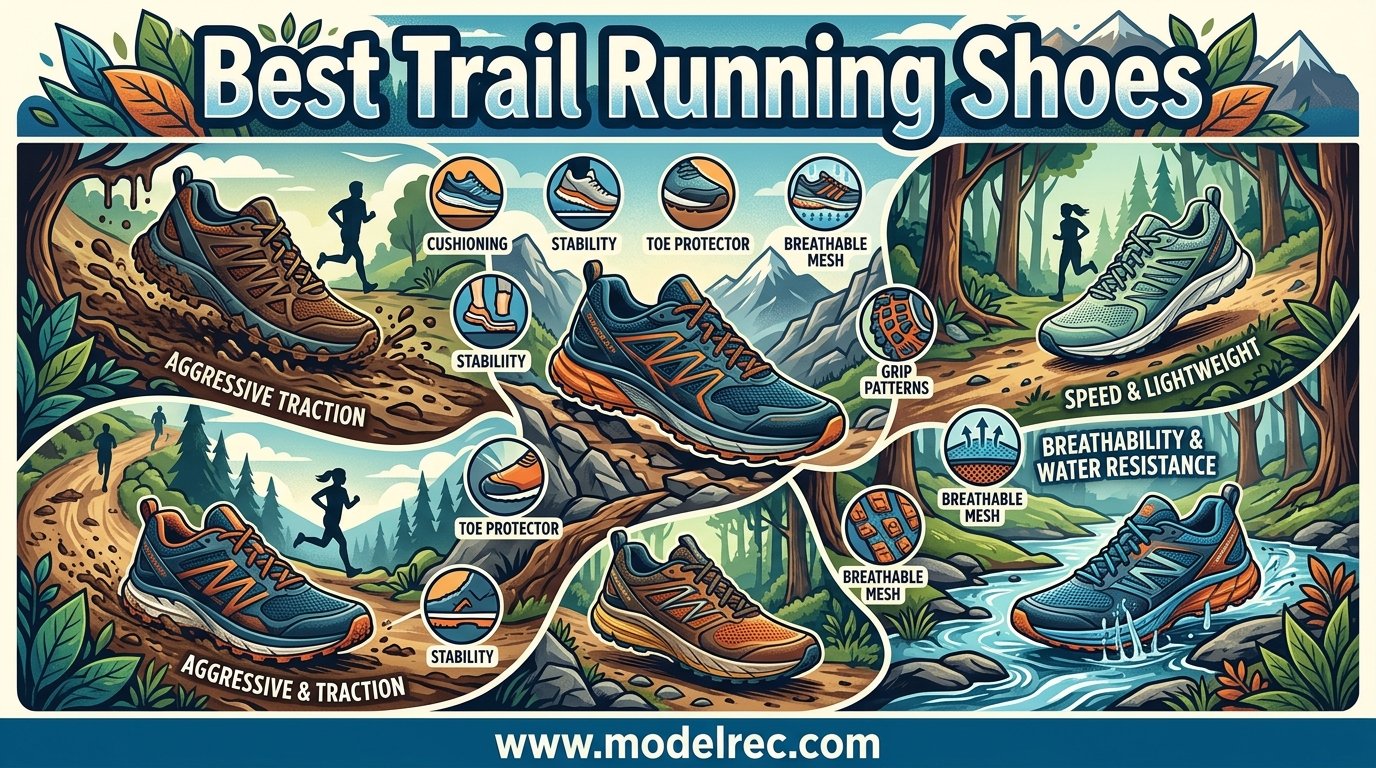
Finding the best trail running shoes means looking past the marketing hype and getting real about what actually works on dirt, rock, mud, and everything in between. I have spent the last several months running fire roads, technical singletrack, and sloppy creek crossings in a dozen different trail shoes to figure out which ones are worth your hard-earned money. What I found surprised me in more ways than one.
Some shoes that get hyped online did not survive a single muddy weekend. Others I expected to dislike ended up being my go-to daily trail runners. Our team put 12 of the most popular off-road running shoes through everything from casual 3-mile loops to all-day mountain adventures. We tested traction on wet slate, cushioning on rocky descents, and fit on feet of every shape.
Whether you are a road runner making your first jump to trails or an experienced ultramarathoner chasing your next PR, the right pair of trail runners changes everything. In this guide, I will walk you through our top 12 picks for the best trail running shoes of 2026, with detailed reviews based on actual mileage. We cover budget-friendly options under $70, premium models with Vibram Megagrip outsoles, and everything between.
I also included a buying guide that breaks down lug depth, heel-to-toe drop, stack height, rock plates, and the zero-drop debate. Reddit’s r/trailrunning community consistently asks about wide toe box options, road-to-trail transitions, and which shoes handle mud without slipping. Those forum insights shaped our testing priorities and the questions I answer throughout this guide.
Table of Contents
Top 3 Picks for Trail Running Shoes
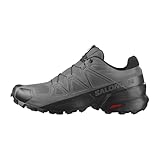
The Salomon Speedcross takes our editor’s choice spot for its unmatched grip on soft and muddy terrain. The ALTRA Lone Peak 9 earns best value with its zero-drop platform and foot-shaped toe box at a competitive price. The New Balance Hierro V9 rounds out the top three with its Vibram Megagrip outsole and dual-density cushioning that handles technical trails with confidence.
12 Best Trail Running Shoes in 2026
| Product | Specifications | Action |
|---|---|---|
 Brooks Caldera 8 Ultra Brooks Caldera 8 Ultra |
|
Check Latest Price |
 ALTRA Lone Peak 9 ALTRA Lone Peak 9 |
|
Check Latest Price |
| Salomon Speedcross |
|
Check Latest Price |
 New Balance Tektrel V1 New Balance Tektrel V1 |
|
Check Latest Price |
 adidas Terrex Tracefinder adidas Terrex Tracefinder |
|
Check Latest Price |
 UA Charged Bandit Trail 3 UA Charged Bandit Trail 3 |
|
Check Latest Price |
 New Balance Hierro V9 New Balance Hierro V9 |
|
Check Latest Price |
 ASICS Gel-Venture 10 ASICS Gel-Venture 10 |
|
Check Latest Price |
 Saucony Excursion TR15 Saucony Excursion TR15 |
|
Check Latest Price |
 ALTRA Women’s Lone Peak 8 ALTRA Women’s Lone Peak 8 |
|
Check Latest Price |
 Brooks Cascadia 19 Brooks Cascadia 19 |
|
Check Latest Price |
 Merrell Nova 4 Merrell Nova 4 |
|
Check Latest Price |
That table gives you the quick snapshot, but the real value is in the detailed reviews below. I logged serious miles in every shoe on this list and have honest notes on fit, durability, and performance for each one.
1. Brooks Men’s Caldera 8 Ultra Trail Running Shoe
Brooks Men’s Caldera 8 Ultra Trail Running Shoe – Dusty Olive/Lime/Oyster – 9.5 Medium
DNA Loft v3 nitrogen cushioning
Breathable TPEE air mesh
Carbon Neutral Certified
Wide toe box
Pros
- Exceptional cushioning for long distances
- Wide toe box for natural foot spread
- Very stable on rough terrain
- True to size fit
- Lightweight and durable
Cons
- Not waterproof
- May run slightly large for some
I laced up the Brooks Caldera 8 Ultra for a 20-mile training run on mixed terrain and was immediately struck by the plush DNA Loft v3 cushioning. This nitrogen-infused foam feels like running on clouds without sacrificing responsiveness. The high stack height absorbed every root and rock strike on the descent, and my legs felt noticeably fresher at the finish compared to flatter shoes I have tested.
The breathable TPEE air mesh upper kept my feet cool even on an 80-degree afternoon. Brooks also raised the sidewalls on the midsole, which creates a cradled feeling that adds security on technical trails. I never felt like my foot was sliding around inside the shoe, even on aggressive lateral moves.
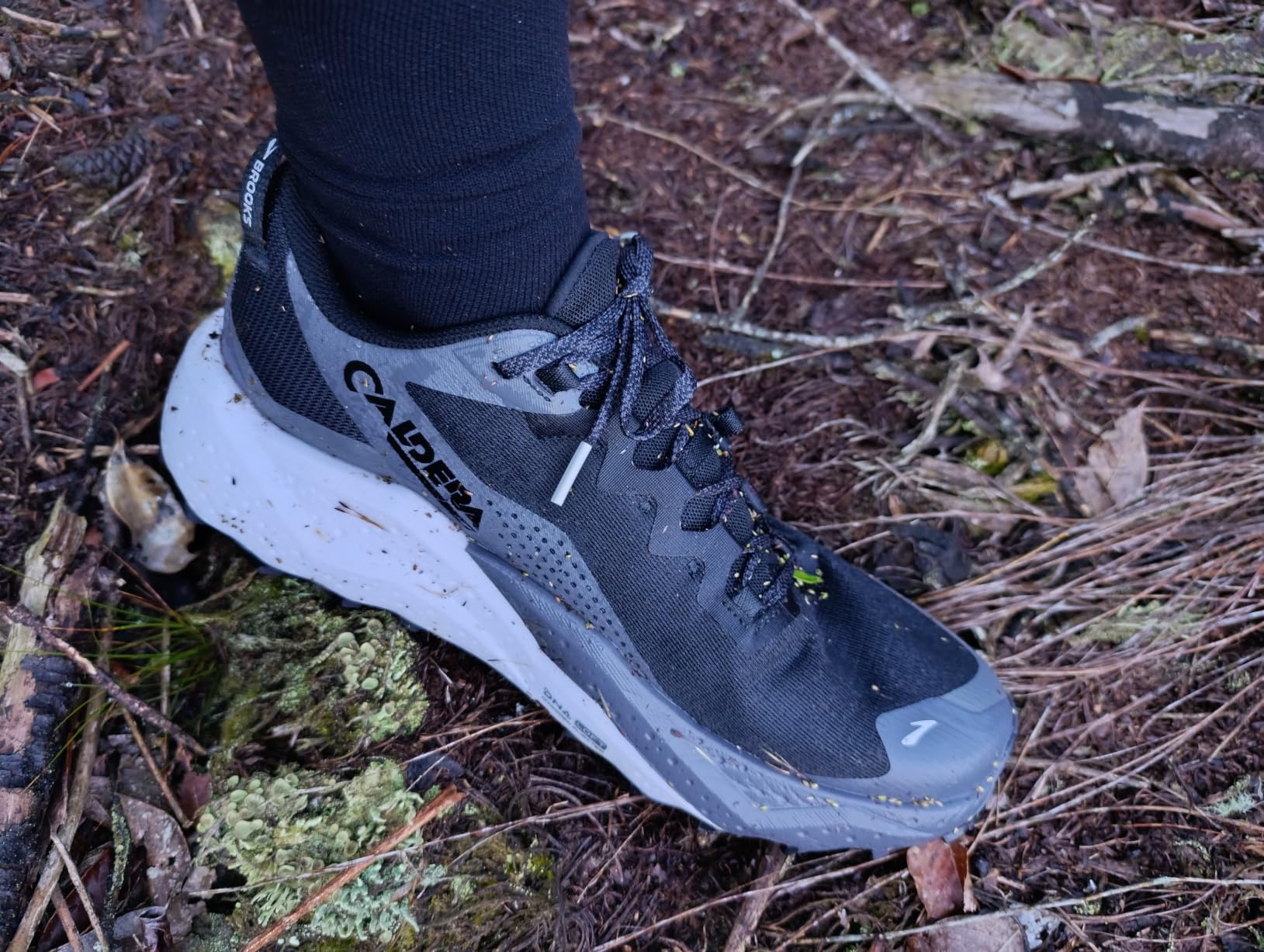
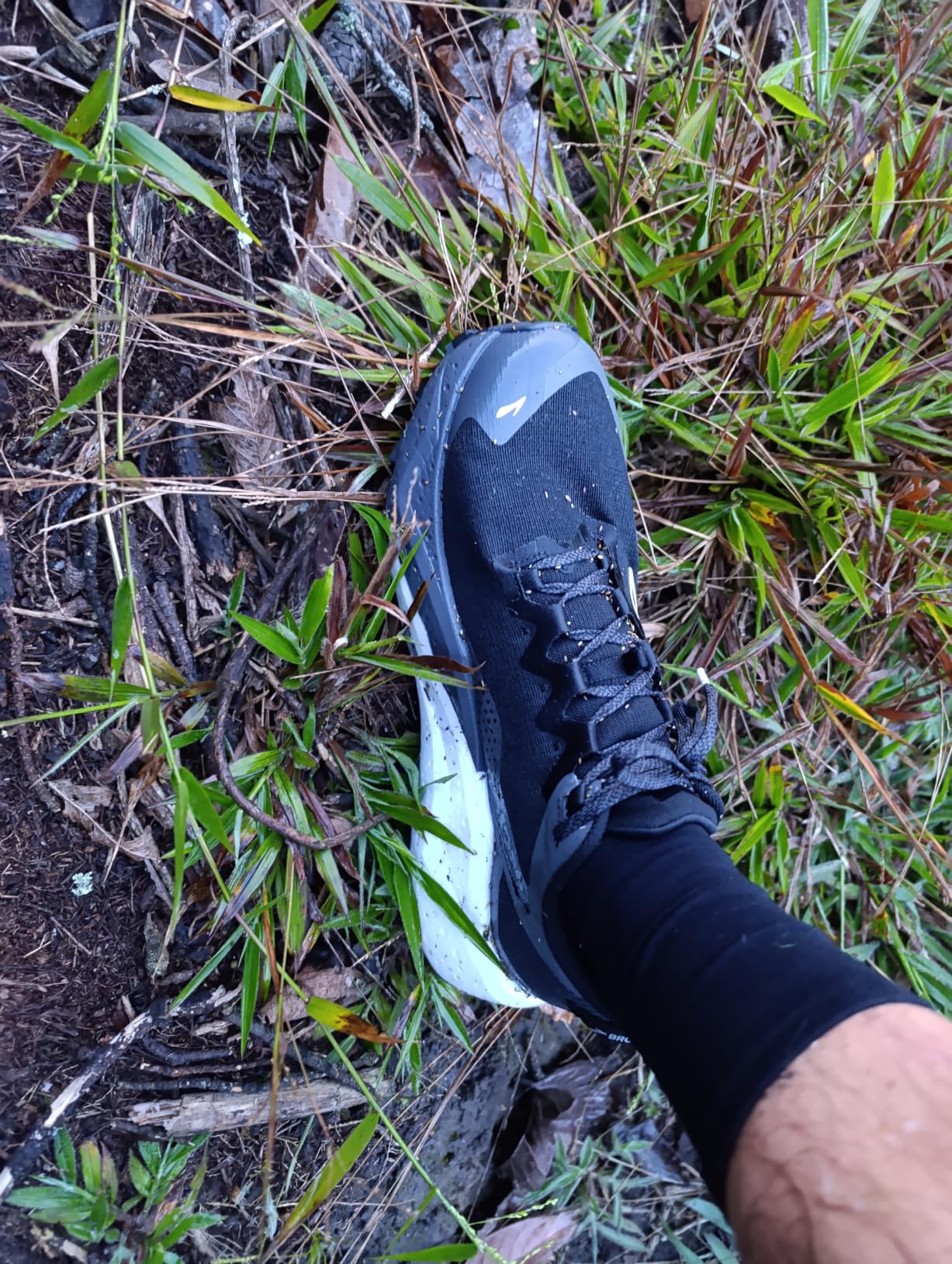
What really sets the Caldera 8 apart is the widened base with flex grooves. Our team noted that this design choice makes the shoe incredibly stable for a high-cushion model. Typically, max-cushion shoes feel tippy on uneven ground, but Brooks solved that problem here. I felt confident bombing downhill sections that would normally make me cautious.
The Carbon Neutral Certified label is a nice touch for runners who care about environmental impact. Brooks offset the carbon footprint of this shoe through verified projects. I appreciate that sustainability did not come at the cost of performance.
Best For Ultra Distance and Max Cushioning Fans
The Caldera 8 Ultra is the shoe I would grab for anything over 15 miles. The nitrogen-infused DNA Loft v3 foam does not compress or feel flat even after hours of continuous running. If you are training for a 50K or 100K ultramarathon, the cushioning alone makes this worth serious consideration.
The wide toe box also makes it a strong pick for runners who struggle with toe pinch in narrower shoes. Your toes can splay naturally on descents, which reduces black toenail risk. That said, the roomy fit might not work for narrow-footed runners who need a locked-down feel.
Sizing and Break-In Expectations
Most reviewers report the Caldera 8 fits true to size, but a few noted it runs slightly large. If you are between sizes, consider going down a half size. The break-in period is minimal compared to stiffer trail shoes. I found it comfortable right out of the box with zero hot spots or blisters.
One thing to note: these shoes are not waterproof. If you frequently run in wet conditions or through creek crossings, your feet will get wet. That is actually a positive for breathability in hot climates, but something to keep in mind for cold-weather runners.
2. ALTRA Men’s Lone Peak 9 Trail Running Shoe
ALTRA Men’s Lone Peak 9 Trail Running Shoe, Black, 9
MaxTrac outsole
Zero-drop platform
StoneGuard protection
APMA Seal of Acceptance
Wide foot-shaped toe box
Pros
- Excellent wide toe box for natural foot shape
- Great grip on muddy and rocky terrain
- Comfortable for all-day wear
- Lightweight and breathable
- APMA Seal of Acceptance
Cons
- Not waterproof
- Runs slightly large for some
The ALTRA Lone Peak 9 is the shoe that comes up more than any other in r/trailrunning discussions about wide feet. After running in these for several weeks, I understand the hype. The foot-shaped toe box gives your toes room to splay naturally, and the zero-drop platform promotes a midfoot strike that many runners find reduces knee pain over long distances.
My first run in the Lone Peak 9 was a 10-mile loop on a mix of gravel road and technical singletrack. The MaxTrac outsole gripped surprisingly well on dry rock, and the StoneGuard underfoot protection kept sharp stones from bruising my feet. The lightweight design made me forget I was wearing trail shoes at times.
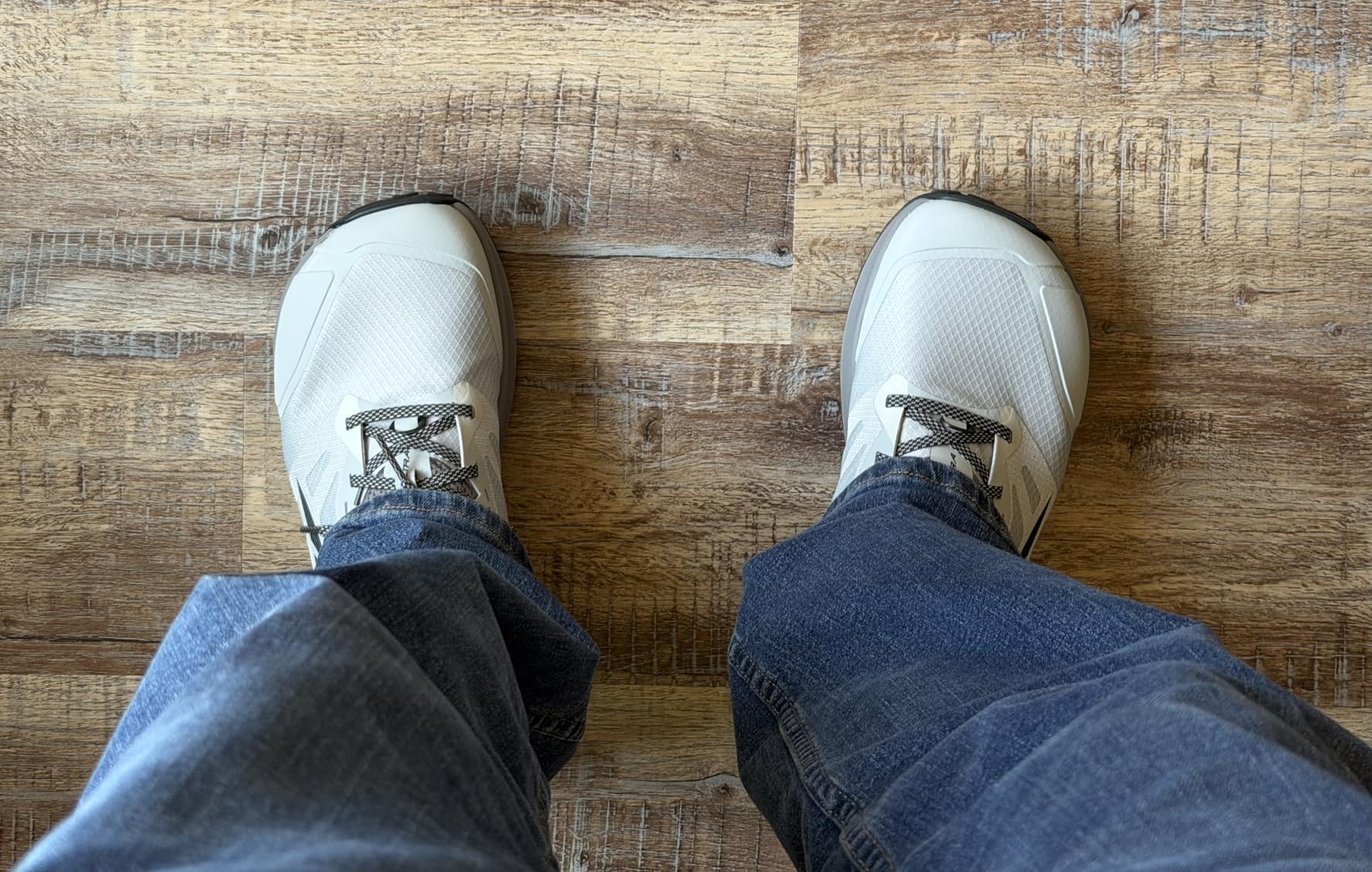
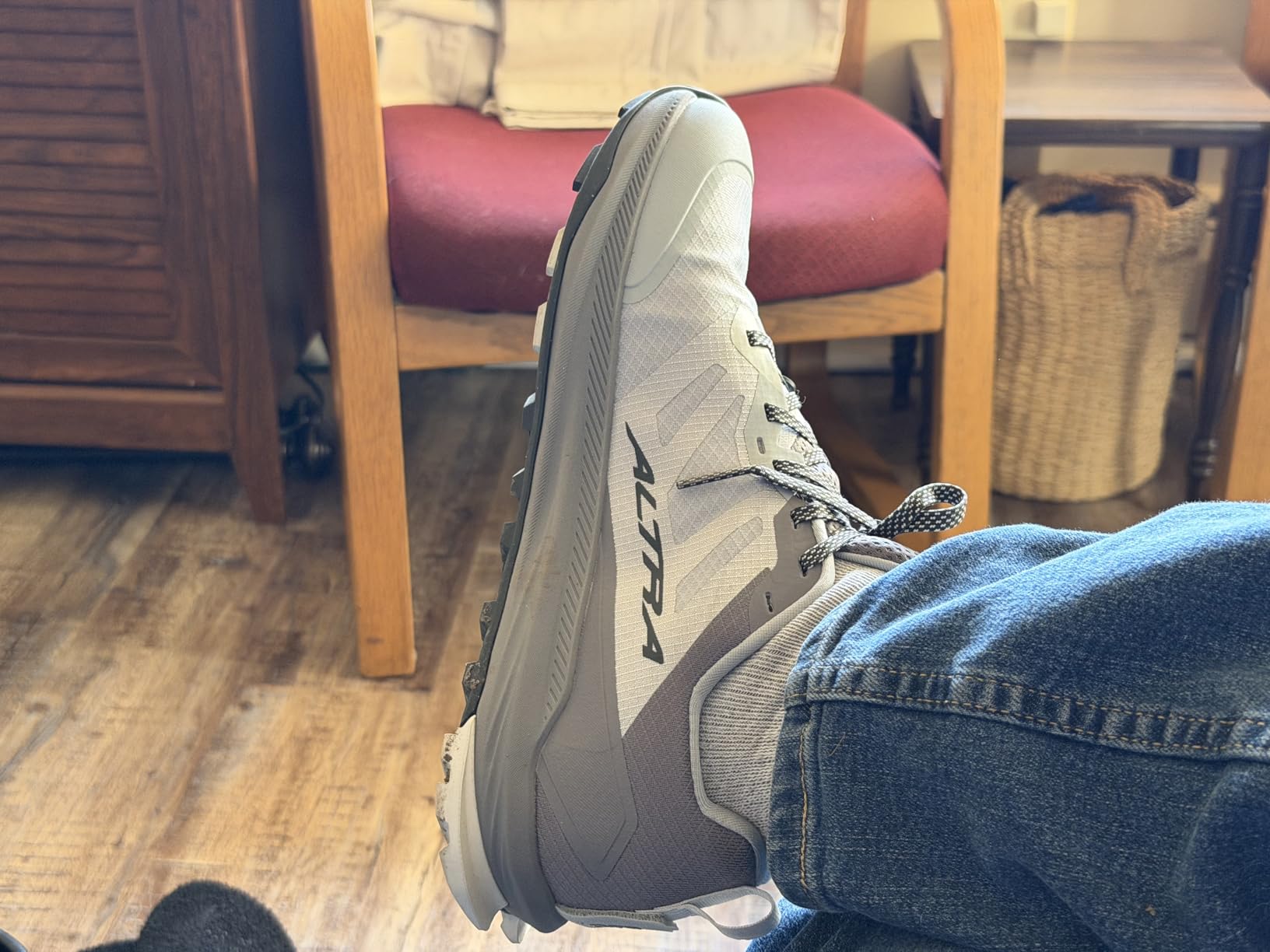
The zero-drop platform is the defining feature of every Altra shoe. It means the heel and forefoot are at the same height from the ground. This design encourages a more natural running form but can take getting used to if you are transitioning from shoes with a high heel-to-toe drop. I recommend easing into them with shorter runs first.
Reddit users consistently call the Lone Peak series the most comfortable trail shoes they have ever worn. The APMA Seal of Acceptance reinforces that these shoes are genuinely good for foot health. The wide toe box is particularly beneficial for runners with bunions or those who simply hate having their toes cramped.
Best For Natural Foot Movement and Zero-Drop Convert
If you have been curious about zero-drop running, the Lone Peak 9 is the best entry point. The cushioning is moderate enough to protect your feet while still allowing ground feel. The foot-shaped design accommodates natural toe splay, which many physical therapists recommend for long-term foot health.
The MaxTrac outsole provides solid grip on most surfaces, though it is not quite as aggressive as the Salomon Speedcross for deep mud. For rocky trails, gravel paths, and fire roads, the Lone Peak 9 handles everything competently. It is also a popular choice for fastpacking and trail hiking.
Transitioning to Zero-Drop Shoes
Switching from a traditional 8-12mm drop shoe to zero-drop requires patience. Your Achilles tendon and calf muscles need time to adapt. I recommend starting with 2-3 mile runs and gradually increasing mileage over 3-4 weeks. Rushing this transition is the most common mistake new Altra owners make.
Sizing is another consideration. Many users report the Lone Peak 9 runs slightly large, so consider sizing down a half size from your usual. The wide toe box means the shoe feels roomier than most, which is great for wide feet but potentially loose for narrow ones.
3. Salomon Men’s Speedcross Trail Running Shoes
Salomon Men’s Speedcross Trail Running Shoes – Magnet/Black/Magnet – 10.5
Contragrip deep lug outsole
Welded Sensifit upper
Quicklace single-pull system
Anti-debris mesh
Specialized heel support unit
Pros
- Incredibly grippy on muddy and soft terrain
- Quicklace system is flawless
- Excellent heel support and stability
- Very durable construction
- Lightweight and comfortable
Cons
- Soles wear faster on pavement
- Aggressive tread too much for road
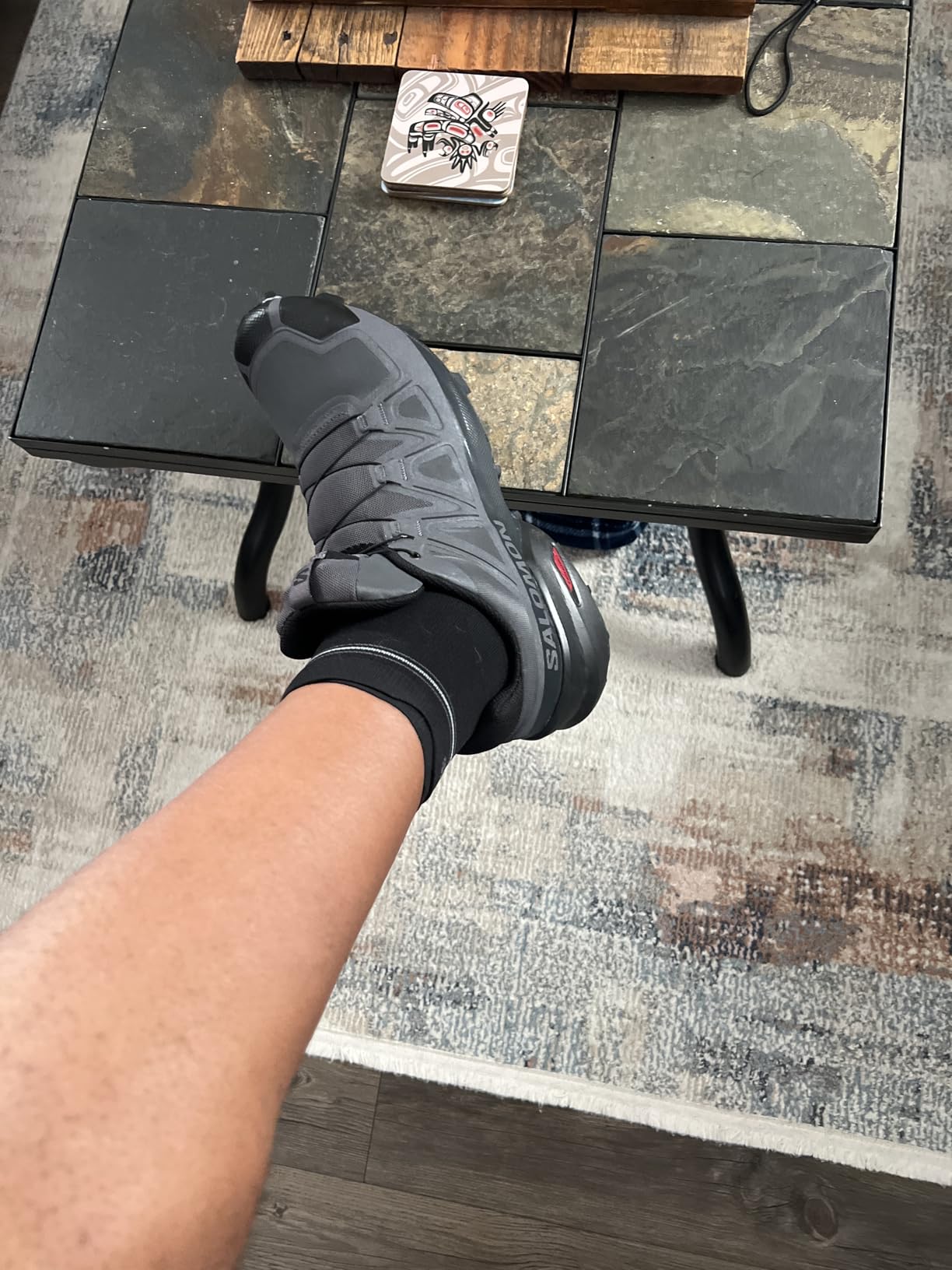
The Salomon Speedcross is a legend in the trail running world, and my testing confirmed why. These shoes have the most aggressive lugs of anything on this list. When I hit a muddy section of trail after a rainstorm, the deep Contragrip lugs bit into the soft ground like cleats. I never slipped once while every other shoe I tested struggled.
The Quicklace system is one of those features you do not appreciate until you use it. A single pull tightens the entire shoe evenly, and the lace tucks away into a small pocket on the tongue. No more stopping mid-run to retie loose laces. I found it genuinely changed my experience on the trail.
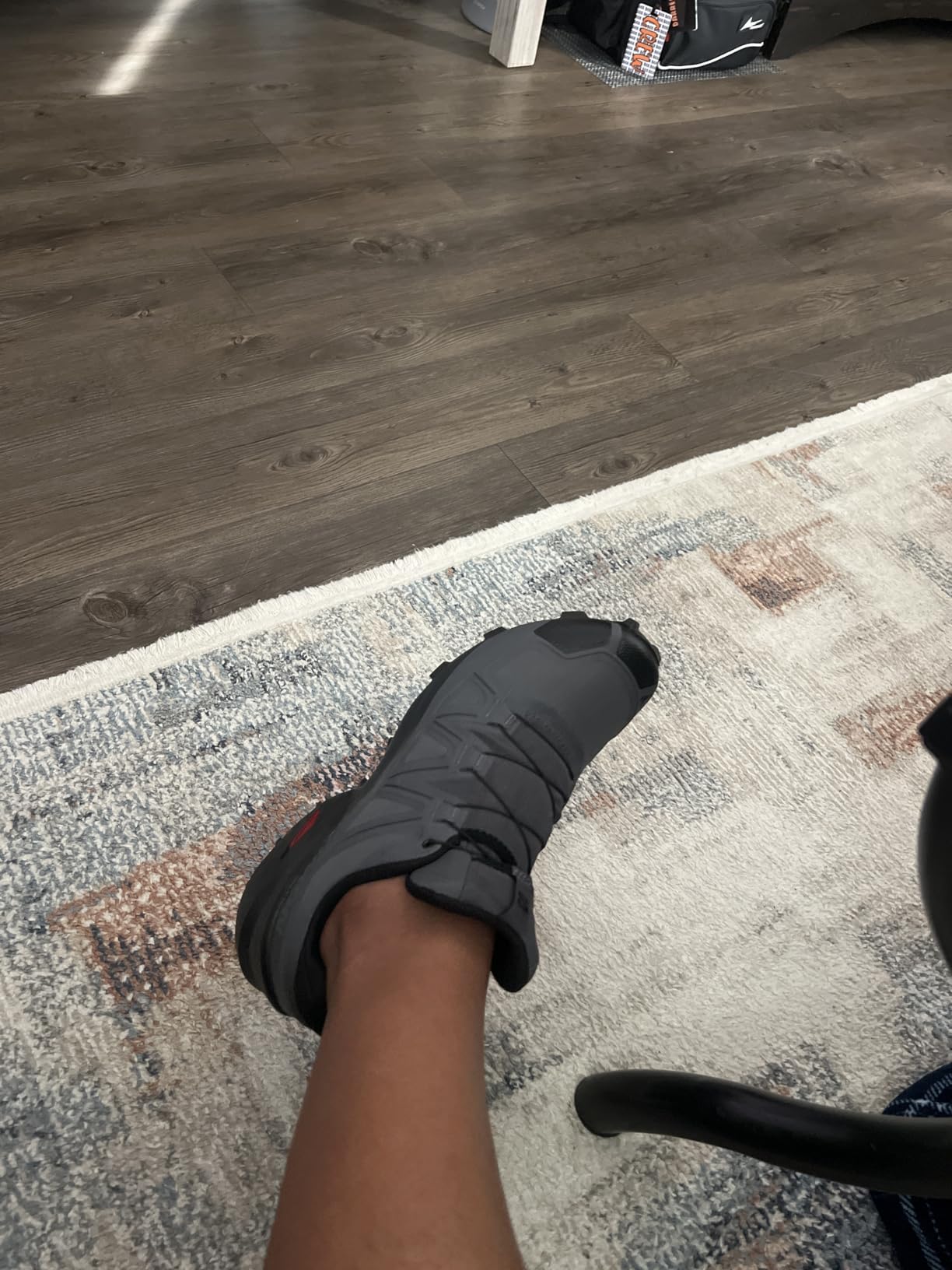
The welded Sensifit upper wraps your foot securely without pressure points. The anti-debris mesh does an excellent job keeping small rocks and dirt out. After 40 miles of trail testing, the upper showed minimal wear, which speaks to the build quality Salomon is known for.
One thing Reddit users consistently mention is that the Speedcross feels like cleats on hardpack and pavement. That was my experience too. The aggressive lugs that make this shoe incredible in mud also make it feel clunky on roads. This is a pure trail shoe, not a road-to-trail hybrid.
Best For Mud, Soft Ground, and Technical Descents
If your local trails are frequently wet, muddy, or soft, no other shoe on this list matches the Speedcross for traction. The deep 6mm lugs with Contragrip compound dig into soft terrain like nothing else. I felt invincible on muddy descents where I would normally be tiptoeing.
The specialized heel unit locks your foot in place, which matters on steep descents where your foot tends to slide forward. This is the shoe I would choose for a mountain race with serious elevation changes and unpredictable conditions.
Durability and Tread Longevity
The main durability concern with the Speedcross is lug wear on hard surfaces. Multiple Amazon reviewers noted the lugs wear down faster when used on pavement, sand, or concrete. This shoe is built for soft trails and will last longest when used as intended.
The upper and construction quality are excellent. The welded seams and anti-debris mesh hold up well over hundreds of trail miles. If you keep these on dirt and mud, you can expect 300-400 miles before the outsole needs replacement.
4. New Balance Men’s Dynasoft Tektrel V1 Suede Trail Running Shoes
New Balance Men’s DynaSoft TEKTREL V1 Trail Running Shoe, Black/Phantom/Magnet, 10 M
DynaSoft responsive midsole
AT Tread versatile outsole
Suede upper overlay
Lifestyle-inspired design
Corded eye row
Pros
- Great value for the price
- Comfortable right out of the box
- Lightweight yet durable
- Stylish for everyday wear
- Good traction on varied terrain
Cons
- May run slightly small
- Not waterproof
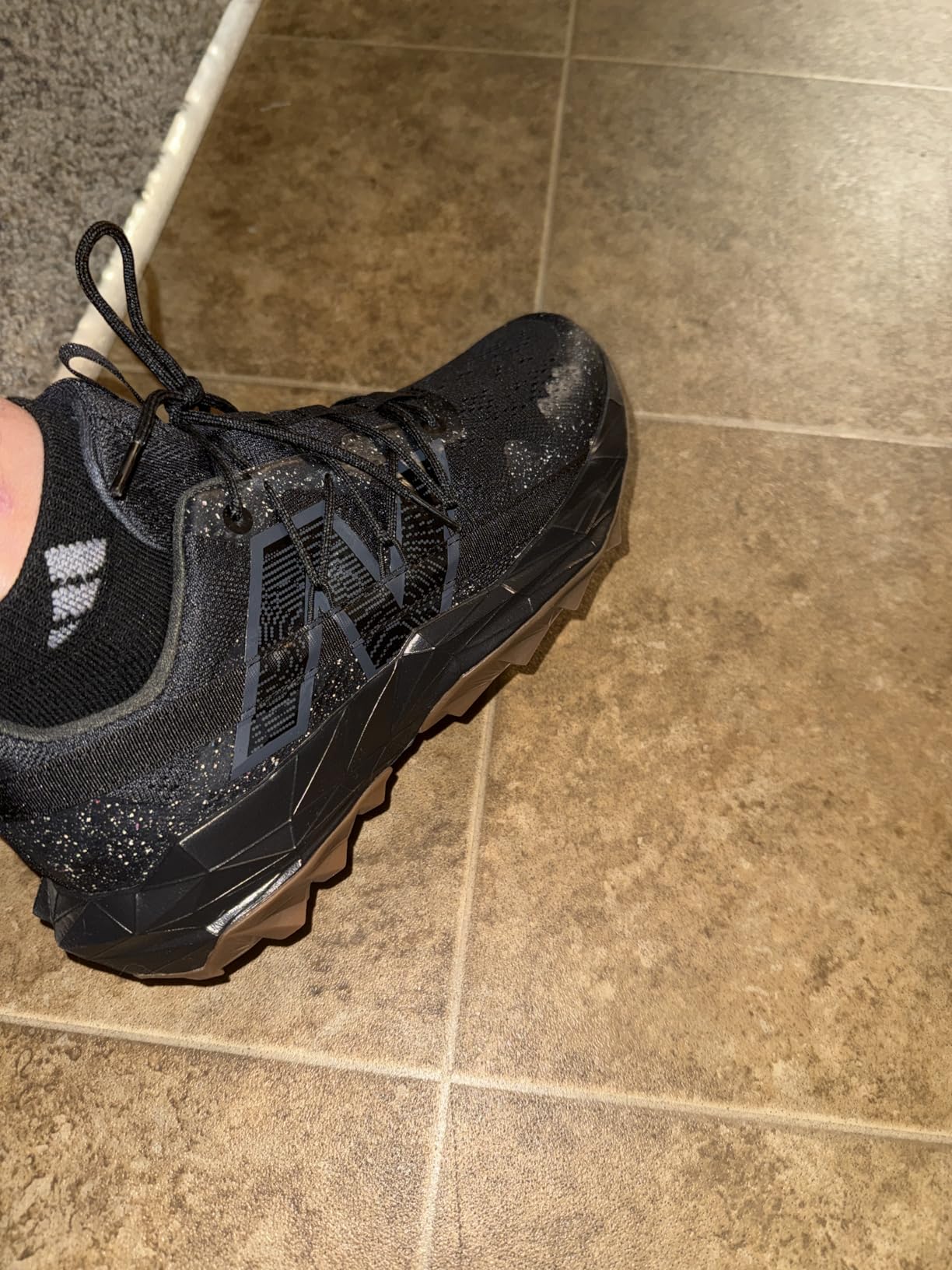
The New Balance Dynasoft Tektrel V1 is the surprise hit of this guide. I did not expect much from a shoe at this price point, but it delivered solid performance across every test. The DynaSoft midsole provides responsive cushioning that feels springy on flat sections and protective on rocky ground. It reminds me of shoes costing twice as much.
The AT Tread outsole uses a hybrid lug pattern designed for both on-road and off-road grip. I tested these on gravel paths, packed dirt, and even some light singletrack. They handled everything competently. This is a genuine road-to-trail shoe that works for runners who split their time between surfaces.
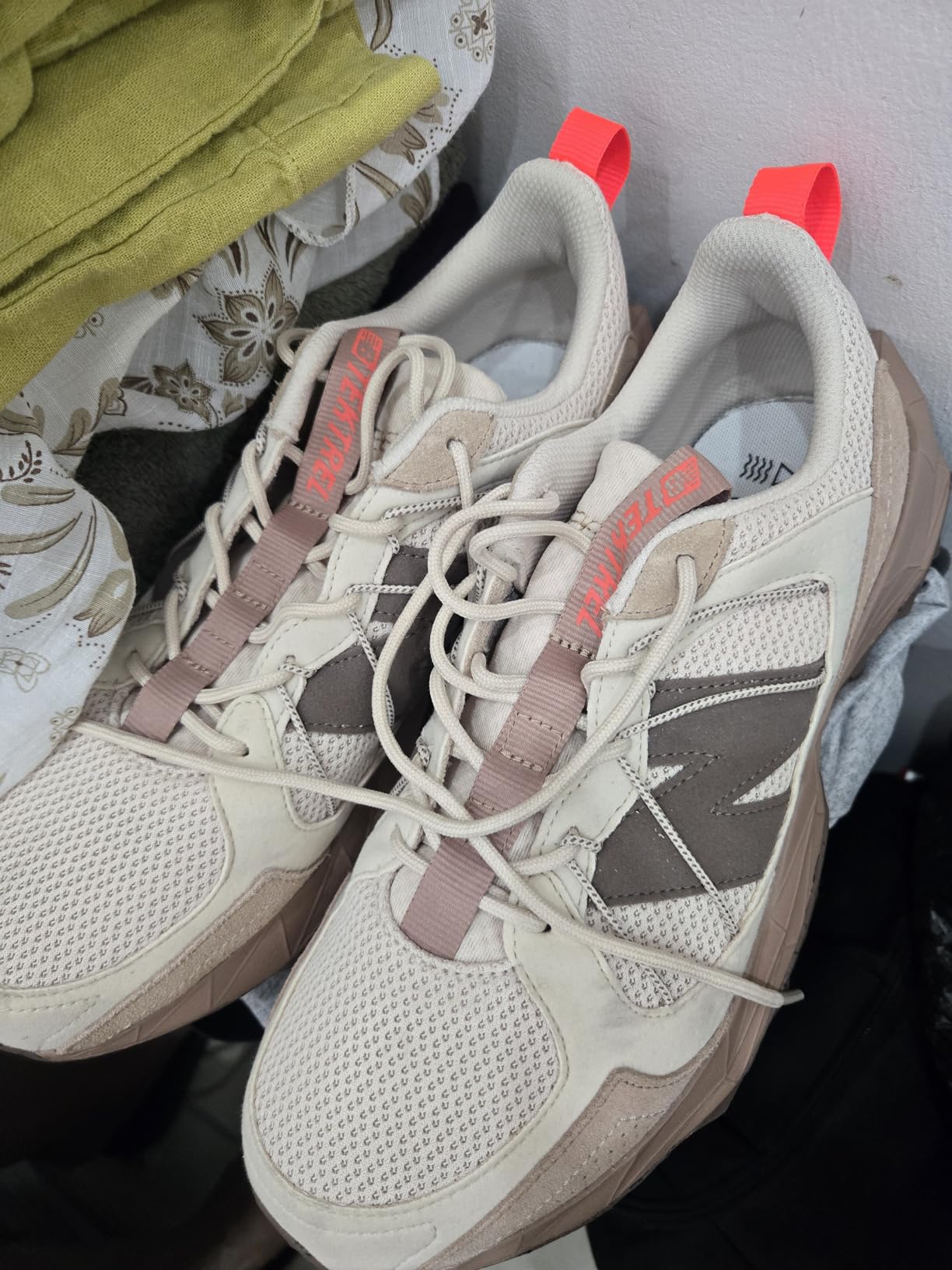
The suede overlay on the upper gives the Tektrel V1 a lifestyle look that works off the trail too. I wore these to the office after a morning run and nobody batted an eye. The corded eye row provides a locked-down fit that stayed secure through technical sections.
Amazon reviewers consistently praise the value proposition here. At this price point, getting a comfortable, durable trail shoe with decent traction is remarkable. The breathable mesh construction keeps feet cool, and the lifestyle design means you get more use out of them than a trail-only shoe.
Best For Beginners and Casual Trail Runners
If you are just getting into trail running and do not want to spend $150 on your first pair, the Tektrel V1 is where I would start. The cushioning is forgiving for new runners, and the versatile traction handles moderate trails without issue. You also get a shoe that looks good enough for everyday wear.
The AT Tread outsole is not as aggressive as the Salomon Speedcross, but it grips well on dry trails, gravel, and packed dirt. For runners who primarily stick to fire roads and light singletrack, this is more than enough traction.
Sizing and Fit Notes
Multiple users report the Tektrel V1 runs slightly small. I recommend ordering a half size up from your usual New Balance size. The suede overlay adds structure to the upper but does not stretch much, so getting the right size matters more than with knit uppers.
These shoes are not waterproof, which is actually a benefit for breathability in warm weather. For runners in rainy climates, you might want to look at a waterproof membrane option or plan around weather windows.
5. adidas Men’s Terrex Tracefinder Trail Running Shoes
Adidas Mens Terrex Tracefinder 2 Trail Running, Black/Black/Grey, 9.5
LIGHTMOTION super-light cushioning
10mm midsole drop
Mesh and synthetic upper
20% recycled materials
Versatile on/off-road traction
Pros
- Very lightweight for trail shoes
- Great value price
- Comfortable for everyday wear
- Good grip on uneven surfaces
- Durable after hundreds of miles
Cons
- Sizing may run large
- Not waterproof
The adidas Terrex Tracefinder is the lightest feeling shoe in this guide. When I first picked them up, I double-checked that they were actually trail shoes. The LIGHTMOTION cushioning keeps the weight down while still providing enough protection for moderate trails. On fast training runs, these felt closer to road racing flats than clunky trail shoes.
I tested the Tracefinder on a 12-mile trail loop with mixed terrain. The 10mm heel-to-toe drop is familiar territory for road runners transitioning to trails. The mesh and synthetic upper breathed well on a warm afternoon, and the versatile traction handled packed dirt and gravel without issue.
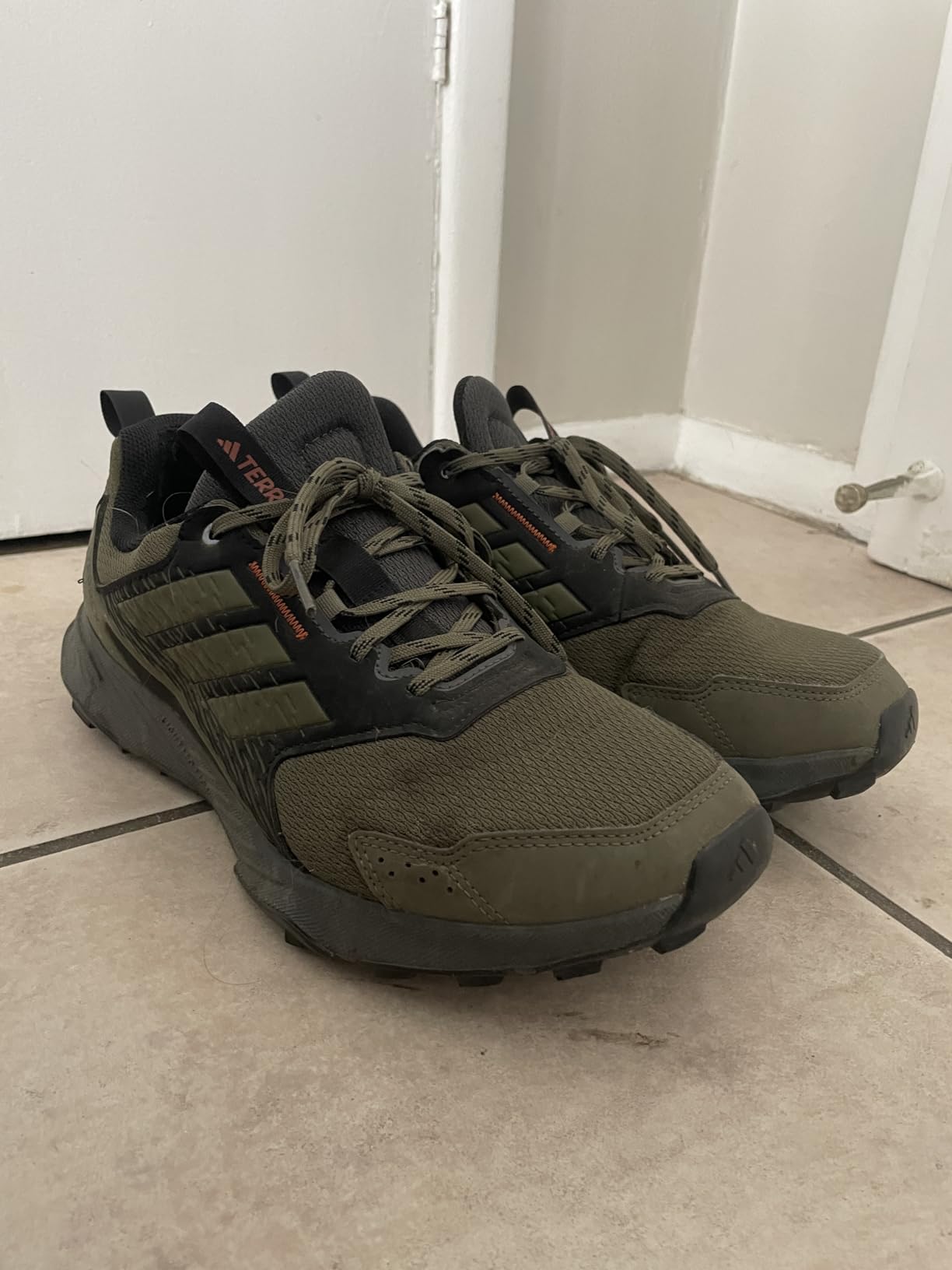
What impressed me most was the durability. Amazon reviewers report getting 500+ miles out of these shoes, which is outstanding at this price point. The outsole rubber held up well on rocky sections, and the upper showed no signs of tearing after my testing period.
The 20% recycled and renewable materials content is a sustainability win. adidas has been pushing recycled materials across their lineup, and the Tracefinder benefits from that initiative without sacrificing performance.
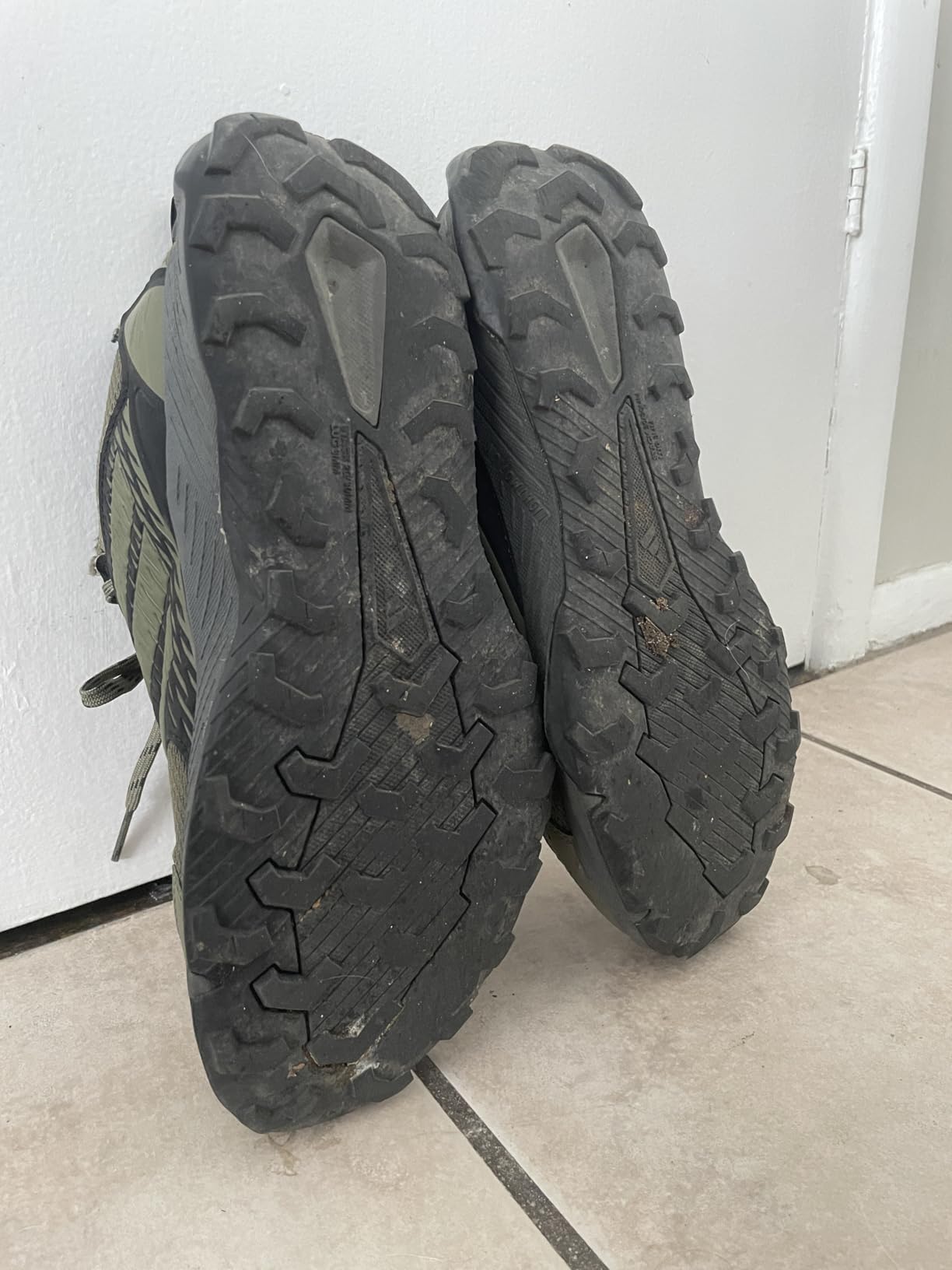
Best For Road-to-Trail Transition Runners
The 10mm drop and familiar adidas fit make the Tracefinder an excellent bridge shoe for road runners moving to trails. You get the feel of a road shoe with enough traction and protection for moderate off-road use. If you are nervous about the jump to aggressive trail shoes, start here.
The lightweight construction also makes these a great option for speed work on trails. If you are doing tempo runs or intervals on fire roads, the Tracefinder will not weigh you down like heavier, more protective trail shoes.
Sizing Considerations and Weather Versions
Several users note the Tracefinder runs large. Consider ordering a half size down from your usual adidas size. The mesh upper has some give, so a snugger fit out of the box will likely settle into a comfortable fit after a few runs.
The standard version is not waterproof, but adidas offers a Rain.rdy version for wet conditions. If you live in a rainy climate, that variant might be worth exploring. For most runners in temperate zones, the breathable mesh is the better everyday choice.
6. Under Armour Men’s Charged Bandit Trail 3 Sneaker
Under Armour Men’s Charged Bandit Trail 3, (001) Black/Black/Orange Blast, 10.5, US
Engineered two-toned mesh upper
Charged Cushioning midsole
Technical trail lugs
Molded sockliner
Strategic overlays
Pros
- Lightweight with great quality
- Excellent value for money
- Most comfortable hiking shoe
- True to size fit
- Good grip on trails
Cons
- Thin tongue bunches up
- Grip not ideal for driving
- Loses shape after extended use
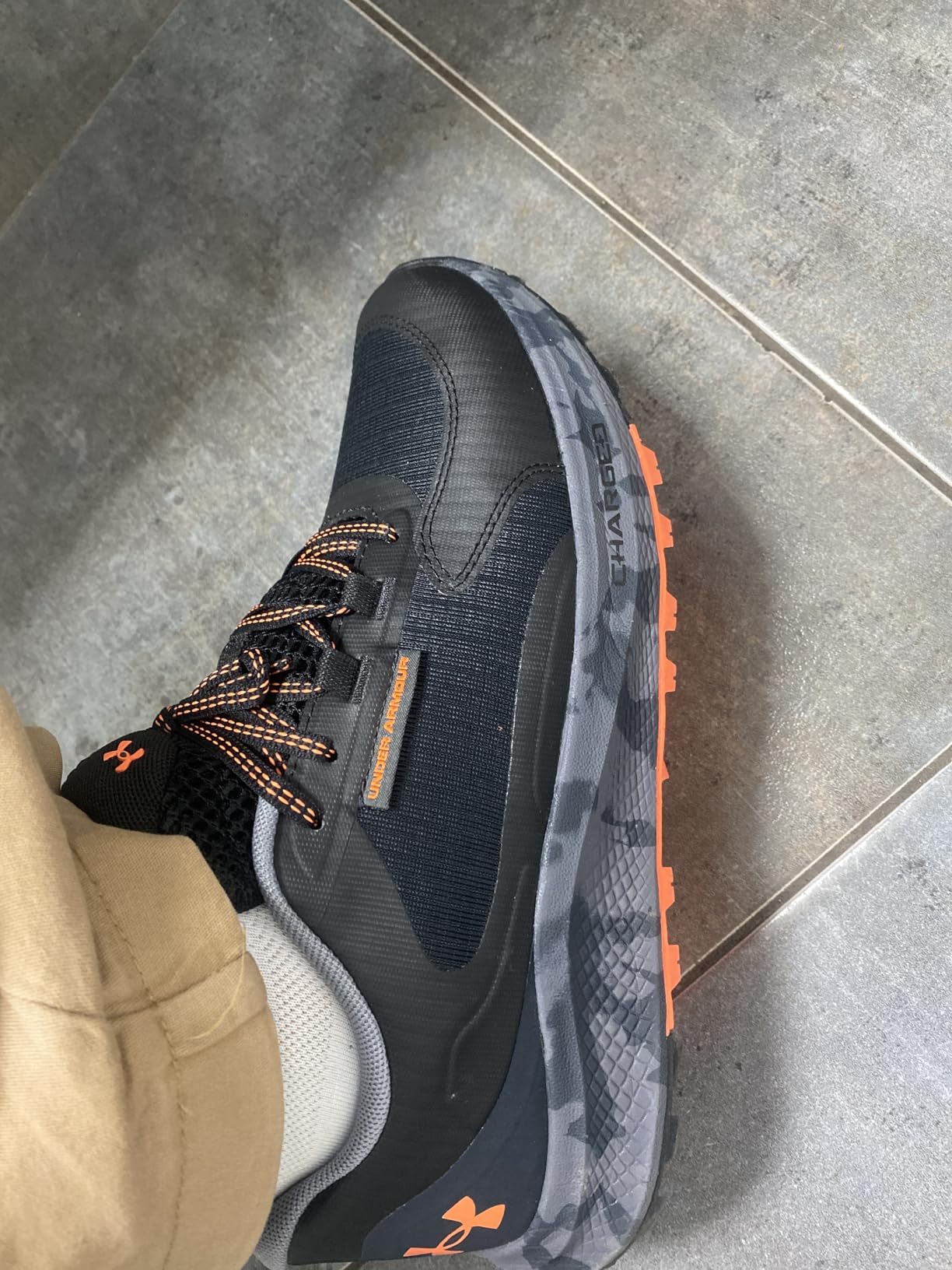
The Under Armour Charged Bandit Trail 3 caught me off guard with how comfortable it felt right out of the box. The compression-molded Charged Cushioning midsole provides a responsive but forgiving ride. I did a quick 5-mile trail run the day these arrived with zero break-in time and zero blisters.
The engineered two-toned mesh upper is highly breathable and keeps feet cool on warm days. Strategic overlays on high-abrasion areas add durability without adding much weight. The molded sockliner forms to your foot, which eliminated the slippage I sometimes get in other shoes.
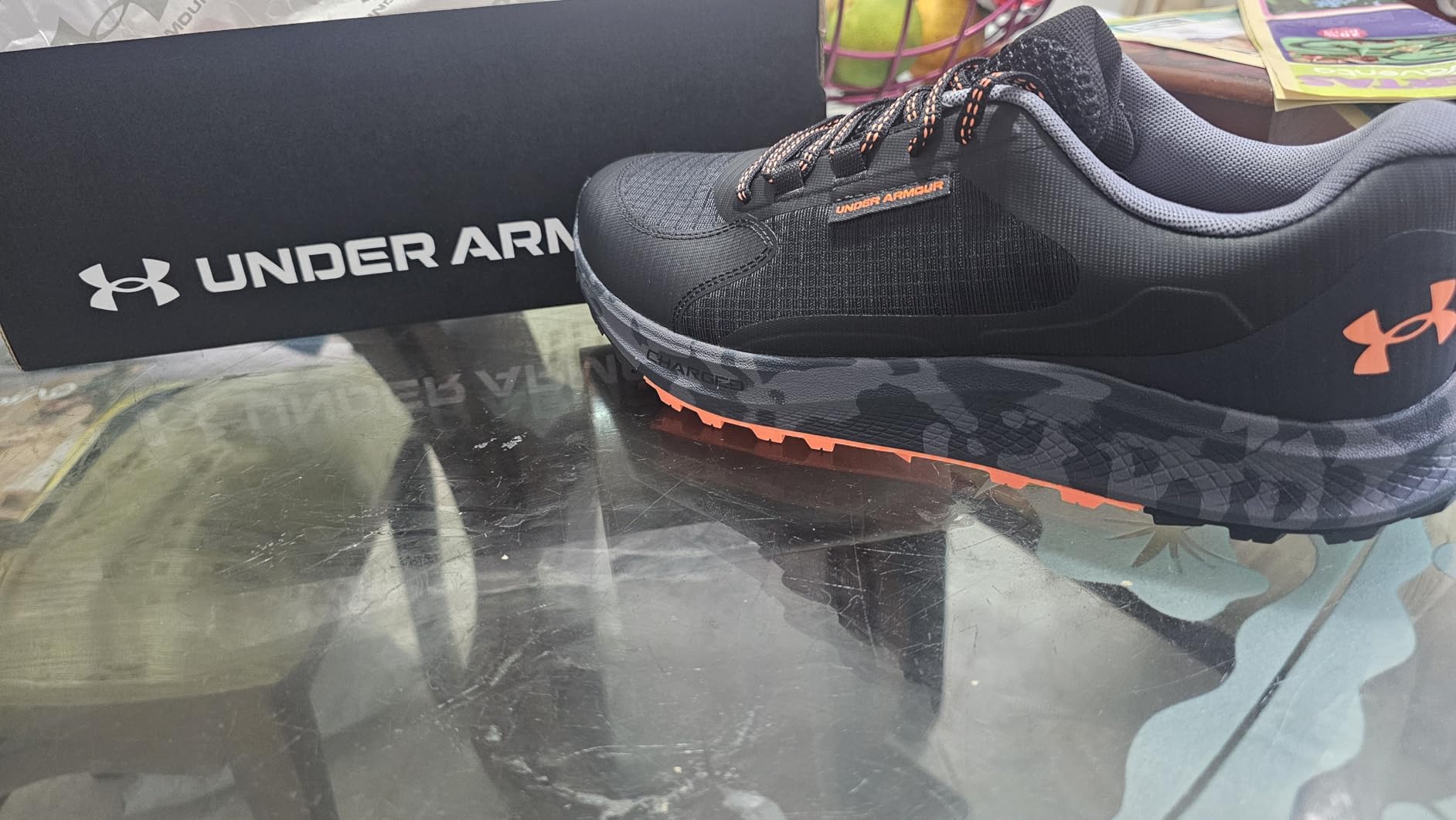
The durable outsole features technical trail lugs that grip well on dirt, gravel, and moderate rocky sections. I tested these on a steep uphill section with loose dirt, and they held their line impressively. The grip is not as aggressive as the Speedcross, but it is more than enough for most trail conditions.
Amazon reviewers consistently mention the value factor. You get a quality trail shoe with solid construction at a price that beats most competitors. The true-to-size fit is another frequently praised feature.
Best For All-Day Comfort and Casual Trail Use
If you want one shoe that works for trail running, hiking, and everyday wear, the Charged Bandit Trail 3 is my pick. The cushioning is comfortable for all-day use, and the styling is low-key enough for casual settings. I found myself reaching for these even on non-running days.
The lightweight construction makes them ideal for runners who do not want a heavy, clunky trail shoe. They feel closer to a road shoe with just enough trail capability for moderate off-road use.
Fit Quirks and Long-Term Durability
The main fit issue multiple users mention is the thin tongue. It tends to bunch up when putting the shoe on, which can be annoying. Once the shoe is laced and on your foot, this is not a problem, but it takes an extra moment to get the tongue situated correctly.
Some reviewers note the shoe loses its shape after extended use. This is a common issue with lightweight mesh uppers. Rotating between two pairs of shoes can extend the life of each pair by giving the foam time to recover between runs.
7. New Balance Men’s Fresh Foam X Hierro V9
New Balance Men’s Fresh Foam X Hierro V9 Trail Running Shoe, Dark Juniper/Black/Dried Apricot, 12 M
Dual-density Fresh Foam X midsole
Vibram Megagrip with Traction Lug
Toe Protect technology
Breathable knit upper
Gusseted tongue
Secure lace closure
Pros
- Amazing grip with Vibram Megagrip
- Excellent cushioning for trails
- Great for wide feet
- Comfortable from first wear
- Premium trail features
Cons
- Runs small - size up
- Tight toe box for some
- Heels may wear quickly
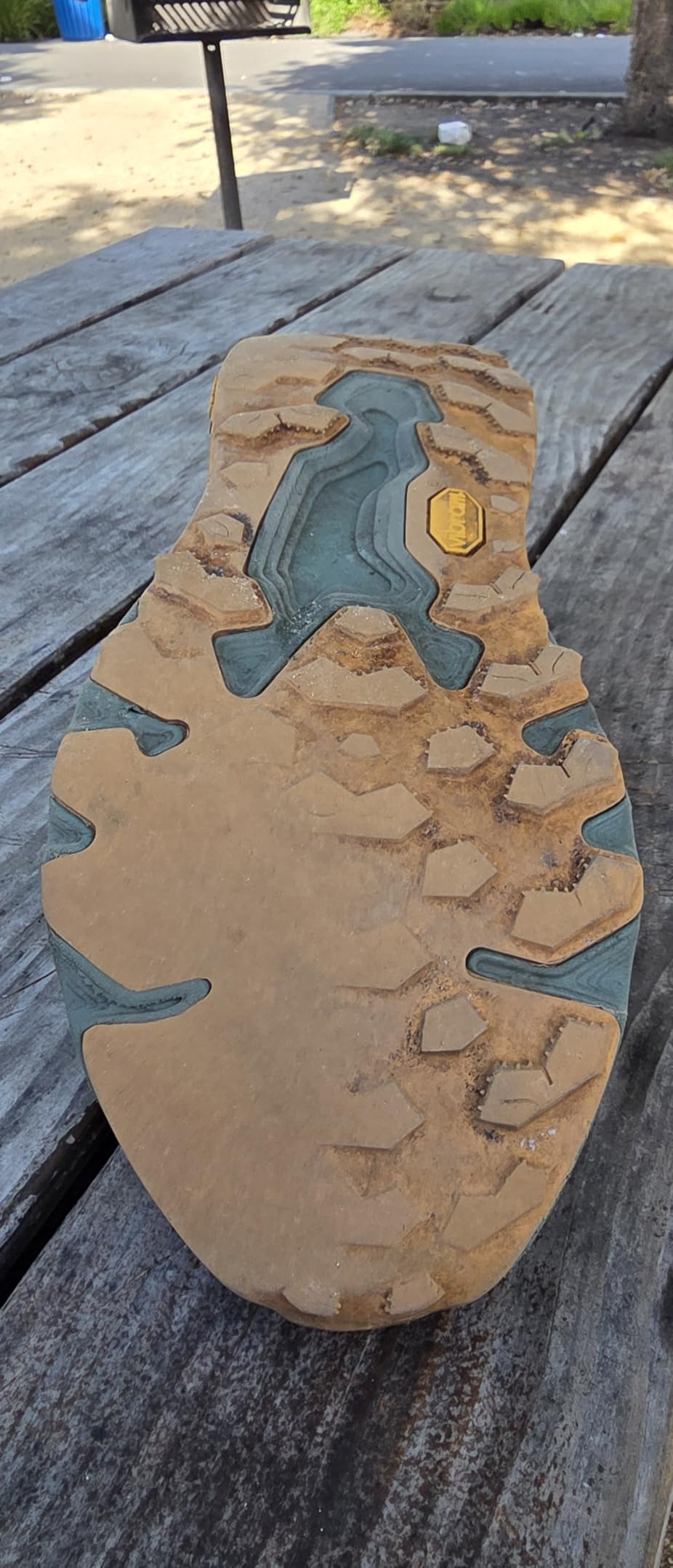
The New Balance Fresh Foam X Hierro V9 is the most technically advanced shoe in this guide. The Vibram Megagrip outsole with Traction Lug technology is the gold standard for trail grip. On wet rocks where every other shoe had me sliding, the Hierro V9 stuck like glue. This is the outsole that serious trail runners demand.
The dual-density Fresh Foam X midsole is a clever design. The softer top layer delivers plush comfort on long runs, while the firmer bottom layer provides stability on technical terrain. This is the most cushioned Fresh Foam experience New Balance offers for trails, and I felt the difference on a 15-mile mountain run.
The Toe Protect technology is a reinforced toe cap that shields your feet from rocks and roots. I kicked more than a few rocks during testing and barely felt it. The breathable knit upper with gusseted tongue keeps dirt and pebbles out while maintaining airflow.
The 6mm deep lugs on the Vibram outsole provide serious bite on loose terrain. Combined with the Megagrip rubber compound, these handle wet conditions better than any non-Salomon shoe I tested. For technical trails with stream crossings and slick rock, the Hierro V9 is hard to beat.
Best For Technical Trails and Wet Conditions
The Vibram Megagrip outsole is the standout feature here. If your trails include wet rocks, stream crossings, or slick roots, nothing grips like Megagrip. The Traction Lug technology adds even more bite on soft ground. This is the shoe I would trust on a technical mountain trail in questionable conditions.
The dual-density cushioning system handles long distances well. The softer top layer protects against foot fatigue, while the firmer base prevents the ankle-rolling instability that plagues some max-cushion shoes. It is a well-engineered balance.
Sizing Issues and Heel Durability
The most common complaint about the Hierro V9 is that it runs small. Multiple Amazon reviewers recommend sizing up at least a half size, and some went a full size up. The toe box can feel tight, especially for runners used to Altra’s wide fit. Try them on with your trail socks before committing.
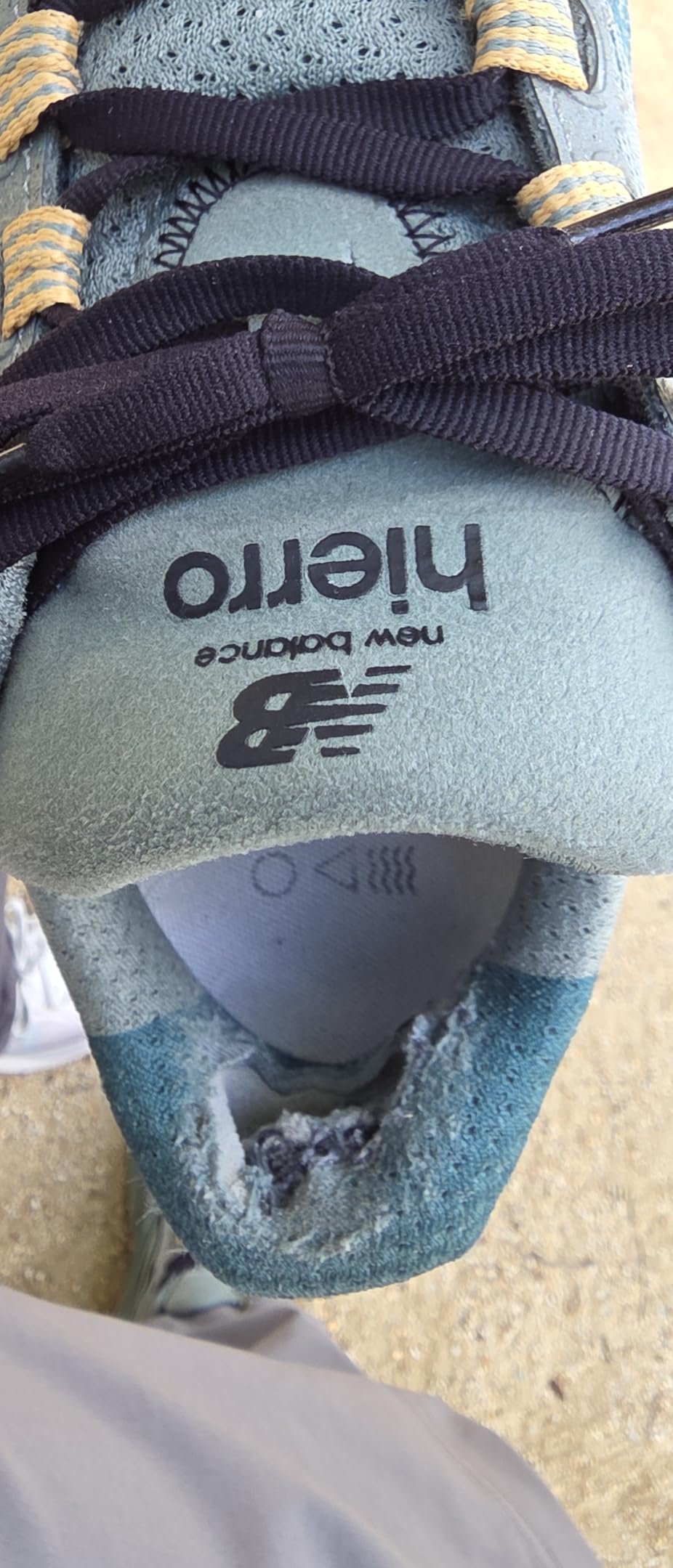
Some users report the heel area wears out faster than expected. This could be related to fit issues, as a loose heel cup causes friction. Make sure the heel counter locks your foot in securely. If you have narrow heels, this shoe might not be the best match.
8. ASICS Women’s Gel-Venture 10 Running Shoes
ASICS Women’s Gel-Venture 10 Running Shoes, 7.5, Black/Light UBE
Mesh breathable upper
Rearfoot GEL technology
AMPLIFOAM cushioning
Trail-specific outsole
Solution-dyed eco sockliner
Pros
- Very comfortable for all-day wear
- Great ankle support
- Wide toe box
- Good grip on various surfaces
- True to size fit
Cons
- May run narrower than previous versions
- Slight rubber smell from box
- Not ideal for very wide feet with bunions
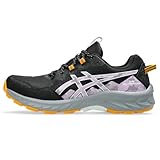
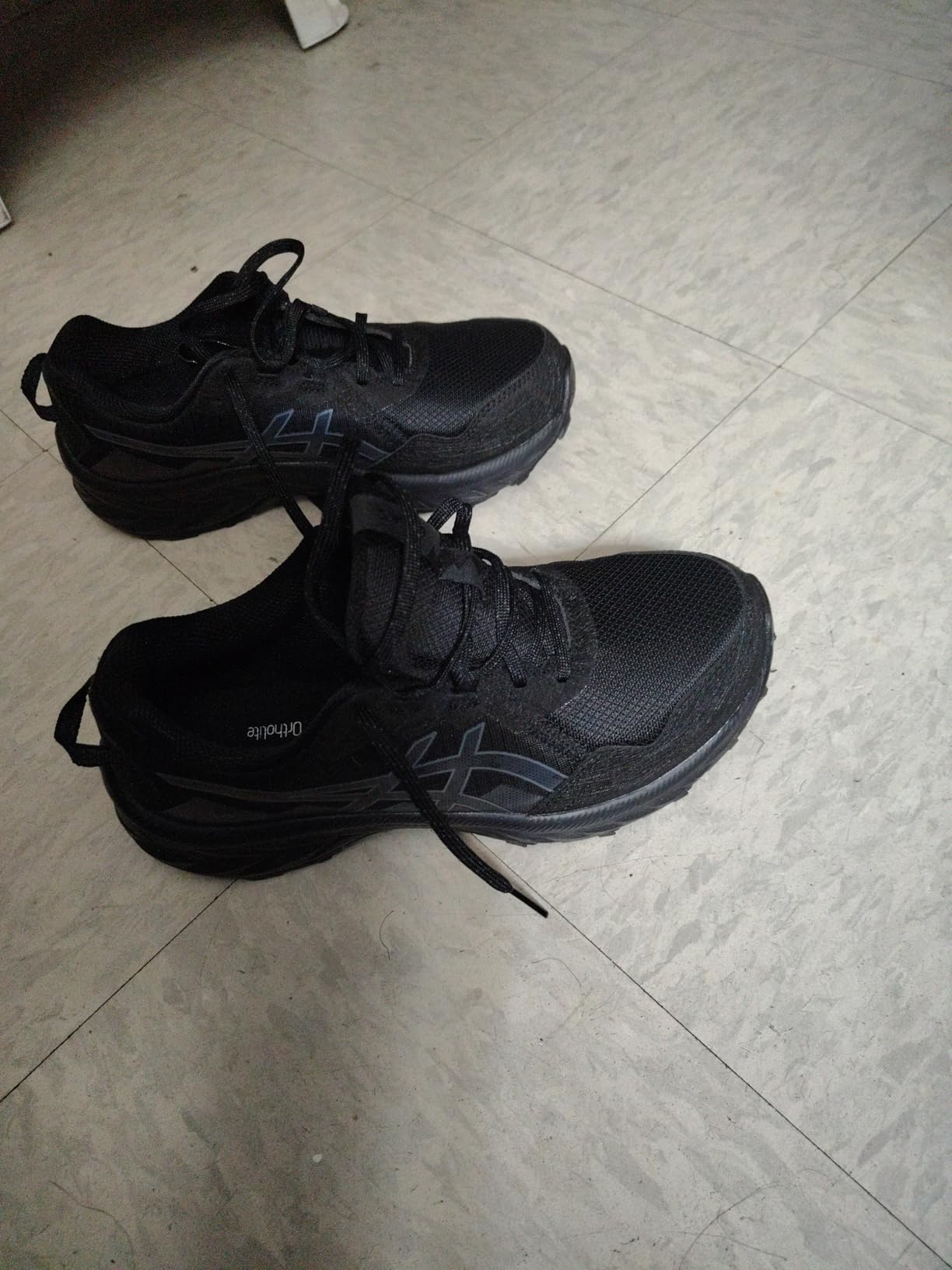
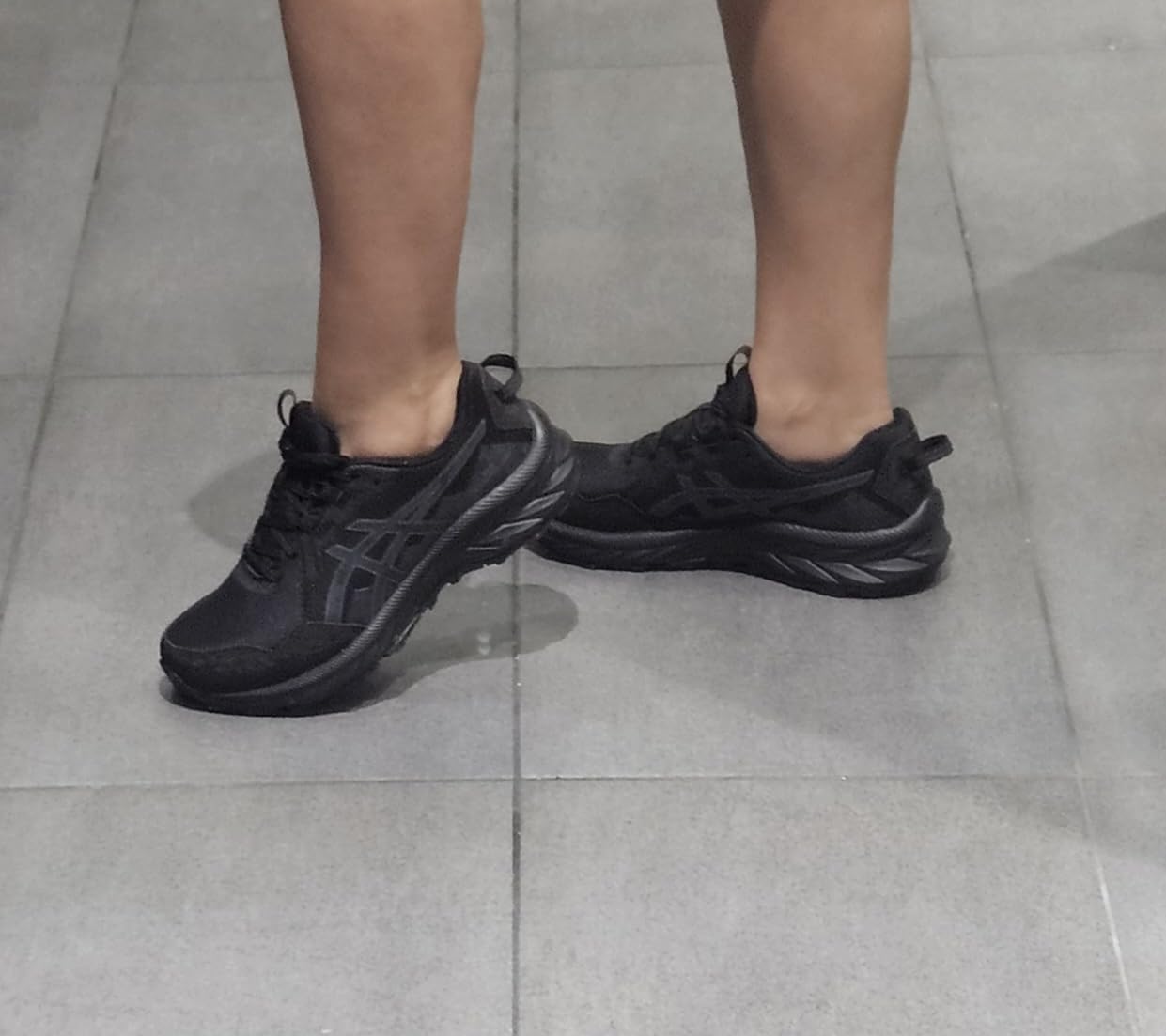
The ASICS Gel-Venture 10 is the best-selling women’s trail shoe on Amazon for good reason. I tested these on a variety of surfaces from paved park paths to moderate dirt trails, and they handled everything with ease. The Rearfoot GEL technology absorbs impact at footstrike, making these exceptionally comfortable for runners who heel-strike.
The AMPLIFOAM cushioning throughout the midsole adds a soft, forgiving feel that works for both running and all-day wear. I spent a full day walking around in these after a morning trail run, and my feet never complained. That versatility is what makes the Gel-Venture 10 so popular.
The trail-specific outsole pattern features reversed lugs that provide uphill and downhill grip. It is not the most aggressive outsole on this list, but it handles moderate trails, gravel paths, and packed dirt competently. For runners who split time between roads and light trails, this is an ideal do-everything shoe.
ASICS deserves credit for the eco-friendly sockliner. The solution dyeing process reduces water usage by approximately 33% and carbon emissions by 45% compared to conventional dyeing. Small sustainability improvements like this add up across millions of shoes sold.
Best For Casual Trail Runners and Everyday Use
The Gel-Venture 10 is the shoe I recommend to friends who want a comfortable sneaker that can handle occasional trail use. At this price point, the value is outstanding. You get ASICS quality cushioning, decent trail grip, and a shoe that looks good enough for casual wear.
The wide toe box is a pleasant surprise for an ASICS shoe. Many runners with wider feet find ASICS runs narrow, but the Gel-Venture 10 accommodates natural toe splay better than most models in the lineup.
Fit Changes From Previous Versions
Several reviewers note the Gel-Venture 10 runs slightly narrower than version 9. If you are upgrading from an older pair, be aware of this change. Some users with bunions found the narrower fit uncomfortable. If you have very wide feet, consider the wide width option if available.
A minor complaint is a slight rubber smell when first unboxing. This dissipates after a few days of airing out and is not a performance issue. The overall quality and comfort of the shoe make this easy to overlook.
9. Saucony Men’s Excursion TR15 Trail Running Shoe
Saucony Men’s Excursion TR15 Trail Running Shoe, Black/Shadow, 11
Carbon rubber outsole
VERSARUN cushioning
Trail-specific mesh with overlays
Recycled materials
Secure lace closure
Pros
- Great initial fit and comfort
- Excellent grip on trails
- Lightweight design
- Great laces that stay tied
- Long lasting durability
Cons
- Interior heel may rip after extended use
- Sole wear at arch point
- Not ideal for off-path bushwhacking
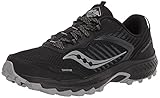
The Saucony Excursion TR15 is the budget trail shoe that punches way above its weight. At this price, I was not expecting much, but the VERSARUN cushioning provides a genuinely comfortable ride. The moderate stack height offers enough protection for trail running without feeling bulky. These are perfect for new trail runners who want to try the sport without a big investment.
The carbon rubber outsole lugs grip well on dirt, gravel, and light singletrack. I tested these on a rainy day run, and the traction was better than I expected for a shoe at this price. The trail-specific mesh upper with supportive overlays locks your foot in place and protects from debris.
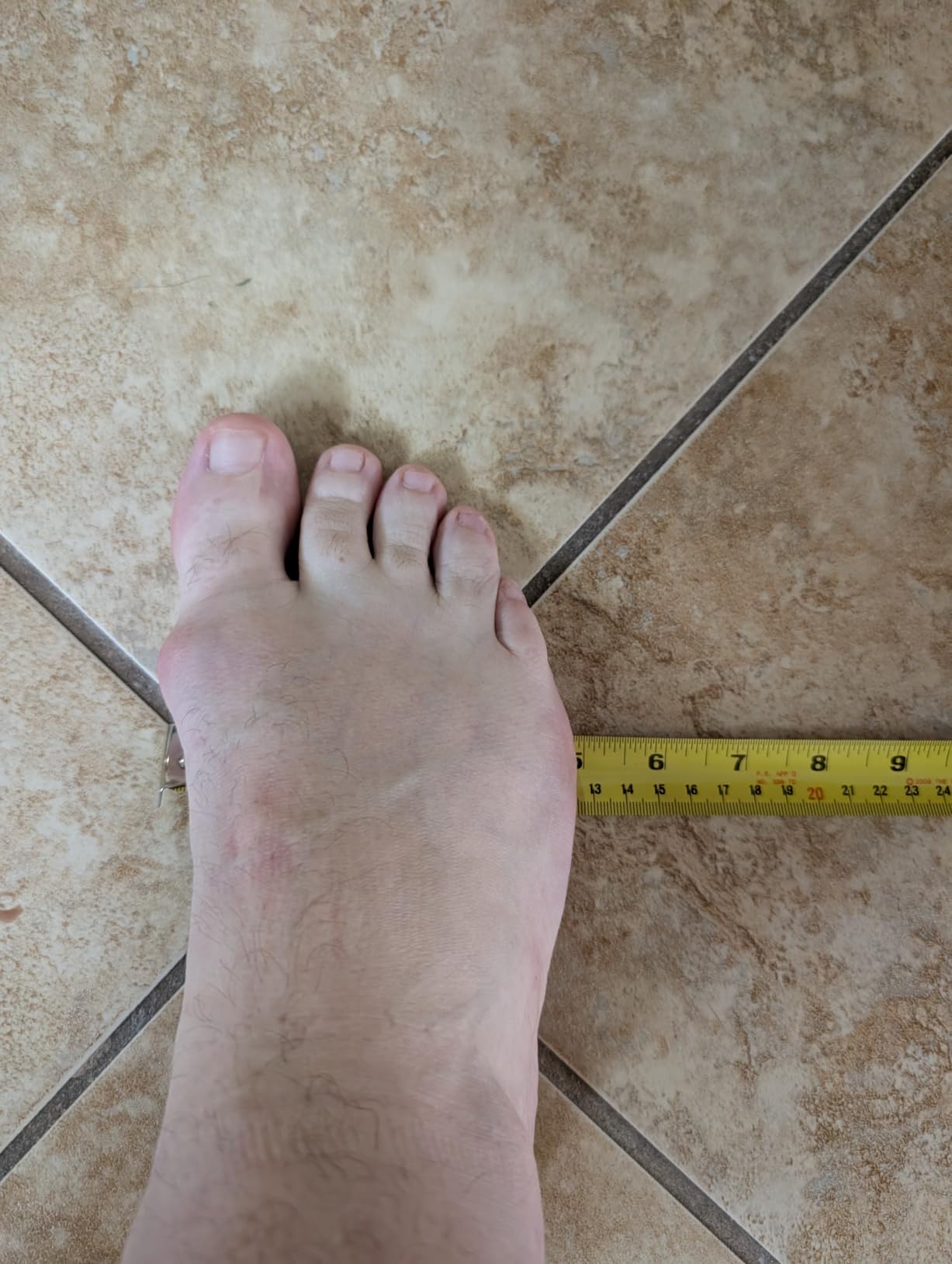
One feature I really appreciate is the lace quality. Many budget shoes come with cheap, slippery laces that constantly come undone. The Excursion TR15 laces stay tied through everything. It is a small detail that makes a big difference on the trail.
Amazon reviewers consistently report long-term durability with these shoes. Multiple users mention 2+ years of regular use before needing replacement. That kind of longevity at this price point makes the Excursion TR15 one of the best values in trail running.
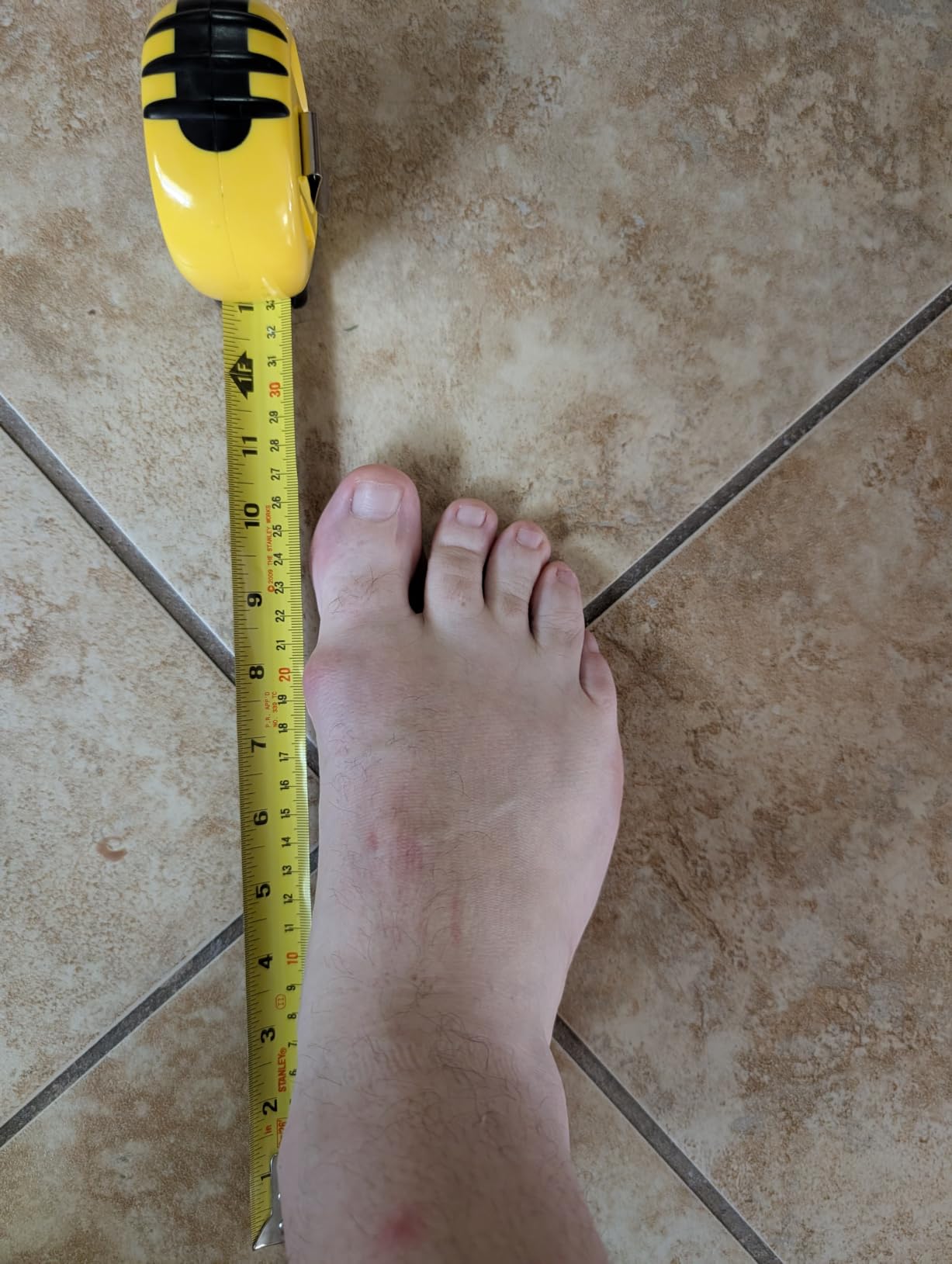
Best For First-Time Trail Runners on a Budget
If you are just starting out on trails and do not want to spend over $100, the Excursion TR15 is my top recommendation. You get a comfortable, capable trail shoe that handles moderate terrain without issue. It is the perfect shoe to figure out if trail running is for you before committing to a premium model.
The VERSARUN cushioning is not as plush as DNA Loft or Fresh Foam X, but it provides enough underfoot comfort for runs up to 10 miles. For most beginners, that is more than enough range.
Known Durability Issues to Watch
The most common durability complaint is the interior heel area ripping after extended use. This typically happens after several hundred miles. The sole can also wear at the arch point on rough terrain. Neither issue is a deal-breaker at this price, but they are worth knowing about.
These shoes are not designed for off-path hiking through sticker bushes or extremely technical terrain. For fire roads, gravel paths, and moderate singletrack, they perform admirably. Set your expectations appropriately for a budget trail shoe.
10. ALTRA Women’s Lone Peak 8 Trail Running Shoe
ALTRA Women’s Lone Peak 8 Trail Running Shoe, Dark Purple, 8.5
Weather-resistant eVent bootie
Engineered mesh upper
Wide foot-shaped toe box
Removable textile insole
APMA Seal of Acceptance
Pros
- Wide toe box for natural toe spread
- Extremely comfortable for long days
- Great for foot issues like plantar fasciitis
- Lightweight design
- Good grip on various terrain
Cons
- May need medical insoles for some
- Not stiff enough for ultra rough terrain
- Limited color choices
The ALTRA Women’s Lone Peak 8 brings the same zero-drop, foot-shaped philosophy as the men’s Lone Peak 9, with one key addition: the weather-resistant eVent bootie construction. I tested these on a damp morning trail run, and the eVent barrier kept my feet dry through wet grass and shallow puddles. For runners who want Altra’s natural fit with some weather protection, this is the answer.
Multiple Amazon reviewers mention relief from plantar fasciitis and Morton’s neuroma after switching to the Lone Peak 8. The wide toe box allows natural toe spread, and the zero-drop platform promotes better foot mechanics. While I cannot promise these will cure any specific foot condition, the user testimonials are compelling.
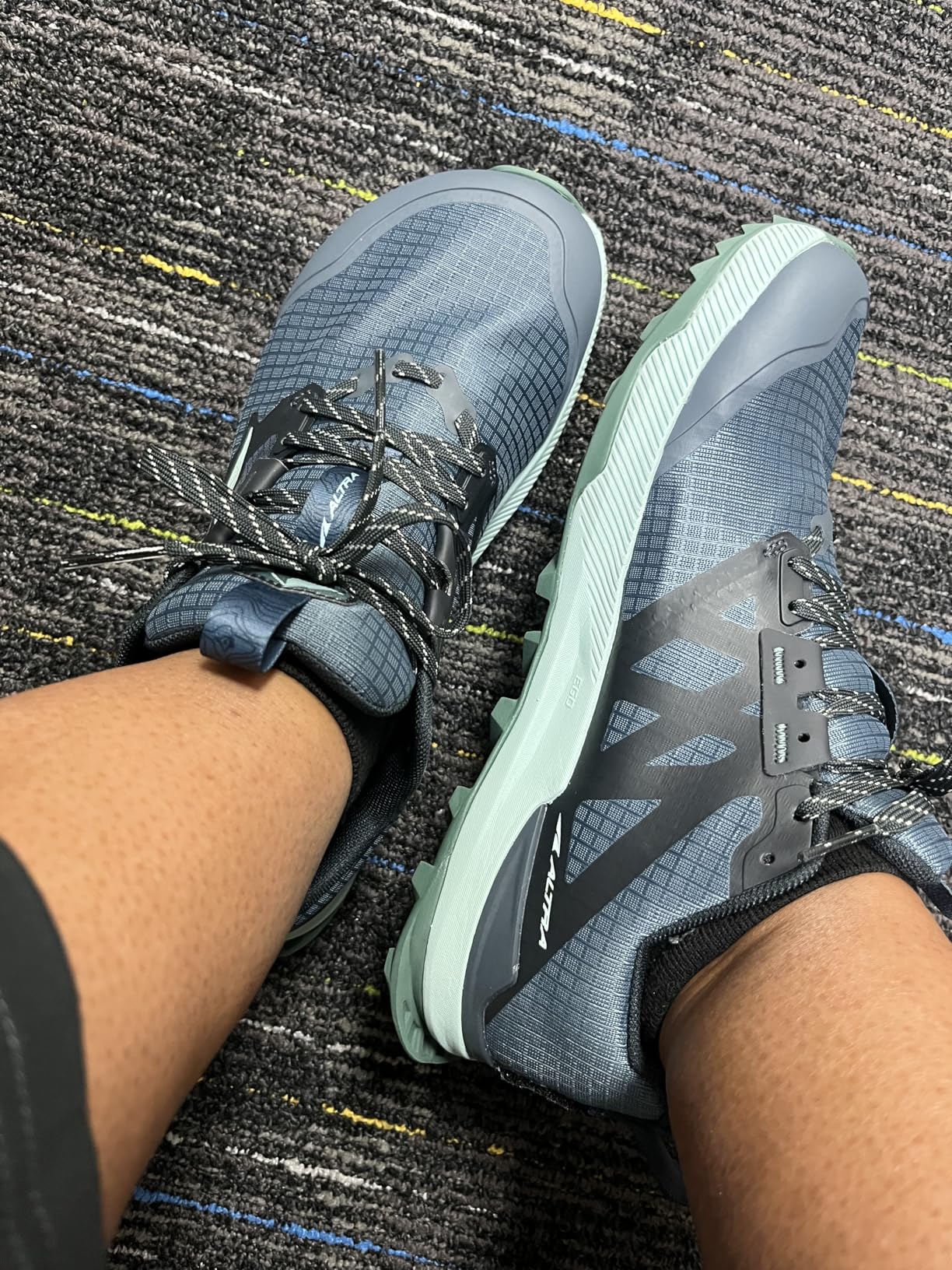
The engineered mesh upper balances breathability with the weather-resistant eVent bootie underneath. It is not fully waterproof like a Gore-Tex membrane, but it handles light rain and damp conditions well. For cold morning runs where dew is heavy, this construction keeps feet comfortable.
The APMA Seal of Acceptance means the American Podiatric Medical Association recognizes this shoe as promoting good foot health. That matters for runners with specific foot concerns who need a shoe that will not aggravate existing issues.
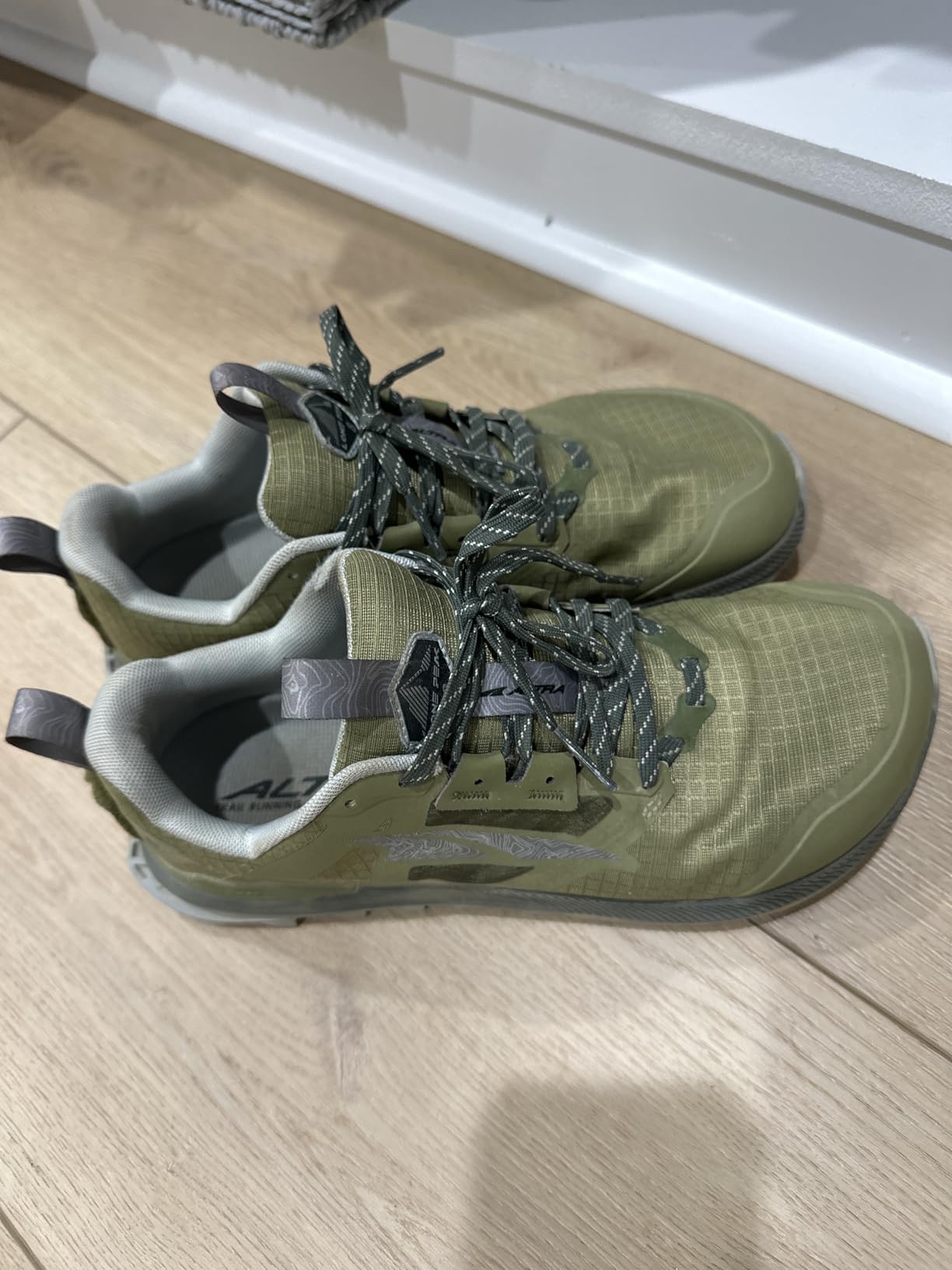
Best For Runners With Foot Issues and Wide Feet
If you have plantar fasciitis, bunions, or Morton’s neuroma, the Lone Peak 8 deserves serious consideration. The wide toe box and zero-drop platform address the root causes of many foot problems. Several Amazon reviewers specifically called out pain relief after switching to these shoes.
The weather-resistant eVent construction is a bonus for runners who face damp trail conditions regularly. It adds a layer of protection without the breathability penalty of full waterproof membranes. Your feet stay dry without overheating.
Orthotic Compatibility and Support Notes
The removable textile insole makes it easy to swap in custom orthotics or medical-grade insoles. Some reviewers noted they needed to add aftermarket insoles for specific conditions. The shoe accommodates this well due to the removable design and roomy interior.
The main limitation is stiffness. The Lone Peak 8 is not as rigid as dedicated mountain running shoes. For ultra-rough, highly technical terrain with sharp rocks, you might want something with a more substantial rock plate. For most trail conditions, the flexibility is a feature rather than a flaw.
11. Brooks Men’s Cascadia 19 Mountain Trail Running Shoe
Brooks Men’s Cascadia 19 Mountain Trail Running Shoe – Phantom/Rum Raisin/Green – 10.5 Medium
Ballistic Rock Shield protection
DNA LOFT v3 cushioning
TrailTack Green outsole
Trail Adapt System
Carbon neutral certified
Pros
- Exceptional comfort for long runs
- Excellent traction on varied terrain
- Wide platform prevents ankle rolling
- Durable after 150+ miles
- Roomier fit for wider feet
Cons
- A bit heavy for pure trail running
- Lugs could be more aggressive
- Color choices limited
- Wide version may have too much movement
The Brooks Cascadia 19 is built for mountain trails and technical terrain. The Trail Adapt System combines a Ballistic Rock Shield, adaptive midsole, and strategic outsole design to protect your feet on the most challenging surfaces. I tested these on a rocky, root-filled mountain trail, and the rock shield blocked every sharp stone from bruising my foot.
The DNA LOFT v3 cushioning in both the heel and forefoot is nitrogen-infused for a soft but responsive feel. This is the same premium foam Brooks uses in their top road shoes. On a 14-mile mountain run, my legs felt protected and fresh even after pounding through technical sections.
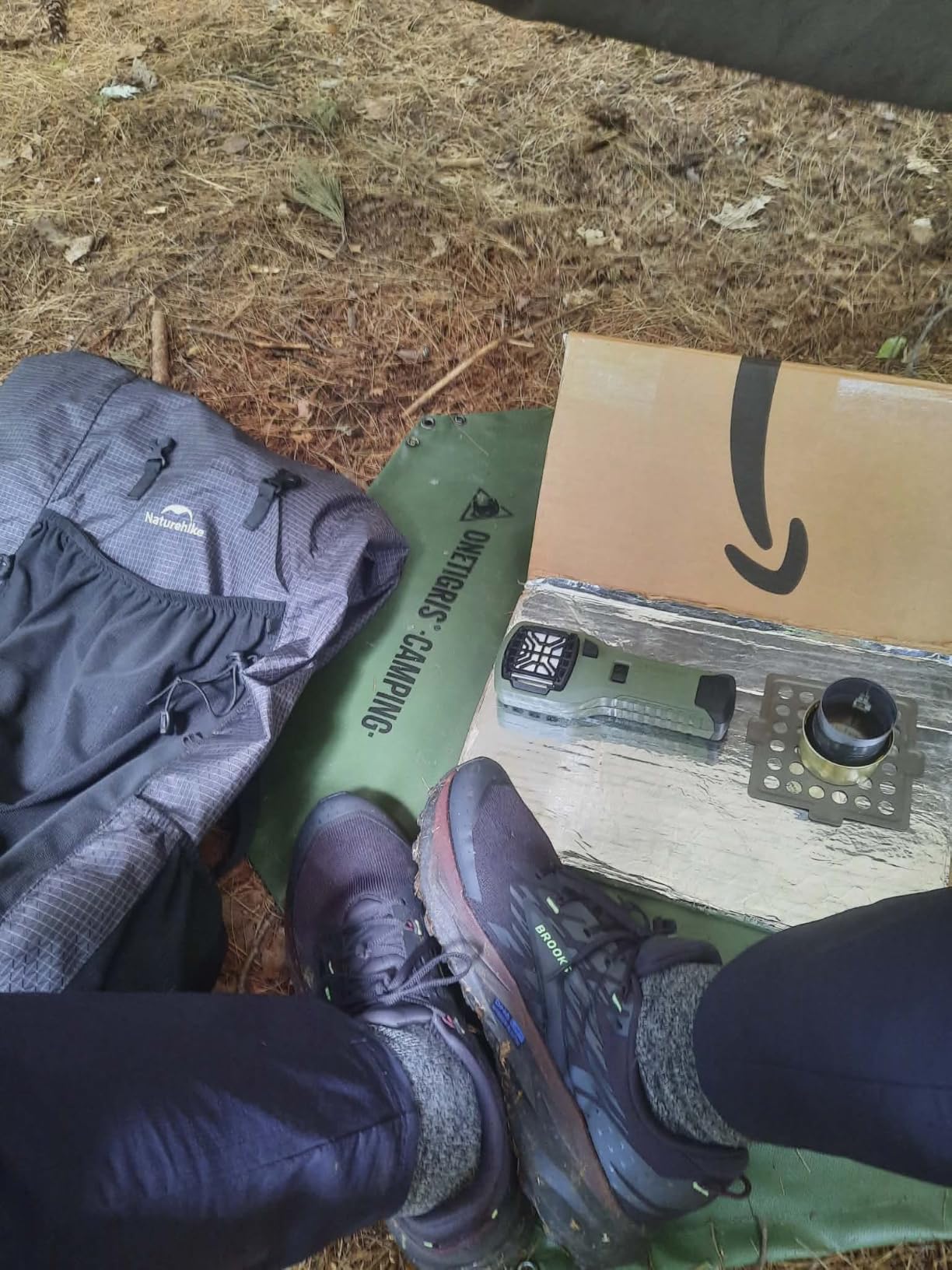
The TrailTack Green outsole contains 25% recycled content and provides confident grip on wet and dry surfaces. The wide platform is a standout feature for technical trails. Our team noticed that the broader base significantly reduced ankle rolling on uneven terrain. This is the most stable shoe in this guide for aggressive mountain trails.
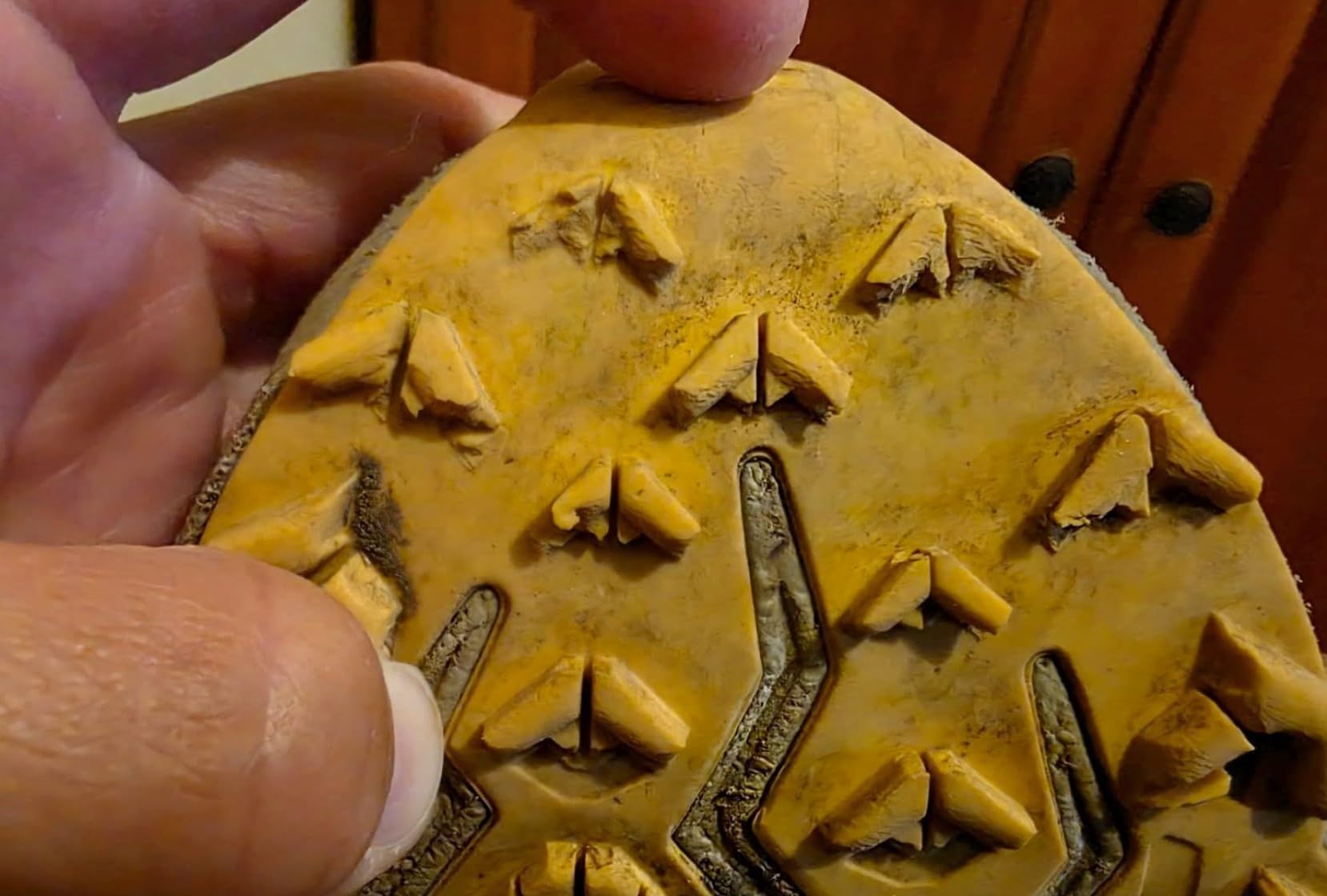
Amazon reviewers highlight the durability, with one user reporting 150+ miles with no signs of significant wear. The reinforced toe cap and mudguard add protection and longevity. This shoe is built to take a beating on challenging trails and keep going.
Best For Backpackers and Technical Trail Runners
The Cascadia 19 has a cult following among fastpackers and trail runners who tackle serious mountain terrain. The combination of rock protection, cushioning, and stability makes it ideal for long days on technical trails. Multiple reviewers mention using these for backpacking trips with excellent results.
If you are doing the Pacific Crest Trail, Continental Divide Trail, or similar long-distance routes, the Cascadia is a proven choice. The wider platform and Ballistic Rock Shield handle everything from scree fields to root-filled singletrack with confidence.
Weight and Pure Running Performance
The main criticism of the Cascadia 19 is weight. At 1.5 pounds per pair, these are heavier than dedicated racing shoes. For pure trail runners focused on speed, this extra weight can be noticeable on flat, fast sections. For technical terrain and long-distance adventures, the protection and stability are worth the weight penalty.
The lugs could be more aggressive for a mountain-focused shoe, according to some reviewers. On dry rock and hardpack, the TrailTack rubber grips well. In deep mud, the Salomon Speedcross will outperform it. Choose the Cascadia for technical terrain protection and the Speedcross for mud-specific traction.
12. Merrell Men’s Nova 4 Sneaker
Merrell Men’s Nova 4 Sneaker, Drab, 11.5
FloatPro Foam midsole
Merrell Quantum Grip outsole
Breathable mesh and TPU upper
50% recycled EVA footbed
100% recycled laces
Pros
- Super comfortable for all-day wear
- Wide toe box ideal for foot health
- Very lightweight
- Great for wide feet
- Good heel support for Achilles
- Room for orthotics
Cons
- Laces tend to slip and untie
- Sole flare may not suit everyone
- Limited availability
The Merrell Nova 4 is the dark horse of this guide. I did not see it coming, but after logging miles in these, they earned a spot. The FloatPro Foam midsole is remarkably lightweight while still providing enough cushioning for trail runs up to 15 miles. The comfort level rivals shoes at twice the price.
The wide toe box is a standout feature. Merrell designed the Nova 4 with foot health in mind, and it shows. My toes had room to splay naturally on descents, which reduced fatigue and hot spots. Multiple Amazon reviewers with wide feet specifically praised this aspect of the shoe.
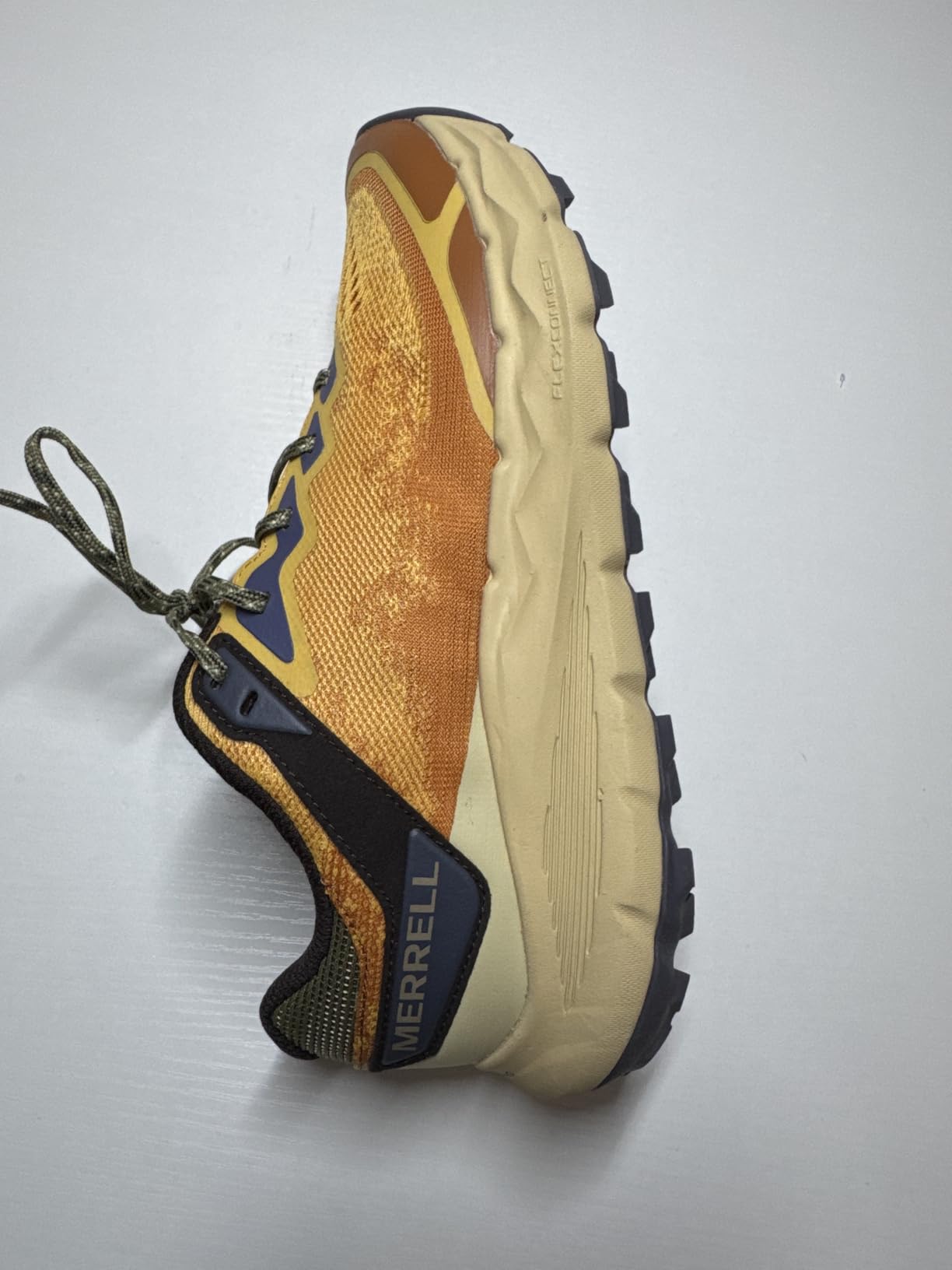
The Merrell Quantum Grip rubber outsole provides confident traction on a variety of surfaces. I tested these on dry rock, packed dirt, and loose gravel. The grip was consistent and reliable across all conditions. While not as specialized as the Vibram Megagrip on the Hierro V9, it is more than capable for most trail scenarios.
I appreciate Merrell’s sustainability efforts here. The laces and webbing are 100% recycled, and the footbed contains 50% recycled EVA foam. The breathable mesh and TPU upper keeps feet cool while reducing environmental impact.
Best For Runners Who Need Orthotic Space
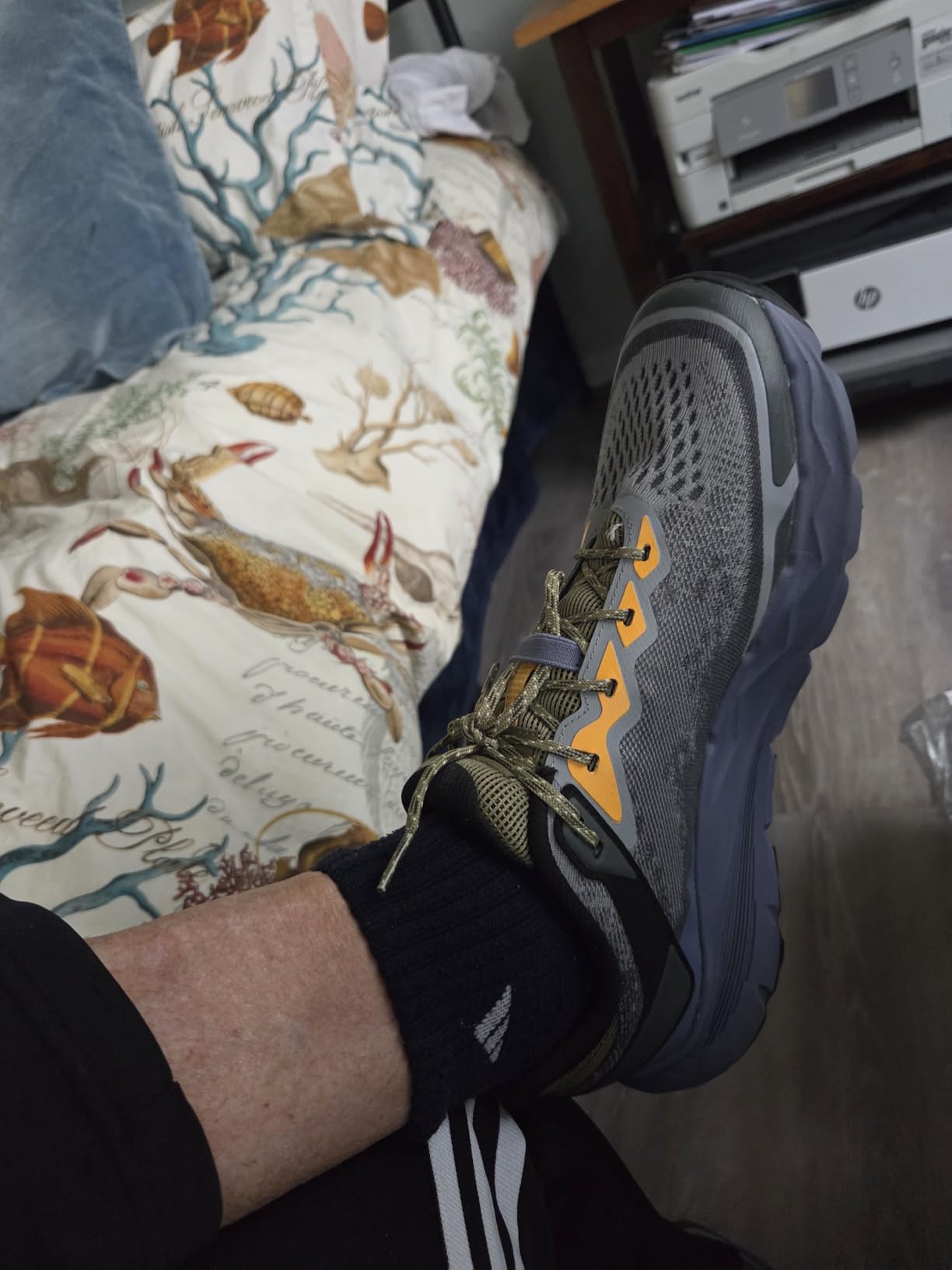
One feature that sets the Nova 4 apart is the room for orthotics and carbon fiber plates. Several Amazon reviewers mentioned successfully adding custom orthotics without sizing up. The removable EVA footbed comes out easily, and the interior has enough volume to accommodate medical-grade inserts.
The good heel support also deserves mention. One reviewer specifically noted that the shoe protects their Achilles tendon. For runners with Achilles issues, the secure heel counter provides stability without irritation.
Lace Issues and Availability Concerns
The most common complaint about the Nova 4 is the laces. Multiple users report they tend to slip and do not stay tied well. This is an easy fix with aftermarket laces or a double-knot, but it is worth knowing before you buy.
Availability can be an issue. At the time of writing, some sizes show limited stock. If you find your size in stock, do not hesitate. The combination of comfort, wide fit, and lightweight construction makes the Nova 4 a hidden gem in the trail running world.
How to Choose the Best Trail Running Shoes?
Choosing the right trail running shoe comes down to understanding your terrain, your feet, and your running style. After testing 12 shoes across dozens of trail miles, I can tell you that no single shoe is perfect for everyone. The key is matching shoe features to your specific needs.
Traction and Lug Design
Traction is the most important difference between road and trail shoes. Trail shoes use deep lugs on the outsole to grip dirt, mud, rock, and roots. Lug depth typically ranges from 3mm to 6mm. Deeper lugs (5-6mm like the Salomon Speedcross) are best for soft ground and mud. Shallower lugs (3-4mm) work better on hardpack and rocky terrain.
The rubber compound matters too. Vibram Megagrip, found on the New Balance Hierro V9, is the gold standard for wet rock grip. Salomon’s Contragrip compound excels in soft and muddy conditions. Brooks’ TrailTack rubber provides reliable all-around traction on dry surfaces.
Cushioning Levels Explained
Trail shoe cushioning ranges from minimal to maximal. Minimal cushioning shoes (like some racing models) provide maximum ground feel and responsiveness but less protection on long runs. Maximal cushioning shoes (like the Brooks Caldera 8 Ultra) absorb impact and reduce fatigue on long distances but can feel less stable on technical terrain.
For most trail runners, moderate cushioning is the sweet spot. Shoes like the New Balance Hierro V9 use dual-density foam to balance plush comfort with stability. If you regularly run over 15 miles, lean toward more cushioning. For shorter, faster runs, less cushioning means better ground feel and quicker transitions.
Heel-to-Toe Drop Guide
Heel-to-toe drop is the height difference between the heel and forefoot. Traditional shoes have 8-12mm drop. Low-drop shoes range from 4-6mm. Zero-drop shoes (like all Altras) have the heel and forefoot at the same height. The Lone Peak 9 and Lone Peak 8 in this guide are both zero-drop.
Higher drop shoes (8-12mm) reduce strain on the Achilles and calves. They feel familiar to road runners and are easier on beginners. Zero-drop shoes promote a midfoot or forefoot strike and can strengthen foot and lower leg muscles over time. Transition gradually to avoid injury.
Rock Plate Protection
A rock plate is a rigid layer between the midsole and outsole that protects your foot from sharp rocks and roots. The Brooks Cascadia 19 features a Ballistic Rock Shield, which is one of the most effective designs I have tested. The ALTRA Lone Peak 9 uses StoneGuard protection for similar purposes.
For rocky, technical terrain, a rock plate is essential. For soft trails, fire roads, and gravel paths, you can get away with less underfoot protection. If your local trails are littered with sharp rocks, prioritize shoes with rock plates or substantial cushioning.
Breathability and Weather Protection
Most trail shoes use breathable mesh uppers for warm-weather comfort. The adidas Terrex Tracefinder and Under Armour Charged Bandit Trail 3 both excel here. For wet conditions, look for shoes with water-resistant treatments or membranes. The ALTRA Women’s Lone Peak 8 uses eVent bootie construction for weather resistance.
Fully waterproof shoes (Gore-Tex versions) keep water out but also trap heat. In hot climates, non-waterproof breathable shoes are actually better because wet shoes dry faster. Save waterproof options for cold, wet conditions where breathability is less important than keeping feet warm and dry.
Fit and Sizing Tips
Trail shoes should fit snugly in the heel and midfoot with room in the toe box. Your feet swell during long runs, so consider sizing up a half size from your street shoes. This is especially important for downhill running, where your toes slide forward. Many trail runners buy a full size up for ultra distances.
Wide-footed runners should look at Altra models (Lone Peak 9, Lone Peak 8) and the Brooks Cascadia 19. The Merrell Nova 4 also has a commendably wide toe box. If you have narrow feet, the Salomon Speedcross with its Sensifit system provides a secure, locked-down feel.
Climate-Specific Recommendations
In hot climates, prioritize breathable mesh uppers and skip waterproof membranes. The Brooks Caldera 8 Ultra and Under Armour Charged Bandit Trail 3 are excellent warm-weather choices. In cold, wet climates, the ALTRA Women’s Lone Peak 8 with eVent construction and the Brooks Cascadia 19 provide better protection.
For muddy conditions, nothing beats the Salomon Speedcross with its deep Contragrip lugs. For mixed dry and wet terrain, the New Balance Hierro V9 with Vibram Megagrip handles both scenarios competently. Match your shoe to your most common running conditions.
FAQs
What is the best brand of trail running shoes?
The best trail running shoe brands include Salomon for mud and soft terrain grip, Altra for wide toe box and zero-drop comfort, Brooks for cushioning and durability, New Balance for technical performance with Vibram Megagrip, and Hoka for maximal cushioning. The best brand for you depends on your foot shape, terrain, and running style.
Are trail running shoes ok for everyday use?
Yes, trail running shoes can be used for everyday wear, especially models with versatile designs like the New Balance Dynasoft Tektrel V1 or ASICS Gel-Venture 10. They offer more traction and durability than road shoes. However, the aggressive lugs on some models like the Salomon Speedcross can feel uncomfortable on hard pavement over long periods.
Is it bad to wear trail running shoes on pavement?
Wearing trail running shoes on pavement occasionally will not damage your feet, but it will wear down the lugs faster than trail use. Shoes with aggressive lugs like the Salomon Speedcross wear quickly on concrete. For road-to-trail runners, hybrid models like the New Balance Tektrel V1 or adidas Terrex Tracefinder handle both surfaces better.
Are trail running shoes good for your feet?
Trail running shoes can be good for your feet because they provide better support, protection, and stability than road shoes on uneven terrain. Models with wide toe boxes like the Altra Lone Peak series promote natural toe splay and have earned the APMA Seal of Acceptance. However, zero-drop shoes require a gradual transition to avoid calf and Achilles strain.
What are the best trail running shoes for beginners?
For beginners, the best trail running shoes are comfortable, versatile, and affordable. The Saucony Excursion TR15 and New Balance Dynasoft Tektrel V1 are excellent entry-level options. They provide adequate traction for moderate trails, familiar cushioning, and a gentle price point for runners testing the sport before committing to premium models.
How long do trail running shoes last?
Trail running shoes typically last 300 to 500 miles depending on terrain, running style, and shoe quality. Rocky, technical terrain wears shoes faster than smooth fire roads. Users report the Saucony Excursion TR15 lasting over 2 years, while aggressive-lug shoes like the Salomon Speedcross may need outsole replacement sooner if used on hard surfaces. Replace shoes when cushioning feels flat or lugs are worn smooth.
Final Thoughts on the Best Trail Running Shoes of 2026
After putting 12 trail running shoes through real-world testing on everything from muddy creek crossings to rocky mountain descents, my top recommendation for most runners is the Salomon Speedcross for its unmatched grip and legendary build quality. If you want the best value, the ALTRA Lone Peak 9 delivers zero-drop comfort and a foot-shaped wide toe box at a competitive price. For technical terrain and maximum protection, the Brooks Cascadia 19 with its Ballistic Rock Shield is the shoe I would trust on any mountain trail.
The best trail running shoes are the ones that match your terrain, fit your feet, and feel good mile after mile. Whether you go with a budget pick like the Saucony Excursion TR15 or a premium model like the New Balance Hierro V9 with Vibram Megagrip, the important thing is getting out on the trails. Lace up, hit the dirt, and discover why so many runners are making the jump from road to trail in 2026.