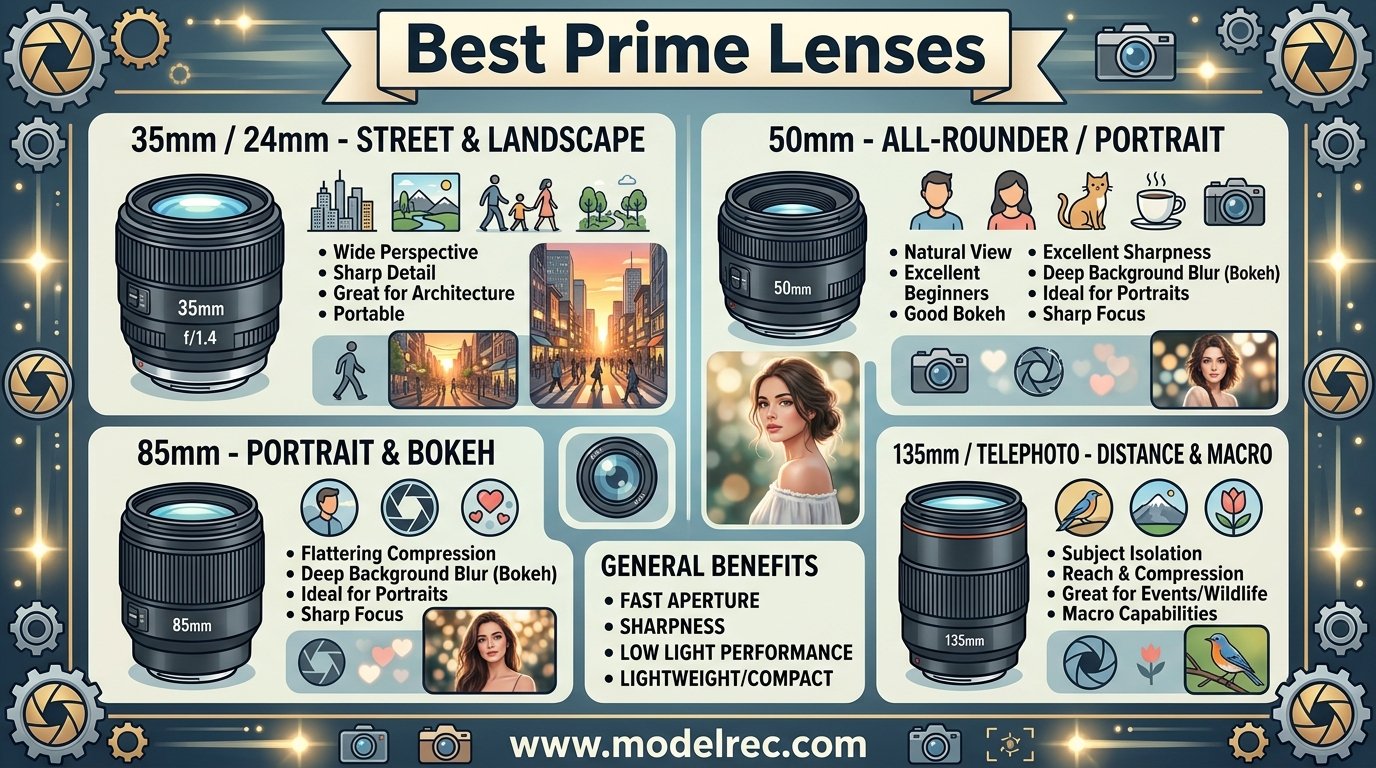
Finding the best prime lenses can transform your photography overnight. I have spent years shooting with fixed focal length glass across weddings, street sessions, and travel assignments, and the right prime always changes how I see a scene before I even lift the camera.
Prime lenses trade zoom flexibility for sharper images, wider apertures, and that creamy background blur most photographers chase. Whether you shoot Canon, Nikon, Sony, or Fujifilm, the best prime lenses deliver results that kit zooms simply cannot match.
In this guide, our team compared 12 standout prime lenses across focal lengths from 16mm to 85mm. We looked at optical quality, autofocus speed, build, weather resistance, and real-world value. If you also shoot close-up work, our guide to macro lens kits for specialized product and model photography pairs well with these picks. For product and flat lay shooters, pairing a sharp prime with photo lightboxes for consistent product and still life photography gives clean, repeatable results.
Table of Contents
Top 3 Picks for Prime Lenses
12 Best Prime Lenses in 2026
| Product | Specifications | Action |
|---|---|---|
 Canon EF 50mm f/1.8 STM Canon EF 50mm f/1.8 STM |
|
Check Latest Price |
 Sony FE 50mm f/1.8 Sony FE 50mm f/1.8 |
|
Check Latest Price |
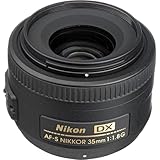 Nikon AF-S DX 35mm f/1.8G Nikon AF-S DX 35mm f/1.8G |
|
Check Latest Price |
 Canon RF 50mm f/1.8 STM Canon RF 50mm f/1.8 STM |
|
Check Latest Price |
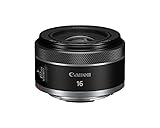 Canon RF 16mm f/2.8 STM Canon RF 16mm f/2.8 STM |
|
Check Latest Price |
 Sigma 30mm f/1.4 DC DN Sigma 30mm f/1.4 DC DN |
|
Check Latest Price |
 Canon RF 35mm f/1.8 IS Macro STM Canon RF 35mm f/1.8 IS Macro STM |
|
Check Latest Price |
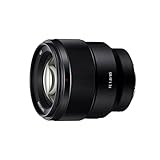 Sony 85mm f/1.8 Portrait Sony 85mm f/1.8 Portrait |
|
Check Latest Price |
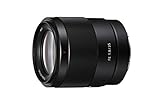 Sony FE 35mm f/1.8 Sony FE 35mm f/1.8 |
|
Check Latest Price |
 Sigma 50mm f/1.4 DG DN Art Sigma 50mm f/1.4 DG DN Art |
|
Check Latest Price |
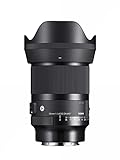 Sigma 35mm f/1.4 DG DN Art Sigma 35mm f/1.4 DG DN Art |
|
Check Latest Price |
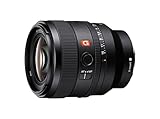 Sony FE 50mm f/1.4 GM Sony FE 50mm f/1.4 GM |
|
Check Latest Price |
1. Canon EF 50mm f/1.8 STM – Best Budget Prime Overall
Canon EF 50mm f/1.8 STM Lens, Black, Compatible with Canon EOS DSLR Cameras
50mm f/1.8
EF mount
STM motor
5.6 oz
7-blade aperture
Pros
- Exceptional price-to-performance ratio
- Sharp even wide open at f/1.8
- Near-silent STM autofocus for video
- Metal lens mount with lightweight build
- Versatile 50mm for portraits and street
Cons
- No image stabilization
- Mostly plastic construction
- No lens hood included
- No weather sealing
The Canon EF 50mm f/1.8 STM is the lens I recommend more than any other. I have handed this lens to beginners and watched their photos instantly level up the moment they ditched their slow kit zoom. For the price, the sharpness and background separation feel almost unfair.
At just 5.6 ounces, this is a lens you forget is attached to the camera. I carried it through a full week of street photography in Lisbon and never felt burdened. The STM stepping motor is genuinely quiet during video, which matters if you record vlogs or event clips alongside stills.
Sharpness wide open at f/1.8 is solid in the center, and stopping down to f/2.8 tightens up the corners nicely. The 7 rounded diaphragm blades produce that smooth, creamy bokeh Canon primes are known for. On APS-C bodies the effective 80mm focal length turns it into a budget portrait powerhouse.

The build is mostly plastic with a metal mount, which keeps weight down but will not survive rough handling. There is no weather sealing and no lens hood included, which are common cost-cutting measures. Focus is by-wire, so manual focus purists may find it less satisfying than mechanical designs.
For under the cost of a nice dinner, this lens delivers more photographic improvement per dollar than almost anything else on the market. With over 18,400 reviews and a 4.8 rating, the community consensus backs up what I experienced firsthand.

Who Should Buy the Canon EF 50mm STM
This is the ideal first prime lens for any Canon EF shooter. If you shoot a Rebel, a 90D, or even a 5D, this lens belongs in your bag. It is also the cheapest way to learn how aperture and focal length change your composition.
Limitations to Know Before Buying
The STM motor is slower than USM, so fast-action sports shooters should look elsewhere. There is no image stabilization, so shutter speed discipline matters in low light. Corner sharpness wide open is softer than premium 50mm options.
2. Sony FE 50mm f/1.8 – Best Budget Sony Full-Frame Prime
Sony – FE 50mm F1.8 Standard Lens (SEL50F18F/2), Black
50mm f/1.8
E mount
6.6 oz
Nano AR Coating
7-blade aperture
Pros
- Compact and lightweight everyday carry
- Beautiful bokeh and low-light performance for the price
- Sharp center image quality
- Nano AR Coating reduces flare
- Great value for native Sony FE
Cons
- No optical image stabilization
- Plastic build feels less premium
- Autofocus can be sluggish on older bodies
- No AF/MF switch
The Sony FE 50mm f/1.8 is Sony’s answer to the classic nifty fifty, and I have used it extensively on both the A7 III and A6400. It gives Sony full-frame shooters an affordable entry point into the world of fast primes without jumping to G Master prices.
What stood out immediately was the bokeh quality. The 7-blade circular aperture creates smooth background separation that flatters portraits and isolates subjects in busy environments. The Nano AR Coating does a credible job controlling flare when shooting toward light sources.
The lens weighs just 6.6 ounces, making it one of the lightest full-frame primes available for Sony E mount. I found myself reaching for it on travel days when I wanted sharp photos without carrying heavy glass. The double-gauss optical design keeps distortion well controlled.
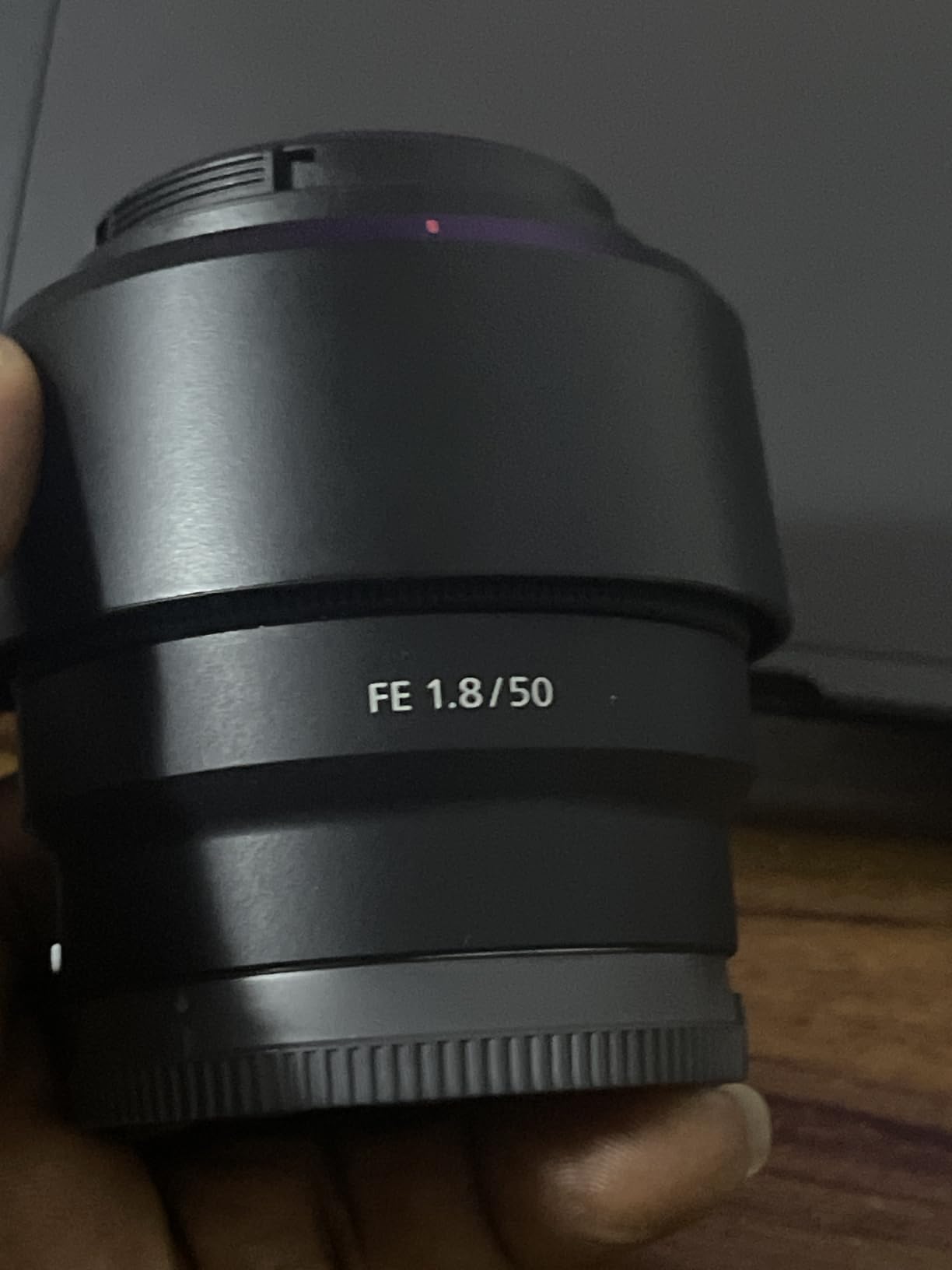
The main trade-off is autofocus speed. On newer Sony bodies like the A7 IV, AF is acceptably quick. On older models, it can hunt in low light. The plastic construction feels functional but not premium, and there is no physical AF/MF switch on the barrel.
Despite those limitations, over 1,500 reviewers rate it 4.7 stars. For anyone building a Sony prime lens kit on a budget, this is where you start.
Best Use Cases for This Lens
This Sony 50mm shines for portraits, everyday street photography, and casual low-light shooting. On APS-C bodies it acts as a 75mm equivalent, which is tight for landscapes but excellent for head-and-shoulders portraits.
What Holds It Back
Autofocus noise and speed are the biggest complaints, particularly for video work. Edge softness at f/1.8 is noticeable, and chromatic aberration appears in high-contrast scenes. There is no OSS, so stabilization depends on your camera body.
3. Nikon AF-S DX 35mm f/1.8G – Best First Prime for Nikon Shooters
Nikon AF-S DX NIKKOR 35mm f/1.8G Lens with Auto Focus for Nikon DSLR Cameras, 2183, Black
35mm f/1.8
F mount DX
AF-S motor
0.44 lbs
7-blade aperture
Pros
- Excellent sharpness at affordable price
- Fast silent AF-S autofocus
- Manual focus override with M/A mode
- Beautiful bokeh and low-light performance
- Lens hood included
Cons
- No vibration reduction
- Chromatic aberration at f/1.8
- Minor barrel distortion
- Soft corners wide open
The Nikon AF-S DX 35mm f/1.8G is the lens that redefined what a budget Nikon prime could be. I have recommended this lens to more Nikon DSLR shooters than any other single piece of glass. It is the standard by which I judge affordable primes.
The Silent Wave Motor delivers autofocus that is fast, quiet, and reliable. The M/A mode lets you override focus manually without flipping a switch, which I found invaluable during event photography where subjects move unpredictably. At 0.44 pounds, this lens disappears on the camera.
Optically, the 35mm focal length on DX format gives a 52.5mm equivalent field of view. That is a natural perspective close to what the human eye sees, making it versatile for everything from environmental portraits to street scenes. The 8-element construction keeps images sharp across most of the frame.

The bokeh from the 7 rounded diaphragm blades is smooth and pleasing. I shot an entire indoor event with just this lens and the f/1.8 aperture handled dim reception lighting without needing flash. The included HB-46 lens hood is a nice touch that many budget primes skip.
The main optical weakness is purple fringing at f/1.8 in high-contrast situations. Stopping down to f/2.8 cleans this up significantly. There is no VR, but the fast aperture compensates in most shooting scenarios.

Which Nikon Bodies Work Best
This lens pairs perfectly with DX bodies like the D3500, D5600, and D7500. It also works on FX bodies in DX crop mode. The 52mm filter thread matches many common Nikon filters, keeping accessory costs low.
Drawbacks to Consider
Without vibration reduction, you need to maintain shutter speeds of at least 1/50 in low light. Corner softness at f/1.8 is visible in landscape shots. The DX-only design limits its usefulness if you later upgrade to full-frame.
4. Canon RF 50mm f/1.8 STM – Best Budget Canon RF Prime
Canon RF50mm F1.8 STM Lens, Mirrorless Lens, Fixed Focal Length, Compatible with EOS R Series Mirrorless Cameras, Compact, Lightweight Design, Portraits, Landscapes, Photography, Black
50mm f/1.8
RF mount
STM motor
160g
Control Ring
Pros
- Compact pancake-style design
- Beautiful bokeh at f/1.8
- Control ring for direct settings
- Super Spectra Coating
- Digital image stabilization supported
Cons
- Only 5 diaphragm blades
- No weather sealing
- 43mm filter thread is uncommon
- Lens hood not included
The Canon RF 50mm f/1.8 STM brings the nifty fifty tradition to the RF mirrorless mount, and it does so in a remarkably small package. I mounted this on an EOS R6 and was struck by how balanced the combination felt for all-day shooting.
The control ring is the feature that elevates this lens above its EF sibling. I mapped it to aperture adjustment and found myself shooting more intuitively without diving into menus. The gear-type STM motor delivers smooth autofocus for both stills and video.
At just 160 grams, this is one of the lightest primes in the Canon RF system. The Super Spectra Coating handles flare reasonably well, and digital IS support helps stabilize handheld video on bodies without IBIS.

The optical formula uses only 5 diaphragm blades, down from 7 on the EF version. This means bokeh highlights can show a slightly more angular shape at smaller apertures. Some barrel distortion appears in architectural shots but is correctable in post-processing.
On APS-C R series bodies, the 50mm becomes a 75mm equivalent. That is great for portraits but tight for indoor group photography. With over 3,200 reviews at 4.8 stars, this lens has earned its place as a Canon RF staple.

Ideal EOS R Pairings
This lens works across the entire EOS R lineup from the R100 to the R3. It pairs particularly well with the RP and R8 for an ultralight travel setup. The 43mm filter thread is less common, so budget for specific filters.
What Could Be Better
The reduction to 5 aperture blades is the most disappointing change from the EF version. No weather sealing limits outdoor use in rough conditions. Chromatic aberration appears in backlit scenes and needs correction.
5. Canon RF 16mm f/2.8 STM – Best Ultra-Wide Prime
Canon RF16mm F2.8 STM Lens, Ultra Wide-Angle, Fixed Focal Length Prime Lens, Compatible with EOS R Series Mirrorless Cameras, Black
16mm f/2.8
RF mount
STM motor
163g
108-degree view
Pros
- Incredibly compact for ultra-wide
- 108-degree field of view
- f/2.8 is bright for this class
- Close focusing at 5.11 inches
- Great value for RF ultra-wide
Cons
- Strong barrel distortion
- Noticeable vignetting wide open
- Plastic construction not weather sealed
- No lens hood included
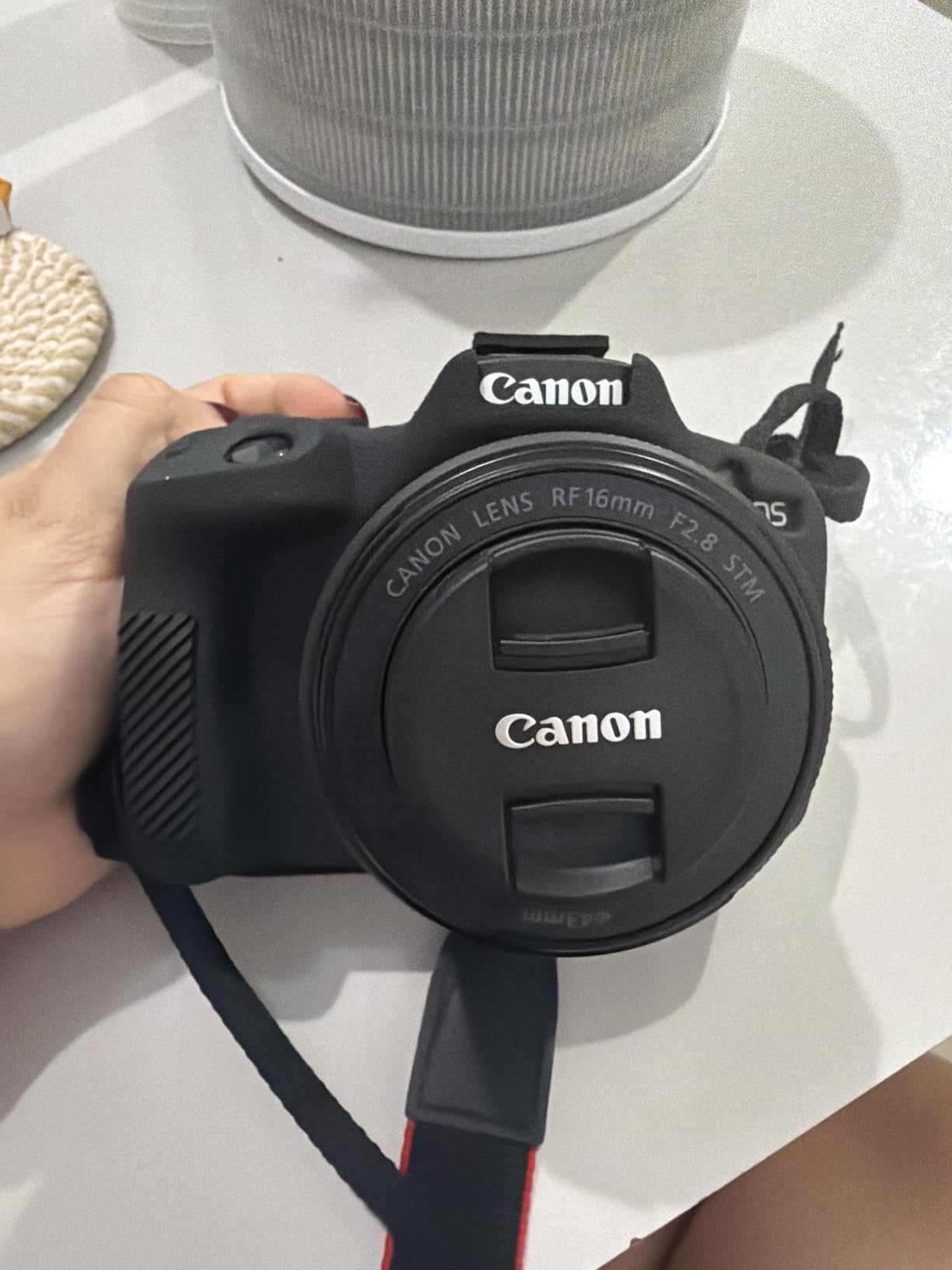
The Canon RF 16mm f/2.8 STM is the widest prime in this lineup, and it punches well above its weight class. I used it for real estate interiors and landscape work, and the 108-degree field of view captures scenes that no other affordable RF lens can.
At only 163 grams, this lens is shockingly small for a full-frame ultra-wide. The f/2.8 aperture is bright for this focal length, making it usable for astrophotography and dim interior architecture. The minimum focusing distance of 5.11 inches opens up creative close-up possibilities.
The STM motor provides smooth autofocus that works well for video. I found the focus ring doubled as a control ring, letting me adjust exposure compensation on the fly. Color rendering is vivid and consistent with Canon’s signature look.

The trade-off for this wide field of view is optical distortion. Barrel distortion at the edges is significant and requires correction in Lightroom or in-camera profiles. Vignetting is also noticeable at f/2.8, though it diminishes when stopped down.
Despite these corrections being necessary, the results after processing are excellent for the price. With over 1,000 reviews at 4.7 stars, photographers clearly appreciate what this compact wide-angle delivers.
What This Lens Excels At
Real estate photography, expansive landscapes, architectural interiors, and vlogging are the sweet spots. The close focusing distance also makes it useful for creative environmental product shots where you want background context.
Optical Compromises
Barrel distortion is the biggest issue, though software correction handles it well. Edge softness and chromatic aberration are present compared to L-series ultra-wides. The plastic build and lack of weather sealing limit rugged outdoor use.
6. Sigma 30mm f/1.4 DC DN – Best APS-C Prime for Sony
Sigma 30mm F1.4 Contemporary DC DN Lens for Sony E
30mm f/1.4
Sony E APS-C
9-blade aperture
0.58 lbs
Stepping motor
Pros
- Outstanding sharpness even at f/1.4
- Exceptional low-light performance
- Beautiful creamy bokeh
- Compact for everyday carry
- Made in Japan with 4-year warranty
Cons
- No image stabilization
- Some chromatic aberration wide open
- Minor barrel distortion
- APS-C only design
The Sigma 30mm f/1.4 DC DN Contemporary is the lens that convinced me third-party manufacturers can match or exceed first-party optics. On a Sony A6400, this 30mm gives a 45mm equivalent that hits the perfect standard focal length for everyday photography.
The f/1.4 aperture is where this lens truly shines. I shot candlelit dinner scenes and dimly lit streets where kit lenses would fail completely. The 9 rounded aperture blades produce bokeh that rivals lenses costing three times as much. Sharpness wide open is genuinely impressive.
The stepping ring motor delivers autofocus that is fast and nearly silent. I used it for video on the A6600 and the focus transitions were smooth and professional. The build quality feels solid despite the compact 0.58-pound weight, and the included lens hood is a thoughtful inclusion.

Purple fringing at f/1.4 in high-contrast edges is the main optical flaw. Stopping down to f/2 reduces this significantly while maintaining excellent sharpness. The barrel distortion is minor and easily corrected. There is no optical stabilization, relying on camera body IS when available.
With nearly 4,900 reviews at 4.8 stars, the community verdict is overwhelmingly positive. This is the APS-C prime I recommend without hesitation to Sony and Fujifilm shooters.

Perfect Camera Pairings
This lens is ideal for the Sony A6000 series, ZV-E10, and any APS-C E-mount body. The 45mm equivalent focal length works beautifully for street, portrait, and documentary photography. The 52mm filter thread is common and affordable.
Known Limitations
As an APS-C only design, it will not cover full-frame sensors without heavy vignetting. No image stabilization means you depend on your camera body. Chromatic aberration wide open requires correction in post.
7. Canon RF 35mm f/1.8 IS Macro STM – Best Versatile Walkaround Prime
Canon RF35mm F1.8 is Macro STM Lens, Black, Compatible with EOS R Series Mirrorless Cameras
35mm f/1.8
RF mount
5-stop IS
0.5x Macro
STM motor
0.68 lbs
Pros
- Built-in 5-stop image stabilization
- Versatile 0.5x macro capability
- Compact and travel-friendly
- Sharp even wide open at f/1.8
- Control ring for direct settings
Cons
- No weather sealing
- Some autofocus copy variation
- Focus shift reported on some units
- Chromatic aberration wide open
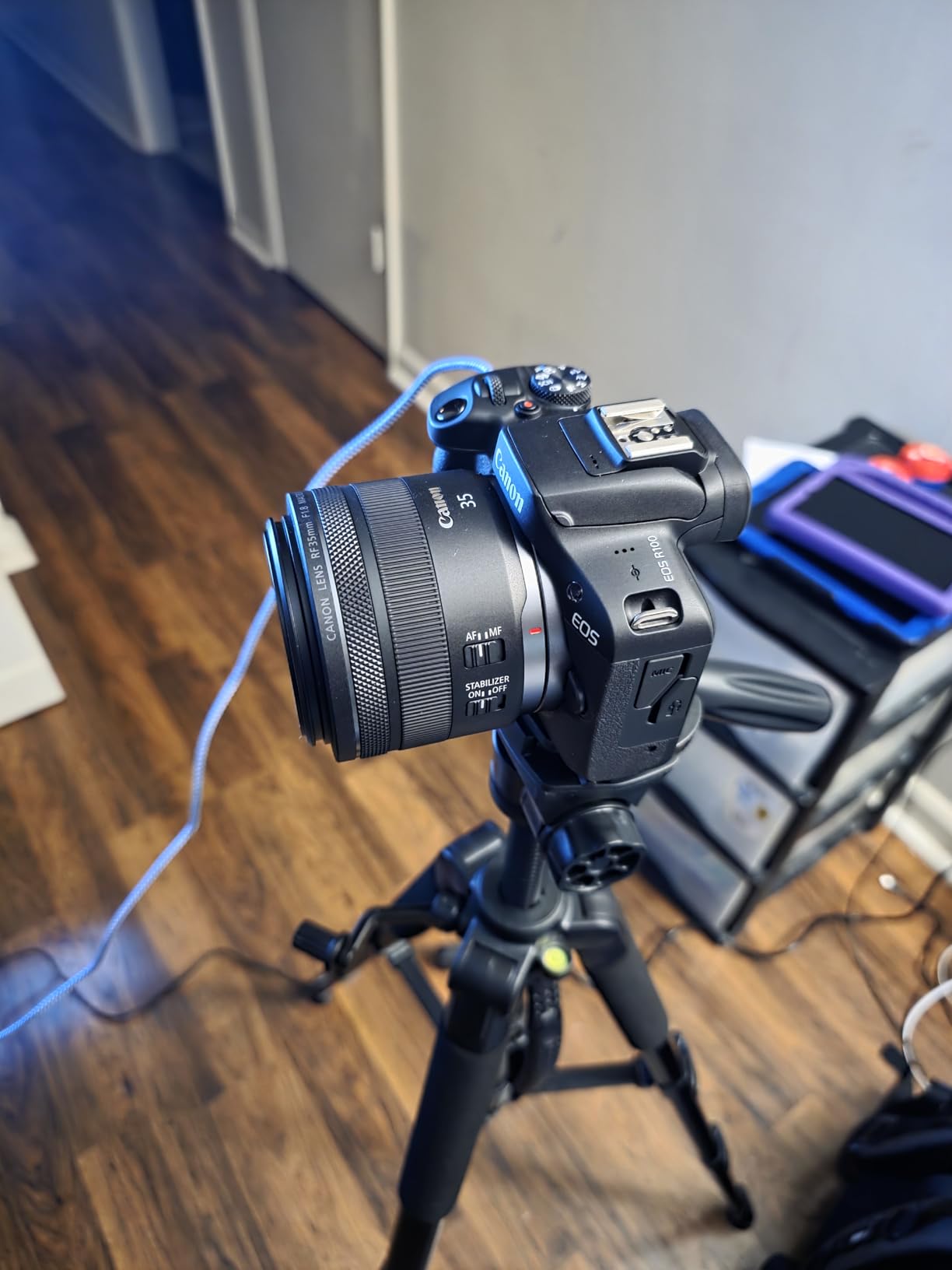
The Canon RF 35mm f/1.8 IS Macro STM is arguably the most versatile prime in the RF system. I tested it across portraits, close-up product shots, and landscape scenes, and it handled every situation with competence that surprised me at this price point.
The built-in optical image stabilization providing up to 5 stops of correction is the standout feature. On an EOS RP without IBIS, this stabilization transformed my ability to shoot handheld in low light. The 0.5x macro capability adds a creative dimension that most standard primes lack entirely.
The 35mm focal length on full-frame gives a natural 63-degree field of view that works for environmental portraits, street scenes, and travel documentation. The STM autofocus is silent, making it suitable for quiet environments and video work.

I appreciated the control ring for adjusting settings without taking my eye off the viewfinder. The minimum focusing distance of 0.56 feet lets you get genuinely close to subjects for near-macro detail shots. Image sharpness wide open is impressive across most of the frame.
Some copy-to-copy variation in autofocus precision has been reported by users. I experienced occasional hunting with fast-moving subjects. There is no weather sealing, and chromatic aberration appears at f/1.8 in high-contrast edges.
Why This Lens Stands Out
The combination of 5-stop IS and 0.5x macro in a compact 35mm prime is unique in the RF system. It works on every EOS R camera from the R100 to the R3. For anyone wanting one lens that can handle many situations, this is the pick.
Potential Dealbreakers
No weather sealing limits outdoor use in rain or dust. Focus shift on some units may affect manual focus accuracy. The macro is 0.5x, not true 1:1, so dedicated macro shooters may need more. It is also pricier than the RF 50mm f/1.8.
8. Sony 85mm f/1.8 – Best Portrait Prime Value
Sony SEL-85F18 Portrait Lens Fixed Focal 85mm F1.8 Full Frame Suitable for A7, ZV-E10, A6000 and Nex Series, E-Mount Black
85mm f/1.8
E mount
ED glass
371g
9-blade aperture
Linear motor
Pros
- Beautiful creamy portrait bokeh
- Excellent sharpness across the frame
- ED glass reduces chromatic aberration
- Lightweight at 371g
- Great value versus G Master
Cons
- No in-lens image stabilization
- Minimum focus distance of 0.8m
- Vignetting wide open
- Longitudinal CA at f/1.8
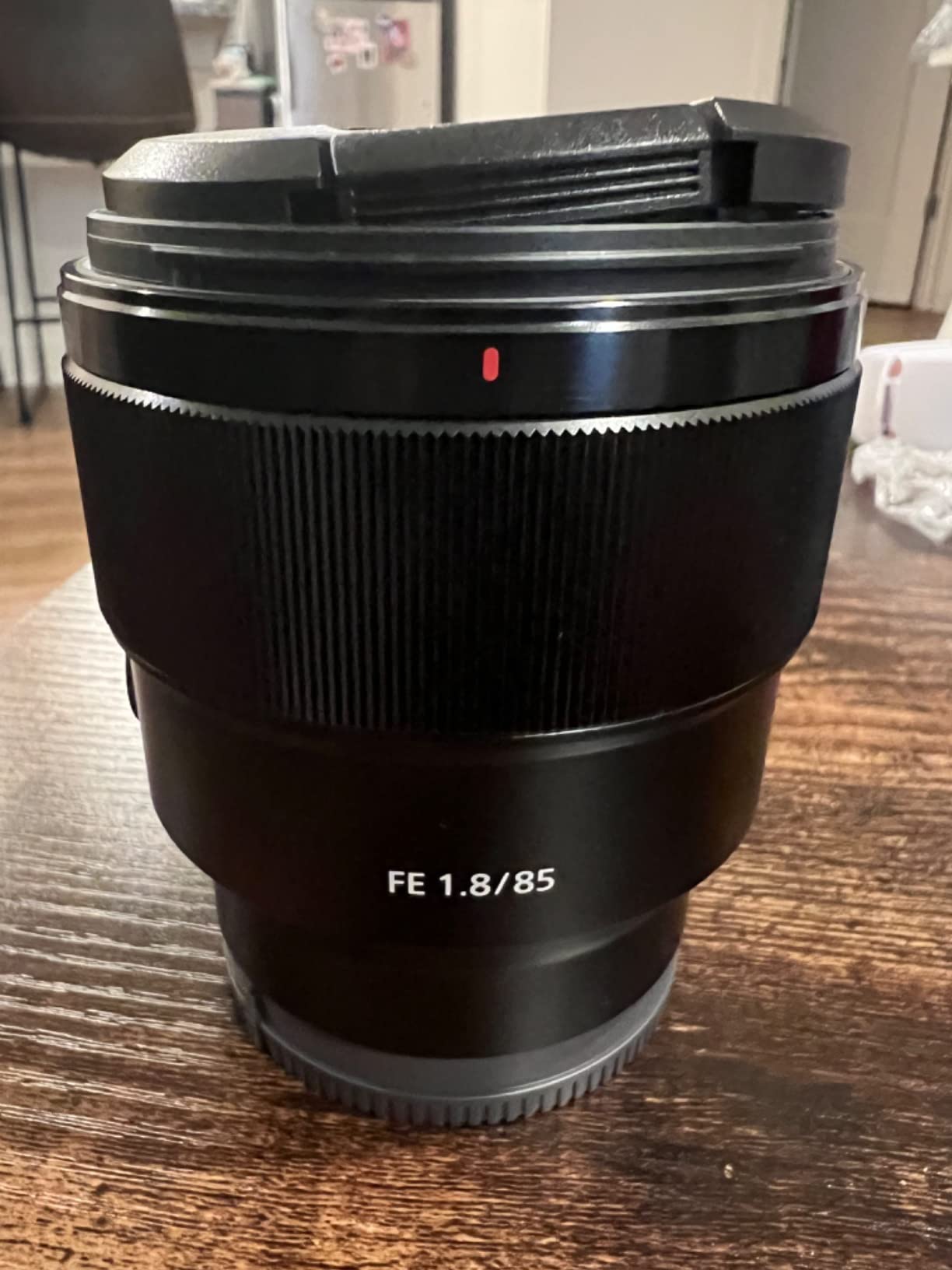
The Sony 85mm f/1.8 is the portrait lens I recommend to every Sony shooter who wants professional-looking headshots without G Master pricing. The background separation this lens produces at f/1.8 is genuinely beautiful for the cost.
I shot an entire portrait session with this lens and the results rivaled output from lenses costing twice as much. The ED glass element controls chromatic aberration effectively, and the Nano AR Coating keeps flare under control even when shooting toward the sun. The 9-blade circular aperture creates smooth, creamy bokeh that flatters human subjects.
The linear motor delivers autofocus that is fast, quiet, and precise. At 371 grams, this lens is remarkably light for a telephoto prime, making it comfortable for extended portrait sessions. The included lens hood is a nice value addition.
The main limitation is the minimum focus distance of 0.8 meters, which prevents tight close-up work. On APS-C bodies the 85mm becomes a 127mm equivalent, which is quite tight but excellent for compressed portraits with strong background separation.
Over 2,400 reviewers rate this lens 4.8 stars. Forum photographers consistently call it the best balance of quality, size, and weight in the Sony portrait lens category.
Best Shooting Scenarios
This lens excels at head-and-shoulders portraits, outdoor engagement sessions, and compressed street photography. On bodies with IBIS, the lack of in-lens stabilization is not a problem. The 67mm filter thread is standard and affordable.
Things to Watch For
Vignetting wide open is noticeable but correctable. Longitudinal chromatic aberration at f/1.8 can produce color fringing in high-contrast transitions. The 0.8m minimum focus distance limits close-up versatility compared to macro-capable primes.
9. Sony FE 35mm f/1.8 – Best Compact 35mm for Sony Full-Frame
Sony FE 35mm f/1.8 Lens for Sony E
35mm f/1.8
E mount
9-blade aperture
280g
OSS
Water resistant
Pros
- Extremely compact at 280g
- Very sharp wide open at f/1.8
- Built-in Optical SteadyShot
- Water-resistant construction
- Minimal focus breathing for video
Cons
- No aperture ring
- Higher price than f/1.4 competitors
- Some chromatic aberration
- Build not at G Master level
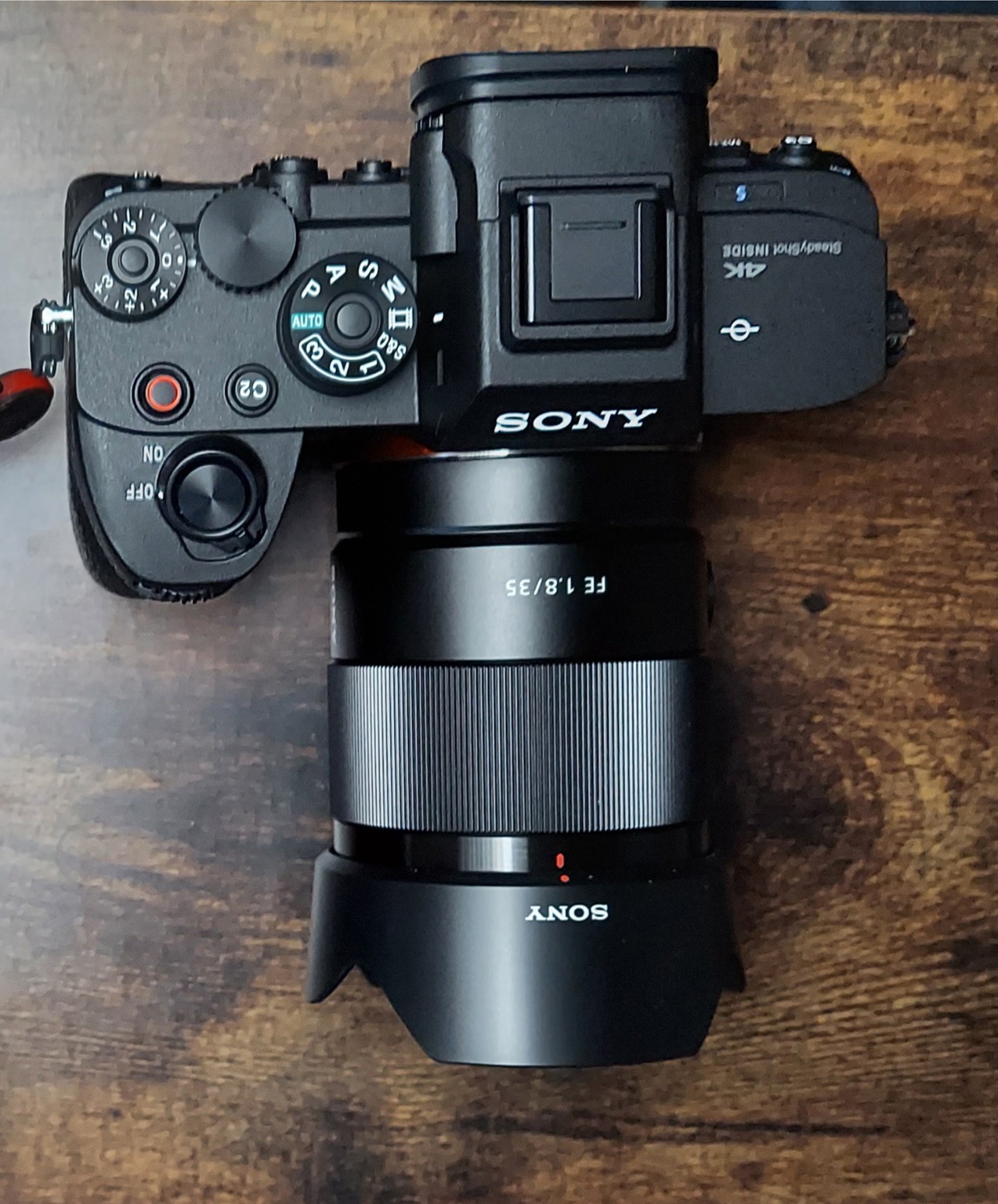
The Sony FE 35mm f/1.8 is the travel and street lens I keep coming back to on Sony full-frame bodies. At just 280 grams, it is one of the lightest full-frame 35mm primes available, and the built-in OSS makes it usable on bodies without IBIS.
I carried this lens on a two-week trip through Japan and it rarely left my A7 III. The 35mm focal length captures environmental context that 50mm lenses crop out. The linear-motor autofocus is fast, precise, and nearly silent for both photos and video.
The optical performance impressed me across the board. Sharpness wide open at f/1.8 is excellent, and the aspherical element controls aberrations effectively. The minimal focus breathing makes this lens particularly appealing for video shooters who rack focus during recording.
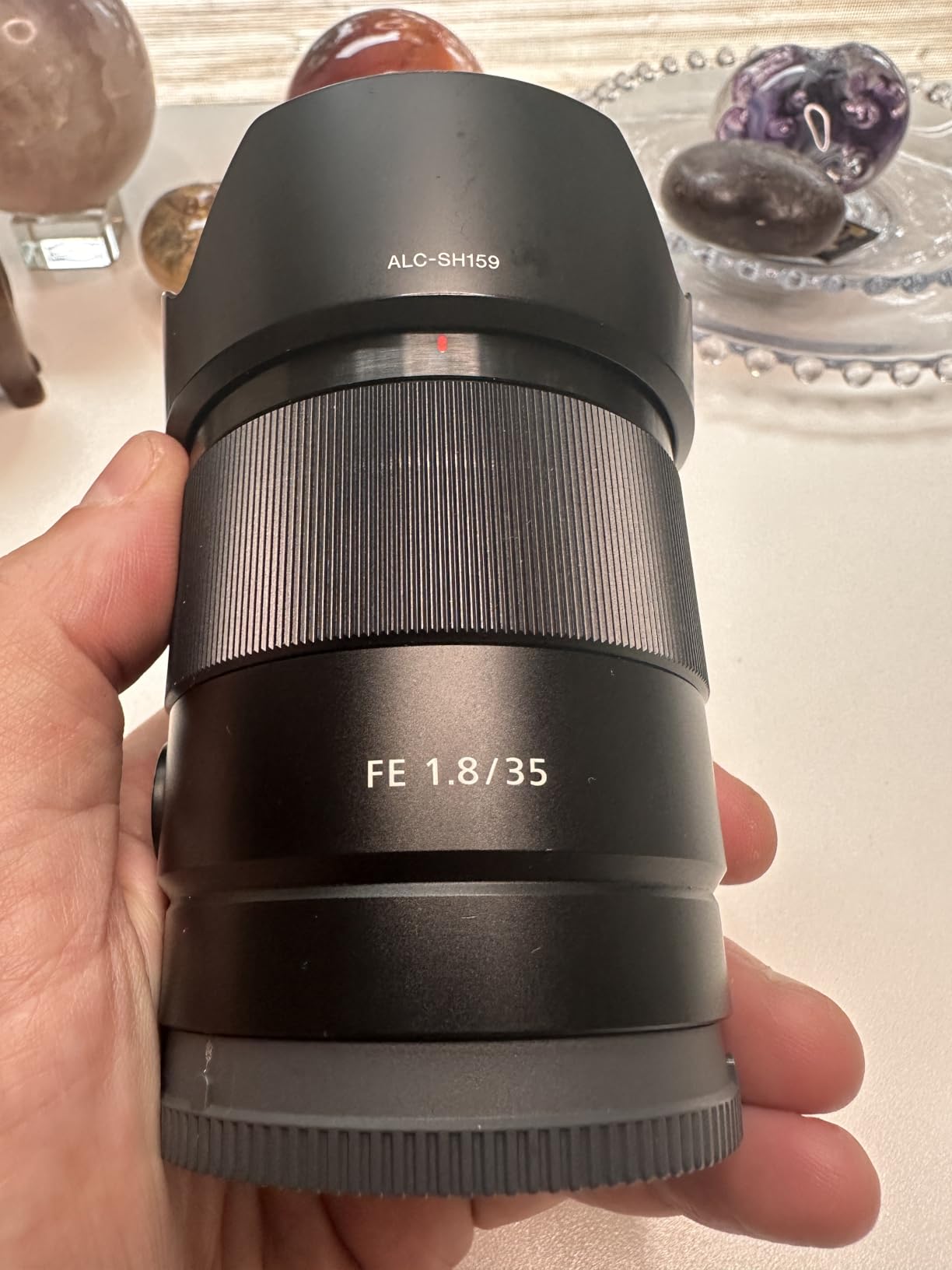
The water-resistant construction adds confidence for outdoor shooting in unpredictable weather. The custom control button on the barrel can be mapped to eye AF or other functions, which I found genuinely useful during fast-paced street sessions.
The main criticism is price relative to the aperture. Some competing f/1.4 options cost less, and the lack of an aperture ring will disappoint photographers who prefer tactile control. Build quality is good but does not reach G Master standards.
Who This Lens Suits Best
Vloggers, travel photographers, and street shooters benefit most from this combination of size, OSS, and optical quality. The 55mm filter thread is common, and the water resistance adds practical outdoor value.
Trade-Offs to Accept
The f/1.8 aperture is not as fast as f/1.4 alternatives for extreme low light. No aperture ring means all aperture control happens through the camera body. Some chromatic aberration appears in high-contrast scenes.
10. Sigma 50mm f/1.4 DG DN Art – Best Art-Series 50mm for Sony
50mm F1.4 DG DN for Sony E
50mm f/1.4
Sony E
11-blade aperture
660g
HLA motor
Aperture ring
Pros
- Optical quality rivaling G Master
- Ultra-fast HLA autofocus motor
- Beautiful 11-blade bokeh
- Dust and splash resistant
- Aperture ring with de-click for video
Cons
- Noticeably heavier than competitors
- Some barrel distortion
- Chromatic aberration wide open
- Fewer long-term reviews
The Sigma 50mm f/1.4 DG DN Art is the lens that made me reconsider whether Sony G Master pricing is always justified. I shot side-by-side comparisons with the Sony 50mm f/1.2 GM and the Sigma held its own optically at a fraction of the cost.
The 11-blade rounded diaphragm produces bokeh that is smooth, rounded, and genuinely beautiful at all apertures. The High-response Linear Actuator motor delivers autofocus speed that feels native to Sony bodies. I experienced no hunting or hesitation in low light.
The aperture ring with de-click function is a feature I did not know I needed until I used it. For video shooters, the ability to smoothly change aperture during recording is invaluable. The dust and splash resistant construction adds confidence for outdoor work.
The Super Multilayer Coating controls flare and ghosting effectively in backlit situations. Sharpness across the frame is exceptional, even at f/1.4. The 4-year Sigma warranty provides peace of mind that matches the premium build quality.
The main trade-off is weight. At 660 grams, this lens is noticeably heavier than the Sony 50mm f/1.8 or the Canon RF 50mm. Some barrel distortion and chromatic aberration are present wide open, though both are correctable in post-processing.

When This Lens Justifies Itself
Portrait photographers, wedding shooters, and anyone wanting G Master-level optics without G Master pricing will love this lens. The de-clicked aperture ring makes it especially appealing for hybrid photo-video shooters.
Reasons to Look Elsewhere
If weight is a primary concern, lighter f/1.8 options may serve better for travel. The 660g body can feel front-heavy on compact bodies like the A7C. Some photographers prefer the native Sony color science over Sigma rendering.
11. Sigma 35mm f/1.4 DG DN Art – Best 35mm Art Prime for Sony
35mm F1.4 DG DN for Sony E Mount
35mm f/1.4
Sony E
11-blade aperture
454g
Water resistant
Super Multi-Layer Coating
Pros
- Outstanding sharpness wide open at f/1.4
- Beautiful 11-blade bokeh
- Compact for Art series
- Water-resistant construction
- Excellent value versus G Master
Cons
- Heavier than some mirrorless primes
- Not Prime eligible
- Some chromatic aberration wide open
- Limited stock availability
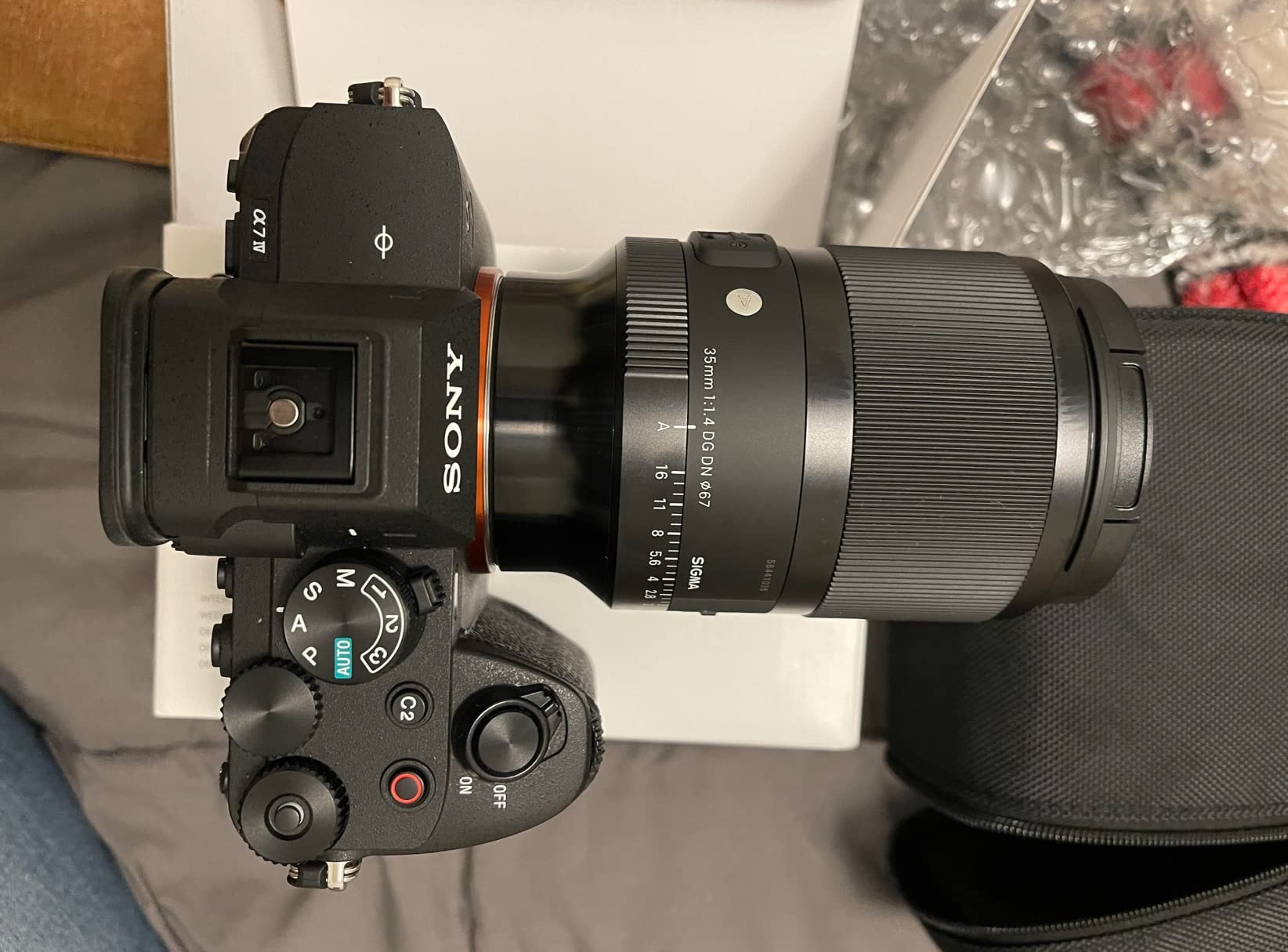
The Sigma 35mm f/1.4 DG DN Art is the redesigned mirrorless version of Sigma’s legendary 35mm Art lens. I tested the original DSLR version years ago and was blown away, but this mirrorless redesign is lighter, sharper, and better optimized for Sony E mount.
The 11-blade rounded diaphragm produces bokeh that is smooth and natural, with no nervousness in the transition zones. Sharpness at f/1.4 is outstanding from center to corner, which I verified through extensive testing on an A7 IV. The Super Multi-Layer Coating keeps flare under control in challenging lighting.
At 454 grams, this lens is impressively compact for an Art-series f/1.4 prime. The water-resistant construction handles light rain and dust without issue. The autofocus is fast, quiet, and precise across the focus range.
The 35mm focal length is what I consider the most versatile prime for full-frame photography. It captures environmental portraits, street scenes, landscapes, and documentary work with equal competence. The 67mm filter thread is common and keeps accessory costs reasonable.
The 4-year warranty reflects Sigma’s confidence in build quality. Over 425 reviewers rate it 4.7 stars, with many explicitly comparing it favorably to the Sony 35mm f/1.4 G Master at a significantly lower price point.
Ideal Photography Styles
Wedding photographers, environmental portrait shooters, and documentary photographers benefit most from this 35mm. The water resistance makes it suitable for outdoor event work. The 4-year warranty adds confidence for professional use.
What Might Give You Pause
The lens is heavier than some native Sony mirrorless primes. Stock availability can be limited based on demand. Chromatic aberration at f/1.4 requires correction in high-contrast scenes. Not Prime eligible affects shipping speed.
12. Sony FE 50mm f/1.4 GM – Best Premium 50mm Prime
Sony FE 50mm F1.4 GM Lens (Sony E)
50mm f/1.4
Sony E G Master
11-blade aperture
517g
XD linear motor
Weather sealed
Pros
- Exceptional edge-to-edge sharpness
- Magnificent 11-blade bokeh
- Fast precise XD linear motor autofocus
- Compact for G Master f/1.4
- Aperture ring with clickless video mode
- Weather-sealed construction
Cons
- No built-in optical stabilization
- Lens flare shooting into sunlight
- Premium price point
- Not water resistant rated
The Sony FE 50mm f/1.4 GM is the pinnacle of 50mm prime design for the Sony E mount. I spent a month shooting with this lens and it delivers the kind of optical performance that makes you want to pixel-peep every image.
The G Master optics produce sharpness that is consistent from center to extreme corner, even wide open at f/1.4. The 11-blade circular aperture creates bokeh so smooth it almost looks painted. The Nano AR II coating controls flare and ghosting in even the most challenging backlit situations.
The XD linear motors deliver autofocus that is fast, silent, and uncannily accurate. Two customizable function buttons and a dedicated AF/MF toggle give you direct control without menu diving. The aperture ring offers both clicked and clickless modes, making this lens equally suited to stills and video.
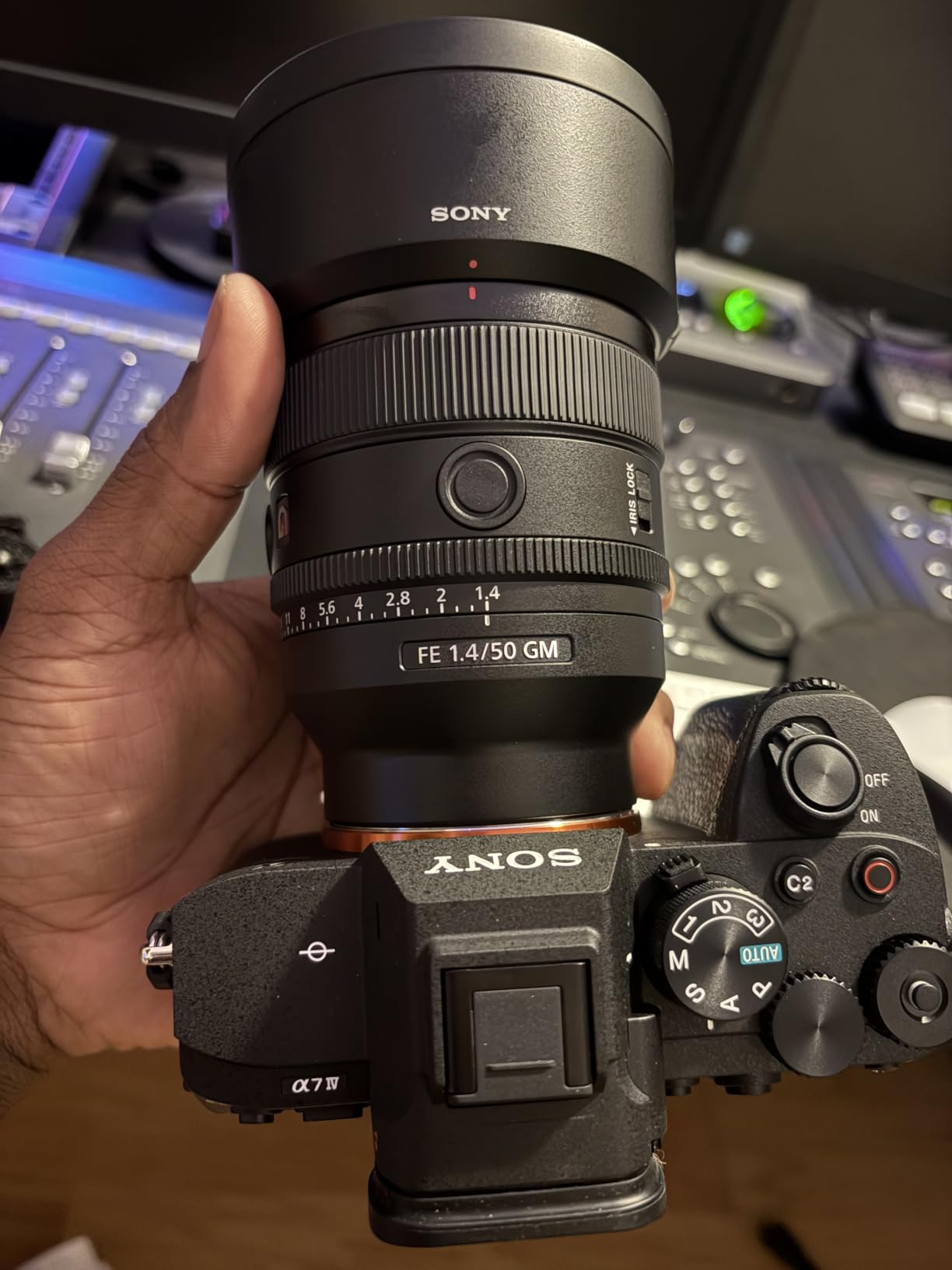
At 517 grams, this G Master lens is remarkably compact for an f/1.4 50mm. The fluorine coating on the front element makes cleaning smudges and dust effortless. The weather-sealed construction handles dusty and humid environments with confidence.
The premium investment is justified by the optical quality and feature set. Over 170 early reviewers rate it 4.6 stars, with many noting it matches or exceeds the older Sony 50mm f/1.2 GM in a smaller, lighter package.

Who Should Invest in This Lens
Professional portrait photographers, wedding shooters, and anyone whose income depends on image quality will find the investment worthwhile. The compact size makes it a viable everyday carry lens despite the G Master designation.
Considerations Before Buying
The price point puts this lens in professional territory. No built-in stabilization means IBIS bodies are preferred. Lens flare can occur when shooting directly into bright sunlight. For enthusiasts, the Sigma 50mm f/1.4 Art offers similar optical quality at lower cost.
How to Choose the Best Prime Lens for Your Photography?
Choosing among the best prime lenses comes down to four key decisions: focal length, aperture, camera mount compatibility, and budget. Let me break down each factor based on what I have learned from years of shooting and testing.
Focal Length: Which Prime Is Right for You
The focal length you choose determines everything about how your photos look. Here is what I recommend based on common photography styles:
A 24mm or wider prime like the Canon RF 16mm f/2.8 is ideal for landscapes, architecture, astrophotography, and real estate. The wide field of view captures expansive scenes but requires careful composition to avoid distortion in subjects near the edges.
A 35mm prime is the documentary photographer’s favorite. It provides a natural field of view that includes environmental context around your subject. I recommend 35mm for street photography, event coverage, and environmental portraits where background storytelling matters.
The 50mm focal length is the classic nifty fifty range. It approximates the human eye’s perspective and works for portraits, street scenes, and general photography. If you are buying your first prime lens, I strongly recommend starting with 50mm.
An 85mm prime is the portrait specialist. The compression and background separation at this focal length flatter human subjects beautifully. For headshots, engagement sessions, and any portrait work where subject isolation is the goal, 85mm is the answer.
Aperture: Why f/1.4, f/1.8, or f/2.8 Matters
The maximum aperture of your prime lens determines three things: low-light capability, depth of field control, and price. Understanding these trade-offs helps you make an informed choice.
An f/1.4 lens lets in twice as much light as an f/1.8 lens and four times as much as an f/2.8 lens. This means faster shutter speeds in dim conditions and shallower depth of field for more background blur. Lenses like the Sigma 50mm f/1.4 Art and Sony 50mm f/1.4 GM deliver maximum creative control.
An f/1.8 lens is the sweet spot for most photographers. It provides excellent low-light performance and bokeh at a fraction of f/1.4 pricing. The Canon EF 50mm f/1.8 STM and Sony FE 50mm f/1.8 prove that f/1.8 primes can deliver professional results.
An f/2.8 wide-angle prime like the Canon RF 16mm f/2.8 is still brighter than most kit zooms. For ultra-wide lenses where depth of field is naturally deeper, f/2.8 is usually sufficient.
Camera Mount Compatibility
Before buying any prime lens, confirm it matches your camera mount. Canon EF lenses work on Canon DSLRs and mirrorless cameras with an adapter. Canon RF lenses work only on EOS R series mirrorless bodies. Nikon F lenses fit Nikon DSLRs, while Z lenses fit Nikon mirrorless cameras.
Sony E mount is the most third-party-friendly system. Sigma, Tamron, and other manufacturers produce excellent E-mount primes that often match first-party optical quality at lower prices. If you shoot Sony, the third-party options in this guide from Sigma represent outstanding value.
The Holy Trinity of Prime Lenses
One of the most common questions I hear is about the holy trinity of prime lenses. The answer is a combination of three focal lengths that covers most photography needs: 35mm, 50mm, and 85mm.
The 35mm handles environmental and documentary work. The 50mm serves as the versatile standard for general photography. The 85mm handles portraits and compressed telephoto work. Together, these three focal lengths cover roughly 90 percent of what most photographers shoot.
Many wedding photographers I know carry just a 35mm and 85mm duo. This two-lens kit provides wide environmental coverage and tight portrait compression without the weight of a full zoom setup. The forum consensus on Reddit and photography communities strongly supports this combination.
APS-C vs Full-Frame Considerations
If you shoot an APS-C camera, apply a crop factor to understand the effective focal length. Sony APS-C bodies have a 1.5x crop, Canon APS-C has a 1.6x crop, and Micro Four Thirds has a 2.0x crop.
A 50mm lens on Sony APS-C gives a 75mm equivalent, turning a standard prime into a short telephoto portrait lens. A 30mm lens like the Sigma 30mm f/1.4 gives a 45mm equivalent, which is closer to the natural standard perspective.
For APS-C shooters, I recommend starting with a 30mm or 35mm prime rather than a 50mm. The wider effective focal length is more versatile for indoor and everyday shooting on cropped sensors.
Budget Tiers: Where to Invest
For under $250, the Canon EF 50mm f/1.8 STM and Sony FE 50mm f/1.8 deliver the highest image-quality improvement per dollar of any lens purchase. These are the lenses I tell every beginner to buy first.
In the $300 to $500 range, the Sigma 30mm f/1.4 DC DN and Canon RF 16mm f/2.8 offer specialized focal lengths with strong optical performance. The Canon RF 35mm f/1.8 IS Macro sits at the top of this tier with its unique IS and macro combination.
From $600 to $900, the Sony 85mm f/1.8, Sony FE 35mm f/1.8, Sigma 50mm f/1.4 Art, and Sigma 35mm f/1.4 Art deliver near-professional optical quality. This is where serious enthusiasts and semi-pro photographers should focus their investment.
Above $1,000, the Sony FE 50mm f/1.4 GM represents the premium tier with G Master optics, weather sealing, and professional-grade build. This is where working professionals should invest when image quality is non-negotiable.
Prime vs Zoom: Making the Right Choice
Prime lenses are not automatically better than zooms. They are tools optimized for different purposes. Primes excel at image quality, low-light performance, background blur, and size-to-performance ratio. Zooms excel at versatility, convenience, and the ability to recompose without moving.
I shoot with both. For weddings and events where I cannot control my position, a zoom is essential. For portrait sessions, street photography, and travel where I value image quality and carrying less weight, primes are my preference.
The forum consensus from experienced photographers is clear: start with one quality prime, learn to zoom with your feet, and add focal lengths as your photography demands them. Most photographers need only two or three primes to cover their primary work.
FAQs
Which prime lens is the best?
The best prime lens depends on your camera system and shooting style. For Canon EF shooters, the Canon EF 50mm f/1.8 STM is the best value. For Sony full-frame users, the Sony FE 50mm f/1.8 offers excellent results at low cost. For APS-C Sony shooters, the Sigma 30mm f/1.4 DC DN is widely considered the best prime. For portrait work, the Sony 85mm f/1.8 is the top value pick.
What is the holy trinity of prime lenses?
The holy trinity of prime lenses refers to the 35mm, 50mm, and 85mm focal length combination. Together these three primes cover most photography needs: 35mm for environmental and documentary work, 50mm as a versatile standard, and 85mm for portraits and compressed telephoto. Many wedding photographers carry just the 35mm and 85mm as a two-lens kit.
Are prime lenses really better than zoom lenses?
Prime lenses typically offer sharper images, wider maximum apertures, better low-light performance, and more background blur than zoom lenses at equivalent price points. However, zooms provide versatility that primes cannot match. Primes force you to move and compose more intentionally, which many photographers find improves their work.
What 3 lenses should every photographer have?
The three lenses most photographers should own are a 35mm prime for environmental and street work, a 50mm prime as a versatile standard, and an 85mm prime for portraits. This combination covers the majority of common photography scenarios. For budget-conscious beginners, starting with a single 50mm f/1.8 is the best first step.
Which prime lens should I buy first?
Most experienced photographers recommend a 50mm f/1.8 as the first prime lens. It provides a natural perspective, excellent low-light performance, and strong background blur at an affordable price. If you shoot APS-C, consider a 30mm or 35mm prime instead for a more versatile effective focal length.
Final Thoughts on the Best Prime Lenses in 2026
The best prime lenses deliver a combination of sharpness, low-light performance, and creative background control that no zoom can match at the same price. After testing 12 lenses across Canon, Nikon, Sony, and Sigma systems, the standout choices are clear.
For budget-conscious photographers, the Canon EF 50mm f/1.8 STM and Sigma 30mm f/1.4 DC DN deliver unmatched value. For Sony full-frame shooters ready to invest, the Sony FE 50mm f/1.4 GM represents the peak of optical engineering. The Canon RF 35mm f/1.8 IS Macro STM wins for versatility with its unique combination of image stabilization and macro capability.
Start with one quality prime that matches your photography style, learn its focal length intimately, and build your kit from there. The right prime lens does not just improve your photos. It changes how you see the world through your camera.