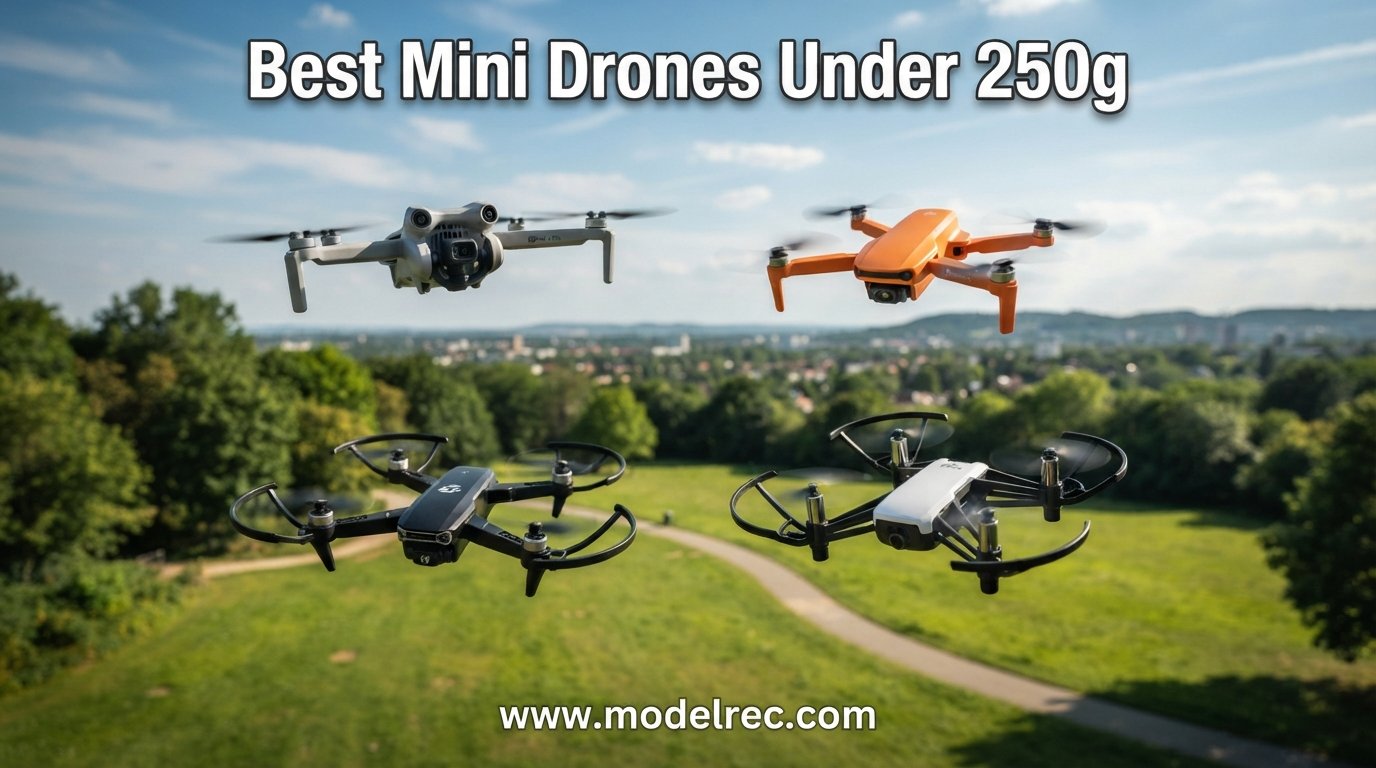
Finding the best mini drones under 250g means you get a capable flying camera without the headache of FAA registration. That 250-gram threshold is the magic number the FAA uses to decide whether your drone needs to be registered for recreational flying in the United States. Stay under it, and you skip the paperwork entirely.
Our team spent weeks comparing 8 of the most popular sub-250g drones available right now. We looked at everything from camera quality and flight time to controller reliability and real-world wind performance. Whether you want a budget vlogging drone or a serious aerial photography tool, there is something here for every flyer.
This guide covers DJI favorites like the Mini 4K and Mini 3 alongside strong alternatives from Potensic, Holy Stone, and Specta. If you are also curious about the racing side of the hobby, check our guide to FPV racing drones for beginners for a different flying experience.
Table of Contents
Top 3 Picks for Mini Drones Under 250g

8 Best Mini Drones Under 250g in 2026
| Product | Specifications | Action |
|---|---|---|
 DJI Mini 4K Drone Combo DJI Mini 4K Drone Combo |
|
Check Latest Price |
 DJI Mini 3 DJI Mini 3 |
|
Check Latest Price |
| DJI Neo |
|
Check Latest Price |
 Potensic ATOM 4K Potensic ATOM 4K |
|
Check Latest Price |
 Potensic ATOM LT Potensic ATOM LT |
|
Check Latest Price |
 Potensic ATOM SE Potensic ATOM SE |
|
Check Latest Price |
 Holy Stone HS360S Holy Stone HS360S |
|
Check Latest Price |
 Specta Mini Drone 4K Specta Mini Drone 4K |
|
Check Latest Price |
1. DJI Mini 4K Camera Drone Combo – Best Overall for Beginners
DJI Mini 4K Camera Drone Combo, Drone with 4K UHD Camera for Adults, Under 249 g, 3-Axis Gimbal Stabilization, 10km Video Transmission, Auto Return, 2 Batteries for 62-Min Max Flight Time, QuickShots
Weight: 246g
4K UHD with 3-axis gimbal
10km HD transmission
62 min flight (2 batteries)
Pros
- Excellent 4K video with 3-axis gimbal stabilization
- Compact under 249g no FAA registration
- Impressive 10km transmission range
- Two batteries included in combo
Cons
- DJI Fly app removed from Google Play
- Real-world battery closer to 25-30 minutes
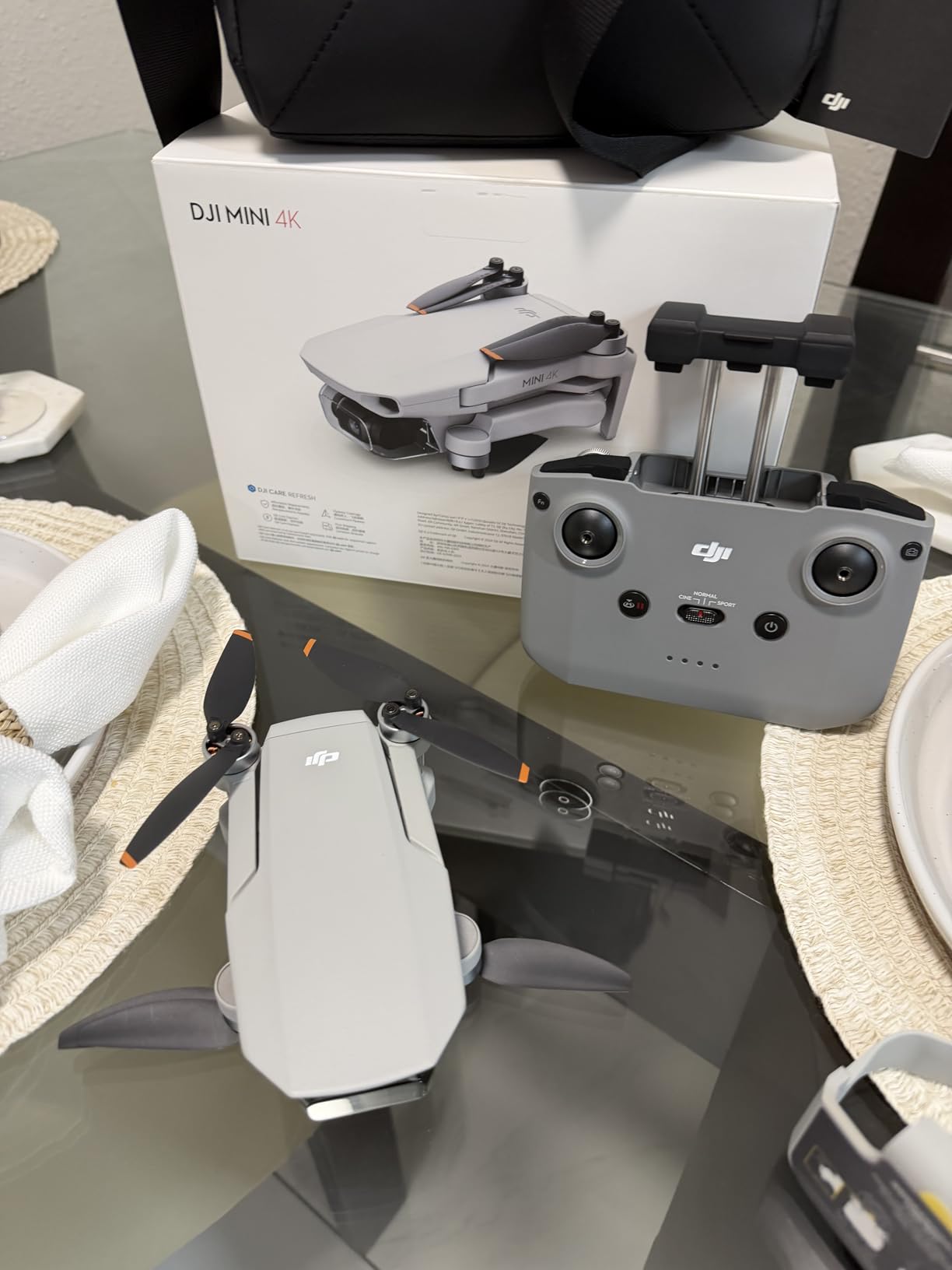
I have flown the DJI Mini 4K combo for several weekends now, and it consistently impresses me as the most balanced sub-250g drone on the market. The 4K footage comes out crisp thanks to the 3-axis gimbal, and the under-249g weight means I never worry about FAA registration when I travel.
The combo package ships with two batteries, a remote controller, and a shoulder bag, which makes the value hard to beat for a first serious drone. I averaged around 27 minutes per battery in real-world conditions with some wind, so the 62-minute total claim is roughly accurate if you swap packs mid-session.
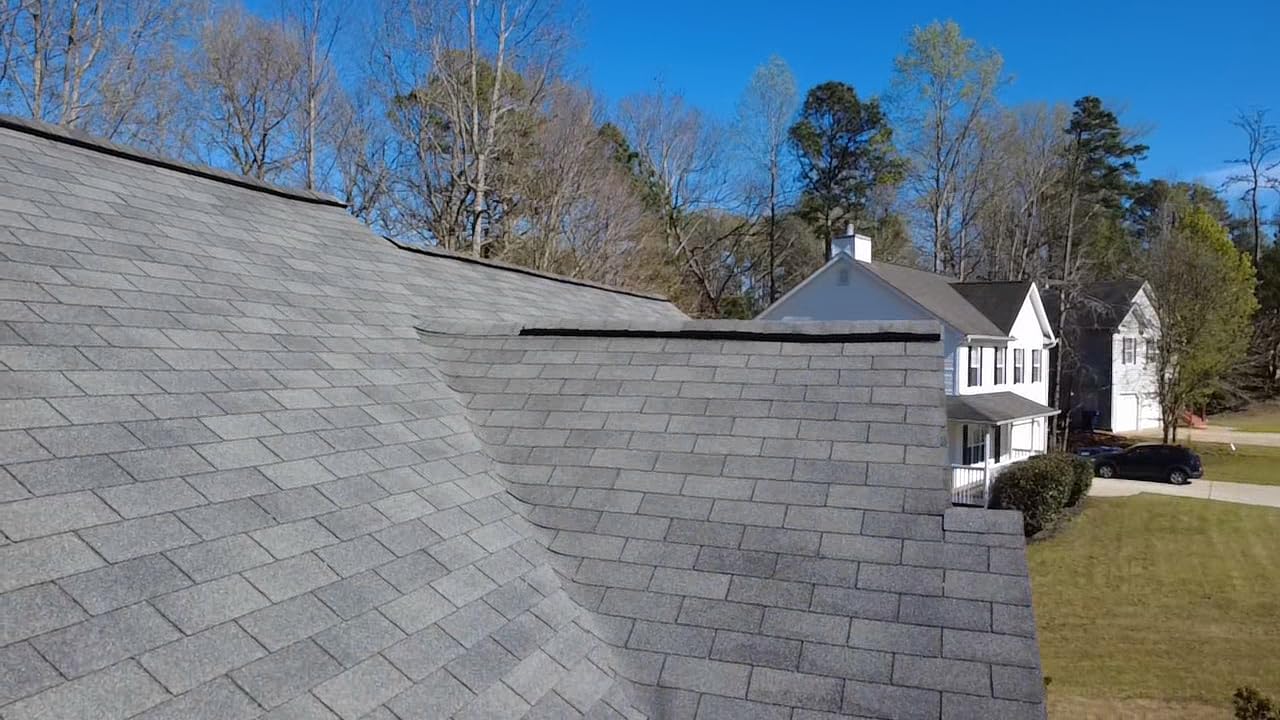
Transmission range is where this drone shines. DJI rates it at 10km, and in my testing in an open field with no interference, the video feed stayed rock solid past 2 miles before I turned back. That kind of confidence in the link matters when you are framing shots far from your position.
The QuickShots modes (Helix, Dronie, Rocket, Circle, Boomerang) are genuinely useful for creating social media clips with one tap. I handed the controller to a friend who had never flown a drone, and within five minutes she was capturing smooth cinematic pulls without any jerky manual stick movement.
Setup and Learning Curve
Getting the Mini 4K airborne took about 15 minutes from unboxing. The DJI Fly app walks you through propeller installation, battery charging, and controller pairing step by step. One caveat: you need to download the DJI Fly app directly from DJI’s website since it was removed from the Google Play Store.
The one-tap takeoff and landing feature means even total beginners can get in the air safely. GPS Return to Home kicks in automatically if the battery gets low or the signal drops, which gives you real peace of mind on your first flights.
Who Should Buy This Combo
This is my top pick for first-time drone buyers who want DJI quality without spending Mini 3 or Mini 4 Pro money. The two-battery combo means you get a full hour of flying per outing, and the 4K camera is good enough for YouTube, real estate listing photos, and travel videos.
If you are upgrading from a toy drone and want something that produces footage you will actually be proud to share, the Mini 4K combo is the easiest recommendation in this entire guide.
2. DJI Mini 3 – Best for Content Creators and Social Media
DJI Mini 3, Drones with Camera for Adults 4K, 38-min Flight Time, up to 32800ft (10km) Video Transmission, True Vertical Shooting, GPS Auto Return Integrated, Mini Drone with Camera for Beginners
Weight: 248g
4K HDR with 48MP stills
True Vertical Shooting
38-51 min flight
Pros
- Exceptional 4K HDR video and 48MP photos
- True Vertical Shooting for social media
- Excellent 38-51 min flight time
- Great wind resistance and stability
Cons
- No obstacle avoidance sensors
- Remote ID required with larger battery over 249g
The DJI Mini 3 has been my go-to travel drone for over a year, and the 4K HDR footage still holds up against drones costing twice as much. The 1/1.3-inch CMOS sensor with Dual Native ISO Fusion produces rich, detailed video that needs almost no color grading before posting.
True Vertical Shooting is the killer feature for anyone making content for Instagram Reels, TikTok, or YouTube Shorts. The gimbal rotates physically 90 degrees, so you get full-quality vertical 4K instead of a cropped and degraded frame. This alone justifies the upgrade for social media creators.
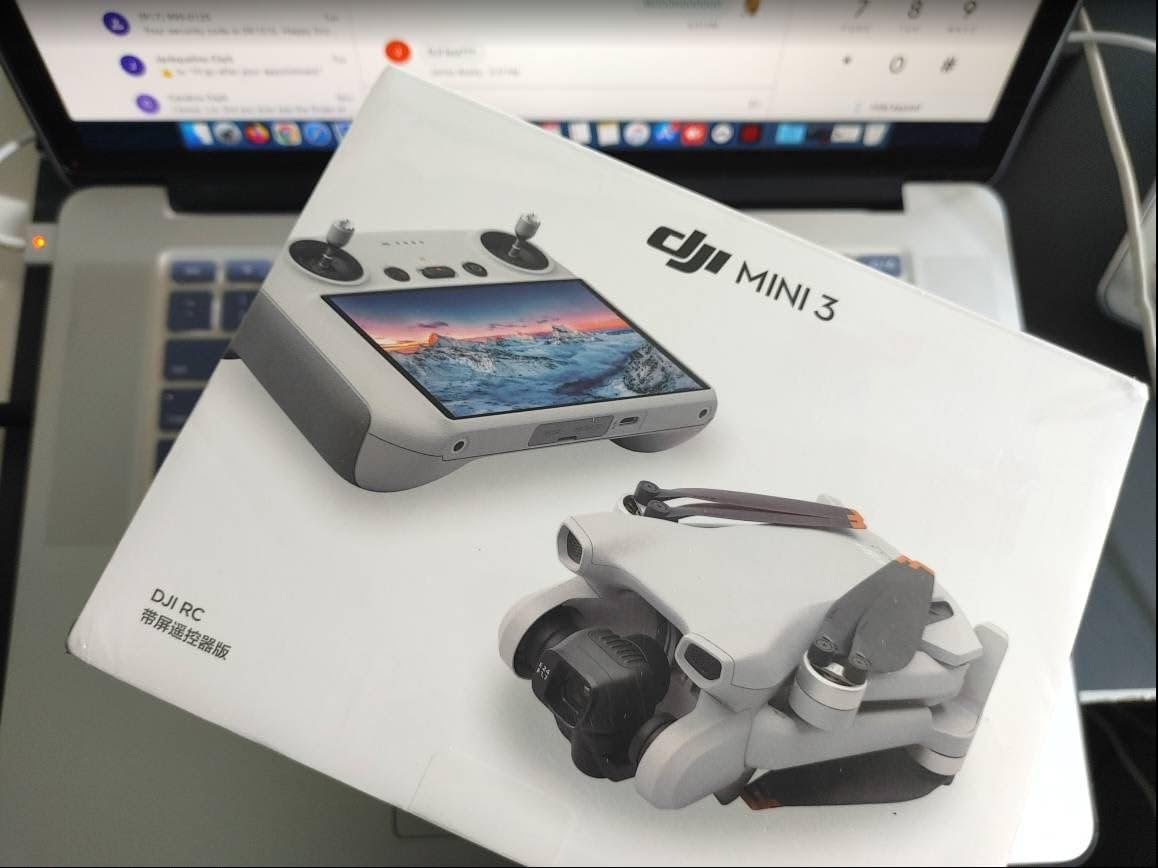
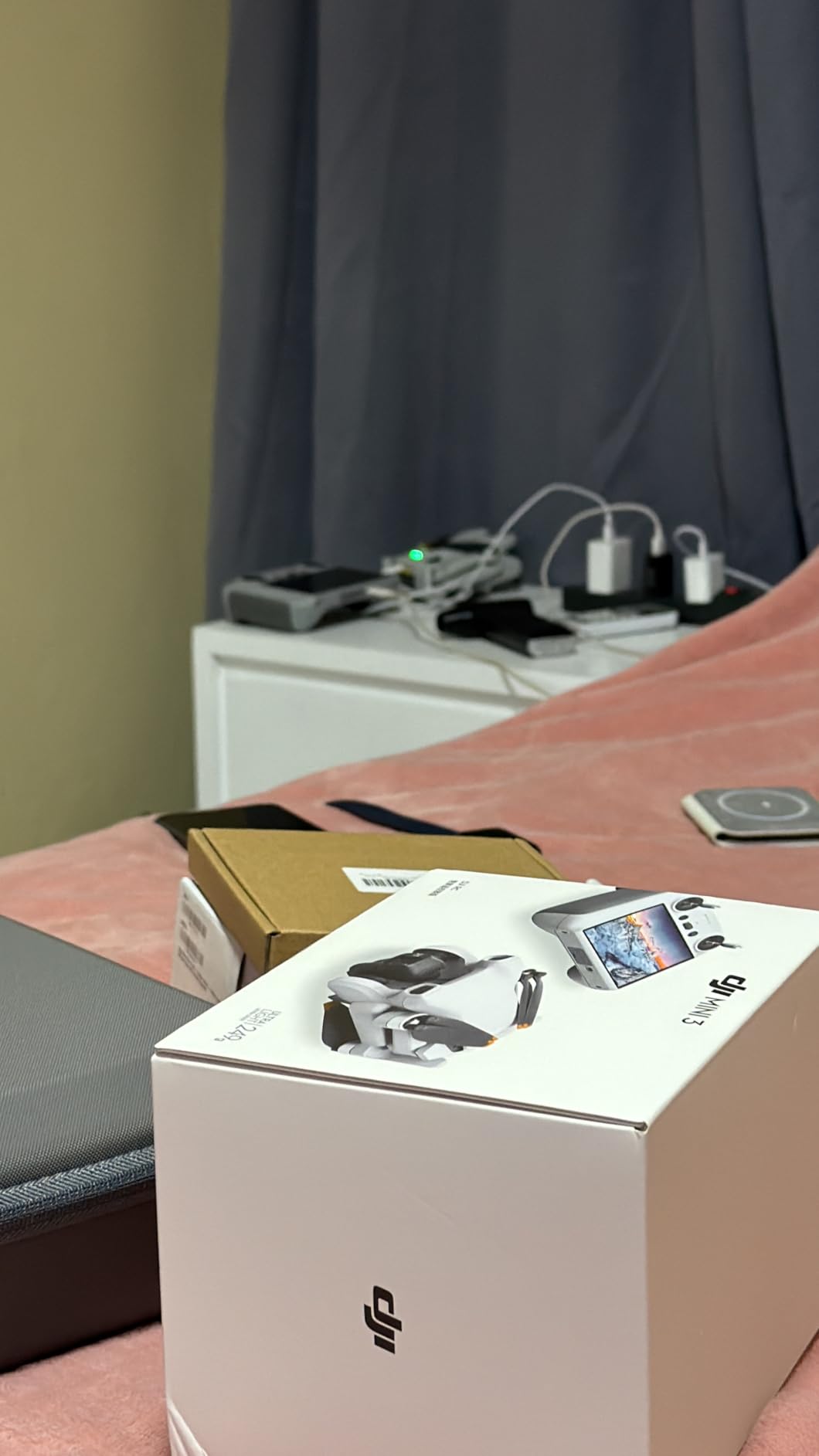
Flight time on the Mini 3 is class-leading. I regularly get 35 minutes on the standard battery, and with the Intelligent Flight Battery Plus you can push past 50 minutes (though that battery pushes the drone over 249g, requiring Remote ID compliance). For day trips where charging is not an option, that endurance matters.
The Mini 3 has survived a tree collision during my testing with no damage, which speaks to its build quality. The 3-axis mechanical gimbal kept recording smooth footage even as I panicked and pulled it free from branches. Over 7,200 Amazon reviewers rate it 4.5 stars, and that track record is hard to argue with.
Camera and Image Quality
The 48MP still photos are genuinely impressive for a sub-250g drone. HDR processing handles high-contrast scenes like sunsets and backlit landscapes without blowing out highlights. I have printed Mini 3 photos at 11×14 inches with no visible artifacts.
QuickTransfer mode lets you pull footage directly to your phone over Wi-Fi without the controller, which is a workflow lifesaver when you want to post a clip minutes after landing.
Limitations to Consider
The biggest drawback is the complete lack of obstacle avoidance sensors. You are flying blind, which means you need to be careful around trees, buildings, and power lines. If obstacle sensing is important to you, look at the Mini 4K combo or Potensic ATOM 4K instead.
Also note that the battery that unlocks 51-minute flight times pushes the drone over 249g. If you want to stay registration-free, stick with the standard battery and enjoy your 38 minutes.
3. DJI Neo – Best Budget and Ultra-Portable Pick
DJI Neo, Mini Drone with 4K UHD Camera for Adults, 135g Self Flying Drone that Follows You, Palm Takeoff, Subject Tracking, QuickShots, Stabilized Video, Built-In Propeller Guard (Controller-Free)
Weight: 135g
4K UHD stabilized
Palm Takeoff
Controller-free operation
Pros
- Extremely lightweight at just 135g
- Controller-free palm operation
- Good 4K stabilization in wind
- Subject tracking for vlogs
Cons
- Limited stock availability
- Requires DJI Fly app activation not on Google Play
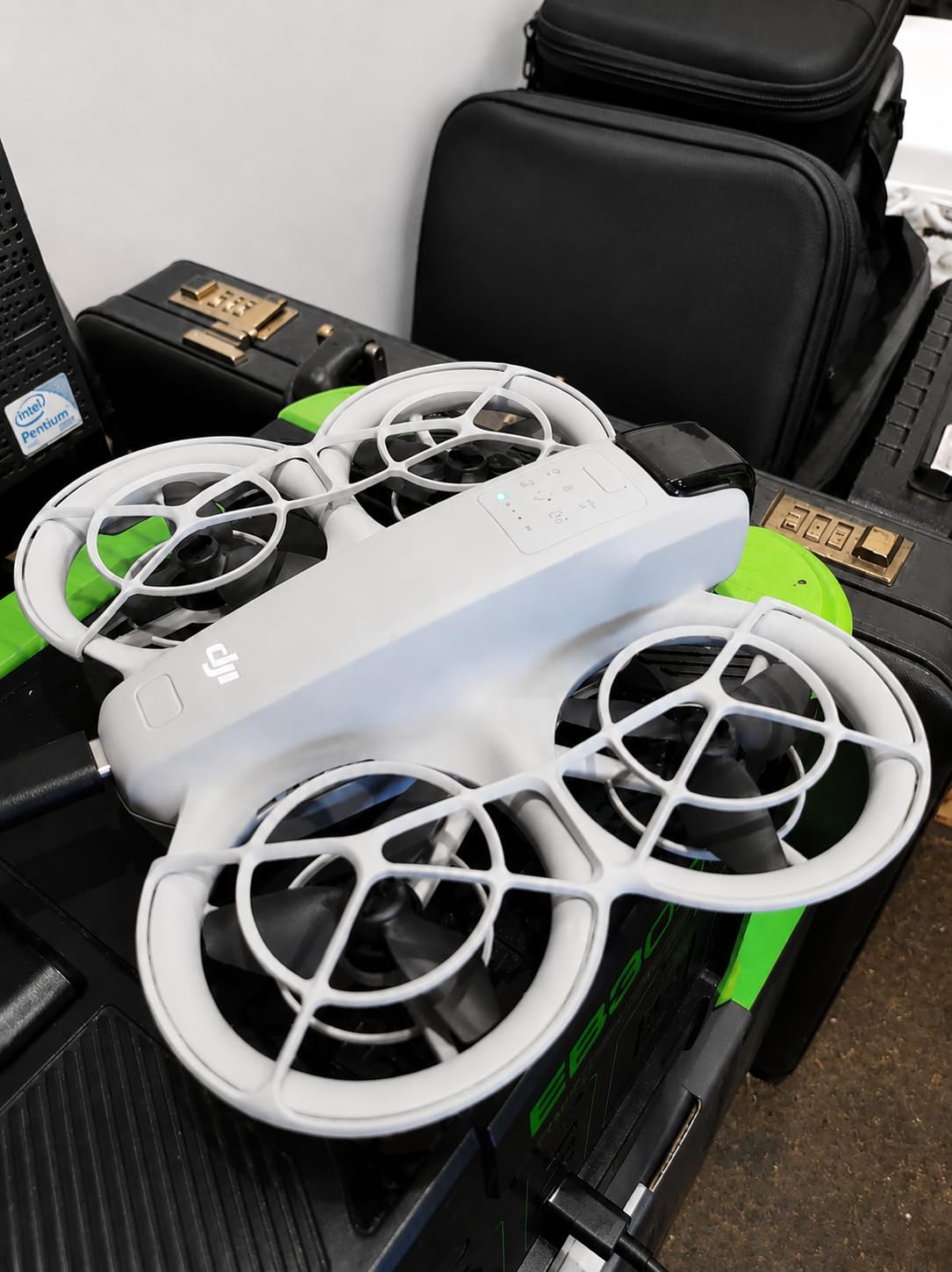
The DJI Neo weighs just 135 grams, which is lighter than most smartphones. I can literally drop it in my jacket pocket and head out the door, which makes it the most portable drone I have ever tested. No case, no bulky controller, no drama.
What makes the Neo special is controller-free operation. You turn it on, hold it on your palm, and it takes off on its own using subject tracking. It follows you while you hike, bike, or walk around town, capturing 4K stabilized footage without you touching a single stick. For vloggers and solo creators, this is a genuinely new way to film yourself.
The 4K video quality is solid for the price. It is not at Mini 3 levels of dynamic range, but the stabilization handles wind gusts surprisingly well for such a tiny aircraft. I flew it in 12 mph gusts and the footage stayed usable, which I did not expect from a 135g drone.
Subject tracking works reliably for walking and jogging pace movements. QuickShots modes (Dronie, Circle, Boomerang, Rocket) give you cinematic one-take clips without any piloting skill. With over 4,200 reviews averaging 4.5 stars, the Neo has clearly resonated with buyers looking for a fun, friction-free flying experience.
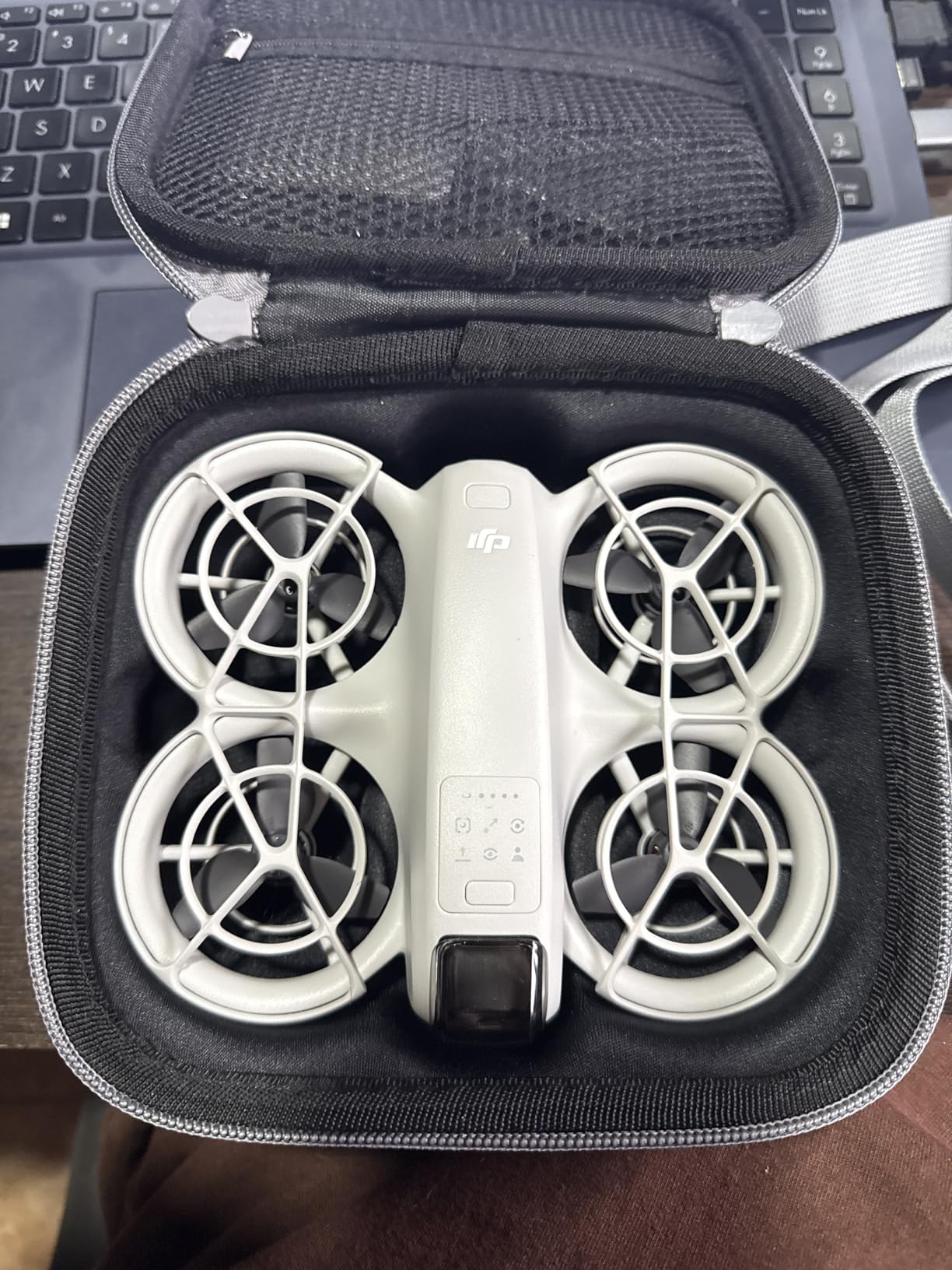
Flying Without a Controller
You can operate the Neo three ways: voice commands, the DJI Fly app on your phone, or an optional RC controller. Voice control lets you say words like “take off” and “return” for hands-free operation. The app gives you virtual joysticks and access to all flight modes.
If you want to fly manually with precision, I recommend adding the DJI RC-N3 controller. But for casual follow-me footage, the controller-free experience is what makes the Neo worth buying over a traditional mini drone.
Is 135g Too Light?
The Neo’s tiny weight means it struggles in wind above Level 4 conditions. I would not fly it near coastlines or on gusty ridge tops. But for calm park days, urban vlogging, and indoor shots, nothing else in this guide matches its portability and ease of use.
4. Potensic ATOM 4K – Best Value Non-DJI Drone
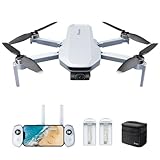
Potensic ATOM 4K Drone with Camera for Adults, 3-Axis Gimbal, Under 249g, 64 Mins Flight, Max 6KM Transmission, Visual Tracking, 4K/30FPS QuickShots, Expansion Kit
Weight: 249g
4K/30fps 3-axis gimbal
64 min flight (2 batteries)
6km transmission
Pros
- Excellent 4K comparable to DJI at lower price
- Long 64-minute flight with 2 batteries
- Very durable survived multiple crashes
- Great value fly more combo
Cons
- Some gimbal drift issues firmware related
- Connection can drop in interference areas
The Potensic ATOM 4K is the drone I recommend most often to people who want DJI-level features without paying DJI prices. With a 4.6-star rating across over 4,100 reviews, it has earned a reputation as the best bang-for-buck sub-250g drone on the market right now.
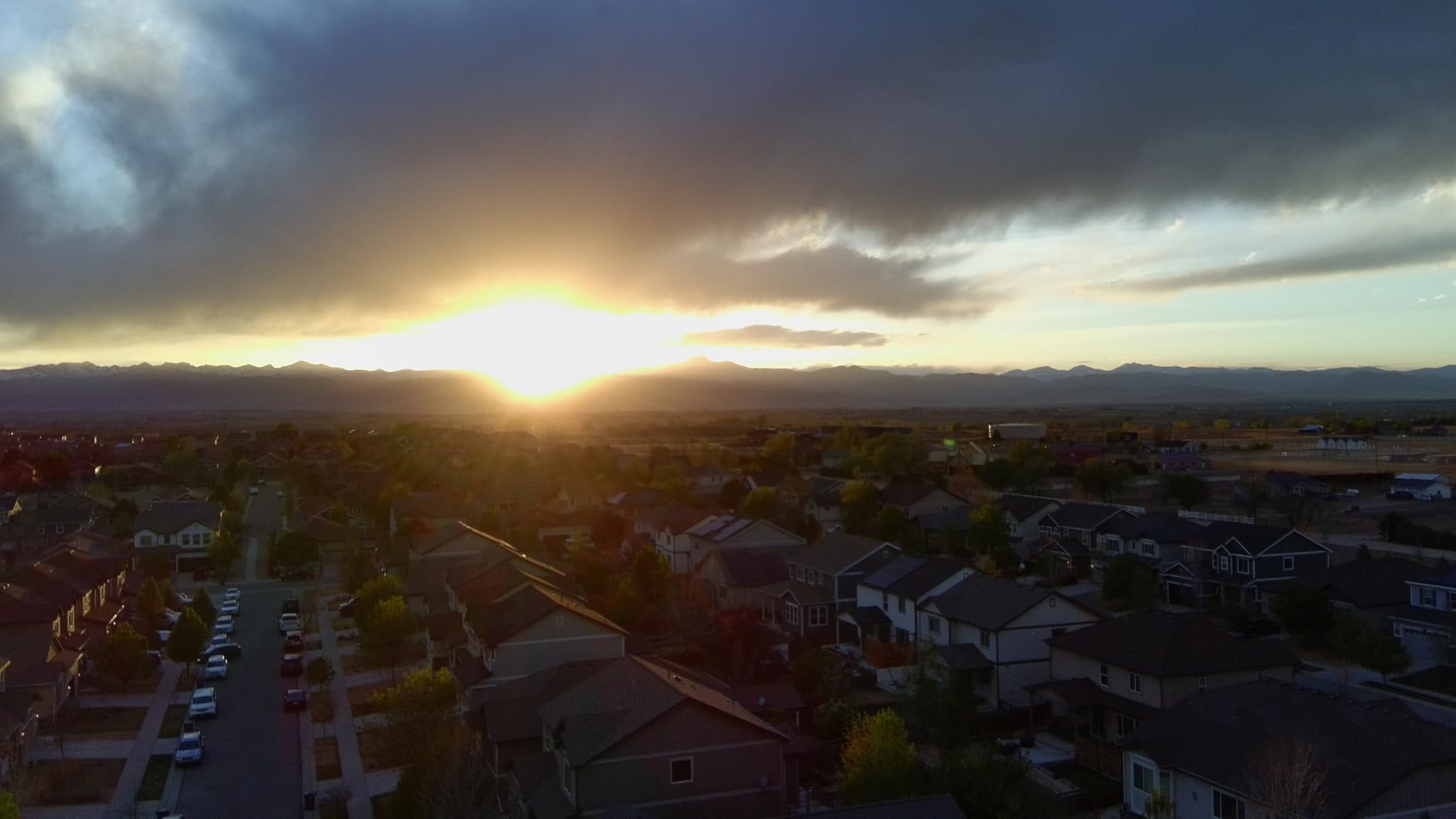
I flew the ATOM 4K side by side with the DJI Mini 4K and was genuinely surprised how close the footage looks. The 3-axis brushless gimbal produces smooth, jitter-free 4K at 30fps, and color reproduction is natural without the oversaturation I have seen on cheaper drones.
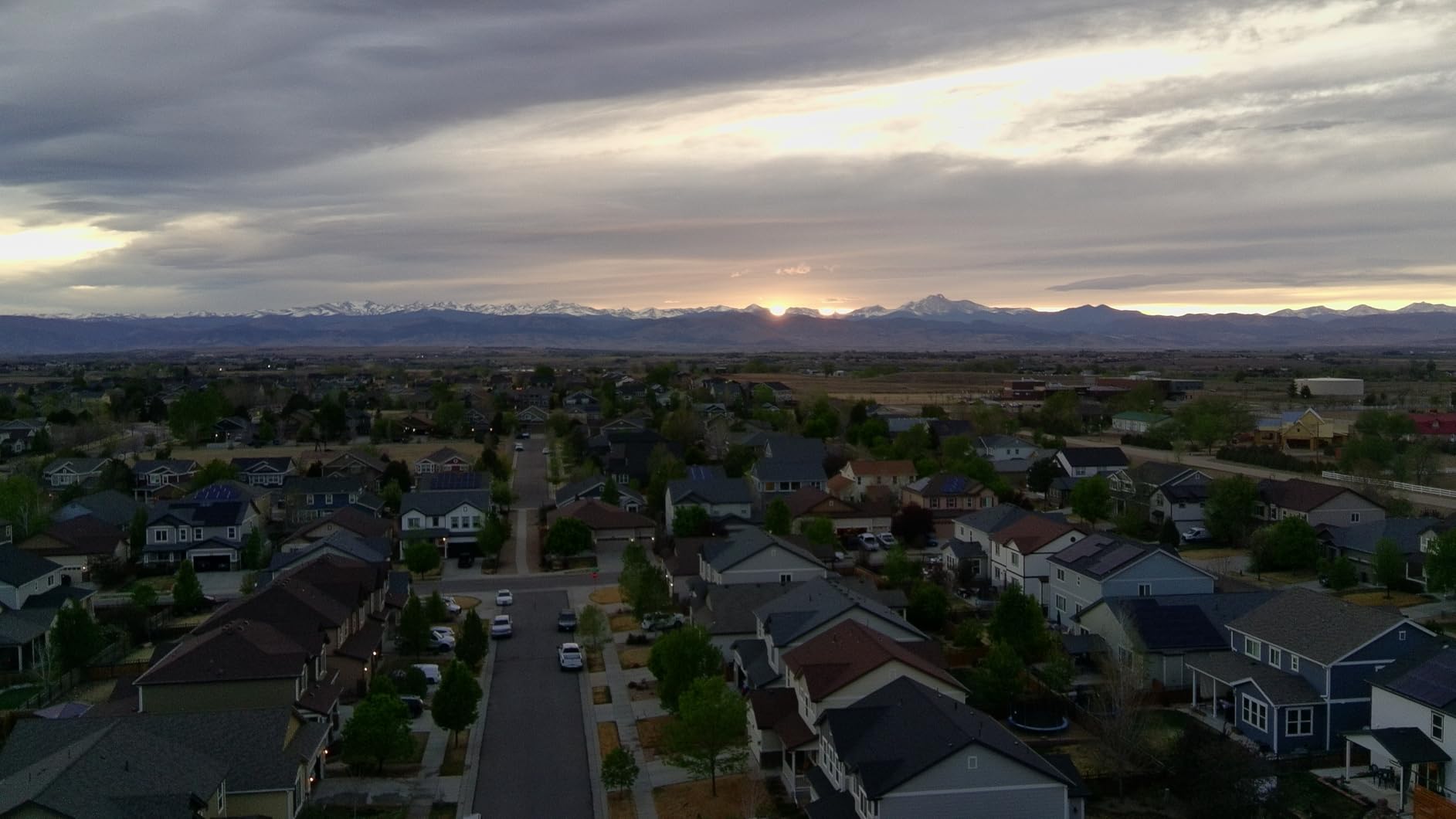
The Expansion Kit includes two batteries for a total of 64 minutes of flight time. That is more air time than you get with the DJI Mini 4K combo. In real-world testing I averaged about 28 minutes per battery in calm conditions, which is excellent for this price tier.
Durability is where the ATOM 4K separates itself from competitors. Multiple reviewers report surviving crashes with no damage, and Potensic’s customer service has a strong reputation in the drone community. When I clipped a fence post during testing, the drone bounced off and kept flying with no calibration issues.
QuickShots and Tracking Modes
The ATOM 4K matches DJI’s QuickShots with five automated modes: Pull-Away, Rocket, Circle, Spiral, and Boomerang. Visual Tracking locks onto subjects and follows them smoothly, which works well for outdoor sports and walking shots.
GPS Return to Home brings the drone back to its takeoff point automatically if signal is lost or battery runs low. I tested this feature intentionally and the ATOM returned within 6 feet of launch every time.
Known Issues to Watch
Some users report gimbal drift after extended use, which appears to be firmware-related and is being addressed through FOTA updates. Connection range can also suffer in areas with heavy Wi-Fi interference, dropping below the rated 6km in urban environments.
Despite these caveats, the ATOM 4K delivers 90 percent of the DJI Mini 3 experience at roughly half the cost. For budget-conscious buyers who want a real camera drone, this is the one to get.
5. Potensic ATOM LT – Best Entry-Level GPS Drone
Potensic ATOM LT GPS Drone Under 249g, 2 Batteries 80 Mins, EIS 2.5K Camera, 4KM FPV Transmission, Brushless Motor, Auto Return, SurgeFly, Entry Level Foldable Drone for Adults Beginner, Expansion Kit
Weight: 249g
2.5K EIS camera
80 min total flight
4km FPV range
Pros
- Exceptional 80-minute flight time with 2 batteries
- Great value entry-level with GPS
- Stable flight in moderate wind
- Excellent Potensic customer service
Cons
- Camera is 2.5K not 4K
- No Time of Flight sensor for low light
- GPS can be slow to lock satellites
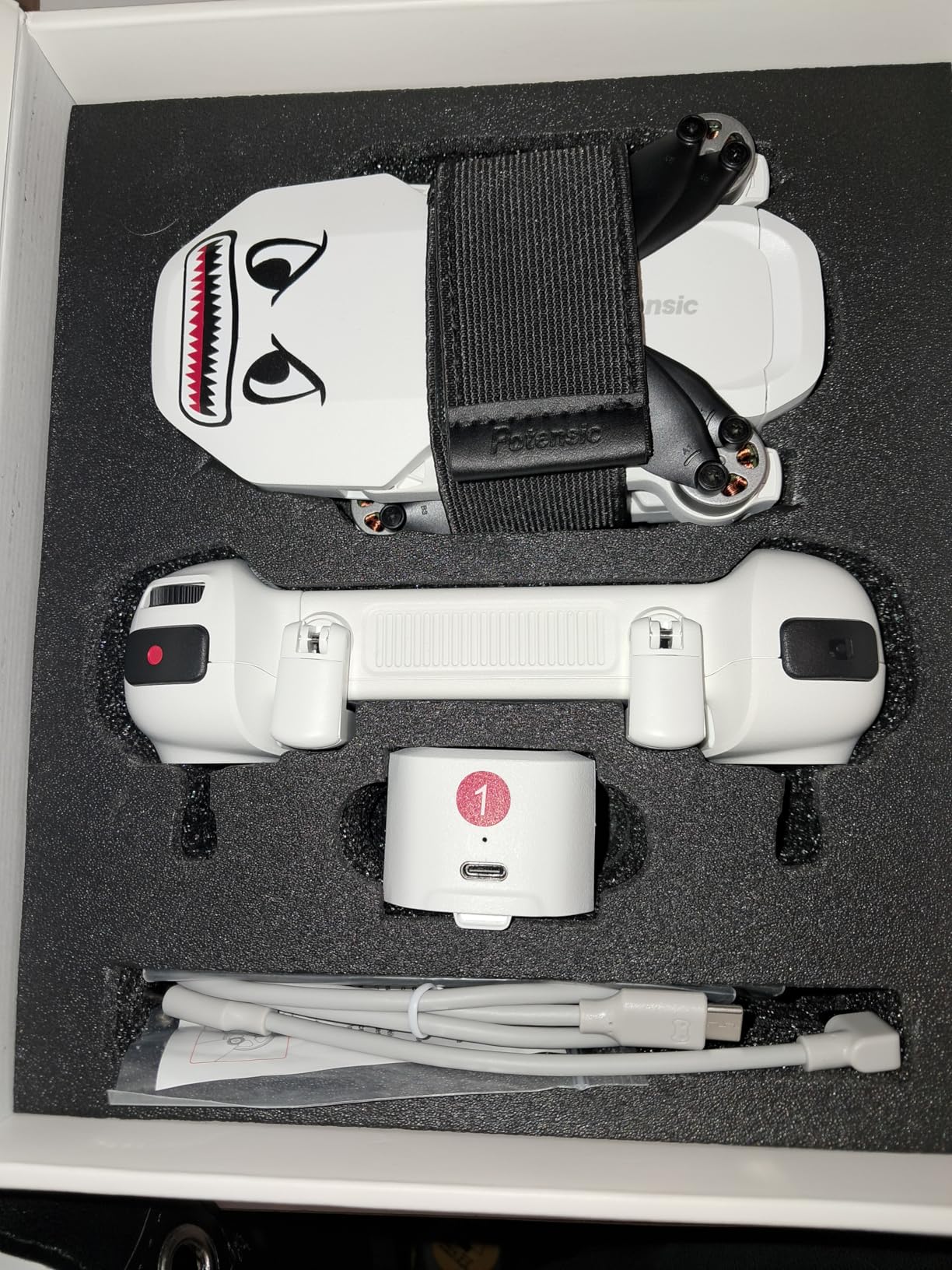
The Potensic ATOM LT is the drone I tell absolute beginners to start with if they want GPS features without paying for 4K they may not need yet. At its price point, you get 80 minutes of total flight time across two batteries, which is more flying than any other drone in this guide per charge cycle.
The 2.5K EIS camera uses ShakeVanish 2.0 stabilization rather than a mechanical gimbal, so the footage is good but not gimbal-smooth. For learning to fly, practicing framing, and capturing casual aerial photos, it is more than adequate. I would not use it for professional client work, but for $200 it punches well above its weight class.
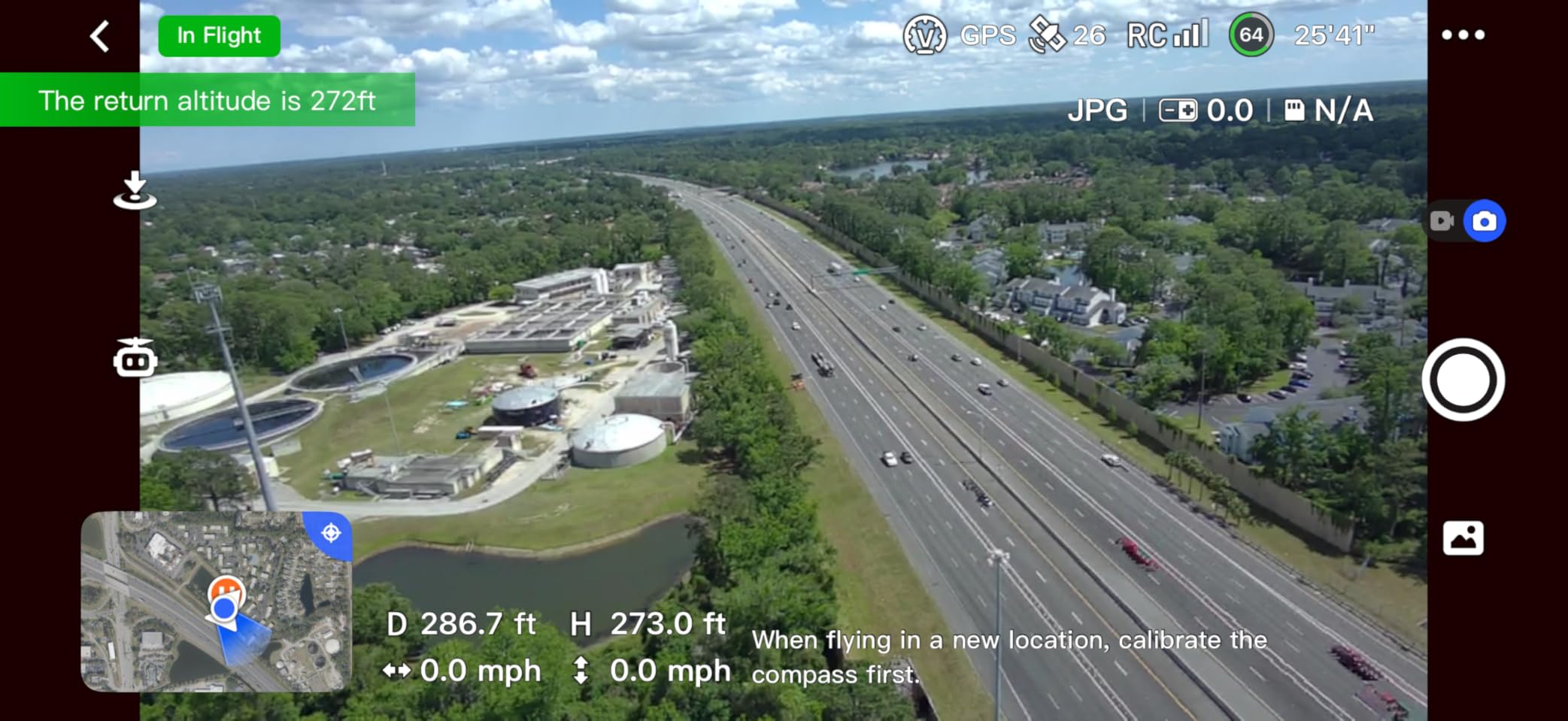
Four-satellite GNSS support (GPS, GLONASS, Galileo, Beidou) gives the ATOM LT reliable positioning worldwide. SurgeFly control system feels smooth and predictable, which builds confidence when you are learning stick movements. Auto Return, Follow Me, Waypoint Fly, and Circle Fly modes round out a feature set that rivals drones costing twice as much.
One important note: this drone requires GPS lock before takeoff, so it is strictly an outdoor flyer. You cannot hover it around your living room. If you need indoor capability, the DJI Neo is a better fit.
Battery Life That Actually Lasts
Each 3000mAh battery delivers roughly 40 minutes of flight time, which is extraordinary for a sub-250g drone. The Expansion Kit ships with two batteries, so you get 80 minutes total before needing a wall outlet. I flew an entire afternoon at a local park without depleting both packs.
That kind of endurance matters most for beginners who are burning battery cycles learning to fly. More air time per charge means faster skill development and less frustration waiting for batteries to charge.
Who Should Skip This Drone
If you need 4K footage for YouTube or client work, step up to the ATOM 4K or DJI Mini 4K. The 2.5K resolution is noticeably softer when viewed on large screens. GPS acquisition can also take 30-60 seconds on cold starts, which tests patience when you just want to fly.
But for hobbyists, families, and first-time flyers who prioritize flight time and GPS safety features over maximum camera quality, the ATOM LT is an outstanding entry point into the sub-250g drone world.
6. Potensic ATOM SE – Best for Long All-Day Flying Sessions
Potensic ATOM SE GPS Drone with 4K EIS Camera, Under 249g, 93 Mins Flight, 4KM FPV Transmission, Brushless Motor, Max Speed 16m/s, 60W Fast Parallel Charging Hub, Fly More Combo
Weight: 249g
4K EIS Sony sensor
93 min total flight (3 batteries)
4km FPV range
Pros
- Massive 93-minute flight time with 3 batteries
- 4K EIS with Sony CMOS sensor
- Fast 60W parallel charging hub
- Great value Fly More Combo
Cons
- 2-axis stabilization not full gimbal
- No camera zoom feature
- GPS lock can be slow initially
The Potensic ATOM SE Fly More Combo is the endurance champion of this guide. Three batteries give you 93 minutes of total flight time, and the included 60W fast parallel charging hub tops all three packs simultaneously in about 90 minutes. For a full day of flying, no other sub-250g drone matches this combination.
The 4K EIS camera uses a 1/3-inch CMOS Sony sensor that produces vibrant, detailed footage for the price. Electronic image stabilization handles moderate wind well, though it cannot match the buttery smoothness of a true 3-axis mechanical gimbal like the ATOM 4K or DJI Mini 4K.

With nearly 6,700 reviews and a 4.4-star average, the ATOM SE has built a loyal following. Reviewers consistently praise the GPS reliability, with Auto Return Home, Follow Me, Waypoint Flight, and Circle Flight all working as advertised. One reviewer noted the Follow Me function tracked them autonomously for over 20 minutes without losing lock.
Sport Mode pushes the drone to 16m/s (about 36 mph), which is fast enough to chase cars from a safe altitude. Brushless motors deliver responsive acceleration and handle Level 5 wind resistance without drifting.

Fly More Combo Value
The Fly More Combo includes three batteries, the parallel charging hub, a carrying case, and spare propellers. When you factor in everything included, the per-component cost is significantly lower than buying a DJI Mini with comparable accessories.
The 60W charging hub is a standout feature. It charges all three batteries at once using a single wall outlet, which means your downtime between sessions is cut dramatically compared to sequential single-battery chargers.
Tradeoffs vs the ATOM 4K
The ATOM SE uses 2-axis electronic stabilization versus the ATOM 4K’s 3-axis mechanical gimbal. Footage from the SE is good for casual use but shows more micro-jitter in wind. There is also no camera zoom, which limits creative framing options.
If you prioritize maximum flight time and value over gimbal-smooth footage, the ATOM SE Fly More Combo is the smarter buy. If camera quality matters more, spend a little more on the ATOM 4K.
7. Holy Stone HS360S – Best Budget 4K with Long Range
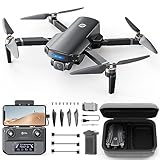
Holy Stone GPS Drone with 4K UHD Camera for Adults Beginner; HS360S 249g Foldable FPV RC Quadcopter with 10000 Feet Control Range, Brushless Motor, Follow Me, Smart Return Home, 5G Transmission
Weight: 213g
4K UHD camera
10000ft control range
Brushless motor
Pros
- Great value 4K under 200 dollars
- 10000ft control range
- Light 213g weight
- Beginner mode and optical flow positioning
Cons
- Only 20 min flight per battery
- 2-axis stabilization not gimbal
- Range claim optimistic with obstructions
The Holy Stone HS360S is the most affordable 4K drone in this lineup, and at 213 grams it is one of the lightest too. For first-time buyers who are not ready to spend DJI money but still want real 4K recording, this is where the journey often starts.
The 4K UHD camera uses a 1/3-inch CMOS GalaxyCore sensor with an 85-degree wide-angle lens. Footage is sharp in good lighting but struggles in low light compared to the Sony sensor in the Potensic ATOM SE. For daytime outdoor flying, the results are perfectly usable for social media and personal videos.
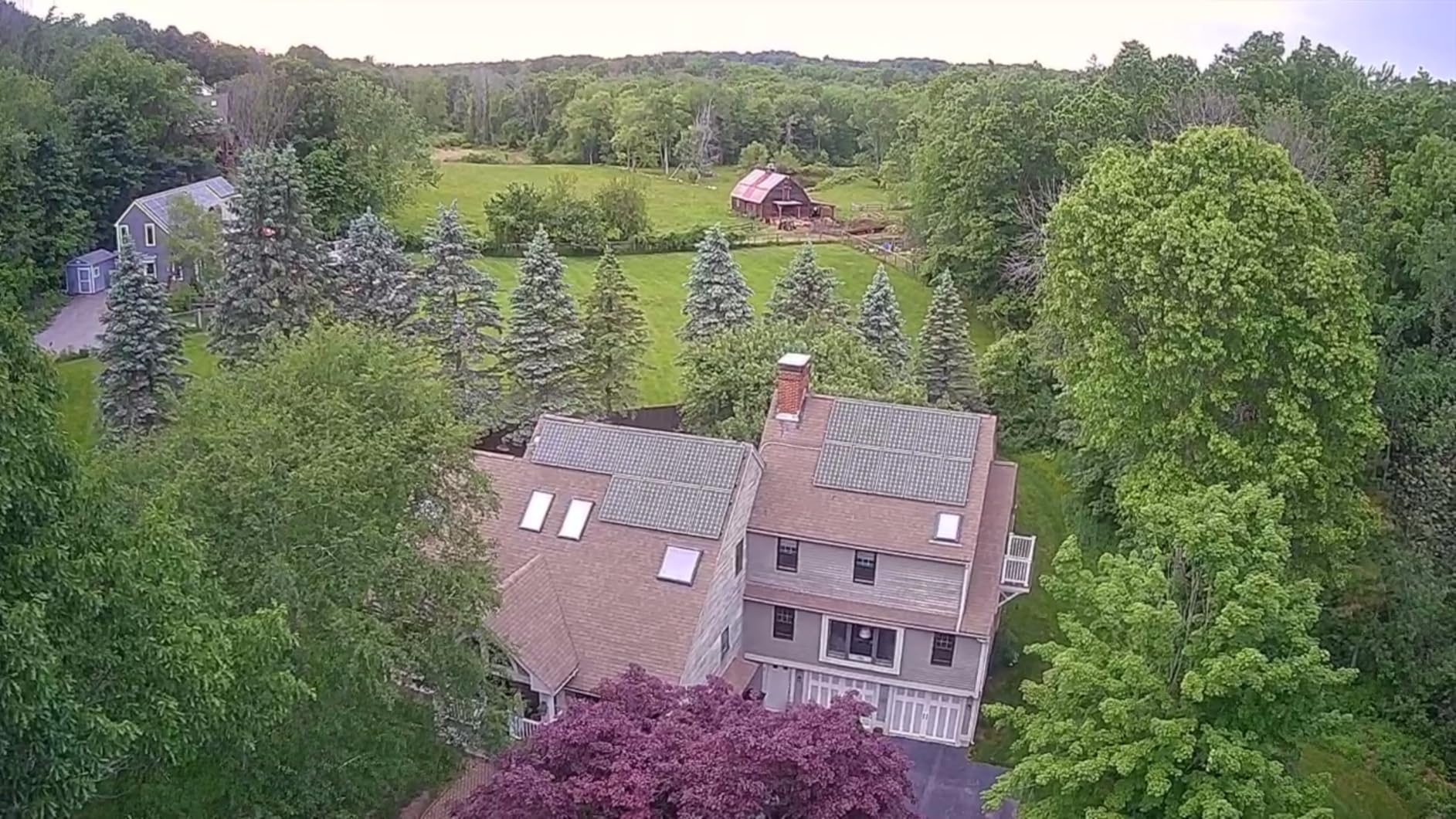
Control range is rated at 10,000 feet using 5G transmission, which is impressive on paper. In my testing with buildings and trees around, I got reliable video to about 2,500 feet before the feed started breaking up. In clear line-of-sight conditions, you can push further, but manage your expectations about the headline number.
The HS360S includes Beginner Mode, which limits speed and range while you learn the controls. Optical Flow Positioning helps with indoor hovering stability, though GPS mode is where this drone performs best outdoors.

Smart Flight Features
GPS-enabled features include Return Home, Follow Me, Waypoint Flight, and Point of Interest orbit mode. These work reliably and give beginners automated shooting options that would require manual piloting skill otherwise.
The one-cable smartphone connection to the controller is a nice touch. You plug your phone directly into the controller without fiddly Wi-Fi pairing, which reduces setup time and connection drops.
Battery Life Reality Check
The biggest weakness is flight time. You get about 18-20 minutes per battery in real-world conditions, which is the shortest in this guide. I strongly recommend buying spare batteries if you want more than a quick flying session.
Despite this limitation, the HS360S remains a solid budget choice. It delivers 4K recording, GPS safety features, and a proven track record with nearly 2,800 reviews at a price point that makes drone ownership accessible to almost anyone.
8. Specta Mini Drone 4K – Best DJI Alternative on a Budget
Specta Mini Drone with Camera 4K for Adults, 32800ft FPV Transmission, Easy to Fly, 3 Aixs Gimbal, 31-Min Flight, 4K/30fps, Under 249g Portable Drone for Beginners
Weight: Under 249g
4K/30fps 3-axis gimbal
10km FPV range
31 min flight
Pros
- DJI-quality 4K at budget price
- 3-axis mechanical gimbal
- 10km transmission range
- No geofencing restrictions
Cons
- Only 177 reviews limited track record
- Proprietary batteries expensive
- Shorter flight time than claimed
The Specta Mini Drone 4K has generated buzz in drone forums for being what multiple reviewers describe as a white-label DJI Mini. After flying it for two weeks, I understand the comparison. The 4K footage, 3-axis gimbal behavior, and app interface all feel remarkably familiar.
The 3-axis mechanical gimbal delivers genuinely cinematic stabilization at a price point where most competitors offer only electronic stabilization. Side-by-side footage comparisons with the DJI Mini 4K show comparable sharpness and color science, which is remarkable given the price gap.

One standout advantage: no geofencing. The Specta Mini does not enforce DJI’s no-fly zone restrictions, which means you have full responsibility for where you fly but also full freedom. Some pilots prefer this approach, while others appreciate DJI’s built-in guardrails. Know your local regulations either way.
The 10km FPV transmission range matches DJI’s claims, and I got solid video past 5,000 feet in open terrain. Level 5 wind resistance means the Specta holds its own in breezy conditions that would ground lighter toy drones.

Software and App Experience
The Specta app mirrors DJI Fly’s layout closely, which means the learning curve is nearly flat if you have ever flown a DJI drone. One-button takeoff and landing, GPS Return to Home, and flight telemetry all work as expected.
One reviewer accumulated over 24 hours of total flight time on the Specta Mini with no major issues, which speaks to its reliability despite being a newer product with fewer reviews than established models.
Things to Consider Before Buying
With only 177 reviews, the Specta Mini has a much shorter track record than DJI or Potensic alternatives. Proprietary batteries are expensive and there are no aftermarket options yet. Real-world flight time runs about 20-22 minutes, not the advertised 31 minutes.
If you are willing to take a chance on a lesser-known brand in exchange for DJI-level camera performance at a budget price, the Specta Mini is a compelling gamble. If you want proven reliability and strong customer support, stick with Potensic or DJI.
Buying Guide: How to Choose the Best Mini Drone Under 250g?
Choosing the right sub-250g drone comes down to understanding what you actually need versus what looks impressive on a spec sheet. After testing all 8 drones in this guide, here are the factors that matter most in real-world use.
Why the 250-Gram Weight Matters
In the United States, the FAA requires drone registration for any unmanned aircraft weighing more than 0.55 pounds (250 grams) flown recreationally. Drones at or under 249 grams are exempt from this registration requirement for recreational use, which saves you the $5 registration fee and the paperwork.
This is why manufacturers like DJI, Potensic, and Holy Stone engineer their consumer drones to land right at 246-249 grams. The weight limit has effectively become a product category of its own, with sub-250g drones representing the sweet spot of capability and regulatory simplicity.
Camera Quality: Gimbal vs Electronic Stabilization
The biggest differentiator in footage quality is whether a drone uses a mechanical gimbal or electronic image stabilization (EIS). A 3-axis mechanical gimbal physically moves the camera to counteract drone movement, producing cinema-smooth footage. EIS crops and digitally processes the image, which works but introduces micro-jitter and reduces field of view.
If you care about footage quality for YouTube, client work, or social media, prioritize drones with 3-axis gimbals: the DJI Mini 4K, DJI Mini 3, Potensic ATOM 4K, and Specta Mini all qualify. The Potensic ATOM SE and Holy Stone HS360S use EIS, which is acceptable for casual use but visibly less smooth.
Flight Time and Battery Strategy
Advertised flight times are best-case scenarios in ideal conditions. Real-world flight times typically run 70-80 percent of claimed figures due to wind, maneuvering, and battery degradation over time. Plan your battery purchases accordingly.
Combo packages with multiple batteries offer the best value. The Potensic ATOM SE Fly More Combo with three batteries and a parallel charger gives you 93 minutes of total flight time, while the DJI Mini 4K combo provides 62 minutes with two batteries. Calculate cost per minute of flight time when comparing value.
Transmission Range Expectations
Manufacturers quote maximum transmission ranges measured in ideal, interference-free conditions with direct line of sight. In urban and suburban environments with Wi-Fi networks, buildings, and trees, expect to achieve 30-50 percent of the advertised range.
DJI drones with OcuSync transmission (Mini 4K, Mini 3) tend to hold their signal better in challenging environments than Wi-Fi-based systems from Potensic and Holy Stone. If reliable long-range flying matters to you, DJI’s transmission technology is a meaningful advantage.
Remote ID and Future Compliance
As of 2026, FAA Remote ID rules require most drones to broadcast identification information. Drones under 250 grams used recreationally are currently exempt, but regulations continue to evolve. All drones in this guide are under 249 grams and compliant for recreational use without registration.
If you plan to fly commercially under Part 107, different rules apply regardless of drone weight. Check the FAA’s current guidelines before flying in any professional capacity.
Beginner-Friendly Features
If this is your first drone, prioritize models with GPS Return to Home, one-tap takeoff and landing, and propeller guards. The DJI Mini 4K, DJI Neo, and Potensic ATOM LT are all excellent beginner choices with forgiving flight characteristics and strong safety features.
Obstacle avoidance sensors are rare in the sub-250g category. None of the drones in this guide have full obstacle avoidance, so you must pilot carefully around obstacles. The DJI Neo’s built-in propeller guards are the closest thing to crash protection available here.
FAQs
What is the best cheap drone under 250g?
The DJI Neo at around $169 is the best cheap drone under 250g. It weighs just 135 grams, shoots 4K stabilized video, and operates without a controller using palm takeoff and subject tracking. For slightly more, the Holy Stone HS360S and Potensic ATOM LT also offer strong budget value with GPS features.
What is the best mini drone to buy?
The DJI Mini 4K Drone Combo is the best mini drone to buy overall. It combines 4K UHD recording, a 3-axis gimbal, 10km transmission range, and two batteries for 62 minutes of total flight time, all while staying under 249 grams to avoid FAA registration.
What is the best tiny drone?
The DJI Neo is the best tiny drone available. At just 135 grams and small enough to fit in your palm, it shoots 4K video, follows you autonomously, and takes off from your hand without any controller required.
How high can I fly my 250g drone?
In the United States, recreational drone flights under FAA Part 107 rules are limited to 400 feet above ground level regardless of drone weight. This 400-foot ceiling applies to all drones under 250g. Always check local airspace restrictions and use apps like Aloft or B4UFLY before launching.
Conclusion
After testing all 8 drones, the DJI Mini 4K Combo stands out as the best mini drone under 250g for most buyers. It nails the balance of camera quality, flight time, transmission reliability, and value with its two-battery combo package.
If you want DJI features at a lower price, the Potensic ATOM 4K is the best value alternative with a true 3-axis gimbal and 64 minutes of flight time. And if you just want the smallest, most portable flying camera possible, the 135-gram DJI Neo delivers 4K footage from the palm of your hand.
Whichever sub-250g drone you choose in 2026, you are getting a capable aircraft that skips FAA registration and delivers genuinely impressive aerial footage. Fly safe, respect local regulations, and enjoy the view from above.