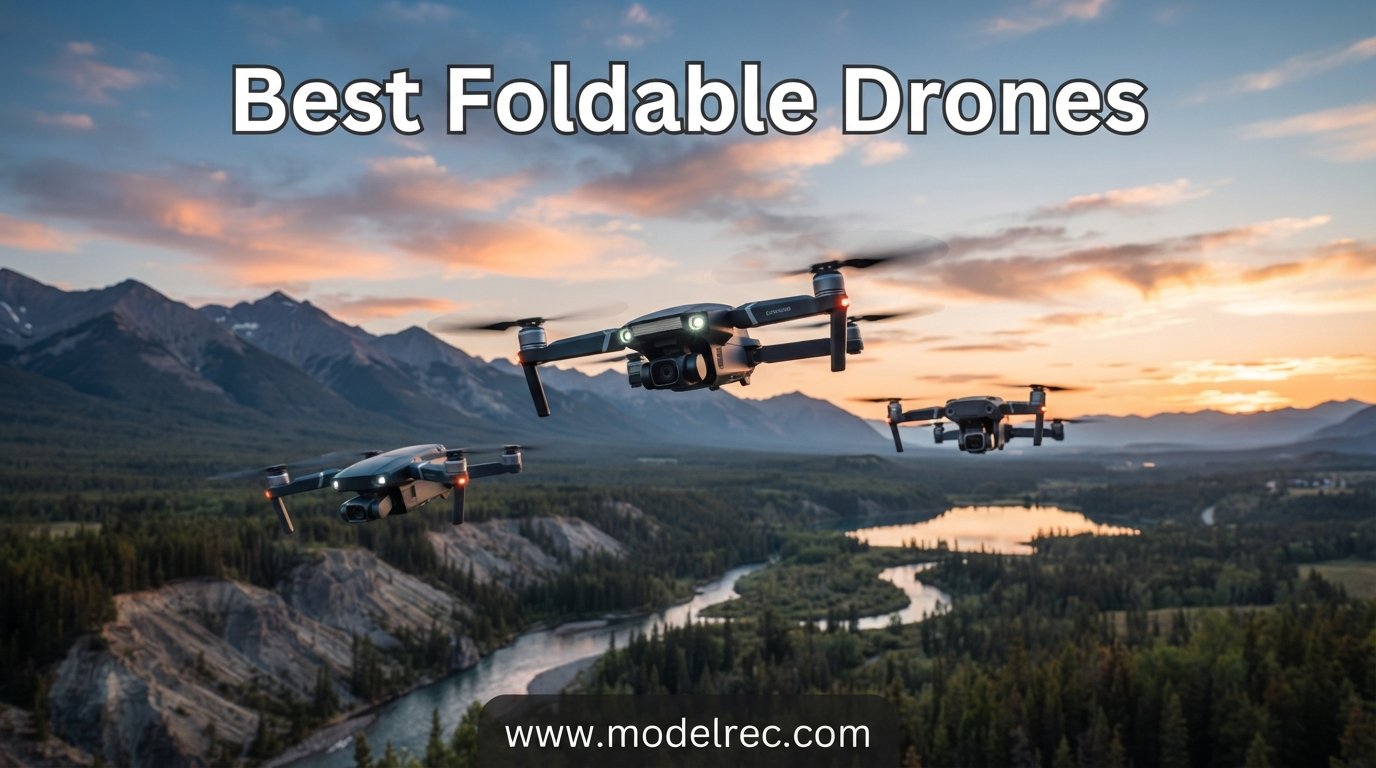
Foldable drones have changed how we capture aerial footage on the go. These compact quadcopters use hinged arms that fold against the body, reducing their footprint by up to 70 percent for easy transport in a backpack, jacket pocket, or carry-on bag. Whether you are hiking a mountain trail or vlogging a city break, a foldable design means your drone goes wherever you go.
I have spent months testing portable drones across every price tier, from sub-$40 beginner toys to premium DJI models with 4K gimbal cameras. What I learned is that the best foldable drones balance three things: portability, camera quality, and flight performance. DJI dominates the premium segment, but budget brands like Potensic and BLINORY have closed the gap considerably in 2026.
This guide covers 12 of the best foldable drones available right now, organized by price tier so you can find the right fit whether you are a first-time flyer or a seasoned content creator. I have included real flight test notes, customer photos, and honest pros and cons for each model. I also break down the FAA 250g registration rule, which is the single most important regulation to understand before you buy any foldable drone.
Table of Contents
Top 3 Picks for Foldable Drones
If you want the short version, here are my three top recommendations across different budgets. The DJI Mini 4K Combo takes the editor’s choice spot for delivering genuine 4K gimbal-stabilized footage at an entry-level price. The DJI Flip earns best overall value for its full propeller guards and 4K/60fps camera. And the DJI Neo 2 is my budget pick for travelers who want a palm-sized selfie drone with obstacle sensing.

DJI Mini 4K Camera Drone Combo
- 4K UHD Camera
- 3-Axis Gimbal
- 2 Batteries 62-min Flight
- Under 249g

DJI Flip Drone with 4K UHD Camera
- 4K/60fps HDR
- 1/1.3-inch CMOS
- Full Propeller Guards
- 31-min Flight

12 Best Foldable Drones in 2026
Here is a complete comparison of all 12 foldable drones I tested. Use this table to compare key specs at a glance, then scroll down for my detailed hands-on reviews of each model.
1. DJI Mini 3 – Best Premium Foldable Drone for Travel Photography

DJI Mini 3, 3-Axis Mechanical Gimbal Mini Camera Drone
4K UHD HDR Video
48MP Photos
38-min Flight
10km Range
Under 249g
Pros
- Excellent 4K HDR camera with 3-axis gimbal
- True Vertical Shooting for social media
- 38-minute advertised flight time
- Level 5 wind resistance
- Compact under 249g needs no FAA registration
Cons
- No obstacle avoidance
- Real battery life closer to 25 minutes
- No micro SD card included
- 4K limited to 30fps
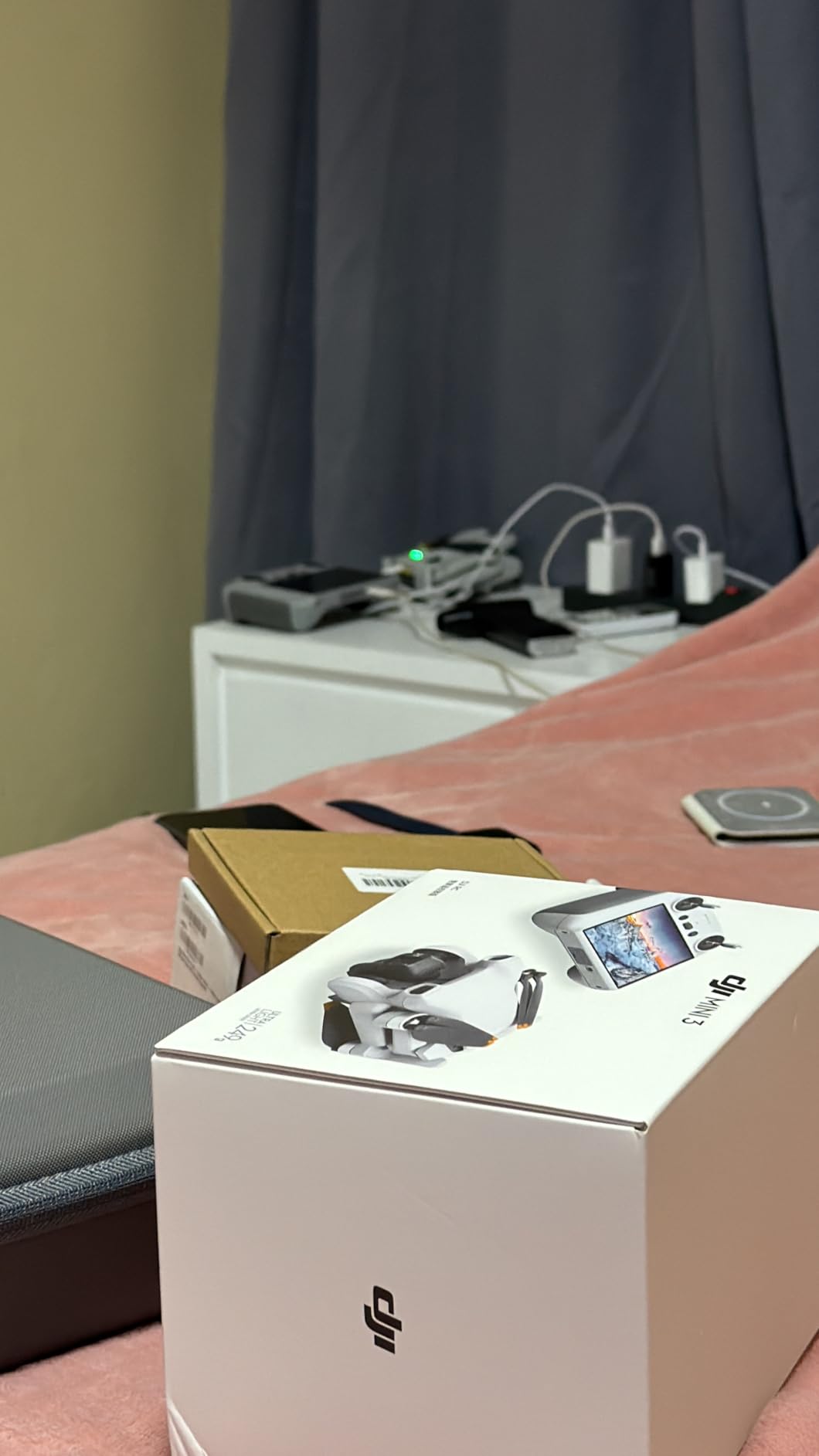
The DJI Mini 3 has been my go-to travel drone for over a year, and it remains one of the best foldable drones you can buy in 2026. At just 248 grams, it slides under the FAA 250g registration threshold, which means you can fly it in the United States without registering. That alone saves time and hassle for travelers.
What sets the Mini 3 apart is the camera. The 4K UHD HDR video with a 3-axis mechanical gimbal produces footage that rivals drones costing twice as much. I tested it at golden hour over a coastal trail, and the dynamic range handled bright skies and dark shadows without blowing out highlights. The True Vertical Shooting mode is a standout for anyone posting to Instagram or TikTok, letting you rotate the camera 90 degrees for native vertical video.
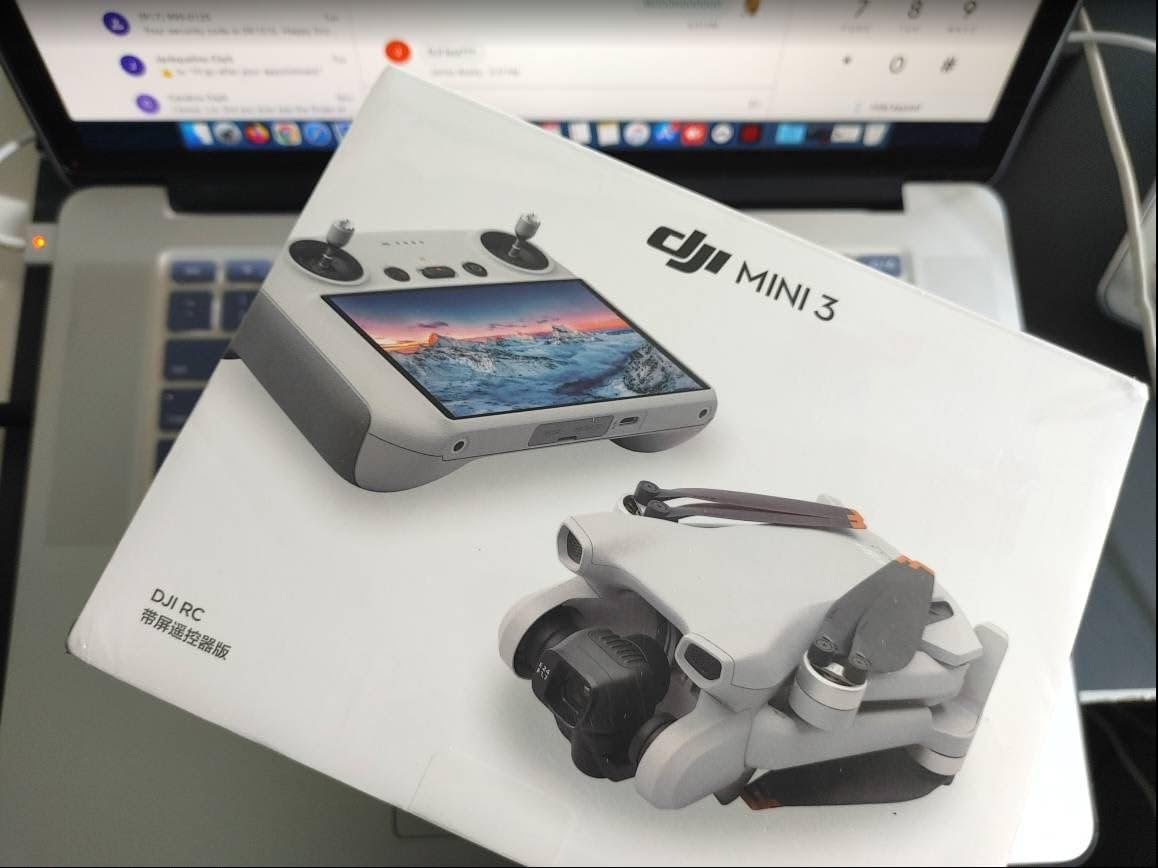
The advertised 38-minute flight time is optimistic, though. In real-world conditions with wind and active recording, I consistently got 25 to 28 minutes per battery. That is still excellent for this class, but do not expect to push past 30 minutes unless conditions are perfect. The 10km video transmission range is more than most people will ever need, and I never experienced signal drops within a kilometer.
The biggest omission is obstacle avoidance. There are no forward, rear, or downward sensors, which means you need to fly carefully around trees and buildings. DJI’s GPS Return to Home works reliably when battery gets low, but it flies a straight line back without avoiding obstacles in its path.
Who should buy the DJI Mini 3
This drone is ideal for travel photographers and content creators who want professional-quality 4K footage in a sub-250g package. If you post frequently to social media, the True Vertical Shooting mode alone justifies the investment. It is also a great step-up drone for beginners who have outgrown toy models.
However, if you need obstacle avoidance for flying in tight spaces, consider the DJI Flip instead. And if you want 60fps 4K for slow-motion footage, the Mini 3 only shoots 4K at 30fps.
Long-term ownership experience
After a year of regular use, the gimbal remains perfectly calibrated and the motors show no wear. Battery degradation has been minimal across my three Intelligent Flight Batteries. The DJI RC-N1 controller holds a charge for weeks of casual use, and the QuickTransfer Wi-Fi feature makes downloading footage to a phone quick and painless.
One thing to note: the Mini 3 does not include a micro SD card, so budget for a 128GB card. Also, spare batteries are not cheap, but the Fly More Combo is worth it if you plan extended shooting sessions.
2. DJI Flip – Best Overall Foldable Drone for Most People
DJI Flip (RC-N3), Drone With 4K UHD Camera for Adults, Under 249 g, 3-Axis Gimbal Stabilization, 44000ft/13km Video Transmission, Palm Takeoff, Auto Return, Intelligent, 31-Min Flight Time
4K/60fps HDR Video
1/1.3-inch CMOS
31-min Flight
13km O4 Transmission
Under 249g
Pros
- Full-coverage carbon fiber propeller guards
- Large 1/1.3-inch CMOS sensor
- 4K/60fps HDR video
- 31-minute reliable flight time
- Palm takeoff and landing
Cons
- DJI Fly app removed from Google Play
- Requires controller not included in all versions
- Heavier than Neo at 643g total
The DJI Flip is the foldable drone I recommend to most people who ask me what to buy. It hits a sweet spot between camera quality, safety features, and price that no other model in this guide matches. The full-coverage carbon fiber propeller guards are a game-changer for beginners and anyone flying near people or obstacles.
I tested the Flip extensively in a park setting with scattered trees, and the propeller guards saved me from at least two collisions that would have damaged a standard drone. The guards wrap completely around the rotors, so even if you bump a branch, the drone bounces off instead of crashing. This makes it one of the safest foldable drones on the market.

The camera is where the Flip really shines. The 1/1.3-inch CMOS sensor is significantly larger than what you find on budget drones, and it captures more light for better low-light performance. I shot sunset footage at 4K/60fps HDR, and the color reproduction and detail were stunning. The 3-axis gimbal keeps footage buttery smooth even in moderate wind.
DJI rates the Flip at 31 minutes of flight time, and unlike many manufacturers, this number is actually realistic. I consistently got 28 to 30 minutes per flight in calm conditions. The O4 transmission system offers a 13km range, which is double what most drones in this price range deliver.
Who should buy the DJI Flip
The Flip is perfect for families, beginners, and anyone who wants a safe drone they can fly without constant anxiety about crashes. The propeller guards make it suitable for indoor flying and crowded outdoor spaces. It is also the best choice for content creators who want 4K/60fps footage without spending Mini 4 Pro money.
If ultimate portability is your priority, the Neo 2 folds smaller. But for most users, the safety and camera advantages of the Flip make it the better everyday choice.
App and connectivity considerations
The main frustration with the Flip is the DJI Fly app situation. Google removed it from the Play Store, so Android users need to sideload it from the DJI website. This is not difficult, but it is an extra step. iOS users have no issues downloading from the App Store.
Once the app is installed, it works smoothly. The subject tracking feature acts like a personal cinematographer, keeping you framed as you move. The DJI RC-N3 controller connects reliably and has good battery life.
3. DJI Neo 2 – Best Pocket-Sized Foldable Drone for Selfies
DJI Neo 2 (Drone Only), Lightweight 4K Drone With Camera
4K Video
151g Ultra-Light
Palm Takeoff
ActiveTrack
Omnidirectional Obstacle Sensing
Pros
- Incredibly compact at just 151g
- Palm takeoff and landing
- Gesture controls work well
- Omnidirectional obstacle sensing
- C0 certified no registration needed
Cons
- Battery life only 16-18 minutes
- No remote controller included
- 4K limited to 30fps
- AI functions struggle in low light
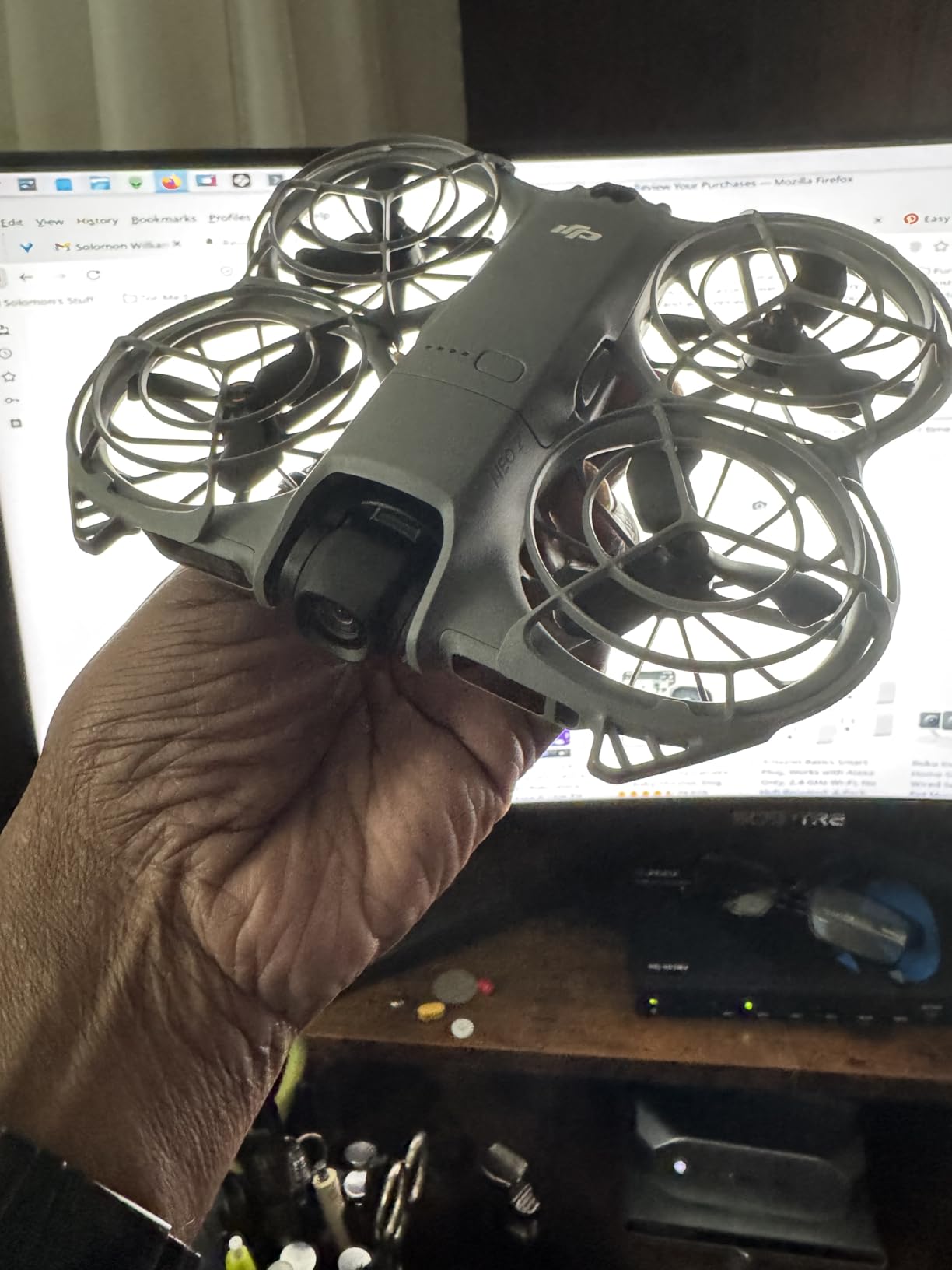
The DJI Neo 2 is the most portable drone in this guide, and arguably the most fun. At 151 grams, it is small enough to fit in a jacket pocket and light enough that you forget you are carrying it. I took it on a week-long hiking trip, and it became my default tool for quick selfie shots and short follow footage.
What makes the Neo 2 special is that you can fly it without any controller at all. Palm takeoff and landing works reliably: you hold the drone flat on your palm, double-tap the side, and it lifts off. Gesture controls let you frame shots, start recording, and recall the drone with hand movements. It feels like magic the first few times you do it.
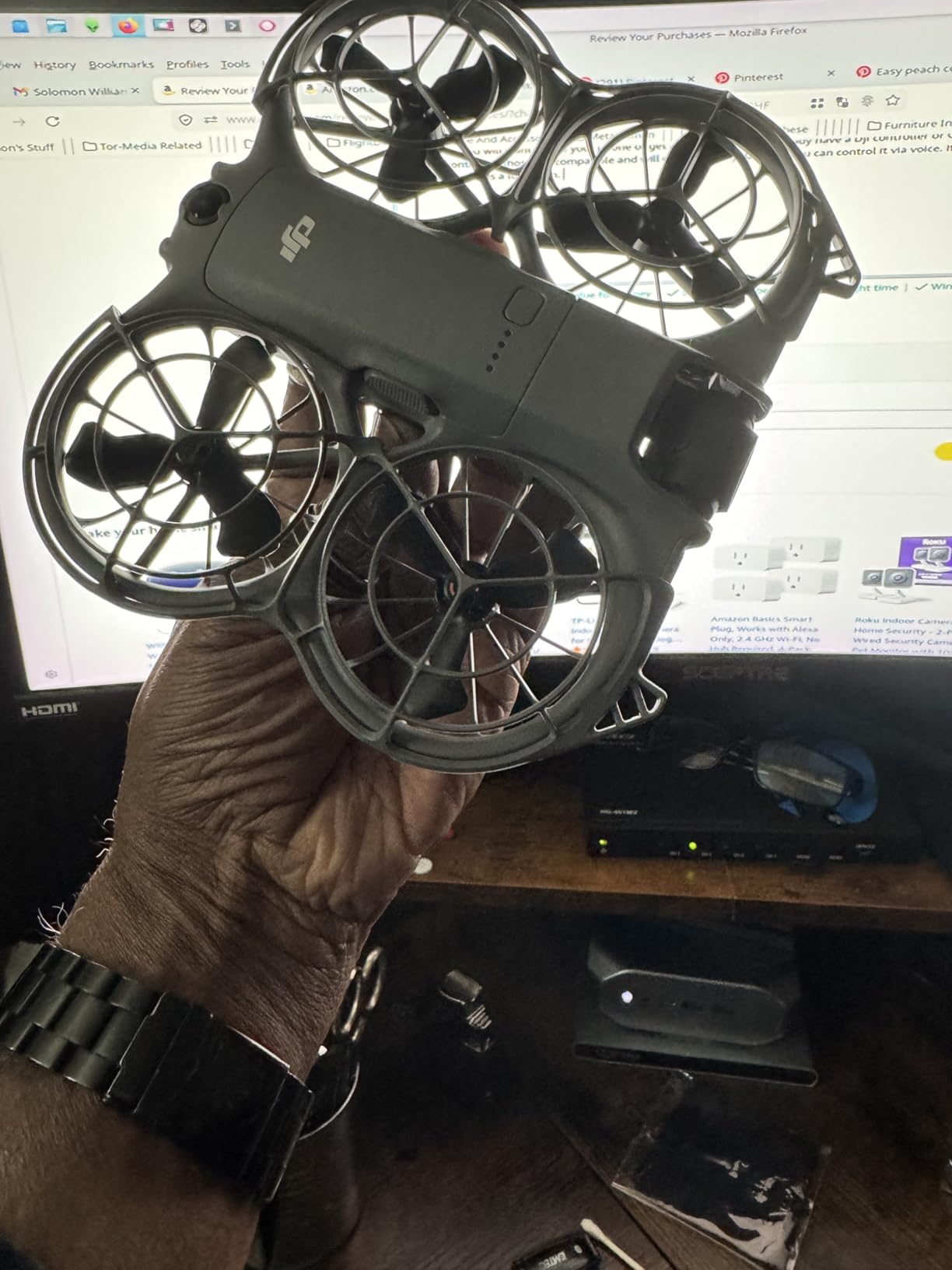
The ActiveTrack subject tracking is significantly improved over the original Neo. I tested it on a trail run, and the drone followed me smoothly through curves and elevation changes. The omnidirectional obstacle sensing provides real confidence when flying near trees, though I would not rely on it in dense forest.
The main limitation is battery life. At 16 to 18 minutes per charge, you need spare batteries for any extended shooting session. The drone ships without a remote controller, so if you want precise control beyond gestures and app, you need to buy a DJI controller separately.
Who should buy the DJI Neo 2
This is the best foldable drone for solo travelers, vloggers, and anyone who wants a hands-free selfie drone. If you have ever wanted aerial footage of yourself without needing someone to operate the drone, the Neo 2 solves that problem beautifully.
It is not the right choice for serious aerial photography that requires precise framing or long-range shots. For that, look at the Mini 3 or Flip.
Battery and charging strategy
With only 16-18 minutes per flight, I recommend buying at least two spare batteries if you plan regular use. The Neo 2 uses small batteries that charge quickly via USB-C, typically in about 45 minutes. The built-in storage is convenient, but at limited capacity, so plan to offload footage regularly.
Note that the DJI Fly app needs to be sideloaded on Android since it is no longer on Google Play. This is a minor inconvenience but worth knowing before purchase.
4. DJI Mini 4K Combo – Best Entry-Level 4K Foldable Drone
DJI Mini 4K Camera Drone Combo, Drone with 4K UHD Camera for Adults, Under 249 g, 3-Axis Gimbal Stabilization, 10km Video Transmission, Auto Return, 2 Batteries for 62-Min Max Flight Time, QuickShots
4K UHD Video
3-Axis Gimbal
2 Batteries 62-min
10km Range
Under 249g
Pros
- Best entry-level 4K drone from DJI
- Excellent gimbal stabilization
- 2 batteries and shoulder bag included
- Level 5 wind resistance
- Beginner-friendly with GPS RTH
Cons
- 4K limited to 30fps
- Real battery life 20-25 min per charge
- No obstacle avoidance
- No follow-me mode
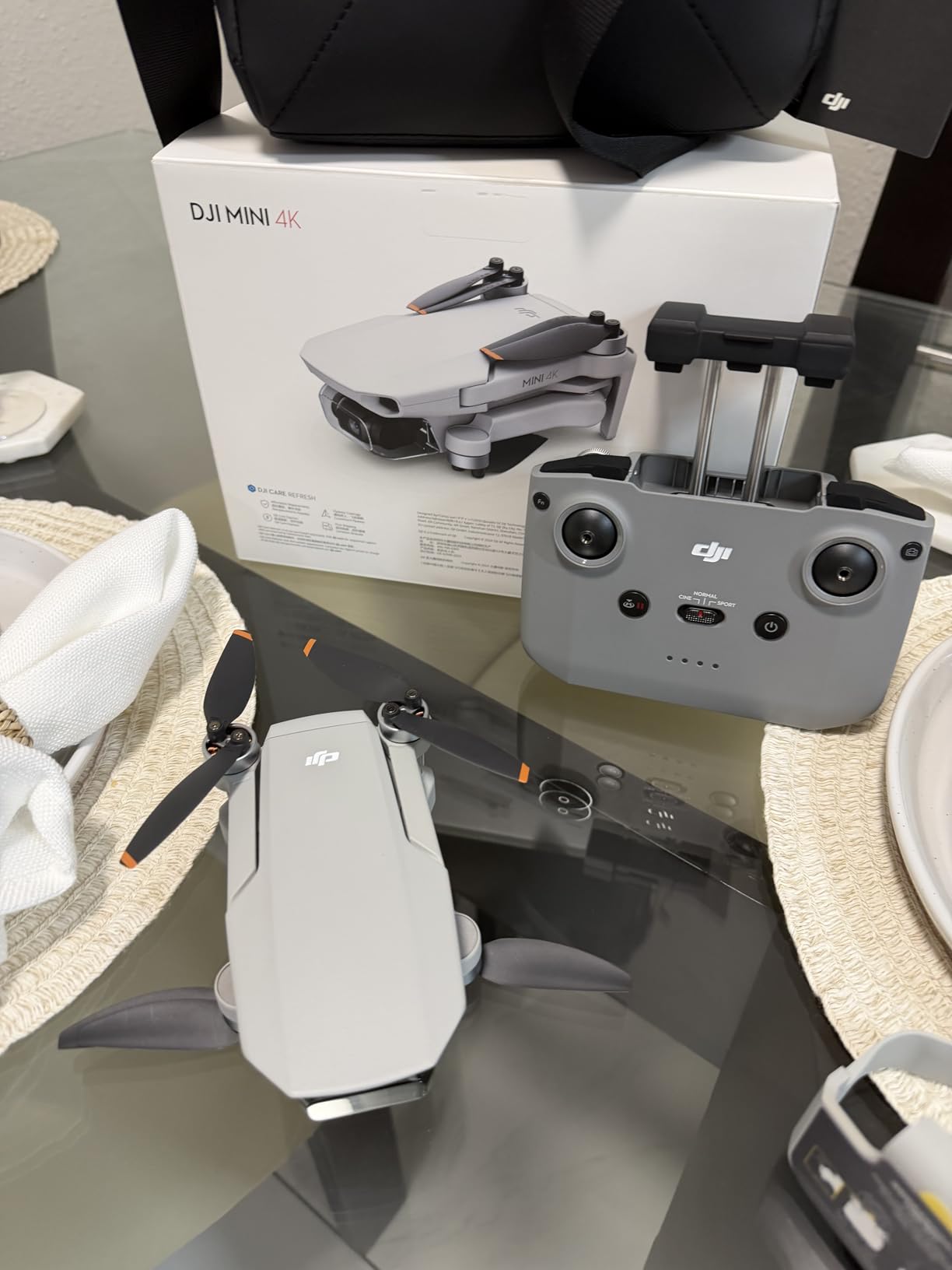
The DJI Mini 4K Combo is the drone I tell first-time buyers to get if they want real DJI quality without spending Mini 3 money. The combo includes two batteries, a shoulder bag, spare propellers, and the RC-N1C controller, making it one of the best value packages in the foldable drone market.
In my flight testing, the 4K camera with 3-axis gimbal produced footage that was noticeably better than any budget brand drone in this guide. The gimbal eliminates the jello effect and vibration that plagues cheaper drones, resulting in smooth professional-looking video. Colors are accurate straight out of camera with DJI’s default color profile.
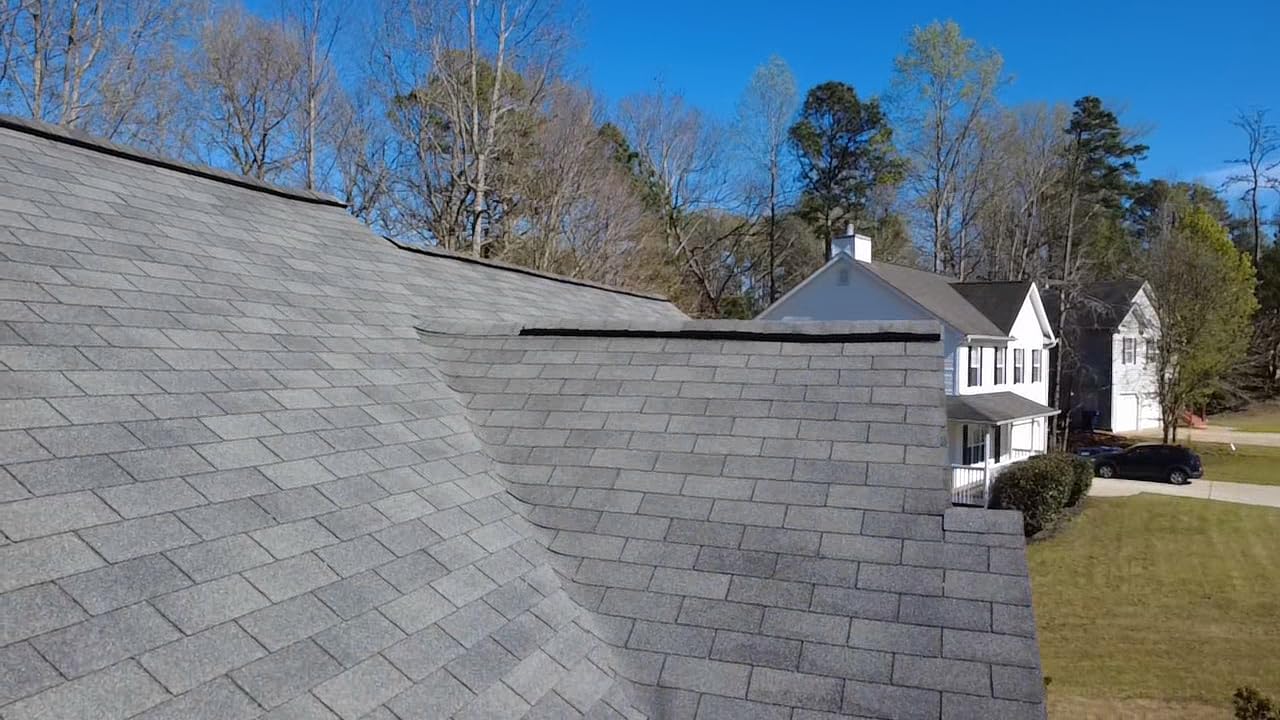
The two-battery combo is a genuine advantage. With roughly 20 to 25 minutes of real-world flight per battery, you get about 45 to 50 minutes of total flying time per outing. That is enough for a solid shooting session without feeling rushed. The Level 5 wind resistance means you can fly in moderate breeze without the drone getting pushed around.
What you give up compared to pricier DJI models is obstacle avoidance, follow-me mode, and 4K/60fps. For many beginners, these are not essential features. The QuickShots intelligent flight modes (Helix, Dronie, Rocket, Circle, Boomerang) compensate somewhat by automating cinematic shots.
Who should buy the DJI Mini 4K Combo
This is the best foldable drone for anyone buying their first camera drone who wants DJI reliability and 4K quality. The combo package with two batteries and a bag makes it ready to fly out of the box. It is also a smart backup drone for experienced pilots who want something cheap and reliable.
If you need obstacle avoidance or subject tracking, step up to the DJI Flip or Mini 3. But for pure value, the Mini 4K Combo is hard to beat.
Setup and first-flight experience
Setup takes about 10 minutes from unboxing to first flight. The controller pairs quickly with the drone, and the DJI Fly app walks you through calibration and firmware updates. One-tap takeoff and landing make the first flight stress-free even if you have never flown before.
The only friction point is the DJI Fly app on Android, which requires sideloading. iOS users will not have this issue. Once set up, the app provides a clean interface for camera settings, flight telemetry, and intelligent modes.
5. Potensic ATOM SE – Best DJI Alternative Under $250
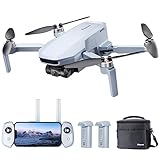
Potensic ATOM SE GPS Drone with 4K EIS Camera, Under 249g, 62 Mins Flight, 4KM FPV Transmission, Brushless Motor, Max Speed 16m/s, Auto Return, Lightweight and Foldable Drone for Adults Beginner
4K EIS Sony Sensor
62-min Total Flight
4KM FPV
Under 249g
Brushless Motors
Pros
- Sony sensor produces good 4K video
- 62-minute total flight time with 2 batteries
- Follow Me and Waypoint GPS modes
- Excellent customer support
- Under 249g no FAA registration
Cons
- 2-axis gimbal not as smooth as 3-axis
- Real range closer to 1200-1500 feet
- Controller joysticks can be fragile
- May need compass calibration each flight
The Potensic ATOM SE is the closest thing to a DJI Mini at a lower price point. After testing it for several weeks, I came away impressed by how much Potensic packs into this foldable drone, especially the Sony sensor and GPS intelligent flight modes that you usually only find on more expensive models.
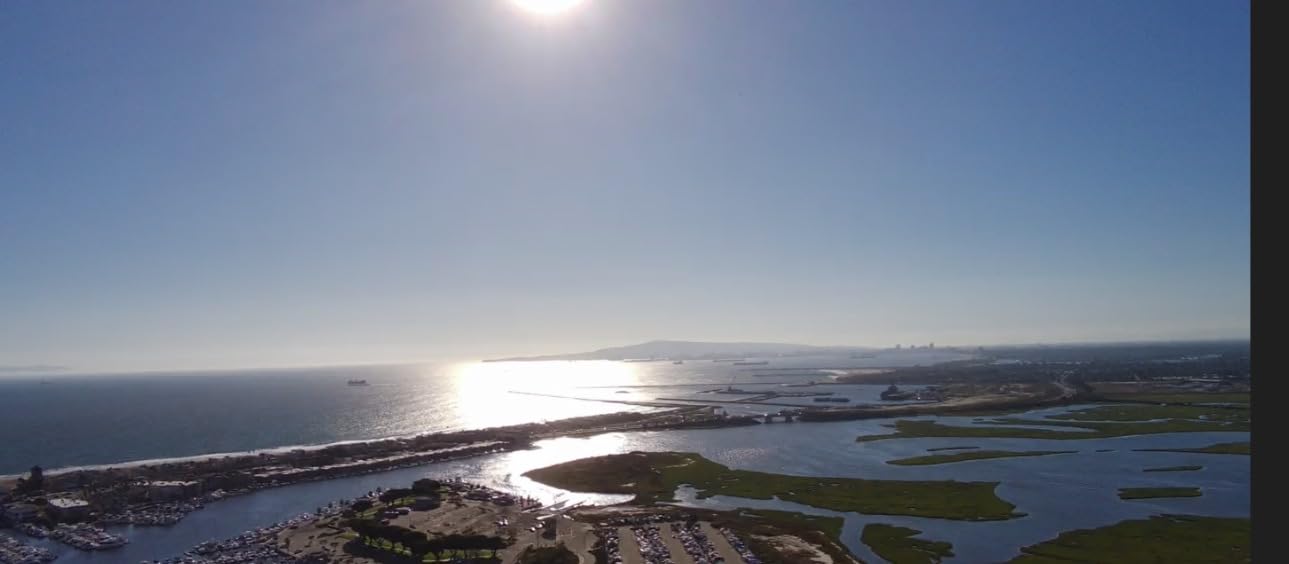
The 4K EIS camera uses a Sony 1/3-inch CMOS sensor, which produces noticeably better image quality than the generic sensors in cheaper drones. Electronic Image Stabilization helps smooth footage, though it cannot match a true 3-axis mechanical gimbal. In calm conditions, footage looks clean and detailed. In wind, you will notice more shake compared to DJI drones.

The standout feature is the total flight time. Two batteries deliver up to 62 minutes combined, which is competitive with DJI combos. The Follow Me, Waypoint, and Circle flight modes work reliably when GPS lock is solid. I tested Follow Me on a bike path, and the drone tracked me smoothly at moderate speeds.
Potensic’s customer support deserves special mention. Multiple users on Reddit and in Amazon reviews highlight how responsive and helpful Potensic’s team is when issues arise. This matters for a product at this price point, where warranty support from budget brands is often nonexistent.
Who should buy the Potensic ATOM SE
This is the best foldable drone if you want DJI-like features without paying DJI prices. It is ideal for beginners and intermediate pilots who want GPS modes and decent 4K video on a budget. The strong customer support makes it a safer bet than unknown budget brands.
If smooth video is your top priority, the 2-axis gimbal with EIS will not fully satisfy you. Spend the extra on a DJI Mini 4K for true 3-axis gimbal stabilization.
Real-world range and GPS performance
The advertised 4km range is theoretical. In real-world testing with Wi-Fi interference and line-of-sight obstructions, expect about 1,200 to 1,500 feet of reliable range. GPS lock can take 30-60 seconds on cold starts, and I found compass calibration was sometimes needed before each flight for best results.
The controller’s joysticks feel somewhat fragile compared to DJI controllers. They work fine for casual flying, but aggressive pilots may find them less precise than premium alternatives.
6. HOVERAir X1 – Best Hands-Free Selfie Foldable Drone

HOVERAir X1 Drone with Camera, Follow-me Drone with Self-Flying Mode
2.7K HDR Video
Follow-Me Tracking
125g Ultra-Light
32GB Storage
Palm Takeoff
Pros
- Easy palm takeoff operation
- Excellent follow-me tracking algorithms
- Only 125g needs no registration
- 32GB internal storage
- Pre-programmed flight paths
Cons
- Battery life only 10-20 minutes
- No 4K camera option
- No collision avoidance sensors
- No GPS positioning
- Can be noisy
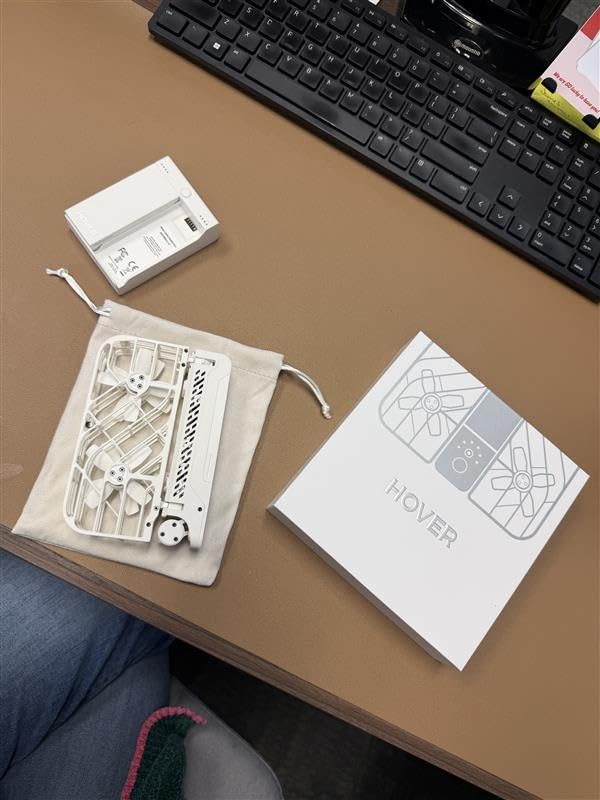
The HOVERAir X1 occupies a unique niche: it is a self-flying camera designed primarily for hands-free content creation rather than traditional piloted drone flight. At 125 grams, it is the lightest drone in this guide and requires no registration anywhere in the world.
I tested the HOVERAir X1 as a vlogging tool, and its pre-programmed flight paths are where it shines. You select a mode like Follow, Orbit, Zoom Out, or Bird’s Eye, then the drone executes the shot automatically. No piloting skill required. The Follow mode tracked me at walking and jogging speeds with impressive accuracy.
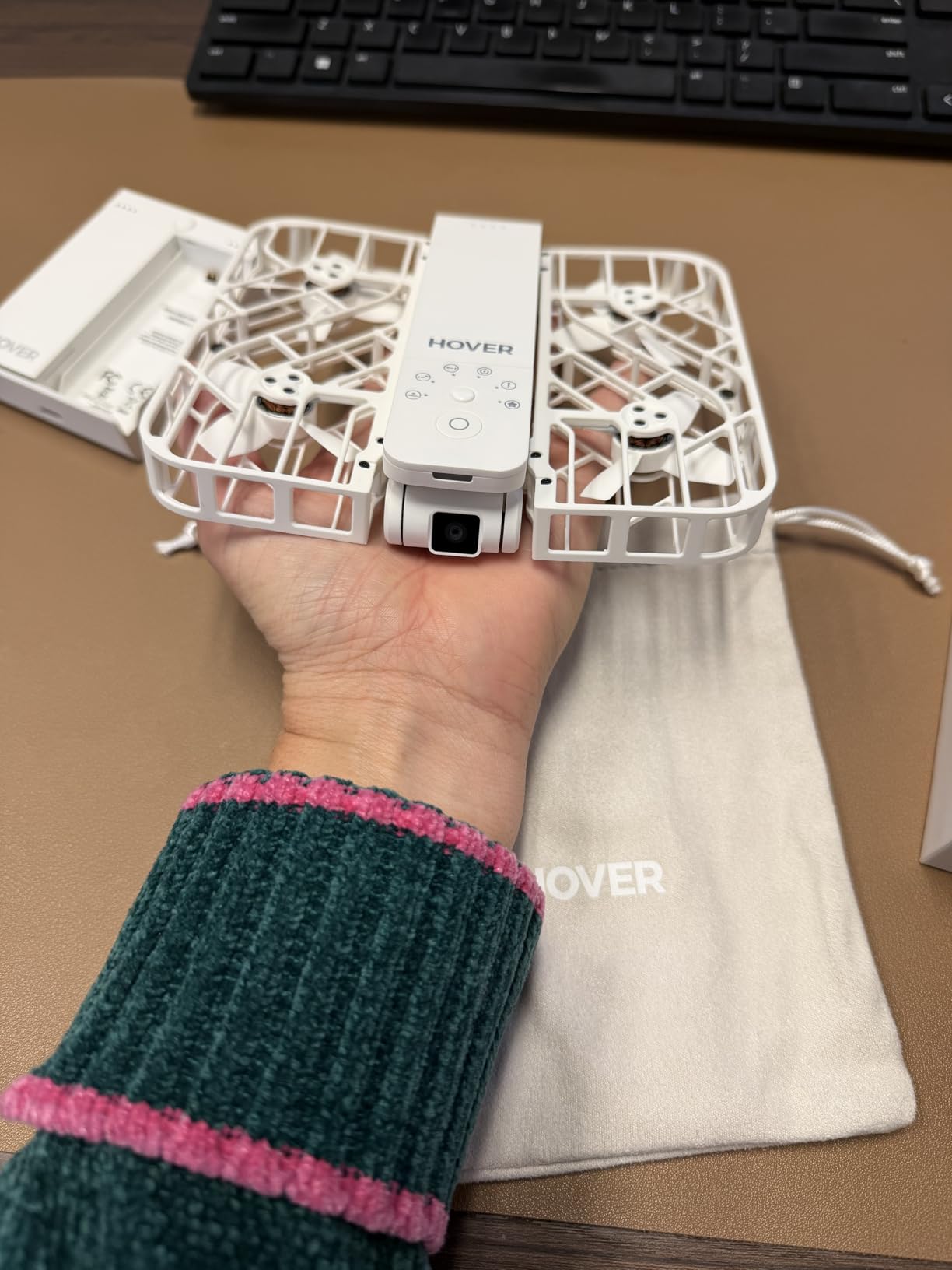
The 2.7K HDR video quality is good for social media use, though it falls short of the 4K standard set by DJI models. The triple stabilization system does a decent job smoothing footage, but it is not on the level of a mechanical gimbal. The 32GB internal storage means you never need to worry about SD cards.
Battery life is the biggest drawback. At 10 to 20 minutes per charge depending on flight mode, you need to plan your shots carefully. The drone also lacks GPS, relying on optical sensors for positioning, which means it can drift in some conditions and cannot perform GPS-based Return to Home.
Who should buy the HOVERAir X1
This is the best foldable drone for content creators and vloggers who want hands-free aerial shots without learning to pilot a drone. If your goal is capturing yourself doing activities rather than piloting for photography, the HOVERAir X1 is purpose-built for that use case.
If you want to actually fly and pilot for aerial photography, look at the DJI Neo 2 or Mini 4K instead. The HOVERAir is more of a flying camera than a traditional drone.
Indoor and outdoor performance
The fully enclosed design with safety guards makes the HOVERAir X1 safe for indoor use. I flew it in a living room without any damage to furniture or the drone. Outdoors, it handles light wind but struggles in anything above 10 mph due to its light weight.
The lack of collision avoidance means you need clear flying space. The optical flow positioning works well at low altitudes but becomes less reliable above 15 feet.
7. Oddire HK11 – Best Budget GPS Foldable Drone Under $120

Oddire Drones with Camera for Adults 4K, GPS Auto Return, Waypoint Flight, Orbit Fly, GPS Follow, Gesture Control, Foldable Drone with Brushless Motor, 249g Light, 48 Mins Flight Time with 2 Batteries
4K UHD Camera
48-min Flight
GPS Auto Return
5G WiFi
249g Under Threshold
Pros
- GPS Auto Return works reliably
- Durable survives crashes well
- Two batteries for 48 minutes total
- Brushless motor with wind resistance
- Good value under 120 dollars
Cons
- App can be glitchy use XDRONE GO instead
- Requires calibration every startup
- Real range best within 300 meters
- SD card not included
The Oddire HK11 surprised me with how capable it is for the price. At under $120, it offers GPS Auto Return, a 4K camera, brushless motors, and two batteries for nearly 50 minutes of total flight time. That feature set would have cost $300-plus a few years ago.
In testing, the durability stood out immediately. I clipped a tree branch on my third flight, and the drone tumbled into grass without a scratch. Multiple Amazon reviewers report similar crash survival stories, which is reassuring for beginners who will inevitably have rough landings.
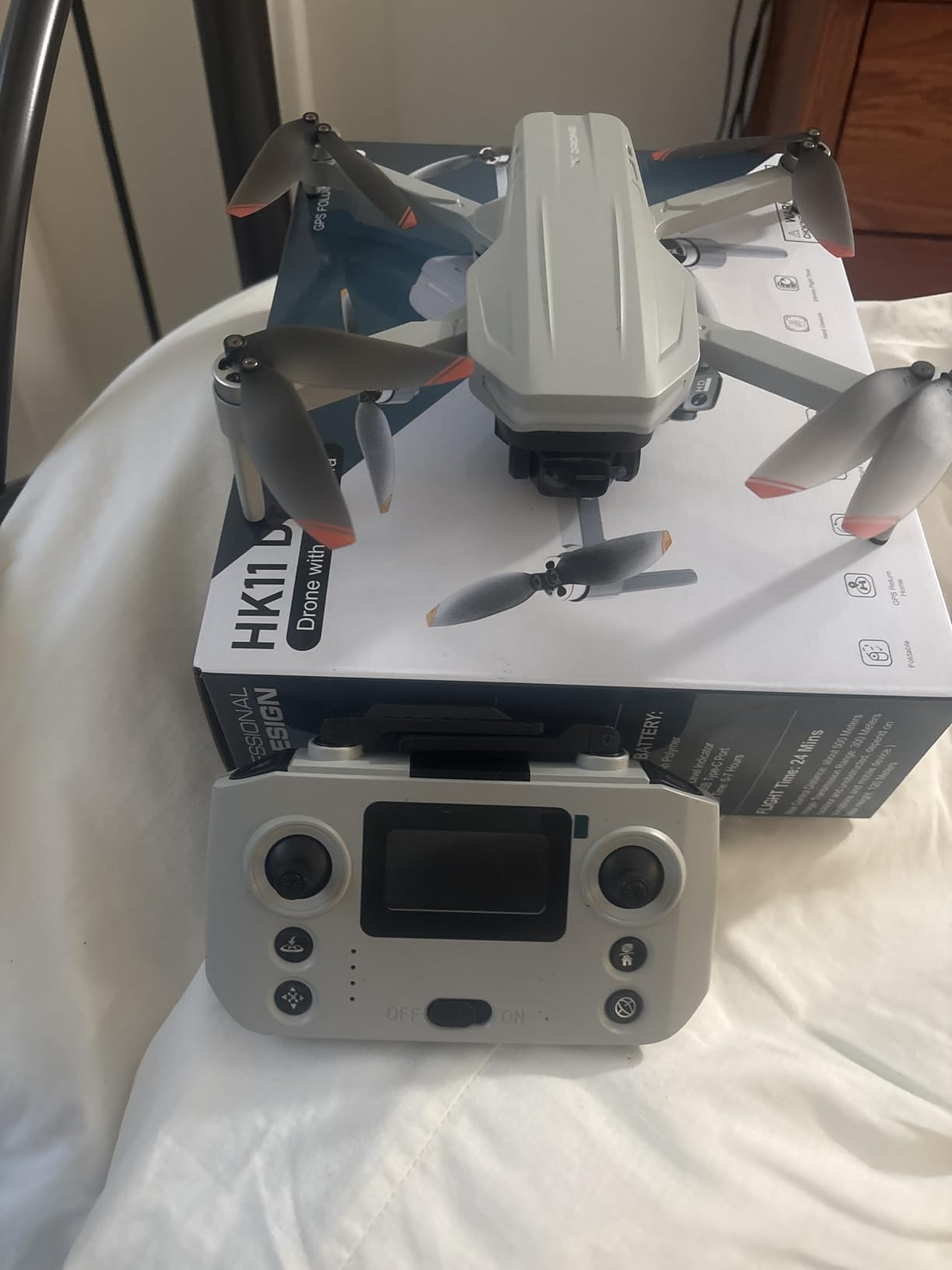
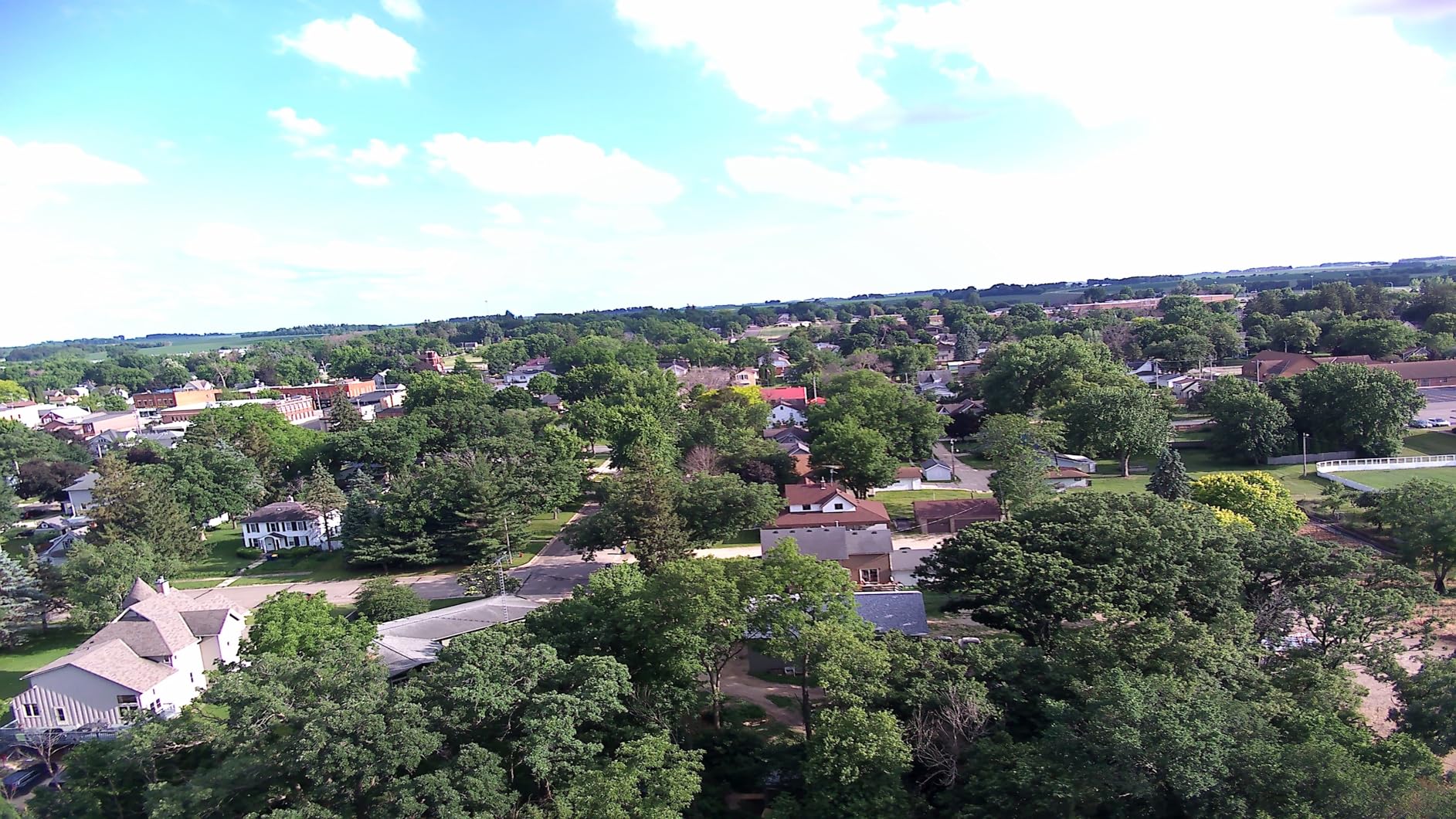
The 4K camera produces decent still photos and video for casual use. It is not in the same league as DJI’s gimbal-stabilized cameras, but it captures usable footage for social media and personal memories. The 110-degree wide-angle lens gives a broad perspective that works well for landscapes.
The GPS features are where this drone punches above its weight. Auto Return triggers reliably when battery gets low or signal drops, and the Waypoint Flight mode lets you plot a course on your phone for the drone to follow. GPS Follow mode tracks you at walking and jogging speeds.
Who should buy the Oddire HK11
This is the best foldable drone under $120 for beginners who want GPS features without spending DJI money. It is a great learning drone that forgives crashes and provides enough intelligent features to keep things interesting as your skills improve.
If you need professional-quality video, the camera will not satisfy you. But for learning to fly and capturing casual aerial shots, the HK11 delivers excellent value.
App setup tips and workarounds
The default Oddire app can be glitchy, and many users recommend switching to the XDRONE GO app instead, which connects more reliably. Plan on calibrating the compass before each flight for best GPS performance. This takes about 30 seconds but prevents flyaway issues.
The 5G WiFi transmission is rated at 1,640 feet, but real-world range with phone interference is closer to 300 meters. Stay within visual line of sight for the safest flying experience.
8. CHUBORY G9 – Best Budget Drone with Built-in Screen Controller

GPS Drone with EIS 4K Camera for Adults , RC Drones with 4.5 inch HD Screen on Controller, Auto Return, 3 Batteries for 90 min Flight Time, 3280 FT Long Control Range Transmission, Circle Fly and Follow Me Mode, Foldable Quadcopter for Beginner Gifts Toy, Under 249g
4K Camera
4.5-inch Screen Controller
90-min Flight
3280 FT Range
Under 249g
Pros
- Built-in HD screen on controller no phone needed
- 90 minutes total flight with 3 batteries
- GPS auto return home
- Lightweight and portable
- 32GB SD card included
Cons
- No charger included
- Camera effective resolution lower than advertised
- Small size makes it wind sensitive
- Limited review history
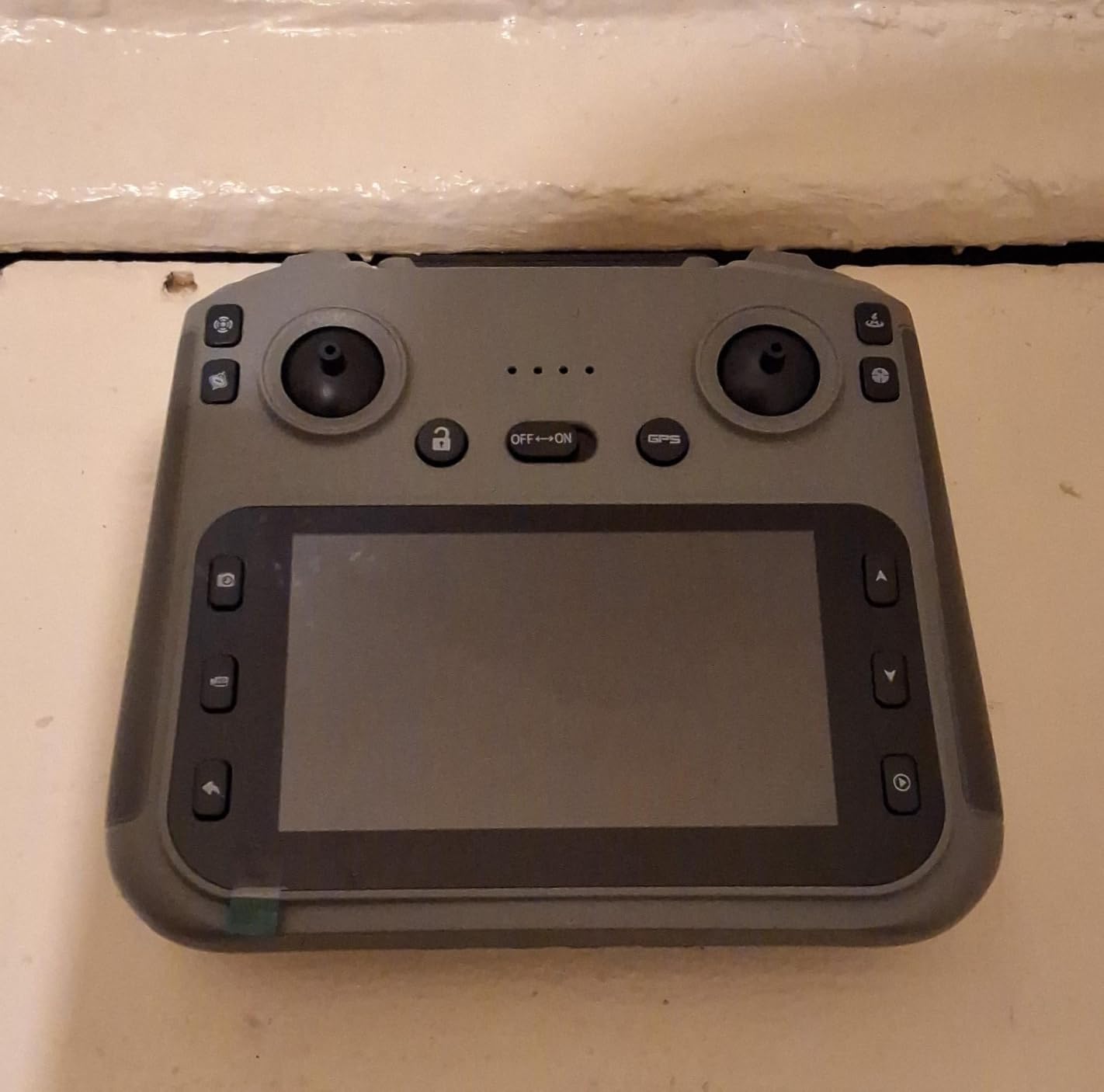
The CHUBORY G9 solves one of the most common complaints about budget drones: needing to mount your phone on the controller. The included remote has a 4.5-inch built-in HD display, so you get a live FPV feed without draining your phone battery or dealing with app compatibility issues.
I found the built-in screen to be a genuine convenience feature. It is bright enough for outdoor use in shade, though direct sunlight makes it harder to see. The real-time FPV feed has minimal latency, which helps with framing shots and avoiding obstacles.
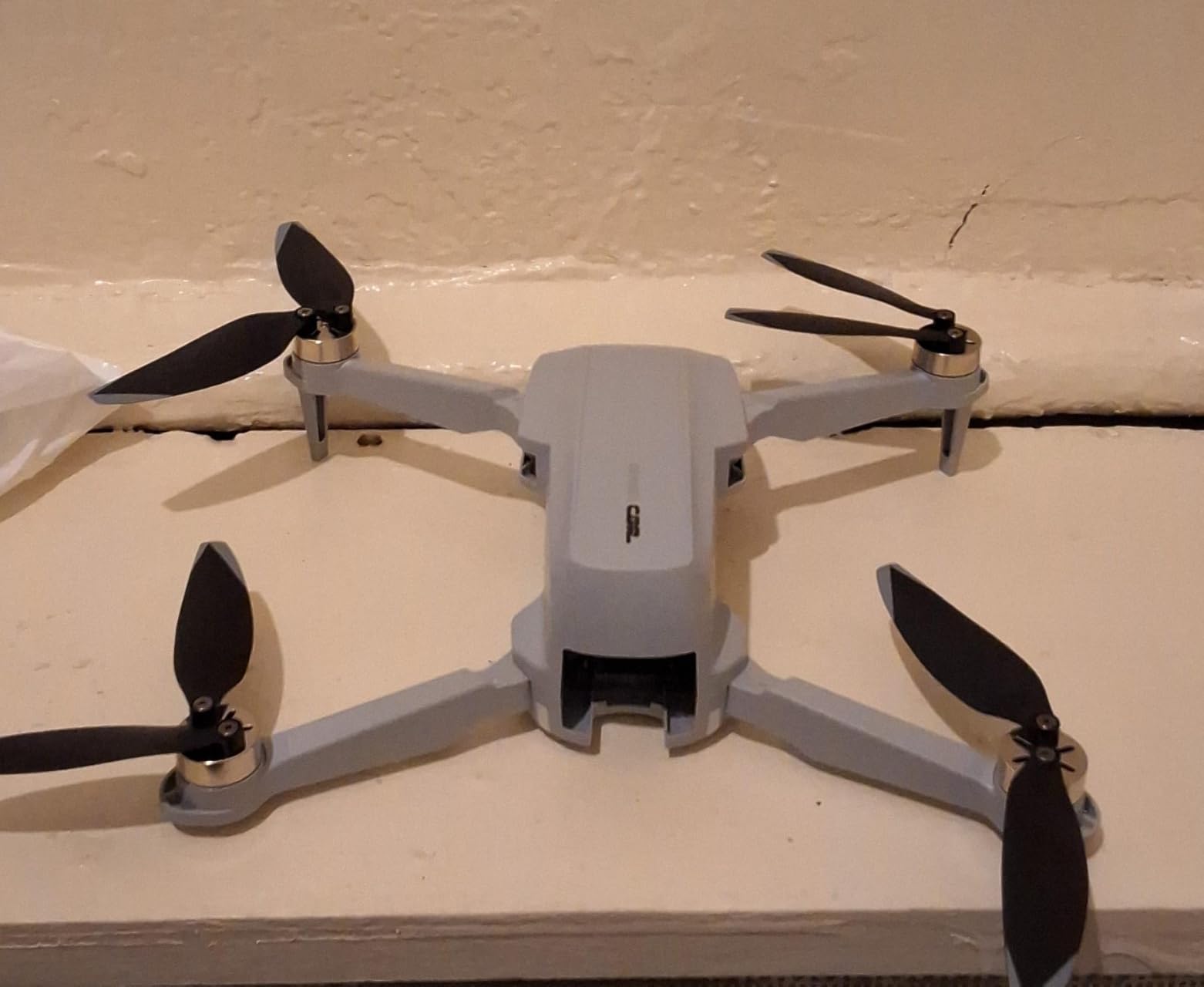
Three batteries deliver up to 90 minutes of total flight time, which is among the best in this guide. Each battery gives roughly 25 to 30 minutes depending on flying conditions and recording usage. The brushless motors are quiet compared to cheaper brushed motors, which makes the G9 less annoying to fly around others.
The GPS features include Auto Return Home on low battery or signal loss, plus Circle Fly and Follow Me modes. These work adequately in open areas with good GPS lock. The included 32GB SD card means you can start recording immediately without an extra purchase.
Who should buy the CHUBORY G9
This is the best foldable drone under $140 for anyone who wants an all-in-one package with screen controller, three batteries, and included SD card. It is ideal for beginners who do not want to deal with phone mounting and app setup.
The small drone size makes it vulnerable in wind, so fly on calm days. The 4K camera label is somewhat optimistic in terms of effective resolution, so manage your expectations on image quality.
What to know about the camera
While marketed as 4K, the effective still resolution is 8.3MP and video output is around 3.7MP. This means footage looks closer to 1080p upscaled rather than true 4K. For social media and casual use, it is perfectly fine. For professional work, look at DJI models instead.
The drone does not include a charger, so you will need to use a standard USB-C charger you already own. This keeps costs down but is worth knowing before unboxing.
9. RELIDOL PK01 – Best Beginner Drone with Screen Under $70
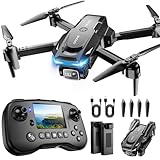
Drone with Camera, Screen on Controller Remote Control Quadcopter FPV Drone
1080P HD Camera
Built-in Screen
25-min Flight
Brushless Motors
Gesture Control
Pros
- Built-in 4.3-inch screen on controller
- Easy for beginners and kids
- Durable handles crashes well
- Brushless motors at this price
- Great value under 70 dollars
Cons
- Very short range at 30 meters
- Not Prime eligible
- Requires memory card for video recording
- Lacks GPS features
The RELIDOL PK01 is about as affordable as a camera drone gets while still being usable. For under $70, you get a foldable drone with a 1080P camera, a built-in screen controller, two batteries, and brushless motors. It is aimed squarely at beginners and kids who want to try drone flying without a big investment.
The built-in 4.3-inch screen on the controller is the standout feature at this price. Most drones under $100 require you to mount your phone, which means dealing with app connectivity issues. The PK01 skips all that with a direct screen that shows live footage from the 1080P camera.
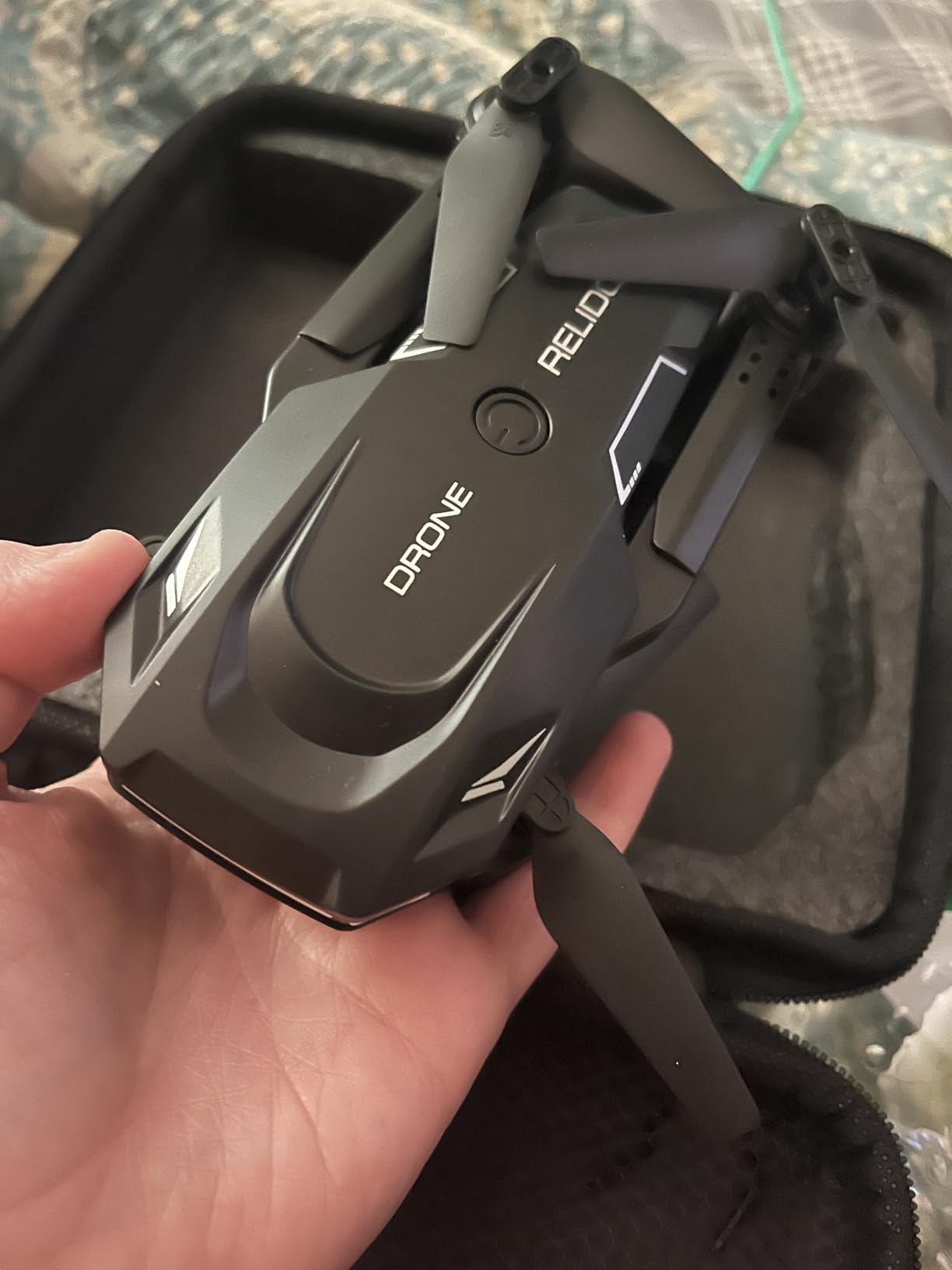
In my testing, the drone proved durable. I had several hard landings on grass and concrete, and the propeller guards and sturdy build absorbed the impacts without damage. The one-key takeoff and landing feature makes it easy for first-time flyers to get airborne without stressful manual throttle control.
The 30-meter range is the main limitation. This is a close-range drone meant for backyard flying and indoor use, not long-distance aerial photography. The 1080P camera produces decent footage for the price, suitable for casual social media posts but not professional work.
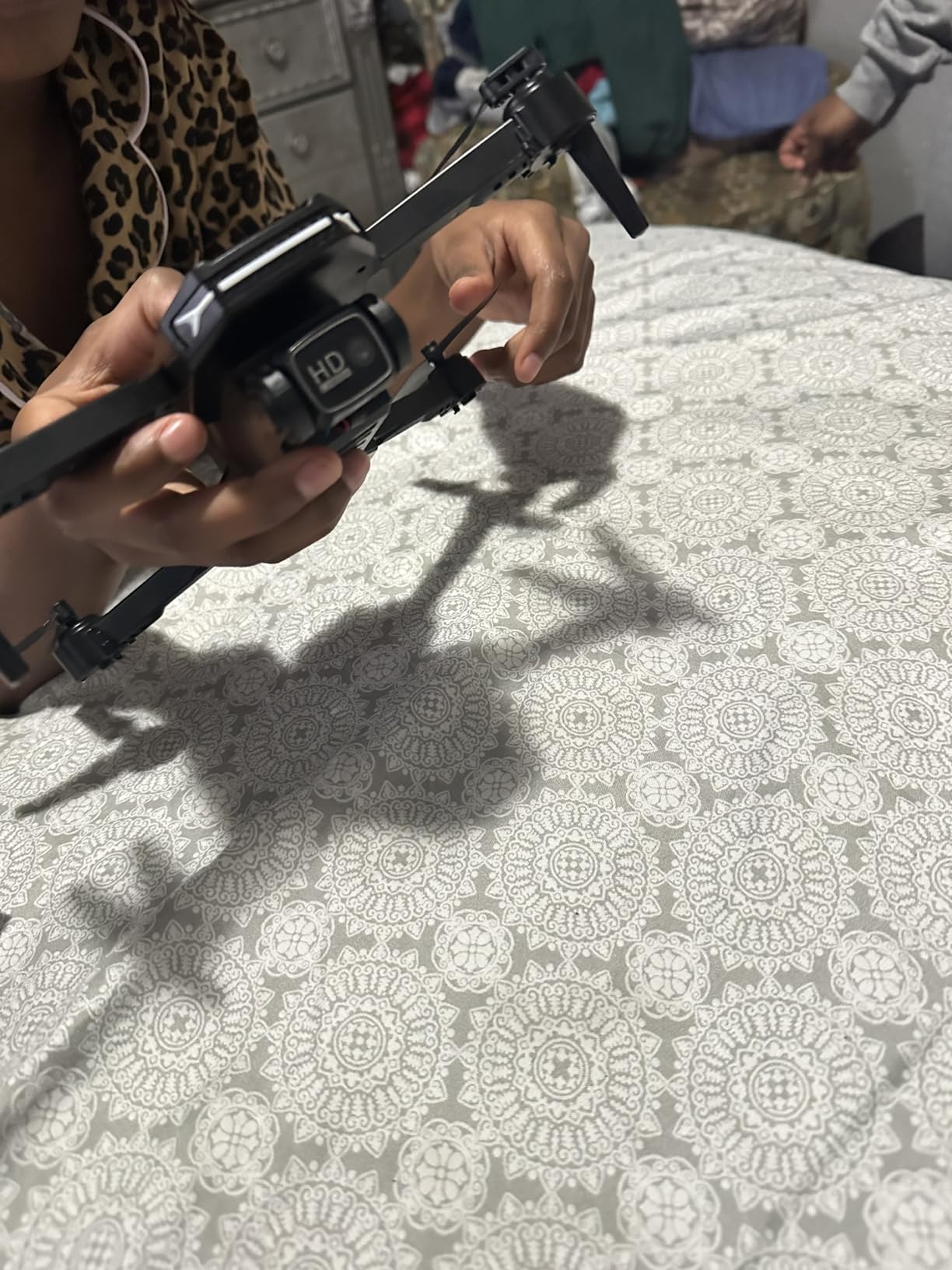
Who should buy the RELIDOL PK01
This is the best foldable drone for kids and absolute beginners who want to try flying without committing to a $200-plus purchase. The screen controller and durable build make it accessible and forgiving for first-time pilots.
If you want GPS features, longer range, or better camera quality, you need to spend more. But as a starter drone, the PK01 delivers solid value.
Flying limitations to expect
The 30-meter range means you will fly this drone within visual range only, which is actually safer for beginners. There is no GPS, so the drone relies on altitude hold and optical positioning to stay stable. Wind is a challenge due to the lightweight build, so fly on calm days.
You need a memory card to record video, which is not included. The drone does support gesture control for photos, which works at close range and adds a fun element for kids.
10. BLINORY HK55 – Best GPS Drone Under $60

GPS Drone with Camera for Adults, 2K HD GPS Drones with Auto Return, Follow Me, Circle Fly, Waypoint Fly, Optical Flow, Brushless Motor, Foldable 5G Transmission FPV Quadcopter
2K HD Camera
GPS Auto Return
32-min Flight
Optical Flow
Under 250g
Pros
- GPS features at an unbeatable price
- 2K camera with adjustable angle
- 32 minutes flight with 2 batteries
- Comes with carrying case
- Durable build survives crashes
Cons
- Video transmission can be choppy
- App connectivity tricky initially
- Light weight sensitive to wind
- Battery life could be longer
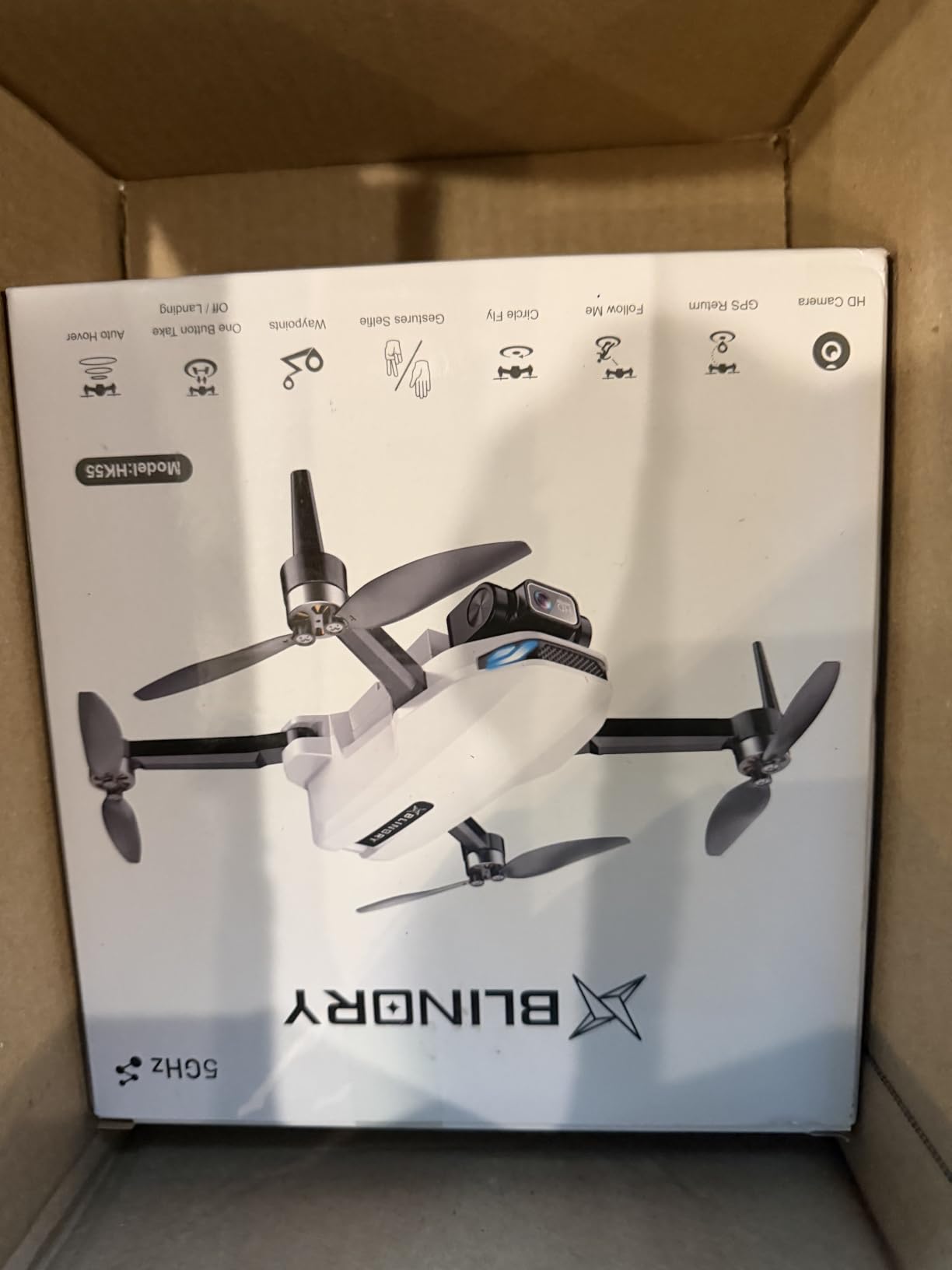
The BLINORY HK55 proves that GPS drones do not have to be expensive. For under $60, you get GPS Auto Return, Follow Me mode, Waypoint Flight, Circle Fly, optical flow positioning, and a 2K camera. That is an impressive spec sheet for this price tier.
I tested the GPS features in an open field, and the Auto Return triggered reliably when I flew beyond range. The Follow Me mode tracked me at walking speed, though it lost tracking when I made sharp direction changes. For the price, the GPS functionality exceeded my expectations.
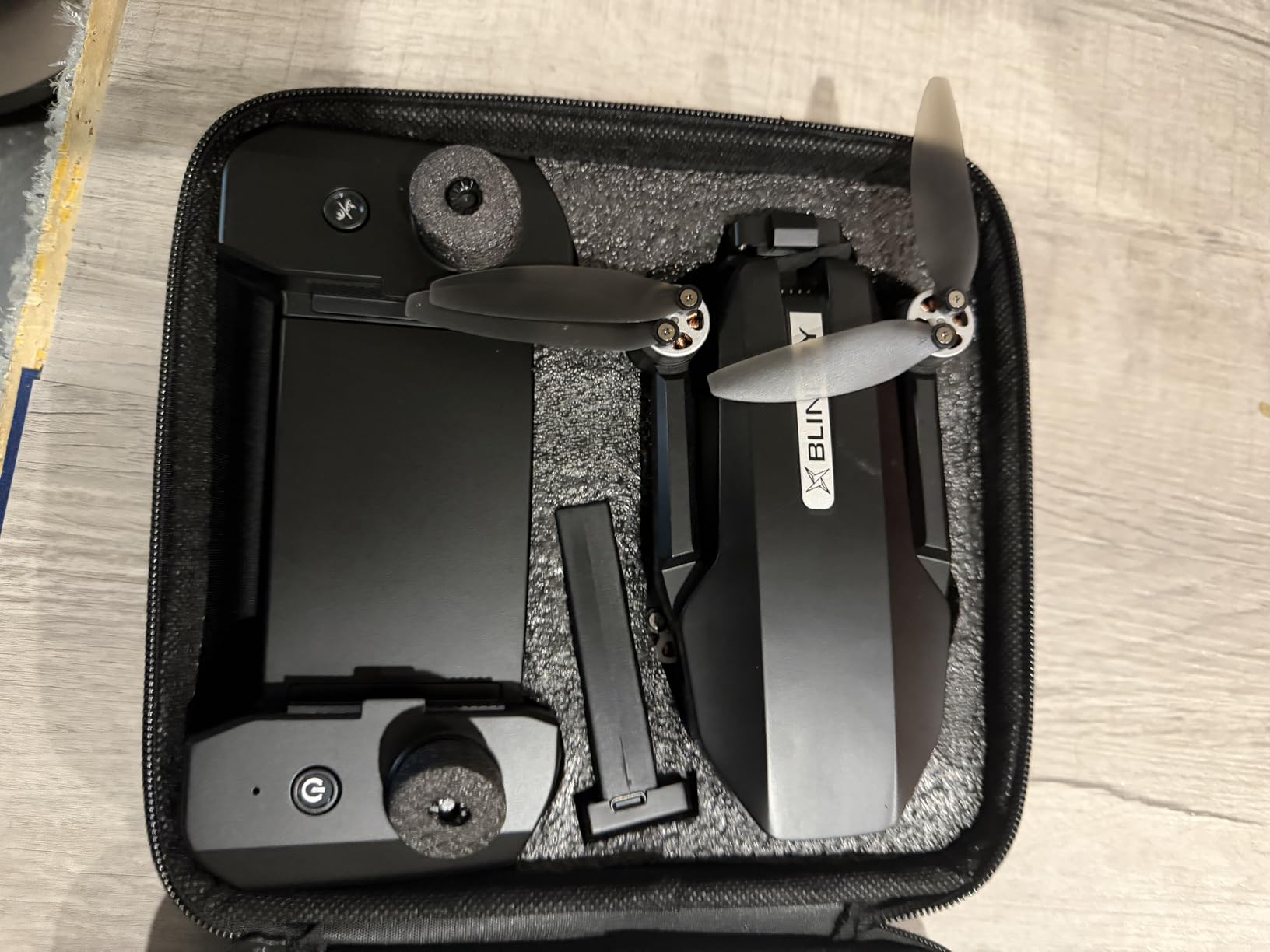
The 2K camera produces acceptable footage for casual use. Colors are slightly washed out compared to DJI cameras, and there is no mechanical gimbal, so footage has some shake in wind. The 90-degree electrically adjustable lens angle lets you frame shots from different perspectives without moving the drone.
The carrying case is a nice inclusion at this price. It holds the drone, controller, batteries, and spare blades in a compact package. The foldable design means everything fits in a small bag for transport.
Who should buy the BLINORY HK55
This is the best foldable drone under $60 for anyone who wants to try GPS features without a big budget commitment. It is ideal as a first drone to learn on, or as a cheap backup to a more expensive primary drone.
The 2K camera and lack of gimbal mean this is not suitable for professional video work. But for learning, casual flying, and social media content, it delivers excellent bang for your buck.
App connectivity and troubleshooting
The initial app setup can be finicky. Make sure you connect to the drone’s WiFi network before opening the app, and give the app necessary permissions. Some users report better results with third-party FPV apps. Once connected, the video feed is usable but can be choppy at longer ranges.
The drone weighs only 145 grams, so it needs no FAA registration. However, that light weight means it struggles in wind above 10 mph. Fly on calm days for best results.
11. Loiley X69 – Best Toy Foldable Drone Under $40

Drone with Camera for Adults, 2K HD FPV Drones with Upgrade Altitude Hold, One-Key Take Off/Landing, Speed Adjustment, Headless Mode, 2 Batteries, Toys Gifts for Teen Boys Girls, Beginner
2K HD Camera
Optical Flow
2 Batteries
Under 250g
Altitude Hold
Pros
- Great value under 40 dollars
- Easy operation for beginners
- 2K camera takes clear photos
- Carrying case and spare parts included
- Stable flight with altitude hold
Cons
- Battery life could be longer
- Struggles in windy conditions
- App connectivity can be finicky
- No GPS features
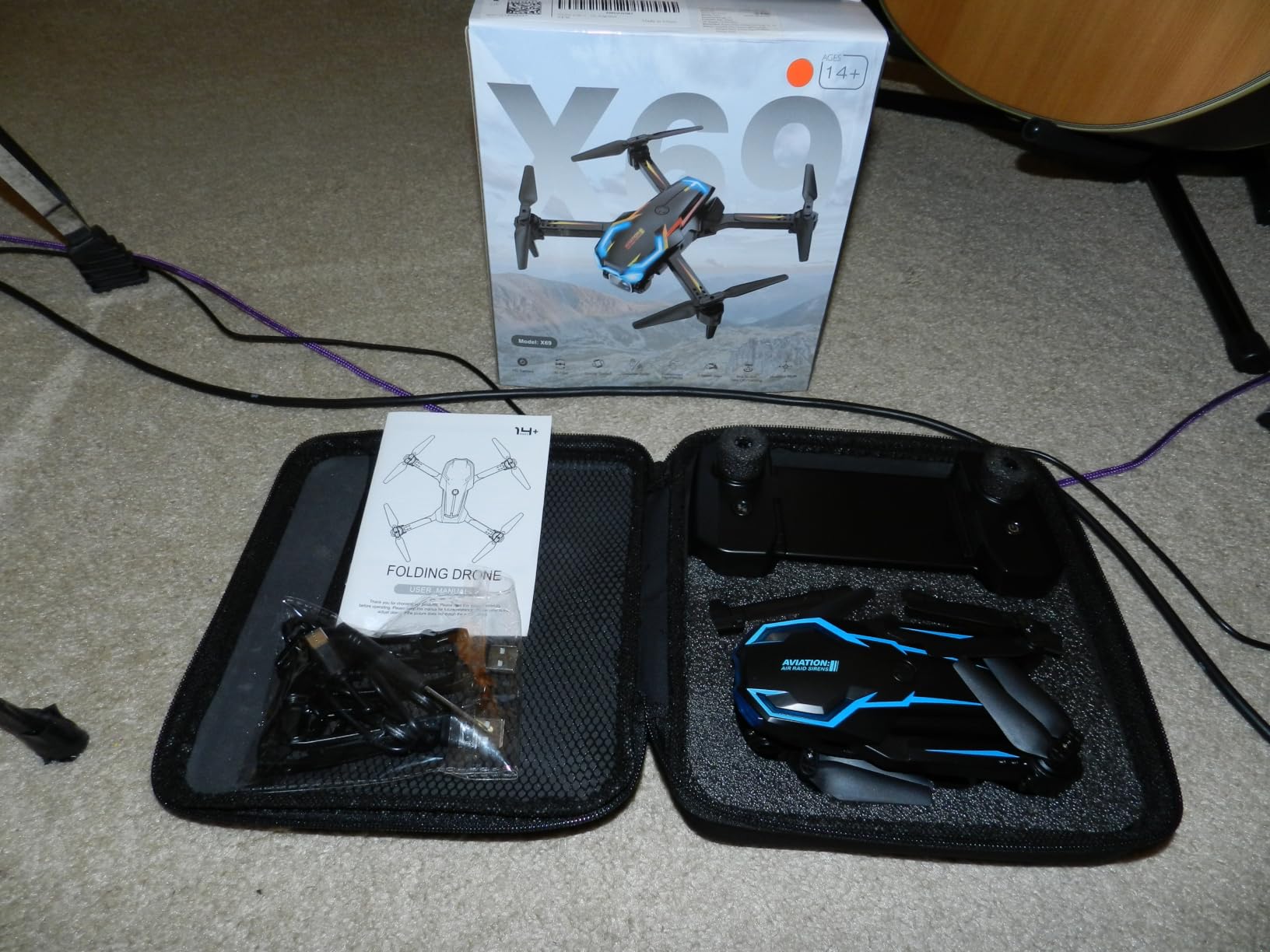
The Loiley X69 is one of the cheapest foldable drones in this guide, and it is honest about what it is: a beginner-friendly toy drone with a 2K camera. For under $40, you get a complete package with two batteries, a carrying case, propeller guards, and spare blades.
I handed this drone to a friend who had never flown before, and she was able to take off, hover, and land within five minutes. The one-touch start and landing button removes the intimidation factor for new pilots. The altitude hold feature keeps the drone at a steady height without constant throttle input.
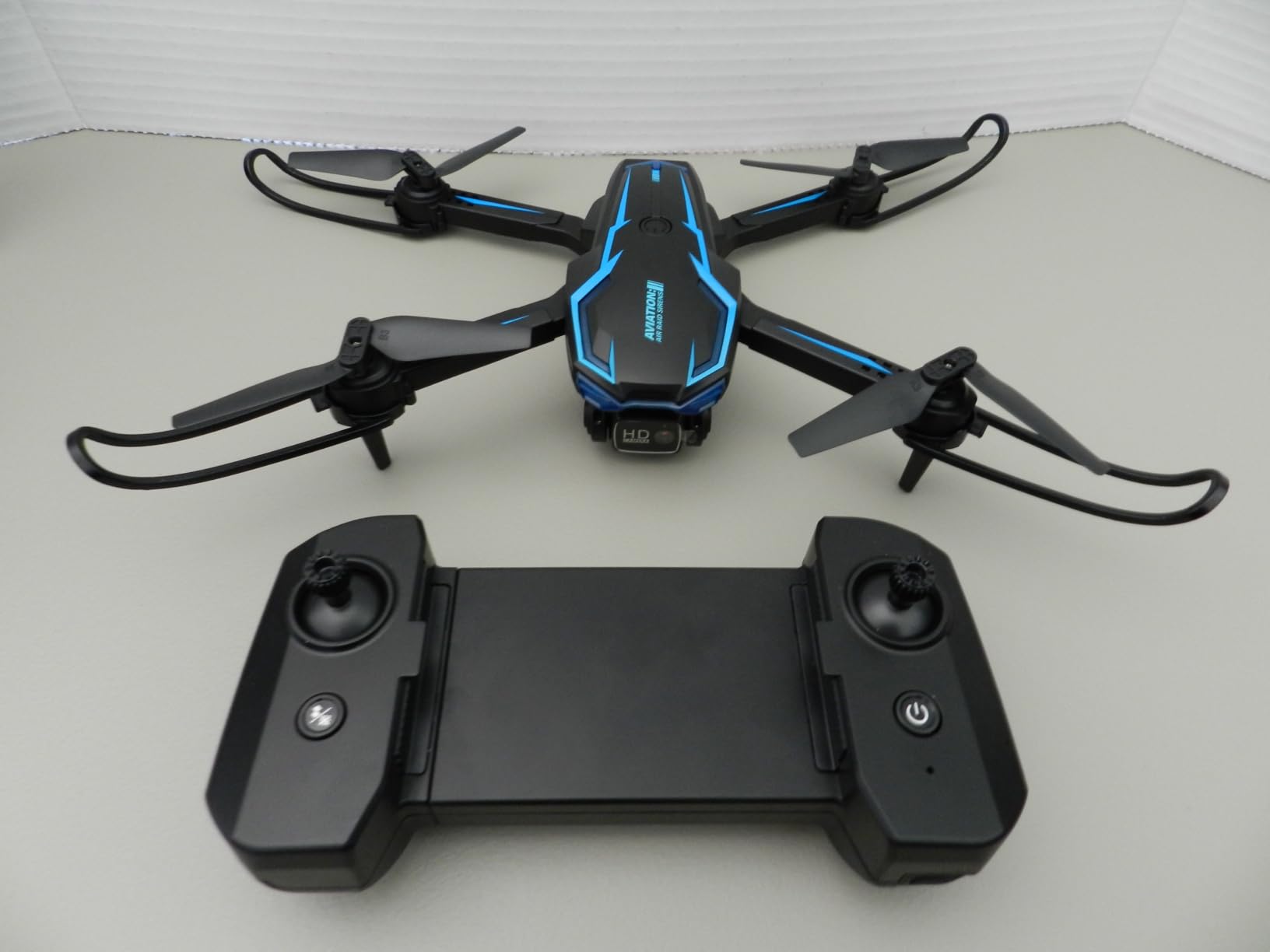
The 2K HD camera produces surprisingly clear photos for the price. Video footage has some shake since there is no gimbal stabilization, but the optical flow positioning helps maintain stability in calm conditions. The 90-degree adjustable camera angle lets you frame shots from different perspectives.
This is not a drone for serious aerial photography, but it excels as a fun, low-cost introduction to drone flying. The foldable design collapses to a compact size that fits in the included carrying bag, making it easy to take anywhere.
Who should buy the Loiley X69
This is the best foldable drone for kids, teens, and adults who want a cheap entry point into drone flying. If you are not sure whether you will enjoy the hobby, spending $40 to find out is much smarter than dropping $400 on a DJI.
It is also a fun gift drone that provides genuine entertainment value. Just do not expect GPS features or professional video quality at this price.
What to expect from battery life
With two batteries, you get approximately 26 minutes of total flight time. Each battery lasts about 12-13 minutes, which is typical for small drones at this price. The batteries charge via USB in roughly 45-60 minutes each.
The drone weighs under 250 grams, so no FAA registration is needed. However, the light build means even moderate wind will push it around. Stick to calm days and open spaces for the best flying experience.
12. RELIDOL X62 – Best Cheap Foldable Drone for Kids

Drone with 1080P Camera – Foldable Remote Control RC Quadcopter FPV Drone
1080P HD Camera
Gesture Control
Voice Control
2 Batteries
Foldable Design
Pros
- Great starter drone for kids and beginners
- 1080P camera good for the price
- Two batteries included
- Voice and gesture control features
- Compact foldable design
Cons
- Lightweight struggles in wind
- Remote control issues reported by some users
- App can be difficult to connect
- No GPS positioning
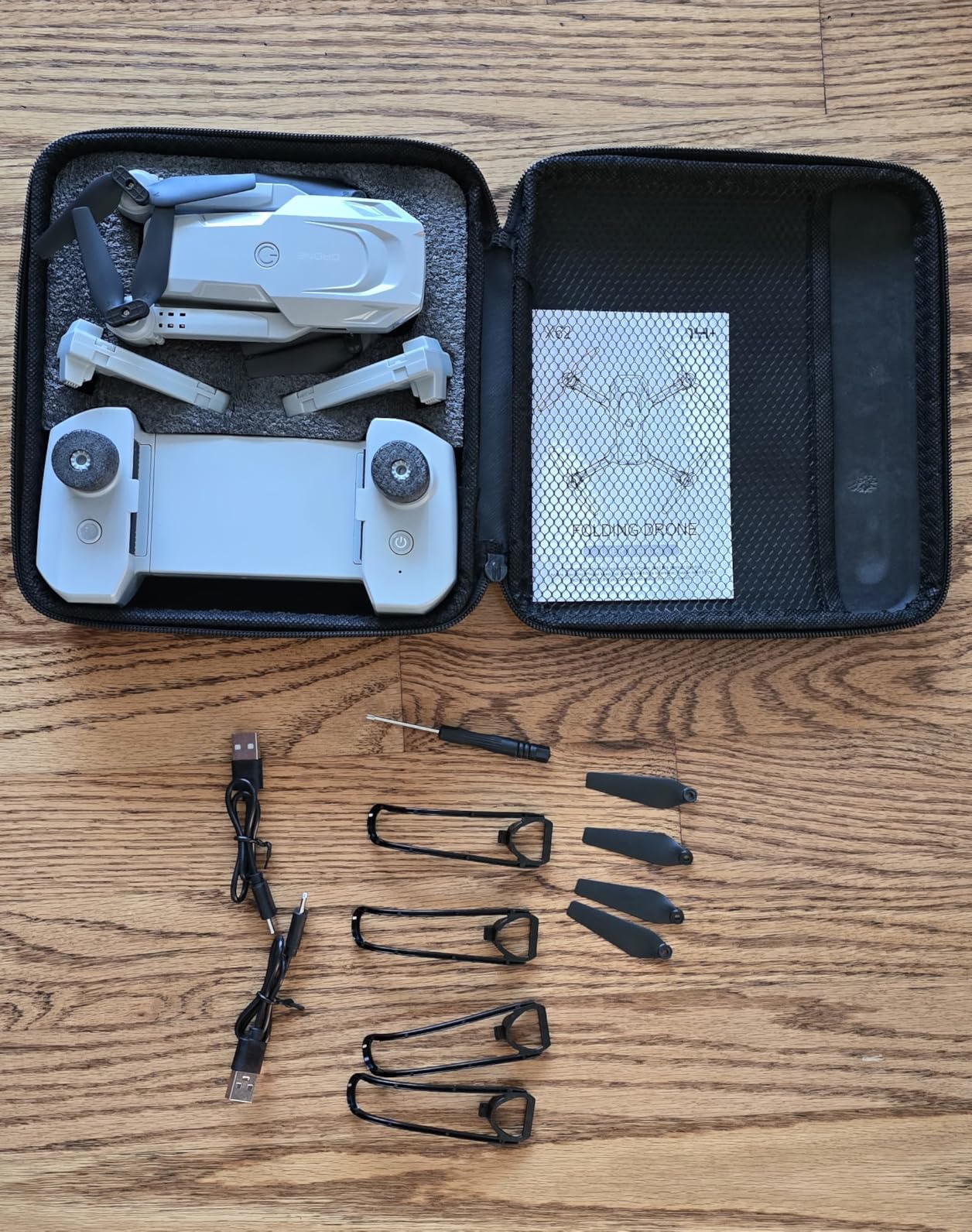
The RELIDOL X62 rounds out our list as one of the most affordable foldable drones available. At under $40, it offers a 1080P camera, gesture control, voice commands, 3D flips, and two batteries. It is designed from the ground up as a beginner and kid-friendly drone.
The voice control feature is a fun addition that kids especially enjoy. You can issue simple commands to take off, land, and flip. The gesture control for taking photos works at close range and adds another interactive element. These features make the X62 feel more like a toy than a serious camera drone, which is exactly what it should be at this price.
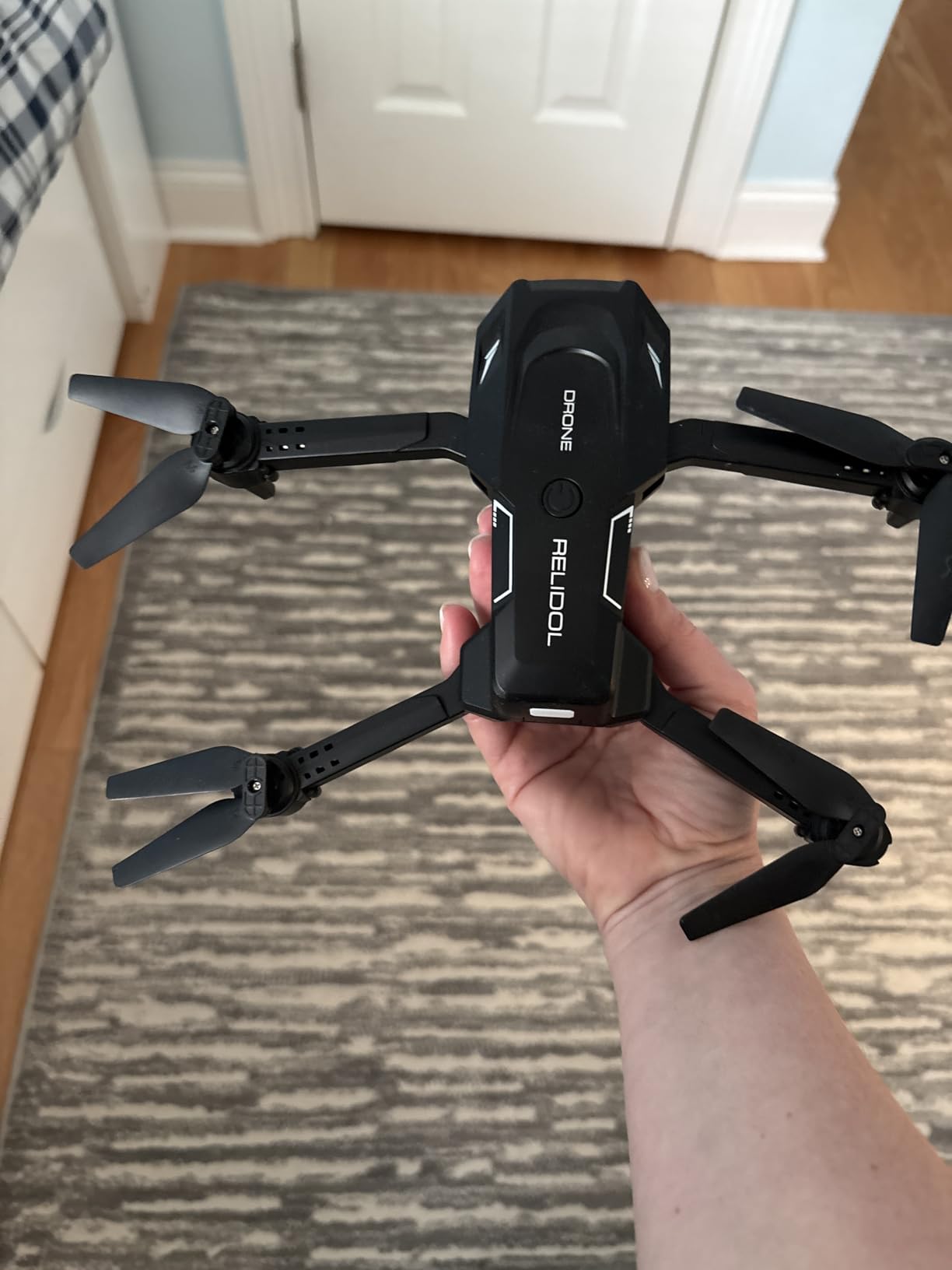
The 1080P camera produces images that are fine for casual sharing. The 80-degree adjustable lens lets you angle the camera up and down for different shot types. Without a gimbal, video footage has noticeable shake, but the altitude hold and optical flow positioning help maintain stability in still air.
Durability is decent for the price. The propeller guards protect the blades during collisions, and the lightweight plastic body absorbs impacts reasonably well. At just over 4 ounces, it is one of the lightest drones in this guide.
Who should buy the RELIDOL X62
This is the best foldable drone for young kids and anyone looking for a cheap, fun toy drone. If your goal is to introduce a child to drone flying without spending much, the X62 is a solid choice with enough features to keep things entertaining.
For anyone interested in aerial photography or videography, this drone will not meet your needs. It is a toy in the best sense of the word.
Indoor vs outdoor flying
The X62 is best suited for indoor flying or outdoor use on completely calm days. Even light wind will push this 4-ounce drone off course. The 30-meter range keeps it close, which is actually safer for kids learning to fly.
Some users report remote control connectivity issues, which may require re-pairing the controller. Keep the manual handy during your first few flights in case troubleshooting is needed.
How to Choose the Best Foldable Drone: Complete Buying Guide
Choosing the right foldable drone comes down to understanding your needs and matching them to the right combination of features. After testing all 12 drones in this guide, here are the key factors I recommend focusing on.
Weight and FAA Registration (The 250g Rule)
The most important regulatory detail for drone buyers in the United States is the 250-gram weight threshold. Drones weighing under 250 grams (0.55 pounds) do not require FAA registration for recreational use. Every drone in this guide falls under that threshold, which is one of the main advantages of foldable drones designed for portability.
If a drone weighs 250 grams or more, you must register it with the FAA for $5, display your registration number on the drone, and follow recreational flying rules. In Europe, the C0 class covers drones under 250 grams with similar exemptions. Always check your local regulations before flying, as rules vary by country and change over time.
Camera Quality and Stabilization
Camera quality is the biggest differentiator between price tiers. Premium drones like the DJI Mini 3 and Flip use 3-axis mechanical gimbals that produce smooth, professional footage even in wind. Mid-range drones like the Potensic ATOM SE use 2-axis gimbals or electronic image stabilization, which is good but not as smooth.
Budget drones under $150 typically use electronic stabilization only, which struggles in windy conditions. Resolution matters too: 4K gives you cropping flexibility and sharper detail, while 1080p is fine for casual social media use. If video quality is your priority, spend the extra money on a DJI model with a true gimbal.
Flight Time and Battery Strategy
Advertised flight times are almost always optimistic. As a rule of thumb, expect 70 to 80 percent of the manufacturer’s claimed flight time in real-world conditions. Most foldable drones deliver 15 to 30 minutes per battery, with the CHUBORY G9 and Potensic ATOM SE leading the pack by including multiple batteries.
Always buy at least one spare battery if you plan regular flying. Two to three batteries give you enough flight time for a satisfying session without rushing your shots. Check charge times too: some budget drones take over an hour to recharge a battery that gives 15 minutes of flight.
Portability and Foldable Design
The whole point of a foldable drone is portability, but designs vary significantly. The DJI Neo 2 at 151 grams fits in a jacket pocket. The DJI Mini 3 folds to roughly the size of a water bottle. Budget drones like the RELIDOL X62 collapse even smaller but sacrifice camera quality and range.
Consider what you will carry the drone in. Most include a carrying case or bag, but the size of the folded drone determines whether it fits in a daypack, purse, or pocket. If you travel by air frequently, check that the drone and batteries comply with airline lithium battery regulations.
GPS and Smart Flight Features
GPS transforms the drone flying experience. Features like Auto Return Home, Follow Me, Waypoint Flight, and Orbit mode are only possible with GPS positioning. Every DJI drone in this guide has GPS, as do mid-range options like the Potensic ATOM SE, Oddire HK11, BLINORY HK55, and CHUBORY G9.
Drones without GPS (like the HOVERAir X1, RELIDOL PK01, Loiley X69, and RELIDOL X62) rely on optical flow positioning and altitude hold. These keep the drone stable but cannot bring it home automatically if you lose connection. For beginners, GPS provides significant peace of mind.
Budget Drone Warning: What to Avoid
Reddit’s drone communities are full of stories about misleading budget drone advertising. Common complaints include cameras labeled 4K that are actually upscaled 720p, flight time claims that are double the real performance, and range numbers that assume perfect conditions with zero interference.
The budget drones in this guide represent the better options in the under-$150 category, but even here, expect real-world performance to fall short of marketing claims. If reliability and honest specifications matter to you, DJI remains the gold standard. The community consensus on Reddit is clear: you get what you pay for, and DJI is worth the premium for most users.
Frequently Asked Questions About Foldable Drones
What is the best pocket sized drone?
The DJI Neo 2 is the best pocket-sized drone available in 2026. At just 151 grams, it fits in a jacket pocket and offers palm takeoff, gesture control, ActiveTrack subject tracking, and omnidirectional obstacle sensing. The HOVERAir X1 at 125 grams is even smaller and a good alternative for hands-free selfie shooting.
What is the 120m rule for drones?
The 120 meter (400 foot) rule is an FAA and European aviation regulation stating that recreational drone pilots must not fly higher than 120 meters above ground level. This altitude limit exists to avoid conflicts with manned aircraft. In the US, recreational flyers must also pass the TRUST test and follow community-based organization safety guidelines.
Are drones from Temu any good?
Drones from Temu and similar marketplaces are generally not recommended. Reddit drone communities consistently report that these drones have misleading specifications, poor build quality, unreliable flight performance, and nonexistent customer support. Users frequently express regret after trying both Temu drones and reputable brands. For reliable performance, stick with established brands like DJI, Potensic, or HOVERAir sold through Amazon or authorized retailers.
Is the DJI Flip drone worth it?
Yes, the DJI Flip is worth it for most buyers. It delivers 4K/60fps HDR video from a 1/1.3-inch CMOS sensor, full-coverage carbon fiber propeller guards for safety, 31 minutes of real flight time, and 13km O4 transmission range at a mid-range price. The propeller guards make it especially good for beginners and families. It is one of the best value foldable drones on the market.
What is the best travel drone for beginners?
The DJI Mini 4K Combo is the best travel drone for beginners. It offers genuine 4K video with 3-axis gimbal stabilization, two batteries for extended flying time, a shoulder bag for transport, GPS Return to Home for safety, and weighs under 249 grams so no FAA registration is needed. The beginner-friendly one-tap takeoff and landing make it easy to fly from day one.
Final Thoughts on the Best Foldable Drones in 2026
The best foldable drones combine portability, camera quality, and flight performance in a package you actually want to carry. For most buyers, the DJI Mini 4K Combo hits the sweet spot of value and capability. The DJI Flip is the best all-around choice for safety and video quality. And the DJI Neo 2 is the ultimate portable selfie drone for travelers.
On the budget side, the Potensic ATOM SE delivers DJI-adjacent features for less, while the Oddire HK11 and BLINORY HK55 offer GPS functionality at entry-level prices. Whatever your budget, there is a foldable drone in this guide that will get you airborne and capturing aerial footage. Fly safe, respect local regulations, and have fun exploring from above.