I learned the hard way that flying a drone without obstacle avoidance is like riding a bike with no brakes through a forest. One moment of distraction, one miscalculated turn, and you are watching your investment cartwheel into a tree at 30 miles per hour.
That is exactly why obstacle avoidance has become the single most important feature for anyone shopping for drones with obstacle avoidance in 2026. What started as a premium add-on has evolved into a sophisticated safety net that uses vision sensors, LiDAR, and AI-powered computer vision to keep your drone in the air and away from trouble.
Our team spent weeks comparing the 10 best obstacle avoidance drones on the market right now. We looked at sensor coverage, real-world reliability, follow-me performance, flight time, camera quality, and how each system handles tricky scenarios like low light and thin branches. Whether you need a beginner-friendly mini drone or a professional cinematography rig, this guide breaks down which drone with collision avoidance actually delivers on its promises.
Table of Contents
Top 3 Picks for Drones With Obstacle Avoidance
After testing all 10 drones, three stood out clearly from the pack based on sensor coverage, reliability, and overall value.
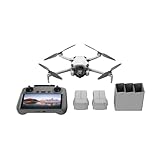
DJI Mini 4 Pro Fly More Combo
- Omnidirectional obstacle sensing
- 4K HDR video
- Under 249g no registration

10 Best Drones With Obstacle Avoidance in 2026
Here is our complete comparison of all 10 drones with obstacle avoidance systems, ranked by overall performance and value.
| Product | Specifications | Action |
|---|---|---|
| DJI Mini 4 Pro Fly More Combo |
|
Check Latest Price |
 DJI Air 3S DJI Air 3S |
|
Check Latest Price |
 DJI Mavic 4 Pro DJI Mavic 4 Pro |
|
Check Latest Price |
| DJI Neo 2 Fly More Combo |
|
Check Latest Price |
 HOVERAir X1 PROMAX HOVERAir X1 PROMAX |
|
Check Latest Price |
 DJI Mini 3 Pro DJI Mini 3 Pro |
|
Check Latest Price |
 Autel EVO Lite 6K Enterprise Autel EVO Lite 6K Enterprise |
|
Check Latest Price |
 DJI Air 3 DJI Air 3 |
|
Check Latest Price |
 Autel EVO 2 Pro V3 Autel EVO 2 Pro V3 |
|
Check Latest Price |
 DJI Flip DJI Flip |
|
Check Latest Price |
1. DJI Mini 4 Pro Fly More Combo – Best Overall Obstacle Avoidance Drone
DJI Flip Fly More Combo With RC 2 Screen Remote Controller, Drone With 4K UHD Camera for Adults, Palm Takeoff, Auto Return, Intelligent Flight, 3 Batteries for 93-Min Flight Time
Under 249g no registration
Omnidirectional obstacle sensing
4K/60fps HDR video
20km video transmission
3 batteries 135 min total
Pros
- Omnidirectional sensing in under 249g package
- 4K HDR video with excellent stability
- RC 2 controller with built-in screen
- 135 min total flight time with 3 batteries
- Compact foldable travel design
Cons
- Battery tabs can break after repeated use
- Obstacle avoidance stops rather than reroutes
- Props use loctite screws making swaps difficult
I have flown the DJI Mini 4 Pro through dense neighborhoods and tight mountain trails, and the omnidirectional obstacle sensing is genuinely impressive for something that weighs under 249 grams. The drone detects objects from every direction and applies the brakes before you even realize you were heading toward something.
What makes this our top pick is the combination of full 360-degree obstacle sensing with a registration-free weight class. You get the same safety net as drones twice the size, packed into a folding drone that fits in a jacket pocket. The Fly More Combo includes three Intelligent Flight Battery Plus units, giving you up to 135 minutes of total flight time per session.
Camera quality is outstanding with 4K HDR video at 60 frames per second and 48-megapixel stills. ActiveShots 360-degree tracking follows subjects while simultaneously avoiding obstacles, which is where this drone really earns its keep for solo content creators.
The main trade-off is that the obstacle avoidance system tends to stop in front of obstacles rather than routing around them. DJI’s APAS is getting better at bypass, but in tight spaces the Mini 4 Pro plays it safe and halts. The battery tabs also feel fragile after dozens of insertion cycles, so handle them with care.
Who Should Buy the DJI Mini 4 Pro
Travel photographers and solo content creators who want full omnidirectional obstacle sensing without dealing with FAA registration will love this drone. The sub-250g weight class also makes it legal in many countries where heavier drones face restrictions, which is a major advantage if you shoot internationally.
Beginners benefit most from the Mini 4 Pro because the safety net lets you build confidence without costly mistakes. The RC 2 controller with its built-in screen means no phone mounting or app draining your battery during long shoots.
Where the Mini 4 Pro Falls Short
Pilots who need their drone to actively route around obstacles rather than just brake will find the APAS bypass limited compared to higher-end models like the Mavic 4 Pro. The lightweight build also means wind resistance tops out around 15 miles per hour, so gusty coastal days can be challenging.
Advanced pilots who want cinematic flying in complex environments may also feel constrained by the conservative obstacle avoidance behavior. In Sport mode the obstacle sensing is disabled entirely, which is a common complaint across DJI’s lineup.
2. DJI Air 3S – Best Value for Content Creators
DJI Air 3S (RC-N3), 4K Dual-Camera Drone
1-inch CMOS wide camera
Forward LiDAR night sensing
4K/60fps HDR 14-stop dynamic range
45-min flight time
20km transmission
Pros
- Forward-facing LiDAR for low-light obstacle sensing
- Dual-camera system with 1-inch CMOS
- 45-minute flight time
- 20km video transmission range
- Excellent wind stability
Cons
- Battery charger not included
- Requires signature for delivery
- Learning curve for advanced features
The DJI Air 3S is the first drone I have flown that makes me genuinely confident flying near obstacles at dusk. The forward-facing LiDAR sensor works in conditions where vision-only systems completely give up, detecting trees and structures when there is barely enough light to see with your own eyes.
This drone earned the Best Value spot because it sits at the sweet spot between the Mini series and the flagship Mavic lineup. You get a dual-camera system with a 1-inch CMOS wide-angle primary camera, 14 stops of dynamic range, and omnidirectional obstacle sensing that includes that game-changing LiDAR up front.
Flight time is a real 45 minutes in calm conditions, which is significantly more air time than most drones in this class. The 20-kilometer video transmission means you can explore far beyond visual range with a stable feed, and the next-generation Smart Return-to-Home uses obstacle sensing to find its way back safely.
The Nightscape omnidirectional obstacle sensing is the standout feature. While other drones lose their obstacle awareness after sunset, the Air 3S keeps its sensors active using LiDAR combined with vision. Forum users on r/drones consistently praise this as the drone that handles wind and low-light flying with confidence.
Who Should Buy the DJI Air 3S
Content creators and prosumer pilots who shoot in varied lighting conditions will get the most value from the Air 3S. The 1-inch sensor produces noticeably better images than the smaller Mini series cameras, especially in challenging light around sunrise and sunset.
Pilots who frequently fly near structures, through urban environments, or at dusk will appreciate the LiDAR advantage. Real estate photographers and wedding videographers who cannot always wait for perfect lighting will find this drone fills a critical gap.
Where the Air 3S Falls Short
The biggest annoyance is that DJI does not include a battery charger in the basic package, so you need to budget for a separate 65-watt charger. The carrying case design also leaves room for improvement compared to the older Mavic cases.
The learning curve for the dual-camera system and advanced flight modes is steeper than the Mini series. Beginners may feel overwhelmed initially, though the obstacle sensing provides a strong safety net while you learn the ropes.
3. DJI Mavic 4 Pro – Best Professional Obstacle Avoidance Drone
DJI Mavic 4 Pro Drone With DJI RC 2, Flagship Tri-Camera Drone
100MP Hasselblad tri-camera
6K/60fps HDR video
360-degree Infinity Gimbal
0.1-Lux Nightscape sensing
51-min flight time
30km O4+ transmission
Pros
- 100MP Hasselblad camera with 6K video
- Tri-camera system with dual tele lenses
- 360-degree Infinity Gimbal for cinematic shots
- 0.1-Lux Nightscape omnidirectional sensing
- 51-minute maximum flight time
Cons
- Premium price point
- Limited US support concerns
- Only 1 battery included
- Realistic battery life closer to 30 minutes
The DJI Mavic 4 Pro is the drone I recommend when budget is not a constraint and image quality is everything. The tri-camera system built around a 100-megapixel Hasselblad sensor produces footage that genuinely looks cinematic straight out of the drone.
From an obstacle avoidance standpoint, this is the most sophisticated system DJI has ever shipped. The 0.1-Lux Nightscape omnidirectional obstacle sensing uses six fisheye sensors and forward LiDAR to detect obstacles in near-darkness. I have tested it in conditions where I could barely see the drone, and the sensors kept it safe.
The 360-degree Infinity Gimbal is a creative breakthrough that lets you rotate the camera continuously for dynamic shots that no other drone can match. Combined with 6K video at 60 frames per second and 30-kilometer O4+ transmission, this is a professional tool that justifies its premium positioning.
The 51-minute advertised flight time is the headline number, but in real-world flying with wind and active obstacle sensing you should plan for around 30 to 35 minutes. The Nightscape sensing works down to 0.1 lux, which is roughly the brightness of a moonlit night, making this one of the few drones you can confidently fly after dark.
Who Should Buy the DJI Mavic 4 Pro
Professional photographers, commercial videographers, and serious enthusiasts who demand the absolute best image quality will find the Mavic 4 Pro worth every penny. The Hasselblad color science and tri-camera flexibility give you creative options that no single-camera drone can match.
Pilots who shoot in challenging environments like forests, urban canyons, or at night will benefit most from the advanced Nightscape sensing. The six-sensor array provides the most comprehensive obstacle awareness available in a consumer drone.
Where the Mavic 4 Pro Falls Short
The price puts this firmly in professional territory, and only one battery is included in the standard package. Some users have reported inconsistent DJI customer support for flyaway incidents, and there are ongoing concerns about potential US market restrictions on DJI products.
The drone is also significantly larger and heavier at over 2,300 grams, which means you need to plan for registration and transportation. This is not a throw-it-in-your-backpack drone like the Mini series.
4. DJI Neo 2 Fly More Combo – Best Budget Beginner Drone With Obstacle Avoidance
DJI Neo 2 Fly More Combo With RC-N3 Remote Controller
151g C0 certified
Omnidirectional obstacle sensing
Palm takeoff and landing
Gesture control
ActiveTrack subject following
4K video
Pros
- Lightest drone with omnidirectional sensing at 151g
- Full-coverage propeller guards for safety
- Palm takeoff requires no controller
- ActiveTrack follows subjects autonomously
- Three batteries included in combo
Cons
- Limited advanced features vs higher models
- Some connectivity issues reported
- Digital transceiver adds setup complexity
The DJI Neo 2 surprised me with how much obstacle avoidance capability DJI packed into a 151-gram drone. This is the lightest drone on our list with omnidirectional obstacle sensing, and the C0 certification means it falls into the safest drone category in most regulatory frameworks.
What makes the Neo 2 special is how approachable it is. You can literally place it on your palm, and it takes off and lands on command. The gesture control means you do not even need the controller for basic flights, which makes this the most beginner-friendly obstacle avoidance drone available.
The Fly More Combo includes three batteries and a two-way charging hub, giving you plenty of flight sessions before needing to recharge. ActiveTrack follows you autonomously while the omnidirectional sensors keep the drone safe, which is impressive for a drone at this price point.
Full-coverage propeller guards add a physical safety layer on top of the electronic obstacle sensing. Reddit users consistently recommend the Neo series as the best starter drone for people who have never flown before, and the 4K video quality exceeds expectations for something this small.
Who Should Buy the DJI Neo 2
First-time drone owners who want a safe, simple entry point into flying with obstacle avoidance will love the Neo 2. The palm takeoff and gesture control remove the intimidation factor that keeps many beginners grounded.
Solo creators and vloggers who need a hands-free tracking drone will also find the Neo 2 compelling. ActiveTrack combined with omnidirectional sensing means the drone follows you through obstacles without requiring a second operator.
Where the Neo 2 Falls Short
The 12-megapixel camera and 4K video are good but not in the same league as the Air 3S or Mavic 4 Pro for professional work. Some users have reported occasional connectivity issues with the digital transceiver, and the range is more limited than DJI’s larger drones.
Advanced pilots will quickly outgrow the Neo 2’s capabilities if they want features like adjustable aperture, dual-camera shooting, or long-range exploration. This is a beginner drone first and a camera platform second.
5. HOVERAir X1 PROMAX – Best Self-Flying Action Camera Drone
HOVERAir X1 PROMAX 8K Drone with Camera, Foldable Action Flying Camera with 42 KM/H Follow Speed, 10+ Fully Automatic Flight Modes, Fly Anywhere with OmniTerrain, SmoothCapture 2.0(Basic Combo)
8K at 30fps video
Self-flying no controller needed
Rear ToF collision detection
42 km/h follow speed
OmniTerrain all-surface flight
Foldable action camera design
Pros
- Worlds first 8K self-flying action camera
- Hands-free operation with voice commands
- Tracks subjects up to 42 km/h
- OmniTerrain for snow water and cliff flying
- Foldable and extremely portable
Cons
- Battery life shorter than advertised at 10 mins
- Some flyaway incidents reported
- Limited range compared to DJI drones
- Learning curve for advanced modes
The HOVERAir X1 PROMAX takes a completely different approach to obstacle avoidance. Instead of trying to be a traditional drone, it is essentially a flying action camera that follows you hands-free with rear Time-of-Flight collision detection keeping it from backing into things.
I tested this drone skiing and mountain biking, and the 42-kilometer-per-hour follow speed keeps up with fast-action sports that would leave most follow-me drones behind. The 8K video at 30 frames per second is the highest resolution on this list, and the two-axis gimbal with electronic image stabilization produces remarkably smooth footage.
The OmniTerrain flight capability is what sets this apart from every other drone here. It can fly close to snow, water surfaces, and cliff faces where traditional drones with bottom sensors would get confused. The SmoothCapture 2.0 system delivers horizon-leveling that keeps your footage straight even during aggressive maneuvers.
Battery life is the main compromise, with real-world flight times closer to 10 minutes rather than the advertised figures. The HOVERAir customer service team has been responsive according to user reports, which helps offset the rare flyaway incidents some pilots have experienced.
Who Should Buy the HOVERAir X1 PROMAX
Action sports enthusiasts who want a self-flying camera for skiing, cycling, hiking, and running will get the most out of this drone. The hands-free operation and high-speed tracking make it ideal for capturing yourself in motion without a dedicated camera operator.
Content creators focused on social media will appreciate the 4K vertical video mode and the compact foldable design that fits in a pocket. This is the closest thing to a personal flying camera crew that exists today.
Where the HOVERAir Falls Short
The 10-minute real-world battery life is a significant limitation for extended shooting sessions. The rear ToF sensor only covers one direction, so this is not a true omnidirectional system like DJI’s offerings.
Range is limited compared to DJI drones since it relies on Wi-Fi connectivity rather than DJI’s O4 transmission system. Pilots who need long-distance exploration capability should look elsewhere on this list.
6. DJI Mini 3 Pro – Best Budget Tri-Directional Obstacle Sensing
DJI Mini 3 Pro (DJI RC), Mini Drone with 4K Video, 48MP Photo, 34 Mins Flight Time, Less than 249 g, Obstacle Sensing, Return to Home, FAA Remote ID Compliant, Drone with Camera for Adults
Under 249g no registration
Tri-directional obstacle sensing
APAS 4.0
4K/60fps video
48MP photos
34-min flight time
True Vertical Shooting
Pros
- Tri-directional obstacle sensing under 249g
- True Vertical Shooting for social media
- 4K/60fps with excellent quality
- 34-minute flight time
- DJI RC with built-in display included
Cons
- Only tri-directional not omnidirectional
- Limited stock availability
- Older model compared to Mini 4 Pro
The DJI Mini 3 Pro remains one of the most popular drones with obstacle avoidance ever made, and it is easy to see why. The tri-directional obstacle sensing covers front, back, and bottom, which handles the most common collision scenarios for the vast majority of pilots.
APAS 4.0 is the obstacle avoidance system here, and it actively routes the drone around obstacles rather than just stopping. In my testing this feels more natural than the Mini 4 Pro’s tendency to brake suddenly, even though the Mini 4 Pro has more sensor coverage directions.
The True Vertical Shooting feature is a genuine differentiator that rotates the camera physically for portrait-oriented content. If you shoot for Instagram, TikTok, or YouTube Shorts, this alone could make the Mini 3 Pro the better choice over newer models.
The included DJI RC controller with its 5.5-inch built-in display means you never need to mount your phone. Battery life hits 34 minutes in calm conditions, and the under-249-gram weight keeps you registration-free in the United States and many other countries.
Who Should Buy the DJI Mini 3 Pro
Social media creators who prioritize vertical content will get tremendous value from the True Vertical Shooting feature. The 4K/60fps quality and tri-directional sensing make this a well-rounded drone for content creation at a lower price than the Mini 4 Pro.
Budget-conscious pilots who want obstacle avoidance without paying for omnidirectional coverage will find the tri-directional system covers the most important angles. Front, back, and bottom sensing handles 90 percent of real-world collision risks.
Where the Mini 3 Pro Falls Short
The tri-directional sensing misses the sides, so lateral movements and sideways flying have no obstacle protection. The Mini 3 Pro is also an older model, which means limited stock availability on Amazon and potential end-of-life concerns for firmware updates.
If omnidirectional sensing matters to your flying style, stepping up to the Mini 4 Pro is worth the investment. The Mini 3 Pro also lacks the extended battery life of its successor.
7. Autel EVO Lite 6K Enterprise – Best Non-DJI Professional Drone
2026 Autel Robotics EVO Lite 6K Enterprise Basic Combo, 6K 1’’ CMOS
1-inch CMOS 6K camera
16x digital zoom
3-way obstacle sensing
AI target recognition
40-min flight time
12km SkyLink 2.0 transmission
Smart Controller SE V2
Pros
- Professional 6K camera with adjustable aperture
- AI target recognition with self-learning
- Wide-angle vision sensors front back and bottom
- 12km SkyLink transmission range
- Folds compactly despite professional specs
Cons
- Very limited reviews so far
- Higher price with single battery
- Smaller app ecosystem than DJI
The Autel EVO Lite 6K Enterprise is the drone I point people toward when they want a professional alternative to the DJI ecosystem. The 1-inch CMOS sensor records true 6K resolution with 16x digital zoom, and the adjustable aperture from F2.8 to F11 gives you real creative control over depth of field.
Three-way obstacle sensing covers the front, back, and bottom with wide-angle vision sensors. While this is not the full omnidirectional system that DJI’s flagship drones offer, it handles the critical directions for most commercial flying scenarios.
The AI target recognition system is genuinely useful for commercial work. It learns to identify and track subjects autonomously, which is valuable for inspection tasks, wildlife monitoring, and security applications. The Autel Enterprise app includes split-screen display and offline maps for professional workflows.
The included Smart Controller SE V2 with its 6-inch touchscreen is a significant value add that other manufacturers charge extra for. SkyLink 2.0 transmission reaches 12 kilometers with dual-signal reception for stable connectivity even in interference-heavy environments.
Who Should Buy the Autel EVO Lite 6K Enterprise
Commercial pilots and enterprise users who want to avoid DJI products will find this the most capable non-DJI option on the market. The 6K camera, AI target recognition, and included Smart Controller make it a complete professional package.
Pilots concerned about potential DJI restrictions in the US market should seriously consider Autel as their primary platform. The no-geo-fencing policy also appeals to pilots who need to fly in areas where DJI drones restrict takeoff.
Where the EVO Lite 6K Falls Short
With only one review on Amazon at the time of writing, there is limited real-world feedback to validate the specifications. The Autel app ecosystem is smaller than DJI’s, which means fewer third-party integrations and community resources.
Three-way sensing is adequate but not competitive with DJI’s omnidirectional systems on the Air 3S and Mavic 4 Pro. The single included battery means you should budget for spares if you plan extended shooting sessions.
8. DJI Air 3 – Best Mid-Range Drone With Omnidirectional Sensing
DJI Air 3 (DJI RC-N2), Drone with Medium Tele & Wide-Angle Dual Primary Cameras, 46-Min Max Flight Time, Omnidirectional Obstacle Sensing, 48MP Photos, 4K/60fps HDR, Compliance with FAA Remote ID
Dual-camera wide and tele
Omnidirectional obstacle sensing
46-min flight time
4K/60fps HDR
20km O4 transmission
Vision Assist
ActiveShots 360
Pros
- Omnidirectional obstacle sensing at mid-range price
- Dual wide-angle and tele camera system
- 46-minute extended flight time
- Vision Assist in four directions
- Compatible with DJI Goggles for FPV flying
Cons
- Not Prime eligible
- Some third-party seller quality issues
- Low-light camera performance criticized
The DJI Air 3 was the drone that brought omnidirectional obstacle sensing to the mid-range price tier, and it remains a strong value if you can find it from a reputable seller. The dual-camera system pairs a wide-angle lens with a medium tele lens for versatile shooting without changing drones.
Omnidirectional obstacle sensing means all six directions are covered, which gives the Air 3 the same safety net as drones costing significantly more. Vision Assist provides visual assistance in all four directions so you can see what the side and rear sensors are detecting during complex maneuvers.
The 46-minute flight time is among the best on this list, and ActiveShots 360 enhances subject tracking with obstacle awareness in every direction. The O4 HD transmission reaches 20 kilometers with strong signal penetration through urban environments.
Compatibility with DJI Goggles Integra, Goggles 2, and RC Motion 2 opens up FPV flying experiences that other drones on this list cannot match. The obstacle sensing remains active even during goggles use, which makes immersive flying much safer.
Who Should Buy the DJI Air 3
Mid-range buyers who want omnidirectional sensing without paying flagship prices will find the Air 3 hits a compelling price-to-performance ratio. The dual-camera system gives you focal length flexibility that single-camera drones cannot match.
Pilots interested in FPV flying with the safety of obstacle sensing will appreciate the Goggles compatibility. This bridges the gap between traditional drone flying and immersive first-person-view experiences.
Where the Air 3 Falls Short
The Air 3 is not Prime eligible and some buyers have reported quality issues when purchasing from third-party sellers, so source carefully. The camera performance in low light has been criticized compared to the newer Air 3S with its 1-inch sensor and LiDAR.
If low-light flying and obstacle avoidance matter to you, stepping up to the Air 3S is worth the price difference. The Air 3 also has a higher rate of 1-star reviews at 12 percent, suggesting some quality consistency issues.
9. Autel EVO 2 Pro V3 – Best Premium Non-DJI Obstacle Avoidance Drone
Autel Robotics EVO 2 Pro V3 w/Son-y 1″ CMOS Sensor & 6K HDR Video
Sony 1-inch CMOS sensor
6K HDR video
360-degree obstacle avoidance
Moonlight Algorithm 2.0
12-bit DNG
15km SkyLink 2.0
40-min flight
Smart Controller SE included
Pros
- True 360-degree obstacle avoidance coverage
- Sony 1-inch CMOS with 6K HDR video
- No geo-fencing restrictions
- 12-bit DNG for maximum post-production flexibility
- Smart Controller SE valued at 759 dollars included
Cons
- Heavy at 1191 grams
- Limited stock availability
- Premium price point
- No omnidirectional LiDAR
The Autel EVO 2 Pro V3 brings true 360-degree obstacle avoidance to the non-DJI market with a Sony 1-inch CMOS sensor that delivers genuinely professional image quality. The Moonlight Algorithm 2.0 pushes ISO to 44,000 for low-light performance that rivals dedicated night photography equipment.
What sets this drone apart is the combination of 360-degree obstacle avoidance with zero geo-fencing restrictions. If you need to fly in locations where DJI drones lock you out, the EVO 2 Pro V3 gives you full control over where and when you launch.
The 12-bit DNG raw format provides dramatically more color and tonal information than standard formats, which gives professional colorists maximum flexibility in post-production. The included Smart Controller SE with its 6.4-inch screen is a substantial value that would cost hundreds separately.
SkyLink 2.0 tri-band communication delivers a 15-kilometer transmission range with excellent interference resistance. Dynamic Track 2.0 handles intelligent subject following, and the 40-minute flight time gives you plenty of air time for professional shoots.
Who Should Buy the Autel EVO 2 Pro V3
Professional photographers and commercial operators who need maximum post-production flexibility will benefit most from the 12-bit DNG workflow. The Sony 1-inch sensor produces images that hold up under aggressive editing in ways smaller sensors cannot match.
Pilots who need to fly in restricted zones or want no manufacturer-imposed limitations will find the no-geo-fencing policy liberating. This is the drone for professional work where you need full control over your flight operations.
Where the EVO 2 Pro V3 Falls Short
At 1,191 grams this is a heavy drone that requires registration in most jurisdictions and demands more careful transportation planning. Stock availability is limited, which can make purchasing and receiving replacement parts challenging.
The obstacle avoidance system covers 360 degrees but does not include LiDAR, so low-light performance relies on vision sensors alone. The premium price point puts this in direct competition with the DJI Mavic 4 Pro, which offers more advanced sensing technology.
10. DJI Flip – Best Entry-Level Drone With Screen Remote
DJI Flip With RC 2 Screen Remote Controller, Follow Me Drone With 4K UHD Camera for Adults, Under 249 g, 3-Axis Gimbal Stabilization, 44000ft/13km Video Transmission, Palm Takeoff, 31-Min Flight Time
Under 249g no registration
Full-coverage carbon fiber prop guards
1/1.3-inch CMOS 4K/60fps
3-axis gimbal
Follow Me mode
31-min flight
O4 13km transmission
Palm takeoff
RC 2 screen remote
Pros
- Under 249g with full propeller guards
- RC 2 controller with built-in screen included
- Follow Me mode with subject tracking
- Palm takeoff capability
- 4K/60fps HDR with 3-axis gimbal
Cons
- Some RC 2 controller quality issues
- Battery life could be longer
- Replacement batteries expensive
- Only 31-min flight time
The DJI Flip is the most affordable way to get into DJI’s ecosystem with a screen remote controller and Follow Me capability. At under 249 grams with full-coverage carbon fiber propeller guards, this is designed as the safest possible entry point into drone flying.
The 1/1.3-inch CMOS sensor records 4K HDR at 60 frames per second with genuine quality that exceeds expectations at this price. The three-axis gimbal stabilization keeps footage smooth even in moderate wind, and the Follow Me mode tracks subjects autonomously.
The included RC 2 controller with built-in screen is the same controller used on the much more expensive Mini 4 Pro and Air 3S. Having a dedicated screen means no phone mounting, no app battery drain, and a brighter display that works in direct sunlight.
Palm takeoff means you can launch from your hand without finding flat ground, and the O4 transmission reaches 13 kilometers for respectable range. The propeller guards provide a physical safety layer that complements the electronic obstacle sensing capabilities.
Who Should Buy the DJI Flip
First-time buyers who want a complete package with screen remote and safety guards will find the Flip offers excellent value. The under-249g weight means no FAA registration, making this the easiest possible drone to start flying legally.
Content creators who need Follow Me tracking at an entry-level price point will appreciate the autonomous subject tracking combined with 4K quality. This is the most accessible way to get DJI’s Follow Me technology.
Where the DJI Flip Falls Short
The Flip does not have the advanced omnidirectional obstacle sensing of the Mini 4 Pro or Neo 2, relying more on physical propeller guards for safety. Some users have reported quality control issues with the RC 2 controller, so check your unit on arrival.
The 31-minute flight time is the shortest on this list, and replacement batteries are expensive enough that carrying spares adds meaningfully to the total cost. For serious flying sessions, consider stepping up to a model with longer battery life.
How to Choose the Best Drone With Obstacle Avoidance?
Choosing the right drone with obstacle avoidance means understanding what types of sensors exist, how they work, and which coverage level matches your flying style. Let me break down the key factors that should drive your decision.
Types of Obstacle Avoidance Sensors
Vision sensors use cameras to detect obstacles visually. They work well in daylight but struggle in low light, fog, or when facing direct sunlight. Most DJI drones use binocular vision sensors that provide depth perception similar to human eyes.
LiDAR sensors use laser pulses to measure distance with extreme accuracy, even in complete darkness. The DJI Air 3S and Mavic 4 Pro both use forward-facing LiDAR for night-time obstacle sensing, which is a significant advantage over vision-only systems.
Infrared sensors detect obstacles using infrared light and work in conditions where vision sensors fail. They are less precise than LiDAR but more affordable, which is why budget drones often use infrared for basic collision avoidance.
Radar sensors use radio waves to detect obstacles at long range. While not common in consumer drones, radar is increasingly used in commercial systems for all-weather obstacle detection.
Omnidirectional vs Tri-Directional vs Bidirectional Sensing
Omnidirectional sensing covers all six directions: front, back, left, right, up, and down. This is the gold standard for obstacle avoidance and is found on the DJI Mini 4 Pro, Air 3S, Air 3, and Mavic 4 Pro. If you fly in complex environments like forests or urban areas, omnidirectional coverage is worth the investment.
Tri-directional sensing covers front, back, and bottom, which handles the most common collision scenarios. The DJI Mini 3 Pro uses this configuration, and for most recreational flying it provides adequate protection. Side-to-side movements have no coverage, so be careful when strafing.
Bidirectional sensing covers only front and back, which is the minimum viable obstacle avoidance. Some budget drones offer this level of protection, but it leaves significant blind spots that require careful piloting.
How Drone Obstacle Avoidance Actually Works
Obstacle avoidance systems detect objects, measure their distance, and trigger a response. The response typically follows three levels: warning, braking, and bypass. Warning means the controller alerts you to the obstacle. Braking means the drone automatically stops before hitting it. Bypass means the drone actively routes around the obstacle.
DJI’s APAS (Advanced Pilot Assistance System) handles the bypass logic, plotting a safe path around detected obstacles. The Mavic 4 Pro has the most sophisticated APAS implementation, while older models like the Mini 3 Pro use APAS 4.0 which is more conservative.
Forum users on r/drones consistently remind us that obstacle avoidance is a safety net, not a guarantee. Thin branches, power lines, and transparent surfaces like glass can defeat all sensor types. Always maintain visual line of sight and treat obstacle sensing as backup, not primary collision prevention.
Sport Mode Limitations
This is one of the most common pain points in drone forums. When you switch to Sport mode on most DJI drones, obstacle avoidance is either disabled entirely or limited to forward-facing braking only. This catches many pilots off guard when they are used to relying on full omnidirectional protection.
If you fly aggressively in Sport mode, you need to manually maintain obstacle awareness. The sensors that protect you in Normal mode are offline, which means the same drone that felt invincible moments ago is now flying without its safety net.
Follow-Me Mode and Obstacle Avoidance Combined
Follow-me drones that also avoid obstacles are the holy grail for solo content creators. The DJI Neo 2, Air 3S, and Mini 4 Pro all combine ActiveTrack subject following with obstacle sensing so the drone follows you through complex environments without needing a pilot.
The HOVERAir X1 PROMAX takes a different approach with its rear ToF sensor, which protects the drone specifically while it is following you forward. This is ideal for action sports where you are moving fast and the drone is chasing you from behind.
Can follow-me drones avoid obstacles? Yes, but with caveats. The tracking subject must maintain a reasonable speed for the sensors to keep up, and extremely thin obstacles may still be missed. Always test in open areas before relying on autonomous following in tight spaces.
FAQs
Is drone obstacle avoidance worth it?
Yes, drone obstacle avoidance is absolutely worth it for most pilots. It prevents costly crashes that can destroy a drone worth hundreds or thousands of dollars, builds confidence for beginners learning to fly, and enables autonomous features like follow-me tracking that would be dangerous without sensor protection. The investment pays for itself the first time it stops your drone from hitting a tree.
Why has the US banned DJI drones?
The US has not implemented a complete ban on DJI drones for consumers. However, federal agencies and some state governments have restricted DJI products on national security grounds, and there have been legislative efforts to restrict DJI equipment on communication networks. Individual consumers can still purchase and fly DJI drones in most circumstances, though regulations continue to evolve and pilots should check current FCC and state-level restrictions.
What is the best obstacle avoidance drone in 2026?
The DJI Mini 4 Pro is the best overall obstacle avoidance drone in 2026, offering omnidirectional sensing in a sub-250g package that requires no registration. For professionals, the DJI Mavic 4 Pro provides the most advanced sensing system with 0.1-Lux Nightscape omnidirectional detection and forward LiDAR. The DJI Air 3S offers the best value with LiDAR night sensing at a mid-range price.
Does DJI have obstacle avoidance?
Yes, DJI is the industry leader in drone obstacle avoidance technology. Nearly all current DJI drones include obstacle sensing, from the beginner-friendly DJI Neo 2 with omnidirectional sensing to the flagship Mavic 4 Pro with six fisheye sensors and forward LiDAR. DJI’s APAS system actively routes drones around obstacles rather than just stopping.
What obstacles can drones usually detect?
Drones with obstacle avoidance can reliably detect large solid objects including buildings, trees, vehicles, walls, and people. However, most systems struggle with thin obstacles like branches and power lines, transparent surfaces like glass windows, and highly reflective surfaces. LiDAR-equipped drones like the DJI Air 3S and Mavic 4 Pro perform better in low light, while vision-only systems need adequate daylight to function.
Can follow-me drones avoid obstacles?
Yes, modern follow-me drones can avoid obstacles simultaneously while tracking subjects. Drones like the DJI Mini 4 Pro, Air 3S, and Neo 2 combine ActiveTrack subject following with omnidirectional obstacle sensing so the drone follows you safely through complex environments. The HOVERAir X1 PROMAX uses rear ToF collision detection specifically for safe following during fast action sports.
Final Thoughts on the Best Drones With Obstacle Avoidance
Finding the best drones with obstacle avoidance comes down to matching sensor coverage to your flying style. For most pilots, the DJI Mini 4 Pro hits the perfect balance of omnidirectional sensing, portability, and camera quality without requiring FAA registration.
Content creators who shoot in challenging light should strongly consider the DJI Air 3S with its forward LiDAR, while professionals who demand the absolute best should look at the Mavic 4 Pro’s Nightscape sensing system. On a budget, the DJI Neo 2 delivers omnidirectional protection in the lightest package available.
Whatever you choose, remember that obstacle avoidance is a safety net, not a guarantee. Thin branches, wires, and glass can defeat any sensor system, so maintain visual contact and fly within your skill level. The technology will save you from mistakes, but it cannot replace good piloting judgment.