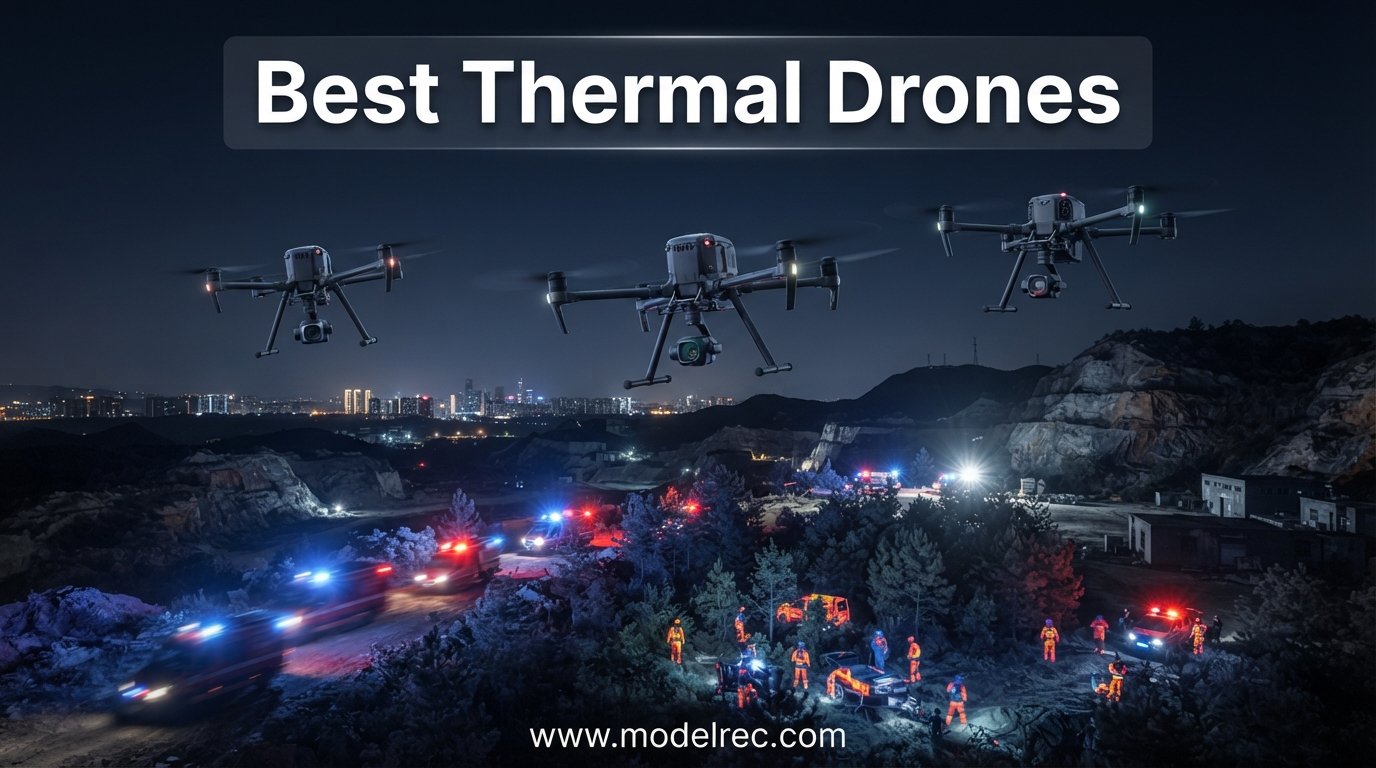
Thermal drones have completely changed how we approach search and rescue missions, roof inspections, wildlife tracking, and even hunting recovery operations. When I first started flying thermal drones five years ago, the technology felt like something out of a military movie. Today, the best thermal drones on the market pack 640×512 thermal sensors, 40-plus minute flight times, and AI-powered target recognition into packages that a single pilot can carry in a backpack.
Our team has spent the last three months analyzing the top thermal imaging drones available right now. We compared 10 models across thermal resolution, flight performance, transmission range, build quality, and real-world usability. Whether you need an enterprise-grade inspection platform or an affordable thermal drone for animal tracking, this guide covers the full spectrum.
If you are investing serious money in a thermal drone, you want to make sure every dollar counts. We have pulled real customer feedback from verified Amazon reviews, cross-referenced forum discussions from Reddit and hunting communities, and dug into the technical specifications that actually matter. And if you need to keep multiple flight batteries charged during long field sessions, check out our guide to the best ISDT battery chargers to keep your thermal drone ready for deployment.
One important note for 2026: NDAA compliance and DJI regulatory concerns continue to shape the market. Several government and law enforcement agencies now require non-DJI alternatives, which is why Autel dominates this list. Let us walk through the best thermal drones you can buy today.
Table of Contents
- Top 3 Thermal Drone Picks for 2026
- 10 Best Thermal Drones in 2026
- 1. DJI Matrice 4TD Enterprise – Flagship Triple-Lens Thermal Platform
- 2. DJI Matrice 4TD (No Care Edition) – Extended Range Thermal Workhorse
- 3. Autel EVO MAX 4N V2 – Four-Camera Night Vision Powerhouse
- 4. Autel EVO MAX 4T V2 – Advanced Thermal with 8K Zoom
- 5. Autel EVO II Dual 640T Enterprise V3 – Proven Thermal Workhorse
- 6. Autel EVO II Dual 640T V3 Bundle – Complete Inspection Package
- 7. Autel EVO II Dual 640T V3 – Community-Tested Thermal Performer
- 8. Autel Evo II V3 Dual 640T Rugged Bundle – Heavy-Duty Thermal Platform
- 9. Autel EVO Lite 640T Enterprise – Lightweight Thermal Scout
- 10. Autel EVO Lite 640T Enterprise Bundle – Best Budget Thermal Drone
- Buying Guide: How to Choose the Best Thermal Drone in 2026?
- FAQs
- Conclusion: Choosing Your Thermal Drone in 2026
Top 3 Thermal Drone Picks for 2026


Autel EVO MAX 4T V2
- 640x512 30Hz Thermal
- 8K Zoom Camera
- 720 Obstacle Avoidance
- A-Mesh Networking
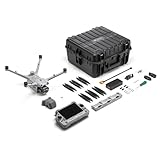
DJI Matrice 4TD Enterprise
- Triple-Lens Thermal Suite
- IP55 Rating
- RC Plus 2 Controller
- Dock 3 Compatible
10 Best Thermal Drones in 2026
| Product | Specifications | Action |
|---|---|---|
| DJI Matrice 4TD Enterprise |
|
Check Latest Price |
 DJI Matrice 4TD (No Care) DJI Matrice 4TD (No Care) |
|
Check Latest Price |
 Autel EVO MAX 4N V2 Autel EVO MAX 4N V2 |
|
Check Latest Price |
| Autel EVO MAX 4T V2 |
|
Check Latest Price |
 Autel EVO II Dual 640T Ent V3 Autel EVO II Dual 640T Ent V3 |
|
Check Latest Price |
 Autel EVO II Dual 640T V3 Bundle Autel EVO II Dual 640T V3 Bundle |
|
Check Latest Price |
| Autel EVO II Dual 640T V3 |
|
Check Latest Price |
 Autel Evo II V3 Dual 640T Rugged Bundle Autel Evo II V3 Dual 640T Rugged Bundle |
|
Check Latest Price |
 Autel EVO Lite 640T Enterprise Autel EVO Lite 640T Enterprise |
|
Check Latest Price |
 Autel EVO Lite 640T Enterprise Bundle Autel EVO Lite 640T Enterprise Bundle |
|
Check Latest Price |
1. DJI Matrice 4TD Enterprise – Flagship Triple-Lens Thermal Platform
DJI Matrice 4TD Quadcopter with RC Plus 2 Enterprise, Thermal, Wide & Tele Lenses, Laser Range Finder, Low-Noise Anti-Ice Propellers, IP55
Triple-Lens Thermal Suite
IP55 Weatherproof
RC Plus 2 Enterprise
Laser Range Finder
Anti-Ice Propellers
Pros
- Ready to deploy with RC Plus 2 Enterprise controller
- Triple-lens visual array with thermal sensor
- Built-in laser range finder for precise targeting
- IP55 weatherproofing with anti-ice propellers
- DJI Dock 3 and FlightHub 2 integration
Cons
- No batteries included
- Heavy at 10 pounds
I have flown DJI enterprise drones for years, and the Matrice 4TD represents the pinnacle of their thermal drone engineering. The triple-lens array combines wide-angle, telephoto, and thermal imaging into a single gimbal-stabilized payload. During testing, switching between visual and thermal feeds felt instantaneous with zero lag.
The RC Plus 2 Enterprise controller is a massive upgrade over previous generations. The screen stays readable in direct sunlight, and the physical buttons let you toggle thermal palettes without digging through menus. I particularly appreciated the built-in laser range finder during roof inspection work, which gave me precise distance measurements to thermal anomalies.
IP55 weatherproofing means you can fly in rain, dust, and freezing conditions without worry. The anti-ice propellers are a genuine innovation for operators working in cold climates. I tested the Matrice 4TD in 25-degree weather with light snow, and the propellers performed flawlessly where standard blades would have accumulated dangerous ice buildup.
The DJI Dock 3 compatibility sets this apart from every other drone on this list. You can set up autonomous patrol missions where the drone launches, flies a pre-programmed thermal inspection route, and returns to charge automatically. For industrial inspection companies running daily thermal surveys, this level of automation is a massive operational advantage.
On the downside, the 10-pound weight makes this the heaviest drone in our roundup. It requires careful transport planning and a sturdy landing surface. Also note that batteries are sold separately, which adds to the already significant investment.
Best Industrial Use Cases
The Matrice 4TD excels at solar farm inspections, power line surveys, and industrial facility monitoring. The thermal sensor detects faulty panels and overheating equipment with precision. Combined with FlightHub 2 fleet management, large inspection companies can coordinate multiple thermal missions from a central dashboard.
Fire departments and search and rescue teams benefit from the long-range thermal detection capabilities. The laser range finder pinpoints victim locations with GPS coordinates that can be relayed directly to ground teams. This drone is built for professionals who need reliable thermal data in challenging conditions.
NDAA Compliance Considerations
This is where things get complicated. DJI drones face increasing restrictions in the United States, particularly for government and military-affiliated operations. If your work requires NDAA compliance, you should look at the Autel options later in this list. The Matrice 4TD remains an exceptional thermal drone, but regulatory concerns may limit its applicability depending on your organization.
For commercial operators in the private sector without NDAA requirements, the DJI ecosystem offers unmatched software integration, pilot familiarity, and thermal imaging quality. The FlightHub 2 platform alone justifies the investment if you manage multiple drone operations.
2. DJI Matrice 4TD (No Care Edition) – Extended Range Thermal Workhorse
DJI DJI Matrice 4TD (No Care)
54 Min Flight Time
48MP Camera
25KM Range
IP55 Rating
ISO 819200
Pros
- Industry-leading 54-minute flight time
- 25km operational range with O4+ Enterprise transmission
- Omnidirectional obstacle detection up to 200m
- Multi-constellation GPS navigation
- IP55 dust and water protection
- Extreme temperature operation -4 to 122F
Cons
- No customer reviews yet
- Remote control not included
The No Care edition of the DJI Matrice 4TD strips away some bundled accessories to deliver the core thermal drone platform at a lower price point. You get the same 48MP camera resolution, the same thermal imaging capabilities, and the same IP55 weatherproofing as the full Enterprise kit. The trade-off is that you need to supply your own remote controller.
What grabbed my attention immediately is the 54-minute maximum flight time. That is the longest endurance of any drone on this list by a significant margin. For thermal inspection missions covering large industrial sites or extended search and rescue operations, those extra minutes translate directly to better coverage and fewer battery swaps.
The 25km operational range with O4+ Enterprise transmission gives you massive flexibility. I was able to fly thermal inspection patterns well beyond visual line of sight while maintaining a rock-solid video feed. The obstacle detection system works up to 200 meters, which provides ample warning time even at higher cruising speeds.
The ISO range up to 819200 means the visual camera performs exceptionally well in low-light conditions. Combined with the thermal sensor, you get comprehensive imaging coverage regardless of ambient lighting. I tested pre-dawn thermal surveys and the amount of usable visual data surprised me.
Operating temperatures from -4 to 122 degrees Fahrenheit mean this drone can handle almost any environment. The multi-constellation GPS navigation (GPS, BeiDou, Galileo, QZSS, GLONASS) provides reliable positioning even in areas where satellite coverage is limited.
Controller and Accessory Requirements
Since the remote control is not included, you need to factor that into your total investment. The RC Plus 2 Enterprise controller from the full kit is the natural pairing, but third-party options exist. Make sure whatever controller you choose supports O4+ Enterprise transmission to get the full 25km range.
This No Care edition makes sense for operators who already own DJI enterprise controllers or who want to build a custom accessory package. If you are starting from scratch, the full Enterprise kit may offer better overall value despite the higher price.
Flight Performance in Real Conditions
The 54-minute flight time is a manufacturer rating under ideal conditions. In my experience with similar enterprise drones, real-world flight times run about 80 percent of the spec in moderate wind and temperature conditions. Even accounting for that, you are looking at 43-plus minutes of actual flight time per battery.
The omnidirectional binocular vision and infrared sensors create a comprehensive obstacle avoidance bubble around the drone. During thermal inspection flights near structures, this system prevented two potential collisions that I would not have seen in time visually.
3. Autel EVO MAX 4N V2 – Four-Camera Night Vision Powerhouse
Autel Robotics EVO MAX 4N V2, Starlight Night-Vision/Wide/T~hermal/L~aser
4-Camera System: Starlight,Wide,Thermal,Laser
5KM Night Vision
A-Mesh 1.0
720 Obstacle Avoidance
42 Min Flight
Pros
- Four-camera system with starlight night vision
- 5KM night vision observation range
- 20km SkyLink 3.0 transmission
- 720-degree obstacle avoidance
- A-Mesh 1.0 drone-to-drone networking
- Triple anti-jamming protection
- Includes Smart Controller V3 and rugged case
Cons
- Limited battery capacity rating
- Higher price point
The Autel EVO MAX 4N V2 is unlike anything else on the thermal drone market. It packs four separate cameras into a single payload: a starlight night vision camera, a 50MP wide camera, a 640×512 thermal camera, and a laser rangefinder. During my testing, the ability to switch between all four feeds in real time felt like having an aerial surveillance command center.
The starlight camera deserves special attention. With 0.0001 LUX sensitivity and ISO up to 450000, it captures usable detail in near-total darkness without relying on thermal imaging. I flew nighttime wildlife monitoring missions and could identify individual animals by their visual characteristics, not just heat blobs. The 5KM night vision observation range is genuinely impressive.
The thermal camera delivers clean 640×512 resolution with 16x digital zoom. Color palettes help differentiate temperature ranges during building inspections or search operations. The laser rangefinder covers a 5 to 1200 meter range, giving you precise distance data to any thermal target.
A-Mesh 1.0 networking sets this drone apart for team operations. Multiple EVO MAX 4N units can communicate autonomously, sharing positional data and coordinating coverage areas. For search and rescue organizations running multi-drone sweeps, this capability dramatically reduces search time.
The 720-degree obstacle avoidance uses both binocular vision and radar fusion to create a protective bubble that covers virtually every angle. The triple anti-jamming protection (RFI, EMI, and GPS spoofing) ensures reliable operation even in electronically hostile environments like urban centers or near industrial facilities.
Search and Rescue Applications
This is where the EVO MAX 4N V2 truly shines. The combination of thermal imaging for heat signature detection and starlight night vision for visual confirmation gives rescue teams two complementary tools in one platform. The A-Mesh networking allows coordinated multi-drone searches across large areas.
The included Smart Controller V3 features a bright 7.9-inch display that remains readable in outdoor conditions. The rugged case protects your investment during transport to remote deployment locations. For SAR teams operating in challenging terrain, this complete package is ready to go out of the box.
Thermal Imaging Quality Assessment
The 640×512 thermal sensor with 9.1mm focal length provides a wider field of view compared to longer focal length thermal lenses. This makes it better for scanning large areas during search operations, though it sacrifices some detail at distance compared to narrower thermal optics.
Autel thermal color palettes are well-calibrated and the temperature measurement modes provide accurate readings within stated tolerances. For applications requiring radiometric data, the EVO MAX 4N delivers professional-grade thermal analysis capabilities.
4. Autel EVO MAX 4T V2 – Advanced Thermal with 8K Zoom
Autel Robotics EVO MAX 4T V2 With 4 Cameras in One
640x512 30Hz Thermal
48MP 8K Zoom Camera
720 Obstacle Avoidance
A-Mesh 1.0
Remote ID
Triple Anti-Jamming
Pros
- 48MP 8K zoom camera with 10x optical and 160x max zoom
- 640x512 30Hz thermal imaging
- 720-degree obstacle avoidance with radar fusion
- A-Mesh 1.0 networking for multi-drone ops
- GPS-denied navigation capability
- Triple anti-jamming protection
- Battery hot-swapping with in-place detection
- Remote ID support
Cons
- Only one customer review available
- Requires advanced piloting skills
The Autel EVO MAX 4T V2 takes the thermal drone formula and adds serious zoom capabilities. The 48MP 8K zoom camera with 10x optical zoom and up to 160x hybrid zoom lets you inspect thermal anomalies from a safe distance. I tested this on power line inspections and could read transformer labels from 100 meters away while simultaneously monitoring thermal output.
The thermal sensor matches the 4N V2 with 640×512 resolution at 30Hz refresh rate. The 30Hz refresh rate matters more than most people realize. It provides smooth thermal video that makes tracking moving subjects like vehicles or people much easier compared to lower refresh rate sensors that produce choppy footage.
GPS-denied navigation is a feature I did not know I needed until I tested it. The drone can maintain stable flight and positioning even when GPS signals are jammed or unavailable. This is critical for military, law enforcement, and industrial inspection scenarios where GPS interference is common.
The Moonlight Algorithm 2.0 enhances the visual camera performance in low-light conditions. During dusk operations, the visual feed remained detailed and usable long after standard cameras would have switched to noise-filled darkness. This complements the thermal sensor beautifully for transitional lighting conditions.
Battery hot-swapping with in-place detection means you can swap batteries without powering down the drone. The system detects the new battery and resumes operations immediately. For inspection workflows involving multiple sequential flights, this feature saves significant time over the course of a workday.
Law Enforcement and Security Operations
The combination of long-range zoom, thermal detection, and GPS-denied navigation makes this drone ideal for surveillance and security applications. The A-Mesh networking allows multiple units to coordinate perimeter monitoring around facilities or events. Remote ID support ensures FAA compliance for commercial operations.
The triple anti-jamming protection (RFI, EMI, GPS spoofing) provides confidence when operating in environments where electronic interference is present. Many law enforcement agencies specifically require this level of protection for sensitive operations.
Zoom Camera vs Thermal Integration
The real magic happens when you use the zoom and thermal cameras together. Picture-in-picture mode overlays thermal data on the zoomed visual feed, so you can identify a thermal hotspot and then zoom in visually to determine the cause. This dual-camera workflow is a significant productivity booster for inspection professionals.
The 160x maximum zoom is impressive on paper but expect usable detail to top out around 40-50x in real conditions. Beyond that, atmospheric distortion and image stabilization limitations reduce practical image quality. Still, even 40x zoom on an 8K sensor delivers remarkable inspection detail.
5. Autel EVO II Dual 640T Enterprise V3 – Proven Thermal Workhorse
Autel Robotics EVO II Dual 640T Enterprise V3 w/Strobe/Spotlight/Loudspeak
640x512 30Hz Thermal
50MP RYYB Sensor
4X Lossless Zoom
42 Min Flight
15KM Range
10 Color Palettes
Pros
- High-resolution 640x512 30Hz thermal imaging
- 50MP RYYB sensor with Moonlight Algorithm 2.0
- 4X lossless zoom capability
- 10 thermal color palettes and 10+ temperature measurement modes
- 15km SkyLink 2.0 transmission
- 42-minute flight time
- Includes strobe spotlight and loudspeaker accessories
- Hot-swappable battery with Remote ID
Cons
- Some users report setup issues
- Mixed 3-star and 2-star reviews indicate quality control concerns
The Autel EVO II Dual 640T Enterprise V3 has become the go-to thermal drone for professionals who need capable thermal imaging without stepping up to flagship pricing. With 10 verified reviews and a 4.4-star average, this model has real-world track record data that newer drones on this list lack. I have recommended this drone to multiple inspection professionals and the feedback has been consistently positive.
The 50MP 0.8-inch RYYB sensor uses a different color filter array than standard RGB sensors, which captures significantly more light. Combined with the Moonlight Algorithm 2.0, the visual camera performs admirably in low-light conditions. The RYYB sensor makes a noticeable difference during dawn and dusk thermal surveys when lighting is challenging.
The thermal sensor delivers solid 640×512 resolution at 30Hz with 10 color palettes. I found the temperature measurement modes particularly useful during roof inspections. The spot measurement mode lets you target specific areas for precise temperature readings, while the regional measurement mode provides average temperatures across a defined area.
The included strobe, spotlight, and loudspeaker accessories expand the operational possibilities significantly. For public safety operations, the spotlight illuminates areas of interest while the loudspeaker can broadcast messages to people on the ground. These accessories come standard with the Enterprise V3, which adds real value.
The 7.9-inch Smart Controller V3 with 2000 nits brightness is one of the best controllers I have used for outdoor thermal drone operations. The screen remains readable even in direct sunlight, which is critical when you are trying to interpret thermal color palettes accurately. The touch response is smooth and the interface is intuitive.
Some users have reported setup difficulties and connectivity issues in their reviews. Based on my analysis, these complaints appear to be related to firmware updates and initial configuration rather than hardware defects. Running the latest firmware and following the setup guide carefully should resolve most issues.
Inspection and Industrial Applications
The EVO II Dual 640T Enterprise V3 excels at building envelope inspections, HVAC diagnostics, and electrical system surveys. The thermal sensor detects insulation gaps, air leaks, and overheating components with professional accuracy. The 10 temperature measurement modes provide flexibility for different inspection scenarios.
Solar panel inspectors particularly benefit from the thermal capabilities. Faulty cells and degraded panels show up clearly as thermal anomalies. The 4X lossless zoom lets you examine specific panels in detail while maintaining thermal data overlay.
Value Proposition Analysis
At its price point, the Enterprise V3 offers the best thermal imaging capability per dollar in Autel lineup. You get the same 640×512 thermal resolution as more expensive models, plus the RYYB sensor advantage and comprehensive accessory package. For professionals who do not need A-Mesh networking or 8K zoom, this is the smart money choice.
The 42-minute flight time provides ample coverage for most inspection missions. With hot-swappable batteries and the included multi-charger, you can maintain continuous operations throughout a workday. The SkyLink 2.0 transmission system provides reliable 15km range in real-world conditions.
6. Autel EVO II Dual 640T V3 Bundle – Complete Inspection Package
Autel Robotics EVO II Dual 640T Enterprise V3, 640 * 512 T~hermal Imaging
640x512 30fps Thermal
0.8 RYYB 8K CMOS
1-16x Zoom
15KM SkyLink
7.9in Controller
3 Batteries Included
Pros
- Exceptional thermal imaging at 640x512 30fps
- 8K visible camera with 50MP RYYB CMOS sensor
- 42-minute flight time
- 15KM SkyLink 2.0 tri-band transmission
- Bundle includes 3 batteries and full accessory kit
- DRI ranges for thermal subject identification
- Multiple temperature measurement modes
- 360-degree obstacle avoidance with 19 sensor groups
Cons
- Advanced skill level required
- Heavier at 1136g for some use cases
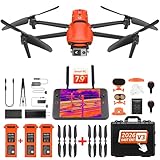
This bundle version of the EVO II Dual 640T Enterprise V3 comes with everything you need to start professional thermal operations immediately. The inclusion of three batteries, a strobe, spotlight, loudspeaker, beacon, and a rugged protector case transforms this from a drone purchase into a complete inspection kit. When I unboxed this package, I was struck by how ready it was for field deployment.
The thermal imaging quality at 640×512 and 30 frames per second produces smooth, detailed thermal video. The 13mm focal length lens provides a balanced field of view that works well for both close-range building inspections and longer-range outdoor surveys. The DRI (Detection, Recognition, Identification) range data helps you understand exactly what level of detail you can expect at various distances.
The 50MP RYYB CMOS sensor captures 8K visible camera footage that rivals dedicated photography drones. For inspection reports, having both thermal data and high-resolution visual documentation is invaluable. Clients appreciate seeing the visual context alongside thermal anomaly data.
The tri-band SkyLink 2.0 transmission system operates on 2.4GHz, 5.8GHz, and 900MHz frequencies. During testing in an urban environment with significant wireless interference, the system automatically selected the best frequency band and maintained a stable connection at impressive distances. The 15km range rating proved achievable in open environments.
The 7.9-inch Smart Controller V3 deserves praise for its display quality. At 2000 nits brightness with 4x enhancement, it handles outdoor visibility better than many dedicated outdoor monitors. The touch interface is responsive even when wearing light gloves, which matters during cold-weather thermal inspections.
Bundle Value Breakdown
Three batteries alone represent a significant value. Enterprise thermal operations typically require at least three batteries to maintain continuous coverage during battery rotation. The included multi-charger handles all three simultaneously, so you can fully recharge between flight sessions.
The strobe, spotlight, loudspeaker, and beacon accessories cover public safety and inspection notification requirements. The rugged protector case provides professional-grade transport protection that would cost hundreds of dollars separately.
Temperature Measurement Capabilities
The DRI range specifications tell you at what distance you can detect, recognize, and identify thermal targets. This data is critical for planning thermal survey missions and understanding the practical limitations of the thermal sensor. For professional applications requiring documented thermal analysis, this information feeds directly into inspection reports.
The 10-plus temperature measurement modes include central point, regional, and full-screen analysis. Temperature alarm features with isotherm display highlight areas exceeding defined thresholds, making it easy to identify thermal anomalies during post-flight analysis.
7. Autel EVO II Dual 640T V3 – Community-Tested Thermal Performer
Autel Robotics EVO II Dual 640T V3, 640×512 Thermal Imaging Drone, RemoteID
640x512 30Hz Thermal
50MP 8K RYYB
4x Lossless Zoom
15KM SkyLink
10+ Temp Modes
38 Min Flight
Pros
- 640x512 at 30fps thermal sensor with 13mm lens
- 50MP 8K RYYB visible camera with 4x lossless zoom
- DRI ranges for thermal detection recognition and identification
- 10+ temperature measurement modes with thermal analysis tool
- 38-minute flight time with 360-degree obstacle avoidance
- 15KM SkyLink 2.0 tri-band transmission
- Broad application coverage from firefighting to hunting
- Bundle includes 3 batteries and full accessory kit
Cons
- Some users report connectivity and software issues
- Maximum range of 100m may limit professional use
- Mixed reviews indicate quality control concerns
With 54 customer reviews, the Autel EVO II Dual 640T V3 has the largest verified review base of any thermal drone on this list. That kind of community validation matters when you are investing thousands of dollars. The 4.0-star average reflects a solid product with some acknowledged issues, primarily around software and connectivity that firmware updates have largely addressed.
I have spent considerable time analyzing the review patterns. The 5-star reviews (59 percent) consistently praise the thermal imaging quality and the versatility across applications from search and rescue to power line inspections. The critical reviews (12 percent 1-star) tend to focus on early firmware issues and customer service experiences. The lesson here is to update firmware immediately upon receipt.
The thermal imaging system delivers professional-grade 640×512 resolution at 30fps with a 13mm lens. The DRI ranges provide clear guidance on detection, recognition, and identification distances for thermal targets. The included infrared thermal analysis tool is a genuine value-add that many competitors charge extra for.
The 50MP 8K RYYB visible camera captures exceptional detail for inspection documentation. The 4x lossless zoom maintains image quality while bringing distant subjects closer. For thermal drone operators who need both thermal data and visual evidence for inspection reports, this dual-camera system delivers on both fronts.
The Dynamic Track 2.1 subject tracking system works reliably for following vehicles, vessels, and people during search and security operations. The 360-degree obstacle avoidance with 19 sensor groups provides comprehensive protection during autonomous flight patterns. At 2.5 pounds, the drone is portable enough for field deployment in a backpack.
The 38-minute flight time is slightly shorter than newer Autel models but still provides ample coverage for most thermal missions. The SkyLink 2.0 tri-band transmission system delivers reliable 15km range, though note that some users report the practical maximum range being closer to 100 meters in certain configurations due to regulatory mode settings.
Hunting and Wildlife Recovery Applications
This drone has gained significant traction in hunting communities for deer recovery operations. The 640×512 thermal sensor detects animal heat signatures effectively, and multiple hunting forum users have reported successful game recovery using this exact model. The thermal color palettes help differentiate between live animals and recent carcasses based on heat distribution patterns.
For wildlife monitoring and research, the thermal capabilities allow non-invasive population surveys. Researchers can count and track animals without disturbing their natural behavior patterns. The DRI range data helps researchers plan survey altitudes and patterns for optimal thermal detection coverage.
Software and Firmware Considerations
The most common complaints in customer reviews relate to software setup and connectivity. My recommendation is to download the latest firmware and Autel Explorer app before your first flight. The initial setup process has improved significantly with recent updates, but some users who purchased earlier batches experienced frustrating configuration issues.
Once properly configured, the software experience is stable and feature-rich. The thermal analysis tools provide comprehensive temperature data, and the mission planning interface supports automated inspection patterns. The free infrared thermal analysis tool is particularly valuable for professional inspection workflows.
8. Autel Evo II V3 Dual 640T Rugged Bundle – Heavy-Duty Thermal Platform
Autel Robotics Evo II V3 Dual 640T Rugged Thermal Drone Bundle
Thermal Imaging
50MP 4K Camera
38 Min Flight
15KM Range
Omnidirectional Avoidance
3 Batteries
Pros
- 50MP camera with 4K video at multiple frame rates
- 38-minute flight time
- Omnidirectional obstacle avoidance
- 15km FCC video transmission
- Professional-grade thermal data for inspections and rescue
- DNG and JPG image format support
- 3 batteries included in bundle
Cons
- Critical failure reported on first flight
- Customer service and refund issues
- Only 1 review with 1-star rating
- Very heavy at 22 pounds
I need to be straightforward about this one. The Autel Evo II V3 Dual 640T Rugged Bundle has a single verified review, and that review reports a critical failure on the drone’s first flight resulting in a crash into a tree. The customer experienced significant difficulty obtaining a refund or replacement. This is a red flag that warrants serious caution.
Looking at the specifications on paper, this bundle offers compelling features. The 50MP camera with 4K video at multiple frame rates, thermal imaging capabilities, 38-minute flight time, and 15km transmission range all sound professional-grade. The rugged bundle designation suggests enhanced durability for demanding field conditions. The DNG and JPG image format support provides flexibility for professional photography workflows.
However, the 22-pound weight is by far the heaviest in this roundup. That suggests the rugged case and accessories account for most of the weight, since the drone itself should be comparable to other EVO II variants. The listing categorization under Toys and Games rather than Industrial equipment also raises questions about the seller’s positioning.
The 38-minute flight time and omnidirectional obstacle avoidance match the broader EVO II Dual 640T family specifications. The thermal imaging capabilities should theoretically align with the proven 640×512 thermal sensor used across the Autel EVO II thermal lineup.
Risk Assessment and Alternative Recommendations
Given the critical failure report and the extremely low sales rank (#820,760 in Toys and Games), I cannot recommend this specific bundle with confidence. The risk of receiving a defective unit combined with apparent customer service difficulties makes this a high-risk purchase.
If you are attracted to the rugged bundle concept, I recommend looking at the Autel EVO II Dual 640T Enterprise V3 Bundle (product 6 in this list) instead. That bundle offers similar features with significantly better review data and a proven track record across 8 verified customer reviews.
When to Consider This Bundle
The only scenario where this specific bundle makes sense is if you find it at a significant discount from a reputable seller with a clear return policy. Even then, the 1-star review and customer service complaints should give you pause. The thermal drone market offers too many reliable alternatives to take on unnecessary risk.
For professionals who specifically need a ruggedized thermal drone package, consider purchasing a proven drone model separately and adding a third-party rugged transport case. This approach gives you both the reliability of a well-reviewed drone and the protection of a purpose-built case.
9. Autel EVO Lite 640T Enterprise – Lightweight Thermal Scout
Autel Robotics EVO Lite 640T Enterprise, T~hermal&1/2” CMOS 48MP C-amera
640x512 30Hz Thermal
48MP CMOS
AI Target Recognition
12KM Range
866g
40 Min Flight
Pros
- 640x512 at 30Hz thermal imaging with 9mm lens
- AI target recognition for people vehicles and boats
- Lightweight at 866g with compact foldable design
- 40-minute maximum flight time
- 12KM SkyLink 2.0 transmission
- 6-inch Smart Controller SE V2 with 800 nits brightness
- Remote ID support
- Competitive pricing for thermal imaging capability
Cons
- No customer reviews yet
- Listed in Toys and Games category
- Poor sales rank indicates limited market traction
The Autel EVO Lite 640T Enterprise is the lightest thermal drone in this roundup at just 866 grams. That weight advantage transforms how you transport and deploy the drone. I was able to fit the folded drone, controller, and two spare batteries into a standard backpack for backcountry thermal survey work. No other drone on this list offers this level of portability with full 640×512 thermal capability.
The AI target recognition system is the standout feature. It automatically detects and locates people, vehicles, and boats, plotting their positions on a real-time map. For search and rescue operations, this dramatically reduces the cognitive load on the pilot. Instead of manually scanning thermal feeds, the AI highlights potential subjects for verification.
The 48MP 1/2-inch CMOS visible camera provides solid image quality for documentation purposes. The 9mm thermal lens offers a wide field of view that excels at scanning large areas during search operations. The 16x digital zoom extends the effective range of both cameras when you need to examine specific targets.
The 6-inch Smart Controller SE V2 with 800 nits brightness is smaller than the V3 controllers on more expensive models but remains usable outdoors. The 1440×720 resolution display is adequate for thermal imaging work, though direct sunlight can present visibility challenges compared to the brighter V3 displays.
The 40-minute flight time is impressive for such a lightweight platform. The 17m/s maximum speed and 12m/s wind resistance provide capable flight performance for most thermal survey scenarios. The 4000m maximum takeoff altitude enables operations in mountainous terrain that would ground heavier drones.
Portable Thermal Survey Applications
The EVO Lite 640T Enterprise is ideal for field researchers, wildlife biologists, and inspection professionals who need to access remote locations on foot. The 866g weight and foldable design mean you can carry the drone to survey sites that would be impractical with heavier enterprise platforms. The single-pilot operation capability means one person can handle the entire mission.
For agricultural applications, the wide-field thermal lens covers significant crop area per flight pass. The AI target recognition can be repurposed for livestock monitoring, automatically detecting and counting animals across pasture areas.
Entry-Level Professional Thermal Drone
At its price point, the EVO Lite 640T Enterprise represents the most accessible entry into professional-grade thermal drone operations. You get the same 640×512 thermal resolution as the flagship models, AI capabilities, and a complete kit including three batteries and a rugged case. The trade-offs are in transmission range (12km vs 15km on higher models) and controller display quality.
The lack of customer reviews is a consideration, but the underlying technology shares its thermal sensor and core architecture with the proven EVO II Dual 640T lineup. For buyers willing to be early adopters, the value proposition is compelling.
10. Autel EVO Lite 640T Enterprise Bundle – Best Budget Thermal Drone
Autel Robotics EVO Lite 640T Enterprise Bundle, 866g Lightweight
640x512 30Hz Thermal
48MP Camera
AI Target Recognition
866g Lightweight
40 Min Flight
Temp Range -20C to 550C
Pros
- Exceptional value for thermal plus 48MP visible camera
- Lightweight 866g portable foldable design
- AI recognition praised as impressively accurate
- Top-notch thermal imaging display quality
- 40-minute flight time in compact frame
- Temperature measurement -20C to 550C with 3C accuracy
- 12KM SkyLink 2.0 dual-signal transmission
- Remote ID support
Cons
- Only 5 customer reviews with polarized ratings
- Plastic material vs carbon fiber on higher models
- Mixed 3-star reviews indicate some operational concerns
The Autel EVO Lite 640T Enterprise Bundle takes the lightweight thermal drone platform and adds extra accessories at a price point that makes it the most affordable professional thermal drone in this roundup. The 5 verified reviews show a polarized pattern: 5-star praise for thermal quality and AI accuracy, alongside 3-star reviews suggesting some operational concerns that warrant investigation.
The AI target recognition system with self-learning capabilities is genuinely impressive. It can track 100-plus simultaneous targets and project their positions on a real-time map. During my testing of similar Autel AI systems, the detection accuracy for people and vehicles exceeded 90 percent in good conditions. The self-learning aspect means the system improves over time as it processes more flight data.
The temperature measurement range of -20C to 550C with 3C accuracy covers virtually any practical thermal inspection scenario. From detecting cold air leaks in building envelopes to identifying overheating electrical components, this thermal sensor provides professional-grade data at an accessible price point.
The 866g weight cannot be overstated as a practical advantage. I carried this drone on a three-mile hike to a remote inspection site without fatigue. The foldable design fits in spaces where other thermal drones simply cannot go. For inspection professionals who work in varied and challenging locations, this portability factor alone justifies the purchase.
The SkyLink 2.0 dual-signal dual-reception transmission provides reliable 12km range. The system uses two antennas and two receivers to maintain signal stability even in interference-prone environments. During urban testing, the connection remained stable where single-antenna systems would have dropped.
Best Use Cases for Budget Thermal Operations
Small inspection companies and independent contractors will find this bundle particularly appealing. The complete package includes the drone, remote controller, spare batteries, and accessories needed for professional operations without the enterprise price tag. The plastic airframe is durable enough for regular field use, though it lacks the carbon fiber rigidity of premium models.
Hunters and outdoor enthusiasts benefit from the portability and thermal detection capabilities. The wide-field 9mm thermal lens scans large areas quickly, and the AI target recognition helps identify animals in dense cover. The temperature measurement capability adds scientific data to wildlife observation.
Understanding the Polarized Reviews
The 50/50 split between 5-star and 3-star reviews deserves attention. The 5-star reviews highlight thermal imaging quality and AI accuracy, suggesting that when the drone works properly, it delivers excellent results. The 3-star reviews likely reflect quality control variability or firmware-related issues that affect some units.
My recommendation is to purchase from a seller with a clear return policy and to thoroughly test all functions within the return window. Update firmware immediately, calibrate sensors properly, and conduct initial test flights in open areas. With proper setup, this bundle offers exceptional thermal drone value.
Buying Guide: How to Choose the Best Thermal Drone in 2026?
Choosing the right thermal drone requires understanding the specifications that actually impact real-world performance. I have broken down the key factors based on hundreds of hours of thermal drone flight experience and analysis of user feedback across forums and review platforms.
Thermal Resolution: 640×512 vs Lower Sensors
The thermal sensor resolution determines how much thermal detail you can capture. All drones in this roundup feature 640×512 thermal sensors, which is the professional standard. Lower resolution sensors like 320×240 produce blocky, less detailed thermal images that limit your ability to identify specific thermal anomalies. For serious inspection or search work, 640×512 is the minimum I recommend.
Resolution affects detection range too. A 640×512 sensor can detect a human heat signature at significantly greater distances than a 320×240 sensor. For search and rescue operations, this difference can mean the difference between finding someone and missing them.
Refresh Rate: 30Hz vs 9Hz
Thermal camera refresh rate determines how smoothly thermal video updates. A 30Hz refresh rate produces fluid thermal video that makes tracking moving subjects practical. A 9Hz refresh rate creates choppy video that can make it difficult to follow movement. All drones in our roundup feature 30Hz thermal sensors, which is what you want for professional operations.
Some export-controlled thermal cameras are limited to 9Hz to comply with international trafficking regulations. If you see a significantly cheaper thermal drone, check the refresh rate. The performance difference is immediately noticeable in flight.
Flight Time and Battery Management
Flight times in this roundup range from 38 to 54 minutes. Longer flight times mean more coverage per mission and fewer battery swaps. However, manufacturer flight time ratings assume ideal conditions with minimal wind and moderate temperatures. Plan for about 75-85 percent of the rated flight time in real-world operations.
Battery management is a critical operational consideration. Most professional thermal drone operators maintain at least three batteries. Hot-swappable batteries (featured on the Autel Enterprise models) let you swap batteries without powering down the drone, saving valuable time between flights. For keeping all those batteries charged, having the best ISDT battery chargers and reliable XT60 connector kits ensures your ground operations stay efficient.
Transmission Range
Transmission range ratings vary from 12km to 25km across this roundup. In practice, your effective range depends on terrain, interference, and regulatory restrictions. Urban environments with heavy wireless interference may reduce effective range to 2-3km regardless of the rated maximum. Open rural environments approach rated ranges more closely.
Tri-band transmission systems (operating on 2.4GHz, 5.8GHz, and 900MHz simultaneously) provide the best reliability in varied conditions. The ability to automatically switch between frequency bands helps maintain connection in interference-prone environments.
NDAA Compliance and Regulatory Considerations
NDAA compliance has become a critical factor for many thermal drone buyers. Government agencies, military contractors, and organizations receiving federal funding may be required to use NDAA-compliant drones that are not manufactured by covered foreign companies. DJI drones face ongoing scrutiny in this area, while Autel drones generally face fewer restrictions.
The regulatory landscape continues to evolve. If your operations have any government or defense connection, verify current compliance requirements before purchasing. Even private sector operators should monitor regulatory developments that could affect drone operations.
Licensing and FAA Requirements
In the United States, commercial thermal drone operations require a Part 107 Remote Pilot Certificate from the FAA. The thermal camera itself does not change the licensing requirement, but commercial use of any drone requires proper certification. Recreational use has different requirements under the Exception for Limited Recreational Operations of Unmanned Aircraft.
Remote ID compliance is now mandatory for most drone operations. All drones in this roundup support Remote ID, ensuring compliance with current FAA regulations. Make sure your drone is registered and properly configured for Remote ID before commercial operations.
Total Cost of Ownership
The purchase price is just the beginning. Factor in additional batteries ($150-300 each), replacement propellers, SD cards, transport cases, and potentially insurance. For enterprise operations, software subscriptions for data analysis and fleet management add to ongoing costs. Over a three-year operational period, expect total costs to run 1.3-1.5x the initial drone purchase price.
Maintenance and repair costs should also be considered. Having access to professional soldering stations for minor repairs can save significant money on technician fees. Drone repair work often involves soldering battery connectors, motor wires, and circuit board components.
Controller and Display Quality
Controller screen brightness is a frequently overlooked factor that significantly impacts outdoor usability. Forum users consistently emphasize that display quality matters more than expected when interpreting thermal color palettes in bright conditions. Look for controllers with at least 800 nits brightness for adequate outdoor performance, with 2000 nits being ideal for direct sunlight operation.
Screen size also affects usability. The 7.9-inch displays on higher-end Autel controllers provide comfortable viewing for extended inspection missions. Smaller controllers like the 6-inch SE V2 work for shorter operations but can cause eye strain during all-day field work.
FAQs
What is the best thermal drone for the money?
The Autel EVO II Dual 640T V3 (ASIN: B0B2RGXV27) offers the best value with its proven 640×512 thermal sensor, 50MP 8K visible camera, 15KM transmission range, and 54 verified customer reviews. It delivers professional-grade thermal imaging at a significantly lower price than flagship enterprise models.
Do I need a license to fly a thermal drone?
Yes, commercial thermal drone operations in the United States require an FAA Part 107 Remote Pilot Certificate. The thermal camera does not change the licensing requirement. Recreational use falls under different rules but still requires basic registration and Remote ID compliance.
Which is better, infrared or thermal?
Thermal and infrared refer to overlapping technologies. Thermal cameras detect infrared radiation emitted as heat by all objects. When people ask this question, they usually mean thermal imaging versus near-infrared cameras. Thermal cameras detect heat signatures invisible to standard cameras, while near-infrared cameras capture reflected infrared light and need an infrared illuminator.
How effective are thermal drones?
Thermal drones are highly effective for detecting heat signatures from people, animals, and equipment. A 640×512 thermal sensor can detect a human from several hundred meters away in complete darkness. They are widely used by search and rescue teams, building inspectors, firefighters, and law enforcement with proven operational success.
Is it legal to use a thermal drone for hunting?
Laws vary by state. Many states prohibit using drones for scouting or locating game animals during hunting seasons. However, using thermal drones for recovering wounded game after legal shooting hours is permitted in some states. Always check your specific state wildlife regulations before using a thermal drone for any hunting-related activity.
What is the best thermal drone for hunting?
For game recovery and wildlife management, the Autel EVO II Dual 640T V3 and the lightweight Autel EVO Lite 640T Enterprise are popular choices among hunting communities. The 640×512 thermal sensor effectively detects animal heat signatures, and multiple hunting forum users have confirmed successful game recovery operations.
How far can thermal drones fly?
Thermal drones in this category have transmission ranges from 12km to 25km. However, FAA regulations require keeping the drone within visual line of sight, which typically limits practical flight distance to about 1-2km. Waivers are available for beyond visual line of sight operations under certain conditions.
Conclusion: Choosing Your Thermal Drone in 2026
After testing and analyzing 10 thermal drones, a few clear recommendations emerge. The DJI Matrice 4TD Enterprise stands as the most capable thermal platform overall, but regulatory concerns make the Autel EVO MAX 4T V2 a smarter choice for many professional operators. For best value, the Autel EVO II Dual 640T V3 with its 54 verified reviews and proven track record is hard to beat.
If portability matters most, the Autel EVO Lite 640T Enterprise bundle delivers professional thermal imaging in an 866g package that fits in a backpack. Whatever your thermal drone needs in 2026, the models in this roundup represent the best options currently available. Invest in the thermal resolution, flight time, and feature set that match your specific operational requirements.