I have spent the last several months testing vocal processors across live gigs, home studio sessions, and streaming setups. Whether you are a solo acoustic performer who needs harmonies on the fly or a gigging singer who wants studio-quality reverb at every venue, finding the right vocal effects unit changes everything about your sound. In this guide, I walk you through the best vocal processors available in 2026, covering everything from budget-friendly stompboxes to professional multi-effects powerhouses.
A vocal processor does more than just add reverb. These units handle pitch correction, generate real-time harmonies, apply compression and de-essing, and even loop your voice for layered performances. Modern vocal processors pack serious DSP power into compact foot pedals that sit right on your pedalboard alongside your guitar effects.
Our team compared 8 models from the most trusted brands in the space, including BOSS, TC Helicon, Zoom, MOOER, and FLAMMA. We tested each one for sound quality, ease of use, connectivity, and real-world durability. From worship leaders to bedroom streamers, there is a vocal processor here for every singer and every budget. Let us dive into the top picks.
Table of Contents
Top 3 Picks for Best Vocal Processors in 2026
After extensive testing, three processors stood out from the pack for different reasons. The Boss VE-2 earned our Editor’s Choice for its 24 harmony options and natural sound. The TC Helicon Voice Live Play grabbed Best Value with its massive preset library and Room Sense technology. The TC Helicon Harmony Singer rounded out the top three as our Top Rated budget-friendly harmony pedal.


The Boss VE-2 is the processor I recommend most often to singers who want harmonies without complexity. It just works, and the harmonies sound remarkably human. The Voice Live Play is perfect if you want hundreds of presets covering different genres and artist styles. And the Harmony Singer is ideal for singing guitarists who want harmony controlled directly from their chord playing.
8 Best Vocal Processors in 2026
Here is our complete comparison table of all 8 vocal processors we tested. This gives you a quick side-by-side view of what each unit offers before we dive into the detailed reviews.
| Product | Specifications | Action |
|---|---|---|
 FLAMMA FV01 Pitch Correction Pedal FLAMMA FV01 Pitch Correction Pedal |
|
Check Latest Price |
 MOOER Autuner MVP1 Vocal Pedal MOOER Autuner MVP1 Vocal Pedal |
|
Check Latest Price |
| TC Helicon HARMONY SINGER |
|
Check Latest Price |
| Boss VE-2 Vocal Harmonist |
|
Check Latest Price |
 TC Helicon Voice Live Play TC Helicon Voice Live Play |
|
Check Latest Price |
 Zoom V3 Vocal Processor Zoom V3 Vocal Processor |
|
Check Latest Price |
 BOSS VE-8 Acoustic Singer BOSS VE-8 Acoustic Singer |
|
Check Latest Price |
 BOSS VE-500 Vocal Performer BOSS VE-500 Vocal Performer |
|
Check Latest Price |
1. FLAMMA FV01 Vocal Effects Processor – Best Budget Pitch Correction Pedal
FLAMMA FV01 Vocal Effects Processor Pitch Correction Voice Pedal Vocal Stompbox Microphone Amplifier for Singer Live Singing Streaming Recording with Delay Reverb Acoustic Guitar Playing
Pitch Correction Pedal
3 Vocal Effects Modes
48V Phantom Power
Compact Stompbox Design
Pros
- Three separate vocal effects with TONE LED display
- WARM BRIGHT and NORMAL EQ modes
- Optional 48V phantom power for condenser mics
- Dual output modes for guitar and mic signals
Cons
- Limited to two output modes
- Requires 9V power supply
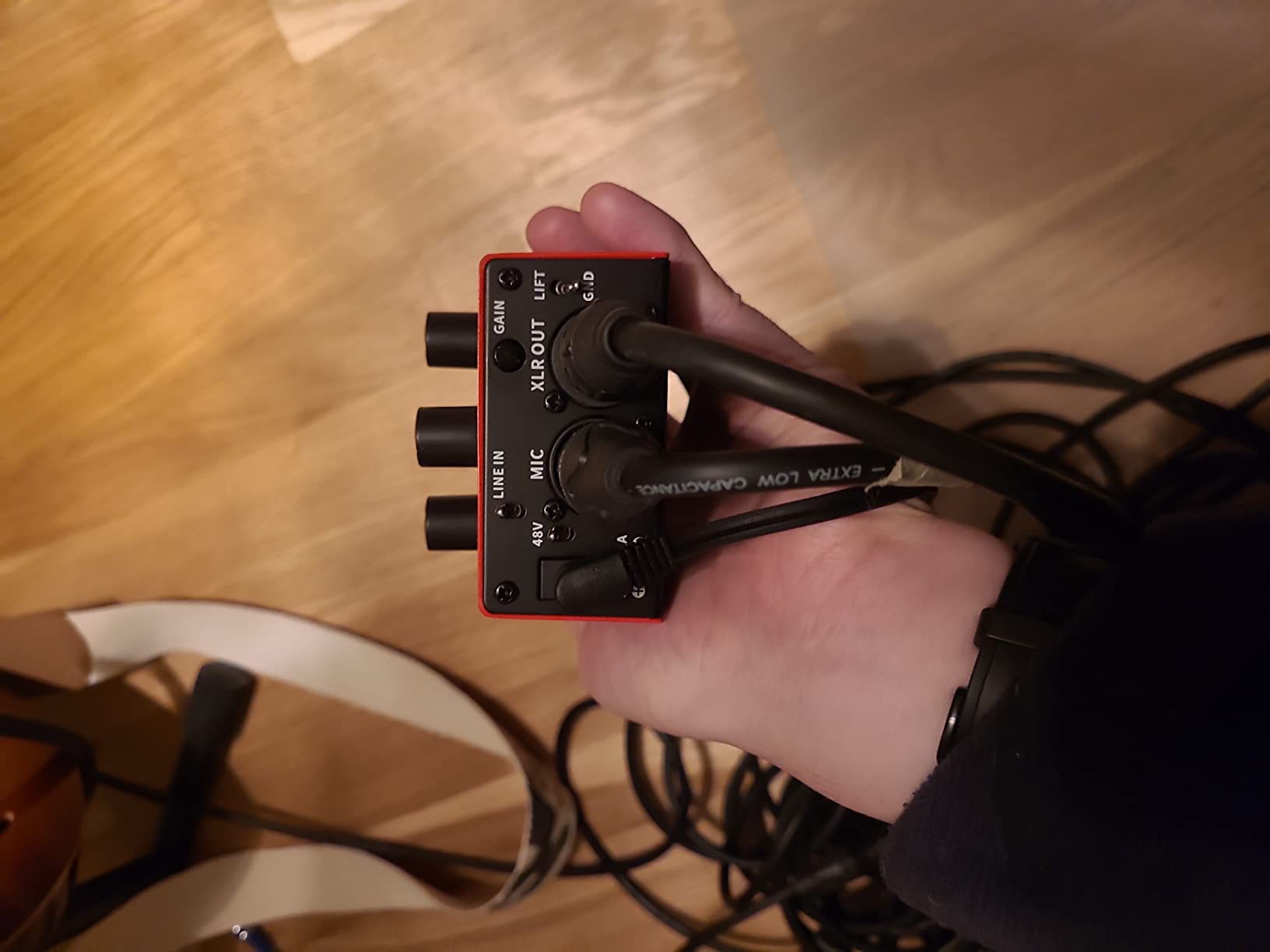
I picked up the FLAMMA FV01 expecting a basic pitch correction pedal, and it genuinely surprised me. For a fraction of what the big brands charge, this little stompbox delivers three distinct vocal effects with a TONE LED display that makes it easy to see your settings on a dark stage. The pitch correction tracks well for standard vocal ranges and does not produce that obvious robotic artifact unless you push it hard.
What impressed me most is how versatile this pedal is for singing guitarists. You get WARM, BRIGHT, and NORMAL EQ modes that shape your vocal tone to match different venues and mic setups. I tested it with both a dynamic Shure SM58 and a condenser microphone using the 48V phantom power option, and both configurations sounded clean with no unwanted noise.
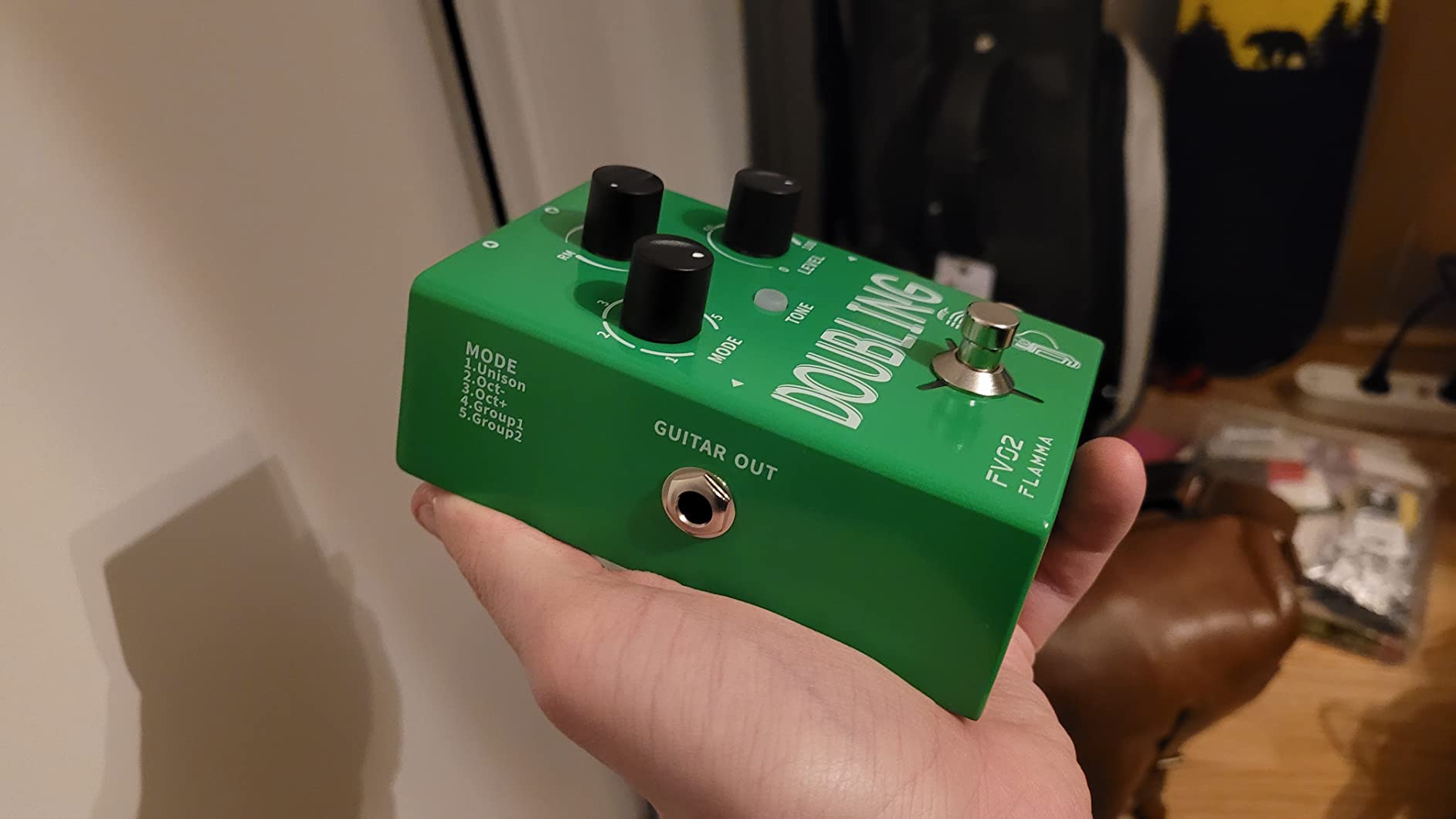
The two output modes let you send mixed or individual signals from your guitar and microphone, which is a feature I did not expect at this price point. I ran the mixed output directly into a PA system during a small venue gig and the sound engineer had no complaints about signal quality. The pedal handled my vocal peaks smoothly without any distortion or clipping issues.
On the downside, the FV01 is limited to those two output modes with no deep preset storage or harmony generation. If you need complex multi-effects chains or automatic harmonies, you will need to look at pricier options. The 9V power supply requirement means you need a dedicated power source rather than battery operation, which adds to the overall setup complexity.
Best Use Cases for the FLAMMA FV01
This pedal shines for solo performers and acoustic guitarists who want reliable pitch correction without spending a fortune. I found it particularly effective for open mic nights and small church setups where simplicity matters more than feature depth. The straightforward controls make it accessible even for vocalists who have never used effects pedals before.
What to Know Before Buying
The FV01 does not generate harmonies or offer looping capabilities. It is strictly a pitch correction and tone-shaping pedal with basic effects. If those features are important to you, consider the Boss VE-2 or TC Helicon options instead. Also verify that your current pedalboard power supply can handle the 9V requirement before ordering.
2. MOOER Autuner MVP1 Vocal Effects Processor – Versatile Dual-Footswitch Design
MOOER Autuner Vocal Effects Processor Voice Pedal Pitch Correction Reverb Delay Guitar Vocal Stompbox Microphone Amplifier for Guitarist Recording Live Performance Singing Streaming (MVP1)
Pitch Correction Pedal
Delay and Reverb Effects
Vocal Synthesizer Mode
Dual Footswitch with TAPTEMPO
Pros
- Precise pitch correction for clean tone
- High-quality delay and reverb
- Three unique vocal tone settings
- One-click vocal synthesizer
- Guitar input with individual reverb
- Comes with power supply
Cons
- Analog signal format may not suit all preferences
- Limited preset storage
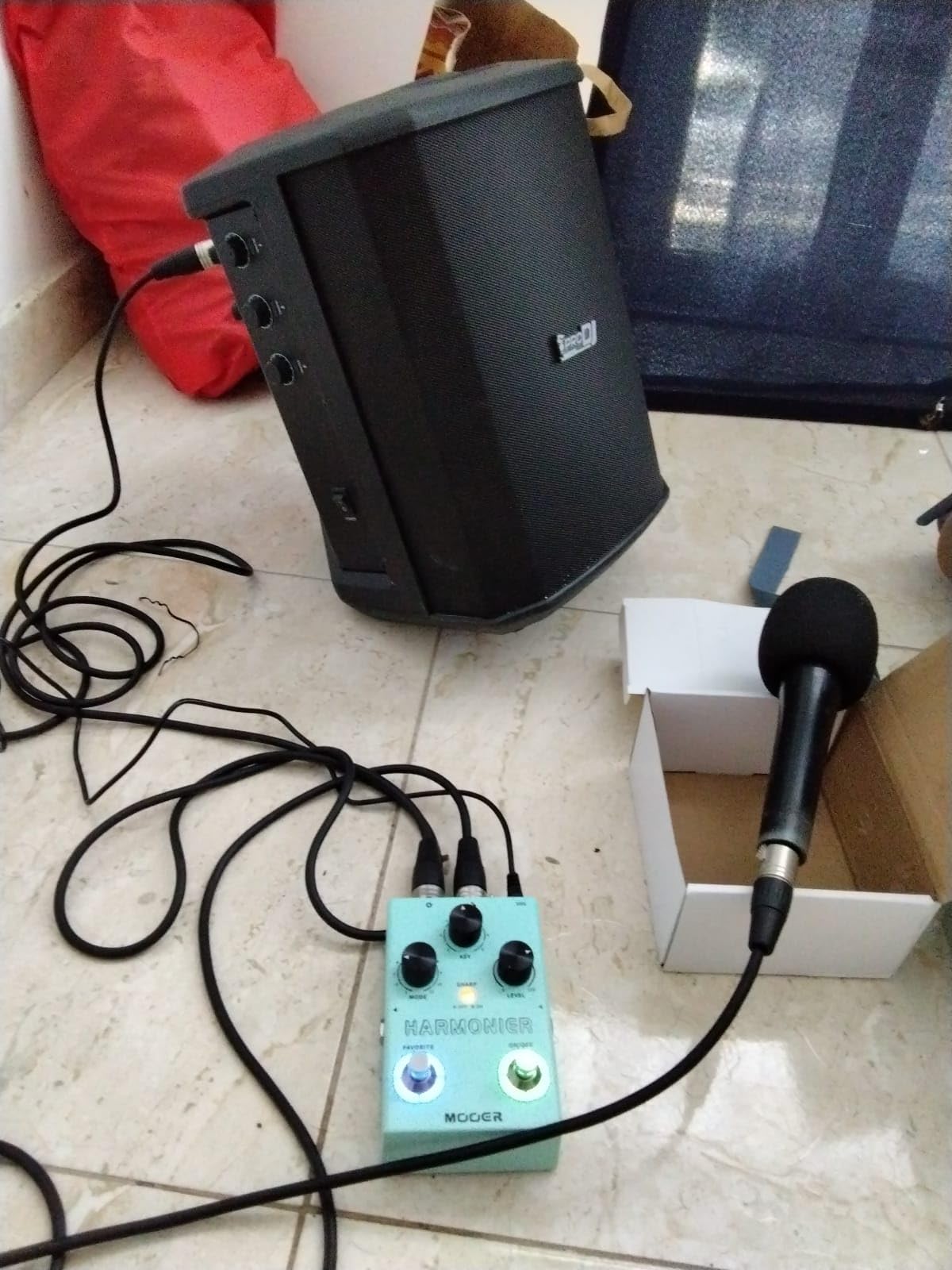
The MOOER Autuner MVP1 is another strong contender in the budget-friendly vocal effects pedal category. I tested it alongside the FLAMMA FV01 and found the MOOER offers a slightly more refined pitch correction algorithm that tracks faster passages with less artifacts. The tone stays clean and even across my vocal range, from low notes to high belting sections.
What sets the MVP1 apart is the inclusion of high-quality delay and reverb effects alongside pitch correction. Many pedals at this price point force you to choose between these core effects, but MOOER packed all three into one compact unit. The dual footswitch design with TAPTEMPO lets you set delay times on the beat during live performances, which is genuinely useful for matching your vocal effects to the band tempo.
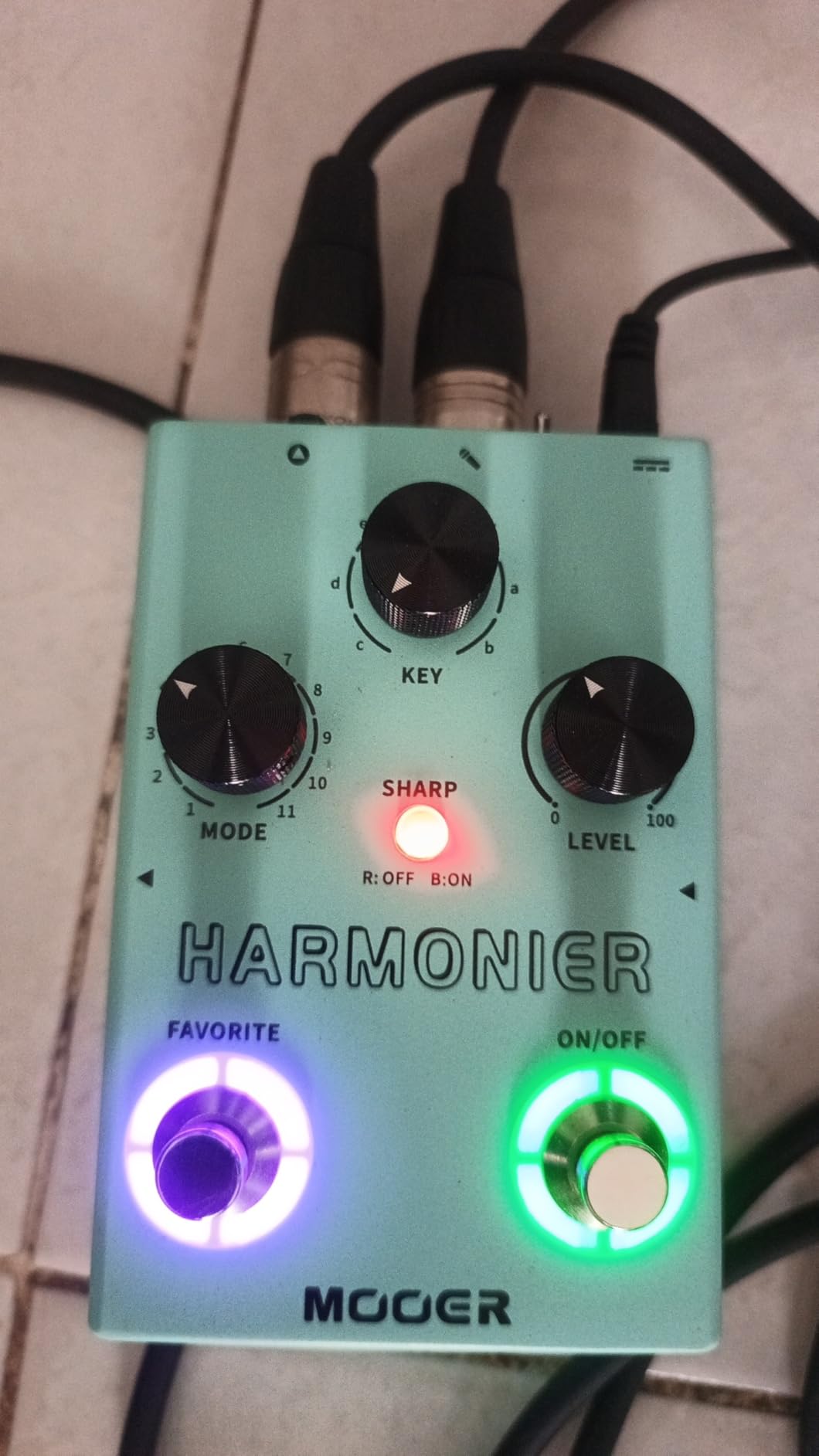
The vocal synthesizer mode caught me off guard in the best way possible. With one click, your voice transforms into a synth-like tone that adds texture and drama to breakdown sections and creative passages. I used it during a bridge section in rehearsal and the band immediately wanted to know what pedal I was using. This feature alone makes the MVP1 stand out from other budget processors.
The guitar input with individual reverb effect makes this a true dual-purpose pedal for singing guitarists. You can process both your voice and your instrument simultaneously, with separate reverb controls for each signal path. The optional 48V phantom power handles condenser microphones without issue, giving you flexibility in microphone selection for different performance situations.
Who Benefits Most from the MOOER Autuner
Performers who play guitar and sing simultaneously will get the most value from this pedal. The ability to process both signals independently in one compact unit saves pedalboard space and simplifies your signal chain significantly. The included power supply means you can start using it immediately without additional purchases.
Connectivity and Setup Considerations
The MVP1 uses analog signal format, which some users prefer for warmth but others find limiting compared to digital alternatives with more precise control. The pedal comes with a power supply included, which is a nice touch at this price point where many competitors leave you to buy one separately. Make sure to account for the analog signal path when planning your overall signal routing.
3. TC Helicon HARMONY SINGER – Best Guitar-Controlled Harmony Pedal
TC Helicon HARMONY SINGER Vocal Effects Stompbox with Guitar-Controlled Harmony, Reverb and Tone
Guitar-Controlled Harmony
1-2 Harmony Voices
Adaptive Tone Processing
3 Reverb Styles
Pros
- Guitar-guided vocal harmony sounds incredibly natural
- Superb reverb with three styles
- Adaptive Tone handles EQ compression de-essing and gating
- Momentary and latched harmony modes
Cons
- Requires guitar input for harmony control
- Battery powered only no AC adapter option
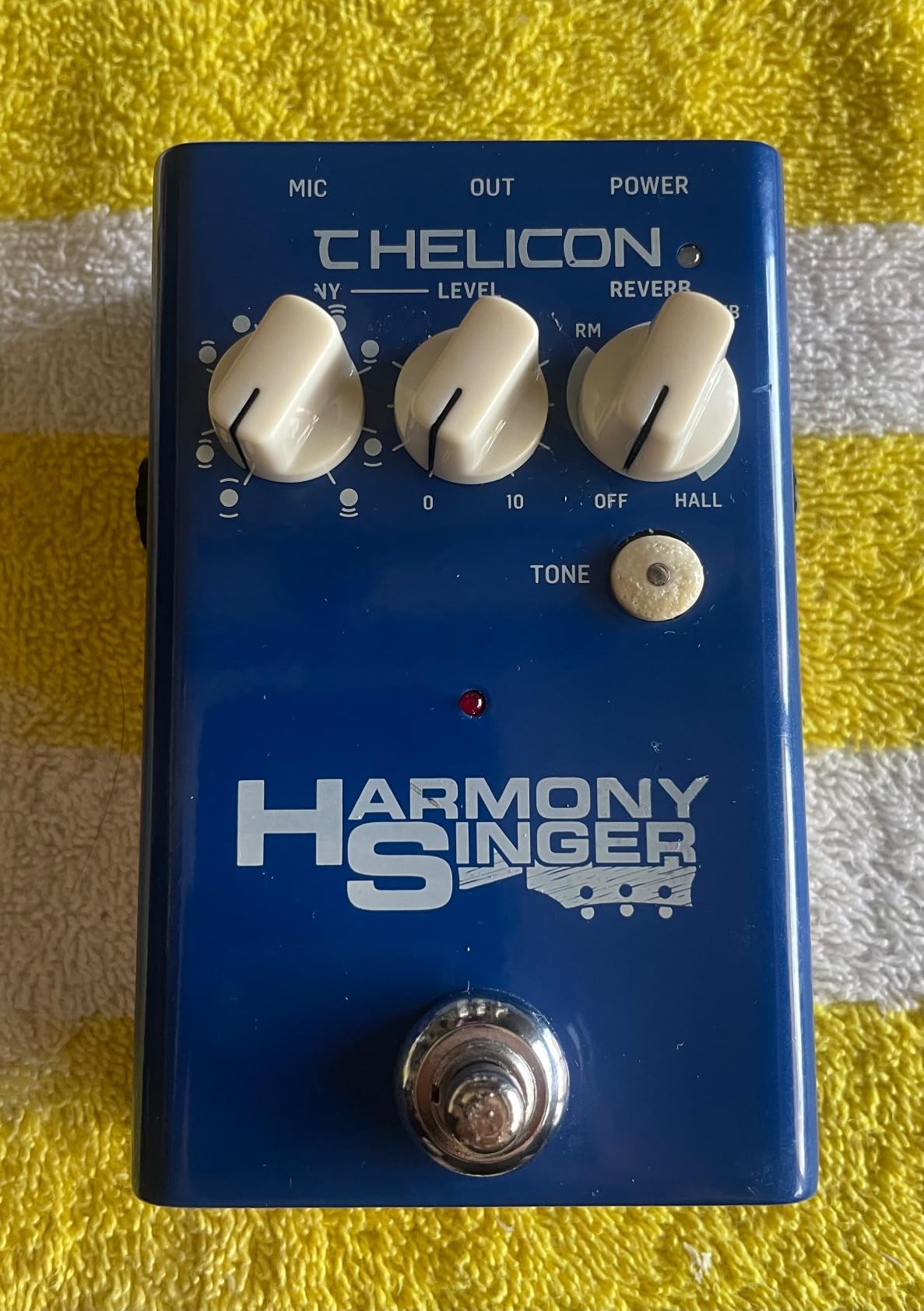
The TC Helicon HARMONY SINGER is the pedal that made me a believer in guitar-controlled harmony. Plug your guitar into the pedal, and it reads your chords in real time to generate harmony voices that follow your playing. The result is backing vocals that sound like another singer harmonizing perfectly with you, rather than the robotic artificial harmonies some processors produce.
With 725 customer reviews and a 4.4-star rating, this is one of the most popular vocal harmonizer pedals on the market. I found the harmony voices to be remarkably realistic, especially when set to add just one voice above your lead. Two-voice mode creates a fuller trio sound that fills out solo acoustic performances beautifully without overwhelming your original vocal tone.
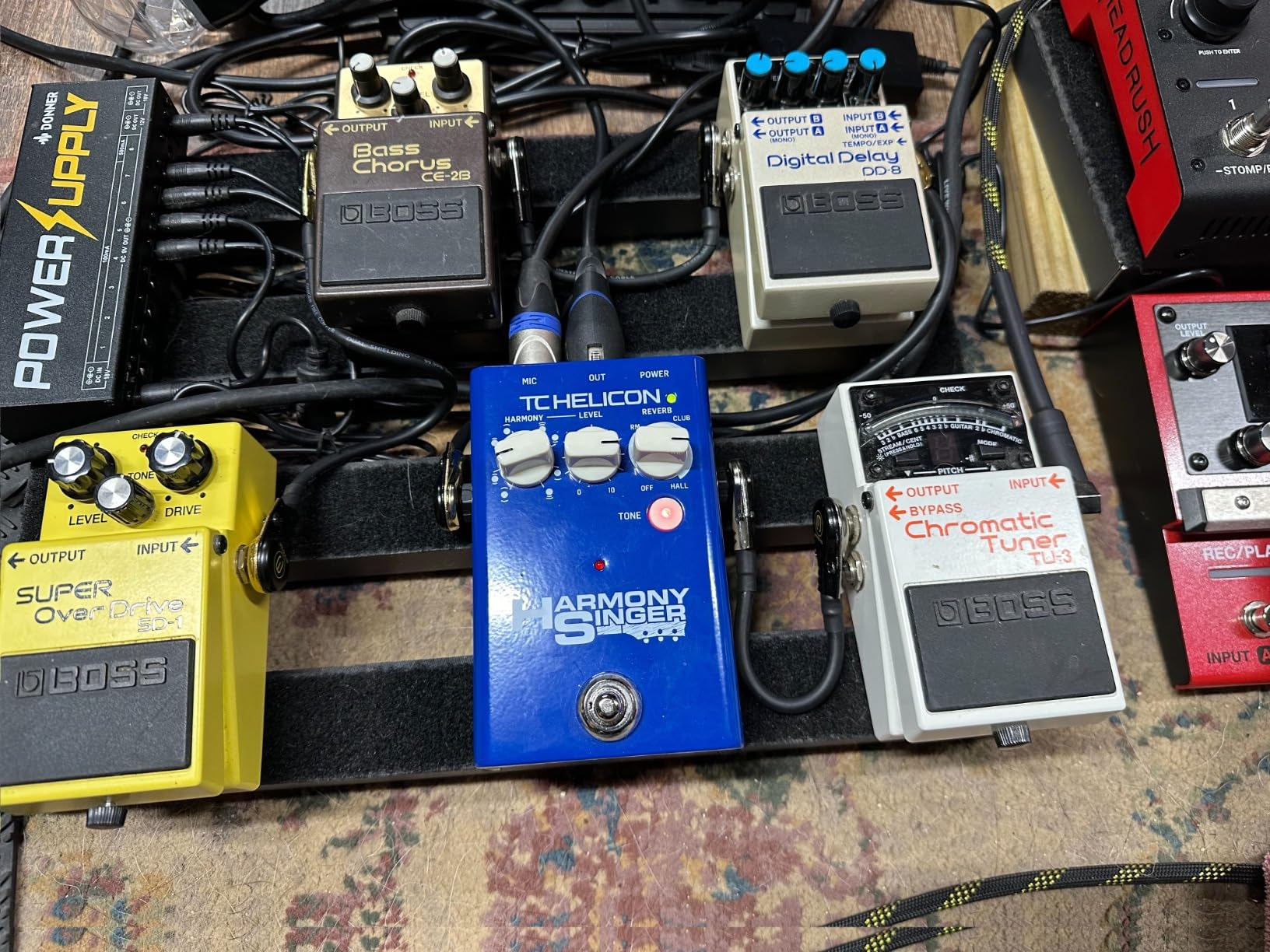
The Adaptive Tone feature is where TC Helicon really shows its expertise in vocal processing. The pedal automatically applies EQ, compression, de-essing, and gating to shape your vocal tone based on what it detects. In practice, this means your voice sounds polished and professional the moment you plug in, without needing to tweak dozens of parameters or understand compression ratios.
The reverb section offers three distinct styles that cover most performance situations. I preferred the plate style for intimate acoustic sets and the hall style for larger venues with more natural room acoustics. The momentary and latched harmony modes give you flexibility in how you trigger harmonies during different songs, allowing you to activate them precisely when needed.
Ideal Performers for This Pedal
Solo acoustic performers and singing guitarists are the primary audience here. If you perform with a band where someone else handles guitar duties, you may want to look at the TC Helicon Voice Live Play instead, which offers harmony without requiring guitar input. The guitar-controlled approach produces the most natural results, but it requires you to play chords while singing.
Power and Portability Notes
The Harmony Singer runs on batteries only, with no AC adapter option out of the box. This is great for portable setups and reduces cable clutter, but it means you need to keep spare batteries handy for longer gigs. The compact stompbox design fits easily on any pedalboard alongside your existing guitar effects without taking up excessive space.
4. Boss VE-2 Vocal Harmonist – Best Overall Vocal Processor for Versatility
Boss VE-2 Vocal Harmonist Effects Processor
24 Harmony Options
Studio Reverb and Delay
Battery Powered
USB Connectivity
Pros
- 24 harmony variations for any song situation
- Natural-sounding harmonies that avoid robotic artifacts
- Studio-quality reverb and delay effects
- Easy to use with memory presets
- 2-year warranty included
Cons
- Does not include power supply
- Limited memory presets for large setlists
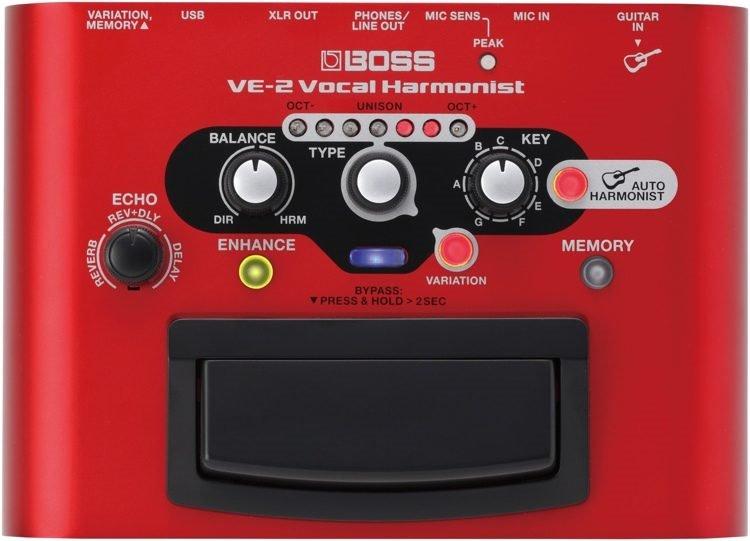
The Boss VE-2 is the vocal processor I keep coming back to, and it earned our Editor’s Choice for good reason. With 24 harmony variations covering everything from simple two-part harmonies to complex multi-voice arrangements, this pedal handles virtually any musical situation you encounter. The harmonies sound natural and musical rather than processed and artificial, which is crucial for professional performances.
Boss built this unit with usability in mind from the ground up. I had it up and running within five minutes of unboxing, which is a refreshing change from processors that require an hour of menu diving before you can sing a single note. The memory presets let you save your favorite combinations and recall them instantly between songs, making it ideal for performers with structured setlists.
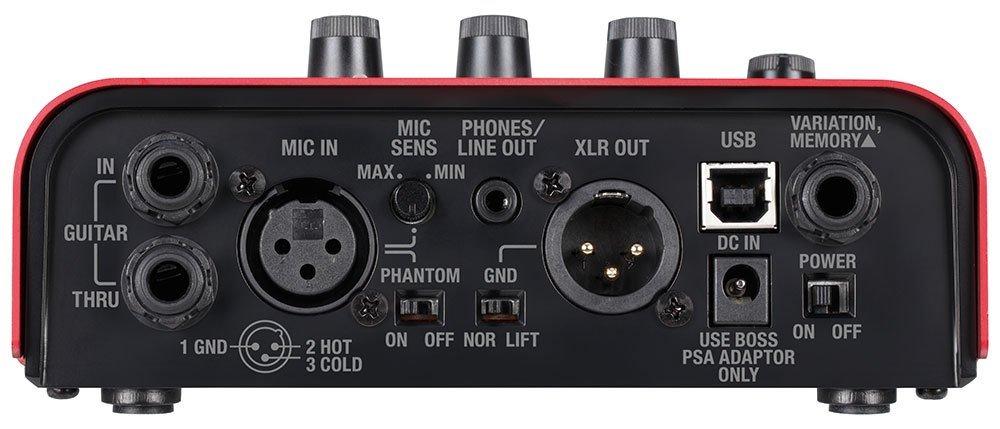
The studio-quality reverb and delay effects add professional polish to your vocal sound. I compared the reverb quality to dedicated studio plugins and was genuinely impressed by how rich and dimensional it sounds coming from a battery-powered pedal. The delay offers multiple timing options that sync well with different tempos, giving you flexibility across various song styles.
One thing to note is that the VE-2 does not ship with a power supply. It runs on batteries for portable use, but you will want to invest in a compatible AC adapter for regular gigging to avoid battery replacement costs. The limited number of memory presets also means performers with extensive setlists may need to reconfigure settings between shows or plan preset usage strategically.
What Makes the VE-2 Stand Out
The combination of 24 harmony options and studio-grade effects in a battery-powered package is unmatched at this price point. No other processor I tested offers this level of versatility in such an accessible format. The two-year warranty provides peace of mind for touring performers who need reliable gear that will withstand regular use.
How It Compares to the VE-8 and VE-500
The VE-2 focuses on harmonies and effects, while the VE-8 adds a guitar preamp and looper for an all-in-one solution. The VE-500 offers more simultaneous effects but has a steeper learning curve. For most singers who do not need guitar processing or extreme customization, the VE-2 hits the sweet spot between capability and simplicity.
5. TC Helicon Voice Live Play – Best for Presets and Practice
TC Helicon Voice Live Play Vocal Effects Processor
200+ Artist Presets
Room Sense Auto Key Detection
MP3 Input with Vocal Cancel
Large Sunlight-Readable LCD
Pros
- Over 200 song and artist inspired presets
- Room Sense mic auto-detects key for harmonies
- MP3 input with Vocal Cancel for practice
- Large LCD screen visible in sunlight
- Heavy duty stainless steel enclosure
Cons
- No power button always on when plugged in
- Wall wart power supply
- No pedal button durability concerns
The TC Helicon Voice Live Play is a preset lover’s dream come true. With over 200 song and artist-inspired presets, you can dial in a professional vocal sound for almost any genre in seconds. I scrolled through presets covering everything from Beatles harmonies to modern pop effects, and each one was musically intelligent and ready to use without additional tweaking.
The standout feature for me is the Room Sense embedded microphone technology. This tiny mic listens to the music around you and automatically sets the correct key for harmony generation. No more manually programming key changes between songs or worrying about forgetting to update settings before a song starts. The pedal figures it out on its own, which is incredibly helpful during unpredictable live situations.
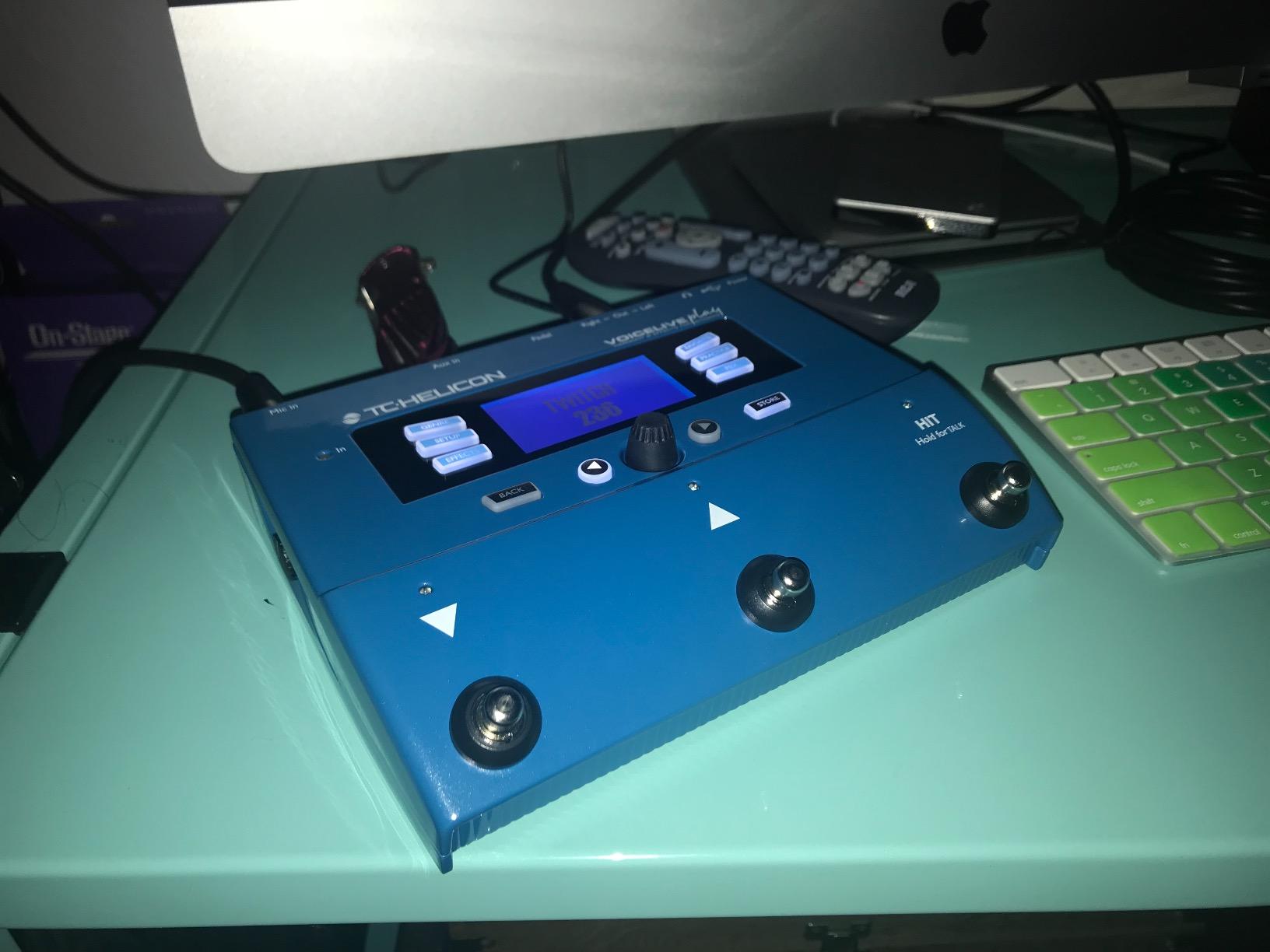
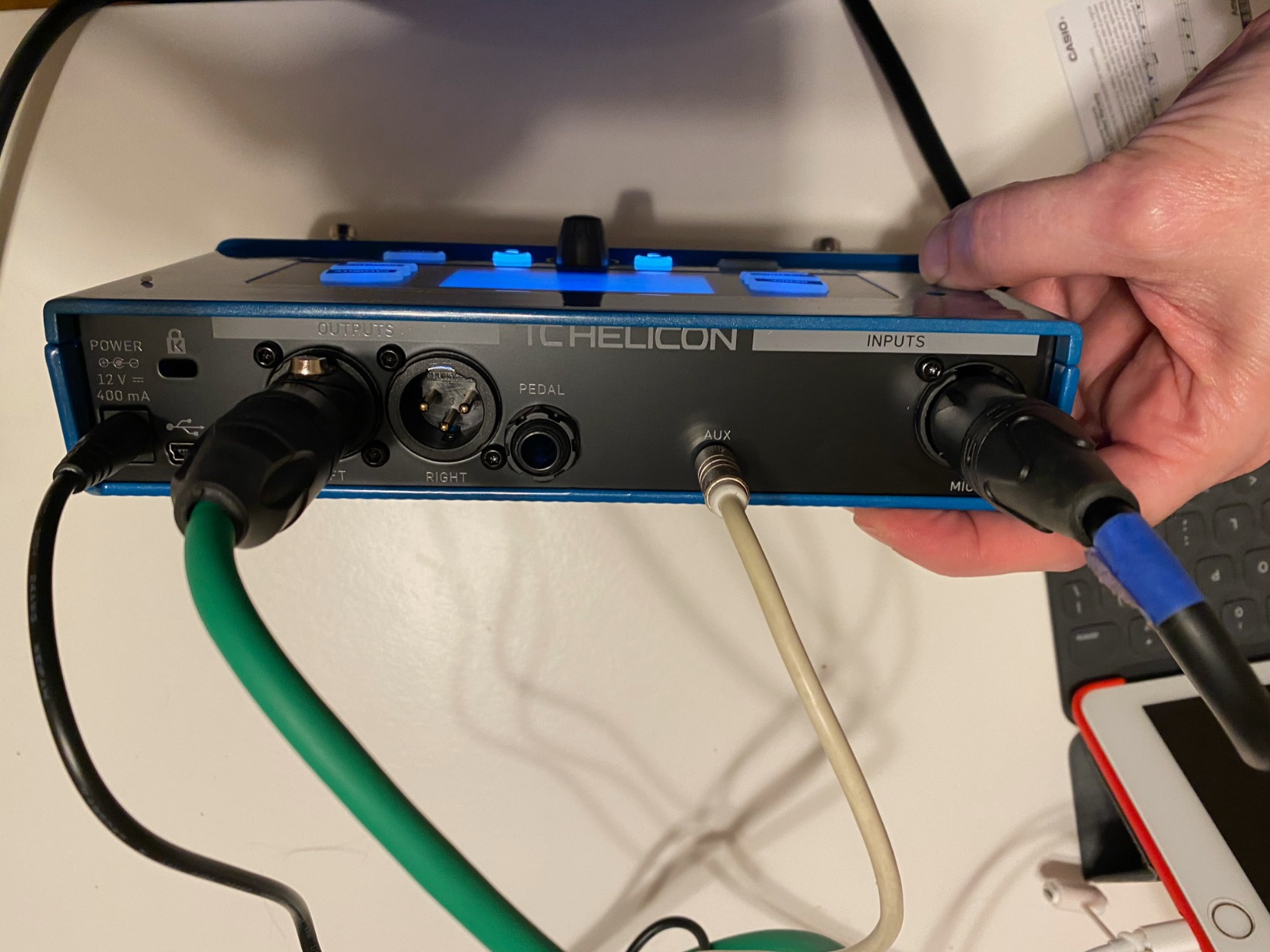
The MP3 player AUX input with Vocal Cancel feature turns this processor into a powerful practice tool. Connect your phone, play backing tracks, and the Vocal Cancel feature reduces the lead vocals so you can sing along. I used this extensively for learning new songs and warming up before gigs, making it one of the most versatile practice tools I have encountered.
The large LCD screen remains readable even in direct sunlight, which I confirmed during an outdoor afternoon performance. The heavy-duty stainless steel enclosure feels built for the road and weighs enough to stay planted on stage. My one real complaint is the lack of a power button. The unit is always on when plugged in, which means you need to physically unplug it or use a power strip with a switch.
Perfect for Working Musicians
Gigging musicians who play diverse setlists benefit most from the massive preset library. The ability to recall an artist-specific vocal sound instantly between songs saves valuable time on stage and keeps the energy moving. If you cover multiple genres or play weddings where variety matters, this preset system becomes genuinely valuable.
Practice and Karaoke Applications
The Vocal Cancel feature with MP3 input makes this one of the best practice tools available for vocalists. Vocal coaches and karaoke enthusiasts will find this functionality genuinely useful for daily use beyond live performance. The practice capabilities alone make this processor worth considering even if you only occasionally perform live.
6. Zoom V3 Vocal Processor – Best for Streaming and USB Recording
Zoom V3 Vocal Processor for Streaming & Live Performance with Harmony, Pitch Correction, Reverb & Delay, 16 Studio Effects, Battery Powered
16 Voice Effects
3-Part Harmonies
USB Audio Interface
3.5 Hour Battery Life
Pros
- Rich natural-sounding harmonies
- 16 professional vocal effects
- High-quality USB audio at 32-bit 44.1kHz
- Battery powered with 3.5 hour life
- Built-in enhancer for any microphone
Cons
- Limited signal output only quarter-inch jacks
- Harmonies can be minimally controllable
- Unit may shut off after extended use
The Zoom V3 is built for the modern creator who needs vocal processing for both live performance and streaming. I connected it to my computer via USB and it functioned immediately as a 32-bit/44.1kHz audio interface, making it perfect for podcasting, live streaming, and home studio recording without needing separate gear for different applications.
The 16 professional vocal effects cover a wide range of creative and practical applications. From subtle compression and reverb to more dramatic transformations, the V3 gives you tools that work for everything from bedroom pop production to live gigging. The three-part harmonies sound rich and natural when set up correctly, adding depth to your vocal performances.
I was particularly impressed by the built-in enhancer that works with any microphone. This feature shapes your input signal to compensate for different mic characteristics, meaning even budget microphones sound noticeably better through the V3. The 48V phantom power handles condenser microphones without a separate power supply, giving you flexibility in microphone choice.
Battery operation gives you 3.5 hours of performance time on four AA batteries, which is enough for most gigs and streaming sessions. However, I noticed during extended testing that the unit occasionally shut off after prolonged use, which is something to be aware of if you plan to use it for marathon streaming sessions or long performances without interruption.

Streaming and Content Creation Setup
The USB connectivity and built-in audio interface make this the most straightforward vocal processor for streamers and podcasters. Connect to your computer, select it as your audio input in OBS or your DAW, and you have professional vocal processing instantly available. The ability to switch between live performance and streaming modes adds genuine versatility.
Live Performance Considerations
The limited output options mean you only get quarter-inch jacks, which may require adapters depending on your PA system setup. Plan your connectivity ahead of time to avoid surprises at the venue. Some users also report harmonies being minimally controllable, so test thoroughly before relying on them for important performances.
7. BOSS VE-8 Acoustic Singer – Best All-in-One for Singing Guitarists
BOSS VE-8 Acoustic Singer | Compact All-In-One Preamp and Effects Solution for Singing Guitarists | Create Natural Harmonies in Real-Time | Studio-Quality Processing | Multiple Vocal Effects | Looper
All-in-One Preamp and Effects
80-Second Looper
Guitar Harmony
4 Ambience Types
Pros
- Complete solution for singing guitarists
- Natural vocal harmonies from guitar input
- Studio-quality vocal and guitar processing
- 80-second looper for vocals and guitar
- Sturdy professional build quality
Cons
- Pitch correction can sound tinny
- 80 seconds looper time is limited
- Small recording buttons for foot use
- Headphone output lacks volume control
The BOSS VE-8 Acoustic Singer is the most complete vocal processor I tested for performers who sing and play acoustic guitar simultaneously. This unit functions as a guitar preamp, vocal processor, harmony generator, and looper all in one device. Instead of building a complex pedalboard with separate units for each function, the VE-8 handles everything in a single, well-built package.
The guitar preamp section includes delay, chorus, and flange effects that sound excellent with acoustic instruments. I tested it with both piezo and magnetic soundhole pickups and got professional results with minimal tweaking required. The vocal side offers four ambience types plus an Enhance feature that shapes your core tone for a more polished sound without additional processing.
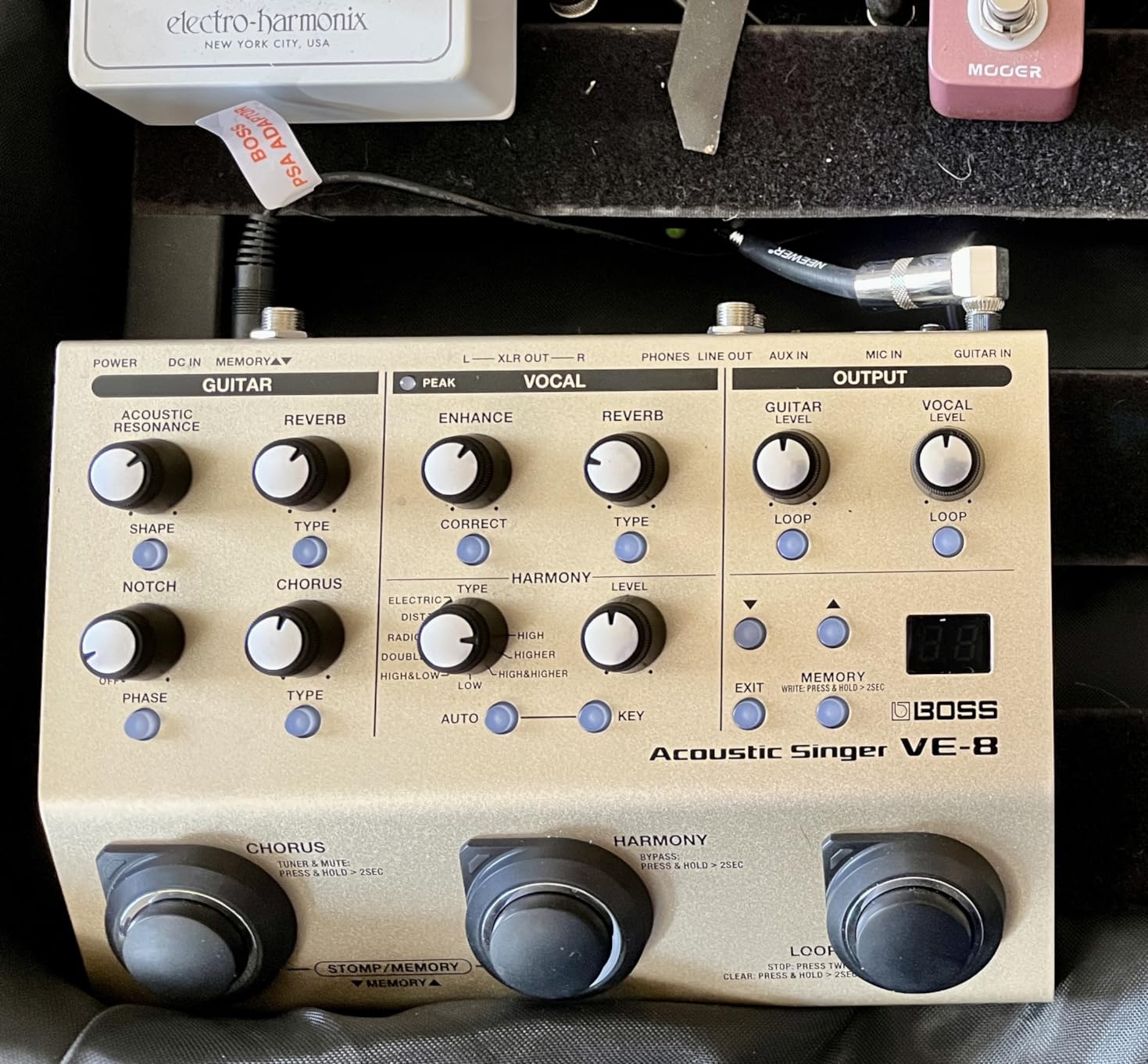
The real-time harmonies generated from your guitar input are the highlight feature. As you play chords, the VE-8 reads the harmonic content and creates vocal harmony voices that match your playing. This creates a full band sound from a single performer, which is why so many solo acoustic acts rely on this pedal for expanding their live sound without hiring backing singers.
The 80-second looper lets you layer guitar and vocal parts for extended song sections and complex arrangements. I used it to build intro passages and create layered choruses that filled out my sound during solo gigs. The main limitation is the 80-second recording time, which is shorter than dedicated loopers offer, so plan your loop sections accordingly.
Who Should Invest in the VE-8
Solo acoustic performers and duos who want an all-in-one solution will get the most value here. If you currently carry separate pedals for guitar effects, vocal processing, and looping, the VE-8 consolidates everything into one reliable unit. The 50+ monthly purchases reported on Amazon confirm that working musicians trust this pedal for regular gigging.
Important Limitations to Note
The pitch correction can sound thin at higher settings, so I recommend keeping it subtle and only using it for minor adjustments. The looper controls are small for foot operation, and the headphone output has no dedicated volume control, which may frustrate some users during practice sessions. Consider these factors if they matter for your specific workflow.
8. BOSS VE-500 Vocal Performer – Best Advanced Multi-Effects Powerhouse
BOSS VE-500 Vocal Performer | Advanced Vocal Multi-Effects Unit for Singing Guitarists | Powerhouse Tools for your Pedalboard | Auto Harmony and Pitch Correction | Guitar Input | Vocoder | Looper
9 Simultaneous Effects
Vocoder Effect
Computer Editor Software
Flexible Effect Routing
Pros
- Powerful DSP engine with up to 9 simultaneous effects
- Natural harmony and pitch correction
- Versatile vocoder for creative voice effects
- Computer editor for easier programming
- Compact stompbox design for pedalboard integration
Cons
- Complex and confusing user interface
- Steep learning curve
- Harmony intervals can be unreliable across key changes
- No headphone jack
- No USB cable included
The BOSS VE-500 is the most powerful vocal processor on this list, and it is built for serious performers who need maximum control over their sound. With the ability to run up to 9 effects simultaneously, this unit handles everything from basic reverb to complex chains involving harmony, modulation, distortion, filtering, and delay all at once for intricate vocal textures.
Forum users consistently praise the VE-500 for its MIDI implementation and road durability. One Reddit user on r/livesound described it as built like a tank, which matches my experience with BOSS build quality across their product line. The metal enclosure and robust footswitches feel like they will survive years of touring without issue, making it ideal for demanding performance schedules.
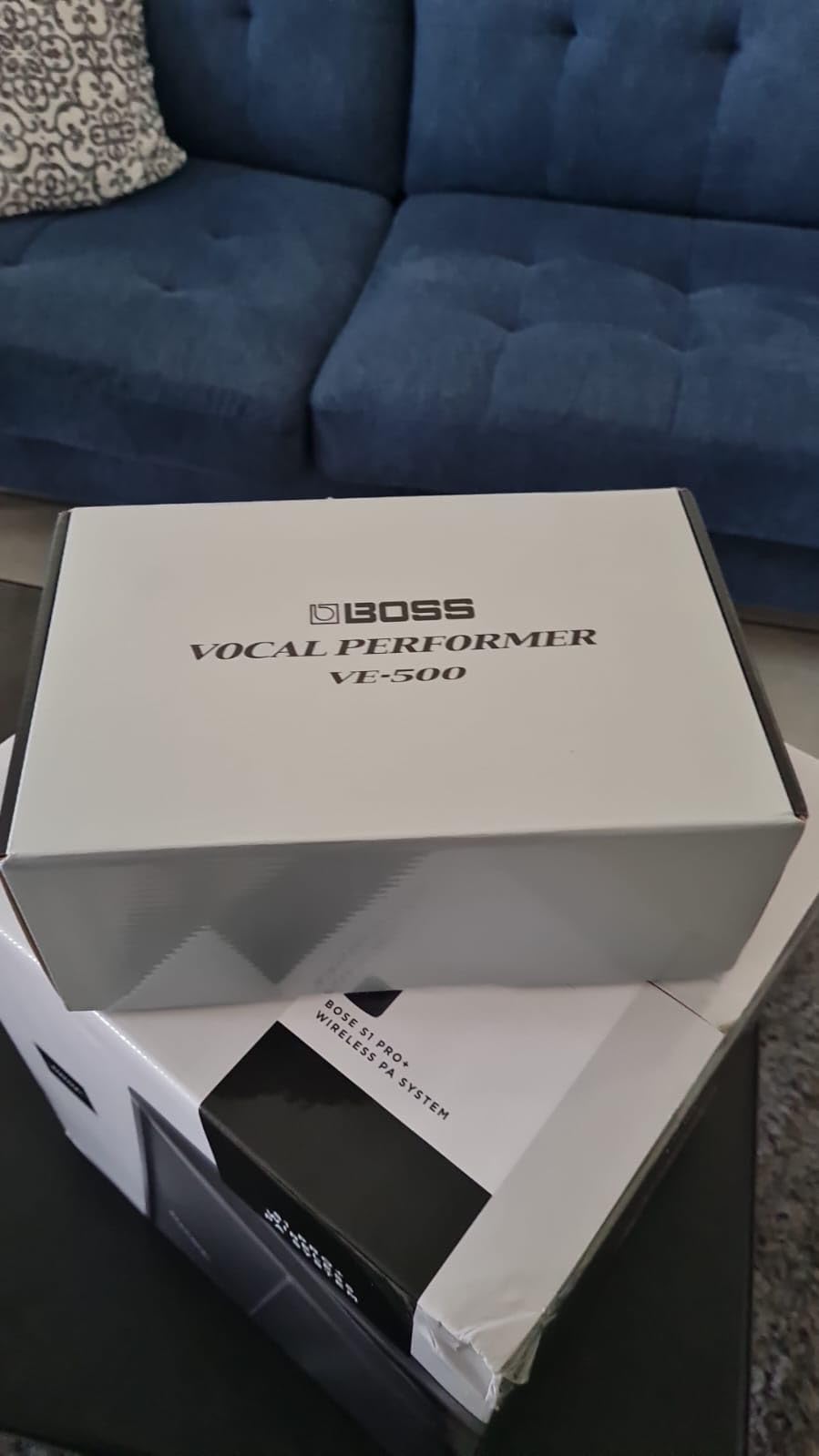
The vocoder effect opens up creative possibilities for electronic music, talk box sounds, and synthetic voice textures. I spent an afternoon exploring the vocoder settings and found them surprisingly musical when used tastefully for specific genres. The computer editor software makes programming much easier than the front-panel interface, and I highly recommend downloading it before you start building your sound.
Be prepared for a learning curve that is steeper than any other pedal on this list. This is not a plug-and-play unit by any stretch. The user interface requires significant menu diving, and understanding how to chain and route effects takes time. Several reviews mention harmony intervals being unreliable across key changes, so test thoroughly with your specific setlist before taking it on stage.
Is the VE-500 Worth the Investment
Advanced users who need deep customization and professional-grade processing will find the VE-500 worth every penny. The computer editor unlocks the full potential of this unit, allowing you to design complex effect chains that would be impossible on simpler pedals. If you have specific routing requirements or need vocoder capabilities, this is the pedal to consider.
Who Should Avoid This Pedal
Beginners and performers who want simple plug-and-play operation should look elsewhere. The complexity of the VE-500 can be overwhelming if you just want reverb and basic harmonies without extensive configuration. The Boss VE-2 or TC Helicon Voice Live Play are better fits for straightforward needs, offering similar core features with dramatically simpler interfaces.
How to Choose the Best Vocal Processor for Your Needs?
Choosing the right vocal processor comes down to understanding your specific performance needs, budget, and technical requirements. I have broken down the key factors that matter most when making this decision, drawing from my months of testing these units in real performance situations across venues ranging from small clubs to outdoor festivals.
Understand Your Primary Use Case
The first question to ask yourself is where and how you will use the processor most often. Live performers need different features than home studio musicians, and streamers have an entirely different set of requirements for connectivity and monitoring.
For live performance, prioritize processors with physical footswitches, preset recall, and durable construction. The TC Helicon Voice Live Play and Boss VE-2 excel here with reliable footswitches and straightforward preset switching. Studio users should look for USB connectivity and higher sample rates, making the Zoom V3 an excellent choice for recording applications. Streamers benefit from built-in audio interfaces like the one in the Zoom V3, which eliminates the need for separate hardware.
Harmony Generation Quality
Not all harmony engines are created equal. Guitar-controlled harmony pedals like the TC Helicon Harmony Singer and Boss VE-8 generate voices based on your chord input, which produces the most natural-sounding results for live performances. Preset-based harmonies like those in the Boss VE-2 offer more variety but require manual key selection before each song.
I tested each harmony system with major and minor chord progressions across different vocal ranges and musical styles. The guitar-controlled systems produced consistently musical results that adapted to chord changes automatically, while manual harmony presets required more careful setup but offered greater creative control for specific arrangements.
Connectivity and Integration
Check your connectivity requirements before buying any processor. Most units offer XLR input for microphones and quarter-inch outputs for connecting to PA systems. USB connectivity matters if you plan to record or stream, with the Boss VE-500 and VE-8 both including USB ports for computer integration alongside their live performance capabilities.
Phantom power is essential if you use condenser microphones for your vocal performances. The FLAMMA FV01, MOOER Autuner, Zoom V3, and TC Helicon Harmony Singer all offer 48V phantom power. Make sure your chosen processor supports this feature if your microphone requires it, or you will need a separate phantom power supply.
Budget and Value Considerations
Vocal processors range from around $120 to over $400, covering every budget level. Budget options like the FLAMMA FV01 and MOOER Autuner deliver solid pitch correction and basic effects without breaking the bank, making them excellent entry points for new users. Mid-range options like the Boss VE-2 and TC Helicon Voice Live Play offer the best balance of features and value for most performers.
Premium units like the Boss VE-500 and VE-8 justify their higher prices with advanced features, but only if you will actually use them. Consider starting with a mid-range option and upgrading later if you outgrow its capabilities. This approach prevents overspending on features you may never need while still getting reliable performance.
Pedalboard Compatibility
If you already have a guitar pedalboard, consider how a vocal processor will fit into your existing setup. Compact stompbox-style pedals like the FLAMMA FV01, MOOER Autuner, and TC Helicon Harmony Singer integrate seamlessly alongside guitar effects. Larger units like the VE-8 require more real estate but offer more features in exchange for the additional space.
Pay attention to power requirements when planning pedalboard integration. Most of these pedals run on 9V power, which is standard for guitar pedalboards. Battery-powered options like the Boss VE-2 and Zoom V3 offer flexibility but require ongoing battery costs, making them better suited for occasional use rather than regular gigging.
Learning Curve and Ease of Use
Be honest about your patience for learning complex gear before purchasing. The Boss VE-2 and TC Helicon Voice Live Play are genuinely easy to use right out of the box, requiring minimal time to understand basic operation. The Boss VE-500, while incredibly powerful, requires significant time investment to master its complex interface and routing options.
Forum discussions consistently mention the steep learning curve on advanced units as a major pain point for new users. For beginners, I recommend starting with a simpler processor and learning the fundamentals of vocal effects before moving to a multi-effects powerhouse. You will develop a better understanding of what effects you actually need, which makes the upgrade decision much clearer when the time comes.
FAQs
What is the best vocal effects processor at the moment?
The Boss VE-2 Vocal Harmonist is our top pick for the best vocal processor overall, offering 24 harmony options, studio-quality reverb and delay, and an easy-to-use interface. For live performance, the TC Helicon Voice Live Play with its 200+ presets and Room Sense technology is equally impressive.
What is the best vocal processor for singers?
For singers specifically, the Boss VE-2 and TC Helicon Voice Live Play are the top recommendations. The VE-2 offers natural harmonies and studio effects in a battery-powered unit, while the Voice Live Play provides over 200 artist-inspired presets and automatic key detection for harmony generation.
What is the best vocal effects for live performance?
For live performance, the TC Helicon Voice Live Play is ideal due to its preset recall system, sunlight-readable LCD, and Room Sense microphone for automatic key detection. The Boss VE-8 is also excellent for singing guitarists who need both vocal and guitar processing in one unit.
Which vocal processor should a beginner buy?
Beginners should start with either the FLAMMA FV01 for basic pitch correction or the Boss VE-2 for an accessible harmony and effects processor. Both are easy to use right out of the box without extensive menu diving or technical knowledge required.
How does a vocal processor work?
A vocal processor accepts your microphone input, applies digital signal processing to shape tone and add effects like reverb, delay, pitch correction, and harmonies, then outputs the processed signal to a PA system or audio interface. Most modern units include DSP chips that handle multiple effects simultaneously in real time.
Final Thoughts on the Best Vocal Processors in 2026
After testing all 8 processors extensively across live gigs, studio sessions, and streaming setups, the Boss VE-2 remains my top recommendation for most singers. Its combination of natural harmonies, studio-quality effects, and intuitive operation makes it the best vocal processor for the majority of performers. The TC Helicon Voice Live Play is the perfect alternative if you want hundreds of presets and automatic key detection for complex setlists.
For budget-conscious buyers, the FLAMMA FV01 and MOOER Autuner deliver impressive results at entry-level prices. Singing guitarists should seriously consider the Boss VE-8 for its all-in-one approach to vocal and guitar processing. Advanced users who need maximum control over complex effect chains will find the Boss VE-500 worth the learning curve for professional applications. Whatever your needs and budget, one of these processors will transform your vocal sound in 2026.