Slipping on a moss-covered rock mid-river is not just embarrassing. It can end your season, damage your gear, or worse. That is exactly why finding the best wading boots matters more than almost any other piece of fly fishing equipment you own.
Our team spent the last several months pulling together the top wading boots on the market and putting them through real-world testing on freestone rivers, slick tailwaters, and algal-coated boulder gardens. We looked at traction systems, ankle support, durability, weight, drainage, and how each boot performed when paired with stockingfoot waders. Whether you are chasing trout in tight mountain creeks or crossing wide runs on a western river, the right boot makes every step safer.
In this guide, we break down nine of the best wading boots available in 2026. We cover everything from premium BOA-laced models with interchangeable soles to budget-friendly rubber-sole boots that punch well above their weight. We also dig into the felt versus rubber sole debate, stud options, sizing with waders, and environmental considerations like felt-sole bans. By the end, you will know exactly which boot fits your fishing style, your feet, and your budget.
Table of Contents
Top 3 Picks for Best Wading Boots
Before we get into the full lineup, here are the three boots that stood above the rest across our testing categories. These picks represent the best combination of traction, durability, comfort, and value based on hundreds of user reviews and our own time on the water.


9 Best Wading Boots in 2026
Here is a quick overview of all nine boots we reviewed. This comparison table gives you the key specs at a glance so you can narrow down your options before diving into the full reviews.
| Product | Specifications | Action |
|---|---|---|
| Korkers Darkhorse |
|
Check Latest Price |
 Simms Freestone Boot Simms Freestone Boot |
|
Check Latest Price |
| Korkers Greenback |
|
Check Latest Price |
 FROGG TOGGS Hellbender FROGG TOGGS Hellbender |
|
Check Latest Price |
 Foxelli Wading Boots Foxelli Wading Boots |
|
Check Latest Price |
 FROGG TOGGS Deep Current FROGG TOGGS Deep Current |
|
Check Latest Price |
 Orvis Clearwater Orvis Clearwater |
|
Check Latest Price |
 BASSDASH IMMERSE BASSDASH IMMERSE |
|
Check Latest Price |
 Ray-Guard Reef Boots Ray-Guard Reef Boots |
|
Check Latest Price |
1. Korkers Darkhorse Wading Boots – BOA Lacing with Interchangeable Soles
KORKERS Darkhorse w/Felt & Kling-On Soles, Color: Black/Gunmetal, Size: 11 (FB4710-11)
OmniTrax sole system
BOA M2 lacing
3PFS Achilles stabilization
Hydrophobic upper
Pros
- BOA lacing system is fast and secure
- Interchangeable soles for any condition
- Excellent ankle support
- True to size fit
Cons
- Base plates can be tricky to swap
- Expensive
- Stock soles may need studded upgrade
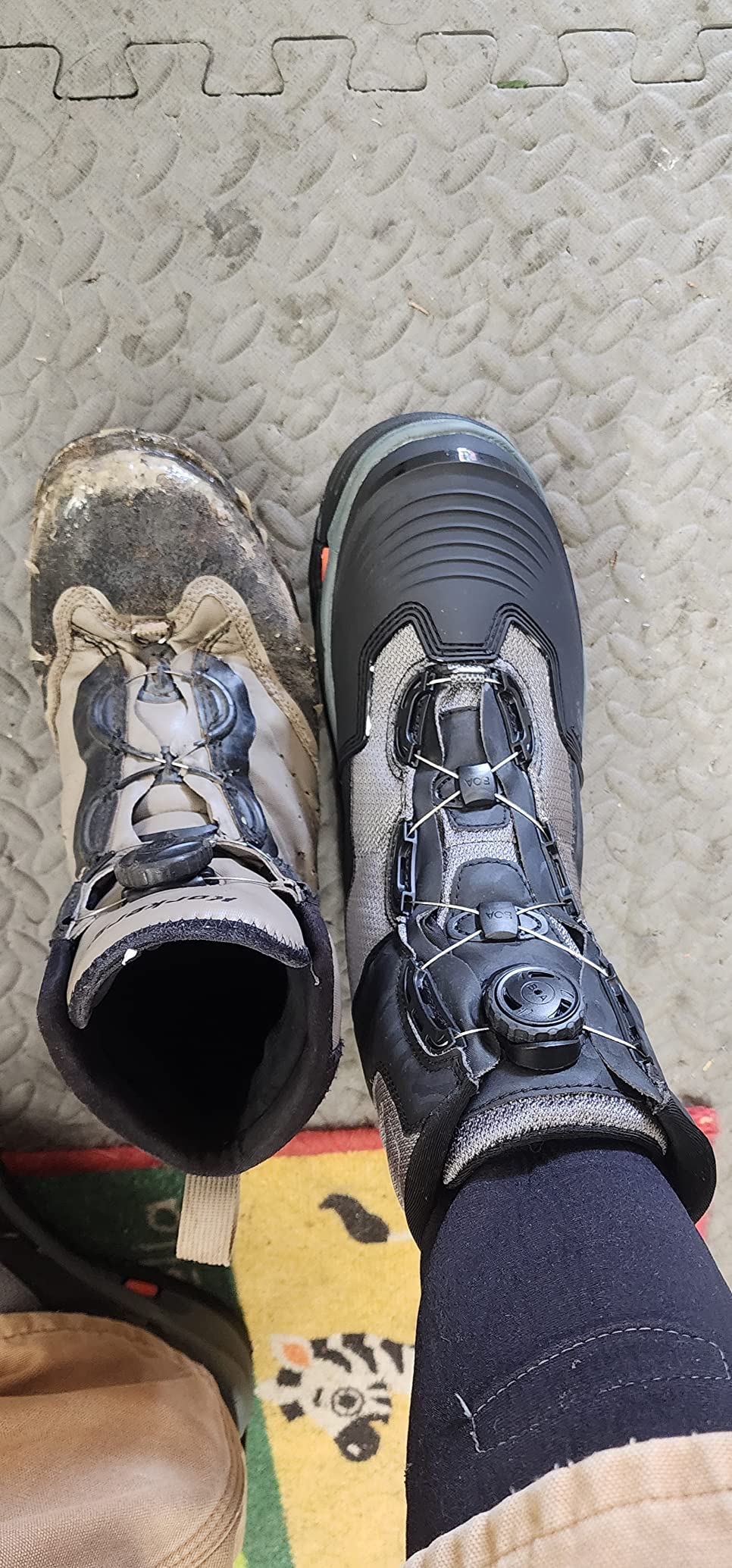
I have worn a lot of boots over the years, and the Korkers Darkhorse is the one I keep coming back to for serious fishing days. The BOA M2 lacing system is the first thing you notice. Instead of fumbling with wet laces in freezing weather, you turn a dial and the boot tightens evenly across your entire foot. It takes about three seconds per boot, and the fit is noticeably more consistent than traditional laces.
The real selling point here is the OmniTrax interchangeable sole system. The Darkhorse ships with both felt and Kling-On rubber soles in the box. If you fish in a state where felt is banned, you snap on the rubber soles. If you are heading to a river with notorious algae-covered boulders, you swap to felt. This versatility means one pair of boots covers every fishery you will ever visit.
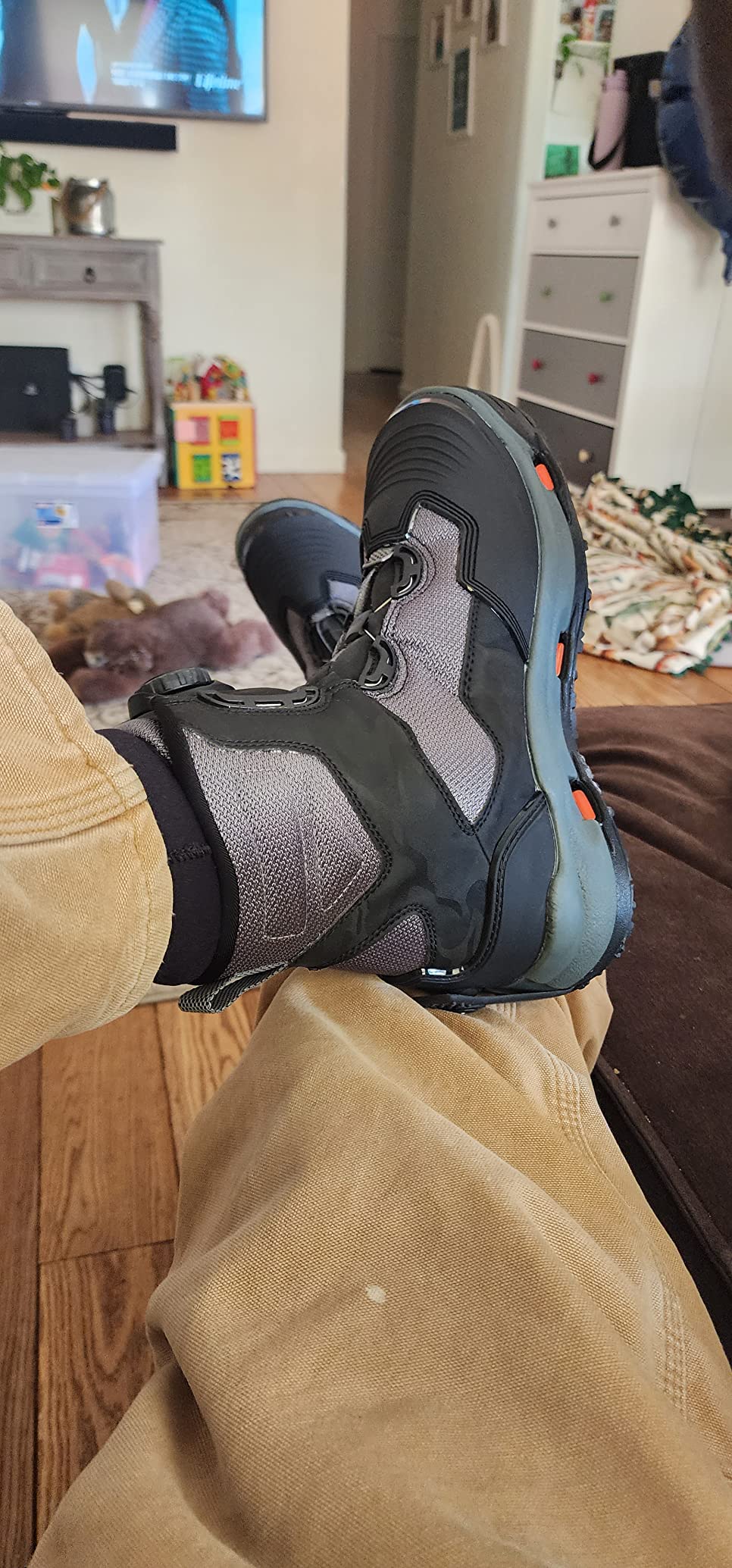
On the water, the 3PFS Achilles stabilization system keeps your heel locked in place. That sounds like marketing jargon until you are wading fast water and your foot stays planted instead of shifting inside the boot. Ankle support is among the best I have experienced, and the hydrophobic upper material sheds water fast when you get back to the truck. The internal drainage channels push water out through midsole ports, so you are not sloshing around after the first deep crossing.
The downside is real, though. Swapping sole bases takes some effort, and the system is not as quick as Korkers suggests in their product videos. At this price point, you are paying a premium for the BOA system and the interchangeable soles. Some users report that the stock soles work fine but really benefit from adding aftermarket studs for slick freestone rivers. The boots also weigh about 4 pounds per pair, which is on the heavier side for anglers who hike long distances between spots.
Who Should Buy the Korkers Darkhorse
The Darkhorse is built for the serious angler who fishes multiple water types and wants one boot that handles everything. If you travel to fish different states or countries with varying sole regulations, the interchangeable system pays for itself. It is also a top choice if you have struggled with laces coming undone or if you simply want the convenience of a BOA dial in cold, wet conditions where your fingers are numb.
Long-Term Durability Expectations
Based on user reviews with hundreds of fishing days logged, the Darkhorse holds up well over multiple seasons. The upper resists abrasion, and the BOA system is covered by a lifetime warranty from the BOA company itself. The most common long-term issue is sole attachment hardware wearing down after aggressive use, so keep an eye on the base plate connections if you swap soles frequently.
2. Simms Freestone Boot – Premium Durability and Comfort
Simms Freestone Boot – Rubber Gunmetal 13
Waterproof synthetic leather
Dual density EVA midsole
PFA-free
Neoprene lining
Pros
- Outstanding durability and construction
- Very comfortable with great ankle support
- PFA-free materials
- Cleat compatible outsole
Cons
- Premium price
- Some drainage concerns with interior lining
Simms is one of the most trusted names in fly fishing, and the Freestone Boot shows exactly why. I wore these on a five-day trip on a rocky tailwater river, and they performed from day one with zero break-in time. The waterproof synthetic scratch leather upper feels substantial without being stiff, and the toe and heel reinforcements give you confidence when kicking into wet banks or scrambling over logs.
The dual density EVA midsole is where the comfort story really lives. Many wading boots feel like planks under your foot, but the Freestone has actual cushioning that absorbs impact on long walks between runs. The partial neoprene lining makes getting the boots on and off much easier, especially when you are tired at the end of a full day on the water.
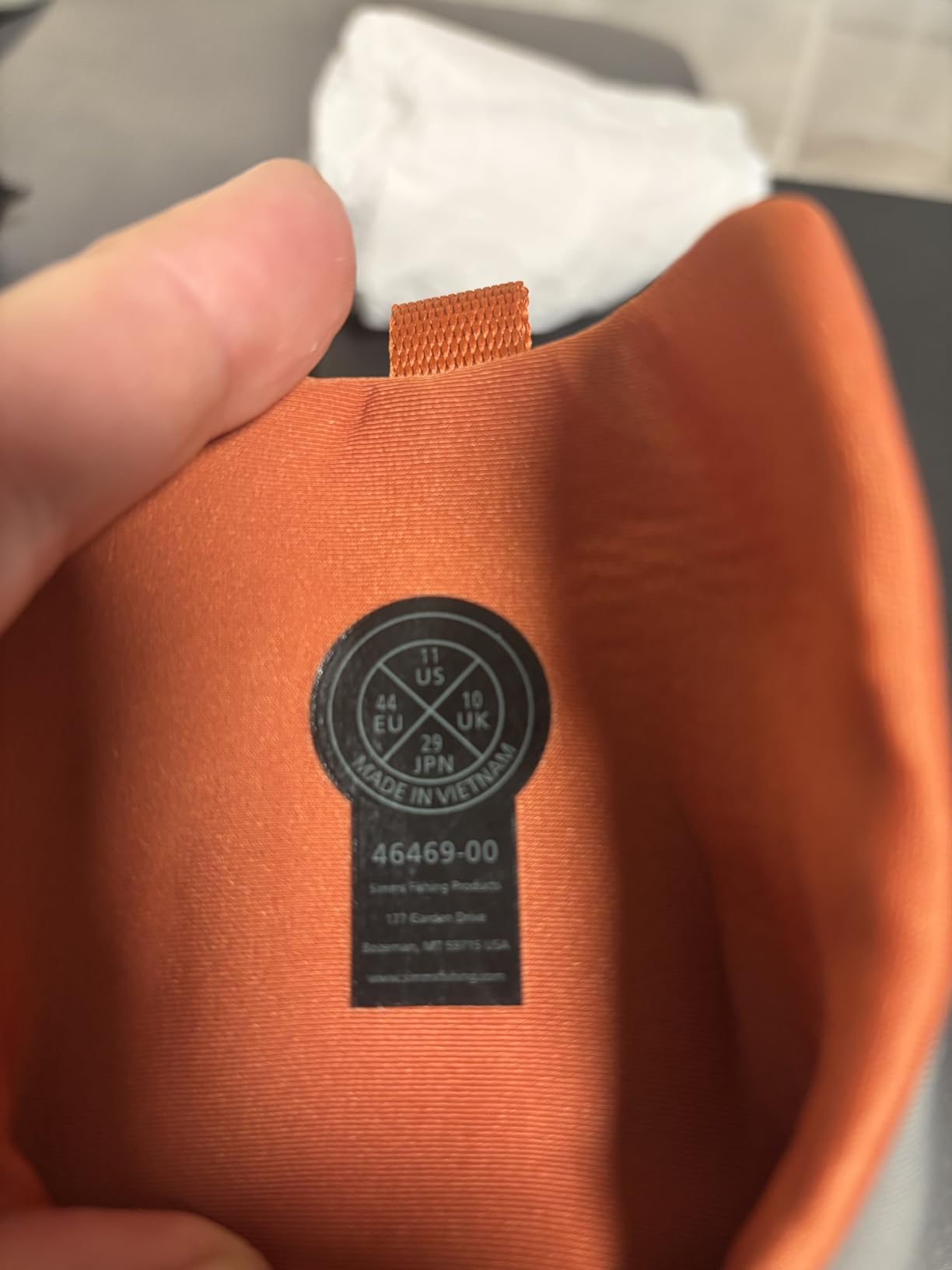
One of the things I appreciate most about this boot is the PFA-free construction. Simms has moved away from per- and polyfluoroalkyl substances, which is better for the rivers you fish and the water you stand in. The updated rubber outsole is compatible with Simms Hardbite Star Cleats, Hardbite Studs, and Alumibite Star Cleats. That means you can build out the traction level you need for your home waters without buying a different boot.
The main complaint from users centers on drainage. Some reviewers note that the interior lining can hold water longer than expected, which adds weight after extended wading. This is not a dealbreaker, but it is worth knowing if you do a lot of hike-and-wade fishing where every ounce matters. The Freestone also sits at a premium price point, though the build quality justifies the investment for serious anglers.
How the Freestone Compares to Higher-End Simms Models
The Freestone sits below the G3 Guide and G4 models in the Simms lineup. The main differences come down to the upper material grade and the midsole technology. The G3 Guide uses a more aggressive rubber compound and adds a stiffer ESS plate for better stability on uneven terrain. However, the Freestone delivers about 85 percent of the G3 experience at a significantly lower cost, making it the sweet spot for most anglers.
Best Use Cases for the Freestone
The Freestone shines on medium to large rivers where you do moderate wading and occasional hiking. It is an excellent all-around boot for trout anglers who fish a mix of tailwaters and freestone rivers. If you primarily fish small mountain creeks with minimal hiking, a lighter boot might serve you better. But for general-purpose fly fishing, the Freestone is one of the best wading boots you can buy in 2026.
3. Korkers Greenback Wading Boots – Versatile and Affordable
Korkers Greenback Wading Boots – Packed with The Essentials – Includes Interchangeable Felt and Kling-On Soles – Size 10
OmniTrax interchangeable soles
Quick Cinch laces
Hydrophobic materials
Internal drainage
Pros
- Interchangeable sole system included
- Comfortable like a hiking boot
- Lightweight and drains quickly
- Great ankle support
Cons
- Sole changes can be difficult
- Rubber soles may detach under heavy use
- Some heel lift when walking
The Korkers Greenback brings the brand signature OmniTrax interchangeable sole system to a much more accessible price point than the Darkhorse. It ships with both felt and Kling-On rubber soles included, which means you are ready for any fishery right out of the box. I found these boots to feel more like a comfortable hiking boot than a traditional stiff wading boot, which makes them great for anglers who cover a lot of ground between spots.
The Quick Cinch lacing system is fast and secure. You pull once and the lace locks in place, which is nearly as convenient as a BOA dial at a fraction of the cost. At just about 1 pound per boot, the Greenback is one of the lighter options in this roundup. That weight savings adds up quickly when you are walking a couple of miles down a river trail before you even string up your rod.
Hydrophobic materials throughout the upper help the Greenback dry faster than most boots in its price range. The internal drainage system moves water through channels and out midsole ports, reducing that sloshing feeling after deep crossings. Abrasion-resistant construction with strategically located seams holds up well against the abuse that river rocks and streamside brush dish out.
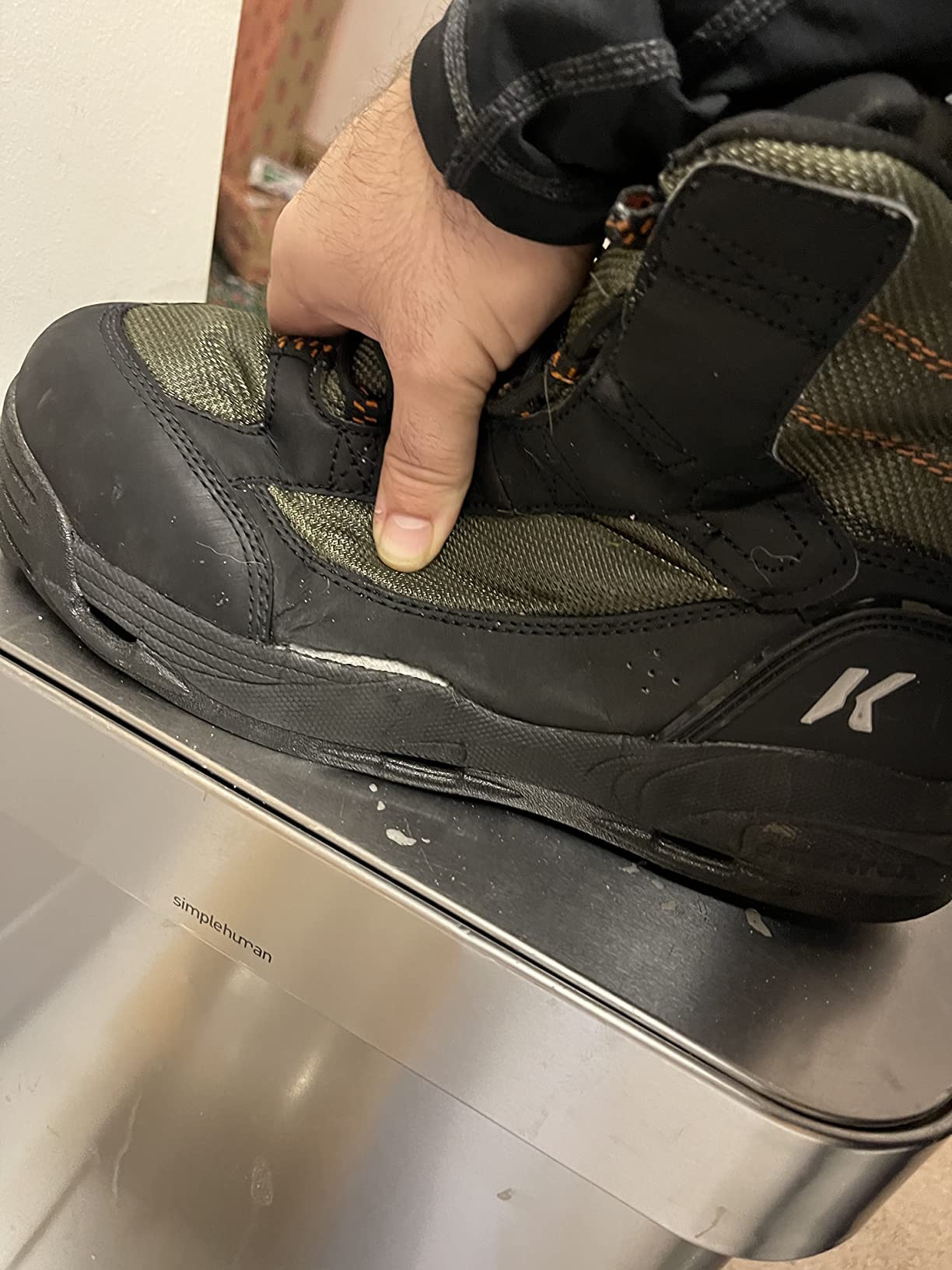
The trade-offs are worth discussing honestly. Some users report that the sole system can be difficult to operate, especially in cold weather when your hands are not cooperating. There are also reports of rubber soles separating from the upper after very heavy use over multiple seasons. A few users mention noticeable heel lift when walking, which can cause hot spots on long hikes. These issues are not universal, but they come up enough in reviews to be aware of before buying.
Ideal Fishing Scenarios for the Greenback
The Greenback is perfect for the angler who wants sole versatility without paying Darkhorse-level prices. If you fish primarily in one or two water types but occasionally travel to fisheries with different conditions, the interchangeable sole system gives you flexibility. It is also a strong choice for beginners who want a capable boot that will grow with their fishing without requiring an immediate upgrade.
How the Sole Swap System Works in Practice
The OmniTrax system uses a rail-based attachment. You press a release mechanism, slide the sole off the boot bottom, and slide the alternate sole onto the rails until it clicks into place. In warm, dry conditions at home, this takes about a minute per boot. On a cold riverbank with wet, freezing hands, it is considerably harder. Most anglers keep one sole type installed for a full trip rather than swapping mid-day.
4. FROGG TOGGS Hellbender Fishing Wading Boot – Lightweight All-Day Comfort
FROGG TOGGS Men’s Hellbender Fishing Wading Boot in Felt or Cleated
Felt or cleated soles
Polyurethane midsole
Padded ankle collar
Speed laces with locking clip
Pros
- Excellent traction on wet rocks
- Lightweight at 1.5 pounds
- Great value for money
- Studs can be added for extra grip
Cons
- Felt soles may come undone over time
- Laces wear out
- Take a long time to dry
The FROGG TOGGS Hellbender has earned a massive following with over 2,200 reviews, and for good reason. This boot delivers reliable performance at a price that leaves room in your budget for more fly boxes. I tested the felt-sole version on a slick freestone river and was immediately impressed by the grip on algae-covered rocks. The felt grabs uneven surfaces with a confidence that rubber-only boots struggle to match.
At just 1.5 pounds per boot, the Hellbender is light enough for all-day wear without foot fatigue. The polyurethane midsole provides real cushioning, and the padded ankle collar wraps comfortably around the neoprene bootie of your waders. The speed lacing system with a locking lace clip gets you on the water fast, and the enhanced toe and heel caps protect against stubbed toes on unseen underwater obstacles.
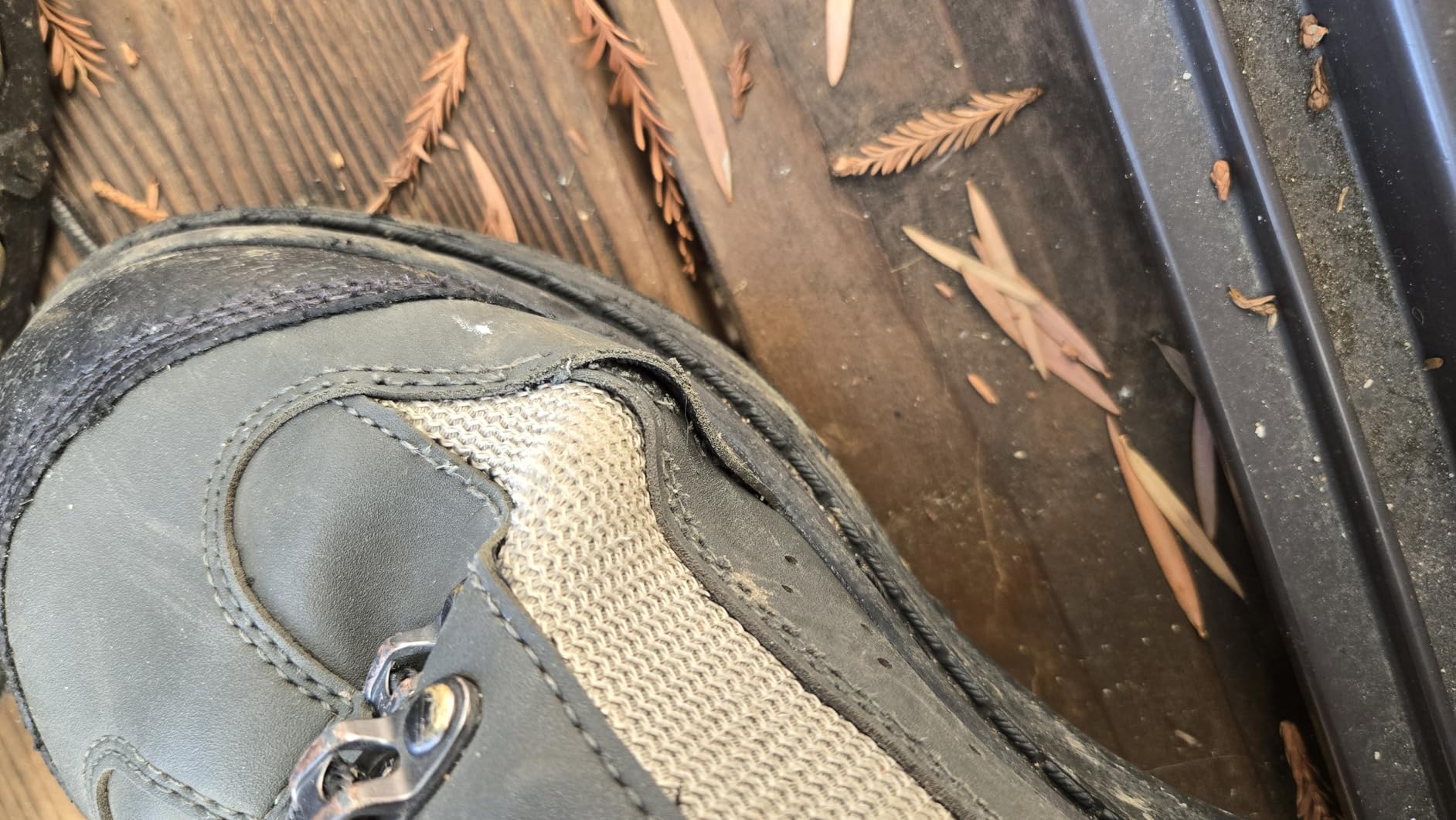
The mesh and PVC upper drains water efficiently through the boot, which keeps weight down after deep wading. I did notice that the felt soles take a long time to dry completely after a day on the water, which is a common issue with felt across all brands. If you fish multiple days in a row, plan to stuff newspaper inside overnight to pull moisture out.
The most frequently mentioned long-term issue is felt sole durability. After a season or two of heavy use, some users report the felt beginning to separate from the boot bottom. The laces also tend to wear out faster than expected, so consider keeping a spare set in your gear bag. On the upside, the Hellbender accepts studs and screws for anglers who want to customize their traction on extra-slick rivers.
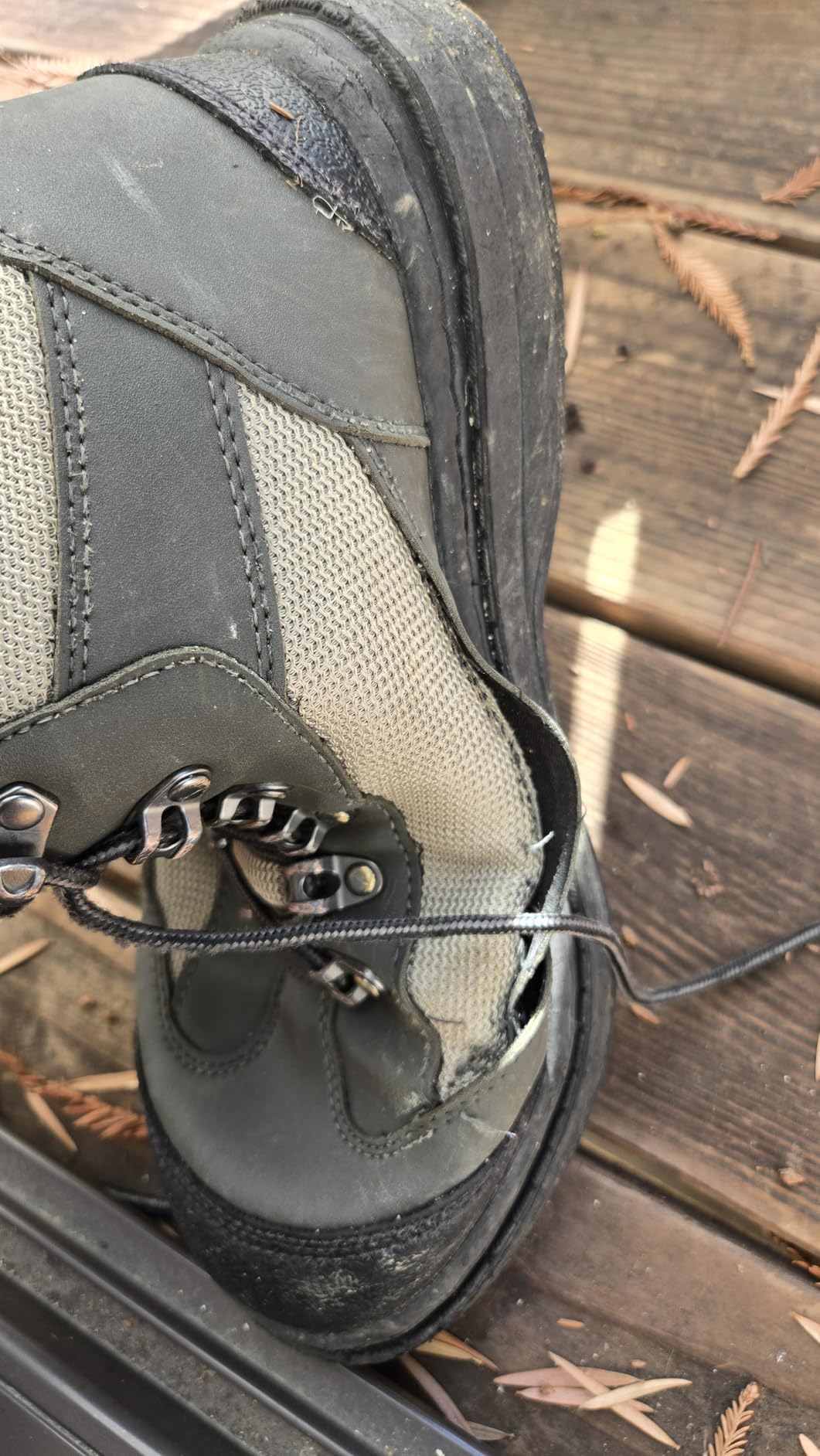
Felt vs Cleated Hellbender: Which Should You Choose
The Hellbender comes in two sole options, and your choice depends on where you fish. Felt provides unmatched grip on slick, algae-covered rocks and is ideal for freestone rivers. The cleated rubber version is better for hikes between spots and is required in states with felt-sole bans. If you fish mostly muddy or sandy bottoms, the cleated version actually outperforms felt because the lugs dig in where felt would clog.
Sizing the Hellbender with Waders
The Hellbender runs fairly true to size, but you need to account for the bulk of your stockingfoot wader bootie. Most anglers size up one full size from their street shoe size to accommodate the neoprene. If you wear thick wading socks inside the bootie, you may need to go up a size and a half. The wide wading last helps here, giving your forefoot room to spread without feeling pinched.
5. Foxelli Wading Boots – Best Budget Boot for Hikers
Foxelli Wading Boots – Lightweight Fly Fishing Boots for Men, Rubber Sole Wading Shoes
1.3 lb per boot
Slip-resistant rubber sole
OrthoLite insoles
Saltwater compatible
Pros
- Outstanding value for the price
- Versatile for hiking and wading
- Great ankle support
- Saltwater safe with no metal parts
Cons
- Rubber can slip on moss
- Takes a long time to dry
- Slightly snug at the forefoot
The Foxelli Wading Boots surprised me. At this price point, I expected a flimsy boot that would last maybe one season. Instead, I found a well-built, lightweight boot that performs like models costing twice as much. Weighing just 1.3 pounds per boot, these are among the lightest wading boots you can buy. That low weight makes them ideal for anglers who hike significant distances to reach their fishing spots.
The microfiber and breathable plaid nylon upper is reinforced with rubber at the toe and heel rand. This reinforcement pattern mirrors what premium brands do, and it protects the high-wear areas that typically fail first on budget boots. The removable OrthoLite insoles provide legitimate cushioning, and the shock-absorbing EVA midsole takes the sting out of rocky riverbeds during long wading sessions.
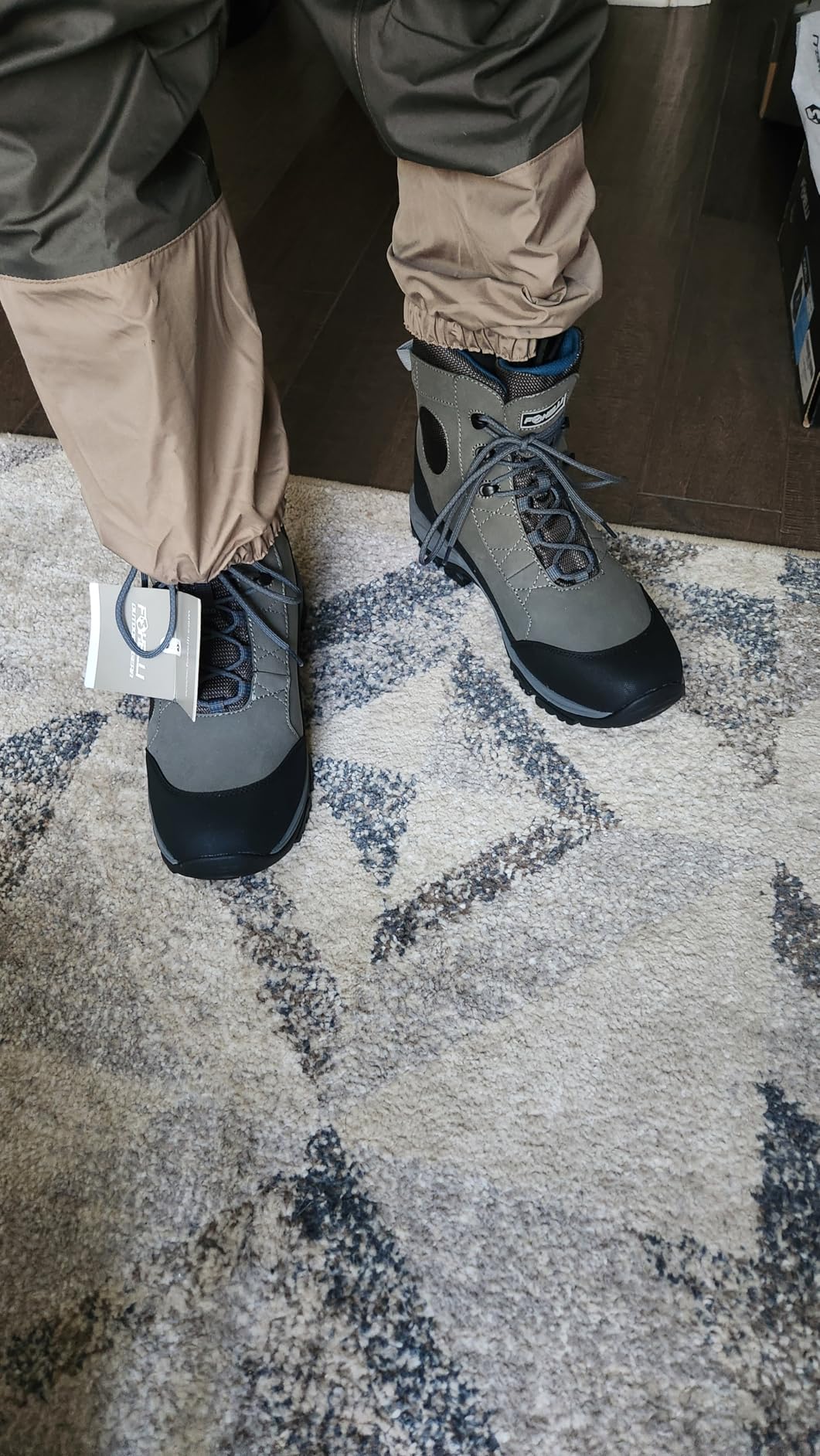
One standout feature is that Foxelli built these boots with zero metal parts. That makes them fully saltwater compatible for anglers who chase striped bass, redfish, or bonefish on the flats. Corrosion is a non-issue. The slip-resistant rubber outsoles with their tread pattern grip reasonably well on most surfaces, though they do struggle on moss-covered rocks where felt or studs would excel.
The mesh drain ports work efficiently to move water out of the boot after each crossing. The rear pull loop and lace hooks make getting them on straightforward, and the rubber kick-log on the heel lets you remove the boots hands-free at the end of the day. My main gripe is the drying time, which is longer than I would like. Some users also report the forefoot feels a bit snug, so consider sizing up if you have wide feet.
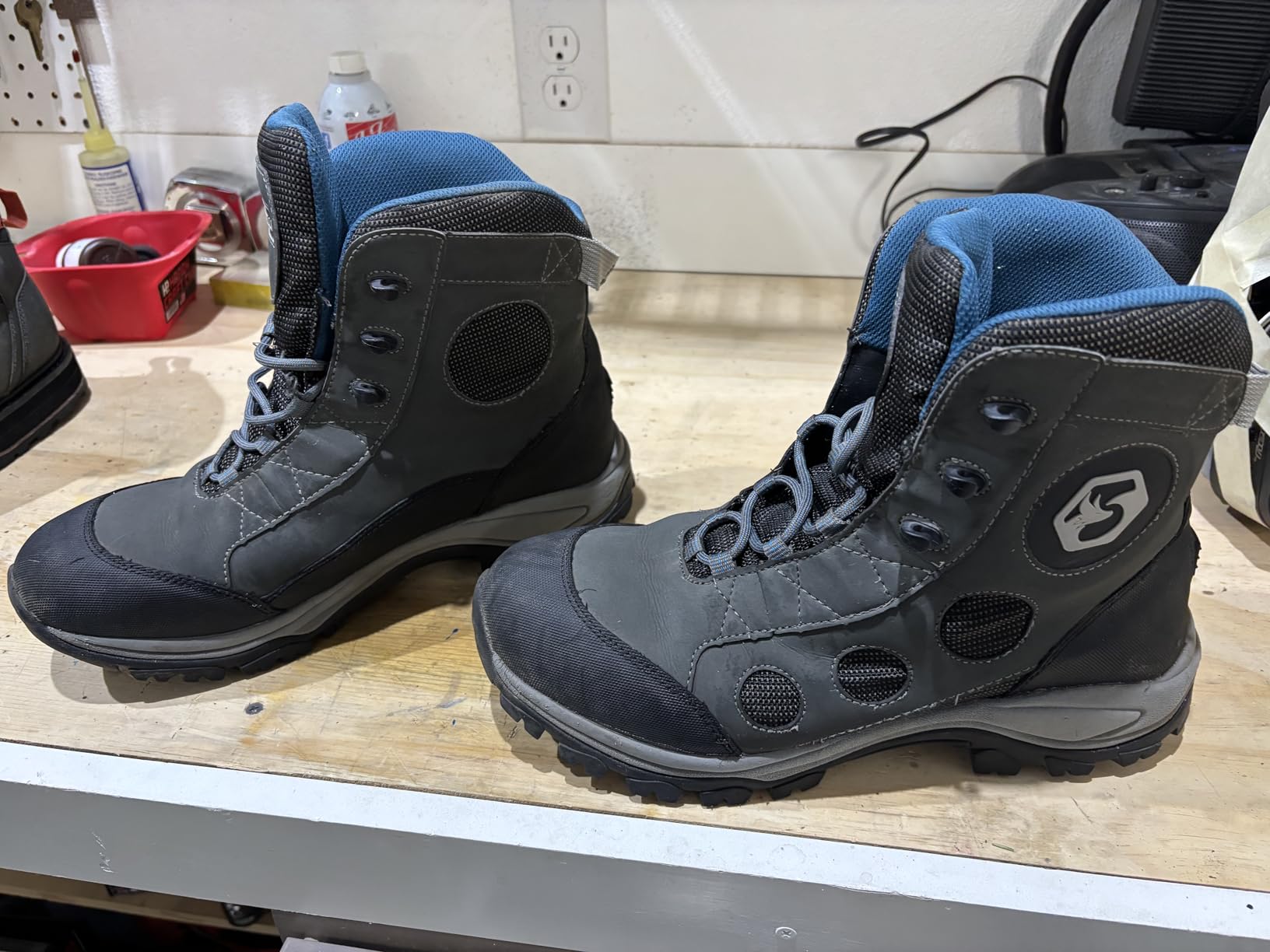
Are Foxelli Boots Good for Multi-Day Trips
For multi-day float trips or camping-based fishing adventures, the Foxelli boots perform well as long as you manage expectations. The lightweight design reduces fatigue on long days, and the durable upper holds up to streamside abuse. The main concern is drying time between days. Bring extra newspaper or a small boot dryer if you have access to electricity at camp. Saltwater users should rinse thoroughly with fresh water after each trip.
Stud Compatibility and Traction Upgrades
The rubber outsole on Foxelli boots can accept screw-in studs if you need extra grip on slick freestone rivers. Most standard carbide or aluminum wading studs will thread into the rubber lugs without issue. Adding six to ten studs per boot transforms the traction on wet rocks, bringing the grip level close to what you would get from a felt sole. This makes the Foxelli an even better value since you can customize the traction for under 20 dollars in studs.
6. FROGG TOGGS Deep Current Wading Boot – Budget Lightweight Pick
FROGG TOGGS Men’s Deep Current Waterproof Fishing Wading Boot for Fishing in Cleated or Felt, Cleated, 11
Felt or cleated options
EVA insole
Micro screen drain ports
2 year warranty
Pros
- Lightweight and comfortable
- Excellent ankle support
- Quick drying
- True to size fit
Cons
- Soles may need studs for best grip
- Tongue reinforcement strip too narrow
- Some loose threads reported
The FROGG TOGGS Deep Current is the newer sibling to the Hellbender, and it brings several design improvements to the table. I found the Deep Current to be a more refined boot overall, with better drainage and a cleaner profile. The EVA insole material provides solid cushioning underfoot, and the boot feels stable and supportive from the first wear.
Available in both felt and heavy-duty rubber cleated outsole options, the Deep Current covers the two most common traction needs. The water-draining micro screen ports are a nice upgrade over simple drain holes because they keep sand and grit from entering the boot while still letting water escape. This feature extends the life of both the boot and the neoprene bootie on your waders.
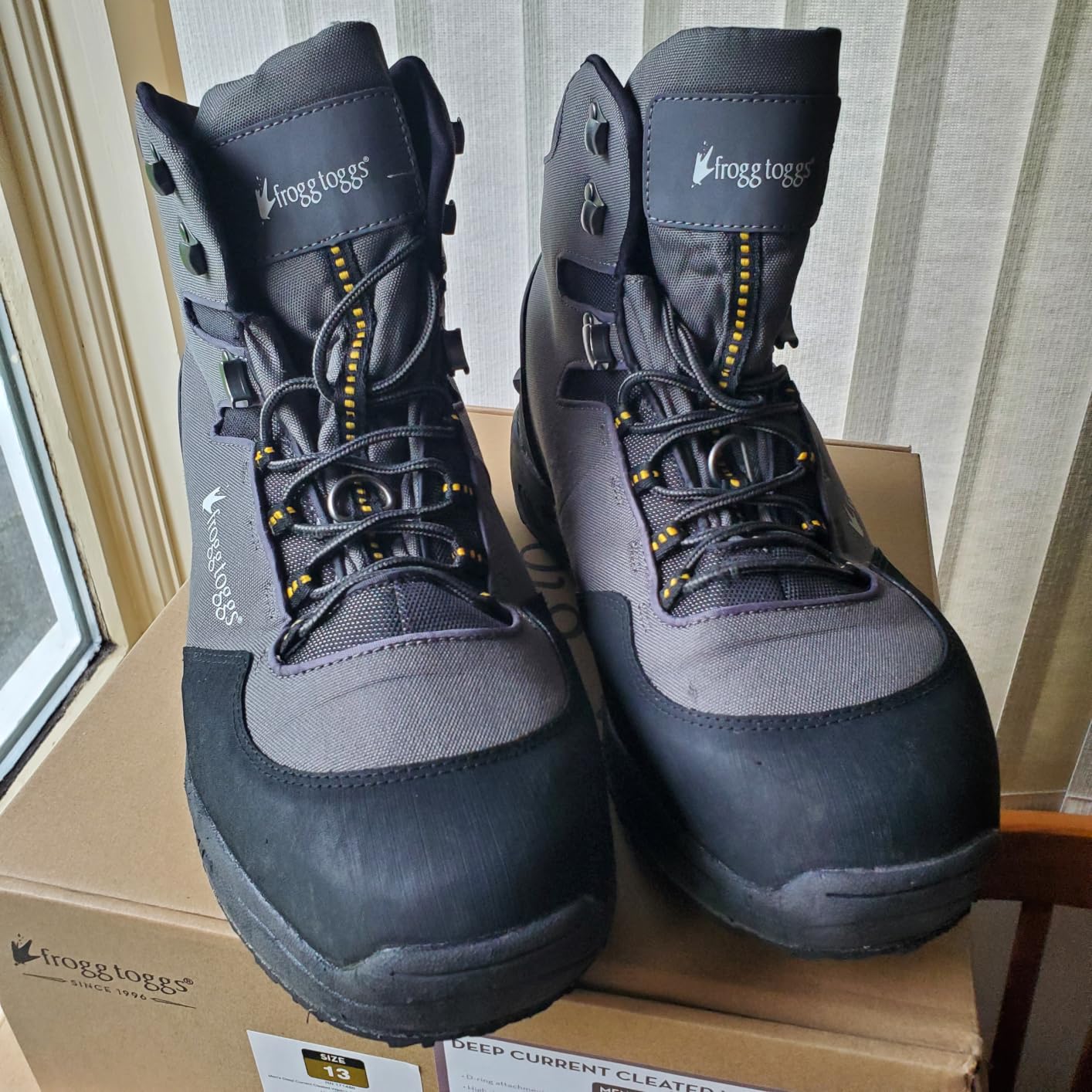
The large heel pull loop makes getting these boots on over wader booties much easier than boots without one. The high-density nylon laces feel more durable than what comes on the Hellbender, and the lace hook D-ring attachment point works with your wader gravel guard to keep debris from sneaking in over the top. At this price, the 2-year manufacturer warranty is a strong signal that FROGG TOGGS stands behind the build quality.
The primary trade-off is that the stock soles, particularly the rubber cleated version, may not provide enough grip on their own for slick freestone rivers. Plan to add studs if you fish fast, rocky water with heavy algae growth. A few users have reported loose threads on the sole stitching and a reinforcement strip on the tongue that is narrower than ideal, which can let water pool above the lace area. These are minor issues that do not significantly impact performance but are worth noting.
Deep Current vs Hellbender: Which FROGG TOGGS Boot Is Better
Both boots come from the same brand and share design DNA, but the Deep Current is the more refined option. It has better drainage with micro screen ports, a more comfortable insole, and a 2-year warranty versus the Hellbender standard coverage. The Hellbender has a larger review base and a proven track record over more seasons. If you want the newest design improvements, go Deep Current. If you want the battle-tested option, stick with the Hellbender.
Best Fishing Environments for the Deep Current
The Deep Current excels on moderate rivers with mixed bottoms of gravel, small rocks, and occasional slick ledges. It is well-suited for anglers who fish spring creeks and tailwaters where the wading is moderate rather than aggressive. If you regularly wade fast, deep freestone rivers with large boulders, you will want to add studs or consider a felt-sole version for maximum grip.
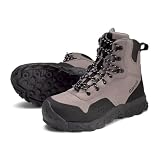
7. Orvis Clearwater Wading Boots – Sturdy and Reliable
Orvis Clearwater Men’s Wading Boots – Durable Rubber Sole and Synthetic Leather Upper with Scratch-Resistant Toe, EVA Footbed & Stable Stud Retention, Gravel – 10
Synthetic leather upper
Aggressive rubber lug outsole
ESS plate
Strategically placed studs
Pros
- Lightweight and comfortable
- Non-slip traction on rocks
- Durable construction
- True to size fit
Cons
- Laces can come loose
- Boots feel stiff initially
- Can feel clunky to wade in
Orvis is a brand that fly anglers trust, and the Clearwater boot lives up to that reputation. The full synthetic leather upper is built to take abuse, with reinforced scratch rubber at the toe, vamp, and heel counter. I found these boots to be lighter than expected for how substantial they feel in hand, and the aggressive rubber lug outsole provides solid traction across a variety of riverbed types.
The integrated EVA foam footbed adds real comfort underfoot, which matters when you are standing on cobble for hours at a time. Orvis includes strategically placed studs from the factory, which gives the Clearwater an edge over boots that require you to add your own traction hardware. The ESS plate sits between the outsole and midsole, providing torsional stiffness that prevents your foot from twisting on uneven underwater terrain.
One thing to know going in is that the Clearwater has a break-in period. Several users report the boots feel stiff, almost like ski boots, during the first few outings. After about three to four days on the water, the synthetic leather upper softens and conforms to your foot. Once broken in, the Clearwater becomes one of the more comfortable boots in this price range.
The most common complaint involves the lacing system. The stock laces can come loose during active wading, and the lace ties are reportedly thin and prone to breaking. This is an easy fix with aftermarket laces or lock laces, but it is an annoyance on a boot at this price. A few users also find the Clearwater slightly clunky in the water compared to sleeker, lower-profile boots.
Break-In Tips for the Orvis Clearwater
To speed up the break-in process, wear the Clearwater boots around the house or on short walks before your first fishing trip. Wear the same wader booties and socks you plan to fish in. Spend 30 minutes walking on uneven ground to help the synthetic leather flex points soften. A light application of leather conditioner on the upper flex zones can also help, though test it on a small area first to ensure compatibility with the synthetic material.
Clearwater vs Premium Orvis Boots
The Clearwater sits below the Orvis Pro Wading Boot in the lineup. The Pro version uses Michelin Outdoor Extreme outsole rubber, which offers measurably better grip on wet rock than the Clearwater standard rubber. The Pro also uses more advanced materials throughout and typically weighs less. However, the Clearwater delivers most of the performance at roughly half the cost, making it the smarter choice for most anglers who do not need the absolute top-tier traction.
8. BASSDASH IMMERSE Wading Boots – Lightweight Newcomer
BASSDASH IMMERSE Men’s Wading Boots Breathable Mesh Lightweight Anti-Slip Rubber Sole for Fly Fishing
43.7 oz per pair size 8
Breathable mesh upper
EVA midsole
Exclusive cleat pattern outsole
Pros
- Excellent value for price
- Lightweight design
- Quick draining
- Good ankle support
Cons
- Laces may be too short
- May run snug with neoprene wader boots
- Could be lighter still
The BASSDASH IMMERSE is one of the newer entries in the wading boot market, and it makes a strong first impression. At just 43.7 ounces per pair in size 8, these boots are featherlight compared to most options in this roundup. The breathable mesh fabric upper keeps things cool during summer wet-wading sessions, and the PVC and PU leather reinforcement at high-wear areas adds structure and durability.
I tested the IMMERSE during a warm-weather wet wading trip without waders, and the breathable mesh kept my feet comfortable even in 85-degree heat. The rubber outsole features an exclusive cleat pattern designed specifically for wading traction, and it grips surprisingly well on rocky bottoms. The cushioning EVA midsole absorbs shock on hard riverbeds, and the padded ankle collar provides a snug, supportive fit.
The drainage system uses strategically placed holes in the lower boot to move water out quickly. In practice, this works well, and the boots shed water fast after each crossing. The double-stitched seams and reinforced rubber toe and heel caps show attention to build quality that belies the affordable price. Front and back webbing pull-straps make getting the boots on straightforward.
The main issues are minor but worth noting. The stock laces are shorter than many users prefer, which makes tying them off securely more difficult. The boots also run slightly snug when worn with thick neoprene wader booties, so BASSDASH recommends sizing up. Some anglers note that while the boots are light, they could still shed a bit more weight. These are reasonable trade-offs for the price point.
Wet Wading vs Wader Use with the IMMERSE
The IMMERSE truly shines as a wet-wading boot. The breathable mesh upper is ideal for summer fishing when you wear wading socks and gravel guards instead of full waders. The boot breathes well and dries fast. When used with stockingfoot waders, the snug fit becomes more noticeable. Size up at least one full size from your street shoe to accommodate the neoprene bootie comfortably.
How the IMMERSE Compares to Foxelli
Both boots target the same budget-conscious angler, but there are meaningful differences. The Foxelli is slightly lighter at 1.3 pounds per boot versus the IMMERSE at about 1.5 pounds per boot. The Foxelli also has no metal parts, making it better for saltwater. The IMMERSE has better drainage and a more aggressive outsole cleat pattern for river fishing. For freshwater wet wading, the IMMERSE is the better choice. For saltwater versatility, go with Foxelli.
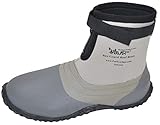
9. Ray-Guard Reef Wading Boots – Best for Saltwater and Reef Wading
Foreverlast Ray-Guard Reef Wading & Fishing Boots Generation II for Men and Women, Grey, Size 11, Hard Soled Vulcanized Rubber Bottom, Neoprene, Lightweight, Waterproof (APBZA1010NFSkE)
4 layers vulcanized rubber
SD grit elimination system
Hook and loop cuff
Hard soled bottom
Pros
- Sturdy and durable construction
- Excellent lower foot protection
- Keeps feet warm in cold water
- Secure ankle support
Cons
- Very heavy
- Sizing runs large
- Zipper can jam with sand
- Ankle area only neoprene
The Ray-Guard Reef Boots by Foreverlast serve a specific niche that the other boots in this roundup do not fully address. These are designed for saltwater flats fishing, reef wading, and warm-water environments where protection from sharp coral, shells, and sea urchins is the top priority. The hard-soled vulcanized rubber bottom uses four layers of rubber to create a near-impenetrable barrier between your feet and whatever lurks below.
I wore these on a flats fishing trip where walking across mixed coral rubble and soft sand is unavoidable. The protection level is outstanding. Where a standard wading boot would flex and transmit the sharp edge of a shell into your foot, the Ray-Guard sole stays rigid and deflects everything. The SD System is designed to eliminate rock and grit from entering the boot, and the venting on the inside sole drains excess water continuously.
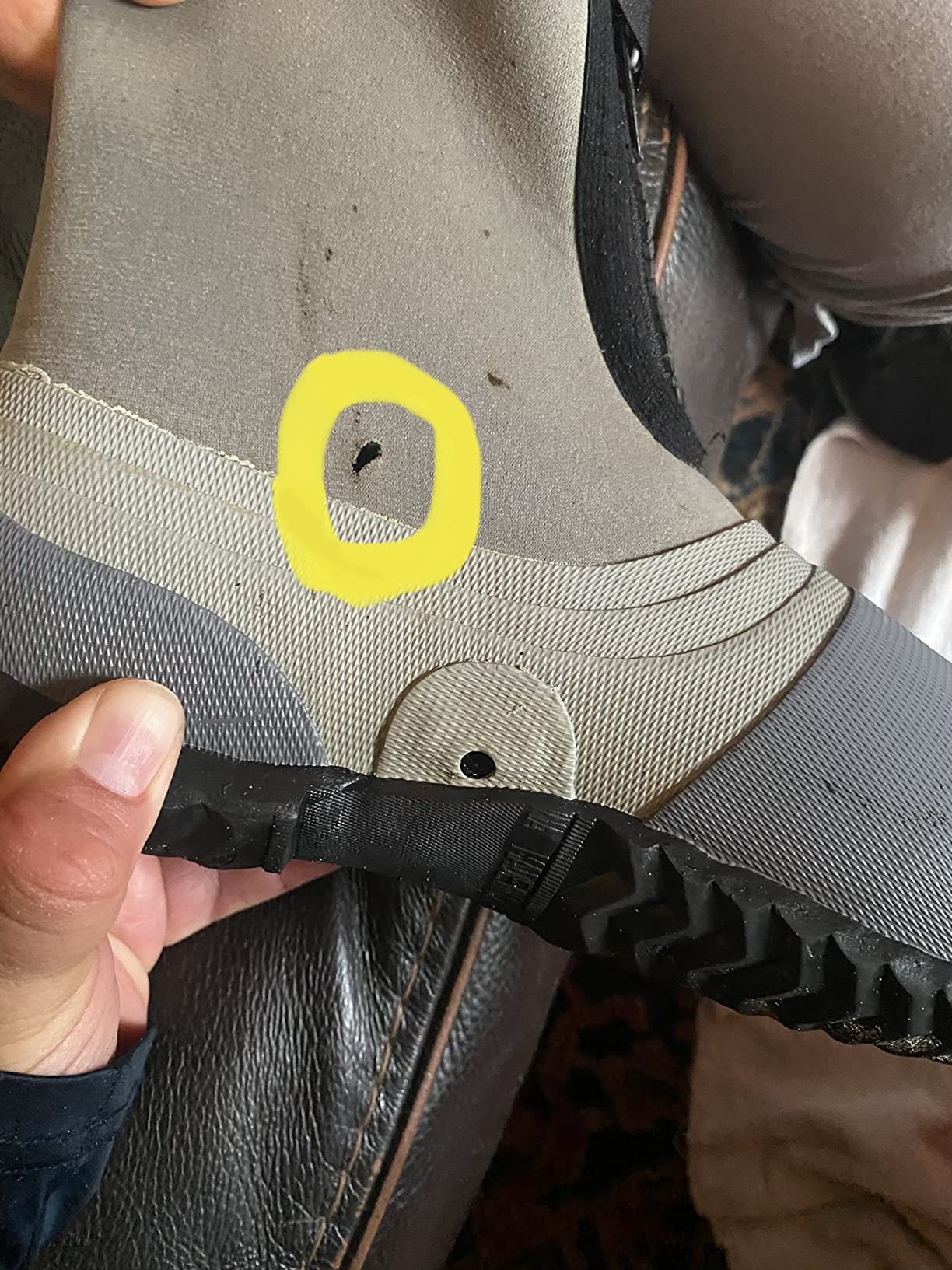
The hook and loop cuff closure combined with the zipper creates a secure seal around your ankle that keeps sand and debris out. Your feet stay surprisingly warm even in cold water, thanks to the neoprene upper combined with the thick rubber construction. The ankle support is solid, and the boots feel stable on uneven reef terrain where a wrong step could mean a cut foot or twisted ankle.
Now for the trade-offs. These boots are heavy. At roughly 1.77 kilograms per pair, they are among the heaviest options you can buy. If you are covering miles of flat on foot, that weight adds up fast. Sizing runs large, which is actually helpful if you are wearing thick dive socks underneath. The zipper can jam with sand if you do not rinse it thoroughly after each use. The ankle area is constructed only of neoprene, which provides less structural support than the rest of the boot.
Freshwater vs Saltwater Use
The Ray-Guard is purpose-built for saltwater and reef environments. While you could use it in freshwater, the weight and design make it overkill for most trout fishing scenarios. For anglers who primarily fish tropical flats, mangrove shorelines, or rocky coastlines for species like permit, bonefish, or striped bass, the Ray-Guard fills a role that no other boot in this roundup can match. After each saltwater use, rinse thoroughly with fresh water and lubricate the zipper to prevent corrosion and jamming.
Maintenance and Longevity
The vulcanized rubber construction is extremely durable and resists the cuts, punctures, and abrasion that destroy softer boots on reef terrain. The primary maintenance concern is the zipper, which requires regular rinsing and occasional lubrication. If the zipper fails, the boot becomes very difficult to put on and take off. Some long-term users report getting multiple seasons of heavy saltwater use from the Ray-Guard, which speaks to the build quality.
Buying Guide: How to Choose the Best Wading Boots?
Choosing the right wading boots comes down to understanding how and where you fish. The best wading boots for one angler might be completely wrong for another. Here is everything you need to know to make the right choice for your specific fishing style.
Sole Type: Felt vs Rubber vs Studded
The sole is the single most important decision you will make when choosing wading boots. Each type has distinct advantages and disadvantages.
Felt soles provide the best grip on slick, algae-covered rocks. The felt fibers conform to the irregular surface of wet rock, creating a large contact area with high friction. Felt is the gold standard for freestone rivers with mossy boulders and fast current. The downsides are significant, though. Felt absorbs water, takes a long time to dry, and can transport invasive species like didymo and whirling disease between watersheds. Several states including Alaska, Maryland, and Rhode Island have banned felt soles entirely. If you fish in multiple states, check regulations before buying felt.
Rubber soles, particularly high-end compounds like Vibram Idrogrip and Michelin Outdoor Extreme, have closed the grip gap significantly in recent years. Rubber is lighter, dries fast, does not transport invasive species, and works better on muddy banks and hiking trails. The downside is that rubber still slips on smooth, algae-covered rocks where felt excels. For most anglers in 2026, a quality rubber sole paired with screw-in studs is the most versatile and environmentally responsible choice.
Studded boots add metal cleats or carbide studs to either felt or rubber soles. Studs dramatically improve grip on slick rock by biting into the surface. They are especially effective on smooth bedrock and hard-packed clay bottoms. The trade-offs include faster wear on boot soles, potential damage to boat decks, and the fact that studs can actually reduce traction on soft surfaces like sand and mud where they sink in and create leverage points. Most anglers use six to twelve studs per boot for a balanced setup.
Fit and Sizing with Stockingfoot Waders
This is one of the most common pain points in forum discussions. Wading boots need to accommodate both your foot and the neoprene bootie of your stockingfoot waders. The general rule is to size up one full size from your street shoe size. If you wear thick wading socks inside the bootie, you may need to go up a size and a half.
The best approach is to bring your waders and wading socks to the store or order from a retailer with a good return policy. Try the boots on with the exact combination you will fish in. Walk around, squat, and simulate the motions of wading. Your toes should not touch the front, and your heel should not lift excessively when walking. If you feel pressure points on the sides of your feet, the boot is too narrow for your wader bootie combination.
Boot width matters as much as length. Anglers with wide feet often struggle with wading boots because the addition of the neoprene bootie effectively makes every foot wider. Look for boots with a wide wading last, like the FROGG TOGGS Hellbender, or brands known for roomier fits.
Ankle Support and Height
Ankle support is about preventing sprains and rolls on uneven underwater terrain. A good wading boot should hold your ankle firmly without restricting blood flow or causing pressure points. Higher boots generally provide better support, but they also weigh more and can be harder to get on and off.
Look for boots with structured ankle padding and a lacing system that extends high enough to lock the ankle in place. The Korkers Darkhorse with its 3PFS Achilles stabilization and the Simms Freestone with its padded construction both excel here. If you have a history of ankle issues, prioritize this feature above all others.
Weight Considerations
Boot weight affects fatigue more than most anglers realize. Every step in the water requires lifting the boot against water resistance, which amplifies the effective weight. A heavy boot that feels fine on land can become exhausting after several hours of wading. The Foxelli at 1.3 pounds per boot and the BASSDASH IMMERSE at about 1.5 pounds per pair are the lightest options in this roundup.
That said, the lightest boot is not always the best choice. Lighter boots often sacrifice durability and ankle support. The sweet spot for most anglers is between 1.5 and 2.5 pounds per boot. This range provides enough material for durability and support without being excessively heavy.
Drainage and Quick-Drying
Good drainage keeps your boots from acting like buckets when you wade deep. Look for integrated drainage systems with ports in the midsole or lower sides. The Korkers Greenback and BASSDASH IMMERSE both have well-designed drainage channels. Hydrophobic upper materials, found on both Korkers models and the Foxelli, help boots dry faster between trips.
Poor drainage adds weight and contributes to premature wear of both the boots and your wader booties. Standing water inside the boot degrades the adhesive bonds holding the sole to the upper and can cause odor issues over time. After each trip, remove the insoles and stuff the boots with newspaper to pull residual moisture out.
Environmental and Regulatory Considerations
Felt-sole bans are spreading. As of 2026, multiple states and several countries have restricted or banned felt soles to slow the spread of aquatic invasive species. Didymo, also known as rock snot, can survive in damp felt for weeks. When an angler moves from one river to another, the felt can transport these organisms and introduce them to new watersheds.
Even if your state allows felt, consider the ethical implications. Cleaning your boots thoroughly between trips is essential regardless of sole type. The Clean, Drain, Dry protocol involves scrubbing all debris from your boots, draining all water, and allowing them to dry completely for at least 48 hours before visiting a new waterway. Some anglers are switching to rubber soles entirely to eliminate the risk, and most manufacturers now offer PFA-free and environmentally conscious boot options.
Lacing Systems: BOA vs Traditional vs Quick Cinch
The BOA lacing system uses a steel lace threaded through guides and tightened with a dial. It provides even, consistent pressure across the entire foot and takes seconds to adjust. The dial is covered by a lifetime warranty from the BOA company. The main downside is cost, as BOA-equipped boots are always more expensive. The Korkers Darkhorse is the BOA option in this roundup.
Traditional laces are the most common and most reliable system. They are cheap to replace, work in all conditions, and allow for custom lace patterns to address pressure points. The downside is that wet, cold laces are harder to tie and can come undone during active wading. The FROGG TOGGS Hellbender and Foxelli both use traditional laces with speed-lace enhancements.
Quick Cinch systems, like on the Korkers Greenback, use a single pull cord that tightens the entire lacing system at once. They are faster than traditional laces and nearly as adjustable. They sit between BOA and traditional laces in both convenience and cost.
Price and Long-Term Value
Forum users consistently report that cheap wading boots fall apart quickly, with some going through two budget pairs in a single season. The math often favors spending more upfront for a boot that lasts three to five seasons over buying a cheap boot every year. Premium boots like the Simms Freestone and Korkers Darkhorse cost more initially but offer better cost-per-season value over their lifespan.
That said, the mid-range options in this roundup have closed the quality gap considerably. The Korkers Greenback, FROGG TOGGS Hellbender, and Foxelli all deliver durability and performance that would have cost significantly more just a few years ago. If you are on a budget, these mid-range boots offer excellent value without the premium price tag.
Frequently Asked Questions
What are the best wading boots for fly fishing?
The best wading boots for fly fishing depend on your typical water type, but our top picks are the Korkers Darkhorse for overall performance, the Simms Freestone for durability and value, and the Korkers Greenback for budget-conscious anglers who still want interchangeable soles.
Do I really need wading boots?
Yes, if you wade in rivers or streams you need wading boots. They provide critical traction on slick surfaces, ankle support on uneven underwater terrain, and protection for both your feet and your wader investment. Standard hiking boots or water shoes do not offer the grip or support needed for safe wading in moving water.
Should I stud my wading boots?
Adding studs to your wading boots is worth it if you fish freestone rivers with slick rocks, fast currents, or heavy algae growth. Six to twelve screw-in carbide or aluminum studs per boot dramatically improve grip. However, studs add wear to your soles, can damage boat decks, and reduce traction on soft sand or mud.
What is the difference between felt soles and rubber soles in wading boots?
Felt soles provide superior grip on slick, algae-covered rocks because the fibers conform to the rock surface. However, felt absorbs water, dries slowly, and can transport invasive species. Rubber soles are lighter, dry quickly, do not spread invasive species, and work better on trails and mud. Many states have banned felt soles for environmental reasons.
How should wading boots fit?
Wading boots should fit snugly with no heel lift but enough room to wiggle your toes. Most anglers need to size up one full size from their street shoe to accommodate the neoprene bootie of stockingfoot waders. Always try boots on with your actual waders and wading socks to check the fit before committing.
Are wading boots waterproof?
Wading boots themselves are not waterproof and are not designed to be. They are designed to drain water quickly while providing traction and support. Waterproofing comes from your waders, which have a waterproof stockingfoot bootie that sits inside the wading boot. The boot itself should drain efficiently rather than keep water out.
How do I maintain and care for my wading boots?
Rinse boots with fresh water after every trip, especially after saltwater use. Remove insoles and stuff with newspaper to dry. Allow at least 48 hours of drying time between trips to prevent mold and material degradation. Inspect stitching and sole adhesion regularly. Store boots in a cool, dry place away from direct sunlight.
What should I consider when buying wading boots for colder environments?
For cold weather fishing, look for boots with a roomier fit to accommodate thicker wading socks, good insulation in the insole to block cold transfer from the riverbed, and reliable traction for icy conditions. Consider studded soles for frozen riverbanks and look for models with a BOA lacing system, which is much easier to operate with numb fingers than traditional laces.
Final Thoughts on the Best Wading Boots for 2026
Finding the best wading boots comes down to matching the boot to your fishing reality. If you want the absolute best overall package with BOA convenience and interchangeable soles, the Korkers Darkhorse is hard to beat. For anglers who want premium durability at a fair price, the Simms Freestone delivers season after season. And if you are looking for maximum versatility on a budget, the Korkers Greenback with its included sole system is an outstanding value.
The mid-range options deserve serious consideration too. The FROGG TOGGS Hellbender and Deep Current, the Foxelli, and the BASSDASH IMMERSE all prove that you do not need to spend premium money to get a capable, comfortable boot. And for saltwater specialists, the Ray-Guard Reef Boots offer protection that no freshwater-focused boot can match.
Whatever you choose, remember that your wading boots are the most important safety gear you own on the river. Invest in a pair that fits well, grips the surfaces you fish, and holds up over time. Your ankles, your waders, and your future fishing days will thank you. Here is to solid footing and tight lines in 2026.