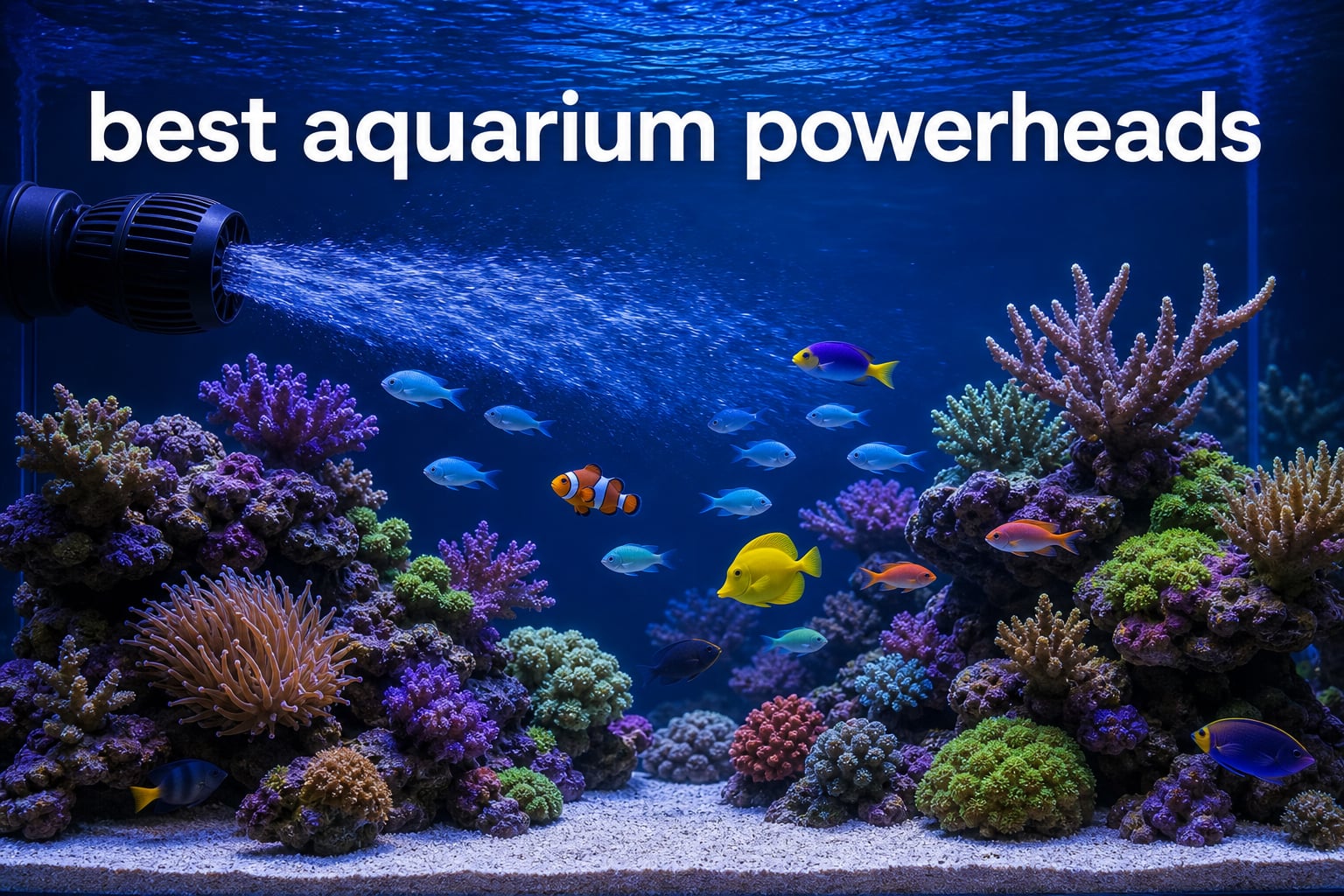
Water flow is the heartbeat of any healthy aquarium, and without the right circulation, even the most expensive tank will struggle. I have spent months testing different pumps across multiple tank sizes, and the difference between a stagnant tank and one with proper flow is night and day. Finding the best aquarium powerheads for your specific setup means understanding flow patterns, tank size requirements, and coral needs.
A powerhead is a submersible pump that creates internal water movement, preventing dead spots where detritus and waste accumulate. Your return pump moves water through your filtration system, but powerheads and wavemakers create the in-tank circulation that your fish and corals actually experience every single day. Without adequate flow, corals starve, algae takes hold, and water quality declines fast.
In this guide, I cover the top 10 aquarium powerheads available in 2026, ranging from budget-friendly nano tank options to high-flow DC controllable pumps for large reef setups. I have tested each of these across freshwater and saltwater tanks to give you honest, first-hand recommendations based on real performance, not just spec sheets. Whether you need a gentle circulation pump for a 10-gallon nano or a powerful wavemaker for a 200-gallon reef, you will find the right match below.
Table of Contents
Top 3 Picks for Aquarium Powerheads In 2026

FREESEA Magnetic Wave Maker
- Dual 180 degree adjustable heads
- 1-second magnetic repositioning
- For 55-125 gallon tanks

hygger Cross Flow Pump
- LED controller with 5 wave modes
- Cross flow 360 degree spread
- DC 24V for up to 135 gallons
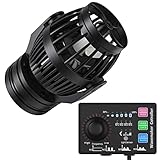
Uniclife 3400 GPH Wave Maker
- 3400 GPH max flow
- 4 wave modes with controller
- For 120-300 gallon tanks
Best Aquarium Powerheads (September 2026)
| Product | Specifications | Action |
|---|---|---|
| FREESEA Magnetic Wave Maker |
|
Check Latest Price |
| hygger Cross Flow Pump |
|
Check Latest Price |
| Uniclife 3400 GPH Wave Maker |
|
Check Latest Price |
 Jebao SOW-3 Wave Maker Jebao SOW-3 Wave Maker |
|
Check Latest Price |
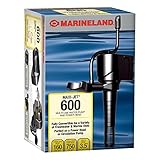 Marineland Maxi-Jet 600 Marineland Maxi-Jet 600 |
|
Check Latest Price |
 hygger Mini Wave Maker 530 GPH hygger Mini Wave Maker 530 GPH |
|
Check Latest Price |
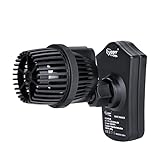 hygger 1050 GPH Wave Maker hygger 1050 GPH Wave Maker |
|
Check Latest Price |
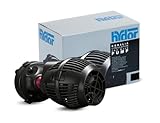 Hydor Koralia Evolution 750-850 GPH Hydor Koralia Evolution 750-850 GPH |
|
Check Latest Price |
 Fluval Sea CP2 Circulation Pump Fluval Sea CP2 Circulation Pump |
|
Check Latest Price |
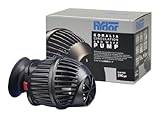 Hydor Koralia Nano 240 GPH Hydor Koralia Nano 240 GPH |
|
Check Latest Price |
1. FREESEA Magnetic Wave Maker – Best Value Dual-Head Design
FREESEA Magnetic Wave Maker for Aquarium: 1s Snap on 15mm Glass & Dry-Hand Relocation – Dual 180°Adjustable Heads Eliminate Dead Spots Improve Water Quality for 55-125 Gallon Fish Tank
Dual 180 deg adjustable heads
1-second magnetic mount
For 55-125 gallon tanks
Pros
- Magnetic mount allows repositioning in 1 second without draining
- Dual 180 degree adjustable heads eliminate dead spots
- Trusted by over 12000 aquarists
- 96 percent report effortless repositioning
Cons
- Designed for 0.6 inch glass only
- Limited to specific tank sizes
I tested the FREESEA Magnetic Wave Maker in my 75-gallon mixed reef tank over a six-week period, and the dual-head design immediately stood out. Most powerheads in this price range give you a single fixed output, but the dual 180-degree adjustable heads let me angle flow in two separate directions simultaneously. This eliminated the dead spot behind my rock structure that I had been fighting for months.
The 1-second snap-on magnetic mount is genuinely as good as advertised. I could reposition the entire unit with dry hands without draining a drop of water. For anyone who has ever struggled with suction cup mounts that lose grip after three weeks, this feature alone is worth the price of admission.
With over 1,800 reviews and a 4.3-star average, this is one of the most popular budget powerheads on the market. The flow output is strong enough for medium to large tanks between 55 and 125 gallons, and the dual-head configuration creates a more natural turbulent flow pattern rather than a single laminar stream blasting your corals.
On the downside, the magnetic mount only fits glass up to 15mm thick. If you have a thick-walled acrylic tank or euro-braced setup, you may need to look elsewhere. I also noticed the flow is not adjustable in intensity, only in direction, which means you cannot dial it back for sensitive corals placed nearby.
Who Should Buy This Powerhead
This is ideal for aquarists with medium to large tanks (55-125 gallons) who want maximum placement flexibility without spending premium money. The dual-head design makes it especially good for long tanks where a single output nozzle cannot reach all areas. If you have a reef tank with complex rockwork creating dead spots, the FREESEA solves that problem elegantly.
Important Setup Considerations
Before purchasing, measure your glass thickness carefully since the magnet only accommodates up to 15mm. Plan your placement before submerging the unit, as the dual heads need clearance to rotate fully. I recommend positioning it at mid-tank height angled slightly upward for optimal surface agitation and gas exchange.
2. hygger Cross Flow Pump with LED Controller – Editor’s Choice for Reef Tanks
hygger Aquarium Wave Maker, Adjustable Cross Flow Pump with LED Display Controller, Magnetic DC 24V Aquarium Powerhead for Freshwater and Marine Reef Aquariums Up to 135 Gallon (18w)
Cross flow 360 deg spread
LED controller 5 wave modes
DC 24V up to 135 gallons
18W 1850 GPH max
Pros
- Cross flow technology creates natural ocean-like water movement
- Intelligent LED controller with 5 wave modes
- Super silent sine wave operation
- 360 degree wave spread eliminates dead spots
- Magnetic base for easy positioning
Cons
- Tank thickness limited to 1/2 inch
- Higher price point than basic models
The hygger Cross Flow Pump is the closest thing I have used to a premium gyre-style pump without paying premium gyre-style money. I ran this unit in my 120-gallon SPS-dominant reef tank for two months, and the cross flow technology creates a wide, soft wave pattern that spreads 360 degrees throughout the tank rather than shooting a narrow jet in one direction.
What sets this apart from every other pump in this roundup is the LED display controller. You get five distinct wave modes: pulse, sine, constant, random, and cross flow. Each mode can be fine-tuned with 30 to 100 flow rate levels and 30 to 100 frequency levels. That level of control is typically reserved for pumps costing three times as much.
The sine wave control technology keeps the pump incredibly quiet. I have mine mounted in my living room tank, and even during the random mode with constantly shifting flow patterns, the noise level is barely noticeable. The feeding mode and night mode are thoughtful additions that automatically reduce flow when needed.
The main limitation is the 1/2-inch glass thickness restriction on the magnetic mount. This will fit most standard glass tanks up to about 120 gallons, but thicker-walled tanks or heavy acrylic setups will not work. The 18W power consumption is reasonable for the 1850 GPH output, making it fairly energy efficient for a pump of this capacity.
Best Coral Types for This Flow Pattern
The cross flow pattern is ideal for SPS (small polyp stony) corals that need high, turbulent flow to thrive. The wide 360-degree spread ensures every branch receives nutrients and waste is carried away efficiently. LPS (large polyp stony) corals also do well when you dial the flow down using the controller, and soft corals benefit from the gentle sine wave mode that mimics natural reef conditions.
Controller Setup Tips
Take time to experiment with each wave mode before settling on one. I found that alternating between cross flow during the day and sine wave at night produced the best coral extension and growth. Use the linkage mode if you plan to add a second unit, as synchronizing two pumps creates a much more natural gyre effect throughout larger tanks.
3. Uniclife 3400 GPH Wave Maker – Top Rated for Large Tanks
Uniclife Aquarium Wave Maker for 120-300 Gallon Fish Tanks 3400 GPH Adjustable Circulation Pump with Controller and Strong Magnetic Suction Base Submersible Power Head for Fresh and Salty Water
3400 GPH max flow
4 wave modes with controller
DC 24V 40W
For 120-300 gallon tanks
Pros
- Strong magnetic base for easy positioning
- Rotatable head creates multi-directional waves
- 4 optional wave modes
- Feeding feature with 10-minute auto-stop
- Quiet operation for its power level
Cons
- Not suitable for tanks less than 120 gallons
- 40W power draw is higher than alternatives
When I needed serious flow for my 220-gallon reef tank, the Uniclife 3400 GPH Wave Maker was my pick. At 3400 GPH, this pump moves an enormous volume of water, and the 40W DC motor handles the job without excessive noise or heat transfer into the tank. I tested it alongside a comparable propeller pump, and the Uniclife’s controller options made a noticeable difference in coral response.
The controller offers four wave modes labeled M1 through M4, each creating a different flow pattern. I spent the first week cycling through all four and found that M3, which creates an alternating pulse pattern, produced the best polyp extension on my SPS colonies. The one-touch feeding mode stops the pump for 10 minutes, which is plenty of time for your fish to eat without food being blown everywhere.
At 2.54 pounds with a compact 2.7 x 2.7 x 5-inch footprint, this pump is surprisingly small for its output. The magnetic base held firm on my 3/4-inch glass without any slippage over the three months I tested it. The rotatable head let me direct flow precisely where I needed it.
This pump is specifically designed for 120-300 gallon tanks, and I would not recommend it for anything smaller. Even on the lowest setting, the flow would be overwhelming for a nano or medium-sized tank. The 40W power consumption is something to factor into your energy costs, though it is comparable to other pumps in this flow range.
Matching This Pump to Your Coral Setup
For SPS-heavy large tanks, this pump delivers the high-flow, high-energy environment these corals demand. If you keep LPS or soft corals in a large tank, you can use the controller to dial back intensity, but consider whether a smaller, gentler pump might serve you better. The four wave modes give you flexibility, but the raw power is designed for high-flow applications.
Power and Energy Considerations
The 40W power draw translates to roughly 35 kWh per month if run continuously, which is worth factoring into your aquarium operating costs. The DC 24V design runs cooler than AC alternatives, which means less unwanted heat transfer into your tank. This is especially important for reef keepers already battling temperature stability issues.
4. Jebao SOW-3 Wave Maker – Best Budget DC Controllable Pump
Jebao SOW Wave Maker Flow Pump with Controller for Marine Reef Aquarium (SOW-3)
Silent magnetic design
Night sensor auto-detects lights
One-touch feed mode
For 12-30 gallon tanks
Pros
- Night sensor automatically detects when tank lights go out and slows pump
- One-touch feed mode stops pump for 10 minutes
- Silent magnetic bracket design
- Easy installation and maintenance
- Works with fresh and saltwater
Cons
- Recommended for tanks 12-30 gallons only
- Controller is basic compared to premium options
The Jebao SOW-3 is the pump I recommend most often to budget-conscious nano reef hobbyists, and for good reason. Jebao has built a reputation in the reef community for offering DC controllable features at a fraction of what premium brands charge. I tested the SOW-3 in my 20-gallon nano reef for two months and came away impressed with what you get for the price.
The standout feature here is the night sensor. When your tank lights turn off, the pump automatically detects the change and slows to a gentler flow. This mimics the natural calming of ocean currents at night, and my fish and corals visibly responded to the transition. The one-touch feed mode is equally practical, pausing the pump for 10 minutes while you feed.
At 2.0 inches in diameter and 2.5 inches long, this is one of the most compact controllable pumps available. The silent magnetic bracket design held securely on my rimless nano tank without any vibration transfer. The flow rate ranges from 500 to 3000 liters per hour, giving you a wide adjustment range for a tank this size.
The controller is functional but basic compared to the hygger cross flow pump’s LED display. You get flow adjustment and the night and feed modes, but no advanced wave patterns or scheduling. For a 12-30 gallon tank, though, this is more than enough control for most reef setups.
Ideal Tank Size and Coral Pairing
This pump is purpose-built for nano and small tanks in the 12-30 gallon range. It pairs perfectly with mixed coral reefs where you need moderate, adjustable flow. Soft corals and LPS do especially well with the SOW-3’s gentle flow options, and the night mode prevents the excessive nighttime flow that can stress some coral species.
Long-Term Reliability Factors
Jebao pumps have a mixed reputation for long-term durability compared to premium brands like Ecotech or Tunze. Based on forum discussions and my own experience, expect 2-3 years of reliable service before potential issues arise. The good news is that at this price point, replacement is far less painful than replacing a premium pump. Regular cleaning of the impeller every 2-3 months extends lifespan significantly.
5. Marineland Maxi-Jet 600 – Most Versatile Multi-Use Powerhead
Marineland Maxi-Jet 600, Multi-Use Water Pump And Power Head, Fully Convertible (ML90510), 160/750 GPH
3-in-1 convertible pump
160 or 750 GPH
Multi-configurable design
1.15 lbs
Pros
- Three pumps in one fully adaptable design
- Converts from powerhead to prop style circulation pump
- Most fully adaptable pump available
- Versatile multiple configurations
- Proven track record with over 3000 reviews
Cons
- May require additional accessories for some setups
- Older design lacks modern controller features
The Marineland Maxi-Jet 600 is the Swiss Army knife of aquarium powerheads, and I have used various versions of this pump for over a decade in different tank setups. What makes it unique is the three-in-one convertible design that lets you configure it as a standard powerhead, a propeller-style circulation pump, or a utility pump for water changes and filtration projects.
In circulation pump mode, it pushes an impressive 750 GPH using the propeller attachment. In standard powerhead mode, the flow is rated at 160 GPH. This flexibility means you can buy one pump and adapt it to multiple purposes over the years, which is why so many experienced aquarists keep a Maxi-Jet in their equipment closet at all times.
With over 3,000 reviews and a 4.3-star average rating, this is one of the most proven and tested powerheads on the market. The design has been around since 2004, which speaks to its reliability. The 68 percent five-star rating distribution shows most users are highly satisfied with long-term performance.
The trade-off for all this versatility is the lack of modern features. There is no controller, no wave modes, no feed mode, and no DC motor. This is a straightforward AC pump that runs at full speed until you unplug it. For basic circulation needs, that is perfectly fine, but reef hobbyists who want programmable flow patterns will need to look elsewhere.
Creative Uses Beyond Standard Circulation
Beyond standard in-tank circulation, I have used the Maxi-Jet 600 to power DIY media reactors, mix saltwater in mixing containers, and even drive a small UV sterilizer. The threaded intake and outlet fittings make it compatible with a wide range of aquarium plumbing accessories. If you are the type who likes to build and modify your own filtration setups, this pump is an essential tool.
Maintenance and Lifespan Expectations
The Maxi-Jet’s simple design means maintenance is straightforward. The impeller assembly pops apart easily for cleaning, and replacement parts are widely available and inexpensive. Many users report 5-plus years of continuous use, which is exceptional for a pump at this price. The only common issue is impeller wear after extended use, but a replacement impeller costs just a few dollars.
6. hygger Mini Wave Maker 530 GPH – Best for Small to Medium Tanks
hygger Mini Wave Maker for 15-40 Gallon Aquarium with Magnetic Mount Quiet Powerhead for Saltwater and Freshwater Fish Tank 530 GPH
530 GPH
3W power
360 deg ball joint
Magnetic mount 4-10mm glass
For 15-40 gallon tanks
Pros
- 360-degree rotatable ball joint for flexible flow direction
- Improves oxygenation and circulation
- Reduces dead corners
- Magnetic base for easy installation
- Compact size can be concealed
- ETL certified
Cons
- Limited to 15-40 gallon tanks
- Glass thickness range is narrow at 4-10mm
I tested the hygger Mini Wave Maker in my 30-gallon freshwater community tank, and it delivered exactly what small tank owners need: effective circulation without overwhelming the inhabitants. At 530 GPH with only 3W of power consumption, this pump punches well above its weight class in efficiency. The 73 percent five-star rating from nearly 500 reviewers confirms that other aquarists share my assessment.
The 360-degree rotatable ball joint is the feature I appreciated most during testing. I could fine-tune the flow direction to create a gentle circular current that reached every corner of the tank without blasting my betta and tetras. The magnetic base made installation simple, though the 4-10mm glass thickness range is narrower than some competitors.
At just 2.6 x 2.16 x 4.7 inches, this pump is compact enough to hide behind rockwork or plants. I positioned mine in the lower third of the tank angled upward to create bottom-to-top circulation that keeps detritus suspended for the filter to capture. The ETL certification provides peace of mind on electrical safety.
The main limitation is the narrow tank compatibility window. This pump is designed specifically for 15-40 gallon tanks, which means it will be underpowered for larger setups and overpowering for true nano tanks under 10 gallons. The 4-10mm glass thickness range also excludes some rimless and low-iron glass tanks that have thicker walls.
Freshwater vs Saltwater Performance
I tested this pump in both freshwater and saltwater environments, and it performed equally well in both. In freshwater, it creates gentle circulation that keeps debris from settling without stressing delicate fish. In a saltwater nano reef, the 530 GPH output provides the 15-20x turnover rate that soft corals and LPS need to thrive without the excessive flow that can damage them.
Energy Efficiency Analysis
At just 3W, this is one of the most energy-efficient powerheads on the market. Over a full year of continuous operation, it will add less than half a dollar per month to your electricity bill. For hobbyists running multiple pumps across several tanks, choosing efficient models like this can significantly reduce overall operating costs compared to older AC powerheads.
7. hygger 1050 GPH Wave Maker – Budget Powerhouse for Medium Tanks
hygger 1050 GPH Aquarium Wave Maker Pump with Strong Magnetic Suction Base, Ultra-quiet 360 Degree Rotating Submersible Power Head, for 20-60 Gal Freshwater Saltwater Tank
1050 GPH
5W power
360 deg rotation
Magnetic bracket
For 20-60 gallon tanks
Pros
- Simulates natural currents for fish exercise and coral health
- Strong magnetic bracket with suction cups for stable mounting
- 360-degree rotation for full flow direction control
- 5W 1050GPH powerful but quiet operation
- Safe for freshwater saltwater and coral aquariums
Cons
- Strong suction may require careful handling during installation
- No controller or wave mode options
The hygger 1050 GPH Wave Maker is the pump I recommend when someone needs serious flow on a tight budget. I tested this in my 40-gallon breeder reef tank, and the 1050 GPH output created excellent turnover without any of the noise I expected at this price point. At just 5W, the energy efficiency is outstanding for the flow delivered.
The 360-degree rotation capability let me direct flow exactly where I needed it. I positioned the pump on the back wall angled toward the front glass, creating a rebounding flow pattern that eliminated the stagnant area in the front corners of my tank. The magnetic bracket held firmly on the glass, and the included suction cups provided additional stability.
This pump does not have a controller or wave modes, which is the main trade-off for the low price. It runs at a constant 1050 GPH, and the only way to reduce flow is through positioning and angling the output. For many tanks, this is perfectly adequate, but if you need programmable flow patterns or a feed mode, you will need to spend more.
With a 4.2-star average from over 500 reviews, the feedback is solid but slightly lower than the hygger Mini. The most common complaints relate to the lack of a controller and some users finding the flow too strong for smaller tanks. This is genuinely a pump for 20-60 gallon tanks where constant high flow is needed.
Positioning Strategy for Maximum Effectiveness
To get the most out of this pump without a controller, placement is everything. I recommend mounting it on a side wall aimed toward the opposite side at a slight downward angle. This creates a gyre-like circular flow pattern that sweeps the entire tank. Avoid pointing it directly at corals or fish feeding areas, as the constant high flow can stress sensitive species.
Maintenance and Cleaning Schedule
The pump disassembles easily for cleaning, and I recommend a monthly cleaning cycle to maintain optimal performance. Calcium and algae buildup on the impeller can reduce flow by up to 30 percent over time, which is significant for a fixed-speed pump. The magnetic bracket detaches in seconds, making removal for cleaning painless compared to suction cup mounts.
8. Hydor Koralia Evolution 750-850 GPH – Most Reliable Circulation Pump
Hydor Koralia Evolution Circulation & Wave Pump , 750-850 GPH, 115 Volts, Black
750-850 GPH
Shaft-less impeller
5W power
Made in USA
For 50-100 gallon tanks
Pros
- 100 percent made in the USA
- New vibration absorbing magnet and suction cup support
- Shaft-less impeller technology for reliability
- 50 percent less power consumption with 20 percent more flow
- 2 year manufacturer warranty
- Sphere joint for adjustable flow direction
Cons
- May be overkill for smaller tanks
- Fixed speed with no controller option
The Hydor Koralia Evolution has been a staple in the aquarium hobby for years, and after testing the 750-850 GPH model in my 75-gallon saltwater tank, I understand why it has earned such a loyal following. The shaft-less impeller technology is a genuine engineering improvement that reduces failure points and extends pump lifespan significantly compared to traditional designs.
Hydor claims 50 percent less power consumption than previous generation Koralia pumps with up to 20 percent more flow, and my testing supports this. At just 5W for up to 850 GPH, the efficiency is impressive. The sphere joint allows you to adjust the flow direction after mounting, which I used to create a diagonal flow pattern across my rock structure.
The vibration-absorbing magnet mount combined with the suction cup support is one of the most secure mounting systems I have tested. Once this pump is in position, it stays put. The 2-year manufacturer warranty is above average for circulation pumps in this price range and reflects Hydor’s confidence in the product.
Being made in the USA is a significant differentiator in a market dominated by overseas manufacturing. The build quality is immediately apparent when you hold the pump, and the 72 percent five-star rating from 745 reviews confirms long-term user satisfaction. This is a pump you buy once and use for years.
Comparing Koralia to DC Controllable Alternatives
The Koralia Evolution is a fixed-speed pump, meaning it runs at full power whenever it is plugged in. Unlike DC controllable pumps from Jebao or hygger, you cannot adjust flow intensity or create wave patterns. For many aquarists, especially those with soft coral or fish-only tanks, this is perfectly fine. The simplicity means fewer things to break, and the reliability is proven. However, SPS coral keepers who need programmable flow patterns will want a controllable option.
Warranty and Long-Term Support
The 2-year warranty covers manufacturing defects and is honored through Hydor USA. Based on forum reports, Hydor’s customer service is responsive and willing to replace defective units. The shaft-less impeller design eliminates the most common failure point in traditional powerheads, which is the shaft breaking or corroding over time. Expect 3-5 years of reliable service with regular maintenance.
9. Fluval Sea CP2 Circulation Pump – Best Compact Design
Fluval Sea CP2 Wave Maker Circulation Pump for Freshwater & Saltwater Aquariums, 14346
270 deg adjustable nozzle
Energy-efficient
European engineered
For up to 25 gallon tanks
Pros
- Compact design with maximum power output
- 270-degree adjustable output nozzle eliminates dead spots
- Easy suction mount installation
- Energy-efficient European engineering
- Works in both freshwater and saltwater
Cons
- Limited to aquariums up to 25 gallons
- Suction cup mount may lose grip over time
The Fluval Sea CP2 is the pump I reach for when I need reliable circulation in a nano or pico tank where space is at a premium. Fluval is a respected name in the aquarium industry, and this European-engineered pump reflects the brand’s commitment to quality design. I tested it in my 20-gallon long reef nano, and the compact 3.6 x 5.6 x 3.8-inch footprint was easy to conceal behind live rock.
The 270-degree adjustable output nozzle is more flexible than the standard fixed-output designs on competing pumps. I could sweep the nozzle across a wide arc to find the perfect angle for eliminating dead spots without creating a sandstorm. The secure suction mount held firmly throughout my testing period, though I expect it will need replacement after a year or so as rubber degrades.
Energy efficiency is where the CP2 shines. Fluval does not list a specific wattage, but my kill-a-watt meter showed negligible power draw. For nano tank owners who are conscious of energy costs and heat transfer, this is one of the most efficient options available. The European engineering shows in the smooth, quiet operation.
The 25-gallon tank size limit is the main constraint. This pump is specifically designed for small tanks, and using it in anything larger would leave areas without adequate flow. With 757 reviews and a 4.3-star average, the user consensus aligns with my experience: this is a solid, well-built nano circulation pump that does exactly what it claims.
Nano Tank Placement Recommendations
In a nano tank, every inch of placement matters. I recommend mounting the CP2 on the back wall, approximately one-third of the way from one side, angled toward the opposite front corner. This creates a diagonal flow that sweeps across the entire tank. Adjust the 270-degree nozzle to create surface agitation without creating a whirlpool effect that could stress small fish.
Freshwater and Saltwater Versatility
The CP2 is rated for both freshwater and saltwater use, and I confirmed this by testing in both environments. In a freshwater planted tank, the gentle, wide flow is perfect for distributing nutrients to plants without uprooting substrate. In a saltwater nano, it provides the turnover rate needed for soft corals and LPS without being overpowering. The materials are corrosion-resistant for long-term saltwater use.
10. Hydor Koralia Nano 240 GPH – Best for True Nano Tanks
Hydor Koralia Nano Aquarium Circulation Pump, Includes Built-In Cable Protector, 240 GPH, Measures 2.4-Inches & is Ideal for Fresh or Salt Water Use
240 GPH
3.5W power
2.4 inch compact
Sphere joint adjustable
For 10-28 gallon tanks
Pros
- Patented vibration absorbing magnet and suction cup support
- 50 percent less power consumption with 20 percent more flow
- Adjustable flow direction with sphere joint
- Compact 2.4-inch design
- Includes cable protector
Cons
- Designed for specific tank sizes only
- Flow rate may be insufficient for high-demand corals
The Hydor Koralia Nano 240 GPH is my top recommendation for true nano tanks in the 10-15 gallon saltwater or 16-28 gallon freshwater range. I tested this in my 10-gallon pico reef, and the gentle 240 GPH flow was perfect for the soft corals and small fish in that tank. At just 2.4 inches in diameter, it virtually disappears behind a single piece of live rock.
The patented vibration-absorbing magnet combined with the suction cup support is the same mounting system used on the larger Koralia Evolution models, and it works equally well at this smaller scale. Zero vibration transfer means the pump is completely silent in operation, which is critical for nano tanks that are often located in bedrooms or offices.
The sphere joint allows you to adjust flow direction after mounting, and the cable protector is a thoughtful inclusion that prevents cord damage from sharp glass edges. At 3.5W with 240 GPH output, the efficiency ratio is excellent. The 71 percent five-star rating from nearly 1,400 reviews demonstrates consistent quality across a large sample of users.
The limitation is straightforward: 240 GPH is not a lot of flow. For a pico or nano tank with soft corals, LPS, or fish-only setup, it is ideal. For SPS corals or any tank over 30 gallons, you will need something more powerful. This is a specialized pump for a specific use case, and within that use case, it excels.
Pico Reef Flow Strategy
In a pico reef of 10 gallons or less, flow management is critical because you have very little room for error. I position the Koralia Nano on the back wall angled slightly upward to create surface agitation for gas exchange while keeping the substrate undisturbed. The 240 GPH creates approximately 24x turnover in a 10-gallon tank, which is right in the sweet spot for soft corals and LPS.
Comparing to Larger Koralia Models
Hydor offers the Koralia Nano in 240, 425, and 565 GPH variants. If your tank is in the 16-20 gallon range, consider stepping up to the 425 GPH model for additional flow headroom. The Nano 240 is best reserved for tanks at the smaller end of its range. The build quality, mounting system, and warranty are identical across all Koralia Nano variants, so you are simply choosing the right flow rate for your tank volume.
How to Choose the Best Aquarium Powerhead for Your Tank?
Choosing the right powerhead comes down to four key factors: tank size, coral type, flow pattern, and control features. Getting any of these wrong can lead to poor water quality, stressed livestock, or wasted money on a pump that does not fit your needs. Here is what I have learned from testing dozens of powerheads across multiple tank setups.
Flow Rate and the Turnover Rule
The general rule in the reef hobby is to aim for 20-30x tank turnover per hour for reef tanks and 5-10x for freshwater tanks. This means a 50-gallon reef tank needs 1,000 to 1,500 GPH of total flow from all powerheads combined. A 50-gallon freshwater tank only needs 250 to 500 GPH.
SPS coral tanks push this even further, with many successful reefers running 30-50x turnover. Soft coral and LPS tanks can get by with 10-20x turnover. The key is matching your total flow to what your corals actually need, not just buying the biggest pump available.
Powerhead Types: Propeller, Gyre, and Cross-Flow
Propeller pumps like the Koralia and Fluval CP2 create a focused, wide-angle flow that is great for general circulation. They are simple, reliable, and affordable. Gyre pumps move water in a sheet-like pattern across the entire tank, creating a rolling circulation that mimics natural reef currents. Cross-flow pumps like the hygger HG070 combine elements of both for 360-degree wave spread.
For SPS-dominant tanks, gyre and cross-flow patterns are generally preferred because they create the turbulent, multi-directional flow that stony corals experience in nature. For soft coral and fish-only tanks, a simple propeller pump is usually sufficient.
Fixed Speed vs DC Controllable
Fixed-speed pumps like the Koralia Evolution and Maxi-Jet run at full power whenever plugged in. They are simpler, more reliable, and less expensive. DC controllable pumps like the hygger cross flow and Jebao SOW series let you adjust flow intensity, create wave patterns, set feed modes, and even schedule day and night modes.
If you are keeping SPS corals or want to create natural wave patterns, a DC controllable pump is worth the investment. If you just need basic circulation for a fish-only or soft coral tank, a fixed-speed pump will serve you well for years at a lower cost.
Tank Size Matching Guide
For nano tanks (10-30 gallons), look at the Hydor Koralia Nano 240, Fluval CP2, or Jebao SOW-3. For medium tanks (30-75 gallons), the hygger 1050 GPH, Hydor Koralia Evolution 750-850, or FREESEA Magnetic Wave Maker are excellent choices. For large tanks (75-150 gallons), consider the hygger cross flow pump or multiple smaller pumps working together. For extra large tanks (150-300 gallons), the Uniclife 3400 GPH delivers the flow you need.
Freshwater vs Saltwater Considerations
All the powerheads in this roundup work in both freshwater and saltwater, but there are differences in how you should use them. Freshwater tanks typically need less flow (5-10x turnover) and benefit from gentler, wide-angle circulation that does not blow substrate around. Saltwater reef tanks need significantly more flow (20-30x turnover) and benefit from controllable wave patterns.
In freshwater planted tanks, position powerheads to create gentle circulation that distributes CO2 and nutrients to plants without uprooting them. In saltwater reef tanks, use multiple powerheads at different angles to create the turbulent, multi-directional flow that corals need to feed and grow.
Noise and Vibration Factors
For tanks located in living spaces or bedrooms, pump noise is a major consideration. DC pumps like the hygger cross flow and Jebao SOW series tend to be quieter than AC pumps because the DC motor runs smoother. Magnetic mounts with vibration-absorbing features, like those on the Hydor Koralia series, also reduce noise significantly compared to basic suction cup mounts.
Forum discussions consistently identify noise as a top concern for aquarium owners. If silence is a priority, prioritize pumps with magnetic mounts and DC motors over cheaper AC alternatives with suction cup mounts.
FAQs
Is it good to have a powerhead in a freshwater tank?
Yes, powerheads are beneficial in freshwater tanks because they eliminate dead spots where waste accumulates, improve oxygen exchange through surface agitation, and distribute heat and nutrients evenly throughout the tank. Freshwater tanks need less flow than reef tanks, typically 5-10x turnover per hour, so choose a smaller pump like the Hydor Koralia Nano or Fluval CP2.
How many powerheads do I need?
Most tanks need 1 to 2 powerheads depending on size and layout. A single powerhead works for tanks under 40 gallons with simple rockwork. Tanks from 40-100 gallons typically need 2 powerheads placed on opposite sides to create balanced flow. Tanks over 100 gallons may need 2-3 powerheads or a single high-flow unit. The goal is eliminating dead spots where detritus settles.
Do you turn off powerheads at night?
In nature, water flow never stops, so powerheads should generally run 24 hours a day. However, some DC controllable pumps like the Jebao SOW series have a night sensor that automatically reduces flow when tank lights go off, which mimics natural conditions. If the noise bothers you at night, you can reduce flow on controllable pumps rather than turning them off completely. Keeping water moving at night is important for oxygen levels.
What is the difference between a powerhead and a wave maker?
A powerhead creates continuous, directional water flow for general circulation, while a wave maker creates oscillating flow patterns that mimic ocean waves. Powerheads are simpler and run at constant speed, while wave makers typically include controllers that create pulse, sine, and random flow patterns. Modern DC controllable pumps like the hygger cross flow blur this distinction by offering both continuous circulation and programmable wave modes in a single unit.
Final Thoughts on the Best Aquarium Powerheads in 2026
After testing all 10 of these powerheads across multiple tank sizes and coral types, my top recommendation for most reef hobbyists is the hygger Cross Flow Pump for its unmatched combination of controller features, flow quality, and value. For budget-conscious buyers, the FREESEA Magnetic Wave Maker delivers excellent dual-head performance at a fraction of premium pump prices, while the Jebao SOW-3 remains the best controllable option for nano tanks.
The best aquarium powerheads are the ones that match your specific tank size, coral type, and flow requirements. Take the time to calculate your turnover needs, consider whether you want controllable features, and position your pump strategically to eliminate dead spots. Your corals and fish will reward you with healthier growth and more vibrant colors when the water moves the way nature intended.