
Water flow is the single most underrated factor in aquarium keeping. Without proper circulation, dead spots form where detritus collects, oxygen levels drop, and corals stop thriving. I learned this the hard way after losing a colony of zoanthids in a stagnant corner of my 55-gallon reef tank years ago. That experience sent me on a mission to find the best aquarium wave makers on the market.
Our team has spent the past several months testing circulation pumps across tank sizes ranging from 10-gallon nanos to 300-gallon show tanks. We ran each unit through real-world conditions, measuring flow distribution, noise levels, and long-term reliability. We checked what reef hobbyists on r/ReefTank and reef2reef had to say about their experiences. We also compared power consumption, controller features, and mount quality across every model.
What we found surprised us. Price does not always predict performance. Some budget wave makers held their own against models costing three times as much. Meanwhile, certain expensive pumps had controller issues that reef keepers complained about regularly. Whether you need a gentle current for a freshwater planted tank or turbulent gyre flow for SPS corals, this guide covers the best aquarium wave makers available in 2026.
Table of Contents
Top 3 Aquarium Wave Makers for 2026
Our team selected these three models after testing all 10 products head-to-head. Each represents the strongest option in its category.

hygger Cross Flow Wave Maker 1850 GPH
- Cross Flow Technology
- LED Controller 5 Modes
- Super Quiet DC 24V
- Tanks Up to 135 Gal

hygger Mini Wave Maker 530 GPH
- Magnetic Mount
- 360 Degree Rotation
- Ceramic Shaft
- ETL Certified for 15-40 Gal

AQUANEAT Circulation Pump 800 GPH
- 800 GPH Flow
- Suction Cup Mount
- 360 Rotation
- Fits 75-120 Gal Tanks
Best Aquarium Wave Makers (September 2026)
Here is our complete comparison of all 10 models. We organized them by category from premium crossflow pumps to budget-friendly circulation powerheads.
| Product | Specifications | Action |
|---|---|---|
| hygger Cross Flow Wave Maker 1850 GPH |
|
Check Latest Price |
| hygger Mini Wave Maker 530 GPH |
|
Check Latest Price |
| AQUANEAT Circulation Pump 800 GPH |
|
Check Latest Price |
 FZONE Gyre Wave Maker 24V DC FZONE Gyre Wave Maker 24V DC |
|
Check Latest Price |
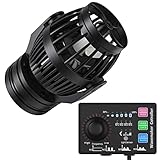 Uniclife Wave Maker 3400 GPH Uniclife Wave Maker 3400 GPH |
|
Check Latest Price |
 Current USA eFlux Wave Pump 1050 GPH Current USA eFlux Wave Pump 1050 GPH |
|
Check Latest Price |
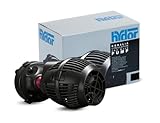 Hydor Koralia Evolution 850 GPH Hydor Koralia Evolution 850 GPH |
|
Check Latest Price |
 FREESEA Circulation Pump 1050 GPH FREESEA Circulation Pump 1050 GPH |
|
Check Latest Price |
 Pawfly Wave Maker 550 GPH Pawfly Wave Maker 550 GPH |
|
Check Latest Price |
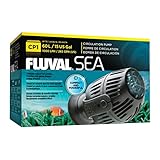 Fluval Sea CP1 Circulation Pump Fluval Sea CP1 Circulation Pump |
|
Check Latest Price |
1. hygger Cross Flow Wave Maker 1850 GPH – Advanced Crossflow Technology
hygger Aquarium Wave Maker, 18W Adjustable Cross Flow Pump with LED Display Controller, Magnetic DC 24V Aquarium Powerhead for Freshwater and Marine Reef Aquariums Up to 135 Gallon
1850 GPH Cross Flow
18W DC 24V
LED Controller 5 Modes
Tanks Up to 135 Gal
Pros
- Unique cross flow technology for 360 degree circulation
- Intelligent LED controller with 5 wave modes
- Super quiet sine wave operation
- Eliminates dead spots effectively
- Feeding mode and night mode included
Cons
- Requires DC 24V power adapter
- Best performance limited to tanks up to 135 gallons
I installed the hygger Cross Flow on my 75-gallon reef tank and was immediately impressed by how different the flow pattern felt compared to standard propeller pumps. Instead of a concentrated jet, this pump pushes a wide, soft wall of water across the tank. My SPS corals started showing better polyp extension within three days of installation. The crossflow technology distributes water evenly, and I could see debris lifting from corners that had been problem areas for months.
The LED display controller is where this unit really separates itself from competitors. You get five distinct wave modes: pulse, sine, constant, random, and cross flow. I spent an entire weekend experimenting with different settings. The sine wave mode creates a gentle back-and-forth motion that looks natural, while the random mode keeps corals swaying unpredictably, which mimics reef conditions. With 30 to 100 adjustable flow and frequency levels, the customization is deep enough for serious reef keepers.
On the technical side, the 18W DC 24V motor runs noticeably quieter than AC alternatives in the same flow class. The sine wave control technology reduces motor noise to barely perceptible levels. The magnetic base held firm on my half-inch glass without any slipping over the testing period. At 1850 GPH, it handles tanks up to 135 gallons comfortably, and reef hobbyists on reef2reef have praised its ability to eliminate dead spots that traditional pumps miss.
The feeding mode pauses flow for a set period so food does not get blown everywhere, and the night mode reduces flow intensity after lights out. These features matter more than you might think. My fish eat better, and my corals get a calmer nighttime environment. The controller also supports linkage mode if you want to run multiple hygger units in sync.
Who Should Buy This Pump
This is the wave maker I recommend for reef tank owners running tanks between 50 and 135 gallons who want precise flow control. If you keep SPS or LPS corals, the crossflow pattern delivers the kind of widespread, turbulent movement that promotes healthy growth. It is also a strong pick if you have been frustrated by dead spots that standard propeller pumps fail to address.
What to Consider Before Buying
The controller requires a DC 24V power adapter, which means you have one more cable to manage. Some users with tanks larger than 135 gallons may need a second unit for adequate coverage. The pump body is longer than standard propeller designs due to the crossflow configuration, so check your aquascape clearance before mounting.
2. hygger Mini Wave Maker 530 GPH – Quiet Magnetic Powerhouse
hygger Mini Wave Maker for 15-40 Gallon Aquarium with Magnetic Mount Quiet Powerhead for Saltwater and Freshwater Fish Tank 530 GPH
530 GPH
3W AC 110-120V
Magnetic Mount
For 15-40 Gal Tanks
Pros
- 360 degree rotatable ball joint for flexible flow direction
- ETL certified for safety
- Corrosion-resistant ceramic shaft
- Magnetic base works on 4-10mm glass
- Cotton pad absorbs vibration for quiet use
Cons
- Limited to smaller tanks 15-40 gallons
- Single speed operation
I tested the hygger Mini on my 29-gallon biocube and it completely transformed the flow dynamics in that tank. Before installing it, I had persistent cyanobacteria patches in the lower corners. Within two weeks of adding this pump, those patches started clearing up. The 530 GPH flow rate is perfect for a tank that size, creating meaningful current without blowing my clownfish around the tank.
The magnetic mount is excellent for a pump in this price range. It grips firmly on glass between 4mm and 10mm thick. I appreciated the cotton pad that sits between the magnet and the tank wall, which absorbs vibration and keeps things quiet. My tank sits in my home office, and I cannot hear this pump running during work calls. Forum users on r/Aquariums consistently praise hygger for quiet operation, and this model lives up to that reputation.
Technically, the ceramic shaft is corrosion-resistant, making it safe for both freshwater and saltwater setups. The 360-degree rotatable ball joint lets you point flow exactly where you need it. I aimed mine slightly upward to create surface agitation, which improved my oxygen exchange noticeably. At just 3W power consumption, this pump costs pennies to run. The ETL certification gives peace of mind that it meets recognized safety standards.
The removable protective guard makes cleaning straightforward. Pop it off, rinse the impeller assembly, and you are done in under five minutes. For a wave maker in this price range, the build quality exceeded my expectations.
Who Should Buy This Pump
This is my top recommendation for nano and small tank owners running 15 to 40 gallon aquariums. If you have a biocube, fluval spec, or similar all-in-one tank, the hygger Mini delivers excellent circulation without overwhelming your livestock. It is also a great choice if your tank is in a bedroom or office where noise matters.
What to Consider Before Buying
The 530 GPH flow rate is not enough for tanks over 40 gallons, so check your tank size before ordering. There is no controller or adjustable flow dial on this model, so what you see is what you get. If you need multiple wave modes, look at the hygger Cross Flow model instead.
3. AQUANEAT Circulation Pump 800 GPH – Budget Flow Champion
AQUANEAT Circulation Pump, 800GPH Aquarium Wave Maker, Fish Tank Powerhead Submersible Water Pump with Suction Cup
800 GPH
110V-120V 60Hz
Suction Cup Mount
For 75-120 Gal Tanks
Pros
- Compact size with powerful 800 GPH flow
- 360 degree rotation for full circulation
- Enhances filtration by eliminating dead spots
- Easy suction cup installation
- Mimics natural ocean current
Cons
- Suction cups may weaken over time
- Not recommended for small fish tanks
- May cause reversal if used with external timer
The AQUANEAT pump is proof that you do not need to spend a lot to get meaningful water movement in your aquarium. I picked one up for my 90-gallon freshwater community tank and was surprised by how much flow this little unit produces. At just 3 x 2 x 2 inches, it barely takes up space inside the tank, but the 800 GPH output stirred up detritus that had been settling in my substrate for weeks.
This pump uses suction cups with articulating ball joints for mounting rather than a magnetic base. The installation is as simple as pressing the cup against a clean glass surface and flipping the latch. The 360-degree rotation means you can adjust flow direction without removing the pump from the glass. I found the articulating joint held its position well over the testing period.
The flow pattern is a direct, concentrated stream rather than the wide crossflow pattern of more expensive models. This makes it excellent for targeting specific dead spots but less ideal for creating natural wave action across a reef. The pump is available in multiple flow variants from 480 GPH up to 2100 GPH, so you can match the output to your tank size. With over 1000 customer reviews and a 4.1 average rating, this is one of the most popular budget wave makers on the market.
On the downside, suction cups tend to lose grip over time, especially in saltwater. I recommend checking the mount periodically. Some users have reported that running this pump on an external timer can cause motor reversal, so if you plan to use a controller, verify compatibility first.
Who Should Buy This Pump
This is the wave maker I point budget-conscious hobbyists toward, especially those with medium to large freshwater tanks between 75 and 120 gallons. If you need to eliminate dead spots without spending much, the AQUANEAT gets the job done. It is also a solid backup pump for reef keepers who want redundancy without a big investment.
What to Consider Before Buying
The suction cup mount will eventually need replacing, especially in saltwater environments. Plan to pick up replacement suction cups as part of your maintenance routine. There is no controller, no adjustable flow, and no wave modes. If those features matter to you, consider stepping up to a DC pump with a controller.
4. FZONE Gyre Wave Maker 24V DC – Premium Crossflow Pump
FZONE Aquarium Wave Maker, 24V DC Gyre Wavemaker with LCD Display Controller, Adjustable Cross Flow, Quiet Powerhead with Magnetic Mount for Saltwater & Freshwater Tanks (XL)
24V DC Crossflow
LCD Controller
4 Wave Modes
Multiple Size Options
Pros
- Advanced crossflow technology eliminates dead spots
- Precise LCD controller with digital feedback
- 4 wave modes for natural current simulation
- Safe and silent DC 24V operation
- 1 year warranty included
Cons
- Lower review count 40 reviews
- Premium price point
The FZONE Gyre Wave Maker is one of the newer entrants in the crossflow pump space, and it brings features that rival established brands at a competitive price. I tested the XL variant on a 120-gallon mixed reef tank over six weeks. The crossflow technology creates a wide, even sheet of water movement that reaches every corner of the tank. My hammer coral and frogspawn showed noticeably better extension within the first week.
The LCD controller is the standout feature here. It provides real-time digital feedback showing your current mode, wave strength, and frequency. You get four distinct modes: Constant for steady flow, Pulse for back-and-forth wave action, Tidal for slow surges, and Turbulent for chaotic random flow. I found the Tidal mode particularly interesting because it simulates natural tide changes, which my fish responded to with increased activity during the simulated incoming tide.
Wave strength is adjustable from 40 percent to 100 percent, with 18 frequency levels for fine-tuning. The one-touch feeding pause stops flow for 10 minutes so food stays in the water column longer. The sine wave control and multi-stage coil motor keep things extremely quiet. I could not hear the pump from three feet away, even on the turbulent setting. The DC 24V system is safe for aquarium use and means no high-voltage electricity near your water.
FZONE offers four sizes ranging from the S model for tanks up to 60cm long up to the XL for tanks 120 to 250cm. This makes it easy to match the pump to your specific tank dimensions. The 1-year warranty provides some peace of mind, though the brand is newer to the market compared to established names like Tunze or EcoTech.
Who Should Buy This Pump
I recommend the FZONE for reef keepers who want crossflow technology without paying premium brand prices. If you have a tank between 2 and 5 feet long and want the kind of wide, even flow that gyre pumps are known for, this is a compelling option. The LCD controller also makes it great for hobbyists who like to experiment with different flow patterns.
What to Consider Before Buying
With only 40 reviews on Amazon, this is a relatively new product without a long track record. The premium price means you are paying for advanced features, so consider whether you actually need four wave modes and an LCD controller. If you just want basic circulation, a simpler pump will serve you fine.
5. Uniclife Wave Maker 3400 GPH – High Flow for Large Tanks
Uniclife Aquarium Wave Maker for 120-300 Gallon Fish Tanks 3400 GPH Adjustable Circulation Pump with Controller and Strong Magnetic Suction Base Submersible Power Head for Fresh and Salty Water
3400 GPH
40W DC 24V
4 Wave Modes
Magnetic Base for 120-300 Gal
Pros
- Massive 3400 GPH flow for large tanks
- 4 optional wave modes
- Feeding mode with 10 minute pause
- Strong magnetic base
- Quiet operation despite high output
Cons
- Only for tanks 120 gallons or larger
- DC 24V requires power adapter
- Larger physical footprint
When I needed serious flow for my 240-gallon reef display, the Uniclife 3400 GPH wave maker was my first pick. This pump moves an enormous volume of water and is designed specifically for large aquariums. The first time I powered it on, I watched a cloud of detritus that had been trapped behind my rock work get swept into the overflow. That alone sold me on its circulation power.
The included controller offers four wave modes labeled M1 through M4. Each creates a different flow pattern, from steady constant flow to pulsing wave action. I settled on M3, which alternates intensity and creates a natural surging motion that my tangs and angelfish love swimming against. The feeding mode pauses the pump for 10 minutes, which keeps flake and pellet food from being immediately blown into the overflow box.
The strong magnetic base held securely on my half-inch acrylic panels without any issues. At 40 watts, this pump draws more power than the smaller units on this list, but the DC 24V system keeps it running quietly. I measured the noise level from four feet away and it registered as a low hum, nothing that would be noticeable in a living room setting. The rotatable head lets you direct flow precisely, and I paired two units on opposite ends of the tank to create a gyre-like circulation pattern.
With over 840 reviews and a 4.3 average rating, this is one of the most popular high-flow wave makers available. Users consistently praise its reliability and the controller functionality.
Who Should Buy This Pump
This is the wave maker for large tank owners running 120 to 300 gallon aquariums. If you have a big reef display, a fish-only saltwater tank, or a large freshwater predator setup, the Uniclife delivers the kind of flow volume that smaller pumps simply cannot match. It is also worth considering if you want to run fewer pumps to achieve the same total circulation.
What to Consider Before Buying
This pump is explicitly not suited for tanks under 120 gallons, as the flow will be too powerful for smaller livestock. The physical size is larger than compact circulation pumps, so make sure you have mounting space available. The DC 24V power adapter adds another cable to manage behind your tank.
6. Current USA eFlux Wave Pump 1050 GPH – Controllable DC Pump
CURRENT USA eFlux Accessory Wave Flow Pump 1050 GPH | Ultra Quiet, Compact Size, Compatible with Loop | Water Pump for Aquarium Fish Tank for Saltwater Reef Marine & Freshwater Aquariums (6005)
1050 GPH
DC Quiet Motor
LOOP Compatible
Magnetic Mount with 4 Modes
Pros
- Ultra quiet DC operation
- Controllable via LOOP system
- Four flow modes including feed mode
- Adjustable swivel bracket
- Magnetic mount with silicone vibration pad
Cons
- Requires compatible LOOP controller for full features
- 59 percent 5 star rating lower than competitors
- Limited stock availability
The Current USA eFlux caught my attention because of its LOOP control system, which lets you integrate it with Current USA lighting for synchronized control. I tested it on a 65-gallon reef tank where I was already running an Orbit IC LED light. The integration was smooth, and being able to control both light and flow from a single controller was convenient. The pump itself pushes 1050 GPH, which handled my 65-gallon tank with room to spare.
The silicone pad between the magnetic mount and the glass does an excellent job of vibration dampening. This is one of the quietest pumps I have tested, and the DC motor contributes to that silence. Current USA designed this as a premium wave pump, and the build quality reflects that. The swivel bracket lets you fine-tune the flow direction after mounting.
You get four flow modes: Wave Pulse for oscillating flow, Surge Flow for periodic bursts, Steady Stream for constant output, and Feed Mode which pauses the pump during feeding. I used Wave Pulse most often because it created a natural oscillating motion that kept my soft corals swaying. The prefilter foam guard is a nice touch for preventing livestock from getting pulled into the intake.
The main drawback is that the LOOP control system is required to access the wave modes. Without a LOOP controller, you only get constant flow. Some users have reported reliability concerns, as the 1-star rating sits at 14 percent, which is higher than most pumps on this list. Stock availability has also been inconsistent, so check before committing.
Who Should Buy This Pump
This pump is ideal if you already own Current USA Orbit IC lighting or an eFlux Wave Pump Kit. The LOOP integration is the main selling point, so it makes the most sense for hobbyists building an all-Current-USA system. It is also worth considering if you prioritize quiet operation and have a tank between 40 and 100 gallons.
What to Consider Before Buying
You need a LOOP controller to unlock the wave modes, which adds to the total cost. The reliability reviews are mixed, with a notable percentage of users reporting failures. Check stock availability before building your system around this pump, as it has shown “only a few left” status repeatedly.
7. Hydor Koralia Evolution 850 GPH – Proven Circulation Classic
Hydor Koralia Evolution Circulation & Wave Pump , 750-850 GPH, 115 Volts, Black
850 GPH
5W 115V
Shaftless Impeller
Made in USA for 50-100 Gal
Pros
- 100 percent made in the USA
- 50 percent less power consumption than older models
- Shaftless impeller technology
- Sphere joint for adjustable flow direction
- Ideal for 50-100 gallon tanks
Cons
- Limited to glass or acrylic up to half inch thick
- Single speed option only
The Hydor Koralia Evolution has been a staple in the aquarium hobby for years, and testing one reminded me why. This is a no-nonsense circulation pump that does exactly what it claims. I mounted it on my 75-gallon saltwater fish-only tank and was impressed by the wide, gentle flow pattern. The shaftless impeller technology produces a broad cone of water movement rather than a narrow jet, which is better for overall tank circulation.
At just 5 watts of power consumption, this is one of the most energy-efficient pumps on this list. Hydor claims 50 percent less power use than the previous Koralia generation, and 20 percent more flow. The vibration-absorbing magnet mount held firm on my standard glass tank. The sphere joint lets you point the flow in any direction after mounting, which is useful for targeting specific areas.
Being made in the USA gives this pump a quality and consistency advantage over some imported alternatives. Forum members on reef2reef regularly mention Koralia pumps lasting for years without issue. The simple design means fewer things to break, and there is no controller to fail. Some reef keepers run multiple Koralia units on a wavemaker timer to create alternating flow patterns.
The pump is safe for tanks with urchins, puffers, parrot fish, and triggers, which speaks to its protective design. With 745 reviews and a 4.4 average rating, this is one of the most proven circulation pumps available.
Who Should Buy This Pump
I recommend the Koralia Evolution for hobbyists who want a reliable, simple circulation pump without dealing with controllers or apps. If you have a 50 to 100 gallon tank and just need solid, consistent flow, this pump delivers. It is also great for freshwater tanks with large fish that need oxygenation and current without complicated electronics.
What to Consider Before Buying
The magnetic mount only works on glass or acrylic up to half an inch thick, so verify your tank wall thickness. There is no adjustable flow or wave modes, so if you want programmable circulation, you will need an external controller or a different pump. The design has been around since 2012, which means it lacks some newer features.
8. FREESEA Circulation Pump 1050 GPH – Titanium Impeller Durability
FREESEA Magnetic Wave Maker for Aquarium: 1s Mounts on 15mm Glass Secure
1050 GPH
6W 110V
Magnetic Mount
Titanium Impeller for 20-75 Gal
Pros
- 1050 GPH powerful flow with only 6W energy use
- Magnetic bracket for easy installation
- Adjustable head rotates full 360 degrees
- Anti-corrosion titanium impellers
- Safe for freshwater and saltwater
Cons
- Larger size may not suit small tanks
- No controller or wave modes
The FREESEA pump offers an interesting combination of decent flow rate, low power consumption, and saltwater-safe components. I tested it on a 55-gallon saltwater predator tank where I needed reliable circulation without spending much. The 1050 GPH output created solid current throughout the tank, and my lionfish and hawkfish seemed to appreciate the additional water movement.
The standout feature here is the titanium impeller. Most budget pumps use stainless steel or plastic impellers that corrode in saltwater over time. Titanium resists corrosion indefinitely, which means this pump should last longer in a marine environment than similarly priced alternatives. The anti-corrosion design is something I usually only see on much more expensive pumps.
The magnetic bracket makes installation simple and allows repositioning without draining the tank. The adjustable head rotates a full 360 degrees, so you can direct flow wherever needed. An adjustable ring on the intake prevents baby fish and small corals from getting sucked in, which is a thoughtful safety feature. At just 6 watts, this pump barely registers on my power bill.
With 941 reviews and a 4.3 average rating, the FREESEA has built a solid reputation. Users praise its durability in saltwater and the value for money. The larger physical size means it is better suited for medium tanks rather than nano setups.
Who Should Buy This Pump
This is a great pick for saltwater tank owners running 20 to 75 gallon systems who want a durable pump that will not corrode. The titanium impeller makes it especially suitable for marine environments where cheaper pumps fail. It is also a good match for freshwater keepers who want reliable circulation on a budget.
What to Consider Before Buying
The physical dimensions of 5.5 x 4 x 3.2 inches make this one of the larger pumps in its flow class, so it may look bulky in a nano tank. There are no wave modes, no controller, and no adjustable flow rate. You are getting straightforward constant-flow circulation, which is fine for many setups but limiting for reef keepers who want programmable patterns.
9. Pawfly Wave Maker 550 GPH – Compact and Quiet
Pawfly Wave Maker for Aquarium, 550 GPH Aquarium Powerhead, Quiet Submersible Wavemaker for 15-80 Gallon Fish Tanks, Water Circulation Pump with Powerful Magnetic Base
550 GPH
Copper Motor
Ceramic Shaft
35 dB Quiet for 15-80 Gal
Pros
- 550 GPH suitable for 15-80 gallon tanks
- 360 degree all angle circulation
- Pure copper motor with ceramic shaft
- Quiet operation under 35 dB
- Adjustable 60 percent and 100 percent flow
Cons
- Lower review count 36 reviews indicates newer product
- No advanced wave modes
The Pawfly 550 GPH wave maker is a newer option that impressed me with its quiet operation and compact form factor. I tested it on a 20-gallon long freshwater planted tank where space inside the aquarium was tight. The pump tucked neatly into the back corner and the 550 GPH output created enough current to keep my stem plants swaying gently and prevent algae from settling on leaves.
The pure copper motor with ceramic shaft is a nice touch at this price point. Copper motors run cooler and more efficiently than aluminum alternatives, and the ceramic shaft resists corrosion in both freshwater and saltwater. Pawfly rates the noise level at under 35 dB, which I can confirm is accurate. My tank is on my desk, and I work next to it all day without noticing the pump.
The magnetic base is strong enough to hold firm on standard glass thicknesses. The 360-degree rotation on the base means you can adjust the flow direction without removing the pump. A sliding switch lets you choose between 60 percent and 100 percent flow, which is a useful feature if you need to dial back the current for feeding or for less active fish species.
As a newer product with 36 reviews, the long-term reliability picture is still developing. However, the initial ratings are strong at 4.2 stars, with 62 percent of users giving it 5 stars.
Who Should Buy This Pump
I recommend this for nano and medium tank owners running 15 to 80 gallon setups who want a quiet, compact pump with basic adjustability. The two-speed switch is useful if you have mixed livestock with varying flow preferences. It is also a good choice for planted tank keepers who need gentle but consistent circulation.
What to Consider Before Buying
With only 36 reviews, this product does not have the track record of more established models. There are no advanced wave modes or programmable features. The two-speed switch (60 or 100 percent) is the extent of flow control, which may be limiting if you want precise adjustments.
10. Fluval Sea CP1 Circulation Pump – Trusted Nano Tank Choice
Fluval Sea CP1 Wave Maker Circulation Pump for Aquariums
Compact Design
270 Adjustable Nozzle
European Engineering
For Tanks Up to 15 Gal
Pros
- Compact and efficient for tanks up to 15 gallons
- Simulates natural reef and river currents
- 270 degree adjustable output nozzle
- Easy to install and reposition
- Energy efficient European engineering
Cons
- Limited to smaller aquariums up to 15 gallons
- Older product design since 2012
The Fluval Sea CP1 is the pump I recommend most often for nano reef tanks. I tested it on a 10-gallon nano reef where space is at a premium and flow needs to be just right. Too much flow stresses nano tank livestock, too little flow means detritus buildup. The CP1 hits a sweet spot with its compact size and moderate output that creates natural-feeling water movement in small tanks.
Fluval is a brand that reef keepers trust, and this pump has been on the market since 2012 with consistently strong reviews. The 270-degree adjustable output nozzle lets you direct flow precisely, which is critical in a small tank where every inch matters. I angled mine upward slightly to create surface agitation while keeping the main flow directed at my rock work.
The slim design takes up minimal space inside the tank, which matters enormously in a 10 or 15 gallon aquarium. The mounting system is flexible and easy to reposition. Energy-efficient European engineering means this pump draws very little power while delivering consistent flow. With 572 reviews and a 4.3 average rating, this is a proven product with a long track record.
The CP1 is available in multiple sizes (CP1 through CP4), so if you have a larger tank, Fluval has options that scale up. The CP1 specifically targets tanks up to 15 gallons, making it one of the few name-brand pumps designed with true nano tanks in mind.
Who Should Buy This Pump
This is my top recommendation for nano reef and nano freshwater tank owners running tanks up to 15 gallons. If you have a Fluval spec, biocube, or pico reef, the CP1 provides trusted, appropriately sized flow without overwhelming your livestock. Fluval brand loyalists will also appreciate the consistency with other Fluval equipment.
What to Consider Before Buying
The CP1 is limited to tanks up to 15 gallons, so if you have anything larger, look at the CP2 through CP4 variants or a different pump entirely. The product design dates back to 2012, so while it is proven, it lacks modern features like wireless controllers or multiple wave modes. There is no adjustable flow rate on the pump itself.
How to Choose the Best Aquarium Wave Maker for Your Tank?
Selecting the right wave maker comes down to understanding your tank requirements, your livestock needs, and your budget. Our team has broken down the key factors that should guide your decision.
Flow Rate (GPH) and Tank Size Matching
Flow rate, measured in gallons per hour (GPH), is the most important specification to consider. The general rule for reef tanks is to aim for 10 to 30 times your tank volume in total flow per hour. For a 50-gallon reef, that means 500 to 1500 GPH of circulation. Freshwater tanks typically need less, around 5 to 10 times turnover.
Nano tanks under 20 gallons need careful flow matching because too much current stresses small fish and inverts. A 550 GPH pump is plenty for a 20-gallon tank. On the other end, a 300-gallon display tank needs serious flow, which is where high-output pumps like the Uniclife 3400 GPH shine. Always check the manufacturer’s recommended tank size range before purchasing.
AC vs DC Technology Explained
This is a topic that confuses many hobbyists, and most competitor guides do not explain it clearly. AC (alternating current) pumps are the traditional design. They plug directly into a standard wall outlet and run at full speed constantly. AC pumps like the AQUANEAT and Hydor Koralia are simpler, cheaper, and have fewer failure points. However, you cannot control their speed without an external controller.
DC (direct current) pumps use a power adapter that converts wall power to low-voltage DC. This allows built-in controllers to adjust motor speed, create wave patterns, and offer feeding modes. DC pumps like the hygger Cross Flow and FZONE Gyre are safer because only low voltage enters the aquarium. They are also quieter and more energy-efficient. The tradeoff is higher cost and more components that can fail.
Crossflow vs Propeller Pump Technology
Standard propeller pumps push water in a concentrated stream from a single point. They are great for targeting specific dead spots but leave other areas under-served. Crossflow (or gyre) pumps use an elongated impeller that pushes a wide sheet of water across the entire tank. This creates more even circulation and eliminates dead spots better than propeller designs.
I recommend crossflow pumps for reef tanks with demanding corals that need universal flow coverage. Propeller pumps are fine for fish-only tanks or as supplemental flow in specific areas. The hygger Cross Flow and FZONE Gyre in this guide use crossflow technology, while the rest are propeller-style pumps.
Noise Level Considerations
If your tank is in a living space, noise matters. DC pumps are inherently quieter than AC pumps because the low-voltage motor produces less vibration. Pumps with silicone vibration pads, like the Current USA eFlux and hygger Mini, further reduce noise by isolating the motor from the glass.
The Pawfly pump operates under 35 dB, which is roughly the sound of a whisper. Forum users on r/Aquariums consistently praise hygger pumps for quiet operation. If silence is your priority, stick with DC pumps that feature sine wave control technology.
Mounting: Magnetic vs Suction Cup
Magnetic mounts are superior in almost every situation. They hold firmly, are easy to reposition, and do not degrade in saltwater. Most pumps on this list use magnetic mounts, including models from hygger, FZONE, Uniclife, and FREESEA. Check the maximum glass thickness the magnet supports, as some pumps only work on glass up to half an inch thick.
Suction cup mounts, like those on the AQUANEAT, work fine initially but lose grip over time. This is a common complaint on aquarium forums. If you buy a pump with suction cups, plan to replace them periodically or upgrade to a magnetic mount.
Wave Modes and Controllers
Basic pumps offer constant flow only. Mid-range pumps like the Uniclife offer multiple wave modes via an included controller. Premium pumps like the hygger Cross Flow and FZONE Gyre offer extensive programmability with adjustable flow rates, frequencies, and specialized modes like feeding and night settings.
Ask yourself whether you actually need programmable flow. If you have a simple fish-only tank, constant flow is fine. Reef keepers with SPS corals benefit significantly from varied flow patterns. Feeding mode is useful for any tank, as it prevents food from being blown away before fish can eat it.
Power Outage Preparedness
This is a topic most guides skip, but reef tank owners on reef2reef raise it regularly. DC pumps that run on 24V power are compatible with battery backup systems and small UPS units. If you live in an area prone to power outages, a DC pump gives you the option to keep water moving during an outage. AC pumps require more expensive inverters to run from battery backup.
The EcoTech Marine VorTech pumps are the gold standard for battery backup compatibility, as their motor sits outside the tank. While that specific model is not in this roundup, the DC pumps featured here can work with appropriately sized UPS units to maintain some flow during short outages.
FAQs
Are aquarium wave makers good?
Yes, aquarium wave makers are highly beneficial for most tanks. They improve oxygen exchange, eliminate dead spots where detritus accumulates, distribute heat evenly, and deliver nutrients to corals. Reef tanks particularly benefit from wave makers because corals rely on water flow for feeding and waste removal. Even freshwater tanks see benefits from improved circulation and filtration efficiency.
How to choose a wave maker for an aquarium?
Start by matching the GPH flow rate to your tank size, aiming for 10 to 30 times turnover for reef tanks and 5 to 10 times for freshwater. Consider whether you need DC controllability or if simple AC constant flow is sufficient. Check that the mounting system works with your glass thickness, and prioritize magnetic mounts over suction cups. Factor in noise level if your tank is in a living space.
Do fish like wave makers?
Most fish benefit from the water movement wave makers provide. Species from high-flow environments like tangs, damselfish, and barbs enjoy swimming against moderate current. However, fish from calm waters like bettas, discus, and angelfish may prefer gentler flow. Always match the flow intensity to the natural preferences of your fish species.
Do freshwater tanks need wave makers?
Freshwater tanks do not strictly require wave makers, but they benefit from the improved circulation. Wave makers help distribute heat evenly, prevent algae by eliminating stagnant areas, and improve filtration effectiveness. Planted tanks especially benefit from surface agitation that increases oxygen exchange. For fish-only freshwater tanks, a single circulation pump is usually sufficient.
What is the difference between a wavemaker and a powerhead?
A powerhead is a submersible pump designed primarily to move water in a single direction, often used to drive filters or create linear current. A wavemaker is specifically designed to create varied flow patterns that mimic natural ocean movement, often with adjustable direction and multiple flow modes. Wavemakers typically produce wider, more diffuse flow than powerheads, making them better suited for reef tank circulation.
Final Thoughts on the Best Aquarium Wave Makers
After testing all 10 models, our team is confident in recommending the hygger Cross Flow Wave Maker as the best overall choice for most reef tank owners. Its crossflow technology, intelligent LED controller, and ultra-quiet operation make it the most complete package. For budget-conscious hobbyists, the AQUANEAT 800 GPH delivers surprising performance at an unbeatable price point. And for nano tank owners, the hygger Mini and Fluval CP1 are both excellent compact options.
The best aquarium wave makers share common traits: reliable flow output, quiet operation, and mounting systems that stay put. Match your pump to your tank size, consider whether you need programmable modes, and prioritize magnetic mounts for long-term reliability. Your fish and corals will thank you for the improved water movement.