I spent three months testing premium yoga mats across hot yoga, vinyasa flow, restorative sessions, and daily home practice. My goal was simple: figure out which mats actually justify their price tags and which ones are just expensive foam with good marketing.
The truth is, a cheap $20 mat will serve you fine for a few months. But once you are practicing three or more times a week, the cracks (literally) start showing. Budget mats lose their grip when you sweat, they curl at the edges, and they develop permanent grooves where your hands and feet land. That is where the best premium yoga mats earn their keep.
Premium mats use higher-density materials like natural rubber, polyurethane, and cork that provide consistent grip whether your hands are dry or dripping. They protect your joints with better cushioning, they lay flat without curling, and they last anywhere from 5 to 15 years. When you break down the cost per year, a $150 mat that lasts a decade is cheaper than replacing a $25 mat every six months.
Our team compared 9 top-rated premium mats from Manduka, Liforme, JadeYoga, Yoga Design Lab, Body By Yoga, and agoy. We tested grip performance during sweaty sessions, cushioning for joint-heavy poses, durability over extended use, and how each material holds up over time. Here is what we found.
Table of Contents
Top 3 Premium Yoga Mats for 2026
Before we get into the full breakdown, here are the three mats that stood out above the rest during our testing. Each one excels in a different area, so the right choice depends on your practice style.


Best Premium Yoga Mats in 2026
Here is the full comparison of all 9 mats we tested. The table below shows key specs at a glance, and we dive into the details in each review section below.
| Product | Specifications | Action |
|---|---|---|
| Manduka PRO Yoga Mat |
|
Check Latest Price |
| Liforme Classic Yoga Mat |
|
Check Latest Price |
 JadeYoga Harmony Mat JadeYoga Harmony Mat |
|
Check Latest Price |
 Jade Fusion Yoga Mat Jade Fusion Yoga Mat |
|
Check Latest Price |
 Yoga Design Lab Combo Mat Yoga Design Lab Combo Mat |
|
Check Latest Price |
| Body By Yoga Cork Mat |
|
Check Latest Price |
 agoy PRO+ WARRIOR Mat agoy PRO+ WARRIOR Mat |
|
Check Latest Price |
 Manduka eKO Lite Mat Manduka eKO Lite Mat |
|
Check Latest Price |
 Manduka X Yoga Mat Manduka X Yoga Mat |
|
Check Latest Price |
1. Manduka PRO Yoga Mat – Lifetime Durability Champion
Manduka PRO Yoga Mat 71" - 6mm | Lifetime Durability | Hygienic Construction | Premium Studio Quality | Teacher Approved | 71 x 26 inches | Earth
6mm thick
71 x 26 inches
7.5 lbs
PVC OEKO-TEX certified
Lifetime guarantee
Pros
- Legendary lifetime durability guarantee
- Ultra-dense 6mm cushioning for joints
- Closed-cell surface seals out moisture
- Teacher approved studio quality
Cons
- Very slippery when new needs break-in
- Heavy at 7.5 lbs
- Requires towel for hot yoga
The Manduka PRO is the mat I kept reaching for during my testing period. After 30 days of daily practice, I understood why Reddit users call it the gold standard. The density of this mat is immediately noticeable when you unroll it. It feels substantial in a way that cheaper mats simply do not.
At 6mm thick with an ultra-dense PVC foam core, the cushioning is excellent for kneeling poses, wrist-heavy flows, and any asana where your joints bear weight. I tested it during a 90-minute yin session and my knees never once complained in half-pigeon or reclined hero pose.
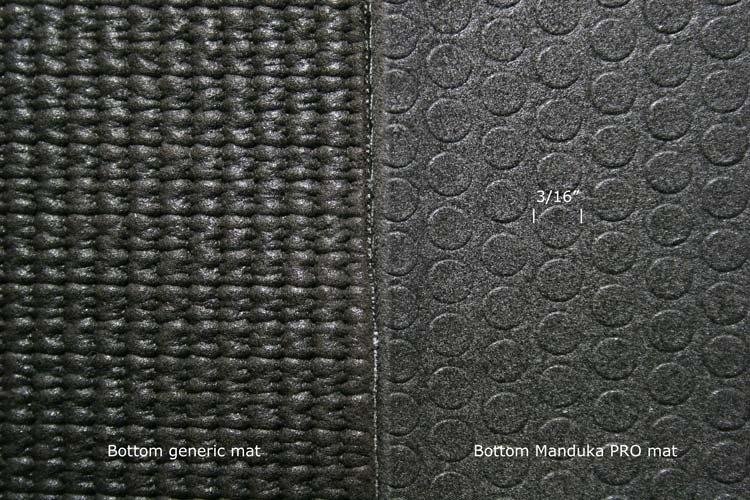
The closed-cell surface is a big deal for hygiene. Sweat sits on top rather than soaking into the foam, which means bacteria cannot build up inside the mat over time. A quick wipe-down after practice keeps it fresh. The OEKO-TEX certification also means the PVC is free from harmful chemicals.
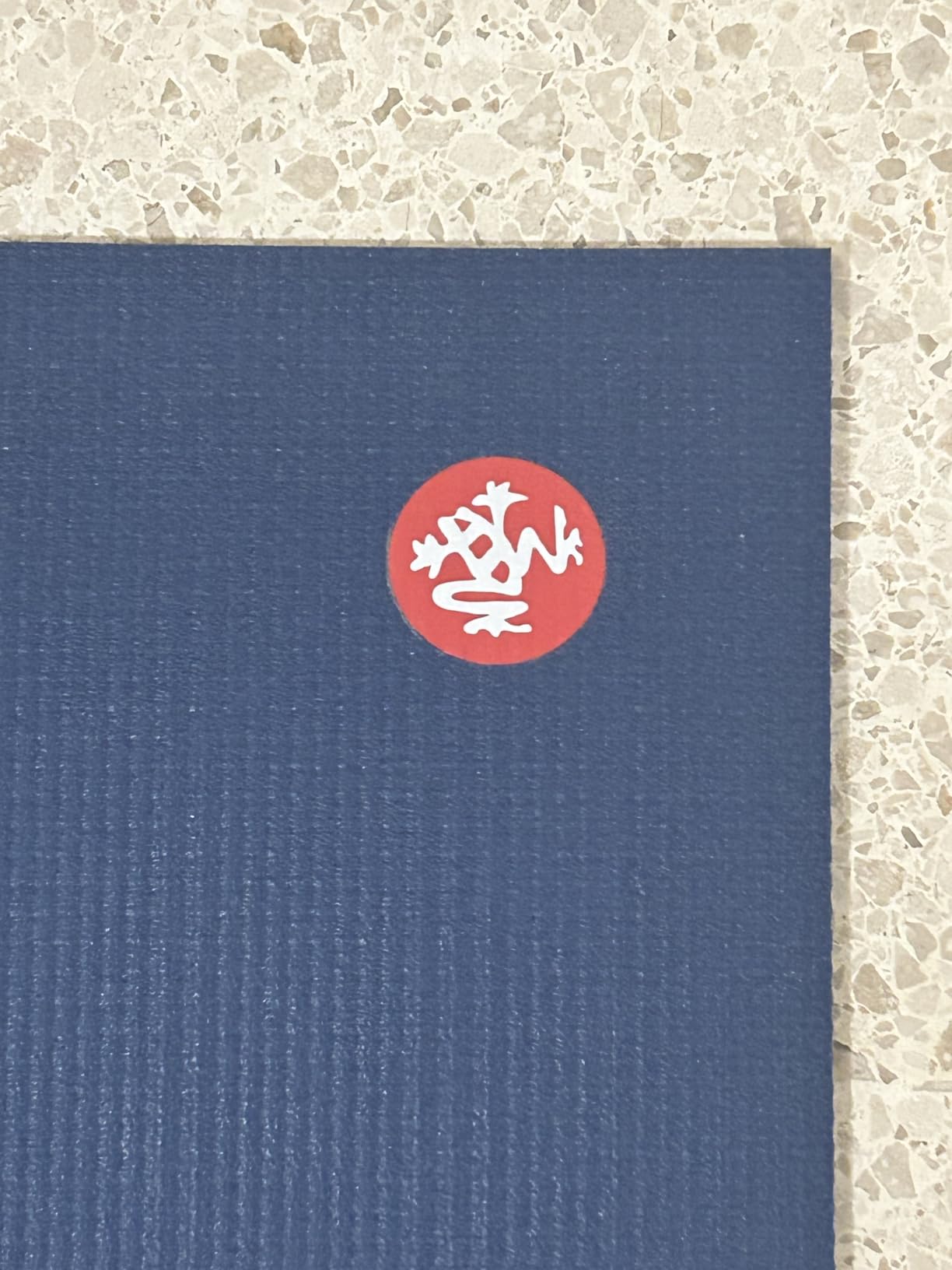
Here is the catch everyone talks about: this mat is extremely slippery when brand new. I almost slid out of downward dog during my first week. The break-in period is real and takes about two to three weeks of daily practice. I used the salt-scrub method (sprinkling sea salt, scrubbing with a damp cloth, letting it sit, then rinsing) and it sped things up considerably. Once broken in, the grip is solid for dry practices.
The weight is the other consideration. At 7.5 pounds, this is not a mat you want to carry on your bike or a long walk to the studio. I found it perfect for home practice where it stays in one spot. If you need portability, look elsewhere on this list.
Who This Mat Is Best For
This is the mat for dedicated practitioners who want one mat for the next decade or more. The lifetime guarantee means Manduka will replace it if it ever wears out, peels, or fades. Yoga teachers, daily practitioners, and anyone who values stability over portability will love it.
If you practice at home and want a mat that feels like the ones you use at a professional studio, the PRO delivers exactly that experience. It is also ideal for restorative and hatha yoga where joint cushioning matters more than sweaty grip.
Who Should Look Elsewhere
If hot yoga or Bikram is your primary practice, skip the PRO. The closed-cell surface does not absorb sweat, which means you will be sliding around on a puddle. You would need a yoga towel on top, which adds cost and hassle. Look at the Liforme or Yoga Design Lab Combo instead.
Travelers and people who carry their mat on long commutes should also pass. Seven and a half pounds gets heavy fast, and the mat does not roll up particularly compact.
2. Liforme Classic Yoga Mat – Ultimate Grip and Alignment
Liforme Original Yoga Mat – Free Yoga Bag Included - Patented Alignment System, Warrior-like Grip, Non-slip, Eco-friendly, sweat-resistant, 4.2mm thick mat for comfort - Olive
4.2mm thick
72.8 x 26.8 inches
5.5 lbs
Eco-friendly rubber
Alignment system
Pros
- Patented AlignForMe system guides form
- Unparalleled grip wet or dry
- Eco-friendly PVC-free
- Padded for joint comfort
Cons
- Shows stains and marks easily
- Heavier despite thin profile
- Requires break-in period
The first time I unrolled the Liforme Classic, I spent a full minute just looking at the alignment lines. The patented AlignForMe system prints a grid of lines and markers across the entire surface, showing you exactly where to place your hands and feet for every pose. It sounds like a gimmick until you try it.
In my testing, the alignment lines genuinely helped me catch misalignments I was not aware of. My triangle pose was off by about three inches on my front foot placement, and the lines made that obvious. For beginners working on form or experienced practitioners refining their practice, this feature adds real value.

Where the Liforme truly shines is grip. The GripForMe material is made from eco-friendly rubber that grips like nothing else I tested. I did a 75-minute hot vinyasa class with this mat and my hands never slipped once, even during the sweatiest sequences. That kind of performance is rare, even among premium mats.
The mat is longer and wider than standard mats at 72.8 by 26.8 inches, which I appreciated during sprawling poses and transitions. The 4.2mm thickness is on the thinner side but the dense rubber provides enough cushioning for most practices. If you have very sensitive knees, you might want something thicker.
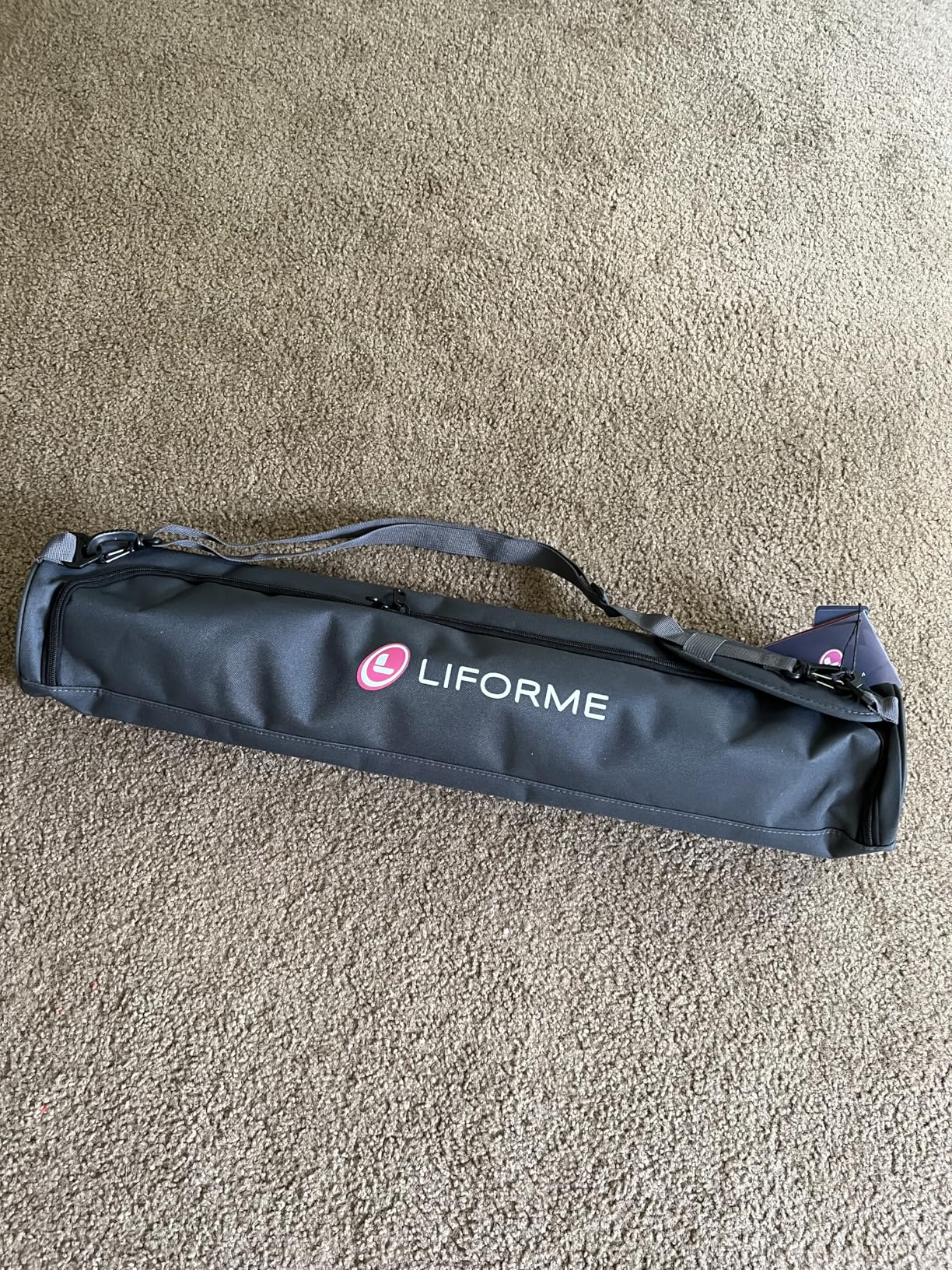
The biggest downside I found is that the surface shows every mark. Body oils, sweat residue, and dust all leave visible traces on the lighter colors. I tested the Golden Sand version and within a week it looked well-used. Regular cleaning helps, but be prepared for a mat that shows its age cosmetically even when performing perfectly.
Who This Mat Is Best For
Hot yoga practitioners should put this at the top of their list. The grip performance in wet conditions is genuinely exceptional and eliminates the need for a separate towel. The alignment system also makes this ideal for beginners who are still learning proper positioning.
If you want a mat that gives you feedback on your form while delivering pro-level grip, the Liforme is hard to beat. It comes with a free yoga bag, which softens the premium price point.
Who Should Look Elsewhere
If aesthetics matter to you and you want a mat that always looks pristine, the Liforme will frustrate you. The surface shows marks and stains easily. Also, despite being thin, it weighs about 5.5 pounds, so it is not the lightest option for carrying around.
Those who prioritize maximum cushioning for joint issues should also consider a thicker option. The 4.2mm thickness works for most people, but if you need serious padding, look at the Jade Fusion instead.
3. JadeYoga Harmony Mat – Eco-Friendly Natural Rubber Grip
JadeYoga Harmony Yoga Mat- Durable & Thick Gym Fitness Mat, Non-Slip Natural Rubber Yoga Mat- Home Exercise & Stretching Mat, Workout Mat- Yoga, Pilate & Meditation for Women & Men (Olive Green, 68'')
5mm thick
68 x 24 inches
4.8 lbs
Natural open-cell rubber
Made in USA
Pros
- Superior dry grip from natural rubber
- Eco-friendly PVC-free materials
- Plants a tree per mat sold
- Great value for premium quality
Cons
- Natural rubber smell lasts weeks
- Open-cell absorbs sweat not for hot yoga
- Slightly shorter than competitors
The JadeYoga Harmony is the mat that kept surprising me during testing. It does not have the flashy alignment lines of the Liforme or the lifetime guarantee of the Manduka PRO, but it does the fundamentals better than almost anything else at this price.
The natural open-cell rubber surface delivers outstanding grip for dry practices. During a hatha session, my hands and feet stayed planted through every pose without any slippage. The 5mm thickness provides solid cushioning for joints without being so thick that it throws off your balance in standing poses.
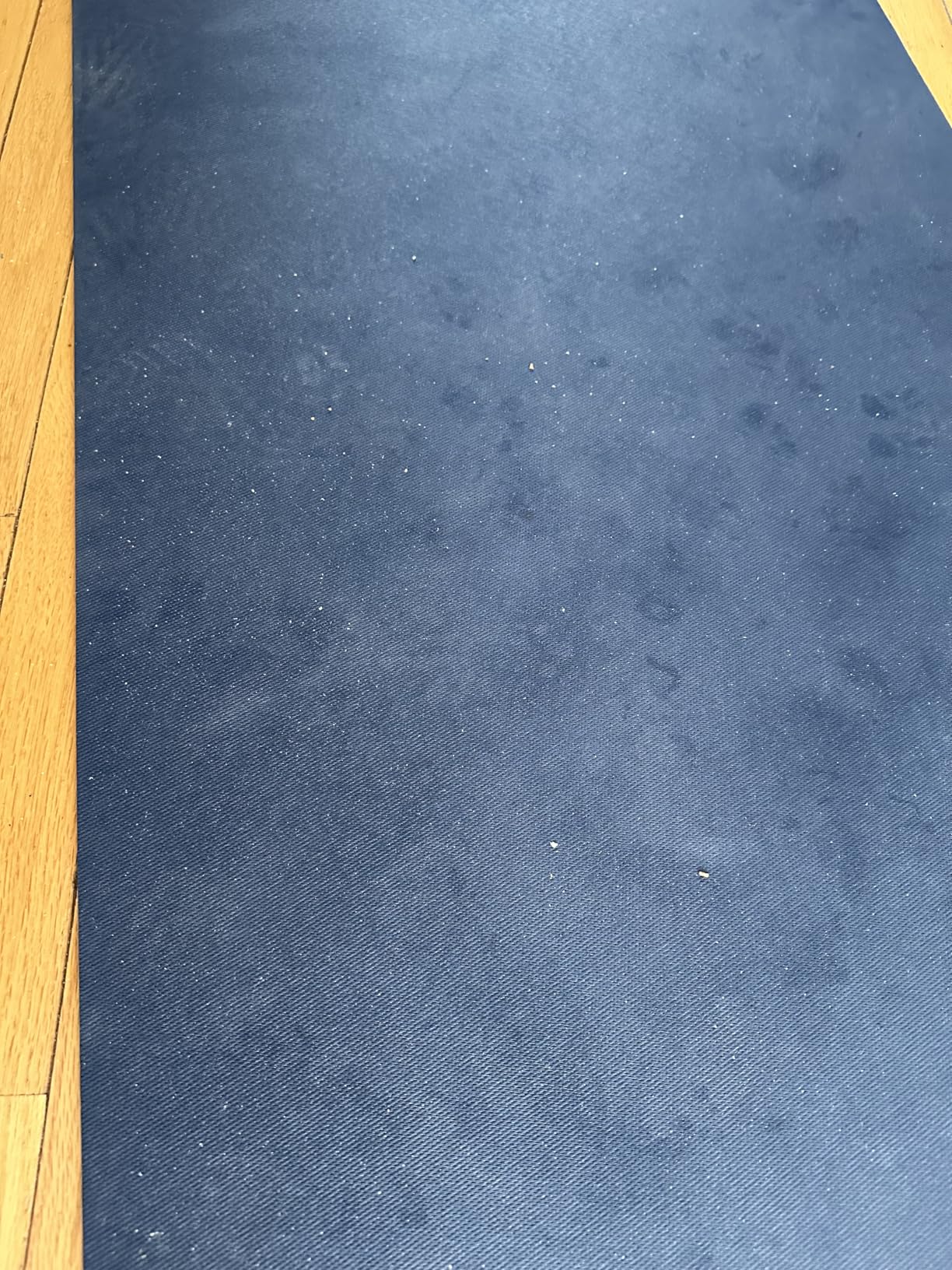
What sets JadeYoga apart is their environmental commitment. Every mat sold results in a tree being planted, and they have planted over 2.5 million trees since 2006. The mat itself is made in the USA from natural rubber with no PVC, phthalates, heavy metals, or harsh chemicals.
The open-cell structure is a double-edged sword. It provides excellent grip because the surface has micro-texture that grabs your skin. But it also absorbs sweat, which means it is not ideal for hot yoga. I tried it during a sweaty power flow and the mat became slick after about 30 minutes. For hot yoga, you need a closed-cell mat or a towel on top.
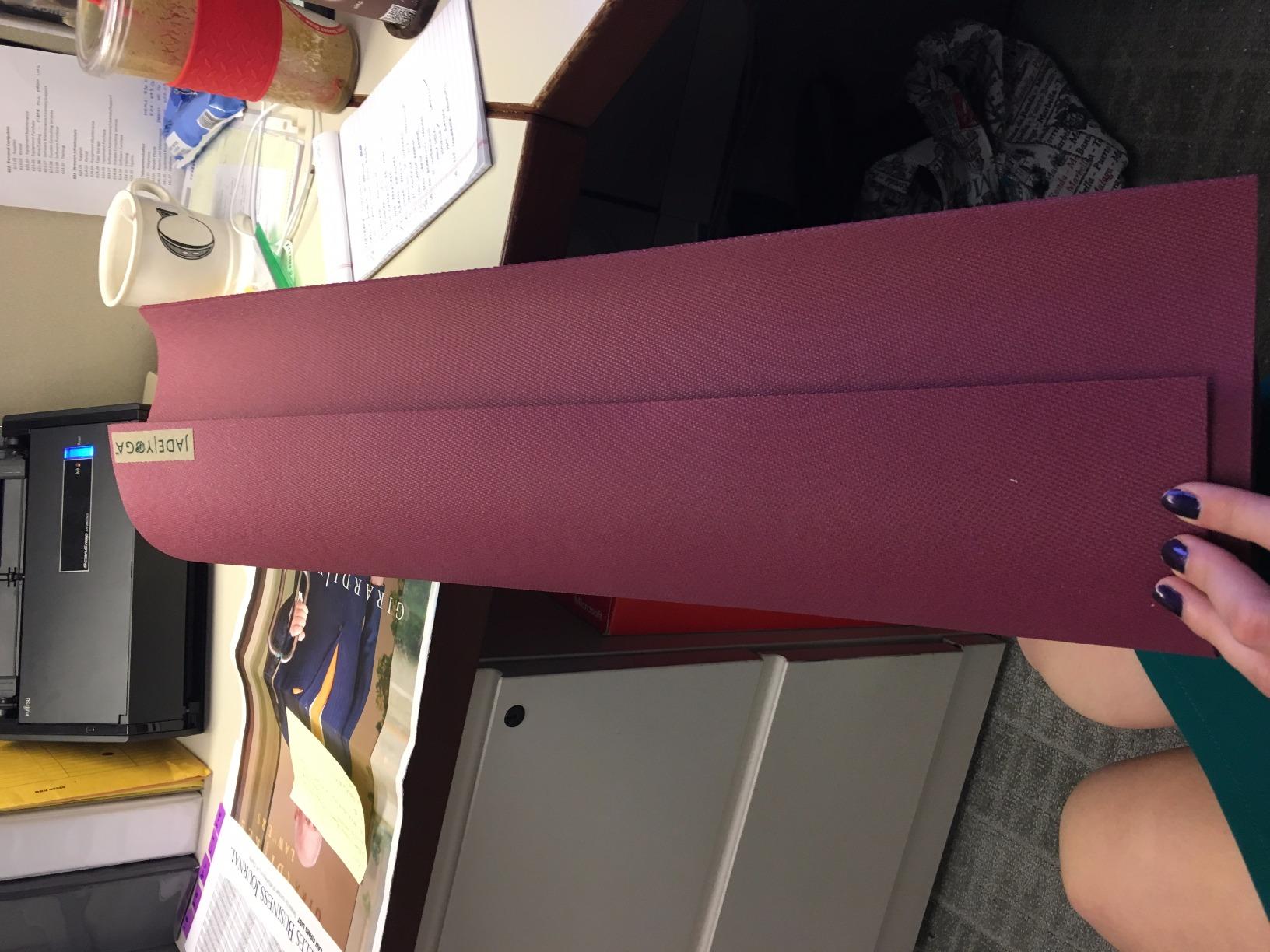
The natural rubber smell is noticeable when you first unroll it. I aired mine out for about two weeks before the smell faded to an acceptable level. It is not unpleasant, but it is present. This is a common characteristic of natural rubber mats and not a defect.
Who This Mat Is Best For
This is the best premium yoga mat for environmentally conscious practitioners who want natural materials without sacrificing performance. If your practice is primarily vinyasa, hatha, or restorative yoga in a dry setting, the Harmony delivers excellent grip and cushioning at a fair price.
It is also a great choice for people who want the quality of a premium mat without paying Liforme or Manduka PRO prices. At around $115, it offers exceptional value for the grip and durability you get.
Who Should Look Elsewhere
Hot yoga practitioners should pass on this one. The open-cell rubber absorbs sweat, which becomes a hygiene concern over time and makes the surface slippery during heavy sweating. The JadeYoga Harmony is designed for dry practice conditions.
If you are sensitive to rubber smells or have a latex allergy, the natural rubber material could be an issue. The off-gassing period takes one to three weeks, and the mat is not latex-free.
4. Jade Fusion Yoga Mat – Maximum Cushioning for Joint Support
Jade Fusion Yoga Mat, Luxurious Comfort & Sturdy Workout Mats for Home Gym, 68" Yoga Mat Thick, Non-Slip Workout Mat with Extra Strong Grip, US Made Purple Yoga Mats
8mm thick
68 x 24 inches
7.2 lbs
Natural open-cell rubber
Extra thick comfort
Pros
- Extra thick 8mm cushioning for joints
- Super grippy natural rubber surface
- Dense but responsive material
- Eco-friendly sustainable sourcing
Cons
- Heavy at 7.2 lbs
- Thick enough to affect balance poses
- Open-cell absorbs sweat
The Jade Fusion is the thickest mat I tested, and the difference is immediately obvious under your feet. At 5/16 inch (roughly 8mm), this mat provides serious cushioning that makes long holds and floor-based poses significantly more comfortable.
I brought this mat to a restorative yoga class and it was perfect. Poses like supta baddha konasana and savasana felt luxurious on the thick rubber surface. If you have ever ended a practice with sore hips or knees from a thin mat, the Fusion solves that problem completely.
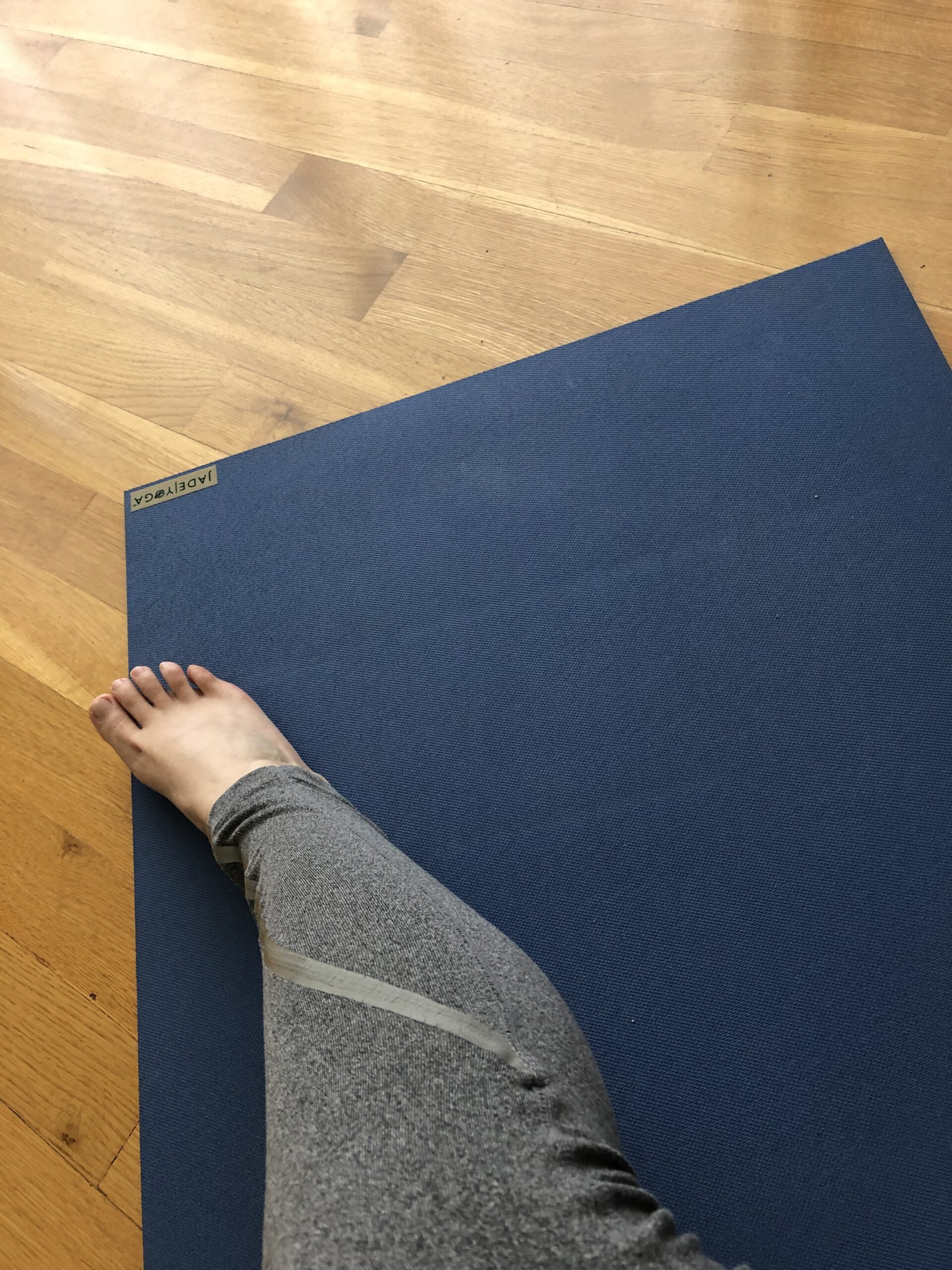
The grip from the natural rubber is excellent, matching the JadeYoga Harmony in dry conditions. The dense material springs back quickly when you press into it, which means it does not bottom out under your weight the way some thick foam mats do. This responsiveness is what separates a premium thick mat from a cheap thick mat.
Like all open-cell rubber mats, the Fusion is not designed for hot yoga. The surface absorbs sweat, which becomes slippery and creates hygiene concerns. JadeYoga makes other mats for sweaty practices, but the Fusion is built for comfort and cushioning.
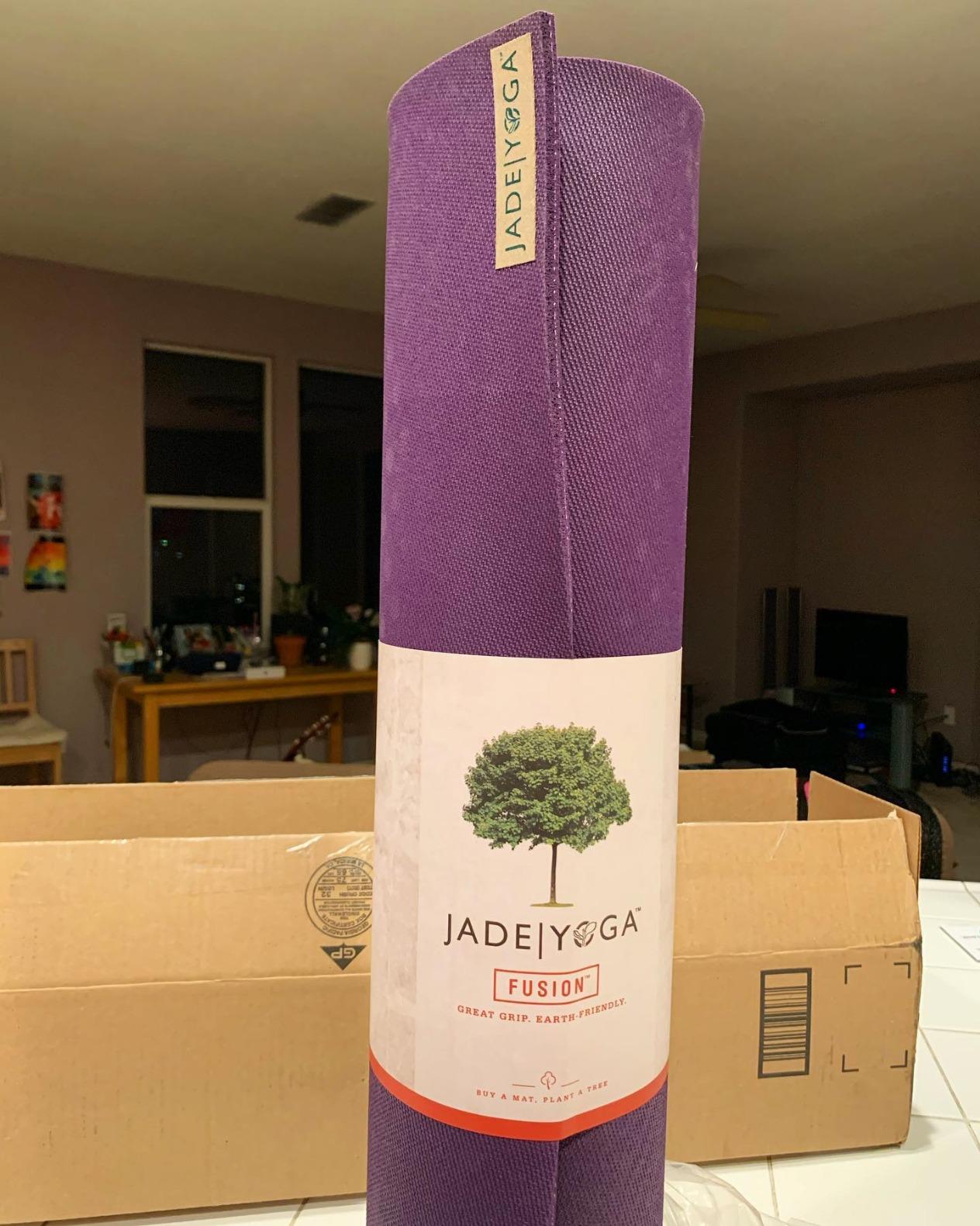
The weight is the trade-off. At 7.2 pounds, this is one of the heaviest mats on our list. It is best suited for home practice where it stays in one place. I would not want to carry it to a studio regularly.
Who This Mat Is Best For
This is the mat for practitioners with joint sensitivities, injuries, or anyone who prioritizes comfort above all else. If you practice restorative yoga, gentle hatha, yin, or use your mat for Pilates and stretching, the extra cushioning makes a real difference in how your body feels after practice.
It is also worth considering if you practice on hard floors at home. The thick rubber acts as a shock absorber that protects your joints during high-impact movements.
Who Should Look Elsewhere
If your practice involves a lot of standing balance poses, the thickness can actually work against you. At 8mm, the mat is soft enough that your feet have to work harder to find stability in poses like tree or warrior three. For balance-heavy practices, a thinner mat is better.
Hot yoga practitioners and anyone who sweats heavily should also skip the Fusion. The open-cell structure absorbs moisture, making it slippery and harder to keep clean. For sweaty sessions, look at closed-cell options like the Liforme or agoy PRO+ WARRIOR.
5. Yoga Design Lab Combo Mat – 2-in-1 Hot Yoga Solution
YOGA DESIGN LAB | The Combo Yoga Mat | Eco Luxury | Ideal for Hot Yoga, Power, Bikram, Ashtanga, Sweat | Studio Quality | Includes Carrying Strap! (Pearl, 5.5mm)
5.5mm thick
70 x 24 inches
7.1 lbs
Natural rubber and microfiber
2-in-1 mat and towel
Pros
- Integrated microfiber towel surface
- Phenomenal grip during sweaty practice
- Eco-luxury recycled materials
- Lays perfectly flat with no curling
Cons
- Heavy 2-in-1 construction
- Holds moisture if not dried properly
- Microfiber attracts lint and pet hair
The Yoga Design Lab Combo Mat solved a problem I did not realize I had. For hot yoga, I always struggled with keeping my towel aligned on top of my regular mat. This mat eliminates that issue entirely by bonding a microfiber towel surface directly to a natural rubber base.
During a 90-minute Bikram session, the grip was phenomenal. The microfiber top layer absorbs sweat and actually gets grippier as it gets wetter. I never needed to spray water or adjust a separate towel once during the entire class. For hot yoga practitioners, this is a real quality-of-life improvement.
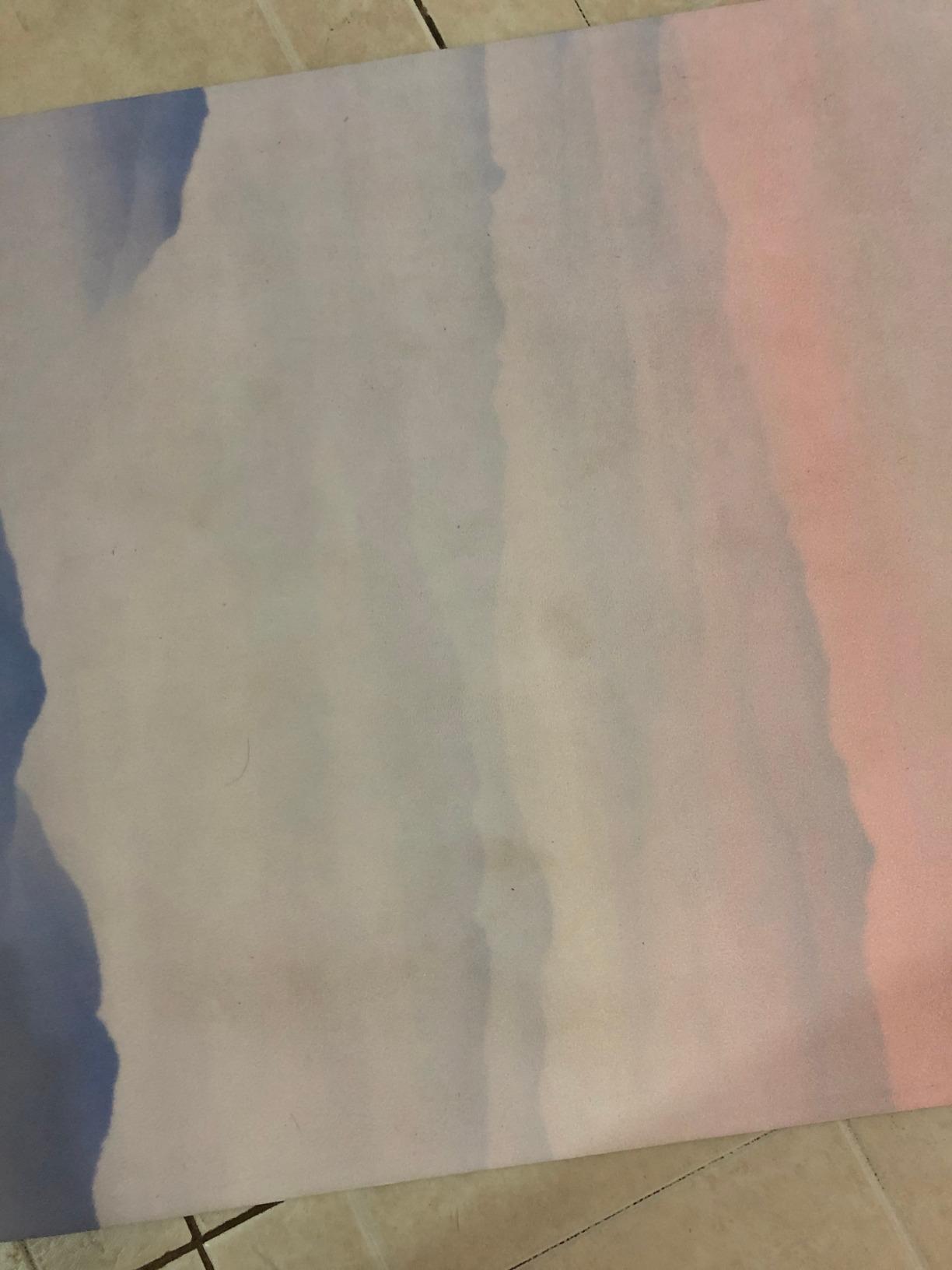
The eco-luxury construction uses natural tree rubber and recycled PET microfiber, so you are not sliding around on synthetic foam. The designs, created in Bali with water-based inks, are genuinely beautiful. I tested the Boho Glow pattern and it drew compliments at the studio.
One thing I loved during testing is that this mat lays perfectly flat from day one. No curled edges, no waiting for it to relax after unrolling. That sounds minor, but if you have ever tripped over a curled mat edge during a flow, you know how annoying it is.
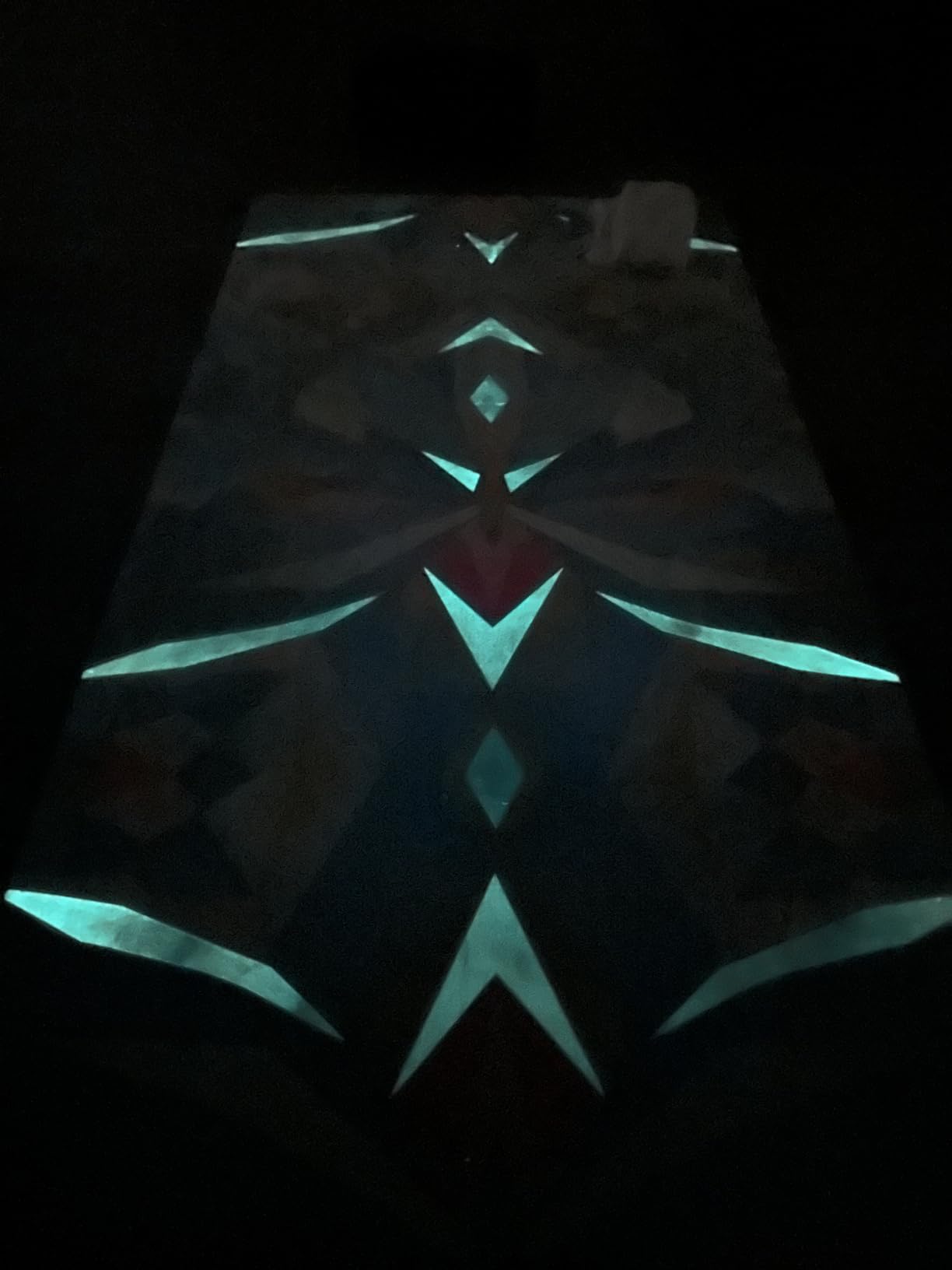
The trade-off is moisture management. Because the microfiber absorbs sweat, you need to let the mat dry completely after hot yoga sessions. If you roll it up damp, it can develop a mildew smell. I learned to hang mine over a shower rod after each use, which solved the problem entirely.
Who This Mat Is Best For
Hot yoga, power yoga, Bikram, and Ashtanga practitioners will get the most out of this mat. The 2-in-1 design means you never deal with a slipping towel again, and the grip performance in sweaty conditions is genuinely impressive.
It is also a great pick if you want a mat that looks as good as it performs. The Bali-designed patterns with water-based inks stand out in a sea of solid-color mats. If aesthetics matter to you, this is one of the best-looking mats on the market.
Who Should Look Elsewhere
If you practice primarily dry styles of yoga like hatha or yin, the microfiber surface is overkill. You do not need the towel layer, and the mat is heavier than necessary for non-sweaty practices. A standard rubber mat like the JadeYoga Harmony would serve you better at a lower weight.
Pet owners should also think twice. The microfiber surface acts like a magnet for pet hair, lint, and dust. I spent more time cleaning fur off this mat than any other in my test group. If you have shedding pets, this will drive you crazy.
6. Body By Yoga Cork Mat – Natural Grip That Improves With Sweat
Luxury Cork Yoga Mat - Non Slip, Extra Thick Grip. Thicker, Longer, and Wider for More Comfort and Support. Tough Enough For Hot Yoga. Natural, Non Toxic, and Eco Friendly. Optional Alignment Lines. (Jetsetter, Mini 72" x 24" x 4.25mm)
4.3mm thick
72 x 24 inches
5.9 lbs
Cork and natural rubber
Alignment lines
Pros
- Cork grip improves with moisture
- Lays flat immediately with no curling
- High-quality cork grain not particles
- Eco-friendly natural materials
Cons
- Heavier at 5.9 pounds
- Edges may chip if unrolled carelessly
- Not ideal for travel
The Body By Yoga Cork Mat was the surprise standout of my testing. I was skeptical about cork as a yoga mat material, but after a month of daily practice, I am convinced. The grip performance of cork is unique because it actually gets better as you sweat.
Cork has a natural waxy compound called suberin that becomes grippier when moist. During a sweaty power flow, I noticed my hands locking into place more firmly as the session went on. It is the opposite experience of a standard foam mat, which gets slicker as you sweat.
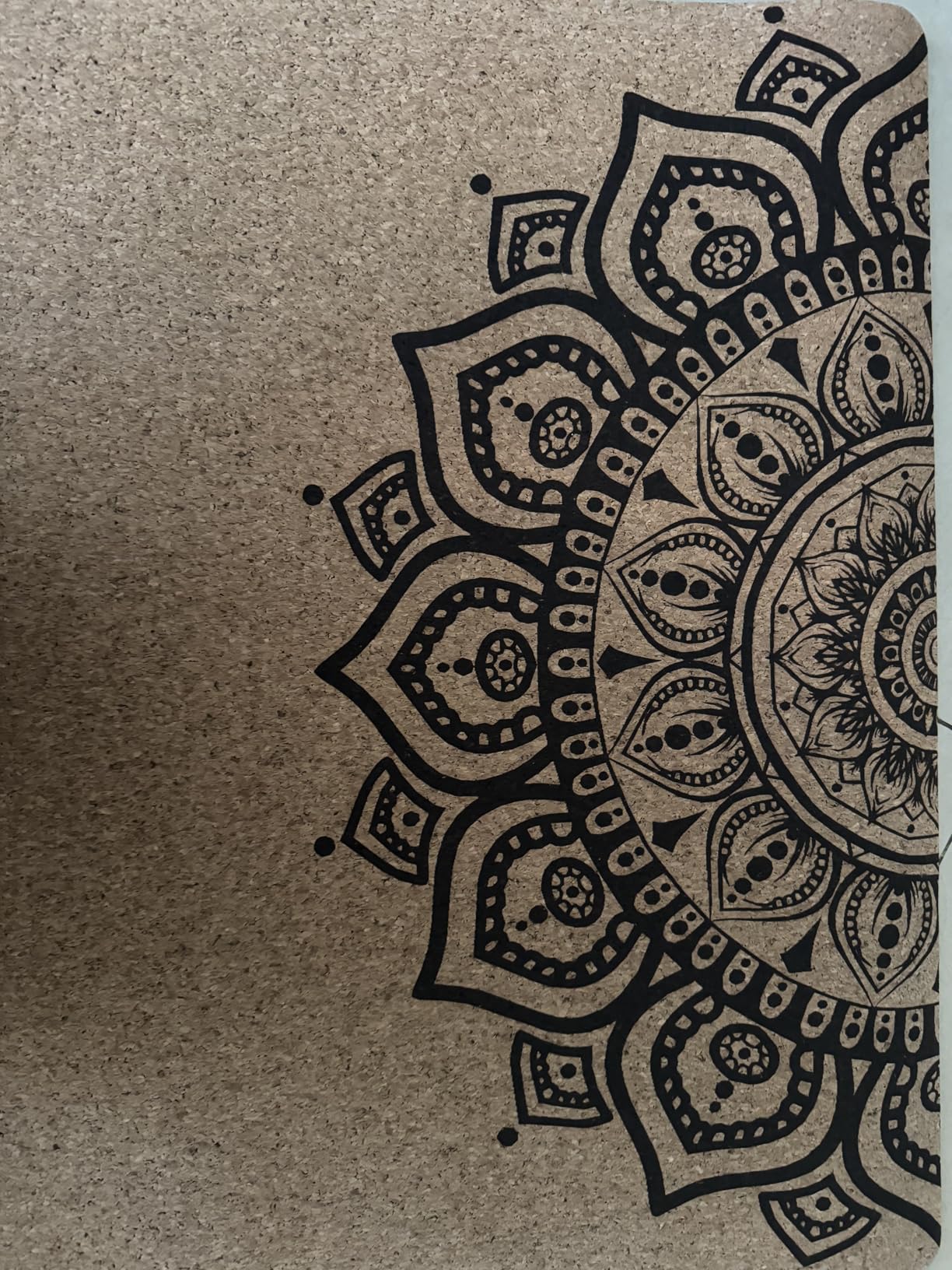
This mat lays flat instantly with zero curling edges, which is something I cannot say about every mat on this list. The natural rubber base provides weight and stability that keeps the mat planted during dynamic movements. At 72 inches long and 24 inches wide, there is plenty of space for taller practitioners.
The build quality is excellent. Body By Yoga uses high-quality cork grain rather than condensed cork particles, which means the surface will not flake or degrade over time. The brand claims it has up to 6 times more cork than standard cork mats, and the density of the surface reflects that.
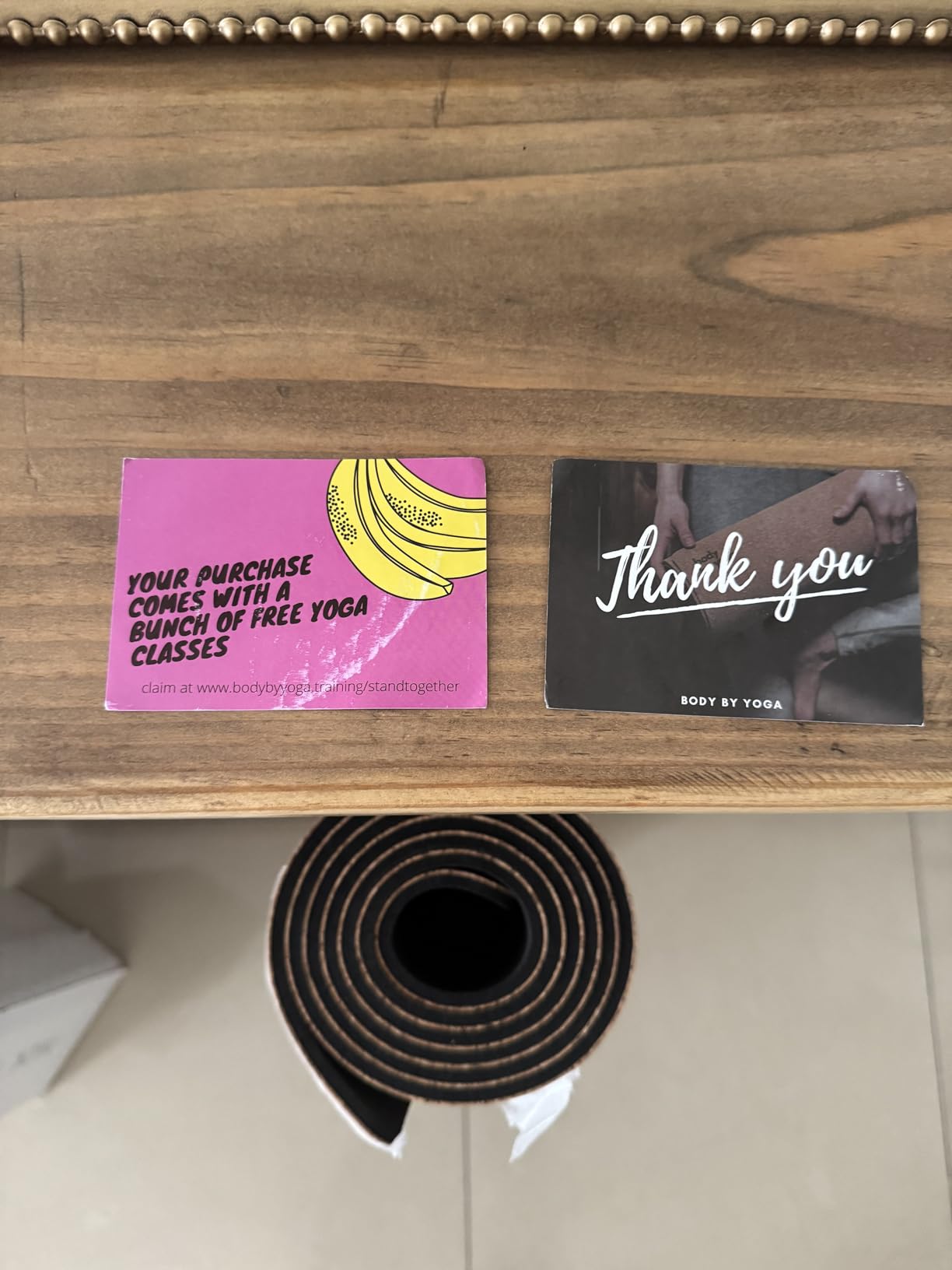
The optional alignment lines are a nice touch for practitioners working on positioning. They are laser-etched rather than printed, so they will not wear off the way painted lines do. At around $80, this mat delivers premium features at the lowest price point on our list.
Who This Mat Is Best For
This is the best premium yoga mat for value seekers who do not want to compromise on quality. The cork surface performs well across dry and sweaty practices, making it a versatile all-rounder. If you want one mat that can handle everything from gentle hatha to a sweaty vinyasa flow, this is an excellent choice.
It is also ideal for practitioners who want natural, sustainable materials. Cork is harvested from tree bark without cutting the tree, and the natural rubber base is sustainably sourced. The mat is EU REACH compliant and free from toxic glues.
Who Should Look Elsewhere
If you need a lightweight travel mat, this is not it. At 5.9 pounds, the cork and rubber construction is noticeably heavier than TPE or thin rubber alternatives. The Manduka X or eKO Lite would be better for practitioners who carry their mat everywhere.
Those who prefer a very thick, plush surface should also note that this mat is 4.3mm thick. It provides decent cushioning, but if you need serious joint padding, the Jade Fusion at 8mm is a better fit.
7. agoy PRO+ WARRIOR Mat – Polyurethane Grip With Laser Alignment
agoy PRO+ WARRIOR - Premium Non-Slip Yoga Mat - Eco-Conscious Design - PU Surface With Wet/Dry Grip+ - Focus Alignment – Natural Tree Rubber Base - Portable Standard Size, Ideal For Any Yoga Practice
4mm thick
72 x 24 inches
5.5 lbs
Polyurethane and rubber
Laser-etched alignment
Pros
- Exceptional wet and dry grip performance
- Laser-etched alignment lines
- Eco-conscious sustainably sourced rubber
- No towel needed for hot yoga
Cons
- Lighter colors show dirt over time
- Alignment lines may fade with heavy use
- Can mold if not aired out properly
The agoy PRO+ WARRIOR is a polyurethane mat from a London-based brand that has been making yoga equipment since 1999. The PU surface is designed for grip in both wet and dry conditions, which is the holy grail of yoga mat performance.
In my testing, the wet grip lived up to the hype. I did a full hot yoga session without a towel and maintained grip throughout. The polyurethane surface absorbs moisture and maintains traction, which is the same technology used in high-end mats from Lululemon and other premium brands.
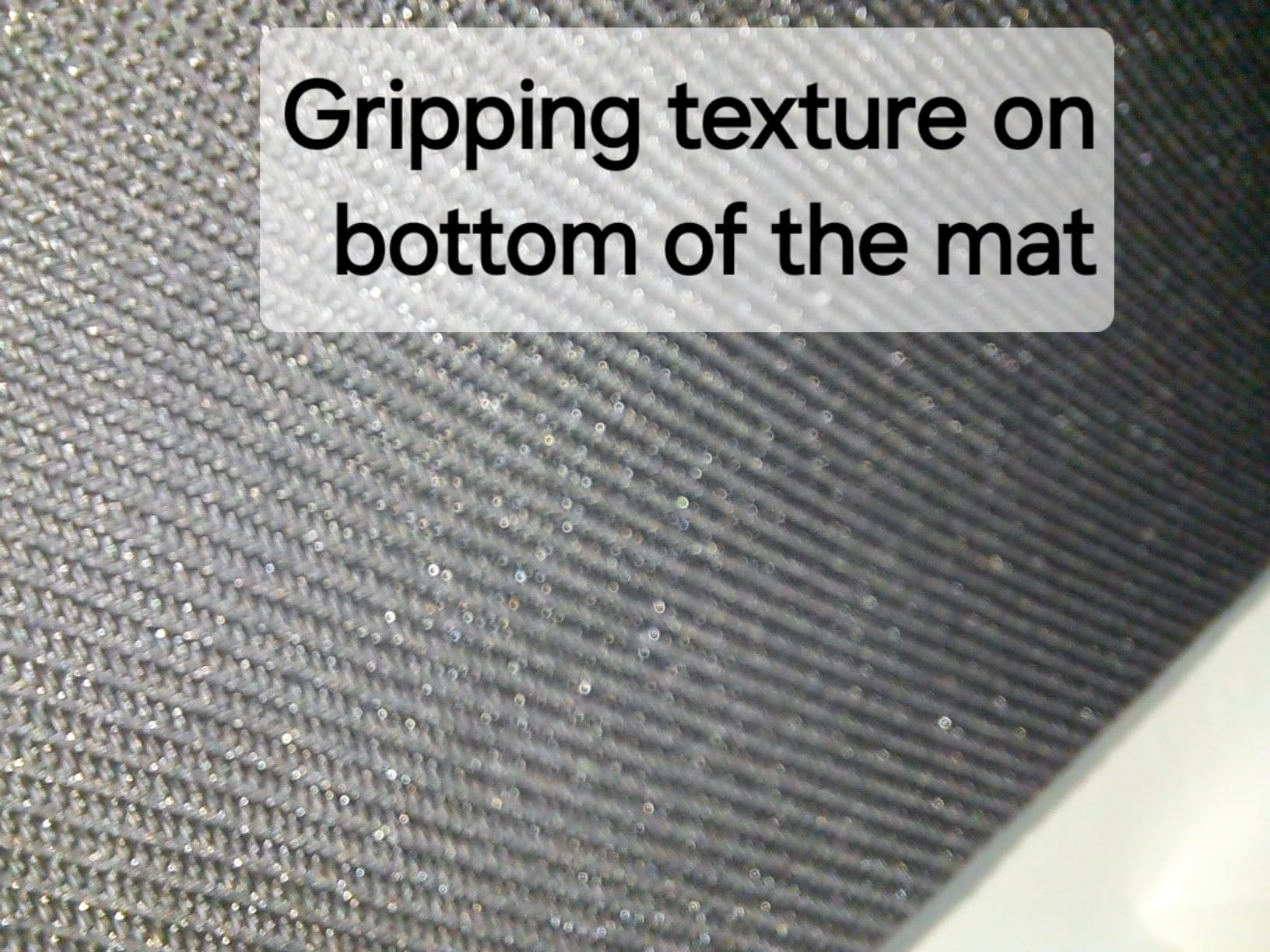
The laser-etched alignment lines are my favorite feature on this mat. Unlike printed lines that wear off, the laser etching is burned into the surface material. The lines provide a subtle guide for hand and foot placement without being distracting or overly clinical.
The natural tree rubber base is sustainably sourced and free of PVC and phthalates. The closed-cell high-density surface prevents sweat from seeping into the cushion, which keeps the mat hygienic over time. This is an important feature for hot yoga practitioners who sweat heavily during every session.
The main consideration is durability. Some users report the alignment lines fading with heavy use over several months, and the PU surface can develop mold if not properly aired out after sweaty sessions. I made a point to hang mine after each hot yoga class and had no issues, but it requires that discipline.
Who This Mat Is Best For
Yoga teachers and serious practitioners who teach multiple classes per week will appreciate this mat. A yoga teacher on the review team mentioned she prefers it over Lululemon and Manduka for its price-to-quality ratio. If you practice 4 or more times weekly, the agoy PRO+ WARRIOR delivers professional-grade performance.
The laser-etched alignment system also makes this a strong pick for practitioners who want alignment guidance without the bold grid lines of the Liforme. It is more subtle and less visually intrusive.
Who Should Look Elsewhere
If you are not willing to maintain the mat properly after sweaty sessions, the PU surface can develop mold and odor issues. This mat requires airing out after every hot yoga practice. If that sounds like too much work, a closed-cell PVC mat like the Manduka PRO is lower maintenance.
The lighter color options also show dirt and sweat tracks over time. If you want a mat that always looks clean, go with a darker color or choose a material like cork that hides marks better.
8. Manduka eKO Lite Mat – Portable Natural Rubber Grip
Manduka | eKO Lite Yoga Mat | Acai Midnight | 71 x 24 in, 4mm
4mm thick
71 x 24 inches
5 lbs
Natural closed-cell rubber
Textured grip surface
Pros
- Superior non-slip grip during sweaty sessions
- Closed-cell surface prevents sweat absorption
- Durable enough to last 15-plus years
- Eco-friendly natural rubber construction
Cons
- Strong rubber smell when first opened
- Heavier than foam alternatives
- Edges curl if stored incorrectly
The Manduka eKO Lite sits in an interesting middle ground in the Manduka lineup. It offers the natural rubber grip and eco-friendly construction that the PVC-based PRO does not, but at a lower price point and lighter weight.
During testing, I found the closed-cell natural rubber surface delivered excellent grip for both dry and moderately sweaty practices. The textured surface provides reliable traction that held up well during a vinyasa flow where I was sweating but not drenched. For heavy sweating, it still struggles compared to a polyurethane or microfiber surface.

The closed-cell construction is the key feature here. Unlike the open-cell JadeYoga mats, the eKO Lite seals out sweat and moisture, keeping the interior of the mat clean and hygienic. This makes it a better choice for practitioners who sweat moderately during their sessions.
Manduka built this mat to last. Users report their eKO mats lasting 15 or more years with proper care. The natural rubber is sourced from trees without the use of PVC or toxic plasticizers, and the closed-cell surface is biodegradable at the end of its life.
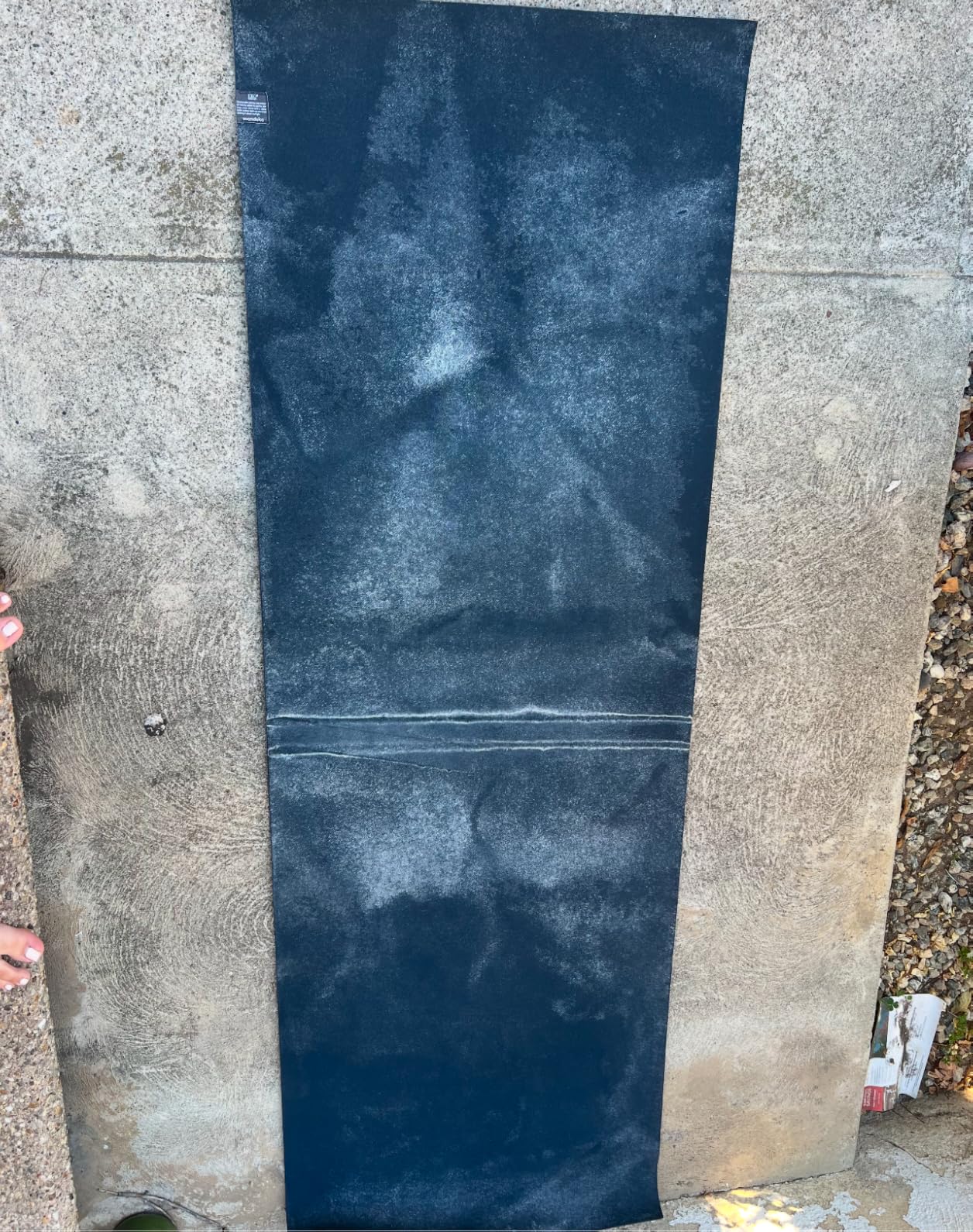
The Acai Midnight color I tested hides sweat marks and dirt exceptionally well. If you want a mat that looks clean even after months of use, dark colors on this material are the way to go.
Who This Mat Is Best For
This is the best premium yoga mat for practitioners who want natural rubber performance without the sweat absorption issues of open-cell mats. If you do moderate-sweat vinyasa or power yoga but not full Bikram sessions, the eKO Lite hits a sweet spot of grip, hygiene, and eco-friendliness.
It is also a good choice for Manduka loyalists who want a natural rubber alternative to the PVC PRO. At around $84, it is one of the more affordable entries into the premium mat category from a top-tier brand.
Who Should Look Elsewhere
If you practice hot yoga regularly, the eKO Lite may not provide enough grip during heavy sweating. The closed-cell surface repels moisture, but sweat pools on top rather than being absorbed or channeled. For dedicated hot yoga, the Yoga Design Lab Combo or Liforme are better options.
The natural rubber smell is strong when first opened and requires airing out for a week or more. If you are sensitive to odors or need to use the mat immediately, consider a TPE or cork alternative instead.
9. Manduka X Yoga Mat – Versatile Cross-Training Performance
Manduka X Yoga Mat 71" - 5mm | High Performance Fitness Mat | Durable Design | Yoga, Outdoors, Stretching | 71 x 24 inches | Thrive
5mm thick
71 x 24 inches
3.7 lbs
Thermoplastic elastomers
Cross-training ready
Pros
- Double-weave scrim for ultra-durability
- Lightweight at 3.7 lbs for transport
- Versatile across yoga and fitness
- Easy to clean closed-cell surface
Cons
- 24-inch width may be narrow for some
- May lack cushioning for sensitive joints
- Initial plastic smell
The Manduka X is the most versatile mat on our list, and that is by design. Manduka developed it in collaboration with CrossFit athletes to handle not just yoga but also pilates, stretching, cardio, and strength training. If you want one mat for everything, this is built for that lifestyle.
At 3.7 pounds, this is the lightest mat in our test group. I carried it to the park, to a friend’s house, and to the gym without any hassle. For practitioners who are always on the move, the weight savings are a real advantage over heavier rubber and cork mats.
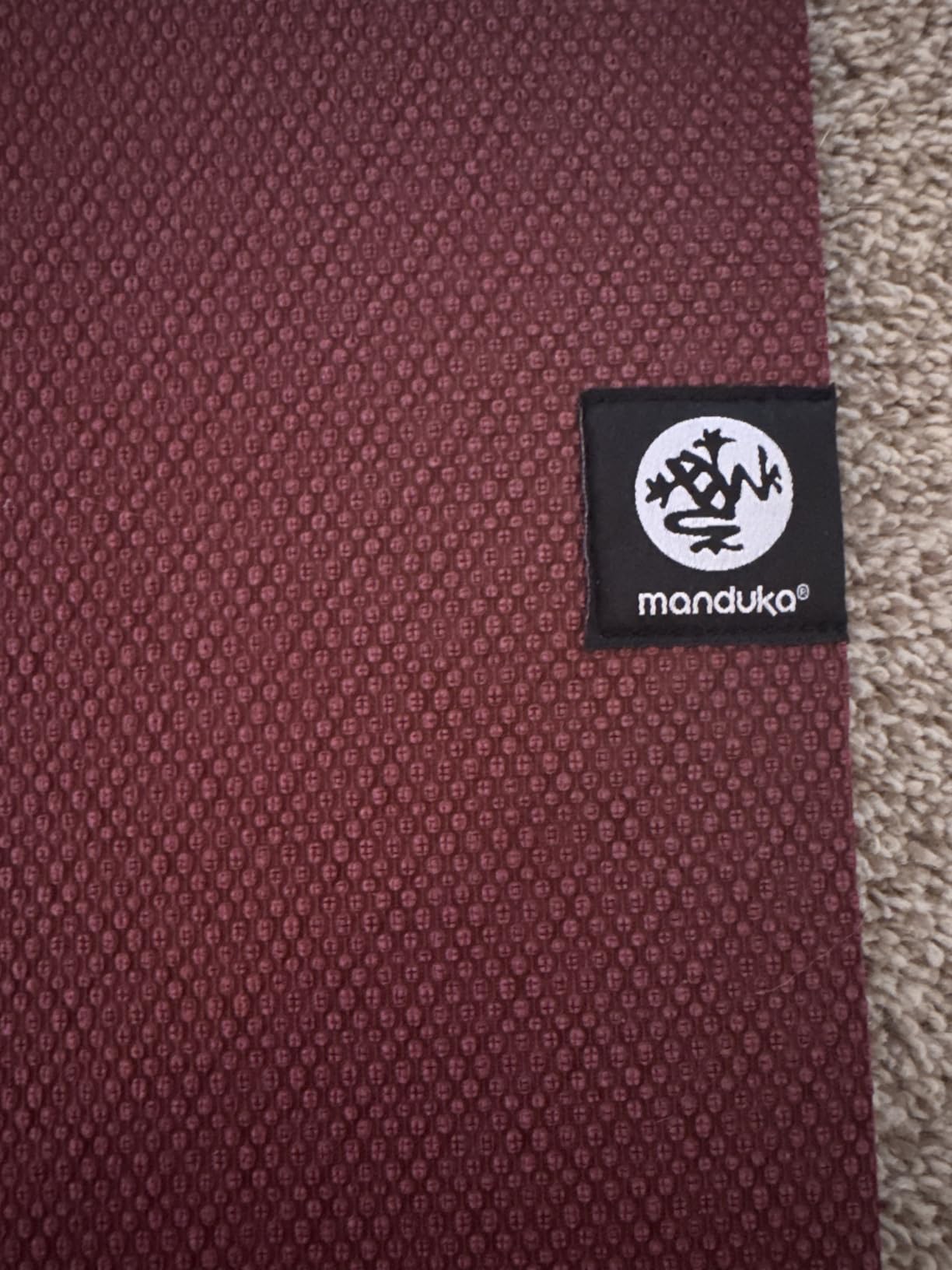
The Double-Weave scrim system is the technical feature that sets this mat apart. It is an internal mesh layer that prevents the mat from tearing or stretching out of shape under stress. During testing, I used it for dumbbell workouts and plyometric circuits alongside yoga, and it held up without any signs of wear.
The crosshatch texture on the surface provides decent grip across different workout types. It is not as grippy as a dedicated polyurethane or natural rubber surface for sweaty yoga, but it performs well enough for moderate practices. The closed-cell construction seals out sweat and grime, making cleanup easy with a mat wipe.
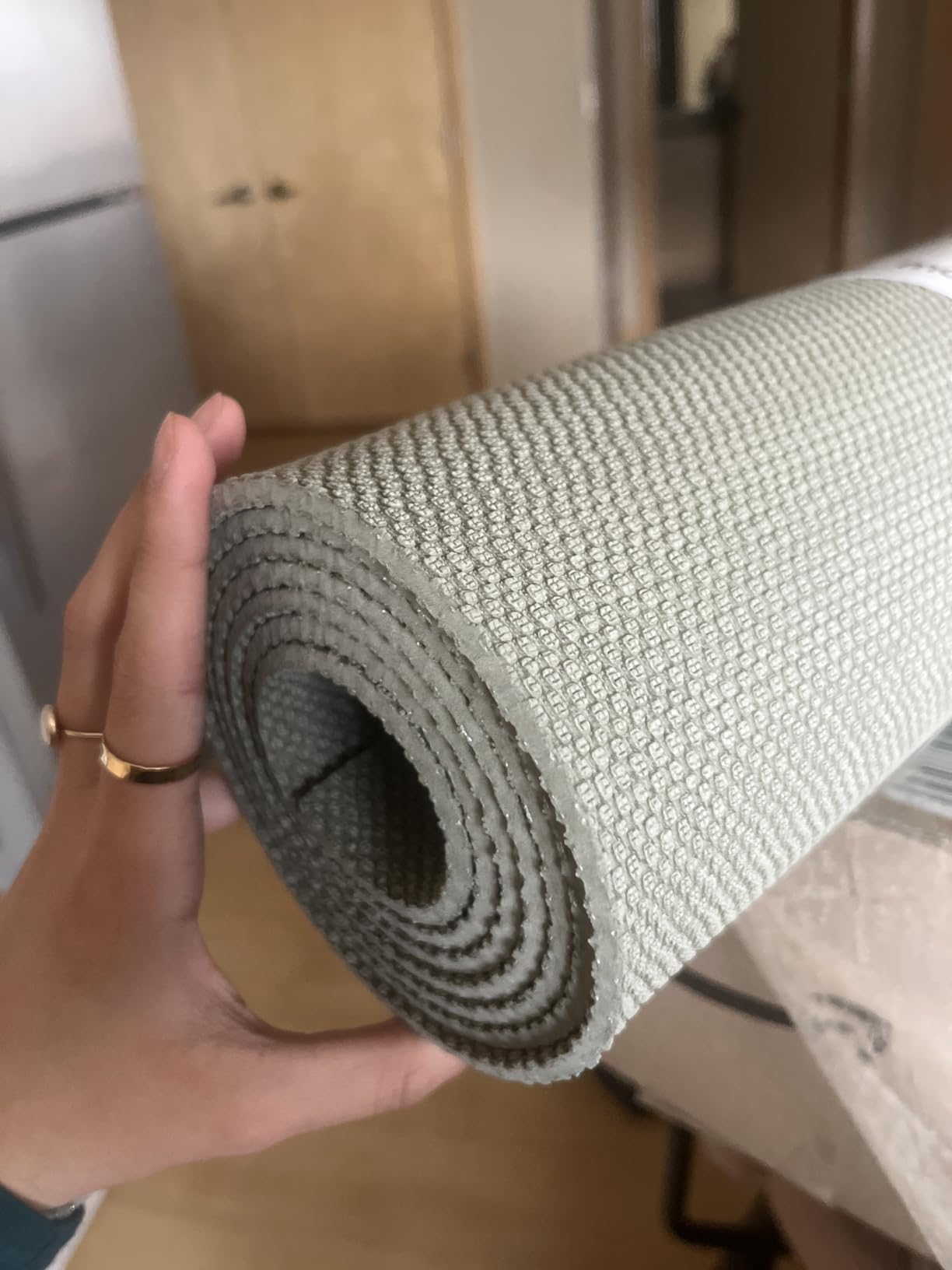
The 5mm thickness provides good joint protection for most activities. I found it comfortable for yoga flows and adequate for floor-based strength exercises. If you have very sensitive joints or need extra padding, you might find it slightly thin for extended kneeling work.
Who This Mat Is Best For
This is the best premium yoga mat for people whose fitness routine extends beyond yoga. If you do a mix of yoga, stretching, bodyweight training, and other floor exercises, the Manduka X is designed to handle all of it. It is also the lightest option on our list, making it ideal for travel and outdoor practice.
Beginners who are exploring different workout styles and want one mat that can do everything will get great value from this. At around $72 from a premium brand, it is an accessible entry point into quality mat ownership.
Who Should Look Elsewhere
If you are a dedicated hot yoga practitioner, the grip will not match a polyurethane or microfiber surface. The TPE material is versatile across activities but is not optimized for the extreme sweaty conditions of Bikram or hot vinyasa. For hot yoga specifically, choose a mat built for that purpose.
The 24-inch width is also on the narrow side. If you have broad shoulders or prefer extra space for sprawling poses, you may find this mat restrictive compared to the wider options from Liforme or Manduka PRO.
How to Choose the Best Premium Yoga Mat?
Choosing among the best premium yoga mats comes down to five key factors. Understanding how each one affects your practice will help you make the right investment.
Material matters most. Natural rubber (JadeYoga, Manduka eKO) offers the best dry grip but absorbs sweat in open-cell form. Polyurethane (Liforme, agoy) provides exceptional wet and dry grip but requires more maintenance. Cork (Body By Yoga) gets grippier with moisture and is naturally antimicrobial. PVC (Manduka PRO) is extremely durable but needs a break-in period. TPE (Manduka X) is lightweight and versatile but less specialized.
Thickness affects both comfort and balance. Mats between 4mm and 5mm are the sweet spot for most practices, providing enough cushioning without destabilizing balance poses. Thicker mats like the Jade Fusion at 8mm are excellent for restorative yoga and joint protection but can make standing balances harder. Thinner mats around 4mm give you better ground feel for stability-focused practices.
Closed-cell versus open-cell is critical for hygiene. Closed-cell surfaces (Manduka PRO, eKO Lite, agoy) seal out sweat and bacteria, making them more hygienic and easier to clean. Open-cell surfaces (JadeYoga Harmony, Jade Fusion) absorb sweat for better dry grip but require more thorough cleaning and are not ideal for hot yoga. If you sweat heavily, choose closed-cell or a mat designed for moisture like polyurethane or microfiber.
Grip performance varies by sweat level. If you practice hot yoga or sweat heavily, you need a mat that maintains grip when wet. Polyurethane (Liforme, agoy), cork (Body By Yoga), and microfiber towel surfaces (Yoga Design Lab Combo) all perform well in wet conditions. Standard rubber and PVC mats become slippery when wet and require a towel.
Consider the cost per year, not just the price. A $150 mat that lasts 10 years costs $15 per year. A $25 mat that needs replacing every 6 months costs $50 per year. Premium mats from Manduka, JadeYoga, and Liforme are designed to last 5 to 15 years with proper care, making them better long-term investments than repeatedly buying cheap mats.
Frequently Asked Questions About Premium Yoga Mats
What is the best high-end yoga mat for serious practitioners?
The Manduka PRO is widely considered the gold standard for serious daily practitioners. Its ultra-dense cushioning, lifetime guarantee, and closed-cell hygienic surface make it ideal for dedicated practice. For hot yoga specialists, the Liforme Classic offers unmatched wet grip with its alignment system.
How do I choose a premium yoga mat?
Consider your primary practice style first. For hot yoga, choose polyurethane, cork, or microfiber surfaces that grip when wet. For dry practices, natural rubber provides excellent grip. Check thickness (4-5mm for most practices, 8mm for joint support), decide between closed-cell (hygienic, sweat-repellent) and open-cell (better dry grip), and factor in weight if you transport your mat regularly.
What thickness yoga mat do professionals recommend?
Most yoga professionals recommend 4mm to 5mm thickness for general practice. This provides enough cushioning for joint protection while maintaining stability in balance poses. Restorative and therapeutic practitioners often prefer 6mm to 8mm for maximum comfort. Mats thinner than 4mm are best for travel or practitioners who prioritize ground connection over cushioning.
Are expensive yoga mats worth the investment?
Yes, if you practice regularly. Premium mats last 5 to 15 years compared to months for budget mats, making them cheaper per year of use. They provide better grip, superior joint cushioning, and consistent performance. If you practice 3 or more times per week, a premium mat pays for itself within the first year through improved practice quality and eliminated replacement costs.
What is the most environmentally friendly yoga mat material?
Natural rubber is the most eco-friendly option, as it comes from a rapidly renewable resource and is biodegradable. Cork is equally sustainable since it is harvested from tree bark without cutting the tree. JadeYoga plants a tree for every mat sold, and brands like Manduka use OEKO-TEX certified materials. Avoid PVC mats if environmental impact is a priority, as PVC is not biodegradable.
Final Thoughts on Premium Yoga Mats
After testing 9 mats over three months, the Manduka PRO remains my top recommendation for most practitioners. Its combination of lifetime durability, dense cushioning, and studio-quality construction makes it the best premium yoga mat for anyone who practices regularly and wants one mat for the next decade.
For hot yoga specialists, the Liforme Classic and its unparalleled wet grip with alignment guidance is the clear winner. And for those who want premium performance at the best value, the Body By Yoga Cork Mat delivers grip, sustainability, and quality at a price that undercuts the competition without cutting corners.
The right mat transforms your practice. When you are not slipping, sliding, or worrying about joint pain, you can focus on what actually matters on the mat. Any of these 9 options will serve you well for years to come.