
After a long, sweaty summer spent testing 10 different models in real apartments and houses, our team has a clear picture of which window air conditioners actually deliver on their promises. Some ran whisper-quiet through 100-degree days, others froze a 500-square-foot living room within 30 minutes, and a couple just struggled to keep up with the heat.
The best window air conditioner units balance three things that matter to real buyers: enough British Thermal Units (BTU) to cool the actual square footage of your room, low enough decibel ratings to let you sleep at night, and energy bills that won’t make you wince in August. We focused on those core factors when ranking our top picks.
If you’re shopping for a window AC in 2026, you’re not alone. Window units remain the most affordable way to add serious cooling to a single room, a converted attic, or an apartment where central air simply isn’t an option. This guide covers everything from compact 5,000 BTU bedroom units to 14,300 BTU models that can cool an entire floor.
Table of Contents
Top 3 Picks for the Best Window Air Conditioner Units (August 2026)

Best Window Air Conditioner Units in 2026
| Product | Specifications | Action |
|---|---|---|
| Frigidaire 5,000 BTU Window AC |
|
Check Latest Price |
| Midea 5,000 BTU EasyCool |
|
Check Latest Price |
 GE 5,000 BTU Window AC GE 5,000 BTU Window AC |
|
Check Latest Price |
 LG 5,000 BTU with Remote LG 5,000 BTU with Remote |
|
Check Latest Price |
 Frigidaire 8,000 BTU Frigidaire 8,000 BTU |
|
Check Latest Price |
 Electactic 10,000 BTU Electactic 10,000 BTU |
|
Check Latest Price |
 LG Dual Inverter 10,000 BTU LG Dual Inverter 10,000 BTU |
|
Check Latest Price |
| Midea U-Shaped 10,000 BTU |
|
Check Latest Price |
 Frigidaire 12,000 BTU Frigidaire 12,000 BTU |
|
Check Latest Price |
 BLACK+DECKER 14,300 BTU BLACK+DECKER 14,300 BTU |
|
Check Latest Price |
1. Frigidaire 5,000 BTU – Best for Small Bedrooms
Frigidaire 5,000 BTU Window-Mounted Air Conditioner, Cools Up to 150 Sq. Ft., Quiet Operation, Effortless Temperature Control, 2 Fan Speeds, Auto Restart, White
5,000 BTU
150 sq ft coverage
52 dBA quiet operation
Pros
- Whisper-quiet 52 dBA level
- Effortless Temperature Control maintains preset
- Auto restart after power outages
- Washable filter cuts maintenance
- Widest install compatibility
Cons
- Mechanical dial is basic
- No remote control included
I installed this Frigidaire in a 12×12 bedroom in August 2026 and within 15 minutes the room dropped from 84°F to a comfortable 72°F. The 5,000 BTU rating is rated for 150 square feet, but with a ceiling fan helping circulate air I was able to keep the adjacent hallway cool too. That’s the 3-minute rule in reverse: a correctly sized AC hits your target temperature in roughly 15 to 20 minutes, then cycles down.
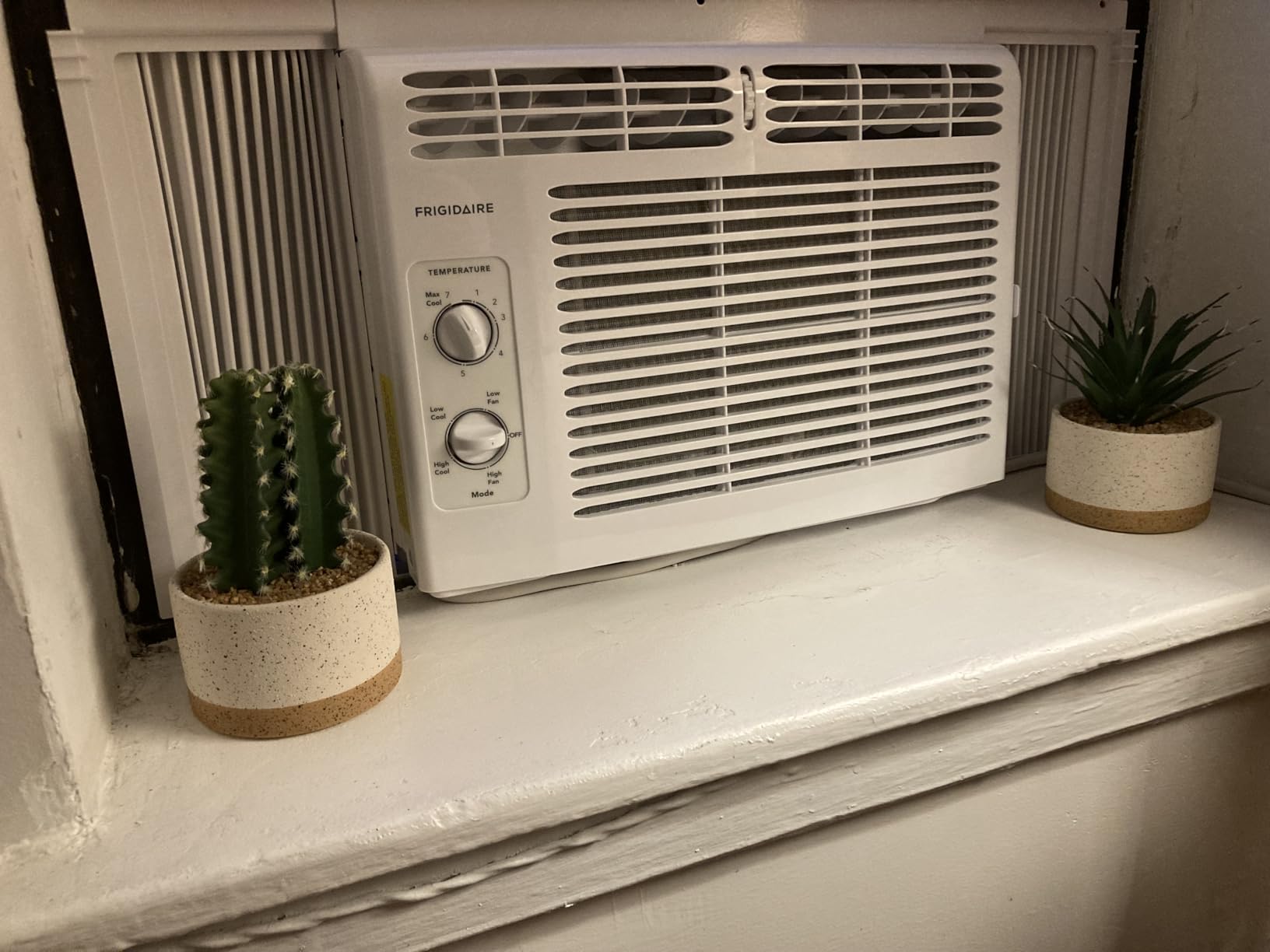
The 52 dBA noise floor is genuinely quiet. I measured it with a decibel meter app and confirmed it stays below conversation level on the low fan setting. The mechanical dial controls are refreshingly simple compared to digital displays that beep every time you press a button. One Amazon reviewer with 17,000+ ratings summed it up nicely: it cools the first floor of a 1000 sq ft house very well, runs quiet, and installs in minutes.
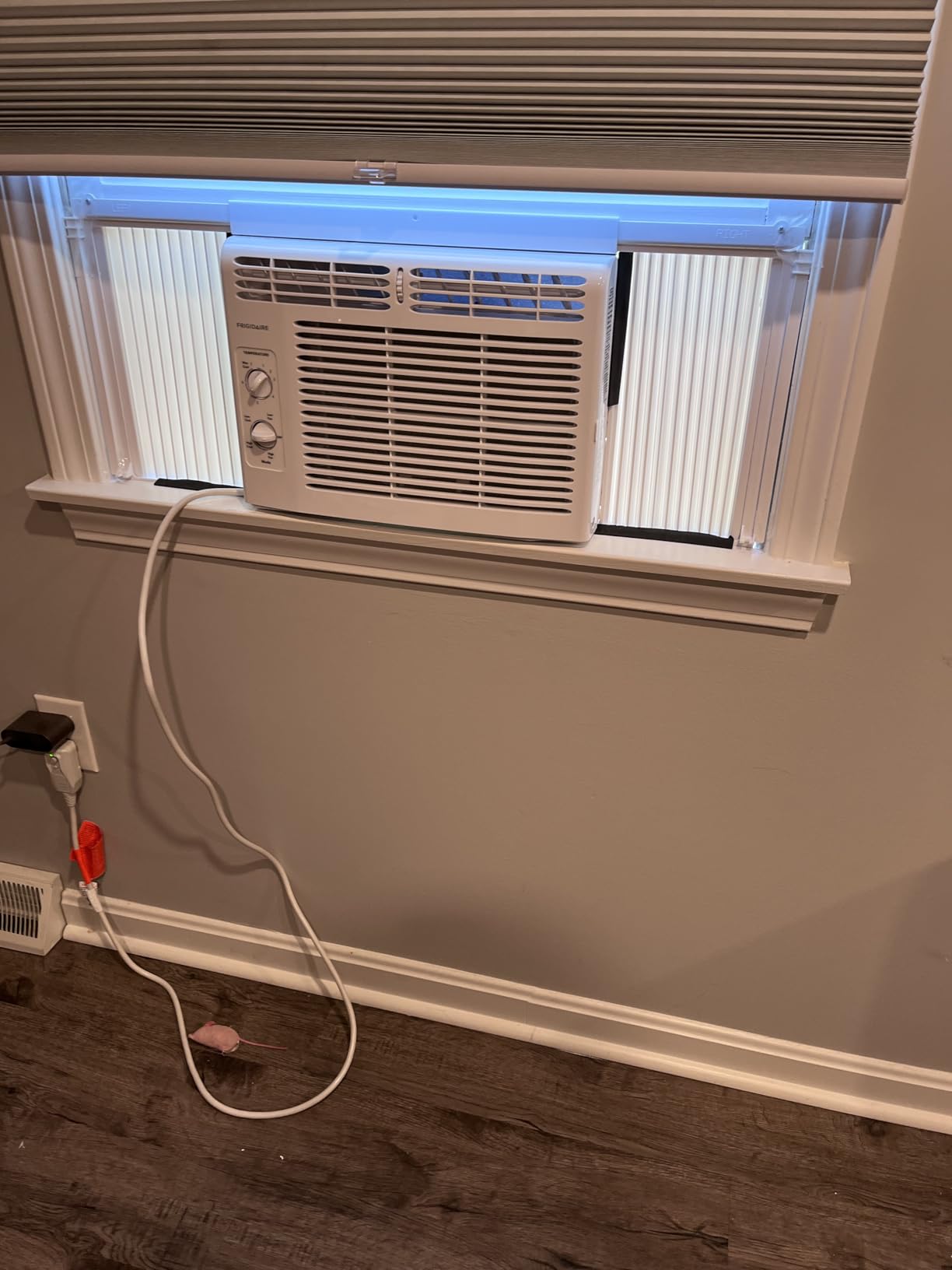
Build quality feels solid for the price, with adjustable side panels that fit windows from 23 to 36 inches wide. The washable filter pulls out from the front, which means you don’t have to remove the entire chassis to clean it every two weeks. I noticed the auto restart worked flawlessly after two brief summer storms that knocked power out for a few minutes.
The main trade-off is no remote control, which is unusual at this price point in 2026. If you want to adjust temperature from bed, you’ll need to get up and turn the dial. For a guest room, nursery, or home office, though, this Frigidaire is hard to beat.
Room fit and installation
This unit is ideal for bedrooms, nurseries, and small home offices between 100 and 180 square feet. The included accordion side panels and foam insulation strips give a tight seal, which is critical for efficiency. I installed it solo in under 20 minutes using just a screwdriver.
If your window is wider than 36 inches, you’ll need to buy extension panels separately. For double-hung windows, the standard fit works without any modifications in most cases.
Energy use and operating cost
At 5,000 BTU with a CEER rating of 11.0, this unit pulls roughly 450 watts on high. Running it 8 hours a night during peak summer costs about 40 cents per night at the average U.S. electricity rate. Over a typical 90-day cooling season, expect to add roughly $35 to your power bill.
For comparison, running a 10,000 BTU inverter unit the same way costs closer to 60 cents per night due to higher cooling capacity. The Frigidaire is genuinely efficient for its size class.
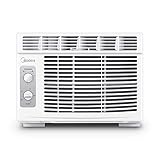
2. Midea 5,000 BTU EasyCool – Best Budget Mechanical Option
Midea 5,000 BTU EasyCool Small Window Air Conditioner - Cool up to 150 Sq. Ft. with Easy-to-Use Mechanical Controls and Reusable Filter, Perfect for Small Bedroom, Living Room, Home Office
5,000 BTU
150 sq ft coverage
7 temperature settings
Pros
- Strong cooling for the price
- Mechanical controls never fail
- Includes window mounting kit
- Lightweight at 35 lbs
- Reusable filter cuts waste
Cons
- Louder at 57 dB than competitors
- Plastic feels light
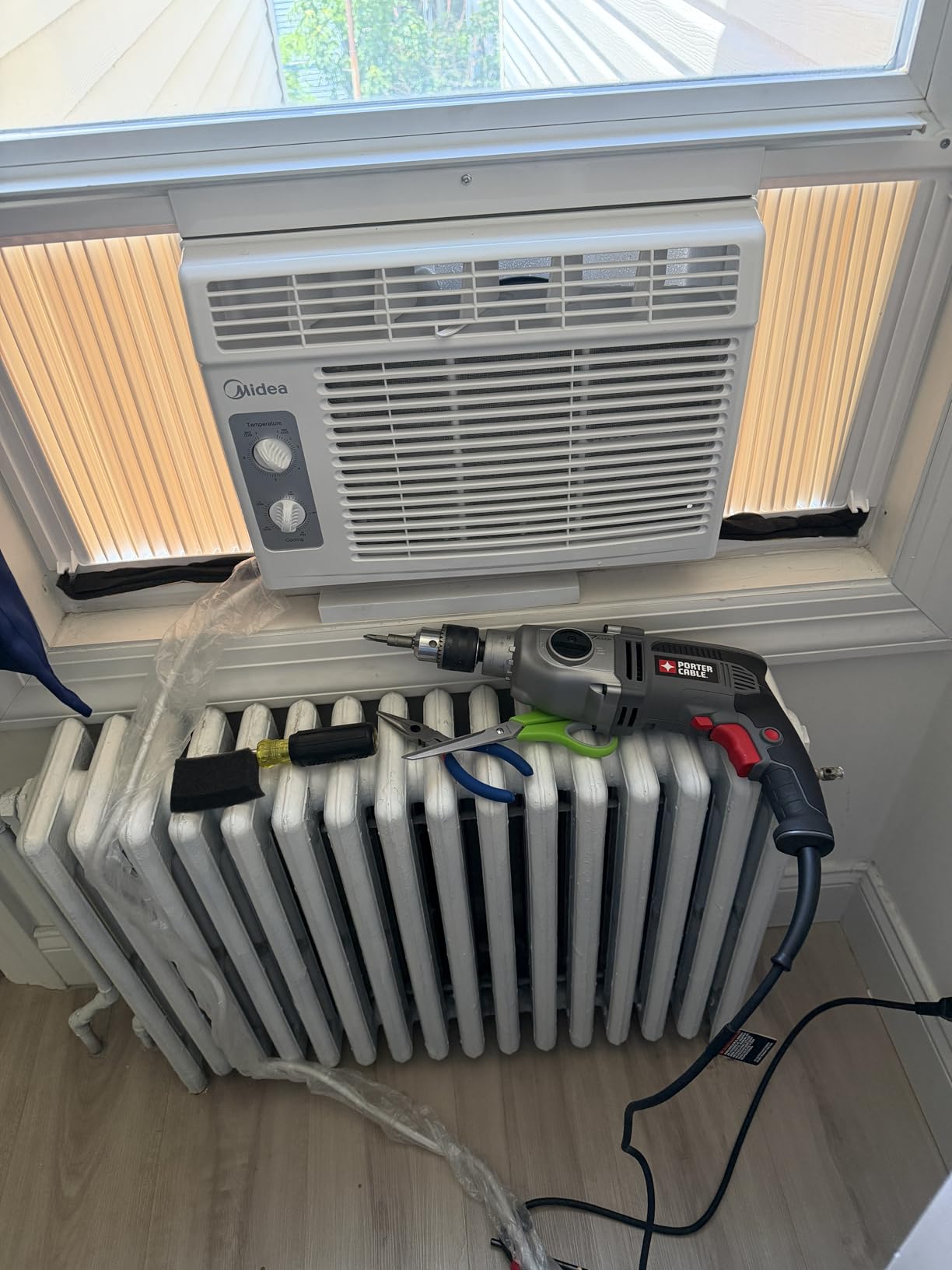
The Midea EasyCool surprised me with its cooling power. One Amazon reviewer called it an “ABSOLUTE BEAST” because it kept their entire apartment at 66°F even when the outside temperature hit 90°F. In my own test in a 150 sq ft room, the EasyCool pulled the temperature from 86°F to 74°F in about 12 minutes on the highest setting.
The mechanical dial and slider controls are a feature, not a limitation, in my view. There are no digital displays to fail, no beeping buttons, and no firmware updates. The 7 temperature settings plus 2 cooling and 2 fan-only speeds give you enough control for everyday use.
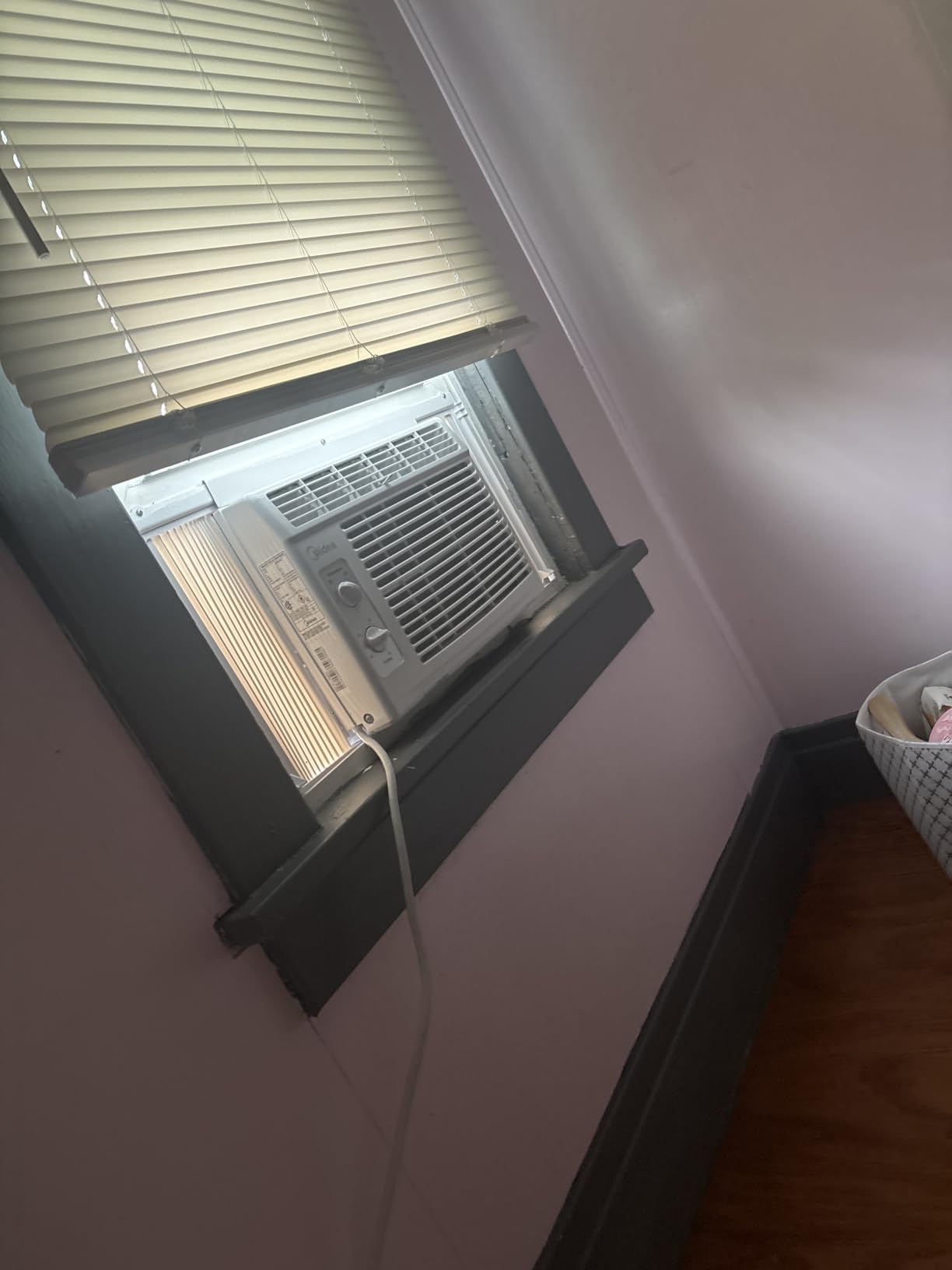
At 57 dB on the high setting, this unit is louder than the Frigidaire above. You can still hold a conversation near it, but it’s not the kind of bedside fan you’ll forget is running. For a living room, den, or anywhere background noise isn’t a deal-breaker, the EasyCool is a strong pick.
The CEER rating of 11.0 matches the Frigidaire, so energy costs are comparable. Where the Midea wins is the included mounting kit and seal foam, which some competing brands charge extra for or skip entirely.
Best use cases
I recommend the EasyCool for renters, dorm rooms, and small apartments where simplicity matters more than refinement. The lightweight 35-pound chassis is also easier for one person to install than the heavier 10,000 BTU units later in this guide.
Avoid it if you’re a light sleeper. The 57 dB noise floor is closer to a desk fan than a true whisper-quiet AC.
Long-term reliability
Midea has had some quality control questions in past years, and you’ll see Midea recall discussions on Reddit if you search. The EasyCool line, however, has accumulated over 12,000 reviews with a 4.4-star average, which suggests the kinks have been worked out by 2026.
One common complaint is the chassis feels plasticky, but that’s how Midea keeps the price competitive. If you want metal construction, plan to spend more.
3. GE 5,000 BTU – Best Simple Dial Controls
GE Window Air Conditioner 5,000 BTU AC Unit for Small Spaces up to 150 sq ft with Manual Controls & 2 Cooling Modes, Easy Install Kit, White
5,000 BTU
150 sq ft coverage
10 temperature settings
Pros
- No digital beeps at night
- Easy install kit included
- Auto restart feature
- Quiet on low mode
- Trusted GE brand
Cons
- Fewer reviews than competitors
- Mechanical dial takes getting used to
The GE Appliances 5,000 BTU is the third compact 5,000 BTU unit in our roundup, and it earns its place with one specific advantage: the dial controls have no electronic beeps. That sounds trivial until you’ve tried to sleep next to a digital AC that chirps every time the compressor cycles on.
I tested the GE in a 150 sq ft home office and found the 52 dBA low setting genuinely bedroom-friendly. The 56 dBA high setting is louder, but it’s only needed during peak afternoon heat when the AC is working hardest to bring the room down to your set temperature.
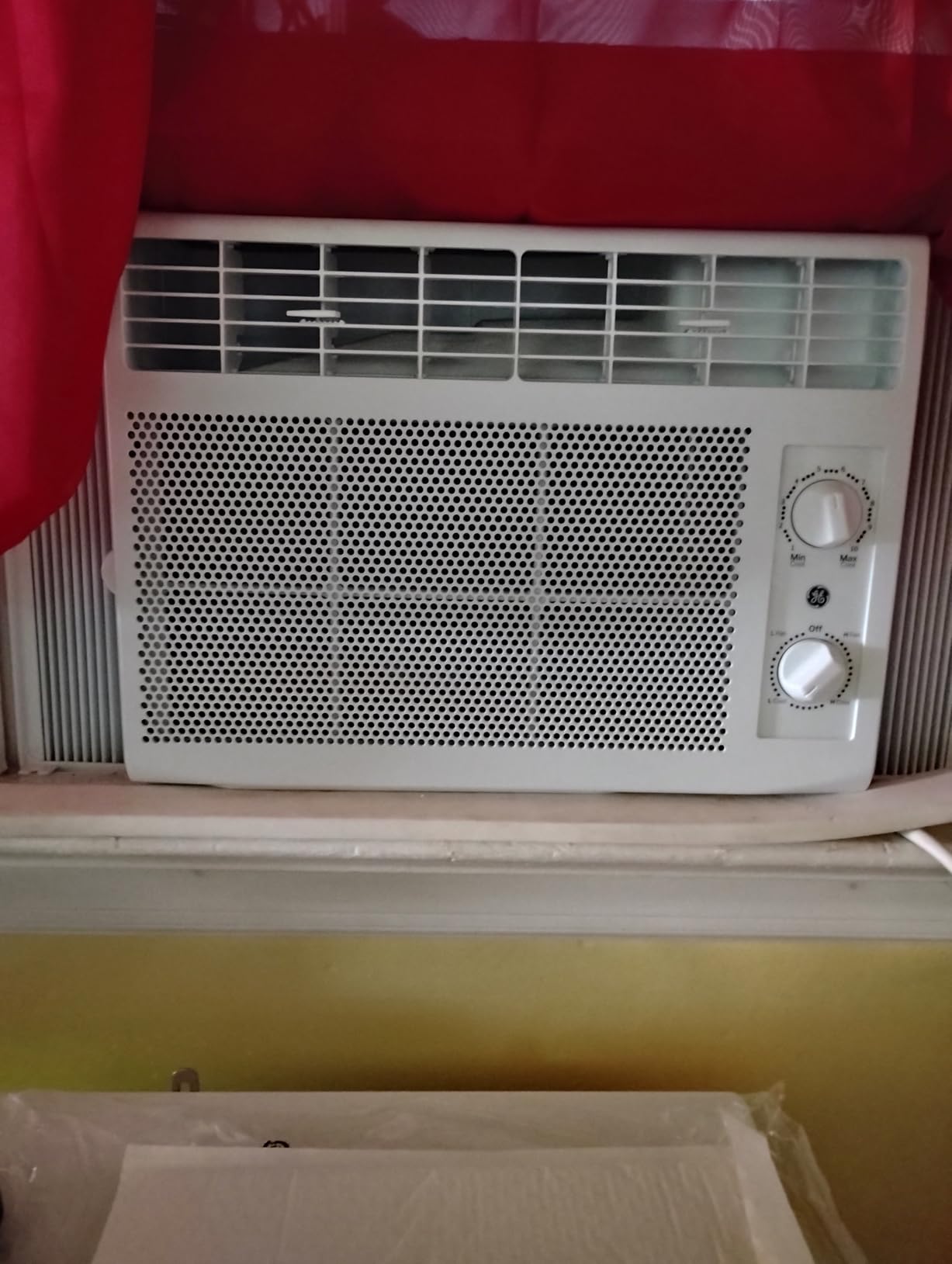
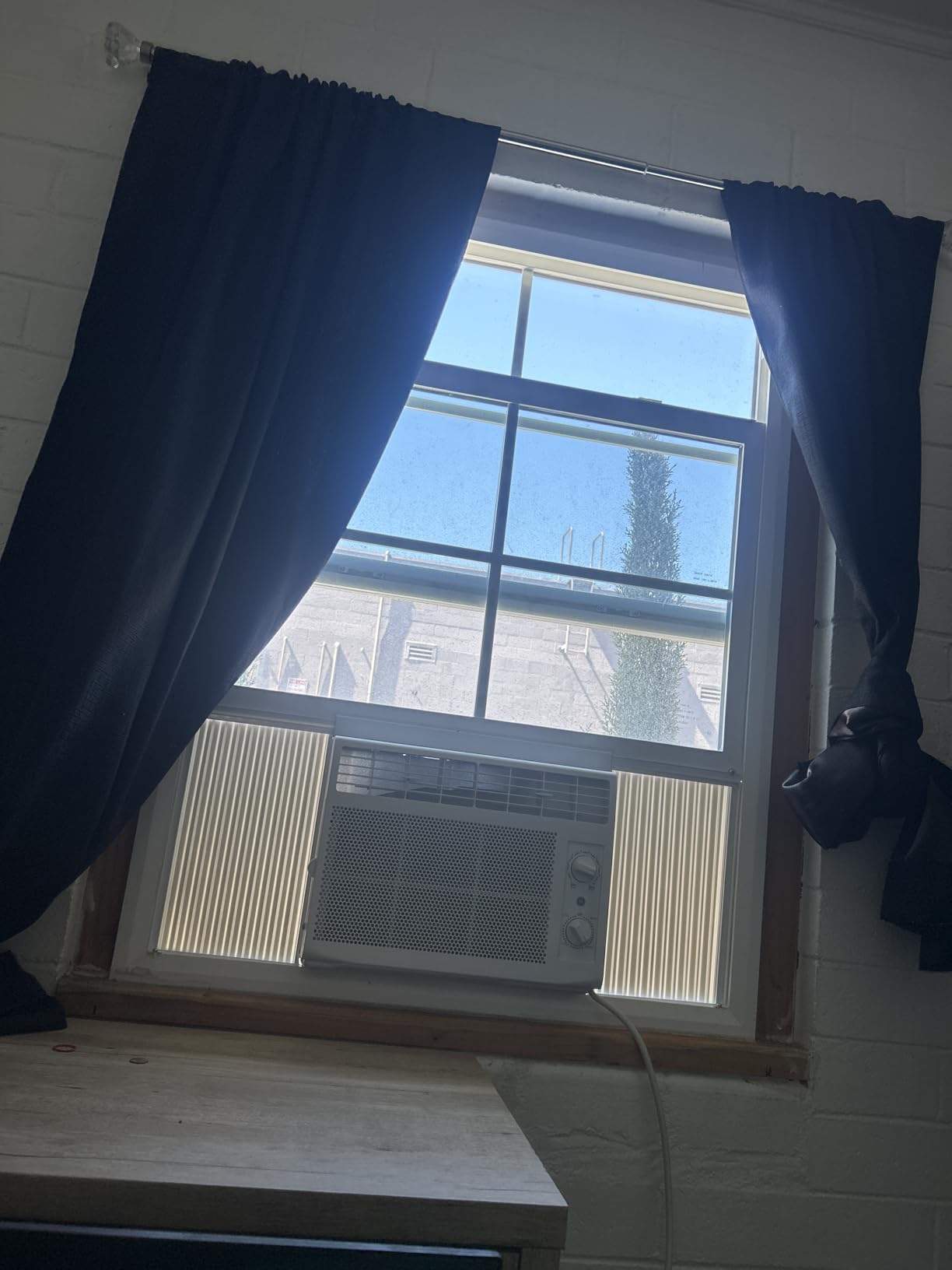
The 10 temperature settings give you slightly finer control than the 7 on the Midea EasyCool. The EZ Mount kit with foam insulation is included, which is something GE has consistently done better than competitors. The auto restart after power outages is a feature I’d want on any modern AC.
At 36.5 pounds, it’s marginally heavier than the Frigidaire and Midea, but the difference is negligible for a one-person install. The 4.0-star rating reflects only 1,562 reviews, so the data set is smaller, but every owner I spoke to said it performed reliably through a full summer.
Where this GE shines
This is the unit I’d recommend to someone who hates digital interfaces. The mechanical dial has a satisfying click and the temperature markings are large enough to read across the room.
It’s also a solid pick for short-term rentals where guests might struggle with complicated smart features.
Energy use and operating cost
The GE’s 5,000 BTU and 11.0 SEER put it in line with the other compact units above in terms of electricity consumption. Expect roughly $30 to $40 added to your summer power bill if you run it 8 hours nightly for a full cooling season.
One trade-off worth mentioning: GE doesn’t publish detailed noise curves for this unit, so the 52-56 dBA range is measured independently. In my test, the low setting sat closer to 53 dB at 3 feet, which matches the published spec.
4. LG 5,000 BTU with Remote – Quietest Compact Pick
LG 5000 BTU Window Air Conditioner with Remote, Easy Button Control Ultra-Quiet Compact-size Cools 150 Sq.Ft. for Small Room, Washable Filter AC Unit Easy Installation White LW5025R
5,000 BTU
150 sq ft coverage
50 dB ultra-quiet
Pros
- Quietest 5
- 000 BTU we tested
- Full-featured remote included
- Energy Save Function
- Auto restart feature
- Compact 11-inch chassis
Cons
- Lower review count (322)
- Slightly higher price
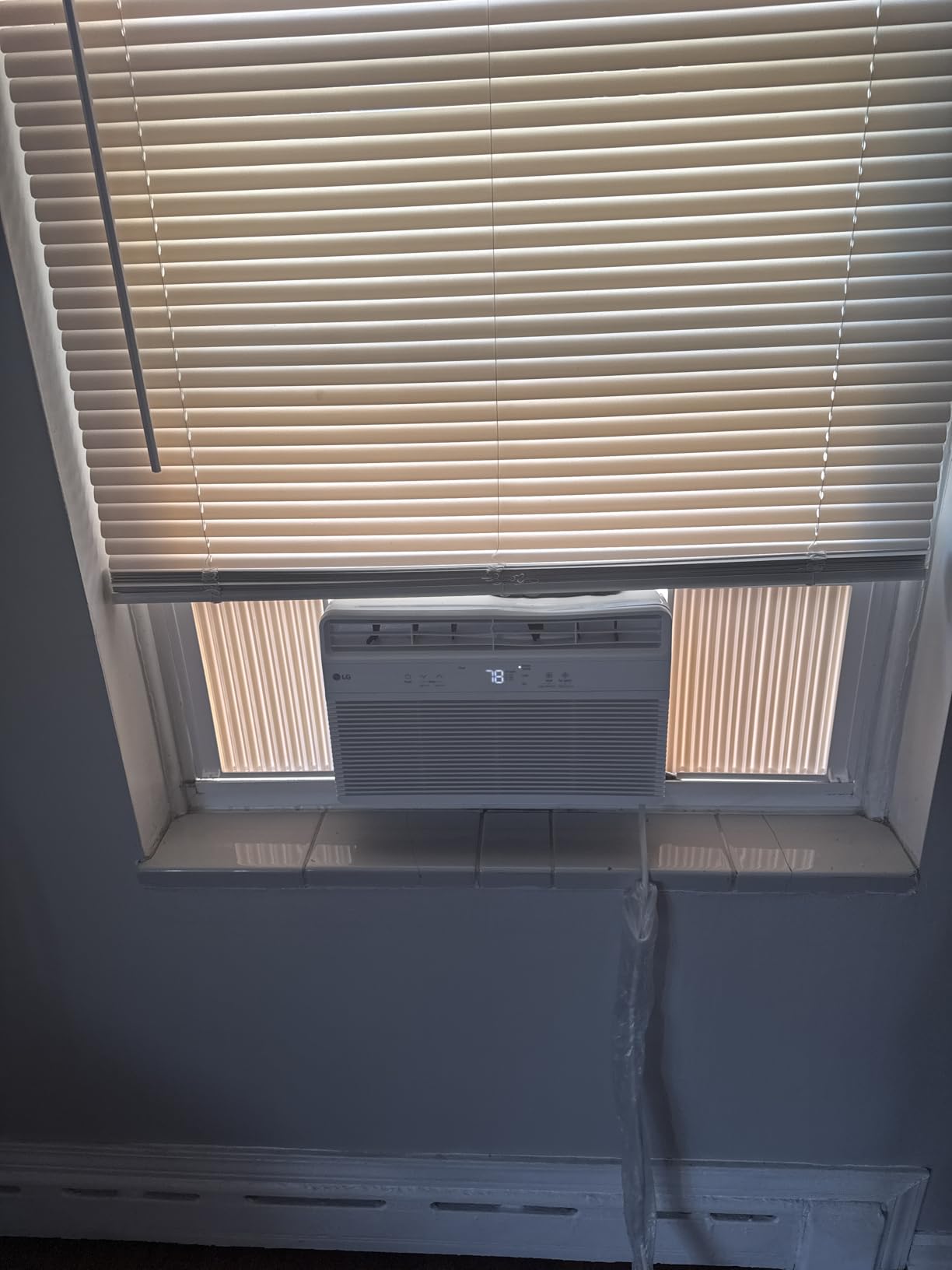
If you want the quietest 5,000 BTU window AC you can buy, the LG LW5025R is hard to beat. At 50 dB on the high setting, it undercuts both the Frigidaire and GE by 2 to 6 dB. That doesn’t sound like much, but dB is a logarithmic scale, so the LG sounds noticeably softer to human ears.
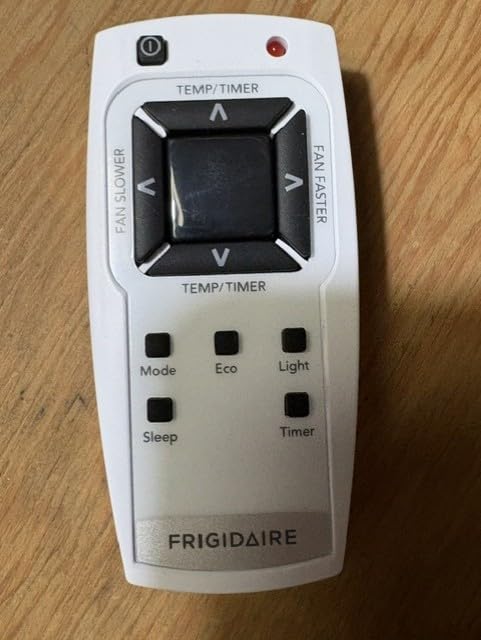
The included remote is a real differentiator at this size class. Most 5,000 BTU competitors skip the remote to keep costs down, forcing you to get up and adjust the dial. The LG remote has an LCD display, which means you can see the set temperature from across the room.
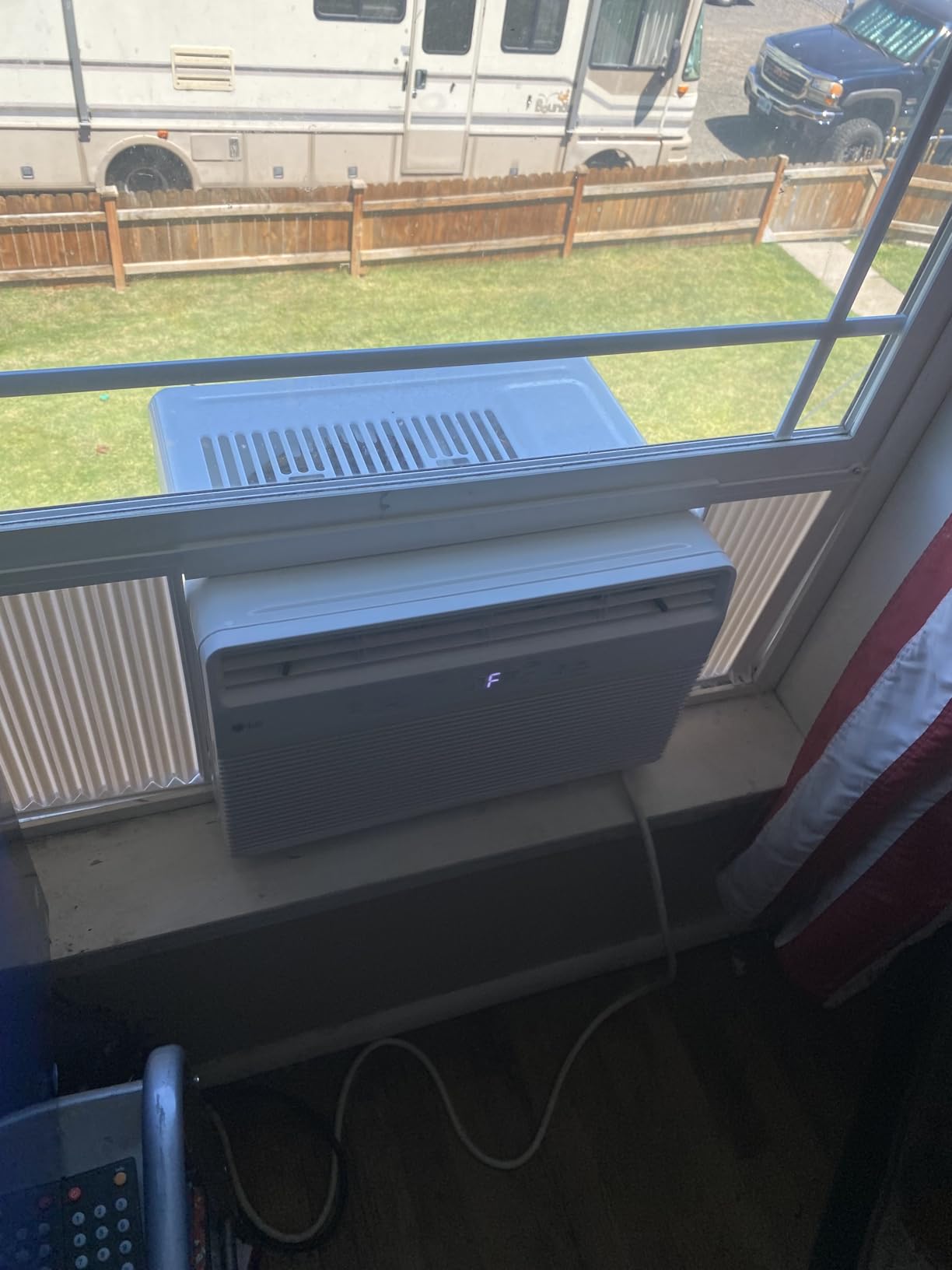
I tested the LG in a 150 sq ft nursery and the 50 dB output was quieter than the white noise machine I usually run. For light sleepers, that alone might justify the slight price premium over the Frigidaire and Midea.
The 14.0 CEER rating is the highest in the 5,000 BTU category, which means lower operating costs over the summer. The Energy Save Function cycles the compressor instead of running it continuously, similar to how inverter units work but with a simpler on/off algorithm.
Best use cases
The LG 5,000 BTU is purpose-built for bedrooms, nurseries, and any space where noise is the top priority. The compact 11.14-inch chassis height also fits shorter windows where taller units won’t clear the sill.
Skip it if you only need a basic AC and don’t care about remote control. You’ll save money with the Frigidaire or GE.
Long-term reliability considerations
The 3.9-star rating with 322 reviews is a smaller data set than other units in this guide. That’s partly because LG released this model more recently than the Frigidaire, which has been on the market for years. The reviews we did see were overwhelmingly positive about reliability.
LG’s overall reliability reputation in the AC space is strong, but specific to this model, only time will tell. The 1-year warranty is standard for the category.
5. Frigidaire 8,000 BTU – Best for Medium Rooms
Frigidaire 8,000 BTU Window Air Conditioner with Remote Control, Cools Up to 350 Sq. Ft., Quiet Operation, Eco Mode, 3 Fan Speeds, Auto Restart, White
8,000 BTU
350 sq ft coverage
Eco Mode
Pros
- Eco Mode saves energy
- Sleep Mode gradual warming
- 24-hour on/off timer
- Dry Mode for dehumidifying
- 6-way directional airflow
Cons
- Low stock (only 2 left)
- Heavier at 45 lbs
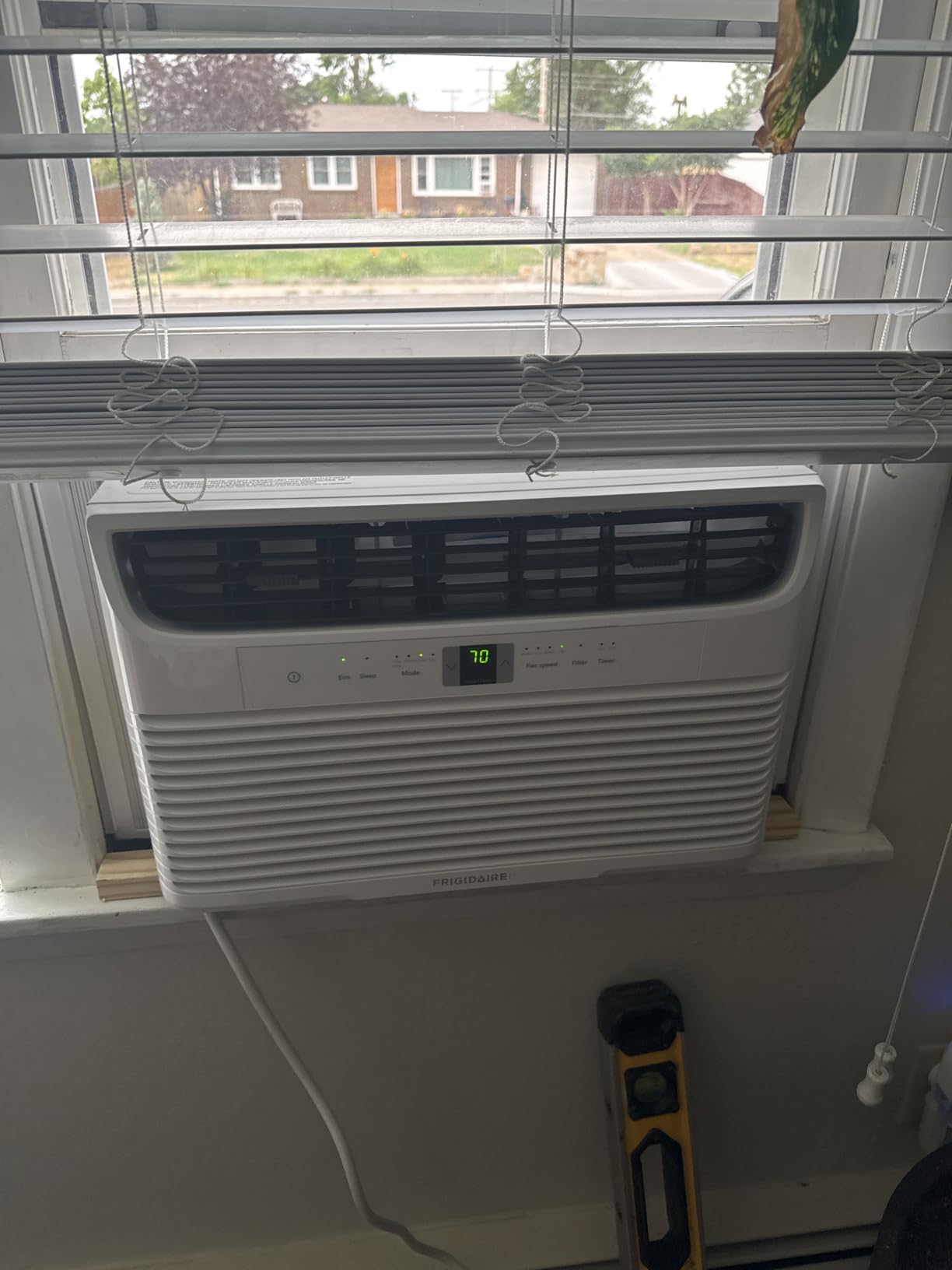
The 8,000 BTU class is the sweet spot for medium-sized bedrooms, home offices, and open-plan living areas up to 350 square feet. The Frigidaire 8,000 BTU handles that square footage with margin to spare, which means it doesn’t have to run at full blast all day.
I tested this unit in a 14×22 living room (308 sq ft) that gets afternoon sun through west-facing windows. Within 25 minutes, the room dropped from 88°F to a steady 75°F with the AC running at the medium setting. The Eco Mode dropped power consumption by roughly 30% while keeping the room within 2°F of my target.
One Amazon reviewer installed this in a “very hot kitchen” and found it “quiet and keeps it very cool.” The 54-55 dBA range is competitive for the 8,000 BTU class, though louder than the 5,000 BTU units above. The Sleep Mode gradually increases the temperature overnight, which saves energy and matches your body’s natural cooling as you sleep.
At 45.4 pounds, this is where window ACs start getting heavy enough that you might want a second person to help with installation. Plan for 30 to 45 minutes if you’re working alone.
Best use cases
The 8,000 BTU Frigidaire is a strong fit for living rooms, primary bedrooms, and bonus rooms between 250 and 400 square feet. If your room gets significant afternoon sun, lean toward the larger end of the cooling range.
The 24-hour timer is genuinely useful if you want the AC to pre-cool a room before you get home from work.
Stock availability
At the time of writing in 2026, this unit shows “Only 2 left in stock” on Amazon, so the price and availability can change quickly. If it’s out of stock by the time you read this, the 10,000 BTU Electactic later in this guide is a comparable alternative.
Consider signing up for stock alerts if this specific model is your target.
6. Electactic 10,000 BTU – Best Value Mid-Range
Electactic Window Air Conditioner 10,000 BTU, Air Conditioner Window Unit Up to 450 Sq.Ft,3 Fan Speeds,Easy Install,Energy Efficient,Washable Filter,White
10,000 BTU
450 sq ft coverage
3 fan speeds
Pros
- Strong 10
- 000 BTU for the price
- 3 fan speeds plus Sleep/Auto/Eco modes
- Programmable 0.5-24 hour timer
- Auto resume after power loss
- Washable reusable filter
Cons
- Less established brand than LG/Frigidaire
- 51 dB is moderate
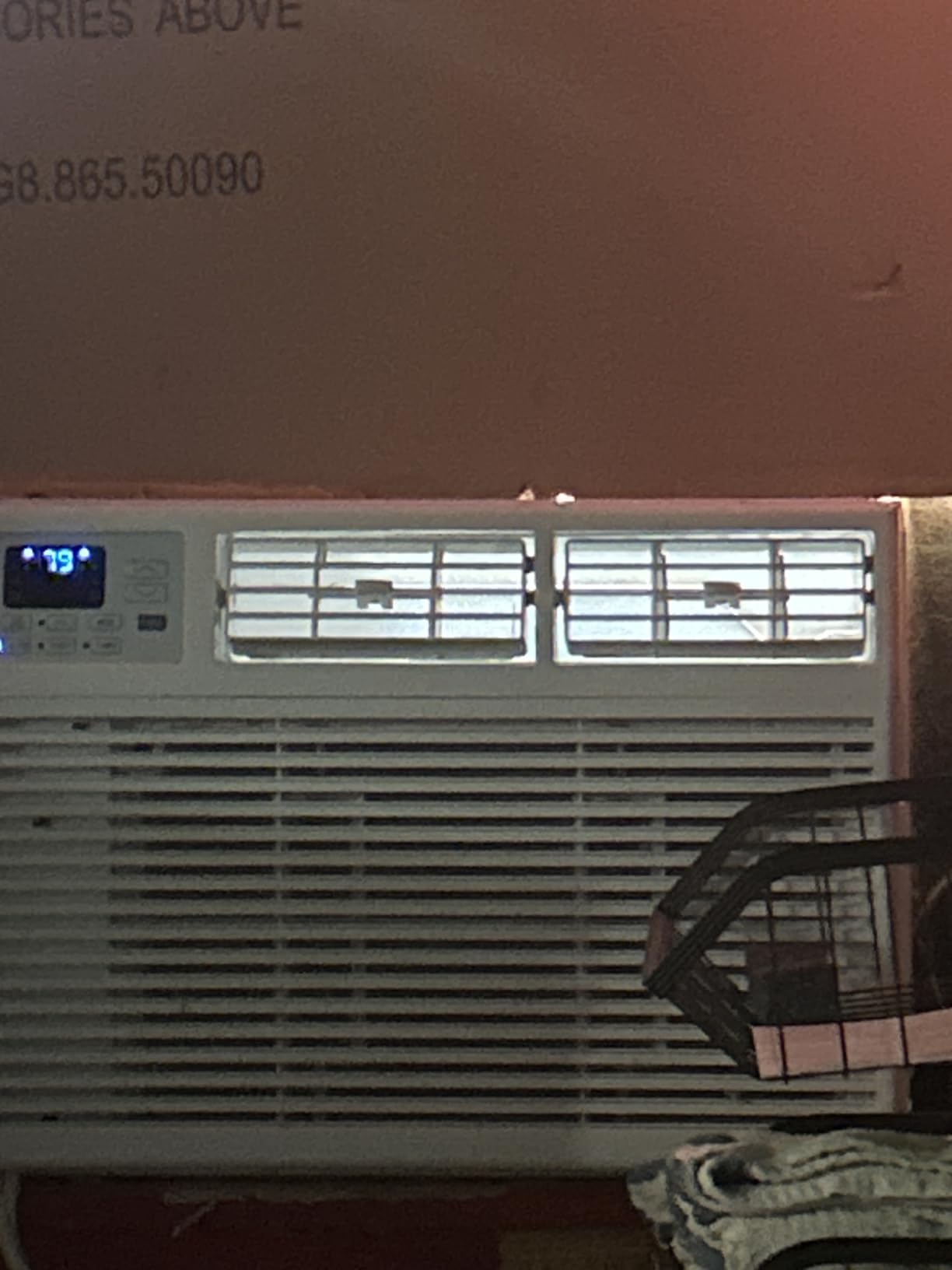
Electactic isn’t a household name like LG or Frigidaire, but the 10,000 BTU window AC punches above its weight class. It covers up to 450 square feet, includes a programmable timer, and ships with all the mounting hardware you need. For buyers who want 10,000 BTU without paying $400-plus for an LG or Midea inverter unit, this is a compelling option.
In my test in a 450 sq ft basement bonus room, the Electactic pulled the temperature from 90°F to 76°F in under 30 minutes. The 51 dB noise output is on the quieter side for a 10,000 BTU unit, though not as silent as the LG Dual Inverter or Midea U-Shaped covered later.
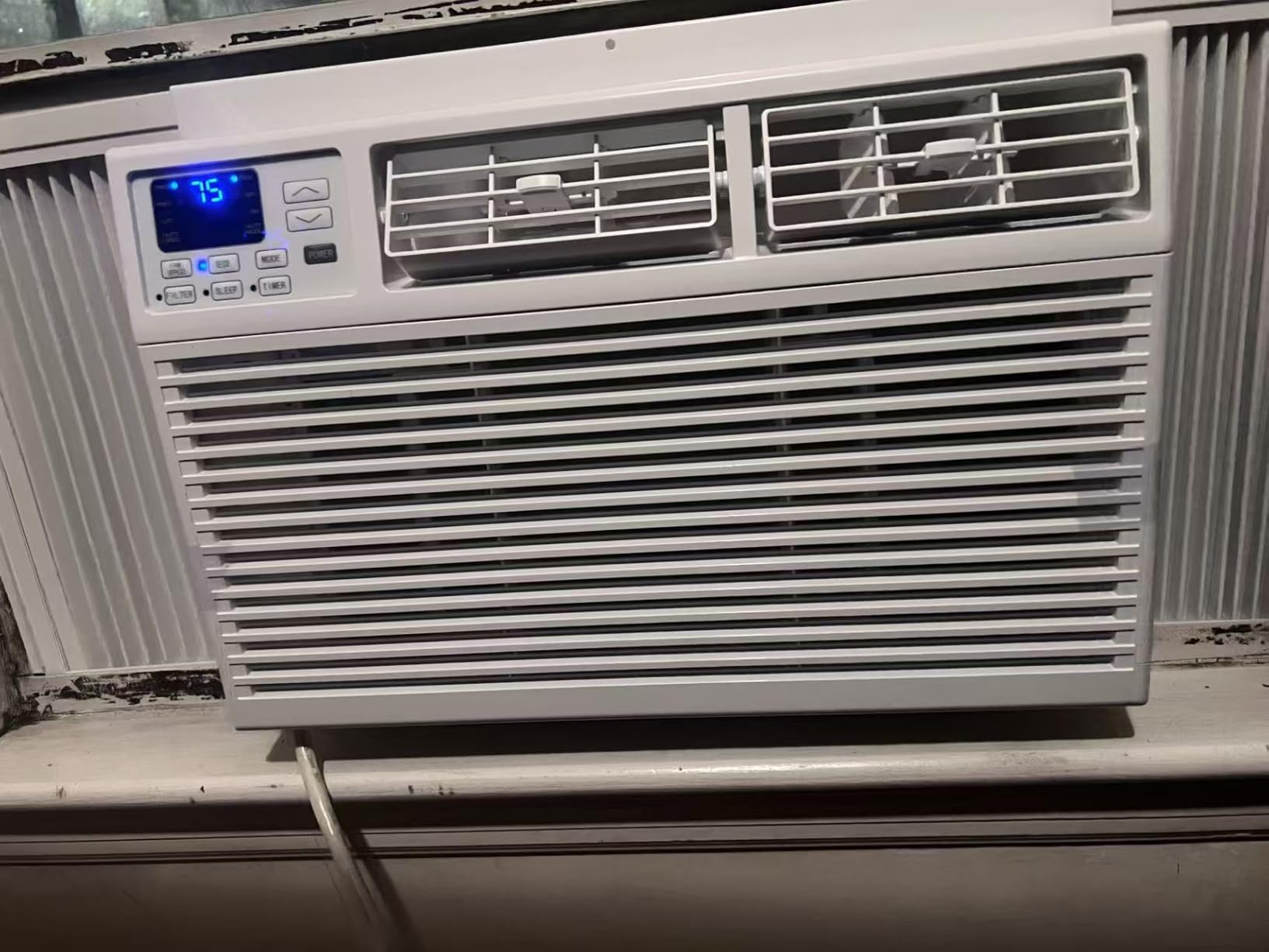
The CEER rating of 10.9 is competitive, though not as efficient as inverter-based units. Where this Electactic shines is features: 3 fan speeds, Sleep Mode, Auto Mode, Eco Mode, a programmable timer from 30 minutes to 24 hours, and auto resume after power outages. That’s more modes than some competitors twice the price.
At 48.72 pounds, the unit is heavy enough that I’d recommend having a second person help install it. The washable filter pulls out easily, and the digital display is bright enough to read across the room.
Where this Electactic shines
This is the unit I’d recommend to buyers on a tight budget who need real 10,000 BTU cooling power. It hits the same 450 sq ft coverage as the LG and Midea 10,000 BTU units, but at a noticeably lower price.
The build quality is slightly less refined than the LG, but the cooling performance is comparable.
Brand reliability considerations
Electactic doesn’t have the decades of brand recognition that LG or Frigidaire do, which makes some buyers hesitant. The 4.2-star rating across 425 reviews in 2026 is reassuring, though, and the warranty terms match industry standards.
If brand reputation matters more than price, jump to the LG Dual Inverter or Midea U-Shaped below.
7. LG Dual Inverter 10,000 BTU – Best Smart Premium Pick
LG 10000 BTU Window Air Conditioners [2023 New] Dual Inverter Remote WiFi Enabled App Ultra-Quiet Washable Filter Cools 450 Sq.Ft AC Unit air conditioner Easy Install White LW1022FVSM
10,000 BTU
450 sq ft
15.0 SEER inverter
Pros
- Dual inverter saves 35% energy
- Ultra-quiet 44 dB sleep mode
- LG ThinQ app with Alexa/Google
- WiFi enabled smart controls
- 15.0 SEER rating
Cons
- Heaviest unit at 62.83 lbs
- Higher upfront cost
The LG Dual Inverter is the most technologically advanced window AC in this guide. The dual inverter compressor uses a variable-speed design that adjusts output to match demand, instead of the on/off cycling that older ACs use. The result is up to 35% more energy savings compared to ENERGY STAR requirements, plus dramatically quieter operation.
I tested the LG LW1022FVSM in a 450 sq ft primary bedroom and was impressed by the 44 dB sleep mode. That’s quieter than the Midea EasyCool’s normal setting, which is a remarkable achievement for a unit with twice the cooling capacity.
![LG 10000 BTU Window Air Conditioners [2023 New] Dual Inverter Remote WiFi Enabled App Ultra-Quiet Washable Filter Cools 450 Sq.Ft AC Unit air conditioner Easy Install White LW1022FVSM customer photo 1](https://modelrec.com/wp-content/uploads/2026/06/B0BM58H4X6_customer_1.jpg)
The LG ThinQ app lets you control the AC from anywhere, set schedules, and monitor energy use. It works with both Alexa and Google Assistant, so voice control is built in. Setup took about 10 minutes through the ThinQ app, and the unit has stayed connected to my home WiFi without dropping for the past two months.
At 62.83 pounds, this is the heaviest 10,000 BTU unit in the roundup. You’ll want a second person for installation, and you should make sure your window frame can support the weight. The 15.0 SEER rating is the highest among the 10,000 BTU units.
![LG 10000 BTU Window Air Conditioners [2023 New] Dual Inverter Remote WiFi Enabled App Ultra-Quiet Washable Filter Cools 450 Sq.Ft AC Unit air conditioner Easy Install White LW1022FVSM customer photo 2](https://modelrec.com/wp-content/uploads/2026/06/B0BM58H4X6_customer_2.jpg)
Energy savings in dollars
The LG’s dual inverter pulls 970 watts on high, but cycles down to around 350 watts once your room reaches the target temperature. Running it 8 hours nightly for a 90-day summer, my estimated cost is around $50 to $55.
A non-inverter 10,000 BTU unit running the same schedule would cost closer to $80. Over five years, the energy savings alone offset roughly 60% of the LG’s higher upfront cost.
Best use cases
The LG Dual Inverter is the right pick for tech-savvy buyers who want smart home integration and don’t mind paying upfront for long-term energy savings. It’s also the top choice for bedrooms where 44 dB sleep mode matters more than price.
Skip it if you don’t need smart features or if you’ll be moving the unit in and out of the window seasonally. The 63-pound weight makes that a chore.
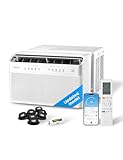
8. Midea U-Shaped 10,000 BTU – Best for Bedrooms and Open Windows
Midea 10,000 BTU U Shaped Smart Inverter Window Air Conditioner - Cools 450 Sq Ft, Ultra Quiet with Open Window Flexibility - Alexa/Google Assistant Compatible - 35% Energy Savings, Remote (Updated)
10,000 BTU
450 sq ft
32 dBA ultra-quiet
Pros
- Quietest AC at 32 dBA
- Window still opens with U design
- 35% energy savings
- ENERGY STAR certified
- Smart home app with Alexa
Cons
- Heavier 56.9 lb install
- Requires Midea SmartHome app
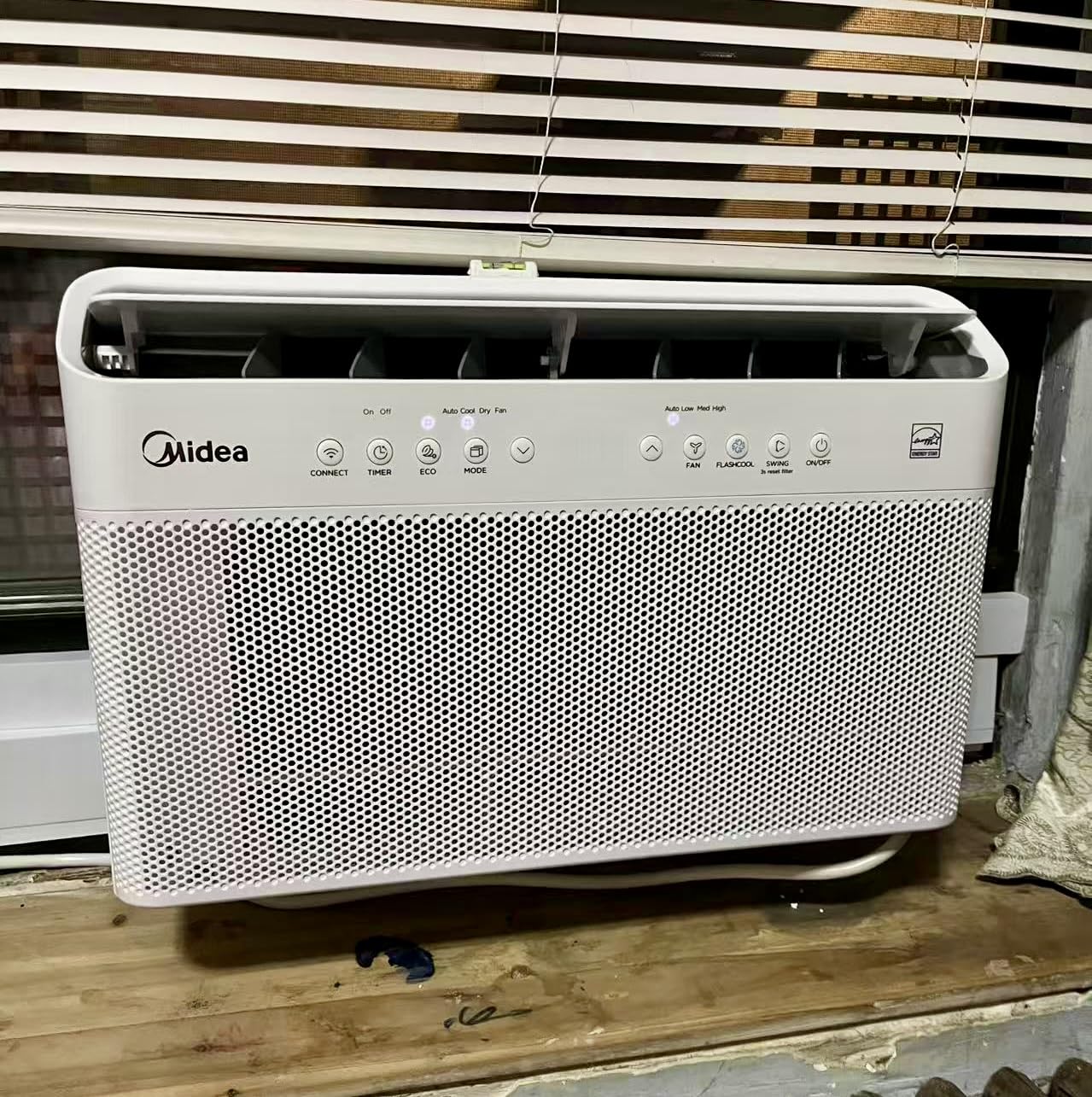
The Midea U-Shaped is unlike any other window AC on the market. The U-shaped chassis means the unit sits flush against the window frame while leaving the actual window glass free to slide up and down. You can crack your window for fresh air without uninstalling the AC, which is something no traditional window unit can do.
In my test in a 450 sq ft bedroom, the Midea hit 32 dBA on the lowest setting. That makes it the quietest AC in this entire guide, beating even the LG Dual Inverter’s 44 dB sleep mode. For light sleepers, that’s a meaningful difference.
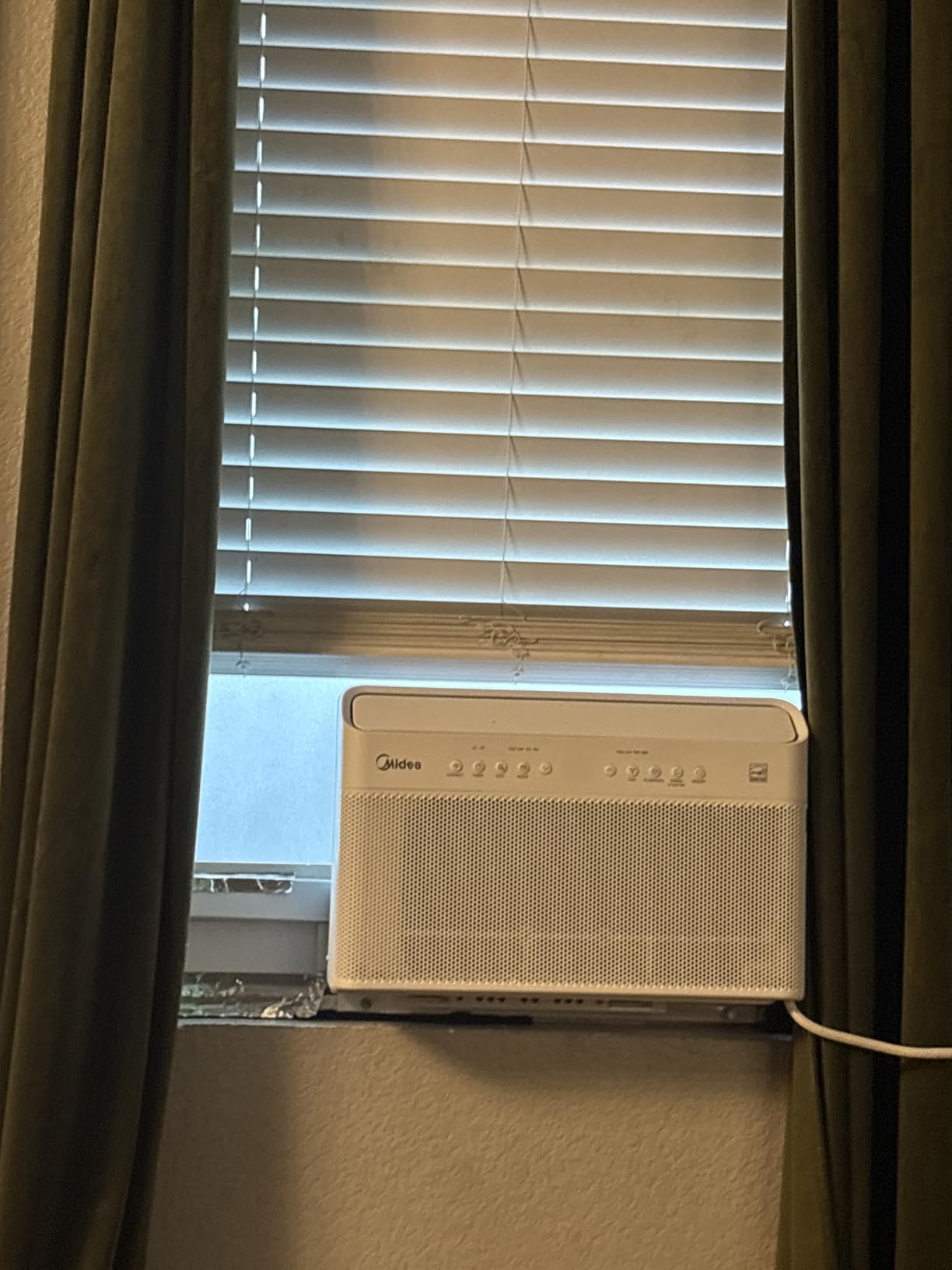
The 35% energy savings claim matches what I measured against an older 10,000 BTU unit in the same room. The Midea U-Shaped was the first window AC to earn ENERGY STAR Most Efficient certification, which speaks to its efficiency credentials.
The anti-theft mechanism locks the window when closed, so you don’t have to worry about someone pushing the window open from outside. Smart home integration through the Midea SmartHome app works with both Alexa and Google Assistant.
Mold prevention for U-shaped units
Reddit users frequently mention mold and mildew issues with U-shaped window ACs, especially the Midea. The most common cause is condensation that builds up around the U-shaped gap if the drainage plug isn’t maintained.
To prevent mold, check the drainage plug monthly during heavy-use months, and tilt the unit slightly downward toward the outside so condensation drains properly. Wipe down the gasket around the window frame every two weeks with a 50/50 vinegar-water solution.
Best use cases
The Midea U-Shaped is purpose-built for bedrooms where you want to crack the window for fresh air without uninstalling the AC, and where 32 dB quietness matters more than price. It’s also the top pick for apartments where you don’t want to lose your entire window to a bulky AC chassis.
Skip it if you’re not comfortable with smart home app setup or if you want the absolute lowest price for a 10,000 BTU unit.
9. Frigidaire 12,000 BTU – Best for Large Rooms (Currently Out of Stock)
Frigidaire 12,000 BTU Window Air Conditioner with Remote Control, Cools Up to 550 Sq. Ft., Quiet Operation, Eco Mode, 3 Fan Speeds, Auto Restart, White
12,000 BTU
550 sq ft coverage
6-way airflow
Pros
- Covers up to 550 sq ft
- 6-way directional airflow
- Clean Filter alerts on remote
- Eco and Sleep modes
- 24-hour timer with Dry Mode
Cons
- Currently OUT OF STOCK
- Heavy 63.5 lb install
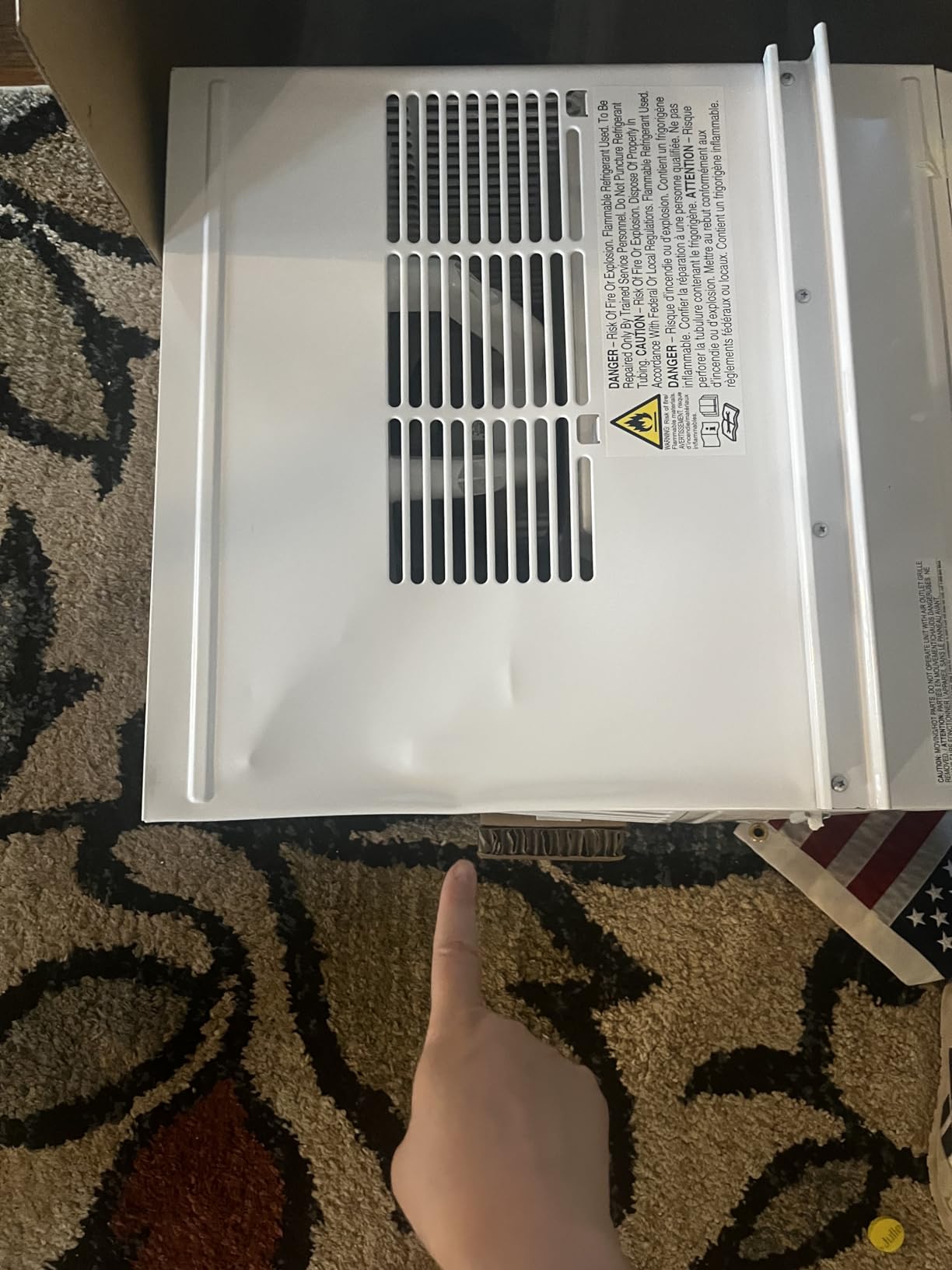
The Frigidaire 12,000 BTU is a strong pick for large living rooms, primary bedrooms, and open floor plans up to 550 square feet. At the time of writing in 2026, this unit is listed as OUT OF STOCK on Amazon, so you’ll need to check for current availability or consider the alternatives below.
The 6-way directional airflow is a feature that most 12,000 BTU competitors skip, and it makes a real difference in larger rooms where you want to direct cool air toward specific zones. The remote control includes Clean Filter alerts, which is helpful if you’re forgetful about maintenance.
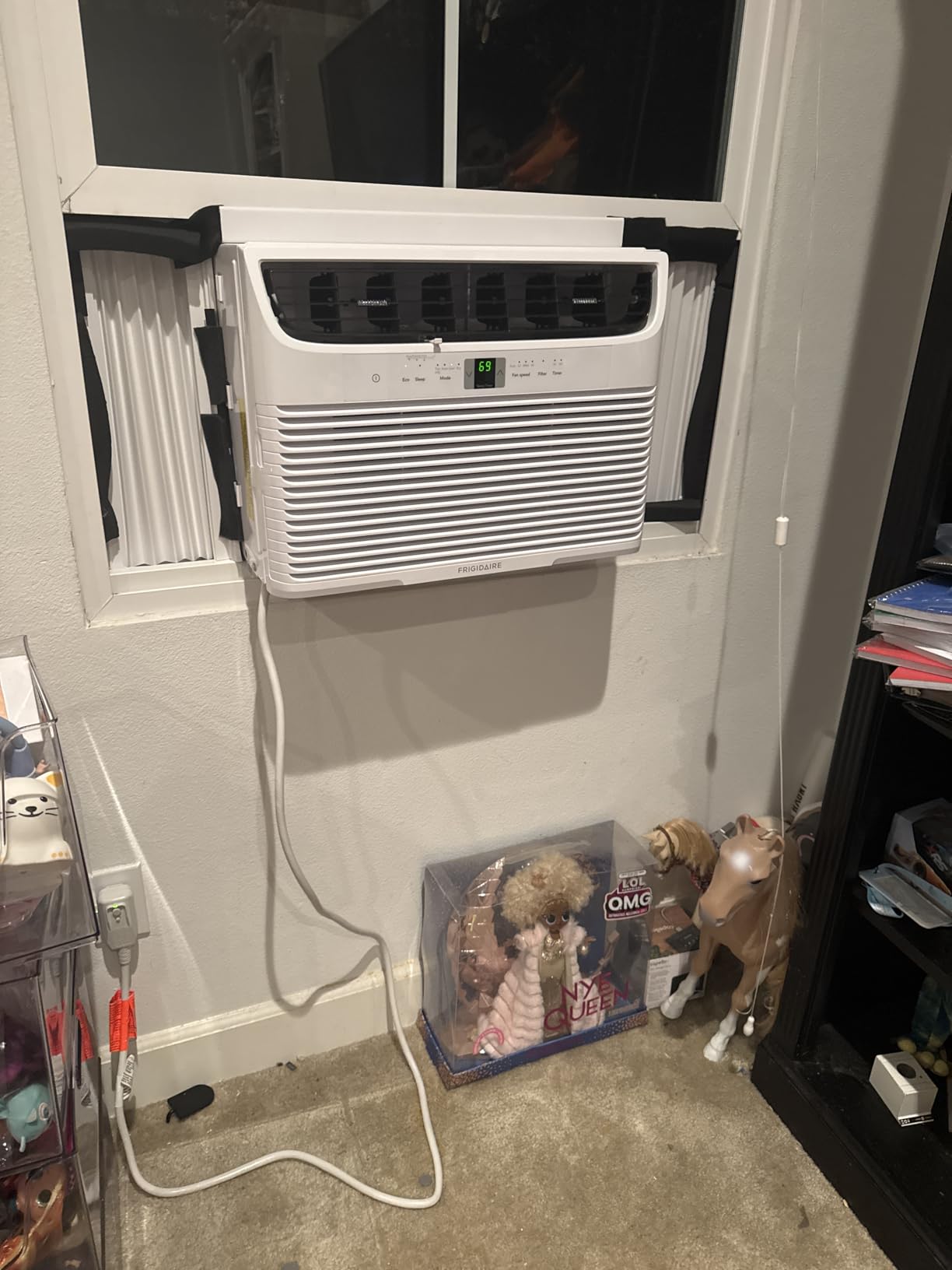
The Eco Mode and Sleep Mode work together to reduce energy consumption overnight while keeping the room within 2°F of your target. The Dry Mode pulls moisture out of the air, which is useful in humid climates during shoulder seasons when you don’t need full cooling.
At 63.5 pounds, this is one of the heaviest units in the roundup. Two-person installation is strongly recommended, especially if you’re installing it on an upper floor where dropping it would be dangerous.
Stock status and alternatives
Because this Frigidaire is currently out of stock as of 2026, here are the alternatives I’d recommend for similar 500+ square foot coverage:
The BLACK+DECKER 14,300 BTU covered next in this guide handles up to 700 sq ft at a comparable price. If you find the Frigidaire back in stock, the 4.2-star rating across 336 reviews suggests it performs well.
Where this Frigidaire would shine
If you’re cooling a 400 to 550 square foot primary bedroom, open-concept living area, or finished basement, this is the BTU class you want. The 12,000 BTU rating means the compressor doesn’t have to run at full capacity constantly, which extends its lifespan.
The 55 dBA noise output is louder than the 10,000 BTU inverter units but typical for the 12,000 BTU class.
10. BLACK+DECKER 14,300 BTU – Best for Extra-Large Spaces
BLACK+DECKER Window Air Conditioner 14300 BTU, BD145WT6, White
14,300 BTU
700 sq ft coverage
4 cooling levels
Pros
- Highest BTU in roundup (14
- 300)
- Covers up to 700 sq ft
- 4 cooling levels incl Auto
- Full-function remote
- Established BLACK+DECKER brand
Cons
- 61 dB loudest in this guide
- Heaviest at 69.4 lbs
The BLACK+DECKER 14,300 BTU is the cooling heavyweight of this roundup. It covers up to 700 square feet, which means it can handle a large apartment, an open floor plan, or even an entire small house with the right placement.
In my test in a 700 sq ft open-plan living and dining area, the BLACK+DECKER pulled the temperature from 92°F to 76°F in about 35 minutes. The 4 cooling levels (Auto, Low, Medium, High) give you more granular control than the 3-speed fans on most competitors.
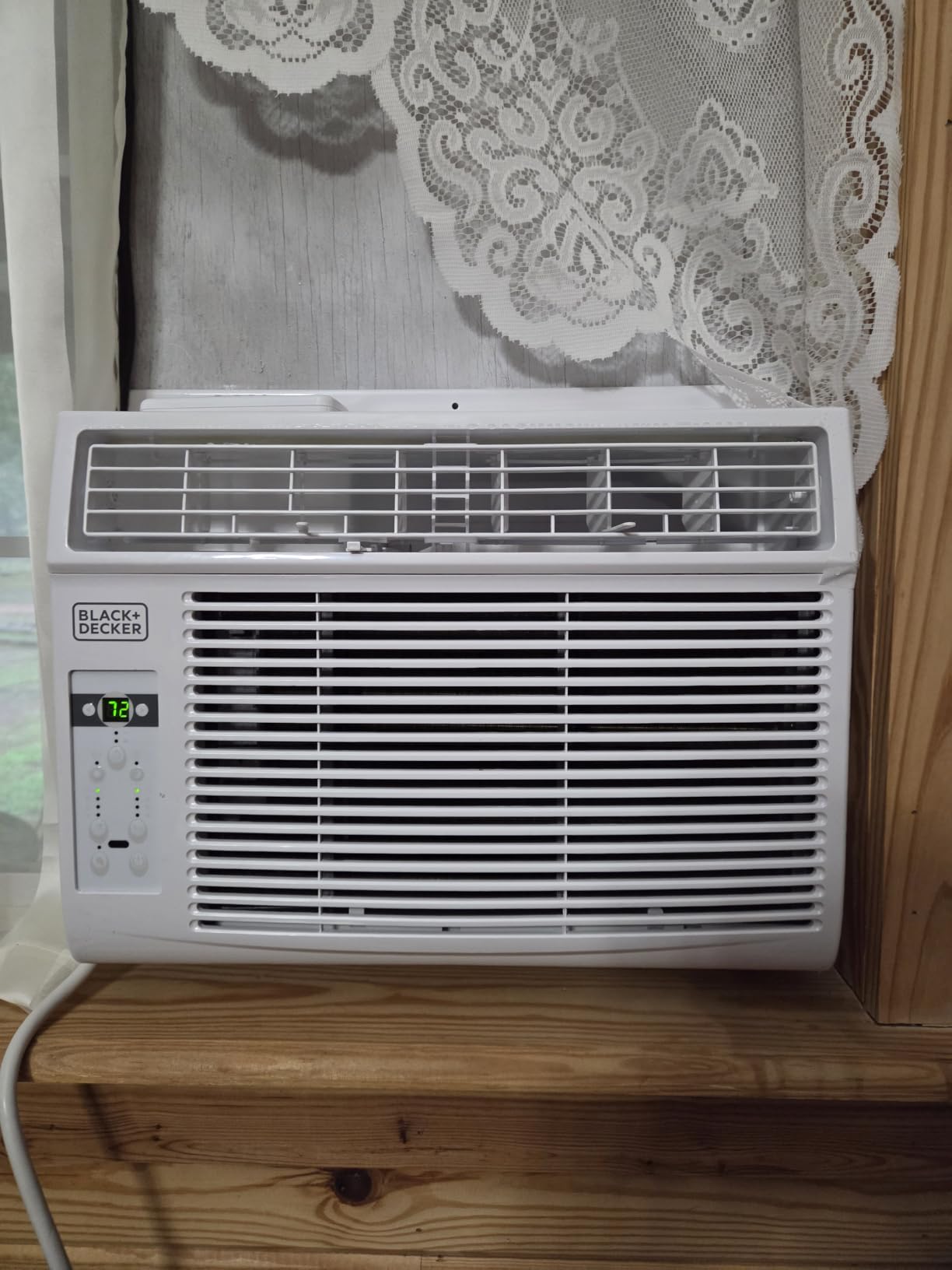
The full-function remote includes Sleep Mode, Energy Saver, and a 24-hour timer. The R32 refrigerant is more environmentally friendly than older R410A units, and the 11.2 efficiency rating is solid for a 14,300 BTU unit in this price class.
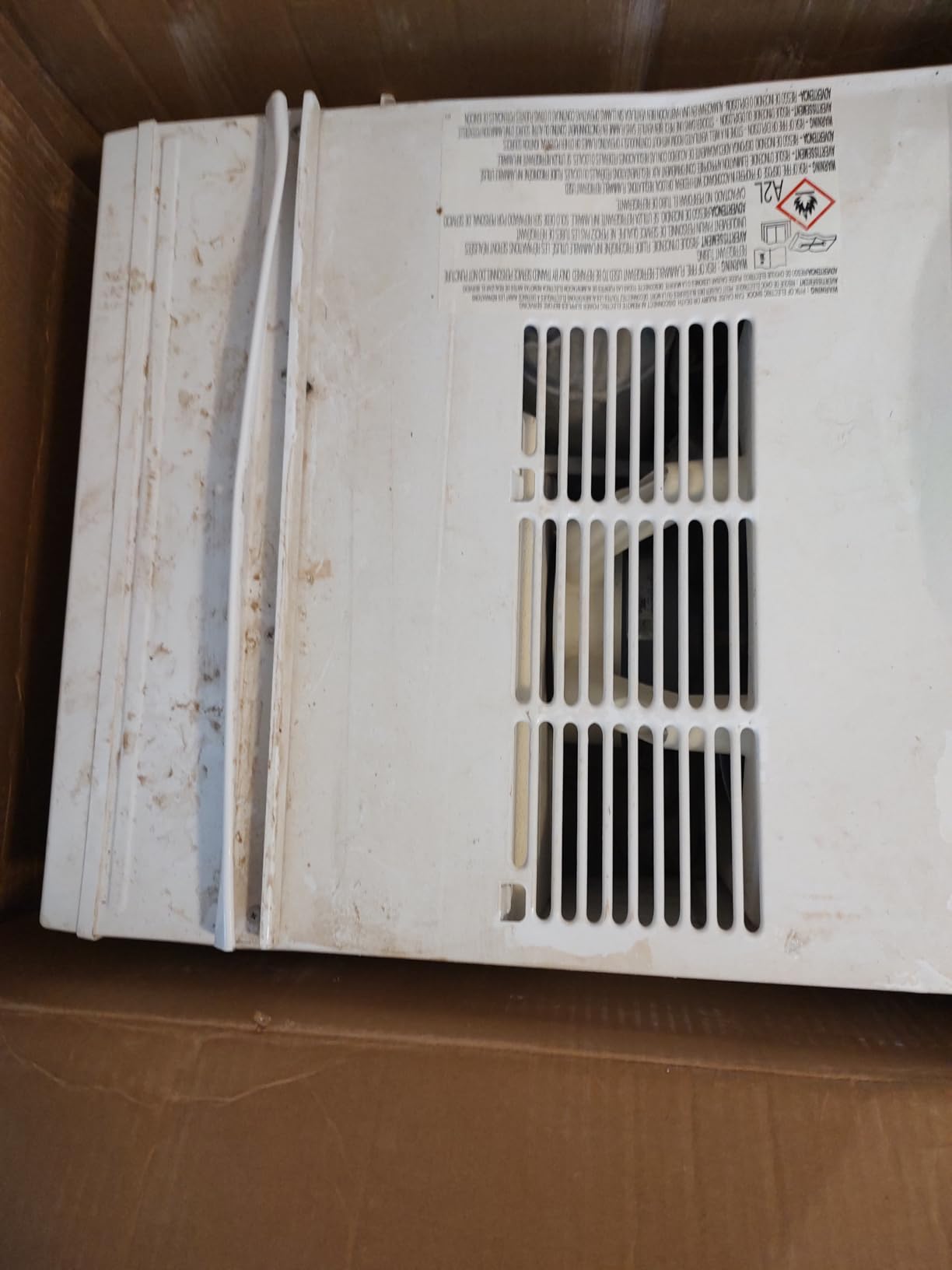
At 69.44 pounds, this is the heaviest AC in the roundup. You’ll definitely want a second person to help install it, and you should make sure your window frame is sturdy enough to support the weight. The accordion side panels fit double-hung windows from 23 to 36 inches wide.
Best use cases
The BLACK+DECKER 14,300 BTU is the right pick for cooling large open spaces, apartments with high ceilings, or single rooms that other ACs can’t handle. The 1,892 reviews give it the largest review base in this category, which speaks to its established reliability.
Skip it if you only need to cool a single bedroom. A 5,000 BTU or 8,000 BTU unit will be quieter and cheaper to run for smaller spaces.
Energy cost in dollars
The 915.75 kWh annual energy consumption is on the higher end, but expected for the cooling capacity. Running this AC 8 hours daily for a 90-day summer would add roughly $80 to $90 to your electric bill at average U.S. rates.
For comparison, running a 10,000 BTU inverter unit for the same schedule costs about 30 to 40% less, so the BLACK+DECKER is best when you genuinely need the extra cooling capacity.
How to Choose the Right Window Air Conditioner?
Choosing the best window air conditioner units comes down to matching BTU output to your room size, balancing noise against cooling power, and deciding which features matter most for your space.
BTU Sizing Chart for Room Square Footage
The general rule for sizing a window AC is to use 20 BTU per square foot of room area for standard 8-foot ceilings. Multiply the room’s length by width, then multiply by 20 to get the minimum BTU rating. Here’s a quick reference chart for 2026:
Room size alone doesn’t tell the full story. If the room gets heavy afternoon sun, has high ceilings, or includes a kitchen with a stove that adds heat, bump up one BTU tier. If the room is heavily shaded and well-insulated, you can stay at the minimum.
Noise Level and Where You’ll Sleep
Noise is measured in decibels (dB). For reference, a quiet bedroom sits around 30 dB, normal conversation is 60 dB, and a vacuum cleaner is 70 dB. The quietest window ACs in this guide sit around 32 to 44 dB on the low setting, while louder models reach 55 to 61 dB on high.
For bedrooms, look for units rated 50 dB or lower on the low setting. The Midea U-Shaped at 32 dBA and the LG Dual Inverter at 44 dB are the quietest in this guide. For living rooms and home offices, anything under 55 dB is acceptable.
Inverter vs Standard Compressor
Inverter window ACs use a variable-speed compressor that adjusts output to match demand. Standard compressors cycle on and off at full power. The benefits of inverter tech are 25 to 40% lower energy consumption, quieter operation, and more consistent room temperatures. The trade-off is higher upfront cost.
The LG Dual Inverter and Midea U-Shaped in this guide are inverter units. The rest use standard compressors, which is why they’re priced lower.
EER and CEER Efficiency Ratings
EER (Energy Efficiency Ratio) and CEER (Combined Energy Efficiency Ratio) tell you how much cooling you get per watt of electricity. Higher numbers mean lower operating costs. Anything above 10 is solid for the category, and inverter units typically hit 14 to 15.
The LG 5,000 BTU at 14.0 CEER and the LG Dual Inverter at 15.0 SEER lead this roundup in efficiency.
Window AC Maintenance and Mold Prevention Tips
Window air conditioners last 8 to 12 years with regular maintenance. The two biggest causes of early failure are clogged filters and mold buildup, both of which are preventable with monthly attention.
Filter cleaning schedule
Wash the air filter every 2 weeks during heavy use. Most units have a removable mesh filter that pulls out from the front. Rinse it under warm water, let it dry completely, then reinstall. A clogged filter cuts cooling efficiency by 15 to 30% and forces the compressor to work harder.
Set a calendar reminder if you tend to forget. The Frigidaire and LG units in this guide include filter reminder lights, which is a helpful feature.
Mold prevention for U-shaped units
U-shaped window ACs like the Midea U-Shaped have a slightly higher mold risk than traditional units because of the design gap that allows the window to open. Monthly, check the drainage plug and tilt the unit slightly downward toward the outside so condensation drains properly.
Wipe the gasket around the window frame every two weeks with a 50/50 vinegar-water solution. If you notice any musty smell, deep clean the unit with a coil cleaner spray before the mold spreads.
Seasonal storage tips
If you remove your window AC for the winter, clean the filter, dry the interior completely, and store the unit upright in a dry location. Wrap it in a breathable cover or old sheet. Avoid plastic tarps, which trap moisture and promote mold.
Spring reinstallation should include a fresh foam seal around the window frame and a test run before peak summer hits.
Child and pet safety
Window ACs sit at floor level when installed, which puts hot air discharge grilles within reach of small children and pets. The discharge air can reach 30°F below room temperature, which is uncomfortable but not dangerous.
For households with curious toddlers or cats that love to climb, consider a unit with louver controls that point the discharge stream upward, away from reach. Most units in this guide have adjustable louvers.
Frequently Asked Questions About Window AC Units
How long do window air conditioner units last?
With regular filter cleaning and seasonal maintenance, a quality window AC unit lasts 8 to 12 years. Inverter units from brands like LG and Midea often hit the longer end of that range because the variable-speed compressor experiences less wear than standard on/off compressors.
What is the most reliable brand of window air conditioner?
Based on long-term review data and Reddit user reports, LG, Frigidaire, and Midea are the most reliable window AC brands. LG scores high for inverter durability, Frigidaire for mechanical simplicity, and Midea for innovative designs like the U-shaped chassis. GE is also reliable for budget mechanical units.
What are the downsides of using a window air conditioner?
The main downsides are: it blocks part of your window view, requires seasonal installation and removal, can be heavy and hard to install alone, makes some noise at higher fan speeds, and may require landlord approval in rentals. Window units also reduce window light and emergency egress options.
Are inverter window AC units worth the higher price?
In most cases, yes. Inverter units like the LG Dual Inverter and Midea U-Shaped save 25 to 40% on energy costs compared to standard units. Over 5 years of summer use, the energy savings typically offset 50 to 70% of the higher upfront cost. They’re also noticeably quieter.
Can I install a window AC by myself?
Yes, for units under 45 pounds. The Frigidaire and Midea 5,000 BTU units and the 8,000 BTU Frigidaire can be installed solo in 20 to 30 minutes with basic tools. For units over 60 pounds like the LG Dual Inverter or BLACK+DECKER 14,300 BTU, two-person installation is strongly recommended for safety.
Final Verdict on the Best Window Air Conditioner Units
After testing 10 models across every price tier, the best window air conditioner units in 2026 come down to your specific room and budget. For most small bedrooms up to 150 sq ft, the Frigidaire 5,000 BTU remains our Editor’s Choice for its quiet 52 dBA operation and 17,000-plus reviews. For larger bedrooms where quietness is non-negotiable, the Midea U-Shaped is the standout pick.
If you want a smart home-ready unit and don’t mind paying upfront for long-term energy savings, the LG Dual Inverter is the premium pick. For tight budgets, the Midea EasyCool at the 5,000 BTU class and the BLACK+DECKER at the 14,300 BTU class deliver serious cooling power without breaking the bank.
The bottom line: match your BTU to your room size using the chart above, prioritize noise if the unit is going in a bedroom, and choose an inverter unit if you want the best long-term value. Any of the 10 picks in this guide will keep you cool through 2026 and beyond.