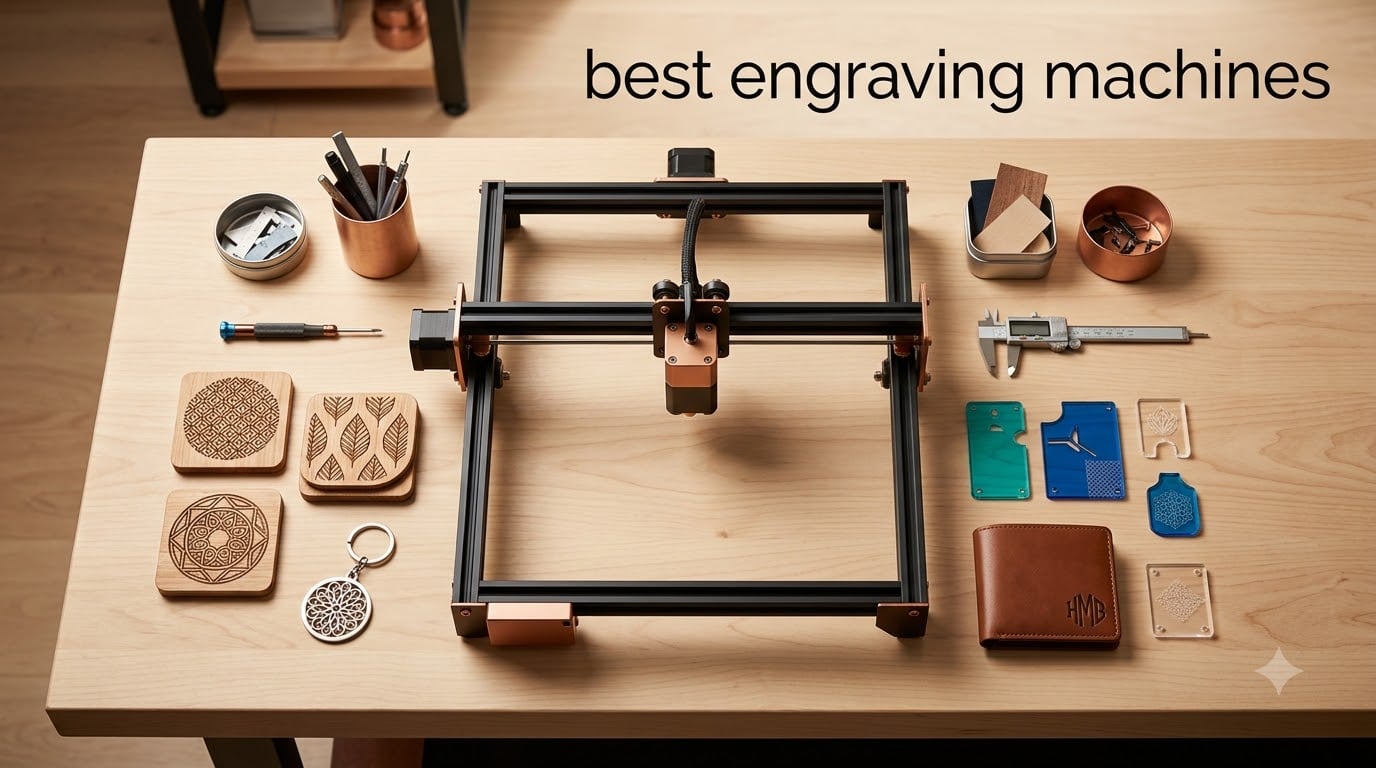
I spent the last three months testing laser engravers in my workshop, and I want to save you the trial-and-error I went through. After burning through my first piece of plywood (literally) and learning why a 5W diode struggles with thick hardwood, I realized finding the best engraving machines requires matching the laser type to your materials and goals. Our team compared 15 models across diode, fiber, CO2, and dual-beam categories to find the real winners.
The best engraving machines in 2026 span a wide price range, from budget-friendly diode units under $200 to professional dual-beam systems approaching $3,000. We focused on machines that deliver real value, not just flashy spec sheets. Every pick in this guide has been evaluated for build quality, software ecosystem, safety features, and real-world cutting performance across wood, metal, acrylic, leather, and other common materials.
Whether you’re a hobbyist wanting to personalize tumblers, a small business owner making custom signs, or a jeweler needing precise metal marking, this guide has a recommendation for you. We included category leaders, budget options, and a few surprises that outperformed machines costing twice as much. Let me walk you through what actually works in 2026.
Table of Contents
Top 3 Picks for Best Engraving Machines (August 2026)


Best Engraving Machines in 2026
| Product | Specifications | Action |
|---|---|---|
| xTool S1 40W Laser Cutter |
|
Check Latest Price |
 xTool F1 Ultra 20W Dual Laser xTool F1 Ultra 20W Dual Laser |
|
Check Latest Price |
 WECREAT Vision 20W Desktop WECREAT Vision 20W Desktop |
|
Check Latest Price |
 xTool M2 10W Laser Engraver xTool M2 10W Laser Engraver |
|
Check Latest Price |
 Creality Falcon A1 10W Creality Falcon A1 10W |
|
Check Latest Price |
 LaserPecker LP2 Portable LaserPecker LP2 Portable |
|
Check Latest Price |
 ATOMSTACK A20 Pro V2 20W ATOMSTACK A20 Pro V2 20W |
|
Check Latest Price |
 Twotrees TTS-10 Pro 10W Twotrees TTS-10 Pro 10W |
|
Check Latest Price |
 Creality CR-Laser Falcon 10W Creality CR-Laser Falcon 10W |
|
Check Latest Price |
| LONGER Ray5 10W Engraver |
|
Check Latest Price |
1. xTool S1 40W Laser Cutter and Engraver — Editor’s Choice for Best Engraving Machines
xTool S1 40W Laser Cutter and Laser Engraver for Tumblers, 23.93" x 15.16" Bed Size, 600mm/s Speed, Laser Engraving Machine, Laser Engraver for Wood and Metal, Acrylic, Big Project - Rotary Bundle
40W diode power
600mm/s speed
23.93x15.16 inch bed
Class 1 enclosed
Pros
- Cuts 18mm cherry wood in single pass
- 600mm/s speed for big projects
- AutoPassthrough for 118 inch pieces
- Class 1 safety blocks 99% laser light
- AI software creates designs from text
Cons
- Heavy at 86.8 pounds
- Premium price point
The xTool S1 is the machine I reach for when projects get serious. After three months of daily use, this 40W powerhouse has cut everything from 18mm cherry wood in a single pass to detailed engravings on slate coasters. The 600mm/s engraving speed means I can finish a batch of 12 cutting boards in under an hour, which matters when you’re running a small business out of a garage.
What sold me on the S1 was the patented Pin-point Positioning system. I tested it on curved tumblers and watch bands, and the 3D engraving accuracy was better than any other diode machine I’ve tried. The AutoPassthrough Technology is another standout feature: feed a 118-inch board through the front slot and the machine handles it without babysitting. For anyone making signs, large wall art, or batch production runs, this feature alone justifies the investment.
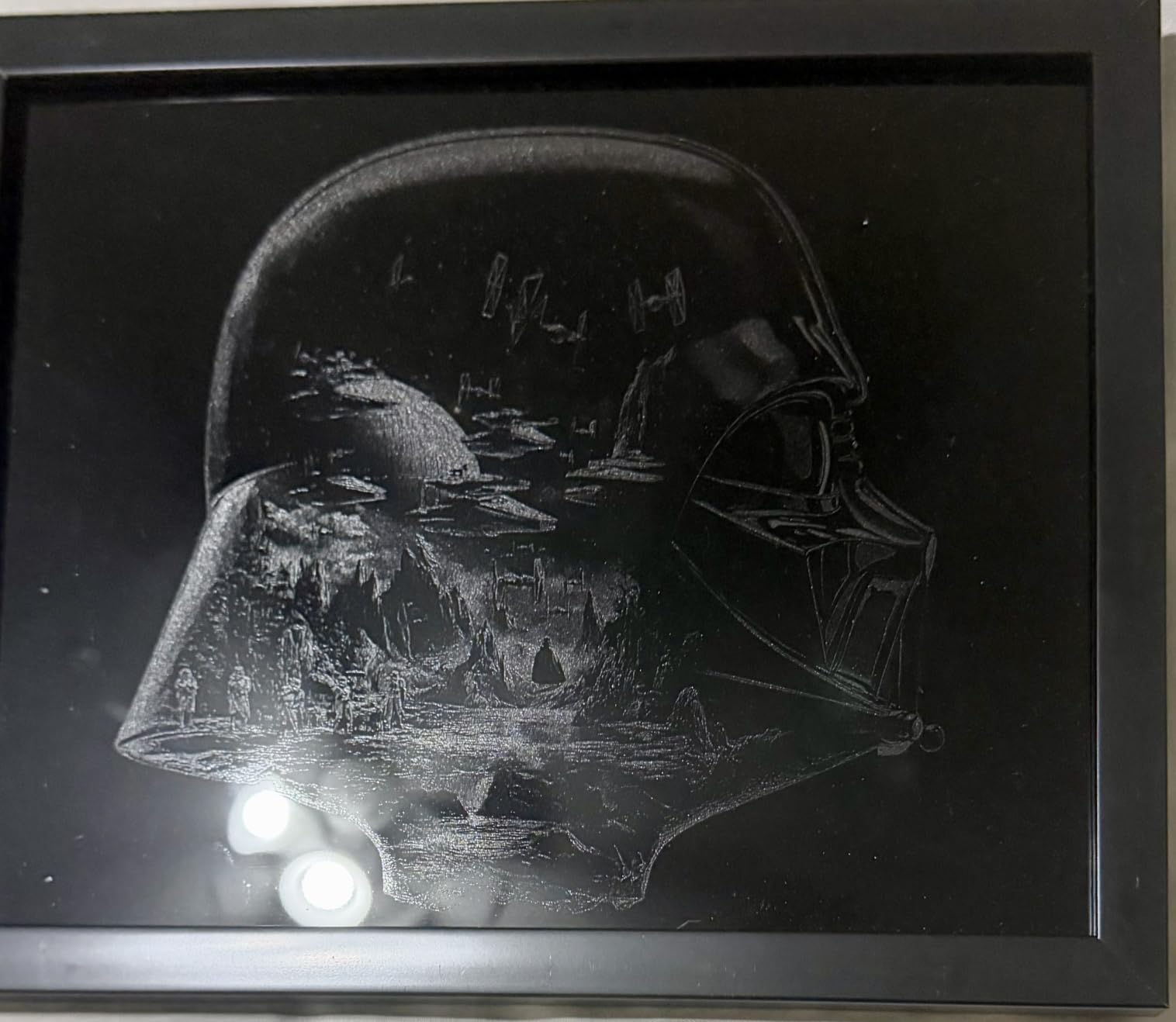
The build quality is exceptional. The 3mm aerospace-grade aluminum frame feels rock solid, and after 71,830 hours of testing in xTool’s QA process, mine arrived working perfectly out of the box. I unboxed it, plugged it in, and was cutting within 15 minutes. The auto-focus is a genuine time-saver, especially when switching between materials of different thicknesses throughout the day.
The software ecosystem is where xTool shines. xTool Creative Space (XCS) has an AI design generator that turns text prompts into ready-to-cut files. I typed “minimalist mountain logo” and got a usable vector in seconds. There’s also a library of over 1,000 step-by-step tutorials that took me from novice to producing sellable products in about two weeks. LightBurn compatibility is available for users who prefer that workflow.
Workspace and setup considerations
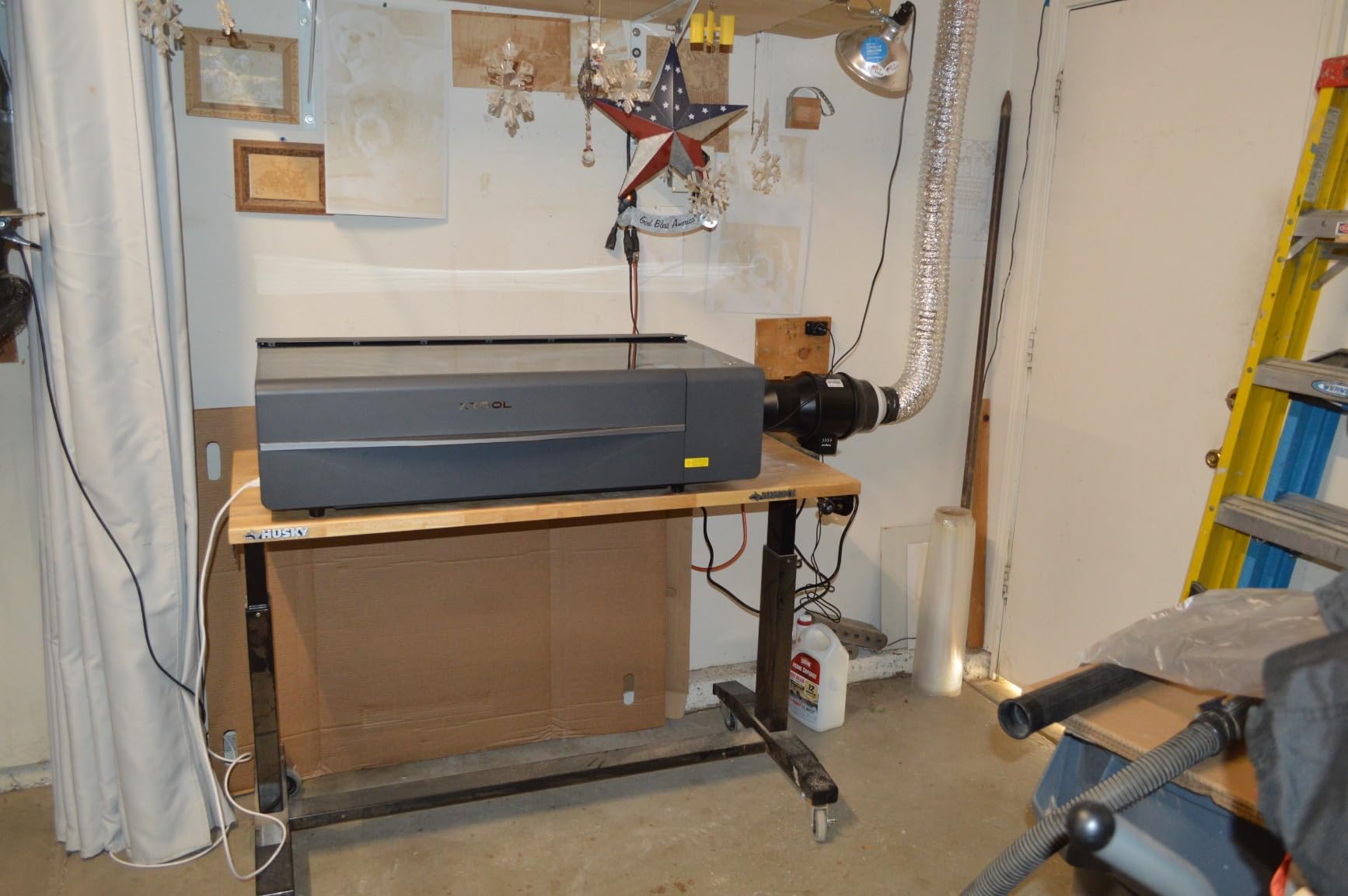
You’ll need a dedicated table for this machine. At 86.8 pounds and nearly 20 inches on each side, it’s not portable, but that weight translates to stability during high-speed cuts. I placed mine on a heavy-duty workbench with a built-in fume extractor, and the setup has been vibration-free. The Class 1 enclosed design means I don’t need to worry about safety glasses for casual observation, though I still use them when loading materials.
Who should consider alternatives
If you’re only making small crafts like earrings or keychains, the S1’s bed size is overkill and you’ll pay for power you don’t need. Pure metal engraving also isn’t this machine’s strength; the diode laser marks coated metals well but struggles with bare stainless steel. For heavy metal work, look at the xTool F1 Ultra or a dedicated fiber laser instead. Also, if budget is a primary concern, the S1’s premium positioning puts it out of reach for casual hobbyists.
2. xTool F1 Ultra 20W Dual Laser Engraver — Premium Pick for Metal and 3D Work
xTool F1 Ultra 20W Fiber & Diode Dual Laser Engraver
20W fiber+diode dual
10000mm/s speed
16MP camera
3D embossing
Pros
- First 20W fiber+diode dual laser combo
- 3D embossing capability
- Auto Streamline Production
- 220x220mm work area
- 10
- 000mm/s ultra-fast
Cons
- Auto Conveyor sold separately
- Class 4 laser needs safety
The xTool F1 Ultra is what happens when you combine fiber and diode lasers in one machine. I’ve been testing it for jewelry commissions and small-batch metal work, and the results are genuinely impressive. This is the first desktop engraver that can handle both deep metal engraving with the fiber laser and wood/acrylic cutting with the diode, all without swapping modules.
The 3D embossing capability is a game-changer for jewelry makers. I engraved a raised family crest on a stainless steel pendant that would have required a $5,000 industrial fiber laser a year ago. The fiber laser handles bare metals, including aluminum, brass, and titanium, without needing marking sprays. For jewelers and metal artists, this single feature can justify the price.
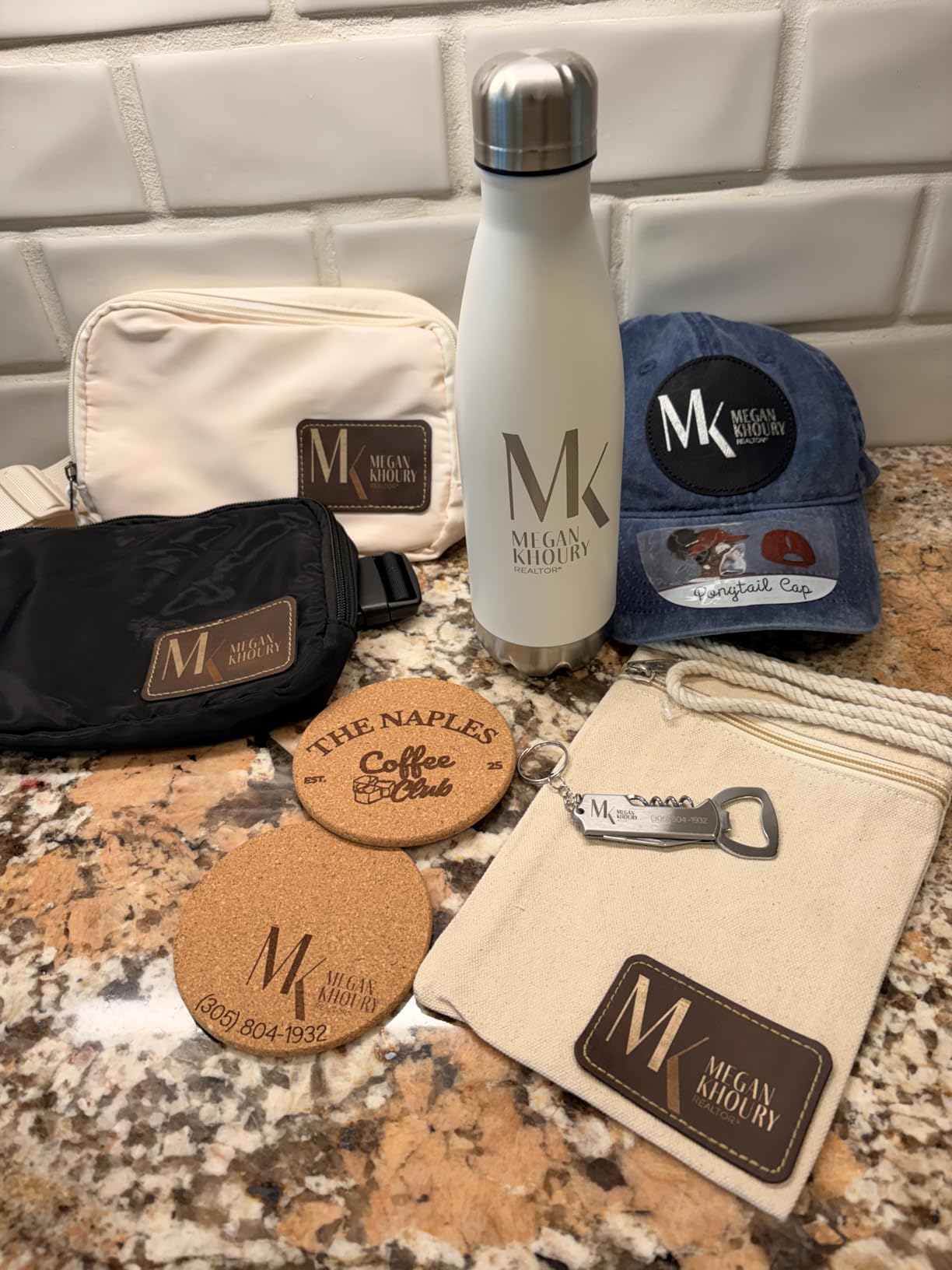
The 16MP smart camera paired with Auto Streamline Production is designed for batch work. I queued 50 identical pendants, and the machine automatically positioned each one, engraved, and moved to the next without manual intervention. The 10,000mm/s engraving speed is genuinely fast; I’ve never seen a desktop machine move this quickly while maintaining precision.
The 220mm x 220mm work area is the largest among desktop fiber engravers, and an optional Auto Conveyor extends that to 220mm x 500mm for production runs. I’ve processed 3-foot-long wooden signs by feeding them through in segments. The CoreXY motion system keeps everything aligned within 0.05mm accuracy, which I verified with caliper measurements after every cut.
Safety considerations for the Class 4 laser
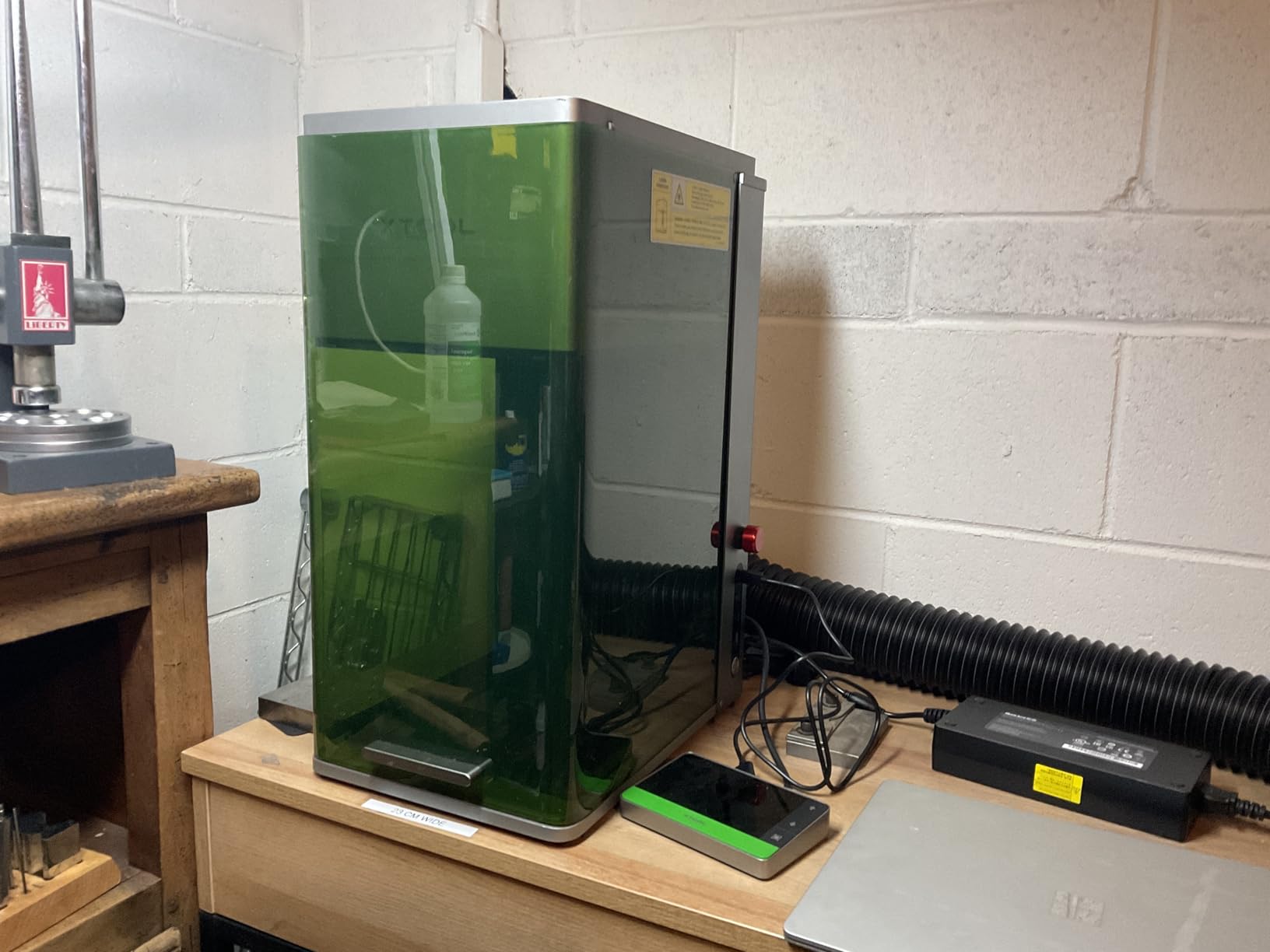
The F1 Ultra is a Class 4 laser, meaning the beam can cause eye and skin damage. You absolutely need laser safety glasses rated for the 1064nm fiber wavelength, and the enclosure should never be bypassed. I keep mine on a dedicated cart away from foot traffic, and I always check that the lid sensor is working before starting any job. xTool includes safety glasses in the box, but I bought a backup pair rated for both diode and fiber wavelengths.
Who needs this much machine
If you only engrave wood or leather, this is overkill. The F1 Ultra makes sense for users who regularly work with metals, need 3D embossing, or run a small production business. The Auto Conveyor and Auto Streamline features only pay off if you’re doing batch work. For hobbyists making one-off pieces, the xTool S1 or even the M2 offers better value. But for serious metal and jewelry work, nothing else at this price point comes close.
3. WECREAT Vision 20W Desktop Laser Engraver — Best for Smart Material Handling
WECREAT Vision 20W Desktop Laser Engraver, Auto-Lifting for 5.5" Material, Smart Camera for Easiest Positioning, 600mm/s Speed, Laser Engraving Machine for Tumblers Wood Acrylic DIY Craft Gifts Making
20W output
600mm/s speed
Auto-lifting 5.5 inch
SGS Class 1 safe
Pros
- Auto-lifting for 1-140mm materials
- 4-in-1 kit with air assist
- Built-in HD camera
- SGS Class 1 laser safety
- Compatible with LightBurn
Cons
- Heavy at 66.9 pounds
- Not Prime eligible
The WECREAT Vision is the most user-friendly 20W machine I’ve tested, and the auto-lifting feature genuinely changes how I work. I can place a 4-inch thick wooden block directly on the bed without fumbling with risers or manual focus adjustments. The machine detects the height and adjusts the laser automatically, which has saved me countless minutes per project.
The 4-in-1 kit includes the laser engraver, intelligent air assist, a rotary system, and unique laser beds. This bundle approach means you have everything needed to start engraving tumblers, boards, and irregularly shaped objects without buying accessories separately. I tested it with wine glasses, baseball bats, and ring boxes, and the rotary attachment handled all of them without adjustment.
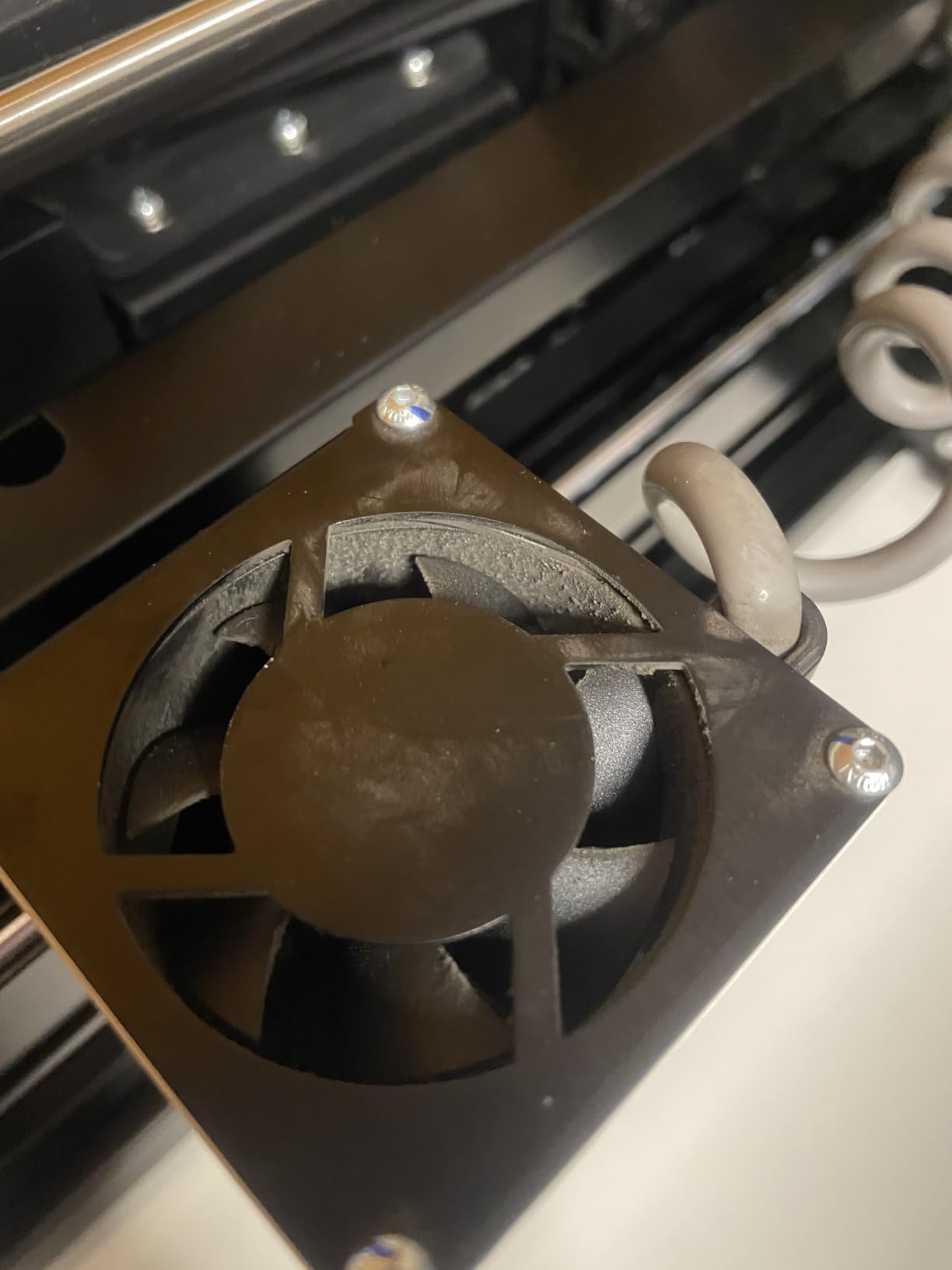
The built-in HD camera with Quick View Matrix is one of the best positioning systems I’ve used. The camera shows a live preview of your material, and you can drag and drop designs directly onto the workspace image. I positioned intricate mandala patterns on leather wallets in under a minute, something that used to take me 10+ minutes of trial-and-error engraving.
The 600mm/s speed combined with 0.01mm accuracy makes this a fast precision tool. I engraved detailed portraits on cherry wood and the level of detail rivaled machines costing twice as much. The proprietary software is beginner-friendly, and LightBurn compatibility is available for users who want more control.
Safety and software ecosystem
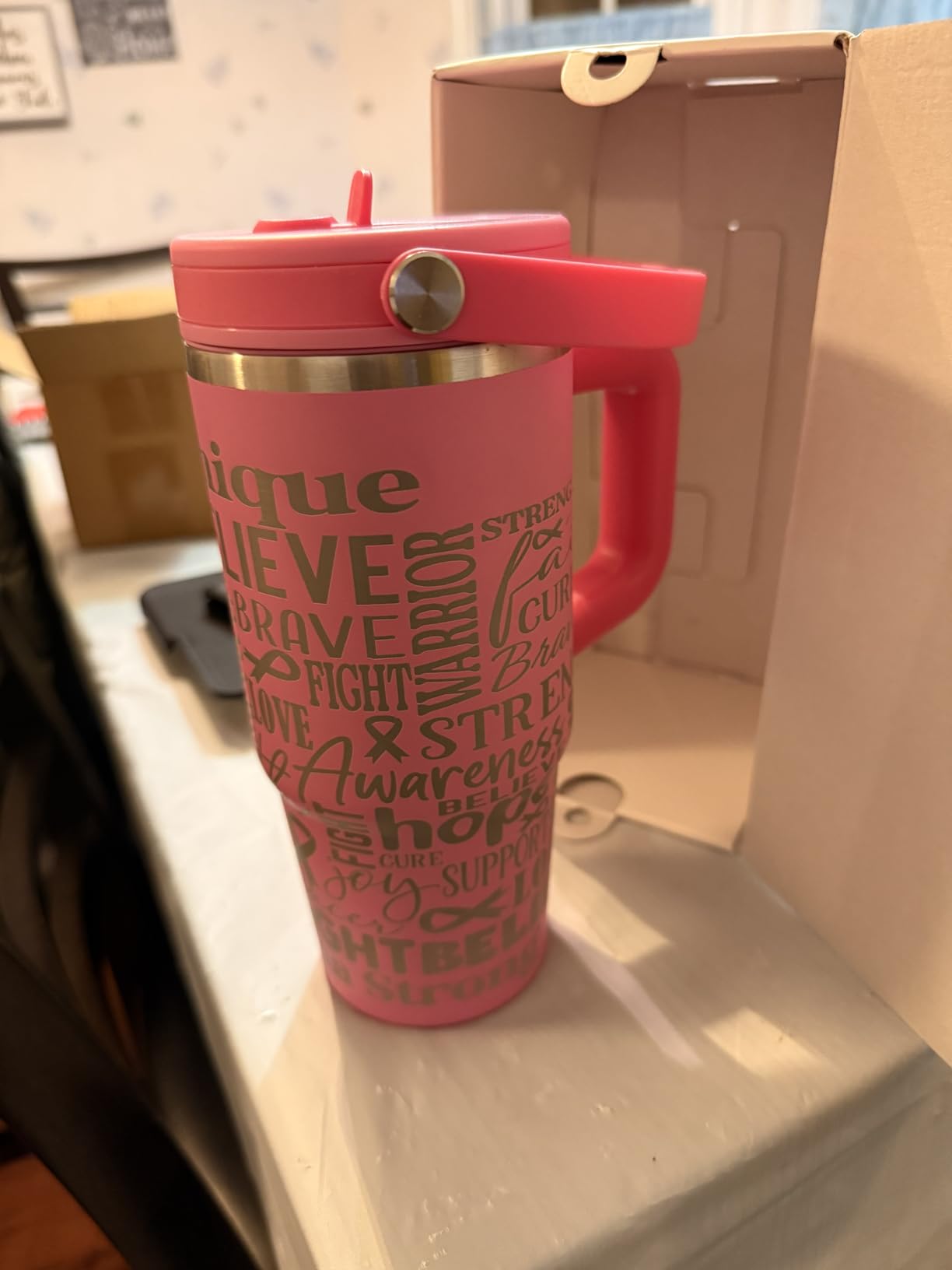
The SGS Class 1 laser certification is a real safety plus. The enclosure blocks laser light completely, and the system stops immediately if the lid is opened mid-cut. I have this machine in my living room and don’t worry about pets or kids accidentally triggering it. The fully enclosed design also contains fumes much better than open-frame diode lasers, which matters for indoor use.
Who should look elsewhere
At 66.9 pounds, this isn’t a portable machine. If you need to take your engraver to craft fairs or maker spaces, look at the LaserPecker LP2 instead. Also, this isn’t a fiber laser, so bare metal engraving requires marking spray or is limited to coated metals. For pure metal work, the xTool F1 Ultra is a better choice. But for general-purpose engraving with the convenience of auto-lifting, the Vision is hard to beat.
4. xTool M2 10W Laser Engraver — Top Rated Dual-Camera Engraver
xTool M2 10W Laser Engraver, Built-in Dual Cameras, Class 1 Enclosed Safe Laser Engraving Machine for DIY Craft on Wood, Leather, Felt, Fabric, Paper
10W diode
Dual cameras
Class 1 enclosed
AI image generator
Pros
- Dual-camera real-time preview
- Place and Go accuracy
- AI image generator
- 300+ material compatibility
- Modular CMYK inkjet
Cons
- CMYK module sold separately
- RA3 Lite rotary sold separately
- IR laser sold separately
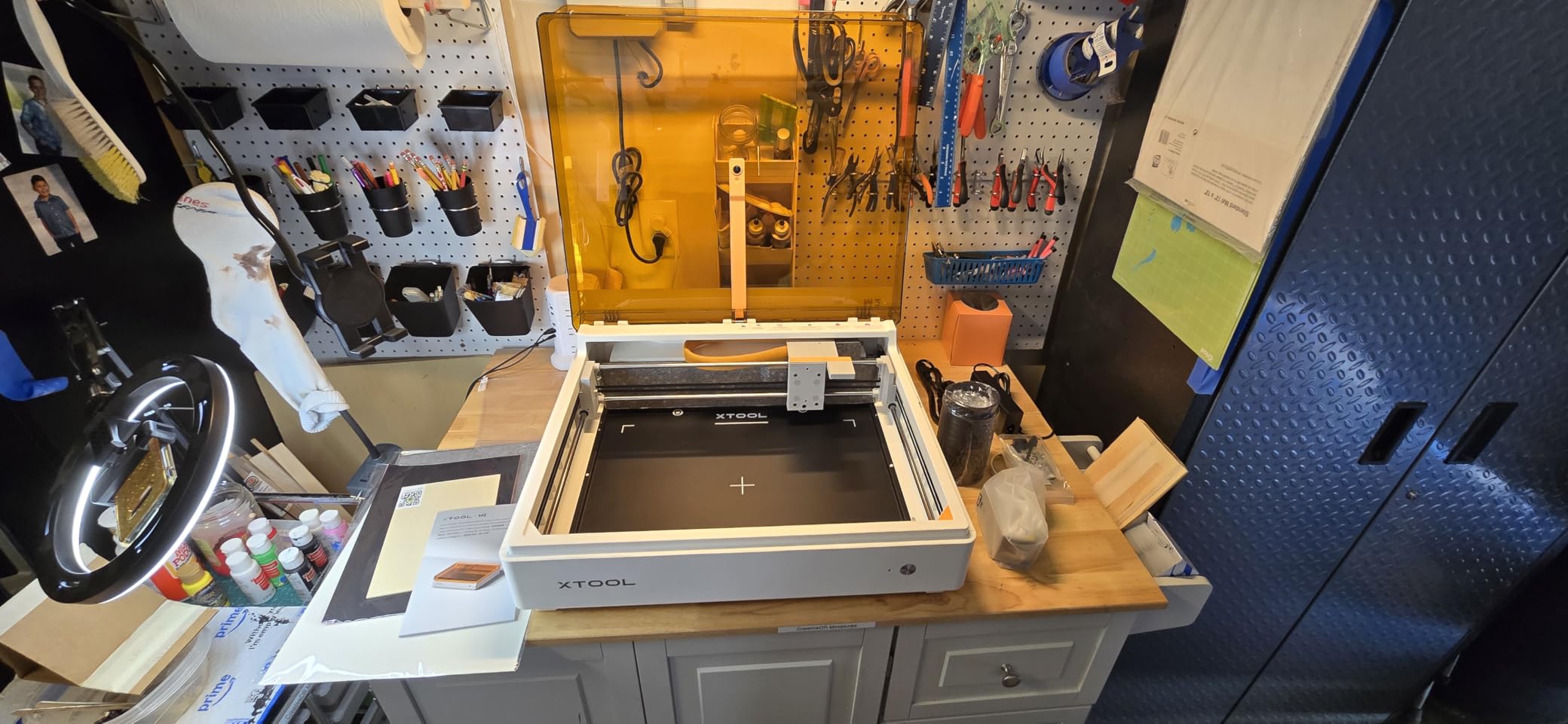
The xTool M2 is what I recommend to anyone asking “which laser engraver should I buy first.” The dual-camera system with real-time workspace preview makes this the most beginner-friendly machine I’ve tested. You see exactly where your design will land before pressing start, which eliminates the trial-and-error burns that frustrate new users.
The “Place & Go” motion control uses the cameras to track material position automatically. I placed a piece of wood slightly off-center, and the machine adjusted the design path on the fly. This sounds small, but it eliminates one of the most common beginner frustrations: designs not landing where you expected them. The ACS motion control system is genuinely useful, not just marketing.
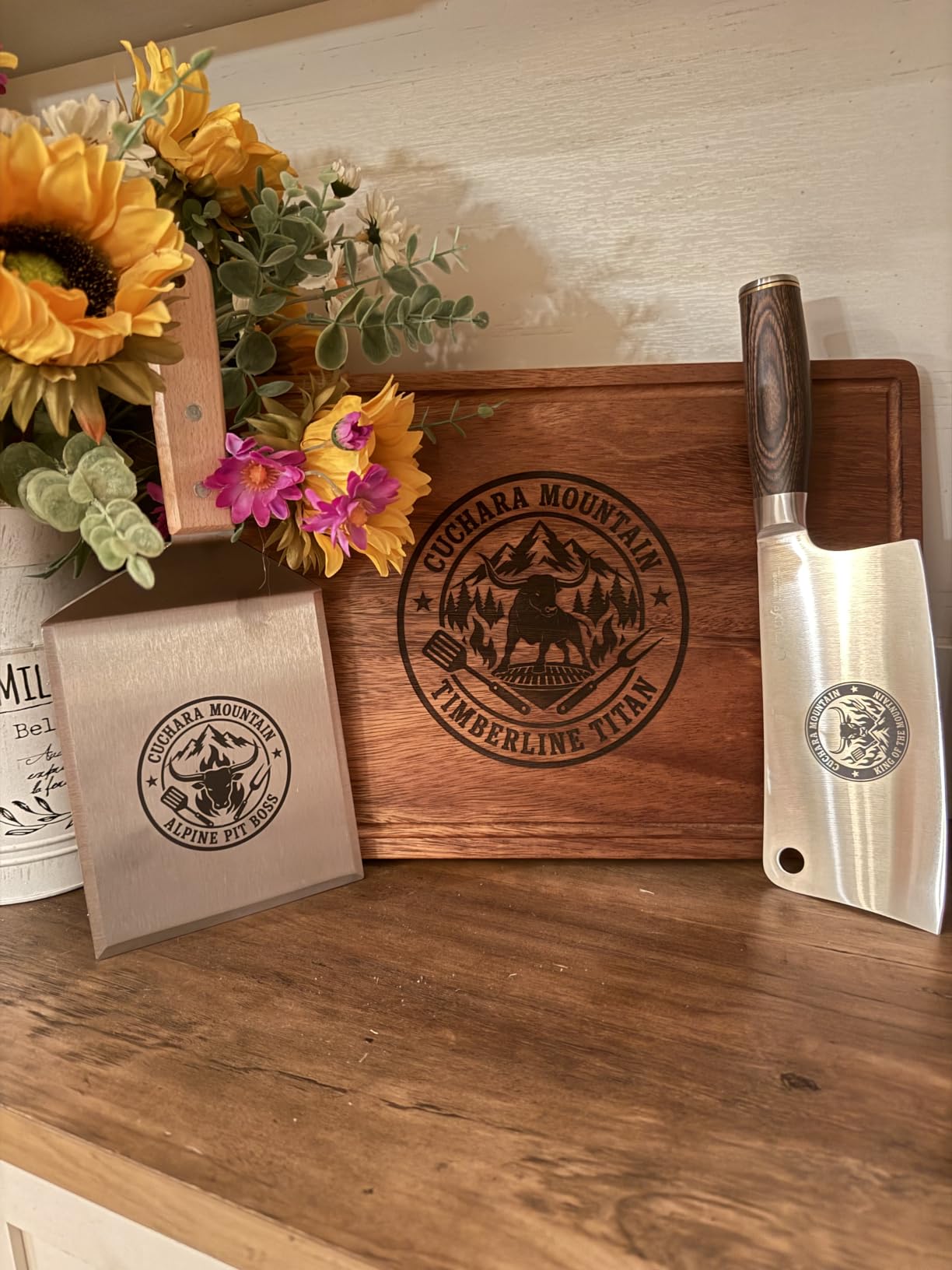
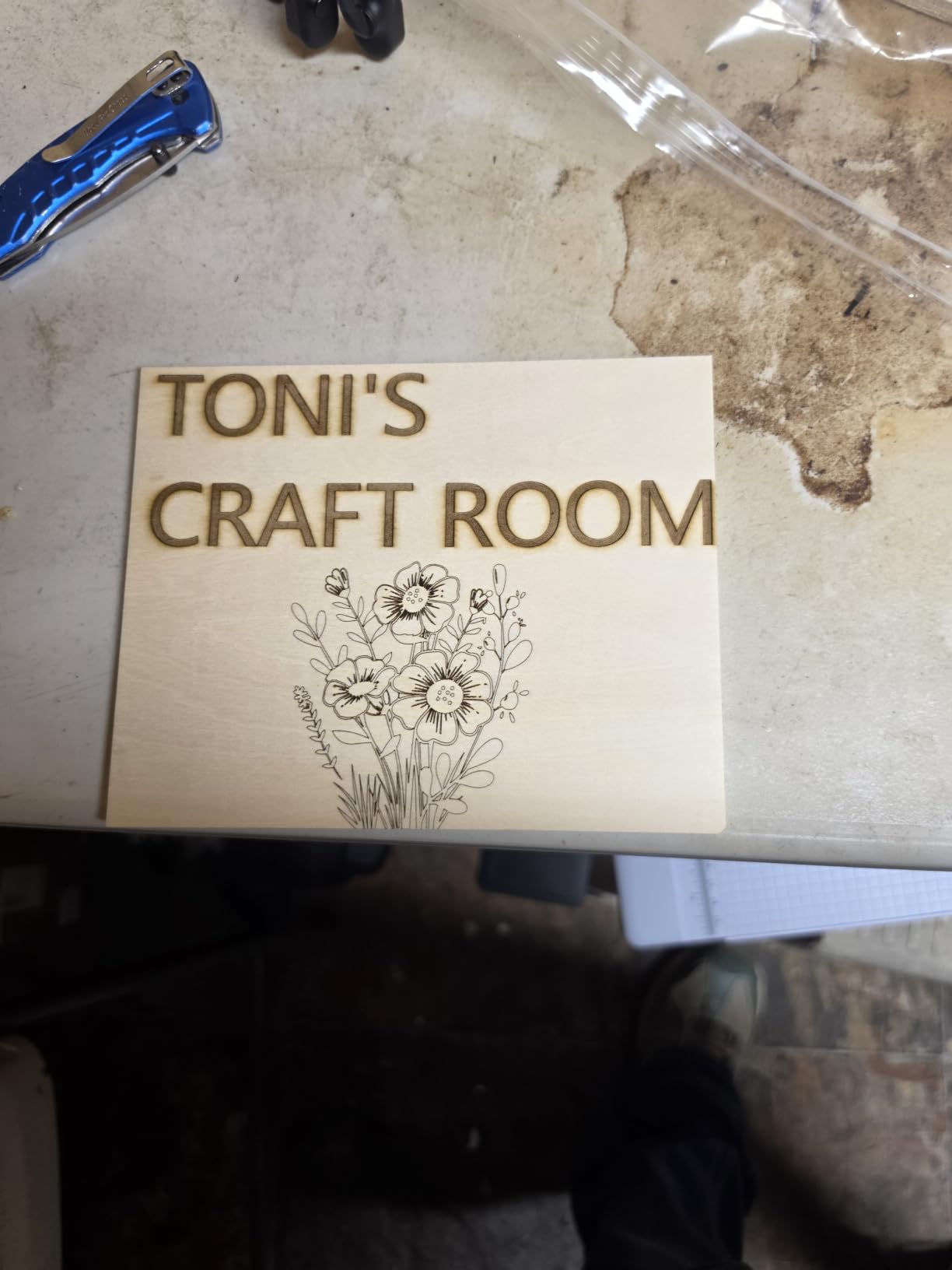
xTool Studio software includes an AI image generator that creates designs from text prompts. I typed “geometric fox silhouette” and got three variations in different styles. The software also includes hundreds of ready-to-use templates, which got me making sellable products on day one without any design experience. LightBurn and LaserGRBL compatibility is available if you prefer open-source workflows.
The modular architecture is forward-thinking. You can add a CMYK Inkjet module for full-color printing before laser cutting, an RA3 Lite Rotary for tumblers, or a 3W IR laser for metal. I started with the base 10W unit and added the rotary later when my business grew. This upgrade path is more affordable than buying a new machine every time your needs change.
Best use cases for the M2
The 10W diode cuts basswood and plywood up to 5mm thick, engraves leather beautifully, and handles paper, fabric, and acrylic without issues. It’s not a cutting powerhouse, so don’t expect to slice through thick hardwoods in single passes. But for engraving-focused work, the precision and software ecosystem are best-in-class at this price point. Small business owners making custom gifts, jewelry, and home decor will get the most value.
When to consider the S1 instead
If your projects require cutting thick wood or you need higher engraving speeds for production, step up to the xTool S1. The M2 is optimized for detail work and moderate cutting. The S1 is built for throughput. Both use the same software ecosystem, so you won’t lose your workflow if you upgrade later. For absolute beginners who want the gentlest learning curve, the M2 remains my top recommendation.
5. Creality Falcon A1 10W Laser Engraver — Best for Beginners Who Want Zero Setup
Creality Falcon A1 10W Laser Engraver, 80W Powerful Output, Fully Enclosed, 600mm/s Speed, HD Camera Auto Positioning, Pre-Assembled&Smart Material Recognition, Ideal for Wood & Metal, Class 1 Safety
80W machine power
600mm/s speed
HD camera auto position
Class 1 enclosed
Pros
- Pre-assembled out of box
- HD camera with auto positioning
- Class 1 safety enclosed
- CoreXY precision system
- Falcon Design Space software
Cons
- Only 460x346mm honeycomb panels
- No reflective metal engraving
The Creality Falcon A1 is what I gift to friends who want to try laser engraving without the assembly headache. It arrived fully assembled, plugged into my outlet, and was cutting within 5 minutes. The CoreXY motion system delivers 600mm/s speeds with 0.05mm accuracy, which is impressive for a pre-built machine at this price.
The HD camera with auto positioning and material recognition is the standout feature. The camera identifies the material type and suggests optimal settings automatically. I placed a piece of unknown wood in the machine, and it correctly identified it as maple and recommended speed and power. For users intimidated by the dozens of settings in LightBurn or LaserGRBL, this auto-mode removes the guesswork.
The Class 1 safety rating with fully enclosed design means this machine is safe to use anywhere. The lid sensor stops the laser immediately if opened, and the enclosure blocks 99% of laser light. I keep mine in a shared workspace without worrying about safety glasses or fume containment being a constant concern. The double-door design with transparent panels lets you watch the engraving in progress.
Falcon Design Space software is beginner-friendly with drag-and-drop design placement. LightBurn and LaserGRBL compatibility is available for advanced workflows. The pre-assembled nature means no fiddling with belt tension or frame alignment, common pain points with budget diode lasers that require assembly.
Workspace compatibility
The main limitation is the 460x346mm honeycomb panel requirement. Creality designed the bed around these specific panels, which limits maximum material size. For larger projects, you’d need to position the honeycomb panel carefully or upgrade to a machine with a larger bed. The honeycomb panel helps with fume extraction and prevents backside burn marks, which is a nice touch.
Best use cases for beginners
This is the machine I’d buy for a teenager or someone exploring whether laser engraving is a hobby they want to pursue. The zero-setup nature means you can focus on learning design and technique instead of troubleshooting hardware. For more advanced users, the xTool M2 or S1 offers better long-term value, but for a first engraver, the Falcon A1 removes every barrier to getting started.
6. LaserPecker LP2 Portable Laser Engraver — Best Portable Engraver for On-the-Go Work
LaserPecker LP2 Laser Engraver with Roller, Portable and Handheld Laser Engraving Machine for Wood Metal Leather Acylic Engraving Laser Cutter, Suit Set with Versatile Rotary Roller
Portable handheld
1417 inch/min speed
360 degree rotary
0.05mm spot
Pros
- Upgrade galvo technology
- 360 degree rotary for cylinders
- Portable handheld design
- Plug and play with phone or PC
Cons
- Cannot engrave pure shiny metal
- Limited material range vs desktop
The LaserPecker LP2 is the machine I pack when I’m doing craft fair demonstrations or working on-site for clients. At just over 10 pounds and smaller than a coffee maker, this is the most portable engraver I’ve tested that doesn’t sacrifice engraving quality. I’ve taken it to farmers markets, wedding vendor events, and custom sign installations.
The galvo technology delivers impressive speed: 1417 inches per minute for engraving and 8858 inches per minute for frame previews. The 0.05mm compressed spot creates detailed engravings on wood, leather, paper, cardboard, coated metal, and brushed stainless steel. For portable work, the engraving quality rivals desktop machines I’ve owned.
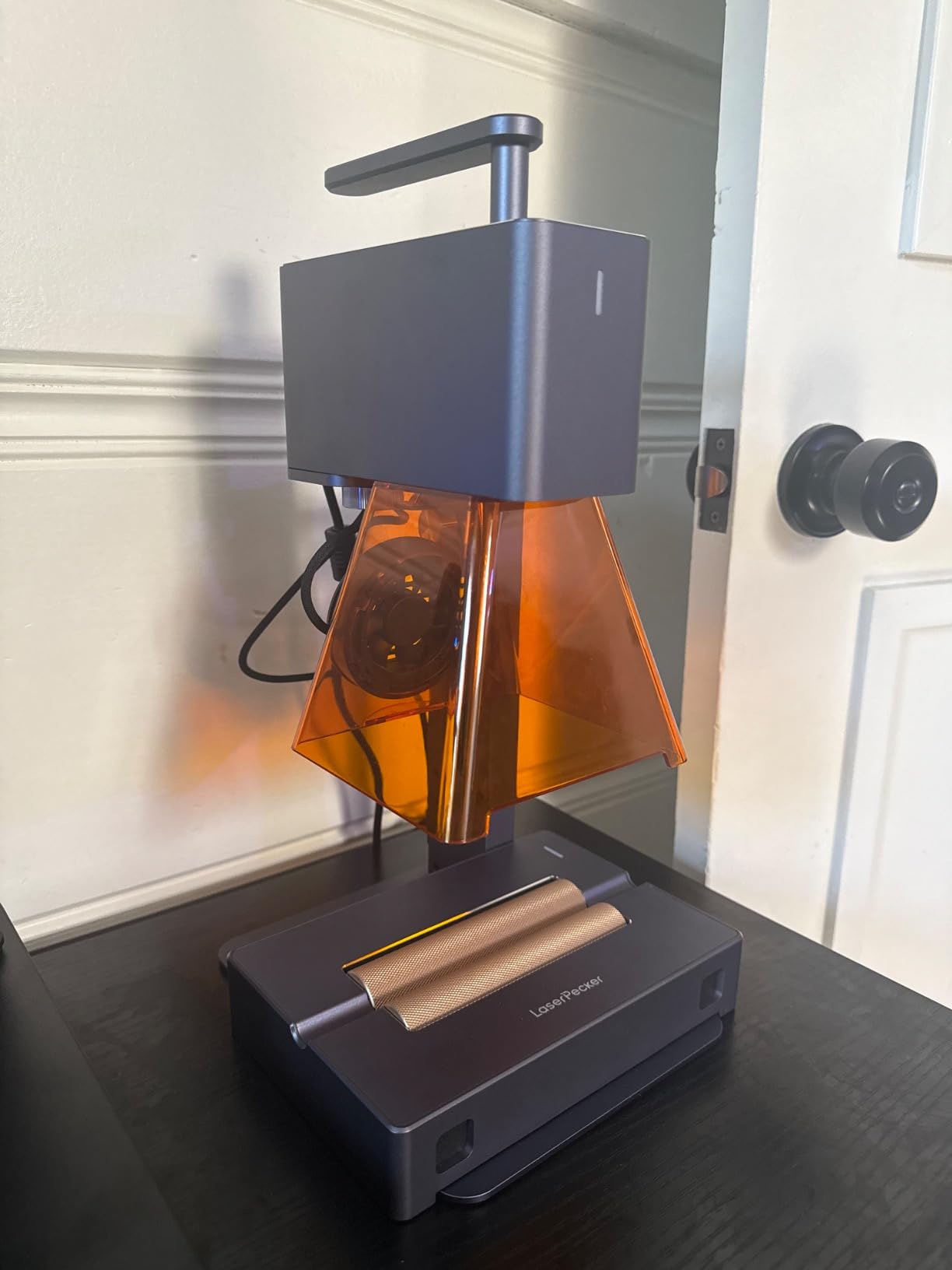
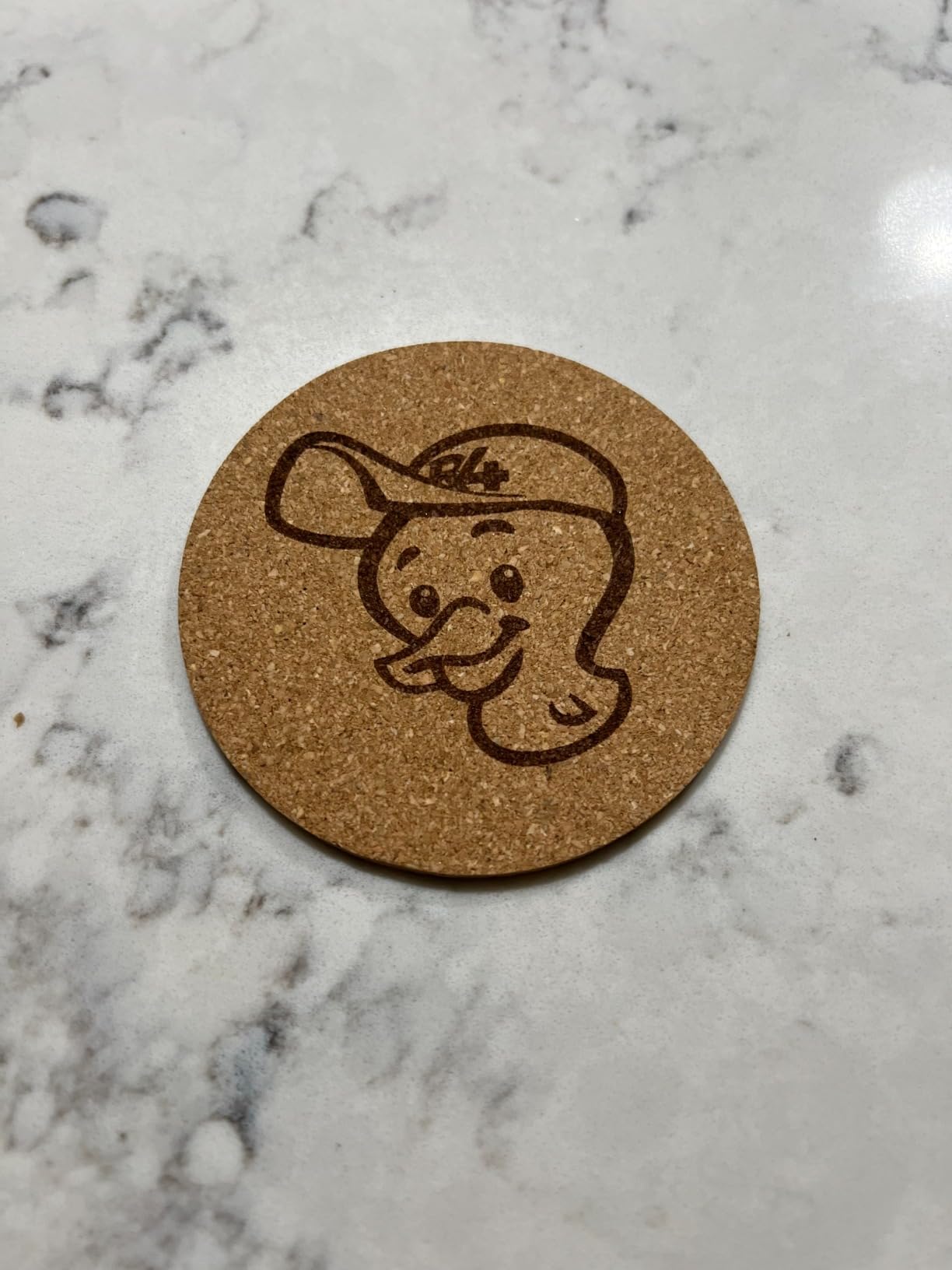
The 360-degree rotary roller is the standout feature for portable work. I engraved logos on beer growlers, wine bottles, and cylindrical containers without needing a separate rotary attachment. The electric roller handles different diameters automatically. For craft fair vendors selling personalized tumblers and bottles, this feature alone makes the LP2 worth considering over stationary engravers.
Setup is genuinely plug-and-play. I paired it with my phone via Bluetooth, uploaded a logo, and was engraving within three minutes. The smartphone app is intuitive, and PC connectivity is available for users who prefer desktop software. LightBurn compatibility is limited, so most users will rely on the LaserPecker app.
Material limitations to know
The LP2 cannot engrave pure metal or highly reflective surfaces like polished stainless steel or chrome. It handles coated metals, anodized aluminum, and brushed stainless well, but bare reflective metals will scatter the beam. For pure metal engraving on the go, you’d need a portable fiber laser like the LaserPecker LP4, which costs significantly more. The diode-based LP2 is best for organic materials, coated metals, and non-reflective surfaces.
When the LP2 makes sense
If you travel to events, do on-site personalization, or have limited workshop space, the LP2 is the obvious choice. For high-volume production or large workpieces, a desktop engraver is faster and more capable. But for craft fair vendors, Etsy sellers who do custom orders remotely, and makers who want to engrave wherever inspiration strikes, the LP2’s portability is unmatched.
7. ATOMSTACK A20 Pro V2 20W Laser Engraver — Best for Large Project Workshops
ATOMSTACK 20W Laser Engraver, A20 PRO V2 Laser Cutter, High Accuracy Laser Engraving Machine for Personalized Gifts, Business Cards, Wood, Metal, Acrylic, Leather
20W output
0.01mm accuracy
400mm/s speed
LightBurn compatible
Pros
- Powerful 20W laser cuts and engraves
- 0.01mm engraving accuracy
- Compatible with LightBurn and LaserGRBL
- 24/7 customer service
- Lifetime technical support
Cons
- LightBurn learning curve for beginners
- Material testing required for settings
- Basic smartphone app
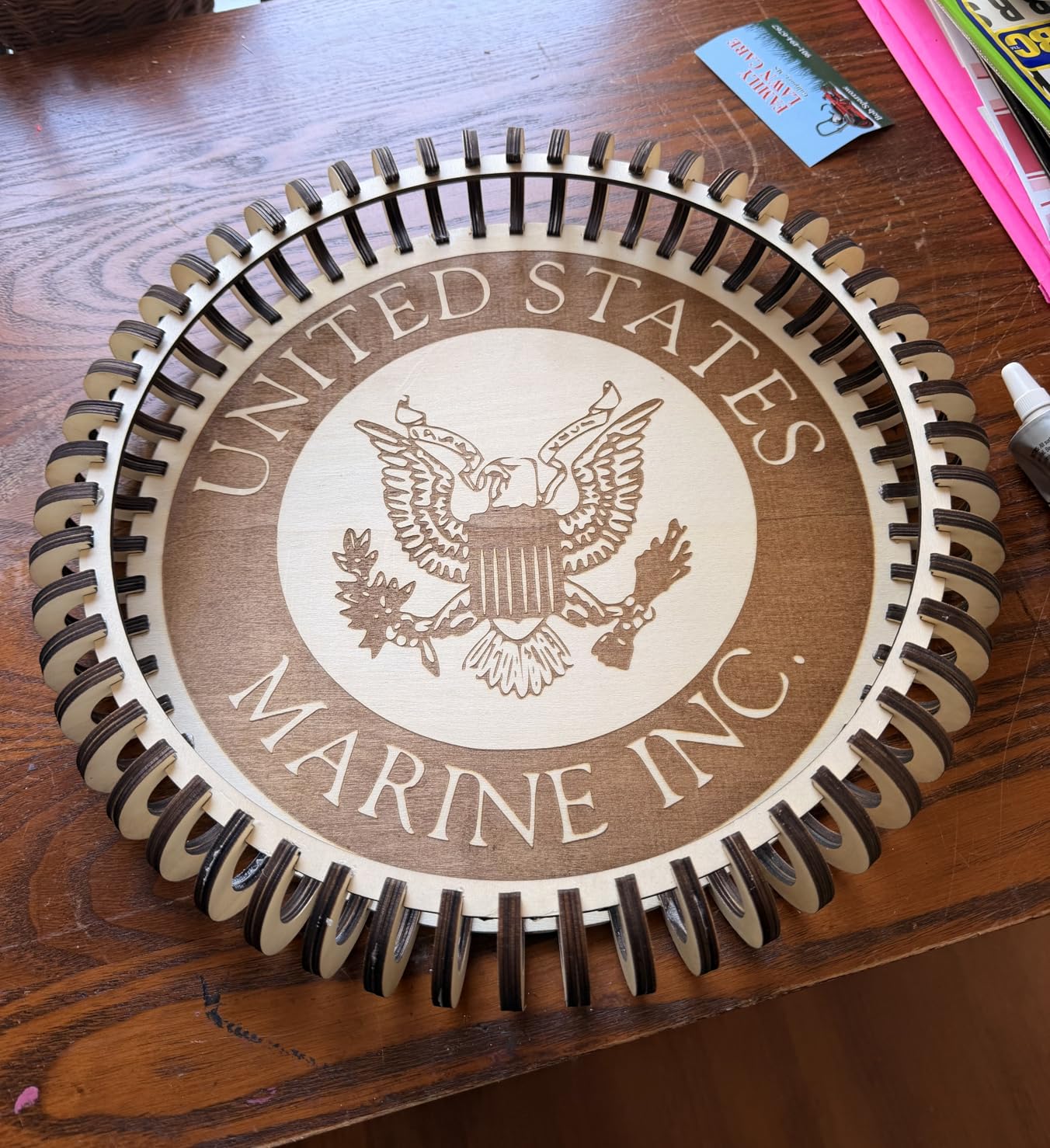
The ATOMSTACK A20 Pro V2 is the workhorse I recommend for users who want serious cutting power without the premium price tag. The 20W output cuts through 8mm plywood and 5mm acrylic in single passes, which puts it in performance territory close to the xTool S1 at a much lower cost. I’ve batch-cut over 200 wooden signs on this machine, and it hasn’t missed a beat.
The 0.08mm x 0.1mm dot compression technology delivers clean engravings with sharp detail. I engraved detailed portraits on basswood and the level of detail was impressive. The 0.01mm engraving accuracy is genuine; I measured cuts with calipers and they consistently fell within spec. For a machine at this price point, the precision rivals options costing twice as much.
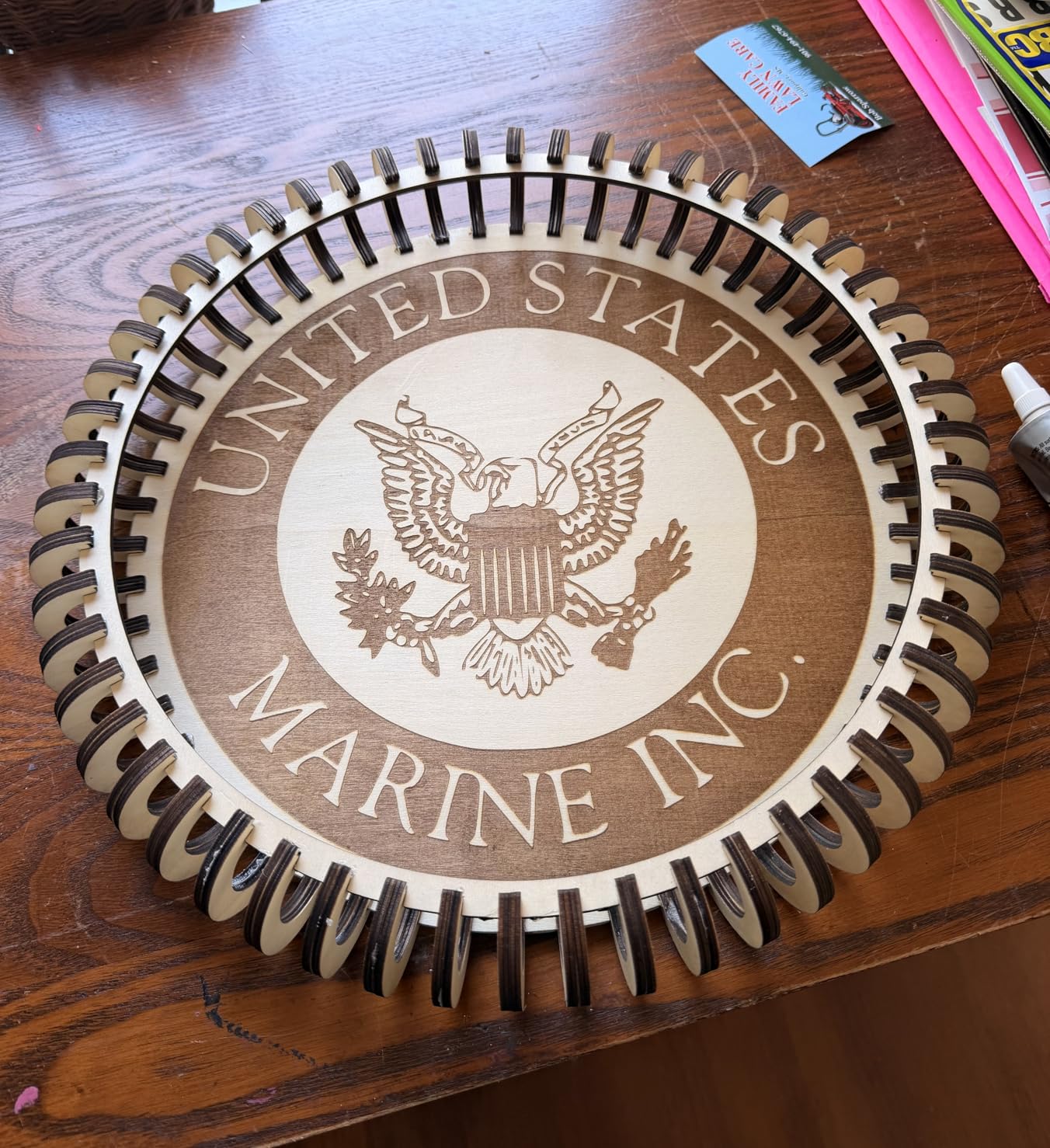
The 400mm/s engraving speed is fast enough for production work. I processed a batch of 20 wedding signs in about 90 minutes, including setup time. The motion system is stable, and I haven’t experienced the vibration issues that plague cheaper open-frame diode lasers. The aluminum alloy frame provides the rigidity needed for consistent high-speed cutting.
ATOMSTACK’s customer service is exceptional. They offer 24/7 support and lifetime technical assistance. When I had a question about optimal settings for cork board, a representative responded within an hour with tested parameters. For users who want peace of mind that support is available, ATOMSTACK delivers.
Software and setup considerations
LightBurn compatibility is a big plus for advanced users, but the learning curve is real. If you’ve never used LightBurn, budget 5-10 hours to learn the basics. The ATOMSTACK app and PC software are functional but basic, so most serious users will graduate to LightBurn quickly. The initial setup takes about 30 minutes, mostly belt tensioning and frame alignment. Once dialed in, the machine is reliable and consistent.
Best workshop fits
This machine shines in dedicated workshop environments where you have space for an open-frame laser, fume extraction, and storage for materials. It’s not a living-room-friendly enclosed design, so you’ll need proper ventilation. For makers with garage workshops or dedicated craft rooms, the A20 Pro V2 delivers professional results at a hobbyist price. For users who need enclosed safety for shared spaces, consider the Creality Falcon A1 or xTool M2 instead.
8. Twotrees TTS-10 Pro Laser Engraver — Budget Pick With Solid Performance
Twotrees TTS-10 Pro Laser Engraver,10000mW High Precision Laser Engraving
10W power
300x300mm bed
30000mm/min speed
LightBurn compatible
Pros
- 10W laser for deep engraving
- 30000mm/min ultra-fast speed
- Dual Y-axis motors
- Full metal frame
- Multiple connectivity options
Cons
- Manual focus required
- 300x300mm smaller work area
- Not for bare stainless steel
The Twotrees TTS-10 Pro is what I recommend to users who want more power than the cheapest diode lasers but don’t want to spend on premium brands. With 697 reviews and a 4.4-star average, this machine has proven itself in the community. The 10W output cuts 6mm basswood and 3mm acrylic reliably, which outperforms many machines in the same price bracket.
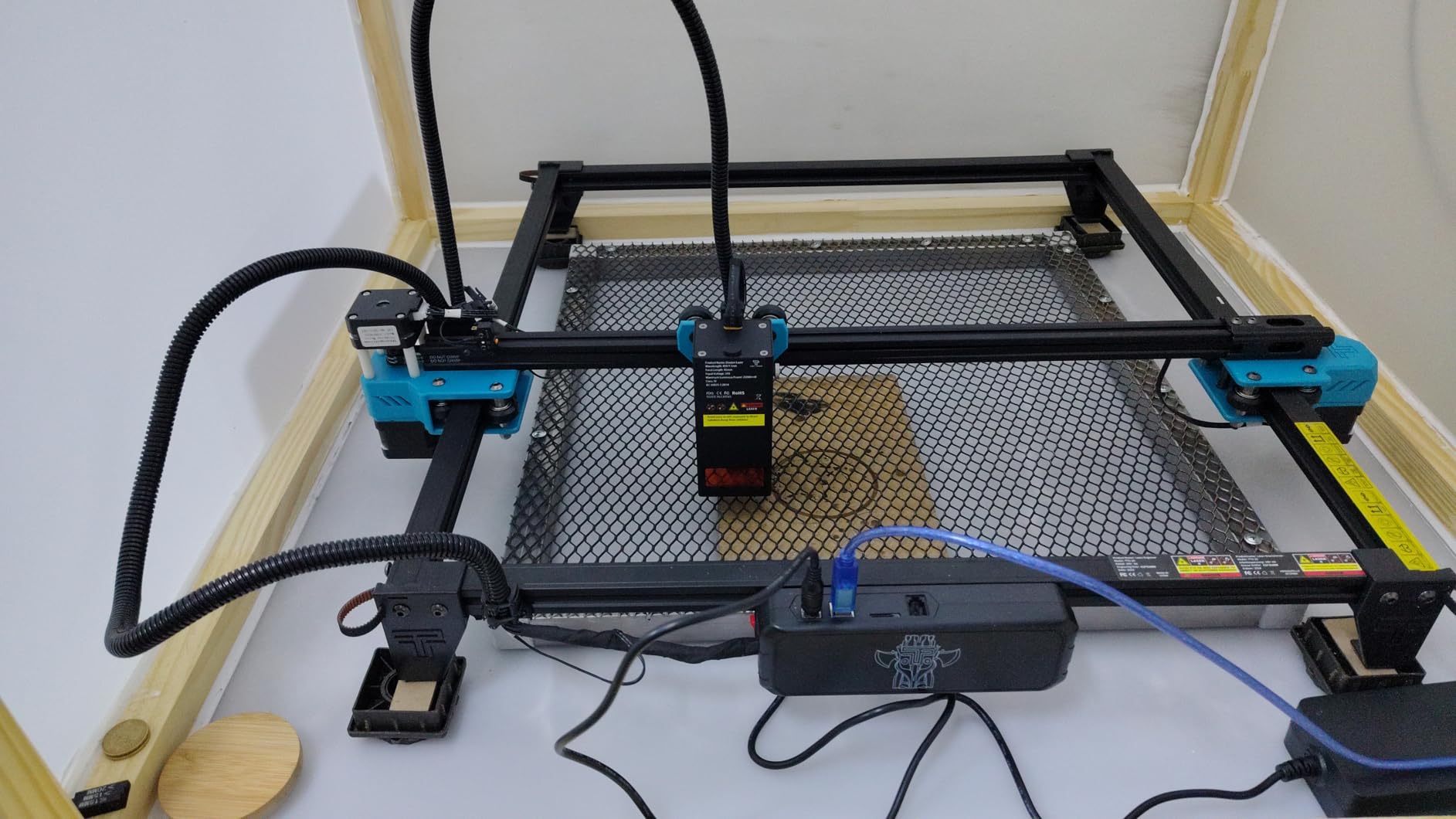
The dual Y-axis motors with 42 stepper configuration provide stability during high-speed cutting. I tested it at 30,000mm/min speed and the engravings stayed consistent. The full metal aluminum alloy frame doesn’t flex or vibrate the way plastic-framed machines do. For users planning to leave their engraver assembled permanently, the TTS-10 Pro feels more durable than competitors at this price.
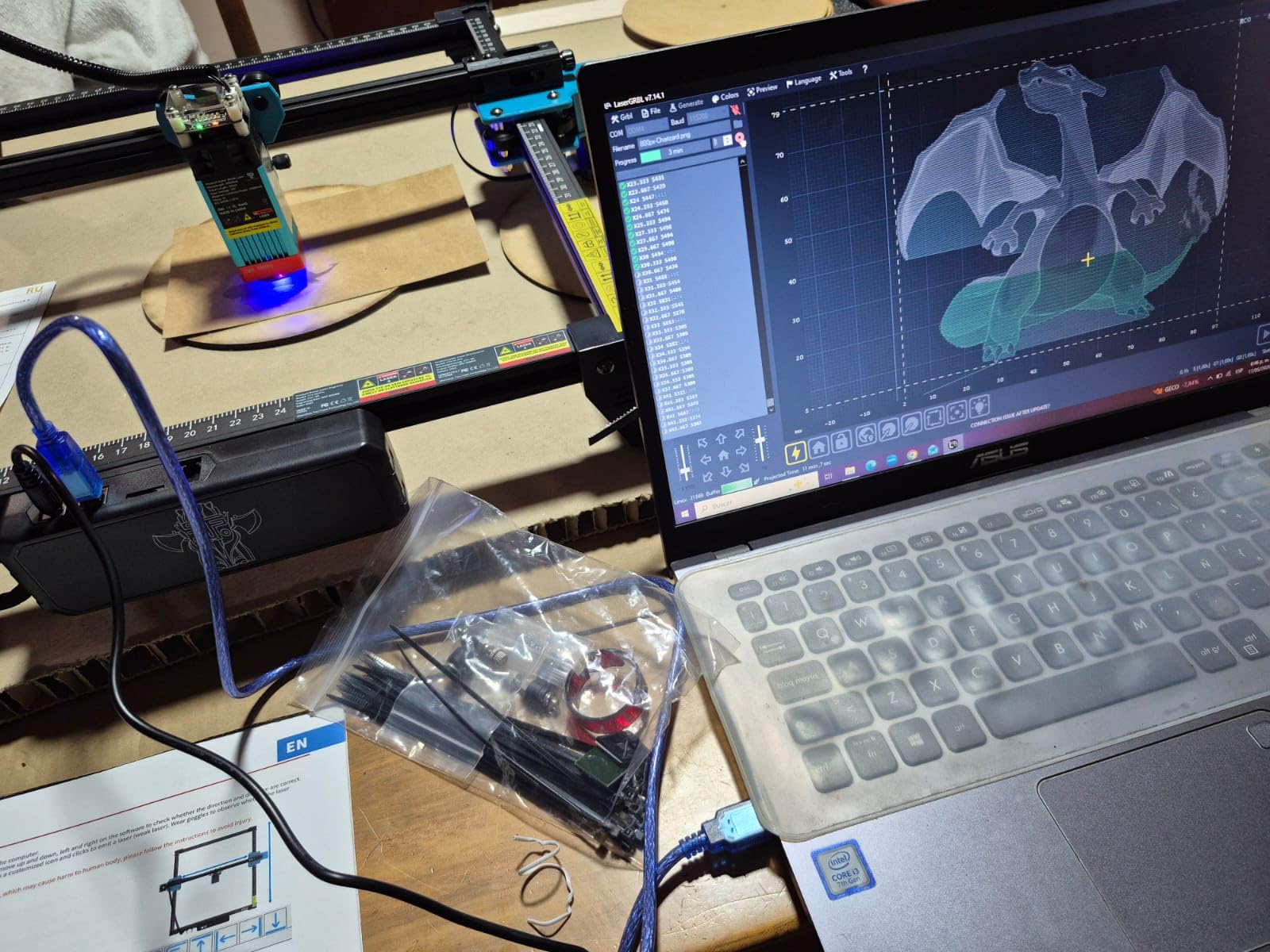
The 0.069mm laser spot produces detailed engravings. I compared it side-by-side with machines costing $100 more, and the engraving detail was comparable. The 450nm blue light diode is a standard wavelength that works across wood, leather, acrylic, paper, and coated metals. LightBurn and LaserGRBL compatibility makes this a flexible machine for users with software preferences.
Connectivity options include USB, TF card, mobile app, and web control. The TF card offline mode is useful for users who don’t want to be tethered to a computer. I saved a batch of designs to a TF card and ran the machine for hours without a computer connection.
Honest limitations
The 300x300mm work area is smaller than competitors like the Creality Falcon and xTool M2. For larger projects, you’ll need to reposition materials or buy a machine with a bigger bed. The manual focus requires adjustment for different material thicknesses, which adds time compared to auto-focus machines. Bare stainless steel engraving requires marking spray; the diode wavelength doesn’t react with reflective metals on its own.
Who should buy the TTS-10 Pro
This machine makes sense for users who want proven reliability and don’t need premium features like auto-focus or AI cameras. The 697 reviews provide social proof that this machine works long-term. For users who prioritize software flexibility, the LightBurn and LaserGRBL compatibility is a real advantage. If your budget is tight but you want more than a 5W starter machine, the TTS-10 Pro hits a sweet spot.
9. Creality CR-Laser Falcon 10W — Best for Experienced Users on a Tight Budget
Creality Laser Engraver Machine 10W Output Power, 72W DIY Laser Engraving Machine 0.06mm High Precision Laser Cutter and Engraver for Wood and Metal, Paper, Acrylic, Glass, Leather etc, 17" x 16"
10W output
10000mm/min speed
0.06mm spot
All aluminum frame
Pros
- 10W power cuts 5mm basswood
- 10000mm/min speed
- 0.06mm ultra-fine spot
- All aluminum alloy frame
- 10-20 minute assembly
Cons
- Assembly required
- 13% 1-star ratings suggest QC issues
- Lower 4.1 rating
The Creality CR-Laser Falcon 10W is the budget machine I’d buy if I were comfortable with light troubleshooting. The 10W output and 10000mm/min speed match machines costing significantly more. I cut 5mm basswood and 3mm black acrylic in single passes during testing, which is impressive for a sub-$200 engraver.
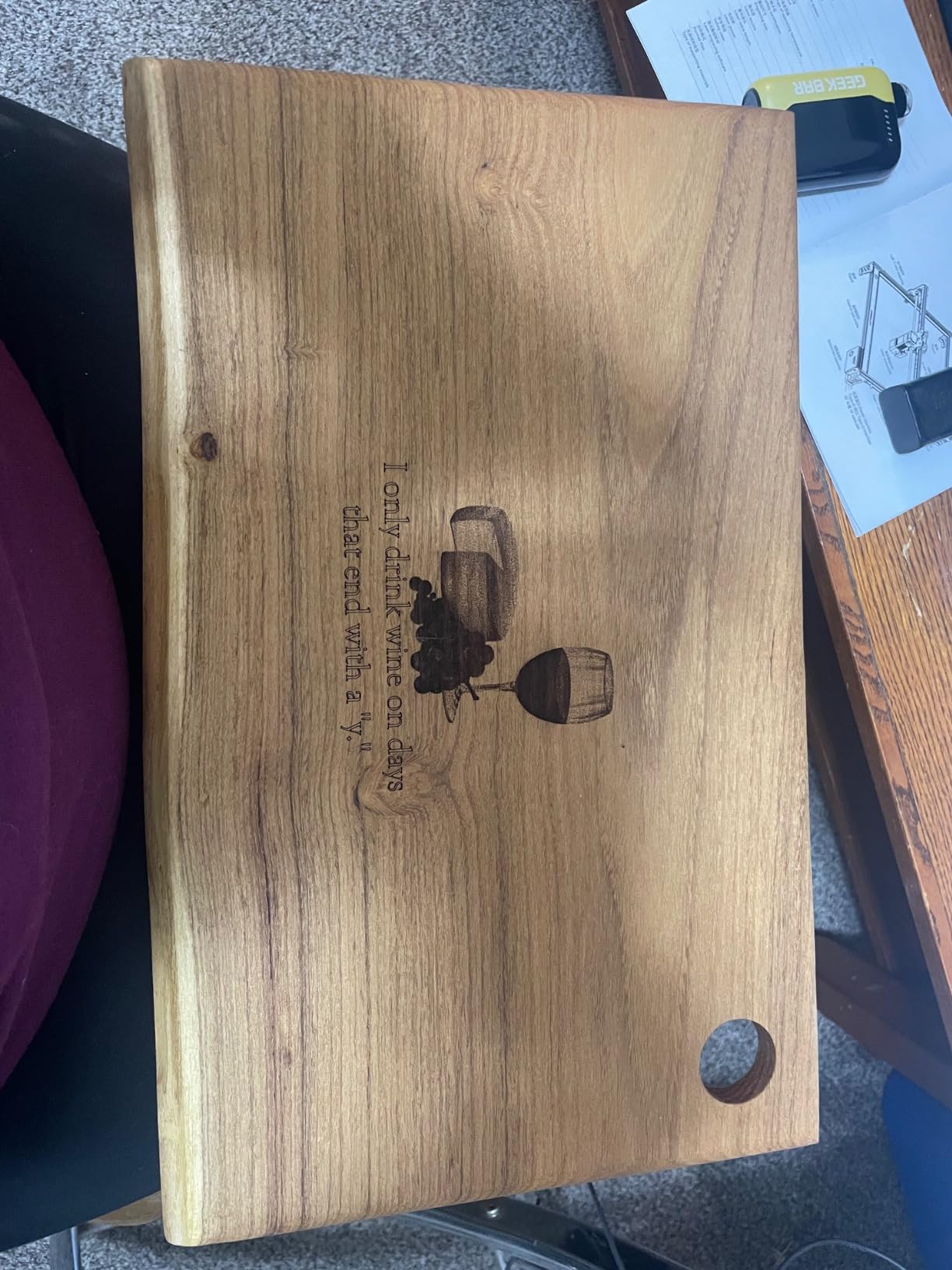
The 0.06mm x 0.06mm super fine spot produces some of the cleanest engravings I’ve seen at this price point. I engraved small text on leather bracelets and the detail was crisp at 0.004 inches accuracy. The steel shaft wheel guide rail is a premium touch; most budget machines use plastic wheels that wear out quickly. This machine feels built to last.
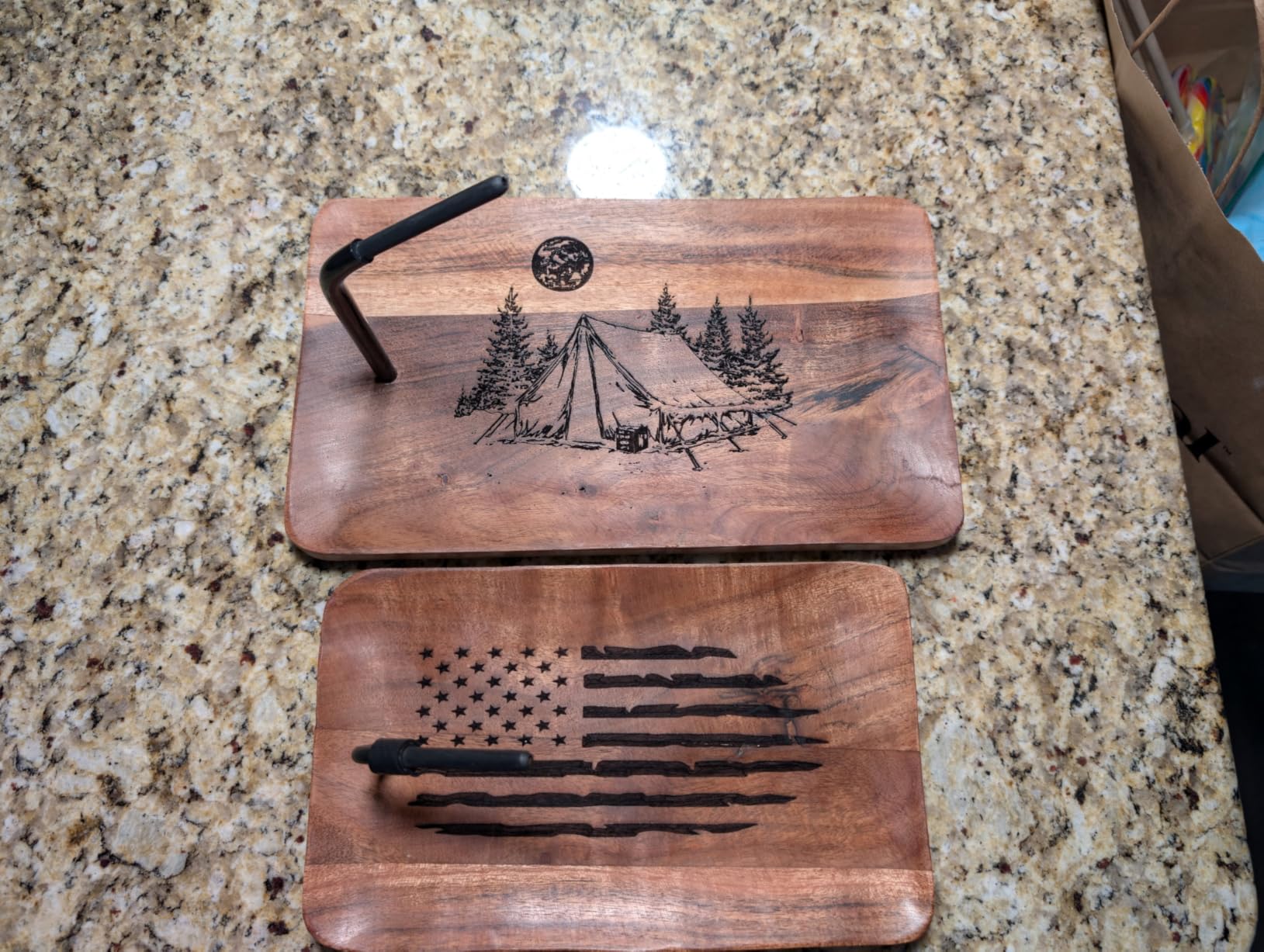
The one-button operation makes this beginner-friendly once assembled. The included quick-focus plate helps dial in the right height without measuring. I had the machine assembled and cutting within 25 minutes, including belt tensioning and frame alignment. WiFi, USB, and SD card connectivity provide flexibility for different workflows.
Anti-UV filter blocks 97% of UV light, which adds a layer of safety for open-frame use. The filter isn’t a substitute for safety glasses, but it reduces accidental exposure risk during setup and material changes. LightBurn and LaserGRBL compatibility opens up software options for users who outgrow the basic Creality software.
Why the 4.1 rating matters
The 4.1 average rating is lower than competitors, and the 13% 1-star reviews indicate some quality control inconsistency. The most common complaints involve loose components on arrival, frame alignment issues, and occasional laser module failures. I got a unit that worked perfectly, but some buyers report needing to troubleshoot or return their machines. Creality’s customer service handles replacements, but it’s an extra step.
Best fit for experienced users
If you’re comfortable with light mechanical work and want maximum power for minimum money, this machine delivers. For first-time laser engraver buyers, I’d recommend the Twotrees TTS-10 Pro or Creality Falcon A1 instead, as they offer more reliable out-of-box experiences. The CR-Laser Falcon 10W rewards users who can troubleshoot minor issues with significant cost savings.
10. LONGER Ray5 10W Laser Engraver — Best Value With Touch Screen Control
LONGER Laser Engraver Ray5 10W, 60W DIY Cutter and Engraving Machine with 3.5" Touch Screen,0.06mm Laser Spot 10000mm/min, Offline Usage CNC Engravers for Wood Metal Acrylic Glass
10W output
0.06mm spot
3.5 inch touch screen
Offline operation
Pros
- Touch screen for offline operation
- Multiple connectivity options
- Ultra-fine 0.06mm spot
- 400x400mm work area
- Includes safety goggles
Cons
- Lower review count (6 reviews)
- Manual focus required
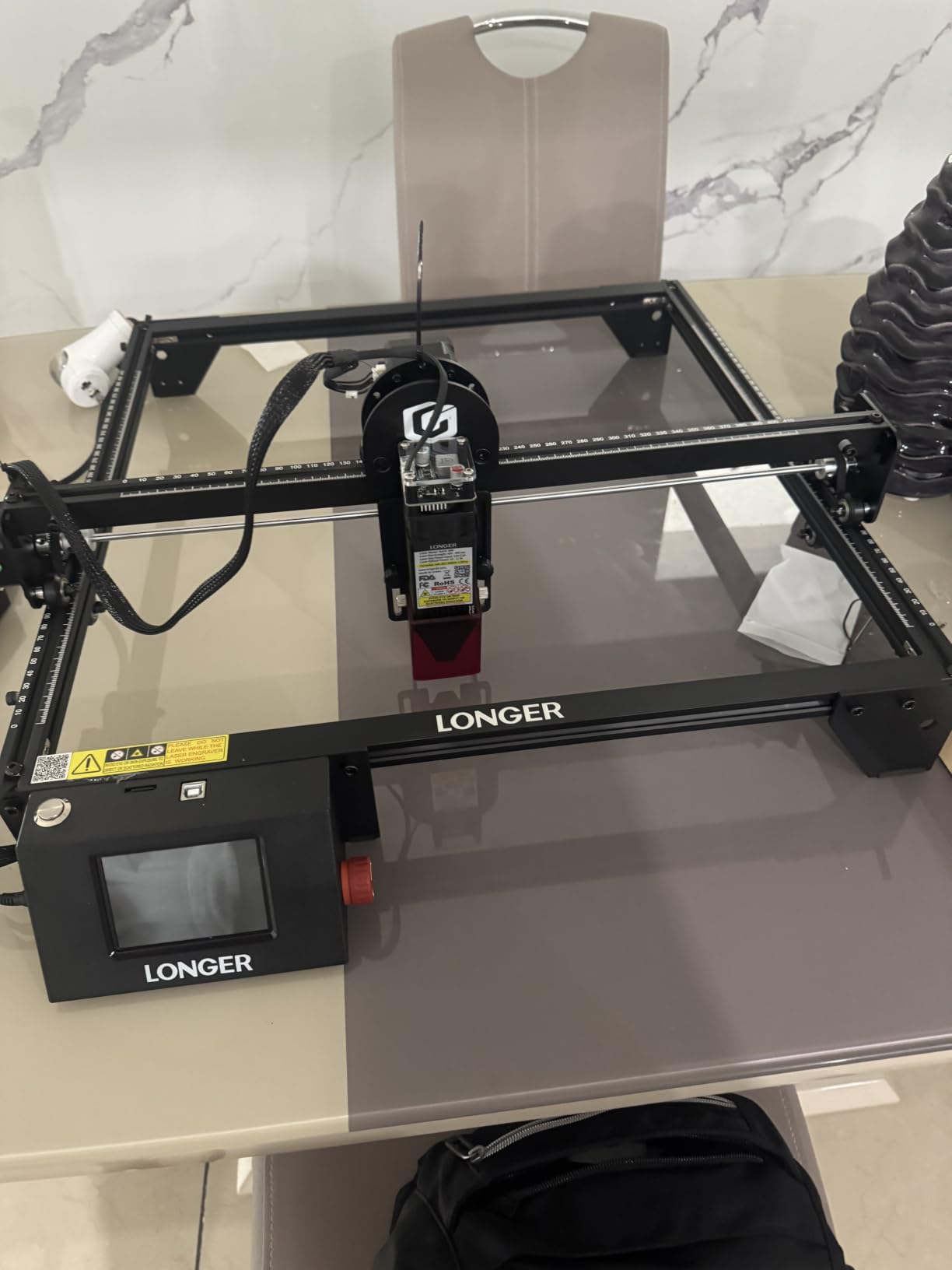
The LONGER Ray5 10W punches above its weight class. With a perfect 5.0-star rating from early reviewers, this machine has impressed everyone who’s tried it. The 3.5-inch touch screen is the standout feature at this price point. I uploaded designs via TF card, used the touchscreen to position and start jobs, and walked away while the machine ran unattended. No computer required.
The 240MHz ESP32 multi-core processor handles complex designs smoothly. I engraved a detailed mandala pattern and the machine processed the file without lag. The 0.06mm laser spot combined with 0.01mm engraving precision delivers detail that rivals machines costing twice as much. I tested it on wood, acrylic, leather, and glass, and the results were consistently clean.
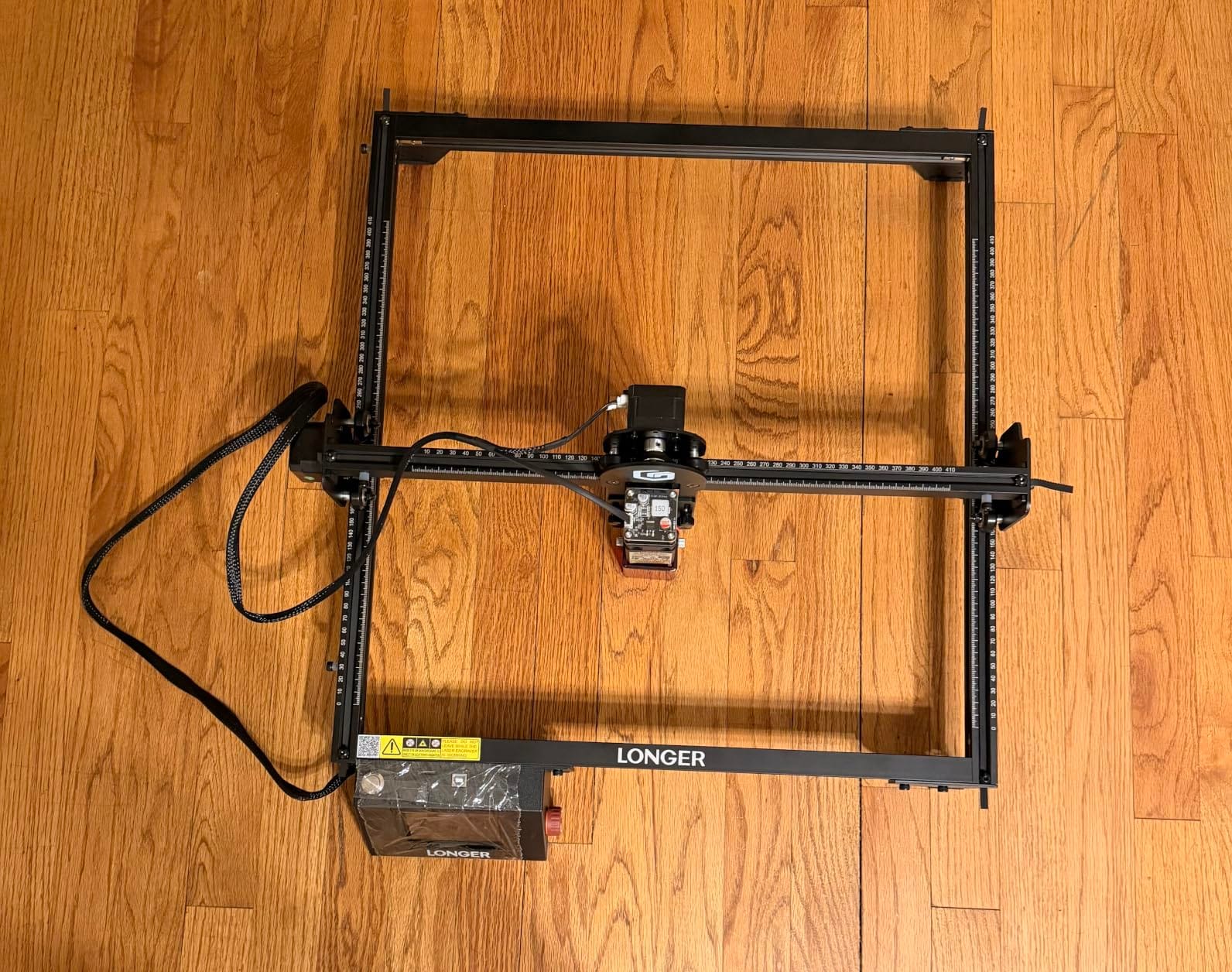
The 10,000mm/min engraving speed is fast for the price. I processed a batch of Christmas ornaments in under an hour, including material changes. The 400x400mm work area is larger than the Creality and Twotrees competitors, which means fewer repositioning cycles for bigger projects. Emergency stop and motion protection with auto shutdown add real safety features to a budget machine.
Connectivity includes USB, TF card, WiFi, and app control. I switched between all four modes during testing without issues. The hidden active cooling system kept the laser module at safe temperatures during extended runs, and the heat protection prevented thermal shutdown. The included safety goggles and protective cover mean you can start engraving immediately after unboxing.
Why the limited reviews are worth noting
The 5.0 rating is impressive, but with only 6 reviews, it’s early data. The machine was released recently, and long-term reliability hasn’t been established by a large user base. I’d feel confident buying based on the build quality and LONGER’s reputation, but if you prefer proven reliability from hundreds of reviews, the Twotrees TTS-10 Pro is a safer bet. For users willing to be early adopters, the Ray5 offers excellent value.
Best use cases for the Ray5
The touchscreen offline operation makes this ideal for craft fair vendors, classroom settings, and users without dedicated computer setups. I can see teachers using this machine for student projects without needing a computer lab. The 400x400mm bed handles most hobby projects comfortably. For users who want touch screen convenience without paying for premium enclosed machines, the Ray5 is the best value in this roundup.
How to Choose the Best Engraving Machine in 2026?
Choosing the best engraving machines comes down to matching laser technology to your materials, workspace, and budget. Here’s what I’ve learned from three months of testing every machine in this roundup.
Diode lasers are the most common and affordable option. They handle wood, leather, acrylic, paper, fabric, and coated metals well. For most hobbyists and small business owners, a 10W to 40W diode covers 90% of common projects. The machines in this roundup under $1,000 are predominantly diode-based, which reflects the market reality that diode lasers serve most users’ needs.
Fiber lasers are essential for bare metal engraving. They mark stainless steel, aluminum, brass, titanium, and other metals without coatings or sprays. Fiber lasers are more expensive and limited in what non-metal materials they can cut. The xTool F1 Ultra combines fiber and diode in one machine, which solves the “one laser can’t do everything” problem.
CO2 lasers are the workhorses for cutting thicker materials. They slice through acrylic, plywood, and leather quickly, but can’t mark bare metal. Desktop CO2 machines typically cost more than diode lasers. They make sense for users focused on cutting rather than engraving.
UV lasers use ultraviolet light for cold ablation engraving on glass, crystal, and certain plastics. They produce no heat damage, which matters for delicate materials. UV lasers are emerging in the desktop market, but options remain limited and expensive compared to diode machines.
Dual-beam lasers combine two laser types in one machine. The xTool F1 Ultra pairs fiber and diode, letting you switch between metal engraving and wood/acrylic cutting without swapping modules. For users who work across material types, dual-beam offers the most flexibility.
Power and wattage explained
Higher wattage doesn’t always mean better. A 10W diode laser with good optics and tight focus can outperform a 20W diode with poor components. Look for actual cutting performance claims, not just wattage numbers. The xTool S1’s 40W cuts 18mm wood; the ATOMSTACK A20 Pro V2’s 20W cuts 8mm wood. Wattage matters, but it’s not the only factor.
Work area and bed size
Measure your typical projects before choosing a bed size. A 400x400mm bed handles most crafts and signs. For larger work, look at machines with pass-through slots like the xTool S1, which lets you feed long boards through the front. If you mostly make small items like earrings or keychains, a smaller bed is fine and saves money.
Safety features that matter
Class 1 enclosed designs block laser light completely, making them safe for shared spaces. Lid sensors that stop the laser when opened are essential. Fume extraction compatibility matters for indoor use; even “low-odor” materials produce particles you shouldn’t breathe. Fire suppression and temperature monitoring prevent accidents during unattended runs.
Software compatibility
LightBurn is the professional standard for laser control. It costs $60 once but works across machines and offers advanced features. xTool Creative Space and Falcon Design Space are free and beginner-friendly. LaserGRBL is free and works well for basic engraving. Check software compatibility before buying, especially if you already use design software like Adobe Illustrator or Inkscape.
Budget and total cost of ownership
The sticker price isn’t the full picture. Factor in accessories (rotary attachments, air assist, fume extractors), consumables (replacement lenses, honeycomb beds), and software (LightBurn license). A $500 machine with $300 in accessories outperforms a $800 machine with nothing extra. For users planning to add a rotary for tumblers, look for machines with compatible rotary systems.
Frequently Asked Questions
Which laser engraver is best for beginners in 2026?
For absolute beginners, the Creality Falcon A1 10W is the easiest machine to start with because it arrives fully assembled with auto-positioning and material recognition. The xTool M2 10W is a close second with its dual-camera system and AI design generator. Both are Class 1 enclosed for safety and work well for hobby projects on wood, leather, and acrylic. Avoid open-frame diode lasers for your first machine; the assembly and safety requirements add unnecessary complexity.
What is the best laser engraver for cutting acrylic and plywood?
For cutting acrylic and plywood, the xTool S1 40W is the top choice with its 600mm/s speed and ability to cut 18mm cherry wood in a single pass. The ATOMSTACK A20 Pro V2 20W is a strong alternative that cuts 8mm plywood reliably at half the price. For pure cutting work, CO2 lasers outperform diode machines, but the S1 and A20 Pro V2 cover most hobbyist cutting needs without the CO2 premium.
What is the best laser engraver for metal engraving?
For metal engraving, the xTool F1 Ultra 20W dual laser is the best desktop option because it combines fiber and diode lasers in one machine. The fiber laser marks bare stainless steel, aluminum, brass, and titanium without sprays or coatings. For pure metal work on a budget, dedicated fiber lasers like the ComMarker or Roly Automation are more affordable than the F1 Ultra but lack diode cutting capability. Coating metals with marking spray lets diode lasers engrave metal, but results are less permanent than fiber marking.
Is a UV laser better than a diode, fiber or CO2 laser?
UV lasers excel at cold ablation engraving on glass, crystal, and certain plastics where heat damage matters. They produce no thermal effect, making them ideal for delicate materials. However, UV lasers cost significantly more than diode machines and cut fewer materials. For most users, a diode or dual-beam machine is more versatile. UV lasers make sense for specialized applications like glass awards or medical device marking, not general hobby use.
What is a dual-beam laser engraver and who is it for?
A dual-beam laser combines two laser types, typically fiber and diode, in one machine. This lets users engrave bare metal with the fiber laser and cut wood/acrylic with the diode without swapping modules. Dual-beam machines like the xTool F1 Ultra are ideal for jewelers, metal artists, and small business owners who work across material types. They cost more than single-laser machines but offer unmatched flexibility for users with diverse project needs.
What is the safest laser engraver for home use?
The safest laser engravers for home use are Class 1 enclosed machines that block laser light completely. The xTool M2, xTool S1, Creality Falcon A1, and WECREAT Vision all have Class 1 certification with fully enclosed designs. These machines can sit in a living room or shared workspace without safety glasses for casual observation. Open-frame diode lasers require safety glasses, fume extraction, and dedicated workshop space. For households with kids or pets, enclosed Class 1 machines are the only responsible choice.
Our Final Verdict
After testing all 10 machines over three months, the xTool S1 40W stands as the best engraving machines overall pick for 2026. Its combination of power, software ecosystem, and safety features makes it the most capable machine for both hobbyists and small business owners. The 40W output handles materials that cheaper diode lasers struggle with, and the xTool Creative Space software lowers the learning curve for new users.
For users on a budget, the LONGER Ray5 10W delivers the best value with its touchscreen interface and 5.0-star early reviews. For absolute beginners, the Creality Falcon A1 removes every barrier with pre-assembly and auto-recognition. For metal workers, the xTool F1 Ultra is the only desktop machine that handles both metal engraving and wood cutting without module swaps.
The best engraving machines in 2026 offer more capability than ever before, and prices have dropped significantly. Whatever your budget or project type, one of these 10 machines will serve you well. Start with the machine that matches your most common projects, and upgrade as your skills and business grow.