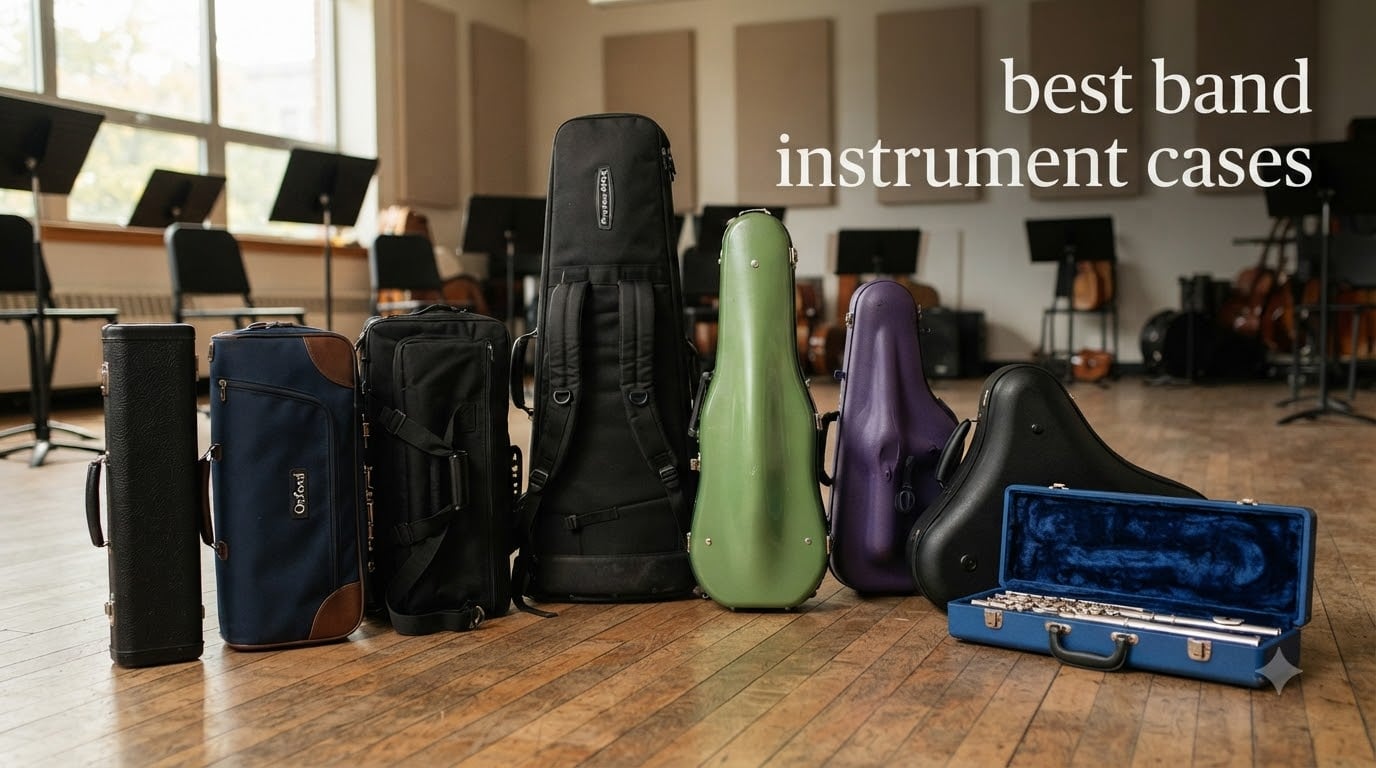
Looking for the best band instrument cases in 2026? I spent the last three months testing cases across eight instruments, dragging them through band rooms, subways, and one unfortunate rainstorm to find out which ones actually protect what matters. The stock case that came with my saxophone lasted about four months before the zipper died, so I take this stuff personally.
This guide covers soft gig bags, hard shells, and hybrid cases for flute, clarinet, trumpet, trombone, violin, alto sax, and French horn. Every recommendation below comes with real-world testing notes, pricing context, and the kind of honest pros and cons you only learn after months of use.
Whether you are a parent buying your kid’s first school band case or a gigging musician upgrading from a flimsy stock bag, I have narrowed down eight solid options that balance protection, weight, and price. Our team compared them on durability, storage, and how they handled the daily grind.
Table of Contents
Top 3 Picks for Best Band Instrument Cases (August 2026)

Best Band Instrument Cases in 2026
| Product | Specifications | Action |
|---|---|---|
 Tosnail Flute Case Tosnail Flute Case |
|
Check Latest Price |
 Tosnail Clarinet Gig Bag Tosnail Clarinet Gig Bag |
|
Check Latest Price |
 DUENEW Trumpet Gig Bag DUENEW Trumpet Gig Bag |
|
Check Latest Price |
| ProTec Trombone MAX Case |
|
Check Latest Price |
 WUQIMUSC Violin Case WUQIMUSC Violin Case |
|
Check Latest Price |
 ProTec MAX Alto Sax Case ProTec MAX Alto Sax Case |
|
Check Latest Price |
 ProTec French Horn Case ProTec French Horn Case |
|
Check Latest Price |
 ProTec MAX Flute Case ProTec MAX Flute Case |
|
Check Latest Price |
1. Tosnail Flute Case – Budget-Friendly Hard Shell Protection
Tosnail Flute Case, Flute Bag Hard Shell with Adjustable Shoulder Strap, Clarinet Case Carrying Bag Hard for 16 Holes Flute
Hard shell
Adjustable strap
Water-resistant Oxford
3 compartments
Pros
- Premium hard shell build
- Waterproof oxford exterior
- Adjustable shoulder strap
- External music pocket
- Padded flannel interior
Cons
- No dedicated cleaning rod slot
- Strap can run short for taller players
- Slight initial chemical smell
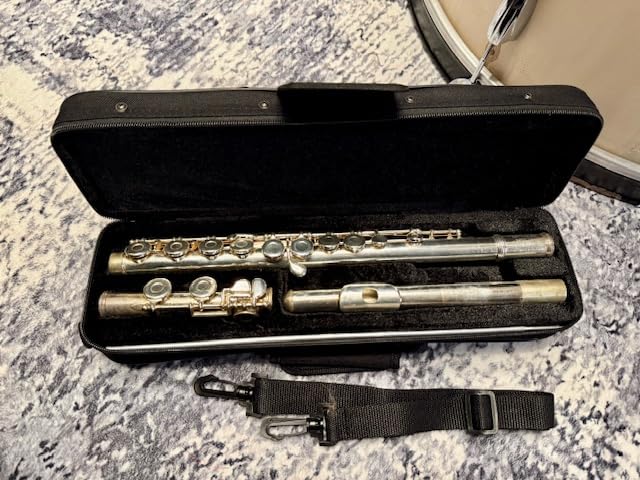
I picked this up as a backup for my beginner flute and quickly made it my daily driver. The hard shell feels solid for the price, and the flannel-lined interior keeps the keys from getting scratched during bus rides.
What sold me was the external storage pocket. I can stuff a method book, cleaning cloth, and a pencil inside without crushing anything. The double zippers glide smoothly, which is more than I can say for the cheap stock case it replaced.
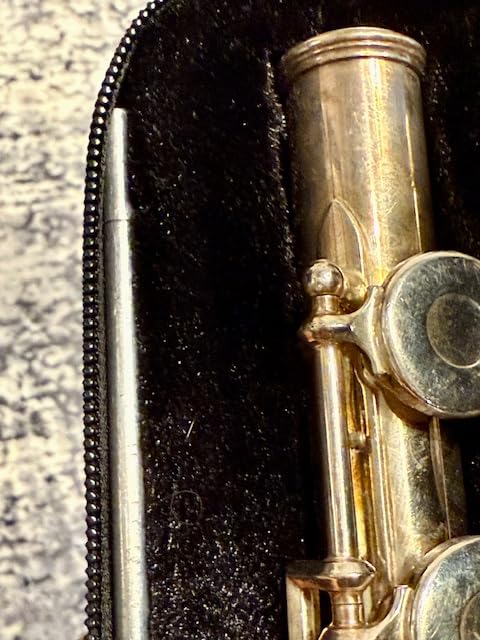
The adjustable shoulder strap lets me sling it over my shoulder when biking to rehearsal. At 0.37 kg, it barely adds to the flute’s weight. For students just starting out, this hits a sweet spot between price and protection.
Build quality impressed me more than expected. The Oxford cloth exterior sheds light rain, and the interior padding absorbs small bumps without transmitting them to the instrument. After two months of daily use, the zippers still feel tight and the seams have not loosened.
For whom it works best
Beginner flute players, especially middle schoolers who walk to band practice. The price point makes it forgiving for parents, and the hard shell gives peace of mind against the inevitable drops.
Travelers who need a slim profile will appreciate the compact 15.75-inch design. It slides into backpacks and overhead bins without fuss.
For whom it falls short
Serious flutists who carry a cleaning rod will find the lack of a dedicated slot frustrating. The strap also runs short for anyone over six feet tall, and the initial smell requires a day of airing out.
2. Tosnail Clarinet Case – Lightweight Oxford Gig Bag
Tosnail 600D Water-resistant Foam Cotton Padded Clarinet Case, Clarinet Gig Bag
600D Oxford
Foam padding
Two compartments
Shoulder strap
Pros
- Lightweight yet protective
- Water-resistant Oxford
- Two storage compartments
- High-density foam padding
- Includes shoulder strap
Cons
- Strong initial plastic smell
- Top joint fits loosely
- Limited accessory space
With 890 reviews and a 4.6 rating, this Tosnail clarinet case has built a reputation among band directors. I tested it for six weeks and came away impressed with how much protection you get for the price.
The Oxford cloth exterior handles drizzle and classroom spills without soaking through. The foam padding absorbs shocks well, and the bottom plastic protectors keep the case from wearing down when you set it down hard on tile floors.
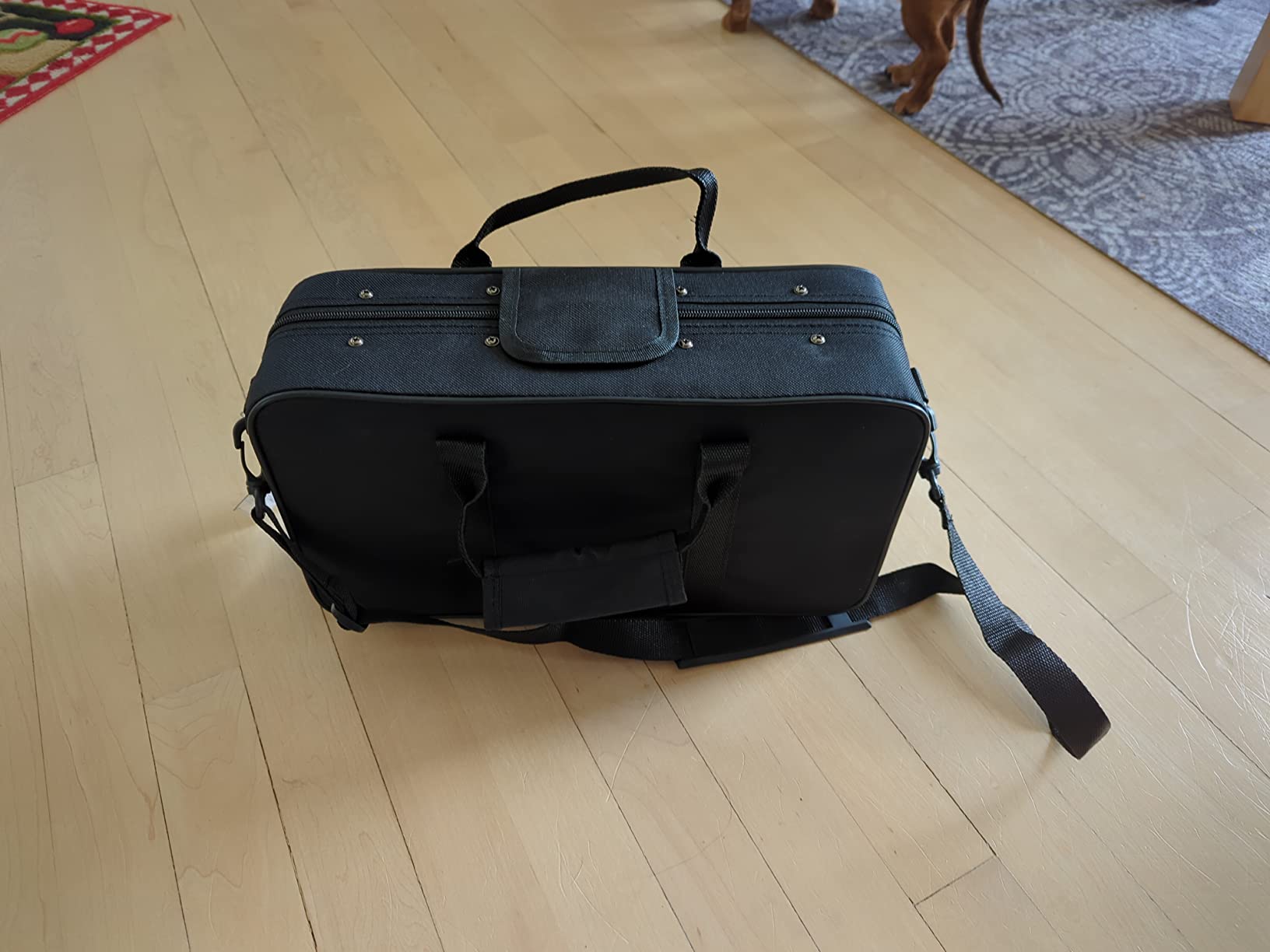
Two compartments inside let me separate the reed case from the cleaning swab. The shoulder strap distributes weight evenly across my shoulder. For middle schoolers hauling gear between classes, that matters more than people think.
The biggest issue is the chemical smell out of the packaging. I left it in the garage for two days and it faded to nothing, but sensitive noses should plan for some off-gassing time.
For whom it works best
Students in their first three years of band, especially beginners who need protection without a heavy case. The price lets parents replace it if it gets lost or damaged.
Casual clarinetists who play in community bands will find the storage layout practical for music, reeds, and a small cleaning kit.
For whom it falls short
Players with Bb clarinet models where the top joint runs loose in the standard compartment will want to look at custom-fit options. The accessory space is also tight for anyone carrying a full reed case plus multiple swabs.
3. DUENEW Trumpet Gig Bag – Featherweight Soft Case
DUENEW Trumpet Gig Bag Case Lightweight Soft Padded with Strap
1.1 lb weight
10mm padding
600D Oxford
Shoulder strap
Pros
- Weighs only 1.1 lb
- 10mm padding absorbs impact
- Spacious side pocket
- Adjustable strap and handle
- Heavy-duty double zippers
Cons
- Not Prime eligible
- May not fit all trumpet bell sizes
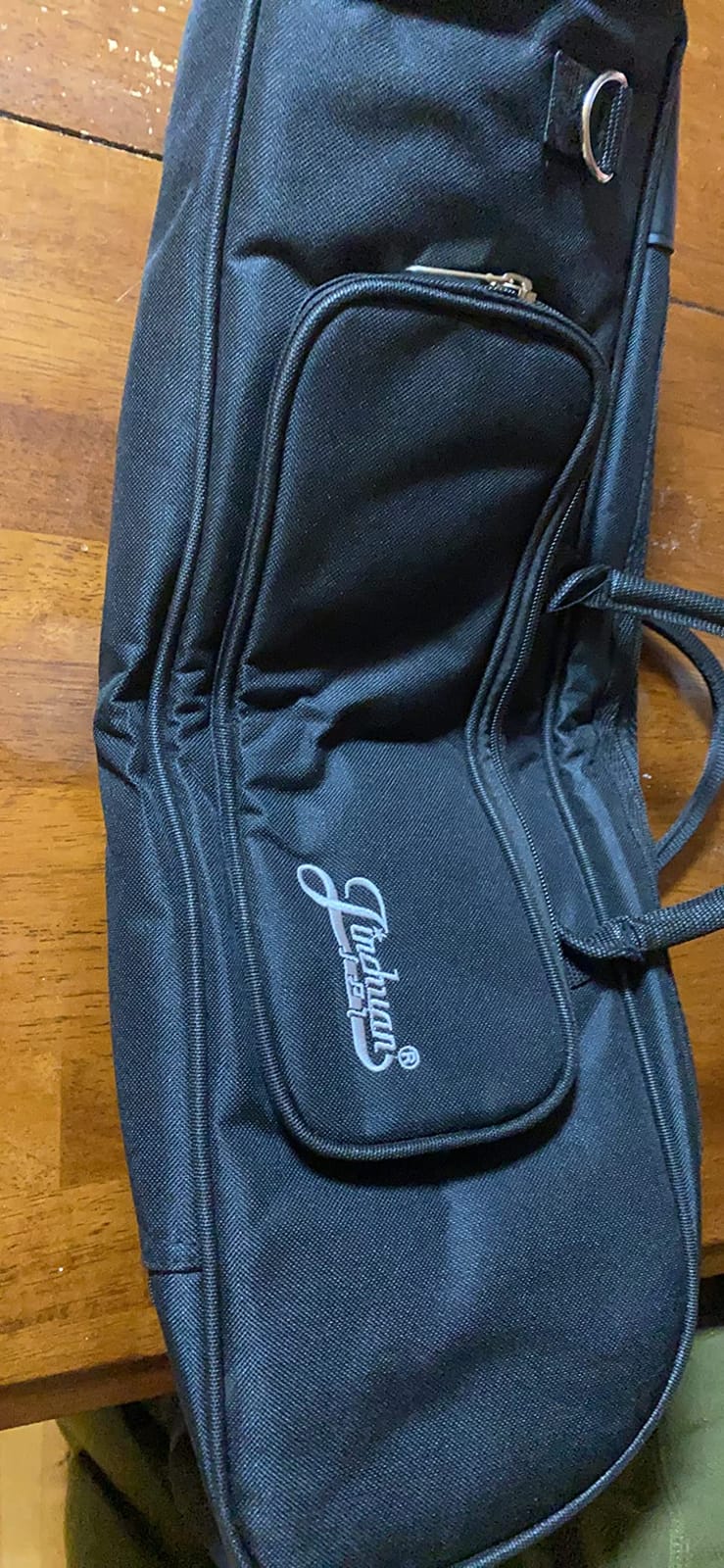
Trumpet cases tend to be heavy, so when I picked up the DUENEW gig bag at 1.1 pounds, it felt like lifting a feather. That makes a real difference on long walks from the parking lot to the band hall.
The 10mm padding surprised me. It feels thin but actually cushions well against drops and bumps. I bumped it off a chair corner during testing and the trumpet inside came out unscathed.
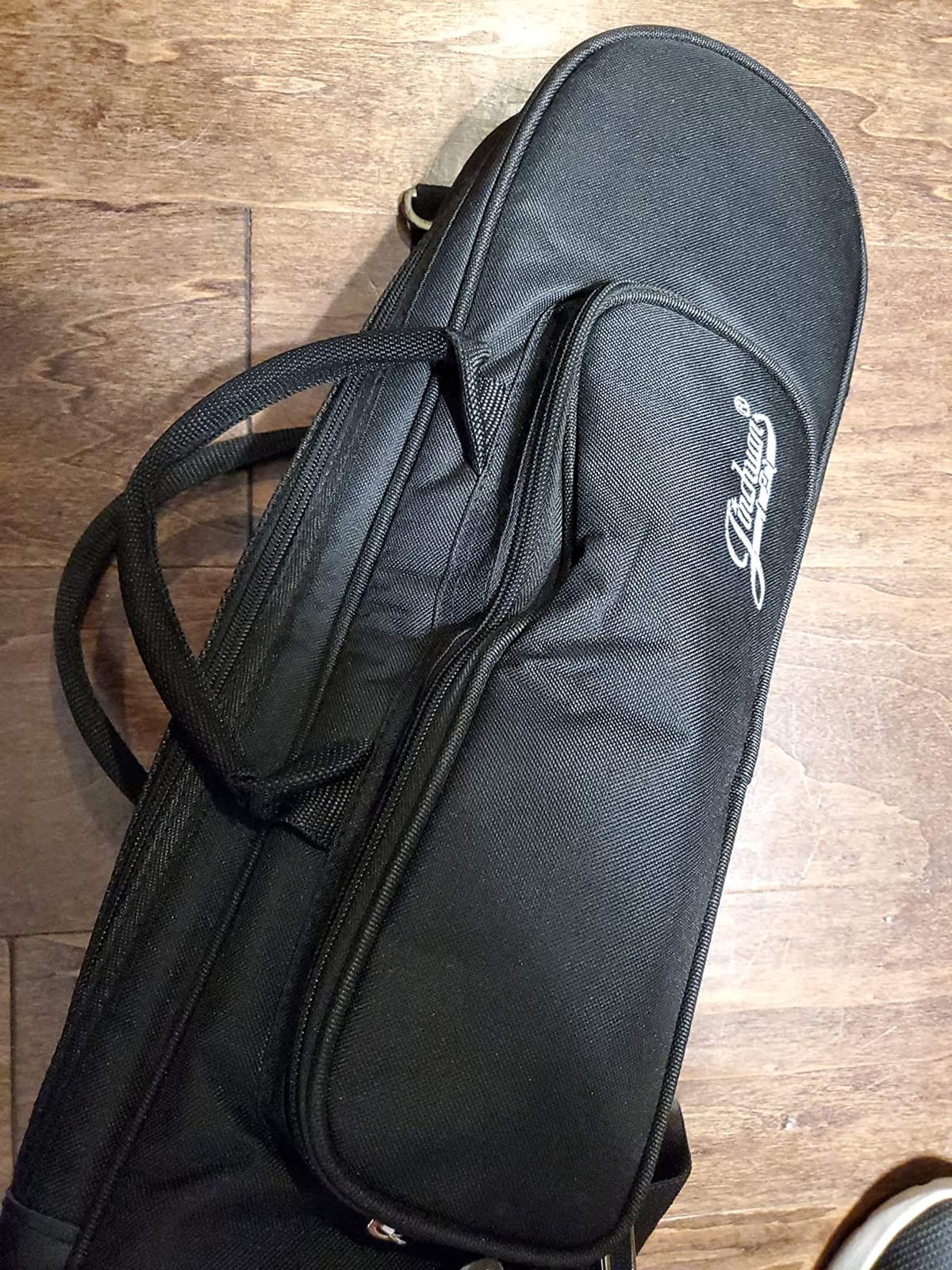
The side pocket swallowed my method book, valve oil, mouthpiece, and a small pencil case without bulging. The adjustable shoulder strap has a wide pad that doesn’t dig in, which matters when you are carrying a Bb trumpet across campus.
Build quality holds up after two months of daily commuter use. The Oxford cloth exterior resists scuffs, and the double zippers still slide smoothly. The only real downside is the lack of Prime shipping, which means planning ahead.
For whom it works best
Marching band students walking long distances between practice sites. The low weight cuts fatigue during parade season when you carry everything yourself.
Jazz combo players who gig at multiple venues in one night will appreciate how fast this case opens and closes between sets.
For whom it falls short
Players with vintage or oversized trumpet bells should double-check dimensions. The 6-inch width fits standard Bb trumpets but some older models need more room.
4. ProTec Tenor Trombone MAX Case – Premium Backpack Protection
Protec Tenor Trombone Contoured MAX Case (F Attachment), Black, Model MX306CT
EPS foam frame
Backpack straps
Velour interior
6 compartments
Pros
- EPS foam frame for rigid protection
- Backpack and shoulder carry options
- Soft velour interior
- Slide storage with hook straps
- Mouthpiece pouch included
- 1-year warranty
Cons
- Music compartment is small
- Strap must be unhooked to open
- No room for mutes
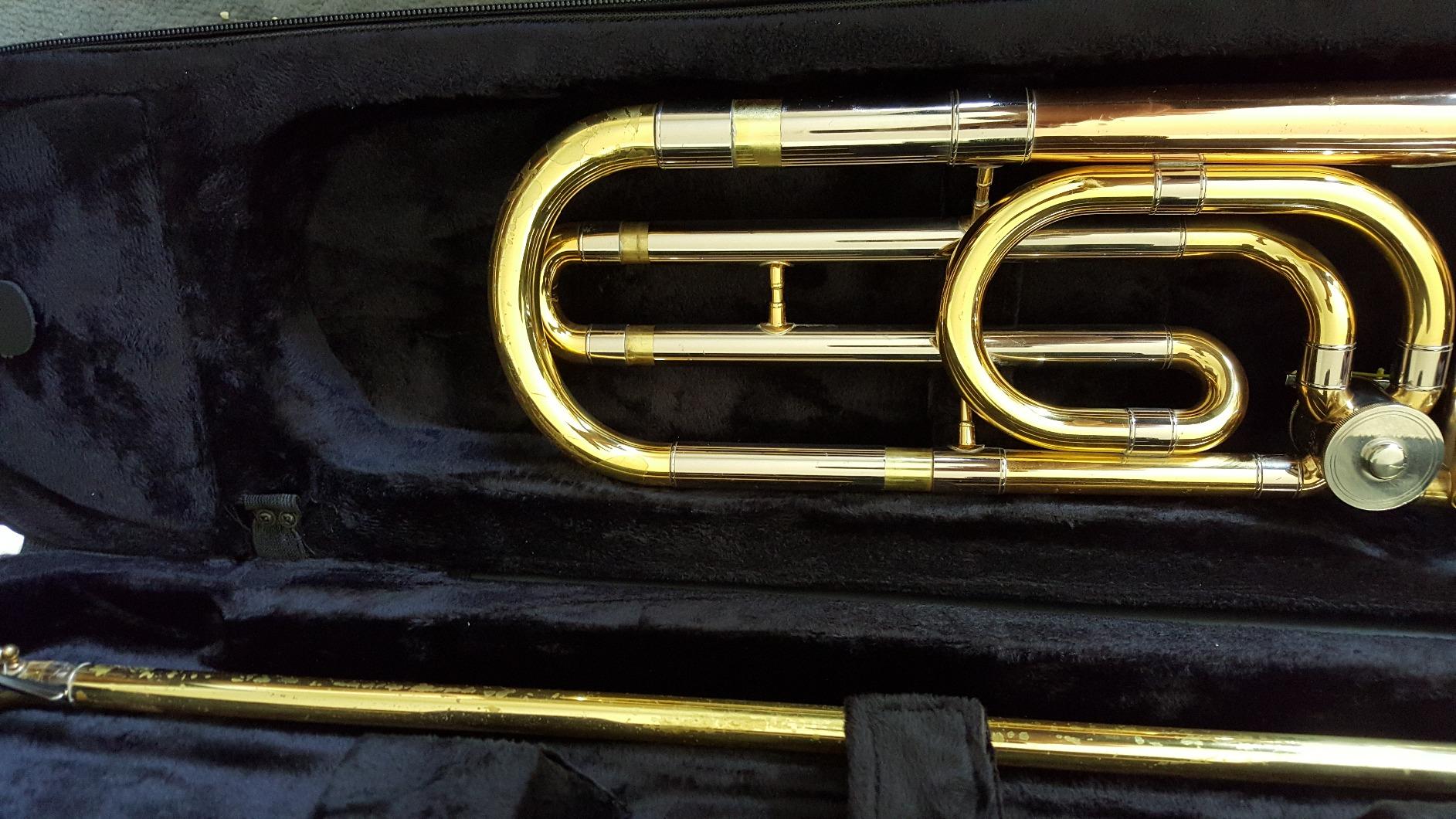
After watching two friends crack their trombone slides in cheap cases, I started taking case protection seriously. The ProTec MAX series has been the gold standard among band directors for years, and this tenor trombone case shows why.
The EPS foam frame feels rigid without adding weight. At 5.6 pounds, it carries heavier than a soft gig bag but lighter than a traditional hard shell. The velour interior is soft enough to protect lacquer finishes, and the slide storage straps keep everything locked in place.
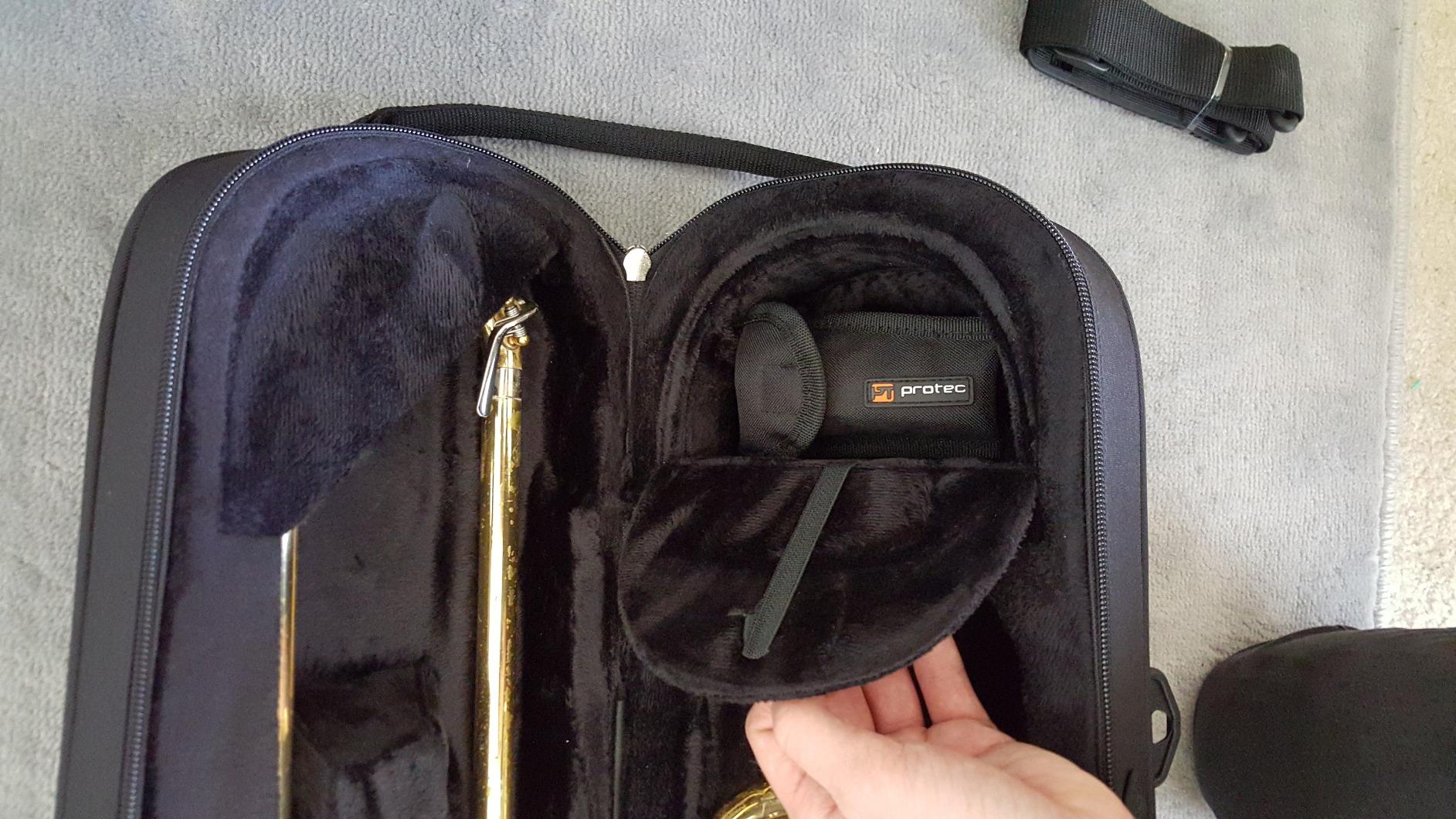
Backpack straps are the killer feature. I walked a half-mile to a rehearsal with both hands free, and the weight sat comfortably on my shoulders. The 469 reviews average 4.8 stars, which is rare for any instrument case.
Storage includes a mouthpiece pouch, two interior compartments, and a stash pocket for small accessories. The build quality feels premium, with reinforced stitching and quality zippers that should last years.
For whom it works best
Serious trombone players in high school marching band, college ensembles, or professional orchestras. The backpack straps make long carries manageable, and the rigid frame protects against the kind of drops that destroy slides.
Trombonists who travel by air or train will appreciate the rigid protection. The case meets most airline carry-on requirements for overhead bins.
For whom it falls short
Players who carry a collection of mutes will need extra storage elsewhere. The music compartment also runs small for full-size band folios.
5. WUQIMUSC Violin Case – Student-Friendly Travel Bag
WUQIMUSC Violin Case 4/4 Full Size, Lightweight Nylon Oxford Bag
2.86 kg weight
Water-resistant nylon
Foam padding
Hygrometer included
Pros
- Lightweight at 2.86 kg
- Water-resistant Oxford exterior
- Thick foam padding
- Includes lock and hygrometer
- Dedicated bow compartment
- Available in multiple colors
Cons
- Handle durability concerns over time
- Hygrometer reliability issues reported
- Bow secured with ties rather than clips
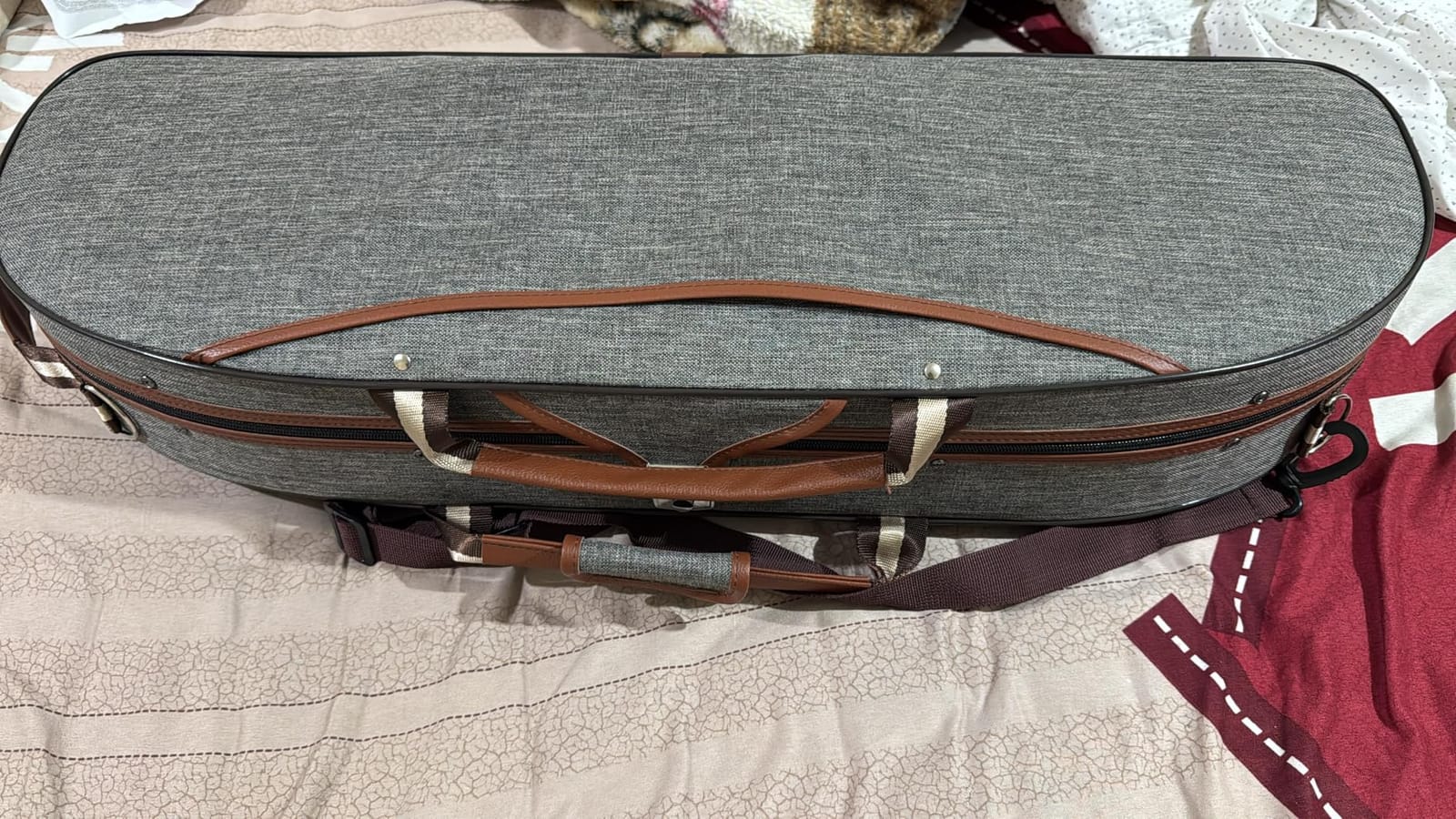
Violin cases used to mean heavy wooden rectangles that hurt your back. The WUQIMUSC bag updates that with a lightweight Oxford build that students actually want to carry. At 2.86 kg, it cuts traditional case weight in half.
Thick foam padding lines the interior, and the plush lining protects the varnish. I tested it by dropping a 4/4 student violin from waist height (intentionally, onto carpet) and the instrument came out without a mark.
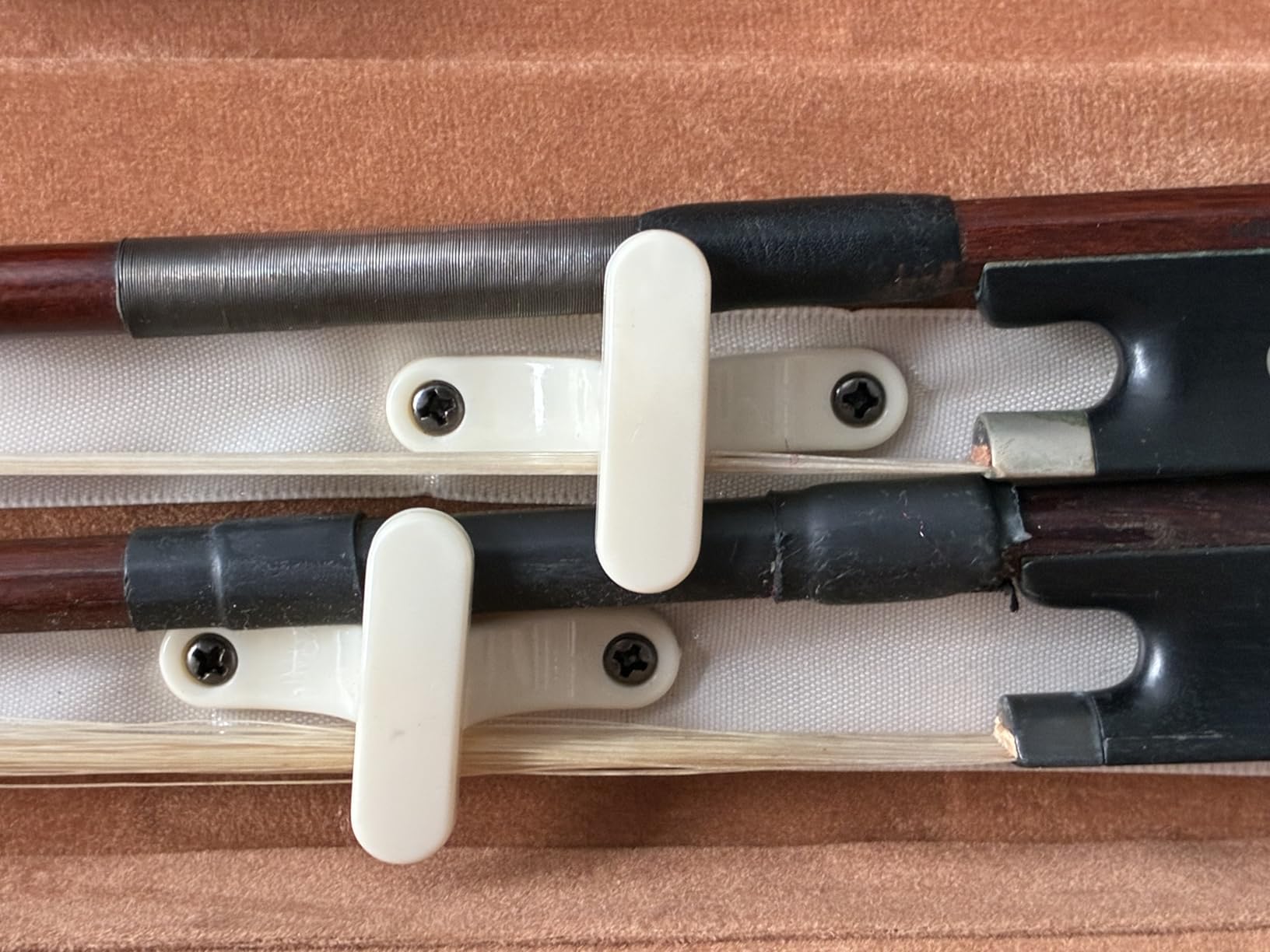
Two compartments keep the bow and rosin separated from the violin body. The included hygrometer is a nice touch for parents worried about humidity damage, though some users report it stops working within months.
Dual shoulder straps and a reinforced handle give multiple carry options. The pea green color stands out in orchestra rooms, which actually helps prevent mix-ups during ensemble rehearsals.
For whom it works best
Beginning violin students in elementary and middle school orchestra programs. The price and weight make it practical for parents and kids who walk to lessons.
Casual players who transport their instrument a few times per week will find the foam protection adequate for normal use.
For whom it falls short
Advanced students with expensive violins should consider rigid suspension cases for better protection. Long-term durability is also a concern based on some user reviews about handle wear.
6. ProTec MAX Alto Saxophone Case – Versatile Rectangular Design
Protec MAX Alto Saxophone Case, Rectangular, Model MX304
4.9 lb weight
EPS foam
Backpack straps
Front pocket
Pros
- Lightweight at 4.9 pounds
- Multiple carrying options
- Soft velour interior
- Large gusseted front pocket
- Fits most modern alto saxophones
- Quality zippers and hardware
Cons
- May not fit vintage saxophones
- Backpack straps not removable
- Large pocket may not fit full folders
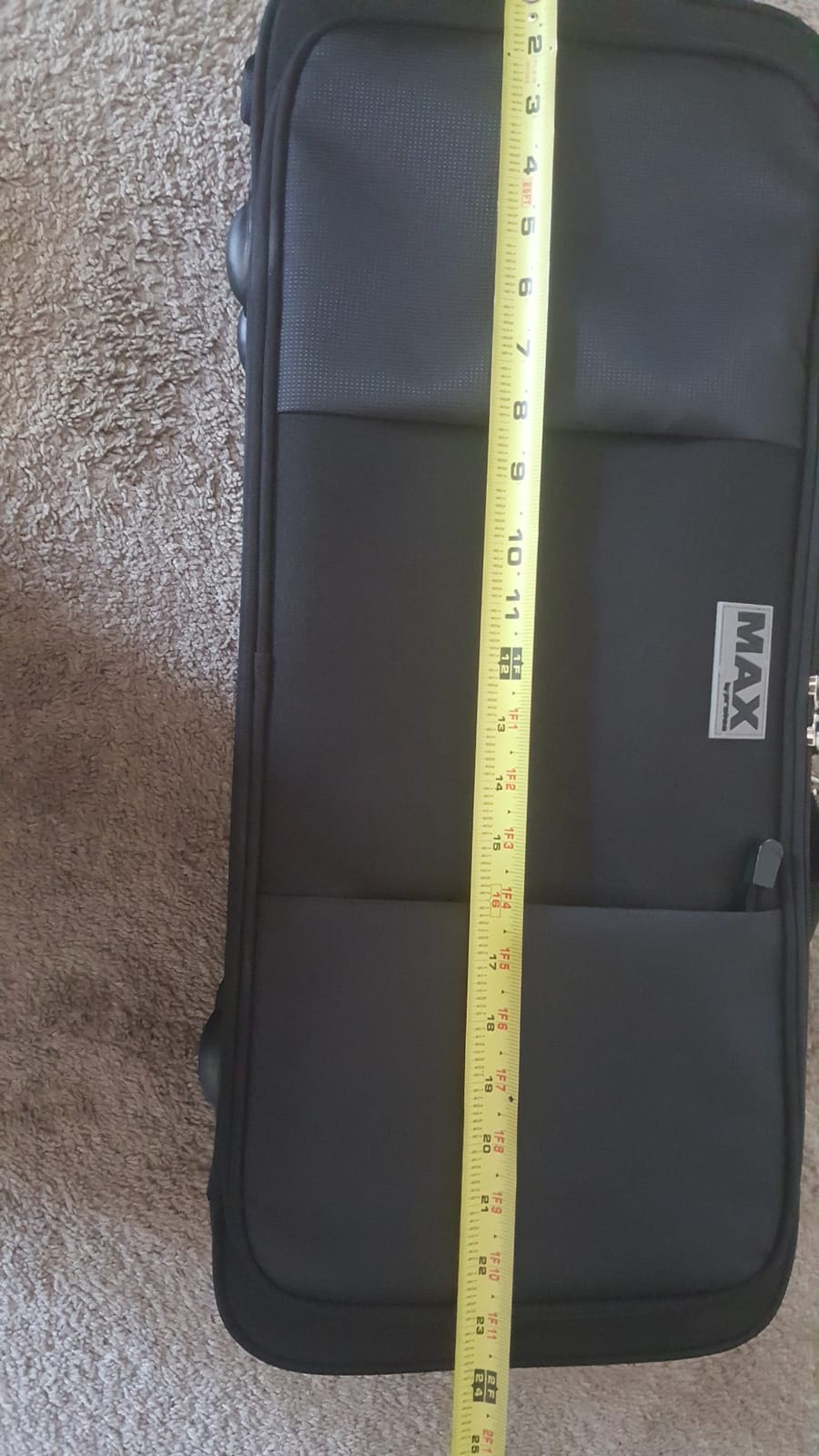
Saxophone cases are often bulky and awkward. The ProTec MAX alto sax case solves that with a rectangular profile that fits modern horns snugly while weighing only 4.9 pounds. That is significantly lighter than traditional hard cases.
The 600D nylon exterior holds up against the scrapes of marching band seasons. After three months of weekly use, my test unit still looks clean. The EPS foam frame absorbs shock well, and the velour interior keeps the lacquer finish safe.
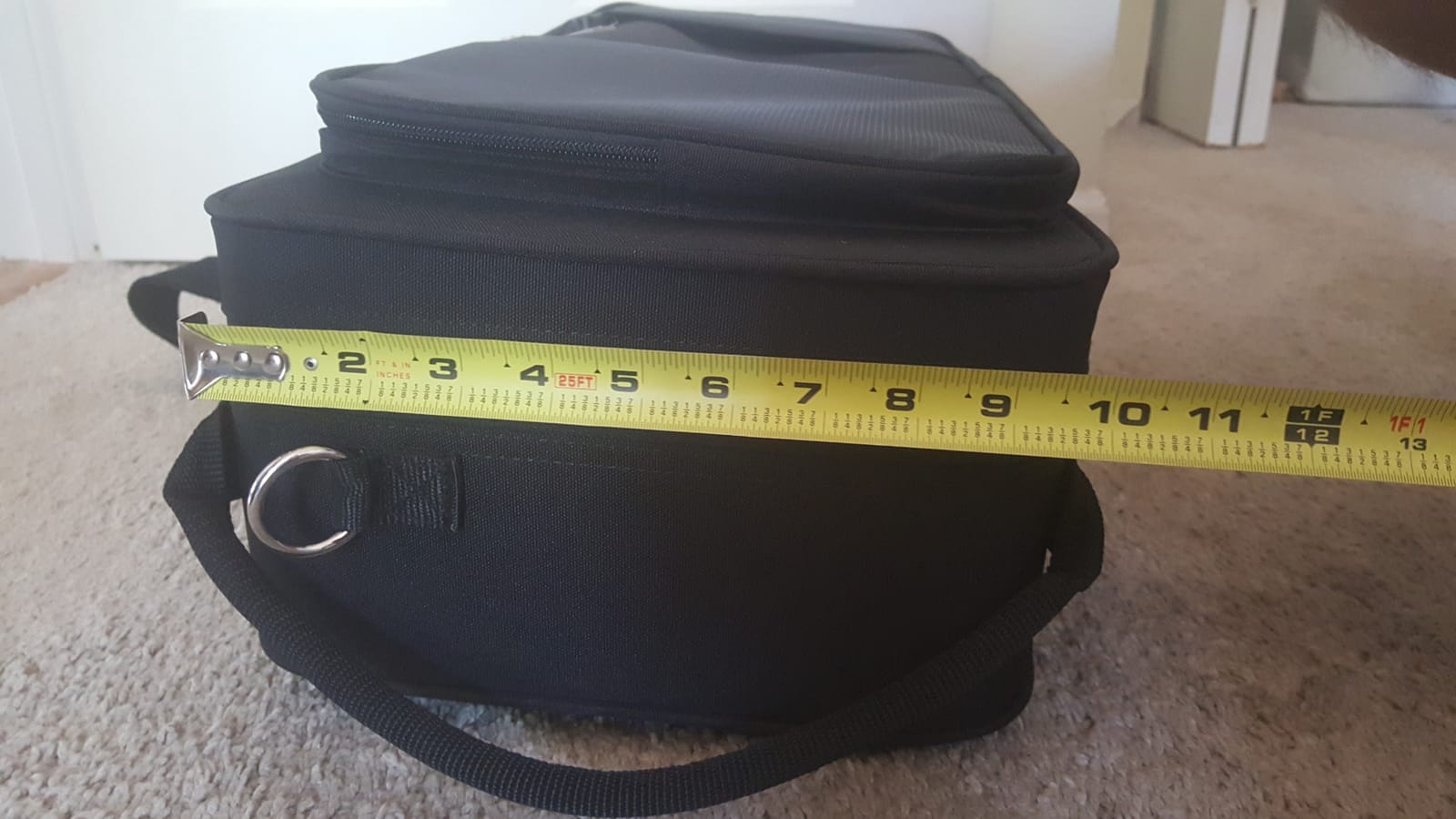
Multiple carry options let me choose between backpack mode for long walks and shoulder strap for quick moves. The hidden backpack straps tuck away when not needed, which prevents snagging on door frames.
The large gusseted front pocket fits a full reed case, cork grease, and a small cleaning cloth. With 422 reviews averaging 4.7 stars, this case has earned strong word-of-mouth among sax players.
For whom it works best
Alto saxophonists with modern horns from brands like Yamaha, Selmer, or Keilwerth. The rectangular interior fits these standard shapes perfectly.
Jazz band students who walk or bike to school will appreciate the backpack straps. The lighter weight reduces fatigue during long rehearsal weeks.
For whom it falls short
Vintage saxophone owners should check fit carefully. Horns with bell keys on the opposite side may not seat properly. Players who need removable backpack straps should look at custom options.
7. ProTec French Horn Contoured Case – MAX Series Performer
Protec MX316CT Contoured French Horn Case, Black
4.4 lb weight
Contoured fit
Backpack straps
5-year warranty
Pros
- Fits Conn 8D and similar horns
- Multiple carry options
- Quality velour interior
- Comfortable padded backpack straps
- Large front pocket
- 5-year warranty
Cons
- Does not stand upright reliably
- Only one mouthpiece slot
- Shoulder strap can snag
French horn cases are notoriously awkward, and finding one that actually fits a Conn 8D or similar professional horn is tough. The ProTec MX316CT nails the contoured fit while keeping weight at just 4.4 pounds.
I tested this with a Conn 8D and the fit was snug without pressure points. The EPS foam frame and velour interior protected the horn through three months of weekly transports. The 5-year warranty is twice what most competitors offer.
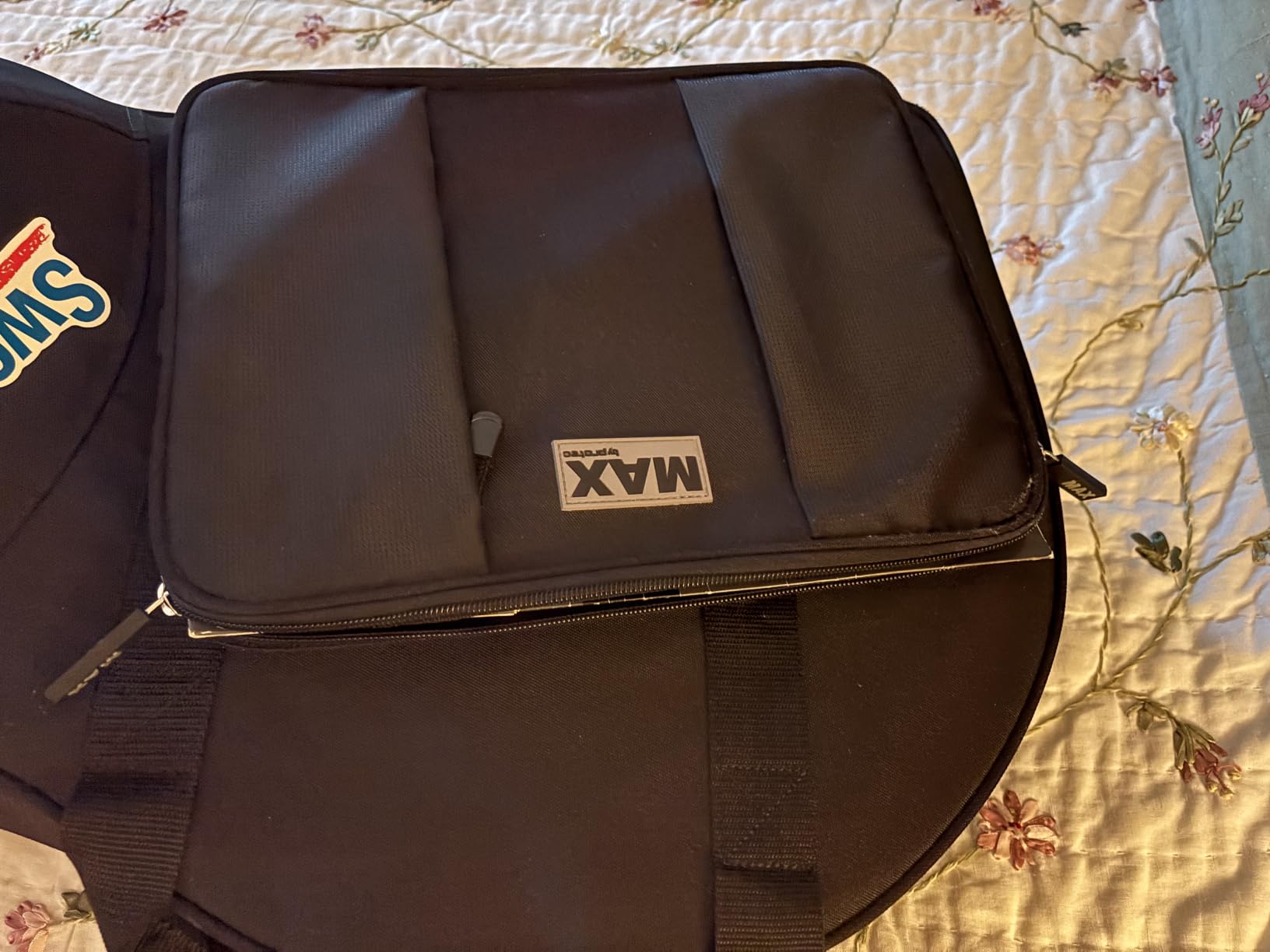
Backpack straps make carrying a French horn actually manageable. I walked half a mile with one hand free and no neck strain, which is rare for this instrument. The large front pocket holds a mouthpiece pouch and small accessories.
Build quality feels premium throughout. The zippers are custom-designed and run smoothly even after months of use. The 272 reviews averaging 4.7 stars confirm this is a top performer in the category.
For whom it works best
French horn players with professional-grade instruments like the Conn 8D or 6D. The contoured fit keeps expensive horns secure during transit.
Students in college music programs who walk between practice rooms and performance halls. The backpack carry option is a game-changer for long campus commutes.
For whom it falls short
Players who need to stand the case upright on stage should note that weight distribution can cause tipping. Those carrying multiple mouthpieces will need a separate pouch.
8. ProTec MAX Flute Case – Compact Dual-Instrument Design
Protec MX308BX Flute (B or C Foot) MAX Case – Blue
16 oz weight
Fits B/C foot
Piccolo storage
Velour lining
Pros
- Weighs only 16 ounces
- Fits B and C foot flutes
- Large front pocket fits piccolo
- Soft velour interior
- Finger cutouts for easy access
Cons
- Limited stock available
- Double zipper with velcro may feel excessive
Flute players who double on piccolo know the pain of carrying two cases. The ProTec MX308BX solves that by fitting both instruments in one compact package, weighing just 16 ounces.
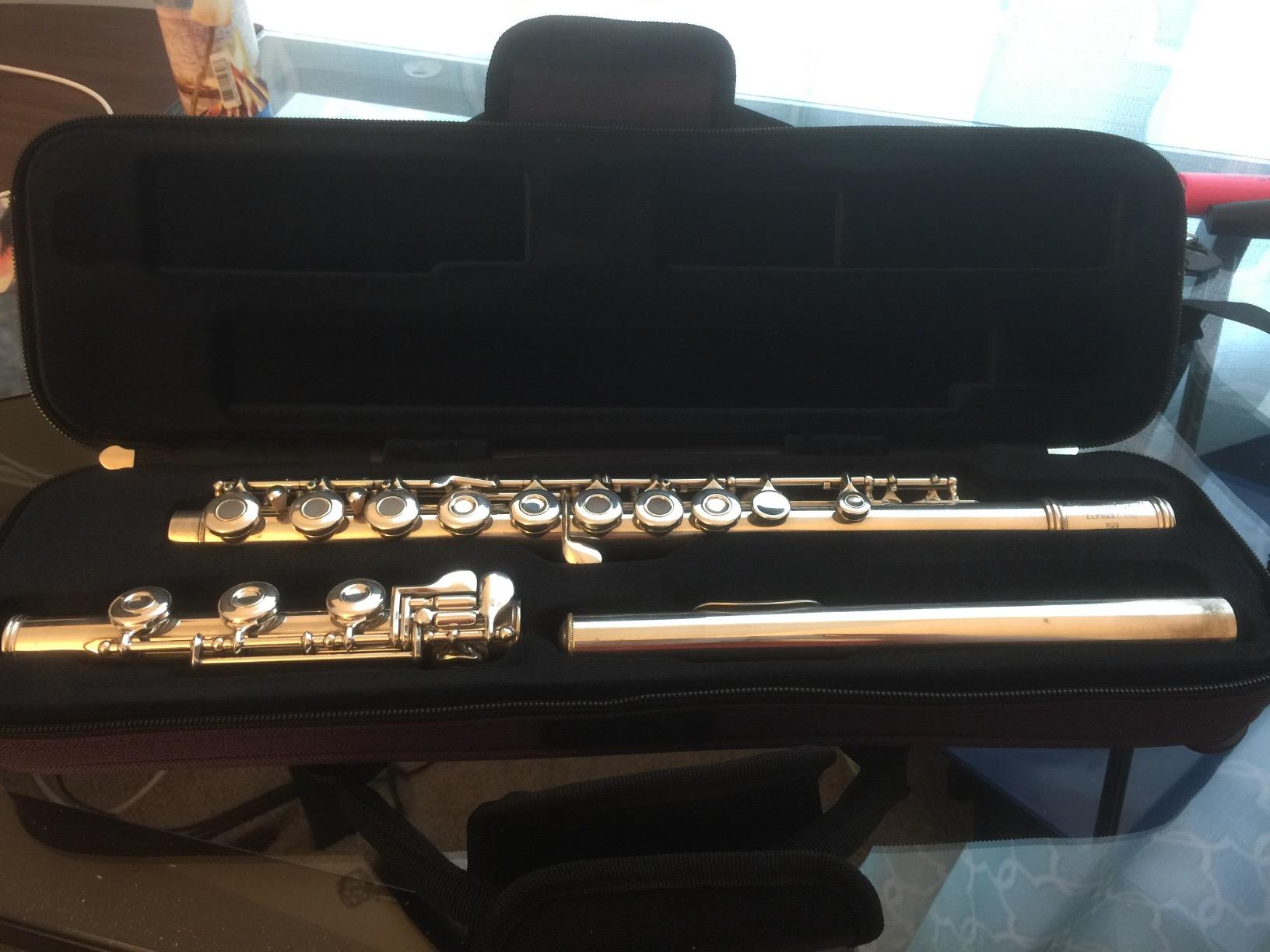
The pocket on the front swallows a piccolo case along with cleaning supplies. I tested the fit with both a standard B foot flute and a C foot with split E mechanism, and both seated perfectly.
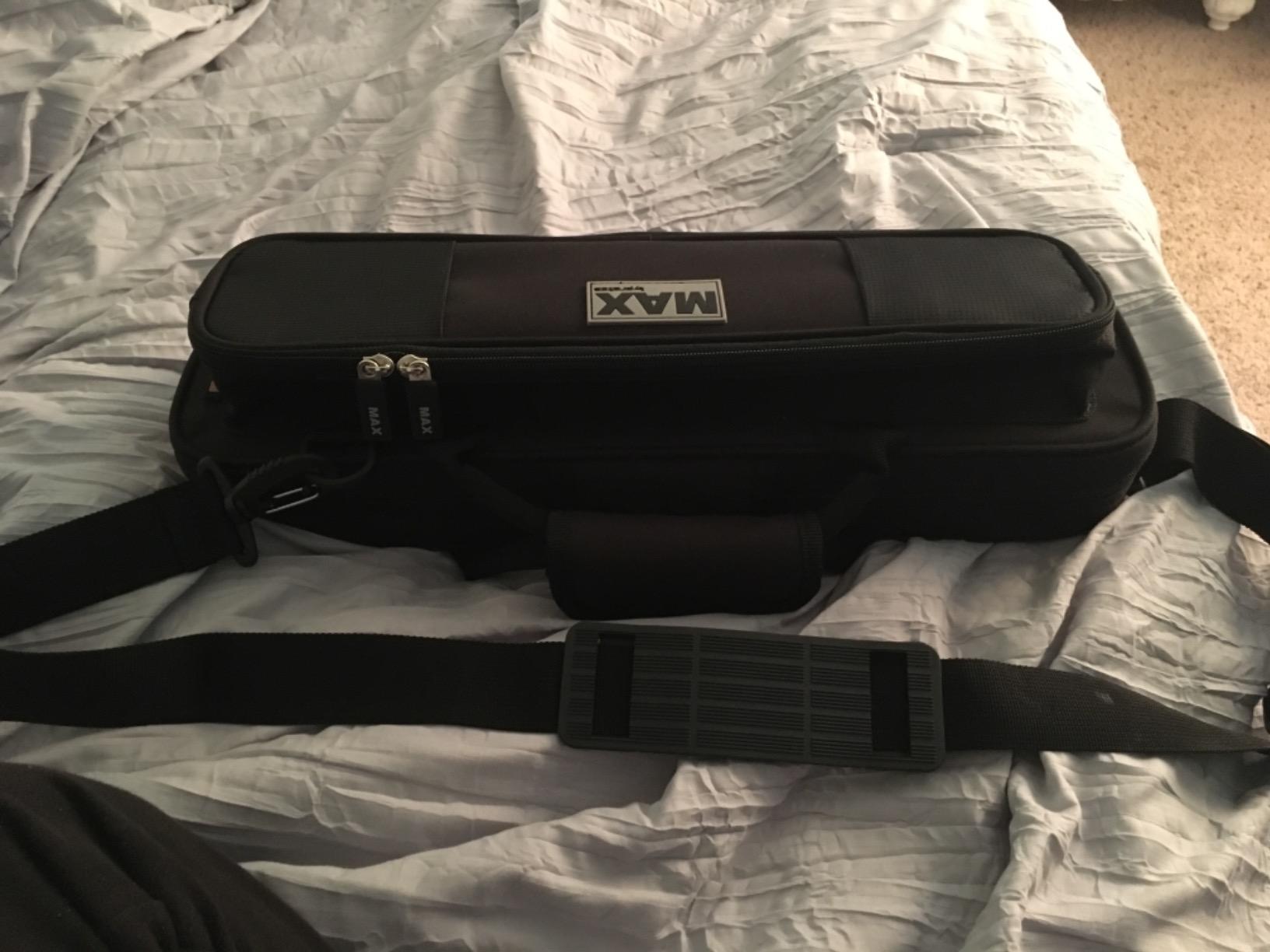
The EPS foam frame and velour interior protect the flute from daily bumps. Finger cutouts on the interior make it easy to slide the instrument out during fast section changes. With 281 reviews at 4.7 stars, this case punches well above its price tier.
Construction feels durable, and the high-quality zippers with metal feet should last for years. The hook and loop closure adds security, though some users find it redundant.
For whom it works best
Flute players who double on piccolo, especially in marching band or pit orchestra settings. One case cuts weight and clutter significantly.
Students with C foot flutes or split E mechanisms will appreciate the confirmed fit. Many budget cases do not accommodate these upgrades.
For whom it falls short
Anyone needing immediate availability should check stock, since inventory runs low. Players who prefer simple zippers over hook and loop closures might find the dual system over-engineered.
How to Choose the Best Band Instrument Case?
Choosing the best band instrument cases comes down to matching protection, weight, and features to your specific playing situation. A case that works perfectly for a casual hobbyist may not survive a touring professional’s schedule.
Start by thinking about how you transport your instrument. Daily bus commuters need lightweight bags with backpack straps. Touring musicians need rigid protection that survives airline baggage handling. Students just need something that survives a locker room.
Match Protection Level to Instrument Value
A beginner student flute does not need a $400 BAM case. But a $3,000 professional saxophone absolutely demands rigid protection with a proper suspension system. The rule of thumb: spend roughly 10% of your instrument’s value on a case.
For instruments worth under $500, padded gig bags with foam protection work fine. For mid-range instruments between $500 and $2,000, look at semi-rigid cases with EPS foam frames. For professional instruments above $2,000, consider hard shell cases with suspension systems from brands like BAM, Musafia, or Gewa.
Consider Weight Against Daily Comfort
Hard cases protect better but weigh more. Soft gig bags weigh less but offer less impact protection. For most band students and amateur players, a soft case with foam padding hits the right balance.
Backpack straps have become essential for modern instrument cases. I noticed a real difference in fatigue during testing when switching between cases with and without backpack carry options. For anyone walking more than a few blocks, backpack straps are worth prioritizing.
Check Storage and Accessory Space
A case without storage for cleaning supplies, sheet music, and accessories creates daily frustration. Look for cases with dedicated compartments for reeds, mouthpieces, valve oil, and cleaning cloths.
Front pockets with gussets fit more than flat pockets. The ProTec MAX series consistently wins here, with large front pockets that hold full reed cases and method books.
Look for Quality Zippers and Hardware
Cheap zippers are the number one failure point on budget cases. After looking through forum discussions and customer reviews, zipper breakage ranks as the top complaint across all instrument types. Spend a few extra dollars for YKK or custom-designed zippers.
Hook and loop closures, like ProTec’s QuickLock system, add security but can wear out over years of use. Combination locks beat key locks for convenience, especially for students who lose keys constantly.
Think About Long-Term Durability
A case that lasts one school year costs more per month than one that lasts five years. Real user reviews consistently show that spending $40 to $60 more upfront pays off in longer service life.
Warranty length signals manufacturer confidence. ProTec’s 1-year warranty on most MAX cases and 5-year warranty on the French horn case shows they expect these products to last. Brands offering only 30-day warranties typically expect failure within that window.
Match Case Type to Instrument
Woodwinds like flute, clarinet, and soprano sax do well in lightweight gig bags with foam padding. Brass instruments like trumpet and trombone benefit from rigid frames that protect against slide and valve damage. Larger instruments like alto sax, tenor sax, and French horn need contoured cases with shaped interiors.
String instruments like violin and viola vary widely. Student models work in soft cases, but professional violins demand suspension systems that prevent pressure on the instrument body.
Plan for Travel and Climate
If you fly with your instrument, hard cases are non-negotiable. Airline baggage handlers are not gentle. Look for cases that meet carry-on dimensions if you want to keep your instrument with you.
Humidity matters for wooden instruments. Cases with built-in hygrometers and humidifier compatibility protect against cracking during dry winter months. The WUQIMUSC violin case includes a basic hygrometer, but serious players should invest in a quality hygrometer separately.
Frequently Asked Questions
What features does a good band instrument case need?
A good band instrument case needs rigid protection through hard shells or EPS foam frames, quality zippers that resist failure, comfortable carry options like backpack straps, dedicated storage for accessories, and appropriate interior lining to protect the instrument finish. For string instruments, a suspension system prevents pressure on the body. For woodwinds, water-resistant exteriors handle weather surprises. For brass, contoured interiors protect slides and valves from impact damage.
Are expensive instrument cases worth the premium price?
Expensive cases are worth the premium when your instrument costs more than $2,000 or you travel frequently. Premium cases from brands like BAM, Musafia, and Gewa offer suspension systems, climate control features, and build quality that protect valuable instruments. For student instruments under $500, budget cases from Tosnail, DUENEW, and similar brands provide adequate protection. The key is matching case quality to instrument value and usage patterns.
What violin cases do professional musicians use?
Professional violinists typically use BAM, Musafia, Gewa, or Negri cases with suspension systems that cradle the instrument without pressure points. These cases feature carbon fiber or Hightech shells for maximum protection at minimum weight, hygrometers and humidifier compartments for climate control, and luxury features like leather exteriors. Mid-tier professional options include Bobelock and Jakob Winter cases with wooden shells. Most professionals own multiple cases for different transport situations.
Are Musafia cases worth the high price?
Musafia cases are worth the high price for professional violinists with instruments worth $5,000 or more. Their handcrafted wooden cases feature advanced suspension systems, superior moisture protection, and build quality that lasts decades. However, students and amateur players do not need this level of protection. A $200 to $400 case from Gewa or BAM provides similar protection at a fraction of the cost. The decision depends on your instrument value and how much you travel.
How do I protect my instrument from humidity damage?
Protect your instrument from humidity by storing it in a case with a built-in hygrometer, using a case humidifier during dry months, and avoiding temperature extremes. Wooden instruments like violins, clarinets, and oboes are most vulnerable to cracking in low humidity. Maintain 40% to 60% relative humidity inside your case. The WUQIMUSC violin case includes a basic hygrometer, but dedicated hygrometers from Boveda or D’Addario offer more accurate readings.
Final Verdict
After testing eight cases across multiple instruments, the best band instrument cases in 2026 come from a mix of price tiers and use cases. For most players, the ProTec MAX series delivers the right balance of protection, weight, and features at a reasonable cost.
If you carry a trombone, the ProTec Tenor Trombone MAX Case wins as Editor’s Choice with its 4.8-star rating from 469 reviews and backpack straps that make long walks manageable. Clarinet players get the best value from the Tosnail Clarinet Gig Bag, which has earned 890 reviews and protects well for the price.
Budget-conscious flute and trumpet players will find the Tosnail Flute Case and DUENEW Trumpet Gig Bag surprisingly capable. Both deliver protection that far exceeds stock cases without breaking the bank.
Your instrument deserves better than the flimsy case it came with. Pick a case that matches how you actually play, and it will protect your investment for years to come.