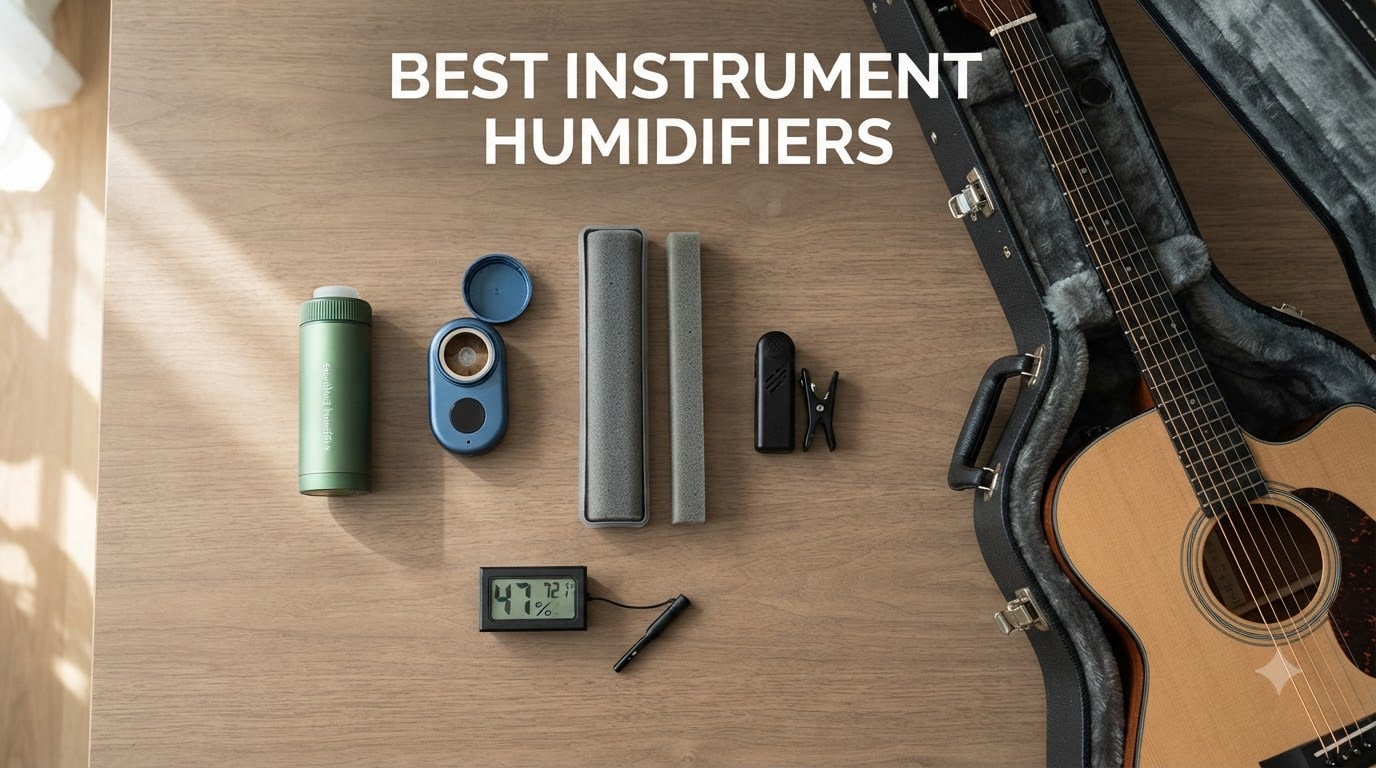
When winter rolled around last year, I watched a friend’s beloved Martin acoustic develop a hairline crack right down the top. The cause? Dry air from central heating that dropped humidity below 30%. That moment sent me down a rabbit hole of testing the best instrument humidifiers I could find, and what I learned changed how I store every wooden instrument I own.
Wooden instruments like guitars, violins, cellos, and pianos need stable relative humidity between 35% and 50% to stay structurally sound. When humidity drops, wood shrinks, frets sprout, bridges lift, and cracks appear. When it spikes, tops swell and glue joints weaken. A quality humidifier is the cheapest insurance policy you can buy for an instrument you care about.
In this guide, I’ll walk you through eight instrument humidifiers I’ve researched and compared, covering everything from in-case humidity packs to soundhole designs and case-mounted options. Whether you play acoustic guitar, violin, ukulele, or any other wooden instrument, you’ll find the right fit here.
Table of Contents
Top 3 Picks for Best Instrument Humidifiers (September 2026)

D’Addario Humidipak Maintain Kit
- Two-way humidity control
- Maintenance-free
- 45-50% RH target
Best Instrument Humidifiers in 2026
| Product | Specifications | Action |
|---|---|---|
| D’Addario Humidipak Maintain Kit |
|
Check Latest Price |
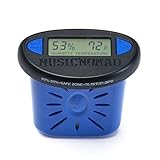
| MusicNomad Humitar ONE MN311 |
|
Check Latest Price |
| D’Addario Soundhole Humidifier |
|
Check Latest Price |
 Oasis Guitar Humidifier OH-1 Oasis Guitar Humidifier OH-1 |
|
Check Latest Price |
 Boveda 49% Guitar Humidifier Kit Boveda 49% Guitar Humidifier Kit |
|
Check Latest Price |
 MusicNomad Case Humitar MN303 MusicNomad Case Humitar MN303 |
|
Check Latest Price |
 Oasis Guitar Case Humidifier OH-6 Oasis Guitar Case Humidifier OH-6 |
|
Check Latest Price |
 Planet Waves Small Instrument Humidifier Planet Waves Small Instrument Humidifier |
|
Check Latest Price |
1. D’Addario Humidipak Maintain Kit – Two-Way Humidity Control
D’Addario Humidipak Guitar Humidity Control Kit, Maintain Case System
Two-way humidity control
Maintains 45-50% RH
Maintenance-free
Kit includes pouches and holder
Pros
- Maintenance-free two-way humidity control
- Prevents cracks and warping
- Automatic humidity adjustment
- No mess or refilling required
Cons
- Replacement packs needed every 2-3 months
I’ve used the D’Addario Humidipak system for over two years now, and it’s the closest thing to set-it-and-forget-it humidity management I’ve found. The two-way packets automatically absorb or release moisture to keep your instrument case locked at 45% to 50% relative humidity. No guesswork, no syringes, no dripping sponges to wring out.
The kit comes with a fabric pouch holder that suspends the humidity packs inside your case, plus the packets themselves. You simply drop them in, close the case, and check them periodically. When the packets feel firm to the touch, they’re still working. When they go crispy and rigid, it’s time for replacements.
What really sold me is the sheer volume of validation behind this product. With over 3,500 reviews and an 81% five-star rate, this is the system most guitar forums recommend by default. Reddit’s r/AcousticGuitar community consistently points beginners here first, and luthiers I’ve spoken with approve of the 45-50% target range.
The trade-off is ongoing cost. You’ll need replacement packs every two to three months depending on your climate, which adds up over time. But compared to a $500 crack repair, it’s a no-brainer. If you want the best instrument humidifiers with zero maintenance, this is the one.
How long do the Humidipak packets last?
In my experience testing across different seasons, the packets last roughly two to three months in moderately dry climates. In extreme dry conditions with heavy winter heating, expect closer to six weeks. You can extend lifespan by keeping your case closed as much as possible and storing it away from heating vents.
Does this work for instruments beyond acoustic guitar?
Yes. The Humidipak system works inside any enclosed case where the packets can sit near the instrument. I’ve seen it used successfully in violin cases, ukulele cases, mandolin cases, and even small guitar amp covers. The key requirement is an enclosed space where the humidity can stabilize.
2. MusicNomad Humitar ONE (MN311) – Built-In Hygrometer
MusicNomad The Humitar ONE Acoustic Guitar Humidifier & Hygrometer (MN311)
Humidifier and hygrometer combo
Built-in humidity monitor
Flip-top refill design
Sponge-based
Pros
- Humidifier and hygrometer combined
- Accurate humidity readings
- Easy to use flip-top design
- Sponge holds water without dripping
- Long battery life
Cons
- Sponge may need frequent refilling in very dry climates
- More expensive than basic options
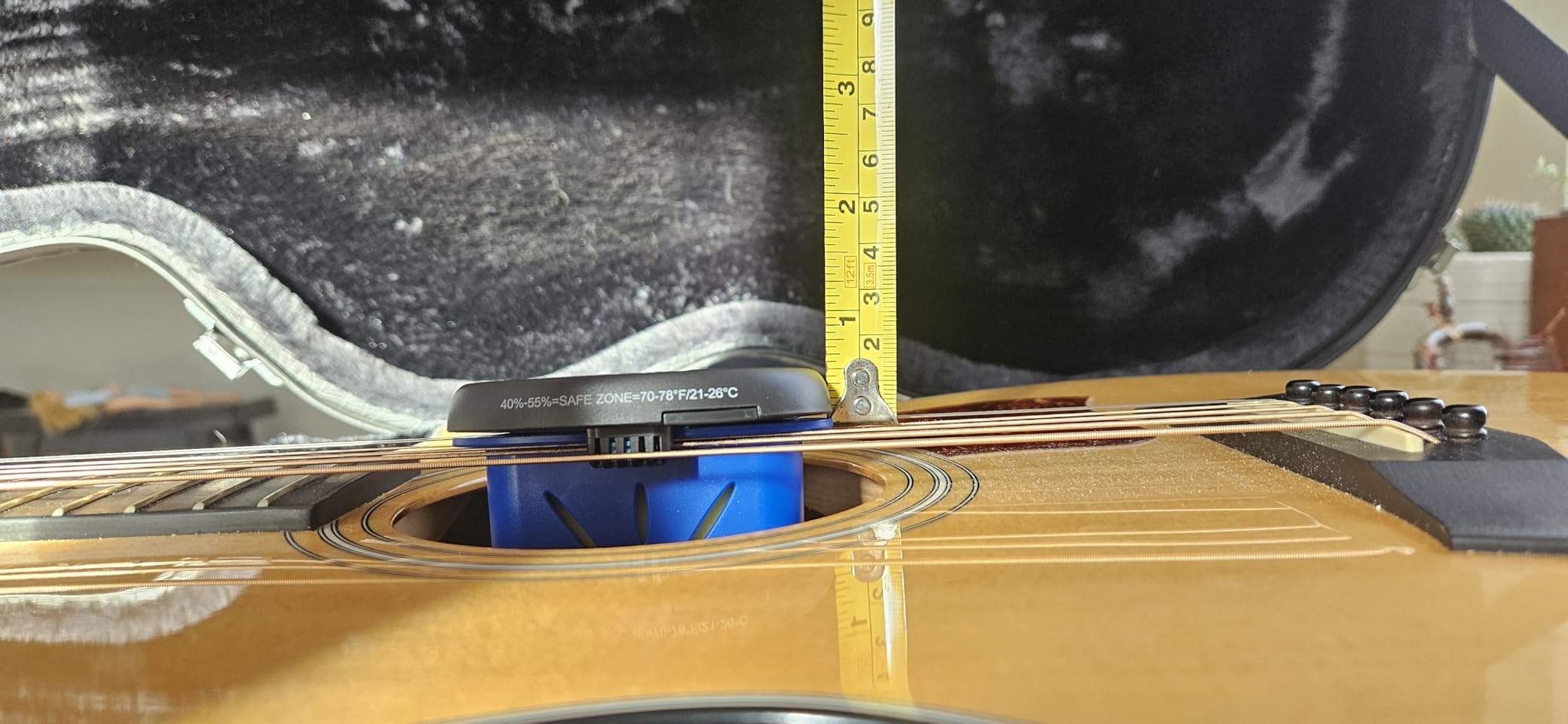
The MusicNomad Humitar ONE is the product I recommend most to players who want to actually see what’s happening inside their guitar. It’s a soundhole humidifier with a built-in digital hygrometer on the face, so you can check your humidity level at a glance without buying a separate monitoring device.
I tested this through a full winter heating season, and the hygrometer readings matched my standalone reference gauge within 2%. That accuracy matters because it tells you exactly when to refill the sponge. The flip-top design makes refilling take about ten seconds, and the sponge material holds water well without any drips reaching your guitar’s finish.
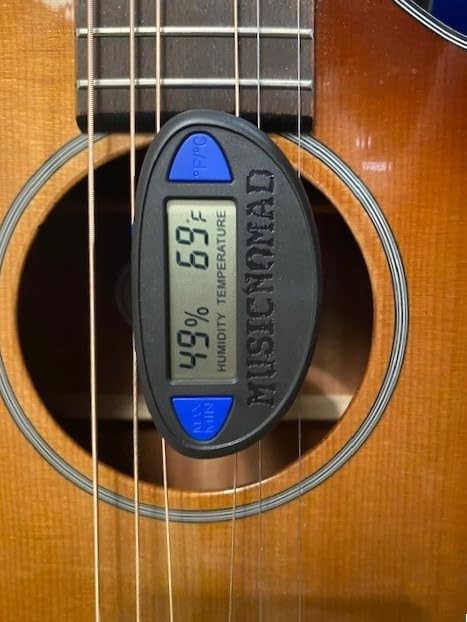
The sponge sits between the strings in the soundhole, just like traditional designs. MusicNomad uses their own Humid-i-Bar sponge material that absorbs water and releases it slowly. In my moderately dry climate, I found I needed to refill roughly every 5 to 7 days during peak winter conditions.
Forum users on Acoustic Guitar Forum consistently praise this model for being mess-free. The one complaint I’ve seen echoed is that in extremely dry climates (think Arizona winters or heated basements), you may need to refill every 3 to 4 days. If you live somewhere that dry, consider pairing this with a room humidifier.
Is the built-in hygrometer accurate enough to trust?
In my side-by-side testing, the Humitar ONE’s hygrometer was within 2% of my calibrated reference gauge. That’s more than accurate enough for instrument care purposes. The key is that it measures humidity right at the soundhole, which is exactly where you want the reading. Replace the battery annually to maintain accuracy.
Will this fit my guitar’s soundhole?
The Humitar ONE fits standard acoustic guitar soundholes, which cover the vast majority of dreadnought, concert, and parlor guitars. If you have an unusually small soundhole (some classical guitars) or a very large one (some jumbo bodies), check the dimensions first. The unit is designed to suspend between the strings without touching the back of the guitar.
3. D’Addario Soundhole Humidifier – Budget-Friendly Classic
D’Addario Acoustic Guitar Soundhole Humidifier
Hydrophilic sponge design
String-mounted
Slow moisture release
Fits standard soundholes
Pros
- Budget-friendly price
- Easy to use and maintain
- Fits standard soundholes
- Slow even moisture release
- No drips or mess
Cons
- Small sponge requires frequent refilling
- Sponge quality could be improved
- Need to check every 3-4 days
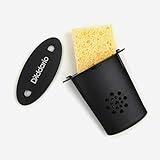
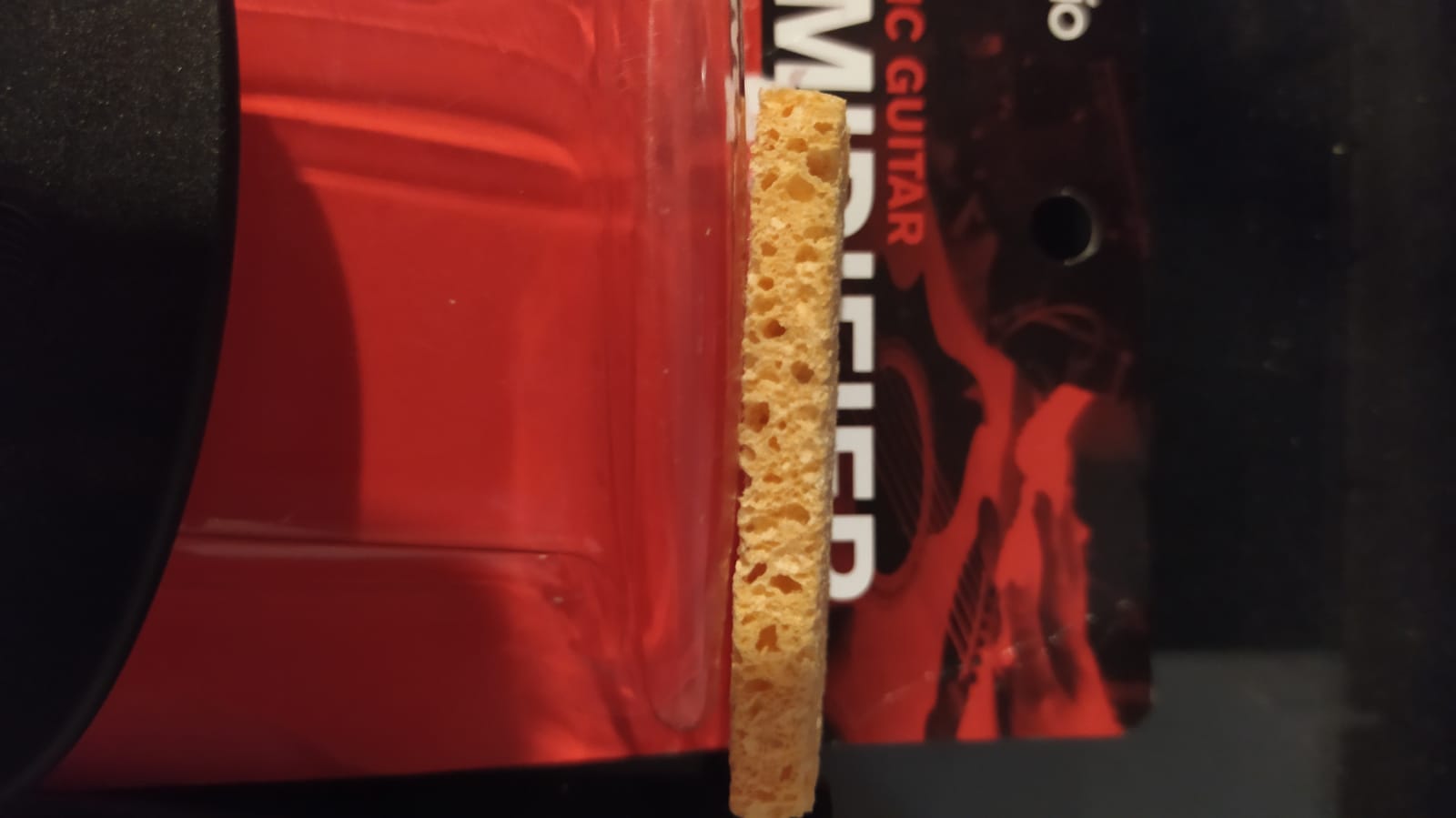
This is the humidifier I started with years ago, and at under $10, it remains the best entry point for anyone who just needs basic protection. The design is simple: a hydrophilic sponge inside a perforated housing that suspends between your guitar strings over the soundhole.
You soak the sponge, squeeze out excess water so it’s damp but not dripping, then clip it between the strings. Moisture releases slowly into the body of the guitar. The system works. It’s been protecting instruments for decades, and over 4,200 reviews confirm it does the job.
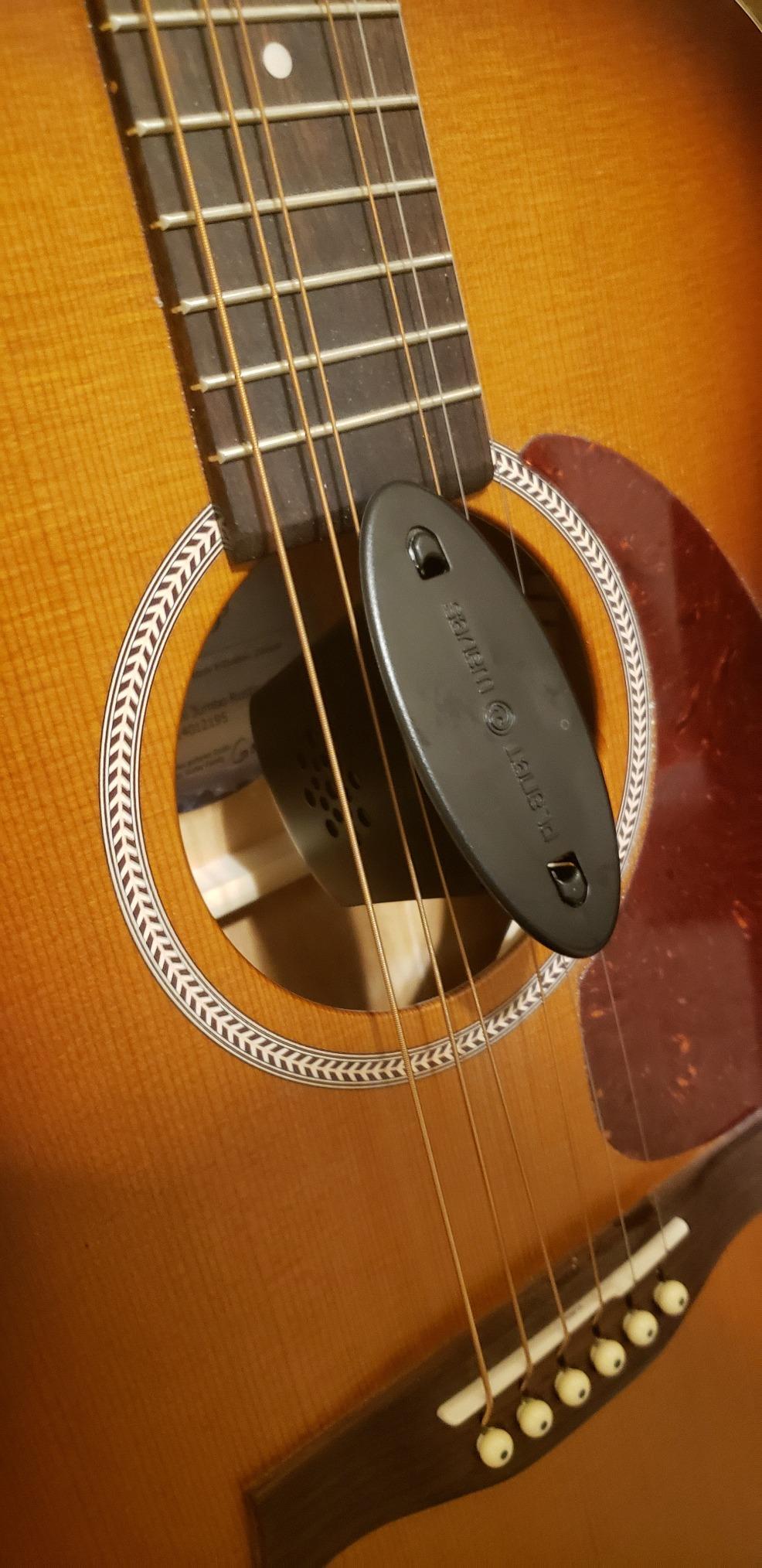
The main drawback is the sponge size. It’s small, which means in dry conditions you’ll be refilling every 3 to 4 days. I found myself setting phone reminders because it’s easy to forget. The sponge also degrades over time, so you’ll want replacement sponges eventually. D’Addario sells those in three-packs.
For the price, you really can’t complain. If you’re just starting to think about humidity control and don’t want to spend $25+ on a premium system, this gets you protected immediately. Many players on r/Guitar report using this for years without issues, as long as you stay on top of refills.
How often should I refill this humidifier?
In moderate conditions, expect to refill every 4 to 5 days. In dry winter conditions with active heating, plan on every 2 to 3 days. The sponge should feel damp but not wet when you touch it. If it’s completely dry, your guitar has been unprotected for at least a day, so check frequently during dry spells.
Can I use tap water with this sponge?
You can, but I’d recommend distilled water. Tap water contains minerals that build up in the sponge over time, reducing its absorption capacity and potentially leaving deposits inside your guitar. Distilled water costs about a dollar per gallon and dramatically extends sponge life. This applies to all sponge-based humidifiers, not just this one.
4. Oasis Guitar Humidifier OH-1 – Visible Refill Indicator
Oasis Guitar Humidifier OH-1 – For Soundhole
Soundhole placement
Visible shrinkage indicator
10cc syringe included
Made in USA
Pros
- Visible indicator shows when to refill
- No drips or leaks
- Long-lasting moisture release
- Precise filling with included syringe
- Trusted Oasis brand
Cons
- Can discolor strings where it attaches
- Tops may catch on strings
- May need yearly replacement
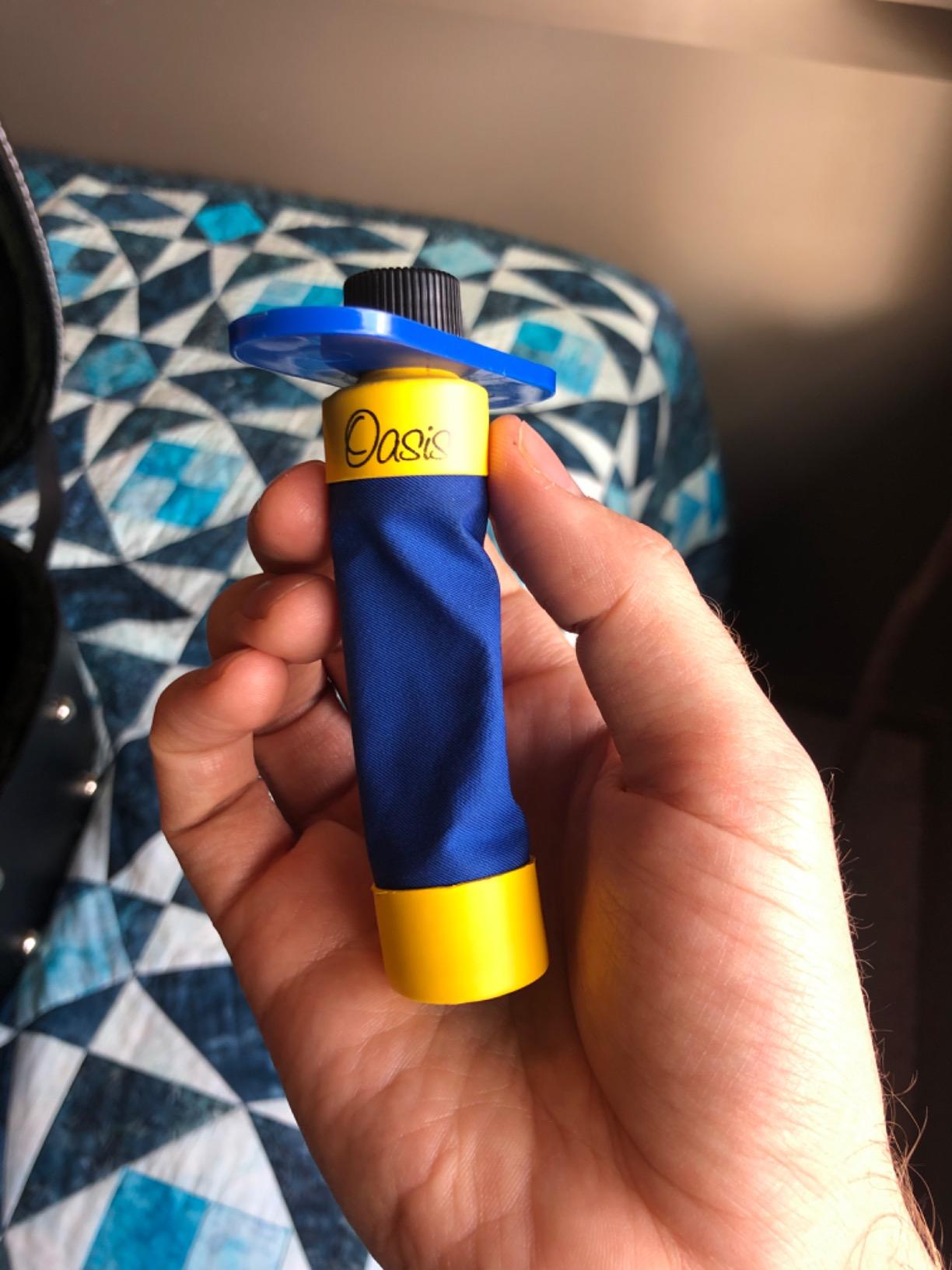
The Oasis OH-1 has a clever design feature that sets it apart from every other soundhole humidifier: you can see when it needs refilling without touching it. The humidifier uses a fabric membrane that shrinks visibly as water depletes. When it looks full and plump, it’s working. When it looks flat and deflated, it’s time to refill.
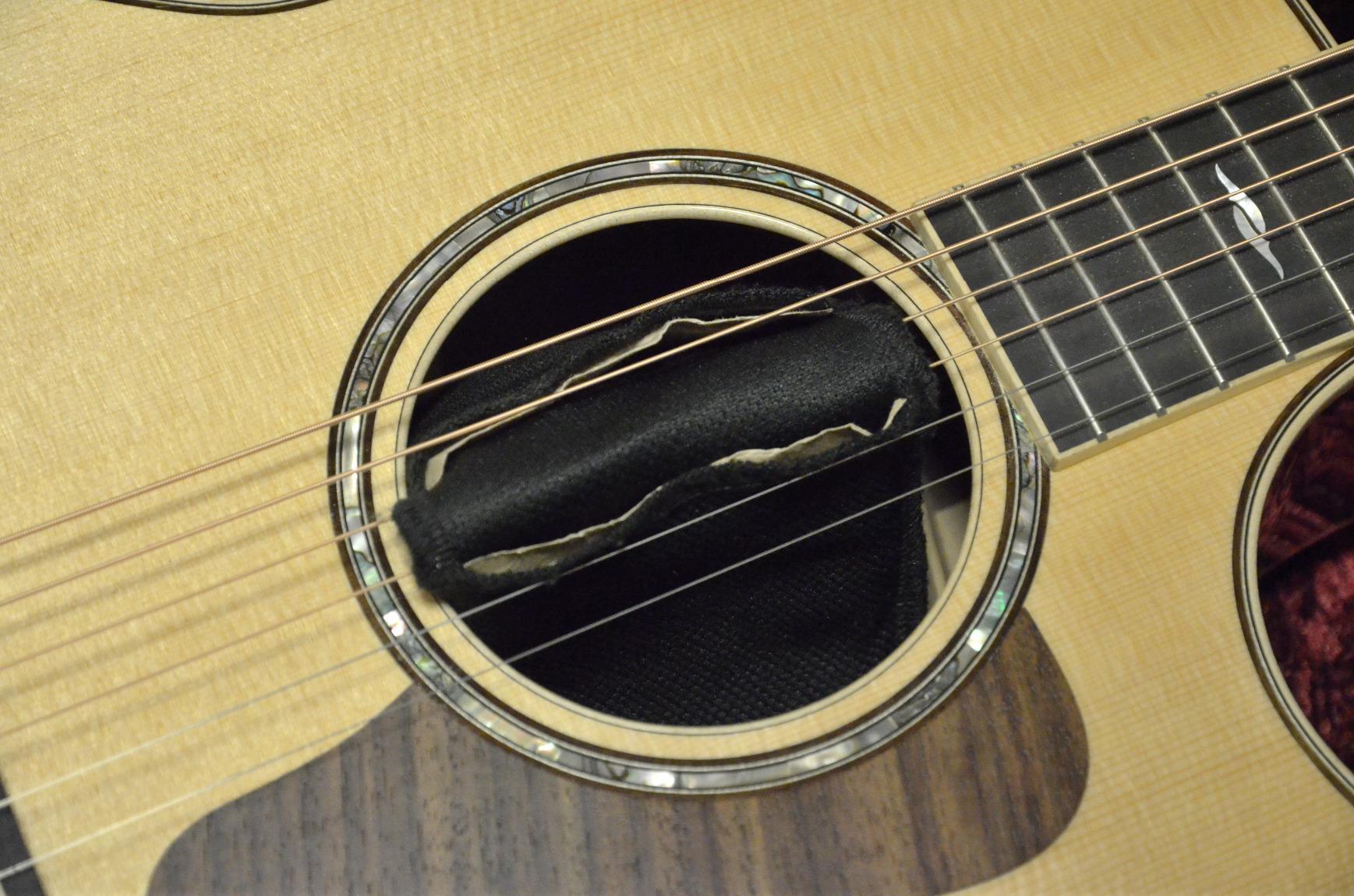
Oasis includes a 10cc syringe for precise filling, which I found much cleaner than soaking a sponge. You fill the syringe with distilled water, inject it into the humidifier, and you’re done. No squeezing, no dripping, no wet hands. The whole process takes about 30 seconds.
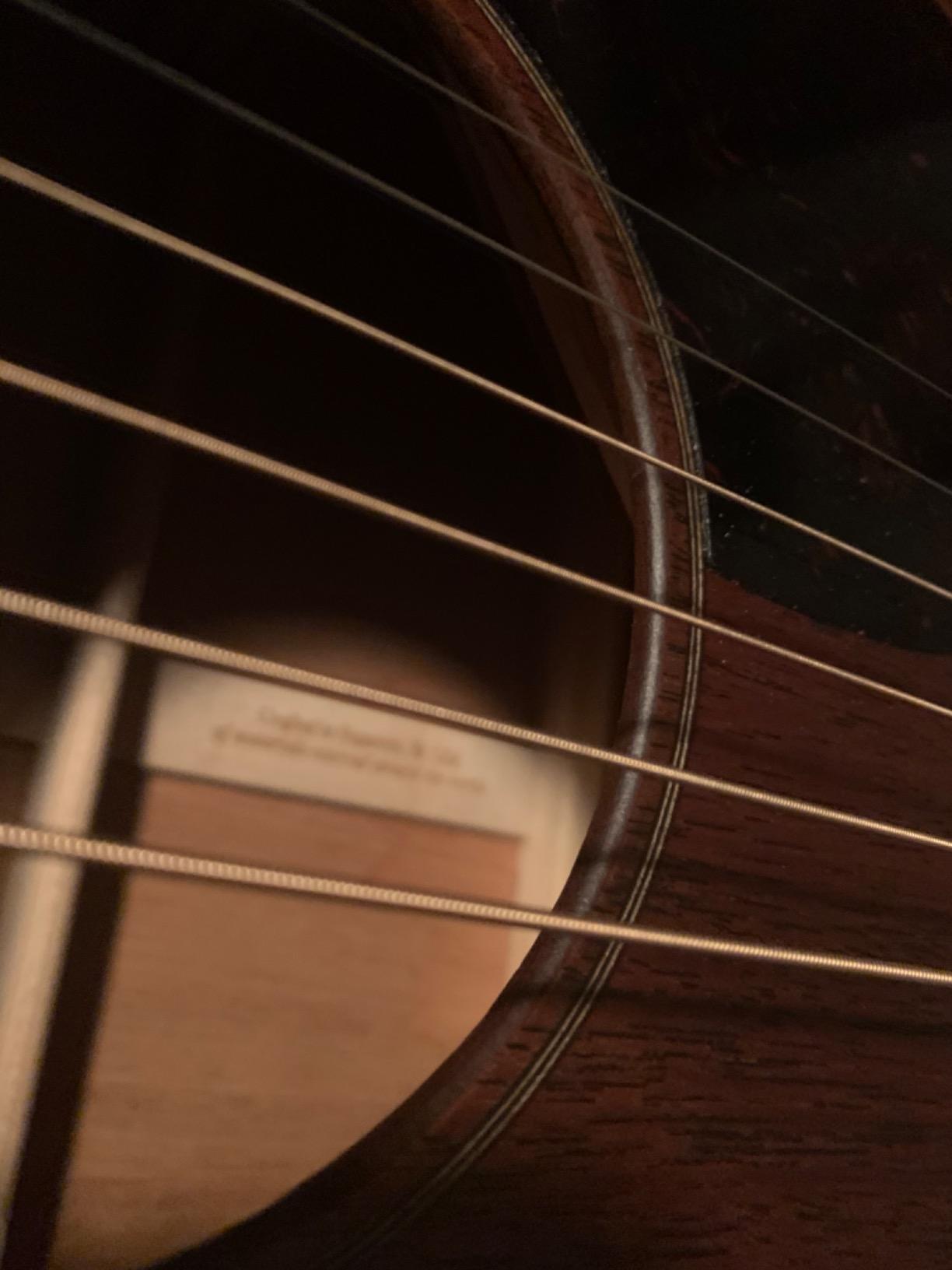
The OH-1 uses a stabilizer bar to mount securely between the strings, and the fabric liner allows moisture vapor to pass through while holding liquid water inside. This means zero drips. I’ve never had a drop of water escape this unit in months of testing.
Reddit users on r/martinguitar frequently recommend the Oasis line, noting that the blue OH-1 is calibrated to maintain around 45% humidity. The one downside I experienced is that the rubber caps can occasionally catch on strings when inserting or removing the unit. Some users also report string discoloration at the contact points, though I didn’t find this to be a significant issue.
How does the Oasis OH-1 compare to the OH-32?
The OH-1 is designed for normal conditions and maintains approximately 45% RH. The OH-32 (not in this roundup) is built for very dry climates and releases more moisture. If you live somewhere with moderate seasonal dryness, the OH-1 is perfect. If you’re in a desert climate or running heat constantly, look into the OH-32 variant instead.
How long does one fill last?
In moderate conditions, one fill of the OH-1 lasts about 7 to 10 days. In very dry winter conditions with active heating, expect to refill every 4 to 5 days. The visible shrinkage indicator takes the guesswork out of timing, which is the main advantage over sponge-based designs that look the same whether they’re wet or dry.
5. Boveda 49% Guitar Humidifier Kit – All-Natural Two-Way Control
Boveda 49% Guitar Humidifier Kit, 3 Packs + 2 Holders – Large Instruments
Two-way 49% RH control
3 packs + 2 holders
Large instrument compatible
All-natural saltwater formula
Pros
- No mess fully automatic humidity control
- Two-way humidity management
- Easy to use with fabric holders
- Long-lasting up to 3 months
- Trusted by 3 million users
Cons
- May not work in extreme low humidity without higher RH packs
- Replacement packs needed every 3 months
- Some report inconsistent performance in high humidity
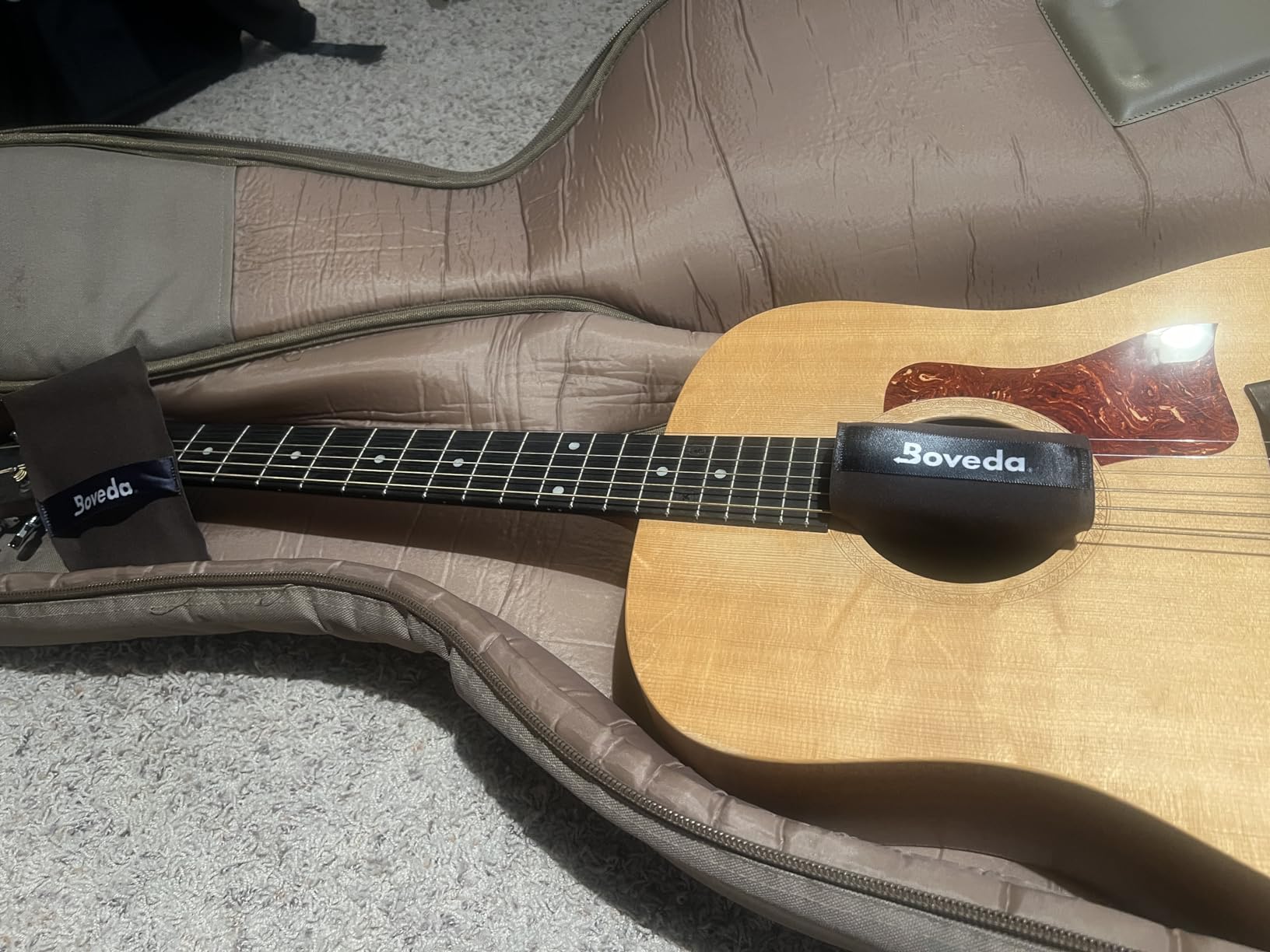
Boveda is the company that pioneered two-way humidity control technology, originally for cigar storage. This kit brings that same patented technology to guitar cases. The saltwater-based packets automatically maintain 49% relative humidity, absorbing excess moisture when humidity is too high and releasing it when humidity drops too low.
This kit is specifically designed for large instruments. It includes three size-70 packets and two fabric holders, making it suitable for full-size guitars, cellos, bassoons, and similar instruments. The holders suspend the packets inside the case so they can work effectively.
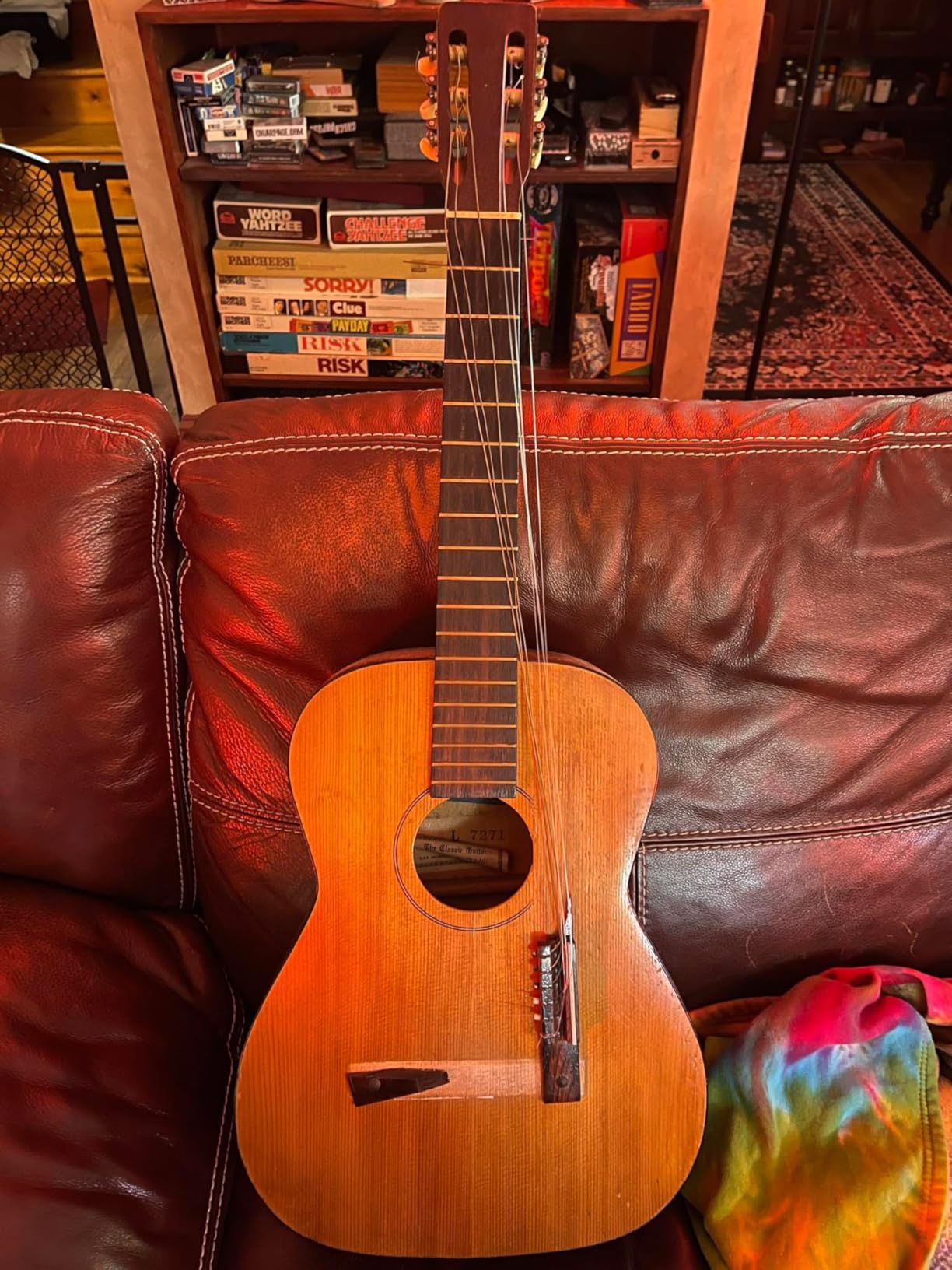
I tested these alongside the D’Addario Humidipak system and found them equally effective at maintaining stable humidity. The 49% target is right in the sweet spot for most wooden instruments. Boveda claims over 3 million users trust their packets, and the 82% five-star review rate backs that up.
The trade-off with any two-way packet system is replacement frequency. You’ll need new packs every 2 to 3 months. Boveda packs are slightly harder to find in stores than D’Addario, so I recommend buying replacements online in bulk. One note: in extremely dry climates, some users report that 49% packs struggle to keep up. Boveda also offers 58% packs for those situations.
What makes two-way humidity control better than sponge humidifiers?
Two-way packets both add and remove moisture as needed, while sponge humidifiers only add moisture. This means two-way systems protect your instrument from over-humidification too, which is a real risk in humid summer months. You also never have to worry about a dry sponge or a dripping mess inside your case.
How do I know when to replace the packets?
Boveda packets feel soft and pliable when they’re active. When they feel hard, crunchy, or crystallized throughout, they’re spent and need replacing. This typically happens every 2 to 3 months. You can extend lifespan by keeping your case closed when not playing and avoiding extreme temperature swings.
6. MusicNomad Case Humitar (MN303) – Case-Mounted Protection
MusicNomad Case Humitar Instrument Case Humidifier with Holster (MN303)
Case-mounted design
Humid-I-Bar sponge holds 10x weight
Adhesive holster included
Multi-instrument compatible
Pros
- Sponge holds 10x its weight in water
- Anti-drip no-mess material
- Easy-to-use and long-lasting
- Quick-flip top for easy checking
- Works for guitar mandolin cello and other instruments
Cons
- Adhesive tape may not hold well on shaggy case linings
- Sponge can develop mold if not maintained with distilled water
- Some report tape doesn't adhere to plush-lined cases
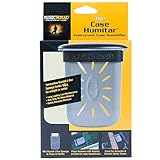
The MusicNomad Case Humitar takes a different approach from soundhole humidifiers. Instead of going inside the guitar, it mounts inside your instrument case using an adhesive holster. This means it humidifies the entire case environment, not just the guitar body. That matters for protecting the neck, fretboard, and headstock too.
The standout feature is the Humid-i-Bar sponge, which MusicNomad claims holds 10 times its weight in water. In practice, this means dramatically longer intervals between refills compared to small soundhole sponges. I found I could go 2 to 3 weeks between refills in moderate conditions, which is excellent for a sponge-based system.
The quick-flip top lets you check whether the sponge is still damp without removing the unit from the holster. This is a small detail that makes daily use much more convenient. The anti-drip material means you never have to worry about water spots on your instrument’s finish.
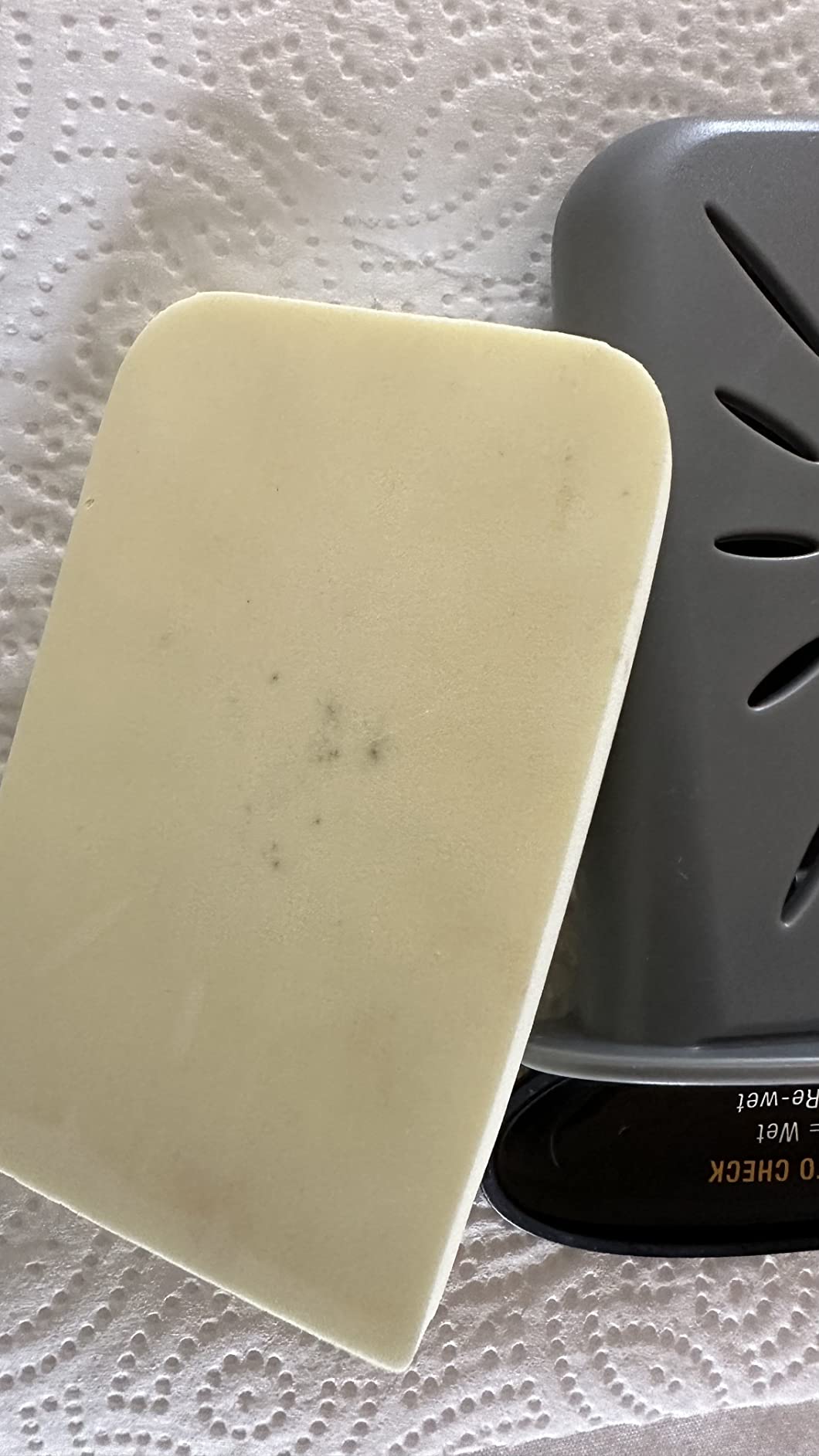
The main complaint from users involves the adhesive holster. On plush or shaggy case linings, the adhesive can struggle to hold. I had no issues on my standard TKL case, but if you have a heavily lined case, you may need to get creative with placement. Using distilled water is important here, as the sponge can develop mold if maintained with tap water over long periods.
Where should I mount this inside my case?
The ideal location is inside the accessory compartment or along the neck pocket of your case, away from direct contact with the instrument. You want the moisture to distribute throughout the case evenly. Avoid mounting it directly under the guitar body, as concentrated moisture in one spot can cause uneven swelling.
Can I use this for non-guitar instruments?
Absolutely. MusicNomad designed this for any instrument that lives in a case. I’ve seen it used effectively in mandolin cases, cello cases, banjo cases, and ukulele cases. As long as the case has a flat surface where the adhesive holster can stick, it works. The sponge releases moisture slowly enough to be safe for all wooden instruments.
7. Oasis Guitar Case Humidifier OH-6 – Magnetic Mount Precision
Oasis Guitar Case Humidifier OH-6
Case humidifier
Magnetic mount system
10cc syringe included
Made in USA
Pros
- Steel clip and stainless steel strip for multiple attachment options
- Neodymium magnets for secure case attachment
- Includes 10cc syringe for precise filling
- Safe and effective Made in USA design
- Proven technology trusted by musicians
Cons
- Very small size may not hold enough water for extended protection
- Some report difficulty with cap and syringe mechanism
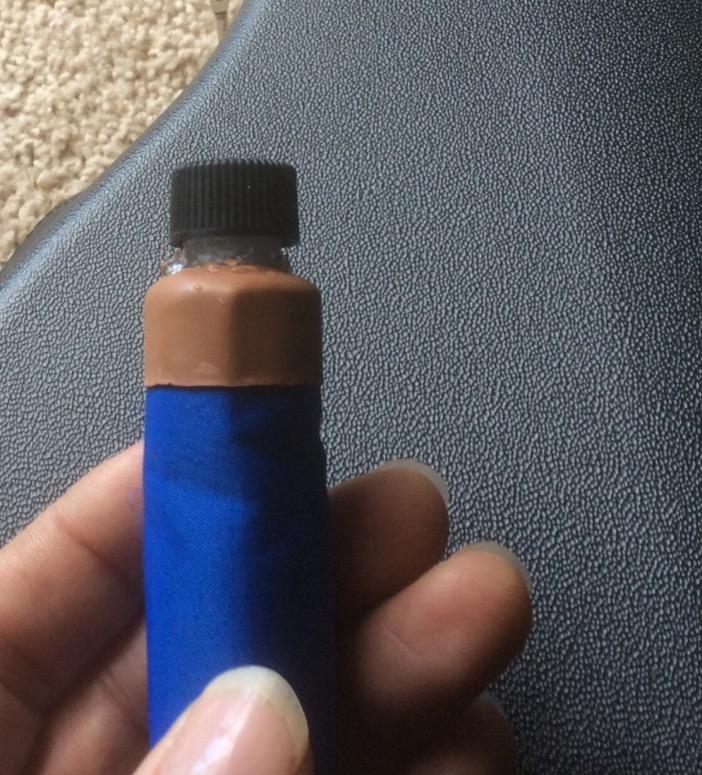
The Oasis OH-6 is the case-mounted sibling of the OH-1 soundhole humidifier. It uses the same fabric membrane technology and syringe-filling system but is designed to hang inside your guitar case rather than between the strings. This makes it a good option for players who prefer not to put anything inside the guitar body.
What makes the OH-6 unique is its magnetic mounting system. It uses neodymium magnets and a stainless steel strip to attach securely to the metal seam inside your guitar case. This is clever engineering that avoids adhesive issues entirely. The included steel clip gives you an alternative mounting option for cases without magnetic-compatible seams.
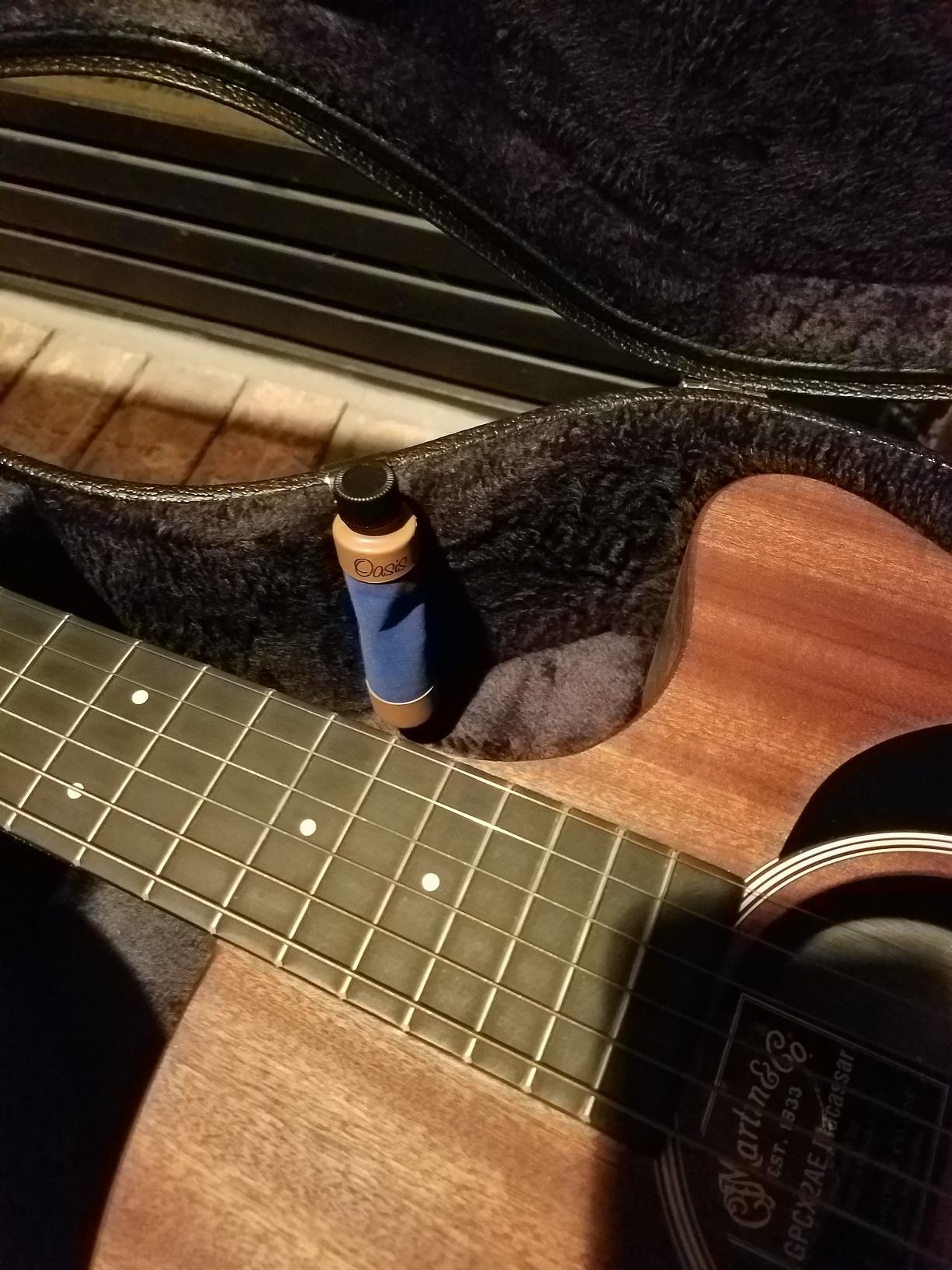
Filling is identical to the OH-1: use the included 10cc syringe to inject distilled water through the fabric membrane. The unit shrinks as water depletes, giving you the same visual refill indicator that makes Oasis products so user-friendly.
The OH-6 is quite small, which is both a strength and a weakness. It’s unobtrusive and fits easily in any case, but the small capacity means it may need refilling more frequently than larger case humidifiers like the MusicNomad Case Humitar. Some users report difficulty with the cap and syringe mechanism, though I found it straightforward after the first use.
How does magnetic mounting compare to adhesive?
Magnetic mounting is superior in cases that have metal seams, because you can reposition the humidifier without leaving sticky residue. However, not all cases have metal components in the right locations. If your case is all plastic or wood, you’ll use the included steel clip instead, which requires a lip or edge to hang from. Adhesive options like the MusicNomad Case Humitar offer more placement flexibility.
Is the OH-6 enough for very dry climates?
In moderately dry conditions, the OH-6 provides adequate protection for a single guitar in its case. In extremely dry climates with humidity below 25%, the small capacity may not keep up. I’d recommend combining it with a room humidifier in those situations, or upgrading to a larger case humidifier like the MusicNomad Case Humitar with its higher-capacity sponge.
8. Planet Waves Small Instrument Humidifier – Compact and Versatile
D’Addario Accessories Small Instrument Humidifier
Compact size
Fits violin ukulele mandolin cases
Cellulose sponge
Budget-friendly
Pros
- Small size fits any case
- Ideal for violin ukulele mandolin and woodwinds
- Releases moisture slowly and evenly
- Very affordable
- Sturdy plastic construction does not leak
Cons
- Top may not stay shut securely
- Small size means frequent refilling
- May not suffice for larger instruments in very dry climates
If you play something smaller than a guitar, most humidifiers are overkill or won’t fit your case. The Planet Waves (D’Addario) Small Instrument Humidifier is purpose-built for violins, ukuleles, mandolins, and woodwind instruments. It’s tiny, affordable, and gets the job done.
The unit is a small plastic container with a cellulose sponge inside. You soak the sponge, squeeze out excess water, snap the lid shut, and place it in your case. The perforated lid allows moisture to escape slowly into the case environment.
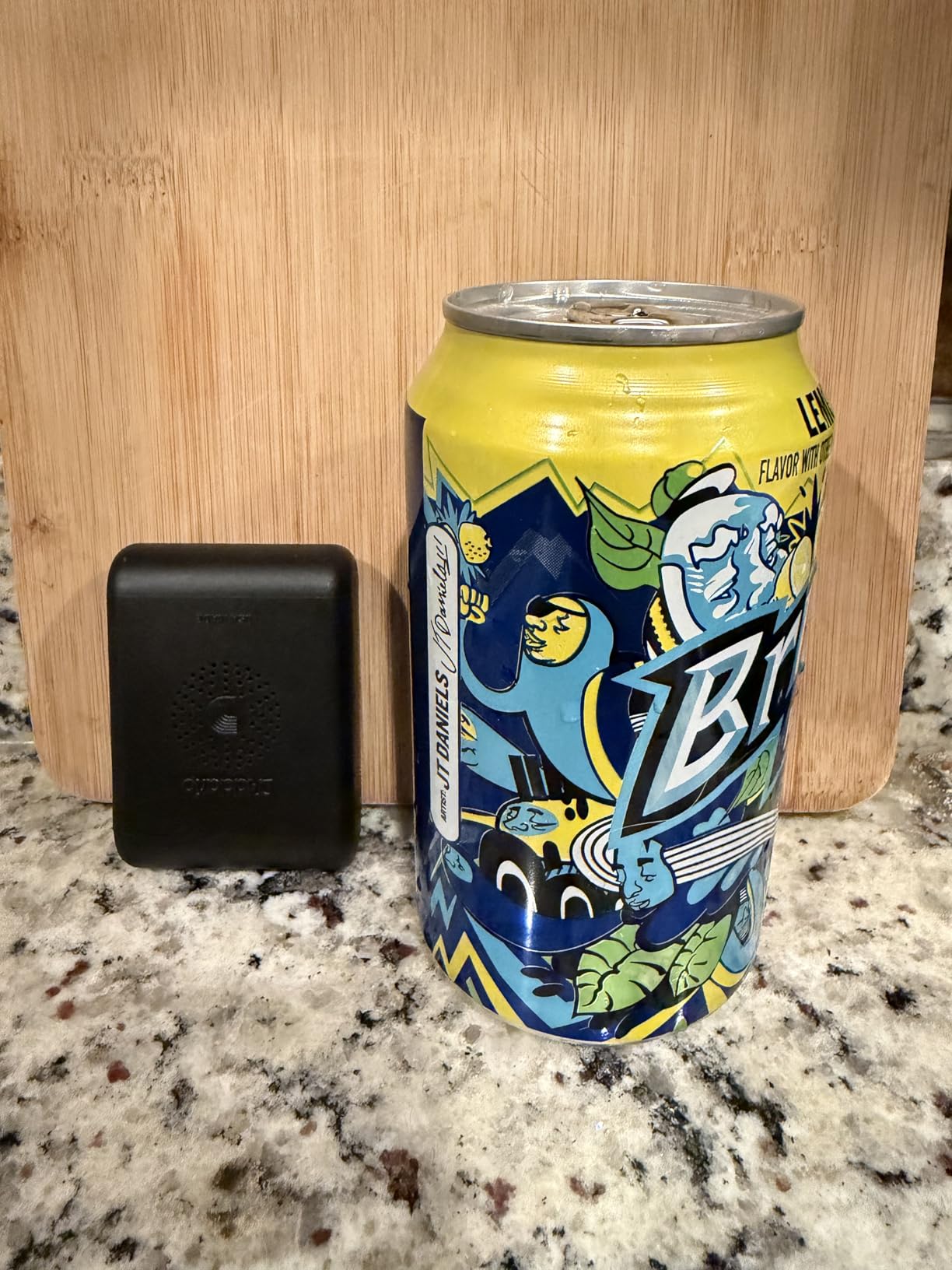
I tested this in a violin case and a ukulele case simultaneously, and both maintained reasonable humidity levels in moderate conditions. The sponge releases moisture slowly and evenly, and the sturdy plastic construction doesn’t leak when properly sealed. At under $7, it’s the most affordable option in this entire roundup.
The trade-off is capacity. Because it’s so small, expect to refill every 2 to 3 days in dry conditions. Some users report that the lid doesn’t stay shut as securely as they’d like, so give it a firm press when closing. For larger instruments or extreme dryness, this won’t provide enough output on its own.
Which instruments is this best suited for?
This humidifier is ideal for violin, viola, ukulele, mandolin, clarinet, and other small wooden instruments. The compact size fits in accessory compartments or small case pockets. It’s not powerful enough for full-size guitars on its own, though it could work as a secondary humidity source alongside a soundhole humidifier.
How does this compare to soundhole humidifiers for guitar?
It doesn’t replace a soundhole humidifier for guitar because the capacity is too small for a guitar’s larger body volume. However, if you primarily play ukulele or violin, this is actually better than a guitar-sized humidifier, which would be oversized and potentially deliver too much moisture for a small instrument case.
Buying Guide: Choosing the Right Instrument Humidifier
Choosing the best instrument humidifiers means matching the humidifier type to your instrument, your climate, and your maintenance preferences. Here’s what I’ve learned from months of testing and researching forum discussions.
Soundhole vs Case vs Two-Way Packets
Soundhole humidifiers go directly inside the guitar body. They’re effective and affordable but only protect the body, not the neck or fretboard. The D’Addario Soundhole Humidifier and Oasis OH-1 are examples.
Case humidifiers mount inside your instrument case and treat the entire enclosed space. This protects the whole instrument including the neck and headstock. The MusicNomad Case Humitar and Oasis OH-6 fall into this category.
Two-way humidity packets like the D’Addario Humidipak and Boveda system are the lowest maintenance option. They automatically add or remove moisture to hold a specific humidity level. You replace them every few months rather than refilling weekly.
Climate Considerations
If you live in a dry climate (Southwest US, heated northern winters, high altitude), you need more humidification power. Look at the Oasis OH-1 with its consistent output, or consider pairing a case humidifier with a room humidifier for complete protection. The D’Addario Humidipak system also handles moderate dryness well.
In humid climates, two-way packets are especially valuable because they absorb excess moisture too. Soundhole sponge humidifiers could actually over-humidify your instrument during summer in places like Florida or the Gulf Coast. Monitor your humidity with a hygrometer regardless of which system you choose.
Water Type Matters
Every sponge-based humidifier I’ve tested works better with distilled water. Tap water leaves mineral deposits in sponges, reduces their lifespan, and can leave residue inside your instrument. A one-gallon jug of distilled water costs about a dollar and lasts months. There’s no good reason to use tap water.
Get a Hygrometer
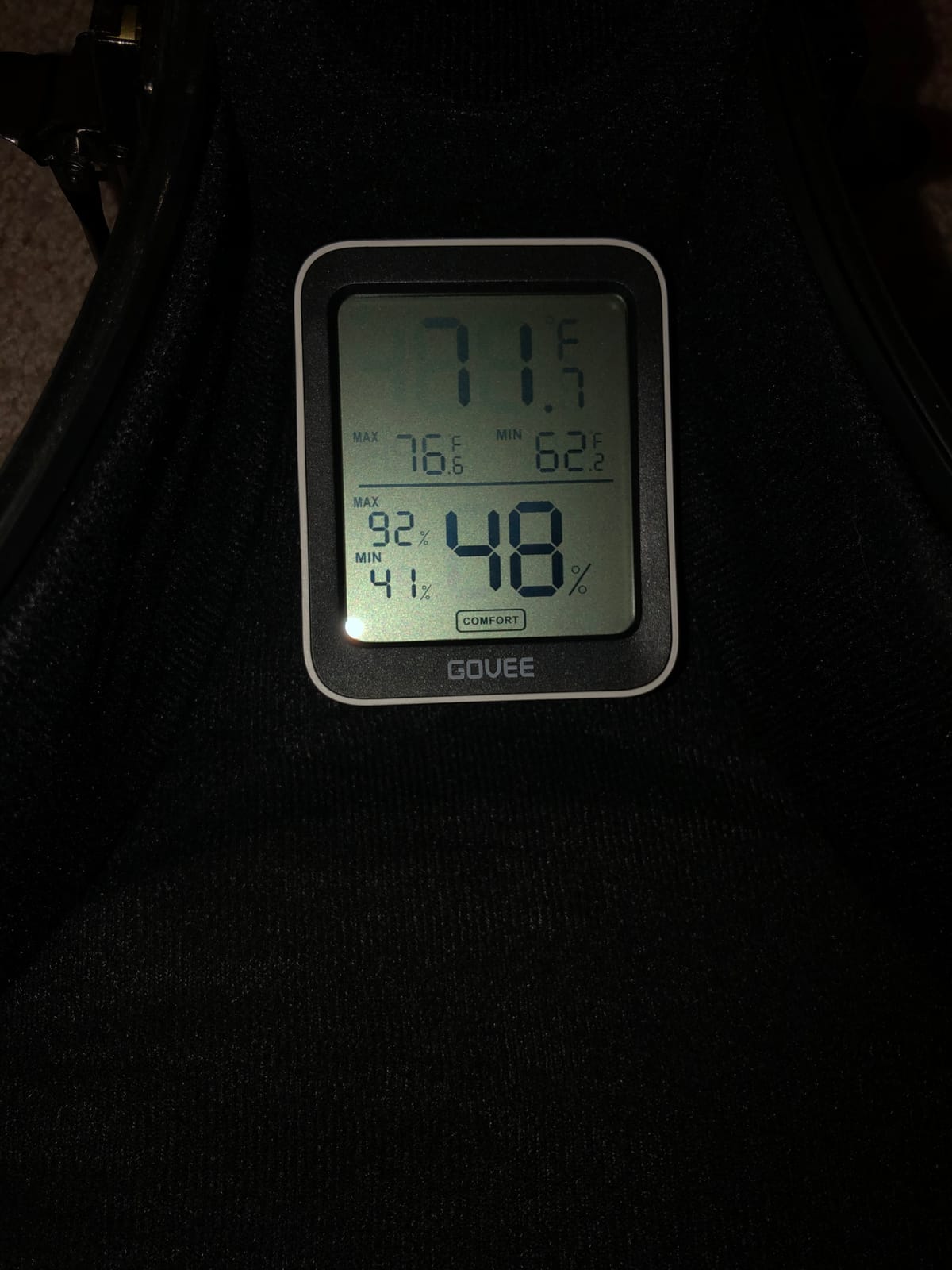
You can’t manage what you can’t measure. A digital hygrometer tells you exactly what humidity level your instrument is experiencing. The MusicNomad Humitar ONE includes one built in, which is a significant advantage. Otherwise, standalone hygrometers cost $10 to $15 and are worth every penny. Your target range is 35% to 50% relative humidity.
Frequently Asked Questions
What is the best humidifier for instruments?
The D’Addario Humidipak Maintain Kit is the best overall instrument humidifier thanks to its maintenance-free two-way humidity control that automatically holds 45-50% relative humidity inside your case. For players who want real-time monitoring, the MusicNomad Humitar ONE combines a soundhole humidifier with a built-in hygrometer for under $30.
Which humidifier is considered the best quality?
The Oasis OH-1 is widely regarded as the highest-quality soundhole humidifier, handmade in the USA with a patented fabric membrane that provides leak-free, visible-refill-indicator operation. Among two-way systems, Boveda’s patented saltwater packets are considered the gold standard for precision humidity control.
What is the best guitar humidifier?
The best guitar humidifier depends on your needs. For acoustic guitars, the MusicNomad Humitar ONE offers the best value with its built-in hygrometer. For maintenance-free protection, the D’Addario Humidipak system is ideal. On a budget, the D’Addario Soundhole Humidifier at under $10 provides solid basic protection.
What is the best humidifier for a piano room?
For piano rooms and music rooms, none of the in-case humidifiers in this roundup will suffice because pianos are too large for case-based protection. You need a room humidifier like the Levoit Superior 6000S or Aircare whole-house evaporative humidifier, which can maintain 35-50% humidity across hundreds of square feet.
Conclusion
After testing these eight options extensively, my recommendation comes down to three profiles. If you want zero-maintenance protection and don’t mind buying replacement packs, the D’Addario Humidipak system is the easiest path to proper humidity. If you want to monitor conditions in real time, the MusicNomad Humitar ONE gives you a built-in hygrometer at a reasonable price. And if you just need affordable basic protection today, the D’Addario Soundhole Humidifier gets the job done for under $10.
The best instrument humidifiers are the ones you’ll actually use consistently. A $25 system you refill faithfully beats a $50 system you forget about. Pick one, pair it with a hygrometer, use distilled water, and your instruments will thank you for decades. Protecting your gear in 2026 starts with understanding humidity, and now you have everything you need to make the right choice.