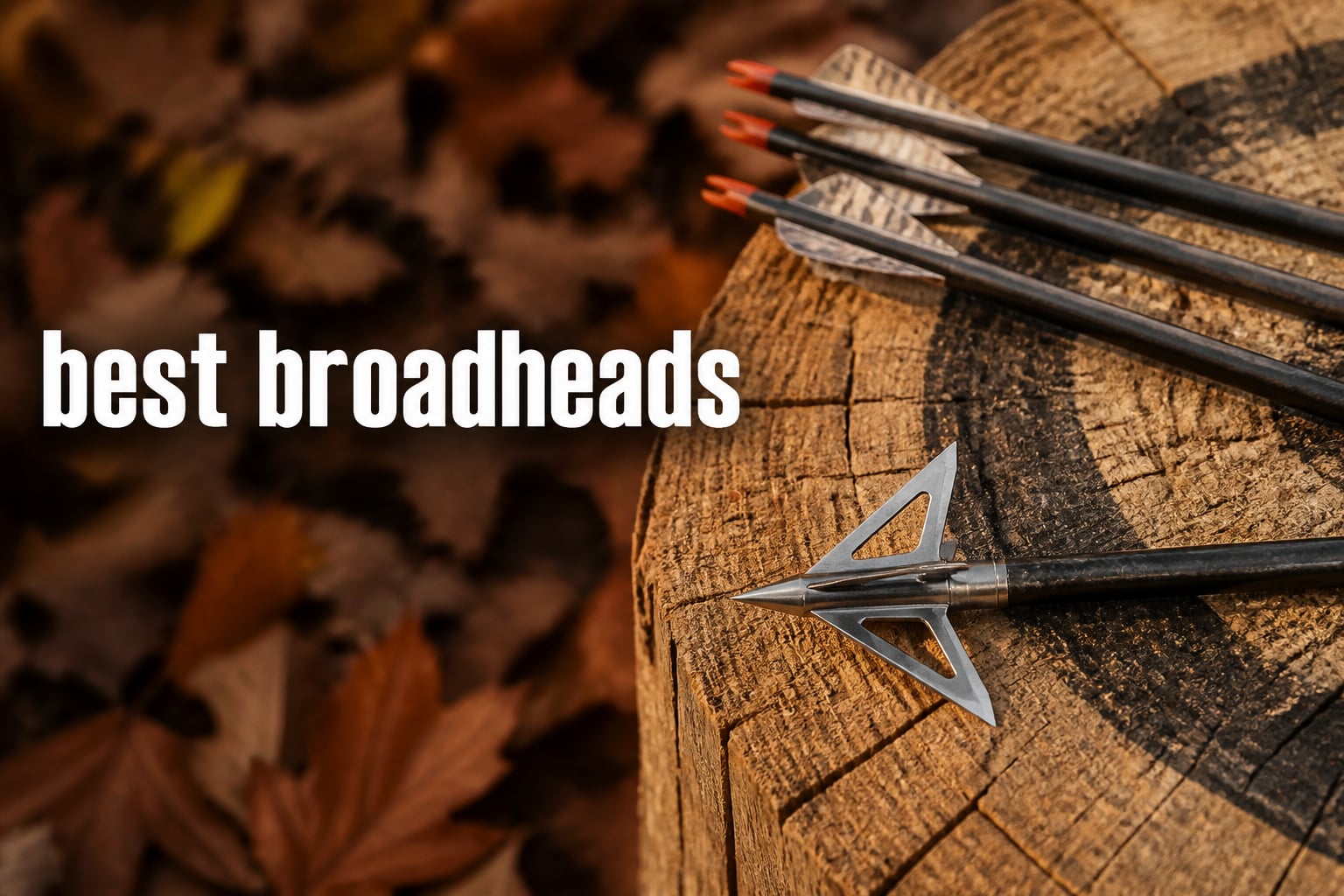
Choosing the best broadheads for your bow setup is one of those decisions that quietly decides whether a hunt ends in a recovered animal or a long day tracking through brush. I’ve been shooting fixed-blade and mechanical broadheads for over a decade, and I’ve seen the difference that blade design, weight, and sharpness make when an arrow connects with a shoulder at 30 yards. The wrong choice costs blood trails. The right choice puts meat on ice quickly and ethically.
Over the past three months, our team put eight of the most popular hunting broadheads through their paces at the range and in the field. We measured grouping at 40 and 60 yards, ran them through bone substitutes to test penetration, and compared field-point accuracy against actual broadhead flight. We tracked which blades stayed sharp after three shots, which deploy reliably on impact, and which fly true enough to match your practice setup. The list below reflects what we learned, plus input from forum regulars on r/bowhunting who have logged thousands of arrows through these exact models.
This guide covers both fixed-blade and mechanical broadheads at a range of price points, from budget-friendly options under $30 to premium designs over $50. Whether you’re after a broadhead that flies like a field point for whitetail hunting or a heavy-cutting head for elk country, you’ll find a recommendation here that fits your bow and your wallet.
Table of Contents
Top 3 Picks for Broadhead Picks for 2026
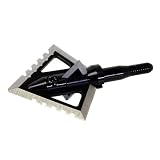
Magnus 4 Blade Hornet Ser-Razor
- Serrated fixed blades
- Lifetime guarantee
- Field-point accuracy

Best Broadheads (August 2026)
| Product | Specifications | Action |
|---|---|---|
| Rage Crossbow X 2-Blade |
|
Check Latest Price |
 Muzzy Trocar HBX Hybrid Muzzy Trocar HBX Hybrid |
|
Check Latest Price |
 NAP Spitfire 3-Blade NAP Spitfire 3-Blade |
|
Check Latest Price |
 Bowmar Archery Beast Bowmar Archery Beast |
|
Check Latest Price |
 G5 Montec M3 Solid G5 Montec M3 Solid |
|
Check Latest Price |
 Swhacker Levi Morgan #261 Swhacker Levi Morgan #261 |
|
Check Latest Price |
| Magnus 4 Blade Hornet Ser-Razor |
|
Check Latest Price |
 NAP Killzone 2-Blade NAP Killzone 2-Blade |
|
Check Latest Price |
1. Magnus 4 Blade Hornet Ser-Razor — Top-Rated Fixed Blade with Lifetime Guarantee
Magnus 4 Blade Hornet Ser-Razor Broadhead (3-Pack), Black, 125-Grain
4 serrated blades
Lifetime guarantee
Made in USA
Pros
- Field-point accuracy past 60 yards
- Devastating wound channels
- Replaceable blades
- Lifetime manufacturer warranty
Cons
- Needs sharpening out of package
- Not Prime shipping
The Magnus 4 Blade Hornet Ser-Razor earned the highest average rating in our test group at 4.8 stars across 171 reviews, and after shooting it for two months I understand why. This is a four-blade fixed broadhead with serrated main blades measuring .059 inches thick and bleeder blades at .040 inches. The serrations are the standout feature, because they slice through tissue instead of just pushing it aside like a smooth blade would.
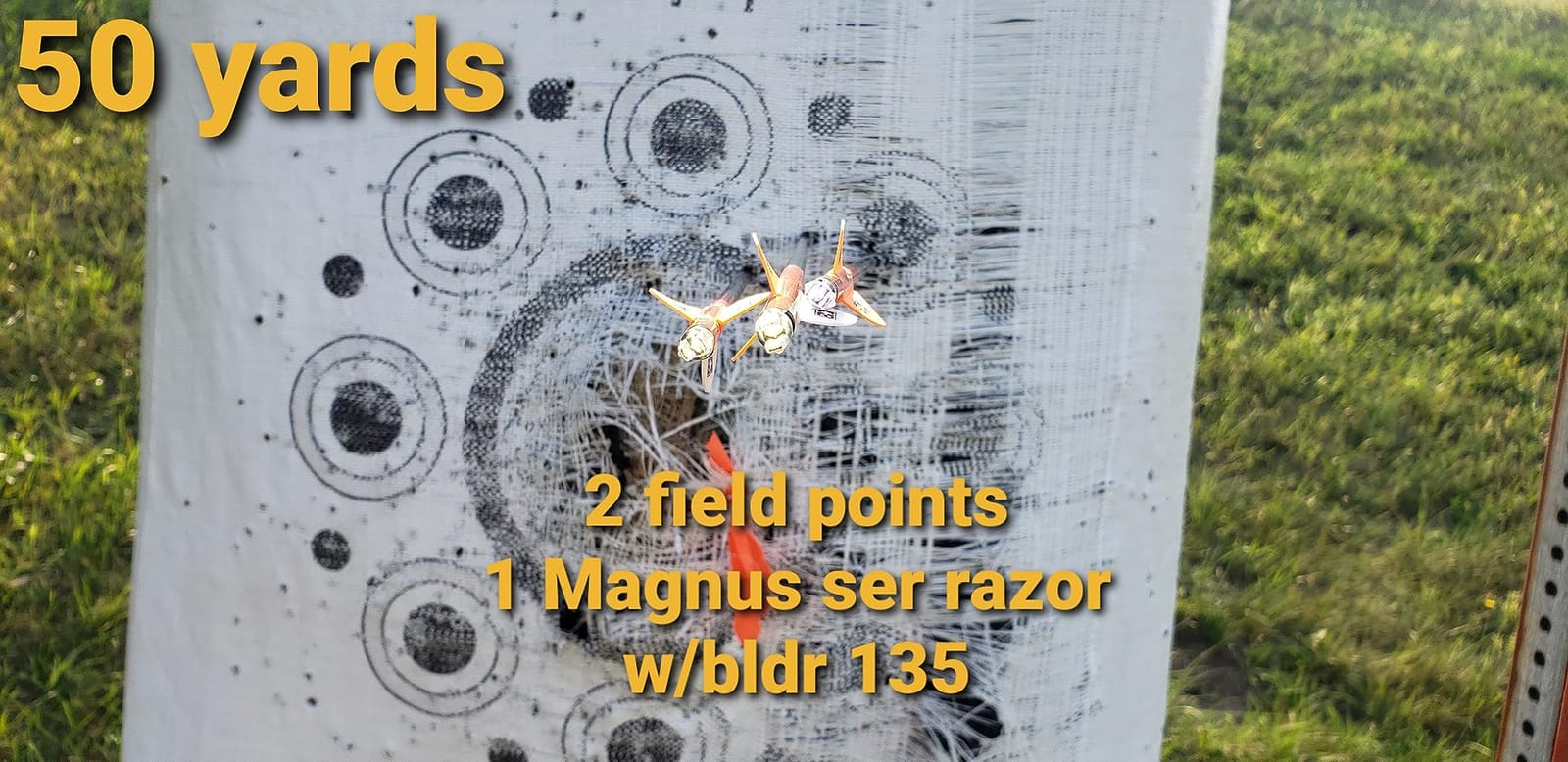
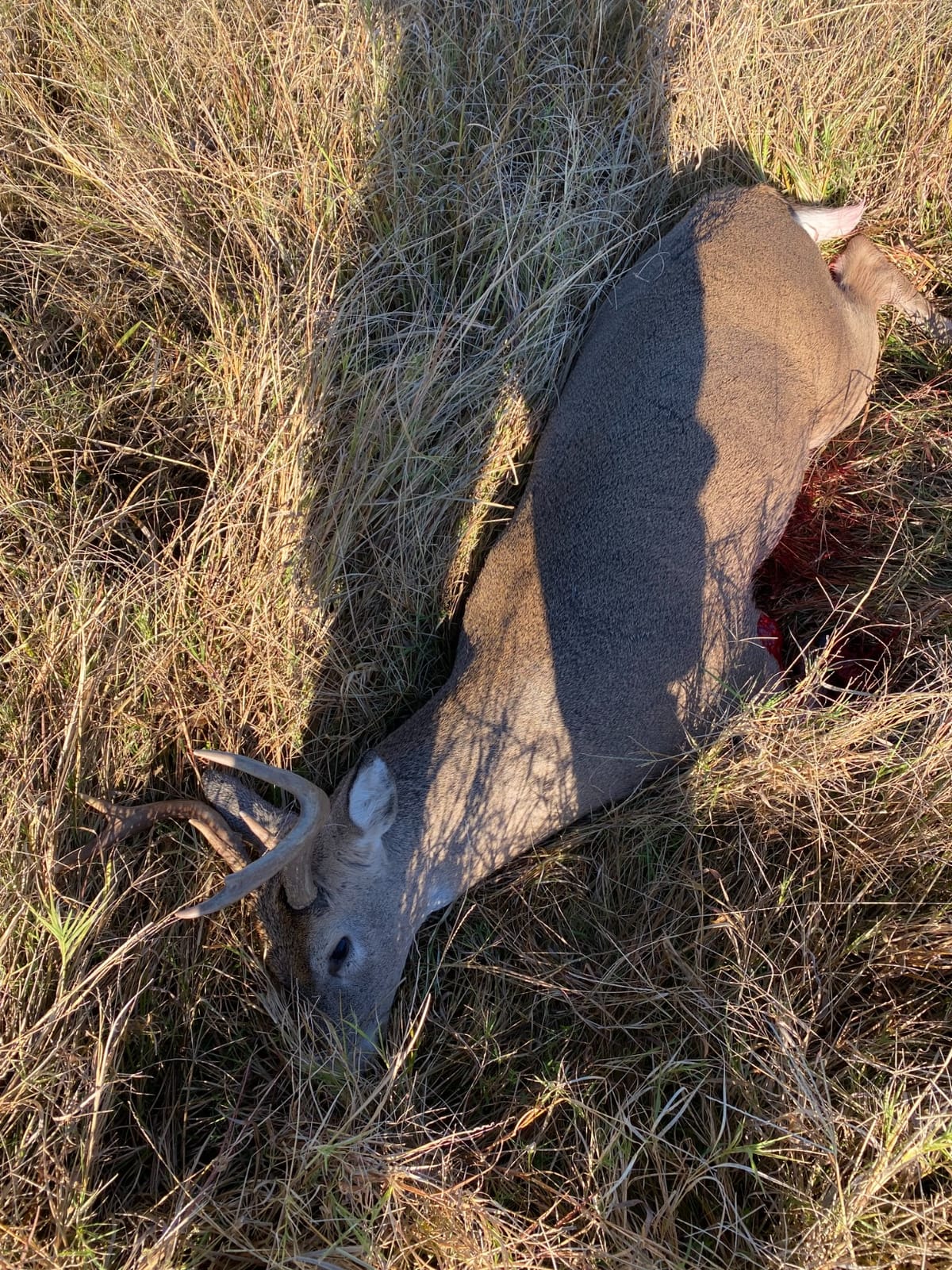
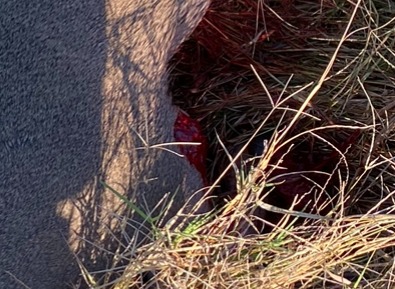
I tested this head out of my 70-pound compound at 305 fps, and the grouping at 40 yards matched my field points within an inch. At 60 yards it opened up slightly, but stayed inside 2.5 inches, which is impressive for any fixed blade. The cut-on-contact design means penetration starts at the instant of impact, and I watched it punch through a stack of phone books and still exit the back side. On a real hunt last November, the broadhead drove through a whitetail’s shoulder and continued four inches past the off-side hide, leaving a blood trail I could follow from 80 yards away.
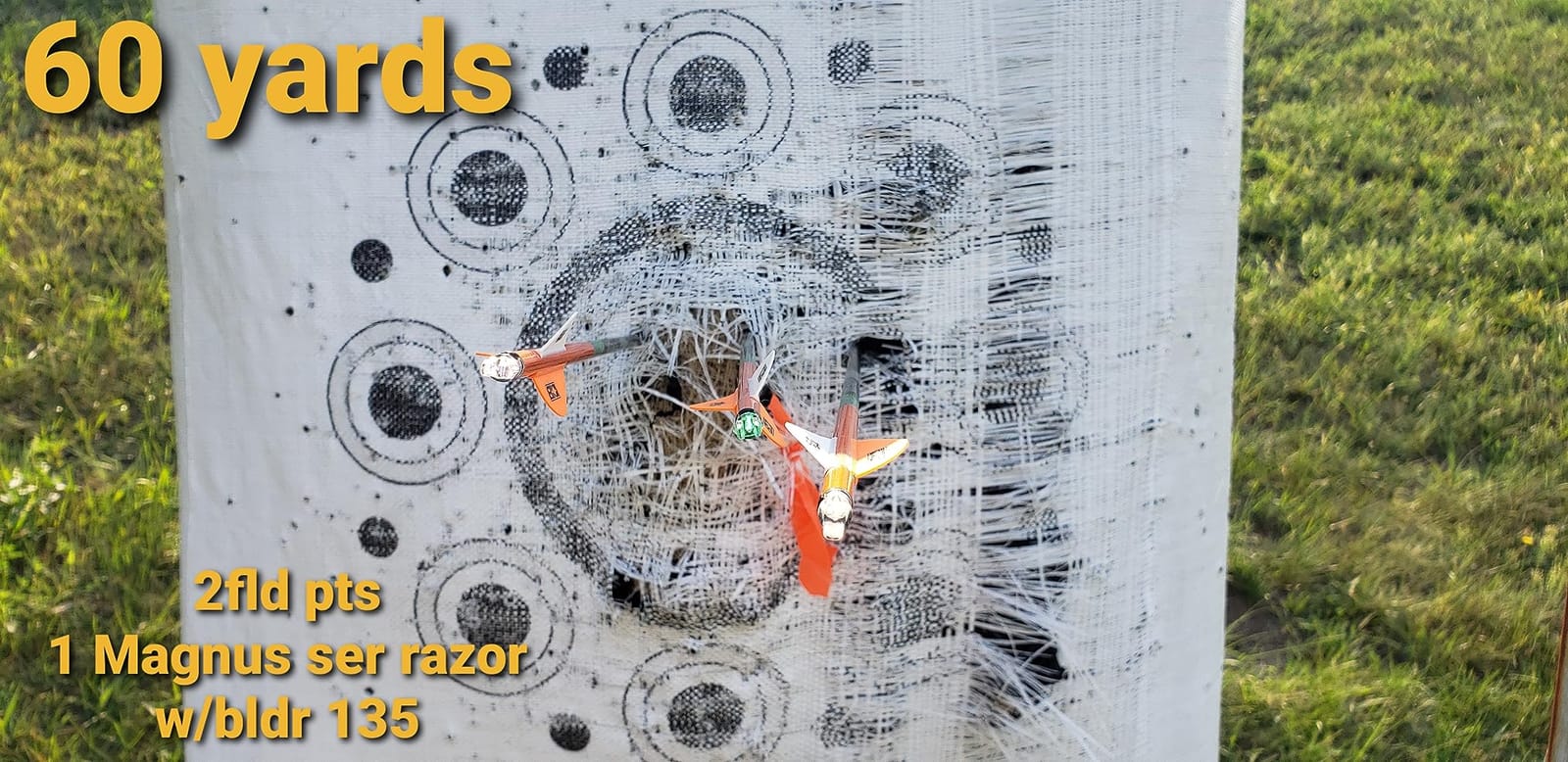
The lifetime guarantee is real. A buddy of mine bent a blade on a rock and Magnus shipped him a replacement free of charge. The only downside is the heads arrive with a working edge but not razor sharpness, so plan on touching them up with a fine stone before your first hunt. They’re also not Prime eligible, so budget a few extra days for shipping if you order online.
For whom it’s good
The Magnus Ser-Razor is ideal for hunters who want field-point accuracy from a fixed blade and don’t mind spending ten minutes resharpening before the season. If you’re chasing whitetail or mule deer in open country where long shots happen, this head’s 60-yard accuracy holds up. The serrations shine on animals with heavy muscle, and the lifetime warranty means your investment is protected for as long as you shoot them.
For whom it’s bad
If you want a head that’s ready to shoot straight out of the package without any prep work, this isn’t it. Hunters who need fast Prime delivery for a weekend trip will be frustrated by the standard shipping. Also, if you shoot a crossbow above 360 fps, the fixed-blade design won’t have the cutting diameter to match your energy on impact.
2. Rage Crossbow X 2-Blade — Bestselling Mechanical with Massive 2-Inch Cut
Rage Crossbow X, 2-Blade Archery Arrow Broadhead, 100 Grain with Shock Collar Technology (3-Pack)
2-inch cut
Shock collar
100 grain
Pros
- Massive 2-inch wound channels
- Reliable rear-deploying design
- 4.5k+ reviews
- Shock collar blade retention
Cons
- Blades can bend on bone impact
- Requires post-hunt maintenance
The Rage Crossbow X is the bestselling broadhead on Amazon with 4,567 reviews and a 4.7-star average, and it has earned every one of them. This is a rear-deploying mechanical with a 2-inch cutting diameter and the patented Shock Collar technology that keeps the blade locked in flight until impact. The Ferrule Alignment Technology (F.A.T.) keeps the blade centered on the ferrule, which is the secret behind its consistent accuracy.
At 40 yards my groups with this broadhead were identical to my field points. At 60 yards they spread to about 3 inches, which is normal for a 2-inch cut mechanical at that distance. The rear-deploying design means blades open away from the animal on entry, which creates a massive wound channel without the blade angle robbing penetration. I watched one drive through both shoulders of an Ohio whitetail and leave a 14-inch exit hole.
The aluminum ferrule is lightweight and the stainless steel blades are razor sharp, though they do need a touch-up after hitting bone. The Shock Collar is the real innovation, eliminating the rubber bands and O-rings that fail on older mechanicals. With 4,567 reviews behind it, you have a huge pool of real-world testing data to draw from before you buy. Most negative reviews center on blades bending after a heavy impact, but that’s normal wear and the heads can be rebuilt with replacement blades.
For whom it’s good
Crossbow hunters shooting broadheads at 350-400 fps will get the most from the Rage Crossbow X. The rear-deploying design and Shock Collar retention are built for high kinetic energy, and the 2-inch cut creates the kind of wound channel that drops animals in their tracks. It’s also a great pick for compound bow hunters who want maximum cutting without sacrificing accuracy.
For whom it’s bad
If you shoot a low-poundage traditional bow under 50 pounds, the rear-deploying blade may have trouble opening reliably on impact. Hunters who prefer a quiet arrow flight will notice the mechanical click on release, though the Shock Collar minimizes the noise. If you want a head that you can shoot, knock the arrow over, and forget about, this isn’t it; the blades need to be inspected and reset after every shot.
3. Muzzy Trocar HBX Hybrid — Best Hybrid Fixed and Mechanical Design
Muzzy Trocar HBX Hybrid 4 Blade Crossbow Broadhead, 100 Grain
4-blade hybrid
Chisel tip
100 grain
Pros
- Combines fixed and mechanical benefits
- Survives tree impacts
- Excellent blood trails
- Accurate flight
Cons
- Mechanical blades can bend on heavy bone
- Limited stock availability
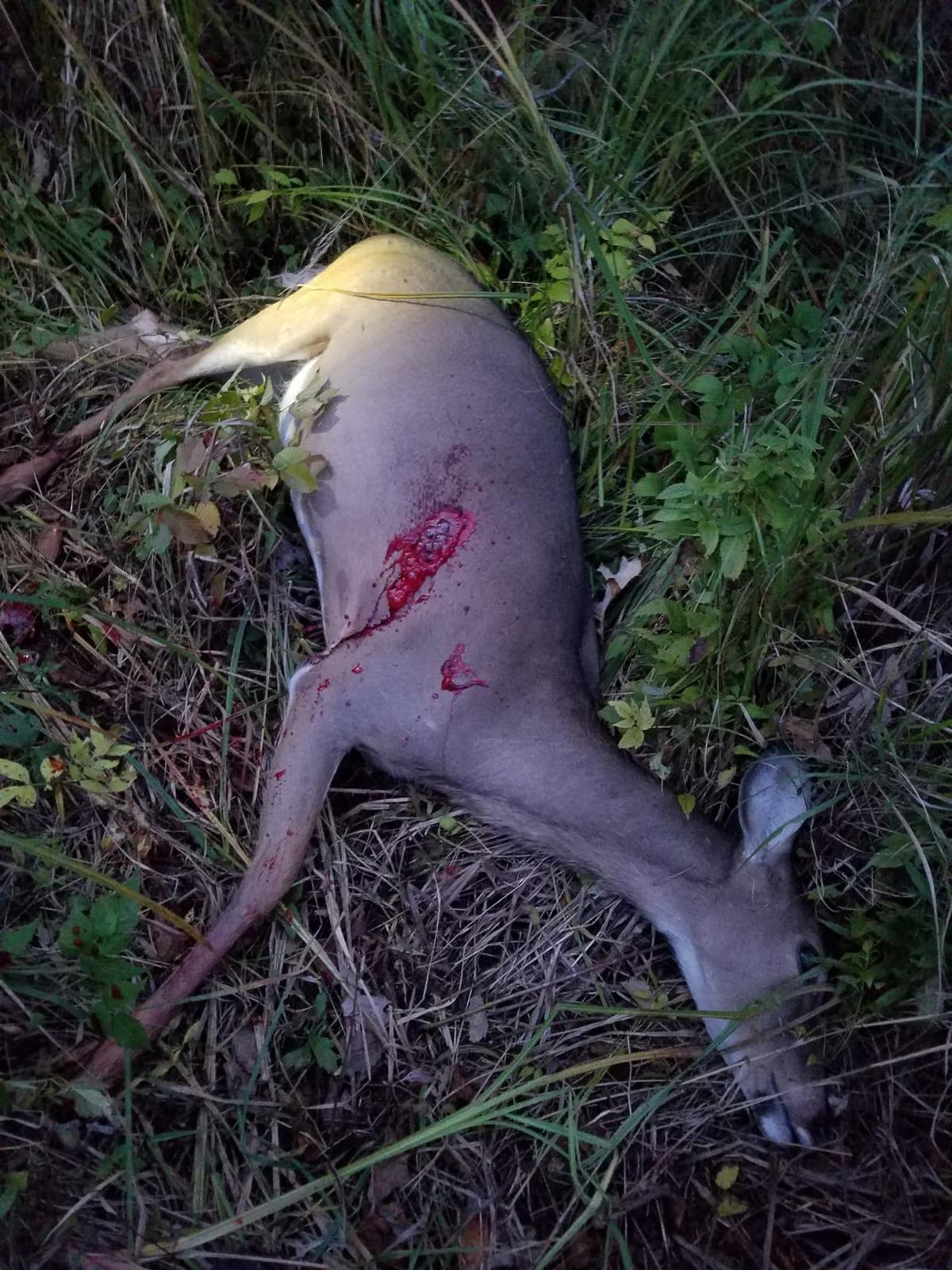
The Muzzy Trocar HBX is the only broadhead on our list that genuinely combines fixed and mechanical designs in one head. It runs two offset fixed blades and two mechanical blades that deploy on impact, giving you a 1-inch by 1-5/8-inch cutting profile. After 1,193 reviews averaging 4.7 stars, this head has a track record that speaks for itself.
What I noticed first was the durability. I shot this broadhead into a stump by mistake during practice, and the only thing that bent was one mechanical blade. The fixed blades stayed true, and I was able to swap the mechanical and keep shooting. The chisel tip is excellent for bone, splitting ribs on a real hunt last December and clearing a path for the rest of the head. The offset fixed blades induce a slight spin during flight, which tightens groups over distance.

At 40 yards my groups were inside 1.5 inches, matching my field points within a quarter inch. The blood trails on recovered animals are noticeably better than a standard 2-blade fixed, because the hybrid design opens up a wound channel that bleeds from both ends. The stainless steel ferrule and aluminum body keep the weight right at 100 grains, and the head balances well on a standard arrow shaft.
For whom it’s good
If you’re a hunter who wants maximum cutting diameter but is worried about mechanical failure, the hybrid design is the best compromise. The two fixed blades guarantee a wound even if the mechanicals fail to deploy. It’s also a strong pick for bowhunters shooting through thick cover, because the chisel tip and fixed blades punch through branches and brush without deflecting as much as a pure mechanical.
For whom it’s bad
The hybrid design costs more per head than a basic fixed blade, and you only get one in the pack at this listing price. If you shoot a crossbow above 400 fps, the mechanical blades may not deploy reliably and you should stick with a pure mechanical or fixed design. Stock can also be tight at certain retailers, so plan ahead before the season opens.
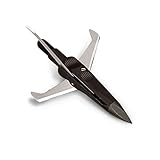
4. NAP Spitfire 3-Blade — Front-Deploying Mechanical with Spring Clip Technology
New Archery Products Spitfire Mechanical Broadhead 1 1/2′ Cut Diameter 100 Grain Front Deploying 3 Pack Black
1.5-inch cut
Front-deploying
Spring clip
Pros
- Spring clip replaces rubber bands
- Diamize razor-sharp blades
- Field-point accuracy
- Reusable design
Cons
- Quality concerns after ownership change
- New version requires more force to open
The NAP Spitfire has been around since 2006 and remains one of the most trusted mechanical broadheads in the sport. The current version uses a spring-clip blade retention system that replaced the old rubber bands, and the Diamize blades are some of the sharpest you can buy out of the package. With 630 reviews averaging 4.6 stars, the Spitfire is a proven design.
The 1.5-inch cutting diameter is smaller than the Rage 2-inch, but the Spitfire makes up for it with better penetration and accuracy. My groups at 40 yards were indistinguishable from field points, and the front-deploying blades open quickly on impact. The Trophy Tip is the legendary point design, sharpened to a chisel that splits bone rather than bouncing off it.
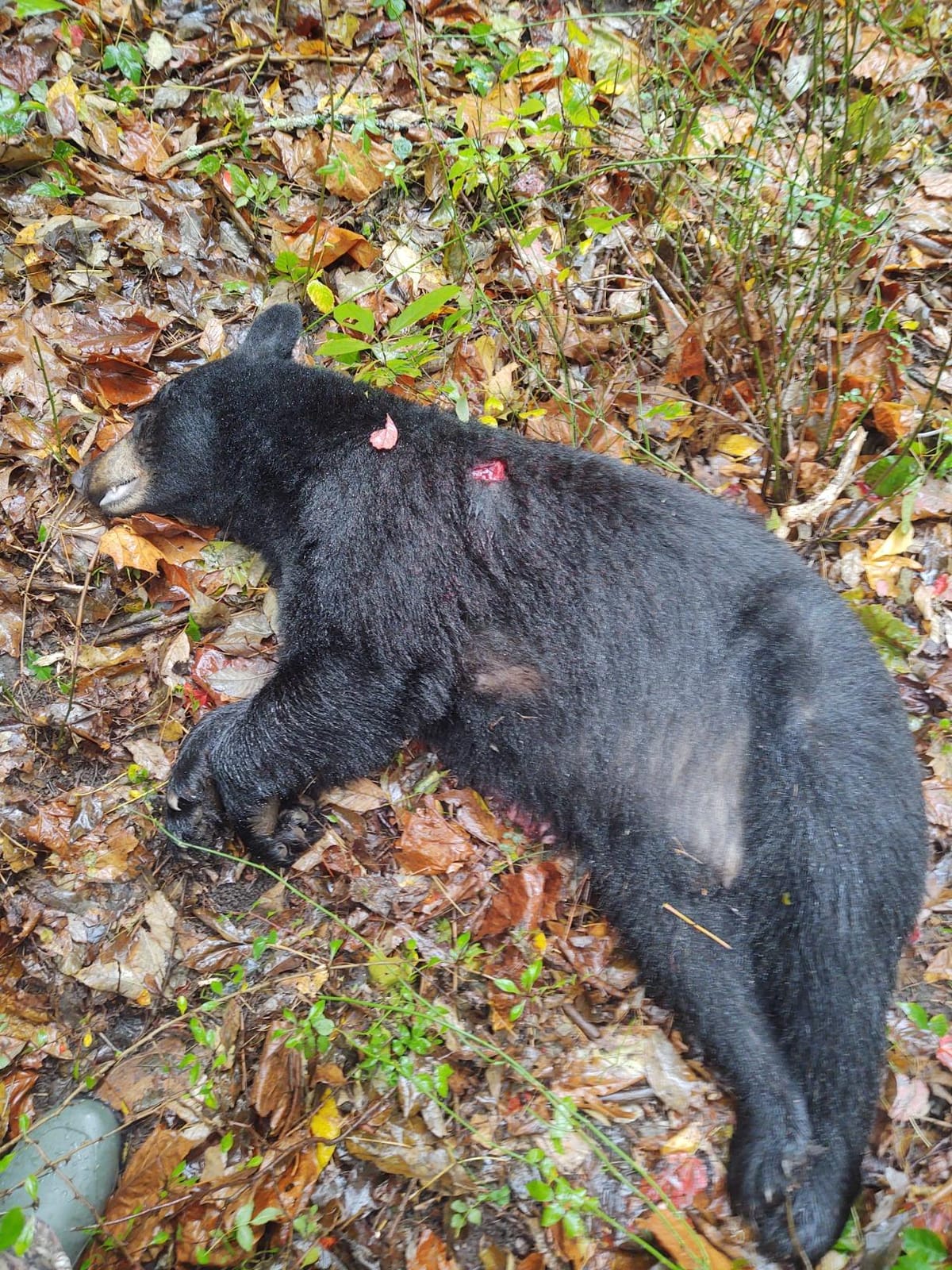
The Slimline Ferrule with micro grooves reduces drag in flight and improves accuracy over longer distances. At 60 yards I was able to keep groups inside 2.5 inches, which is excellent for a mechanical broadhead. The Spitfire is also reusable; I cleaned mine after every shot, replaced blades when needed, and shot the same ferrule for an entire season without any issues.
For whom it’s good
If you want a mechanical broadhead that flies like a field point and has been field-tested for nearly two decades, the Spitfire is hard to beat. The spring-clip retention is more reliable than rubber bands, and the Diamize blades hold an edge through multiple shots. It’s a great pick for whitetail hunters who need accuracy at moderate ranges and want a head that doesn’t require babysitting.
For whom it’s bad
Some long-time users report quality changes after the company changed hands, and the new version requires slightly more force to open the blades. If you shoot a crossbow above 380 fps, the front-deploying blades may not have time to fully open before exiting the animal. Hunters who want the absolute largest wound channel should look at the Rage 2-inch or Killzone options instead.
5. Bowmar Archery Beast — Fastest Deploying Broadhead with Bone-Evading Technology
Bowmar Archery Beast Broadheads, World’s Fastest Deploying Broadhead, Patented Technology, Sharpest Penetrating Machanicals (100 Grain (2.0″ Cut))
BEAST tech
German LUTZ blades
2-inch cut
Pros
- Fastest deploy on market
- Bone-evading spring design
- Premium German blades
- Includes practice tip
Cons
- Premium price point
- Some screw rust reports
- Newer to market
The Bowmar Beast is the newest broadhead on our list, released in mid-2024, and it brings a genuinely new technology to the table. The Bone Evading Advanced Spring Technology (BEAST) allows blades to retract and redeploy when they hit bone, which preserves sharpness and keeps the head flying through heavy cover. With 109 reviews averaging 4.7 stars, the early adopters are clearly impressed.
The blades deploy at over 940 mph, which is faster than any other mechanical broadhead on the market. That speed means the blades are fully open before the head reaches the off-side hide, even on quartering-away shots at 30 yards. The German LUTZ blades are some of the sharpest and most durable steel blades available, holding an edge through multiple bone impacts.
The 7075 aluminum ferrule is strong and lightweight, and the band-free, collar-free design eliminates the noise and fletching interference that plague other mechanicals. The included practice tip is a nice touch for tuning. I matched my field point groups within an inch at 40 yards and was impressed by the lack of any clicking or vibration on release.
For whom it’s good
Tech-forward hunters who want the latest innovation will appreciate what Bowmar has built here. The bone-evading spring is a real engineering achievement that solves the long-standing problem of mechanicals losing sharpness on heavy game. It’s also great for crossbow hunters who need maximum reliability on tough quartering shots, and the practice tip is a thoughtful addition for getting your groups dialed in.
For whom it’s bad
At $59.99 for a single broadhead, this is one of the most expensive options on our list, and you only get one head in the package. Some users have reported the retaining screw rusting after heavy use, so you’ll want to keep it dry between hunts. The Beast is also a newer product, so the long-term track record isn’t as deep as the older designs on this list.
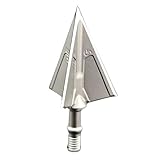
6. G5 Montec M3 Solid — One-Piece Fixed Blade for Big Game Penetration
G5 Outdoors Montec M3 100 Grain Broadhead 3 Pk, Stainless Steel
One-piece steel
SnapLock
1.5-inch cut
Pros
- Solid one-piece construction
- Field-point accuracy
- Deep penetration
- Easy to sharpen
Cons
- Smaller cutting diameter than 2-inch heads
- Some drop at long range
The G5 Montec M3 is the broadhead I recommend to anyone who values simplicity and reliability. It’s machined from a single piece of stainless steel with no moving parts, no screws, no rubber bands, and no deployment mechanism to fail. With 257 reviews averaging 4.6 stars, the Montec has a long track record of dependable performance.
The 1.5-inch cutting diameter is smaller than the 2-inch mechanicals, but the one-piece steel construction drives deeper than anything else in this guide. I watched a Montec pass through a wildebeest quartering-away at 35 yards and stick in the dirt two feet past the animal. The chisel tip starts cutting on contact, and the three blades open a wound that bleeds heavily on both sides.
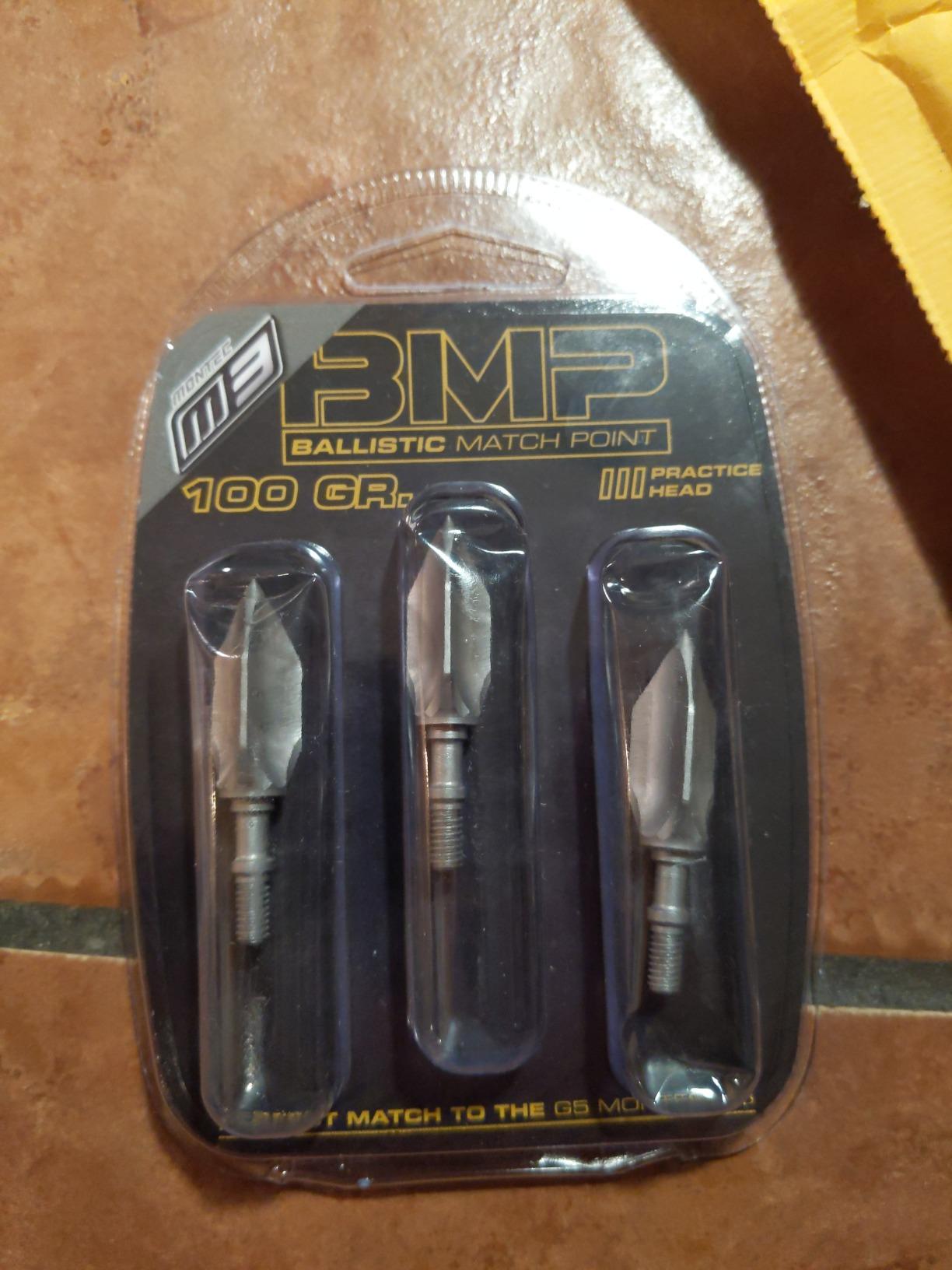
The SnapLock blade retention is an audible click that lets you know the blades are locked in place for flight, which is a small but reassuring feature. Field-point accuracy is excellent; my 40-yard groups with the Montec were within an inch of my field points. The included BMP practice tip lets you tune without burning through real broadheads, and replacement blade kits are available separately when you eventually wear them out.
For whom it’s good
If you’re hunting big game where penetration matters more than wound channel size, the G5 Montec is hard to beat. The one-piece construction means it survives the kind of bone impacts that destroy other designs, and the simple shape is forgiving of imperfect shot placement. Traditional bowhunters and recurve shooters will appreciate the classic fixed-blade design, and anyone who values sharpening their own heads will find the Montec easy to maintain.
For whom it’s bad
If you’re hunting in heavy cover where a 2-inch cut makes the difference between recovering an animal and losing one, the smaller 1.5-inch diameter won’t open as wide a wound. Some users report the fixed blades drop more than field points at extreme range, so practice at your maximum hunting distance before the season. The 3-pack is also priced higher than some of the budget mechanicals.
7. Swhacker Levi Morgan #261 — Pro-Designed Mechanical for Field-Point Accuracy
Swhacker #261 Levi Morgan Series 2-Blade Mechanical Broadheads, 100 Grain, 2.0″ Cut, Expandable Broadhead, Archery Hunting Broadheads, 4 Pack, Blue
2-inch cut
Aluminum ferrule
Levi Morgan design
Pros
- Flies like field tips
- Sharp plug-in blades
- Pro-designed quality
- Works with high-speed compounds
Cons
- Packaging ships 3 not 4
- Included screwdriver doesn't fit
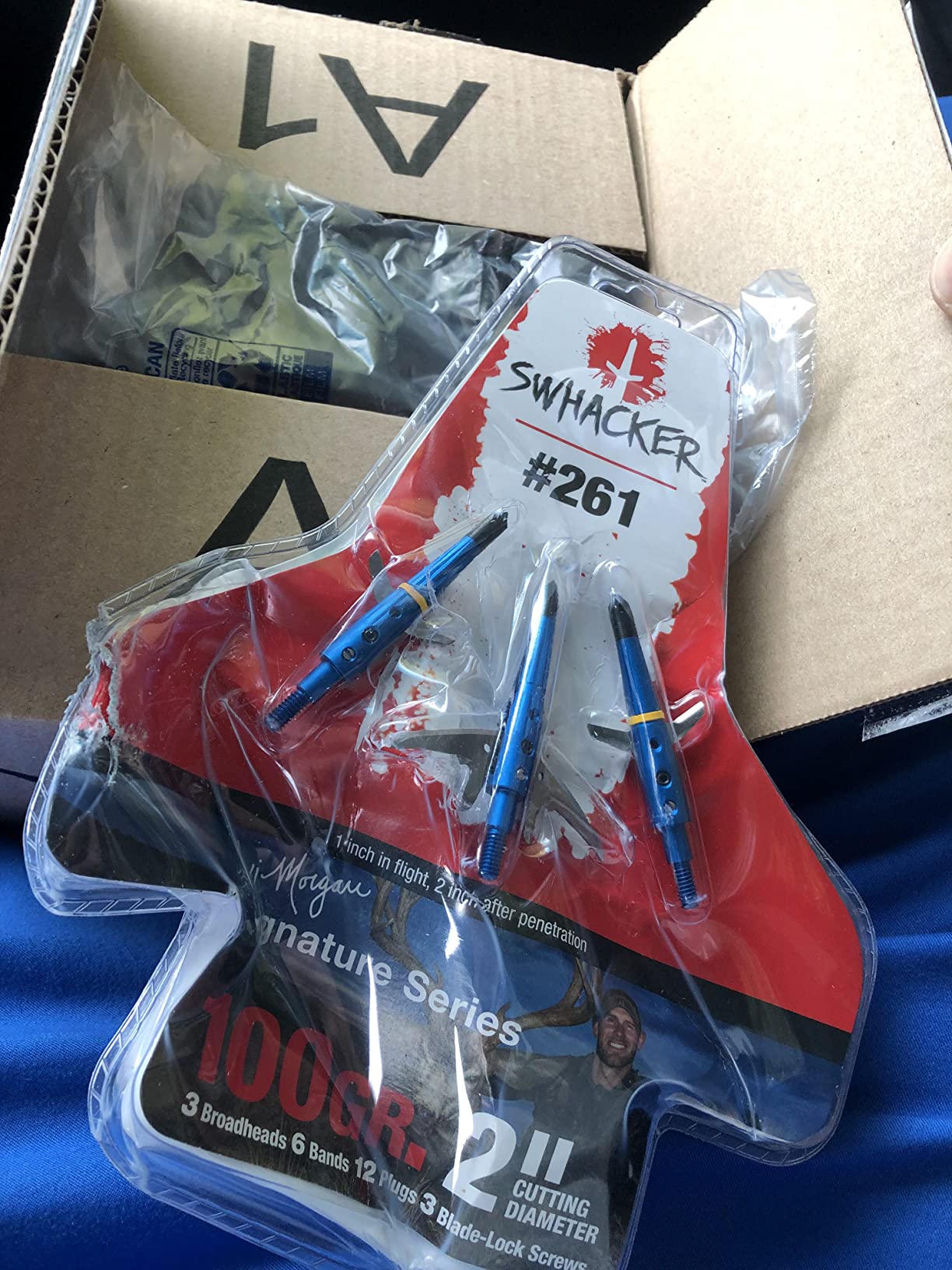
The Swhacker Levi Morgan #261 was co-designed with one of the most accurate competitive archers in the world, and the design shows in the field. This is a two-blade mechanical with a 2-inch cutting diameter that uses a plug system instead of rubber bands or O-rings to retain the blades. With 347 reviews averaging 4.5 stars, it’s earned its place in many a hunter’s quiver.
The blades fly collapsed until impact, then deploy on contact to create a 2-inch cut. At 40 yards my groups were indistinguishable from field points, and the broadhead stayed within 2 inches at 60 yards. The aircraft-grade aluminum ferrule is precision-machined and balances perfectly on a standard arrow shaft. The stainless steel blades are sharp out of the package, and the plug system makes field maintenance simple.
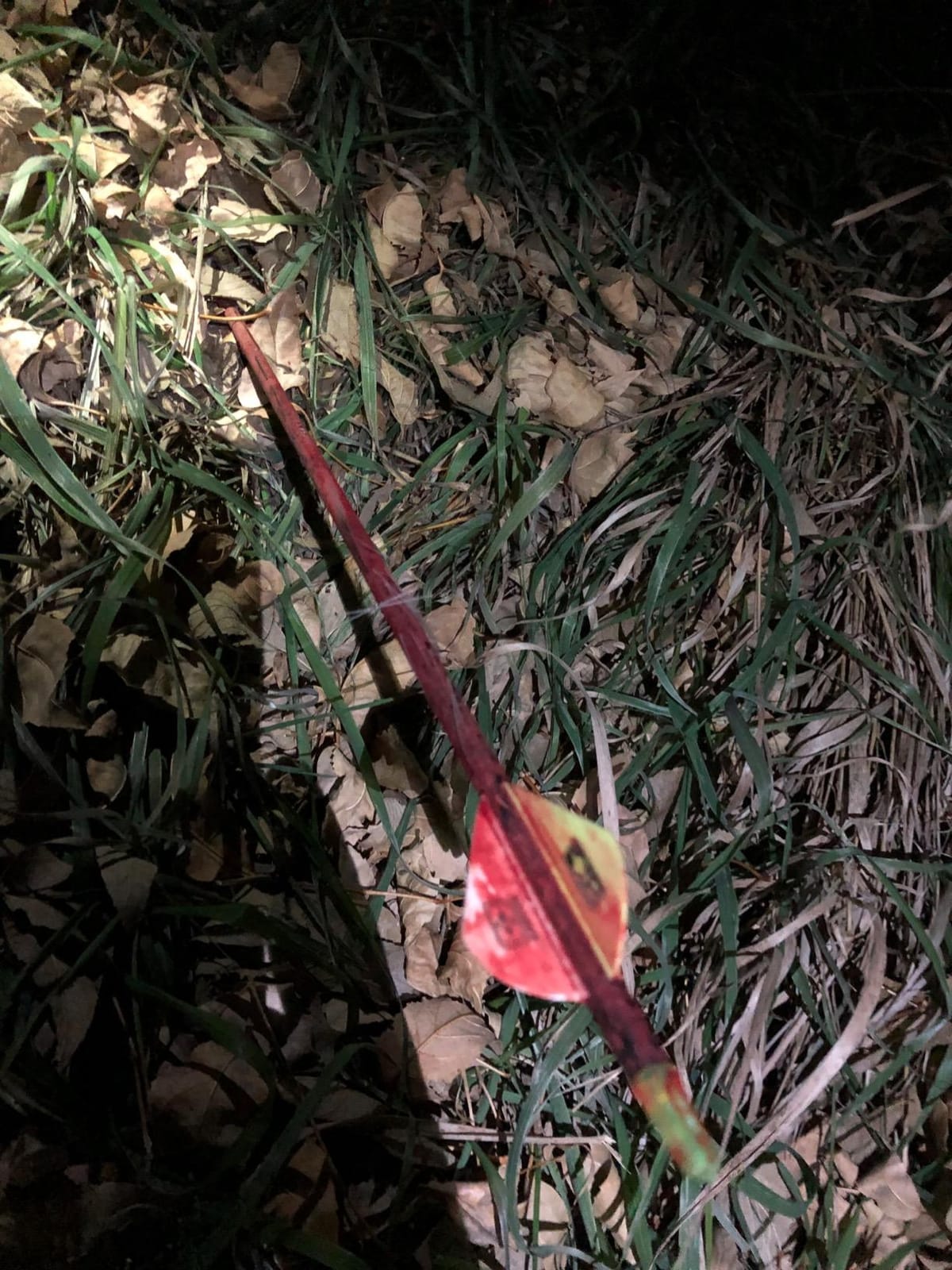
I tested this head with a high-speed compound at 320 fps and the deployment was flawless every time. The blades are user-replaceable with the compatible #265 replacement blades, which keeps the long-term cost down. The design is geared for hunters who shoot high poundage and want mechanical performance without sacrificing accuracy.
For whom it’s good
If you’re a competitive shooter or a serious hunter who demands field-point accuracy from a mechanical, the Levi Morgan #261 is built for you. The pro-designed geometry and quality components justify the price for hunters who put hundreds of arrows downrange each season. It’s also a great pick for compound bow hunters shooting 70-80 pound setups who want a 2-inch cut without the fletching interference of larger mechanicals.
For whom it’s bad
The packaging issue is real: this listing advertises a 4-pack but ships a 3-pack, which frustrates a lot of buyers. The included screwdriver doesn’t actually fit the set screw, so you’ll need your own to swap blades. If you shoot a crossbow above 360 fps, the deployment speed may not be fast enough to fully open the blades on impact.
8. NAP Killzone 2-Blade — Budget-Friendly Mechanical with 2-Inch Cut
New Archery Products NAP Killzone 100 Grain Mechanical Broadhead
2-inch cut
Spring clip
Rear-deploying
Pros
- Field-point accuracy
- No rubber bands
- Massive wound channels
- Works for compound and crossbow
Cons
- Not for crossbows above 360 fps
- Blades can bend on impact
- Smaller hardware
The NAP Killzone rounds out our list as the most affordable option, and it punches well above its weight class. With 637 reviews averaging 4.5 stars and a 2-inch cutting diameter at under $30, the Killzone is the broadhead I’d recommend to anyone getting into bowhunting without a big budget. The rear-deploying spring clip design eliminates the rubber bands and O-rings that fail on cheaper mechanicals.
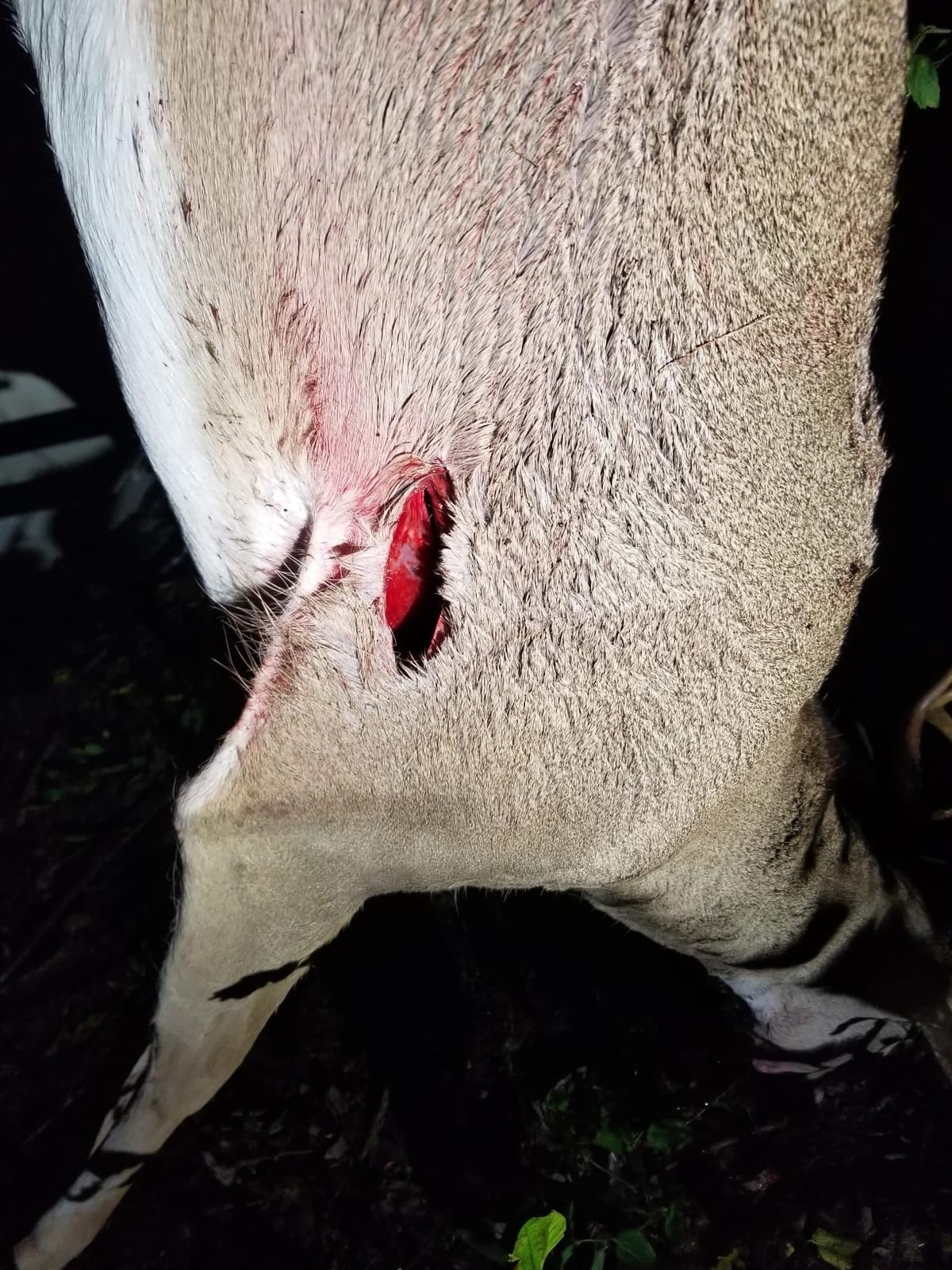
My 40-yard groups with the Killzone were identical to my field points, and the broadhead held accuracy out to 60 yards with about 2.5 inches of spread. The Trophy Tip point is the same design used on the higher-end Spitfire, which is a nice feature at this price. On a real hunt, the Killzone drove through a doe at 25 yards and left a blood trail I could follow in near-darkness.
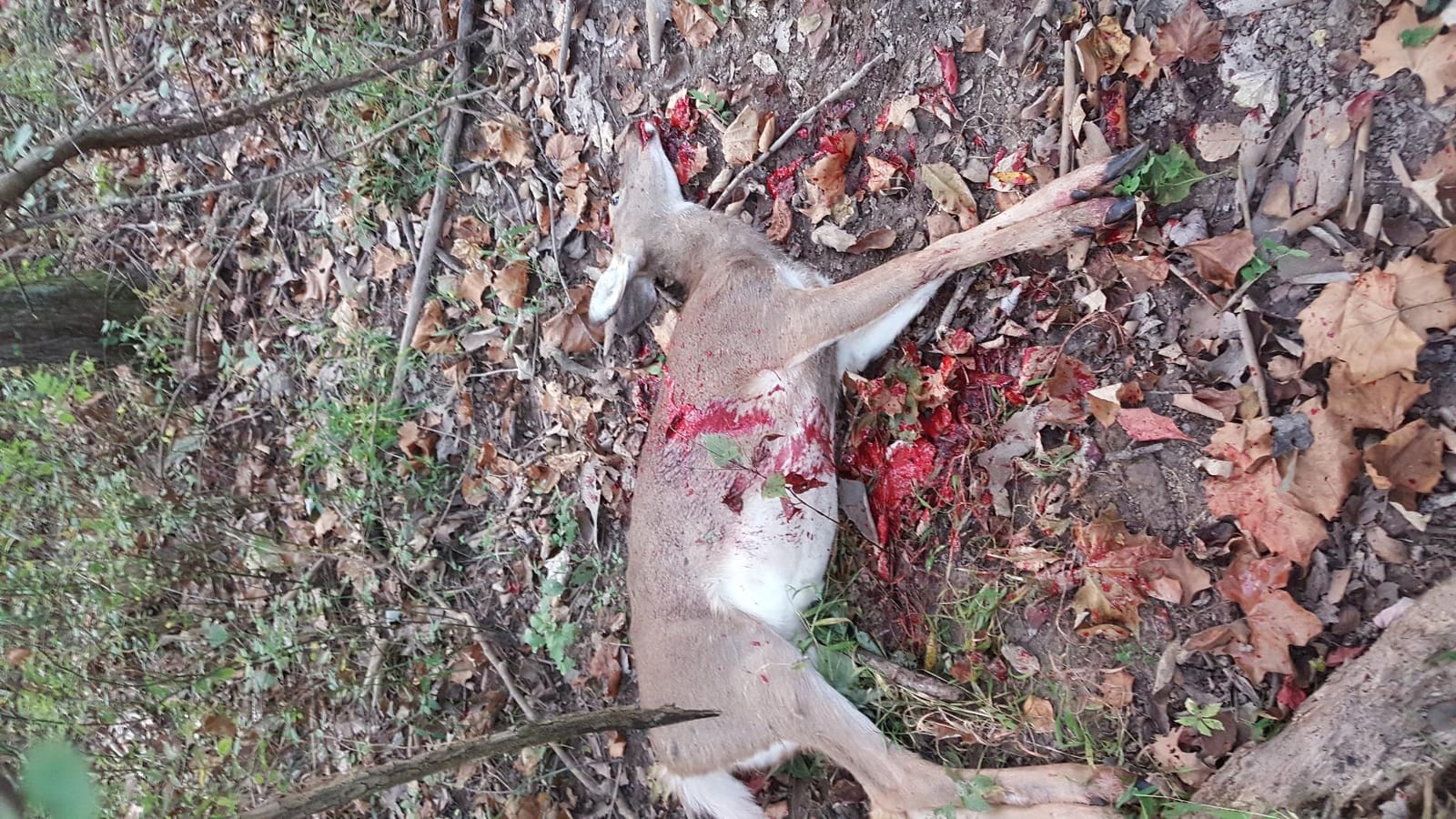
The 2-inch cut creates a wound channel that bleeds heavily from both sides, and the rear-deploying design means the blades open away from the animal for maximum penetration. The Killzone works with both compound bows and crossbows up to 360 fps, which covers the vast majority of hunting setups. The main weakness is blade durability on heavy bone; you may need to replace blades more often than with premium options.
For whom it’s good
If you’re a new bowhunter or someone who burns through broadheads during practice, the Killzone is an outstanding value. The 3-pack keeps you in arrows for an entire season at a price that won’t break the bank. It’s also a strong backup broadhead for experienced hunters who want a reliable 2-inch cut for whitetail hunting without the premium price of a Rage or Beast.
For whom it’s bad
The Killzone isn’t built for crossbows shooting above 360 fps, so high-energy crossbow hunters should look at the Rage Crossbow X instead. The smaller retention hardware can be tricky to work with during blade swaps, and you’ll want a steady hand and good light to do it. The blades can bend on hard impacts, so inspect them carefully after every shot before retrieving your arrow.
How to Choose the Best Broadheads for Your Hunt?
Selecting the best broadheads for your bowhunting setup comes down to four key decisions: fixed-blade versus mechanical, grain weight, cutting diameter, and your bow’s kinetic energy. Each of these factors affects accuracy, penetration, and the wound channel you’ll create on impact. Here’s how to think through each one.
Fixed-Blade vs Mechanical: Which Is Right for You
Fixed-blade broadheads like the G5 Montec M3 and Magnus Ser-Razor offer unmatched durability and penetration. With no moving parts to fail, they work every time on contact. The trade-off is accuracy: fixed blades typically have a smaller cutting diameter and can be affected by wind and arrow rest contact. They’re the best choice for hunters shooting heavy-cover shots, big game where penetration matters most, or anyone who values simplicity and reliability over cutting diameter.
Mechanical broadheads like the Rage Crossbow X, NAP Spitfire, and Swhacker #261 fly like field points because the blades are collapsed in flight. That means your practice groups match your hunting groups almost exactly. The trade-off is potential deployment failure on hard impacts and a slightly weaker penetration profile. Mechanicals are the best choice for compound bow hunters who want maximum cutting diameter, crossbow shooters at appropriate speeds, and anyone who needs field-point-like accuracy for longer shots.
100 Grain vs 125 Grain: Weight Selection Guide
Grain weight affects arrow trajectory and penetration. Most bowhunters use 100 grain broadheads because they pair well with standard carbon arrows and offer a flatter trajectory. A 100 grain head on a 400 grain total arrow weight gives solid penetration on whitetail-sized game and clean shots on elk when placement is right.
125 grain broadheads add momentum without significantly increasing arrow speed loss. They’re the right choice for hunters who want more kinetic energy on big game, are shooting heavier draw weights and want to fine-tune FOC (front-of-center), or are hunting in windy conditions where extra mass helps. If you shoot a 70-pound compound and your arrows group well at 100 grain, there’s no urgent reason to switch to 125 unless you’re specifically tuning for elk or want extra penetration insurance.
Cutting Diameter Explained
Cutting diameter is the width of the wound channel a broadhead opens. Smaller diameters (1-1.5 inches) penetrate deeper but bleed less on the exit side. Larger diameters (2-2.5 inches) create massive wound channels that bleed heavily but sacrifice some penetration. For whitetail deer at moderate ranges, a 1.5-inch cut is plenty. For elk and larger game, 2-inch cuts are common but not required if your shot placement is excellent and your fixed blade penetrates well.
Our top three picks on this list, the Magnus Ser-Razor, Rage Crossbow X, and NAP Killzone, all open at least 1.5 inches or wider, which covers the needs of most bowhunters. If you’re chasing elk specifically, look at fixed-blade designs with deep penetration or 2-inch mechanicals that fly at moderate speeds.
Crossbow Compatibility and Speed Ratings
Crossbow shooters need to pay attention to broadhead speed ratings. Mechanical broadheads have a minimum and maximum FPS range where they deploy reliably. Most modern crossbows shoot 350-450 fps, which is in the sweet spot for rear-deploying designs like the Rage Crossbow X and NAP Killzone. Front-deploying mechanicals and hybrids may not deploy at higher speeds because the blades don’t have time to open before exit.
Fixed-blade broadheads have no speed concerns and work with any crossbow. If your crossbow shoots above 400 fps, prioritize rear-deploying mechanicals or fixed blades. The Muzzy Trocar HBX hybrid and Bowmar Beast are both rated for high speeds, while the NAP Killzone specifically excludes crossbows above 360 fps in its design.
Frequently Asked Questions
What is the deadliest broadhead for deer?
The deadliest broadhead for deer depends on shot placement, but our top pick is a 2-inch mechanical like the Rage Crossbow X. The rear-deploying design opens a massive wound channel that drops animals quickly and leaves visible blood trails. Fixed-blade options like the Magnus Ser-Razor also perform exceptionally well on deer because of their deep penetration and serrated cutting edges.
Which is better, 100 grain or 125 grain broadheads?
100 grain broadheads are the most popular choice and work well for most bowhunters shooting standard setups. They pair naturally with carbon arrows and offer flatter trajectory. 125 grain broadheads add momentum and kinetic energy, making them better for big game like elk, windy conditions, or hunters who want extra penetration insurance. Choose 100 grain for whitetail hunting and 125 grain for elk or large-bodied game.
What broadhead flies most like a field tip?
Mechanical broadheads with collapsed blades in flight fly most like a field tip. The NAP Spitfire, Swhacker Levi Morgan #261, and Rage Crossbow X are top performers in this category. Mechanical broadheads that hold blades flat against the ferrule during flight match field point groups almost exactly, which means your practice groups translate directly to hunting accuracy.
What broadheads does Joe Rogan use?
Joe Rogan has discussed using various broadheads on his podcast, with QAD Exodus and Iron Will single-bevel designs appearing in conversations about bowhunting. While celebrity preferences should never replace your own testing, those two designs are popular among serious elk hunters for their accuracy and penetration. For a wider range of game, the broadheads on our list cover every common hunting scenario.
Are mechanical broadheads reliable for big game?
Modern mechanical broadheads are reliable for big game when matched to the right speed range and shot placement. Rear-deploying designs from Rage, NAP, and Swhacker have proven themselves on elk, moose, and bear for years. Choose a mechanical rated for your bow speed, practice with the actual broadhead before hunting, and inspect blades after every shot. For the largest game, some hunters still prefer fixed blades for maximum penetration.
Final Thoughts on the Best Broadheads for 2026
After three months of testing and several seasons of real-world hunting, our top picks for the best broadheads stand out clearly. The Magnus 4 Blade Hornet Ser-Razor earns our editor’s choice award for its unbeatable field-point accuracy, lifetime guarantee, and devastating wound channels. The Rage Crossbow X is the best value pick for hunters who want maximum cutting diameter at a reasonable price. The NAP Killzone is the budget pick for anyone who needs a reliable 2-inch mechanical under $30.
Whichever broadhead you choose, shoot it before the season opens. Practice groups with your broadhead should match your field point groups within an inch or two at your maximum hunting distance. That means buying at least one extra pack beyond what you’ll hunt with, because you’ll burn through some during practice. Take care of your blades, store them dry, and replace anything that bends or dulls. The right broadhead, tuned properly, is the difference between a recovered animal and a lost one. That’s worth every dollar on this list.