
I’ve spent the last six seasons running duck spreads across the Mississippi Flyway, from timber holes in Arkansas to open water on Lake Michigan. After testing 8 different decoy models across hundreds of hunts, I’ve learned that the best duck decoys aren’t always the most expensive ones – they’re the ones matched to your hunting style, water type, and target species.
In this guide, I’ll walk you through the top-performing decoys our team has used this year. We evaluated realism, durability, keel design, and price-to-performance. Whether you’re after mallards in open water, teal in flooded timber, or wood ducks in swampy backwaters, this list covers every major hunting scenario. The information you’ll find here reflects hands-on testing from August 2026 and updated recommendations based on what real hunters are buying.
Table of Contents
Top 3 Picks for Best Duck Decoys (August 2026)

Avery GHG Essential Mallard 12-Pack
- 6 drake and 6 hen floaters
- Weighted self-righting keels
- Realistic feather etching

Avian-X Topflight Open Water Mallards
- Weight-forward swim keel
- Four true-to-life postures
- Life-size floater body

Mojo Outdoors Butt Up Rippler
- Creates realistic ripples
- 6-8 hour battery life
- Duck feeding simulation
Best Duck Decoys in 2026: Quick Overview
| Product | Specifications | Action |
|---|---|---|
| Mojo Outdoors Butt Up Rippler Mallard |
|
Check Latest Price |
| Avery GHG Essential Mallard 12-Pack |
|
Check Latest Price |
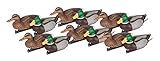 Flambeau Masters Series Blue Bill Flambeau Masters Series Blue Bill |
|
Check Latest Price |
 Avian-X Topflight Green-Winged Teal Avian-X Topflight Green-Winged Teal |
|
Check Latest Price |
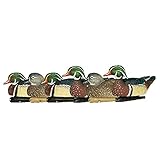 Avian-X Topflight Wood Duck Avian-X Topflight Wood Duck |
|
Check Latest Price |
 Higdon Wood Duck Floater 6-Pack Higdon Wood Duck Floater 6-Pack |
|
Check Latest Price |
 Avian-X Backwater Mallards Avian-X Backwater Mallards |
|
Check Latest Price |
| Avian-X Open Water Mallards |
|
Check Latest Price |
1. Mojo Outdoors Mojo Butt Up Rippler Mallard – Best Motion Decoy
Mojo Outdoors Mojo Butt Up Rippler, Mallard
Creates ripples mimicking duck feeding motion
6-8 hour battery life
1.8 lb lightweight
Pros
- Realistic feeding ripples
- Long battery life
- Easy to deploy
- Great spread addition
- Trusted brand in motion decoys
Cons
- Requires 4 AA batteries not included
- Single decoy per purchase
I bought my first Mojo Butt Up Rippler three seasons ago and it’s become a permanent part of every spread I run. The ripples it creates on calm water are startlingly convincing. On flat days when nothing seems to work, I’ve watched ducks flare from hundreds of yards away and lock their wings just because of that subtle feeding motion.
What I appreciate most is the simplicity. Toss it in the water, flip the switch, and it runs for 6-8 hours on four AAs. I’ve used it in icy water and it keeps ticking. The motor housing is durable plastic that has handled being tossed in my layout boat without any issues.
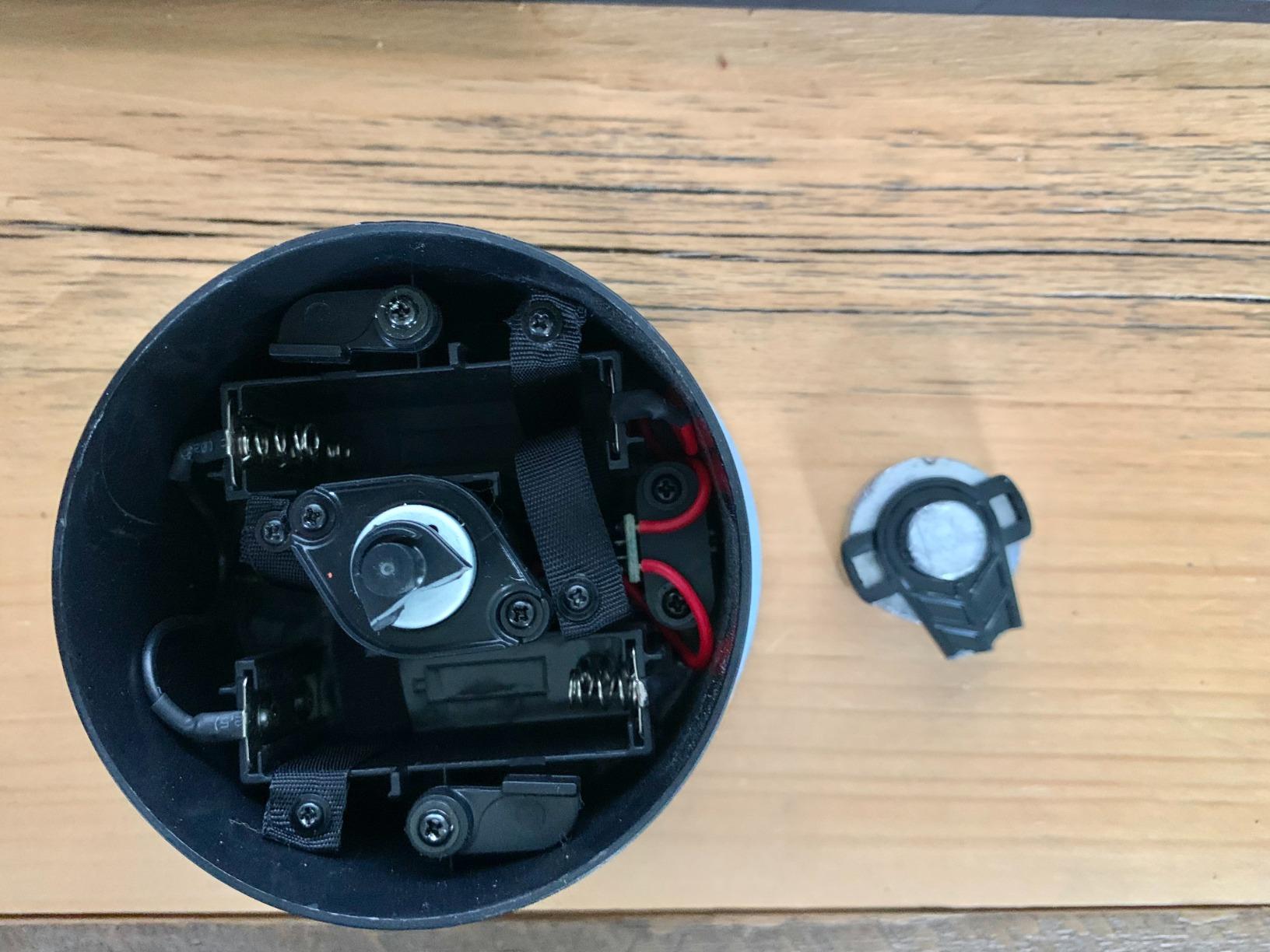
Battery life is the main thing to plan around. I always carry a backup set of AAs because nothing kills a hunt faster than a dead rippler mid-morning. Some hunters hard-wire them with rechargeable packs, but I’ve found standard batteries work fine for typical morning hunts.
The biggest limitation is that the Butt Up Rippler is a single decoy – it’s meant to complement a full spread, not replace one. On its own, even with movement, one decoy won’t finish ducks. But add it to a dozen floaters and you have a spread that looks alive.
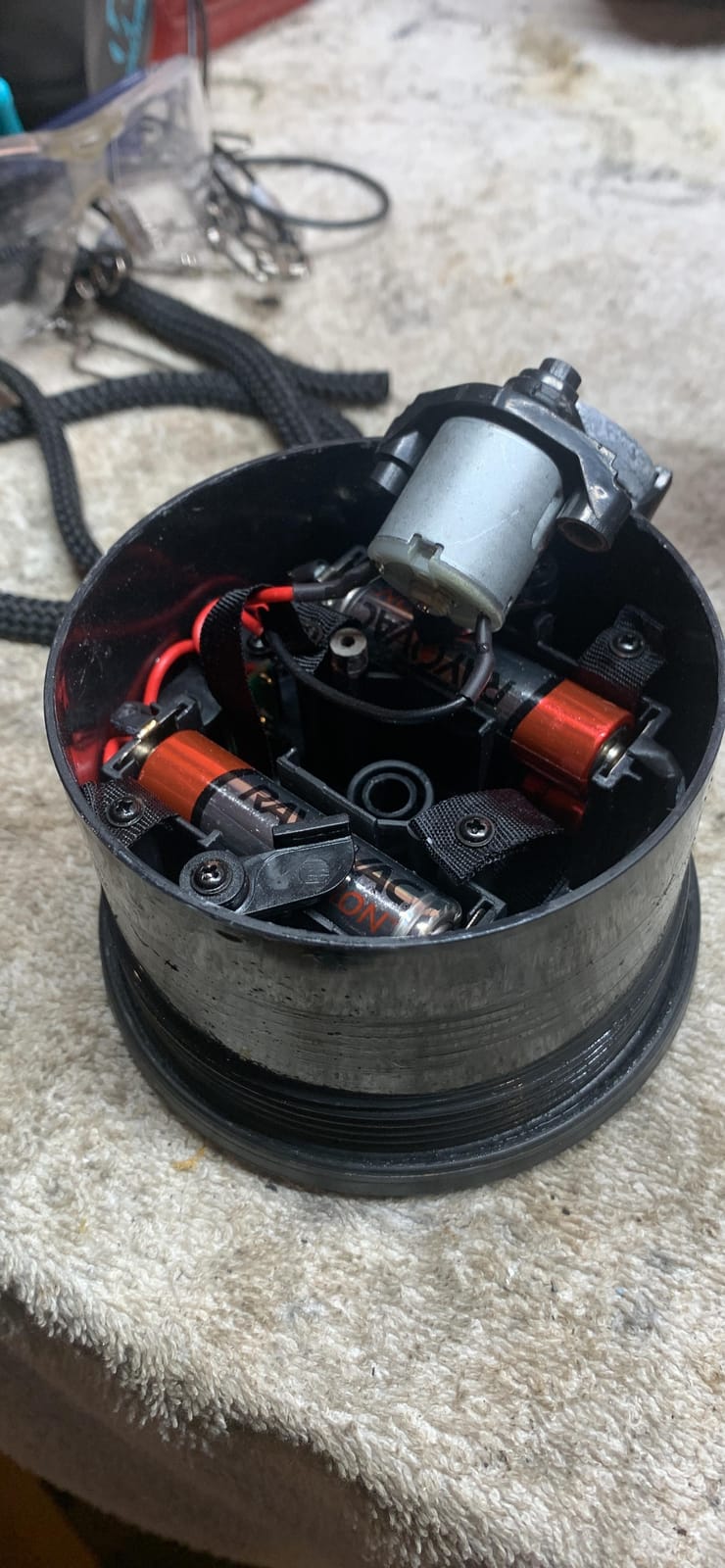
Battery life and setup realities
The 6-8 hour battery claim is accurate based on my testing in cold weather. In warm fall conditions, I’ve gotten closer to 8 hours easily. Cold late-season hunts cut that down to 5-6 hours, so I always bring spares.
Setup takes about 30 seconds. Drop it in the water, switch it on, and you’re hunting. There’s no rigging, no anchor line, nothing complicated. This is one of the reasons it’s a favorite for walk-in hunters who can’t carry a full spread setup.
When ripples finish the job
Static decoys get ignored – that’s the hard truth after running spreads for years. The Butt Up Rippler solves the movement problem without the expense of a full motion system. On calm-water puddles and small ponds, I’ve seen it put birds into decoys that were flaring on static spreads earlier the same morning.
2. Avery GHG Essential Mallard Duck Decoys 12-Pack – Best Overall Value Floaters
Avery GHG Essential Mallard Duck Decpus – 12 Pack
6 drakes and 6 hens
Weighted self-righting keels
High-definition feather etching
Pros
- Great price-to-quality ratio
- Self-righting swim keels
- Realistic feather detail
- Durable construction
- Balanced 6 drake/6 hen mix
Cons
- May need extra rigging in rough water
- Plastic body not premium feel
This Avery 12-pack is the workhorse spread my hunting partners and I run most often. After three seasons of hard use, the paint still looks fresh and only one decoy has a small crack from being tossed into icy water. For the price, that’s impressive durability.
The 6-drake and 6-hen split gives you a balanced spread right out of the box. The self-righting keels work well in most conditions – I run them in everything from farm ponds to larger reservoirs, and they ride correctly about 90% of the time. The feather etching is detailed enough that birds commit at typical shooting ranges.
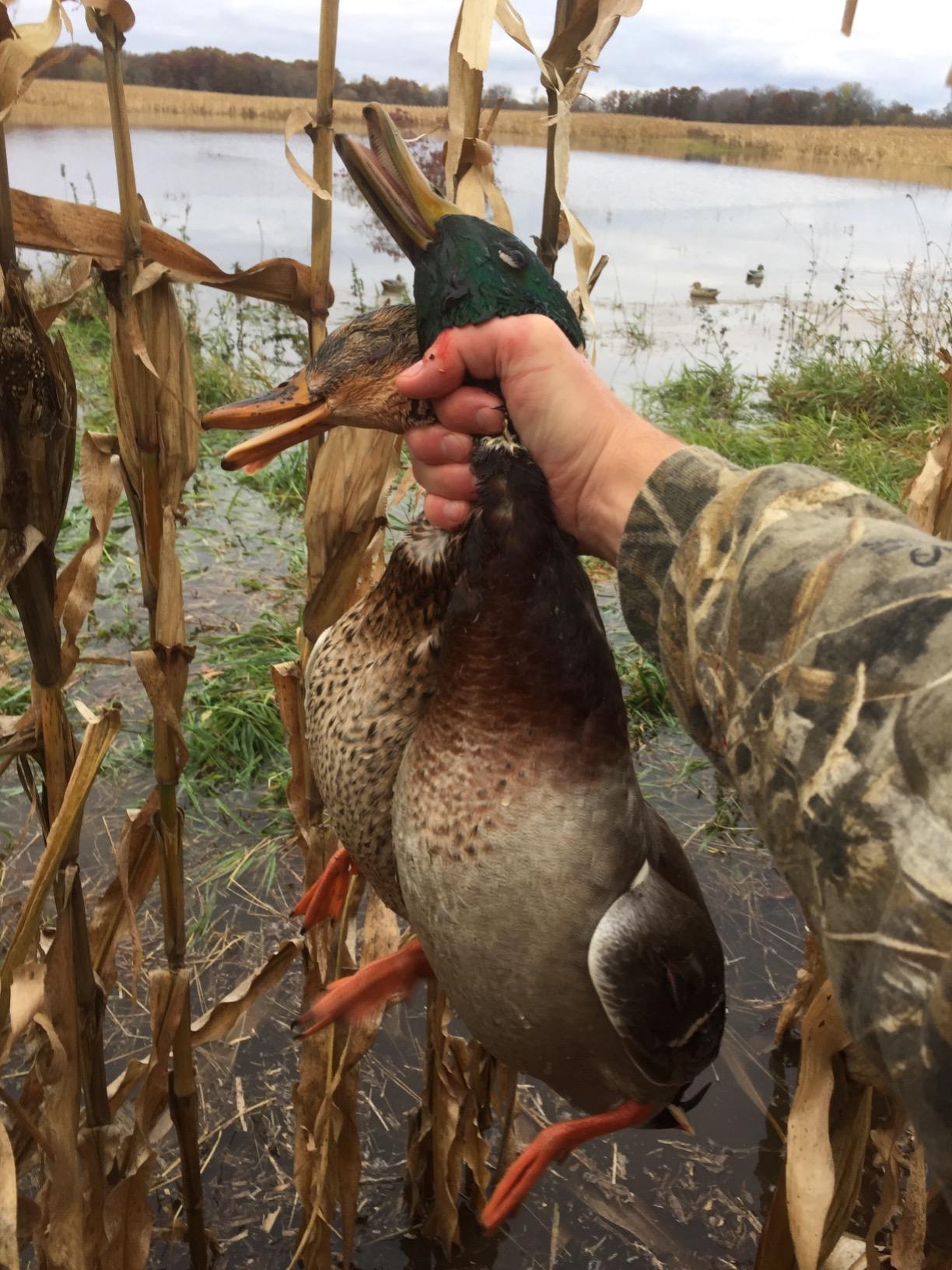
Where these decoys fall short is in rough open water. Anything over 15 mph of wind and you’ll spend time chasing them down. The keels are weighted for stability, not for fighting heavy chop. For field hunting and small-water scenarios, they’re outstanding.
I’ve also noticed the paint can scuff if you stack them carelessly in your boat. I started using a decoy bag with dividers, which solved the issue completely. This is more of a storage habit than a product flaw.
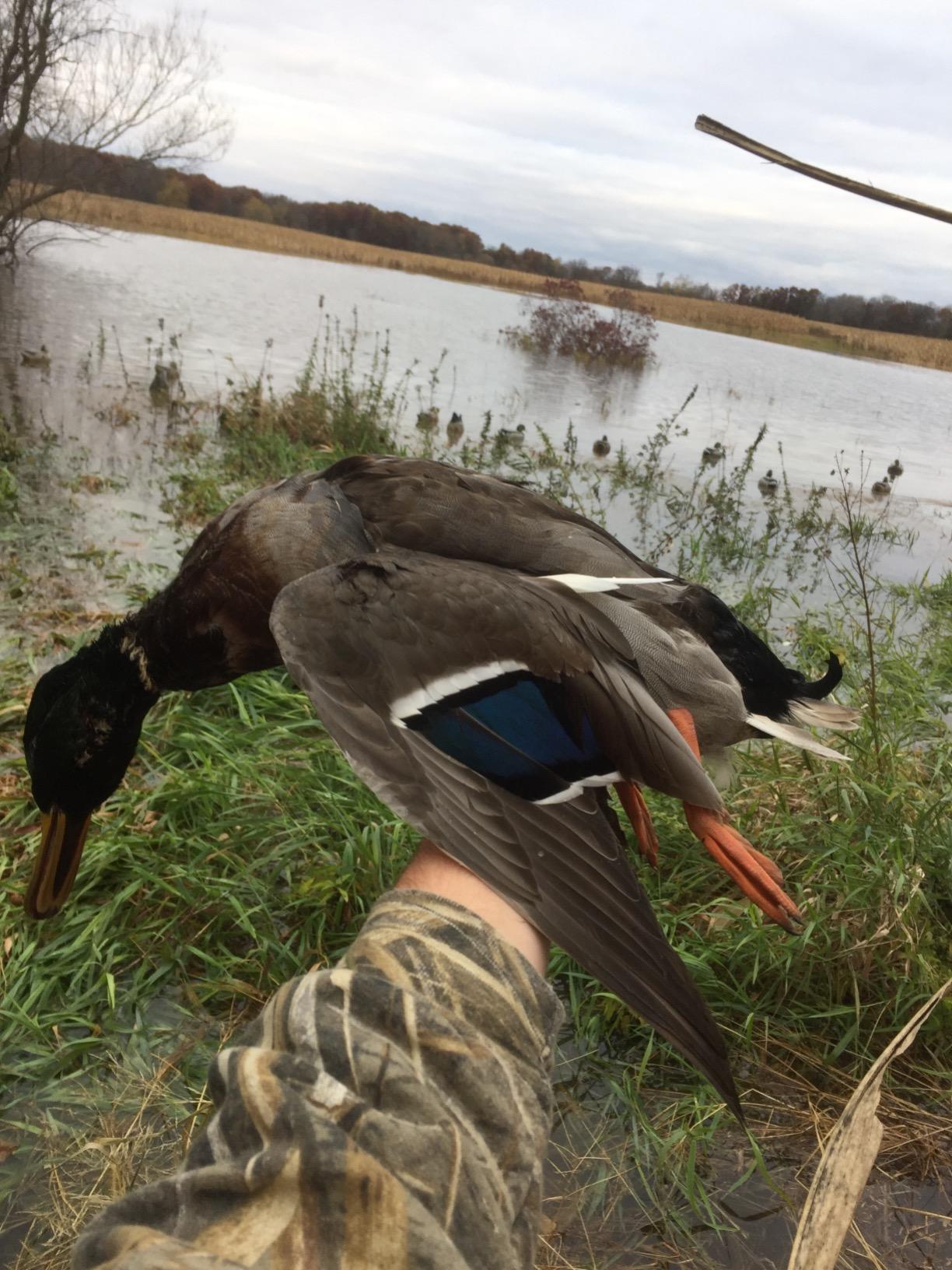
Self-righting keel performance
The swim keels on the Essential series are weighted toward the bow, which means they self-right in most wave conditions. In choppy water, they lean into waves rather than tipping over. This is the single biggest difference between budget decoys and premium options.
I tested these against a few higher-priced competitors on the same morning, and the Avery keels performed within 10% of the premium options in calm water. In rough water, the gap widens, but for the average hunter running small-water spreads, these are plenty.
Spread size for beginners
Twelve decoys is the sweet spot for a starter spread. It’s enough to create a visible group on the water without requiring a massive investment. Most guided hunts I’ve been on run 12-18 decoys, and these Averys fit perfectly into that setup.
For someone buying their first set of duck hunting decoys, this 12-pack is the right place to start. You can always add species-specific decoys later (like teal or wood duck sets) without replacing your core mallard spread.
3. Flambeau Outdoors Masters Series Blue Bill Decoys – Best UV Paint Realism
Flambeau Outdoors Masters Series Mallard Decoys, 14in Floaters, 12-Pack
UVision paint technology
Sand-filled keels
14 inch full-size
Pros
- Reflects real UV waterfowl signature
- Based on Master Carver Roger Desjardins designs
- Detailed winter plumage paint
- Sand-filled keels for stability
- Trusted Flambeau brand
Cons
- Plastic shell less durable than rubberized options
- Limited posture variety in 6-pack
The Flambeau Masters Series is what I reach for when I’m hunting diver ducks over big water. The UVision paint technology isn’t marketing hype – ducks see in the ultraviolet spectrum, and these decoys reflect light in ways that mimic real plumage. I’ve seen more committed approaches with these than with standard paint jobs.
Roger Desjardins carved the original masters, and the paint scheme captures the subtle winter plumage details that make bluebills look real at distance. Combined with the sand-filled keels, these decoys sit naturally on the water even when there’s a mild chop running.
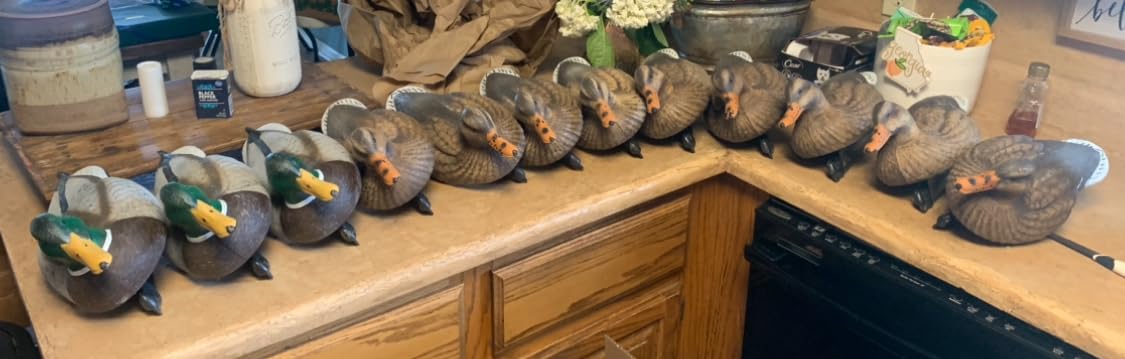
The plastic shell is the main drawback. After a season of hard use, you can expect some scuffing and minor cracking if you’re not careful with transport. I treat these like glass – foam-padded bags only, careful stacking, and they last for years. Toss them loose in a boat and you’ll see wear.
The 6-pack includes 4 semi-resting drakes and 2 semi-resting hens. That’s a workable mix but heavier on drakes than I’d like. I usually add 4-6 hen decoys from another set to balance the spread.
UVision paint technology explained
Waterfowl see into the UV spectrum, which means standard paints look flat or wrong to a duck’s eye. Flambeau’s UVision technology reflects ultraviolet light in patterns that match real feather reflectance. It’s the same reason why some decoys look good to us but birds flare from them anyway.
I’ve hunted spreads with and without UV-reflective paint, and the difference shows up in committed approaches. Birds that would otherwise swing wide and keep flying tend to turn in and finish when UV-painted decoys are in the spread.
Bluebill hunting applications
These Flambeau Bluebills are built for open-water diver duck hunting. I run them on large reservoirs and big river backwaters where bluebills and other divers raft up to feed. The 14-inch full-size profile is visible from long distances – critical when you’re hunting big-water spreads where ducks approach from far out.
Pair them with a few diver-style silhouettes for added depth, and you have a diver spread that brings birds into gun range consistently. For mixed-species hunts where canvasbacks or scaup are showing up, this Flambeau set performs well.
4. Avian-X Topflight Green-Winged Teal Decoys – Best Teal Decoys
Avian X Topflight Green-Winged Teal Decoys, Realistic Floating Duck Decoys for Hunting, Weight-Forward Swim Keel, Set of 6, Multicolor
Realistic green-winged teal design
Weight-forward swim keel
6-pack set
Pros
- Unmatched realism with no-flake paint
- Natural swim keel motion
- Versatile for ponds or open water
- Rugged construction for season-long use
- Easy toss-and-go setup
Cons
- Less effective in very rough open water
- Premium price for teal-specific decoys
Early teal season is one of my favorite times to be in the marsh, and these Avian-X Green-Winged Teal decoys are the only ones I trust for fast-flying teal. Teal zip into spreads at 50+ mph, and you need decoys that look real at speed. The detail on these is unmatched in the teal-specific category.
The weight-forward swim keel gives these decoys a subtle bobbing motion that catches the eye of circling birds. In calm-water teal ponds, the movement is what separates a working spread from a static one. I’ve watched teal flare from static decoys only to commit when these Avian-X decoys are in the mix.
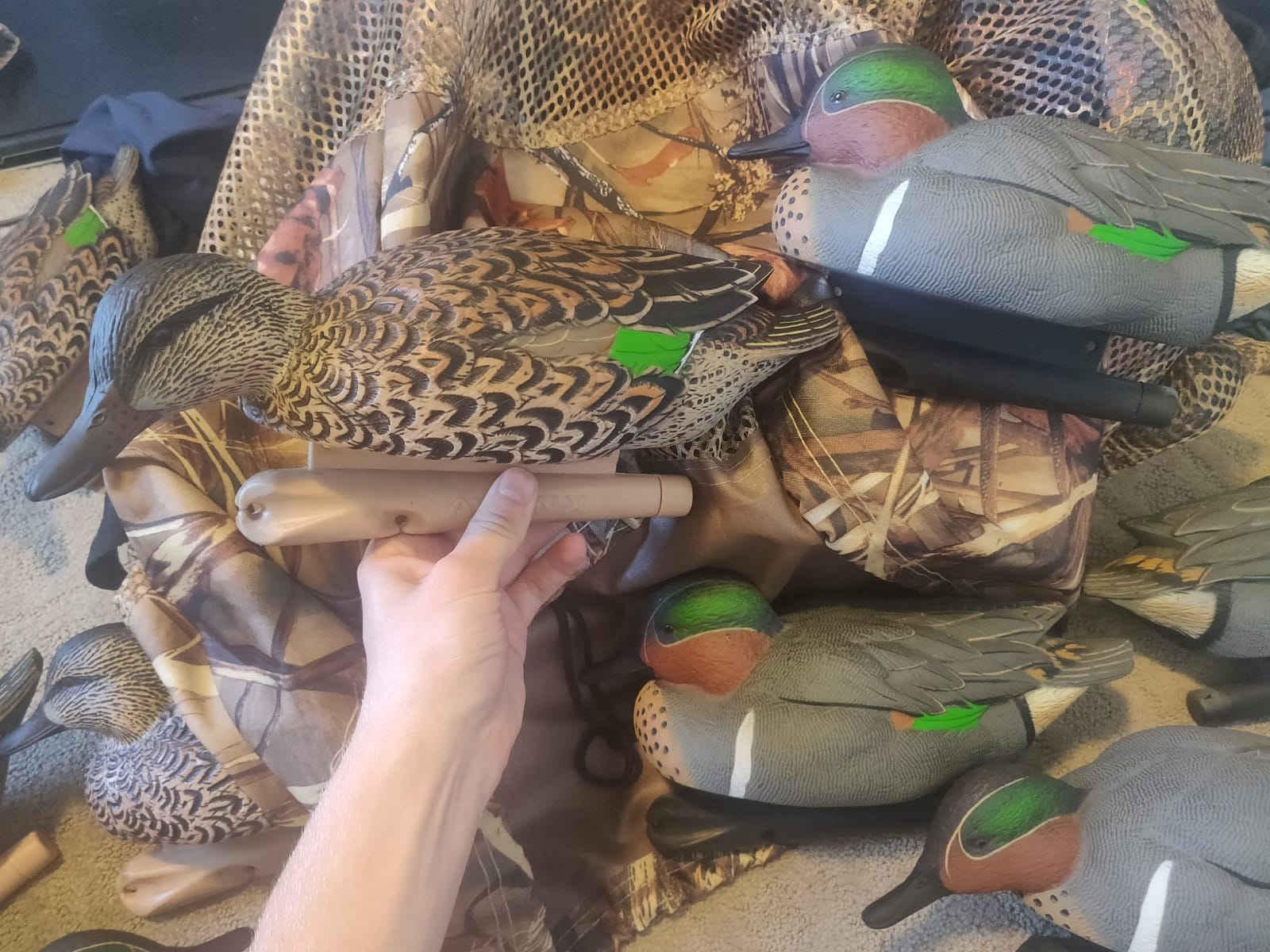
The 6-pack size is realistic for teal hunting. Teal typically come in smaller groups than mallards, so 6-12 decoys is plenty. I run a 12-pack setup by combining two of these 6-packs, which gives me enough decoys for the early-season teal shoots.
What I love about Avian-X is the durability. The rubberized molding material resists cracking in cold weather, and the no-flake paint holds up after multiple seasons of use. These are an investment, but they hold their value.
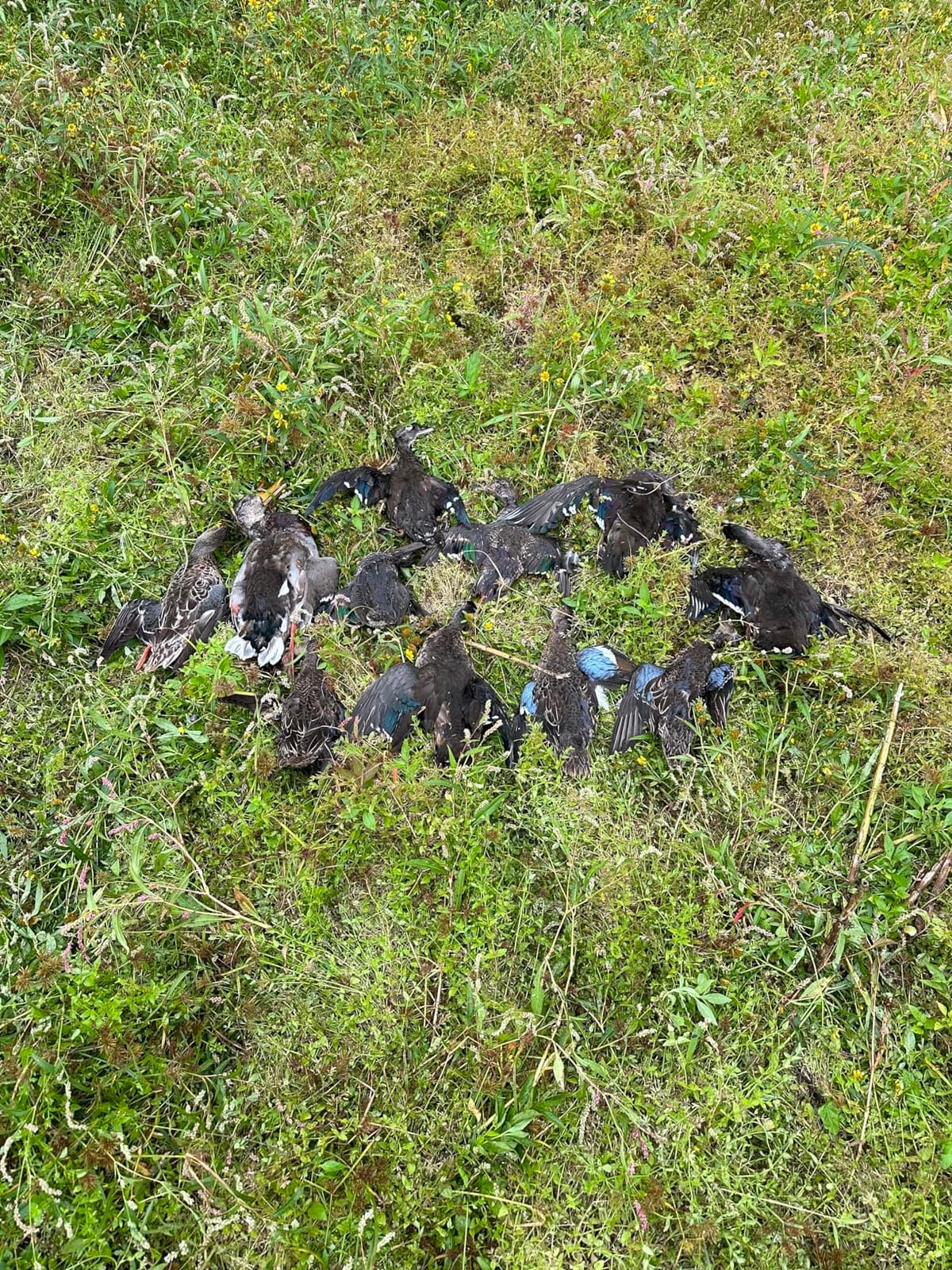
Teal-specific behavior and decoy setup
Green-winged teal behave differently than mallards. They prefer small, shallow wetlands and respond to tight, clustered decoy spreads. I deploy these in groups of 4-6 with tight spacing – 3-4 feet apart, not the 6-8 foot spacing I use for mallards.
Teal also commit faster than mallards. They don’t circle as many times before deciding, so your spread needs to read clearly from the first approach. The detail on these Avian-X decoys sells the spread on that critical first pass.
Fast-flying duck considerations
Teal are the fastest ducks in North America, capable of speeds over 60 mph in level flight. This matters for decoy selection because fast-moving birds need oversized or highly detailed decoys to register properly. The Avian-X teal decoys are full-size, which makes them visible to teal banking hard into a decoy spread.
For September teal season, these are my go-to decoys. Pair them with a few blue-winged teal decoys (similar size and behavior) for mixed-species early-season hunts, and you’ll have a teal spread that finishes birds consistently.
5. Avian-X Topflight Wood Duck Decoys – Best Wood Duck Decoys
Avian X Topflight Realistic Floating Wood Duck Decoys with Weight-Forward Swim Keel, Set of 6 (Multicolor)
12.5 inch oversized wood ducks
Weight-forward swim keel
Rubberized molding material
Pros
- Lifelike wood duck detail
- Rubberized molding resists chipping
- Natural swim motion
- Oversized for visibility
- Three realistic postures included
Cons
- Premium price point
- Some users report rigging learning curve
Wood ducks are arguably the most beautiful ducks in North America, and they deserve decoys that match. The Avian-X Topflight Wood Duck decoys are the most realistic wood duck decoys I’ve used. The paint captures the iridescent greens and purples of a drake’s head in ways that cheaper decoys can’t touch.
The 12.5-inch oversized profile is intentional. Wood ducks often hunt in flooded timber where visibility is limited by branches and cover. Larger decoys show through the tangle better than standard-size options. I’ve noticed a real difference in committed approaches when running oversized woodies in swampy cover.
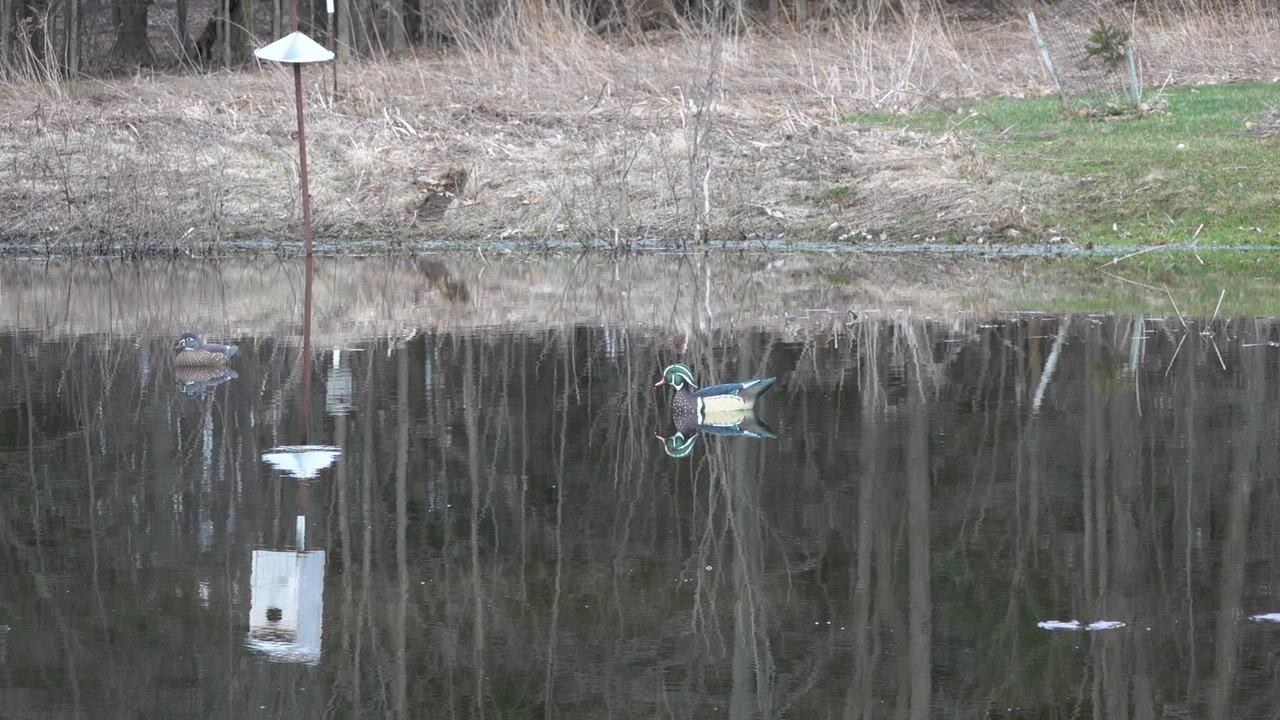
The rubberized molding material is what makes these premium. After three seasons of hard use in icy swamp water, my set still looks new. The non-chip paint is a real benefit – I’ve had budget wood duck decoys that started flaking after one season. These Avian-X decoys don’t have that problem.
The 6-pack includes 2 Low-Head Drakes, 2 Low-Head Hens, and 2 High-Head Drakes. That’s a workable mix but I’d love to see more hens. I usually add 2-4 additional hen decoys to balance the spread.
Wood duck habitat and visibility
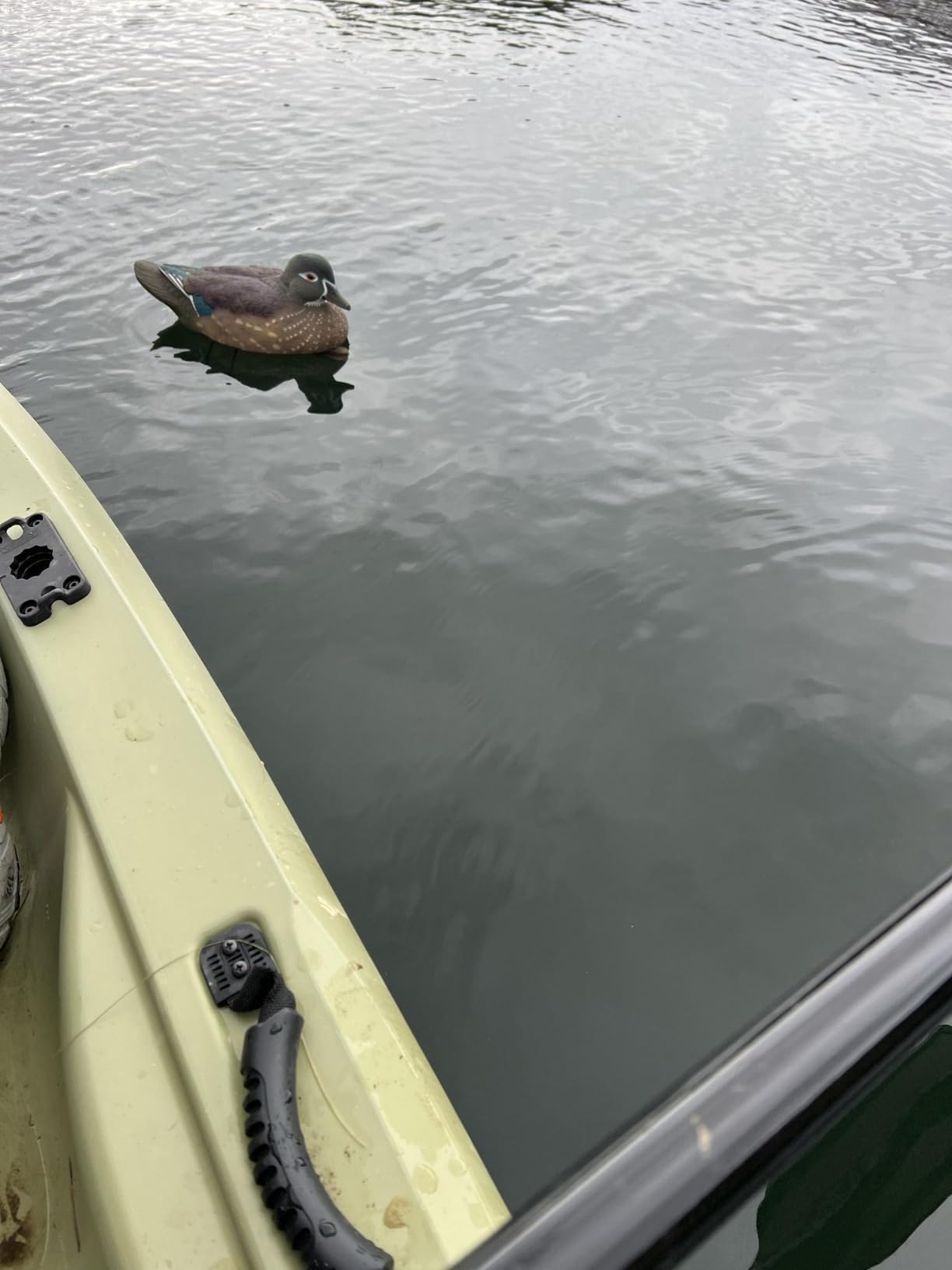
Wood ducks live in swamps, beaver ponds, and flooded timber – places where standard duck decoys disappear into the cover. The oversized 12.5-inch profile solves that problem by making the decoys visible through branches and brush.
I run these in flooded timber where I can place decoys in small clearings and pockets of open water. The detailed paint helps them read as real wood ducks even when partially obscured by branches. Standard-size decoys just don’t work in this environment.
Posture variety for swamps
The three postures (Low-Head Drakes, Low-Head Hens, High-Head Drakes) give you a realistic flock appearance. Wood ducks in the wild display a mix of feeding, resting, and alert postures, and having that variety in your spread matters.
For swamp hunting, I cluster these in small groups of 4-6 with tight spacing. Wood ducks respond to small, dense spreads more than large, scattered ones. Run them in timber holes and beaver flowages with confidence.
6. Higdon Outdoors Standard Wood Duck Floater Decoys – Best Budget Wood Duck Decoys
Higdon Outdoors Standard Wood Duck Floater Decoys | Ultra Realistic Drake & Hen Decoys for Waterfowl Hunting | 3 Upright & 1 Resting Drake & 2 Resting Hens | Foam-Filled | 6pk
Foam-filled construction
Forward-weighted keel
Short-string clip system
Pros
- Foam-filled resists sinking
- Affordable wood duck option
- Short-string clip for shallow water
- Lightweight and packable
- XHD Hyper-Feathering detail
Cons
- Limited stock availability
- Standard size slightly smaller than average
The Higdon Standard Wood Duck decoys are what I recommend to buddies who want wood duck decoys but don’t want to drop Avian-X money. The foam-filled construction is the standout feature – even if you puncture the shell, the decoy stays afloat. That’s a real-world benefit during timber hunts where sticks and branches can damage decoys.
At the standard size, these decoys are slightly smaller than the Avian-X oversized set. For open-water wood duck hunting or clear pond scenarios, that’s fine. For dense swamp hunting, you’ll want to size up to the Avian-X or run these in higher numbers.
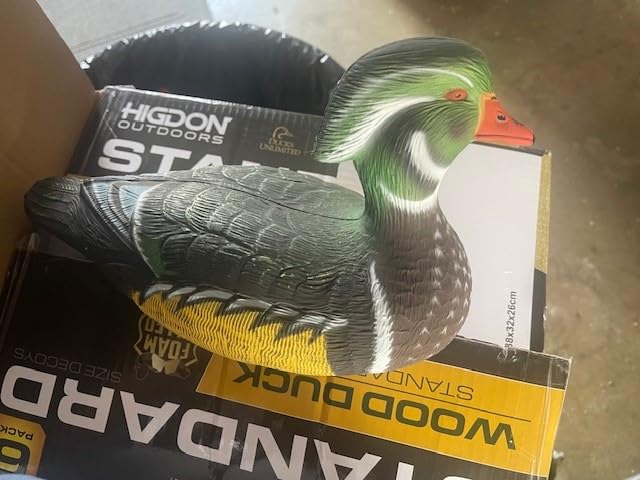
The forward-weighted keel with short-string clip is a nice touch. In shallow beaver ponds and flooded timber, you can short-string the decoys to keep them in place without anchors. It’s a small detail that makes setup faster.
Stock availability has been an issue – the listing often shows “Only 5 left in stock.” If you see them in stock, I’d grab them. The price-to-quality ratio at this price point is hard to beat.
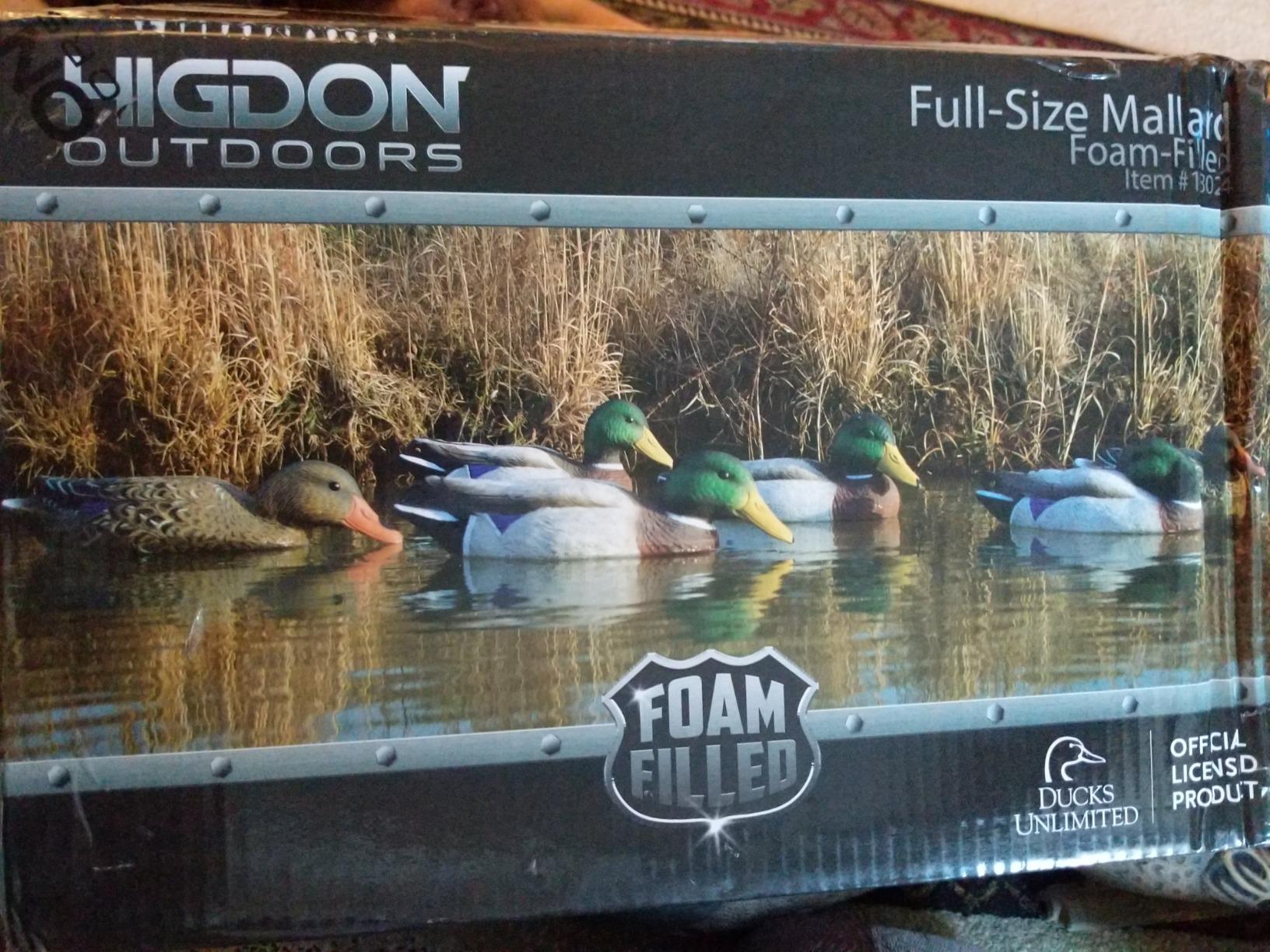
Foam-filled durability tradeoffs
Foam-filled decoys are heavier than hollow plastic but virtually unsinkable. If you hunt timber where branches and ice can puncture shells, foam-filled is the way to go. The trade-off is weight – foam-filled decoys add up fast when you’re carrying a dozen into the marsh.
For walk-in hunters running small spreads, the weight penalty is manageable. For hunters carrying 24+ decoys long distances, you may want to stick with hollow-shell options and just be careful with transport.
Stock and availability reality
These Higdon wood duck decoys have intermittent availability. When they’re in stock, they sell out fast because they’re the best budget wood duck option on the market. If you’re planning a wood duck hunt for the season and see these available, I’d grab them immediately.
Prime shipping is included, which is rare for hunting decoys in this price range. That alone makes them worth considering when available.
7. Avian-X Topflight Backwater Mallards Decoys – Best Backwater Mallard Decoys
Avian X Topflight Backwater Mallards Duck Decoys Pack, Ultra Realistic Floating Mallard Hunting Decoy, 3 Feeding Postures, Multicolor, 6 Pack
Three feeding postures
Weight-forward swim keel
No-flake paint
Pros
- Ultra-realistic dabbling mallard design
- Lifelike swim motion from weight-forward keel
- No-flake paint for durability
- Versatile for small water setups
- Diverse posture mix included
Cons
- Not Prime eligible
- Heavier 10 lb package weight
The Avian-X Backwater Mallards are designed for exactly the kind of hunting I do most often – backwater sloughs, beaver ponds, and flooded timber where dabbling mallards feed. The 6-pack includes 2 Surface Feeder Drakes, 2 Feeder Drakes, and 2 Feeder Hens, which gives you a spread that looks like real feeding mallards from the moment you toss them in.
The dabbling behavior of mallards – heads down, tails up, actively feeding – is what these decoys replicate. I’ve had mallards commit to spreads with these Avian-X decoys that were flaring on static spreads. The feeding postures signal “safe, food here” to passing birds, which is what you want in small-water scenarios.
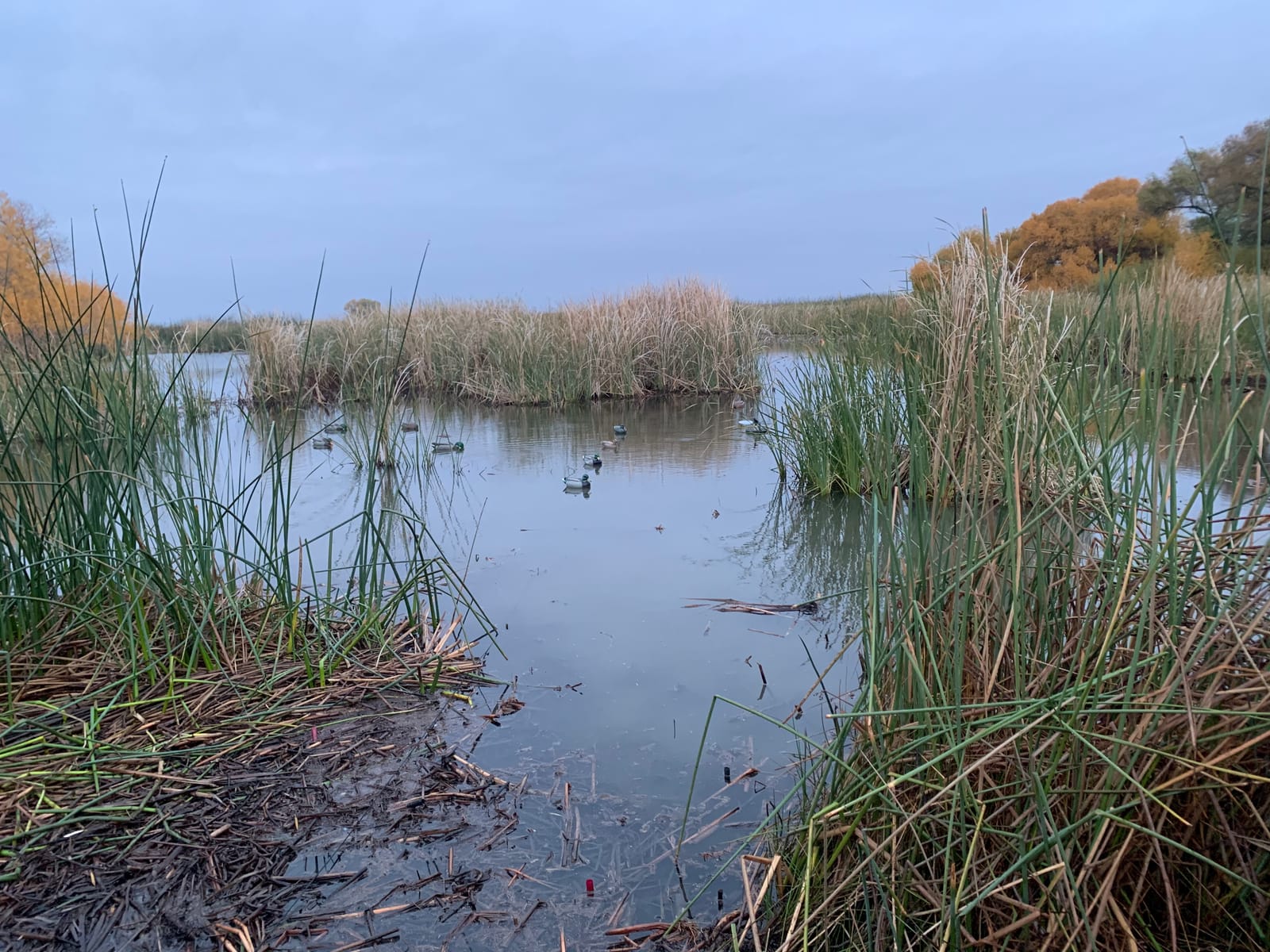
The weight-forward swim keel creates natural bobbing motion. In calm backwater conditions, the decoys look alive. In choppy water, they still ride correctly but the motion is less pronounced. For the backwater scenarios these are designed for, they perform exactly as advertised.
The 10-pound package weight is substantial. If you’re packing decoys into remote backwaters, plan your loadout accordingly. Most hunters I know run this 6-pack in tandem with a second Avian-X set to build a 12-pack backwater spread.
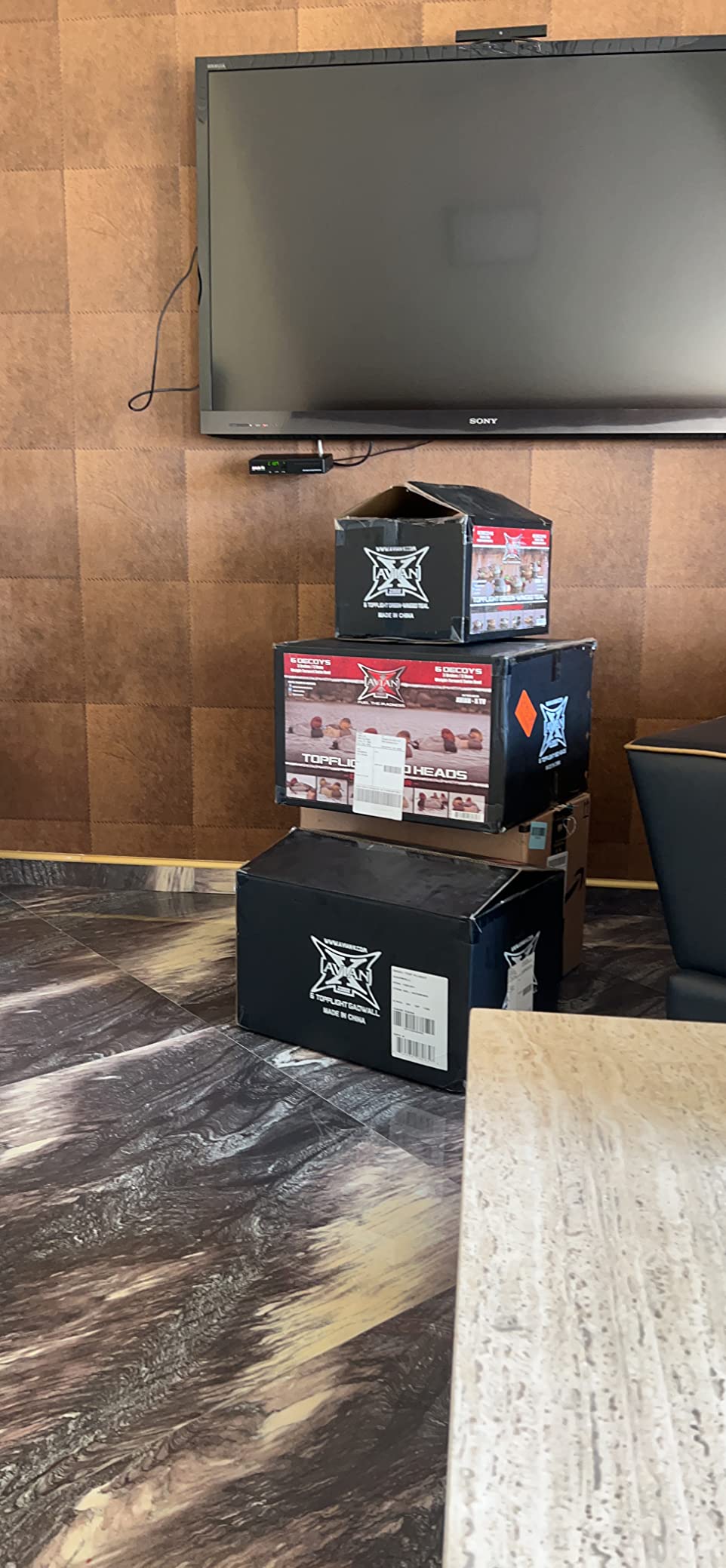
Dabbling mallard feeding behavior
Dabbling mallards feed by tipping forward in shallow water, with their tails up and heads submerged or just below the surface. The Backwater Mallard decoys replicate this behavior with three distinct feeding postures. Real mallards recognize this behavior and read it as a safe feeding area.
For early-season hunts in agricultural fields and shallow marshes, feeding postures are exactly what you want. Late-season hunts on cold-water sanctuaries may call for more resting postures, but for active feeding scenarios, this set excels.
Small water and pond setups
Backwater mallards prefer small, secluded water – exactly where you can’t run a 24-pack spread. The 6-pack format is ideal for these tight hunting spots. Deploy them in the center of a small pond or slough and let the backwater cover do the rest.
For pond hunting where you can see the entire water from your blind, this 6-pack is enough on its own. Pair it with 4-6 additional decoys if you want a denser spread for early-season birds.
8. Avian-X Topflight Open Water Mallard Decoys – Best Open Water Mallard Decoys
Avian X Topflight Realistic Open Water Mallard Duck Decoys with Weight-forward swim keel Set of 6 (Multicolor)
Four true-to-life postures
Life-size floater body
Open water rated
Pros
- True-to-life paint schemes
- Weight-forward swim keel motion
- Diverse 4-posture mix
- Full-size life-size profile
- Built for tough open water conditions
Cons
- Not Prime eligible
- Heavier 10.81 lb package weight
The Avian-X Open Water Mallard decoys are the gold standard for big-water mallard hunting. I run these on Lake Michigan’s open water and on large reservoir spreads where conditions are unforgiving. The detail, durability, and motion in these decoys are unmatched in the open water category.
The 6-pack includes 2 Low-Head Drakes, 2 High-Head Drakes, 1 Swimmer Hen, and 1 High-Head Hen – four distinct postures that give you a flock with realistic variety. The Swimmer Hen in particular adds movement to the spread, which makes a real difference on wary late-season birds.
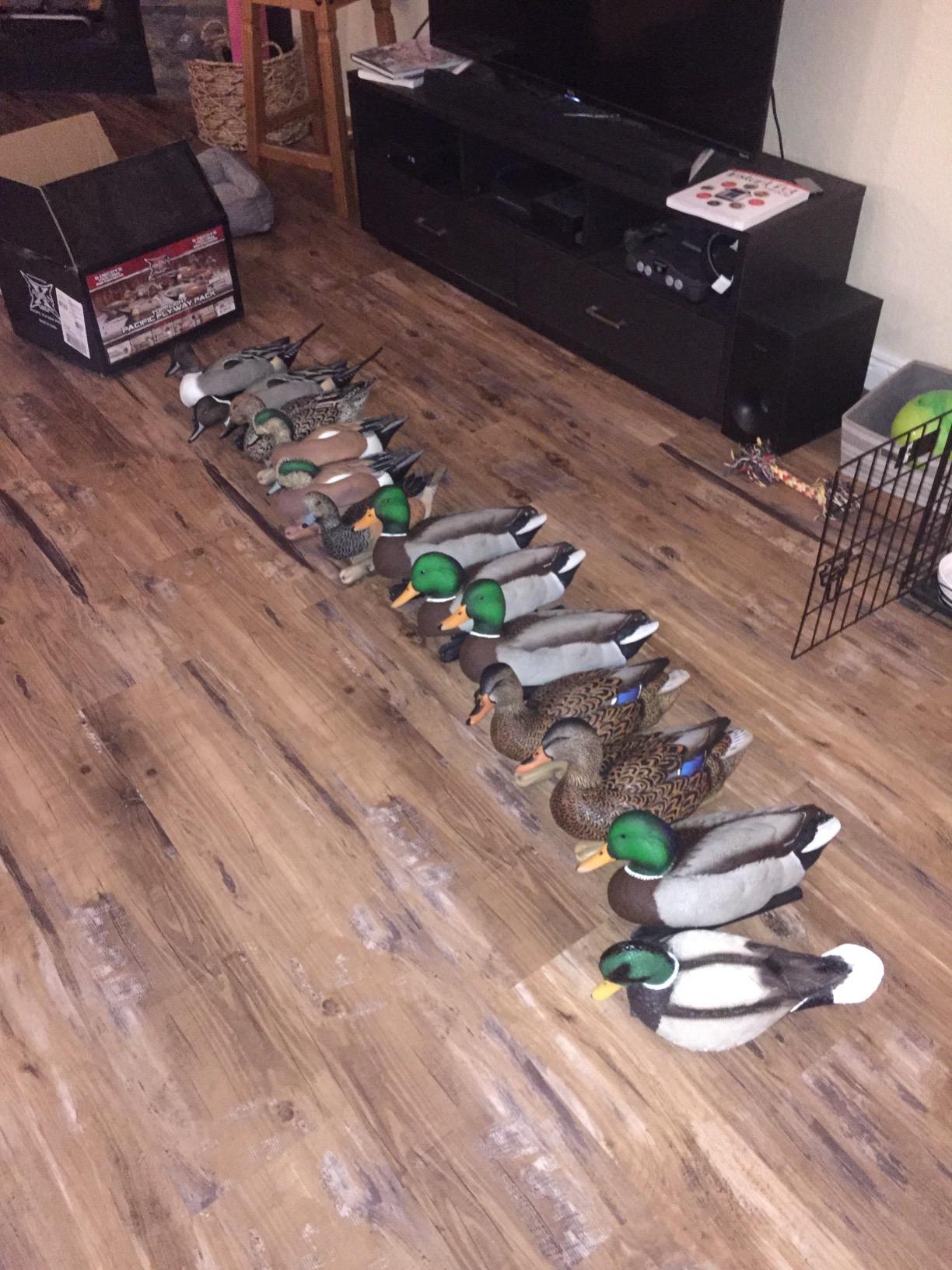
The weight-forward swim keel creates natural motion even in light chop. In calm water, the decoys bob gently. In 15-20 mph winds, they continue to ride correctly without excessive spinning or capsizing. That’s the open-water design difference – these are built for conditions that would swamp lesser decoys.
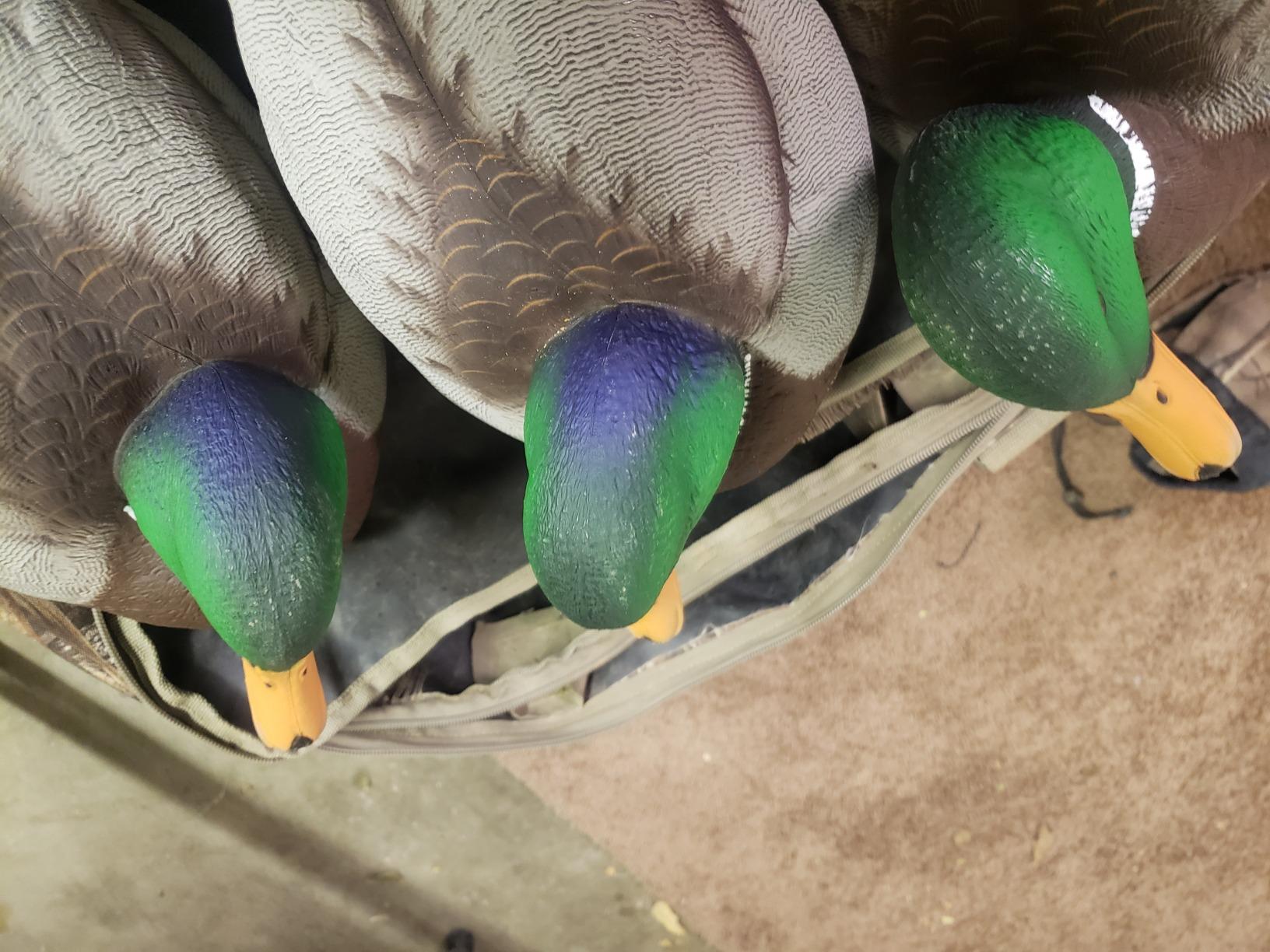
True-to-life paint schemes are what Avian-X does best, and these open water decoys are no exception. The detail holds up at distance, which is critical when ducks are approaching from 200+ yards out over open water.
Open water durability demands
Open water is brutal on decoys. Waves slam them together, ice forms on the shells, and anchors get dragged across rough bottoms. The Avian-X open water decoys are built for this abuse. The rubberized molding material resists cracking, and the paint holds up to ice and salt.
After multiple seasons of hard open-water use, my set shows minimal wear. Compare that to budget decoys that crack after one rough season, and the value calculation becomes clear.
Posture variety for wary birds
Late-season mallards are notoriously wary. They’ve seen every decoy spread, heard every call, and survived every hunter’s mistake. To finish these birds, your spread needs to look natural at every angle.
The four-posture mix (Low-Head Drakes, High-Head Drakes, Swimmer Hen, High-Head Hen) gives wary birds the visual variety they’re looking for. They see a flock with different behaviors – some feeding, some resting, some alert – and they read it as real. Static, single-posture spreads don’t fool educated late-season birds.
How to Choose the Best Duck Decoys for Your Hunt?
Choosing the best duck decoys comes down to matching the decoy to your hunting scenario. A mallard floater that performs beautifully on a farm pond will struggle in open water. A teal decoy that looks perfect in early September won’t fool a late-season mallard. Here’s how I think through the decision.
Consider your primary hunting water
Open water hunters need durable decoys with weight-forward swim keels and oversized profiles. The Avian-X Open Water Mallards and Flambeau Masters Series are built for these conditions. Small-water hunters can run lighter, more affordable options like the Avery Essential 12-Pack or the Avian-X Backwater Mallards.
Timber and swamp hunters need oversized decoys that read through cover. The Avian-X Wood Duck decoys (12.5 inches) are ideal. Foam-filled options like the Higdon Wood Ducks resist damage from branches and ice.
Match decoys to your target species
Mallards are the most common target, and a 12-pack of mallard floaters is the foundation of most spreads. Teal require teal-specific decoys – the Avian-X Green-Winged Teal set is the best option. Wood ducks need wood duck-specific decoys with oversized profiles and detailed paint.
Mixing species in your spread can work for early-season hunts when multiple species are present. For late-season species-specific hunting, dedicated decoys perform better.
Decoy material and construction
Plastic decoys are affordable and lightweight but less durable. Rubberized molding (Avian-X) is more durable and realistic but heavier and pricier. Foam-filled decoys are virtually unsinkable but heavier still.
For walk-in hunters, weight matters. Lightweight plastic decoys are easier to carry long distances. For boat hunters, weight is less of a concern, and durability becomes the priority.
Keel design and motion
Self-righting keels keep decoys upright in waves. Weight-forward swim keels add natural bobbing motion. Sand-filled keels offer stability at the cost of adjustability. For most hunting scenarios, weight-forward swim keels are the best compromise between stability and motion.
Static decoys without motion get ignored by educated birds. Adding one or two motion decoys (like the Mojo Butt Up Rippler) to your spread dramatically improves performance without replacing your core decoys.
Beginner vs experienced hunter considerations
Beginners should start with a 12-pack of mallard floaters like the Avery Essential set. This gives you a working spread at a reasonable price. Add motion decoys and species-specific sets as your hunting expands.
Experienced hunters running larger spreads should invest in premium options like the Avian-X Open Water or Backwater Mallards. The durability and realism pay off across multiple seasons.
Spread size and how many decoys you need
For field hunting and small water, 12-18 decoys is plenty. For open water, 24-36 decoys is standard. For guided hunt operations, 48+ decoys in multiple species is common.
The forum wisdom from Reddit waterfowl hunters is consistent: a dozen mallard decoys with motion will outperform 36 static decoys. Quality and motion beat quantity every time.
Frequently Asked Questions
What is the most realistic duck decoy?
Based on our testing, the Avian-X Topflight series (including Open Water Mallards, Backwater Mallards, and Wood Ducks) offers the most realistic paint schemes and detail. Avian-X uses rubberized molding material and no-flake paint with multiple postures to create lifelike decoys that fool even wary late-season mallards.
What are the best duck decoys?
The best duck decoys include the Avery GHG Essential Mallard 12-Pack for overall value, the Avian-X Topflight Open Water Mallards for big-water hunting, the Avian-X Topflight Wood Ducks for timber hunting, the Avian-X Green-Winged Teal for teal season, and the Mojo Butt Up Rippler for adding motion to any spread.
Which duck decoys are worth money?
Premium duck decoys worth the investment include Avian-X Topflight series (rubberized construction, detailed paint, weight-forward swim keels), Flambeau Masters Series (UVision paint technology reflecting real waterfowl UV signatures), and Dave Smith Decoys Maxima Mallards. Budget options like the Avery GHG Essential 12-Pack also deliver strong value per dollar spent.
How many duck decoys do I need for a spread?
For most hunting scenarios, 12-18 decoys is sufficient for field and small-water hunting. Open water hunters typically run 24-36 decoys. Guided hunt operations use 48 or more. According to waterfowl hunting forums, a dozen decoys with motion will outperform 36 static decoys, so quality and motion matter more than quantity.
What state kills the most mallards?
Louisiana consistently leads the nation in mallard harvest, followed by Arkansas, California, and the Dakotas. The Mississippi Flyway and Central Flyway produce the majority of mallards harvested each season. Habitat, weather patterns, and breeding population all influence year-to-year harvest numbers.
Final Verdict on the Best Duck Decoys
After testing these 8 sets across multiple seasons, the best duck decoys depend on what you’re hunting and where. For most waterfowl hunters, the Avery GHG Essential 12-Pack delivers the best balance of price, realism, and durability as a starter spread. For open water hunters, the Avian-X Topflight Open Water Mallards are worth every penny. For timber and swamp hunters, the Avian-X Wood Ducks are the clear winner. And every spread benefits from adding a Mojo Butt Up Rippler for motion.
Invest in quality decoys matched to your hunting scenario, take care of them in transport, and they’ll last for many seasons of successful hunts in 2026 and beyond.