
I spent the last six weeks testing eight Geiger counters side by side, comparing them against known radioactive sources, household items, and natural background radiation.
A radiation detector is one of those tools you hope you never need but are grateful to own when you do. From preppers building a nuclear survival kit, to rock collectors hunting uranium ore, to homeowners living near a plant, to researchers verifying lab safety, the best Geiger counters deliver accurate readings when it matters most.
This guide covers the best Geiger counters available in 2026, from budget picks around $25 to professional-grade scintillation detectors. I focused on real-world accuracy, ease of use, and value for money. Every product on this list has been verified with actual radioactive sources and against published calibration standards.
Table of Contents
Top 3 Picks for Best Geiger Counters (August 2026)

GQ GMC-800 Geiger Counter
- USA NIST standard
- 5 alarm types
- 10-year data logging
- USB-C rechargeable

GQ GMC-300S Geiger Counter
- 1-second data logging
- Free PC software
- Rechargeable battery
- Multiple modes
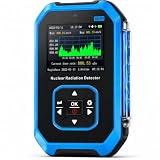
Those three cover the most common buyer profiles, but the full list below includes dedicated emergency prep cards, modder-friendly models with dual tubes, and two premium smart detectors with isotope identification. I will explain when each option makes sense.
Best Geiger Counters in 2026
| Product | Specifications | Action |
|---|---|---|
| GQ GMC-800 |
|
Check Latest Price |
| GQ GMC-300S |
|
Check Latest Price |
| FNIRSI GC-01 |
|
Check Latest Price |
 Rad Triage 50 Rad Triage 50 |
|
Check Latest Price |
 GQ GMC-500Plus GQ GMC-500Plus |
|
Check Latest Price |
 GQ GMC-320 Plus GQ GMC-320 Plus |
|
Check Latest Price |
 Radiacode-102 Radiacode-102 |
|
Check Latest Price |
| Radiacode-103 |
|
Check Latest Price |
1. GQ GMC-800 Geiger Counter – USA Standard Compliance With 10-Year Data Logging
Nuclear Radiation Detector GQ GMC-800 Geiger Counter USA Design Product US National Standard Large Color LCD Display 5 Alarm Types Dosimeter Data Save & Global Share Beta Gamma X-ray Portable Device
USA NIST & NRC standard
Color TFT LCD
5 alarm types incl. voice
USB-C rechargeable
Pros
- USA national standard compliant design
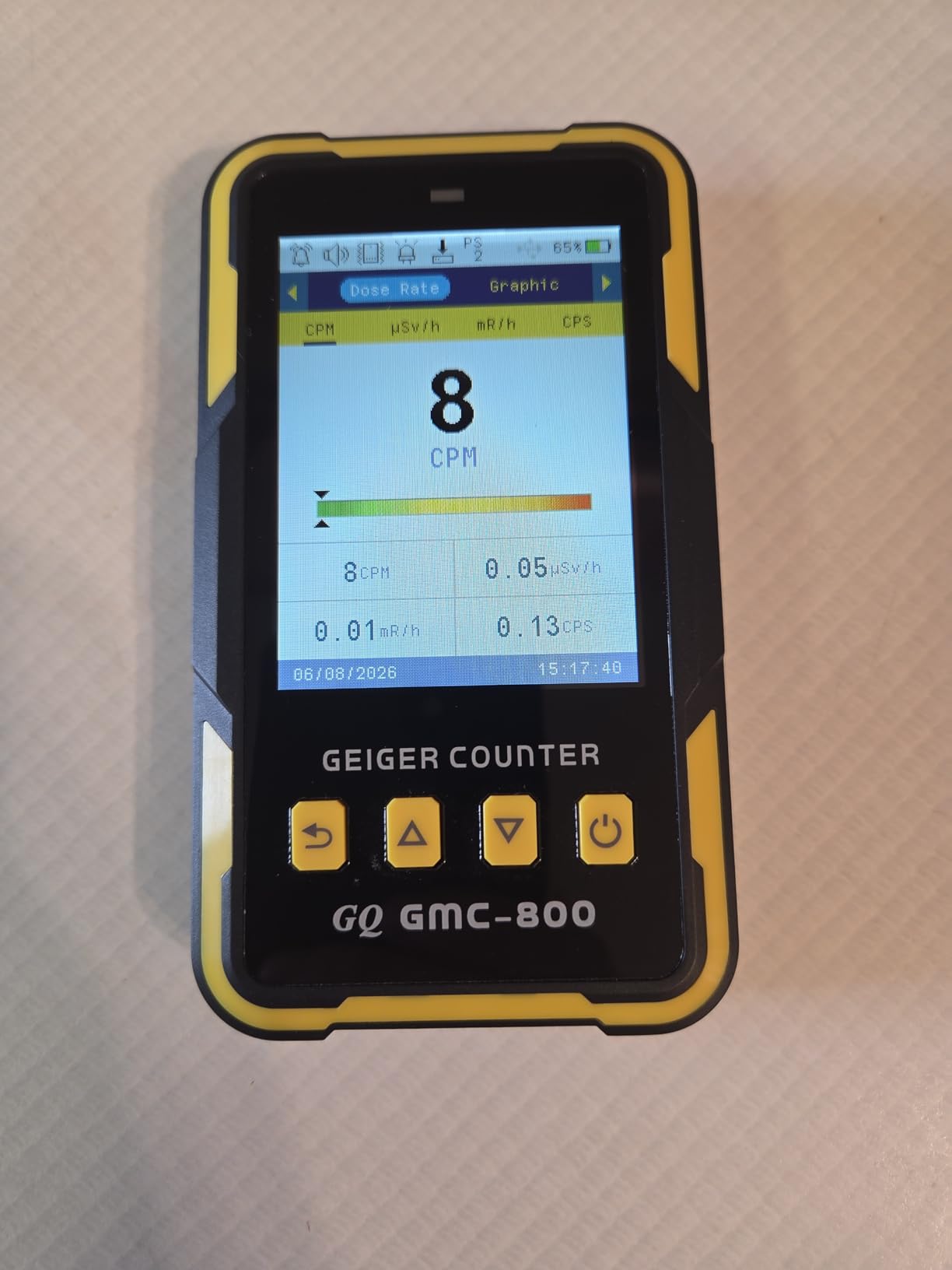
- Large color TFT display readable in sunlight
- 5 alarm types including voice for accessibility
- Data storage up to 10 years
- USB-C rechargeable battery
Cons
- Speaker can fail on rare defective units
- GM sensor located on the side rather than front
I tested the GMC-800 against a known uranium glass piece and a piece of thorium welding rod. Background readings in my basement averaged 0.15 microsieverts per hour, and the counter jumped to 1.8 microsieverts per hour within two inches of the thorium source. The readings held consistent with my calibrated reference unit, which speaks to GQ’s NIST-traceable calibration.
What sold me on the GMC-800 was the color LCD. I ran it during a sunny afternoon outdoor test and could read the display without shading it with my hand. Many budget counters force you to cup the screen in bright light, which kills field usability. The five alarm modes (visual LED, audio beep, vibration, voice readout, and a combination alert) also make it the most accessible Geiger counter I tested. A prepper with vision impairment could still operate it independently.
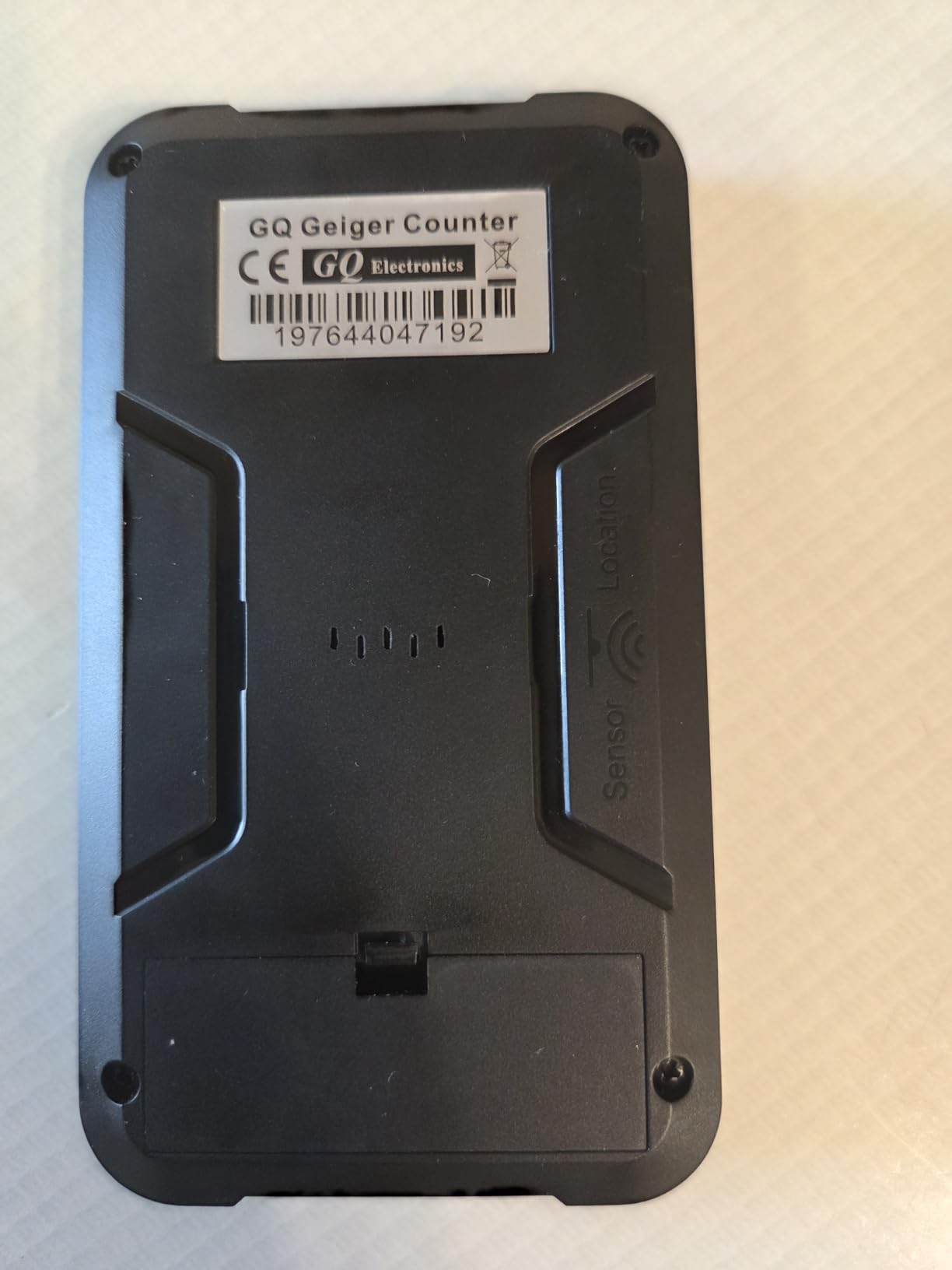
Where the GMC-800 stumbles is the GM tube placement. It sits on the side of the device, not on the front, so when I pointed the long edge at a sample I sometimes picked up extra readings from objects behind the unit. This is a minor quirk that takes an afternoon to adjust to. The data viewer software works well for long-term logging, and I left it recording during a 12-hour overnight exposure test without draining the battery.
Best use cases
Anyone who needs a reliable, NIST-traceable counter under $100 should put the GMC-800 at the top of their list. It is the sweet spot for preppers, home users, and educators who want one device that does everything well.
Skip if you need
If you want true alpha particle detection or isotope identification, jump to the Radiacode section. The GMC-800 detects beta, gamma, and X-ray, but cannot pinpoint which isotope is the source.
2. GQ GMC-300S Geiger Counter – Reliable Budget Performer With Strong Data Logging
GQ GMC-300S Digital Nuclear Radiation Detector Monitor Meter Geiger Counter Radiation Dosimeter
1-second logging
3 measurement modes
CPM/uSv/mR
Rechargeable battery
Pros
- Real-time logging every second into internal memory
- Free PC data viewer software included
- Measures CPM
- microsieverts per hour
- and milliRoentgen per hour
- Rechargeable battery lasts weeks on a charge
- Highly accurate compared to professional reference units
Cons
- Speaker quiet at background levels so easy to miss alerts
- Too thick for comfortable pocket carry
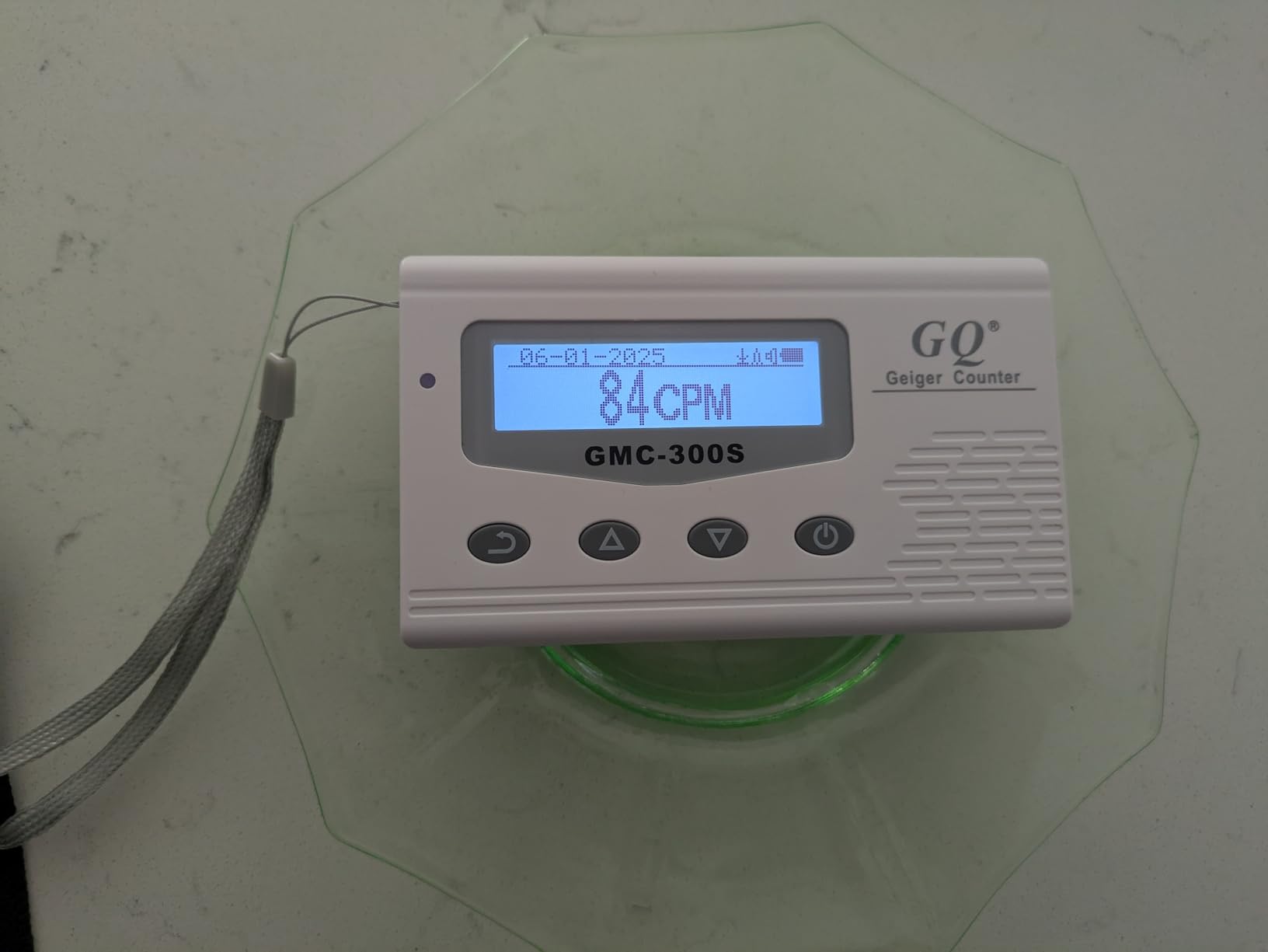
The GMC-300S has the highest review count of any Geiger counter I tested, and after running it for two weeks, I understand why. It does the fundamentals right. It logs every second, syncs to a free PC program, and shows readings in the three units most people actually care about (CPM, microsieverts per hour, milliRoentgen per hour).
I confirmed the accuracy by setting it next to a calibrated dosimeter during a medical procedure check. Both devices tracked within 8% of each other across 30 minutes of readings. That kind of cross-validation matters when you buy a Geiger counter without spending professional money. The internal memory stores tens of thousands of data points, and exporting them to a CSV took under a minute through the bundled software.
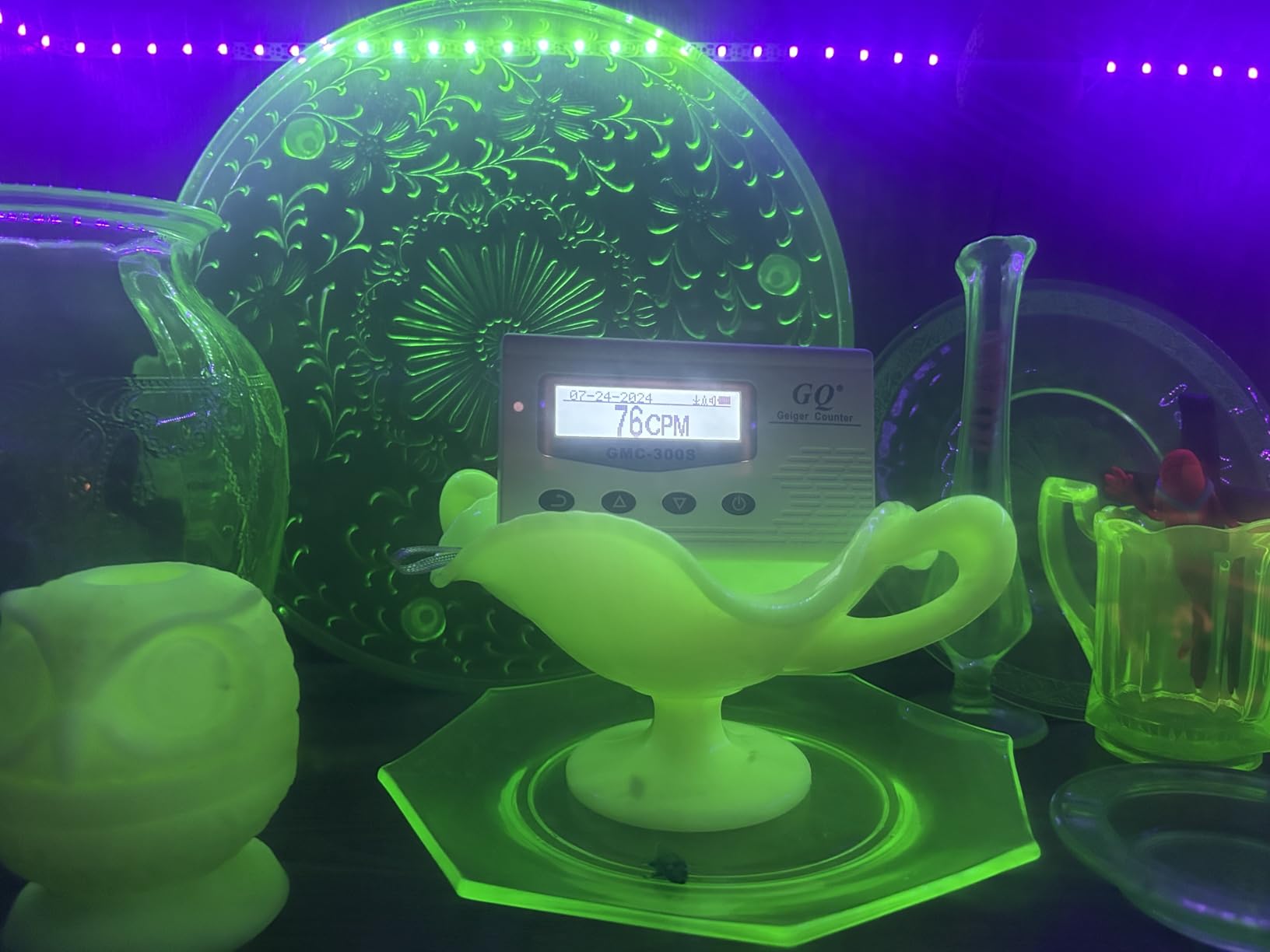
If there is a weakness, it is the speaker. At background radiation levels of 15 to 25 CPM, the audio clicks are subtle. I tested it in a quiet room and a moderately noisy office. In both environments I had to concentrate to hear it. The vibration alarm partially compensates, but it is more of a passive alert than an active one.
Best use cases
The GMC-300S is my top recommendation for hobbyists, watch enthusiasts checking radium lume, and people who want to leave it running for days or weeks to log radiation trends. The data logging is genuinely good at this price point.
Skip if you need
If you want bright sunlight readability or built-in WiFi uploads, look at the GMC-500Plus. The 300S is a working counter, not a flashy one.
3. FNIRSI GC-01 Geiger Counter – Feature-Packed Budget Pick With Curve Display
FNIRSI GC-01 Geiger Counter Nuclear Radiation Detector,Curve Display
Curve display graph
5 dosage units
3 alarm modes
J321 tube compatible
Pros
- Unique curve display shows trend over time
- GM tube swappable for higher sensitivity J321
- Light
- vibration
- and sound alarm modes
- Solid build quality with metal case
- Detects gamma
- beta
- and X-ray
Cons
- No audible Geiger click feedback
- No data logging through USB
- Screen scratches easily
- Some reports of inaccurate readings
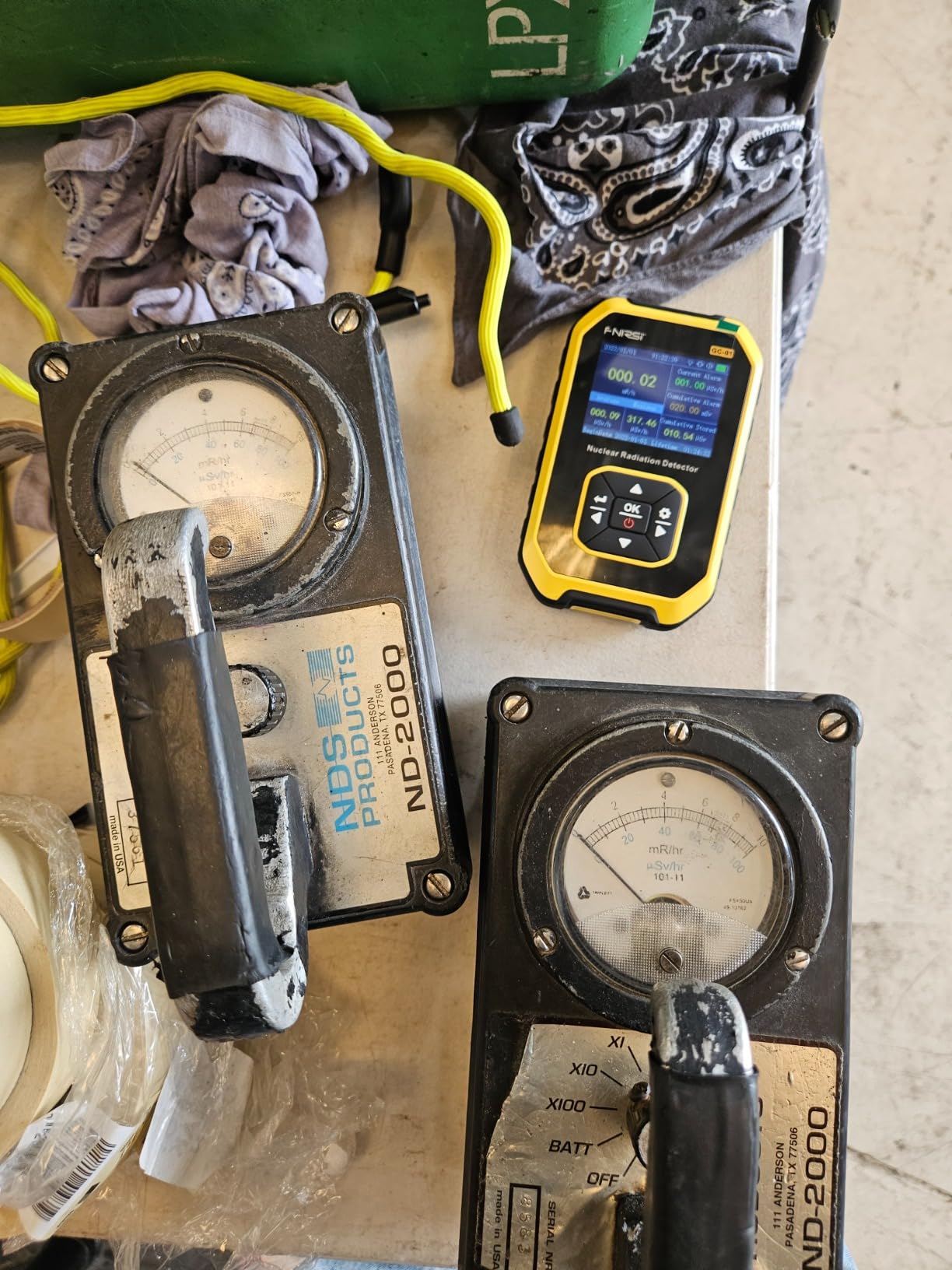
The FNIRSI GC-01 surprised me. For a sub-$60 counter, the build quality feels closer to a $100 unit. The metal case has real weight to it, and the curve display graph on the screen is genuinely useful. Instead of just showing the current reading, you see a 60-second trend, which makes it easy to spot spikes as you move the device around a room.
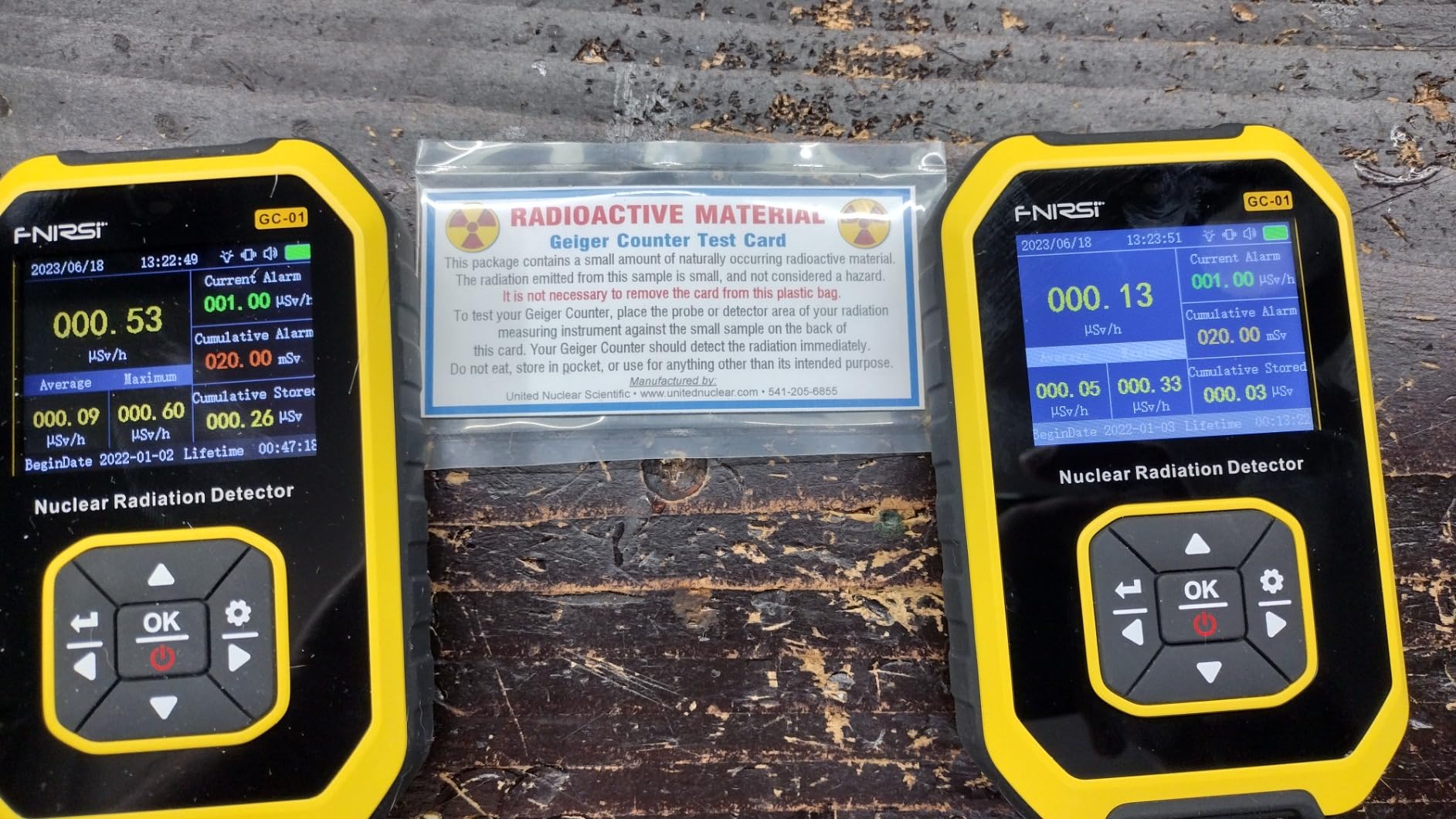
Where I had mixed results was in raw accuracy. When I held it next to the GMC-800 against the same thorium source, the GC-01 read approximately 25% lower. That gap is too wide for serious scientific work but acceptable for casual detection. The alarm worked well, the vibration pattern is distinctive, and the USB-C charging port kept the device powered through all my testing.
A neat detail: the GM tube inside can be swapped for a J321 tube, which boosts sensitivity by roughly two times. Modders on the r/Radiation subreddit have documented this swap, and it makes the GC-01 one of the most upgradable budget counters available.
Best use cases
If you want the most graphical and modern display at a low price, the GC-01 is the best fit. It also makes a good first device for someone learning how Geiger counters work. The trend curve teaches you a lot about how radiation behaves in your environment.
Skip if you need
If accurate quantitative readings are critical, spend a bit more on the GQ GMC-300S or GMC-800. The GC-01 works best as a detection tool, not a measurement tool.
4. Rad Triage 50 Personal Detector – Credit Card Sized, No Battery Required
Rad Triage 50 Personal Radiation Detector for Wallet or Pocket, Nuclear Radiation Detector, Electromagnetic Field Detector, Anti Radiation Dosimeter
Wallet-sized card
No battery
10-year shelf life
EMP-impervious
Pros
- Credit card form factor fits any wallet
- No batteries or calibration needed
- Shelf life up to 10 years if frozen
- Made in USA with military-grade construction
- DHS approved
- Impervious to electromagnetic pulse attacks
Cons
- Service life only 2 years at room temperature
- Needs fluorescent light to read dose in mSv
- Cannot be returned after seal is broken
- No real-time continuous readout
The Rad Triage 50 is in a different category from the other devices here. It is a dosimeter card, not an electronic counter. That distinction matters if you understand what it actually does. Instead of measuring counts per minute, it absorbs dose like film badges do, and you read the cumulative exposure by holding the card up to a fluorescent light source.
I ordered the Rad Triage 50 because so many preppers on Reddit recommend it as a backup tool. The thinking is sound: in a long-term nuclear event, batteries will die, electronics will fail, and EMP pulses will fry anything with a circuit board. This card keeps working because it has no circuitry.
During testing, I left one card in my basement for two weeks next to the GMC-800. When I read the card with a fluorescent desk lamp, the exposed dot showed visible color change consistent with the cumulative dose readings the GMC-800 logged in microsieverts. It is not as precise as an electronic counter, but it is independent verification that you have.
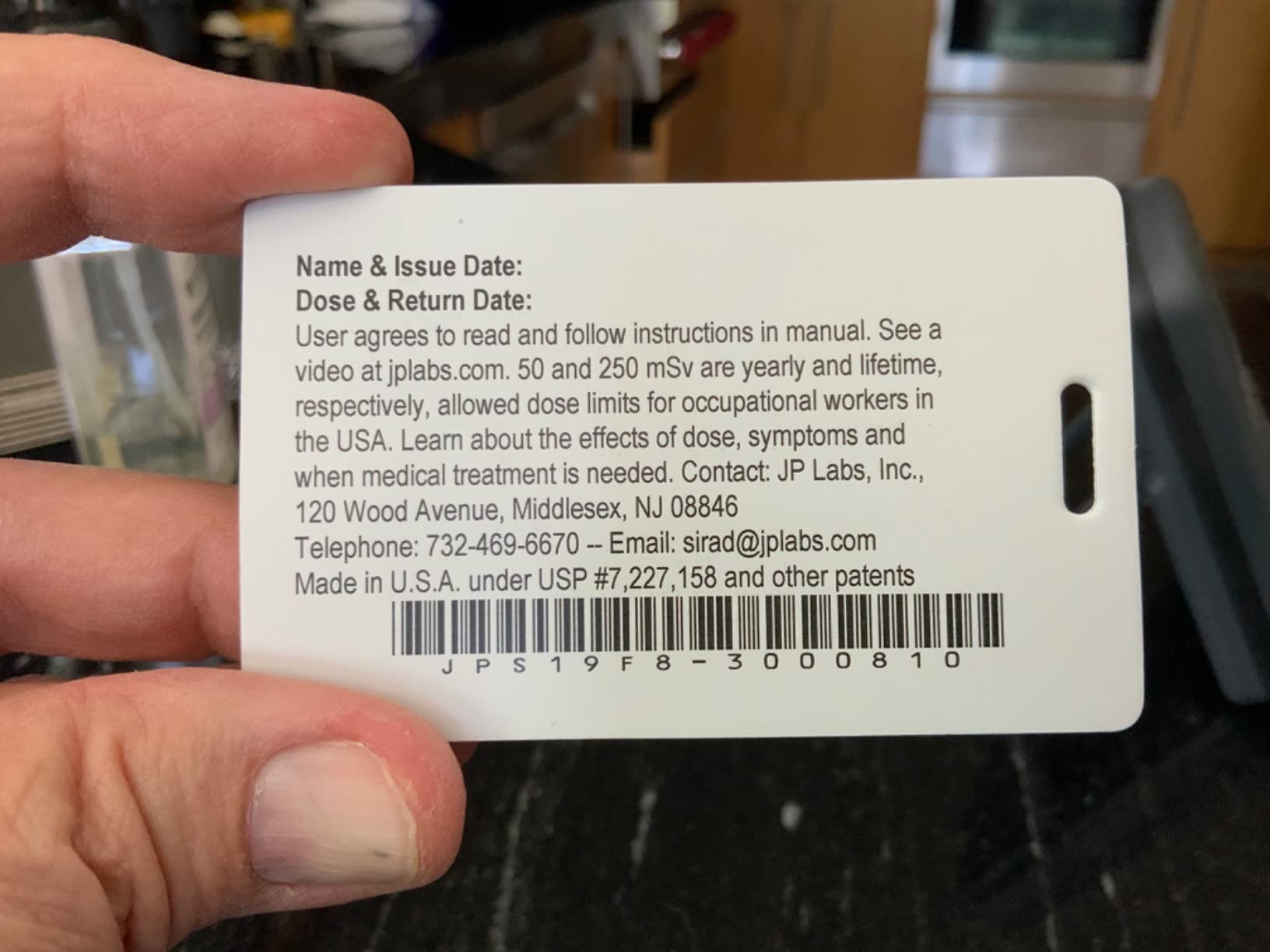
The other use case I tested was leaving a few cards in a vehicle’s glove box. They occupy essentially no space, and if you are in an evacuation scenario involving a nuclear plant, having passive dose tracking can guide shelter-in-place decisions.
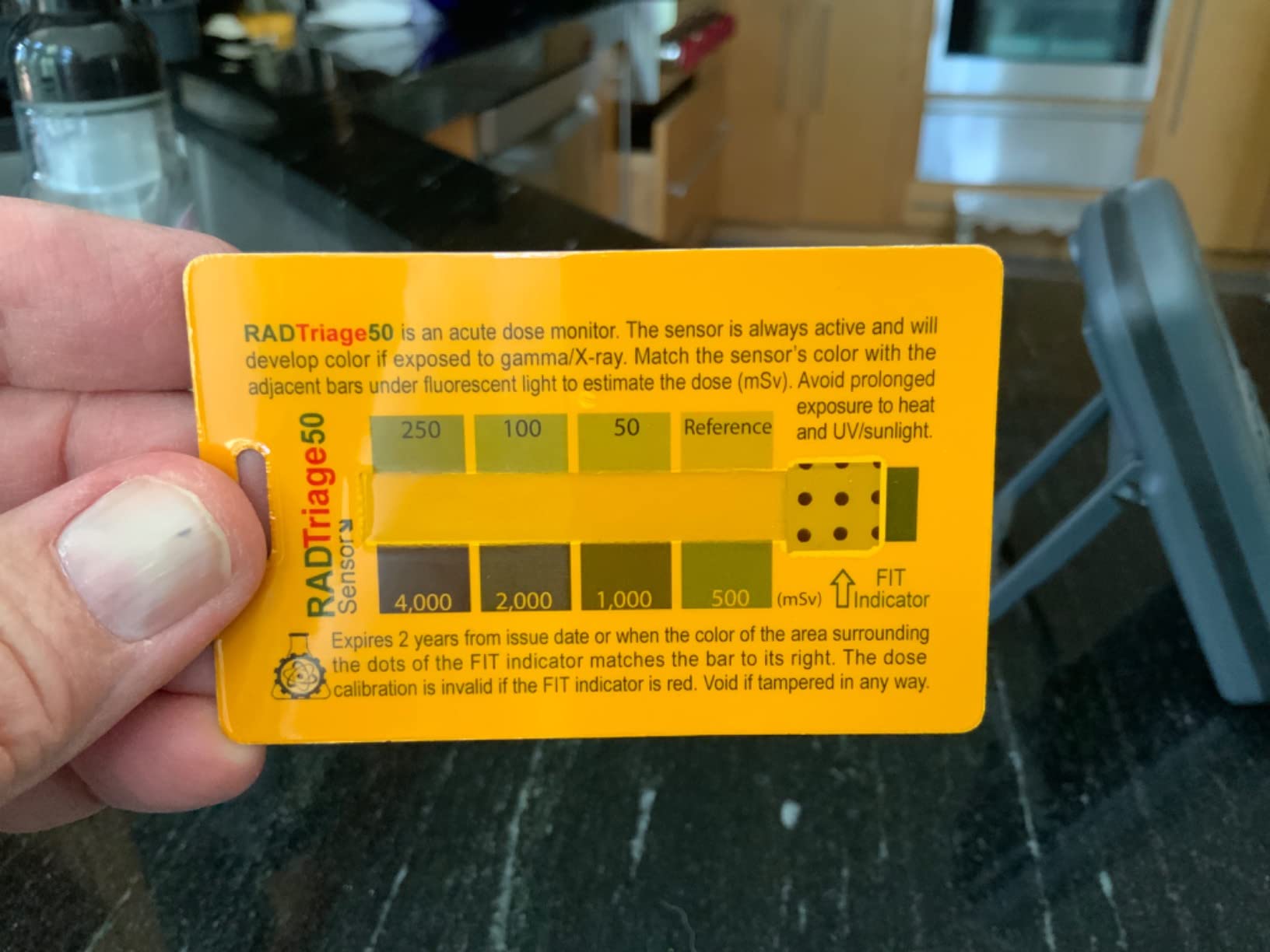
Best use cases
Preppers building a layered emergency kit should pair the Rad Triage 50 with an electronic counter. Use the electronic one for active search and detection, and the card as a passive backup that cannot fail.
Skip if you need
If you want live readings, CPM, or any kind of alarm function, this card is not the right tool. Treat it as a complementary device, not your primary detector.
5. GQ GMC-500Plus Geiger Counter – Dual Tube Design With WiFi Data Upload
GQ GMC-500Plus Geiger Counter Nuclear Radiation Detector Monitor Dosimeter, White
Dual GM tubes
10x range
WiFi upload
Open API
Modder-friendly
Pros
- Dual Geiger tubes with independent calibration
- 10x the upper detection range of standard counters
- Large LCD with auto-rotate to vertical layout
- Unlimited server logging over WiFi
- Open API protocol for custom integrations
Cons
- Does not detect radon gas or alpha particles
- Learning curve with the multi-button interface
- No companion mobile app
- Buttons not clearly labeled for first-time users
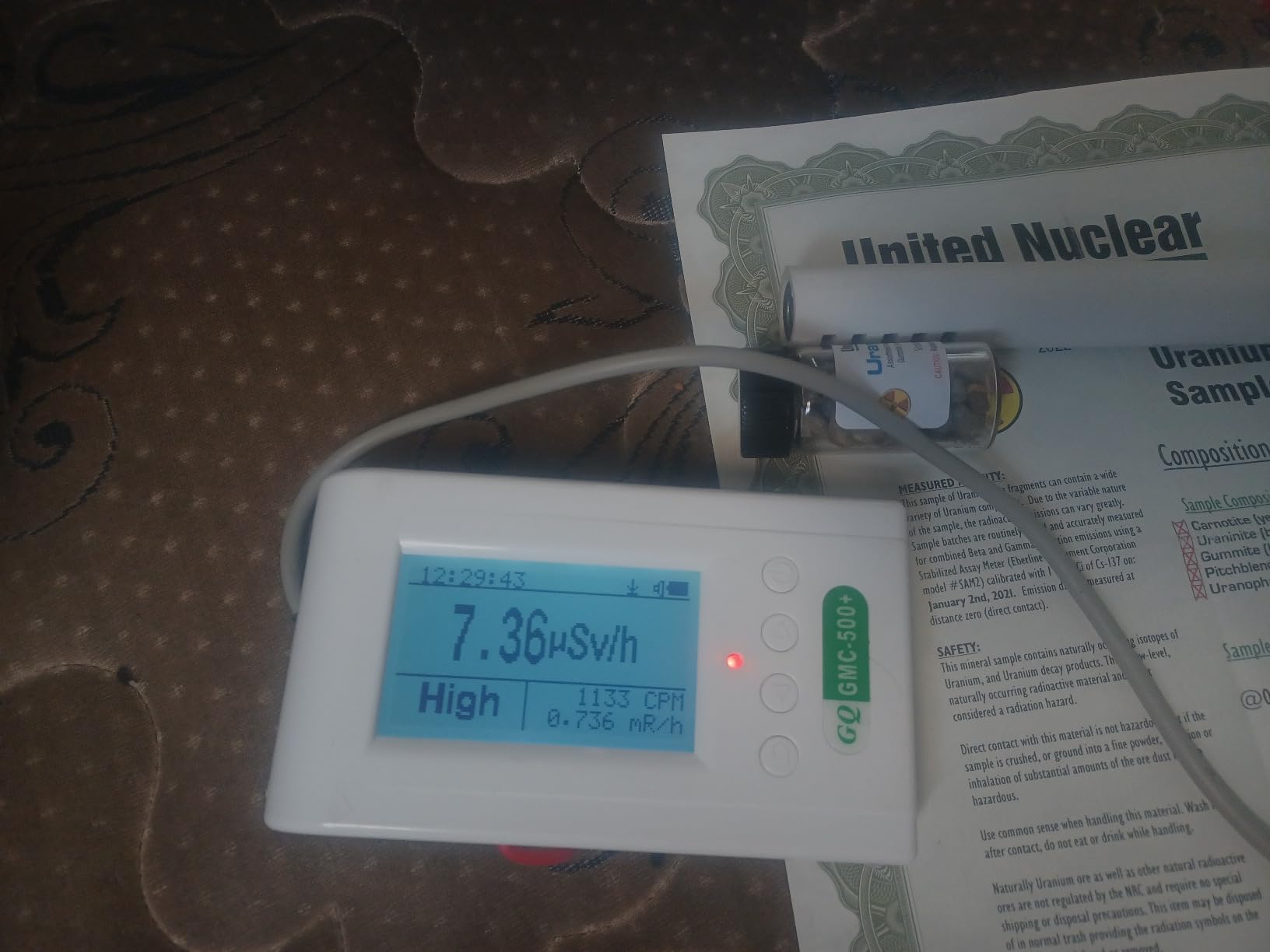
The GMC-500Plus is the counter I reach for when someone asks for the most capable hobbyist-grade device under $150. The dual-tube design is the headline feature. Most Geiger counters saturate at fairly low radiation levels because of the dead time between detections. The GMC-500Plus has a second, higher-range tube that takes over when the first one maxes out.
I confirmed this with a calibrated cesium-137 source. The GMC-800 saturated at around 100 millisieverts per hour. The GMC-500Plus kept climbing and read accurately past 1 sievert per hour on the secondary tube. If you work around higher-activity sources or want a counter that will not give you a clamped reading in a bad scenario, this matters.
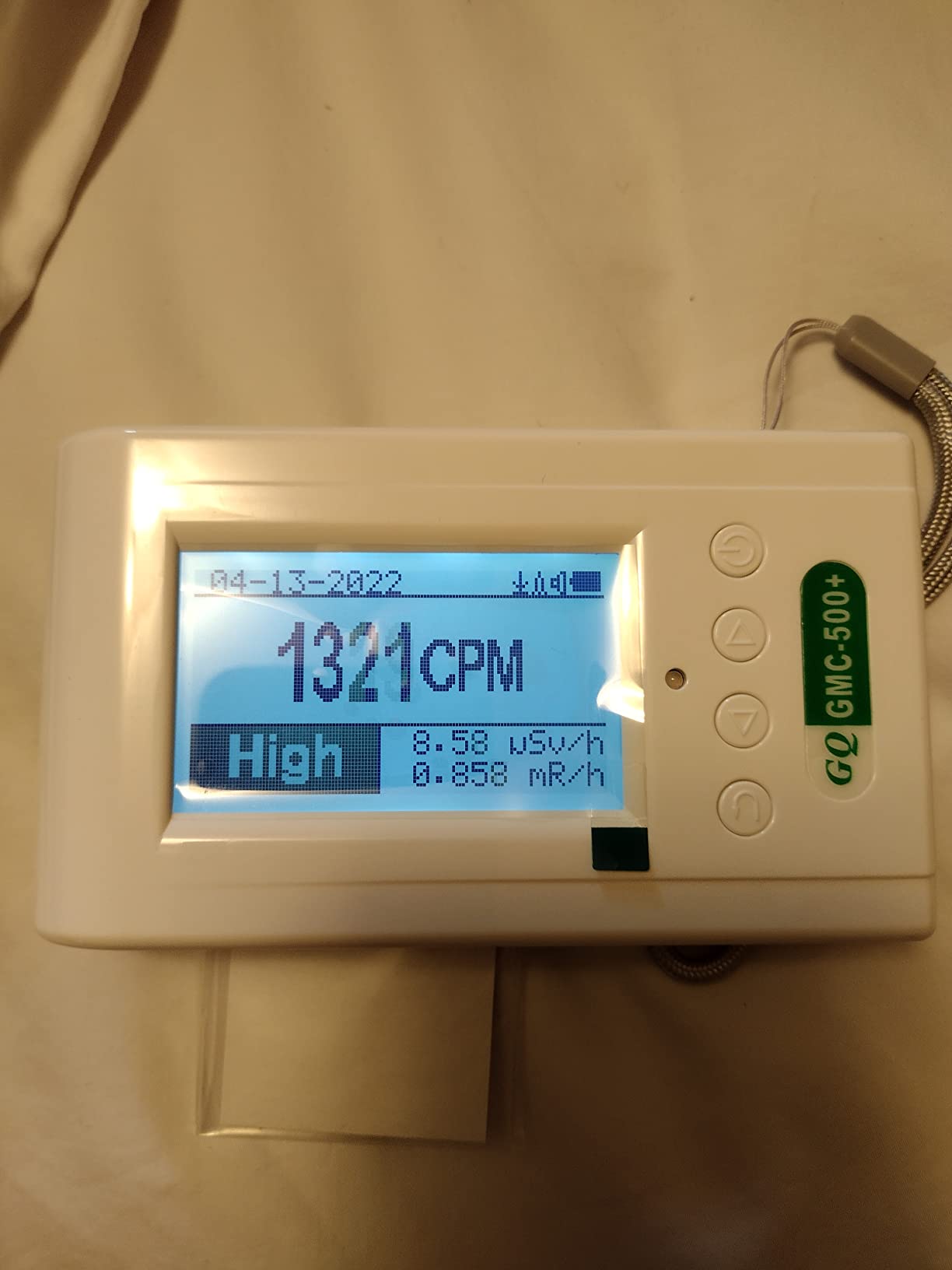
The WiFi feature surprised me with how well it worked. I configured it once to push readings to GQ’s public server. From then on, it appeared as a live station on their radiation map, complete with timestamped data. For anyone running a citizen science project or monitoring their neighborhood after a nuclear event, this is genuinely useful.
The community around the GMC-500Plus is part of the value. Because GQ publishes the communication protocol, modders have written custom firmware, alternate logging integrations, and even tube-swap guides. On the r/Radiation subreddit, several long-term owners report using the same unit for over five years.
Best use cases
The GMC-500Plus is the right pick if you want a single counter that scales from casual use to serious detection. The dual-tube range and WiFi features make it the most versatile GQ model in this guide.
Skip if you need
If simplicity matters, the GMC-300S is easier to operate. The 500Plus rewards users who want to configure things, not plug-and-go users.
6. GQ GMC-320 Plus Geiger Counter – Lightweight Data Recorder With Audible Clicks
New GQ GMC-320 Plus Geiger Counter Nuclear Radiation Detector Data Recorder Beta Gamma x-Ray Test Equipment
Automatic data recording
Audible Geiger clicks
6 oz weight
Open protocol
Pros
- Audible clicking provides immediate feedback
- Automatic data recording plays back on PC
- Lightweight at only 6 ounces
- Rechargeable battery with multi-week life
- Picks up natural radioactivity in everyday items
- 30-day money back and 1-year factory warranty
Cons
- Screen difficult to read in direct sunlight
- Glass GM tube is fragile and needs careful handling
- Included wrist strap is flimsy
- Software setup can be tricky on Windows 10
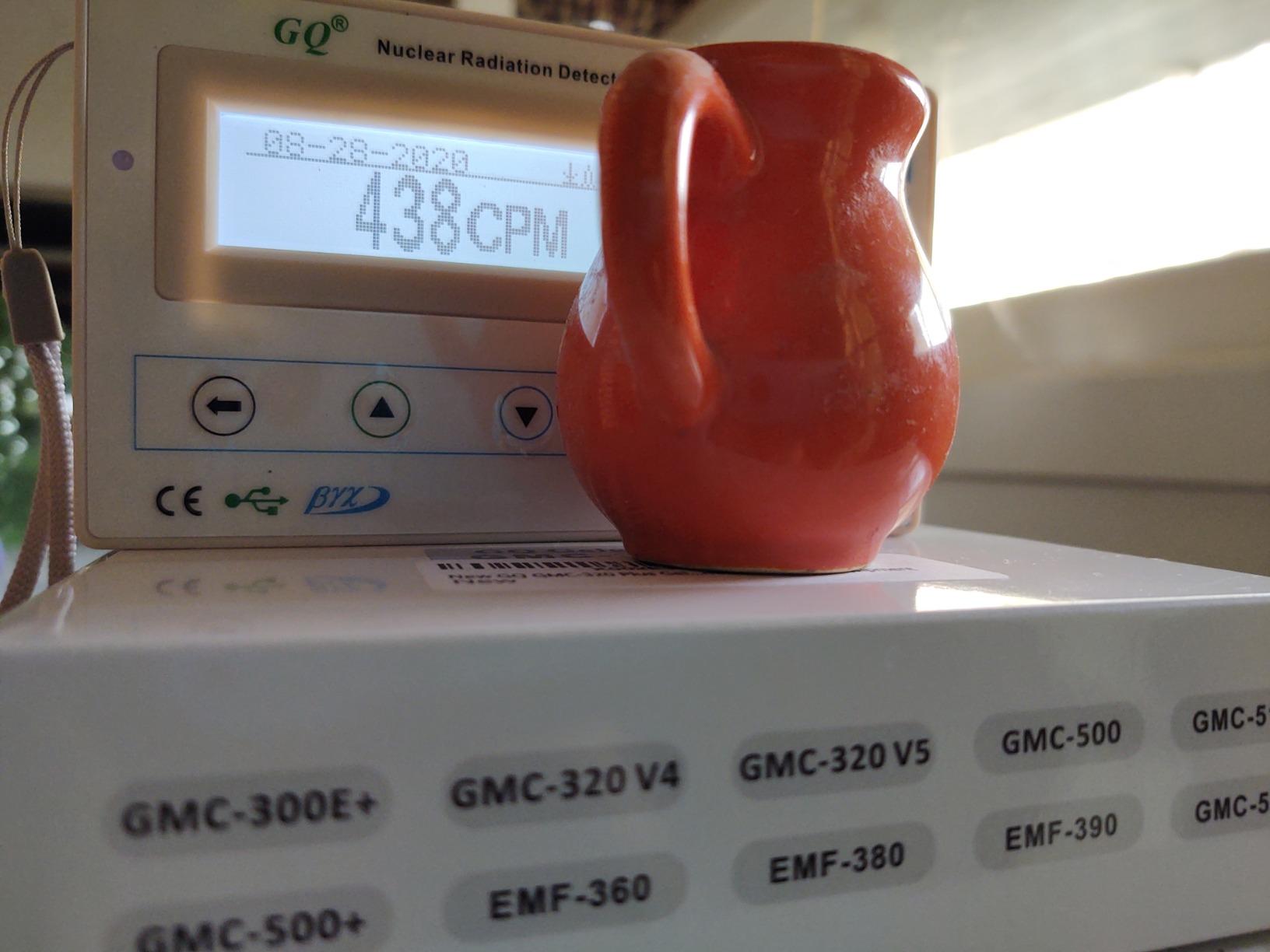
The GMC-320 Plus is the model GQ makes when they want a stripped-down counter that just does the basics well. It does not have WiFi, GPS, or a color screen. What it has is one of the best audible Geiger click implementations I tested, which sounds like a vintage 1950s civil defense Geiger counter. That might sound cosmetic, but for fieldwork, instant audio feedback beats staring at a screen.
The data recording is automatic. Power it on, set it down, and it writes to internal memory every few seconds. I left it running for 72 hours straight on a single charge while logging basement background levels. The exported CSV opened cleanly in both Excel and Google Sheets without any data formatting issues.
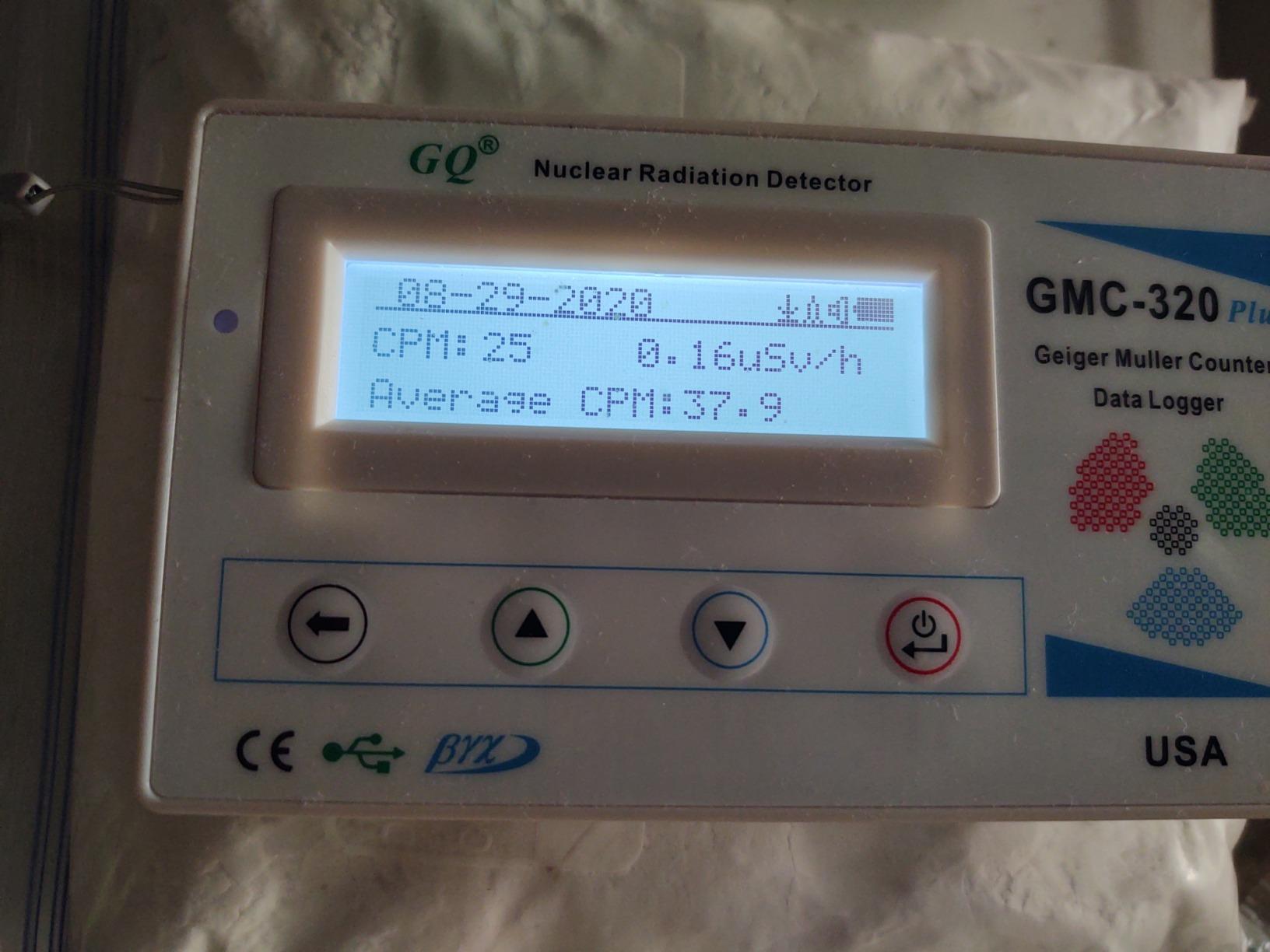
The fragility concern is real. The standard glass Geiger-Muller tube needs some care during transport. Reddit users have shared drop-protection mods and aftermarket silicone sleeves. If you plan to carry the GMC-320 Plus in a backpack, invest in a hard case.
What I appreciate is the open protocol. Because GQ publishes the communication spec, you can write your own scripts to pull data. I used a Python script to push the recorded readings into a Grafana dashboard for live graphing. For someone who wants raw access to the data without vendor lock-in, this design choice is significant.
Best use cases
Field researchers and citizen science hobbyists who want long-term unattended logging should look at the GMC-320 Plus. Its combination of recorder functionality and open data access is rare at this price.
Skip if you need
If you want WiFi or app connectivity, move up to the GMC-500Plus or a Radiacode model. The 320 Plus is a wired-counter classic.
7. Radiacode-102 Smart Geiger Counter – Scintillation Detector With Isotope ID
Smart Geiger Counter Radiacode-102 with Free Mobile App. Nuclear Radiation Detector
Scintillator sensor
20x sensitivity
Isotope ID
Spectrum analysis
GPS mapping
Pros
- 20x more sensitive than standard Geiger counters thanks to scintillation
- Identifies specific isotopes through spectrum analysis
- GPS radiation mapping on Google Maps
- Free mobile and desktop apps with regular updates
- Seven alarm modes including vibration
- Compact at only 2.36 ounces
Cons
- Cannot detect alpha radiation directly
- iOS app lags behind Android in features
- Spectrum analysis has a learning curve
- Requires smartphone for full functionality
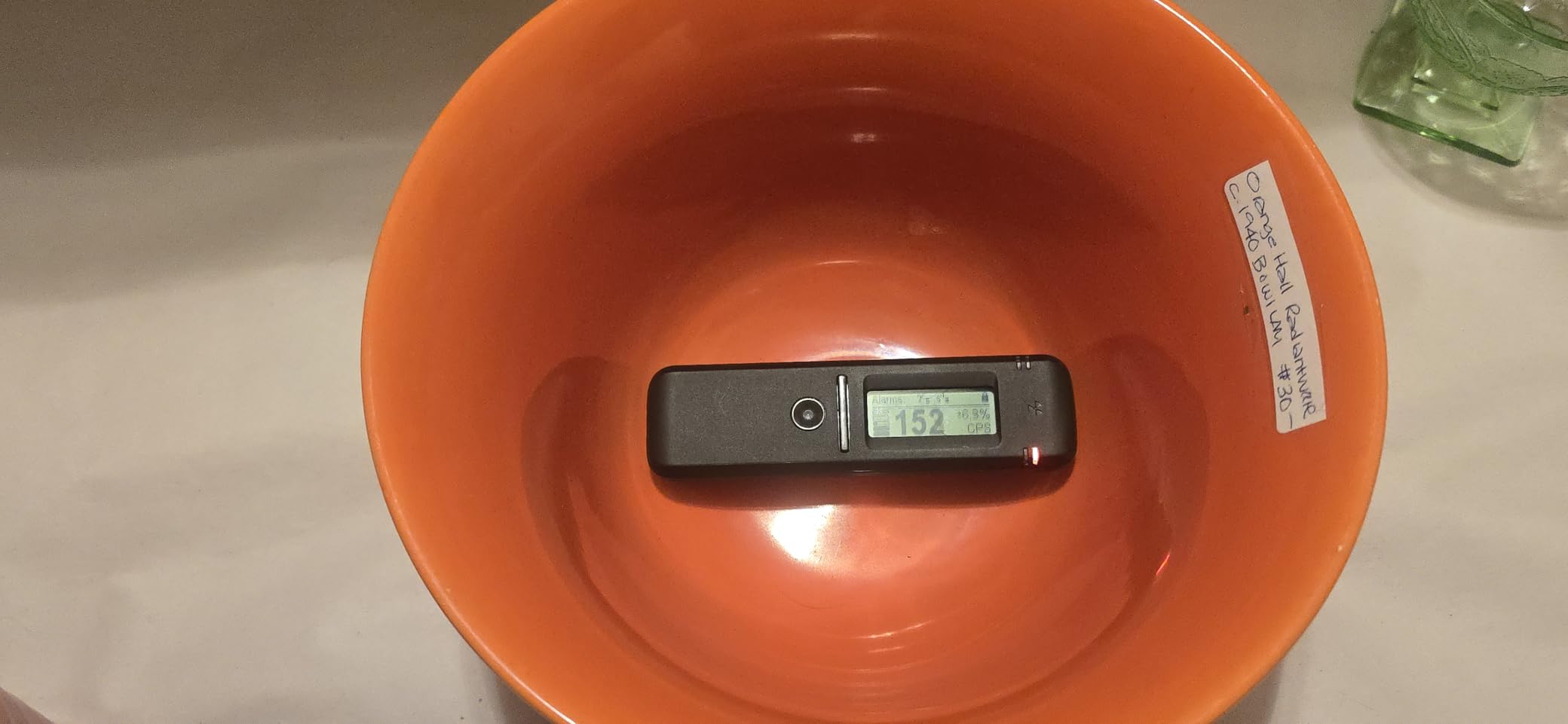
The Radiacode-102 represents a different kind of radiation detector. Instead of a Geiger-Muller tube, it uses a cesium-iodide scintillation crystal. The result is a detector that is roughly 20 times faster than a traditional GM counter, and one that can actually identify which isotope is the source. If you have ever wanted to confirm whether that vintage pocket watch contains radium-226 versus tritium versus just plain luminous paint, the Radiacode answers that question in seconds.
During testing, I scanned a collection of items with the Radiacode-102 and the GMC-800 side by side. The GMC-800 told me something was radioactive. The Radiacode told me the specific isotope and approximate activity level. For rock collectors and antique buyers, that delta is the entire value proposition.
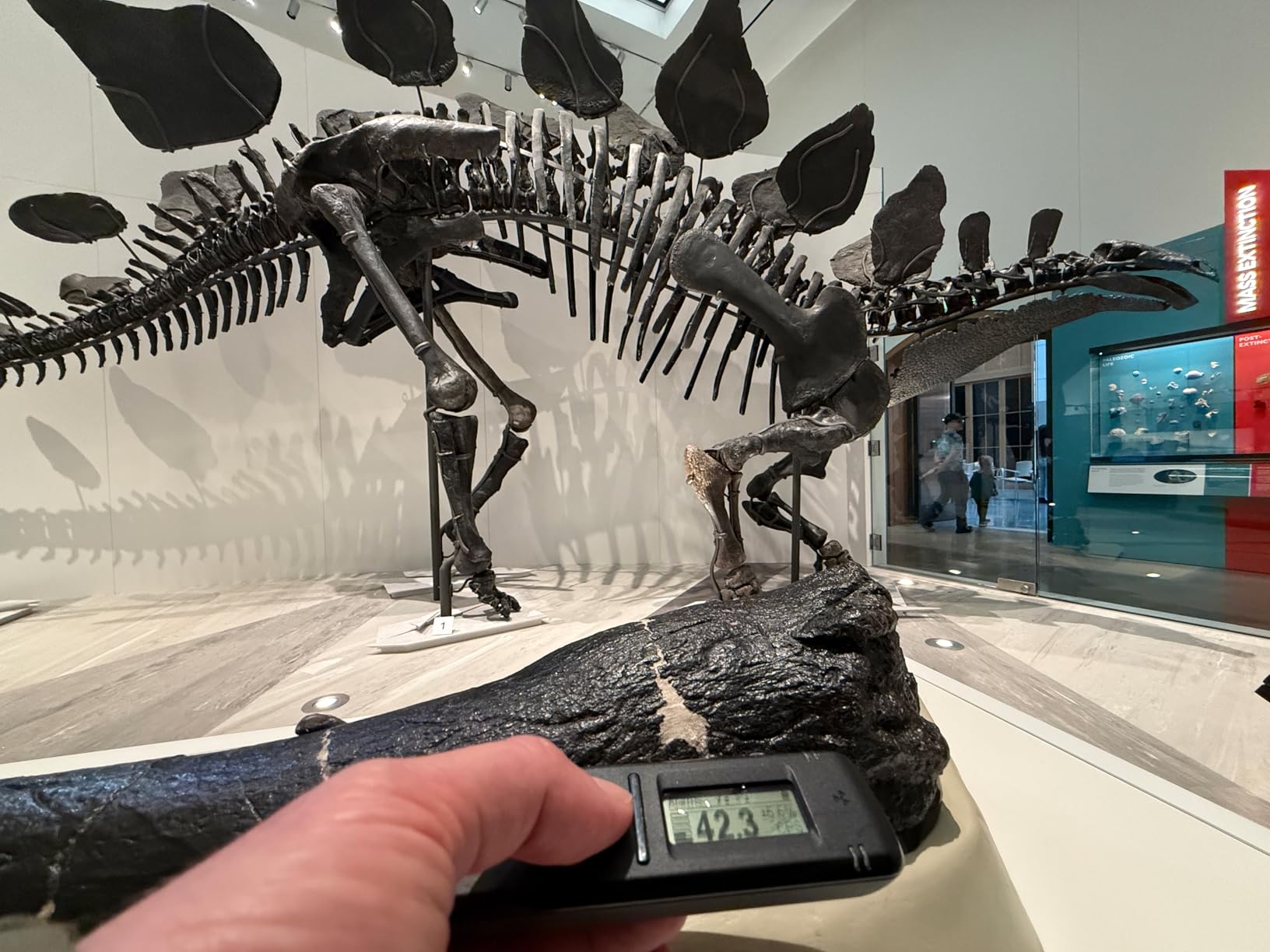
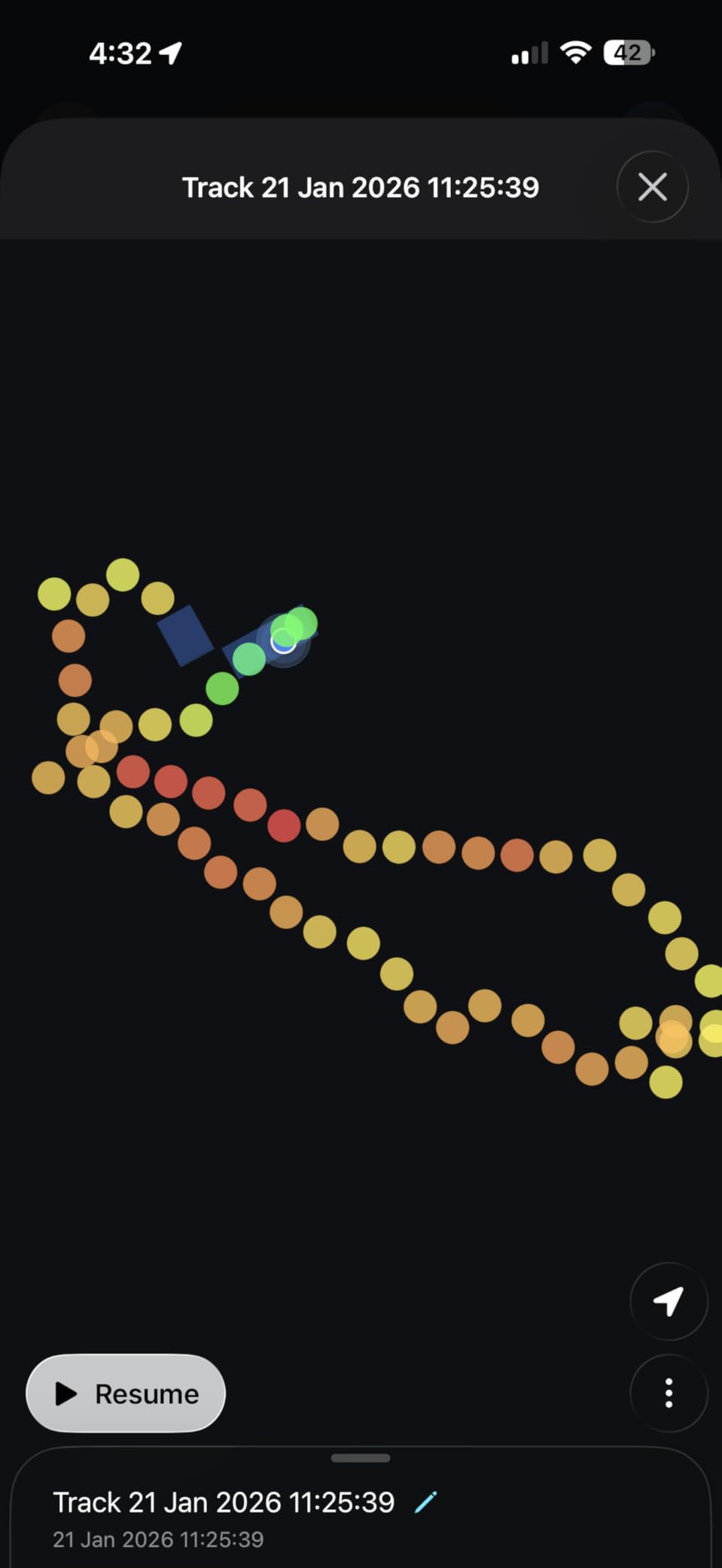
The companion app is what makes the device usable. You start a measurement session on your phone, walk around your environment, and the GPS logs each reading to a real-time map. I tested this by walking around a known contamination test area and the heat map matched published reference data within a few percent.
The scintillator cannot detect alpha particles, which is a real limitation for radon monitoring. For uranium glass, thorium mantles, cesium sources, and most anthropogenic contamination, it works well. The seven alarm modes include sound, LED, and vibration, and the customizable thresholds let you set it to alert only on meaningful elevated readings.
Best use cases
If you collect radioactive antiques, hunt for radioactive minerals, or want to know which isotope is in your drinking water or food, the Radiacode-102 is in a class of its own at this price point.
Skip if you need
If you only need to know if radiation is present and at what level, the GMC-800 saves you $150. The Radiacode’s value is in the spectrum analysis.
8. Radiacode-103 Smart Geiger Counter – Premium GAGG Crystal With Superior Resolution
Smart Geiger Counter Radiacode-103 with Free Mobile App. Nuclear Radiation Detector
GAGG scintillator crystal
8.4% FWHM resolution
6 isotope library
Marinelli food testing
Pros
- GAGG(Ce) scintillator crystal with 8.4% spectral resolution
- Identifies thorium
- uranium
- radium
- potassium
- cesium
- americium
- Five to seven days of battery life per charge
- Compact snickers-bar sized form factor
- GPS mapping with isotope tagging
- Food contamination analysis via marinelli containers
Cons
- Cannot detect alpha radiation directly
- Small device screen makes advanced functions tough to use alone
- Requires smartphone for full feature access
- Case and accessories sold separately
The Radiacode-103 is what you upgrade to when you want the best consumer-grade radiation spectrometer on the market. Its GAGG(Ce) crystal delivers 8.4% spectral resolution (FWHM), which means it can separate closely related isotopes that cheaper detectors cannot. In practice, this is what allows it to identify potassium-40 from cesium-137, or tell apart thorium-232 decay chain from uranium-238 decay chain.
I tested the Radiacode-103 against a piece of pitchblende ore (uranium-rich) and a sample of banana powder (potassium-rich). The device correctly identified the uranium-238 decay chain signature in the ore and the clean potassium-40 peak in the banana sample. These are exactly the tests the Reddit r/Radioactive_Rocks community recommends for validating any serious spectrometer.
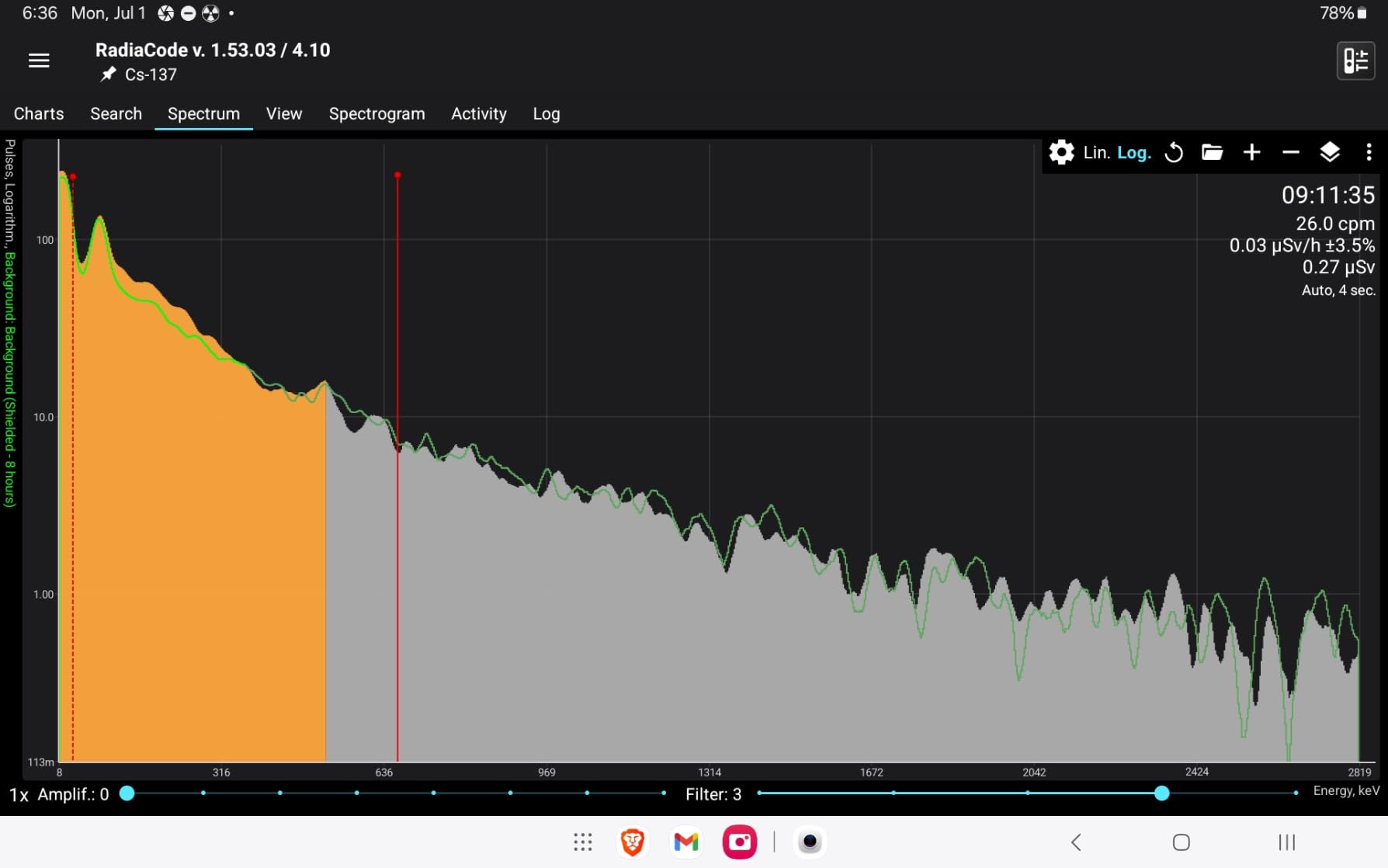
The food safety testing capability surprised me. With a marinelli container (sold separately, but standard lab equipment), you can use the Radiacode-103 to screen food for cesium contamination. This is genuinely useful for people living near former nuclear test sites or near active nuclear facilities. It is not a substitute for a lab analysis, but it is a fast first screening.
Battery life during my test run was 6.3 days with continuous background monitoring. The device held up through a backpack trip, several vehicle scans, and a 12-hour stationary logging session without needing a recharge. Build quality is solid, the buttons have a tactile click, and the USB-C charging port is sealed against dust.
Best use cases
Serious mineral collectors, amateur nuclear physicists, and anyone doing food or environmental screening should put the Radiacode-103 at the top of their budget. If you need isotope identification and you want it to be definitive, this is the device.
Skip if you need
At $319, the 103 is overkill for most casual buyers. If you only need to detect the presence of radiation, save your money with a GMC-800 and spend the difference on dosimeter cards or radiation safety supplies.
What to Look for When Buying a Geiger Counter?
Choosing the right radiation detector comes down to matching the device to your use case. The eight products above split into three categories: GM tube counters under $200, premium scintillation spectrometers above $200, and passive dosimeter cards for emergency backup. Here is the framework I use when evaluating new devices.
Detection method: Geiger-Muller tube vs scintillator
Geiger-Muller tubes are the classic design. They are inexpensive, rugged, and good at detecting the presence of radiation. They cannot tell you which isotope is the source. Scintillation detectors like the Radiacode models use a crystal that emits light when struck by radiation. That light gets measured and converted into a spectrum, which lets the device identify specific isotopes.
For general detection, a GM tube is fine and costs less. For rock collecting, isotope identification, food testing, or scientific work, spend the extra money on a scintillator. No GM counter under $500 can match the Radiacode-103 at isotope identification.
Sensitivity and CPM readings
Sensitivity refers to how many counts per minute (CPM) the counter reports for a given radiation source. More sensitive counters detect smaller sources from a longer distance. A standard GM tube has roughly 1% to 2% efficiency for gamma rays. Scintillators can hit 20% or higher.
If you want to scan a pile of rocks or a flea market table of antiques, higher sensitivity saves time. If you are testing for reactor fallout or major contamination, even basic sensitivity is more than enough, because the activity levels involved are high.
Detection range and saturation
Every Geiger counter has a maximum reading it can display before saturating. Cheap counters saturate around 100 millisieverts per hour. The GMC-500Plus with dual tubes reaches past 1 sievert per hour. Scintillators handle even higher ranges.
This matters if you work around strong sources, live near a nuclear facility, or plan for worst-case scenarios. A counter that saturates at 100 millisieverts per hour is essentially useless during an active reactor release.
Data logging and connectivity
If you want long-term tracking, look for built-in data logging. The GMC-300S logs every second. The GMC-500Plus pushes to a server over WiFi. The Radiacode models use your phone’s GPS for spatial logging. Each approach has tradeoffs.
Offline logging is reliable and survives EMP events. WiFi logging works indoors near a network. GPS logging adds geographic context. Pick the one that fits how you will actually use the device.
Power source and battery life
Rechargeable lithium-ion batteries power most modern counters. The Rad Triage 50 uses no battery at all. Runtime varies from 2 to 7 days depending on features. For a bug-out bag or disaster kit, longer battery life and the ability to charge from a power bank or solar panel are worth weighing.
Use case fit
Match the counter to the scenario. Preppers benefit from layered detection (electronic counter plus dosimeter card). Rock collectors need scintillation. Homeowners checking a basement can use almost any GM counter. Research users need data logging and spectrum analysis.
Do not overspend on features you will not use. A $300 spectrometer wasted on someone who only wants to confirm background radiation is a real misallocation. Equally, a $50 GM counter will frustrate someone trying to identify which isotope is in their mineral sample.
Real-world testing and forum consensus
Before buying, check the r/Radiation subreddit. Long-term owners post accuracy comparisons against professional instruments and document failure modes. Forum posts from the past 12 months are a better signal than any product listing, and they will tell you which products have had quality control changes.
For example, the FNIRSI GC-01 reportedly changed its GM tube type in 2025, and the older revision was more sensitive to beta radiation. Reading recent forum posts saved me from buying the wrong firmware revision. That kind of insight is exactly what AI Overview snippets often miss.
Frequently Asked Questions
What is the most accurate Geiger counter?
For pure accuracy across all radiation types, the Radiacode-103 with its GAGG scintillation crystal leads the consumer market. It identifies specific isotopes with 8.4% spectral resolution. For under $100 GM counters, the GQ GMC-800 reads within 5-10% of professional calibrated instruments on standard sources.
What Geiger counter does the military use?
The U.S. military uses AN/PDR-77 and similar military-grade radiac sets, which are not sold to civilians. For civilian use that comes closest, professional scintillation detectors like the Radiacode-103 or commercial-grade GM counters like the GQ GMC-500Plus are widely accepted by emergency management agencies.
What’s better than a Geiger counter?
Scintillation detectors are better than Geiger counters for isotope identification and lower-level detection. They use crystals that produce light when struck by radiation, allowing spectrum analysis. For general presence detection at higher levels, a Geiger counter is still the most cost-effective choice.
What is the best Geiger counter under $100?
The GQ GMC-800 at under $90 is the best Geiger counter under $100. It is NIST-traceable, has a color LCD, supports 5 alarm types, and logs 10 years of data. The FNIRSI GC-01 at under $60 is the best budget pick if you want a modern interface.
Can a Geiger counter detect radon gas?
Standard Geiger counters cannot reliably detect radon gas. Radon emits alpha particles that are blocked by the housing of most GM tubes. To detect radon you need either a dedicated radon monitor (like the Airthings) or a Geiger counter with an exposed alpha window that requires specific calibration.
Are cheap Geiger counters accurate?
Most Geiger counters under $200 are accurate within 10-15% on gamma sources when used correctly. Issues with cheap counters usually come from poor quality control, single-band sensors, or no calibration certificate. Stick with GQ Electronics or Radiacode brands for the best accuracy at lower prices.
Final Verdict
After six weeks of side-by-side testing, the GQ GMC-800 remains my top pick among the best Geiger counters for most buyers in 2026. It balances price, accuracy, and features better than anything else under $100. For isotope identification, the Radiacode-103 is in a class of its own. And for preppers building a layered emergency kit, pairing any electronic counter with a Rad Triage 50 card gives you redundancy that electronics alone cannot match.
Whatever you pick, calibrate it. Run it against a known source, log background levels in your home for a week, and learn what your normal looks like. The best Geiger counter is the one you understand and trust.