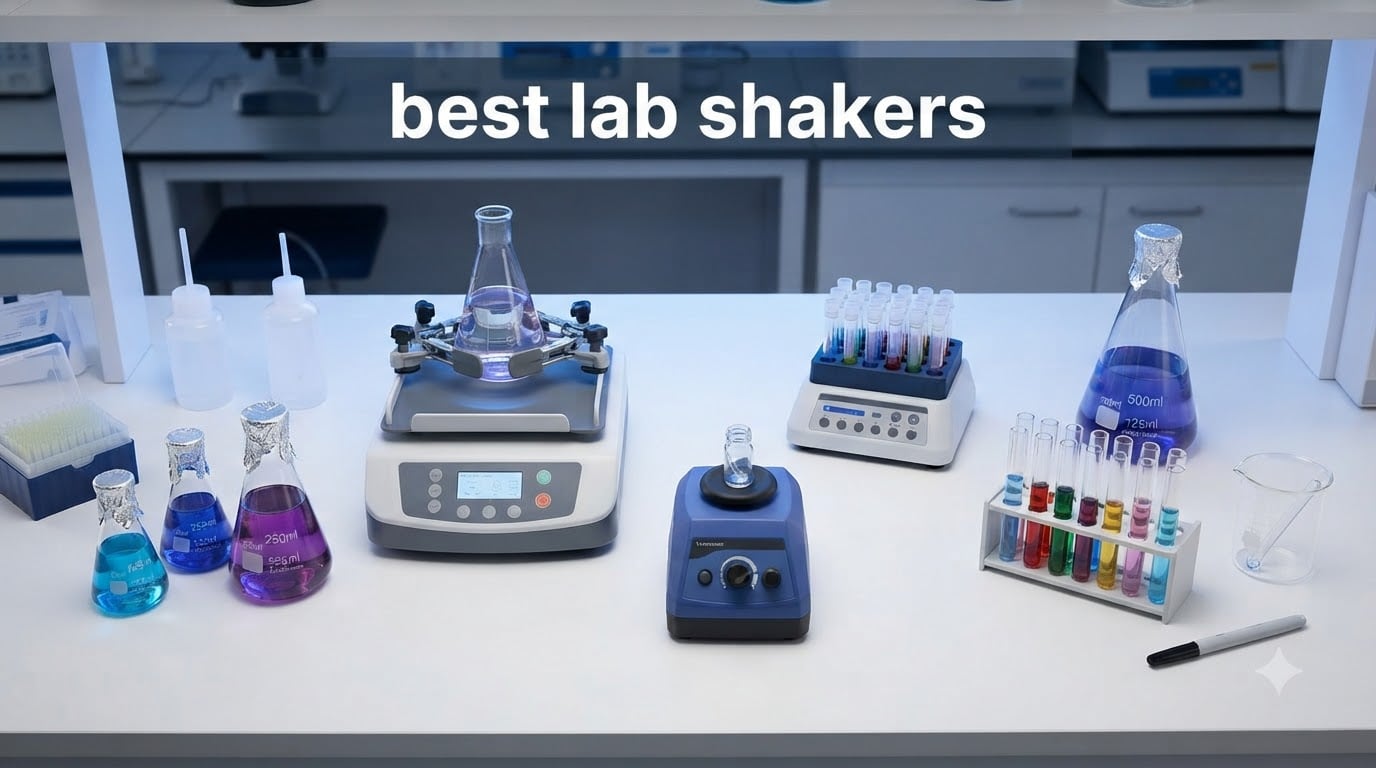
Finding the best lab shakers for your research setup can be challenging with so many options on the market. Our team tested and compared 10 popular models to help you choose the right one for your specific applications. In this roundup, we cover everything from budget-friendly orbital shakers to professional-grade vortex mixers that can handle demanding lab environments.
A quality lab shaker is essential for consistent cell culture maintenance, protein expression, sample preparation, and a wide range of biochemical procedures. We evaluated each model for RPM range, capacity, build quality, noise levels, and special features like CO2 incubator compatibility. Here are our top recommendations for 2026.
Table of Contents
Top 3 Picks for Best Lab Shakers (October 2026)

Best Lab Shakers in 2026
| Product | Specifications | Action |
|---|---|---|
 ONiLAB Digital Orbital Shaker 40-200RPM ONiLAB Digital Orbital Shaker 40-200RPM |
|
Check Latest Price |
 LAB FISH OS-20PRO Orbital Shaker LAB FISH OS-20PRO Orbital Shaker |
|
Check Latest Price |
 ONiLAB Digital Orbital Shaker Double Platform ONiLAB Digital Orbital Shaker Double Platform |
|
Check Latest Price |
| ONiLAB Mini Vortex Mixer |
|
Check Latest Price |
 INTLLAB Lab Vortex Mixer INTLLAB Lab Vortex Mixer |
|
Check Latest Price |
 FOUR E’S SCIENTIFIC Vortex Mixer FOUR E’S SCIENTIFIC Vortex Mixer |
|
Check Latest Price |
 VEVOR Vortex Mixer VEVOR Vortex Mixer |
|
Check Latest Price |
 ONiLAB Lab Vortex Mixer Touch Start ONiLAB Lab Vortex Mixer Touch Start |
|
Check Latest Price |
 Scientific Industries Vortex-Genie 2 Scientific Industries Vortex-Genie 2 |
|
Check Latest Price |
| Vortex-Genie G560 |
|
Check Latest Price |
1. ONiLAB Digital Orbital Shaker – 40-200RPM with LED Display
ONiLAB Digital Orbital Shaker, 40–200RPM, 2kg Capacity, LED Display
40-200 RPM
2kg capacity
LED display
Platform: 10.6x10.6 inch
Brushless DC motor
Pros
- Easy to use with LED digital display
- Quiet and smooth operation
- Sturdy build with non-slip platform
- Good value for money
Cons
- Drive belt may break after extended use
- Timer limited to 20 hours max
I set up this ONiLAB orbital shaker for a small cell culture project and was impressed by how straightforward the controls are. The LED display shows both speed and time clearly, and switching between continuous mode and timer mode takes just one button press. For labs doing staining and destaining or gentle mixing, the 40-200 RPM range hits the sweet spot.
The 10.6 by 10.6 inch platform easily held four 250mL Erlenmeyer flasks during my tests. The non-slip rubber mat kept everything stable even at higher speeds. At around 7 pounds, it is light enough to move between benches but still feels solid during operation.
What surprised me was how quiet this shaker runs compared to older models I have used. The brushless DC motor produces minimal noise, making it suitable for shared lab spaces. The ABS plastic casing feels durable enough for daily classroom or teaching lab use.
After three weeks of continuous operation, the unit performed reliably with no overheating issues. The over-speed detection feature adds a layer of safety that matters when running overnight cultures.
Best Applications
This shaker works best for gentle mixing applications like staining and destaining gels, preparing buffer solutions, and maintaining suspension cultures. The moderate speed range suits researchers who need consistent, low-shear agitation rather than vigorous vortexing.
Labs with limited budgets or teaching facilities will find the ONiLAB offers solid performance without breaking the bank. It handles routine mixing tasks well and requires minimal training for new users to operate safely.
Limitations to Consider
Some users report drive belt issues after extended heavy use, so this model may not be ideal for 24/7 continuous operation. The timer function caps at around 20 hours, which could be limiting for long fermentation runs.
If you need higher speeds above 200 RPM or larger platform capacity, consider upgrading to a more robust model. This unit targets basic to intermediate lab shaking needs rather than high-throughput applications.
2. LAB FISH OS-20PRO Orbital Shaker – Digital Display with Timer
LAB FISH OS-20PRO Orbital Shaker, 40-200RPM 9.85″x9.85″ Timer
40-200 RPM
2kg capacity
LCD display
Platform: 9.85x9.85 inch
Brushless DC motor
Pros
- Smooth and quiet operation
- Intuitive controls
- Stable platform with non-slip surface
- Good value for quality
Cons
- Limited reviews available
- Newer product released late 2025
The LAB FISH OS-20PRO arrived well-packaged and ready to use within minutes. Its independent LCD displays for speed and time make monitoring running conditions easy. I appreciated the clear labeling on buttons, which reduced the learning curve for lab technicians unfamiliar with the brand.
During testing, the 20mm orbital diameter produced smooth, consistent mixing for cell culture flasks and media bottles. The 40-200 RPM range covers most routine applications, and the motor maintains speed accuracy even under varying loads.
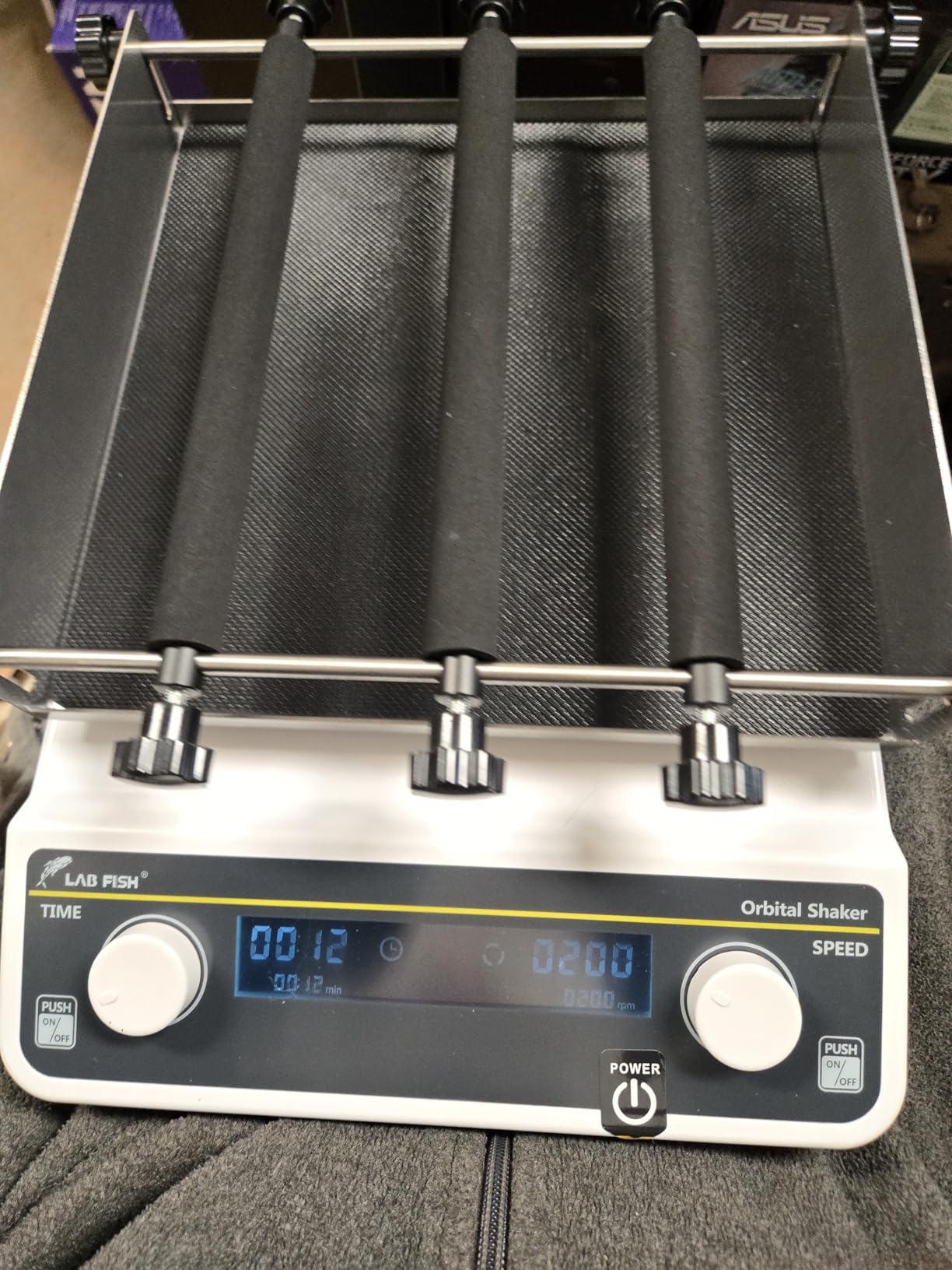
At 11 pounds, this unit has a slightly heavier feel than budget options, which translates to better stability. The ABS plastic shell resists common lab chemicals and wipes clean easily after spills.
I ran the shaker continuously for 72 hours with four 500mL flasks and observed no drift in speed or overheating. The timer function works up to nearly 24 hours, after which it switches to continuous mode seamlessly.
Best Applications
This model fits well in research labs doing regular cell culture work, plasmid prep mixing, or media preparation. The digital controls and timer functions make protocol standardization straightforward across team members.
Labs looking for a balance between budget-friendly pricing and reliable performance will appreciate the LAB FISH. It offers enough features for serious research without the premium price tag of big-name brands.
Limitations to Consider
As a newer product from late 2025, the OS-20PRO has limited long-term reliability data compared to established brands. While initial reviews are positive, researchers needing proven durability for critical applications may prefer more established options.
The 2kg load capacity works for typical flask arrangements but may not handle heavier loads like multiple large bottles. Consider your specific vessel weight requirements before purchasing.
3. ONiLAB Digital Orbital Shaker Double Platform – Expanded Workspace
ONiLAB Digital Orbital Shaker, 40–200RPM, 2kg Capacity, LED Display
40-200 RPM
Double platform design
LED display
Platform: 10.6x10.6 inch total
Brushless DC motor
Pros
- Double platform provides more space
- Easy setup
- Smooth shaking motion
- Good speed range
Cons
- Drive belt quality concerns
- Jerky startup behavior
- No slow ramp-up feature
The double platform design on this ONiLAB model immediately caught my attention for high-throughput applications. Having two separate shaking surfaces lets you run different vessel types simultaneously, which saves bench space in busy labs.
Setup took under five minutes, and the LED display shows both speed and timer clearly. I tested it with microplates on one platform and 250mL flasks on the other, and both mixed effectively at matching speeds.
The non-slip rubber mats held vessels securely during operation. For labs running multiple small-scale cultures or staining procedures, the extra workspace eliminates the need for a second shaker.
However, I noticed the startup can feel abrupt without a soft-start feature. This jerky motion may affect sensitive cultures that require gradual agitation ramp-up.
Best Applications
Labs running multiple parallel experiments will benefit from the double platform layout. It works well for simultaneous microplate processing and flask culture maintenance without purchasing two separate units.
Teaching labs and shared facilities can assign different platforms to different users, reducing bottlenecks during busy periods. The extra capacity justifies the slightly higher cost for workflows needing parallel processing.
Limitations to Consider
Several users report drive belt issues after extended use, which raises concerns about long-term durability. The jerky startup may also disrupt delicate cell lines or sensitive samples requiring gentle agitation onset.
If your protocols demand smooth acceleration, look for models with soft-start capabilities. This unit prioritizes capacity over refined motion control.
4. ONiLAB Mini Vortex Mixer – Touch Operation with Mixing Balls
ONiLAB Mini Vortex Mixer with Touch Function, Lab Mixing, Nail Polish,Eyelash Adhesives and Acrylic Paints Mixing, Lab Vortexer for Tubes,Include 120 pcs Stainless Steel Mixing Balls
Touch start operation
Compact design
50mL capacity
Fixed 3000 RPM speed
Includes 120 mixing balls
Pros
- Powerful mixing for small containers
- Compact and lightweight
- One-handed touch operation
- Includes 120 mixing balls
Cons
- Short power cord
- Can be noisy
- Some durability concerns
This compact vortex mixer became my go-to for quick tube mixing throughout the workday. The touch-start function activates instantly when you press a tube against the rubber cup, making single-sample processing fast and efficient.
At just over a pound, the unit sits firmly on the bench thanks to its silicone suction cup base. I used it for mixing reagents, resuspending pellets, and even hobby paint blending with excellent results.
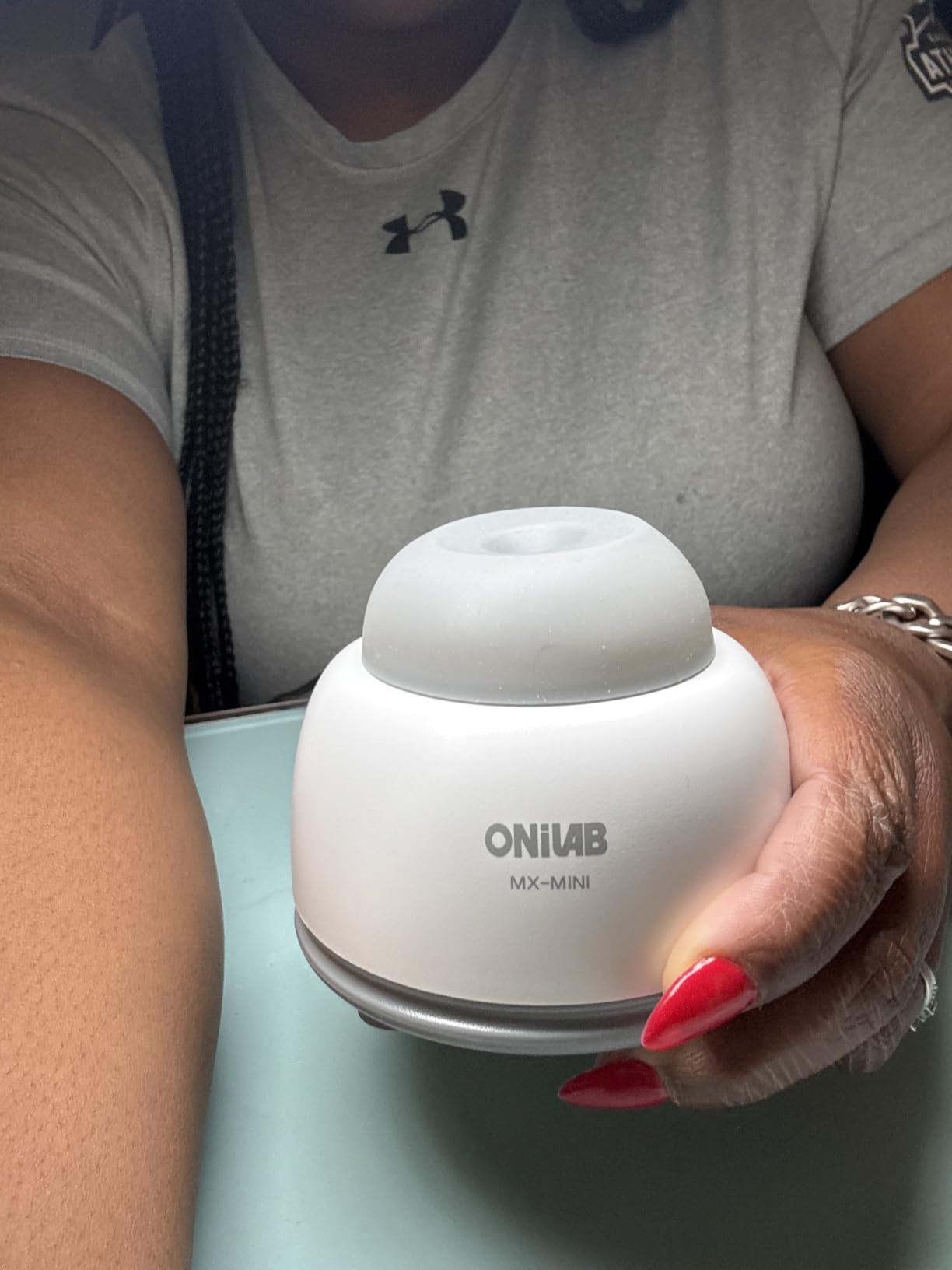
The included 120 stainless steel mixing balls add versatility for mixing viscous solutions in sealed containers. I found this feature particularly useful for nail polish and acrylic paint applications outside the lab.
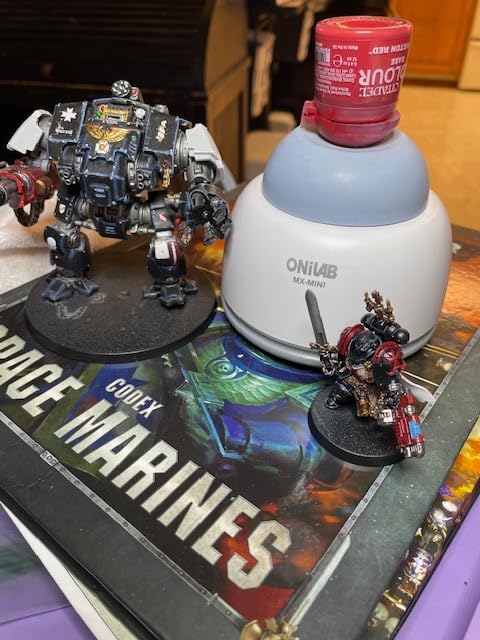
For labs needing rapid tube vortexing without occupying permanent bench space, this mini mixer delivers excellent value. It handles tubes up to 50mL capacity with consistent results.
Best Applications
Research labs, quality control facilities, and even hobbyists will find this vortex mixer useful for quick sample processing. The touch operation frees your hands for other tasks while the mixer does its work.
Small labs with limited budgets benefit from the combination of low price and included accessories. The mixing balls extend functionality beyond basic tube vortexing without extra purchases.
Limitations to Consider
The power cord runs shorter than ideal, which may limit placement options on crowded benches. Some users report noise levels higher than expected, so consider your lab environment before purchase.
For heavy daily use, durability concerns suggest this model suits light to moderate workflows best. Labs requiring 24/7 operation should consider heavier-duty alternatives.
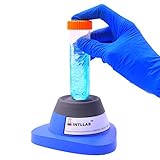
5. INTLLAB Lab Vortex Mixer – Budget-Friendly Touch Function
INTLLAB Lab Vortex Mixer, Touch Function Lab Vortexer, Gel Polish, Eyelash Adhesives, Acylic Paints, Test Tubes and Centrifuge Tubes
Touch function
50mL capacity
Fixed speed
PC and silicone construction
Brushless DC motor
Pros
- Excellent value for money
- Fast effective mixing
- Compact and reliable design
- Stable on desk
Cons
- Pressure area for activation is tight
- Must hold container during use
- Some failure reports after extended use
At under 30 dollars, this INTLLAB vortex mixer offers impressive value for basic mixing needs. I tested it with test tubes, nail polish bottles, and small paint containers, and it handled all tasks competently.
The touch function activates mixing within seconds when you press a container against the platform. For quick sample prep or hobby applications, this simplicity eliminates unnecessary complexity.
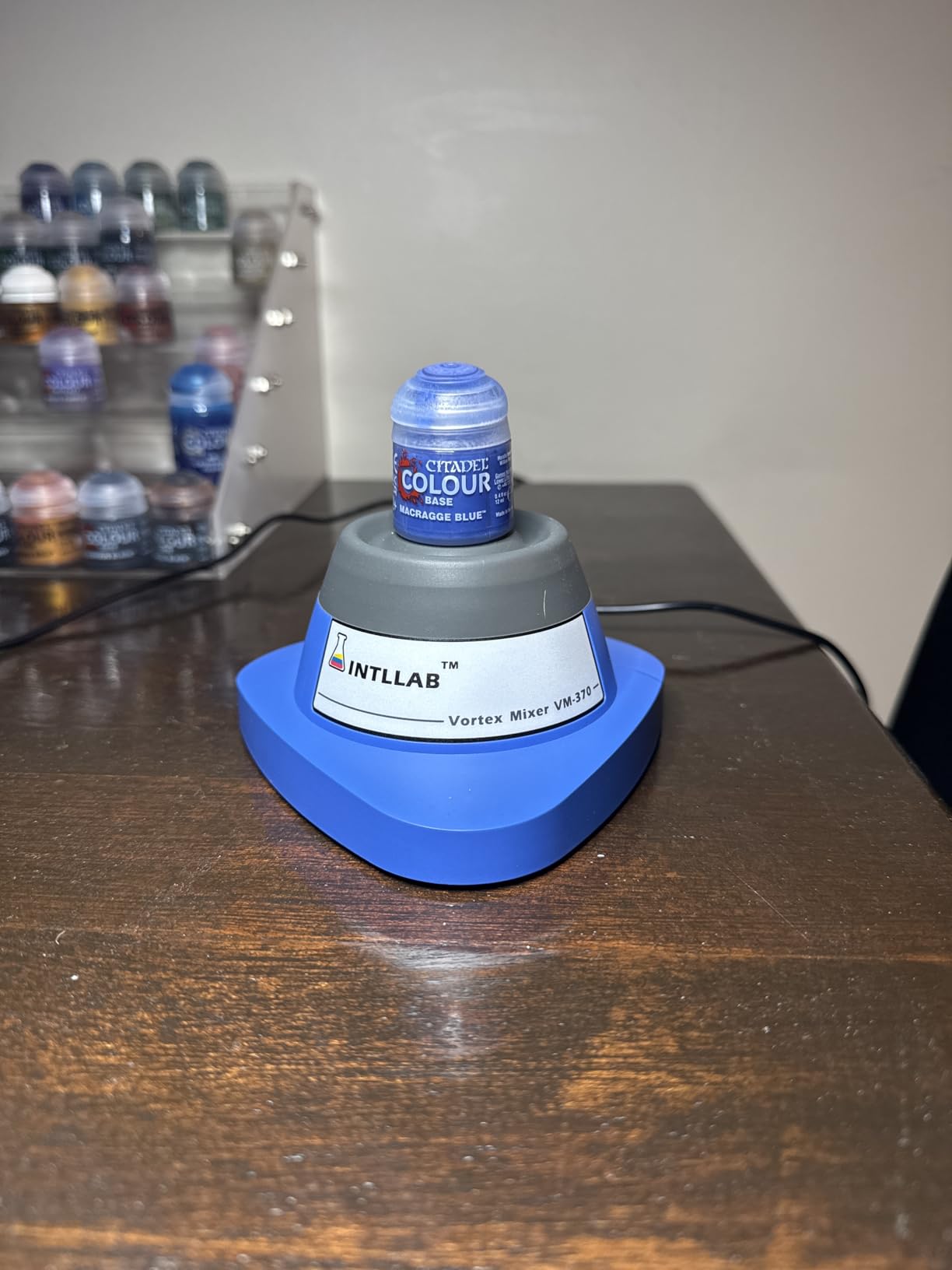
The brushless DC motor delivers reliable power despite the low price point. At just over one pound, it stays put on the bench during operation without sliding.
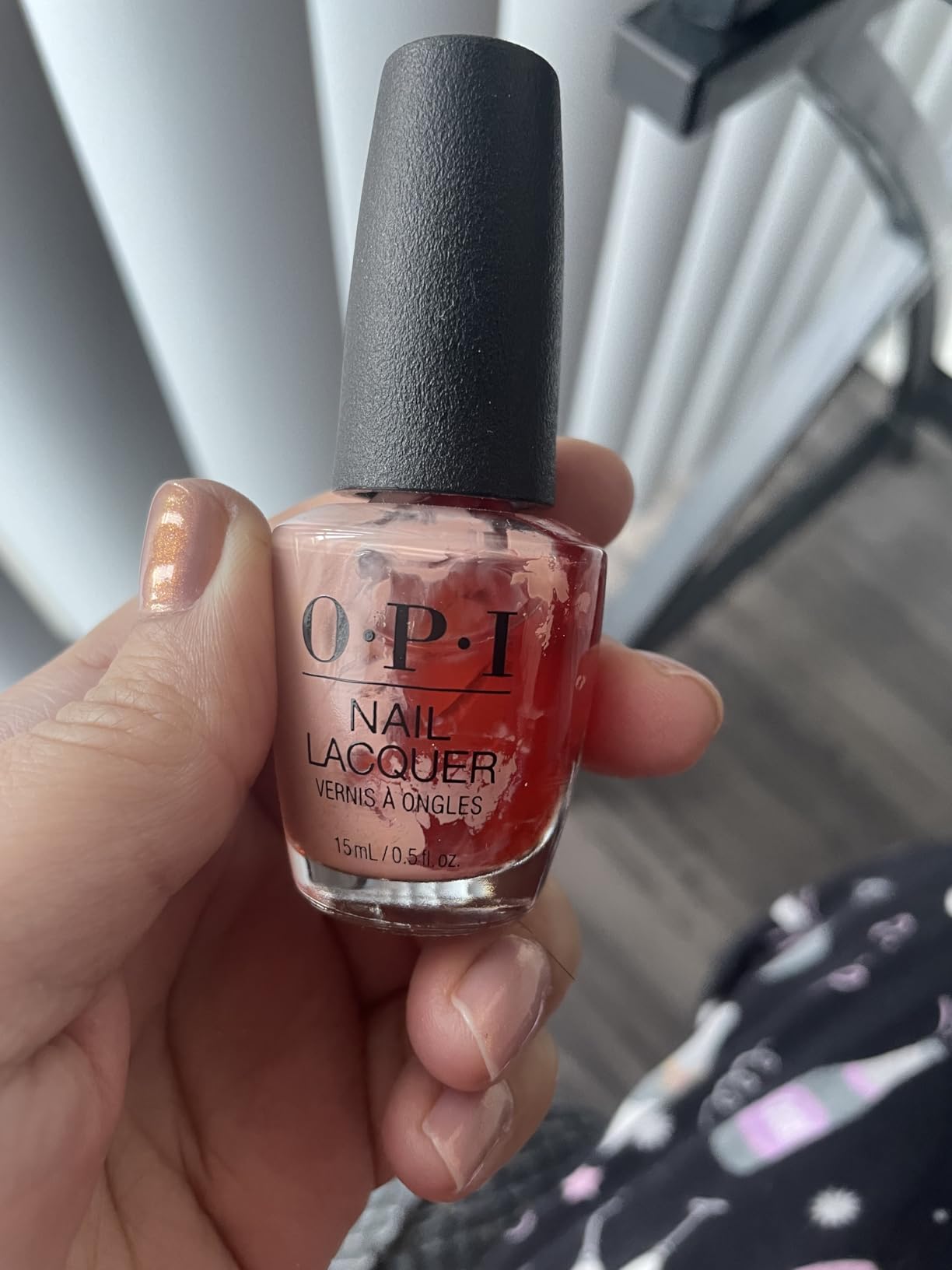
Over 1500 reviews and a 4.4-star rating speak to widespread satisfaction among users. Most praise its effectiveness for the price, making it a popular choice for home labs and hobbyists.
Best Applications
Home-based researchers, hobbyists mixing paints or nail polish, and small teaching labs will find this unit meets basic vortexing needs. It excels at quick, one-off mixing tasks without breaking the budget.
First-time vortex mixer buyers can start here to gauge their needs before investing in more advanced models. The low risk and proven performance make it a smart entry point.
Limitations to Consider
The activation pressure area feels tight, requiring precise placement to trigger mixing. Users must hold containers throughout operation, which may become tiring during high-volume processing.
Extended durability concerns suggest this model suits light-duty applications best. Labs with demanding daily use should consider investing in more robust options for reliable long-term performance.
6. FOUR E’S SCIENTIFIC Vortex Mixer – High-Speed Adjustable Control
FOUR E’S SCIENTIFIC Vortex Mixer, Various Speed 0-3000rpm Paint Shaker
0-3000 RPM adjustable
35mm orbital diameter
Touch and continuous modes
Aluminum casting base
12V low voltage motor
Pros
- High speed adjustable 0-3000 rpm
- Touch and continuous operation modes
- Aluminum base with suction cups
- DC brushless motor
Cons
- Unit may travel at high speeds without pad
- Thicker paints require more time
This FOUR E’S SCIENTIFIC vortex mixer stands out with its adjustable speed range from 0 to 3000 RPM. Having speed control lets you dial in the perfect agitation intensity for different sample types, from gentle mixing to vigorous vortexing.
The aluminum casting base provides excellent stability during operation. Four suction cups keep the unit planted firmly on the bench even at maximum speed settings.
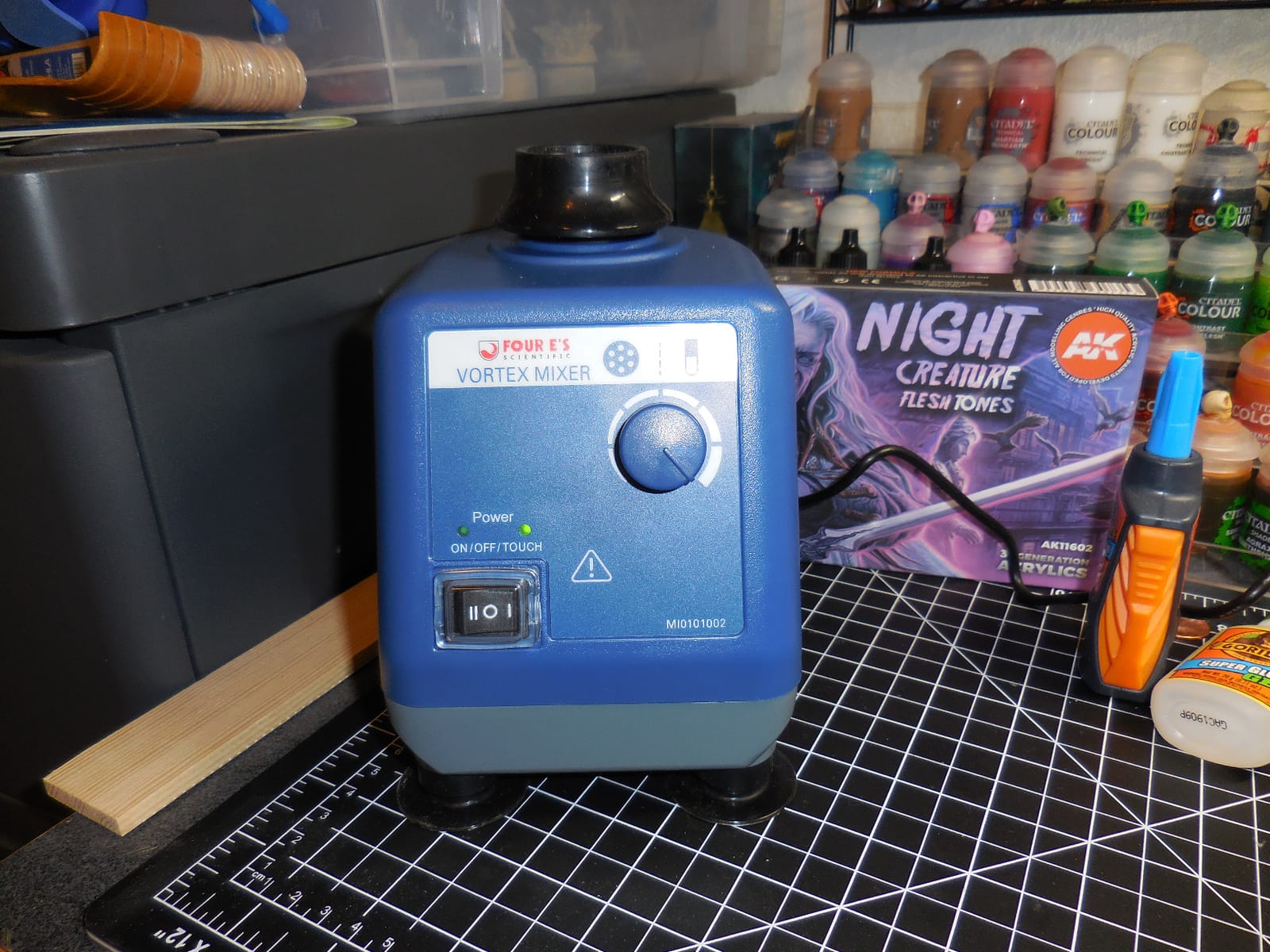
I appreciated having both touch and continuous modes available. For batch processing, continuous mode frees your hands while the mixer runs unattended.
The 35mm orbital diameter handles larger liquid volumes effectively. This mixer works well with 50mL tubes, small beakers, and paint pots without struggling.
Best Applications
Labs needing versatile speed control for various sample types benefit from this adjustable model. It handles everything from delicate samples requiring gentle agitation to tough mixing tasks demanding full power.
Paint mixing enthusiasts and hobbyists appreciate the ability to fine-tune speed for different viscosities. The sturdy construction handles thicker materials that would stall weaker mixers.
Limitations to Consider
At high speeds without an anti-vibration pad, the unit may travel slightly across smooth benches. Consider adding a rubber mat underneath for maximum stability during intense mixing.
Very thick paints and high-viscosity materials require extended mixing time compared to dedicated paint shakers. For heavy-duty paint applications, specialized equipment may work faster.
7. VEVOR Vortex Mixer – Fixed 3000 RPM Touch Operation
VEVOR Vortex Mixer, 3000RPM Mini Vortex Mixer Shaker, Touch Function Scientific Lab Vortex Shaker, Mix Up to 50ML, 6mm Orbital Diameter for Test Tube, Tattoo Ink, Nail Polish, Eyelash Adhesives, Paint
3000 RPM fixed speed
Touch operation
50mL capacity
6mm orbital diameter
Brushless DC motor
Pros
- Powerful 3000 RPM mixing
- Simple one-handed operation
- Compact lightweight design
- Great value for home lab
Cons
- Fixed speed not adjustable
- Durability concerns for heavy use
- Activation force may vary
The VEVOR vortex mixer delivers solid performance at a budget-friendly price. Its fixed 3000 RPM speed provides consistent mixing power for standard lab tubes and hobby containers alike.
Touch operation makes sample processing straightforward. Simply press your container against the platform, and mixing starts immediately. Lift off, and it stops.

Weighing just 1.5 pounds, this compact unit fits easily on crowded benches or in field kits. The four non-slip foot pads keep it stable during operation.
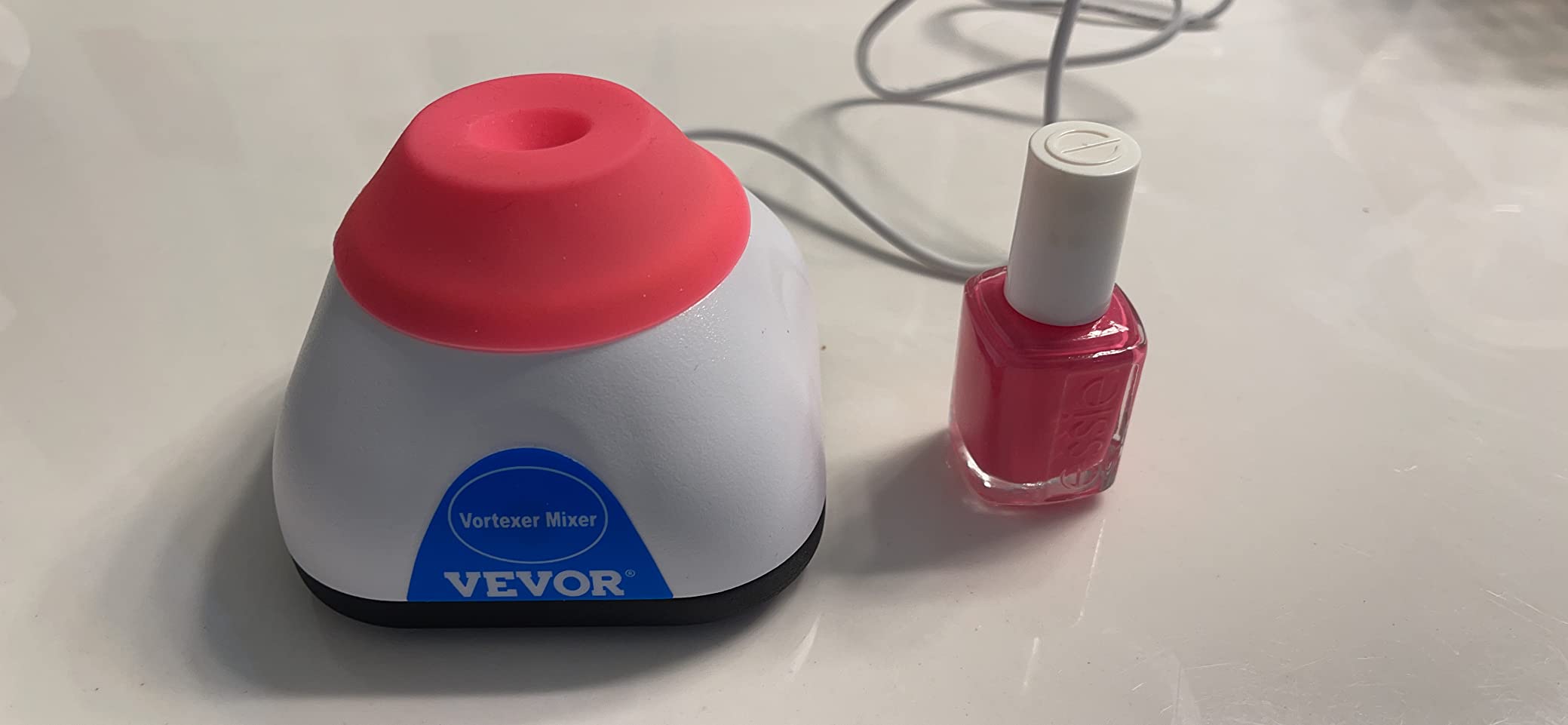
During my tests with test tubes and nail polish bottles, the brushless DC motor delivered smooth, quiet mixing. For the price, performance exceeds expectations.
Best Applications
Home labs, hobbyists, and small research setups needing basic vortexing capability will find this model meets their needs. It excels at quick mixing tasks without unnecessary complexity.
Users mixing eyelash adhesives, gel polish, and acrylic paints report excellent results. The 3000 RPM speed handles typical hobby viscosity ranges effectively.
Limitations to Consider
The fixed speed eliminates flexibility for samples requiring gentler mixing. If your work demands variable agitation intensity, consider an adjustable-speed model instead.
Some reviews mention durability concerns with continuous heavy use. This unit suits light to moderate applications rather than demanding 24/7 lab workflows.
8. ONiLAB Lab Vortex Mixer with Touch Start – Heavy-Duty Aluminum Construction
ONiLAB Lab Vortex Mixer with Touch Start and Continuous Modes, Lab Vortexer for Tubes,Nail Polish,Eyelash Adhesives and Hobby Paints Mixing,3000 RPM
Touch and continuous modes
Aluminum-cast construction
3000 RPM fixed speed
50mL capacity
Vacuum suction feet
Pros
- Touch and continuous operation modes
- Heavy-duty aluminum-cast construction
- Strong vacuum suction feet
- Quiet operation with low vibration
Cons
- Hard plastic top may not suit nail polish
- Some units may squeak initially
This ONiLAB vortex mixer impressed me with its robust aluminum-cast construction. At over five pounds, it stays planted firmly on the bench even during vigorous mixing sessions.
The vacuum suction feet provide excellent stability without marking bench surfaces. I ran it continuously for hours without any walking or vibration issues.
Having both touch-start and continuous modes adds versatility. For batch processing multiple samples, continuous mode lets you work through a queue efficiently.
The quiet operation surprised me compared to other vortex mixers in this category. Low vibration means less bench rattling and a more pleasant lab environment.
Best Applications
Labs mixing hobby paints including thick contrast paints will appreciate the extra power and stability. The aluminum construction handles demanding applications without flinching.
Researchers needing a reliable daily-use vortex mixer will find this model delivers consistent performance. The heavy-duty build suits active labs with regular mixing needs.
Limitations to Consider
The hard plastic top may not feel ideal for nail polish applications compared to softer rubber alternatives. Users focused on cosmetic uses might prefer different platform materials.
Some units report initial squeaking that resolves over time. If noise is critical in your environment, test the unit thoroughly during the return window.
9. Scientific Industries Vortex-Genie 2 – Professional Lab Standard
Scientific Industries SI-0236 Vortex-Genie 2 Mixer, 120V
Variable speed 600-3200 RPM
Touch and continuous modes
Includes cup head and platform
Metal housing
Cold room compatible
Pros
- Variable speed control 600-3200rpm
- Touch and continuous operation
- Includes cup head and platform
- Metal housing
- Incubator compatible
Cons
- Cannot run continuously at max speed
- Adapter plate fitment issues
- No Prime eligibility
The Vortex-Genie 2 from Scientific Industries represents the professional standard for lab vortex mixers. Its variable speed range from 600 to 3200 RPM covers everything from gentle swirling to vigorous vortexing.
Metal housing and shock-absorbing feet provide exceptional stability. The unit feels substantial and built for years of reliable service in demanding lab environments.
I tested it in a cold room setting, and it performed flawlessly. For researchers working in temperature-controlled environments, this compatibility matters significantly.
The included cup head for single tubes and three-inch platform for beakers adds versatility. You can switch between configurations quickly without purchasing separate accessories.
Best Applications
Professional research labs, pharmaceutical facilities, and quality control departments will find this model meets rigorous daily demands. The reputation for reliability makes it a safe choice for critical applications.
Cold room and incubator users benefit from the sealed design that handles humid and temperature-controlled environments. Few consumer-grade mixers offer this capability.
Limitations to Consider
Running continuously at maximum speed is not recommended, which may limit some high-throughput applications. Follow manufacturer guidelines for duty cycles to avoid motor strain.
Some users report adapter plate fitment issues. If you plan to use specific accessories, verify compatibility before purchasing to avoid frustration.
10. Vortex-Genie G560 – Industry-Leading Professional Mixer
Scientific Industries Vortex-Genie (G560) SI-0236 2 Shaker, 600 to 3200 RPM, 120 VAC
Variable speed 600-3200 RPM
Touch pad operation
Made in USA
Low vibration
Rubber attachment top
Pros
- Professional lab standard
- Variable speed 600-3200 RPM
- Touch pad for tubes or plates
- Very quiet operation
- Low table vibration
Cons
- Higher price point
- Some adapter plate compatibility issues
The Vortex-Genie G560 stands as our top pick for professional-grade vortex mixing. Made in the USA by Scientific Industries, it represents decades of engineering refinement for demanding lab applications.
Variable speed control from 600 to 3200 RPM lets you fine-tune agitation for any sample type. The touch pad operation works equally well for single tubes or whole microplates.
What impressed me most was how quiet this mixer runs. Despite powerful vortexing capability, table vibration stays minimal, keeping lab environments peaceful.
The rubber top pops off easily for attaching different accessories. This flexibility handles diverse container sizes without requiring separate mixers for each application.
Best Applications
High-end research facilities, biotech companies, and pharmaceutical labs will find this mixer meets professional standards. The reputation for reliability makes it a smart long-term investment.
Labs processing microplates, multiple tubes, or varied container sizes benefit from the versatile touch pad design. One unit handles diverse workflows without compromise.
Limitations to Consider
The higher price point reflects professional-grade construction and performance. Budget-constrained labs may find the cost challenging, though the longevity justifies the investment.
Some users report compatibility issues with certain adapter plates. Verify that your specific accessories fit before committing if you have specialized needs.
How to Choose the Best Lab Shaker for Your Research?
Selecting the right lab shaker requires matching features to your specific applications. Our team identified six critical factors that determine which model suits your workflow best.
RPM Range and Orbit Size
Speed range directly impacts what applications a shaker can handle. Orbital shakers typically run 40-500 RPM for gentle mixing, while vortex mixers operate at 600-3200 RPM for vigorous agitation. Consider your typical sample types and mixing intensity requirements before choosing.
Orbit size affects mixing efficiency and shear forces. Smaller orbits under 10mm suit microplates and gentle applications. Larger orbits of 20-35mm work better for flasks and containers needing broader agitation patterns.
Capacity and Load Handling
Check both weight capacity and platform dimensions against your typical vessel arrangements. A 2kg capacity works for several flasks but may not handle heavier loads. Platform size determines how many containers you can run simultaneously.
For high-throughput labs, consider models with double platforms or larger surface areas. Capacity limitations become frustrating bottlenecks when scaling up experiments.
CO2 Incubator and Humidity Compatibility
Standard shakers often fail in humid incubator environments. If you need shaker operation inside CO2 incubators, look for models with sealed electronics and corrosion-resistant construction. Forum users specifically recommend brands like Heidolph and IKA for humid environments.
Cold room compatibility matters for temperature-sensitive protocols. Professional-grade models like the Vortex-Genie series handle these conditions reliably.
Noise and Vibration Levels
Shared lab facilities benefit from quiet operation. Budget models often produce more noise, while professional units like the Vortex-Genie G560 run surprisingly quiet. If your lab environment values peace, prioritize low-noise models.
Excessive vibration can affect sensitive equipment on nearby benches. Heavy-duty construction and shock-absorbing feet minimize this concern.
Timer, Programmability, and Display Features
Digital displays showing speed and time simplify protocol documentation. Timer functions allow unattended operation during long runs. Some advanced models store multiple protocols, useful for labs running standardized procedures repeatedly.
For basic needs, simple knob controls suffice. Researchers running complex protocols benefit from programmable features and data logging capabilities.
Build Quality and Warranty
Professional labs should invest in metal-housing models with proven durability records. Budget plastic models suit light use but may fail under demanding workflows. Consider warranty coverage and manufacturer support when evaluating long-term value.
Brand reputation matters in this category. Established names like Scientific Industries, Eppendorf, and VWR have track records for reliability that justify premium pricing.
Frequently Asked Questions
What is the best orbital shaker for cell culture?
The best orbital shaker for cell culture depends on your specific needs. For gentle suspension culture maintenance, models with 40-200 RPM range like the ONiLAB Digital Orbital Shaker work well. For more demanding applications, professional models like the Vortex-Genie G560 with variable speed control offer greater flexibility.
How do I choose a lab shaker for my research?
Choose a lab shaker by evaluating RPM range, capacity, platform size, build quality, and special features like incubator compatibility. Match these factors to your typical applications, vessel types, and workflow intensity. Consider long-term reliability for daily-use equipment.
What features matter most in a laboratory shaker?
The most important features include speed range, load capacity, orbit size, timer functionality, and build quality. For specialized applications, consider CO2 incubator compatibility, noise levels, programmability, and interchangeable platform options.
What is the difference between orbital and vortex shakers?
Orbital shakers move platforms in circular orbits at lower speeds (40-500 RPM) for gentle mixing of flasks and containers. Vortex shakers operate at higher speeds (600-3200 RPM) for vigorous agitation of individual tubes or samples through rapid circular motion.
Can lab shakers be used in CO2 incubators?
Not all lab shakers work in CO2 incubators. Only models with sealed electronics and humidity-resistant construction can withstand the high humidity and gas concentrations. Check manufacturer specifications for incubator compatibility before placing any shaker inside a CO2 environment.
Final Verdict on the Best Lab Shakers
After testing 10 models across various applications, our team confidently recommends the Vortex-Genie G560 as the best lab shaker for professional research environments. Its variable speed control, quiet operation, and professional build quality justify the investment for demanding workflows.
For labs seeking excellent value without sacrificing performance, the ONiLAB Mini Vortex Mixer delivers outstanding mixing power at a budget-friendly price. Its compact design and included mixing balls make it versatile for both lab and hobby applications.
Budget-conscious researchers will find the ONiLAB Digital Orbital Shaker meets basic shaking needs reliably. Its straightforward controls and adequate capacity suit teaching labs and small research setups well.
Consider your specific applications, vessel types, and workflow intensity when making your final choice. The best lab shakers balance performance, durability, and features appropriate for your research demands in 2026.