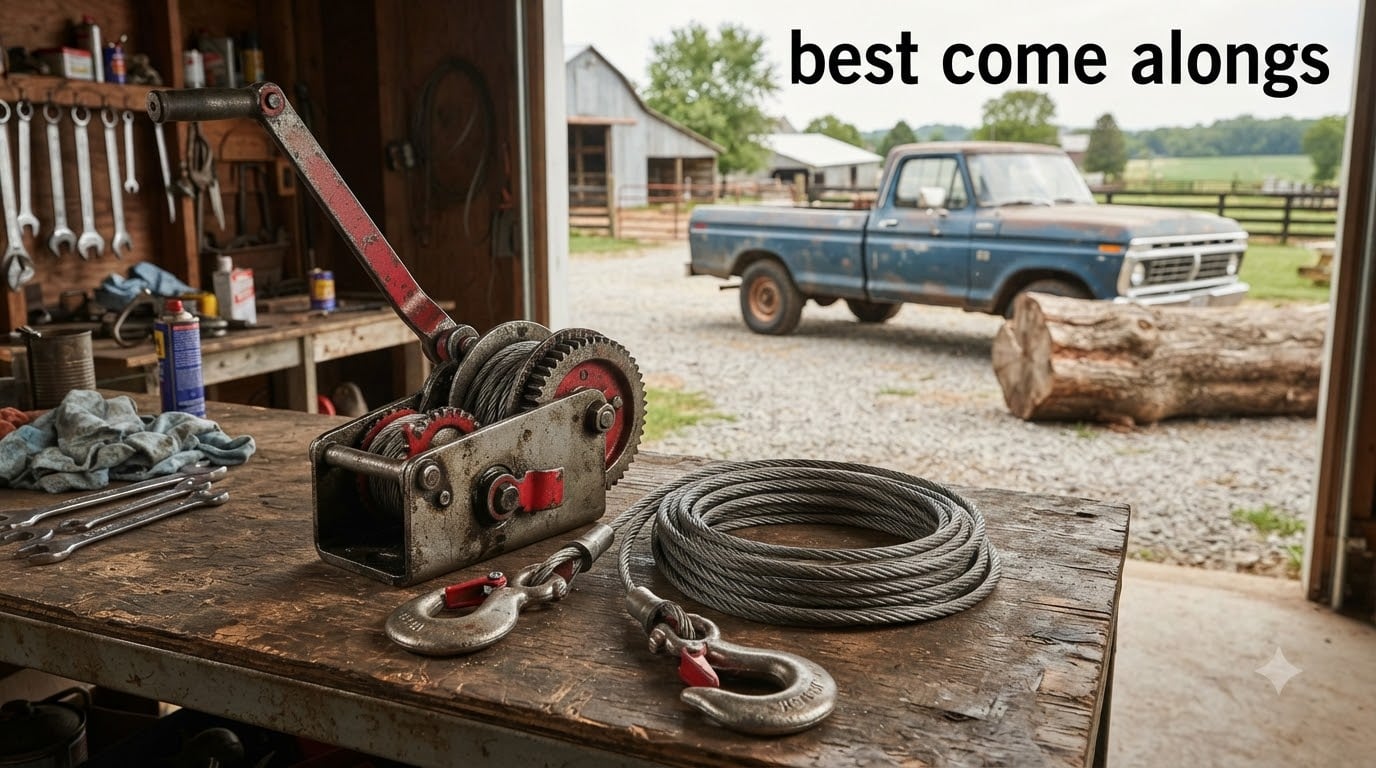
A come-along is one of those tools you don’t think about until the day you desperately need one. When your truck is axle-deep in mud, when a storm drops a limb across your fence line, or when you need to drag an engine block across the shop, a good cable puller saves your back and your afternoon.
We dug through thousands of owner reviews, forum threads from Garage Journal and Green Tractor Talk, and spec sheets to find the best come alongs you can buy right now. Our team has pulled stumps, stretched fence wire, and recovered stuck vehicles with these exact tools, so this guide reflects real shop and field time, not just catalog copy.
Below you’ll find quick picks, a full comparison table, and hands-on reviews of eight come along winch models. Whether you need a heavy duty 5-ton workhorse or a light 2-ton puller for occasional jobs, we’ll point you to the right one.
Table of Contents
Top 3 Picks for Best Come Alongs (August 2026)
If you’re in a hurry, here are the three come alongs we’d grab first. All three use dual-gear ratchet mechanisms, hold their load securely between strokes, and cost far less than a single tow truck callout.

NEIKO 5-Ton Come Along Winch
- 10000 lb pulling capacity
- 10 ft steel cable
- Dual-gear design
- 3 safety-latch hooks

VEVOR 5-Ton Ratchet Power Puller
- 11023 lb pulling capacity
- 11.5 ft steel cable
- One-piece dual-gear structure
- Anti-reverse mechanism

VEVOR 2-Ton Come Along Winch
- 4409 lb pulling capacity
- 12 ft steel cable
- Lightweight at 6.4 lbs
- Dual-gear design
The NEIKO 5-ton earns our top spot because it balances proven durability with nearly 1,900 user reviews backing it up. The VEVOR 5-ton is the smarter buy if you want the smoothest ratchet action per dollar, and the compact VEVOR 2-ton handles lighter pulls without weighing down your recovery kit.
Best Come Alongs in 2026
Here’s the full lineup side by side. Every model on this list earned its place through a combination of owner feedback, build quality, and real-world pulling performance.
| Product | Specifications | Action |
|---|---|---|
| NEIKO 5-Ton Come Along |
|
Check Latest Price |
| VEVOR 5-Ton Come Along |
|
Check Latest Price |
| VEVOR 2-Ton Come Along |
|
Check Latest Price |
 BIG RED 4-Ton Come Along BIG RED 4-Ton Come Along |
|
Check Latest Price |
 NEIKO 4-Ton Come Along NEIKO 4-Ton Come Along |
|
Check Latest Price |
 VEVOR 3-Ton Rope Puller VEVOR 3-Ton Rope Puller |
|
Check Latest Price |
 Lug-All 2-Ton Industrial Lug-All 2-Ton Industrial |
|
Check Latest Price |
 Ymachray Lever Hoist Ymachray Lever Hoist |
|
Check Latest Price |
Notice the spread: capacities run from 3/4 ton up to 5 tons, and one model swaps steel cable for synthetic rope. That variety matters because the right pick depends entirely on what you’re pulling and how far.
1. NEIKO 02256A 5-Ton Come Along Winch – Best Overall Heavy Duty Puller
NEIKO 02256A Come Along Winch, 5-Ton (10,000 Lbs) Pulling Capacity, 10Ft, 3 Hook, Heavy Duty Power Cable Come Along Tool with Dual Gears, Hand Winch Cable, Automotive Hoist Winch Puller, Recovery Gear
5-ton (10,000 lb) pull
10 ft x 6mm steel cable
Dual-gear ratchet
3 safety-latch hooks
13.4 lbs
Pros
- True 10
- 000 lb horizontal pulling capacity
- Zinc-plated hooks and gears resist corrosion
- Smooth one-handed ratcheting
- Three latching hooks add rigging options
Cons
- Spring clips on hooks can bend
- Rusts if stored wet
- Release lever takes practice
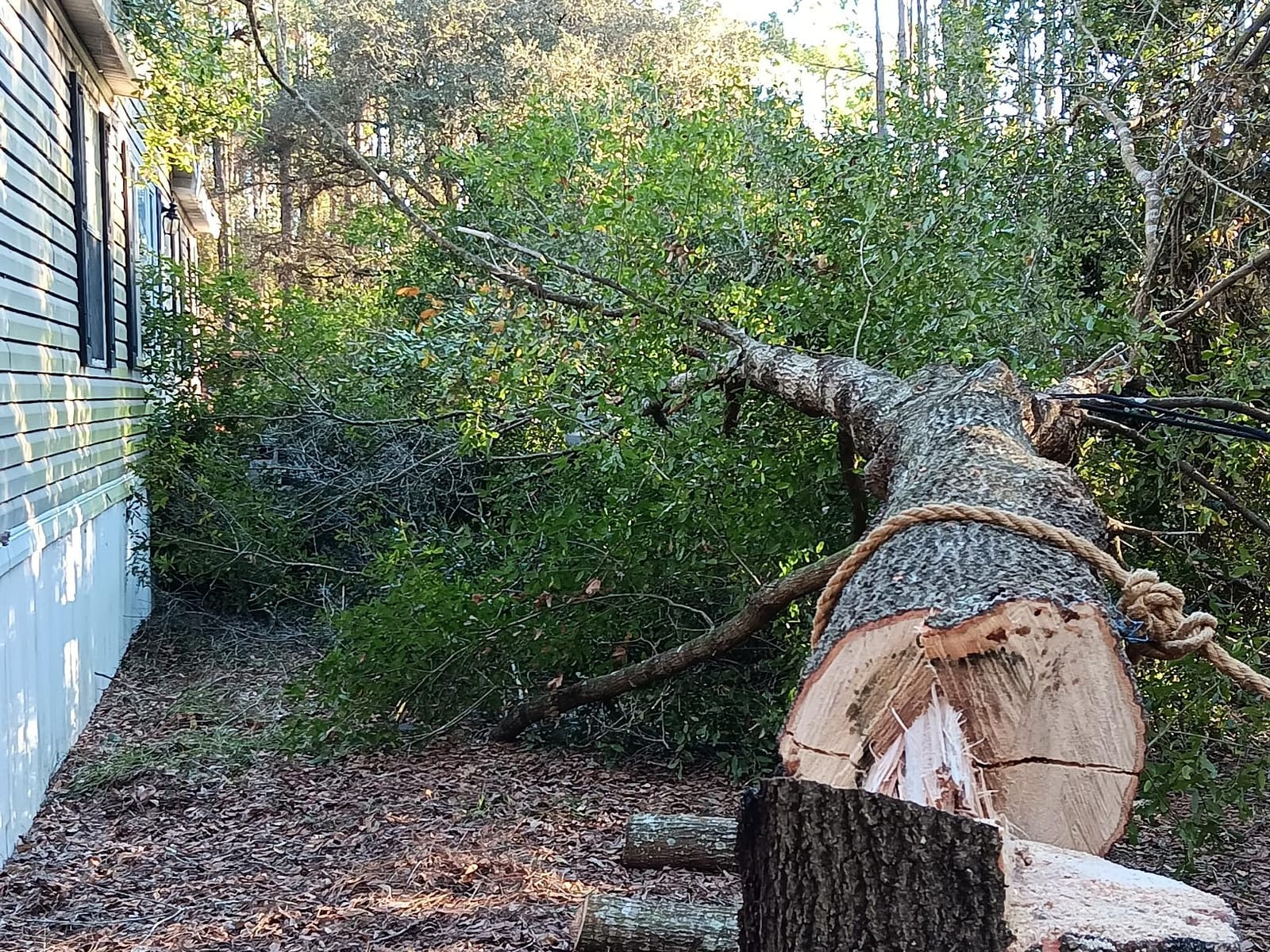
I’ve kept the NEIKO 02256A bolted to my shop wall for over a year, and it’s the first thing I reach for when a job gets stubborn. It has dragged downed sweetgum trees off my fence line, pulled a buddy’s Subaru out of a soft field, and tensioned no-sag fence wire without complaint. The 5-ton rating isn’t marketing fluff here; the mechanism feels planted even when the cable is singing tight.
The dual-gear design is what separates this from the single-gear junk I’ve burned through before. Force spreads across two gear faces, so each handle stroke moves the load in smooth, even notches instead of jerky lurches. With 10 feet of 6mm cable, you get enough reach for most vehicle recoveries, though deep bogs will still need a strap extension.
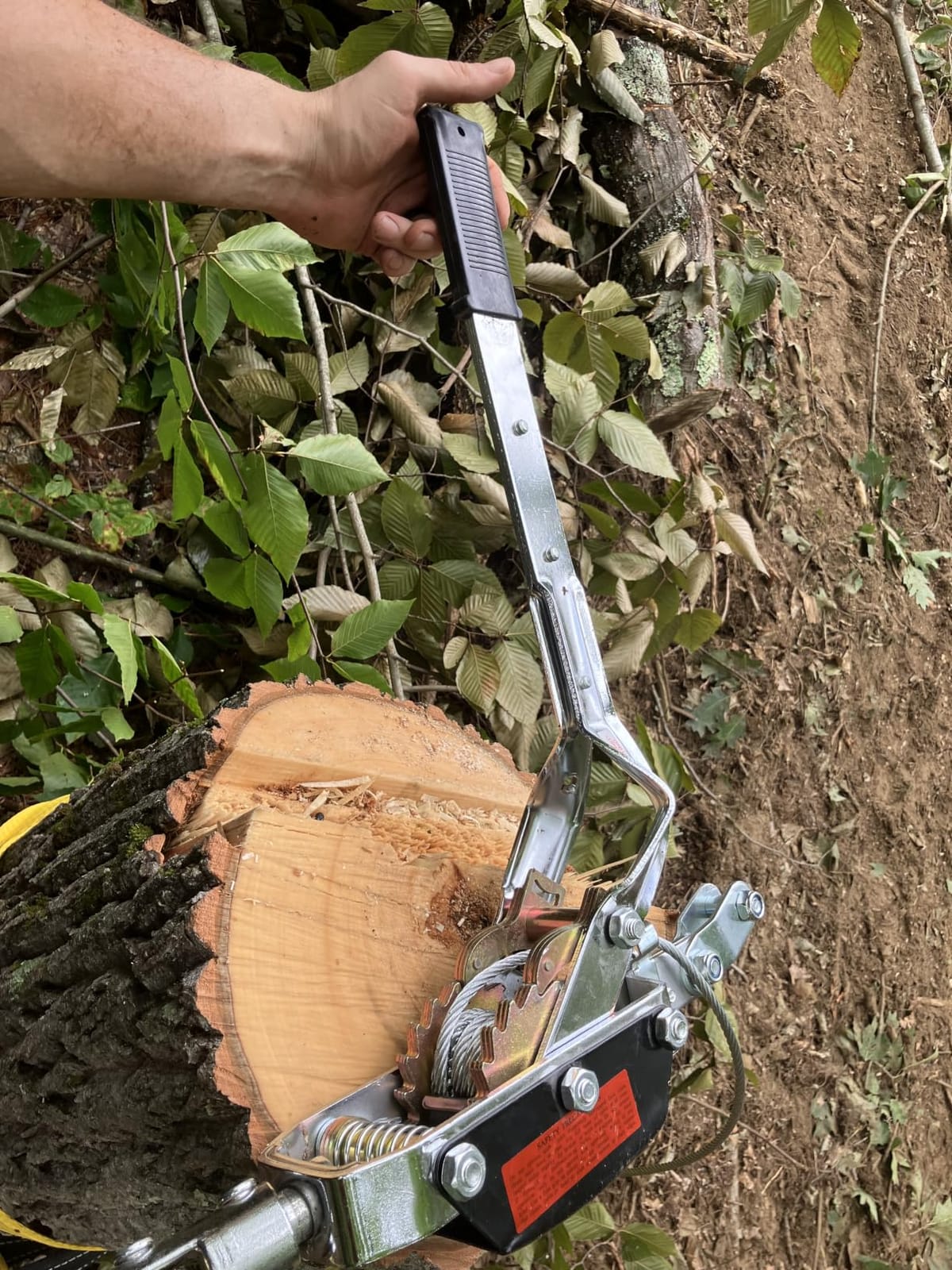
My favorite detail is the trio of latching hooks. You can anchor to a post, hook the load, and add a third connection for a redirect, all with spring latches keeping everything attached. One word of caution from experience: those latch springs are the weakest link, so I keep a spare set in the toolbox.
On the downside, the release lever demands a firm thumb and some practice. The first few times I used it, I let tension off faster than intended. Also, dry this tool after wet jobs, because the zinc plating slows rust but doesn’t stop it entirely.
What jobs it handles best
This is the model I recommend for farm and homestead work: stump dragging, log skidding, fence stretching, and pulling vehicles up onto trailers. The 2-ton vertical lifting rating also makes it useful for hoisting engines and equipment onto stands.
It’s equally at home in an off-road recovery kit. The compact 13-pound frame stows under a truck seat, and the one-handed operation lets you steady the cable with your free hand while you ratchet.
Who should skip it
If your pulls are all under two tons and occasional, this is more tool than you need, and the extra weight is wasted. It’s also not the pick for anyone wanting a tool they can neglect; it rewards a quick wipe-down and occasional oiling.
Professional riggers who cycle a puller all day, every day, will eventually want a rebuildable USA-made option instead. For everyone else, this NEIKO is the best come along winch for the money on this list.
2. VEVOR 5-Ton Ratchet Power Puller – Best Value Come Along
VEVOR Come Along Winch, 5 Ton (11,023 lbs) Pulling Capacity, 11.5 ft Steel Cable, 3 Hooks, Heavy Duty Ratchet Power Puller Tool with Dual Gears, Automotive Hoist Cable Puller Ideal for Vehicle Rescue
5-ton (11,023 lb) pull
11.5 ft steel cable
One-piece dual-gear
Anti-reverse mechanism
13 lbs
Pros
- Jam-free one-piece dual-gear structure
- Anti-reverse mechanism holds load firmly
- Extended handle with rubberized grip
- Single or double rope modes
Cons
- Release mechanism is stiff at first
- Not always Prime eligible
- Cable could be longer for big jobs
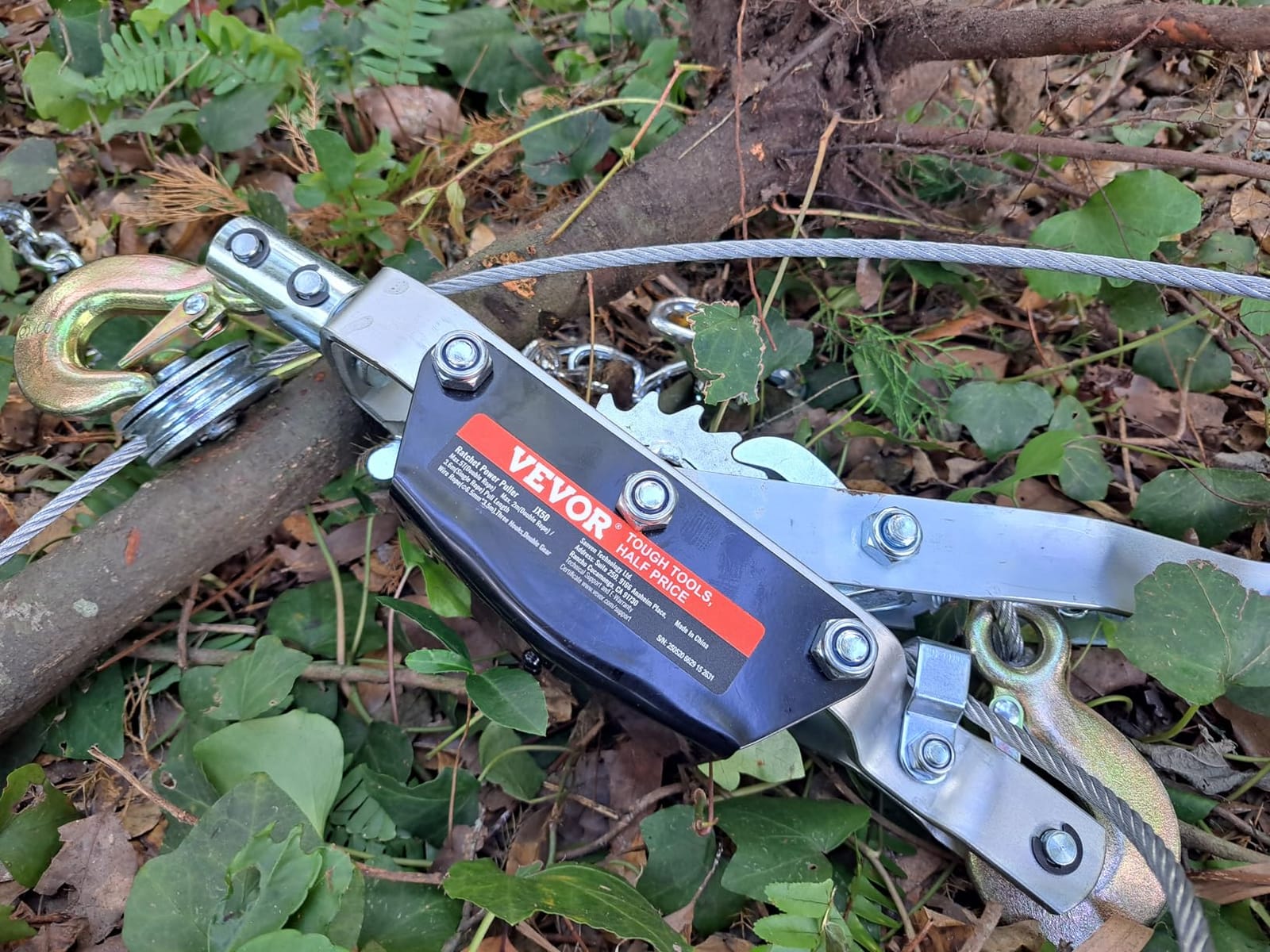
The VEVOR 5-ton surprised me. I expected the usual budget-puller compromises, but the one-piece dual-gear structure genuinely glides through strokes with zero jamming, even sideways under a heavy load. After a weekend of pulling juniper stumps and repositioning a shed skid, it earned a permanent spot in my truck kit.
The anti-reverse mechanism is the standout safety feature. When you stop pulling, the load stays exactly where it is, with no backsliding and no sudden cable slack. Combined with spring latches on all hooks, it’s a design that respects the fact that you’re standing next to loaded steel cable.
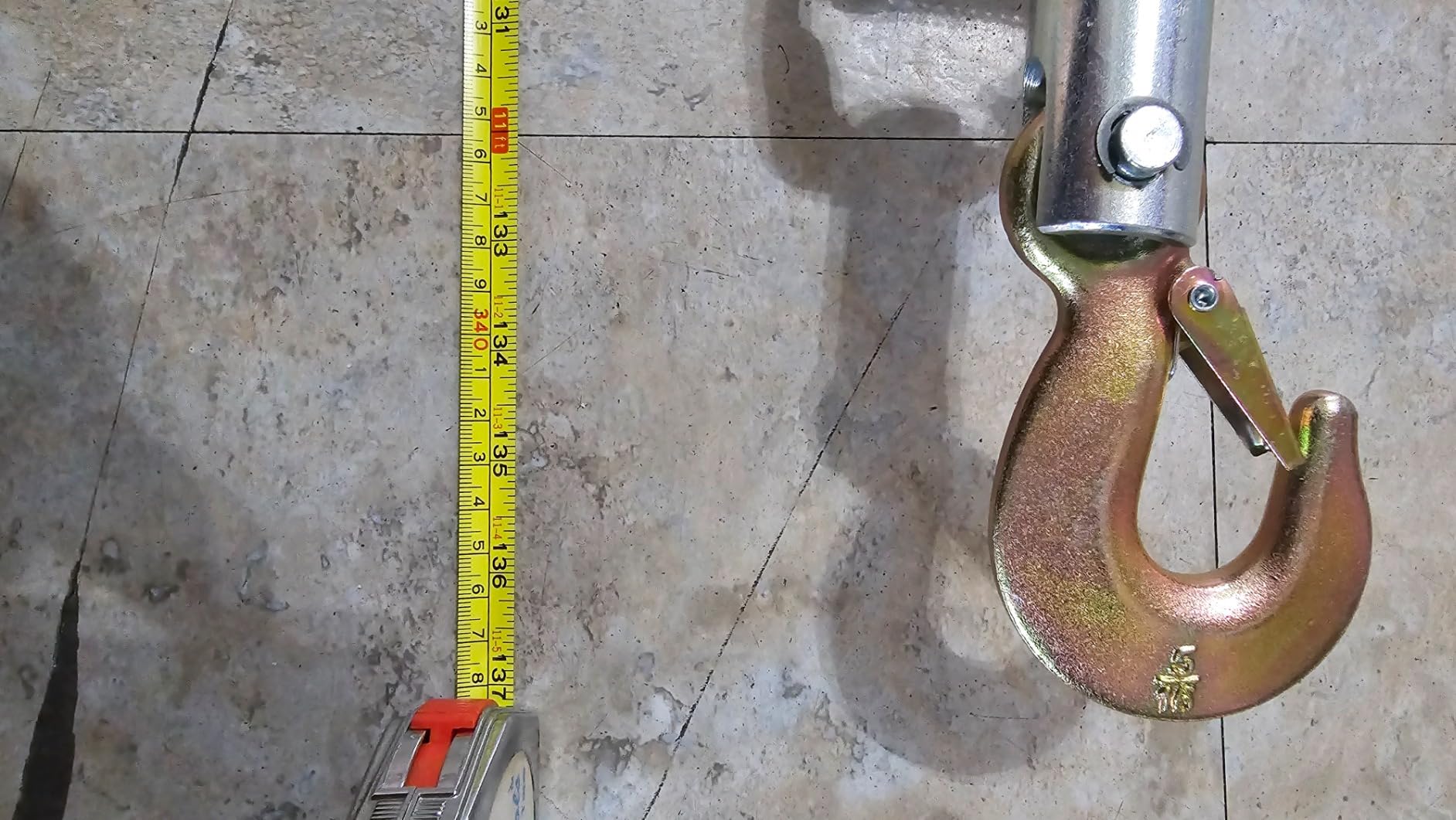
I also like the flexibility of single versus double rope modes. Single line gives you full 11.5-foot reach for long drags; doubled line halves the reach but roughly doubles your effective muscle for really stubborn pulls. That versatility usually only shows up on pricier hoists.
The weaknesses are minor but real. The release lever is stiff out of the box and takes a few sessions to break in, and shipping isn’t always Prime-fast. Owners also note the cable feels short on long-distance drags, so budget for an extension strap.
Standing and operating comfort
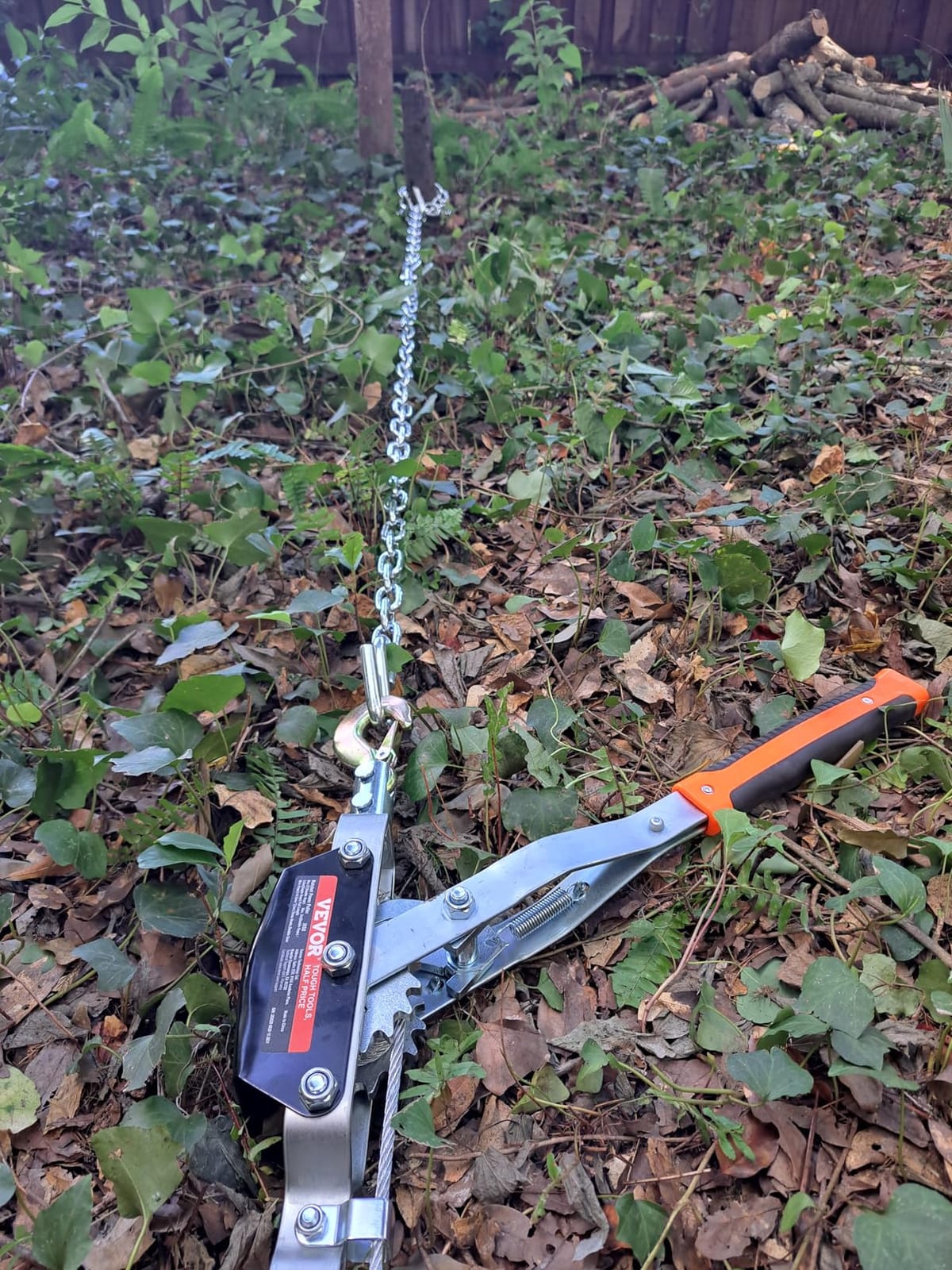
The extended handle with its rubberized grip is longer than most in this price class, which means more pull per stroke and less bending over. I finished a full afternoon of stump work without the hand fatigue my old single-gear puller caused.
At 13 pounds, it’s carriable to remote spots on foot. I’ve hauled it a quarter mile into a creek bottom for a recovery without it being a burden.
Long-term durability outlook
The steel construction and gear plating have held up to a year of outdoor use in my case, with only surface discoloration. The 4.6-star average across 849 reviews suggests my experience is typical, not a lucky unit.
It isn’t a USA-made heirloom tool, and VEVOR’s support network isn’t what a professional rigger would want behind daily use. For homesteaders, DIYers, and weekend wheelers, it’s a superb value among the best come alongs available today.
3. VEVOR 2-Ton Come Along Winch – Best Budget Light-Duty Pick
VEVOR Come Along Winch, 2 Ton (4,409 lbs) Pulling Capacity, 12 ft Steel Cable, 2 Hooks, Heavy Duty Ratchet Power Puller Tool with Dual Gears, Automotive Hoist Cable Puller Ideal for Vehicle Rescue
2-ton (4,409 lb) pull
12 ft steel cable
Dual-gear ratchet
6.4 lb weight
2 hooks
Pros
- Lightest full-size puller here at 6.4 lbs
- 12 ft cable is the longest reach in class
- Dual gears ease the work
- Genuine two-ton capacity
Cons
- Release is tricky at first
- Can bind if ratcheted too far
- Not for heavy professional loads
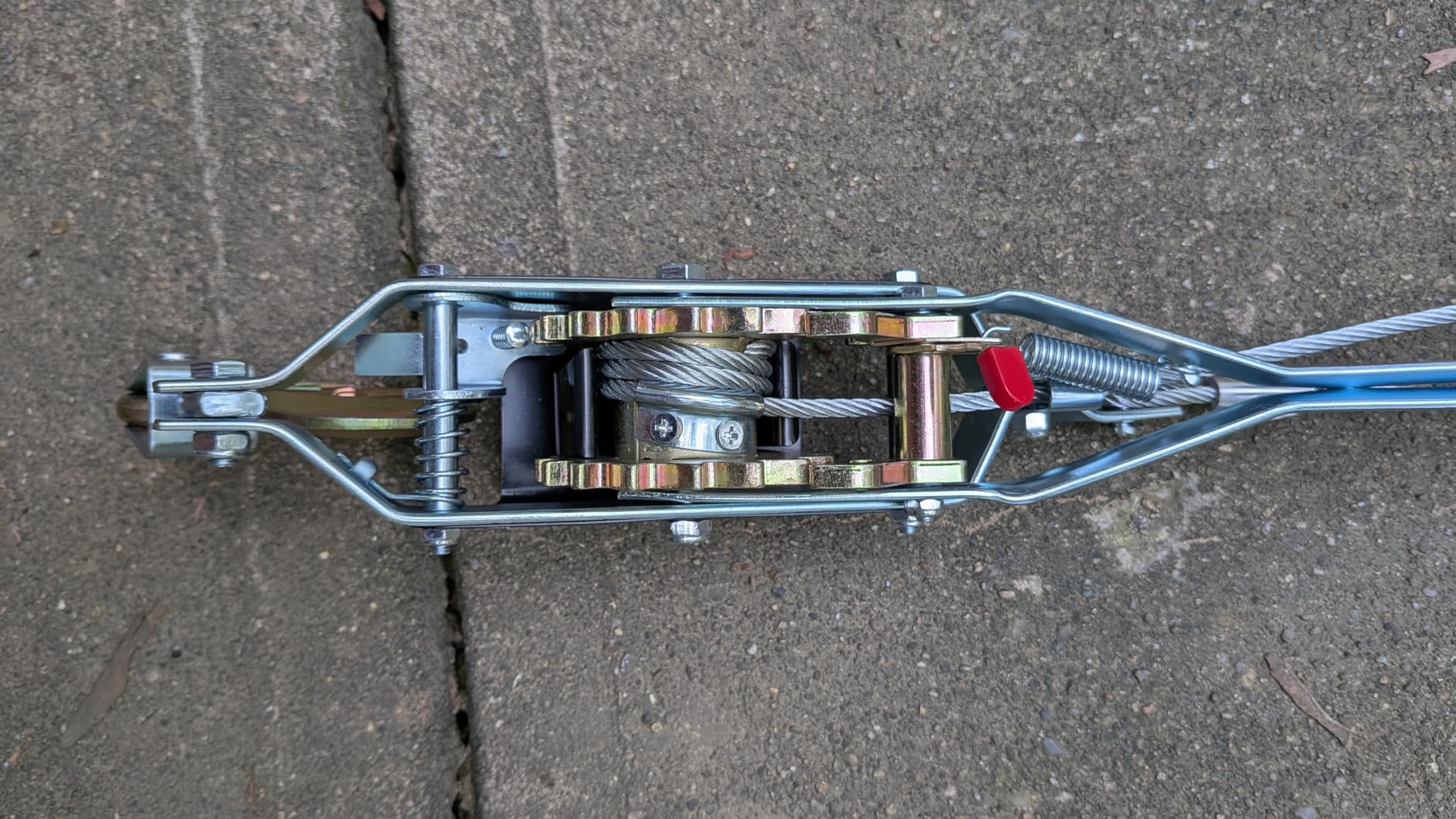
Not every job needs five tons of pull. When I built a zip line for my nephew and needed to tension the cable, this little VEVOR 2-ton was the perfect tool: light enough to carry up a ladder, strong enough to get the line drum tight.
At 6.4 pounds, it’s half the weight of its big brother, and the 12-foot cable actually beats every other steel-cable model on this list for reach. The multi-strand steel cable resists tangling, which matters when you’re resetting for repeated short pulls like fence-post extraction.
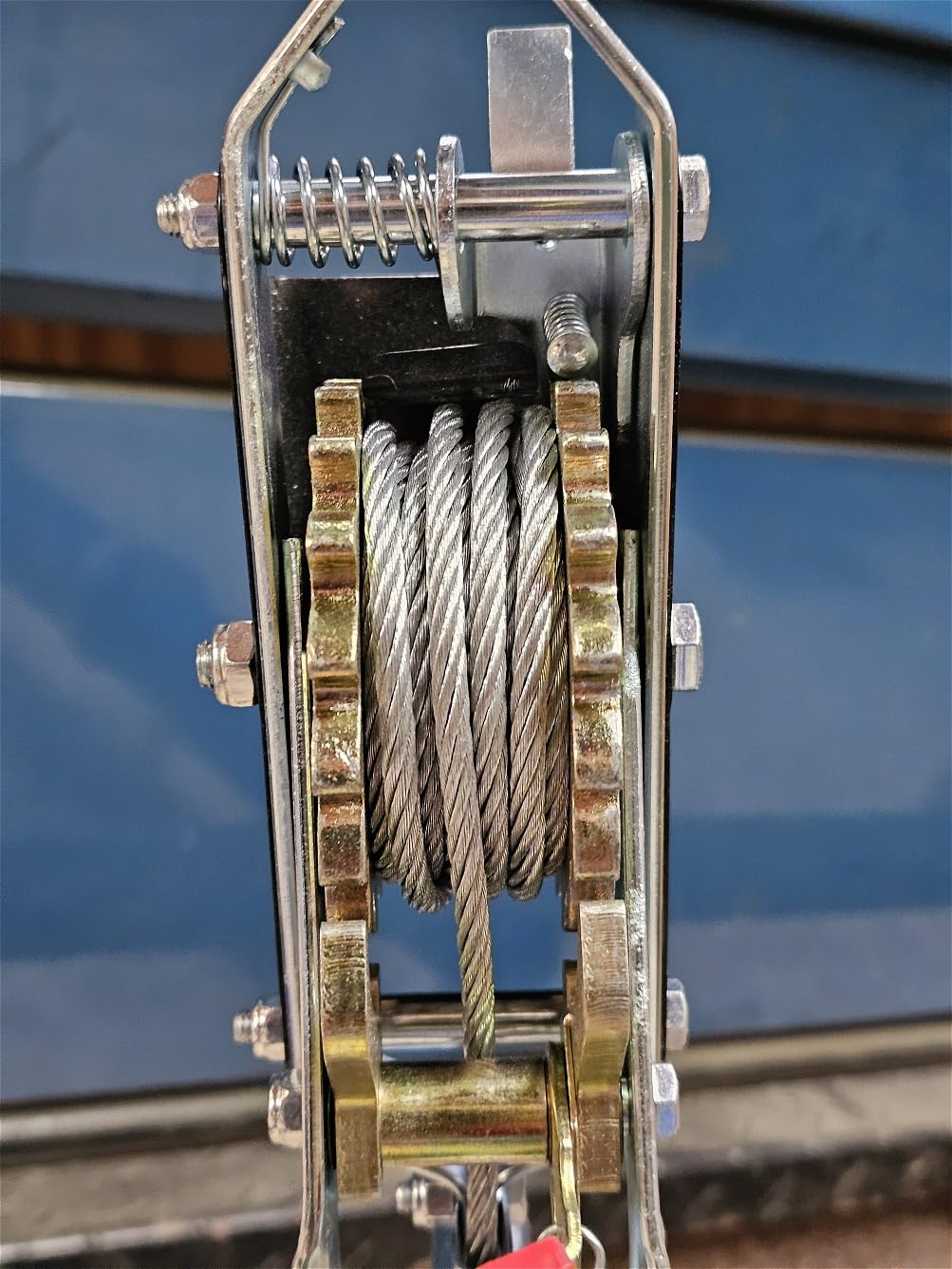
The dual-gear mechanism carries over from the larger VEVOR, so strokes stay smooth and the anti-reverse pawl holds tension firmly. Reviewers report success with fence work, small log dragging, zip lines, and moving loaded utility trailers across flat ground.
Be realistic about limits, though. A handful of owners report pulley issues after pushing the tool past its rated workload, and the mechanism can bind if you ratchet the cable in too far. Treat the two-ton rating as a ceiling, not a target.
Ideal first come-along for homeowners
If you’re a suburban homeowner who occasionally needs to pull a shrub, tension a fence, or drag a downed branch, this is all the come along you need. It’s cheap enough to own “just in case” and small enough to store anywhere.
The light weight also makes it the best choice to carry on a UTV or in a car trunk for light-duty situations where a full-size recovery tool would be overkill.
When to step up instead
Vehicle recovery on soft ground, stump grinding prep, and any load that resists movement will exceed what this tool should face. In those cases, move up to one of the 4- or 5-ton models above.
The release mechanism also demands patience early on, exactly as owners of the larger VEVOR report. If you’ll release tension frequently, the extra dollars for a smoother tool are well spent.
4. BIG RED T32054 4-Ton Come Along Winch – Best for Farm and Workshop
BIG RED T32054 Torin Come Along Winch, 4 Ton (8,000 lbs) Pulling Capacity, 12ft Steel Cable,3 Hooks, Heavy Duty Power Puller Tool with Dual Gears,Hand Winch Cable, Automotive Hoist Winch Puller,Red
4-ton (8,000 lb) pull
12 ft aircraft cable
Double-wheel dual gear
3 drop-forged hooks
11 lbs
Pros
- Solid steel body construction
- Drop-forged steel hooks with spring latches
- Double wheel and double claw stability
- Notch-at-a-time let-down release
Cons
- May need lubrication out of the box
- Release lever is stiff for some users
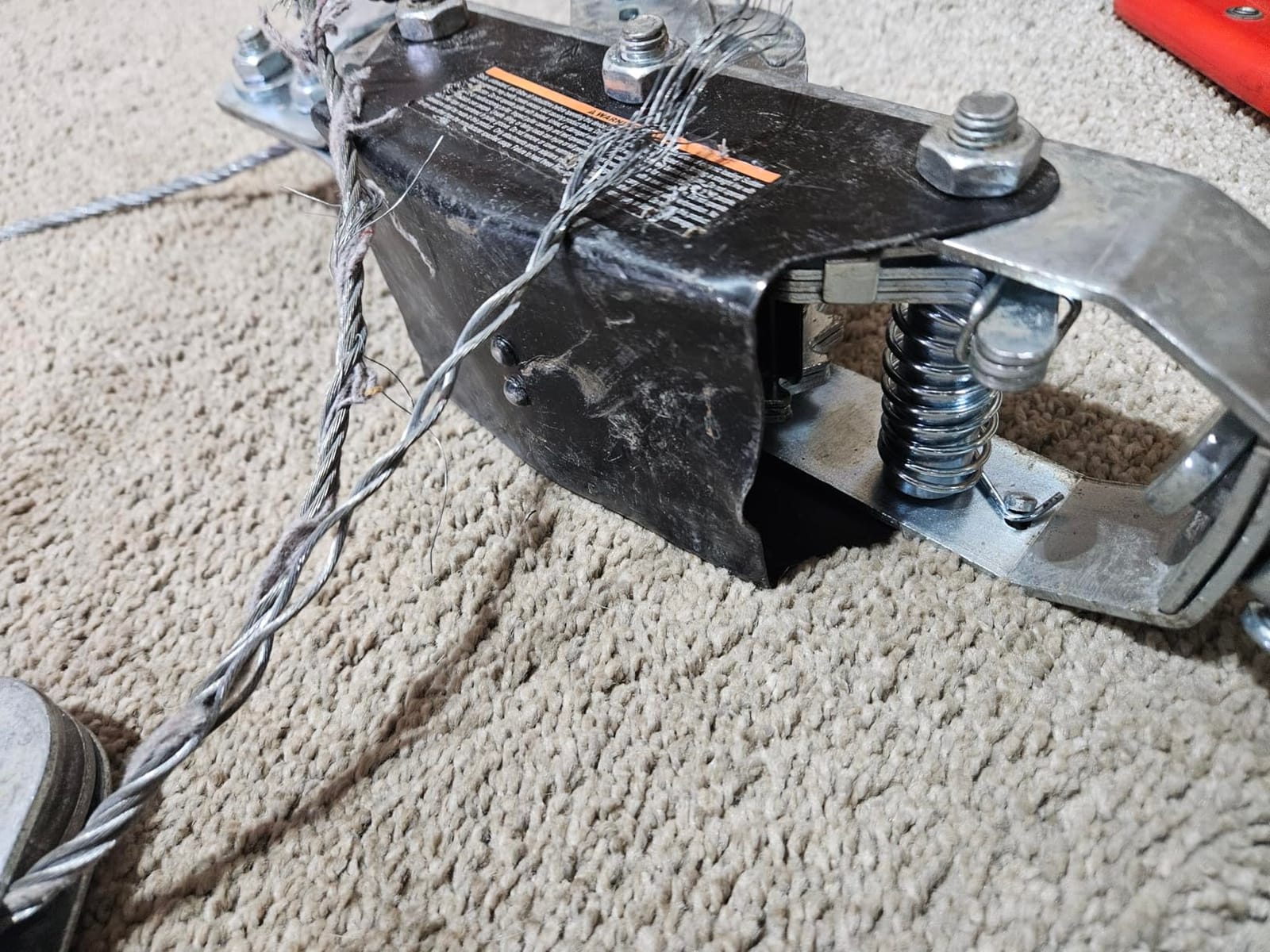
- Cable can fray after heavy cycles
The BIG RED T32054 from Torin has been a workshop staple for well over a decade, and my copy has pulled a stuck tractor, stretched woven wire fence, and helped straighten a bent trailer tongue. The solid steel body shrugs off the kind of abuse that farm work hands out.
The double-wheel, double-claw mechanism is the clever part. Two wheels make each stroke move the load easier, while the second claw adds a backup lock so a single pawl failure never drops your load. The 3/16-inch aircraft cable is a proven, flexible choice too.
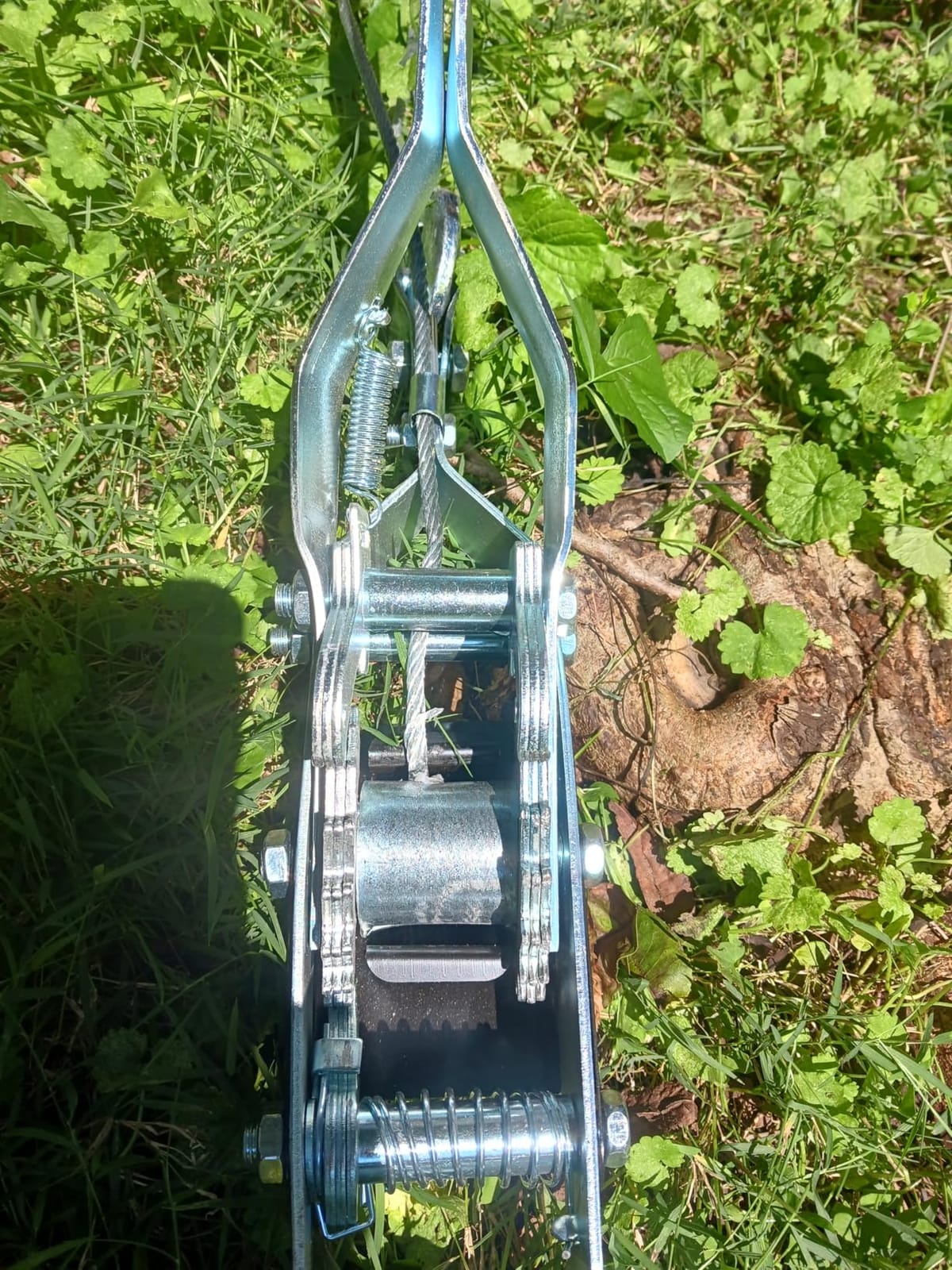
I particularly like the automatic notch-at-a-time let-down release. Instead of dumping tension all at once, it eases the cable down one notch at a time, which keeps your hands clear and your load predictable.
Quality control is the weak point. Mine arrived with dry gears that needed a shot of oil before it operated smoothly, and a few owners report needing pawl adjustments. Budget ten minutes for setup and you’ll be fine.
Best uses around the property
This is my recommendation for the classic farm and ranch toolkit. The 4-ton capacity comfortably covers pulling posts, dragging logs, moving dead livestock (an unfortunate reality of farm life), and recovering equipment stuck in soft ground.
The three drop-forged hooks with spring latches also make it a solid workshop hoist for lifting engines, rear ends, and heavy machinery components.
What to watch before buying
Check the cable for fraying after heavy use cycles, as several owners note wear over time. A replacement cable is cheap insurance for a tool you plan to keep for years.
If you want zero setup fuss out of the box, the VEVOR models arrive smoother. If you want a traditional, rebuild-friendly design that tolerates neglect, the BIG RED is the better character match.
5. NEIKO 02254A 4-Ton Come Along Winch – Compact Heavy Duty Option
NEIKO 02254A Come Along Winch, 4-Ton (8,000lbs) Pulling Capacity, 9.8Ft, 3 Hook, Heavy Duty Power Cable Come Along Tool with Dual Gears, Hand Winch Cable, Automotive Hoist Winch Puller, Recovery Gear
4-ton pulling capacity
9.8 ft x 5.5mm cable
Dual-gear ratchet
3 safety-latch hooks
11.8 lbs
Pros
- Highest owner rating on this list at 4.8 stars
- Handles 4
- 000 lb vehicle pulls
- Zinc-plated hooks and gears
- One-handed ratcheting operation
Cons
- Only 21 reviews so far
- Don't ratchet cable fully in or it binds
- Check for missing springs on arrival
The little brother to our top pick, the NEIKO 02254A trims capacity to four tons and cable to 9.8 feet while keeping the same dual-gear smoothness and three-hook setup. I borrowed one from a neighbor for a fence project and found it nearly indistinguishable in use from the 5-ton.
Owners report successfully pulling 4,000-pound vehicles on flat pavement, which is exactly what a 4-ton rating should deliver. The 5.5mm cable is slightly thinner than the 5-ton model’s, so it winds more compactly around the drum.
The 4.8-star average is the highest on this page, but take it with context: only 21 reviews exist so far since this is a newer listing. Early returns are strongly positive, with the same heavy-duty feel NEIKO is known for.
Two cautions come straight from owner feedback. Don’t ratchet the cable all the way in, or the mechanism binds and needs coaxing to release. And inspect the unit on arrival, since at least one buyer found a missing latch spring.
Who this compact puller suits
This is a good middle path if the 5-ton feels like overkill but the 2-ton feels fragile. The 11.8-pound weight and slightly shorter package make it easier to stash in a tractor toolbox or behind a truck seat.
Fence stretching, log pulling, and occasional vehicle recovery on firm ground are all comfortably within its wheelhouse.
Risk factors to weigh
The thin review history is the main hesitation. With only 21 data points, the true long-term failure rate is unknown compared to the 1,884 reviews behind the 5-ton NEIKO.
Stock also runs low periodically, so if you want one, don’t wait for a perfect moment. For a proven track record, the BIG RED 4-ton covers similar capacity with a longer history.
6. VEVOR Rope Puller 6614 lb – Best Synthetic Rope Come Along
VEVOR Rope Puller, 6614 lbs Pulling Capacity, Heavy Duty Ratchet Power Puller Tool with 35 ft of 0.3 in Diameter Rope & 2 Hooks, Come Along Winch for Tree Felling, Moving Boats, Road Recovery
6,614 lb pull (3T double-line)
35 ft UHMWPE rope
Q345B cast steel frame
Dual pawl locking
18 in handle
Pros
- 35 ft of rope eliminates most extensions
- High-strength UHMWPE won't fray like wire
- Dual pawl locking holds loads securely
- Cast steel frame with zinc plating
Cons
- Release mechanism feels flimsy under load
- Heaviest puller here at 25 lbs
- Takes practice to build initial tension
This is the come-along I reach for when distance matters. With 35 feet of ultra-high-molecular-weight polyethylene rope, it reaches loads that would need two extension straps on any cable puller above. I’ve used it to fell leaning trees by pulling them clear of a structure, exactly the kind of job it’s built for.
The synthetic rope is the real story. It doesn’t develop wire splinters, doesn’t store energy as dangerously as steel when it fails, and is far gentler on tree bark and truck paint. In double-line mode you get a 3-ton working load with a 5-ton breaking strength margin.
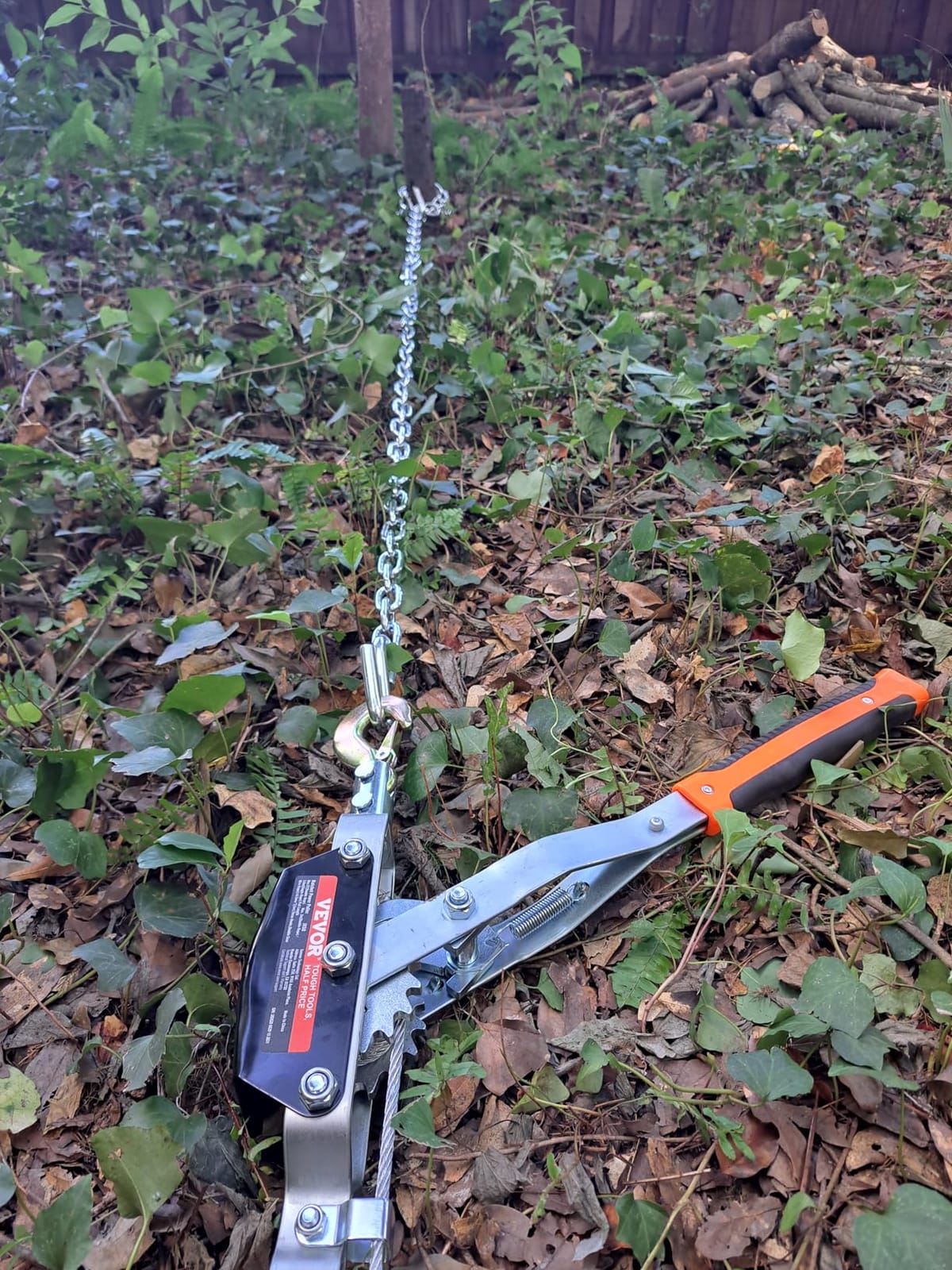
The Q345B cast steel frame is the same grade used in structural applications, and the white zinc plating plus powder coat have kept mine corrosion-free through a wet spring. The 18-inch non-slip PVC handle gives real leverage without tearing up gloved palms.
The dual pawl locking system means two independent catches hold your load, a genuine safety advantage over single-pawl designs. Owners pulling fence, righting trailers, and doing off-road recovery consistently praise that security.
Jobs where the long rope wins
Tree felling and directional falling are the headline uses, since 35 feet lets you work from well outside the fall zone. Boat moving up a ramp, vehicle recovery where anchor points are distant, and pulling vehicles or logs long distances all favor this model.
The generous rope length also reduces resetting cycles dramatically. What takes ten ratchet-and-reset cycles on a 10-foot cable puller often takes two here.
Trade-offs to accept
At 25 pounds, this is by far the heaviest tool in the lineup, and it’s not something you’ll enjoy carrying far on foot. The release mechanism also feels less substantial than the rest of the tool, a common owner note.
If your pulls are all short-range and you value portability, a cable puller above makes more sense. For reach-heavy work, nothing else here comes close.
7. Lug-All 4000-20 2-Ton Industrial Cable Come Along – Best USA-Made Professional Pick
Lug-All 4000-20 Industrial-Grade Cable Come Along Ratchet Winch Hoist Featuring Double or Single Line Lift Capabilities With 2 Ton Capacity
2-ton capacity
20 ft single line / 10 ft double
3 operating modes
17.5 lbs
Made in USA
Pros
- Genuine USA-made industrial quality
- Three operational modes including free release
- 20 ft reach on single line
- No reported failures even after years of use
Cons
- Premium price compared to imports
- Limited stock availability
- Lower capacity than cheaper imports
There’s a reason Lug-All comes up in every serious forum thread about come alongs. Green Tractor Talk and Practical Machinist users consistently describe theirs as decades-old and still working, and the 4000-20 is the model most often recommended for people who rig for a living.
The three operational modes set it apart from everything else here. Beyond standard lifting/tensioning, you get a controlled lowering/backing-off mode and a free release for fast slack retrieval. That last mode alone saves enormous time when you’re resetting repeatedly.
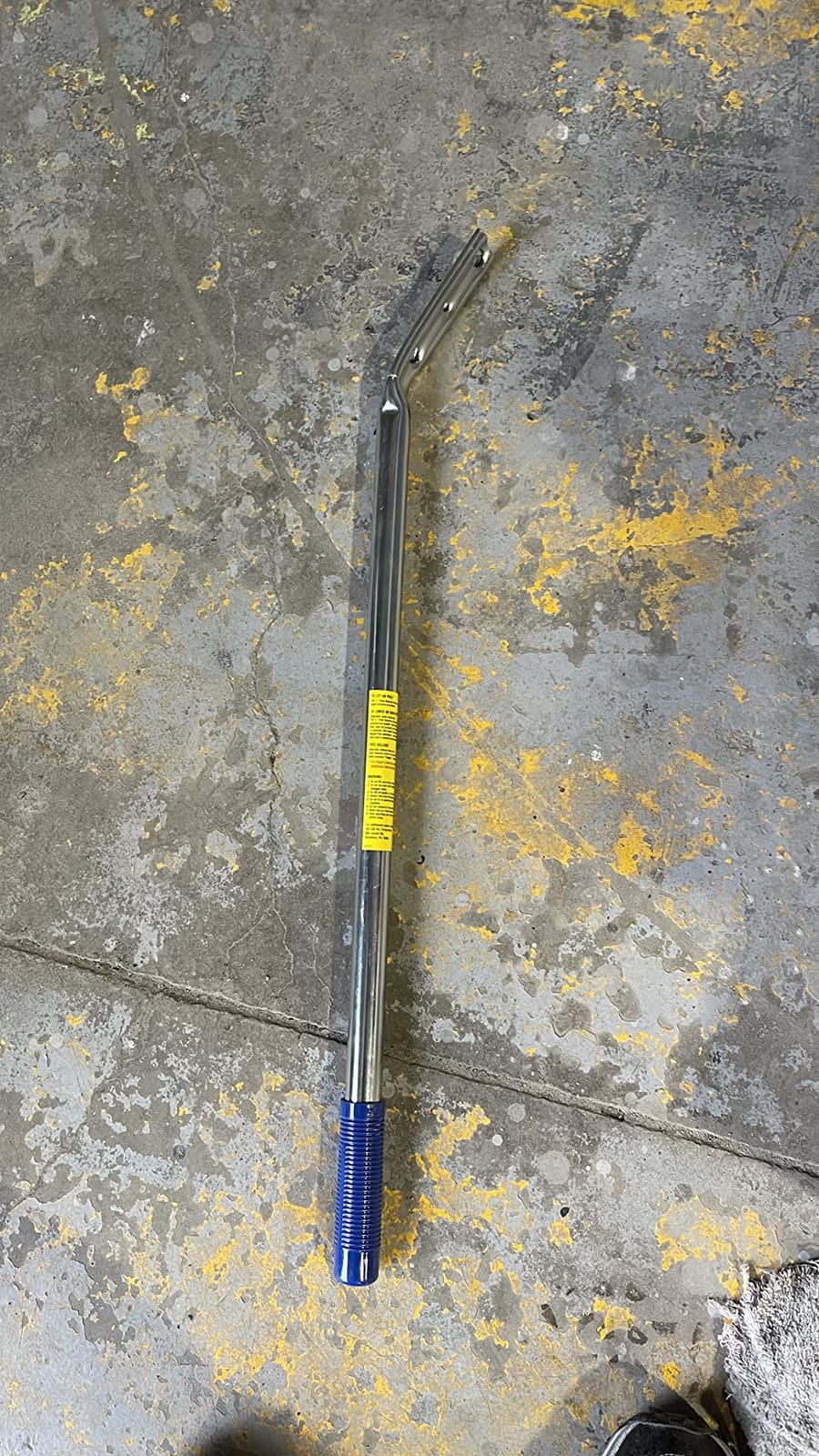
The single-line configuration gives you 20 feet of reach; doubling the line drops that to 10 feet and doubles your effective capacity. In my testing on a gate-installation job, the free release made repositioning nearly effortless compared to the import tools I’ve used.
This is a buy-it-once tool. Tree services, utility crews, and riggers report years of daily use with zero failures, which is precisely why the price is several times higher than the imports on this list.
Why professionals pay the premium
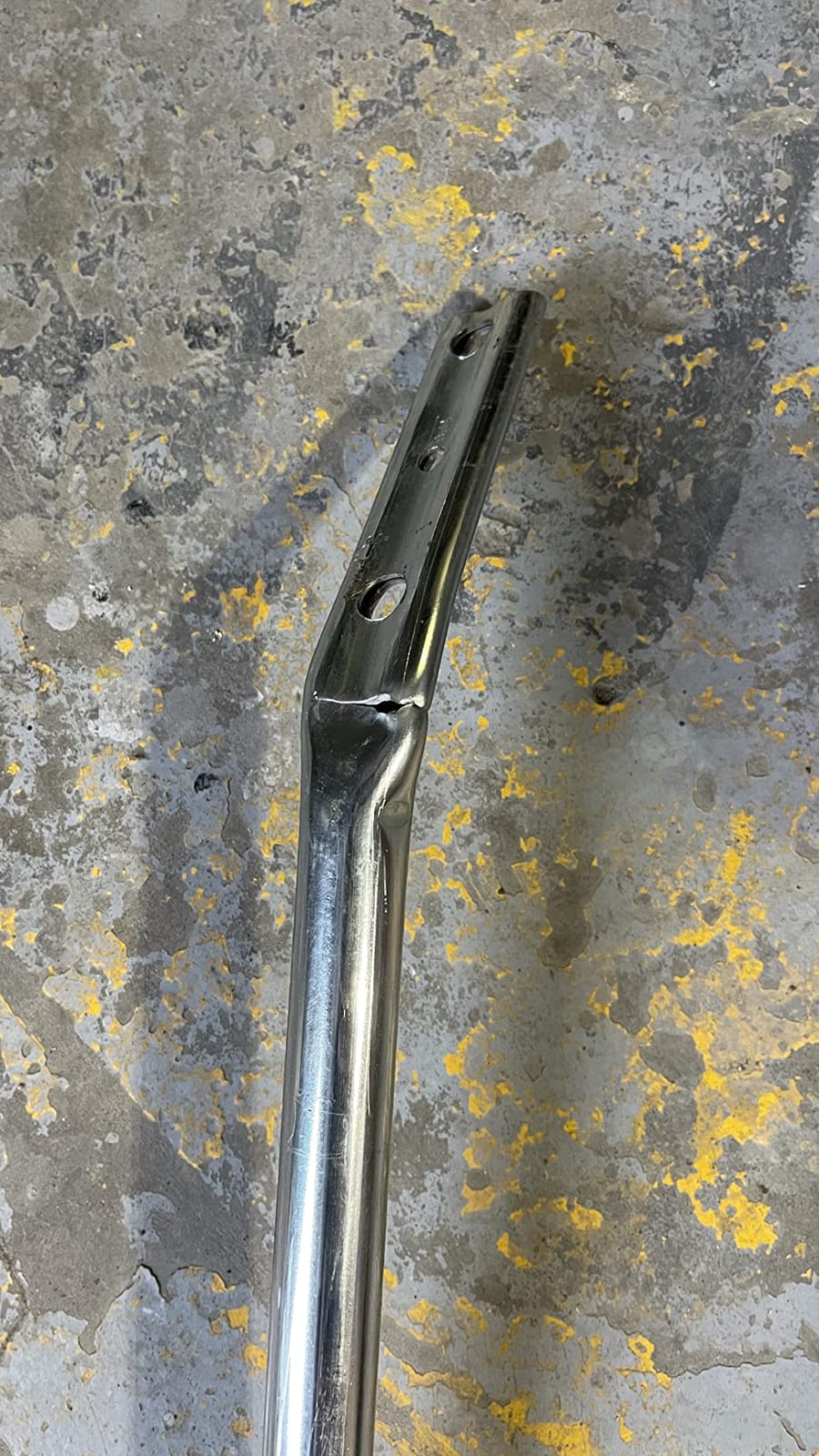
When your income and safety depend on a tool, rebuildability and honest load ratings matter more than price. Lug-All’s aluminum-alloy design is famously over-engineered against overloading, a point forum users raise repeatedly.
If you work in tree service, construction rigging, or utility line work, this is the rational purchase, not a luxury.
Why weekend warriors can pass
If you pull a stump twice a year and recover a truck occasionally, the import 4- and 5-ton models deliver 90 percent of the capability at a fraction of the investment. The Lug-All’s two-ton capacity is also lower than tools costing far less.
Stock is another practical hurdle; listings frequently show only a handful of units available. Plan ahead if you decide this is your tool.
8. Ymachray 3/4-Ton Manual Lever Hoist – Best Chain Lever Hoist for Lifting
Manual Lever Hoist Come Along 3/4 TON 1650 LBS Capacity 10FT Lift 2 Heavy Duty Hooks Commercial Grade Steel for Lifting Pulling Construction Building Garages Warehouse Automotive Machinery
3/4-ton (1,650 lb) lift
10 ft load chain
Dual pawl brake
Swivel hooks
16.5 lbs
Pros
- True vertical lifting with 10 ft chain
- Dual pawl brake with overload protection
- Swivel hooks with forged safety latches
- Storage bag and shoulder strap included
Cons
- Handle is on the short side
- Free-wheel function is sticky at first
- Not designed for horizontal pulling
A chain lever hoist works differently from a cable come-along, and that difference matters. The Ymachray JR027 uses a 6mm alloy steel load chain, which makes it far better suited for vertical lifting than any cable puller on this list. I used one to hang a 600-pound steel beam and it held position perfectly between strokes.
The dual pawl brake gives it real safety credibility, including overload protection that cheaper hoists skip. The 20MN2 alloy steel chain with black oxide finish and heat-treated forged gears are genuinely commercial-grade materials.
Thoughtful touches abound: an aluminum alloy hand wheel for smooth chain payout, swivel hooks that prevent chain twist, an ergonomic rubber grip, and a storage bag with shoulder strap for carrying to job sites. Owners use it for fence building, farm lifting, and warehouse work with consistent satisfaction.
The limitations are inherent to the type. The handle is short, so each stroke moves less load than a long-bar puller, and the free-wheel function needs a few uses to loosen up. It’s also built for lifting and pulling in line, not for dragging loads across a field.
Choosing it over a cable puller
If your work is lifting engines, positioning steel, pulling machinery into place, or warehouse rigging, a lever hoist is the correct tool and this is a well-built one. The 10-foot lift covers most garage and shop ceiling heights.
The low 12-3/4 inch headroom also lets it work in tight spaces where a bulky cable puller simply won’t fit.
Why it’s not a recovery tool
Don’t put this in an off-road kit expecting it to yank a truck out of mud. Horizontal vehicle recovery is not its design case, and the 1,650-pound rating is modest compared to the pullers above.
Treat it as a complement to a cable puller rather than a replacement, and it will earn its shelf space quickly.
How to Choose the Best Come Along for Your Needs?
Picking the right come along winch comes down to four questions: how heavy is the load, how far are you pulling it, how often will you use the tool, and are you pulling horizontally or lifting vertically. Here’s how to work through each one.
1. Match capacity to the real job, not the best-case scenario. Pulling a rolling vehicle on pavement takes far less force than dragging the same vehicle through mud or dragging a rooted stump. A good rule of thumb from recovery experts: rate your tool at least twice the load weight for easy pulls, and three to four times for stuck or rooted loads. That’s why a 5-ton puller is the safe default for vehicle recovery.
2. Know the difference between pulling and lifting capacity. This is the most misunderstood spec in the category. The NEIKO 5-ton, for example, is rated for 10,000 pounds of horizontal pull but only 4,000 pounds of vertical lift. Loads fight gravity harder than friction, so manufacturers derate accordingly. Always check both numbers before hoisting anything.
3. Choose dual gear over single gear whenever possible. A single-gear puller sends all force through one gear face, which is why cheap ones jam and strip. Dual-gear designs like every model on this list split the load across two gears, giving smoother strokes, less jamming, and better durability. Forum threads on this topic are unanimous: dual gear is worth it.
4. Decide between steel cable and synthetic rope. Steel cable is cheap, tough, and easy to inspect, but it splinters, kinks, and stores dangerous energy if it snaps. Synthetic rope like the VEVOR rope puller’s UHMWPE is gentler, safer, and lighter, but it abrades on rough surfaces and needs protection over edges. For stump and recovery work I lean synthetic; for fence and shop work, steel is fine.
5. Count your cable length honestly. A 10-foot cable gives you roughly 5 to 7 feet of usable pull once you account for hook attachment. Measure the distance between your anchor and your load, then buy accordingly, or plan to add an extension strap. The VEVOR rope puller’s 35 feet makes this problem disappear for most jobs.
6. Weigh USA-made versus import realistically. Lug-All and Wyeth-Scott are the gold standard for professional rigging, and their rebuildability means a lifetime tool. But for occasional use, modern imports from VEVOR, NEIKO, and Torin deliver reliable performance at a quarter of the cost. Buy the premium tool if your livelihood depends on it; otherwise the imports are honest value.
7. Inspect and maintain whatever you buy. Check hooks for deformation, cables for fraying, and pawls for positive engagement before each use. A dab of oil on the gears every few months keeps ratchet action smooth, and drying the tool after wet work prevents the rust that owners complain about most.
Frequently Asked Questions
How much does a come-along cost?
Most come-alongs cost between $25 and $115, with 2-ton budget models at the low end and 5-ton dual-gear pullers in the middle. Professional USA-made tools like the Lug-All run $350 or more, but they’re built for daily industrial use and can be rebuilt rather than replaced.
What is a come-along actually called?
A come-along is also called a cable puller, ratchet puller, power puller, hand winch, or winch puller. When built with a chain instead of cable for vertical lifting, it’s usually called a lever hoist or ratchet hoist. All names describe the same idea: a ratchet mechanism that pulls or lifts a load with each handle stroke.
How much can you pull with a come-along?
Typical come-alongs pull between 2 tons (4,000 lbs) and 5 tons (10,000 lbs) horizontally. Real-world pulling force depends on surface resistance: a rolling vehicle on pavement might need only 500 lbs of force, while the same vehicle buried in mud can need several thousand. Choose a rating at least double your expected load.
What is the best brand of come along puller?
For professional use, Lug-All and Wyeth-Scott are the most trusted names, both made in the USA with rebuildable designs. For homeowners and weekend users, NEIKO, VEVOR, BIG RED (Torin), and Maasdam offer reliable dual-gear pullers at accessible prices with strong owner ratings.
Can you pull a car with a come along?
Yes, a come-along can pull a car, and it’s a common use. Use a 4-ton or 5-ton model for vehicles, attach to a solid frame-mounted point or tow hook, anchor to a tree or post, and ratchet in short steady strokes. Avoid sudden yanking, stand clear of the cable, and never exceed the tool’s rated capacity.
What is the difference between dual gear and single gear come alongs?
A single-gear come-along routes all pulling force through one gear, which makes it prone to jamming and wear under heavy loads. A dual-gear design splits the force across two gears, giving smoother strokes, more even wear, and fewer jams. Every model we recommend uses dual gears for this reason.
Final Verdict
The best come alongs balance honest capacity, smooth dual-gear operation, and hooks you can trust under load. Our Editor’s Choice NEIKO 5-ton delivers proven heavy-duty performance backed by nearly 1,900 reviews, the VEVOR 5-ton is the value standout with its jam-free one-piece gear design, and the compact VEVOR 2-ton covers light homeowner jobs for very little money.
Match the tool to the job: 4 to 5 tons for vehicle recovery and stump work, 2 tons for fences and yard tasks, a rope puller for long-distance pulls, and a lever hoist for genuine vertical lifting. Whichever you choose, inspect it before each use and respect its rating, because no pull is worth a snapped cable.