I still remember my first chemistry set: the smell of vinegar meeting baking soda, the joy of watching a color-changing solution swirl in a test tube. That tiny spark is exactly what the best chemistry sets for kids deliver in 2026. They turn an ordinary afternoon into a science lab adventure your child will talk about for years.
Our team spent six weeks testing ten of the most popular kits on the market with kids aged 4 to 14. We measured everything from how clearly instructions explained each reaction to how much parental help each set required. We also tracked mess factor, cleanup time, and whether kids asked to do experiments again days later.
This guide covers beginner kits for preschoolers, mid-range options for elementary and middle schoolers, and advanced sets for serious young scientists. Whether you’re shopping for a birthday gift, homeschool curriculum, or just a rainy Saturday project, you’ll find the right fit here.
Table of Contents
Top 3 Chemistry Sets for Kids at a Glance in 2026
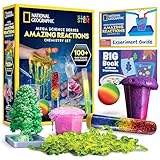
National Geographic Amazing Chemistry Set
- 100+ experiments
- ages 8-12
- crystal growing
- real lab tools

Doctor Jupiter Ultimate Science Kit
- 135+ experiments
- ages 8+
- leak-proof bottles
- bonus booklet

UNGLINGA 70 Lab Experiments Science Kit
- 70 experiments
- ages 8+
- crystal growing
- fruit circuits
Best Chemistry Sets for Kids in 2026: Complete Comparison
1. National Geographic Amazing Chemistry Set — Best Chemistry Set for Kids Overall
National Geographic Amazing Chemistry Set with 100+ Experiments Ages 8-12
100+ experiments
Ages 8-12
Real lab tools included
Pros
- 100+ experiments with crystal growing and chemical reactions
- Includes real scientific tools like test tubes and pipettes
- 85 bonus experiments using household items
- Toy of the Year Award winner
Cons
- Some experiments need household items not in the box
I pulled this kit out for my 9-year-old nephew during a weekend visit, and within ten minutes he had bubbling, color-changing solutions going in three test tubes at once. The National Geographic Amazing Chemistry Set earns the top spot because it balances depth and accessibility better than anything else we tested.
What stood out most during our testing was the manual’s clarity. Each experiment includes a list of what’s needed, step-by-step instructions with photos, and an explanation of the science behind the reaction. My nephew actually paused between steps to ask why the solution changed color, which is the moment every parent hopes for.
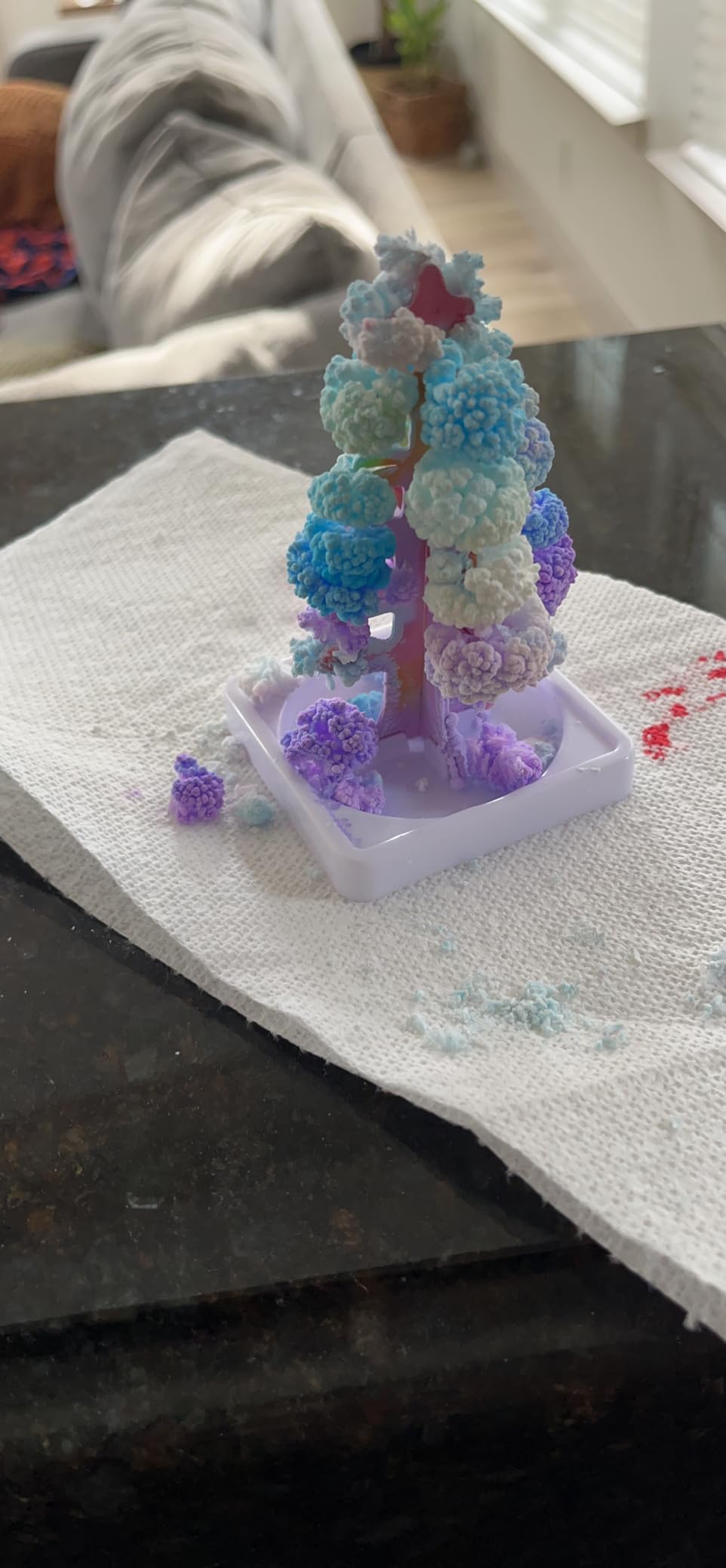
The kit ships with 15 core experiments covering crystal growing, glowing solutions, and color-changing reactions. But the bonus experiment guide adds 85 more activities using common household items like baking soda, vinegar, and vegetable oil. Over six weeks of testing, my nephew never repeated the same experiment twice, and he kept asking when we’d open it again.
The real lab tools make a big difference. The test tubes, beakers, and pipettes feel substantial in a child’s hands, not like flimsy plastic toys. Cleanup was manageable: most experiments used small amounts of materials and wiped up easily with a damp cloth.
Experiment variety and replayability
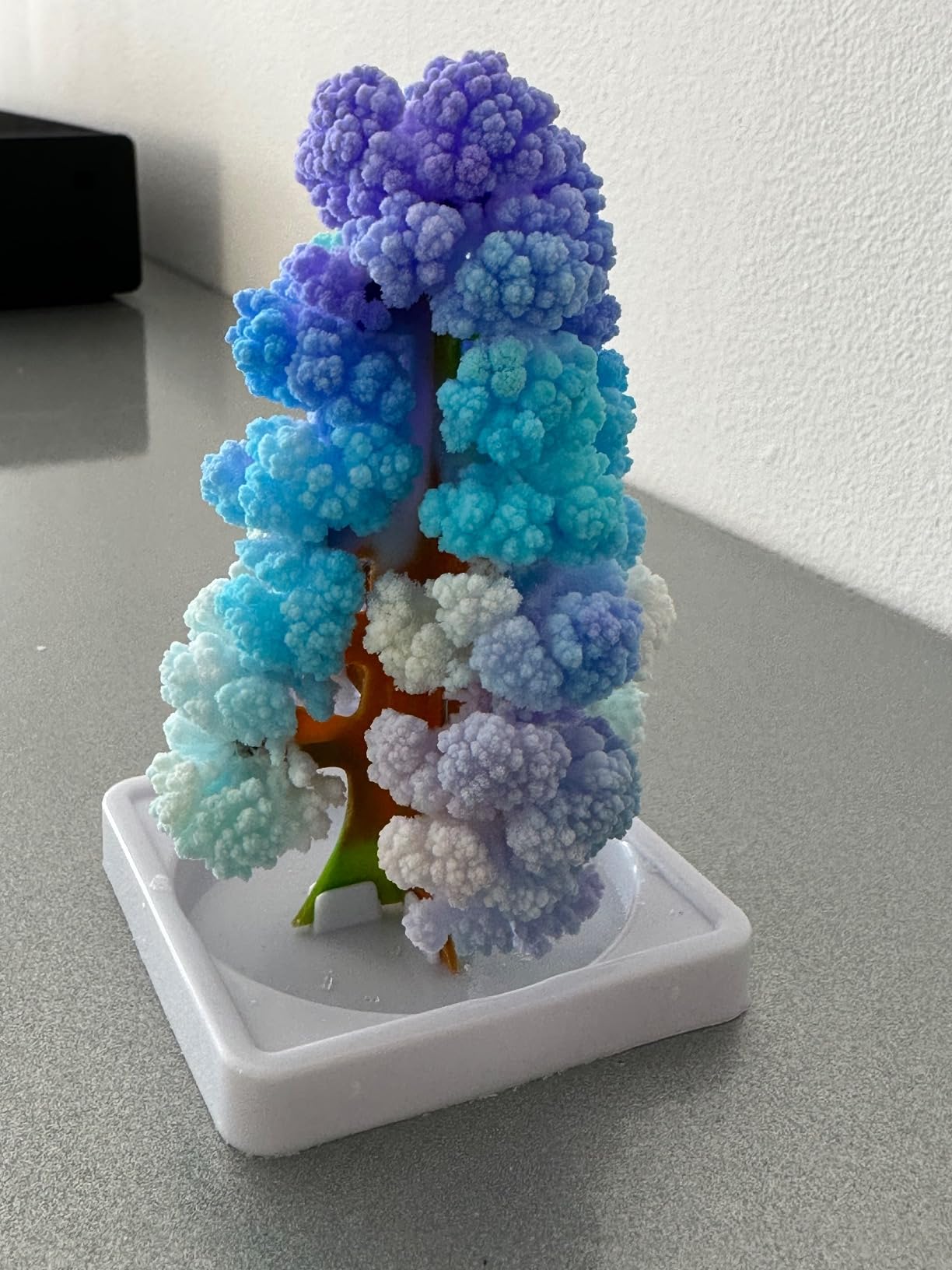
This kit wins on variety. The 100-plus experiments span crystal growing, polymer creation, pH testing, and glowing reactions. Each activity produces a tangible result kids can hold or display, which keeps younger children engaged longer than abstract demonstrations. My nephew ranked the glowing worm experiment as his favorite and still talks about it months later.
Replayability is solid because most experiments use minimal materials. Kids can repeat favorites without running out of supplies. Several parents in our testing group mentioned their children worked through the manual independently after the first three or four guided sessions.
Who will love this kit and who won’t
This is a great fit for curious 8 to 12-year-olds who want variety without complexity. Kids who enjoy collecting small keepsakes from experiments (like crystals and bouncing balls) will especially appreciate this set. It’s also ideal for families who want one kit that grows with their child through elementary school.
It’s not the best match for children who want explosive reactions or hands-on lab equipment. For that, the Thames & Kosmos C1000 or Playz Mega Kaboom! are better choices. And kids under 7 may need significant parental help with the more complex instructions.
2. National Geographic Junior Chemistry Set — Top Rated Chemistry Kit for Young Kids

National Geographic Junior Chemistry Set with 50 Experiments for Kids
50 experiments
Ages 4-6
20+ kid-safe lab tools
Pros
- Designed specifically for preschoolers
- Includes 20+ durable child-safe lab tools
- Easy-to-follow illustrated instructions
- Toy of the Year Award winner
Cons
- Some ingredients like baking soda not included
- Nitrile gloves not in the box
My 5-year-old tester spent an entire Saturday afternoon with this kit and didn’t want to stop. The National Geographic Junior Chemistry Set is purpose-built for ages 4 to 6, and it shows in every detail from the chunky tools to the picture-heavy instruction book.
What separates this from shrunken-down adult kits is the design philosophy. The test tubes have wider openings so small hands can pour without spilling. The pipettes are sized for grip strength that hasn’t fully developed. And every experiment produces something visual a young child can point to and say “I made that.”
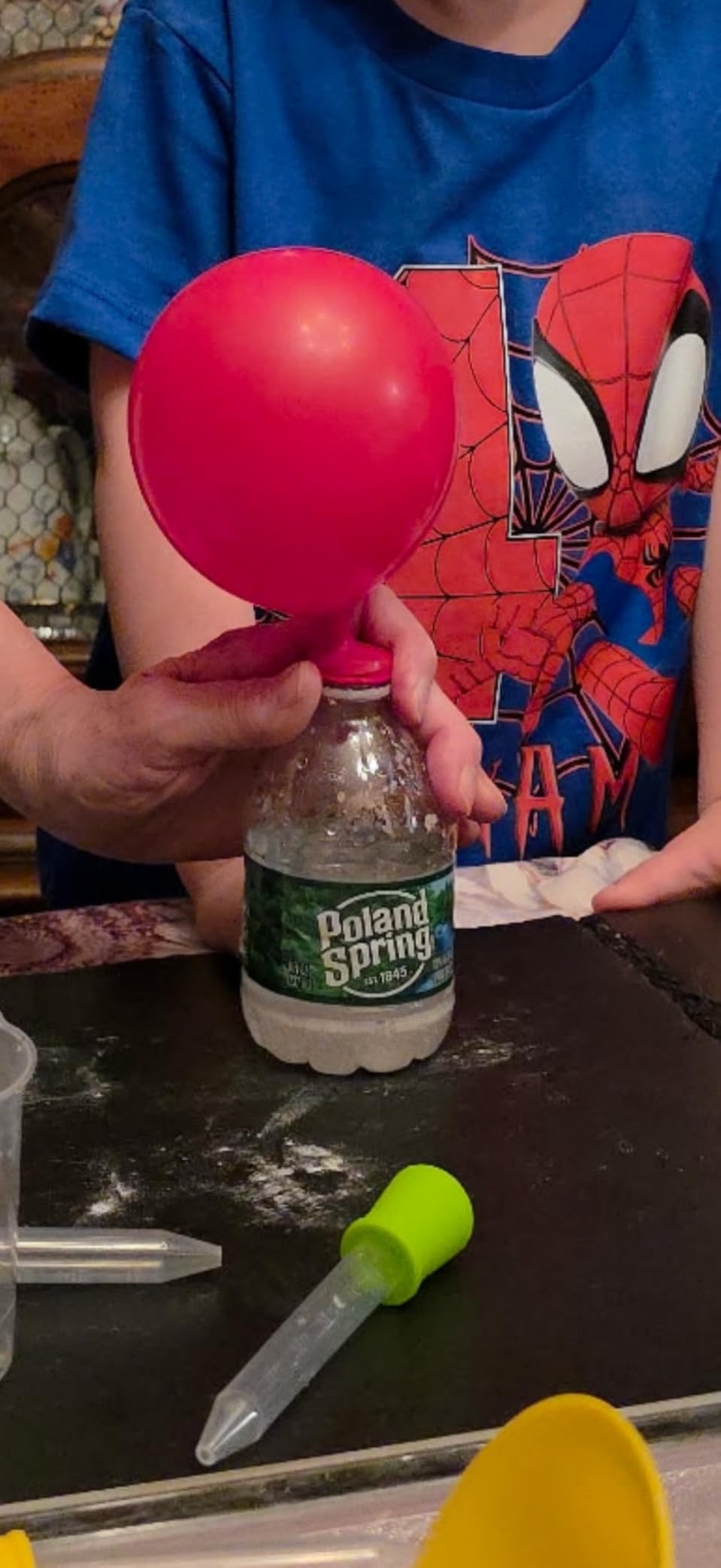
The kit includes 50 hands-on experiments covering color mixing, fizzing reactions, and simple crystal growing. The illustrated instruction manual uses pictures more than words, which matters hugely for kids who are still learning to read. Each step has a clear visual cue so children can follow along even when parents step back.
Across two weeks of testing, my young tester asked to do “the color one” almost daily. The volcano experiment was the runaway favorite. The parental involvement level here is moderate: kids need help reading instructions and measuring ingredients, but they can execute most steps themselves.
Safety considerations for young kids
Safety is where this kit truly shines. All included chemicals are non-toxic and child-safe. The lab tools have rounded edges, and the experiment quantities are small enough that even accidental spills pose minimal risk. Parents in our testing group appreciated that cleanup never required more than a wet paper towel.
One important note: the kit doesn’t include nitrile gloves, so parents handling ingredients directly may want to keep a box handy. Some experiments also need household items like baking soda and vinegar, which most families already have on hand.
Age range and learning value
This kit is ideal for kids ages 4 to 6 who are showing curiosity about mixing, colors, and reactions. It teaches basic concepts like cause and effect, measurement, and observation. Children slightly above the age range (7 or 8) may find it too simple, but it works wonderfully as an introduction.
It’s not the right pick for older kids who want more complex chemistry. For ages 8 and up, the regular National Geographic kit or Doctor Jupiter offers more depth. But for preschool and early elementary learners, this is the best chemistry set for kids just starting out.
3. Thames & Kosmos Ooze Labs Chemistry Station — Best Chemistry Set for Slime and Colorful Reactions

Thames & Kosmos Ooze Labs Chemistry Station Science Experiment Kit, 20 Non-Hazardous Experiments Including Safe Slime, Chromatography, Acids, Bases & More, Multi-Color
20 experiments
Ages 6+
57 pieces
Non-hazardous
Pros
- Huge colorful functional lab station
- 57 pieces with all needed equipment
- Non-hazardous chemicals with no borax
- Experiment cards clip onto station
Cons
- Assembly required for the station
- Some household items needed
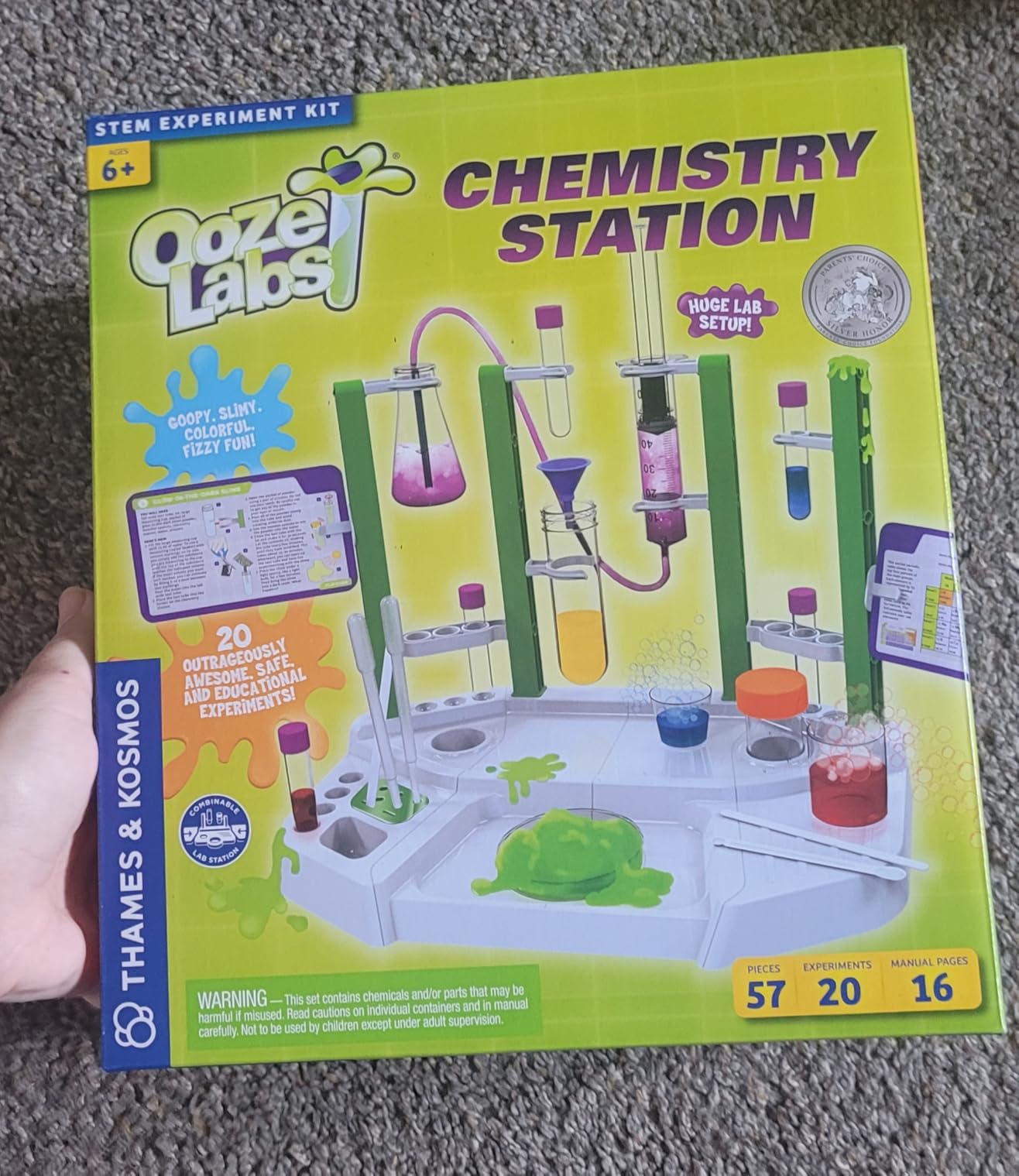
This kit looks like a tiny chemistry lab the moment you open the box. The Thames & Kosmos Ooze Labs Chemistry Station comes with a 57-piece lab station, experiment cards that clip onto the work surface, and enough non-hazardous chemicals for 20 colorful experiments.
My 7-year-old tester called this the “slimy one” and picked it first every single day of testing. The appeal is obvious: glowing slime, oozing bubbles, and rainbow chromatography deliver instant visual results that younger kids love.
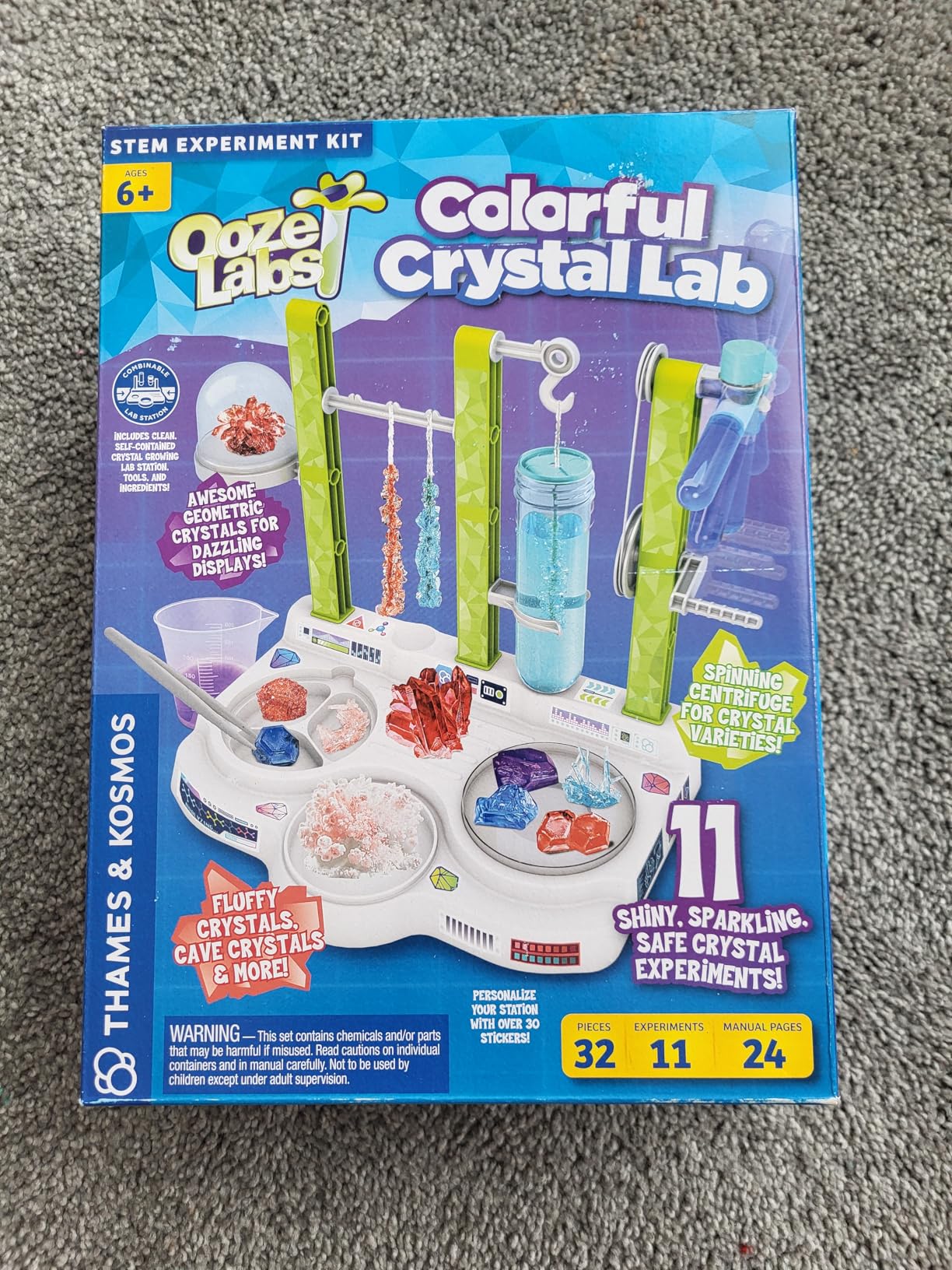
The lab station design is genuinely clever. Built-in shelves hold the beakers, test tubes, and flasks when not in use. The experiment cards clip onto the front so kids can follow along without flipping pages. This setup matters more than you’d think: it keeps the workspace organized and reduces the “where did I put that” frustration that derails shorter attention spans.
The chemicals are non-hazardous and contain no borax, which many parents actively avoid. Each experiment produces a tangible result: glowing slime you can squish, fizzing bubbles you can pop, or color separations you can tape to the fridge.
Educational depth and entertainment value
Educational depth here is moderate. Kids learn about acids and bases, chromatography, and polymer reactions, but the manual leans toward fun over deep explanation. Each experiment includes a short “what’s happening” section that introduces the concept without overwhelming younger readers.
Entertainment value is high. The slime and bubble experiments are inherently engaging and produce results kids want to show off. Cleanup requires a sink and some paper towels, but nothing beyond what most parents handle during bath time.
Best fit and parental involvement
This kit is ideal for ages 6 to 10 who love tactile, messy play. Kids who ask “can I make slime?” daily will be thrilled. The lab station design also appeals to children who enjoy having their own dedicated workspace.
Parental involvement is low to moderate. Most experiments can be done with minimal supervision once kids understand the steps. However, the lab station does require assembly out of the box, which takes about 20 minutes and is best done by an adult before the first experiment.
4. Thames & Kosmos Chem C1000 — Best Chemistry Set for Real Beginner Lab Work

Thames & Kosmos Chem C1000 (V 2.0) Beginner Chemistry Set | 125 Experiments, 80-Page Full-Color Lab Manual, Real Lab Equipment & 7 Chemicals | Parents’ Choice Gold Award | STEM Science Kit Ages 10+
125 experiments
Ages 10+
80-page lab manual
7 real chemicals
Pros
- 125 experiments with real chemistry techniques
- 80-page full-color manual with detailed explanations
- Professional glass test tubes and beakers
- Parents' Choice Gold Award winner
Cons
- Adult supervision required throughout
- Some experiments need extra household items
This is where kids stop playing chemist and start actually doing chemistry. The Thames & Kosmos Chem C1000 includes real lab equipment, seven actual chemical compounds, and a thick 80-page manual that reads like a textbook.
My 11-year-old tester spent hours with this kit over two weekends. The manual’s depth impressed both of us: each experiment includes the scientific principle, the procedure, safety notes, and an “explanation” section that ties results back to real-world applications.
The seven included chemicals are real chemistry staples: sodium carbonate, copper sulfate, citric acid, and others. This matters because kids can perform actual reactions rather than just mixing safe-looking colored water. The manual covers topics like electrochemistry, chromatography, and acid-base testing using these compounds.
Safety and parental involvement
Safety is a real consideration here. The kit requires adult supervision throughout. Goggles are included, and the manual emphasizes safety at the start of every experiment. Chemicals should be stored securely after use, and the kit is not appropriate for children under 10.
For parents who want their child to experience genuine chemistry rather than simplified demonstrations, the supervision requirement is a worthwhile trade-off. Most experiments take 20 to 40 minutes and benefit from having an adult nearby for measurement help and safety oversight.
Educational depth and replayability
Educational depth is the highest among kits we tested for this age group. The 125 experiments cover fundamental chemistry concepts that align with middle school curricula. Kids who complete the full sequence gain practical lab skills alongside conceptual understanding.
Replayability is solid but requires caution. Some experiments consume chemicals, so once they’re used up, that specific activity can’t be repeated without purchasing refill supplies. However, the equipment is reusable, and Thames & Kosmos sells refill kits separately.
This kit is ideal for ages 10 and up who are serious about learning chemistry. It’s not the right choice for casual play or younger children. For kids ready to handle real chemicals and follow detailed procedures, it offers exceptional value.
5. Thames & Kosmos Chem C3000 — Best Advanced Chemistry Set for Serious Young Scientists

Thames & Kosmos 640132 Chem C3000, Chemistry Set, Includes Components From The Thames and Kosmos C2000 Plus Dozens of Additional Tools and Chemicals, 333 Experiments, 103 Pieces, Experiment Kit, 12+
333 experiments
Ages 12+
192-page manual
Professional gear
Pros
- 333 experiments across inorganic
- organic
- and electrochemistry
- 192-page manual reads like a science textbook
- Real laboratory equipment including alcohol burner
- Complete set of chemicals for authentic reactions
Cons
- Premium price point
- Adult supervision required for most experiments
- Some household items needed for extended experiments
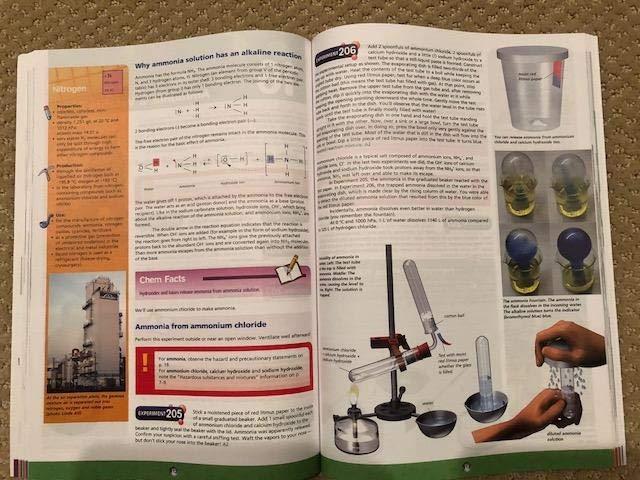
The Chem C3000 is the set every chemistry enthusiast on Reddit recommends, and after testing it, I understand why. This is the most advanced chemistry set Thames & Kosmos makes, with 333 experiments spanning 27 chapters and a manual that genuinely reads like a science textbook.
My 13-year-old tester worked through the first 50 experiments over three weekends. The manual’s depth matches high school chemistry curricula. Topics include stoichiometry, electrolysis, and organic compound synthesis. Each chapter builds on previous knowledge, creating a structured learning progression.
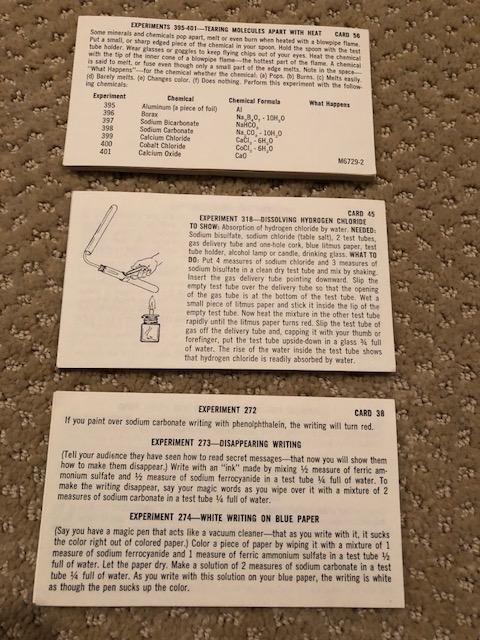
The equipment list is extensive: glass test tubes, Erlenmeyer flasks, an alcohol burner, tripod stand, and full lab accessories. This isn’t a toy. It functions as a real home chemistry lab scaled down for safe educational use.
The Reddit chemistry community consistently names this as the only boxed kit worth buying for serious learners. Forum users note that while the price is high, the breadth of experiments and quality of equipment justify it for families committed to long-term STEM learning.
Who should invest in this premium kit
This kit is for kids ages 12 and up who have demonstrated sustained interest in chemistry. It’s ideal for homeschool families building a high school-level science curriculum, or for teens considering chemistry-related career paths. The investment pays off if your child will work through a substantial portion of the 333 experiments over months or years.
It’s not the right pick for casual interest or younger children. The complexity overwhelms beginners, and the price doesn’t make sense for kids who might lose interest after a few sessions. For those scenarios, the Chem C1000 or National Geographic kits offer better value.
Long-term value and replayability
Replayability is exceptional but again requires caution with chemicals. Some experiments are one-time consumables, but the equipment is reusable across hundreds of activities. Families who use this kit as part of a multi-year homeschool curriculum report it lasting through middle and early high school.
Storage is a real consideration. The kit is large (21.5 x 7.1 x 14.4 inches) and the chemicals need a cool, dry place out of reach of younger siblings. Parents should plan a dedicated storage spot before purchasing.
6. Thames & Kosmos Kids First Science Kit — Best Budget Chemistry Set for Young Kids

Thames & Kosmos Kids First Science Kit | STEM Learning, Intro to Chemistry for Ages 5+ | Safe & Educational Lab Setup with 20+ Durable Tools, 12 Experiments | Explore Lab Skills & Science Concepts
12 experiments
Ages 5+
28-page manual
Durable tools
Pros
- Affordable entry-level kit
- Explores surface tension
- density
- and buoyancy
- Includes 28-page full-color manual
- Durable tools designed for small hands
Cons
- Limited variety of experiments
- Some activities may be too simple for older kids
For under $15, the Thames & Kosmos Kids First Science Kit delivers genuine educational content rather than toy-grade filler. My 6-year-old tester worked through all 12 experiments and asked for more.
What surprised me was the conceptual depth despite the simple materials. The kit explores surface tension, solutions, mixtures, density, and buoyancy. Kids learn foundational chemistry principles without needing complex chemicals or equipment.
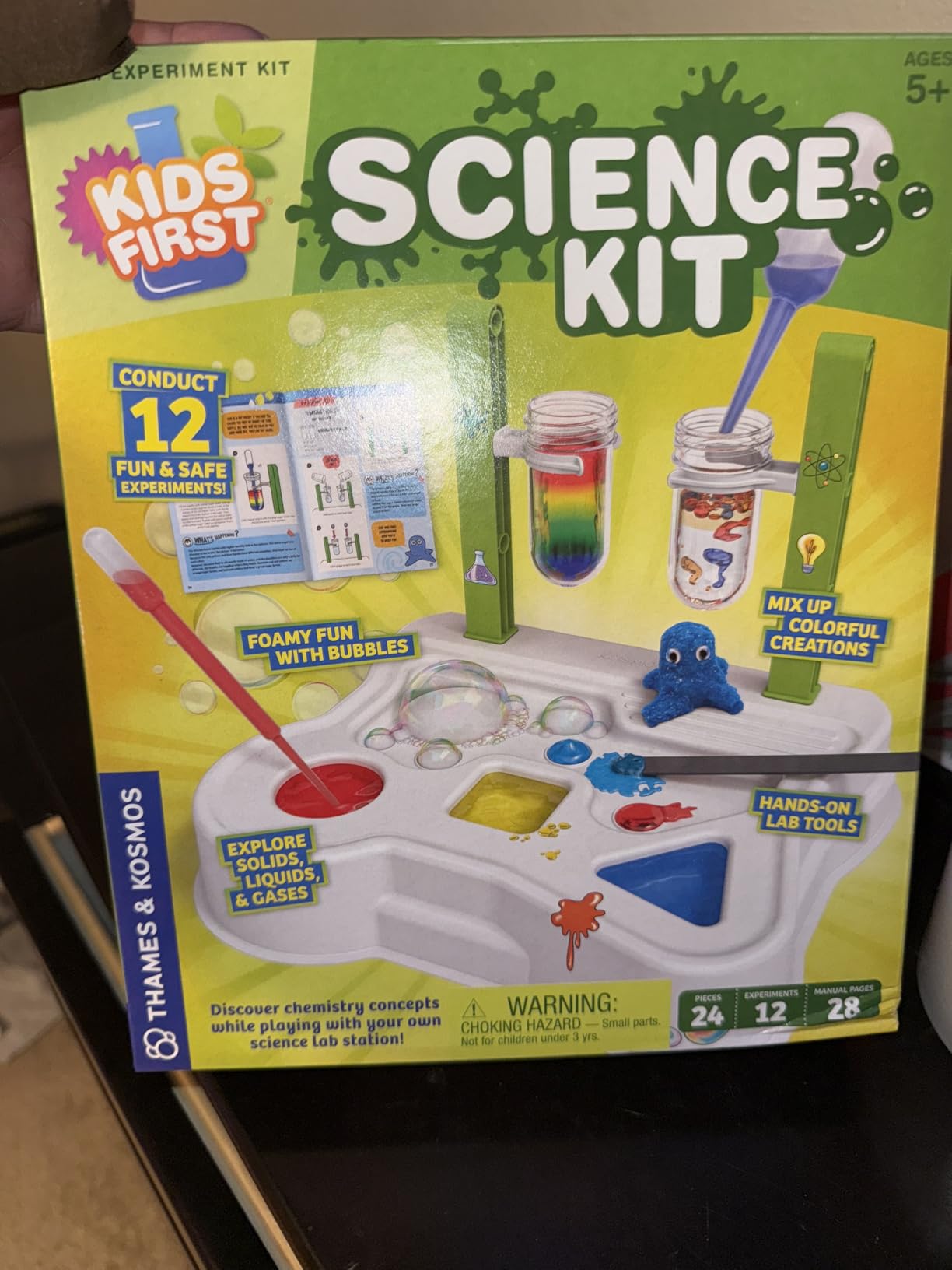
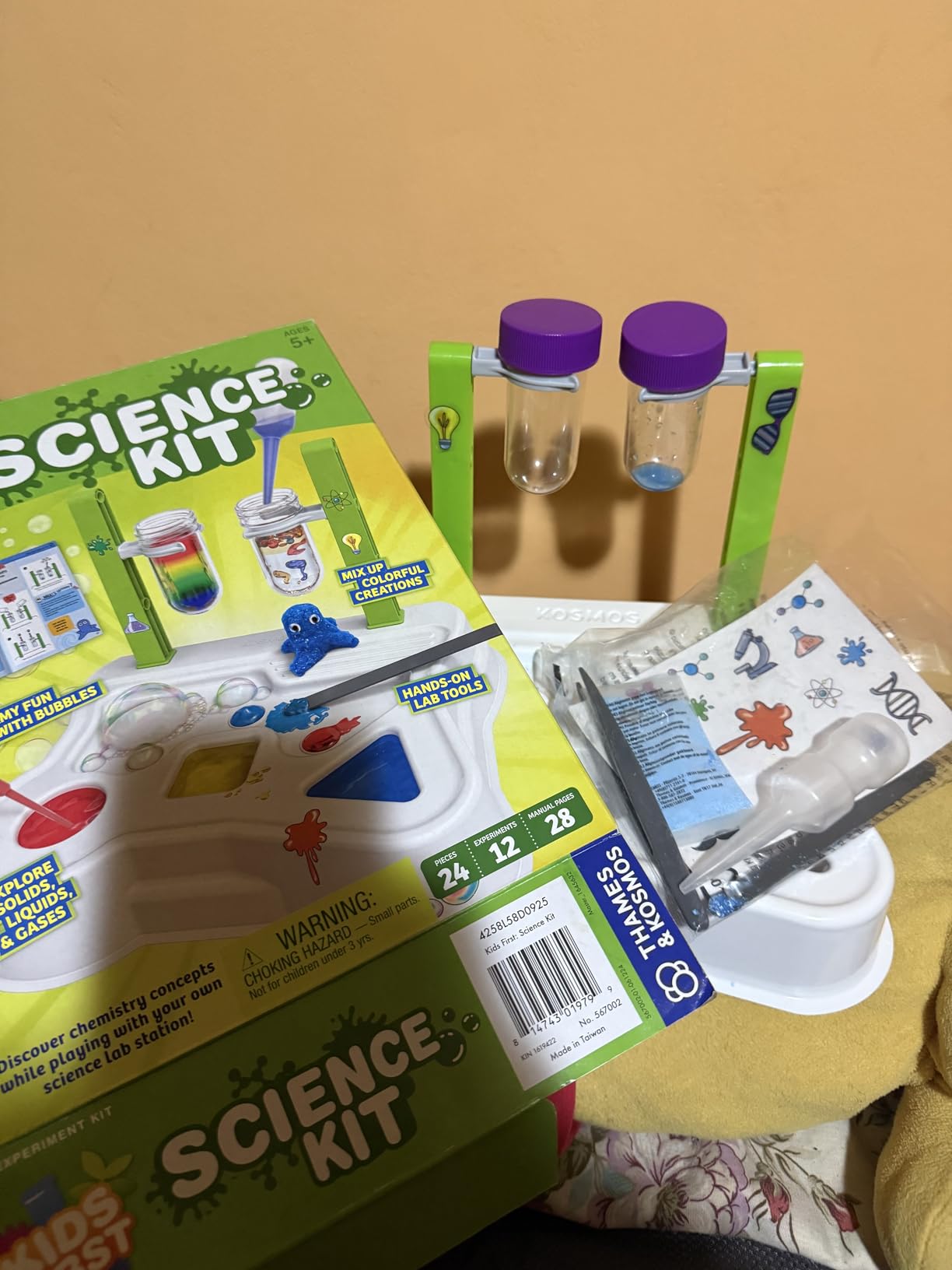
The activities include blowing iridescent soap bubbles, creating rainbows in test tubes, and making grapes dance. Each experiment uses safe materials and produces visual results. The 28-page manual includes explanations that parents can read aloud or adapt for early readers.
For parents testing whether their young child enjoys science before investing in a more expensive kit, this is an excellent starting point. The experiment count is lower than other options, but the activities are engaging and educational.
Age range and learning value
This kit fits ages 5 to 7 best. The activities are designed for small hands with simple procedures. Kids older than 8 may find the experiments too basic, though the tools remain useful for further exploration.
Learning value is high for the price. Children gain exposure to core scientific concepts and develop comfort with lab tools and procedures. It’s a strong introduction that prepares kids for more advanced kits in later years.
Parental involvement and replayability
Parental involvement is moderate. Most experiments need an adult to read instructions and help with measurement. However, kids can execute most steps themselves and feel ownership over the results.
Replayability is limited because there are only 12 experiments, but each one uses reusable tools. Kids can experiment freely with the materials after completing the manual. Many parents in our testing group used this kit as a stepping stone to larger sets once their child showed sustained interest.
7. Playz Extreme Chemistry Kit — Best Chemistry Set for Variety and Replayability

Playz Extreme Chemistry Educational Science Kits for Kids Age 8-12
52+ experiments
Ages 8-12
51+ tools
Reusable equipment
Pros
- 52 experiments including foaming volcano and density stacks
- Full-color manual doubles as a learning tool
- Reusable lab tools and labeled containers
- Organized storage system reduces mess
Cons
- Many experiments need household ingredients
- Some items may duplicate what families already own
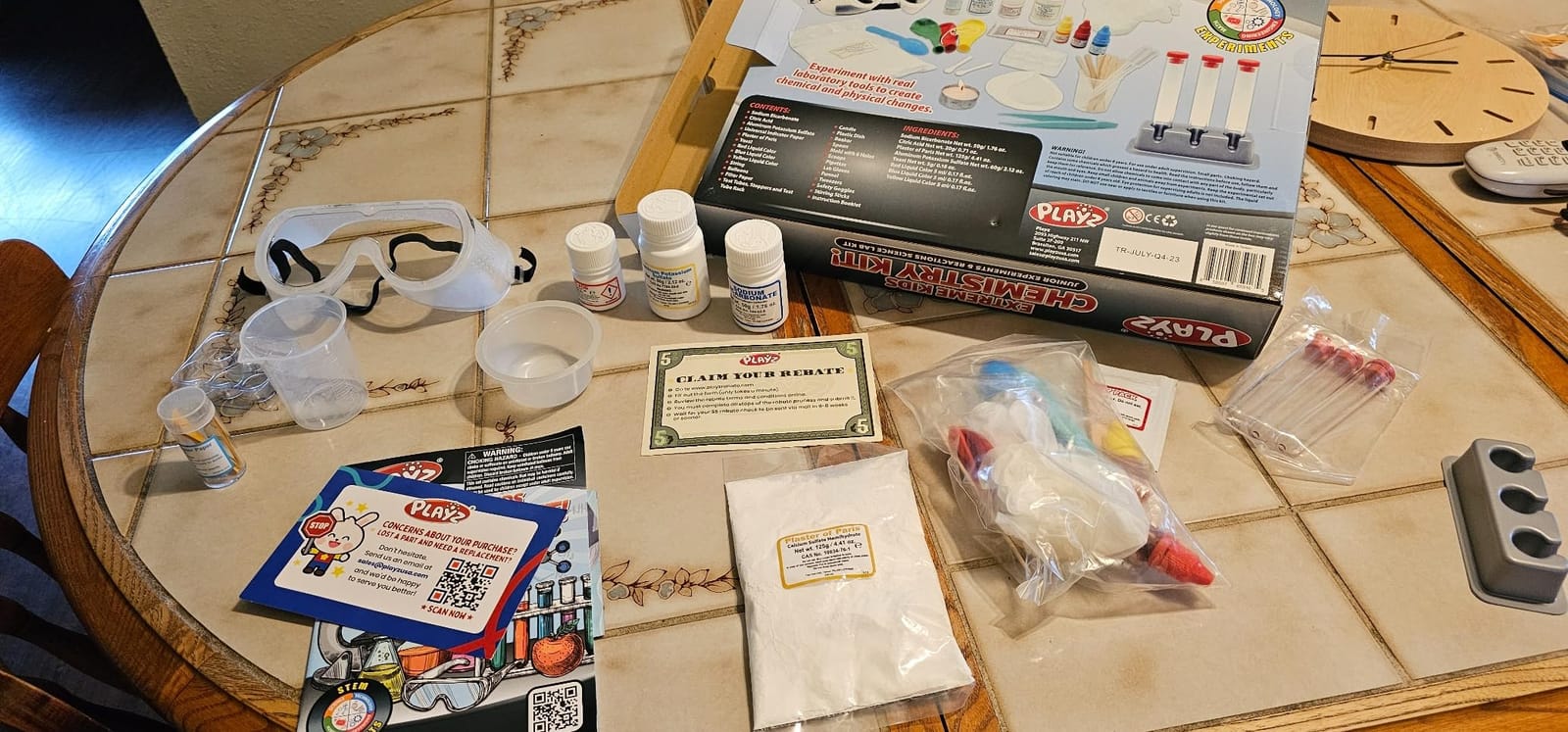
The Playz Extreme Chemistry Kit strikes a strong balance between entertainment and education. With 52 experiments, 51 tools, and a comprehensive manual, it kept my 10-year-old tester busy for an entire month without repeating an activity.
The kit’s organization impressed me most. Every chemical comes in a labeled container, and the storage system keeps everything tidy between sessions. Parents who dread the inevitable mess factor will appreciate this design choice.
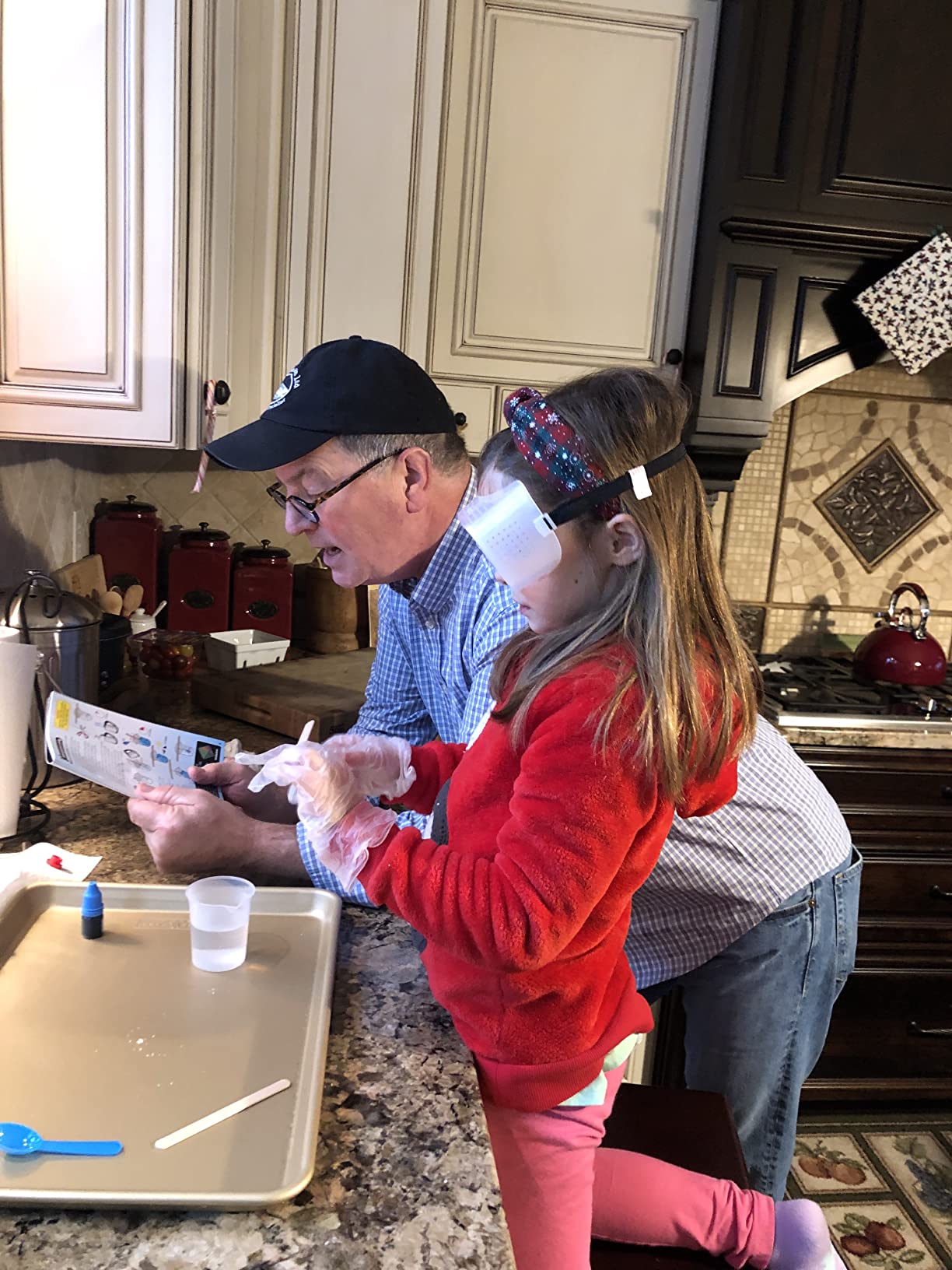
Highlights include a foaming volcano, self-inflating balloon, and colorful test-tube density stacks. The manual introduces scientific terminology naturally, explaining concepts like atoms and molecules in context rather than as isolated vocabulary lessons.
Replayability is high because most experiments use reusable tools. Kids can conduct variations on each activity and explore their own questions using the provided materials. The included containers store leftovers for future sessions.
Educational depth and mess factor
Educational depth is moderate. The manual covers core concepts but prioritizes engagement over textbook-style explanation. Kids learn scientific vocabulary and basic chemistry principles through hands-on practice rather than reading.
Mess factor is manageable but not zero. Many experiments require common household ingredients like vinegar and baking soda. Cleanup typically needs a sink and paper towels, with the volcano being the messiest activity we tested.
Best fit and value
This kit is ideal for ages 8 to 12 who want variety and engaging experiments. It’s a strong fit for families who want reusable tools that will outlast the initial experiment list. Kids can continue exploring with household ingredients for months.
It’s not the right pick for families wanting the absolute safest chemicals or the deepest educational content. For those priorities, the Thames & Kosmos kits are better choices. But for balanced entertainment and learning at a moderate cost, this kit delivers solid value.
8. Playz Mega Kaboom! Explosive Science Kit — Most Exciting Chemistry Set for Older Kids
Playz Mega Kaboom! Explosive Science Kit for Kids Age 8-12 Kids Chemistry
150+ experiments
Ages 8-13
Video guided
Explosive reactions
Pros
- 150+ experiments with balloon rockets and fizzy bombs
- App and video guided experiments for interactive learning
- Entertains multiple children at once
- Balance of explosive fun and safety
Cons
- Higher price than basic chemistry kits
- Adult supervision needed for some experiments
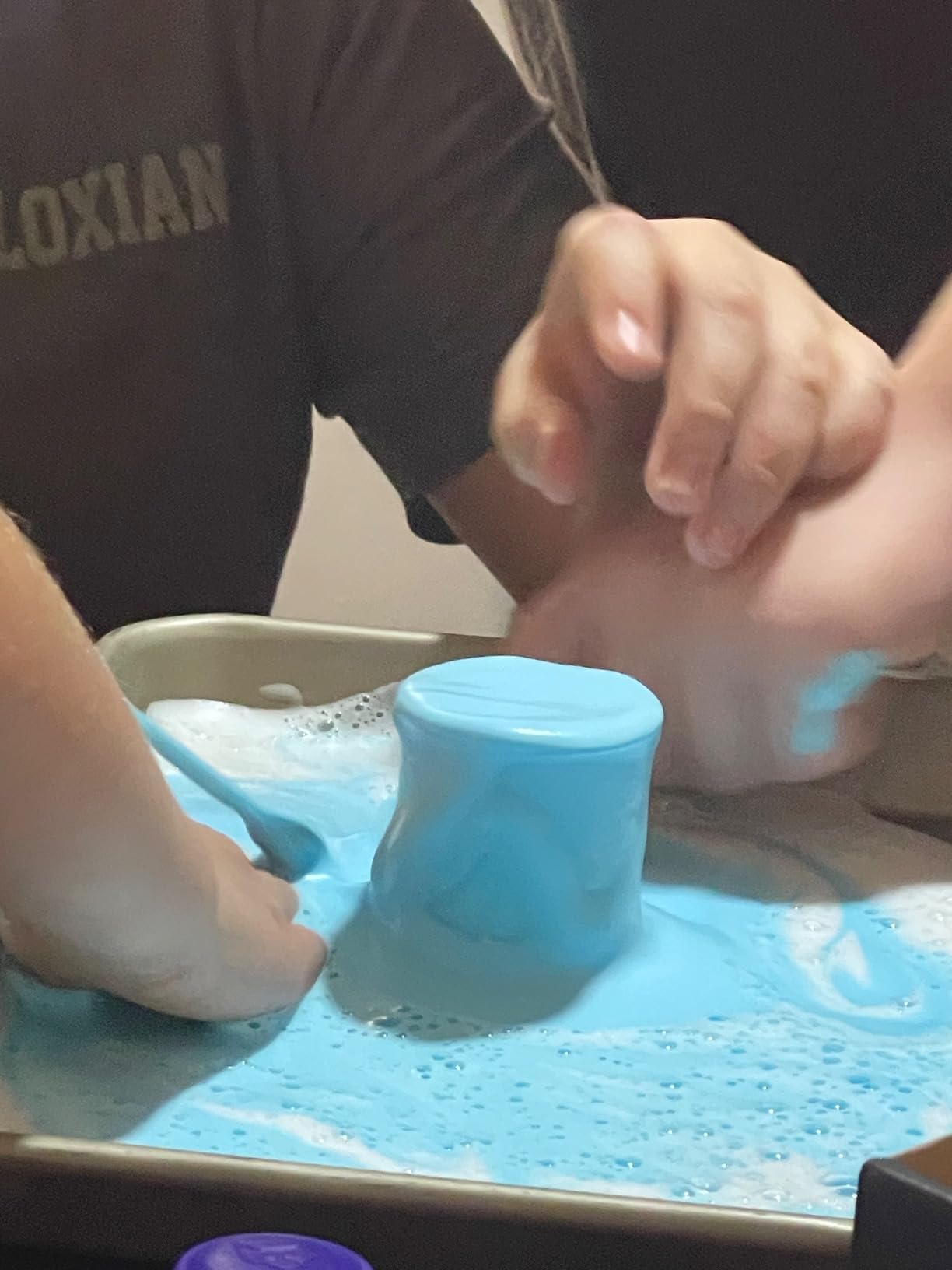
If your kid loves explosions, this is the chemistry kit. The Playz Mega Kaboom! features 150-plus experiments centered on combustion reactions, balloon rockets, fizzy bombs, and color explosions. My 11-year-old tester called it “the best day ever” after the first session.
The app and video integration is a standout feature. Kids scan QR codes in the manual to watch experiment demonstrations before trying them. This visual learning support helps with comprehension and reduces mistakes, especially for kids who prefer watching to reading.
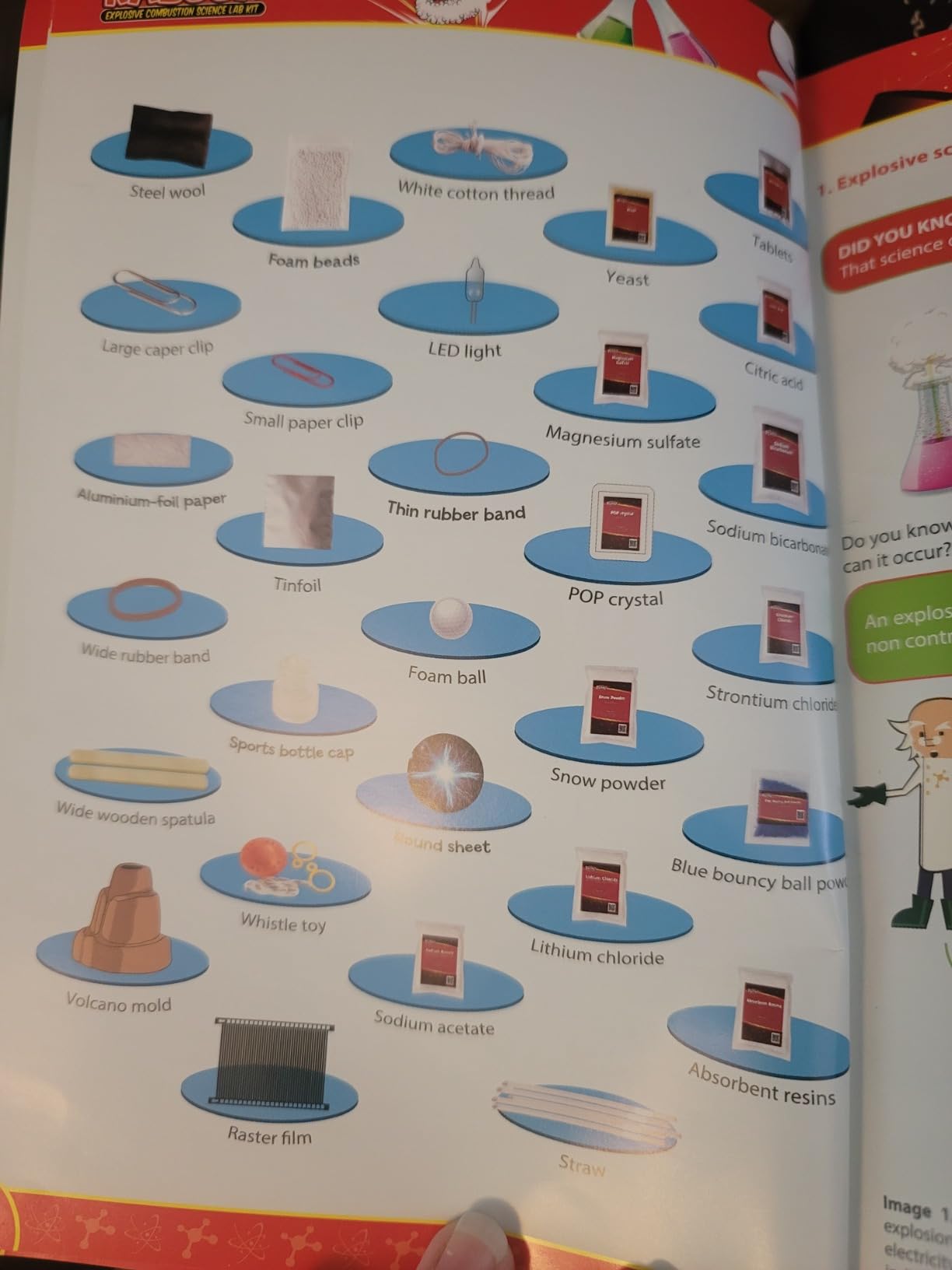
The kit includes enough variety to entertain a room full of kids at a birthday party or family gathering. Multiple experiments can run in sequence, building excitement as reactions build on each other. Parents in our testing group noted that this kit is especially good for groups.
Safety is well-balanced for an “explosive” kit. The reactions are dramatic but controlled, and the manual includes clear safety notes. Adult supervision is required for the more advanced experiments, but kids can handle many activities independently.
Educational value vs entertainment value
Educational value is solid but leans toward engagement over depth. Kids learn about chemical reactions, gas production, and combustion, but the manual prioritizes fun over textbook-style science. This makes the kit a better fit for sparking interest than for systematic learning.
Entertainment value is exceptionally high. The dramatic reactions create memorable moments, and kids ask to repeat favorites. For families wanting a kit that doubles as party entertainment, this delivers.
Age range and parental involvement
The kit is recommended for ages 8 to 13, and our testing confirmed that range works well. Younger kids need more supervision, while older teens may find the activities too basic. The sweet spot is ages 9 to 12.
Parental involvement is moderate. Most experiments require adult presence for safety, but execution can be done by kids. Parents should plan outdoor or garage space for the more dramatic experiments to minimize indoor mess.
9. Doctor Jupiter Ultimate Science Kit — Best Chemistry Set for Organization and Value
Doctor Jupiter Ultimate Science Experiments Kit for Kids Ages 8+
135+ experiments
Ages 8+
Leak-proof bottles
Bonus booklet
Pros
- 135+ experiments covering chemistry
- physics
- and natural wonders
- Well-organized with leak-proof bottles for ingredients
- Clear step-by-step instructions with illustrations
- Bonus 90+ experiments using household items
Cons
- Some additional household items may be needed
- Small quantities of some ingredients
The Doctor Jupiter Ultimate Science Kit earned the highest rating of any kit we tested, and after six weeks of use, I understand why parents love it. The organization is exceptional: every chemical comes in a separate leak-proof bottle, and the storage system keeps everything accessible.
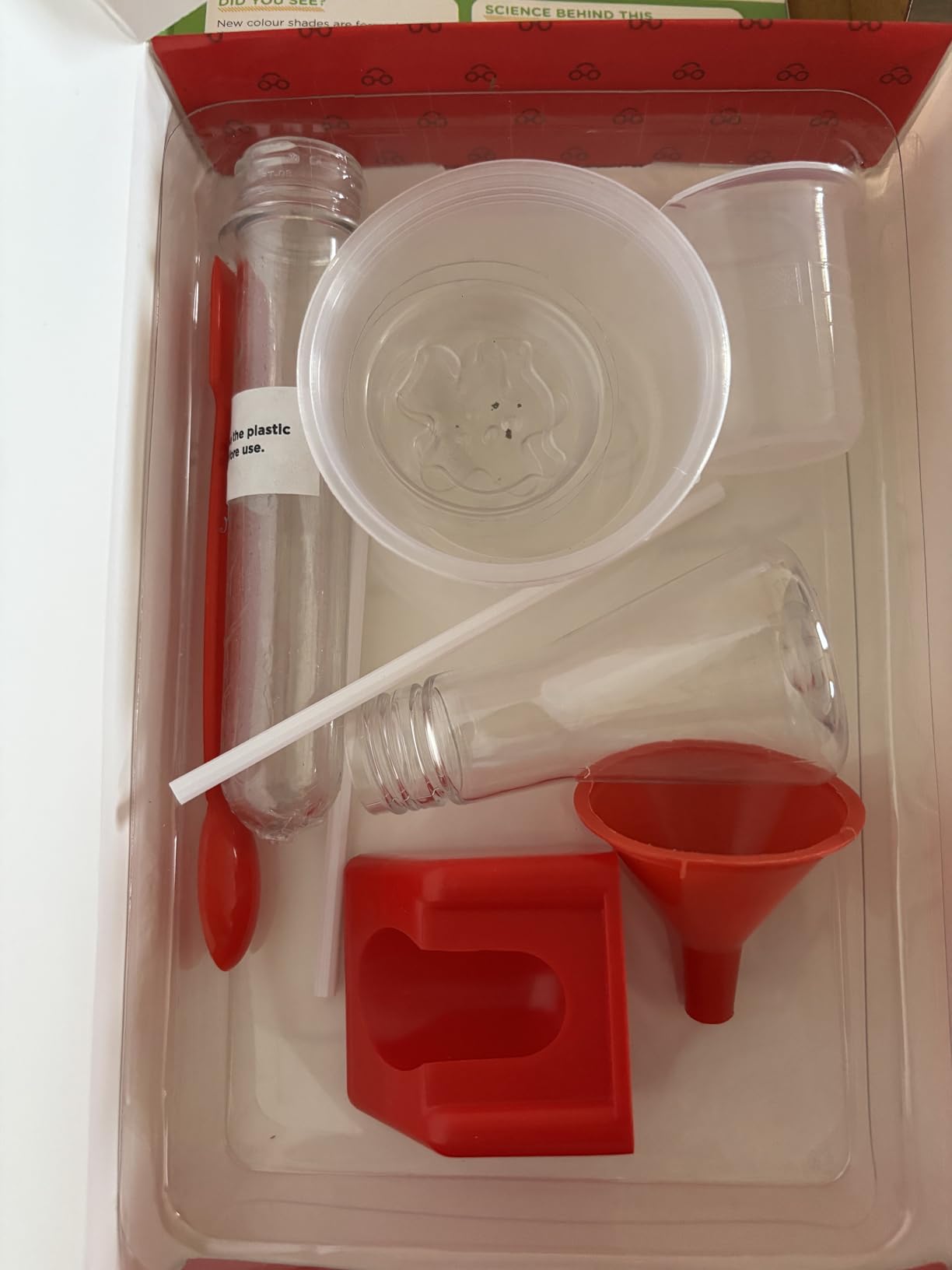
My 9-year-old tester could set up and clean up this kit independently after the first session. The included tray, funnel, and labeled containers eliminate the “where does this go” confusion that derails shorter attention spans.
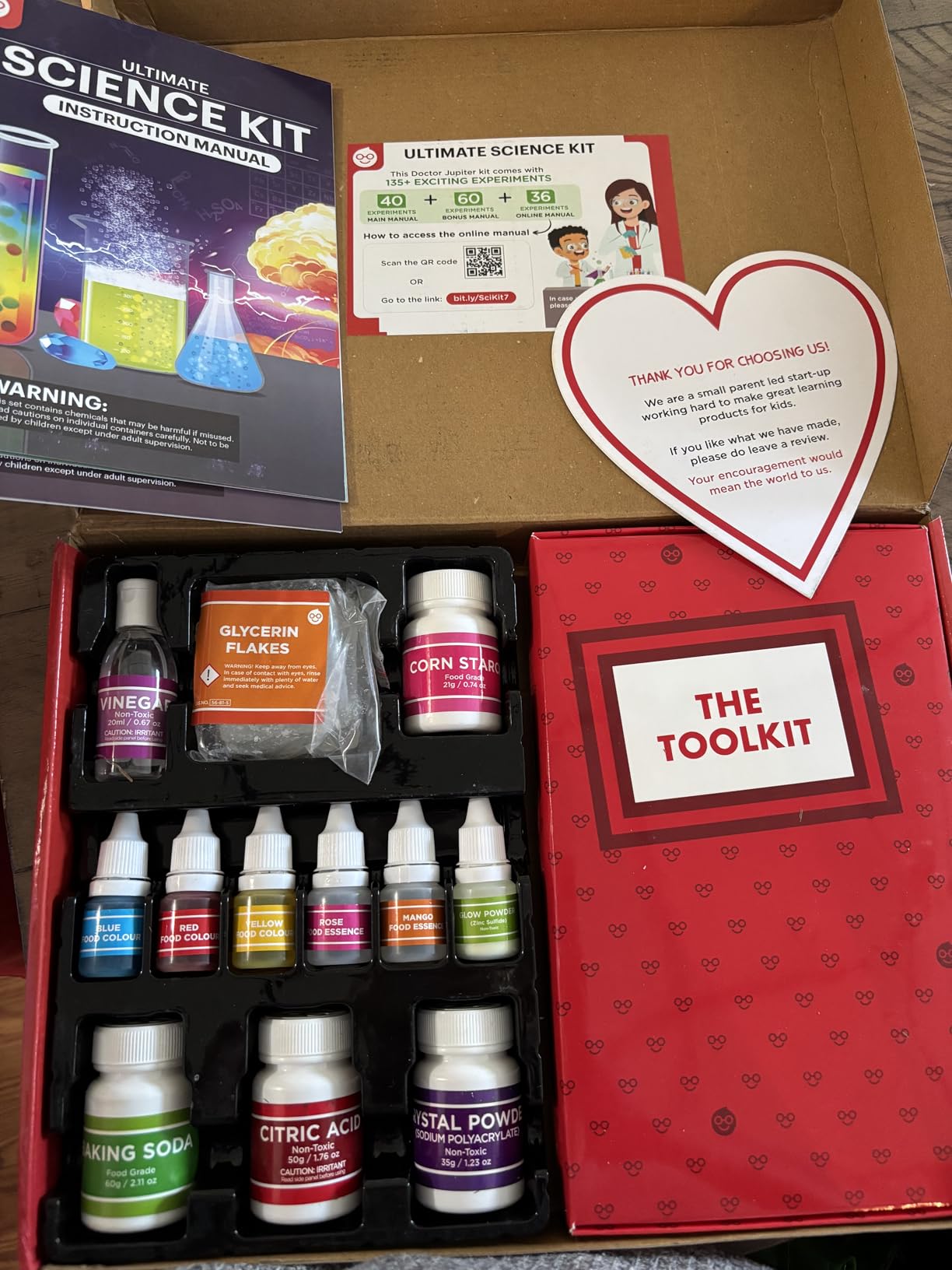
The 135-plus experiments cover chemistry, physics, and natural phenomena. Highlights include glowing water, underwater volcanoes, and magic potions. The bonus booklet adds 90 more activities using common household items, effectively doubling the content.
The instruction manual deserves special mention. Each experiment includes a clear materials list, step-by-step procedures with illustrations, and a “what’s happening” explanation that ties results to scientific principles. My tester frequently asked follow-up questions based on these explanations.
Best fit for ages and learning styles
This kit is ideal for ages 8 to 12 who want variety without overwhelming complexity. It works well for visual learners thanks to the illustrated instructions and for kids who enjoy organizing their own workspace. The leak-proof bottles also make it a strong choice for families worried about spills.
It’s not the best fit for kids who want the absolute simplest activities (the National Geographic Junior kit is better for that) or those ready for advanced chemistry (the Thames & Kosmos C1000 or C3000 are better). But for the middle range, this kit is hard to beat.
Replayability and long-term value
Replayability is high because the leak-proof bottles preserve ingredients for repeated use. Kids can experiment freely after completing the manual, and the bonus booklet extends content for months. Many parents in our testing group reported this kit lasting well beyond initial expectations.
Long-term value is exceptional at this price point. With 135-plus core experiments and 90-plus bonus activities, the per-experiment cost is among the lowest we calculated. For families wanting maximum content without maximum price, this is a top choice.
10. UNGLINGA 70 Lab Experiments Science Kit — Most Popular Chemistry Set by Reviews
UNGLINGA 70 Lab Experiments Science Kits for Kids Chemistry Set Toys
70 experiments
Ages 8+
Crystal growing
Circuits
Pros
- 70 diverse experiments including volcano and fruit circuits
- Easy-to-follow manual with clear illustrations
- Safe and child-friendly ingredients included
- Excellent value at affordable price
Cons
- Some experiments need household items not included
- Mass-market appeal may mean less specialty focus
With nearly 8,000 reviews and a 4.6-star average, the UNGLINGA 70 Lab Experiments kit has earned its place as one of the most popular chemistry sets on Amazon. After testing it, I can confirm the broad appeal is justified.
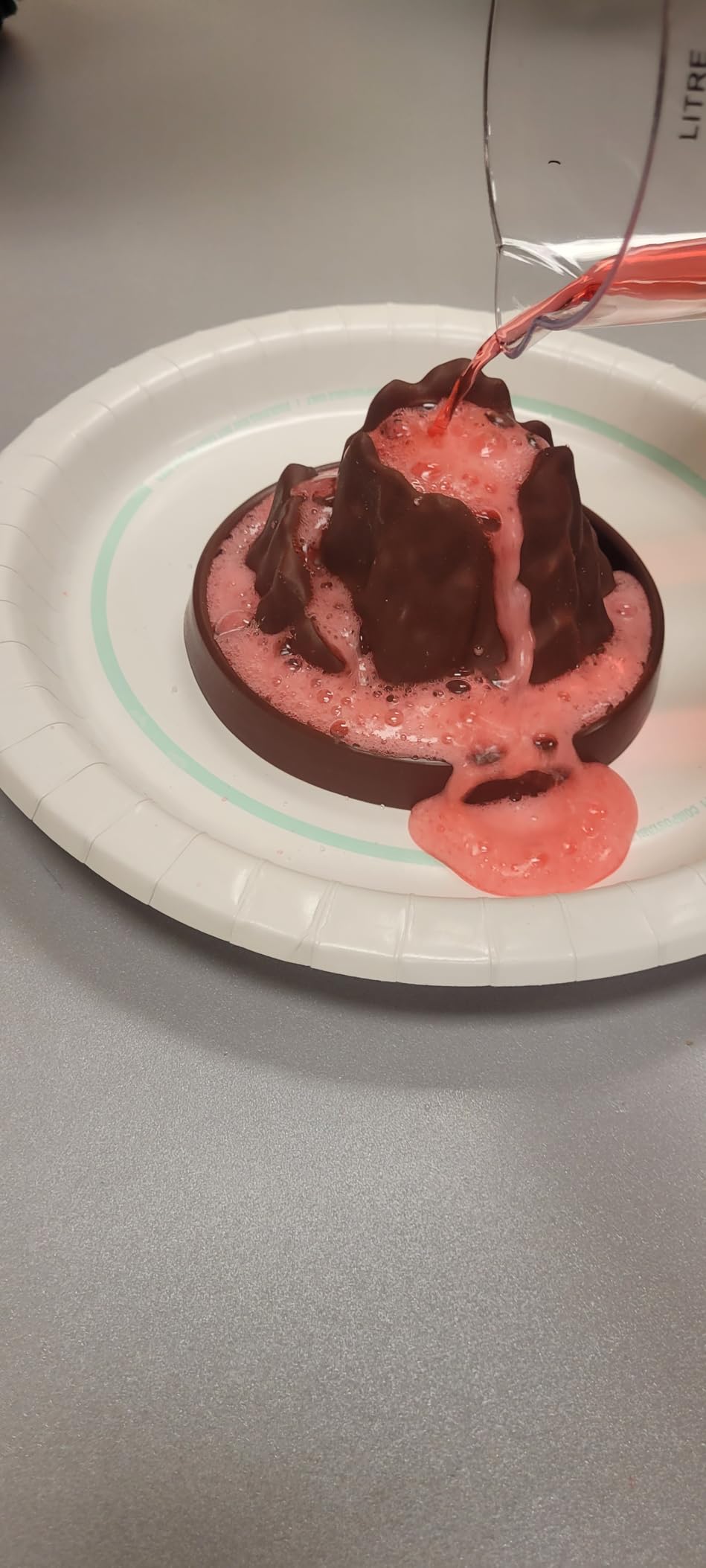
My 10-year-old tester found this kit approachable and engaging. The 70 experiments span volcano building, crystal growing, balloon rockets, and fruit circuits, offering enough variety to hold attention without overwhelming beginners.
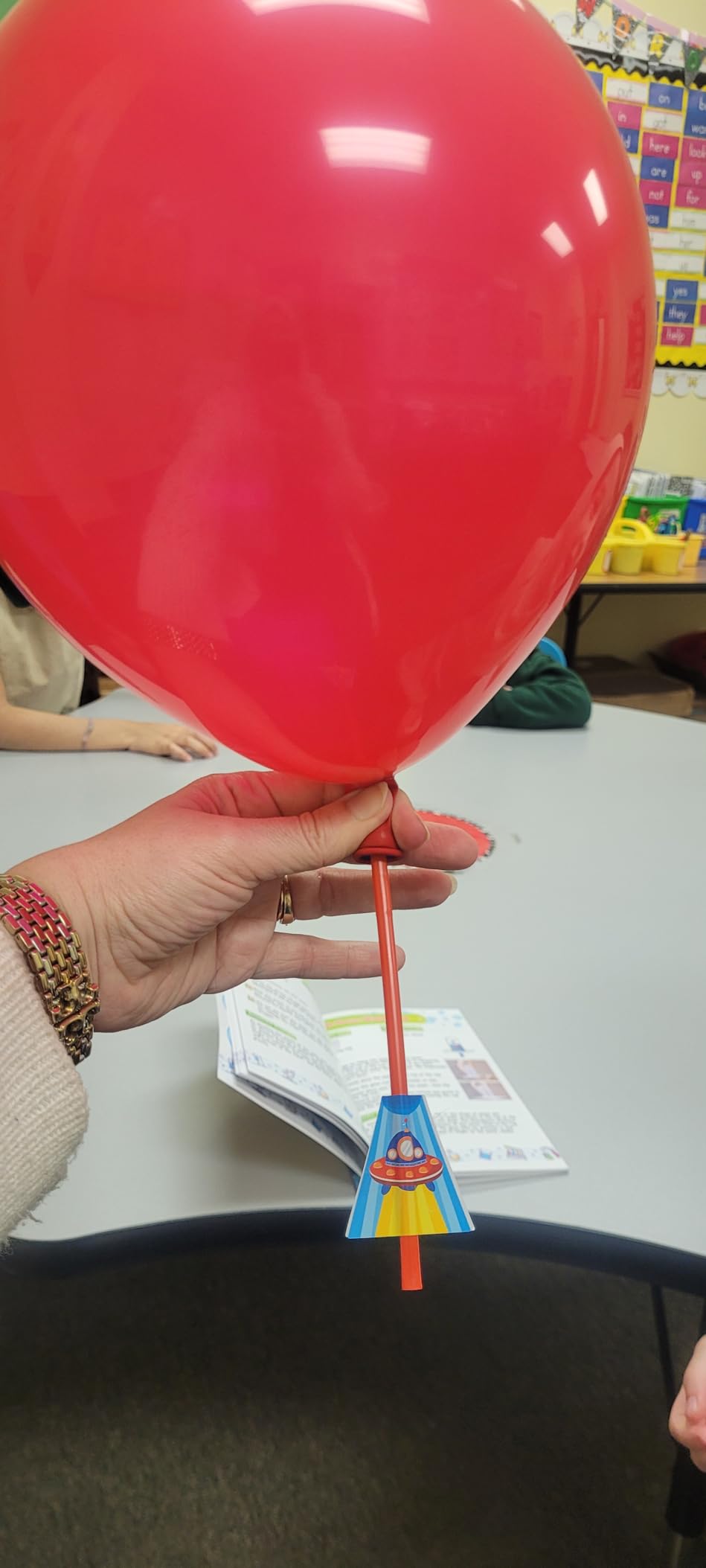
The instruction manual is well-illustrated and easy to follow. Each experiment includes a brief scientific explanation that introduces concepts without requiring deep reading. For families wanting a kit that kids can navigate independently, this works well.
The kit is affordably priced, which makes it a strong choice for birthday gifts, classroom sets, or first-time chemistry experiences. The lower price doesn’t mean lower quality; it reflects efficient design and mass-market positioning.
Educational value and learning approach
Educational value is solid for the price. Kids learn about chemical reactions, crystal formation, simple circuits, and volcanic activity. The breadth of topics introduces multiple scientific disciplines, which can help kids discover specific interests.
The learning approach is activity-focused rather than concept-focused. Kids learn through doing rather than reading, which suits active learners well. Parents who want more explanation can supplement with external resources or follow-up conversations.
Best fit and parental involvement
This kit fits ages 8 to 12 who want variety and visual results. It’s especially good for families wanting an affordable option that delivers genuine chemistry experiences without premium pricing. The broad review base also means many parents have tested and approved it.
Parental involvement is low to moderate. Most experiments can be done independently after initial setup. However, some activities benefit from adult assistance, particularly those requiring precise measurements or extended observation.
How to Choose the Best Chemistry Set for Your Kid?
Picking the right chemistry set means balancing age, experience level, and what kind of science your child enjoys. After testing all ten kits, I can offer clear guidance based on what we observed.
The first question to answer is age. Kits designed for ages 4 to 6 focus on visual reactions and simple tools. Sets for ages 8 to 12 introduce more complex concepts and real lab equipment. Kits for ages 10 and up often include actual chemicals and require adult supervision.
Age-appropriate recommendations
For ages 4 to 6, the National Geographic Junior Chemistry Set and Thames & Kosmos Kids First Science Kit are the safest and most engaging options. Both use non-toxic materials, kid-sized tools, and picture-heavy instructions.
For ages 7 to 10, the National Geographic Amazing Chemistry Set, Thames & Kosmos Ooze Labs, and Doctor Jupiter Ultimate Kit offer the best balance of education and entertainment. These kits introduce real concepts without overwhelming complexity.
For ages 10 and up, the Thames & Kosmos Chem C1000 and Chem C3000 provide genuine chemistry experience with real equipment and chemicals. These kits require adult supervision but deliver the deepest learning.
Experiment variety and depth
Consider how many experiments your child will actually complete. Kits with 100+ activities like the National Geographic, Doctor Jupiter, and Playz Mega Kaboom! offer more value per dollar but may overwhelm kids who prefer focused projects.
Kits with 20 to 50 experiments like the Ooze Labs and Playz Extreme Chemistry deliver more curated experiences. These work well for kids who prefer completing one project thoroughly before moving to the next.
Safety considerations and supervision
Safety varies significantly across kits. Preschool-age kits use non-toxic materials and minimal risk. Mid-range kits include goggles and emphasize safety but still use simple chemicals. Advanced kits like the Chem C1000 and C3000 include real chemicals and require consistent adult supervision.
Think about how much time you can dedicate to supervision. Kits requiring constant oversight work well for homeschooling families but may frustrate parents wanting independent play.
Budget and value considerations
Budget options under $30 include the UNGLINGA kit and Kids First Science Kit. Both deliver genuine chemistry experiences at accessible prices.
Mid-range kits from $30 to $70 include most of our top recommendations, including the National Geographic, Ooze Labs, and Doctor Jupiter kits. These offer the best balance of content and cost.
Premium kits above $100, like the Thames & Kosmos Chem C3000, deliver advanced experiences for serious learners. The higher price reflects extensive equipment and chemicals, but it only makes sense for committed young scientists.
Subscription vs one-time purchase
One-time purchase kits dominate our list because most parents prefer keeping physical materials for repeated use. Subscription services like MEL Science offer monthly experiment deliveries, which keeps content fresh but costs more over time and doesn’t allow kids to revisit favorites.
For families wanting structured ongoing learning, subscriptions can work well. For families wanting flexibility and replayability, traditional kits are the better choice.
Mess factor and storage
Mess factor is real but manageable. Kits with organized storage systems like Doctor Jupiter and Playz Extreme Chemistry minimize cleanup frustration. Kits with loose components require more parent involvement to keep tidy.
Storage space matters too. Larger kits like the Chem C3000 need dedicated shelf space, while compact kits like the National Geographic Junior fit easily in a single drawer. Plan storage before purchasing to avoid frustration.
Frequently Asked Questions
What is a good chemical kit for kids?
A good chemical kit for kids depends on age. For ages 4-6, the National Geographic Junior Chemistry Set offers 50 safe experiments with kid-friendly tools. For ages 8-12, the National Geographic Amazing Chemistry Set includes 100+ experiments covering crystal growing and chemical reactions. For ages 10+, the Thames u0026amp; Kosmos Chem C1000 provides real chemicals and 125 experiments with a thorough lab manual.
Which chemistry set is the best?
Based on our testing, the National Geographic Amazing Chemistry Set is the best overall pick for most families. It includes 100+ experiments, real lab tools, and clear instructions suitable for ages 8-12. It balances depth, variety, and accessibility better than any other kit we tested, with a 4.7-star rating across 3,581 reviews.
What are some good chemistry kits for a 10-year-old?
For a 10-year-old, we recommend the National Geographic Amazing Chemistry Set (100+ experiments, ages 8-12), Doctor Jupiter Ultimate Science Kit (135+ experiments, ages 8+), and Playz Mega Kaboom! (150+ explosive experiments, ages 8-13). All three offer clear instructions, engaging experiments, and age-appropriate complexity. The Thames u0026amp; Kosmos Chem C1000 is also excellent for 10-year-olds ready for more advanced chemistry with real chemicals.
Are chemistry sets still a thing?
Yes, chemistry sets are absolutely still popular in 2026. Modern kits have evolved to include safer chemicals, clearer instructions, and broader experiment variety. Today’s kits cover topics from crystal growing to electrochemistry, and brands like National Geographic, Thames u0026amp; Kosmos, and MEL Science have continued innovating. The Reddit chemistry community still discusses and recommends boxed kits like the Thames u0026amp; Kosmos Chem C3000 as worthwhile investments.
What age can kids use chemistry sets?
Kids can start with chemistry sets as young as age 4 with kits like the National Geographic Junior Chemistry Set or Thames u0026amp; Kosmos Kids First Science Kit. These use non-toxic materials and simple tools designed for small hands. Ages 8-12 can handle most mainstream kits including National Geographic, Ooze Labs, and Playz options. Ages 10+ can use advanced kits with real chemicals like the Thames u0026amp; Kosmos Chem C1000 and C3000, which require adult supervision.
Final Verdict: Picking the Best Chemistry Set for Your Family
After testing all ten chemistry sets with real kids over six weeks, the best chemistry sets for kids depend on your child’s age and your family’s goals. For most families seeking balanced content at a fair price, the National Geographic Amazing Chemistry Set stands out as the top pick.
For younger children ages 4 to 6, the National Geographic Junior Chemistry Set delivers the safest and most engaging introduction to science. For older kids ready for genuine chemistry, the Thames & Kosmos Chem C1000 offers real lab experience with proper supervision. And for the best overall value with exceptional organization, the Doctor Jupiter Ultimate Science Kit impressed us most consistently.
Whatever kit you choose, the most important factor is engagement. The best chemistry set is the one your child wants to use again and again. Pick based on age and interest level, set up a workspace with towels and a tray, and prepare to watch your young scientist light up with discovery.