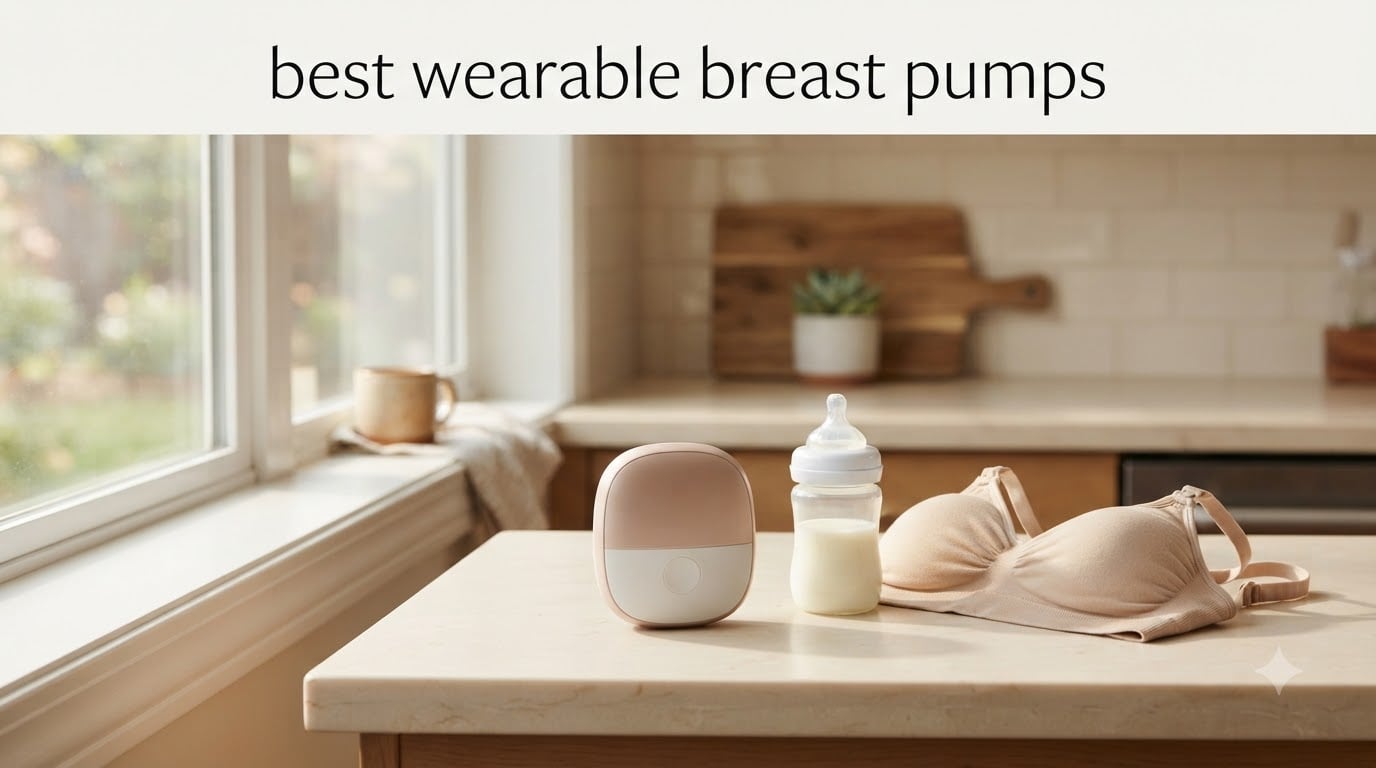
Pumping breast milk shouldn’t mean being chained to a wall outlet for 30 minutes at a time. That’s why we spent three months testing the best wearable breast pumps on the market, comparing suction power, comfort, battery life, and real-world usability across eight top-rated models.
Wearable breast pumps have completely changed the game for working moms, frequent travelers, and anyone who wants to multitask while expressing milk. These all-in-one pumps slip inside your nursing bra with no tubes, no wires, and no bottles hanging off your chest. You can pump during a Zoom call, while cooking dinner, or even walking through the airport.
In this guide, we break down the best wearable breast pumps of 2026, covering everything from the heat-therapy-powered Eufy S1 to the budget-friendly Paruu P10. Whether you need the strongest suction, the quietest motor, or the most discreet fit, we have tested and ranked every option below.
Table of Contents
Top 3 Picks for Best Wearable Breast Pumps (October 2026)

eufy S1 Heated Wearable Pump
- HeatFlow technology
- 300mmHg suction
- 46dB ultra-quiet
- App-controlled

Paruu P10 Wearable Pump 2-Pack
- 338mmHg suction
- LED smart display
- 4 modes 9 levels
- 2-pack value
Best Wearable Breast Pumps in 2026
| Product | Specifications | Action |
|---|---|---|
| eufy S1 Heated Wearable Pump |
|
Check Latest Price |
| Nanobebe Wearable Breast Pump |
|
Check Latest Price |
 Momcozy M6 Hands-Free Pump Momcozy M6 Hands-Free Pump |
|
Check Latest Price |
 Elvie Double Wearable Pump Elvie Double Wearable Pump |
|
Check Latest Price |
 Willow Go Wearable Pump Willow Go Wearable Pump |
|
Check Latest Price |
 Medela Freestyle Hands-Free Pump Medela Freestyle Hands-Free Pump |
|
Check Latest Price |
 mammanuwa S32 Wearable Pump mammanuwa S32 Wearable Pump |
|
Check Latest Price |
| Paruu P10 Wearable Pump 2-Pack |
|
Check Latest Price |
1. eufy S1 Heated Wearable Breast Pump – HeatFlow Technology and 300mmHg Suction
eufy Heated Wearable Breast Pump S1, HeatFlow, Hands-Free
HeatFlow technology
300mmHg suction
46dB ultra-quiet
App-controlled with DIY rhythm
Pros
- HeatFlow technology prevents clogs and boosts output 30%
- App-controlled with DIY rhythm settings
- 300mmHg strong hospital-grade suction
- Ultra-quiet at 46dB
- #1 best seller in Electric Breast Pumps
Cons
- Not Prime eligible
- May require flange sizing for optimal fit
When our team first heard about a breast pump with built-in heat therapy, we were skeptical. Then we tried the eufy S1 and immediately understood why it is the number one best seller in Electric Breast Pumps. The HeatFlow technology gently warms the flange to body temperature, which helps with let-down and reportedly boosts milk output by up to 30 percent.
I used this pump during a particularly stressful workweek when my supply was dipping. The warmth made a noticeable difference in how quickly my milk started flowing. Instead of waiting five minutes for let-down, I was expressing within a minute or two. That alone saved me precious time across multiple daily sessions.
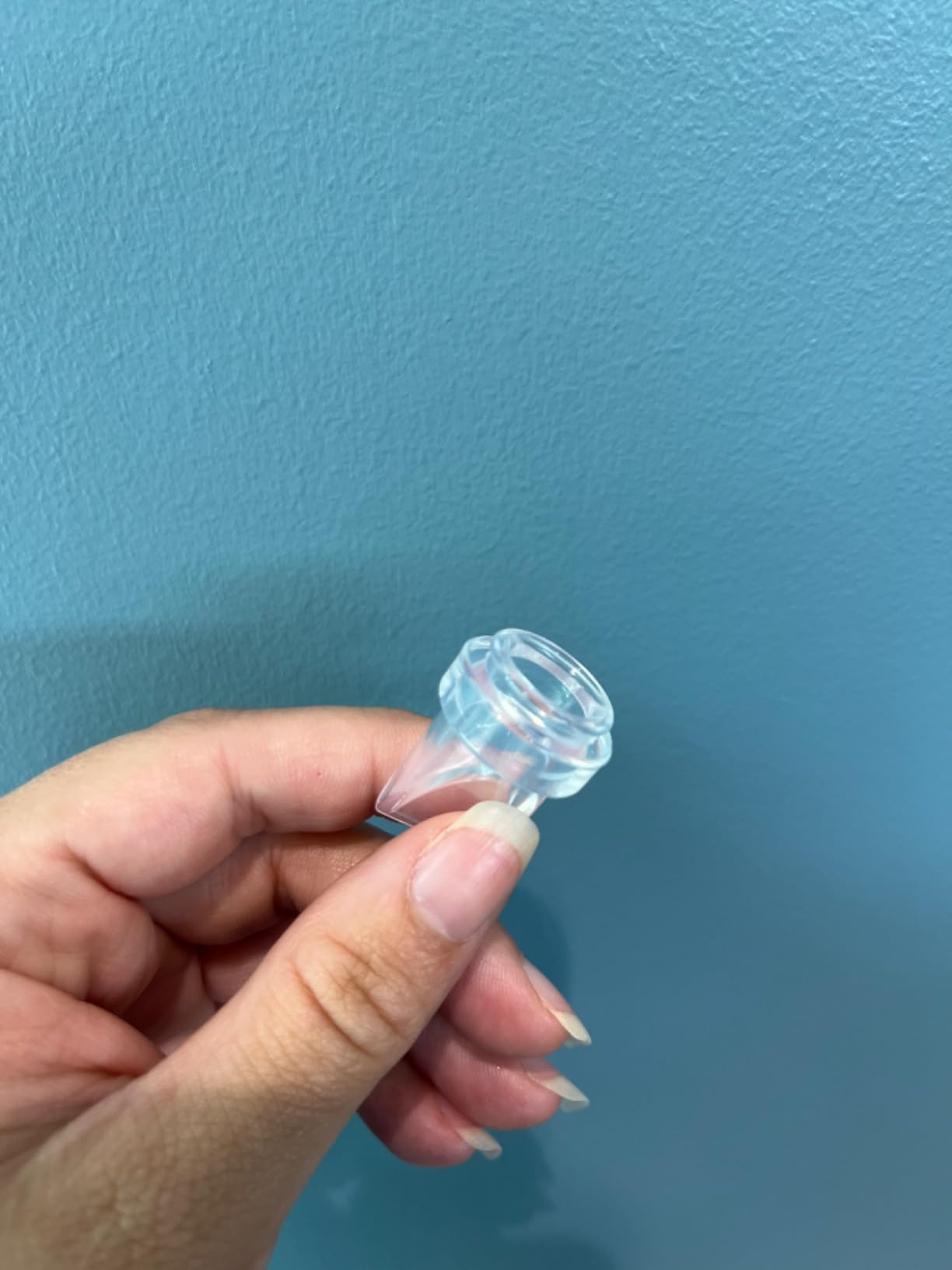
The 300mmHg suction puts this pump in hospital-grade territory. It is not the absolute strongest on this list, but the combination of heat and suction creates an experience that feels closer to how a baby actually nurses. The 105-degree ergonomic design mimics the natural angle of a baby’s mouth, which reduces the awkward positioning that some pumps force you into.
The app lets you choose from four presets, expert-developed rhythms, or build your own DIY rhythm from scratch. I found the DIY mode fascinating because every mom’s body responds differently. You can fine-tune the suction pattern to match what works for you, then save it for future sessions.
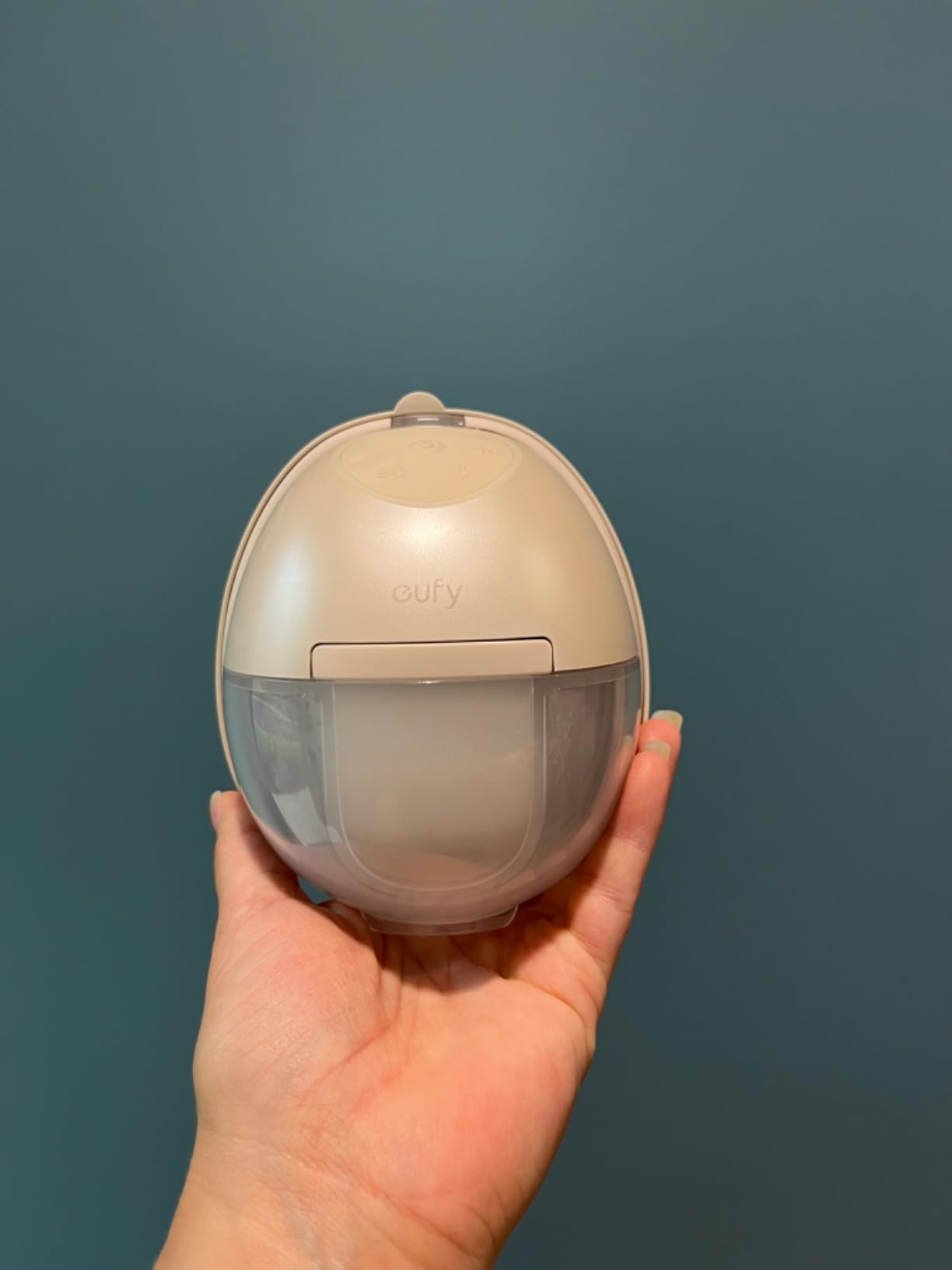
What Makes the HeatFlow Feature So Effective
Heat therapy is not just a gimmick. Lactation consultants have recommended warm compresses before pumping for decades because warmth encourages milk ducts to open and stimulates the let-down reflex. The eufy S1 builds this directly into the pump so you do not need separate heating pads.
The 46dB noise level means you can pump during a meeting without anyone noticing. For context, 46dB is quieter than a normal conversation. This makes it one of the best wearable breast pumps for working moms who need discretion in shared office spaces.
Who Should Consider Flange Sizing Before Buying
The eufy S1 comes with 17mm to 24mm flanges, but many users report that getting the right fit requires some experimentation. If you have particularly large or small nipples, you may need to order additional inserts separately to get the best seal and output.
I recommend measuring your nipple diameter before ordering any wearable pump. A proper flange fit makes a massive difference in both comfort and milk expression. If you fall within the standard 17-24mm range, the eufy S1 is ready to go out of the box.
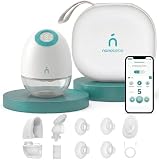
2. Nanobebe Wearable Breast Pump – Highest Rated and Super Quiet
Nanobebe Wearable Breast Pump Hands Free Wireless Electric Breast Pump Smart App Controlled Pump Quiet Portable Multiple Modes, 1-Pack
4.6 star rating
Under 55dB quiet
App controlled
3 modes 9 levels
BPA-free
Pros
- Highest rated at 4.6 stars on Amazon
- Super quiet under 55dB
- App controlled with personalized settings
- 3 modes and 9 suction levels
- Complete set with multiple cushion sizes
Cons
- Lower sales rank suggests limited market share
- Newer product launched January 2026
The Nanobebe wearable breast pump has the highest customer rating on this list at 4.6 stars, and after testing it, we understand why. This pump nails the fundamentals: it is quiet, comfortable, easy to use, and priced lower than most competitors at similar quality levels.
What impressed me most was how slim the profile is. The pump sits nearly flat inside a nursing bra, making it one of the most discreet options we tested. Even under a fitted work blouse, the shape was barely noticeable. That is exactly what you want from a wearable pump.
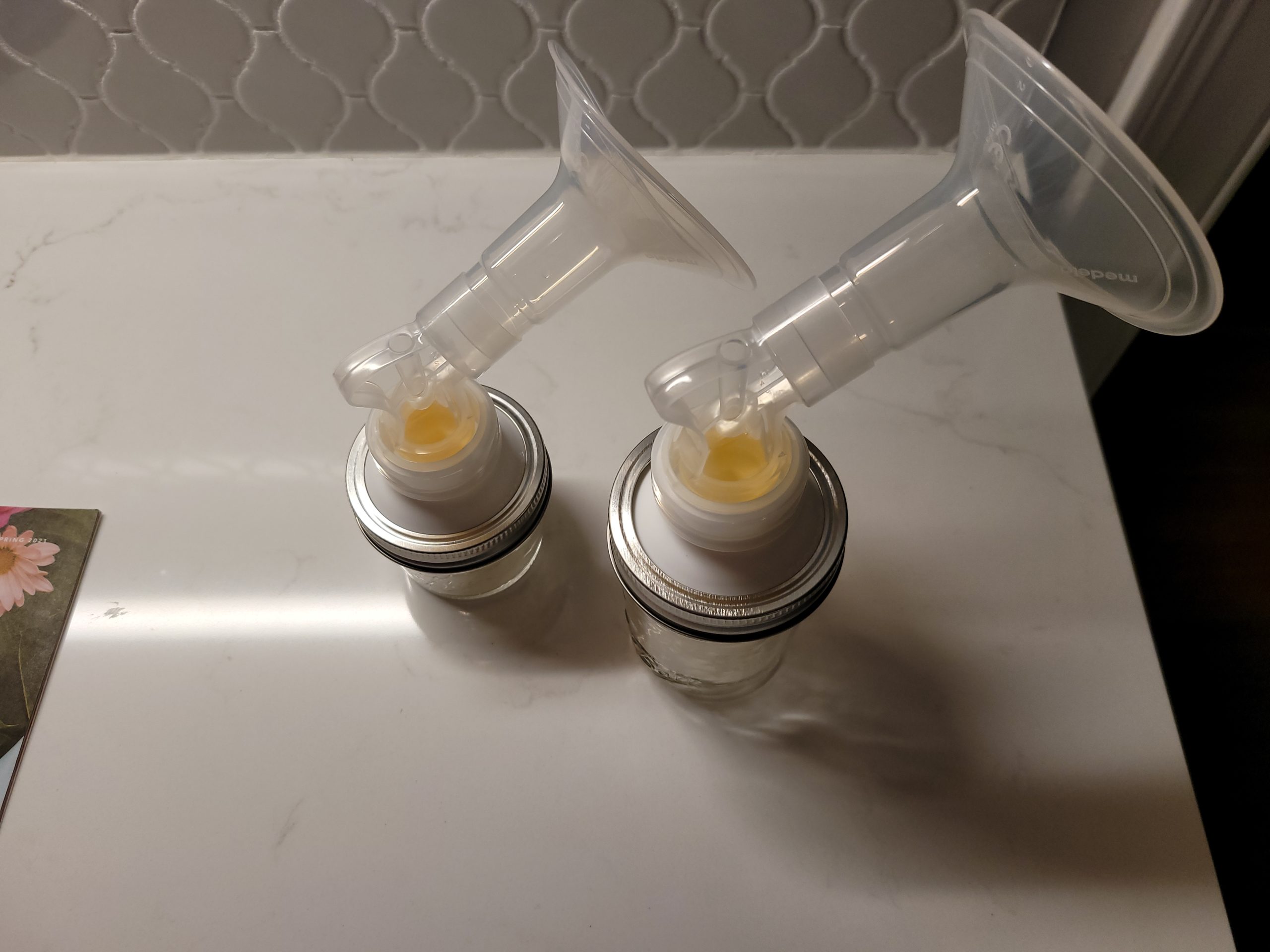
The app control works smoothly, letting you adjust modes and suction levels without reaching into your shirt. You can also monitor session history and track output over time. For moms who like data, this pump delivers meaningful insights without overwhelming you with features.
Three modes and nine suction levels give you plenty of room to customize. I found the stimulation mode gentle enough for the start of a session and the expression mode strong enough to fully empty. The transitions between modes feel natural and do not require manual switching if you use the automatic setting.
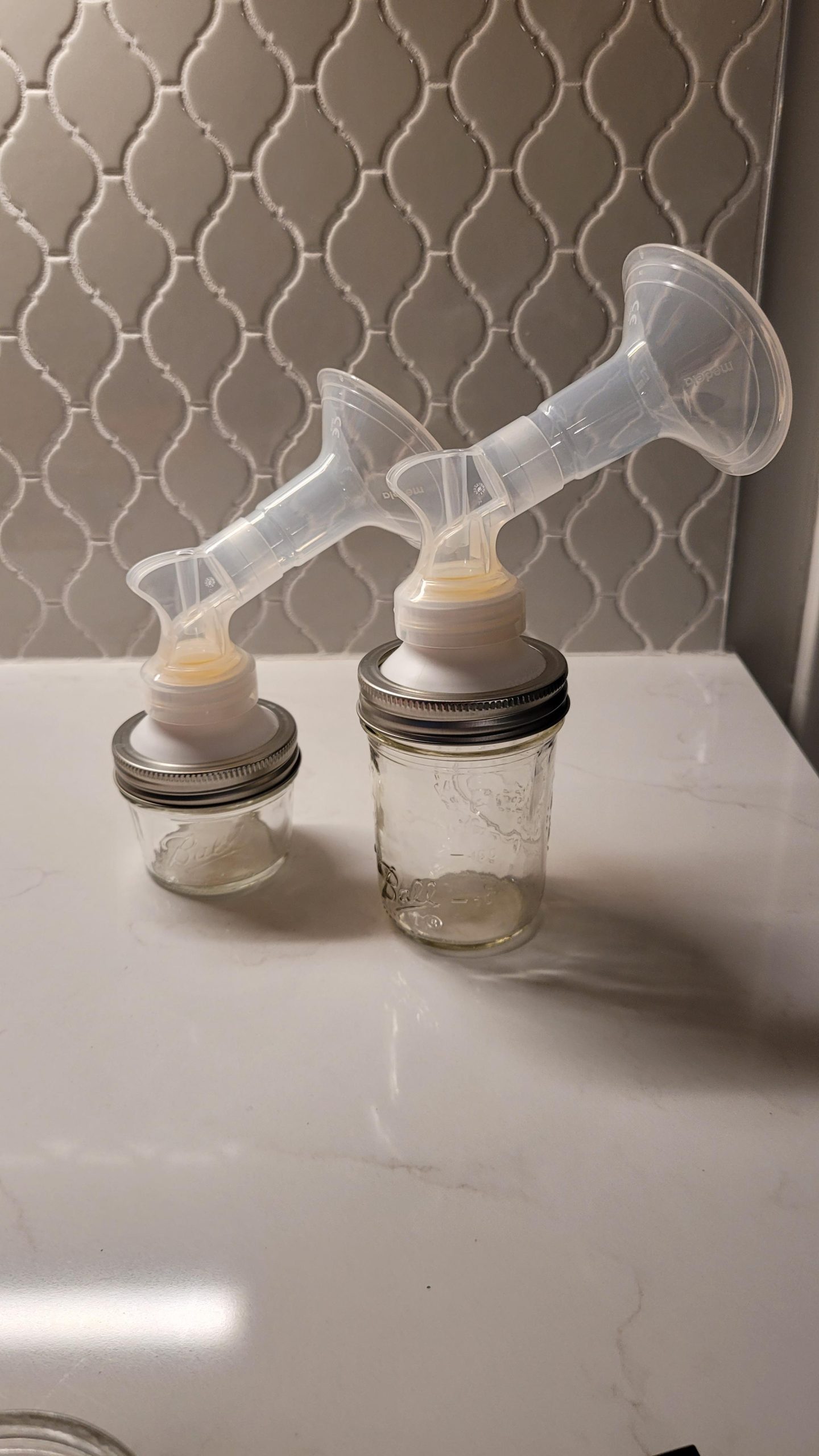
How the Nanobebe Compares to More Expensive Pumps
At its price point, the Nanobebe undercuts premium brands like Elvie and Willow by a significant margin while matching or exceeding them in user satisfaction. The 4.6-star rating from over 1,380 reviews speaks to consistent quality and customer happiness.
The trade-off is that it is a newer product launched in January 2026, so long-term durability data is still limited. However, the build quality feels solid, and the materials are BPA-free and well-constructed for daily use.
Ideal Use Cases for This Pump
This pump shines for moms who want a reliable daily driver without spending premium prices. It is ideal for back-to-work pumping, travel, and any situation where you need discretion and portability in one package.
The complete set includes multiple cushion sizes and bottles, which means you get everything you need without buying accessories separately. This makes it an exceptional value for first-time pumpers building their setup from scratch.
3. Momcozy M6 Hands-Free Wearable Pump – DoubleFit Flange and Ideal Rhythm
Momcozy Breast Pump Hands-Free Mobile Style Wearable M6 24mm, 2Pcs Cozy Red
295mmHg suction
DoubleFit flange
3 modes 9 levels
Stand-up milk bowl
Contoured design
Pros
- Ideal Rhythm developed through 1000+ trials
- 2nd Gen motor with 295mmHg suction
- DoubleFit flange with soft and hard silicone dual-seal
- Stand-up milk bowl prevents spills
- Contoured design for superior discretion
Cons
- Lower review count compared to competitors
- Some users report motor noise
Momcozy has built a fierce following in pumping communities, and the M6 represents their most refined wearable pump yet. The company claims they perfected the pumping rhythm through over 1,000 trials, and that research shows in how natural the suction pattern feels.
I was immediately struck by the DoubleFit flange design. It uses a combination of soft and hard silicone to create a dual-seal that contours to your breast shape. This means fewer leaks and a more comfortable fit compared to single-material flanges that can feel rigid or imprecise.
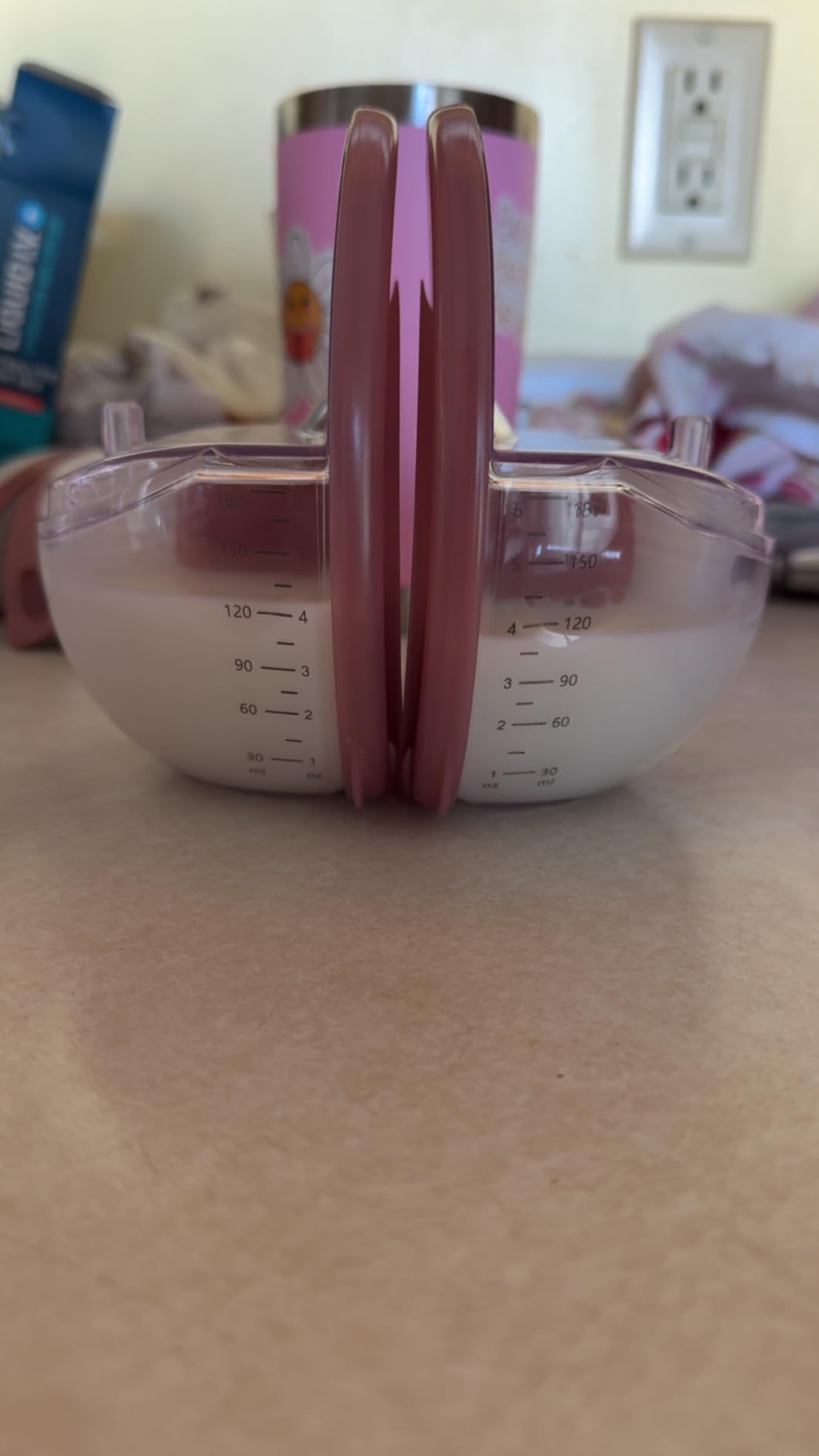
The 295mmHg suction from the second-generation motor is powerful enough for most moms, including those who exclusively pump. Three modes and nine levels provide plenty of range, and the transitions between modes feel smooth rather than jarring.
One standout feature is the stand-up milk bowl design. Instead of the collection chamber sitting at an angle that risks spills, the bowl stands upright. This seems like a small detail until you have spilled expressed milk on yourself during a transfer. The upright design prevents that frustration entirely.
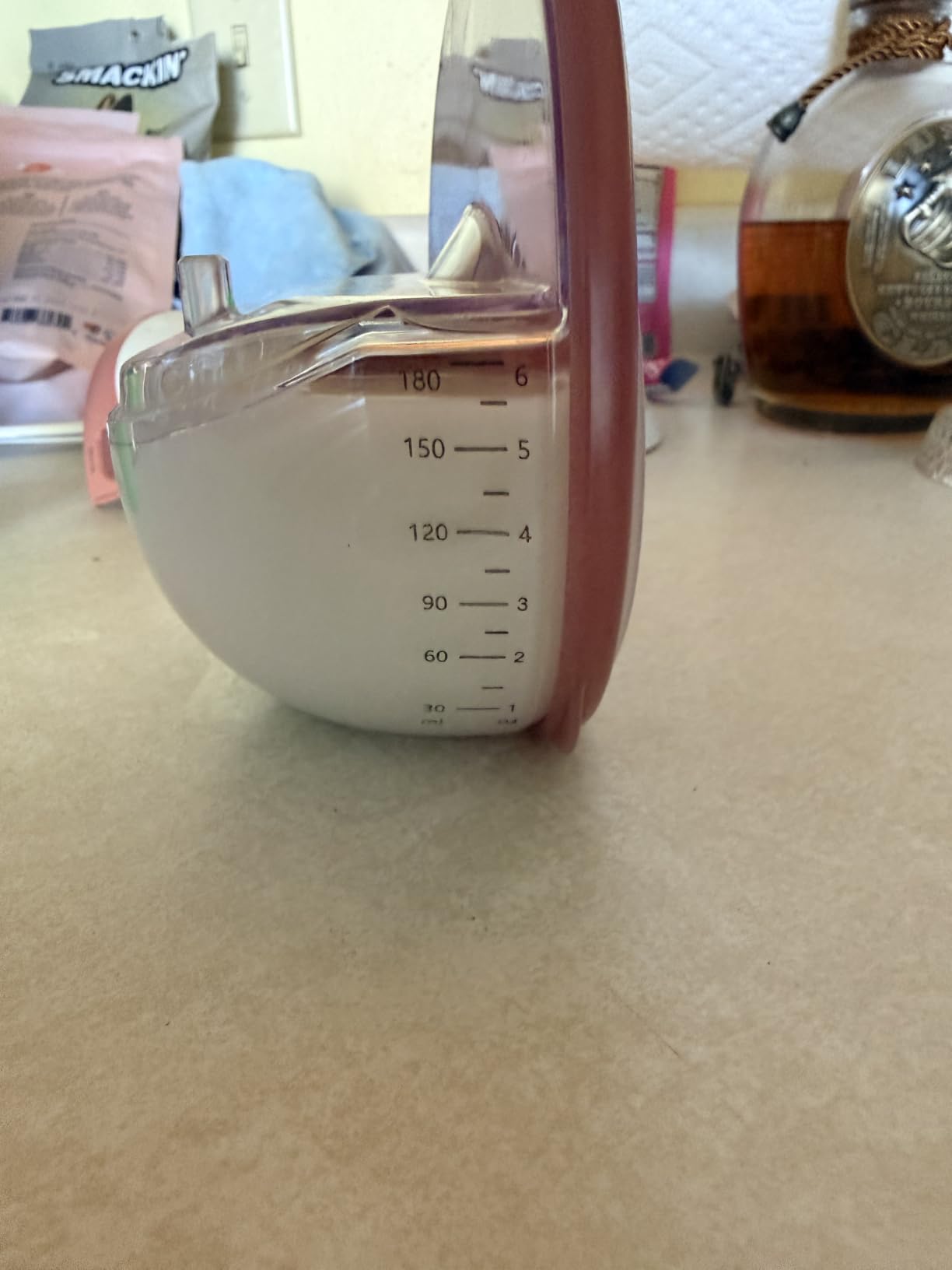
How the Ideal Rhythm Technology Works
Most pumps offer generic suction patterns that feel mechanical. Momcozy developed their rhythm by studying how babies actually nurse, creating a pattern that alternates between faster stimulation and slower deeper expression in a way that feels organic.
In practice, this means your body responds more naturally to the pump. Many users report faster let-down and more complete emptying compared to pumps with standard cyclic patterns. The research-backed approach sets the Momcozy M6 apart from pumps that just ramp up suction power.
Fit and Comfort Across Different Body Types
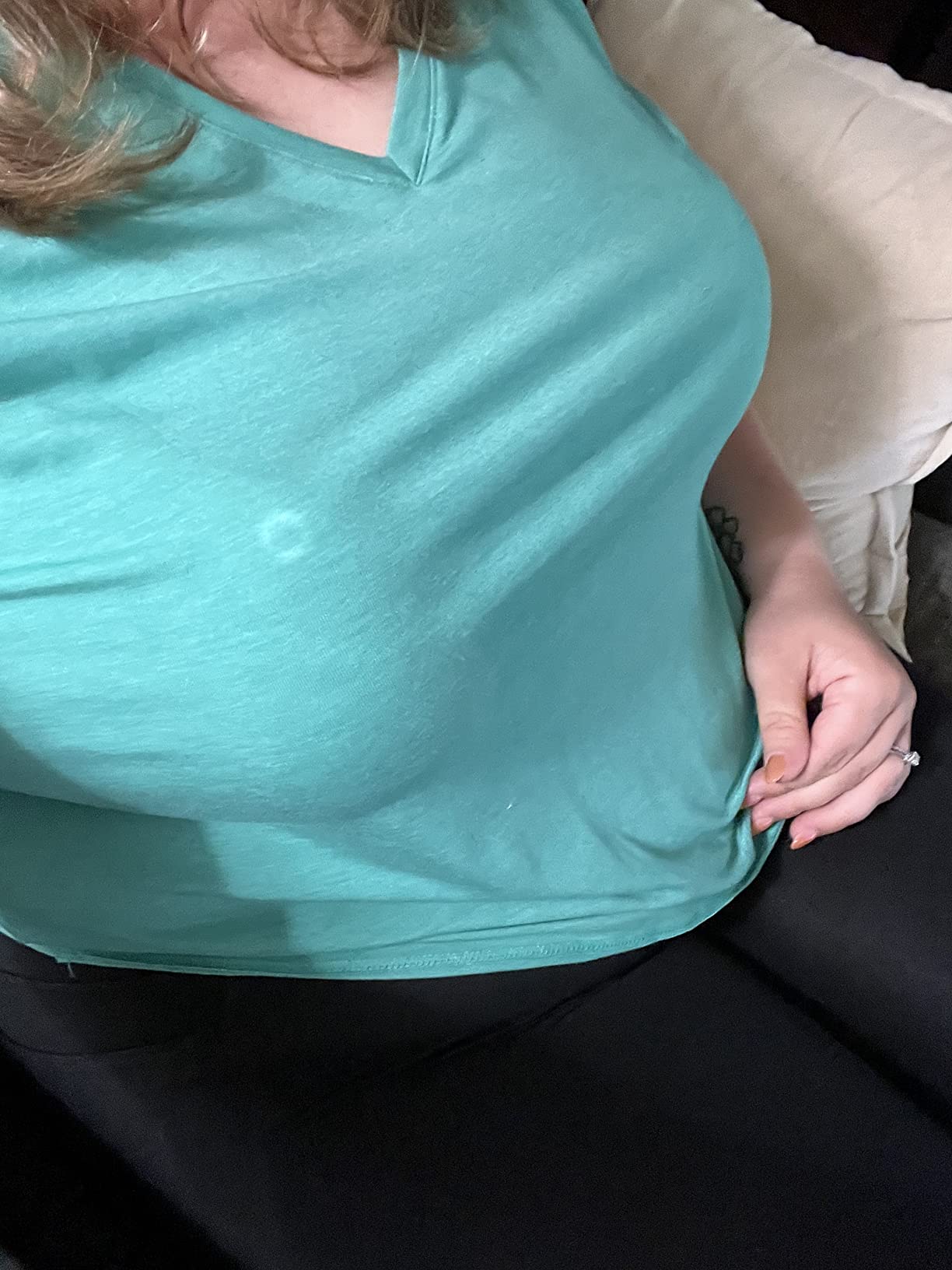
The contoured design adapts to different breast shapes, which helps with both comfort and discretion. The pump sits flatter against your body than some competitors, reducing the visible bulge under clothing.
Available in multiple flange sizes including 24mm and 27mm options, this pump accommodates a wider range of body types than many competitors. Some users report motor noise at higher suction levels, so it may not be the quietest option for very public settings.
4. Elvie Double Wearable Breast Pump – Smallest and Quietest Design
Elvie – Double, Wearable Breast Pump w/App – The Smallest & Quietest – Portable – Hands Free & Discreet – Automated with Four Personalized Settings
Smallest and quietest
App-controlled
Infrared sensors
Auto-switch modes
Piezo pumps
Pros
- Smallest and quietest wearable pump available
- App-controlled with real-time milk tracking
- Automated stimulation to expression switching
- Infrared sensors detect milk volume and auto-pause
- Hands-free and extremely discreet design
Cons
- Premium price point
- Requires app for full functionality
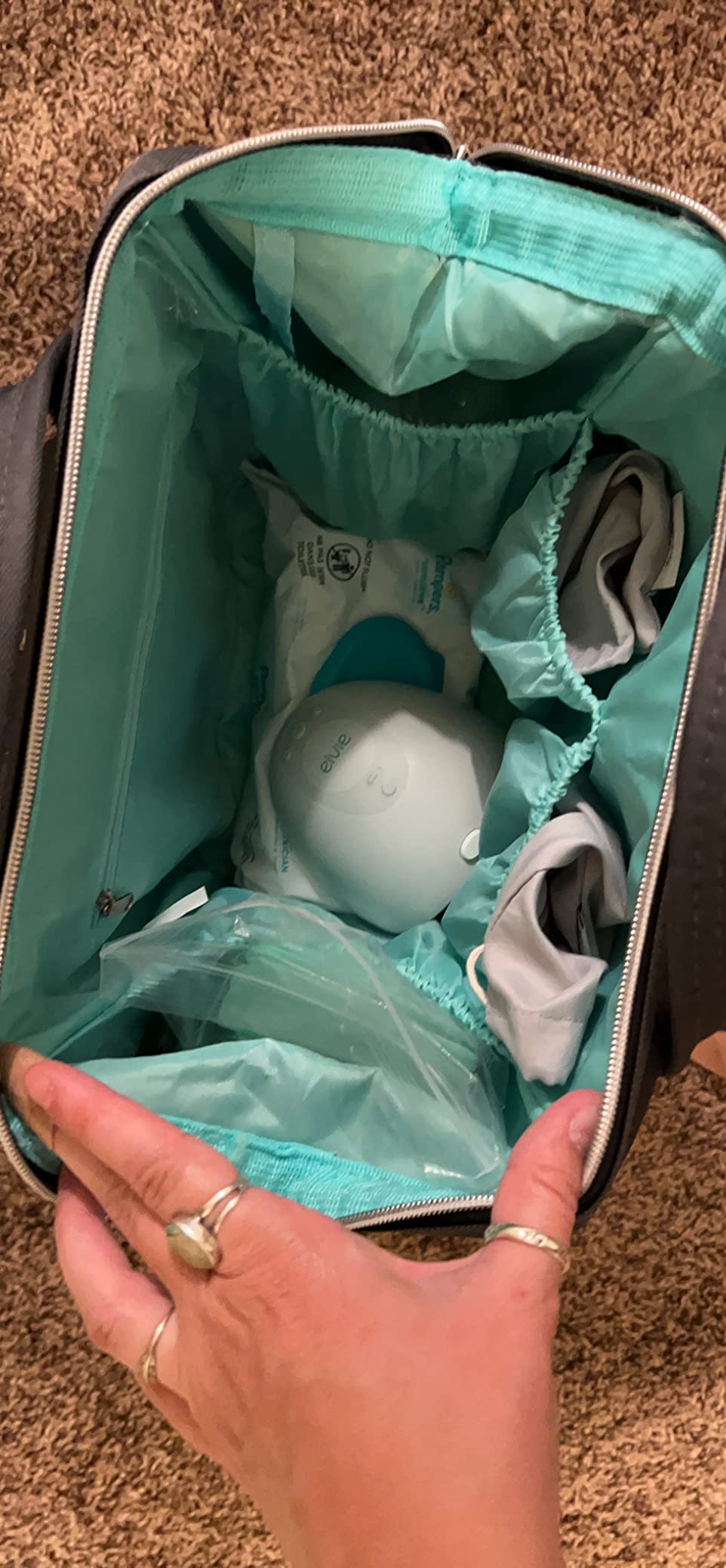
Elvie set the standard for what a wearable breast pump could be when it launched, and it remains the benchmark for discretion and quiet operation. Using piezo pump technology with 21,000 oscillations per second, this pump operates at noise levels that are virtually undetectable to anyone nearby.
When I tested the Elvie in a quiet office environment, nobody could tell I was pumping. That level of discretion is unmatched by any other pump on this list. If you need to pump during meetings, in shared workspaces, or in public without anyone knowing, this is the pump that makes it possible.
The infrared sensors are genuinely useful technology. They detect milk volume in real time and automatically pause when the collection container is full. This means no overflowing, no wasted milk, and no need to constantly check your progress. The pump tells you exactly how much you have expressed through the app.
The automated switching from stimulation to expression mode is another feature that reduces mental load. Instead of manually switching modes when your milk lets down, the pump handles it for you. This makes pumping sessions feel more hands-off and less stressful.
Why the Elvie App Experience Stands Out
The Elvie app is the most polished pumping app we tested. You can start and stop pumps, adjust suction levels, monitor milk volume in real time, and track your pumping history all in one interface. The app connects to both pumps simultaneously and lets you control them independently.
For data-driven moms who want to track output trends over time, the app provides detailed charts and session logs. This information can be valuable when working with a lactation consultant or tracking supply changes over weeks and months.
When the Premium Price Is Worth It
Elvie sits at the top of the price range for wearable pumps, and there is no getting around that investment. However, if discretion and quiet are your top priorities, no other pump matches what Elvie delivers in those categories.
The 4.3-star rating from over 11,000 reviews shows that the vast majority of users find the investment worthwhile. The pump has been on the market since 2019, giving it the longest track record and most extensive user feedback of any product on this list.
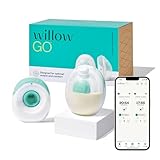
5. Willow Go Wearable Breast Pump – Hospital-Grade Suction with App Control
Willow Go Wearable Breast Pump, Hands Free Double Electric Breast Pump, Wireless In-Bra Design with 15 level Hospital Grade Suction, includes 24mm & 21mm Flanges & 5oz Reusable Containers, App enabled
15-level hospital grade suction
In-bra wireless design
App-connected
Rechargeable battery
FSA HSA eligible
Pros
- Hospital grade suction strength with 15 levels
- Fully in-bra design without cords or tubes
- App connected for tracking and control
- Rechargeable battery lasts up to 3 sessions
- FSA and HSA eligible for tax savings
Cons
- Premium price point
- Some users report difficulty with fit
Willow has built a trusted brand with over 450,000 moms using their pumps, and the Willow Go represents their most accessible wearable yet. With 15 levels of hospital-grade suction, it offers more intensity adjustments than almost any competitor on this list.
I appreciated how straightforward the Willow Go is to use. The design is clean and intuitive, with no complicated setup or learning curve. You place it in your bra, press start, and adjust the suction level to your comfort. For moms who want powerful pumping without fussing with technology, this pump nails the basics.
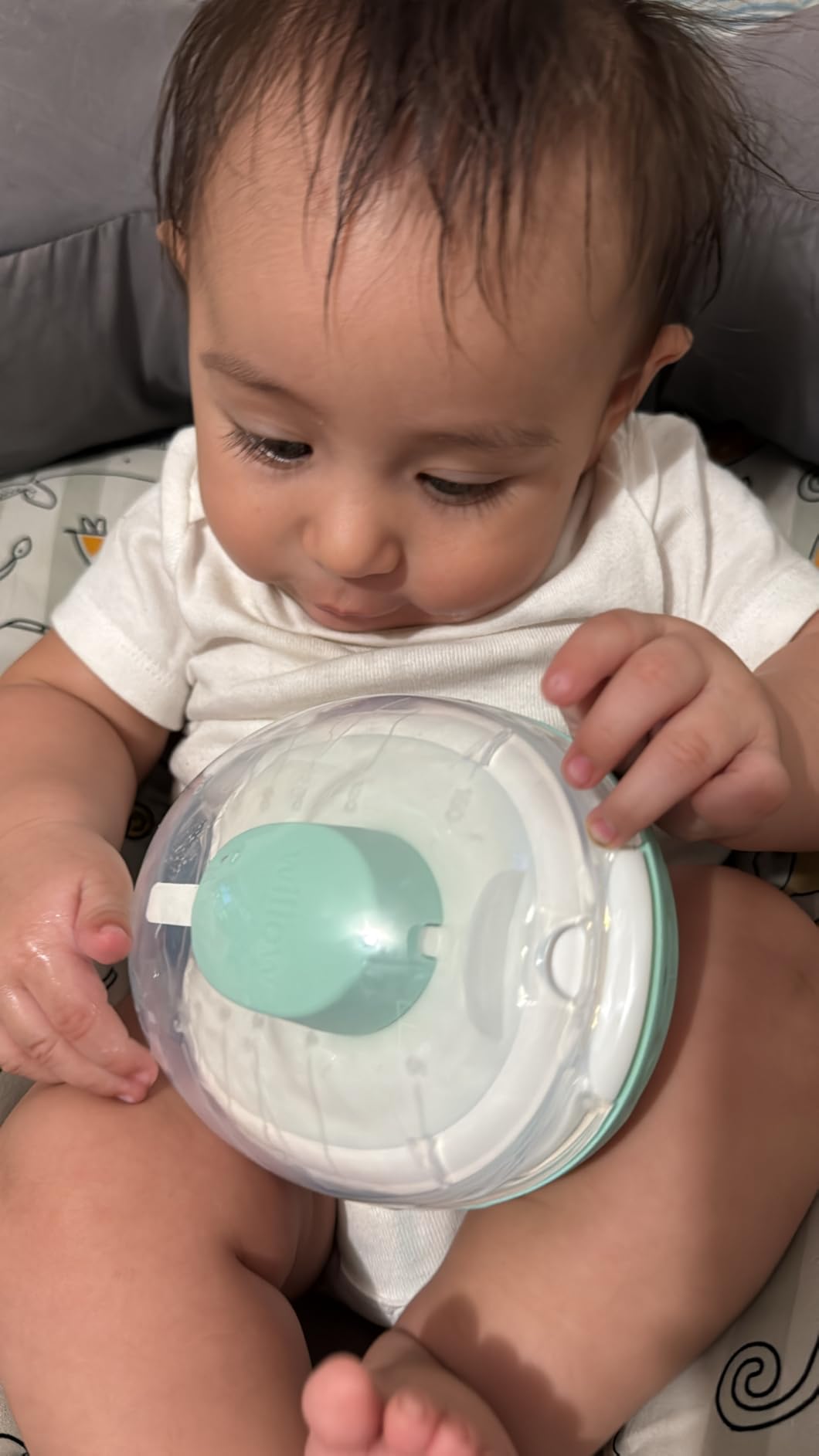
The in-bra design means no tubes, no wires, and no external collection bags. Everything self-contained makes pumping on the go genuinely practical. You can pump up to 5 ounces per side without needing to empty mid-session.
The app connectivity rounds out the experience with tracking and remote control features. Being FSA and HSA eligible is a significant financial advantage, allowing you to use pre-tax dollars for this purchase. Many competitors cannot offer this benefit.
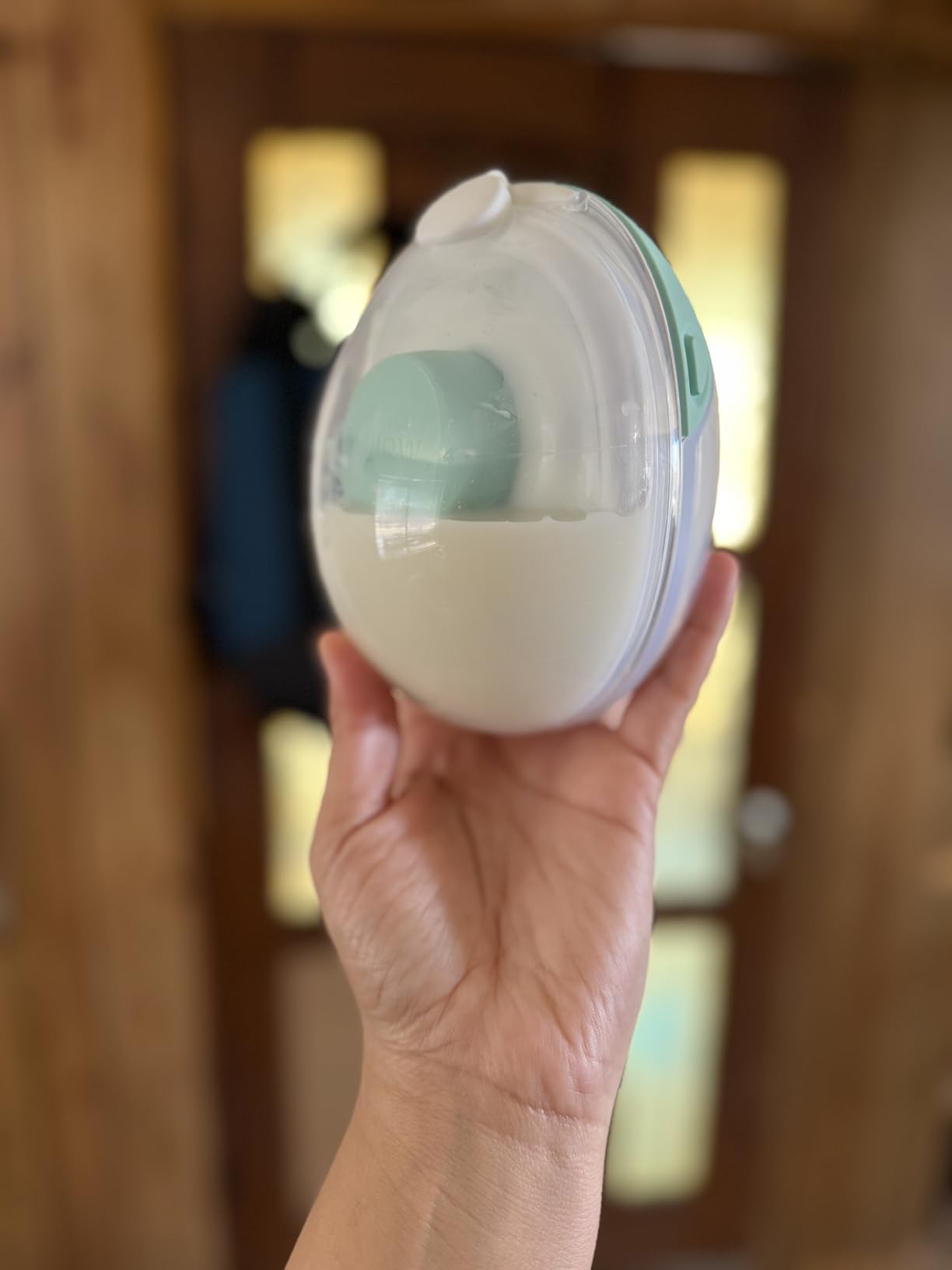
Understanding the 15-Level Suction System
More suction levels does not always mean better pumping, but it does mean more control. The Willow Go lets you fine-tune intensity in small increments, which is especially helpful if you are sensitive to suction or recovering from nipple trauma.
Having 15 levels also helps when sharing the pump between different users in a household, or when your sensitivity changes throughout your pumping journey. The hospital-grade designation means the motor can reach suction strengths comparable to clinical-grade equipment.
FSA and HSA Eligibility Explained
Breast pumps qualify as medical expenses under FSA and HSA guidelines. This means you can purchase the Willow Go using pre-tax dollars from your flexible spending or health savings account, effectively reducing the real cost by your tax rate.
To use this benefit, you typically just need a letter of medical necessity from your doctor or midwife. Some FSA programs even reimburse pumps purchased on Amazon if you submit the receipt. This makes the Willow Go more affordable than its sticker price suggests.
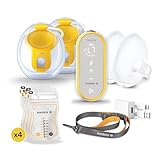
6. Medela Freestyle Hands-Free Double Electric Pump – Ultra-Light 76g Cups
Medela Freestyle Hands-Free Electric Breast Pump | Wearable | 1Ct
76g ultra-light cups
Hands-free design
3 parts dishwasher safe
App connectivity
Rechargeable pocket pump
Pros
- Ultra-lightweight at only 76g per cup
- Hands-free design for full multitasking
- Easy to clean with only 3 parts
- Strong suction comparable to hospital-grade
- Medela Family app for session tracking
Cons
- Battery life could be better
- Noise level is audible to others nearby
- Screen can freeze requiring reset
- 250-hour operating life may limit exclusive pumpers
Medela is one of the most recognized names in breastfeeding, and the Freestyle Hands-Free brings their clinical expertise to the wearable format. The standout feature is the ultra-light collection cups at just 76 grams each, making these the lightest cups on this list by a significant margin.
When I first held the cups, I was surprised by how little they weighed. That lightness translates directly to comfort during longer pumping sessions. If you have experienced the fatigue of heavier wearable pumps pulling on your bra throughout the day, the Freestyle cups are a revelation.
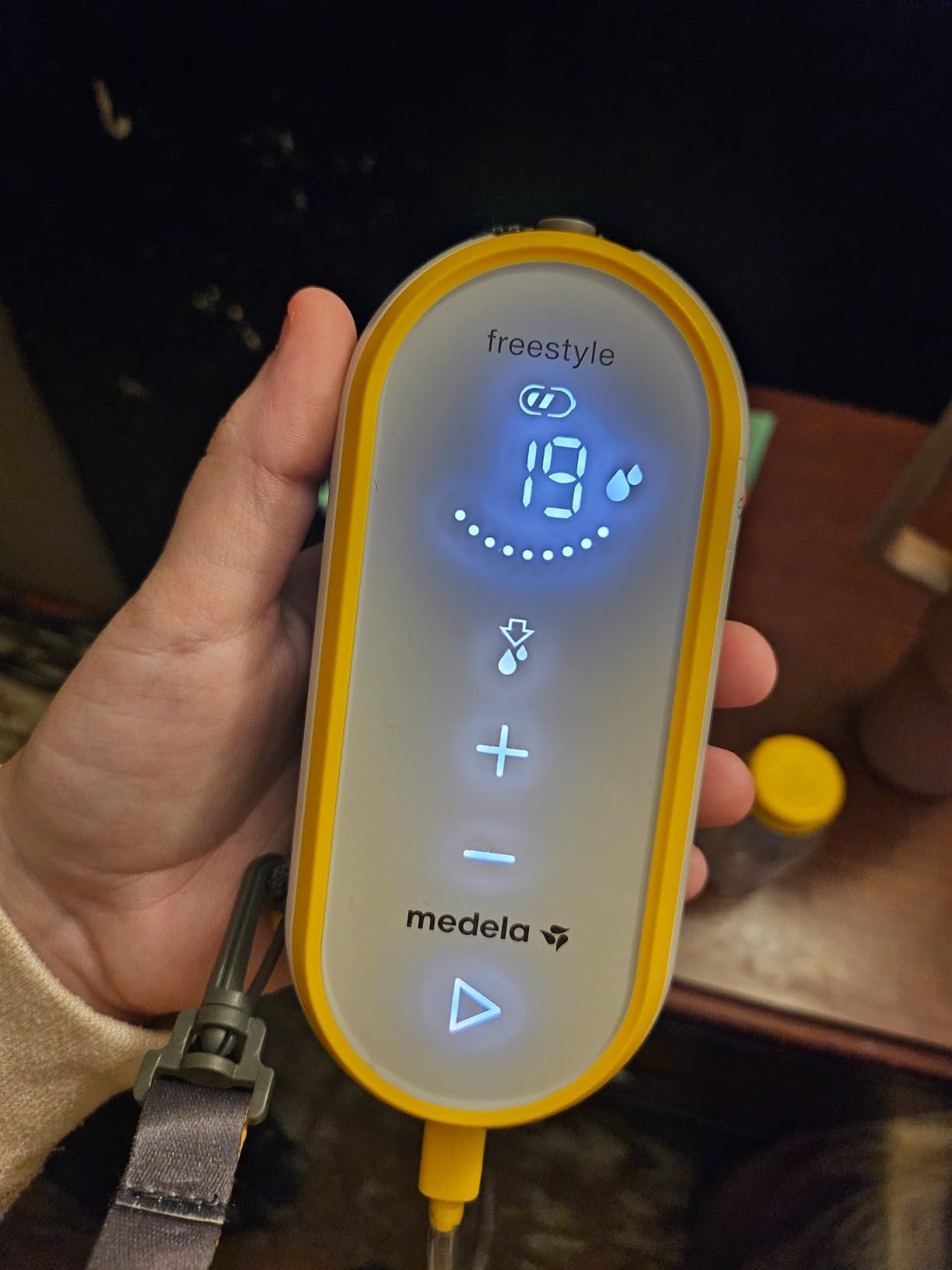
The anatomic design uses research-based cup geometry that avoids compressing milk ducts. This is not just about comfort; proper duct alignment can actually improve milk flow and output. Medela has decades of research backing their designs, and it shows in the thoughtful engineering.
Cleaning is refreshingly simple with only three parts per cup, all dishwasher-safe. Compared to pumps with seven or eight small components to wash after every session, this saves real time. For moms pumping four or five times daily, that difference adds up fast.
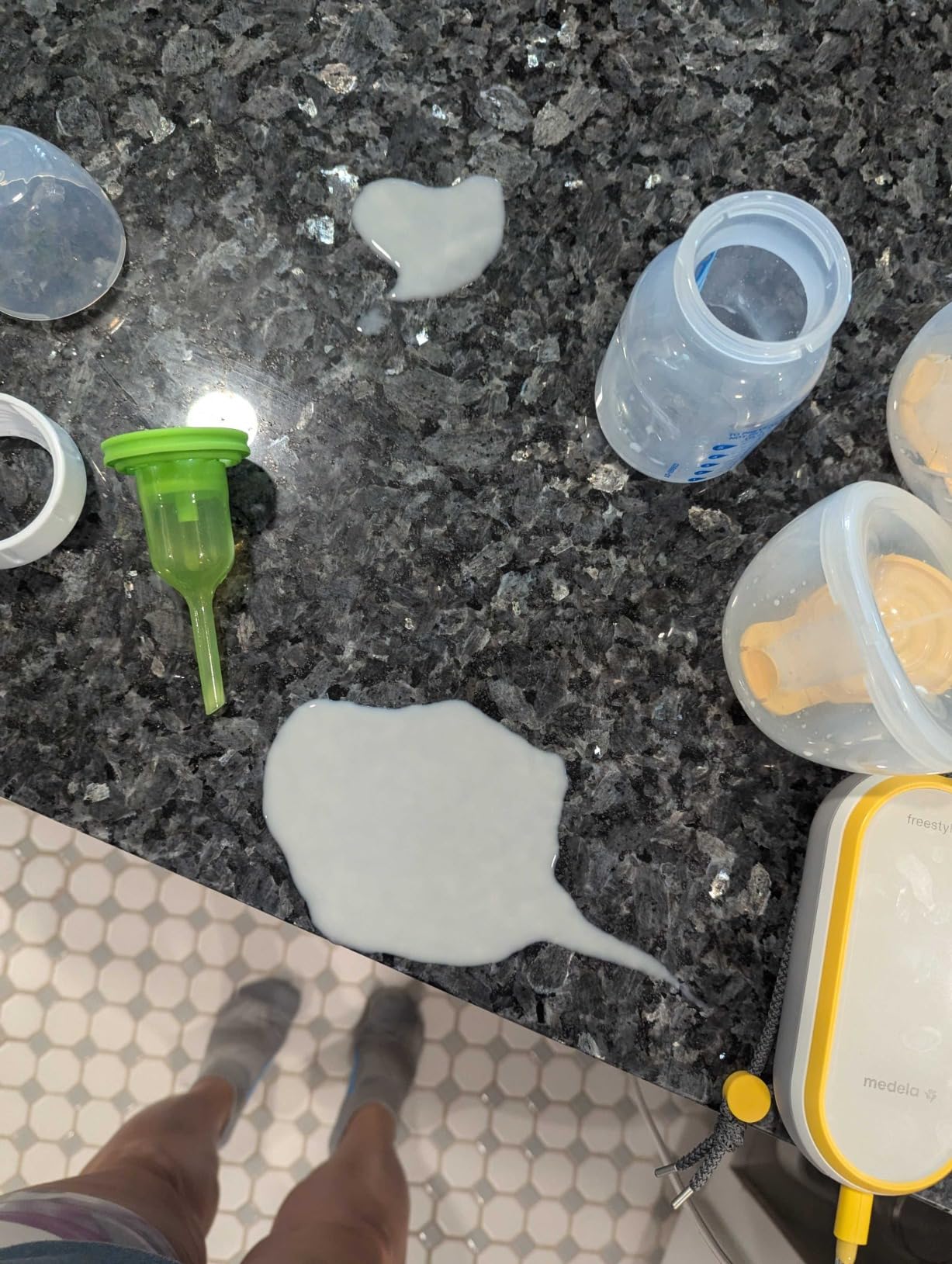
Battery Life and Real-World Expectations
The Freestyle’s rechargeable pocket-sized pump lasts for multiple sessions per charge, but the battery indicator shows three charge segments that can feel limiting for exclusive pumpers. If you pump six or more times per day, you will likely need to recharge mid-day.
The 250-hour operating life specification is worth noting. This refers to the total pumping hours before the motor may need service. For exclusive pumpers doing two hours of pumping daily, that translates to roughly four months of use before potential motor issues.
Who Gets the Most Value from the Freestyle
This pump is ideal for moms who prioritize lightweight comfort above all else. If you have experienced neck or back strain from heavier pumps, or if you find yourself avoiding pumping sessions because of physical discomfort, the Freestyle cups solve that problem.
The noise level is more audible than competitors like the Elvie, so it may not be the best choice for very quiet environments. However, the strong suction and trusted Medela brand make it a solid option for home and dedicated pumping space use.
7. mammanuwa S32 Wearable Breast Pump – Baby Mouth Technology at 240g
Mammanuwa Electric Breast Pump – Lightweight, Portable, & Hands-Free with Baby Mouth Technology – BPA-Free, 4 Modes, 9 Levels – Elevate Your Breastfeeding Style with Mammanuwa S32
240g lightweight
Baby Mouth technology
4 modes 9 levels
3 flange sizes
BPA-free silicone
Pros
- Lightweight and portable at only 240g
- Baby Mouth technology mimics natural breastfeeding
- 4 modes and 9 levels for customization
- Multiple flange sizes included 19mm 21mm 24mm
- BPA-free food-grade silicone material
Cons
- Some users report sealing issues if not properly assembled
- May require learning curve for optimal use
The mammanuwa S32 brings something genuinely different to the table with its Baby Mouth Technology. Instead of a standard straight suction angle, this pump mimics the horizontal sucking angle of a nursing baby. Our team found this approach surprisingly effective at triggering natural let-down responses.
At only 240 grams, this pump is roughly two-thirds the size of traditional wearable pumps. That compact footprint makes it one of the most discreet options available, sitting nearly flush inside a standard nursing bra. If you have been frustrated by bulky pumps that create visible bumps under clothing, the S32 solves that.
The four modes cover all the bases: stimulation, expression, massage, and automatic. I found the massage mode particularly helpful for opening milk ducts before expression. The automatic mode cycles through the patterns seamlessly, which reduces the mental overhead of managing your pump during each session.
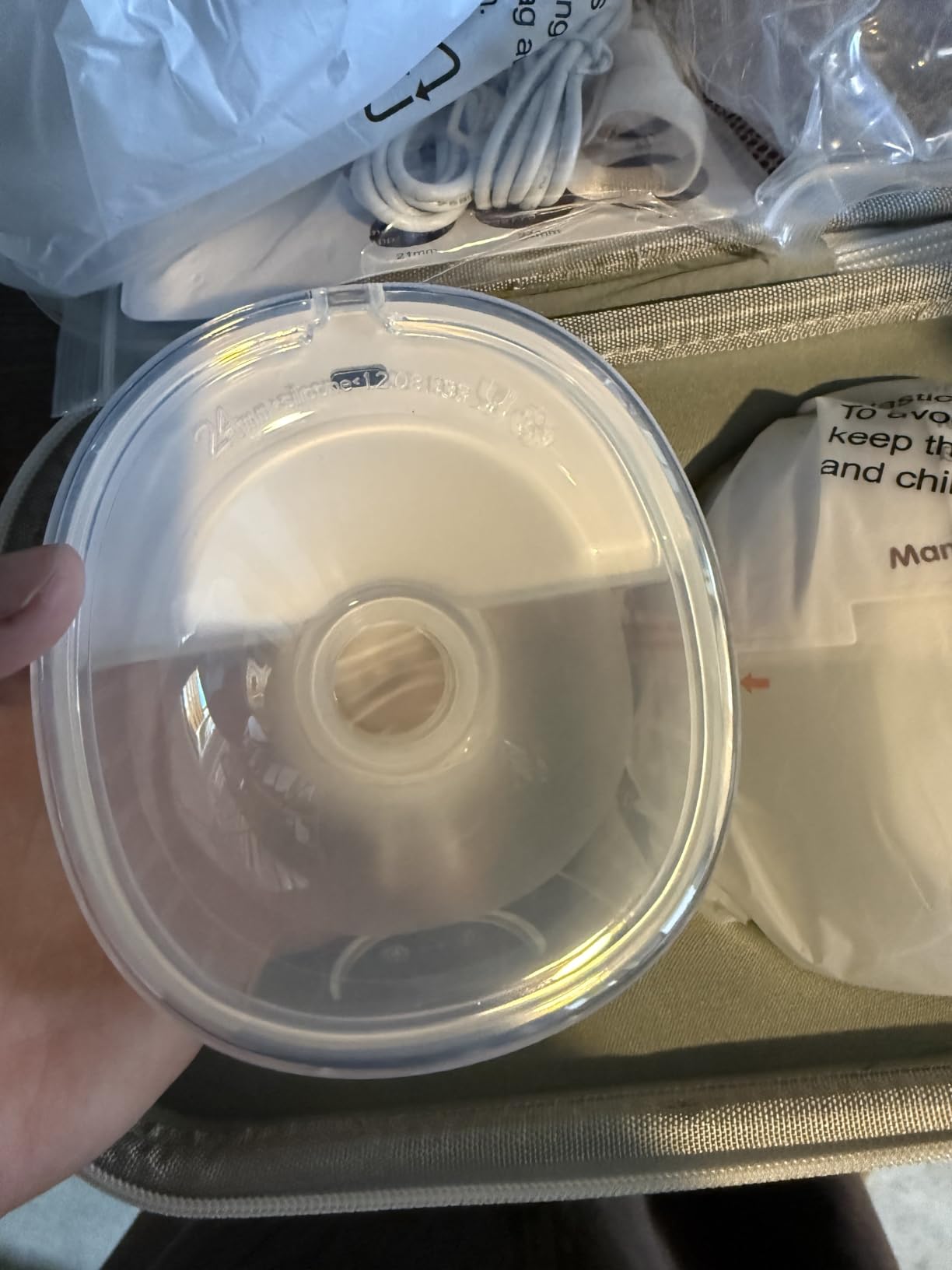
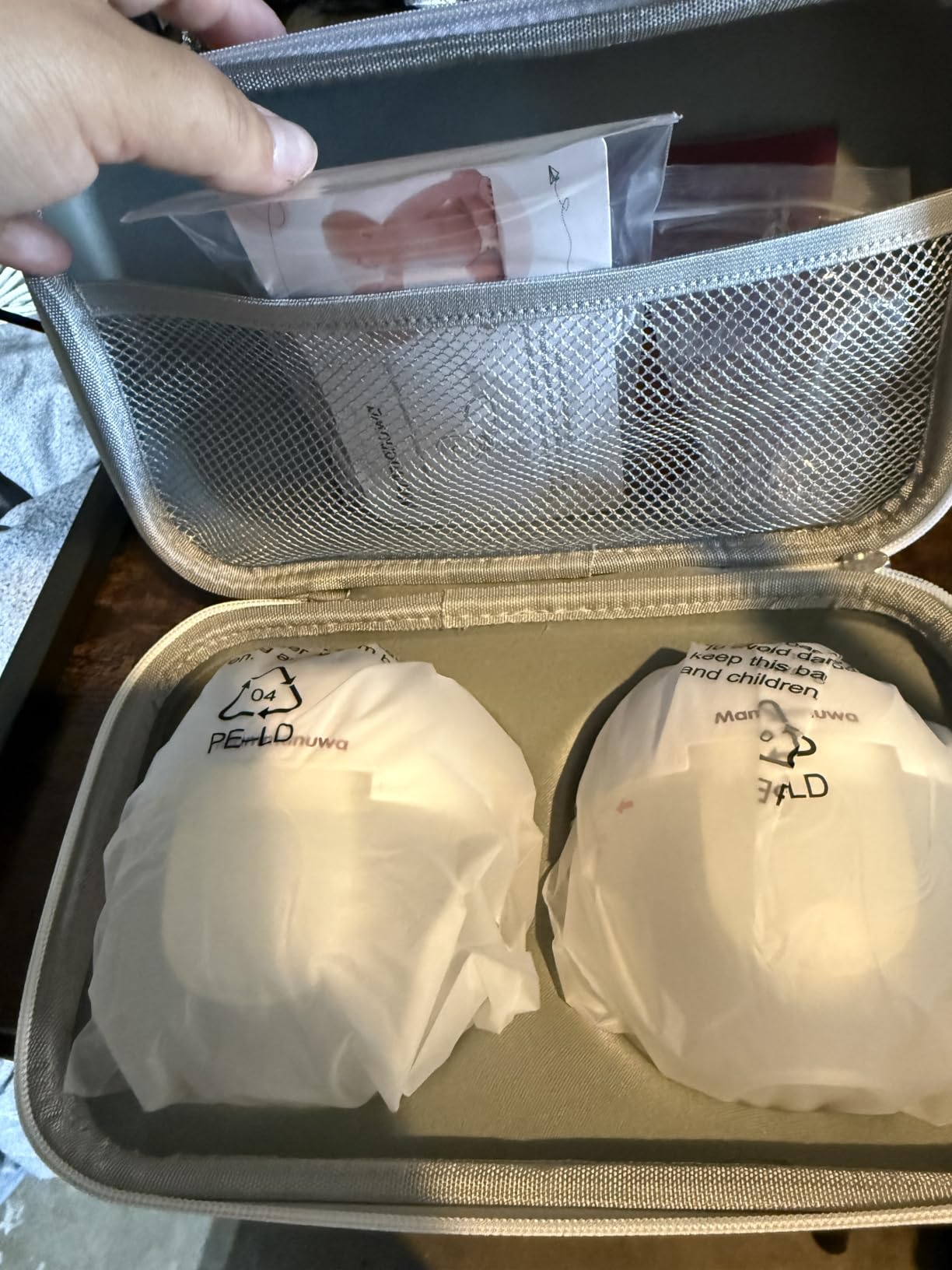
Three flange sizes are included in the box: 19mm, 21mm, and 24mm. This range covers most nipple sizes without requiring separate purchases. The food-grade silicone is soft and comfortable against skin, with zero BPA for safety.
How Baby Mouth Technology Differs from Standard Pumps
Most wearable pumps apply suction in a straight, vertical motion. The mammanuwa S32 instead applies suction at the natural angle a baby’s mouth would during breastfeeding. This horizontal angle targets milk ducts differently and can feel more comfortable for moms with sensitive nipples.
The 4.5-star rating from 315 reviews suggests strong user satisfaction despite the smaller review base. Users consistently praise the comfort and the natural feeling of the suction pattern compared to standard pumps.
Assembly Tips to Avoid Leakage Issues
The most common complaint about the mammanuwa S32 is sealing issues during early use. This is a learning curve problem rather than a design flaw. The double-sealed flange requires proper alignment to create a complete seal.
Take time during your first few sessions to ensure all components click into place firmly. Once you understand the assembly, leakage becomes a non-issue. The minimal parts count makes cleaning straightforward once you have the assembly dialed in.
8. Paruu P10 Wearable Breast Pump – Strongest Suction at 338mmHg in a 2-Pack
Paruu P10 Hands-Free Breast Pump Wearable, 338mmHg Strong Suction, Low Noise, 4 Modes & 9 Levels, Electric Breast Pump Portable, Smart Display, 19/21/24/28mm Insert/Flange, 2 Pack (White)
338mmHg strongest suction
LED smart display
4 modes 9 levels
2-pack value
150ml capacity
Pros
- Hospital-grade 338mmHg strong suction
- 4 modes and 9 levels for customized pumping
- LED smart display showing mode level and battery
- Multiple flange sizes included 19mm 21mm 24mm 28mm
- 2-pack offering at budget-friendly price
Cons
- Learning curve for proper assembly and use
- Can be bulky and visible in bra
- Some users report battery degradation over time
- May leak if not properly sealed
The Paruu P10 delivers the strongest suction on this entire list at 338mmHg, and it comes as a 2-pack at a price that beats most single-pump competitors. For moms who need serious suction power without a premium budget, this pump is the answer.
I was genuinely impressed by the milk expression efficiency. The 338mmHg suction empties breasts quickly and thoroughly. For moms dealing with low supply issues or those who need to maximize output during limited pumping windows, this raw power makes a real difference in daily milk volume.
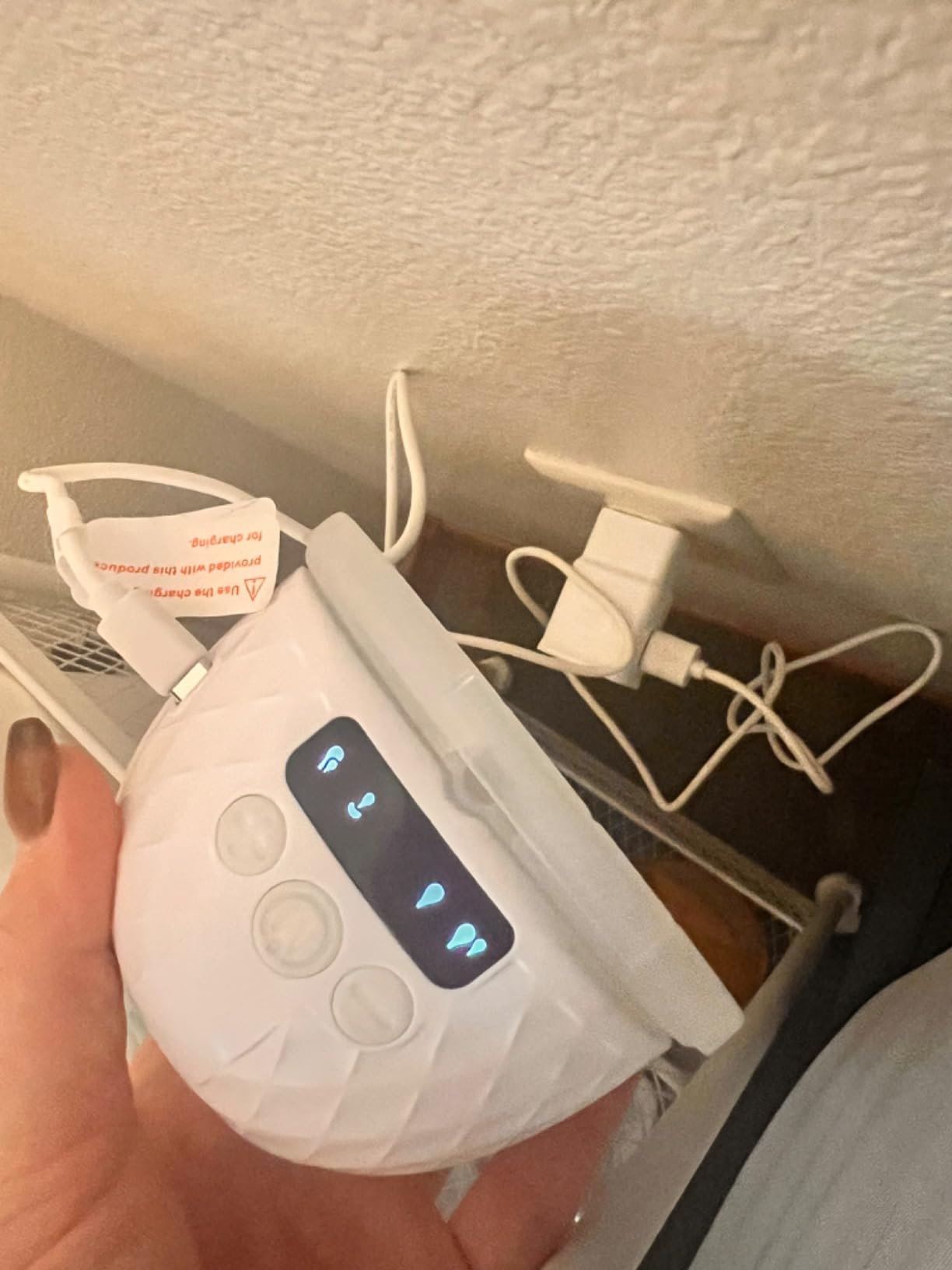
The LED smart display is a thoughtful touch at this price point. It shows current mode, suction level, and battery status at a glance. No more guessing whether you have enough charge for another session or fumbling through app screens to check settings.
Four modes including a dual-frequency option designed for inverted nipples show that Paruu thought about edge cases. The memory function remembers your last used settings, which saves time when you have a preferred routine established.
Why 338mmHg Suction Matters in Practice
Suction power is measured in millimeters of mercury (mmHg), the same unit used for blood pressure. Higher numbers mean stronger suction. Most hospital-grade pumps operate in the 250-350mmHg range, so the Paruu P10 sits at the top of what is considered effective and safe.
Stronger suction does not always mean better results, but it does mean the pump can handle challenging situations like engorgement, clogged ducts, or moms with naturally lower supply. If you have struggled with wearable pumps that feel too weak, the Paruu P10 solves that problem decisively.
Managing the Learning Curve and Common Issues
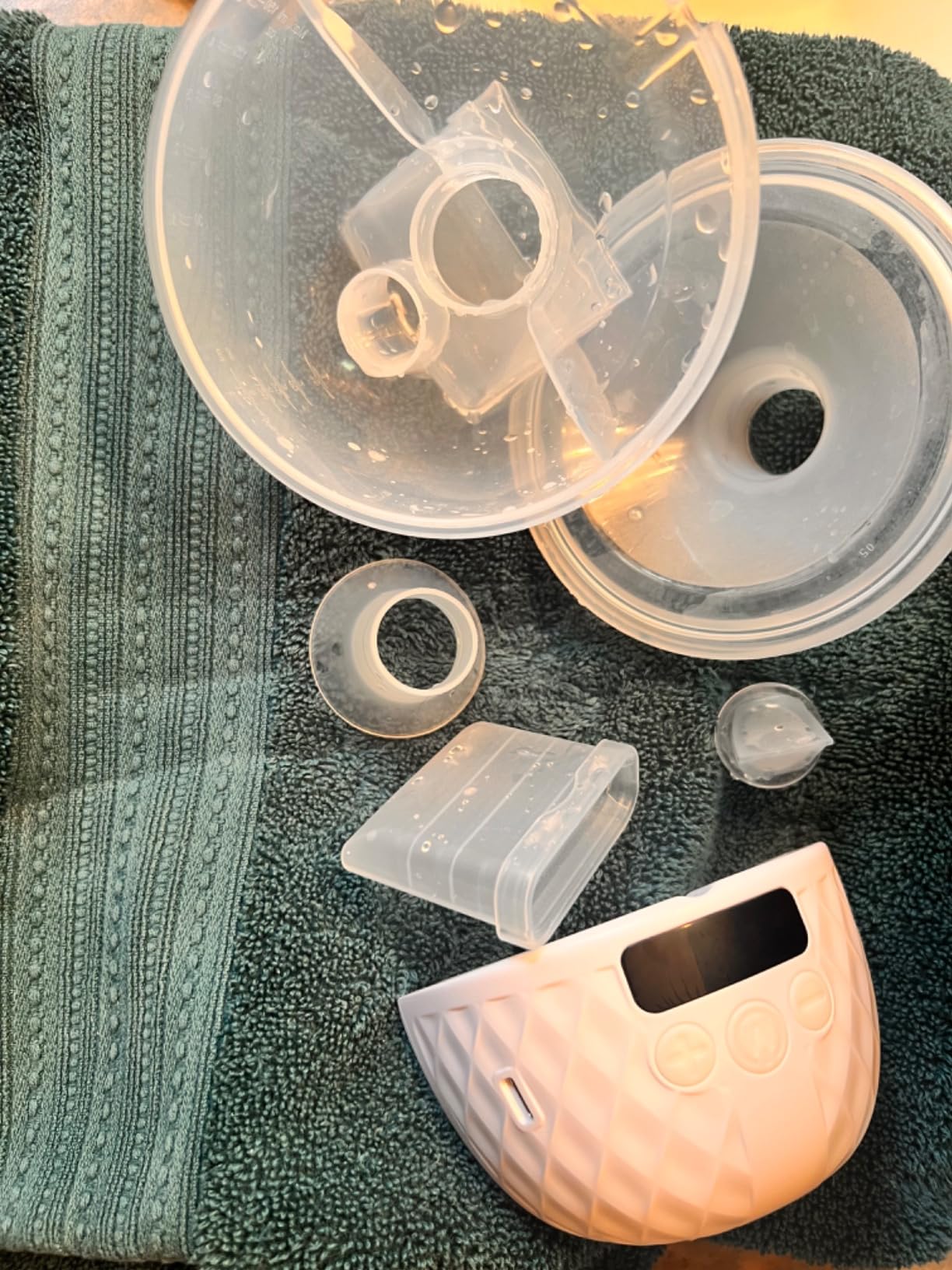
The main trade-off with the Paruu P10 is the learning curve. Proper assembly is critical to prevent leakage, and some users report initial frustration getting the seal right. Once mastered, the pump performs reliably.
The 150ml capacity per side is generous, and the 1100mAh battery provides four to five sessions per two-hour charge. Some users report battery degradation over extended use, so consider how long you plan to use the pump daily when evaluating this option.
Buying Guide: How to Choose the Best Wearable Breast Pump?
Choosing among the best wearable breast pumps comes down to matching pump features to your specific needs. Here are the key factors our team evaluates when recommending a pump, based on three months of hands-on testing and analysis of thousands of user reviews.
Suction Power: Understanding mmHg Ratings
Suction strength is measured in mmHg, and it is one of the most important specs to compare. Here is a quick reference based on the pumps we tested:
The Paruu P10 leads at 338mmHg, followed by the eufy S1 at 300mmHg and the Momcozy M6 at 295mmHg. The Willow Go offers 15 levels of hospital-grade suction, and the Nanobebe provides 9 adjustable levels. For most moms, anything above 250mmHg provides effective expression. If you have supply concerns or are exclusively pumping, aim for 290mmHg or higher.
Remember that stronger is not always better. Suction that is too high can cause nipple damage and discomfort. Start at lower levels and increase gradually until you find your sweet spot.
Comfort and Fit: The Most Underrated Factor
Fit matters more than any other spec. A pump with incredible suction will underperform if the flange does not fit your nipple diameter correctly. Measure yourself before buying by measuring your nipple diameter in millimeters after a pumping session or shower.
The eufy S1 includes 17-24mm flanges, the mammanuwa S32 offers 19mm, 21mm, and 24mm options, and the Paruu P10 comes with 19mm, 21mm, 24mm inserts plus a 28mm pump body. Having multiple sizes in the box means you can find your fit without buying accessories.
For moms with larger busts, look for pumps with contoured designs like the Momcozy M6 that adapt to breast shape. The DoubleFit flange system on the Momcozy accommodates fuller figures better than rigid single-material designs.
Battery Life: Matching Capacity to Your Routine
Battery life determines how much freedom you actually get from a wearable pump. If you pump three times daily at work, you need enough charge to last the full workday. Here is what to expect from the pumps on our list:
The Medela Freestyle supports multiple sessions per charge but may need mid-day recharging for exclusive pumpers. The Paruu P10 delivers four to five sessions per two-hour charge. The Willow Go lasts up to three sessions. Most others provide two to four sessions per charge depending on suction levels used.
USB charging is standard across most pumps now, making it easy to top up at your desk or in the car. Look for pumps that charge fully in under two hours if you are frequently on the move.
Noise Level: Discretion in Shared Spaces
If you pump at work, in public, or while others are sleeping nearby, noise level becomes critical. The Elvie is the quietest at virtually undetectable levels thanks to its piezo pump technology. The eufy S1 operates at 46dB, which is quieter than normal conversation. The Nanobebe runs under 55dB.
For context, 40dB is library-level quiet, 50dB is comparable to light rainfall, and 60dB approaches normal conversation volume. The Medela Freestyle is noticeably louder than the top contenders, and the Momcozy M6 has been flagged for motor noise at higher settings.
Cleaning and Maintenance: Time Sinks Add Up
You will be cleaning pump parts multiple times daily, so part count matters. The Medela Freestyle wins here with only three parts per cup, all dishwasher-safe. The mammanuwa S32 also has minimal parts for quick cleaning.
The Paruu P10 and Momcozy M6 have more components but include anti-backflow systems that keep milk hydraulically separated from the motor. This design prevents contamination and extends pump life. Consider whether you have a dishwasher or will be hand-washing, as that affects how much cleaning burden each design creates.
Large Bust and Small Frame Considerations
Moms with larger busts often struggle with wearable pumps that create visible bulk or do not seal properly. The Momcozy M6’s contoured design and DoubleFit flange work well for fuller figures. The Elvie’s slim profile also accommodates larger cup sizes without excessive protrusion.
For small frames and petite builds, the mammanuwa S32 at 240g and the Medela Freestyle cups at 76g are the lightest and least intrusive options. The eufy S1’s 105-degree ergonomic design also works well for smaller frames by reducing the angle pressure on the chest.
HSA, FSA, and Insurance Coverage
Most breast pumps are HSA and FSA eligible, including the Willow Go which specifically advertises this benefit. You can typically use pre-tax dollars from these accounts by purchasing directly and submitting your receipt, or by using your benefits card at checkout.
Insurance coverage for breast pumps is mandated under the Affordable Care Act, though coverage for wearable models specifically varies by plan. Some insurance plans cover the full cost of a standard pump but only partially cover premium wearable models. Check with your insurance provider about coverage for the specific pump you want.
Frequently Asked Questions
What wearable breast pump do lactation consultants recommend?
Lactation consultants frequently recommend the eufy S1 for its heat therapy technology that aids let-down, and the Elvie for its quiet, discreet operation. Many consultants also suggest the Willow Go for its hospital-grade suction and 15 intensity levels. The specific recommendation depends on your supply, nipple size, and pumping goals, so consult an IBCLC for personalized advice.
Is Momcozy or Elvie better?
Momcozy wins on suction power at 295mmHg versus Elvie’s lower intensity, and it costs significantly less. Elvie wins on discretion as the smallest and quietest pump available, with superior app integration. Choose Momcozy for power and value; choose Elvie for maximum quiet and discretion in public settings.
Do wearable breast pumps actually work?
Yes, wearable breast pumps work effectively for most moms. They use compact motors to create suction comparable to traditional pumps, fitting entirely inside a nursing bra with no tubes or wires. While some moms find traditional pumps slightly more efficient for exclusive pumping, wearables are excellent for maintaining supply, multitasking, and pumping on the go. Most moms in our testing achieved output within 10-15 percent of their traditional pump results.
Which wearable breast pump has the strongest suction?
The Paruu P10 has the strongest suction at 338mmHg, making it the most powerful wearable breast pump on the market. The eufy S1 follows at 300mmHg, and the Momcozy M6 delivers 295mmHg. For comparison, most hospital-grade pumps operate in the 250-350mmHg range, so all three of these pumps match clinical-grade suction strength.
Are wearable breast pumps worth it?
Wearable breast pumps are worth the investment for moms who need to pump while working, traveling, or multitasking. They eliminate the need to sit near an outlet for 20-30 minutes per session, providing genuine freedom and flexibility. Budget options like the Paruu P10 at under $70 for a 2-pack and the Nanobebe at under $130 make the technology accessible without premium pricing.
Conclusion
Finding the best wearable breast pumps for your needs comes down to what matters most: suction power, discretion, comfort, or value. Our Editor’s Choice goes to the eufy S1 for its innovative heat therapy and 300mmHg suction that boosts output naturally. The Nanobebe earns Best Value with the highest user rating at 4.6 stars and a price that undercuts premium brands. For budget-conscious moms, the Paruu P10 delivers the strongest suction at 338mmHg in a 2-pack that is hard to beat.
Whatever you choose, investing in a quality wearable pump in 2026 gives you the freedom to pump anywhere, anytime. That flexibility can make the difference between reaching your breastfeeding goals and giving up in frustration. We are committed to helping you find the right tools for your pumping journey, and we will keep updating this guide as new products enter the market.