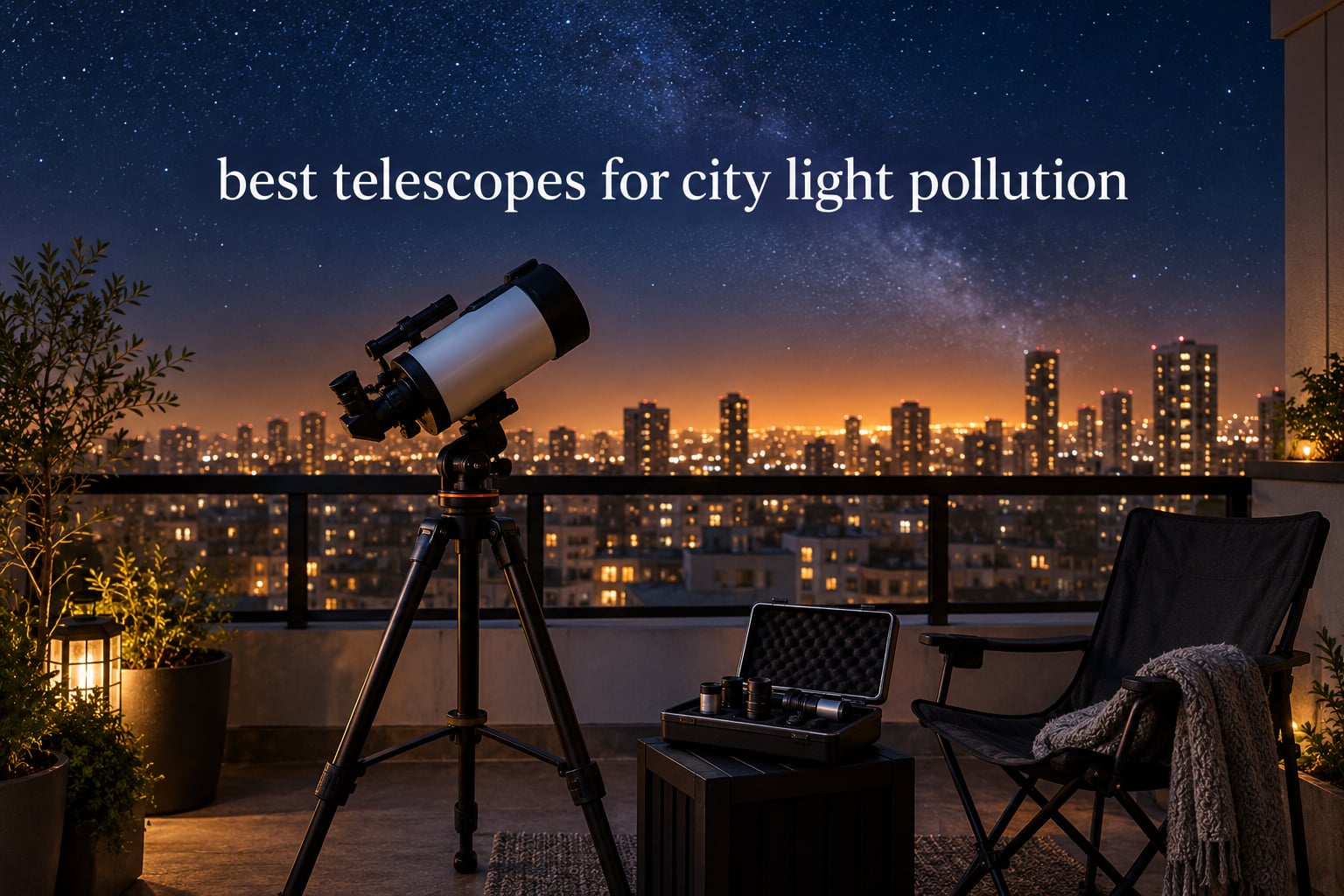
Yes, telescopes work in cities. Light pollution lifts the sky background so faint objects fade, but a telescope still reaches the Moon, the planets, the Pleiades, double stars and the brighter deep-sky objects from a balcony or a nearby park. What changes in the city is not whether a telescope works, it is which one you can actually carry, set up in five minutes, and point at something when only a handful of stars are visible.
That last part is the whole reason most city buyers regret their first telescope. Forum threads on r/telescopes and Cloudy Nights keep circling the same conflict: buy a big Dobsonian for light gathering, or buy a small apochromatic refractor for contrast. The answer is that aperture decides what you can reach, contrast decides whether you can hold on to it, and portability decides whether you use it at all.
Our team compared eleven telescopes for this roundup, from a 4.6-pound Maksutov to a 10-inch collapsible Dobsonian and two smart telescopes that do their own pointing. We sorted them by the constraint that decides most urban purchases: where the scope lives when it is not in use, and how many trips it takes to get it outside.
The picks below cover the best telescopes overall as well as the narrower categories that matter here, including refractor telescopes for contrast and closed-tube designs that fight stray light. Updated for 2026.
Table of Contents
Top 3 Picks for Best Telescopes for City Light Pollution in October

Celestron AstroMaster 130EQ
- 130mm aperture
- 650mm f/5 focal length
- German equatorial mount
- Preassembled tripod and 20mm plus 10mm eyepieces

Sky-Watcher Skymax 102 Mak
- 102mm aperture
- 1300mm focal length
- 4.6 lb sealed tube
- No collimation after transport
ZWO Seestar S30 Pro
- Built-in light pollution filters
- Automatic go-to and tracking
- 3.64 lb with tripod
All 11 Best Telescopes Compared Side by Side in 2026
Aperture, focal length, mount and weight are the four numbers that decide whether a telescope survives city life. The table below lists every pick with the specs that matter for storage, carry and light pollution.
| Product | Specifications | Action |
|---|---|---|
| Celestron AstroMaster 130EQ |
|
Check Latest Price |
| Sky-Watcher Skymax 102 Maksutov |
|
Check Latest Price |
| ZWO Seestar S30 Pro |
|
Check Latest Price |
 Celestron StarSense Explorer LT 114AZ Celestron StarSense Explorer LT 114AZ |
|
Check Latest Price |
 Celestron NexStar 8SE Celestron NexStar 8SE |
|
Check Latest Price |
 Sky-Watcher Flextube 250 10-inch Dob Sky-Watcher Flextube 250 10-inch Dob |
|
Check Latest Price |
 Sky-Watcher Classic 200 8-inch Dob Sky-Watcher Classic 200 8-inch Dob |
|
Check Latest Price |
 DWARFLAB Dwarf 3 Smart Telescope DWARFLAB Dwarf 3 Smart Telescope |
|
Check Latest Price |
 SVBONY SV503 102mm ED Refractor SVBONY SV503 102mm ED Refractor |
|
Check Latest Price |
 Gskyer 130EQ Reflector Gskyer 130EQ Reflector |
|
Check Latest Price |
 MEEZAA 150EQ Newtonian MEEZAA 150EQ Newtonian |
|
Check Latest Price |
1. Celestron AstroMaster 130EQ Review: The Overall City Pick
Celestron AstroMaster 130EQ Telescope for Deep-Sky Beginners
130mm aperture
650mm f/5 focal length
German equatorial mount
17 pounds with tripod
Pros
- Aluminum and SiO2 coated mirrors give bright lunar and planetary views
- Slow-motion knobs make tracking easy once polar aligned
- Tool-free assembly with preassembled mount and tripod
- Includes 20mm and 10mm eyepieces plus red-dot finder
Cons
- Light steel tripod legs shake when fully extended
- Red-dot finder is awkward to align precisely
- Newtonian mirrors need collimation after transport
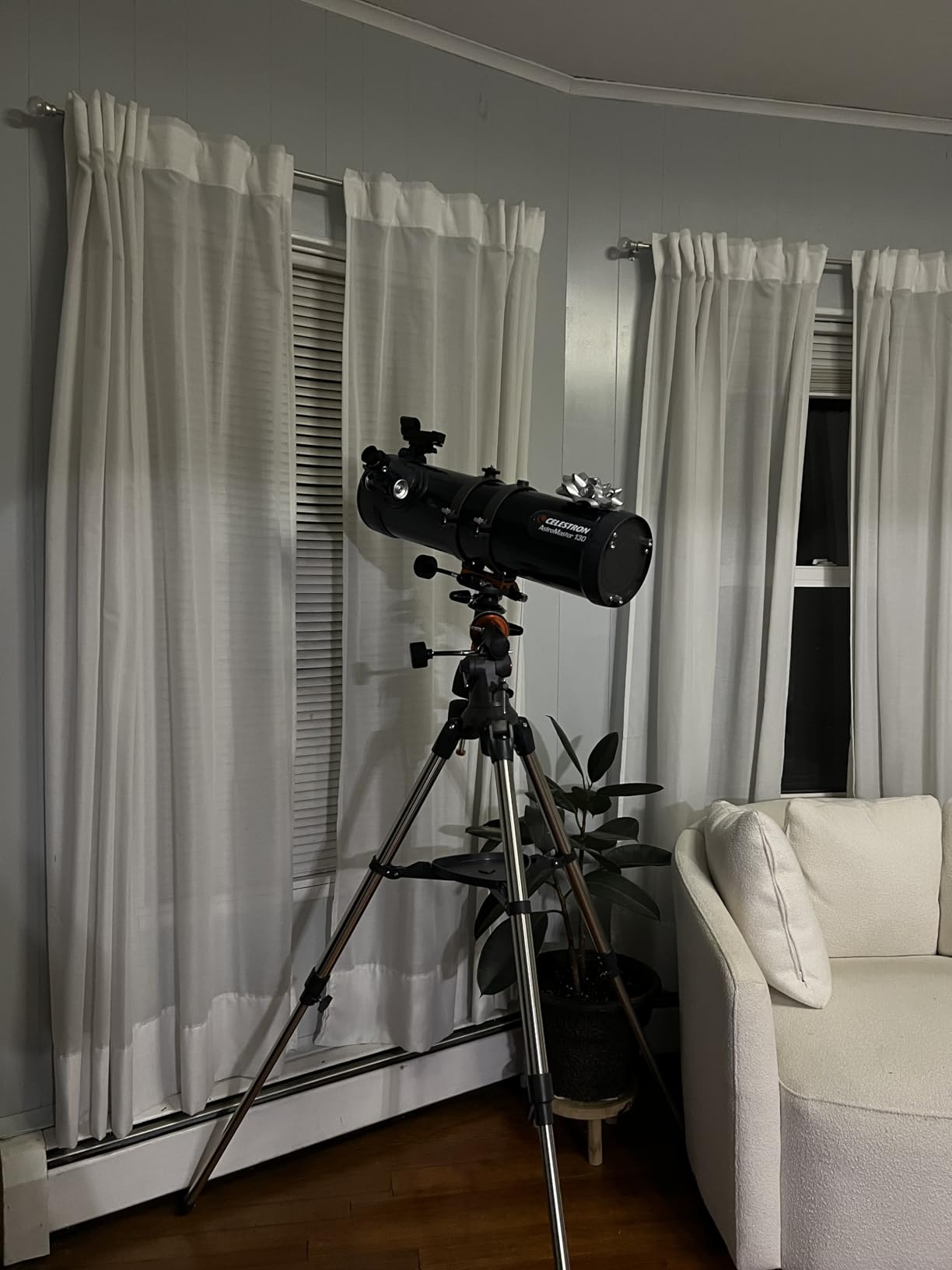
The Celestron AstroMaster 130EQ is the scope we keep coming back to for city observers because the review history tells the story. With more than 3,400 reviews at 4.3 stars, it is by far the most examined telescope in this roundup, and owners consistently describe the same thing: bright, sharp views of the Moon and Jupiter for very little money.
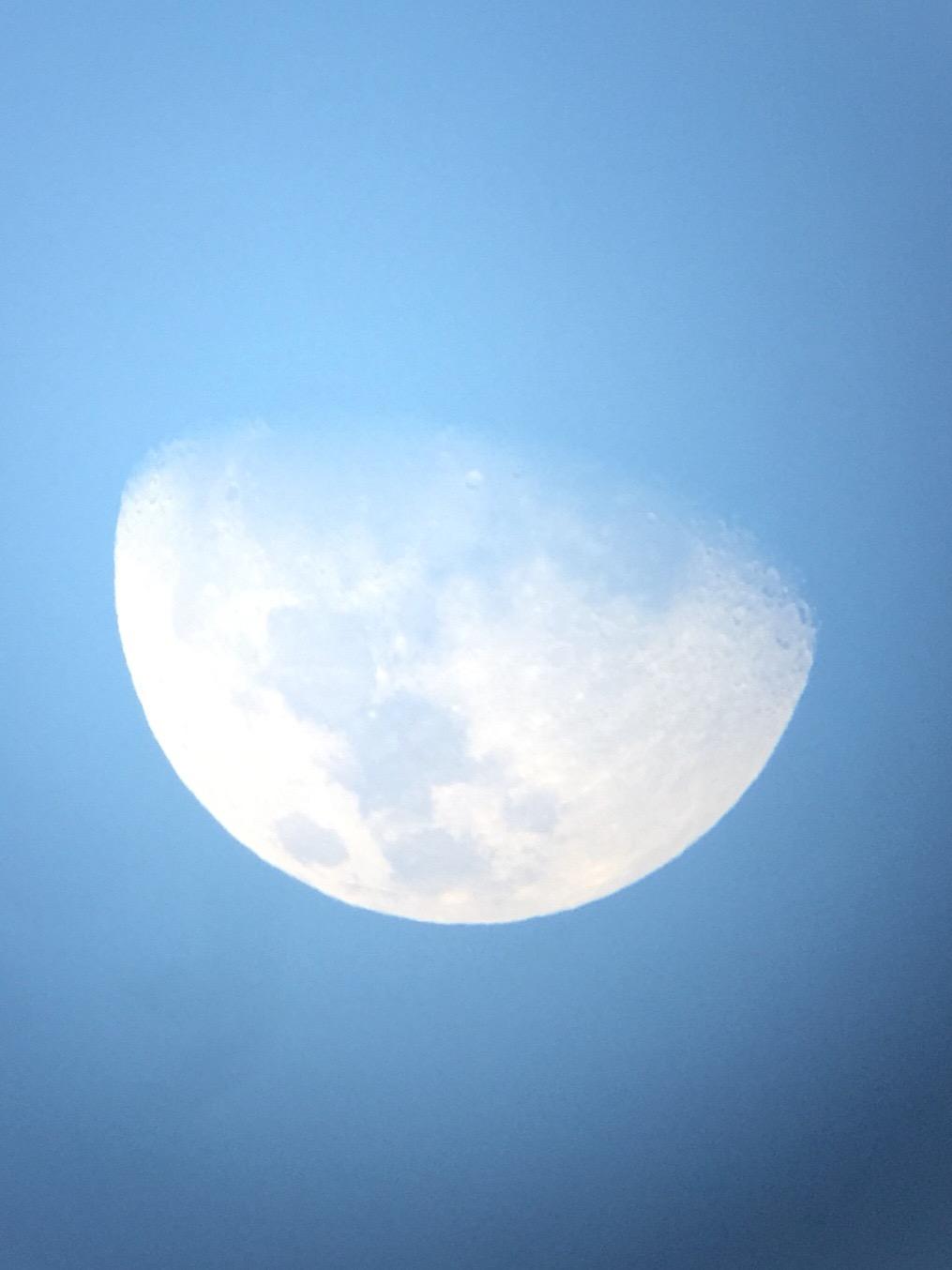
The 130mm aperture is the useful part. That is a 5-inch mirror, and on a balcony under a bright suburban sky it still resolves craters along the terminator and holds the Galilean moons as separate dots. The 650mm focal length makes it a fast f/5 instrument, so the exit pupil stays large and images stay bright even when the sky background is not cooperating.
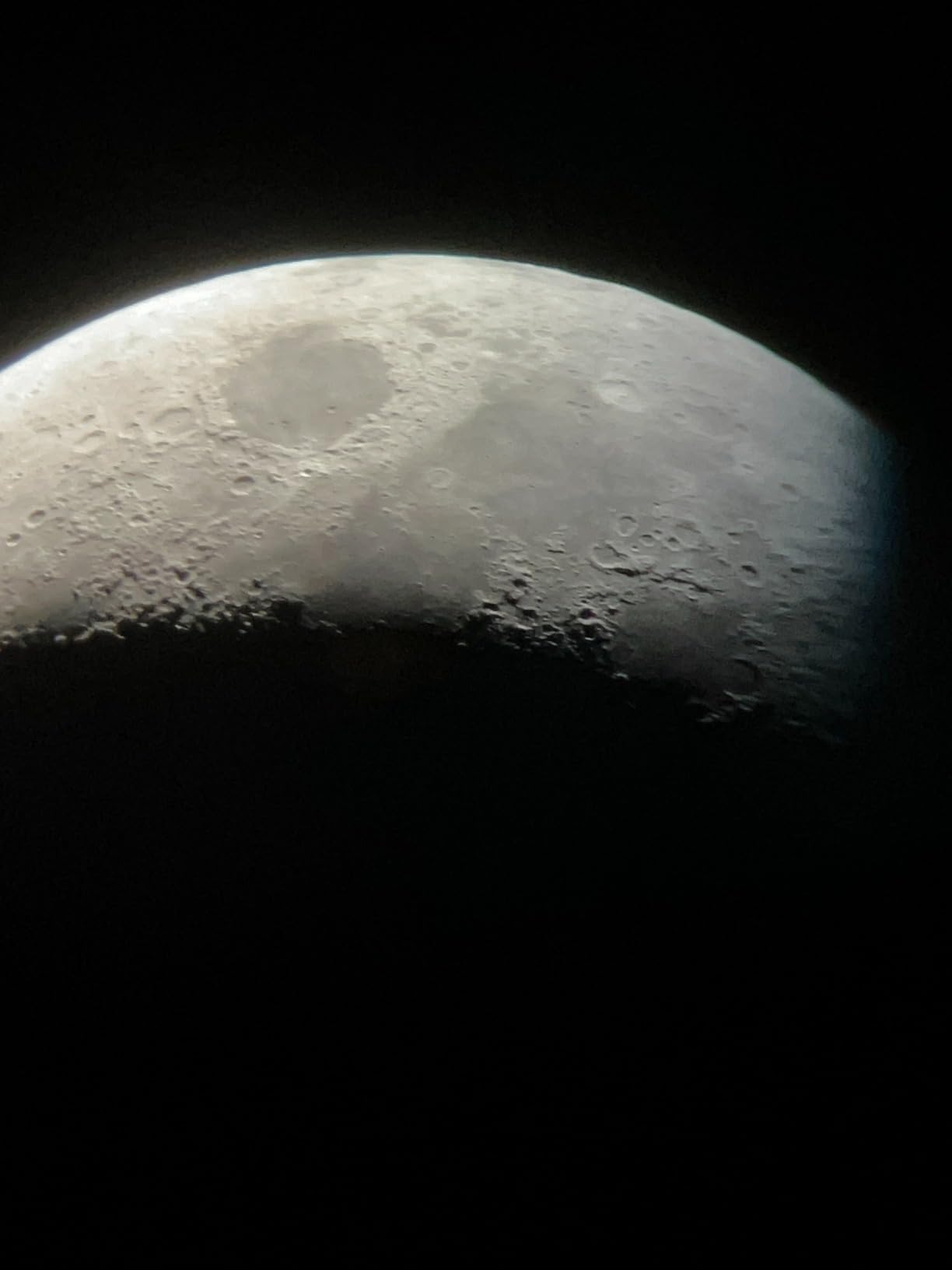
What sets this one apart from other budget Newtonians is the German equatorial mount with slow-motion control knobs. Once you have polar aligned it, a target drifts slowly out of frame and a single knob brings it back. In a bright sky where you cannot re-acquire a target easily, that matters more than almost any optical upgrade. Our advice is to do the polar alignment indoors with a phone compass before you go outside, because the alignment itself needs more stars than you will find on a bright night.
Several reviewers in this group note that the AstroMaster is a genuinely capable light gatherer at the beginner tier, and detailed owner reviews walk through collimation technique and confirm that galaxies in the Virgo Cluster are visible under darker conditions. From a bright city balcony, your realistic list is the Moon, Jupiter, Saturn, the Pleiades, the Double Cluster and the Orion Nebula in winter.
What you give up for the aperture
The 20mm and 10mm eyepieces that come with it are a starting point, not a set. A 10mm gives 65x on a 650mm tube, which is right for the Moon and Jupiter but too much for anything else, so budget for a 6mm or a Barlow before deep-sky season. Owners who upgraded their eyepieces tend to be the ones still using the scope years later.
Because it is a Newtonian on a steel-leg tripod, two things need attention. The tripod legs are light steel tube and feel shaky when fully extended, and many users simply shorten them for stability. Separately, the red-dot StarPointer finder is hard to align precisely, so expect to spend a few minutes on that before the first night out.
How it handles a bright sky
Mirror collimation drifts after transport, and that is a normal part of owning a reflector rather than a fault. A laser collimator takes a few minutes and restores the sharp, contrasty image that makes a 5-inch Newtonian worth owning. If you have never collimated a telescope before, this is the one real learning curve, and it is a short one.
At 17 pounds it is a manageable single-person carry up a flight of stairs, and the mount and tripod arrive preassembled so setup is genuinely tool-free. For a first apartment telescope that will get used weekly, that combination of tracking, carry weight and review depth is why it takes the top slot. If collimation sounds like a dealbreaker, the sealed-tube options below avoid it entirely.
2. Sky-Watcher Skymax 102 Maksutov Review: The Small-Apartment Answer
Sky-Watcher Skymax 102mm Maksutov-Cassegrain – Large Aperture Compound-Style Reflector Telescope
102mm aperture
1300mm focal length
Sealed baffled tube
4.6 pounds
Pros
- Genuinely grab-and-go at 4.6 pounds and 12.25 inches tall
- Sealed tube needs no collimation after being carried
- 94 percent reflective aluminum and quartz coated mirrors
- Vixen dovetail plus 1/4-20 threads fits almost any mount
Cons
- Optical tube on a dovetail
- so a mount is required
- 102mm aperture limits the faintest targets
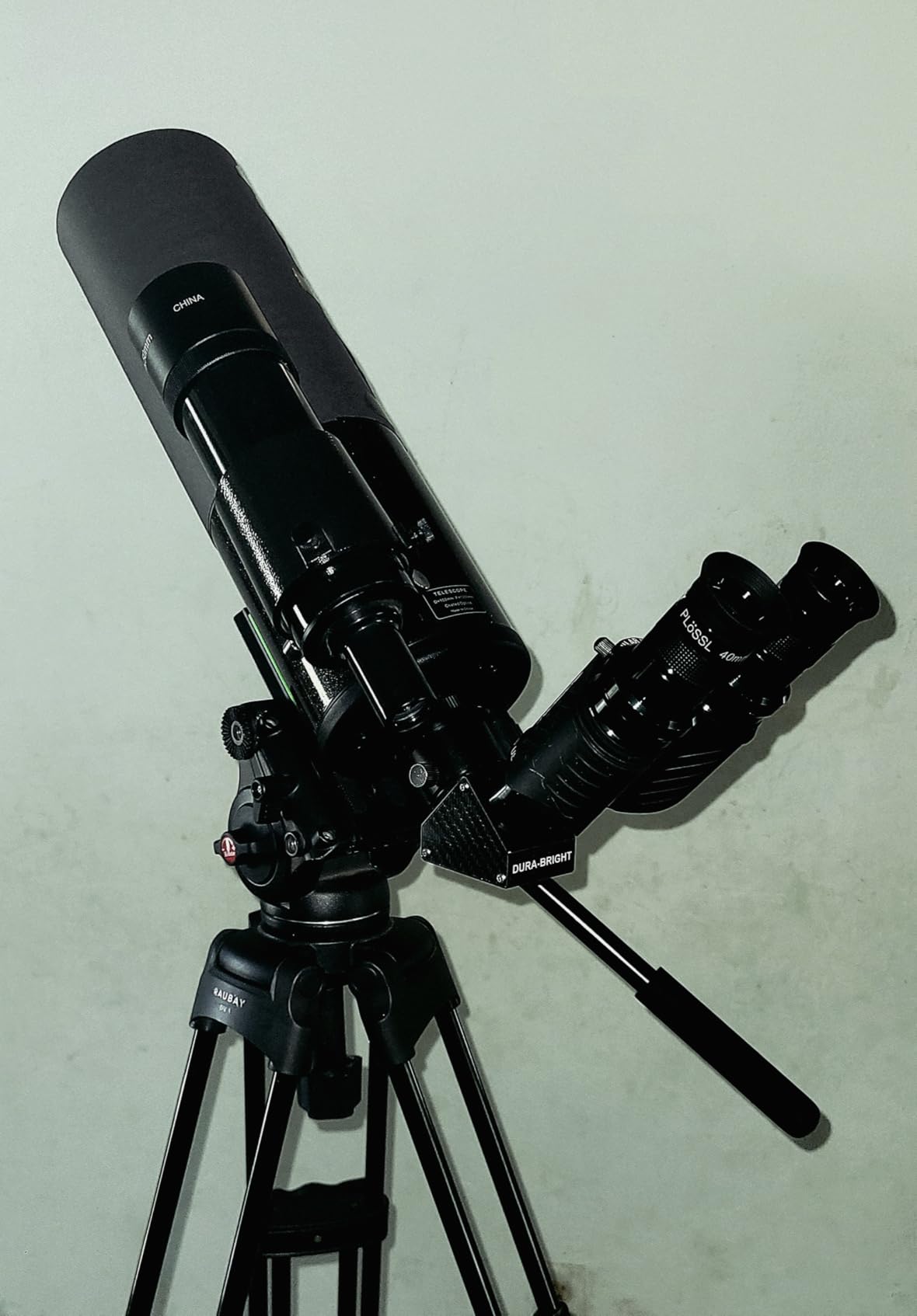
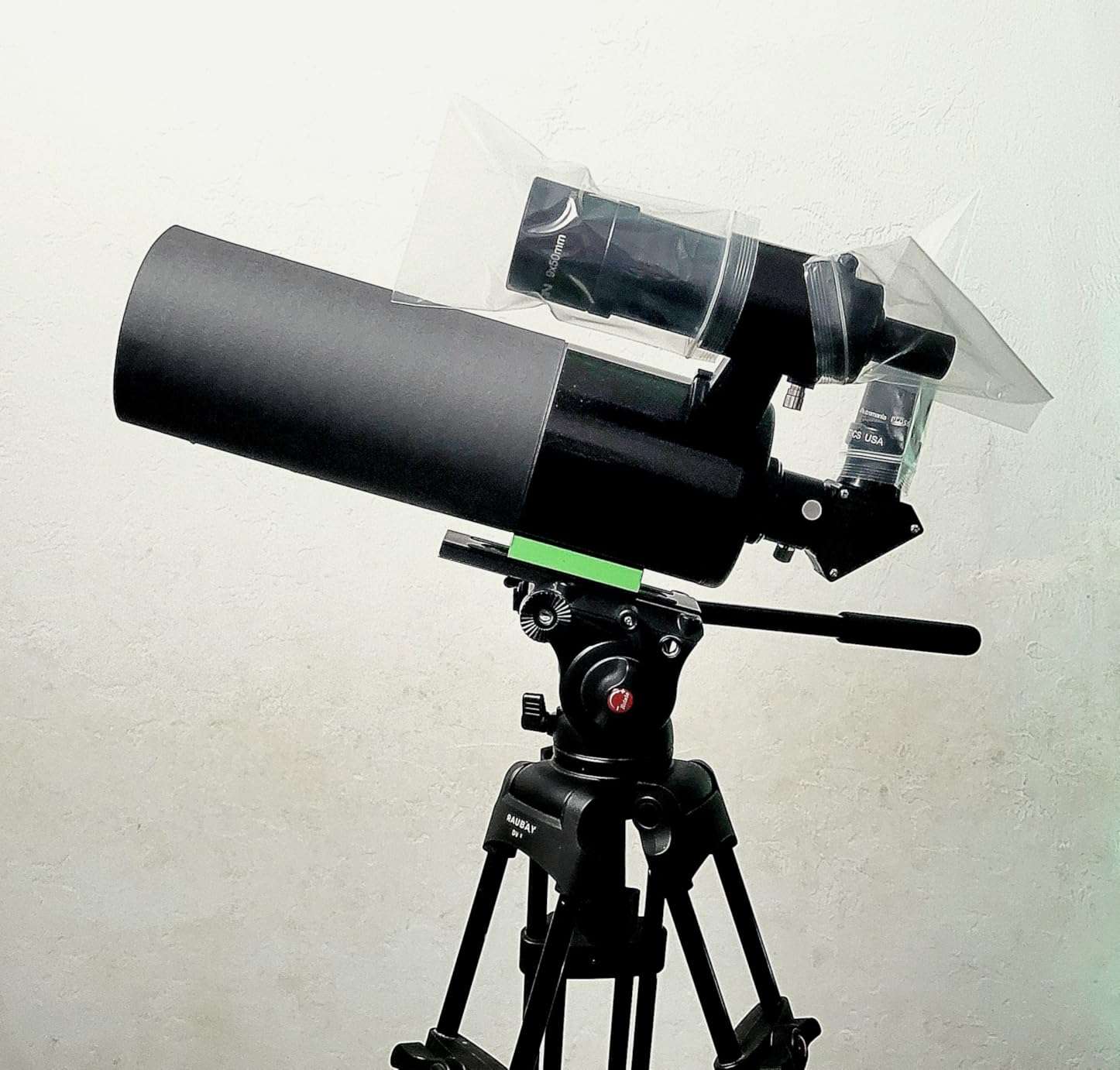
The Sky-Watcher Skymax 102 solves a problem no other scope in this roundup solves: a real telescope that fits in a hall cupboard. At 4.6 pounds and 12.25 inches tall, it is the only instrument here you can carry up stairs in one hand while holding a door with the other.
It is a Maksutov-Cassegrain, and that design is unusually well suited to a light-polluted sky. The corrector plate and secondary mirror are sealed behind a fully baffled tube, so a streetlight behind you cannot scatter stray light into the eyepiece the way it can with an open Newtonian tube. Buy a matching achromatic refractor for the reasoning behind closed tubes in our refractor telescope guide.
The 1300mm focal length is the second thing that matters here. A long focal length makes high magnification easy from a single eyepiece, so you get 130x with the included 10mm and still get Saturn’s rings and Jupiter’s cloud bands sharp enough from a balcony. In practice that is a longer, narrower, more forgiving session than a short-tube scope on a wobbly balcony floor.
Buyers point out the mirror coatings use aluminum plus a quartz overcoat for 94 percent reflectivity, and the matched primary and secondary with a coated corrector plate give contrast-rich views. Owners also highlight that the closed tube protects the mirrors and needs no collimation after transport, which is a real advantage if the scope lives three floors from a car park.
Who this is right for
This is the scope for a high-rise with no storage, a small flat with a narrow hallway, or anyone who wants to grab it and be outside in under two minutes. The padded soft carrying case is included, and the whole package fits against a wall. Reviewers consistently treat weight and compactness as the deciding factor for city use, and this is the lightest real telescope in the group by a wide margin.
It is also a strong first telescope for a family, since there is no assembly, no alignment and nothing to break. Hand it to a child, point it at the Moon, and the sealed tube means it will still be in collimation next month. The Vixen-style dovetail and 1/4-20 threads under each dovetail bar mean you can put it on almost any mount later, including a lightweight alt-az you add yourself.
Where it runs out of light
102mm is enough for the Moon, the planets, bright double stars, open clusters and a few of the brighter nebulae. It is not enough to chase the faint galaxies and dim planetary nebulae that a bright sky eats first, and reviewers are candid that light pollution rather than the optics is usually the limiting factor at this aperture. If your list is mostly deep sky, look at a larger aperture instead.
The dovetail configuration is the other real caveat. In some configurations the mount is not included with the tube, so confirm what is in the box before you plan your purchase, and budget for a simple alt-az mount if you need one. The included kit is otherwise complete, with 10mm and 25mm eyepieces, a red-dot finder and a 90-degree star diagonal that makes observing at high altitude much more comfortable.
3. ZWO Seestar S30 Pro Review: Best for City Astrophotography
ZWO Seestar S30 Pro Smart Telescope, App-Controlled Astrophotography
30mm aperture,160mm focal length
Built-in light pollution filters
3.64 pounds with tripod
Pros
- Automatic go-to targeting and tracking with no charts or polar alignment
- Built-in light pollution filters and apochromatic optics
- One-tap modes for Milky Way
- star trails
- nebulae and galaxies
Cons
- Not intended for planetary observation
- Deep-sky imaging needs a stationary tripod
- Relies on a smartphone app rather than physical controls
The Seestar S30 Pro is the category that did not exist when most telescope buying guides were written. It is a 30mm, 160mm focal length smart telescope with a 4.6 degree field of view, and it is built around one idea: a light-polluted sky is a camera problem before it is an eyepiece problem.
Forum consensus is consistent on this point. Users report that bright-sky astrophotography, not visual observing, is where modern filters actually pay off, and this scope ships with built-in light pollution filters plus apochromatic optics specifically aimed at urban imaging. The alt-az mount supports equatorial mode, tracking is automatic, and there is no polar alignment step to ruin an evening.
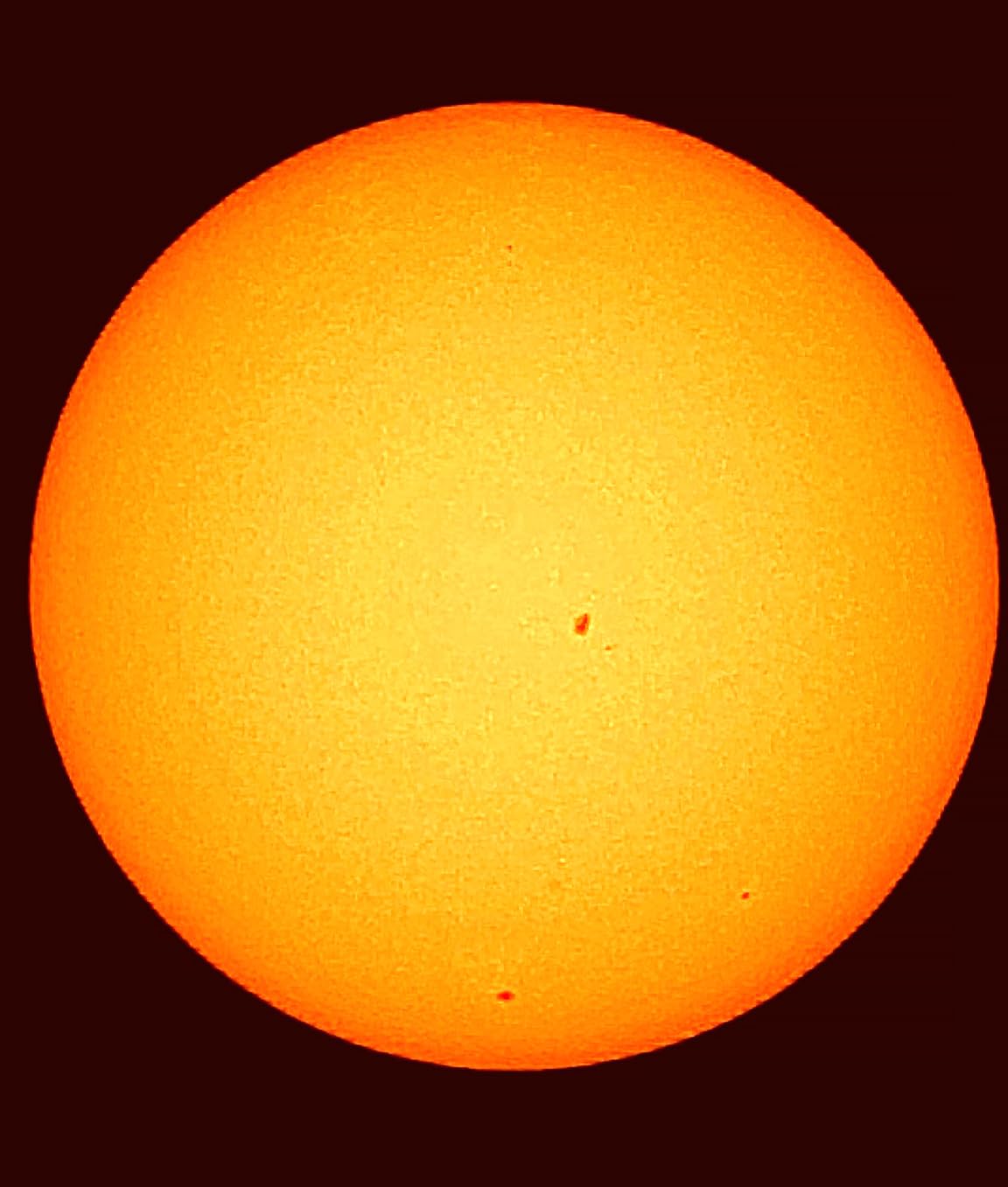
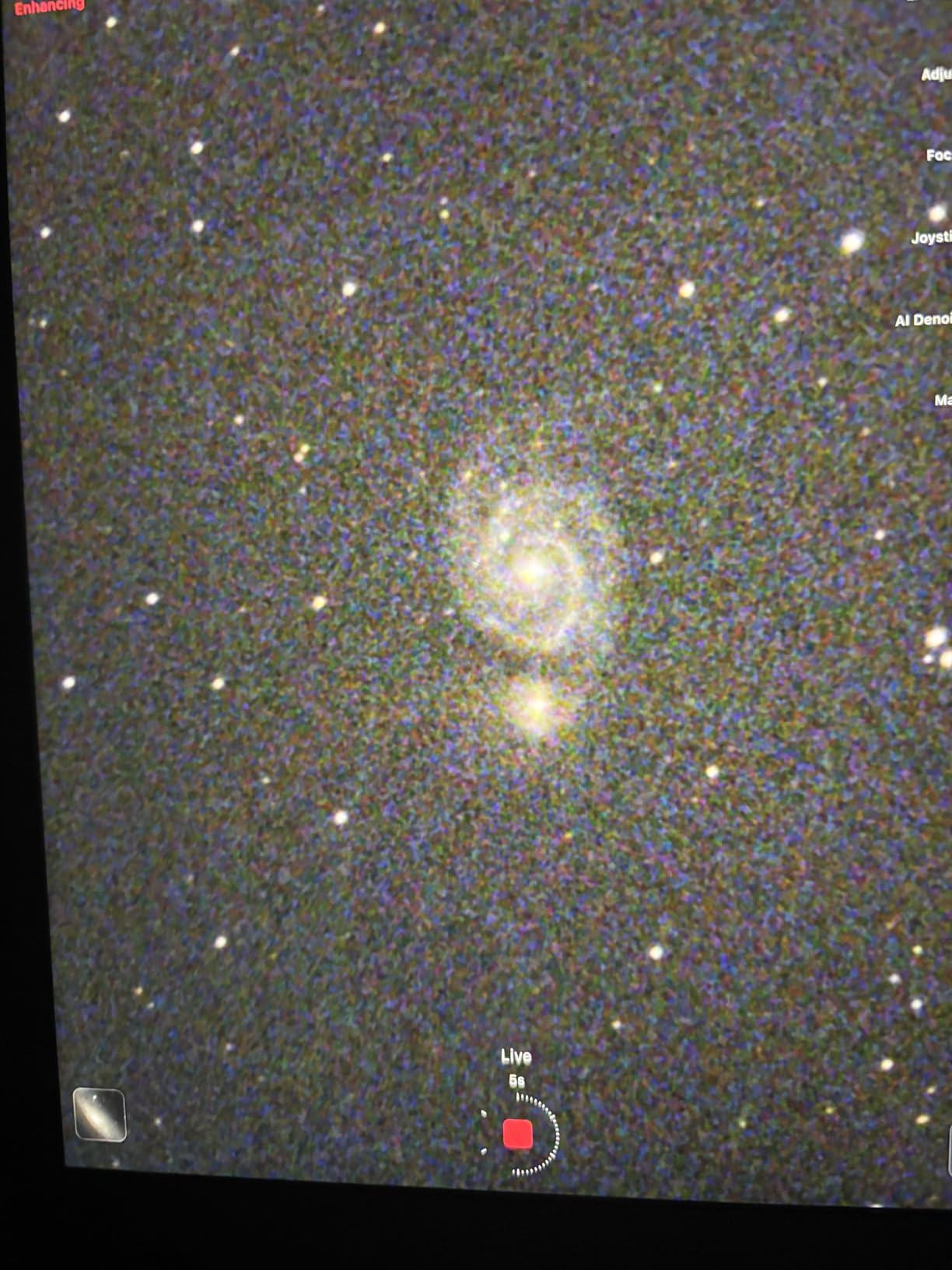
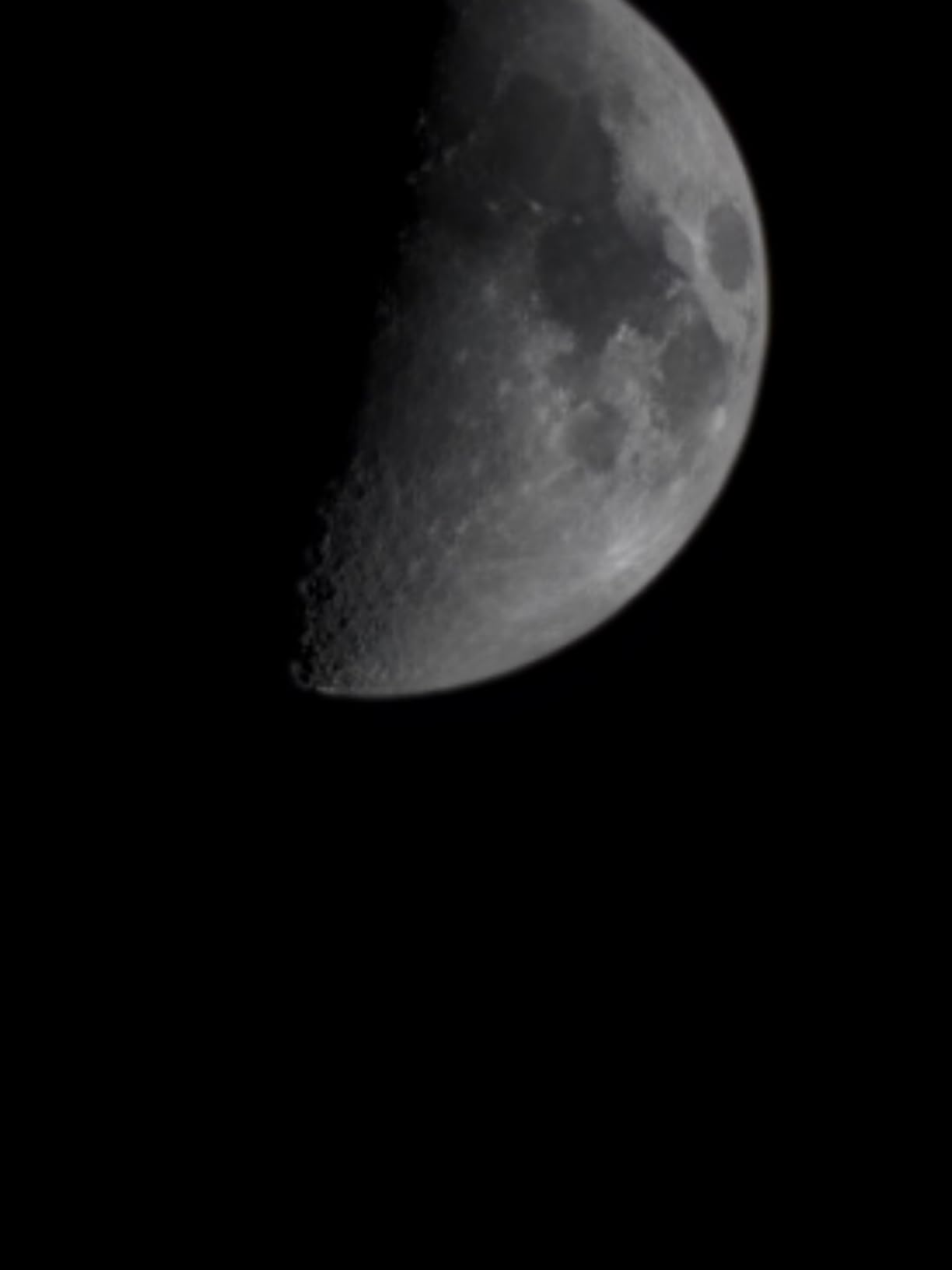
The workflow is the selling feature. You power it on, connect the app, pick a target, and the scope finds it and starts stacking frames. One-tap modes cover the Milky Way, star trails, nebulae, galaxies, the Moon and the Sun, with automatic mosaic stitching when the target will not fit the frame. AI noise reduction and sky and foreground separation clean up the result on the device, with no computer involved.
Reviews reflect that, with a 76 percent five-star share driven by the plug-and-play workflow and by city astrophotography results that people did not expect from something this small. A 4.6 degree field is wide enough to take in the Andromeda Galaxy region and large nebulae in one frame, and at 3.64 pounds it fits in a backpack with the tripod.
What it does not do
This is not a planetary instrument. The maker is explicit that the design is for deep-sky objects and not intended for planetary observation, and 30mm of aperture does not have the resolution for Jupiter’s cloud bands. If your interest is the Moon and the planets at high power, this is the wrong category entirely and one of the physical telescopes is a better fit.
Two further limits are worth planning around. Deep-sky imaging needs the device to stay stationary, so a windy balcony is a problem, and the whole experience runs through a smartphone app rather than physical controls, which some reviewers find limiting if they want manual control over exposure. Anti-dew protection and long-session imaging support are built in, which helps in humid weather.
Who should buy it
Buy this if you want pictures of the sky from where you live, want an instrument that works for someone with no observing experience, or want to hand a family member something they will actually use. It removes every barrier that forum users complain about: no star charts, no alignment, no finding anything in a bright sky, no learning curve at the eyepiece.
It is also the fastest route to a result for anyone who wants to check whether they stay interested. If you get a stack of the Orion Nebula from your balcony and want more, that is the moment to buy an aperture. Photographic light pollution handling is the one area where a small aperture can genuinely compete with a large one, because the camera accumulates signal over time the way an eye cannot.
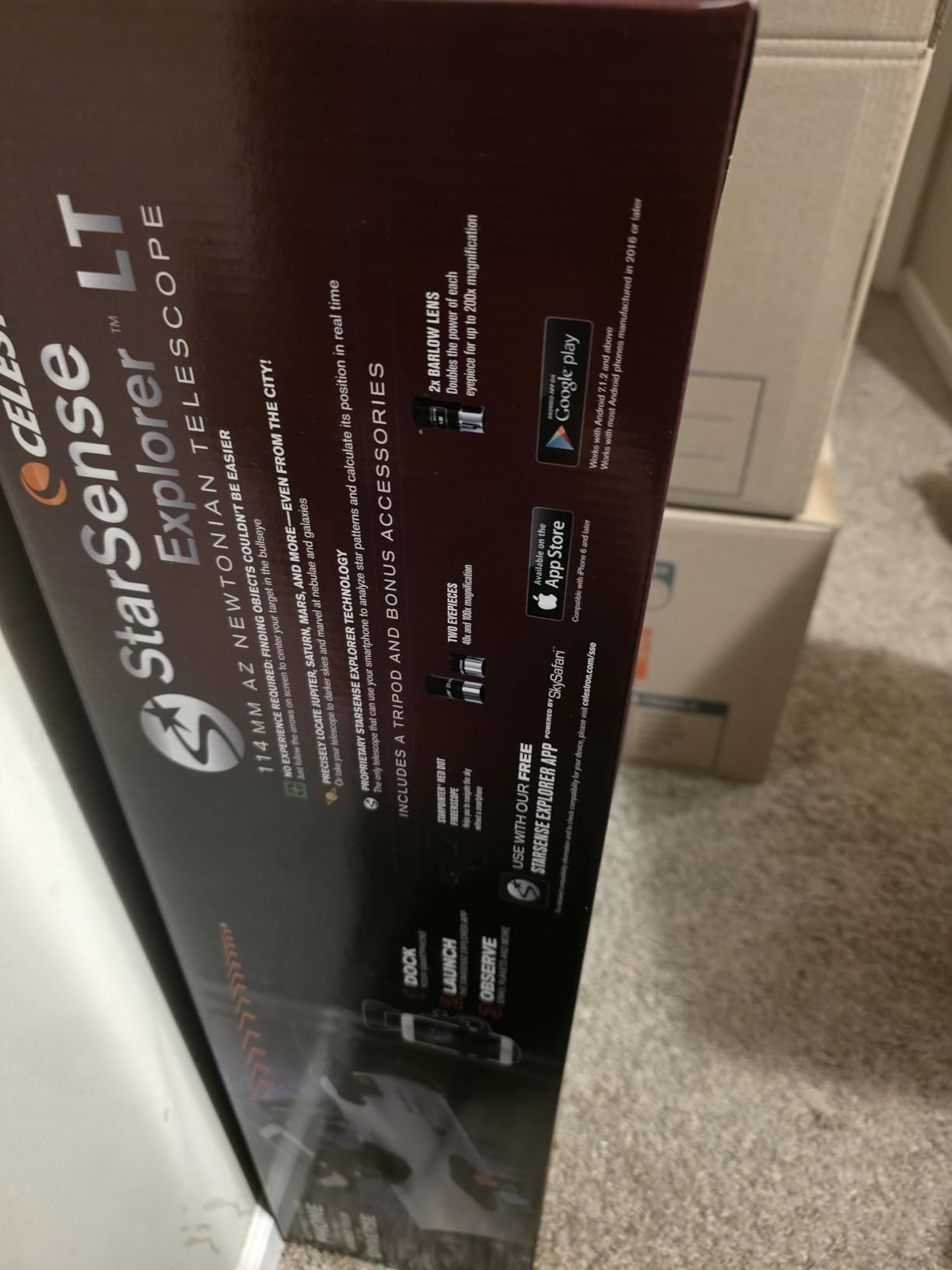
4. Celestron StarSense Explorer LT 114AZ Review: Best for Finding Targets
Celestron StarSense Explorer LT 114AZ Newtonian Smartphone Guided Telescope
114mm aperture
1000mm focal length
Smartphone-guided pointing
10.4 pounds
Pros
- Sky recognition app analyses star patterns to locate the telescope
- Curated list of tonight's best targets for your time and location
- Includes 25mm and 10mm eyepieces plus a 2x Barlow
- Mount and tripod arrive preassembled
Cons
- 114mm aperture is modest so faint targets wash out
- Manual alt-azimuth mount needs a nudge to track
- Newtonian design needs periodic collimation
The single hardest part of urban observing is not seeing faint objects, it is finding them. In a bright sky you may have five or six stars visible, star hopping is close to impossible, and a beginner with a manual mount will spend the whole session searching. The Celestron StarSense Explorer LT 114AZ attacks that problem directly.
Dock your phone, launch the StarSense app, and the sky-recognition software works out where the telescope is pointing by matching the star pattern it sees to a database. It then tells you which way to move and what to look for. Buyers cite this guided-finding function as the difference between actually finding targets and hunting blindly, and it works well enough that you do not need a single-star reference chart.
It also curates a list of tonight’s best targets based on your time and location, with viewing suggestions tuned for bright skies. That is a small feature that removes the single biggest source of wasted evenings: pointing a telescope at something that will never be visible from a city.
Optically it is a 114mm, 4.5-inch Newtonian on a 1000mm focal length, so an f/8.8 design that gives 100x with the included 10mm and uses the 2x Barlow for 200x on the Moon. The 2.04 degree true field is wide enough to sweep open clusters, and the mount and tripod arrive preassembled, so setup is a matter of unfolding the tripod and attaching the tube.
The case for guided finding in the city
If you have ever set up in a bright sky and gone straight to the eyepiece without a finder, you have probably pointed at empty darkness and assumed the telescope was broken. This scope removes that failure mode entirely. It is the cheapest way into the category, and the guided pointing does more for a beginner’s first year than a better optical design would.
It also scales down gracefully. As you learn the sky, you can ignore the app and start using the red-dot finder and the included 25mm and 10mm eyepieces directly, with the 2x Barlow for planetary nights. The app stays useful for the objects you cannot yet recognise, which at first is most of them.
What the modest aperture costs you
At 4.1 stars, this sits below the 4.3 to 4.4 band most of the other Celestron and smart scopes in this list sit in, and the reason is consistent across reviews: 114mm is a modest aperture, so faint deep-sky targets wash out under a bright sky. It is a planetary and lunar scope with guided finding attached, not a deep-sky light gatherer.
Two more honest limits. The alt-azimuth mount is manual, so high-power planetary work needs a slow-motion rod to follow the target, which the altitude adjustment provides. And as a Newtonian it needs collimation after moving, so if you are put off by that step entirely, a sealed refractor or Maksutov is a cleaner first choice.
5. Celestron NexStar 8SE Review: The Go-To Pick
Celestron NexStar 8SE Computerized Telescope – Schmidt-Cassegrain
8-inch aperture
2032mm focal length
40,000 object go-to database
10.88 kg
Pros
- 8-inch aperture reaches lunar detail
- cloud bands and globular clusters
- Fully automated go-to with SkyAlign alignment using three stars
- Compact Schmidt-Cassegrain form factor
- StarBright XLT coatings
Cons
- 8-inch SCT needs a steady mount for planetary detail
- Only a single 25mm eyepiece included
- Go-to operation needs external power
Eight inches of aperture in a closed tube on a single-arm fork mount is a genuinely unusual combination, and the Celestron NexStar 8SE is the reason computerized Schmidt-Cassegrain telescopes still make sense. At 20.3cm the mirror gathers enough light to show fine lunar detail, cloud bands on Jupiter, galaxies and globular clusters, which puts it in a different reach class from most of this list.
The 2032mm focal length is the payoff. With a 25mm eyepiece the exit pupil is 4.06mm and magnification is about 81x, so the included eyepiece is already a planetary instrument, and the Dawes limit of 0.57 arc seconds means the optics can support high power when the mount is steady. The sealed, baffled tube also keeps stray light out, which matters on a balcony with a streetlight behind you.
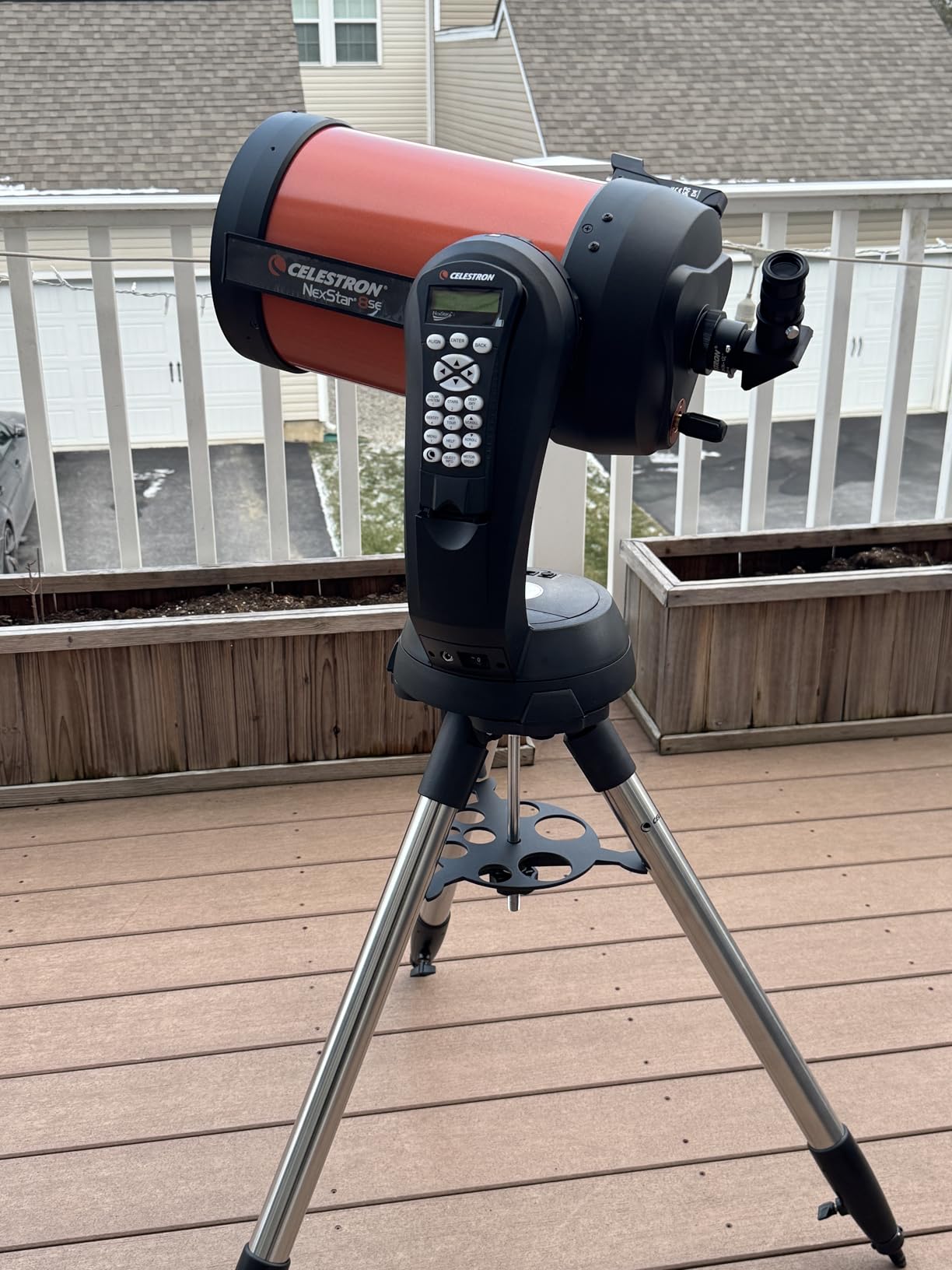
Finding is fully automated. The mount has a database of more than 40,000 objects and SkyAlign alignment, which means you centre any three bright stars or planets and the computer does the rest. In a bright city sky, three stars is genuinely achievable, which is the whole point. Reviewers describe SkyAlign setup as quick and easy, and praise the 8-inch light grasp as removing the guesswork from finding targets.
The single fork arm is also a portability factor. It holds the tube on one side, so the scope stands close to a wall or in a corner of a small balcony without needing the counterweight clearance an equatorial mount would demand. That matters more in a flat than in a garden.
Why aperture changes the target list
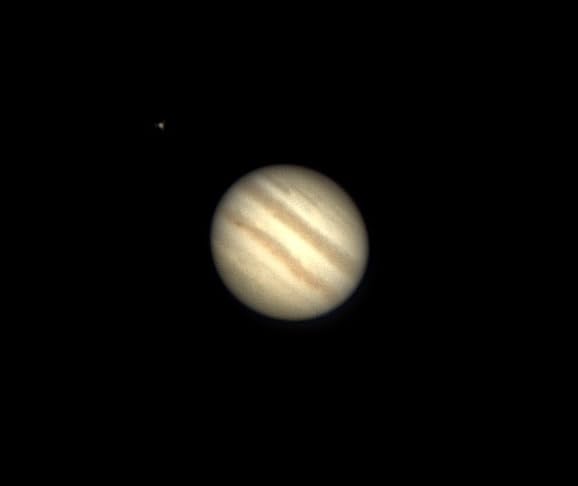
Light pollution kills faint extended objects in proportion to how faint they are, so aperture is the lever that buys back targets. The 8-inch scope is the one here that gives a serious chance at the Veil Nebula, several brighter planetary nebulae and a handful of galaxies from a suburban sky, and r/telescopes owners repeatedly describe 8-inch-class apertures as showing pretty much everything you need.
It also resolves the double-star and lunar-crater case cleanly. Splitting a close double and resolving crater rilles both need resolution rather than light, and long focal length plus a large mirror delivers both. Under steady conditions this is the strongest visual instrument in the roundup.
What you will need to add
Reviewers are consistent about the accessory gap. The package includes a single 25mm eyepiece, so for varied magnification you need a set, and for planetary detail a 9mm or 7mm. Go-to operation also needs power from eight AA batteries or a 12V adapter, and while a lithium battery is listed as included, the mount still needs something to drive it.
Finally, an 8-inch Schmidt-Cassegrain at 10.88 kg is unforgiving of vibration for planetary detail, so put it on a solid surface rather than a lightweight balcony table. Our view is that this scope rewards a household with a floor or table and a car, more than a shared high-rise with a railing, but if you have that space it is the deepest sky you can reach from the city on this list.
6. Sky-Watcher Flextube 250 Review: Best for Faint Deep Sky
Sky-Watcher Flextube 250 Dobsonian 10-inch Collapsible Large Aperture Telescope – Portable, Easy to Use, Perfect for Beginners, White/Black (S11720)
10-inch aperture
1200mm f/5 focal length
Collapsible tube,40 pounds assembled
Pros
- 10-inch aperture gives the brightest low-power views here
- Collapsible tube stores in a car trunk or small apartment while holding collimation
- Tension control handles and Teflon bearings move a 10-inch tube
- 2-inch Crayford focuser with 10mm and 25mm Plossl
Cons
- No go-to so star hopping knowledge is required
- Azimuth movement can stick and goes out of alignment
- Included eyepiece set has no Barlow or zoom
There is no clever way around light pollution: if you want to see faint things, you need a bigger aperture. The Sky-Watcher Flextube 250 is a 10-inch Dobsonian and it has the largest light grasp in this roundup, which is exactly why light-polluted observers gravitate to this class of telescope despite the weight.
The Flextube is the specific version worth owning in a city. Its collapsible strut design lets the tube shorten to roughly half length for storage in a small apartment, and the design retains collimation when collapsed, which is the objection that normally kills collapsible Dobs. At 1200mm focal length, the 25mm eyepiece gives 48x, and one owner reports the Orion Nebula filling the entire field of view at that setting.
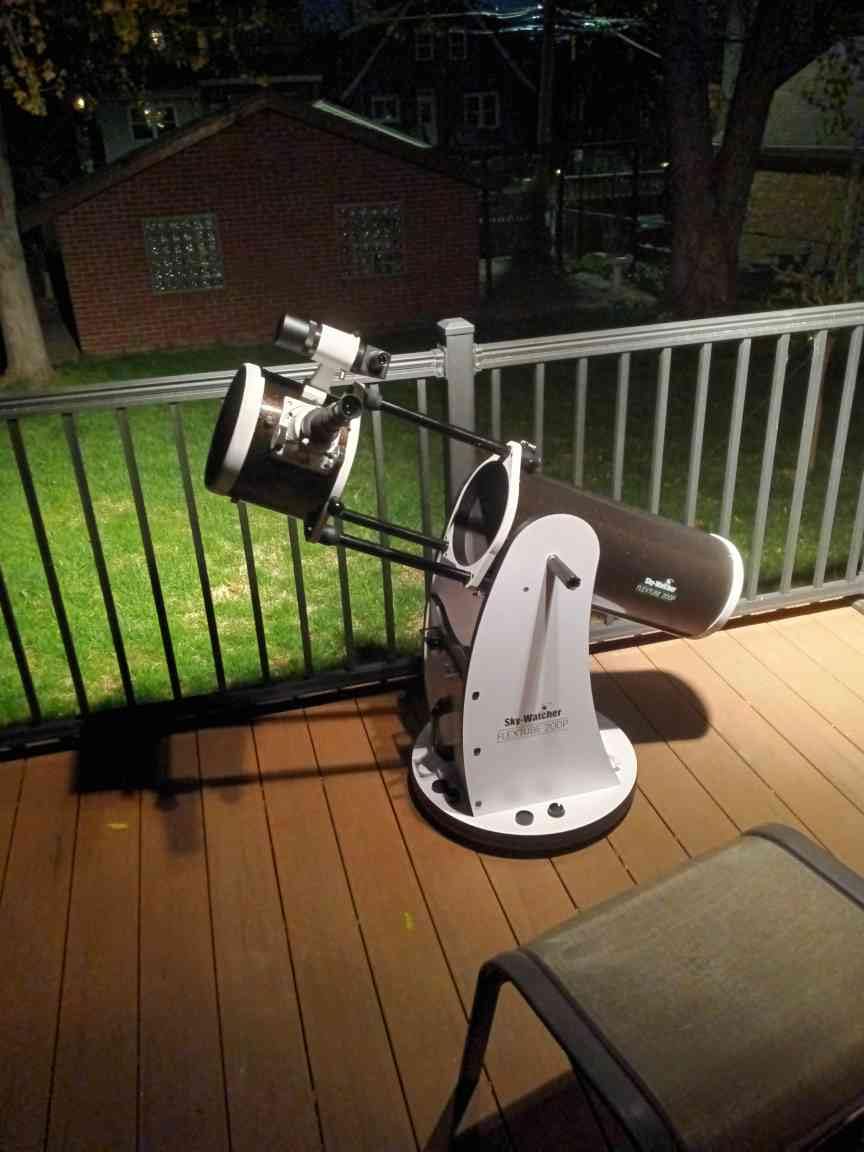
Owners also report seeing Jupiter’s bands, Saturn and the Lagoon Nebula from suburban light pollution with this scope, which is a fair description of what a 10-inch does from a bright backyard. The 94 percent reflective fully multi-coated borosilicate mirrors and a 2-inch Crayford focuser mean the light actually arrives at the eyepiece, and the 8×50 right-angle finder makes finding targets far easier than a straight-through finder on a long tube.
For a reader who wants to hunt faint deep-sky objects and has somewhere to store 40 pounds, this is the most capable instrument here. Several reviewers treat planetary nebulae as relatively easy even from moderately light-polluted sites with an 8-inch, and 10 inches is one step beyond that.
Storage and the one-trip carry
This is where the Flextube earns its place in a city guide. The collapsed tube shortens the storage problem to something that fits in a closet or a car trunk, and the base assembles quickly with pre-drilled aligned holes and included tools. That matters because forum users are blunt about the real constraint: people who need multiple trips stop observing altogether.
Forty pounds fully assembled is still a two-person job on stairs, and a recurring practical tip from owners is swapping the three plastic feet for locking casters so the base rolls. Budget for that, and for a laser collimator. Several reviewers note the azimuth can go out of alignment after moving, and collimation takes about five minutes once you have the tool.
Honest limitations
There is no go-to and no star identification, so you need star-hopping knowledge or a plan for the night. In a bright sky that knowledge is hard to build, which is the fundamental tension in buying a big Dobsonian for a city. If you have never used a finder chart before, the guided options in this list will get you to targets faster even though they show fewer of them.
Azimuth movement can also be sticky out of the box, and a common modification is a larger lazy Susan bearing. The included eyepiece set is a 10mm and a 25mm Plossl, which is a good start but has no Barlow or zoom, so add one before you want to look at Jupiter. And with fewer than 100 reviews, the sentiment is thinner here than for the big-name scopes, so treat the owner reports as useful but less battle-tested.
7. Sky-Watcher Classic 200 Review: Best Value for Raw Aperture
Sky-Watcher Classic 200 Dobsonian 8-inch Telescope – Solid-Tube – Simple, Traditional Design – Easy to Use, Perfect for Beginners, White (S11610)
8-inch aperture
1200mm focal length
94 percent reflective primary
45 pounds assembled
Pros
- 8-inch aperture at a fraction of the cost of other designs
- Patented tension control handles move it without perfect balance
- 94 percent reflective multi-coated borosilicate mirrors
- Teflon bearings keep azimuth movement smooth
Cons
- No go-to or star identification
- Mirrors usually arrive out of collimation
- 45 pounds assembled means a two-person carry
The Sky-Watcher Classic 200 is the plainest answer to the aperture question. An 8-inch parabolic primary at 1200mm focal length with 94 percent reflectivity, on a smooth alt-azimuth base, with nothing else to pay for. It reaches a faintest stellar magnitude of 14.2, and reviewers treat it as the no-frills aperture-first option.
That value argument is real. Buyers consistently say the 8-inch mirror shows more under suburban skies than smaller refractors, and the design itself is the point: a solid tube, a 2-inch Crayford-style focuser with a 1.25-inch adapter, a 9×50 finder and two super wide-angle eyepieces. Nothing needs buying to start observing on the Moon.
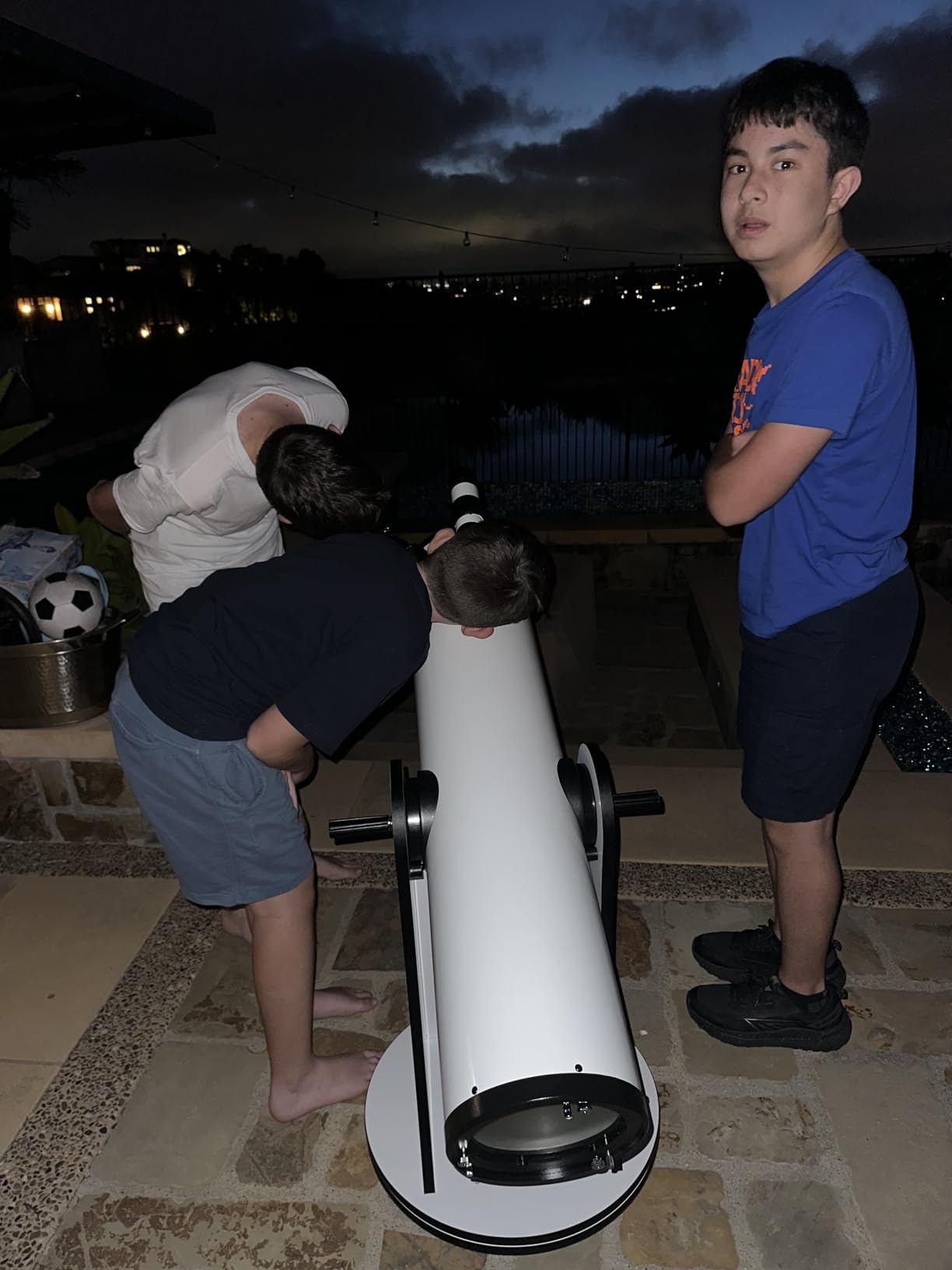
The tension control handles are a genuine convenience at this size. They let you move an 8-inch tube accurately without fussing over perfect balance, and combined with the Teflon bearings they make azimuth movement smooth enough to follow a planet by hand. The included 25mm gives 48x, a good starting point for the Moon and for wide cluster sweeps.
Compared with the Flextube, the trade is simple. You gain simplicity and a lower cost, and you give up collapsibility, because this solid tube does not shorten for storage. In a flat with a genuine storage corner, that is an acceptable trade. In a flat without one, it is not.
When 8 inches is enough
For urban observers who want the Moon, the planets, double stars, open and globular clusters and the brightest nebulae, an 8-inch is the sensible stopping point. It sits at the point where doubling the aperture stops being affordable and starts being a storage problem, and most city buyers never need more.
The limiting factor on this design is not optics but pointing. There is no go-to and no star identification, so you must know or find your targets, and that is much harder under a bright sky than the marketing suggests. A planisphere or a phone app solves it, and once you have one, the 8-inch aperture does the rest.
What to know before you buy
Collimation is the first fact of ownership. Reviews say the mirrors typically arrive out of collimation and need laser collimation before first use, so add a collimator to your kit on day one. Moving the scope also knocks it out, so collimate at the observing spot rather than in the hallway.
At 45 pounds fully assembled, with a 20 pound tube and a 25 pound base, this is a two-person carry up stairs. If you live above the second floor without a lift, the Flextube or a smaller instrument is the honest recommendation. And at 4.0 stars from 240 reviews, this is the least thoroughly reviewed product here, so the specification is clear but the long-term owner record is thin.
8. DWARFLAB Dwarf 3 Review: The Telescope That Lives in a Backpack
DWARFLAB Dwarf 3 Smart Telescope, App-Controlled Astrophotography Camera
35mm aperture
4K auto tracking
AZ and EQ modes
3 pounds
Pros
- Only 3 pounds and fits a standard backpack
- Dual lens system with telephoto and wide-angle optics
- 4K auto tracking follows celestial and moving subjects
- Cloud processing means no computer or complex software
Cons
- Smart-scope aperture limits faint deep-sky detail
- App and cloud dependence limits manual control
- Heavier than the bare weight once a tripod is added
The DWARFLAB Dwarf 3 is the pick for anyone who does not have a car. At 3 pounds with a carrying bag in the box, it is the one telescope here you can genuinely take on a train or a bus to a park outside the city and set up in a couple of minutes.
That matters for urban observers more than any specification. The whole premise of most city guides is that you need a dark site, and this is the instrument that makes acting on that realistic without owning a vehicle. Forum users point out the same thing from the other direction: choosing gear that sets up in minutes is what gets it used at all.
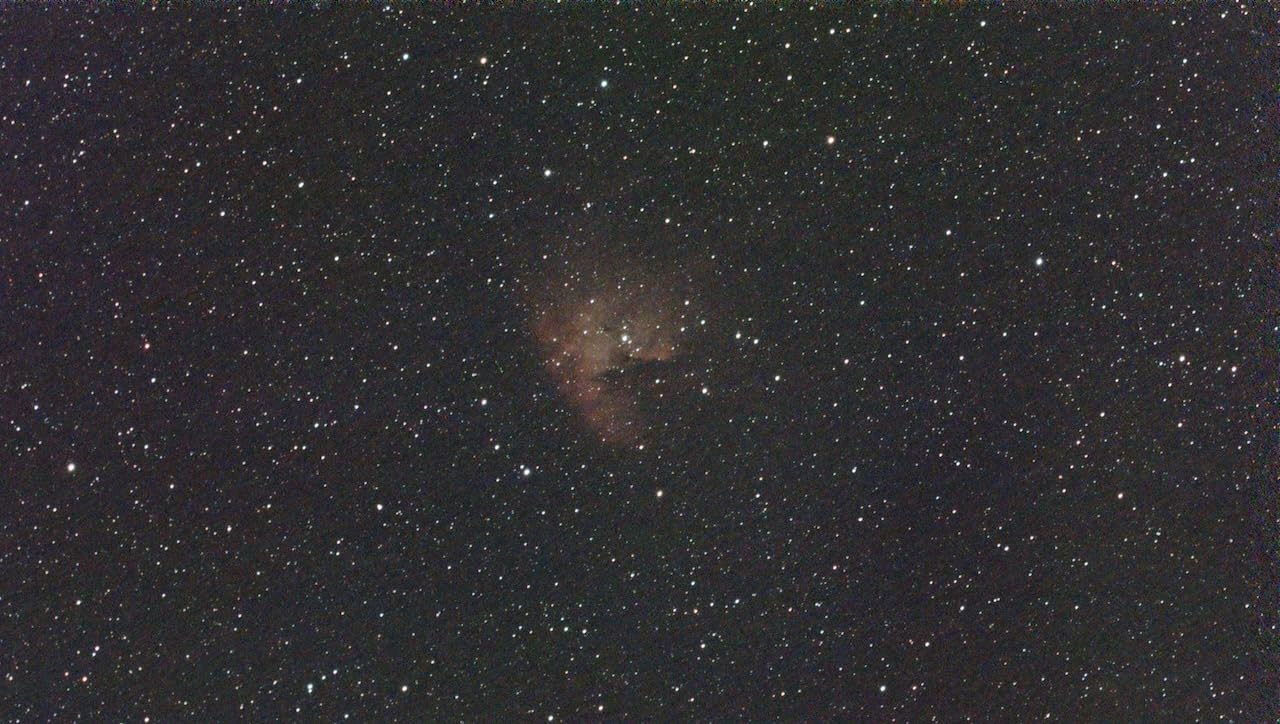
Optically it is a 35mm smart scope with 4K auto-tracking, alt-az and equatorial modes, and a dual-lens system: a telephoto for wildlife, landscape and deep space, and a wide-angle for the Milky Way and star trails. Cloud-based processing in the app means one-touch stacking and no computer, and owners report getting beginners imaging in about two minutes from opening the box.
It is also not exclusively an astronomy instrument. The telephoto lens makes it a daytime wildlife and landscape camera, which quietly doubles the value for a household that would otherwise own a separate camera for that job. The magnetic filters, carry bag and USB-C cable are all included.
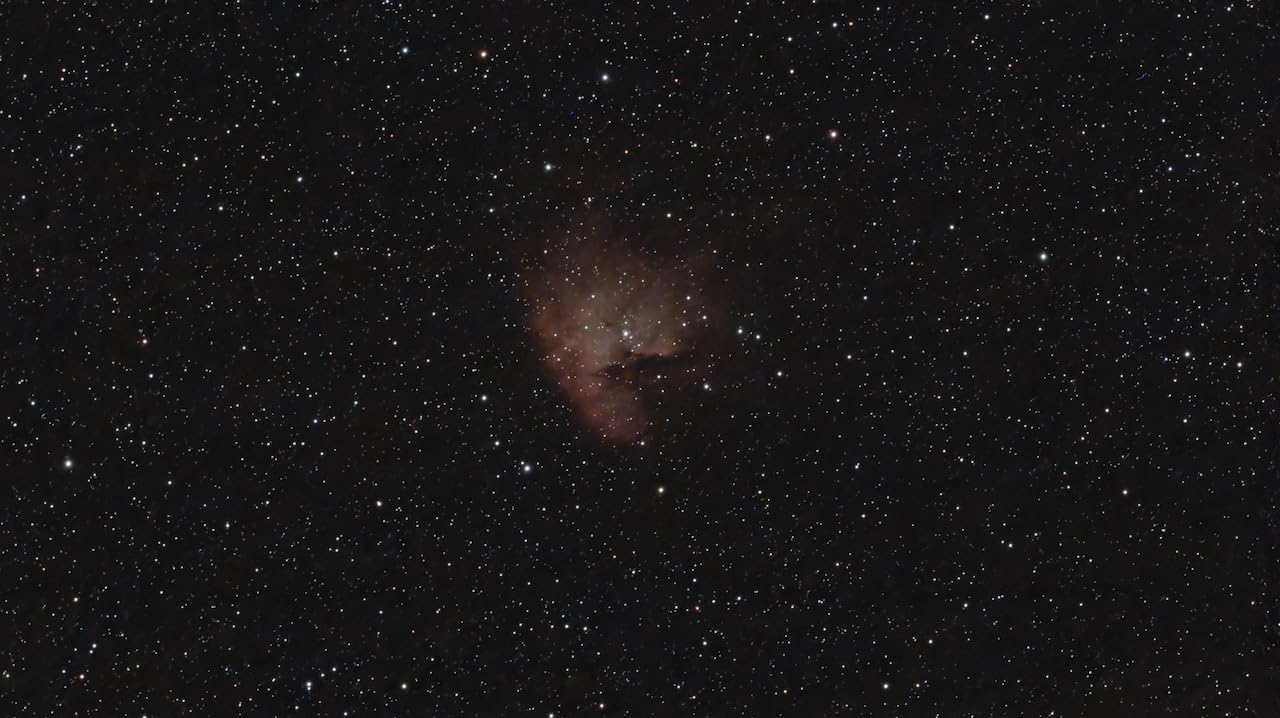
Built for going somewhere
The 76 percent five-star share centres on portability and the flexibility of the two lenses, which is the honest reason to like this scope. If your light-pollution problem is fundamentally a location problem, the Dwarf 3 lets you solve it by travelling rather than by spending on aperture. That is a genuinely different answer from every other pick here.
For a family, it is also the least fiddly option. No collimation, no polar alignment, no star chart, and the app suggests targets. Astro-imaging in about two minutes is the whole onboarding, and children old enough to read the screen can run it themselves.
Where the compromise sits
The limitation is aperture. A 35mm objective is small compared with traditional telescopes, and that caps how much faint deep-sky detail you can pull out, particularly on a long sub exposure. It is a wide-field imaging camera with a telescope attached, not a visual deep-sky instrument, and it is not designed for planetary detail.
It also depends on the app and cloud processing, which reviewers flag as a limit on manual control. And at 3 pounds bare it becomes noticeably heavier once a tripod is added, so check what the total weighs if you plan to hike to a site. The one-star share is the highest among the smart telescopes here, mostly about astrophotography limits rather than build quality.
9. SVBONY SV503 102mm ED Review: The Contrast Specialist
SVBONY SV503 Telescope for Adults High Powered, 102mm Large Diameter F7 ED
102mm S-FPL51 ED glass
714mm f/7 focal length
360 degree field rotator
3.95 kg tube only
Pros
- S-FPL51 ED glass and multi-coating cut chromatic fringing
- 102mm at f/7 gives brighter more contrasty images than short-tube refractors
- Dual-speed 1:10 focuser with 90mm of focus travel
- Retractable 133mm aluminum hood blocks stray light and resists dew
Cons
- Optical tube only
- so mount and accessories are bought separately
- 102mm aperture is modest for faint deep-sky targets
The SVBONY SV503 is the highest-rated product in this roundup at 4.8 stars, and the reason is the glass. It uses S-FPL51 extra-low-dispersion glass with full multi-coating, which is the specification usually reserved for far more expensive apochromats, and it shows in the contrast and colour on high-power views.
That contrast is exactly what a light-polluted sky eats. When the background is bright, faint objects fade into it, and what remains is the difference between the object and the sky. A refractor gives that difference in a way a fast Newtonian does not, and reviewers credit the ED glass for sharp, low-fringe planetary and deep-sky images.
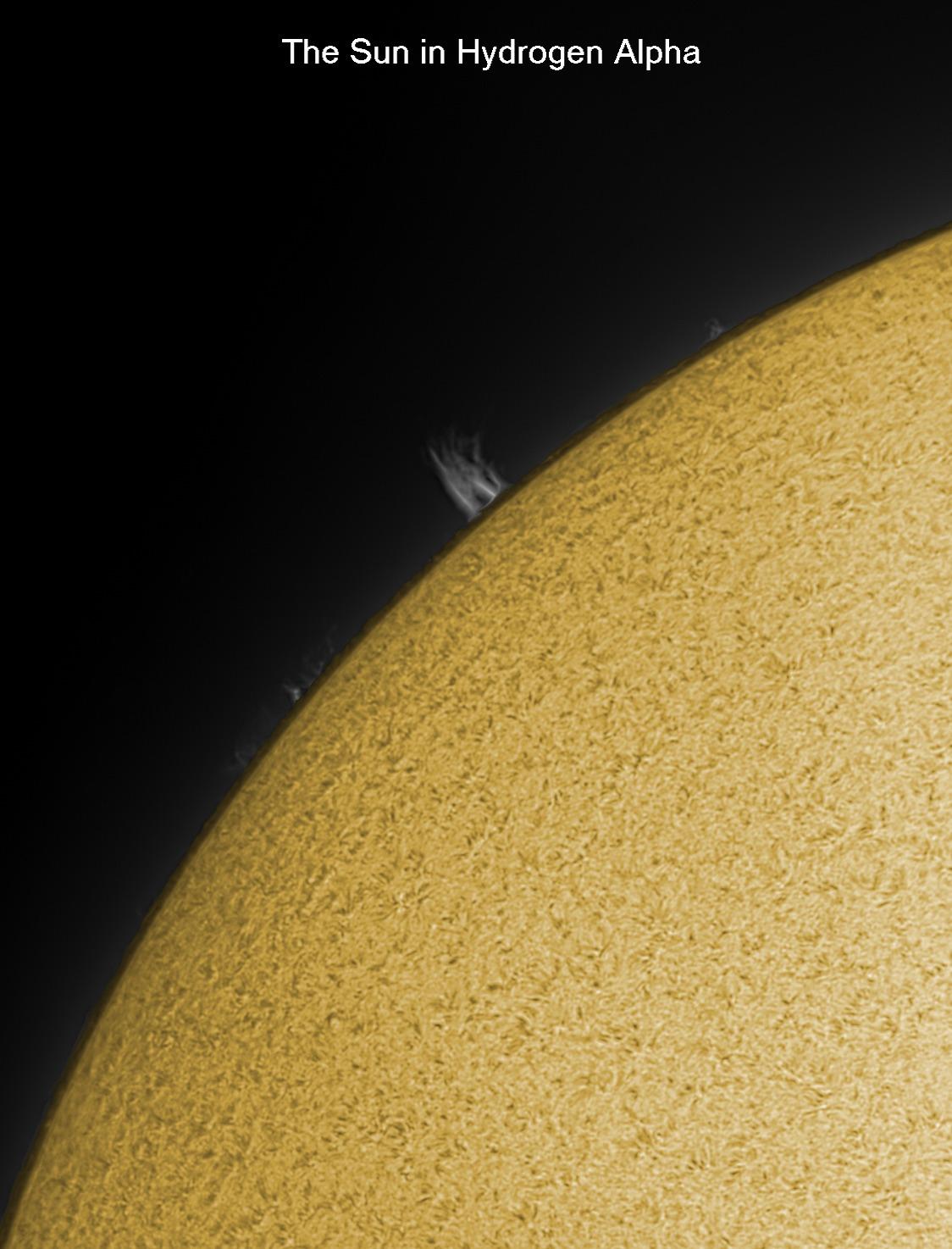
At 102mm and f/7 the light path is long for the aperture, which means brighter, higher-contrast images than short-tube refractors of the same size, and a 1.45 degree field. The retractable 133mm aluminum hood blocks stray light from the side and prevents dew, both of which matter on a balcony with a nearby wall light. It is also the least likely design here to be knocked out of alignment, because there is nothing to align.
The build features lean toward imaging. The dual-speed 1:10 focuser with 90mm of focus travel holds critical focus and takes a filter wheel or field flattener, and the built-in 360-degree field rotator lets you align a camera without rotating the tube. A lifetime warranty covers the optical tube.
When a refractor is the right answer
Choose a refractor when your problem is contrast rather than total light. A closed tube gives no diffraction spikes, no collimation, no stray light through an open tube, and no mirror to de-frost after a cold balcony night. For planetary and lunar work, and for small faint targets like the Veil, that is worth more than raw aperture.
It is also the easiest optical design to share. There is no setup ritual, so a family can carry it outside and observe within a couple of minutes of deciding to. For a household without storage, an optical tube plus a small tabletop mount is about as compact as a real telescope gets at this aperture.
The catch: it is a tube on its own
This is an optical tube assembly only. The mount, finder scope, diagonal, camera and eyepieces are all sold separately, which means the effective cost of a working city setup is higher than the tube listing suggests. Add a simple alt-az mount, a star diagonal and two or three eyepieces before you compare it against the complete packages in this list.
Two more honest limits. At 93 reviews, this is the least reviewed product here, so the 4.8 rating is impressive but rests on a small sample. And 102mm is modest for faint deep-sky under city skies, while the f/7 focal length is long for wide-field scanning, so you are buying a planet and contrast instrument rather than a sweep-across-the-sky one.
10. Gskyer 130EQ Review: A Short-Tube Reflector for Planets and the Moon
Gskyer 130EQ Professional Astronomical Reflector Telescope
130mm aperture
650mm f/5 focal length
24 inch short tube
30.1 pounds
Pros
- 5.1-inch aperture with high-transmission all-glass coatings
- Fast f/5 ratio and 24 inch tube are easy to carry and set up
- Three eyepieces plus a 3x Barlow and finderscope included
- German equatorial mount tracks objects across the sky
Cons
- 30.1 pounds is awkward for one person to move
- Manual equatorial mount requires polar alignment
- Reflector design needs periodic collimation
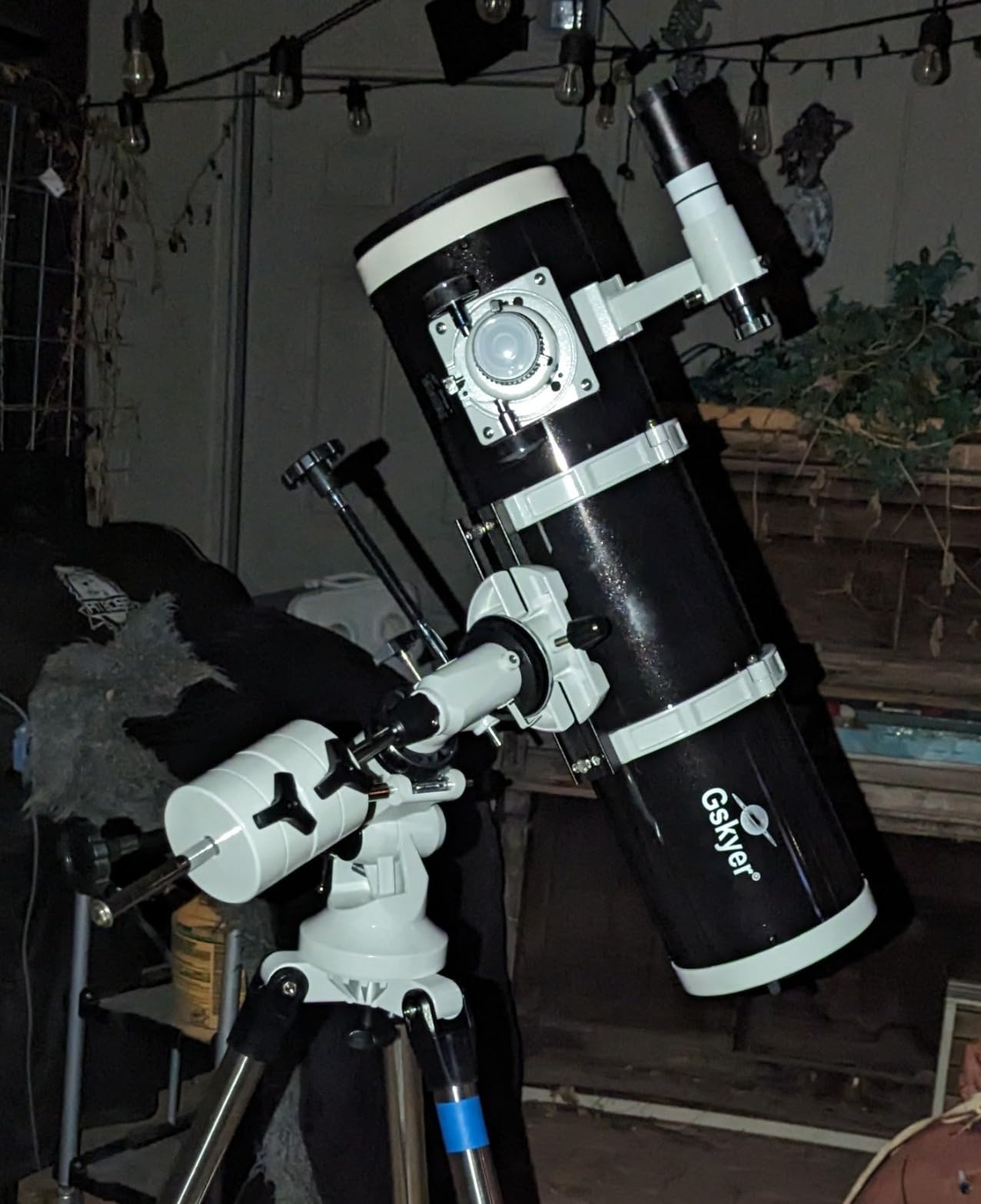
The Gskyer 130EQ solves the weight problem that stops people buying 5-inch reflectors. A conventional 130mm Newtonian is a long tube on a tall tripod; this one pairs the same 130mm aperture with a 650mm focal length in a 24-inch short tube at f/5, and the whole thing is far easier to move around a flat.
The short focal ratio is also the reason it images well. At f/5 the exit pupil stays wide, so the view is bright in a light-polluted sky, and a fast Newtonian is more forgiving of seeing conditions than a long one. Reviewers praise the aperture-to-price ratio and the included bundle, with a 69 percent five-star share and 6 percent one star.
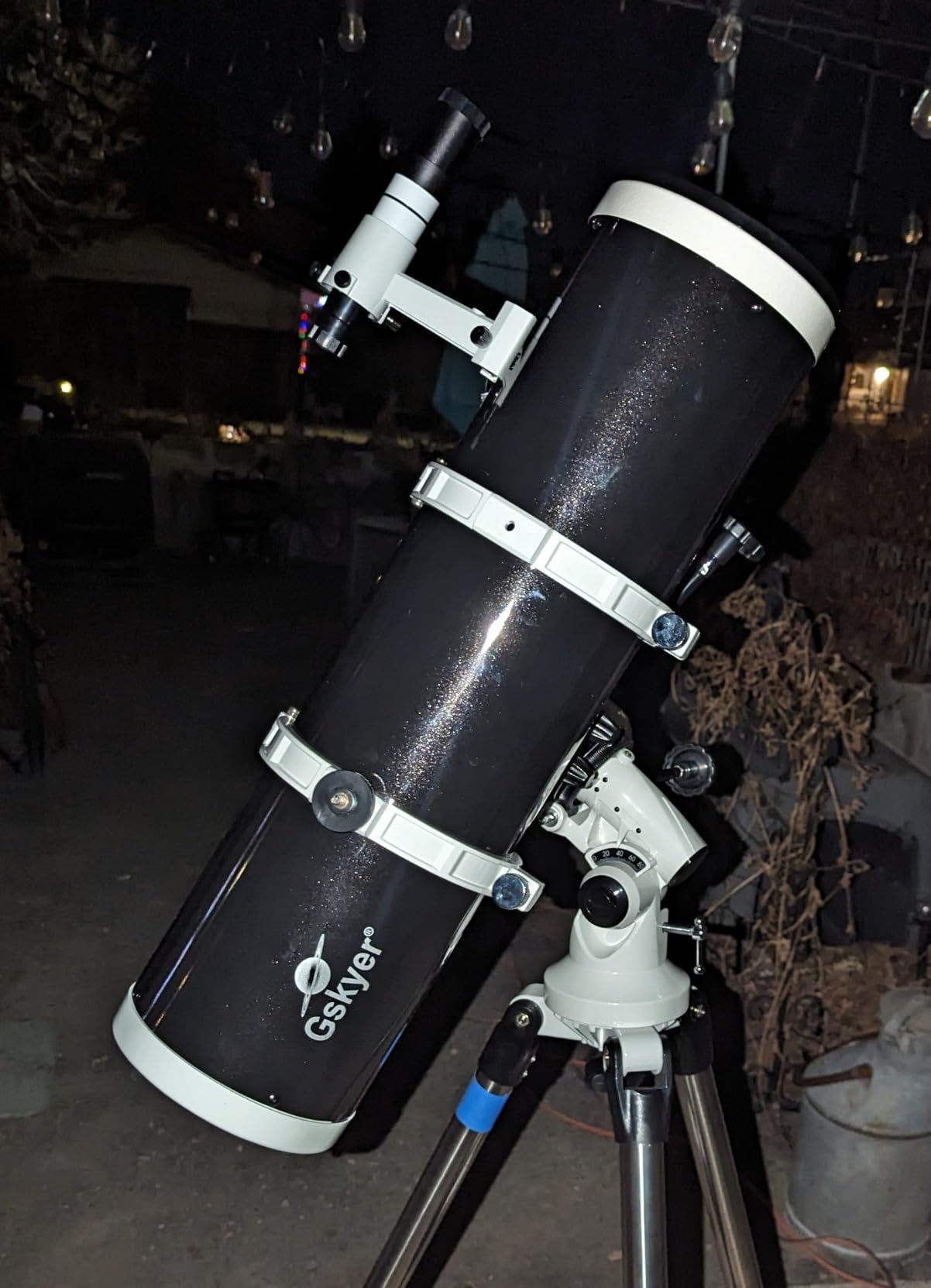
The accessory package is unusually generous for this class: three eyepieces, a 3x Barlow lens, a finderscope and an adjustable tripod, all included. The toothless focusing base gives smooth, beginner-friendly focus changes, which sounds minor until you have spent an evening hunting for a focus knob. A Bluetooth remote pairs with a phone for photos without an app download, and there is a one-year warranty with lifetime maintenance.
Like the Celestron AstroMaster, the German equatorial mount with its slow-motion tracking is what separates this from a plain alt-az starter. Once polar aligned, a target drifts and you bring it back, which is what makes an evening’s worth of small deep-sky objects practical to work through.
Good for lunar and planetary nights
Planets reward resolution, and a 5.1-inch aperture with a 3x Barlow is a reasonable path to Jupiter’s moons, Saturn’s rings and the Moon’s craters from a city. The toothless focuser and the bundle of eyepieces mean you have the magnification range on day one, which is one of the main reasons this ranks well for first-time buyers.
It is also a fair choice for a small balcony, because a 24-inch tube and a short tripod are easier to set up without a second person than a long one. The finderscope makes the difference between finding a planet quickly and spending the session looking for it.
What the equatorial mount costs you
The 30.1 pound total is the drawback reviewers cite most often, and it makes the mount and tripod awkward for one person to move. On stairs above the second floor, weigh that against the Sky-Watcher Skymax, which is a quarter of the weight with a sealed tube.
Polar alignment is also a real step, and it needs a decent view of the pole to do properly, which in a city can mean finding a gap between buildings first. And as a reflector it needs periodic collimation, so the laser collimator lesson from the AstroMaster applies here too. Neither of those is difficult, but both are real setup cost on a night when you only planned to observe for an hour.
11. MEEZAA 150EQ Review: The Best Accessory Bundle
MEEZAA Telescope, 150EQ Newtonian Reflector Telescope for Adults Astronomy Beginners, Professional Astronomical Telescopes with Equatorial Mount, Tripod, Phone Adapter, Moon Filter and Large Carry Bag
150mm listed aperture
650mm focal length
26x to 130x range
German equatorial mount
Pros
- Largest listed aperture among the beginner bundles
- German equatorial mount with precision dials and slow-motion knobs
- Complete kit with eyepieces plus a Barlow and moon filter
Cons
- One reviewer reports a 130mm primary rather than 150mm
- Included eyepieces are entry-level
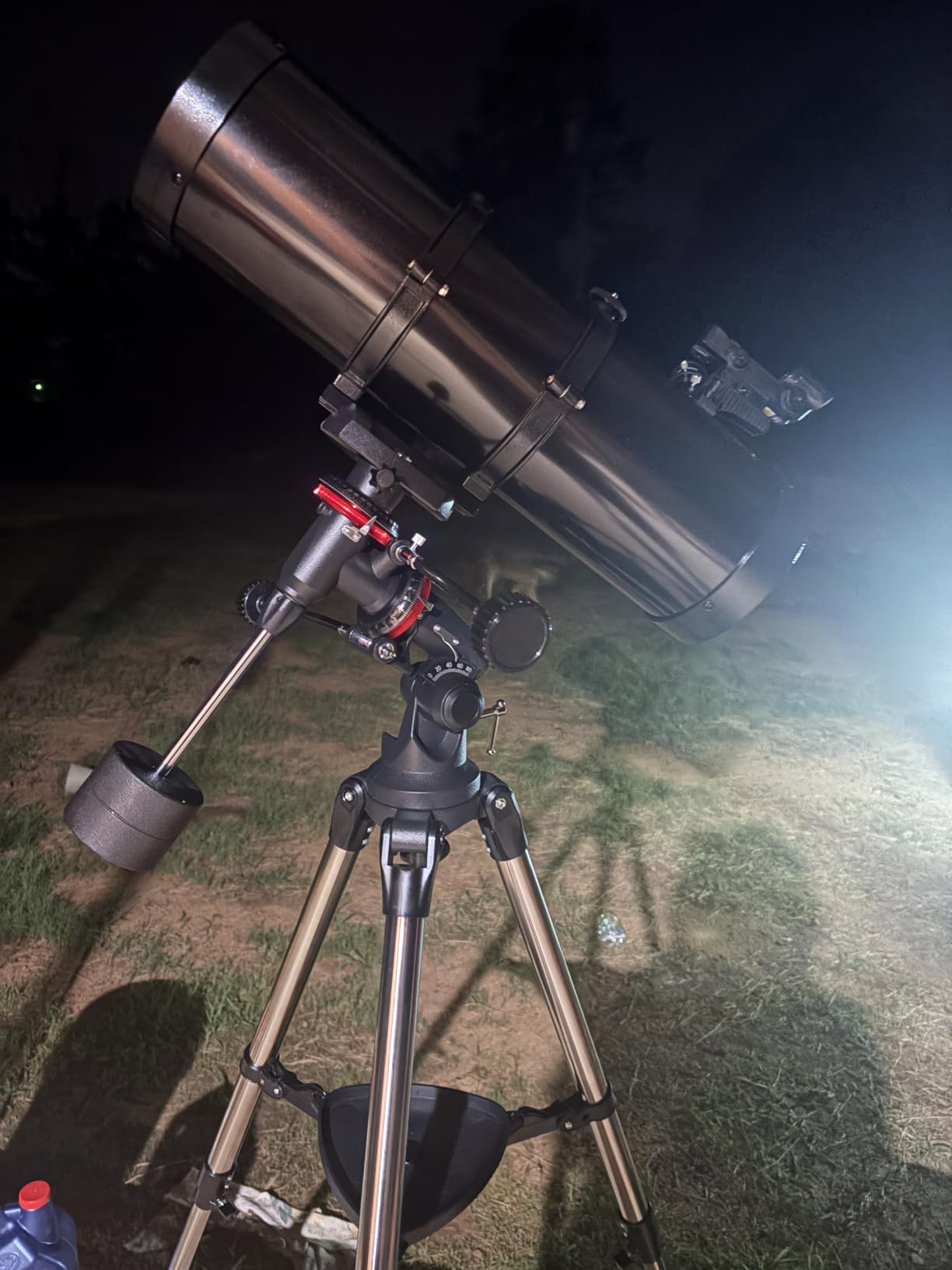
The MEEZAA 150EQ wins on what arrives in the box. Alongside the tube and equatorial mount you get a 25mm and a 10mm eyepiece, a 2x Barlow, a red-dot finder, a moon filter, a phone adapter and a carry bag, which together cover most of what a first owner would otherwise buy separately.
Owners are also specific about performance. Several reviewers explicitly report seeing galaxies and nebulae from light-polluted backyards, and one notes the scope shows these despite significant light pollution at home. The German equatorial mount with precision dials and slow-motion cables makes single-knob tracking easy once aligned, and one buyer reported the mount arrived pre-lubed and needed no collimation.
The moon filter is a genuinely useful inclusion for city observers, because the Moon is the brightest target in the sky and a filter makes it far more comfortable to look at through a long session. The phone adapter supports basic smartphone photography, and the carry bag matters for a flat with limited storage.
At 650mm focal length and a listed 150mm aperture, magnification runs from 26x to 130x on the included eyepieces, with the Barlow extending that. It is a fast, bright design suited to wide-field sweeping and lunar work, and the stainless steel tripod with an accessory tray is sturdy and adjustable in height.
Why the bundle is the selling point
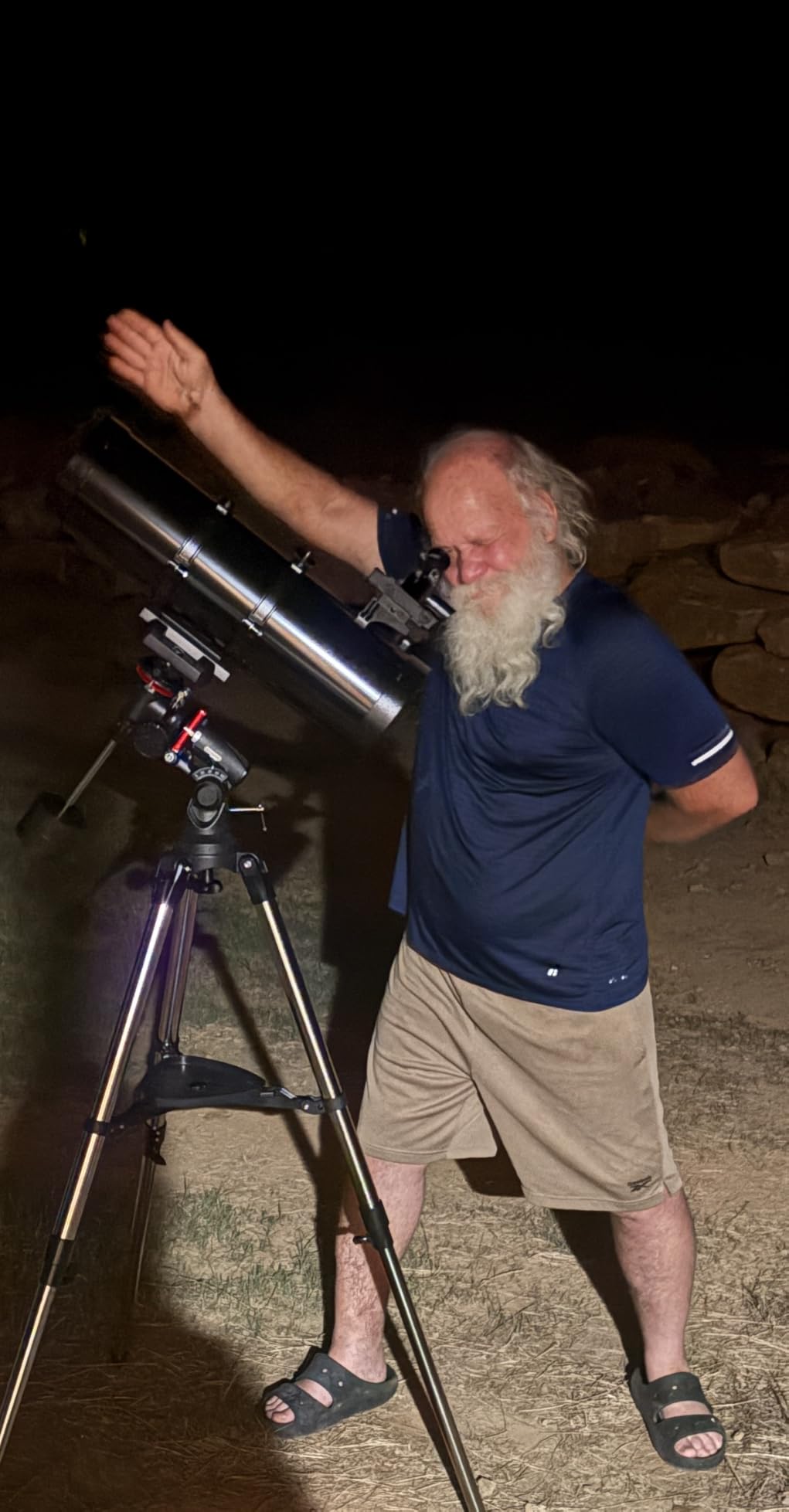
For a first telescope, accessories are where a lot of money quietly disappears. A moon filter, a phone adapter and a second eyepiece are easy to postpone and then expensive to go back for, so having them in the box means a new owner can actually use the scope on night one. Setup is tool-free and quick to assemble, which suits someone with limited patience for assembly.
The moon filter plus the wide field also make this a strong family choice. The Moon is the first object anyone sees through a telescope, and with a filter it stays interesting rather than becoming a bright white disc. Reviews describe the construction as heavy, well built and feeling more expensive than the price suggests.
The aperture dispute, and other honest notes
The most significant criticism in the reviews is a disputed specification: one reviewer reports the primary mirror measures 130mm rather than the advertised 150mm. If exact aperture matters to you, verify it on arrival before the return window closes, because the difference in light grasp is significant.
Reviewers also say the included eyepieces are entry-level and that moving to Plossl or a zoom noticeably improves the view, and that the plastic focuser can be knocked out of focus when you swap eyepieces. It is also heavy enough that two people are recommended for assembly and moving, which puts it in the same weight class as the Gskyer rather than the lightweight end.
What Light Pollution Actually Changes (and What It Does Not)
Light pollution does not stop you seeing stars through a telescope. It raises the brightness of the sky background itself, so the contrast between a faint object and the sky shrinks, and the faintest objects disappear into the glow rather than being blocked. Everything from the Moon to bright clusters survives; the difference is how far down the brightness list you can go.
This is why the two common pieces of advice conflict. An 8-inch Dobsonian gathers more light and shows more faint objects, while a small apochromatic refractor shows more contrast on the objects it can reach. Neither is wrong. Aperture sets the ceiling, contrast sets the floor, and a bright sky lowers the floor for everyone.
The Bortle scale is how observers describe this. A Bortle 1 site is a genuinely dark sky with a milky way casting shadows. Bortle 4 is a typical rural sky. Bortle 6 is a bright suburban sky where the Milky Way is invisible but the planets and Moon are excellent. Bortle 8 is an inner-city sky where you can count a handful of stars, and the light dome from the city core can wash out even that.
Matching your Bortle class to an aperture
At Bortle 4, a 4.5-inch refractor shows the Orion Nebula, the Andromeda Galaxy and a handful of globulars comfortably, and a larger aperture only adds fainter galaxies. At Bortle 6, the Moon, the planets, double stars, open clusters and the brightest nebulae are the realistic list, and aperture starts to pay off around 6 inches. At Bortle 8, treat 8 inches or more as the threshold for anything faint, and consider that some targets are simply not reachable.
Forum users are honest about the end of the list. Most Messier objects stay recognisable from moderately bright skies, but the Pinwheel Galaxy and the Triangulum Galaxy are routinely called out as very hard, and observers from bright sites say they will not see them. Knowing that in advance is better than assuming your telescope is faulty when the view stays grey.
What aperture does and does not fix
Aperture cannot fix stray light. A 10-inch open Newtonian tube pointed at a wall light will show you that light more brightly than it shows you M101, which is why sealed-tube designs matter in the city. Aperture also cannot fix a mount that shakes, and vibration is the main reason high-power planetary views disappoint people who bought too much aperture for their setup.
What aperture does fix is reach. More light means fainter surface brightness, and a bigger aperture is the only thing that gets you deeper into the catalogue from a fixed location. If your goal is the faint stuff and you cannot travel, that is the trade you have to make, and the Flextube 250 and the NexStar 8SE are the two instruments here that make it.
One target type is immune to all of this. Solar observing in hydrogen-alpha light, and daytime observation of the Sun with a proper front-aperture solar filter, is unaffected by light pollution entirely, because it happens during the day. If you want a hobby that never runs out of targets in a city, that is a serious and frequently overlooked answer.
How to Choose a Telescope in an Apartment: Storage, Stairs and Setup Time
The question that decides most urban purchases is not optical, it is domestic. Where does a 45-pound Dobsonian live in a two-bedroom flat? How many trips from the hallway to the balcony? If the honest answer is more than one, or more than five minutes, the scope will not get used, and an unused telescope is worse than none.
Work down this list before you compare optics. First, measure the storage space and confirm the scope fits there assembled or collapsed. Second, weigh the carry. Third, time the setup on a real evening. Forum consensus is blunt that people who need multiple trips stop observing, so a lighter scope that gets carried will beat a heavier one that stays in a cupboard.
Constraint tiers for city observers
No storage and no stairs: the Sky-Watcher Skymax 102 at 4.6 pounds, or a smart telescope at 3 to 3.6 pounds. Both fit a bag and both need no collimation, alignment or charts. Stairs only, no car: the Celestron StarSense Explorer LT 114AZ or the Celestron AstroMaster 130EQ at around 17 pounds, both single-person carries, or one of the smart scopes if you can lift a tripod as well.
One car, decent storage: an 8-inch Dobsonian becomes practical, and the Sky-Watcher Flextube 250 is the version that collapses to fit. You can see the difference between a scope that suits a flat and one that suits a house with a spare room. Public transit, no car at all: the DWARFLAB Dwarf 3 at 3 pounds, designed for exactly that trip to a darker park.
Closed tube or open tube, and why it matters on a balcony
An open Newtonian tube acts like a light funnel down the length of the tube, so ambient light from a window, a security light or a phone screen can scatter into the eyepiece and wash out faint objects. A closed refractor or Maksutov-Cassegrain does not, which is why refractors are often recommended for urban observing and why the SVBONY’s retractable hood matters.
This is the strongest differentiator in a city guide, and most general telescope roundups never make it. A sealed Maksutov at 4.6 pounds beats an open Dobsonian for a small flat, not because the Dobsonian is worse but because the Dobsonian will be used less and will be harder to use well. The SVBONY SV503 and the Sky-Watcher Skymax 102 are the two closed-tube picks here, and the SVBONY’s 133mm hood is specifically designed to block stray light.
Go-to pointing when only three stars are visible
Manual pointing is the hardest part of city observing. Go-to technology solves it differently depending on the scope. The Celestron NexStar 8SE uses SkyAlign, which needs you to centre any three bright stars or planets, and three stars is achievable even in a bright sky. The Celestron StarSense Explorer uses a phone app that recognises the star pattern and works out the pointing for you.
The smart telescopes go further and skip alignment entirely, finding and tracking targets on their own. If your sky is bright enough that star hopping is not realistic, any of these three approaches is a genuine improvement, and it is worth paying for. The Dobs in this roundup do not have it, which is the main compromise in exchange for their aperture.
Exit pupil: the one piece of arithmetic worth doing
Your exit pupil is the telescope aperture divided by the magnification, and the comfortable range is roughly 0.5mm to 7mm. Work it out before you buy eyepieces, because it tells you which focal lengths are usable on a bright sky where a too-small exit pupil wastes light.
Take the Celestron AstroMaster 130EQ: 130mm aperture at 650mm focal length. With the included 25mm eyepiece, magnification is 26x and the exit pupil is 5mm, which is bright and easy. With the 10mm it is 65x and the exit pupil is 2mm, still fine. Take the Sky-Watcher Skymax 102 instead: 102mm at 1300mm, so the 25mm gives 52x and a 3.9mm exit pupil, and the 10mm gives 130x and 0.8mm, right at the dim end where a bright sky starts to cost you. Understanding that is what tells you which third eyepiece to buy.
Light Pollution Filters: What Works Against LED Streetlights
Light pollution reduction filters are worth buying, but their effectiveness depends almost entirely on the lighting near you, and most sellers do not explain this. A broadband LPR filter suppresses the yellow and orange wavelengths of sodium streetlights, so against sodium or older warm-white lighting it can visibly darken the background and raise contrast. Against modern LED lighting it does much less, because LEDs emit a broader spectrum that passes through the filter.
Narrowband filters take the opposite approach and isolate the specific emission lines of nebulae, which is why observers report they give fairly good results. They help with emission nebulae under any lighting, including LED, and they do very little for galaxies or reflection nebulae, which emit a broad spectrum rather than lines. Our guide to light pollution filters covers the mechanics in more detail.
The honest ranking of what actually helps
By real effect on a light-polluted sky, in descending order: aperture, then a sealed tube that blocks stray light, then observing technique and dark adaptation, then broadband filters against sodium lighting, then narrowband filters for emission nebulae, and broadband filters against LED lighting last. That last one is where most disappointed buyers end up, having bought a filter that does almost nothing because the streetlight outside is white.
It is worth checking what lights your observing site before you buy filters. If the nearest streetlights are low-pressure sodium, an LPR filter is a good buy. If they are LED, spend the money on a second eyepiece or a dew shield instead, which help under every kind of lighting.
The targets lighting does not touch
Solar observing in hydrogen-alpha is completely unaffected by skyglow, because you are filtering the Sun’s own light and the filter blocks everything else. Daytime solar telescopes are genuinely the one observing category that works identically in the city and in the countryside, and they are worth considering alongside a night scope.
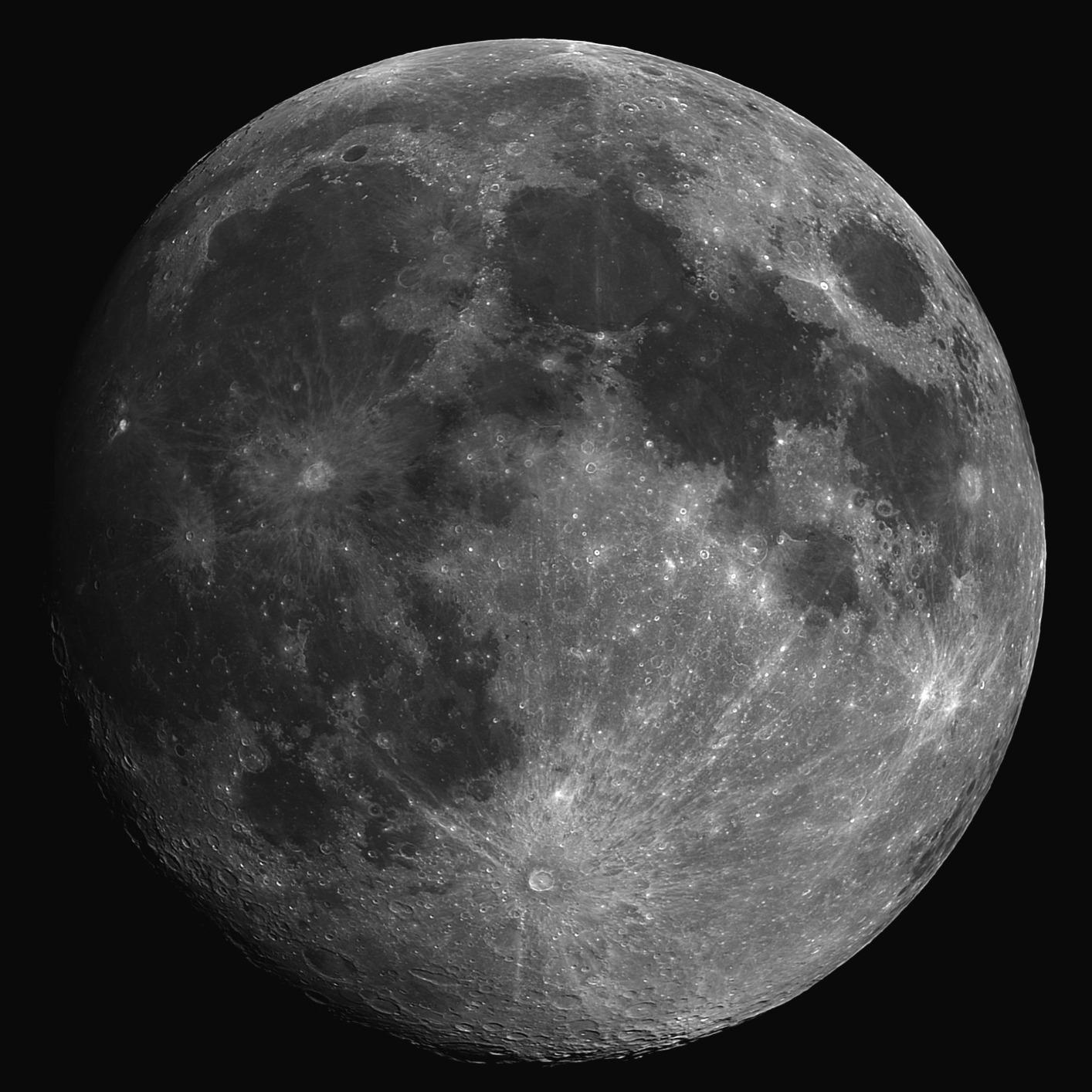
The Moon and the planets are the other reliably light-proof targets. A bright planet does not care how bright your sky is, which is why the planetary and lunar picks in this roundup are a defensible choice even for people in the brightest urban cores. The planets are the reason most city observers stay interested after they learn that the faint galaxy list is out of reach.
Frequently Asked Questions
Which telescope is best for stargazing in light polluted skys?
The Celestron AstroMaster 130EQ is the best all-round choice for light-polluted skies: a 130mm aperture, a German equatorial mount with slow-motion tracking, and a review history of more than 3,400 owners. If you cannot store or carry 17 pounds, the Sky-Watcher Skymax 102 Maksutov gives you a sealed 4.6-pound tube that needs no collimation. If you want photographs rather than views, the ZWO Seestar S30 Pro handles city imaging with built-in filters.
Do telescopes work in cities?
Yes. A telescope works in a city, but light pollution raises the brightness of the sky background so faint objects fade into the glow rather than disappearing. The Moon, the planets, double stars, open clusters and the brightest nebulae all show through a bright urban sky. A Bortle 8 sky hides the faint galaxies entirely, and observers routinely report that targets like the Pinwheel Galaxy stay out of reach.
Can you see stars in the city with a telescope?
You can see plenty of stars in the city with a telescope, and you will see many that are invisible to the naked eye. A 4.5-inch or larger instrument under a bright suburban sky will resolve the Moon’s craters, the Galilean moons of Jupiter, Saturn’s rings, the Pleiades and the Orion Nebula in season. The limit is faint extended objects like dim galaxies, not stars.
How to see stars in light pollution?
Four things help. First, use the largest aperture you can actually carry, since aperture sets how faint an object you can reach. Second, choose a sealed tube such as a refractor or Maksutov-Cassegrain so stray light from nearby lamps cannot wash out the view. Third, use a go-to mount or a guided app, because star hopping needs visible reference stars you will not have. Fourth, give your eyes 20 minutes of dark adaptation and avoid white light during observing.
What is the best light pollution filter for a telescope?
A broadband light pollution reduction filter is the right type to buy, but its effect depends on your streetlights. It suppresses the yellow and orange wavelengths of sodium lighting and can darken the background noticeably. Against modern LED lighting it does very little, because LED emits a broader spectrum. Narrowband filters are the better option for emission nebulae under LED skies. If your lights are LED, spend the money on a second eyepiece or a dew shield instead.
What is the best telescope for city viewing?
For a small apartment with stairs, the Sky-Watcher Skymax 102 Maksutov at 4.6 pounds is the best city telescope: sealed, compact, no collimation, and long enough focal length for high power on the planets. For no car, the DWARFLAB Dwarf 3 at 3 pounds fits a backpack. For a bigger budget and storage for a car, an 8-inch Dobsonian such as the Sky-Watcher Flextube 250 shows the most faint objects from a bright sky.
Can you use a telescope on a cloudy night?
Not usefully for observing. Clouds block the light from stars, planets and deep-sky objects, so there is nothing to see through the eyepiece. Two things are worth doing on a cloudy night. Solar observing in hydrogen-alpha works in daylight and in cloud, because the Sun is bright enough to punch through. And smart telescopes that capture still images can produce usable results from short exposures, though stacked deep-sky frames need a clear night.
Final Verdict for Urban Stargazing in 2026
The Celestron AstroMaster 130EQ is our pick for the best telescopes for city light pollution overall, because it combines a 130mm aperture with a tracking mount and the deepest owner history of anything we reviewed, at a weight you can carry up one flight of stairs. For a flat with no storage, the Sky-Watcher Skymax 102 Maksutov at 4.6 pounds is the answer, since a sealed tube needs no collimation and no alignment. If you cannot drive to a darker site, the DWARFLAB Dwarf 3 at 3 pounds is the only instrument here built for the trip.
Match the scope to your storage and stairs before you match it to your target list, and be honest about the faint galaxy end of the catalogue. What you can see from a city in 2026 is the Moon, the planets, double stars, bright clusters and the best nebulae, which is a genuinely rewarding list if you set your expectations around it.
Check the current details and accessories for each pick below, and consider a second eyepiece and a dew shield before a light pollution filter if your streetlights are LED.