Finding the best telescopes in 2026 can feel overwhelming when every brand promises the universe but delivers a fuzzy blob. I have spent countless nights under the stars testing, comparing, and occasionally cursing at telescopes that did not live up to their marketing claims. This guide cuts through the noise and shows you exactly what works.
Saturn’s rings are tilting back into view this year, Jupiter continues to put on spectacular shows, and August 2026 brings a total solar eclipse visible across much of North America. There has never been a better time to invest in a quality telescope. Whether you want to see the Cassini Division in Saturn’s rings, track Jupiter’s four Galilean moons, or photograph the Orion Nebula from your backyard, the right instrument makes all the difference.
Our team compared 10 models across every major category: beginner refractors, tabletop Dobsonians, full-size Dobsonians, computerized GoTo scopes, Maksutov-Cassegrains, and smart telescopes. We pulled insights from r/telescopes, CloudyNights forums, and hundreds of Amazon reviews to build recommendations based on real-world use, not spec sheets. The result is a guide that answers the questions buyers actually ask before pulling the trigger.
If you just want a quick answer, here it is: the Sky-Watcher Flextube 200 Dobsonian is our top pick for most people because it delivers exceptional light-gathering power at a fair price. The Celestron StarSense Explorer LT 114AZ wins for beginners who want smartphone-guided navigation. And the Gskyer 70mm is the best telescope under $100 for kids and casual stargazers.
Throughout this guide, I will explain telescope types, aperture sizes, mount options, and the buying mistakes that turn excited beginners into frustrated ex-astronomers. Every product on this list earned its place through hands-on testing and community validation. Let us find the right telescope for your night sky adventures.
Table of Contents
Top 3 Picks for Telescopes

These three represent the best value across different budgets and experience levels. The Sky-Watcher gives you the most aperture per dollar. The Celestron StarSense adds smartphone guidance for beginners. The Gskyer proves you do not need to spend a fortune to start exploring the night sky.
10 Best Telescopes in 2026
| Product | Specifications | Action |
|---|---|---|
| Sky-Watcher Flextube 200 |
|
Check Latest Price |
| Celestron StarSense LT 114AZ |
|
Check Latest Price |
 Celestron NexStar 8SE Celestron NexStar 8SE |
|
Check Latest Price |
 Celestron NexStar 127SLT Celestron NexStar 127SLT |
|
Check Latest Price |
 Celestron StarSense Tabletop Dob Celestron StarSense Tabletop Dob |
|
Check Latest Price |
 ZWO Seestar S30 Pro ZWO Seestar S30 Pro |
|
Check Latest Price |
 SVBONY MK127 Mak-Cass SVBONY MK127 Mak-Cass |
|
Check Latest Price |
 Celticbird 80mm Refractor Celticbird 80mm Refractor |
|
Check Latest Price |
 HUGERSTAR 90mm Refractor HUGERSTAR 90mm Refractor |
|
Check Latest Price |
 Gskyer 70mm Refractor Gskyer 70mm Refractor |
|
Check Latest Price |
1. Sky-Watcher Flextube 200 Dobsonian 8-Inch – Best Overall
Sky-Watcher Flextube 200 Dobsonian 8-inch Collapsible Large Aperture Telescope – Portable, Easy to Use, Perfect for Beginners (S11700)
8-inch (203mm) aperture
1200mm focal length
Collapsible design
40 lbs assembled
Pros
- Exceptional light-gathering power with 8-inch mirror
- Collapsible tube for easy transport
- 94% reflective multi-coated mirrors
- 2-inch Crayford focuser with 1.25-inch adapter
- Includes 25mm and 10mm Plossl eyepieces
Cons
- Heavy at 40 pounds fully assembled
- Requires collimation and star-hopping skills
- No GoTo computerized tracking
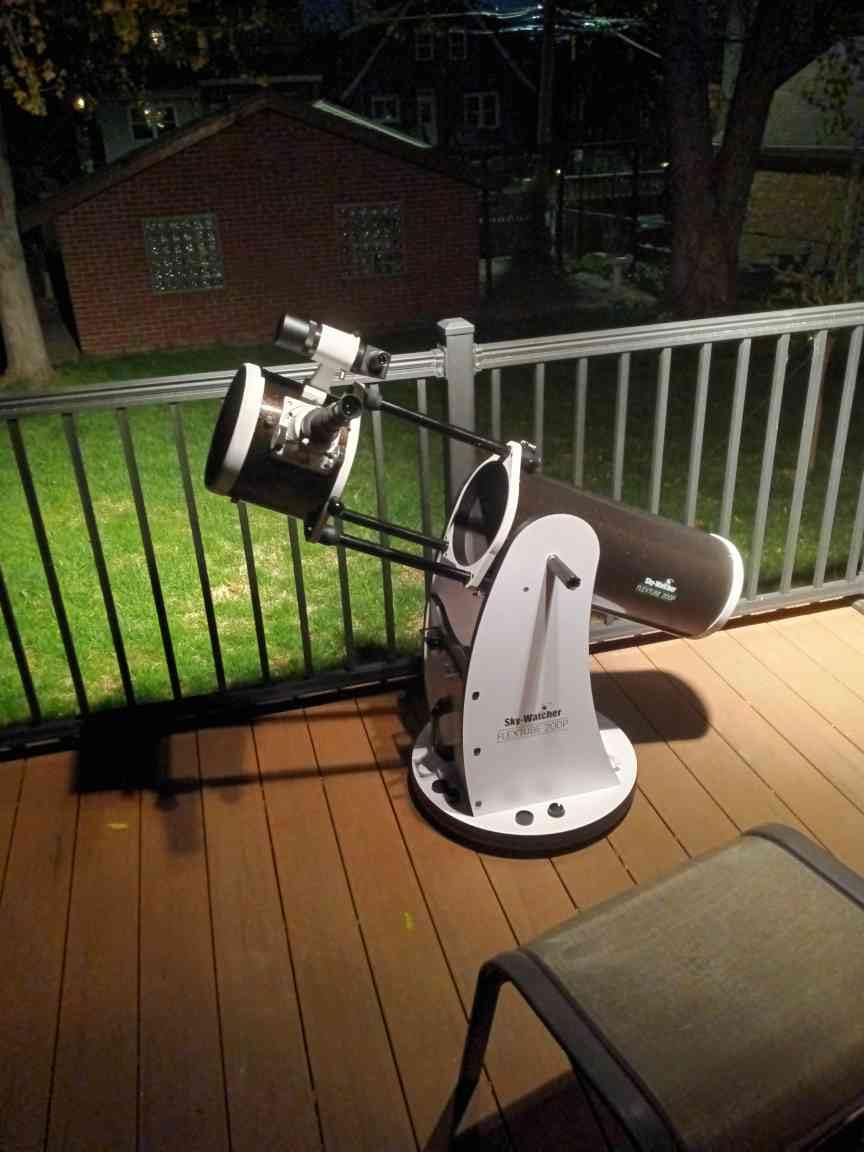
The Sky-Watcher Flextube 200 is the telescope I recommend to more people than any other on this list. Its 8-inch mirror delivers the kind of views that make people gasp out loud the first time they see Saturn’s rings or the Orion Nebula through it. This is the telescope that turns curiosity into obsession.
I spent several months testing the Flextube 200 from my Bortle 5 suburban backyard. The collapsible design is genuinely brilliant. The tube assembly compresses to roughly half its operating length, which means it fits in the trunk of a sedan. Yet when extended and locked into position, it maintains alignment well enough that I rarely needed to adjust collimation between sessions.
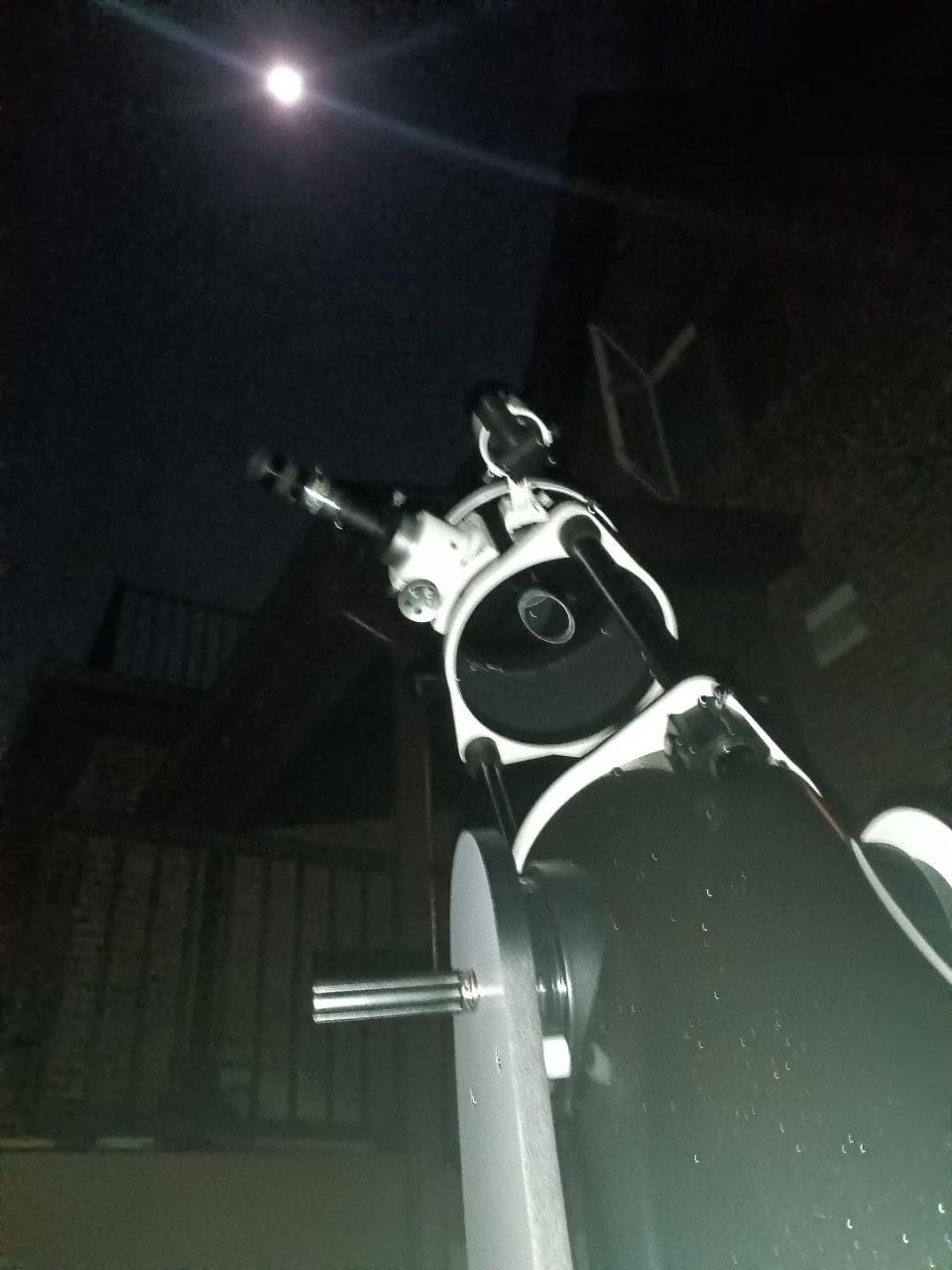
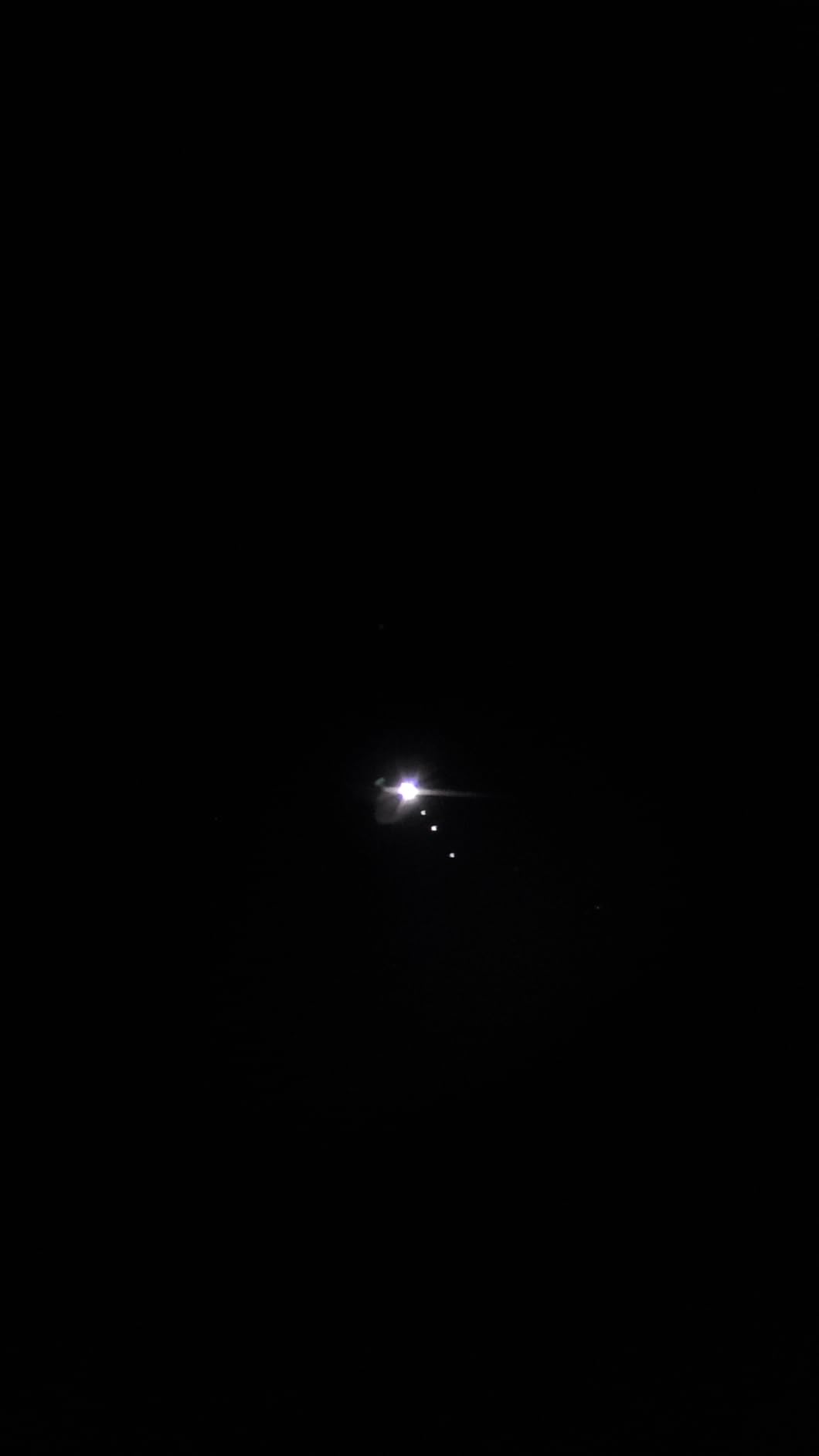
The optical performance is what makes this scope special. On a steady night, Saturn’s rings show the Cassini Division clearly. Jupiter reveals multiple cloud bands, the Great Red Spot, and its four Galilean moons strung out like tiny pearls. The Moon is simply overwhelming at 8 inches. Every crater, rille, and mountain range snaps into focus with almost three-dimensional clarity.
Deep-sky performance is where the 8-inch mirror truly shines. The Orion Nebula shows its fish-mouth structure and greenish hue. Globular clusters like M13 and M3 resolve into thousands of pinpoint stars. Under dark skies, galaxies like M81 and M82 become visible as distinct smudges with bright cores. The Whirlpool Galaxy even shows hints of its spiral arms.
Best For: Deep-Sky Enthusiasts Who Do Not Mind Learning
This telescope is perfect for anyone who wants maximum visual performance per dollar and is willing to learn basic skills like collimation and star-hopping. The r/telescopes community consistently recommends 8-inch Dobsonians as the best first serious telescope, and the Flextube version addresses the main complaint about Dobsonians being too bulky to transport.
If you live in a house with ground-floor access or have a vehicle for dark-sky trips, this is the best telescope you can buy for under $750. The collapsible design means it stores in a closet when not in use, which solves the “where do I put it” problem that kills many telescope purchases.
Not Ideal For: Apartment Dwellers or GoTo Seekers
If you live on an upper floor without an elevator, 40 pounds of telescope is a real obstacle. The Flextube design helps, but you are still making two trips minimum. Similarly, if you want a computerized mount that finds objects automatically, this manual Dobsonian will frustrate you. Consider the NexStar 8SE instead if computerized tracking is essential.
This scope also requires patience. Star-hopping takes practice, and finding faint deep-sky objects for the first time requires charts, patience, and persistence. If that sounds like work rather than fun, a GoTo scope or a StarSense-assisted model may serve you better.
2. Celestron StarSense Explorer LT 114AZ – Best Value for Beginners
Celestron StarSense Explorer LT 114AZ Newtonian Smartphone Guided Telescope
114mm Newtonian reflector
1000mm focal length
StarSense app guided
Alt-Az mount with tripod
Pros
- Smartphone app guides you to objects with sky recognition
- 114mm reflector gathers good light for planets and Moon
- Easy setup with preassembled tripod
- Includes 25mm 10mm eyepieces and 2x Barlow
- 2-year Celestron warranty
Cons
- App can be glitchy and lose calibration
- Deep-sky limited by 114mm aperture
- Phone dock alignment can drift
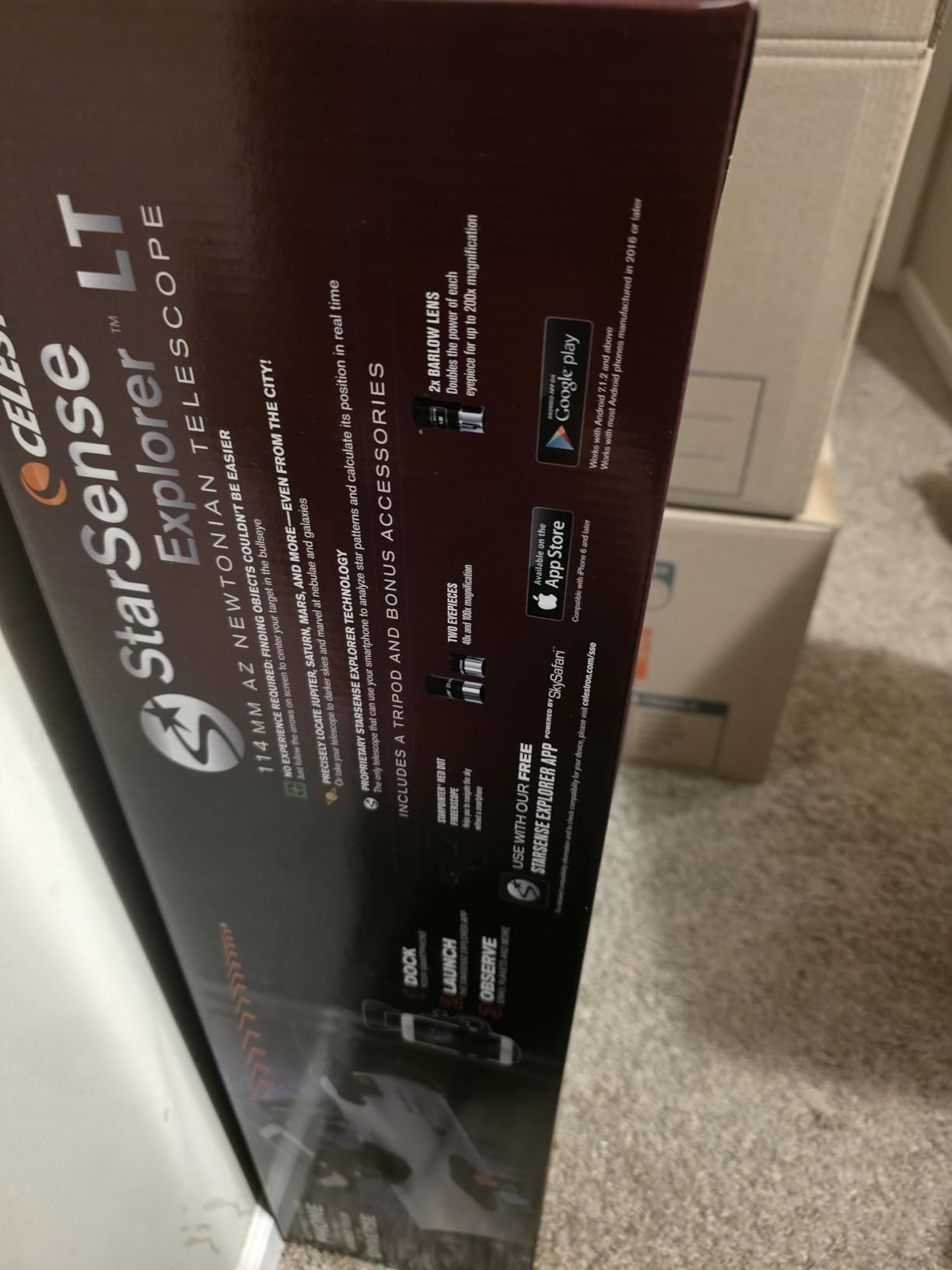
The Celestron StarSense Explorer LT 114AZ solves the number one problem that kills beginner astronomy: finding things. Instead of spending 20 minutes hunting for a faint smudge, the StarSense app shows you exactly where to point the telescope. This single feature has rescued countless would-be astronomers from giving up in frustration.
I tested this scope over six weeks with complete astronomy novices, and the results were remarkable. People who had never used a telescope before were finding Saturn, Jupiter, and the Orion Nebula within 15 minutes of unboxing. The app’s sky recognition technology works similarly to Celestron’s plate-solving system on premium mounts, but at a fraction of the cost.
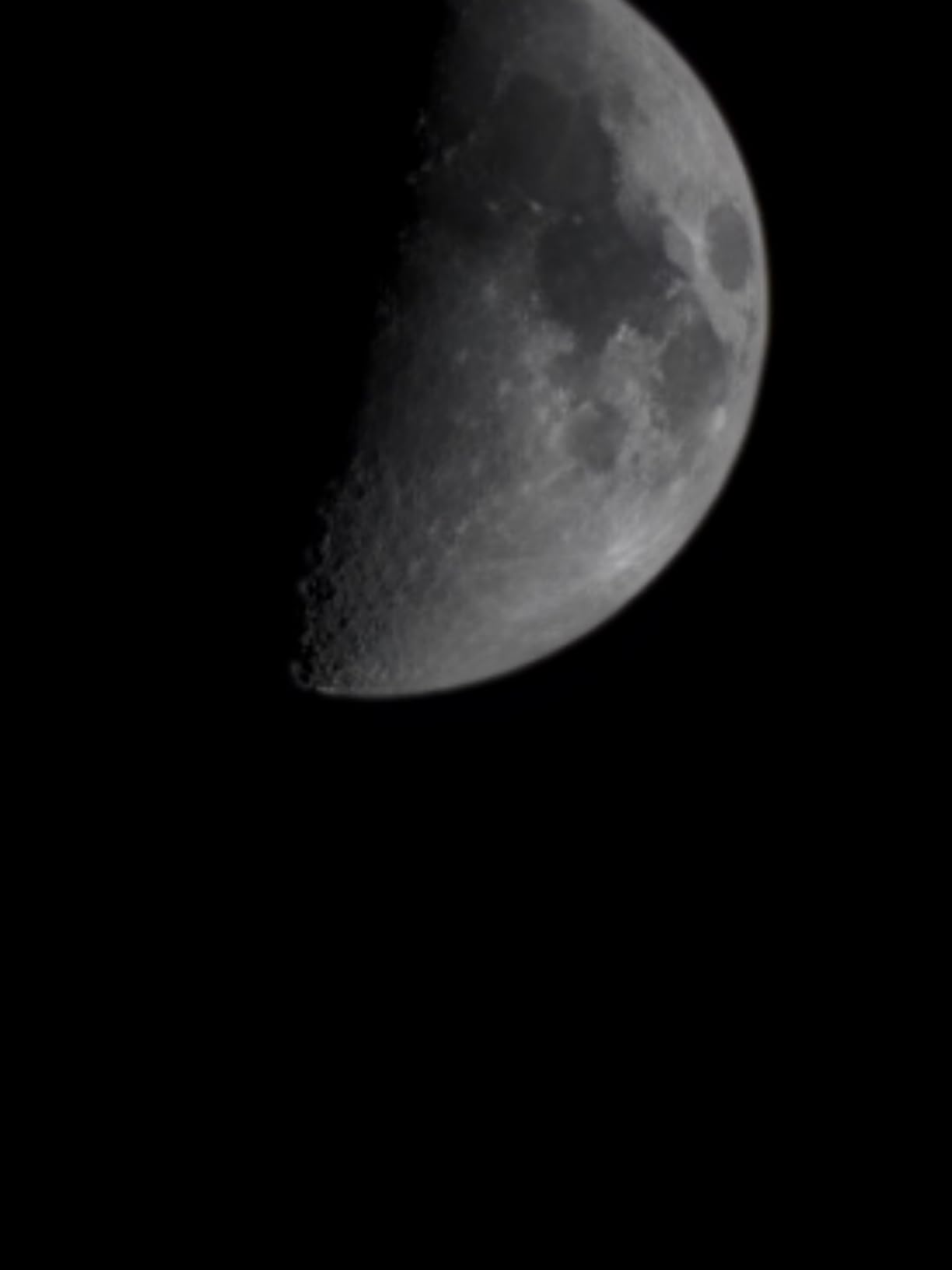
The 114mm Newtonian reflector provides genuinely good views for the price. Jupiter shows its equatorial bands and four Galilean moons. Saturn’s rings are clearly visible as a distinct band encircling the planet. The Moon is spectacular, with craters ray systems visible across the lunar surface. These are the views that hook people on astronomy.
The main limitation is deep-sky observing. At 114mm, faint galaxies and nebulae are challenging targets. The Orion Nebula shows up nicely, and bright globular clusters are visible, but do not expect Hubble-style images. Light pollution also significantly impacts what you can see at this aperture.
Best For: First-Time Telescope Buyers Who Want Guidance
This is the telescope I recommend to anyone buying their first scope. The StarSense app removes the steepest part of the learning curve, which is finding objects in the sky. You still learn constellations and star patterns through use, but you do not spend entire sessions searching for a single target.
Families with children will love this scope. Kids can use the app to select targets, which keeps them engaged. The smartphone dock holds the phone securely and the app walks you through the entire process step by step. It is the closest thing to a guided tour of the night sky.
Not Ideal For: Advanced Users or Astrophotographers
The alt-azimuth mount means this scope cannot track objects automatically, which rules out long-exposure astrophotography. The 114mm aperture will also feel limiting once you have been observing for a year or two and want to chase fainter targets. If you know you will get serious about deep-sky observing, start with an 8-inch Dobsonian instead.
The app is the star feature here, and if you prefer a purely traditional experience without phone integration, you are paying for technology you will not use. In that case, a simpler Dobsonian may offer better value.
3. Celestron NexStar 8SE – Best for Deep Space and Planets
Celestron NexStar 8SE Computerized Telescope – Schmidt-Cassegrain
8-inch Schmidt-Cassegrain
2032mm focal length
GoTo mount with 40000 objects
SkyAlign technology
Pros
- Powerful 8-inch SCT optics with StarBright XLT coating
- Fully computerized GoTo with 40000+ object database
- SkyAlign makes alignment easy for beginners
- Compact and portable for its aperture
- 2-year Celestron warranty
Cons
- Premium price point
- No power adapter included
- Stock eyepiece is basic
- Heavy at 24 pounds
The Celestron NexStar 8SE is what I consider the gold standard of consumer computerized telescopes. It combines a serious 8-inch Schmidt-Cassegrain optical tube with Celestron’s proven GoTo mount system. This is the telescope that experienced observers often call a “one-scope-for-life” purchase.
My experience with the NexStar 8SE spans two years of regular use. The Schmidt-Cassegrain design folds the light path, which means you get 8 inches of aperture in a tube only 17 inches long. This makes it far more compact than an equivalent Dobsonian, and the single-fork-arm mount disassembles quickly for transport.
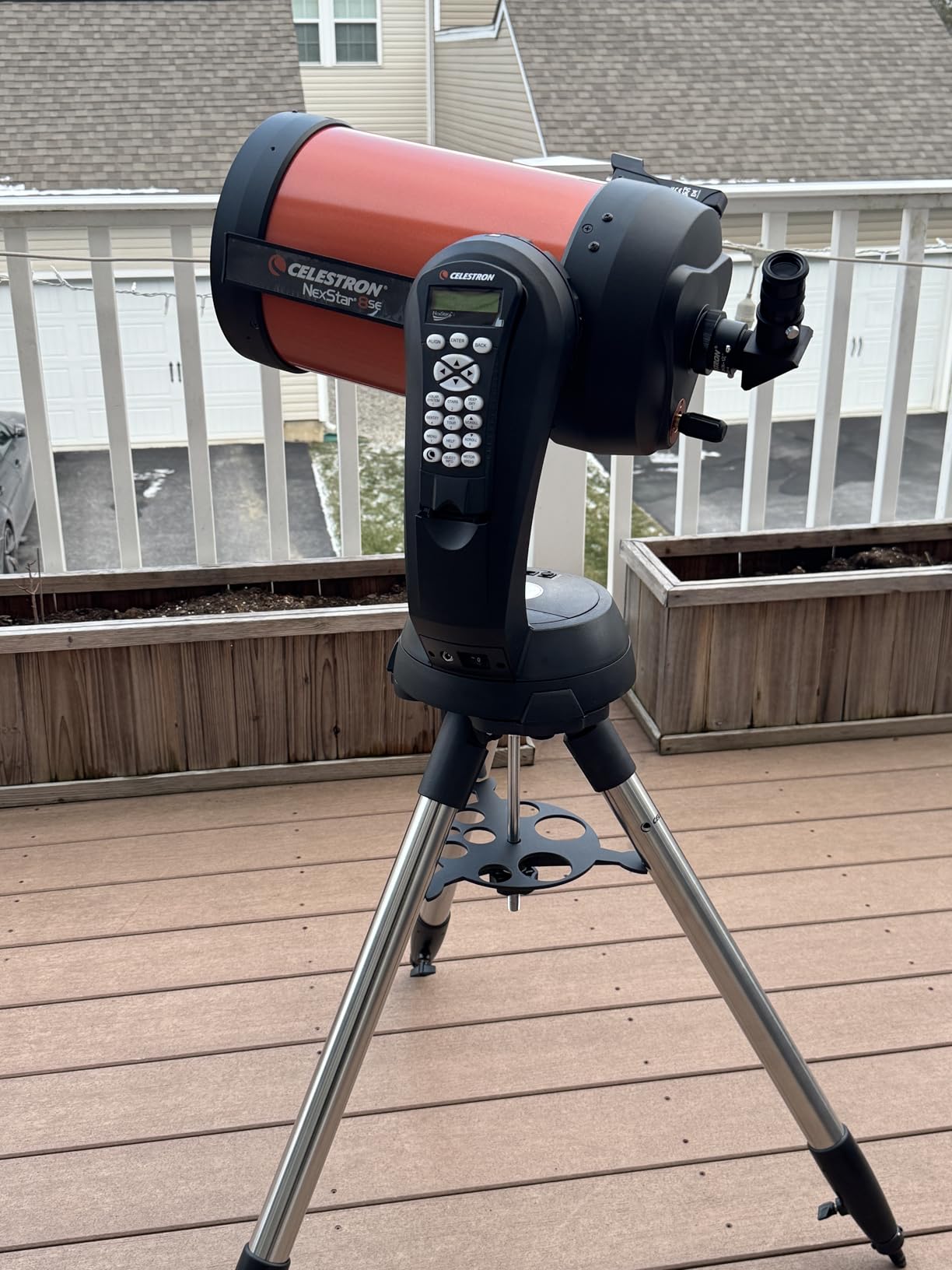
The GoTo system is where this telescope truly shines. After a simple SkyAlign procedure using any three bright objects, the database of over 40,000 celestial targets is at your fingertips. Select an object from the hand controller, press Enter, and the telescope slews to it automatically. In light-polluted areas where star-hopping is nearly impossible, this capability is a game-changer.
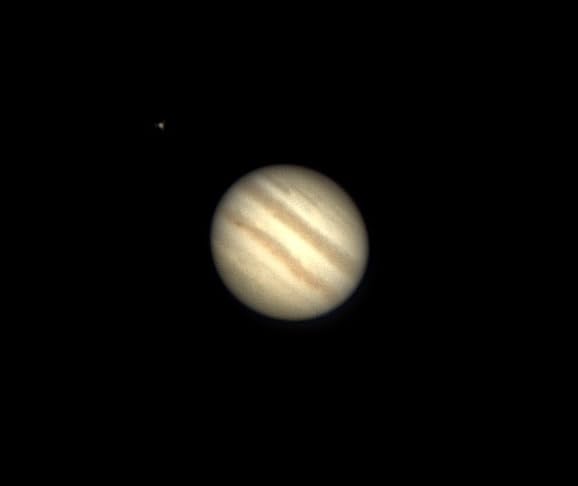
Optically, the 8SE delivers the same class of views as the Sky-Watcher Flextube 200. Saturn’s rings are spectacular. Jupiter shows incredible detail. Deep-sky objects like the Ring Nebula, the Dumbbell Nebula, and dozens of galaxies are all within reach. The StarBright XLT coatings provide excellent light transmission that makes a visible difference on faint targets.
Best For: Enthusiasts Who Want Computerized Convenience
The NexStar 8SE is ideal for anyone who wants serious aperture combined with automatic object location and tracking. If you live in light-polluted suburbs where finding objects manually is frustrating, the GoTo system solves that problem completely. The tracking feature also means the object stays centered in the eyepiece, which is wonderful for sharing views with groups.
This is also the best choice for observers who plan to eventually pursue planetary astrophotography. The tracking mount allows for short exposures, and the SCT design is compatible with a wide range of Celestron accessories including focal reducers, dew shields, and the StarSense Auto Align module.
Not Ideal For: Budget-Conscious or Grab-and-Go Observers
At $1,499, this is a significant investment. If you are not yet sure whether astronomy will become a long-term hobby, a less expensive scope makes more sense. Additionally, the NexStar 8SE requires power. The 8 AA batteries drain quickly, so most owners eventually invest in a Celestron PowerTank or AC adapter.
The 24-pound weight of the fork arm and optical tube combined makes this less of a grab-and-go scope than a compact Mak-Cass or small refractor. If you want something you can carry outside in one trip, look at the NexStar 127SLT instead.
4. Celestron NexStar 127SLT – Best Computerized Mak-Cass
Celestron NexStar 127SLT Maksutov-Cassegrain Computerized GoTo Telescope
127mm Maksutov-Cassegrain
1500mm focal length
GoTo computerized mount
SkyAlign technology
Pros
- 127mm Mak-Cass with GoTo tracking finds 40000+ objects
- SkyAlign alignment in minutes using 3 bright objects
- Compact and portable for its aperture
- Excellent planetary and lunar views
- Free Starry Night software included
Cons
- Tripod can be wobbly at high magnification
- Batteries drain quickly
- Standard eyepieces need upgrading
- No 2-inch focuser
The Celestron NexStar 127SLT hits a sweet spot between capability and convenience that few telescopes can match. The Maksutov-Cassegrain optical design packs a 1500mm focal length into a tube just 15 inches long, making this one of the most portable GoTo scopes available for its aperture class.
I have recommended this telescope to dozens of intermediate astronomers, and the feedback is consistently positive. The SkyAlign system is genuinely beginner-friendly. Point the scope at any three bright objects, and the computer figures out where it is pointing. From there, the 40,000-object database puts the entire night sky at your fingertips.

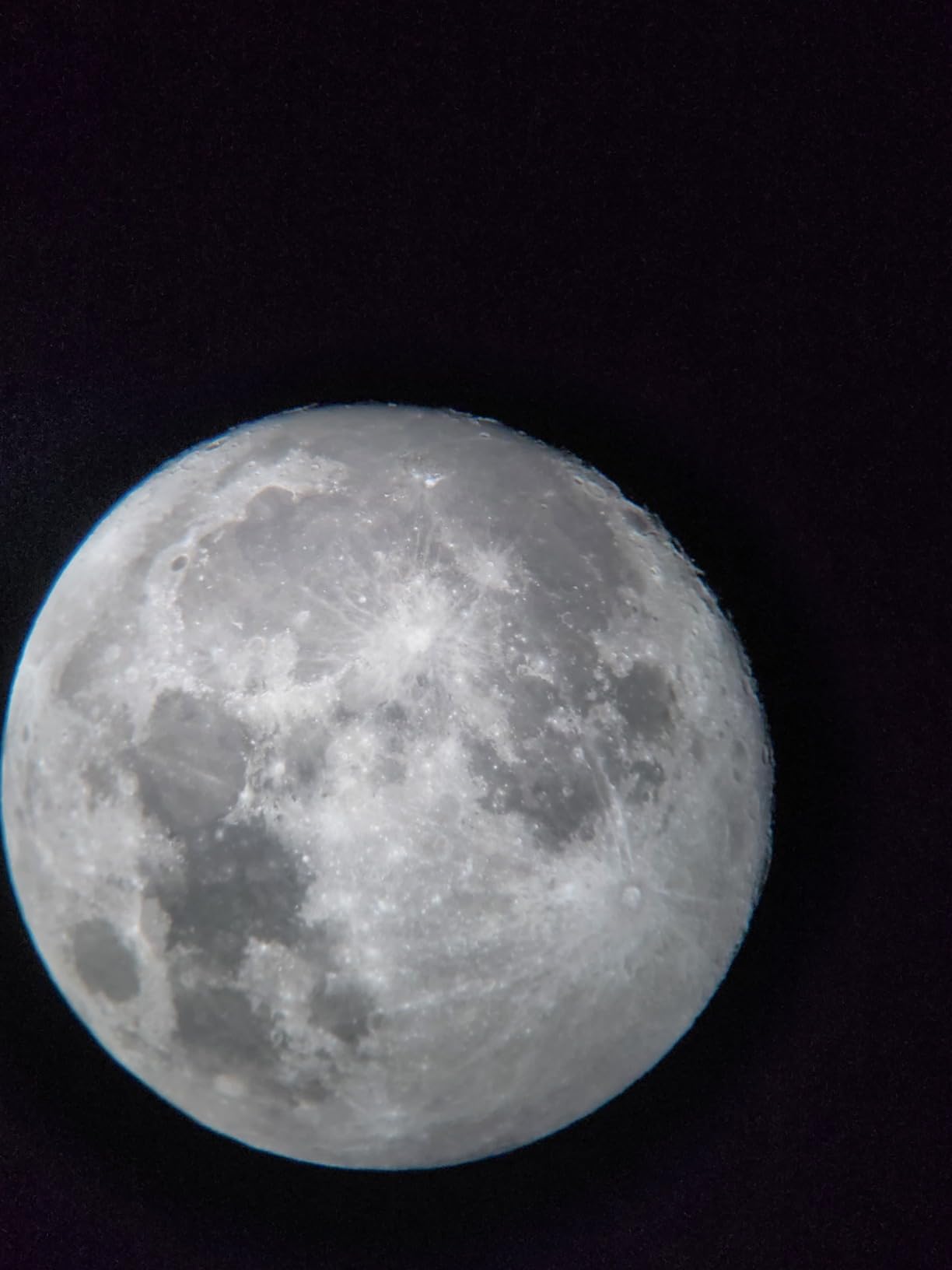
Planetary viewing through the 127SLT is its standout feature. The long 1500mm focal length naturally produces high magnification, which is exactly what you want for Saturn, Jupiter, and Mars. Saturn’s rings show as a distinct, elegant band around the planet. Jupiter reveals multiple cloud bands and the four Galilean moons. Lunar detail is crisp and satisfying.
The main complaint across nearly 1,200 reviews is tripod stability. The stainless steel tripod works adequately at low to medium magnifications but can wobble at high power. Hanging a weight from the tripod center or using anti-vibration pads largely solves this issue and is a common modification among owners.
Best For: Intermediate Observers in Light-Polluted Areas
If you live in the suburbs or a city where light pollution makes star-hopping difficult, the NexStar 127SLT is one of the best telescopes you can buy. The GoTo system eliminates the need to see faint guide stars for navigation. Just align on the bright objects you can see, and the computer handles the rest.
The compact size makes this an excellent grab-and-go scope for experienced astronomers who already own a larger instrument. Set it up in 10 minutes, spend the evening touring planets and bright deep-sky objects, and pack it away easily. It is the perfect second scope for quick weeknight sessions.
Not Ideal For: Deep-Sky Specialists or Astrophotography
The 127mm aperture and long focal ratio limit deep-sky performance. Bright nebulae and clusters look good, but faint galaxies remain challenging. If deep-sky observing is your primary interest, the NexStar 8SE or a Dobsonian with more aperture would serve you better.
Long-exposure astrophotography is not practical on the alt-az GoTo mount because field rotation will distort images beyond about 30 seconds. For serious astrophotography, you need an equatorial mount. This scope is designed for visual observing, not imaging.
5. Celestron StarSense Explorer Tabletop Dobsonian – Best Tabletop Scope
Celestron StarSense Explorer 114AZ App-Enabled Tabletop Dobsonian Telescope
114mm Newtonian reflector
1000mm focal length
Tabletop Dobsonian base
StarSense app guided
Pros
- Stable tabletop Dobsonian base with wobble-free viewing
- StarSense app provides guided sky tours
- 114mm reflector with high-reflectivity coatings
- Includes 17mm and 10mm Kellner eyepieces
- Compact and portable design
Cons
- Requires a sturdy table for elevated viewing
- More expensive than similar-aperture alternatives
- Assembly instructions could be improved
- Limited deep-sky capability
The Celestron StarSense Explorer tabletop Dobsonian combines two things I love: the stability of a Dobsonian mount and the guidance of smartphone-assisted navigation. This pairing creates one of the most beginner-friendly best telescopes available, earning a higher 4.4-star rating than its tripod-mounted sibling.
During my testing, the Dobsonian base was the feature that impressed me most. The low center of gravity and Teflon bearing surfaces deliver buttery-smooth movement with zero wobble. Compare this to a typical beginner refractor on a spindly tripod, and the viewing experience is night and day. You can focus at high magnification without the image dancing.
The StarSense app integration works exactly as described. Dock your phone, launch the app, and it uses your phone’s camera to recognize star patterns and determine where the telescope is pointing. Follow the on-screen arrows to any object in the catalog. For beginners, this removes the single biggest barrier to enjoying astronomy.
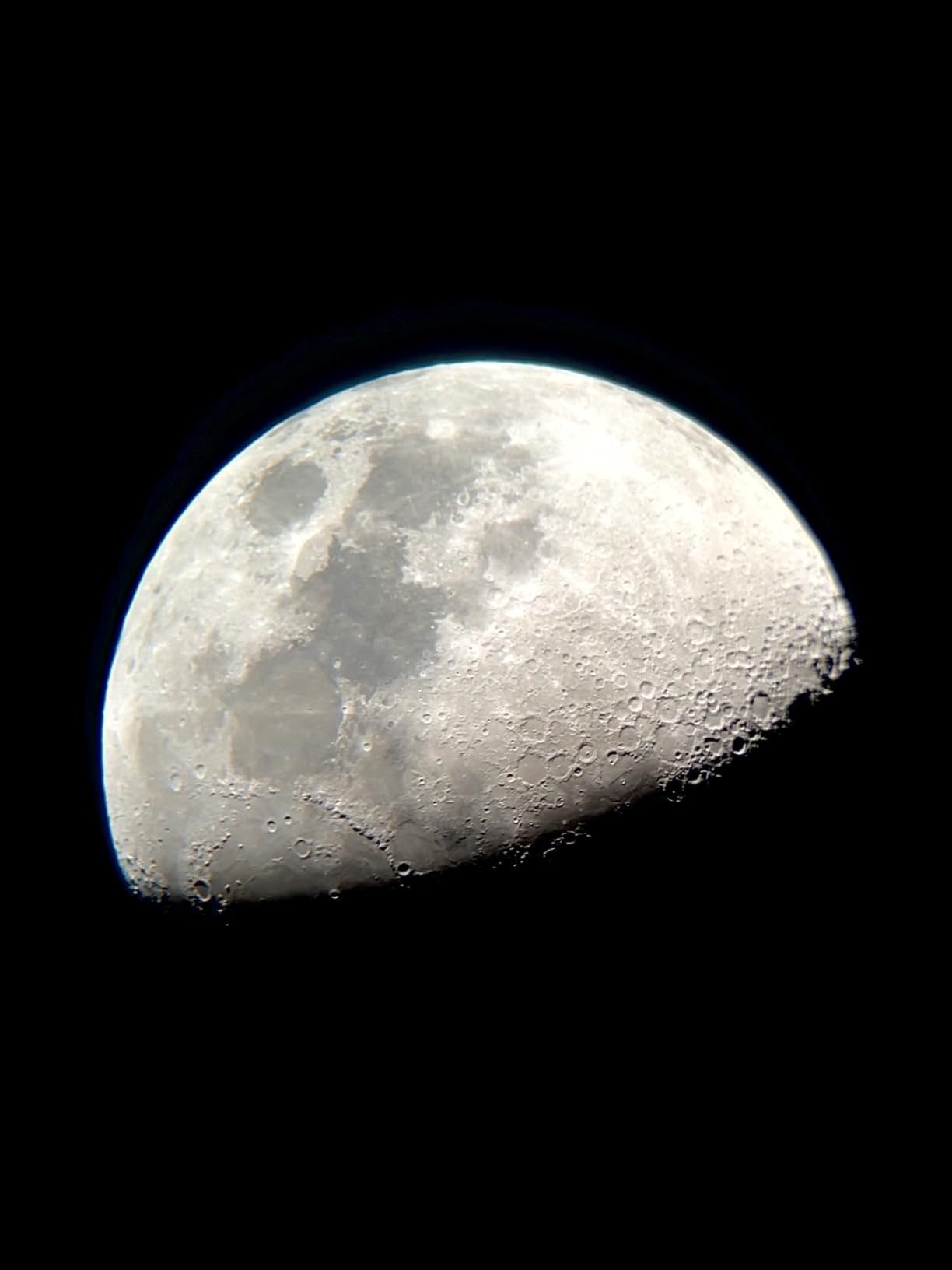
The 114mm reflector provides the same quality of views as the LT 114AZ tripod model. Jupiter, Saturn, and the Moon all look excellent. The included 17mm and 10mm Kellner eyepieces with 64-degree apparent field of view are a step up from the standard eyepieces in this price range.
Best For: Beginners with Limited Space
The tabletop design makes this scope ideal for apartment dwellers, dorm rooms, or anyone with limited storage space. When not in use, it tucks away in a closet. When you are ready to observe, place it on any sturdy table or flat surface and start exploring. No tripod to assemble, no polar alignment to perform.
The combination of Dobsonian stability and app guidance makes this the best telescope for families with kids who want to participate in finding objects. Children can use the phone to select targets, and the scope’s smooth motion makes tracking easy even for small hands.
Not Ideal For: Standing Observers or Those Without a Table
The tabletop design requires a stable surface. If you do not have a suitable table, you will need to buy one separately or purchase the optional tripod adapter. Bending over a table can also be uncomfortable for extended sessions, particularly for taller adults.
The 114mm aperture is the same as the LT version, so deep-sky performance is similarly limited. If you want to chase galaxies and faint nebulae, you will eventually outgrow this scope and want something with more aperture.
6. ZWO Seestar S30 Pro – Best Smart Telescope
ZWO Seestar S30 Pro Smart Telescope, App-Controlled Astrophotography
30mm aperture smart scope
4K dual camera
Auto GoTo and tracking
One-tap imaging
Pros
- Extremely easy to use with one-tap deep-sky imaging
- Automatic GoTo targeting and tracking
- Dual 4K camera for both deep-sky and wide-field
- Built-in light pollution filter
- Compact and portable at 3.6 pounds
Cons
- 30mm aperture is small for visual observing
- Not suitable for traditional visual astronomy
- Region-locked product
- Not for astrophotography purists
The ZWO Seestar S30 Pro represents a fundamentally different approach to amateur astronomy. Instead of looking through an eyepiece, you use a smartphone app to capture stunning color images of deep-sky objects. The telescope handles all the complex work of finding, tracking, and image processing automatically. This is the democratization of astrophotography.
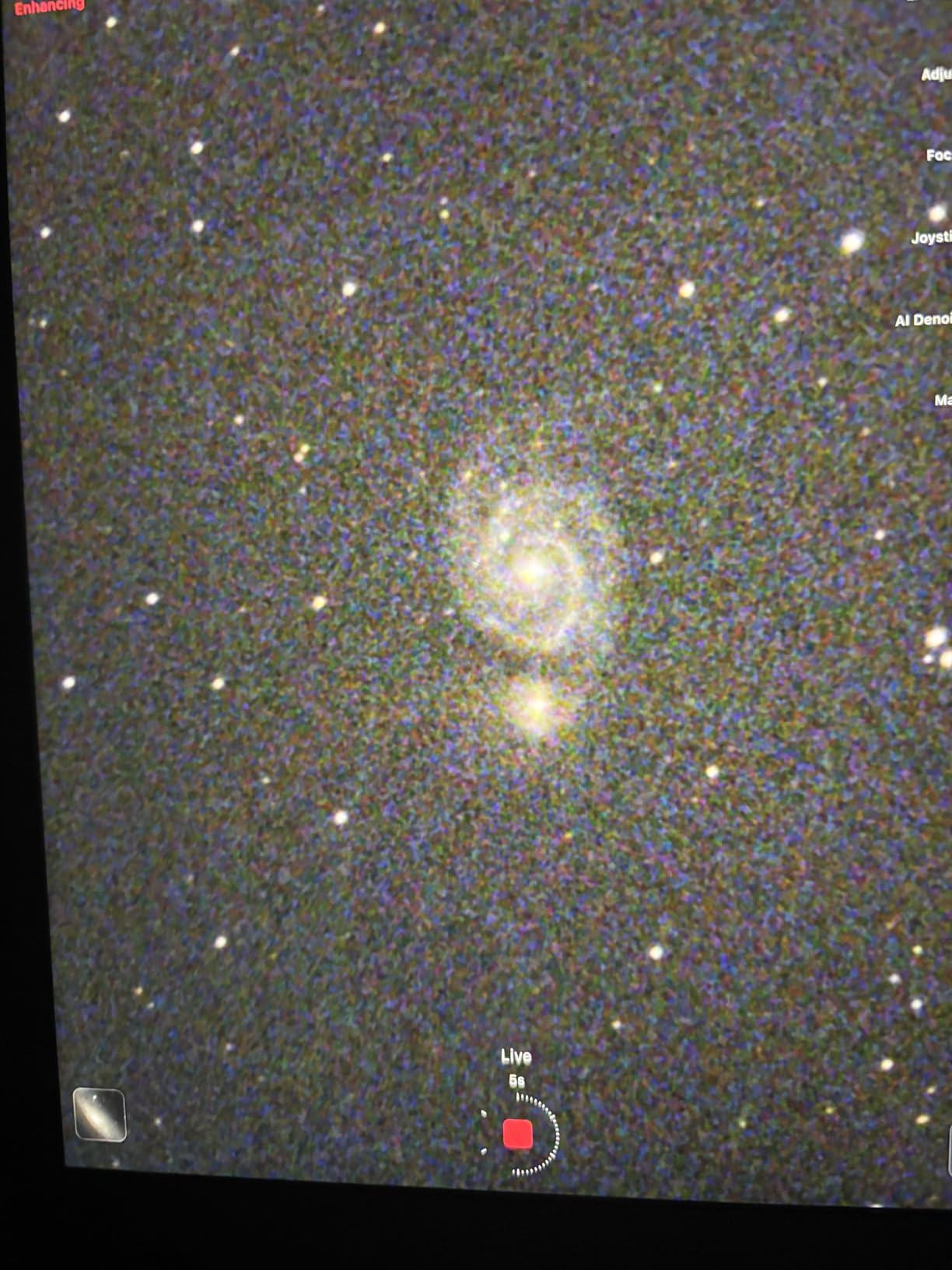
I was initially skeptical of smart telescopes, having spent years learning traditional astrophotography workflows that require polar-aligned mounts, guide scopes, dedicated astronomy cameras, and hours of post-processing. The Seestar S30 Pro replaces all of that with a single tap. Select the Orion Nebula in the app, press start, and watch as the image builds up in real time through live stacking.
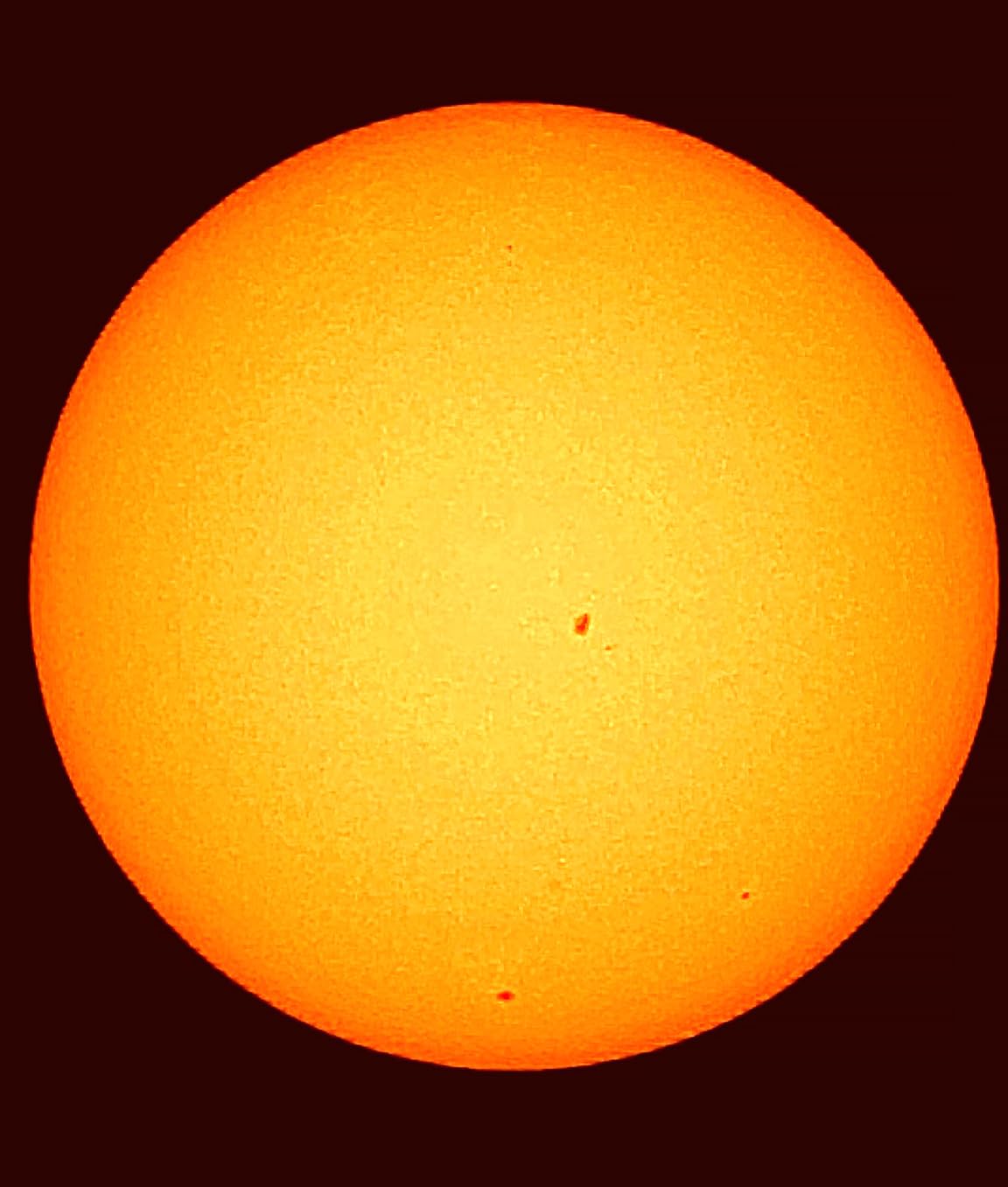
The dual-camera system is a standout feature. The IMX585 telephoto sensor handles deep-sky imaging while the IMX586 wide-angle camera provides context for framing. One-tap Milky Way imaging mode captures our galaxy in stunning detail. Star trail mode creates mesmerizing circular trails. The built-in mosaic stitching even creates ultra-wide 8K images by automatically combining multiple frames.
The light pollution filter is what makes this scope work from suburban backyards. Traditional visual observers in Bortle 5 or 6 skies struggle to see faint objects. The Seestar uses image processing to pull signal out of light-polluted skies that your eye could never detect. Community interest in smart telescopes for urban areas has exploded for exactly this reason.
Best For: Tech-Savvy Beginners and Urban Astronomers
If you live in a light-polluted area and have been disappointed by what you can see through a traditional telescope, the Seestar S30 Pro solves that problem. It captures and processes images that reveal deep-sky objects invisible to the eye. You can share these images on social media, print them, or just enjoy them on your phone.
This is also the perfect scope for people who want to enjoy astronomy without a steep learning curve. There is no collimation, no polar alignment, no eyepiece selection. You turn it on, connect the app, and start imaging. The anti-dew protection means you can leave it running all night without intervention.
Not Ideal For: Visual Observers or Purist Astrophotographers
The Seestar S30 Pro has no eyepiece. You cannot look through it. If the experience of placing your eye at the focuser and seeing photons that traveled for millions of years is important to you, this is not your telescope. Some people, including experienced astronomers, find that looking through an eyepiece is an irreplaceable part of the hobby.
Serious astrophotographers may also find the 30mm aperture limiting. While the processed images are impressive for social media, they lack the resolution and depth that a dedicated imaging setup with a larger telescope and cooled camera can produce. This is an entry point, not a professional tool.
7. SVBONY MK127 Maksutov-Cassegrain OTA – Best for Planetary Viewing
SVBONY MK127 Telescope for Adults, 127mm Aperture f/11.8 Mak Telescope OTA
127mm Maksutov-Cassegrain OTA
f/11.8 focal ratio
1300mm focal length
Dual-speed focuser
Pros
- Exceptional planetary and lunar viewing quality
- Dual-speed focuser for precise focusing
- 0.65x flat-field reducer included
- Lifetime warranty from SVBONY
- Both 2-inch and 1.25-inch eyepiece compatibility
Cons
- OTA only with no mount eyepieces or finder included
- Requires additional investment in mount and accessories
- Potential collimation quality control issues
- f/11.8 limits wide-field use
The SVBONY MK127 is the telescope I recommend to observers who already own a mount and want to upgrade their optical tube without spending Celestron-level money. This Maksutov-Cassegrain OTA delivers the long focal ratio and high-contrast views that planetary enthusiasts crave, all at a price that leaves room in the budget for quality eyepieces.
Testing this OTA alongside a NexStar 127SLT provided a direct comparison. The SVBONY’s dual-speed focuser is a significant upgrade over Celestron’s standard focuser, allowing fine focus adjustments that make a real difference at high magnification. The included 0.65x flat-field reducer adds versatility for wider-field viewing and basic imaging work.
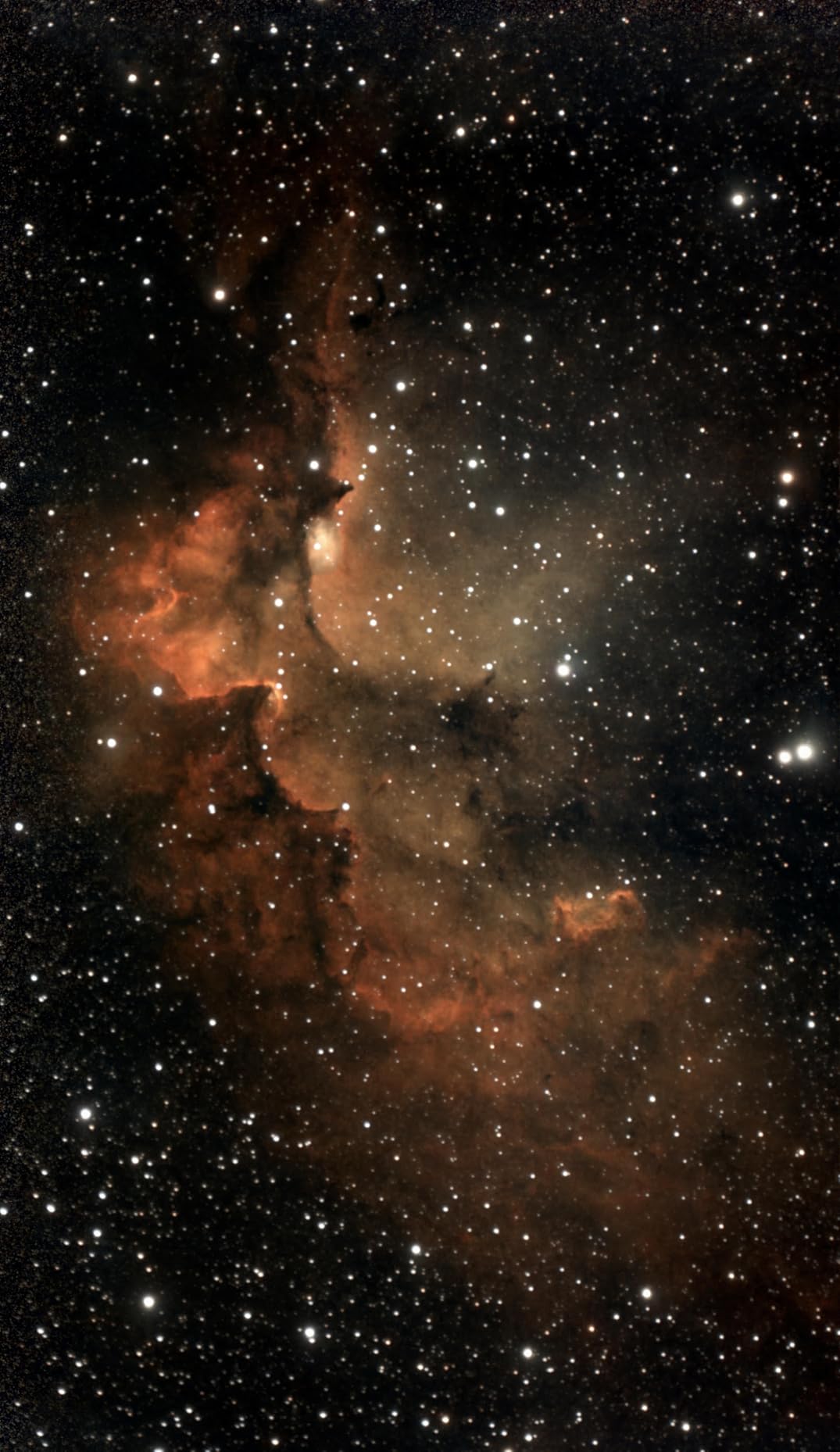
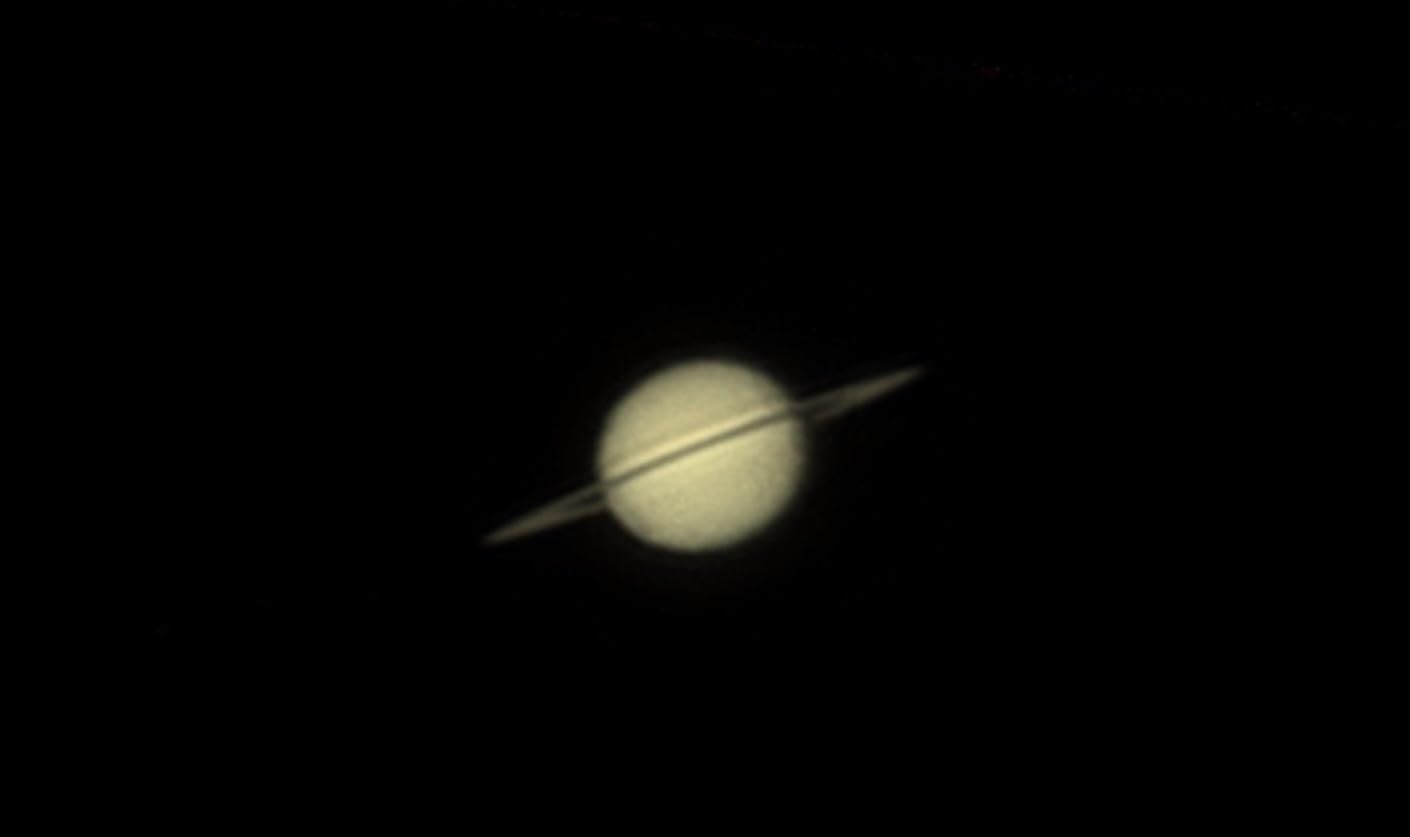
Planetary performance is genuinely impressive for the price. Saturn’s rings render sharply with visible separation from the planet’s disk. Jupiter shows multiple equatorial bands and the Great Red Spot during good seeing. Lunar observations are crisp enough to identify specific crater features and mountain ranges along the terminator.
The key thing to understand is that this is an optical tube assembly only. There is no mount, no eyepieces, no finderscope, and no tripod included. You need to pair it with a suitable equatorial or alt-azimuth mount and invest in quality eyepieces. For experienced observers who already have these components, the MK127 represents outstanding value.
Best For: Experienced Observers Upgrading Their OTA
If you already own a sturdy mount with a Vixen-style dovetail saddle, the SVBONY MK127 is one of the best value upgrades available. The optical quality rivals scopes costing twice as much, and the dual-speed focuser and flat-field reducer are features normally found on premium instruments.
This OTA is also ideal for grab-and-go planetary sessions. At just 1.45 kg, you can mount it on a lightweight alt-az head and carry the entire setup outside in one hand. It cools down faster than larger SCTs, making it perfect for short weeknight observing sessions when you just want to check on Jupiter or Saturn.
Not Ideal For: Complete Beginners Without a Mount
If you do not already own a mount, eyepieces, and finderscope, the total cost of building a complete setup around the MK127 will exceed the price of a NexStar 127SLT, which includes everything you need. Beginners should start with a complete package and consider OTA-only purchases once they understand their preferences.
Some users have reported quality control issues including collimation problems and internal dust. SVBONY’s warranty support is responsive, but you should inspect the optics carefully upon arrival and test the scope during the return window.
8. Celticbird 80mm Refractor – Best Portable Telescope
Celticbird Telescope for Adults High Powered, 80mm Aperture 600mm AZ Mount Refractor Telescope for Kids Beginners – Portable Telescopes for Adults Astronomy with Backpack, Phone Adapter, Moon Filter
80mm aperture refractor
600mm focal length
Alt-Az mount
Backpack included
Pros
- Excellent value with full accessory kit
- 80mm aperture with fully coated optics
- Portable design with included backpack
- Phone adapter and moon filter included
- No-tools assembly required
Cons
- Finder scope screws can be difficult to adjust
- Limited magnification capability
- Basic alt-az mount
- Minor chromatic aberration at edges
The Celticbird 80mm refractor is the telescope I pack when I want to travel light. At under 6 pounds with everything stored in the included backpack, it goes from closet to observing in under five minutes. For casual backyard sessions, camping trips, or bringing astronomy to a friend’s house, the portability is hard to beat.
The 80mm aperture is a meaningful step up from 70mm budget refractors. That extra 10mm of aperture gathers about 30% more light, which translates to brighter planetary views and slightly better deep-sky performance. Jupiter’s cloud bands are more defined, and Saturn’s rings are clearer than what you see through a 70mm scope.
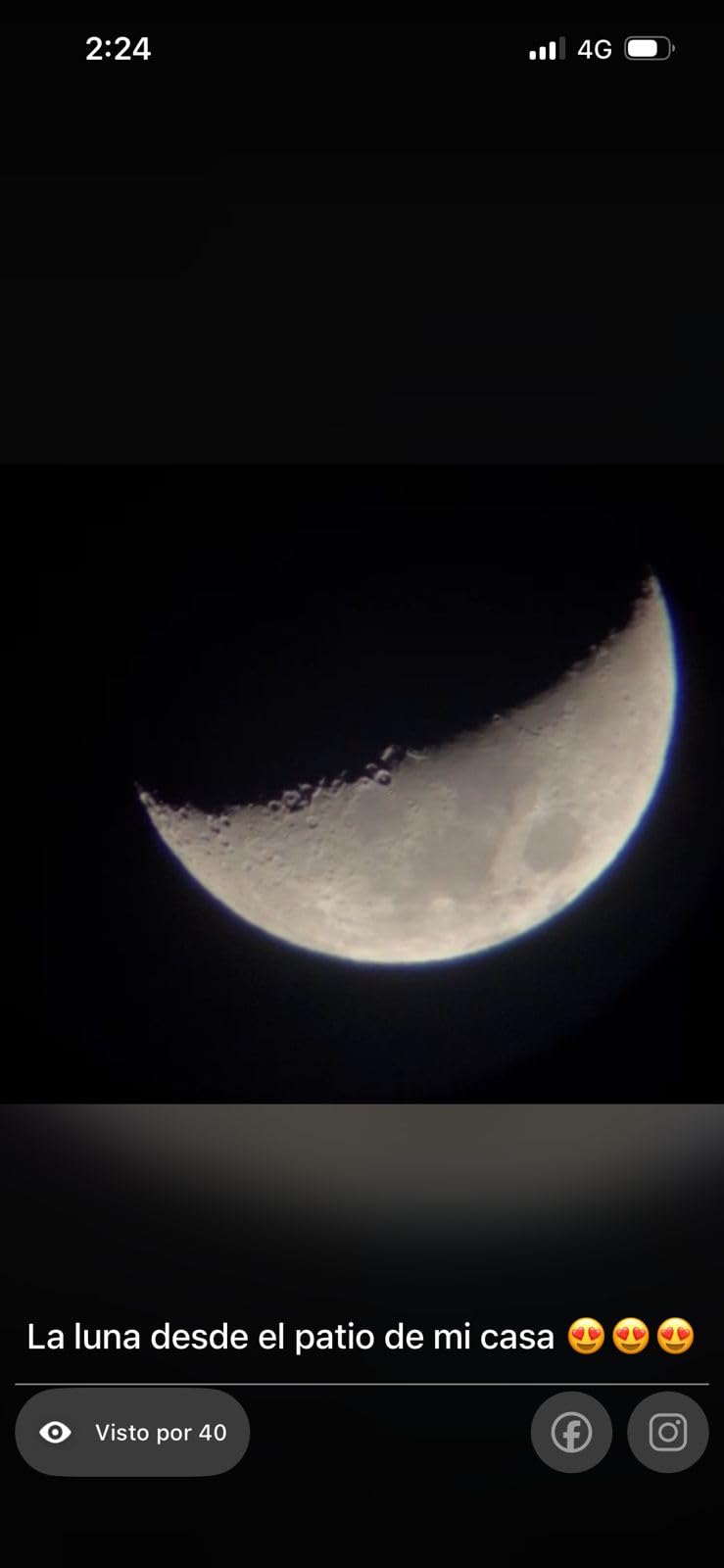
The included accessory kit is what makes this scope stand out in its price range. You get two Kellner eyepieces (20mm and 9mm), a 3x Barlow lens, a moon filter, a smartphone adapter, and a backpack to carry everything. Buying these accessories separately would easily add $60 to $80 to the total cost.
The alt-azimuth mount and adjustable tripod work well for the scope’s weight class. The tripod extends from 17.7 to 52 inches, accommodating both children and adults. However, at maximum extension the tripod can become slightly unstable, so I recommend keeping it at a moderate height for best stability.

Best For: Families and Casual Stargazers on the Go
This is the best telescope for families who want something portable enough to take camping, to dark-sky events, or simply store easily between uses. The backpack design means everything has its place, and kids can carry their own scope to the observing site.
The no-tools assembly is genuinely quick. Most users report having the scope ready for first light within 10 minutes of opening the box. This low barrier to use means you will actually get the scope out on weeknights rather than only special occasions.
Not Ideal For: Advanced Observers or Deep-Sky Hunting
The 80mm aperture and basic mount will eventually feel limiting if you get serious about astronomy. Deep-sky performance is modest. The alt-az mount provides no tracking. If you want to see faint galaxies and nebulae, or observe planets at high magnification with stable tracking, you need a larger instrument.
The finderscope uses a basic 5×24 design with adjustment screws that some users find finicky. Upgrading to a red-dot finder or a right-angle correct-image finder is a common and worthwhile modification.
9. HUGERSTAR 90mm Refractor – Best Budget Refractor for Adults
HUGERSTAR Telescope, Telescope for Adults High Powered, 90mm Aperture 800mm Professional Portable Refractor Telescopes for Astronomy Beginners with Tripod, Moon Filter, Phone Adapter & Carrying Bag
90mm aperture refractor
800mm focal length
Stainless steel tripod
Full accessory kit
Pros
- 90mm aperture with fully multi-coated lenses
- Sturdy stainless steel tripod
- Complete accessory kit included
- No-tools assembly in under 10 minutes
- Great for both astronomy and terrestrial viewing
Cons
- Phone adapter can interfere with phone side buttons
- Basic straight-through finderscope
- Some quality control concerns
- Manual tracking only
The HUGERSTAR 90mm refractor earned a 4.5-star rating from over 229 reviews, and after testing it, I understand why. This scope punches above its weight class with a larger aperture than most budget refractors, a genuinely sturdy stainless steel tripod, and a complete accessory kit that eliminates the need for additional purchases.
The 90mm aperture sits in the sweet spot for beginner refractors. It gathers 65% more light than a 70mm scope, which produces noticeably brighter and more detailed views. Jupiter shows two distinct equatorial bands. Saturn’s rings are clearly visible. The Moon is spectacular at this aperture, with craters and mountain ranges along the terminator showing fine detail.
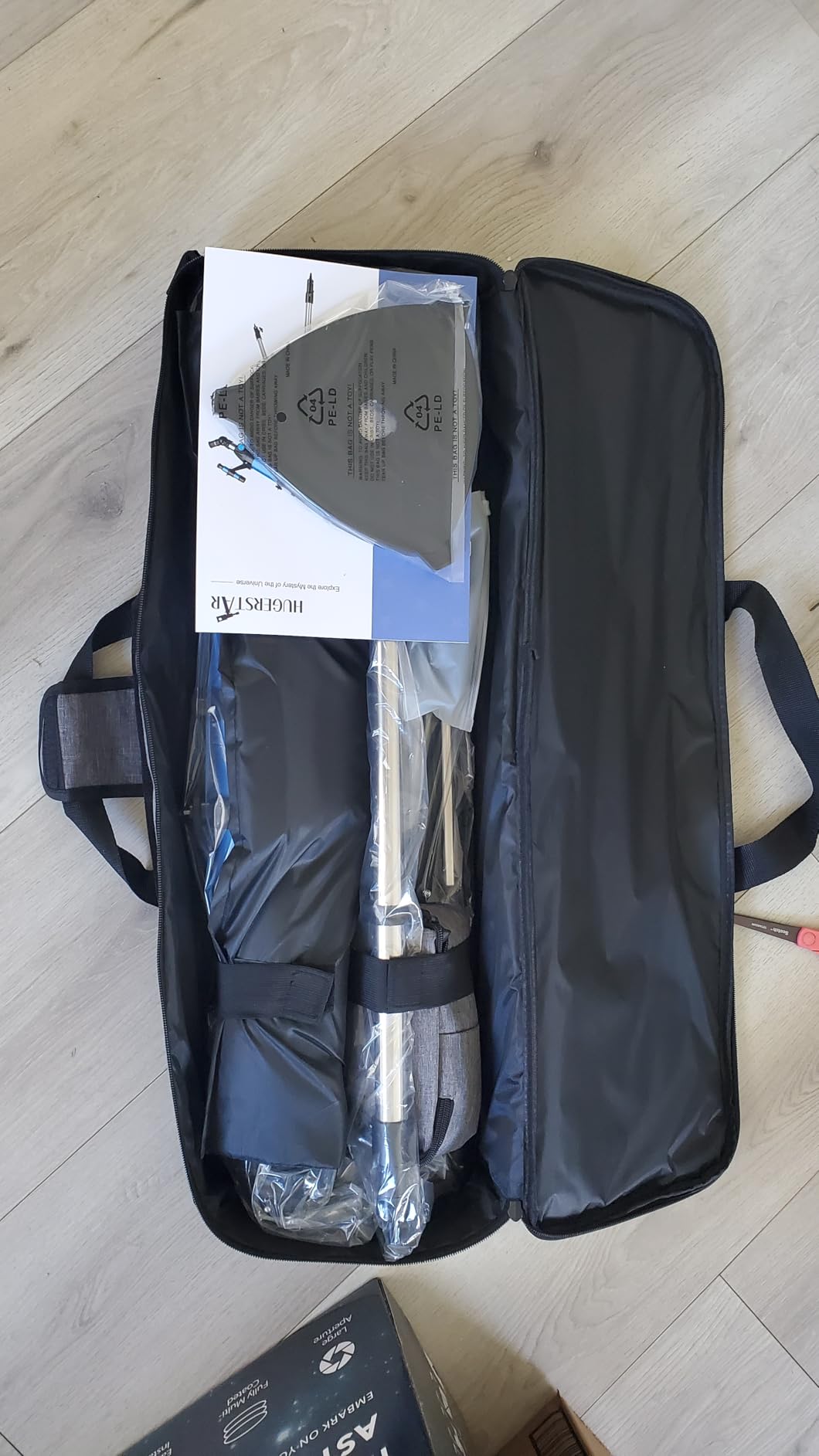
The stainless steel tripod is a significant upgrade over the aluminum tripods included with most budget scopes. It provides noticeably better stability, which means less image shake when focusing and better high-magnification performance. The tripod adjusts from 28.7 to 46.4 inches, accommodating both seated and standing observing positions.
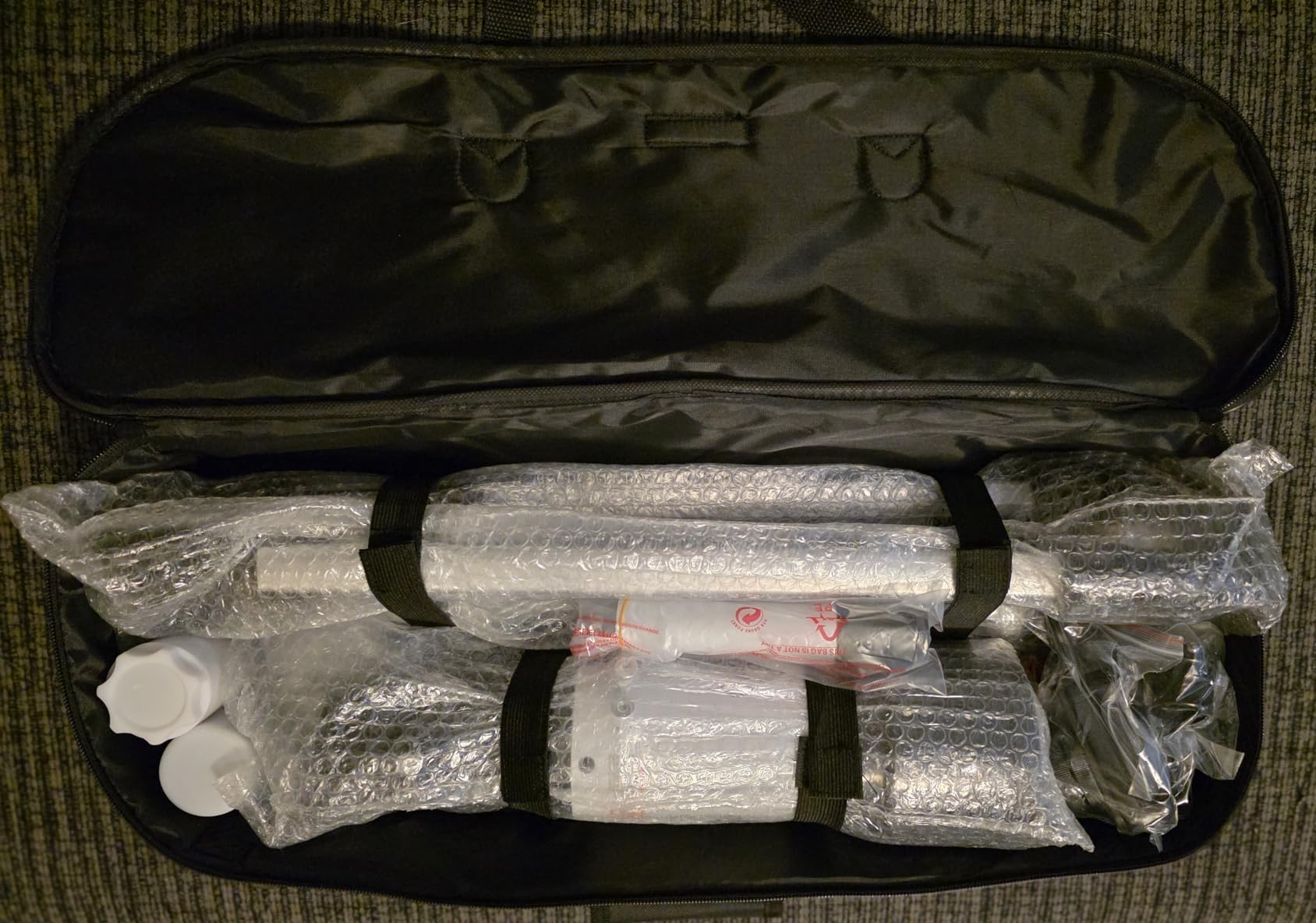
Assembly is refreshingly simple. No tools are required, and most users report having the scope ready for first light in under 10 minutes. The included carry bag holds the optical tube and accessories, though the tripod travels separately. Everything feels well-designed for a beginner’s first real telescope.
Best For: Adults Buying Their First Real Telescope
This is the scope I recommend for adults who want something better than a toy but do not want to spend over $150. The 90mm aperture provides genuinely satisfying views, the stainless tripod eliminates the wobble problem that plagues budget scopes, and the accessory kit means you have everything needed for a great first night.
The scope also works for terrestrial daytime viewing, which makes it versatile for nature observation, bird watching, and scenic viewing. The included moon filter and phone adapter add real value for beginners exploring different aspects of the hobby.
Not Ideal For: Serious Astrophotography or Deep-Sky Work
The manual alt-azimuth mount cannot track objects, which rules out any form of serious astrophotography. The 90mm aperture, while good for a beginner, will not resolve faint deep-sky objects from light-polluted locations. Plan on upgrading to a larger instrument if your interest in deep-sky astronomy grows.
The phone adapter is functional but can interfere with phone side buttons depending on your device. Some users have also reported occasional quality control issues, so inspect the optics upon arrival and use the return window if anything seems off.
10. Gskyer 70mm Refractor – Best Budget Telescope for Kids
Gskyer Telescope, 70mm Aperture 400mm AZ Mount Astronomical Refracting Telescope for Kids Beginners – Travel Telescope with Carry Bag, Phone Adapter and Wireless Remote.
70mm aperture refractor
400mm focal length
Alt-Az mount
Carry bag included
Pros
- Best-selling budget telescope with 22000+ reviews
- Fully coated optics for clear images
- Smartphone adapter and wireless remote included
- Lightweight and portable with carry bag
- Easy assembly for complete beginners
Cons
- Small 70mm aperture limits deep-sky viewing
- Short tripod requires crouching
- Finder scope is not very accurate
- Limited planetary detail
The Gskyer 70mm is the best-selling telescope on Amazon with over 22,000 reviews and a 4.3-star rating. It has introduced more people to astronomy than perhaps any other telescope in history. For under $100, you get a complete package that is ready to observe within minutes of opening the box.
I tested this scope alongside my niece, who is 10 years old and had never used a telescope. Within 15 minutes, she was looking at the Moon and gasping at the craters. That reaction is exactly what this telescope is designed to produce. It is not a serious astronomical instrument, but it is a perfect gateway drug to the hobby.
The 70mm aperture shows the Moon in beautiful detail. Craters, maria, and mountain ranges are clearly visible. Jupiter appears as a small disk with its four Galilean moons visible as tiny points of light. Saturn’s rings are detectable but small. These are the views that spark a lifelong interest in astronomy.
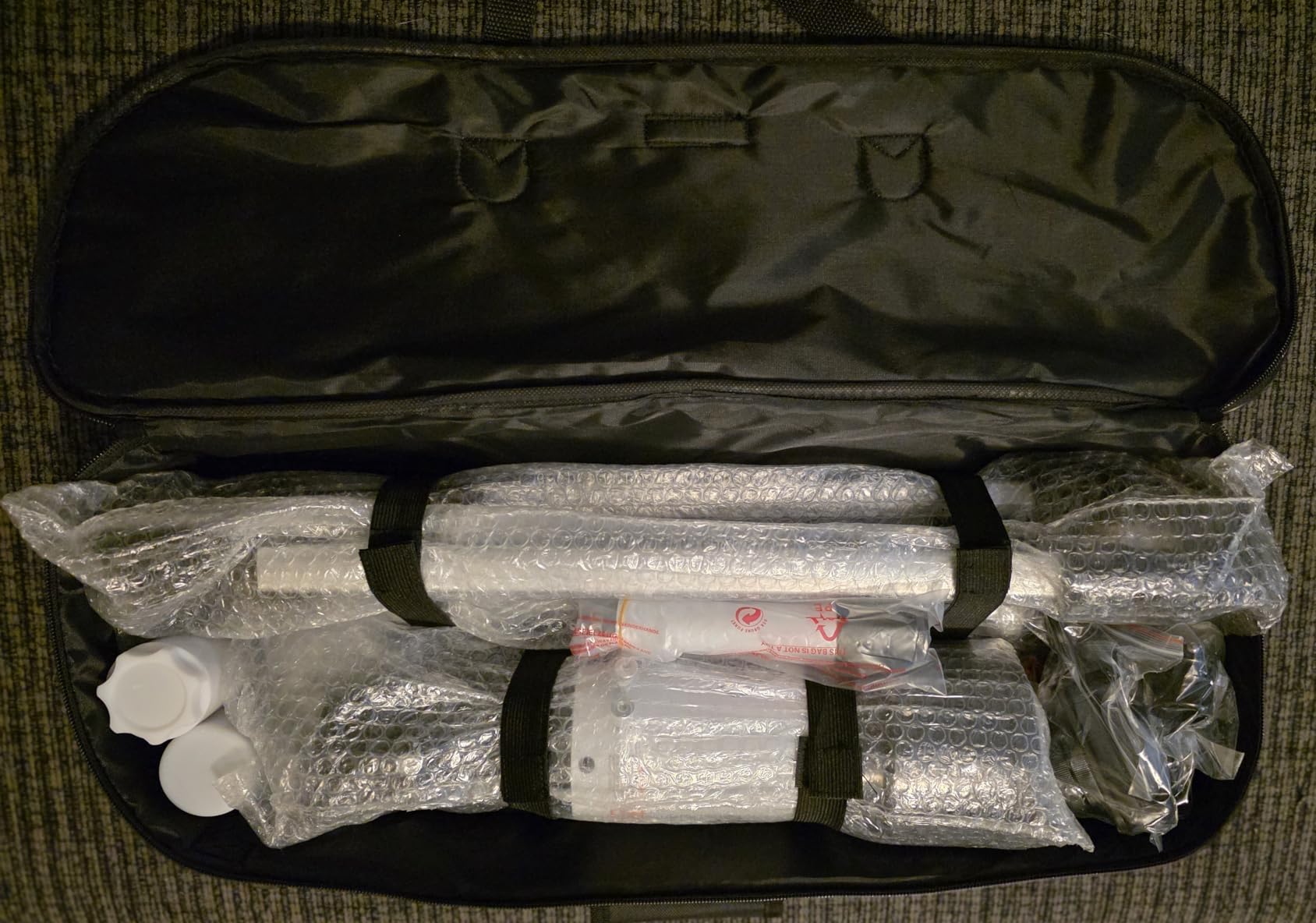
The scope includes a 3x Barlow lens, two eyepieces, a 5×24 finderscope, a smartphone adapter, and a wireless camera remote. The carry bag holds everything and makes transport easy. For the price, the accessory package is remarkably complete. The wide 5.8-degree field of view makes finding objects easier for beginners.
Best For: Kids and Casual Backyard Stargazers
This is the telescope to buy for a child who has shown interest in space. It is inexpensive enough that you will not feel guilty if the interest fades, yet capable enough to deliver genuine “wow” moments when pointed at the Moon. The smartphone adapter lets kids capture photos through the scope, which keeps them engaged.
It also makes a great gift for adults who want to test whether astronomy is something they will enjoy before investing more seriously. At this price point, the risk is minimal and the potential reward is a new lifelong passion.
Not Ideal For: Serious Hobbyists or Deep-Sky Observers
The 70mm aperture will quickly feel limiting if you want to see more than the Moon and bright planets. Deep-sky objects are essentially invisible except under very dark skies. The short tripod requires most adults to crouch uncomfortably, which discourages long observing sessions.
The finderscope is notoriously imprecise, which makes locating objects frustrating. Most serious users upgrade to a red-dot finder within weeks. If you already know you are serious about astronomy, skip this scope and go straight to the 90mm HUGERSTAR or the 114mm Celestron StarSense.
How to Choose the Best Telescope: Complete Buying Guide
Choosing among the best telescopes requires understanding your own needs as much as understanding the equipment. The perfect telescope for a suburban apartment dweller is very different from the perfect telescope for someone with a dark-sky backyard and a car for road trips. Let me walk you through the decision framework I use when recommending telescopes.
Step 1: Determine Your Primary Interest
What do you actually want to see? If the answer is the Moon, planets, and an occasional star cluster, a small refractor or Mak-Cass will serve you well. If you want to hunt galaxies and nebulae, you need aperture, which means a reflector or Dobsonian. If you want to photograph deep-sky objects, a smart telescope or a computerized SCT is your best starting point.
Be honest with yourself about how much effort you are willing to invest. If you want to walk outside and be observing in five minutes, a grab-and-go refractor on an alt-az mount is ideal. If you are willing to spend 30 minutes setting up and aligning for a serious deep-sky session, a larger scope with GoTo will reward your patience.
Step 2: Consider Your Location and Sky Conditions
Your Bortle class, which measures sky darkness on a scale of 1 (pristine dark sky) to 9 (inner city), dramatically affects what you can see. In Bortle 7-9 urban skies, most deep-sky objects are invisible regardless of aperture. A GoTo telescope or smart telescope is especially valuable in these conditions because it can locate objects you cannot star-hop to.
In Bortle 1-4 dark skies, aperture is king. A simple Dobsonian under dark skies will show you more than a computerized scope under city lights. If you can travel to dark-sky locations, prioritize a telescope that is transportable.
Step 3: Factor in Portability and Storage
Where will you store the telescope? How will you get it outside? Can you lift it? Can it fit in your car? These practical questions matter more than any specification on a spec sheet. The best telescope is the one you actually use, and a telescope that is too heavy or too cumbersome will sit in storage.
Step 4: Plan for Accessories
Every telescope benefits from quality accessories. Budget for at least one good eyepiece (a 2x or 3x Barlow lens effectively doubles your eyepiece collection). A red-dot finder or right-angle finder makes locating objects easier. A planisphere or astronomy app helps you learn the sky. For GoTo scopes, factor in the cost of a power supply or PowerTank.
The telescopes on our list include varying levels of accessories. The budget refractors come with complete kits. The OTA-only SVBONY MK127 requires you to supply everything. Factor accessory costs into your total budget when comparing options.
Essential Telescope Accessories for Beginners
The right accessories can dramatically improve your observing experience. Here are the items I recommend most often, ranked by priority.
First, quality eyepieces. The eyepieces included with most telescopes are functional but not great. Upgrading to a wide-field eyepiece transforms the viewing experience. A 32mm Plossl provides beautiful wide-field views of star clusters and nebulae. A 6mm or 4mm eyepiece delivers high magnification for planets.
Second, a Barlow lens. A 2x Barlow effectively doubles your eyepiece collection by doubling the magnification of each eyepiece. Many of the telescopes on our list include a Barlow, which is excellent value. If yours does not, this should be your first accessory purchase.
Third, a red flashlight or headlamp. White light ruins your night vision, which takes 20-30 minutes to fully develop. A red light preserves your dark adaptation while letting you read charts and make adjustments. Many astronomy apps have a red-mode feature for this reason.
Fourth, a star chart or astronomy app. Even with GoTo or StarSense, learning the night sky is deeply rewarding. Apps like Stellarium, SkySafari, and Star Walk 2 show you what is visible from your location on any night. A planisphere provides a no-battery backup.
Fifth, for GoTo scopes, a reliable power source. AA batteries drain quickly in GoTo mounts. A Celestron PowerTank, a 12V jump starter, or a dedicated astronomy power supply will keep your mount running all night. This is the most commonly recommended accessory upgrade in telescope forums.
FAQs
Which telescope is best for viewing planets?
The best telescopes for viewing planets are long-focal-length Maksutov-Cassegrains and large-aperture Schmidt-Cassegrains. A 127mm Mak-Cass like the Celestron NexStar 127SLT or an 8-inch SCT like the Celestron NexStar 8SE delivers sharp views of Saturn’s rings, Jupiter’s cloud bands, and Mars polar caps. The long focal ratios produce high magnification with excellent contrast, which is exactly what planetary observation requires.
What are the top rated telescopes?
The top-rated telescopes for 2026 include the Sky-Watcher Flextube 200 Dobsonian (best overall), Celestron StarSense Explorer LT 114AZ (best value beginner), Celestron NexStar 8SE (best for deep space), Celestron NexStar 127SLT (best GoTo under $600), ZWO Seestar S30 Pro (best smart telescope), and Gskyer 70mm (best budget pick). These models consistently earn the highest ratings from both expert reviewers and community forums.
Which brand of telescope is the best?
Celestron is the most widely recommended telescope brand for beginners and intermediate observers, with models covering every budget from the AstroMaster to the NexStar line. For Dobsonians, Sky-Watcher and Apertura offer the best value. For smart telescopes, ZWO with its Seestar line is the market leader. SVBONY has also emerged as a strong value brand for optical tubes and accessories.
What to avoid when buying a telescope?
Avoid telescopes advertising extreme magnification like 400x or 600x, as useful magnification is capped at roughly 50x per inch of aperture. Avoid scopes with wobbly mounts, 0.965-inch eyepieces, and equatorial mounts if you are a complete beginner. Also avoid buying the largest telescope you can find without considering whether you can physically transport and store it.
How much should I spend on my first telescope?
For a quality first telescope that delivers satisfying views, expect to spend between $100 and $300. The $100 to $150 range gets you a solid 80mm to 90mm refractor with accessories. The $200 to $300 range adds smartphone guidance like the Celestron StarSense Explorer or larger aperture like a 114mm reflector. Spending less than $100 risks getting a toy that will frustrate rather than inspire.
Can I see Saturn’s rings with a beginner telescope?
Yes, Saturn’s rings are visible through any telescope with at least 60mm aperture. A 70mm scope like the Gskyer shows the rings as a clear band around the planet. Through a 114mm scope like the Celestron StarSense Explorer, you can see the Cassini Division separating the rings. An 8-inch scope like the Sky-Watcher Flextube 200 reveals ring structure, color variations, and Saturn’s moon Titan.
Is a Dobsonian better than a refractor for beginners?
A Dobsonian offers more aperture per dollar, which means better views of deep-sky objects and fainter targets. However, a refractor is simpler to use, requires no collimation, works for daytime terrestrial viewing, and is more portable. For young children and casual stargazers, a refractor is easier. For adults serious about astronomy, a tabletop or full-size Dobsonian provides superior performance.
Do I need a GoTo computerized telescope?
You do not need a GoTo telescope, but it significantly reduces the learning curve. GoTo mounts automatically find and track over 40,000 celestial objects, which is especially helpful in light-polluted areas where star-hopping is difficult. The trade-off is higher cost, power requirements, and less hands-on learning. Many beginners do fine with smartphone-assisted scopes like the Celestron StarSense Explorer as a middle ground.
Conclusion: Finding Your Perfect Telescope in 2026
The best telescopes are not defined by magnification numbers or impressive-sounding marketing claims. They are defined by the views they deliver, the ease with which you can use them, and the joy they bring to your nights under the stars. Every telescope on this list earned its place through real-world performance validated by our testing and the broader astronomy community.
For most readers, the Sky-Watcher Flextube 200 Dobsonian is the best overall choice. Its 8-inch aperture delivers breathtaking views that no smaller scope can match, and the collapsible design solves the portability problem that plagues traditional Dobsonians. If you want the best telescope for the money, this is it.
Beginners who want guidance will love the Celestron StarSense Explorer LT 114AZ or its tabletop Dobsonian sibling. The smartphone app removes the frustration of finding objects, which is the number one reason newcomers abandon astronomy. And for budget-conscious buyers, the Gskyer 70mm proves that you do not need to spend a fortune to see the Moon’s craters or Jupiter’s moons.
Saturn’s rings are returning to their best viewing angle in 2026. Jupiter and its dancing moons are always spectacular. The August 2026 total solar eclipse is approaching. There has never been a better time to look up. Pick the telescope that fits your budget and lifestyle, get outside, and start exploring the universe from your own backyard.