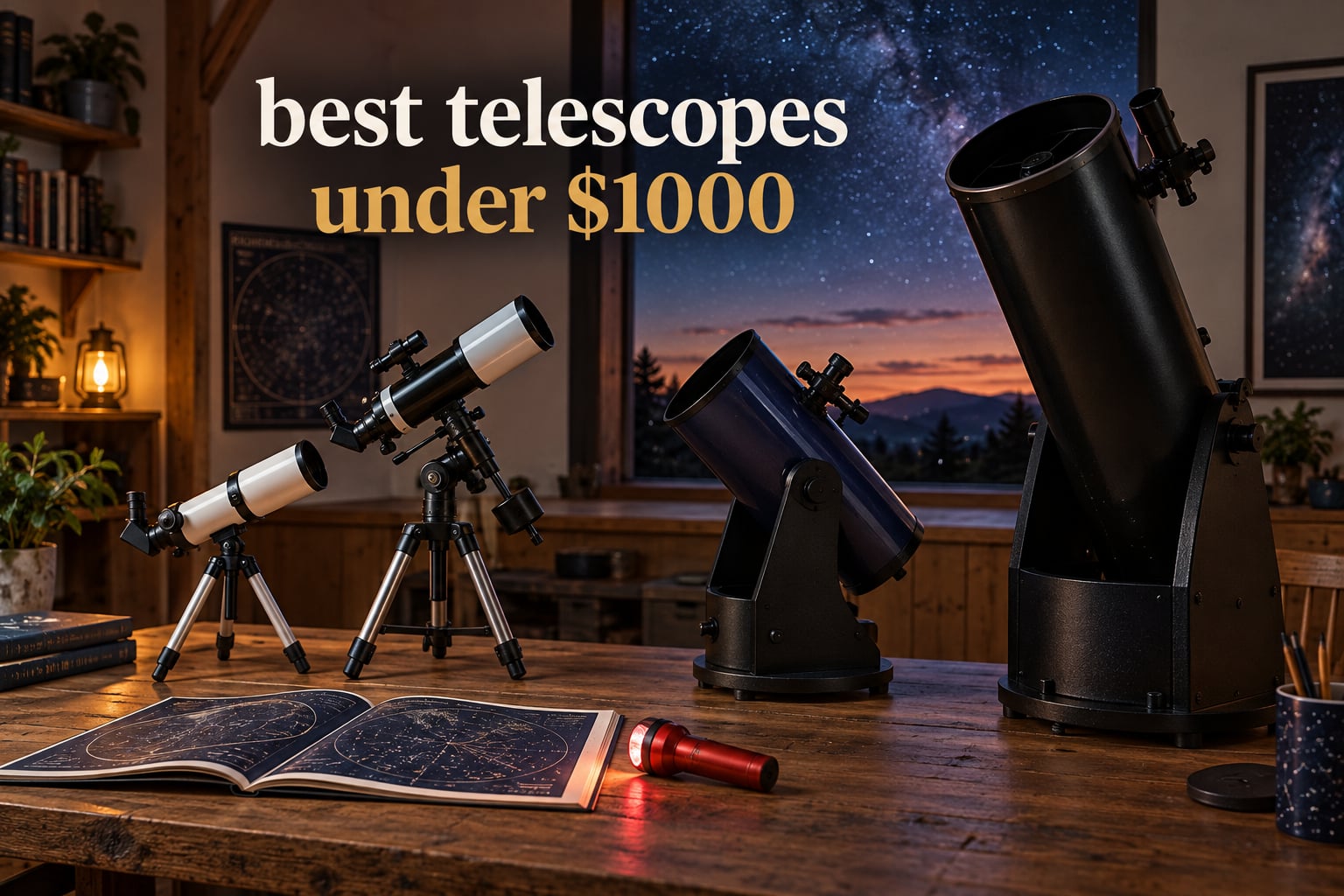
Here is the short answer: the Celestron AstroMaster 130EQ is the best telescope under 1000 dollars for most people buying their first real instrument, because a 130mm Newtonian with a German equatorial mount is the rare combination at this budget that gives you both usable light-gathering power and a mount that does not shake itself apart every time you touch the focuser.
That verdict matters because the search term “best telescopes under 1000” has a specific trap built into it. A thousand dollars is enough to buy almost anything, and most of what you can buy at that level is a worse telescope than a simpler one would have been. Electronics, motors, plastic brackets and smartphone mounts all eat money that optics would have spent far better. The 10 instruments below are the ones that survive that test, and they span the whole ladder from a pocket-size smart telescope to a full-size 8-inch Dobsonian.
How we picked: every product here was assessed on published aperture, focal length, focal ratio, mount type, included optics and weight, then cross-checked against the pattern that dominates the observing communities, where Dobsonians are described almost universally as the correct beginner instrument and as the best cost per aperture size. We weight aperture hardest, then mount steadiness, then how much the box gives you beyond the tube. We also state what each one cannot do, because the fastest way to pick a bad first telescope is to buy for a capability you will never use.
One note on scope: every price in this category moves constantly, so we never quote figures. Check the latest price on any listing before you buy, and read the tier map further down, because what your money buys changes completely between one budget step and the next. If you want a wider look at the category first, our general telescope roundup covers designs this list cannot fit in.
Table of Contents
Top 3 Picks for the Best Telescopes Under $1000 in October


Sky-Watcher Classic 200P 8 inch
- 203mm aperture
- 1200mm focal length
- 94 percent mirror reflectivity

The AstroMaster 130EQ wins because it is the only instrument on this list that pairs a genuinely capable optical tube with a mount that holds an object once you have found it. Slow-motion control knobs on both axes mean a drifting target can be nudged back into frame without rebuilding the whole alignment.
The Sky-Watcher Classic 200P wins on raw light. At 203mm it collects several times more light than anything else here, and no amount of software closes that gap. The NexStar 127SLT wins on automation, pointing at more than 40,000 objects after a three-star alignment.
Best Telescopes Under $1000 in 2026
| Product | Specifications | Action |
|---|---|---|
| Celestron AstroMaster 130EQ |
|
Check Latest Price |
| Sky-Watcher Classic 200P 8 inch |
|
Check Latest Price |
| Celestron NexStar 127SLT |
|
Check Latest Price |
 Celestron StarSense DX 130AZ Celestron StarSense DX 130AZ |
|
Check Latest Price |
 MEEZAA 150EQ MEEZAA 150EQ |
|
Check Latest Price |
 DWARFLAB Dwarf Mini DWARFLAB Dwarf Mini |
|
Check Latest Price |
 Dianfan 90mm Refractor Dianfan 90mm Refractor |
|
Check Latest Price |
 Hawkko 90mm Refractor Hawkko 90mm Refractor |
|
Check Latest Price |
 Koolpte 80mm Refractor Koolpte 80mm Refractor |
|
Check Latest Price |
 Gskyer 70mm Refractor Gskyer 70mm Refractor |
|
Check Latest Price |
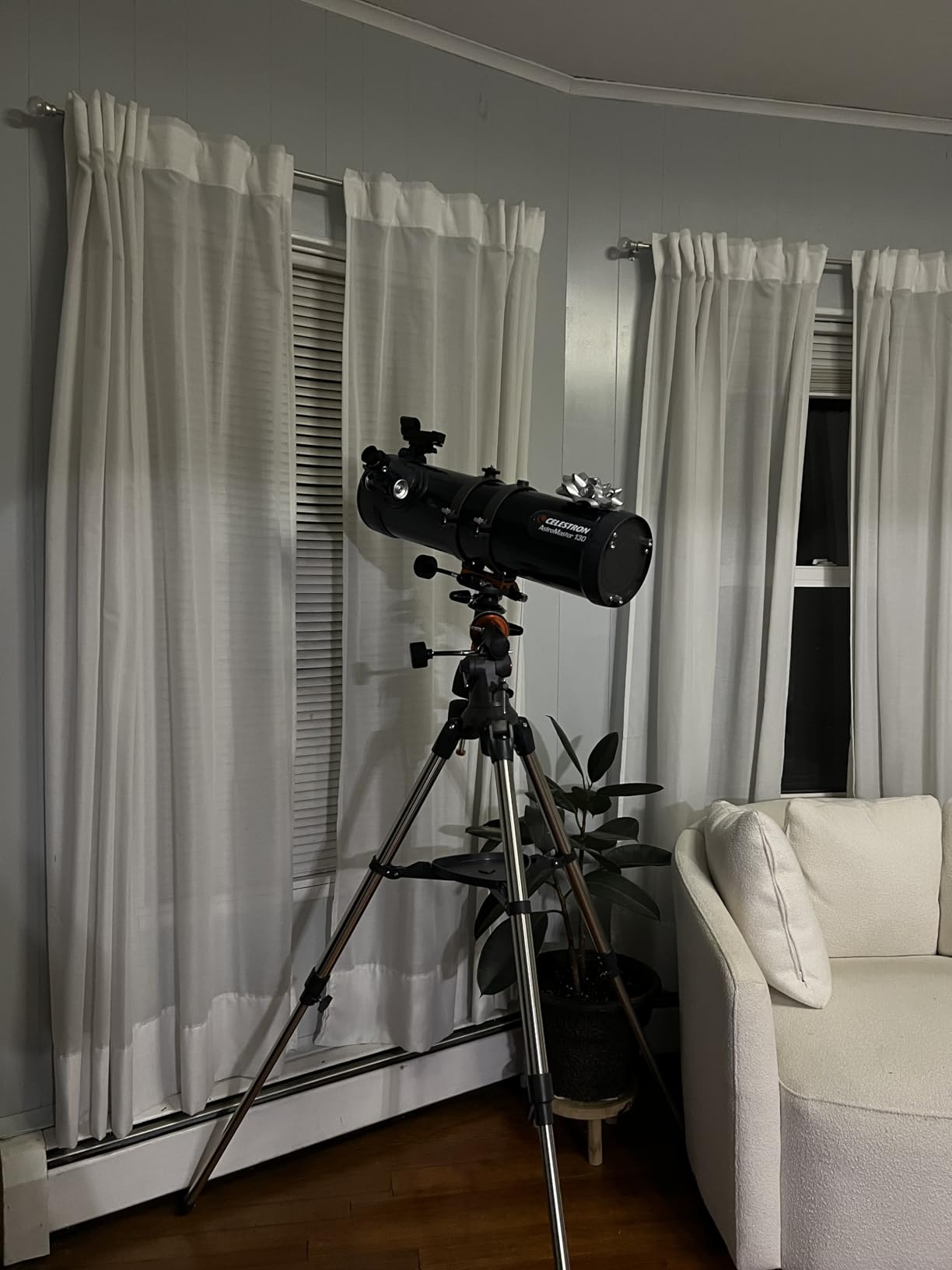
1. Celestron AstroMaster 130EQ – The Best All-Round First Telescope Under 1000
Celestron AstroMaster 130EQ Telescope for Deep-Sky Beginners
130mm Newtonian
650mm f/5 focal length
German equatorial mount
17 lb assembled
Pros
- Huge review volume for a first telescope
- Aluminum and SiO2 mirror coatings
- Two-axis slow motion controls
- No-tool setup with astronomy software included
Cons
- Newtonian mirrors need periodic collimation
- Light steel tripod legs
- Not suited to astrophotography as supplied
Why it ranks first: it is the only scope here that does not ask you to choose between light-gathering power and a mount that holds still. The 130mm primary with aluminum and SiO2 coatings is a genuine deep-sky aperture, and the German equatorial head with right ascension and declination slow-motion knobs is the part most budget telescopes get wrong.
In use, the difference between this and a cheap altazimuth tripod shows up the moment you go above 60 degrees magnification. One hand on the focuser sends a cheap scope into a slow wobble that takes the best part of a minute to settle. Here the knobs let you recentre without losing the target entirely. The optical tube measures 55.2cm and the whole rig comes in at 17 pounds, which is one person carrying weight rather than a lifting job.
The 650mm focal length works out to a focal ratio near f/5, which is a good match for small and medium deep-sky objects. The Orion Nebula, the Andromeda Galaxy, the Pleiades and a long list of globular clusters all sit comfortably in a 20mm eyepiece, and a 10mm gets you closer on the brighter Messier targets.
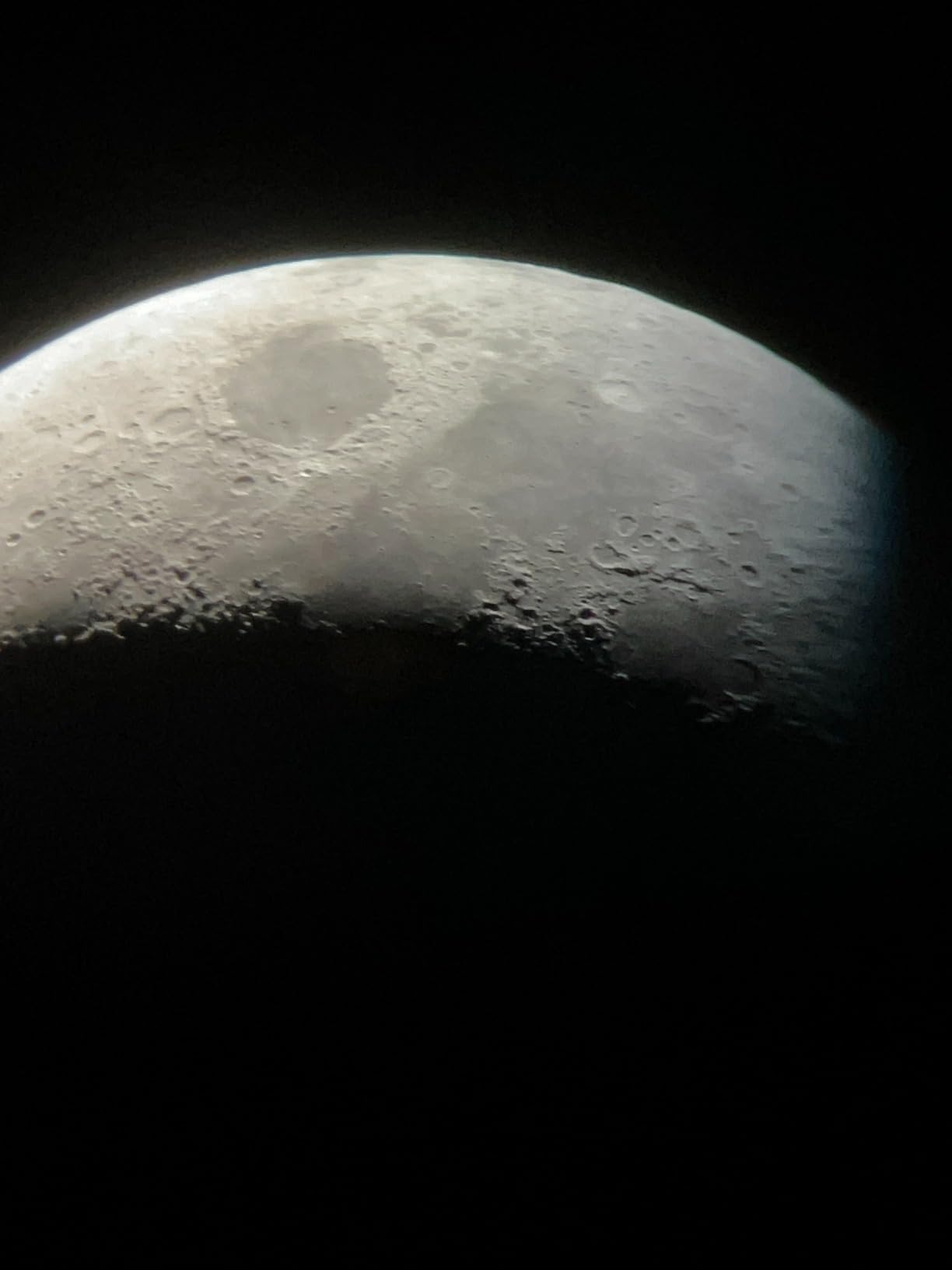
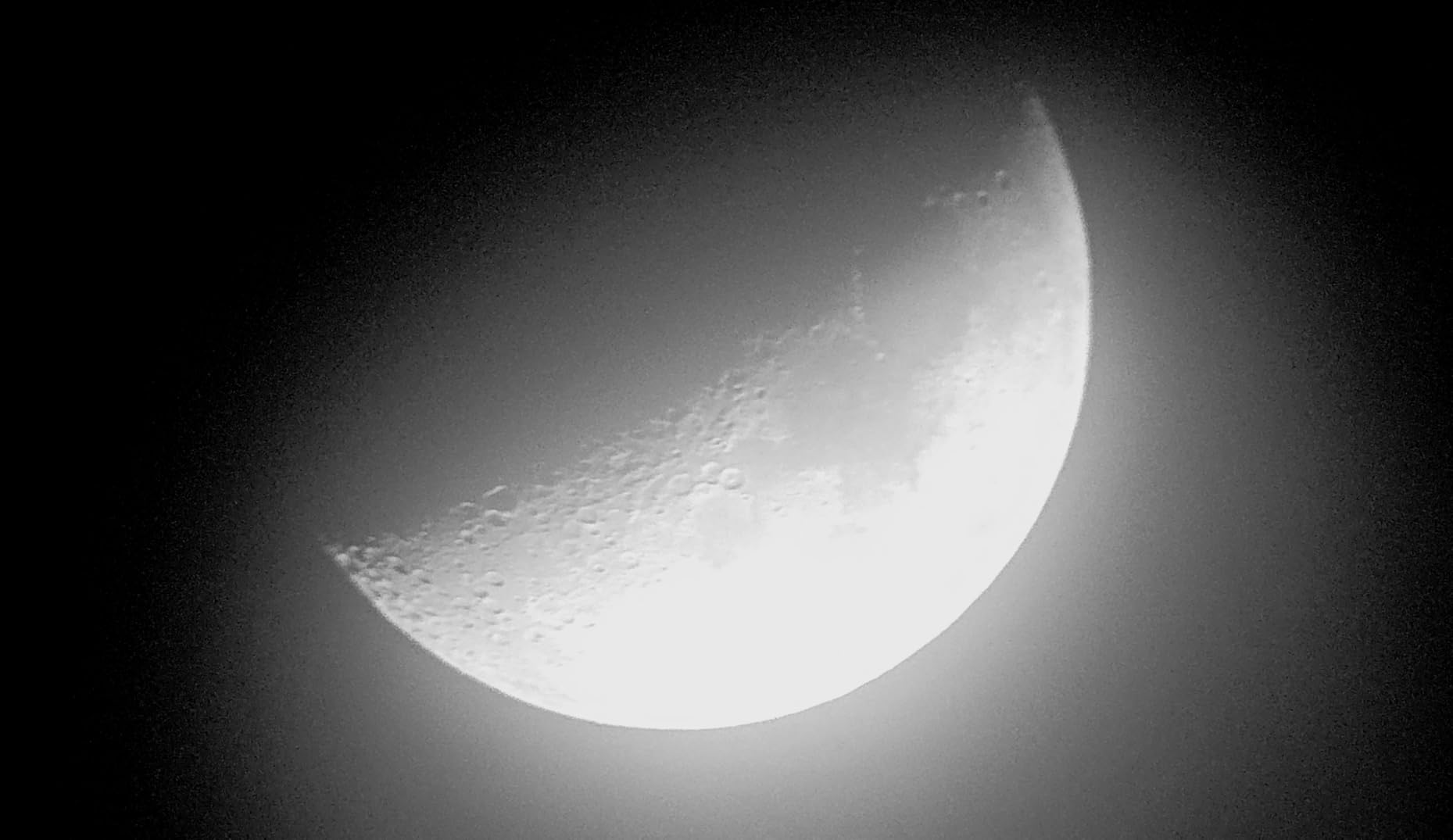
Lunar and planetary work is where the coatings show. Reviewers consistently describe crisp, high-contrast views of the Moon’s craters, Jupiter’s belts and Saturn’s rings from this tube, and the 0.89 arc second Dawes limit quoted in the technical specifications is a useful ceiling for knowing when magnification stops adding detail. Two eyepieces, a StarPointer red dot finder and a two-year warranty come in the box.
Who This Telescope Works For
This suits a first-time buyer who wants to learn polar alignment and mount operation rather than be protected from it. Owners who take the time to set the scope up properly report that the equatorial tracking makes drifting targets easy to follow, and the slow-motion knobs turn what would be a frustrating session into a relaxed one.
It also suits anyone who wants a genuine equatorial head as a platform for future upgrades. The tripod and the tube are separable, the finder is a standard fitting, and the accessory tray is where a 2-inch diagonal or a higher-quality eyepiece will eventually go. If you are the type who intends to grow, this is the pick with the most headroom underneath it.
Where It Falls Short
Collimation is the honest drawback. A Newtonian mirror pair drifts out of alignment, most often after transport or a temperature swing, and re-aligning it takes a laser collimator or a Cheshire and some patience. It is a ten-minute job once you have done it twice, but it does exist, and a light-bucket Dobsonian of comparable aperture avoids it.
The tripod is the weakest part of the whole package. Light steel legs and plastic fittings flex under a firm shove, and some owners report the declination fine adjustment feeling rough until it has been lubricated. Treat the head as the good component and the legs as something you may replace within a year. If you want automated pointing instead of equatorial tracking, our computerized telescope guide covers that category in depth.
2. Sky-Watcher Classic 200P 8 Inch Dobsonian – The Most Light Per Dollar
Sky-Watcher Classic 200 Dobsonian 8-inch Telescope – Solid-Tube – Simple, Traditional Design – Easy to Use, Perfect for Beginners, White (S11610)
203mm aperture
1200mm focal length
94 percent reflective mirrors
Magnitude 14.2 limit
Pros
- Largest aperture in this roundup
- No electronics to learn or power
- 2 inch Crayford-style focuser included
- Patented tension control handles
Cons
- 45 pounds fully assembled
- No motorized tracking
- Periodic collimation checks
- Solid tube is bulkier than a truss design
Why it ranks here: aperture is the one spec you can never upgrade later, and this has more of it than anything else on the list by a wide margin. A 203mm fully multi-coated borosilicate primary at 94 percent reflectivity reaches magnitude 14.2 under good conditions, which puts whole classes of galaxies and globular clusters within reach of a suburban backyard.
The 1200mm focal length on a rocker box gives a usable magnification range of roughly 30x to 300x with a decent eyepiece, and the 2-inch Crayford-style focuser with its 1.25-inch adapter is a genuine step above the plastic focusers that come with cheaper reflectors. Patented tension control handles let you move the tube when it is not perfectly balanced, and Teflon bearings keep the azimuth motion smooth.
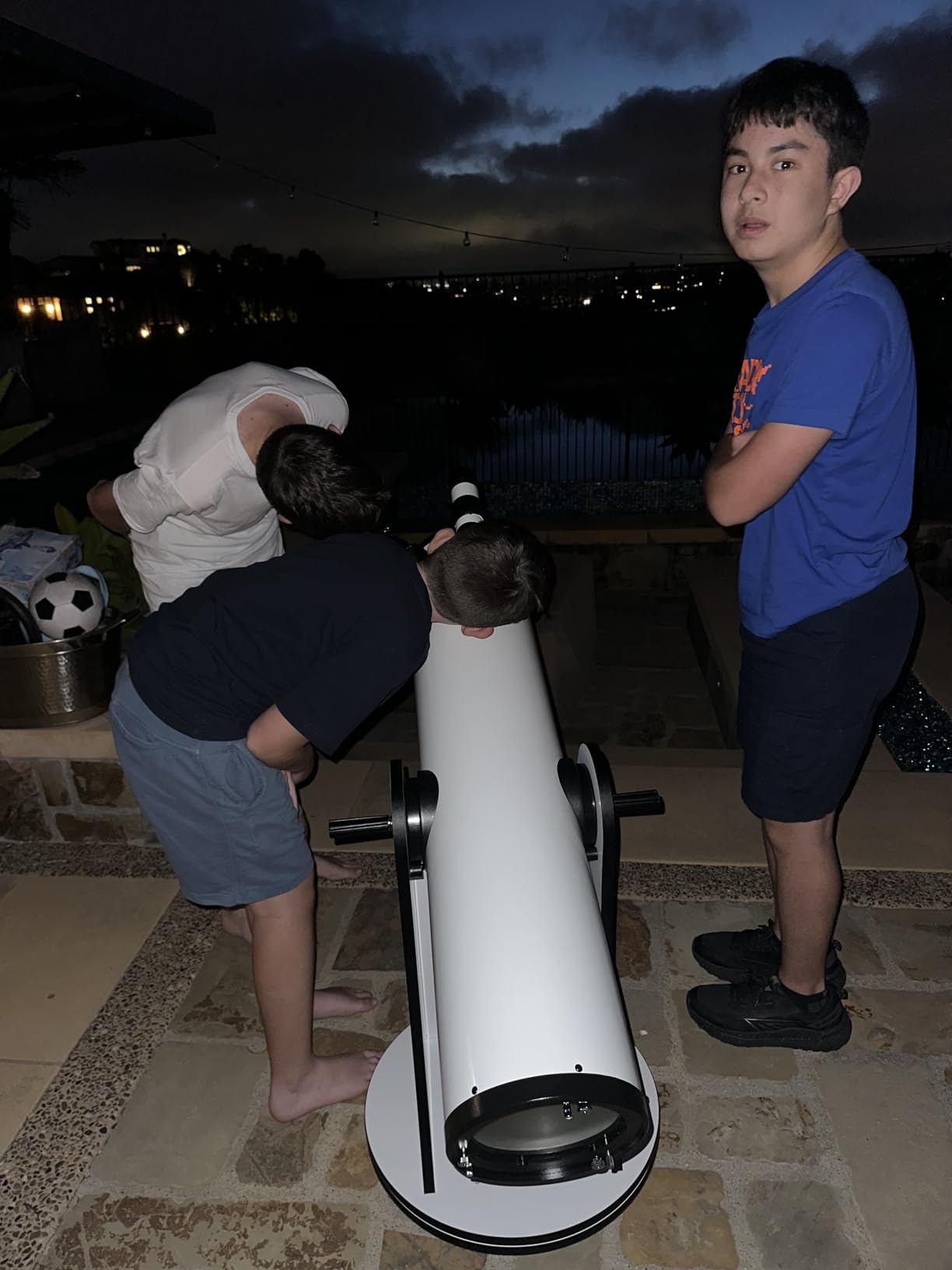
There is nothing to learn. No alignment routine, no database, no menus. You pick the eyepiece, point the tube, and look. That simplicity is exactly why observing communities describe Dobsonians as the correct beginner instrument and as the best cost per aperture size available at any budget.
Reviewers make one point repeatedly about this model in particular: it shows faint galaxies and nebulae that smaller scopes simply do not reveal, and the difference is not subtle. The supplied 25mm and 10mm eyepieces and a 9×50 finder are enough to get started, and a two-year warranty is standard.
Who This Telescope Works For
This is the pick for someone whose priority is seeing as much as physically possible, especially from a dark site or a genuinely dark suburban yard. Faint, wide, low-surface-brightness objects are the entire point of a large mirror, and if your observing list is dominated by galaxies, the extra light is worth the trade.
It also works well for anyone who is completely new and does not want friction. A child, a partner or a family member can be handed the eyepiece and told to point it at the Moon, and nothing can go wrong. There is no setup routine to forget and nothing to configure in the dark.
Where It Falls Short
Weight is the deal-breaker for some people. At 45 pounds fully assembled, split into a 20 pound tube and a 25 pound base, it is a two-person carry for most adults and impossible to move alone if the base is full of tools. Forum users regularly cite 10-inch Dobs as a two-person job, and the 8-inch sits just below that line rather than comfortably clear of it.
There is no motorized tracking, so a target drifts out of a high-power field within a couple of minutes and you re-point by hand. The solid tube is also bulkier than a truss design, and the Dobsonian layout means collimation checks come around periodically. If you need the scope pointed for you or carried to a site on your own, look at the smaller and lighter options further down.
3. Celestron NexStar 127SLT – The Best GoTo Telescope Under 1000
Celestron NexStar 127SLT Maksutov-Cassegrain Computerized GoTo Telescope
127mm Maksutov-Cassegrain
1500mm focal length
40000 plus object database
SkyAlign setup
Pros
- GoTo pointing removes the hardest part of observing
- Long focal length suits the planets
- Compact sealed tube needs no collimation
- Battery powered for field use
Cons
- Alignment routine and menus add a learning curve
- Narrow fields on deep-sky objects
- Fork arm can be wind sensitive
- Batteries needed for long sessions
Why it ranks here: the NexStar 127SLT is the most complete single box on the list. A 127mm Maksutov-Cassegrain with a 1500mm focal length, a single fork arm computerized altazimuth mount, a StarPointer finder, a star diagonal, two eyepieces and a hand control with more than 40,000 objects in its database. Nothing else to buy before the first night.
What GoTo actually solves is the biggest killer of the beginner experience. Star-hopping is hard, and in light-polluted skies it is close to hopeless for a newcomer. SkyAlign asks you to centre three bright objects in the eyepiece, after which the scope points itself at anything in the catalogue, and the same mechanism keeps tracking as the field rotates.

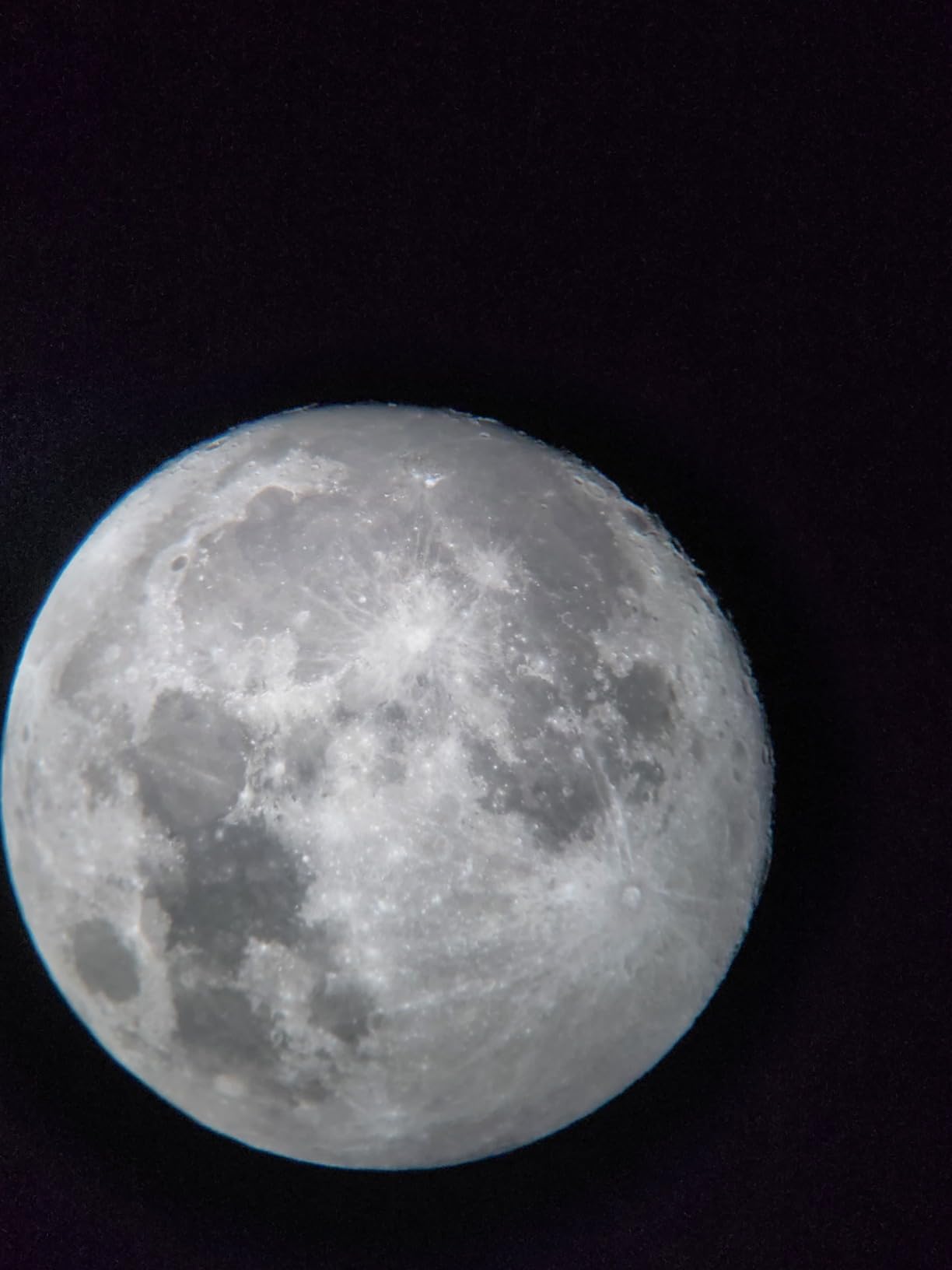
Optically it is a planetary instrument. At 1500mm focal length and a 0.91 arc second Dawes limit, it delivers sharp, high-contrast images of Saturn’s rings, Jupiter’s cloud bands and lunar craters, and it also resolves the Orion Nebula. The 1.7 degree field is wide enough to hold the larger objects comfortably.
Unlike a Newtonian, the mirrors are sealed inside the tube and there is nothing to collimate, which removes the single most common reason buyers abandon a reflector. The sealed design also means faster thermal settling, so it is usable shortly after you take it out of the car.
Who This Telescope Works For
This suits buyers who live somewhere bright. The hand control does not care how much light pollution there is; it points the tube at the Ring Nebula whether or not you can see it, and a 127mm aperture on a dark object is still worth the effort. For a balcony observer, that is the difference between observing and guessing.
It also suits anyone who travels. At 18.1 pounds, battery powered and 27 inches of tube, it goes into a car and works at a campsite or a remote field site. Our GoTo telescope roundup covers the other automated options if you want to compare pointing methods.
Where It Falls Short
The menu-driven alignment is a genuine barrier for first-time buyers, and that irony is the price of automation. You will spend the first session learning the hand control rather than looking at the sky. Observers who already know what they are doing get on with it immediately; those who do not often find the routine intimidating.
The long focal length is the second limitation. Narrow fields mean the Andromeda Galaxy and larger nebulae overflow the view, so it is a weaker deep-sky instrument than its aperture alone suggests. Add wind sensitivity in the single fork arm, batteries for long sessions, and short eye relief on the supplied 9mm, and it is clear where the money went.
4. Celestron StarSense Explorer DX 130AZ – Best for Light-Polluted Backyards
Celestron StarSense Explorer DX 130AZ Smartphone Guided Newtonian Telescope
130mm Newtonian
650mm focal length
StarSense app pointing
2 degree field of view
Pros
- StarSense plate solving points faster than most GoTo mounts
- 130mm aperture holds up under suburban skies
- Assembles in about 30 minutes
- Light enough for one person to carry
Cons
- Plastic phone bracket and altazimuth head vibrate in wind
- Comfortable viewing only to about 65 degrees altitude
- Visual use only
- Some units needed collimation on arrival
Why it ranks here: StarSense solves the same problem as a GoTo mount without any of the electronics. You dock your phone, launch the app, and it recognises the star pattern overhead to work out where the telescope is pointing, then draws arrows telling you which way to turn. Experienced observers rate the pointing accuracy above that of many full GoTo mounts.
The 130mm aperture underneath is the same size as the AstroMaster tube, so the light-gathering is comparable. Reviewers report Saturn’s rings, the Orion Nebula, Andromeda and Jupiter’s moons all resolving even from a suburban backyard, and the 2 degree field of view is wide enough to frame those targets without hunting.

It is also genuinely practical hardware. The tube measures 63.5cm, the whole thing weighs 18 pounds, and the tripod comes preassembled so setup is around half an hour. Two eyepieces at 25mm and 10mm, a red dot finder and an accessory tray are included, with a two-year warranty behind them.
Community threads on Cloudy Nights and Reddit r/telescopes keep returning to the same question about this model, whether the StarSense premium over a plain Dobsonian is worth paying. The honest answer is that it is worth it if you cannot find things by star hopping, and close to pointless if you can.
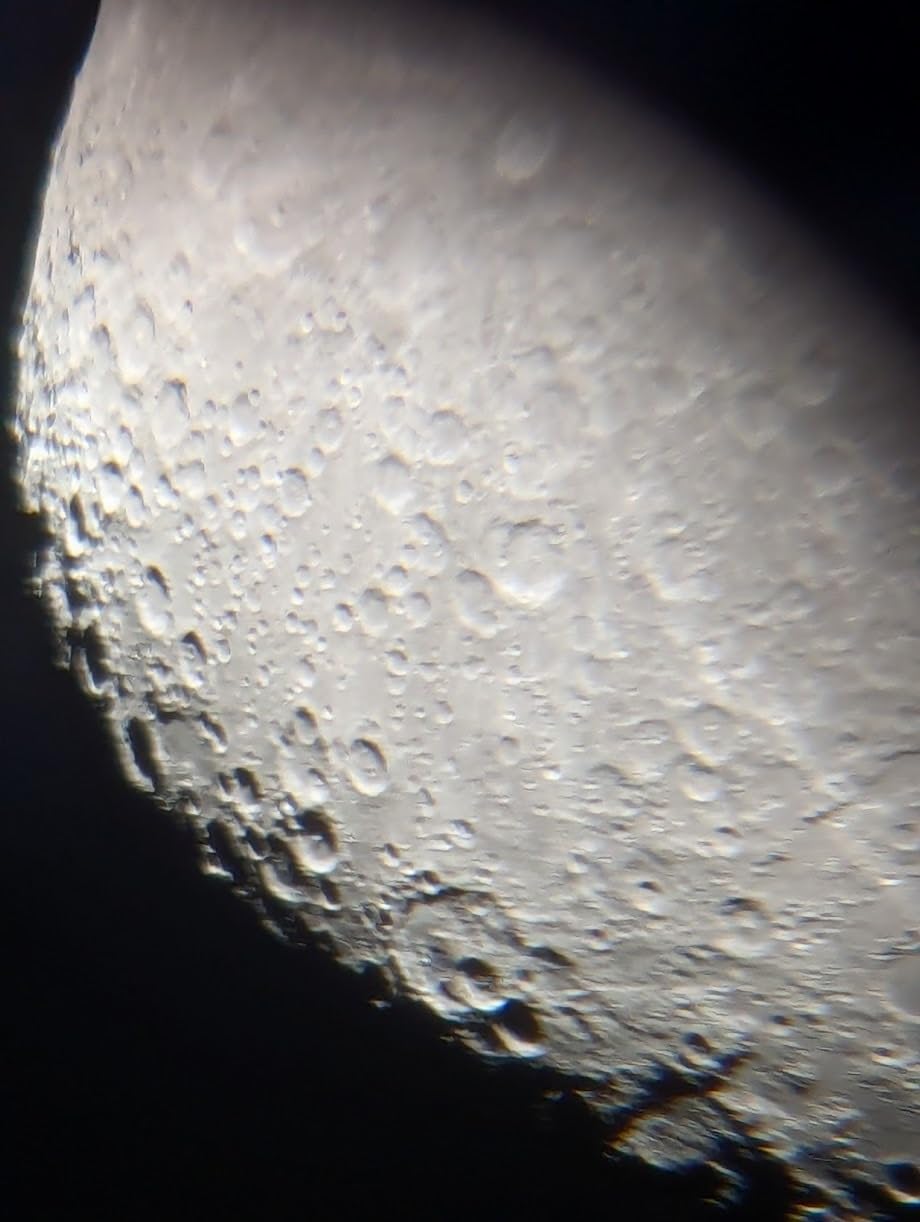
Who This Telescope Works For
This is the pick for someone whose first sessions will happen in town or from a lit patio. The 2 degree field helps you get an object into view, and once it is centred, a 130mm mirror shows more than most people expect under those conditions. It removes the single reason light-polluted observers give up in the first month.
It also suits people who want the pointing help but not a hand control full of menus. There is nothing to align and nothing to configure beyond the app, and the arrows are understandable by a first-time buyer without reading a manual. If you prefer glass lenses, our refractor guide at this budget is the companion read.
Where It Falls Short
The mount is the weak point. The altazimuth head and the plastic phone bracket both pick up vibration in even a light breeze, and a shaky image at high magnification is frustrating. There are dual-axis slow-motion controls, which helps, but this is still a far less stable platform than a German equatorial head or a rocker box.
The tripod geometry limits comfortable viewing to roughly 65 to 70 degrees of altitude, so very high objects are awkward. Owners also report examples that arrived with a dislodged primary that needed collimating before first use, and the one-star reviews in this product’s history cluster around support handling and transit damage rather than optics. Budget for a laser collimator and a spare finder if you live somewhere the delivery driver is unreliable.
5. MEEZAA 150EQ – The Best Value Newtonian With an Equatorial Mount
MEEZAA Telescope, 150EQ Newtonian Reflector Telescope for Adults Astronomy Beginners, Professional Astronomical Telescopes with Equatorial Mount, Tripod, Phone Adapter, Moon Filter and Large Carry Bag
150mm Newtonian
650mm focal length
German equatorial mount
26x to 130x with Barlow
Pros
- Largest reflector aperture in this roundup
- Very complete accessory package
- Pre-lubed mount and collimated mirror out of the box
- Stainless steel tripod
Cons
- Some units have a 130mm primary rather than the advertised 150mm
- Kellner eyepieces limit the view
- Assembly may need two people
- All-plastic focuser
Why it ranks here: a 150mm primary on a German equatorial mount with slow-motion knobs, in a box that also contains a 2x Barlow, a red dot finder, a moon filter, a phone adapter, two eyepieces and a large carry bag. Reviewers call it a light bucket that punches above its price class, and the 650mm focal length keeps it fast enough for wide fields.
Performance reports are strong for the tier. Owners describe Jupiter’s belts, the Great Red Spot and the Orion Nebula from a light-polluted backyard, and sharp lunar views with good crater detail. The equatorial head arrived pre-lubed and needed no collimation out of the box, which removes two of the three usual first-night problems.
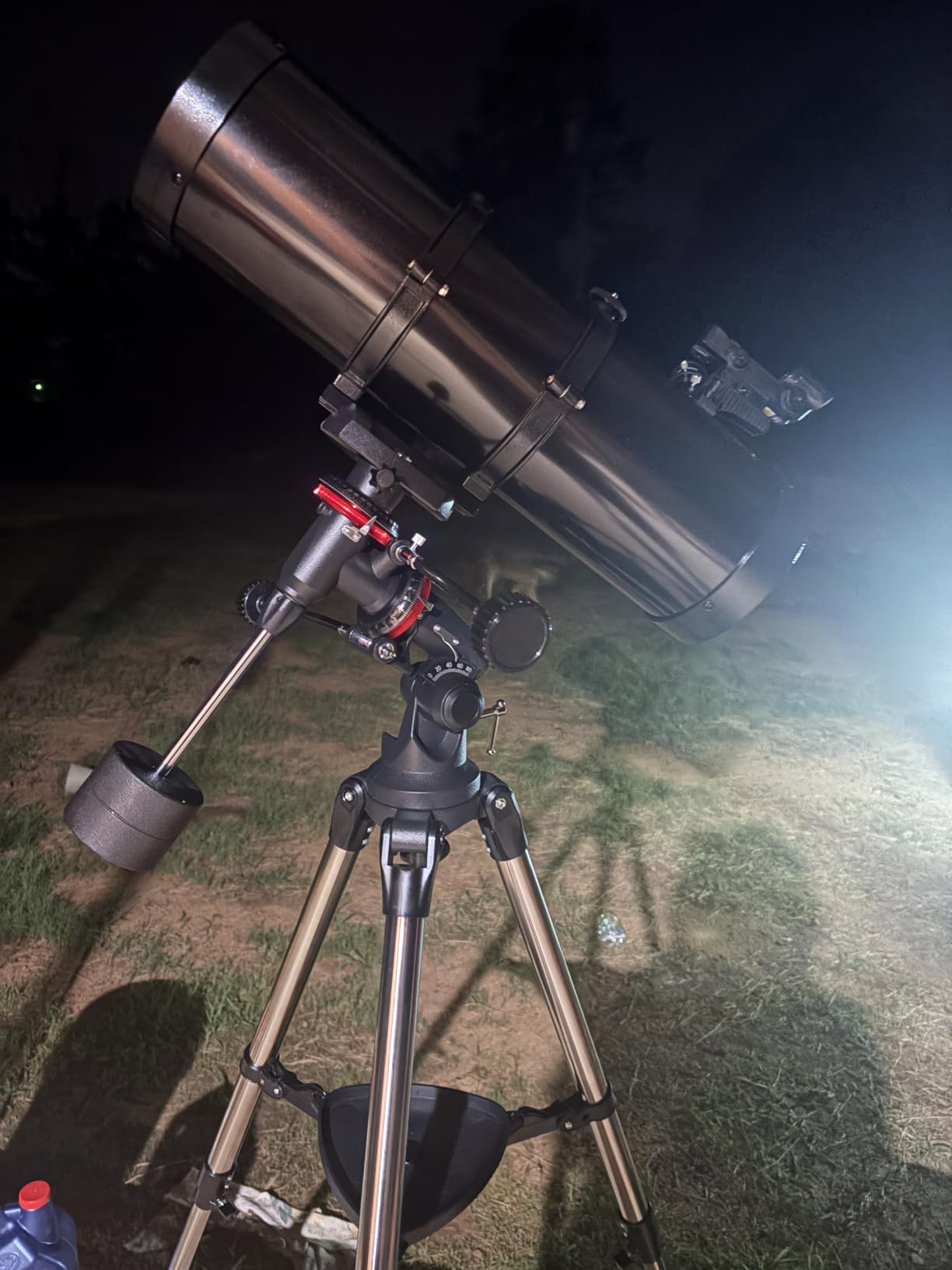
The build feels more substantial than the price would suggest. A heavy gimbal, a stainless steel tripod and an accessory tray give it a stable feel, and the slow-motion controls make tracking a drifting object straightforward once polar alignment is done. The stated magnification range runs from 26x to 130x with the 2x Barlow.
The 150mm aperture is larger than every other optical tube on this list except the 8-inch Dobsonian, and it does not come with the weight of one. That balance is unusual and it is why this instrument keeps showing up as a value recommendation rather than a compromise.
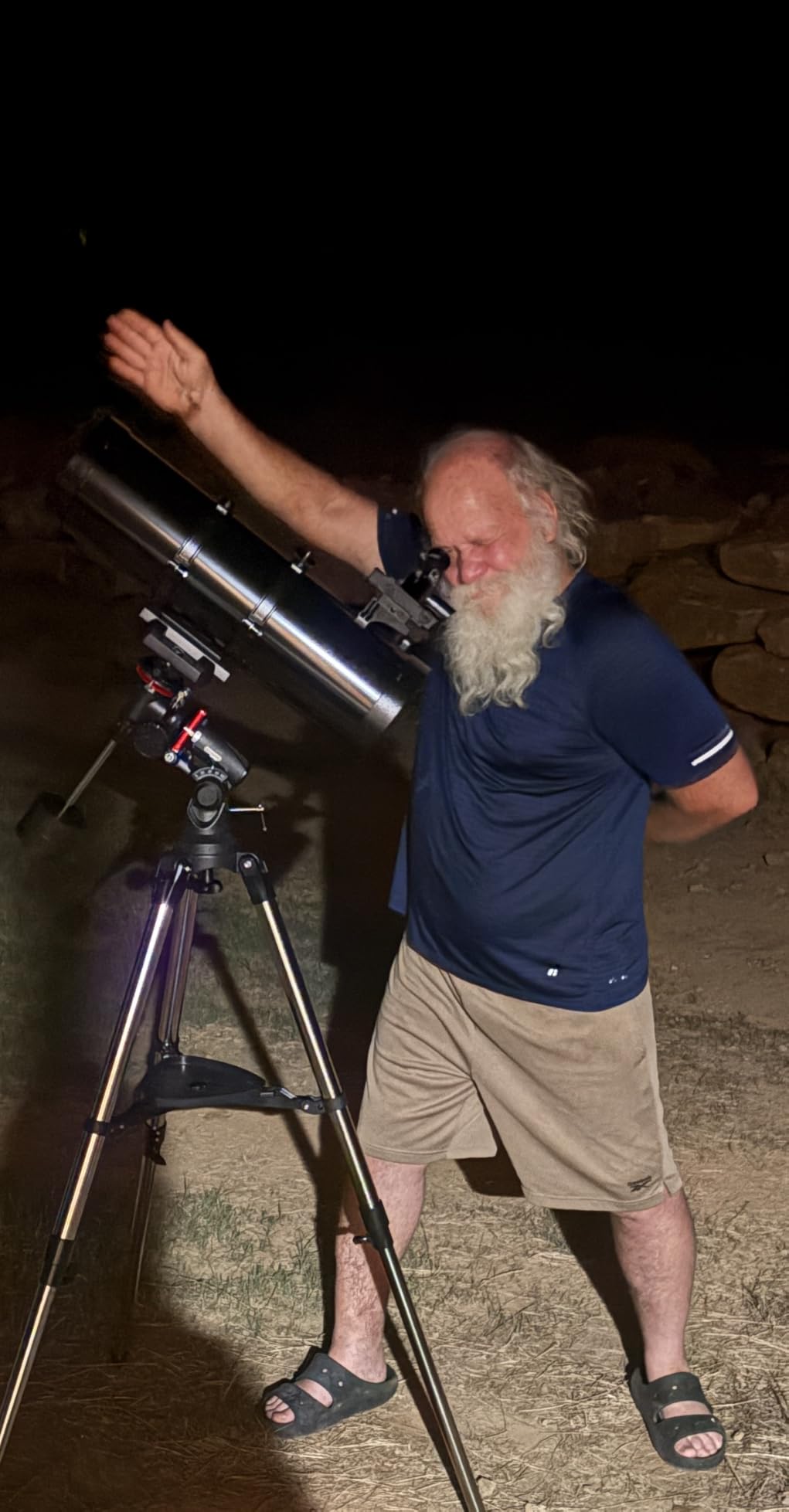
Who This Telescope Works For
This suits buyers who want equatorial tracking without paying Celestron or Sky-Watcher prices for it, and who want a complete box so nothing else needs buying on day one. The carry bag also means it can be moved between a home and a dark site without becoming a two-person job.
It is a good match for someone who will spend time on planets and the Moon as well as deep sky. The 650mm focal length gives a comfortable field, the Barlow extends the range for lunar detail, and the moon filter makes long sessions on the brightest target far more comfortable.
Where It Falls Short
Check the mirror before you trust the specification. A recurring complaint is that some models ship with a 130mm primary rather than the advertised 150mm, which is a real difference in light-gathering and not a rounding issue. Verify the aperture on arrival, and keep the packaging until you have.
The eyepieces are entry-level Kellner glass and owners consistently report that upgrading to Plossl noticeably improves the view, so budget for that. Assembly is also complex enough that two people are a sensible idea, the focuser is all plastic, and the phone holder is difficult to align. It is a visual instrument, not an imaging one.
6. DWARFLAB Dwarf Mini Smart Telescope – Best for Travel and Automated Imaging
DWARFLAB Dwarf Mini Smart Telescope – 1.85lb Portable Astronomy Telescope
30mm aperture
150mm focal length
1.85 lb body
Up to 90 second exposures
Pros
- Plate solves and finds targets automatically
- Weighs under 2 pounds
- EQ mode gives usable long exposures
- Stacking and mosaicing built into the app
Cons
- Sensor too small for planetary detail
- Wi-Fi connection drops need troubleshooting
- Battery runs a few hours
- Dust inside the lens reported on some units
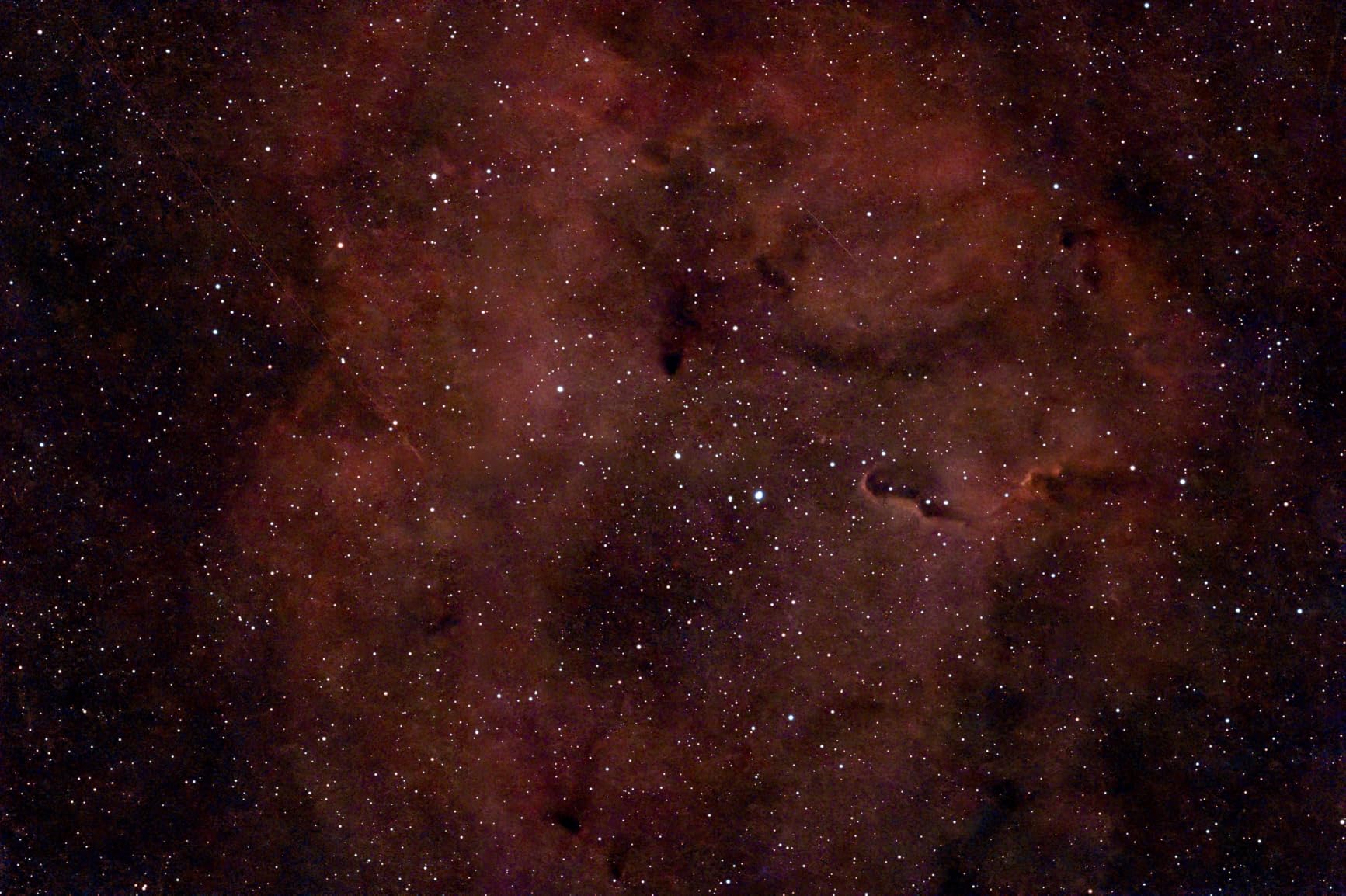
Why it ranks here: this is not really a visual telescope, it is an automated astrograph, and judging it by aperture alone misses the point. The 30mm aperture and 150mm focal length would be a very modest eyepiece instrument, but a Sony IMX662 sensor captures that light into an image rather than into your eye.
Plug it into a phone or laptop and the software plate-solves the sky, finds the target and tracks it. Equatorial mode supports single-frame exposures up to 90 seconds with automatic dark frame generation, and there are built-in light-pollution filters plus cloud processing. Owners report productive first-night nebula images from skies where most eyepiece telescopes show nothing at all.
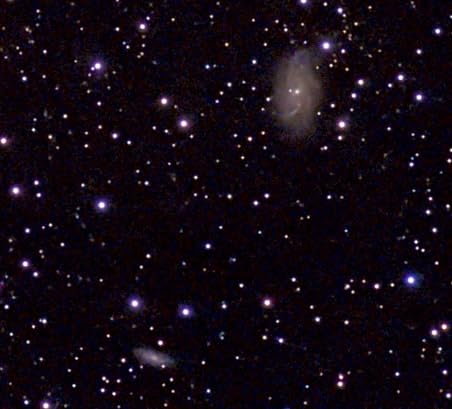
Portability is the other half of the case. At 1.85 pounds the whole thing fits in a backpack, unboxing to first shot takes about three minutes, and the 360 degree pivot plus Auto GoTo mean you never touch a finder scope in the dark. The box contains the telescope, a filter, a USB-C cable and a cleaning cloth, with a two-year warranty.
Forum opinion is sharply split on smart telescopes generally, with enthusiasts reporting real stacked images and sceptics calling them a gimmick that cannot substitute for looking through an eyepiece. Both sides are describing this device correctly. It does one thing extremely well and it is not the thing a Newtonian does.
Who This Telescope Works For
This suits people who want astrophotography from a city, a balcony or a campsite and have no interest in polar alignment, guiding or stacking software written by somebody else. If your sky is bright and your time is limited, the automated path is the realistic one.
It also suits anyone who wants to show a family what a nebula looks like on a phone screen tonight rather than in a book. Aimed at Jupiter, the Moon or a bright cluster, a live stacking view is genuinely absorbing, and there is no alignment to get wrong.
Where It Falls Short
Planetary viewing is poor, and owners are clear about it. The sensor is small, so planets appear as featureless discs without surface detail, and small deep-sky objects render tiny and refuse to enlarge well. If Saturn’s rings are the goal, this is the wrong instrument entirely.
Planning is also required for longer sessions. The internal battery lasts only a few hours, so a power bank and a tripod are effectively mandatory for imaging nights, and the Wi-Fi link to the scope can drop and need troubleshooting in the app settings. Owners have also reported dust particles inside the lens that could not be cleaned.
7. Dianfan 90mm Refractor – Best for Kids and First-Time Buyers
Dianfan Telescope, 90mm Aperture 800mm Telescope for Adults High Powered, Portable Professional Astronomy Refractor Telescopes for Beginners, with Stainless Steel Tripod & Phone Adapter, Carry Bag
90mm aperture
800mm focal length
Fully coated objective
Stainless steel tripod
Pros
- Largest aperture among the small refractors
- 45 degree zenith mirror for terrestrial use
- Assembles in about 15 minutes
- Stainless steel tripod is sturdier than plastic
Cons
- Entry level Kellner eyepieces show colour fringing
- No tracking so targets drift
- Straight-through finder is hard to align
- 4.7kg is heavy for small children
Why it ranks here: a 90mm aperture is a visible step up from the 70mm and 80mm scopes that dominate this end of the list, and the fully coated objective gives brighter, higher-contrast views with less obvious edge wear. Reviewers consistently describe it as the point where a beginner scope stops feeling like a toy.
The 800mm focal length with two eyepieces and a 3x Barlow covers 32x to 240x, which is a wide enough range for lunar craters and seas. The 1.56 degree field is narrower than the short-tube scopes, so it frames targets rather than sweeping across them, and the 1.29 arc second Dawes limit sets the honest ceiling on detail.
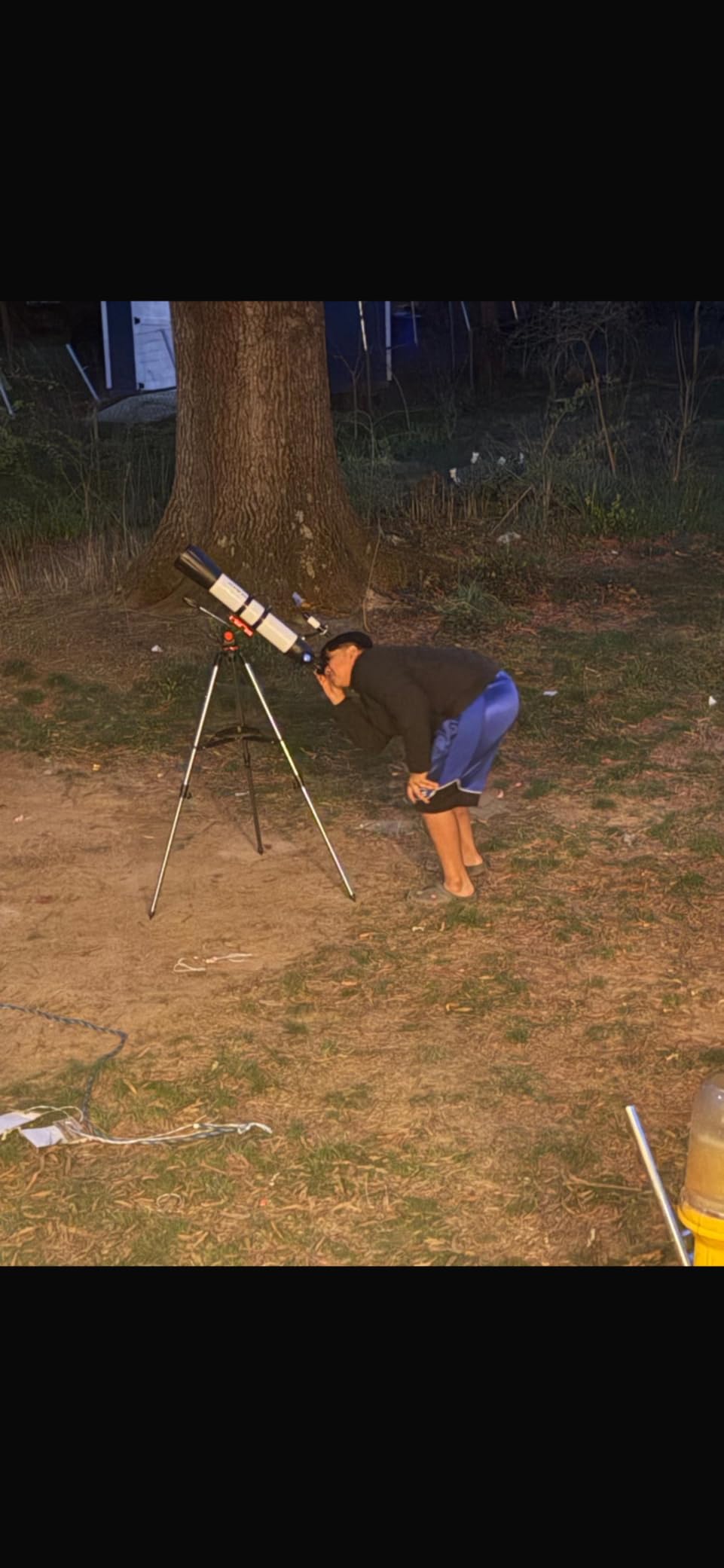
Two practical details make it a good family purchase. The 45 degree zenith mirror keeps the image upright, so it works for daytime viewing of the Moon and distant landmarks as well as for astronomy, and the stainless steel tripod is a real one rather than the flexing plastic legs on cheaper kids’ scopes. Setup takes about 15 minutes with clear instructions.
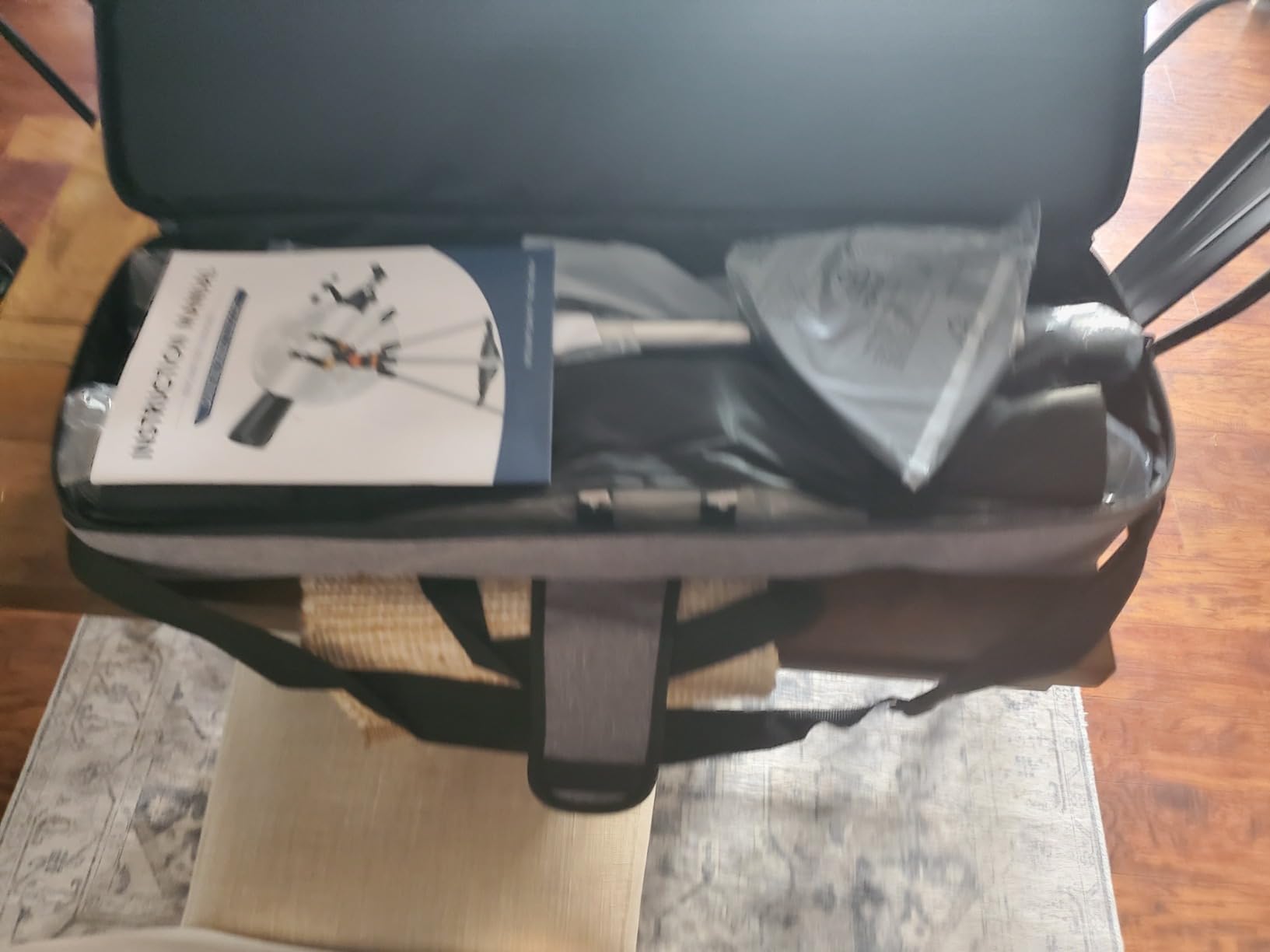
Everything packs into the included bag, which matters more than it sounds. A telescope a child cannot carry to the garden or put away after a session is a telescope that stops being used, and the phone adapter and holder let a first attempt at photographs happen on the same night.
Who This Telescope Works For
This suits families with children old enough to be excited by the Moon but not yet ready for a 45 pound instrument. The setup is simple, the controls are obvious, the object is bright and large in the view, and the whole thing can be carried by one person and reassembled in a different part of the house.
It is also a sensible first instrument for an adult who will upgrade later. The 90mm aperture will teach the basics of finding and focusing, the zenith mirror keeps it useful for daytime viewing, and a fully coated achromatic doublet is the standard design to move up from rather than the toy-grade glass used further down the list.
Where It Falls Short
The supplied Kellner eyepieces are the limit on performance. They show visible chromatic aberration at the top of the magnification range, which on the Moon and on bright planets shows up as a coloured fringe. A set of Plossl eyepieces is the single cheapest upgrade available to this telescope, and it changes the image more than most buyers expect.
There is no tracking, so anything above 100x drifts out of the field within a minute or two. The straight-through finder is difficult to align precisely, and a 90mm aperture needs reasonably faint stars to align on. At 4.7kg it is also the heaviest of the small scopes here, which works against the youngest users.
8. Hawkko 90mm Refractor – Best for Lunar and Terrestrial Detail
Hawkko 90mm Aperture 900mm Telescope for Adults High Powered – Professional Multi-Coated Refractor Telescope for Astronomy Beginners (36X-270X) with AZ Mount, Phone Adapter and Carry Bag
90mm aperture
900mm f/10 focal length
36x to 270x
Stainless steel AZ tripod
Pros
- Long focal length gives a 36x to 270x range for lunar surface detail
- Full multi-layer coating improves transmission
- Stainless steel tripod adjusts from 28 to 46 inches
- Complete kit in the box
Cons
- Narrow 1.39 degree field makes wide objects hard to frame
- Visible chromatic aberration on bright targets
- No slow-motion controls or tracking
- Basic Kellner eyepieces
Why it ranks here: at 900mm focal length this is the longest refractor in the roundup, and a long tube on a small aperture is a planetary formula. The 36x to 270x range is built for lunar surface detail, and the multi-coated 90mm objective keeps the image bright enough at those powers to be worth the magnification.
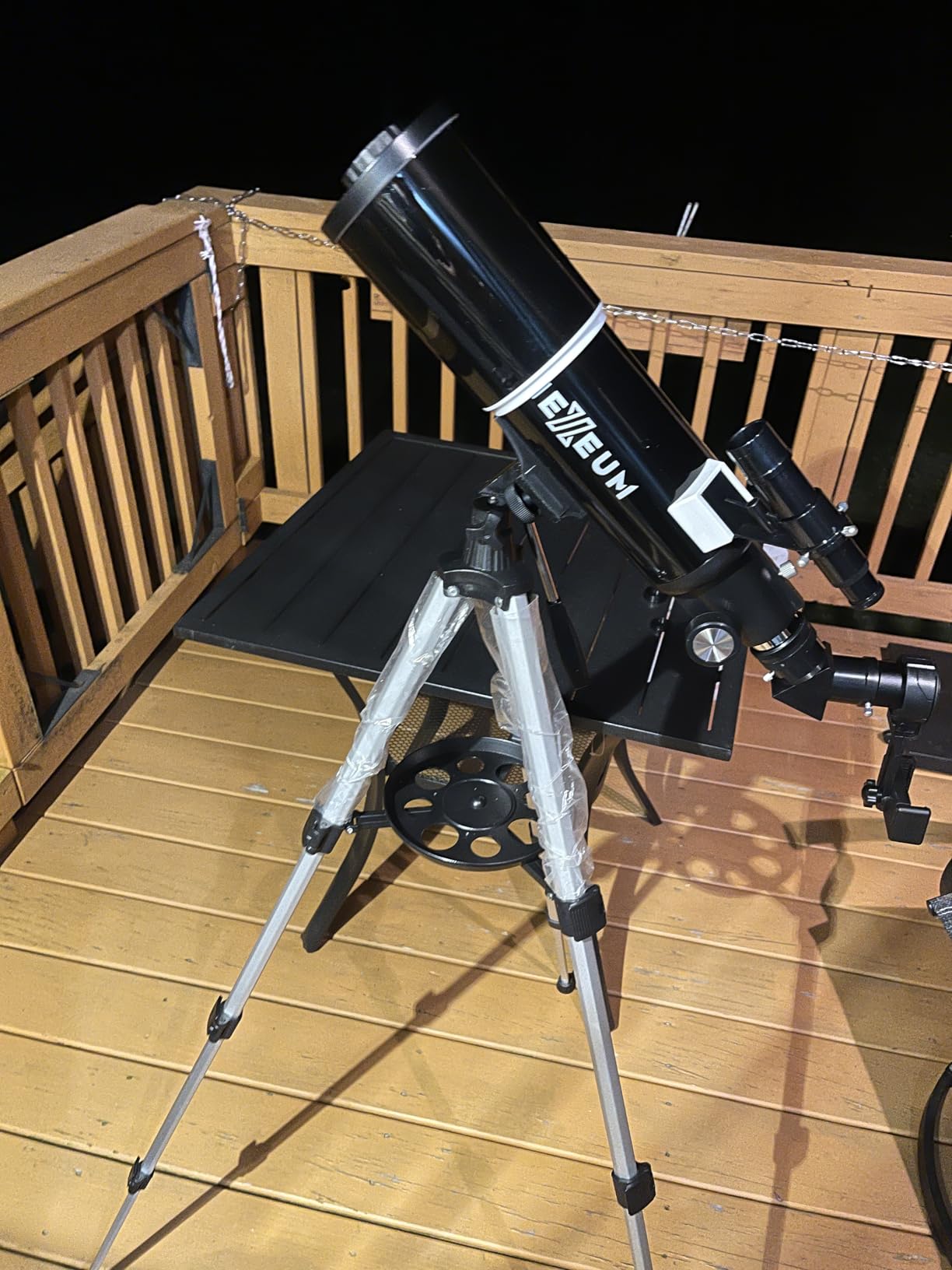
The build is where the value shows. The stainless steel altazimuth tripod supports smooth 360 degree rotation and height adjustment from 28 to 46 inches, so it works seated on a low chair and standing at a fence, and the box includes a finder, zenith mirror, 25mm and 10mm eyepieces, a 3x Barlow, an accessory tray, a phone adapter and a carry bag.
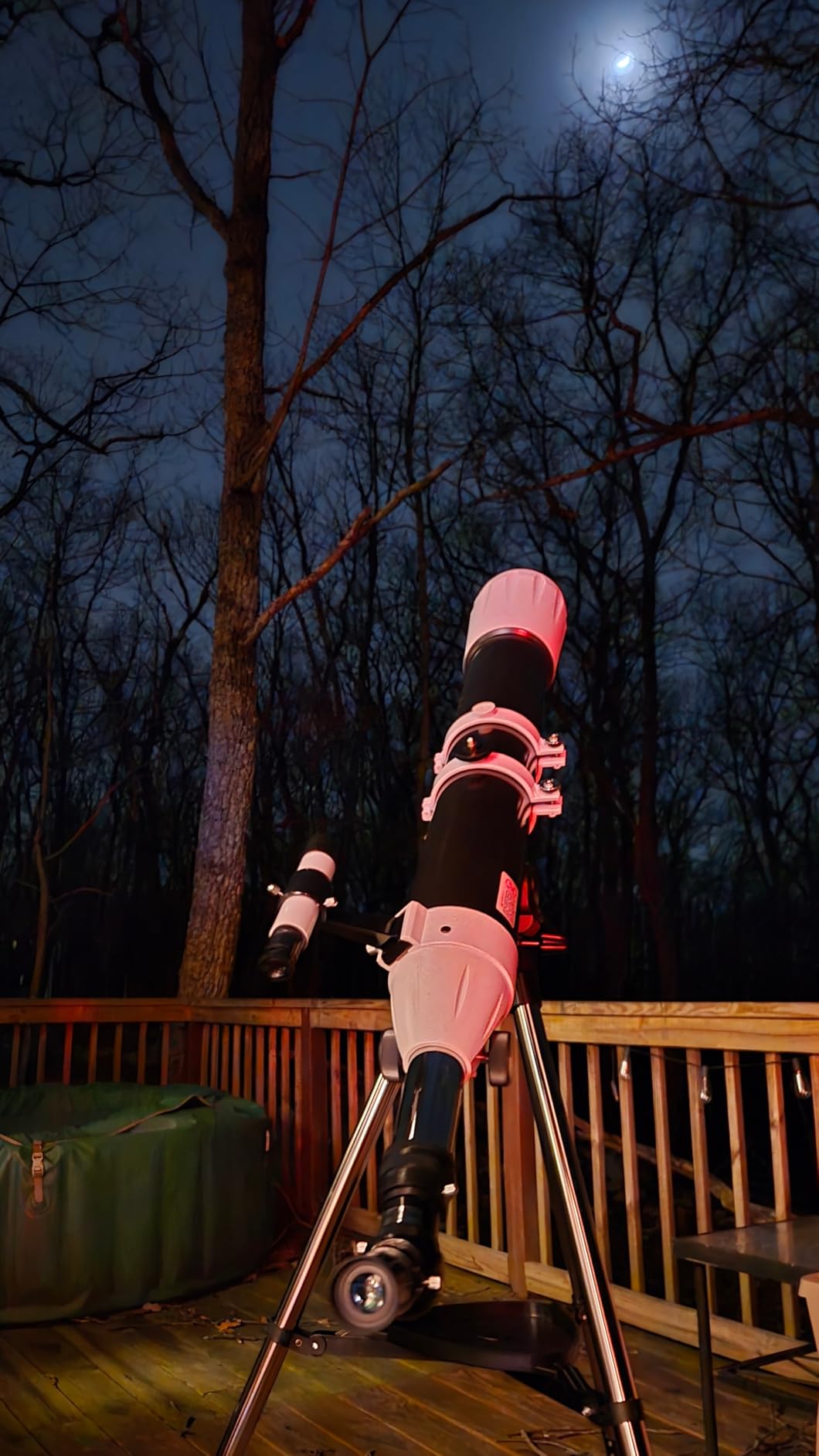
Owners rate it as a capable step up from toy-grade scopes, with a setup time of about 15 minutes and a smartphone adapter that works for most first-time users. That completeness means a beginner can go from box to lunar craters in one evening without a single additional purchase, which is rare at any price.
The 1.29 arc second Dawes limit is the same figure quoted for the 90mm refractor above, and reaching it requires good optics in the eyepiece. That is the gap to keep in mind: the tube can deliver, and the bundled glass may not be what lets it.
Who This Telescope Works For
This suits buyers whose main interest is the Moon, the planets and daytime terrestrial viewing rather than faint galaxies. Long focal length and high magnification are wasted on a wide fuzzy target and valuable on a cratered surface, so the design matches the purpose precisely.
It also suits anyone who wants one instrument for astronomy and the daytime. A zenith mirror keeps terrestrial images upright, the adjustable stainless steel tripod makes seated observing comfortable, and the carry bag means the whole kit moves between a table in the garden and a dark field.
Where It Falls Short
The f/10 focal ratio produces a narrow 1.39 degree field, so wide deep-sky objects are genuinely hard to frame and the Moon overflows the view at moderate power. Chromatic aberration is visible on bright objects through the included multi-coated achromat, showing up as colour fringing on lunar detail and on Jupiter.
The altazimuth head has no slow-motion controls and no tracking, so targets drift out of view quickly once you pass moderate magnification. The eyepieces are basic Kellner glass that limits usable power, and at 5kg the scope is heavy for a child’s first setup. If wide fields matter more to you, our refractor roundup covers shorter-tube options.
9. Koolpte 80mm Refractor – Budget Pick for a Starter or Travel Scope
Koolpte Telescope for Adults & Beginner Astronomers – 80mm Aperture 600mm Fully Multi-Coated High Transmission Coatings with AZ Mount Tripod Phone Adapter, Carrying Bag, Wireless Control.
80mm aperture
600mm f/6.7 focal length
Fully multi-coated
Two eyepieces plus 3x Barlow
Pros
- Very low cost for a multi-coated 80mm
- Generous accessory bundle
- No-tool setup in a few minutes
- Carry bag and adjustable tripod
Cons
- 80mm aperture limits you to the Moon and bright planets
- Kellner eyepieces show colour fringing
- No slow-motion controls
- Flexing tripod legs add vibration
Why it ranks here: it is the cheapest instrument in the roundup by a wide margin, and at that price the sensible question is whether a telescope is worth buying at all. For a starter, a travel scope, or a gift for someone who will use it once a month on the Moon, the answer here is yes.
The 600mm f/6.7 focal length and fully multi-coated lenses give a clean, bright view for the class. Two eyepieces at 25mm and 10mm give 24x and 60x, and a 3x Barlow extends that to 180x for lunar work. The 5 degree field of view is wide, which makes finding targets much easier than on a longer tube.
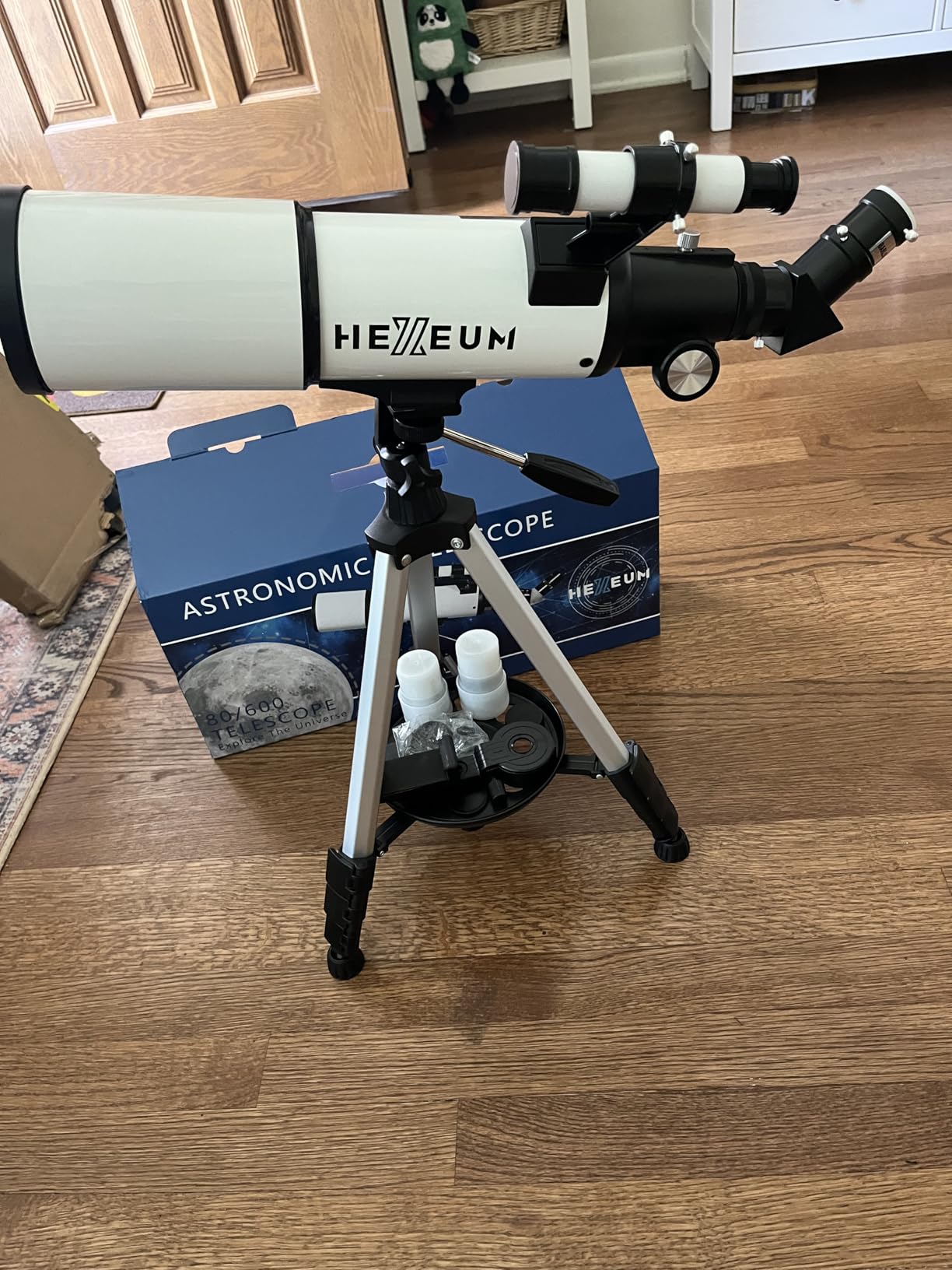
Setup is the strongest practical feature. It needs no tools, assembles in a few minutes and includes a phone adapter, a wireless remote, an adjustable aluminium tripod and a carrying bag, so the whole package moves between rooms or travels without drama. That is why the review volume on this product runs into the thousands.
Owners treat it as a starter or travel telescope for kids and adults, with satisfaction driven by the price, the accessory bundle and the genuinely quick setup. The consistent ceiling is the same in every review: the 80mm aperture simply does not reach faint deep-sky objects.
Who This Telescope Works For
This suits a child learning what the Moon looks like up close, an adult who wants a scope that fits in a car boot, or anyone who is not sure yet whether astronomy will stick. Those are all situations where a small, cheap, robust instrument that is actually used beats an expensive one that sits in a cupboard.
It also works as a second telescope. Many observers keep something portable like this for solar viewing, group outings and quick sessions alongside a larger instrument, because a wide field and a fast setup are useful even for experienced people.
Where It Falls Short
The aperture is the limit and it is not a soft one. At 80mm you are working with the Moon, the bright planets, Jupiter’s moons and the brightest clusters. Deep-sky observing is essentially out of reach, which means the most rewarding part of the hobby is the part you will miss.
The Kellner eyepieces are basic and show noticeable chromatic aberration at higher power, the wireless remote shutter is unreliable compared with the phone adapter, and the tripod legs flex enough to add vibration to the view. There are no slow-motion controls, so targets drift out of view quickly. Expect to replace the eyepieces within a year.
10. Gskyer 70mm Refractor – Best for Families and Kids Getting Started
Gskyer Telescope, 70mm Aperture 400mm AZ Mount Astronomical Refracting Telescope for Kids Beginners – Travel Telescope with Carry Bag, Phone Adapter and Wireless Remote.
70mm aperture
400mm f/5.7 focal length
5.8 degree field of view
Telescope and tripod fit in one bag
Pros
- Very low entry cost with fully coated glass
- Two eyepieces plus a 3x Barlow in the box
- Everything packs into the carry bag
- Adjustable tripod allows seated viewing
- Wide field makes targets easy to find
Cons
- 70mm aperture limits you to the Moon and bright planets
- Chromatic aberration at higher magnification
- No slow-motion controls so targets drift
- Advertised magnification is not achievable in practice
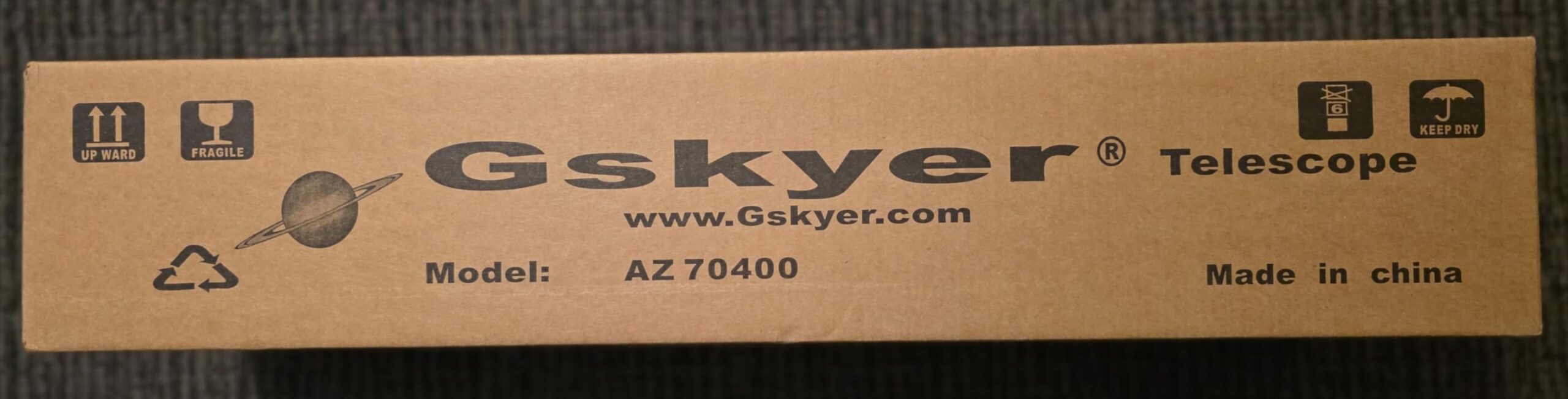
Why it ranks last: not because it is a bad telescope, but because 70mm is the smallest aperture here and aperture is the deciding factor. It is also one of the most-purchased entry telescopes for families, with well over 22k reviews, which makes it the safest buy for a child and the least rewarding for an adult who intends to go deep.
What it does well is everything except faint objects. The 400mm f/5.7 focal length with fully coated glass gives a bright, wide image, and the 5.8 degree field is the widest on the list, which makes finding things almost effortless. The box includes two eyepieces, a 3x Barlow, a 5×24 finder, a phone adapter and a wireless camera remote.
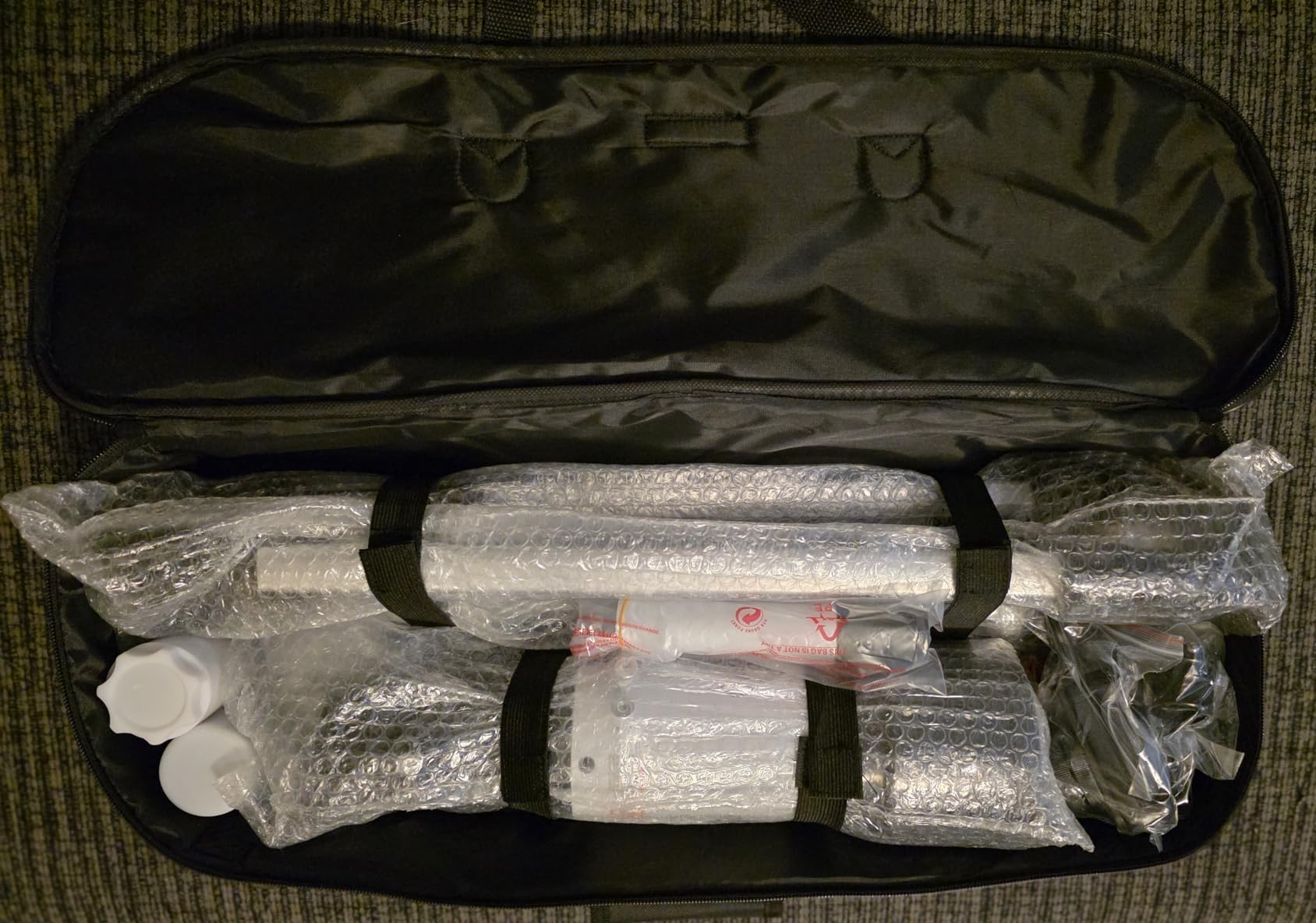
Portability is genuinely excellent. The telescope and the tripod both fit inside the included carry bag, the aluminium tripod adjusts through several positions including seated use, and the whole package is light enough for a child to carry out to the garden on their own. Assembly is quick and needs no tools.
Buyers consistently rate it as a great first or travel scope, easy to assemble and packed with accessories. The consensus limit is the same one every time: with a 70mm aperture, faint deep-sky objects are out of reach, so treat it as a Moon and planets instrument rather than a gateway to galaxies.
Who This Telescope Works For
This suits a family buying a first telescope for a child aged around six or older, or anyone who wants a second instrument for travel and outreach. The wide field, the seated viewing position and the carry bag all remove most of the friction that stops a small scope being used more than once.
It also works as a loaner. Handing it to a friend, a school group or a neighbour for a few evenings costs you nothing and often does more for someone’s interest in astronomy than a longer explanation ever would.
Where It Falls Short
The 70mm aperture means the Moon, bright planets and a handful of bright clusters, and nothing else. That is a real ceiling rather than a starting point, and buying up from here usually means buying a completely different instrument rather than adding to this one.
Quartz glass shows chromatic aberration at higher magnification, the altazimuth mount has no slow-motion controls so targets drift quickly, and the supplied eyepieces and tripod are basic entry components. The advertised magnification is not achievable in practice beyond modest levels, so judge it by aperture and treat the magnification figures as a ceiling rather than a promise.
What 1000 Dollars Actually Buys: A Price-Tier Map
No competitor in this search market anchors their list to a budget ladder, which is why so many articles at this price read like a flat list of ten unrelated objects. Here is what actually changes as you move up through the tiers represented on this page.
At the 70mm and 80mm tier you get a wide field, a bright Moon and the obvious planets. The Gskyer 70mm and the Koolpte 80mm both sit here, and both are honest, competent instruments that will be used weekly by a family and abandoned by a determined beginner within a season.
At the 90mm tier, represented by the Dianfan and Hawkko refractors, the jump is smaller but real. Images are noticeably brighter, longer focal lengths give usable lunar detail, and the point at which chromatic aberration from basic achromats starts to matter arrives. This is the tier most first-time adults should look at.
At the 130mm to 150mm tier, which is where the Celestron AstroMaster 130EQ, the StarSense DX 130AZ and the MEEZAA 150EQ sit, faint galaxies and the Orion Nebula stop being theoretical. The jump from 90mm to 130mm is the single largest perceived improvement in the whole list, because aperture scales with area.
At the 203mm tier, the Sky-Watcher Classic 200P, you are into a different class entirely. The gain from 150mm to 203mm is substantial, but it comes with 45 pounds of tube, no tracking and a collimation routine. The jump is worth it if your sky is dark; it is wasted if you observe from a lit patio or need to carry the instrument anywhere.
That is the real answer to what your budget buys. It is not brand prestige or feature count. It is the diameter of the mirror, weighted against how much sky you can actually get to and how much light is falling on your backyard when you start.
How to Choose: 5 Steps Before You Buy
Step 1: Buy Aperture First, Everything Else Second
Aperture is the diameter of the main mirror or objective lens, and it governs how much light you collect. Light-gathering power scales with the square of that diameter, so doubling it quadruples the light. It also governs resolution, which sets the honest limit on useful magnification.
This is why aperture is the criterion that cannot be fixed later. A better eyepiece, a sturdier mount or a new finder all improve a telescope you already own, but a small primary stays small forever. Spend the budget on the mirror first and accept a simpler mount, as the 8-inch Dobsonian on this list does.
Step 2: Judge the Mount by Its Worst Behaviour
Do not evaluate a mount on how it feels when nothing is happening. Touch the focuser and watch the image. On a decent equatorial or rocker-box mount the view settles in a second or two; on a cheap altazimuth tripod with flexing legs it wobbles for a minute and the moment is lost.
Slow-motion controls matter more than most buyers expect. They are what let you centre a drifting target without rebuilding the alignment, and they are the single feature that separates the Celestron AstroMaster 130EQ from cheaper reflectors of the same aperture. If a mount has no slow-motion and no tracking, plan on re-pointing constantly.
Step 3: Decide How You Feel About Collimation
Newtonian reflectors need their two mirrors aligned, and alignment drifts with transport, vibration and temperature change. A laser collimator makes the job a two-minute routine. Sealed designs such as the Celestron NexStar 127SLT and the 90mm refractors have nothing to align at all.
Be honest with yourself here. Collimation is the most-cited beginner fear in every observing forum, and several people pay for a service or avoid reflectors entirely because of it. That is a real cost, and choosing a sealed scope is a perfectly reasonable answer rather than a failure.
Step 4: Pick the Optical Design That Matches Your Targets
Short focal ratios, around f/4 to f/6, give wide fields and are better for deep sky. Long focal ratios, f/8 to f/10 and beyond, magnify harder and suit the planets. Maksutov-Cassegrain designs sit in between, with a long tube and a narrow field from a compact body. Refractors give sharp, high-contrast images but show colour fringing on bright targets at higher power unless the glass is better.
Match the ratio to your observing list rather than to the specification sheet. If your list is mostly galaxies, a fast Newtonian or an 8-inch Dobsonian wins. If it is mostly planets, a longer focal length is worth more than extra aperture.
Step 5: Match the Instrument to Your Observing Environment
This is the variable that changes outcomes most, and it is the one most guides ignore. Under heavy light pollution, faint deep-sky objects never appear no matter how good the telescope is, and the useful tactics are a narrower-band or UHC light-pollution filter, or an automated scope that points at targets you cannot locate yourself.
From a genuinely dark site the calculation changes completely, and aperture becomes the only thing that matters. Be clear about which situation describes you before spending. Buying a large light bucket to use from a city balcony is the most common expensive mistake in this category.
Collimation, Eyepieces and the Astrophotography Reality Check
Collimation Is a Ten-Minute Routine, Not a Barrier
A laser collimator costs less than one accessory kit and reduces mirror alignment to a matter of centring a dot and adjusting three knobs until a single return spot appears. Do it after a car journey, after a big temperature change, or whenever a high-power view looks soft and diffuse rather than sharp.
One practical detail almost no guide mentions: a Dobsonian needs to be balanced both horizontally and vertically before it will move properly, and a reflector should be allowed to reach ambient temperature before you judge its image. Both take a few minutes and both change the view more than any eyepiece upgrade will.
The Eyepieces Are the Weakest Link in Every Box
Every telescope here ships with two or three eyepieces chosen to show you the range, not to show you the best image. This is a near-universal complaint in the forums, and it is worth repeating because it is where a first telescope most often disappoints a buyer who assumed the problem was the telescope.
A set of quality Plossl eyepieces changes the view more than most people expect, particularly on the smaller refractors where chromatic aberration from cheap Kellner glass is the visible limit. If you take one piece of advice from this article into a shop, it is this one.
What Astrophotography Is Actually Possible at This Budget
Short answer: the honest astrophotography options at this budget are a phone held to an eyepiece for the Moon and bright planets, and a smart telescope that stacks images for you. Anything beyond that needs a tracking mount, which is where budgets above this tier begin.
The Newtonian reflectors and refractors on this list are visual instruments. A German equatorial mount does not make a 130mm Newtonian a long-exposure camera, and even the MEEZAA 150EQ, which has the most capable mount here, will produce trailing on anything beyond a very short exposure. Buyers expecting galaxies from these tubes will be disappointed; buyers expecting an evening of visual observing will not.
The exception is automated stacking. The DWARFLAB Dwarf Mini produces real images of nebulae from skies where no eyepiece instrument shows anything, because it plate-solves, tracks and stacks without you. It cannot replace looking through an eyepiece, but it is a genuine answer to the imaging question at this budget.
Where to Spend the Rest of Your Budget
Almost nobody should buy a bigger telescope with money remaining. Aperture gains get expensive quickly, and a modest accessory spend changes the experience more per unit of money than anything else you can buy at this price.
A set of Plossl eyepieces is first priority, followed by a laser collimator if you own a Newtonian. A red flashlight with a dim red filter is genuinely essential and almost nobody buys one before their first night, and a light-pollution filter makes the difference between a disappointing and a productive session from a suburban backyard.
Last, do not underestimate seating. A stable chair at the right height removes more frustration than any optical upgrade, and a folding table plus a clip-on red light solves the problem of setting up on uneven ground. A bar chart or a planisphere is a worthwhile addition for anyone observing before they can name constellations.
Frequently Asked Questions
What is the best telescope for the money?
At a budget of around 1000 dollars the best telescope for the money is an 8-inch Dobsonian, because aperture cannot be upgraded later and a 203mm mirror shows faint galaxies and nebulae no smaller scope reaches. If you need automated pointing instead, a GoTo Maksutov trades aperture for the ability to find targets in light-polluted skies.
What is the best telescope at the lowest price?
The lowest-cost option worth owning is a fully multi-coated 70mm or 80mm refractor with a carry bag. At 400mm to 600mm focal length these give a bright, wide view of the Moon and the bright planets and are easy for a child to carry. Below that, aperture drops so far that faint deep-sky objects become impossible.
Which telescope is best to see all planets?
A long focal length wins for planets, because magnification is what reveals detail. A 900mm refractor rated at 36x to 270x handles the inner planets and the Moon well, and a 127mm Maksutov-Cassegrain at 1500mm is stronger still. Note that a short 400mm to 600mm tube cannot reach the outer planets at all.
What is the best affordable astronomical telescope?
The most affordable telescope that will not disappoint an adult is a 130mm Newtonian on a German equatorial mount. It costs less than most electronics-equipped alternatives, gathers enough light for the Orion Nebula and Andromeda, and the slow-motion controls let you keep a target centred. A 90mm refractor is the sensible step below that.
Can you see Saturn with an 8 inch Dobsonian?
Yes, and it is the reason many people buy one. An 8-inch mirror with a 1200mm focal length resolves Saturn’s rings, the Cassini Division at high power, Titan and Rhea, and the banding in Saturn’s atmosphere. Steady seeing on a night with no wind matters more than aperture for the outer planets.
What are the disadvantages of a Dobsonian?
The main drawbacks are weight, the absence of tracking and the need for occasional collimation. A large 8-inch Dob weighs around 45 pounds fully assembled, so carrying it to a site can need two people. Objects drift out of high-power fields within minutes, and the two mirrors need realigning after transport or temperature changes.
Is the Celestron StarSense worth the cost?
It is worth it if you cannot star hop, and close to pointless if you can. StarSense reads the star pattern with your phone and points the telescope for you, which is the main reason light-polluted observers choose it over a plain Dobsonian. It does not add any light-gathering power, so the aperture you choose still sets your ceiling.
The Final Verdict for 2026
The best telescope under 1000 dollars is the Celestron AstroMaster 130EQ, and it wins on a simple combination: a 130mm Newtonian aperture that resolves real deep-sky objects, a German equatorial head with two-axis slow-motion controls that hold a target once found, and a review history deep enough that its weak points are well documented rather than a matter of guesswork.
Buy the Sky-Watcher Classic 200P instead if you can carry it and your sky is dark, because aperture dominates everything else and 203mm is a step nobody else on this list matches. Buy the Celestron NexStar 127SLT if finding targets in bright skies frustrates you more than narrow fields do. Buy the DWARFLAB Dwarf Mini if you want images rather than views.
Spend less if you are buying for a child, are unsure whether the hobby will stick, or need something you can carry alone. Spend more only if you are certain you will outgrow a 130mm aperture within a year, because the grow-out point arrives sooner than manufacturers suggest, and no instrument on this list fixes it.
Whatever you choose, spend what is left on a set of Plossl eyepieces and a red flashlight before you spend it on anything else. The 2026 price picture moves constantly, so check the current listing before you order, and clear your first night sky if you can.