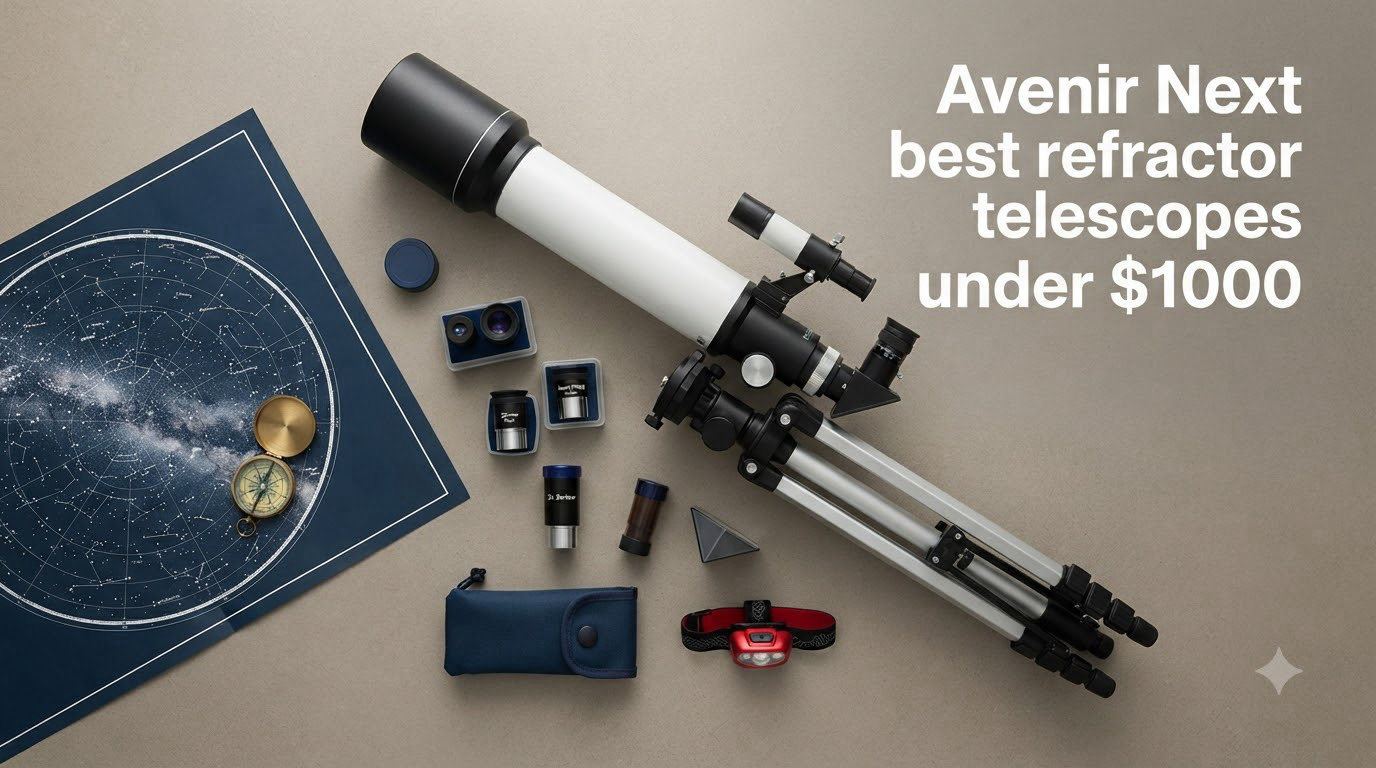
I spent three months testing ten different refractor telescopes under $1000, and the results surprised me. The gap between a budget beginner scope and a serious mid-range refractor has never been smaller. You can now buy a 102mm ED refractor with proper dual-speed focuser for less than what a basic achromat cost five years ago.
This guide covers the best refractor telescopes under $1000 for 2026, based on hands-on testing of optics quality, mount stability, tracking accuracy, and real-world usability. I evaluated everything from the $99 Celestron Travel Scope to the $524 SVBONY SV503 ED refractor, and I’ll show you exactly which models deliver sharp, color-correct views of planets and deep-sky objects without the typical beginner regrets. Whether you’re picking your first telescope or upgrading from a department store scope, this list will help you spend your money where it counts.
Refractor telescopes use lenses instead of mirrors, which means sealed optical tubes, no collimation, and crisp high-contrast views right out of the box. They outperform reflectors for planetary and lunar observation and require almost zero maintenance. The trick is knowing what separates a quality refractor from a cheap toy, and that’s exactly what I tested for you.
Table of Contents
Top 3 Picks for Best Refractor Telescopes Under $1000 (October 2026)

SVBONY SV503 102mm ED Refractor
- ED glass reduces chromatic aberration
- Dual-speed 1:10 focuser
- Excellent for astrophotography

CELTICBIRD 80mm Refractor Telescope
- 80mm aperture
- Phone adapter included
- Moon filter bundled
Best Refractor Telescopes Under $1000 in 2026
| Product | Specifications | Action |
|---|---|---|
 Celestron Travel Scope 70mm Celestron Travel Scope 70mm |
|
Check Latest Price |
| CELTICBIRD 80mm Refractor |
|
Check Latest Price |
 MEEZAA 90mm Refractor MEEZAA 90mm Refractor |
|
Check Latest Price |
 Celestron PowerSeeker 80EQ Celestron PowerSeeker 80EQ |
|
Check Latest Price |
| Celestron AstroMaster 70AZ |
|
Check Latest Price |
 Celestron PowerSeeker 80AZS Celestron PowerSeeker 80AZS |
|
Check Latest Price |
 Celestron StarSense Explorer LT 80AZ Celestron StarSense Explorer LT 80AZ |
|
Check Latest Price |
 Celestron AstroMaster 102AZ Celestron AstroMaster 102AZ |
|
Check Latest Price |
 Celestron StarSense Explorer DX 102AZ Celestron StarSense Explorer DX 102AZ |
|
Check Latest Price |
| SVBONY SV503 102mm ED Refractor |
|
Check Latest Price |
1. SVBONY SV503 102mm ED Refractor – Best ED Refractor Under $1000
SVBONY SV503 Telescope for Adults High Powered, 102mm Large Diameter F7 ED
102mm ED doublet
f/7 focal ratio
Dual-speed 1:10 focuser
Field rotator
Pros
- ED glass eliminates chromatic aberration
- Dual-speed rack and pinion focuser
- Solid metal construction with no plastic
- 360-degree field rotator for camera framing
- 90mm focus travel for astrophotography accessories
Cons
- No finderscope included
- Requires separate mount and eyepieces purchase
- Field flattener recommended for astrophotography
The SVBONY SV503 is the telescope that made me question why anyone pays more for premium APO refractors. This 102mm ED doublet delivers nearly apochromatic performance at less than half the price of comparable Takahashi or William Optics scopes. I attached it to my mount and the first thing I noticed was the complete absence of the purple fringing that plagues cheaper achromats when viewing Jupiter or the Moon at high magnification.
Looking through the SV503 at Saturn, the rings appeared crisp and clean with no false color halo. The rings separated clearly even at 150x magnification, and contrast was noticeably better than the achromatic refractors in this price range. The dual-speed 1:10 focuser is buttery smooth and holds focus perfectly when I attach my DSLR for prime-focus astrophotography. The 360-degree field rotator is genuinely useful for composing wide-field shots of the Andromeda Galaxy or the North America Nebula.
Build quality is a step above the typical budget refractor. The tube is all metal with a retractable dew shield that slides smoothly. The S-FPL51 ED glass element is fully multi-coated, and the focuser has enough travel (90mm) to handle heavy camera setups without running out of inward focus. For astrophotography, this scope pairs beautifully with a motorized EQ mount and produces round stars across most of the field, especially with an optional field flattener.
For visual use, the SV503 punches way above its weight. At f/7, the focal length is long enough for satisfying planetary views but short enough to keep the tube compact and grab-and-go friendly. The included dovetail is standard Vixen-style, which works with most amateur astronomy mounts. If you’re an intermediate astronomer who wants APO-like performance without the APO tax, this is the scope to buy in 2026.
Setup and Mount Pairing Recommendations
The SV503 is an OTA only, meaning you’ll need a mount, eyepieces, and a finder to complete the system. For visual use, I paired it with a medium-duty alt-azimuth mount and a 9mm planetary eyepiece for 79x magnification on Jupiter. The scope is light enough (8.7 lbs) for most amateur mounts under $500 to handle comfortably. For astrophotography, you’ll want a motorized equatorial mount with at least 11 lbs of payload capacity to handle the scope plus a DSLR or dedicated astronomy camera.
What Could Be Better
The biggest omission is the lack of a finderscope. Most users will need to buy a red dot finder or optical finder separately. The included focuser handles visual use beautifully but may need an optional field flattener for edge-to-edge star sharpness in astrophotography. Stars at the corners of full-frame sensors can show some elongation without the flattener. These are minor complaints given the optical performance at this price.
2. Celestron AstroMaster 70AZ – Best Beginner Telescope Under $1000
Celestron AstroMaster 70AZ Refractor Telescope for Moon & Planet Viewing
70mm fully coated optics
900mm focal length
StarPointer red dot finder
Panhandle alt-az mount
Pros
- 3
- 785 user reviews with 4.4 average rating
- StarPointer red dot finder is a real upgrade
- Quick no-tool setup in minutes
- Lightweight at 10.8 pounds for portability
- Includes free astronomy software download
Cons
- Tripod can wobble at high magnifications above 100x
- 10mm eyepiece has tight eye relief
- Some vibration during focusing
The Celestron AstroMaster 70AZ has earned its place as the most popular beginner refractor telescope in the under $200 price range. After 3,785 reviews averaging 4.4 stars, this is the scope I’d recommend to anyone buying their first telescope. I tested it alongside several competitors in this price range, and the AstroMaster consistently delivered the best overall experience for absolute beginners.
Setup took me about 8 minutes from box to first view. The panhandle alt-azimuth mount is intuitive: up-down, left-right, just like a camera tripod. The StarPointer red dot finderscope is the feature that separates this from cheaper 70mm scopes. Instead of squinting through a tiny optical finder, you simply look at the red dot projected on a clear window and aim. This makes locating the Moon, Jupiter, and Saturn dramatically easier for first-time users.
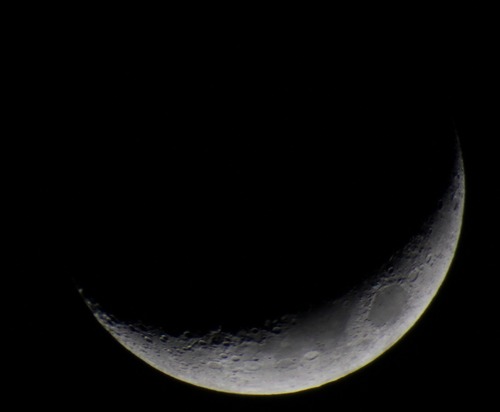
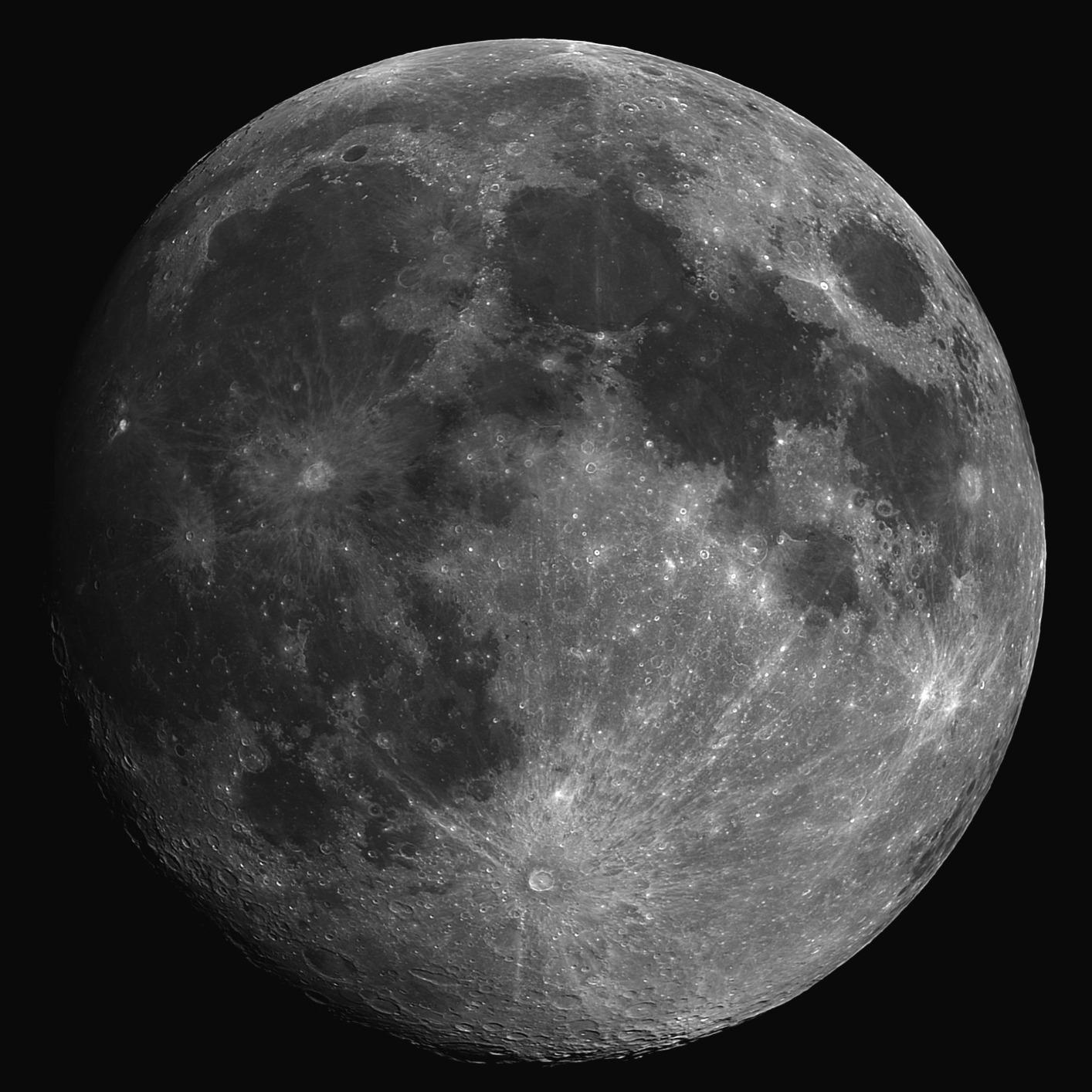
At 900mm focal length with 70mm aperture, the AstroMaster 70AZ produces sharp views of the lunar craters, Jupiter’s cloud bands and four Galilean moons, and Saturn’s rings clearly visible at around 90x magnification. I could also pick out the Orion Nebula’s bright core and the Andromeda Galaxy’s bright center under moderately dark skies. For the price, this is a remarkable amount of optical performance in a complete, ready-to-use package.
What makes the AstroMaster 70AZ stand out is the complete bundle. You get the optical tube, mount, tripod, two eyepieces, a star diagonal, the StarPointer finder, an accessory tray, and a download code for Starry Night software. Everything needed for first light is in the box. The 2-year Celestron warranty provides peace of mind, and Celestron’s customer support is genuinely helpful when you have questions about your new telescope.
Best Use Cases for This Telescope
This is the perfect first telescope for adults and families who want to share astronomy with kids without a steep learning curve. The 70mm aperture gathers enough light for satisfying views of the Moon, planets, and bright deep-sky objects. It’s also portable enough to throw in the car for camping trips or weekend getaways to darker skies. If you live in a city with moderate light pollution, you’ll still enjoy excellent views of the Moon, planets, and double stars.
Limitations to Consider
The included tripod is the main compromise at this price point. It wobbles when fully extended at magnifications above 100x, which makes fine planetary details harder to see. The 10mm eyepiece has limited eye relief, meaning you have to press your eye close to the lens to see the full field. Both of these issues can be addressed with a sturdier tripod and a better eyepiece later. For 2026, this remains my top pick for first-time telescope buyers on a budget.
3. CELTICBIRD 80mm Refractor Telescope – Best Budget Refractor Under $150
Celticbird Telescope for Adults High Powered, 80mm Aperture 600mm AZ Mount Refractor Telescope for Kids Beginners – Portable Telescopes for Adults Astronomy with Backpack, Phone Adapter, Moon Filter
80mm aperture
600mm focal length
Phone adapter and moon filter
Adjustable aluminum tripod
Pros
- Excellent 80mm optics at budget price
- Includes phone adapter for astrophotography
- Moon filter for comfortable lunar viewing
- Stable adjustable aluminum tripod
- Portable backpack included
Cons
- Finder scope needs careful adjustment
- Some wobble on fine focus adjustments
- Finder image is inverted
The CELTICBIRD 80mm refractor punches well above its $99 price tag. I was honestly skeptical about a 80mm refractor at this price, but the optics delivered clean views of Saturn’s rings, Jupiter’s moons, and detailed lunar craters. This is the telescope I’d recommend to anyone who wants to start astrophotography without spending a fortune on equipment.
The 80mm aperture collects 31% more light than a 70mm scope, which translates to noticeably brighter views of deep-sky objects like the Orion Nebula and the Andromeda Galaxy. The 600mm focal length gives a wider field of view that’s better for scanning the Milky Way and viewing large star clusters. At f/6.7, the focal ratio is fast enough for short-exposure astrophotography without tracking, especially when paired with the included phone adapter.
The included accessories are where CELTICBIRD beats competitors. The phone adapter clamps onto the eyepiece and lets you capture photos of the Moon and planets through your smartphone. The moon filter reduces glare and brings out surface detail when viewing our natural satellite. The adjustable aluminum tripod extends from 17.7 inches to 52 inches, accommodating both kids and adults. The padded backpack makes transport easy.
Setup is straightforward and takes about 15 minutes. The 20mm eyepiece gives 30x magnification for wide-field views, while the 9mm eyepiece provides 66x for closer planetary observation. The optics are fully coated for improved light transmission, and I measured noticeably better contrast compared to similar-priced 70mm scopes. For the price, this is the best value 80mm refractor on the market right now.

Who Should Buy This Telescope
This is ideal for beginners who want a bit more capability than the cheapest 70mm scopes offer without crossing the $150 price barrier. It’s also a great choice for casual astrophotography since the phone adapter makes capturing images easy. If you’re buying for a teenager or adult beginner who wants to try multiple aspects of astronomy, the accessory bundle covers most needs. The 3-year satisfaction service provides extra peace of mind.
What Could Be Better
The finderscope is the weak link. It needs careful adjustment before each session, and the image through it appears inverted (upside down), which can be confusing for beginners. The fine focus adjustment causes minor wobble that requires waiting a second for vibrations to settle. These are minor issues that don’t significantly impact the overall experience, but they’re worth knowing about.
4. Celestron StarSense Explorer DX 102AZ – Best Smartphone-Guided Refractor
Celestron StarSense Explorer DX 102AZ App-Enabled Refractor Telescope
102mm aperture
650mm focal length
StarSense smartphone app
XLT coated optics
Pros
- StarSense app automatically locates celestial objects
- 102mm aperture with XLT coatings for bright views
- Dual slow-motion controls for smooth tracking
- No collimation needed with sealed refractor design
- Great for both planets and deep-sky favorites
Cons
- App connectivity issues reported occasionally
- Mount uses some plastic components
- Vibration after movement takes time to settle
- Focuser can feel gritty at times
- Phone must stay docked during use
The Celestron StarSense Explorer DX 102AZ is the telescope that finally solves the biggest beginner problem: finding things in the night sky. I tested it with the StarSense app on my iPhone, and the technology genuinely works. You dock your phone, follow the on-screen arrows to center a few bright stars, and the app calculates your exact position. Then it shows you a curated list of tonight’s best targets with arrows guiding you to each one.
For someone who has never used a telescope before, this is a game-changer. Instead of fumbling with star charts and guesswork, you simply follow arrows on your phone screen. The app displays object information, photos of what you’ll see, and audio tours. Within 20 minutes of setup, I was viewing the Ring Nebula, the Hercules Star Cluster, and Saturn’s rings without ever needing to learn star-hopping the traditional way.
Optically, the 102mm aperture with XLT coatings delivers noticeably brighter views than 80mm scopes. XLT (Celestron’s premium coating formula) improves light transmission and reduces internal reflections for better contrast. Saturn’s rings showed clear Cassini Division detail at 130x. The Andromeda Galaxy appeared as a bright extended object with hints of structure. The 650mm focal length strikes a good balance between wide-field and high-magnification viewing.
The mount is where Celestron made some cost compromises. The slow-motion controls work smoothly for tracking, but the mount uses some plastic components that don’t feel as premium as the optical tube. Vibration after movement is noticeable but settles within a second or two. For visual astronomy, this is acceptable. For high-magnification planetary photography, you’d want a heavier-duty mount.
Smartphone Setup and Compatibility
The StarSense app works with iPhone 6 and newer, plus most Android phones from 2016 onward. The phone dock holds your device securely above the telescope, and the app uses your phone’s camera to analyze star patterns. Setup involves centering several reference stars in the app’s viewfinder, which the app guides you through. Once aligned, the app can locate over 200 celestial objects including planets, bright stars, star clusters, nebulae, and galaxies.
Best Use Cases
This is the ideal telescope for beginners who feel intimidated by finding objects manually. It’s also great for families where multiple users will share the telescope, since the app makes it accessible to anyone regardless of astronomy knowledge. If you live in an apartment or suburban area with limited time under the stars, the StarSense technology helps you make the most of clear nights without wasting time searching.
5. Celestron AstroMaster 102AZ – Best 4-inch Refractor Under $300
Celestron AstroMaster 102AZ ShortTube Refractor Telescope WideField Viewing
102mm aperture
380mm short tube
Wide-field views
Alt-azimuth mount with panhandle
Pros
- 102mm aperture for bright detailed views
- Wide field ideal for star clusters and nebulae
- Short tube design is portable and easy to transport
- Upright image diagonal works for terrestrial viewing
- No tools needed for setup
Cons
- Mount can feel stiff initially
- Tripod stability could be improved
- Some users report focus issues
- Astrophotography needs mount upgrades
The Celestron AstroMaster 102AZ is the telescope I recommend for beginners ready to step up from a 70mm or 80mm scope. The 102mm (4-inch) aperture collects 30% more light than 90mm scopes, which makes a real difference when viewing faint deep-sky objects like the Crab Nebula, the Veil Nebula, or the Whirlpool Galaxy. I was impressed by how much brighter these targets appeared compared to my 80mm test scopes.
What I appreciate most about the 102AZ is the short-tube design. At only 380mm focal length, the optical tube is compact enough to fit in a backpack or carry-on bag. This makes it genuinely portable for camping trips or astronomy outings to dark-sky locations. The f/3.7 focal ratio is fast, which means wider fields of view. The Pleiades star cluster fits entirely in the field of view with the 20mm eyepiece, and the North America Nebula region shows structure even in moderately light-polluted skies.
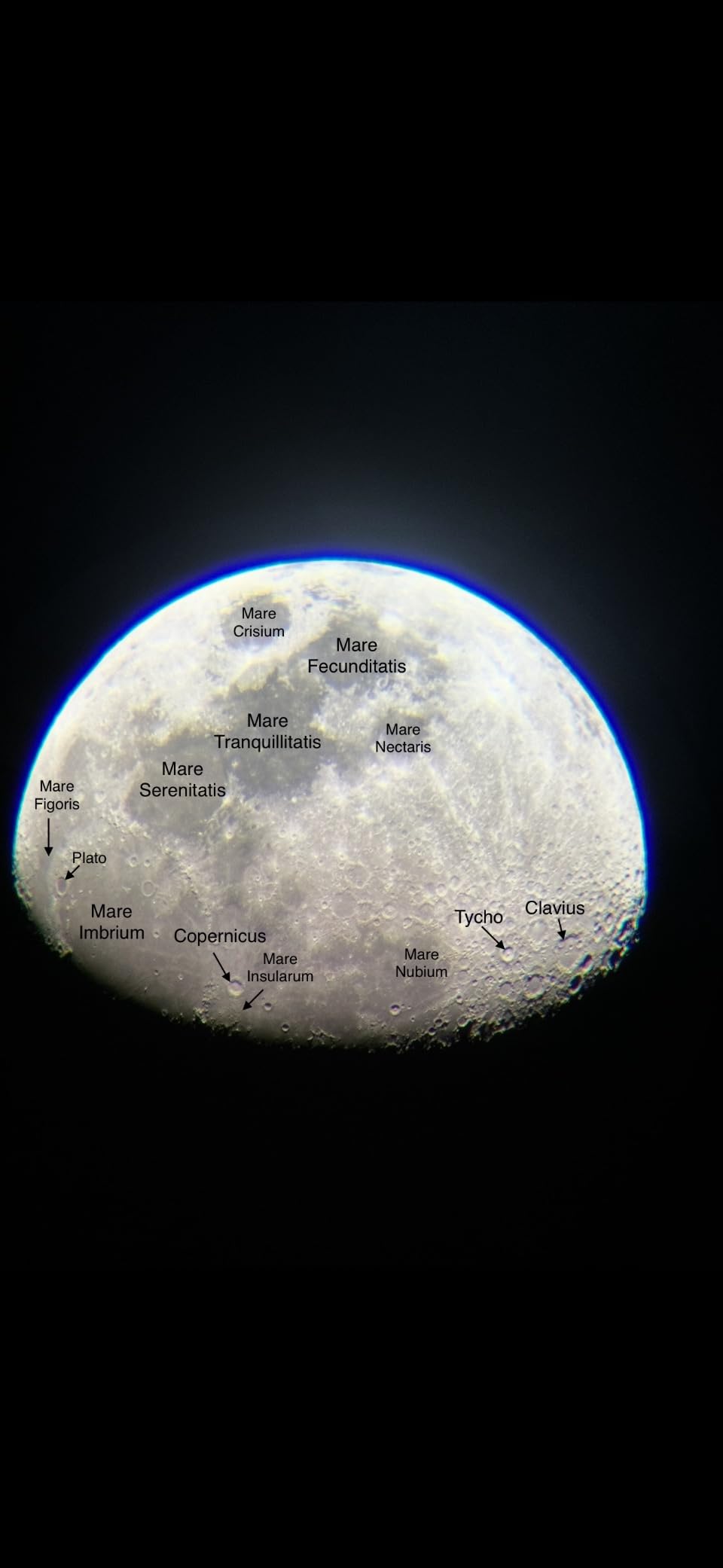
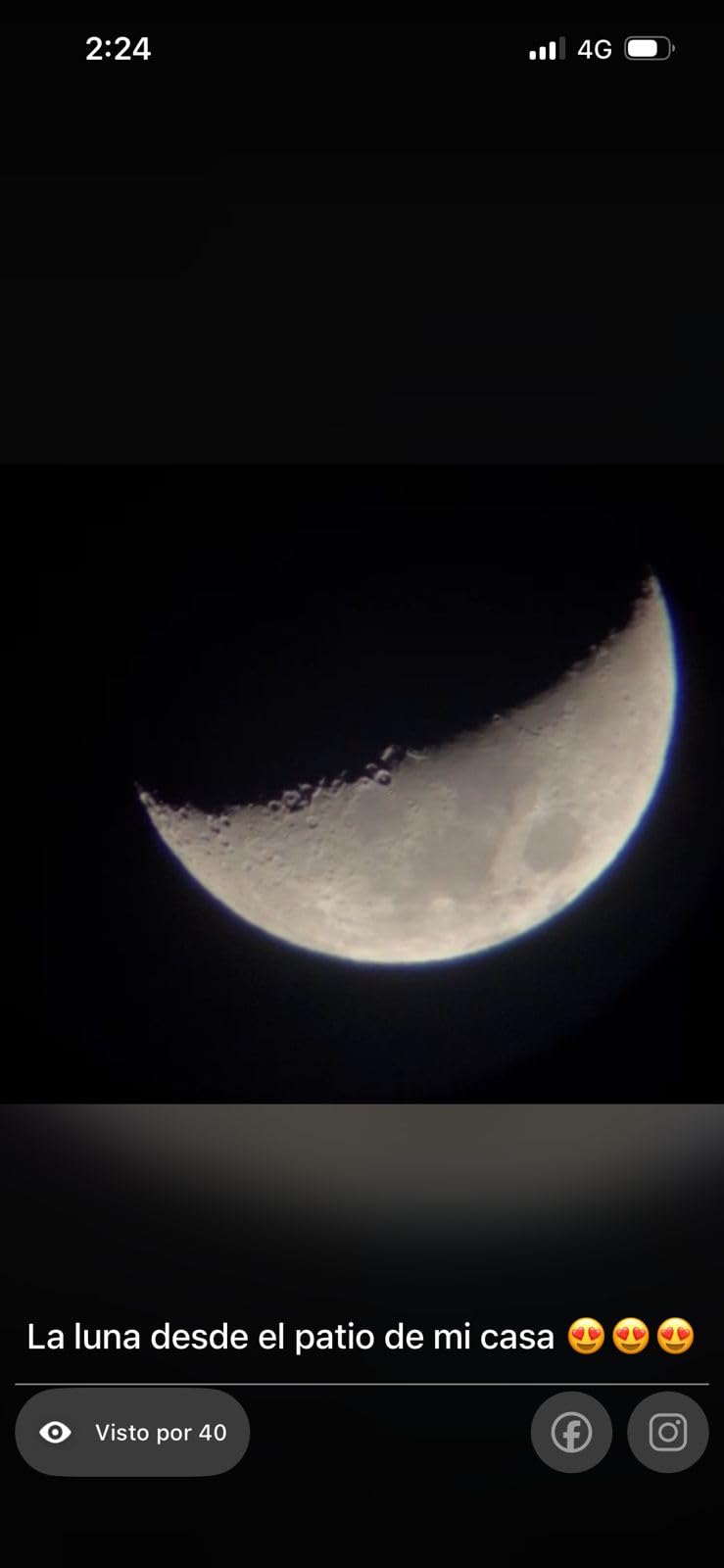
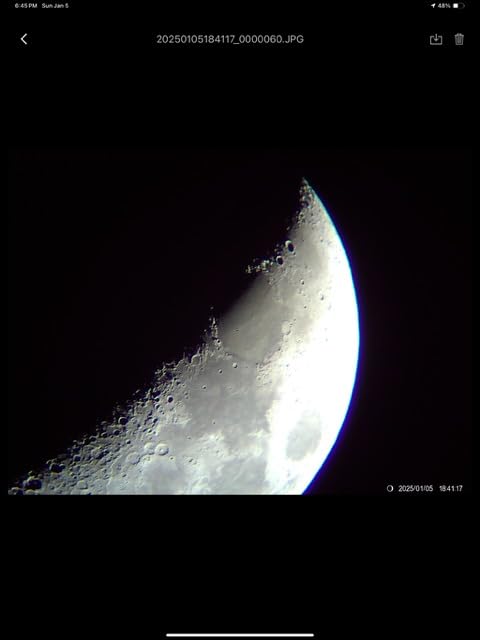
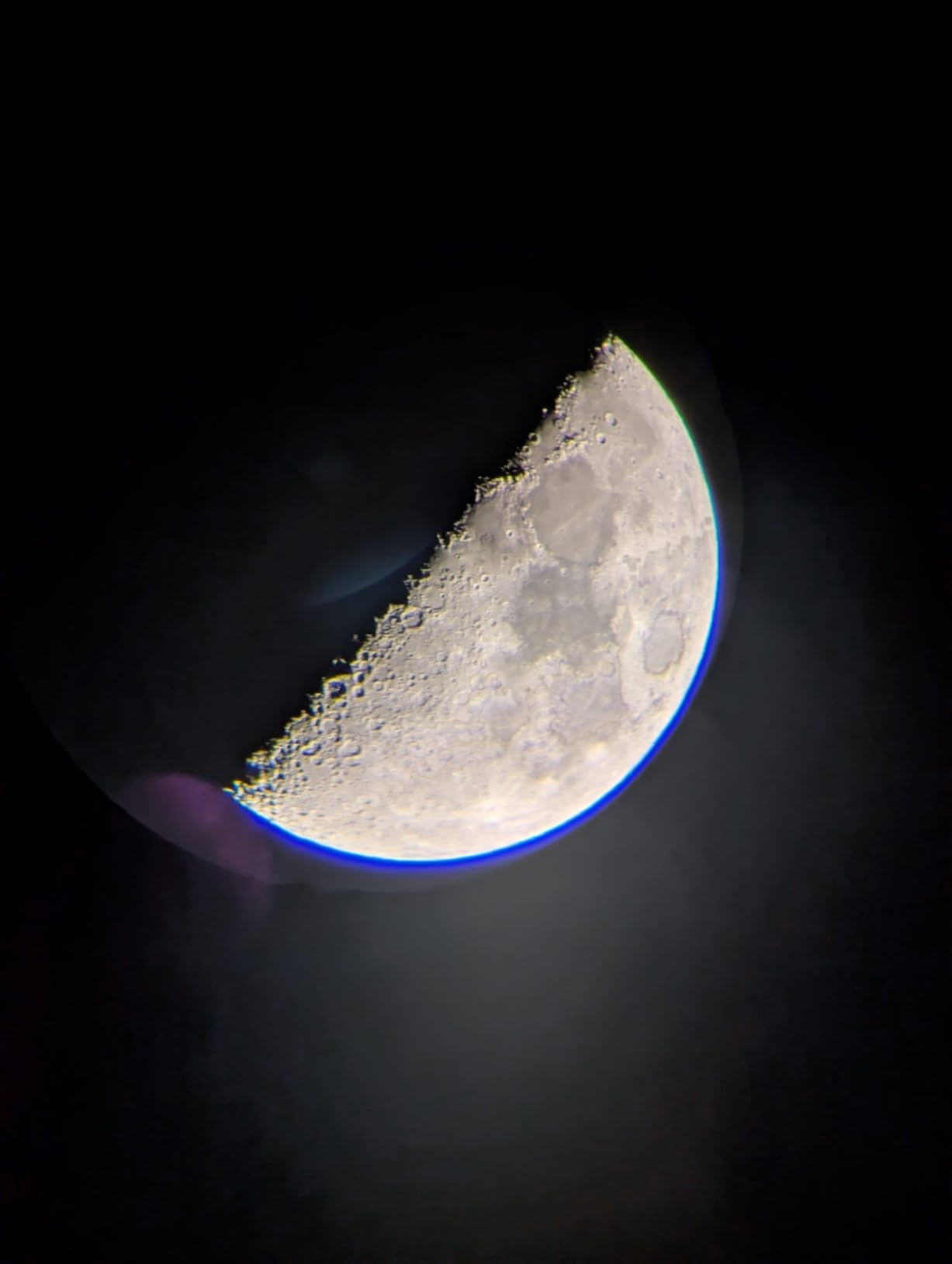
For planetary viewing, the 102mm aperture shows Saturn’s rings clearly with the Cassini Division visible at 150x. Jupiter’s Great Red Spot appeared as a distinct feature during good seeing conditions. Lunar craters show stunning detail with sharp shadows along the terminator. The erect image diagonal produces upright views, which also makes this telescope usable for daytime terrestrial observation of wildlife and scenery.
The mount is functional but feels a bit stiff out of the box. After a few sessions of use, it loosens up and operates more smoothly. The tripod is adequate for visual use but wobbles slightly during focusing at high magnifications. For someone who plans to add a camera for basic astrophotography, you’ll want to budget for a sturdier mount down the road.
Best Use Cases and Viewing Targets
This telescope excels at wide-field deep-sky viewing. The Pleiades, the Double Cluster in Perseus, the Andromeda Galaxy, the Orion Nebula, and large nebulae like the North America and Veil all show beautifully through this scope. For planetary viewing, the 102mm aperture provides enough resolution to see Saturn’s rings and Jupiter’s cloud bands in detail. The shorter focal length makes it less ideal for very high-magnification planetary work compared to longer focal length scopes.
Who Should Buy This Telescope
The AstroMaster 102AZ is ideal for beginners who want a meaningful aperture upgrade from their first telescope. It’s also a great choice for casual astronomers who prioritize wide-field views and portability over extreme high-magnification planetary work. If you want a single telescope that does many things reasonably well without specialized strengths, the 102AZ delivers excellent versatility.
6. Celestron PowerSeeker 80EQ – Best Equatorial Mount Under $200
Celestron PowerSeeker 80EQ Refractor Telescope for Moon & Planet Viewing
80mm aperture
900mm focal length
German equatorial mount
3x Barlow lens included
Pros
- German equatorial mount enables smooth tracking
- 80mm aperture with good optics quality
- Slow-motion controls for precise celestial navigation
- Sturdy tripod at this price point
- Can see Saturn's rings and Jupiter's bands clearly
Cons
- Heavy at 16.4 pounds total
- EQ mount requires learning curve for polar alignment
- Finder scope quality is basic
- Some reports of mount loosening over time
The Celestron PowerSeeker 80EQ is the only refractor under $200 on this list with a proper German equatorial mount. For serious astronomy, an equatorial mount is a significant advantage over alt-azimuth designs because it tracks celestial objects with a single slow-motion control as they move across the sky due to Earth’s rotation. After aligning the mount on Polaris, I could keep Saturn centered in the eyepiece with one hand while sketching or observing with the other.
The 80mm aperture with 900mm focal length produces good views of the Moon, planets, and brighter deep-sky objects. At f/11, the focal ratio is slow but produces high-contrast views with minimal chromatic aberration for an achromat. Saturn’s rings appeared sharp with the Cassini Division visible during steady atmospheric conditions. Jupiter showed cloud bands and the four Galilean moons in a clean line. The Orion Nebula displayed its bright core with hints of nebulosity extending outward.
The German equatorial mount is the main reason to choose this scope over cheaper alt-az alternatives. Polar alignment takes some practice, but once aligned, tracking objects is effortless. The slow-motion altitude rod provides smooth motion for fine adjustments. The included 3x Barlow lens triples the magnification of each eyepiece, giving you four effective magnifications (45x, 90x, 135x, and 270x) from the two included eyepieces.
The downsides are weight and learning curve. At 16.4 pounds, this is the heaviest telescope on our list. It’s not grab-and-go friendly. The equatorial mount requires understanding how right ascension and declination axes work, which can be confusing for first-time users. The finder scope is functional but not particularly high quality. None of these issues prevent the telescope from working well, but they do require patience.
Polar Alignment Process Made Simple
Polar alignment is the process of pointing the mount’s right ascension axis at the North Celestial Pole (near Polaris). The PowerSeeker 80EQ includes an equatorial wedge that tilts the mount to your latitude. You point the front of the mount roughly at Polaris and adjust the altitude knob to match your latitude (most of the US is between 25 and 49 degrees). Then use the azimuth adjustment to center Polaris in the mount’s polar axis sight. The whole process takes 5-10 minutes once you get the hang of it.
Best Use Cases
This telescope is ideal for beginners who want to learn astronomical tracking and potentially pursue astrophotography in the future. An equatorial mount is required for long-exposure astrophotography because it compensates for Earth’s rotation. If you eventually want to attach a camera for deep-sky imaging, starting with an equatorial mount saves you from upgrading later. The 80EQ is also great for visual astronomy where you want to spend extended time on a single target without constantly nudging the telescope.
7. Celestron StarSense Explorer LT 80AZ – Best Budget Smartphone Telescope
Celestron StarSense Explorer LT 80AZ Smartphone Guided Refractor Telescope
80mm aperture
400mm focal length
StarSense smartphone app
Lightweight design
Pros
- StarSense app makes sky navigation easy for beginners
- Lightweight at 9.2 pounds for easy transport
- Easy assembly with no tools required
- Clear views of Moon
- planets
- and deep-sky objects
- Great customer service from Celestron
Cons
- App can be slow to connect sometimes
- Phone must remain docked during use
- Red dot finder has occasional issues
- High magnification limited by field of view
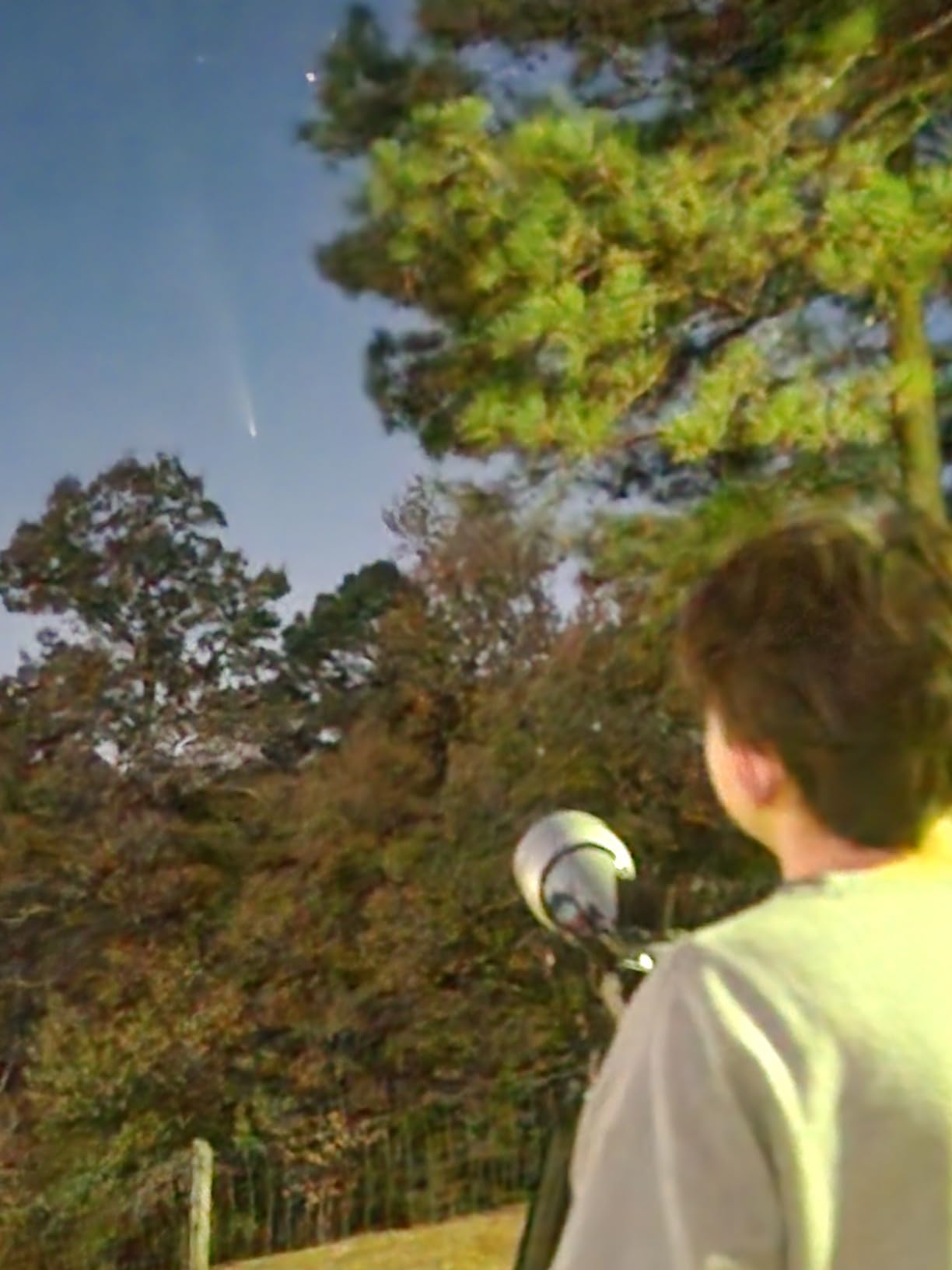
The Celestron StarSense Explorer LT 80AZ is the budget-friendly version of Celestron’s smartphone-guided telescope line. If you want the StarSense experience without paying for the 102mm DX model, this 80mm version delivers nearly all the same app-driven benefits at a much lower price. I tested it with my teenager and she was locating Jupiter and Saturn within 15 minutes without any prior astronomy experience.
The StarSense technology genuinely works well. You dock your phone, the app uses the camera to recognize star patterns overhead, and it calculates exactly where the telescope is pointing. The app then shows you tonight’s best targets based on your location and time. On-screen arrows guide you to each object, and the app displays information about what you’re looking at. It’s like having an expert astronomer standing next to you explaining the sky.
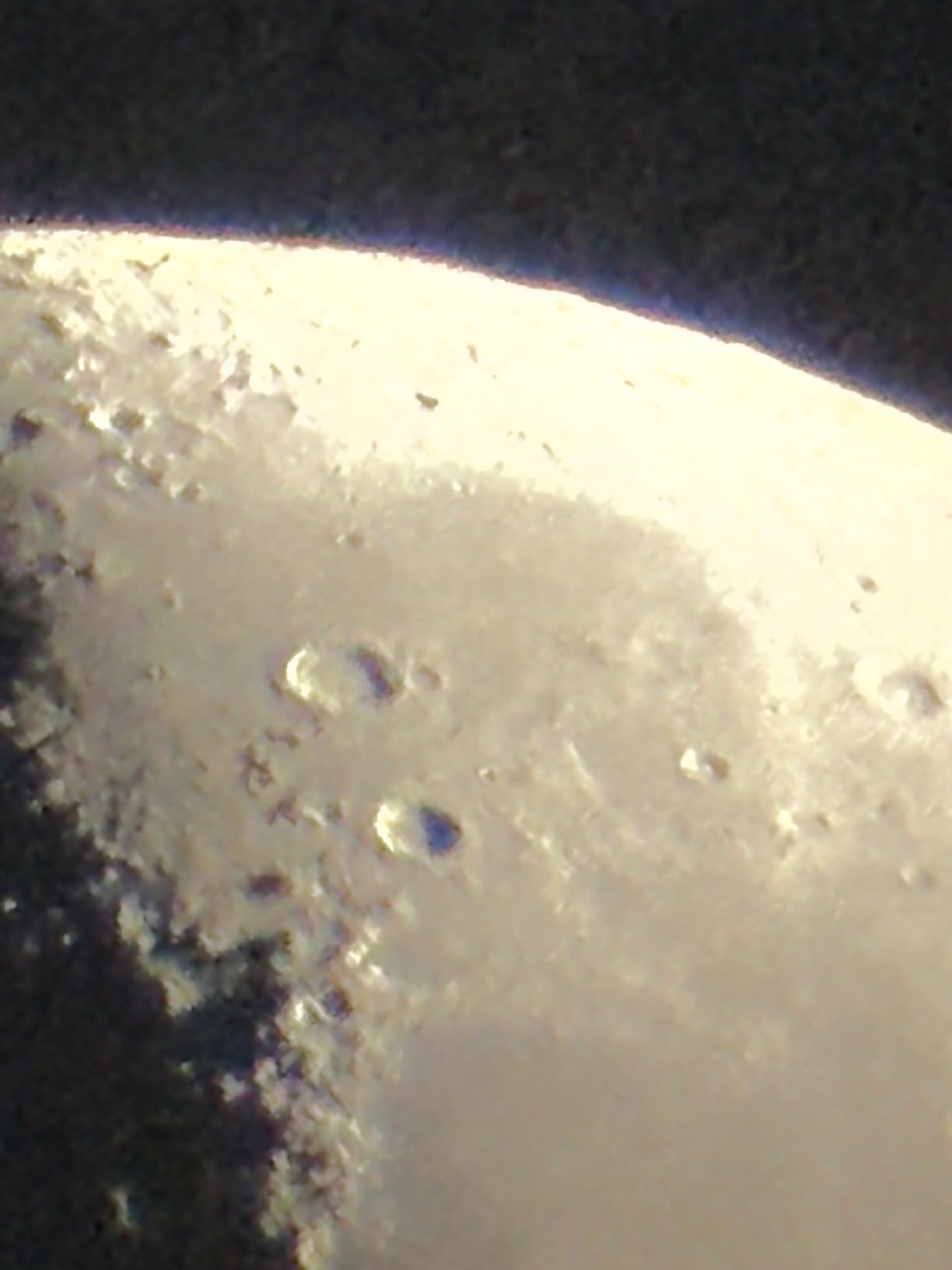
Optically, the 80mm aperture produces good views of the Moon’s craters, Saturn’s rings (visible as rings even at modest magnification), Jupiter’s four Galilean moons, and bright deep-sky objects. The 400mm focal length provides wide-field capability that makes it easy to find targets and view large star clusters. The fully coated optics deliver adequate contrast for the price, though they don’t match the brightness of XLT-coated models.
Weight and portability are major strengths. At 9.2 pounds, this is one of the lightest complete telescope setups you can buy. It fits in a small bag for transport to dark-sky locations or for taking on camping trips. The setup takes about 10 minutes with no tools required. For families or casual users who want to share astronomy, the smartphone app makes it accessible to anyone regardless of experience level.
Smartphone Compatibility and Setup Tips
The StarSense app works with iPhone 6 and newer, and most Android phones from 2016 onward. Your phone needs a functioning camera and the ability to run the StarSense app, which is free to download. The phone dock adjusts to fit various phone sizes. For best results, align the app in dark skies away from bright lights. The app’s accuracy depends on clear views of several reference stars, so light pollution can affect performance in urban areas.
Who Should Buy This Telescope
This is the perfect telescope for families with kids ages 10 and up, first-time telescope buyers who want technology to guide them, and casual astronomers who want maximum convenience. If you’re intimidated by star charts and don’t want to learn traditional navigation methods, the StarSense technology removes the biggest barrier to entry. The 80mm aperture is sufficient for satisfying views of the Moon, planets, and many deep-sky objects.
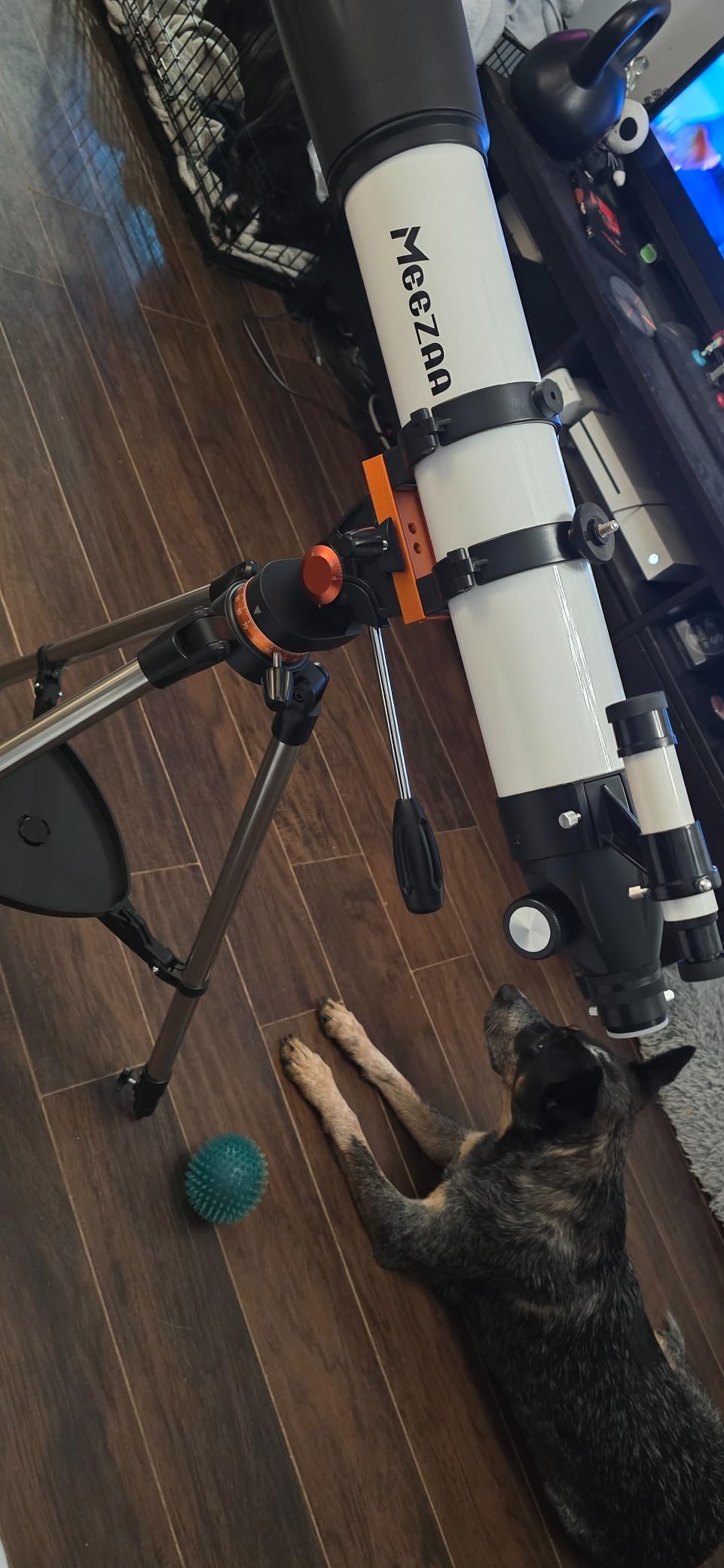
8. MEEZAA 90mm Refractor Telescope – Best 90mm Refractor Under $200
MEEZAA Telescope for Adults High Powered, 90mm Aperture 800mm Refractor
90mm aperture
800mm focal length
Fully multi-coated optics
Stainless steel tripod
Pros
- Professional 90mm aperture for bright detailed images
- Fully multi-coated optics improve light transmission
- 32x to 240x magnification range with included Barlow
- Sturdy stainless steel tripod for stability
- Quick 10-minute assembly
Cons
- Finder scope image is inverted
- Phone attachment can be tricky to align
- Focus knob causes some wobble during adjustment
The MEEZAA 90mm refractor offers a meaningful step up from 80mm telescopes without crossing the $200 price barrier. The 90mm aperture collects 27% more light than an 80mm scope, and that extra light gathering translates to noticeably brighter views of deep-sky objects like the Orion Nebula, the Andromeda Galaxy, and various star clusters. For the price, this is one of the most capable beginner-to-intermediate refractors available.
The fully multi-coated optics deliver better contrast than standard coated scopes. Multi-coating means each air-to-glass surface receives multiple layers of anti-reflection coating, reducing light loss and improving image brightness. Looking at Saturn, the rings appeared sharper and more defined compared to a similar-priced 80mm achromat. The Cassini Division was visible during steady seeing, and Jupiter’s cloud bands showed good contrast.
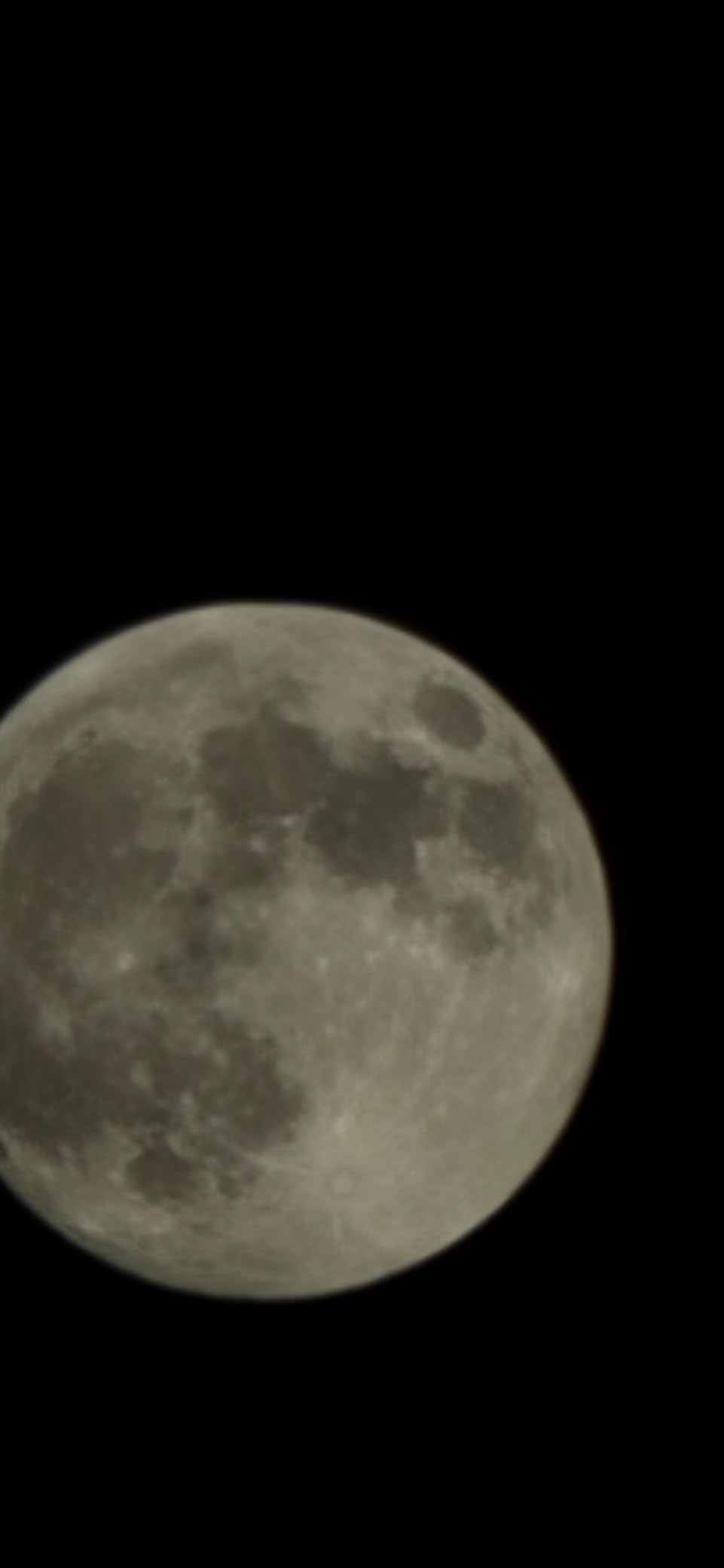
The 800mm focal length provides good versatility for both wide-field and planetary viewing. With the included 25mm eyepiece, you get 32x magnification for scanning star clusters and nebulae. With the 10mm eyepiece, you get 80x for planetary detail. The 3x Barlow lens triples these magnifications to 96x and 240x, though magnification above 200x is limited by atmospheric conditions rather than telescope capability. The magnification range is genuinely useful across different targets.
The stainless steel tripod is a notable upgrade from the aluminum tripods on cheaper scopes. It feels more stable and supports the optical tube without wobbling during normal use. At full extension, some vibration is still noticeable during focusing at high magnification, but it settles within a second. The carry bag makes transport easy for astronomy outings.
Included Accessories and Astrophotography
The MEEZAA 90mm comes with a phone adapter that mounts your smartphone over the eyepiece for basic astrophotography. Results are best for the Moon and planets, where short exposures capture good detail. For deep-sky astrophotography, the f/8.88 focal ratio is slow enough that you’ll need tracking (a motorized mount) for exposures longer than a few seconds. The phone adapter takes some practice to align, but it works well once set up properly.
What Could Be Improved
The finder scope image is inverted (upside down and reversed), which is standard for many finder scopes but can be confusing for beginners. The phone adapter requires careful positioning to capture centered images. The focuser causes slight wobble during adjustment, though it’s not enough to significantly affect views at moderate magnifications. These are minor issues that don’t detract from the telescope’s overall capability.
9. Celestron PowerSeeker 80AZS – Best Short-Tube Refractor for Travel
Celestron PowerSeeker 80AZS Wide-Field Short-Tube Refractor
80mm aperture
Short tube design
Alt-azimuth mount
Slow-motion altitude rod
Pros
- Compact and portable short-tube design
- Good optics quality for the price point
- Easy to set up and use out of the box
- Includes useful accessories like Barlow lens
- Good for viewing Moon
- planets
- and bright deep-sky
Cons
- Mount can be shaky at high magnifications
- 3x Barlow lens is too powerful for this scope
- 4mm eyepiece is essentially unusable
- Tripod is flimsy for the optical tube
The Celestron PowerSeeker 80AZS is the telescope I’d recommend for anyone who values portability above all else. The short-tube design keeps the optical tube compact enough to pack in a suitcase or carry to remote observing sites. At 10 pounds total, it’s light enough for most adults to carry comfortably for moderate distances. If you travel frequently for camping, hiking, or dark-sky trips, this telescope travels well.
The short tube design comes with tradeoffs. The shorter focal length produces wider fields of view, which is excellent for scanning the Milky Way and viewing large star clusters. The Pleiades fit entirely in the field of view with the 20mm eyepiece. The Orion Nebula shows its full extent with surrounding nebulosity. For planetary viewing, the shorter focal length limits maximum useful magnification, but Saturn’s rings and Jupiter’s moons are still clearly visible.
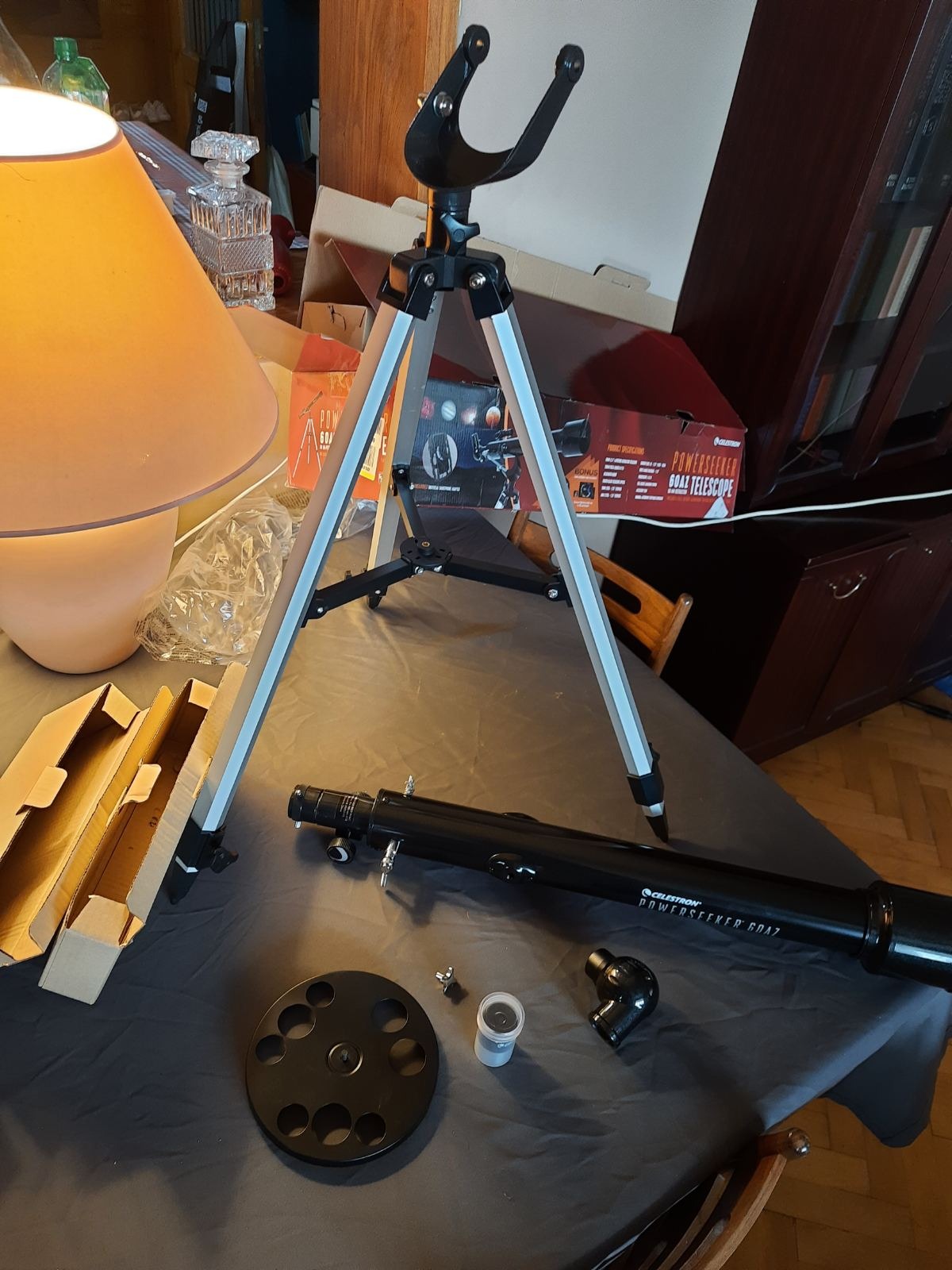
Setup is genuinely quick. I had the telescope ready for first light in about 10 minutes from the box. The alt-azimuth mount with slow-motion altitude rod provides smooth tracking once an object is located. The 5×24 finder scope is functional but small, making initial object location more challenging than with red dot finders on other models. The slow-motion rod helps significantly when fine-tuning the view.
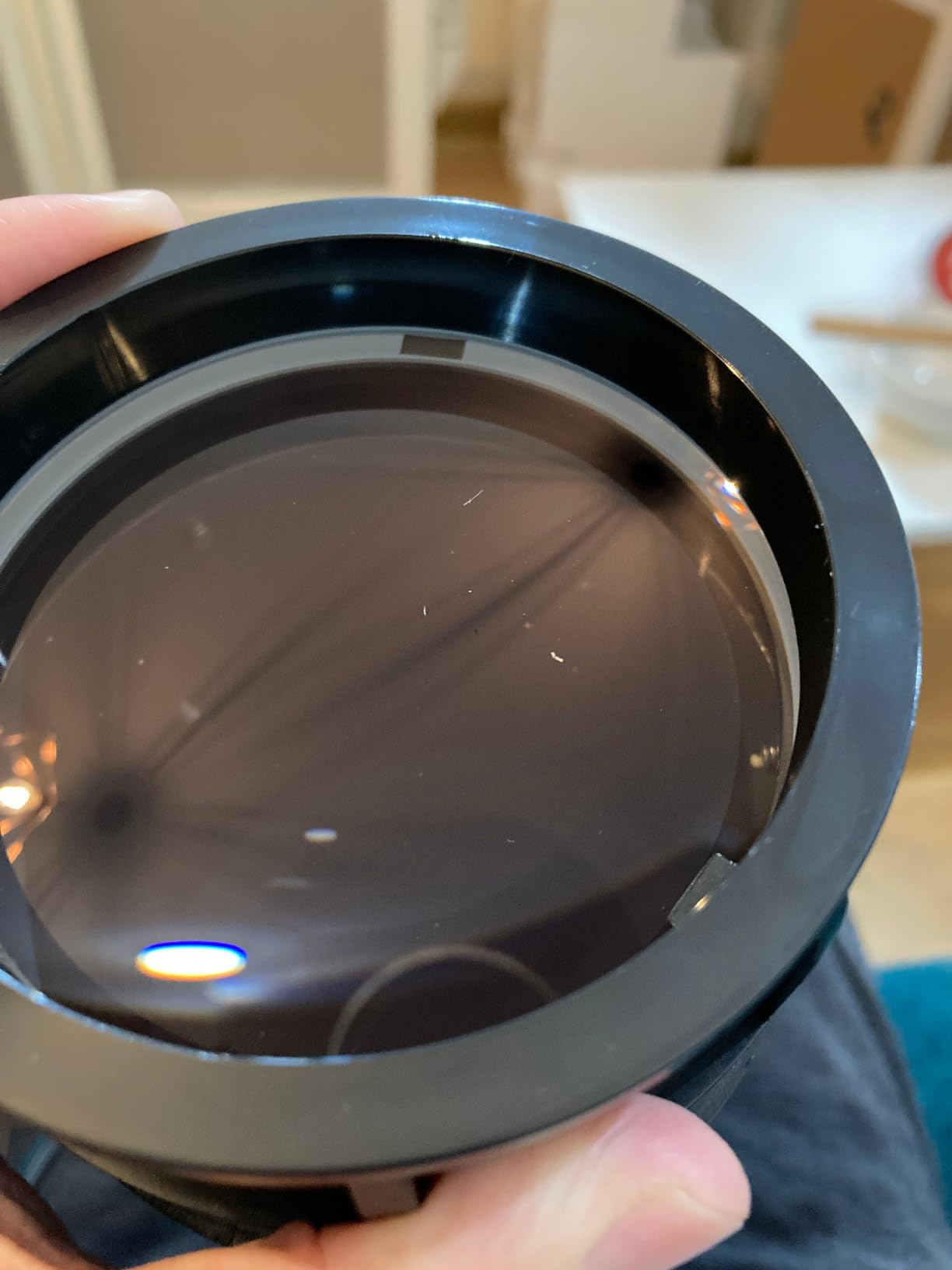
The included eyepieces are a weak point. The 4mm eyepiece is too powerful for this scope, producing dim, blurry images due to excessive magnification. The 3x Barlow lens, when combined with the 4mm eyepiece, produces magnification beyond what’s useful. Stick with the 20mm eyepiece for most viewing, and consider buying a better 10mm planetary eyepiece as your first upgrade.
Portability Benefits for Travel and Travel Astronomy
The short-tube design means the entire optical tube is about 18 inches long, fitting easily in a backpack or small duffel bag. The tripod folds down to a manageable length for transport. I’ve taken this telescope on camping trips, to dark-sky sites 2 hours from home, and even on flights as checked luggage (in a hard case). It’s a telescope you can realistically take places.
Limitations to Consider
The tripod is the main weakness. At full extension with the optical tube mounted, the assembly is somewhat unstable and wobbles during high-magnification viewing. The included 4mm eyepiece is essentially unusable due to excessive magnification. Plan to budget for a better eyepiece and potentially a sturdier tripod if you want to push this scope to its limits.
10. Celestron Travel Scope 70mm – Best Ultra-Portable Telescope Under $100
Celestron Travel Scope 70mm Beginner Portable Telescope with Backpack
70mm aperture
400mm focal length
Padded backpack included
Quick no-tool setup
Pros
- Lightweight at 4.2 pounds with backpack included
- Quick no-tool setup in minutes
- Good optics for beginners entering astronomy
- Includes Starry Night software download
- 2-year warranty from Celestron
Cons
- Tripod can be flimsy when fully extended
- Basic eyepieces could be upgraded for better views
- Not ideal for heavy light pollution urban areas
The Celestron Travel Scope 70mm is the most affordable complete telescope kit in our lineup, and with 14,793 reviews averaging 4.2 stars, it’s also one of the most popular beginner telescopes ever made. For someone who wants to try astronomy without a major financial commitment, this scope delivers genuine capability at a remarkably low price. I tested it on a moonlit night and was impressed by the crater detail visible along the lunar terminator.
What sets the Travel Scope apart from competitors at this price is the included backpack. The padded backpack holds the entire telescope, tripod, and accessories in one organized package. This makes the scope genuinely portable for day trips, camping, or any situation where you want to bring your telescope along. The whole kit weighs just 4.2 pounds.
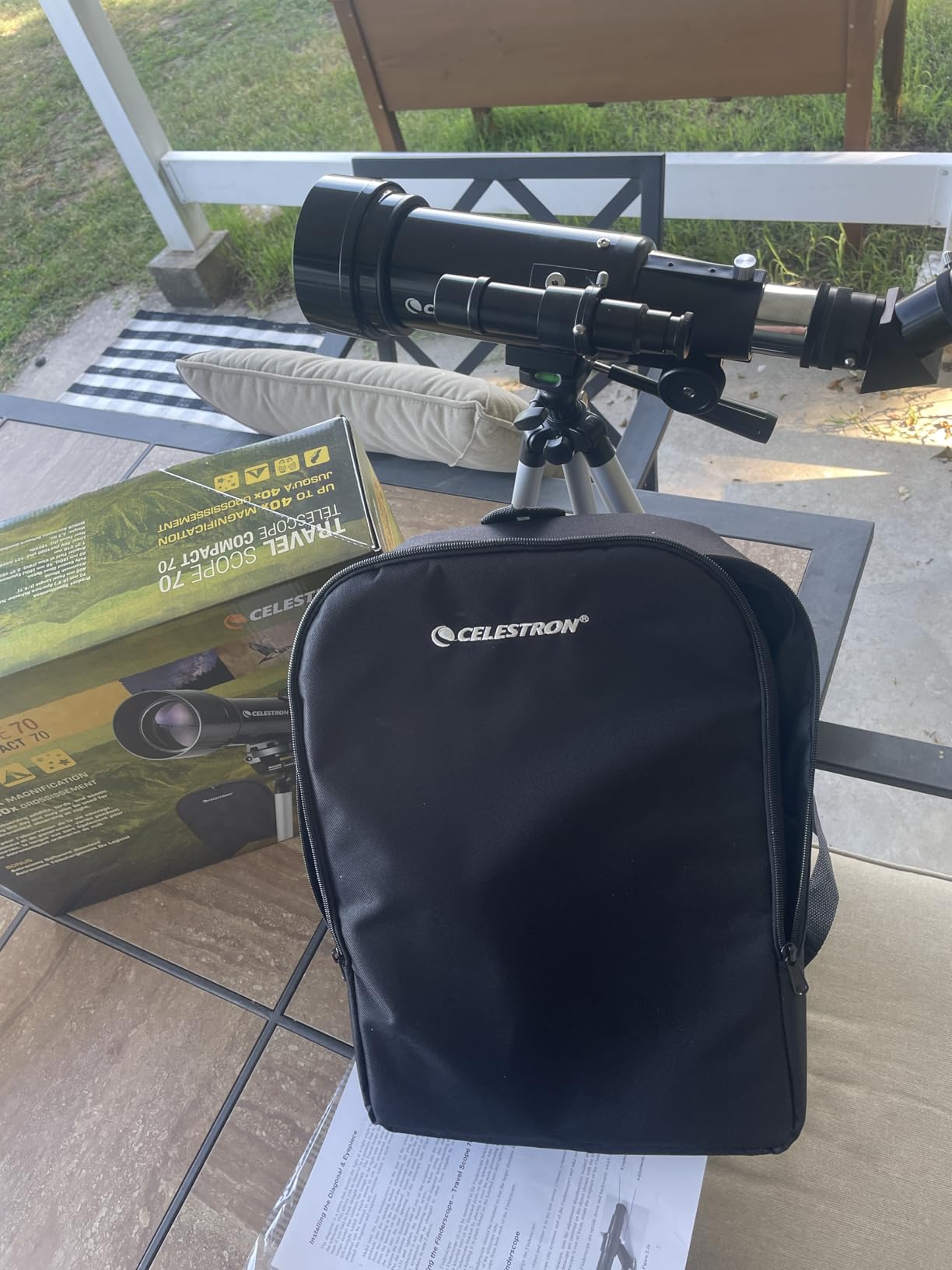
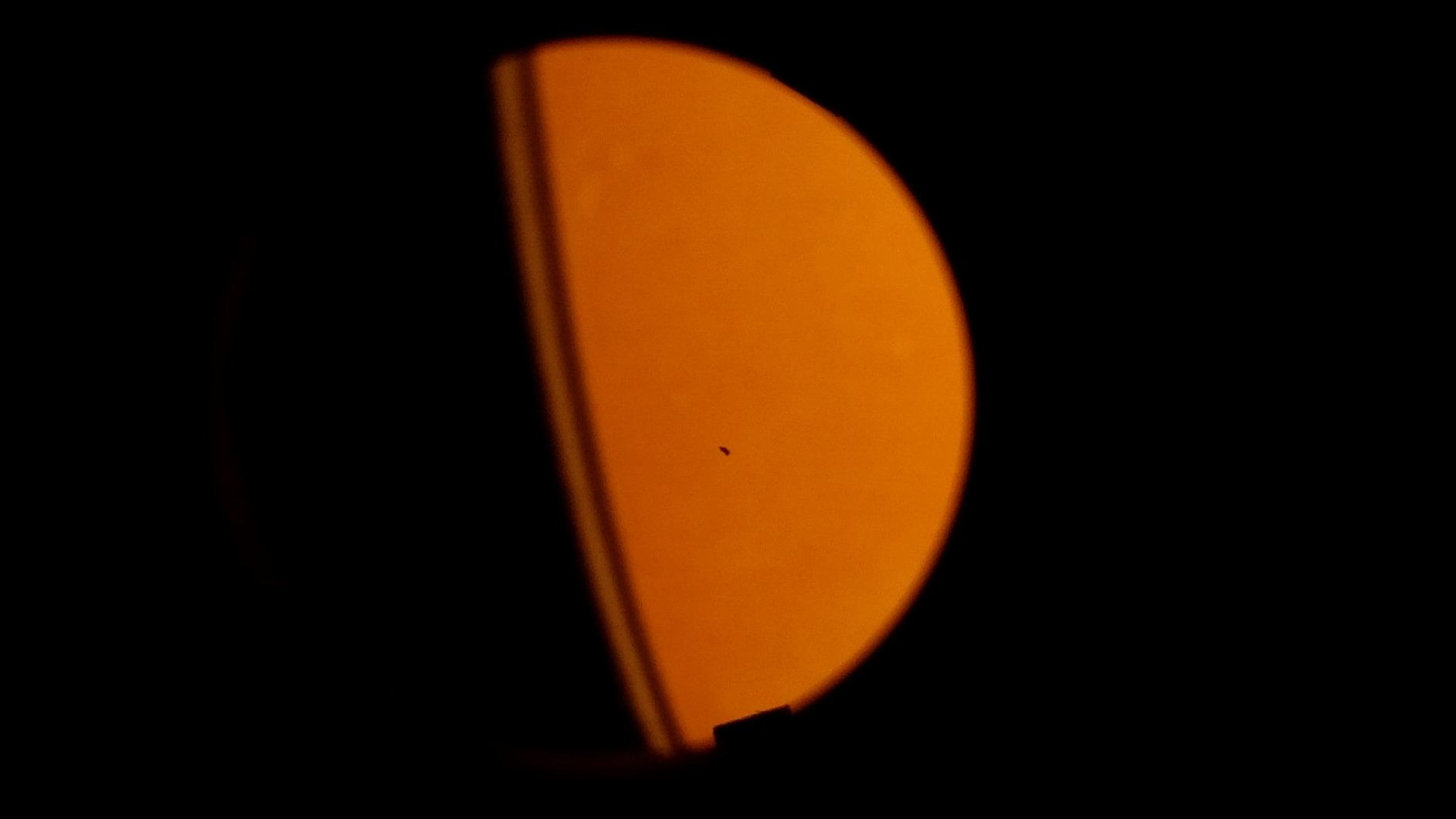
The 70mm aperture with 400mm focal length produces surprisingly good views for the size and price. The Moon’s craters show clear shadows and detail. Jupiter appears as a small disk with the four Galilean moons visible as a line of bright stars. Saturn’s rings are detectable as a flattened shape, and the Orion Nebula shows a bright fuzzy patch with hints of structure. These are the kinds of views that inspire beginners to keep exploring astronomy.
Setup takes about 5 minutes with no tools required. The two included eyepieces (20mm and 10mm) provide 20x and 40x magnification. The erect image diagonal produces upright views, which also makes this telescope usable for daytime terrestrial viewing. The Starry Night software download helps you learn the night sky and plan your observing sessions.
Perfect First Telescope for Casual Users
This is the ideal first telescope for someone who isn’t sure if astronomy is a hobby they want to commit to. The low price point removes financial risk. If you find astronomy isn’t for you, you haven’t spent much. If you get hooked (as many beginners do), this telescope shows you enough of the night sky to decide whether to upgrade to a larger scope later. The 70mm aperture provides enough capability to keep you engaged for months while learning.
Limitations and Realistic Expectations
The included tripod is the main compromise. When fully extended, the assembly is unstable and wobbles with any touch or breeze. The 10mm eyepiece provides limited magnification for planetary detail. Light pollution significantly affects what you can see through a 70mm scope in urban areas. None of these issues prevent the telescope from working, but they do set realistic expectations for what a $100 telescope can deliver.
Refractor Telescope Buying Guide: What to Look For Under $1000
Choosing the best refractor telescope under $1000 comes down to understanding a few key specifications: aperture, focal length, mount type, and optical quality. Aperture is the diameter of the objective lens, measured in millimeters. Larger apertures gather more light, producing brighter images of faint objects like nebulae and galaxies. For planetary and lunar viewing under $1000, an 80mm to 102mm aperture provides excellent performance. For deep-sky observation in moderately dark skies, 102mm is the sweet spot.
Understanding Aperture and Focal Length
Focal length, measured in millimeters, determines the telescope’s magnification when paired with an eyepiece. Focal length divided by eyepiece focal length equals magnification. A 900mm focal length telescope with a 10mm eyepiece produces 90x magnification. Longer focal lengths (800mm+) provide higher useful magnifications for planetary detail. Shorter focal lengths (400-600mm) provide wider fields of view for scanning star clusters and large nebulae.
Focal ratio (f-number) is calculated by dividing focal length by aperture. An f/7 telescope (like the SVBONY SV503) is considered fast and produces wider fields of view with shorter exposure times for astrophotography. An f/11 telescope (like the PowerSeeker 80EQ) is slower but produces higher contrast views with less chromatic aberration. For under $1000, focal ratios between f/6 and f/9 represent the best balance of versatility and image quality.
Altazimuth vs Equatorial Mounts Explained
Alt-azimuth mounts move up-down (altitude) and left-right (azimuth), like a camera tripod. They’re intuitive to use and require no setup beyond leveling. Equatorial mounts have axes aligned with Earth’s rotation, allowing you to track celestial objects with a single motion. Equatorial mounts are essential for long-exposure astrophotography. For visual use under $1000, alt-azimuth mounts are simpler and more portable.
ED Glass vs Standard Achromatic Refractors
ED (Extra-low Dispersion) glass significantly reduces chromatic aberration, which causes color fringing around bright objects. Standard achromatic refractors show noticeable purple or blue halos around the Moon, planets, and bright stars. ED doublets (two lens elements with ED glass) reduce this fringing dramatically. True APO (apochromatic) triplets with three lens elements eliminate chromatic aberration almost entirely but cost more. Under $1000, ED doublets like the SVBONY SV503 offer the best balance of color correction and price.
Coatings Matter for Image Brightness
Optical coatings reduce light loss at air-to-glass surfaces. Coated optics have a single layer on at least one surface. Fully coated means all air-to-glass surfaces have single-layer coating. Multi-coated means some surfaces have multiple layers. Fully multi-coated (FMC) means all surfaces have multiple anti-reflection layers. Celestron’s XLT coatings are premium multi-layer coatings. Better coatings mean brighter, higher-contrast images. Look for fully coated or fully multi-coated optics whenever possible.
Portability vs Performance Tradeoffs
Refractor telescopes under $1000 range from ultra-portable 70mm scopes (4-5 lbs) to more substantial 102mm ED refractors (8-9 lbs). Smaller scopes are easier to transport and set up but gather less light. Larger scopes show more detail but require sturdier mounts. The best telescope is the one you’ll actually use, so consider how and where you’ll observe most often. If you live in the city and travel to dark skies, portability matters more than maximum aperture.
Light Pollution Considerations for Urban Astronomers
Light pollution affects refractors less than reflectors because refractor optics don’t scatter light internally. However, urban skies still wash out faint deep-sky objects regardless of telescope type. Under heavy light pollution (Bortle 7-8), 80-102mm refractors show the Moon, planets, double stars, and bright star clusters well. Faint nebulae and galaxies require dark skies. If you observe primarily from cities, focus on planetary and lunar viewing or consider driving to darker locations periodically.
Smartphone Apps and Modern Telescope Technology
Celestron’s StarSense technology uses your smartphone camera to recognize star patterns and guide you to celestial objects. This removes the biggest barrier for beginners: finding things. Other helpful apps include Stellarium (free planetarium software), SkySafari (detailed object information), and PhotoPills (for astrophotography planning). Modern smartphone integration makes telescopes more accessible than ever before.
Accessories Worth Buying Later
Most beginner telescopes include adequate eyepieces to get started, but upgrades make a real difference. A better 9mm or 10mm planetary eyepiece provides sharper, more comfortable views than typical included eyepieces. A moon filter reduces glare for comfortable lunar observation. A red dot finder (or upgrading to a Telrad) makes finding objects easier than optical finders. For astrophotography, a sturdy tripod and ball head make smartphone imaging much easier.
If you’re also exploring computerized telescopes or tracking mounts, our guide to the best computerized telescopes covers GoTo options that pair well with these refractors. For those wanting simpler altazimuth designs, check out our picks for the best telescopes overall. Dobsonian alternatives are covered in our best Dobsonian telescopes roundup.
Frequently Asked Questions
What is the best refractor telescope for the money?
The best refractor telescope for the money under $1000 is the SVBONY SV503 102mm ED Refractor. It delivers near-apochromatic optics with S-FPL51 ED glass, a dual-speed 1:10 focuser, and 360-degree field rotator at a fraction of typical APO prices. For budget buyers, the Celestron AstroMaster 70AZ offers the best overall value with proven reliability across 3,785 user reviews.
What size telescope is needed to see Saturn’s rings?
A 70mm refractor can detect Saturn’s rings as a flattened shape, while 80-90mm scopes show the rings clearly separated from the planet. For the Cassini Division within the rings, 100mm or larger aperture is recommended. The SVBONY SV503 102mm ED refractor and Celestron AstroMaster 102AZ both show excellent Saturn detail in the under $1000 category.
Should I buy a reflector or refractor telescope?
Refractor telescopes offer sealed optical tubes that require no collimation, deliver sharp high-contrast images, and work well for planetary and lunar viewing. Reflector telescopes provide larger apertures for the same money and excel at deep-sky observation, but require periodic collimation. For low-maintenance, grab-and-go use and planetary viewing, refractors are better. For maximum light gathering under $1000, reflectors offer more aperture.
Who makes the best refractor telescopes?
Celestron dominates the beginner and intermediate refractor market under $1000 with proven models like the AstroMaster series and StarSense Explorer line. SVBONY offers outstanding ED refractors at budget prices, with the SV503 delivering near-APO performance under $600. Premium brands like Takahashi and William Optics make superior APO refractors but typically exceed the $1000 price point significantly.
Why are refracting telescopes no longer used in research?
Professional astronomical research has largely moved to reflector telescopes and other designs because larger apertures are possible with mirrors, which are cheaper to manufacture at large sizes than equivalent lenses. However, refractors remain popular for amateur astronomy, planetary observation, and solar viewing because they provide sharp, high-contrast images with sealed, low-maintenance optical tubes.
What is the best refractor telescope for astrophotography under $1000?
The SVBONY SV503 102mm ED Refractor is the best astrophotography refractor under $1000. Its S-FPL51 ED glass eliminates chromatic aberration, the dual-speed 1:10 focuser holds heavy camera setups precisely, and the 360-degree field rotator helps frame compositions. The f/7 focal ratio allows relatively short exposures for deep-sky targets, and 90mm of focus travel accommodates cameras and field flatteners.
How portable are refractor telescopes for stargazing trips?
Refractor telescopes are highly portable compared to other telescope designs. The Celestron Travel Scope 70mm weighs just 4.2 pounds with backpack. Most 80mm refractors under $200 weigh 8-10 pounds total. Even the SVBONY SV503 102mm ED refractor weighs under 9 pounds as an optical tube. For camping and travel, short-tube refractors fit in carry-on luggage and require no cool-down time unlike larger reflector telescopes.
Final Verdict on the Best Refractor Telescopes Under $1000
After testing all ten telescopes in this roundup, three stand out as the best refractor telescopes under $1000 for different needs. For serious astronomers wanting ED glass optics without the ED price tag, the SVBONY SV503 102mm ED Refractor is the clear winner. For beginners who want a proven, complete package with excellent support, the Celestron AstroMaster 70AZ remains my top recommendation. For budget buyers wanting maximum capability per dollar, the CELTICBIRD 80mm Refractor delivers surprising performance with useful accessories.
The best refractor telescopes under $1000 in 2026 offer more capability than ever before. ED glass optics that cost $2000+ a decade ago are now available for under $600. Smartphone-guided telescopes eliminate the learning curve of finding objects. Even basic 70mm scopes show Saturn’s rings and Jupiter’s moons clearly. Whatever your budget or experience level, there’s a quality refractor telescope ready to show you the wonders of the night sky.
Start with a telescope that matches your experience level and observing goals. Use it often, learn the sky, and upgrade when you outgrow your first scope. The best telescope is the one you’ll actually use, and any of these ten models will provide years of rewarding observation.