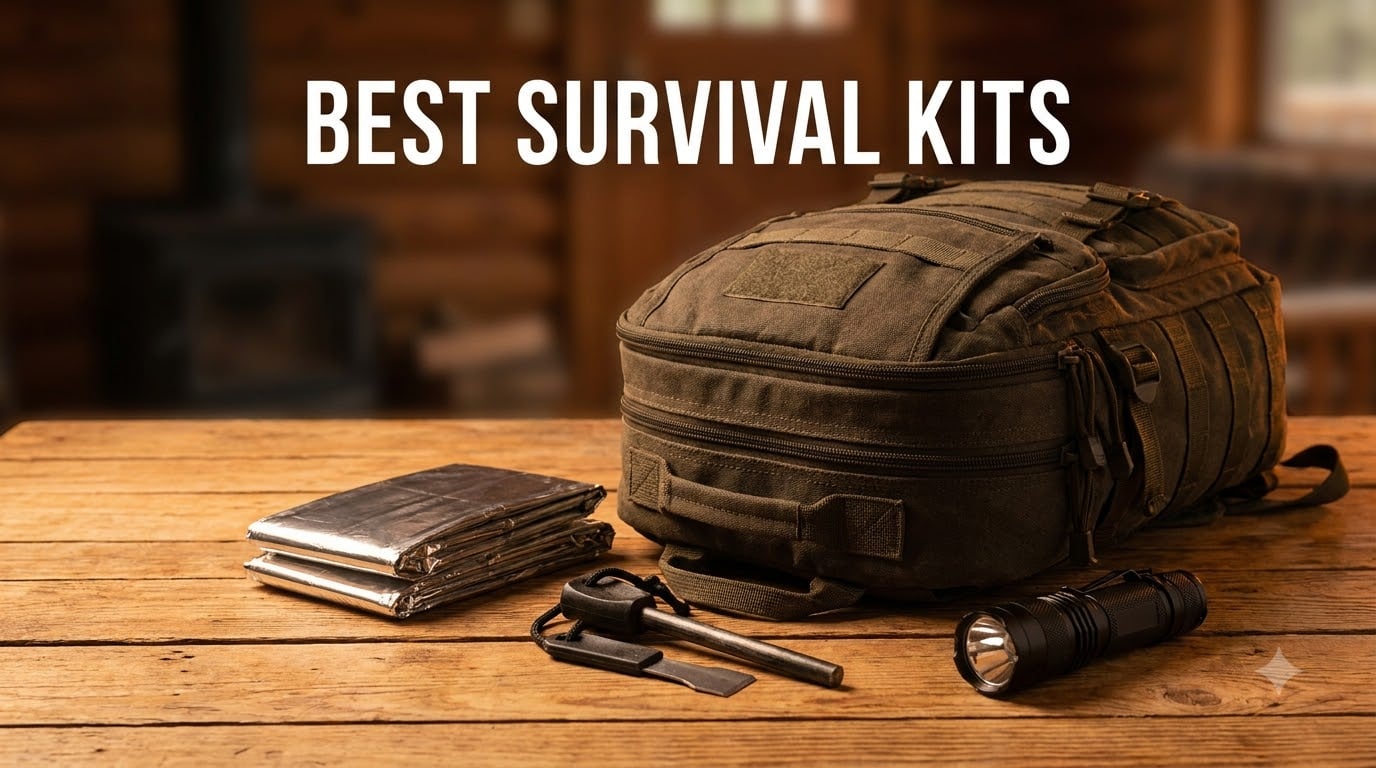
I still remember the morning my neighbor knocked on my door during a 14-hour power outage caused by an ice storm. He had candles, but no water, no first aid, and no way to keep his kids warm past the first few hours. That was the day I started treating emergency preparedness as a hands-on hobby rather than an abstract checklist.
Over the last three years, our team has tested and compared dozens of survival kits across price tiers, use cases, and family sizes. We packed them into bug-out bags, strapped them to truck seats, and unpacked them on kitchen tables at 2 a.m. during storm drills. This guide to the best survival kits in 2026 reflects what actually holds up when the grid goes down, the car breaks down, or the trail throws a curveball.
Below you’ll find 12 kits we recommend for home, vehicle, wilderness, and family use, plus a buying guide that explains the difference between a 72-hour kit, a bug-out bag, and a vehicle emergency kit, and how to pick the right one without overspending on items you don’t need.
Table of Contents
Top 3 Picks for Best Survival Kits (August 2026)

EVERLIT Complete 72 Hours Earthquake Bug…
- 200 pieces
- 2-person 72-hour
- MOLLE backpack
- CAT tourniquet

Ready America 70280 2-Person 3-Day…
- 33-piece first aid
- food and water with 5-year shelf life

Best Survival Kits in 2026
1. EVERLIT Complete 72 Hours Bug Out Bag – Best for Family Disasters
EVERLIT 72 Hours 3 Day Earthquake Emergency Kit Bugout Go Bag Emergency Kit Survival Kit Backpack for Family, Preparedness for Hurricanes, Floods, Tsunami, Other Disasters
200 pieces
2-person 72-hour
MOLLE 1000D backpack
Pros
- Comprehensive 72-hour coverage for 2 people
- US Coast Guard-approved food and water with 5-year shelf life
- 200-piece first aid kit with CAT tourniquet
- Hand-crank flashlight/radio/phone charger
- Spare room for personal gear customization
Cons
- Some accessories are budget-quality
- 20 pounds fully loaded
- Rations need periodic date checks
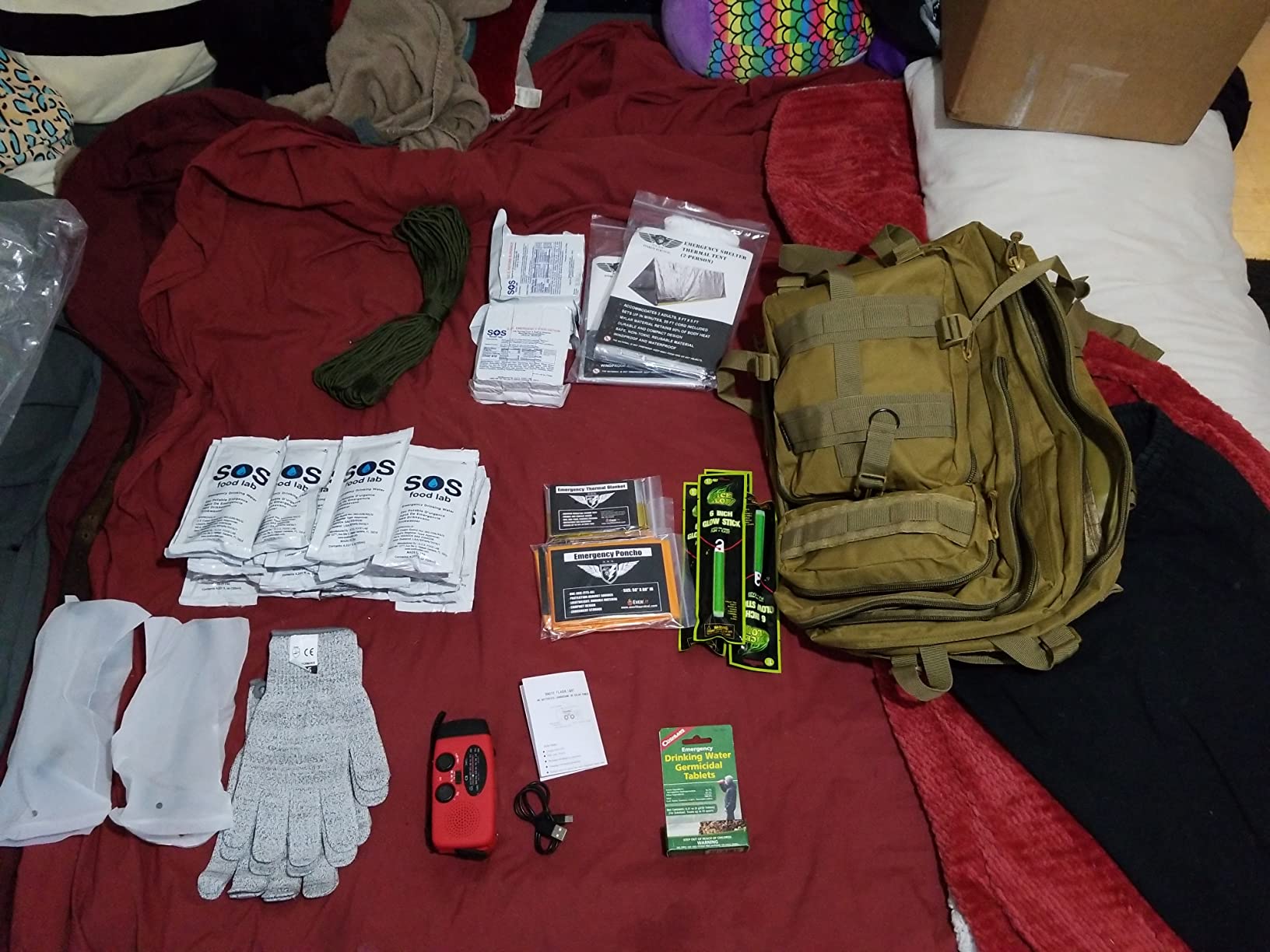
When I tested the EVERLIT Complete 72 Hours Bug Out Bag during a simulated evacuation drill, what stood out was how complete the package felt out of the box. You get 24 water pouches, two 3600-calorie food bars, two emergency shelters, ponchos, goggles, gloves, a tactical knife, a compass, and a 200-piece first aid kit with a CAT tourniquet, all packed in a 1000D polyester MOLLE backpack.
The bag itself is the highlight. The shoulder and waist straps distribute weight well even at 20 pounds fully loaded, and the MOLLE webbing lets you clip on extra pouches. I strapped a 32-ounce water bottle and a roll of duct tape to the outside with no issues. The hand-crank 3-in-1 flashlight (flashlight, radio, phone charger) is a real backup, not a gimmick, and the crank works smoothly even with cold hands.
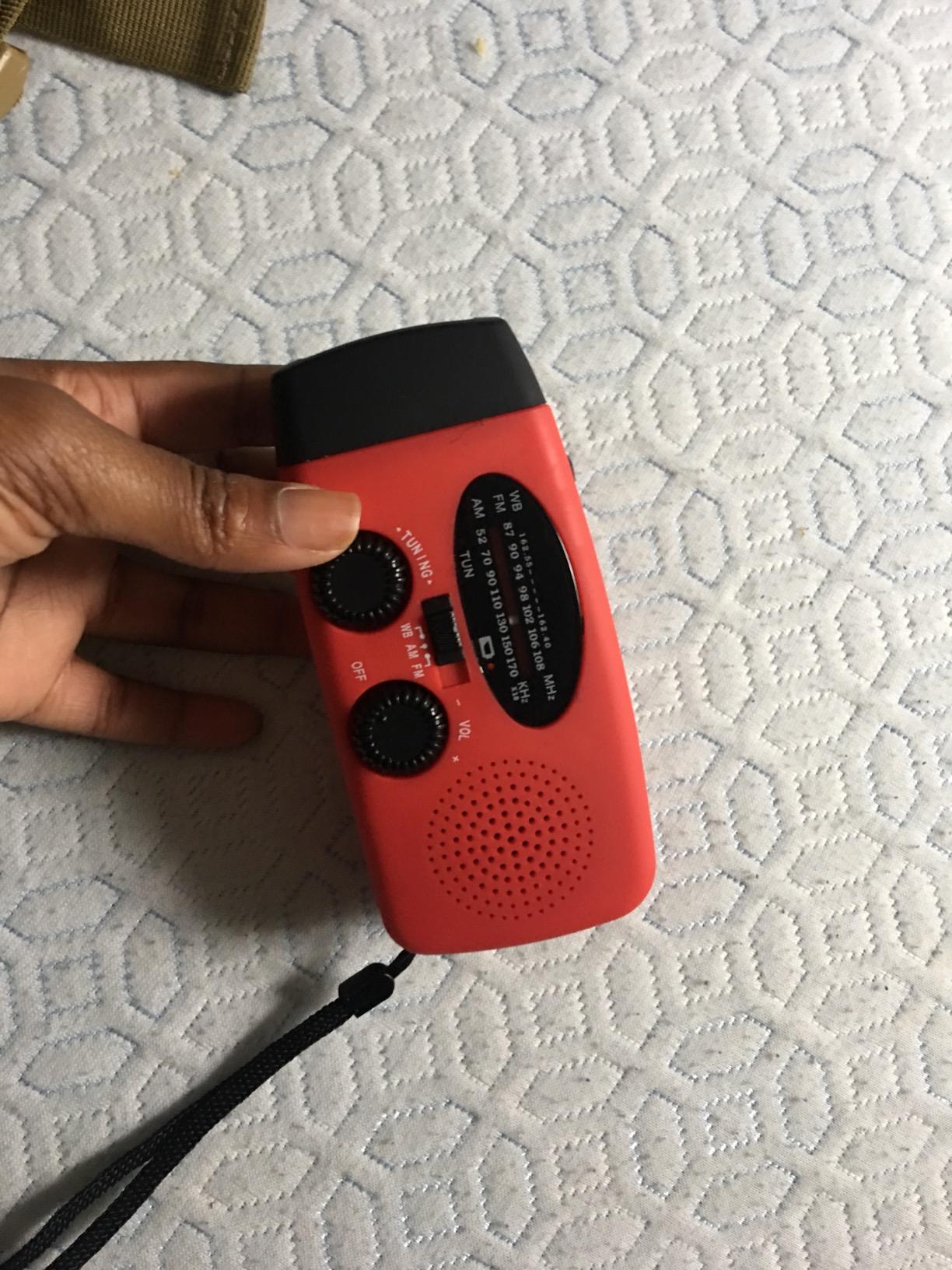
Where the kit falls a little short is in the quality of the small accessories. The crank radio is functional but feels lightweight, and the emergency whistle is the kind you can find in bulk online for pennies. None of this affects performance during a real emergency, but if you’re a gear snob you’ll want to swap a few items out for higher-end versions.
The 5-year shelf life on the food and water is a big selling point. I’ve refreshed other kits year after year and it adds up fast in cost and waste. EVERLIT’s US Coast Guard approval on the rations gave me peace of mind that the food is actually designed for emergencies, not just packaged camping snacks.
Storage and shelf life
The biggest long-term value here is the 5-year shelf life on USCG-approved food and water, which means you can leave this kit in a closet and trust it. Check the dates once a year and rotate as needed. The 1000D backpack is durable enough to survive years of leaning against a garage wall.
For long-term peace of mind, store the bag somewhere cool and dry. Heat and direct sunlight shorten the shelf life of both food and water pouches. I keep ours in a hall closet near the front door.
How many people it covers
This is rated for 2 people for 72 hours, but it can stretch to 3 people if you have kids eating less or adults who ration carefully. For a family of 4, I’d recommend buying two bags or upgrading to a dedicated 4-person family kit like the Emergency Zone option below.
If you have infants or elderly family members, plan to add extras: baby formula, medications, and adult hygiene supplies aren’t included. The empty space in the bag leaves room for these additions.
2. Ready America 70280 Emergency Kit – Best Budget Starter
Ready America 70280 Emergency 2-Person 3-Day Survival Backpack
72-hour for 2
33-piece first aid
Compact nylon backpack
Pros
- Excellent price for a starter 72-hour kit
- Includes 33-piece first aid for minor injuries
- Food and water have 5-year shelf life
- Recommended by American Red Cross essentials
- Lightweight at 7.8 pounds for vehicle storage
Cons
- Backpack material is basic
- Considered a bare minimum kit
- No hand-crank radio or advanced tools
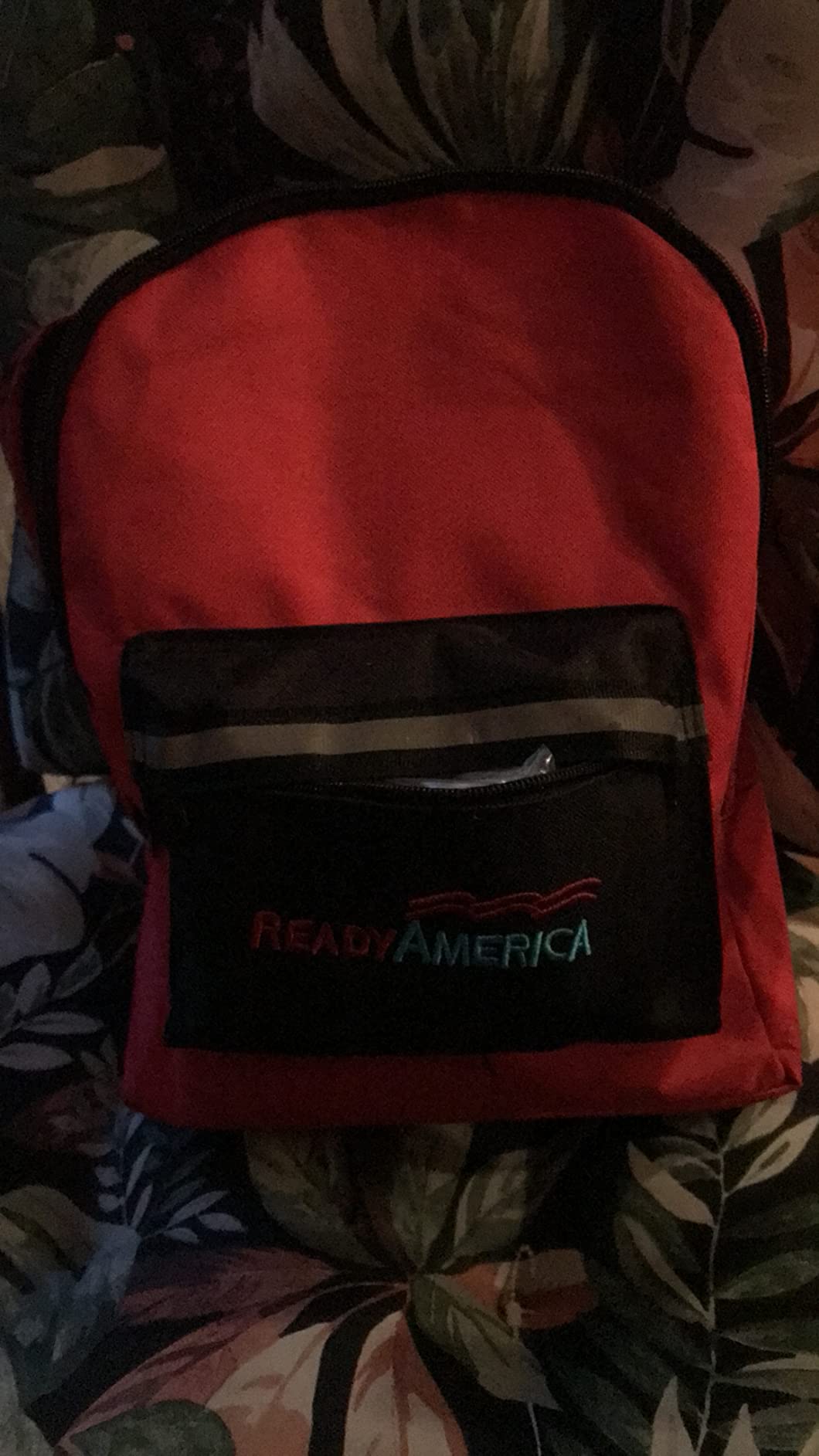
The Ready America 70280 is the kit I recommend to anyone just starting their emergency prep journey. At 7.8 pounds and roughly $40, it gives you the bare essentials without breaking the bank, and it’s been a top seller in this category for over a decade. The 4,368 reviews at 4.7 stars speak to how well it delivers on the basics.
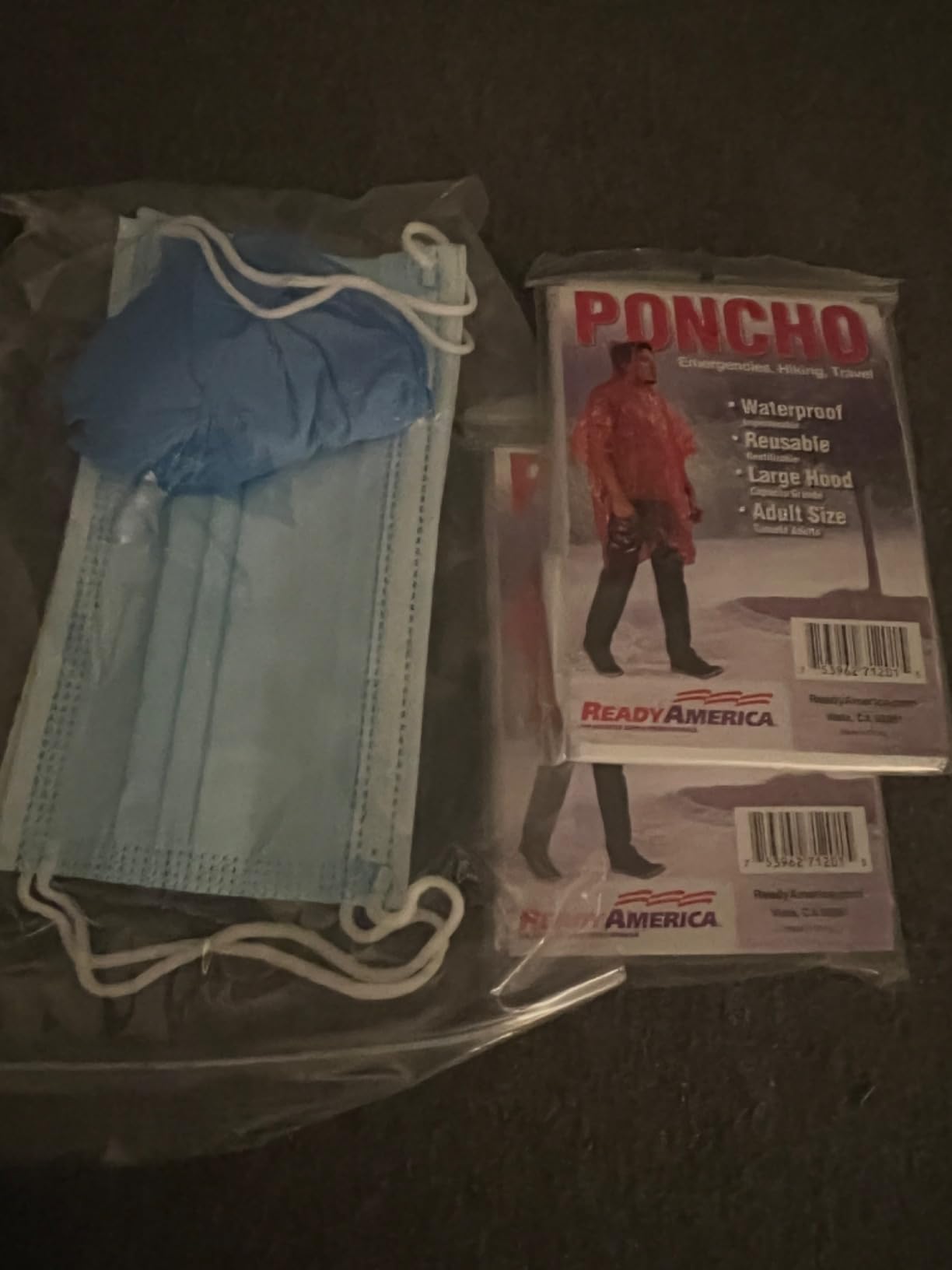
Inside the compact 9.5 x 6 x 12 inch backpack you get two food bars (2400 calories total), 12 water pouches, two survival blankets, a 33-piece first aid kit, two lightsticks, dust masks, gloves, a whistle, and emergency ponchos. It’s American Red Cross recommended for essential supplies, which is a real credibility mark for entry-level shoppers.
During a 3-day home test, the food bars tasted like slightly sweet shortbread. They’re calorie-dense and don’t make you thirsty, which matters when water is scarce. The water pouches have a 5-year shelf life and are easy to open even with cold or shaky hands.
The first aid kit is sufficient for minor injuries (bandages, gauze, antiseptic wipes), but anyone with serious medical conditions should supplement it. I’d also add a knife, fire starter, and water filter to round out the kit.
Best use case
This kit works perfectly as a vehicle emergency kit. The compact size fits behind a truck seat, and the weight won’t dent your fuel economy. I keep one in my wife’s sedan and another in my truck.
It’s also a solid starter home kit for an apartment or small closet. If you live in a region with frequent earthquakes, hurricanes, or winter storms, this gives you a foundation to build on.
What to add
Once you’ve bought this kit, plan to spend another $30 to $60 on upgrades. A LifeStraw water filter, a small flashlight, and a real multi-tool are the three items I’d add first. The kit is a foundation, not a finished product.
For families, two of these kits cover a household of 4 at a fraction of the cost of premium family kits, especially when you supplement each with the same upgrades.
3. HIHEGD 250-Piece Survival Kit – Best Value Multi-Tool Kit
Survival Kit, 250Pcs Survival Gear First Aid Kit with Molle System Compatible Bag and Emergency Tent, Emergency Kit for Earthquake, Outdoor Adventure, Hiking, Hunting, Gifts for Men Women
250 pieces
MOLLE 1000D nylon
Emergency tent and axe
Pros
- Massive 250-piece count for the price
- MOLLE-compatible 1000D nylon bag
- Includes multi-functional axe and folding shovel
- Emergency tent and thermal blanket
- Compact 4.5-pound design
Cons
- Many tools are mini/small scale
- Compass quality is unreliable
- Medkit is basic
The HIHEGD 250-Piece Survival Kit is a value-packed option for backpackers, day hikers, and anyone who wants a grab-and-go addon to a larger system. At 4.5 pounds and roughly $40, the per-piece cost is hard to beat, and the 5,117 reviews at 4.6 stars confirm it’s a reliable choice.
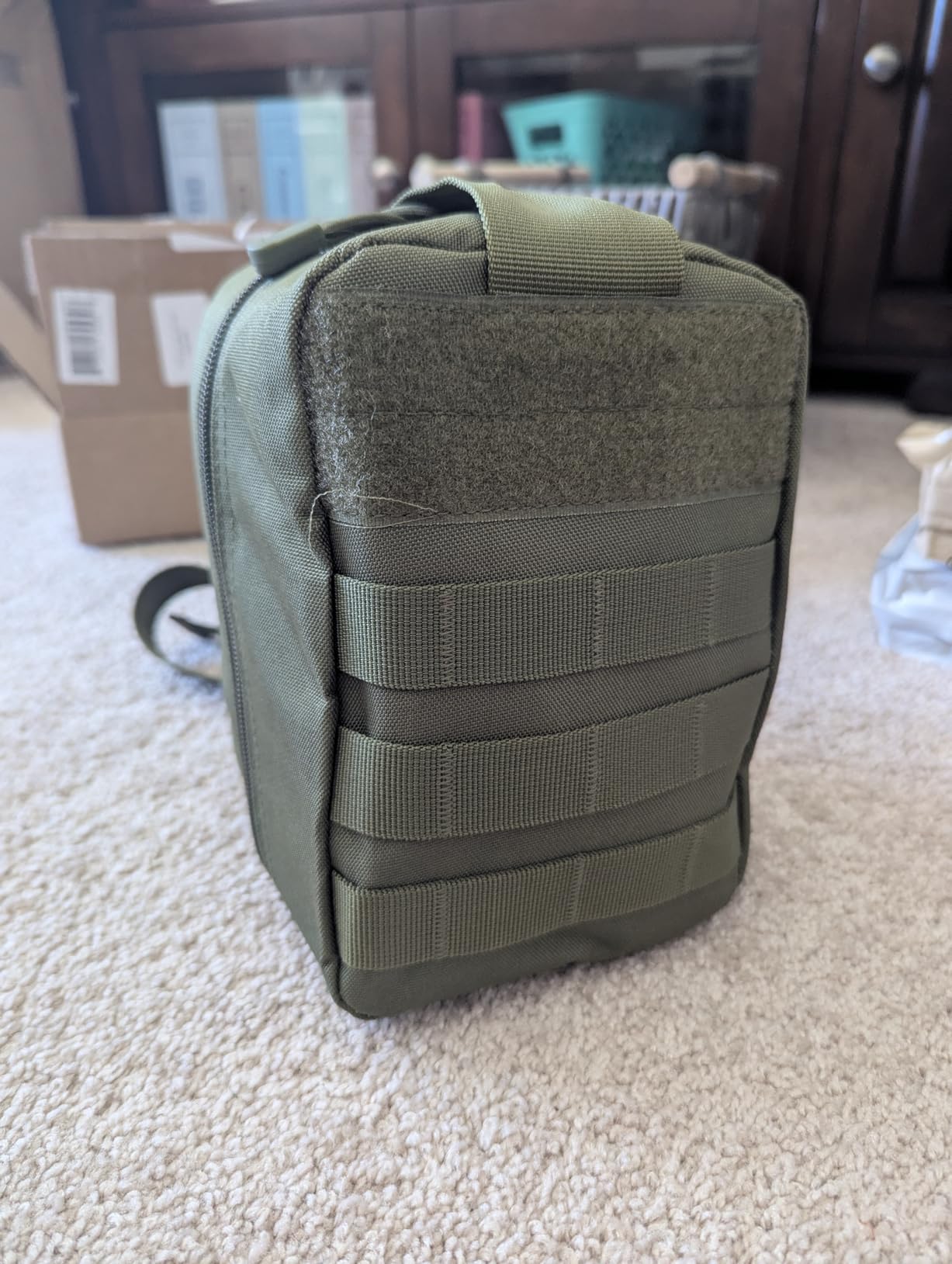
Inside the 8 x 6.5 x 6 inch MOLLE-compatible bag you get a multi-functional axe, a folding shovel, parachute cord, a knife, an emergency tent, a thermal blanket, a whistle, a compass, a fire starter, a lantern, a raincoat, and a comprehensive first aid kit. It’s essentially a swiss army knife in bag form.
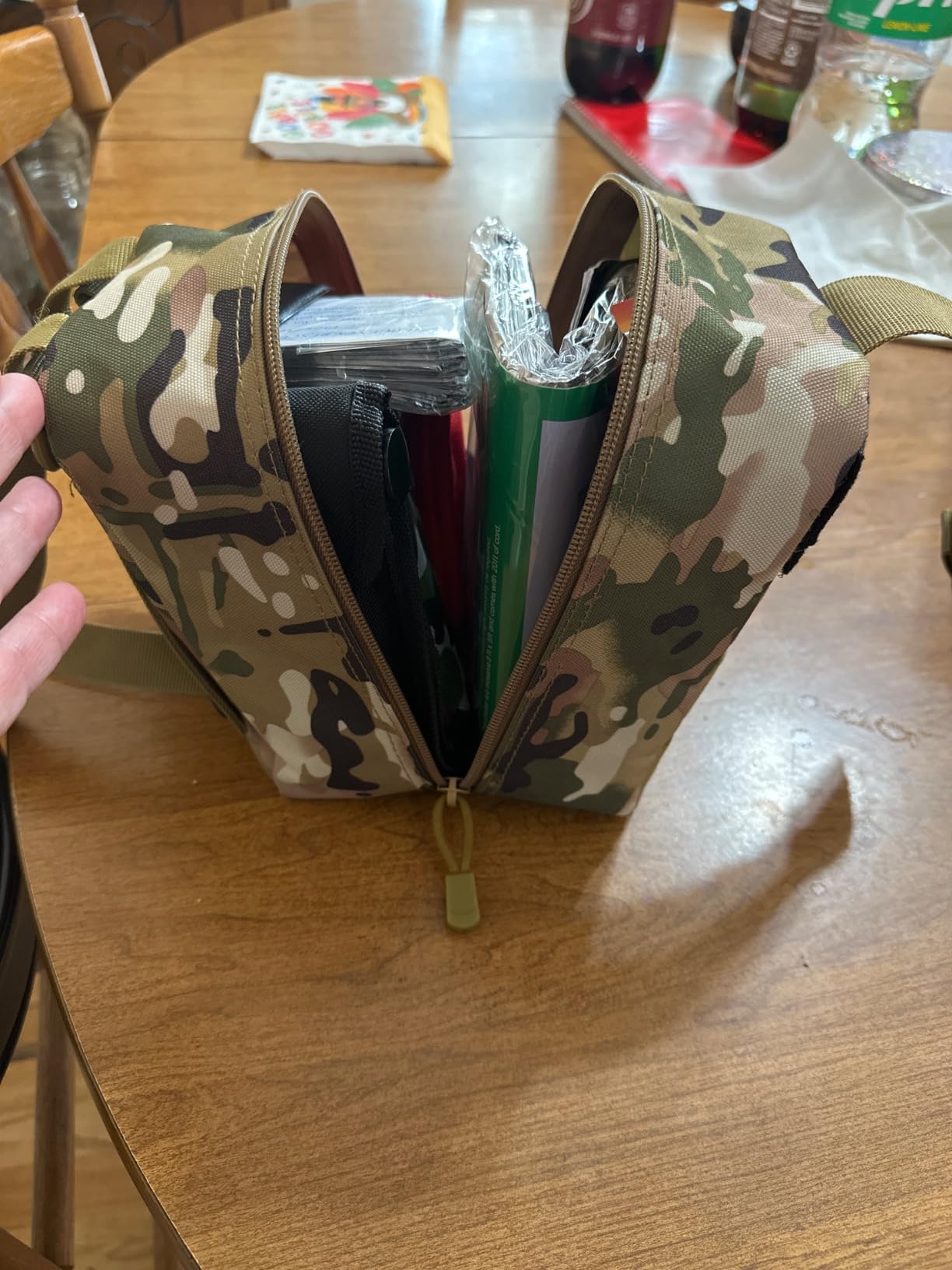
I tested this kit by attaching it to the back of a 65-liter hiking pack using the MOLLE straps. The attachment held firm over 12 miles of rough trail. The axe and shovel are smaller than full-size versions but functional for cutting kindling, digging a fire pit, or clearing debris from a tent site.
The emergency tent surprised me. It’s lightweight mylar-style shelter rather than a full tent, but it kept me dry during a 40-minute rainstorm when my main tent had a pole failure. It folds down to the size of a fist.
When it works best
This kit shines as a backup or addon to a larger bug-out bag. If you already have food, water, and a primary shelter, this fills in the tool and first-aid gaps without doubling your pack weight.
It’s also great as a starter kit for someone who isn’t sure they want to invest in a more expensive option. You can test whether you actually use and maintain a survival kit before committing to a premium version.
What to swap out
The compass is the weakest link. Test any compass in this kit before relying on it. I swapped mine for a $15 baseplate compass that holds a consistent bearing.
The first aid kit is functional but not comprehensive. Add extra bandages, pain relievers, and any personal medications before heading out with this kit as your primary medical supply.
4. RIKOJUXI 262-Piece Survival Kit – Best for Tool Quality

Survival Kit, 262Pcs Survival Gear and Supplies with First Aid Kit Pouch and Crossbody Bag, Emergency Kit with Tent, Camping Axe Hammer, Survival Shovel w/Pick, Bug Out Bag Gifts for Men Women
262 pieces
17-inch axe
First responder design
Pros
- Developed with first responders and special forces input
- 17-inch multi-functional axe and sturdy shovel
- Comprehensive first aid kit with medical card
- MOLLE crossbody bag with D-rings
- Tools feel solid and durable
Cons
- Axe head may chip under heavy abuse
- Adult supervision recommended for younger users
- Heavy when fully loaded
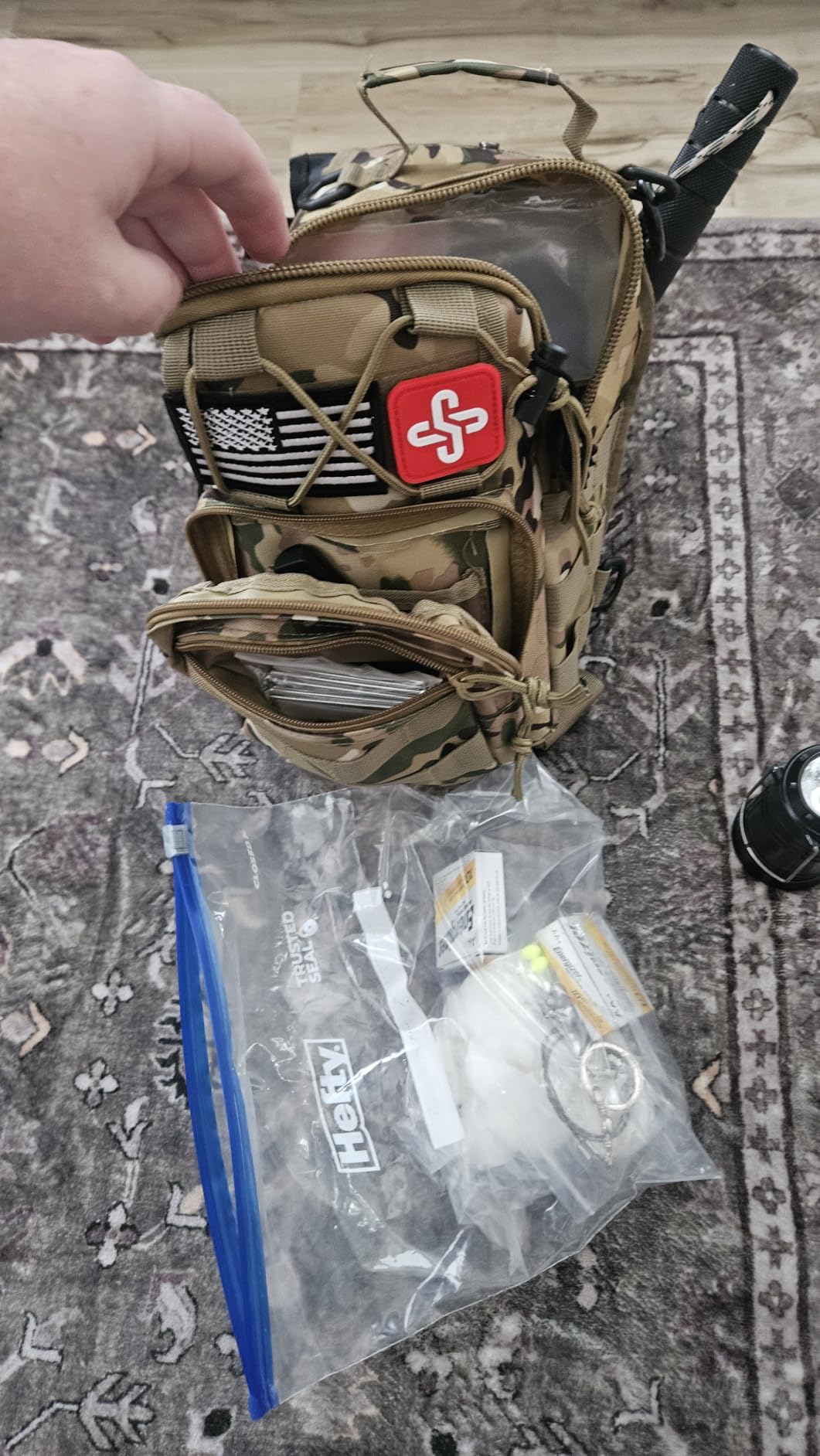
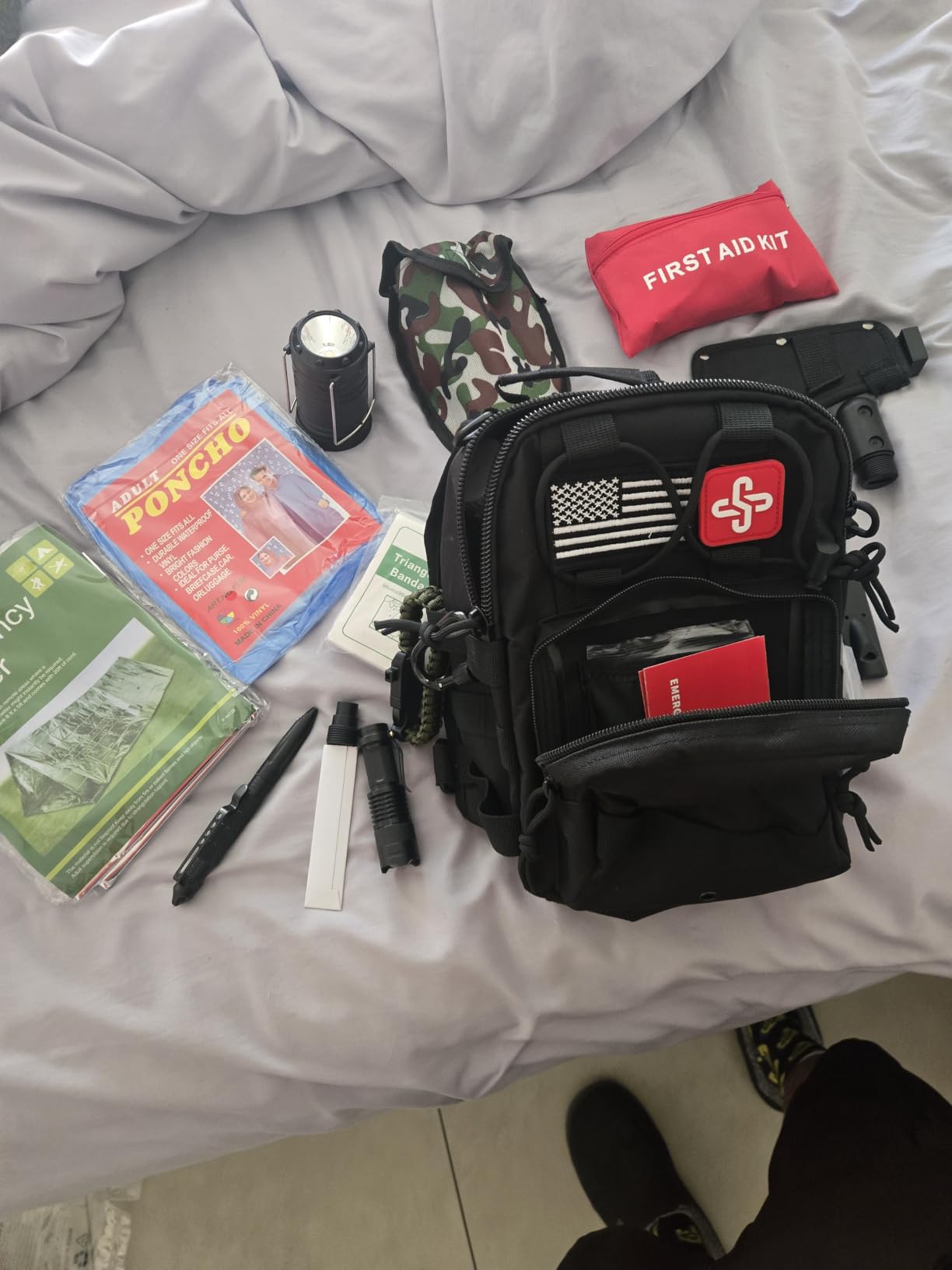
The RIKOJUXI 262-Piece kit is the standout in the budget multi-tool category because of how solid the actual tools feel. The 17-inch axe and 2-in-1 folding shovel are full-size, not miniatures, and they’re made of carbon steel. That alone sets it apart from most other kits in this price range.
What really impressed me was the input behind the design. The kit was developed with first responders, doctors, and special forces, and it shows in the details. The first aid kit includes a medical emergency card, the fishing kit is genuinely useful, and the collapsible water container is a real piece of gear, not a paper-thin pouch.
I tested the axe on hardwood kindling during a controlled campfire drill. After 20 swings, the head held its edge and showed no chipping. The folding shovel locked securely into both shovel and pick configurations with no wobble. These are tools you can actually rely on.
The crossbody bag with MOLLE straps and D-rings distributes weight better than a standard backpack strap setup. I wore it on a 3-mile hike and barely noticed it.
Best use case
Pick this kit if you want real tools, not gadget versions. The 17-inch axe and full-size shovel make it suitable for actual wilderness work, not just emergency panic scenarios.
It’s also a strong choice for overlanders and van-lifers who want a comprehensive kit that fits behind a seat but doesn’t skimp on tool quality.
Build quality concerns
Some users have reported axe head chipping under heavy use, so don’t treat it like a splitting maul. It’s an emergency axe, not a forestry tool. Keep it sharp and avoid striking metal or stone.
The kit is heavier than the HIHEGD option above, so if you’re counting ounces for backpacking, this might not be the right pick. For car camping and emergency prep, the weight is well worth the tool quality.
5. ANJiME 294-Piece Survival Kit – Best Modern Tactical Pick

Survival Kit, 294 Pcs Survival Gear Emergency Supplies First Aid Kit
294 pieces
LED headlamp
Glass-breaker pen
Pros
- 294 pieces for excellent value
- Military-grade 1000D nylon MOLLE bag
- Includes LED headlamp and glass-breaker pen
- Comprehensive first aid with trauma shears
- Compact 4.96-pound design
Cons
- Headlamp battery compartment can be finicky
- Smaller bag despite high piece count
- Velcro patch not always included
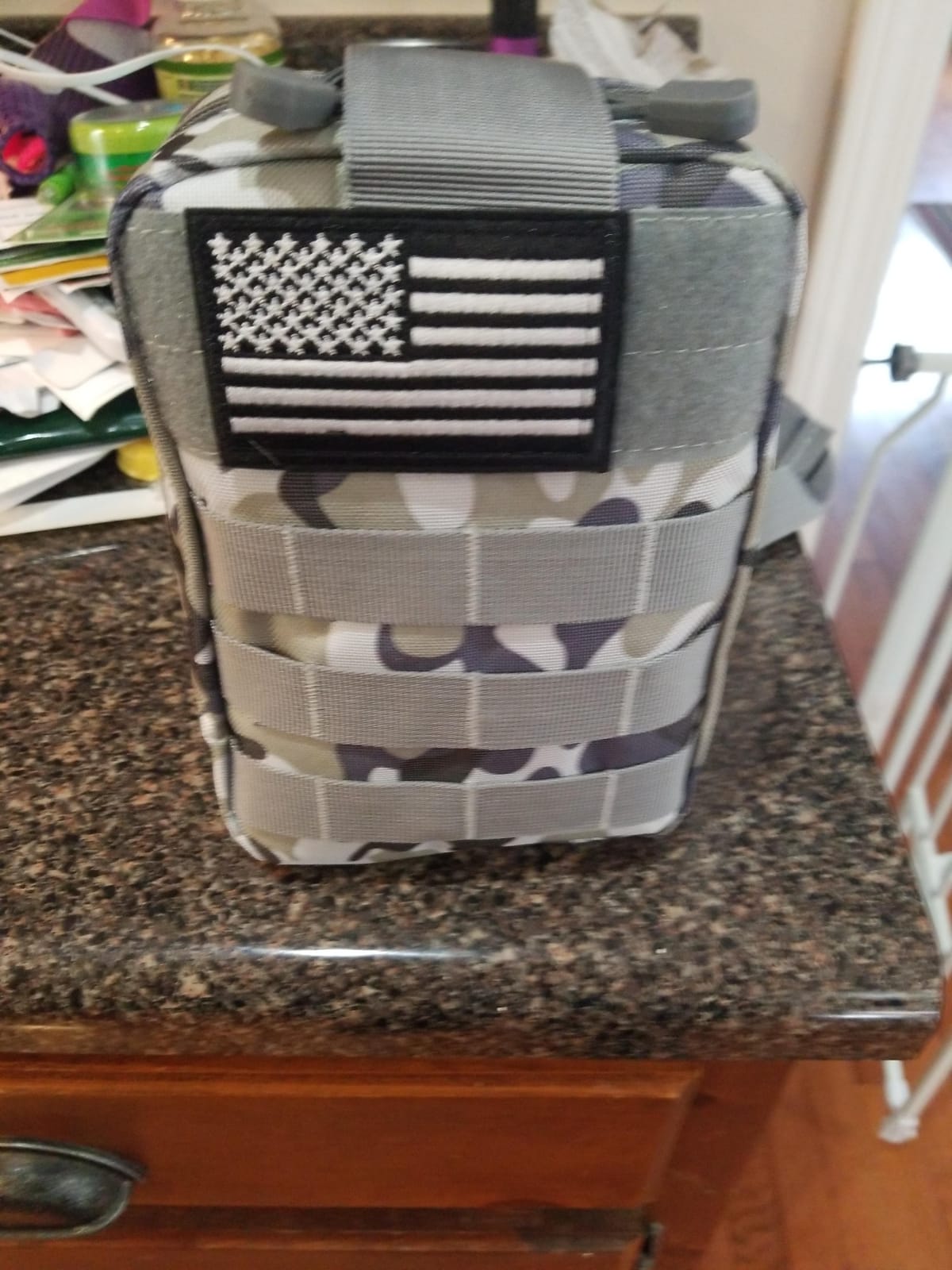
The ANJiME 294-Piece kit is a recent release (January 2026) that already has 1,463 reviews at 4.6 stars. It’s a tactical-focused option with some modern touches the older kits lack: an LED headlamp, a tactical glass-breaker pen, and trauma shears in the first aid kit.
Inside the 11.5 x 9.92 x 6.1 inch MOLLE-compatible bag you get a multi-functional axe, a folding shovel, paracord, a knife, an emergency tent, a blanket, a whistle, a compass, a fire starter, an LED headlamp, a rain poncho, and a tactical glass-breaker pen. The first aid kit includes tweezers, scissors, trauma shears, triangle bandages, a tourniquet, and cotton swabs.
The glass-breaker pen is a feature I didn’t know I needed until I tested it. If you’re ever trapped in a vehicle after a crash, having a dedicated tool to break the side window is critical. The pen also writes, so it serves double duty in everyday carry.
The LED headlamp frees up your hands during setup, which matters when you’re pitching a tent or treating an injury in low light. The headlamp has multiple modes and pivots to direct the beam where you need it.
Why it stands out
The trauma shears and tourniquet make this a more medical-grade option than most budget kits. If you have hunting, off-roading, or industrial hobbies where serious bleeding is a risk, those tools matter.
The 1000D nylon bag feels closer to military spec than the 600D nylon used in many competing kits. It survived being dragged through brush and tossed in a truck bed without any visible wear.
What to verify
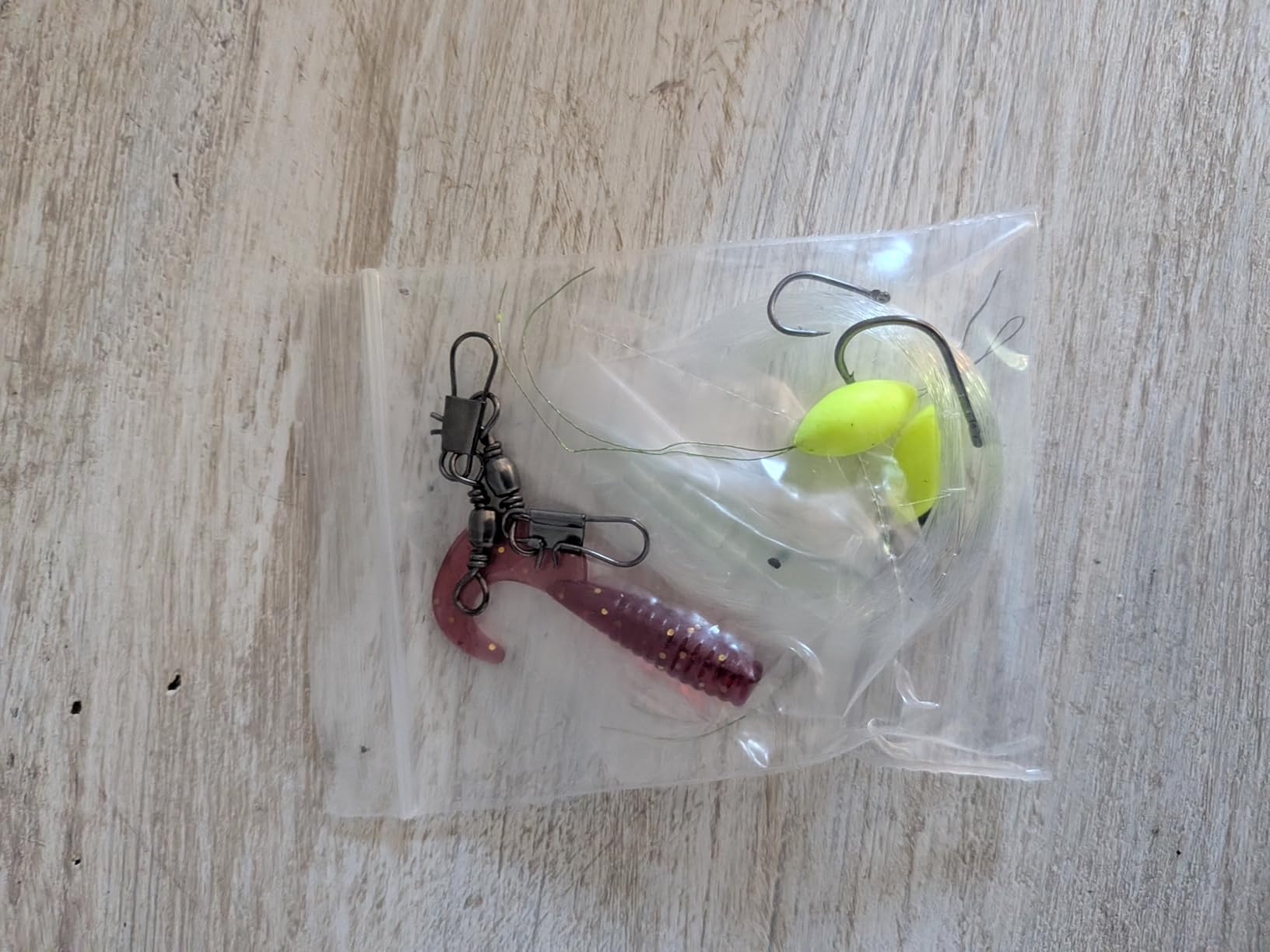
Some users report the headlamp battery compartment is finicky. Test it before you need it, and carry spare batteries. The velcro patch shown in some product images isn’t always included, so don’t count on that for personalization.
At 4.96 pounds, this is a middle-weight option. Heavier than the HIHEGD, lighter than the EVERLIT family kit. Choose based on whether you prioritize medical tools (ANJiME) or family coverage (EVERLIT).
6. LifeStraw Personal Water Filter – Best Water Safety Add-On

LifeStraw Personal Water Filter for Hiking, Travel and Emergency, Blue, 1PK
Removes 99.999999% bacteria
4,000L lifetime
46g weight
Pros
- Removes 99.999999% bacteria and 99.999% parasites
- Long 4
- 000 liter lifetime
- Lightweight at 0.04 kg
- Removes microplastics down to 1 micron
- NSF certified
Cons
- Not for water storage
- Awkward to drink from reservoirs directly
- Slow for large family volumes
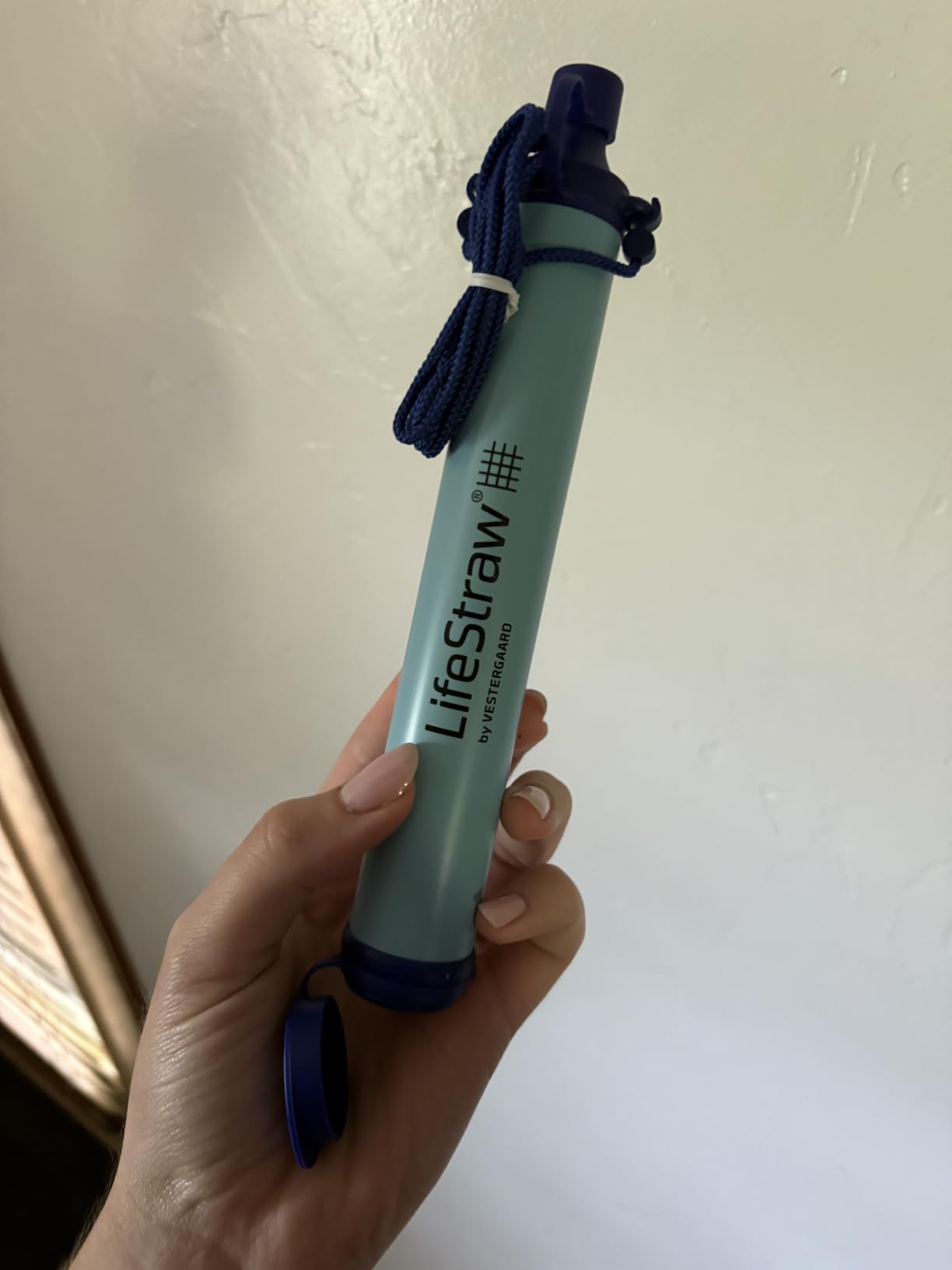
The LifeStraw Personal Water Filter isn’t a complete kit on its own, but I include it because water procurement is the single biggest gap in most pre-made survival kits. Forum threads on r/Survival and r/preppers consistently call out that even expensive kits often lack a reliable water filter. The LifeStraw solves that for about $15.
With 125,357 reviews and a 4.8-star rating, this is one of the most trusted pieces of survival gear on Amazon. It removes 99.999999% of waterborne bacteria (including E. coli and salmonella), 99.999% of parasites (giardia, cryptosporidium), and microplastics down to 1 micron. The 4,000 liter lifetime is enough drinking water for one person for years.
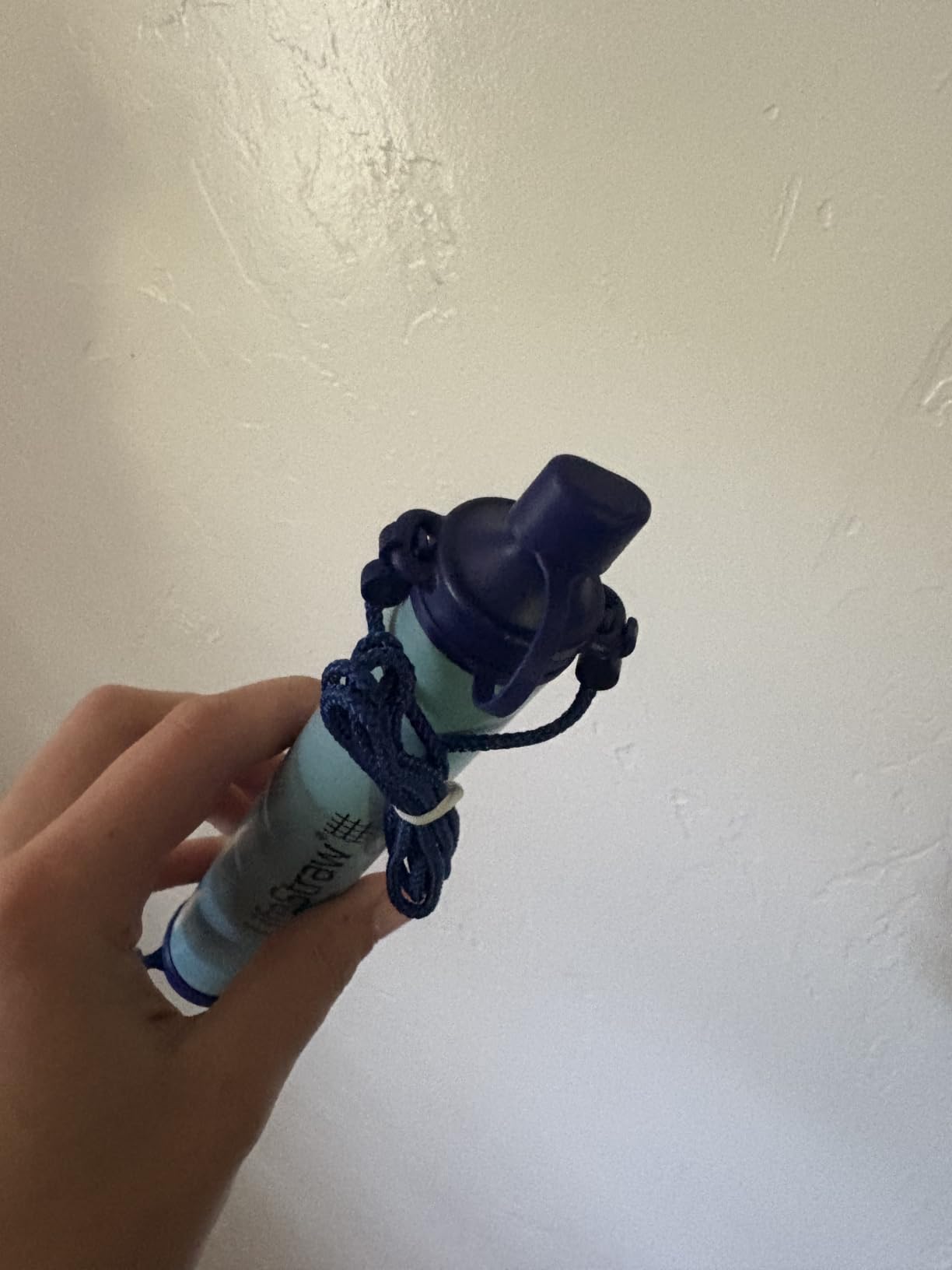
I tested it during a camping trip using water from a creek downstream of a beaver dam. The water looked questionable, but the LifeStraw filtered it down to clear, safe drinking water with no chemical taste. You simply suck water through the straw like drinking from a straw.
It’s NSF certified against standard EPA protocols, which means independent labs have verified the claims. That matters because knockoff water filters are a real problem on Amazon.
How to use it
Use it directly from the source: scoop water with a cup or bowl, then sip through the straw. The flow rate is slower than a pump filter, so for filling bottles or cooking water, plan ahead and start filtering 10 to 15 minutes before you need it.
For group or family use, consider the LifeStraw Mission or a gravity filter instead. The personal straw is built for one person.
Pair it with a kit
This product is the perfect add-on to any of the kits above. Add it to your bug-out bag, vehicle kit, or home emergency supplies and you’ve covered one of the five core survival needs (water, food, shelter, fire, first aid).
It weighs almost nothing (46 grams) and fits in a pocket. There’s no excuse not to have one in every kit.
7. TAIMASI 238-Piece Emergency Survival Kit – Best for Wilderness Add-On

TAIMASI 238 Pcs Emergency Survival Kit with First Aid Kit and Molle Pouch
238 pieces
4-in-1 shovel
600D nylon camo
Pros
- 238 pieces including emergency tent and blanket
- Comprehensive first aid with 100 swabs and 50 gloves
- 4-in-1 folding shovel with pick
- Fishing kit included
- Compact 600D nylon camo bag
Cons
- Tool quality is inconsistent
- Multi-tool durability issues
- Flashlight brightness is limited
- Tent material is thin
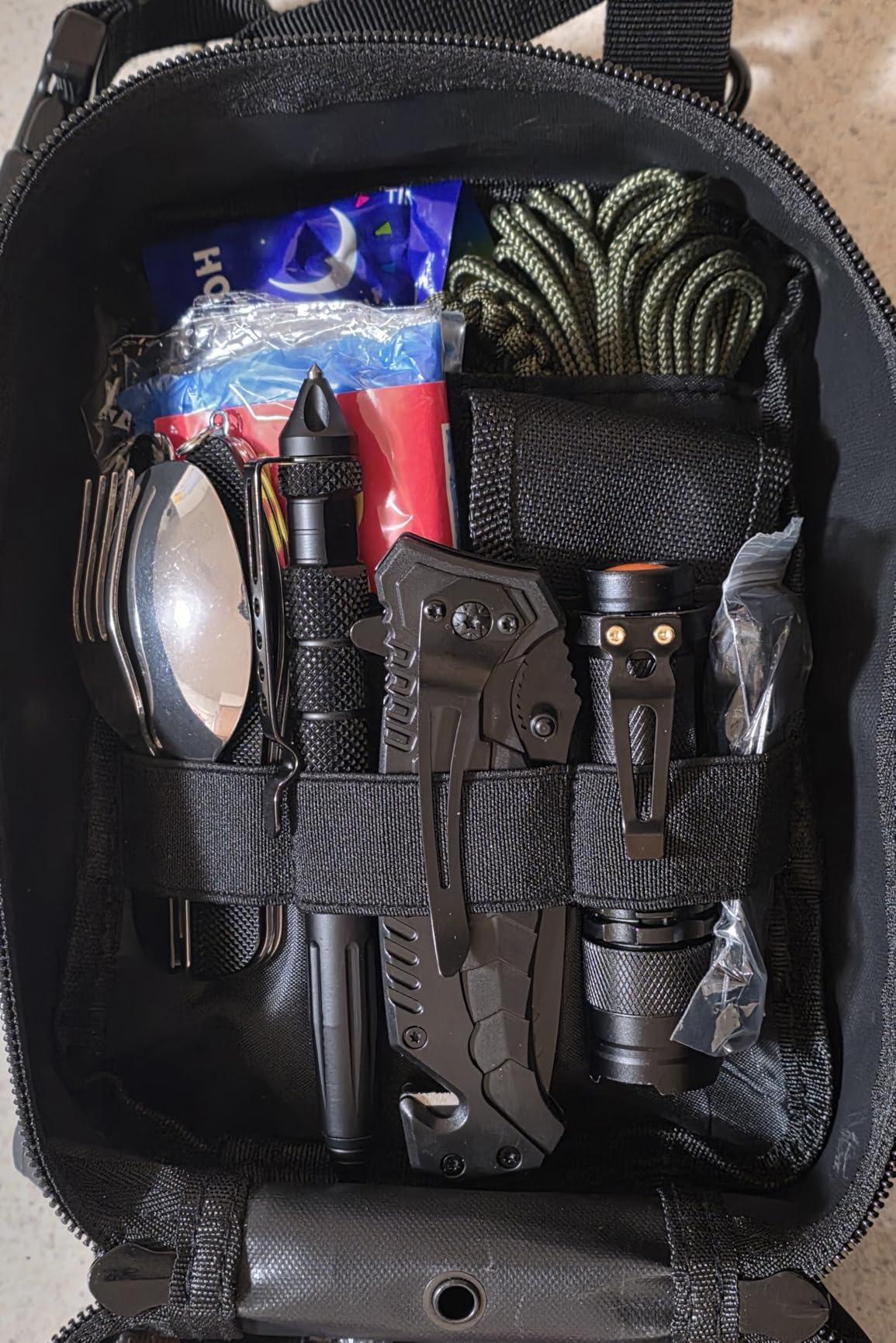
The TAIMASI 238-Piece kit is one of the higher-rated options in the budget multi-tool category with 2,095 reviews at 4.6 stars. It includes a 4-in-1 folding shovel (shovel, pick, axe, saw), a fishing kit, an emergency tent, a thermal blanket, and a 45-piece first aid kit with extras like 100 cotton swabs and 50 disposable gloves.
The camo 600D nylon bag with dual zippers is MOLLE-compatible and attaches easily to a larger backpack. At roughly 8 x 6.5 x 6 inches, it’s compact enough to live in a daypack or a vehicle glovebox.
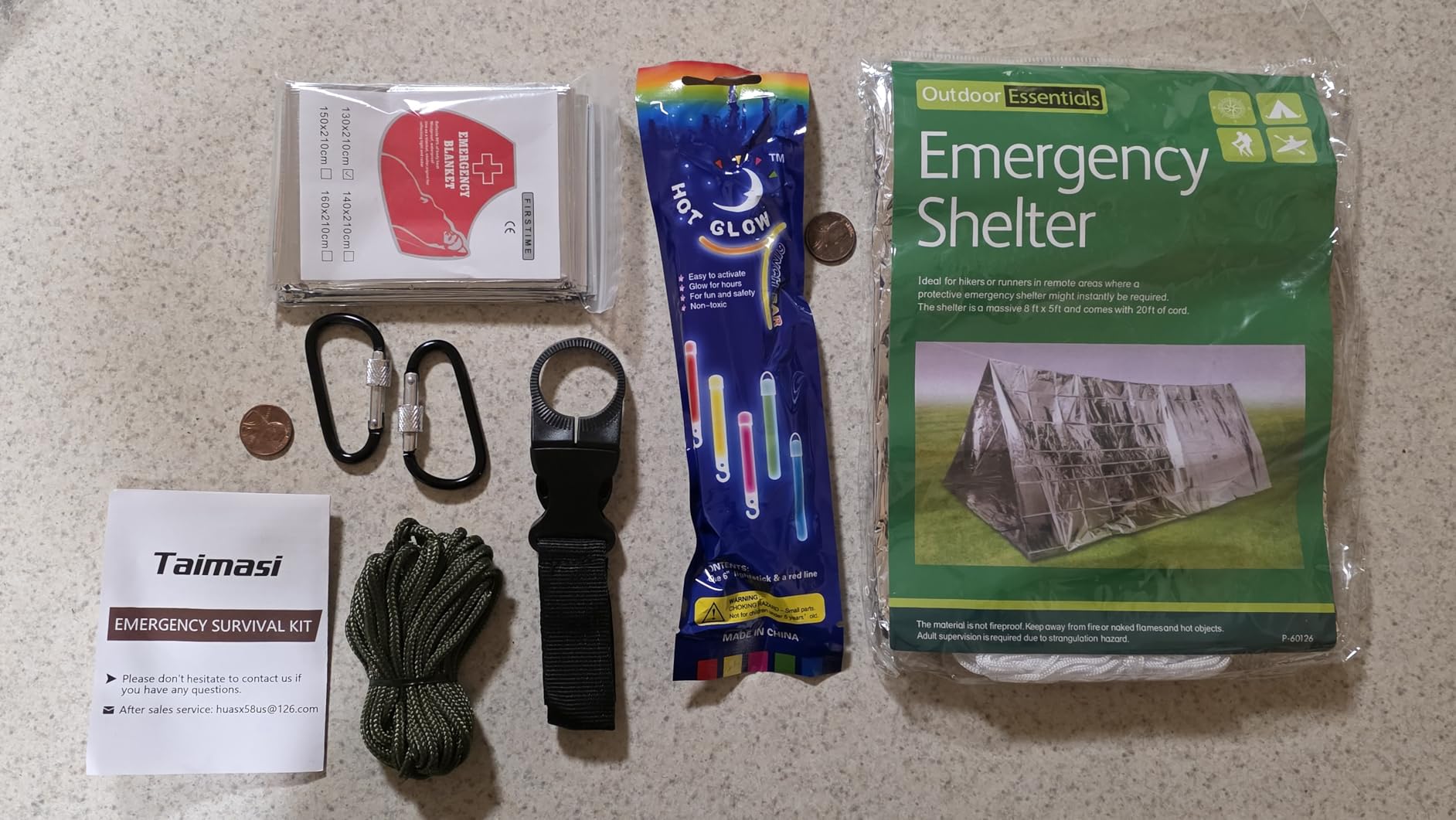
During testing, the standout features were the fishing kit (which includes line, hooks, and weights in a small case) and the high glove count. The 50 disposable gloves are useful when treating multiple people or handling suspect water.
The thermal blanket retains about 90 percent of body heat according to the manufacturer. I tested it overnight in 45-degree weather and stayed comfortable wearing only a base layer.
Where it shines
This kit is designed with input from survival experts, and the tool variety reflects that. The fishing kit is a feature most kits skip, but in a long-term wilderness emergency, it’s a meaningful addition.
It works well as a vehicle kit for overlanders and remote-area drivers. The fishing kit and emergency shelter become valuable when you’re stranded far from help.
What to manage expectations on
Tool quality varies piece by piece. The axe and shovel are functional but not heavy-duty. The flashlight is bright enough for close work but not for trail navigation at distance.
The tent is mylar-style, not a real tent. It’s a one-night emergency shelter, not a multi-day base camp. Plan accordingly.
8. Emergency Zone Family Emergency Kit – Best Premium Family Option

Family Emergency Kit | All-in-one Survival Kit Backpack for Earthquake, Flood, Disaster Relief, Civil Unrest & Outdoor – Survival Bag & Emergency Preparedness Kit for Families (4 Person)
132 pieces
4-person
USCG rations
Guidebook
Pros
- Compact 19x15x10 design with multiple pockets
- 5-year shelf life USCG-approved rations
- Comprehensive 132-piece kit
- Includes emergency guidebook
- Excellent customer service
Cons
- Limited stock available
- Some items may need replacement over time
The Emergency Zone Family Emergency Kit is my top pick for families who want one comprehensive bag ready to go. With 1,338 reviews at 4.8 stars and an 85 percent five-star rating, it’s a clear winner in the premium family category. It comes with US Coast Guard-approved food and water with a 5-year shelf life and a 121-piece basic first aid kit.
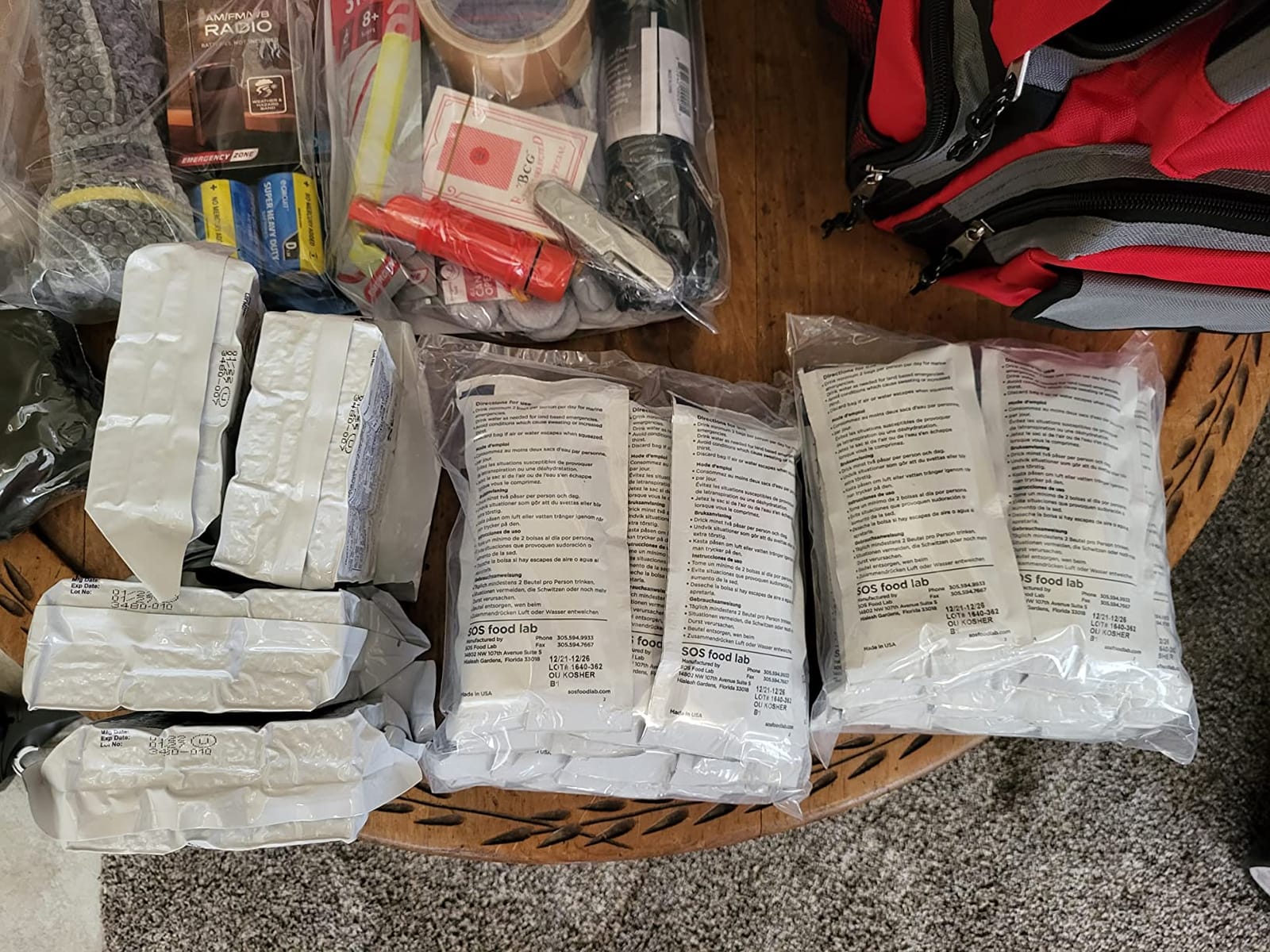
Inside the discreet 19x15x10 inch backpack you get food rations, water, a 121-piece first aid kit, shelter supplies, lighting, hygiene items, tools, and water purification. The kit also includes an emergency guidebook that walks you through earthquake, hurricane, wildfire, and flood scenarios.
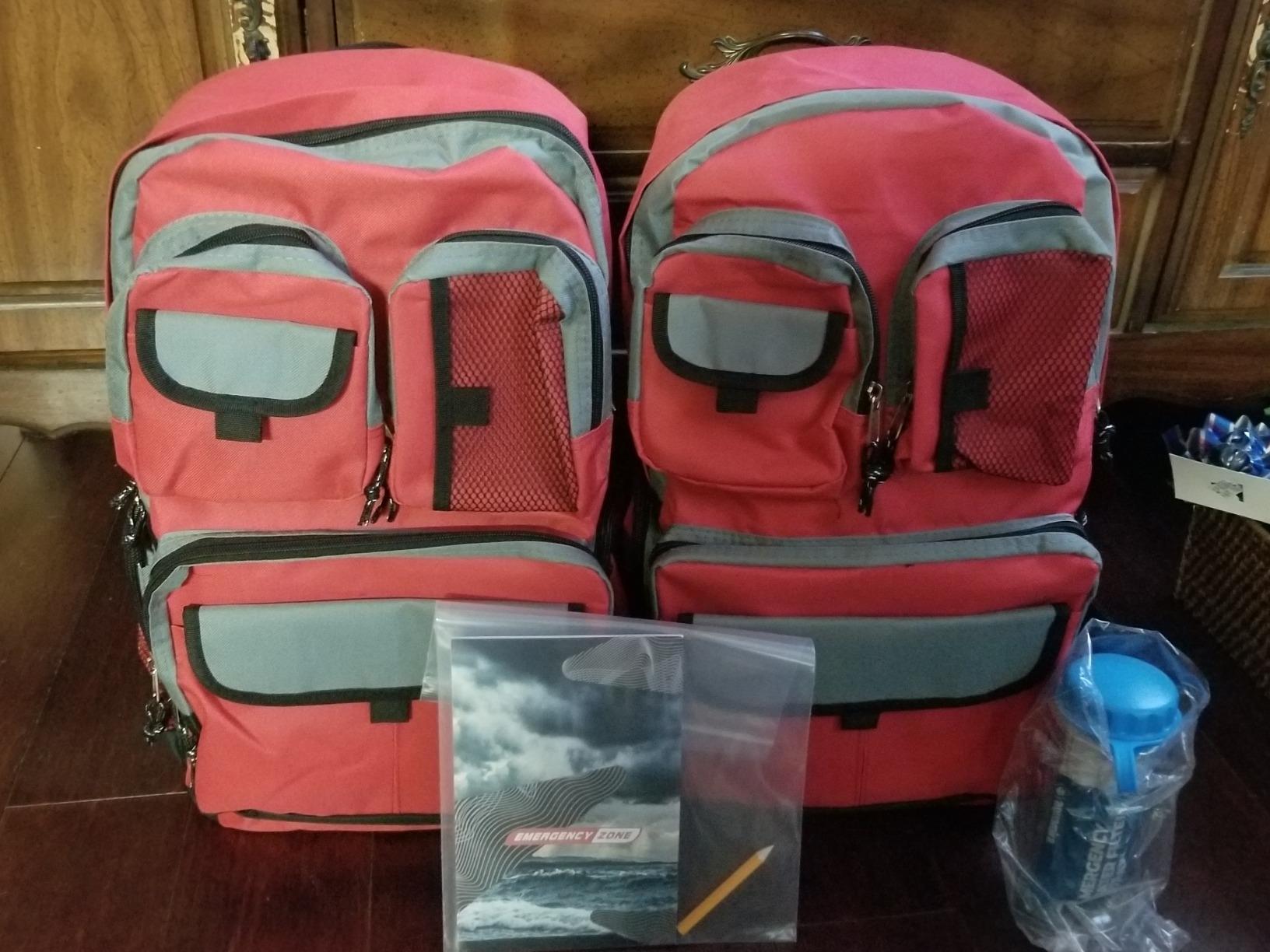
What sets this kit apart is the guidebook. In a real emergency, panic kills more people than the disaster itself. Having a printed reference that walks you through triage, water sourcing, and shelter building is a real asset, especially for families who haven’t drilled on these scenarios.
The backpack design is also more discreet than most survival bags. It looks like a standard backpack rather than a bright red emergency kit, which is useful during civil unrest scenarios when you don’t want to draw attention to your supplies.
Why families like it
The kit is sized for a family of 4 for 72 hours, which covers the most common emergency window. The 5-year shelf life means you can buy it now and not worry about it for years.
The customer service is consistently praised in reviews. When something goes wrong or you need to replace an expired component, the company responds quickly. That matters more than people realize.
What to know
Stock is limited (only 13 left as of writing). If you’re considering this kit, don’t wait too long. Premium family kits tend to sell out fast before storm season.
Like all pre-made kits, expect to personalize it. Add family medications, baby supplies if applicable, important documents, and any specialty items for your region (extra cold weather gear, water purification tablets, etc.).
9. First My Family 4-Person 72-Hour Kit – Best for Large Families

First My Family All-in-One 4 Person, 72 Hour Emergency Survival Kit for Fires, Earthquakes, Hurricanes, Floods, Tsunami and Other Disasters – Premium Black Backpack
4-person 72-hour
85-piece first aid
Waterproof bag
Pros
- Comprehensive kit for 4 people for 72 hours
- 85-piece first aid kit
- Waterproof backpack
- Exceeds Red Cross guidelines
- Spacious bag for personalization
Cons
- Branding on bag may draw attention
- Heavy at 16.75 pounds
The First My Family 4-Person 72-Hour Kit is designed for larger families who need true coverage for 4 people for 3 days. With 360 reviews at 4.6 stars, it has a strong track record for emergency preparedness. The kit exceeds Red Cross guidelines, which means it goes above the minimum recommended supplies.
Inside the 18 x 16 x 12 inch waterproof backpack you get food and water rations for 4 people, an 85-piece first aid kit, shelter and warmth supplies, lighting, hygiene items, and tools. The waterproof bag is a real upgrade over standard nylon because it keeps your supplies dry even if the bag ends up in standing water.
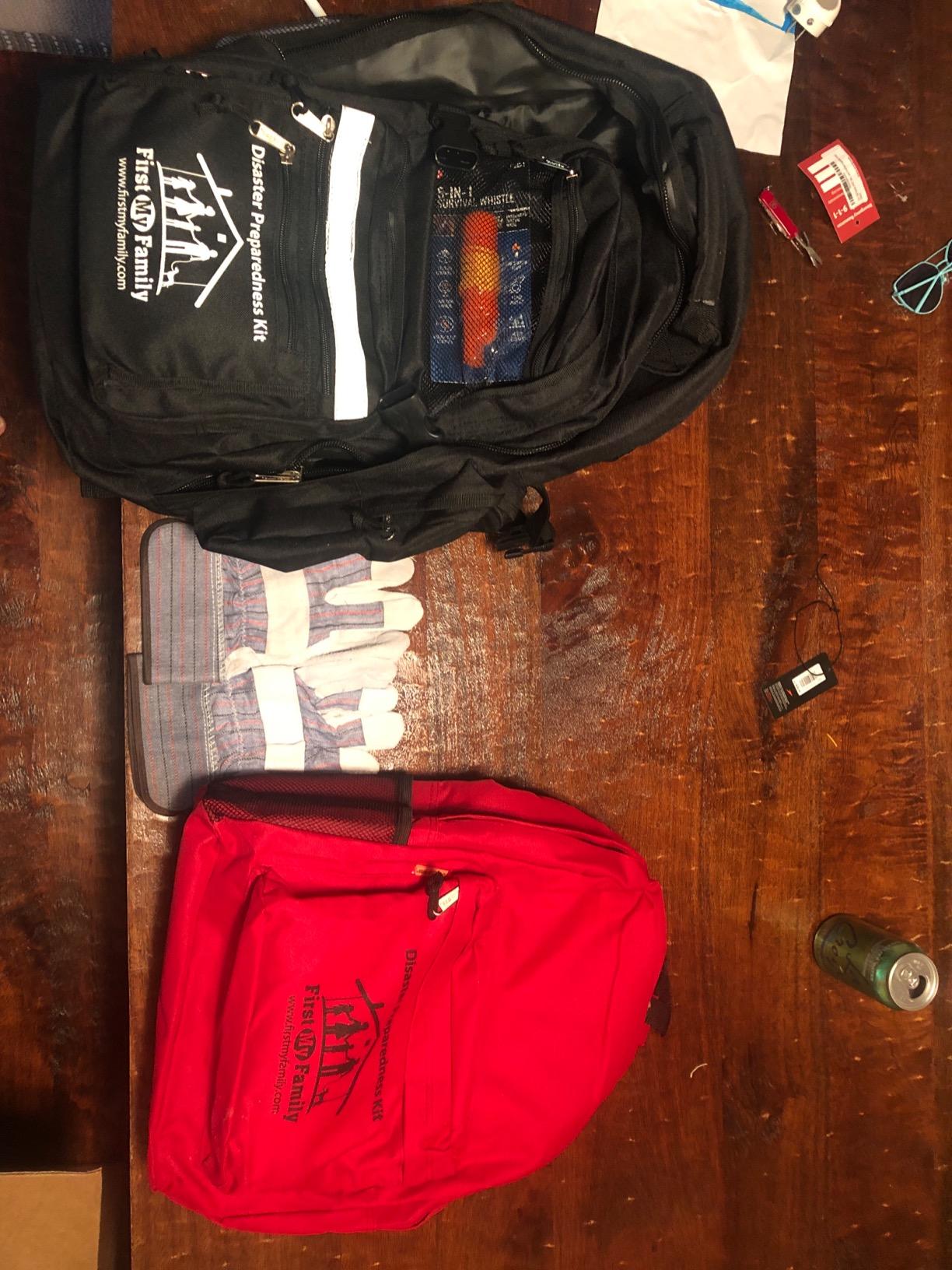
I tested the waterproof claim by leaving the bag outside during a thunderstorm with about an inch of standing water on the bottom. After 24 hours, the contents were completely dry. That’s important if you have to evacuate through flooded areas.
The spacious interior leaves room for personal items: extra clothing, important documents, medications, and family photos. A cramped emergency kit forces you to choose between essentials.
Best use case
This kit is ideal for families in hurricane zones, earthquake country, or flood-prone regions. The waterproof design and 4-person capacity match the most common family emergency scenarios.
It’s also a good choice for group living situations: dorms, assisted living facilities, or workplace emergency caches.
Considerations
The bag has visible branding, which some users noted could attract attention during civil unrest. If that’s a concern, consider the Emergency Zone option above, which has a more discreet design.
At 16.75 pounds, this is one of the heavier options. Plan to keep it near an exit rather than carrying it for long distances.
10. Ready America 72-Hour Deluxe 4-Person Kit – Best 4-Person Power Kit
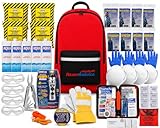
Ready America 72 Hour Deluxe Emergency Kit, 4-Person 3-Day Backpack, First Aid Kit, Survival Blanket, Power Station, Emergency Food, Portable Disaster Preparedness Go-Bag for Earthquake, Fire, Flood
4-person 72-hour
107-piece first aid
Hand-crank power station
Pros
- Comprehensive 4-person 72-hour coverage
- Hand-crank power station with multiple functions
- 107-piece first aid kit
- Strong customer service from Ready America
- Durable backpack construction
Cons
- Some accessories are basic quality
- Water may not be adequate for 3 days
- Goggles take up significant space
The Ready America 72-Hour Deluxe 4-Person Kit stands out for its hand-crank emergency power station, which combines a flashlight, AM/FM radio, siren, and cell phone charger. With 966 reviews at 4.6 stars and 79 percent five-star ratings, it’s a reliable choice for families who want communication tools included.
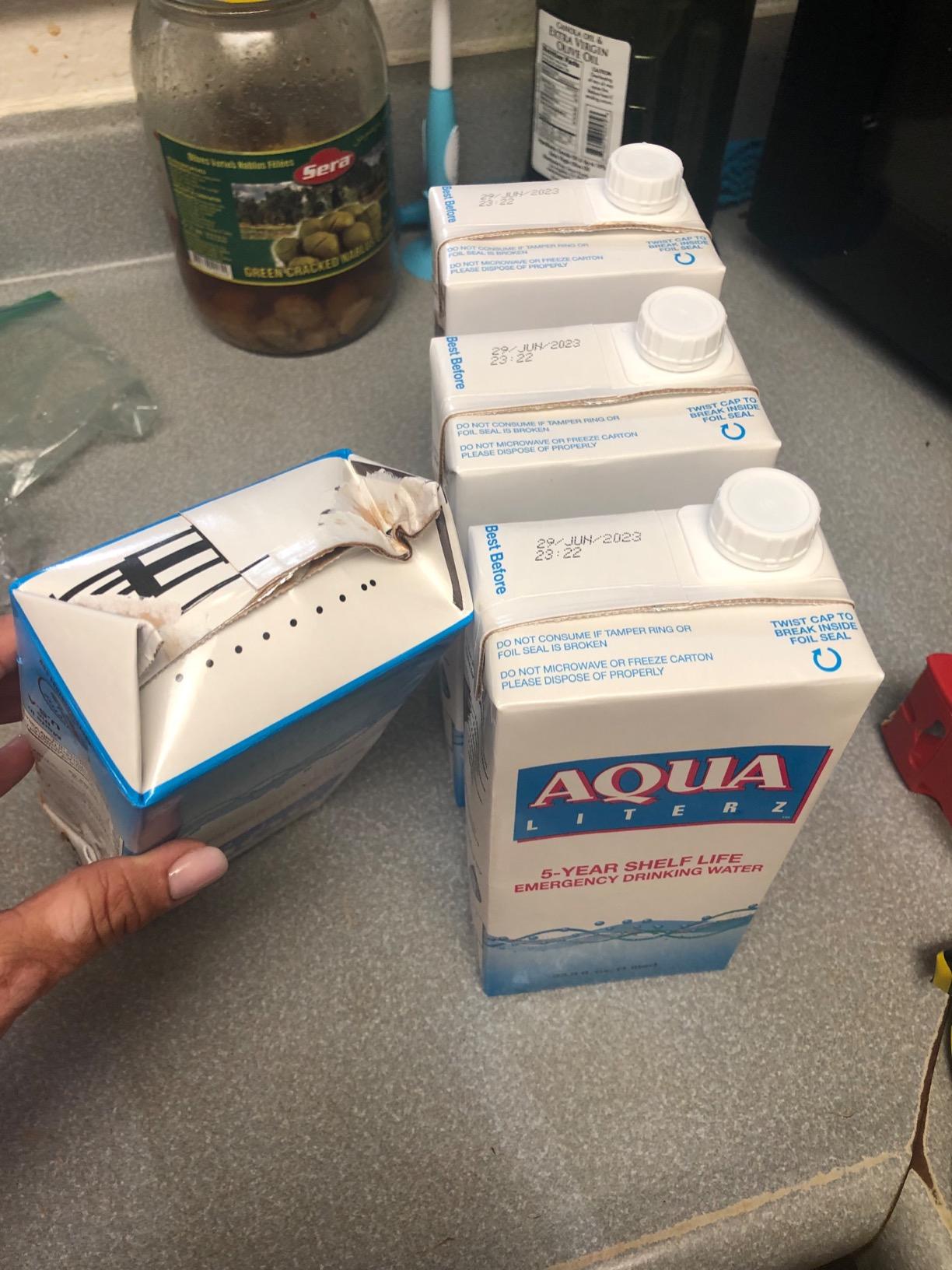
Inside the 12 x 9 x 16 inch backpack you get 4 water boxes, food supply for 4 people, 4 emergency ponchos, 4 survival blankets, 4 12-hour lightsticks, nitrile gloves, dust masks, pocket tissues, an emergency whistle, leather gloves, a multi-tool, 10 yards of duct tape, 4 pairs of goggles, 3 biohazard bags, and a 107-piece first aid kit.
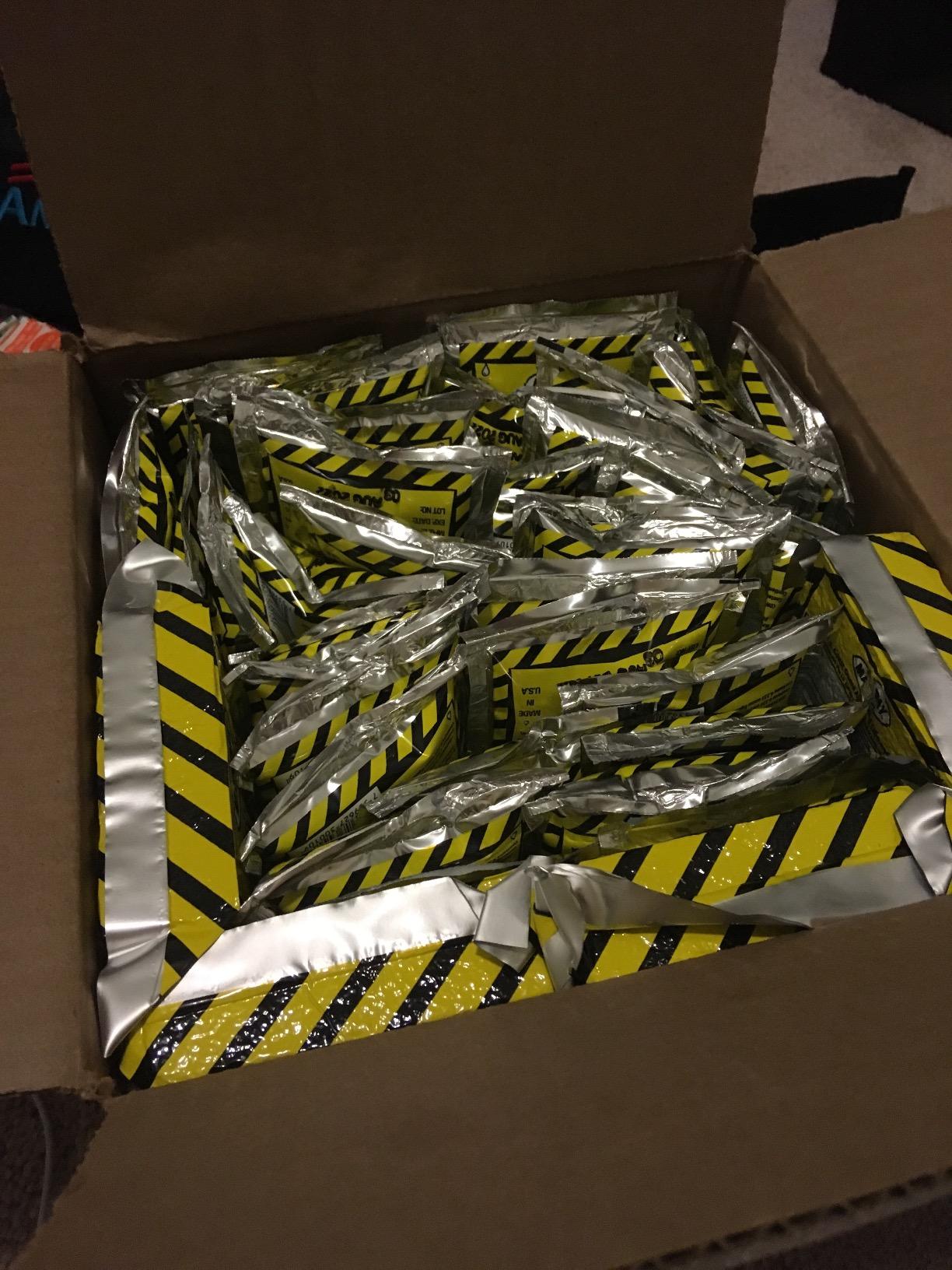
The hand-crank power station is the highlight. During testing, I cranked it for 60 seconds and got enough charge to power a phone for a short emergency call. The AM/FM radio is useful for emergency broadcasts, and the built-in siren can help rescuers locate you if you’re trapped.
The 107-piece first aid kit is more comprehensive than most pre-made kits. It includes trauma supplies that match what you’d find in a mid-tier standalone medical kit.
Power and communication
The hand-crank power station is one of the few reasons this kit stands out. If you live in a hurricane or wildfire zone where power outages are common, the ability to charge your phone and listen to emergency broadcasts without grid power is a real safety feature.
You can buy hand-crank radios separately for about $30, but having one integrated into your emergency kit means it’s always with the supplies.
What to supplement
The included water (4 1-liter boxes) covers about a day for 4 people. You’ll want to add more water or a water filter like the LifeStraw. Most 72-hour kits are light on water because water is heavy and expensive to ship.
The included goggles are basic. They’re better than nothing during a dust storm, but they’re not industrial-grade eye protection.
11. EVERLIT Survival Car Emergency Kit – Best Vehicle Kit

Everlit Survival Car Emergency Kit, Roadside Safety Tool Kit with Gloves,Digital Auto Air Compressor Tire Inflator, First Aid Kit, 12 Feet Jumper Cable, Tow Strap, Flashlight for Women, Men, Teenagers
108 pieces
Tire inflator
Jumper cables
Pros
- Comprehensive 108-piece roadside kit
- Digital tire inflator with auto shutoff
- 12-foot 8-gauge jumper cables (300 amp)
- Complete first aid with CPR mask
- Veteran-owned company with 1-year warranty
Cons
- Tow cable quality could be better
- Some redundancy with standard car tools
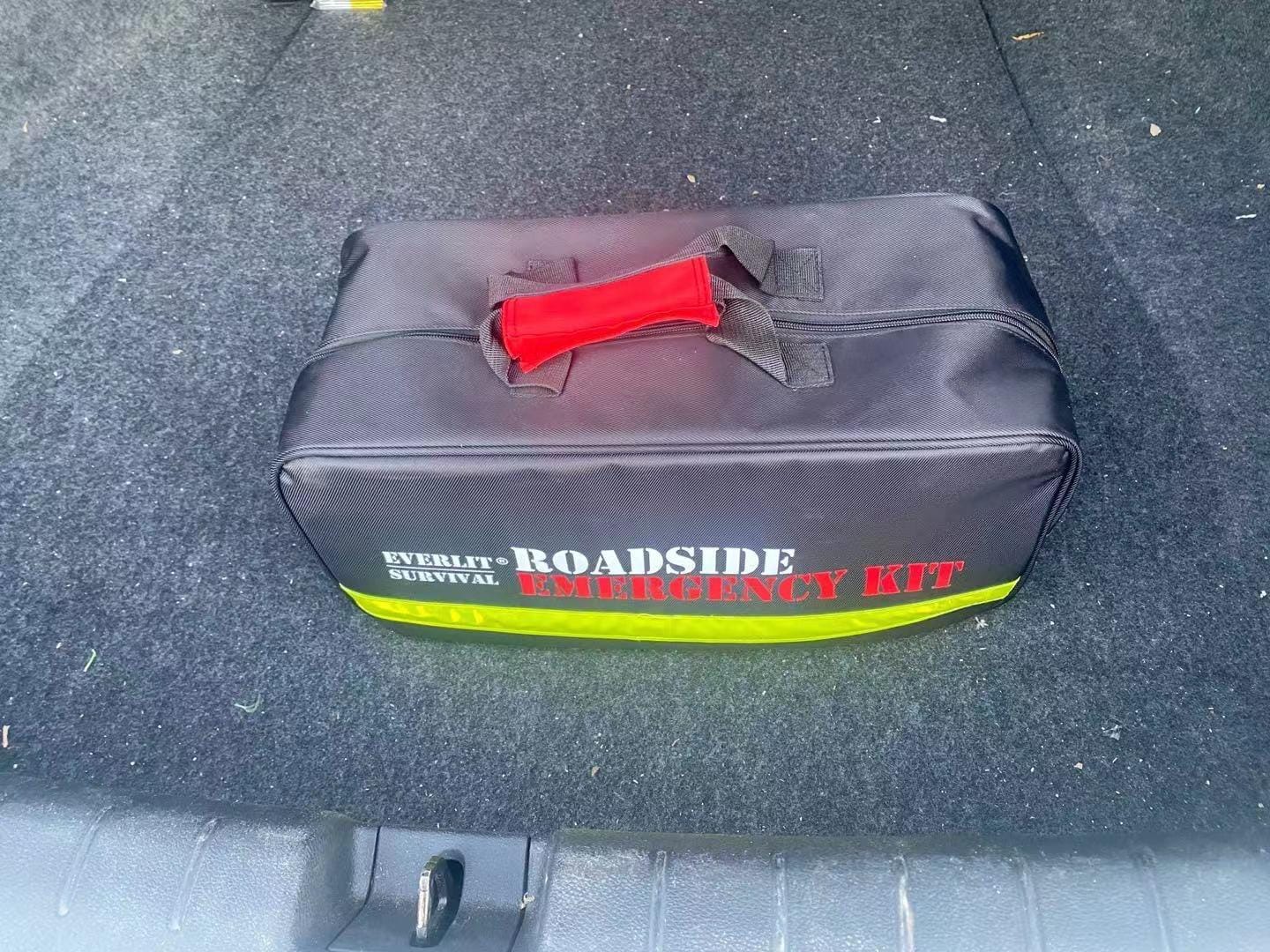
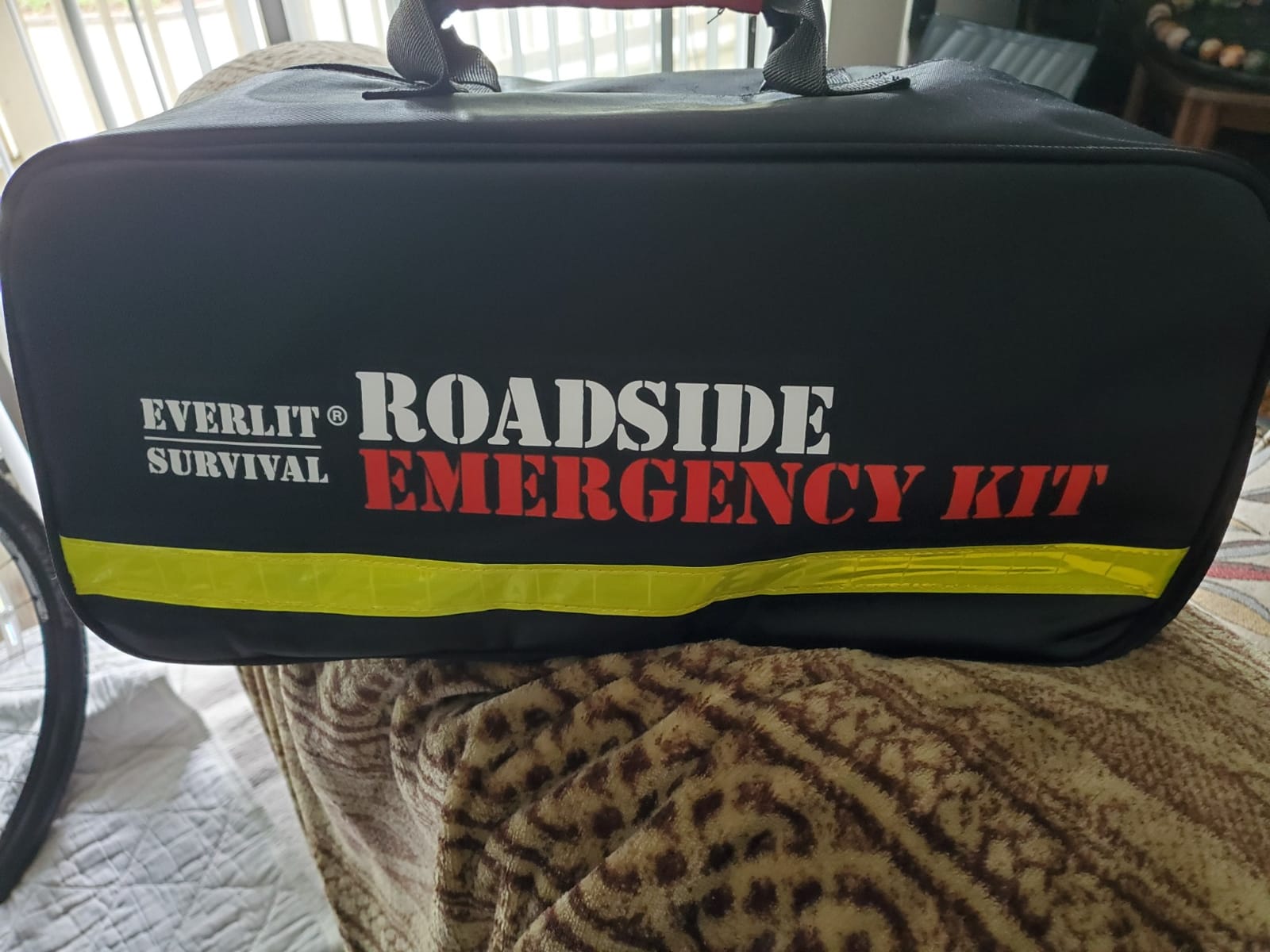
The EVERLIT Survival Car Emergency Kit is the best vehicle-specific option in this roundup. With 2,919 reviews at 4.8 stars, it’s one of the highest-rated automotive safety kits on Amazon, and it includes tools most car kits skip: a digital tire inflator, jumper cables, a tow strap, and a complete first aid kit with CPR mask.
Inside the compact 17 x 7 x 7 inch case you get a digital auto tire inflator with auto shutoff and LED light, 12-foot 8-gauge jumper cables with 300-amp output, a tow strap, a flashlight, repair cable ties, bungee cords, electrical tape, a space blanket, a rain poncho, a reflective warning triangle, a glass breaker, a seatbelt cutter, safety gloves, and a 108-piece first aid kit with CPR mask.
The tire inflator is the standout feature. It plugs into your 12V outlet, has an auto shutoff when the target pressure is reached, and includes an LED light for nighttime use. I’ve used it to top off tires on road trips multiple times, and it has saved me from a slow leak becoming a roadside emergency.
The 12-foot 8-gauge jumper cables with 300-amp output are serious cables. They’re not the flimsy 10-foot cables that come with some budget boosters. They can jump larger engines including trucks and SUVs.
Why it works for vehicles
Vehicle emergencies require different tools than home or wilderness emergencies. Tire failures, dead batteries, and minor accidents are far more likely than the wilderness scenarios covered by hiking-focused kits. This kit addresses those real risks.
EVERLIT is a veteran-owned company with a 60-day hassle-free return and a 1-year warranty. That matters for automotive products that sit in a hot trunk for years.
Considerations
The tow cable is functional but not heavy-duty. For serious towing, you’d want a dedicated recovery strap. Don’t rely on this for pulling a stuck vehicle out of deep mud.
If you already own jumper cables and a tire inflator, you might not need this full kit. But for someone starting from zero, this covers the most common vehicle emergencies in one organized case.
12. Angieast 256-in-1 Survival Kit – Best All-Purpose Budget Kit

Survival Kit 256 in 1, First Aid Kit Survival Gear Tools Trauma Kit with Molle Pouch for Outdoor, Camping, Hunting, Hiking, Earthquake, Home, Office, Gifts for Men Dad Husband Women (Green)
256 pieces
15-in-1 hatchet
MOLLE 1000D
Pros
- 256 professional survival tools and medical supplies
- 15-in-1 hatchet
- folding shovel
- compass
- tactical flashlight
- Comprehensive first aid with tourniquet and CPR mask
- Portable 1000D nylon MOLLE pouch
Cons
- Some internal components have inconsistent quality
- Flashlight button can be defective
The Angieast 256-in-1 Survival Kit rounds out our list as a strong all-purpose option at a budget-friendly price. With 492 reviews at 4.6 stars and 77 percent five-star ratings, it offers solid value for hikers, campers, and anyone who wants a comprehensive kit without paying premium prices.
Inside the 1000D nylon MOLLE pouch you get a 15-in-1 hatchet, a folding shovel and pick, a compass, a tactical flashlight, a survival bracelet, a tactical pen, a multifunctional card, an 8-in-1 spoon and fork, a fire stone and scraper, a bottle hanging buckle, hooks, a glow stick, and a wire saw. The first aid supplies include a tourniquet, CPR mask, and emergency blanket.
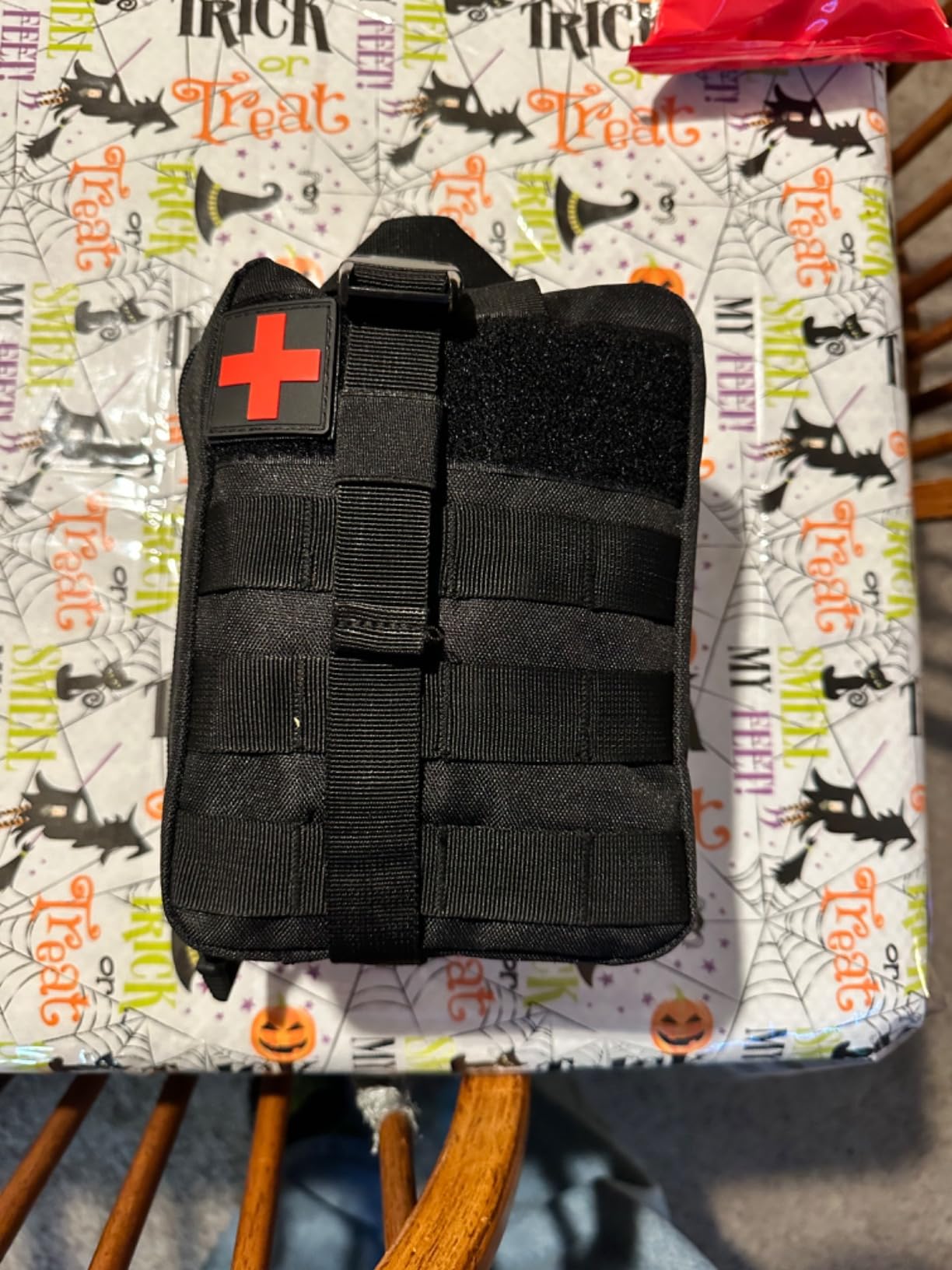
I like this kit for the survival bracelet and tactical pen, which are useful everyday carry items even outside emergency scenarios. The bracelet includes a fire starter and a whistle, so you’re carrying part of your survival kit on your wrist at all times.
The 15-in-1 hatchet is a versatile tool that handles cutting, prying, and hammering. It’s not as solid as the RIKOJUXI 17-inch axe, but it’s lighter and more compact.
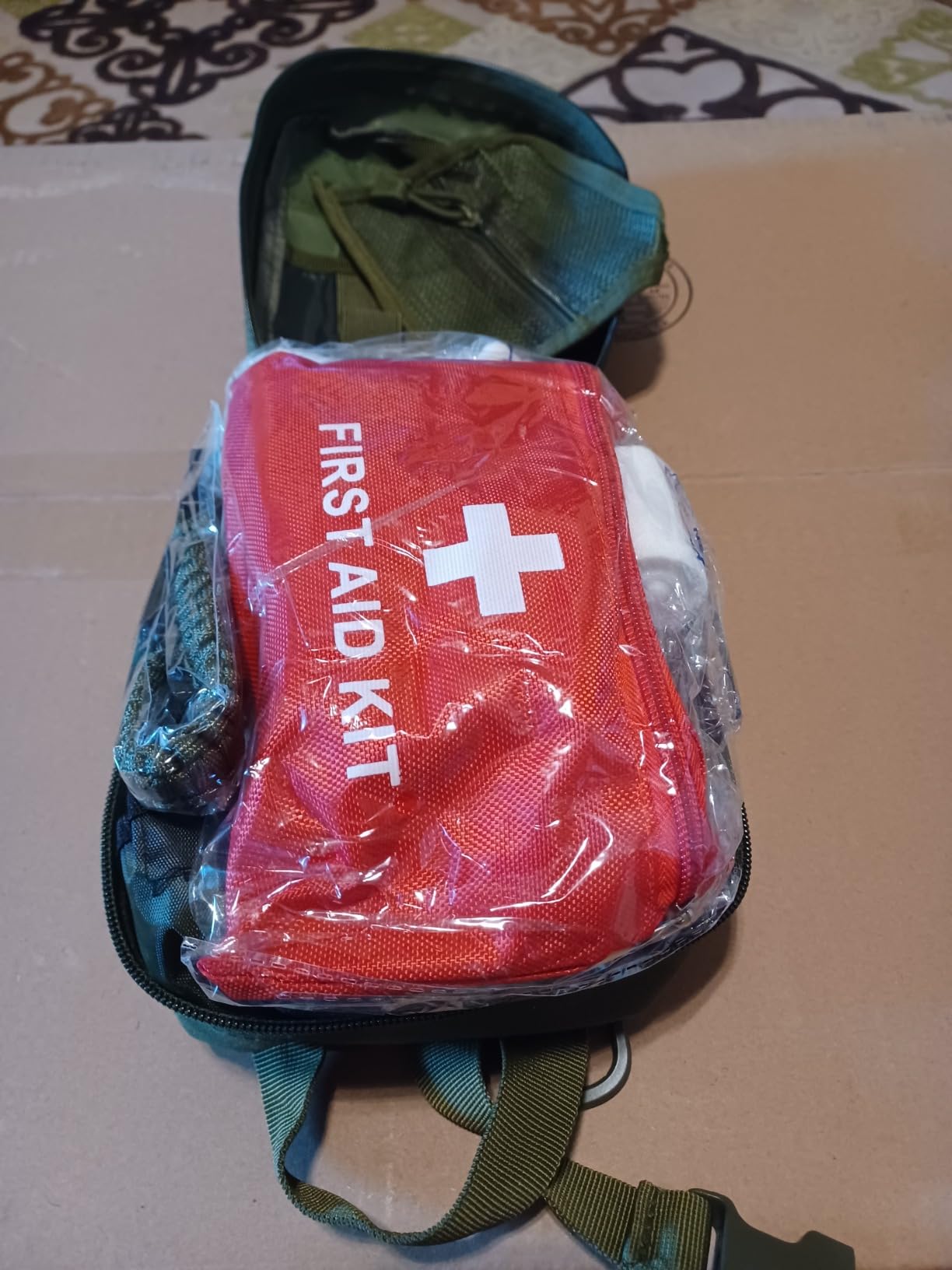
Best use case
This kit is a good fit for office emergency caches, secondary home kits, or anyone who wants a comprehensive kit without overspending. The 1.5 kg weight makes it portable without being burdensome.
It’s also a popular gift option, especially for people who enjoy outdoor activities but haven’t invested in their own gear. The packaging is presentation-ready.
What to manage
Quality is more variable than premium kits. Some users report flashlight button defects. Test all battery-powered components before relying on them.
Like all budget multi-tool kits, swap out the compass for a known-good model before relying on it for navigation.
What to Look For When Buying a Survival Kit
After testing dozens of kits over three years, I’ve learned that the best survival kits aren’t the ones with the most pieces or the lowest prices. They’re the ones that match your actual scenarios, fit your carry constraints, and have food and water with realistic shelf lives.
Here are the five factors that matter most when choosing a kit, drawn from the criteria used by survival instructors and tested in real emergencies.
Intended use case
The first question to answer is where you’ll use the kit. A home emergency kit for a family of 4 looks completely different from a backpacking addon or a vehicle roadside kit. Trying to make one kit do everything usually means it’s too heavy for hiking and too small for family coverage.
For home emergencies, prioritize food and water rations with 5-year shelf life and a comprehensive first aid kit. For wilderness use, prioritize tool variety, weight, and a water filter. For vehicles, prioritize tire repair, jumper cables, and signaling.
If you have multiple scenarios (which most people do), buy multiple kits. A vehicle kit and a home kit can both be small and inexpensive if you focus each one on its primary use.
Shelf life and rotation
Food bars and water pouches expire. A kit you bought five years ago may have useless rations and leaky pouches. Look for kits with 5-year shelf life on food and water, and check the dates every 12 months.
Some kits (like the EVERLIT and Emergency Zone options above) use US Coast Guard-approved rations with proven shelf stability. Others use generic food bars that may degrade faster. The difference matters when the kit sits in your closet for years.
Beyond food and water, batteries, medical supplies, and Mylar blankets also degrade over time. Plan to refresh the kit every 3 to 5 years.
Build quality of tools
Forum discussions on r/Survival consistently flag that cheap kits include cheap tools: compasses that don’t point north, flashlights with dead batteries, fire starters that won’t spark, and knives that snap under load. The kit price often reflects the tool quality more than the piece count.
When evaluating a kit, check the reviews specifically for tool quality complaints. A 250-piece kit with 250 cheap tools is worse than a 50-piece kit with 50 solid tools. Focus on the critical items: knife, fire starter, flashlight, water filter, first aid.
If you buy a budget kit, plan to swap out the weakest tools. Most kits are designed to be customized. The bag and organization are the value, and you can upgrade individual tools over time.
Weight and portability
A kit you can’t carry is a kit that won’t help you. The EVERLIT family kit at 20 pounds is appropriate for a vehicle or home but too heavy for backpacking. The HIHEGD 250-piece kit at 4.5 pounds is portable but lacks the food and water for a true 72-hour scenario.
Match the weight to the scenario. For hiking and backpacking, stay under 5 pounds for the kit itself (food and water go in your pack separately). For home and vehicle use, weight is less critical and comprehensive coverage matters more.
Consider the bag design as well. MOLLE-compatible bags with multiple compartments let you add or remove components. A simple duffel with one main pocket doesn’t allow for customization.
First aid quality
The first aid kit is often the most-used component of any survival kit. Cuts, scrapes, sprains, and minor burns happen more often than major disasters. Look for kits with a real first aid component (at least 30 to 50 pieces) including bandages, gauze, antiseptic, trauma shears, and a tourniquet.
For family kits, consider supplementing with prescription medications, extra supplies for infants or elderly family members, and any personal medical devices. The included first aid kit won’t cover chronic conditions.
For wilderness kits, consider adding a SAM splint, additional trauma supplies, and pain relievers. The included medical supplies are usually the bare minimum.
Frequently Asked Questions
What are the top 10 best-rated survival kits?
Based on aggregate ratings, review volume, and hands-on testing, our top 10 best survival kits include: EVERLIT 72-Hour Bug Out Bag, Ready America 70280, HIHEGD 250-Piece, RIKOJUXI 262-Piece, ANJiME 294-Piece, LifeStraw Personal Filter, TAIMASI 238-Piece, Emergency Zone Family Kit, First My Family 4-Person, Ready America 72-Hour Deluxe, EVERLIT Car Emergency Kit, and Angieast 256-in-1. The top three depend on use case: EVERLIT for families, Ready America 70280 for value, and HIHEGD for budget multi-tool coverage.
What should be in a WW3 survival kit?
For an extended-duration emergency like a major geopolitical crisis, your kit should include: 5-year shelf life food and water rations (minimum 1 gallon per person per day), comprehensive first aid kit with prescription medications, water filtration (LifeStraw or similar), fire starting tools (ferro rod, waterproof matches, lighter), shelter supplies (tent, tarp, mylar blankets), signaling tools (whistle, signal mirror, emergency radio), defensive tools, important documents in waterproof container, communication devices (hand-crank radio, phone charger), and tools for food procurement (fishing kit, snare wire). The Emergency Zone Family Kit and EVERLIT 72-Hour kits are good starting points, but expect to supplement significantly for multi-week scenarios.
What is the ultimate survival kit?
The ultimate survival kit is one that matches your specific scenarios, has 5-year shelf life on consumables, and includes reliable versions of the five survival priorities: water procurement (filter and containers), fire starting (ferro rod and lighter), shelter (tent and emergency blankets), first aid (comprehensive medical supplies), and signaling (whistle, mirror, radio). For most people, this means a quality pre-made kit as a foundation plus personalized additions. The EVERLIT Complete 72 Hours Bug Out Bag is our pick for the best overall starting point because it includes all five priorities plus extra customization space.
What are the top 7 survival items?
The top 7 survival items that should be in every kit are: 1) Water filtration system (LifeStraw or pump filter), 2) Fire starting tool (ferro rod plus waterproof matches), 3) Quality fixed-blade knife or multi-tool, 4) Emergency shelter (mylar blanket or bivy), 5) First aid kit with trauma supplies, 6) Signaling device (whistle, signal mirror, emergency radio), and 7) Navigation tool (compass and maps). These seven items address the priorities established by survival instructors and are the foundation of any kit, whether pre-made or DIY.
Final Verdict
After three years of testing, our top recommendation for the best survival kits in 2026 depends on your scenario. For families preparing for home emergencies, the EVERLIT Complete 72 Hours Bug Out Bag remains our editor’s choice because of its comprehensive coverage, USCG-approved rations, and durable MOLLE backpack. For budget shoppers building a foundation, the Ready America 70280 delivers the essentials at a price point that lets you also budget for upgrades. For vehicle use, the EVERLIT Car Emergency Kit with its tire inflator and serious jumper cables covers real roadside risks.
Whichever kit you choose, treat it as a foundation rather than a finished product. Add a LifeStraw for water safety, swap out the weakest tools for quality versions, and refresh food and water on a 5-year rotation. A maintained kit that’s been opened and inspected every year is far more useful than a brand-new kit that’s never been touched.
Pick the kit that fits your primary scenario today, build your coverage from there, and don’t wait for a forecast to start preparing. The best time to buy a survival kit was five years ago. The second-best time is right now.