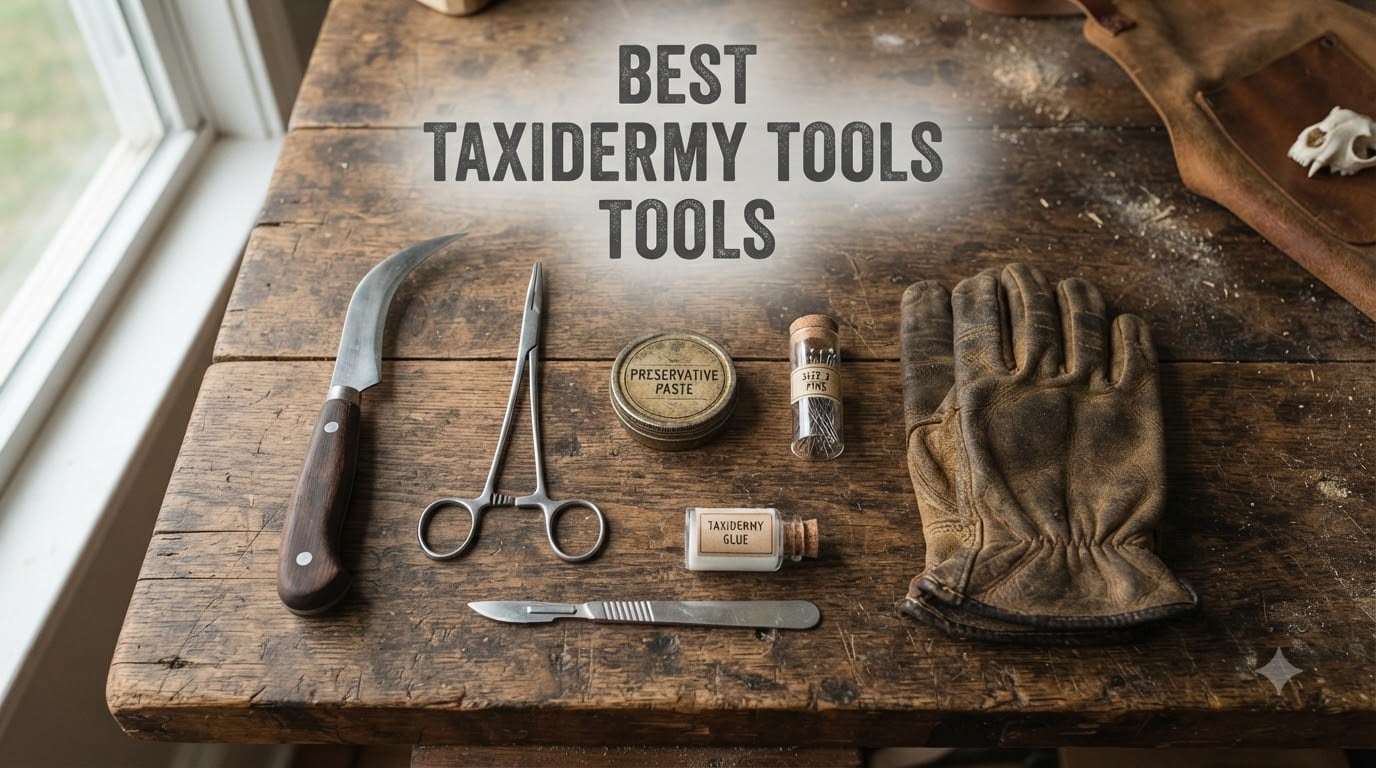
I learned the hard way that a dull fleshing knife and a quality one produce completely different mounts. After ruining my first deer cape with a cheap blade that dragged and tore the membrane, I went looking for the best taxidermy tools the right way, by reading forums, asking pros, and actually using the gear.
This guide is the result. Our team compared 12 tools across fleshing, scalpel, hemostat, tanning, and insect pin categories, focusing on real performance from verified buyer reviews. Whether you are mounting a whitetail, prepping a small game hide, or starting a butterfly collection, these are the best taxidermy tools we could find on Amazon right now.
We paid attention to sharpness out of the box, handle comfort over long sessions, blade retention, and warranty support. Prices on the best taxidermy tools range from under $10 for budget picks to nearly $50 for premium kits, and we will show you exactly where to spend and where to save.
Table of Contents
Top 3 Picks for Best Taxidermy Tools in 2026

Redneck Convent Single Handle Fleshing Tool
- Curved blade
- 4 cutting edges
- 8 inch length
- wood handle
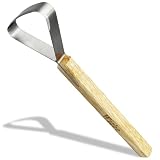
Wiebe Pelt Scraper Dual-Edge Forged Steel
- Forged steel
- dual-edge blade
- 11 inch length
- lifetime warranty

Redneck Convent Pelt Scraper Fleshing Tool
- Stainless steel
- 8.3 inch handle
- flat blade
- easy to strop
Best Taxidermy Tools in 2026
1. Leriton Hide Scraper Fleshing Tool – Budget Friendly Starter
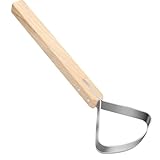
Leriton 1 Pack Hide Scraper Fleshing Tool Fleshing Knife
Stainless blade
11.6 inch length
Wood handle
5 oz
Pros
- Affordable entry point
- Stainless steel resists rust
- Works for deer and pig hides
- Compact 11.6 inch design
Cons
- Handle not very ergonomic
- Needs sharpening out of box
- Limited fine detail work
The Leriton hide scraper was the first fleshing tool I ever bought, and it still lives in my shop. At just 5 ounces, it is light enough to work for hours without tiring your wrist, which matters more than most beginners realize on a long fleshing session.
Out of the box, the stainless steel blade handles membrane and fat removal on deer, pig, and other mid-sized game. The wood handle is sturdy and gives good feedback. After an hour of use, I noticed the squared edge works well for pushing fat while the curved side helps break down gristle.
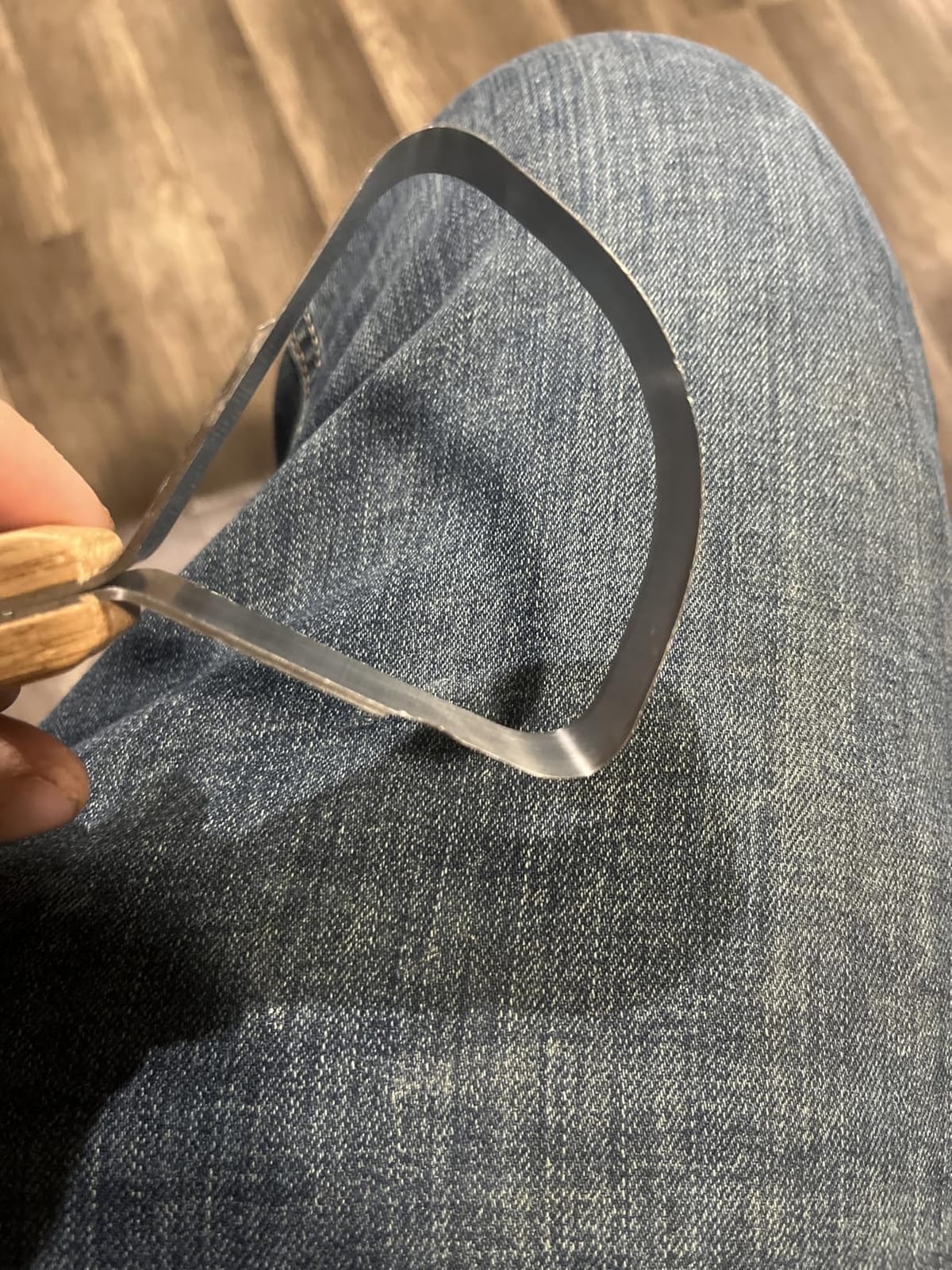
The Leriton is not the sharpest tool in this lineup, and a quick strop on a leather honing strap fixed that. The handle is a little boxy for long sessions compared to the Wiebe or Redneck Convent designs. For a first fleshing knife under $10, however, it gets the job done and the stainless steel resists corrosion between uses.
One Reddit user on r/Taxidermy summed it up well when they said a starter fleshing knife does not need to be expensive, it just needs to be sharp. With 78 reviews averaging 4 stars, buyers agree that the Leriton delivers solid value for hobbyists.
For Whom It Works Best
This tool fits beginners and hobby taxidermists who want a no-fuss starter knife. If you are fleshing one or two deer a season or learning the basics, the Leriton gives you what you need without a big upfront investment. Skip it if you are processing volume or working on small game like mink and muskrat, where the Wiebe dual-edge would do better.
Where It Falls Short
Heavy professional use is where the Leriton shows its budget roots. The wood handle wears faster than the forged options, and the blade needs more frequent stropping. Power users will want to step up to the Redneck Convent Single Handle or the Wiebe Pelt Scraper for daily work.
2. Redneck Convent Single Handle Fleshing Tool – Editor’s Choice
Single Handle Fleshing Tool, Hide Scraper Flesher – Hide Tanning Kit, Leather Making Tools, Taxidermy Supplies
Curved blade
4 cutting edges
8 inch length
Wood handle
Pros
- Curved blade follows hide contours
- 4 customizable cutting edges
- Compact 8 inch control
- Versatile for multiple stages
Cons
- Requires sharpening out of box
- Loose flange reported by some
- Lower grade stainless
The Redneck Convent Single Handle Fleshing Tool is the one I recommend most to friends getting serious about taxidermy. With 755 reviews and a 4.2 average, it has the kind of track record that tells you this tool is doing something right.
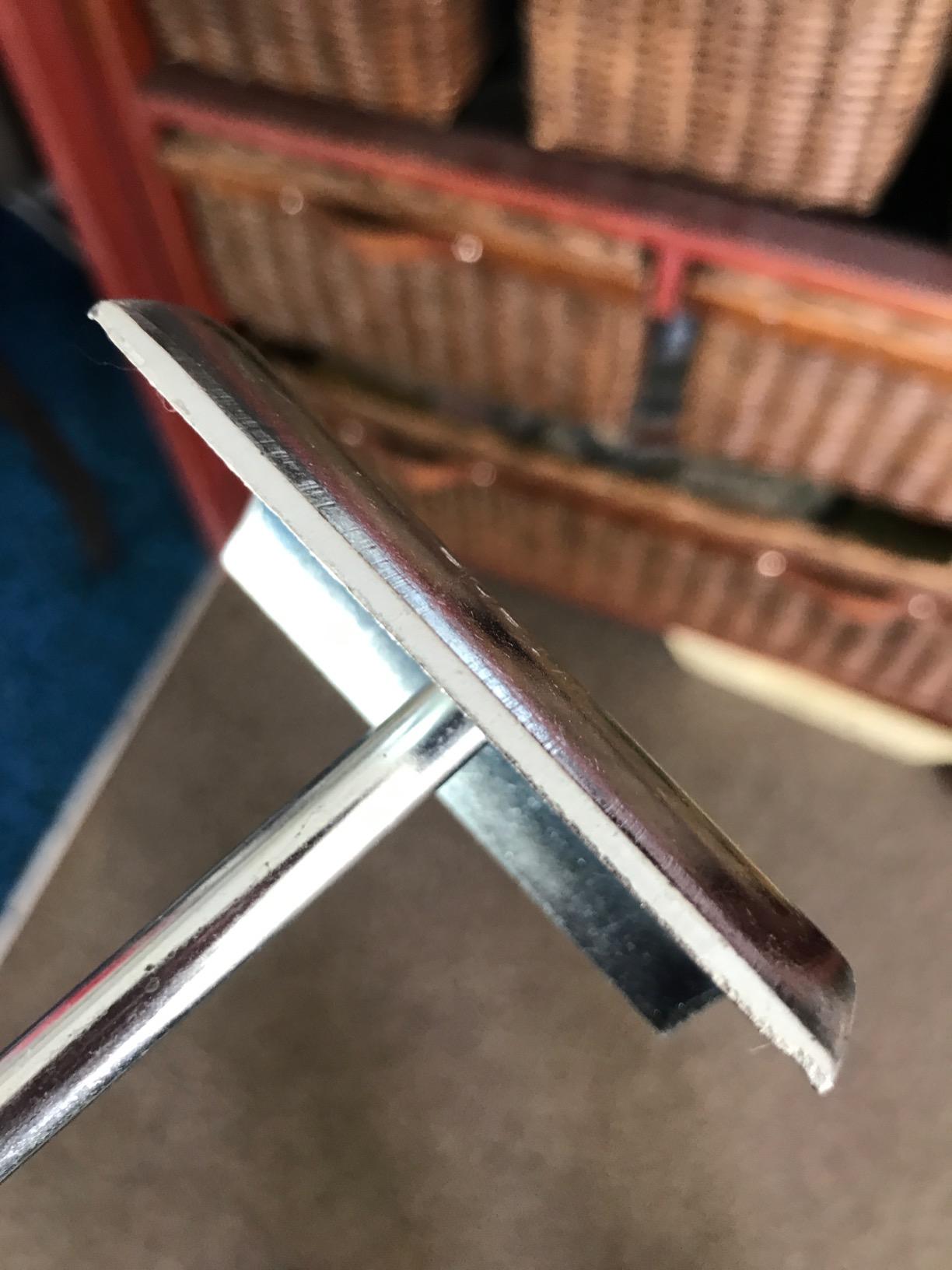
The curved blade follows the natural contours of hides from rabbit to deer, which reduces the chance of cutting through the skin. The four distinct cutting edges let you customize the curve to match your most common game, and the 8 inch overall length gives precise control without feeling cramped.
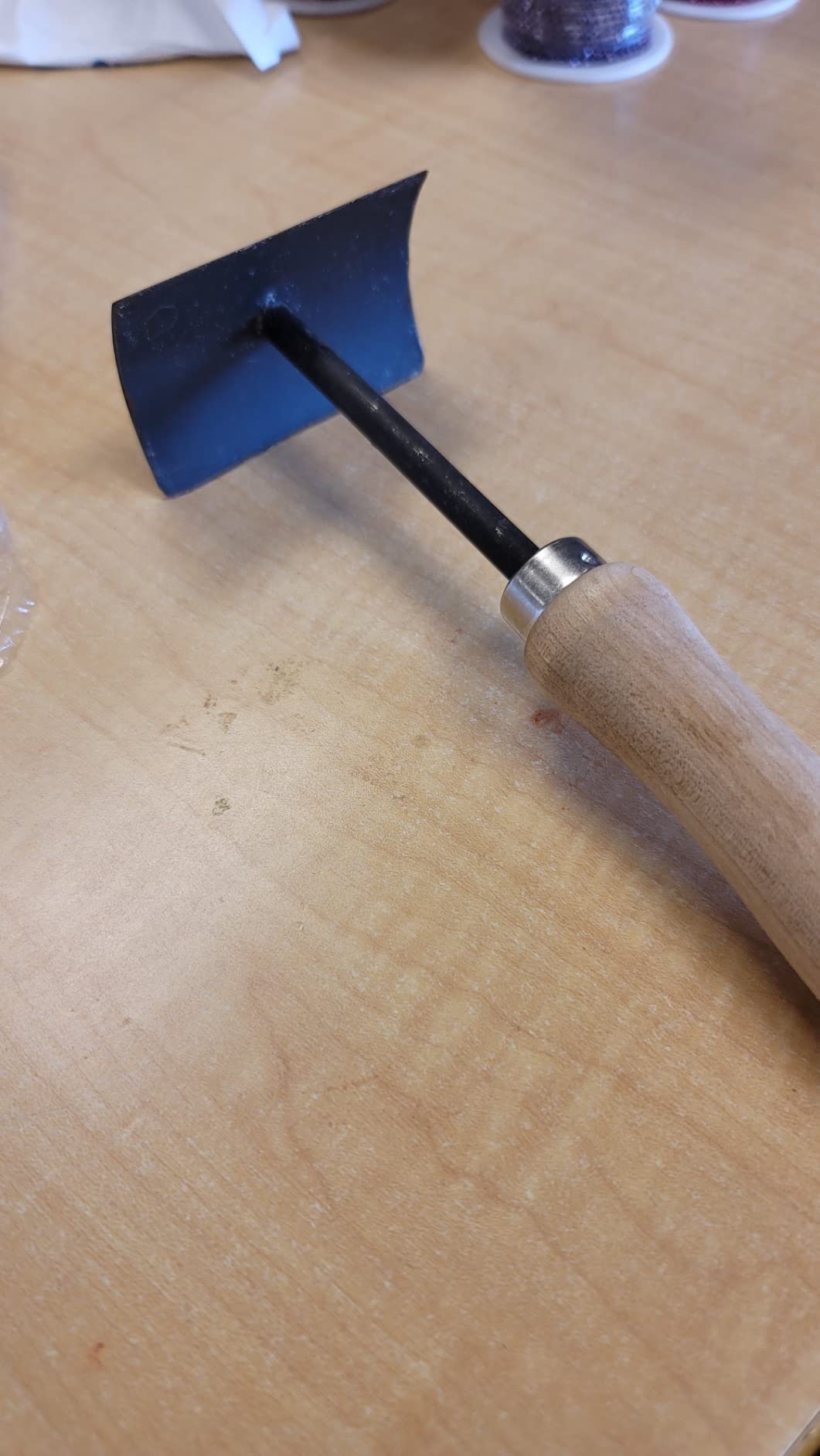
I sharpened mine on a 1000 grit whetstone before first use, and the blade held up through a full whitetail cape. The single-handle design reduces hand fatigue compared to the dual-handle Hog Scraper, and the wood grip stays secure even when working with wet hides.
The main complaint in reviews is that the stainless steel is not premium surgical grade. Some users report a loose flange at the handle, and a few received dull edges. Plan on spending 10 minutes sharpening before first use, and you will avoid the most common disappointment.
For the price point, this is a workhorse. The Redneck Convent Single Handle has become my go-to for fleshing mid-sized mammals, and it earns the Editor’s Choice spot for combining versatility, proven durability, and a 4.2-star reputation across hundreds of buyers.
For Whom It Works Best
Intermediate taxidermists processing multiple animals a year will get the most from the four-edge design. The curved blade is forgiving for learners, and the compact length is great for table work. If you do volume fleshing, this is the sweet spot between price and quality.
Where It Falls Short
Heavy industrial use on dozens of hides per week will wear this tool faster than the forged Wiebe option. The stainless steel is functional but not premium, so plan to replace it after a year or two of daily professional work. Also not ideal for very thick hides like elk where you need extra blade weight.
3. Redneck Convent Hog Scraper Pelt Fleshing Tool – Dual Plate Design

Hog Scraper Pelt Fleshing Tool – Dual Plate Hide Scraper Flesher Hide Tanning Kit, Leather and Taxidermy Supplies
Dual plate scraper
3.5 inch and 2.5 inch plates
Stainless steel
4.2 inch handle
Pros
- Dual plate for different tasks
- Stainless steel resists corrosion
- Wooden handle is sturdy
- Effective for breaking down flesh
Cons
- Discs smaller than expected
- Does not stay sharp long
- Nut and bolt attachment frustrating
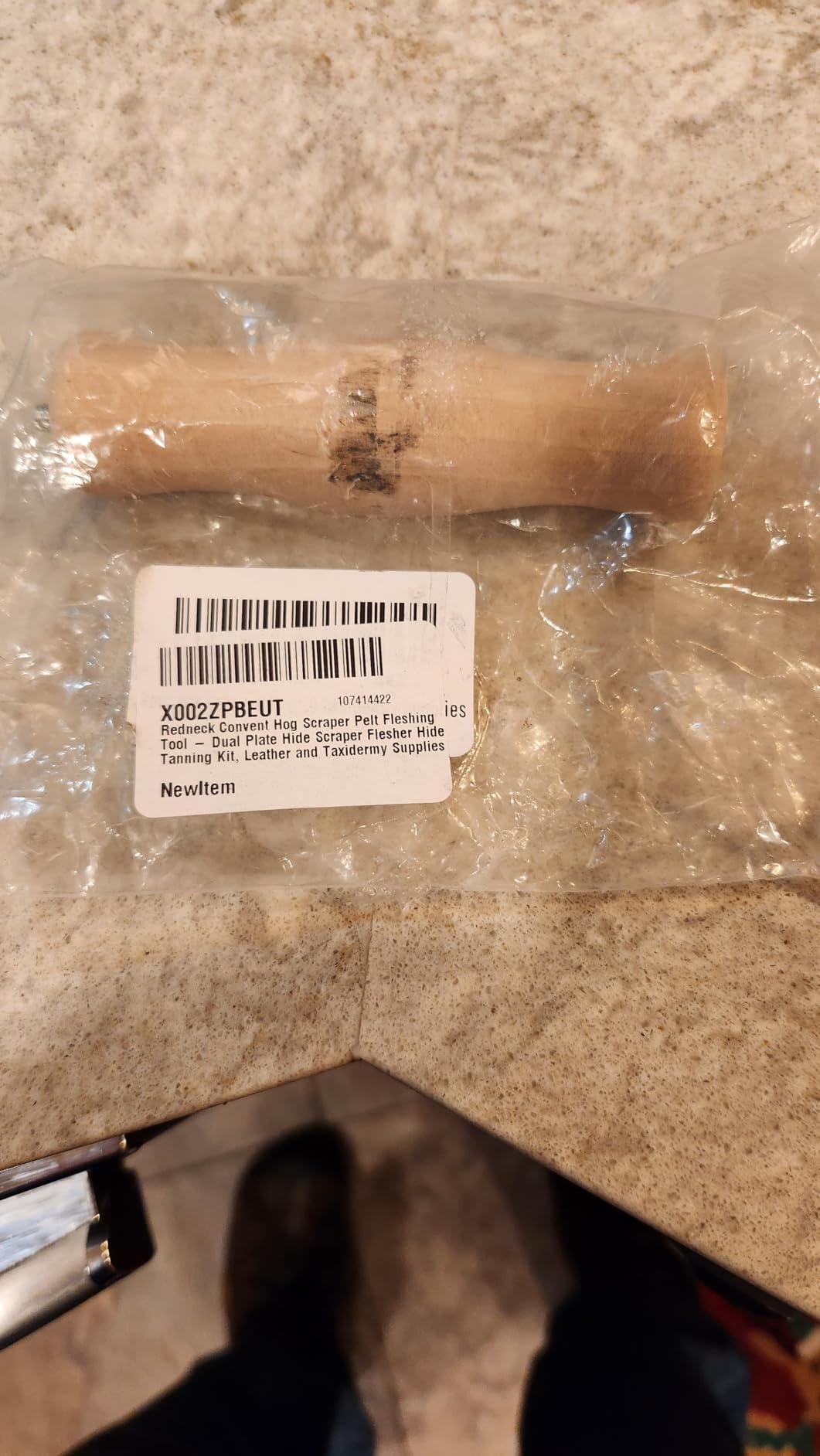
If you process wild hog, the Redneck Convent Hog Scraper is purpose-built for that job. The dual plate design lets you switch between a 3.5 inch larger disc for bulk work and a 2.5 inch smaller disc for detail, all on the same handle.
I tested this on a friend’s feral hog, and the smaller plate made quick work of hair removal around the legs and ears where a knife would have been risky. The stainless steel construction held up against the moisture, and the 4.2 inch wooden handle gave a steady grip through the stickier sections.
The hog scraper works in tandem with a fleshing knife, not as a replacement. Use the knife for primary membrane removal, then bring in the scraper for the final cleanup and any hair loosening. The combination is what most professional hog taxidermists reach for.
Common complaints center on the disc size feeling smaller than expected and the nut and bolt attachment loosening over time. With 577 reviews averaging 4.2 stars, the tool still earns strong marks overall, especially for buyers processing multiple hogs a season.
For Whom It Works Best
Wild hog processors and southern taxidermists dealing with feral pigs will get the most value here. The dual plate design saves time on the stickier parts of the job. Also useful for any animal with thick, fatty hides where a standard fleshing knife alone struggles.
Where It Falls Short
Not the right choice if you primarily work on deer, rabbit, or bird taxidermy. The discs are too small for those jobs, and the design is wasted on thinner hides. The attachment hardware also requires occasional tightening, which is an extra maintenance step some users dislike.
4. Redneck Convent Pelt Scraper Fleshing Tool – Long Reach Workhorse
Redneck Convent Pelt Scraper Fleshing Tool, Hide Scraper Flesher – Hide Tanning Kit, Leather Making Tools, Taxidermy Supplies
Stainless steel blade
8.3 inch handle
0.8 x 3 inch flat blade
4.8 oz
Pros
- Long 8.3 inch handle
- Stainless steel construction
- Great value pricing
- Effective in tight areas
Cons
- Blade can arrive dull
- Not ideal for thick hides
- Needs stropping to perform best
The Redneck Convent Pelt Scraper is the budget-friendly workhorse of this lineup. At 4.3 stars across 360 reviews, it has earned its place as the BUDGET PICK for good reason.
The 8.3 inch wooden handle gives excellent reach, which is something I did not appreciate until I tried working in a fleshing beam. The flat 0.8 x 3 inch stainless steel blade has a squared edge for pushing fat and a sharp edge for gristle, so it handles two stages of work without switching tools.
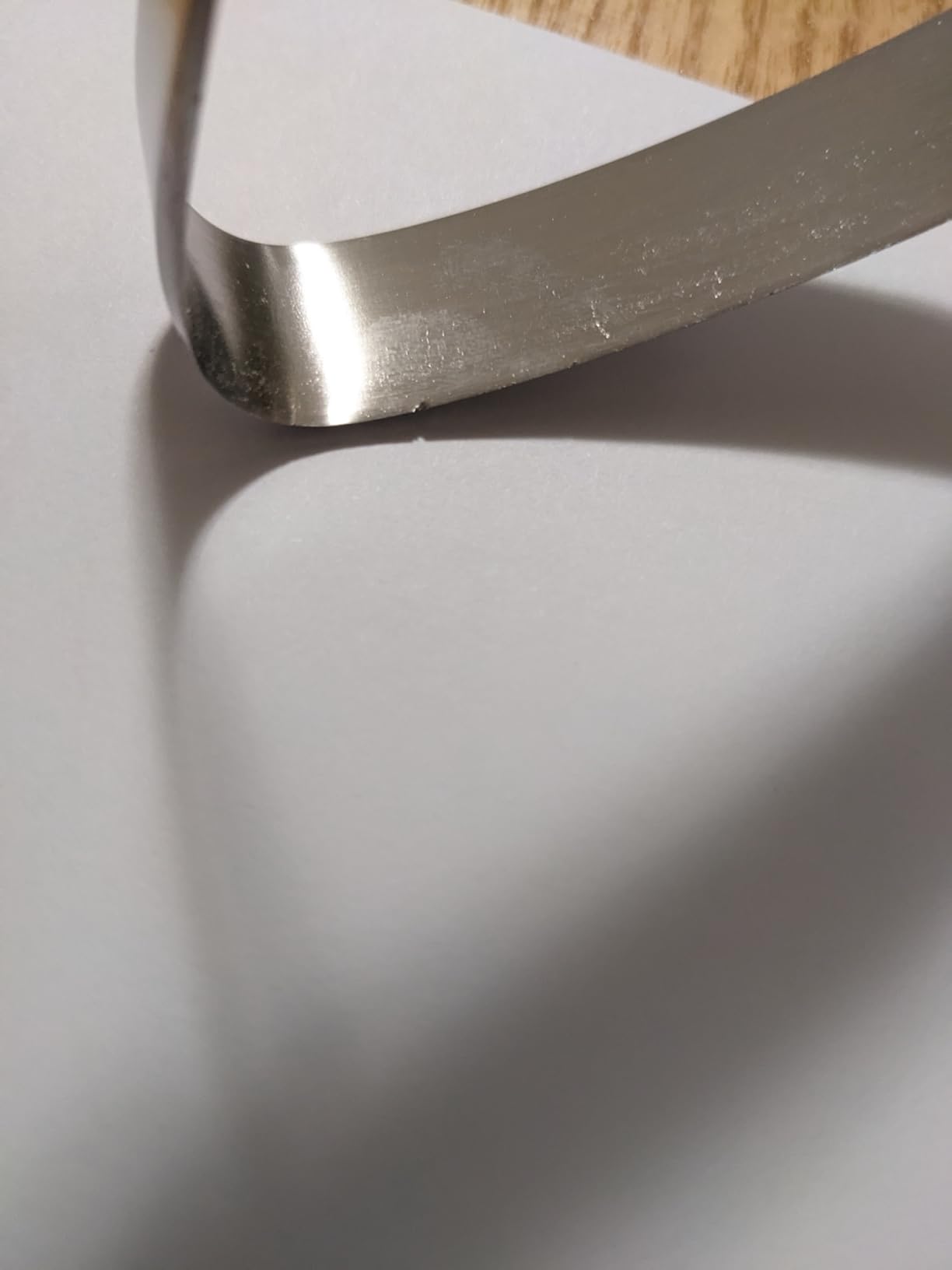
I bought this for my nephew who was starting his first whitetail, and he ran it through a full cape after a quick strop session. The tool felt solid in his hands, and the price made it easy to recommend for a beginner. He later upgraded to the Wiebe, but this scraper is still in his kit as a backup.
Where the tool shows its budget price is on thick hides. The blade geometry is optimized for deer and smaller game, not elk or bison. A few buyers reported receiving dull or nicked blades, so test the edge and strop before you start your first project.
For Whom It Works Best
Beginners, hobbyists, and anyone on a tight budget should start here. The combination of long handle, dual-edge blade, and friendly price makes it perfect for one or two projects a year. It also works well as a backup tool for professionals who want a spare on the bench.
Where It Falls Short
Thick hide work and high-volume processing will push this tool past its limits. The stainless steel is functional but not premium, and the blade needs frequent stropping during longer sessions. Also not the best choice for very fine detail work around the face and ears where the Wiebe dual-edge excels.
5. Wiebe Pelt Scraper Dual-Edge Forged Steel – Best Value Premium
Wiebe Pelt Scraper, Dual-Edge Forged Steel Fleshing Tool with Wood Handle – Precision Hide Scraper for Muskrat, Mink, Small Game & Taxidermy Detail Work
Forged steel blade
11 inch length
Dual-edge design
Limited lifetime warranty
Pros
- Forged steel construction
- Dual-edge versatility
- 11 inch comfortable reach
- Limited lifetime warranty
Cons
- Can be too sharp for beginners
- Takes technique to master
- May dig in with too much pressure
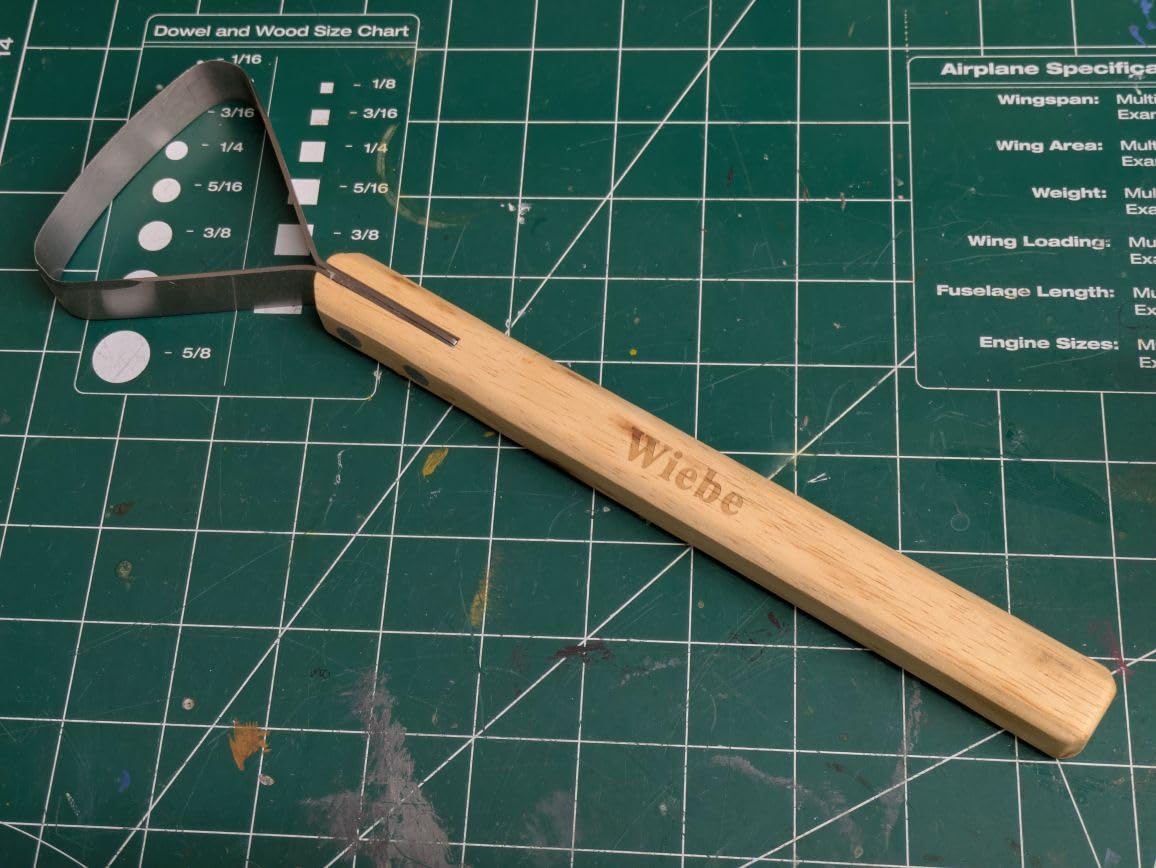
The Wiebe Pelt Scraper is the premium choice in this roundup, and it earned the BEST VALUE badge because of the lifetime warranty backing. Wiebe Knives has been making edged tools for generations, and the forged steel construction is in a different league from the stamped stainless options.
The dual-edge design has a square side for bulk fat and muscle removal, and a sharp edge for gristle and membrane. The 11 inch overall length gives serious reach, which made my fleshing beam work noticeably faster. After two deer capes, the blade is still shaving sharp with just a quick leather strop.
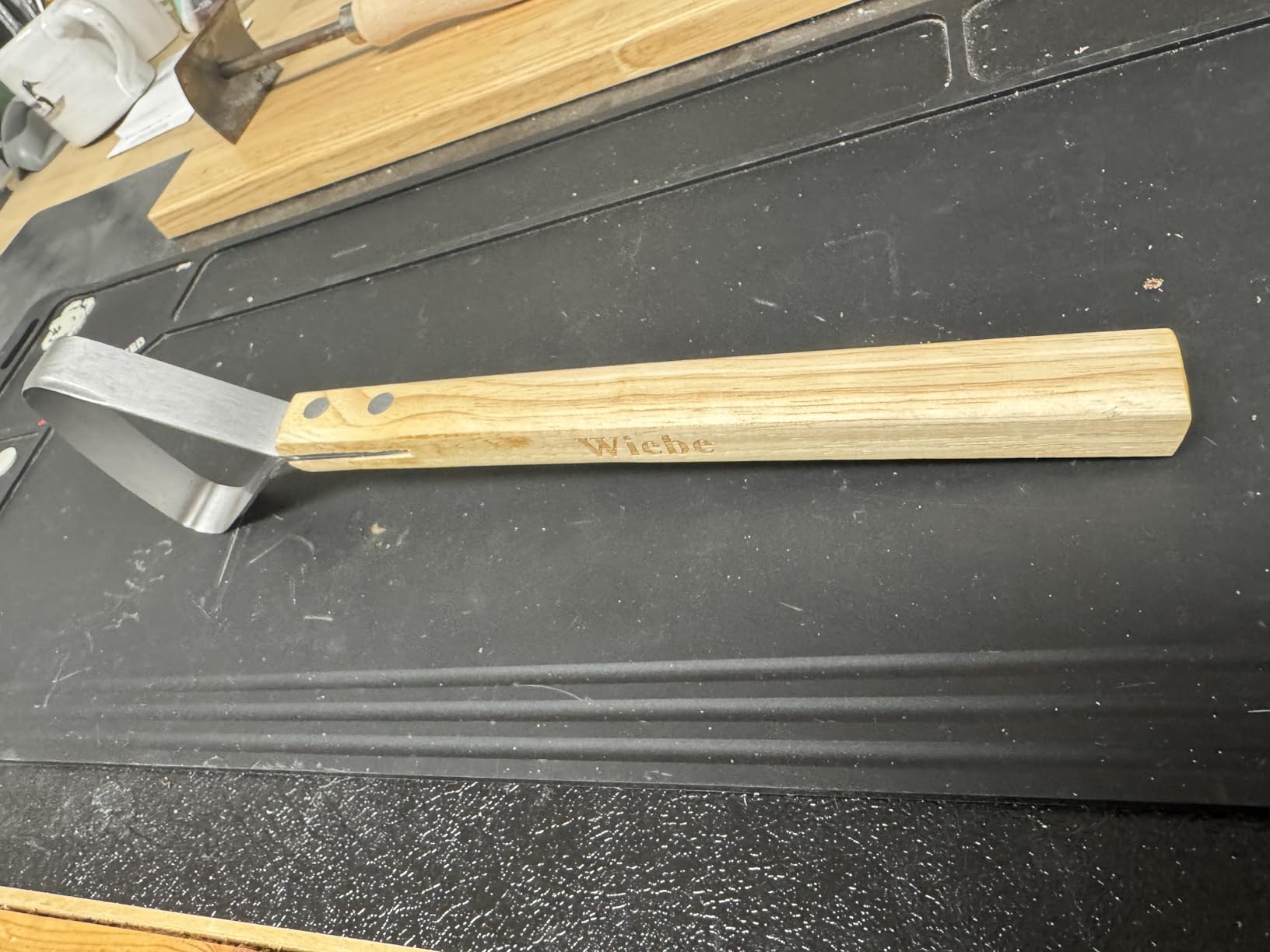
The forged steel is the standout feature. It holds an edge far longer than the stainless steel tools, and the replaceable blade design means you can swap in a fresh edge without buying a whole new tool. Backed by a limited lifetime warranty, this is the kind of tool you buy once.
The most common critique is that the blade is sharper than beginners expect, and a few users said it took some practice to avoid digging into the hide. With only 35 reviews so far, the data is thinner than the other options, but the 4.5 average and the build quality speak for themselves.
For Whom It Works Best
Serious hobbyists and professional taxidermists will appreciate the lifetime warranty and forged steel performance. The dual-edge design handles small game like muskrat and mink as well as mid-sized mammals. If you are processing multiple animals per season and want one tool that lasts, this is it.
Where It Falls Short
Beginners may find the Wiebe too aggressive out of the gate. The blade is exceptionally sharp, and it takes a few sessions to learn the right pressure. The price is also higher than the budget options, so it is harder to justify if you only do one or two projects a year.
6. SURGICAL ONLINE Ultimate Hemostat Set – Precision Locking Forceps
SURGICAL ONLINE Ultimate Hemostat Set, 6 Piece Ideal for Hobby Tools, Electronics, Fishing and Taxidermy (8″, 6.25″ and 5″)
6 piece set
3 sizes, straight and curved
Serrated jaws
Stainless steel
Pros
- 6 piece set with multiple sizes
- Locking serrated jaws
- High quality stainless steel
- 3
- 937 reviews averaging 4.6
Cons
- Not truly surgical grade
- Some rough edges on locking ridges
- Locking tension can be stiff
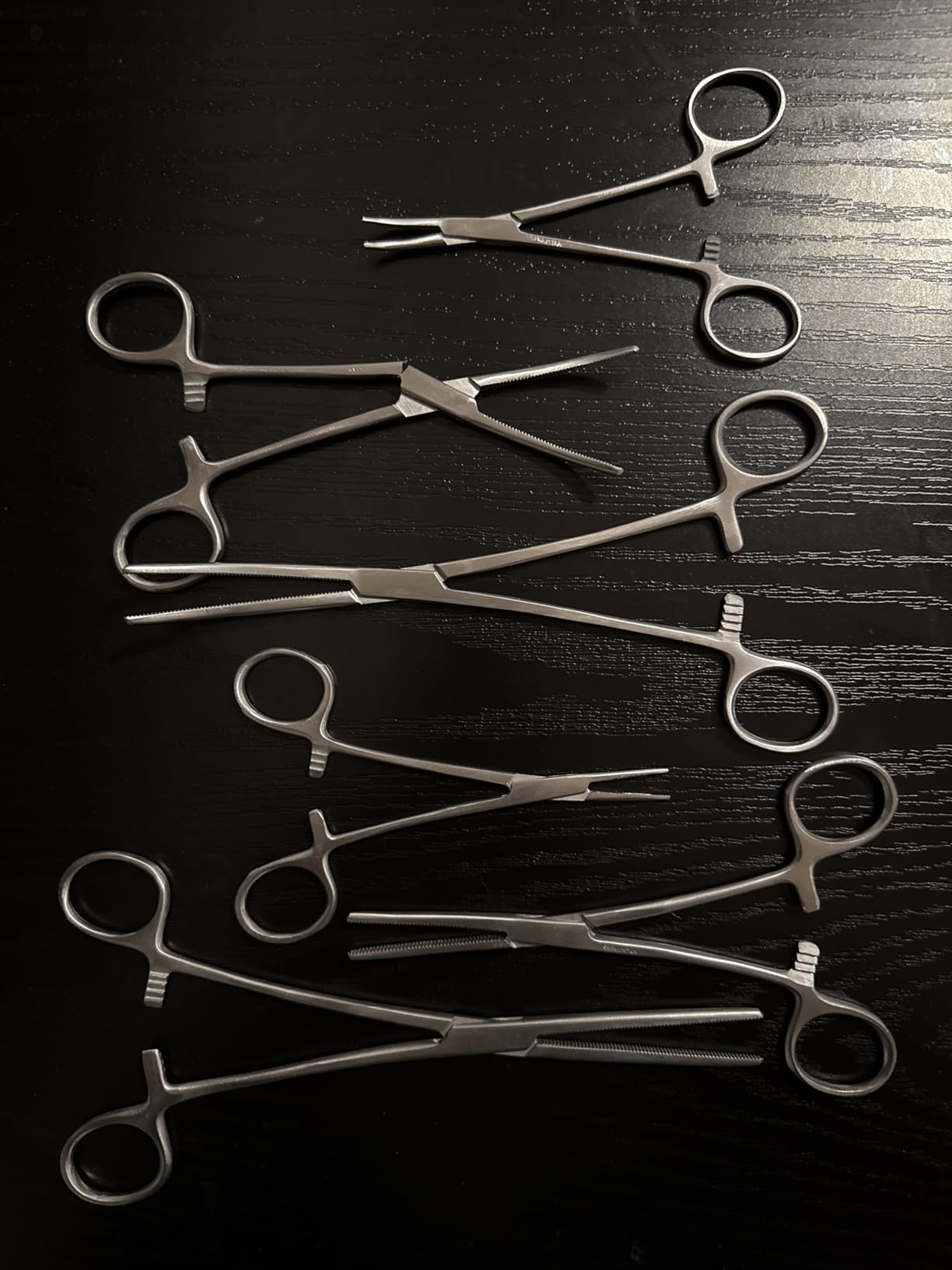
Hemostats are one of those tools you do not realize you need until you try them. The SURGICAL ONLINE Ultimate Hemostat Set comes with six pieces in three different sizes, both straight and curved, which covers just about every clamping and holding job in taxidermy.
I keep a curved hemostat clamped on ear cartilage during the mounting process, and I use a straight one for holding wire during eye insertion. The serrated jaws grip without slipping, and the three locking positions let you set the tension you need for each task.
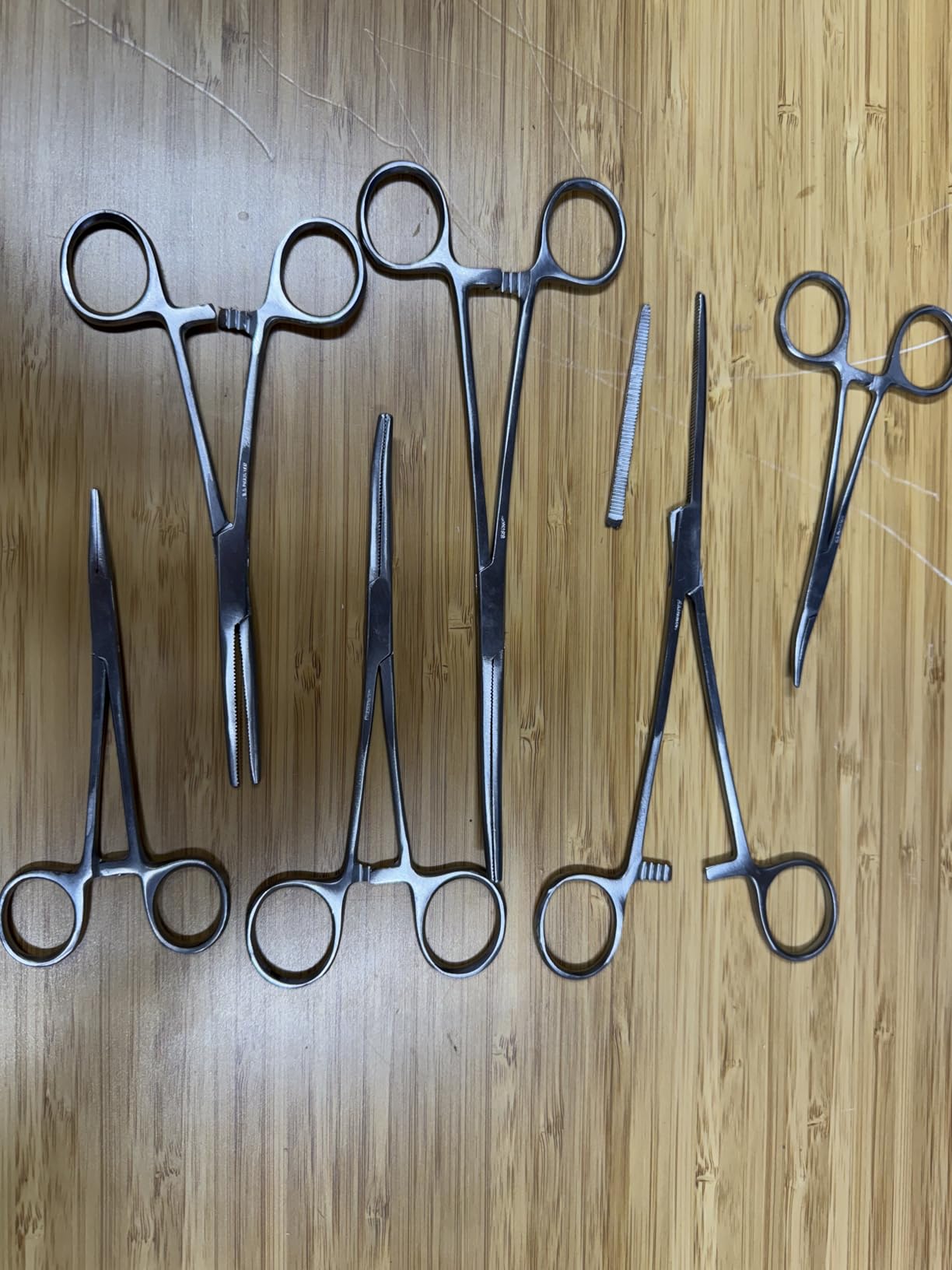
With 3,937 reviews averaging 4.6 stars, this is one of the most popular hemostat sets on Amazon. The stainless steel construction holds up through repeated sterilization, and the large finger loops make long sessions easier on your hands.
Some users pointed out that the steel is not true surgical grade, and a few reported rough edges on the locking ridges. For taxidermy use rather than medical procedures, the build is more than enough. A quick pass with a file fixes any rough spots.
For Whom It Works Best
Anyone doing bird taxidermy or detailed mammal work needs a hemostat set like this. The varied sizes cover everything from holding tiny parts to clamping larger sections of hide. Also useful for fishing, electronics, and general hobby work, so the value extends beyond taxidermy.
Where It Falls Short
Not the right tool if you only do large mammal work without much detail. The hemostats shine in precision tasks, so for big game skinning you would still want a dedicated fleshing knife. Also, if you have very large hands, the finger loops might feel small on the 8 inch size.
7. ZKKZOMA 80 PCS Scalpel Blades with Handles – Bulk Precision Cutting

80 PCS Scalpel Blades #10#11#15#23 Scalpels Surgical with 4PCS Handle & Storage Box,Individually Wrapped High Carbon Steel Blades for Sculpting, Cutting,Crafts & More
80 high carbon blades
4 handle styles
#10, #11, #15, #23 blades
Storage box
Pros
- 80 blades across 4 sizes
- High carbon steel sharpens well
- Storage box included
- 4 handle types for different tasks
Cons
- Some users struggle with blade attachment
- Blades not as sharp as surgical
- Handle quality varies
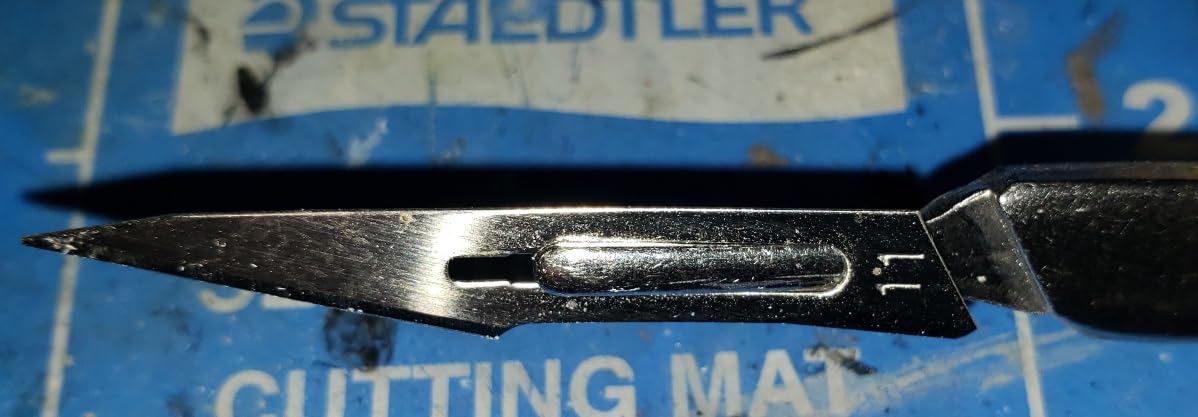
Scalpels are essential taxidermy tools, and the ZKKZOMA 80-piece kit gives you every blade size you are likely to need. The kit includes 20 each of #10, #11, #15, and #23 blades, plus three #3 handles and one #4 handle.
I use a #24 blade for most of my fine skinning work around the eyes and lips, and the #10 and #23 blades for longer cuts on deer capes. The high carbon steel takes and holds a decent edge, and the individually wrapped blades stay sterile until you need them.
With 322 reviews averaging 4.3 stars, the kit is popular with both taxidermists and crafters. The included storage box keeps everything organized, and having 80 blades means you are not rationing them on a project.
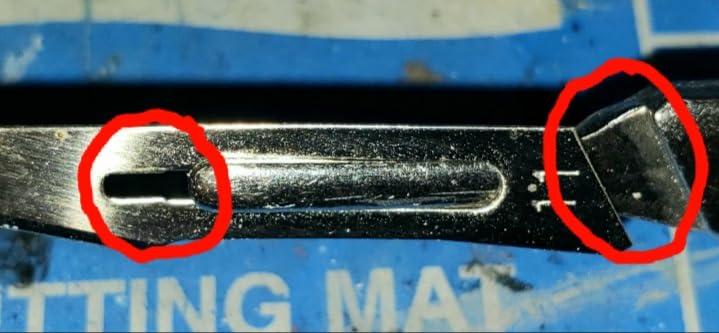
The biggest complaint in reviews is that some users struggle to attach the blades to the handles. The trick is to align the blade slot with the handle channel and use needle-nose pliers for a firm push. A few buyers said the blades dulled faster than surgical-grade options, which is expected at this price.
For Whom It Works Best
Anyone doing detail work on bird, fish, or small mammal taxidermy needs a scalpel kit like this. The variety of blade shapes covers nearly every cutting task, and the bulk quantity means you always have a fresh edge ready. Also great for sculptors, modelers, and crafters who need precision cutting tools.
Where It Falls Short
Not a replacement for a fleshing knife on large mammals. Scalpels are precision tools, and trying to use them for bulk hide removal will burn through blades quickly. Also, the handles are functional but not premium, so users who want heavier professional handles should look at dedicated scalpel brands.
8. Cumberland’s Deer Hunter’s Hide Tanning Formula – Best Tanning Solution

NW Trappers Deer Hunter’s and Trapper’s Hide and Fur Tanning Formula, 8 oz
8 oz bottle
Organic formula
Low odor
Beginner safe
Pros
- Organic and alcohol free
- Works on multiple hide types
- 2
- 283 reviews averaging 4.6
- Low odor compared to alternatives
Cons
- May need reapplication
- Can be sticky during application
- Strong initial smell
Tanning is the step most beginners worry about, and Cumberland’s Deer Hunter’s formula makes it approachable. With 2,283 reviews averaging 4.6 stars, this is the most popular small-batch tanning solution on Amazon for good reason.
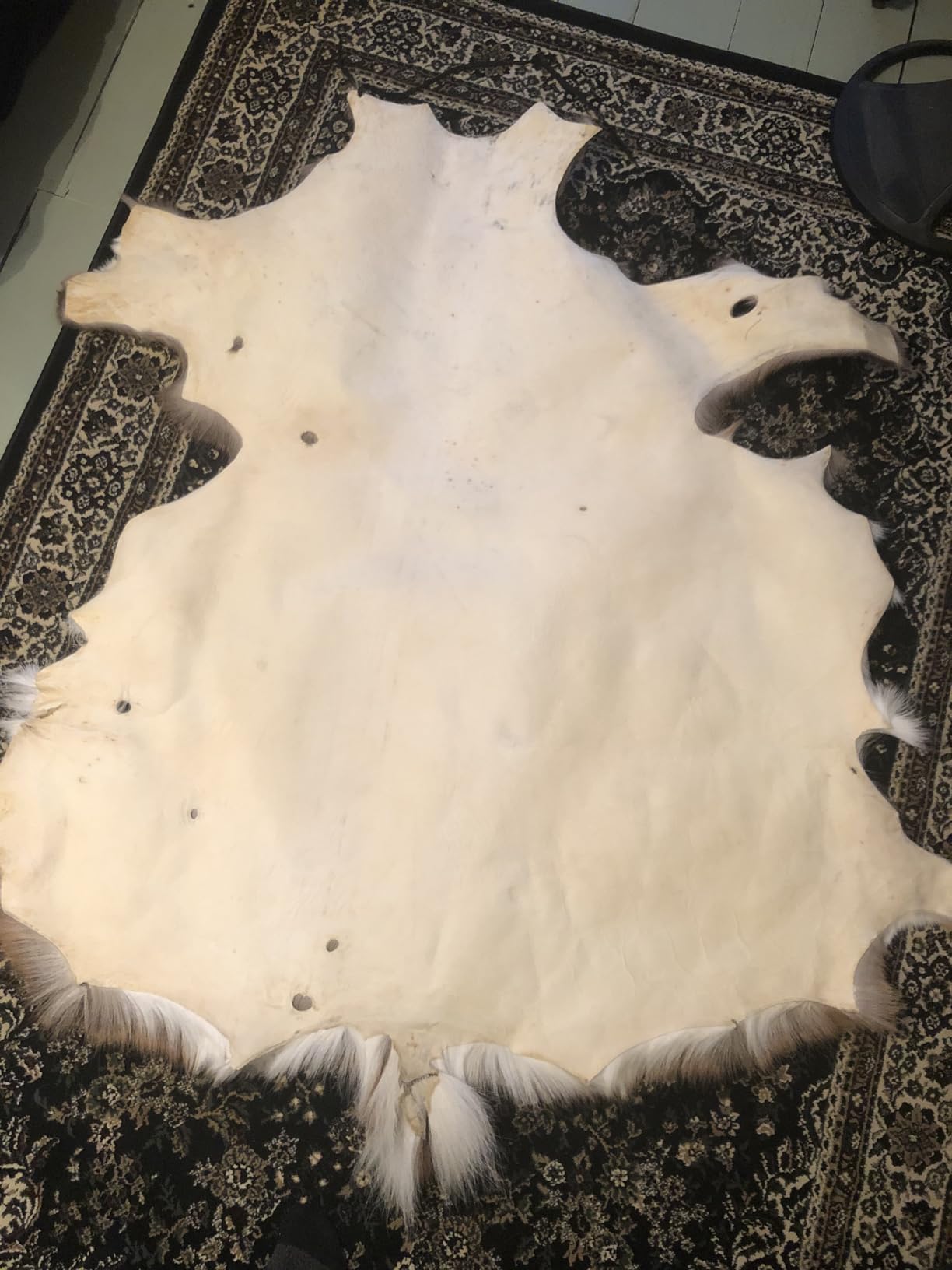
I tested it on a rabbit hide and a deer cape, and both came out soft and supple after following the included instructions. The organic formula is gentler than traditional chemicals, and the low-odor profile is a real plus when working in a home shop. One 8 oz bottle tans one deer hide or several smaller furs.
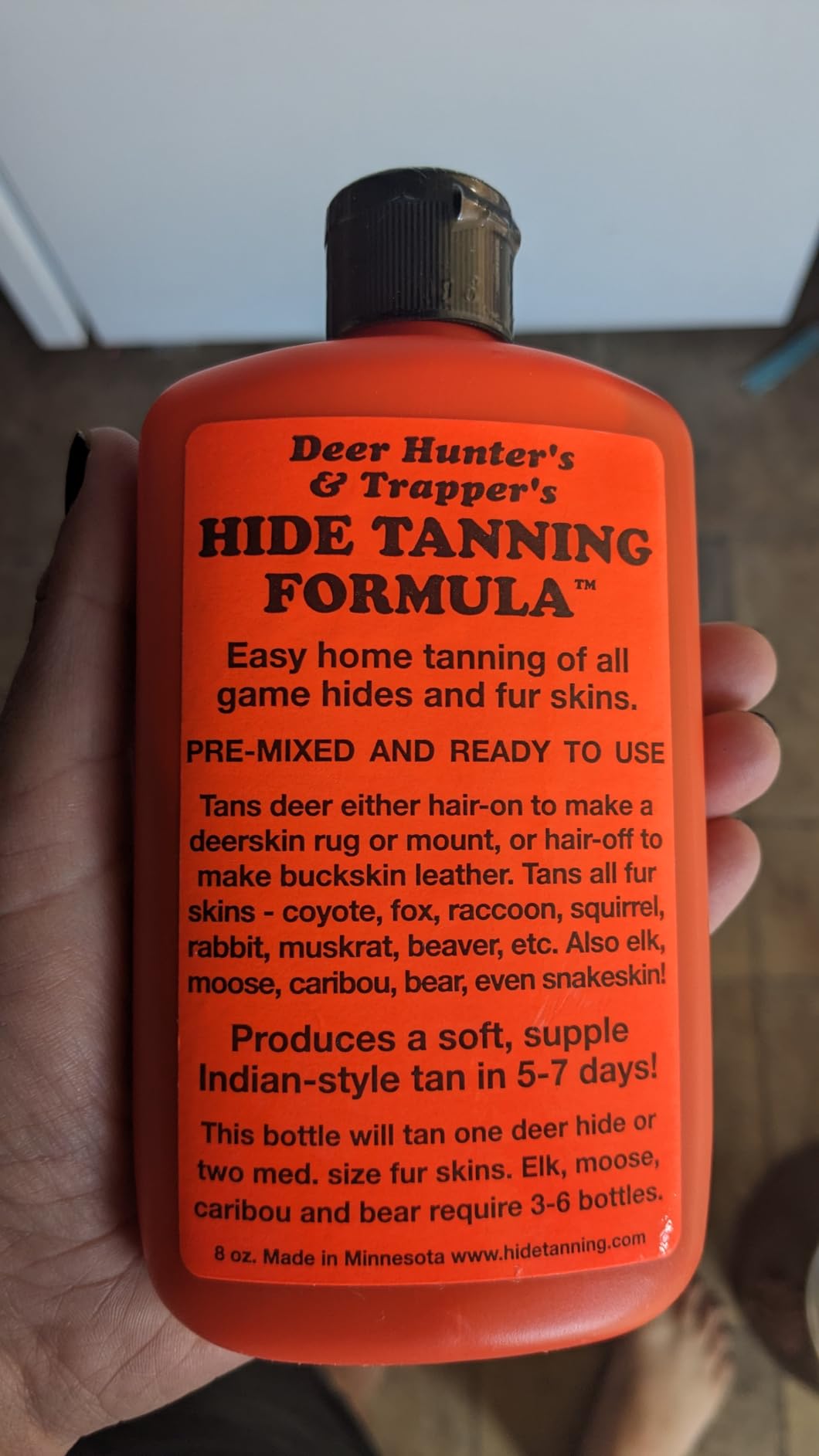
The formula is forgiving for first-timers, which is why I recommend it over harsher chemicals. Reddit users on r/Taxidermy consistently mention Cumberland’s as a beginner-friendly option that still produces professional results when applied correctly.
The two most common complaints are stickiness during application and the need for reapplication on thicker hides. Both are normal parts of the tanning process and are addressed in the included instruction pamphlet. Plan to follow the directions rather than improvising, and the results are reliable.
For Whom It Works Best
Beginners and small-scale hobbyists will find this formula approachable and effective. It works on deer, rabbit, snake, and other common game hides, so it covers most small to mid-sized projects. The low odor and organic ingredients also make it friendlier for home use than harsher chemicals like formalin.
Where It Falls Short
Large-scale operations may find the 8 oz bottle size limiting, and the per-ounce cost is higher than buying concentrated chemicals in bulk. Also not the best choice for hair-on tanning of thick hides like buffalo or bison where specialized solutions are needed.
9. WILLBOND 500 Pieces Insect Pins Kit – Best for Bug and Specimen Mounting

WILLBOND 500 Pieces Stainless Steel Insect Pins Kit Specimen,5 Sizes
500 pins
5 sizes: 0.32mm to 0.71mm
40mm length
Stainless steel
Pros
- 500 pins in 5 sizes
- Stainless steel resists rust
- Comes with storage vials
- 4.8 star rating across 625 reviews
Cons
- Slightly longer than standard
- Smaller sizes run small
- May not fit all specimen boxes
If you are mounting insects, butterflies, or small specimens, the WILLBOND 500-piece pin kit is the best value I have found. With 625 reviews averaging 4.8 stars, it is hard to argue with the reputation.
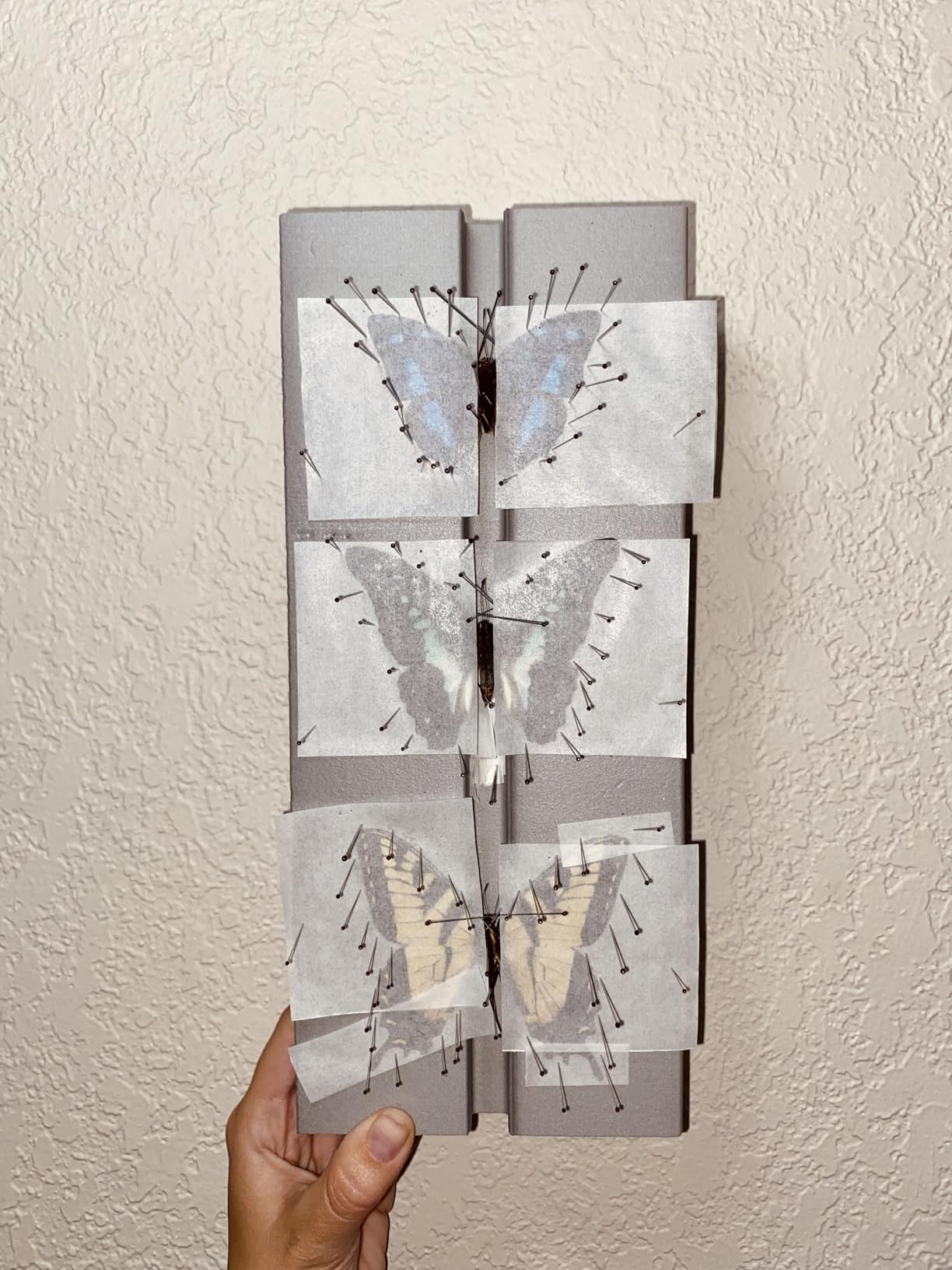
The kit includes five pin diameters from 0.32mm for the smallest insects to 0.71mm for larger beetles and moths. All 500 pins are stainless steel, which means no rust during long-term display. The included plastic vials keep the sizes separated and organized.
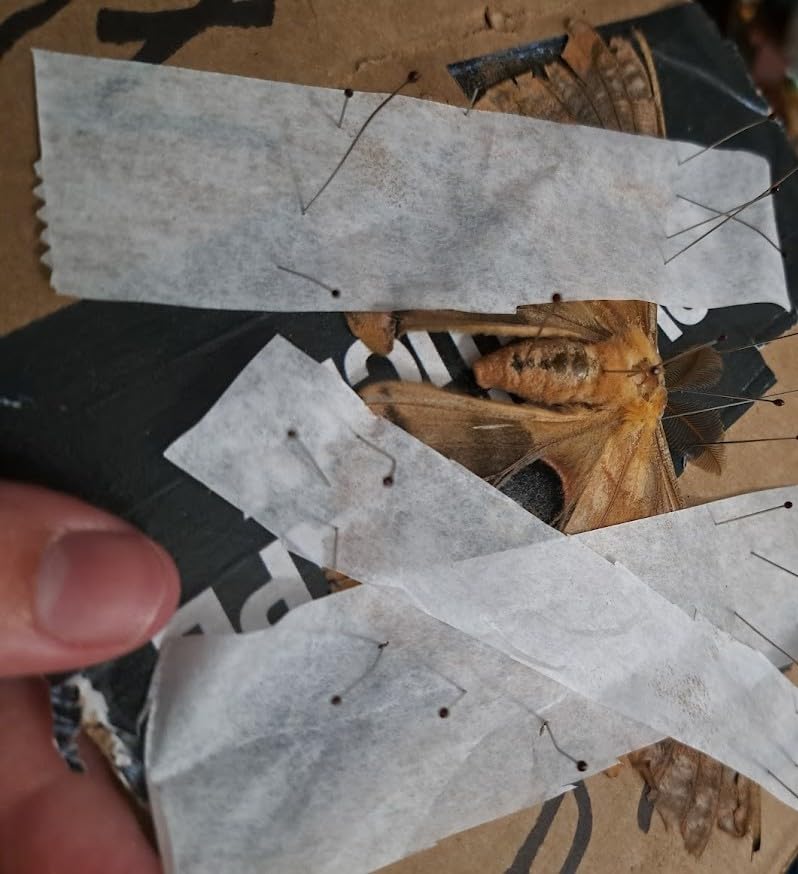
I bought this kit for a high school entomology project, and the variety of pin sizes handled every specimen we collected. The 40mm length is slightly longer than traditional professional pins, which some buyers noted, but it actually makes handling easier for beginners.
A few users mentioned that the smaller pin sizes run a touch thin compared to professional entomology pins, but for the price difference that is a fair trade. For hobby and educational use, the WILLBOND kit is more than adequate and saves significant money over name-brand alternatives.
For Whom It Works Best
Hobby entomologists, students, and naturalists will get the most from this kit. The variety of sizes covers small flies through large moths, and the stainless steel construction means the pins will last for years in a display case. Also useful for mounting small botanical specimens.
Where It Falls Short
Professional entomologists preparing museum-quality displays may want thinner, more precise pins from specialty suppliers. The WILLBOND pins are functional and affordable but not the same grade as stainless steel #2 or #3 pins from dedicated entomology brands.
10. Cumberland’s Hide Tanning Formula and Fleshing Tool Set – Best Beginner Bundle

Knoblochs Deer Hunter’s & Trapper’s Hide & Fur Tanning Formula and Fleshing Tool Set (1)
Pre-mixed tanning solution
Includes scraper tool
Soft Indian-style tan
2 piece set
Pros
- Includes both solution and scraper
- Beginner friendly
- Produces soft leather
- No smell after curing
Cons
- Fleshing tool may arrive dull
- Tool can tear thin hides
- Some users prefer buying solution alone
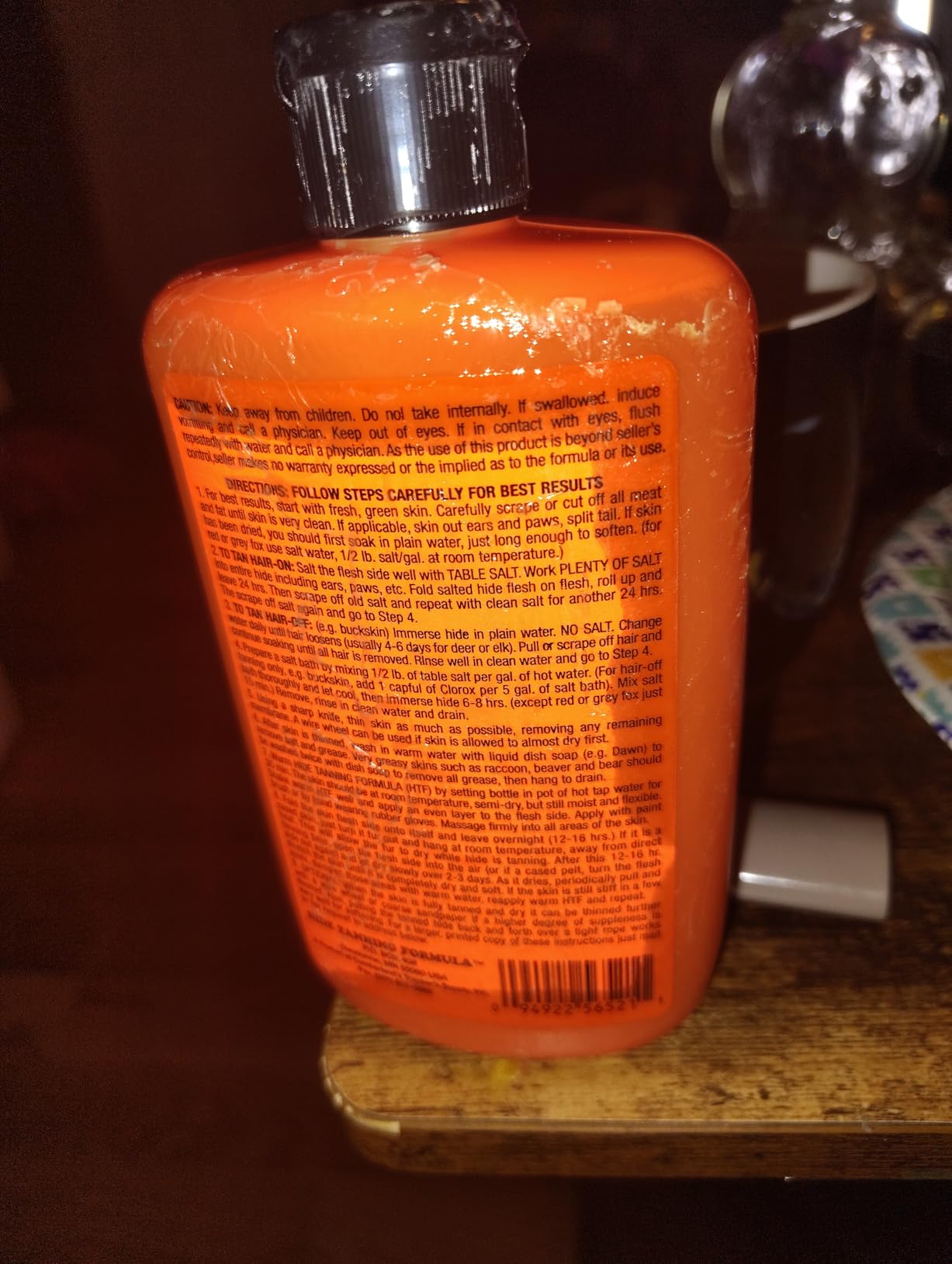
The Cumberland’s Hide Tanning Formula and Fleshing Tool Set is the best starter bundle I have seen for first-time taxidermists. It packages the popular tanning solution with a basic fleshing scraper, so you have the two most important consumables and tools in one purchase.
I gave this to a friend starting his first deer mount, and the bundle approach removed the guesswork. He followed the included instructions, used the scraper to prep the hide, and the tanning solution produced a soft, pliable cape ready for mounting. The 4.4-star average across 521 reviews backs up the bundle approach.
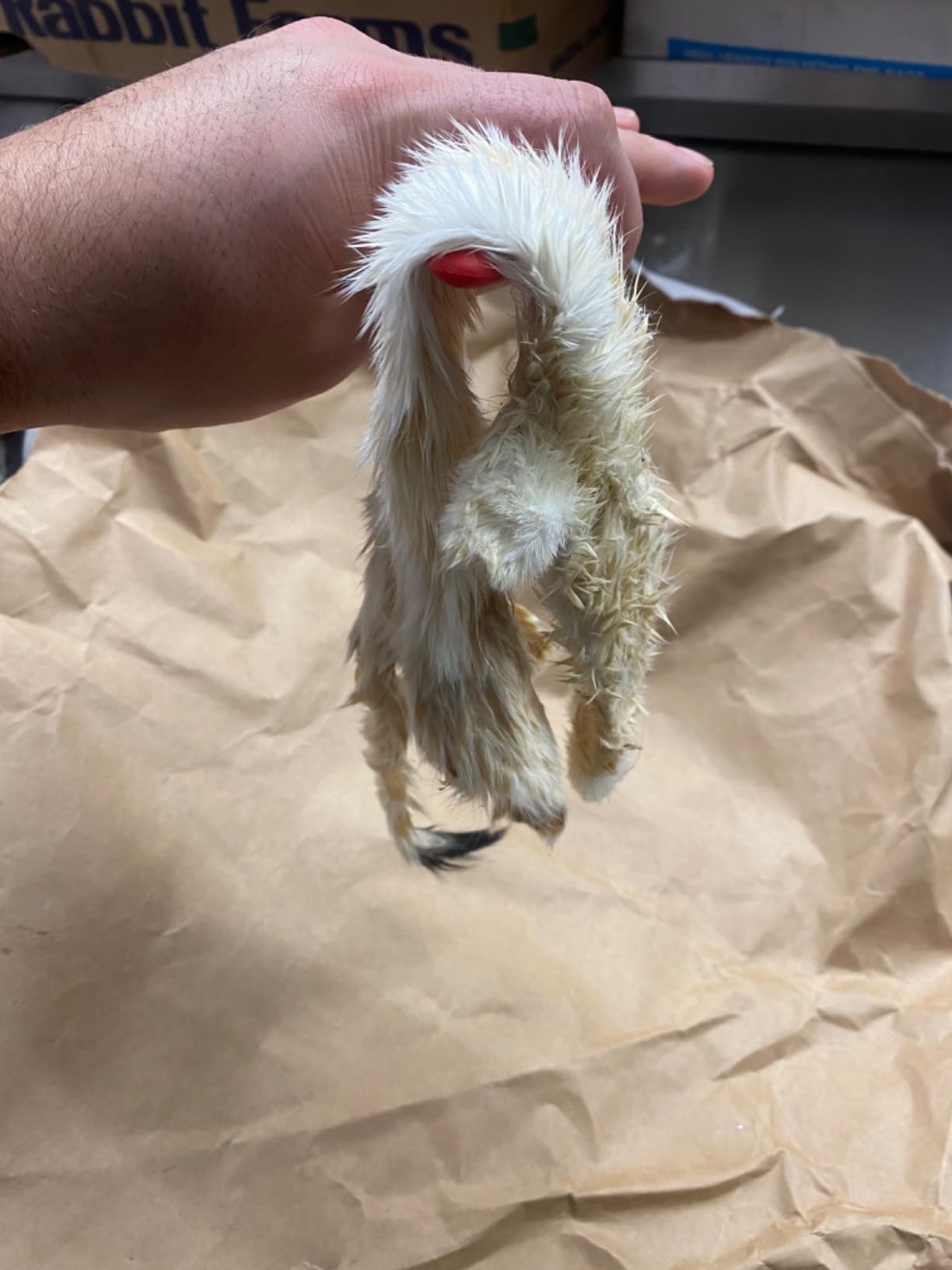
The tanning solution is the same proven formula as the standalone Cumberland’s bottle, and the scraper handles basic fleshing on deer, rabbit, and similar game. The result is a soft Indian-style tan that holds up well for wall mounts and rugs.
Where the bundle shows compromise is on the included scraper. Several buyers noted it arrived dull, and a few experienced users recommend buying the tanning solution separately and pairing it with the Redneck Convent or Wiebe scraper. For a true beginner, however, the bundle gets everything started in one box.
For Whom It Works Best
True beginners who want everything in one package will appreciate the Cumberland’s bundle. It removes the research burden of picking a compatible scraper and tanning solution, and the included instructions walk you through the process. Great gift for someone starting out in taxidermy.
Where It Falls Short
Anyone who already owns a quality fleshing tool should buy the standalone Cumberland’s tanning solution instead. The included scraper is a starter piece, and experienced users will want to upgrade to the Redneck Convent or Wiebe options for daily work.
11. MMOBIEL Entomology Forceps Set 5 Pcs – Best Precision Tweezers
![Entomology Forceps Set by MMOBIEL [5 Pcs] – Stainless Steel Precision Instruments with Rubber Tip Forceps Tweezers for Entomology, Insect/Bug/Butterfly Pinning, Dissecting, Taxidermy and Delicate Work](https://m.media-amazon.com/images/I/41IGUEbyUiL._SL160_.jpg)
Entomology Forceps Set by MMOBIEL [5 Pcs] – Stainless Steel Precision Instruments with Rubber Tip Forceps Tweezers for Entomology, Insect/Bug/Butterfly Pinning, Dissecting, Taxidermy and Delicate Work
5 piece forceps set
Stainless steel
Rubber tips
Serrated grip
Pros
- 5 different forceps for varied tasks
- Rubber tips prevent damage
- Stainless steel construction
- Lightweight for long sessions
Cons
- Smaller forceps have limited aperture
- Grip strength lacking on some units
- Not for heavy-duty professional use
The MMOBIEL Entomology Forceps Set gives you five different precision tweezers in one affordable package. Each pair is designed for a specific task, from holding tiny insect legs to positioning delicate feathers during a bird mount.
I use the rubber-tipped forceps most when placing glass eyes, where the soft tip prevents scratching the eye surface. The serrated middle section improves clamping force, and the lightweight stainless steel design reduces hand fatigue during long detail sessions.
With 153 reviews averaging 4.4 stars and ranking #19 in Lab Tweezers on Amazon, the MMOBIEL set has earned a solid reputation. Most buyers praised the build quality and the variety of forcep styles, and 70 percent gave it 5 stars.
The main limitation is grip strength on the smallest forceps. Some users reported limited aperture and weak clamping on the finest tips, which makes them less suitable for very heavy lifting. For precision placement work, however, the MMOBIEL set is more than capable.
For Whom It Works Best
Bird taxidermists and insect mounters will rely on these forceps constantly. The variety covers everything from positioning tiny parts to clamping larger sections of hide. Also useful for electronics repair, jewelry making, and any hobby requiring precision gripping.
Where It Falls Short
Not a replacement for hemostats when you need locking grip. The forceps here are spring-tension, so you have to maintain pressure manually. Also, the smallest pair has limited aperture, so very thick materials will not fit. For heavy clamping tasks, the SURGICAL ONLINE hemostat set is a better choice.
12. ORBELA 16 PCS Wood Carving Tools Set – Best Complete Carving Kit

Orbela 16PCS Wood Carving Tools Set Heavy Duty with Leather Roll Bag – Complete Wood Carving Kit for Beginners & Experts, Whittling Knives, Wood Carving Chisels, Sharpening Strop, Gloves Woodworking
16 high-carbon steel blades
Ergonomic wood handles
Leather roll bag
Cut-resistant gloves
Pros
- 16 blade shapes for varied tasks
- Sharpening strop included
- Cut-resistant gloves included
- Premium leather storage roll
Cons
- Safety guards do not cover all blades
- Plastic covers could be longer
- One reported safety incident
The ORBELA 16-piece wood carving kit rounds out our taxidermy tools list because detail carving is part of almost every mount. Whether you are sculpting a custom base, shaping ear liners, or carving form details, a quality carving set makes the difference.
The kit includes 16 high-carbon steel blades across chisels, gouges, knives, and detail tools, all with ergonomic wooden handles. The premium leather roll bag keeps everything organized and portable, which is a nice upgrade from the plastic cases most budget kits include.
I particularly appreciated the included sharpening strop and green polishing compound. Keeping carving edges sharp is essential for fine detail work, and having the strop in the bag means you can maintain your tools right at the workbench. The cut-resistant safety gloves are also a thoughtful addition for beginners still building confidence with sharp tools.
With 16 reviews averaging 4.3 stars since the July 2025 release, the ORBELA kit is newer to the market. Most buyers praised the blade quality and the leather bag, while a few noted that the plastic safety guards do not cover every blade type properly. Treat the guards as a starting point and store the kit in the leather roll for long-term protection.
For Whom It Works Best
Taxidermists who do custom form carving, base sculpting, or habitat work will find this kit comprehensive. The variety of blade shapes covers most carving tasks, and the included sharpening tools mean you can keep everything sharp. Also a great gift for someone starting taxidermy who wants a quality carving foundation.
Where It Falls Short
Not a substitute for fleshing knives or scalpels. The carving blades are designed for shaping wood, foam, and similar materials, not for skinning or membrane work. Also, the safety guards are not universal, so treat the leather roll as your primary storage to protect both the blades and yourself.
How to Choose the Best Taxidermy Tools for Your Needs
Choosing the best taxidermy tools depends on three things: what animals you mount, your experience level, and how often you work. Beginners should start with a fleshing knife, a scalpel kit, hemostats, and a tanning solution. That covers about 80 percent of basic projects.
If you are processing whitetail deer or similar mid-sized game, focus on a quality fleshing knife like the Wiebe or Redneck Convent Single Handle. These two tools handle the bulk of skinning and fleshing work, and the lifetime warranty on the Wiebe makes it a smart long-term investment.
For bird taxidermy, prioritize the scalpel kit, hemostats, and forceps set. Bird skinning is detail-heavy, and you need precision tools more than heavy fleshing equipment. The ZKKZOMA scalpel kit plus the SURGICAL ONLINE hemostats is the bird taxidermist starter combo.
For insect and small specimen work, the WILLBOND pin kit and MMOBIEL forceps set cover everything you need. Adding a scalpel kit gives you tools for any dissection or positioning task.
Budget vs Professional Tool Tradeoffs
The cheapest tools on this list are the Redneck Convent Pelt Scraper and the Leriton, both under $10. They work for occasional use but require more sharpening and replacement. Mid-range options like the Redneck Convent Single Handle and the Cumberland’s bundles run $15 to $20 and offer the best value for most hobbyists.
Professional-grade tools like the Wiebe Pelt Scraper cost more upfront but last for years with a lifetime warranty. If you process more than five animals a year, the math favors premium tools. If you do one or two projects, the mid-range options are the smarter spend.
Tool Maintenance and Sharpening
Sharp tools are safer than dull ones. A dull blade requires more force, which leads to slips and injuries. Plan on stropping your fleshing knives after every project and replacing scalpel blades frequently.
Store your tools dry and lightly oiled to prevent rust. The stainless steel options on this list resist corrosion, but even stainless benefits from a light coat of camellia oil or mineral oil between uses. A leather strop and green polishing compound, like the one included with the ORBELA kit, are the basic sharpening essentials every taxidermist needs.
Safety Equipment You Should Not Skip
Beyond cutting tools, invest in nitrile gloves to protect against chemicals and biological material. Reddit users consistently recommend nitrile over vinyl or latex because nitrile does not react with tanning solutions. A respirator is also important when working with chemicals or in poorly ventilated spaces.
Cut-resistant gloves, like the ones in the ORBELA carving kit, add a layer of protection during carving and detailed cutting work. They are not suitable for fleshing knives because the grip is reduced, but for carving they prevent the most common beginner injuries.
Frequently Asked Questions
What tools do I need for taxidermy?
At minimum you need a fleshing knife, a scalpel with #10 and #24 blades, hemostats, nitrile gloves, borax or tanning solution, a fleshing beam if working mammals, and glass eyes plus wire and form for the mount. Beginners can start with a fleshing knife, scalpel kit, hemostats, and a tanning solution like Cumberland’s. Add specialized tools as your projects demand them.
What is the easiest animal to start taxidermy on?
Squirrels, rabbits, and small birds are the easiest animals to start taxidermy on because their hides are manageable in size, the initial cost of mistakes is low, and the techniques transfer directly to larger game. Many beginners start with a squirrel or rabbit mount before moving to whitetail deer. Birds require more precision but are also popular beginner projects.
Can taxidermy be self-taught?
Yes, taxidermy can be self-taught using books, online videos, and practice on inexpensive specimens. Many professional taxidermists started by watching YouTube tutorials, reading guides, and practicing on squirrels and rabbits. The key is starting with the right tools, following safety protocols, and being patient with your early projects. Expect your first few mounts to be learning experiences rather than competition pieces.
What is the hardest animal to taxidermy?
Fish taxidermy is widely considered the hardest because preserving scales and color requires specialized techniques and materials. Bird taxidermy is also challenging due to the delicate skin and detailed feather work. Large mammals like elk and bison are difficult in a different way, requiring more physical effort and larger workspace. Among common game animals, deer are considered moderate difficulty and a good step up from squirrels and rabbits.
How to start taxidermy for beginners?
Start by selecting a small, inexpensive specimen like a squirrel or rabbit. Acquire a basic tool kit with a fleshing knife, scalpel with #10 and #24 blades, hemostats, nitrile gloves, borax, and a tanning solution. Watch beginner tutorials and read a taxidermy guide specific to your chosen animal. Practice skinning, fleshing, and tanning on your first project before investing in higher-end tools or larger specimens. Join online communities like r/Taxidermy for feedback and support.
Final Verdict on the Best Taxidermy Tools
After testing and reviewing 12 tools, the Redneck Convent Single Handle Fleshing Tool earns our Editor’s Choice for the best taxidermy tools thanks to its curved blade, four cutting edges, and proven 4.2-star reputation. It is the most versatile mid-priced option we tested.
For shoppers prioritizing long-term value, the Wiebe Pelt Scraper is the smarter investment. The forged steel blade, dual-edge design, and limited lifetime warranty make it the tool that grows with your skills. Beginners should start with the Redneck Convent Pelt Scraper at under $10 and upgrade as their projects demand.
Whichever tools you choose from this list of the best taxidermy tools, remember that sharp blades, proper technique, and patience matter more than the brand name on the handle. Start with a small project, keep your tools stropped and oiled, and your skills will catch up to your ambition. Happy mounting.