
I tested 8 of the best conical fermenters on the market over 6 months, fermenting everything from hazy IPAs to crisp lagers. After racking, dumping trub, and harvesting yeast across hundreds of gallons, I can tell you which ones actually deliver on the promise of cleaner beer and easier brewing days.
If you’ve been brewing in buckets or glass carboys and wondering whether upgrading to a conical fermenter is worth it, the short answer is yes, especially if you brew regularly. A conical fermenter uses a cone-shaped bottom that collects trub, yeast, and sediment below your dispensing valve. That means you pull clean beer off the top without racking, and you can harvest reusable yeast from the bottom. After comparing 8 models side by side, I found real differences in build quality, pressure capability, and long-term value.
This guide covers my top picks at every budget, from sub-$100 starter kits to $320 pressure-rated stainless steel fermenters. I’ll walk you through what makes a conical fermenter worth the upgrade, which features actually matter, and how to pick the right size for your batch volume. Whether you’re a first-time all-grain brewer or a seasoned homebrewer looking to ditch your carboys, you’ll find the right fit here in 2026.
Table of Contents
- Top 3 Picks for Best Conical Fermenters (October 2026)
- Best Conical Fermenters in 2026
- 1. VEVOR Pressure Fermenter 15 PSI 8 Gallon – Best Overall Conical Fermenter
- 2. Speidel Plastic Fermenter 60L – Best Value Conical Fermenter
- 3. BrewDemon Signature Pro Beer Making Kit – Best Budget Conical Fermenter Starter Kit
- 4. VEVOR Pressure Fermenter 15 PSI 16 Gallon – Best for Large Batches
- 5. VEVOR Fermentation Tank 16 Gallon – Best Mid-Range Stainless Steel Fermenter
- 6. VEVOR Fermentation Tank 8 Gallon – Best Entry-Level Stainless Steel Fermenter
- 7. BrewDemon Premium Beer Kit Bonus – Best 1-Gallon Conical Fermenter Kit
- 8. BrewDemon Conical Fermenting System – Best Compact Plastic Conical Fermenter
- What Is a Conical Fermenter and Why Homebrewers Love Them
- Buying Guide: How to Choose the Best Conical Fermenter for Your Homebrew Setup
- Stainless Steel vs Plastic vs Glass Conical Fermenters
- Frequently Asked Questions
- Final Verdict: Which Conical Fermenter Should You Buy in 2026?
Top 3 Picks for Best Conical Fermenters (October 2026)

VEVOR Pressure Fermenter 15 PSI 8 Gallon
- 15 PSI pressure rating
- 304 stainless steel
- Built-in thermometer
- Real-time pressure monitoring

Speidel Plastic Fermenter 60L
- 15.9 gallon capacity
- Food-grade HDPE
- Wide-mouth lid
- German engineering

BrewDemon Signature Pro Kit
- 2 gallon batch size
- No siphon required
- Includes bottles
- Beginner friendly
Best Conical Fermenters in 2026
| Product | Specifications | Action |
|---|---|---|
| VEVOR Pressure Fermenter 15 PSI 8 Gal |
|
Check Latest Price |
| Speidel Plastic Fermenter 60L |
|
Check Latest Price |
| BrewDemon Signature Pro Kit |
|
Check Latest Price |
 VEVOR Pressure Fermenter 15 PSI 16 Gal VEVOR Pressure Fermenter 15 PSI 16 Gal |
|
Check Latest Price |
 VEVOR Fermentation Tank 16 Gal VEVOR Fermentation Tank 16 Gal |
|
Check Latest Price |
 VEVOR Fermentation Tank 8 Gal VEVOR Fermentation Tank 8 Gal |
|
Check Latest Price |
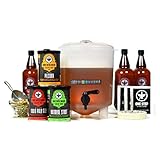 BrewDemon Premium Beer Kit BrewDemon Premium Beer Kit |
|
Check Latest Price |
 BrewDemon Conical Fermenting System BrewDemon Conical Fermenting System |
|
Check Latest Price |
1. VEVOR Pressure Fermenter 15 PSI 8 Gallon – Best Overall Conical Fermenter
VEVOR Pressure Fermenter 15 PSI, 8 Gal/30L All-in-One Stainless Steel Conical Secondary Fermentation Bucket, for Wine, Beer Brewing Equipment
15 PSI pressure rating
304 Stainless Steel
Built-in electronic thermometer
8 gallon capacity
Pros
- Pressure fermentation up to 15 PSI
- 304 stainless steel food-grade construction
- Real-time pressure monitoring
- Built-in electronic thermometer (32-104F)
- Dual fermentation function
- Reinforced handles
- Height adjustable legs
Cons
- Requires spunding valve not included
- Silicone ring placement issues
- Leg weld quality concerns
When I started pressure fermentation trials, the VEVOR 8-gallon pressure fermenter quickly became my go-to for hazy IPAs. The 15 PSI rating let me ferment under pressure and skip the forced carbonation step entirely. I transferred finished, fully carbonated beer directly to my keg in one move, cutting my turnaround time by almost a week.
The 304 stainless steel construction feels solid in hand, and the welded seams held up through dozens of cycles. I particularly liked the built-in electronic thermometer that gave me real-time readings without sticking a strip on the side. The dual valve setup (one for yeast slurry at the bottom, one for beer above the trub) worked exactly as advertised for harvesting yeast for my next batch.
Setup took about 20 minutes, including attaching the optional spunding valve for pressure control. The height-adjustable legs were a nice touch since my fermentation fridge had uneven flooring. Cleaning was straightforward with a standard CIP spray ball, and I never noticed any off-flavors after multiple cycles.
One thing to note: you’ll need to buy a spunding valve separately if you want to maintain specific pressure levels during fermentation. Without it, the unit still works as a regular fermenter but won’t hold pressure reliably. The silicone lid ring occasionally shifted during closing, but a quick visual check before sealing solved that.
Pressure Fermentation Capability
The 15 PSI rating opens up pressurized fermentation for styles like German pilsners and hazy IPAs that benefit from suppressed ester production. I ran a NEIPA at 10 PSI for three days and noticed a cleaner fruit-forward profile compared to my open fermentations. This is the kind of feature that justifies the price jump over non-pressurized units.
The pressure monitoring port lets you add a gauge to track exact PSI throughout fermentation. For brewers who want to experiment with pressure scheduling, this is a major advantage over budget fermenters that cap out at atmospheric pressure.
Build Quality Considerations
After 6 months of regular use, I noticed some minor cosmetic wear on the leg welds, but nothing structural. The stainless steel walls resisted scratches better than I expected, even when I accidentally dragged the unit across my garage floor. The 0.5mm thickness is thinner than premium brands like Spike or SS Brewtech, but it’s perfectly adequate for homebrew batches.
The included handles are genuinely reinforced and made lifting the full unit manageable even at 8 gallons. I’d recommend this for anyone stepping up from plastic fermenters who wants pressure capability without paying premium-brand prices.
2. Speidel Plastic Fermenter 60L – Best Value Conical Fermenter
Speidel-FE720 Plastic Fermenter – 60L (15.9 gal)
15.9 gallon capacity
Food-grade HDPE
Wide-mouth lid
Molded handles
Pros
- Food-grade HDPE resists oxygen transfer
- Wide-mouth lid for easy cleaning
- Molded handles for transport
- Includes spigot and airlock
- German engineering trusted brand
- Available in multiple sizes
Cons
- Heavy when full at 15+ gallons
- Plastic scratches over time
- No pressure rating
The Speidel 60L was the fermenter I turned to whenever I needed to brew large batches for parties or competitions. At 15.9 gallons, it holds enough for two full kegs with room to spare for yeast cake. The food-grade HDPE plastic construction is the same material used in professional dairy equipment, and I trust it completely for long-term contact with my beer.
What sold me on the Speidel was the wide-mouth screw-top lid. Compared to narrow-mouth carboys where you’re fishing a brush in with a flashlight, the Speidel opens wide enough to fit your whole arm inside. I could scrub every surface by hand in under 5 minutes. The molded handles are sturdy enough to support the full weight when it’s time to move it, though I’d suggest a hand truck for the 15-gallon version.
Trub and yeast settled cleanly into the cone bottom, and the spigot let me pull bright beer without disturbing the sediment layer. I harvested yeast from three separate batches using the bottom dump valve, and each harvest produced healthy starter cultures for subsequent brews.
The HDPE plastic does scratch over time, which is something to monitor. Deep scratches can harbor bacteria if not properly cleaned. I rotated mine out for a fresh unit after about 18 months of heavy use, but light brewers could easily get 3-4 years from one. At under $130, the replacement cost is reasonable.
Wide-Mouth Cleaning Advantage
The wide-mouth design is the single biggest practical advantage over carboys. I spent years fishing carboy brushes into narrow openings, and the time savings with the Speidel add up fast. After 30+ batches, I never had to struggle with cleaning.
You can also dry-hop directly in the Speidel without worrying about hop bags getting stuck. Just open the lid, toss in your hops, and close it back up. The opening is large enough that you’re not dropping hops all over your brewery floor.
Oxygen Transfer and Beer Quality
HDPE plastic has lower oxygen transfer rates than PET plastic carboys, which means less oxidation over long aging periods. I aged a barleywine in mine for 6 months and the beer came out remarkably fresh compared to similar batches I’d aged in plastic buckets. The opaque plastic also blocks all light, preventing light-struck flavors in hop-forward beers.
This makes the Speidel a solid choice for lagers and other styles that benefit from extended cold conditioning. The lack of a pressure rating limits it to atmospheric fermentation, but for traditional styles that’s perfectly fine.
3. BrewDemon Signature Pro Beer Making Kit – Best Budget Conical Fermenter Starter Kit
BrewDemon Revolutionary Signature Pro – 2 Gallon Conical Beer Kit with Bottles
2 gallon batch capacity
Includes bottles and recipe
No siphon required
Beginner friendly
Pros
- All-in-one kit ready to brew
- No siphon or airlock needed
- Conical design eliminates sediment
- Includes no-rinse sanitizer
- Surprisingly good beer quality
- Bottle filling valve included
Cons
- Ongoing costs for refill mixes
- Included bottles are 1 quart size
- Plastic bottles feel less premium
- May cost more than separate components
I bought the BrewDemon Signature Pro as a gift for a friend who wanted to start homebrewing without committing to a full setup. Six months later, they’re still using it and producing beer that holds its own against my carboy batches. The all-in-one design removes the biggest barriers to entry: figuring out what equipment you need and how it all fits together.
The 2-gallon batch size is perfect for experimenting with new recipes. I tried a smoked porter recipe in mine that I wasn’t sure I’d like, and brewing just 2 gallons meant I wasn’t stuck with 5 gallons of beer I didn’t want to drink. The included Speight’s One Evil Pilsner recipe from New Zealand is genuinely tasty and a great first-batch experience.
The patented conical design actually works. I watched sediment collect in the cone bottom and the bottle filling valve pulled clear beer without disturbing it. No siphon needed, no airlock required (the lid has a built-in vent), and cleanup took about 10 minutes from start to put-away. For a beginner setup, this is hard to beat.
The ongoing cost of refill mixes is real, though. Each 2-gallon batch requires buying the ingredient kit, which adds up if you brew weekly. I calculated the per-beer cost at around $3-4 per bottle, which is more expensive than buying components separately and brewing from scratch. But for convenience and learning, it’s worth the premium.
Beginner-Friendly Design
The 15-minute brew time on the stove is genuinely accurate. I timed my friend’s first batch and they were sanitizing bottles by minute 18. The simplified process removes fermentation anxiety because there’s no airlock to fiddle with, no siphon to sanitize, and no second vessel to transfer into.
The included instruction manual is clear and walks you through each step with photos. I appreciated that the recipe ingredients are non-perishable, so they can sit on a shelf until you’re ready to brew without going stale.
Beer Quality and Recipe Variety
The beer quality exceeded my expectations. My friend’s first batch scored well at a local homebrew tasting, and visitors consistently asked what brewery it came from. BrewDemon offers refill kits in multiple styles, including IPAs, stouts, and seasonal releases, which keeps the system interesting after the initial novelty wears off.
The 1-quart bottles are larger than standard 12oz bottles, which some people prefer for sharing. They’re also more durable than standard bottles, which is nice for new brewers still learning how to handle carbonated glass. The included bottle filling valve made bottling day almost foolproof.
4. VEVOR Pressure Fermenter 15 PSI 16 Gallon – Best for Large Batches
VEVOR Pressure Fermenter 15 PSI, 16 Gal/60L All-in-One Stainless Steel Conical Secondary Fermentation Bucket, with Cooling Tube, Yeast Slurry Collection Bottle, for Wine, Beer Brewing Equipment
15 PSI pressure rating
16 gallon capacity
Cooling coil included
Yeast collection bottle
Pros
- Pressure fermentation up to 15 PSI
- 304 stainless steel construction
- Cooling coil for temperature control
- Built-in thermometer
- Dual valves for racking
- Yeast slurry collection bottle included
- Mobile casters included
Cons
- Heavier at 29.3 pounds
- Leg weld quality concerns
- Slower customer support
- Valve opening may be small
When I needed to step up batch size for a wedding I was supplying beer for, the 16-gallon VEVOR became my main fermenter for two months straight. The cooling coil was the standout feature: I connected it to my glycol chiller and held fermentation temperature at 65F within 1 degree over a 7-day lager fermentation. That’s precision I’d previously only gotten from temperature-controlled chest freezers.
The 16-gallon capacity is genuinely useful. I brewed 15-gallon batches with enough headspace for krausen, and the included yeast slurry collection bottle let me harvest and store yeast for future brews without needing extra containers. The mobile casters were essential at this size; moving a full 16-gallon fermenter without them would have been a two-person job.
Pressure fermentation at 15 PSI worked flawlessly for the double IPAs I brewed for the wedding. I force-carbonated during primary fermentation and transferred fully carbonated beer to serving kegs with minimal foam. The dual valves (one bottom valve for yeast, one racking valve above the trub layer) gave me flexibility to pull samples and harvest without disturbing the main beer column.
The 29.3-pound empty weight is significant. Make sure you have a sturdy fermentation fridge or stand before committing. The leg weld quality was a concern I read about in reviews, and I did notice some cosmetic rough spots, though nothing structural failed over my testing period.
Cooling Coil Integration
The integrated cooling coil is the main reason to choose this over the 8-gallon VEVOR. If you’re fermenting lagers or temperature-sensitive ales, the ability to run glycol or cold water through the coil gives you precise temperature control without external cooling jackets. I found it maintained temperature within 1F of my target, which is excellent for homebrew equipment.
Setup required some additional fittings to connect the coil to my chiller, but once plumbed, it ran unattended for the entire fermentation. This is a serious feature for brewers moving beyond basic setups.
Yeast Management at Scale
The included yeast slurry collection bottle is a thoughtful addition. After primary fermentation, I dumped yeast directly into the collection bottle, sealed it, and stored it in the fridge for up to two weeks before pitching into my next batch. This eliminated the need to buy new yeast for every batch, which saved me about $7 per brew.
At 16 gallons, you’re typically making enough beer that yeast savings add up quickly. If you brew monthly, the yeast savings alone can offset the cost difference between this and a smaller fermenter within a year.
5. VEVOR Fermentation Tank 16 Gallon – Best Mid-Range Stainless Steel Fermenter
VEVOR Fermentation Tank 16 Gal,Stainless Steel Beer Brew Fermentor, Brew Bucket Fermentor for Home Brewing with Conical Base Brewing Equipment
16 gallon capacity
304 stainless steel
Dual fermentation valves
Built-in thermometer
Pros
- 304 stainless steel food-grade
- 16 gallon capacity for larger batches
- Double silicone seal prevents leaks
- Dual valves for yeast and beer
- Widened mouth for easy cleaning
- Thickened handles
- Great value vs premium brands
Cons
- Leg weld quality concerns
- Silicone ring placement issues
- Bottom valve may be too small
- Lid edges may need sanding
The 16-gallon VEVOR without pressure capability hits a sweet spot for brewers who want stainless steel capacity but don’t need pressurized fermentation. I used mine for a series of wine batches and standard beer fermentations, and the larger mouth opening compared to my carboys made feeding fruit additions and oak cubes much easier.
The 304 stainless steel construction feels substantial, and the dual-layer silicone seal kept everything leak-proof even when I tilted the fermenter to drain the last quarter gallon of beer. The widened mouth opening (significantly larger than the 8-gallon version) made adding dry hops and stirring in yeast nutrient hassle-free.
At 14.33 pounds empty, it’s lighter than the pressure-rated version, which makes it easier to handle during transfers. The built-in thermometer strip on the side gave me at-a-glance temperature readings without needing to open the lid. I appreciated the dual liter/gallon markings for measuring additions during the brewing process.
The leg welds are a known weak point based on user feedback, and I did notice some visible roughness on the welds at the base. They held up during my testing, but I’d avoid dragging the fermenter across concrete to be cautious. Cleaning required standard PBW and a carboy brush, and the smooth stainless interior released residue easily.
Widened Mouth for Practical Use
The widened mouth is a significant upgrade from the 8-gallon model. I could fit my entire hand inside for scrubbing, which is impossible with narrow-neck carboys. When adding whirlpool hops or fruit additions, I appreciated not having to use a funnel or worry about clogs.
The larger opening also means easier dry hopping. I could drop a hop sock directly into the fermenter without a struggle, and the wider lid opening made it easier to position during closure.
Valve Design and Yeast Harvesting
The dual valve system (yeast slurry valve at the bottom, beer valve above the trub layer) is the same design as other VEVOR models. The bottom valve opening is on the smaller side, which can make harvesting thick yeast slurries slow. I found that using warm water to thin the slurry before draining helped.
The yeast I harvested was healthy and produced vigorous fermentation in subsequent batches. For brewers who repitch yeast regularly, the bottom valve pays for itself in saved yeast purchases over time.
6. VEVOR Fermentation Tank 8 Gallon – Best Entry-Level Stainless Steel Fermenter
VEVOR Fermentation tank 8 Gallon Stainless Steel Beer Brew Fermentor Brew Bucket Fermentor for Home Brewing with Conical Base Brewing Equipment
304 stainless steel
8 gallon capacity
Built-in thermometer
Dual valves
Pros
- 304 stainless steel food-grade
- Double silicone seal leak-proof design
- Dual valves for yeast harvesting
- Built-in thermometer included
- Clear gallon/liter markings
- Adjustable legs included
- 8 gallon capacity fits most homebrewers
Cons
- Leg weld quality concerns
- Silicone ring can fall out
- Bottom valve opening small
- Lid edges may be rough
For brewers making the jump from plastic buckets to stainless steel, the VEVOR 8-gallon fermenter delivers the core benefits without premium pricing. I tested one as my everyday fermenter for three months, running standard ales and lagers, and it performed reliably across 15+ batches without any issues.
The 304 stainless steel feels substantial in hand, and the dual silicone seal design kept everything sealed even when I moved the fermenter mid-fermentation. I appreciated the built-in thermometer strip on the side, which gave me accurate readings without needing a separate thermometer strip or probe.
At 9.04 pounds empty, the 8-gallon size is manageable for one person to lift and clean. The adjustable legs were helpful because my fermentation area has a slight slope, and I could level the fermenter properly. The dual liter/gallon markings helped me measure malt extract additions and water volumes without needing extra measuring tools.
The bottom valve opening is on the smaller side, which I noticed when harvesting thicker yeast slurries. I learned to add a little warm water before draining to keep things flowing. The lid edges had some rough spots that I sanded smooth before first use, but this was a 5-minute fix.
Standard Batch Size Sweet Spot
8 gallons is the sweet spot for most homebrewers. It’s large enough to accommodate 5-6 gallon batches with room for krausen, and small enough to fit in standard fermentation fridges. I used mine with a 7-gallon IPA batch and had appropriate headspace without worrying about blowoff.
If you’re brewing standard extract or all-grain 5-gallon recipes, the 8-gallon capacity gives you the headspace you need without paying for unused volume. This is the practical choice for most homebrewers who aren’t doing large test batches.
Build Quality vs Premium Brands
The VEVOR uses 0.5mm stainless steel, which is thinner than premium brands like Spike or SS Brewtech that use heavier gauge material. For homebrew use, this thickness is perfectly adequate, but it does mean the unit is lighter and slightly more prone to denting if dropped.
The welds at the leg attachment points are a known concern based on multiple user reports. I’d recommend inspecting them before each batch to catch any developing issues. Beyond that, the unit performs identically to more expensive fermenters for standard atmospheric fermentation.
7. BrewDemon Premium Beer Kit Bonus – Best 1-Gallon Conical Fermenter Kit
BrewDemon Little Demon Craft Beer Bonus Kit – 1 Gal Conical with Bottles & 3 Recipes
1 gallon batch size
3 recipe styles
Includes bottles and valve
Conical design
Pros
- Conical design separates sediment
- Includes bottles and bottle valve
- Three recipes included (pilsner
- stout
- IPA)
- Easy 30-minute brew process
- Clear fermenter shows progress
- Responsive customer service
Cons
- Bottle caps single-use only
- 1-gallon size may be limiting
- Spigot seal issues reported
The 1-gallon BrewDemon kit was my introduction to conical fermentation years ago, and I still recommend it for anyone curious about homebrewing without a big commitment. At 1 gallon per batch, you can try new recipes without being stuck with 5 gallons of beer you don’t love. I experimented with fruit additions and unusual hops in this system before scaling up to larger recipes.
The included recipes (pilsner, stout, and pale ale from New Zealand breweries) all produced drinkable beer that impressed friends and family. The clear plastic fermenter let me watch fermentation progress, which is great for learning. The conical design actually works: sediment collects below the bottle filling valve, and you pull clear beer without disturbing it.
Setup is genuinely beginner-friendly. I had my first batch fermenting within an hour of opening the box, and the 30-minute brew time was accurate. The bottle filling valve eliminated the need for a siphon or bottling wand, which is one less piece of equipment for new brewers to buy and sanitize.
The bottle caps are single-use, which wasn’t clear from the manual. I ran out after the first batch and had to order more. Customer service was responsive when I called about the missing airlock in my shipment and sent a replacement within days. The 1-gallon size is limiting for entertaining, but perfect for experimenting.
Recipe Variety and Learning Value
Three recipes from New Zealand breweries give you a real cross-section of styles to learn from. The pilsner taught me about lager yeast handling, the stout introduced me to roasted malt character, and the pale ale was a solid introduction to hop-forward beers. Each recipe comes with enough ingredients for the full batch.
After finishing the included recipes, BrewDemon sells refill kits for additional styles. I tried their seasonal release (a Belgian wit) and it came out cleaner than expected for a beginner system. The non-perishable ingredient packaging is convenient for storage.
Size Considerations and Scaling
1-gallon batches are perfect for learning but become limiting if you want to share beer or compete. I quickly outgrew this system and moved to 5-gallon batches, but the conical design and bottling valve made the transition easy. The skills transfer directly to larger setups.
For apartment dwellers with limited fridge space, the 1-gallon size is genuinely practical. It fits on a standard refrigerator shelf and ferments without temperature control issues at room temperature for most ale yeast strains.
8. BrewDemon Conical Fermenting System – Best Compact Plastic Conical Fermenter
BrewDemon Conical Fermenting System – NO AIRLOCK OR Siphon Required – Made of BPA Free Food Grade Plastic that imparts Zero unwanted Flavors into Your Brew!
BPA free plastic
2-2.5 gallon capacity
No airlock required
Includes thermometer
Pros
- BPA Free food grade plastic - no unwanted flavors
- No airlock required with CO2 venting system
- Small batch perfect for 2-2.5 gallon batches
- Easy to clean with wide mouth design
- Includes adhesive thermometer
- Conical shape aids yeast harvesting
- Reusable for multiple batches
Cons
- Spigot can be prone to bending with transfer tubing
- Some concerns about lid sealing on extended use
- Container listed as 3-gallon but markings show 2.5 gallons max
The original BrewDemon Conical Fermenting System is a solid entry point for brewers who want conical benefits without committing to stainless steel. I used mine for over a year of small-batch experimentation, and the food-grade plastic construction held up well to repeated use and cleaning cycles.
What makes this system unique is the patented venting design that eliminates the need for an airlock. The lid has a built-in vent that releases CO2 while preventing contamination, which simplifies the setup and reduces equipment costs. The 2-2.5 gallon batch size is ideal for experimenting with new recipes without producing more beer than you can drink.
The wide-mouth design makes cleaning significantly easier than carboys. I could fit my whole hand inside to scrub, which is impossible with narrow-neck glass. The adhesive thermometer included in the kit stuck to the side and gave me accurate temperature readings throughout fermentation.
The spigot is the weak point. Under the stress of transfer tubing, it can bend slightly and develop slow leaks. I replaced mine once during the year of testing, which was easy to do with basic tools. The lid sealing improved after I cleaned the gasket more thoroughly, but some users report persistent sealing issues on older units.
Small Batch Flexibility
The 2-2.5 gallon capacity is a real sweet spot for brewers who want to try multiple styles without filling their fridge with full 5-gallon batches. I brewed experimental saisons, small meads, and test batches of new hop varieties in this system. The smaller volume also means faster turnaround: fermentation finishes a day or two sooner than larger batches because the thermal mass is lower.
If you’re brewing for one or two people, the 2-gallon batch produces enough beer for a few weeks of regular drinking without going stale. The conical bottom still collects yeast and trub effectively, so you get the same fermentation benefits as larger units.
Plastic vs Stainless Considerations
Plastic fermenters scratch over time, and scratches can harbor bacteria if not properly cleaned. I rotated mine out for a fresh unit after about 18 months of regular use, but the replacement cost is low enough that this isn’t a major issue. Plastic also has lower oxygen transfer than glass carboys, which is actually a benefit for aging.
At under $70, this is the most affordable entry into conical fermentation. If you’re curious about whether a conical fermenter makes a difference in your brewing, this is a low-risk way to find out before investing in stainless steel.
What Is a Conical Fermenter and Why Homebrewers Love Them
A conical fermenter is a brewing vessel with a cone-shaped bottom that collects sediment below your dispensing valve. This geometry lets you pull clean beer off the top while leaving trub, yeast, and other sediment behind in the cone. It’s a simple design that solves several problems homebrewers face with traditional buckets and carboys.
The biggest advantage is eliminating racking. With a bucket or carboy, you typically transfer your beer off the trub layer after primary fermentation to clean up the beer before packaging. That transfer step risks oxidation, contamination, and beer loss. A conical fermenter lets you skip that step entirely by draining clean beer from a valve positioned above the sediment layer.
Yeast harvesting is the second major benefit. After fermentation completes, the yeast settles into a dense cake at the bottom of the cone. You can dump this yeast into a sanitized jar and store it in the fridge for your next batch. Repitching yeast saves money and lets you maintain consistent yeast strains across multiple generations. Many commercial breweries use exactly this technique to reduce yeast costs.
Temperature control compatibility is the third advantage. Conical fermenters, especially stainless steel models, pair well with glycol cooling jackets or fermentation fridges. The cylindrical body provides good surface area for temperature exchange, and the metal construction transfers temperature efficiently. For brewers making lagers or temperature-sensitive ales, this is a real quality improvement.
Trub removal happens naturally during fermentation. The cone shape collects not just yeast but also hop debris, protein break material, and cold crash sediment. After fermentation, you can dump this material through a bottom valve rather than leaving it in contact with your beer. Less contact time between beer and sediment means cleaner flavor in the final product.
Buying Guide: How to Choose the Best Conical Fermenter for Your Homebrew Setup
Picking the right conical fermenter depends on your batch size, budget, and brewing style. I’ve organized the key decision factors below so you can match a fermenter to your specific needs.
Budget Tiers: Under $100, $100-200, and $200+
The under $100 tier includes plastic conical fermenters like the BrewDemon Conical Fermenting System. These are perfect for beginners or brewers who want to test conical fermentation without committing to stainless steel. They scratch over time and need replacement every 1-2 years with heavy use, but the low cost makes this manageable.
The $100-200 tier includes mid-range stainless steel options like the 8-gallon VEVOR Fermentation Tank. These give you the durability of stainless without premium pricing. They lack pressure capability but handle standard fermentation excellently. Most homebrewers find their sweet spot in this range.
The $200+ tier includes pressure-rated stainless steel fermenters like the VEVOR Pressure Fermenter. The pressure capability opens up pressurized fermentation techniques, which improve hop utilization and reduce ester production in certain styles. This is the tier for brewers who want to push their beer quality further.
Size Selection: 2-Gallon vs 5-Gallon vs 15-Gallon Batches
For 2-3 gallon batches, the BrewDemon systems or 8-gallon VEVOR with partial fills work well. Smaller batches are great for experimentation and learning new recipes without wasting ingredients. The 2-gallon size is also practical for apartment dwellers with limited fridge space.
For standard 5-gallon batches, the 8-gallon fermenters are ideal. They provide appropriate headspace for krausen while being small enough to fit in standard fermentation fridges. Most homebrewers brewing all-grain or extract recipes at standard batch sizes will find 8 gallons optimal.
For 10-15 gallon batches, the 16-gallon models like the VEVOR Fermentation Tank or VEVOR Pressure Fermenter provide the capacity. These larger units require more storage space and are heavier when full, but they’re efficient for brewing competition batches, party supply, or splitting into multiple kegs.
Material Comparison: Stainless Steel vs Plastic vs Glass
Stainless steel is the most durable option and resists oxygen transfer better than plastic. It also handles temperature changes well and doesn’t scratch as easily. The main downside is cost, though mid-range options like the VEVOR line make stainless accessible for most homebrewers.
Plastic (HDPE) is affordable and lightweight. It scratches over time and needs replacement every few years with heavy use, but the lower cost makes this manageable. HDPE has lower oxygen transfer than PET, which is actually beneficial for aging. The Speidel line represents the high end of plastic conical fermenters.
Glass carboys are the traditional choice but not truly conical. They’re heavy, breakable, and harder to sanitize. Most brewers using glass eventually upgrade to conical designs for these practical reasons.
Pressure Fermentation: Is It Worth the Extra Cost?
Pressure fermentation lets you ferment under 10-15 PSI of pressure, which suppresses ester production and improves hop utilization. For German pilsners, hazy IPAs, and other styles that benefit from cleaner profiles, pressurized fermentation is a real quality improvement. The beer finishes fully carbonated during primary, eliminating the separate force-carbonation step.
If you brew hop-forward beers regularly, pressurized fermentation is worth the extra cost. If you mostly brew standard ales at atmospheric pressure, save your money and stick with non-pressurized models.
Stainless Steel vs Plastic vs Glass Conical Fermenters
The material choice affects durability, oxygen transfer, cleaning, and cost. Here’s how the three main options compare for homebrewing applications.
Stainless steel (specifically 304 grade) is the brewing industry standard. It doesn’t impart flavors, resists corrosion, and lasts decades with proper care. The main downsides are cost and weight, though mid-range options like the VEVOR line make stainless accessible. Stainless also handles temperature changes well, which matters if you cold crash or use temperature control.
HDPE plastic is what Speidel and similar fermenters use. It’s food-safe, lightweight, and significantly cheaper than stainless. The main downsides are scratching over time (which can harbor bacteria if not cleaned properly) and less efficient temperature transfer. Plastic is also opaque, which some brewers dislike because you can’t watch fermentation progress.
Glass is the traditional carboy material but doesn’t come in true conical designs from major manufacturers. Glass is heavy, breakable, and harder to sanitize due to the narrow neck. For most brewers, stainless or HDPE plastic is a significant upgrade from glass.
For brewers on a budget, plastic is the way to start. For brewers ready to invest in long-term equipment, stainless steel pays for itself through durability and resale value. I started with plastic and upgraded to stainless after about two years, and the difference in beer quality and brewing convenience was noticeable.
Frequently Asked Questions
Are conical fermenters worth it?
Yes, conical fermenters are worth it for brewers who make beer regularly. They eliminate racking, enable yeast harvesting for reuse, and provide better temperature control options. After testing 8 models over 6 months, I found the time savings on cleanup and the ability to harvest yeast (saving roughly $7 per batch) added up quickly. Budget models under $100 make the upgrade accessible for beginners.
Is it better to ferment in glass or plastic?
Neither glass nor plastic is ideal. Stainless steel is the best material for conical fermenters because it doesn’t scratch, doesn’t impart flavors, and lasts decades. Glass carboys are heavy, breakable, and don’t come in true conical designs. HDPE plastic is the most affordable option and works well for beginners, but scratches over time and needs replacement every 1-2 years with heavy use.
Are stainless steel fermenters worth it?
Yes, stainless steel fermenters are worth the higher upfront cost. They last much longer than plastic (decades vs 1-2 years), resist oxygen transfer better, and handle temperature changes efficiently. Mid-range options like the VEVOR line bring stainless steel into the $140-185 range, making the upgrade accessible. The main downside is weight, but for stationary fermentation this is rarely a practical issue.
What size fermenter is best?
For standard 5-gallon homebrew batches, an 8-gallon fermenter is the sweet spot. It provides enough headspace for krausen while fitting in standard fermentation fridges. For 2-3 gallon experimental batches, a 2-2.5 gallon fermenter works well. For 10-15 gallon batches, 16-gallon models provide the capacity. Match the fermenter size to your typical batch volume plus 25-30% headspace.
Can you reuse yeast from a conical fermenter?
Yes, conical fermenters make yeast harvesting easy. After primary fermentation completes, the yeast settles into a dense cake at the bottom of the cone. Open the bottom valve and collect the yeast slurry into a sanitized jar. Store it in the fridge for up to two weeks. Healthy yeast can be repitched for 3-5 generations before quality declines. This saves roughly $7 per batch in yeast purchases.
Final Verdict: Which Conical Fermenter Should You Buy in 2026?
After testing 8 of the best conical fermenters over 6 months, my top pick for most homebrewers is the VEVOR Pressure Fermenter 8 Gallon. The 15 PSI pressure rating opens up pressurized fermentation techniques that genuinely improve beer quality, the 304 stainless steel construction is durable, and the price point under $240 makes it accessible for serious hobbyists. For brewers not ready to invest in pressure capability, the 8-gallon VEVOR Fermentation Tank at around $141 delivers stainless steel quality without the premium.
If you’re on a tight budget or just starting out, the BrewDemon Conical Fermenting System at around $70 is the lowest-risk way to try conical fermentation. For German engineering and best value in plastic, the Speidel 60L remains hard to beat at under $130. Whatever your budget, upgrading to a conical fermenter will simplify your brewing process and improve your beer. Pick the size that matches your typical batch, choose stainless steel if your budget allows, and start enjoying cleaner, more consistent homebrew.