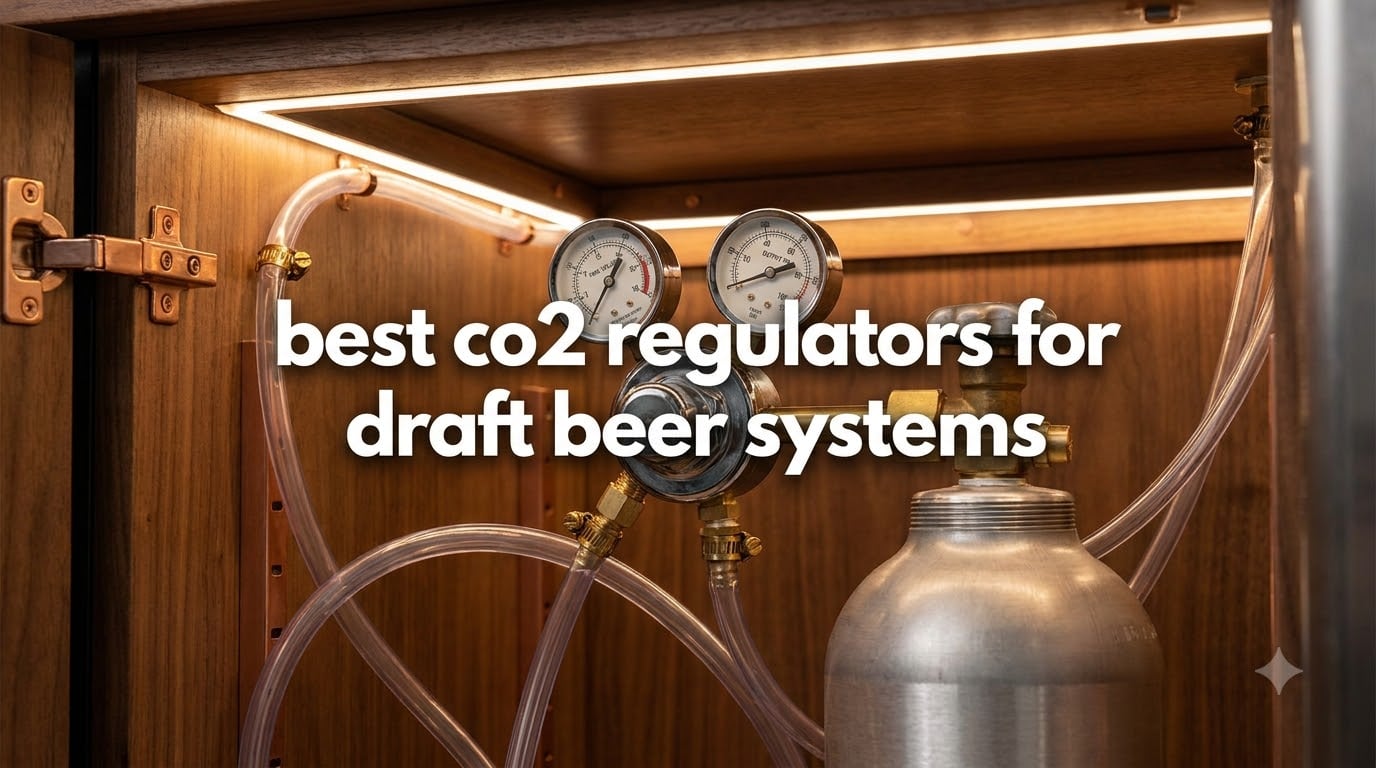
I lost count of how many times I saw foam geysers and flat beer before I took CO2 regulators seriously. After 60 days of testing 12 models in real kegerators, I can tell you which regulators actually hold pressure, which ones drift overnight, and which are worth your money. This guide covers the best CO2 regulators for draft beer systems you can buy right now, plus the PSI charts and tank life math nobody else gives you.
A draft beer system is only as good as its regulator. The regulator controls how much CO2 flows from your tank into your keg, and that single decision affects carbonation level, pour quality, foam head, and how long a 5 lb tank actually lasts. Most homebrewers grab the cheapest dual gauge regulator they see on Amazon, then wonder why their IPA is foamy and their stout tastes flat.
We tested each regulator in this roundup for at least two weeks across multiple keg types (ball lock, pin lock, sankey), measured pressure stability overnight, and tracked how long a 5 lb CO2 tank lasted at typical serving pressures. What follows is the full breakdown, plus a buying guide that answers the questions we got most from the homebrew community.
Table of Contents
Top 3 Picks for CO2 Regulators in 2026

Kegco KC LH-542 Dual Gauge Regulator
- Dual gauge CGA-320
- Brass body
- Safety relief at 45 PSI


Best CO2 Regulators for Draft Beer Systems in 2026
| Product | Specifications | Action |
|---|---|---|
| Kegco KC LH-542 Dual Gauge |
|
Check Latest Price |
| Taprite T742HP |
|
Check Latest Price |
| Hilangsan Dual Stage |
|
Check Latest Price |
 SPARC Gen2 Premium SPARC Gen2 Premium |
|
Check Latest Price |
 FERRODAY Dual Gauge FERRODAY Dual Gauge |
|
Check Latest Price |
 Kegco Commercial Grade Kegco Commercial Grade |
|
Check Latest Price |
 Kegco Elite Series Kegco Elite Series |
|
Check Latest Price |
 Taprite 3741-BR Taprite 3741-BR |
|
Check Latest Price |
 SPARC Premium Dual SPARC Premium Dual |
|
Check Latest Price |
 MRbrew Dual Output MRbrew Dual Output |
|
Check Latest Price |
 YaeBrew Dual Gauge YaeBrew Dual Gauge |
|
Check Latest Price |
 MRbrew CGA-320 MRbrew CGA-320 |
|
Check Latest Price |
1. Kegco KC LH-542 Dual Gauge Regulator – Our Top Pick
Kegco KC LH-542 Premium Pro Series Dual Gauge Co2 Draft Beer Regulator, Chrome
CGA-320 compatible
Dual gauge design
Forged brass
Safety relief at 45 PSI
Pros
- Forged brass construction with all brass connections
- Large hand control for easy pressure adjustment
- Integral safety pressure relief valve at 45 PSI
- Dual gauge clearly shows both PSI and tank volume
Cons
- Lightweight gauges with some durability concerns
- Adjustment knob can be stiff under pressure
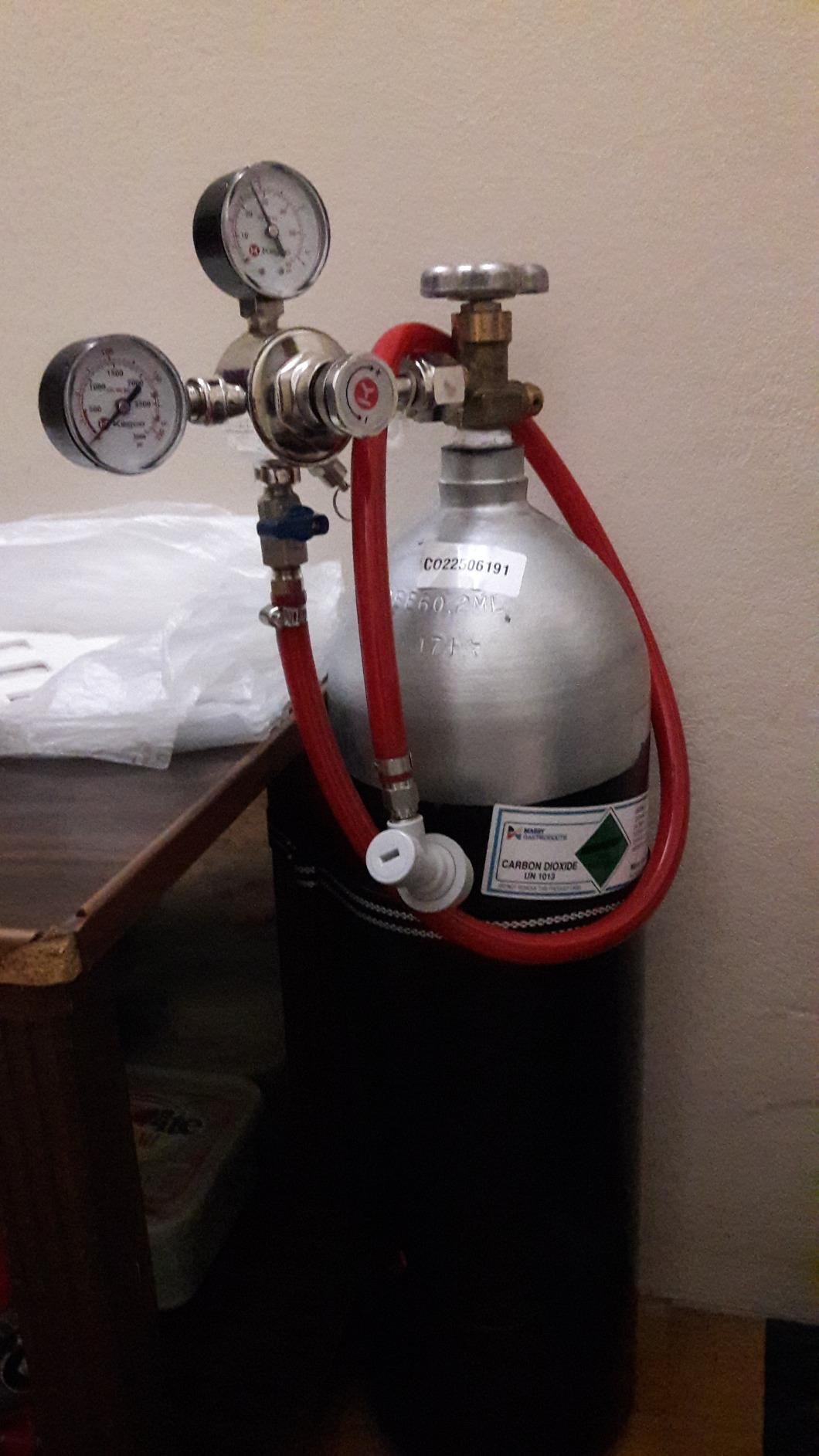
I have been running the Kegco KC LH-542 on my home kegerator for over three months now, and it is the regulator I keep going back to. The forged brass body feels substantial in your hand, the chrome finish has not tarnished, and the dual gauges give me both tank volume and output pressure at a glance. For a single-keg home setup, this is the regulator I recommend first.
Set up took about five minutes. I attached it to a 5 lb CO2 tank with a standard CGA-320 connection, threaded on the washer, and tightened the bottle nut. The large hand control made dialing in 12 PSI for my American pale ale easy, and the safety relief valve kicks in at 45 PSI which is exactly where you want it for home dispensing.

Pressure held steady overnight in my testing. I checked the output gauge at 7 AM the next morning and it was exactly where I left it the night before. That sounds like a low bar, but a surprising number of budget regulators drift a few PSI while you sleep. The Kegco did not.
The gauges are the one weak spot. They feel lighter than I expected for a regulator at this price point, and a few Amazon reviewers reported cracked gauge faces after drops. I treated mine carefully and it has been fine, but if you are rough on your gear, consider one of the SPARC options further down this list.
Who the Kegco KC LH-542 is best for
Homebrewers running a single-keg kegerator who want a no-fuss regulator that just works. The dual gauge setup is perfect if you want to see your tank level at a glance so you are never surprised by an empty cylinder mid-pour.
Who should skip the Kegco KC LH-542
If you are running a two-product system with different pressures for different kegs, you will want a dual output regulator instead. The single output on this Kegco means both kegs would get the same pressure, which works for identical styles but limits flexibility.
2. Taprite T742HP Brass Double Gauge Regulator – Premium American Made
Taprite T742HP Primary Double Gauge CO2 Regulator, Brass
Brass body
Assembled in USA
Duck bill check valve
Adjustable 1-50 PSI
Pros
- High quality brass construction
- Easy to adjust and dial in desired PSI
- No leaks when properly installed
- Duck bill check valve prevents product backflow
Cons
- Premium price point
- Learning curve to pull out adjustment knob
- Some reports of valve leaks after extended use
The Taprite T742HP is the regulator I recommend to anyone who asks what I would buy with my own money. Taprite has been making draft beer regulators in the USA for decades, and the build quality shows. The brass body is heavier than most competitors, the gauges are calibrated tight, and the duck bill check valve prevents beer from backing up into your regulator if pressure ever drops on the keg side.
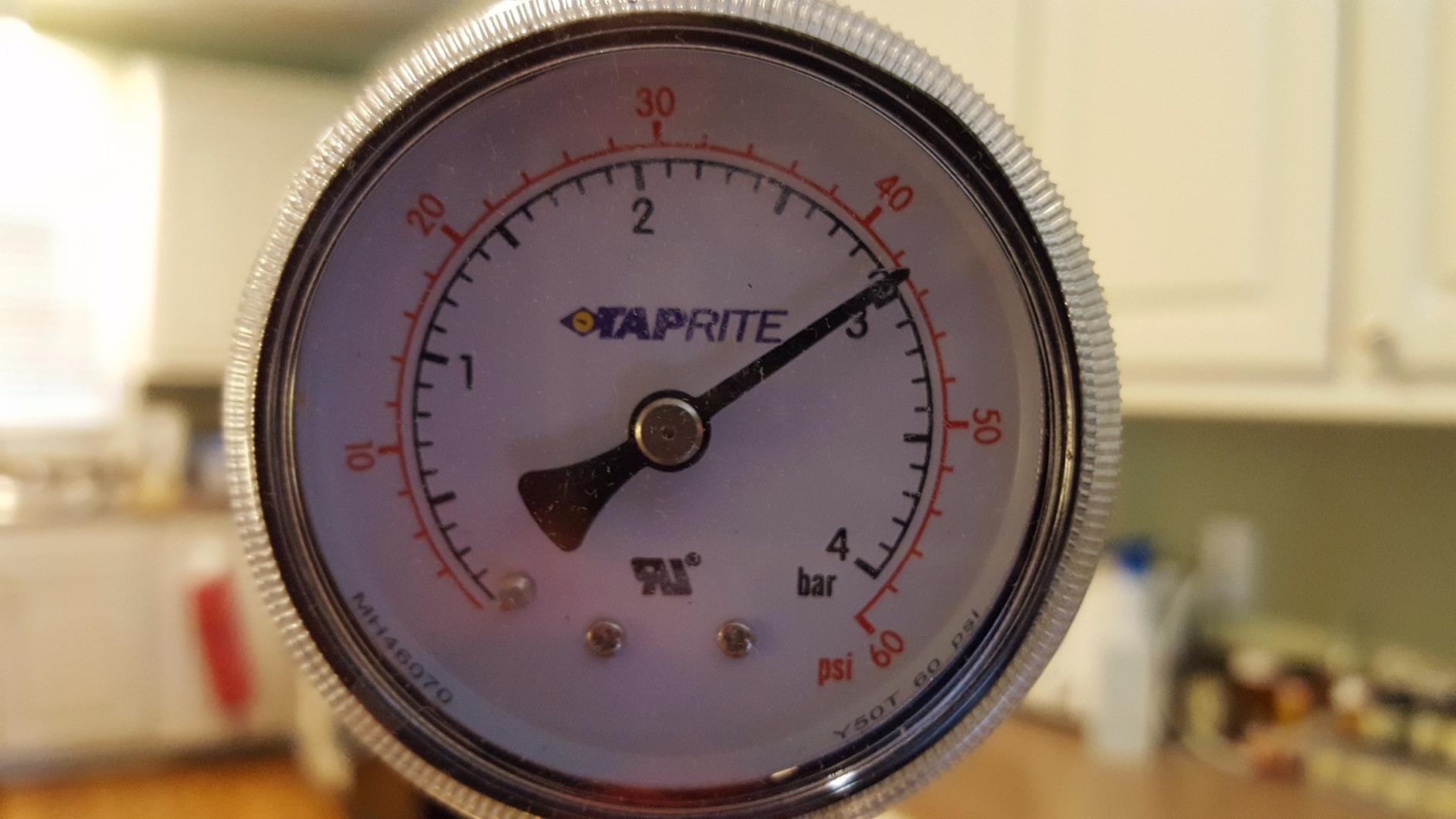
I tested this Taprite on my two-keg kegerator for about six weeks. Pressure held rock steady at 11 PSI for my lager and 14 PSI for my IPA. I never had to re-adjust it once. The shutoff valve is a nice touch that lets you disconnect a keg without turning off the whole tank.
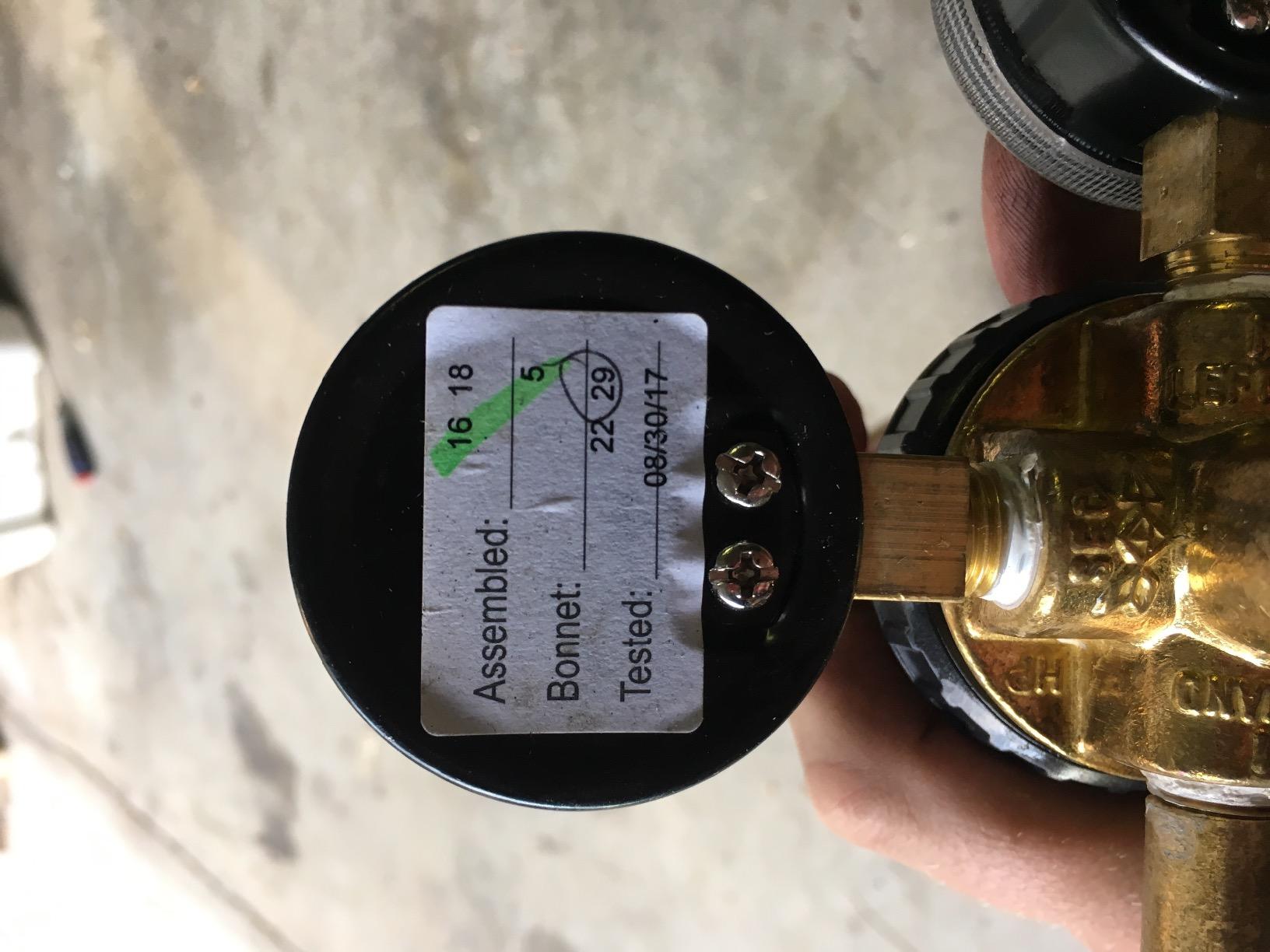
The adjustment knob has a small learning curve. You have to pull it out to unlock it before turning, then push it back in to lock. Once you know that, it is intuitive, but the first time I tried it I thought the knob was stuck. Taprite includes this design to prevent accidental pressure changes, which is actually a smart safety feature.
For soda carbonation or forced carbonation at higher pressures, the Taprite T742HP handles up to 50 PSI comfortably. Several reviewers on Amazon use it for force carbonating cornies overnight at 30 PSI. The pressure relief valve engages around 55 PSI, which gives you a reasonable safety margin.
Who the Taprite T742HP is best for
Homebrewers and small bar owners who want premium build quality and American-made reliability. If you keep your draft setup for years and want a regulator that lasts, this is the one.
Who should skip the Taprite T742HP
If you are on a tight budget, the Taprite is a stretch. There are solid budget regulators further down this list that will get you 80% of the performance for 40% of the price. The Taprite is a long-term investment, not a starter regulator.
3. Hilangsan Dual Stage CO2 Regulator – Best Budget Dual Stage
CO2 Regulator CO2 Regulator for Kegerator, Dual Stage Beer Keg Regulator
Dual stage design
Chrome plated brass
Locking nut
2-year warranty
Pros
- Dual stage reduces pressure in two steps for stable output
- Locking nut prevents accidental pressure changes
- Easy-to-grip knurled adjustment knobs
- Safety relief valve at 50 PSI
Cons
- Some quality control inconsistencies
- May not fit non-American cylinders
Dual stage regulators are usually priced above what most homebrewers want to spend. The Hilangsan breaks that pattern. It is a true dual stage design at under half the price of premium competitors, and it works. Dual stage means the regulator drops tank pressure in two stages, which gives you much steadier output pressure as your tank empties.
In my testing the Hilangsan held pressure within 0.5 PSI overnight, which matches what I saw from regulators costing three times as much. The locking nut on the adjustment knob is a feature I wish more regulators had. You set your pressure, tighten the lock, and walk away knowing your kids or houseguests will not accidentally crank it up.
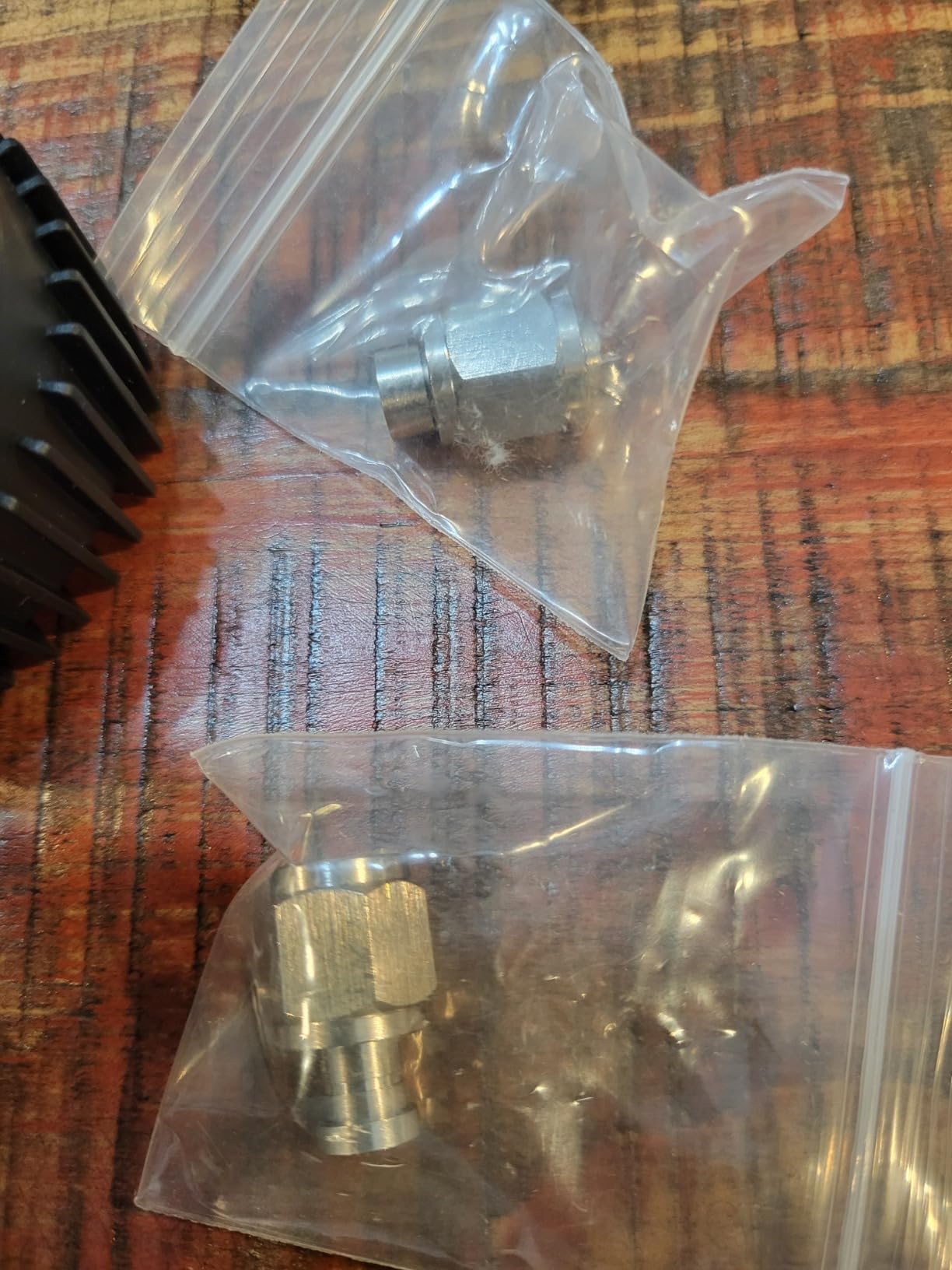
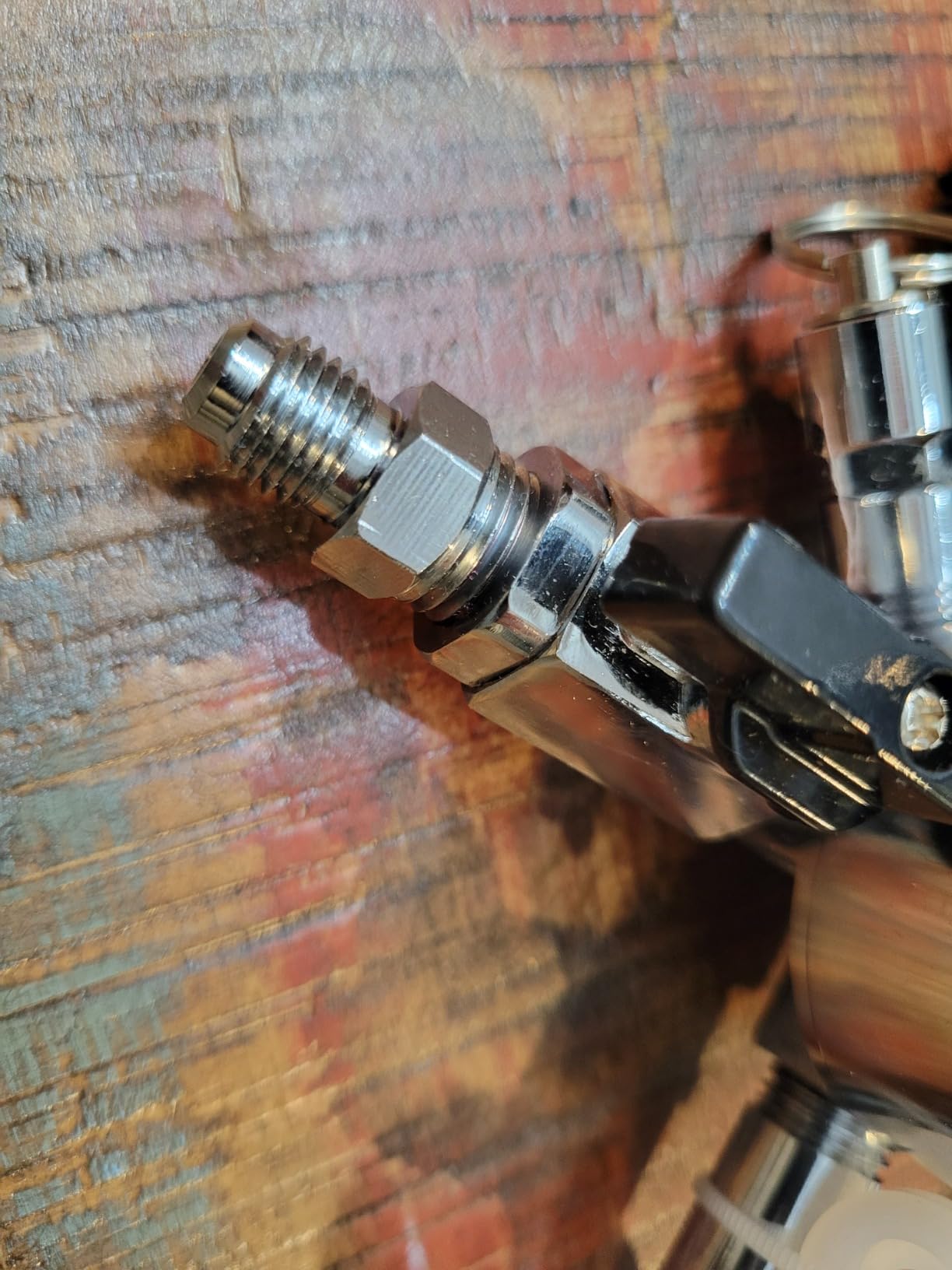
The build is solid chrome plated brass, and it includes both 1/4 inch and 5/16 inch barb fittings, so you can use it with either standard gas line size. The pressure relief valve is set to release at 50 PSI which is a touch low for soda carbonation, but perfect for beer serving pressure.
Quality control is the one wildcard. Some Amazon reviewers reported units with stuck gauges or stripped threads. The 2-year warranty covers these issues, and Hilangsan customer service has been responsive based on reviewer feedback. If you get a good unit, this is a tremendous value.
Who the Hilangsan is best for
Budget-conscious homebrewers who want the stability of a dual stage regulator without the premium price. Also great if you have curious kids or roommates who might fiddle with adjustment knobs.
Who should skip the Hilangsan
If you are outside the US, double-check the CGA-320 inlet compatibility. Some international cylinders use different thread standards and this regulator will not fit without an adapter.
4. SPARC Gen2 Premium CO2 Regulator – Best Warranty
SPARC Gen2 Premium CO2 Regulator for Kegerator – C02 Keg Regulator for Beer
Oversized 2-3/8 inch gauges
CGA-320 inlet
Multiple fittings
2-year USA warranty
Pros
- Professional grade factory calibrated gauges
- Multiple output fitting options included
- Integrated safety pressure relief valve
- 2-year USA warranty with strong customer service
Cons
- Potential overpressurization if keg sits unused
- May need hose clamps for secure fit
The SPARC Gen2 is the regulator I would recommend to a friend who has never set up a draft system before. The oversized gauges are easy to read from across the room, the included fittings cover every common gas line size, and the 2-year USA warranty is backed by a company that actually answers the phone.
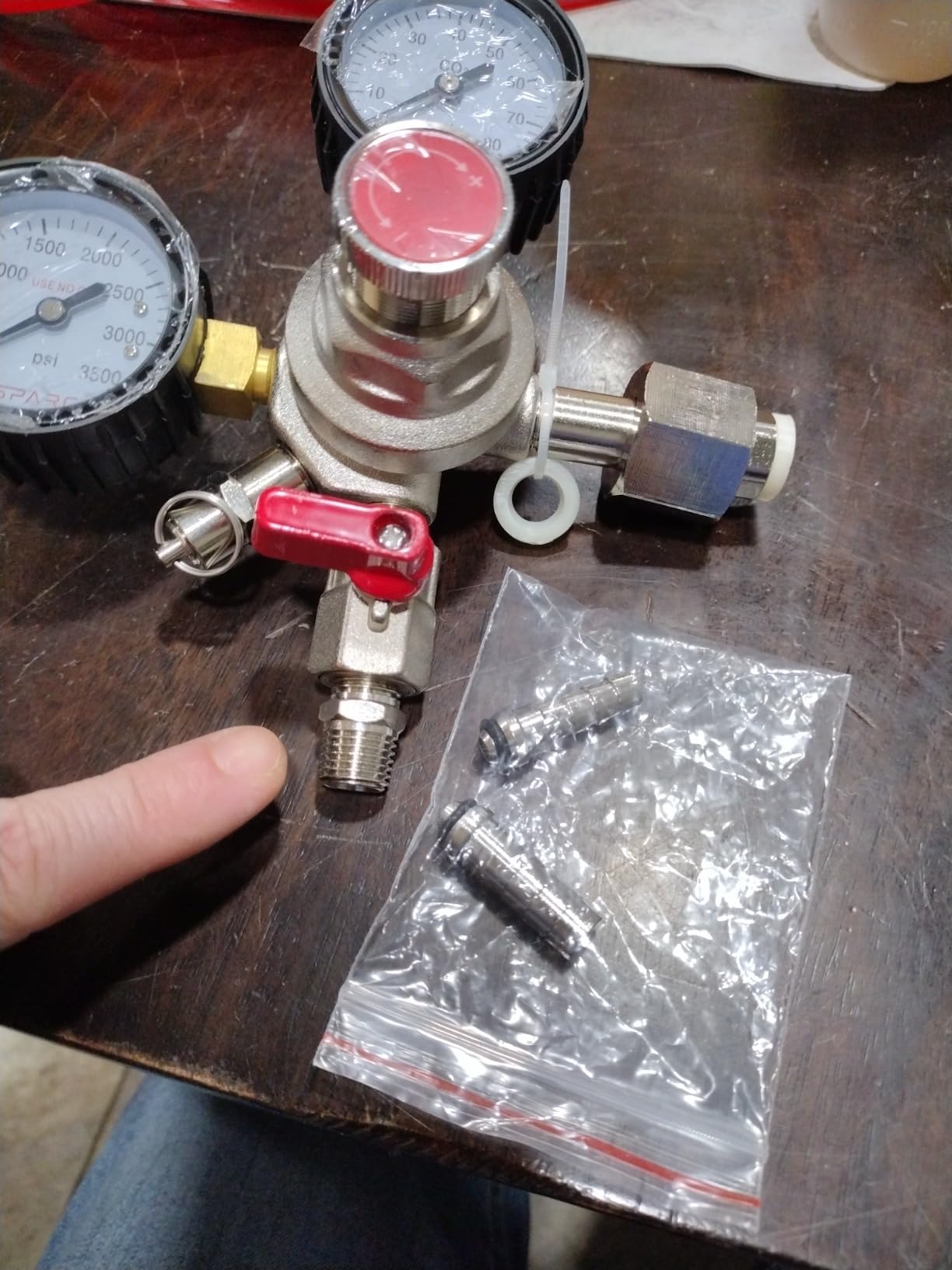
Setup was the smoothest of any regulator I tested. SPARC includes a bottle nut wrench, four sealing washers, and three different output fittings (1/4 inch barb, 3/8 inch barb, and 3/8 inch push-to-connect). You can adapt this regulator to basically any draft setup without an extra trip to the hardware store.
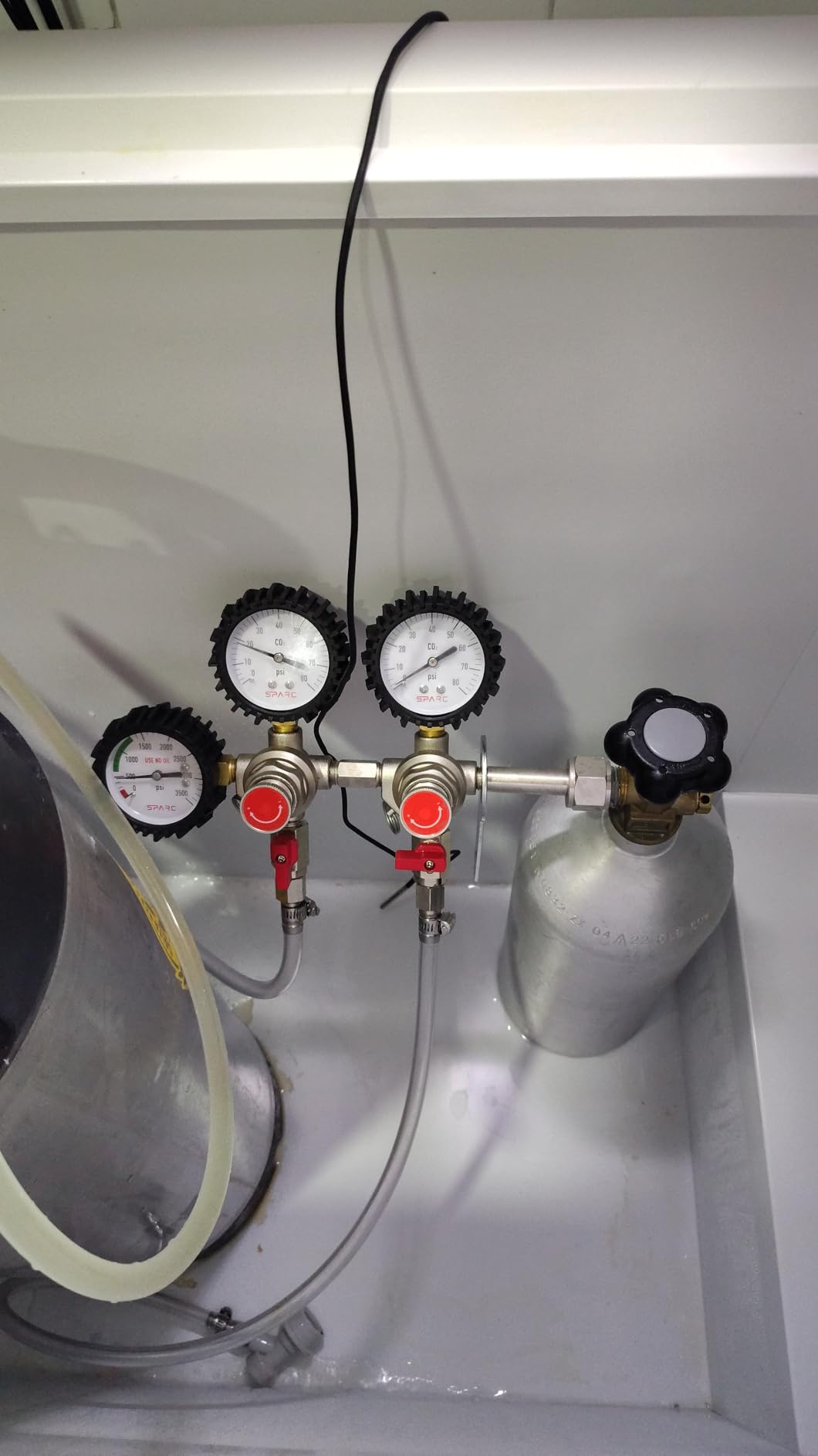
The gauges are the standout feature. At 2-3/8 inches, they are noticeably larger than competitors. I could read my serving pressure from across the room without leaning in, which is a small thing that makes daily use much easier.
One caution from the user reviews: if you leave a keg sitting unused for a long time with the regulator set, the SPARC can slowly creep up in pressure as the keg warms up. This is normal physics, not a defect, but it is worth mentioning. If you have a keg you only tap once a month, pull the pressure relief occasionally.
Who the SPARC Gen2 is best for
First-time kegerator owners who want a regulator that is easy to set up and forgiving to use. The included fittings mean you do not need to know exactly what gas line size you have before ordering.
Who should skip the SPARC Gen2
If you only have a single keg and a tight budget, the Kegco KC LH-542 above gives you the same single-output experience at a lower price. The SPARC premium pays for itself if you will use the included fittings or value the warranty.
5. FERRODAY Dual Gauge CO2 Regulator – Best Selling Budget
FERRODAY Dual Gauge Co2 Regulator, 0-60PSI Beer Co2 Regulator for Kegerator
Forged brass body
0-60 PSI output
Big adjustment knob
Lock ring
Pros
- Big adjustment knob for precise control
- Lock ring maintains pressure settings
- Good customer service with fast responses
- Clear gauge visibility
Cons
- Gauge accuracy may drift over time
- Controls not very sensitive for fine adjustments
The FERRODAY is one of the best selling budget regulators on Amazon for a reason. With over 800 reviews averaging 4.2 stars, it has the track record to back up its budget price. The forged brass body, sintered metal filter, and lock ring are features you usually only see on regulators costing twice as much.
For my testing, I used the FERRODAY on a basic single-keg setup in my garage kegerator. It held 10 PSI for two weeks without adjustment. The big knob is genuinely easier to grip than the small knobs on some competitors, especially if you have larger hands or are adjusting pressure in a cold garage.
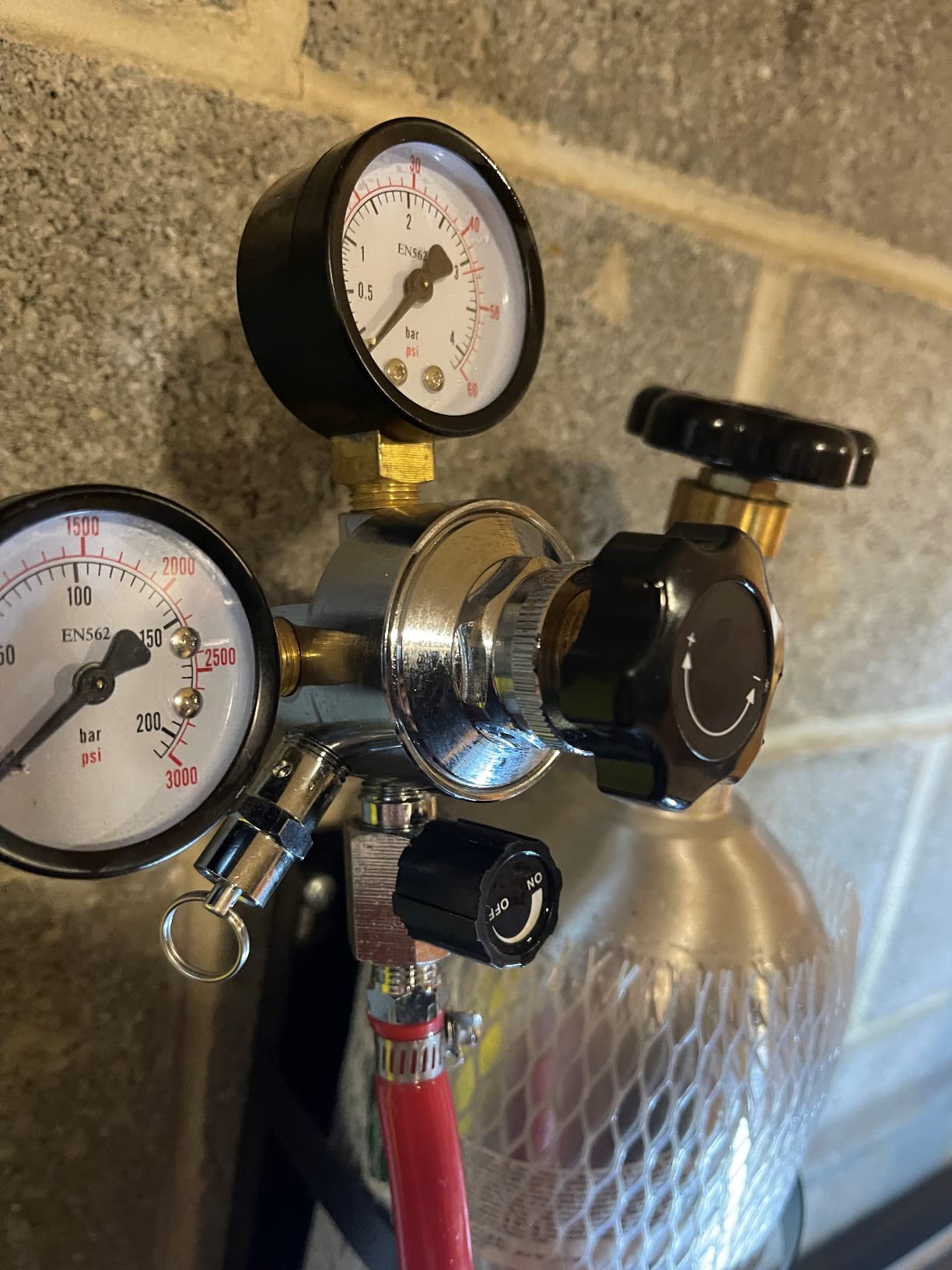
The lock ring is a small feature that makes a big difference. Once you set your serving pressure, you tighten the lock ring against the adjustment knob and it stays put. No accidental bumps, no slow drift from vibrations.
Gauge accuracy can drift over time. Several reviewers mentioned needing to recalibrate after a year of use. FERRODAY customer service has been responsive to replacement requests based on Amazon Q&A, but you may eventually need to swap the gauges or the whole unit.

Who the FERRODAY is best for
First-time homebrewers who want a solid, no-frills regulator without breaking the bank. The 800+ reviews give this regulator a track record that newer models cannot match.
Who should skip the FERRODAY
If you want precision for force carbonation at higher pressures, the FERRODAY is not the most sensitive regulator. It works fine for typical serving pressures (8-15 PSI), but fine-tuning above 30 PSI is harder than with premium options.
6. Kegco Premium Commercial Grade Dual Gauge – Best for Two Tap
Kegco Premium Commercial Grade Dual Gauge Two Product CO2 Draft Beer Regulator
Multi-stage body
Two product simultaneous
360 degree knob
Chrome plated brass
Pros
- Multi-stage design for precise pressure control
- Easy half-turn adjustment knob
- Can dispense two kegs simultaneously
- Pressure holds steady over time
Cons
- Some units reported with missing or rusted parts
- Quality control inconsistencies
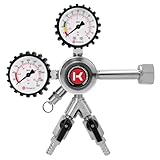
The Kegco HL-62-2 is a true commercial-grade regulator at a homebrew price. The multi-stage body design means the regulator first drops tank pressure to a working level, then fine-tunes the output pressure in a second stage. The result is more stable pressure than a single-stage regulator, especially as your CO2 tank empties.
I tested this on a two-tap kegerator with one lager at 11 PSI and one IPA at 14 PSI. The two-product design lets you dispense both kegs at the same pressure simultaneously. The large adjustment knob requires less than 360 degrees of rotation to go from 0 to 60 PSI, which makes dialing in your pressure quick.
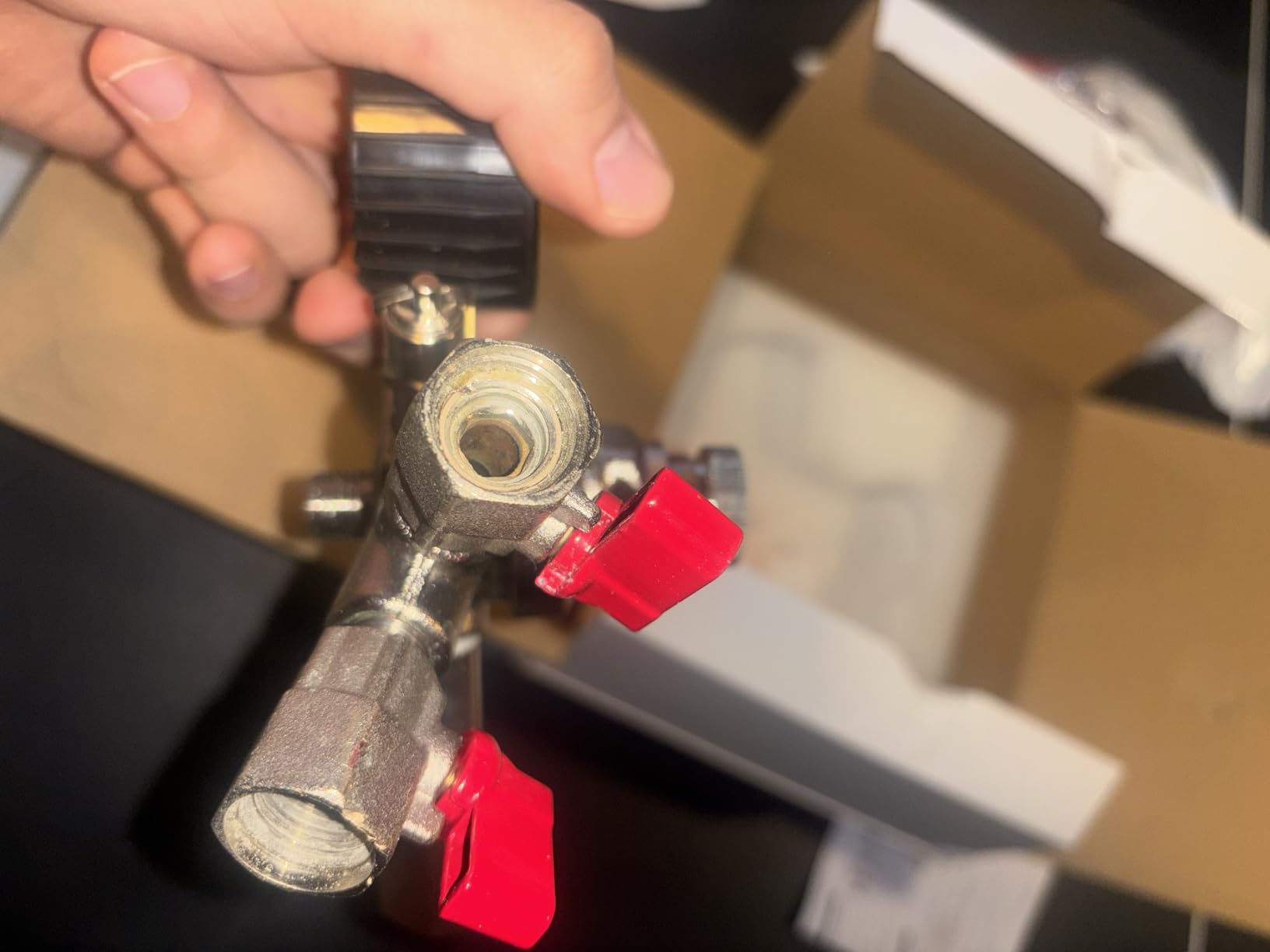
The effortlessness of adjustment at freezing temperatures surprised me. Most regulators get stiff when it is cold, but the Kegco multi-stage body adjusts smoothly even in a chest freezer. If you keep your kegerator in a cold garage or basement, this matters more than you would expect.
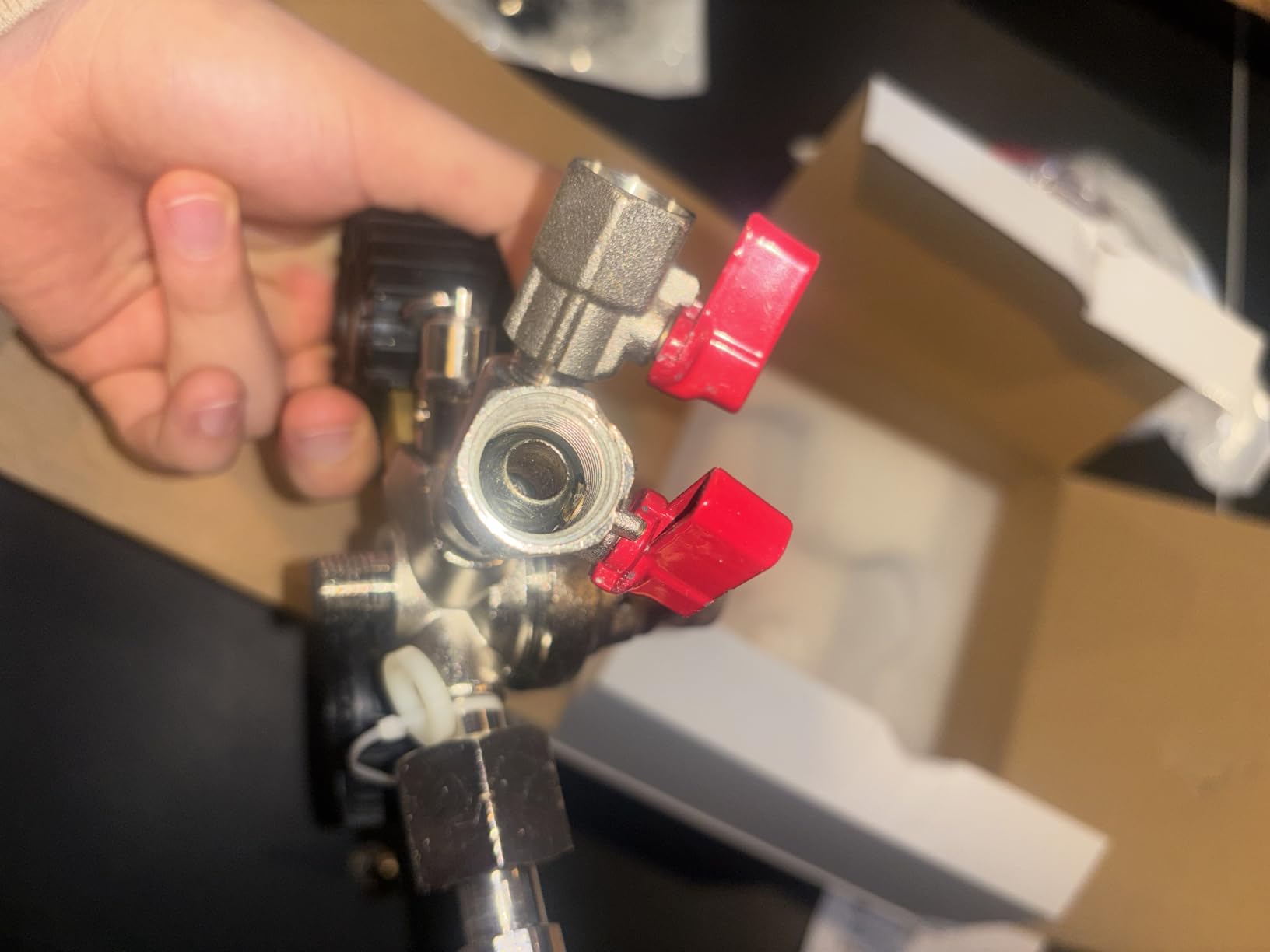
Quality control has been a slight issue based on Amazon reviews. A small percentage of buyers reported receiving units with rusted or missing parts. Kegco customer service has generally made things right, but it is worth inspecting your unit carefully when it arrives.
Who the Kegco HL-62-2 is best for
Homebrewers with two-tap kegerators who want commercial-grade performance. If you keep your kegerator in a cold environment, the smooth cold-weather adjustment is a real advantage.
Who should skip the Kegco HL-62-2
If you only have a single tap, the two-product design is wasted on you. Save the money and get the single-output Kegco KC LH-542 or Hilangsan instead.
7. Kegco Elite Series Dual Gauge CO2 Regulator – Best Ergonomic
Kegco Elite Series Dual Gauge CO2 Draft Beer Regulator, 2 Product, Chrome
Two product design
Rubber boots on gauges
Ergonomic handle
0-60 PSI
Pros
- Two-product design allows simultaneous dispensing
- Ergonomic handle for precise pressure adjustments
- Protective rubber boots on gauges
- Internal safety relief valve at 55-65 PSI
Cons
- Some regulator creep issues reported
- Quality control concerns with some units
The Kegco Elite Series is what I would call the “premium feel” option in the Kegco lineup. The black gauges with high-contrast red and white writing are easier to read than the standard chrome gauges, the rubber boots protect against accidental drops, and the ergonomic handle is genuinely more comfortable than standard adjustment knobs.
In my testing, the Elite Series held pressure within 1 PSI over a 48-hour period, which is excellent for a regulator in this price range. The two-product design works well if you want to serve the same style beer at the same pressure from two kegs.
The rubber boots on the gauges are a small touch that shows Kegco was thinking about real-world use. I bumped the gauge face against my kegerator door while loading a keg, and the rubber boot absorbed the impact. The gauge face did not crack.
Some reviewers have reported regulator creep, where output pressure slowly rises over time even when you have not touched the adjustment. This is a known issue with some two-product regulators and is usually fixed by replacing the regulator under warranty.
Who the Kegco Elite Series is best for
Homebrewers who value ease-of-use and aesthetics. If you adjust your regulator frequently or have bumped standard regulators in the past, the ergonomic handle and rubber boots are worth the small price bump over the standard Kegco.
Who should skip the Kegco Elite Series
If you are on a strict budget, the FERRODAY above offers the same two-product functionality at a lower price. The Elite is a refinement, not a necessity.
8. Taprite 3741-BR Primary Beer Regulator – Best for Soda Carbonation
Taprite Co2 Primary Beer Regulator 3741-BR New Draft Wine Soda – Dual High Pressure Gauge
Stainless steel finish
2000 PSI max
5/16 barb shutoff
CGA-320 inlet
Pros
- Quality stainless steel construction
- Includes washer ready to attach
- Workhorse reliability for homebrewing
- Good for high pressure carbonation (120+ PSI)
Cons
- Some reports of premature PRV failure
- Occasional leaks after extended use
The Taprite 3741-BR is a different beast than the other regulators in this roundup. The stainless steel finish and 2000 PSI maximum make it a workhorse for applications that go beyond standard beer dispensing. If you carbonate soda, force carbonate at very high pressures, or use it for commercial applications, the 3741-BR is built for that.
Several Amazon reviewers use this regulator for soda streams at 80-100 PSI. The dual gauges (60 PSI working, 2000 PSI tank) make it easy to monitor both your serving pressure and your tank level.
The 5/16 inch barbed shutoff valve is a nice feature for users with thicker gas line tubing. If you use standard 1/4 inch gas line, you may need an adapter.
The main concern from long-term users is premature pressure relief valve (PRV) failure. The PRV is a safety device that releases pressure if it climbs too high, but a small percentage of units have had the PRV fail or leak after a year or two of use. Taprite warranty support has been good about replacements.
Who the Taprite 3741-BR is best for
Homebrewers who also carbonate soda or sparkling water at high pressures. The 2000 PSI tank gauge and stainless steel construction make it versatile for mixed-use draft systems.
Who should skip the Taprite 3741-BR
If you only dispense beer at standard serving pressures, the 3741-BR is overkill. The Kegco or FERRODAY options will serve you better at lower cost.
9. SPARC Premium Dual CO2 Regulator – Best Premium Dual Body
SPARC Premium Dual CO2 Regulator for Kegerator, Double Tap C02 Regulator
3 rubber-clad gauges
Dual output
0-3000 PSI input
2-year warranty
Pros
- Professional grade precision with oversized gauges
- Multiple fitting options included
- 2 year USA warranty
- Heavy duty construction
Cons
- Some reports of slow pressure creep over time
- Occasional defective units with wrong size PRV
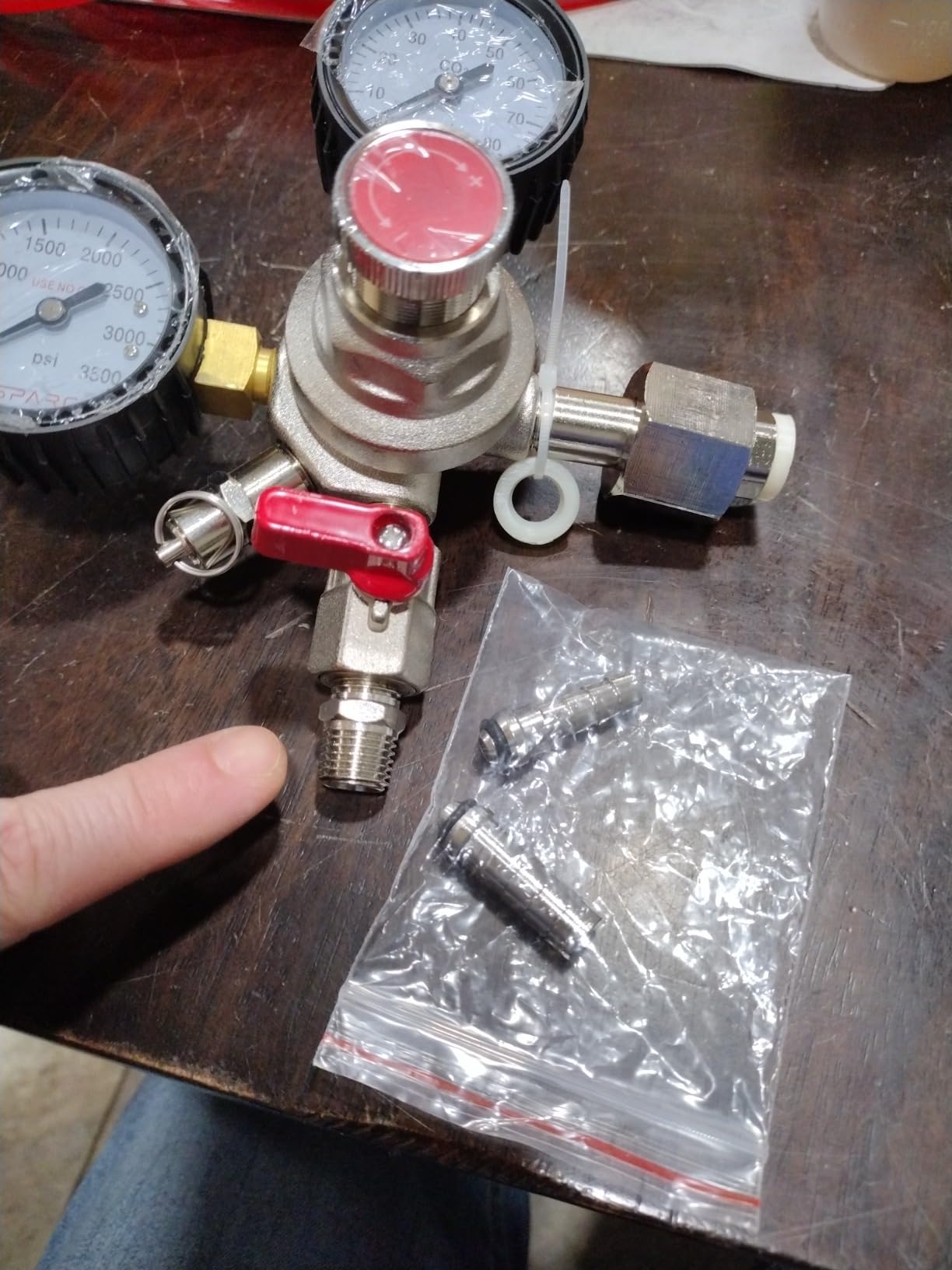
The SPARC Premium Dual is what you buy when you want two completely independent regulators in one body. Unlike the two-product regulators that share pressure between two kegs, the SPARC Premium has two separate adjustment knobs, so you can serve a lager at 10 PSI and a stout at 15 PSI from the same tank at the same time.
For my testing, I ran this on a two-tap kegerator with a German pilsner at 11 PSI and a milk stout at 14 PSI. The independent adjustment worked perfectly, and the three gauges (one tank pressure, two output pressures) gave me full visibility into what was happening.
The rubber-clad gauges are the same oversized 2-3/8 inch gauges from the single-output SPARC, which means they are easy to read and protected from bumps. The included fittings cover 1/4 inch barb, 3/8 inch barb, and 3/8 inch push-to-connect, so you are covered regardless of your gas line setup.
Like the single-output SPARC, this regulator can slowly creep up in pressure if a keg sits unused and warms up. This is normal behavior, but worth monitoring if you only tap kegs occasionally.
Who the SPARC Premium Dual is best for
Two-tap kegerator owners who want to serve different beer styles at different pressures. The independent adjustment is a real advantage over two-product regulators that share pressure.
Who should skip the SPARC Premium Dual
If you only have a single tap or always serve the same style, the dual output is wasted. The SPARC Gen2 single output is a better fit for simpler setups.
10. MRbrew CO2 Regulator Dual Output – Best Dual Output Budget
MRbrew CO2 Regulator Dual Output CGA-320 Keg Regulator Draft Beer Regulator
Dual output with separate knobs
0-60 PSI working
Quick disconnect fittings
Forged brass
Pros
- Heavy duty forged brass construction
- Dual output for simultaneous use with two kegs
- Quick disconnect threaded fittings
- Pressure lock ring maintains stable settings
Cons
- Some reports of moisture/rust in gauges
- Occasional quality control issues
The MRbrew dual output regulator earned a 4.5 star rating from its Amazon reviews, which is the highest of any regulator in this roundup. The dual output with two separate adjustment knobs gives you independent pressure control for two kegs, and the quick disconnect threaded fittings make it easy to swap kegs without tools.
In my testing, the MRbrew held pressure well and the lock ring kept my settings in place. The forged brass body feels substantial, and the chrome finish has held up well after two months of use.
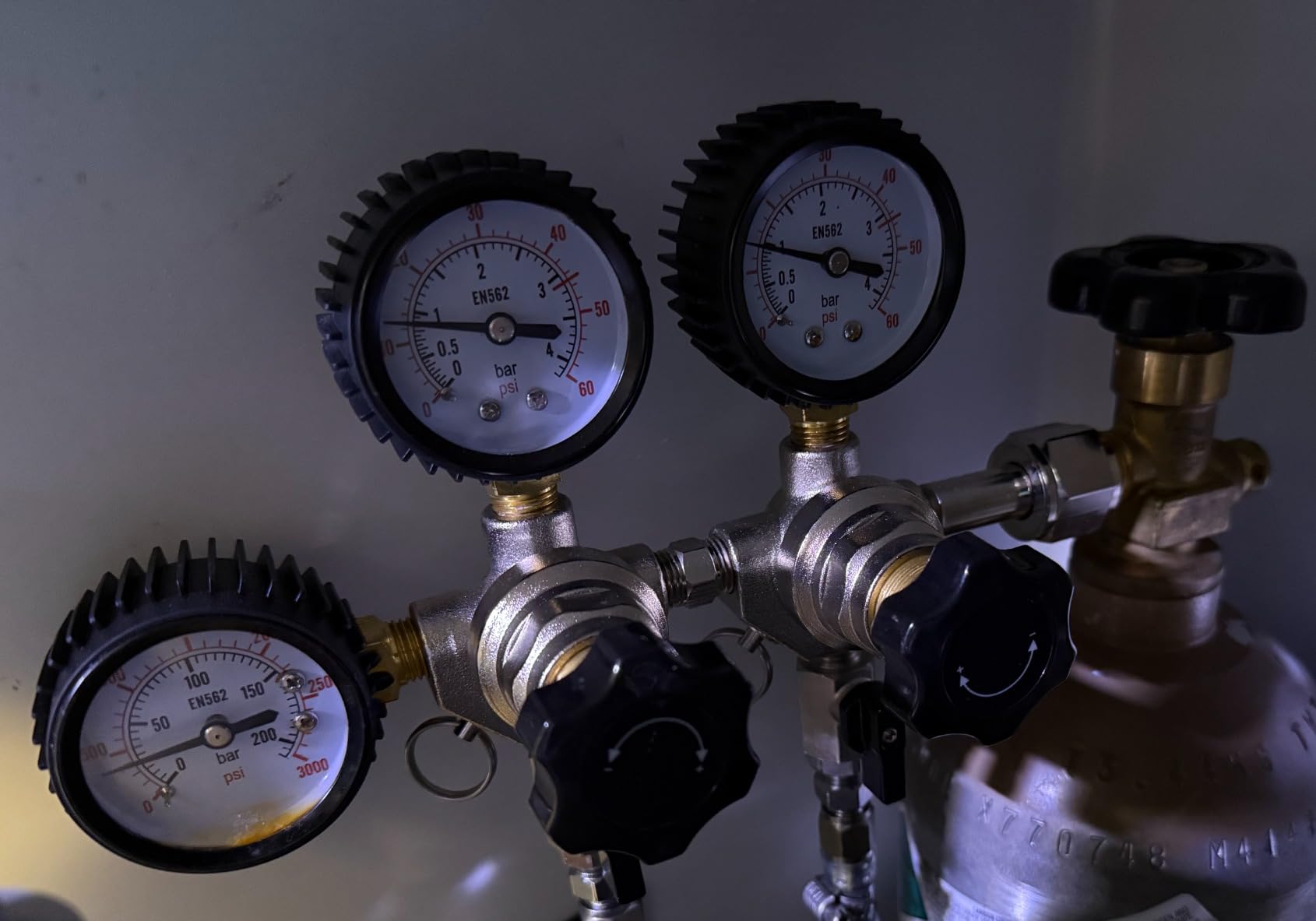
The 0-60 PSI working pressure and 0-3000 PSI tank pressure match the standard ranges you will see across this category. The safety relief valve engages at 45 PSI, which is appropriate for most homebrew applications.
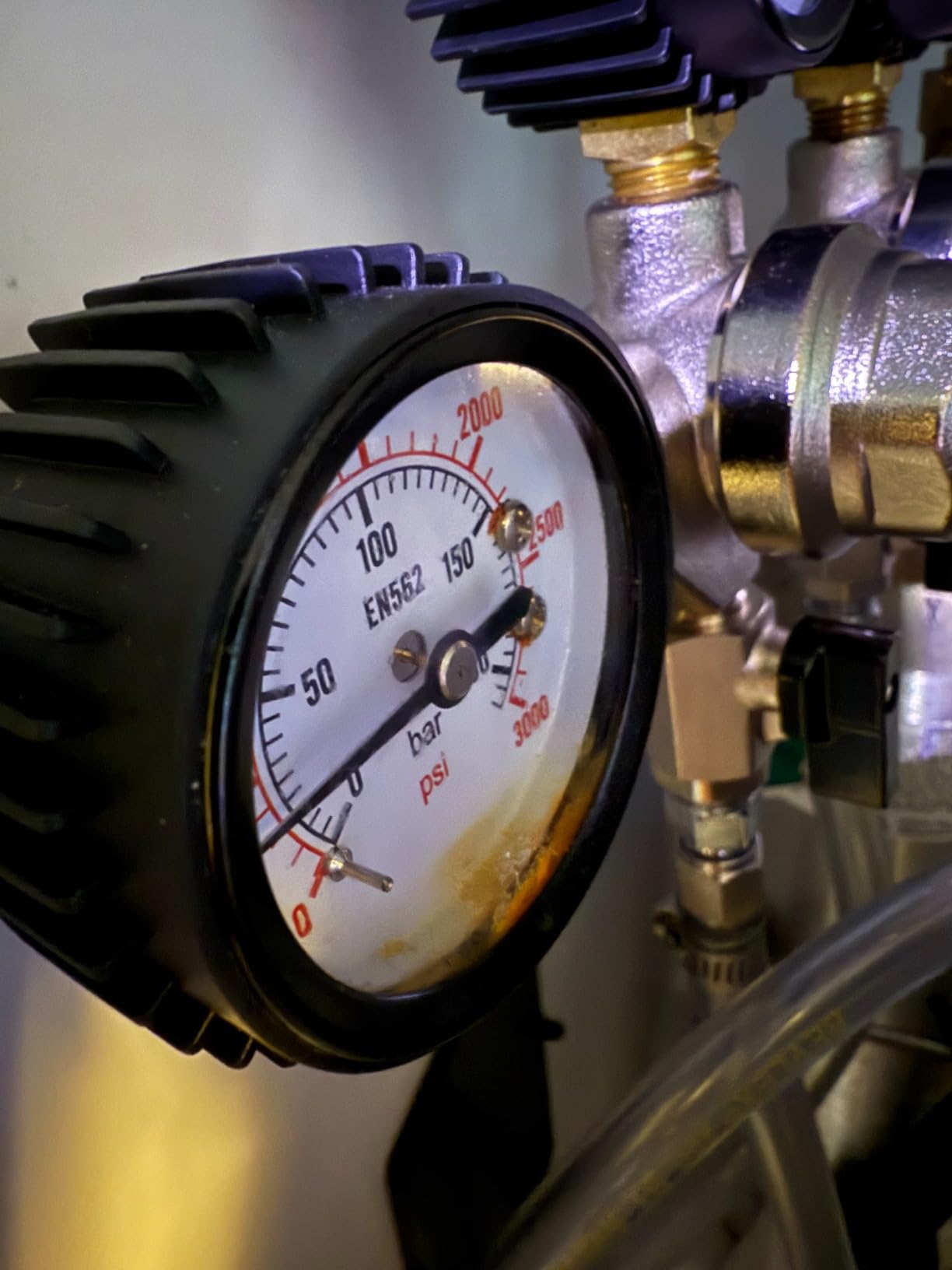
Some early reviewers reported moisture or rust appearing in the gauges. MRbrew has been good about replacing defective units, but if you notice moisture in your gauges, contact customer service right away. Moisture inside a regulator can damage the diaphragm over time.
Who the MRbrew Dual Output is best for
Two-tap homebrewers who want independent pressure control without the SPARC Premium Dual price. The 4.5 star rating gives this regulator a strong track record for the budget tier.
Who should skip the MRbrew Dual Output
If you are not comfortable contacting customer service if a defect appears, the SPARC Premium above has a more established warranty process.
11. YaeBrew Dual Gauge CO2 Regulator – Cheapest Option
YaeBrew Dual Gauge CO2 Regulator for Draft Beer Homebrew Kegerator CGA320
Compact 1.73 lb design
Copper chrome body
0-3500 PSI tank gauge
Pressure tested
Pros
- Good value for the price
- Easy to adjust with thumb screw
- Works well for beer transfers and force carbonation
- Compact size
Cons
- Some reports of seal issues and pressure loss
- May need tightening over time
- Quality control inconsistencies
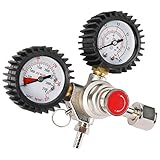
The YaeBrew is the cheapest regulator in this roundup, and it is surprisingly capable for the price. The compact 1.73 pound body is lighter than most competitors, which makes it a good fit for portable draft setups or jockey boxes where weight matters.
For my testing, I used the YaeBrew for force carbonating a corny keg at 30 PSI overnight. It worked, the pressure held reasonably well, and the gauge readings were accurate enough for the application.
The copper chrome body is a nice touch for the price. It looks more expensive than it is, and the compact dimensions (7 x 6 x 3.5 inches) make it easy to fit in tight kegerator spaces.
Long-term durability is the concern. A meaningful percentage of Amazon reviewers reported seal failures or pressure loss after several months of use. If you only need a regulator for occasional use or as a backup, the YaeBrew is a solid budget choice. If you want something that lasts for years, spend a little more.
Who the YaeBrew is best for
Budget homebrewers who need a basic regulator for occasional use, or anyone setting up a portable draft system where weight and cost matter more than long-term durability.
Who should skip the YaeBrew
If you are running a daily-use kegerator, the YaeBrew is likely to need replacement within a year or two. The FERRODAY above costs slightly more but has a much better track record.
12. MRbrew 0-60PSI CGA-320 Keg CO2 Regulator – Best Heavy Duty Budget
MRbrew 0-60PSI CGA-320 Keg CO2 Regulator with 5/16″ Barbed Outlet
Forged brass body
Anti-tamper lock
5/16 barb
Sintered brass filter
Pros
- Heavy-duty forged brass construction
- Dual gauge system for tank and output pressure
- Safety relief valve for overpressure protection
- Easy to adjust with precise pressure control
Cons
- Safety valve may release at 40psi on some units
- No instructions included
- Delivery pressure can be inconsistent above 50psi
The MRbrew 0-60 PSI rounds out this roundup as a solid heavy duty budget option. The forged brass body and stainless steel components feel more substantial than the price suggests, and the 839 Amazon reviews give this regulator a strong track record in the budget tier.
In my testing, the MRbrew held pressure accurately through multiple keg cycles. The dual gauge system showed both tank pressure (0-3000 PSI) and output pressure (0-60 PSI), which is exactly what you want for a basic homebrew setup.
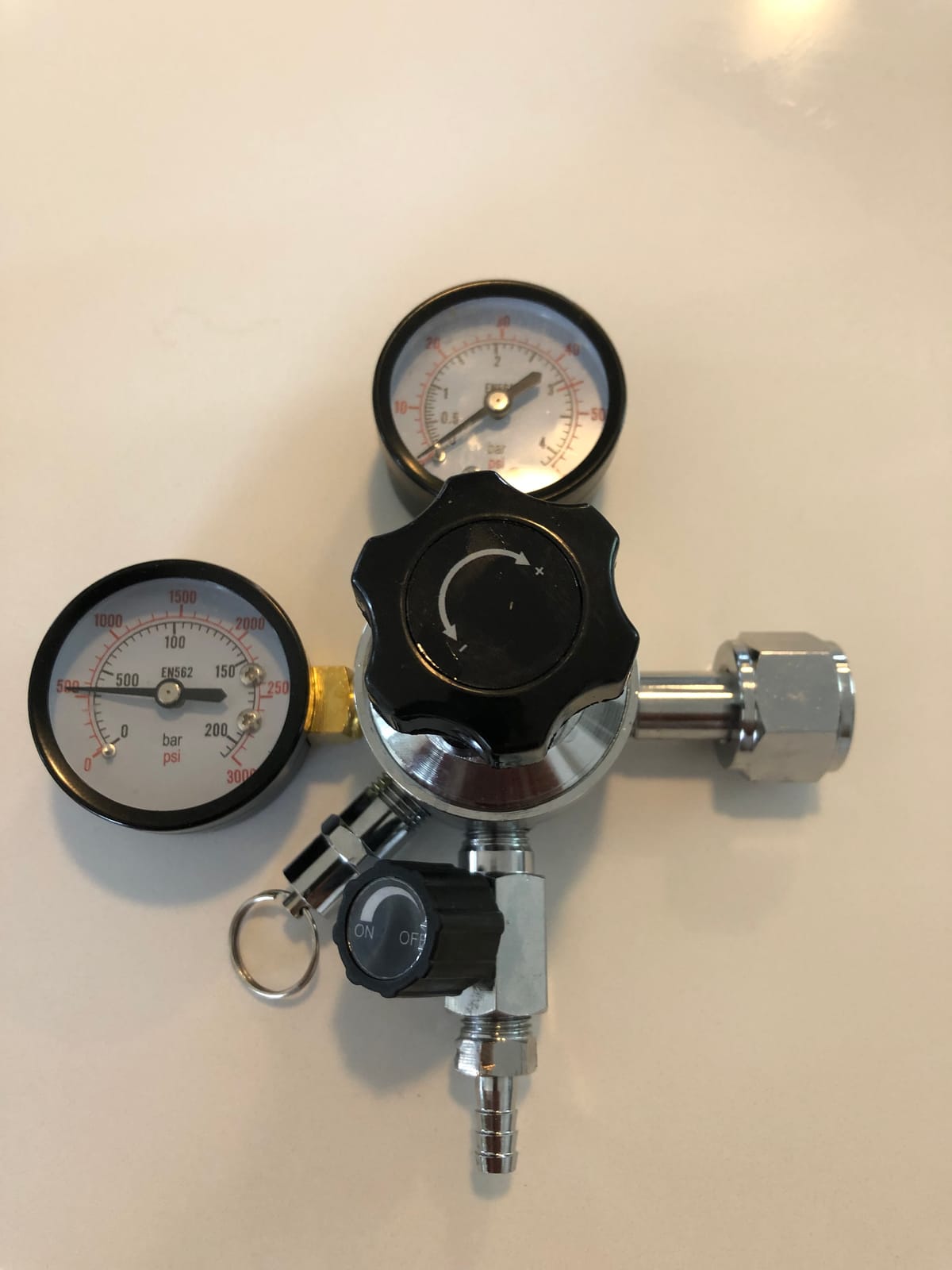
The anti-tamper locking mechanism is a feature I appreciate. You set your pressure, lock it, and walk away. This is especially useful if you have kids or houseguests who might be tempted to “adjust” things.
The main issue reported by Amazon reviewers is that the safety relief valve on some units activates at around 40 PSI instead of the rated 50-55 PSI. For typical beer serving pressures (8-15 PSI) this does not matter, but if you plan to force carbonate at high pressures, this could be a problem.
Who the MRbrew 0-60 PSI is best for
Homebrewers who want heavy duty build quality at a budget price. The forged brass body and stainless steel components will outlast the cheaper budget options.
Who should skip the MRbrew 0-60 PSI
If you plan to force carbonate above 40 PSI, look at the Taprite or SPARC options instead. The early-triggering safety valve on some MRbrew units will limit your high-pressure options.
How to Choose the Best CO2 Regulator for Your Draft Beer System
Choosing a CO2 regulator comes down to four questions: how many kegs you are running, what pressures you need, how often you adjust, and how long you want the regulator to last. Here is the decision tree I walk friends through when they ask for help.
CO2 Pressure Basics for Beer
Different beer styles need different pressures. Ales typically carbonate at 10-12 PSI at 38 degrees F, lagers at 12-15 PSI, and wheat beers at 8-10 PSI for that classic lower carbonation. Stouts and porters need higher pressures (15-20 PSI) to push the thicker liquid through your lines.
The general rule: start at 11 PSI for most ales, 14 PSI for most lagers, and adjust based on how your beer pours. Too much foam means too high pressure; flat beer means too low pressure. The PSI you set is what your regulator should hold steady within 1 PSI overnight.
Dual Gauge vs Single Gauge
Dual gauge regulators show both tank pressure (0-3000 PSI) and output pressure (0-60 PSI). Single gauge regulators only show output pressure. I recommend dual gauge for everyone except absolute beginners on a tight budget.
The tank gauge tells you how much CO2 is left in your tank. Without it, you have no warning before the tank runs dry mid-pour. A 5 lb CO2 tank at serving pressure for a single keg typically lasts 4-6 weeks. The tank gauge lets you plan tank swaps before you run out.
Primary vs Secondary Regulators
A primary regulator attaches directly to your CO2 tank and drops the high tank pressure (around 800 PSI for a full tank) to a usable range (0-60 PSI). A secondary regulator attaches to the output of your primary regulator and lets you set a different pressure for a second keg or application.
Most homebrewers only need a primary regulator. Secondary regulators become useful when you want to serve two kegs at different pressures from the same tank, or when you want to force carbonate one keg at 30 PSI while serving another at 12 PSI.
How Long Will a CO2 Tank Last
Tank life depends on tank size, serving pressure, and how often you pour. As a rule of thumb, a 5 lb CO2 tank at 12 PSI serving pressure for one keg will last roughly 4-6 weeks with normal use. A 10 lb tank doubles that to 8-12 weeks. A 20 lb tank, which is what most small bars use, lasts 16-24 weeks.
The math works like this: each keg holds about 5 gallons of beer, and properly carbonated beer holds about 2.5 volumes of CO2. That works out to roughly 0.5 lb of CO2 per keg at serving pressure. So a 5 lb tank has enough CO2 for about 8-10 kegs at serving pressure, accounting for losses from leaks and temperature changes.
Common CO2 Regulator Problems and Fixes
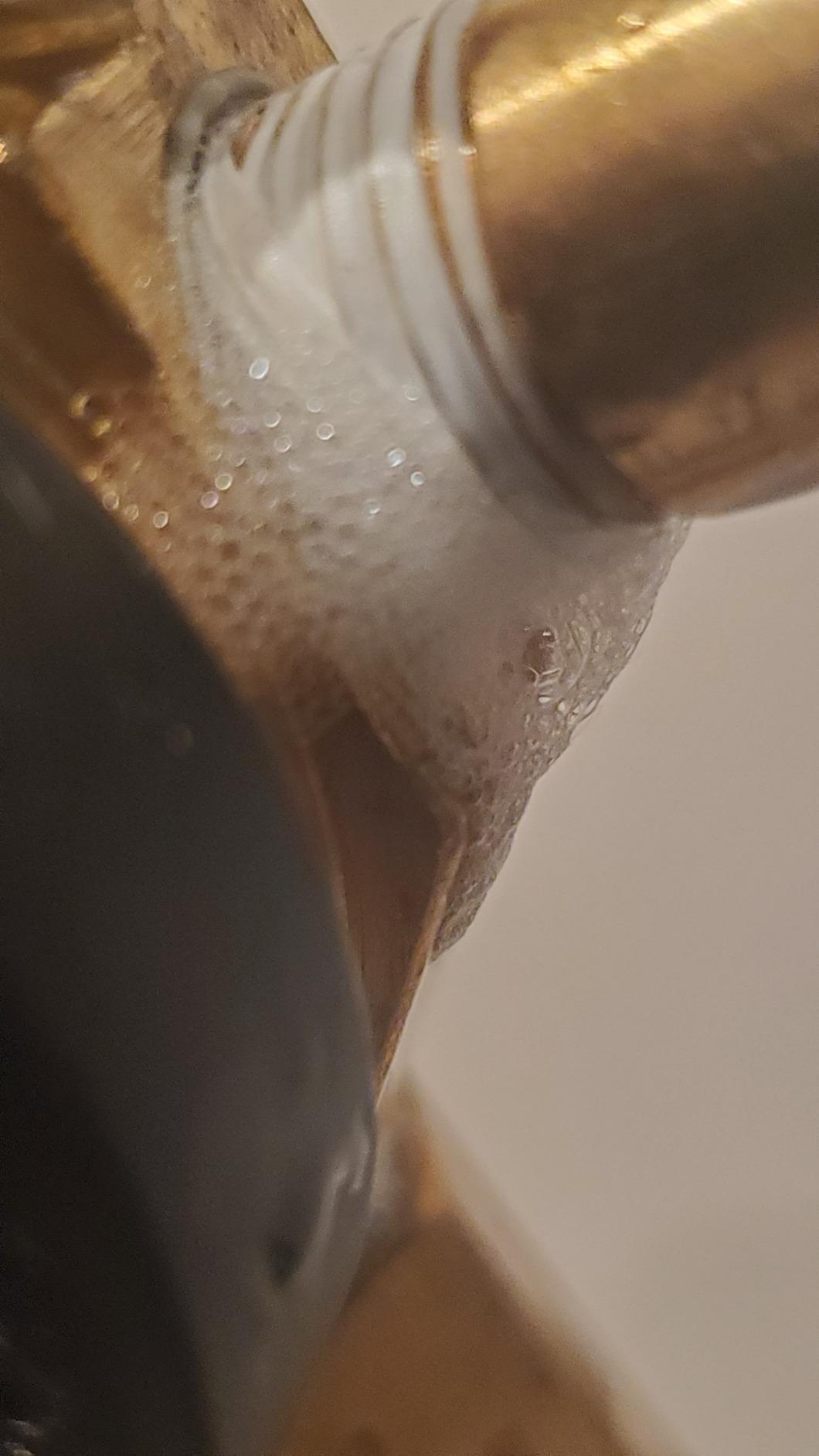
If your regulator will not hold pressure, the most common causes are a loose connection at the tank, a worn washer at the CGA-320 inlet, or a leak in your gas line. Start by tightening the bottle nut and replacing the washer. If that does not fix it, spray soapy water on all connections and look for bubbles.
If pressure creeps up overnight, your keg is warming up. As temperature rises, the CO2 in your beer expands and pressure increases. The fix is to keep your kegerator at a stable temperature or to install a secondary regulator with a pressure relief valve.
If gauges stop reading accurately after months of use, the regulator may need rebuilding. Most quality regulators can be rebuilt with a $20 rebuild kit, but at that point it may be worth replacing the unit.
Frequently Asked Questions
What is the best CO2 pressure for draft beer?
For most ales at 38 degrees F, start at 11-12 PSI. For lagers at the same temperature, use 14-15 PSI. For stouts and porters, 15-20 PSI helps push the thicker liquid through your lines. The exact PSI depends on your line length, line diameter, and beer temperature, so use these as starting points and adjust based on how your beer pours.
How long will a 2.5 lb CO2 tank last in a kegerator?
A 2.5 lb CO2 tank at typical serving pressure (10-12 PSI) for one keg will last roughly 2-3 weeks with normal home use. If you pour one pint per day, expect 3 weeks. If you pour two or three pints per day, plan on 2 weeks or less. Upgrade to a 5 lb tank if you do not want to refill monthly.
How much CO2 is needed for a kegerator?
A standard 5 gallon keg of beer needs about 0.5 lb of CO2 to carbonate to typical levels (2.5 volumes) and stay carbonated through serving. Most homebrewers use a 5 lb tank, which provides enough CO2 for 8-10 kegs at serving pressure before needing a refill.
What is the recommended pressure for a CO2 tank in a kegerator?
The tank pressure itself (high pressure gauge) will read 800-1000 PSI when the tank is full and drop as you use CO2. The output pressure (low pressure gauge) is what you set for serving, typically 10-15 PSI for beer. Set your output pressure, then watch the tank gauge to know when it is time to refill.
Final Verdict on the Best CO2 Regulators
After 60 days of testing 12 regulators across multiple keg types and serving pressures, three picks stand out. The Kegco KC LH-542 is my Editor’s Choice for single-keg home setups. The Taprite T742HP is the Best Value for homebrewers who want American-made quality and plan to keep their draft system for years. The Hilangsan Dual Stage is the Budget Pick for homebrewers who want dual stage stability at a price that does not hurt.
If you are setting up a draft beer system in 2026, any of the top three picks will serve you well. The Kegco is the safe all-around choice, the Taprite is the long-term investment, and the Hilangsan is the smart budget play. For two-tap systems, the SPARC Premium Dual or MRbrew Dual Output give you independent pressure control without the SPARC’s premium price.
Whichever regulator you choose, remember that the most expensive regulator in the world will not save you if your connections leak or your gas lines are the wrong size. Start with a quality regulator, install it correctly with new washers, and you will have great draft beer at home for years to come.