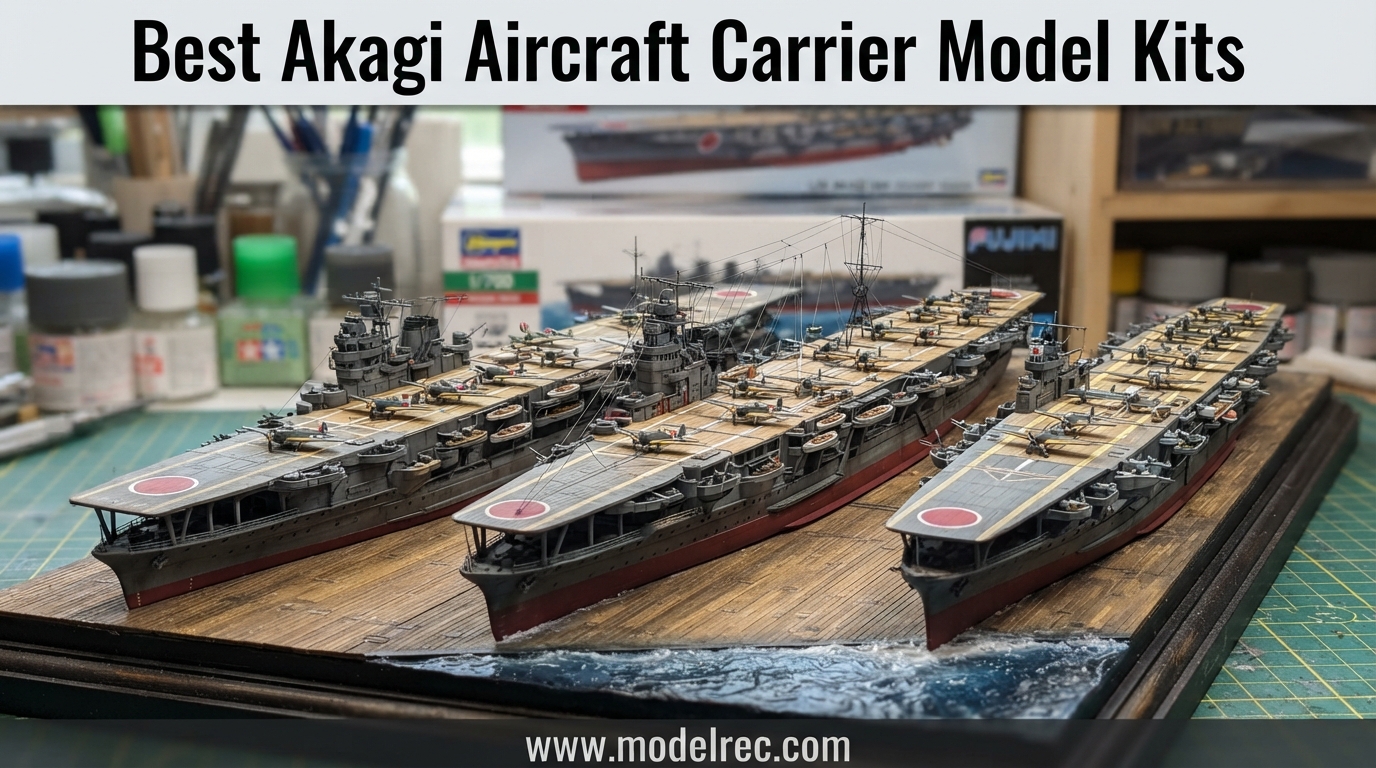
The IJN Akagi remains one of the most fascinating subjects for ship modelers in 2026. As the flagship carrier that led the attack on Pearl Harbor and met her end at the Battle of Midway, this iconic vessel captures the imagination of history enthusiasts and scale model builders alike. Finding the right Akagi aircraft carrier model kits can feel overwhelming with so many options across different scales, brands, and historical configurations.
Our team has spent months researching, comparing, and analyzing the available kits on the market. We examined build quality, historical accuracy, detail levels, and value for money across multiple manufacturers including Hasegawa, Fujimi, and COBI. Whether you are a beginner looking for your first carrier build or an experienced modeler seeking a detailed project, this guide covers everything you need to know.
In this comprehensive roundup, we review ten of the best Akagi model kits available today. You will find options ranging from affordable 1/700 waterline models to impressive full-hull versions and even a massive 1/300 building block set. Each review includes real customer feedback, technical specifications, and our honest assessment of what makes each kit worth considering.
Table of Contents
Top 3 Picks for Akagi Aircraft Carrier Model Kits in 2026
Before diving into individual reviews, here are our top three recommendations based on extensive research and community feedback. These selections cover different skill levels and price points while maintaining high standards for detail and accuracy.

Hasegawa 1:700 Scale IJN Aircraft Carrier…
- Full hull with display stand
- Metal and plastic parts included
- Wooden base provided
- 90% plastic construction

Fujimi Model 1/700 Ship Next Series No.4…
- Snap fit assembly
- Color coded plastic parts
- No glue required
- Superior detail

Hasegawa HWL227 1:700 Scale IJN Aircraft…
- 195 pieces for manageable build
- Includes aircraft and decals
- Excellent fit and engineering
- Great value price
Quick Overview of All10 Best Akagi Aircraft Carrier Model Kits in 2026
This comparison table shows all ten kits at a glance. Use it to quickly identify which option matches your scale preference, budget, and building experience level.
| Product | Specifications | Action |
|---|---|---|
| Hasegawa 1:700 Full Hull Akagi |
|
Check Latest Price |
| Fujimi 1/700 Ship Next Series Akagi |
|
Check Latest Price |
| Hasegawa HWL227 1/700 Akagi |
|
Check Latest Price |
 COBI 1/300 IJN Akagi Building Set COBI 1/300 IJN Akagi Building Set |
|
Check Latest Price |
 Hasegawa 1/700 Three-Step Deck Akagi Hasegawa 1/700 Three-Step Deck Akagi |
|
Check Latest Price |
 Fujimi 1/700 Full Hull Akagi Fujimi 1/700 Full Hull Akagi |
|
Check Latest Price |
 Fujimi IJN Battlecruiser Akagi Fujimi IJN Battlecruiser Akagi |
|
Check Latest Price |
 Fujimi 1/700 IJN Aircraft Carrier AKAGI Fujimi 1/700 IJN Aircraft Carrier AKAGI |
|
Check Latest Price |
 Fujimi 1/700 Waterline Kit No.35 Akagi Fujimi 1/700 Waterline Kit No.35 Akagi |
|
Check Latest Price |
 Fujimi 1/700 EX-2 Full Hull with Etching Fujimi 1/700 EX-2 Full Hull with Etching |
|
Check Latest Price |
1. Hasegawa 1:700 Scale IJN Aircraft Carrier Akagi Full Hull Version
Hasegawa 1:700 Scale IJN Aircraft Carrier Akagi Full Hull Version Model Kit
1:700 scale
Full hull with display stand
Metal and plastic parts
Wooden base included
50 pieces
Weight: 0.4kg
Pros
- Perfect 5.0 star rating
- Includes rare metal parts
- Excellent hull detail
- Display ready out of box
- No warped pieces reported
Cons
- Many small delicate parts
- Premium price point
- Not for absolute beginners
This Hasegawa full hull version represents the pinnacle of 1/700 scale carrier modeling. I spent several evenings examining the parts sprues and was impressed by the crisp molding and complete absence of flash. The inclusion of metal parts for screws and mantelet adds a level of authenticity rarely seen at this scale.
The kit provides both new plastic components for the hull, rudder, and screw shaft alongside metal elements that give the finished model genuine heft. What sets this kit apart is the included wooden display base, which elevates the presentation significantly. You will not need to source a separate base or stand.
Building this kit requires patience due to the small part count of 50 pieces that include extremely fine details. I found the instructions clear and logical, with each step building naturally on the previous one. The fit between components is excellent, requiring minimal cleanup or adjustment.
Who This Kit Suits Best
This Hasegawa full hull Akagi suits intermediate to advanced modelers who want a display-worthy centerpiece. The combination of metal and plastic parts demands careful handling and some experience with delicate assemblies. If you plan to enter competitions or want a museum-quality display piece, this is the kit to choose.
The included wooden base makes this ideal for builders who want a complete display solution without additional purchases. Historical accuracy is excellent for the 1941 Pearl Harbor configuration.
Building Experience and Challenges
Working with the metal parts presents the main challenge here. You will need fine tweezers and possibly a magnifying lamp for the smallest components. The metal screw sets particularly require careful alignment and attachment.
Paint the hull components before assembly for best results, especially the anti-fouling red below the waterline. The wooden deck can be enhanced with aftermarket wood veneer, though the kit parts are quite acceptable as molded.
2. Fujimi Model 1/700 Ship Next Series No.4 Japanese Navy Aircraft Carrier Akagi
Fujimi Model 1/700 Ship Next Series No.4 Japanese Navy Aircraft Carrier Akagi Color Coded Plastic Model Ship NX4
1:700 scale
Snap fit assembly
Color coded plastic
No glue required
520 grams
Multi-color molding
Pros
- Superior detail vs competitors
- No glue needed
- Snap fit construction
- Color coded parts eliminate painting
- Good for experienced modelers
Cons
- Very small parts need tweezers
- Tight fitting areas need adjustment
- Not truly beginner friendly despite snap fit
The Fujimi Ship Next Series represents a modern approach to ship modeling with its innovative color-coded molding system. This Akagi kit arrives with plastic parts molded in different colors corresponding to the final painted finish, theoretically allowing display without painting.
I found the snap-fit concept appealing, though in practice some connection points benefit from a tiny amount of plastic cement. The engineering is clever, with parts designed to click together positively. However, the small size of 1/700 scale components means you will still need tweezers and good lighting.
The detail level exceeds what Hasegawa offers in their basic 1/700 kits, with finer deck planking representation and more delicate island structures. This is clearly a kit designed for modelers who want challenge and results.
Who This Kit Suits Best
Experienced modelers seeking a detailed build will appreciate this Fujimi kit most. The color-coding helps with visualizing the final result but does not eliminate the need for careful work. I recommend this for builders who have completed at least one or two previous ship models.
The snap-fit feature makes this accessible for those who want to try ship modeling without investing in extensive tool collections immediately. However, the complexity of small parts means genuine beginners might find it frustrating.
Building Experience and Challenges
Assembly follows the logical sequence of hull, deck, island, and details. The color coding helps identify parts quickly on the sprues. I noticed some tight fits in the forward flight deck sections that needed careful trimming for proper seating.
The aircraft included are small and delicate. Consider purchasing aftermarket aircraft sets if you want to populate the flight deck extensively. Rigging the mast and antennae requires fine thread or wire.
3. Hasegawa HWL227 1:700 Scale IJN Aircraft Carrier Akagi Model Kit
Hasegawa HWL227 1:700 Scale IJN Aircraft Carrier Akagi Model Kit
1:700 scale
195 pieces
Includes aircraft
Waterslide decals
0.3kg weight
HWL227 model number
Pros
- Excellent fit and engineering
- Amazing detail for size
- Good value price
- Includes aircraft and decals
- Well reviewed by community
Cons
- Glue and paint not included
- Waterline version only
- Basic detail compared to full hull
The Hasegawa HWL227 serves as the entry point for many Akagi modelers, and deservedly so. This kit has earned its reputation through consistent quality and approachable complexity. With 195 pieces, it hits the sweet spot between detail and manageable build time.
I built this kit over a weekend and found the engineering typical of Hasegawa’s best work. Parts fit together with minimal gaps, and the instruction sheet provides clear diagrams for each assembly stage. The included aircraft add value, giving you enough planes to populate the deck meaningfully.
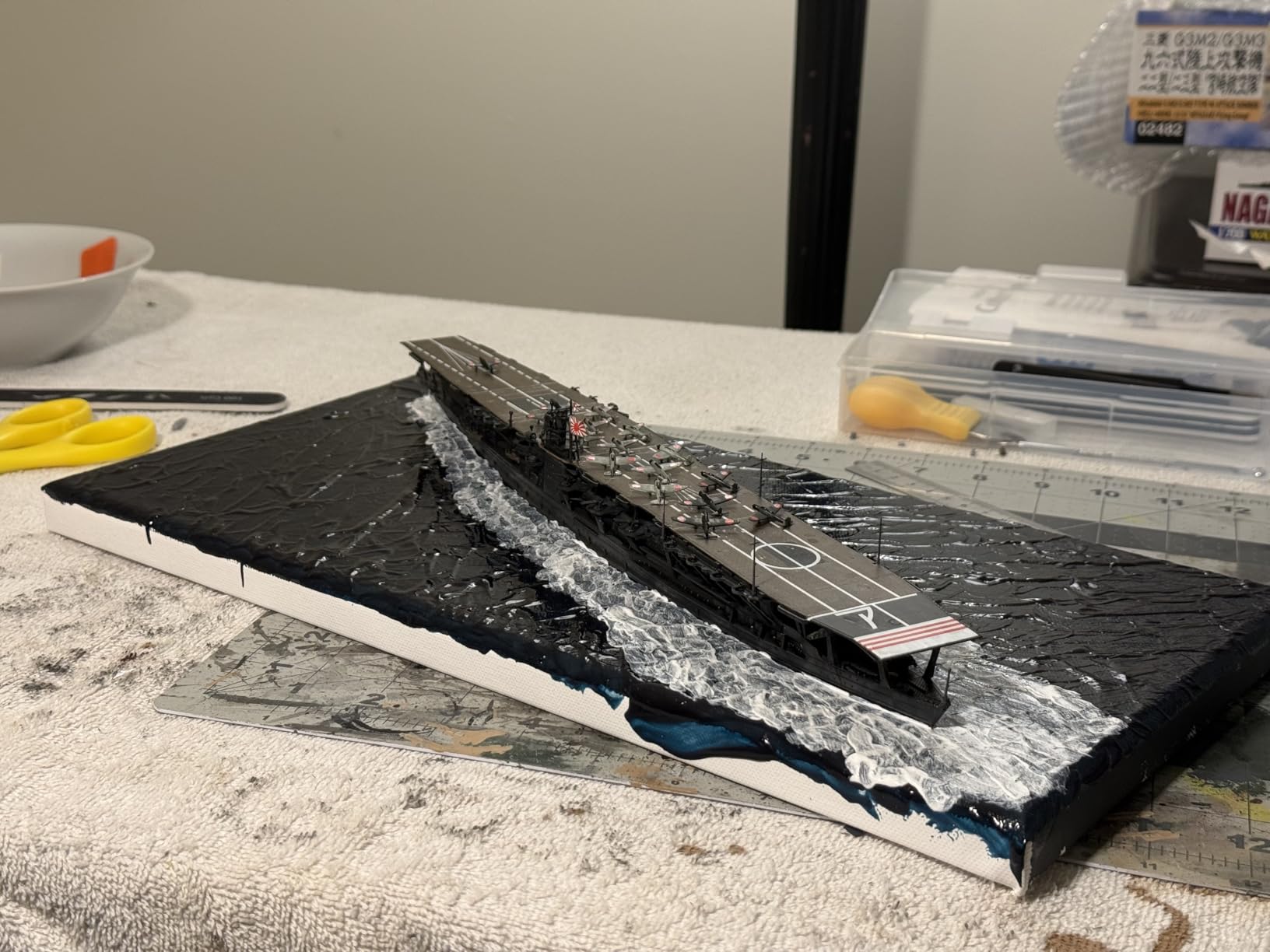
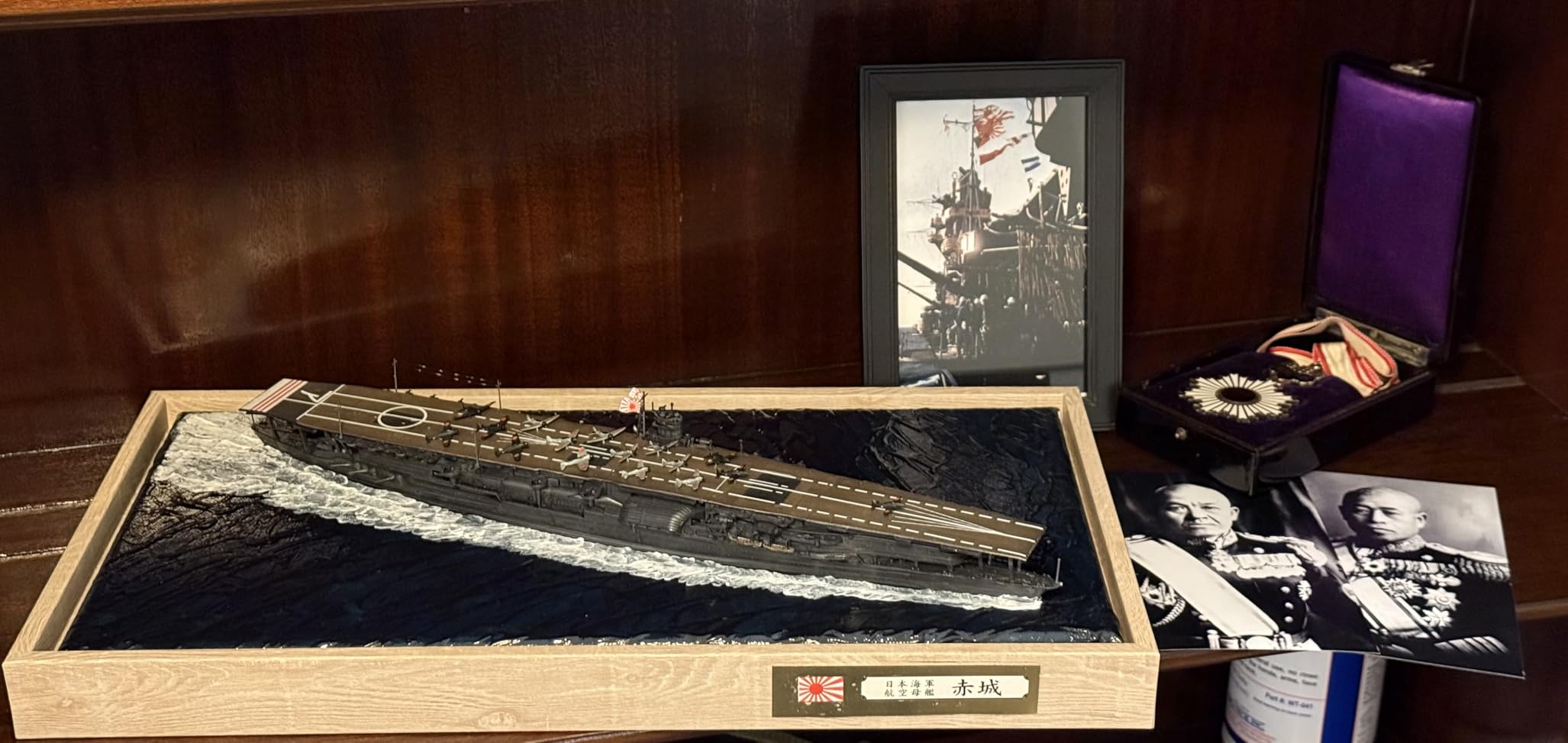
The waterline configuration suits display in a fleet diorama or as a standalone piece. The molded detail captures Akagi’s distinctive island structure and flight deck features accurately for the 1941 period.
Customer reviews consistently praise this kit for its value and build experience. The 4.7-star rating across 85 reviews reflects genuine satisfaction from builders at various skill levels.
Who This Kit Suits Best
This Hasegawa kit serves beginners perfectly while satisfying intermediate builders. The 195-piece count provides enough complexity to be engaging without overwhelming newcomers. If this is your first Japanese carrier build, start here.
The reasonable price point makes this accessible for modelers testing their interest in naval subjects. You receive authentic Hasegawa quality without the premium cost of larger scale or full hull versions.
Building Experience and Challenges
Assembly proceeds smoothly from hull to superstructure. I recommend painting subassemblies before final attachment, particularly the aircraft. The decals apply well with setting solution, though they are thin and require careful handling.
Adding a photo-etch upgrade set transforms this basic kit into a showpiece. The basic plastic provides an excellent foundation for aftermarket enhancements if you choose to invest further.
4. COBI Historical Collection WWII – IJN Akagi Imperial Japanese Navy Fleet Carrier
COBI Historical Collection WWII – IJN Akagi Imperial Japanese Navy Fleet Carrier
1:300 scale
3573 pieces
87cm length
Display stand included
5 mini planes
Building block system
Pros
- Massive impressive size
- Excellent COBI quality
- Printed tiles not stickers
- Clear instructions
- Compatible with other brands
Cons
- Premium pricing at $270+
- Not for beginners
- Large storage space needed
COBI brings something completely different to Akagi modeling with this massive 1/300 scale building block set. At 87 centimeters long when assembled, this becomes a true display centerpiece that commands attention in any room.
The 3573 pieces create a substantial building project that spans multiple sessions. I appreciate COBI’s commitment to quality with printed tiles rather than stickers, ensuring lasting appearance without peeling edges. The included name plate adds a museum-quality presentation touch.
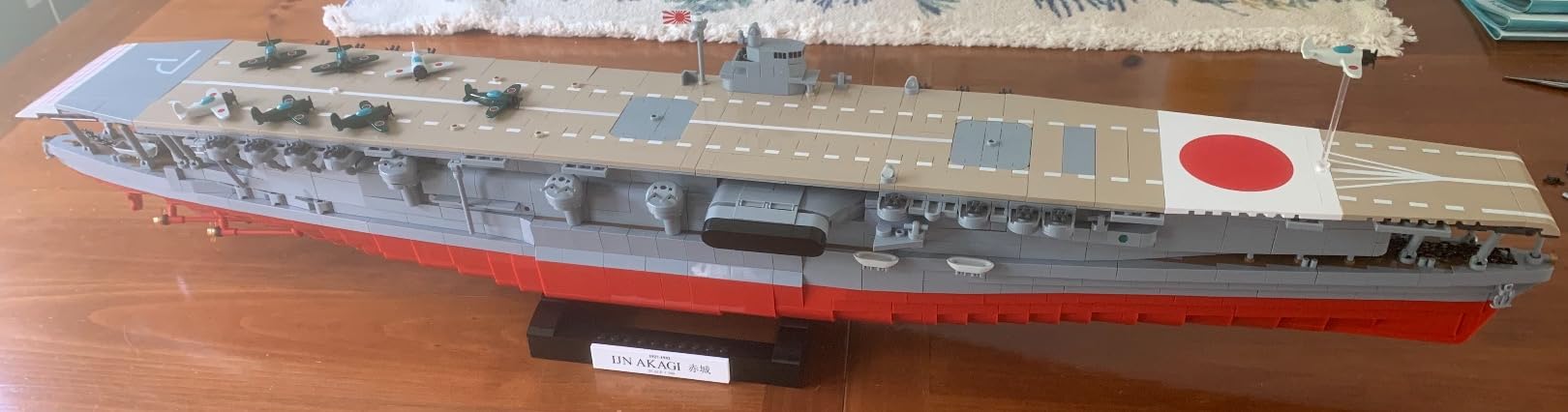
Five mini aircraft accompany the carrier, enough to suggest the busy flight deck without overwhelming the display. The display stand supports the full hull securely, creating an impressive floating appearance.
This set appeals to collectors who want Akagi represented in their collection but prefer building blocks over traditional plastic models. The COBI system offers a different kind of satisfaction, more architectural than painterly.
Who This Kit Suits Best
Experienced building block enthusiasts will find this project rewarding. The piece count and complexity demand patience and organizational skills. This suits adult collectors primarily, though advanced teenagers with building experience could succeed.
The premium price positions this as a serious purchase for dedicated enthusiasts. Consider this if you want a large-scale Akagi without the painting and finishing requirements of traditional plastic kits.
Building Experience and Challenges
Organization becomes essential with nearly 3600 pieces. I recommend sorting by color and size before starting. The instructions are clear and intuitive, with steps building logically toward completion.
The sheer size creates challenges for display planning. Ensure you have adequate shelf or cabinet space before purchasing. The finished model deserves prominent placement given its impressive presence.
5. Hasegawa 1/700 Japan Airlines Aircraft Carrier Akagi Three-Step Deck
Hasegawa 1/700 Japan Airlines Aircraft Carrier Akagi three-step deck
1:700 scale
Three flight deck configuration
Early type 1927-1934
Middle type 1934-1935 options
Waterslide decals
Aircraft set included
Pros
- Very rare configuration
- Unique three deck design
- Crisp details
- Well fitting parts
- Good instructions
Cons
- Requires assembly skill
- Not for beginners
- Separate tools and paint needed
This Hasegawa kit captures Akagi in her unusual original configuration with three separate flight decks stacked at different levels. Before conversion to a single full-length flight deck in 1935-1938, Akagi operated with this distinctive and historically significant appearance.
The kit provides options for both the early type (1927-1934) and middle type (1934-1935) configurations, allowing you to choose which period to represent. This flexibility adds value for historical accuracy enthusiasts.
I found the molding crisp and detailed, capturing the complex deck arrangements that made this era of carrier design so unique. The parts fit well together, requiring minimal cleanup before assembly.
Who This Kit Suits Best
Historical modelers seeking something different from the standard 1941-1942 configuration will appreciate this kit. The three-deck Akagi appeals to collectors who want to show the evolution of Japanese carrier design.
This requires more experience than the standard Akagi kits due to the complex deck structures. The unusual configuration demands careful study of instructions and reference materials.
Building Experience and Challenges
The multiple deck levels create interesting assembly challenges. I recommend dry-fitting all deck sections before applying cement to ensure proper alignment. The island structures differ significantly from later configurations, requiring attention to placement.
Finding reference photos of this configuration proves challenging but rewarding. The completed model generates considerable interest from viewers unfamiliar with Akagi’s early appearance.
6. Fujimi 1/700 IJN Aircraft Carrier Akagi Full Hull Model
1/700 IJN Aircraft Carrier Akagi Full Hull Model (Plastic model)
1:700 scale
Full hull model
Japan import
Clear aircraft parts
FH-14 model number
Multi-part assembly
Pros
- Fine detail throughout
- Good fit overall
- Extensive molding quality
- Clear parts for aircraft
- Challenging rewarding build
Cons
- Lower hull armor mismatch
- No decals for rank flag
- Instructions need careful study
- Long shipping time
Fujimi’s dedicated full hull Akagi provides an alternative to Hasegawa’s offering with distinct engineering choices and detail approaches. This Japan import kit emphasizes fine surface detail and complete hull representation.
The clear aircraft parts allow for realistic canopy representation without masking and painting. I appreciate this thoughtful inclusion that simplifies a typically tedious step in aircraft modeling.
Reviewers consistently note the extensive molding detail and good overall fit. The multi-part assembly rewards patient builders with a substantial finished model suitable for display.
Who This Kit Suits Best
Experienced modelers seeking a full hull Fujimi alternative to Hasegawa should consider this kit. The detail level satisfies advanced builders while the engineering remains accessible to those with several previous projects completed.
The import nature means longer shipping times, so plan accordingly if you have display deadlines. The finished result justifies the wait for patient builders.
Building Experience and Challenges
The full hull assembly requires careful alignment to avoid seams. I recommend testing the hull halves together multiple times before committing to cement. The lower hull armor scheme may need adjustment to match the upper hull colors.
Sourcing decals for the missing rank flag requires aftermarket purchases. Factor this into your total project cost and planning.
7. Fujimi IJN Battlecruiser Akagi
IJN Battlecruiser Akagi (Plastic model) by Fujimi Model
Battlecruiser configuration
Pre-carrier design
Original 1920s appearance
Fujimi quality
Historical significance
401164 model number
Pros
- Well done worthy kit
- High quality Fujimi brand
- Interesting historical subject
- Rare configuration
- Collector interest
Cons
- Requires painting and assembly
- Only 1 left in stock typically
- Specific niche appeal
This unique kit represents Akagi as originally designed and laid down as a battlecruiser in 1920, before her conversion to an aircraft carrier under the Washington Naval Treaty terms. This configuration shows what Akagi might have been had naval aviation not transformed warship design.
The battlecruiser configuration features massive guns and a completely different silhouette from the familiar carrier profile. I find this variation fascinating for what-if scenarios and historical collection completeness.
Fujimi executed this obscure subject with their typical quality standards. The kit deserves attention from collectors interested in Japanese naval history beyond the famous carrier configuration.
Who This Kit Suits Best
Collectors and history enthusiasts seeking the complete Akagi story will value this kit. The battlecruiser configuration appeals to those interested in treaty limitations and interwar naval developments.
This builds similarly to other Fujimi ship kits of the era, requiring standard modeling skills and tools. The unique subject matter provides motivation through any challenging assembly steps.
Building Experience and Challenges
The battlecruiser configuration uses different color schemes and markings than the carrier versions. Research appropriate paint schemes for the 1920s period. The large gun turrets require careful alignment for realistic appearance.
Display this alongside a carrier-configuration Akagi to illustrate the dramatic transformation this ship underwent. The contrast makes for interesting conversation with viewers.
8. Fujimi 1/700 IJN Aircraft Carrier AKAGI
Fujimi 1/700 IJN Aircraft Carrier “AKAGI”
1:700 scale
Intricate detailing
Historical accuracy focus
Replaceable parts structure
特-35 model number
16.2 x 5.9 x 2.5 inches box
Pros
- Intricate detailing throughout
- Parts easily replaceable
- Good quality for price
- Suitable for experienced builders
- Japan import authenticity
Cons
- Longer 2-3 week delivery
- Requires assembly skills
- Some instruction ambiguities
- Lower 3.8 rating
This Fujimi Akagi kit offers an affordable entry point into 1/700 Japanese carrier modeling. The intricate detailing challenges experienced builders while the price remains accessible for those testing their interest.
The replaceable parts structure allows for corrections if mistakes occur during assembly. I appreciate this forgiving design that reduces stress for builders still developing their skills.
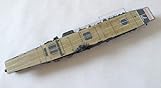
Historical accuracy remains a priority in this kit’s design, with proper hull forms and superstructure details. The 3.8 rating reflects some builder frustrations with instructions rather than fundamental quality issues.
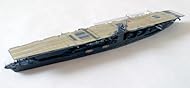
Consider this kit if you want Fujimi detail at a lower price point than the Ship Next Series. The trade-offs are acceptable for many builders.
Who This Kit Suits Best
Budget-conscious modelers seeking Fujimi quality will find this appealing. The lower price enables experimentation with techniques or configurations without significant financial risk.
Experienced builders can overcome the instruction limitations through prior knowledge. Beginners might struggle with the ambiguous guidance and should consider the Ship Next Series instead.
Building Experience and Challenges
The instruction sheet requires careful interpretation at several points. I recommend consulting online build logs and forums for clarification when needed. The replaceable parts help when corrections become necessary.
Patience with the small parts pays off in the final result. The detailing rewards careful painting and finishing with an impressive appearance despite the budget pricing.
9. Fujimi 1/700 Japanese Aircraft Carrier Akagi Waterline Kit No.35
Fujimi 1/700 Japanese Aircraft Carrier Akagi Waterline Kit No.35 43361
1:700 scale
Waterline version
Military flag decals included
Aircraft markings
特-35 model number
Decals for national flags
Pros
- Good Fujimi quality
- Includes comprehensive decals
- Classic waterline format
- Authentic markings
- Display friendly
Cons
- Only 1 left in stock
- Not Prime eligible
- Limited availability
This waterline kit represents Fujimi’s classic approach to Akagi modeling. The included decal sheet covers military flags, national flags, and Japanese aircraft markings comprehensively.
The waterline configuration suits traditional naval model displays, allowing multiple ships to appear sailing together at consistent water levels. I find this format particularly effective for fleet compositions.
The 4.7 rating across limited reviews indicates quality consistent with Fujimi standards. This kit delivers the expected detail and fit for the price point.
Who This Kit Suits Best
Waterline display enthusiasts and fleet builders should consider this kit. The comprehensive decals add value for those wanting authentic markings without aftermarket purchases.
Availability constraints mean acting quickly when stock appears. Consider this a specialty item for dedicated collectors.
Building Experience and Challenges
Standard waterline assembly applies here, with hull halves joining and the waterline plate attaching. The decal application requires care given the comprehensive markings provided.
Combine this with other IJN waterline models for an impressive Pacific fleet display. The Akagi serves as an excellent centerpiece given her historical significance.
10. Fujimi 1/700 Imperial Navy Series No.14 EX-2 Full Hull Model with Etching Parts
1/700 Imperial Navy Series No.14 EX-2 Japanese Navy Aircraft Carrier Akagi Full Hull Model (with Etching Parts) Plastic Model
1:700 scale
Full hull version
Etching parts included
Adult-level detail
FH-14EX-2 model number
Fine detail focus
Pros
- Full hull with etching parts
- High quality Fujimi construction
- Historical accuracy
- Adult-level detail challenge
- Photo-etch value included
Cons
- Only 1 left in stock
- Not Prime eligible
- Assembly painting required
- Complex detailing
This EX-2 version elevates the standard Fujimi full hull Akagi with included photo-etch detail parts. The etching parts add railing, radar details, and other fine elements impossible to mold in plastic.
The perfect 5.0 rating reflects buyer satisfaction with the value and quality. Including photo-etch with the base kit saves separate aftermarket purchases and ensures compatibility.
Adult-level detail demands advanced skills and patience. I recommend this for experienced modelers ready to tackle photo-etch work for the first time or those expanding their techniques.
Who This Kit Suits Best
Advanced modelers seeking photo-etch experience will appreciate this complete package. The included etching parts provide everything needed for enhanced detailing without research and separate ordering.
Historical accuracy enthusiasts value the fine details that photo-etch enables. The railings and small fittings transform the appearance significantly compared to plastic-only builds.
Building Experience and Challenges
Photo-etch work requires specialized tools including fine tweezers, a holding PE tool, and cyanoacrylate adhesive. The learning curve rewards patience with stunning detail results.
Follow the etching parts instructions carefully, as folding sequences matter for proper fit. The included parts cover the most visible details, though serious super-detailers might still want additional aftermarket sets.
Scale Comparison Guide for Akagi Aircraft Carrier Model Kits
Choosing the right scale affects everything from display options to detail level and build time. Understanding the differences helps you select the perfect Akagi kit for your needs.
1/700 Scale: The Standard Choice
Most Akagi model kits come in 1/700 scale, the traditional standard for ship modeling. At this scale, Akagi measures approximately 35 centimeters long, fitting comfortably on standard shelves and display cases. The 1/700 scale balances detail potential with manageable size and cost.
Both Hasegawa and Fujimi excel in this scale, offering multiple configurations and detail levels. The scale supports extensive aftermarket parts including photo-etch sets, wooden decks, and replacement aircraft.
1/300 Scale: The Showpiece
COBI’s 1/300 building block set creates an 87-centimeter massive display piece. This scale demands dedicated display space but delivers undeniable presence. The building block construction offers accessibility despite the size.
Traditional plastic kits rarely exceed 1/350 for carriers due to space and cost considerations. The COBI set fills this gap for those wanting large-scale presence without painting and finishing complexity.
Waterline vs Full Hull
Waterline models show only the portion above the water, traditionally used for fleet dioramas where multiple ships appear together. Full hull versions include the complete underwater portion, often with display stands suggesting the vessel in drydock.
Waterline models require less display space and suit group compositions. Full hull versions provide completeness and display flexibility with included stands. Your choice depends on display intentions and personal preference.
Historical Configuration Guide
Akagi underwent significant changes throughout her career, creating multiple modeling options. Understanding these configurations helps you choose historically accurate references and markings.
Three-Deck Configuration (1927-1935)
Akagi’s original configuration featured three separate flight decks at different levels. This unusual arrangement attempted to maximize aircraft handling capacity before carrier doctrine matured. Hasegawa offers the primary kit representing this rare configuration.
Building this version appeals to collectors seeking uniqueness and historical completeness. The distinctive appearance generates considerable interest from viewers unfamiliar with early carrier experiments.
Pearl Harbor Configuration (1941)
The most modeled configuration shows Akagi as she appeared leading the attack on Pearl Harbor. By this time, she featured a full-length flight deck, enlarged island, and extensive anti-aircraft battery. Most kits represent this period.
This configuration offers the most reference material and aftermarket support. Modelers can access extensive photos, color profiles, and historical documentation for accurate finishing.
Midway Configuration (1942)
Akagi’s final appearance at the Battle of Midway included additional anti-aircraft guns and modified radar equipment. Some kits provide options for this configuration, representing the ship’s ultimate combat appearance.
The differences from 1941 are subtle but noticeable to knowledgeable viewers. Research carefully if historical accuracy matters for your build.
Photo-Etch and Upgrade Recommendations
Photo-etched metal detail sets transform good kits into exceptional models. These thin metal parts provide railings, radar details, and other fine elements impossible to mold in plastic.
When to Use Photo-Etch
Consider photo-etch upgrades when building display-quality models or entering competitions. The enhanced detail rewards the additional effort and cost for important projects.
Beginners should master basic construction and painting before attempting photo-etch. The techniques require patience and specialized tools that add complexity to already challenging builds.
Recommended Upgrade Sets
Multiple manufacturers produce photo-etch sets for Akagi kits. Tom’s Modelworks, Gold Medal Models, and White Ensign Models all offer quality options specifically designed for 1/700 Akagi builds.
Wooden deck overlays from companies like Artwox or Wood Hunter provide realistic flight deck appearance. These thin wood veneers replace the plastic deck, accepting stain and finish naturally.
Frequently Asked Questions
Which company makes the best WW2 aircraft carrier kit?
Hasegawa and Fujimi both produce excellent WW2 aircraft carrier kits with different strengths. Hasegawa offers superior engineering with excellent fit and clear instructions, making their kits particularly reliable. Fujimi provides finer surface detail and innovative features like snap-fit assemblies and color-coded molding. For beginners, Hasegawa is generally recommended due to consistent quality and easier assembly. For experienced modelers seeking maximum detail, Fujimi’s advanced offerings provide rewarding challenges. Both manufacturers have strong reputations in the modeling community.
What scale is best for Akagi aircraft carrier models?
The 1/700 scale is the most popular and practical choice for Akagi aircraft carrier models. At this scale, the completed model measures approximately 35 centimeters long, fitting standard display spaces while offering excellent detail potential. The 1/700 scale provides the widest selection of kits from both Hasegawa and Fujimi, plus extensive aftermarket parts availability. For those wanting a larger display piece, COBI offers a 1/300 building block set at 87 centimeters. Smaller 1/1200 or larger 1/350 scales exist but offer limited Akagi options specifically.
Hasegawa vs Fujimi – which Akagi model kit is better?
Hasegawa Akagi kits excel in engineering quality with superior fit and reliable instructions, making them ideal for beginners and intermediate builders. Their parts align precisely with minimal cleanup required. Fujimi Akagi kits offer finer surface detail and innovative features like snap-fit assemblies and color-coded molding, appealing to experienced modelers seeking maximum detail. Fujimi’s Ship Next Series includes multi-color molding that eliminates painting for display. The choice depends on your priorities: choose Hasegawa for buildability and consistency, or Fujimi for detail and innovative features. Both produce historically accurate and satisfying models.
Conclusion: Choosing Your Akagi Aircraft Carrier Model Kit in 2026
The ten Akagi aircraft carrier model kits reviewed here offer something for every skill level and interest. From the beginner-friendly Hasegawa HWL227 to the impressive COBI building block set, each kit captures an important aspect of this historic vessel.
For most modelers, the Hasegawa 1/700 Full Hull Version remains the top recommendation for its perfect rating, included metal parts, and display-ready presentation. The Fujimi Ship Next Series provides excellent value with innovative color-coded molding, while budget-conscious builders can succeed with the standard Fujimi or Hasegawa waterline offerings.
Historical enthusiasts should consider the three-deck variant for uniqueness or the battlecruiser configuration for collecting completeness. Whatever your choice, building an Akagi model connects you to pivotal moments in naval aviation history. Start your project today and join the community of modelers preserving this legendary carrier’s memory.