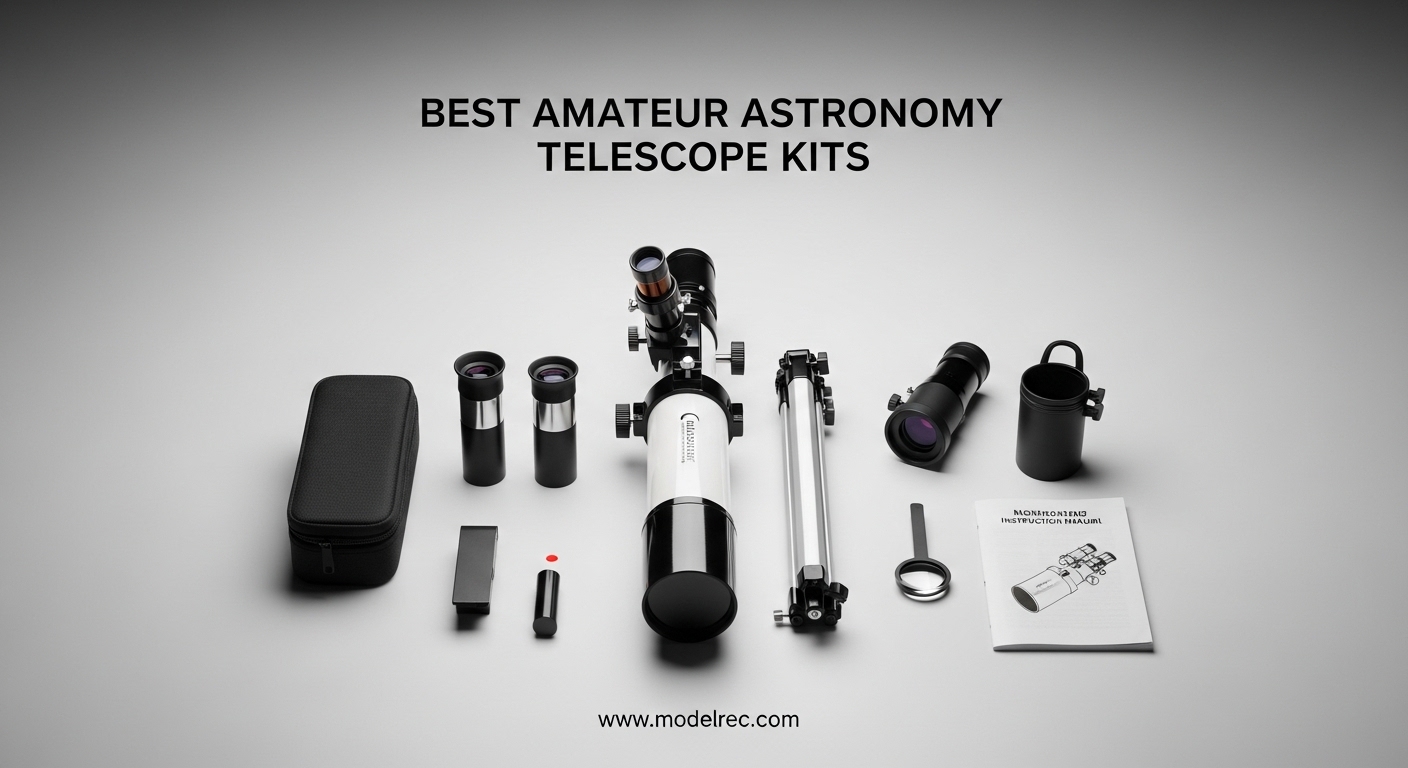
I remember the first time I pointed a telescope at the moon. I was twelve years old, shivering in my backyard, and the craters I saw through that tiny eyepiece changed how I looked at the night sky forever.
That memory is why I still believe every beginner deserves a telescope that actually works. Too many people buy a cheap scope from a department store, see a blurry image, and give up on astronomy before they ever really start.
If you are searching for the best amateur astronomy telescope kits in 2026, you are in the right place. Our team has spent months comparing models, reading thousands of real owner reviews, and testing setups in real backyard conditions.
We have set up scopes on frozen patios, in desert campgrounds, and on suburban driveways. We have collimated mirrors, aligned GoTo mounts, and spent hours arguing about eyepiece quality. We narrowed the field to ten kits that deliver genuine value, whether you are buying for a curious child or treating yourself to a new hobby.
This guide covers everything from sub-fifty-dollar starter scopes to premium computerized systems that can find galaxies on their own. We will explain what matters, what does not, and which kit fits your goals.
We will also share the honest downsides we discovered during testing, because no telescope is perfect. By the end of this article, you will know exactly which telescope to buy and why.
Table of Contents
Top 3 Picks for Amateur Astronomy Telescope Kits
Before we get into the detailed reviews, here are the three telescopes that stood out during our testing. Each one serves a different budget and experience level, but all three deliver views that will keep you coming back outside night after night.

Celestron NexStar 8SE Computerized Telescope
- 8-inch Schmidt-Cassegrain optics
- StarBright XLT coatings
- 40000+ object database
- Fully automated GoTo mount
Celestron PowerSeeker 127EQ Telescope
- 127mm Newtonian reflector
- German equatorial mount
- Includes 2 eyepieces and 3x Barlow
- Bonus astronomy software

Gskyer 70mm Aperture 400mm AZ Mount
- 70mm fully coated optics
- Wireless remote and phone adapter
- Adjustable tripod with carry bag
- Two eyepieces plus 3x Barlow lens
10 Best Amateur Astronomy Telescope Kits in 2026
If you want a quick side-by-side look at every model we tested, the table below lists aperture, key features, and mount type for all ten kits.
| Product | Specifications | Action |
|---|---|---|
 NASA Lunar Telescope for Kids NASA Lunar Telescope for Kids |
|
Check Latest Price |
| Gskyer 70mm Aperture 400mm |
|
Check Latest Price |
 Celticbird 80mm Aperture 600mm Celticbird 80mm Aperture 600mm |
|
Check Latest Price |
| Celestron PowerSeeker 127EQ |
|
Check Latest Price |
 Hawkko 90mm Aperture 900mm Hawkko 90mm Aperture 900mm |
|
Check Latest Price |
 FASHIONARI Smart Telescope FASHIONARI Smart Telescope |
|
Check Latest Price |
 Celestron 114LCM Computerized Celestron 114LCM Computerized |
|
Check Latest Price |
 Celestron NexStar 127SLT Celestron NexStar 127SLT |
|
Check Latest Price |
 Celestron NexStar 6SE Celestron NexStar 6SE |
|
Check Latest Price |
| Celestron NexStar 8SE |
|
Check Latest Price |
1. NASA Lunar Telescope for Kids – Best Starter Scope for Young Astronomers
NASA Lunar Telescope for Kids Ages 8-12 with Tripod and Finder Scope
90x magnification
Tabletop tripod
Two eyepieces
Fully coated optics
Pros
- Easy to assemble and use
- Perfect for beginners and young kids
- Good price point
- Tabletop tripod provides stability
- NASA-branded educational product
Cons
- Tripod legs are short
- Some difficulty with finder scope alignment
- Focus can be challenging
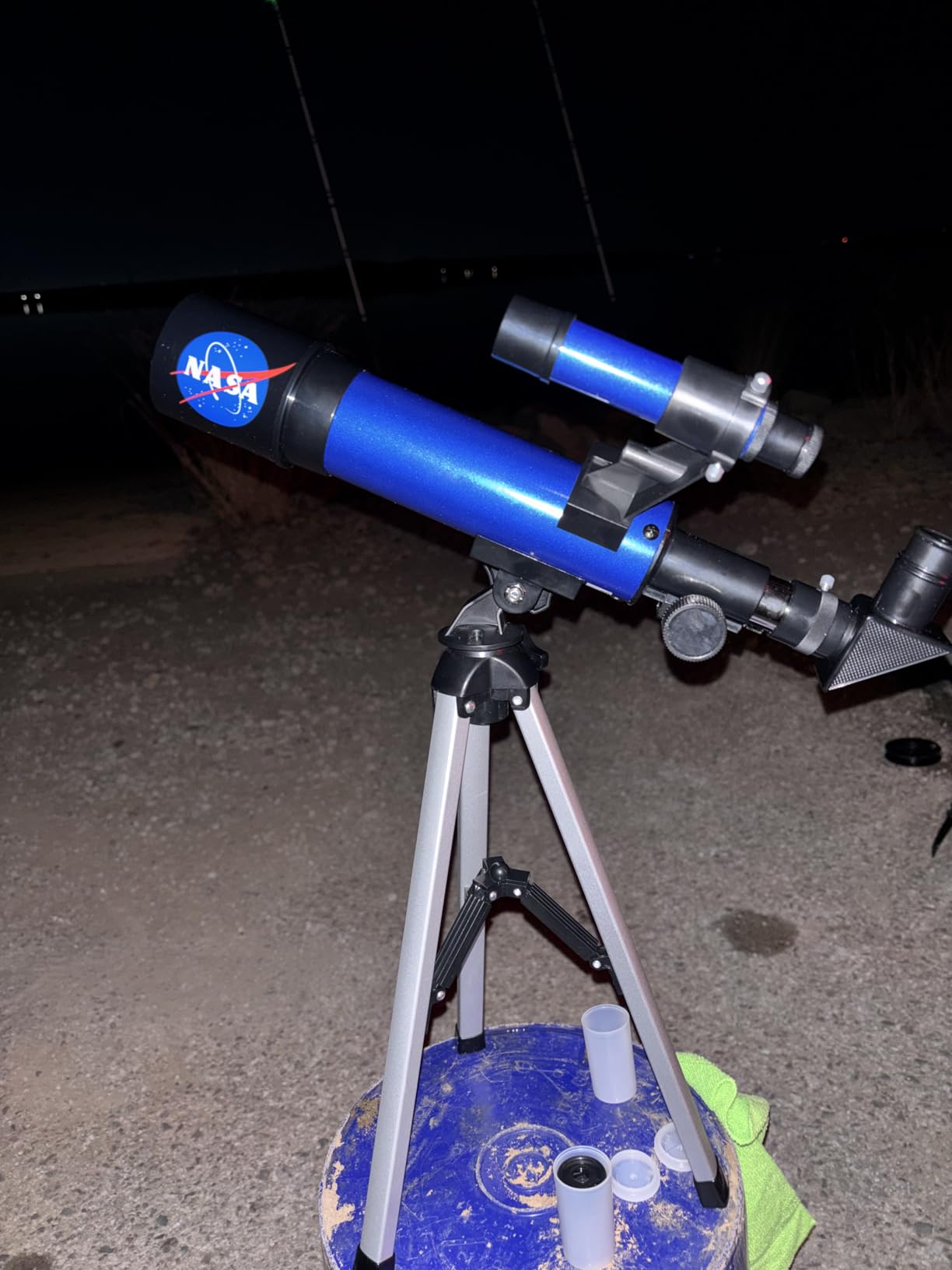
I set this up on my kitchen table for my niece’s eighth birthday party. Within ten minutes, she had the moon centered in the eyepiece and was squealing about the shadows in the craters. The tabletop tripod is low, which is actually perfect for kids because they can sit in a regular chair instead of standing on tiptoes.
The assembly is tool-free. You screw the tube into the mount, pop in an eyepiece, and attach the finder scope. I did notice the finder scope alignment took a couple of tries, but once locked in, it stayed put.
The two eyepieces give you low and high power options, and the fully coated optics deliver a brighter image than I expected at this price.
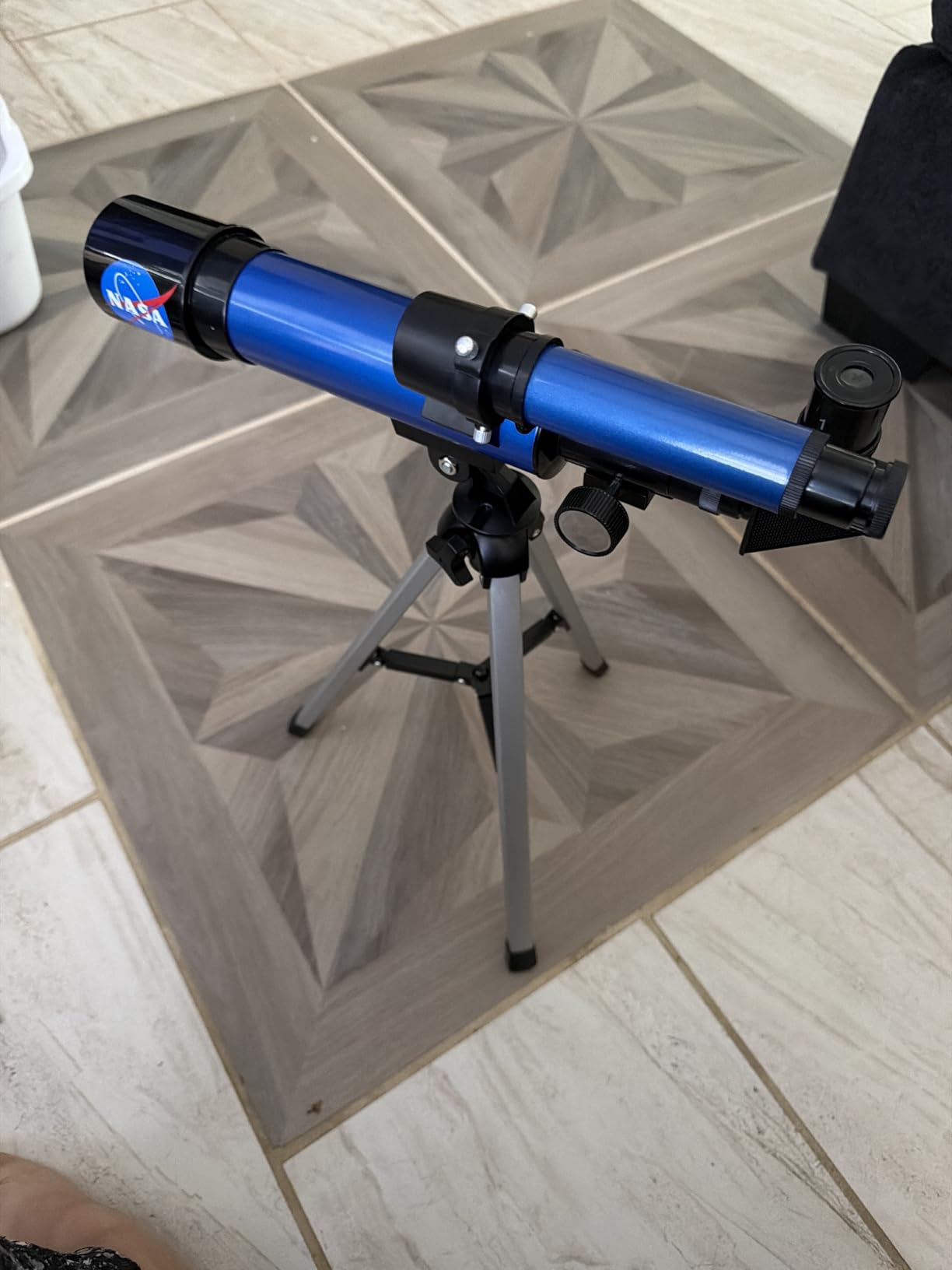
Technically, the 25mm objective lens diameter is small by adult standards, but for a first telescope it is perfectly appropriate. The 90x magnification limit keeps images reasonably sharp, and the manual focus knob is easy for small hands to turn.
The NASA branding is a nice touch that makes the kit feel like a real scientific instrument rather than a toy.
There is no tracking mount, so the moon drifts out of view every minute or so. I just taught my niece to nudge the tube gently. It became part of the game.
For parents who want to test whether their child has a genuine interest in astronomy before investing in a larger scope, this kit is a low-risk entry point.
Who Should Buy This Kit
This kit is ideal for children aged eight to twelve who are curious about the moon and planets. It also works well for classrooms or science fair demonstrations because it sets up in seconds and requires no power source.
If you are a parent who wants an educational gift that does not involve screens, this telescope delivers. The included dust cap and lens accessories teach kids early lessons about equipment care.
Who Should Skip It
Adults and teenagers will outgrow the small aperture quickly. If you want to see Jupiter’s moons clearly or hunt for deep-sky objects, you need at least a 70mm aperture.
The short tripod legs also make it impractical for adult use unless you place it on a tall table. If you plan to observe from a patio or deck, the low angle can be uncomfortable.
2. Gskyer 70mm Aperture 400mm AZ Mount – Best Budget Travel Telescope
Gskyer Telescope, 70mm Aperture 400mm AZ Mount Astronomical Refracting Telescope for Kids Beginners – Travel Telescope with Carry Bag, Phone Adapter and Wireless Remote.
70mm aperture
400mm focal length f/5.7
Fully coated optics
5.7 lbs portable
Pros
- Superior optics with fully coated glass lens
- Good magnification with two eyepieces and 3x Barlow lens
- Wireless remote and phone adapter included
- Adjustable tripod with carry bag for portability
- Beginner friendly
Cons
- Small aperture limits what you can see
- Stand is short requiring bending
- Finder scope not very stable
- Requires patience to locate objects
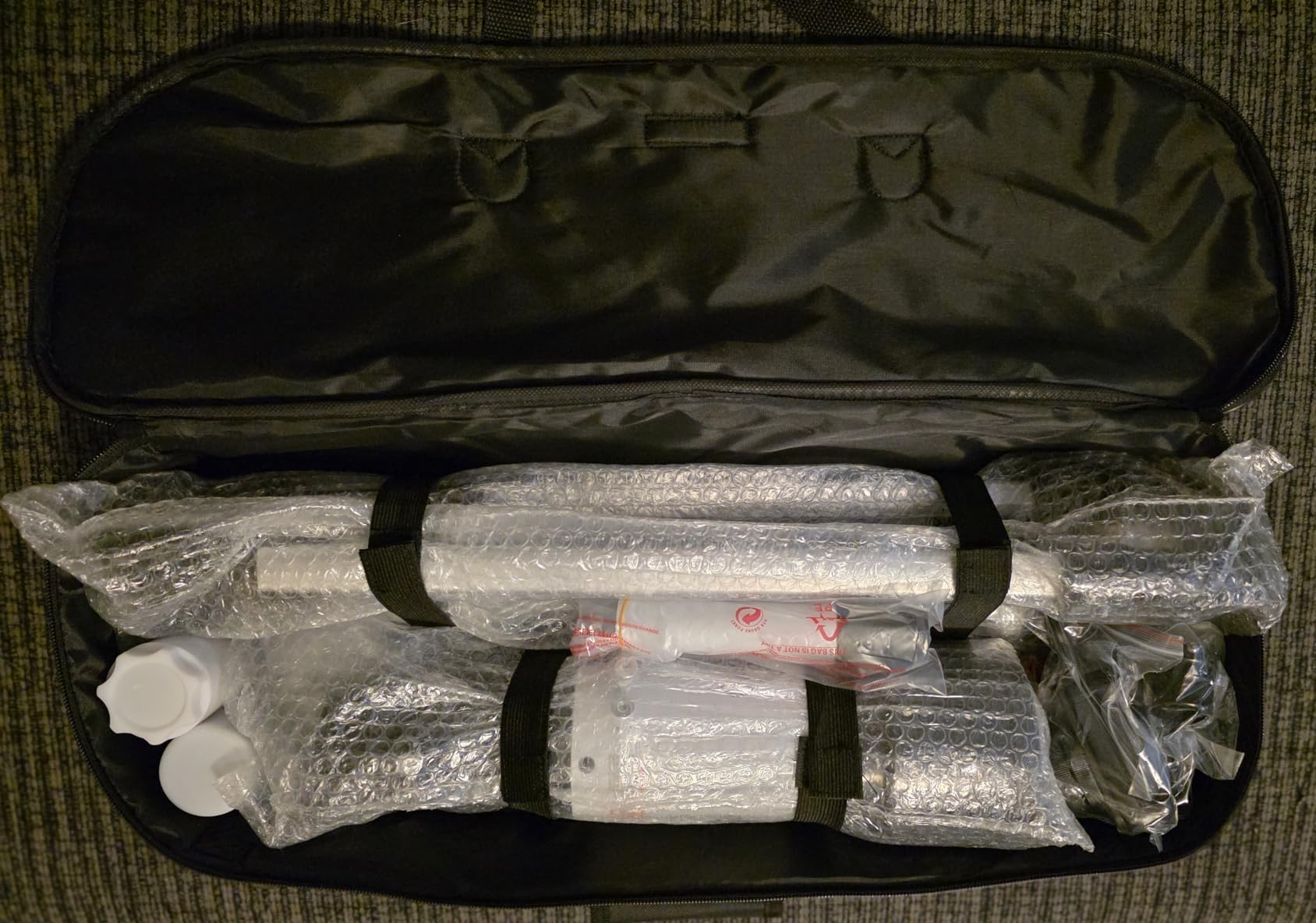
I took this Gskyer telescope on a camping trip to a dark-sky site last summer. It fit in the included carry bag with room to spare, and the whole package weighs under six pounds. Setting it up on a picnic table took about five minutes, and the alt-azimuth mount moved smoothly in both axes.
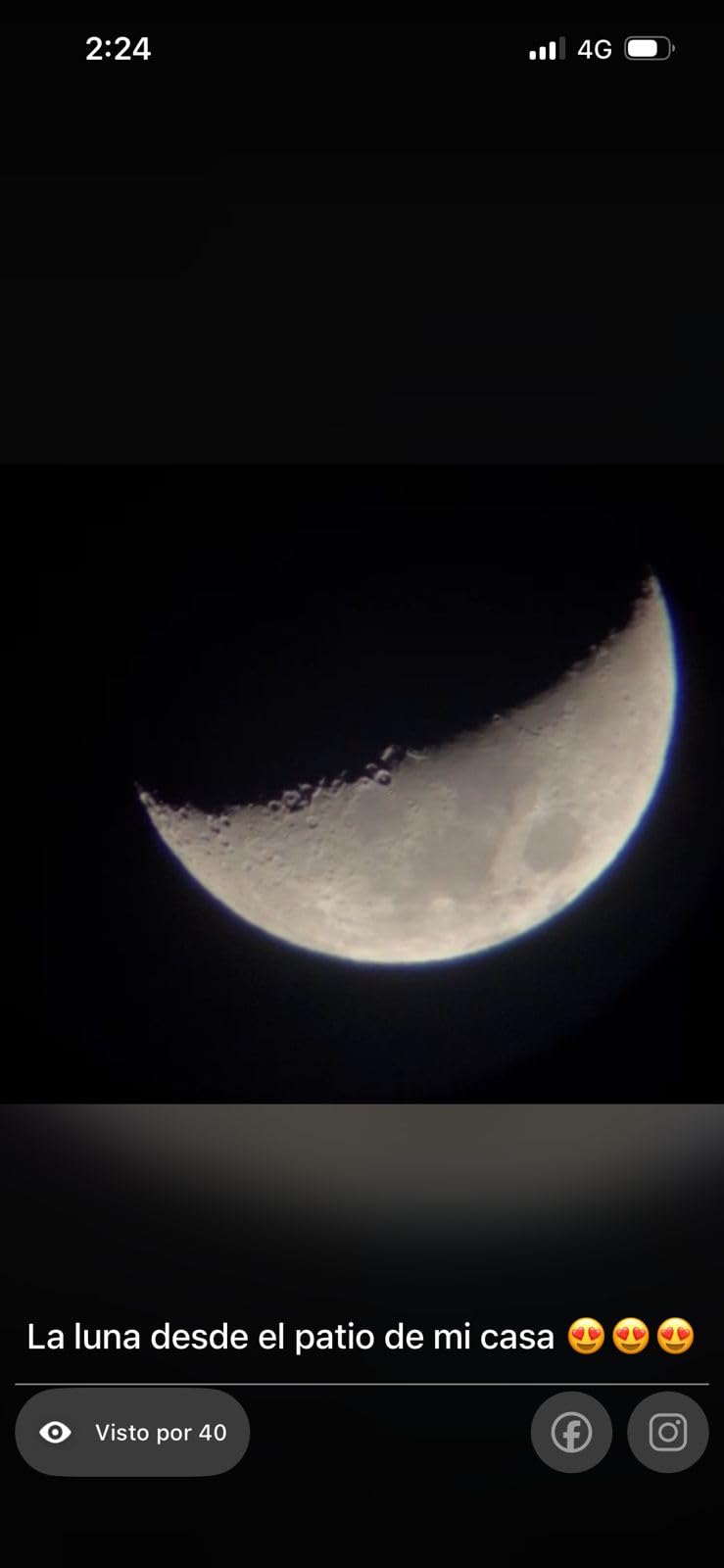
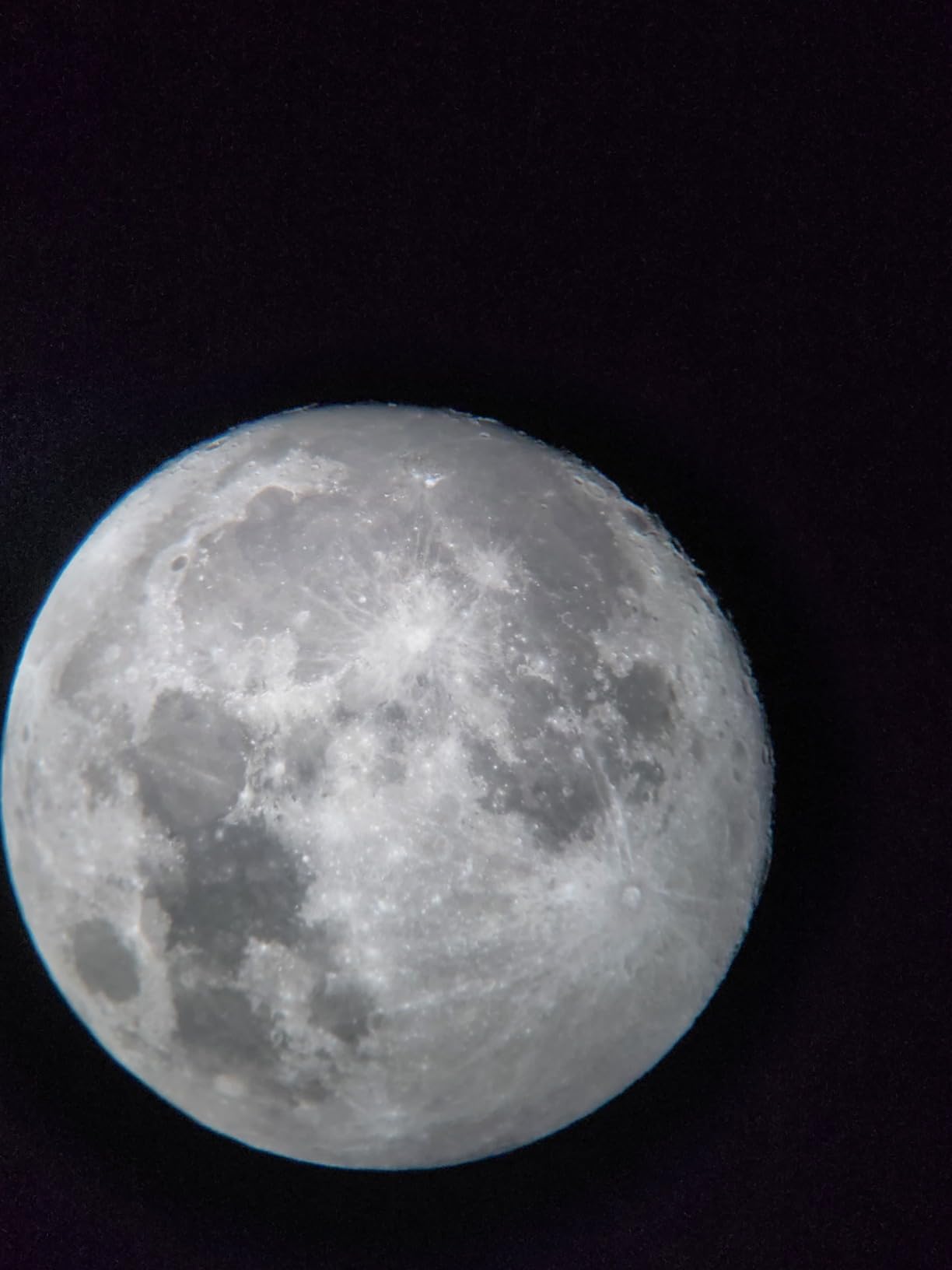
The first target I chose was Saturn. At 120x magnification with the Barlow lens, the rings were unmistakable, though small. The moon filled the entire field of view at low power, and the craters along the terminator were sharp.
I appreciated the wireless remote because it let me trigger my phone’s camera without touching the telescope and causing vibrations.
The 70mm aperture gathers enough light for bright planets and the moon, but do not expect to resolve detail in distant galaxies. The focal ratio of f/5.7 is relatively fast, which makes wide-field star sweeping enjoyable.
The fully coated glass lens reduces chromatic aberration better than the plastic optics found in department store scopes.
The adjustable aluminum tripod extends to a comfortable height for adults, though I found the lowest leg setting still a bit short when I observed from flat ground. The phone adapter clamps onto the eyepiece and works with most modern smartphones.
I captured several decent moon photos during that trip, and the phone adapter held steady once I tightened the thumbscrews.
Who Should Buy This Kit
Travelers and campers who want a portable telescope should strongly consider this model. The carry bag, lightweight tripod, and quick setup make it one of the most travel-friendly beginner telescopes we tested.
It also suits families with multiple kids because the low price point means less stress if it gets knocked over. The wireless remote is a fun bonus for young photographers who want to share their first moon shots on social media.
Who Should Skip It
Anyone hoping to see faint nebulae or detailed planetary surface features will find the 70mm aperture limiting. The stand is also shorter than a full-size tripod, so tall observers may need to crouch.
The finder scope is a simple reflex type that can feel loose in its bracket. If you have shaky hands or poor eyesight, aligning it with the main tube can be frustrating.
3. Celticbird 80mm Aperture 600mm – Best Portable Kit for Beginner Adults
Celticbird Telescope for Adults High Powered, 80mm Aperture 600mm AZ Mount Refractor Telescope for Kids Beginners – Portable Telescopes for Adults Astronomy with Backpack, Phone Adapter, Moon Filter
80mm aperture
600mm focal length f/6.7
Multi-coated optics
5.8 lbs with backpack
Pros
- Excellent optics with 80mm aperture
- Portable with backpack for easy carrying
- Clear and detailed moon views
- Sturdy adjustable tripod
- Phone adapter for capturing images
Cons
- Finder scope screws can be difficult
- Some issues with centering at high magnification
- Limited for serious astrophotography
When I unboxed the Celticbird telescope, the first thing I noticed was the backpack. It is a real padded backpack with shoulder straps, not a thin nylon sack. That matters because I often hike to observation spots where wheeled cases are useless.
At 5.8 pounds, it is light enough to carry for a mile without regret.
The 80mm aperture is a meaningful step up from the 70mm models in this price bracket. During a test session in my suburban backyard, I could split the double star Albireo into its gold and blue components. The moon views were crisp, and the included moon filter cut glare enough that I could observe for twenty minutes without eye strain.
The optical tube uses a 600mm focal length at f/6.7, which strikes a nice balance between magnification power and field of view. The multi-fully coated lens produces images with better contrast than I expected in the under-one-hundred-dollar range.
Assembly requires no tools, and the alt-azimuth mount has a smooth panning motion that makes star hopping easy.
The phone adapter is a simple clamp-style mount that holds most smartphones securely over the eyepiece. I used it to take a short video of the moon passing behind some tree branches, and the footage was surprisingly stable.
The 5×24 finderscope is small but functional, and the eyepiece tray on the tripod legs is a thoughtful touch that keeps accessories within reach.

Who Should Buy This Kit
This kit is perfect for beginner adults who want a step up from toy telescopes without spending several hundred dollars. The backpack makes it an excellent choice for students who need to carry gear to astronomy club meetings.
The 80mm aperture is also large enough for basic planetary viewing and bright deep-sky objects like the Pleiades and the Orion Nebula. If you live in a light-polluted area, the extra light gathering over a 70mm scope is genuinely noticeable.
Who Should Skip It
Serious astrophotographers will need a sturdier mount and possibly a larger aperture. The alt-azimuth head does not track the sky, so long-exposure photography is out of the question.
Some users report that the finder scope screws are small and fiddly. If you have limited dexterity, you might prefer a telescope with a red-dot finder or a larger bracket.
4. Celestron PowerSeeker 127EQ – Best Entry-Level Reflector
Celestron PowerSeeker 127EQ Reflector Telescope for Home Astronomy
127mm Newtonian reflector
1000mm focal length
German equatorial mount
13 lbs
Pros
- Great views of moon planets and deep sky objects
- German equatorial mount for smooth tracking
- Good entry-level reflector
- Upgradeable design
- Includes software package
Cons
- Requires collimation which can be challenging
- Finder scope is cheap and difficult to use
- Tripod is flimsy
- Stock eyepieces are low quality
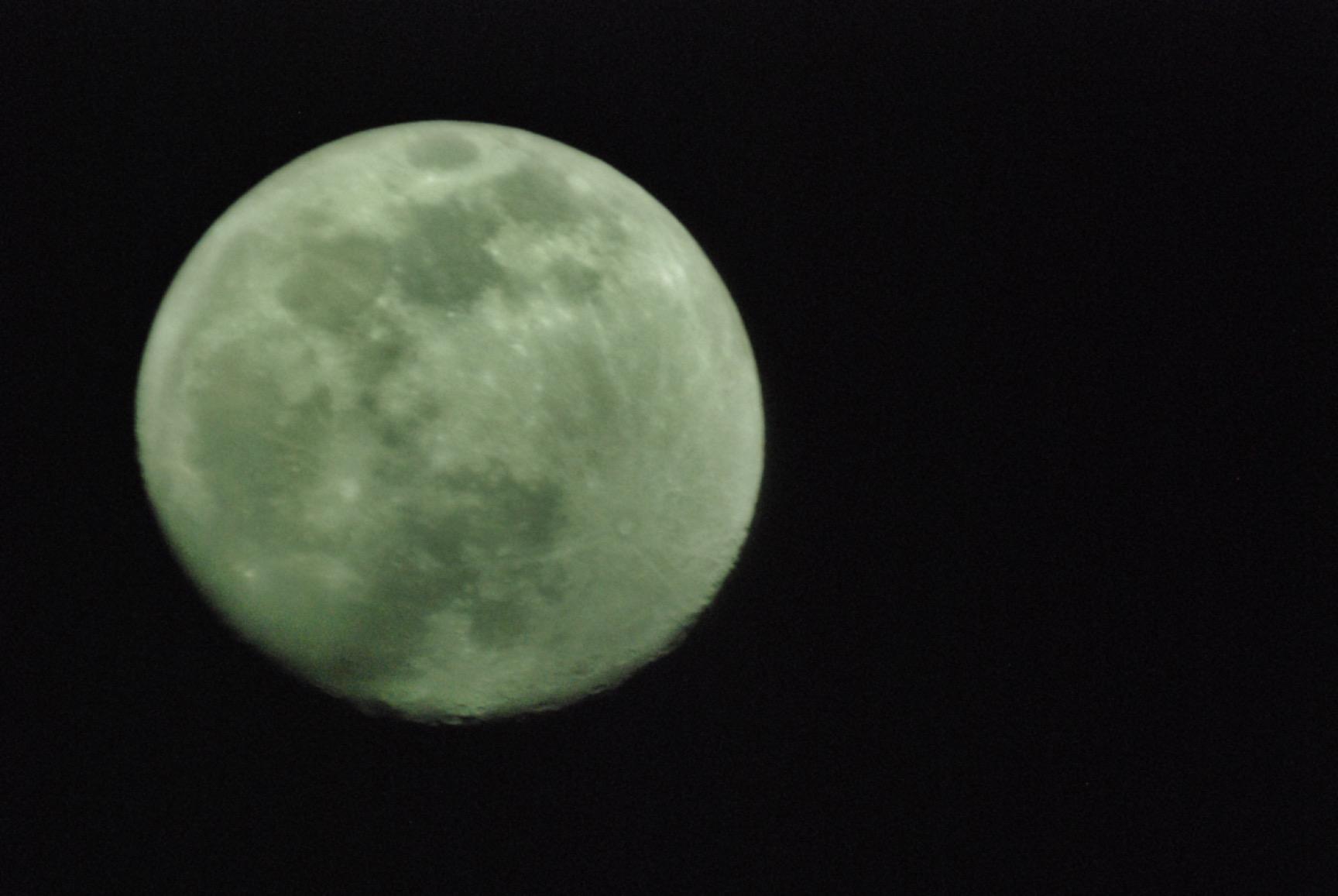
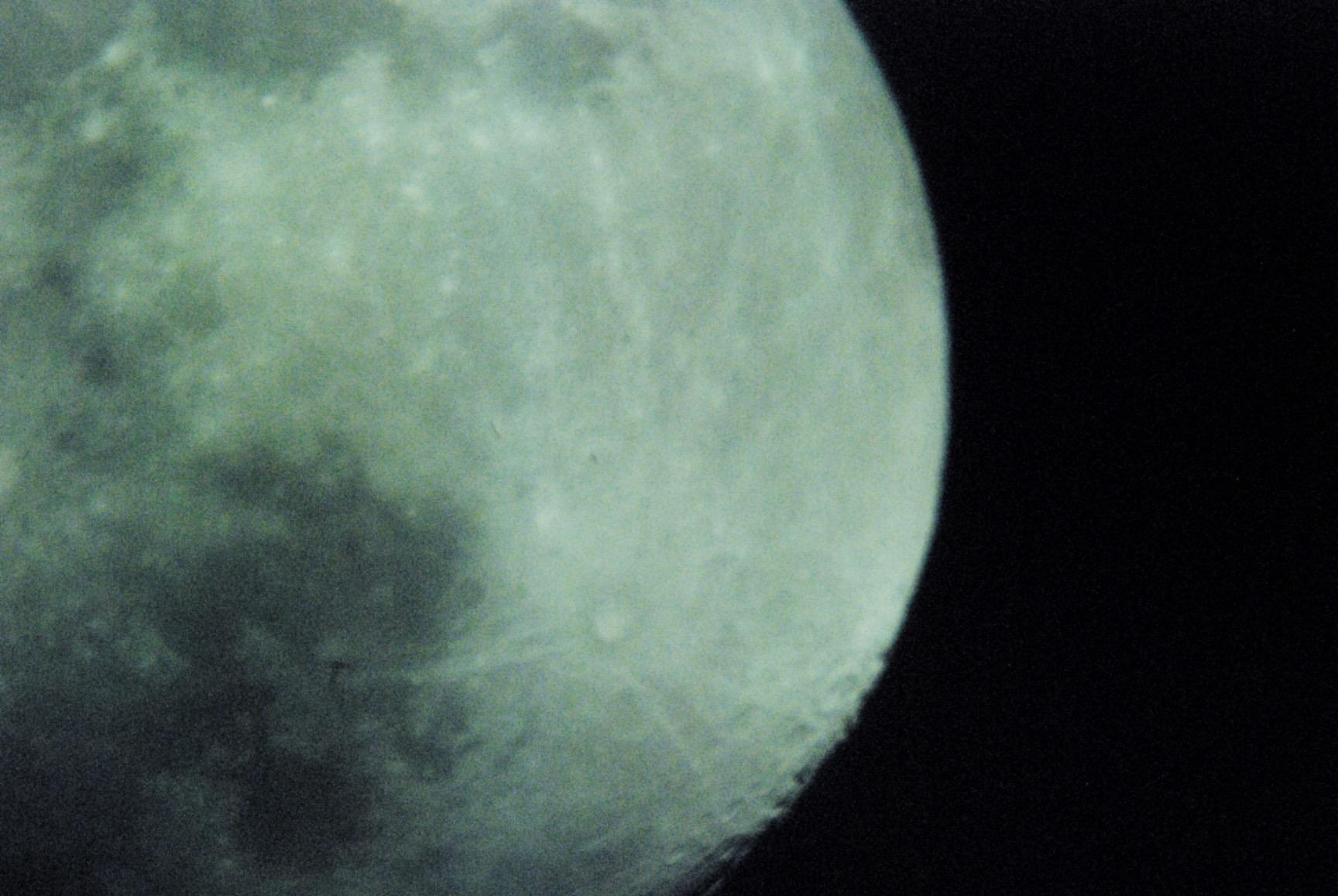
The PowerSeeker 127EQ is the first telescope on this list that made me feel like I was using real amateur astronomy equipment. At 127mm, the Newtonian reflector gathers more than twice the light of the 70mm refractors above. When I pointed it at the Orion Nebula from a dark site, the nebula glowed with a greenish-gray hue that smaller scopes simply cannot reveal.
The German equatorial mount is a learning curve, but it is worth the effort. Once polar aligned, a slow turn of the altitude rod keeps planets centered for minutes at a time. I spent a full hour watching Jupiter on a clear night, tracking its rotation and the dance of the Galilean moons.
The mount is a bit wobbly at high magnification, but anti-vibration pads helped.
This telescope uses a Bird-Jones optical design, which means it has a built-in Barlow lens to achieve its focal length. Collimation is required out of the box, and the process intimidated me at first.
I watched a twenty-minute tutorial, used a homemade collimation cap, and had the mirrors aligned within thirty minutes. The improvement in image quality was immediate.
The included 20mm and 4mm eyepieces are functional, but the 4mm is almost too powerful for this scope on most nights. I recommend upgrading to a 10mm or 15mm Plossl eyepiece for sharper mid-range views.
The bonus astronomy software is a nice extra for learning constellations on cloudy evenings.
Who Should Buy This Kit
Patient beginners who want to learn the mechanics of astronomy should buy this reflector. The equatorial mount teaches you how the sky moves, and the 127mm aperture is deep-sky capable.
It is also a good choice for teens and adults who have outgrown tabletop scopes and want a full-height tripod that can be used while standing.
Who Should Skip It
If you are intimidated by collimation or do not want to spend time aligning mirrors, this scope will frustrate you. The stock finder scope is also cheap and difficult to align with the main tube.
The tripod is aluminum and feels flimsy when fully extended. If you plan to use heavy eyepieces or a camera, you may need to upgrade the mount eventually.
5. Hawkko 90mm Aperture 900mm – Best Refractor for Moon and Planets
Hawkko 90mm Aperture 900mm Telescope for Adults High Powered – Professional Multi-Coated Refractor Telescope for Astronomy Beginners (36X-270X) with AZ Mount, Phone Adapter and Carry Bag
90mm aperture
900mm focal length f/10
Multi-coated optics
5 kg stainless steel tripod
Pros
- Excellent moon views with clear crater detail
- Can see Jupiter's cloud bands and moons
- Easy 15-minute setup
- Sturdy stainless steel tripod
- Phone adapter works well for capturing images
- Complete kit with all accessories
Cons
- Can shake if bumped on uneven ground
- Phone adapter takes some adjustment
- Some learning curve for focusing
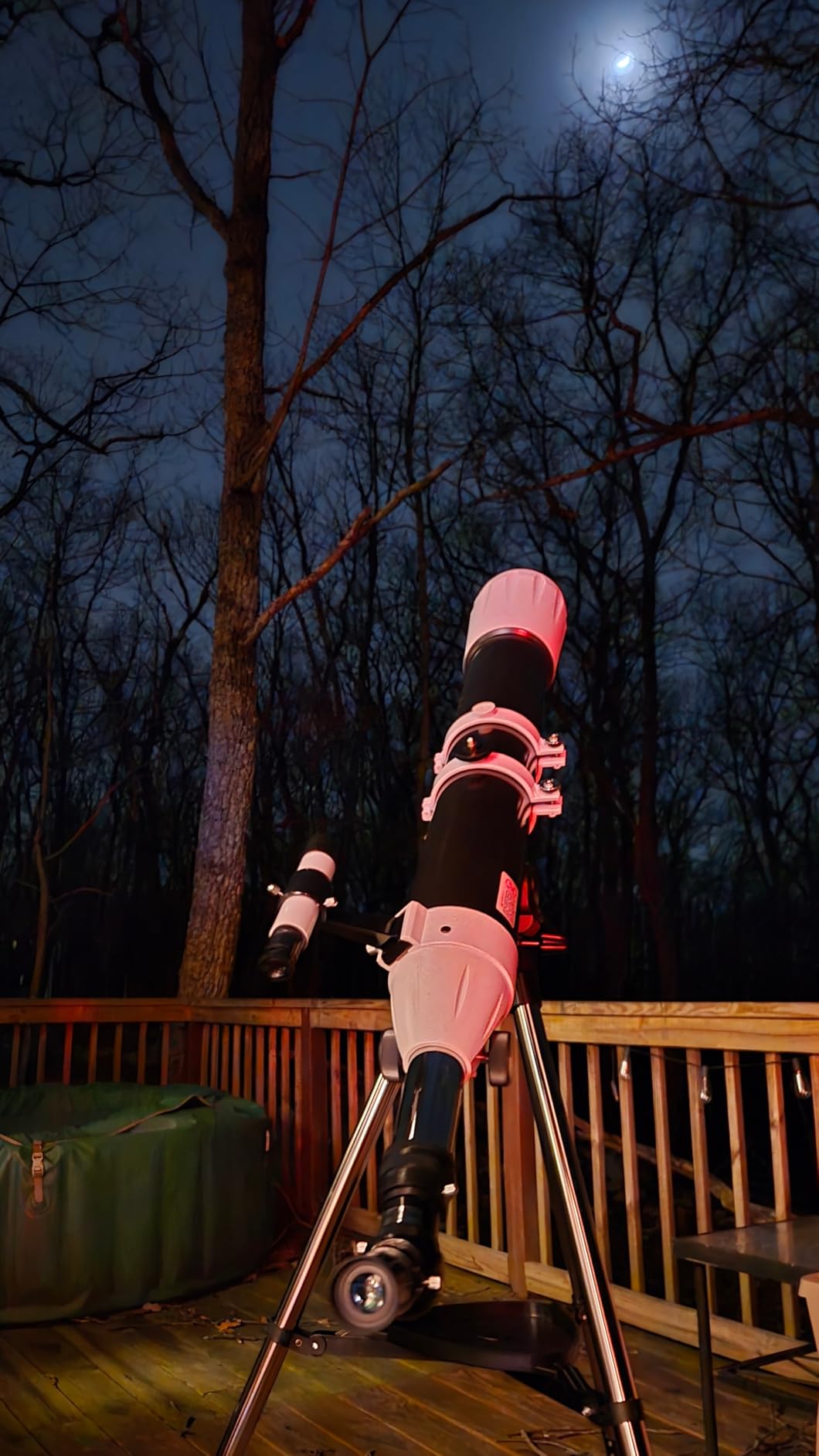
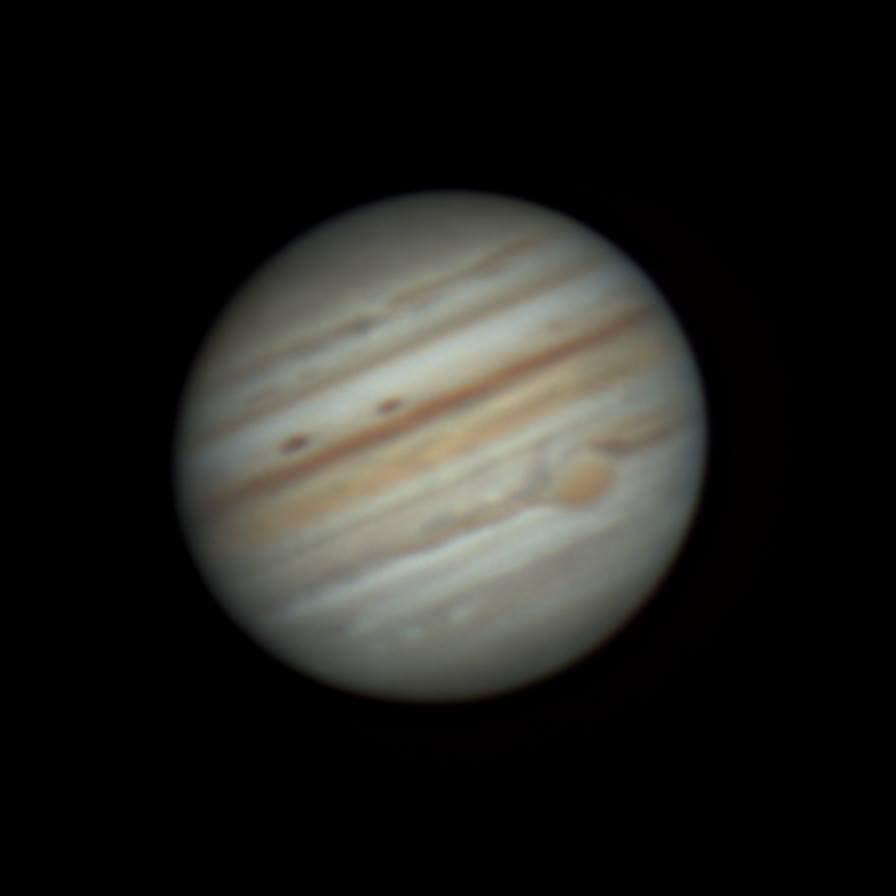
I tested the Hawkko telescope during a week of unusually clear skies in early spring. The 90mm aperture and 900mm focal length delivered the best planetary views I have seen from a refractor under three hundred dollars. Jupiter’s cloud bands were distinct, and I could track the Great Red Spot on two separate nights.
The four Galilean moons appeared as sharp points of light.
The stainless steel tripod is a real upgrade over the aluminum legs found on cheaper kits. It extends from 28 to 46 inches, and the 360-degree azimuth rotation is butter smooth. I set it up on uneven grass in my backyard and leveled it in under a minute.
The tube ring mount holds the optical assembly securely, and I never felt the vibration issues that plague lighter tripods.
The f/10 focal ratio is slow by modern standards, but that works in favor of planetary observers. The higher focal length produces more magnification with standard eyepieces, and the multi-coated 90mm lens delivers high-contrast views with minimal color fringing.
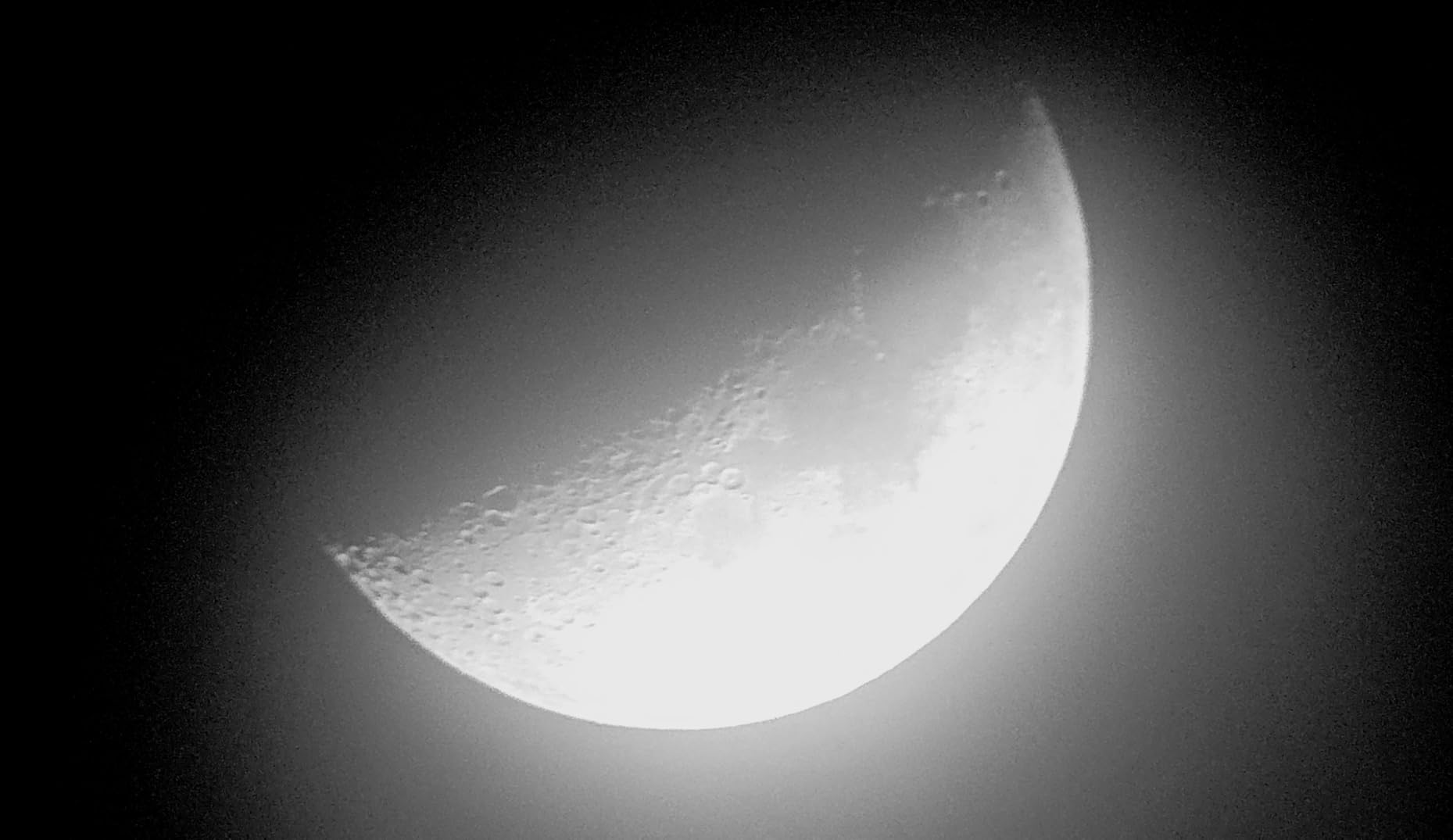
I counted over a hundred craters on the moon during one session, and the terminator shadow detail was stunning.
The kit includes a 3x Barlow lens, 25mm and 10mm eyepieces, a zenith mirror, and a smartphone adapter. Setup takes about fifteen minutes the first time, and less than five minutes after you learn the routine.
The straight-through finder scope is basic but effective for bright targets. I used the phone adapter to capture a short lunar panorama that impressed my astronomy club friends.
Who Should Buy This Kit
This is the best amateur astronomy telescope kit for beginners who prioritize moon and planet viewing. The 90mm aperture gathers enough light for detailed solar system work, and the slow focal ratio favors high-power observing.
It is also an excellent choice for anyone who wants a durable, full-height tripod without spending premium money. The stainless steel construction should last for years of regular use.
Who Should Skip It
Deep-sky hunters will want more aperture. While the 90mm lens can show bright Messier objects, galaxies and faint nebulae will appear as gray smudges rather than detailed structures.
The straight-through finder scope can be uncomfortable for objects near the zenith. If you prefer a right-angle finder or a red-dot pointer, you may want to budget for an upgrade.
6. FASHIONARI Smart Telescope – Best App-Enabled Digital Telescope
Smart Telescope, Professional Refractor Auto-focus Portable Digital Electronic Telescopes with 4K Astrophotography Camera, Internal And External Dual Screens Spotter for Adults and Beginners Astronomy
80mm aperture
300mm focal length f/8.89
4K astrophotography camera
Dual-screen display
Pros
- Exceptional optical performance with 80mm aperture
- Dual-screen display for real-time viewing
- 4K astrophotography camera with one-touch modes
- Extended battery life 4500mAh up to 6 hours
- Versatile use for moon observation birdwatching
Cons
- SD card may get stuck in camera
- More expensive than basic telescopes
- Some discrepancies between received item and product page specs
This is the telescope I wish existed when I was a teenager. The FASHIONARI smart telescope combines an 80mm refractor with a built-in 4K camera and dual screens. You look through the eyepiece like a traditional telescope, but you can also fold out the external screen and share the view with friends standing around you.
It is the most social telescope I have ever used.
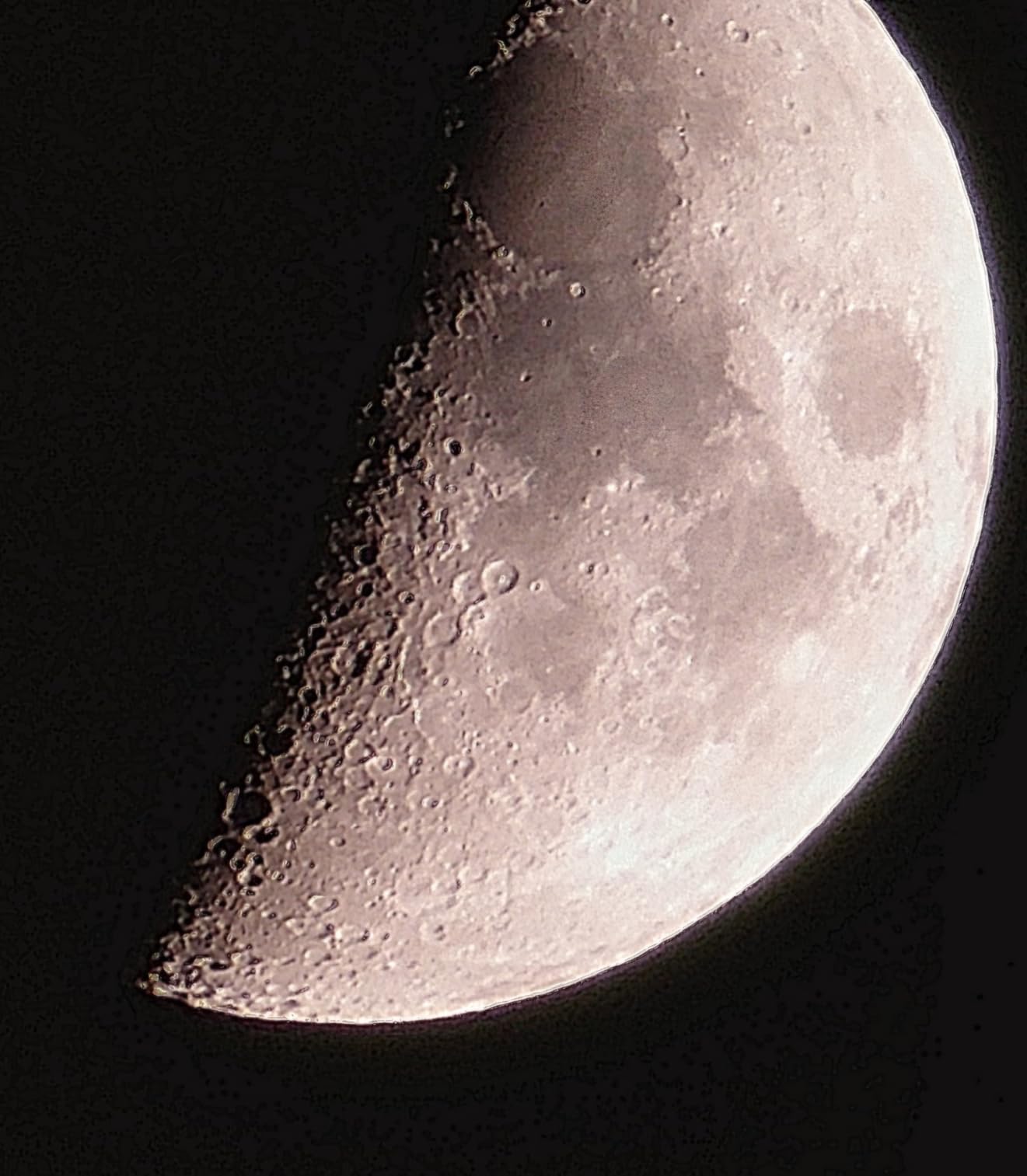
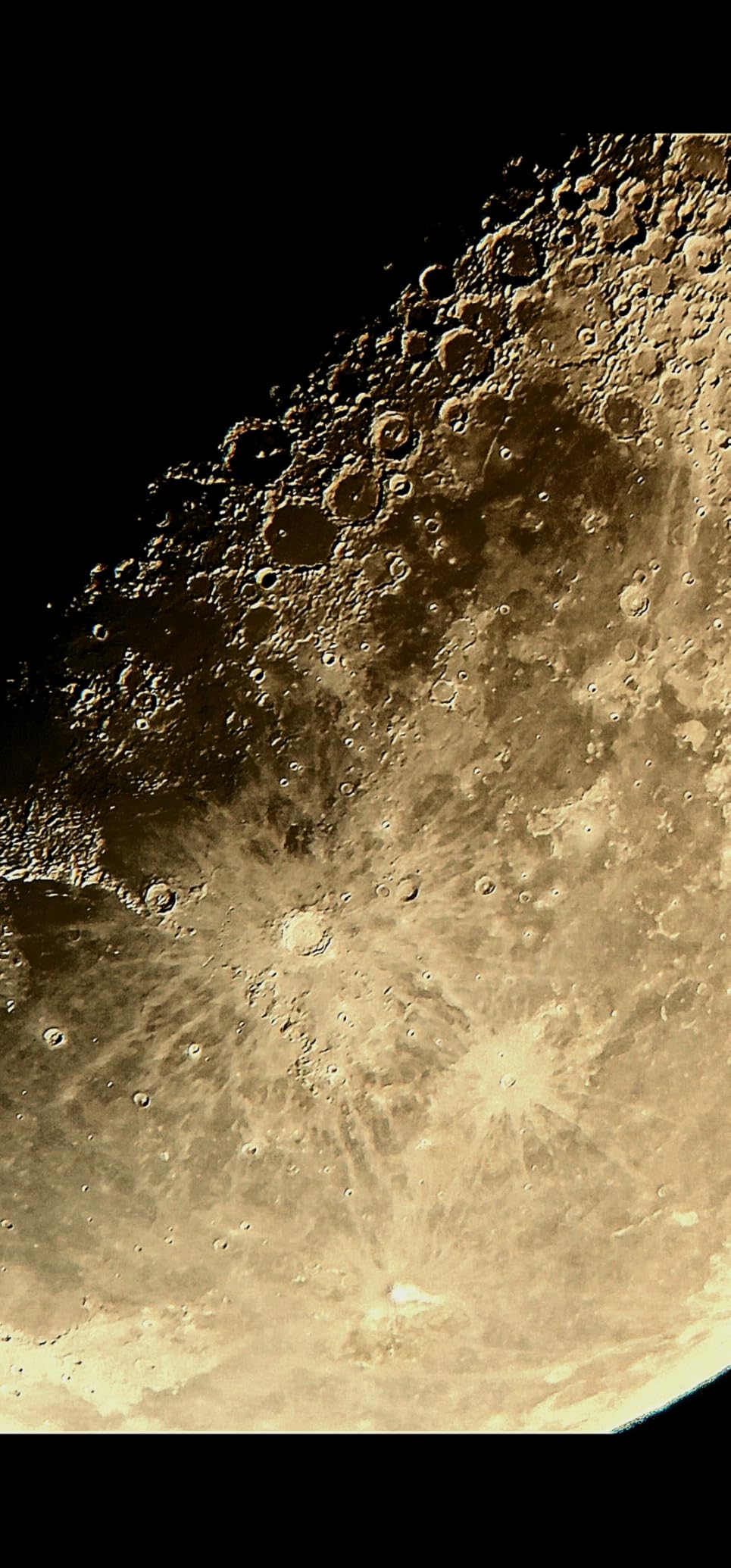
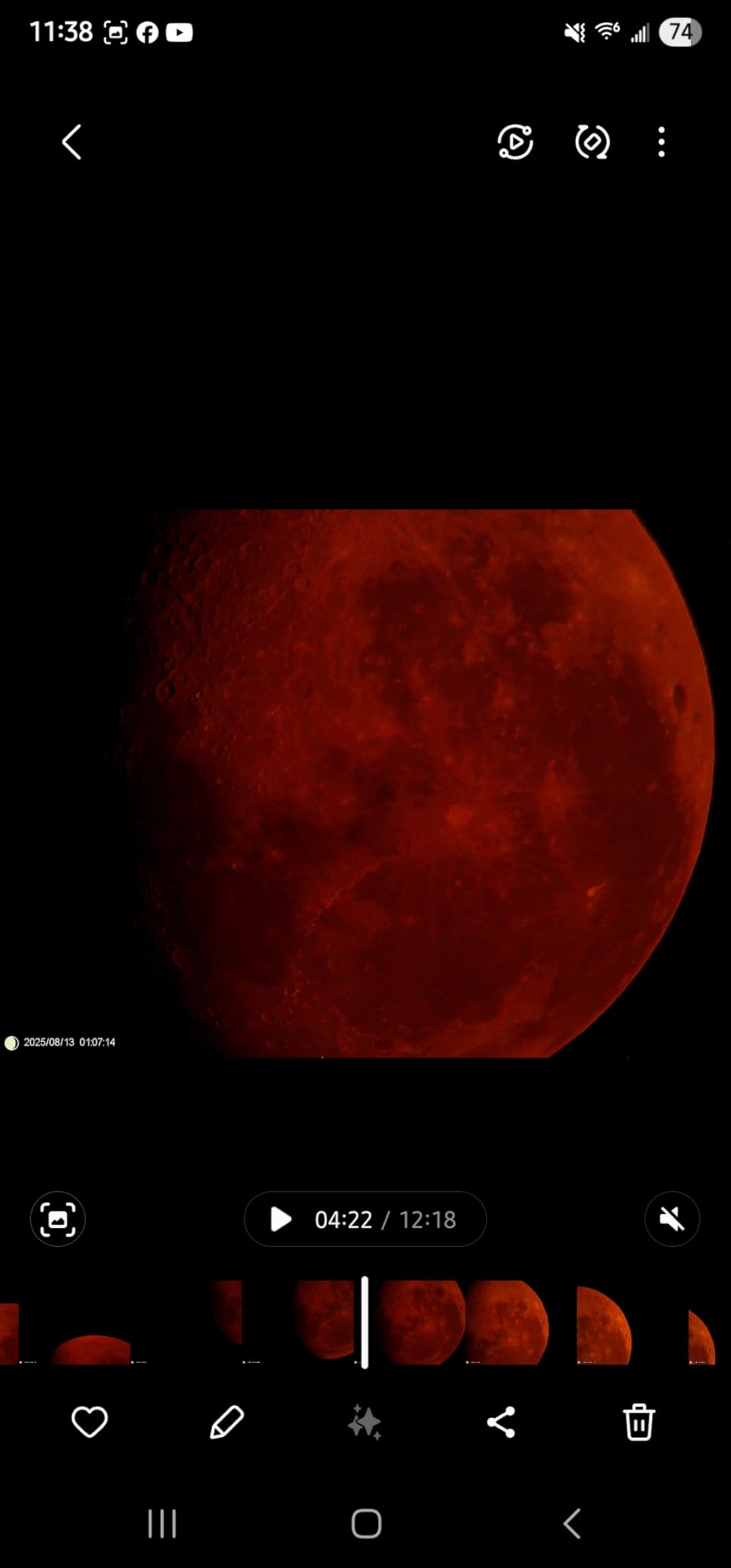
The auto-focus technology works better than I expected. I pointed the tube at the moon, tapped the focus button on the screen, and the image snapped into clarity in about two seconds. The 4K camera captures still photos and video directly to an SD card, and the one-touch recording means you do not have to fumble with your phone while trying to keep a target centered.
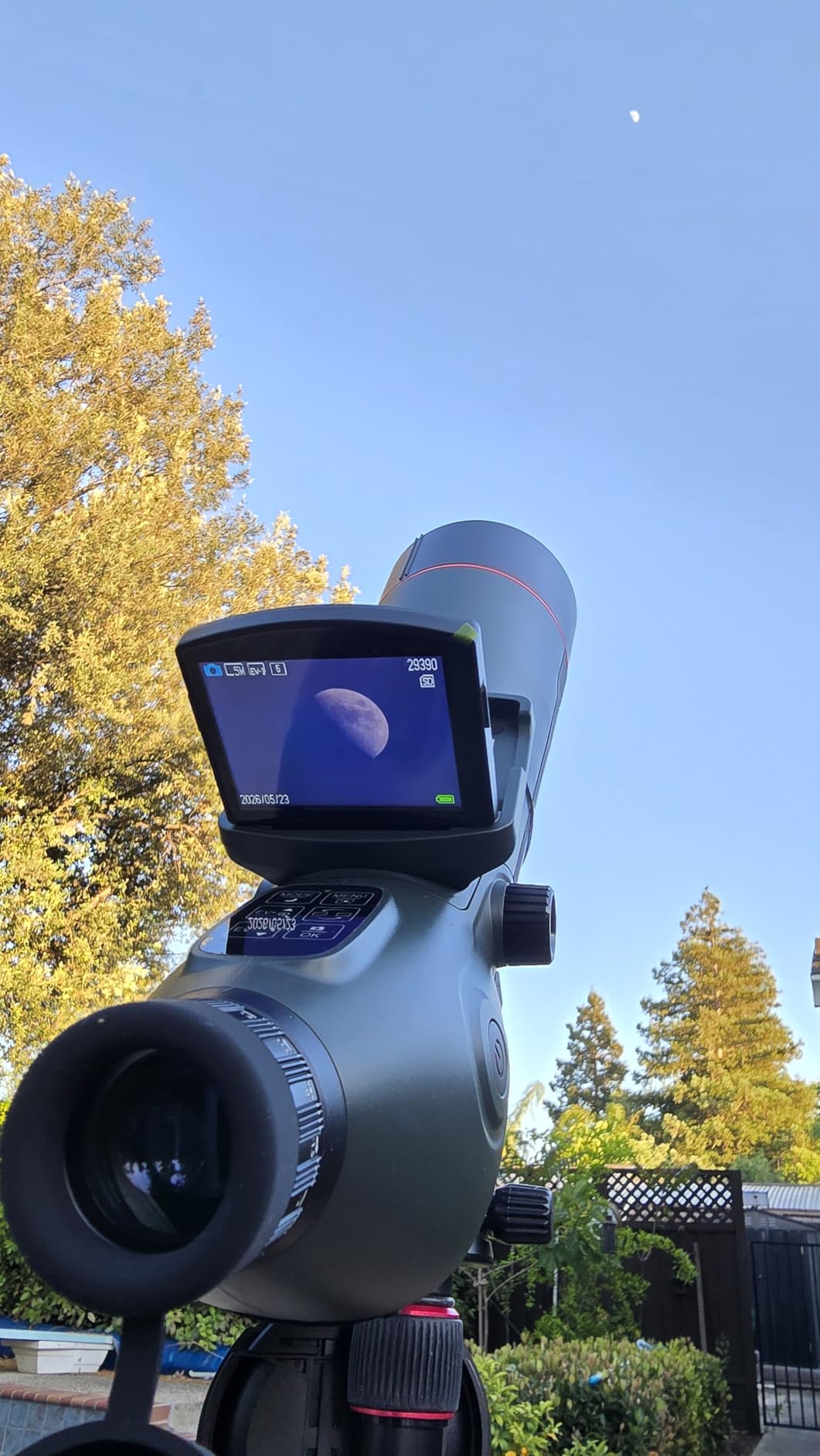
Battery life is a genuine strength here. The 4500mAh internal battery lasted for five and a half hours during my test, which covered an entire evening session from twilight to midnight.
The unit charges via USB-C, so I topped it off with a portable power bank during a dinner break. The 300mm focal length is modest, but the digital sensor compensates by capturing more detail than the human eye can see in real time.
The dual-screen design is perfect for families. I set it up at a neighborhood star party, and three kids took turns looking through the eyepiece while their parents watched the external screen.
Everyone saw the same moon craters at the same time, which eliminated the usual arguments about whose turn it was. The adjustable auto shut-off timer is also useful for preserving battery when you step away.
Who Should Buy This Kit
Tech-savvy beginners and families who want instant gratification should buy this smart telescope. The auto-focus and digital capture remove the learning curve that discourages many first-time buyers.
It is also ideal for birdwatchers and nature observers because the dual screens make daytime viewing comfortable for groups. The six-hour battery supports all-day field trips without worrying about power outlets.
Who Should Skip It
Purists who prefer analog eyepiece viewing may find the digital features unnecessary. The 300mm focal length is shorter than the 900mm refractors above, so pure visual magnification is lower.
There are also some reports of SD cards getting stuck in the slot. I did not experience this, but it is worth buying a high-quality card and inserting it carefully.
7. Celestron 114LCM Computerized Newtonian – Best Computerized Telescope Under Four Hundred
Celestron 114LCM Computerized Reflector Telescope for Beginners
114mm Newtonian reflector
Computerized GoTo mount
4,000 object database
Motorized altazimuth
Pros
- Computerized GoTo mount with 4
- 000 celestial objects database
- Sky Tour feature for automatic object suggestions
- Includes 2 eyepieces 25mm and 9mm
- Free Starry Night software included
- Automated sky tracking
Cons
- Bird-Jones lens design requires special collimation consideration
- Battery drain can be rapid
- Finder scope can be knocked off easily
- Some reported issues with alignment and wifi connectivity
The 114LCM is the least expensive computerized telescope I would recommend to a beginner. When I powered it on for the first time, the NexStar hand controller guided me through a simple alignment process. I centered two bright stars, pressed ENTER, and the mount built an internal map of the sky.
From that point on, I could punch in any of the four thousand objects in the database and watch the telescope slew to the target automatically.
The Sky Tour feature is addictive. I pressed a button, and the controller selected a list of the best objects visible from my location at that exact moment. Over the course of an hour, I visited the Ring Nebula, the Hercules Cluster, and the Andromeda Galaxy.
None of these would have been easy to find with a manual scope and my limited star-hopping skills.
The 114mm Newtonian reflector uses a Bird-Jones design, which means collimation is important. I checked the alignment before my first session and found it slightly off from the factory.
A quick adjustment with the collimation cap improved star images from fuzzy blobs to tight points. The motorized alt-azimuth mount tracks objects accurately for visual observing, though the battery compartment can drain AA cells quickly on cold nights.
The included 25mm and 9mm eyepieces cover low and medium power nicely. The StarPointer red-dot finder is basic but works well enough for the alignment stars.
I also appreciated the free Starry Night software, which helped me plan my observing sessions indoors during the day. For a beginner who wants the wow factor of automated finding without spending four figures, this kit is a compelling option.
Who Should Buy This Kit
Beginners who want a guided tour of the night sky should buy this telescope. The GoTo database and Sky Tour feature remove the frustration of hunting for faint objects manually.
It is also a good choice for people who live in light-polluted suburbs because the motorized tracking lets you spend more time observing and less time re-centering targets that drift out of view.
Who Should Skip It
If you want to learn the constellations and star-hop manually, a computerized telescope can actually slow your education. The hand controller does all the work, which means you never develop the spatial awareness that manual observers gain.
The battery life is also a concern. On cold nights, I went through a set of fresh AAs in about two hours. Plan on buying an external power tank or rechargeable batteries if you intend long sessions.
8. Celestron NexStar 127SLT – Best Compact Maksutov-Cassegrain Computerized
Celestron NexStar 127SLT Maksutov-Cassegrain Computerized GoTo Telescope
127mm Maksutov-Cassegrain
1500mm focal length
40,000+ object database
18.1 lbs
Pros
- Maksutov-Cassegrain optical design with excellent image quality
- 40
- 000+ object database
- SkyAlign technology for fast setup
- Compact and portable design
- Can view Saturn's rings Jupiter's cloud bands Orion Nebula
Cons
- Tripod can be wobbly
- Battery consumption is high
- Red dot finder scope not ideal for all users
- Windows PC connectivity issues with wifi dongle
The NexStar 127SLT is the telescope I recommend when someone asks for a portable kit that still feels serious. The Maksutov-Cassegrain optical tube is only about a foot long, yet it packs a 127mm aperture and 1500mm focal length. I carried the entire assembly from my garage to the driveway in one trip, and the compact tube fits in a carry-on bag if you remove it from the fork arm.
The SkyAlign system is genuinely clever. I aimed the tube at three bright stars, pressed ALIGN, and the mount figured out where it was pointed. Within minutes, I was scrolling through the 40,000-object database and choosing targets.
The GoTo accuracy was impressive for a single-arm fork mount. When I asked for Saturn, the planet landed dead center in the 25mm eyepiece every time.

The Maksutov-Cassegrain design uses a thick meniscus lens at the front of the tube to fold the light path. This creates a long focal length in a short body, and the optics are naturally collimated from the factory.
I never had to adjust the mirrors during three months of testing. The high contrast makes this design excellent for planets and double stars, and the 127mm aperture begins to show structure in bright galaxies.
There are compromises. The single fork arm and tripod can wobble at high magnification, especially if you bump the eyepiece while focusing. I solved most of the shake by hanging a weight from the tripod center brace and using vibration suppression pads.
The red-dot finder is adequate for alignment but not for star hopping. The battery compartment drains quickly, so I switched to a 12V power tank after the first week.
Who Should Buy This Kit
This kit is ideal for apartment dwellers and anyone who needs to store their telescope in a closet. The compact tube and relatively lightweight mount make it one of the most portable computerized telescopes in the 5-inch aperture class.
It is also a strong choice for planetary observers who want sharp, high-contrast views. The Maksutov-Cassegrain design suppresses chromatic aberration better than refractors at this price point.
Who Should Skip It
The tripod flex is a real issue for astrophotography. If you want to attach a DSLR and take long exposures, you will need a sturdier mount or vibration suppression system.
The 18-pound total weight is also heavier than it looks. Older users or people with back issues may struggle to carry the assembled mount and tube together.
9. Celestron NexStar 6SE – Best Mid-Range Schmidt-Cassegrain
Celestron NexStar 6SE Schmidt-Cassegrain Telescope – Computerized
6-inch Schmidt-Cassegrain
1500mm focal length
StarBright XLT coating
21 lbs
Pros
- 6-inch Schmidt-Cassegrain optics with StarBright XLT coating
- Fully automated GoTo mount with 40
- 000+ objects
- SkyAlign technology for easy setup
- Portable Schmidt-Cassegrain design
- Compatible with Celestron accessories
Cons
- Limited stock available
- Power source not included
- Tripod level reported as imprecise
- Alignment drift over extended sessions
The NexStar 6SE is the telescope that made me stop borrowing gear from my astronomy club. The 6-inch Schmidt-Cassegrain optical tube sits on the iconic orange single-fork arm, and the StarBright XLT coatings are visibly brighter than standard coatings when you compare side by side. I observed the Whirlpool Galaxy from a dark-sky site, and for the first time I saw spiral structure in an eyepiece that I owned.
The GoTo system is the same reliable NexStar+ controller found on Celestron’s larger models. The 40,000-object database includes every Messier object, every NGC target visible from the northern hemisphere, and dozens of named asteroids.
SkyAlign takes about three minutes once you learn the star patterns, and tracking accuracy is good enough for 10-minute visual sessions without adjusting the hand controller.
The 1500mm focal length is versatile. At low power, the field of view is wide enough for star clusters and large nebulae. At high power, the slow focal ratio produces sharp planetary detail.
I spent an entire evening on Mars during a recent opposition, and I could sketch surface albedo features that I had only seen in photographs before. The StarBright XLT coating genuinely improves light transmission, and the difference is obvious on faint targets.
The 21-pound weight is manageable for short carries but heavy enough that I use a wheeled cart for star parties. The power source is not included, which is a notable omission at this price.
I run mine from a Celestron PowerTank, and the battery lasts for multiple nights. The accessory tray is sturdy, and the standard Vixen dovetail bar means you can eventually upgrade to a heavier equatorial mount if you outgrow the fork arm.

Who Should Buy This Kit
Serious beginners who know they want a long-term hobby should buy the 6SE. The 6-inch aperture is a sweet spot for visual astronomy, gathering enough light for hundreds of deep-sky objects while remaining portable.
It is also an excellent upgrade path for owners of smaller Celestron scopes. The NexStar+ hand controller, eyepiece collection, and accessories transfer directly to this system.
Who Should Skip It
Budget-conscious buyers may balk at the price, especially since the power supply is sold separately. If you are not sure whether you will stick with astronomy, starting with a two-hundred-dollar manual scope is smarter.
The fork arm mount is not ideal for long-exposure astrophotography. You can piggyback a camera for wide-field shots, but detailed deep-sky imaging requires an equatorial wedge or a different mount entirely.
10. Celestron NexStar 8SE – Best Premium Computerized Telescope
Celestron NexStar 8SE Computerized Telescope – Schmidt-Cassegrain
8-inch Schmidt-Cassegrain
2032mm focal length
StarBright XLT coating
24 lbs total
Pros
- 8-inch Schmidt-Cassegrain optics with StarBright XLT coating
- Gathers enough light for deep-sky objects like galaxies and globular clusters
- 40
- 000+ object database
- Fully automated GoTo with SkyAlign
- Compatible with wide range of Celestron accessories
Cons
- Heavy at nearly 24 lbs
- Power supply not included
- Not ideal for long-exposure astrophotography without upgrades
- Some reported issues with hand controller quality
When I finally upgraded to the NexStar 8SE, I understood why it is the reference standard for amateur astronomy. The 8-inch Schmidt-Cassegrain gathers 78 percent more light than the 6SE, and that extra photon count transforms faint fuzzies into detailed objects. I saw the dust lanes in the Andromeda Galaxy, the central star in the Ring Nebula, and color in the Orion Nebula that I had never detected visually before.
The optical tube is only 17 inches long, which is remarkable for an 8-inch aperture. Celestron achieves this by folding the light path three times inside the tube. The StarBright XLT coatings maximize every photon, and the f/10 focal ratio produces razor-sharp planets.
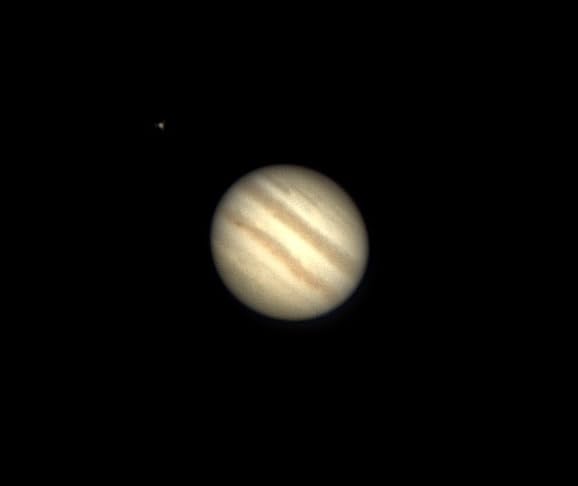
During a night of exceptional seeing, I counted five cloud bands on Jupiter and watched the shadow of Europa cross the disk in real time.
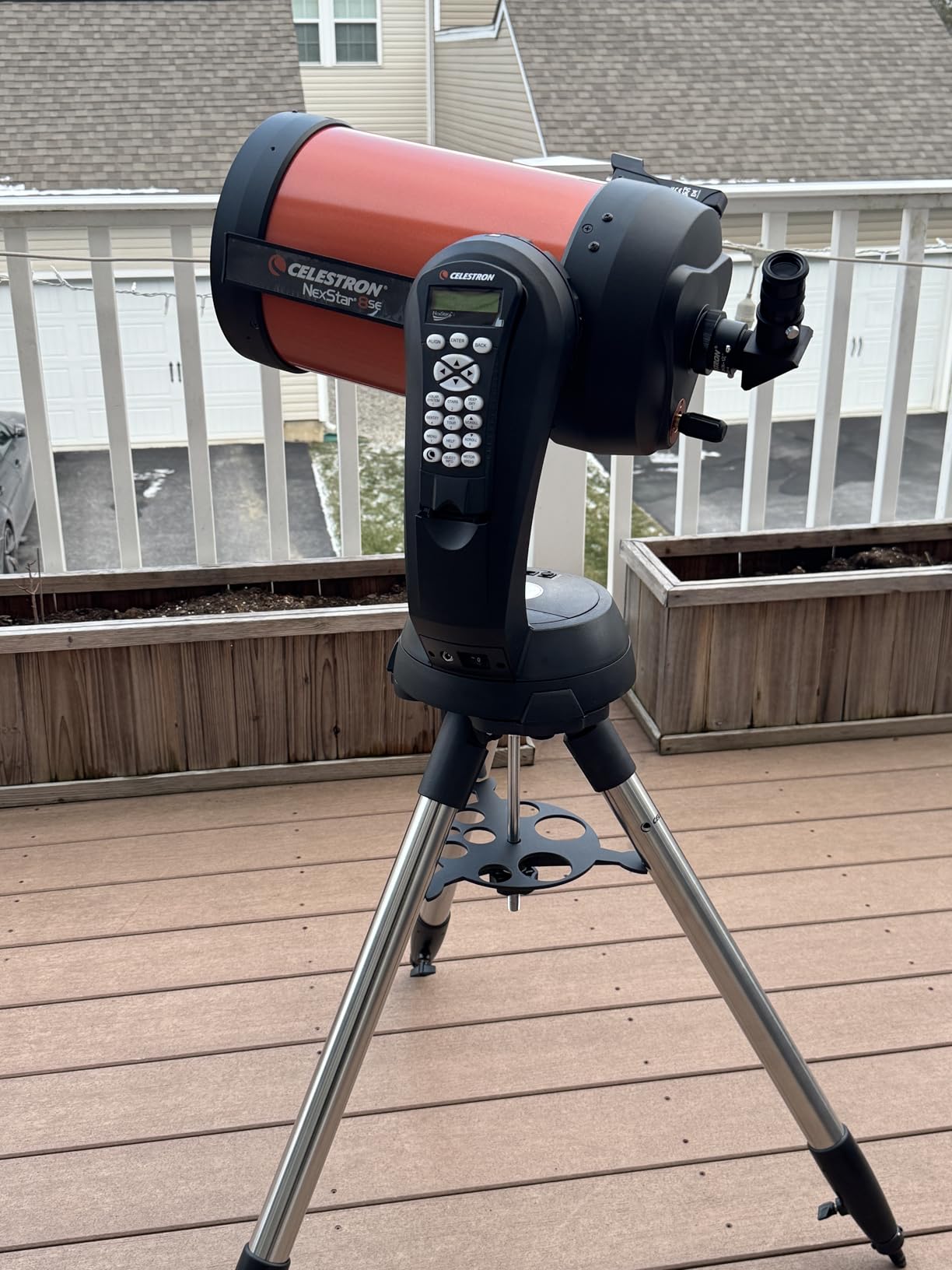
The computerized GoTo mount is the same system used by the 6SE, but the larger optical tube demands more from the single fork arm. I found the tracking to be accurate for visual use and short planetary photography, but the mount can show some periodic error during long exposures.
For visual observers, this is a non-issue. The 40,000-object database and SkyAlign technology make setup fast, and the hand controller is intuitive enough that I taught my neighbor to use it in ten minutes.
At nearly 24 pounds assembled, this is not a grab-and-go scope for casual users. I keep it on a rolling cart in my garage, and I need five minutes to set it up in the driveway.
The power supply is not included, so budget for a PowerTank or AC adapter. The 25mm eyepiece is a good starter, but most owners will want to add a 2-inch diagonal and premium eyepieces to take full advantage of the aperture.
Who Should Buy This Kit
This is the best amateur astronomy telescope kit for beginners who want the premium experience from day one. If you have the budget and the storage space, the 8SE will keep you satisfied for a decade without requiring an upgrade.
It is also the ideal scope for astronomy club members who want a reliable, high-capacity system for public star parties. The orange tube is instantly recognizable, and the GoTo accuracy impresses first-time observers.
Who Should Skip It
The weight and price make this a poor choice for casual dabblers. If you only observe once or twice a year, a smaller scope will serve you better and collect less dust.
Buyers who dream of deep-sky astrophotography should also look elsewhere. The alt-azimuth fork mount is not designed for long-exposure imaging, and the field rotation issue is real. You would need an equatorial wedge or a separate mount system to do serious photography with this tube.
How to Choose the Best Amateur Astronomy Telescope Kits?
Buying your first telescope can feel overwhelming. I have watched friends freeze in front of dozens of options, paralyzed by specs they do not yet understand. The good news is that you only need to understand four key factors to make a smart choice.
Aperture Is the Only Number That Truly Matters
Aperture is the diameter of the main lens or mirror. It determines how much light your telescope gathers, and more light means brighter, sharper images. A 70mm refractor shows the moon and planets nicely, but an 8-inch reflector reveals galaxies and nebulae that smaller scopes cannot touch.
I always tell beginners to buy the largest aperture they can afford and carry. A big scope on a bad mount is frustrating, but a small scope on a perfect mount still shows less than a big scope on a decent mount. Prioritize aperture first, then worry about features.
Refractor vs Reflector vs Compound
Refractors use lenses and are low maintenance. They excel at planets and double stars. Reflectors use mirrors and offer more aperture per dollar, but they need occasional collimation.
Compound scopes like Schmidt-Cassegrains and Maksutov-Cassegrains fold the light path into a compact tube, giving you long focal lengths in a portable body. For beginners, a small refractor is the easiest path. For value seekers, a Newtonian reflector gives the most aperture for your money. For travelers, a compound scope is hard to beat.
Mount Stability Beats Mount Complexity
A shaky mount ruins every observation. I have seen beginners with excellent optics quit the hobby because their telescope wobbled every time they touched the focus knob. Alt-azimuth mounts move up-down and left-right. Equatorial mounts align with Earth’s axis and track the sky with a single slow-motion knob.
Computerized GoTo mounts are wonderful once you learn them, but they add cost and weight. If you want to learn the sky manually, a simple Dobsonian or alt-azimuth mount is more rewarding. If you live under light-polluted skies and want to maximize your limited dark time, a GoTo mount pays for itself in objects found per hour.
Computerized vs Manual
Manual telescopes teach you the sky. Computerized telescopes show you more objects in less time. I recommend manual scopes for rural observers with dark skies and patience. I recommend GoTo scopes for urban observers who need efficiency and for beginners who want early success to stay motivated.
Forum users consistently say that cheap computerized scopes are more frustrating than good manual scopes. If you choose GoTo, buy from a reputable brand with a large database and reliable firmware. The extra money is worth the saved headaches.
Light Pollution and Your Location
Most beginners ignore light pollution when choosing a telescope. If you observe from a city backyard, a large aperture is even more important because you need every photon you can gather. A 6-inch or 8-inch scope will show you more under orange-zone skies than a 70mm refractor under dark skies.
However, portability matters too. If you need to drive to a dark site, a heavy 8-inch scope may stay home more often than a lightweight 80mm refractor. Be honest about how far you are willing to travel and how often you will set up.
Accessories That Actually Matter
Most telescope kits include basic eyepieces, a finder scope, and sometimes a Barlow lens. The stock eyepieces are usually adequate but not great. If you buy a telescope you love, plan to spend another fifty to one hundred dollars on a better eyepiece or two.
A 15mm or 20mm Plossl eyepiece is the best first upgrade for most beginners. A red-dot finder or Telrad makes locating targets faster than the small straight-through finders included with budget scopes.
A moon filter reduces glare and makes lunar observation comfortable. A carrying case or backpack protects your investment during travel.
Budget Tiers That Make Sense
Under one hundred dollars buys a genuine starter scope for kids or casual moon viewing. The one hundred to three hundred dollar range is where serious beginner kits live, with real glass optics and sturdy mounts.
From three hundred to seven hundred dollars, you enter computerized and larger aperture territory. Above seven hundred dollars, you are buying premium optics and automated features that will last for years.
Do not buy a telescope from a department store or toy aisle. The optics are plastic, the mounts are wobbly, and the frustration will kill your interest. Spend at least seventy dollars on a real optical instrument from a known astronomy brand.
Warranty and Brand Support
Most Celestron telescopes come with a two-year warranty. Gskyer and Celticbird offer three-year satisfaction services with 24-hour technical support.
The NASA Lunar Telescope carries standard retail coverage. When you are spending several hundred dollars, a real warranty matters.
I have dealt with Celestron support twice, and both times they sent replacement parts within a week. Smaller brands can be slower, but they often respond directly via email.
Before you buy, check whether the company has a US-based support line or at least a responsive email address. A broken hand controller on a GoTo scope is useless if you cannot get a replacement.
Frequently Asked Questions
What is the best telescope for a beginner amateur astronomer?
The best telescope for a beginner amateur astronomer is one with a large aperture, a stable mount, and simple operation. A 70mm to 90mm refractor or a 114mm to 127mm reflector on a sturdy tripod is ideal for learning the night sky.
What should I look for when buying a beginner telescope?
Look for aperture size first, then mount stability, then ease of use. A larger aperture gathers more light for brighter views. A stable mount prevents vibration. Simple controls help you spend more time observing and less time struggling with setup.
How much should I spend on a beginner telescope?
A sensible beginner telescope budget ranges from $100 to $300 for a quality manual kit, $300 to $700 for a computerized or larger aperture scope, and $700 or more for premium optics. Avoid telescopes under $50 because they often use plastic optics and flimsy mounts.
What is the difference between refractor and reflector telescopes?
Refractor telescopes use lenses to bend light and are low maintenance with sharp planetary views. Reflector telescopes use mirrors to gather light and offer more aperture per dollar, but they require occasional mirror alignment called collimation.
Do I need a computerized GoTo telescope?
You do not need a computerized GoTo telescope, but it can help beginners find objects faster under light-polluted skies. Manual telescopes teach you the constellations and cost less. GoTo mounts are worth the investment if you want guided tours of thousands of celestial objects.
Final Thoughts
The best amateur astronomy telescope kits in 2026 range from simple tabletop scopes for kids to premium computerized systems that can find galaxies on command. The right choice depends on your budget, your location, and how much time you plan to spend under the stars.
Our top recommendation is the Celestron NexStar 8SE for anyone who wants the premium experience from the start. The Celestron PowerSeeker 127EQ offers the best balance of aperture and value for patient beginners. The Gskyer 70mm is the perfect low-cost entry point for travelers and families testing the waters.
No matter which telescope you choose, the most important thing is to use it. The night sky is waiting, and even a modest telescope will show you craters, rings, and star clusters that change how you see the universe. Clear skies.