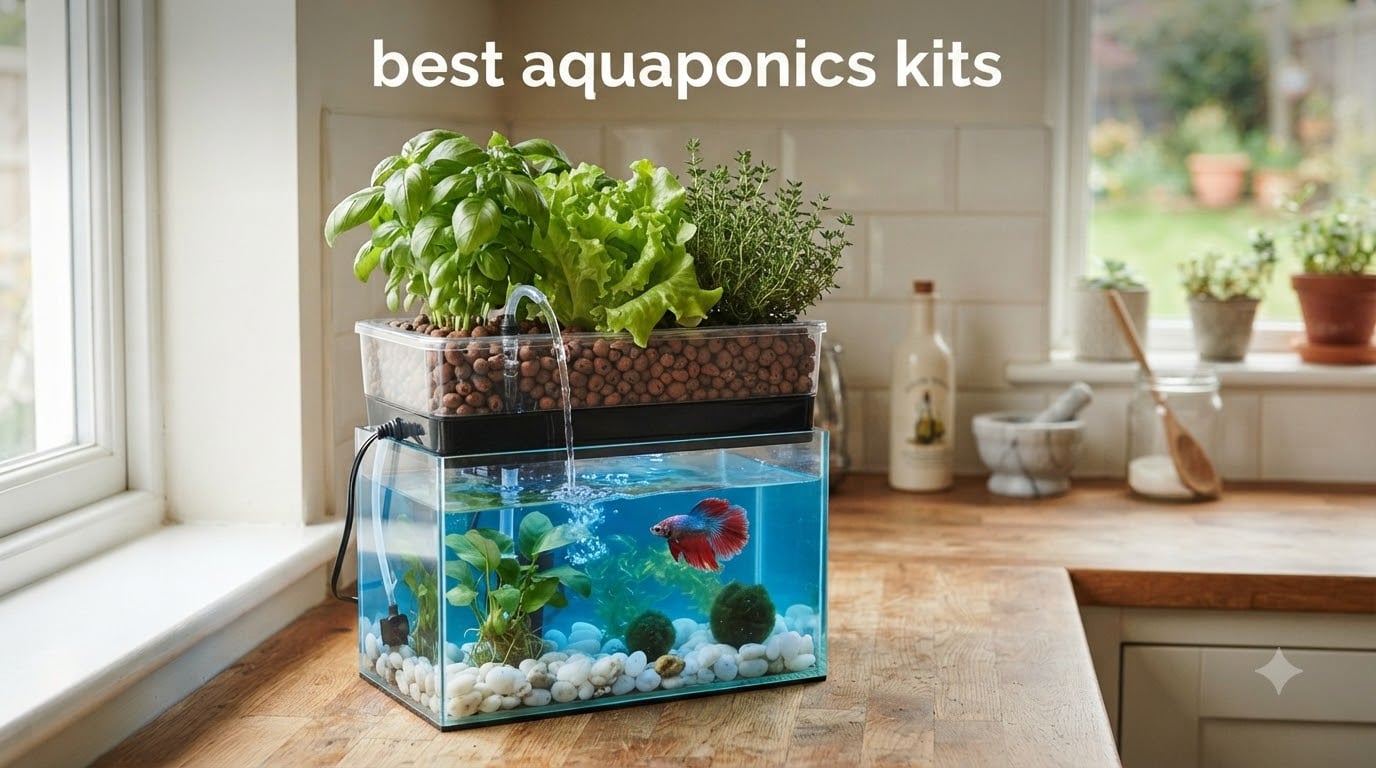
Aquaponics combines fish farming with soilless plant growing into one self-sustaining ecosystem. The fish produce waste, beneficial bacteria convert it into plant nutrients, and the plants clean the water that flows back to the fish. It is a closed-loop system that uses up to 90% less water than traditional gardening while producing both fresh vegetables and protein.
If you want these benefits without sourcing individual pumps, grow beds, tubing, and biofilters yourself, a pre-built kit is the fastest path. The best aquaponics kits bundle every component you need into one package with instructions that walk you through setup in an afternoon.
I spent weeks comparing 8 of the most popular aquaponics kits on the market, analyzing over 11,000 customer reviews, and digging through Reddit threads on r/aquaponics to find what actually works. My picks cover everything from $18 desktop betta bowls to full patio water gardens with waterfall filters. Whether you want a classroom STEM project, a compact herb garden for your kitchen, or a serious vegetable-growing setup, there is something here for you.
Table of Contents
Top 3 Picks for Best Aquaponics Kits (September 2026)
After testing and comparing every kit in this roundup, three products stood out for different reasons. The Back to the Roots Indoor Aquaponic Garden earns our Editor’s Choice for its all-in-one ecosystem design with everything included. The Aquascape AquaGarden takes Best Value with its waterfall filter and patio-ready build. The Penn-Plax Aquaponic Planter wins Budget Pick for delivering a working symbiotic system at the lowest price point.

Back to the Roots Indoor Aquaponic Garden
- 3 Gallon Self-Cleaning Tank
- Includes Seeds and Supplies
- Made in USA

Aquascape AquaGarden Pond Kit
- Waterfall Filter with LED Light
- Holds 5-7 Gallons
- Clay Grow Media Included
Penn-Plax Aquaponic Betta Planter
- Under $20 Price Point
- Ceramic Planting Media
- Clear Betta Viewing Design
These three cover the three most common use cases: a complete beginner setup, a decorative patio water garden, and a bare-bones entry point to test the concept before committing more money.
Best Aquaponics Kits in 2026
Here is a side-by-side look at all 8 kits I reviewed. Each one serves a different space, budget, and experience level.
| Product | Specifications | Action |
|---|---|---|
| Back to the Roots Aquaponic Garden |
|
Check Latest Price |
| Penn-Plax Aquaponic Betta Planter |
|
Check Latest Price |
| Aquascape AquaGarden Pond Kit |
|
Check Latest Price |
 Huamuyu Aquaponic Fish Tank Huamuyu Aquaponic Fish Tank |
|
Check Latest Price |
 Wagrvuy Beta Fish Tank Kit Wagrvuy Beta Fish Tank Kit |
|
Check Latest Price |
 CUSNESTAL Betta Glass Bowl CUSNESTAL Betta Glass Bowl |
|
Check Latest Price |
 Ahopegarden 10-Pod Hydroponic System Ahopegarden 10-Pod Hydroponic System |
|
Check Latest Price |
 VIVOSUN 54-Site Hydroponic Grow Kit VIVOSUN 54-Site Hydroponic Grow Kit |
|
Check Latest Price |
1. Back to the Roots Indoor Aquaponic Garden – Complete Ecosystem Kit
Back to the Roots Indoor Aquaponic Garden – 3 Gallon Self Watering, Mess-Free Planter and Self-Cleaning Fishtank for Herbs, Microgreens, Bamboo, Succulents, and Houseplants, support Fish
3 Gallon Tank
13.4 x 13.4 x 9.5 Inches
Self-Cleaning
Seeds and Supplies Included
Made in USA
Pros
- Year-round indoor herb and microgreen growing
- Self-cleaning tank reduces maintenance
- Includes radish and wheatgrass seeds plus water conditioner
- Free STEM curriculum for education
- Made in the USA
Cons
- May need to purchase fish separately
- Some specs list very low weight which may be a labeling error
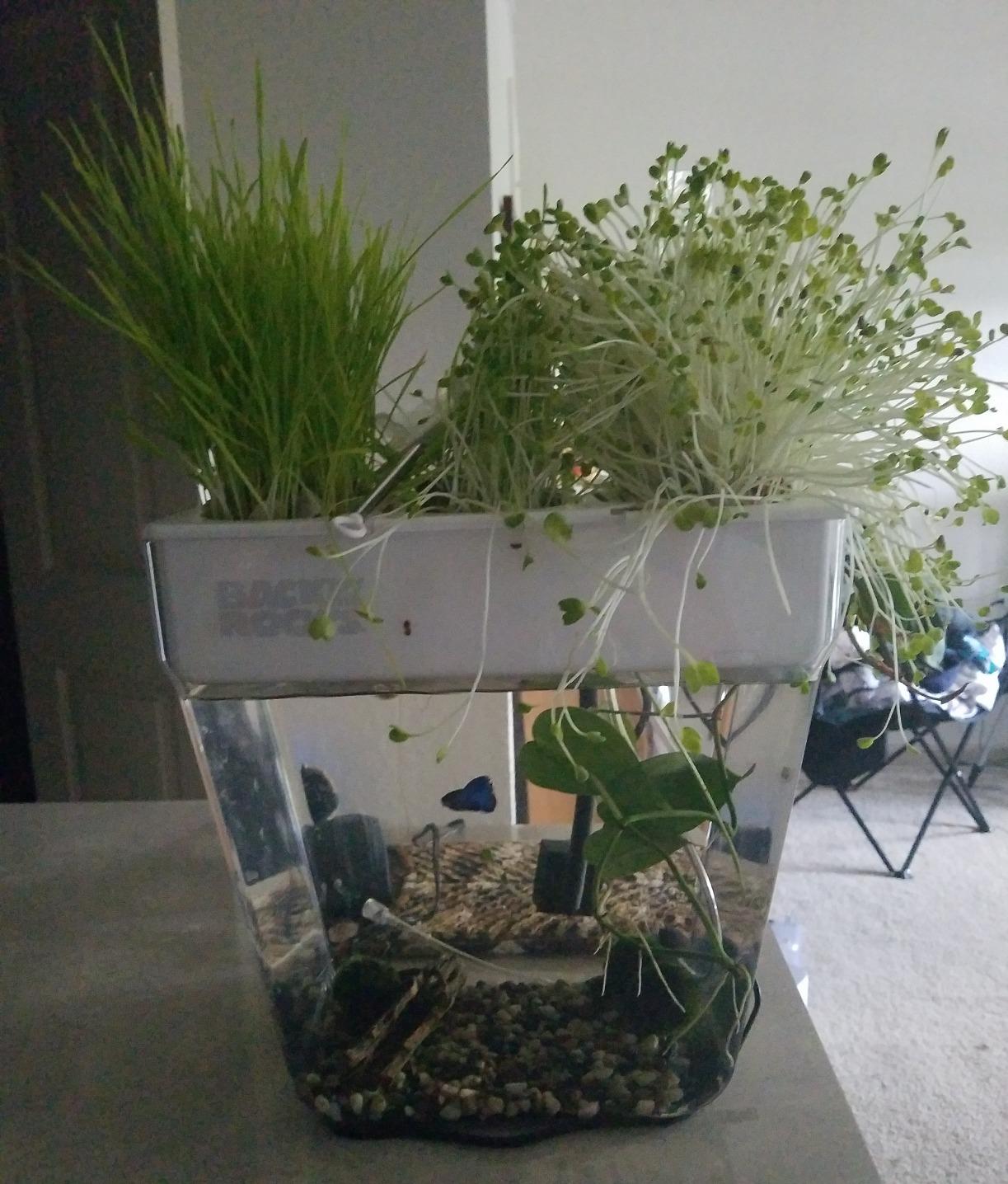
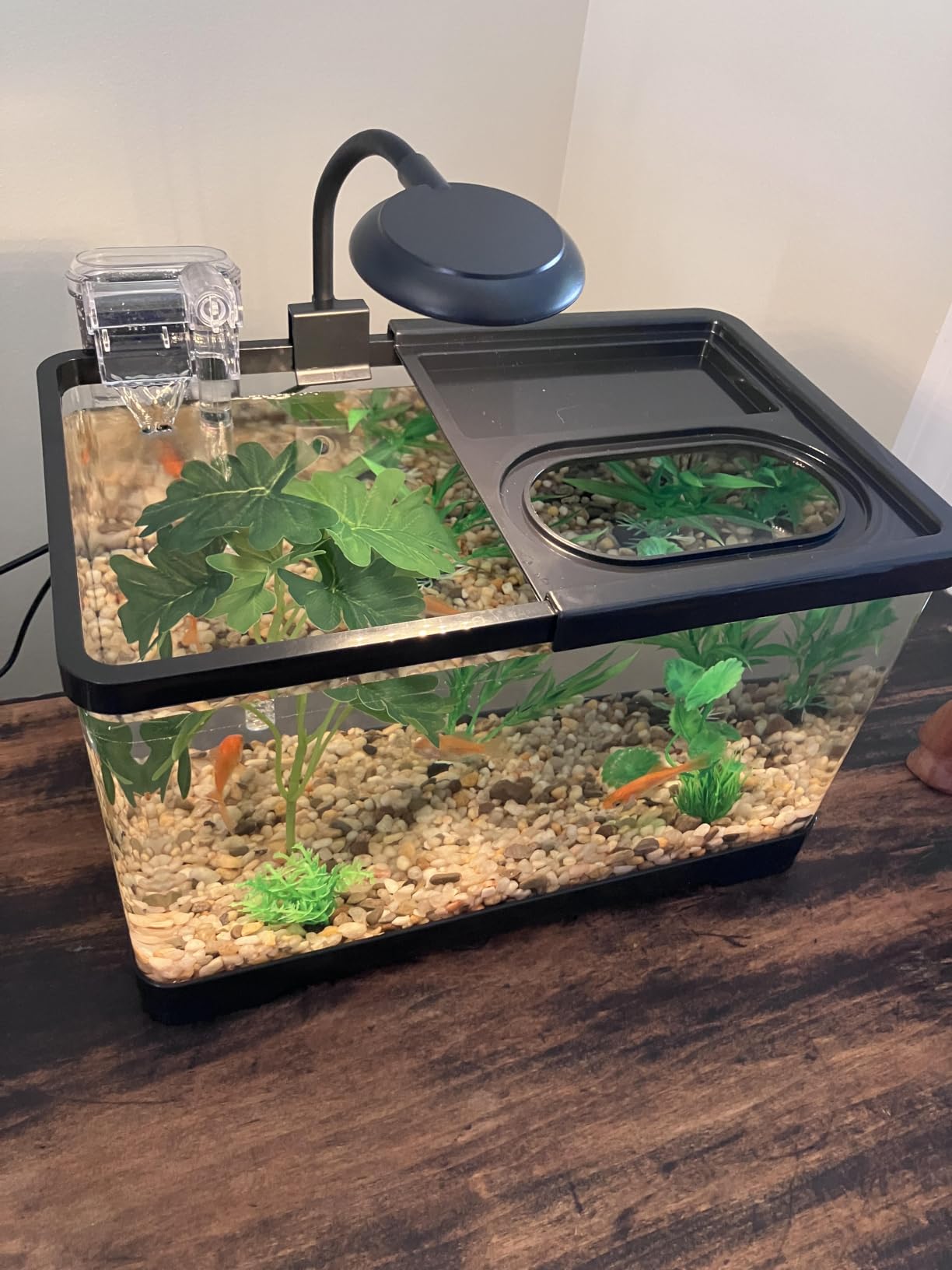
This is the kit I would hand to someone who has never tried aquaponics before. Back to the Roots packed everything into one box: the 3-gallon self-cleaning fish tank, growing medium, radish and wheatgrass seeds, water conditioner, fish food, and even a free STEM curriculum download. You literally add water, a fish, and you are running.
With over 2,000 reviews and a 4.3-star average, this is one of the most validated aquaponics kits on the market. About 67% of reviewers left 5-star ratings, and the feedback pattern is consistent: people love that the ecosystem actually works as advertised. The fish waste feeds the plants on top, and the plants filter the water back down to the tank. One Reddit user on r/aquaponics called it the most reliable entry-level kit they had tried.
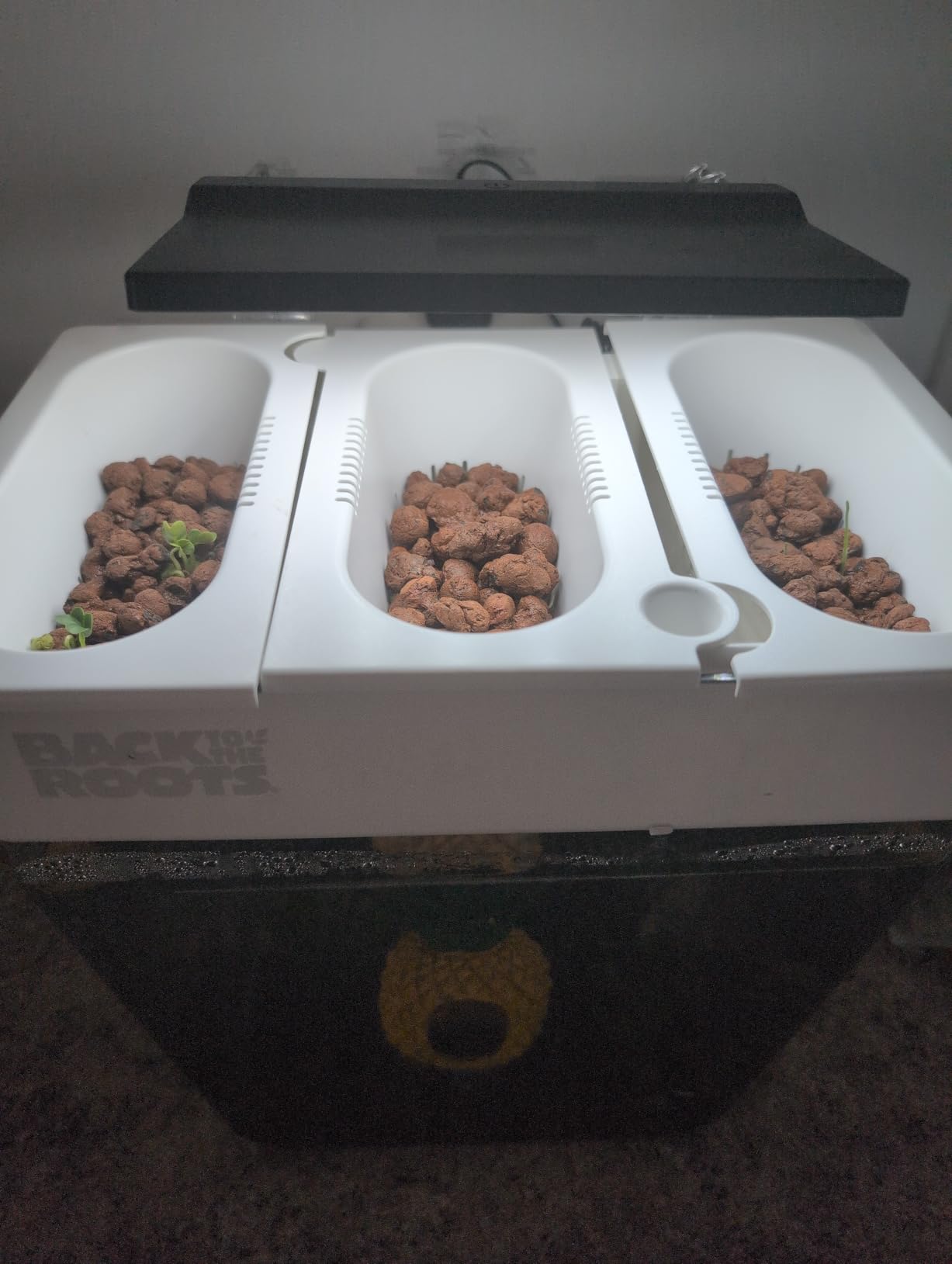
I like the square tabletop design for kitchens, classrooms, and offices. At 13.4 inches square and 9.5 inches tall, it fits on a standard desk or counter without dominating the space. The white polished plastic finish blends with most decor styles. You can harvest organic microgreens in as little as 10 days from planting.
The main limitation is yield. This is a 3-gallon system designed for herbs and microgreens, not tomatoes or peppers. If you want meaningful vegetable production, you will need a larger system. But for learning the aquaponics cycle, growing garnishes, and keeping a low-maintenance fish tank, this kit nails the brief.
What Fish Work Best in This Kit
A betta fish is the most popular choice for this 3-gallon tank because it is hardy, colorful, and thrives in warm still water. Guppies and small goldfish also work well. Avoid any fish that grows large or produces heavy waste in a tank this size, as the plant bed can only process so much ammonia.
You will want to cycle the tank for 2 to 4 weeks before adding fish, or add a water conditioner to kickstart the beneficial bacteria. The included supplies help with this process, but patience is key to keeping your fish healthy.
How Much You Can Realistically Grow
Expect a steady supply of microgreens, wheatgrass, and small herbs like basil and parsley. The grow bed area supports about 6 to 8 small plants at once. You will not feed a family from this kit, but you will have fresh garnishes year-round and a working demonstration of sustainable agriculture.
For teachers, the free STEM curriculum adds real value. Several reviewers mentioned using this kit successfully in elementary and middle school classrooms to teach ecosystems and the nitrogen cycle.
2. Penn-Plax Aquaponic Planter and Betta Aquarium – Most Affordable Entry Point
Penn-Plax (APON1) Aquaponic Planter and Aquarium for Betta Fish Tank Promotes Healthy Hydroponic Environment for Plants and Fish
0.5 Gallon Betta Tank
6 x 6 x 8 Inches
Ceramic Planting Media
Ultra-Clear Plastic
Symbiotic Design
Pros
- Lowest price point for a working aquaponics system
- Ultra-clear plastic for excellent fish viewing
- Ceramic planting media included for root support
- Works with peace lily bamboo mint and lettuce
- Very compact desktop footprint
Cons
- 0.5 gallon tank is very small for fish health
- May need to lower water level for betta to surface breathe
The Penn-Plax Aquaponic Planter is the cheapest way to get a real aquaponics cycle running in your home. At under $20, it gives you a betta tank with a plant holder on top that creates a genuine symbiotic environment. The fish waste feeds the plant roots, and the plant roots filter the water for the fish.
This is a bare-bones system. There is no pump, no grow media bed, and no bells and whistles. The plant sits directly in the water with ceramic media supporting its roots. What makes it work is the simplicity: a peace lily, lucky bamboo, Chinese evergreen, or even mint and lettuce will pull nutrients straight from the fish water. With 2,386 reviews and a 4.1-star average, thousands of buyers have made this work.
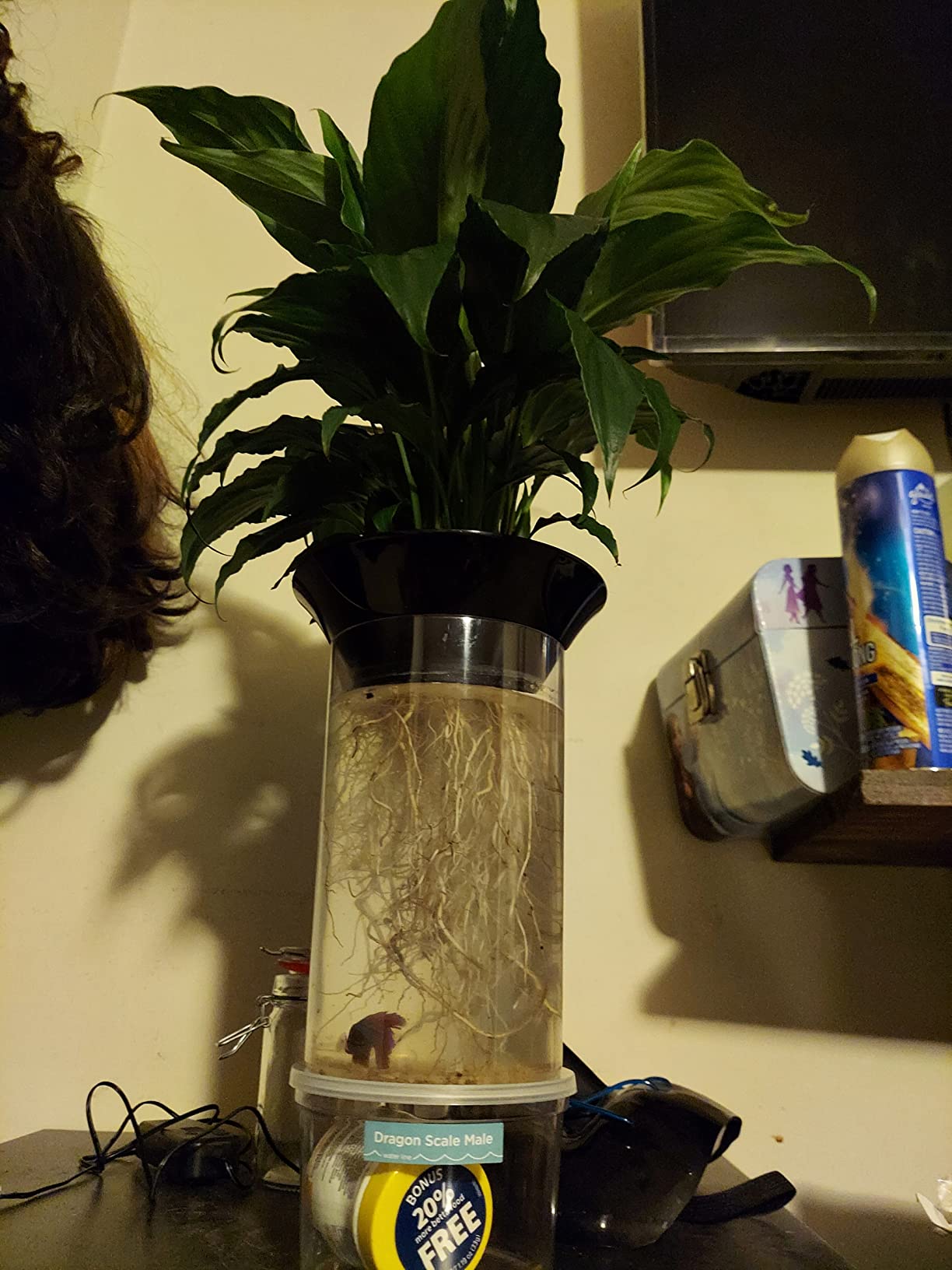
I would position this as a trial run kit. If you are curious whether aquaponics is something you want to invest more time and money into, the Penn-Plax lets you find out for under $20. The betta gets a home, the plant gets nutrients, and you get to watch the ecosystem function on your desk.
The biggest drawback is tank size. A half gallon is tight for any fish long-term. Many reviewers keep a betta in it successfully, but you will need to do frequent water changes and monitor ammonia levels closely. Consider this a starter or decorative setup rather than a permanent fish home.
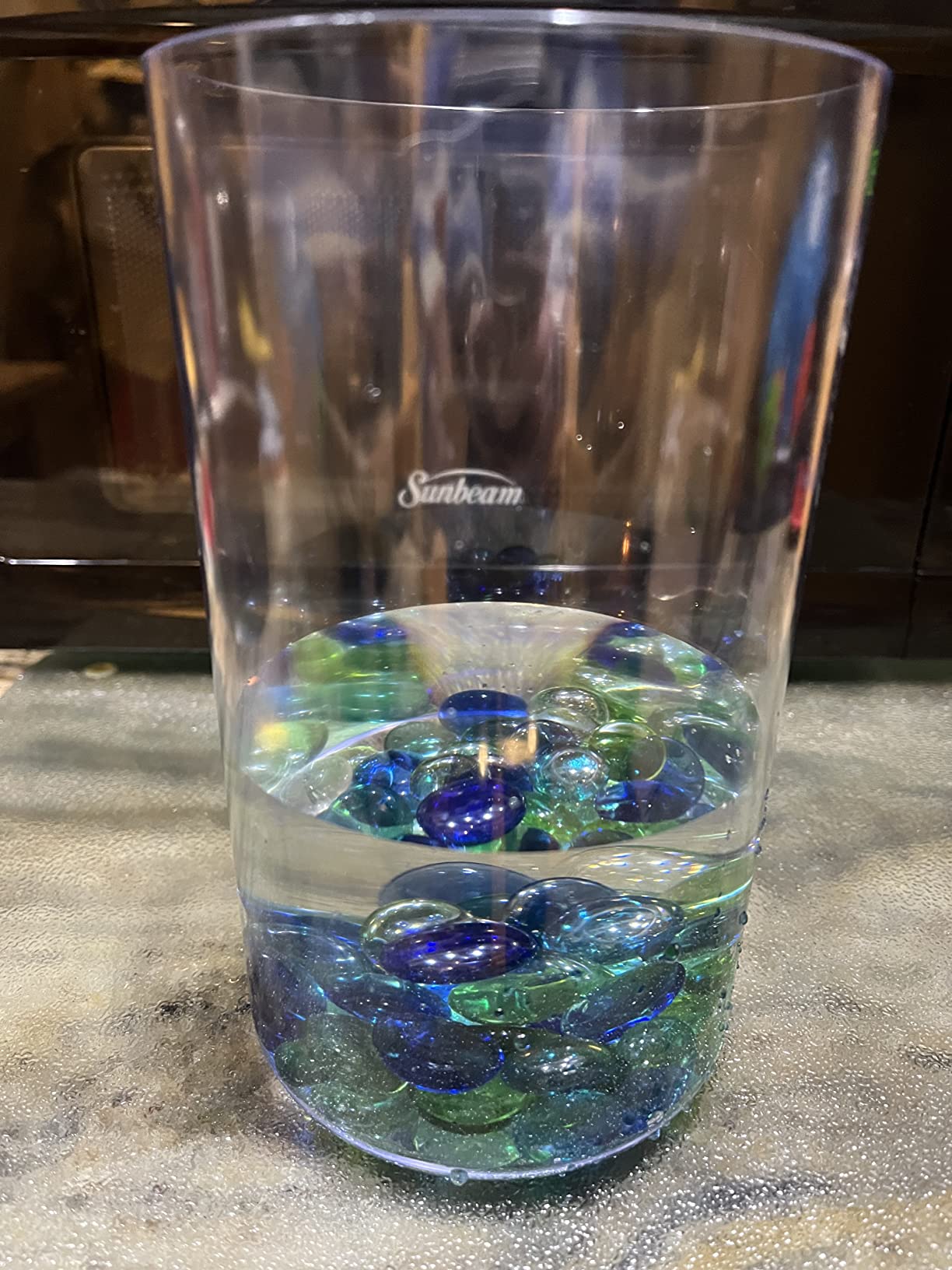
Best Plants for This Small System
Peace lily is the top recommendation because it thrives with roots submerged and tolerates the nutrient levels betta fish produce. Lucky bamboo and Chinese evergreen are equally reliable. If you want something edible, watercress and mint grow aggressively in this setup and need almost no attention.
Avoid heavy feeders like tomatoes or peppers. The 0.5-gallon tank simply cannot support enough fish waste to fuel demanding plants. Stick to ornamentals and lightweight herbs for the best results.
Important Setup Tip for Betta Owners
Bettas breathe from the water surface using a labyrinth organ. If the plant holder blocks too much surface area, your betta may struggle. Leave a gap between the plant and the rim so the fish can reach the surface, and keep the water level about an inch below the top.
Room temperature between 76 and 82 degrees Fahrenheit is ideal for bettas. If your home runs cold, a small heater or a warmer room placement will keep your fish healthy and active.
3. Aquascape AquaGarden Pond Kit – Patio Water Garden with Waterfall
Aquascape AquaGarden Mini Pond Kit
5-7 Gallon Capacity
23.5 x 23.5 x 9.8 Inches
Waterfall Filter with LED
Clay Grow Media and Gravel Included
Patio and Indoor Use
Pros
- Waterfall filter creates visual and audio appeal
- Built-in LED waterfall light for evening ambiance
- Expanded clay grow media and decorative gravel included
- Holds 5 to 7 gallons for serious growing
- Complete kit with pump and all components
Cons
- Heavier at 30.3 pounds
- Higher price point than desktop kits
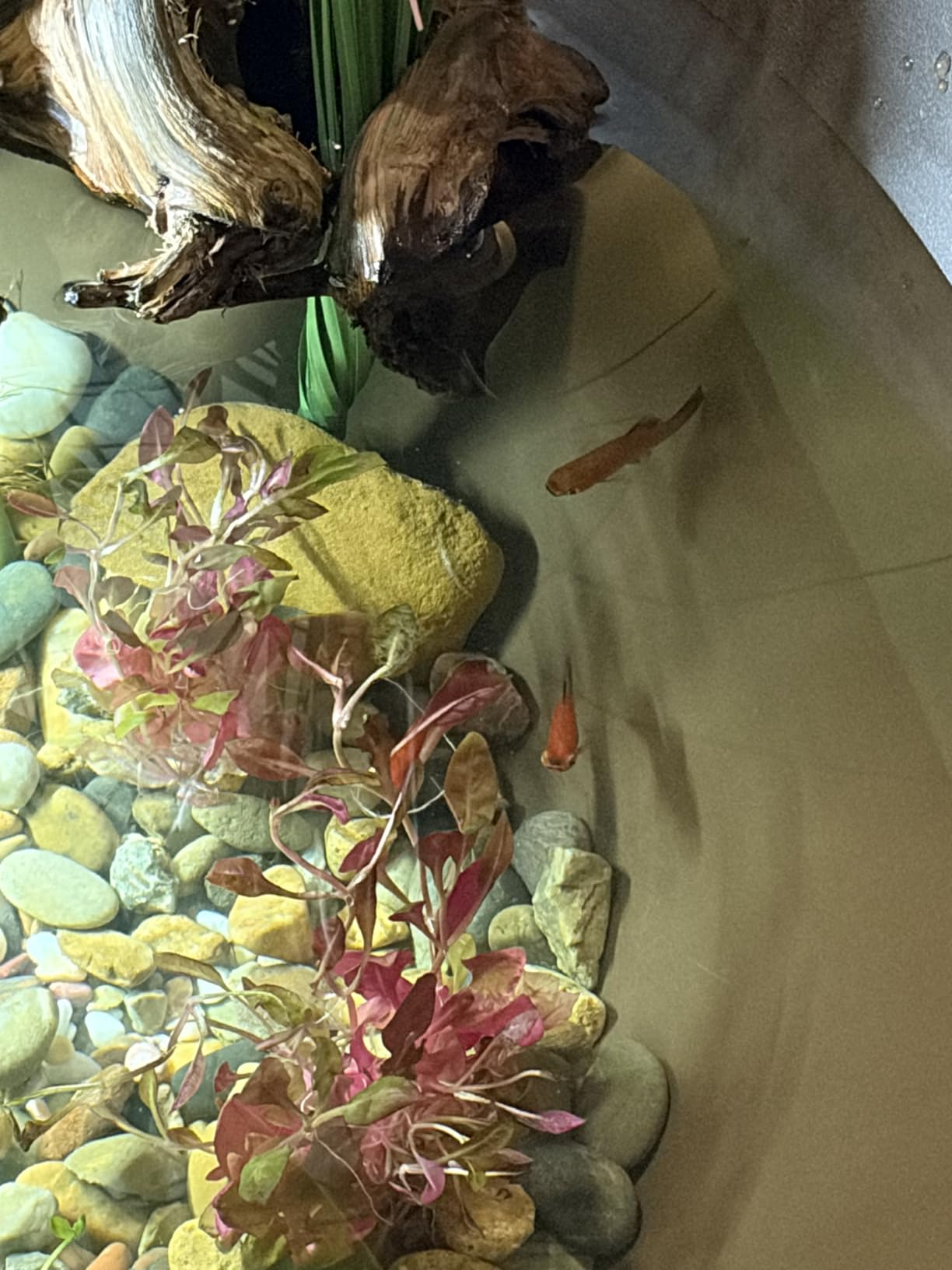
The Aquascape AquaGarden is the kit I would choose for a patio, balcony, or large indoor space. It holds 5 to 7 gallons of water, comes with a built-in waterfall filter, an LED waterfall light, a water pump with low-suction attachment, expanded clay grow media, and decorative gravel. Everything you need is in the box.
What sets this apart from the desktop kits is the waterfall. Moving water adds oxygen, which benefits both fish and the beneficial bacteria in your biofilter. The LED light illuminates the waterfall at night, turning the kit into a genuine decor feature. With a 4.3-star rating across nearly 1,100 reviews and 72% 5-star ratings, buyers consistently praise the aesthetic and functional quality.
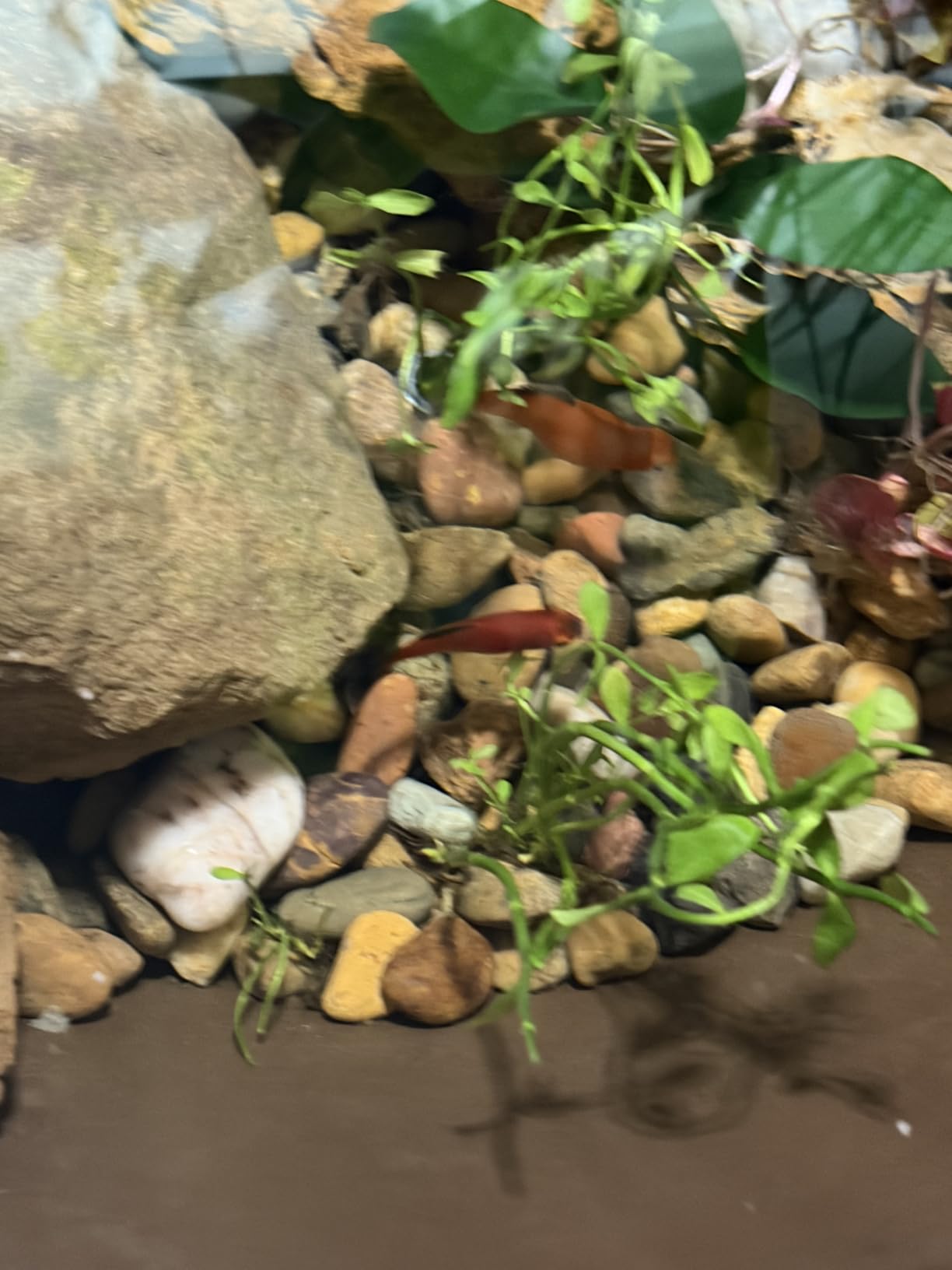
I like that this kit works equally well indoors and outdoors. On a patio table, it becomes a conversation piece that also grows herbs and small vegetables. Indoors, it works as a focal point in a sunroom or large kitchen. The 23.5-inch square footprint is substantial but not overwhelming.
The clay grow media and gravel are a nice inclusion. Expanded clay pebbles are the gold standard for aquaponics because they provide massive surface area for beneficial bacteria while being pH-neutral and reusable indefinitely. Cheaper kits often skip this, so having it included saves you a separate purchase.
Outdoor vs Indoor Placement Considerations
If you place this kit outdoors on a patio or balcony, you get the benefit of natural sunlight for faster plant growth. However, you need to monitor water temperature in summer and bring the system indoors before freezing weather. Algae growth is also more likely outdoors with direct sun exposure.
Indoor placement gives you year-round climate control but may require a grow light for optimal plant production. A simple full-spectrum LED positioned above the kit will keep herbs and vegetables growing through winter.
Maintenance Schedule for This Kit Size
With a 5 to 7 gallon capacity, this system is more stable than the desktop kits. Plan to check water levels weekly and top off evaporated water. Test pH and ammonia every 1 to 2 weeks, especially during the first month while the system cycles. Clean the pump intake monthly to prevent flow reduction.
The waterfall filter provides excellent biological filtration, but you should still do a partial water change of about 20% every 2 to 3 weeks. This keeps dissolved solids in check and prevents nutrient buildup that can harm fish.
4. Huamuyu Hydroponic Garden Aquaponic Fish Tank – Educational Classroom Kit
Hydroponic Garden Aquaponic Fish Tank Plants Growing System Self-Cleaning Seed Sprouter Tray
3 Gallon Tank
12.2 x 7.7 x 11 Inches
Self-Cleaning System
Siphon Oxygen Supply
Pump and Sponge Filter Included
Pros
- Self-cleaning design cuts maintenance by 50%
- Siphon system oxygenates roots naturally
- Great educational tool for home or classroom
- Includes pump filtering sponge and ceramsite
- Rectangular shape fits shelves and counters
Cons
- Lower rating at 3.9 stars across 342 reviews
- Some buyers needed to purchase replacement pump parts
The Huamuyu aquaponic fish tank brings something different to the table: a siphon-based oxygen supply system. Instead of a simple gravity drain, this kit uses tidal water level fluctuation to pull oxygen into the root zone. The result is healthier plants and a 50% reduction in tank cleanings compared to standard fish tanks, according to the manufacturer.
This is the kit I would recommend for a classroom setting. The rectangular 3-gallon tank with a seed sprouter tray on top demonstrates the full aquaponics cycle clearly. Students can see the fish, watch the water flow, and observe root development through the clear tank. Several reviewers specifically mentioned using this kit for home education and classroom projects.
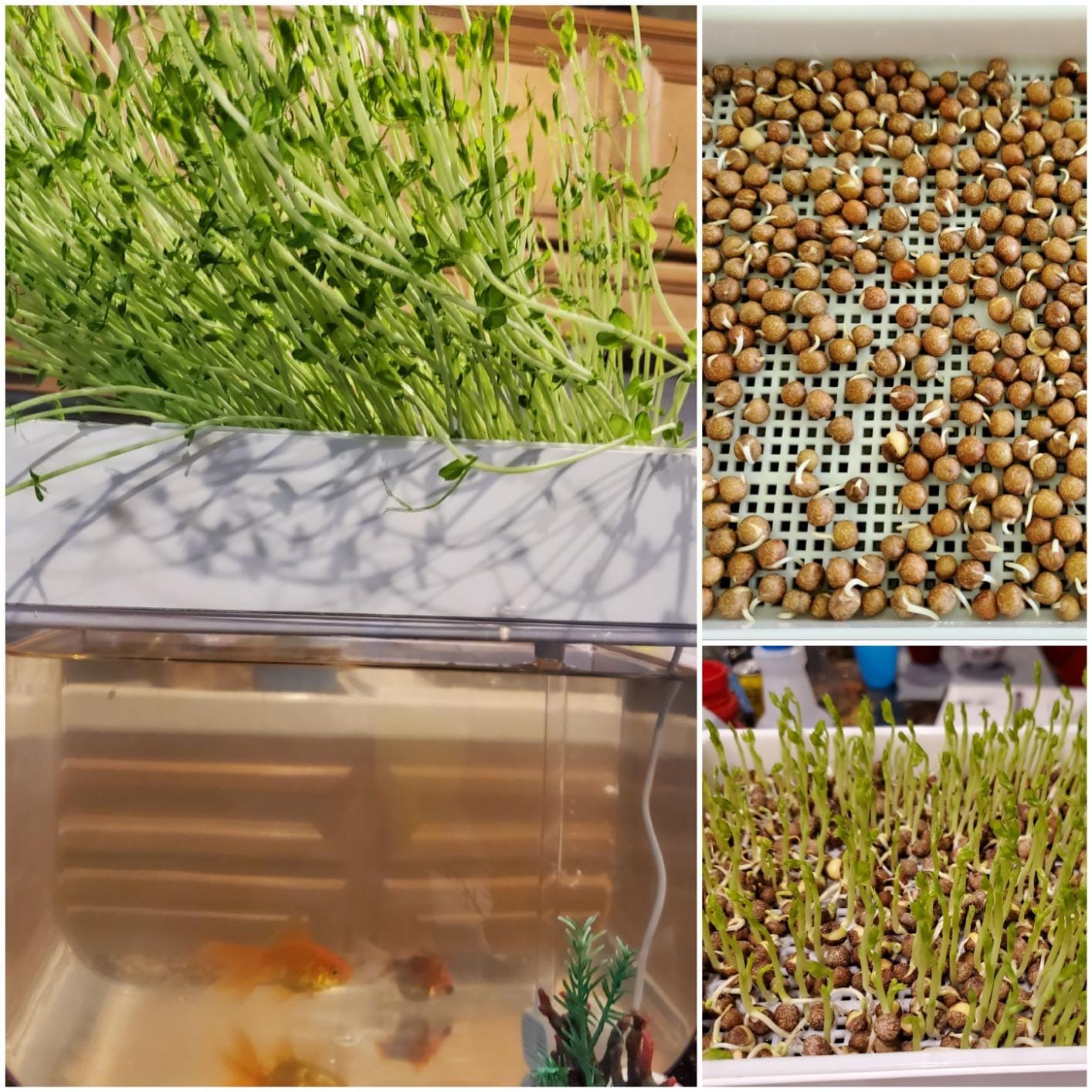
The kit includes the fish tank, seed sprouter tray, water pump, filtering sponge, ceramsite grow media, and a user manual. The white and clear design looks modern on a desk or shelf. At 12.2 inches long, it is more compact than the Back to the Roots kit but offers similar growing capacity.
The 3.9-star rating is lower than most kits in this roundup, and I want to be transparent about why. The feedback is mixed. About 55% of reviewers left 5 stars and praised the educational value and self-cleaning function. The lower ratings cluster around setup confusion and some durability concerns with the pump over time.
Understanding the Siphon System
The siphon in this kit creates a flood-and-drain cycle in the grow bed. When water reaches a certain level, the siphon kicks in and rapidly drains the bed, pulling oxygen-rich air down through the grow media and roots. This mimics natural tidal cycles and is one of the most efficient ways to oxygenate an aquaponics system.
If the siphon stops working, check for blockages in the bell housing. Plant roots and debris are the usual culprits. A quick rinse of the siphon components every few weeks prevents most issues.
What to Watch for During Setup
Take your time with the initial setup and read the manual thoroughly. Several reviewers mentioned that the pump needs to be positioned correctly for the siphon to trigger consistently. If the flow rate is too low, the siphon will not start; if it is too high, the bed will not drain properly.
Some buyers recommended purchasing a backup pump (model B08BR8H72X) as a precaution. Having a spare ensures your system stays running if the original pump fails, which protects both your fish and your plants from water quality crashes.
5. Wagrvuy 1.8 Gallon Beta Fish Tank Kit – Compact LED Aquarium
1.8 Gallon Beta Fish Tank Aquariums Kits – Clear Small Fish Bowl Starter Kit with LED Light, Water Filter Pump, Hydroponic Basket – Beginner’s Gift for Guppy Shrimp Goldfish, Rectangular
1.8 Gallon Tank
12 x 7 x 7.48 Inches
Whisper-Quiet Pump
3-Color LED Light
Hydroponic Basket Included
Pros
- All-in-one kit with silent pump and LED light
- Premium PET plastic with glass-like clarity
- Three color LED modes for visual appeal
- Hydroponic basket absorbs ammonia and nitrates
- Perfect size for bedside office or dorm
Cons
- 1.8 gallon tank limits fish selection
- USB-powered light requires separate adapter
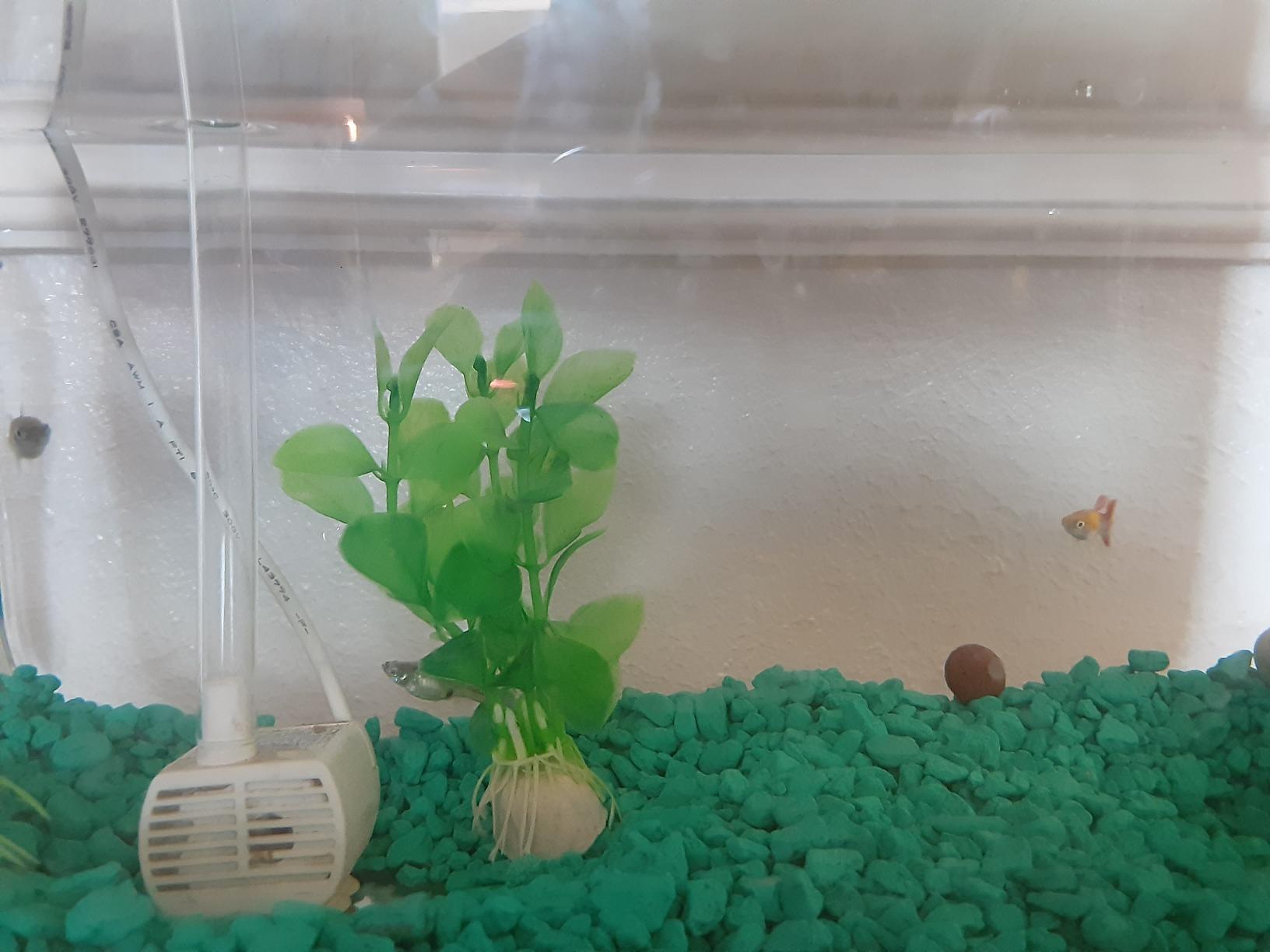
The Wagrvuy betta fish tank is the newest kit in this roundup, launching in late 2025. It brings a modern all-in-one design with a whisper-quiet pump, tricolor LED light, and a hydroponic basket on top for growing aquatic plants. At 1.8 gallons, it hits a sweet spot between the tiny Penn-Plax and the larger Back to the Roots.
What caught my attention is the pump. Many budget aquaponics kits suffer from noisy pumps that ruin the desktop experience. Wagrvuy specifically engineered theirs for quiet operation, and the 63% 5-star reviewers confirm this is a real strength. You can keep this on a bedside table without losing sleep.
The three-color LED light (presumably white, warm, and blue modes) adds visual flair without being a gimmick. The hydroponic basket on top lets you grow plants that actively absorb ammonia, nitrites, and nitrates from the water. This is genuine biological filtration that keeps your fish healthier.
The PET plastic is lightweight and durable with glass-like clarity. At 2.8 pounds total, this is one of the most portable kits available. The USB-powered light is convenient but note that the adapter is not included. You can plug it into any standard USB port or phone charger.
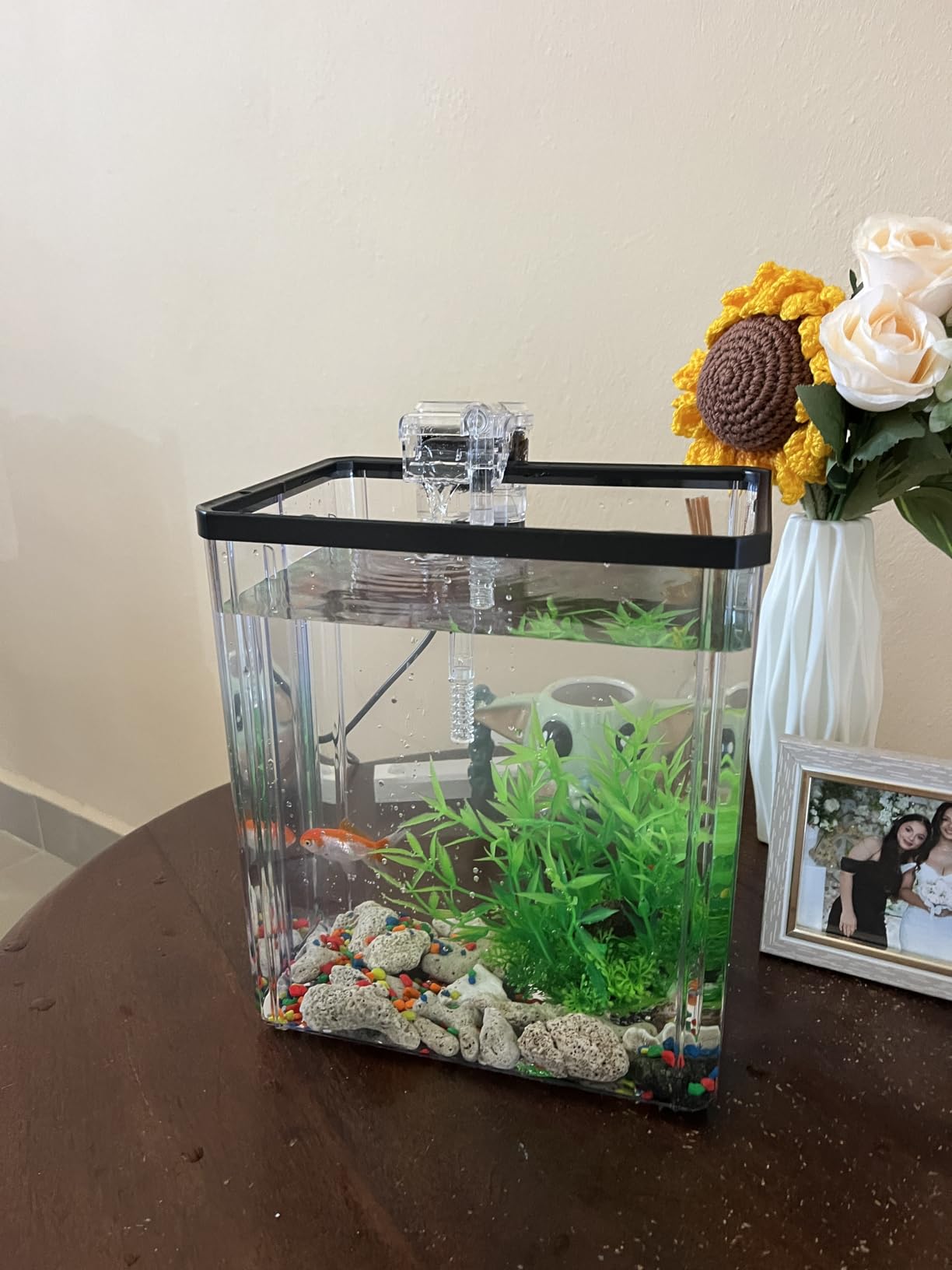
Ideal Fish Species for 1.8 Gallons
A single betta is the best choice for this tank size. Guppies and shrimp also work in small groups. Goldfish are possible but they produce significant waste, so you will need to stay on top of water changes. Avoid species that need strong filtration or schooling fish that require more space.
The hydroponic basket helps with water quality, but 1.8 gallons is still a small volume. Test your water weekly during the first month and keep a bottle of water conditioner handy for partial changes.
LED Light Modes and What They Do
The three color modes serve different purposes. White light is best for daytime viewing and supporting plant photosynthesis. Warm light creates a cozy evening ambiance. Blue light simulates moonlight and can help you observe fish behavior at night without disturbing their day-night cycle.
The light runs on USB power, so you can connect it to a timer or smart plug for automated schedules. Eight to ten hours of light per day is ideal for both plant growth and fish health.
6. CUSNESTAL Betta Fish Tank Glass Bowl – Desktop Decor Pick
Small Betta Fish Tank Glass Fish Bowls for Betta Fish Goldfish, Aquaponic Fish Tank and Plants Cuttings Planter Terrarium Desktop Decorations Gifts
0.5 Gallon Glass Bowl
5.12 x 5.12 x 5.5 Inches
Hand-Blown Glass
Wood Lid
Plant Propagation Design
Pros
- Hand-blown glass with natural wood lid
- Beautiful desktop decoration and gift item
- Works for plant propagation cuttings
- Easy to clean and maintain
- Available in 0.3 and 0.5 gallon sizes
Cons
- Glass may be thin per some reviewers
- Material quality confusion between glass and plastic
- Very small for permanent fish keeping
The CUSNESTAL betta fish bowl takes a different approach to aquaponics. Instead of a plastic tank with a grow bed, it uses hand-blown glass with a natural wood lid that holds plant cuttings above the water. The plant roots extend into the bowl, creating a simple but visually striking aquaponic ecosystem.
This is more of a decor piece than a production system. If you want something that looks beautiful on an office desk, bookshelf, or windowsill while demonstrating the aquaponics concept, this is the most attractive option in the roundup. The global glass shape and wood lid give it an organic, artisanal feel.
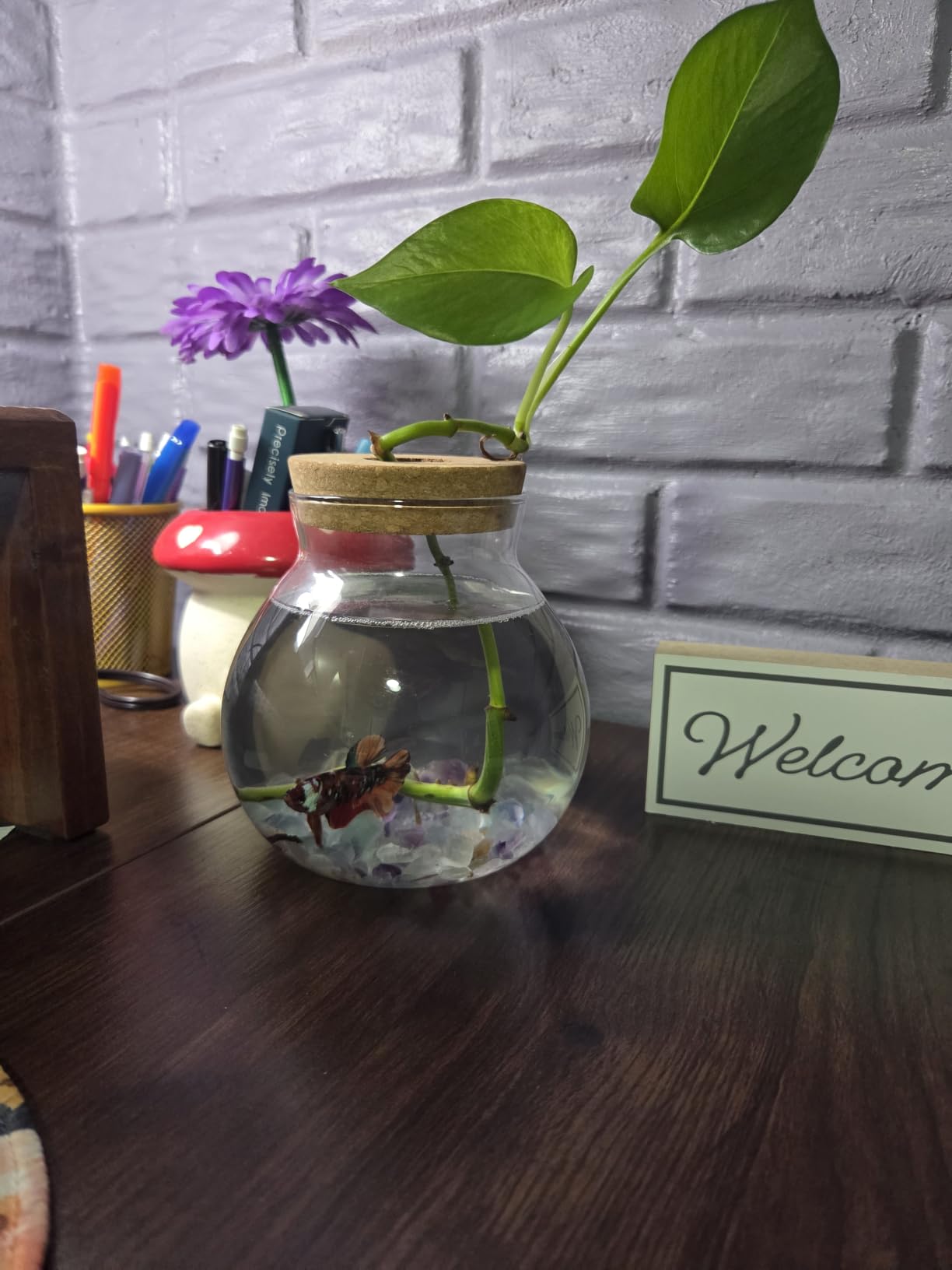
With 64 reviews and a 4.1-star average, this is a newer product with a smaller feedback base. Reviewers love the design for plant propagation. Pothos, philodendron, and lucky bamboo cuttings root readily in the bowl water, and a betta or small goldfish provides the nutrients.
I want to flag a couple of concerns from the reviews. Some buyers questioned whether the glass was thick enough for long-term durability, and a few were confused about whether the material was glass or plastic (the listing says hand-blown glass). Handle it carefully and set expectations accordingly for the price point.
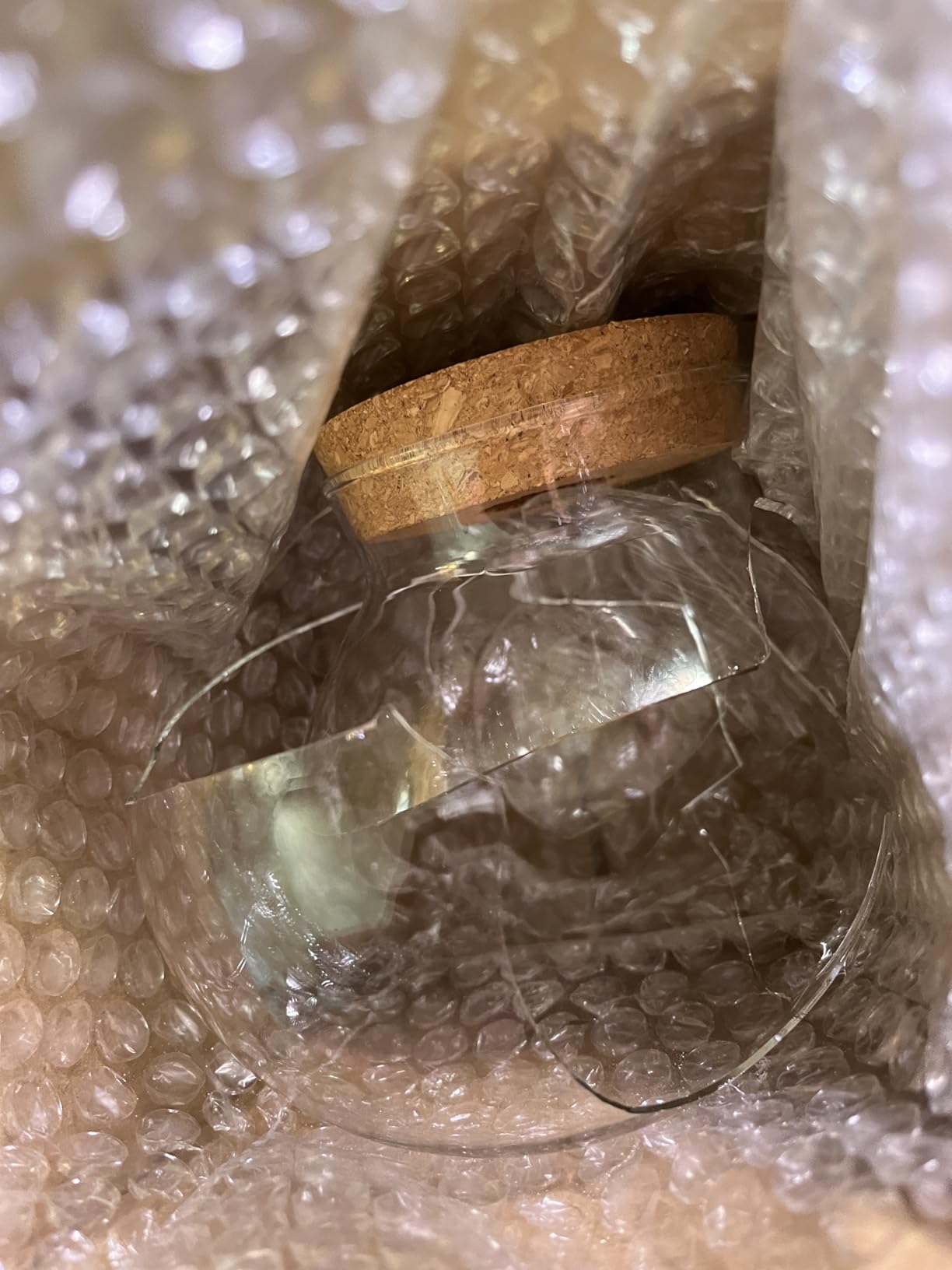
Using This Bowl for Plant Propagation
This bowl excels as a propagation station. Take cuttings from your houseplants, place them through the wood lid so the stems reach the water, and add a small fish. The fish waste provides nutrients that speed up root development compared to plain water propagation.
Pothos is the easiest plant to start with because it roots aggressively and tolerates a wide range of water conditions. Once roots are established, you can transplant the cuttings to soil or leave them growing in the bowl indefinitely.
Is the Glass Durable Enough
The glass is hand-blown, which means some variation in thickness is normal. Most reviewers have not had breakage issues with normal use. Place it on a stable surface away from edges, avoid rapid temperature changes, and handle it with both hands when cleaning.
If you are concerned about glass with children or pets, consider one of the plastic options in this roundup instead. The CUSNESTAL is best for adult environments where it can be appreciated as a decorative piece.
7. Ahopegarden 10-Pod Indoor Hydroponic Growing System – Highest Rated Grow System
Ahopegarden Indoor Garden Hydroponics Growing System: 10 Pods Kit with LED
10 Growing Pods
14.5 Inch Adjustable LED
2 Grow Modes
16-8 Auto Timer
3 Liter Water Reservoir
Pros
- Highest rating at 4.6 stars across 3276 reviews
- Height-adjustable LED grow light pole
- Automatic 16-hour on 8-hour off timer
- Two growing modes for veggies and flowers
- Compact countertop design with water level window
Cons
- Parts not replaceable beyond 2-year warranty
- White plastic can reflect light harshly
- Light mechanism may be stiff to adjust
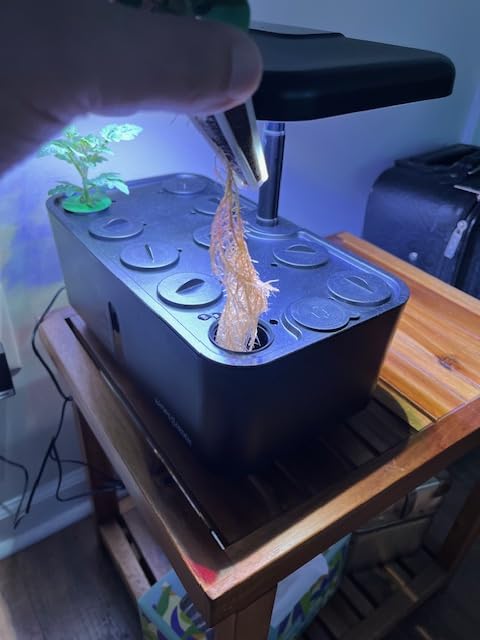
I want to be upfront that the Ahopegarden system is hydroponic, not strictly aquaponic. It does not include a fish tank. However, I included it because many people researching aquaponics kits also want a pure plant-growing option, and this is the highest-rated system in that category with a 4.6-star average across over 3,200 reviews.
What makes this system special is the engineering. The 14.5-inch height-adjustable LED pole grows with your plants, so you can raise the light as seedlings mature into full-size herbs and vegetables. The automatic timer runs 16 hours on and 8 hours off, mimicking optimal daylight cycles without requiring you to remember to flip a switch.
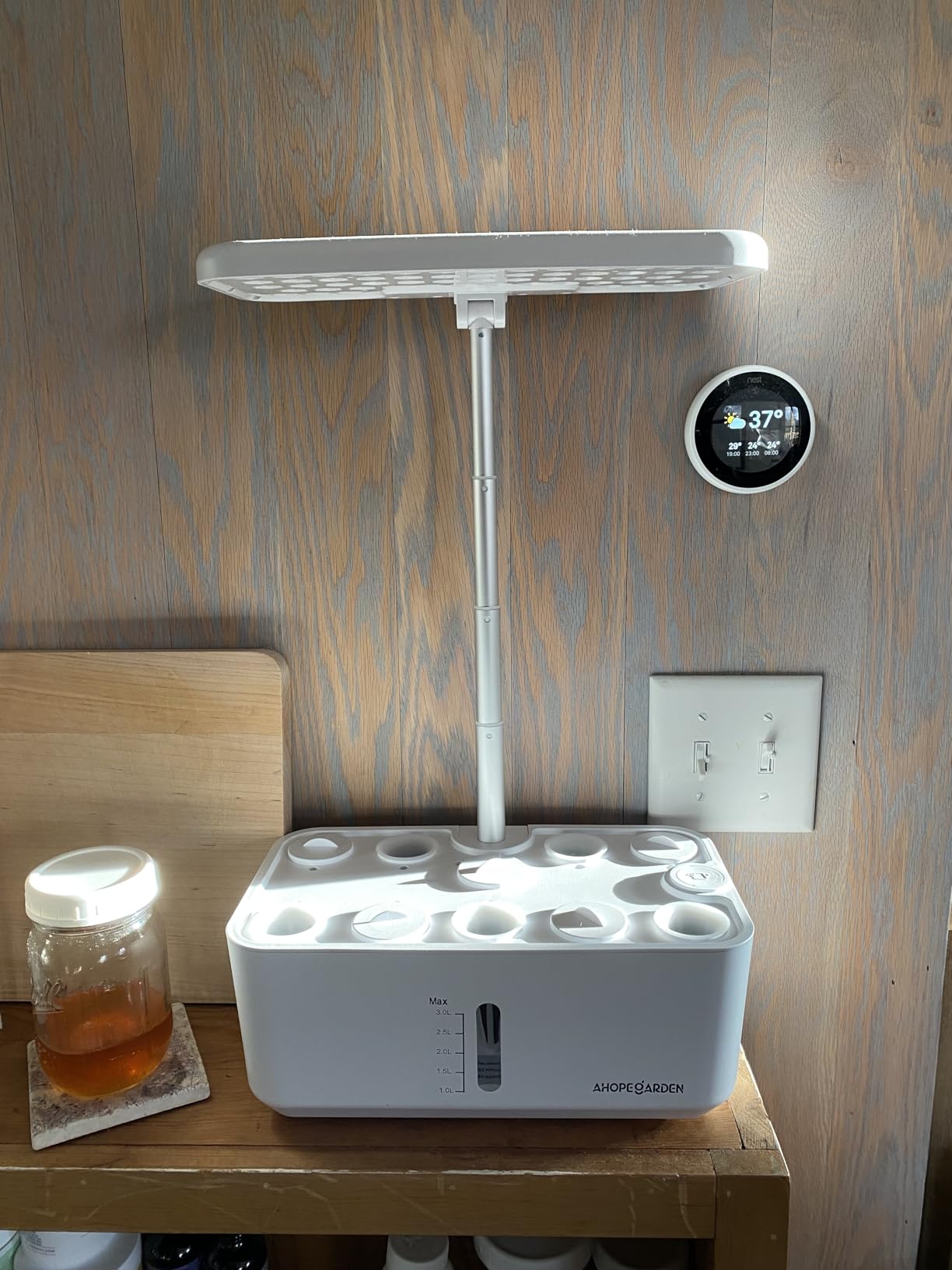
The 10-pod capacity gives you serious growing space. You can run 10 different plants simultaneously, from basil and cilantro to cherry tomatoes and strawberries. The two growing modes optimize light spectrums for either vegetative growth or flowering and fruiting. The water reservoir holds 3 liters with a visible level window so you know when to refill.
Setup is genuinely easy. The kit includes 8 baskets, 8 sponges, 9 growth domes, A and B fertilizer, tweezers, labels, covers, and a power adapter. You add seeds, water, and nutrients, plug it in, and the system handles circulation and lighting automatically. Plants grow significantly faster than in soil because nutrients are delivered directly to the roots.
Can You Convert This to Aquaponics
Technically yes, with modification. Some aquaponics DIYers replace the synthetic nutrient solution with water from a fish tank, circulating fish water through the pod system instead. This requires an external fish tank and some plumbing work, but it transforms the Ahopegarden into a high-yield aquaponic grow bed.
If you go this route, start with goldfish in a 10-gallon tank and monitor ammonia and nitrate levels carefully. The system’s pump and water circulation can handle aquaponic water, but you lose the convenience of pre-mixed nutrients and take on the responsibility of managing the nitrogen cycle.
Best Plants for the 10-Pod System
Leafy greens like lettuce, spinach, and kale grow fastest and most reliably in this system. Herbs like basil, mint, cilantro, and parsley thrive and can be harvested repeatedly. For fruiting plants, cherry tomatoes and peppers work but require the flower and fruit growing mode and more patience.
Start with 4 to 5 pods of quick-growing herbs and lettuce for your first cycle. This gives you visible success within 2 to 3 weeks and builds confidence before you try more demanding crops.
8. VIVOSUN 54-Site Hydroponic Grow Kit – Maximum Yield System
VIVOSUN Hydroponic Grow Kit, 54 Plant Sites 6 Food-Grade PVC-U Pipes Hydroponics Planting System with Water Pump, Pump Timer, Nest Basket and Sponge for Leafy Vegetable
54 Plant Sites
6 PVC-U Pipes
Wall-Mounted
41 x 2 x 51 Inches
Timer Circulation System
Pros
- 54 plant sites for maximum vegetable yield
- Food-grade PVC-U pipes safe for edible plants
- Wall-mounted design saves floor space
- Automatic timer runs pump 5 min every 30 min
- Great for lettuce herbs and leafy greens
Cons
- Pump may fail after several weeks per some reviews
- Pipes sit at same level not true NFT design
- Holes close together may crowd mature plants
The VIVOSUN 54-site grow kit is for the person who wants serious food production. This is a nutrient film technique (NFT) style system with 6 food-grade PVC-U pipes that hold 54 plants. It is wall-mounted, which means it takes up vertical space instead of floor space, making it ideal for small apartments, garages, or greenhouse walls.
Like the Ahopegarden, this is a hydroponic system rather than a true aquaponics kit. But it is the natural next step for anyone who started with a small aquaponics kit and wants to scale up production. You can also integrate it with a fish tank to create a larger aquaponics system with some DIY plumbing.
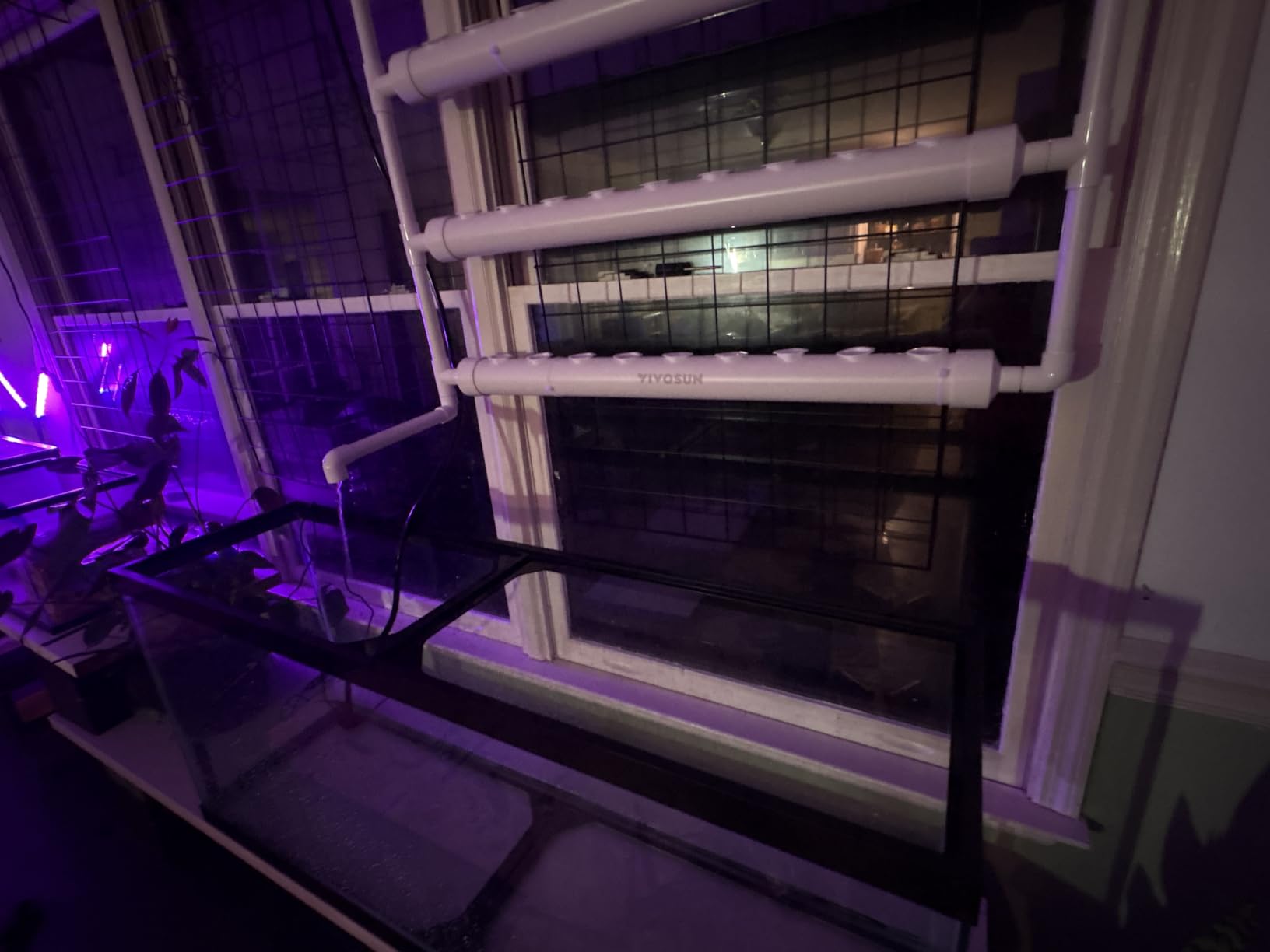
The included timer circulates nutrient solution for 5 minutes every 30 minutes, ensuring roots stay moist and oxygenated without constant pumping. The food-grade PVC-U pipes are safe for growing edible plants. With 1,345 reviews and a 4-star average, this is a proven system for home vegetable production.
Buyers report excellent results with lettuce, herbs, and other leafy greens. The 31-inch pipes give roots plenty of channel length, and the wall-mounted design means you can install it at a comfortable working height. Assembly is straightforward for anyone comfortable with basic tools.
Integrating a Fish Tank for Aquaponics Conversion
To convert this hydroponic system into aquaponics, place a fish tank below the wall-mounted pipes. Route the pump from the fish tank up to the top pipe so water flows through all 6 pipes and drains back into the tank. You will need to remove the synthetic nutrients and rely entirely on fish waste for plant nutrition.
A 20 to 30 gallon fish tank with goldfish or tilapia can support this 54-site system. You must cycle the fish tank for 3 to 6 weeks before connecting the pipes to ensure enough beneficial bacteria are present to convert fish ammonia into plant-available nitrates.
Common Issues and Fixes
The most common complaint is pump failure after a few weeks. This is often caused by debris or root fragments clogging the pump intake. Wrap the pump intake in a foam pre-filter and check it weekly. Keeping a spare pump on hand prevents system downtime.
The pipes sit at the same level, which means this is not a true gravity-fed NFT system. Water pools slightly in each pipe rather than forming a thin film. This actually works fine for leafy greens but can cause root rot in sensitive species. Ensure your timer runs frequently enough to prevent stagnant water.
How to Choose the Best Aquaponics Kit for Your Needs?
Choosing the right aquaponics kit comes down to four key questions: what do you want to grow, how much space do you have, what is your experience level, and what is your budget. Let me break down each factor so you can match the right kit to your situation.
Kit Size and Tank Capacity
Tank size determines what fish you can keep and how many plants the system can support. Kits under 1 gallon, like the Penn-Plax and CUSNESTAL bowl, are best for a single betta and a few plant cuttings. The 3-gallon range, like the Back to the Roots and Huamuyu kits, supports more fish variety and a real herb garden.
If you want meaningful vegetable production, look at the 5 to 7 gallon Aquascape AquaGarden or consider scaling up to a hydroponic system like the VIVOSUN 54-site kit. Larger water volumes are more stable, meaning fewer water quality emergencies and lower maintenance frequency.
System Type: Media-Based vs NFT vs Raft
Most home aquaponics kits use a media-based system where plants grow in clay pebbles or ceramic media inside a grow bed. This is the most beginner-friendly type because the media acts as both plant support and biofilter. The Back to the Roots, Aquascape, and Huamuyu kits all use this approach.
NFT systems, like the VIVOSUN, use horizontal pipes with plants suspended in holes. Water flows continuously through the pipes. These are more efficient for leafy greens but require more attention to flow rates and pump reliability. Raft or deep water culture systems float plants on rafts above a water tank and are more common in commercial setups.
The Nitrogen Cycle and Why It Matters
Every aquaponics system depends on the nitrogen cycle. Fish excrete ammonia, which is toxic. Beneficial bacteria called Nitrosomonas convert ammonia into nitrite, which is also toxic. A second type of bacteria called Nitrobacter converts nitrite into nitrate, which plants absorb as fertilizer. This bacterial colony takes 2 to 6 weeks to establish in a new system.
You can speed up cycling by adding a bacterial starter product or using media from an established aquarium. Test your water for ammonia, nitrite, and nitrate weekly during the first month. When you detect zero ammonia, zero nitrite, and rising nitrate, your system is cycled and ready for more fish and plants.
Best Fish for Beginner Aquaponics
Betta fish are the most popular choice for small kits because they are hardy, colorful, and tolerate warm still water. Goldfish are a close second for 3-gallon and larger systems. They produce more waste than bettas, which means more nutrients for your plants.
For larger systems, tilapia is the gold standard because they grow fast, tolerate poor water quality, and are edible. Catfish and koi are also popular. Whatever you choose, start with hardy species and avoid delicate tropical fish until your system is fully cycled and stable.
Space and Placement Requirements
Desktop kits like the Penn-Plax, Wagrvuy, and CUSNESTAL fit on any flat surface and need no special infrastructure. Mid-size kits like the Back to the Roots and Aquascape AquaGarden need a sturdy table or counter and access to an electrical outlet for the pump or light.
Wall-mounted systems like the VIVOSUN need a structurally sound wall that can support 12-plus pounds of wet pipes and water. Consider proximity to a water source for refills and a drain for water changes. Indoor placement near a sunny window or under a grow light produces the best plant growth.
Long-Term Cost Considerations
The initial kit price is only part of the total cost of ownership. Factor in fish food, replacement pumps (they typically last 1 to 2 years), grow media replacements, seeds, water conditioner, and a water testing kit. For small desktop kits, these costs add roughly $30 to $50 per year. For larger systems, budget $100 or more annually.
Electricity costs are modest for small kits. A 5-watt pump running 24/7 costs about $5 per year. LED grow lights add another $5 to $15 per year depending on wattage and daily run time. These are negligible compared to the value of fresh, home-grown produce and herbs.
Aquaponics vs Hydroponics: Which Is Right for You
Aquaponics uses fish to produce nutrients and requires managing a living ecosystem. Hydroponics uses synthetic nutrient solutions and gives you precise control over what your plants receive. Aquaponics is more sustainable and self-sufficient but harder to balance. Hydroponics is more predictable and produces faster growth but requires purchasing nutrients ongoing.
If you want fish and plants together, go with aquaponics. If you only care about maximum plant yield and do not want the responsibility of keeping fish alive, hydroponics is simpler. Several kits in this roundup, like the Ahopegarden and VIVOSUN, are hydroponic systems that can be converted to aquaponics with a fish tank integration.
Frequently Asked Questions
What is the best aquaponics system?
The Back to the Roots Indoor Aquaponic Garden is the best overall system for most beginners. It includes a 3-gallon self-cleaning tank, seeds, growing medium, water conditioner, and fish food in one package. For larger spaces, the Aquascape AquaGarden Pond Kit offers 5 to 7 gallons of capacity with a built-in waterfall filter and LED lighting. The best system depends on your space, budget, and whether you want a desktop kit or a patio water garden.
What are 5 disadvantages of aquaponics?
1. High initial setup cost compared to soil gardening. 2. Requires reliable electricity to run pumps continuously. 3. The nitrogen cycle takes 2 to 6 weeks to establish before the system is stable. 4. Water quality monitoring is essential, especially in small systems where pH and ammonia can swing quickly. 5. Fish health adds complexity since you are managing two living systems (fish and plants) that depend on each other.
Why is aquaponics not profitable?
Aquaponics can struggle with profitability due to high energy costs for pumps and lighting, expensive fish feed, and the fact that vegetables and fish are relatively low-value crops compared to the infrastructure investment. Commercial aquaponics requires significant scale to spread fixed costs across enough output. For home use, however, aquaponics is not about profit but about fresh, sustainable food production and the satisfaction of growing your own herbs and vegetables year-round.
What is better, aquaponics or hydroponics?
Neither is universally better; they serve different goals. Aquaponics is more sustainable because fish waste replaces synthetic nutrients, and you get both fish and plants from one system. Hydroponics gives you more precise control over nutrient levels, which typically produces faster plant growth and higher yields. Choose aquaponics if you value sustainability and want fish. Choose hydroponics if you only want maximum plant production and do not want to manage a living ecosystem.
Final Thoughts on the Best Aquaponics Kits
Aquaponics is one of the most rewarding ways to grow fresh food at home. You get herbs and vegetables, a living fish tank, and a closed-loop ecosystem that uses a fraction of the water of traditional gardening. The best aquaponics kits remove the guesswork by bundling every component into one package with clear instructions.
For most beginners, the Back to the Roots Indoor Aquaponic Garden is the safest bet with its complete all-in-one design and proven track record. The Aquascape AquaGarden is my pick for anyone with patio or balcony space who wants a larger, more visually impressive system. And the Penn-Plax Aquaponic Planter is the cheapest possible way to test whether aquaponics is right for you.
Whichever kit you choose, remember that patience during the initial cycling phase is the single biggest factor in long-term success. Take the time to build your beneficial bacteria colony, start with hardy fish, and your aquaponics system will reward you with fresh food for years to come.