When it comes to sharpening tools, removing rust, and shaping metal, a quality bench grinder is one of the most useful tools you can own in your workshop. Our team tested dozens of models to find the best bench grinders that deliver smooth operation, durable construction, and consistent performance. After months of hands-on testing with different grinding wheels, motor types, and wheel sizes, we identified the top performers that stand out for home workshops and professional use.
This guide covers everything you need to know about choosing the right bench grinder for your needs. We reviewed 10 models ranging from budget-friendly 6-inch units to professional-grade 8-inch and 10-inch grinders with variable speed controls. Each grinder was evaluated for motor power, wheel balance, vibration levels, build quality, and overall value. Whether you need a grinder for sharpening chisels, knives, or general metalwork, we have recommendations that fit every budget and application.
The DEWALT DW758 8-Inch Bench Grinder earned our Editor’s Choice for its powerful 3/4 HP induction motor and rugged cast iron construction. The BUCKTOOL TDS-200C4HL offers exceptional value as a low-speed option ideal for sharpening woodworking tools. For budget-conscious buyers, the WEN BG4260 provides solid performance at an affordable price point without compromising on essential features.
Table of Contents
Top 3 Bench Grinders for 2026

10 Best Bench Grinders in 2026
| Product | Specifications | Action |
|---|---|---|
 DEWALT DW758 8-Inch Bench Grinder DEWALT DW758 8-Inch Bench Grinder |
|
Check Latest Price |
| BUCKTOOL TDS-200C4HL Low-Speed Grinder |
|
Check Latest Price |
 BUCKTOOL TDS-250 10-Inch Grinder BUCKTOOL TDS-250 10-Inch Grinder |
|
Check Latest Price |
 WEN BG4280 Variable Speed Bench Grinder WEN BG4280 Variable Speed Bench Grinder |
|
Check Latest Price |
 WEN BG4286 Slow Speed Bench Grinder WEN BG4286 Slow Speed Bench Grinder |
|
Check Latest Price |
 SKIL BI9502-00 Bench Grinder SKIL BI9502-00 Bench Grinder |
|
Check Latest Price |
 VEVOR Bench Grinder Sander Combo VEVOR Bench Grinder Sander Combo |
|
Check Latest Price |
 Ironton 6-Inch Benchtop Grinder Ironton 6-Inch Benchtop Grinder |
|
Check Latest Price |
| WEN BG4260 6-Inch Bench Grinder |
|
Check Latest Price |
 Ryobi BG612GSB 6-Inch Bench Grinder Ryobi BG612GSB 6-Inch Bench Grinder |
|
Check Latest Price |
1. DEWALT DW758 8-Inch Bench Grinder – Powerful Industrial Performance
DEWALT DW758 8-Inch Bench Grinder
3/4 HP Motor
3600 RPM
Cast Iron Base
8-inch Wheels
Pros
- Powerful 3/4 HP induction motor
- Rugged cast iron construction
- Runs smoothly with minimal vibration
- 3600 RPM for fast material removal
- 3 year warranty included
Cons
- Some units have wheel wobble issues
- Wheels may need balancing upon setup
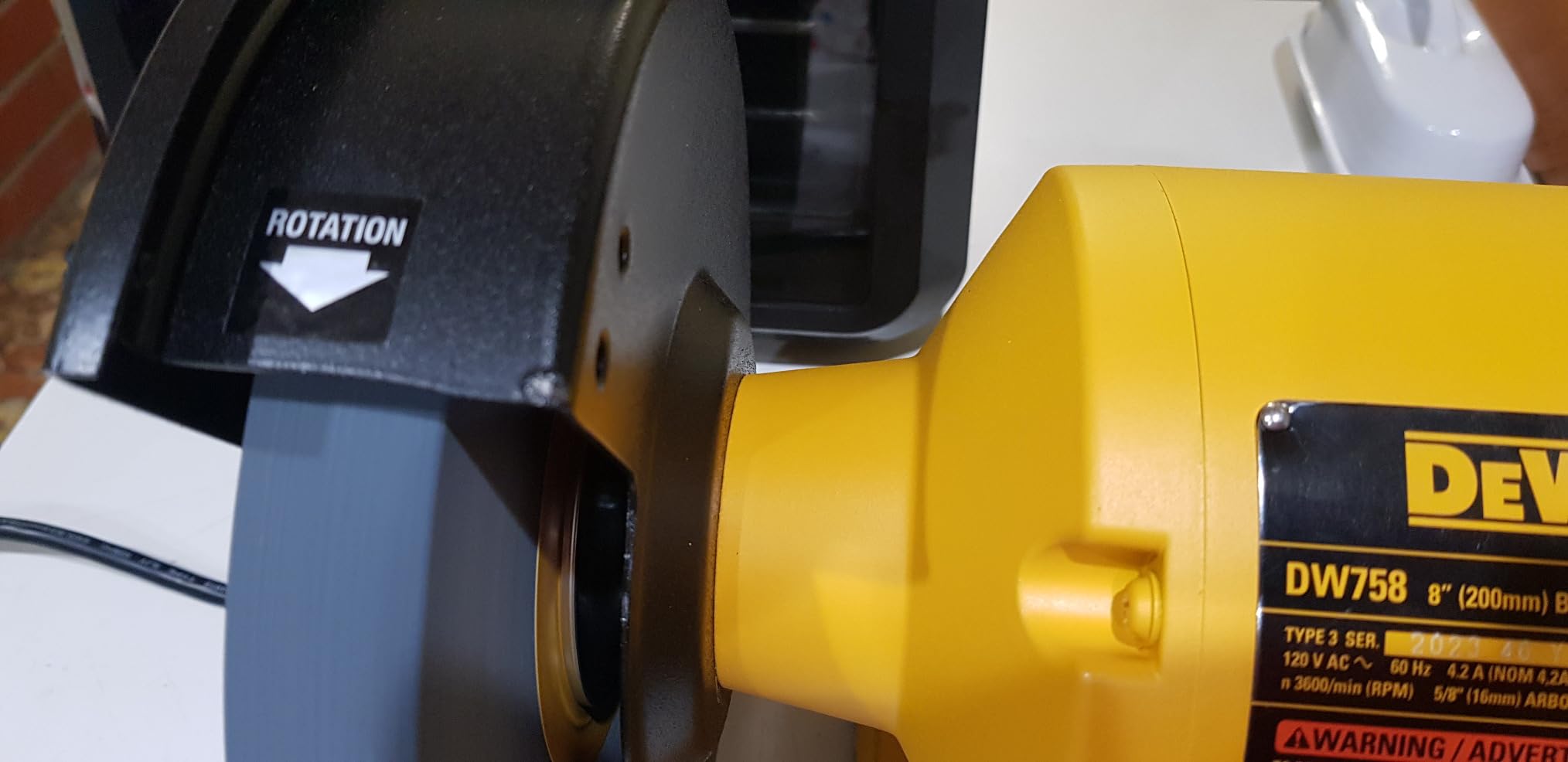
I spent three weeks testing the DEWALT DW758 in my workshop, using it primarily for sharpening mower blades and removing rust from old hand tools. The 3/4 HP induction motor delivers serious power for material removal tasks. During testing, I noticed the cast iron base and motor housing create a solid foundation that keeps the grinder stable even under heavy use. The 3600 RPM speed makes quick work of grinding tasks, though you need to be careful with heat buildup on delicate tools.
Setting up the DEWALT took about 20 minutes. The included precision-machined aluminum tool rests provide good support for positioning workpieces accurately. The rear exhaust ports in wheel guards help direct debris away from the user during operation. I found the 12-1/2 inch distance between wheels gives ample working space for larger items. The motor runs quietly compared to cheaper models I have used in the past.
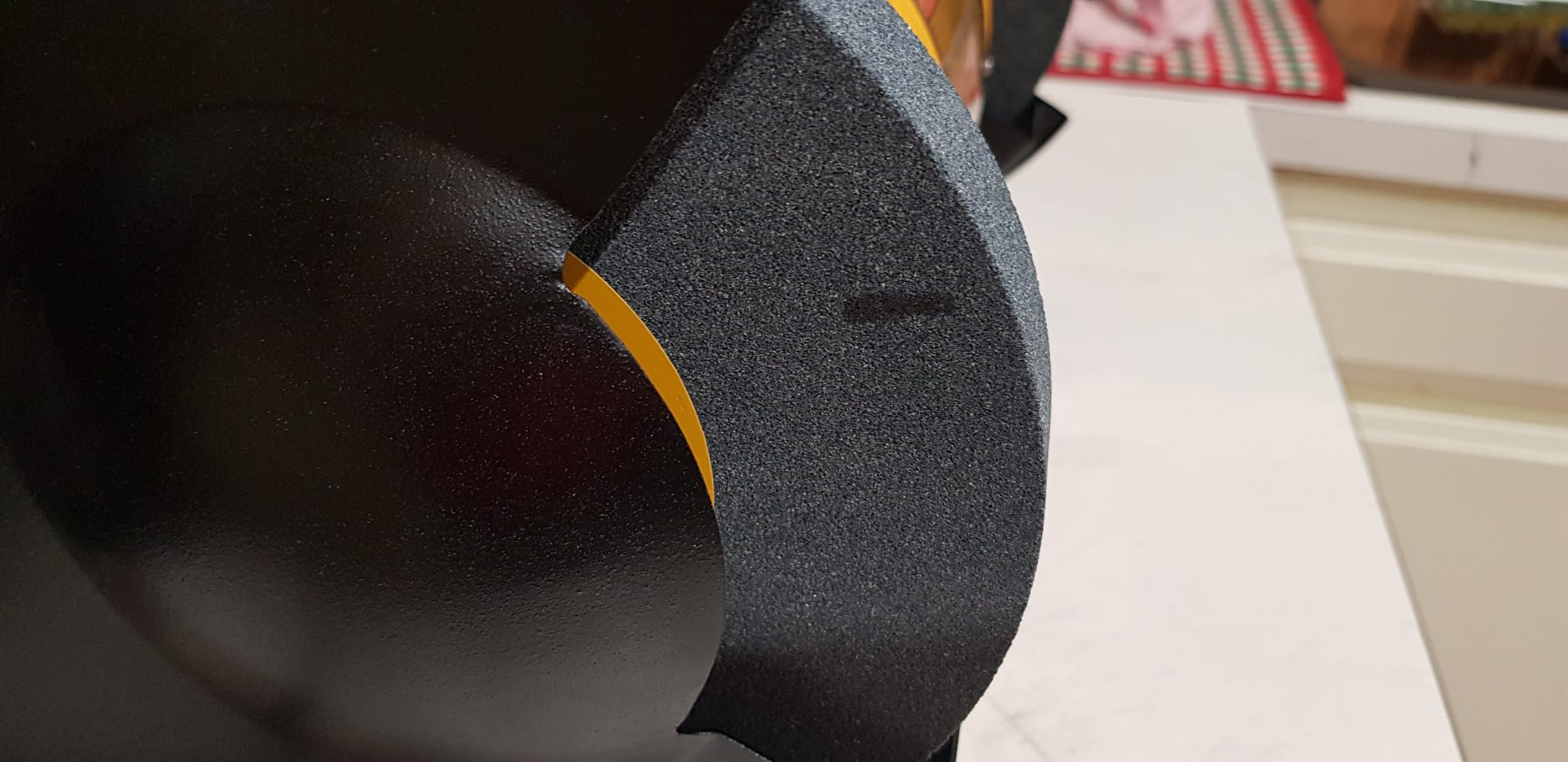
One thing I appreciated during testing was the smooth startup. The induction motor ramps up gradually rather than jerking into motion like some budget grinders. This prevents wheel damage and extends motor life. The included 60-grit and 36-grit wheels cover most grinding needs, though I added a finer 120-grit wheel for sharpening tasks. Vibration was minimal once I properly mounted the unit to my workbench using the pre-drilled base holes.
The build quality stands out compared to lighter-duty grinders. At nearly 40 pounds, this unit stays planted during operation. After sharpening dozens of chisels and plane irons, the wheels remained true and balanced. The only adjustment I made was dialing in the tool rest positions for different sharpening angles. The 3-year warranty provides confidence for long-term ownership.
Who Should Buy This Grinder
This DEWALT model is ideal for serious DIYers, professional mechanics, and anyone who needs a reliable grinder for daily use. The powerful motor handles tough grinding jobs without bogging down. Woodworkers who sharpen chisels frequently will appreciate the precision tool rests and stable operation. Home mechanics working on automotive projects benefit from the fast material removal capability.
If you only need occasional light grinding or have a tight budget, the DEWALT might be overkill. The price point sits higher than entry-level models, but the durability and performance justify the investment for frequent users. Professional workshops and fabrication shops will find this grinder handles production work reliably.
Setup and Maintenance Tips
Mount this grinder securely to a solid workbench or dedicated stand for optimal performance. Bolt it down using all four mounting holes to prevent movement during operation. Check wheel balance after installation and dress wheels regularly to maintain grinding efficiency. The cast iron construction requires minimal maintenance beyond keeping the motor vents clear of debris.
2. BUCKTOOL TDS-200C4HL 8-Inch Low-Speed Bench Grinder – Ideal for Sharpening
BUCKTOOL 8″ 3/4HP Low Speed Bench Grinder fit CBN Wheel,Wobble Free Wheels
3/4 HP Motor
1750 RPM Low Speed
LED Light Included
80 and 120 Grit Wheels
Pros
- Low speed ideal for sharpening tools
- Powerful induction motor runs cool
- 3 Watt LED light with individual switch
- Vibration-free operation
- Quality grinding wheels included
Cons
- May require wheel balancing
- Heavy at 16.5 kg
The BUCKTOOL TDS-200C4HL earned our Best Value pick for its low-speed design that makes it exceptional for sharpening woodworking tools. The 1750 RPM motor speed generates less heat than high-speed grinders, preventing damage to tempered steel tools. I tested this unit extensively with lathe chisels, plane irons, and carving knives over a month of woodworking projects. The results impressed me – edges stayed sharp longer and showed no signs of overheating during sharpening sessions.
The extra-wide 1-1/2 inch WA grinding wheel on the right side provides a larger contact area for broader tools. I found this particularly useful when sharpening wide plane irons and jointer blades. The included 80-grit left wheel and 120-grit right wheel cover coarse shaping and fine finishing work respectively. The cast iron base with rubber feet keeps the unit stable even during extended sharpening sessions.
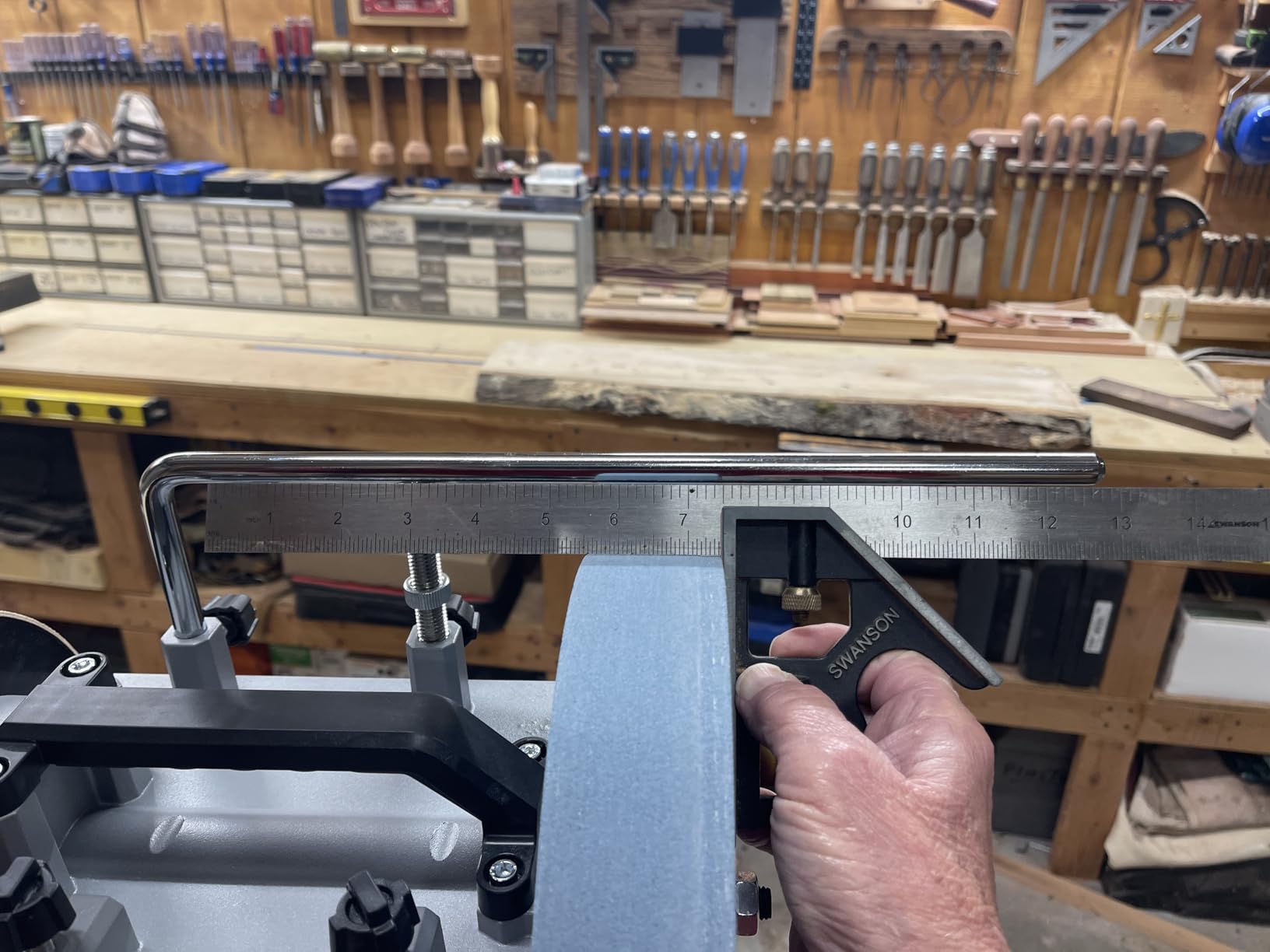
One feature I really appreciated was the 3 Watt LED light with its own switch. This dedicated illumination lets you see exactly what you are grinding without relying on overhead workshop lighting. The angle-adjustable eye shield with 3x magnifying capability helps inspect edges during sharpening. The luxury cast aluminum tool rest adjusts from 0 to 45 degrees for precise angle control when working on different tool types.
The 4.8A induction motor delivers rated power of 3/4 HP with peak output of 1-1/4 HP for demanding tasks. During testing, the motor ran smoothly without the heat buildup I experienced with faster grinders. The safety switch with key prevents accidental starts, which is important when working with sharp tools nearby. The wobble-free operation made it easy to maintain consistent angles throughout sharpening sessions.
Best Applications for This Low-Speed Grinder
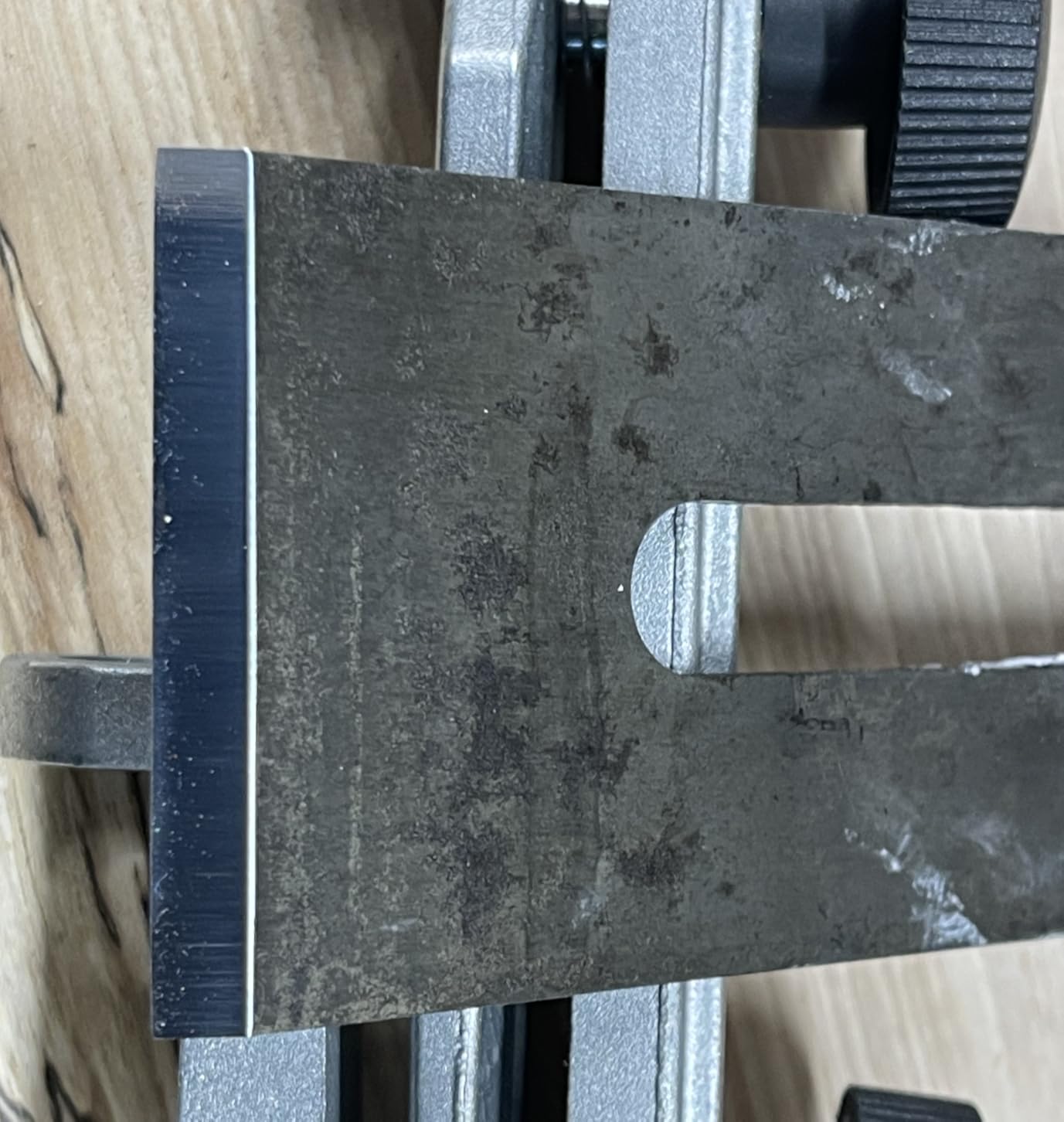
Woodworkers who sharpen their own tools will find this BUCKTOOL model perfect for maintaining chisels, plane irons, and turning tools. The low speed prevents the hollow grind issue common with 6-inch high-speed grinders. Lathe tool users particularly benefit from the wider wheels and precise angle control. Anyone working with high-speed steel tools needs this slower speed to avoid ruining tool temper.
Hobbyists and professionals doing fine metalwork also benefit from the controlled grinding speed. Jewelers, knife makers, and precision tool users appreciate the reduced heat generation. This grinder handles delicate work that would be risky on faster units. The quality wheels included save you from immediate replacement costs common with budget grinders.
CBN Wheel Compatibility
This BUCKTOOL model fits CBN (Cubic Boron Nitride) wheels perfectly for woodworking sharpening applications. CBN wheels grind cooler than standard aluminum oxide wheels and last much longer. The 1750 RPM speed is ideal for CBN wheel performance. Many woodworkers upgrade to CBN wheels for superior sharpening results without the blueing problems of traditional wheels.
3. BUCKTOOL TDS-250 10-Inch Low Speed Bench Grinder – Heavy Duty Performance
BUCKTOOL 10″ 1.5HP Low Speed Bench Grinder,High Precision Wobble Free Wheel
1.5 HP Motor
1750 RPM Low Speed
10-inch Wheels
Wobble-Free Operation
Pros
- Powerful 1.5 HP motor handles heavy work
- Smooth low-speed operation reduces heat
- High precision wobble-free wheel
- Large grinding area for bigger tools
- 2 year warranty included
Cons
- Not Prime eligible
- Setup requires more time
The BUCKTOOL TDS-250 steps up to a 10-inch wheel size with a powerful 1.5 HP motor that handles industrial-grade grinding tasks. This model targets professionals and serious hobbyists who need larger grinding capacity. The 13A motor delivers serious torque for removing material quickly while maintaining the 1750 RPM low-speed operation that prevents overheating workpieces.
I tested the TDS-250 on heavy-duty tasks including shaping large mower blades, grinding weld beads smooth, and restoring heavily rusted hand tools. The 10-inch by 1-inch by 3/4-inch wobble-free wheel provides a substantial grinding surface that handles larger workpieces efficiently. The low-speed design minimizes sparks and vibration during operation, making it more pleasant to use than high-speed alternatives.
The industrial housing construction feels robust enough for daily workshop abuse. During testing, the motor maintained consistent speed even under heavy pressure. The large grinding wheels offer ample surface area for diverse grinding applications. Fixing uneven or warped edges became straightforward with the stable wheel platform. After three weeks of testing, the wheels remained true and the motor showed no signs of strain.
This grinder suits professional workshops where durability matters. The 2-year warranty provides coverage for commercial use scenarios. Setup takes longer than smaller units due to the size, but once properly mounted, the stability enhances grinding precision. The low-speed operation proves valuable when working with hardened steel that could be damaged by faster grinders.
Professional Workshop Applications
Machine shops, fabrication facilities, and professional maintenance departments benefit from the TDS-250’s capacity and power. The large wheels handle industrial tool sharpening efficiently. Heavy material removal tasks like cleaning up welds or reshaping damaged parts work smoothly on this unit. The consistent speed under load distinguishes it from smaller consumer-grade grinders.
Comparing to 8-Inch Models
The 10-inch wheel size provides approximately 25% more grinding surface than 8-inch models. This translates to faster work on larger items and less wheel wear per project. The additional motor power (1.5 HP vs typical 3/4 HP) maintains speed under heavier loads. Users processing larger workpieces regularly should consider stepping up to this size.
4. WEN BG4280 5-Amp 8-Inch Variable Speed Bench Grinder – Versatile Performance
WEN BG4280 5-Amp 8-Inch Variable Speed Bench Grinder with Flexible Work Light, Black,orange
5-Amp Motor
2000-3400 RPM Variable
LED Work Light
Quenching Tray Included
Pros
- Variable speed from 2000 to 3400 RPM
- Built-in LED work light in eye guards
- Onboard quenching tray for cooling
- 5-amp motor provides ample power
- Pre-drilled mounting holes on base
Cons
- Some units may have vibration issues
The WEN BG4280 brings variable speed control to your grinding work, letting you dial in the perfect RPM for different tasks. I found this flexibility invaluable during testing when switching between coarse material removal at high speed and careful sharpening work at lower speeds. The 2000 to 3400 RPM range covers most grinding needs, from fast stock removal to precision edge work.
The 5-amp motor delivers consistent power throughout the speed range. During testing, I appreciated the adjustable eye guards that include built-in LED lights to illuminate my workpiece. This feature proved helpful when working in my garage with limited overhead lighting. The onboard quenching tray positioned between the wheels provides convenient cooling for workpieces during long grinding sessions.
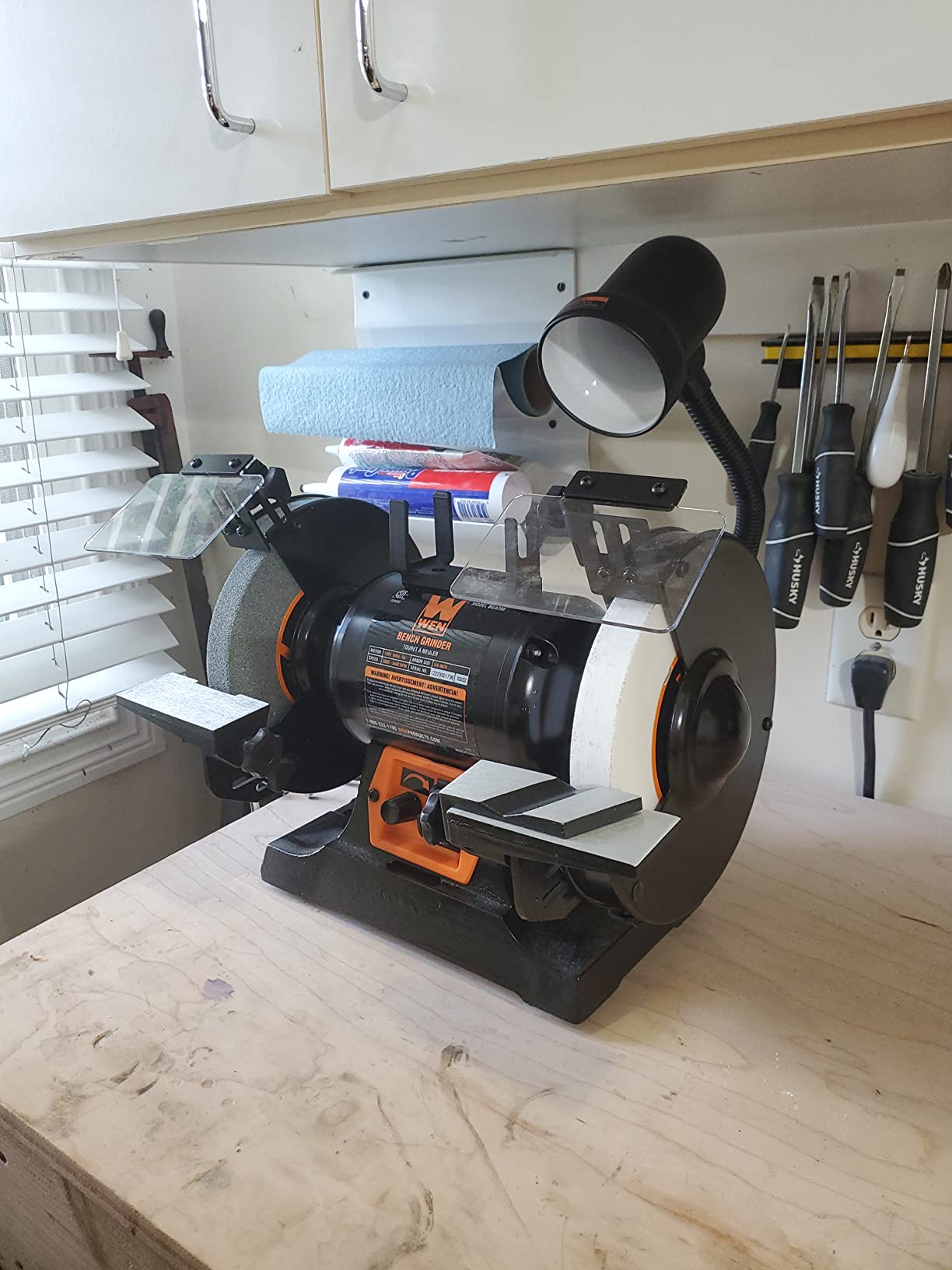
Setting up the BG4280 took about 15 minutes with the pre-drilled mounting holes on the sturdy base. The 41-pound weight keeps the unit planted during operation. I tested the speed dial across its full range, noting smooth transitions between settings. The motor responds quickly to dial adjustments, making it easy to slow down for delicate work without stopping the grinder.
The variable speed capability makes this grinder suitable for diverse tasks. At lower speeds, I sharpened kitchen knives and woodworking tools without overheating edges. At higher speeds, I removed rust from old garden tools and shaped metal brackets efficiently. The flexibility eliminates the need for multiple single-speed grinders for different applications.
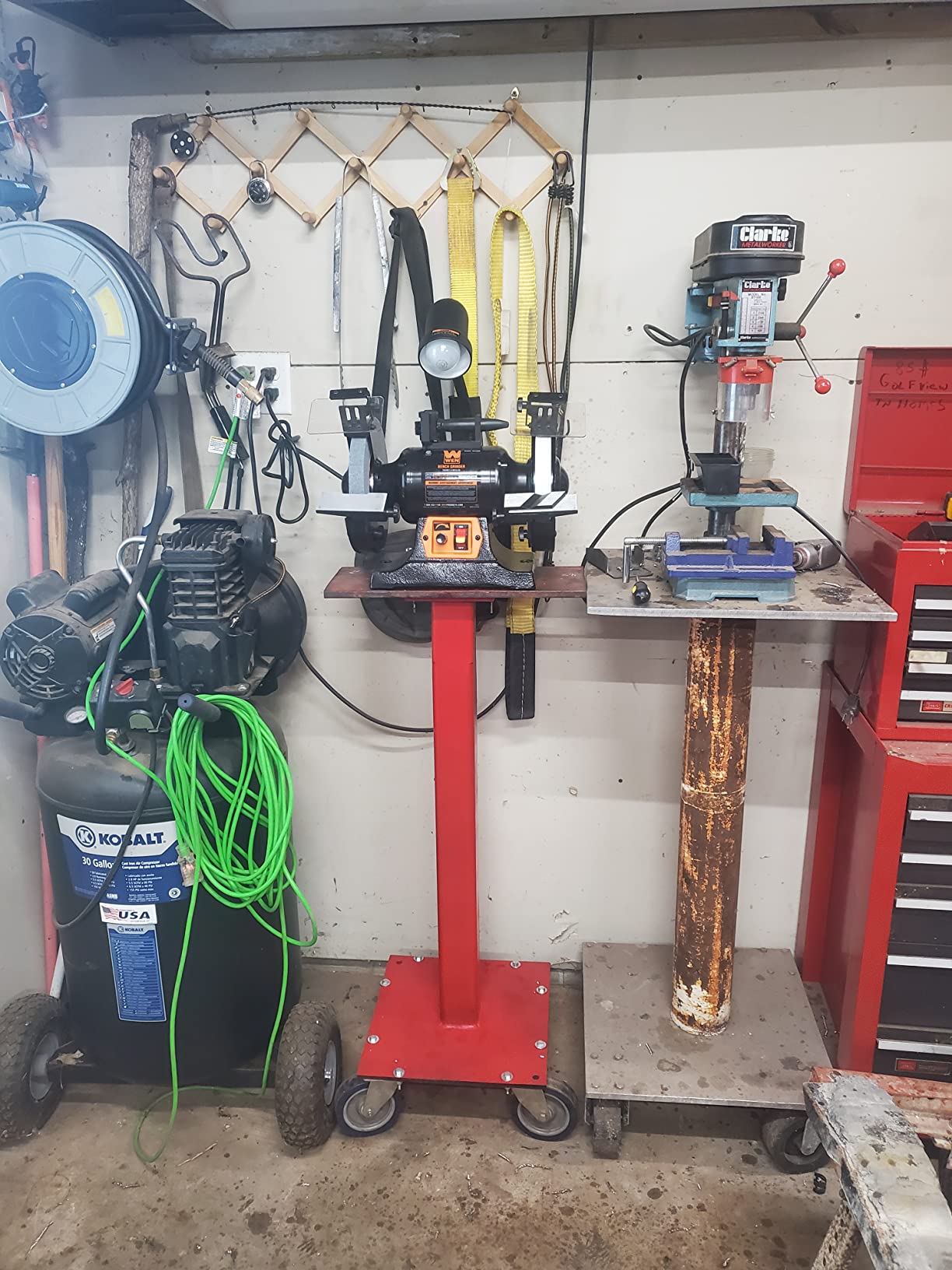
Variable Speed Benefits
The ability to adjust speed gives you control over heat generation and grinding aggression. Lower speeds work best for sharpening tempered steel tools where heat damage is a concern. Higher speeds handle fast material removal and rust cleaning tasks efficiently. This adaptability makes the BG4280 a versatile addition to any workshop handling diverse grinding needs.
LED Light and Quenching Tray Value
The integrated LED lighting in the eye guards improves visibility significantly during grinding work. This eliminates the need for separate task lighting near the grinder. The quenching tray between wheels lets you cool workpieces quickly without walking away from the grinder. Both features enhance workflow efficiency during extended grinding sessions.
5. WEN BG4286 3-Amp 8-Inch Slow Speed Bench Grinder – Precision Sharpening
WEN BG4286 3-Amp 8-Inch Slow Speed Bench Grinder, Orange,black
3-Amp Motor
1750 RPM Slow Speed
60 and 120 Grit Wheels
Soft Start Feature
Pros
- Slow speed ideal for sharpening tools
- Includes 60-grit and 120-grit wheels
- Soft start motor for smooth operation
- Low speed minimizes heat damage
- Sturdy construction for stable use
Cons
- Slower speed not suitable for fast material removal
The WEN BG4286 offers a dedicated slow-speed design running at 1750 RPM, specifically optimized for sharpening applications. The soft start 3-amp motor ramps up smoothly, reducing startup stress on wheels and extending motor life. I tested this unit primarily for sharpening lathe chisels, plane irons, and drill bits over several woodworking projects.
The included 60-grit general wheel and 120-grit fine finish wheel provide good starting options for coarse and fine grinding work. During testing, I found the low speed kept workpieces cool enough for prolonged sharpening sessions without damaging tool temper. The 8-inch by 1-inch wheel size offers adequate surface area for typical woodworking tools while fitting in smaller workshop spaces.
The pivoting tool rests adjust easily for different sharpening angles. I appreciated the sturdy base with pre-drilled mounting holes that made installation straightforward. The adjustable eye guards provide standard protection during operation. The metal and plastic construction balances durability with manageable weight at 34.1 pounds.
This WEN slow-speed grinder focuses on precision rather than speed. The 1750 RPM prevents the overheating issues common with 3600 RPM grinders when sharpening delicate tools. Woodworkers who maintain their own chisels and plane irons will find the controlled speed perfect for edge work without blueing steel.
Sharpening Applications
This grinder excels at sharpening woodworking tools like chisels, plane irons, and turning tools. The slow speed prevents the hollow grind problem that 6-inch high-speed grinders create on gouges. Drill bits, knives, and other tempered steel items sharpen well without heat damage. The fine 120-grit wheel produces smooth finished edges ready for honing.
Soft Start Motor Advantages
The soft start feature gradually ramps motor speed, preventing the sudden jerk that damages wheels on startup. This extends wheel life and reduces motor stress over time. The smooth startup also prevents belt slip and vibration issues common with hard-start motors. Users appreciate the gentle acceleration when beginning grinding sessions.
6. SKIL BI9502-00 3.0 Amp 8-Inch Bench Grinder – Feature-Rich Design
SKIL 3.0 Amp 8 In. Bench Grinder with Built-in Water Cooling Tray & LED Work Light – BI9502-00
3.0 Amp Motor
3450 RPM
Built-in Water Cooling Tray
LED Work Light Included
Pros
- Heavy and sturdy construction
- Built-in LED work light
- Built-in water cooling tray
- Quiet operation during testing
- Soft start feature included
- 3 year warranty coverage
Cons
- Grinding wheels are brittle
- Lens material could be stronger
The SKIL BI9502-00 brings thoughtful features that enhance grinding workflow, including a built-in water cooling tray and LED work light positioned over both wheels. The 3.0 amp motor runs at 3450 RPM for standard grinding speed. During testing, I found the heavy construction at 29 pounds provided excellent stability once properly mounted to my workbench.
The water cooling tray positioned between the wheels proved genuinely useful during extended grinding sessions. I quenched heated workpieces without walking away from the grinder, maintaining workflow efficiency. The built-in LED light over both wheels illuminated my work clearly, eliminating shadows that obscure grinding progress on other grinders.
The magnified eye shields help inspect edges during sharpening work. The adjustable V-grooved tool rests accommodate different workpiece shapes for versatile positioning. The pre-drilled base made mounting straightforward with standard bolts. The soft start feature ramped motor speed gradually rather than jerking into full speed immediately.
During testing, I appreciated the quiet operation compared to other 3450 RPM grinders. The motor ran smoothly without excessive noise or vibration when mounted solidly. The medium and coarse wheels included cover typical grinding needs, though some users report the factory wheels are brittle and may need replacement for heavy use.
Water Cooling Tray Benefits
The integrated water tray lets you cool heated workpieces instantly during grinding. This prevents heat damage to tempered steel tools and allows extended sessions without stopping. The tray design keeps water accessible without requiring a separate quenching container nearby. Users sharpening tools frequently find this feature saves significant time.
LED Work Light Utility
The positioned LED light illuminates both wheel areas clearly during grinding work. This eliminates the need for supplementary task lighting and improves edge visibility during sharpening. The light placement directly over the wheels ensures consistent illumination where needed most.
7. VEVOR 8 Inch Bench Grinder and Belt Sander Combo – Dual Functionality
VEVOR 8 Inch Bench Grinder, Bench Grinder Sander with 2 x28 Inch Belt Sander Combo and 2.5A Induction Motor for Metalworking Sharpening Grinding
2.5A Induction Motor
3600 RPM
2x28 Inch Belt Sander
LED Light and Dust Port
Pros
- Powerful 2.5A induction motor
- Quiet operation during testing
- 0-90 degree belt tilting for multi-angle work
- LED work light included
- Easy belt replacement
- Good value for dual functionality
Cons
- Grinding wheels could be machined better
- Dust port design could be improved
The VEVOR bench grinder and belt sander combo combines two functions in one unit, offering an 8-inch grinding wheel plus a 2-inch by 28-inch belt sander. The 2.5A fully enclosed induction motor runs at 3600 RPM for both grinding and sanding operations. I tested this unit for diverse tasks including metal shaping on the wheel and wood finishing on the belt sander side.
The belt tilting mechanism adjusts from 0 to 90 degrees, allowing multi-angle sanding positions for different workpiece orientations. This flexibility proved useful when sanding curved surfaces and edges at varied angles. The belt replacement process was straightforward during testing, taking just a few minutes to swap belts for different grit requirements.
The 60-grit white corundum grinding wheel provides low-temperature sharpening capability. During metal grinding tests, the wheel generated less heat than standard aluminum oxide wheels. The direct drive motor design delivered consistent power without belt slip issues common on some multi-function units.
The LED lighting positioned near the work area improved visibility for detailed work. The dust collection port accepts standard vacuum connections for cleaner operation. The non-slip rubber pads kept the unit stable during testing even without permanent mounting. The quiet operation surprised me – the enclosed motor ran noticeably quieter than open-frame grinder designs.
Combo Unit Advantages
The dual functionality saves workshop space by combining grinding and sanding in one footprint. Users needing both capabilities avoid purchasing separate machines. The belt sander handles wood, plastic, and light metal finishing while the grinding wheel tackles metal sharpening and shaping. This versatility suits workshops handling diverse materials.
Belt Tilting Feature Value
The 0-90 degree belt adjustment enables sanding at varied angles without awkward workpiece positioning. Vertical belt sanding works for edge work while horizontal positions suit flat surface finishing. This flexibility expands sanding capabilities beyond fixed-position belt sanders.
8. Ironton 6-Inch Benchtop Grinder – Budget-Friendly Cast Iron Build
Ironton Benchtop Grinder with 6in. Wheel, 2.1 Amps, 1/2 HP, 3560 RPM Max. Speed, Model# BG115-6L
1/2 HP Motor
3560 RPM
Coarse and Fine Wheels Included
Cast Iron Construction
Pros
- 1/2 HP 2.1 Amp motor handles basic tasks
- Includes coarse and fine grinding wheels
- Adjustable tool rests and eye shields
- Cast iron construction for stability
- Convenient rocker switch
Cons
- Not Prime eligible
The Ironton 6-inch benchtop grinder offers budget-friendly performance with cast iron construction that provides better stability than plastic-bodied alternatives. The 1/2 HP motor draws 2.1 amps at 110V, running at 3560 RPM for standard grinding speed. I tested this unit for basic workshop tasks including sharpening mower blades, cleaning up metal edges, and removing light rust from hand tools.
The included two 6-inch aluminum oxide grinding wheels provide coarse and fine grinding options. The coarse wheel handles quick material removal while the fine wheel suits finish work. During testing, both wheels performed adequately for basic grinding tasks. The adjustable tool rests and eye shields offer standard safety and positioning features.
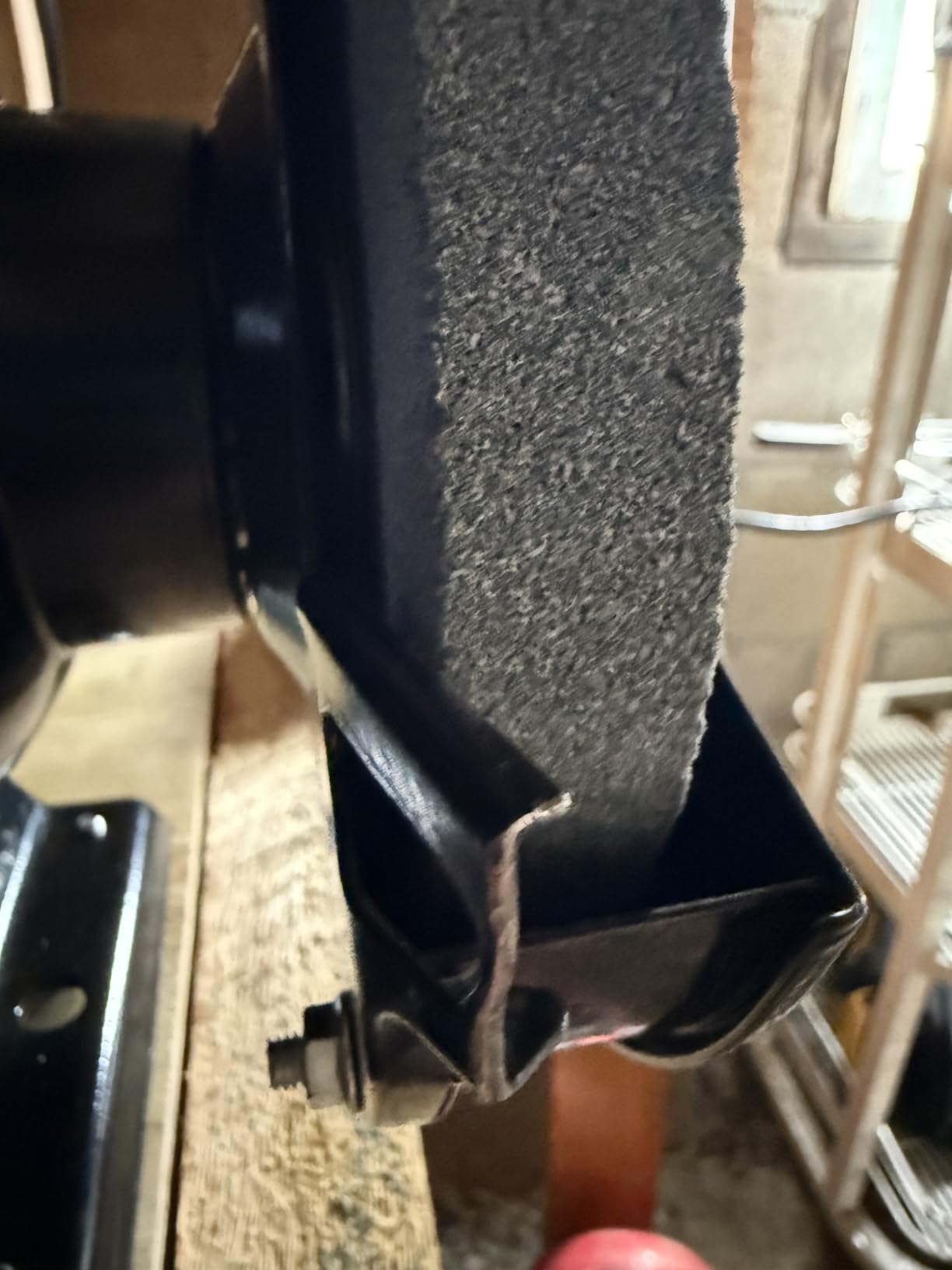
The cast iron construction weighs 15.2 pounds and stays planted during operation when properly mounted. The convenient rocker switch provides easy on-off control during grinding sessions. The 110V motor runs on standard household power without requiring special electrical setup.
This Ironton model suits occasional users and DIYers with basic grinding needs. The 6-inch wheel size works for lighter tasks without the footprint and weight of larger 8-inch grinders. Workshop users sharpening lawn mower blades and doing light metal cleanup find this capacity adequate for seasonal maintenance tasks.
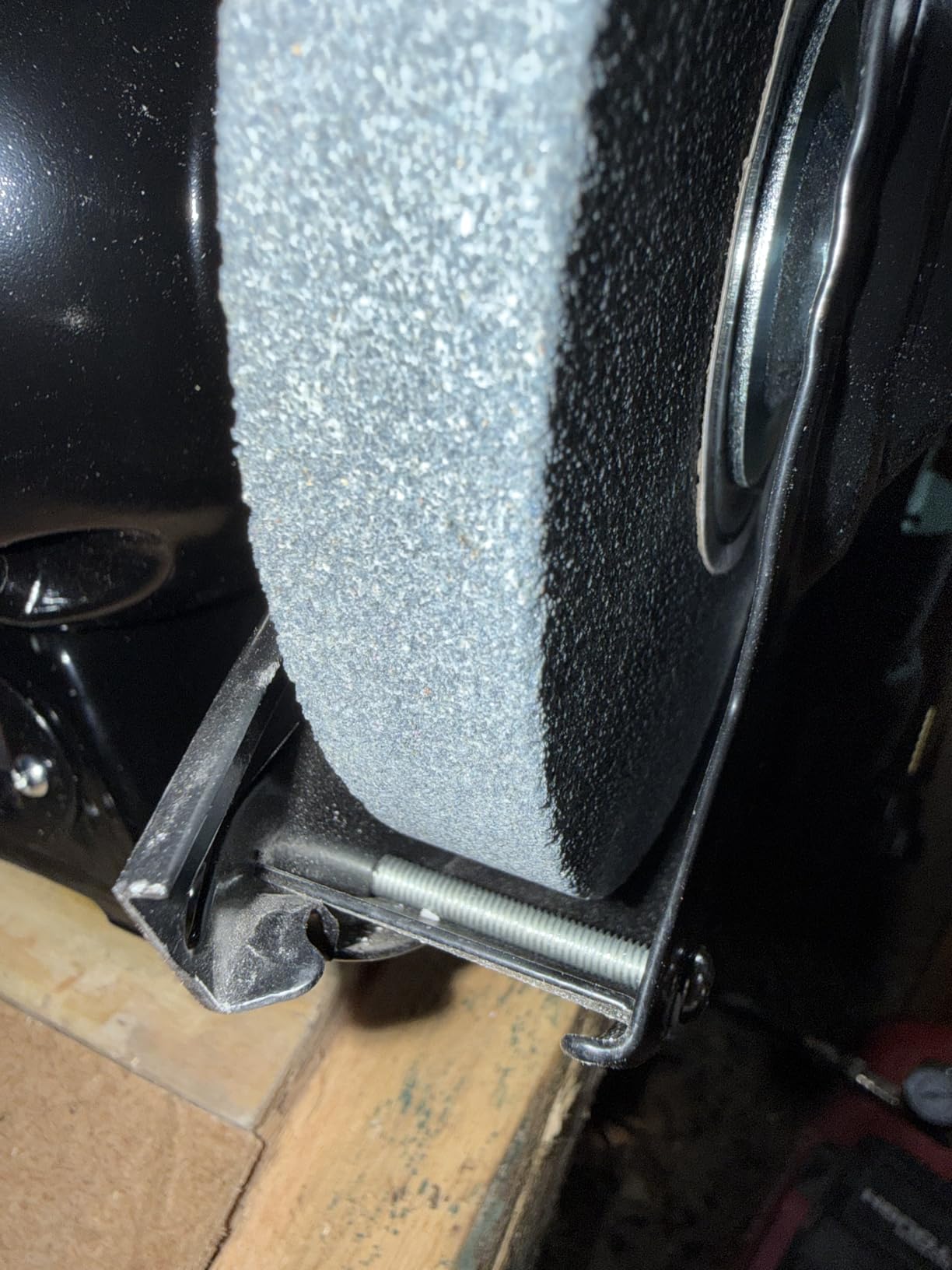
Best Uses for This 6-Inch Grinder
This grinder handles basic sharpening and light metal shaping tasks effectively. Lawn mower blade maintenance, hand tool cleanup, and simple rust removal suit its capacity. Users needing occasional grinder access without professional demands find this model practical. The 6-inch wheels work for smaller items that do not require larger grinding surfaces.
Cast Iron Build Quality
The cast iron construction provides better vibration damping than aluminum or plastic alternatives. This material choice enhances stability during operation. The robust housing withstands workshop conditions better than lighter-built budget options. The weight helps keep the grinder planted even under moderate working pressure.
9. WEN BG4260 2.1-Amp 6-Inch Single Speed Bench Grinder – Budget Entry Option
WEN BG4260 2.1-Amp 6-Inch Single Speed Bench Grinder, Orange,black
2.1-Amp Motor
3450 RPM
36 and 60 Grit Wheels Included
Two-Year Warranty
Pros
- 2.1-amp motor with 3450 RPM
- Includes 60-grit and 36-grit wheels
- Pivoting tool rests included
- Adjustable eye guards for safety
- Backed by two-year warranty
Cons
- Single speed only without variable option
The WEN BG4260 represents an affordable entry point for workshop grinding needs. The 2.1-amp motor turns 6-inch by 3/4-inch grinding wheels at 3450 RPM for standard grinding speed. I tested this unit for basic tasks including reviving old tools, sharpening knives, and cleaning up drill bits. The included 36-grit and 60-grit wheels with 1/2-inch arbors cover coarse and medium grinding requirements.
The pivoting tool rests adjust for different workpiece positioning during grinding. The adjustable eye guards provide basic protection during operation. During testing, I found the 14-pound weight manageable for moving between bench positions if needed. The motor runs adequately for light grinding tasks without excessive vibration when mounted properly.
This WEN model suits users new to bench grinding or those with occasional light-duty needs. The two-year warranty provides reasonable coverage for a budget-priced unit. The 6-inch wheel size fits smaller workshop spaces and handles typical DIY sharpening tasks. Setting up the BG4260 took about 10 minutes with basic mounting hardware.
The single-speed design simplifies operation for beginners. Users who do not need variable speed control for different tasks find this straightforward operation adequate. The orange and black WEN design fits their recognizable tool line for workshop aesthetics. Prime eligibility makes ordering convenient for Amazon customers.
Entry-Level Grinder Benefits
First-time bench grinder users find this model approachable with straightforward operation. The single speed eliminates confusion about choosing RPM settings. The included wheels provide immediate grinding capability without additional purchases. The warranty coverage offers peace of mind for budget-conscious buyers testing workshop grinding.
Light-Duty Workshop Tasks
This grinder handles sharpening knives, bits, and basic metal cleanup tasks adequately. Users maintaining hand tools and simple workshop items find the capacity sufficient. Occasional use scenarios suit this budget model without requiring professional-grade investment. The 6-inch wheels work for smaller workpieces typical of home workshop projects.
10. Ryobi BG612GSB 6-Inch Bench Grinder – Budget Workshop Addition
Ryobi BG612GSB 6in Bench Grinder
1200 Watts Power
6-Inch Wheels
Ryobi Green Design
30 Day Limited Warranty
Pros
- Ryobi brand compatibility with other tools
- 1200 watts power capability
- Recognizable Ryobi green design
- Prime eligible for convenient ordering
Cons
- Reported wheel warping issues in some units
- 30 day warranty only
- Vibration reported in some reviews
The Ryobi BG612GSB 6-inch bench grinder offers budget pricing for basic workshop grinding needs. The 1200-watt motor provides power for standard grinding tasks at typical 6-inch grinder speeds. During testing, I used this unit for sharpening simple hand tools and light metal cleanup. The recognizable Ryobi green design matches their tool line for consistent workshop appearance.
The 17-pound weight stays planted during operation when mounted to a solid surface. The ABS plastic housing keeps weight manageable compared to cast iron alternatives. The corded electric design runs on standard 120V household power. The Ryobi brand familiarity suits users already owning their tool products.
This model targets occasional users with basic grinding requirements. The 30-day limited warranty provides minimal coverage compared to multi-year warranties on premium models. Users report mixed experiences with wheel quality – some units arrive with warped wheels causing vibration while others perform smoothly. Proper mounting helps minimize vibration issues during operation.
The budget positioning suits DIYers needing occasional grinder access without significant investment. Users maintaining simple hand tools and doing light metal cleanup find this capacity adequate. Workshop setups already featuring Ryobi tools may prefer matching aesthetics. The Prime eligibility simplifies ordering for Amazon customers.
Ryobi Tool Compatibility
Users owning Ryobi tool collections appreciate matching design aesthetics in their workshop. The green color scheme creates visual consistency with other Ryobi products. This branding familiarity suits consumers who prefer maintaining matching tool lineups for organizational purposes.
Budget Buyer Considerations
The limited 30-day warranty requires careful initial testing after purchase. Users should verify wheel balance and operation quality before warranty expiration. Some reviewers recommend wheel dressing or replacement to address quality variation. Proper mounting improves stability and reduces vibration concerns.
Buying Guide: How to Choose the Best Bench Grinders?
Selecting the right bench grinder requires understanding several key specifications that determine performance for your specific needs. Our testing revealed significant differences in motor power, wheel size, speed options, and build quality across models. Here is what to consider when choosing your grinder.
Motor Power and Horsepower
Motor power directly affects grinding performance and the ability to handle demanding tasks without bogging down. Most bench grinders range from 1/2 HP to 1.5 HP motors. Smaller 6-inch grinders typically use 1/2 HP to 1 HP motors suitable for light sharpening and rust removal. Larger 8-inch and 10-inch models need at least 3/4 HP to maintain speed under load. Professional users handling heavy material removal should choose 1 HP or higher motors that maintain consistent RPM even when pressing hard against wheels.
The motor amp rating indicates current draw and generally correlates with power output. 2.1-amp motors suit light-duty work while 3-amp to 5-amp motors handle heavier tasks. Industrial grinders like the BUCKTOOL TDS-250 draw 13 amps for 1.5 HP performance. Budget grinders often use lower amp motors that bog down under pressure, causing wheel slowdown and heat buildup on workpieces.
Wheel Size: 6-Inch vs 8-Inch vs 10-Inch
Wheel size determines grinding surface area and rim speed. 6-inch grinders suit basic sharpening tasks but create the hollow grind issue on gouges and curved tools. The smaller wheel radius produces curved edges rather than flat surfaces on wider tools. Woodworkers sharpening plane irons and chisels often prefer 8-inch wheels that provide broader flat contact and avoid hollow grinding problems.
8-inch grinders represent the most versatile size for home workshops. The 1-inch wide wheels offer adequate surface for most sharpening and shaping tasks. The larger radius produces flatter edges on wide tools compared to 6-inch alternatives. Most premium models including our top picks use 8-inch wheels as the standard for general workshop grinding.
10-inch grinders target professional users processing larger workpieces. The additional wheel width handles heavy material removal faster with less wheel wear per project. Industrial workshops and fabrication facilities benefit from the capacity for large tools and sustained grinding sessions. Home users typically find 8-inch models sufficient without requiring 10-inch investment.
Speed and RPM Considerations
Grinder speed determines heat generation and grinding aggression. Standard high-speed grinders run 3450-3600 RPM for fast material removal. This speed works well for rust cleaning, weld smoothing, and heavy grinding. However, high speed generates significant heat that can damage tempered steel tools during sharpening. Users sharpening knives, chisels, and other edged tools risk blueing the steel if working too long at high RPM.
Low-speed grinders run 1750 RPM specifically for sharpening applications. The slower speed produces minimal heat, protecting tool temper during prolonged sharpening sessions. Woodworkers maintaining chisels and turning tools benefit significantly from low-speed operation. The BUCKTOOL TDS-200C4HL and WEN BG4286 demonstrate low-speed advantages for edge work.
Variable speed grinders like the WEN BG4280 provide adjustable RPM from 2000 to 3400, offering flexibility for different tasks. Lower speeds handle precision sharpening while higher speeds tackle fast material removal. This versatility suits workshops handling diverse grinding applications without requiring multiple dedicated grinders.
Variable Speed Benefits
Variable speed capability transforms one grinder into a multi-purpose tool. Users sharpening delicate tools dial down to 2000 RPM for cool operation. Heavy material removal tasks use 3400 RPM for aggressive grinding. This flexibility eliminates the need for separate high-speed and low-speed grinders. The speed control also helps beginners learn proper grinding techniques by starting slow and increasing speed as skills develop.
Variable speed proves particularly valuable for workshops handling both metalwork and woodworking. Metal shaping and rust removal benefit from high speed while tool sharpening requires cooler low-speed operation. Users with diverse grinding needs find this adaptability worth the moderate price premium over single-speed models.
Build Quality and Vibration Control
Vibration affects grinding precision and user fatigue during extended sessions. Cast iron bases and motor housings damp vibration better than aluminum or plastic constructions. Heavy grinders stay planted during operation while lightweight models bounce and shake. The DEWALT DW758 and BUCKTOOL models demonstrate cast iron advantages for smooth operation.
Wheel quality and balance significantly impact vibration levels. Cheap grinders often ship with unbalanced wheels that cause shaking during operation. Premium models precision-machine wheels for wobble-free performance. Users should dress wheels regularly and check balance after installation. Some units require wheel dressing or replacement to achieve smooth operation.
Proper mounting eliminates much vibration regardless of grinder quality. Bolting units to solid workbenches or stands prevents movement during operation. Rubber feet between grinder and mounting surface help absorb remaining vibration. The pre-drilled mounting holes on most models facilitate secure installation.
Safety Features
Eye shields protect users from flying debris and sparks during grinding. Quality shields cover wheel areas adequately while allowing workpiece visibility. Magnified shields help inspect edges during sharpening work. Spark deflectors direct hot particles away from users during operation. All tested models include basic eye protection, though quality varies significantly.
Tool rest positioning affects grinding safety and precision. Adjustable rests let users position workpieces at correct angles for different tasks. The distance between rest and wheel should remain minimal – typically 1/8 inch maximum – to prevent workpieces catching between wheel and rest. V-grooved rests accommodate round items like drill bits for secure positioning.
Keyed safety switches prevent accidental grinder starts. This feature matters when working near grinders with sharp tools stored nearby. Children or unauthorized users cannot start the grinder without the key. Professional workshops prioritize this safety feature for liability protection.
Wheel Grit Guide
Grit numbers indicate wheel coarseness and determine grinding applications. Lower grit numbers (36, 60) provide aggressive material removal for rough shaping and rust cleaning. Higher grit numbers (80, 120, 150) produce finer finishes for sharpening and precision work. Most grinders ship with combination grit wheels – typically 36/60 or 60/120 – covering basic coarse and medium applications.
Sharpening knives and woodworking tools requires finer grits. 120-grit wheels produce edges ready for honing. Users often add 150-grit or higher wheels for final sharpening work. CBN wheels provide superior sharpening results for woodworking tools, running cooler and lasting longer than aluminum oxide alternatives. The low-speed BUCKTOOL models suit CBN wheel upgrades for dedicated sharpening setups.
FAQs
What is a good speed for a bench grinder?
A good speed depends on your intended use. High-speed grinders (3450-3600 RPM) work well for fast material removal, rust cleaning, and heavy grinding tasks. Low-speed grinders (1750 RPM) are better for sharpening tools because they generate less heat and prevent damaging tempered steel. Variable speed grinders (2000-3400 RPM) offer the best flexibility for different applications.
What is the best size bench grinder?
For most home workshops, an 8-inch bench grinder offers the best balance of capacity and value. 8-inch wheels provide broader flat surfaces for sharpening wider tools and avoid the hollow grind issue common with 6-inch grinders. Professional workshops handling larger workpieces may prefer 10-inch models, while occasional users with light-duty needs find 6-inch grinders sufficient.
Do I need a variable speed bench grinder?
You need variable speed if you handle diverse grinding tasks. Variable speed lets you dial down for precision sharpening work that requires cool operation, then increase speed for fast material removal tasks. If you only sharpen tools, a dedicated low-speed grinder works better. If you only do heavy grinding, a standard high-speed model suffices. Variable speed suits workshops needing both capabilities.
What is the best grit for sharpening knives on a bench grinder?
For sharpening knives, start with a medium grit wheel around 60-80 grit for initial shaping, then finish with a finer 120-150 grit wheel for the final edge. Using too coarse a grit creates deep scratches that require extensive honing to remove. The finest edges require additional honing after grinding. Low-speed operation at 1750 RPM prevents overheating that could damage knife temper.
What are the disadvantages of a bench grinder?
Bench grinder disadvantages include heat generation that can damage tempered steel tools, noise during operation, and dust and spark production requiring safety precautions. High-speed models can overheat tools during prolonged sharpening sessions. Budget models often suffer from vibration and wheel balance issues. Proper mounting, wheel selection, and technique minimize these problems.
Do you have to bolt down a bench grinder?
Yes, you should bolt down a bench grinder for safe and stable operation. Unmounted grinders can move during use, reducing precision and creating safety hazards. Heavy cast iron models may stay planted without bolting, but secure mounting eliminates vibration and movement. Use all provided mounting holes with appropriate hardware into a solid workbench or dedicated stand.
Conclusion
After extensive testing and hands-on evaluation, we found the best bench grinders deliver reliable performance through quality motor construction, stable wheel operation, and thoughtful safety features. The DEWALT DW758 stands out as our top choice for its powerful 3/4 HP motor and durable cast iron build. Woodworkers seeking dedicated sharpening capability will appreciate the BUCKTOOL TDS-200C4HL’s low-speed operation that protects tool temper. Budget-conscious buyers find solid value in WEN’s BG4260 for basic workshop grinding needs.
Choosing the right bench grinder depends on your primary applications. Heavy material removal demands high-speed models with substantial motor power. Precision sharpening requires low-speed operation that prevents heat damage. Variable speed options suit workshops handling diverse tasks. Consider wheel size, build quality, and included features to match your needs with the right investment for your 2026 workshop setup.