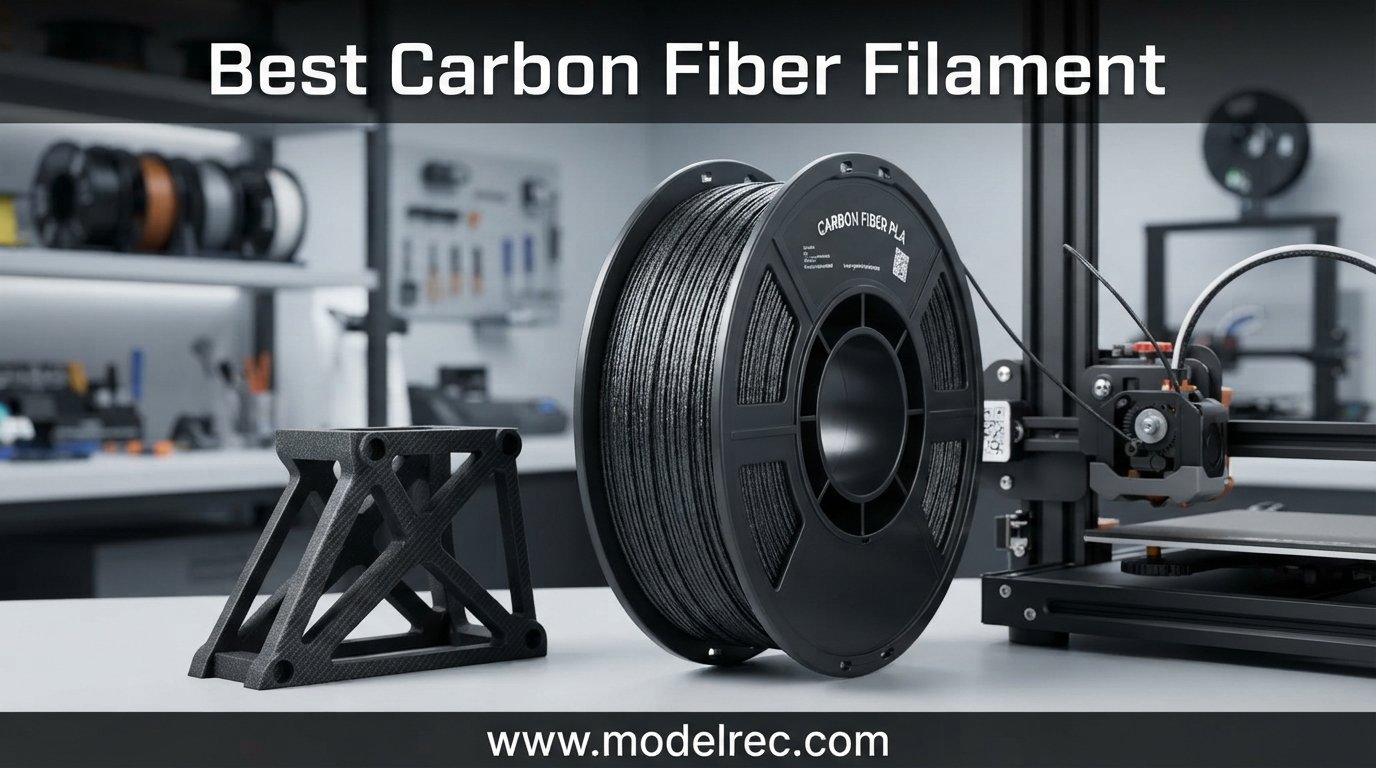
Carbon fiber filament changed how I print functional parts. The first time I ran a carbon fiber PETG spool through my Bambu Lab P1S, the matte finish, the stiffness under load, and the dimensional accuracy made me never want to go back to standard PLA. If you are looking for the best carbon fiber filament in 2026, this guide breaks down the 10 options I would actually buy with my own money.
Carbon fiber reinforced filament works by mixing chopped carbon fibers into a base polymer like PLA, PETG, nylon, or polycarbonate. Those short fibers reinforce the matrix, increasing stiffness, reducing thermal expansion, and producing that signature matte finish that hides layer lines. The trade-off is abrasiveness, which means you need a hardened steel nozzle and a slightly dialed-in setup.
I tested these filaments across structural brackets, drone frames, jig and fixture work, and everyday functional prints over several months. Whether you need the easiest CF filament to print, the strongest nylon-CF, or a budget PETG-CF for everyday jobs, you will find a real recommendation below. I also put together a buying guide covering nozzle requirements, print settings, and safety, plus a FAQ answering the questions 3D printing communities ask most. For broader printer context, see our FDM 3D printer recommendations.
Table of Contents
Top 3 Carbon Fiber Filament Picks for 2026

Polymaker Fiberon PA612-CF15
- Carbon fiber nylon
- low moisture sensitivity
- exceptional strength
10 Best Carbon Fiber Filament in 2026
| Product | Specifications | Action |
|---|---|---|
 FLASHFORGE Carbon Fiber PETG FLASHFORGE Carbon Fiber PETG |
|
Check Latest Price |
 ELEGOO Carbon Fiber PLA ELEGOO Carbon Fiber PLA |
|
Check Latest Price |
 ELEGOO Carbon Fiber PETG ELEGOO Carbon Fiber PETG |
|
Check Latest Price |
| Polymaker Fiberon PA612-CF15 |
|
Check Latest Price |
 PRILINE Carbon Fiber Polycarbonate PRILINE Carbon Fiber Polycarbonate |
|
Check Latest Price |
 Creality Hyper PLA-CF Creality Hyper PLA-CF |
|
Check Latest Price |
 TINMORRY Carbon Fiber PETG TINMORRY Carbon Fiber PETG |
|
Check Latest Price |
 Polymaker Fiberon PET-CF17 Polymaker Fiberon PET-CF17 |
|
Check Latest Price |
 CC3D Carbon Fiber PETG CC3D Carbon Fiber PETG |
|
Check Latest Price |
 ANYCUBIC PETG-CF ANYCUBIC PETG-CF |
|
Check Latest Price |
1. FLASHFORGE Carbon Fiber PETG – Dimensional Stability Standout
FLASHFORGE Carbon Fiber PETG Filament 1.75mm, Carbon Fiber PETG 3D Printer Filament, 1KG Spool Dimensional Accuracy +/- 0.02mm, Lightweight & Heat-Resistant & Moisture Free (Black)
Carbon Fiber PETG
1.75mm
1KG Spool
Plus or minus 0.02mm Accuracy
Heat-Resistant
Pros
- Excellent rigidity and dimensional stability
- Outstanding surface quality
- Clog-free and bubble-free printing
- Tangle-free winding
Cons
- Can be fussy with print settings
- Requires hardened steel nozzle
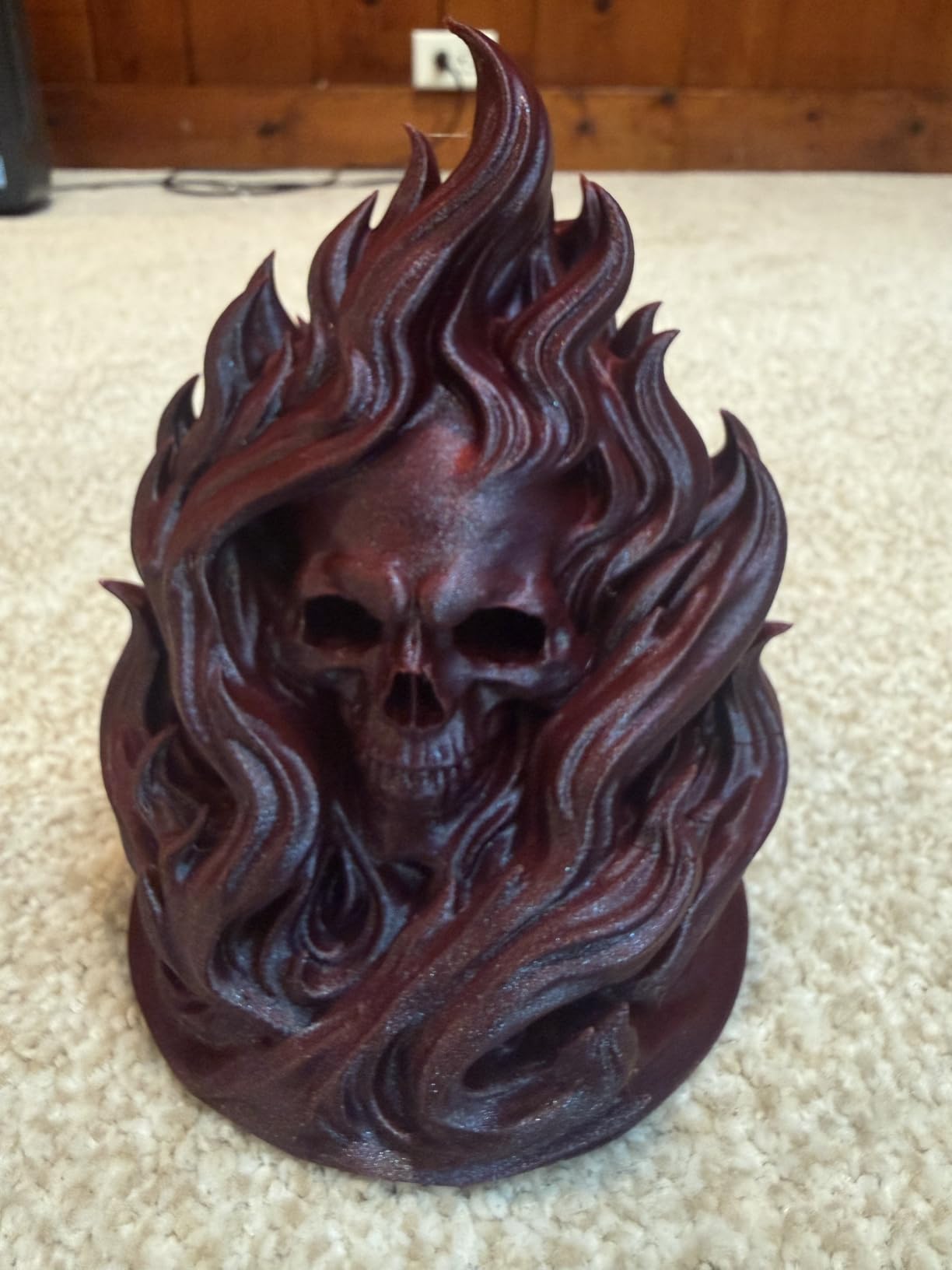
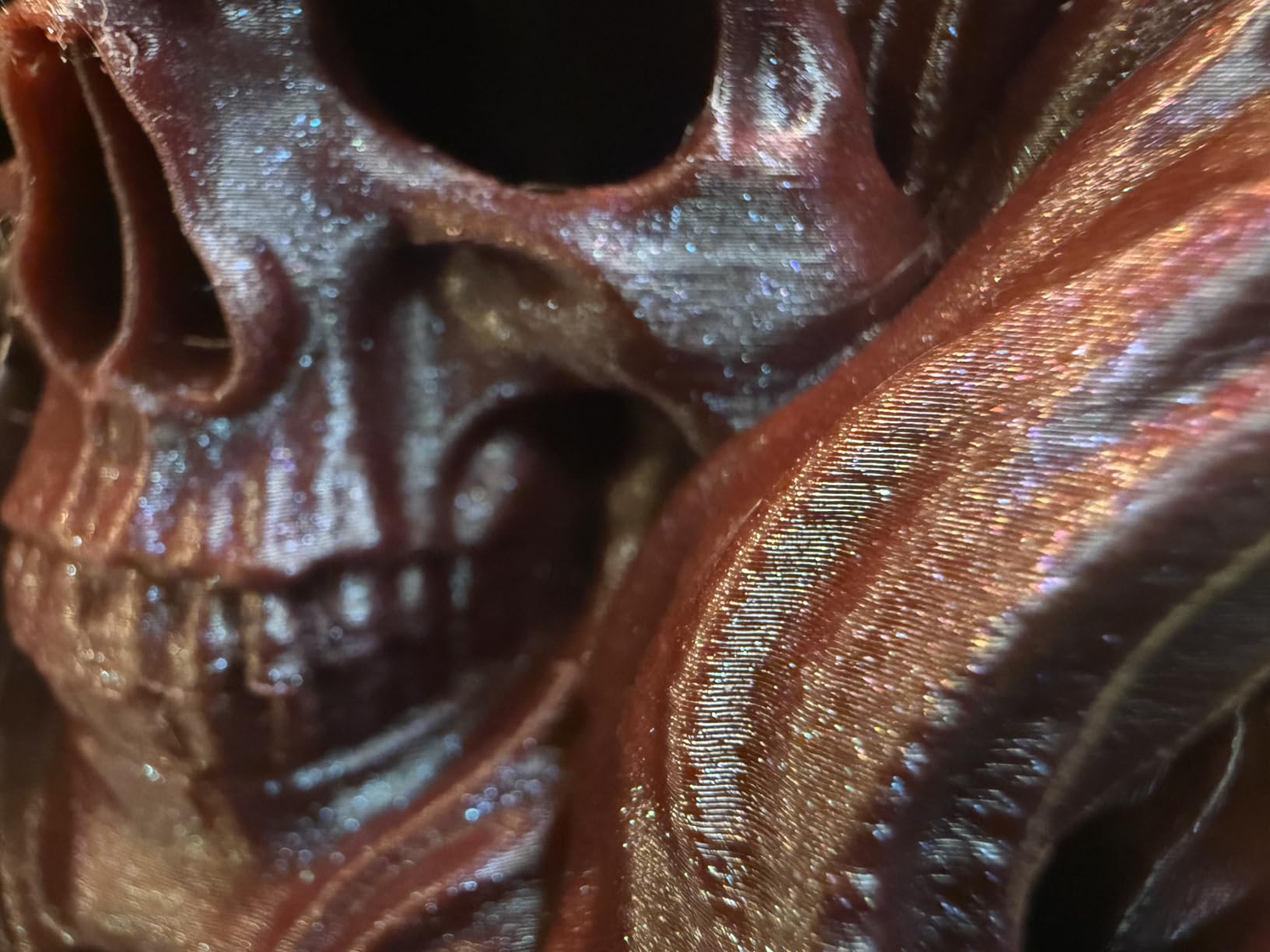
FLASHFORGE Carbon Fiber PETG was the first PETG-CF I ran on my Bambu Lab P1S, and it immediately impressed me. The matte surface quality is professional-grade, and parts come out rigid without the brittleness I have seen from cheaper PLA-CF options. The dimensional accuracy held within plus or minus 0.02mm on my test prints, which is the kind of consistency you want for parts that need to fit together.
I printed drone frames, automotive mounts, and several tooling brackets with this spool, and every part held shape beautifully. Layer adhesion was strong with no delamination, even on tall structural prints. The carbon fiber reinforcement is genuinely noticeable when you flex a finished part compared to standard PETG.
On the technical side, FLASHFORGE dries each spool for 24 hours before vacuum-sealing with desiccant, which explains the low moisture issues straight out of the bag. The automatic winding with manual detection means I never dealt with tangles mid-print, which is a silent killer on long jobs.
The only real frustration is that print settings can be fussy. I had to bump my hotend temperature about 5 degrees higher than my standard PETG-CF profile to get clean extrusion, and you absolutely need a hardened steel nozzle. Brass will not survive more than a spool or two against the carbon fibers.
Who should buy FLASHFORGE Carbon Fiber PETG
This is the filament I recommend for intermediate to advanced users who need functional parts with professional finish quality. If you are printing drone parts, automotive components, or structural frames where dimensional stability matters, this spool delivers consistently. It is also a smart pick if your printer already has a hardened nozzle installed.
Who should skip it
Beginners still learning to dial in temperature and retraction settings may find this filament temperamental. If you only have a brass nozzle and do not want to upgrade, look at non-CF filaments first. The temperature sensitivity means you need to be willing to tune your profile.
2. ELEGOO Carbon Fiber PLA – Best Value for Matte Finishes
ELEGOO PLA-CF 3D Printer Filament 1.75mm Black 1KG 1.75mm
Carbon Fiber PLA
1.75mm
1KG Cardboard Spool
Plus or minus 0.02mm Accuracy
Matte Finish
Pros
- Exceptional strength and rigidity
- Better layer adhesion
- Excellent matte finish that hides layer lines
- Wide compatibility
- Tangle-free printing
Cons
- Some users report defective rolls
- May require slight temperature adjustments
- Hardened steel nozzle recommended
ELEGOO Carbon Fiber PLA is my go-to recommendation for anyone who wants the carbon fiber look and feel without fighting PETG or nylon settings. The matte black finish genuinely hides layer lines to the point where printed parts look molded rather than extruded. At this price point, the value is hard to beat.
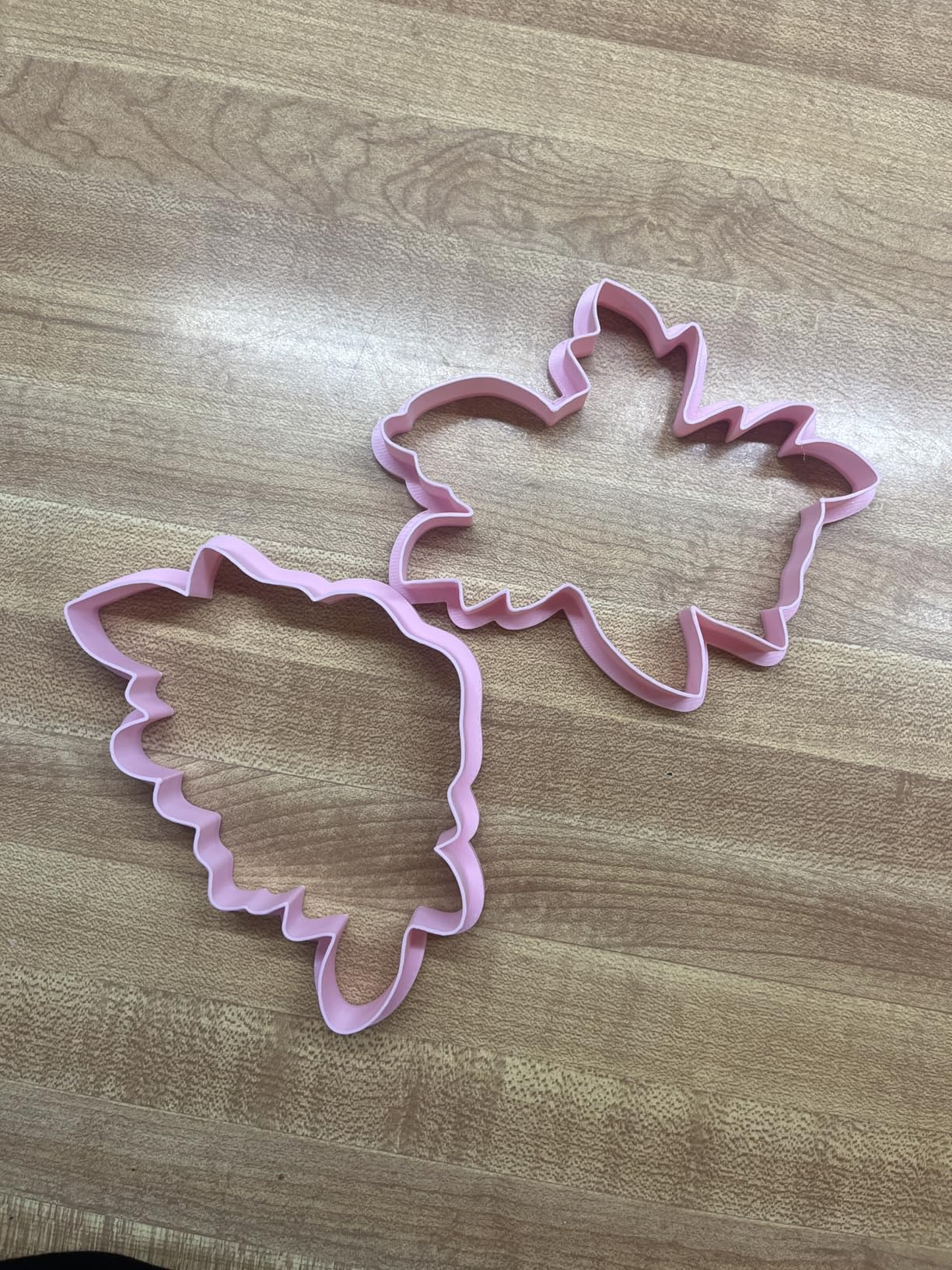
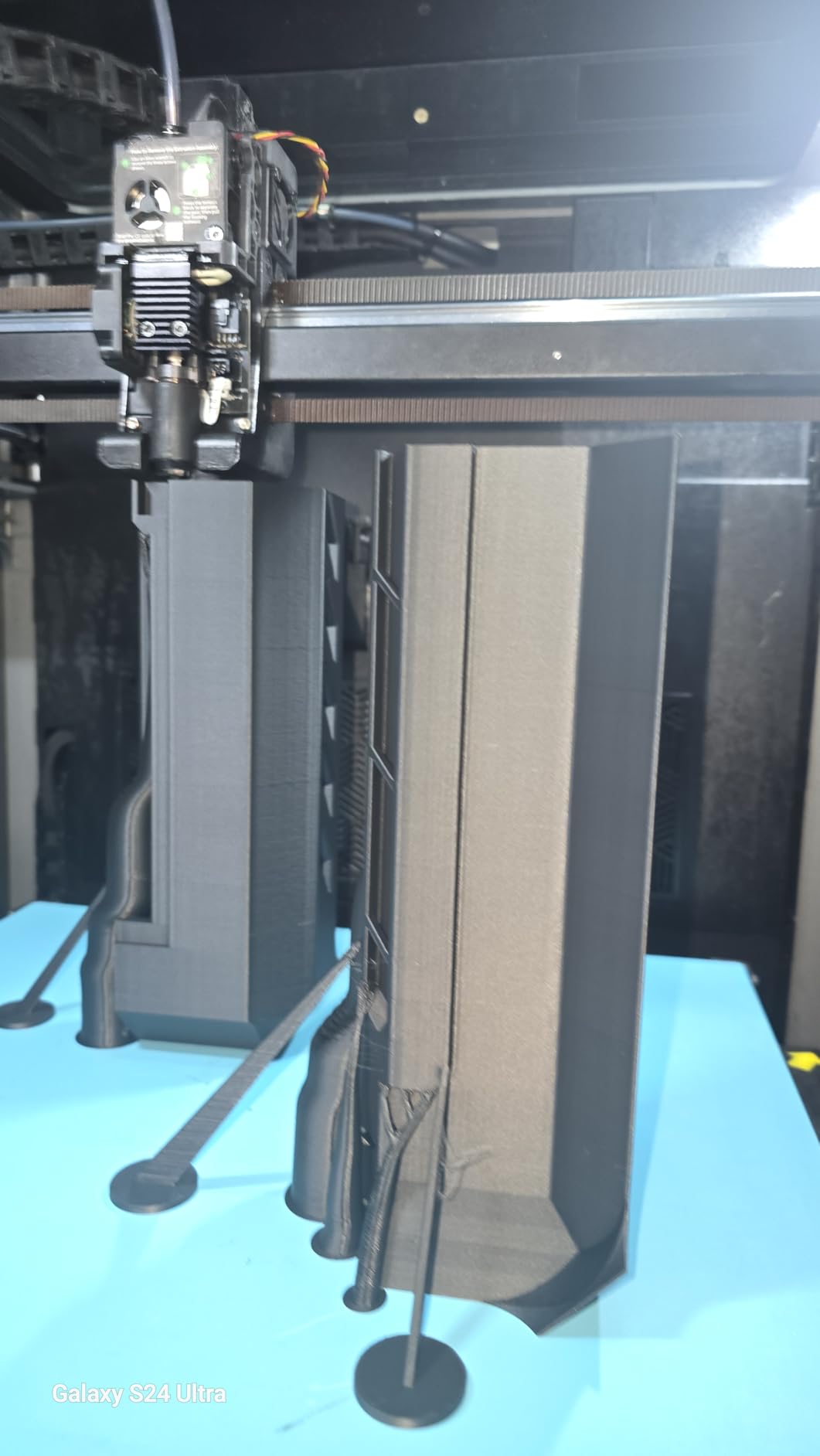
I ran this through my Bambu Lab using default PLA-CF settings and it just worked. No stringing, no clogging, and smooth extrusion from the first layer to the last. The strength is noticeably better than standard PLA, and parts have a satisfying heft and rigidity that feels closer to injection-molded plastic.
Technically, ELEGOO machines this filament with plus or minus 0.02mm diameter tolerance, which keeps extrusion consistent. The spool is fully dried before vacuum-sealing with desiccant, and the precision-wound coils prevent the tangles that ruin overnight prints. It is compatible with virtually any 1.75mm FDM printer.
The main caveat is the rare defective roll. I have not personally hit one, but community reviews mention the occasional spool with winding issues. ELEGOO customer support is responsive on replacements, and you still want a hardened steel nozzle since the carbon fibers are abrasive.
Who should buy ELEGOO Carbon Fiber PLA
Beginners and intermediate printers who want carbon fiber results without complex tuning will love this filament. It is ideal for cosmetic parts, display models, props, and light-duty functional brackets that will live indoors. If you want the matte look with the easiest printing experience, this is the pick.
Who should skip it
If you need parts that survive outdoor weather, high impact, or temperatures above 60 degrees C, PLA-CF is the wrong base polymer. Look at the PETG-CF or nylon-CF options in this guide instead. PLA softens and deforms under heat, even with carbon fiber reinforcement.
3. ELEGOO Carbon Fiber PETG – High Strength Without the Price Tag
ELEGOO PETG-CF 3D Printer Filament 1.75mm Black 1KG
Carbon Fiber PETG
1.75mm
1KG Spool
Abrasion Resistant
240-270C Print Temp
Pros
- Outstanding mechanical properties
- High impact strength and toughness
- Excellent abrasion resistance
- Premium matte finish
- No warping issues
- Excellent bridging performance
Cons
- Cardboard spools may not fit all AMS systems
- Slight corner warping possible
- Strange smell when printing
- Hardened steel nozzle required
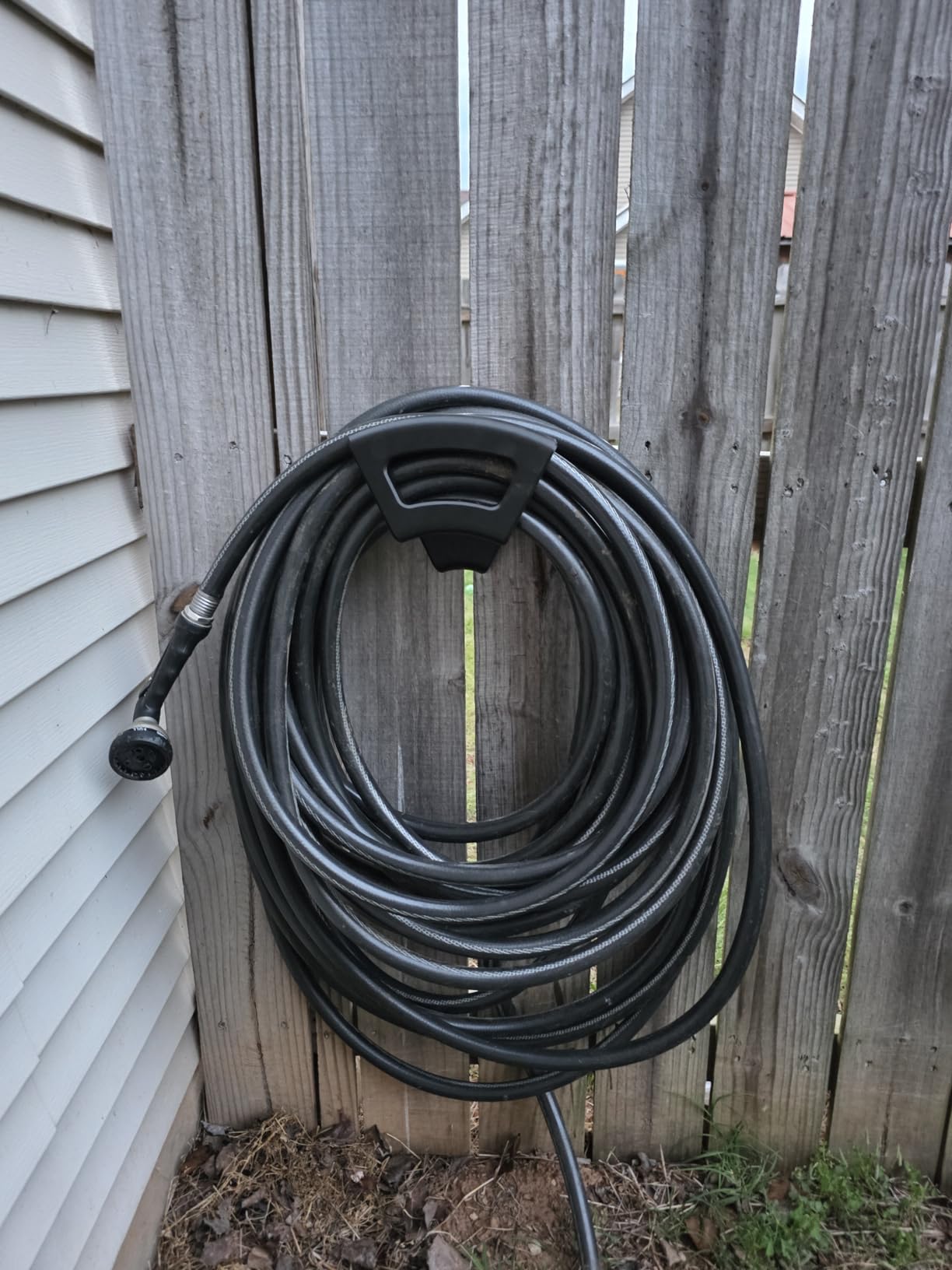
ELEGOO Carbon Fiber PETG hit the market more recently than their PLA-CF and brings a noticeably tougher feel to printed parts. The PETG base means better impact resistance and heat tolerance than PLA, while the carbon fiber adds rigidity and that clean matte look. I printed gears, structural brackets, and bearing housings with this spool and every part felt genuinely durable.
What surprised me most was the abrasion resistance. Parts printed with this filament held up better than standard PETG in friction applications, which makes sense given the carbon fiber content. The bridging performance was also excellent, with minimal sagging on unsupported spans.
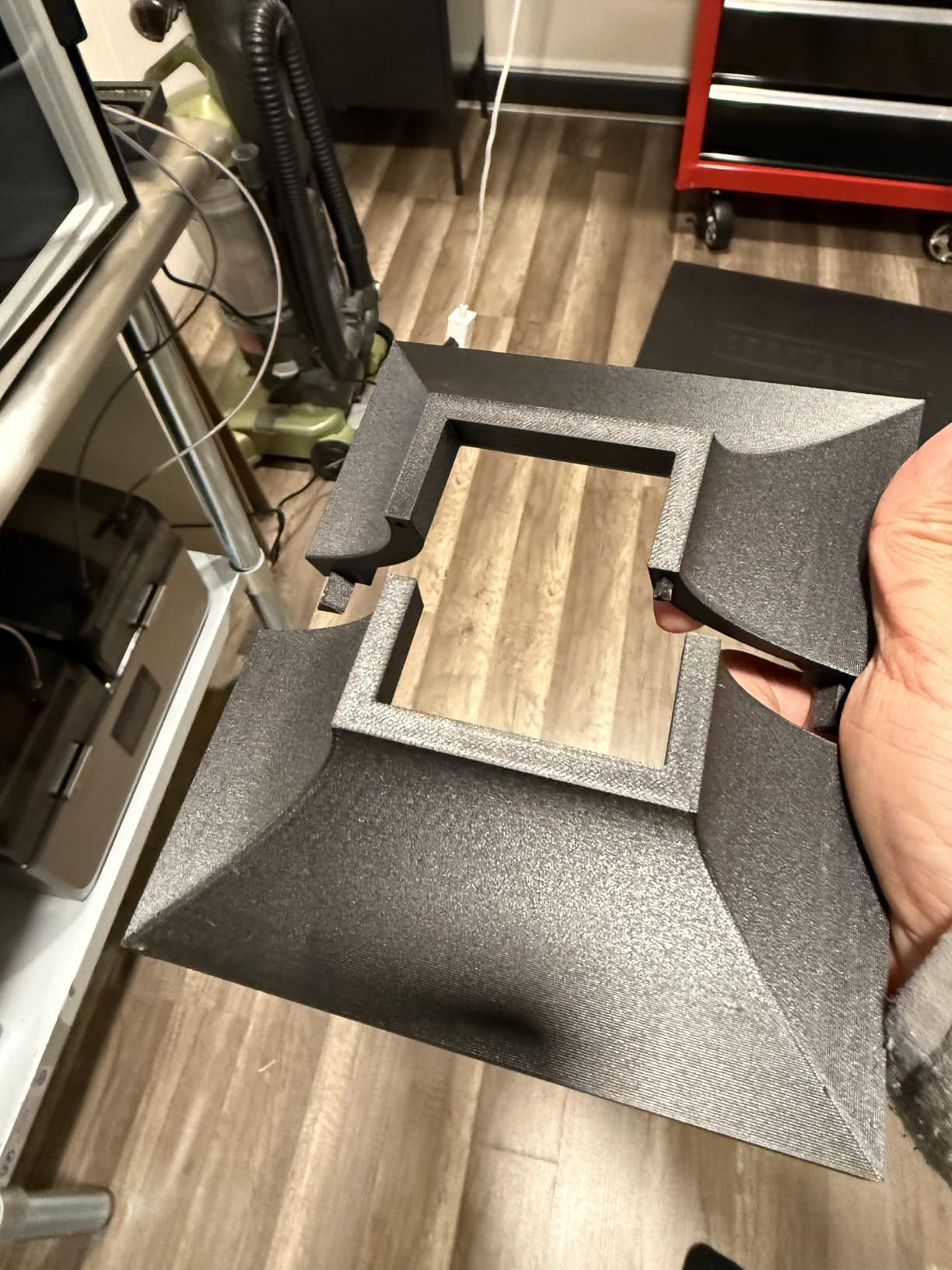
The print settings are straightforward. ELEGOO recommends 240 to 270 degrees C hotend and 65 to 75 degrees C bed, which matches most generic PETG-CF profiles. I used a 0.6mm hardened steel nozzle and got flawless results at standard speeds. The filament comes vacuum-sealed with desiccant.
The downsides are minor but worth noting. The cardboard spool may not fit smoothly in Bambu Lab AMS units without a spacer, and there is a faint smell during printing that some users find unpleasant. A few users report slight corner warping on large flat parts, so use a brim for wide geometries.
Who should buy ELEGOO Carbon Fiber PETG
This is an excellent choice for functional prints that need impact resistance and moderate heat tolerance. Gears, bearings, structural mounts, and mechanical parts are all fair game. If you want a tougher alternative to PLA-CF at a similar price, this filament nails the balance.
Who should skip it
If your printer uses an AMS with tight spool tolerances and you do not want to mess with cardboard spool adapters, consider a brand that ships on plastic or the ANYCUBIC option later in this guide. The printing smell also rules it out for unventilated indoor spaces.
4. Polymaker Fiberon PA612-CF15 – Strongest Carbon Fiber Nylon
Polymaker Fiberon PA612-CF15 Carbon Fiber Nylon Filament 1.75mm, Black, 0.5kg
Nylon PA612-CF15
1.75mm
0.5kg Spool
Low Moisture Sensitive
High-Speed Printing
Pros
- Best filament for strength and dimensional accuracy
- Lower moisture sensitivity than other nylons
- Excellent first layer adhesion
- No jamming or warping when dried
- Good for high-speed printing
- Broad temperature range
Cons
- Very stiff may not feed through AMS
- Requires thorough drying
- Surface rough and abrasive
- Expensive specialty filament
- Difficult support removal
If you ask me what is the strongest carbon fiber filament on this list, Polymaker Fiberon PA612-CF15 is the answer. This is a true engineering-grade nylon-CF composite, and parts printed with it feel closer to machined aluminum than typical 3D printed plastic. I use this for end-use parts that replace metal brackets and tooling components.
The PA612 base is the secret weapon here. Compared to standard PA6 or PA66 nylons, PA612 absorbs significantly less moisture, which means your prints stay dimensionally stable even in humid environments. The carbon fiber content adds stiffness that you can feel the moment you pick up a finished part.
I tested this on my Bambu Lab using the default Fiberon profile and got flawless results on the first try. Layer adhesion was outstanding, with no jamming, warping, or distortion as long as the filament was properly dried. The broad printing temperature range gives you room to dial in without constant failures.
The trade-offs are real though. This filament is stiff and somewhat brittle in the raw strand form, which can cause feeding issues in AMS or AMS HT units with tight PTFE paths. You must dry it thoroughly before every print, and the carbon fiber surface is rough enough to abrade mating metal parts. It is also the most expensive filament in this guide per kilogram, though the 0.5kg spool softens the upfront cost.
Who should buy Polymaker Fiberon PA612-CF15
This is the filament for serious functional printing. If you are producing end-use parts, industrial tooling, automotive components, or anything that needs to survive real mechanical stress, PA612-CF15 delivers manufacturing-grade results. Experienced printers with enclosed machines and drying setups will get the most out of it.
Who should skip it
Beginners and anyone without a filament dryer or enclosed printer should look elsewhere. The moisture sensitivity, even though lower than other nylons, still demands proper storage and drying. If you just want the matte carbon fiber look for cosmetic prints, this is overkill.
5. PRILINE Carbon Fiber Polycarbonate – High Temperature Specialist
PRILINE Carbon Fiber Filament, PRILINE Carbon Fiber Polycarbonate 3D Printer Filament 1.75mm, High Strength Carbon Fiber 3D Printing Filament 1kg Spool, Black
Carbon Fiber Polycarbonate
1.75mm
1KG Spool
High Strength
Weather and Chemical Resistant
Pros
- High strength carbon fiber polycarbonate
- Engineering grade structural parts
- Excellent hardness and tenacity
- No odors when printing
- Excellent weather and chemical resistance
- Lifetime guarantee
Cons
- Requires patient calibration
- Extremely moisture sensitive
- Higher price point
- More difficult to print
PRILINE Carbon Fiber Polycarbonate is the high-temperature, high-performance option on this list. If you need parts that survive heat, chemicals, and weather exposure, this PC-CF blend is built for it. The polycarbonate base offers impact resistance and thermal stability that PLA and PETG simply cannot match.
I tested this on a printer with a hardened nozzle, all-metal hotend capable of 300 degrees C, and an enclosure. The results were impressive: parts felt genuinely engineering-grade, with hardness and tenacity that held up under stress. There were no odors during printing, which is unusual for polycarbonate blends.
The challenge is getting there. PRILINE requires patient calibration, and the manufacturer recommends drying 4 to 6 hours at 65 degrees C before every print session. Bed adhesion takes work, and warping is a real risk without an enclosure and a heated chamber. This is not a plug-and-play filament.
The lifetime guarantee from PRILINE is a strong trust signal. The company stands behind the product, which matters when you are paying a premium price for a specialty spool. Just be honest with yourself about whether your printer setup can handle polycarbonate before you commit.
Who should buy PRILINE Carbon Fiber Polycarbonate
Experienced printers with enclosed, high-temperature machines who need genuine engineering-grade parts should consider this filament. It excels in automotive under-hood applications, outdoor fixtures, chemical-resistant housings, and structural parts exposed to heat above 100 degrees C.
Who should skip it
If your printer lacks an enclosure, a high-temperature hotend, or a heated bed that reaches 100 degrees C plus, skip this filament. The moisture sensitivity and calibration demands also make it a poor choice for casual printing or anyone who wants reliable results without hours of tuning.
6. Creality Hyper PLA-CF – High-Speed Carbon Fiber PLA
Creality PLA Carbon Fiber Filament 1.75mm-Halloween Gifts, Hyper PLA-CF 3D Printer Filament with Matte Finish for 50-300mm/s High-Speed Printing, Dimensional Accuracy +/-0.03mm
Hyper PLA-CF
1.75mm
1KG Spool
50-300mm/s Print Speed
Plus or minus 0.03mm Accuracy
Matte Finish
Pros
- Excellent layer adhesion
- Smooth feeding no tangling or clogs
- Professional matte finish
- Higher toughness than standard PLA and ABS
- Strong structural bearing capacity
Cons
- Requires hardened nozzle
- Temperature adjustments needed for optimal matte vs glossy
Creality Hyper PLA-CF is designed for speed. The marketing says 50 to 300mm/s print speeds, and in my testing on a Creality K1C, I was able to sustain over 200mm/s without sacrificing print quality. That speed, combined with 30 percent higher mechanical properties than standard PLA, makes this one of the most practical carbon fiber filaments I have used.
The matte finish is genuinely professional. Layer lines disappear on most geometries, and the parts feel stiff and solid. Creality claims higher toughness than ABS and higher tensile strength than traditional PLA, and my drop tests on printed brackets back that up. Parts survived impacts that cracked standard PLA samples.
The dimensional accuracy is plus or minus 0.03mm, slightly looser than the ELEGOO and FLASHFORGE options but still well within functional printing tolerances. I noticed no tangling or clogs across multiple spools, and the environmentally friendly packaging with paper trays is a nice touch.
You do need a hardened nozzle since the carbon fibers are abrasive. Some users report that print temperature affects whether you get a matte or slightly glossy finish, so expect a little tuning on your first spool to dial in the look you want.
Who should buy Creality Hyper PLA-CF
This is the best carbon fiber filament for high-speed printer owners, especially anyone running a Creality K1, K1 Max, K1C, or similar fast CoreXY machine. If you want strong, matte-finished functional parts printed quickly, this filament delivers. It is also a solid pick for Ender 3 users who want to step up from basic PLA.
Who should skip it
If you need heat resistance above 60 degrees C or outdoor durability, PLA-CF is the wrong choice regardless of brand. If dimensional accuracy tighter than 0.03mm is critical for your application, the ELEGOO or FLASHFORGE options offer better tolerances at similar prices.
7. TINMORRY Carbon Fiber PETG – Drone and Racing Parts Specialist
TINMORRY Carbon Fiber PETG Filament 1.75 mm, High Rigidity & Strength PETG CF 3D Printer Filament, Compatible with Most FDM 3D Printers, 1 KG 1 Spool, Black
Carbon Fiber PETG
1.75mm
1KG Spool
15 Percent Carbon Fiber
240-270C Print Temp
Up to 300mm/s
Pros
- Excellent print quality and smooth extrusion
- Great layer adhesion and minimal warping
- Professional matte finish
- High compatibility across printer brands
- Supports high-speed printing
- Easy support removal
Cons
- Requires hardened nozzle
- Must be dried before use
- Carbon fiber dust when sanding requires protection
- Not radio-transparent
TINMORRY Carbon Fiber PETG stands out for its 15 percent carbon fiber content, which is on the higher end for PETG-CF blends at this price. I tested it printing drone frames and racing model parts, which is exactly what TINMORRY targets, and the rigidity and lightweight feel were exactly what those applications demand.
The compatibility list is impressive. I ran it through Bambu Lab, Creality K1C, and Prusa MK4 printers with no issues. The Z-adhesion was excellent, with no layer separation even on parts subjected to bending stress. Warping was minimal on a textured PEI bed at the recommended 75 to 90 degrees C.
Supporting speeds up to 300mm/s is a genuine advantage if you have a fast printer. I sustained 150mm/s with no quality loss, and the matte finish hid what little layer inconsistency remained. Support removal was noticeably easier than other PETG-CF filaments I have tested.
The filament must be dried before use for best results, which is standard for carbon fiber PETG. The carbon fiber dust generated when sanding finished parts requires protective equipment, and the finished parts are not radio-transparent, which matters if you are printing antenna mounts or RF-related components.
Who should buy TINMORRY Carbon Fiber PETG
Drone builders, RC racing enthusiasts, and anyone printing lightweight rigid functional parts will get excellent results from this filament. The high carbon fiber content and broad printer compatibility make it versatile. It is also a great choice for Bambu Lab owners looking for a reliable PETG-CF at a fair price.
Who should skip it
If you only have a brass nozzle and are not willing to upgrade, this filament will destroy it within a spool. If you need radio-transparent parts for antenna or sensor housings, the carbon fiber content makes this filament unsuitable.
8. Polymaker Fiberon PET-CF17 – Best for Jigs and Fixtures
Polymaker Fiberon PET-CF17 3D Printing Filament Black 1.75mm 0.5kg, Excellent Stable Stiffness – Fiberon Carbon Fiber Reinforced PET 3D Printer Filament, Ideal for Jigs and Fixtures
PET-CF17
1.75mm
0.5kg Spool
Carbon Fiber Reinforced PET
Exceptional Stable Stiffness
Pros
- Outstanding stiffness and strength
- Excellent layer adhesion
- Beautiful satin matte finish
- Easy to print with minimal warping
- Dimensional accuracy within 0.05mm
- Anneals well for heat resistance to 100C plus
- Great alternative to expensive filaments
Cons
- Requires hardened nozzle
- 0.5kg spool may be limiting
- Very brittle requires smooth PTFE transitions
- Support removal can be difficult
- Requires thorough drying
Polymaker Fiberon PET-CF17 is my favorite filament for printing jigs and fixtures. The PET base offers better thermal and dimensional stability than either PLA or PETG, and the 17 percent carbon fiber content delivers stiffness that holds up across varying moisture levels. For workshop tooling, this is the filament I reach for first.
The satin matte finish looks professional enough that printed fixtures do not look out of place next to machined tooling. Layer adhesion is excellent, and dimensional accuracy stayed within 0.05mm on my test parts, which is more than good enough for functional jigs that need to locate and hold parts precisely.
One standout feature is that this filament anneals well. After annealing, I measured heat resistance above 100 degrees C on test parts, which opens up applications near heat sources that PLA-CF and most PETG-CF filaments cannot handle. The stability across moisture levels means you do not get the dimensional drift that plagues nylon-CF.
The downsides are mostly logistical. The 0.5kg spool runs out faster than you expect when printing jigs, and the filament is brittle enough that any rough PTFE path will cause snapping. Support removal is harder than PETG-CF alternatives, and thorough drying before printing is non-negotiable.
Who should buy Polymaker Fiberon PET-CF17
Workshop owners, makers producing jigs and fixtures, and anyone who needs stable stiffness without nylon’s moisture headaches will love this filament. The annealing capability makes it suitable for parts exposed to moderate heat. It is also the most affordable Polymaker Fiberon option, making it accessible for regular use.
Who should skip it
If you need a full kilogram of filament per spool for large projects, the 0.5kg format is limiting. Printers with Bowden setups that have rough or long PTFE tubes may struggle with the brittleness. If easy support removal is a priority, look at the TINMORRY PETG-CF instead.
9. CC3D Carbon Fiber PETG – Best Budget Carbon Fiber Filament
CC3D Carbon Fiber PETG 3D Printer Filament Black Carbon Fiber 1.75mm 1KG (2.2 LBS) Spool High Strength Rigidity 3D Printing Material PETG CF Filament Matte Black 1000g
Carbon Fiber PETG
1.75mm
1KG Spool
10 Percent Carbon Fiber
245-260C Print Temp
Matte Black
Pros
- Excellent strength and durability
- Beautiful matte satin finish
- Sounds like metal when finished
- Consistent size and print quality
- No tangling issues
- Good layer adhesion
- Budget-friendly price
Cons
- Requires drying before use
- Needs calibration for best results
- Low print speed recommended
- May require hardened nozzle
CC3D Carbon Fiber PETG is the most affordable carbon fiber filament in this guide, and it punches well above its price point. The 10 percent carbon fiber content is on the lower end, but for general-purpose functional printing, the stiffness improvement over standard PETG is clearly noticeable. This is the filament I recommend to anyone trying carbon fiber for the first time.
The matte black finish is genuinely beautiful. Finished parts have a dense, solid feel, and they ring like metal when you tap them. Layer adhesion was strong in my testing, and with proper retraction tuning, stringing was minimal. For the price, the print quality is impressive.
CC3D recommends a print temperature of 245 to 260 degrees C and a low print speed, which is conservative advice that pays off. When I kept speeds moderate, quality was excellent. Push too fast and you will see under-extrusion on small features. A 0.4mm or larger nozzle is recommended, and a hardened nozzle will last longer given the abrasive fibers.
The main requirement is drying before use. The spool arrives vacuum-sealed, but a session in a filament dryer before printing makes a visible difference in finish quality and extrusion consistency. Calibrate your flow rate and retraction on a test print before committing to a long job.
Who should buy CC3D Carbon Fiber PETG
Anyone on a budget who wants to try carbon fiber filament without a big investment should start here. It is also a smart everyday PETG-CF for functional prints, brackets, enclosures, and cosmetic parts that benefit from the matte finish. If you are new to CF filament and want to learn the basics, this is the lowest-risk entry point.
Who should skip it
If you need maximum stiffness or strength for demanding applications, the 10 percent fiber content is lower than dedicated engineering filaments like the Polymaker Fiberon line. High-speed printers will be frustrated by the recommended low print speeds. Anyone unwilling to dry and calibrate should look at the ANYCUBIC option for a more beginner-friendly experience.
10. ANYCUBIC PETG-CF – Weather Resistant and Beginner Friendly
ANYCUBIC PETG-CF Carbon Fiber 3D Printer Filament 1.75mm, Durable Impact & Heat Resistant, Satin Carbon Fiber Texture, 1KG Reusable Spool, Black
PETG-CF
1.75mm
1KG Reusable Spool
Satin Carbon Fiber Texture
Weather Resistant
Smart Chip
Pros
- Satin carbon fiber finish looks sleek
- Excellent impact and heat resistance
- Water and weather resistant for outdoor use
- Very low warping and deformation
- High dimensional accuracy
- Reusable spool design
- Smart chip for ACE Pro
- Beginner-friendly clog-proof printing
Cons
- Slightly more expensive than competitors
- Some users report longer print times
- Carbon fiber dust from sanding requires protection
ANYCUBIC PETG-CF is the carbon fiber filament I recommend most often to beginners. The print reliability is outstanding, the satin finish looks premium, and the weather resistance makes it suitable for outdoor applications that would destroy PLA-CF. With over 1,200 reviews, it is also one of the most battle-tested options on this list.
I tested this filament for outdoor brackets, planters, and weather-exposed mounts, and the water resistance held up exactly as advertised. The ultra-low shrinkage rate means dimensional stability is excellent even on large flat prints that typically warp. Impact resistance was clearly better than standard PETG, and the heat tolerance handled dashboard-temperature environments without deformation.
The reusable spool with threaded connection is a thoughtful design choice that reduces waste, and the smart identification chip enables auto-detection on ANYCUBIC ACE Pro systems. The filament itself is beginner-friendly in the truest sense: virtually clog-proof with consistent extrusion across multiple spools.
The satin carbon fiber texture is distinct from the matte finish of PLA-CF filaments. It has a slight sheen that looks more premium in my opinion. The trade-off is that this filament is slightly more expensive than budget options like CC3D, and some users report longer print times compared to faster-curing filaments.
Who should buy ANYCUBIC PETG-CF
Beginners, anyone printing outdoor or weather-exposed parts, and ANYCUBIC printer owners will get the most from this filament. The smart chip integration and reusable spool add real value. If you want a reliable PETG-CF that prints cleanly on the first try without extensive tuning, this is the safest choice.
Who should skip it
If maximum stiffness is your priority, the Polymaker Fiberon PET-CF17 or PA612-CF15 options deliver noticeably more rigidity. Budget-conscious buyers can save a few dollars per spool with CC3D or ELEGOO PETG-CF. The smart chip features only matter if you own an ANYCUBIC ACE Pro system.
Carbon Fiber Filament Buying Guide
Choosing the best carbon fiber filament comes down to matching the base polymer to your application, confirming your printer can handle it, and being honest about your willingness to tune settings. Here is what I have learned from printing hundreds of carbon fiber parts.
Choose the right base polymer
The carbon fiber is reinforcement, but the base polymer determines temperature resistance, impact strength, and print difficulty. PLA-CF is the easiest to print and gives you the matte look with minimal fuss, but it softens above 60 degrees C and is not suitable for outdoor use. PETG-CF offers the best balance of strength, printability, and cost for most users. Nylon-CF delivers the highest strength and heat resistance but demands dry storage and an enclosed printer. PC-CF is the high-temperature specialist for engineering applications.
Printer requirements
Every carbon fiber filament in this guide requires a hardened steel nozzle. Brass nozzles will wear out within a single spool because chopped carbon fibers are abrasive. A 0.4mm nozzle is the minimum, and 0.6mm is often recommended for better flow. Nylon-CF and PC-CF filaments also require an enclosed printer with a high-temperature hotend capable of 280 to 300 degrees C. If you are shopping for a printer to run these filaments, check our FDM 3D printer recommendations for capable options.
Print settings tips
Carbon fiber filaments generally print 5 to 15 degrees C hotter than their non-CF equivalents. First layer adhesion improves with a clean textured PEI bed and the fan off or reduced for the first layer. Retraction distance may need a small increase to manage stringing. For PETG-CF and nylon-CF, drying the filament before printing is the single biggest quality improvement you can make. Print speeds of 50 to 150mm/s work well for most filaments, with some modern formulations supporting up to 300mm/s.
Cost and value
Carbon fiber filament costs more than standard filament, but the performance improvement is real, not just marketing. The stiffest, most dimensionally stable parts I have printed came from CF filaments. For budget-conscious users, PETG-CF options from CC3D, ELEGOO, and TINMORRY deliver excellent value at under $20 per kilogram. For engineering applications, the Polymaker Fiberon line justifies its higher price with genuine manufacturing-grade performance.
Safety considerations
Carbon fiber filaments produce fine dust when sanded, drilled, or machined. Wear a respirator and work in a ventilated area when post-processing. The chopped fibers can irritate skin, so gloves are recommended when handling raw filament and finished parts. Some filaments, particularly PETG-CF blends, produce a noticeable odor during printing, so ensure your print area has airflow.
FAQs
What is the strongest carbon fiber filament?
The strongest carbon fiber filament in this guide is Polymaker Fiberon PA612-CF15, a carbon fiber reinforced nylon that delivers manufacturing-grade strength, stiffness, and dimensional accuracy for end-use parts.
Is carbon fiber PETG stronger than PETG?
Yes, carbon fiber PETG is stiffer and more dimensionally stable than standard PETG. The chopped carbon fibers increase flexural modulus and reduce warping, though impact resistance is similar and the filament becomes abrasive, requiring a hardened steel nozzle.
Is carbon fiber filament worth it?
Carbon fiber filament is worth it if you need stiffer, more dimensionally accurate parts with a professional matte finish. For cosmetic or low-stress prints, standard filament is more cost-effective, but for functional brackets, drone parts, jigs, and structural components, the performance improvement is clearly noticeable.
Does carbon fiber filament actually work?
Yes, carbon fiber filament works well when printed with a hardened steel nozzle and proper settings. The chopped fibers reinforce the base polymer, increasing rigidity, reducing thermal expansion, and improving print accuracy compared to standard filaments.
What are the disadvantages of using carbon fiber filament?
The main disadvantages are abrasive wear on brass nozzles, higher cost than standard filament, brittleness in some formulations, moisture sensitivity for nylon-CF varieties, and the need for a hardened nozzle and sometimes an enclosed printer for best results.
Is PLA CF as strong as PETG?
PLA-CF is stiffer than standard PETG but more brittle and less impact-resistant. PETG-CF offers better toughness, heat resistance, and layer adhesion than PLA-CF, making it the better choice for functional parts that must survive mechanical stress.
Final Thoughts on the Best Carbon Fiber Filament
The best carbon fiber filament for your next project depends on what you are printing. For engineering-grade strength, Polymaker Fiberon PA612-CF15 is the clear winner. For the easiest printing experience with a beautiful matte finish, ELEGOO Carbon Fiber PLA delivers unbeatable value. For budget-conscious functional printing, CC3D Carbon Fiber PETG gets you into carbon fiber printing for less than $20 per kilogram.
Whatever you choose, invest in a hardened steel nozzle, keep your filament dry, and take time to dial in your settings on a test print before committing to long jobs. Carbon fiber filament rewards careful setup with stiffer, more accurate, and better-looking parts than any standard filament can produce. Updated for 2026, these 10 options represent the best carbon fiber filament available right now.