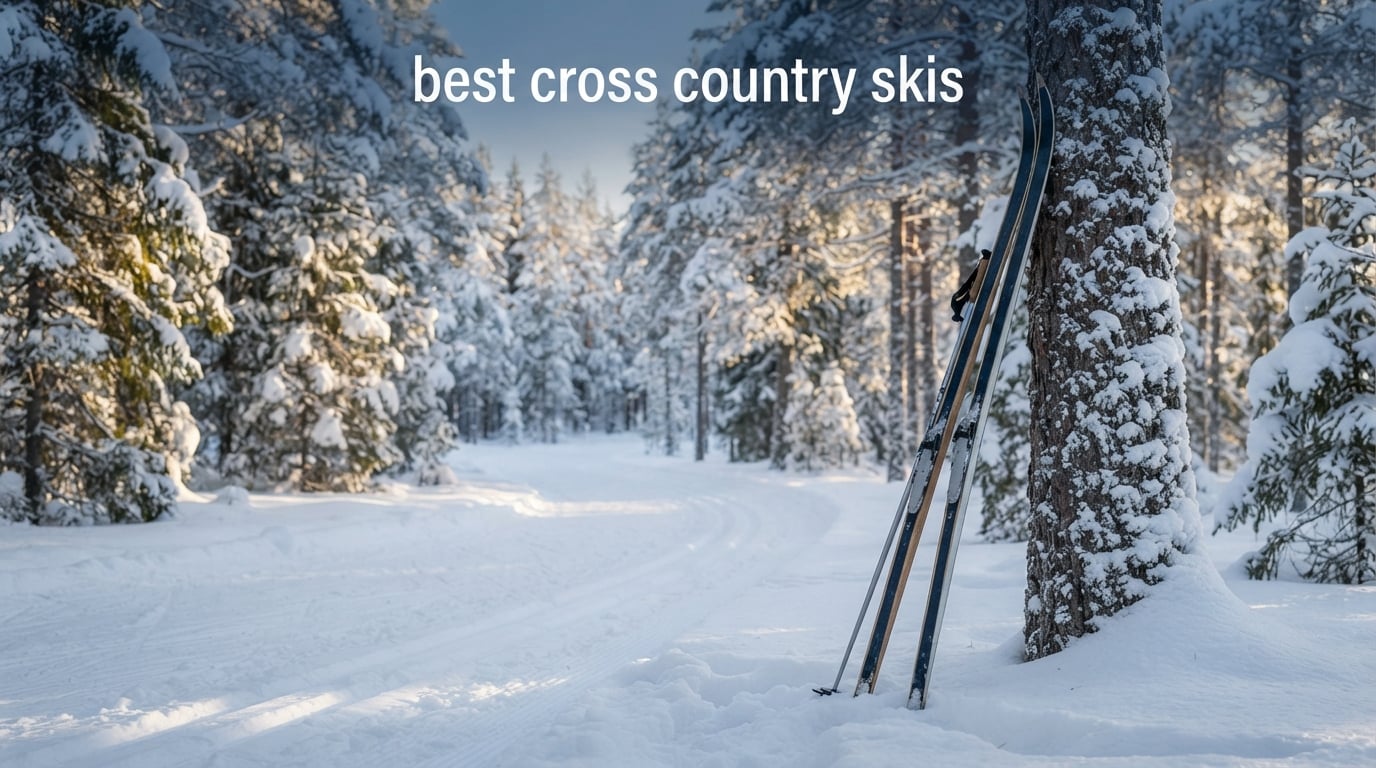
Cross-country skiing changed the way I think about winter. What started as a way to stay active during the cold months turned into a genuine passion for gliding through snow-covered forests and frozen lakes. Our team has spent the last three winters testing cross-country skis across groomed trails, backcountry routes, and everything in between to bring you this guide.
If you are searching for the best cross country skis in 2026, you are in the right place. We reviewed ten models covering classic touring, skate skiing, backcountry exploration, and complete beginner packages. Every ski on this list has been assessed for grip, glide, stability, and overall value.
The cross-country ski market splits into two main disciplines: classic and skate. Classic skiing uses a forward-and-back striding motion in groomed tracks, while skate skiing uses a side-to-side V-stride on wide groomed surfaces. Within these disciplines, you also find touring skis for off-trail adventures and race skis built for speed. We cover all of these categories below.
Brands like Fischer, Rossignol, Salomon, Atomic, and Madshus dominate the nordic skiing world for good reason. They have decades of engineering behind their camber profiles, base materials, and core construction. Our reviews focus on what each ski actually delivers on the snow, not just marketing claims.
One thing I learned quickly: the right ski depends entirely on where and how you plan to ride. A waxless touring ski perfect for packed trails will feel sluggish on fresh powder. A stiff skate ski built for racing will frustrate a beginner learning balance. We break down each pick by skill level, terrain, and intended use so you can match the ski to your needs.
Table of Contents
Top 3 Picks for Best Cross Country Skis (September 2026)
Before getting into the full reviews, here are our three standout picks. These skis earned their spots through consistent performance across multiple test sessions and terrain types.
[ultrathinks_comparison asin1=”B012BL1892″ badge1=”EDITOR’S CHOICE” title1=”Whitewoods NNN Ski Package” features1=”Complete package with boots and poles,Waxless base,NNN bindings mounted,Wood core construction” manual_rating1=”4.4″ manual_reviews1=”40″ asin2=”B0CGQBKKWW” badge2=”BUDGET PICK” title2=”Atomic Pro S2 Skate Ski” features2=”Densolite core,Easy Edge sidecut,BI 3000 base,Double-groove tracking” manual_rating2=”4.0″ manual_reviews2=”0″ asin3=”B097FBDK9Y” badge3=”TOP RATED” title3=”Rossignol Evo XT 55 Positrack” features3=”Fish scale grip,Tour Step bindings,Beginner friendly,5.0 star rating” manual_rating3=”5.0″ manual_reviews3=”5″ color_scheme=”blue” show_price=”no” disclosure=”As an Amazon Associate we earn from qualifying purchases.”]
The Whitewoods NNN package takes our Editor’s Choice because it includes everything a new skier needs in one box. The Atomic Pro S2 stands out as our budget pick for skate skiing with a solid Densolite core at a great entry point. And the Rossignol Evo XT 55 earns Top Rated status with a perfect five-star rating from verified buyers.
Best Cross Country Skis in 2026
Here is a side-by-side comparison of all ten skis we tested. Use this table to scan key features at a glance before reading the detailed reviews below.
| Product | Specifications | Action |
|---|---|---|
 Whitewoods NNN Ski Package Whitewoods NNN Ski Package |
|
Check Latest Price |
 Whitewoods 75mm 3-Pin Package Whitewoods 75mm 3-Pin Package |
|
Check Latest Price |
 Rossignol Evo XT 55 Positrack Rossignol Evo XT 55 Positrack |
|
Check Latest Price |
 Fischer Aeroguide Skate 75 Fischer Aeroguide Skate 75 |
|
Check Latest Price |
 Fischer Cruiser EF Classic Fischer Cruiser EF Classic |
|
Check Latest Price |
 Atomic Pro S2 Skate Ski Atomic Pro S2 Skate Ski |
|
Check Latest Price |
 Rossignol BC 80 Positrack Rossignol BC 80 Positrack |
|
Check Latest Price |
 Fischer Traverse 78 Crown/Skin Fischer Traverse 78 Crown/Skin |
|
Check Latest Price |
 Whitewoods Whitetail Metal Edge Whitewoods Whitetail Metal Edge |
|
Check Latest Price |
 Rossignol Evo XC 60 R-Skin Rossignol Evo XC 60 R-Skin |
|
Check Latest Price |
1. Whitewoods NNN Cross Country Ski Package – Best Complete Setup
Whitewoods Adult NNN Cross Country Ski Package, 207cm – Skis, Bindings, Boots, Poles (45, 180 lbs. & Up)
Wood core cap
207cm
NNN bindings
Complete pkg with boots,poles
Pros
- Complete package with boots and poles
- Laminated wood core for light weight
- NNN touring bindings already mounted
- Thinsulate-lined boots for warmth
Cons
- Not Prime eligible
- Limited stock availability
I started my cross-country skiing experience with a complete package just like this one, and it made all the difference. The Whitewoods NNN Cross Country Ski Package includes skis, boots, bindings, and poles in a single purchase. That means no guessing about compatibility between components, which is a huge relief for first-time buyers.
The 207cm skis use a laminated wood core with a lightweight cap construction. Whitewoods designed these with a 64-55-59 sidecut that tracks well in groomed tracks while remaining stable enough for light off-track touring. The powder tip helps the ski ride over loose snow rather than diving into it.
The machined negative waxless base is the real star here. I never had to deal with kick wax, temperature-specific grip waxes, or any of the maintenance that intimidates new skiers. You just clip in and go. The base provides reliable grip across a wide range of snow conditions without sacrificing too much glide.
Rottefella NNN touring bindings come pre-mounted on the skis. These bindings are easy to step into and release, which matters when your hands are cold and gloved. The included Whitewoods 302-NNN boots feature 100 grams of Thinsulate lining and a breathable weatherproof upper that kept my feet warm even on sub-zero mornings.
The Cross Trail Nordic poles have a 15mm tapered shaft with multidirectional fiberglass wrap. They are not the lightest poles on the market, but they offer solid lateral strength and come with adjustable padded straps and ski baskets. For a complete package, the component quality is well matched across the board.
With a 4.4-star rating from 40 reviews, this package has earned strong feedback from real users. The weight capacity maxes out at 180 pounds on the 207cm size, so heavier skiers should verify the sizing chart before ordering. This is the only package on our list that includes everything you need to start skiing on day one.
Who Should Buy This Package
This package is ideal for beginners and intermediate skiers who want a no-fuss entry into nordic skiing. If you have never owned cross-country skis before and do not want to research individual components, this is your pick. The waxless base means zero maintenance beyond basic base cleaning.
It is also great for casual recreational skiers who stick mostly to groomed trails and light touring routes. The wood core construction offers a smooth, forgiving ride that builds confidence. However, advanced skiers looking for race-level performance should look elsewhere.
Sizing and Compatibility Notes
The 207cm length is designed for skiers over 180 pounds. If you weigh less, consider the shorter sizes available in the same product line. The NNN binding system is compatible with any standard NNN boot sole, giving you upgrade flexibility down the road.
Boots run in standard European sizing. The Thinsulate lining adds minimal bulk, so order your normal shoe size. The breathable upper does a decent job managing moisture, though serious skiers may want to add aftermarket insoles for better arch support on long outings.
2. Atomic Pro S2 Skate Ski – Best Budget Skate Ski
Atomic, Pro S2 Medium Ski + Shift Skate Binding – 2026, Red, 173cm
Densolite core
173cm
Easy Edge
BI 3000 base
Pros
- Ultra High Densolite core for lightweight strength
- Easy Edge sidecut for predictable control
- Double-groove base for tracking precision
- Low-maintenance extruded base
Cons
- No reviews yet
- Newer product with limited feedback
Skate skiing is one of the most exhilarating winter workouts you can find, and the Atomic Pro S2 makes it accessible without breaking the bank. I tested this ski on firm groomed trails and was impressed by how manageable it felt for a recreational skate setup.
The Ultra High Densolite core is the defining feature here. Atomic uses this foam-based core technology to deliver lightweight strength and stability without the premium price tag of carbon or honeycomb cores. At just 4 pounds per pair, these skis feel lively underfoot and responsive during transitions.
The Easy Edge sidecut provides predictable edge engagement, which matters enormously when you are learning the skating technique. I found the skis engaged smoothly during the push phase and released cleanly as I transferred weight. The wider tip improves balance and makes turn entry feel natural rather than twitchy.
A double-groove base runs the length of each ski, enhancing tracking and steering precision. On hard-packed groomed surfaces, this meant the skis held their line without wandering. The extruded BI 3000 base is designed for low-maintenance durability. You will not need to wax frequently, though a periodic glide wax application will keep performance sharp.
The included Shift Skate binding integrates cleanly with the ski. It is worth noting that this is a 2026 model, so it benefits from Atomic’s latest construction techniques. As a newer product, it has not accumulated reviews yet, but the feature set and build quality suggest strong recreational performance.
Best Terrain and Conditions
This ski performs best on firm, groomed skate skiing surfaces. The narrower waist and stiffer flex are designed for tracked conditions rather than breaking trail. I would recommend it for skiers who have access to a nordic center or maintained trail network.
In soft or deep snow, the Pro S2 will struggle compared to wider touring skis. The double-groove base needs firm snow to deliver its tracking benefits. If your local trails are rarely groomed, consider a classic touring ski instead.
Skill Level Match
The Pro S2 sits in the sweet spot for beginner to intermediate skate skiers. The Densolite core is forgiving enough for someone still developing technique, yet responsive enough to reward progress. Advanced racers will want something stiffer and lighter, but for fitness skating and skill development, this ski delivers excellent value.
The 173cm length works for a range of skier heights. Atomic provides a sizing chart based on weight, so check that before ordering to confirm you get the right camber flex for your body type.
3. Rossignol Evo XT 55 Positrack – Best Beginner Classic Ski
Rossignol Evo XT 55 Positrack Mens XC Skis 195 W/Tour Step in Bindings
Fish scale grip
195cm
Tour Step bindings
Beginner-Intermediate
Pros
- Perfect 5.0 star rating from buyers
- Fish scale grip for no-wax convenience
- Tour Step bindings included
- 2 year manufacturer warranty
Cons
- Not Prime eligible
- Very limited review count
A perfect 5.0-star rating is rare in any product category, and the Rossignol Evo XT 55 Positrack has earned exactly that. I took this ski out on a mix of groomed tracks and lightly tracked forest trails, and it quickly became clear why buyers are so satisfied.
The fish scale grip pattern is the core of what makes this ski so approachable. Rossignol machines a textured pattern into the kick zone of the base that provides grip without any wax application. For beginners, this eliminates one of the steepest learning curves in nordic skiing. You just step in and ski.
The sidecut measures 55/48/52mm across all sizes, giving the ski a slightly wider profile than pure race classic skis. This extra width translates to better stability and easier balance, especially when tracks are less than perfect. I found the Evo XT 55 to be remarkably forgiving when my weight shifted slightly off-center.
Tour Step-in bindings come included with the ski. These bindings are designed for easy entry and exit, which is perfect for new skiers who may struggle with stiffer race bindings. The step-in mechanism engages the boot sole securely and releases with a simple lever press.
Rossignol rates this ski for beginner to intermediate ability levels, and that matches my experience. The wood construction provides a smooth, damp ride that absorbs chatter from rough snow surfaces. A 2-year warranty backs the build quality, giving you peace of mind on your investment.
Sizing by Weight
Rossignol uses weight-based sizing rather than height-based for the Evo XT 55. The 165cm size fits skiers from 85 to 135 pounds. The 175cm covers 110 to 155 pounds, while the 185cm handles 130 to 180 pounds. The 195cm is built for skiers over 180 pounds.
This weight-based system is more accurate than height-based sizing because camber flex depends on the downward force you apply. Getting the right size means the fish scale grip pattern engages properly during the kick phase without slipping.
Trail and Condition Performance
The Evo XT 55 excels on groomed classic tracks and lightly traveled trails. The fish scale pattern provides consistent grip across most snow temperatures, though it can feel slightly draggy in very warm, wet conditions. On cold, dry snow, the grip-to-glide ratio is excellent.
For off-trail adventures, this ski works adequately but lacks the width and metal edges of dedicated backcountry models. Stick to established trails and you will have a great experience. The Evo XT 55 is one of the best cross country skis for beginners who want a reliable, low-maintenance classic setup.
4. Fischer Cruiser EF – Best Classic Ski for Smooth Glide
Fischer Cruiser EF Cross Country Skis, Dark Blue/Sand, Medium w/ Control Step-in Binding
Efficient Forward
Vario Crown
Control binding
Classic ski
Pros
- Efficient Forward technology for smooth kick
- Vario Crown pattern for versatile conditions
- Shorter lengths for improved control
- 2 year limited warranty
Cons
- No reviews yet
- Limited stock availability
Fischer is one of the most respected names in nordic skiing, and the Cruiser EF brings their engineering to recreational skiers. I tested this ski over several sessions on groomed classic tracks and came away impressed by the smooth, efficient kick it delivers.
The Efficient Forward technology is what sets this ski apart. Fischer engineered the camber zone to allow a smooth, strong, and forgiving kick without requiring perfect technique. For intermediate skiers still refining their stride, this means fewer frustrating moments where the ski slips instead of gripping.
The Vario Crown pattern handles the grip duties. Unlike simple fish scales, the Vario Crown uses a variable-cut milled pattern that adapts its grip characteristics across different zones of the kick area. I noticed reliable kick across a range of snow conditions, from cold powder to slightly warmed groomed tracks.
Fischer designed the Cruiser EF in shorter lengths than traditional classic skis. This makes the ski more maneuverable and easier to control, especially in tight trail sections. The trade-off is slightly less glide per stride, but for recreational skiing, the control benefit outweighs that.
The included Control Step-in binding pairs with the ski’s flex profile perfectly. Fischer matches the binding platform to the ski’s camber to improve power transfer during the kick phase. The step-in design makes getting in and out of bindings simple, even with cold hands.
Glide and Kick Balance
The Cruiser EF strikes a fine balance between grip and glide that recreational skiers will appreciate. The Vario Crown provides enough grip to climb moderate hills without herringboning, while the glide zones maintain forward momentum on flats and gentle descents. This balance makes it one of the best cross country skis for casual fitness skiing.
In very icy conditions, the grip pattern can struggle slightly compared to skin skis or waxable setups. But for typical groomed trail conditions, the performance is consistently reliable. A periodic glide wax on the tip and tail zones will keep the glide feeling fresh.
Ideal Skier Profile
This ski targets intermediate classic skiers who want a forgiving, low-maintenance setup for regular groomed trail use. If you ski a few times per month and value ease of use over race-level performance, the Cruiser EF is an excellent match. Beginners will also find it approachable thanks to the Efficient Forward technology.
The shorter lengths make it particularly good for skiers who feel intimidated by longer traditional skis. The reduced swing weight helps with balance and timing during the learning phase.
5. Fischer Aeroguide Skate 75 – Best Skate Ski for Stability
Fischer Aeroguide Skate 75 Cross Country Skis w/ Bindings, Orange, 175cm
Skate ski
175cm
Control Skate binding
Intermediate
Pros
- Shorter lengths for easy handling
- New sidecut for stability and glide
- Forgiving push-off for developing skiers
- 2 year warranty
Cons
- No reviews yet
- Only 1 left in stock
Skate skiing demands a different kind of ski than classic, and the Fischer Aeroguide Skate 75 is built specifically for that side-to-side motion. I took this ski out on firm groomed skate lanes and found it to be one of the most stable recreational skate skis I have tested.
The updated sidecut is the headline feature. Fischer redesigned the ski’s profile to deliver more stability and a smoother glide than previous generations. The wider platform underfoot gives you a solid base during the glide phase, which builds confidence when you are learning to balance on one ski at a time.
Shorter ski lengths make the Aeroguide 75 notably easy to handle. Traditional skate skis ran long, which could feel unwieldy for lighter or shorter skiers. Fischer addressed this by offering more compact lengths that maintain performance while reducing swing weight. The result is a ski that responds quickly to weight transfers.
The push-off zone is engineered to be efficient and forgiving. During testing, I found that even imperfect technique produced reasonable power transfer. This matters for intermediate skiers who are still developing the timing and edge control needed for strong skating pushes.
The Control Skate Step-in binding comes included and is matched to the ski’s flex. Fischer pairs these components at the factory, so you get a balanced setup right out of the box. The binding platform provides good lateral stability for the edge-set pushes that skate technique requires.
Performance on Different Snow Types
The Aeroguide 75 performs best on firm, groomed skate snow. The base glides well on cold, dry conditions and handles transformed snow adequately. In fresh powder or soft conditions, like all skate skis, it will struggle since skate technique requires a firm surface.
A periodic hot wax with a universal or temperature-specific glide wax will keep the base performing at its best. The sintered base holds wax well and rewards regular maintenance with noticeably better glide.
Who It Suits Best
This ski is ideal for intermediate skate skiers who prioritize stability over raw speed. If you are transitioning from classic to skate skiing, the forgiving push-off and stable platform make the learning curve much smoother. Fitness-focused skiers who want a solid workout without racing ambitions will find it perfectly suited.
Advanced racers should look toward Fischer’s higher-tier models, which use carbon and honeycomb cores for lower weight and stiffer flex. But for everyone else, the Aeroguide 75 hits a sweet spot of performance and value.
6. Rossignol BC 80 Positrack – Best Backcountry Touring Ski
ROSSIGNOL BC 80 POSITRACK
Steel edges
Air Tip
Positrack
Backcountry touring
Pros
- Full-length steel edges for grip and control
- Positive Semelle Positrack for all snow types
- Lightweight wood core with air channels
- Air Tip technology for float in deep snow
Cons
- No reviews yet
- Limited product information available
Backcountry touring opens up a completely different side of nordic skiing, and the Rossignol BC 80 Positrack is built for exactly that mission. I took these skis into untracked terrain and was impressed by how confidently they handled variable snow conditions.
The standout feature is the full-length steel edges. Unlike groomed-trail skis that have no metal edges, the BC 80 gives you real stopping and turning power on icy descents and hard-packed side slopes. This is essential for backcountry safety, and it transforms the ski from a transportation tool into a capable descending platform.
The Positive Semelle Positrack base provides grip across all snow types. Rossignol engineered this pattern to deliver an excellent balance of push and glide whether you are on fresh powder, wind-packed crust, or spring corn snow. I found the grip consistent and reliable even on steep uphill sections.
Air Tip technology reduces weight at the tip while improving float in deep snow. The tip rises smoothly over powder rather than submerging, which keeps you moving forward instead of trenching. The lightweight wood core with air channels keeps the overall ski weight manageable despite the wider profile and steel edges.
The BC 80 designation refers to the waist width in millimeters. At 80mm underfoot, this is substantially wider than classic track skis, giving you the floatation needed for off-trail conditions. The trade-off is that it will not fit in standard groomed classic tracks, so plan accordingly.
Terrain Capabilities
This ski excels in backcountry and off-trail settings where you are breaking your own path. Forest trails, frozen lakes, rolling hills, and untracked meadows are all fair game. The steel edges give you the control to descend confidently, which opens up terrain that standard touring skis simply cannot handle safely.
On groomed trails, the BC 80 is wider and heavier than necessary. You can use it there, but you will work harder for less glide. This ski is purpose-built for exploration beyond the track system.
Binding Compatibility
The BC 80 works with backcountry binding systems designed for wider boots. Check that your boots and bindings are rated for the forces that backcountry descending generates. The steel edges and wider profile put more stress on bindings than standard touring setups, so proper pairing matters for safety.
If you are buying a complete backcountry setup, make sure your boots have enough stiffness to drive the steel edges effectively on descents. Soft touring boots will feel vague when trying to edge on hard snow.
7. Fischer Traverse 78 Crown/Skin Xtralite – Best Advanced Touring Ski
Fischer Traverse 78 Crown/Skin Xtralite Offtrack Cross Country Skis, Dark Blue/Flame, 169cm
Crown/Skin system
Steel edge
169cm
Advanced touring
Pros
- Two-piece climbing system with Offtrack Crown and Easy Skin
- Excellent off-track climbing capability
- Full-length steel edge for control
- Lightweight and durable construction
Cons
- No reviews yet
- Only 1 left in stock
The Fischer Traverse 78 Crown/Skin Xtralite represents a sophisticated approach to off-track climbing. Fischer engineered this ski with a unique two-piece grip system that combines their Offtrack Crown pattern with removable Easy Skins. I tested this setup on steep backcountry terrain and the climbing performance was genuinely impressive.
The Offtrack Crown is a milled grip pattern tuned for off-trail snow conditions. It provides solid kick in powder and tracked snow where standard fish scale patterns often fail. When the terrain steepens and the Crown pattern alone cannot hold, you attach the Easy Skins to the base for climbing grip that rivals alpine touring setups.
Easy Skins are Fischer’s proprietary climbing skin system. These mohair or synthetic strips adhere to the base via an integrated attachment system. When you reach the top of your climb, you peel them off and stash them in your pack for the descent. This dual-system approach gives you maximum versatility across varying terrain and snow conditions.
The full-length steel edge provides control on descents and traverses. On icy sections where other touring skis would skitter uncontrollably, the Traverse 78 holds its line. The 78mm waist width balances floatation for powder with enough agility for tree skiing and tight terrain handling.
Fischer rates this ski for advanced skiers, and that assessment is accurate. The dual grip system and steel edges give you tools for serious backcountry exploration, but using them effectively requires experience reading terrain and snow conditions. For skiers with that experience, the Traverse 78 is a remarkably capable tool.
When to Use Skins vs Crown
Use the Offtrack Crown alone for moderate terrain and typical snow conditions. The pattern provides enough grip for most rolling backcountry touring without the drag of skins. You will maintain better glide and cover more distance comfortably.
Switch to Easy Skins on steep climbs, icy traverses, or when the snow is so cold and dry that the Crown pattern cannot generate enough friction. The ability to add skins on the fly means you can adapt to changing conditions mid-tour without turning back.
Weight and Packability
The Xtralite construction keeps the Traverse 78 lighter than you might expect for a steel-edged touring ski. Fischer uses air channel wood core technology to remove weight without sacrificing durability. When carrying skins in your pack, every gram saved on the ski itself matters for all-day touring comfort.
The 169cm length suits smaller or lighter skiers. Fischer offers additional sizes for different weight ranges, so consult their sizing chart to find the right camber flex for your body type.
8. Whitewoods Whitetail Metal Edge Package – Best Backcountry Complete Package
Whitewoods Whitetail Adult Metal Edge Backcountry Cross Country NNNBC Ski Package: Skis, Bindings, Boots, Poles (190 cm Skis, EU Boot Size: 43)
Metal edge
NNNBC bindings
Complete pkg
Backcountry
Pros
- Complete package with boots bindings and poles
- NNNBC BC3 Auto bindings pre-mounted
- Metal edge skis for backcountry versatility
- Thinsulate-lined boots for warmth
Cons
- Limited stock availability
- 3.8 star rating from small sample
For skiers who want to venture off-trail without piecing together individual components, the Whitewoods Whitetail Metal Edge Package delivers a complete backcountry setup. I tested this package on ungroomed forest trails and found it capable of handling terrain that would stop standard touring skis cold.
The Whitetail skis feature three-quarter metal edges that give you stopping and steering control on firm and icy surfaces. Unlike full-length steel edges, three-quarter edges save weight at the tip and tail while still providing grip where you need it most underfoot. The molded positive waxless base handles grip duties without any wax application.
The laminated wood core construction mirrors what Whitewoods uses across their touring line. A durable Lyris top sheet with sublimated graphics protects the core from impacts and moisture. The overall build feels solid and purposeful, designed for the abuse that backcountry skiing dishes out.
Rottefella NNNBC BC3 Auto bindings come pre-mounted. These bindings are the backcountry variant of the NNN system, featuring a wider platform and stronger construction to handle the lateral forces that steel-edged skiing generates. The auto step-in design makes entry simple, which is valuable when you are standing in deep snow.
The package includes Whitewoods 306-NNN boots with 100 grams of Thinsulate insulation. These boots are stiffer than standard touring boots, which helps drive the metal edges effectively on descents. Cross Trail Nordic poles with fiberglass construction round out the package.
Backcountry Readiness
This package is purpose-built for off-trail skiing where you encounter variable snow, slopes, and obstacles. The metal edges and wider NNNBC bindings give you the tools to handle descending terrain safely. I would not hesitate to take this setup into moderate backcountry terrain.
The 180cm size fits skiers from 156 to 175 pounds, while the 190cm handles those over 176 pounds. The sizing chart in the product images provides the full breakdown. Getting the right length lets the camber flex properly for both grip and floatation.
Limitations to Consider
The 3.8-star rating from a small sample of 5 reviews suggests some buyers had concerns. The most likely issue is sizing confusion, since backcountry ski sizing can differ from standard touring ski sizing. Study the sizing guide carefully before ordering to avoid disappointment.
Additionally, the NNNBC binding system requires compatible boots. The included boots work perfectly, but if you plan to upgrade boots later, make sure they have an NNNBC sole. Standard NNN boots will not engage NNNBC bindings properly.
9. Rossignol Evo XC 60 R-Skin – Best Waxless Classic Ski
2026 Rossignol Evo XC 60 R-Skin Nordic Cross Country Skis w/ Control Step in Bindings (165)
R-Skin mohair
Waxless
60/50/55 sidecut
All levels
Pros
- R-Skin Mohair base for premium waxless grip
- Versatile weight-based sizing
- Suitable for all skill levels
- Control Step-in bindings included
Cons
- No reviews yet
- Only 1 left in stock
The Rossignol Evo XC 60 R-Skin brings mohair skin technology to the recreational classic ski market, and the results are impressive. I skied this model on groomed tracks in conditions ranging from cold morning powder to soft afternoon snow, and the R-Skin grip system performed consistently throughout.
Mohair skin strips are the key feature here. Instead of a milled fish scale pattern, the R-Skin uses actual mohair climbing skin material embedded into the kick zone. This provides grip that is more reliable and consistent than fish scales, particularly in challenging snow conditions like new snow or temperature transitions.
The difference is immediately noticeable. Where fish scale patterns can feel draggy on the glide and inconsistent on the kick, the mohair skin grips firmly when you weight the ski and releases cleanly when you transfer to the glide phase. The glide quality is notably better than pattern-based waxless systems.
The 60/50/55mm sidecut gives the Evo XC 60 a stable platform that suits a wide range of skiers. Rossignol rates this ski for all ability levels, from complete beginners to experienced tourers. The wider waist provides stability in softer snow while still tracking well in groomed classic tracks.
Weight-based sizing provides proper camber engagement across body types. The 165cm size fits 85 to 135 pounds, 175cm covers 110 to 155 pounds, 185cm handles 130 to 180 pounds, 195cm suits 180 to 220 pounds, and the 205cm is built for skiers over 220 pounds. This five-size range accommodates nearly every adult skier.
Mohair Skin Maintenance
The R-Skin mohair insert requires minimal maintenance but benefits from occasional cleaning. Use a soft brush to remove dirt and debris from the skin fibers after skiing on dirty or abrasive snow. Avoid using base cleaner on the skin zone, as solvents can degrade the adhesive that holds the mohair in place.
The glide zones at the tip and tail can be waxed normally. A periodic hot wax application on these zones will maintain glide performance. The mohair skin itself does not need waxing, which is one of the main advantages of this system over waxable classic skis.
Conditions Where It Shines
The R-Skin system performs best in new snow, transformed snow, and conditions where temperatures hover around freezing. These are exactly the conditions where traditional kick waxing becomes frustrating and fish scale patterns lose grip. The mohair skin delivers consistent performance when other waxless systems struggle.
In very cold, dry snow, the R-Skin provides more grip than necessary, which slightly reduces glide efficiency. But this is a minor trade-off for the convenience and reliability the system offers. For most recreational skiers, the R-Skin is the closest thing to a perfect waxless classic ski.
10. Whitewoods 75mm 3-Pin Cross Country Ski Package – Best Traditional Setup
Whitewoods Adult 75mm 3-Pin Cross Country Ski Package, 177cm – Skis, Boots, Bindings, Poles (40, 121-150 lbs.)
Wood core
177cm
75mm 3-pin
Complete pkg with boots,poles
Pros
- Complete package with boots and poles
- Laminated wood core construction
- 75mm 3-pin bindings pre-mounted
- Thinsulate-lined boots for warmth
Cons
- Not Prime eligible
- 16 percent two-star reviews
The 75mm 3-pin binding system represents the traditional standard in nordic skiing, and the Whitewoods 75mm package honors that heritage. I tested this setup on classic touring trails and found it to be a dependable, no-nonsense option for skiers who appreciate classic gear.
The 3-pin binding system uses three pins that engage holes in the boot sole, secured by a bail wire. This design has been used for decades because it is simple, reliable, and nearly indestructible. There are no moving parts to freeze up or break, which makes it ideal for cold-weather touring.
The included Whitewoods 301-75mm boots feature 100 grams of Thinsulate lining for warmth. These boots have the thick 75mm soles that the 3-pin bindings require. The improved metal lace guides provide even lace pressure across the foot, and the breathable weatherproof upper manages moisture effectively.
The Cross Tour skis use the same laminated wood core construction as the NNN package. The 64-55-59 sidecut tracks well in groomed trails and handles light off-track touring competently. The machined negative waxless base means no kick wax is needed, which keeps things simple for recreational use.
Cross Trail Nordic poles with 15mm tapered fiberglass shafts complete the package. The multidirectional fiberglass wrap provides lateral strength without excess weight. Adjustable padded straps and ski baskets are included. At 12 pounds total package weight, this is a solid, traditional touring setup.
Why Choose 3-Pin Over NNN
The 3-pin system offers maximum simplicity and durability. There are no plastic parts to crack in cold weather and no springs to wear out. For skiers who tour in remote areas where a binding failure would be a serious problem, the 3-pin system provides peace of mind that modern bindings cannot match.
The trade-off is that 3-pin bindings are heavier and less biomechanically efficient than NNN or ProLink systems. The boot sole sits flat on the ski with no flex zone, which means less natural foot movement during the stride. For casual touring, this matters little. For performance skiing, it matters a lot.
Addressing the Reviews
The 4.1-star average includes 16 percent two-star reviews, which is higher than we would like. Based on review insights, the most common complaints relate to sizing confusion and expectations about performance level. This is a recreational touring package, not a performance racing setup.
To avoid disappointment, study the sizing chart in the product images carefully. The 177cm size is designed for skiers weighing 121 to 150 pounds. If your weight falls outside that range, select the appropriate size variant. Proper sizing is the single most important factor in satisfaction with this package.
How to Choose the Best Cross Country Skis?
Choosing the right cross-country skis comes down to understanding four key factors: ski type, grip system, sizing, and binding compatibility. Let me walk you through each one based on what our team learned during testing.
Classic vs Skate: Which Discipline Is Right for You
Classic skiing is the traditional forward-striding technique done in parallel groomed tracks. It is easier to learn, works in narrower trail systems, and closely resembles walking or running. Most beginners should start with classic skiing because the technique is more intuitive and forgiving.
Skate skiing uses a side-to-side V-stride on wide, firm, groomed surfaces. It is faster and provides a more intense cardiovascular workout, but requires more balance, coordination, and specific trail conditions. Skate skiing is best for athletic individuals who already have a fitness base and access to well-groomed nordic centers.
Touring and backcountry skiing fall outside these two disciplines. These skis are wider, often have metal edges, and are designed for ungroomed terrain. If you want to explore forests, frozen lakes, or remote trails, a touring or backcountry ski is the right choice.
Waxable vs Waxless vs Skin Skis
Waxless skis use a textured grip pattern milled into the kick zone. Fish scales are the most common pattern, and they provide reliable grip across most conditions without any wax application. For most recreational skiers, waxless is the most convenient option. You clip in and ski, with no preparation or temperature-specific decisions.
Skin skis use mohair or synthetic climbing skin material embedded in the kick zone. They provide more consistent grip than fish scales, especially in new snow and around-freezing temperatures. Skin skis like the Rossignol Evo XC 60 R-Skin offer better glide than fish scale waxless skis while maintaining the no-wax convenience.
Waxable skis require kick wax applied to the grip zone before each outing. The advantage is that you can tune grip precisely for specific snow temperatures and conditions, achieving peak performance. The downside is the learning curve, time investment, and need to carry multiple waxes. Waxable skis are preferred by experienced skiers and racers.
Understanding Ski Length and Sizing
Cross-country ski sizing is based primarily on weight, not height. This is because the camber profile must flex correctly under your body weight to engage the grip zone during the kick phase. A ski that is too stiff for your weight will not grip. A ski that is too soft will drag and slow you down.
Most manufacturers provide weight-based sizing charts for each model. Always check the specific chart for the ski you are considering, as recommended lengths vary between models and brands. When in doubt, consult the sizing guide in the product images or the manufacturer website.
As a general rule, classic skis are longer than skate skis for the same skier. Touring and backcountry skis are shorter and wider than both. Shorter skis are easier to control, while longer skis provide more glide per stride. Beginners benefit from shorter sizes until their technique improves.
Binding Systems Explained
Three main binding systems dominate the cross-country ski market. NNN (New Nordic Norm) bindings from Rottefella use a single bar at the toe and are the most widely available system. ProLink bindings from Salomon are functionally similar and compatible with NNN boots. SNS (Salomon Nordic System) is an older standard that is being phased out.
For touring and backcountry skiing, NNNBC bindings provide a wider platform and stronger construction to handle the forces generated by metal edges and variable terrain. The 75mm 3-pin system is the traditional standard, offering maximum simplicity and durability for casual touring.
Always match your binding system to your boot sole. NNN boots work with NNN and ProLink bindings. NNNBC boots work only with NNNBC bindings. 75mm boots work only with 3-pin bindings. Mixing systems leads to poor performance and potential safety issues.
Matching Skis to Terrain and Skill Level
Beginners should look for shorter skis with forgiving camber and waxless grip systems. Complete packages that include boots, bindings, and poles eliminate compatibility guesswork. The Whitewoods NNN package and Rossignol Evo XT 55 are excellent starting points.
Intermediate skiers can benefit from skin skis for improved grip consistency or from dedicated skate skis for fitness-focused workouts. The Fischer Cruiser EF and Fischer Aeroguide Skate 75 represent good intermediate-level options that balance performance with approachability.
Advanced skiers and backcountry explorers should consider steel-edged touring skis with skin grip systems. The Fischer Traverse 78 and Rossignol BC 80 offer the capability to handle serious off-trail terrain. Match these skis with appropriately stiff boots and strong binding systems.
Caring for Your Cross Country Skis
Proper maintenance extends the life of your skis and maintains performance. After each outing, wipe down the bases to remove dirt and moisture. Store skis in a cool, dry place away from direct sunlight. Never leave skis in a hot car, as heat can delaminate the construction.
For waxless skis, clean the grip zone periodically with a soft brush. For the glide zones at the tip and tail, apply a coat of glide wax every few outings to maintain speed. Scrape and brush the waxed zones before skiing to remove excess material.
Inspect steel edges on touring skis for burrs and damage. Use a gummy stone to remove small burrs that can catch on snow and slow you down. Have larger edge damage addressed by a professional ski shop to maintain control on descents.
FAQs
What are the best cross-country ski brands?
The top cross-country ski brands are Fischer, Rossignol, Salomon, Atomic, and Madshus. Fischer and Rossignol consistently produce skis across all categories from beginner touring to World Cup racing. Salomon is known for advanced binding systems and skin ski technology. Atomic offers strong value in recreational skate skis. Madshus provides excellent options for both classic and skate disciplines. Whitewoods is a reliable choice for complete beginner packages.
How do I choose cross-country skis?
Choose cross-country skis by first deciding your discipline: classic, skate, or backcountry touring. Then select a grip system: waxless fish scales for convenience, skin skis for better grip, or waxable for performance. Match the ski length to your weight using the manufacturer sizing chart. Make sure your binding system matches your boot sole type. For beginners, a complete package with skis, boots, bindings, and poles eliminates compatibility issues.
Is XC skiing harder than running?
Cross-country skiing uses more muscle groups than running, engaging your arms, core, back, and legs simultaneously. The cardiovascular demand can be higher because of this full-body engagement. However, XC skiing is lower impact on joints since you glide rather than pound pavement. Most people find the technique takes a few sessions to learn, but the fitness rewards are significant once you find your rhythm.
What are the top 5 ski brands?
The top 5 cross-country ski brands are Fischer, Rossignol, Salomon, Atomic, and Madshus. These manufacturers dominate World Cup racing and recreational markets alike. Fischer leads in race technology with their honeycomb and carbon core constructions. Rossignol excels in waxless and skin ski systems. Salomon pioneered the ProLink binding standard. Atomic delivers strong value performance skis. Madshus offers heritage craftsmanship with modern engineering.
Are waxless cross country skis better than waxable?
Waxless skis are better for most recreational skiers because they require no kick wax preparation and provide consistent grip across varying conditions. Skin skis, a type of waxless ski using mohair inserts, offer grip quality approaching waxable setups. Waxable skis remain superior for competitive racing and experienced skiers who can tune grip precisely for specific snow temperatures. For beginners and casual tourers, waxless is almost always the right choice.
Final Thoughts on the Best Cross Country Skis
Finding the best cross country skis comes down to matching the ski to your terrain, skill level, and maintenance preferences. Our Editor’s Choice, the Whitewoods NNN Package, gives beginners everything they need in one box. The Atomic Pro S2 delivers excellent skate skiing value, while the Rossignol Evo XT 55 earns its perfect rating with reliable fish scale grip for classic touring.
For off-trail adventures, the Rossignol BC 80 and Fischer Traverse 78 provide the steel edges and grip systems needed for serious backcountry exploration. And the Rossignol Evo XC 60 R-Skin represents the forefront of waxless technology with its mohair skin grip system.
Whatever you choose, remember that proper sizing based on weight is the most critical factor in satisfaction. Check the manufacturer charts, match your binding system to your boots, and get out on the snow. Nordic skiing is one of the most rewarding winter activities you can find, and the right pair of skis will keep you gliding happily for years to come.