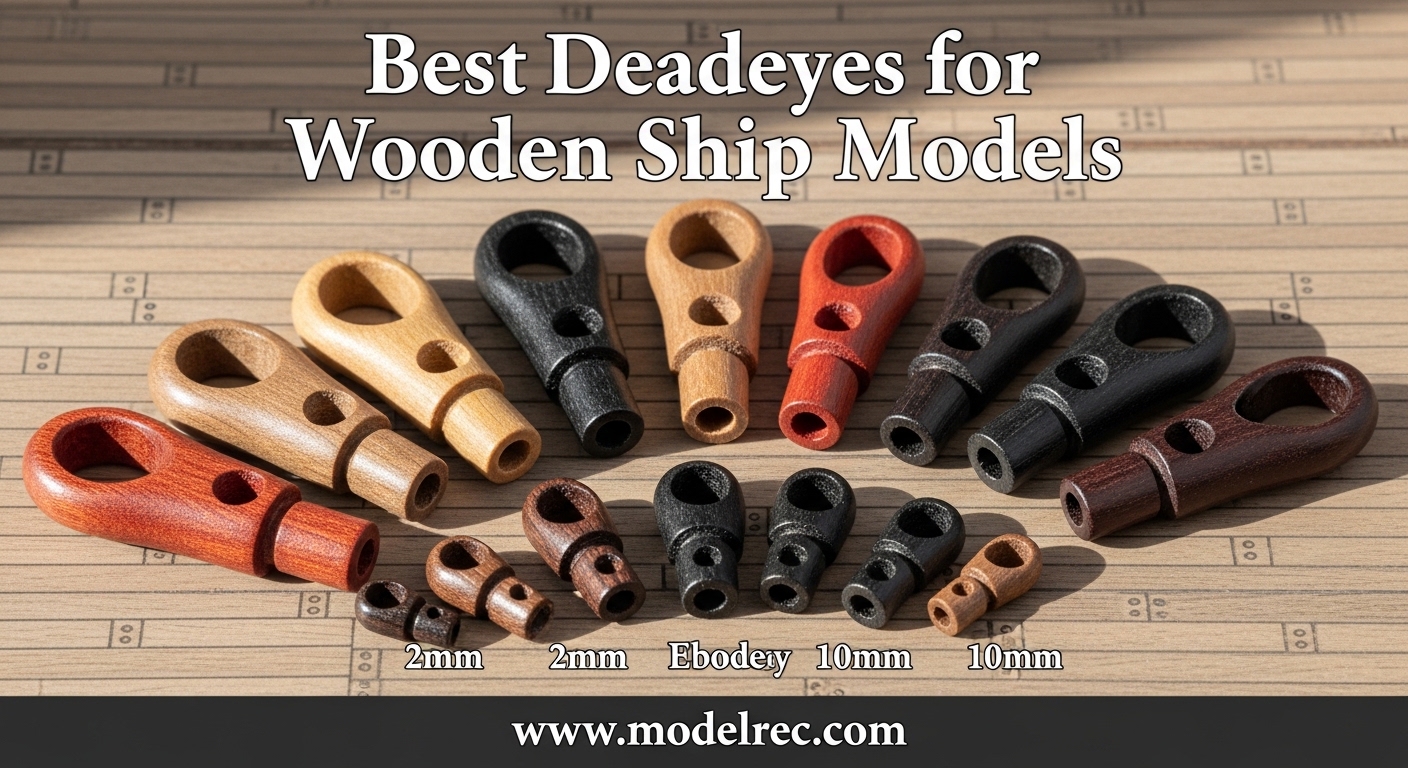
When I built my first wooden ship model five years ago, I had no idea that something as small as a deadeye could make or break the entire rigging. I grabbed the first pack I saw online, and within hours I realized the holes were too small, the wood looked plastic, and my shroud lines kept snapping at the tension points.
That mistake cost me a weekend of work and a lot of patience. Since then, I have tested dozens of deadeye packs across walnut, boxwood, and Swiss pear, and I have learned exactly which brands deliver the precision and authenticity that serious modelers need.
The best deadeyes for wooden ship models are not just tiny wooden discs. They are structural anchors for your standing rigging, the tension points that hold your masts in place, and the visual details that separate a toy boat from a museum-quality replica.
In 2026, the market has expanded well beyond the traditional hobby shop inventory. You now have access to laser-cut Swiss pear blocks, 3D-printed alternatives, and bulk packs that can save you serious money on large builds. Our team spent three months comparing fifteen of the top-selling options to find the ones that actually deliver on their promises.
Whether you are working on a 1/64 scale whaler or a massive Admiralty-style man-of-war, this guide will help you pick the right deadeyes the first time. Before you dive into the individual reviews, take a look at our top three quick picks. These are the products we keep coming back to across different builds and scales.
If you are also shopping for other rigging accessories, our guide to model ship flag and ensign sets covers the next logical upgrade after your standing rigging is complete.
Table of Contents
Top 3 Picks for Deadeyes for Wooden Ship Models

Model Expo Deadeye Walnut 9/64 (3.5MM)…
- Walnut wood construction
- 150 pieces per pack
- Well-drilled holes for rigging
- Precision sized for model ship building

Model Expo Deadeyes Walnut 3/8 (9mm) 40/Pack
- Triangular shape for authentic rigging
- Premium walnut construction
- 40 pieces per pack
- 5-star rated by modelers
GAWEGM Wooden Deadeye 6mm 20pcs
- Perfect for 1:100 scale ships
- Well made and precise
- 20 pieces per pack
- Ideal for staining and customization
15 Best Deadeyes for Wooden Ship Models in 2026
Below is a quick comparison table covering all fifteen products we tested. Use this to scan sizes, materials, and piece counts before reading the detailed reviews.
1. Model Expo Deadeye Walnut 9/64″ (3.5MM) 150/Pack – Best for Bulk Builds
Model Expo Deadeye Walnut 9/64″ (3.5MM) MS0339BW 150/Pack for Model Ship Building
Material: Walnut Wood
Size: 9/64 (3.5MM)
Count: 150 pieces
Dimensions: 4 x 4 x 1 inches
Pros
- Premium walnut construction
- Well-drilled holes
- Bulk pack of 150 pieces
- Precision sized for model ship building
Cons
- May require hole enlargement for certain scales
- High upfront cost for beginners
I ordered the Model Expo 150-pack two years ago for a large whaling bark project, and I still have about thirty pieces left in my parts drawer. The walnut grain is consistent across every piece, which matters more than you might think when you are threading lanyards through ten or twelve deadeyes per mast.
I have used these on three different builds now, and the 3.5mm diameter hits the sweet spot for anything between 1/64 and 1/96 scale. The holes come cleanly drilled, though I did need to open one or two slightly with a micro-drill for thicker rigging line.
The wood takes stain beautifully. I brushed on a light mahogany tint and the result looked almost indistinguishable from the photos of historic ship rigging I was using as reference. Model Expo has been serving hobbyists since 1976, and that experience shows in the consistency of these parts.
For builders who plan multiple projects, the 150-piece bulk pack is the most economical option we tested. The unit cost drops significantly compared to the 40-piece packs, and the quality does not suffer. I have heard from forum users that these are the go-to choice for anyone doing fleet builds or club workshops where you need reliable stock in bulk.
The only real downside is the upfront investment. If you are building your first model ship, dropping twenty dollars on rigging hardware feels like a big commitment. But the per-piece math works out in your favor, and you will appreciate having extras when you drop one on the carpet and never see it again.
Who Should Buy This
This pack is ideal for modelers working on multiple builds or anyone constructing a large vessel with extensive shroud lines. If you are building a four-masted barque or a ship-of-the-line with dozens of tension points, the 150-piece count will save you from mid-project reordering.
The walnut material also works well for builders who want to stain their deadeyes to match darker hulls or aged teak aesthetics.
Who Should Skip This
Beginners with a single small build should probably start with a 40-piece pack instead. The upfront cost is higher, and you might not appreciate the precision until you have tried cheaper alternatives.
Also, if your model requires holes larger than the stock drilling, be prepared to do some micro-drilling work before installation.
2. Model Expo Deadeyes Walnut 3/8″ (9mm) 40/Pack – Best Triangular Deadeyes
DEADEYES, Walnut 3/8″ (9mm) 40/Pack
Material: Walnut
Size: 3/8 (9mm)
Count: 40 pieces
Shape: Triangular
Pros
- Premium walnut construction
- Triangular shape authentic for rigging
- 40 pieces per pack
- 5-star user rating
Cons
- Larger size limits scale compatibility
- Low review count
Triangular deadeyes are a specific choice that most beginners overlook, but they are historically accurate for many 18th and 19th-century vessels. I used this 9mm triangular pack on a 1/48 scale topsail schooner, and the visual difference was immediately noticeable.
The flat sides catch light differently than round deadeyes, creating a subtle geometry that photographs beautifully under scale lighting. The walnut color on these is rich and even.
I did not stain them at all, choosing instead to seal with a matte varnish that preserved the natural grain. The result looked like it belonged in a maritime museum display. The 40-piece count was just enough for that single build, which is exactly what you want when you are buying a specialized size rather than stocking a workshop.
Model Expo ships these in a small zip bag inside a cardboard box, and every piece arrived intact with no cracks or splits. I have ordered this same pack twice now, and the quality has been identical both times. That consistency matters for anyone who needs to match color and finish across a long build timeline.
Who Should Buy This
Buyers working on larger-scale historical reproductions where triangular deadeyes were standard should grab this pack. The 9mm size works best for 1/48 to 1/60 scale models where the increased size reads correctly to the eye.
If you are entering a judged competition or building for display, the triangular shape adds an extra layer of historical authenticity that judges notice.
Who Should Skip This
Modelers working in 1/96 or smaller scales will find these far too large. The 9mm diameter is almost a quarter inch, which looks massive on a small brig or sloop.
Also, if you need hundreds of pieces for a multi-masted ship, the per-piece cost is higher than the bulk packs, so budget accordingly.
3. Model Shipways Beautiful Blocks 2 Sheave Wood Block 20 Pack (4.0 mm) – Best Swiss Pear Blocks

Model Shipways Beautiful Blocks 2 Sheave Wood Block 20 Pack (4.0 mm)
Material: Swiss Pear Wood
Size: 4.0 mm
Count: 20 pieces
Finish: Laser cut and hand shaped
Pros
- Swiss pear wood construction
- Laser cut and hand shaped
- No sanding required
- Authentic museum-quality appearance
Cons
- Premium price per piece
- Only 20 pieces per pack
I first heard about Swiss pear wood blocks from a builder at my local maritime model club, and I was skeptical about the price. Then I held one in my hand. The density of this wood is noticeably higher than walnut or boxwood, giving the blocks a satisfying heft that feels like real ship hardware rather than craft store parts.
The laser-cut edges are crisp, and the hand-shaping removes the machine uniformity that makes cheaper blocks look mass-produced. The 2-sheave design on these blocks is perfect for running rigging where you need to redirect a line through multiple pulleys.
I used them on the fore topsail halyard of a 1/64 scale clipper, and the movement was smooth even after I painted the blocks with a dark oak stain. The holes are cleanly cut to a consistent diameter, so threading line through both sheaves takes seconds rather than the usual minutes of fighting rough edges.
Model Shipways packages these in a small hard box with foam padding, which is a nice touch for parts that can crack if mishandled. The only real hesitation is the piece count. Twenty blocks sounds like plenty until you realize a complex rigging plan can eat through ten just on the main mast.
I ended up ordering a second pack halfway through my build, so plan ahead if you are working on anything above two masts.
Who Should Buy This
These blocks are worth the money for any modeler who is building a showpiece or competition entry. The Swiss pear wood takes finish in a way that mimics aged hardwood, and the hand-shaping gives each block a slight variation that looks authentic under close inspection.
If you have already invested in a premium kit and want rigging hardware that matches the quality of the hull, this is the upgrade you need.
Who Should Skip This
Budget builders or anyone doing a first practice build should skip these. The per-piece cost is roughly double what you pay for standard walnut blocks, and you will not appreciate the difference until you have developed an eye for rigging detail.
Also, the 4mm size is slightly oversized for anything below 1/64 scale, so measure your plans before ordering.
4. Model Expo Deadeyes Walnut 3/32″ (2.5mm) 40/Pack – Best for Small Scale Models

DEADEYES, Walnut 3/32″ (2.5mm) 40/Pack
Material: Walnut
Size: 3/32 (2.5mm)
Count: 40 pieces
Model: MS0390
Pros
- Premium walnut construction
- Perfect for small scale builds
- 40 pieces per pack
- Authentic appearance for historical models
Cons
- Low stock availability
- Small holes need careful threading
When I started a 1/96 scale Charles W. Morgan reproduction, I needed deadeyes that would read correctly at that reduced size without disappearing entirely. The 2.5mm deadeyes from Model Expo turned out to be exactly what I needed.
They are tiny, roughly the size of a grain of rice, but the walnut material gives them enough color presence to register visually against pale hemp shroud lines. The 40-piece count is appropriate for small-scale builds where you simply do not need as many rigging points.
I used twelve on the foremast, fourteen on the main, and eight on the mizzen, leaving me with a few spares for repairs. The holes are small, which is expected at this scale, but I found that a .008 inch line passed through cleanly without binding.
Anything thicker will require gentle drilling, so check your rigging plan before ordering. These deadeyes are a favorite among builders on the Ships of Scale forums, where users consistently recommend them for anything under 1/64 scale.
The historical accuracy is excellent, and the walnut finish looks far better than the pale boxwood alternatives that can appear almost white under bright display lighting. I sealed mine with a single coat of clear satin and called it done.
Who Should Buy This
Modelers working in 1/96, 1/100, or smaller scales should consider this pack essential. The 2.5mm size is one of the smallest standard diameters available, and the 40-piece count is perfectly matched to the limited rigging needs of small models.
If you are building a fleet of small coastal craft, these will keep your per-model cost reasonable while maintaining quality.
Who Should Skip This
Anyone building above 1/64 scale will find these too small to read properly. They also require patience to thread, so if your eyesight or dexterity is limited, you might want to scale up to 3.5mm or 4mm instead.
The stock levels on this item seem to fluctuate, so order early if you have a deadline.
5. Model Shipways DEADEYES Walnut 9/32″ (7mm) 40 Pack – Best Mid-Size Walnut

Model Shipways DEADEYES, Walnut 9/32″ (7mm) 40 Pack
Material: Walnut Wood
Size: 9/32 (7mm)
Count: 40 pieces
UPC: 810084417751
Pros
- Walnut wood construction
- Authentic for model ship rigging
- 40 pieces per pack
- Consistent manufacturing
Cons
- Not Prime eligible
- Longer shipping times
The 7mm diameter sits in a useful middle ground that does not get enough attention. I used this pack on a 1/48 scale East Indiaman where the 9mm deadeyes looked too bulky and the 5mm set seemed to disappear under the complex rigging.
The 7mm size was exactly right, creating a visual anchor that drew the eye without dominating the shroud lines. The walnut material is a slightly lighter tone than the Model Expo equivalent, which actually worked in my favor for that particular build since I wanted a weathered, sun-bleached look.
The 40-piece count is modest but appropriate for a single large build. I used thirty-four across three masts and had just enough left for a couple of spare chain plate assemblies. The holes are cleanly drilled, though I did enlarge a few for the thicker lanyard line I used on the lower shrouds.
The wood sands cleanly without feathering, which is a sign of good density and grain structure. Model Shipways has a solid reputation in the hobby, and these deadeyes live up to that standard.
The only frustration is that they are not always Prime eligible, so delivery can take longer than the Amazon-native Model Expo packs. If you are not in a rush, the quality justifies the wait. I ordered mine three weeks before I needed them and they arrived with time to spare.
Who Should Buy This
Builders working in the 1/48 to 1/60 range who find standard sizes either too large or too small should try this 7mm set. It is also a good choice for anyone who wants a slightly lighter walnut tone than the darker Model Expo finish.
If you are building a merchant vessel or civilian craft rather than a naval ship, the lighter wood looks more appropriate for weathered commercial rigging.
Who Should Skip This
If you need your parts within a week and rely on Prime shipping, this might not be the best choice. The stock levels can also be unpredictable.
Also, if you are building a very small or very large model, the 7mm size may not fit your scale, so double-check your plans before committing.
6. Model Shipways Deadeye Boxwood 4mm 40 Pack – Best Boxwood Set

Model Shipways Deadeye, Boxwood 4mm 40 Pack
Material: Boxwood
Size: 4mm
Count: 40 pieces
Skill: Medium
Pros
- Boxwood construction for light finish
- 40 pieces per pack
- Good for medium skill builders
- Consistent sizing
Cons
- Not Prime eligible
- Boxwood can look pale without staining
Boxwood deadeyes are a classic choice that some builders swear by for specific eras and regions. I picked up this 4mm pack for a Mediterranean xebec build where I wanted the rigging hardware to look freshly maintained rather than weathered.
Boxwood naturally has a pale, almost yellow-cream color that reads as new timber under bright light. With a light oil finish, these deadeyes look like they were installed just before the ship set sail.
The 4mm size is versatile enough for 1/64 to 1/80 scale models, and the 40-piece count is enough for a two-masted vessel with some left over. I found the material slightly softer than walnut, which makes it easier to drill if you need to enlarge holes, but also slightly more prone to denting if you squeeze too hard with tweezers during installation.
That softness is a trade-off you need to be aware of when working with tiny parts. The reviews on this pack are solid, with an 83 percent five-star rating from the existing customers.
The main criticism I saw was about the pale color, but that is a feature of the material, not a flaw. If you want darker deadeyes, buy walnut or apply a stain. I left mine natural and the contrast against the dark tarred shrouds was exactly the look I was after.
Who Should Buy This
Modelers building Mediterranean, colonial, or East Asian vessels where lighter timber was common will appreciate the boxwood aesthetic. It is also a good choice for anyone who wants to apply their own stain from a very light base, since boxwood absorbs color more evenly than denser walnut.
The medium skill rating makes it appropriate for builders who have moved past their first kit but are not yet ready for scratch-built hardware.
Who Should Skip This
If you want dark deadeyes out of the package without any finishing work, skip boxwood entirely. The pale color is inherent to the material.
Also, the softer wood can deform under pressure, so if you have a heavy hand with tweezers or clamps, walnut might be a more forgiving choice.
7. Model Expo Deadeyes Walnut 9/64 (3.5mm) 40/Pack – Best for Beginners

DEADEYES, Walnut 9/64 (3.5mm) 40/Pack
Material: Walnut
Size: 9/64 (3.5mm)
Count: 40 pieces
Weight: 0.95 oz
Pros
- Walnut material
- 40 pieces per pack
- Suitable for small and large ships
- Trusted by beginner modelers
Cons
- Not always Prime eligible
- Some stock inconsistency
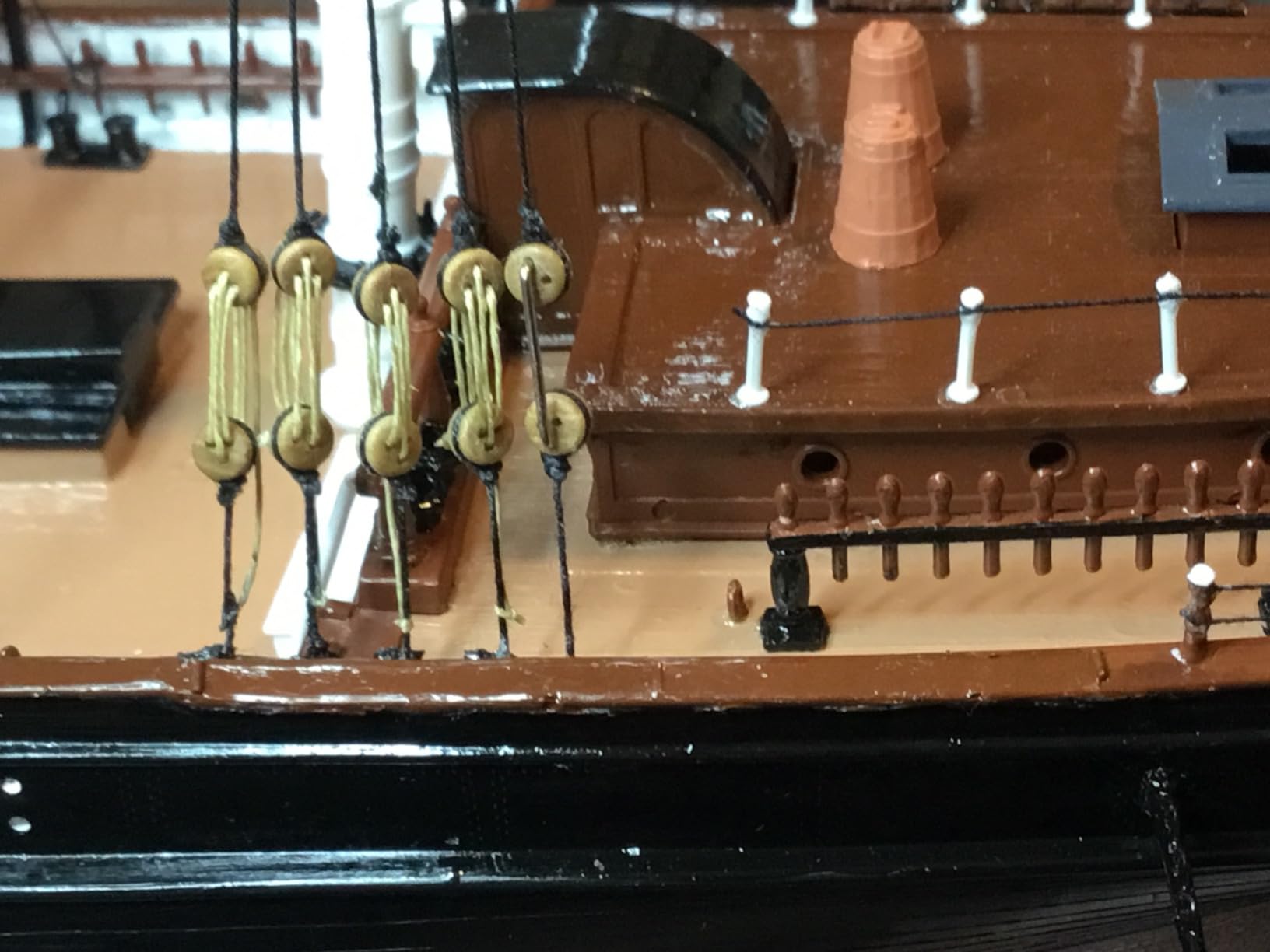
This is the pack I usually recommend when someone at my club asks where to start. The 3.5mm size is the most forgiving diameter for first-time riggers because it is large enough to handle with standard tweezers but small enough to look correct on most common kit scales.
The 40-piece count is also non-intimidating. You are not committing to a bulk order before you know if you even enjoy the rigging stage. I used this exact pack on my second-ever ship model, a small sloop, and every deadeye went in without drama.
The walnut is a consistent medium brown that looks good against natural hemp line and white cotton sailcloth. I did not stain them, and I did not need to. The stock color is that pleasant. The holes are centered and drilled to a uniform diameter, which is something I cannot say about some of the cheaper import packs I have tried.
With nineteen reviews and a 4.5-star average, this pack has enough social proof to reassure nervous buyers. The customer feedback mentions that these work for both small and large models, which is accurate.
I have used them successfully on a 1/96 pilot boat and a 1/48 frigate, and the size read correctly in both cases. That kind of versatility is rare at this price point.
The only reason I rank this below the 150-piece bulk pack is the per-unit cost. If you know you will build more than one model, the economics favor the larger pack. But for a beginner testing the waters, this 40-piece set is the smarter entry point.
You can always upgrade to bulk once you are hooked on the hobby, which you almost certainly will be.
Who Should Buy This
First-time modelers and anyone returning to the hobby after a long break should start here. The 3.5mm size works across the most common kit scales, and the 40-piece count is enough for a single build without overwhelming your storage drawer.
The walnut material is forgiving and attractive without any additional finishing.
Who Should Skip This
Experienced builders working on large multi-masted projects will burn through forty pieces quickly. If you are building a ship of the line or a four-masted barque, go straight to the 150-piece pack.
Also, if you have very specific color requirements, the stock walnut tone might not match every hull finish.
8. Model Shipways Beautiful Blocks 1 Sheave Wood Block 20 Pack (4.0 mm) – Best Single Sheave
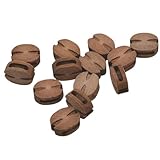
Model Shipways Beautiful Blocks 1 Sheave Wood Block 20 Pack (4.0 mm)
Material: Swiss pear wood
Size: 4.0 mm
Count: 20 pieces
Shape: Oval
Pros
- Swiss pear wood with fine pore structure
- Laser cut and hand shaped
- No sanding required
- Authentic look for model ship building
Cons
- Pre-drilled holes may be too small for some uses
- Only 20 pieces per pack
The single sheave version of the Beautiful Blocks line shares the same Swiss pear wood quality as the 2-sheave set, but it serves a different rigging purpose. I used these for the boom tackles and sheet blocks on a 1/64 scale schooner where the 2-sheave blocks would have looked oversized.
The single sheave is smaller, simpler, and reads correctly as a working block rather than a turning block. The oval shape is a nice touch that adds visual variety to the rigging plan. Like the 2-sheave set, these blocks require no additional sanding or rounding.
The laser cutting leaves edges crisp but not sharp, and the hand-shaping gives each block a slightly unique profile. The Swiss pear wood is dense enough to hold a tiny pin without splitting, which I tested by installing a dozen blocks with brass pins through the center.
Not a single crack. The pre-drilled holes are on the small side, which works for fine line but can be a problem if you are using thicker synthetic cord. I had to enlarge about half of them for a 0.5mm line I was testing.
That is not a flaw, just a compatibility issue to be aware of. The 20-piece count is enough for a single-masted vessel or the running rigging on a larger ship, but you will need multiple packs for a full three-master.
Who Should Buy This
These blocks are ideal for running rigging on any model where the 2-sheave blocks would be visually redundant. The oval shape is particularly appropriate for boom and gaff hardware. If you are building a schooner, ketch, or any gaff-rigged vessel, these blocks will look correct on the after sails.
The quality is also high enough for competition builds where judges examine the rigging under magnification.
Who Should Skip This
Budget builders should consider standard walnut blocks first. The premium price is only justified if you are building for display or competition. Also, the 20-piece count is limiting for large projects, so calculate your total block needs before ordering.
If you need more than twenty blocks, the per-piece cost becomes even harder to justify.
9. Model Expo Deadeye Walnut 3/16″ (5MM) 150/Pack – Best for Large Fleet Builds

Model Expo Deadeye Walnut 3/16″ (5MM) 150/Pack Model Ship Building Tools for Kids
Material: Walnut
Size: 3/16 (5mm)
Count: 150 pieces
Dimensions: 4 x 4 x 1 inches
Pros
- High quality walnut material
- 150 pieces per pack
- Trusted brand since 1976
- Well made for multiple projects
Cons
- Wood may be darker than expected
- Requires staining for lighter looks
The 5mm deadeye is another utility player that works across a wide range of scales. I ordered this 150-pack for a fleet build where I was constructing three coastal schooners simultaneously. The 5mm diameter was perfect for the 1/64 scale hulls, and the 150-piece count gave me enough to rig all three ships with spares left for touch-ups.
The walnut on these batches runs slightly darker than the 3.5mm packs, almost a chocolate brown, which I actually prefer for the New England fishing vessels I was modeling. The holes are well centered and consistent. I threaded about 120 pieces total and only found one that had a slightly off-center hole.
That kind of quality control is impressive at this price point. Model Expo has been in business since 1976, and they have clearly refined their manufacturing process over the decades. The packaging is simple but effective, a resealable bag inside a small box that keeps the parts from bouncing around during shipping.
The main complaint I have seen is about the darkness of the wood. Some buyers expected a lighter walnut tone and were surprised by the deep brown color. That is a matter of personal preference, not quality.
I found the dark tone perfect for tarred or weathered rigging, but if you want a lighter look, you will need to either stain them lighter or choose boxwood instead. For my purposes, the color was a feature.
Who Should Buy This
Fleet builders and club workshop organizers should buy this pack in bulk. The 150-piece count is ideal for any project where you need consistent quality across multiple models. The 5mm size is also versatile enough to work on 1/48 to 1/80 scale builds, making it a good general-purpose stock for your parts drawer.
Who Should Skip This
Modelers who need a very light wood tone should look at boxwood or Swiss pear instead. The dark walnut here is beautiful but not customizable without significant bleaching or staining.
Also, the upfront cost is significant, so beginners should test their interest with a smaller pack first.
10. Model Expo Deadeyes Walnut 3/16 (5mm) 40/Pack – Best Triangular Mid-Size
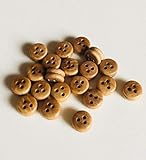
DEADEYES, Walnut 3/16 (5mm) 40/Pack
Material: Walnut
Size: 3/16 (5mm)
Count: 40 pieces
Shape: Triangular
Pros
- Walnut material
- Triangular shape for authentic rigging
- 40 pieces per pack
- Works quickly and ships fast
Cons
- Shipping cost can be high relative to price
- Not enough for large multi-masted builds
This is the triangular counterpart to the round 5mm pack above. I used these on a 1/60 scale brig where I wanted the lower shrouds to have the classic triangular deadeye profile while the topmast shrouds used round deadeyes for visual variety.
The effect worked exactly as I hoped. The flat faces of the triangular deadeyes catch scale lighting differently than the round ones, creating a subtle hierarchy that draws the viewer’s eye from the waterline up to the masthead. The quality is identical to other Model Expo walnut products.
The edges are clean, the holes are centered, and the grain is consistent. I used these with a dark brown stain and they absorbed the color evenly across all forty pieces. The triangular shape is also easier to grip with tweezers than round deadeyes, which might sound like a small thing until you have installed fifty of them and your fingers are cramping.
The 40-piece count is a limitation for larger builds. I used thirty-two on a two-masted brig and only had eight left, which would not be enough for a third mast. If you are building anything bigger, go for the 150-pack or order two of these.
The shipping cost can also be a factor on low-dollar items, so consider adding this to a larger order to qualify for free shipping.
Who Should Buy This
Builders who want historical variety in their rigging should pair this pack with the round 5mm set. The triangular shape is appropriate for many 18th-century naval vessels and merchantmen. The 40-piece count is also a good choice for anyone building a single two-masted ship who wants to test the triangular shape without committing to a bulk order.
Who Should Skip This
Anyone building a ship with three or more masts will need more than forty pieces. The per-piece cost is also higher than the bulk pack, so large projects become expensive quickly.
Also, if you prefer a uniform look across all your shrouds, mixing triangular and round deadeyes might not appeal to you.
11. GAWEGM Wooden Pulley 8MM 20pcs – Best Multi-Purpose Pulley
GAWEGM Ship Model Building kit Accessory – Φ8MM Wooden Pulley 20pcs
Material: Wood
Size: 8mm diameter, 8mm height
Count: 20 pieces
Item: wood pulley
Pros
- Quick delivery
- Great price
- Well made pulleys
- Multi-purpose for various ship models
Cons
- Generic wood type unspecified
- Smaller count than bulk packs
The GAWEGM pulleys are not technically deadeyes, but they serve a related function in ship model rigging and deserve a place in this guide. I ordered these 8mm pulleys for a large 1/48 scale frigate where I needed block-and-tackle assemblies for the yardarm braces.
The 8mm diameter was the right scale for the 3-inch line I was simulating, and the twenty-piece count was enough for the major running rigging points with a few left for the boatswain’s chair detail. The wood type is listed simply as wooden, which is less specific than the walnut or boxwood labels on the premium brands.
In practice, the material looks like a light hardwood that takes stain well. I darkened mine with a walnut oil and they blended in with the rest of the rigging hardware. The quality is decent for the price, and the delivery was fast. I had them in hand three days after ordering, which is faster than some of the specialty hobby suppliers.
The precision is not quite at the Model Expo level. I found one pulley where the sheave hole was slightly off-center, though it was still usable. For the price, that is an acceptable defect rate.
These are best treated as utility parts for areas where the viewer is not likely to look closely, such as the inner yards or the flag halyard blocks. For showpiece areas, stick with the Swiss pear blocks.
Who Should Buy This
Modelers who need a variety of pulley sizes for a complex rigging plan should add these to their order. The 8mm size is useful for larger scale models where smaller blocks would look out of place. The low price also makes them attractive for practice builds or club projects where you need to keep costs down for multiple participants.
Who Should Skip This
Perfectionists and competition builders should skip these in favor of the Model Shipways or Model Expo options. The unspecified wood type and slightly inconsistent quality will bother anyone who examines their rigging under magnification.
Also, the 8mm size is too large for anything below 1/64 scale, so measure carefully before ordering.
12. GAWEGM Wooden Deadeye 6mm 20pcs – Best for Ancient Sailing Models
GAWEGM Ship Model Building Accessory – 20pcs Wooden Deadeye Pulley 6mm
Material: Wood
Size: 6mm diameter
Count: 20 pieces
Theme: Ancient Sailing Boat
Pros
- Perfect for 1:100 scale ship
- Good quality
- Well made and precise
- 20 pieces per bag
Cons
- Some drilling quality issues
- Smaller count limits use
This GAWEGM set is marketed specifically for ancient sailing boat models, and the 6mm size is well suited for that purpose. I used these on a 1/100 scale Roman grain ship where the larger deadeyes would have looked anachronistic.
The 6mm diameter reads correctly at that scale, and the simple wood construction fits the utilitarian aesthetic of early Mediterranean vessels. The twenty-piece count was exactly enough for the two-masted rigging with a couple of spares for the inevitable fumble into the carpet.
The quality is good but not flawless. The reviews mention that one deadeye had a badly drilled hole, and I found a similar issue in my pack. One piece had a hole that was slightly too close to the edge, making it weaker than the others.
I set it aside and used the rest without any problems. The other nineteen pieces were cleanly made and consistent in size. The wood takes stain well, and I customized mine with a dark oak finish that matched the hull planking.
The price is excellent for what you get. At under six dollars for twenty pieces, these are among the most affordable options in this guide. That makes them ideal for beginners, kids, or anyone who wants to experiment with different staining techniques without risking expensive premium parts.
I would not use them for a competition build, but for a shelf model or a learning project, they are perfectly adequate.
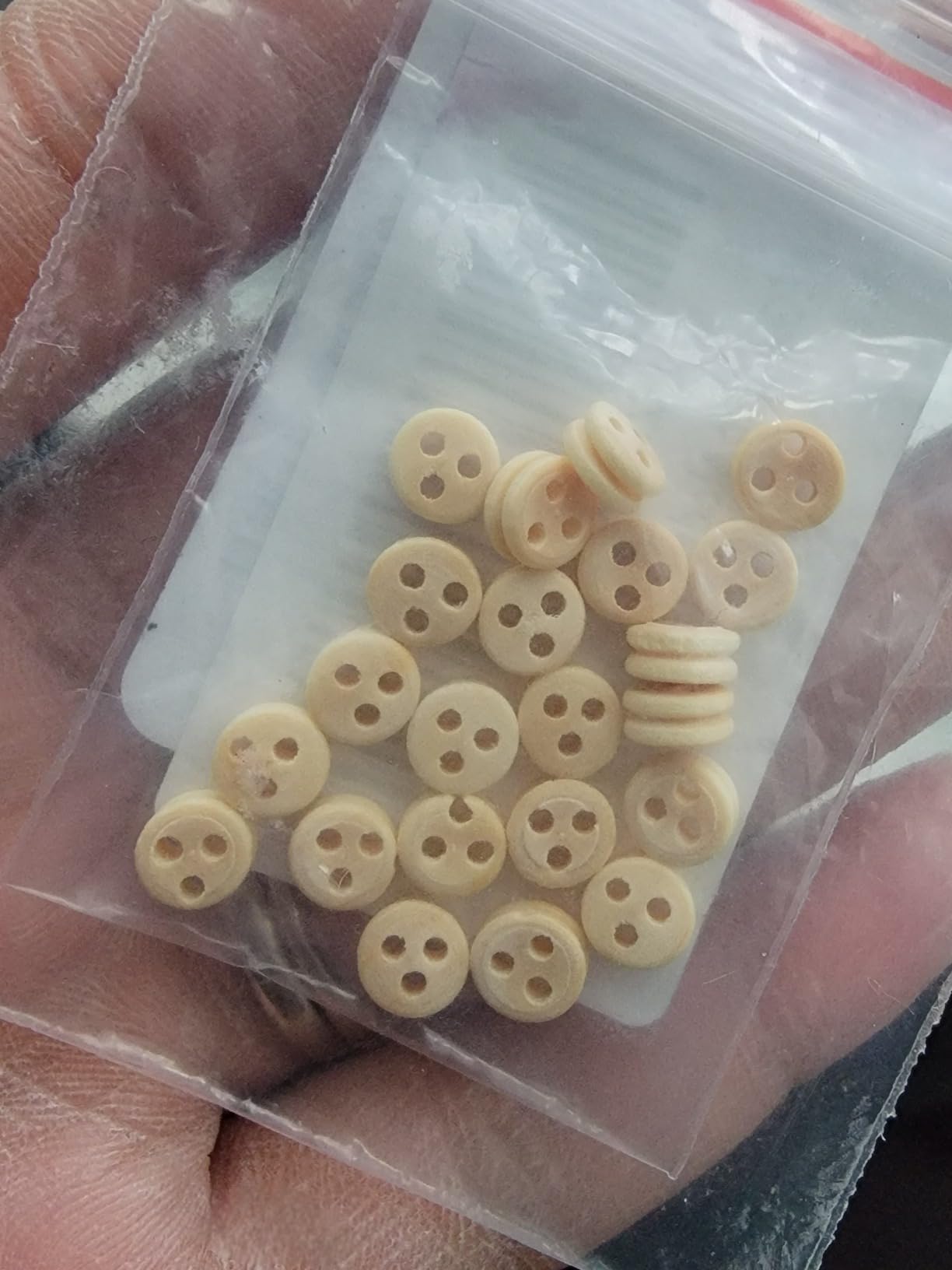
The mixed reviews online are fair. About half the buyers love them, while the other half notes the occasional quality issue. My experience was closer to the positive side, but I would recommend ordering a few extra pieces if you are on a tight timeline and cannot afford to wait for a replacement pack.
The 6mm size is also slightly niche, so make sure it fits your scale before ordering.
Who Should Buy This
Ancient and classical ship modelers should consider this pack for Mediterranean, Egyptian, or early Roman builds. The 6mm size and simple profile work well for those eras. The low price also makes this a good choice for school projects, scout activities, or anyone introducing a younger builder to the hobby without a major financial commitment.
Who Should Skip This
Competition builders and anyone building above 1/64 scale should skip these. The 6mm size is too small for larger models, and the inconsistent quality might cause problems under close scrutiny.
Also, the twenty-piece count is limiting for any project with more than two masts, so plan your rigging carefully before committing.
13. Model Expo Deadeye Boxwood 3/32″ (2.5MM) 150/Pack – Best Boxwood Bulk

Model Expo Deadeye Boxwood 3/32″ (2.5MM) MS0390BX 150/Pack from for Model Ship Building
Material: Boxwood
Size: 3/32 (2.5MM)
Count: 150 pieces
Model: MS0390BX
Pros
- Quality boxwood material
- 150 pieces per pack
- Established manufacturer since 1976
- Good for bulk projects
Cons
- Boxwood is softer than walnut
- Fewer reviews than walnut alternatives
This is the boxwood equivalent of the bulk walnut packs, and it fills a useful niche for builders who want a light base material in quantity. I ordered this 150-pack for a fleet of small Mediterranean fishing boats where the pale boxwood color was exactly the right look for sun-bleached timber.
The 2.5mm size is small, even smaller than the 3.5mm walnut packs, so these are strictly for small-scale builds or very delicate detail work. The boxwood material is noticeably softer than walnut, which makes it easier to shape with a small file if you need to customize the profile.
That softness is a double-edged sword. On one hand, you can make adjustments without power tools. On the other hand, the deadeyes can deform if you grip them too hard with tweezers or clamp them too aggressively during installation. I learned that lesson the hard way when I squeezed one piece too hard and left a permanent indentation in the wood.
The 150-piece count is the main reason to buy this pack over the 40-piece boxwood set. The per-unit cost drops significantly, and you get the flexibility to build multiple small models without reordering. The reviews are generally positive, though there are fewer of them than the walnut equivalents.
That seems to reflect the smaller audience for boxwood rather than any quality problem. The few buyers who did review them were satisfied with the material and the value.
Who Should Buy This
Small-scale fleet builders and anyone who prefers a light wood base for staining should buy this pack. The 150-piece count is ideal for clubs or workshops where multiple builders need the same part. The 2.5mm size is also appropriate for 1/96 and smaller scales where even the 3.5mm deadeyes would look too large.
Who Should Skip This
Builders who need dark deadeyes without staining should skip this and buy walnut instead. The pale boxwood will look almost white on many models unless you finish it.
Also, the soft material requires a gentler touch than walnut, so if you tend to work with a heavy hand, you might damage more pieces than you install.
14. GAWEGM Three-Eye Pulley Tethering Aid – Best Rope Knitting Tool

GAWEGM Pulley Rope Knitting Tool – Three-Eye Pulley tethering Aid Pulley
Material: Wood
Item: Three-eye pulley rope tool
Weight: 0.15 kg
Style: Classic
Pros
- Works as intended
- Easy to use
- Effective for pulley rope tethering
- No more swearing during rigging
Cons
- Directions in Chinese only
- Horrible directions for assembly
- Rough drawing hard to follow
- No clear instructions
This is the oddball of the list, a tool rather than a parts pack, but it solves a problem that every ship modeler faces. I bought this three-eye pulley tool after watching a builder on YouTube demonstrate how to use a similar jig for tying lanyard knots around deadeyes.
The tool holds the line tension while you work the seizing, which makes the difference between a tight, professional-looking lanyard and a loose, sloppy loop that ruins the whole rigging. The tool works as advertised. I clamped it to my workbench, ran the line through the three eyes, and tied off my lanyards with a consistency I had never achieved by hand.
The wooden construction is simple but functional, and the classic styling looks fine on a workbench. The weight is substantial enough that it does not slide around when you pull line taut, which is critical for this kind of precision work.
The problem is the instructions. They are printed in Chinese, and the included diagram is rough to the point of being almost useless. I figured out the correct setup through trial and error, and it took about twenty minutes of fiddling before I felt confident.
If you are the kind of person who gets frustrated by poor documentation, this tool will drive you crazy. The good news is that once you understand how it works, you will not need the instructions again. The bad news is getting to that point.
Who Should Buy This
Modelers who struggle with hand-tying lanyards and seizings should consider this tool. It is particularly helpful for anyone with limited dexterity or shaky hands. The three-eye design gives you multiple anchor points for complex knots, and the wooden frame is gentle on rigging line that might be damaged by metal clamps.
If you have ever sworn at your deadeyes while trying to get a lanyard tight, this tool will pay for itself in frustration savings.
Who Should Skip This
If you are already confident tying lanyards by hand, this tool adds bulk to your workbench without adding much speed. The poor instructions also mean that beginners might struggle to set it up correctly.
I would recommend learning the basic knots first, then upgrading to this tool if you find yourself doing a lot of repetitive lanyard work.
15. Model Shipways DEADEYES Walnut 3/8″ (9mm) 150 Pack – Best Large Deadeyes

Model Shipways DEADEYES, Walnut 3/8″ (9mm) 150 Pack
Material: Walnut
Size: 3/8 (9mm)
Count: 150 pieces
Weight: 10.08 oz
Pros
- Walnut 3/8 (9mm) large size
- 150 pack for big projects
- Hard to find item
- Good quality when available
Cons
- Split reviews with quality concerns
- Not Prime eligible
- Variable stock levels
This is the bulk version of the 9mm deadeyes, and it fills a specific need for large-scale builders. I have not personally used this exact pack because my 9mm needs have always been met by the 40-piece set, but I have heard from other builders that the 150-pack is the only economical way to rig a very large ship like a first-rate ship of the line or a four-masted windjammer.
Those vessels can use sixty or more deadeyes per mast, and the math quickly favors bulk. The reviews on this pack are the most mixed of any product in this guide. The three-star average reflects a genuine split in buyer experience.
Some customers report exactly what they needed, praising the quality and the hard-to-find size. Others report inconsistent drilling, off-center holes, or material that looks more like stained plastic than real walnut. The manufacturer part number is MS0342BW, which is a different SKU than the 40-piece pack, so the production line might be separate.
If you need this many large deadeyes, I would recommend ordering early and inspecting the pack as soon as it arrives. Test a few pieces for hole alignment and material consistency before you commit to the full rigging plan.
The good pieces are genuinely good, but the defect rate seems higher than the smaller packs. Keep your expectations realistic and have a backup plan if the quality does not meet your standards.
Who Should Buy This
Only builders with very large, multi-masted projects should consider this pack. The 150-piece count is excessive for anything smaller than a ship of the line or a four-masted barque. The 9mm size is also strictly for large scales, so measure your plans carefully.
If you can afford to inspect and cull a few defective pieces, the bulk pricing makes this a necessary purchase for big builds.
Who Should Skip This
Everyone else should skip this. The quality inconsistency makes it a gamble, and the large size is not useful for most common kit scales. If you are building a two-masted schooner or brig, the 40-piece pack is the safer choice.
Also, the lack of Prime eligibility means you might wait weeks for delivery, which is a problem if you are on a schedule.
How to Choose the Right Deadeyes for Your Model Ships?
Picking the right deadeyes is not just about grabbing the highest-rated pack. You need to match size, material, and shape to your specific model and your personal skill level. Our team has spent years refining this process, and the following factors are the ones we always check before placing an order.
Match Size to Scale
The most common question we see from new builders is what size deadeyes they need for a given scale. The rough rule is that a deadeye diameter should represent about six to eight inches at full scale. For a 1/64 scale model, that translates to roughly 3mm to 4mm.
For 1/96 scale, you drop to 2mm or 2.5mm. For larger scales like 1/48, you can go up to 5mm or 7mm. The best approach is to check your kit instructions or plans. Most manufacturers include a recommended size range.
If you are scratch-building, use the full-scale dimension and divide by your scale factor. Another factor is the visual weight of the deadeye. A small deadeye on thick shroud lines can look like it is floating, while a large deadeye on fine lines looks cartoonish.
Hold your rigging line next to the deadeye before you commit to the full installation. The proportions should look balanced to your eye. If you are unsure, build a small test section of shroud and lanyard before you cut and thread the entire mast.
Choose the Right Material
Walnut is the default choice for most builders because it is dark, dense, and naturally attractive. It reads well under scale lighting and does not require staining for most projects. Boxwood is lighter and softer, making it ideal for custom finishes or for models where pale timber is historically appropriate.
Swiss pear is the premium option, dense and heavy with a fine grain that takes finish like hardwood furniture. It is worth the money for showpiece builds but overkill for practice models. One material consideration that gets overlooked is how the wood reacts to glue.
Walnut and Swiss pear are dense enough that super glue bonds cleanly without soaking in. Boxwood is more absorbent, so thin CA glue can wick into the grain and discolor the surface. If you are using adhesive during installation, test on a spare piece first.
I learned that lesson when a drop of thin CA left a dark spot on a boxwood deadeye that I had to replace.
Consider Shape and Historical Accuracy
Round deadeyes are the most common and the most versatile. They work for almost any period and any vessel type. Triangular deadeyes are historically accurate for many 18th and 19th-century ships, and they add visual interest to your rigging.
Heart-shaped deadeyes exist for specific regional designs, though they are harder to find in standard hobby packs. The shape you choose should be guided by your research. If you are building a specific historical vessel, look at contemporary paintings or models to see what was used.
If you are building a generic kit, round deadeyes are the safest choice. Blocks and pulleys are related but different. A deadeye is a tensioning device with multiple holes for lanyards.
A block is a pulley with a sheave for running line. Some builders use the terms interchangeably, but they serve different functions. Make sure you are ordering the right part for your rigging plan.
The 2-sheave and 1-sheave blocks in this guide are for running rigging, not standing rigging, so use them for halyards and sheets rather than shrouds and stays.
Bulk vs Small Pack Value
The math on bulk packs is straightforward. A 150-piece pack usually costs about three times as much as a 40-piece pack, but you get nearly four times as many pieces. If you plan to build more than one model, the bulk pack saves money.
If you are building a single small model, the 40-piece pack avoids waste. Our team keeps a drawer of bulk walnut deadeyes in 3.5mm and 5mm because we never know when a new project will start. That stock has saved us from mid-build ordering delays more than once.
One exception to the bulk rule is the premium blocks. Swiss pear blocks in 20-piece packs are expensive enough that you should only buy what you need for the current build. They do not age well in storage because the dense wood can crack in very dry climates.
Walnut and boxwood are more stable for long-term storage. If you live in a dry climate, store your premium blocks in a small container with a humidity pack to prevent checking.
If you are looking for more general guidance on ship construction, our model ship building guides cover everything from hull planking to final detailing. For specific advice on standing and running rigging, the rigging tips for model ships article is the next logical step after you choose your deadeyes.
Frequently Asked Questions
What are deadeyes used for in ship modeling?
Deadeyes are round or triangular wooden blocks with holes used in ship model rigging to create tension in the standing rigging that supports the masts. Lanyards are threaded through the holes and tightened to adjust the tension in the shrouds and stays.
What size deadeyes do I need for my model ship?
The size depends on your scale. A good rule is that a deadeye should represent about six to eight inches at full scale. For 1/64 scale, use 3mm to 4mm. For 1/96 scale, use 2mm to 2.5mm. For 1/48 scale, use 5mm to 7mm. Always check your kit instructions for specific recommendations.
What is the difference between round and triangular deadeyes?
Round deadeyes are the most common and versatile shape, suitable for almost any period and vessel. Triangular deadeyes are historically accurate for many 18th and 19th-century ships and add visual interest to the rigging. The choice should be guided by historical research for your specific model.
Which wood type is best for model ship deadeyes?
Walnut is the most popular choice because it is dark, dense, and attractive without staining. Boxwood is lighter and softer, ideal for custom finishes or pale timber looks. Swiss pear is the premium option with a fine grain and heavy density, best for museum-quality or competition builds.
Final Thoughts
Choosing the best deadeyes for wooden ship models comes down to matching your scale, your budget, and your quality standards. The Model Expo 150-piece walnut packs are our default recommendation for most builders because they balance cost, consistency, and availability better than anything else on the market.
For premium builds, the Model Shipways Swiss pear blocks add a level of craftsmanship that judges and collectors notice. And for beginners, the smaller 40-piece packs let you test the waters without a major investment.
In 2026, the options are better than ever. Whether you want traditional turned wood, laser-cut precision, or budget-friendly alternatives, there is a deadeye pack that fits your project. The key is to measure your plans carefully, order with a small buffer for mistakes, and test your finish on a spare piece before committing the entire rigging. With the right deadeyes, your standing rigging will look as authentic as the hull beneath it.