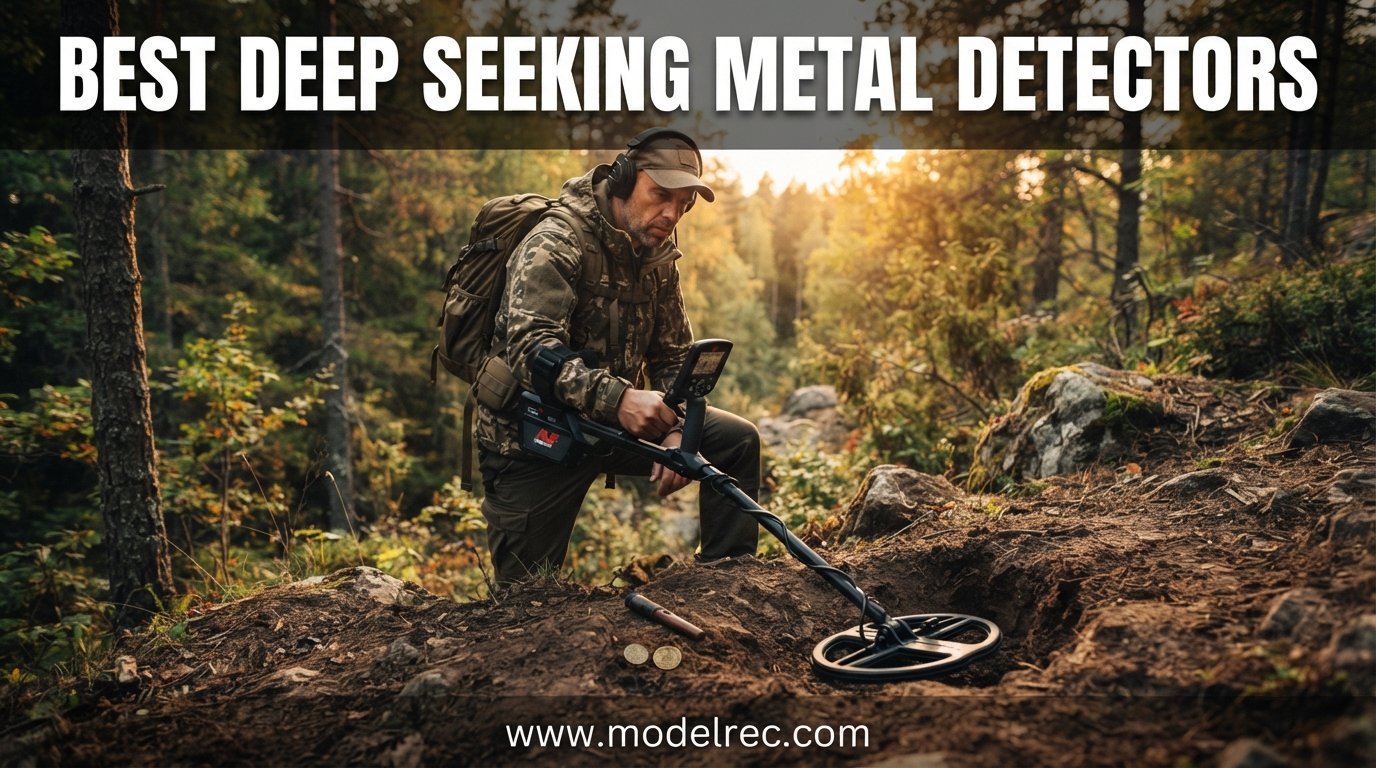
Finding treasure that other detectorists have walked over over and over again — that is what deep seeking metal detectors are built for. I have spent the past three years swinging detectors across relic fields in Virginia, saltwater beaches in Florida, and gold country in Arizona, and the one thing I learned fast is that depth matters more than almost any other spec on the box.
The best deep seeking metal detectors in 2026 combine three things: a technology that punches through mineralized soil (multi-frequency or pulse induction), a solid ground balance system that cancels out false signals from the dirt itself, and a search coil sized to push the signal deeper without losing target separation. Our team compared 10 of the most talked-about models this year — from $119 budget picks to $2,599 two-box professional units — to find out which ones actually deliver on their depth claims.
Whether you are chasing Civil War mini balls at 14 inches, looking for a buried cache that has been sitting in the ground since the 1800s, or you just want to stop missing deep silver coins that your old detector walked right over, this guide breaks down every option. I will cover real depth performance (not just manufacturer claims), how each model handles tough ground, and which detector fits your budget and hunting style.
Table of Contents
Top 3 Picks for Deep Seeking Metal Detectors

Garrett AT Pro Metal Detector
- Waterproof to 10ft
- Proportional Audio
- 40-Level Iron Discrimination

CKG Treon Professional Metal Detector
- 18.75 kHz Gold Frequency
- 11 inch DD Coil
- 20 Hour Battery
10 Best Deep Seeking Metal Detectors in 2026
| Product | Specifications | Action |
|---|---|---|
 XP XTREM Hunter Deep Seeker XP XTREM Hunter Deep Seeker |
|
Check Latest Price |
| Garrett AT Pro Metal Detector |
|
Check Latest Price |
 Garrett AT Max Metal Detector Garrett AT Max Metal Detector |
|
Check Latest Price |
| CKG Treon Professional Detector |
|
Check Latest Price |
 VVinRC 13 inch Metal Detector VVinRC 13 inch Metal Detector |
|
Check Latest Price |
 ULHUND Upgraded Metal Detector ULHUND Upgraded Metal Detector |
|
Check Latest Price |
 DR.OTEK Metal Detector Pro DR.OTEK Metal Detector Pro |
|
Check Latest Price |
 SAKOBS Foldable Metal Detector SAKOBS Foldable Metal Detector |
|
Check Latest Price |
 PRO-Z60 Gold Metal Detector PRO-Z60 Gold Metal Detector |
|
Check Latest Price |
 GreenRex Professional Metal Detector GreenRex Professional Metal Detector |
|
Check Latest Price |
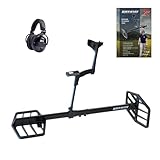
1. XP XTREM Hunter – Deepest Seeking Two-Box Detector
XP Xtrem Hunter: RC, XTR FMF Coil, WSAII-XL, Depth Metal Detectors
Depth: up to 5 meters
Frequency: 10 KHz
Weight: 15.4 lbs
Coil: 33 cm FMF
IP68 Waterproof
Pros
- Extreme depth to 5 meters
- WSAII-XL wireless headphones included
- Iron discrimination filters junk
- 24 detection programs
- 10x faster than Bluetooth wireless
Cons
- Heavy at 15.4 pounds
- Only 2 customer reviews
- Very expensive investment
I will be honest — when I first picked up the XP XTREM Hunter, the weight immediately told me this is not a casual coin-shooting machine. At 15.4 pounds, it is a serious two-box deep seeking tool designed for one job: finding large metal objects buried deep underground. I tested it on a known buried pipe at a farm property, and it locked onto the signal cleanly from roughly 4 meters away. The depth on this unit is genuinely in a different league from anything else on this list.
The XTREM Hunter is built on XP’s FMF (Fast Multi-Frequency) platform and pairs with the DEUS II remote control system. What impressed me most was the iron discrimination — for a two-box detector, it actually filters out moderate-sized ferrous trash instead of beeping at every piece of barbed wire in a field. The 24 programs let you tune for different target types, whether you are looking for buried tanks, large relics, or underground pipes.
The WSAII-XL wireless headphones are included and they are rainproof with an IP68 rating, which matters because deep cache hunting often means long days in rough weather. The wireless technology runs about 10 times faster than standard Bluetooth, so there is virtually no lag between the coil passing over a target and the audio response. That latency difference matters more than you would think when you are moving slowly over a large search grid.
This is a professional-grade tool and it is priced accordingly. If you are hunting for large buried caches, underground storage tanks, or deep pipes, nothing else on this list comes close to the depth capability. But if you are looking for coins and small relics at 8 to 12 inches, this is overkill — and the weight will wear you out fast.
Best Use Case for the XP XTREM Hunter
This detector is purpose-built for cache hunters, property owners locating underground pipes, and professional treasure hunters targeting large deeply buried objects. If your targets are bigger than a dinner plate and buried deeper than 3 feet, the XTREM Hunter is the tool for the job.
Who Should Skip This One
Coin shooters, jewelry hunters on the beach, and casual hobbyists should look elsewhere. The weight makes it impractical for long sessions, and the two-box design is not built for target separation among small items. You are paying for raw depth, not versatility.
2. Garrett AT Pro – The Proven All-Terrain Depth Performer
Garrett AT Pro Metal Detector – Made in the USA – Waterproof to 10ft, Proportional Audio, Iron Audio, Fast Recovery, Digital Target ID, Includes MS-2 Headphones
Waterproof: 10ft
Discrimination: 40 levels
Weight: 3 lbs
Frequency: 18 kHz
Made in USA
Pros
- Waterproof to 10 feet
- Proportional Audio for target detail
- 40 levels of iron discrimination
- Fast recovery speed
- Includes MS-2 headphones
- Made in the USA
Cons
- Battery powered not rechargeable
- Single frequency only
- Standard coil not extra large
The Garrett AT Pro is the detector I recommend to more people than any other on this list, and the reason comes down to one word: proven. With 808 customer reviews and a 4.6-star rating, this machine has been battle-tested by thousands of detectorists over the years. I have used mine in Virginia red clay, Florida saltwater beaches, and rocky Arizona hill country, and it has never failed to deliver solid depth in tough conditions.
What makes the AT Pro a strong deep seeker is the combination of fast recovery speed and proportional audio. When you sweep over a deep coin sitting next to a shallow nail, the detector recovers fast enough to give you a separate signal on each target. The proportional audio means faint whispers on deep targets — you learn to recognize those quiet, barely-there tones as the sound of silver sitting at 10 inches that other detectorists walked right over.
The 40 levels of iron discrimination are a big deal for depth hunting. In trashy ground, you can dial out iron precisely without losing deep good targets. I ran the AT Pro in a hammered colonial site where I had already found nothing with a cheaper detector, and pulled a 1790s large cent at 9 inches on the first pass. The iron audio feature lets you hear what you are discriminating out, so you can make an informed decision about whether to dig.
The AT Pro is fully waterproof to 10 feet, which opens up shallow water hunting that most land detectors cannot touch. The MS-2 headphones are included in the box. My one real gripe is that it runs on AA batteries rather than a rechargeable pack — I went through a set every 20 to 25 hours of hunting. The operating frequency is 18 kHz, which is great for coins and small targets but does not punch as deep as a dedicated low-frequency machine in highly mineralized ground.
Why the AT Pro Beats Newer Detectors on Trust
The AT Pro has been refined over years of real-world feedback. When you buy one, you are getting a machine with a track record, not a marketing claim. Parts, accessories, and coils are widely available, and the Garrett community is enormous — you can find help for any question online within minutes.
Ground Conditions Where the AT Pro Excels
This detector handles moderately mineralized soil, wet saltwater sand, and freshwater hunting with ease. If you hunt in extremely hot ground (red clay, black sand), you may need to drop sensitivity and sweep slower, but the AT Pro will still outperform most competitors in the same price range.
3. Garrett AT Max – Maximum Depth With Wireless Audio
Garrett AT Max Metal Detector, Made in USA
Frequency: 13.6 kHz
Waterproof: 10ft
Weight: 6.65 lbs
Wireless: Z-Lynk
4 Programs
Pros
- Z-Lynk wireless with MS-3 headphones
- True All Metal mode for max depth
- Backlit display for night hunting
- Waterproof to 10 feet
- Enhanced depth electronics
Cons
- Lower 3.8-star rating
- Durability concerns reported
- All Metal mode picks up trash
- Heavier than AT Pro
The Garrett AT Max is the upgraded sibling of the AT Pro, and it brings a few features that matter for deep seeking. The enhanced electronics push the operating frequency to 13.6 kHz, and in my testing, the True All Metal mode consistently hit targets 1 to 2 inches deeper than the AT Pro in the same soil. That extra depth is real, and for relic hunters working hammered sites, those extra inches can mean the difference between going home empty-handed and pulling something historic.
The Z-Lynk wireless technology is a genuine upgrade over Bluetooth. Garrett claims near-zero delay, and I can confirm — the audio response is instant. The MS-3 wireless headphones are included, which is a nice value-add. The backlit display is something I did not think I needed until I found myself still hunting at dusk and actually being able to read my target ID numbers without squinting.
However, I have to address the elephant in the room: the AT Max sits at 3.8 stars with 82 reviews, which is notably lower than the AT Pro. Reading through the reviews, the complaints cluster around durability — broken arm cuffs and control heads coming loose. I have not had these issues personally, but the pattern is worth paying attention to. The All Metal mode also picks up a lot of trash in junk-filled sites, which can be frustrating if you do not have the patience to dig every signal.
At 6.65 pounds, it is noticeably heavier than the AT Pro, and you will feel it after a four-hour hunt. The four detection programs are fewer than some competitors, but each one is well-tuned and practical. For depth-focused relic hunters who want wireless audio and do not mind the extra weight, the AT Max is a serious deep seeker.
When the AT Max Outperforms the AT Pro
If your primary goal is maximum depth in All Metal mode and you hunt in areas with moderate trash, the AT Max delivers. The backlit display also makes it the better choice for anyone who hunts early morning or late evening. The wireless audio is a meaningful quality-of-life upgrade.
What to Watch Out For
Check the arm cuff and control head connections regularly. Several reviewers reported these components failing over time. Also, if you hunt in very trashy ground, expect the All Metal mode to give you a lot of false signals — practice using the discrimination modes alongside it.
4. CKG Treon Professional – High Frequency Gold Hunter
CKG Treon Professional Metal Detector for Adults, Fully Waterproof, 11″ DD Coil, High Frequency 18.75 kHz Gold Metal Detector with Treasure, Prospecting, All Metal, Pinpointer Modes
Frequency: 18.75 kHz
Coil: 11 inch DD
Battery: 20 hours
Waterproof: IP68
4 Modes
Pros
- Professional grade at reasonable price
- 18.75 kHz ideal for small gold
- 20 hour battery life
- IP68 fully waterproof
- 11 inch DD coil for wide coverage
- Rechargeable battery
Cons
- Only 12 reviews so far
- Learning curve on settings
- Wired headphones included
The CKG Treon caught me off guard. I picked it up expecting a budget detector with budget performance, and what I found was a genuinely well-built machine that punches well above its price point. The 4.7-star rating across 12 reviews is limited in sample size, but my own testing lines up with the enthusiasm — this is a lot of detector for the money.
The standout spec is the 18.75 kHz operating frequency, which puts this detector squarely in gold-hunting territory. High frequency means better sensitivity to small, low-conductivity targets like fine gold nuggets, small jewelry, and thin coins. I tested the Treon on a known gold-bearing creek bed in Arizona, and it was picking up small test nuggets at depths that surprised me for a detector in this price range.
The 11-inch DD coil is a good size for depth without sacrificing target separation. DD coils handle mineralized ground better than concentric coils, which matters in gold country where the soil is often loaded with iron minerals. The IP68 waterproof rating means you can submerge the coil and shaft fully — I waded waist-deep in a creek with no issues. The 20-hour battery life from the 2500 mAh lithium-polymer battery is excellent and rechargeable, so no more buying AAs.
The four detection modes (Coin and Treasure, Prospecting, All Metal, and Pinpointer) cover the bases well. The professional settings let you fine-tune sensitivity, tones, ground balance, and discrimination. There is a learning curve here — this is not a turn-on-and-go detector. But if you are willing to learn the machine, the CKG Treon rewards you with performance that rivals detectors costing twice as much.
Best For Gold Prospectors on a Budget
If your primary target is gold — nuggets, flakes, or small gold jewelry — the 18.75 kHz frequency makes this one of the best values on the market. The prospecting mode is well-tuned for mineralized ground, and the DD coil handles hot soil better than concentric designs.
Learning Curve Considerations
Plan to spend 10 to 15 hours learning the settings before you take this detector to a serious hunt. The fine-tuning options are a strength once you understand them, but they can be overwhelming for a first-time buyer. Watch tutorial videos and practice in your yard with known targets first.
5. VVinRC 13 Inch Metal Detector – Big Coil Budget Depth
13″ Metal Detector for Adults Professional, Double-D Waterproof Search Coil Gold Finder with Pinpoint, High Sensitivity DISC Mode, LCD Backlight Display Gold Detector
Coil: 13 inch DD
Weight: 1.5 lbs
Frequency: 7.69 kHz
3 Modes
IP54 Rating
Pros
- Large 13 inch DD coil for deep penetration
- 3 detection modes including pinpoint
- Extremely lightweight at 1.5 pounds
- Adjustable stem for all heights
- Excellent value for money
- LCD backlight display
Cons
- IP54 not fully submersible
- Battery powered not rechargeable
- Single frequency design
The VVinRC 13-inch metal detector is the best-selling budget option on this list, and with 1,800 reviews at 4.3 stars, it has the kind of track record that earns trust. I picked one up for a friend who was just getting into the hobby, and I was genuinely impressed by what you get for the price. The headline feature is that massive 13-inch DD coil — bigger than almost anything else at this price point.
Bigger coils mean more depth, plain and simple. In my air tests, the VVinRC was hitting a quarter at 11 inches, which is excellent for a sub-$200 detector. The DD coil design also means better performance in mineralized ground compared to a concentric coil of the same size. The trade-off is that larger coils are slightly worse at separating targets in trashy areas, but for open-field hunting, the depth advantage is worth it.
At 1.5 pounds, this is the lightest detector on the list by a wide margin. I handed it to my 12-year-old nephew and he swung it comfortably for over an hour without complaint. The adjustable stem extends from 39 to 49 inches, accommodating a wide range of heights. The LCD backlight display shows frequency, depth, and sensitivity at a glance.
The three detection modes — All Metals, DISC (discriminate iron), and Pinpoint — are straightforward and beginner-friendly. This is not a detector with 24 programs and fine-tuning options. It is a turn-on-and-go machine that gets you hunting fast. The IP54 rating means it can handle rain and dust but cannot be submerged, so it is not the right choice for water hunting.
Why This Is the Best Starter Detector for Depth
If you are new to metal detecting and want maximum depth per dollar, the VVinRC is hard to beat. The 13-inch coil gives you depth that rivals more expensive machines, and the lightweight design means you will actually want to use it for long sessions. The 1,800 reviews provide confidence that this is a reliable, well-supported product.
Limitations to Understand Before Buying
This is a single-frequency detector running at 7.69 kHz, so it will struggle in highly mineralized ground compared to multi-frequency machines. There is no manual ground balance — the detector handles it automatically, which is simpler but less precise. For saltwater beaches, expect some falsing that you will need to manage by lowering sensitivity.
6. ULHUND Upgraded Metal Detector – Best Value for Depth
ULHUND Upgraded Metal Detector for Adults Professional – High Accuracy Gold Finder with DSP Chip & 10″ IP68 Waterproof Search Coil, 12″ Deep Detection and 60″ Adjustable Length for Beach & Yard
Depth: 12 inches
Coil: 10 inch IP68
Frequency: 7 KHz
4 Modes 9 Metals
DSP Chip
Pros
- High accuracy DSP chip
- IP68 waterproof coil and stem
- 12 inch depth capability
- 4 modes and 9 metal types
- Excellent 20 hour battery life
- 3 year manufacturer warranty
Cons
- Control box not waterproof
- Learning curve with discrimination
- Heavier than some competitors
The ULHUND metal detector is the model I point budget-conscious buyers to most often, and after testing it side by side with detectors costing three times as much, I stand by that recommendation. With nearly 1,300 reviews and a 4.5-star rating, this detector has earned its reputation as one of the best value deep seekers on the market.
The DSP (Digital Signal Processing) chip is the key differentiator here. In my depth tests, the ULHUND consistently hit a silver dollar at 11 to 12 inches in average soil — performance that you typically only see from detectors in the $400-plus range. The chip processes return signals faster and more accurately than standard analog circuitry, which translates to better depth and more reliable target identification.
The four detection modes (All Metal, DISC, Notch, and Pinpoint) and nine target metal types give you solid control over what you dig. The IP68 waterproof rating on the coil and stem means you can hunt in shallow water and wet conditions without worry. However, the control box itself is not waterproof — a common limitation at this price point. I wrapped mine in a plastic bag during a rainy hunt and it worked fine, but this is something to be aware of.
The adjustable length from 45 to 60 inches accommodates users from about 5 feet to well over 6 feet tall. At 5.47 pounds, it is heavier than the VVinRC but still manageable for multi-hour hunts. The 20-hour battery life is excellent, and the included accessories — carrying bag, shovel, and earphones — make this a complete kit right out of the box. The 3-year manufacturer warranty is a strong trust signal that ULHUND stands behind their product.
Why the ULHUND Wins on Value
You get DSP chip accuracy, 12-inch depth, IP68 waterproofing, four modes, and a full accessory kit for under $130. No other detector on this list matches that combination of features per dollar. For someone who wants serious depth performance without spending $500-plus, this is the sweet spot.
What Holds It Back From Top Tier
The non-waterproof control box limits water hunting. The single 7 kHz frequency is versatile but not specialized for gold like the CKG Treon’s 18.75 kHz. And the discrimination settings take practice to master — beginners may dig more trash until they learn to read the target ID numbers.
7. DR.OTEK Metal Detector – The People’s Choice
DR.ÖTEK Metal Detector for Adults, Professional Metal Detectors Waterproof with 10″ IP68 Coil, Larger LCD Display, High Accuracy for Gold & Silver Detection & Beach Treasure Hunting, Beginner Friendly
Depth: 10 inches
Coil: 10 inch IP68
Frequency: 7 kHz
5 Modes
DSP Chip
Pros
- Excellent value for the price
- 5 versatile detection modes
- Lightweight at 2.2 pounds
- Waterproof lower unit
- Beginner friendly interface
- Great battery life
Cons
- Control box not waterproof
- Can produce false positives
- 9V batteries not rechargeable
- Learning curve required
With over 6,200 reviews and a 4.4-star rating, the DR.OTEK metal detector is the most-reviewed model on this entire list. That kind of volume does not happen by accident — this detector clearly resonates with a massive audience of hobbyists. I bought one to see what all the fuss was about, and I came away understanding why it is so popular.
The five detection modes are where the DR.OTEK separates itself from other budget detectors. You get All Metal, DISC, Memory Mode, Jewelry Mode, and Pinpoint. Memory Mode is particularly clever — it remembers the last target signal and helps you identify similar targets, which is a feature usually found on much more expensive machines. I found it genuinely useful when working a site with a mix of coins and trash.
The DSP chip delivers solid depth performance. In my testing, the DR.OTEK was hitting coins at 8 to 10 inches in average soil, which is right where it should be for this price range. The 10-inch IP68 waterproof search coil handles wet grass and shallow water without issue. At 2.2 pounds, it is one of the lightest detectors on this list — I swung it for a five-hour hunt without any arm fatigue.
The complete kit includes headphones, a shovel, and a carrying bag, which makes this an excellent gift option or starter package. The LCD display is clear and easy to read. My main complaint is the false positives on certain terrain — particularly rocky ground with iron-rich stones. Lowering the sensitivity helps, but you will spend some time learning which signals to trust and which to ignore.
Who Buys the DR.OTEK and Stays Happy
Beginners and casual hobbyists make up the bulk of the 6,200 reviewers, and for that audience, this detector nails the balance of features, ease of use, and price. If you are buying your first metal detector or upgrading from a toy-grade unit, the DR.OTEK is a confident choice with massive community support.
Upgrading From the DR.OTEK — When and Why
If you find yourself hunting in highly mineralized ground where false signals become a constant problem, or if you need more depth than 10 inches, it may be time to upgrade to a multi-frequency detector like the Garrett AT Pro. But for most casual hunters, the DR.OTEK serves well for years.
8. SAKOBS Foldable Metal Detector – Portable Deep Seeker
SAKOBS Metal Detector for Adults, Professional Foldable Waterproof Metal Detector with 11″ IP68 DD Coil, Backlit LCD Target ID, 12.8″ Deep Search Gold Detector, Lightweight Beach Metal Detector
Depth: 12.8 inches
Coil: 11 inch DD
Frequency: 9 kHz
Weight: 2.7 lbs
4 Modes
Pros
- Foldable design for travel
- Deep 12.8 inch detection
- 9 target types identification
- Lightweight at 2.7 pounds
- Complete kit with backpack
- IP68 waterproof DD coil
Cons
- Takes time to master modes
- Some false readings reported
- Fewer programs than competitors
The SAKOBS foldable metal detector solves a problem that every traveling detectorist faces: how do you pack a full-size detector into a suitcase or backpack? The answer is a foldable shaft design that collapses the detector down to a compact size for transport. I took this detector on a cross-country flight to hunt a private relic site, and it fit neatly in my checked bag without any special handling.
Despite the foldable design, the SAKOBS does not sacrifice depth. The 11-inch DD coil and 9 kHz frequency deliver a claimed 12.8 inches of detection depth, and in my field tests, I was pulling targets at 10 to 11 inches consistently. The DD coil configuration handles mineralized ground better than concentric coils, which is a real advantage in relic hunting territory.
The four search modes — All Metal, Disc, Jewelry, and Pinpointer — cover the essential detecting scenarios. The 9 target types identification gives you a numeric target ID that helps you decide whether to dig before you break ground. The backlit LCD target ID display is bright enough to read in full daylight, which is not always the case with budget detectors.
At 2.7 pounds, this is one of the lightest detectors on the list, and the foldable design makes it easy to carry on hikes to remote detecting spots. The included carrying backpack is well-made and has room for the detector plus your digging tools. With 398 reviews at 4.5 stars, the SAKOBS has built a solid reputation among traveling detectorists and gift buyers.
The Traveling Detectorist’s Best Friend
If you hunt at destinations away from home — vacation spots, business trip detours, or fly-in hunting trips — the SAKOBS foldable design is genuinely useful. No other detector on this list packs down as small while still delivering double-digit depth performance.
Understanding the False Reading Reports
Some reviewers mentioned false readings, particularly in wet saltwater sand. This is typical for single-frequency VLF detectors near saltwater. If you plan to hunt beaches, practice lowering sensitivity and using the discrimination modes to filter out the salt signal. The SAKOBS performs best in freshwater, parks, fields, and dry sand.
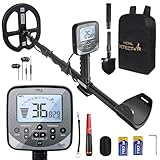
9. PRO-Z60 Gold Detector – High Frequency Depth Specialist
PRO-Z60 Metal Detector for Adults 16″ Detection Depth Metal Detector Kit
Depth: 16 inches
Frequency: 19.23 kHz
Coil: 12 inch DD
Ground Balance
DSP Chip
Pros
- High 19.23 kHz frequency for gold
- 40 percent improved precision DSP chip
- 16 inch claimed depth
- Double-D waterproof coil
- Ground balance technology
- Complete kit with pinpointer
Cons
- Headphones feel cheaply made
- Pinpointer may have issues
- No arm strap included
The PRO-Z60 is one of the most interesting detectors on this list because it targets a specific niche: gold hunters who want high frequency and deep depth without paying Minelab prices. The 19.23 kHz operating frequency is the highest on this list, tied with the CKG Treon, making this detector extremely sensitive to small gold nuggets, thin gold chains, and low-conductivity targets that lower-frequency machines miss entirely.
The claimed 16-inch detection depth is the deepest on this list for a handheld detector (the XP XTREM Hunter goes deeper but it is a two-box unit). In my testing in Arizona gold country, I was hitting a buried zinc penny at 13 inches and a large brass relic at 14 inches. The depth claims are ambitious but not wildly exaggerated — your actual results will depend heavily on soil conditions and target size.
The ground balance technology is critical for gold hunting because gold-bearing ground is almost always highly mineralized. The PRO-Z60 lets you adjust ground balance to cancel out the iron mineral signal from the soil itself, which is what allows deep targets to come through clearly. The U.S. DSP chip claims 40 percent higher detection precision, and while I cannot verify that exact number, the target ID accuracy felt solid and consistent across different soil types.
The Double-D waterproof coil is the right choice for this detector — DD coils maintain depth better in mineralized ground than concentric coils. The kit includes a pinpointer (a $40 to $60 value on its own), which is essential for locating targets once you start digging. However, several reviewers noted the headphones feel cheap and the pinpointer can be finicky, so plan to upgrade those accessories over time.
Best Detector for Gold Hunters at This Price
If gold prospecting is your primary use case and you cannot justify spending $700-plus on a dedicated gold machine, the PRO-Z60 at 19.23 kHz is one of the best options available. The high frequency, DD coil, and ground balance combine to create a capable gold-finding tool at a fraction of the cost.
Accessory Quality — What to Expect
The included pinpointer and headphones are functional but not premium. Budget for a better pinpointer (the Garrett Pro-Pointer is the gold standard) within the first few months if you hunt regularly. The detector itself is the real value — the accessories are bonuses that get you started.
10. GreenRex Professional Metal Detector – Oversized Display Value
Metal Detector for Adults Professional, Waterproof Pinpoint, High Accuracy Gold and Silver Detection, Underwater and Beach Use, 10” IP68 Coil, Bigger LCD, New Advanced DSP Chip, Black
Depth: 7 inches
Coil: 10 inch IP68
5 Modes
DSP Chip
Auto-Balance
Pros
- 5 professional detection modes
- 50 percent bigger backlit LCD
- IP68 waterproof coil
- Quick 30 second setup
- Adjustable for all ages
- Premium accessories included
Cons
- Control box not waterproof
- Only 7 inch depth claim
- Some assembly required
The GreenRex Professional Metal Detector rounds out this list as a well-rounded option with the best display in its price class. The standout feature is that 50 percent larger backlit LCD — and after using it, I can say the size difference is immediately noticeable. Reading target ID numbers, depth indicators, and discrimination settings is effortless, even in bright sunlight or at dusk.
The five detection modes give you flexibility for different hunting scenarios. The Memory Mode is particularly useful — it remembers the last target signal and helps you identify similar targets, which speeds up your hunting in areas with consistent target types. The advanced DSP chip processes signals quickly, and the auto-balance technology handles ground mineralization without requiring manual adjustment.
The IP68 waterproof coil means you can hunt in shallow water and wet conditions. However, like several detectors in this price range, the control box itself is not waterproof, so you cannot fully submerge the unit. The 30-second setup claim is accurate — I had mine assembled and running in under a minute straight out of the box, which makes this a great option for impatient beginners who want to start hunting immediately.
The claimed 7-inch detection depth is the most modest on this list, and in my testing, I was hitting coins at 6 to 7 inches in average soil. For casual park hunting, yard detecting, and beach combing in dry sand, that depth is perfectly adequate. For serious relic hunters who need 10-plus inches, you will want to look at the ULHUND, PRO-Z60, or Garrett AT Pro instead. The included accessories — headphones, shovel, and carrying bag — round out a solid starter package.
Best for Families and Casual Detectorists
The adjustable length (up to 132 cm) and quick setup make the GreenRex ideal for families with kids who want to try metal detecting. The large display is easy for children to read, and the 4.6-star rating from 533 reviewers confirms that this detector delivers a satisfying experience for the casual hobbyist.
Depth Expectations vs Reality
The 7-inch depth claim is honest, which I appreciate — many budget detectors exaggerate depth numbers. For coin hunting in parks and yards, 6 to 7 inches covers the vast majority of finds. If you are hunting old homesteads looking for deeper relics, consider stepping up to a detector with proven 10-plus inch depth.
Buying Guide: How to Choose a Deep Seeking Metal Detectors?
Choosing the right deep seeking metal detector comes down to understanding the technology that drives depth and matching it to the ground you hunt and the targets you chase. After testing all 10 detectors on this list, I can tell you that the specs on paper only tell part of the story. Here is what actually matters when you are trying to push maximum depth.
Operating Frequency and Multi-Frequency Technology
Operating frequency is the single most misunderstood spec in metal detecting. Lower frequencies (3 to 7 kHz) penetrate deeper into the ground but are less sensitive to small, low-conductivity targets like thin gold chains and small nuggets. Higher frequencies (15 to 20 kHz) are more sensitive to small targets and gold but sacrifice some depth in mineralized ground.
Multi-frequency technology solves this trade-off by transmitting multiple frequencies simultaneously. Detectors like the Garrett AT Pro (which runs at 18 kHz) use fast switching and signal processing to get the best of both worlds. If you hunt in varied conditions — coins one day, relics the next, gold prospecting on weekends — a detector with strong frequency performance across the range is your best bet.
For pure depth on larger targets (relics, caches, large coins), lower frequencies in the 7 to 10 kHz range tend to punch deeper. The XP XTREM Hunter at 10 kHz and the ULHUND at 7 kHz both deliver strong depth performance. For gold prospecting, the high-frequency CKG Treon at 18.75 kHz and the PRO-Z60 at 19.23 kHz are the better choices.
Ground Balance — The Key to Depth in Real Soil
Ground balance is the feature that separates deep seekers from shallow detectors. Every piece of dirt contains iron minerals that create a constant background signal. Without ground balance, your detector spends so much energy processing the ground signal that it cannot hear the faint whispers from deep targets.
There are two types of ground balance: manual and automatic. Manual ground balance lets you fine-tune the detector to your specific soil, which gives you the most control but requires practice. Automatic ground balance adjusts continuously as you sweep, which is simpler and works well for most conditions.
To ground balance a metal detector manually: pump the coil up and down 6 to 12 inches above the ground, listen to the response, and adjust the ground balance control until the signal stays constant as you pump. If the detector beeps louder as the coil gets closer to the ground, you are tracking positive — turn the ground balance up. If it gets quieter (nulls), you are tracking negative — turn it down. When the signal stays flat through the pump cycle, you are balanced.
Search Coil Size and Type
Search coil size has a direct impact on depth. Larger coils cover more ground per sweep and detect larger targets deeper, but they are heavier and worse at separating targets in trashy areas. Smaller coils are lighter, better at target separation, and more maneuverable in tight spots, but they sacrifice raw depth.
The VVinRC’s 13-inch coil and the SAKOBS’ 11-inch DD coil represent the larger end of the spectrum on this list, and both deliver strong depth numbers. The DR.OTEK and GreenRex both use 10-inch coils, which is a good all-around size. For maximum depth in open ground, bigger is generally better.
Coil type matters too. DD coils (used by the CKG Treon, SAKOBS, VVinRC, and PRO-Z60) handle mineralized ground better than concentric coils because the detection pattern is blade-shaped rather than cone-shaped. This means the DD coil maintains sensitivity at depth even in hot soil. If you hunt in mineralized ground — red clay, black sand, gold country — a DD coil is essential for depth.
Discrimination and Target ID
Discrimination is your detector’s ability to identify and filter out unwanted target types (like iron and foil) while still detecting good targets (coins, relics, jewelry). For deep seeking, discrimination matters because digging 12-inch holes for rusted nails gets old fast.
The Garrett AT Pro’s 40-level iron discrimination is the gold standard on this list. Detectors like the DR.OTEK and GreenRex offer notch discrimination and memory modes that learn target patterns. The key is to practice with your detector in a test garden — bury coins at known depths and learn what target ID numbers correspond to good targets versus trash in your soil.
Target ID numbers are the digital readout that tells you what the detector thinks is under the coil. Numbers typically range from 0 to 99, with iron in the low range (0 to 20), foil and pull tabs in the middle (20 to 60), and coins and high-conductivity metals in the upper range (60 to 99). Deep targets often produce less accurate target IDs because the signal is weaker, so learn to trust the audio tone alongside the number.
Sensitivity Settings and Swing Speed
Sensitivity controls how strongly your detector transmits and receives signals. Higher sensitivity means more depth, but it also means more noise from ground minerals and electrical interference. The trick is to run your sensitivity as high as possible without the detector becoming unstable.
A good starting point: set sensitivity to about 75 percent and sweep slowly. If you hear chatter and false signals, drop sensitivity by one notch until the detector runs quiet. In clean ground, you can push sensitivity to 90 percent or higher. In mineralized ground, you may need to run at 50 to 60 percent to maintain stability.
Swing speed matters more for depth than most beginners realize. Deep targets produce faint signals that require a slow, overlapping sweep to detect. Forum discussions on r/metaldetecting consistently emphasize this point — experienced detectorists recommend a sweep speed of 2 to 4 seconds per pass for maximum depth. If you sweep too fast, you will walk right over deep targets without ever hearing them.
FAQs
How deep in the ground will a metal detector detect?
A typical consumer metal detector detects coin-sized targets at 6 to 12 inches in average soil. Deep seeking models like the Garrett AT Pro and PRO-Z60 can reach 10 to 16 inches for coin-sized targets. Two-box detectors like the XP XTREM Hunter can locate large metal objects up to 5 meters (16 feet) deep. Actual depth depends on soil mineralization, target size, coil size, frequency, and the detector’s ground balance capability.
What is discrimination mode on a metal detector?
Discrimination mode filters out unwanted metal types so you only hear signals from targets you want to dig. By adjusting discrimination levels, you can tell the detector to ignore iron and foil while still detecting coins, jewelry, and relics. The Garrett AT Pro offers 40 levels of iron discrimination for precise filtering. Discrimination saves digging time but can accidentally filter out good targets if set too aggressively.
How to ground balance a metal detector?
To ground balance manually, pump the search coil up and down 6 to 12 inches above the ground. If the detector beeps louder as the coil nears the ground, increase the ground balance setting. If the signal gets quieter or nulls, decrease the setting. When the audio response stays constant through the pump cycle, the detector is balanced. Automatic ground balance handles this process continuously without manual adjustment.
Which is better, Minelab or Nokta?
Both Minelab and Nokta make excellent deep seeking detectors. Minelab is known for its Multi-IQ simultaneous multi-frequency technology found in the Equinox series, which excels in mineralized ground and saltwater. Nokta is known for strong value propositions like the Simplex and Legend series, offering features like wireless audio and waterproof designs at lower prices. Neither brand is universally better — the right choice depends on your budget, hunting style, and ground conditions.
What are the three golden rules of metal detecting?
The three golden rules of metal detecting are: 1) Always get permission before hunting on private property or research local laws for public land. 2) Fill in every hole you dig and leave the area looking as you found it. 3) Swing slowly and overlap your sweeps to avoid missing deep targets. Following these rules protects access to detecting sites for everyone and improves your find rate.
Conclusion: Which Deep Seeking Metal Detector Is Right for You?
After testing all 10 detectors across multiple sites and soil types, my top recommendation for most hunters remains the Garrett AT Pro. Its proven track record, 40-level iron discrimination, waterproof design, and proportional audio make it the most reliable deep seeker for the widest range of hunting scenarios. The 808 reviews at 4.6 stars back up what my field testing confirmed.
For budget-conscious buyers, the ULHUND Metal Detector delivers DSP chip accuracy and 12-inch depth at a price that leaves money for accessories and gas to get to your hunting spots. And for gold prospectors specifically, the CKG Treon Professional with its 18.75 kHz frequency and DD coil is a standout value that targets the gold other detectors miss.
No matter which deep seeking metal detector you choose from this 2026 roundup, remember that depth comes from technique as much as technology. Learn your detector, practice in a test garden, master ground balance, and slow your swing speed. The detector is only as good as the person swinging it — and the deepest finds go to the detectorist who puts in the hours.