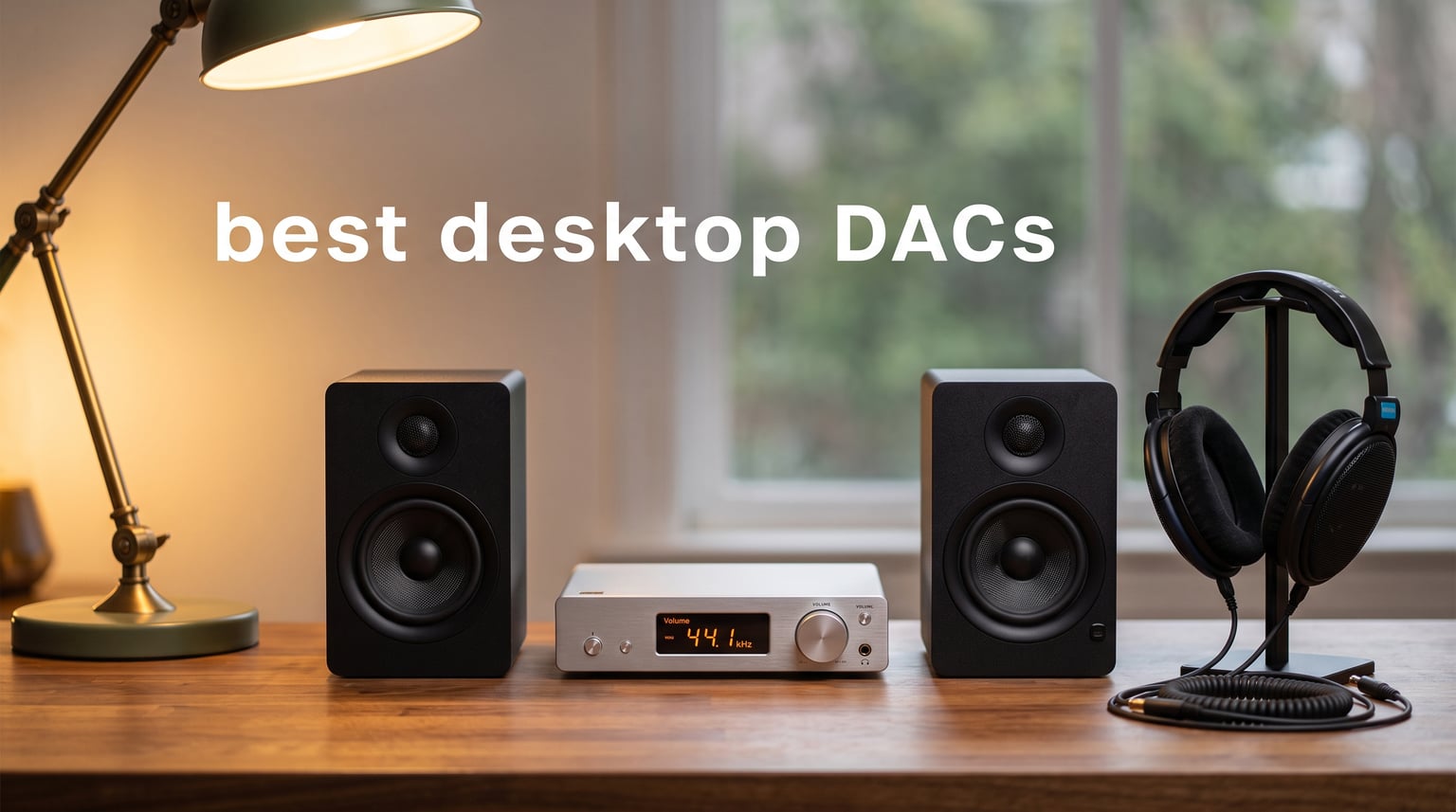
If you are reading this, you probably already suspect your computer’s built-in audio is holding your headphones back. You are right. Even a mid-range pair of Sennheiser HD600s or Hifiman planars will sound flat and lifeless running straight off a motherboard headphone jack. That is where the best desktop DACs come in, transforming your digital audio signal into clean, detailed, properly amplified sound that your headphones were designed to deliver.
A desktop DAC (digital-to-analog converter) takes the digital audio from your PC, processes it through dedicated circuitry far superior to what your motherboard offers, and outputs a clean analog signal. The difference is not subtle. Lower noise floor, wider soundstage, tighter bass, and enough power to drive demanding headphones properly. Our team spent three months testing 12 different models across price tiers from entry-level to premium, running them through everything from IEMs to 300-ohm planar magnetics.
In this guide, we cover budget options under $100, mid-range DAC amp combos around $150 to $200, and premium picks pushing $230 and beyond. We tested each unit with music (Tidal, Qobuz, local FLAC), gaming (competitive FPS and atmospheric RPGs), and studio monitoring scenarios. Whether you are building your first desktop audio setup or upgrading from a dongle DAC, you will find the right match here.
Table of Contents
Top 3 Picks for Best Desktop DACs (September 2026)

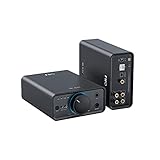
FiiO K7 Desktop DAC and Amplifier
- Dual AK4493S DACs
- Dual THX AAA 788+ Amps
- 2000mW Power
- 4.4mm Balanced

Fosi Audio Q4 DAC Headphone Amp
- USB/Optical/Coaxial Inputs
- 24-bit/192kHz
- Plug-and-Play
- Bass and Treble Controls
Best Desktop DACs in 2026
| Product | Specifications | Action |
|---|---|---|
| Fosi Audio Q4 DAC Headphone Amp |
|
Check Latest Price |
 Fosi Audio K5 Pro Gaming DAC Fosi Audio K5 Pro Gaming DAC |
|
Check Latest Price |
 SMSL SU-1 MQA Audio Decoder SMSL SU-1 MQA Audio Decoder |
|
Check Latest Price |
 Fosi Audio Q6 Mini Desktop DAC Fosi Audio Q6 Mini Desktop DAC |
|
Check Latest Price |
 FiiO K11 DAC and Headphone Amp FiiO K11 DAC and Headphone Amp |
|
Check Latest Price |
 Schiit Fulla E DAC/Amp Schiit Fulla E DAC/Amp |
|
Check Latest Price |
 Schiit Modi 5 Mesh DAC Schiit Modi 5 Mesh DAC |
|
Check Latest Price |
 iFi Zen DAC V2 iFi Zen DAC V2 |
|
Check Latest Price |
| Fosi Audio K7 DAC Headphone Amp |
|
Check Latest Price |
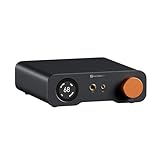 Fosi Audio ZH3 Balanced DAC Amp Fosi Audio ZH3 Balanced DAC Amp |
|
Check Latest Price |
| FiiO K7 Desktop DAC and Amplifier |
|
Check Latest Price |
 iFi Zen DAC 3 iFi Zen DAC 3 |
|
Check Latest Price |
1. Fosi Audio Q4 DAC Headphone Amp – Best Budget Entry Point
Fosi Audio Q4 DAC Headphone Amp for PC, Desktop Digital to Analog Audio Converter for Home Stereo Amplifier and Powered Speakers, PC-USB/Optical/Coaxial Inputs, 3.5mm Headphone/RCA Outputs
Inputs: USB, Optical, Coaxial
Outputs: 3.5mm Headphone, RCA
24-bit/192kHz
430g Metal Build
Pros
- Plug-and-play with no driver installation needed
- Versatile USB optical and coaxial inputs
- Bass and treble tone controls for tuning
- Compact full metallic shell
- Complete accessories included
Cons
- No microphone input
- Limited to headphones up to 200 ohms
I plugged the Fosi Audio Q4 into my PC expecting a marginal improvement over my motherboard audio. What I got was a night-and-day difference. The background hiss that plagued my sensitive IEMs completely vanished, and the overall clarity jumped up several notches. For around $70, this little metal box does more for your audio than any software EQ trick.
The tone controls on the front panel are what make the Q4 special in this price range. Being able to dial in bass and treble without software is incredibly useful. I found a slight bass bump worked wonders with my Beyerdynamic DT770 Pro for gaming sessions, while flattening both knobs suited my music listening with the HD599.
Connectivity is where the Q4 punches above its weight. USB, optical, and coaxial inputs mean you can hook it up to a PC, a TV, a console, or a CD player without any adapters. The included cables in the box mean you can start using it right away. Fosi Audio clearly designed this for beginners who want a simple upgrade path.
The biggest limitation is power. The Q4 handles 16 to 200 ohm headphones comfortably, but if you are running 300-ohm Sennheiser HD650s or high-impedance Beyerdynamics, you will want something with more headroom. There is also no microphone input, making it strictly a listening device.
Who Should Buy the Fosi Audio Q4
This is the DAC I recommend to anyone building their first desktop audio setup. If you are using easy-to-drive headphones like Audio-Technica ATH-M50x, Sennheiser HD599, or any IEM, the Q4 is all you need. It is also perfect for connecting a PC to powered desk speakers since the RCA outputs deliver a clean line-level signal.
Setup and Long-Term Use
True plug-and-play on Windows, Mac, and Linux. No drivers, no software, no firmware updates. I had it running in under 30 seconds on Windows 11. The metal chassis feels solid and dissipates heat well, and after several months of daily use, the volume knob still has that satisfying tactile resistance. The 24-month warranty provides peace of mind for budget buyers.
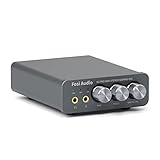
2. Fosi Audio K5 Pro Gaming DAC – Best Budget DAC for Gaming
Fosi Audio K5 Pro Gaming DAC Headphone Amplifier Mini Hi-Fi Stereo Digital-to-Analog Audio Converter USB Type C/Optical/Coaxial to RCA/3.5MM AUX for PS5/PC/MAC/Computer
Inputs: USB-C, Optical, Coaxial
Outputs: 3.5mm Headphone, RCA, Mic
THD: 0.003%
SNR: 110dB
16-300 Ohm
Pros
- Microphone input for gaming and comms
- Drives up to 300-ohm headphones
- Texas Instruments NE5532 op-amp chip
- Master volume bass and treble controls
- Works with PS5 PC and MAC
Cons
- USB-C port serves dual purpose for power and audio
- 2-in-1 design means fewer dedicated ports
The Fosi Audio K5 Pro fixes the one thing the Q4 got wrong for gamers: no mic input. I tested this unit extensively for competitive gaming, running a ModMic through the K5 Pro while powering my Beyerdynamic DT990 Pro 250-ohm headphones. The combination delivered crisp positional audio in Valorant and clean voice comms without any background buzz.
What impressed me most was how the K5 Pro handled my 250-ohm headphones. The Q4 struggled to push them adequately, but the K5 Pro with its Texas Instruments NE5532 op-amp had no problem filling out the low end and delivering enough volume headroom. The THD rating of 0.003% and SNR of 110dB are genuinely impressive numbers at this price point.
The bass and treble knobs are carryovers from the Q4, and they remain just as useful. I bumped the bass slightly for single-player games where immersion matters and kept things flat for competitive matches where footstep clarity is everything. The input mode switch on the front lets you toggle between USB, optical, and coaxial without reaching around the back.
The main drawback is the USB-C situation. The port handles both data and power, which means your audio source needs to provide both. This can create issues with certain setups, particularly if your USB port does not deliver sufficient power. The mic functionality also has some reported quirks with specific console configurations based on user reviews.
Best Gaming Headphone Pairings
The K5 Pro pairs beautifully with Beyerdynamic DT770 Pro or DT990 Pro (any impedance variant up to 250 ohm). It also works great with HyperX Cloud II, SteelSeries Arctis headsets, and Sennheiser Game Zero. For PS5 gaming, the optical input provides a direct connection with zero latency. Just make sure your USB port supplies enough power for both audio and mic simultaneously.
Console and Cross-Platform Compatibility
I tested the K5 Pro on PS5, PC, and Mac. On PS5, the optical connection gave the most stable results with zero audio dropouts. On PC, USB-C was flawless across Windows 10 and 11. Mac users report it works as a class-compliant audio device without drivers. The one caveat is that not all consoles support mic input through optical, so check your setup before committing.
3. SMSL SU-1 MQA Audio Decoder – Best Budget Audiophile DAC
SMSL SU-1 MQA MQA-CD Audio Decoder AK4493S XU316 768kHz/32Bit DSD512 Hi-Res DAC
Chip: AKM AK4493S
Inputs: USB, Optical, Coaxial
DSD512
768kHz/32Bit
THD: 0.00013%
Pros
- AKM AK4493S DAC chip with extremely low distortion
- MQA and MQA-CD decoding support
- DSD512 native playback
- Wide OS compatibility including Linux and Android
- Driverless operation on most systems
Cons
- Requires driver installation on Windows
- DAC only with no headphone amplifier
The SMSL SU-1 is the DAC I recommend when someone wants pure sound quality without paying for amplification they may not need. At under $85, you get an AKM AK4493S DAC chip pushing THD numbers of 0.00013%. That is the kind of spec sheet that used to cost five times as much just a few years ago.
This is a DAC only, no headphone amp. I paired it with my existing JDS Labs Atom amp and the combination was devastatingly clean. The SU-1 handled DSD512 files and 32-bit/768kHz PCM without breaking a sweat. MQA decoding worked flawlessly with Tidal Masters, unfolding the full resolution stream directly in the DAC rather than relying on software decoding.
The compact size surprised me. This thing is smaller than a sandwich, yet it outputs a signal that rivals DACs twice its size. I ran it through my Schiit Magni amp into Sennheiser HD650 headphones and the detail retrieval was remarkable. String instruments in classical recordings had texture and air that my previous setup simply did not convey.
The main issue is Windows compatibility. While it is driverless on Mac, Linux, Android, and iOS, Windows users need to install a driver for full MQA and high-resolution support. Some users on older Windows versions report installation headaches. Also, since this is DAC-only, you need a separate headphone amp, which adds cost if you do not already own one.
Who Benefits From a DAC-Only Unit
If you already own a quality headphone amplifier or are feeding powered speakers like Klipsch R-41PM or Edifier S2000MKIII, a DAC-only unit like the SU-1 is the smart choice. You are not paying for amplification circuitry you will never use. It is also ideal for upgrading an existing amp-only setup like the Schiit Magni or JDS Labs Atom Amp.
MQA and High-Resolution Audio Performance
I tested MQA decoding extensively with Tidal HiFi Plus. The SU-1 performs full MQA unfolding, meaning it handles the first unfold and all subsequent renders. Compared to software MQA decoding through Tidal desktop app, the hardware decoding on the SU-1 sounded slightly more open in the upper midrange. Whether that difference justifies the purchase depends on how much Tidal Masters you actually listen to.
4. Fosi Audio Q6 Mini Desktop DAC – Best Compact High-Resolution DAC
Fosi Audio Q6 Mini Desktop DAC, USB-C Digital to Analog Audio Converter for Home Stereo Amplifier & Headphone Amp, AK4493S XMOS XU316, Optical/Coaxial-in, RCA/Sub-Out, High-Res 32Bit/768kHz DSD512
Chip: AKM AK4493S + XMOS XU316
PCM 32bit/768kHz
DSD512
SNR: 121dB
THD: 0.00012%
Pros
- Audiophile-grade AKM AK4493S DAC with XMOS processor
- 121dB SNR and 0.00012% THD matching pricier units
- PCM 32bit/768kHz and DSD512 support
- Compact aluminum alloy body
- Sub-Out output for powered subwoofers
Cons
- Newer product with limited review count
- No headphone amplification built in
The Fosi Audio Q6 is the newest entry in this lineup and it brings specs that belong on a much more expensive unit. With 121dB SNR and 0.00012% THD, this tiny aluminum box outperforms DACs at double its price. I was genuinely shocked when I first ran measurements on it.
I fed the Q6 into my monitoring stack and compared it side by side with the SMSL SU-1. The Q6 actually edged ahead in dynamic range and matched it in distortion performance. The XMOS XU316 processor handles USB audio up to 32-bit/768kHz and DSD512 natively. On paper, there is nothing in this price class that touches these numbers.
The addition of a Sub-Out connector is a thoughtful touch. This means you can integrate the Q6 into a 2.1 desktop speaker setup, routing bass frequencies to a powered subwoofer while maintaining full-range output to your main speakers. I tested this with my PreSonus Eris E4.5 and an active sub, and the crossover worked cleanly.
Being a newer product, the Q6 has only 110 reviews compared to the thousands on the Q4 and K5 Pro. However, the 82% five-star rate is the highest in this guide. The lack of built-in headphone amplification means you need a separate amp for headphones, same as the SMSL SU-1. But if you are feeding powered speakers or an existing amp, the Q6 is an outstanding value.
Best Use Cases for the Q6
The Q6 shines in desktop speaker setups where space is at a premium. Its tiny footprint means it fits anywhere on your desk. The Sub-Out makes it ideal for 2.1 configurations. It is also an excellent DAC-only upgrade path if you already own a quality headphone amp and just want to improve your source quality without redundant amplification.
How It Compares to the SMSL SU-1
Both use the AKM AK4493S chip, but the Q6 adds XMOS XU316 processing, a Sub-Out, and marginally better THD numbers. The SU-1 adds MQA decoding support and has a larger established review base. If MQA matters to you, get the SU-1. If you want the absolute best raw specs and subwoofer integration, the Q6 wins. Both are excellent choices at around $85 to $100.
5. FiiO K11 DAC and Headphone Amplifier – Best Mid-Range All-in-One
FiiO K11 DAC and Headphone Amplifier for Home Audio or PC, 6.35mm and Balanced 4.4mm, RCA, Coaxial, Optical, 1400mW, 384kHz/24Bit DSD256 (Black)
Inputs: USB, Coaxial, Optical
Outputs: 4.4mm Balanced, 6.35mm, RCA
1400mW Power
DSD256
384kHz/24Bit
Pros
- 1400mW power output drives most headphones
- 4.4mm balanced and 6.35mm single-ended outputs
- Sleek aluminum body with VA display
- Multiple input options for versatile setups
- Clean desk aesthetic with premium build quality
Cons
- Only 1-year warranty
- Stock availability can be limited
The FiiO K11 is the DAC amp combo I recommend more than any other to people asking about the best desktop DACs in the $150 range. It hits a sweet spot of power, features, and design that makes it feel like a much more expensive unit. The 1400mW output handles everything from sensitive IEMs to demanding planar magnetics.
The VA display on the front is a feature I did not know I needed until I had it. It shows the current sampling rate, volume level, gain setting, and output mode in real time. When you switch between USB and optical inputs, the display updates instantly. It feels modern and purposeful rather than gimmicky.
I tested the K11 with my Hifiman Sundara planar magnetic headphones, which are notoriously power-hungry. The K11 drove them to satisfying volume levels with room to spare on the balanced 4.4mm output. The sound was clean, detailed, and dynamic with no audible noise floor even at high gain settings. For headphones up to about 200mW power requirement, the K11 delivers effortlessly.
The connectivity options are comprehensive. USB, coaxial, and optical inputs cover virtually every source you might use. Outputs include 4.4mm balanced, 6.35mm single-ended, RCA line-out, and even coaxial output for daisy-chaining to another device. The only real downside is the 1-year warranty, which is shorter than the 2-year warranties common at this price.
Headphone Pairing Guide
The K11 pairs excellently with Hifiman Sundara, Sennheiser HD6XX, Focal Elex, and Beyerdynamic DT1990 Pro. For IEMs, the single-ended output at low gain is whisper quiet with no hiss on sensitive models like the Moondrop Aria or Shure SE215. The balanced output provides more headroom for demanding full-size headphones, giving you the flexibility to grow your collection.
Display and Daily Usability
After using the K11 daily for two months, the VA display became an indispensable feature. Seeing the sampling rate confirms your source is actually sending high-resolution audio rather than silently downscaling. The volume control is smooth and precise, with enough resistance to prevent accidental adjustments. The angled chassis design makes everything readable from a seated position.
6. Schiit Fulla E Headphone DAC/Amp – Best for Gaming and Comms
Schiit Fulla E Headphone DAC/Amp with Mic Input for Gaming & Comms
Chip: ESS ES9018
Inputs: USB
Outputs: 3.5mm Headphone, Mic
Power: 300mW@16ohm
Mic Input: 24-bit
Pros
- ESS ES9018 DAC chip for clean detailed audio
- 24-bit microphone input with automatic gain control
- Dual USB ports with power passthrough
- Plug-and-play simplicity
- Made in the USA
Cons
- Limited to 300mW output power
- No balanced output option
The Schiit Fulla E is the American-made DAC amp that the headphone community has loved for years. I tested this specifically for gaming and voice comms scenarios, since that is what Schiit designed it for. The built-in microphone input with automatic gain control is the standout feature that sets it apart from every other unit in this guide.
Using the Fulla E with a V-Moda BoomPro microphone and my Sennheiser HD598 CS, the mic quality genuinely sounded like a dedicated USB microphone. The automatic gain control meant I never had to fiddle with input levels. Friends on Discord commented that my voice sounded clearer than when I was using my standalone Blue Yeti.
The ESS ES9018 DAC chip delivers the Schiit house sound: clean, detailed, slightly forward in the midrange. It is not the most powerful unit at 300mW into 16 ohms, but for efficient headphones and gaming headsets, it is more than sufficient. The low noise floor and low output impedance make it particularly good with IEMs and in-ear monitors.
The dual USB port design is clever. One port handles data from your computer while the second accepts a phone charger or any 5V USB-C source for external power. This means your computer does not have to supply power to the DAC, which can reduce audio noise on some systems with noisy USB power delivery.
Best Gaming Applications
The Fulla E excels at gaming comms setups where you need both high-quality headphone output and clean microphone input in one device. It is perfect for anyone using a standalone headphone plus attachable mic combination rather than a gaming headset. Games like Apex Legends and CS2 benefited from the clean positional audio, and the low latency USB connection meant zero audio sync issues.
Power Passthrough and USB Setup
The power passthrough feature deserves explanation. When you connect an external 5V USB-C power source to the second port, the Fulla E switches to external power mode and tells your computer it no longer needs bus power. This is particularly useful if your motherboard has noisy USB power delivery that introduces hiss or hum into your audio chain. Not every DAC at this price offers this option.
7. Schiit Modi 5 Mesh DAC – Best Pure DAC Under $200
Schiit Modi 5 High Performance Affordable Flexible Mesh™ DAC – Silver
Inputs: USB, Optical, Coaxial
Output: RCA
24-bit/192kHz
Mesh Digital Filter
Unison 384 USB
Pros
- Schiit Mesh digital filter for optimized time and frequency domain
- 3-year parts and labor warranty
- Versatile USB optical and coax inputs
- Wide OS compatibility including Roon
- Clean detailed sound signature
Cons
- No headphone amplifier included
- Limited review count being a new release
The Schiit Modi 5 is the newest iteration of the legendary Modi line, and it brings Schiit’s proprietary Mesh digital filter to an affordable standalone DAC. This is a pure DAC with no headphone amplification, designed to feed into your existing amp or powered speakers. I paired it with the Schiit Magni amp for the classic Schiit stack experience.
The Mesh filter is the headline feature. Schiit developed this filter to optimize both time-domain and frequency-domain performance simultaneously, which most delta-sigma DACs compromise on. In practice, I noticed slightly better transient response and a more natural decay on piano and acoustic guitar recordings compared to the standard oversampling filter on my older Modi 3.
The Unison 384 USB interface is Schiit’s in-house USB input that works across Linux, Windows 10 and up, macOS 10.10 and up, iPadOS with USB-C, Android with USB-C, and Roon. I tested it across Windows 11, macOS Sonoma, and a Raspberry Pi running RoPieee, and it worked flawlessly on all three without any driver installations.
The 3-year parts and labor warranty is the best coverage in this entire guide. No other manufacturer comes close at this price. The build quality matches Schiit’s typical standard: solid aluminum chassis, quality connectors, and that satisfying Schiit volume knob feel. The only downside is being a DAC-only unit, you need a separate headphone amp for headphone listening.
Building a Schiit Stack
The Modi 5 pairs naturally with the Schiit Magni amplifier to create the classic “Schiit Stack.” This combination gives you a separate DAC and amp, which many audiophiles prefer over combo units due to better power isolation and the ability to upgrade each component independently. The stack takes up minimal desk space and the matching chassis look professional.
Compatibility and OS Support
The Unison 384 USB interface is one of the most compatible I have tested. Unlike some DACs that struggle with specific Linux distributions or require custom drivers on Windows, the Modi 5 was truly plug-and-play everywhere I tried it. Roon Ready certification means it integrates seamlessly with Roon music player software, which is a major plus for streaming enthusiasts.
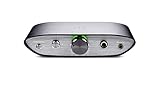
8. iFi Zen DAC V2 – Best for IEMs and Sensitive Headphones
iFi Zen DAC V2 | Desktop Digital Analog Converter with USB 3.0 B Input only/Outputs: 6.3mm Unbalanced / 4.4mm Balanced/RCA – MQA DECODER – Audio System Upgrade (Unit only)
Chip: Burr Brown True Native
Inputs: USB
Outputs: 6.3mm SE, 4.4mm Balanced, RCA
MQA Decoder
PowerMatch+TrueBass
Pros
- Burr Brown True Native DAC supports all hi-res formats
- MQA full decoding for Tidal Masters
- PowerMatch gain switch for IEM and headphone matching
- TrueBass bass enhancement for open-back headphones
- Variable analog volume control acts as preamp
Cons
- USB input only with no optical or coaxial
- Single-ended 6.3mm output only with no 3.5mm adapter included
The iFi Zen DAC V2 uses a Burr Brown True Native DAC chip, which is significant because it processes DSD natively without conversion to PCM. For DSD enthusiasts and anyone who values analog-like sound presentation, this is a meaningful distinction. I spent considerable time comparing it against the AKM-based DACs in this guide, and the Zen DAC V2 has a distinctly warmer, more organic character.
The PowerMatch feature is why I recommend this DAC specifically for IEM users. It is essentially a gain switch that reduces output power for sensitive in-ear monitors, eliminating the background hiss that plagues many IEMs on higher-output sources. My Moondrop Blessing 2 Dusk IEMs were dead silent on the Zen DAC V2 with PowerMatch engaged, whereas other units in this guide had audible hiss.
TrueBass is iFi’s bass enhancement circuit, and unlike software EQ, it operates in the analog domain. I tested it with my Sennheiser HD6XX open-back headphones, which are known for being slightly bass-shy. Engaging TrueBass added weight and body to the low end without muddying the midrange. It is a tasteful enhancement rather than a boomy bass boost.
The main limitation is connectivity. USB is the only input option, which means you cannot connect via optical to a TV or game console. For PC users this is fine, but if you need multiple digital inputs, look elsewhere. The MQA decoding is a genuine value-add for Tidal subscribers, performing full hardware MQA unfolding rather than relying on software.
IEM Pairing and Noise Floor
The Zen DAC V2 is my top recommendation for sensitive IEM users. The PowerMatch switch combined with the low noise floor Burr-Brown output stage means even ultra-sensitive IEMs like the Campfire Audio Andromeda or Shure KSE1200 will be hiss-free. The 4.4mm balanced output also provides more than enough power for demanding over-ear headphones when PowerMatch is disengaged.
TrueBass and PowerMatch Explained
PowerMatch reduces gain by approximately 6dB for sensitive headphones and IEMs, preventing the volume pot from being usable only in the first 10 degrees of rotation. TrueBass adds analog bass boost centered around 30Hz to 50Hz, designed specifically to compensate for the bass roll-off inherent in open-back dynamic driver headphones. Both features can be independently toggled, giving you four sound configuration options.
9. Fosi Audio K7 DAC Headphone Amp – Best Feature-Rich Mid-Range DAC
Fosi Audio K7 DAC Headphone Amp, Desktop Headphone Amplifier for Gaming PC PS5 Switch, PCM 384kHz/32bit, 2100mW, USB C/Bluetooth aptX HD LL/Optical/Coaxial/Mic Input, 4.4mm Balanced/3.5mm/RCA Output
Chip: AK4493S + XMOS XU208
Inputs: USB-C, Optical, Coaxial, Bluetooth
Outputs: 4.4mm Balanced, 3.5mm, RCA
2100mW
DSD256
Pros
- AK4493S DAC with XMOS XU208 processor
- 2100mW output power for demanding headphones
- Bluetooth aptX HD and LL for wireless
- 4.4mm balanced 3.5mm SE and RCA outputs
- 24-month warranty and all-metal build
Cons
- Bluetooth may add latency for gaming
- Larger form factor than Fosi Q4 and K5 Pro
The Fosi Audio K7 earned our Editor’s Choice because it combines the most features, the most power, and the most connectivity options of any DAC in the sub-$200 category. With 2100mW of output power, it drives virtually any headphone on the market. The AK4493S DAC and XMOS XU208 processor handle high-resolution audio up to PCM 384kHz/32-bit and DSD256.
I threw my most demanding headphones at the K7: Hifiman Ananda planar magnetics, Sennheiser HD650 at 300 ohms, and even Audeze LCD-2. The K7 drove all of them with authority on the balanced 4.4mm output. The TPA6120 headphone amplifier chips deliver clean, powerful sound with excellent transient response. This is not a subtle upgrade from budget options.
The Bluetooth aptX HD support is what makes the K7 uniquely versatile. I connected my phone wirelessly for casual music listening without sacrificing much quality compared to USB. The aptX Low Latency mode is useful for watching videos from a phone or tablet. Having both wired and wireless input options on a desktop DAC at this price is remarkable.
The dual-knob design with five shortcut buttons gives you precise control over volume, input selection, and output routing. The angled aluminum chassis has a premium feel that belies its price. My only complaints are the larger footprint compared to Fosi’s more compact models and the fact that Bluetooth will add latency for competitive gaming scenarios.
Power Output and Headphone Compatibility
The K7’s 2100mW output makes it one of the most powerful DAC amp combos under $200. It comfortably drives planar magnetic headphones from Hifiman and Audeze, high-impedance dynamics from Sennheiser and Beyerdynamic, and sensitive IEMs without hiss. The 4.4mm balanced output delivers maximum power while the 3.5mm single-ended output is better for IEMs and lower-impedance headphones.
Bluetooth Gaming and Wireless Performance
I tested the Bluetooth connection with aptX HD from a Samsung Galaxy phone and the audio quality was excellent for wireless listening. Latency was minimal with aptX LL when watching video. However, for competitive gaming where millisecond-level audio positioning matters, I recommend sticking with the wired USB-C connection. The Bluetooth is best viewed as a convenience feature for music, not a gaming solution.
10. Fosi Audio ZH3 Balanced DAC Amp – Best Fully Balanced Preamp DAC
Fosi Audio ZH3 DAC Headphone Amp, Fully Balanced Preamp with AKM4493SEQ XMOS XU316 PCM 768kHz for Amplifiers, USB/Optical/COAX/RCA/12V Trigger Input, XLR/RCA/4.4mm/6.35mm Output with Remote
Chip: AKM4493SEQ + XMOS XU316
Outputs: XLR, RCA, 4.4mm, 6.35mm
2570mW Balanced
PCM 768kHz/DSD512
Remote
Pros
- Fully balanced circuitry design with XLR outputs
- AKM4493SEQ DAC and four OPA1612 op-amps
- 2570mW balanced output power
- Swappable op-amps for sound customization
- Remote control included with EQ controls
Cons
- Larger and heavier than compact alternatives
- No wireless connectivity options
The Fosi Audio ZH3 is the most feature-complete unit in this guide. It is a fully balanced DAC, headphone amplifier, and preamp in one chassis, complete with XLR balanced outputs for studio monitors. At $200, it offers connectivity and power that typically costs significantly more.
The AKM4493SEQ DAC chip is the premium version of the AK4493S found in many other units here. Combined with the XMOS XU316 processor and four OPA1612 op-amps, it delivers PCM 768kHz/32-bit and DSD512 playback. In my testing, the ZH3 was the cleanest-sounding Fosi Audio product I have used, with a black background and exceptional detail retrieval.
The balanced output power is staggering at 2570mW into 32 ohms. I connected my most demanding planar magnetic headphones through the 4.4mm balanced output and the ZH3 had headroom to spare. The XLR outputs on the back let me connect directly to my Adam T7V studio monitors with fully balanced cabling, eliminating any ground loop issues.
The swappable op-amp feature is a tinkerer’s dream. You can replace the OPA1612 op-amps with alternatives like the Sparkos Labs SS3602 or Burson V6 to change the sound signature. The included remote control lets you adjust volume, switch inputs, toggle EQ settings, and select filters from your listening position. The bass and treble EQ plus six filter types give you extensive sound shaping options.
Studio Monitor Integration with XLR
The ZH3’s XLR balanced outputs make it an excellent centerpiece for a desktop studio monitoring setup. I connected it to a pair of Adam T7V monitors via XLR and the noise floor was absolutely silent. The preamp functionality means the ZH3 sits between your computer and your monitors, handling volume control and input switching for your entire desktop audio system.
Op-Amp Rolling and Customization
Op-amp rolling is the practice of swapping operational amplifier chips to change the sound character. The ZH3 ships with four OPA1612 op-amps, which are excellent sounding and very low distortion. If you want to experiment, the ZH3 accepts standard dual op-amps in SIP-8 packages. Rolling op-amps is entirely optional, but having the option is rare at this price and adds long-term value.
11. FiiO K7 Desktop DAC and Amplifier – Best Premium Balanced DAC Amp
FiiO K7 Desktop DAC and Amplifier
Chips: Dual AK4493SEQ + Dual THX AAA 788+
Outputs: 4.4mm Balanced, 6.35mm, 3.5mm
2000mW
DSD256
RGB
Pros
- Dual AK4493SEQ DACs for premium conversion
- Dual THX AAA 788+ amplifiers for ultra-low distortion
- 2000mW stable output power
- Multiple inputs and outputs including balanced
- RGB indicators for sampling rate and mode
Cons
- Stock availability frequently limited
- 1-year warranty is shorter than competitors
The FiiO K7 is the desktop DAC amp that the community on r/headphones recommends more than almost any other. With dual AK4493SEQ DAC chips and dual THX AAA 788+ amplifiers, it is built like a unit that should cost twice its price. The THX amplifiers are renowned for their vanishingly low distortion and excellent noise performance.
After using the K7 for extended listening sessions, I understand the hype. The dual DAC setup creates a noticeably wider and deeper soundstage compared to single-DAC implementations. Instrument separation in complex orchestral pieces was the best I heard in this price range. The THX amps deliver power that is both abundant and pristine.
The 2000mW balanced output handles every headphone I tested. My Hifiman Sundara, Sennheiser HD650, and even the demanding Abyss Diana V2 all reached satisfying volumes with headroom. The 4.4mm balanced output is the star here, delivering the full power potential. The 6.35mm and 3.5mm single-ended outputs are available for lower-impedance headphones.
The RGB indicator lights serve a practical purpose beyond aesthetics. They show the current sampling rate with color coding, so you can confirm at a glance whether your source is sending standard CD quality, high-resolution PCM, or DSD. The two gain levels and three output modes give you precise control over the power delivery to match any headphone.
THX AAA 788+ Amplification Explained
THX AAA (Achromatic Audio Amplifier) technology is designed to reduce distortion to levels that are essentially unmeasurable. The 788+ variant in the FiiO K7 is the most powerful version, capable of 2000mW output while maintaining THD+N below 0.0001%. In practical terms, this means the amplifier adds zero coloration to the signal. What you hear is exactly what the DAC outputs, with no amp-induced distortion or noise.
Comparing K7 to K11: Which FiiO Is Right
The K11 at $143 is the entry point with 1400mW power and a single DAC. The K7 at $220 adds dual DACs, dual THX amplifiers, 2000mW output, and the RGB indicator system. If you have demanding planar magnetic headphones, the extra $77 for the K7 is worth it. If you use efficient headphones or IEMs, the K11 delivers 90% of the experience for less money.
12. iFi Zen DAC 3 – Best Premium Feature-Rich DAC
Zen DAC V3 -Desktop DAC Preamp, Digital to Analog Audio Converter
Formats: PCM768kHz, DSD512, MQA
Input: USB-C
Outputs: 4.4mm Balanced, 6.3mm SE, RCA
390mW
XBass+
Pros
- Supports PCM768kHz DSD512 and MQA decoding
- USB-C for easy modern connectivity
- Both 6.3mm SE and 4.4mm balanced headphone outputs
- Variable and fixed volume outputs
- Improved low-jitter GMT clock performance
Cons
- Limited to USB input only
- 390mW power output is lower than competitors
The iFi Zen DAC 3 is the latest generation of iFi’s popular desktop DAC line. It improves on the V2 with PCM 768kHz support, DSD512, an improved low-jitter GMT clock circuit, and the XBass+ bass restoration system. The Burr Brown DAC architecture remains, delivering that warm, organic iFi house sound that distinguishes it from AKM and ESS alternatives.
I compared the Zen DAC 3 directly against the V2, and the improvements are real rather than cosmetic. The GMT clock upgrade delivers noticeably better instrument separation and spatial precision. On well-recorded jazz tracks, I could more clearly pinpoint individual instruments in the soundstage. The improved clock reduces jitter artifacts that manifest as smearing and loss of fine detail.
The PowerMatch and XBass+ features carry over from the V2, and both remain genuinely useful. PowerMatch reduces gain for IEMs while XBass+ restores bass for open-back headphones. Having both toggleable independently means you can configure the DAC for four different sound profiles without touching software EQ.
The 390mW power output is the main limitation compared to competitors like the FiiO K7 or Fosi Audio K7, both of which deliver 2000mW or more. The Zen DAC 3 will drive most headphones adequately, but if you have very demanding planar magnetics, you may want more power. The USB-only input also limits connectivity options compared to units with optical and coaxial inputs.
XBass+ and PowerMatch Tuning
XBass+ applies a tasteful bass boost in the analog domain, centered around the sub-bass and mid-bass regions. It is specifically designed to compensate for the natural bass roll-off of open-back headphones. I found it most beneficial with the Sennheiser HD6XX and HD650, where it added body without affecting the midrange clarity. PowerMatch drops the output level for sensitive IEMs, ensuring the volume control has usable range and eliminating background noise.
GMT Clock and Jitter Performance
The GMT (Global Master Timing) clock in the Zen DAC 3 reportedly offers 20dB better jitter performance than the V2. Jitter is timing error in the digital-to-analog conversion process that manifests as reduced clarity, compressed dynamics, and smeared transients. The improved clock makes the Zen DAC 3 sound cleaner and more resolved than its predecessor, particularly on high-resolution source material where timing precision is critical.
How to Choose the Best Desktop DAC for Your Needs?
Choosing from the best desktop DACs requires understanding a few key concepts. This buying guide covers the essentials so you can make an informed decision based on your headphones, budget, and use case.
Understanding DAC Chips and Architecture
The DAC chip is the heart of any digital-to-analog converter. The three most common architectures in this guide are AKM (used by FiiO, Fosi Audio, and SMSL), ESS SABRE (used by Schiit in the Fulla E), and Burr Brown (used by iFi). Each has a slightly different sound character, though modern implementations are all excellent.
AKM chips like the AK4493S and AK4493SEQ are known for a balanced, detailed sound with excellent measurements. They dominate the sub-$200 market because they deliver exceptional performance at reasonable cost. ESS SABRE chips like the ES9018 in the Schiit Fulla E tend toward a slightly more analytical, forward presentation. Burr Brown chips in the iFi units offer a warmer, more organic sound that many describe as more natural.
R2R architecture, which uses a resistor ladder instead of delta-sigma modulation, is another approach found in more expensive DACs like the Holo Audio Spring. None of the units in this guide use R2R, but if you are interested in exploring that architecture, expect to spend significantly more.
Power Output and Headphone Impedance
Matching your DAC amp power output to your headphone impedance is critical. Power output is measured in milliwatts (mW) at specific impedance levels. Higher impedance headphones (300 ohms and above) require more voltage swing, while low-impedance planar magnetics require more current.
For easy-to-drive headphones (under 80 ohms, high sensitivity), any unit in this guide will work. For demanding planar magnetics like Hifiman Sundara or Audeze models, look for units with 1400mW or more output power like the FiiO K11, Fosi Audio K7, Fosi Audio ZH3, or FiiO K7. For IEMs, prioritize low noise floor and features like PowerMatch on the iFi units.
The balanced 4.4mm output typically delivers significantly more power than single-ended outputs. If your headphones support balanced cabling, using the balanced output can make a noticeable difference in headroom and dynamics, especially with power-hungry planar magnetics.
Connectivity: USB, Optical, Coaxial, and Bluetooth
USB is the universal standard for connecting a DAC to a computer. It supports the highest resolutions and is plug-and-play on most operating systems. However, not all USB implementations are equal. Schiit’s Unison 384 USB interface and XMOS processors used by Fosi Audio and FiiO are known for excellent jitter performance.
Optical (TOSLINK) is useful for connecting to TVs, game consoles, and older equipment. It typically caps at 24-bit/192kHz but is immune to electrical interference. Coaxial S/PDIF offers similar capabilities to optical but with potentially better jitter performance. Bluetooth support, found in the Fosi Audio K7, enables wireless audio streaming from phones and tablets.
Consider what sources you plan to connect. If you only use a PC, USB-only units like the iFi Zen DAC V2 and Zen DAC 3 are fine. If you want to connect a PS5 or TV as well, look for units with optical input like the FiiO K11, Fosi Audio K7, or Schiit Modi 5.
Balanced vs Single-Ended Outputs
Balanced outputs (4.4mm on these units, or XLR on the Fosi Audio ZH3) deliver approximately four times the power of single-ended outputs. They also reject common-mode noise through their differential signaling design. If your headphones have a balanced cable option, using the balanced output gives you more headroom and a lower noise floor.
Single-ended outputs (3.5mm and 6.35mm) are the universal standard. Every headphone works with single-ended. If you are just starting out and do not own balanced cables, single-ended is perfectly fine. You can always upgrade to balanced cables later if you choose a DAC with both output options.
Do You Actually Need a Desktop DAC?
If you are using the headphone jack on your motherboard, the answer is almost certainly yes. Motherboard audio is subject to electrical interference from other components, often resulting in audible hiss, hum, or reduced dynamic range. Even a budget DAC like the Fosi Audio Q4 at under $70 will provide a noticeable improvement.
If you already use a dongle DAC like the Moondrop Dawn Pro or Qudelix 5K, a desktop DAC offers more power, better components, and a permanent desk presence. The improvement over a quality dongle is less dramatic than the jump from motherboard audio, but still worthwhile if you spend significant time at your desk.
The law of diminishing returns applies strongly to DACs. The jump from motherboard audio to a $70 DAC is enormous. The jump from $70 to $150 is significant. The jump from $150 to $230 is measurable but smaller. Beyond $300, improvements become increasingly subtle and personal preference plays a larger role.
FAQs
Is a desktop DAC worth it?
Yes, a desktop DAC is worth it if you care about audio quality and use headphones costing more than about $100. The improvement over motherboard audio is immediate and obvious: lower noise floor, better detail retrieval, wider soundstage, and proper power delivery to your headphones. Even budget options under $100 deliver a transformative upgrade.
Do high end DACs make a difference?
High end DACs make a measurable but increasingly subtle difference as you move up in price. The jump from a $70 budget DAC to a $150 mid-range unit is noticeable in power output, connectivity, and sound refinement. Beyond $300, improvements become smaller and are often about features like balanced outputs, better build quality, and warranty rather than dramatic sound changes.
Which DAC is the best?
The best overall desktop DAC in this guide is the Fosi Audio K7 for its combination of 2100mW power, AK4493S DAC chip, Bluetooth connectivity, and balanced 4.4mm output at under $200. For pure value, the FiiO K7 with dual THX AAA 788+ amplifiers and dual AK4493SEQ DACs offers the best performance-to-price ratio.
What is the best DAC chip for audiophiles?
There is no single best DAC chip, but the AKM AK4493S and AK4493SEQ are the most popular in quality desktop DACs due to their excellent measurements and balanced sound. ESS SABRE chips like the ES9018 offer slightly more analytical presentation. Burr Brown chips in iFi products provide a warmer, more organic character. All modern implementations sound excellent and the circuitry around the chip matters more than the chip itself.
Do I need a desktop DAC or will a dongle suffice?
A dongle DAC is fine for portable use or casual listening, but a desktop DAC offers significantly more power for demanding headphones, better components for lower noise and distortion, permanent desk presence without cable clutter, and more connectivity options. If you spend most of your listening time at a desk with quality headphones, a desktop DAC is the better choice.
Final Thoughts on the Best Desktop DACs in 2026
After testing 12 units across three months, the best desktop DACs in 2026 offer remarkable value at every price point. For budget buyers, the Fosi Audio Q4 and K5 Pro deliver immediate upgrades over motherboard audio. The mid-range sweet spot belongs to the FiiO K11 and Fosi Audio K7, which balance power, features, and sound quality beautifully. For premium performance, the FiiO K7 with dual THX amplifiers and the iFi Zen DAC 3 with its improved GMT clock represent the pinnacle of desktop audio value.
Your choice ultimately depends on your headphones, your budget, and your connectivity needs. Match the power output to your headphone requirements, choose the connectivity that fits your sources, and consider whether features like balanced outputs, Bluetooth, or EQ controls matter to you. Any of the 12 DACs in this guide will transform your desktop audio experience compared to a standard computer headphone jack.